
For effective revision, students can use BSE Odisha Class 6 English Solutions Chapter 15 Ila Sachani: Embroidering Dreams with her Feet Question Answer to practice textbook exercises.
Class 6 English The Ila Sachani: Embroidering Dreams with her Feet Question Answer
Class 6 English Chapter 15 Question Answer Odia Medium
Let Us Do These Activities Before We Read
1. Look at the given picture and information. Discuss the questions with your teacher and classmates.

Pranav M. Balasubramaniam is from Palakkad in Kerala. Though he was born without both hands, he has excelled as an artist, a singer, and a para-sportsperson as well.
(a) Do you think Pranav’s task is simple? Why or why not?
Answer:
Pranav Balasubramaniam’s task is not simple because he was born without hands. He works very hard, uses his feet for everything, and never gives up on his dreams. His achievements in art, singing, and para-sports demonstrate significant determination and perseverance.
(b) How does Pranav’s special ability make you feel?
Answer:
Pranav’s special ability makes me feel inspired and happy. He teaches us that nothing is impossible with courage and hard work. His achievements fill me with respect and hope.
(c) What qualities do you think were important for Pranav to become successful?
Answer:
Pranav became successful because he had strong willpower, creativity, determination, an optimistic approach, courage, and patience. He worked hard, believed in himself, never gave up, and always tried to do his best with his feet.

(d) What message does Pranav’s success give us?
Answer:
Pranav’s success gives us the message to never lose hope. We should work hard, stay strong, and believe in ourselves, even when life is difficult or challenges seem impossible.
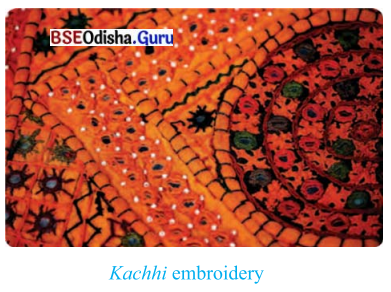
2. Look at the picture of Kathiawar embroidery. Discuss in pairs.
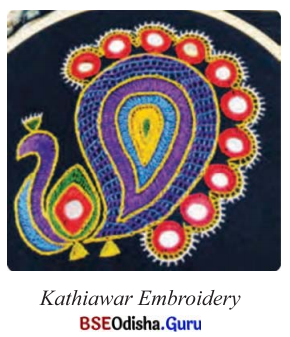
(a) List the steps you think are needed to create this embroidery.
Answer:
To create Kathiawar embroidery, follow these steps in simple words:
(i) First, select a clean fabric like cotton or silk.
(ii) Next, draw or sketch the embroidery design on the fabric.
(iii) Then, thread a needle with colourful thread. Start stitching the design carefully using hand stitches such as chain stitch and satin stitch.
(iv) Add decorations like small mirrors, beads, or sequins to make the embroidery sparkle.
(v) Finally, finish by tying off threads neatly and trimming excess threads. This process requires patience and skill to create the beautiful, detailed patterns in Kathiawar embroidery.
(b) Discuss if these steps can be done with feet, instead of hands.
Answer:
Stitching can be performed with the feet by practicing patience, control, and dexterity. They hold the needle carefully and push it through the fabric. With training, precise stitches like running or chain stitches are possible, though slower and harder than with hands. Ila Sachani embroidered with her feet by mastering these movements over time, showing great focus and skill. This method requires strong coordination and repeated practice to handle thread and needle delicately with toes for embroidery.
(c) What efforts would be needed if someone had to embroider with their feet?
Answer:
If someone has to embroider with their feet, they need strong effort and practice. They must develop control, strength, and skill in their toes for holding the needle and threading. It also requires patience and determination.
(d) Do you think it is possible?
Answer:
Yes, it is possible, as shown by Ila Sachani, who learned by practicing daily with help from her family. She made beautiful embroidery using her feet despite her challenges. It needs hard work but can lead to success and independence.
Let us discuss
Read the paragraphs and write the main idea for each. Then, match the main idea with two supporting details.
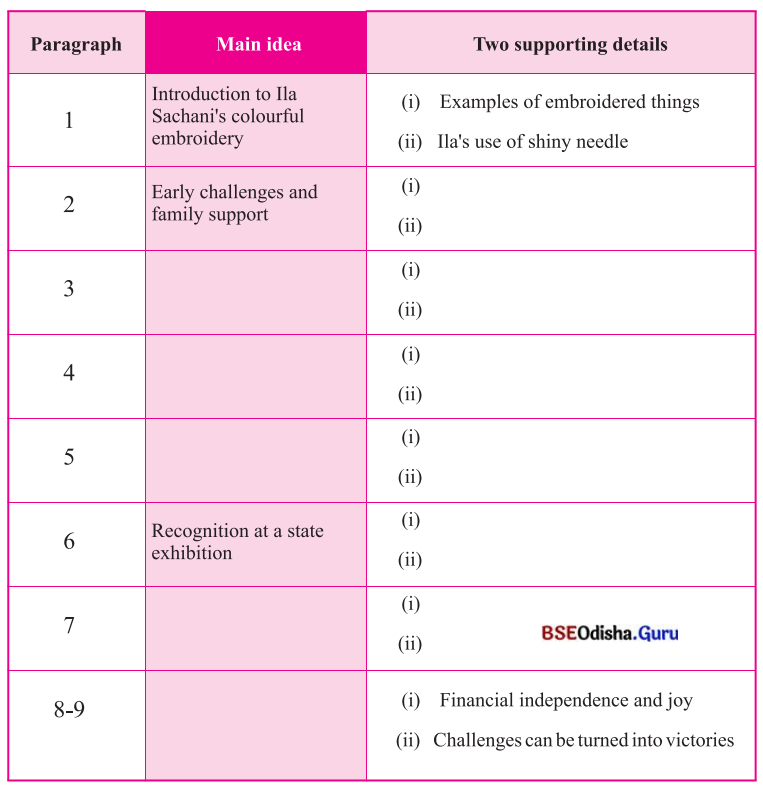
Answer:
| Paragraph | Main idea | Two supporting details |
| 1 | Introduction to lla Sachani’s colourful embroidery | (i) Examples of embroidered things (ii) lla’s use of a shiny needle |
| 2 | Early challenges and family support | (i) lia struggled to balance her passion and duties (ii) Her family encouraged her |
| 3 | Developing embroidery style | (i) Different stitches and patterns (ii) traditional motifs |
| 4 | Selling locally | (i) Sale in local markets (ii) Popularity through word of mouth |
| 5 | Expanding Market | (i) Orders from neighbouring cities (ii) Used social media for attracting customers |
| 6 | Recognition at a state exhibition | (i) display at a state-level exhibition (ii) won an award |
| 7 | Training more women | (i) organised workshops (ii) More women gained skills |
| 8-9 | Financial Independence | (i) Financial independence and joy (ii) Challenges can be turned into victories. |
Let us think and reflect
Question 1.
Read the following lines and answer the questions that follow.
Unlike other children, she could not use her hands in the usual way. While other small hands drew figures in the sand or plucked wildflowers, she wondered why she could not join them. She too wanted to hold a chalk in her hands and draw figures on a slate.
(a) Choose the correct option to fill in the blank.
‘Unlike other children’ means that Ila was _______. (unaware/ different/simple)
Answer:
different
(b) What could Ila have felt when she could not join others in things they did?
Answer:
Ila would have wondered why she could not play with other children. She also wanted to draw with chalk like others.
(c) Complete the following with a suitable reason.
Ila could not draw figures on the slate because _______.
Answer:
She was born with her hands hanging loose by her sides.
Question 2.
What creative ways did Ila and her family use to overcome the challenges she faced?
Answer:
Ila’s family helped her overcome challenges by teaching her to use her feet for tasks like creating beautiful embroidery patterns despite her physical challenges.
Question 3.
How did ‘new independence’ help Ila?
Answer:
Ila’s newfound independence allowed her to become financially stable and boost her personal confidence through her success in embroidery.
Question 4.
Why was the first state exhibition an important event in Ila’s life?
Answer:
The first state exhibition was important because it brought Ila public recognition and fame beyond her village. It created new opportunities for her.
Question 5.
What does the sentence, ‘art has the power to rise above physical boundaries and touch the soul’, tell us about the power of art?
Answer:
The sentence suggests that art’s power stems from emotion rather than solely physical skill. It is described as having the ability to deeply connect with and inspire individuals on a spiritual level.
Question 6.
How can we be helpful and encouraging like Ila’s family and friends when someone faces challenges?
Answer:
Like Ila’s family and friends, people can be helpful and encouraging to those facing challenges by offering encouragement, patiently teaching new skills, and concentrating on their capabilities rather than their limitations.
Question 7.
How can Ila’s story help others to overcome challenges in their lives?
Answer:
Ila’s story inspires others through her spirit, creativity, and determination to overcome challenges. It shows that physical limits do not define a person’s potential for success.
Let us learn
1. Read the words from the text given in Column A. Then, try to understand what they mean by reading the sentences in Column B. Now, match the word to its correct synonym in Column C. There are two extra synonyms given. You may refer to the dictionary.
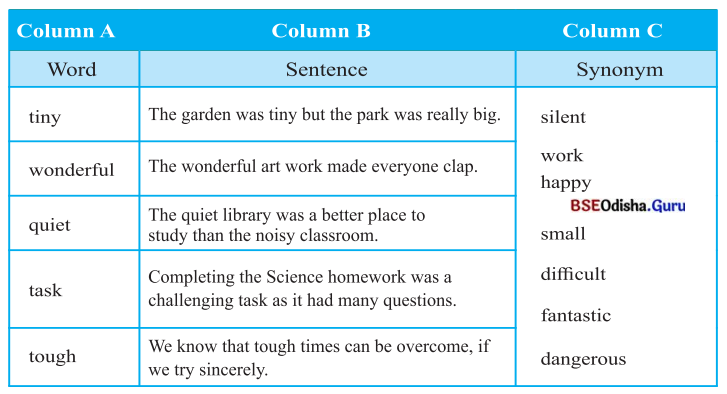
Answer:
| Column A | Column B | Column C | Column D |
| Word | Sentence | Synonym | Correct Synonym |
| tiny | The garden was tiny but the park was really big. | silent | small |
| wonderful | The wonderful art work made everyone clap. | work | fantastic |
| quiet | The quiet library was a better place to study than the noisy classroom. | happy
small |
silent |
| task | Completing the Science homework was a challenging task as it had many questions. | difficult | work |
| tough | We know that tough times can be overcome, if we try sincerely. | fantastic
dangerous |
difficult |
2. Unscramble the antonyms of the words in Column A. An example has been given for you. Use these antonyms in sentences of your own.
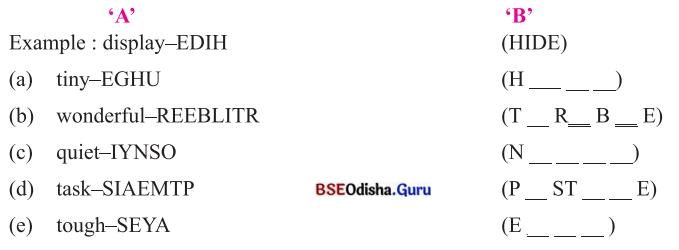
Answer:
HUGE
TERRIBLE
NOISY
PASTIME
EASY
3. Read the sentences given below and focus on the highlighted words.
- You will see lots of bright colours.
- There are many lovely things like cushions and bed covers.
- They taught her to create many beautiful patterns using her feet!
- She learned many styles.
- She received many awards.
- There is not much food in the kitchen.
- We can see a lot of birds in Lake Chilika.
- There is a little water in the glass.
- He has a few friends.
(a) The highlighted words tell us about the quantity. Choose what the words show.
(i) Unmentioned quantity
(ii) Large quantity
Answer:
1. Large Quantity: These words indicate a high or significant amount of something. Lots of (e.g., lots of bright colours), Many (e.g., many lovely things, many beautiful patterns, many styles, many awards), a lot of (e.g., a lot of birds)
2. Unmentioned Quantity: These words describe a quantity that is not “large.” They refer to small amounts or, in some cases, the lack of a large amount.
Much (Used here in the negative “not much” to indicate a small amount of food)
A little (Indicates a small amount of water)
A few (Indicates a small number of friends)
(b) Let us now understand what words of quantity tell us.
Fill in the blanks to complete an example for each word of quantity. Hints are given in the brackets.
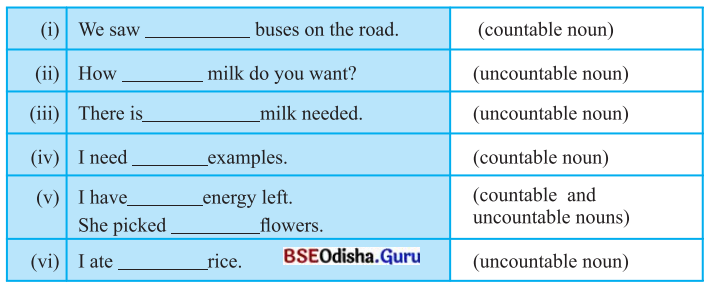
Answer:
| (i) | We saw ten buses on the road. | (countable noun) |
| (ii) | How much milk do you want? | (uncountable noun) |
| (iii) | There is more milk needed. | (uncountable noun) |
| (iv) | I need two examples. | (countable noun) |
| (v) | I have less energy left. She picked many flowers. | (countable and uncountable nouns) |
| (vi) | I ate more rice. | (uncountable noun) |
Now, create two sentences for each word of quantity (i-vi), and share them with your teacher and classmates.
Answer:
Students will do it on their own with the help of classmates and teachers.
Let us listen
You will listen to a talk about Kathiawar embroidery. As you listen, circle the correct option. (See the textbook’s transcript page.)
a. Form
(i) old
(ii) new
Answer:
(i) old
b. Colours
(i) soft
(ii) bright
Answer:
(ii) bright
c. Stitches
(i) running stitch
(ii) chain stitch
Answer:
(ii) chain stitch
d. Seen on
(i) children’s caps
(ii) pants
Answer:
(i) children’s caps
e. Things used
(i) small mirrors
(ii) shapes of buttons
Answer:
(i) small mirrors
f. Designs :
(i) elephants and horses
(ii) squares and triangles
Answer:
(ii) squares and triangles
Let us speak
In pairs, write down two questions you would like to ask Ila Sachani.
(a) Look at two examples.
Where were you born ? Did you go to school?
The Yes / No questions use a rising tone at the end.
(b) Speak the example questions aloud as a peer activity at least five times.
(c) Now, take turns to ask your questions to another classmate. Speak clearly and with the correct rising tone as shown in (a).
Answer:
Classroom Activity
Let us explore
1. Does anyone in your family or neighbourhood do embroidery? Find out what type of embroidery they do and how they learnt it.
2. Try a simple stitch on cloth with the guidance of a family member.
3. Try to see the embroidery of Pipili Chandua and Sambalpuri clothes.
4. Visit the given link to find out about embroidery types from different parts of India. Share with your teacher and classmates which one you liked the most and why.
https://indianculture.gov.in/tèxtiles-and-fabrics-of-india/type-of- textile/embroidery
Answer:
Student Activity
Ila Sachani: Embroidering Dreams with her Feet Class 6 Summary
When you enter a tiny room _______ touch the soul.
ଅନୁବାଦ
ଯେତେବେଳେ ତୁମେ ଗୁଜୁରାଟର ଭାବନଗରର ମୋତି ଭାଭଡି ଗାଁର ଏକ ଛୋଟ ରୁମରେ ପ୍ରବେଶ କରିବ, ତୁମେ ଅନେକ ଉଜ୍ଜଳ ରଙ୍ଗ ଦେଖିବାକୁ ପାଇବ । ସେଠାରେ ସୁନ୍ଦର ଡିଜାଇନ୍ ସହିତ ଅନେକ ଚମତ୍କାର ଜିନିଷ ଯେମିତି କି କୁସନ, ବେଡକଭର୍, ତକିଆ ଏବଂ ଆହୁରି ଅନେକ କିଛି ରହିଛି । ଜଣେ ହସମୁଖ ଚମତ୍କାର ମହିଳା ଇଲା ସଚାନୀ, ଏହି ଡିଜାଇନ୍ଗୁଡ଼ିକ ତିଆରି କରିବା ପାଇଁ ଏକ ଚମକଦାର ଛୁଞ୍ଚି ବ୍ୟବହାର କରି ଏସବୁ ଜିନିଷ ତିଆରି କରନ୍ତି । ସେ କାଠିଆୱାଡ୍ ବୁଣାକାରୀରେ ବହୁତ ପାରଙ୍ଗମ- ଏକ ଶୈଳୀ ଯେଉଁଥିରେ ଅନେକ ଦକ୍ଷତା ଆବଶ୍ୟକ ହୁଏ ।
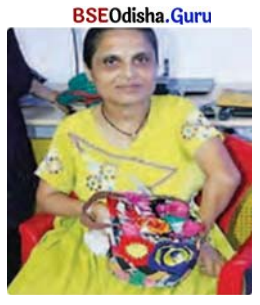
ଇଲା ସଚାନୀଙ୍କ ଯାତ୍ରା ଗୁଜରାଟର ଅପ୍ରେଲିର ଏକ ଶାନ୍ତ ପରିବେଶରୁ ଆରମ୍ଭ ହୋଇଥିଲା, ଯେଉଁଠାରେ ସେ ଏକ ଚାଷୀ ପରିବାରରେ ଜନ୍ମଗ୍ରହଣ କରିଥିଲେ । ଆରମ୍ଭରୁ ହିଁ ଜୀବନ ତାଙ୍କ ପାଇଁ ଆହ୍ୱାନ ଆଣିଥିଲା, କାରଣ ଇଲା ଜନ୍ମରୁ ହିଁ ଦୁଇଟି ଅକର୍ମଣ୍ୟ ହାତ ନେଇ ଜନ୍ମ ହୋଇଥିଲେ । ଅନ୍ୟ ପିଲାମାନଙ୍କ ପରି, ସେ ସ୍ବାଭାବିକ ଭାବରେ ନିଜ ହାତ ବ୍ୟବହାର କରିପାରୁ ନଥିଲେ । ଯେତେବେଳେ ଅନ୍ୟ ଛୋଟ ପିଲାମାନେ ବାଲିରେ ଚିତ୍ର ଆଙ୍କୁଥିଲେ କିମ୍ବା ବଣୁଆ ଫୁଲ ତୋଳୁଥିଲେ, ସେ ସେମାନଙ୍କ ସହିତ କାହିଁକି ସାମିଲ ହୋଇପାରୁ ନାହାନ୍ତି ବୋଲି ଭାବୁଥିଲେ । ସେ ମଧ୍ୟ ନିଜ ହାତରେ ଚକ୍ ଧରି ପ୍ଲେଟ୍ରେ ଚିତ୍ର ଆଙ୍କିବାକୁ ଚାହୁଁଥିଲେ ।
ଇଲାଙ୍କ ମାଆ ଏବଂ ଆଈ ସେହି ଛୋଟ ଝିଅଟିକୁ ଉତ୍ସାହିତ କରିଥିଲେ ଏବଂ ତା’ର ଆହ୍ୱାନକୁ ଦୂର କରିବାରେ ସାହାଯ୍ୟ କରିବା ପାଇଁ ସେମାନେ ଏକାଗ୍ର ଥିଲେ । ସେମାନେ କାଠିଆୱାଡ଼ି ଏମ୍ଭେ।ଇଡରିର ପାରମ୍ପରିକ କଳାରେ ଦକ୍ଷ ଥିଲେ ଏବଂ ଏହି କଳାକୁ ଇଲାଙ୍କ ସହ ବାଣ୍ଟିବାକୁ ସ୍ଥିର କରିଥିଲେ । ସେମାନେ ତାଙ୍କୁ ଅନେକ ସୁନ୍ଦର ପ୍ୟାଟର୍ଣ୍ଣ ତିଆରି କରିବା ଶିଖାଇଥିଲେ । ନିଜ ପାଦ ବ୍ୟବହାର କରି! ଏହା ନିଶ୍ଚିତ ଭାବରେ ଏକ ସହଜ କାମ ନଥୁଲା, କିନ୍ତୁ ଇଲା ଦୃଢ ସଂକଳ୍ପ ସହିତ ଏହି ଆହ୍ଵାନକୁ ଗ୍ରହଣ କରିଥିଲେ । ତାଙ୍କ ପିତାମାତା ମଧ୍ଯ ତାଙ୍କୁ ଗୋଡ ସାହାଯ୍ୟରେ ଖାଇବା ଏବଂ କେଶ କୁଣ୍ଡାଇବା ଭଳି କାମ ଶିଖୁବାରେ ସାହାଯ୍ୟ କରିଥିଲେ ।
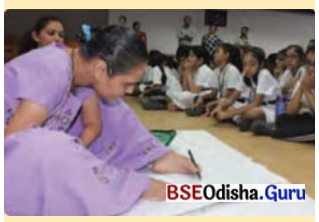
ଛୁଞ୍ଚିରେ ସୂତା ପୂରାଇବା କଷ୍ଟକର ଥିଲା, କିନ୍ତୁ ଇଲା ହାର ମାନିନଥିଲେ ଏବଂ ଅଳ୍ପ ବୟସରେ ଏଥିରେ ଦକ୍ଷ ହୋଇପାରିଥିଲେ । ତାଙ୍କର ସାନ ଭାଇ ଓ ଭଉଣୀ ମଧ୍ଯ ତାଙ୍କୁ ସାହାଯ୍ୟ କରିଥିଲେ । ସେ ଅନେକ ଶୈଳୀ ଶିଖୁଲେ, ଏପରିକି ଗୁଜରାଟ ବାହାରର ଶୈଳୀ ମଧ୍ଯ- ଯେପରିକି କାଛି, କାଶ୍ମୀରୀ, ଲକ୍ଷ୍ନୌଇ ଏବଂ ଅନ୍ୟାନ୍ୟ ।
ଇଲାଙ୍କ ପାଇଁ ଏସ୍ରୋ ।ଇଡରି ନିଜକୁ ପ୍ରକାଶ କରିବାର ଏକ ମାଧ୍ୟମ ପାଲଟିଥିଲା । ପ୍ରଥମେ, ସେ କେବଳ ନିଜ ପରିବାର ଏବଂ ବନ୍ଧୁମାନଙ୍କ ପାଇଁ ସୁନ୍ଦର ଡିଜାଇନ୍ ତିଆରି କରୁଥିଲେ, ଯେଉଁମାନେ କି ତାଙ୍କ ପ୍ରତିଭା ଦେଖ୍ ଆଶ୍ଚର୍ଯ୍ୟ ହୋଇଯାଇଥିଲେ । ସେମାନେ ସେହି ଡିଜାଇନ୍ ଗୁଡ଼ିକ ବିଷୟରେ ଅନ୍ୟମାନଙ୍କ ସହ କଥା ହେଉଥିଲେ । ଶୀଘ୍ର, ଗାଁର ଲୋକମାନେ ମଧ୍ୟ ଇଲାଙ୍କର ଏହି ବିଶେଷ ଦକ୍ଷତା ବିଷୟରେ ଜାଣିବାକୁ ପାଇଲେ ଏବଂ ତାଙ୍କ କାମ ପାଇଁ ପ୍ରଶଂସା ଚାରିଆଡ଼େ ବ୍ୟାପିବାକୁ ଲାଗିଲା ।
ଏହି ଖବର ସୁରଟର ସରକାରୀ କାର୍ଯ୍ୟାଳୟରେ ପହଞ୍ଚିଲା । ସେମାନେ ଇଲାଙ୍କର ଏହି ସ୍ବତନ୍ତ୍ର ଦକ୍ଷତା ଦ୍ବାରା ପ୍ରଭାବିତ ହୋଇଥିଲେ ଏବଂ ତାଙ୍କ କାମରେ ଅତ୍ୟନ୍ତ ପ୍ରସନ୍ନ ହୋଇଥିଲେ । ସେମାନେ ଏକ ରାଜ୍ୟସ୍ତରୀୟ ପ୍ରଦର୍ଶନୀରେ ତାଙ୍କ ଏସ୍ରୋ ।ଇଡରିର କିଛି ନମୁନା ପ୍ରଦର୍ଶନ କରିବାକୁ ନିଷ୍ପତ୍ତି ନେଲେ । ଏହି ଅଭିଜ୍ଞତା ଇଲାଙ୍କ ପାଇଁ ନୂତନ ଦ୍ବାର ଖୋଲିଦେଲା । ଲୋକମାନେ ତାଙ୍କ ପାଦ ଦ୍ବାରା ବୁଣାଯାଇଥିବା ସୌନ୍ଦର୍ଯ୍ୟକୁ ଦେଖିଲେ ଏବଂ ଆଗ୍ରହର ସହ ସେହି କୃତିଗୁଡ଼ିକୁ କିଣିଲେ । ଇଲା ଆଉ ଜଣେ ଅଜ୍ଞାତ ପ୍ରତିଭା ହୋଇ ରହିଲେ ନାହିଁ, ବରଂ ପ୍ରସିଦ୍ଧ ହୋଇଗଲେ!
ଏହି ଲୋକପ୍ରିୟତାରେ ଉତ୍ସାହିତ ହୋଇ ଇଲା କେବଳ ରାଜ୍ୟ ଭିତରେ ନୁହେଁ ବରଂ ଜାତୀୟ ସ୍ତରରେ ଅଧିକ ପ୍ରଦର୍ଶନୀରେ ଅଂଶଗ୍ରହଣ କରିଥିଲେ । ସେ କେବଳ ନିଜ କଳା ପାଇଁ ନୁହେଁ, ବରଂ ନିଜ କାମରେ ପ୍ରଦର୍ଶିତ ଇଚ୍ଛାଶକ୍ତି ଏବଂ ସୃଜନଶୀଳତା ପାଇଁ ଅନେକ ପୁରସ୍କାର ଏବଂ ସମ୍ମାନ ପାଇଥିଲେ । ଇଲା ସଚାନୀ, ଯିଏ କି ଦିନେ ଏକ କଠିନ ଆହ୍ୱାନର ସମ୍ମୁଖୀନ ହେଉଥିବା ଜଣେ ଚାଷୀର ଝିଅ ଥିଲେ, ସେ କଠିନ ପରିଶ୍ରମ କରି ଜଣେ ପ୍ରଖ୍ୟାତ କଳାକାର ହୋଇପାରିଲେ ଏବଂ ରାଷ୍ଟ୍ରପତିଙ୍କ ପଦକ ହାସଲ କଲେ ।
ଇଲାଙ୍କ ପାଇଁ ସବୁଠାରୁ ଗୁରୁତ୍ବପୂର୍ଣ୍ଣ ପରିବର୍ତ୍ତନ ଥିଲା ତାଙ୍କର ନୂତନ ସ୍ବାଧ୍ଵନତା । ନିଜ ଦକ୍ଷତା ମାଧ୍ୟମରେ, ସେ କେବଳ ଏକ ନିୟମିତ ଆୟ କଲେ ନାହିଁ ବରଂ ସେ ଯାହାକୁ ଭଲ ପାଉଥିଲେ ତାହା କରିବାରେ ଆନନ୍ଦ ପାଇଲେ । ସେ ନିଜ କୃତି ମାଧ୍ୟମରେ ପ୍ରମାଣ କଲେ ଯେ, ଏକାଗ୍ରତା, କଠିନ ପରିଶ୍ରମ, ସକାରାତ୍ମକତା ଏବଂ କେବେ ହାର ନ ମାନିବା ମନୋଭାବ ଦ୍ବାରା ଆହ୍ଵାନଗୁଡ଼ିକୁ ବିଜୟରେ ପରିଣତ କରାଯାଇପାରିବ ।
ତାଙ୍କ ପାଦ ଦ୍ବାରା ପ୍ରସ୍ତୁତ ଏହି ଏମ୍ଭେ ।ଇଡରି ଆମକୁ ମନେ ପକାଇଦିଏ ଯେ, କଳାର ଶକ୍ତି ଶାରୀରିକ ସୀମାଠାରୁ ଊର୍ଦ୍ଧ୍ବରେ ଏବଂ ଏହା ଆତ୍ମାକୁ ସ୍ପର୍ଶ କରିପାରେ ।
Ila Sachani: Embroidering Dreams with her Feet Summary in English
Ila Sachani: Embroidering Dreams with Her Feet” tells the inspiring story of Ila Sachani from Moti Vavdi village in Bhavnagar, Gujarat. Ila was born with her hands hanging loose by her sides and could not use them like other children. Her mother and grandmother encouraged her to learn Kathiawar embroidery, a traditional and skilled art, using her feet instead of hands. At first, it was very difficult for Ila to learn, especially threading the needle, but she worked hard and never gave up. Her family supported her, and she practiced many embroidery styles, including those from different parts of India.
Ila’s beautiful embroidery gained attention locally, and soon the government noticed her talent. She participated in state and national exhibitions, winning awards, including the prestigious President’s Medal. Through her skill and determination, Ila not only became financially independent but also found joy in pursuing her passion. Her story teaches that with hard work, focus, and positivity, challenges can be transformed into achievements. Ila’s embroidery made with her feet shows that art can overcome physical boundaries and touch the soul, inspiring everyone to believe in their potential despite difficulties.
Ila Sachani: Embroidering Dreams with her Feet Summary in Odia
“ଇଲା ସଚାନୀ: ପାଦରେ ସ୍ଵପ୍ନର ବୁଣାକାର,” ଗୁଜରାଟର ଭାବନଗର ଅନ୍ତର୍ଗତ ମୋତି ଭାବଡି ଗାଁର ଇଲା ସଚାନୀଙ୍କ ପ୍ରେରଣାଦାୟୀ କାହାଣୀ ବର୍ଣ୍ଣନା କରେ । ଇଲା ଜନ୍ମରୁ ହିଁ ଶାରୀରିକ ଅକ୍ଷମତା ଯୋଗୁଁ ନିଜ ହାତ ଦୁଇଟିକୁ ଅନ୍ୟ ପିଲାମାନଙ୍କ ପରି ବ୍ୟବହାର କରିପାରୁନଥିଲେ । ତାଙ୍କ ମାଆ ଏବଂ ଆଈ ତାଙ୍କୁ ହାତ ବଦଳରେ ପାଦ ସାହାଯ୍ୟରେ କାଠିଆୱାଡି ଏସ୍ରୋଇଡରି (କାସିଦାକାରୀ), ଯାହା ଏକ ପାରମ୍ପରିକ ଓ ନିପୁଣ କଳା, ତାହା ଶିଖୁବାକୁ ଉତ୍ସାହିତ କରିଥିଲେ । ପ୍ରଥମେ ଇଲାଙ୍କ ପାଇଁ ଏହା ଶିଖୁବା, ବିଶେଷ କରି ଛୁଞ୍ଚିରେ ସୂତା ପୁରାଇବା ଅତ୍ୟନ୍ତ କଷ୍ଟକର ଥିଲା, କିନ୍ତୁ ସେ କଠିନ ପରିଶ୍ରମ କଲେ ଏବଂ କେବେ ହାର ମାନିଲେ ନାହିଁ । ତାଙ୍କ ପରିବାର ତାଙ୍କୁ ସମ୍ପୂର୍ଣ୍ଣ ସହଯୋଗ କରିଥିଲେ ଏବଂ ସେ ଭାରତର ବିଭିନ୍ନ ପ୍ରାନ୍ତର ଅନେକ ପ୍ରକାରର କାସିଦାକାରୀ ଶୈଳୀ ଅଭ୍ୟାସ କରିଥିଲେ ।
ଇଲାଙ୍କର ସୁନ୍ଦର କାସିଦାକାରୀ ସ୍ଥାନୀୟ ଅଞ୍ଚଳରେ ଚର୍ଚ୍ଚାର ବିଷୟ ପାଲଟିଲା ଏବଂ ଶୀଘ୍ର ସରକାରଙ୍କ ଦୃଷ୍ଟି ତାଙ୍କ ପ୍ରତିଭା ଉପରେ ପଡ଼ିଲା । ସେ ରାଜ୍ୟ ଏବଂ ଜାତୀୟ ସ୍ତରର ପ୍ରଦର୍ଶନୀରେ ଅଂଶଗ୍ରହଣ କରି ସମ୍ମାନଜନକ ‘ରାଷ୍ଟ୍ରପତି ପଦକ’ ସମେତ ଅନେକ ପୁରସ୍କାର ଜିତିଥିଲେ । ନିଜର ଦକ୍ଷତା ଏବଂ ଦୃଢ଼ ସଂକଳ୍ପ ମାଧ୍ୟମରେ ଇଲା କେବଳ ଆର୍ଥିକ ସ୍ବାବଲମ୍ବୀ ହେଲେ ନାହିଁ, ବରଂ ନିଜର ପସନ୍ଦର କାମ କରିବାରେ ଆନନ୍ଦ ମଧ୍ଯ ପାଇଲେ । ତାଙ୍କ କାହାଣୀ ଶିକ୍ଷା ଦିଏ ଯେ କଠିନ ପରିଶ୍ରମ, ଏକାଗ୍ରତା ଏବଂ ସକରାତ୍ମକତା ଦ୍ବାରା ଆହ୍ଵାନଗୁଡ଼ିକୁ ସଫଳତାରେ ରୂପାନ୍ତରିତ କରାଯାଇପାରେ । ପାଦ ସାହାଯ୍ୟରେ କରାଯାଇଥିବା ଇଲାଙ୍କର ଏହି କାରୁକାର୍ଯ୍ୟ ପ୍ରମାଣ କରେ ଯେ କଳା ଶାରୀରିକ ସୀମାକୁ ଅତିକ୍ରମ କରି ଆତ୍ମାକୁ ଛୁଇଁପାରେ ଏବଂ ଅସୁବିଧା ସତ୍ତ୍ଵେ ସମସ୍ତଙ୍କୁ ନିଜର ଅନ୍ତର୍ନିହିତ ଶକ୍ତି ଉପରେ ବିଶ୍ବାସ କରିବାକୁ ପ୍ରେରଣା ଦିଏ ।
Notes and Glossary:
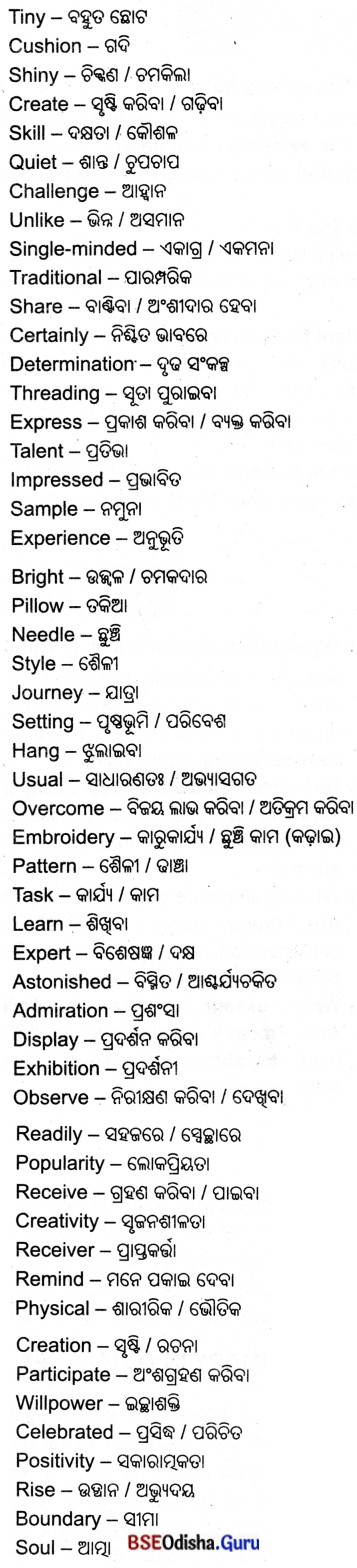
Ila Sachani: Embroidering Dreams with her Feet Class 6 Extract Based Questions
Read the following extracts and answer the questions that follow, choosing the best option from among the given ones.
I. When you enter a tiny room in Moti Vavdi village, Bhavnagar, Gujarat, you will see lots of bright colours. There are many lovely things like cushions, bedcovers, pillows, and more, with beautiful designs. Ila Sachani, a wonderful lady with a big smile, uses a shiny needle to create all of these beautiful designs. She is very good at Kathiawar embroidery – a style that needs a lot of skill.
Question 1.
Ila Sachani belongs to _______.
(a) Bhavnagar, Gujarat
(b) Ahmadabad, Gujarat
(c) Anand , Gujarat
(d) Rajkot, Gujarat
Answer:
(a) Bhavnagar, Gujarat
Question 2.
Ila Sachani is very good at _______.
(a) Kutch Embroidery
(b) Kathiawar Embroidery
(c) Rabari Embroidery
(d) Suf Embroidery
Answer:
(b) Kathiawar embroidery
Question 3.
Find the word from the passage which means-‘soft cushions used for resting head.’
Answer:
‘pillows’
Question 4.
Write whether the following statements are True or False.
(a) Ila Sachani was born without any disability. (True /False)
Answer: False
(b) Ila uses her feet to do many things. (True /False)
Answer: True
(c) Ila learned to embroider with her feet (True /False)
Answer: True
II. Ila Sachani’s journey began in the quiet settings of Amreli, Gujarat, where she was born into a farmer’s family. From the beginning, life presented its challenges, as Ila was born with her hands hanging loose by her sides. Unlike other children, she could not use her hands in the usual way. While other small hands drew figures in the sand or plucked wild flowers, she wondered why she could not join them. She too wanted to hold a chalk in her hands and draw figures on a slate.
Question 1.
Ila Sachani was born into a _______.
(a) farmer’s family
(b) business family
(c) worker’s family
(d) None of the above
Answer:
(a) farmer’s family
Question 2.
What could Ila Sachani not use _______ in the usual way.
(a) her feet
(b) her hands
(c) her mind
(d) None of the above
Answer:
(b) her hands
Question 3.
Find the word from the passage which means – ‘travel from one place to another’.
Answer:
‘journey’
Question 4.
Write whether the following statements are True or False.
(a) Ila’s work is colourful and beautiful. (True /False)
Answer: False
(b) Ila’s story inspires many people. (True /False)
Answer: True
(c) Ila’s family did not support her. (True /False)
Answer: True
III. For Ila, embroidery became a way to express herself. At first, she crafted fine designs only for her family and friends, who were astonished by her talent. They talked about those designs to others. Soon, the people in the village, too, discovered Ila’s special skill and the admiration for her work began to spread. Word reached the government office in Surat. They were moved by Ila’s special skill and impressed by her work. They decided to display some samples of her embroidery at a state exhibition. This experience opened new doors for Ila.
Question 1.
At first, Ila Sachani crafted fine design only for _______.
(a) her family and friends
(b) local market
(c) state government
(d) All the above
Answer:
(a) her family and friends
Question 2.
Who decided to display some samples of her embroidery at a state exhibition?
(a) The family members
(b) The government officers
(c) The local businessman
(d) None of the above
Answer:
(b) The government officers
Question 3.
Find the word from the passage which means – ‘natural ability to do something well.’
Answer:
‘talent’
Question 4.
Write whether the following statements are True or False.
(a) Ila’s family and friends were astonished by her talent. (True /False)
Answer: True
(b) Ila’s embroidery represents her culture. (True /False)
Answer: True
(c) Ila uses thread and needle with her hands. (True /False)
Answer: False
IV. The most important change for Ila was the new independence. Through her skill, she not only earned a regular income but also found joy in doing what she loved.
She proved, through her creations, that challenges can be turned into victories with focus, hard work, positivity, and never giving up. Her embroidery, created with her feet, reminds us that art has the power to rise above physical boundaries and touch the soul.
Question 1.
What was the most important change for Ila?
(a) Finding a local businessman
(b) Finding family support
(c) Gaining independence
(d) Moving to another place
Answer:
(c) Gaining independence
Question 2.
How can challenges be turned into victories?
(a) with focus
(b) hard work
(c) positivity and never giving up
(d) All the above
Answer:
(d) All the above
Question 3.
Find the word from the passage which means-‘freedom from control by others or outside powers.’
Answer:
‘independence’
Question 4.
Write whether the following statements are True or False.
(a) Ila’s feet have become her hands. (True /False)
Answer: True
(b) Ila never participates in any competitions or fairs. (True/False)
Answer: False
(c) Ila’s story helps change attitudes about disability. (True /False)
Answer: True
Ila Sachani: Embroidering Dreams with her Feet Class 6 MCQ
Question 1.
Where did Ila Sachani’s journey begin?
(a) Rajkot, Gujarat
(b) Anand, Gujarat
(c) Amreli, Gujarat
(d) Surat, Gujarat
Answer:
(c) Amreli, Gujarat
Question 2.
What was the initial reaction of Ila’s family and friends to her embroidery?
(a) They were awestruck by her talent
(b) They ignored it
(c) They were sad
(d) They were critical
Answer:
(a) They were awestruck by her talent
Question 3.
What task was hard for lla but she did not give up on?
(a) Cooking food
(b) Threading a needle
(c) Writing
(d) Dancing
Answer:
(b) Threading a needle
Ila Sachani: Embroidering Dreams with her Feet Class 6 Fill in the blanks
(a) Ila Sachani was born in a _______ village in Gujarat. (small/ gigantic)
Answer: small
(b) She was born with her _______ hanging loose and could not use them. (hands /feet)
Answer: hands
(c) Her mother and grandmother encouraged her and _______ her embroidery. (learn /taught)
Answer: taught
(d) Ila learned to thread needles and make _______ embroidery with her feet. (ordinary/ beautiful)
Answer: beautiful
(e) The government displayed her work at a _______ exhibition. (state /district)
Answer: state
(f) She became famous and participated in _______ exhibitions. (national /local)
Answer: national
Ila Sachani: Embroidering Dreams with her Feet Class 6 True or False
(a) Ila, as well as other children, played and worked with their hands. (True/False)
Answer: False
(b) It was difficult, but Ila practiced a lot and did not give up. (True/False)
Answer: True
(c) Ila mastered different styles of embroidery beyond her village’s tradition. (True/False)
Answer: True
(d) Ila first embroidered for local businessmen. (True/False)
Answer: False
(e) Ila Sachani’s story is a message of hope, courage, and creativity. (True/False)
Answer: True
(f) Ila’s embroidery gave her financial independence and a sense of pride. (True/False)
Answer: True
Ila Sachani: Embroidering Dreams with her Feet Class 6 Match the Following
| Column A | Column B |
| 1. Traditional | (e) to give hope or support to somebody |
| 2. Taught | (c) to teach |
| 3. Astonished | (b) to interlace threads |
| 4. Woven | (d) amazed |
| 5. Creations | (a) the act of creating |
| 6. Encouraged | (f) relating to tradition |
Answer:
| Column A | Column B |
| 1. Traditional | (f) relating to tradition |
| 2. Taught | (c) to teach |
| 3. Astonished | (d) amazed |
| 4. Woven | (b) to interlace threads |
| 5. Creations | (a) the act of creating |
| 6. Encouraged | (e) to give hope to or support somebody |
Ila Sachani: Embroidering Dreams with her Feet Class 6 Very Short Answer Questions
Question 1.
What physical challenge did Ila face from birth?
Answer:
Ila Sachani faced a physical challenge from birth – she was born with her hands hanging loose by her sides and could not use them normally.
Question 2.
What did Ila wonder about as a child?
Answer:
As a child, Ila Sachani often wondered why she could not join other children in their activities or use her hands like them.
Question 3.
What did Ila want to do like other children?
Answer:
Ila wanted to hold chalk and draw pictures on slate like other children.
Question 4.
What was the most important change for Ila?
Answer:
The most important change was Ila gaining new independence and success.
Question 5.
What message did Ila’s creations convey?
Answer:
Ila’s creations conveyed hope, determination, and overcoming physical challenges.
Ila Sachani: Embroidering Dreams with her Feet Class 6 Short Answer Questions
Question 1.
What skills did Ila develop despite her challenges?
Answer:
Despite her challenges, Ila developed special embroidery skills using her feet. She mastered Kathiawar, Kachhi, Kashmiri, and Lucknawi embroidery styles and created beautiful designs. She became famous and taught other women embroidery skills.
Question 2.
How did Ila first use her embroidery skills?
Answer:
Ila first made embroidery designs for her family and friends. They were amazed by her art and showed it to others. Soon, people in her village admired her talent.
Ila Sachani: Embroidering Dreams with her Feet Class 6 Long Answer Questions
Question 1.
How did Ila overcome her physical challenge?
Answer:
Ila overcame her physical challenge by using her feet to do embroidery. She practiced a lot and became very skilled. She kept a positive attitude and did not give up. Her determination helped her succeed and become famous. She inspired many people by showing that challenges can be defeated with hard work and courage. Ila’s story teaches us that we can achieve our dreams despite difficulties if we try sincerely with hope and creativity.
Ila Sachani: Embroidering Dreams with her Feet Class 6 Competency Based Questions
Question 1.
How do you think lla Sachani’s life can inspire you?
Answer:
Ila Sachani’s life inspires us by showing how courage, determination, and hard work help overcome challenges. Despite her physical difficulty, she learned embroidery with her feet. She did not lose hope and turned limitations into opportunities. Her story teaches us to stay positive and try our best no matter the obstacles. Ila’s journey proves that talent and passion can lead to success and independence. Her life encourages everyone to face difficulties bravely and creatively, turning problems into strengths with effort and hope.