At the High School Question Answer Class 10 English Chapter 4 BSE Odisha

Odisha State Board BSE Odisha 10th Class English Solutions Chapter 4 At the High School Textbook Exercise Questions and Answers.

Class 10th English Chapter 4 At the High School Question Answers BSE Odisha

At the High School Class 10 Questions and Answers

E. Let’s Understand The Text:
P-1
Question 1.
What is a biography? What is an autobiography?
(ଜୀବନୀ କ’ ଣ ? ଆତ୍ମଜୀବନୀକ’ ଣ ?)
Answer:
A biography is the life history of a person. An autobiography is the life history of a person written by himself or herself.

Question 2.
Is this lesson a biography or an autobiography? Support your answer with reasons.
(ଏହି ବିଷୟଟି ଏକ ଜୀବନୀ ବା ଏକ ଆତ୍ମଜୀବନୀ ? କାରଣ ଦର୍ଶାଇ ତୁମ ଯଥାର୍ଥତା ପ୍ରଦର୍ଶନ କର ।)
Answer:
This lesson is an autobiography (auto-self, bio-life, graphy – writing). The reason for it being an autobiography is that it begins with the first person pronoun(ପ୍ରଥମ ପୁରୁଷ ସର୍ବନାମ) ‘I’ standing for (ସୂଚିତ କରୁଥିବା) the writer Mahatma Gandhi. Also, the use of ‘my’ (Gandhi’s) proves it to be an autobiography.

Question 3.
Was Gandhi good at studies ? How will you support your answer ?
ପାଠରେ ଦକ୍ଷ ଥିଲେ ? ତୁମେ କିପରି ତୁମର ଉତ୍ତରକୁ ସମର୍ଥନ କରିବ ?)
Answer:
Yes, Gandhi was good at his studies. I will support (ସମର୍ଥନ କରିବି) by saying so (ଏହା କହି) with the expressions mentioned (ଦର୍ଶାଯାଇଥ‌ିବା ଅଭିବ୍ୟକ୍ତିସମୂହରୁ) like (ଯଥା) “I wasn’t regarded as a fool at the high school”, “I always enjoyed the affection of my teachers” and “I never had a bad certificate”. “I even won prizes ” etc.

Question 4.
Did his teacher like him?
(ତାଙ୍କର ଶିକ୍ଷକ ତାଙ୍କୁ ଭଲ ପାଉଥିଲେ କି ?)
Answer:
Yes, his teachers liked him.

BSE Odisha 10th Class English Solutions Chapter 4 At the High School

Question 5.
What sorts of certificates were sent to his parents?
(କେଉଁ ପ୍ରକାର ପ୍ରମାଣପତ୍ର ତାଙ୍କ ପିତାମାତାଙ୍କ ପାଖକୁ ପଠାଯାଉଥିଲା ?)
Answer:
Certificates of progress and character were sent to his parents every year.

Question 6.
When did he win prizes?
(ସେ କେତେବେଳେ ପୁରସ୍କାର ଜିତୁଥିଲେ ?)
Answer:
He won prizes after he passed out of the second standard.

Question 7.
Which standards did he get scholarships in ?
(କେଉଁସବୁ ଶ୍ରେଣୀରେ ଅଧ୍ୟୟନ କରୁଥିଲାବେଳେ ସେ ଛାତ୍ରବୃତ୍ତି ପାଉଥିଲେ ?)
Answer:
He got scholarships when he was in standard fifth and sixth.

Question 8.
What were the amounts of his scholarships?
(ତାଙ୍କ ଛାତ୍ରବୃତ୍ତିର ପରିମାଣ କେତେ ଥିଲା ?)
Answer:
Rupees four and ten were the amounts of scholarships Gandhi obtained (ପାଉଥିଲେ ).

Question 9.
Who did he thank more for his scholarship – himself or his good luck?
(ସେ ଛାତ୍ରବୃତ୍ତି ପାଇଁ କାହାକୁ ଅଧିକ ଧନ୍ୟବାଦ ଦେଉଥିଲେ – ନିଜକୁ ବା ନିଜର ସୌଭାଗ୍ୟକୁ ?)
Answer:
He thanked his good luck more for his scholarship than himself or his merit.

Question 10.
What do you know about Gandhi as a person?
(ଜଣେ ବ୍ୟକ୍ତି ଭାବରେ ତୁମେ ଗାନ୍ଧିଙ୍କ ବିଷୟରେ କ’ଣ ଜାଣିଛ ?)
Answer:
As a person, I know that Gandhi as a student was good at studies, besides being very particular (ସବିଶେଷ) about himself.

P-2
Question 11.
What was he very much careful about?
(ସେ କେଉଁ ବିଷୟରେ ଅଧ‌ିକ ଯତ୍ନଶୀଳ ଥିଲେ?)
Answer:
He was very much careful about his character (ଚରିତ୍ର ବିଷୟରେ).

Question 12.
How did he react when blamed?
(ନିନ୍ଦିତ ହେଉଥ୍ଲାବେଳେ ସେ କିପରି ପ୍ରତିକ୍ରିୟା କରୁଥିଲେ? )
Answer:
When being blamed he broke into tears (କାନ୍ଦି ପକାଉଥିଲେ).
Or, Any sort (ପ୍ରକାର) of blame brought tears into his eyes.

Question 13.
What was more important for Gandhi – winning prizes or building character?
(କ’ଣ ଗାନ୍ଧିଙ୍କ ପାଇଁ ଅଧିକ ଗୁରୁତ୍ଵପୂର୍ଣ୍ଣ ଥିଲା – ପୁରସ୍କାର ଜିତିବା ବା ଚରିତ୍ର ଗଠନ କରିବା?)
Answer:
Building character was more important for Gandhi.

BSE Odisha 10th Class English Solutions Chapter 4 At the High School

Question 14.
Why did he get physical punishment?
(ସେ କାହିଁକି ଶାରୀରିକ ଦଣ୍ଡ ପାଇଥିଲେ ?)
Answer:
He got physical punishment for some little blemish in his character.

Question 15.
Who was the headmaster?
(ପ୍ରଧାନଶିକ୍ଷକ କିଏ ଥିଲେ ?)
Answer:
Dorabji Edulji Gimi was the headmaster.

Question 16.
Was he popular? Why?
(ସେ (ପ୍ରଧାନଶିକ୍ଷକ ଜିମି) କ’ଣ ଲୋକପ୍ରିୟ ଥିଲେ ? କାହିଁକି ?)
Answer:
Yes, he (Mr Gimi) was popular. Because he was a disciplinarian, a man of method and a good teacher.

Question 17.
What was made compulsory for upper standard boys ?
(ଉପର ଶ୍ରେଣୀର ବାଳକମାନଙ୍କ ପାଇଁ କ’ଣ ବାଧ୍ୟତାମୂଳକ କରାଯାଇଥିଲା ?)
Answer:
Gymnastics and cricket were made compulsory for uppper standard boys.

Question 18.
I disliked both. What does ‘both’ refer to ?
( ମୁଁ ଉଭୟକୁ ଘୃଣା/ନାପସନ୍ଦ କରୁଥିଲି । ଏଠାରେ ‘ଉଭୟ’ କ’ଣ ସୂଚିତ କରୁଛି ?)
Answer:
I disliked both. Here ‘both’ refers to ‘gymnastics’ and ‘cricket’.

Question 19.
What was the reason for Gandhi’s dislike for cricket and gymnastics?
(କ୍ରିକେଟ୍ ଓ ଜିମ୍‌ନାଷ୍ଟିକ୍ ପ୍ରତି ଗାନ୍ଧିଙ୍କର ଘୃଣାର କାରଣ କ’ଣ ଥିଲା ?)
Answer:
The reason for Gandhi’s dislike for cricket and gymnastics was his shyness.

Question 20.
Was the headmaster a lover of games?
(ପ୍ରଧାନଶିକ୍ଷକ କ’ଣ ଖେଳପ୍ରେମୀ ଥିଲେ ?)
Answer:
Yes, the headmaster was a lover of games.

Question 21.
What false idea did Gandhi have about games?
(ଖେଳ ବିଷୟରେ ଗାନ୍ଧିଙ୍କର କେଉଁ ମିଥ୍ୟା ଧାରଣା ଥିଲା ?)
Answer:
Gandhi nurtured a false idea (ଏକ ମିଥ୍ୟା ଧାରଣା ପୋଷଣ କରିଥିଲେ) that games had nothing to do with education.

BSE Odisha 10th Class English Solutions Chapter 4 At the High School

Question 22.
What were his views on games later?
(ପରେ ଖେଳ ସମ୍ପର୍କରେ ତାଙ୍କର ମତ କ’ଣ ଥିଲା ?)
Answer:
Later he viewed (ମତ ଦେଇଥିଲେ ଯେ) that games should have many places in the curriculum as mental training.

P-3
Question 23.
What was the special reason for Gandhi’s dislike for gymnastics?
(ଜିମ୍‌ନାଷ୍ଟିକ୍‌ସ୍ ପ୍ରତି ଗାନ୍ଧିଙ୍କର ଅନାସକ୍ତିର ବିଶେଷ କାରଣ କ’ଣ ଥିଲା ?)
Answer:
The special reason for Gandhi’s dislike for gymnastics was to serve (ସେବା କରିବାପାଇଁ) his father after school

Question 24.
Compulsory exercise came directly in the way of this service. What was the service?
( ବାଧ୍ୟତାମୂଳକ ବ୍ୟାୟାମ ପ୍ରତ୍ୟକ୍ଷ ଭାବରେ ଏହି ମାଧ୍ୟମରେ ଆସୁଥିଲା । ସେବାଟି କ’ଣ ଥିଲା ? )
Answer:
Compulsory exercise came directly in the way of this service. The service was to serve his father.

Question 25.
Did the headmaster grant his request? Why?
(ପ୍ରଧାନଶିକ୍ଷକ କ’ଣ ତାଙ୍କର ଅନୁରୋଧ ରଖୁଥ‌ିଲେ ? କାହିଁକି ?)
Answer:
No, the headmaster didn’t grant his request because he didn’t believe him.

Question 26.
Why did he get to school late ?
(ସେ କାହିଁକି ବିଦ୍ୟାଳୟରେ ବିଳମ୍ବରେ ପହଞ୍ଚିଲେ ?)
Answer:
He got to (reached) school late because he had no watch and the clouds deceived him also.

Question 27.
Clouds deceived him. How?
(ବାଦଲଖଣ୍ଡ ତାଙ୍କୁ ଠକିଦେଲା ? କିପରି ?)
Answer:
The clouds deceived him. As the clouds had gathered across the sky, he did not guess the time and reached the school when the boys had all left.

Question 28.
Did the headmaster believe what he said?
(ସେ ଯାହା କହିଲେ ପ୍ରଧାନଶିକ୍ଷକ ବିଶ୍ଵାସ କଲେ କି ?)
Answer:
No, the headmaster didn’t believe what he said.

Question 29.
How much was he fined?
(ତାଙ୍କୁ କେତେ ପରିମାଣର ଅର୍ଥ ଜରିମାନା ଲଗାଯାଇଥିଲା ?)
Answer:
He was fined one or two annas.

BSE Odisha 10th Class English Solutions Chapter 4 At the High School

Question 30.
What was he accused of? Was the accusation proper?
(ସେ କାହିଁକି ଅଭିଯୁକ୍ତ ହୋଇଥିଲେ ? ଅଭିଯୋଗ କ’ଣ ଯୁକ୍ତିଯୁକ୍ତ ଥିଲା ?)
Answer:
He (Gandhi) was accused of lying. No, it wasn’t proper in case of Gandhi (ଗାନ୍ଧିଙ୍କ କ୍ଷେତ୍ରରେ ).

Question 31.
What pained him so much?
(କ’ଣ ତାଙ୍କୁ ଅଧିକ ଯନ୍ତ୍ରଣା ଦେଇଥିଲା ?)
Answer:
The accusation (ଅଭିଯୋଗ) that he was lying (ମିଛ କହୁଥିଲେ) pained him so much.

P-4
Question 32.
What lesson did he learn from it?
(ସେ ଏଥୁରୁ କ’ଣ ଶିକ୍ଷାଲାଭ କରିଥିଲେ ? )
Answer:
From it he learnt that a man of truth must be a man of care.

Question 33.
Was he careless in school later?
(ପରେ ସେ ବିଦ୍ୟାଳୟର ଯତ୍ନହୀନ ହୋଇଥିଲେ କି ?)
Answer:
No, he wasn’t careless in school later.

Question 34.
Did he really have to pay the fine?
(ତାଙ୍କୁ କ’ଣ ପ୍ରକୃତରେ ଜରିମାନା ଦେବାକୁ ପଡ଼ିଥିଲା ?)
Answer:
No, he didn’t have to pay the fine really.

Question 35.
How was the fine exempted in the end?
(ଶେଷରେ ସେ କିପରି ଜରିମାନା ଦେବାରୁ ମୁକ୍ତି ପାଇଥିଲେ ? )
Answer:
The fine was exempted (ଛାଡ କରାଯାଇଥିଲା) in the end as Gandhi’s father wrote himself to the headmaster urging his (Gandhi’s) service for him after school.

BSE Odisha 10th Class English Solutions Chapter 4 At the High School

P-5
Question 36.
What was the other neglect Gandhi talked about?
(ଗାନ୍ଧି କହିଥ‌ିବା ଅନ୍ୟ ଏକ ଅବହେଳା ବା ଯତ୍ନହୀନତା କ’ଣ ଥିଲା ?)
Answer:
The other neglect Gandhi talked about was his bad handwriting.

Question 37.
What was his earlier notion on handwriting?
(ହସ୍ତଲେଖା ବିଷୟରେ ତାଙ୍କର ପୂର୍ବ ଧାରଣା କ’ଣ ଥିଲା ?)
Answer:
His earlier notion of handwriting was that it wasn’t a necessary part of education.

Question 38.
When and where did he realize that his notions were wrong? What made him think so?
( କେତେବେଳେ ଓ କେଉଁଠାରେ ସେ ହୃଦୟଙ୍ଗମ କଲେ ଯେ ତାଙ୍କର ଧାରଣାସବୁ ଭୁଲ ଥିଲା ? କେଉଁଥ‌ିପାଇଁ ଏଭଳି ଚିନ୍ତା କଲେ ?)
Answer:
Until he went to England and later in South Africa he realized that his notions were wrong. The observation (ପର୍ଯ୍ୟବେକ୍ଷଣ) of the good handwriting of the lawyers and the young men in South Africa made him think so.

Question 39.
What were his views on handwriting?
(ହସ୍ତାକ୍ଷର ବିଷୟରେ ତାଙ୍କର ମତ କ’ଣ ଥିଲା ?)
Answer:
He viewed (opined – ସେ ଦେଖିଥିଲେ) that good handwriting was a necessary part of education and bad handwriting should be regarded as a sign of an imperfect education.

Question 40.
What was his advice to young men and women in this regard?
(ଏ ବିଷୟରେ ଯୁବକ ଯୁବତୀମାନଙ୍କୁ ତାଙ୍କର ପରାମର୍ଶ କ’ଣ ଥିଲା ?)
Answer:
His advice to young men and women in this regard was to learn to handwrite only after they have learned to draw objects by observation.

P-6
Question 41.
Why did Gandhi consider Sanskrit harder than geometry?
( ଗାନ୍ଧି କାହିଁକି ଜ୍ୟାମିତି ଅପେକ୍ଷା ସଂସ୍କୃତକୁ କଷ୍ଟକର ବୋଲି ବିଚାର କରୁଥିଲେ ?)
Answer:
Gandhi considered Sanskrit harder than geometry as there was nothing to memorize (ଘୋଷି ମନେରଖ୍ର କିଛି ନାହିଁ) in geometry, whereas in Sanskrit everything had to be learned by heart.

Question 42.
Which class was Sanskrit introduced in?
(କେଉଁ ଶ୍ରେଣୀରୁ ସଂସ୍କୃତ ଶିକ୍ଷା ଆରମ୍ଭ ହେଉଥିଲା ? )
Answer:
Sanskrit was introduced in the fourth standard.

BSE Odisha 10th Class English Solutions Chapter 4 At the High School

Question 43.
What did Gandhi say about the Sanskrit and Persian teachers?
(ଗାନ୍ଧିଜୀ ସଂସ୍କୃତ ଓ ପର୍ସିଆନ୍ ଶିକ୍ଷକଙ୍କ ବିଷୟରେ କ’ଣ କହିଥିଲେ ?)
Answer:
As Gandhi said, the Sanskrit teacher was a hard taskmaster (ପିଲାମାନଙ୍କୁ ଘରପଢ଼ା ଦେବାରେ କଠୋର), but the Persian teacher was lenient (କୋମଳ ବା ଉଦାର ).

Question 44.
Were they on good terms ? Quote the sentence from your text in support of your your answer: (ସେମାନେ (ସଂସ୍କୃତ ଶିକ୍ଷକ ଓ ପର୍ସିଆନ୍ ଶିକ୍ଷକ) କ’ଣ ଉତ୍ତମ ସମ୍ପର୍କରେ ଥିଲେ ? ନିଜର ଉତ୍ତରର ସମର୍ଥନ ପାଇଁ ପାଠ୍ୟବିଷୟରୁ ସମ୍ପର୍କିତ ବାକ୍ୟଟିକୁ ଉଦ୍ଧୃତ କର ।)
Answer:
No, they weren’t on good terms ( ଉତ୍ତମ ସମ୍ପର୍କ ବା ବନ୍ଧୁତା ). The sentence supporting the answer is “There was a sort of rivalry going on between the Sanskrit and the Persian teachers”.

Question 45.
What tempted him to sit in the Persian class?
(ପର୍ସିଆନ୍ ଶ୍ରେଣୀରେ ବସିବାପାଇଁ ତାଙ୍କୁ କ’ଣ ଆକର୍ଷିତ କରିଥିଲା ?)
Answer:
The easiness (ସହଜତା) of the Persian subject tempted him to sit in the Persian class.

Question 46.
How did the Sanskrit teacher feel about it?
(ସଂସ୍କୃତ ଶିକ୍ଷକ ଏହା ବିଷୟରେ କ’ଣ ଅନୁଭବ କଲେ ?)
Answer:
When the Sanskrit teacher saw Gandhi sit in the Persian class, he was grieved (ଦୁଃଖ୍ତ ହୋଇଗଲେ ).

Question 47.
Why did he think it necessary for Gandhi to study Sanskrit?
(ଗାନ୍ଧି ସଂସ୍କୃତ ପଢ଼ିବା ଆବଶ୍ୟକ ବୋଲି ସେ (ସଂସ୍କୃତ ଶିକ୍ଷକ) କାହିଁକି ଭାବୁଥିଲେ ?)
Answer:
The Sanskrit teacher thought it necessary for Gandhi to study Sanskrit because he (Gandhi) was the son of a Vaishnava father. Besides (ଏହା ବ୍ୟତୀତ) Sanskrit was the language of his own religion.

P-8
Question 48.
Did he come back to Sanskrit class? Why?
(ସେ (ଗାନ୍ଧି) କ’ଣ ସଂସ୍କୃତ ଶ୍ରେଣୀକୁ ଫେରି ଆସିଲେ ? କାହିଁକି ?)
Answer:
Yes, he came back to Sanskrit class. Because he couldn’t disregard ( ଅଣଦେଖା କରିପାରୁନଥିଲେ) his teacher’s affection (ସ୍ନେହ).

Question 49.
What put him to shame?
(ତାଙ୍କୁ କ’ଣ ଲଜ୍ଜିତ କରିଥିଲା ?)
Answer:
The Sanskrit teacher’s kindness (ଦୟା) put him (Gandhi) to shame.

Question 50.
Who was his Sanskrit teacher?
(ତାଙ୍କର ସଂସ୍କୃତ ଶିକ୍ଷକ କିଏ ଥିଲେ ?)
Answer:
Krishnashankar Pandya was the Sanskrit teacher.

Question 51.
How did the study of Sanskrit help him later?
(ସଂସ୍କୃତ ପଠନ ତାଙ୍କୁ ପରେ କିଭଳି ସାହାଯ୍ୟ କରିଥିଲା ?)
Answer:
The study of Sanskrit helped him acquire (ଶିଖୁରେ ) the little knowledge of the language and fostered (ବୃଦ୍ଧି କରିଥିଲା ) his interest in sacred books.

BSE Odisha 10th Class English Solutions Chapter 4 At the High School

Question 52.
What feelings did Gandhi have for his teachers?
( ନିଜର ଶିକ୍ଷକମାନଙ୍କ ବିଷୟରେ ଗାନ୍ଧିଙ୍କର ଅନୁଭୂତି କ’ଣ ଥିଲା ?)
Answer:
Gandhi had the feelings of regards (ସମ୍ମାନ ) and love for his teachers.

F. Let’S Sum-Up:

Question.
The present text “At the High School” is built up of the main idea and supporting ideas. The text title itself is the main theme/idea. The facts/information presented in the paragraphs form the contents/sub-themes/supporting ideas. Given below is a table, which shows a well-knit structure of the text. Some facts/information are missing from it. Complete the table using the required information choosing from the HELP-BOX. Some paragraphs have more than one theme.
(“At the High School” ବିଷୟଟି ଗୋଟିଏ ମୁଖ୍ୟ ପ୍ରସଙ୍ଗ ଓ ସହାୟକ ପ୍ରସଙ୍ଗମାନଙ୍କୁ ନେଇ ଲିଖୁ । ବିଷୟର ଶୀର୍ଷକ ବା ନାମ ହିଁ ମୁଖ୍ୟ ପ୍ରସଙ୍ଗ ଅଟେ । ଅନୁଚ୍ଛେଦଗୁଡ଼ିକରେ ଉପସ୍ଥାପିତ ତଥ୍ୟଗୁଡ଼ିକ ହେଉଛି ସହାୟକ ପ୍ରସଙ୍ଗ । ନିମ୍ନରେ ଏକ ସାରଣୀ ଦିଆଯାଇଛି ଯାହା ପାଠ୍ୟବିଷୟକୁ ସୁନ୍ଦର ଭାବେ ଗ୍ରସ୍ତୁତ କରିଛି । ଏଥ‌ିରେ କେତେକ ତଥ୍ୟ ଛାଡ଼ି ଦିଆଯାଇଛି । ସହାୟକ ବାକ୍ସ (HELP-BOX)ରୁ ଆବଶ୍ୟକ ତଥ୍ୟ ଚୟନ କରି ସାରଣୀଟିକୁ ସମ୍ପୂର୍ଣ୍ଣ କର । କେତେକ ଅନୁଚ୍ଛେଦର ଏକାଧ୍ଵ ପ୍ରସଙ୍ଗ ଅଛି ।)

At the High School

Para-1 Para-2 Para-3 Para-4 Para-5 Para-6 Para-7
punishment subjects
handwriting        subjects          studies                punishment

teachers              reward            games                 headmaster

Answer:

Para-1 Para-2 Para-3 Para-4 Para-5 Para-6 Para-7
Reward
(ପୁରସ୍କାର)
Punishment
(ଦଣ୍ଡ)
Games
Head-
master
Head-
master
Carelessness
remission of
fines
Hand-
writing
(ହସ୍ତଲିଖନ)
subjects teachers studies
handwriting        subjects          studies                punishment

teachers              reward            games                 headmaster

Note: Some facts given in the box below the table are insufficient. So information has been given in the table rooms.

BSE Odisha 10th Class English Solutions Chapter 4 At the High School

G.Let’s Listen And Speak:

(a) Read the following conversation between Gandhi and his Sanskrit teacher.
Your teacher will read out the conversation. Listen to him/her. Follow the dialogue while listening.
Your teacher will act out the character of Gandhi’s Sanskrit teacher and the class, Gandhi. Next, the role changes – the class act as the Sanskrit teacher and your teacher as Gandhi.
Next, the teacher divides the class into groups who will role-play in the like manner with a change in roles. Then practice in pairs.
Finally, your teacher invites two of your friends to play the roles in front of the class.
Sanskrit Tr: Hello Moniya! How are you?
Gandhi: Fine.
Sanskrit Tr: I hear you’re sitting in the Persian class.
Gandhi: Yes, sir.
Sanskrit Tr: What prompted you to do so?
Gandhi: Persian is easy, sir.
Sanskrit Tr: But Sanskrit is the language of our culture. You should study the language by any means.
Gandhi: Sanskrit is very difficult for me.
Sanskrit Tr: Why do you think so?
Gandhi: Because everything has to be learned by heart.
Sanskrit Tr: That’s not the case, Manu. Come to me. I’ll help you learn Sanskrit with ease.
Gandhi: Thank you for your offer, sir.
Note: “Moniya” or “Manu” was Gandhi’s nickname during his childhood.
(ଉପରେ ପ୍ରଦତ୍ତ ସଂସ୍କୃତ ଶିକ୍ଷକ ଓ ଗାନ୍ଧିଙ୍କ (ଯାହାଙ୍କର ବାଲ୍ୟ ନାମ ‘ମୋନିଆ’ ବା ‘ମନୁ’ ଥୁଲା) ମଧ୍ୟରେ ହୋଇଥିବା କଥୋପକଥନକୁ ପଢ଼ ଓ ଦୁଇ ଦୁଇ ଜଣ ହୋଇ ଅଭ୍ୟାସ କର ।)

(b) Your teacher will conduct a quiz on the lesson. She/he will organize/administer the activity following every step as shown in a similar quiz program under the lesson “Festivals of Northeast India”. “K. Let’s do this activity”. (Page-65)
(ବିଷୟକୁ ନେଇ ଏକ ଜଣା ଅଜଣା କାର୍ଯ୍ୟକ୍ରମ ତୁମ ଶିକ୍ଷକ ପରିଚାଳନା କରିବେ ।)

H. Let’s Enrich Our Vocabulary:
Notice the underlined word in the sentence below.
(ନିମ୍ନରେ ଦିଆଯାଇଥ‌ିବା ବାକ୍ୟରେ ରେଖାଙ୍କିତ ଶବ୍ଦକୁ ଲକ୍ଷ୍ୟ କର ।)
When I merited or seemed to the teacher to merit a rebuke, it was unbearable for me.

ଏଠାରେ unbearable (ଅସହ୍ୟ ) ହେଉଛି ଏକ ଶବ୍ଦ ଯାହାnegative prefix ‘un’ + bearableର ମିଶ୍ରଣରେ ଗଠିତ । not + bearable = unbearable, ଏଠାରେ ‘not’କୁ ଉଠାଇ ‘un’ prefix ବା ପ୍ରତ୍ୟୟକୁ bearable ପୂର୍ବରୁ ବସାଇ ବିପରୀତ ଅର୍ଥକୁ ସୂଚିତ କରାଯାଇଛି ।

(a) Show how the following words are built up of their prefixes and roots. One is done as an example: disobedient = dis + obedient
[Prefix (ପ୍ରତ୍ୟୟ) ଓ root ବା ମୂଳ ଶବ୍ଦଗୁଡ଼ିକୁ ନେଇ କିଭଳି ନିମ୍ନଲିଖ୍ ଶବ୍ଦଗୁଡ଼ିକୁ ଗଠିତ ହୋଇଛି ଦର୍ଶାଅ ।]

Prefix       root
abnormal (ଅସ୍ଵାଭାବିକ)          =   ab + normal
disappear (ଅଦୃଶ୍ୟ ହୋଇଯିବା) =   dis+ appear
impossible (ଅସମ୍ଭବ)            =   im + possible
misunderstand (ଭୁଲ୍ ବୁଝିବା) =   mis+understand
demerit (ଅପକାରିତା)             =   de + merit
illegible (ଅପଠ୍ୟ)                  =   il + legible
intransitive (ଅକର୍ମକ)            =   in + transitive
unlucky (ହତଭାଗ୍ୟ )              =   un + lucky

BSE Odisha 10th Class English Solutions Chapter 4 At the High School

(b)Rewrite the following sentences replacing the underlined words by single words with their opposite/negative meanings.
(ନିମ୍ନଲିଖ୍ ବାକ୍ୟଗୁଡ଼ିକୁ ରେଖାଙ୍କିତ ଶବ୍ଦଗୁଡ଼ିକ ସ୍ଥାନରେ ସେଗୁଡ଼ିକର ଏକଶବ୍ଦବିଶିଷ୍ଟ ବିପରୀତ/ନାସ୍ତିସୂଚକ ଅର୍ଥ ବସାଇ ପୁନର୍ବାର ଲେଖ ।)

For example :

  1. Swarupa’s achievement (ସଫଳତା) is not believable.
    Swarupa’s achievement is unbelievable (ଅବିଶ୍ୱସନୀୟ)
  2. Remote tribal areas (ଦୁର୍ଗମ ଆଦିବାସୀ ଅଧ୍ୟୁଷିତ ଅଞ୍ଚଳ) among hills and forests are not still reachable.
    Remote tribal areas among hills and forests are still unreachable (ଅପହଞ୍ଚ).
  3. The younger generation (ଯୁବ ପିଢ଼ି) is not interested in traditional occupations (ପାରମ୍ପରିକ ବୃତ୍ତି).
    The younger generation is uninterested (ଆଗ୍ରହୀ) in traditional occupations.
  4. The stranger did not talk in a polite manner.
    The stranger talked in an impolite manner / impolitely (ଅଶୋଭନୀୟ ଭାବରେ).
  5. Many people are not happy with what they have.
    Many people are unhappy (ସୁଖୀ) with what they have.
  6. Dull weather (ଖରାପ ପାଗ) does not make us active.
    Dull weather makes us inactive (ନିଷ୍କ୍ରିୟ).
  7. Human wants (ମଣିଷର ଇଚ୍ଛା) are not limited.
    Human wants are unlimited (ଅସୀମିତ ).
  8. They are not managing the organization (ସଙ୍ଗଠନ) properly.
    They are mismanaging (କୁପରିଚାଳନା) the organization.
  9. Her inaugural speech (ଉଦ୍ଘାଟନୀ ଭାଷଣ) was not motivating.
    Her inaugural speech was demotivating (9§919999).
  10. They did not behave their guests well.
    They misbehaved (ସେମାନେ ଅତିଥିଙ୍କୁ ଅସଦାଚରଣ କରିଥିଲେ।) their guests.
  11. The soul (ଆତ୍ମା) is not mortal.
    The soul is immortal (ଅମର).

I. Let’s Learn Language:
1. Examine the following sentence.
(ନିମ୍ନଲିଖ୍ ବାକ୍ୟକୁ ଲକ୍ଷ୍ୟ କର ।)
Before I reached the school, the boys had all left.
(ମୁଁ ବିଦ୍ୟାଳୟରେ ପହଞ୍ଚିବା ପୂର୍ବରୁ ବାଳକମାନେ ଚାଲି ଯାଇଥିଲେ ।)
The setence has two clauses.
ଏହି ବାକ୍ୟରେ ଦୁଇଟି ଖଣ୍ଡବାକ୍ୟ ଅଛି ।)
(i) Before I reached the school
(ii) the boys had all left
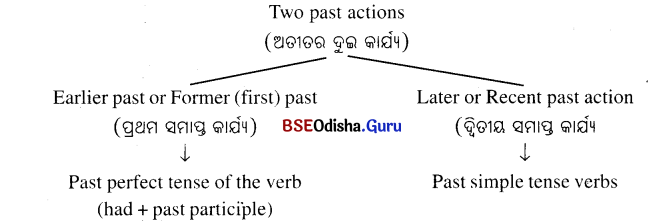
ପ୍ରଥମ ଖଣ୍ଡବାକ୍ୟ ବା ବାକ୍ୟଖଣ୍ଡ (clause)ରେ verb (କ୍ରିୟାପଦ) reached (past simple tense) recent ବା କିଛି ସମୟ ପୂର୍ବରୁ ସମାପ୍ତ କାର୍ଯ୍ୟକୁ ସୂଚିତ କରୁଥିଲାବେଳେ ଦ୍ୱିତୀୟ ଖଣ୍ଡବାକ୍ୟରେ ବ୍ୟବହୃତ erfect tense) earlier past action ବା ପୂର୍ବରୁ ସମାପ୍ତ କାର୍ଯ୍ୟକୁ ସୂଚିତ କରୁଛି ।
Let’s understand through the given diagram.

Earlier Past Recent past
The boys had all left. I reached the school.

Answer:
Examine the following sentence
Another example :
The tortoise had reached (earlier/first completed action) the destination by the time / before the rabbit awake (later/second action).
(ଠେକୁଆ ଉଠିଲାବେଳକୁ କଇଁଛ ଲକ୍ଷ୍ୟସ୍ଥଳରେ ପହଞ୍ଚି ସାରିଥିଲା ।)

BSE Odisha 10th Class English Solutions Chapter 4 At the High School

(a) There is such añother sentence in paragraph-3 of the text. Can you find it out? Fill in each sentence below using the correct form of the verbs given in brackets. One is done for you. (ନିମ୍ନଲିଖ ପ୍ରତ୍ୟେକ ବାକ୍ୟରେ ବନ୍ଧନୀ ମଧ୍ଯରେ ଦିଆଯାଇଥ‌ିବା କ୍ରିୟାପଦର ଠିକ୍ ରୂପ ବସାଇ ଶୂନ୍ୟସ୍ଥାନ ପୂରଣ କର । ତୁମ ପାଇଁ ଗୋଟିଏ କରି ଦିଆଯାଇଛି ।)
(i) All guests had arrived (arrive) before the party started (start).
(ii) We ________ (sit) for lunch after mother ________ (fry) the eggs.
(iii) When Mahatma Gandhi ________ (pass away), India ________ (achieve) her freedom.
(iv) The train ________ (leave) before they (reach) the station.
(v) Namrata _________ (post) the letter after she _________ (write) it.
(vi) The patient ________ (die) before the doctor ________ (come).
(vii) The farmer ________ (plough) the field before he ________ (sow) seeds.
(vii) The prizes (be, give) long before the cultural programmes (start).
Answer:
(i) All guests had arrived (arrive) before the party started (start)
(ii) We sat for lunch after mother had fried the eggs.
(iii) When Mahatma Gandhi passed away (died), India had achieved (got) her freedom.
(iv) The train had left before they reached the station.
(v) Namrata posted the letter after she had written it.
(vi) The patient had died before the doctor came.
(vii) The farmer had ploughed the field before he sowed seeds.
(vii) The prizes had been given long before the cultural programmes started.

2. Look at the following sentences. (ନିମ୍ନଲିଖ୍ ବାକ୍ୟକୁ ଦେଖ ।)
If I had not acquired a little Sanskrit, I should have found it difficult to take any interest The sentence has two clauses.
(i) If I hadn’t acquired the little Sanskrit — If clause / Conditional clause (If ବା ସର୍ତ୍ତମୂଳକ ଖଣ୍ଡବାକ୍ୟ)
(ii) I should have found it difficult to take any interest —> Main clause (ମୁଖ୍ୟ ବା ପ୍ରଧାନ ଖଣ୍ଡବାକ୍ୟ)
ଏୋଗେ If I had not acquired the little Sanskrit …………… ଅସଂପୂର୍ଣ୍ଣ unfulfilled if or conditional clause.

(a) Read the following situations and write an ‘If-sentence’ for each.
(ନିମ୍ନଲିଖ୍ ବାକ୍ୟଗୁଡ଼ିକୁ ପଢ଼ ଓ ପ୍ରତ୍ୟେକ ପାଇଁ ଗୋଟିଏ ଲେଖାଏଁ If ବାକ୍ୟ ଲେଖ ।)
(i) They did not start early. They missed their train.
(ii) He did not fall into the river. He was not drowned.
(iii) The sun was in the right direction. The photographs came out very well.
(iv) I saw you. I invited you to my party.
(v) Lilima won a lottery. She bought a good house.
(vi) The mangoes were not ripe. They did not sell at a good price.
(vii) Subhra did not spend much. She had a lot of bank balances.
(viii) The farmer worked hard. He reaped a rich harvest.
Answer:
(i) If they had started early, they would not have missed their train.
(ii) 1f he had fallen (ପଡିଯାଇଥିଲା) into the river, he would have been drowned(ବୁଡ଼ି ଯାଇଥାନ୍ତା).
(iii) If the sun hadn’t been (ହୋଇ ନ ଥାଆନ୍ତା) in the right direction, the photographs wouldn’t have come out (ବାହାରକୁ ଆସି ନଥାନ୍ତା) very well.
(iv) If I hadn’t seen (ଦେଖିନଥିଲି) you, I wouldn’t have invited (ନିମନ୍ତ୍ରଣ କରିନଥାନ୍ତେ ) you to my party.
(v) If Lilima hadn’t won (ଜିତିନଥିଲେ) a lottery, she wouldn’t have bought ( କିଣିନଥାନ୍ତେ) a good house.
(vi) If the mangoes had been (ହୋଇଥିବ) ripe, they would have sold ( ବିକ୍ରି ହୋଇଥାନ୍ତା) at a good price.
(vii) If Subhra had spent ( ଖର୍ଚ୍ଚ ହୋଇସାରିଛି) much, she wouldn’t have had (ହୋଇ ନଥାନ୍ତା) a lot of bank balance.
(viii) If the fanner hadn’t worked (କାମ କରିନାହିଁ ) hard, he wouldn’t have reaped a rich harvest (ଅମଳ ହୋଇନଥାନ୍ତା ).

BSE Odisha 10th Class English Solutions Chapter 4 At the High School

(b) Put the verbs in brackets into their correct forms. ((ବନ୍ଧନୀ ମଧ୍ଯରେ ଥ‌ିବା କ୍ରିୟାପଦଗୁଡ଼ିକୁ ସେମାନଙ୍କ ଉପଯୁକ୍ତ ରୂପରେ ବସାଅ ।)
(i) If our boys had played well, our team (win) the match easily.
(ii) If Manisha (not get) the scholarship, she might have missed the chance of her studies abroad.
(iii) India would not have achieved her freedom if the Indians (not fight) for it.
(iv) Crops would have been better if it (rain) well.
(v) The government (not be) very unpopular if they had not raised taxes.
(vi) If you (take) my advice, you would not have got into troubles.
(vii) The glass (not break) if she had not dropped it.
Answer:
(i) If our boys had played well, our team would have won (ଜିତିଥାନ୍ତେ ) the match easily.
(ii) If Manisha hadn’t got (ପାଇ ନାହିଁ) the scholarship, she might have missed the chance of her studies abroad.
(iii) India would not have achieved her freedom if the Indians hadn’t fought (ଯୁଦ୍ଧ କରି ନ ଥିଲେ) for it.
(iv) Crops would have been better if it had rained (ବର୍ଷା ହୋଇଥିଲା) well.
(y) The government wouldn’t have been (ହୋଇ ନଥାନ୍ତା) very unpopular if they had not raised taxes.
(vi) If you had taken (ନେଇଥିଲେ) my advice, you would not have got into troubles.
(vii) The glass wouldn’t have broken (ଭାଙ୍ଗି ନଥାନ୍ତା) if she had not dropped it.

3. Fill in the blanks with correct prepositions choosing from the box. (ବାକ୍ସରୁ ବାଛିଥିବା ସଠିକ ପ୍ରିପୋଜିସନ ସହିତ ଖାଲି ସ୍ଥାନଗୁଡ଼ିକୁ ପୂରଣ କରନ୍ତୁ)
(among, from, in, of, to, with)
(i) She was deeply ashamed (ଲଜ୍ଜିତ) ________ her behavior at the party.
(ii) People are ________ the opinion (ମତ) that price controls are losing ground.
(iii) The festival kicked off (ଆରମ୍ଭ ହେଲା) _______ traditional music and folk dances.
(iv) Sweets were distributed (ବଣ୍ଟିତ) ________ children.
(y) Charities are exempted (ମୁକ୍ତ) paying tax.
(vi) Children hardly refuse (ମନା କରନ୍ତୁ ) obey.
(vii) India succeeded (ସଫଳ ହେଲା) in winning the World Cup Cricket that year.
(viii) The ofticer was convicted (ଦୋଷୀ ସାବ୍ୟସ୍ତ) ________ bank fraud.
Answer:
(i) She was deeply ashamed of her behavior at the party.
(ii) People are of the opinion that price controls are losing ground.
(iii) The festival kicked off with traditional music and folk dances.
(iv) Sweets were distributed among children.
(v) Charities are exempted from paying tax.
(vi) Children hardly refuse to obey.
(vii) India succeeded in winning the World Cup Cricket that year.
(viii) The officer was convicted of bank fraud.

J. Lets Write:
1. Write answers to all questions under “E. Let’s understand the Text”.
2. Write a paragraph in about 5 to 8 sentences on each of the topics given below :
(ନିମ୍ନରେ ଦିଆଯାଇଥ‌ିବା ପ୍ରତ୍ୟେକ ଶୀର୍ଷକ ଉପରେ ୫ରୁ ୮ଟି ବାକ୍ୟ ମଧ୍ଯରେ ଏକ ଅନୁଚ୍ଛେଦ ଲେଖ ।)
(a) Gandhi as student
(b) Gandhi’s Headmaster
(c) Gandhi’s Sanskrit and Persian teachers
(d) Gandhi’s attitude towards sports and handwriting
Answer.
Gandhi as a student:
Gandhi was an average student in high school. He had high regard (ଉଚ୍ଚ ସମ୍ମାନ) for his teachers. He loved geometry more than Sanskrit. Once he was fined for having not attended (ଯୋଗ ଦେଇନଥିବା) gymnastics class. But at his father’s request, he got the fine remitted. His being fined (ତାଙ୍କୁ ଜରିମାନା କରାଯାଇଛି) pained him.

Gandhi’s Headmaster:
Dorabji Edulji Gimi was the headmaster when Gandhi was in High School. He was loved by the students. Because he was a disciplinarian, a man of method, and above all (ସର୍ବୋପରେ) a good teacher. He believed in the keeping of sound health of the boys. So he made attending of the boys in gymnastics and cricket compulsory. He convicted Gandhi of lying.

Gandhi’s Sanskrit and Persian teachers:
Gandhi’s Sanskrit teacher was Krishnashankar Pandya. He was pained (ଯନ୍ତ୍ରଣା ଅନୁଭବ କଲା) to see Gandhi sit in the Persian class. He prevailed upon (ଉପରେ ବିଜୟୀ ହେଲା ) him to come back to Sanskrit class as it was the language of his own religion and he being a Vaishnav father’s son.
On the other hand (ଅନ୍ୟ ହାତ), his Persian teacher was lenient. He had some sort of rivalry with the Sanskrit teacher. His soft nature and the easiness of the Persian language one day tempted Gandhi to sit in the Persian class.

Gandhi’s attitude (ମନୋଭାବ) towards (ଆଡକୁ) sports and handwriting:
Regarding (ସମ୍ବନ୍ଧରେ) sports Gandhi had the earlier notion that sports like gymnastics had nothing to do with education. He kept aloof (ଦୂରେଇ ରଖିଥିଲେ) from cricket, football or gymnastics as he desired (ସେ ଇଚ୍ଛା କଲେ) to serve (ସେବା କରିବାକୁ) his father during those classes. Later (ପରେ) he felt that physical training should have (ଥିବା ଦର୍କାର) as many places as mental training in the curriculum. Handwriting, likewise (ସେହିଭଳି) was thought to have no necessity in good education by Gandhi. But he had to change (ପରିବର୍ତ୍ତନ କରିବାକୁ ପଡିଲା) this notion (&I961I) when he observed (ଯେତେବେଳେ ସେ ଦେଖିଲେ) the good handwriting (ଭଲ ହସ୍ତଲିଖନ) of young men and lawyers in South Africa.

BSE Odisha 10th Class English Solutions Chapter 4 At the High School

3. Write a letter in about 100 words to your penfriend telling him/her about Gandhi as a person.
(ତୁମର ପତ୍ରବନ୍ଧୁଙ୍କୁ ଜଣେ ବ୍ୟକ୍ତି ହିସାବରେ ଗାନ୍ଧିଙ୍କ ବିଷୟରେ ବର୍ଣ୍ଣନା କରି ପ୍ରାୟ ୧୦୦ ଶବ୍ଦରେ ଏକ ପତ୍ର ଲେଖ ।)

Jairampur
Salipur
Date : ………………..
Dear Asish,
How are you now? Hoping you will be enjoying a relaxed time. Recently I went through (read thoroughly – ଭଲ ଭାବରେ ପଢନ୍ତୁ) a topic on Gandhi’s life.
As a person, Gandhi showed his enormous (ପ୍ରକାଣ୍ଡ) potential (ସମ୍ଭାବ୍ୟ) when he was in South Africa. When he saw the distressed (ଦୁର୍ଦ୍ଦଶାଗ୍ରସ୍ତ) condition of the Indians there, he launched ‘Satyagraha’ a great weapon against Apartheid (ଅପାର୍ଥିଡ଼ ) of the White rulers (ଶ୍ୱେତାଙ୍ଗ ଶାସକ). From this, he matured (ପରିପକ୍ବତା ହାସଲ କରିଥିଲେ)) as a great leader which he successfully (ସେ ସଫଳତାର ସହିତ) displayed (ପ୍ରଦର୍ଶିତ |) by supporting the cause (କାରଣ) of the farmers in Champaran of Bihar in 1917.
His leadership (ନେତୃତ୍ୱ) made crores of Indians bow their heads to him for his having empowered India to become free from British rule.
I hope you have got to know a few things about this great Indian as a person.
Yours sincerely,
Nabakishore.

BSE Odisha 10th Class English At the High School Important Questions and Answers

Very Short & Objective Questions With Answers.
Answer The Following Questions In A Word Or A Phrase.

Question 1.
What did Gandhi always enjoy in high school?
Answer:
The affection of his teachers.

Question 2.
What was sent to the parents every year?
Answer:
Certificates of progress and character.

Question 3.
In which classes did Gandhi obtain (get) scholarships?
Answer:
In the fifth and sixth standards.

Question 4.
What were the amounts (ପରିମାଣ) of scholarship did Gandhi receive?
Answer:
Rupees four and ten.

BSE Odisha 10th Class English Solutions Chapter 4 At the High School

Question 5.
What did Gandhi thank more for his having obtained scholarships?
Answer:
To his good luck

Question 6.
What is Gandhi’s own recollection about?
Answer:
Not having high regard for his ability

Question 7.
How did Gandhi guard his character?
Answer:
Jealously.

Question 8.
What bought tears to his eyes?
Answer:
Least little blemish.

Question 9.
What did he receive once?
Answer:
Physical punishment.

Question 10.
How did he weep?
Answer:
Piteously (ଦୟାଳୁ).

Question 11.
What was Dorabji Edulji Gimi ?
Answer:
Gandhi’s headmaster.

Question 12.
Why was Gimi popular?
Answer:
For being a disciplinarian, a man of method, and a good teacher.

BSE Odisha 10th Class English Solutions Chapter 4 At the High School

Question 13.
What did Mr. Gimi make compulsory?
Answer:
Gymnastics and cricket.

Question 14.
What was Gandhi’s false notion about gymnastics?
Answer:
Having nothing to do with education.

Question 15.
What should have many places in the curriculum as mental training?
Answer:
Physical training.

Question 16.
What did Gandhi do as soon as the school closed?
Answer:
Hurried home (ଶୀଘ୍ର ଘରକୁ).

Question 17.
What did Gandhi do after arriving at home?
Answer:
Began serving his father.

Question 18.
At what time was the gymnastics held?
Answer:
At four o’clock.

Question 19.
What deceived Gandhi?
Answer:
The clouds.

Question 20.
What was Gandhi convicted of?
Answer:
Lying (ମିଛ କହୁଛି).

Question 21.
Why did he weep in deep anguish?
Answer:
Not being able to prove his innocence(ତାଙ୍କର ନିର୍ଦ୍ଦୋଷତା ପ୍ରମାଣ କରିବାକୁ ସମର୍ଥ ନୁହେଁ |).

Question 22.
What did he repent of?
Answer:
His neglect in handwriting.

Question 23.
Whose beautiful handwriting did he see in South Africa?
Answer:
Lawyers and young men.

BSE Odisha 10th Class English Solutions Chapter 4 At the High School

Question 24.
What, according to (କ’ଣ, ଅନୁଯାୟୀ |) Gandhi, should be regarded as a sign of imperfect education?
Answer:
Bad handwriting.

Question 25.
How should children learn letters?
Answer:
By observation.

Question 26.
What proved a harder task for Gandhi?
Answer:
Sanskrit.

Question 27.
What was the Persian teacher like?
Answer:
Lenient (କୋମଳ).

Question 28.
Why was the Sanskrit teacher grieved?
Answer:
To see Gandhi sit in the Persian class.

Question 29.
How could Gandhi show interest in sacred books?
Answer:
For having acquired a little knowledge in Sanskrit.

Question 30.
What was the problem in Sanskrit?
Answer:
Everything had to be learned by heart.

Fill In The Blanks With Right Words.

1. Gandhi was regarded as a ________ at the high school.
Answer:
fool

2. Gandhi never had a ___________.
Answer:
had certificate

3. He won prizes after he passed out of ___________.
Answer:
the second standard

4. Gandhi did&t have any high regard for ___________.
Answer:
his ability

BSE Odisha 10th Class English Solutions Chapter 4 At the High School

5. ___________drew tears from Gandhi’s eyes.
Answer:
The least little blemish

6. Once Gandhi received ___________.
Answer:
corporal (ଦଣ୍ଡବିଧାନ) punishment

7. ___________ was considered a desert (ମରୁଭୂମି) for Gandhi.
Answer:
Receiving punishment

8. Mr. Gimi made gymnastics and cricket compulsory for ___________.
Answer:
the boys of upper standard

9. ________ was one of the reasons for Gandhi is aloofness (ନିଃସଙ୍ଗତା) from gymnastics or cricket.
Answer:
His shyness

10. According to Gandhi gymnastics had ___________.
Answer:
nothing to do with education

11. Gandhi requested Gimi to ___________.
Answer:
exempt him from gymnastics

12. On _______ Gandhi had school in the morning.
Answer:
Saturdays

13. Gandhi had no ___________ ,and the cloud deceived him.
Answer:
watch

14. Gandhi felt ashamed (ଗାନ୍ଧୀ ଲଜ୍ଜିତ ଅନୁଭବ କଲେ) ___________.
Answer:
had handwriting

BSE Odisha 10th Class English Solutions Chapter 4 At the High School

15. In the words of Gandhi a man of truth must also be ___________.
Answer:
man of care

16. Gandi was disheartened (ଗାନ୍ଧୀ ନିରାଶ ହୋଇଥିଲେ) ___________.
Answer:
entering the sixth standard

17. A sort of ___________ was going on between the Sanskrit and the Persian teachers.
Answer:
rivalry

18. Gandhi was the son of a ___________.
Answer:
Vaishnava father

19. Krishnashankar Pandya was Gandhi’s ___________.
Answer:
Sanskrit teacher

20. Due to (କାରଣରୁ) some knowledge in Sanskrit, Gandhi showed interest in ___________.
Answer:
his sacred books

Multiple Choice Questions (Mcqs) With Answers
Pick out the correct alternative.

Question 1.
Gandhi wasn’t regarded as a ____________ at the high school.
(A) fool
(B) scholar
(C) stupid
(D) wise
Answer:
(A) fool

Question 2.
Gandhi always enjoyed his teachers.
(A) favor
(B) affection
(C) well wishes
(D) love
Answer:
(B) affection

Question 3.
Certificates of progress and character were sent to the parents.
(A) every month
(B) every hour
(C) every year
(D) every minute
Answer:
(C) every year

BSE Odisha 10th Class English Solutions Chapter 4 At the High School

Question 4.
Gandhi never had.
(A) a bad character
(B) a good certificate
(C) a good character
(D) a bad certificate
Answer:
(D) a bad certificate

Question 5.
Gandhiji won prizes after passing out of the.
(A) fourth standard
(B) third standard
(C) fifth standard
(D) second standard
Answer:
(D) second standard

Question 6.
In the standard Gandhi obtained (got)scholarships.
(A) third and fourth
(B) second and third
(C) fifth and sixth
(D) sixth and seventh
Answer:
(C) fifth and sixth

Question 7.
Gandhi obtained rupees respectively while in the fifth and sixth standards.
(A) lour and six
(B) four and ten
(C) four and eight
(D) five and ten
Answer:
(B) four and ten

Question 8.
As Gandhi remembered he had not any high regard.
(A) for his ability
(B) for his merit
(C) for his stupidity
(D) for his knowledge
Answer:
(A) for his ability

Question 9.
Gandhi guarded his character.
(A) very jealously
(B) very carefully
(C) very cunningly
(D) very cautiously
Answer:
(A) very jealously

Question 10.
The least drew tears from Gandhi’s eyes.
(A) little rebuke
(B) little blemish
(C) little partiality
(D) little misbehavior
Answer:
(B) little blemish

Question 11.
Gandhi didn’t mind (didn’t take it seriously).
(A) the rebuke
(B) the misbehavior
(C) the blemish
(D) the punishment
Answer:
(D) the punishment

Question 12.
When Gandhi was in the Dorabji Edulji Gimi was the headmaster.
(A) fifth standard
(B) fourth standard
(C) sixth standard
(D) seventh standard
Answer:
(D) seventh standard

BSE Odisha 10th Class English Solutions Chapter 4 At the High School

Question 13.
Mr. Dorabji Edulji Gimi was Gandhi’s.
(A) class-teacher
(B) English teacher
(C) headmaster
(D) Sanskrit teacher
Answer:
(C) headmaster

Question 14.
Cricket and gymnastics were made compulsory for the boys of.
(A) upper standard
(B) higher standard
(C) lower standard
(D) middle standard
Answer:
(A) upper standard

Question 15.
Gandhi had to join the gymnastics class at on a Saturday.
(A) 4 p.m.
(B) 2 p.m.
(C) 3 p.m.
(D) 6 p.m.
Answer:
(A) 4 p.m.

Question 16.
___________ deceived Gandhiji.
(A) Weather
(B) Clouds
(C) Friends
(D) Headmaster
Answer:
(B) Clouds

Question 17.
Gandhi had no.
(A) sense
(B) knowledge
(C) watch
(D) intention
Answer:
(C) watch

Question 18.
All the boys had left the field at Gandhi’s.
(A) departure
(B) entry
(C) commence
(D) arrival
Answer:
(D) arrival

Question 19.
Mr. Gimi refused to believe Gandhi taking the reason of his.
(A) illness
(B) late presence
(C) absence
(D) early departure
Answer:
(C) absence

Question 20.
Mr. Gimi fined Gandhi annas.
(A) two or three
(B) one or two
(C) three or four
(D) four or five
Answer:
(B) one or two

Question 21.
His being convicted of deeply pained Gandhi.
(A) lying
(B) theft
(C) conspiracy
(D) misbehavior
Answer:
(A) lying

BSE Odisha 10th Class English Solutions Chapter 4 At the High School

Question 22.
His failure to prove his caused Gandhi to cry in deep anguish.
(A) innocence
(B) ability
(C) morality
(D) truthfulness
Answer:
(A) innocence

Question 23.
His being convicted of lying by was the first time and last instance of Gandhi’s carelessness in school.
(A) his father
(B) Mr. Gimi
(C) Mr. Pandya
(D) his friend
Answer:
(B) Mr. Gimi

Question 24.
Gandhi finally succeeded in getting the fine.
(A) reduced
(B) abolished
(C) remitted
(D) none of these
Answer:
(C) remitted

Question 25.
In South Africa, Gandhi saw the beautiful handwriting of and young men bom and educated there.
(A) teachers
(B) judges
(C) businessmen
(D) lawyers
Answer:
(D) lawyers

Question 26.
When Gandhi saw the beautiful handwriting of lawyers and young men in South Africa, he repented of.
(A) his mistake
(B) his carelessness
(C) his neglect
(D) his misconduct
Answer:
(C) his neglect

Question 27.
Gandhi’s father wrote to Mr. Gimi needing Gandhi at home.
(A) after school
(B) in the evening
(C) during recess
(D) in the morning
Answer:
(A) after school

Question 28.
Before learning to write children should first be taught the art of.
(A) reading
(B) memorizing
(C) drawing
(D) observing
Answer:
(C) drawing

Question 29.
Sanskrit, however, proved a for Gandhi.
(A) easier task
(B) difficult task
(C) good task
(D) harder task
Answer:
(D) harder task

BSE Odisha 10th Class English Solutions Chapter 4 At the High School

Question 30.
In Sanskrit, everything had to be learnt.
(A) by observation
(B) by heart
(C) by memorizing
(D) by ability
Answer:
(B) by heart

At the High School Summary in English

Lead-In:
According to several accounts (ଖାତା), Gandhi was not so brilliant (talented – ପ୍ରତିଭାଶାଳୀ) as a student. He was noted (famous – ପ୍ରସିଦ୍ଧ) to be good at English, fair in Arithmetic, weak in Geography, good in conduct (ଆଚରଣ) and bad in handwriting. Though he did not have any high regard (ସମ୍ମାନ) for his “ability” (ସାମର୍ଥ୍ୟ), he was astonished (very much surprised – ବହୁତ ଆଶ୍ଚର୍ଯ୍ୟ) whenever he won prizes and scholarships.

Paragraphwise Explanation:
Para-1: I was not regarded as a fool at the high school. I always enjoyed the affection of my teachers. Certificates of progress and character used to be sent to the parents every year. I never had a bad certificate. In fact, I even won prizes after I passed out of the second standard. In the fifth and sixth I obtained scholarships of rupees four and ten respectively, an achievement for which I have to thank good luck more than my merit.
ଅନୁବାଦ : ଉଚ୍ଚ ବିଦ୍ୟାଳୟରେ ମୁଁ ଏକ ବୋକା ରୂପେ ପରିଚିତ ନ ଥୁଲି । ମୁଁ ସର୍ବଦା ମୋ ଶିକ୍ଷକମାନଙ୍କର ସ୍ନେହ ଉପଭୋଗ କରୁଥିଲି । ପ୍ରତିବର୍ଷ ପାଠ୍ୟନ୍ନତି ଓ ଚରିତ୍ର ସମ୍ପର୍କିତ ପ୍ରମାଣପତ୍ର ପିତାମାତାଙ୍କ ପାଖକୁ ପଠାଯାଉଥିଲା । ମୋ ସମ୍ପର୍କରେ ଗୋଟିଏ ମଧ୍ୟ ଖରାପ ପ୍ରମାଣପତ୍ର ନ ଥିଲା । ପ୍ରକୃତରେ, ଦ୍ଵିତୀୟ ଶ୍ରେଣୀ ଉତ୍ତୀର୍ଣ୍ଣ ହେବା ପରେ ମୁଁ ପୁରସ୍କାର ପାଇଥୁଲି । ପଞ୍ଚମ ଓ ଷଷ୍ଠ ଶ୍ରେଣୀରେ ମୁଁ ଯଥାକ୍ରମେ ୪ ଟଙ୍କା ଓ ଦଶ ଟଙ୍କାର ଛାତ୍ରବୃତ୍ତି ପାଇଥୁଲି, ଏଭଳି ଏକ କୃତିତ୍ଵ ଯେଉଁଥ୍ପାଇଁ ମୁଁ ମୋର ମେଧା ଅପେକ୍ଷା ସୌଭାଗ୍ୟକୁ ଧନ୍ୟବାଦ ଦେବି ।

Para-2: My own recollection is that I did not have any high regard for my ability. I used to be astonished whenever I won prizes and scholarships. But / very jealously guarded my character. The least little blemish drew tears from my eyes. When I merited, or seemed to the teacher to merit a rebuke, it was unbearable for me. I remember having once received corporal punishment. I did not so much mind the punishment as the fact that it was considered my desert. I wept piteously. That was when I was in the first or second standard. There was another such incident during the time when I was in the seventh standard. Dorabji EduTfi Gimi was the headmaster then. He was popular among the boys, as he was a disciplinarian, a man of method and a good teacher. He made gymnastics and cricket compulsory for the boys of upper standard. I disliked both. I never took part in any exercise, cricket or football, before they were made compulsory. My shyness was one of the reasons for this aloofness, which I now see wrong. I had then the false notion that gymnastics had nothing to do with education. Today I know that physical training should have much place in the curriculum as mental training.
ଅନୁବାଦ : ମୋର ନିଜସ୍ଵ ସ୍ମୃତି ଏହା ଅଟେ ଯେ ମୋର ନିଜର ସାମର୍ଥ୍ୟ ଉପରେ କୌଣସି ବିଶେଷ ସମ୍ମାନ ନ ଥିଲା । ମୁଁ ଯେତେବେଳେ ପୁରସ୍କାର ଓ ଛାତ୍ରବୃରି ଜିତୁଥୁଲି ଆଶ୍ଚର୍ଯ୍ୟ ହୋଇ ପଡ଼ୁଥିଲି । କିନ୍ତୁ ମୁଁ ଅତି ସତର୍କତାର ସହିତ ମୋର ଚରିତ୍ର ପ୍ରତି ଯତ୍ନଶୀଳ ଥୁଲି । ଏପରିକି ସାମାନ୍ୟ ନୈତିକ ତ୍ରୁଟି ବା ଭୁଲ୍ ମୋ ଆସ୍‌ରେ ଲୁହ ଭରି ଦେଉଥିଲା । ମୁଁ ଯେତେବେଳେ କୌଣସି ଭୁଲ୍ ବା ତ୍ରୁଟିର ହର ଥୁଲି ବା ମୋତେ ଏକ ଗାଳି ଦେବା ଠିକ୍ ବୋଲି ଶିକ୍ଷକଙ୍କୁ ଲାଗୁଥୁଲା, ଏହା ମୋ ପାଇଁ ଅସହ୍ୟ ହୋଇ ପଡ଼ୁଥିଲା । ଥରେ (ଏକଦା) ଶାରୀରିକ ଦଣ୍ଡ ପାଇଥିବାର ମୋର ମନେ ପଡ଼ୁଛି । ମୁଁ ଏହି ଦଣ୍ଡକୁ ସେତେ ଗୁରୁତ୍ଵ ଦେଇନଥିଲି କାରଣ ପ୍ରକୃତରେ ଏହା ପ୍ରାପ୍ତ କରିବାର ମୁଁ ଯୋଗ୍ୟ ଥିଲି । ମୁଁ ବିକଳରେ କାନ୍ଦି ପକାଇଲି । ସେତେବେଳେ ମୁଁ ପ୍ରଥମ ବା ଦ୍ଵିତୀୟ ଶ୍ରେଣୀରେ ଥିଲି, ଏହା ଘଟିଥିଲା । ମୁଁ ସପ୍ତମ ଶ୍ରେଣୀରେ ଅଧ୍ୟୟନ କରୁଥିଲାବେଳେ ଅନ୍ୟ ଏକ ଘଟଣା ଘଟିଥିଲା । ସେତେବେଳେ ଦୋରାଜୀ ଇଦୁଜୀ ଜିମି ପ୍ରଧାନଶିକ୍ଷକ ଥିଲେ । ଜଣେ ଶୃଙ୍ଖଳାପ୍ରେମୀ, ନୀତିବାନ୍ ଏବଂ ଏକ ଉତ୍ତମ ଶିକ୍ଷକ ଥିବାରୁ ସେ ବାଳକମାନଙ୍କ ମଧ୍ୟରେ ପ୍ରସିଦ୍ଧ ଥିଲେ । ଉପର ଶ୍ରେଣୀର ବାଳକମାନଙ୍କ ପାଇଁ ସେ ଜିମ୍‌ନାଷ୍ଟିକ୍ ଓ କ୍ରିକେଟ୍‌କୁ ବାଧ୍ୟତାମୂଳକ କରିଥିଲେ । ମୁଁ ଉଭୟକୁ ନାପସନ୍ଦ କରୁଥିଲି । ଏ ଦୁଇଟି ବାଧ୍ୟତାମୂଳକ ହେବା ଯାଏ, ମୁଁ କ୍ରିକେଟ୍ କିମ୍ବା ଫୁଟବଲ ଭଳି କୌଣସି ଖେଳରେ ଅଂଶଗ୍ରହଣ କରୁନଥୁଲି । ଏଭଳି ଖେଳ ବା କ୍ରୀଡ଼ାରୁ ଦୂରେଇ ରହିବାର ଗୋଟିଏ କାରଣ ଥିଲା ମୋର ଲାଜକୁଳାପଣ, ଯାହାକୁ ମୁଁ ଏବେ ଭୁଲ୍ ବୋଲି ଭାବୁଛି । ମୋର ସେତେବେଳେ ଏକ ଭ୍ରାନ୍ତ ଧାରଣା ଥିଲା ଯେ ଜିମ୍‌ନାଷ୍ଟିକ୍‌ର ଶିକ୍ଷା ସହିତ କୌଣସି ସମ୍ପର୍କ ନାହିଁ । ଆଜି ମୁଁ ଜାଣୁଛି ଯେ ପାଠ୍ୟକ୍ରମରେ ମାନସିକ ଶିକ୍ଷା ଭଳି ଶାରୀରିକ ପ୍ରଶିକ୍ଷଣର ସମାନ ଗୁରୁତ୍ଵ ରହିବା ଉଚିତ ।

BSE Odisha 10th Class English Solutions Chapter 4 At the High School

Para-3: The reason for my dislike was my keen desire to serve as nurse to my father. As soon as the school closed, I would hurry home and begin serving him. Compulsory exercise came directly in the way of this service. 1 requested Mr Gimi to exempt me from gymnastics so that I might be free to serve my father. But he would not listen to me. Now it happened that one Saturday, when we had school in the morning, I had to come from home to school for gymnastics at four o’ clock in the afternoon. I had no watch, and the cloud deceived me. Before I reached the school, the boys had all left. The next day Mr. Gimi examining the roll, found me marked absent. Being asked for the reason of absence, I told him what had happened. He refused to believe me and ordered me to pay a fine of one or two annas.
ଅନୁବାଦ : ବାପାଙ୍କର ଜଣେ ସେବକ ରୂପେ କାର୍ଯ୍ୟ କରିବାର ଆନ୍ତରିକ ଇଚ୍ଛା ମୋର ଖେଳ ବା କ୍ରୀଡ଼ା ପ୍ରତି ଅନିଚ୍ଛୁକତାର କାରଣ ଥିଲା । ବିଦ୍ୟାଳୟ ବନ୍ଦ ହେବାମାତ୍ରେ ମୁଁ ଶୀଘ୍ର ଘରକୁ ଯାଇ ତାଙ୍କର ସେବା ଆରମ୍ଭ କରିଦେଉଥ୍ଲି । ବାଧ୍ୟତାମୂଳକ ବ୍ୟାୟାମ ବା କ୍ରୀଡ଼ା ଏହି ସେବାରେ ପ୍ରତ୍ୟକ୍ଷ ପ୍ରତିବନ୍ଧକ ଭାବେ ମୋ ପାଇଁ ଉଭା ହେଲା । ବାପାଙ୍କୁ ସେବା କରିବାପାଇଁ ମୋତେ ଜିମ୍ନାଷ୍ଟିକ୍‌ସ୍‌ରୁ ମୁକ୍ତି ଦେବାପାଇଁ ମୁଁ ପ୍ରଧାନଶିକ୍ଷକ ଶ୍ରୀଯୁକ୍ତ ଜିମିଙ୍କୁ ଅନୁରୋଧ କଲି । କିନ୍ତୁ ସେ ମୋ ଅନୁରୋଧକୁ ପ୍ରତ୍ୟାଖ୍ୟାନ କରିଦେଲେ । ଦିନେ ଶନିବାର ଏଭଳି ଘଟିଲା ଯେ ସକାଳେ ଆମ୍ଭମାନଙ୍କର ବିଦ୍ୟାଳୟ କାର୍ଯ୍ୟକ୍ରମ ହୋଇ ଯାଇଥିଲା; ଅପରାହ୍ନ ୪ଟାରେ ଜିମ୍‌ନାଷ୍ଟିକ୍‌ସ୍‌ରେ ଯୋଗ ଦେବାପାଇଁ ମୋତେ ଘରୁ ବିଦ୍ୟାଳୟକୁ ଆସିବାର ଥିଲା । ମୋ ପାଖରେ ଘଣ୍ଟା ନ ଥିଲା ଏବଂ ଅକାଶରେ ଆଚ୍ଛାଦିତ ବାଦଲ ସତେ ଯେପରି ମୋତେ ଠକି ଦେଇଥିଲା । ବିଦ୍ୟାଳୟରେ ପହଞ୍ଚିବାବେଳକୁ ବାଳକମାନେ ଚାଲିଯାଇଥିଲେ । ପରବର୍ତ୍ତୀ ଦିନ ଛାତ୍ରମାନଙ୍କ ଉପସ୍ଥାନ ପରୀକ୍ଷା କରୁଥିଲାବେଳେ ମି. ଜିମି ମୋତେ ଜିମ୍‌ନାଷ୍ଟିକ୍‌ରେ ଅନୁପସ୍ଥିତ ଥ‌ିବାର ଦେଖିବାକୁ ପାଇଲେ । ଯାହା ଘଟିଥିଲା ମୁଁ ତାଙ୍କୁ କହିଲି । ହେଲେ ସେ ମୋ କଥା ବିଶ୍ଵାସ କଲେ ନାହିଁ ଓ ଏକ ବା ଦୁଇ ଅଣାର ଜରିମାନା ଦେବାକୁ ଆଦେଶ ଦେଲେ ।

Para-4: I was convicted of lying! That deeply pained me. How was I to prove my innocence? There was no way. / cried in deep anguish. I saw that a man of truth must also be a man of care. This was the first time and last instance of my carelessness in school. I had a faint recollection that I finally succeeded in getting the fine remitted. The exemption from exercise was of course obtained as my father wrote himself to the headmaster saying that he wanted me at home after school.
ଅନୁବାଦ : ମିଛ କହିବାରୁ ମୁଁ ଦଣ୍ଡିତ ହୋଇଥିଲି । ଏହା ମୋତେ ଗଭୀର ଭାବରେ ଯନ୍ତ୍ରଣା ଦେଇଥିଲା । ମୋର ନିରୀହତାକୁ କିଭଳି ପ୍ରମାଣିତ କରିବି ? ମୋ ପାଇଁ ଏହାର କୌଣସି ସମାଧାନ ନ ଥିଲା । ତୀବ୍ର ମାନସିକ ବିଷାଦରେ ମୁଁ କାନ୍ଦିଲି । ଏହି ଘଟଣାରୁ ମୋର ହୃଦ୍‌ବୋଧ ହେଲା ଯେ ଜଣେ ସଟ ବ୍ୟକ୍ତି ଜଣେ ଯତ୍ନଶୀଳ ବ୍ୟକ୍ତି ହେବା ଉଚିତ । ବିଦ୍ୟାଳୟରେ ମୋର ଯତ୍ନହୀନତାର ଏହା ପ୍ରଥମ ଓ ଶେଷ ଉଦାହରଣ ଥିଲା । ଅସ୍ପଷ୍ଟ ରୂପେ ମୋର ଯାହା ମନେପଡ଼ୁଥିଲା ଯେ ଶେଷରେ ଜରିମନା ଦେବାରୁ ମୁଁ ଛାଡ଼ ପାଇଥିଲି । ଅବଶ୍ୟ ବ୍ୟାୟାମରୁ ମୋତେ ଅବ୍ୟାହତି ପ୍ରାପ୍ତିର କାରଣ ଏହା ଥିଲା ଯେ ବିଦ୍ୟାଳୟ ପରେ ବାପା ମୋର ସେବା ଦରକାର କରୁଥିଲେ ବୋଲି ଲିଖ୍ ଭାବରେ ପ୍ରଧାନଶିକ୍ଷକଙ୍କୁ ଜଣାଇଥିଲେ ।

Para-5: But though I was none the worse for having neglected exercise, I am still paying the penalty of another neglect. I do not know whence I got the notion that good handwriting was not a necessary part of education, but I retained it until I went to England. When later, especially in South Africa, I saw the beautiful handwriting of lawyers and young men born and educated in South Africa, I was ashamed of myself and repented of my neglect. I saw that bad handwriting should be regarded as a sign of an imperfect education. I tried later to improve mine, but it was too late. I could never repair the neglect of my youth. Let every young man and woman be warned by my example, and understand that good handwriting is a necessary part of education. I am now of the opinion that children should first be taught the art of drawing before learning to write. Let the child learn his letters by observation as he does different objects, such as flowers, birds, etc. and let him learn to handwrite only after he has learnt to draw objects. He will then write a beautifully formed hand.
ଅନୁବାଦ : ଯଦିଓ ବ୍ୟାୟାମରେ ଅବହେଳା ପ୍ରଦର୍ଶନ ମୋ ପାଇଁ ସେତେ ଗୁରୁତର ନ ଥୁଲା, ତଥାପି ମୁଁ ଏବେ ବି ଆଉ ଏକ ଅବହେଳାର ଶାସ୍ତି ପାଉଛି । ମୁଁ ଜାଣିପାରୁନି କେତେବେଳେ ମୋଠାରେ ଏଭଳି ଧାରଣା ସୃଷ୍ଟି ହେଲା ଯେ ସୁନ୍ଦର ହସ୍ତାକ୍ଷର ଶିକ୍ଷାର ଏକ ଆବଶ୍ୟକୀୟ ଅଙ୍ଗ ନୁହେଁ, ଇଂଲଣ୍ଡକୁ ଯିବା ପର୍ଯ୍ୟନ୍ତ ମୋର ଏହି ଧାରଣା ବଳବତ୍ତର ରହିଥିଲା । ପରେ ଦକ୍ଷିଣ ଆଫ୍ରିକାରେ ଜନ୍ମଗ୍ରହଣ କରି ଶିକ୍ଷାପ୍ରାପ୍ତ ହୋଇଥିବା ଓକିଲ ଓ ଯୁବକମାନଙ୍କର ସୁନ୍ଦର ହସ୍ତାକ୍ଷର ମୁଁ ଦେଖିଲି । ମୁଁ ନିଜକୁ ଲଜ୍ଜିତ ମନେକଲି ଓ ମୋର ଅବହେଳା ନିମନ୍ତେ ଅନୁତାପ କଲି । ମୁଁ ବୁଝିଲି ଯେ ଅସୁନ୍ଦର ହସ୍ତାକ୍ଷରକୁ ଅସମ୍ପୂର୍ଣ୍ଣ ଶିକ୍ଷାର ଏକ ଲକ୍ଷଣ ବୋଲି ମନେ କରାଯିବା ଉଚିତ । ପରେ ମୁଁ ମୋ ହସ୍ତାକ୍ଷରରେ ଉନ୍ନତି ଆଣିବାକୁ ଚେଷ୍ଟା କରିଥୁଲି ମାତ୍ର କରିଥିବା ଅବହେଳାର ଭରଣା କରିପାରିଲି ନାହିଁ । ମୋ ଉଦାହରଣରୁ ପ୍ରତ୍ୟେକ ପୁରୁଷ ଓ ନାରୀ ସତର୍କ ହୋଇଯାଆନ୍ତୁ ଏବଂ ହୃଦୟଙ୍ଗମ କରନ୍ତୁ ଯେ ସୁନ୍ଦର ହସ୍ତାକ୍ଷର ଶିକ୍ଷାର ଏକ ଆବଶ୍ୟକୀୟ ଅଂଶ । ଏବେ ମୋର ମତ ହେଉଛି ଯେ ଲେଖା ଶିଖୁବା ପୂର୍ବରୁ ପିଲାମାନଙ୍କୁ ପ୍ରଥମେ ଚିତ୍ରକଳା ଶିକ୍ଷା ପ୍ରଦାନ କରାଯିବା ଉଚିତ । ପିଲା ଫୁଲ, ପକ୍ଷୀ ଭଳି ପଦାର୍ଥକୁ ଅଙ୍କନ କରୁଥିବା ଭଳି ତାକୁ ନିରୀକ୍ଷଣ ମାଧମରେ ଅକ୍ଷର ଶିକ୍ଷା କଳା ଶିଖାଯାଉ ଏବଂ ପଦାର୍ଥଗୁଡ଼ିକୁ ଅଙ୍କନ କରିବା କଳା ଶିଖ୍ ପରେ ତା’କୁ ହସ୍ତାକ୍ଷର ଶିକ୍ଷା ଦିଆଯାଉ । ତା’ପରେ ସେ ଏକ ସୁନ୍ଦର ହାତଲେଖା କରିପାରିବ ।

Para-6: Sanskrit, however, proved a harder task. In geometry, there was nothing to memorize, whereas in Sanskrit, I thought, everything had to be learnt by heart. This subject was also commenced from the fourth standard. As soon as I entered the six, I became disheartened. The teacher was a hard taskmaster, anxious, as I thought, to force the boys. There was a sort of rivalry going on between the Sanskrit and the Persian teachers. The Persian teacher was lenient. The boys used to talk among themselves that Persian was very easy and the Persian teacher, was very good and considerate to the students. The ‘easiness’ tempted me and one day I sat in the Persian class. The Sanskrit teacher was grieved. He called me to his side and said: How can you forget that you are the son of a Vaishnava father? Won’t you learn the language of your own religion? If you have any difficulty, why not come to me? I want to teach you students Sanskrit to the best of my ability. As you proceed further, you will find in it things of absorbing interest. You should not lose heart. Come and sit again in the Sanskrit class.
ଅନୁବାଦ : ସଂସ୍କୃତ ମୋ ପାଇଁ ଏକ କଷ୍ଟକର ବିଷୟ ଥିଲା । ଜ୍ୟାମିତିରେ ମନେ ରଖୁ ବା ମୁଖସ୍ଥ କରିବା ଭଳି କିଛି ନ ଥିଲା, କିନ୍ତୁ ସଂସ୍କୃତରେ ସବୁକିଛି ମୁଖସ୍ଥ କରିବାକୁ ପଡ଼ୁଥିଲା ବୋଲି ମୁଁ ମନେ କରୁଥୁଲି । ଏହି ବିଷୟ ମଧ୍ଯ ଚତୁର୍ଥ ଶ୍ରେଣୀରୁ ଆରମ୍ଭ ହୋଇଯାଉଥିଲା । ଷଷ୍ଠ ଶ୍ରେଣୀରେ ପ୍ରବେଶ କରିବା ମାତ୍ରେ ମୁଁ ହତୋତ୍ସାହିତ ହୋଇପଡ଼ିଲି । ମୁଁ ଯାହା ମନେ କରୁଥୁଲି ସଂସ୍କୃତ ଶିକ୍ଷକ ପାଠ ଦେବାରେ ଜଣେ କଠୋର ଶିକ୍ଷକ ଥିଲେ ଓ ସଂସ୍କୃତ ନେବା ପାଇଁ ବାଳକମାନଙ୍କୁ ବାଧ୍ୟ କରୁଥିଲେ । ସଂସ୍କୃତ ଶିକ୍ଷକ ଓ ପାର୍ସୀ ଶିକ୍ଷକଙ୍କ ମଧ୍ୟରେ ଏକପ୍ରକାର ପ୍ରତିଯୋଗିତା ବା ଶତ୍ରୁତା ଚାଲିଥିଲା । ପର୍ସିଆନ ଶିକ୍ଷକ ଉଦାର ଥିଲେ । ବାଳକମାନେ ନିଜ ନିଜ ଭିତରେ କଥା ହେଉଥିଲେ ଯେ ପର୍ସିଆନ୍ ବା ପାର୍ସୀ ବିଷୟ ବହୁତ ସହଜ ଓ ପର୍ସିଆନ୍ ଶିକ୍ଷକ ଛାତ୍ରମାନଙ୍କ ପ୍ରତି ଅତି ଉତ୍ତମ ଓ ବିଚାରଶୀଳ ଥିଲେ । ପର୍ସିଆନ୍ ବିଷୟର ସରଳତା ମୋତେ ଆକର୍ଷିତ କଲା ଓ ଦିନେ ମୁଁ ଯାଇ ପର୍ସିଆନ୍ ଶ୍ରେଣୀରେ ବସିପଡ଼ିଲି । ଏହା ଦେଖ୍ ସଂସ୍କୃତ ଶିକ୍ଷକ ଦୁଃଖ ହୋଇଗଲେ । ସେ ତାଙ୍କ ନିକଟକୁ ମୋତେ ଡାକିଲେ ଓ କହିଲେ, ‘‘ତୁ କେମିତି ଭୁଲିଯାଉଛୁ ଯେ ତୁ ଜଣେ ବୈଷ୍ଣବ ପିତାର ପୁତ୍ର ? ତୁ କ’ଣ ତୋ ଧର୍ମର ଭାଷା ଶିଖୁ ନାହିଁ ? ତୋର ଯଦି କିଛି ଅସୁବିଧା ଅଛି, ମୋ ପାଖକୁ ଆସୁନାହୁଁ କାହିଁକି ? ମୁଁ ତୁମଭଳି ଛାତ୍ରମାନଙ୍କୁ ମୋର ଦକ୍ଷତା ଅନୁସାରେ ସଂସ୍କୃତ ଶିକ୍ଷା ଦେବି । ଆଗକୁ ଗଲେ ତୋତେ ସଂସ୍କୃତ ଖୁବ୍ ଆନନ୍ଦଦାୟକ ମନେହେବ । ନିରୁତ୍ସାହିତ ହୁଅ ନାହିଁ । ସଂସ୍କୃତ ଶ୍ରେଣୀରେ ପୁଣି ଆସି ବସ !’’

BSE Odisha 10th Class English Solutions Chapter 4 At the High School

Para-7: This kindness put me to shame. I could not disregard my teacher’s affection. Today I cannot but thank with gratitude of Krishnashankar Pandya. For if I had not acquired the little Sanskrit that I learnt then, I should have found it difficult to take any interest in our sacred books. In fact I deeply regret that I was not able to acquire a more thorough knowledge of the language.
ଅନୁବାଦ : ସଂସ୍କୃତ ଶିକ୍ଷକଙ୍କ ଏଭଳି ଦୟାଶୀଳତାରେ ମୁଁ ନିଜକୁ ଲଜ୍ଜିତ ମନେକଲି । ମୁଁ ମୋ ଶିକ୍ଷକଙ୍କର ସ୍ନେହକୁ ଅସମ୍ମାନିତ କରିପାରିଲି ନାହିଁ । ଆଜି ମୁଁ ମୋର ସଂସ୍କୃତ ଶିକ୍ଷକ କ୍ରିଷ୍ଣଶଙ୍କର ପାଶ୍ୟାଙ୍କ ପ୍ରତି କୃତଜ୍ଞତା ପ୍ରକାଶ ନ କରି ରହିପାରୁ ନାହିଁ । ସେତେବେଳେ ମୁଁ ଯଦି ସାମାନ୍ୟ ସଂସ୍କୃତ ଜ୍ଞାନ ଲାଭ କରିନଥା’ନ୍ତି, ମୁଁ ତା’ହେଲେ ଆମ୍ଭମାନଙ୍କର ପବିତ୍ର ଗ୍ରନ୍ଥ ପ୍ରତି ଉତ୍ସାହ ଦେଖାଇବାରେ କଷ୍ଟ ମନେ କରିଥା’ନ୍ତି । ପ୍ରକୃତରେ ମୋତେ ଗଭୀର ଦୁଃଖର ସହ କହିବାକୁ ପଡ଼ୁଛି ଯେ ସଂସ୍କୃତ ଭାଷାରେ ଅଧିକ ଜ୍ଞାନ ଲାଭ ପାଇପାରିଲି ନାହିଁ ।

About The Author:
As you all know, Mahatma Gandhi (born in 1869) was one of the tallest leaders in the world. He was the greatest leader of our independence movement (ସ୍ୱାଧୀନତା ଆନ୍ଦୋଳନ). He is popularly called the Father of the Nation. But before he became the Mahatma (Great Soul) in his later life, Gandhi received his early education at Rajkot English School in Rajkot in the state of Gujarat. Later it became a full-fledged (ସମ୍ପୁର୍ଣ୍ଣ) High School and came to be known as Rajkot High School. Gandhi matriculated from this school in 1887 at the age of 18. After independence in 1947, the school was renamed the “Mohandas Gandhi High School” in honor of the Father of the Nation.

BSE Odisha 10th Class English Solutions Chapter 4 At the High School

Meaning /Glossary:
wasn’t regarded — wasn’t considered (ବିବେଚନା କରାଯାଇନଥିଲା )
affection — adorátion (ସ୍ନେହ)
His affection overwhelmed (ଅତିଷ୍ କରିଦେଲା) me.
obtained — acquired or got (ପ୍ରାପ୍ତ ବା ପ୍ରାପ୍ତ)
The girl obtained (ପ୍ରାପ୍ତ) the first prize in the debate.
achievement— act of getting success (କୃତିତ୍ଵ ବା ସଫଳତା)
India had made several (a lot of) achievements in science.
merit — talent (ପ୍ରତିଭା)
I won the prize on my merit.
recollection — the memory of the past or what is remembered (ମରଣ)
He is in deep recollection.
astonished — surprised very much (ଆଶ୍ଚର୍ଯ୍ୟାନ୍ବିତ ହେଲି)
blemish — moral defect (ନୈତିକ ଦୋଷ)
jealously — very carefully / being afraid of losing something
Mohit jealously controlled his loose tongue (rebuke – ଗାଳି ବା ଅଶାଳୀନ ଭାଷା).
corporal punishment — punishment by beating (ଶାରୀରିକ ଦଣ୍ଡ)
desert — thing one deserves to get (ହକ୍ ବା ପ୍ରାପ୍ତଯୋଗ୍ୟ ବସ୍ତୁ)
Getting punishment for the wrong done by me is my desert.
wept — sobbed (କଇଁ କଇଁ ହୋଇ କାନ୍ଦିଲି )
piteously — painfully (କରୁଣ ଭାବରେ)
disciplinarian — one who is very strict in maintaining rules and forces others to obey them
(କଠୋର ଶୃଙ୍ଖଳିତ ବ୍ୟକ୍ତି)
Our headmaster is a disciplinarian.
curriculum — course of study (ପାଠ୍ୟକ୍ରମ)
took part — participated (ଅଂଶଗ୍ରହଣ କରିଥିଲେ )
I took part in school sports.
shyness — reticence, the act of using a very few words
She is girl of shyness. (ଲୋ ଏକ ଲାଜକୁଳୀ ଝିଅ ।)
aloofness — isolation / act of staying away from something (ଦୂରେଇ ରହିବା ପ୍ରକ୍ରିୟା)
Aloofness from public contact is the best prevention of Coronavirus.
false notion — false idea (ଭ୍ରାନ୍ତ ଧାରଣା)
incident — happening/event (ଘଟଣା)
Life is full of incidents.
rebuke — scold or reproof (ଗାଳି)
Don’t take your mother’s rebuke to heart. (ମା’ଙ୍କର ଗାଳିକୁ ହୃଦୟରେ ଧର ନାହିଁ ।)
least — bare minimum or trivial (ତୁଚ୍ଛ ବା ସାମାନ୍ୟ)
Even the least offence (ସାମାନ୍ୟ ପାପ) draws tears from my eyes.
merited — deserved (ଦରକାର କରୁଥୁଲି) (ନିନ୍ଦା ବା ପ୍ରଶଂସା)
I merited a prize for my brilliant performance in the play (ନାଟକରେ ).
gymnastics — exercises to develop muscles or display agility (ମାଂସପେଶୀର ବିକାଶ ବା କ୍ଷିପ୍ର ତାର ପ୍ରଦର୍ଶନ ନି ମିତ୍ତ ବ୍ୟାୟାମ )
dislike — hatred (ଘୃଣା ବା ଅନିଚ୍ଛା)
as soon as — immediately after (ପରେ)
As soon as the bell rang (ବେଲ୍‌ ବାଜିବା ମାତ୍ରେ), the pupils came out of their classes.
would hurry home — went home hurriedly or quickly(ଘରକୁ ଶୀଘ୍ର ଚାଲିଯାଉଥ୍ଲି )
to exempt me —to free me (ମୋତେ ବିରତରଖି ବାପାଇଁ ବା କ୍ଷାନ୍ତ ବା ମୁକ୍ତି କରିବା ପାଇଁ) (କ୍ରୀଡ଼ା, ପରୀକ୍ଷା ଆଦିରୁ)
He requested the P.E.T. (Physical Education Teacher) to exempt him from the school sports.
being asked — as asked (ପଚରାଯିବାରୁ)
was convicted — was punished (ଦଣ୍ଡିତ ହେଲା)
lying — telling lies (ମିଛ କଥା | ମିଛ କଥା କହିବାରୁ)
innocence (N) — faultless (ନିରୀହତା)
Geeta is a girl of innocence. (ଗୀତା ଜଣେ ନିରୀହ ଝିଅ ।)
He cou1dn’t prove his innocence.(ସେ ନିଜର ନିରୀହତା ପ୍ରମାଣିତ କରିପାରଲା ନାହିଁ ।)
refused — didn’t approve (ଅନୁମୋଦନ କରିନାହାଁନ୍ତି)
Father refused to believe me.
indeepanguish— in profound gloom (ଗଭୀର ମାନସିକ ଯନ୍ତ୍ରଣାରେ)
instance — example (ଉଦାହରଣ)
carelessness — act of being without care /negligence (ଅବହେଳା ବା ଯତ୍ନହୀନତା)
Carelessness causes lots of accidents.
none the worse — not to be affected by (ଅପ୍ରଭାବିତ ବା ଅସମ୍ବେଦନଶୀଳ)
am still paying the penalty — am still suffering (ଏବେ ବି ଦଣ୍ଡ ବା ଦୁଃଖ ଭୋଗୁଛି
retained — upheld (ବଜାୟ ରଖୁଥୁଲି)
Pratap Jena, the Honourable M.L.A. of Mahanga retained his seat.
could never repair the neglect — could never make up the loss (କ୍ଷତିକୁ ଆଦୌ ଭରଣା କରିପାରିଲି ନାହିଁ )
of the opinion — in the view of (ମତରେ)
Shakti is of the opinion that he is the best athlete (କ୍ରୀଡ଼ାବିତ୍).
repented — felt atoned (ଅନୁତପ୍ତ ହେଲି)
I repented of my carelessness in riding the bike.
beautifully formed hand — good handwriting (ସୁନ୍ଦ ର ହସ୍ତାକ୍ଷର)
especially — particularly (ବିଶେଷ ଭାବରେ)
was commenced — started or began ( ଆରମ୍ଭ ହୋଇଥିଲା)
The game was commenced after a short rainfall.
harder task — difficult or tough lesson (କଷ୍ଟ ପାଠ)
had to be learnt by heart — had to be crammed (କୁଣ୍ଢାଇ ଦେବାକୁ ପଡ଼ିଥିଲା)
to improve — to do better (ଭଲ କରିବା ପାଇଁ)
became disheartened— lost courage or interest (ଆଗ୍ରହ ହରାଇଲି)
He became disheartened to see his marks.
rivalry — competition (ପ୍ରତିଯୋଗିତା)
Presently there is a rivalry between India and Pakistan.
leniern — liberal or soft (ଉଦାରବାଦୀ କିମ୍ବା ନରମ |)
Father is lenient.
considerate — one who considers the problems of others (ବିଚାରଶୀଳ)
A considerate person can help you out.
absorbing — deep or profound (ଗଭୀର କିମ୍ବା ଗଭୀର)
I read the letter with absorbing interest.
sacred — holy (ପବିତ୍ର)
Lord Jagannath is great for the sacred Hindus.
The Quran is a sacred epic (ପବିତ୍ର ମହାକାବ୍ୟ)
exemption — liberty or act of freeing (ଛାଡ଼)
I requested the headmaster for the exemption of fine.
to be best of my ability — best per my potential (ମୋର ଦକ୍ଷତା)
faint — unclear or hazy (ଅସ୍ପଷ୍ଟ ବା ମଳିନ)
I have a fruit idea of the travel.
remitted — exempted (ମୁକ୍ତ)
Finally he succeeded (ସଫଳ ହେଲା |) in getting his late fine remitted.
grieved — deeply hurt (ଗଭୀର ଆଘାତ)
Are you grieved now?
tempted — enticed/attracted (ପ୍ରଲୋଭିତ / ଆକର୍ଷିତ )
The sight of the valley tempted me.
infact — really (ପ୍ରକୃତରେ)
In fact you are my best friend.
regret — feel sad (ଦୁଃଖ ଅନୁଭବ କରିବା)
I deeply regret your loss.
to acquire — to get (ପାଇବା ପାଇଁ)

BSE Odisha 10th Class English Detailed Text:

From the Formalin Jar Question Answer Class 10 English Chapter 9 BSE Odisha

Odisha State Board BSE Odisha 10th Class English Solutions Chapter 9 From the Formalin Jar Textbook Exercise Questions and Answers.

Class 10th English Chapter 9 From the Formalin Jar Question Answers BSE Odisha

From the Formalin Jar Class 10 Questions and Answers

F. Let’s Understand The Poem:

Question 1.
What is this poem about?
(କବିତାଟି କେଉଁ ବିଷୟରେ ଲିଖ୍ ?)
Answer:
This poem is about the display (ପ୍ରଦର୍ଶନ) of Vicky’s brain, whose life was cut short for careless driving.

Question 2.
Where is Vicky’s brilliant brain?
(ଭିକିର ଚମତ୍କାର ମସ୍ତିଷ୍କ କେଉଁଠାରେ ଅଛି ?)
Answer:
Vicky’s brilliant brain is in a formalin jar.

Question 3.
Why is the brain put inside the formalin jar ?
(ମସ୍ତିଷ୍କକୁ କାହିଁକି ଫର୍ମାଲିନ୍ କାଚପାତ୍ର ବା ନଳୀ ଭିତରେ ରଖାଯାଇଛି ?)
Answer:
The brain is put inside the formalin jar as a display (ଏକ ପ୍ରଦର୍ଶନ ରୂପେ) for students to gain knowledge.

Question 4.
Who does ‘I’ refer to in the poem?
(କବିତାରେ ‘I’ କାହାକୁ ସୂଚିତ କରୁଛି ?)
Answer:
In the poem ‘I’ refers to Vicky’s brain.

Question 5.
How does the brain feel inside the jar ?
(କାଚନଳୀ ବା ପାତ୍ର ଭିତରେ ଥ‌ିବା ଭିକିର ମସ୍ତିଷ୍କ କ’ଣ ଅନୁଭବ କରୁଛି ?)
Answer:
The brain feels itself as an object of disdain or hatred (ଏକ ଘୃଣିତ ବସ୍ତୁ ରୂପେ) inside the jar.

BSE Odisha 10th Class English Solutions Chapter 9 From the Formalin Jar

Question 6.
Who is the brain talking about?
(ମସ୍ତିଷ୍କ କାହା ବିଷୟରେ କହୁଛି ?)
Answer:
The brain is talking about a smart and healthy youth ‘Vicky’.

Question 7.
What does the brain say about Vicky ?
(ଭିକି ବିଷୟରେ ମସ୍ତିଷ୍କ କ’ଣ କହୁଛି ?)
Answer:
The brain in the formalin jar says that Vicky was a strong, stout, careful, and brilliant boy.

Question 8.
Do you think that Vicky and the brilliant brain are two persons ? Why ?
କ’ଣ ଭାବୁଛ ଭିକି ଓ ବୁଦ୍ଧିମାନ ମସ୍ତିଷ୍କ ଦୁଇ ବ୍ୟକ୍ତି ଅଟନ୍ତି ? କାହିଁକି ?)
Answer:
No, I don’t think so. Because it is Vicky’s brain that is put separately (ଅଲଗା) in the formalin jar after Vicky’s terrible death in an accident.

Question 9.
Which were Vicky’s favorite subjects?
( ଭିକିର ପ୍ରିୟ ପାଠ୍ୟବିଷୟଗୁଡ଼ିକ କ’ଣ ଥିଲା ?)
Answer:
Vicky’s favourite subjects were computers and mathematics.

Question 10.
What was the motto of his life?
(ତା’ର ଜୀବନର ନୀତିବାକ୍ୟ କ’ଣ ଥିଲା ?)
Answer:
The motto (ନୀତି ବାକ୍ୟ) of Vicky’s life was “No pain, No gain.” (କଷ୍ଟ, ଲାଭ ନାହିଁ )

Question 11.
Was Vicky good at her studies? How do you know this?
(ଭିକି ପାଠପଢ଼ାରେ ଭଲ ଥିଲା କି ? ତୁମେ ଏହା କିପରି ଜାଣୁଛ ?)
Answer:
Yes, Vicky was good at studies. Because he had a brilliant brain. Besides he excelled (ଚମତ୍କାର ପ୍ରଦର୍ଶନ କରୁଥିଲା) in mathematics and computers.

Question 12.
Vicky loved his parents. Which line says so?
(ଭିକି ନିଜର ପିତାମାତାଙ୍କୁ ଭଲ ପାଉଥିଲା । କେଉଁ ଧାଡ଼ି ଏକଥା ଦର୍ଶାଉଛି ?)
Answer:
Vicky loved his parents. The line that says so is “Vicky’s love for his parents was truly insane.”

BSE Odisha 10th Class English Solutions Chapter 9 From the Formalin Jar

Question 13.
Which word says that Vicky loved his grandmother very much?
(ଭିକି ତା’ର ଜେଜେମା’କୁ ଖୁବ୍ ଭଲ ପାଉଥିଲା ବୋଲି କେଉଁ ଶବ୍ଦଟି ସୂଚିତ କରୁଛି ?)
Answer:
The word adored’ (ଆଦର କରୁଥିଲା) says that Vicky loved his grandmother very much.

Question 14.
What else, besides studies, did Vicky do during his college days?
(ପାଠପଢ଼ା ଛଡ଼ା ଭିକି ନିଜର କଲେଜ ଦିନମାନଙ୍କରେ କ’ଣ କରୁଥିଲା ?)
Answer:
Besides studies, Vicky in his college days was in love.

Question 15.
Who was Lorraine? Why did he steal a glance at her?
(ଲୋରେନ୍ କିଏ ଥୁଲା ? ସେ (ଭିକି) କାହିଁକି ତାକୁ ଲୁଚିଛପି ଚାହୁଁଥିଲା ?)
Answer:
Lorraine was Vicky’s girl classmate. He stole a glance at her as he loved her deeply.

Question 16.
Why does the poet say that only the brain could explain the cause of Vicky’s heart-beat; thud-thud?
(କବି କାହିଁକି କହିଛନ୍ତି କେବଳ ମସ୍ତିଷ୍କ ହିଁ ଭିକିର ହୃଦୟ ସ୍ପନ୍ଦନର ଭୟମିଶ୍ରିତ ଶବ୍ଦ କହିପାରିବ ?)
Answer:
The poet says that only the brain could explain the cause of Vicky’s heartbeat: thud-thud because it (the brain) is directly related to the heart.

Question 17.
Read stanza 5 and stanza 6 again. What are they about? How are they different from others?
(ପଡ୍‌ ୫ ଓ ପଡ୍‌ ୬କୁ ପୁନଶ୍ଚ ପଢ଼ । ସେଗୁଡ଼ିକ କାହା ସମ୍ପର୍କରେ ?ଏହି ଦୁଇଟି ପଡ୍‌ତ୍ତି କିଭଳି ଅନ୍ୟମାନଙ୍କଠାରୁ ଭିନ୍ନ ?)
Answer:
Stanza 5 and stanza 6 are about Vicky’s death in an accident. They are different from others as (ଯେହେତୁ) they describe how a simple mistake took Vicky’s life causing the family’s tragedy.

Question 18.
Where was Vicky riding? When and why?
(ଭିକି ଗାଡ଼ି ଚଳାଇ କେଉଁଠାକୁ ଯାଉଥିଲା ? କେତେବେଳେ ଓ କାହିଁକି ?)
Answer:
Vicky was riding to his friend’s house in the next lane on a wet rainy day to attend to an ordinary task.

Question 19.
Where was his friend’s house? Was it very far?
(ତାହାର ସାଙ୍ଗର ଘର କେଉଁଠାରେ ଥିଲା ? ଏହା କ’ଣ ବହୁତ ଦୂରରେ ଥିଲା ?)
Answer:
His friend’s house was in the next lane. No, it was not too far.

Question 20.
Why did he go to his friend?
(ସେ କାହିଁକି ତା’ର ସାଙ୍ଗ ପାଖକୁ ଯାଇଥିଲା ?)
Answer:
He (Vicky) went to his friend for some ordinary work.

BSE Odisha 10th Class English Solutions Chapter 9 From the Formalin Jar

Question 21.
What caused the accident? Which words in the poem describe the accident?
(କେଉଁଥ‌ିପାଇଁ | କାହିଁକି ଦୁର୍ଘଟଣା ଘଟିଲା ? କବିତାରେ କେଉଁ ଶବ୍ଦସବୁ ଦୁର୍ଘଟଣା ବିଷୟରେ ବର୍ଣ୍ଣନା କରୁଛି ?)
Answer:
Going to his friend’s house without wearing his helmet caused Vicky’s accident and tragic death. The words which describe the accident are “He met with an accident gory and inhumane.”

Question 22.
What meaning does the line – ‘For once, from wearing his helmet he did refrain convey? Was it Vicky’s habit to wear his helmet while riding his bike?
(ଧାଡ଼ି “For once, from wearing his helmet he did refrain’ କେଉଁ ଅର୍ଥ ପ୍ରଦାନ କରୁଛି ? ନିଜର ବାଇକ୍ ଚଳାଇଲାବେଳେ ହେଲମେଟ୍ ପିନ୍ଧିବା ଭିକିର ଏକ ଅଭ୍ୟାସ ଥିଲା କି ?)
Answer:
The line “For once, from wearing his helmet he did refrain” conveys (implies) Vicky’s not wearing his helmet for the first time in his life. Yes, it was Vicky’s habit to wear his helmet while riding his bike.

Question 23.
How did the accident affect Vicky and his family?
(ଦୁର୍ଘଟଣା କିପରି ଭିକି ଓ ତା’ର ପରିବାରକୁ ପ୍ରଭାବିତ କରିଥିଲା ?)
Answer:
Vicky lost his life in the accident and his gruesome (ଶୋଚନୀୟ ) death in the accident plunged (ବୁଡ଼ାଇ ଦେଇଥିଲା) his family into huge shock (ପ୍ରଚଣ୍ଡ ଦୁଃଖରେ ).

Question 24.
What message does the poet have for the young generation through this poem?
(ଏହି କବିତା ମାଧ୍ୟମରେ କବି ଯୁବ ପିଢ଼ିପାଇଁ କେଉଁ ସନ୍ଦେଶ ବା ବାର୍ତ୍ତା ଦେଇଛନ୍ତି ?)
Answer:
In this poem, the poet’s message is clear and serious. She warns (ସତର୍କ କରାଇ ଦେଇଛନ୍ତି ) the younger generation against risky (dangerous) driving.

Question 25.
Can you say why such dreadful accidents occur on road and cause death every moment?
(ତୁମେ କ’ଣ କହିପାରିବ କାହିଁକି ପ୍ରତ୍ୟେକ ମୁହୂର୍ତ୍ତରେ ରାସ୍ତାରେ ଏଭଳି ଭୟଙ୍କର ଦୁର୍ଘଟଣା ଘଟୁଛି ଓ ଜୀବନହାନି ଘଟାଉଛି ? )
Answer:
Such (ଏଭଳି) dreadful (ଭୟଙ୍କର) accidents occur (ଘଟୁଛି) on road and cause (ଘଟାଉଛି ) death every moment due to careless and fast driving and also driving without helmets.

BSE Odisha 10th Class English Solutions Chapter 9 From the Formalin Jar

Question 26.
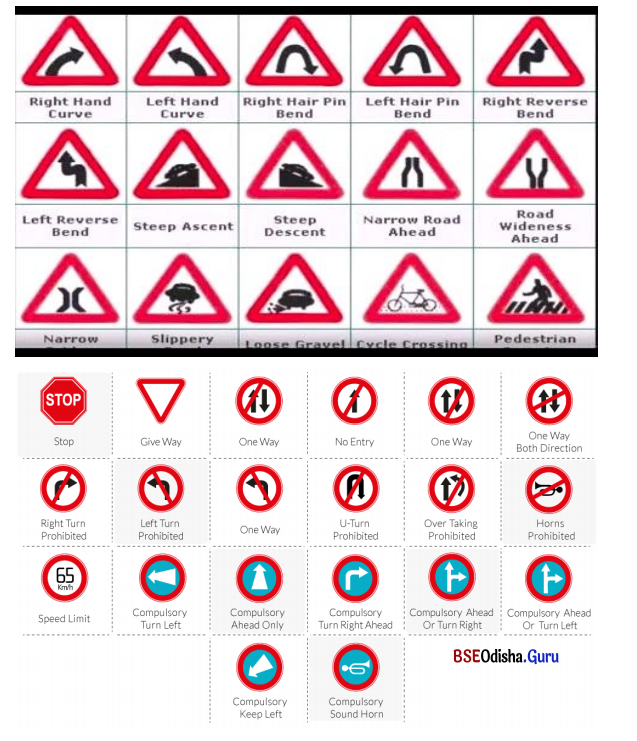
Suggest some ways to reduce Road Traffic Injuries (RTI)?
(ରାସ୍ତା ଗହଳିଜନିତ ମୃତାହତ ସଂଖ୍ୟା କମାଇବାର କେତୋଟି ଉପାୟର ପ୍ରସ୍ତାବ ଦିଅ ।)
Answer:
Rules like (ଭଳି) wearing helmets, safe driving, avoiding (ଦୂରେଇ ରହିବା ) talking on mobiles, refraining (ଦୂରେଇ ରହିବା) from listening to music on mobiles, riding on the right route, etc. can help reduce Road Traffic Injuries.

G. Let’s Appreciate The Poem:

Question 1.
Who donated Vicky’s brain to the Medical College? How is it preserved and used?
(କିଏ ଭିକିର ମସ୍ତିଷ୍କକୁ ମେଡ଼ିକାଲ କଲେଜକୁ ଦାନ ଦେଇଥିଲେ ? ଏହାକୁ କିଭଳି ସଂରକ୍ଷିତ କରି ରଖାଯାଇଛି ଓ ବ୍ୟବହାର କରାଯାଉଛି ?)
Answer:
Vicky’s parents donated Vicky’s brain to the Medical College. It is preserved in a formalin jar on display to promote knowledge gain to the medical students.

Question 2.
What does the line ‘On display to promote knowledge gain’ express?
(ଧାଡ଼ି ‘On display to promote knowledge କ’ଣ ସୂଚିତ କରୁଛି ?)
Answer:
The line “On display to promote knowledge gain” suggests that from the display (ପ୍ରଦର୍ଶନରୁ)of Vicky’s (human) brain the students gain more knowledge about its construction and functions.

Question 3.
What is called a specimen? Why is the brain preserved as a specimen?
(Specimen କ’ଣ ? ମସ୍ତିଷ୍କକୁ ଏକ ନମୁନା ରୂପେ କାହିଁକି ରଖାଯାଇଛି ?)
Answer:
A specimen is a model. The brain is preserved as a specimen to provide more knowledge to the students about this useful organ of the human body.

Question 4.
How was the brilliant brain a part of a living human two years ago?
(କିଭଳିୁ ଇ ବର୍ଷ ପୂର୍ବେ ବୁଦ୍ଧିମାନ ମସ୍ତିଷ୍କ ଏକ ଜୀବନ୍ତ ମାନବର ଗୋଟିଏ ଅଂଶ | ଅଙ୍ଗ ଥିଲା ?)
Answer:
Two years ago the brilliant brain, now kept in the formalin jar, was possessed by a handsome (ସୁନ୍ଦର) and strong youth named Vicky.

BSE Odisha 10th Class English Solutions Chapter 9 From the Formalin Jar

Question 5.
What does the phrase – ‘Yet ended up in this jar’ mean to you?
(ବାକ୍ୟାଶ ‘Yet ended up in this jar ‘ର ଅର୍ଥ ତୁମେ କ’ଣ ବୁଝୁଛ ?)
Answer:
The phrase “Yet ended up in this jar” means at last Vicky’s brain rested in the formalin jar though it has no stroke, tumor, or bugs within it.

Question 6.
Which expression suggests that Vicky was hard-working?
(କେଉଁ ଉକ୍ତି ସୂଚିତ କରୁଛି ଯେ ଭିକି ପରିଶ୍ରମୀ ଥିଲା ?)
Answer:
The expression which suggests (ସୂଚିତ କରୁଛି) that Vicky was hard working is “Full of life and vigor, sun, wind or rain”.

Question 7.
Why does the poet say? “Only I could explain”?
(କବି କାହିଁକି କହିଛନ୍ତି ‘କେବଳ ମୁଁ ହିଁ ବୁଝାଇପାରିବି? ?)
Answer:
The poet says. “Only I could explain” because it is Vicky’s brain that can say why his heart got ‘thuds’

Question 8.
Should we consider such demise ‘h chance or by choice’?
(ଭିକିର ଏଭଳି ମୃତ୍ୟୁକୁ ଆମ୍ଭେମାନେ ପରିସ୍ଥିତି ନା ଇଚ୍ଛାସୃଷ୍ଟ ବୋଲି କହିବା ?)
Answer:
We should consider such demise (death of Vicky ‘by chance’.

Question 9.
The poet uses flashback, which Is often used to recount events that had happened before the story started. Which stanzas talk about the past events and which ones the present incident ? (ଗଳ୍ପ ଆରମ୍ଭ ପୂର୍ବରୁ କବି ଅତୀତ ଘଟଣା ଯାହାକି ପୂର୍ବରୁ ଘଟିଛି ତା’ର ସ୍ମୃତିଚାରଣ କରିଛନ୍ତି । କବିତାରେ କେଉଁ ପଙ୍‌କ୍ତିଗୁଡ଼ିକ ଅତୀତ ଘଟଣା ଓ କେଉଁ ପଗୁଡ଼ିକ ବର୍ତ୍ତମାନର ଘଟଣାକୁ ବ୍ୟକ୍ତ କରୁଛି ?)
Answer:
The poet uses flashback, which is often used to recount events that had happened before the story started. The stanzas stating past events are:
“On a wet monsoon day. for a task mundane
Vicky rode his bike to his friend in the next lane;
For once, from wearing his helmet he did refrain
God! He met with an accident gory and inhumane.” (Stanza — 5)
and
“All it look was a stray moment inane
A young life lost, a family crushed with pain;
Dear friends, take care; risky driving can be the bane
DRIVE SAFE — let your precious life not be in vain! (Stanza — 6)
Similarly stanza — 3 and stanza — 4 also talk about past events.
The stanza stating present events is:
“Hi ! ¡ am Vicky’s brilliant brain
Sitting in a tourmaline jar with disdain:
On display to promote knowledge gain
Watching people stare at new again and again. (Stanza – I)
Similarly stanza — 2 also talks about the present incident.

Question 10.
Find the rhyming words in the poem.
(କବିତାରେ ଯତିପାତ ଶବ୍ଦସବୁ (ସମାନ ଉଚ୍ଚାରିତ) ଖୋଜି ବାହାର କର ।)
Answer:
The rhyming words in the poem are (1st stanza) brain — disdain, gain — again. (2nd stanza) specimen — human, within — chagrin. (3rd stanza) sane — rain, domain — gain. 4th stanza insane cane. Lorraine — explain, (5th stanza) mundane — lane. refrain — inhumane. (6th stanza) inane pain, banc — vain.

BSE Odisha 10th Class English Solutions Chapter 9 From the Formalin Jar

Question 11.
Why does the poet use capital letters for the first two words in the last line of the poem?
(କବିତାର ଶେଷ ଧାଡ଼ିରେ ପ୍ରଥମ ଦୁଇଟି ଶବ୍ଦ ପାଇଁ କବି କାହିଁକି ବଡ଼ ଅକ୍ଷର ବ୍ୟବହାର କରିଛନ୍ତି ?)
Answer:
The poet uses capital letters for the first two words in the last line of the poem (DRIVE SAFE) to stress upon (ଜୋର ଦେବା ପାଇଁ) ‘safe driving.

Question 12.
You read and understood the poem. Do you like the title of the poem? Why/ Why not? Can you suggest another title for the poem?
(ତୁମେ କବିତାଟି ପଢ଼ିସାରିଛ ଓ ବୁଝିସାରିଛ । କବିତାର ଶୀର୍ଷକ (ନାମ) ତୁମକୁ ଭଲ ଲାଗୁଛି କି ? କାହିଁକି/କାହିଁକି ନୁହେଁ ? ତୁମେ କବିତା ପାଇଁ ଅନ୍ୟ ଏକ ଶୀର୍ଷକ ଦେଇପାରିବ କି ?)
Answer:
I like the title (name) of the poem. Because the formalin jar inside which Vicky’s brain is preserved gives a strong message (ବାର୍ତ୍ତା) how the jar will keep waiting (ଅପେକ୍ଷା କରି ରହିବ) for a careless boy like Vicky who suffered a premature death (ଏକ ଅକାଳ ମୃତ୍ୟୁର ଶିକାର ହୋଇଥିଲେ)without wearing a helmet.

H. Let’s Listen And Speak:

(a) Listen to the following sentences about the poem (Your teacher reads the sentences aloud.) and say whether they are right or wrong. Then correct the sentences in case you find them wrong. (କବିତା ସମ୍ପର୍କରେ ନିମ୍ନଲିଖ୍ ବାକ୍ୟଗୁଡ଼ିକୁ ଶୁଣ (ତୁମ ଶିକ୍ଷକ ବାକ୍ୟଗୁଡ଼ିକୁ ଉଚ୍ଚ ସ୍ୱରରେ ପଢ଼ିବେ) ଏବଂ କୁହ ସେଗୁଡ଼ିକ ଠିକ୍ ନା ଭୁଲ୍ । ତା’ପରେ ଯେଉଁଗୁଡ଼ିକୁ ତୁମେ ଭୁଲ୍ ଦେଖୁଛ ଠିକ୍ କର ।)

(i) Vicky’s brain was sitting in the formalin jar with pleasure and respect.
(ii) The brain didn’t like the people staring at him.
(iii) The brain felt insulted to be a specimen for others.
(iv) Vicky was a strong and stout young man.
(v) He was good at math and computer.
(vi) He believed in taking the pain to succeed in life.
(vii) He liked neither his grandmother nor her wrinkles and stick.
(viii) All his friends in the college disliked him.
(ix) He rode to his friend on a monsoon day for important work.
(x) His friend’s house was very far from his place.
(xi) He usually liked to wear helmets.
(xii) He was killed in a serious accident.
(xiii) He was clever, handsome, and careful.
Answer:
(i) Wrong
Right: Vicky’s brain was sitting in the formalin jar with disdain.
(ii) Right
(iii) Right
(iv) Right
(v) Right.
(vi) Right
(vii) Wrong
Right: He liked both his grandmother and her wrinkles and the stick.
(viii) Wrong
Right: All his friends in the college liked him.
(ix) Wrong
Right: He rode to his friend on a monsoon day for ordinary work.
(x) Wrong
Right: His friend’s house, was very near to his place.
(xi) Right
(xii) Right
(xiii) Right

BSE Odisha 10th Class English Solutions Chapter 9 From the Formalin Jar

(b) Pronounce the following words correctly.(ନିମ୍ନଲିଖ୍ ଶବ୍ଦଗୁଡ଼ିକୁ ଠିକ୍ ଭାବରେ ଉଚ୍ଚାରଣ କର ।)
disdain, gain, again, human, sane, rain, insane, cane, explain, mundane, refrain, inhumane, pain, bane, in vain
Answer:
disdain — ଅବମାନନା |
gain — ଗେନ୍
again — ଏଗେନ୍
human — ହ୍ୟୁମାନ୍
sane — ସାନ
rain — କେନ୍
insane — ପାଗଳ |
cane — କେନ୍
explain — ଏକ୍ସପେନ୍
mundane — ସାଂପ୍ରତିକ
refrain — ରିଫ୍ରେନ୍
inhumane — ଇହ୍ୟୁମେନ୍
pain — ସେନ୍
bane —  ବେନ୍
in vain — ଇନ୍ ଭେନ୍

(c) Imagine that Vicky’s friend, Akash visited the Niedleal College, where Vicky’s brain was preserved in a formalin Jar. Given below Is a dialogue between Vicky’s brain and his friend, Akash. Practise the dialogue. (ମନେକର ଭିକିର ସାଙ୍ଗ ଆକାଶ ମେଡ଼ିକାଲ କଲେଜ ପରିଦର୍ଶନରେ ଯାଇଥିଲେ, ଯେଉଁଠାରେ ଭିକିର ମସ୍ତିଷ୍କ ଗୋଟିଏ ଫର୍ମାଲିନ୍ ଜାର୍‌ରେ ସଂରକ୍ଷଣ କରି ରଖାଯାଇଥିଲା । ନିମ୍ନରେ ଭିକିର ମସ୍ତିଷ୍କ ଓ ଆକାଶ ମଧ୍ଯରେ ହୋଇଥ‌ିବା କଥାବାର୍ତ୍ତା ଦିଆଯାଇଛି । ସଂଳାପଗୁଡ଼ିକୁ ଅଭ୍ୟାସ କର ।)
Brain       : Hi Friend ! How’re you?
Akash      : Good. Who’s speaking?
Brain      : I’m Vicky’s brain.
Akash     : Where you’re?
Brain      : ln the formalin jar
Akash     : Who put you here?
Brain      : The doctor.
Akash    : What for?
Brain      : For display! Student’. will gain knowledge.
Akash    : How did the doctor find you?
Brain     : Listen, Vicky was a young college boy. He was strong, stout, careful, and brilliant. One monsoon day he was riding without wearing the helmet to his friend who lived the next lane. On the way, he was killed in an accident. The doctor parted me from his body and put it here for his students to gain knowledge.
Akash   : How sad!
Brain     : Dear Friend, Vicky was a brilliant boy, but on that fateful day he took it casually to wear his helmet as he was to ride to his friend who was staying the next lane. For his carelessness, a precious life was lost. So please be careful and always DRIVE SAFE on road. Don’t lose your life and put your family in sorrow and suffering.
Akash    : Thank you Friend for your advice. I’m very sorry for Vicky, my fast friend, bye, see you!

BSE Odisha 10th Class English Solutions Chapter 9 From the Formalin Jar

I. Lets Read And Write:
(a) Given below is a table showing a chart of penalties for the road offences. Read the table and write a sentence for each. (ରାସ୍ତା ନିୟମରେ ଅବମାନନା ନିମନ୍ତେ ଦଣ୍ଡ ବା ଜରିମାନା ପରିମାଣ ଦର୍ଶାଉଥ‌ିବା ଏକ ସାରଣୀ ନିମ୍ନରେ ପ୍ରଦତ୍ତ ହୋଇଛି । ସାରଣୀଟିକୁ ପଢ଼ ଏବଂ ପ୍ରତ୍ୟେକ ପାଇଁ ବାକ୍ୟଟିଏ ଲେଖ ।)

SI.
No.
Offence Penalty (Rs.) (Minimum Amount)
1 General 500
2 Rules of road regulation violation 500
3 Traveling without ticket 500
4 Unauthorized use without license 5,000
5 Driving without licence 5,000
6 Disobedience of orders of authorities 2,000
7 Drink and Drive 10,000
8 Speeding or Racing 5,000
9 Vehicle without permit 10,000
10 Driving without qualification 10,000
11 Without Seat belt 1,000
12 Without helmet 1,000
13 Oversized vehicles 5,000
14 Not providing way for emergency vehicle 10,000
15 Over speeding 1,000/2,000
16 Driving without insurance 2,000
17 Dangerous driving penalty 5,000
18 Offences by juveniles 25,000
19 Overloading of passengers 1,000 / 1 passenger
20 Overloading of two-wheelers 2,000

Answer:
1. As per (ଅନୁସାରେ ) the Motor Vehicle Act, for general violation, you will have to pay (ଦେବାକୁ ପଡ଼ିବ) a fine of Rs. 500/-.
2. As per the Motor Vehicle Act, for the rules of road regulation violation, you will have to pay a fine of Rs. 500/-.
3. As per Motor Vehicle Act, if you travel without a ticket, you will have to pay a fine of Rs.500/-.
4. As per Motor Vehicle Act, for unauthorized use (ଅନଷ୍କୃତ ବ୍ୟବହାର) without a license, you will have to pay a fine of Rs. 5,000/-.
5. As per Motor Vehicle Act, if you are driving without license, you have to pay a fine of Rs. 5,000/-.
6. As per the Motor Vehicle Act, for disobedience (ଉଲ୍ଲଙ୍ଘନ) of orders of authorities, you will have to pay a fine of Rs. 2,000/-.
7. As per Motor Vehicle Act, if you drink and drive on the road, you will have to pay a fine of Rs. 10,000/-.
8. As per Motor Vehicle Act, for speeding or racing, you will have to pay a fine of Rs. 5,000/-.
9. As per Motor Vehicle Act, for driving a vehicle without a permit, you will have to pay a fine of Rs. 10,000/-.
10. As per Motor Vehicle Act, if you drive without qualification, you will have to pay a fine of Rs. 10,000/-.
11. As per Motor Vehicle Act, if you drive without a seat belt, you will have to pay a fine of Rs. 1,000/-.
12. As per Motor Vehicle Act, if you ride without a helmet, you will have to pay a fine of Rs. 1,000/-. –
13. As per Motor Vehicle Act, if you ride an oversized vehicle, you will have to pay a fine of Rs. 5,000/-.
14. As per the Motor Vehicle Act, if you don’t provide a way (ରାସ୍ତା/ବାଟ ନ ଦିଅ) for an emergency vehicle, you will have to pay a fine of Rs. 10,000/-.
15. As per Motor Vehicle Act, for overspeeding, you will have to pay a fine of Rs. 1,000/- or Rs. 2,000/-.
16. As per Motor Vehicle Act, if you drive/ride without insurance, you will have to pay a fine of Rs. 2,000/-.
17. As per Motor Vehicle Act, if you drive dangerously, you will have to pay a fine of Rs. 5,000/-.
18. As per Motor Vehicle Act, if you are a juvenile (ନାବାଳକ) and found riding, you will have to pay a fine of Rs. 25,000/-.
19. As per Motor Vehicle Act, if you are found to have the offence (ଅପରାଧ) of overloading (ଆବଶ୍ୟକତାରୁ ଅଧ‌ିକ ଯାତ୍ରୀ ପରିବହନ), you will have to pay a fine of Rs. 1,000/- for each passenger.
20. As per Motor Vehicle Act, for overloading on two-wheelers, you will have to pay a fine of Rs. 2,000/-.

BSE Odisha 10th Class English Solutions Chapter 9 From the Formalin Jar

(b) Read the traffic symbols and write one sentence for each. The first one is done for you.
(ଟ୍ରାଫିକ୍ ସଙ୍କେତ ପଢ଼ ଓ ପ୍ରତ୍ୟେକ ପାଇଁ ଗୋଟିଏ ଲେଖାଏଁ ବାକ୍ୟ ଲେଖ । ପ୍ରଥମଟି ତୁମ ପାଇଁ କରି ଦିଆଯାଇଛି ।)
Read the traffic symbols and write one sentence for each
Answer:
Example :
1. The first symbol indicates that there is a right-hand curve ahead.
2. The second symbol indicates that there is a left-hand curve ahead.
3. The third symbol indicates that there is a right hairpin bend ahead.
4. The fourth symbol indicates that there is a left hairpin bend ahead.
5. The fifth symbol indicates that there is a right reverse bend ahead.
6. The sixth symbol indicates that there is a left reverse bend ahead.
7. The seventh symbol indicates that there is a steep ascent ahead,
8. The eighth symbol indicates that there is a steep descent ahead.
9. The ninth symbol indicates that there is a narrow road ahead.
lO. The tenth symbol indicates that there is a road wideness ahead.
Il. The eleventh symbol indicates that there is a narrow pass ahead.
12. The twelfth symbol indicates that the road is slippery ahead.
13. The thirteenth symbol indicates that there is a loose grovel ahead.
14. The fourteenth symbol indicates that there is a cycle crossing ahead.
15. The fifteenth symbol indicates that there is a ¿ebra crossing for pedestrians ahead.
16. The sixteenth symbol indicates stopping the running vehicle.
17. The seventeenth symbol indicates giving way to other vehicles.
18. The eighteenth symbol indicates that the vehicles can go in one way only.
19. The nineteenth symbol indicates no entry of vehicles there.
20. The twentieth symbol indicates that the vehicles can go in one way only.
21. The twenty-first symbol indicates that vehicles can go in both directions but one way only.
22. The twenty-second symbol indicates that a right turn is prohibited here.
23. The twenty-third symbol indicates that a left turn is prohibited here.
24. The twenty-fourth symbol indicates a one-way pass to vehicles.
25. The twenty-fifth symbol indicates that a U-turn is prohibited here.
26. The twenty-sixth symbol indicates that overtaking is prohibited here.
27. The twenty-seventh symbol indicates that blowing horns are prohibited here.
28. The twenty-eighth symbol indicates that the speed limit is 65 km./h here.
29. The twenty-ninth symbol indicates that the vehicles must turn to the left here.
30. The thirtieth symbol indicates that the vehicles must go ahead here.
31. The thirty-first symbol indicates that the vehicles must turn right ahead.
32. The thirty-second symbol indicates that the vehicles must go ahead or turn right here.
33. The thirty-third symbol indicates that the vehicles must go ahead or turn to the left here.
34. The thirty-fourth symbol indicates that the vehicles must keep to the left here.
35. The thirty-fifth symbol indicates that the vehicles must blow their horns here.

BSE Odisha 10th Class English Solutions Chapter 9 From the Formalin Jar

(c) Imagine that you are a reporter of ‘The Times of India’ In Bhubaneswar. Write a report based on the incident/contents of the poem From the Formalin Jar’ for the newspaper. Suggest some ways to check road accidents, and advise young children to be careful about the trame rules. (ମନେକର ତୁମେ ‘The Times of India’ ଭୁବନେଶ୍ଵରର ଜଣେ ସାମ୍ବାଦିକ । ‘From the Formalin Jar’ କବିତାର ବିଷୟବସ୍ତୁ| ଘଟଣାବଳୀକୁ ଆଧାର କରି ଏକ ବିବରଣୀ ଲେଖ । ସଡ଼କ ଦୁର୍ଘଟଣା ନିୟନ୍ତ୍ରଣ ପାଇଁ କେତେକ ପ୍ରସ୍ତାବ ଦିଅ ଏବଂ ଯୁବକ ଯୁବତୀମାନଙ୍କୁ ରାସ୍ତାର ନିୟମ ପ୍ରତି ଯତ୍ନଶୀଳ ହେବାକୁ ଉପଦେଶ ଦିଅ ।)
Answer:

Date:………………
Bhubaneswar

To
The Editor
The Times of India
Bhubaneswar

A TRAGIC ROAD ACCIDENT

Saheed Nagar. Bhubaneswar, 3rd June: It was a wet monsoon day yet there was heavy traffic on the roads. Vicky, a young smart boy, rode his bike to his friend’s house in the next lane. Vicky was very sincere, but that day he did not wear his helmet for the first time. To his bad luck, a truck coming from Acharya Vihar at a high speed hit his bike and he got a severe head injury and died on the spot. The police rushed to the spot and send the body to the hospital. This tragic road accident happened due to the high speed of the truck and the carelessness of the boy. If he wore a helmet, he would not have lost his life. So young children should be careful about the traffic rules while riding on the road. They should obey traffic rules like wearing helmets, and driving a considerable speed. avoid talking on mobiles ut listening to music etc.

Rajendra,
the reporter.

(d) Work in groups of four and prepare placards/posters on ROAD SAFETY. Display them near the school notice board. (Your teacher will guide you.)
(ଚାରିଜଣିଆ ଦଳ ହୋଇ ‘ସଡ଼କ ନିରାପତ୍ତା’ ବିଷୟରେ ପ୍ଲାକାର୍ଡ|ପୋଷ୍ଟର ତିଆରି କର । ବିଦ୍ୟାଳୟର ନୋଟିସ୍ ବୋର୍ଡ ପାଖରେ ସେଗୁଡ଼ିକୁ ପ୍ରଦର୍ଶନ କର । (ତୁମ ଶିକ୍ଷକ ତୁମକୁ ମାର୍ଗ ଦର୍ଶନ କରାଇବେ ।))

BSE Odisha 10th Class English From the Formalin Jar Important Questions and Answers

Very Short A Objective Questions With Answers
Answer The Following Questions In A Word Or A Phrase.

Question 1.
Whose brilliant brain is in the jar?
Answer:
Vicky’s

Question 2.
Who is Vicky?
Answer:
a strong and stout (ହୃଷ୍ଟପୁଷ୍ଟ ) youth

Question 3.
How is Vicky’s brain sitting?
Answer:
with disdain

BSE Odisha 10th Class English Solutions Chapter 9 From the Formalin Jar

Question 4.
Why is Vicky’s brain kept in the jar?
Answer:
to promote knowledge gain

Question 5.
What knowledge should pupils grow?
Answer:
about the functions of the brain

Question 6.
How do people treat the brain on the formalin jar?
Answer:
staring at it

Question 7.
What is Vicky’s brain like?
Answer:
brilliant

Question 8.
What is the brain kept for?
Answer:
as a specimen

Question 9.
What does the brain feel to be addressed (ସମ୍ବୋଲ୍ଡ କରାଯିବାରୁ) a specimen (ନମୁନା) ?
Answer:
insulting

Question 10.
How many years passed since Vicky died?
Answer:
two years

BSE Odisha 10th Class English Solutions Chapter 9 From the Formalin Jar

Question 11.
What sort of boy was Vicky?
Answer:
smart, vigorous, and healthy

Question 12.
What was Vicky’s domain?
Answer:
computers and maths

Question 13.
Whom did Vicky adore?
Answer:
his grandmother

Question 14.
“Only I could explain.’ Here for who does 1’ stand for?
Answer:
Vicky’s brain

Question 15.
What did Vicky refrain from one day?
Answer:
wearing his helmet

Fill In The Blanks With Right Words.

1. Vicky’s brain was in _____________.
Answer:
a formalin jar

2. _____________was insulting.
Answer:
Vicky’s brain being kept as a specimen

3. The expression ‘sun, wind or rain’ means _____________.
Answer:
all times

BSE Odisha 10th Class English Solutions Chapter 9 From the Formalin Jar

4. Vicky’s motto was _____________.
Answer:
‘No pain. No gain’

5. Vicky’s love for _____________ was true and great.
Answer:
his parents

6. In college Vicky glanced (looked) secretly at _____________.
Answer:
Lorraine

7. Vicky’s heart thudded at _____________.
Answer:
the sight of Lorraine

8. Vicky went to his friend’s house on _____________.
Answer:
a wet rainy day

9. The word ‘mundane’ means _____________.
Answer:
ordinary

10. Vicky went to his friend on _____________.
Answer:
a bike

11. Vicky’s accident was _____________.
Answer:
gory and inhumane

BSE Odisha 10th Class English Solutions Chapter 9 From the Formalin Jar

12. At Vicky’s death his family _____________ with pain.
Answer:
crushed

13. _____________ should be given importance to save life.
Answer:
Drive Safe

14. _____________ can be banc (cause tragedy).
Answer:
Risky driving

15. In the phrase ‘a stray moment’ the word ‘stray’ means _____________.
Answer:
painful or inattentive

Multiple Choice Questions (Mcqs) With Answers.
Pick out the correct alternative.

Question 1.
Vicky’s brilliant brain is sifting in a formalin jar with _____________.
(A) anguish
(B) astonishment
(C) disdain
(D) hatred
Answer:
(C) disdain

Question 2.
Vicky’s brilliant brain in the jar feels/felt _____________.
(A) disgusted
(B) anguished
(C) insulted
(D) pleasure
Answer:
(C) insulted

Question 3.
Vicky was full of life and vigor. This means Vicky was lively, strong, and _____________.
(A) stout
(B) healthy
(C) vigourous
(D) courigcous
Answer:
(A) stout

BSE Odisha 10th Class English Solutions Chapter 9 From the Formalin Jar

Question 4.
Vicky loved his _____________ and grandmother.
(A) grandfather
(B) parents
(C) mother
(D) sister
Answer:
(B) parents

Question 5.
Vicky’s grandmother has/had _____________ on her body.
(A) red spots
(B) blackspots
(C) wrinkles
(D) stripes
Answer:
(C) wrinkles

Question 6.
_____________ was Vicky’s girlfriend.
(A) Norraine
(B) Florraine
(C) Glorraine
(D) Lorraine
Answer:
(D) Lorraine

Question 7.
One day Vicky set out for his friend’s house without wearing his _____________.
(A) spectacles
(B) wristwatch
(C) helmet
(D) forest dress
Answer:
(C) helmet

Question 8.
Vicky met with an accident gory and _____________.
(A) bloody
(B) inhumane
(C) bane
(D) pathetic
Answer:
(B) inhumane

Question 9.
Vicky’s heart went _____________ when he stole a glance at Lorraine.
(A) thud-thud
(B) dhak-dhak
(C) hit-bit
(D) sim-sim
Answer:
(A) thud-thud

Question 10.
According to the poet, risky driving can be _____________.
(A) bane
(B) inane
(C) crushed
(D) inhumane
Answer:
(A) bane

Question 11.
Precious (Valuable) life can’t go wasted if we take up _____________.
(A) risky drive
(B) safe drive
(C) slow drive
(D) speed drive
Answer:
(B) safe drive

BSE Odisha 10th Class English Solutions Chapter 9 From the Formalin Jar

Question 12.
“Only I could explain.” Here ‘I’ stands for _____________.
(A) Vicky
(B) Vicky’s friend
(C) Vicky’s brain
(D) Vicky’s father
Answer:
(C) Vicky’s brain

From the Formalin Jar Summary in English

Lead-In:
The poem ‘From the Formalin Jar’ was written in September 2013 to create awareness (ସଚେତନତା ସୃଷ୍ଟି କରିବା ପାଇଁ) about ‘Safe Driving’ (ନିରାପଦ ଗାଡ଼ିଚାଳନା) and other road safety rules in the community and published (ପ୍ରକାଶିତ ହୋଇଥିଲା।)online at youthspring net, a forum for nurturing youth well-being ( ଯୁବକଗୋଷ୍ଠୀର ମଙ୍ଗଳ ନିମନ୍ତେ ପ୍ରତିପୋଷଣ ପାଇଁ). This heart-breaking (ହୃଦୟ ବିଦାରକ) poem conveys (ପ୍ରତିଫଳିତ କରୁଛି) how a moment of simple carelessness (ସାମାନ୍ୟ ଯତ୍ନହୀନତାର ଏକ କ୍ଷଣ) cost (ମୂଲ୍ୟ ଦେବାକୁ ହେଲା) a young, lively and caring boy his precious life. In this poem “Vicky” is a fictional (କାଳ୍ପନିକ) character (ଚରିତ୍ର) created by the poet to warn people against breaking rules of road.

Stanzawise Explanation:
Stanza 1 (Lines 1 to 4)
Hi! I am Vicky’s brilliant brain
Sitting in a formalin jar with disdain;
On display to promote knowledge gain
Watching people stare at me again and again.

Gist: Hi! I am Vicky’s brilliant or sharpest brain. I am sitting in this formalin jar with strong contempt (hatred) preserved. I have been kept here by the doctor for the growth or promotion of knowledge of students. I am feeling insulted to be stared at me again and again.
ଅନୁବାଦ : ହେ ! ମୁଁ ହେଉଛି ଭିକିର ଚମତ୍କାର ମସ୍ତିଷ୍କ । ତୀବ୍ର ଘୃଣାପୂର୍ବକ ମୁଁ ଏକ ଫର୍ମାଲିନ୍ ଜାର୍ ବା କାଚପାତ୍ରରେ ସୁରକ୍ଷିତ ଭାବରେ ବସିଛି । ଛାତ୍ରଛାତ୍ରୀମାନଙ୍କର ଜ୍ଞାନ ବୃଦ୍ଧି ନିମିତ୍ତ ମୋତେ ଏଠାରେ ଡାକ୍ତରଙ୍କଦ୍ୱାରା ରଖାଯାଇଛି । ବାରମ୍ବାର ଲୋକମାନେ ମୋତେ ଏକ ଲୟରେ ଚାହିଁ ରହିବାକୁ ମୁଁ ନିଜକୁ ଅପମାନିତ ମନେ କରୁଛି !

BSE Odisha 10th Class English Solutions Chapter 9 From the Formalin Jar

Stanza – 2 (Lines 5-8)
How insulting to be called a ‘specimen’
Two years ago I was part of a living human;
I got no stroke, tumor or bugs within
Yet ended up in this jar, to my chagrin.

Gist: Really I feel greatly insulted by being called a specimen (example or model). Two years ago I (the brain) was a part of a living human. Fortunately, I had no stroke, tumor or bug. Yet I had to remain in the jar thanks to anger.
ଅନୁବାଦ : ସତରେ ଏହି କାଚପାତ୍ରରେ ଲୋକମାନେ ମୋତେ ଏକ ନମୁନା ରୂପେ ବିବେଚିତ କରିବା ମୋତେ ବହୁତ ଅପମାନିତ ମନେହେଉଛି । ଦୁଇ ବର୍ଷ ପୂର୍ବେ ମୁଁ (ମସ୍ତିଷ୍କ) ଏକ ଜୀବନ୍ତ ମାନବର ଏକ ଅଂଶ ଥିଲା । ସୌଭାଗ୍ୟବଶତଃ ମୁଁ ମସ୍ତିଷ୍କାଘାତ ବା ଟ୍ୟୁମର ବା ସଂକ୍ରାମକ ରୋଗରେ ଆକ୍ରାନ୍ତ ନ ଥିଲି, ତଥାପି ମୋର ବିଷାଦ ବା କ୍ରୋଧର କାରଣ ହେଉଛି ଯେ ମୋତେ ଏହି କାଚ ଜାର୍‌ରେ ଶେଷରେ ରହିବାକୁ ପଡ଼ିଲା ।

Stanza – 3 (Lines 9 – 12)
Vicky was a young boy, smart and sane
Full of life and vigor, sun, wind or rain;
Computers and maths were his domain
His motto in life was ‘No pain, No gain ’.

Gist: Vicky was a smart and healthy youth. He always looked vigorous and lively, no matter what happened. He was strong and an expert in computers and mathematics. His motto or moral principle in life was one must work hard to get success in life.
ଅନୁବାଦ : ଭିକି ଥୁଲା ଜଣେ ବୁଦ୍ଧିମାନ ଓ ସୁସ୍ଥ ଯୁବକ । ଯାହା ଘଟୁ ପଛେ ସେ ସର୍ବଦା କର୍ମଠ ଓ ପ୍ରାଣବନ୍ତ ଦେଖା ଯାଉଥିଲା । କମ୍ପ୍ୟୁଟର ଓ ଗଣିତରେ ସେ କୁଶଳୀ ଓଁ ଦକ୍ଷ ଥିଲା । ତା’ ଜୀବନର ନୀତି ବା ଆଦର୍ଶ ଥିଲା ଯେ ଜୀବନରେ ସଫଳତା ଲାଭ କରିବାପାଇଁ ଜଣଙ୍କୁ ପରିଶ୍ରମ କରିବାକୁ ପଡ଼ିବ ।

Stanza – 4 (Lines 13 – 16)
Vicky’s love for his parents was truly insane
And he adored his gran ’ma, wrinkles, and cane;
In college, when he stole a glance at Lorraine
Why his heart went thud-thud, only I could explain!

Gist: Vicky loved his parents immensely (very much). Besides, he (Vicky) adored (loved strongly) his pouchy (having lines in the body due to ripe old age) grandmother with a walking stick. While in college he had a quick and quiet look at his girlfriend Lorraine and his heart in panic (fear) would thud.
ଅନୁବାଦ : ଭିକି ତା’ରି ପିତାମାତାଙ୍କୁ ପ୍ରକୃତରେ ଖୁବ୍ ଭଲ ପାଉଥିଲା । ଏହାଛଡ଼ା ଆଶାବାଡ଼ି ସାହାଯ୍ୟରେ ଚାଲୁଥିବା କୁଞ୍ଚୁ ଚର୍ମଧାରୀ ନିଜର ଜେଜେମା’ଙ୍କୁ ମଧ୍ୟ ଖୁବ୍ ଭଲ ପାଉଥିଲା । କଲେଜରେ ଭିକି ଯେତେବେଳେ ତାହାର ସହପାଠିନୀ (ଲୋରେନ୍) ଉପରେ କ୍ଷିପ୍ର ଓ ଚୋରା ଚାହାଣି ପକାଉଥିଲା, ଅଜଣା ଭୟରେ ତା’ର ହୃଦୟରେ କମ୍ପନ ଜାତ ହେଉଥିଲା ।

Stanza – 5 (Lines 17 – 20)
On a wet monsoon day, for a task mundane
Vicky rode his bike to his friend in the next lane;
For once, from wearing his helmet he did refrain
God! He met with an accident gory and inhumane.

Gist: On a rainy day Vicky rode his bike to his friend living in the next lane to attend to an ordinary task. This was the first time in his life Vicky went out without a helmet. O, God! On the way, he faced a bloody and barbaric accident.
ଅନୁବାଦ : ଏକ ବର୍ଷଣମୁଖର ଦିନରେ ପରବର୍ତ୍ତୀ ଗଳିରେ ବାସ କରୁଥିବା ନିଜର ଜଣେ ବନ୍ଧୁ ଘରକୁ ଭିକି ଏକ ସାଧାରଣ କାର୍ଯ୍ୟରେ ବାଇକ୍ ଚଳାଇ ଯାଇଥିଲା । ଜୀବନରେ ପ୍ରଥମ ଥର ପାଇଁ ସେ ବିନା ହେଲ୍‌ମେଟ୍‌ରେ ଘରୁ ବାହାରିଥିଲା । ହେ ଭଗବାନ ! ସେ ରାସ୍ତାରେ ଏକ ରକ୍ତାକ୍ତ ଓ ନିର୍ଭୟ ଦୁର୍ଘଟଣାର ସମ୍ମୁଖୀନ ହେଲା ।

BSE Odisha 10th Class English Solutions Chapter 9 From the Formalin Jar

Stanza – 6 (Lines 21 – 24)
All it took was a stray moment of insane
A young life lost, a family crushed with pain;
Dear friends, take care; risky driving can be a bane
DRIVE SAFE – let your precious life not be in vain!

Gist: It was just an act of stupidity on the part of Vicky for a moment. A young life was cut short. His family was shocked (very much in surprise and grief). Taking the example of Vicky, dear riders are appealed not to resort to (take to) terrible and fast driving which can bring in lots of misery. You are requested to drive safely not to allow your precious life to go uselessly.
ଅନୁବାଦ : ଭିକି ପାଇଁ ଏହା ଏକ ନିର୍ବୋଧ ନିଷ୍ପତ୍ତି ଥିଲା । ଅକାଳରେ ଏକ ଯୌବନ ଚାଲିଗଲା । ତାହାର ମୃତ୍ୟୁରେ ପୂରା ପରିବାର ଦୁଃଖ ବା ଶୋକରେ ମ୍ରିୟମାଣ ହୋଇଗଲା । ଭିକିର ଉଦାହରଣକୁ ଦୃଷ୍ଟିରେ ରଖ୍ ପ୍ରିୟ ଚାଳକମାନଙ୍କୁ ତୀବ୍ର ବେଗରେ ଗାଡ଼ି ନ ଚଳାଇବାପାଇଁ ନିବେଦନ କରାଯାଉଛି, ନଚେତ୍ ଏହା ବହୁତ ଦୁଃଖ ବା ଶୋକ ଆଣି ଦେଇପାରେ । ତୀବ୍ର ବେଗରେ ଗାଡ଼ି ଚଳାଇ ମୂଲ୍ୟବାନ୍ ଜୀବନକୁ ବ୍ୟର୍ଥରେ ନ ଯିବାକୁ ଦେବାପାଇଁ ଆପଣମାନଙ୍କୁ ଅନୁରୋଧ ।

About The Poet:
Dr. Reeta S. Mani is a doctor by profession (ବୃତ୍ତିରେ ) and a writer by passion (ପ୍ରବୃତ୍ତିରେ ). She is a Neurovirologist (ସ୍ନାୟୁଭୂତାଣୁବିଦ୍) at the National Institite of Mental Health and Neurosciences (ସ୍ନାୟୁ ବିଜ୍ଞାନ), Bengaluru. Dr. Reeta has published (online and in print) several (ଅନେକ) short stories, poems, essays, and (ଭ୍ରମଣ ବୃତ୍ତାନ୍ତ ), including (ସହିତ) several short stories for children. She loves to weave health information into her stories to educate and foster ( ବଢ଼ାଇବାପାଇଁ) inquisitiveness (ଜିଜ୍ଞାସା ବା ଜାଣିବାର ଇଚ୍ଛା) in children.

BSE Odisha 10th Class English Solutions Chapter 9 From the Formalin Jar

Notes And Glossary:
brilliant brain — very smart or intelligent brain (ଅତି ବୁଦ୍ଧିମାନ ମସ୍ତିଷ୍କ)
formalin — a chemical compound of hydrogen, oxygen and carbon (ଉଦ୍‌ଜାନ, ଅମ୍ଳଜାନ ଓ ଅଙ୍ଗାରକର ଏକ ରାସାୟନିକ ଯୌଗିକ)
on display — the act of showing (ପ୍ରଦର୍ଶନ ନିମିତ୍ତ)
with disdain — with intensc hatred (ତୀବ୍ର ଘୃଣାର ସହିତ)
stare — look at somebody or something for a long time (ବହୁ ସମୟ ଧରି ଚାହିଁ ରହିବା)
specimen — sample (ନମୁନା)
stroke — brain attack (ମସ୍ତିଷ୍କାଘାତ)
tumour — a mas of abnormal cells grown in the body (ଅସ୍ଵାଭାବିକ କୋଷ ବୃଦ୍ଧିଜନିତ ମାଂସପିଣ୍ଡୁଳା )
bug — an illness caused by small organism such as bacteria (ବ୍ୟାକ୍ ଟେରି ଆଦ୍ଵାରା ସୃଷ୍ଟ ରୋଗ ବା ବ୍ୟାଧ୍) or an infectious illness (ଏକ ପ୍ରକାର ସଂକ୍ରାମକ ରୋଗ)
chagrin — anger or annoyance (କ୍ରୋଧ ବା ବିରକ୍ତି)
smart — well – dressed and neat (ପରିଷ୍କାର ଓ ସୁନ୍ଦର ପୋଷାକ ପରିହିତ)
You look very smart today.
sane — normal or sound (ସୁସ୍ଥ ବା ସ୍ଵାଭାବିକ)
The old fellow (man) looks sane today.
vigor — strength or energy (ଶକ୍ତି)
The lion has plenty of vigor.
domain — area of knowledge(ଜ୍ଞାନର କ୍ଷେତ୍ର)
The answer to this question is not in my mental domain.
motto — belief or ethic ନୀତି ବା ବିଶ୍ୱାସ)
“No pain. No gain” (କଷ୍ଟ କଲେ କୃଷ୍ଣ ମିଳେ is my motto.
insane — extreme or immense (ଅତ୍ୟନ୍ତ । ଅପାର)
truly — really (ପ୍ରକୃତରେ )
wrinkles — lines of loose skin (କୁଞ୍ଚୁତ ଚର୍ମ ବା ଚର୍ମରେ ଗାର ପଡ଼ିଥ‌ିବା)
That old woman has wrinkles all over her body.
cane — walking stick (ଆଶାବାଡ଼ି)
stole a glance — looked secretely (ଲୁଚିକରି ଦୃଷ୍ଟି ଦେଉଥବା)
went thud-thud — became panic and dull in sound (ଭୟରେ ହୃଦୟ ଧକ୍‌ ଧକ୍ ହେଉଥିଲା)
on a wet monsoon day — on a rainy day (ଏକ ବର୍ଷଣମୁଖର ଦିନରେ)
task — work (କାମ)
mundane — dull and ordinary (ସାଧାରଣ)
We are living an mundane existence
did refrain — stopped taking with (ନେବାରୁ ନିବୃତ୍ତ ରହିଲା)
gory — bloody (ରକ୍ତାକ୍ତ)
inhumane — unkind or gruesome (ଶୋଚନୀୟ ବା ନିର୍ଭୟ )
inane — stupidity (ବୋକାମି ) carelessness (ଯତ୍ନହୀନତା)
crushed with pain — shocked or went mourning ( ଦୁଃଖରେ ମ୍ରିୟମାଣ ହୋଇ ପଡ଼ିଲେ)
bane — fatal, curse (ମାରାତ୍ମକ ବା ଅଭିଶାପ)
Sometimes science proves to be a bane.
stray — separated (ଅଲ ଗା, ବିଚ୍ଛିନ୍ନ)
A stray dog (ବୁ ଲା କୁକୁର) is walking along the village road.
in vain — useless (ଅଦରକାରୀ |)
All his attempts (ଚେଷ୍ଟା) went in vain.

BSE Odisha 10th Class English Detailed Text:

BSE Odisha 10th Class History Solutions Chapter 7 ଓଡ଼ିଆ ଜାତୀୟତାର ବିକାଶ

Odisha State Board BSE Odisha 10th Class History Solutions Chapter 7 ଓଡ଼ିଆ ଜାତୀୟତାର ବିକାଶ Textbook Exercise Questions and Answers.

BSE Odisha Class 10 History Solutions Chapter 7 ଓଡ଼ିଆ ଜାତୀୟତାର ବିକାଶ

୧। ନିମ୍ନଲିଖ ପ୍ରତ୍ୟେକ ପ୍ରଶ୍ନର ଉତ୍ତର ୬୦ ଗୋଟି ଶବ୍ଦରେ ଲେଖ ।

(କ) ଊନବିଂଶ ଶତାବ୍ଦୀରେ ଓଡ଼ିଶାରେ ଉଚ୍ଚ ଶିକ୍ଷାର ବିକାଶ ଓ ତାହାର ଫଳାଫଳ ଆଲୋଚନା କର ।
Answer:

  • ଊନବିଂଶ ଶତାବ୍ଦୀର ଦ୍ବିତୀୟାର୍ଦ୍ଧରେ ଇଂରେଜ ସରକାରଙ୍କ ମନୋଭାବ ପରିବର୍ତ୍ତନ ହେବା ଫଳରେ ଓଡ଼ିଶାରେ ଇଂରାଜୀ ଶିକ୍ଷାର ପ୍ରସାର ଘଟିଲା । ୧୮୨୩ରେ ଖ୍ରୀଷ୍ଟିୟାନ୍ ମିଶନାରୀମାନଙ୍କଦ୍ୱାରା ଏକ ହିତକାରୀ ଦାତବ୍ୟ ବିଦ୍ୟାଳୟ ପ୍ରତିଷ୍ଠା ହେଲା ଓ ୧୮୪୧ରେ ସରକାର ଏହାର ପରିଚାଳନା ଭାର ହାତକୁ ନେଲେ ।
  • ୧୮୫୪ ମସିହାରେ ଚାର୍ଲସ୍ ଉଡ଼ଙ୍କ ପାଠ୍ୟକ୍ରମ ସଂସ୍କାର ନିୟମ ପ୍ରଣୟନ ଓ ୧୮୫୭ ମସିହାରେ କୋଲ୍‌କତା ବିଶ୍ବବିଦ୍ୟାଳୟ ପ୍ରତିଷ୍ଠା ଓଡ଼ିଶାରେ ଶିକ୍ଷାର ପ୍ରସାର ଦିଗରେ ସହାୟକ ହେଲା ।
  • ୧୮୫୮ ମସିହାରେ ଓଡ଼ିଶାରେ ପୁରୀ, କଟକ ଓ ବାଲେଶ୍ଵର ଜିଲ୍ଲାରେ ଗୋଟିଏ ଲେଖାଏଁ ଜିଲ୍ଲା ସ୍କୁଲ ସମେତ ସରକାରୀ ଓ ସାହାଯ୍ୟପ୍ରାପ୍ତ ବିଦ୍ୟାଳୟ ଏହିପରି ମୋଟ ୩୩ଟି ବିଦ୍ୟାଳୟ ସ୍ଥାପିତ ହେଲା ।
  • ୧୮୬୭ ମସିହାରେ କଟକ ଜିଲ୍ଲା ସ୍କୁଲକୁ ଇଣ୍ଟରମିଡ଼ିଏଟ୍ ମହାବିଦ୍ୟାଳୟ ଭାବେ ଉନ୍ନୀତ କରାଯାଇ ପରେ ସେଥ‌ିରେ ସ୍ନାତକ ଖୋଲାଯାଇଥିଲା ଓ ଏହି ମହାବିଦ୍ୟାଳୟଟି ତତ୍କାଳୀନ କମିଶନର ଟି.ଇ. ରେଭେନ୍ସାଙ୍କ ନାମରେ ନାମିତ ହେଲା ।
  • ଫଳରେ ରେଭେନ୍ସା କଲେଜରେ ବହୁ ଓଡ଼ିଆ ଯୁବକ ଉଚ୍ଚତର ଶିକ୍ଷାଲାଭ କଲେ, ଯେଉଁମାନେ କି ଓଡ଼ିଆ ଜାତୀୟତାକୁ ଜାଗ୍ରତ କରି ଓଡ଼ିଆ ଭାଷା, ସଂସ୍କୃତି ଓ ଓଡ଼ିଆମାନଙ୍କ ଏକତ୍ରୀକରଣ ପାଇଁ ସ୍ଵର ଉତ୍ତୋଳନ କଲେ ।

BSE Odisha 10th Class History Solutions Chapter 7 ଓଡ଼ିଆ ଜାତୀୟତାର ବିକାଶ

(ଖ) ଓଡ଼ିଶାରେ ସମ୍ବାଦପତ୍ରର କିପରି ବିକାଶ ହୋଇଥିଲା ?
Answer:

  • ଓଡ଼ିଶାରେ ଛାପାଖାନା ପ୍ରତିଷ୍ଠା ଓଡ଼ିଆ ଭାଷାର ସୁରକ୍ଷା ଓ ବିକାଶ ନିମନ୍ତେ ସହାୟକ ହୋଇଥିଲା ।
  • ୧୮୩୭ ମସିହାରେ ଓଡ଼ିଶାରେ ପ୍ରଥମ ମୁଦ୍ରଣଯନ୍ତ୍ର କଟକ ମିଶନ ପ୍ରେସ୍ ନାମରେ ପ୍ରତିଷ୍ଠିତ ହେଲା । ତେଣୁ ସାହିତ୍ୟ ଓ ସମ୍ବାଦପତ୍ର ପ୍ରକାଶନ ସହଜ ହେଲା ।
  • ୧୮୬୬ ମସିହାରେ କଟକରେ ଗୌରୀଶଙ୍କର ରାୟଙ୍କ ସମ୍ପାଦନାରେ ‘ଉତ୍କଳ ଦୀପିକା’, ୧୮୬୮ ମସିହାରେ ବାଲେଶ୍ଵରରେ ଫକୀରମୋହନ ସେନାପତିଙ୍କ ସମ୍ପାଦନାରେ ‘ସମ୍ବାଦବାହିକା’ ଓ ‘ବୋଧଦାୟିନୀ’, ୧୮୮୯ ମସିହାରେ ନୀଳମଣି ବିଦ୍ୟାରତ୍ନଙ୍କଦ୍ୱାରା ବାମଣ୍ଡାରୁ ‘ସମ୍ବଲପୁର ହିତୈଷିଣୀ’ ଆଦି ସମ୍ବାଦପତ୍ର ପ୍ରକାଶ ପାଇବା ଫଳରେ ଓଡ଼ିଶାରେ ସମ୍ବାଦପତ୍ରର ବିକାଶ ହୋଇଥିଲା ।
  • ଏଗୁଡ଼ିକ ବ୍ୟତୀତ ଅନ୍ୟାନ୍ୟ ଅନେକ ପତ୍ରିକା ବିଭିନ୍ନ ସ୍ଥାନରେ ପ୍ରକାଶିତ ହୋଇଥିଲା ।
  • ଫଳରେ ଓଡ଼ିଶାରେ ସମ୍ବାଦପତ୍ରର ବିକାଶ ହୋଇଥିଲା ଓ ଜନମତ ଜାଗ୍ରତ କରିବାରେ ମୁଖ୍ୟ ଭୂମିକା ଗ୍ରହଣ କରିଥିଲା ।

(ଗ) ଓଡ଼ିଆ-ବଙ୍ଗଳା ଭାଷା ବିବାଦ କିପରି ଓଡ଼ିଶାରେ ଜାତୀୟ ଚେତନା ସୃଷ୍ଟି କରିବାରେ ସାହାଯ୍ୟ କରିଥିଲା ?
Answer:

  1. ଓଡ଼ିଆ-ବଙ୍ଗଳା ଭାଷା ବିବାଦ ଓଡ଼ିଆମାନଙ୍କ ମଧ୍ୟରେ ଜାତୀୟତା ଭାବ ସୃଷ୍ଟି କରିଥିଲା । ଓଡ଼ିଆ ଭାଷାଆନ୍ଦୋଳନକୁ ଓଡ଼ିଶାରେ ଜାତୀୟତାବାଦର ଜନନୀ ବୋଲି କୁହାଯାଏ ।
  2. ଇଂରେଜମାନେ ଓଡ଼ିଶାକୁ ବଙ୍ଗଳାର ଏକ ଅଂଶ ରୂପେ ବିବେଚନା କରି ବଙ୍ଗୀୟମାନଙ୍କୁ ରାଜକର୍ମଚାରୀ ଭାବେ ଓଡ଼ିଶାରେ ଅବସ୍ଥାପିତ କରିଥିଲେ ଓ ଏହି ବଙ୍ଗୀୟମାନେ ଓଡ଼ିଶାରେ ବଙ୍ଗଳା ଭାଷା ପ୍ରଚାରରେ ମଗ୍ନ ରହିଲେ । .
  3. ୧୮୪୯ ମସିହାରେ କଟକର କଲେକ୍ଟର ବଙ୍ଗଳା ଭାଷାକୁ ସରକାରୀ ଭାଷାରୂପେ ସ୍ବୀକୃତି ପ୍ରଦାନ କରିଥିଲେ; ଫଳରେ ଭାଷା ବିବାଦ ମୁଣ୍ଡ ଟେକିଲା ।
  4. ପୁନଶ୍ଚ ଓଡ଼ିଶାରେ ଛାପାଖାନାର ଅଭାବ ଏବଂ ଓଡ଼ିଆ ବୁଦ୍ଧିଜୀବୀଙ୍କ ସଂଖ୍ୟା କମ୍ ହେତୁ ଓଡ଼ିଆ ଭାଷାରେ ପାଠ୍ୟପୁସ୍ତକର ସଂଖ୍ୟା ବହୁତ କମ୍ ଥିଲା । ଏହାର ସୁଯୋଗ ନେଇ କେତେକ ପ୍ରଭାବଶାଳୀ ବଙ୍ଗୀୟ ବ୍ୟକ୍ତି ଓଡ଼ିଶାର ବିଦ୍ୟାଳୟମାନଙ୍କରେ ଓଡ଼ିଆ ଭାଷା ପରିବର୍ତ୍ତେ ବଙ୍ଗଳା ଭାଷାର ପ୍ରଚଳନ ପାଇଁ ଉଦ୍ୟମ କରିଥିଲେ ।
  5. ତେଣୁ ନିଜ ଭାଷାକୁ ରକ୍ଷା କରିବାକୁ ନେଇ ଆରମ୍ଭ ହୋଇଥିବା ସଂଘର୍ଷ ଏବଂ ଓଡ଼ିଶାର କେତେକ ବଙ୍ଗଭାଷୀ ବ୍ୟକ୍ତିଙ୍କର ଓଡ଼ିଆ ଭାଷା ପ୍ରତି ସମର୍ଥନ ଓଡ଼ିଆମାନଙ୍କ ମନରେ ଏକ ନୂତନ ଜାତୀୟ ଚେତନା ସୃଷ୍ଟି କରିବାରେ ସାହାଯ୍ୟ କରିଥିଲା ।

BSE Odisha 10th Class History Solutions Chapter 7 ଓଡ଼ିଆ ଜାତୀୟତାର ବିକାଶ

(ଘ) ଊନବିଂଶ ଶତାବ୍ଦୀରେ ଗଠିତ ହୋଇଥିବା କେଉଁ ଅନୁଷ୍ଠାନଗୁଡ଼ିକ ଜାତୀୟ ଜାଗରଣକୁ ବଳବତ୍ତର କରିଥିଲା ?
Answer:

  • ଓଡ଼ିଆ ଜାତୀୟ ଜାଗରଣର ସୃଷ୍ଟି ନିମନ୍ତେ ଊନବିଂଶ ଶତାବ୍ଦୀରେ ଗଠିତ ଅନେକ ଅନୁଷ୍ଠାନର ଉଲ୍ଲେଖନୀୟଅବଦାନ ରହିଥିଲା ।
  • ୧୮୮୨ ମସିହାରେ ରାଧାନାଥ ରାୟ, ପ୍ୟାରୀମୋହନ ଆଚାର୍ଯ୍ୟ ଓ ଗୌରୀଶଙ୍କର ରାୟ ପ୍ରମୁଖ ଓଡ଼ିଆ ଭାଷା ଓ ସଂସ୍କୃତିର ଉନ୍ନତି ନିମନ୍ତେ କଟକରେ ‘ଉତ୍କଳ ସଭା’ ନାମକ ଏକ ଅନୁଷ୍ଠାନ ଗଠନ କରିଥିଲେ ।
  • ଏହି ‘ଉତ୍କଳ ସଭା’ ଜାତୀୟତାବାଦ ସୃଷ୍ଟି କରିବାରେ ମୁଖ୍ୟ ଭୂମିକା ଗ୍ରହଣ କରିଥିଲା ।
  • ଏହାବ୍ୟତୀତ ବାଲେଶ୍ବରରେ ‘ଉତ୍କଳ ଭାଷା ଉନ୍ନତି ବିଧାୟିନୀ ସଭା’, କଟକରେ ‘ଉତ୍କଳ ଭାଷା ଉଦ୍ଦୀପନୀ ସଭା’ ଓ ‘ଉତ୍କଳ ଉଲ୍ଲାସିନୀ ସଭା’ ଆଦି ଅନୁଷ୍ଠାନଗୁଡ଼ିକ ଜାତୀୟ ଜାଗରଣ ସୃଷ୍ଟିରେ ସହାୟକ ହୋଇଥିଲା ।
  • ସେହିପରି ବ୍ରହ୍ମପୁର (ଗଞ୍ଜାମ)ରେ ‘ଉତ୍କଳ ହିତବାଦିନୀ ସଭା’ ନାମକ ଅନୁଷ୍ଠାନ ଓଡ଼ିଆ ଜାତୀୟ ଜାଗରଣକୁ ବଳବତ୍ତର କରିଥିଲା ।

(ଙ) ଧର୍ମକ୍ଷେତ୍ରରେ ଓଡ଼ିଶାରେ ଦେଖାଦେଇଥିବା ‘ନବଜାଗରଣ’ କ’ଣ ଏବଂ ଓଡ଼ିଆ ଜାତୀୟତା ବିକାଶ ଦିଗରେ ଏହା କିପରି ସହାୟକ ହୋଇଥିଲା ?
Answer:

  • ଊନବିଂଶ ଶତାବ୍ଦୀର ଦ୍ବିତୀୟାର୍ଦ୍ଧରେ ଓଡ଼ିଶାର ଧର୍ମକ୍ଷେତ୍ରରେ ନବ ଚେତନାର ପ୍ରଭାବ ପରିଲକ୍ଷିତ ହୋଇଥିଲା ।
  • ଖ୍ରୀଷ୍ଟଧର୍ମ ଓ ବ୍ରାହ୍ମଧର୍ମ ବିରୋଧରେ ଏକ ସଂସ୍କାରଧର୍ମୀ ଧର୍ମର ଆବଶ୍ୟକତା ଅନୁଭୂତ ହୋଇଥିଲା ।
  • ଏହି ଆବଶ୍ୟକତାକୁ ପୂରଣ କରିବାରେ ସଫଳ ହୋଇଥିଲା ଓଡ଼ିଶା ମାଟିରୁ ସମ୍ଭୂତ ‘ସତ୍ୟ ମହିମା ଧର୍ମ’ । ଏହି ଧର୍ମର ପ୍ରଧାନ ପ୍ରବର୍ତ୍ତକ ଥିଲେ ମହିମା ଗୋସ୍ଵାମୀ ।
  • ଏହି ଧର୍ମ ଓଡ଼ିଶାର ଜନଜୀବନ ଓ ଓଡ଼ିଆ ସାହିତ୍ୟକୁ ବହୁଳ ଭାବରେ ପ୍ରଭାବିତ କରିଥିଲା । ଭୀମଭୋଇ ଥିଲେ ଏହି ଧର୍ମର ଜଣେ ମୁଖ୍ୟ ପ୍ରଚାରକ । ତାଙ୍କଦ୍ୱାରା ରଚିତ କବିତାଗୁଡ଼ିକ ଓଡ଼ିଆମାନଙ୍କ ମନରେ ନିଃସ୍ୱାର୍ଥ ସେବା, ଜାତିପ୍ରୀତି ଓ ଆତ୍ମବଳି ଭାବନା ସୃଷ୍ଟି କରିଥିଲା ।
  • ମହିମା ଧର୍ମ ଓଡ଼ିଆ ଲୋକମାନଙ୍କ ମଧ୍ୟରେ ଏକ ଅପୂର୍ବ ଏକତା ଆଣିଦେଲା; ଫଳରେ ସେମାନଙ୍କର ଜାତୀୟ ଚେତନାର ବିକାଶ ଘଟିଥିଲା ।

BSE Odisha 10th Class History Solutions Chapter 7 ଓଡ଼ିଆ ଜାତୀୟତାର ବିକାଶ

୨ । ପ୍ରତ୍ୟେକ ପ୍ରଶ୍ନର ଉତ୍ତର ପ୍ରାୟ ୨୦ ଗୋଟି ଶବ୍ଦରେ ଲେଖ ।

(କ) କେବେ ଓଡ଼ିଶା ତା’ର ସ୍ଵାଧୀନତା ହରାଇଥିଲା ଏବଂ କେବେ ଇଂରେଜମାନେ ଓଡ଼ିଶା ଅଧିକାର କଲେ ?
Answer:

  1. ୧୫୬୮ ମସିହାରେ ଓଡ଼ିଶା ତା’ର ସ୍ଵାଧୀନତା ହରାଇଥିଲା ।
  2. ୧୮୦୩ ମସିହାରେ ଇଂରେଜମାନେ ଓଡ଼ିଶା ଅଧିକାର କଲେ ।

(ଖ) ଓଡ଼ିଶାରେ ଶିକ୍ଷାର ପ୍ରସାର ପାଇଁ କ’ଣ ସହାୟକ ହୋଇଥିଲା ?
Answer:
ଊନବିଂଶ ଶତାବ୍ଦୀର ଦ୍ୱିତୀୟାର୍ଦ୍ଧରେ ଓଡ଼ିଶାରେ ଇଂରାଜୀ ଶିକ୍ଷାର ପ୍ରସାର, ୧୮୫୪ ମସିହାରେ ଚାର୍ଲସ୍ ଉଙ୍କ ପାଠ୍ୟକ୍ରମ ସଂସ୍କାର ଆଇନ ପ୍ରଣୟନ, ଏବଂ ୧୮୫୭ ମସିହାରେ କୋଲକତା ବିଶ୍ଵବିଦ୍ୟାଳୟ ପ୍ରତିଷ୍ଠା ଓଡ଼ିଶାରେ ଶିକ୍ଷାର ପ୍ରସାରରେ ସହାୟକ ହୋଇଥିଲା ।

(ଗ) ଓଡ଼ିଶାରେ ଶିକ୍ଷିତ ଯୁବଗୋଷ୍ଠୀର ସଂକଳ୍ପ କ’ଣ ଥିଲା ?
Answer:

  • ଓଡ଼ିଶାରେ ଶିକ୍ଷିତ ଯୁବଗୋଷ୍ଠୀର ସଂକଳ୍ପ ଥିଲା ଅନ୍ୟାୟ ଅନୀତି ବିରୋଧରେ ସ୍ବର ଉତ୍ତୋଳନ କରିବା ସଙ୍ଗେ
  • ଓଡ଼ିଶାର ନୂତନ ବୁଦ୍ଧିଜୀବୀମାନେ ଓଡ଼ିଆ ଭାଷା ଓ ସଂସ୍କୃତି ତଥା ଓଡ଼ିଆମାନଙ୍କର ଏକତ୍ରୀକରଣ ପାଇଁ ଉଦ୍ୟମ କରିବା ନିମନ୍ତେ ସଂକଳ୍ପ ନେଇଥିଲେ ।

BSE Odisha 10th Class History Solutions Chapter 7 ଓଡ଼ିଆ ଜାତୀୟତାର ବିକାଶ

(ଘ) କେବେ ଓଡ଼ିଶାରେ ପ୍ରଥମ ମୁଦ୍ରଣ ଯନ୍ତ୍ର ପ୍ରତିଷ୍ଠା କରାଯାଇଥିଲା ଏବଂ ଏହାର ନାମ କ’ଣ ଥିଲା ?
Answer:

  • ୧୮୩୭ ମସିହାରେ ଓଡ଼ିଶାରେ ପ୍ରଥମ ମୁଦ୍ରଣ ଯନ୍ତ୍ର କଟକଠାରେ ପ୍ରତିଷ୍ଠା କରାଯାଇଥିଲା ।
  • ଏହାର ନାମ ଥିଲା କଟକ ମିଶନ୍ ପ୍ରେସ୍ ।

(ଙ) ‘ଉତ୍କଳ ଦୀପିକା’ର ସମ୍ପାଦକଙ୍କର ନାମ କ’ଣ ଥିଲା ଏବଂ ଏହା କେଉଁଠାରୁ ପ୍ରକାଶ ପାଉଥିଲା ?
Answer:

  1. ‘ଉତ୍କଳ ଦୀପିକା’ର ସମ୍ପାଦକଙ୍କର ନାମ ଥିଲା ଗୌରୀଶଙ୍କର ରାୟ ।
  2. ଏହା କଟକରୁ ପ୍ରକାଶ ପାଉଥିଲା ।

(ଚ) ଫକୀରମୋହନ ସେନାପତିଙ୍କ ସମ୍ପାଦନାରେ ପ୍ରକାଶିତ ସମ୍ବାଦପତ୍ରଗୁଡ଼ିକର ନାମ କ’ଣ ?
Answer:

  • ଫକୀରମୋହନ ସେନାପତିଙ୍କ ସମ୍ପାଦନାରେ ବାଲେଶ୍ଵରରୁ ଦୁଇଟି ପତ୍ରିକା ପ୍ରକାଶ ପାଉଥିଲା ।
  • ସେଗୁଡ଼ିକ ହେଲା – ‘ସମ୍ବାଦବାହିକା’ ଏବଂ ‘ବୋଧଦାୟିନୀ’ ।

(ଛ) ଊନବିଂଶ ଶତାବ୍ଦୀରେ ଓଡ଼ିଶାରେ ପାଠ୍ୟପୁସ୍ତକର ସଂଖ୍ୟା ବହୁତ କମ୍ ଥ‌ିବାର କାରଣ କ’ଣ ଥିଲା ?
Answer:

  • ପ୍ରଥମତଃ ଊନବିଂଶ ଶତାବ୍ଦୀରେ ଓଡ଼ିଶାରେ ଛାପାଖାନାର ଅଭାବ ଥିଲା ।
  • ଦ୍ବିତୀୟତଃ ଓଡ଼ିଶାରେ ବୁଦ୍ଧିଜୀବୀଙ୍କ ସଂଖ୍ୟା ମଧ୍ୟ କମ୍ ଥିବାରୁ ପାଠ୍ୟପୁସ୍ତକର ସଂଖ୍ୟା ବହୁତ କମ୍ ଥିଲା ।

BSE Odisha 10th Class History Solutions Chapter 7 ଓଡ଼ିଆ ଜାତୀୟତାର ବିକାଶ

(ଜ) ଓଡ଼ିଆ ଭାଷାର ସୁରକ୍ଷା ଓ ବିକାଶ ପାଇଁ କଟକରେ କେଉଁ ପ୍ରମୁଖ ଅନୁଷ୍ଠାନ ପ୍ରତିଷ୍ଠିତ ହୋଇଥିଲା ?
Answer:

  1. ଓଡ଼ିଆ ଭାଷାର ସୁରକ୍ଷା ଓ ବିକାଶ ପାଇଁ କଟକରେ ‘ଉତ୍କଳ ସଭା’ ନାମକ ଏକ ପ୍ରମୁଖ ଅନୁଷ୍ଠାନ ପ୍ରତିଷ୍ଠିତ ହୋଇଥିଲା ।
  2. ଏହା ବ୍ୟତୀତ କଟକରେ ‘ଉତ୍କଳ ଭାଷା ଉଦ୍ଦୀପନୀ ସଭା’ ଓ ‘ଉତ୍କଳ ଉଲ୍ଲାସିନୀ ସଭା’ ଆଦି ଅନୁଷ୍ଠାନ ପ୍ରତିଷ୍ଠା ହୋଇଥିଲା ।

(ଝ) କିଏ ମହିମା ଧର୍ମର ପ୍ରଧାନ ପ୍ରବର୍ତ୍ତକ ଥିଲେ ଏବଂ କିଏ ଏହାର ମୁଖ୍ୟ ପ୍ରଚାରକ ଥିଲେ ?
Answer:

  • ମହିମା ଧର୍ମର ପ୍ରଧାନ ପ୍ରବର୍ତ୍ତକ ଥିଲେ ମହିମା ଗୋସ୍ଵାମୀ ।
  • ଭୀମ ଭୋଇ ଥିଲେ ଏହି ଧର୍ମର ଜଣେ ମୁଖ୍ୟ ପ୍ରଚାରକ ।

(ଞ) ସ୍ଥାନୀୟ ସ୍ୱାୟତ୍ତ ଶାସନ ବ୍ୟବସ୍ଥା ପ୍ରବର୍ତ୍ତନ ପାଇଁ ରିପନ୍‌ଙ୍କୁ ଧନ୍ୟବାଦ ଦେବା ଉଦ୍ଦେଶ୍ୟରେ କେବେ ଏବଂ କେଉଁଠାରେ ଏକ ବିରାଟ ସାଧାରଣ ସଭା ଅନୁଷ୍ଠିତ ହୋଇଥିଲା ?
Answer:

  • ୧୮୮୨ ମସିହା ଜୁନ୍ ୩୦ ତାରିଖରେ ସ୍ଥାନୀୟ ସ୍ୱାୟତ୍ତ ଶାସନ ବ୍ୟବସ୍ଥା ପ୍ରବର୍ତ୍ତନ ପାଇଁ ରିପନ୍‌ଙ୍କୁ ଧନ୍ୟବାଦ ଦେବା ଉଦ୍ଦେଶ୍ୟରେ ଏକ ବିରାଟ ସାଧାରଣ ସଭା ଅନୁଷ୍ଠିତ ହୋଇଥିଲା ।
  • ଏହି ସଭା କଟକଠାରେ ଅନୁଷ୍ଠିତ ହୋଇଥିଲା ।

୩ । ପ୍ରତ୍ୟେକ ପ୍ରଶ୍ନର ଉତ୍ତର ଗୋଟିଏ ବାକ୍ୟରେ ଲେଖ ।

(କ) କଲିକତା ବିଶ୍ଵବିଦ୍ୟାଳୟ କେବେ ପ୍ରତିଷ୍ଠିତ ହୋଇଥିଲା ?
Answer:
କଲିକତା ବିଶ୍ଵବିଦ୍ୟାଳୟ ୧୮୫୭ ମସିହାରେ ପ୍ରତିଷ୍ଠିତ ହୋଇଥିଲା ।

(ଖ) ରେଭେନ୍ସା କଲେଜ କେବେ ଜନ୍ମଲାଭ କରିଥିଲା ?
Answer:
ରେଭେନ୍ସା କଲେଜ ୧୮୭୬ ମସିହାରେ ଜନ୍ମଲାଭ କରିଥିଲା ।

BSE Odisha 10th Class History Solutions Chapter 7 ଓଡ଼ିଆ ଜାତୀୟତାର ବିକାଶ

(ଗ) ୧୮୬୭ରେ କେଉଁ ଶିକ୍ଷାନୁଷ୍ଠାନକୁ ଉନ୍ନୀତ କରାଯାଇ ଏକ ଇଣ୍ଟରମିଡ଼ିଏଟ୍ ମହାବିଦ୍ୟାଳୟ କରାଗଲା ?
Answer:
୧୮୬୭ ମସିହାରେ କଟକ ଜିଲ୍ଲା ସ୍କୁଲକୁ ଉଚ୍ଚ ବିଦ୍ୟାଳୟ ବା ଇଣ୍ଟରମିଡ଼ିଏଟ୍ ମହାବିଦ୍ୟାଳୟ ଭାବେ ଉନ୍ନୀତ କରାଗଲା ।

(ଘ) କିଏ ଓଡ଼ିଶାର ପ୍ରଥମ ସ୍ନାତକ ହୋଇଥିଲେ ?
Answer:
ମଧୁସୂଦନ ଦାସ ଓଡ଼ିଶାର ପ୍ରଥମ ସ୍ନାତକ ହୋଇଥିଲେ ।

(ଙ) ‘ସମ୍ବଲପୁର ହିତୈଷିଣୀ’ର ପ୍ରକାଶକ କିଏ ଥିଲେ ?
Answer:
‘ସମ୍ବଲପୁର ହିତୈଷିଣୀ’ର ପ୍ରକାଶକ ଥିଲେ ନୀଳମଣି ବିଦ୍ୟାରତ୍ନ ।

(ଚ) ମରହଟ୍ଟାମାନେ କେଉଁ ଭାଷାକୁ ଓଡ଼ିଶାର ରାଜଭାଷା ରୂପେ ମାନ୍ୟତା ଦେଇଥିଲେ ?
Answer:
ମରହଟ୍ଟାମାନେ ପାର୍ଶୀ ଭାଷାକୁ ଓଡ଼ିଶାର ରାଜଭାଷା ରୂପେ ମାନ୍ୟତା ଦେଇଥିଲେ ।

(ଛ) ‘ଉତ୍କଳ ଭାଷା ଉନ୍ନତି ବିଧାୟିନୀ ସଭା’ କେଉଁଠାରେ ଅବସ୍ଥିତ ଥିଲା ?
Answer:
‘ଉତ୍କଳ ଭାଷା ଉନ୍ନତି ବିଧାୟିନୀ ସଭା’ ବାଲେଶ୍ଵରରେ ଅବସ୍ଥିତ ଥିଲା ।

(ଜ) ଭୀମଭୋଇ କେଉଁ ଧର୍ମକୁ ଭିତ୍ତିକରି ତାଙ୍କର କବିତାଗୁଡ଼ିକ ରଚନା କରିଥିଲେ ?
Answer:
ଭୀମଭୋଇ ମହିମା ଧର୍ମକୁ ଭିଭିକରି ତାଙ୍କର କବିତାଗୁଡ଼ିକ ରଚନା କରିଥିଲେ ।

BSE Odisha 10th Class History Solutions Chapter 7 ଓଡ଼ିଆ ଜାତୀୟତାର ବିକାଶ

(ଝ) ଟି.ଇ. ରେଭେନ୍ସା କେଉଁଠାରେ ନୂତନ ନଦୀବନ୍ଧ ନିର୍ମାଣ କରିଥିଲେ ?
Answer:
ଟି.ଇ. ରେଭେନ୍ସା ଆଳି ଓ ବାଙ୍କୀଠାରେ ନୂତନ ନଦୀବନ୍ଧ ନିର୍ମାଣ କରିଥିଲେ ।

(ଞ) ଲର୍ଡ଼ ରିପନ୍ କେବେ ସ୍ଥାନୀୟ ସ୍ୱାୟତ୍ତ ଶାସନ ବ୍ୟବସ୍ଥା ପ୍ରବର୍ତ୍ତନ କରିଥିଲେ ?
Answer:
ଲର୍ଡ଼ ରିପନ୍ ୧୮୮୨ ମସିହାରେ ସ୍ଥାନୀୟ ସ୍ୱାୟତ୍ତ ଶାସନ ବ୍ୟବସ୍ଥା ପ୍ରବର୍ତ୍ତନ କରିଥିଲେ ।

୪ । ପ୍ରତ୍ୟେକ ପ୍ରଶ୍ନରେ ଦିଆଯାଇଥ‌ିବା ଚାରିଗୋଟି ବିକଳ୍ପ ମଧ୍ୟରୁ ଠିକ୍ ଉତ୍ତରଟି ବାଛି ତା’ର କ୍ରମିକ ନମ୍ବର ସହିତ ଲେଖ ।

(କ) କେବେ କଟକରେ ଏକ ହିତକାରୀ ଦାତବ୍ୟ ବିଦ୍ୟାଳୟ ପ୍ରତିଷ୍ଠିତ ହୋଇଥିଲା ?
(i) ୧୮୦୩
(iii) ୧୮୪୧
(ii) ୧୮୨୩
(iv) ୧୮୫୪
Answer:
(ii) ୧୮୨୩

(ଖ) କିଏ ‘‘ବୋଧଦାୟିନୀ’’ର ସମ୍ପାଦକ ଥିଲେ ?
(i) ଫଜାରମୋହନ ସେନାପଢି
(ii) ରାଧାନାଥ ରାୟ
(iii) ଗୌରୀଶଙ୍କର ରାୟ
(iv) ନୀଳମଣି ବିଦ୍ୟାରତ୍ନ
Answer:
(i) ଫକୀରମୋହନ ସେନାପତି

(ଗ) ମୁଖ୍ୟତଃ କେଉଁ ଅଞ୍ଚଳଗୁଡ଼ିକୁ ନେଇ ଓଡ଼ିଶା ଇଂରେଜମାନଙ୍କଦ୍ୱାରା ଶାସିତ ହେଉଥିଲା ?
(i) ଗଞ୍ଜାମ, ପୁରୀ, କଟକ
(ii) ପୁରୀ, କଟକ, ବାଲେଶ୍ଵର
(iii) କଟକ, ବାଲେଶ୍ଵର, ସମ୍ବଲପୁର
(iv) ପୁରୀ, ଗଞ୍ଜାମ, ସମ୍ବଲପୁର
Answer:
(ii) ପୁରୀ, କଟକ, ବାଲେଶ୍ୱର

BSE Odisha 10th Class History Solutions Chapter 7 ଓଡ଼ିଆ ଜାତୀୟତାର ବିକାଶ

(ଘ) କେବେ କଟକର କଲେକ୍ଟର ବଙ୍ଗଳା ଭାଷାକୁ ସରକାରୀ ଭାଷା ରୂପେ ସ୍ବୀକୃତି ଦେଇଥିଲେ ?
(i) ୧୮୦୩
(iii) ୧୮୬୬
(ii) ୧୮୪୯
(iv) ୧୮୬୮
Answer:
(ii) ୧୮୪୯

ପାଠରେ ଦିଆଯାଇଥିବା ‘ତୁମ ପାଇଁ କାମ’’ଗୁଡ଼ିକ ଶିକ୍ଷକଙ୍କ ନିର୍ଦ୍ଦେଶନା ଓ ସହାୟତାରେ ସମ୍ପାଦନ କର ।
Answer:
(ପିଲାମାନେ ଶିକ୍ଷକଙ୍କ ସହାୟତା ଓ ନିର୍ଦ୍ଦେଶନାରେ ଉତ୍ତର ଲେଖିବେ ।)

BSE Odisha 10th Class History Solutions Chapter 6 ଭାରତ ସ୍ଵାଧୀନତା ଆଇନ, ଭାରତ ବିଭାଜନ ଓ ସ୍ଵାଧୀନତା

Odisha State Board BSE Odisha 10th Class History Solutions Chapter 6 ଭାରତ ସ୍ଵାଧୀନତା ଆଇନ, ଭାରତ ବିଭାଜନ ଓ ସ୍ଵାଧୀନତା Textbook Exercise Questions and Answers.

BSE Odisha Class 10 History Solutions Chapter 6 ଭାରତ ସ୍ଵାଧୀନତା ଆଇନ, ଭାରତ ବିଭାଜନ ଓ ସ୍ଵାଧୀନତା

୧ । ପ୍ରତ୍ୟେକ ପ୍ରଶ୍ନର ଉତ୍ତର ପ୍ରାୟ ୬୦ ଗୋଟି ଶବ୍ଦରେ ଲେଖ ।

(କ) କ୍ୟାବିନେଟ୍ ମିଶନ୍‌ର ମୁଖ୍ୟ ପ୍ରସ୍ତାବଗୁଡ଼ିକ କ’ଣ ଥିଲା ?
Answer:
କ୍ୟାବିନେଟ୍ ମିଶନ୍‌ର ମୁଖ୍ୟ ପ୍ରସ୍ତାବଗୁଡ଼ିକ ନିମ୍ନ ପ୍ରକାର ଥିଲା :

  • ବ୍ରିଟିଶ୍ ଶାସିତ ପ୍ରଦେଶ ଓ ଭାରତୀୟ ଦେଶୀୟ ରାଜାମାନଙ୍କୁ ନେଇ ଏକ ସଂଘ ଗଠିତ ହୋଇ ବ୍ୟବସ୍ଥାପକ ସଭା ଓ ଶାସନ ପରିଚାଳନାର ବ୍ୟବସ୍ଥା ।
  • ବ୍ରିଟିଶ୍ ଶାସିତ ପ୍ରଦେଶରୁ ସାଧାରଣବର୍ଗ ଓ ପ୍ରତ୍ୟେକ ସମ୍ପ୍ରଦାୟର ପ୍ରତିନିଧ୍ଵ ସହ ୨୯୬ ଜଣ ଓ ଦେଶୀୟ ରାଜ୍ୟମାନଙ୍କରୁ ୯୩ ଜଣ ପ୍ରତିନିଧିଙ୍କୁ ନେଇ ୩୮୯ ସଦସ୍ୟ ବିଶିଷ୍ଟ ସମ୍ବିଧାନ ପ୍ରଣୟନ ସଭା ଗଠନ ।
  • ସମ୍ବିଧାନ ପ୍ରଣୟନ ହେବା ପର୍ଯ୍ୟନ୍ତ ଅନୁସୂଚିତ ଜାତିର ଜଣେ ପ୍ରତିନିଧ‌ିଙ୍କ ସମେତ କଂଗ୍ରେସରୁ ଛ’ଜଣ, ମୁସଲିମ୍ ଲିଗରୁ ପାଞ୍ଚଜଣ ଏବଂ ଶିଖ୍, ଖ୍ରୀଷ୍ଟିଆନ ଓ ପାର୍ଶୀ ସମ୍ପ୍ରଦାୟରୁ ଜଣେ ଲେଖାଏଁ ହିସାବରେ ମୋଟ ଚଉଦ ଜଣ ପ୍ରତିନିଧିଙ୍କୁ ନେଇ ଏକ ମଧ୍ୟବର୍ତ୍ତୀକାଳୀନ ସରକାର ଗଠନ ।

BSE Odisha 10th Class History Solutions Chapter 6 ଭାରତ ସ୍ଵାଧୀନତା ଆଇନ, ଭାରତ ବିଭାଜନ ଓ ସ୍ଵାଧୀନତା

(ଖ) କ୍ୟାବିନେଟ୍ ମିଶନ ପ୍ରସ୍ତାବ ବିରୋଧରେ ମୁସ୍‌ଲିମ୍ ଲିଗର ପ୍ରତିକ୍ରିୟା କିପରି ପ୍ରକାଶ ପାଇଥିଲା ? କ୍ୟାବିନେଟ୍ ମିଶନ୍ ପ୍ରସ୍ତାବରେ ସ୍ଵାଧୀନ ପାକିସ୍ତାନ ଗଠନ ବିଷୟରେ କିଛି ଉଲ୍ଲେଖ ନ ଥିବାରୁ ମୁସଲିମ୍ ଲିଗ୍‌ର ନେତା ମହମ୍ମଦ ଅଲ୍ଲୀ ଜିନ୍ନା କ୍ଷୁବ୍ଧ ହୋଇଥିଲେ ।
Answer:

  • କ୍ୟାବିନେଟ୍ ମିଶନ୍ ପ୍ରସ୍ତାବରେ ସ୍ଵାଧୀନ ପାକିସ୍ତାନ ଗଠନ ବିଷୟରେ କିଛି ଉଲ୍ଲେଖ ନ ଥ‌ିବାରୁ ମୁସଲିମ୍ ଲିଗ୍‌ର ନେତା ମହମ୍ମଦ ଅଲ୍ଲୀ ଜିନ୍ତା କ୍ଷୁବ୍ଧ ହୋଇଥିଲେ ।
  • ୧୯୪୬ ମସିହା ଅଗଷ୍ଟ ୧୬ ତାରିଖକୁ ସାରା ଭାରତରେ ‘ପ୍ରତ୍ୟକ୍ଷ କାର୍ଯ୍ୟ ଦିବସ’ ରୂପେ ପାଳନ କରିବାକୁ ସେ ମୁସଲମାନମାନଙ୍କୁ ଆହ୍ବାନ ଦେଇଥିଲେ ।
  • ଉକ୍ତ ଦିନ ସଭା, ଶୋଭାଯାତ୍ରା ଜରିଆରେ ପାକିସ୍ତାନ ଗଠନ ଦାବି ପ୍ରତି ଦୃଢ଼ ସମର୍ଥନ ପ୍ରକାଶ କରିବାପାଇଁ ମୁସଲମାନମାନଙ୍କୁ ନିର୍ଦ୍ଦେଶ ଦିଆଗଲା ।
  • ଏହି ଦିନ କୋଲ୍‌କତା ମହାନଗରୀରେ ଶୋଭାଯାତ୍ରା ବାହାରିବା ସମୟରେ ନୃଶଂସ ହିଂସାକାଣ୍ଡ ଘଟିଲା । ଏଥିରେ ବହୁସଂଖ୍ୟକ ଲୋକ ମୃତାହତ ହେଲେ ଓ ସମଗ୍ର ଦେଶରେ ଅନୁରୂପ ଅବସ୍ଥା ପ୍ରତିଫଳିତ ହେଲା ।
  • ଏହି ହିଂସାକାଣ୍ଡ କ୍ରମେ ପୂର୍ବବଙ୍ଗର ନୋଆଖଲି ଓ ତିପ୍‌ରା ଜିଲ୍ଲା, ବିହାର ଏବଂ ଦେଶର ଅନ୍ୟାନ୍ୟ ଅଞ୍ଚଳକୁ ବ୍ୟାପିଗଲା ।

(ଗ) କେଉଁ ପରିସ୍ଥିତିରେ କ୍ଲିମେଣ୍ଟ ଅଟ୍‌ଲି ଭାରତର ସମ୍ଭାବ୍ୟ ସ୍ଵାଧୀନତା ସମ୍ପର୍କରେ ଘୋଷଣା କଲେ ? ଦ୍ଵିତୀୟ ବିଶ୍ଵଯୁଦ୍ଧ ପରେ ବିଶ୍ଵର ରାଜନୀତିକ ପରିସ୍ଥିତିରେ ଏକ ପରିବର୍ତ୍ତନର ଧାରା ଆସିଥୁଲା ଓ ଭାରତର ସ୍ଵାଧୀନତା ସଂଗ୍ରାମ ଏକ ନୂତନ ପର୍ଯ୍ୟାୟରେ ପହଞ୍ଚିଲା ।
Answer:

  1. ଦ୍ଵିତୀୟ ବିଶ୍ଵଯୁଦ୍ଧ ପରେ ବିଶ୍ଵର ରାଜନୀତିକ ପରିସ୍ଥିତିରେ ଏକ ପରିବର୍ତ୍ତନର ଧାରା ଆସିଥୁଲା ଓ ଭାରତର ସ୍ଵାଧୀନତା ସଂଗ୍ରାମ ଏକ ନୂତନ ପର୍ଯ୍ୟାୟରେ ପହଞ୍ଚିଥିଲା ।
  2. ୧୯୪୨ର ଅଗଷ୍ଟ ବିପ୍ଲବ, ଆଜାଦ୍ ହିନ୍ଦ୍ ଫୌଜର ସଂଗ୍ରାମ ଭାରତୀୟ ଜନତାର ବୀରତ୍ଵ ଓ ଦୃଢ଼ ସଂକଳ୍ପକୁ ସ୍ପଷ୍ଟ କରିଦେଲା । ଆଜାଦ୍ ହିନ୍ଦ୍ ଫୌଜର ସୈନିକ ଓ ଅଫିସରମାନଙ୍କ ଗିରଫ ପରେ ବିଚାର କାଳରେ ଭାରତୀୟମାନଙ୍କ ବିକ୍ଷୋଭ ଦେଖ୍ ଇଂରେଜ ସରକାର ବୁଝିପାରିଲେ ଯେ ଭାରତୀୟମାନଙ୍କୁ ଆଉ ବେଶିଦିନ ତାଙ୍କ ଅଧୀନରେ ରହେବ ନାହିଁ ।
  3. ପୁନଶ୍ଚ କ୍ୟାବିନେଟ୍ ମିଶନ ପ୍ରସ୍ତାବ ବିରୋଧରେ ପ୍ରତ୍ୟକ୍ଷ କାର୍ଯ୍ୟ ଦିବସ ପାଳନ କରାଯିବା ଫଳରେ ସାରା ଦେଶରେ ହିଂସାକାଣ୍ଡ ବ୍ୟାପିଗଲା ।
  4. ଏହି ସମୟରେ ଇଂଲଣ୍ଡରେ ମଧ୍ୟ ସରକାର ପରିବର୍ତ୍ତନ ଘଟି ଶ୍ରମିକ ଦଳର କ୍ଲିମେଣ୍ଟ ଅଟ୍‌ଲି ନୂତନ ପ୍ରଧାନମନ୍ତ୍ରୀ ଭାବେ ଦାୟିତ୍ଵ ଗ୍ରହଣ କଲେ । ସେ ଉଦାର ମନୋଭାବସମ୍ପନ୍ନ ଥିଲେ ।
  5. ଏହି ପରିପ୍ରେକ୍ଷୀରେ ଇଂଲଣ୍ଡ ସରକାର ଯଥାଶୀଘ୍ର ଭାରତ ସମସ୍ୟାର ସମାଧାନ ନିମନ୍ତେ ନିଷ୍ପତ୍ତି ନେଲେ । ୧୯୪୭ ମସିହା ଫେବୃୟାରୀ ୨୦ ତାରିଖରେ ଇଂଲଣ୍ଡର ପ୍ରଧାନମନ୍ତ୍ରୀ କ୍ଲିମେଣ୍ଟ ଅଟ୍‌ଲି ଘୋଷଣା କଲେ ଯେ ୧୯୪୮ ମସିହା ଜୁନ୍ ୩୦ ତାରିଖ ପୂର୍ବରୁ ଇଂରେଜମାନେ ଭାରତକୁ କ୍ଷମତା ହସ୍ତାନ୍ତର କରିବେ ।

BSE Odisha 10th Class History Solutions Chapter 6 ଭାରତ ସ୍ଵାଧୀନତା ଆଇନ, ଭାରତ ବିଭାଜନ ଓ ସ୍ଵାଧୀନତା

(ଘ) ମାଉଣ୍ଟବ୍ୟାଟେନ୍‌ଙ୍କ ଯୋଜନାରେ ଭାରତ ବିଭାଜନ ସମ୍ପର୍କରେ କ’ଣ ପ୍ରସ୍ତାବ ଥିଲା ?
Answer:
୧୯୪୭ ଜୁନ୍ ୩ରେ ଘୋଷିତ ମାଉଣ୍ଟବ୍ୟାଟେନ୍ ଯୋଜନାର ବ୍ୟବସ୍ଥାଗୁଡ଼ିକ ନିମ୍ନ ପ୍ରକାର ଥିଲା –

  • ଭାରତ ବିଭାଜିତ ହେବ ଏବଂ ଭାରତ ଓ ପାକିସ୍ତାନ ନାମରେ ଦୁଇଟି ସ୍ଵାଧୀନ ଦେଶ ସୃଷ୍ଟି ହେବ ।
  • ଉତ୍ତର-ପଶ୍ଚିମ ସୀମାନ୍ତ ପ୍ରଦେଶ, ସିନ୍ଧୁପ୍ରଦେଶ, ବେଲୁଚିସ୍ଥାନ ଓ ଆସାମର ମୁସଲମାନବହୁଳ ସିଲଟ ଜିଲ୍ଲାର ଲୋକମାନେ ଭାରତରେ ରହିବେ କି ପାକିସ୍ତାନରେ ରହିବେ ସେ ସମ୍ପର୍କରେ ନିଷ୍ପତ୍ତି ନେବାପାଇଁ ସେମାନଙ୍କୁ ସୁଯୋଗ ଦିଆଯିବ ।
  • ବଙ୍ଗଳା ଓ ପଞ୍ଜାବ ପ୍ରଦେଶ ବିଭାଜିତ ହେବ । ମୁସଲମାନବହୁଳ ପୂର୍ବବଙ୍ଗ ପାକିସ୍ତାନରେ ମିଶିବ ଓ ଅଣମୁସଲମାନବହୁଳ ପଶ୍ଚିମବଙ୍ଗ ଭାରତରେ ରହିବ । ମୁସଲମାନବହୁଳ ପଶ୍ଚିମ ପଞ୍ଜାବ ପାକିସ୍ତାନରେ ମିଶିବ ଓ ଅଣମୁସଲମାନବହୁଳ ପୂର୍ବ ପଞ୍ଜାବ ଭାରତରେ ରହିବ । ସାର୍ ସିରିଲ୍ ରେଡ଼କ୍ଲିଫ୍‌ଙ୍କ ନେତୃତ୍ୱରେ ସୀମା ନିର୍ଦ୍ଧାରଣ କମିଶନ ଦୁଇ ଦେଶର ସୀମା ନିର୍ଦ୍ଧାରଣ କରିବେ ।
  • ଦେଶୀୟ ରାଜ୍ୟଗୁଡ଼ିକୁ ଭାରତ କିମ୍ବା ପାକିସ୍ତାନରେ ମିଶିବାପାଇଁ କିମ୍ବା ସ୍ଵାଧୀନ ରହିବାପାଇଁ ନିଷ୍ପତ୍ତି ନେବାର ସ୍ଵାଧୀନତା ଦିଆଯିବ ।
  • ଭାରତର ସମ୍ବିଧାନ ପ୍ରଣୟନ ସଭା ଚାଲୁରହିବ ଓ ପାକିସ୍ତାନରେ ଏକ ଭିନ୍ନ ସମ୍ବିଧାନ ପ୍ରଣୟନ ସଭା ଗଠିତ ହେବ । ବ୍ରିଟିଶ୍ ପାର୍ଲାମେଣ୍ଟ କ୍ଷମତା ହସ୍ତାନ୍ତର ପାଇଁ ୧୯୪୭ ଅଗଷ୍ଟ ୧୫ ପୂର୍ବରୁ ଏକ ଆଇନ ପାସ୍ କରିବ ।

(ଙ) ଭାରତ ସ୍ଵାଧୀନତା ଆଇନର ମୁଖ୍ୟ ବ୍ୟବସ୍ଥାଗୁଡ଼ିକ କ’ଣ ଥିଲା ?
Answer:

  • ଭାରତ ସ୍ଵାଧୀନତା ଆଇନର ମୁଖ୍ୟ ବ୍ୟବସ୍ଥା ଅନୁସାରେ ଭାରତ ଓ ପାକିସ୍ତାନ ନାମକ ଦୁଇଟି ସ୍ବାଧୀନ ରାଷ୍ଟ୍ର ଗଠିତ ହେଲା ।
  • ୧୯୪୭ ମସିହା ଅଗଷ୍ଟ ୧୫ ତାରିଖ ଦିନ କ୍ଷମତା ହସ୍ତାନ୍ତର ନିମନ୍ତେ ନିଷ୍ପତ୍ତି ନିଆଗଲା ।
  • ଦେଶୀୟ ରାଜାମାନେ ଇଚ୍ଛାନୁସାରେ ଭାରତ କିମ୍ବା ପାକିସ୍ତାନ ସହିତ ଯୋଗଦେବାର ସ୍ବାଧୀନତା ପାଇଲେ ଓ ୧୯୪୭ ମସିହା ଅଗଷ୍ଟ ୧୫ ତାରିଖରୁ ଇଂଲଣ୍ଡ ସହିତ ସେମାନଙ୍କର ସମସ୍ତ ଚୁକ୍ତିର ବିଲୋପ ଘଟିଲା ।
  • ନିଜର ସମ୍ବିଧାନ ପ୍ରଣୀତ ହେବା ପର୍ଯ୍ୟନ୍ତ ପ୍ରତ୍ୟେକ ଦେଶର ସମ୍ବିଧାନ ପ୍ରଣୟନ ସଭାକୁ ବିଧାୟକ ସଭାର କ୍ଷମତା ଦିଆଗଲା ।
  • ଉଭୟ ଦେଶ ଭାରତ ଶାସନ ଆଇନ ୧୯୩୫ ଅନୁଯାୟୀ ଶାସନ କଲେ । ଇଂଲଣ୍ଡର ଭାରତ ସଚିବ ପଦ ଉଚ୍ଛେଦ କରାଗଲା ।

୨। ପ୍ରତ୍ୟେକ ପ୍ରଶ୍ନର ଉତ୍ତର ପ୍ରାୟ ୨୦ ଗୋଟି ଶବ୍ଦରେ ଲେଖ ।

(କ) କ୍ୟାବିନେଟ୍ ମିଶନ କାହିଁକି ଭାରତ ଆସିଥିଲେ ?
Answer:

  1. ବ୍ରିଟିଶ୍ ସରକାର ଭାରତୀୟଙ୍କ ହାତରେ କ୍ଷମତା ପ୍ରତ୍ୟର୍ପଣ କରିବାକୁ ନିଷ୍ପତ୍ତି ନେଲେ ।
  2. ସେଥ‌ିପାଇଁ ଭାରତୀୟ ନେତୃବର୍ଗଙ୍କ ସାଙ୍ଗରେ ବୁଝାମଣା କରିବା ଉଦ୍ଦେଶ୍ୟରେ କ୍ୟାବିନେଟ୍ ମିଶନ ଭାରତ ଆସିଥିଲେ ।

BSE Odisha 10th Class History Solutions Chapter 6 ଭାରତ ସ୍ଵାଧୀନତା ଆଇନ, ଭାରତ ବିଭାଜନ ଓ ସ୍ଵାଧୀନତା

(ଖ) ଇଂଲଣ୍ଡର କେଉଁ ପ୍ରଧାନମନ୍ତ୍ରୀଙ୍କ ସମୟରେ କ୍ୟାବିନେଟ୍ ମିଶନ ଭାରତକୁ ଆସିଥିଲେ ଏବଂ କେଉଁମାନେ ଏହାର ସଦସ୍ୟ ଥିଲେ ?
Answer:

  • ଇଂଲଣ୍ଡର ପ୍ରଧାନମନ୍ତ୍ରୀ କ୍ଲିମେଣ୍ଟ ଅଟ୍‌ଲିଙ୍କ ସମୟରେ କ୍ୟାବିନେଟ୍ ମିଶନ ଭାରତକୁ ଆସିଥିଲେ ।
  • ଭାରତ ସଚିବ ପେଣ୍ଡ୍କ୍ ଲରେନସ୍, ଏ.ଭି. ଆଲେକ୍‌ଜାଣ୍ଡାର ଓ ସାର ଷ୍ଟାଫୋର୍ଡ଼ କ୍ରିପ୍‌ସ୍ ଏହାର ସଦସ୍ୟ ଥିଲେ ।

(ଗ) ପ୍ରତ୍ୟକ୍ଷ କାର୍ଯ୍ୟ ଦିବସ କାହିଁକି ଏବଂ କେଉଁଦିନ ପାଳନ କରାଯାଇଥିଲା ?
Answer:

  • କ୍ୟାବିନେଟ୍ ମିଶନ୍ ପ୍ରସ୍ତାବରେ ସ୍ଵାଧୀନ ପାକିସ୍ତାନ ଗଠନ କଥା ଉଲ୍ଲେଖ ନ ଥିବାରୁ ମୁସଲିମ୍ ଲିଗ୍‌ର ନେତା ମହମ୍ମଦ ଅଲ୍ଲୀ ଜିନ୍ନା ପ୍ରତ୍ୟକ୍ଷ କାର୍ଯ୍ୟ ଦିବସ ପାଳନ କରିବାକୁ ମୁସଲମାନମାନଙ୍କୁ ଆହ୍ବାନ ଦେଇଥିଲେ ।
  • ଏହା ୧୯୪୬ ମସିହା ଅଗଷ୍ଟ ୧୬ ତାରିଖ ଦିନ ପାଳନ କରାଯାଇଥିଲା ।

(ଘ) ମଧ୍ୟବର୍ତ୍ତୀକାଳୀନ ସରକାର କେବେ ଗଠିତ ହୋଇଥିଲା ଏବଂ ମୁସ୍‌ଲିମ୍ ଲିଗ୍ କେବେ ଏଥ‌ିରେ ଯୋଗ ଦେଇଥିଲା ?
Answer:

  1. ୧୯୪୬ ମସିହା ସେପ୍ଟେମ୍ବର ୨ ତାରିଖରେ ମଧ୍ୟବର୍ତ୍ତୀକାଳୀନ ସରକାର ଗଠିତ ହୋଇଥିଲା ।
  2. ୧୯୪୬ ମସିହା ଅକ୍ଟୋବର ୧୩ ତାରିଖରେ ମୁସଲିମ୍ ଲିଗ୍ ଏଥରେ ଯୋଗ ଦେଇଥିଲା ।

(ଙ) ସାମ୍ପ୍ରଦାୟିକ ଦଙ୍ଗା ନିବାରଣ କରିବାପାଇଁ ମହାତ୍ମା ଗାନ୍ଧି କି ପଦକ୍ଷେପ ନେଇଥିଲେ ?
Answer:

  • ସାମ୍ପ୍ରଦାୟିକ ଦଙ୍ଗା ନିବାରଣ କରିବାପାଇଁ ଗାନ୍ଧିଜୀ ପୂର୍ବବଙ୍ଗ ଓ ବିହାରରେ ପଦଯାତ୍ରା କଲେ ।
  • ଏତଦ୍‌ବ୍ୟତୀତ ସେ ଅମରଣ ଅନଶନର ଧମକ ଦେଇ ଅନଶନ ଆରମ୍ଭ କଲେ ।

(ଚ) ୧୯୪୭ ମସିହା ଫେବୃୟାରୀ ୨୦ ତାରିଖ ଦିନ ଅଲିଙ୍କ ଘୋଷଣାର ତାତ୍ପର୍ଯ୍ୟ କ’ଣ ?
Answer:

  • ଇଂଲଣ୍ଡ ସରକାର ଯଥାଶୀଘ୍ର ଭାରତ ସମସ୍ୟାର ସମାଧାନ ନିମନ୍ତେ ନିଷ୍ପତ୍ତି ନେଲେ ଓ ୧୯୪୭ ମସିହା ଫେବୃୟାରୀ ୨୦ ତାରିଖରେ ଇଂଲଣ୍ଡର ପ୍ରଧାନମନ୍ତ୍ରୀ କ୍ଲିମେଣ୍ଟ ଅଟ୍‌ଲିଙ୍କ ଘୋଷଣା ପ୍ରକାଶ ପାଇଲା ।
  • ୧୯୪୮ ମସିହା ଜୁନ୍ ୩୦ ତାରିଖ ପୂର୍ବରୁ ଇଂରେଜମାନେ ଭାରତକୁ କ୍ଷମତା ହସ୍ତାନ୍ତର କରିବେ ବୋଲି ସେ ଘୋଷଣା କରିଥିଲେ ।

BSE Odisha 10th Class History Solutions Chapter 6 ଭାରତ ସ୍ଵାଧୀନତା ଆଇନ, ଭାରତ ବିଭାଜନ ଓ ସ୍ଵାଧୀନତା

(ଛ) ମାଉଣ୍ଟବ୍ୟାଟେନ୍ ଯୋଜନାର ମୁଖ୍ୟ ଉଦ୍ଦେଶ୍ୟ କ’ଣ ଥିଲା ଏବଂ ଏହା କେବେ ଘୋଷିତ ହୋଇଥିଲା ?
Answer:

  1. ମାଉଣ୍ଟବ୍ୟାଟେନ୍ ଯୋଜନାର ମୁଖ୍ୟ ଉଦ୍ଦେଶ୍ୟ ଥିଲା ଯେ ଉଭୟ କଂଗ୍ରେସ ଓ ମୁସଲିମ୍ ଲିଗ୍‌ର ନେତାମାନଙ୍କ ମଧ୍ୟରେ ବୁଝାମଣା ଭିଭିରେ ଭାରତର ସମସ୍ୟା ସମାଧାନ କରିବା ।
  2. ଏହା ୧୯୪୭ ମସିହା ଜୁନ୍ ୩ ତାରିଖରେ ଘୋଷିତ ହୋଇଥିଲା ।

(ଜ) ମାଉଣ୍ଟବ୍ୟାଟେନ୍ ଯୋଜନାରେ ଦେଶୀୟ ରାଜ୍ୟମାନଙ୍କ ପାଇଁ କ’ଣ ବ୍ୟବସ୍ଥା ଥିଲା ?
Answer:
ମାଉଣ୍ଟବ୍ୟାଟେନ୍ ଯୋଜନା ଅନୁଯାୟୀ ଦେଶୀୟ ରାଜ୍ୟଗୁଡ଼ିକୁ ଭାରତ କିମ୍ବା ପାକିସ୍ତାନରେ ମିଶିବାପାଇଁ କିମ୍ବା ସ୍ଵାଧୀନ ରହିବାପାଇଁ ନିଷ୍ପତ୍ତି ନେବାର ସ୍ଵାଧୀନତା ଦିଆଯାଇଥିଲା ।

(ଝ) ସ୍ଵାଧୀନ ପାକିସ୍ତାନର ପ୍ରଥମ ଗଭର୍ଣ୍ଣର ଜେନେରାଲ୍ ଓ ପ୍ରଥମ ପ୍ରଧାନମନ୍ତ୍ରୀ ଭାବେ କିଏ ଶପଥ ଗ୍ରହଣ କରିଥିଲେ ?
Answer:

  • ମହମ୍ମଦ ଅଲ୍ଲୀ ଜିନ୍ନା ସ୍ଵାଧୀନ ପାକିସ୍ତାନରେ ପ୍ରଥମ ଗଭର୍ଣ୍ଣର ଜେନେରାଲ ଭାବେ ଶପଥ ଗ୍ରହଣ କରିଥିଲେ ।
  • ଲିୟାକତ୍ ଅଲ୍ଲୀ ଖାଁ ସ୍ଵାଧୀନ ପାକିସ୍ତାନର ପ୍ରଥମ ପ୍ରଧାନମନ୍ତ୍ରୀ ଭାବେ ଶପଥ ଗ୍ରହଣ କରିଥିଲେ ।

(ଞ) ଭାରତର ପ୍ରଥମ ସ୍ଵାଧୀନତା ଦିବସରେ କିଏ ଏବଂ କେଉଁଠାରେ ପତାକା ଉତ୍ତୋଳନ କରିଥିଲେ ?
Answer:

  • ଭାରତର ପ୍ରଥମ ସ୍ଵାଧୀନତା ଦିବସରେ ଜବାହରଲାଲ ନେହେରୁ ପତାକା ଉତ୍ତୋଳନ କରିଥିଲେ ।
  • ଦିଲ୍ଲୀର ଐତିହାସିକ ଲାଲକିଲ୍ଲାଠାରେ ଭାରତର ଜାତୀୟ ପତାକା ଉତ୍ତୋଳନ କରାଯାଇଥିଲା ।

୩ । ପ୍ରତ୍ୟେକ ପ୍ରଶ୍ନର ଉତ୍ତର ଗୋଟିଏ ବାକ୍ୟରେ ଲେଖ ।

(କ) କ୍ୟାବିନେଟ୍ ମିଶନ କେବେ ଭାରତରେ ପହଞ୍ଚିଲେ ?
Answer:
କ୍ୟାବିନେଟ୍ ମିଶନ ୧୯୪୬ ମସିହା ମାର୍ଚ୍ଚ ୨୪ ତାରିଖରେ ଭାରତରେ ପହଞ୍ଚିଥିଲେ ।

BSE Odisha 10th Class History Solutions Chapter 6 ଭାରତ ସ୍ଵାଧୀନତା ଆଇନ, ଭାରତ ବିଭାଜନ ଓ ସ୍ଵାଧୀନତା

(ଖ) ପ୍ରତ୍ୟକ୍ଷ କାର୍ଯ୍ୟଦିବସ ପାଳନ କରିବାପାଇଁ କିଏ ଆହ୍ବାନ ଦେଇଥିଲେ ?
Answer:
ମୁସ୍‌ଲିମ୍ ଲିଗ୍‌ର ନେତା ମହମ୍ମଦ ଅଲ୍ଲୀ ଜିନ୍ନା ପ୍ରତ୍ୟକ୍ଷ କାର୍ଯ୍ୟଦିବସ ପାଳନ କରିବାପାଇଁ ଆହ୍ବାନ ଦେଇଥିଲେ ।

(ଗ) କିଏ କଲିକତା ହିଂସାକାଣ୍ଡକୁ ବିରାଟ କଲିକତା ହତ୍ୟାକାଣ୍ଡ ଭାବେ ଅଭିହିତ କରିଥିଲେ ?
Answer:
ପୂର୍ବାଞ୍ଚଳର ତତ୍‌କାଳୀନ ସାମରିକ ଅଧ୍ୟକ୍ଷ ଲେଫ୍‌ଟନାଣ୍ଟ ଜେନେରାଲ ଫ୍ରାନ୍‌ସିସ୍ ଟକର କଲିକତା ହିଂସାକାଣ୍ଡକୁ ‘ବିରାଟ କଲିକତା ହତ୍ୟାକାଣ୍ଡ’ ଭାବେ ଅଭିହିତ କରିଥିଲେ ।

(ଘ) କିଏ ଭାରତର ମଧ୍ୟବର୍ତ୍ତୀକାଳୀନ ସରକାରର ନେତୃତ୍ବ ନେଇଥିଲେ ?
Answer:
ଜବାହରଲାଲ ନେହେରୁ ଭାରତର ମଧ୍ୟବର୍ତ୍ତୀକାଳୀନ ସରକାରର ନେତୃତ୍ଵ ନେଇଥିଲେ ।

(ଙ) ଭାରତକୁ କ୍ଷମତା ହସ୍ତାନ୍ତର କରାଯିବ ବୋଲି ଅଟ୍‌ଲି କେବେ ଘୋଷଣା କରିଥିଲେ ?
Answer:
୧୯୪୭ ମସିହା ଫେବୃୟାରୀ ୨୦ ତାରିଖରେ ଭାରତକୁ କ୍ଷମତା ହସ୍ତାନ୍ତର କରାଯିବ ବୋଲି ଅଟ୍‌ ଘୋଷଣା କରିଥିଲେ ।

(ଚ) ମାଉଣ୍ଟବ୍ୟାଟେନ୍ କେଉଁଦିନ ଭାରତକୁ ଭାଇସ୍‌ରାୟ ହୋଇ ଆସିଲେ ?
Answer:
୧୯୪୭ ମସିହା ମାର୍ଚ୍ଚ ୨୨ ତାରିଖରେ ମାଉଣ୍ଟବ୍ୟାଟେନ୍ ଭାରତକୁ ଭାଇସ୍‌ୟ ହୋଇ ଆସିଥିଲେ ।

(ଛ) କାହା ଭିରିରେ ଭାରତର ସ୍ଵାଧୀନତା ନିମନ୍ତେ ଆଇନ ପ୍ରସ୍ତୁତ ହୋଇଥିଲା ?
Answer:
ମାଉଣ୍ଟବ୍ୟାଟେନ୍ ଯୋଜନା ଭିଭିରେ ଭାରତର ସ୍ଵାଧୀନତା ନିମନ୍ତେ ଆଇନ ପ୍ରସ୍ତୁତ ହୋଇଥିଲା ।

BSE Odisha 10th Class History Solutions Chapter 6 ଭାରତ ସ୍ଵାଧୀନତା ଆଇନ, ଭାରତ ବିଭାଜନ ଓ ସ୍ଵାଧୀନତା

(ଜ) ପାକିସ୍ତାନ କେଉଁଦିନ ଏକ ରାଷ୍ଟ୍ର ଭାବରେ ଆତ୍ମପ୍ରକାଶ କଲା ?
Answer:
୧୯୪୭ ମସିହା ଅଗଷ୍ଟ ୧୫ ତାରିଖ ଦିନ ପାକିସ୍ତାନ ଏକ ରାଷ୍ଟ୍ର ଭାବରେ ଆତ୍ମପ୍ରକାଶ କଲା ।

(ଝ) ବ୍ରିଟିଶ୍ ଶାସନାଧୀନ ଭାରତର ଶେଷ ଗଭର୍ଣ୍ଣର ଜେନେରାଲ୍ କିଏ ଥିଲେ ?
Answer:
ବ୍ରିଟିଶ୍ ଶାସନାଧୀନ ଭାରତର ଶେଷ ଗଭର୍ଣ୍ଣର ଜେନେରାଲ ଥିଲେ ଲର୍ଡ଼ ମାଉଣ୍ଟବ୍ୟାଟେନ୍ ।

(ଞ) ସ୍ଵାଧୀନ ଭାରତର ପ୍ରଥମ ଉପପ୍ରଧାନମନ୍ତ୍ରୀ କିଏ ଥିଲେ ?
Answer:
ସର୍ଦ୍ଦାର ବଲ୍ଲଭଭାଇ ପଟେଲ ସ୍ଵାଧୀନ ଭାରତର ପ୍ରଥମ ଉପପ୍ରଧାନମନ୍ତ୍ରୀ ଥିଲେ ।

୪। ପ୍ରତ୍ୟେକ ପ୍ରଶ୍ନରେ ଦିଆଯାଇଥ‌ିବା ଚାରିଗୋଟି ବିକଳ୍ପ ମଧ୍ୟରୁ ଠିକ୍ ଉତ୍ତରଟି ବାଛି ତା’ର କ୍ରମିକ ନମ୍ବର ସହିତ ଲେଖ ।

(କ) କ୍ୟାବିନେଟ୍ ମିଶନ କେତେ ସଂଖ୍ୟା ବିଶିଷ୍ଟ ସମ୍ବିଧାନ ପ୍ରଣୟନ ସଭାର ପ୍ରସ୍ତାବ ଦେଇଥିଲେ ?
(i) ୨୯୬
(iii) ୯୩
(ii) ୩୮୯
(iv) ୧୪
Answer:
(ii) ୩୮୯

BSE Odisha 10th Class History Solutions Chapter 6 ଭାରତ ସ୍ଵାଧୀନତା ଆଇନ, ଭାରତ ବିଭାଜନ ଓ ସ୍ଵାଧୀନତା

(ଖ) କାହାର ପ୍ରବର୍ତ୍ତନା ଫଳରେ ମୁସ୍‌ଲିମ୍ ଲିଗ୍ ମଧ୍ୟବର୍ତ୍ତୀକାଳୀନ ସରକାରରେ ଯୋଗଦେଲା ?
(i) କ୍ଲିମେଣ୍ଟ ଅଟ୍‌ଲି
(ii) ଲର୍ଡ଼ ୱାଭେଲ୍‌
(iii) ଲର୍ଡ଼ ମାଉଣ୍ଟବ୍ୟାଟେନ୍
(iv) ମହାତ୍ମା ଗାନ୍ଧି
Answer:
(ii) ଲର୍ଡ଼ ୱାଭେଲ୍

(ଗ) କିଏ ଭାରତ ସମ୍ବିଧାନ ପ୍ରଣୟନ ସଭାର ସଭାପତି ଥିଲେ ?
(i) ଜରାହରଲାଲ ନେହେରୁ
(iii) ବଲ୍ଲଭଭାଇ ପଟେଲ
(ii) ରାଜେନ୍ଦ୍ର ପ୍ରସାଦ
(iv) ମହମ୍ମଦ ଅଲ୍ଲୀ ଜିନ୍ନା
Answer:
(ii) ରାଜେନ୍ଦ୍ର ପ୍ରସାଦ

(ଘ) କେଉଁ ତାରିଖ ସୁଦ୍ଧା ଭାରତକୁ କ୍ଷମତା ହସ୍ତାନ୍ତର କରିବାପାଇଁ ଅଲୀ ଘୋଷଣା କରିଥିଲେ ?
(i) ୧୯୪୭ ଫେବୃୟାରୀ ୨୦
(ii) ୧୯୪୭ ଜୁନ୍ ୩
(iii) ୧୯୪୭ ଅଗଷ୍ଟ ୧୫
(iv) ୧୯୪୮ ଜୁନ୍ ୩୦
Answer:
(iv) ୧୯୪୮ ଜୁନ୍ ୩୦

(ଙ) କେବେ ଭାରତ ସ୍ଵାଧୀନତା ଆଇନ ବ୍ରିଟିଶ୍ ପାର୍ଲିଆମେଣ୍ଟର ଅନୁମୋଦନ ଲାଭ କରିଥିଲା ?
(i) ୧୯୪୭ ଫେବୃୟାରୀ ୨୦
(ii) ୧୯୪୭ ଜୁନ୍ ୩
(iii) ୧୯୪୭ ଜୁଲାଇ ୧୮
(iv) ୧୯୪୭ ଅଗଷ୍ଟ ୧୪
Answer:
(iii) ୧୯୪୭ ଜୁଲାଇ ୧୮

BSE Odisha 10th Class History Solutions Chapter 6 ଭାରତ ସ୍ଵାଧୀନତା ଆଇନ, ଭାରତ ବିଭାଜନ ଓ ସ୍ଵାଧୀନତା

୫| ପାଠରେ ଦିଆଯାଇଥ‌ିବା ‘ତୁମ ପାଇଁ କାମ’’ଗୁଡ଼ିକ ଶିକ୍ଷକଙ୍କ ନିର୍ଦ୍ଦେଶନା ଓ ସହାୟତାରେ ସମ୍ପାଦନ କର ।
Answer:
(ପିଲାମାନେ ଶିକ୍ଷକଙ୍କ ସହାୟତା ଓ ନିର୍ଦ୍ଦେଶନାରେ ଉତ୍ତର ଲେଖିବେ ।)

BSE Odisha 10th Class History Solutions Chapter 4 ଭାରତ ଛାଡ଼ ଆନ୍ଦୋଳନ ଏବଂ ଏଥୁରେ ଓଡ଼ିଶାର ଭୂମିକା

Odisha State Board BSE Odisha 10th Class History Solutions Chapter 4 ଭାରତ ଛାଡ଼ ଆନ୍ଦୋଳନ ଏବଂ ଏଥୁରେ ଓଡ଼ିଶାର ଭୂମିକା Textbook Exercise Questions and Answers.

BSE Odisha Class 10 History Solutions Chapter 4 ଭାରତ ଛାଡ଼ ଆନ୍ଦୋଳନ ଏବଂ ଏଥୁରେ ଓଡ଼ିଶାର ଭୂମିକା

୧। ପ୍ରତ୍ୟେକ ପ୍ରଶ୍ନର ଉତ୍ତର ୬୦ ଗୋଟି ଶବ୍ଦରେ ଲେଖ ।

(କ) ‘କ୍ରିପ୍‌ସ୍ ମିଶନ୍’ର ପ୍ରସ୍ତାବଗୁଡ଼ିକ ଆଲୋଚନା କର ।
Answer:

  • ଇଂଲଣ୍ଡର ପ୍ରଧାନମନ୍ତ୍ରୀ ଉଇନ୍‌ଷ୍ଟନ୍‌ ଏସ୍. ଚର୍ଚ୍ଚିଲ୍ ୧୯୪୨ ମସିହା ମାର୍ଚ୍ଚ ମାସରେ ସାର୍‌ ଷ୍ଟାଫୋର୍ଡ଼ କ୍ରିପ୍‌ସ୍‌ଙ୍କ ନେତୃତ୍ୱରେ ଏକ ପ୍ରତିନିଧ‌ି ଦଳ ଭାରତକୁ ପଠାଇଥିଲେ । ତାହା ‘କ୍ରିପ୍‌ସ୍ ମିଶନ୍’ ନାମରେ ପରିଚିତ ।
  • ଏହି ମିଶନ ପ୍ରସ୍ତାବ ଦେଲା ଯେ ଭାରତକୁ ବ୍ରିଟିଶ୍ ସାମ୍ରାଜ୍ୟର ଏକ ଅଂଶ ରୂପେ ସ୍ଵାୟର ଶାସନ ଅଧିକାର ଦିଆଯିବ ।
  • ଭାରତବାସୀ ନିଜ ପାଇଁ ସମ୍ବିଧାନ ପ୍ରସ୍ତୁତ କରିବାର ଅଧିକାର ପାଇବେ ।
  • କିନ୍ତୁ କୌଣସି ପ୍ରଦେଶ ଯଦି ସେ ସମ୍ବିଧାନ ଗ୍ରହଣ ନ କରେ; ତେବେ ସେହି ପ୍ରଦେଶ ନିଜ ପାଇଁ ଗୋଟିଏ ପୃଥକ୍ ସମ୍ବିଧାନ ପ୍ରସ୍ତୁତ କରିପାରିବ ।
  • ଭାରତକୁ ଖଣ୍ଡବିଖଣ୍ଡ କରି ବ୍ରିଟିଶ୍ ସାମ୍ରାଜ୍ୟବାଦର ଦୃଢ଼ୀକରଣ ଉଦ୍ଦେଶ୍ୟ ବୁଝିପାରି କ୍ରିପ୍‌ସ୍‌ ମିଶନ୍‌ର ଏହି ପ୍ରସ୍ତାବକୁ ସବୁ ଦଳ ପ୍ରତ୍ୟାଖ୍ୟାନ କରିଥିଲେ ।

BSE Odisha 10th Class History Solutions Chapter 4 ଭାରତ ଛାଡ଼ ଆନ୍ଦୋଳନ ଏବଂ ଏଥୁରେ ଓଡ଼ିଶାର ଭୂମିକା

(ଖ) ଭାରତ ଛାଡ଼ ପ୍ରସ୍ତାବ କିପରି ଗୃହୀତ ହୋଇଥିଲା ?
Answer:

  • ୧୯୪୨ ମସିହା ଜୁଲାଇ ୬ ତାରିଖରୁ ୧୪ ତାରିଖ ପର୍ଯ୍ୟନ୍ତ ୱାର୍ଦ୍ଧାଠାରେ କଂଗ୍ରେସ କାର୍ଯ୍ୟକାରୀ କମିଟିର ବୈଠକ ବସିଲା ଏବଂ ଏଥିରେ ‘ଭାରତ ଛାଡ଼’ ପ୍ରସ୍ତାବ ଗୃହୀତ ହୋଇଥିଲା ।
  • ୧୯୪୨ ମସିହା ଅଗଷ୍ଟ ୭ ତାରିଖ ଦିନ ମୁମ୍ବାଇଠାରେ କଂଗ୍ରେସର ସାଧାରଣ ଅଧିବେଶନରେ ସଭାପତି ମୌଲାନା ଆବୁଲ୍ କାଲାମ୍ ଆଜାଦ୍ ଭାରତ ଛାଡ଼ ଆନ୍ଦୋଳନର ଅର୍ଥ ବ୍ୟାଖ୍ୟା କରି ଶାନ୍ତିପୂର୍ଣ୍ଣ ଓ ଅହିଂସ ଉପାୟରେ ଆନ୍ଦୋଳନ କରିବାପାଇଁ ଆହ୍ବାନ ଦେଇଥିଲେ ।
  • ଜବାହରଲାଲ ନେହେରୁ ‘ଭାରତଛାଡ଼’ ଆନ୍ଦୋଳନ ପ୍ରସ୍ତାବ ଆଗତ କଲେ ଏବଂ ସର୍ଦାର ବଲ୍ଲଭଭାଇ ପଟେଲ ଏହାକୁ ସମର୍ଥନ କରିଥିଲେ ।
  • ଅଗଷ୍ଟ ୮ ତାରିଖ ଦିନ ବିପୁଳ ଉତ୍ସାହ ଓ ଉଦ୍ଦୀପନାରେ ‘ଭାରତ ଛାଡ଼’ ପ୍ରସ୍ତାବକୁ କଂଗ୍ରେସ ଅନୁମୋଦନ କଲା ।
  • ଏହି ଅବସରରେ ଗାନ୍ଧିଜୀ ଦେଶବାସୀଙ୍କୁ ଉଦ୍‌ବୋଧନ ଦେଇ କହିଲେ ଯେ ‘ସ୍ଵାଧୀନତା ଆମର ପ୍ରାପ୍ୟ’ । ସେଥ‌ିପାଇଁ ଗୋଟିଏ ମନ୍ତ୍ର ଅଛି ‘କର ବା ମର’ । ‘ଆମ ମାତୃଭୂମିକୁ ଆମେ ସ୍ବାଧୀନ କରିବା କିମ୍ବା ସେଥ‌ିପାଇଁ ମରିବା ।’’

(ଗ) ଭାରତ ଛାଡ଼ ଆନ୍ଦୋଳନର କାର୍ଯ୍ୟକ୍ରମ କ’ଣ ଥିଲା ?
Answer:
ଭାରତ ଛାଡ଼ ଆନ୍ଦୋଳନ ସମୟରେ ନିମ୍ନଲିଖ୍ କାର୍ଯ୍ୟକ୍ରମମାନ ଗ୍ରହଣ କରାଯାଇଥିଲା ।

  • ଶ୍ରମିକ ଓ କୃଷକମାନେ ଭୂରାଜସ୍ଵ ଦେବା ବନ୍ଦ କରିବେ ।
  • ଇଂରେଜ କର୍ମଚାରୀମାନଙ୍କୁ କୌଣସି ଖାଦ୍ୟପଦାର୍ଥ ବିକ୍ରି କରାଯିବ ନାହିଁ କିମ୍ବା କାଗଜ ନୋଟ ଗ୍ରହଣ କରାଯିବ ନାହିଁ ।
  • ରାସ୍ତାଘାଟ, ଯାନବାହନ, ଟେଲିଗ୍ରାଫ୍ ଓ ରେଳ ବିଭାଗକୁ ଅଚଳ କରାଯିବ ।
  • ଥାନା, କୋର୍ଟ ଓ ଜେଲଖାନାକୁ ଭାରତୀୟମାନଙ୍କ ଆୟତ୍ତରେ ରଖାଯିବ ।
  • ସାଧାରଣ ଜନତା ଅହିଂସ ମାର୍ଗ ଗ୍ରହଣ କରିବେ ।

BSE Odisha 10th Class History Solutions Chapter 4 ଭାରତ ଛାଡ଼ ଆନ୍ଦୋଳନ ଏବଂ ଏଥୁରେ ଓଡ଼ିଶାର ଭୂମିକା

(ଘ) ଭାରତ ଛାଡ଼ ଆନ୍ଦୋଳନର ଦମନ ପାଇଁ ବ୍ରିଟିଶ୍ ସରକାର କି କି ପଦକ୍ଷେପ ଗ୍ରହଣ କରିଥିଲେ ?
Answer:

  • ଭାରତ ଛାଡ଼ ଆନ୍ଦୋଳନକୁ ଦମନ କରିବାପାଇଁ ବ୍ରିଟିଶ୍ ସରକାର ବହୁ ଅମାନୁଷିକ ପଦକ୍ଷେପ ଗ୍ରହଣ କରିଥିଲେ ।
  • ସରକାର ସଭା ଓ ଶୋଭାଯାତ୍ରାକୁ ବେଆଇନ ଘୋଷଣା କଲେ ।
  • ଲାଠିପ୍ରହାର ଓ ଗୁଳିଚାଳନା ଏକ ସାଧାରଣ ଘଟଣାରେ ପରିଣତ ହେଲା ।
  • ସରକାରଙ୍କର ନିଷ୍ଠୁର ଆକ୍ରମଣ ଫଳରେ ଅସଂଖ୍ୟ ବିପ୍ଳବୀ ଆହତ ଓ ନିହତ ହେଲେ ଏବଂ ପାଖାପାଖୁ ଏକଲକ୍ଷ ସଂଖ୍ୟକ କର୍ମୀ ଗିରଫ ହେଲେ ।
  • ଭାରତଛାଡ଼ ଆନ୍ଦୋଳନକୁ ଦମନ କରିବାପାଇଁ ଇଂରେଜ ସରକାର ସବୁ ପ୍ରକାର ଅସ୍ତ୍ରର ବ୍ୟବହାର କଲେ । ଏହି ଆନ୍ଦୋଳନ ଦମନ କରାଯାଇଛି ବୋଲି ବ୍ରିଟିଶ୍ ପ୍ରଧାନମନ୍ତ୍ରୀ ଚର୍ଚ୍ଚିଲ୍ ହାଉସ୍ ଅଫ୍ କମନ୍ସରେ ଘୋଷଣା କଲେ ।

(ଡି) ଭାରତ ଛାଡ଼ ଆନ୍ଦୋଳନରେ ଲକ୍ଷ୍ମୀ ନାୟକଙ୍କ ଅବଦାନ ସମ୍ପର୍କରେ ଆଲୋଚନା କର ।
Answer:

  • ବୈପାରୀଗୁଡ଼ା ଥାନା ଅନ୍ତର୍ଗତ ତେନ୍ତୁଳିଗୁମ୍ମା ଗ୍ରାମର ଲକ୍ଷ୍ମଣ ନାୟକ କୋରାପୁଟ ଜିଲ୍ଲାରେ ଭାରତ ଛାଡ଼ ଆନ୍ଦୋଳନର ନେତୃତ୍ଵ ନେଇଥିଲେ ।
  • ୧୯୪୨ ମସିହା ଅଗଷ୍ଟ ୨୧ ତାରିଖରେ ସେ କଂଗ୍ରେସ ପତାକା ଓ ଲାଠି ଧରି ବହୁ ଲୋକଙ୍କ ସହ ମାତିଲି ଥାନା ଘେରାଉ କରିଥିଲେ ।
  • ସେଠାରେ ପୋଲିସ୍‌ର ଗୁଳିଚାଳନାରେ ୫ ଜଣ ବ୍ୟକ୍ତି ପ୍ରାଣ ହରାଇଥିଲେ ।
  • ଜଣେ ଜଙ୍ଗଲରକ୍ଷୀକୁ ପିଟି ପିଟି ହତ୍ୟା କରିଥିବାର ମିଥ୍ୟା ଅଭିଯୋଗରେ ପୋଲିସ୍ ଲକ୍ଷ୍ମଣ ନାୟକଙ୍କୁ ଗିରଫ କରି ବ୍ରହ୍ମପୁର ଜେଲକୁ ପଠାଇଥିଲା ଏବଂ ୧୯୪୩ ମସିହା ମାର୍ଚ୍ଚ ୨୯ ତାରିଖରେ ସେଠାରେ ତାଙ୍କୁ ଫାଶୀ ଦିଆଯାଇଥିଲା ।
  • ସେ ୧୯୪୨ ମସିହାର ଭାରତ ଛାଡ଼ ଆନ୍ଦୋଳନରେ ଫାଶୀ ପାଇଥିବା ଓଡ଼ିଶାର ଏକମାତ୍ର ବ୍ୟକ୍ତି ଥିଲେ ଏବଂ ସେ ସହିଦ୍ ଲକ୍ଷ୍ମଣ ନାୟକ ରୂପେ ପରିଚିତ । ପ୍ରତ୍ୟେକ ପ୍ରଶ୍ନର ଉତ୍ତର ପ୍ରାୟ ୨୦ ଗୋଟି ଶବ୍ଦରେ ଲେଖ ।

୨ । ପ୍ରତ୍ୟେକ ପ୍ରଶ୍ନର ଉତ୍ତର ପ୍ରାୟ ୨୦ ଗୋଟି ଶବ୍ଦରେ ଲେଖ ।

(କ) ବିନୋବା ଭାବେ କେବେ ଓ କେଉଁଠି ତାଙ୍କ ସତ୍ୟାଗ୍ରହ ଆରମ୍ଭ କରିଥିଲେ ?
Answer:

  • ବିନୋବା ଭାବେ ୧୯୪୦ ମସିହା ଅକ୍ଟୋବର ୧୭ ତାରିଖରେ ସତ୍ୟାଗ୍ରହ ଆରମ୍ଭ ହୋଇଥିଲେ ।
  • ସେ ପାନାଉରଠାରେ ତାଙ୍କର ସତ୍ୟାଗ୍ରହ ଆରମ୍ଭ କରିଥିଲେ ।

BSE Odisha 10th Class History Solutions Chapter 4 ଭାରତ ଛାଡ଼ ଆନ୍ଦୋଳନ ଏବଂ ଏଥୁରେ ଓଡ଼ିଶାର ଭୂମିକା

(ଖ) ଭାରତ ଛାଡ଼ ଆନ୍ଦୋଳନ ପ୍ରସ୍ତାବ ଗୃହୀତ ହେବା ପରେ ଗାନ୍ଧିଜୀ କେବେ ଗିରଫ ହେଲେ ଏବଂ ତାଙ୍କୁ କେଉଁଠାରେ ବନ୍ଦୀ କରି ରଖାଗଲା ?
Answer:

  • ଭାରତ ଛାଡ଼ ଆନ୍ଦୋଳନ ପ୍ରସ୍ତାବ ଗୃହୀତ ହେବାର ପରଦିନ ଅର୍ଥାତ୍ ୧୯୪୨ ମସିହା ଅଗଷ୍ଟ ୯ ତାରିଖରେ ଗାନ୍ଧିଜୀ ଗିରଫ ହେଲେ ।
  • ତାଙ୍କୁ ପୁନେଠାରେ ଆଗା ଖାଁ ପ୍ୟାଲେସ୍‌ରେ ବନ୍ଦୀ କରି ରଖାଯାଇଥିଲା ।

(ଗ) ଭାରତ ଛାଡ଼ ଆନ୍ଦୋଳନ ସମୟରେ ବିହାରରେ ଛାତ୍ରମାନେ କେବେ ଓ କେଉଁଠାରେ ପତାକା ଉତ୍ତୋଳନ କରିଥିଲେ ?
Answer:

  • ଭାରତ ଛାଡ଼ ଆନ୍ଦୋଳନ ସମୟରେ ବିହାରରେ ଛାତ୍ରମାନେ ୧୯୪୨ ମସିହା ଅଗଷ୍ଟ ୧୧ ତାରିଖରେ ଜାତୀୟ ପତାକା ଉତ୍ତୋଳନ କରିଥିଲେ ।
  • ସେମାନେ ପାଟନା ସଚିବାଳୟର ପୂର୍ବ ଦ୍ଵାରରେ ଜାତୀୟ ପତାକା ଉତ୍ତୋଳନ କରାଯାଇଥିଲା ।

(ଘ) ରେଭେନ୍ସା କଲେଜରେ ଭାରତଛାଡ଼ ଆନ୍ଦୋଳନ କେଉଁ ଛାତ୍ରନେତାମାନଙ୍କ ଦ୍ୱାରା ପରିଚାଳିତ ହୋଇଥିଲା ?
Answer:
କଟକର ରେଭେନ୍ସା କଲେଜରେ ଛାତ୍ରନେତା ବିବୁଧେନ୍ଦୁ ମିଶ୍ର, ଅଶୋକ ଦାସ, ସୁରଜମଲ ଶାହା, ବିରେନ ମିତ୍ରଙ୍କ ନେତୃତ୍ୱରେ ଭାରତଛାଡ଼ ଆନ୍ଦୋଳନ ପରିଚାଳିତ ହୋଇଥିଲା ।

(ଙ) ଭାରତ ଛାଡ଼ ଆନ୍ଦୋଳନ ସମୟରେ କେଉଁ ଖବର ଶୁଣିବା ପରେ ବରୀ ଅଞ୍ଚଳର ଉତ୍ୟକ୍ତ ଲୋକ କାଇପଦର ଡାକଘର ପୋଡ଼ି ଦେଇଥିଲେ ?
Answer:
ଭାରତ ଛାଡ଼ ଆନ୍ଦୋଳନ ସମୟରେ ଏକ ଅମାନୁଷିକ ଘଟଣା ଘଟିଥିଲା । ଗୋପବନ୍ଧୁ ଚୌଧୁରୀ ଓ ରମାଦେବୀଙ୍କ ଗିରଫ ଖବର ଶୁଣିବା ପରେ ବରୀ ଅଞ୍ଚଳର ଭୂଭ୍ୟକ୍ତ ଲୋକମାନେ କାଇପଦର ଡାକଘରେ ନିଆଁ ଲଗାଇ ଦେଇଥିଲେ ।

(ଚ) ଭାରତ ଛାଡ଼ ଆନ୍ଦୋଳନ ସମୟରେ ଭଣ୍ଡାରୀପୋଖରୀରେ କେଉଁ ଦୁଇ ସତ୍ୟାଗ୍ରହୀ ଗିରଫ ହୋଇଥିଲେ ?
Answer:
ଭାରତଛାଡ଼ ଆନ୍ଦୋଳନ ସମୟରେ ଭଣ୍ଡାରୀପୋଖରୀରେ ଦୁଇ ସତ୍ୟାଗ୍ରହୀ ଜଗନ୍ନାଥ ଦାସ ଓ ଦ୍ବାରିକା ଦାସ ଗିରଫ ହୋଇଥିଲେ ।

BSE Odisha 10th Class History Solutions Chapter 4 ଭାରତ ଛାଡ଼ ଆନ୍ଦୋଳନ ଏବଂ ଏଥୁରେ ଓଡ଼ିଶାର ଭୂମିକା

(ଛ) ଇରମ୍ରେ କେବେ ଗୁଳିକାଣ୍ଡ ଘଟିଥିଲା ଏବଂ ସେଥ‌ିରେ ସହିଦ୍ ହୋଇଥ‌ିବା ମହିଳାଙ୍କ ନାମ କ’ଣ ?
Answer:

  • ୧୯୪୨ ମସିହା ସେପ୍ଟେମ୍ବର ୨୮ ତାରିଖରେ ଇରମଠାରେ ଗୁଳିକାଣ୍ଡ ଘଟିଥିଲା ।
  • ସେଥ୍ରେ ସହିଦ୍ ହୋଇଥିବା ମହିଳାଙ୍କ ନାମ ଥିଲା ପରୀ ବେୱା ।

(ଜ) ଭାରତ ଛାଡ଼ ଆନ୍ଦୋଳନର ପ୍ରଭାବରେ ନିମାପଡ଼ାରେ କାହିଁକି ପୋଲିସ୍ ଗୁଳିଚାଳନା କରିଥିଲେ ?
Answer:

  • ଭାରତ ଛାଡ଼ ଆନ୍ଦୋଳନ ସମୟରେ ନିମାପଡ଼ାଠାରେ ସେପ୍ଟେମ୍ବର ୧୬ ତାରିଖରେ ସତ୍ୟାଗ୍ରହୀମାନେ ସରକାରଙ୍କୁ ଖଜଣା ନ ଦେବାକୁ ସ୍ଥିର କଲେ ଓ ଜାତୀୟ ପତାକା ଉତ୍ତୋଳନ କରିବାକୁ ଚେଷ୍ଟା କଲେ ।
  • ପୋଲିସ୍ ବାରଣ କରିବାରୁ ସେମାନେ ଥାନାରେ ଅଗ୍ନି ସଂଯୋଗ କଲେ, ତେଣୁ ପୋଲିସ୍ ଗୁଳି ଚଳାଇଥିଲା ଓ ଏଥ‌ିରେ ଉତ୍ସବ ମଲ୍ଲିକ ପ୍ରାଣ ହରାଇଥିଲେ ।

(ଝ) ପାପଢ଼ାହାଣ୍ଡିଠାରେ କାହିଁକି ଗୁଳିଚାଳନା କରାଯାଇଥିଲା ଏବଂ ଏଥ‌ିରେ କେତେଜଣ ପ୍ରାଣତ୍ୟାଗ କରିଥିଲେ ?
Answer:

  • ୧୯୪୨ ମସିହା ଅଗଷ୍ଟ ୨୪ ତାରିଖରେ କୋରାପୁଟର ବହୁ ଲୋକ ପାପଡ଼ାହାଣ୍ଡିଠାରେ ଥ‌ିବା ଟୋଲ ଓ ଥାନା ଧ୍ବଂସ କରିବାକୁ ଯାଇଥିଲେ ।
  • ଫଳରେ ପୋଲିସ୍ ଗୁଳିଚାଳନା କରିଥିଲା ଓ ଏଥ‌ିରେ ୧୫ ଜଣ ବ୍ୟକ୍ତି ପ୍ରାଣତ୍ୟାଗ କରିଥିଲେ ।

(ଞ) କିଏ ଢେଙ୍କାନାଳରେ ଭାରତଛାଡ଼ ଆନ୍ଦୋଳନର ନେତୃତ୍ଵ ନେଇଥିଲେ ଏବଂ ତାଙ୍କ ନେତୃତ୍ଵରେ କେଉଁଠାରେ ଥାନା ପୋଡ଼ି ସଂଘଟିତ ହୋଇଥିଲା ?
Answer:

  • ବୈଷ୍ଣବ ଚରଣ ପଟ୍ଟନାୟକ ଢେଙ୍କାନାଳରେ ଭାରତ ଛାଡ଼ ଆନ୍ଦୋଳନର ନେତୃତ୍ଵ ନେଇଥିଲେ ।
  • ତାଙ୍କ ନେତୃତ୍ଵରେ ୧୯୪୨ ମସିହା ଅଗଷ୍ଟ ୨୬ ତାରିଖରେ ମଢ଼ି (ବର୍ତ୍ତମାନର କାମାକ୍ଷାନଗର)ରେ ଥାନା ପୋଡ଼ି ସଂଘଟିତ ହୋଇଥିଲା ।

୩ । ପ୍ରତ୍ୟେକ ପ୍ରଶ୍ନର ଉତ୍ତର ଗୋଟିଏ ବାକ୍ୟରେ ଲେଖ ।

(କ) କ୍ରିପ୍‌ସ୍ ମିଶନ କେବେ ଭାରତକୁ ଆସିଥିଲେ ?
Answer:
୧୯୪୨ ମସିହା ମାର୍ଚ୍ଚ ମାସରେ ‘କ୍ରିପ୍‌ସ୍ ମିଶନ’ ଭାରତକୁ ଆସିଥିଲେ ।

BSE Odisha 10th Class History Solutions Chapter 4 ଭାରତ ଛାଡ଼ ଆନ୍ଦୋଳନ ଏବଂ ଏଥୁରେ ଓଡ଼ିଶାର ଭୂମିକା

(ଖ) କେଉଁଦିନ ଭାରତ ଛାଡ଼ ପ୍ରସ୍ତାବ ଗୃହୀତ ହୋଇଥିଲା ?
Answer:
୧୯୪୨ ମସିହା ଜୁଲାଇ ୧୪ ତାରିଖ ଦିନ ଭାରତ ଛାଡ଼ ପ୍ରସ୍ତାବ ଗୃହୀତ ହୋଇଥିଲା ।

(ଗ) କେଉଁଦିନ ଜାତୀୟ କଂଗ୍ରେସର କାର୍ଯ୍ୟକାରୀ କମିଟିର ସଦସ୍ୟମାନଙ୍କୁ ଗିରଫ କରାଯାଇଥିଲା ?
Answer:
୧୯୪୨ ମସିହା ଅଗଷ୍ଟ ୯ ତାରିଖ ଦିନ ଜାତୀୟ କଂଗ୍ରେସର କାର୍ଯ୍ୟକାରୀ କମିଟିର ସଦସ୍ୟମାନଙ୍କୁ ଗିରଫ କରାଯାଇଥିଲା ।

(ଘ) ଅଗଷ୍ଟ ବିପ୍ଳବରେ ଯୋଗ ଦେଇଥିବା ଜଣେ ସମାଜବାଦୀ ମହିଳାଙ୍କ ନାମ ଉଲ୍ଲେଖ କର ।
Answer:
ଅଗଷ୍ଟ ବିପ୍ଳବରେ ଯୋଗ ଦେଇଥିବା ଜଣେ ସମାଜବାଦୀ ମହିଳା ଥିଲେ ଅରୁଣା ଆସଫ୍ ଅଲ୍ଲୀ ।

(ଡି) ଭାରତ ଛାଡ଼ ଆନ୍ଦୋଳନ ସମୟରେ କିଏ ଇଂଲଣ୍ଡର ପ୍ରଧାନମନ୍ତ୍ରୀ ଥିଲେ ?
Answer:
ଭାରତ ଛାଡ଼ ଆନ୍ଦୋଳନ ସମୟରେ ଇଂଲଣ୍ଡର ପ୍ରଧାନମନ୍ତ୍ରୀ ଥିଲେ ଉଇନ୍‌ଷ୍ଟନ୍ ଏସ୍. ଚର୍ଚ୍ଚିଲ୍ ।

(ଚ) କେଉଁଦିନ କାଇପଦରଠାରେ ଲୋକମାନେ ଡାକଘର ପୋଡ଼ି ଦେଇଥିଲେ ?
Answer:
୧୯୪୨ ମସିହା ଅଗଷ୍ଟ ୧୭ ତାରିଖରେ କାଇପଦରଠାରେ ଲୋକମାନେ ଡାକଘର ପୋଡ଼ି ଦେଇଥିଲେ ।

BSE Odisha 10th Class History Solutions Chapter 4 ଭାରତ ଛାଡ଼ ଆନ୍ଦୋଳନ ଏବଂ ଏଥୁରେ ଓଡ଼ିଶାର ଭୂମିକା

(ଛ) କିଏ ଧାମନଗରଠାରେ ଭାରତ ଛାଡ଼ ଆନ୍ଦୋଳନକୁ ଗତିଶୀଳ କରାଇଥିଲେ ?
Answer:
ମୁରଲୀଧର ପଣ୍ଡା ଧାମନଗରଠାରେ ଭାରତ ଛାଡ଼ ଆନ୍ଦୋଳନକୁ ଗତିଶୀଳ କରାଇଥିଲେ ।

(ଜ) ଭାରତ ଛାଡ଼ ଆନ୍ଦୋଳନ ସମୟରେ କିଏ ନିମାପଡ଼ାରେ ପୋଲିସ୍ ଗୁଳିରେ ପ୍ରାଣ ହରାଇଥିଲେ ?
Answer:
ଭାରତ ଛାଡ଼ ଆନ୍ଦୋଳନ ସମୟରେ ଉତ୍ସବ ମଲ୍ଲିକ ନିମାପଡ଼ାରେ ପୋଲିସ୍ ଗୁଳିରେ ପ୍ରାଣ ହରାଇଥିଲେ ।

(ଝ) କେଉଁଦିନ ଲକ୍ଷ୍ମଣ ନାୟକଙ୍କୁ ଫାଶୀ ଦିଆଯାଇଥିଲା ?
Answer:
୧୯୪୩ ମସିହା ମାର୍ଚ୍ଚ ୨୯ ତାରିଖରେ ଲକ୍ଷ୍ମଣ ନାୟକଙ୍କୁ ଫାଶୀ ଦିଆଯାଇଥିଲା ।

(ଞ) ତାଳଚେରରେ କିଏ ଅଗଷ୍ଟ ବିପ୍ଳବର ନେତୃତ୍ବ ନେଇଥିଲେ ?
Answer:
ପବିତ୍ରମୋହନ ପ୍ରଧାନ ତାଳଚେରରେ ଅଗଷ୍ଟ ବିପ୍ଳବର ନେତୃତ୍ଵ ନେଇଥିଲେ ।

୪। ପ୍ରତ୍ୟେକ ପ୍ରଶ୍ନରେ ଦିଆଯାଇଥିବା ଚାରିଗୋଟି ବିକଳ୍ପ ମଧ୍ୟରୁ ଠିକ୍ ଉତ୍ତରଟି ବାଛି ତା’ର କ୍ରମିକ ନମ୍ବର ସହିତ ଲେଖ ।

(କ) କେଉଁ ମସିହାରେ ଇଂରେଜ ସରକାର ‘ଅଗଷ୍ଟ ଦାନ’ ଘୋଷଣା କରିଥିଲେ ?
(i) ୧୯୩୯
(ii) ୧୯୪୦
(iii) ୧୯୪୧
(iv) ୧୯୪୨
Answer:
(ii) ୧୯୪୦

BSE Odisha 10th Class History Solutions Chapter 4 ଭାରତ ଛାଡ଼ ଆନ୍ଦୋଳନ ଏବଂ ଏଥୁରେ ଓଡ଼ିଶାର ଭୂମିକା

(ଖ) କଂଗ୍ରେସ ଅଧ୍ଵଂଶନରେ କିଏ ‘ଭାରତ ଛାଡ଼’ ପ୍ରସ୍ତାବ ଆଗତ କରିଥିଲେ ?
(i) ମୌଲାନା ଆବୁଲ୍ କାଲାମ୍ ଆଜାଦ୍
(ii) ସର୍ଦ୍ଦାର ବଲ୍ଲଭଭାଇ ପଟେଲ୍
(iii) ଗୋବିନ୍ଦବଲ୍ଲଭ ପନ୍ଥ
(iv) ଜବାହରଲାଲ ନେହେରୁ
Answer:
(iv) ଜବାହରଲାଲ ନେହେରୁ

(ଗ) ଭାରତ ଛାଡ଼ ଆନ୍ଦୋଳନ ସମୟରେ ମହାତ୍ମା ଗାନ୍ଧିଙ୍କୁ କେଉଁଠାରେ ବନ୍ଦୀ କରି ରଖାଯାଇଥିଲା ?
(i) ଅହମ୍ମଦନଗର
(ii) ନାଗପୁର
(iii) ପୁନେ
(iv) ପାଟନା
Answer:
(iii) ପୁନେ

(ଘ) କେବେ କୋରାପୁଟର ଲୋକମାନେ ପାପଡ଼ାହାଣ୍ଡି ନିକଟରେ ଥାନା ଧ୍ବଂସ କରିବାକୁ ଯାଇଥିଲେ ?
(i) ୧୯୪୨ ଅଗଷ୍ଟ ୧୭
(ii) ୧୯୪୨ ଅଗଷ୍ଟ ୨୧
(iii) ୧୯୪୨ ଅଗଷ୍ଟ ୨୪
(iv) ୧୯୪୨ ଅଗଷ୍ଟ ୨୬
Answer:
(ii) ୧୯୪୨ ଅଗଷ୍ଟ ୨୪

(ଙ) କିଏ ‘ଭାରତ ଛାଡ଼’ ଆନ୍ଦୋଳନ ସହିତ ସମ୍ପୃକ୍ତ ନୁହଁନ୍ତି ?
(i) ହରେକୃଷ୍ଣ ମହତାବ
(ii) ସୁରେନ୍ଦ୍ରନାଥ ଦ୍ଵିବେଦୀ
(iii) ଗୋପବନ୍ଧୁ ଚୌଧୁରୀ
(iv) ଗୋପବନ୍ଧୁ ଦାସ
Answer:
(iv) ଗୋପବନ୍ଧୁ ଦାସ

BSE Odisha 10th Class History Solutions Chapter 4 ଭାରତ ଛାଡ଼ ଆନ୍ଦୋଳନ ଏବଂ ଏଥୁରେ ଓଡ଼ିଶାର ଭୂମିକା

୫| ପାଠରେ ଦିଆଯାଇଥିବା ‘ତୁମ ପାଇଁ କାମ’’ଗୁଡ଼ିକ ଶିକ୍ଷକଙ୍କ ନିର୍ଦ୍ଦେଶନା ଓ ସହାୟତାରେ ସମ୍ପାଦନ କର ।
Answer:
(ପିଲାମାନେ ଶିକ୍ଷକଙ୍କ ସହାୟତା ଓ ନିର୍ଦ୍ଦେଶନାରେ ଉତ୍ତର ଲେଖିବେ ।)

BSE Odisha 10th Class History Solutions Chapter 5 ସୁଭାଷ ଚନ୍ଦ୍ର ବୋଷ ଓ ଭାରତୀୟ ଜାତୀୟସେନା

Odisha State Board BSE Odisha 10th Class History Solutions Chapter 5 ସୁଭାଷ ଚନ୍ଦ୍ର ବୋଷ ଓ ଭାରତୀୟ ଜାତୀୟସେନା Textbook Exercise Questions and Answers.

BSE Odisha Class 10 History Solutions Chapter 5 ସୁଭାଷ ଚନ୍ଦ୍ର ବୋଷ ଓ ଭାରତୀୟ ଜାତୀୟସେନା

୧। ପ୍ରତ୍ୟେକ ପ୍ରଶ୍ନର ଉତ୍ତର ପ୍ରାୟ ୬୦ ଗୋଟି ଶବ୍ଦରେ ଲେଖ ।

(କ) ଭାରତୀୟ ଜାତୀୟ କଂଗ୍ରେସର ସଦସ୍ୟ ଭାବେ ସୁଭାଷ ବୋଷଙ୍କ ରାଜନୀତିକ ଜୀବନ ସମ୍ପର୍କରେ ଏକ ବିବରଣୀ ପ୍ରଦାନ କର ।
Answer:

  • ୧୯୨୩ ମସିହାରେ ସୁଭାଷ ଭାରତୀୟ ଜାତୀୟ କଂଗ୍ରେସରେ ଯୋଗଦାନ କଲେ ଓ ବଙ୍ଗଳା ପ୍ରାଦେଶିକ କଂଗ୍ରେସ କମିଟିର ସମ୍ପାଦକ ପଦବୀ ଅଳଂକୃତ କଲେ ।
  • ସେ ମହାନ୍ ନେତା ଚିତ୍ତରଞ୍ଜନ ଦାସଙ୍କୁ ତାଙ୍କର ରାଜନୀତିକ ଗୁରୁ ଭାବରେ ଗ୍ରହଣ କଲେ ଓ ତାଙ୍କ ପ୍ରେରଣାରେ ରାଜନୀତିକ କାର୍ଯ୍ୟ କଲେ ।
  • ୧୯୨୪ ମସିହାରେ ସେ କୋଲକତା ନଗର ନିଗମର ମୁଖ୍ୟ କାର୍ଯ୍ୟନିର୍ବାହୀ ଅଧିକାରୀ ଭାବେ ନିର୍ବାଚିତ ହେଲେ । ସେ ଉଭୟ ବଙ୍ଗଳା ପ୍ରାଦେଶିକ କଂଗ୍ରେସ କମିଟି ଓ ସର୍ବଭାରତୀୟ ଶ୍ରକିକ ସଂଘର ଅଧ୍ୟକ୍ଷ ଭାବେ ନିର୍ବାଚିତ ହୋଇଥିଲେ ।
  • ୧୯୩୮ରେ ସେ ହରିପୁର ଅଧ‌ିବେଶନରେ ଜାତୀୟ କଂଗ୍ରେସର ସଭାପତି ରୂପେ ମନୋନୀତ ହୋଇଥିଲେ ଏବଂ ୧୯୩୯ରେ ଗାନ୍ଧିଜୀଙ୍କ ବିରୋଧ ସତ୍ତ୍ଵେ ତ୍ରିପୁରୀ କଂଗ୍ରେସ ଅଧିବେଶନରେ ମଧ୍ଯ ସଭାପତି ହୋଇଥିଲେ ।
  • ପରବର୍ତୀ ସମୟରେ ଗାନ୍ଧିଜୀଙ୍କ ସହ ମତଭେଦ କାରଣରୁ ସୁଭାଷ କଂଗ୍ରେସ ତ୍ୟାଗକରି ୧୯୩୯ ମସିହା ମେ’ ୩ ତାରିଖରେ ‘ଫରୱାର୍ଡ଼ ବ୍ଲକ୍’ ନାମକ ଏକ ରାଜନୈତିକ ଦଳ ଗଠନ କରିଥିଲେ ।

BSE Odisha 10th Class History Solutions Chapter 5 ସୁଭାଷ ଚନ୍ଦ୍ର ବୋଷ ଓ ଭାରତୀୟ ଜାତୀୟସେନା

(ଖ) ଭାରତ ପରିତ୍ୟାଗ ପଛରେ ସୁଭାଷ ବୋଷଙ୍କ ଉଦ୍ଦେଶ୍ୟ ଓ ଚିନ୍ତାଧାରା କ’ଣ ଥିଲା ?
Answer:

  • ଭାରତ ବାହାରେ ରହି ଭାରତର ସ୍ବାଧୀନତା ପାଇଁ ଲଢ଼େଇ କରିବା ଉଦ୍ଦେଶ୍ୟରେ ୧୯୪୧ ମସିହାରେ ସୁଭାଷ ଛଦ୍ମବେଶରେ ଭାରତ ପରିତ୍ୟାଗ କଲେ ।
  • ‘ଶତ୍ରୁର ଶତ୍ରୁ ଆମର ମିତ୍ର’’ ନୀତି ଅନୁସରଣ କରି ସେ ଦେଶ ବାହାରୁ ବ୍ରିଟିଶ୍ ଶକ୍ତିକୁ ଆଘାତ କରିବାପାଇଁ ସିଦ୍ଧାନ୍ତ ନେଇଥିଲେ ।
  • ଭାରତର ଶତ୍ରୁକୁ ପରାସ୍ତ ଓ ଦମନ କରିବାପାଇଁ ତା’ର ଶତ୍ରୁ ସହିତ ହାତ ମିଳାଇବା ଲାଭଦାୟକ ହେବ ବୋଲି ତାଙ୍କର ହୃଦ୍‌ବୋଧ ହୋଇଥିଲା ।
  • ଇତିହାସରୁ ସେ ଶିକ୍ଷାଲାଭ କରିଥିଲେ ଯେ ବହିଃଶକ୍ତିର ସାହାଯ୍ୟ ବିନା କୌଣସି ଜାତି ସ୍ଵାଧୀନତା ହାସଲ କରିପାରି ନାହିଁ ।
  • ସେଥ‌ିପାଇଁ ସୁଭାଷ ବୋଷ ଇଂଲଣ୍ଡର ପ୍ରଧାନ ଶତ୍ରୁ ଜର୍ମାନୀ ଓ ଜାପାନର ସମର୍ଥନ ହାସଲ କରିବାପାଇଁ ଉଦ୍ୟମ କଲେ ।

(ଗ) ଜର୍ମାନୀରେ ସୁଭାଷଙ୍କ କାର୍ଯ୍ୟକଳାପ କ’ଣ ଥିଲା ?
Answer:

  • ୧୯୪୧ ମସିହା ଜାନୁୟାରୀ ୨୬ ତାରିଖରେ ଭାରତର ସୀମା ଅତିକ୍ରମ କରି ସୁଭାଷ ଆଫଗାନିସ୍ତାନ ଓ ସୋଭିଏତ୍ ରୁଷ୍ ମଧ୍ୟଦେଇ ମାର୍ଚ୍ଚ ୨୫ ତାରିଖରେ ମୁସଲମାନ ବେଶରେ ବର୍ଲିନ୍‌ରେ ପହଞ୍ଚିଲେ ।
  • ଜର୍ମାନ୍ ସରକାରଙ୍କ ସାହାଯ୍ୟରେ ସେ ବର୍ଲିନ୍‌ଠାରେ ଏକ ‘ସ୍ଵାଧୀନ ଭାରତ କେନ୍ଦ୍ର’ ପ୍ରତିଷ୍ଠା କଲେ ଓ ‘ଫ୍ରି ଇଣ୍ଡିଆ ଆର୍ମି’’ ବା ‘‘ସ୍ଵାଧୀନ ଭାରତ ସୈନ୍ୟବାହିନୀ’’ ଗଠନ କଲେ । ଭାରତୀୟ ସେନାଙ୍କୁ ଜର୍ମାନୀ ସେନାପତିମାନେ ତାଲିମ ଦେଇଥିଲେ ।
  • ଜର୍ମାନୀରେ ୧୯୪୧ ମସିହାରେ ସୁଭାଷ ବୋଷ ‘ଆଜାଦ୍ ହିନ୍ଦ୍ ରେଡ଼ିଓ’’ ପ୍ରତିଷ୍ଠା କରି ସେଠାରୁ ୧୯୪୨ ମସିହା ଫେବୃୟାରୀ ୧୯ ତାରିଖରେ ପ୍ରଥମ ଗୁପ୍ତ ବେତାରବାର୍ତ୍ତା ବିଶ୍ବବାସୀଙ୍କ ଉଦ୍ଦେଶ୍ୟରେ ପ୍ରସାରଣ କଲେ ।
  • ସେ ଜର୍ମାନୀର ଶାସକ ହିଟ୍‌ଲର୍‌ଙ୍କୁ ଦେଖାକରି ଭାରତ ସ୍ଵାଧୀନତା ସମ୍ପର୍କରେ ତାଙ୍କୁ ସାହାଯ୍ୟ କରିବାକୁ ଅନୁରୋଧ କରିଥିଲେ ।
  • ଏ ସମ୍ପର୍କରେ ନିର୍ଦ୍ଦିଷ୍ଟ ପ୍ରତିଶ୍ରୁତି ଦେଇ ନଥୁଲେ ହେଁ ଜର୍ମାନୀରୁ ନିରାପଦଭାବେ ଜାପାନକୁ ଯାତ୍ରା କରିବାପାଇଁ ହିଟ୍‌ଲର୍ ସୁଭାଷଙ୍କୁ ସାହାଯ୍ୟ କରିଥିଲେ ।

BSE Odisha 10th Class History Solutions Chapter 5 ସୁଭାଷ ଚନ୍ଦ୍ର ବୋଷ ଓ ଭାରତୀୟ ଜାତୀୟସେନା

(ଘ) ଆଜାଦ୍ ହିନ୍ଦ୍ ଫୌଜର ସୈନିକମାନଙ୍କର ଗିରଫର ପରିଣାମସ୍ଵରୂପ କ’ଣ ଘଟିଥିଲା ?
Answer:

  1. ୧୯୪୫ ମସିହା ସେପ୍ଟେମ୍ବର ମାସରେ ଆଜାଦ୍ ହିନ୍ଦ୍ ଫୌଜର ତିନି ସେନାଧ୍ୟକ୍ଷ ସାହାନୱାଜ ଖାଁ, ପ୍ରେମ ସେହଗଲ ଓ ଗୁରୁଦୟାଲ୍ ସିଂ ଧ୍ଵନ୍ ବ୍ରିଟିଶ୍ ସରକାରଙ୍କଦ୍ବାରା ଗିରଫ ହେଲେ ।
  2. ସେହି ବର୍ଷ ନଭେମ୍ବର ୫ ତାରିଖରେ ସେମାନେ ଦିଲ୍ଲୀର ଲାଲକିଲ୍ଲାରେ ଅନୁଷ୍ଠିତ ସାମରିକ ଅଦାଲତର ସମ୍ମୁଖୀନ ହେଲେ ।
  3. ସେମାନଙ୍କୁ ସ୍ଵାଧୀନତା ସଂଗ୍ରାମୀଭାବେ ଅଭିହିତ କରି ଭାରତୀୟମାନେ ସେମାନଙ୍କ ଗିରଫ ଓ ବିଚାର ବିରୋଧରେ ସମଗ୍ର ଦେଶରେ ବିକ୍ଷୋଭ, ଶୋଭାଯାତ୍ରା ଓ ହରତାଳ ସଙ୍ଗଠିତ କଲେ ।
  4. ସମସ୍ତ ରାଜନୈତିକ ଦଳ ଯଥା କଂଗ୍ରେସ, ମୁସ୍‌ଲିମ୍ ଲିଗ୍ ଓ ଭାରତୀୟ କମ୍ୟୁନିଷ୍ଟ ପାର୍ଟିର ନେତୃବୃନ୍ଦ ତଥା ଜନସାଧାରଣ ସେମାନଙ୍କର ମୁକ୍ତି ଦାବି କଲେ । ଭୁଲୁଭାଇ ଦେଶାଇ, ତେଜ ବାହାଦୂର ସାହୁ ଓ ଜବାହରଲାଲ୍ ନେହେରୁ ଓ ଆସଫ୍ ଅଲ୍ଲୀ ସେମାନଙ୍କ ସପକ୍ଷରେ ମକଦ୍ଦମା ଲଢ଼ିଲେ ।
  5. ଇଂରେଜ ସରକାରଙ୍କ ବିରୋଧରେ ପ୍ରବଳ ଜନମତ ପ୍ରକାଶ ପାଇବାରୁ ସାମରିକ ଅଦାଲତ ସେମାନଙ୍କୁ ଦୋଷୀ ସାବ୍ୟସ୍ତ କରିବା ସତ୍ତ୍ବେ ଭାଇସ୍‌ରାୟ ଲର୍ଡ଼ ୱାଭେଲ୍ ସେମାନଙ୍କୁ ୧୯୪୬ ମସିହା ଜାନୁୟାରୀ ୧ ତାରିଖରେ ମୁକ୍ତ କରି ଦେଇଥିଲେ ।

(ଡି) ଆଜାଦ୍ ହିନ୍ଦ୍ ଫୌଜର ଅଭିଯାନରୁ ମିଳିଥିବା ସୁଫଳ ସମ୍ପର୍କରେ ଏକ ଟିପ୍‌ପଣୀ ଲେଖ ।
Answer:

  • ଐତିହାସିକ ଦୃଷ୍ଟିକୋଣରୁ ବିଚାରକଲେ ଦେଖାଯାଏ ଯେ ନେତାଜୀଙ୍କର ଆଜାଦ୍ ହିନ୍ଦ୍ ଫୌଜର ଅଭିଯାନ ପ୍ରକୃତ ପକ୍ଷରେ ବ୍ୟର୍ଥ ହୋଇନଥିଲା ।
  • ଘୋଷିତ ଲକ୍ଷ୍ୟ ପୂରଣରେ ସମ୍ପୂର୍ଣ୍ଣ ଭାବେ ସଫଳ ହୋଇନଥିଲେ ମଧ୍ୟ ଭାରତର ସ୍ଵାଧୀନତା ଇତିହାସରେ ଆଜାଦ୍ ହିନ୍ଦ୍ ଫୌଜର ଅଭିଯାନର ଫଳ ଥିଲା ସୁଦୂରପ୍ରସାରୀ ।
  • ଏହି ସଂଗ୍ରାମର ତାତ୍‌କ୍ଷଣିକ ଫଳ ହିସାବରେ ଭାରତୀୟ ନୌସେନା ବ୍ରିଟିଶ୍ ଶାସନ ବିରୋଧରେ ବିଦ୍ରୋହ ଘୋଷଣା କରିଥିଲେ ।
  • ୧୯୪୫ ମସିହାର ଶେଷଭାଗରେ ସାରା ଭାରତବର୍ଷରେ ଯେଉଁ ଉତ୍ତେଜନା ଓ ବ୍ରିଟିଶ୍ ବିରୋଧୀ ଆନ୍ଦୋଳନ ହୋଇଥିଲା, ତାହା ସରକାରଙ୍କୁ କ୍ରମଶଃ ଭୟଭୀତ କରିଥିଲା ।
  • ବ୍ରିଟିଶ୍ ଶକ୍ତି ଉପରେ ଚରମ ଆଘାତ କରି ଏହା ସ୍ଵାଧୀନତା ପ୍ରାପ୍ତିର ପଥକୁ ସୁଗମ କରିଥିଲା ।

୨। ପ୍ରତ୍ୟେକ ପ୍ରଶ୍ନର ଉତ୍ତର ପ୍ରାୟ ୨୦ ଗୋଟି ଶବ୍ଦରେ ଲେଖ ।

(କ) କେଉଁ ଦୁଇଟି ସ୍ଥାନରେ ଏବଂ କେବେ ସୁଭାଷ ବୋଷ ଜାତୀୟ କଂଗ୍ରେସ ଅଧ‌ିବେଶନର ସଭାପତି ହୋଇଥିଲେ ?
Answer:

  1. ପ୍ରଥମତଃ ୧୯୩୮ ମସିହାରେ ସେ ହରିପୁର ଅଧ‌ିବେଶନରେ ଭାରତୀୟ ଜାତୀୟ କଂଗ୍ରେସର ସଭାପତି ମନୋନୀତ ହୋଇଥିଲେ ।
  2. ଦ୍ଵିତୀୟତଃ ୧୯୩୯ ମସିହାରେ ସେ ତ୍ରିପୁରୀ ଅଧୂବେଶନରେ ମଧ୍ଯ ଜାତୀୟ କଂଗ୍ରେସର ସଭାପତି ହୋଇଥିଲେ ।

BSE Odisha 10th Class History Solutions Chapter 5 ସୁଭାଷ ଚନ୍ଦ୍ର ବୋଷ ଓ ଭାରତୀୟ ଜାତୀୟସେନା

(ଖ) ରାସବିହାରୀ ବୋଷ ବିଦେଶରେ ପ୍ରତିଷ୍ଠା କରିଥିବା ସଙ୍ଗଠନର ନାମ କ’ଣ ?
Answer:

  • ଜାପାନରେ ବାସ କରୁଥିବା ଭାରତୀୟ ବିପ୍ଳବୀ ରାସବିହାରୀ ବୋଷ ସେଠାରେ ‘ଭାରତୀୟ ସ୍ଵାଧୀନତା ସଂଘ’ ଗଠନ କରିଥିଲେ ।
  • ସେ କ୍ୟାପଟେନ୍ ମୋହନ ସିଂହଙ୍କ ନେତୃତ୍ୱରେ ଭାରତୀୟ ଜାତୀୟ ବାହିନୀ ବା ଆଜାଦ୍ ହିନ୍ଦ୍ ଫୌଜ ମଧ୍ୟ ଗଠନ କରିଥିଲେ ।

(ଗ) ଜର୍ମାନୀରୁ କେବେ ଓ କିପରି ସୁଭାଷଚନ୍ଦ୍ର ବୋଷ ଟୋକିଓ ଯାଇଥିଲେ ?
Answer:

  • ୧୯୪୩ ମସିହା ଫେବୃୟାରୀ ୮ ତାରିଖରେ ସୁଭାଷ କିଲେ ବନ୍ଦରରୁ ବୁଡ଼ାଜାହାଜରେ ଜାପାନ ଅଭିମୁଖେ ଯାତ୍ରା କରିଥିଲେ ।
  • ୧୯୪୩ ମସିହା ଜୁନ୍ ୧୩ ତାରିଖରେ ସେ ଟୋକିଓ ସହରରେ ପହଞ୍ଚିଥିଲେ ।

(ଘ) ସୁଭାଷଚନ୍ଦ୍ର ବୋଷ ଆଜାଦ୍ ହିନ୍ଦ୍ ଫୌଜର ୪ଟି ବ୍ରିଗେଡ୍‌ର ନାମ କ’ଣ ରଖିଲେ ?
Answer:

  1. ସୁଭାଷଚନ୍ଦ୍ର ବୋଷ ଆଜାଦ୍ ହିନ୍ଦ୍ ଫୌଜକୁ ଚାରୋଟି ଯୋଦ୍ଧା ବାହିନୀ ବା ବ୍ରିଗେଡ଼ରେ ବିଭକ୍ତ କରିଥିଲେ ।
  2. ସେଗୁଡ଼ିକ ହେଲା – ‘ଗାନ୍ଧି ବ୍ରିଗେଡ଼’, ‘ନେହେରୁ ବ୍ରିଗେଡ଼’, ‘ଆଜାଦ୍ ବ୍ରିଗେଡ଼’’ ଏବଂ ସ୍ୱତନ୍ତ୍ର ମହିଳା ଶାଖା ‘ଝାନ୍ସୀ ରାଣୀ ବ୍ରିଗେଡ୍’’ ।

(ଙ) ‘ଦିଲ୍ଲୀ ଚଲୋ’ର ତାତ୍ପର୍ଯ୍ୟ କ’ଣ ?
Answer:

  • ସୁଭାଷ ବୋଷଙ୍କ ନେତୃତ୍ଵରେ ଆଜାଦ୍ ହିନ୍ଦ୍ ଫୌଜ ଭାରତ ଅଭିଯାନ ଆରମ୍ଭ କରିଥିଲା ।
  • ନେତାଜୀଙ୍କ ଗଣଧ୍ଵନି ‘ଦିଲ୍ଲୀ ଚଲୋ’ ଓ ‘ଜୟହିନ୍ଦ୍’ ମନ୍ତ୍ରରେ ଉଦ୍ଦୀପ୍ତ ହୋଇ ଆଜାଦ୍ ହିନ୍ଦ୍ ବାହିନୀ ଭାରତର ପୂର୍ବ ସୀମାନ୍ତରେ ପହଞ୍ଚିଲା । ସୁଭାଷଙ୍କ ମତରେ, ‘ଦିଲ୍ଲୀର ପଥ ହେଲା ସ୍ଵାଧୀନତାର ପଥ’ ।

(ଚ୍) ଆଜାଦ୍ ହିନ୍ଦ୍ ଫୌଜ ତାହାର ଭାରତ ଅଭିଯାନ ସମୟରେ ଭାରତର କେଉଁ ସହର ଏବଂ କେବେ ଦଖଲ କରିଥିଲା ?
Answer:

  • ଆଜାଦ୍ ହିନ୍ଦ୍ ଫୌଜ ତାହାର ଭାରତ ଅଭିଯାନ ସମୟରେ ଭାରତର ମଣିପୁର ରାଜ୍ୟର କୋହିମା ସହର ଦଖଲ କରିଥିଲା ।
  • ୧୯୪୪ ମସିହା ଏପ୍ରିଲ୍ ମାସରେ ଆଜାଦ୍ ହିନ୍ଦ୍ ଫୌଜ କୋହିମା ଦଖଲ କରିଥିଲା ।

BSE Odisha 10th Class History Solutions Chapter 5 ସୁଭାଷ ଚନ୍ଦ୍ର ବୋଷ ଓ ଭାରତୀୟ ଜାତୀୟସେନା

(ଛ) ଇମ୍ଫାଲ ଦଖଲ କରିବାପାଇଁ ଆଜାଦ୍ ହିନ୍ଦ୍ ଫୌଜ କାହିଁକି ବିଫଳ ହୋଇଥିଲା ?
Answer:

  1. ଇମ୍ଫାଲ ଦଖଲ କରିବାପାଇଁ ଅଗ୍ରସର ହେଉଥ‌ିବା ସମୟରେ ପ୍ରବଳ ବର୍ଷା ଆରମ୍ଭ ହେବାରୁ ଆଜାଦ୍ ହିନ୍ଦ୍ ଫୌଜର ଯୋଗାଯୋଗ ବ୍ୟବସ୍ଥା! ବିପର୍ଯ୍ୟସ୍ତ ହୋଇପଡ଼ିଥିଲା ।
  2. ଏଥସହିତ ଦ୍ଵିତୀୟ ବିଶ୍ଵଯୁଦ୍ଧରେ ଜାପାନର ପରାଜୟ ମଧ୍ଯ ଆଜାଦ୍ ହିନ୍ଦ୍ ଫୌଜର ବିପର୍ଯ୍ୟୟର କାରଣ ହେଲା ।

(ଜ) ଆଜାଦ୍ ହିନ୍ଦ୍ ଯୁଦ୍ଧବନ୍ଦୀମାନଙ୍କ ସପକ୍ଷରେ କେଉଁ ଆଇନଜୀବୀମାନେ ମକଦ୍ଦମା ଲଢ଼ିଥିଲେ ?
Answer:

  • ଆଜାଦ୍ ହିନ୍ଦ୍ ଯୁଦ୍ଧବନ୍ଦୀମାନଙ୍କ ସପକ୍ଷରେ ଅନେକ ଭାରତୀୟ ଆଇନଜୀବୀ ମକଦ୍ଦମା ଲଢ଼ିଥିଲେ ।
  • ସେମାନଙ୍କ ମଧ୍ୟରେ ପ୍ରମୁଖ ଥିଲେ ଭୁଲୁଭାଇ ଦେଶାଇ, ତେଜ ବାହାଦୂର ସାପ୍ରୁ, ଜବାହରଲାଲ ନେହେରୁ ଓ ଆସଫ୍ ଅଲ୍ଲୀ ।

(ଝ) ଆଜାଦ୍ ହିନ୍ଦ୍ ଫୌଜର ଯୁଦ୍ଧବନ୍ଦୀମାନଙ୍କୁ କିଏ ଏବଂ କେବେ ମୁକ୍ତ କରିଥିଲେ ?
Answer:

  • ଭାରତର ତତ୍କାଳୀନ ଭାଇସ୍‌ୟ ଲର୍ଡ଼ ୱେଭେଲ୍ ଆଜାଦ୍ ହିନ୍ଦ୍ ଫୌଜର ଯୁଦ୍ଧବନ୍ଦୀମାନଙ୍କୁ ମୁକ୍ତ କରିଥିଲେ ।
  • ୧୯୪୬ ମସିହା ଜାନୁୟାରୀ ୧ ତାରିଖ ଦିନ ଭାରତୀୟ ଜନମତର ଚାପରେ ସେ ଏପରି କରିବାକୁ ବାଧ୍ୟ ହୋଇଥିଲେ ।

(ଞ) ସୁଭାଷଚନ୍ଦ୍ର ବୋଷଙ୍କ ବିମାନ ଦୁର୍ଘଟଣା କେବେ ଏବଂ କେଉଁ ସ୍ଥାନରୁ କେଉଁ ସ୍ଥାନକୁ ଯାତ୍ରା
Answer:

  1. ୧୯୪୫ ମସିହା ଅଗଷ୍ଟ ୧୮ ତାରିଖରେ ସୁଭାଷଚନ୍ଦ୍ର ବୋଷଙ୍କ ବିମାନ ଦୁର୍ଘଟଣା ଘଟିଥିଲା ।
  2. ଜାପାନର ଫର୍ମୋଜାରୁ ଟୋକିଓକୁ ଯାଉଥ‌ିବାବେଳେ ସୁଭାଷ ବିମାନ ଦୁର୍ଘଟଣାରେ ମୃତ୍ୟୁବରଣ କରିଥିବା ସମ୍ବାଦ ପ୍ରକାଶ ପାଇଥିଲା ।

BSE Odisha 10th Class History Solutions Chapter 5 ସୁଭାଷ ଚନ୍ଦ୍ର ବୋଷ ଓ ଭାରତୀୟ ଜାତୀୟସେନା

୩ । ପ୍ରତ୍ୟେକ ପ୍ରଶ୍ନର ଉତ୍ତର ଗୋଟିଏ ବାକ୍ୟରେ ଲେଖ ।

(କ) ସୁଭାଷଚନ୍ଦ୍ର ବୋଷ କେଉଁଦିନ ଜନ୍ମଗ୍ରହଣ କରିଥିଲେ ?
Answer:
୧୮୯୭ ମସିହା ଜାନୁୟାରୀ ୨୩ ତାରିଖରେ ସୁଭାଷଚନ୍ଦ୍ର ବୋଷ ଜନ୍ମଗ୍ରହଣ କରିଥିଲେ ।

(ଖ) ସୁଭାଷଚନ୍ଦ୍ର ବୋଷ କାହାକୁ ତାଙ୍କର ରାଜନୀତିକ ଗୁରୁ ଭାବେ ଗ୍ରହଣ କରିଥିଲେ ?
Answer:
ମହାନ୍ ନେତା ଚିତ୍ତରଞ୍ଜନ ଦାସଙ୍କୁ ସୁଭାଷଚନ୍ଦ୍ର ବୋଷ ତାଙ୍କର ରାଜନୀତିକ ଗୁରୁ ଭାବେ ଗ୍ରହଣ କରିଥିଲେ ।

(ଗ) କଂଗ୍ରେସର କେଉଁ ଅଧିବେଶନରେ ସୁଭାଷଚନ୍ଦ୍ର ବୋଷ ପ୍ରଥମଥର ଏହାର ସଭାପତି ହୋଇଥିଲେ ?
Answer:
କଂଗ୍ରେସର ୧୯୩୮ ମସିହାର ହରିପୁର ଅଧୂବେଶନରେ ସୁଭାଷଚନ୍ଦ୍ର ବୋଷ ପ୍ରଥମଥର ଏହାର ସଭାପତି ହୋଇଥିଲେ ।

(ଘ) ସୁଭାଷଚନ୍ଦ୍ର ବୋଷ ଗଠନ କରିଥିବା ରାଜନୀତିକ ଦଳର ନାମ କ’ଣ ଥିଲା ?
Answer:
ସୁଭାଷଚନ୍ଦ୍ର ବୋଷ ଗଠନ କରିଥିବା ରାଜନୀତିକ ଦଳର ନାମ ଥିଲା ‘ଫରୱାର୍ଡ ବ୍ଳକ୍‌’ ।

(ଙ) ‘‘ଭାରତୀୟ ସ୍ଵାଧୀନତା ସଂଘ’’ର ପ୍ରତିଷ୍ଠାତା କିଏ ଥିଲେ ?
Answer:
‘ଭାରତୀୟ ସ୍ଵାଧୀନତା ସଂଘ’ର ପ୍ରତିଷ୍ଠାତା ଥିଲେ ଜାପାନରେ ବାସ କରୁଥିବା ଭାରତୀୟ ବିପ୍ଳବୀ ରାସବିହାରୀ ବୋଷ ।

BSE Odisha 10th Class History Solutions Chapter 5 ସୁଭାଷ ଚନ୍ଦ୍ର ବୋଷ ଓ ଭାରତୀୟ ଜାତୀୟସେନା

(ଚ) ସୁଭାଷଚନ୍ଦ୍ର ବୋଷ ଜାପାନର କେଉଁ ପ୍ରଧାନମନ୍ତ୍ରୀଙ୍କୁ ସାକ୍ଷାତ୍ କରିଥିଲେ ?
Answer:
ସୁଭାଷଚନ୍ଦ୍ର ବୋଷ ଜାପାନର ପ୍ରଧାନମନ୍ତ୍ରୀ ଟୋଜୋଙ୍କୁ ସାକ୍ଷାତ୍ କରିଥିଲେ ।

(ଛ) କିଏ ଝାନ୍ସୀ ରାଣୀ ବ୍ରିଗେଡ୍‌ର ନେତୃତ୍ଵ ନେଇଥିଲେ ?
Answer:
କ୍ୟାପ୍‌ଟେନ୍ ଲକ୍ଷ୍ମୀ ସେହଗଲ ଝାନ୍ସୀ ରାଣୀ ବ୍ରିଗେଡ୍‌ର ନେତୃତ୍ଵ ନେଇଥିଲେ ।

(ଜ) ‘ତୁମେ ମତେ ରକ୍ତ ଦିଅ, ମୁଁ ତୁମକୁ ସ୍ଵାଧୀନତା ଦେବି’’ । କେଉଁ ପରିପ୍ରେକ୍ଷୀରେ ସୁଭାଷ ବୋଷ ଏ କଥା କହିଥିଲେ ?
Answer:
ଆଜାଦ୍ ହିନ୍ଦ୍ ସରକାର ପ୍ରତିଷ୍ଠା ପରେ ଇଂରେଜ ସରକାରଙ୍କ ବିରୋଧରେ ଯୁଦ୍ଧଘୋଷଣା ପରିପ୍ରେକ୍ଷୀରେ ସୁଭାଷ ବୋଷ କହିଥିଲେ – ‘ତୁମେ ମତେ ରକ୍ତ ଦିଅ, ମୁଁ ତୁମକୁ ସ୍ଵାଧୀନତା ଦେବି’ ।

(ଝ) ଆଜାଦ ହିନ୍ଦ୍ ଫୌଜ ଭାରତ ଅଭିଯାନ ସମୟରେ କେଉଁଠାରେ ଭାରତୀୟ ପତାକା ଉତ୍ତୋଳନ
Answer:
ଆଜାଦ୍ ହିନ୍ଦ୍ ଫୌଜ ଭାରତ ଅଭିଯାନ ସମୟରେ କୋହିମାଠାରେ ଭାରତୀୟ ପତାକା ଉତ୍ତୋଳନ କରିଥିଲେ ।

(ଞ) କେଉଁ ସ୍ଥାନରେ ଆଜାଦ୍ ହିନ୍ଦ୍ ଯୁଦ୍ଧବନ୍ଦୀମାନଙ୍କ ବିଚାର ହୋଇଥିଲା ?
Answer:
ଦିଲ୍ଲୀର ଲାଲକିଲ୍ଲାରେ ଅନୁଷ୍ଠିତ ସାମରିକ ଅଦାଲତରେ ଆଜାଦ୍ ହିନ୍ଦ୍ ଯୁଦ୍ଧବନ୍ଦୀମାନଙ୍କ ବିଚାର ହୋଇଥିଲା ।

BSE Odisha 10th Class History Solutions Chapter 5 ସୁଭାଷ ଚନ୍ଦ୍ର ବୋଷ ଓ ଭାରତୀୟ ଜାତୀୟସେନା

୪। ପ୍ରତ୍ୟେକ ପ୍ରଶ୍ନରେ ଦିଆଯାଇଥିବା ଚାରିଗୋଟି ବିକଳ୍ପ ମଧ୍ୟରୁ ଠିକ୍ ଉତ୍ତରଟି ବାଛି ତା’ର କ୍ରମିକ ନମ୍ବର ସହିତ ଲେଖ ।

(କ) ସୁଭାଷ ବୋଷ କେବେ ଭାରତୀୟ ପ୍ରଶାସନିକ ସେବା (ଆଇ.ସି.ଏସ୍.) ପରୀକ୍ଷାରେ ଉତ୍ତୀର୍ଣ୍ଣ ହୋଇଥିଲେ ?
(i) ୧୯୧୬
(ii) ୧୯୧୯
(iii) ୧୯୨୦
(iv) ୧୯୨୩
Answer:
(iii) ୧୯୨୦

(ଖ) ସୁଭାଷ ବୋଷ କେବେ ବର୍ଲିନ୍‌ରେ ପହଞ୍ଚିଥିଲେ ?
(i) ୧୯୪୧ ଜାନୁୟାରୀ ୨୬
(ii) ୧୯୪୧ ମାର୍ଚ୍ଚ ୨୫
(iii) ୧୯୪୨ ଫେବୃୟାରୀ ୧୯
(iv) ୧୯୪୩ ଜୁନ୍ ୧୩
Answer:
(iii) ସିଙ୍ଗାପୁର

(ଗ) ସୁଭାଷ ବୋଷଙ୍କ ପୂର୍ବରୁ କିଏ ଆଜାଦ୍ ହିନ୍ଦ୍ ଫୌଜର ନେତୃତ୍ଵ ନେଇଥିଲେ ?
(i) ରାସବିହାରୀ ବୋଷ
(ii) ସାହାନୱାଜ ଗାଁ
(iii) ଲକ୍ଷ୍ମୀ ସେହଗାଲ
(iv) ମୋହନ ସିଂହ
Answer:
(ii) ୧୯୪୧ ମାର୍ଚ୍ଚ ୨୫

(ଘ) ସୁଭାଷ ବୋଷ କେଉଁଠାରେ ଆଜାଦ୍ ହିନ୍ଦ୍ ସରକାର ଗଠନ କରିଥିଲେ ?
(i) ବର୍ଲିନ
(ii) ଟୋକିଓ
(iii) ସିଙ୍ଗାପୁର
(iv) ବ୍ୟାଙ୍କକ୍
Answer:
(iv) ମୋହନ ସିଂହ

BSE Odisha 10th Class History Solutions Chapter 5 ସୁଭାଷ ଚନ୍ଦ୍ର ବୋଷ ଓ ଭାରତୀୟ ଜାତୀୟସେନା

(ଙ) କେଉଁ ଦେଶର ସରକାରଙ୍କଠାରୁ ସୁଭାଷ ବୋଷ ଆଣ୍ଡାମାନ ଓ ନିକୋବର ଦ୍ଵୀପପୁଞ୍ଜର ଦାୟିତ୍ଵ ଗ୍ରହଣ କରିଥିଲେ ?
(i) ଜର୍ମାନୀ
(ii) ଜାପାନ
(iii) ଆୟାରଲାଣ୍ଡ
(iv) ଇଂଲଣ୍ଡ
Answer:
(ii) ଜାପାନ

୫। ପାଠରେ ଦିଆଯାଇଥିବା ‘ତୁମ ପାଇଁ କାମ’’ଗୁଡ଼ିକ ଶିକ୍ଷକଙ୍କ ନିର୍ଦ୍ଦେଶନା ଓ ସହାୟତାରେ ସମ୍ପାଦନ କର ।
Answer:
(ପିଲାମାନେ ଶିକ୍ଷକଙ୍କ ସହାୟତା ଓ ନିର୍ଦ୍ଦେଶନାରେ ଉତ୍ତର ଲେଖିବେ ।)

All Things Bright and Beautiful Question Answer Class 10 English Chapter 1 BSE Odisha

Odisha State Board BSE Odisha 10th Class English Solutions Chapter 1 All Things Bright and Beautiful Textbook Exercise Questions and Answers.

Class 10th English Chapter 1 All Things Bright and Beautiful Question Answers BSE Odisha

All Things Bright and Beautiful Class 10 Questions and Answers

F. Let’s Read And Understand:

Question 1.
What does the poet think of all things?
(ସମସ୍ତ ଜିନିଷ ସମ୍ପର୍କରେ କବି କ’ଣ ଭାବିଛନ୍ତି ?)
Answer:
The poet thinks that all things are bright and beautiful and wise and wonderful.

Question 2.
Who has made all these things?
(କିଏ ଏ ସମସ୍ତ ଜିନିଷକୁ ନିର୍ମାଣ କରିଛନ୍ତି ?)
Answer:
The Lord God has made all these things.

Question 3.
What are the little things mentioned in the poem?
(କବିତାରେ ଉଲ୍ଲିଖ୍ କ୍ଷୁଦ୍ର ଜିନିଷଗୁଡ଼ିକ କ’ଣ ?)
Answer:
The little things mentioned in the poem are little flowers and little birds.

Question 4.
How does the poet describe the beauty of flowers?
(କବି କିପରି ଫୁଲଗୁଡ଼ିକର ସୌନ୍ଦର୍ଯ୍ୟ ବର୍ଣ୍ଣନା କରିଛନ୍ତି ?)
Answer:
The poet describes that God has given bright colors to flowers. When a little flower blossoms, it looks beautiful and its brightness attracts others. The beauty of the flowers lies in their bright colors.

BSE Odisha 10th Class English Solutions Chapter 1 All Things Bright and Beautiful

Question 5.
How does the poet describe the little birds?
(କବି କିପରି କ୍ଷୁଦ୍ର ପକ୍ଷୀଗୁଡ଼ିକୁ ବର୍ଣ୍ଣନା କରିଛନ୍ତି ?)
Answer:
The poet describes that the little birds that sing sweetly are made by God. God has made their tiny wings which help them to fly.

Question 6.
How is the mountain described in the poem?
(କବିତାରେ ପର୍ବତ କିପରି ବର୍ଣିତ ହୋଇଛି ?)
Answer:
In the poem, the mountain is described as purple-headed.

Question 7.
Why does it appear so?
(ଏହା କାହିଁକି ଏପରି ଦେଖାଯାଏ ?)
Answer:
The bluish-red rays of the setting sun make the mountaintop look purple.

Question 8.
What brightens up the sky?
(ଆକାଶକୁ କ’ଣ ଉଜ୍ଜଳିତ କରିଥାଏ ?)
Answer:
The sunrise and the sunset brightens up the sky.

Question 9.
How does the sky look during the sunset ?
(ସୂର୍ଯ୍ୟାସ୍ତ ସମୟରେ ଆକାଶ କିପରି ଦେଖାଯାଏ ?)
Answer:
The sky looks bright during the sunset.

Question 10.
Which are the two seasons mentioned in the poem?
(କେଉଁ ଋତୁ ଦୁଇଟି କବିତାରେ ଉଲ୍ଲିଖୁତ ହୋଇଛି ?)
Answer:
The two seasons mentioned in the poem are winter and summer.

BSE Odisha 10th Class English Solutions Chapter 1 All Things Bright and Beautiful

Question 11.
Why does the poet consider the summer sun pleasant?
(ଗ୍ରୀଷ୍ମକାଳୀନ ସୂର୍ଯ୍ୟଙ୍କୁ କବି କାହିଁକି ଆନନ୍ଦଦାୟକ ବୋଲି ବିଚାରିଛନ୍ତି ?)
Answer:
The summer comes after the winter and it gives great relief to the winter-hit people. The summer sun is warm and comfortable in England. That is why the poet considers the summer sun pleasant.

Question 12.
What do we enjoy in greenwood?
(ଆମେ ସବୁଜ ଅରଣ୍ୟରେ କ’ଣ ଉପଭୋଗ କରୁ ?)
Answer:
We enjoy the beauty of the tall trees in the green wood.

Question 13.
How are the meadows useful for us?
(ଘନ ତୃଣଭୂମିଗୁଡ଼ିକ ଆମ ପାଇଁ କିପରି ଉପଯୋଗୀ ?)
Answer:
The meadows are open areas of grassland where people play different games.

Question 14.
Where do the rushes grow?
(ନଳତୃଣଗୁଡ଼ିକ କେଉଁଠାରେ ବଢ଼ିଥା’ନ୍ତି ?
Answer:
The rushes grow by the waterside.

Question 15.
Why do people gather rushes ?
(ଲୋକମାନେ ନଳତୃଣଗୁଡ଼ିକୁ କାହିଁକି ସଂଗ୍ରହ କରନ୍ତି ?)
Answer:
People gather rushes every day because they are used for making mats and baskets.

Question 16.
Why has God given us eyes?
(ଭଗବାନ୍ ଆମକୁ ଚକ୍ଷୁ ଦେଇଛନ୍ତି କାହିଁକି ?)
Answer:
God has given us eyes to see all the beautiful things created by Him.

BSE Odisha 10th Class English Solutions Chapter 1 All Things Bright and Beautiful

Question 17.
What should our lips tell?
(ଆମର ଓଷ୍ଠ | ଅଧର କ’ଣ କହିବା ଉଚିତ ?)
Answer:
Our lips should tell about the greatness of God and all His creations.

Question 18.
How does the poet describe God?
(କବି ଭଗବାନ୍‌ଙ୍କୁ କିଭଳିଭାବେ ବର୍ଣ୍ଣନା କରିଛନ୍ତି ?)
Answer:
The poet describes God as Almighty who has made everything.

G. Let’s Appreciate:

The poet describes many things in the poem. Make a list of the things described in the poem.
(କବିତାରେ କବି ଅନେକ ଜିନିଷର ବର୍ଣ୍ଣନା କରିଛନ୍ତି । କବିତାରେ ବର୍ଣିତ ଜିନିଷଗୁଡ଼ିକର ଏକ ତାଲିକା କର ।)
Answer:
List of things described in the poem:

Flowers, birds, cold wind, pleasant summer sun, ripe fruit, mountains, rivers, sunset, sunrise, sky, garden, tall trees, greenwood, meadows, rushes, eyes, and lips.

Question 1.
Which of the things are bright and which of the things are small?
(କେଉଁ ଜିନିଷଗୁଡ଼ିକ ଉଜ୍ଜଳ ଓ କେଉଁ ଜିନିଷଗୁଡ଼ିକ କ୍ଷୁଦ୍ର ?)
Answer:
Bright things are                                                              Small things are
(i) colors of the little bird and little flower                       the little flower
(ii) purple-headed mountain and river                            the little bird
(iii) sunrise and sunset                                                     tiny wings
(iv) the sky
(v) the summer sun
(vi) the greenwood
(vii) the meadows

BSE Odisha 10th Class English Solutions Chapter 1 All Things Bright and Beautiful

Question 2.
Which are the lines in the poem where the poet expresses his gratitude to God?
(କବିତାର କେଉଁ ଧାଡ଼ିଗୁଡ଼ିକରେ କବି ଈଶ୍ବରଙ୍କୁ ନିଜର କୃତଜ୍ଞତା ଜଣାଇଛନ୍ତି ?)
Answer:
The lines in the poem where the poet expresses his gratitude to God are as follows.
The Lord God made them all (Line 4)
He made their flowing colors (Line 7)
He made their tiny wings (Line 8)
He gave us eyes to see them (Line 21)
And lips that we might tell (Line 22)
How great is God Almighty (Line 23)

Question 3.
Is this poem a description or a prayer?
(ଏହି କବିତାଟି ଏକ ବର୍ଣ୍ଣନା ଅଥବା ପ୍ରାର୍ଥନା ଅଟେ ?)
Answer:
This poem is a description that gives a beautiful description of various wonderful things of God.

Question 4.
Why do you think so?
(ତୁମେ କାହିଁକି ଏପରି ଭାବୁଛ ?)
Answer:
This poem All Things Bright and Beautiful is more of a description. The word ‘prayer’ means a solemn request for help or expression of thanks addressed to God for His help and blessings. In this poem, the poet expresses his deep gratitude to God as the maker of all things bright and beautiful, wise and wonderful, and all creatures great and small. That is why the poet feels obliged and says some words in praise of Him. Thus, it is the description.

  • Each stanza of the poem is a unit. The last word of one line is similar in sound to the last word of another line. These are rhyming words.
    Rhyming words in the poem are as follows.

    beautiful        small     sings     open      by       play       tell

    wonderful      all          wings    colors     sky     day       well

Activity I:
Students are divided into groups of four or five. Each group is asked to find the last word in each line of a stanza and put together all the words which have similar sounds. Each group is asked to present its findings.
(ଛାତ୍ରଛାତ୍ରୀମାନଙ୍କ ମଧ୍ୟରୁ ୪ ବା ୫ ଜଣଙ୍କୁ ନେଇ ଗୋଟିଏ ଗୋଟିଏ ଦଳ ଗଠନ କରି ପ୍ରତ୍ୟେକ ଦଳକୁ (କବିତାର) ପ୍ରତ୍ୟେକ ଧାଡ଼ିର ଶେଷ ଶବ୍ଦ ସହିତ ସମଧ୍ୱନିଜନିତ ଅନ୍ୟ ଶବ୍ଦଗୁଡ଼ିକୁ ଏକତ୍ର କରିବାକୁ କୁହାଯାଇଛି ।)
(This activity shall be done by the teacher in the class.)

BSE Odisha 10th Class English Solutions Chapter 1 All Things Bright and Beautiful

Activity II:
(a) Fill in the blanks choosing the appropriate words given in brackets and read the lines.
1. God has given it _________.
2. So it can _________.
3. And it beautifully _________.
4. While going up in the _________.
(fly, sings, sky, wings)

Answers:
1. God has given it wings.
2. So it can fly.
3. And it beautifully sings.
4. While going up in the sky.

(b)
1. The meadows look _________.
2. Where we run and _________.
3. And the river is _________.
4. Where we bathe _________.
(play, every day, clean, green)

Answers:
1. The meadows look green.
2. Where we run and play.
3. And the river is clean.
4. Where we bathe every day.

Activity III:
Fill in the blanks with appropriate words.

(ଉପଯୁକ୍ତ ଶବ୍ଦ ବସାଇ ଶୂନ୍ୟସ୍ଥାନ ପୂରଣ କର ।)
1. He gave us ears to _________.
2. He gave us to see _________.
3. He gave us to taste things _________.
4. He gave us skin to _________things.
5. He gave us nose to _________.
6. We enjoy God’s creation through the five _________.

Answers:
1. hear
2. eyes
3. tongue
4. feel
5. smell
6. senses

Activity IV:
Given below are some clues. Pick up the lines of the poem following the clues.
(ନିମ୍ନରେ କେତେକ ସୂଚନା ଦିଆଯାଇଛି । ସୂଚନାଗୁଡ଼ିକୁ ଅନୁସରଣ କରି କବିତାଟିରୁ ଧାଡ଼ିଗୁଡ଼ିକୁ ବାହାର କର ।)
flower  __________________________________
colour  __________________________________
bird      __________________________________
wings   __________________________________
Now compare these lines with the appropriate stanza of the poem. What change in the rhyming pattern do you mark?
(ଏବେ ଏହି ଧାଡ଼ିଗୁଡ଼ିକୁ କବିତାର ଯଥୋପଯୋଗୀ ପଦ ସହ ତୁଳନା କର । ତୁମେ ଯତିପାତ କ୍ରମରେ କ’ଣ ପରିବର୍ତ୍ତନ ଲକ୍ଷ୍ୟ କରୁଛ ।)

flower Each little flower that opens a color
color   He made their glowing colors bird
bird     Each little bird that sings wings
wings  He made their tiny wings

The rhyming pattern of the original stanza in the poem and the above stanza is different. In the original stanza, the last word of a line rhymes with the last word of the alternate line, but in the above stanza, the last word of a line rhymes with the last word of the next line.

BSE Odisha 10th Class English Solutions Chapter 1 All Things Bright and Beautiful

H. Let’s Listen And Speak:
Students are divided into groups of four to five. Each group is given a word from the poem. The members of a group discuss the word among themselves for five minutes. Then one group has to answer the questions on the word asked by the other groups. The following words may be picked up from the text.

mountain, sunset, sunrise, winter, summer, sun, river, garden, greenwood, meadow, rushed

[This can be used as a competitive game among the groups. Credit can be given for the number of correct answers to the questions by the members of a group. A maximum of ten questions shall be asked by each group and be given credit. At the end of the game, the total score is calculated for the winners and runners-up or serial positions of the groups. The teacher is to provide an equal number of words to each group and decide the equal number of questions to be asked by each group as well as the credit points for each correct answer. Also, the teacher can devise any other competitive game with the purpose of facilitating listening and speaking.]
(This assignment is to be done in the classroom by the teacher dividing the students into four to five groups.)

I. Let Us Write:
Read the line: The tall trees in the greenwood.
Trees are useful for mankind in many ways. Given below are some clues. Write a few lines on each.
(ଗଛଗୁଡ଼ିକ ମଣିଷ ଜାତି ପାଇଁ ଅନେକ ଦରକାରୀ । ନିମ୍ନରେ କେତେକ ସୂଚନା ଦିଆଯାଇଛି । ପ୍ରତ୍ୟେକ ବିଷୟରେ କେତୋଟି ଧାଡ଼ି ଲେଖ ।)
Tree

  • Construction of a house( ଏକ ଘର ନିର୍ମାଣ)
  • Furniture (ଆସବାବପତ୍ର)
  • Translation results (ଅନୁବାଦ ଫଳାଫଳ)
  • Rainfall (ବର୍ଷା)
  • Temperature control (ତାପମାତ୍ରା ନିୟନ୍ତ୍ରଣ |)
  • Soil erosion (ମୃତ୍ତିକା କ୍ଷୟ |)
  • Deforestation (ଜଙ୍ଗଲ ନଷ୍ଟ)
  • Afforestation (ବୃକ୍ଷରୋପଣ |)

Answer:
Trees
Construction of a house (ଗୃହ ନିର୍ମାଣ ଉପରେ):
Wood is necessary for the construction of a house. Its use was more in making traditional houses in the recent past. It was used mainly as pillars and bars. Presently it is used mainly for making doors and windows. Its use has been reduced only because of its costliness and less availability. It is our duty to save trees.

Furniture (ଆସବାବପତ୍ର):
Wooden furniture has an all-time great demand. Even though they are expensive today people still go for it because their value is incomparable. We get wood from trees which are used in making sofa-set, cot, cupboard, almirah, wardrobe, chair and table, bench and desk, dining table, etc. Thus trees in the form of furniture give us comfort and luxury.

Rainfall (ବର୍ଷା):
Rainfall also depends on the trees. The leaves of the trees release huge quantities of water vapor into the atmosphere which helps in the formation of clouds. The areas, which have more trees, receive more rainfall. So we see heavy rainfall in forests. Deserts have scanty rainfall because there are no trees.

Temperature control (ତାପମାତ୍ରା ନିୟନ୍ତ୍ରଣ |):
Trees are our real friends. When we sit under a shady tree in the hot summer, we feel relaxed. When the temperature rises, it is the tree that comes to our rescue. Its branches and green leaves help to absorb the heat and do not allow it to reach us. The trees provide shade for the animals in the summer.

Soil erosion (ମୃତ୍ତିକା କ୍ଷୟ |):
Soil erosion has become a tough problem today. Recently soil erosion in coastal lines has created a panic. It happens largely due to the loss of trees. It is the tree roots that bind the soil tightly and does not allow the soil to erode away. Deforestation is a cause of soil erosion. Loss of soil has certain bad consequences which are to be avoided. Let us not cut trees to avoid an unpleasant situation ahead.

Deforestation (ଜଙ୍ଗଲ ନଷ୍ଟ):
Deforestation means cutting down trees in the forests. Presently we come across such activities all over the world. Mostly, deforestation is done for the establishment of factories and new colonies, towns, and offices. Due to this, we are losing large hectares of forest every year. It has certain evil effects like soil erosion, earthquake, flood, cyclone, scanty rainfall, and rise in temperature. The animals will be the worst sufferer of deforestation as they will lose their habitat and food. It is definitely a step toward destruction.

Afforestation (ବୃକ୍ଷରୋପଣ |):
Afforestation is the process of planting trees on bare land in order to create a forest. It has become a need today as we have lost most of our greenery. Deforestation has caused much damage to us. We are to continue afforestation to fill up the loss caused by deforestation. Afforestation can check soil erosion, flood, cyclone, earthquake, and many other disasters. Let’s join in this great work of afforestation to make the world a safe place for human habitation.

BSE Odisha 10th Class English Solutions Chapter 1 All Things Bright and Beautiful

BSE Odisha 10th Class English All Things Bright and Beautiful Important Questions and Answers

Very Short A Objective Questions With Answers:
Answer The Following Questions In A Word Or A Phrase:

Question 1.
What does the poet think of all things?
Answer:
bright and beautiful, wise and wonderful

Question 2.
What has been described as great and small?
Answer:
all creatures

Question 3.
Who made all things and creatures?
Answer:
The Lord God

Question 4.
What has God given to the little flowers?
Answer:
glowing colors

Question 5.
What has God given to the little bird?
Answer:
tiny winds

BSE Odisha 10th Class English Solutions Chapter 1 All Things Bright and Beautiful

Question 6.
What do you mean by ‘opens’?
Answer:
blooms

Question 7.
What do you mean by ‘glowing’?
Answer:
bright

Question 8.
What do you mean by ‘tiny’?
Answer:
very small

Question 9.
What do you mean by ‘purple’?
Answer:
bluish-red

Question 10.
What is described as purple-headed?
Answer:
the mountain

Question 11.
What is running by the mountain?
Answer:
the river

Question 12.
What do the sunset and morning make to the sky?
Answer:
brightened

BSE Odisha 10th Class English Solutions Chapter 1 All Things Bright and Beautiful

Question 13.
In which season does the cold wind blow?
Answer:
in winter

Question 14.
How is the summer sun described?
Answer:
pleasant

Question 15.
Where according to the poet, do we find ripe fruits?
Answer:
in the garden

Question 16.
Where do we see tall trees?
Answer:
in the greenwood

Question 17.
What do people do in the meadows?
Answer:
play

Question 18.
What do we call an open area of grassland?
Answer:
meadow

Question 19.
What according to the poet, grow by the water?
Answer:
the rushes

BSE Odisha 10th Class English Solutions Chapter 1 All Things Bright and Beautiful

Question 20.
What is used for making mats and baskets?
Answer:
the rushes

Fill In The Blanks With Right Words:

1. All Things Bright and Beautiful is a wonderful poem written by ____________.
Answer:
C.F. Alexander

2. C.F. Alexander belongs to ____________.
Answer:
Ireland

3. C.F. Alexander is a famous ____________.
Answer:
Hymn writer and poet

4. The poem ‘All Things Bright and Beautiful’ is included in ____________.
Answer:
Hymn for Children

5. C.F. Alexander says that all things are bright and ____________.
Answer:
beautiful

BSE Odisha 10th Class English Solutions Chapter 1 All Things Bright and Beautiful

6. C.F. Alexander says that all things are wise and ____________.
Answer:
wonderful

7. C.F. Alexander says that all creatures are great and ____________.
Answer:
small

8. According to C.F. Alexander ____________ made all the things and creatures.
Answer:
the Lord God

9. The two little things mentioned in the poem are a little bird and little ____________.
Answer:
flower

10. Each little flower that ____________.
Answer:
opens

11. Each little bird that ____________.
Answer:
sings

12. God has given the ____________to the little flower.
Answer:
glowing color

13. Glowing colors means ____________ colors.
Answer:
bright

BSE Odisha 10th Class English Solutions Chapter 1 All Things Bright and Beautiful

14. God has made the ____________ of the little bird.
Answer:
tiny wings

15. The poet says that the mountain is ____________.
Answer:
purple-headed

16. The rays of the setting sun make the mountain-top appear ____________.
Answer:
purple

17. The ____________ is running by the mountain.
Answer:
river

18. ‘The sunset and the morning that ____________ up the sky’.
Answer:
brightens

19. The ____________ blows in winter.
Answer:
cold wind

20. The two seasons mentioned in the poem are winter and ____________.
Answer:
summer

21. The poet says that the summer sun is ____________.
Answer:
pleasant

22. The poet says that the ripe fruit is in the ____________.
Answer:
garden

23. The tall trees are in the ____________.
Answer:
greenwood

BSE Odisha 10th Class English Solutions Chapter 1 All Things Bright and Beautiful

24. We ____________ in the meadows.
Answer:
play

25. A meadow is an open area of ____________.
Answer:
grassland

26. The ____________ grows by the water.
Answer:
rushes

27. Varieties of waterside plants are called ____________.
Answer:
rushes

28. The rushes are used for making ____________.
Answer:
mats and basket

29. The poet says that we gather ____________ every day.
Answer:
rushes

30. The meadows look ____________.
Answer:
green

31. The rushes grow by the ____________.
Answer:
water

32. We see the ____________ in the greenwood.
Answer:
tall trees

33. God has given us ears to ____________.
Answer:
hear

BSE Odisha 10th Class English Solutions Chapter 1 All Things Bright and Beautiful

34. God has given us ____________ to see.
Answer:
eyes

35. God has given us ____________ to taste things
Answer:
tongues

Multiple Choice Questions With Answers
Pick out the correct alternative.

Question 1.
In the poem ‘All Things Bright and Beautiful’ the poet says that God has made all the creatures ____________.
(A) great and small
(B) wise and wonderful
(C) bright and beautiful
(D) all the above
Answer:
(A) great and small

Question 2.
Who has created all these beautiful things?
(A) Lord Jagannath
(B) Lord Shiva
(C) Lord Vishnu
(D) Lord God
Answer:
(D) Lord God

Question 3.
The little flowers are attractive because of ____________.
(A) their glowing colors
(B) their little petals
(C) their timely appearance
(D) their beauty and smallness
Answer:
(A) their glowing colors

BSE Odisha 10th Class English Solutions Chapter 1 All Things Bright and Beautiful

Question 4.
The mountain top looks purple because ____________.
(A) the flowers bloom aplenty there
(B) lots of colorful birds fly over it
(C) the rays of the setting sun fall on it
(D) None of the above
Answer:
(C) the rays of the setting sun fall on it

Question 5.
The little things described in the poem are ____________.
(A) beautiful flowers and the blue sky
(B) rushes and green forests
(C) the summer sun and the garden
(D) little flowers and little birds
Answer:
(D) little flowers and little birds

Question 6.
At sunset, the mountain top looks ____________.
(A) green
(B) purple
(C) brown
(D) yellow
Answer:
(B) purple

Question 7.
The little birds have tiny wings. Here, ‘tiny wings’ means _____________.
(A) very small wings
(B) very big wings
(C) very ugly wings
(D) very nice wings
Answer:
(A) very small wings

Question 8.
The poem ‘All Things Bright and Beautiful’ is written by ____________.
(A) Sarojini Naidu.
(B) William Wordsworth
(C) Lord Alfred Tennyson
(D) Cecil Frances Alexander
Answer:
(D) Cecil Frances Alexander

Question 9.
The mountain top looks bluish-red at ____________.
(A) sunset
(B) noon
(C) mid-day
(D) midnight
Answer:
(A) sunset

BSE Odisha 10th Class English Solutions Chapter 1 All Things Bright and Beautiful

Question 10.
The poet says that all the things in this universe are ____________.
(A) small, little, and careful
(B) gloomy, ugly, and wonderful
(C) foolish, stupid, and harmful
(D) bright, beautiful, and wonderful
Answer:
(D) bright, beautiful, and wonderful

Question 11.
The cold wind that is created by God blows in ____________.
(A) summer
(B) autumn
(C) spring
(D) winter
Answer:
(D) winter

Question 12.
The poet considers the summer sun pleasant because ____________.
(A) the summer sun is pleasant in India
(B) the summer is pleasant in England
(C) the bright rays of the sun fall on the earth
(D) summer is a beautiful season
Answer:
(B) the summer is pleasant in England

Question 13.
According to the poet, we can get ripe fruit ____________.
(A) in the garden
(B) on the farm
(C) in the market
(D) in the orchards.
Answer:
(A) in the garden

Question 14.
The meadows are very useful for us because ____________.
(A) we grow different crops there
(B) we play different games there
(C) there are plenty of flowers in them
(D) they attract children
Answer:
(B) we play different games there

Question 15.
Rushes usually grow ____________.
(A) by the waterside
(B) in or near the deserts
(C) by the hillside
(D) in the fields
Answer:
(A) by the waterside

BSE Odisha 10th Class English Solutions Chapter 1 All Things Bright and Beautiful

Question 16.
God has given us eyes to ____________.
(A) see the beauty of His creation
(B) read the books
(C) watch television
(D) gaze at the scenery
Answer:
(A) see the beauty of His creation

Question 17.
God has given us lips to ____________.
(A) praise his greatness
(B) quarrel with our friends
(C) talk with our parents
(D) apply cosmetics
Answer:
(A) praise his greatness

Question 18.
The two seasons described in the poem are ____________.
(A) spring and rain
(B) winter and summer
(C) Autumn and spring
(D) rain and autumn
Answer:
(B) winter and summer

Question 19.
The poem ‘All Things Bright and Beautiful’ is ____________.
(A) a description of birds and animals
(B) a prayer to God, the Almighty
(C) the description of animals
(D) a description of the beauties of Nature
Answer:
(B) a prayer to God, the Almighty

Question 20.
The garden described in the poem is full of ____________.
(A) beautiful flowers
(B) small birds
(C) ripe fruits
(D) green vegetables
Answer:
(C) ripe fruits

Question 21.
God has given us ____________ to enjoy his creation.
(A) hands
(B) legs
(C) ears
(D) eyes
Answer:
(D) eyes

Question 22.
God has given us ____________ to hear the music of Nature.
(A) eyes
(B) lips
(C) ears
(D) nose
Answer:
(C) ears

BSE Odisha 10th Class English Solutions Chapter 1 All Things Bright and Beautiful

Question 23.
God has given us the tongue to ____________ the things.
(A) smell
(B) lick
(C) see
(D taste
Answer:
(D) taste

Question 24.
God has given us ____________ to smell the fragrance of things.
(A) lips
(B) tongue
(C) skin
(D) nose
Answer:
(D) nose

Question 25.
C.F. Alexander was an ____________ poet.
(A) American
(B) Irish
(C) Mexican
(D) Canadian
Answer:
(B) Irish

All Things Bright and Beautiful Summary in English

Lead-In:
The poem ‘All Things Bright and Beautiful ’ by C.F. Alexander is a song praising the God who is believed to have created the universe. God has created beautiful sunrises and sunsets, trees and flowers, rivers and mountains, birds and animals. He has given us eyes to see, mouths to speak, noses to smell, skin to feel, tongues to taste, and ears to hear. Every activity, such as the change of seasons, the fragrance of flowers, etc. is done at His will. Thus God Almighty, who has made everything well, is really great to whom we should obey and worship.

BSE Odisha 10th Class English Solutions Chapter 1 All Things Bright and Beautiful

Stanzawise Explanation:
Stanza – 1 (Lines 1 to 4)

All things bright and beautiful,
All creatures great and small,
All things wise and wonderful,
The Lord God made them all.
Gist:
In the 1st stanza, the poet describes the things and creatures that we see around us are bright and beautiful, great and small, and wise and wonderful. It is the Lord God who has made them all.
ଅନୁବାଦ : ପ୍ରଥମ ପଦରେ କବି ବର୍ଣ୍ଣନା କରିଛନ୍ତି ଯେ ଆମେ ଆମ ଚତୁଃପାର୍ଶ୍ଵରେ ଦେଖୁଥ‌ିବା ସମସ୍ତ ଜିନିଷ ଉଜ୍ଜ୍ବଳ ଏବଂ ସୌନ୍ଦର୍ଯ୍ୟମୟ, ସମସ୍ତ ପ୍ରାଣୀ ବିଶାଳ ଏବଂ କ୍ଷୁଦ୍ର, ବିଜ୍ଞ ଅଟନ୍ତି ।

Stanza – 2 (Lines 5 to 8)
Each little flower that opens,
Each little bird that sings,
He made their glowing colors,
He made their tiny wings.
Gist:
In the second stanza, the poet describes about God’s blessings to flowers and birds. God has given bright colors to each little flower that blossoms. He has given very small wings to each little bird that sings.
ଅନୁବାଦ : ଦ୍ଵିତୀୟ ପଦରେ କବି ଫୁଲ ଏବଂ ପକ୍ଷୀମାନଙ୍କୁ ଈଶ୍ବରଙ୍କ ଆଶୀର୍ବାଦ ବିଷୟରେ ବର୍ଣ୍ଣନା କରିଛନ୍ତି । ପ୍ରତିଟି ପ୍ରସ୍ଫୁଟିତ ପୁଷ୍ପକୁ ସେ ଦେଇଛନ୍ତି ଉଜ୍ଜଳ ରଙ୍ଗ । ସୁମଧୁର କଣ୍ଠରେ ରାବ କରୁଥିବା ପ୍ରତ୍ୟେକ କ୍ଷୁଦ୍ର ପକ୍ଷୀକୁ ସେ ଦେଇଛନ୍ତି କ୍ଷୁଦ୍ର ସୁନ୍ଦର ଡେଣା । ଈଶ୍ବର ଫୁଲର ଆକର୍ଷଣୀୟ ରଙ୍ଗ ଓ କ୍ଷୁଦ୍ର ପକ୍ଷୀର କ୍ଷୁଦ୍ର ଡେଣା ତିଆରି କରିଛନ୍ତି ।

Stanza – 3 (Lines 9 to 12)
The purple-headed mountain,
The river running by,
The sunset and the morning,
That brightens up the sky.
Gist:
In the third stanza, the poet describes the mountain during the sunset and the morning. He has made the bluish-red mountain top with the river flowing by it. He has made the glowing sunset and the bright sunrise in the morning. The sunset and the sunrise brighten the sky.
ଅନୁବାଦ : ତୃତୀୟ ପଦରେ କବି ସୂର୍ଯ୍ୟାସ୍ତ ଓ ପ୍ରାତଃକାଳୀନ ପର୍ବତକୁ ନୀଳାଭ-ରକ୍ତିମ ବର୍ଣ୍ଣରଞ୍ଜିତ ମସ୍ତକଧାରୀ ବୋଲି ବର୍ଣ୍ଣନା କରିଛନ୍ତି । ସୂର୍ଯ୍ୟାସ୍ତ ସମୟରେ ଅସ୍ତଗାମୀ ସୂର୍ଯ୍ୟର ନୀଳ-ଲୋହିତ ରଶ୍ମି ପାହାଡ଼ ଉପରେ ପଡ଼ି ତାହାକୁ ଅତ୍ୟନ୍ତ ସୌନ୍ଦର୍ଯ୍ୟପୂର୍ଣ୍ଣ କରିଥାଏ । ପ୍ରାତଃକାଳରେ ମଧ୍ୟ ସେହି ଏକା କଥା ଘଟିଥାଏ । ପାହାଡ଼ର ପାଦଦେଶରେ ପ୍ରବହମାନ ନଦୀର ଜଳ ମଧ୍ୟ ଉଦିତ ଏବଂ ଅସ୍ତଗାମୀ ସୂର୍ଯ୍ୟରଶ୍ମିରେ ଉଜ୍ଜ୍ଵଳିତ ହୁଏ । ତାହା ମଧ୍ୟ ଆକାଶକୁ ଉଜ୍ଜ୍ବଳିତ କରିଥାଏ । ଏ ସମସ୍ତ ସୌନ୍ଦର୍ଯ୍ୟମୟ ଏବଂ ଉଜ୍ଜ୍ବଳ ବସ୍ତୁର ସୃଷ୍ଟିକର୍ତ୍ତା ହେଉଛନ୍ତି ଈଶ୍ଵର ।

BSE Odisha 10th Class English Solutions Chapter 1 All Things Bright and Beautiful

Stanza – 4 (Lines 13 to 16)
The cold wind in the winter,
The pleasant summer sun,
The ripe fruit in the garden,
He made them every one.
Gist :
In the fourth stanza, the poet says that God is the creator of the cold wind that blows in the winter and he has made the pleasant summer sun. He is also the maker of the ripe fruit in the garden. He has made everyone.
ଅନୁବାଦ : ଚତୁର୍ଥ ପଦରେ କବି କହିଛନ୍ତି ଯେ ଈଶ୍ବର ଶୀତଦିନେ ପ୍ରବାହିତ ହେଉଥ‌ିବା ଥଣ୍ଡା ପବନ ଏବଂ ଆନନ୍ଦଦାୟୀ ଗ୍ରୀଷ୍ମକାଳୀନ ସୂର୍ଯ୍ୟଙ୍କୁ ସୃଷ୍ଟି କରିଛନ୍ତି । ସେ ମଧ୍ୟ ବଗିଚାରେ ଥ‌ିବା ପାଚିଲା ଫଳର ନିର୍ମାତା । ସେ ପ୍ରତ୍ୟେକ ଜିନିଷକୁ ତିଆରି କରିଛନ୍ତି ।

Stanza – 5 (Lines 17 to 20)
The tall trees in the greenwood,
The meadows where we play,
The rushes by the water,
We gather every day.
Gist:
In this stanza, the poet describes the greenwood and the meadows. In the greenwood, one can enjoy the beauty of the tall trees. The variety of tall trees with their green leaves in the green wood is in fact a beautiful scene to see. There are also meadows where we play. A meadow is an open area of grassland which is ideal for sports activity. Everyone also takes interest in collecting the rushes that have grown in the waterside.
ଅନୁବାଦ : ଏହି ପଦରେ କବି ସବୁଜ ବଣ ଏବଂ ଘନ ତୃଣଭୂମି ସମ୍ପର୍କରେ ବର୍ଣ୍ଣନା କରିଛନ୍ତି । ସବୁଜ ବଣରେ ବିଶାଳକାୟ ଉଚ୍ଚା ଗଛଗୁଡ଼ିକୁ ଈଶ୍ବର ସୃଷ୍ଟି କରିଛନ୍ତି । ପ୍ରତିଦିନ ଆମେ ସଂଗ୍ରହ କରୁଥ‌ିବା ଜଳଜ ଉଭିଦଗୁଡ଼ିକ ଈଶ୍ଵରଙ୍କର ଅବଦାନ । ଘନ ତୃଣଭୂମିଗୁଡ଼ିକ ସବୁଜ ଘାସପୂର୍ଣ୍ଣ ଏକ ଖୋଲା ଅଞ୍ଚଳ ଯେଉଁଠାରେ ଆମେ ଖେଳାଖେଳି କରୁ ।

Stanza – 6 (Lines 21 to 24)
He gave us eyes to see them,
And lips that we might tell How great is God Almighty,
Who has made all things well?
Gist:
In the last stanza, the poet describes the importance of the eyes and lips that God has given us. He also describes the greatness of God who has made all things well. God has given us eyes to see all the bright and beautiful things that he has made. He has also given us the lips so that we can tell and discuss His creations. This Almighty God, who has made everything bright and beautiful, great and small, and wise and wonderful, is really great.
ଅନୁବାଦ : ଶେଷ ପଦରେ ଈଶ୍ବର ଆମକୁ ଦେଇଥ‌ିବା ଆଖୁ ଓ ଓଷ୍ଠର ଗୁରୁତ୍ଵ କଥା କବି ବର୍ଣନା କରିଛନ୍ତି । ଈଶ୍ଵର ଆମକୁ ଆଖ୍ ଦେଇଛନ୍ତି ତାଙ୍କଦ୍ୱାରା ନିର୍ମିତ ସମସ୍ତ ଉଜ୍ଜଳ ଓ ସୌନ୍ଦର୍ଯ୍ୟପୂର୍ଣ୍ଣ ବସ୍ତୁକୁ ଦେଖିବାପାଇଁ । ସେହିପରି ସେ ଆମକୁ ଓଷ୍ଠ ଦେଇଛନ୍ତି ଯେପରି ଆମେ ତାଙ୍କ ସୃଷ୍ଟି ବିଷୟରେ କହିବା ବା ଆଲୋଚନା କରିପାରିବା । ଯେଉଁ ସର୍ବଶକ୍ତିମାନ୍ ଈଶ୍ବର ସମସ୍ତ ଜିନିଷକୁ ତିଆରି କରିଛନ୍ତି ବାସ୍ତବରେ ସେ ମହାନ୍ ଅଟନ୍ତି ।

BSE Odisha 10th Class English Solutions Chapter 1 All Things Bright and Beautiful

About The Poet:
The full name of the poet C.F. Alexander is Cecil Frances Alexander. She was born in Dublin, Ireland in 1818. She was a famous hymn (ଧାର୍ମିକ ଗୀତ)writer and poet. Her famous works are ‘Hymn for Children ’, ‘Christmas Carol’, ‘Once in Royal David’s City’, ‘Verses ( କ୍ଷୁଦ୍ର କବିତା)for Holy (ପବିତ୍ର) Season ’. This poem ‘All Things Bright and Beautiful’ is included ( ଅନ୍ତର୍ଭୁକ୍ତ କରାଯାଇଛି) in ‘Hymn for Children’.

Word Meaning / Glossary:

bright (Adj.) – shining strongly, glittering (ଉଜ୍ଜ୍ୱଳ)
He is wearing a bright yellow dress.
creatures (N) – living beings
We should be kind to all creatures.
great (Adj) – big, large
wise (Adj) – prudent
He is a wise man.
Lord (N) – Creator (Here God)
wonderful (Adj) – full of astonishment, amazing, marvelous, fantastic (93999)
We had a wonderful time last night.
The weather was absolutely wonderful today
opens(V) – blooms
glowing (Adj) – bright, shining
Flowers have glowing colors.
little (Adj) – pleasingly small
tiny (Adj) – very small (ବହୁତ ଛୋଟ)
Small birds have tiny wings.
wing (N) – a part of the body of birds used for flying (ଡେଣା)
A bird has two wings
summer (N) – ଗ୍ରୀଷ୍ମ
sun (N) – rays (କିରଣ)
garden (N) – ବଗିଚା
purple-headed mountain (Phrase)- bluish red mountain top (ଅସ୍ତଗାମୀ ସୂର୍ଯ୍ୟକିରଣ ଲୋହିତ ବର୍ଷ ରଞ୍ଜିତ କରେ ।)
running by (V) – flowing by (ପ୍ରବାହିତ)
ripe (Adj) – (ପାଚିଲା)
The old man eats ripe fruits.
brightens (V) – shines, illuminates
pleasant (Adj) – Something that pleases
meadow (N) – an open area of grassland
Children love to play in the meadows.
rush (N) – a tall plant like grass that grows near or in water
A part of the river is filled with rushes.
gather (V) – collect
Children like to gather small pebbles,
Almighty (N) – all-powerful
Great (Adj) – glorious
Give us eyes (Phrase) – has given eyes to the man
lips (N) – one of the two fleshy edges of the mouth

BSE Odisha 10th Class English Detailed Text:

Village Song Question Answer Class 10 English Chapter 5 BSE Odisha

Odisha State Board BSE Odisha 10th Class English Solutions Chapter 5 Village Song Textbook Exercise Questions and Answers.

Class 10th English Chapter 5 Village Song Question Answers BSE Odisha

Village Song Class 10 Questions and Answers

G. Let’s Understand The Poem:

Question 1.
The poem appears to be a conversation between two persons. Who are they?
(କବିତାଟି ଦୁଇଜଣଙ୍କ ମଧ୍ୟରେ କଥୋପକଥନ ଭଳି ଜଣାପଡୁଛି । ସେମାନେ କିଏ ?)
Answer:
The poem ‘Village Song’ depicts a conversation between two persons. They are a mother and her daughter.

Question 2.
Where does the “honey child” go?
(ସ୍ନେହର ଶିଶୁଟି କୁଆଡ଼େ ଯାଇଛି ?)
Answer:
The “honey child” goes to the wild forest.

Question 3.
Why should she leave the mother and grieve the lover?
(ସେ କାହିଁକି ମା’କୁ ପରିତ୍ୟାଗ କରିବା ଓ ପ୍ରେମିକକୁ ଦୁଃଖ ଦେବା ଉଚିତ ?)
Answer:
The girl is going to leave her mother who has fed her delicate dishes. She is also going to disappoint her lover who is coming to marry her. She is determined to abort the marriage because she does not want to be chained in a marital bond. Thus she should leave the mother and grieve the lover.

Question 4.
How does the child describe the “wild forest”?
(ପିଲାଟି ବଣୁଆ ଜଙ୍ଗଲକୁ କିପରି ବର୍ଣ୍ଣନା କରିଛି ?)
Answer:
The child describes the wild forest beautifully. The wild forest is full of forest sounds and sights. It is full of flowers like lilies, lotuses, and Champa. It is home to the songbird, Koil. The thrilling tune of the Koil and the forest music can be heard there.

Question 5.
What does the expression ‘the world full of pleasure’ mean? (‘the world full of pleasure’ ଶବ୍ଦପୁଞ୍ଜ କି ଅର୍ଥ ପ୍ରକାଶ କରୁଛି ?))
Answer:
The expression ‘the world full of pleasure’ means the world is full of joys like bridal songs, lullabies, and sandal-scented leisure. The mother, while trying to persuade her daughter not to leave home and to lead a married life tells her that the world is full of pleasures.

BSE Odisha 10th Class English Solutions Chapter 5 Village Song

Question 6.
What is common about bridal songs and cradle songs?
(ବିବାହ ସଙ୍ଗୀତ ଓ ନାନାବାୟା ଗୀତ ମଧ୍ଯରେ କ’ଣ ସାମଞ୍ଜସ୍ୟ ଅଛି ?)
Answer:
The common thing about bridal songs and cradles songs is that both are folk songs and are traditional and one gets pleasure from both of them.

Question 7.
How does the poet describe happiness and sorrow?
(ସୁଖ ଓ ଦୁଃଖକୁ କବି କିପରି ବର୍ଣ୍ଣନା କରିଛନ୍ତି ?)
Answer:
The poet describes the harsh truth of the real world by explaining that the happiness of the bridal song and cradle song will certainly turn into the rhythm of sorrows and sadness one day. The reality of life is that there is happiness today but tomorrow it will be all gone leaving mourning for death.

Question 8.
How does the poet compare forest notes with bridal songs and cradle songs?
(କବି ପ୍ରକୃତିର ସଙ୍ଗୀତ ସହିତ ବିବାହ ସଙ୍ଗୀତ ଓ ନାନାବାୟା ଗୀତକୁ କିପରି ତୁଳନା କରିଛନ୍ତି ?)
Answer:
According to the poet, forest notes are the music of nature but bridal songs and cradle songs are the music of human beings which they sing for happiness on the occasion of social functions. But the music of nature is eternal and provides real happiness. The forest notes are sweeter than that of the bridal songs and cradle songs.

H. Let’s Appreciate The Poem:

Question 1.
The first four lines of the poem pose four questions. What does the mother want to tell her daughter?
(କବିତାର ପ୍ରଥମ ଚାରିଧାଡ଼ି ଚାରିଟି ପ୍ରଶ୍ନ ଉପସ୍ଥାପନ କରିଛି । ମା’ ତାଙ୍କ ଝିଅକୁ କ’ଣ କହିବାକୁ ଚାହିଁଛନ୍ତି ?)
Answer:
The first four lines of the poem are four questions of the mother to her daughter who does not want to marry, instead, she wants to leave her mother and grieve her lover. Being attracted by the music of nature she has decided to quit all pleasures of worldly life. The first question mother asks her is: “Where are you going, honey child ?” Mother has sensed her daughter’s leaving home and that is why she asked this. The second question is, “Would you cast your jewels all to the breezes blowing ?” The mother, in the second question, wants to know her interest in the ornaments which she is wearing for wedding purposes. In the third question, the mother wants to make the girl emotional. So she asked, “Would you leave your mother who has fed you various delicate dishes ?” In the last question, the mother wants to know the girl’s interest in marriage and family life. So she puts the question, “Would you grieve the lover who is riding forth to wed you ?” The mother asks all these questions only to change her daughter’s mind about having a marriage and family life.

BSE Odisha 10th Class English Solutions Chapter 5 Village Song

Question 2.
Does the mother’s appeal have any effect on the girl? What does the girl find irresistible?
(ମା’ଙ୍କ ଅନୁରୋଧ ଝିଅ ଉପରେ କିଛି ପ୍ରଭାବ ପକାଇଛି କି ? ଝିଅଟି କ’ଣ ଅତ୍ୟନ୍ତ ଆକର୍ଷଣୀୟ ବୋଲି ଭାବିଛି ?)
Answer:
No, the mother’s appeal does not have any effect on the girl. She deeply sees misery in the happiness of marriage. The girl, being attracted by the music of nature, wants to give up her home, mother, and even a married life. Nature’s attraction is irresistible on her part. She is mostly attracted by the wild forest, Champa trees, and their beautiful buds, Koil-haunted river islands, shining of flowers like lotuses and lilies, and above all the sweet voices of the fairy folk. According to the daughter’s wisdom, all worldly pleasures are transitory. Thus the mother didn’t succeed in persuading the daughter towards worldly pleasures.

Question 3.
How are worldly pleasures compared with the pleasures of the fairyland?
(ଜାଗତିକ ଆନନ୍ଦକୁ ପରୀରାଇଜର ଆନନ୍ଦ ସହିତ କିପରି ତୁଳନା କରାଯାଇଛି ?)
Answer:
The poet Sarojini Naidu has made a beautiful and interesting comparison between worldly pleasures and the pleasures of the fairyland or nature in her poem. The words and expressions in her poem like bridal robes, bridal songs, cradle songs, bridal cakes, and sandal-scented leisure are the symbols of worldly pleasures which are transitory, short-lived, and have the pace of sorrow. But this does not happen in the case of natural pleasures. Music of nature is far sweeter than bridal songs and cradle songs. Blowing winds and glittering flowers and flowing of streams provide real pleasures. The voices of the fairy folk is irresistible. So the girl seems unwilling to be chained to a marital bond.

I. Let’s Do Some Activities:

Question 1.
How many times does the word “would” occur in the poem?
(କବିତାରେ“would” ଶବ୍ଦଟି କେତେ ଥର ଅଛି ?)
Answer:
The word ‘would’ occurs three times in the poem.

Question 2.
How many questions are asked in the poem? Who – the mother or the daughter – asks the questions?
(କବିତାରେ କେତୋଟି ପ୍ରଶ୍ନ ପଚରାଯାଇଛି ? କିଏ – ମା’ ଅଥବା ଝିଅ – ପ୍ରଶ୍ନ ପଚାରିଛନ୍ତି ?)
Answer:
Five questions are asked in the poem. The mother asks the questions.

BSE Odisha 10th Class English Solutions Chapter 5 Village Song

Question 3.
The adjective “bridal” is used in the following expressions : “bridal songs”, “bridal robes” and “bridal cakes”. Can you use the adjective in any other expression ? (“bridal” ବିଶେଷଣଟି ନିମ୍ନଲିଖ୍ ଶବ୍ଦପୁଞ୍ଜ : “bridal songs”, “bridal robes” ଓ “bridal cakes”ରେ ବ୍ୟବହୃତ ହୋଇଛି । ଏହି ବିଶେଷଣଟିକୁ ତୁମେ ଅନ୍ୟ କୌଣସି ଶବ୍ଦପୁଞ୍ଜରେ ବ୍ୟବାର କରିପାରିବ କି ?)
Answer:
Other expressions are as follows — “bridal party”. “bridal gown”, “bridal suite”, “bridal shower”, “brida laughter”, and “bridal tears”.

Question 4.
In lines 3 and 4 of the first stanza the word “who” is used to qualify the nouns “mother” and “lover”. Use the word to qualify other nouns in sentences of your own.
(ପ୍ରଥମ ପଦର ୩ୟ ଓ ୪ର୍ଥ ଧାଡ଼ିରେ ‘“who” ଶବ୍ଦଟି “mother” ଓ “lover? ବିଶେଷ୍ୟକୁ ବିଶେଷିତ କରିବାକୁ ବ୍ୟବହୃତ ହୋଇଛି । ଶବ୍ଦଟିକୁ ଅନ୍ୟ ବିଶେଷ୍ୟକୁ ବିଶେଷିତ କରିବା ପାଇଁ ତୁମ ରଚିତ ବାକ୍ୟରେ ବ୍ୟବହାର କର ।)
Answer:

(i) This is the man who helps you.
N
(ii) My sister, who came home yesterday. is a university student.
N
(iii) Would you blame your father, who loves you?
N
(iv) Would you misbehave with the guests who come to your house?
N

Question 5.
Rearrange the following phrases in the sequence in which they occur in the poem. (ନିମ୍ନଲିଖ୍ ବାକ୍ୟାଶକୁ କବିତାରେ ଥ‌ିବା କ୍ରମରେ ସଜାଅ ।)
the Champa buds are blowing; bridal cakes are on the hearth,’ lotus hules glisten; Koil-haunted river isles; bridal robes are in the loom.
Answer:
The Champa buds are blowing, Koil-haunted river isles, lotus lilies glisten, bridal robes are in the loom, and bridal cakes are on the hearth.

Question 6.
Marks the rhyming words in each stanza. Find out the rhyming words ending in ‘ing’ form. Discuss with your friends how many are common and what effect they have on you when you read the poem alone.
(ପ୍ରତି ପଦର ଯତିପାତ ପଡ଼ିଥ‌ିବା ଶବ୍ଦଗୁଡ଼ିକୁ ଲକ୍ଷ୍ୟ କର । ‘ing’ ରୂପରେ ଥ‌ିବା ପଦଗୁଡ଼ିକୁ ଖୋଜି ବାହାର କର। କେତୋଟି ସାଧାରଣ ପଦ ଅଛି ଓ ସେଗୁଡ଼ିକ କବିତାଟିକୁ ପଢ଼ିଲାବେଳେ ତୁମ ଉପରେ କି ପ୍ରଭାବ ପକାଉଛି ତୁମ ସାଙ୍ଗମାନଙ୍କ ସହ ଆଲୋଚନା କର ।)
Answer:
Rhyming words ending in ‘ing’ form in the poem are
1st line — going
2nd line — blowing
5th line — going
6th line — blowing
11th line — glowing
12th line — going
15th line — falling
16th line — calling
Two pairs are common in the above rhyming.

1st line – Whither are you going?
5th line – To the wild forest, I am going.
2nd line – The breezes are blowing.
6th line – The Champa buds are blowing.
1 st line is a question and 5th line is its answer.
In the 2nd and 6th lines both breezes and buds are blowing.

BSE Odisha 10th Class English Solutions Chapter 5 Village Song

H.Let’s Speak:
Someone said, ‘God couldn’t be everywhere, so He created mothers’.
Work in groups of three or four and discuss what we can do to honor and thank our mothers.
When you finish your discussion, your teacher will collect the opinions of the different groups and create a web chart like this :
(କେହି ଜଣେ କହିଥିଲେ, ‘ଈଶ୍ୱର ସବୁଠାରେ ରହିପାରିବେ ନାହିଁ, ତେଣୁ ସେ ମା’ମାନଙ୍କୁ ସୃଷ୍ଟି କରିଥିଲେ । ତିନିଜଣିଆ ବା ଚାରିଜଣିଆ ଦଳରେ କାର୍ଯ୍ୟ କର ଏବଂ ଆମେ ମା’ଙ୍କୁ ସମ୍ମାନ ଓ ଧନ୍ୟବାଦ ଦେବା ପାଇଁ କ’ଣ କରିପାରିବା ଆଲୋଚନା କର । ତୁମର ଆଲୋଚନା ସରିବା ପରେ ତୁମର ଶିକ୍ଷକ ବିଭିନ୍ନ ଦଳର ମତାମତ ସଂଗ୍ରହ କରିବେ ଓ ଏହିପରି ଏକ ବୃତ୍ତୀୟ ନକ୍‌ସା ପ୍ରସ୍ତୁତ କରିବେ ।)
Work in groups of three or four and discuss what we can do to honor and thank our mothers
Answer:
Work in groups of three or four and discuss what we can do to honor and thank our mothers 1

K. Let’s Write:

Question 1.
How does the mother dissuade the girl from going to the forest?
(ଜଙ୍ଗଲକୁ ଯିବାରୁ ମା’ ଝିଅକୁ କିପରି ନିବର୍ତ୍ତାଇଛନ୍ତି ?)
Answer:
The mother, in the poem, comes to know about the intention of her daughter to spend an unmarried life in the lap of nature. The girl loves nature and wants to spend her whole life listening to the music of nature. And for that, she expresses her desire to go to the forest. Her mother insists that how can she throw away her costly jewels and leave her mother who has fed her delicate dishes. She will also disappoint her would-be husband who is coming to marry her. Mother also tells her about worldly pleasures. She will be delighted by the bridal songs and cradle songs. She will look beautiful in bridal robes. Her bridal cake is kept ready on the heart. She will also have a good time enjoying her life. Thus, the mother tries to dissuade the girl from going to the forest.

BSE Odisha 10th Class English Solutions Chapter 5 Village Song

Question 2.
Why does the girl want to go there?
(ଝିଅଟି ସେଠାକୁ ଯିବାକୁ କାହିଁକି ଇଚ୍ଛା କରିଛି ?)
Answer:
The girl, in the poem, is a staunch lover of nature. She is completely averse to worldly pleasures. She does not prefer a married life. She wants to go to the wild forest. She shall be delighted to see the branches with beautiful buds in the Champa trees. She wants to enjoy the sweet songs of the Koils as well as the beauty of lotuses and lilies in the river island of the forest. The sweet voices of the fairy folk are calling her. Further bridal songs and cradle songs which depict worldly pleasures have cadences of sorrow. The happiness of today is followed by the sorrow of tomorrow. So she is disgusted with this kind of unnatural pleasures of life. To her, the music of nature is far sweeter than bridal songs and cradle songs. So she decides to go to the wild forest.

Question 3.
Given below is a table. Write in the table the words/expressions from the poem that you think are appropriate in each column. (ନିମ୍ନରେ ଏକ ସାରଣୀ ଦିଆଯାଇଛି । ପ୍ରତ୍ୟେକ ସ୍ତମ୍ଭ ପାଇଁ ତୁମେ ଭାବୁଥ‌ିବା କବିତାର ଉପଯୁକ୍ତ ଶବ୍ଦ|ଶବ୍ଦପୁଞ୍ଜଗୁଡ଼ିକୁ ସାରଣୀରେ ଲେଖ ।)

Worldly pleasures Worldly pleasures

Answer:

Worldly pleasures (ସାଂସାରିକ ସୁଖ) Pleasure in Nature (ପ୍ରକୃତିରେ ଆନନ୍ଦ)
wearing jewels (ଅଳଙ୍କାର ପିନ୍ଧିବା |)

golden grain

wedding (ବିବାହ)

bridal songs (ବିଭାଘର ଗୀତ)

cradle songs  (ନାମାବାୟା ଗୀତ)

bridal-robes (ବର-ଅଳଙ୍କାର)

sandal-scented leisure

hearth

bridal cakes

lullabies (ଲୁଲେବିଜ୍)

breezes

wild forest

champa trees with boughs

champa buds (ଚମ୍ପା କଳିକା)

koil haunted river-isles

fairy folk

forest-notes

forest-streams (ଅରଣ୍ୟ-ସ୍ରୋତ)

shining lotus (ପଦ୍ମ)

lilies (ଲିଲି)

After the exercise, the teacher can divide the class in four or five groups and ask them to speak a few sentences on each word/expression. (ଅଭ୍ୟାସ ପରେ ଶିକ୍ଷକ ଶ୍ରେଣୀକୁ ଚାରି ବା ପାଞ୍ଚଟି ଦଳରେ ବିଭକ୍ତ କରିପାରିବେ ଏବଂ ସେମାନଙ୍କୁ ପ୍ରତ୍ୟେକ ଶବ୍ଦ|ଶବ୍ଦପୁଞ୍ଜ ବିଷୟରେ କେତେକ ବାକ୍ୟ କହିବାକୁ କହିବେ ।)
(This exercise shall be done in the class.)

BSE Odisha 10th Class English Solutions Chapter 5 Village Song

Question 4.
Now prepare a note on the atmosphere of fairyland as described in the poem.
(କବିତାରେ ବର୍ଣ୍ଣିତ ହୋଇଥ‌ିବା ଭଳି ପରୀରାଇଜର ପରିବେଶ ସମ୍ପର୍କରେ ଏକ ଟିପ୍‌ପଣୀ ପ୍ରସ୍ତୁତ କର ।)
Answer:
The fairyland here refers to the wild forest where the music of nature attracts everyone. The blowing of Champa buds upon the Champa branches, songs of singing birds, and shining of lotus and lilies in the river islands add to the beauty of the fairyland. The flowing of streams and the voices of the fairy folk are also important lectures of the fairyland.

BSE Odisha 10th Class English Village Song Important Questions and Answers

Very Short A Objective Questions With Answers
Answer The Following Questions In A Word Or A Phrase.

Question 1.
Who wants to see their children happily married and settled?
Answer:
parents

Question 2.
Who in the poem ‘Village Song’ doesn’t want to get married?
Answer:
the young girl

Question 3.
What does the mother call her daughter affectionately?
Answer:
honey child

Question 4.
Honey child, honey child, whither are you going? What does ‘whither’ means?
Answer:
where

Question 5.
What do you mean by ‘breezes’?
Answer:
gentle wind

BSE Odisha 10th Class English Solutions Chapter 5 Village Song

Question 6.
What has the mother fed the child?
Answer:
golden grain

Question 7.
What do you mean by the expression ‘golden grain’?
Answer:
delicate dishes

Question 8.
Why is the lover riding forth?
Answer:
to wed the young girl

Question 9.
What is blowing in the poem ‘Village Song’?
Answer:
Champa buds

Question 10.
What do you mean by ‘blowing’ in the poem ‘Village Song’?
Answer:
blooming

Question 11.
Which place is frequently visited by Koils?
Answer:
river-isles

Question 12.
What glisten in the river isles?
Answer:
lotus and lilies

Question 13.
What does the mother tell her daughter about the world?
Answer:
full of pleasure

BSE Odisha 10th Class English Solutions Chapter 5 Village Song

Question 14.
What does the mother want her daughter to enjoy?
Answer:
sandal scented leisure

Question 15.
Where are the bridal robes?
Answer:
in the loom

Question 16.
Where are the bridal cakes?
Answer:
on the hearth

Question 17.
Whose statement is ‘The world is full of pleasure’?
Answer:
The mother’s

Question 18.
What do you mean by ‘forest notes’?
Answer:
music of nature

Question 19.
What do you mean by ‘cadences’?
Answer:
rhythm/pace

BSE Odisha 10th Class English Solutions Chapter 5 Village Song

Question 20.
What do you mean by the expression ‘bridal robes’?
Answer:
wedding dress

Fill In The Blanks With Right Words.

1. The poem ‘Village Song’ is written by.
Answer:
Sarojini Naidu

2. Village song is poetry.
Answer:
folk

3. Sarojini Naidu was a writer.
Answer:
prolific

4. ______________ is an important event in a person’s life.
Answer:
Marriage

BSE Odisha 10th Class English Solutions Chapter 5 Village Song

5. In the poem ‘Village Song’, a young girl doesn’t wish to get.
Answer:
married

6. The honey child wants to go to the.
Answer:
wild forest

7. Affectionately the mother calls her daughter.
Answer:
honey child

8. The mother calls her daughter honey child because she is to her mother.
Answer:
sweet

9. The mother asked her daughter if she would cast her to the blowing breezes.
Answer:
jewels

10. The mother asked her daughter if she would leave her.
Answer:
mother

11. The daughter would grieve her if she went to the wild forest.
Answer:
lover

12. The daughter says that the Champa buds are blowing upon the.
Answer:
Champa boughs

13. The daughter says that she is going to the river isles.
Answer:
Koil haunted

BSE Odisha 10th Class English Solutions Chapter 5 Village Song

14. The expression means the place frequently visited by Koils.
Answer:
Koil haunted

15. The daughter says that she is going to the river isles where glisten.
Answer:
lotus and lilies

16. The poem ‘Village Song’ is a conversation between.
Answer:
mother and daughter

17. The daughter wants to leave home on the eve of her.
Answer:
wedding

18. The mother persuades her daughter to wait for her to arrive.
Answer:
betrothed

19. The daughter attracts her mother’s attention to the voices of the.
Answer:
fairy folk

20. The daughter says that they are calling her.
Answer:
fairy folk

21. The mother tells her daughter that the world is full of.
Answer:
pleasure

22. The mother insists on saying her daughter to enjoy the sandal-scented.
Answer:
leisure

23. The mother says that the bridal robes are in the.
Answer:
loom

24. The mother says that the bridal cakes are on the.
Answer:
hearth

BSE Odisha 10th Class English Solutions Chapter 5 Village Song

25. The colors of the bridal robes are.
Answer:
silver and saffron

26. The bridal songs have cadences of sorrow.
Answer:
cradle songs

Multiple Choice Questions (Mcqs) With Answers
Pick out the correct alternative.

Question 1.
The poem ‘Village Song’ is in the form of a conversation between ____________.
(A) father and son
(B) brother and sister
(C) uncle and aunt
(D) mother and daughter
Answer:
(D) mother and daughter

Question 2.
The mother wants her daughter not to leave her home ____________.
(A) cast her robes
(B) leave her home.
(C) grieve her father
(D) enjoy the worldly pleasure
Answer:
(B) leave her home.

Question 3.
In the poem, the expression ‘golden grain’ refers to ____________.
(A) the grain is made of gold
(B) the golden sauce
(C) delicate dishes
(D) the fried rice
Answer:
(C) delicate dishes

BSE Odisha 10th Class English Solutions Chapter 5 Village Song

Question 4.
The mother pleads with her daughter to wait for __________ to arrive.
(A) her father
(B) her brother
(C) her friend
(D) her betroth
Answer:
(D) her betroth

Question 5.
According to the poet, the wild forest is full of ____________.
(A) the mango groves
(B) the jasmine buds
(C) the Champa flowers
(D) red roses
Answer:
(C) the Champa flowers

Question 6.
The daughter leaves her home ____________.
(A) before her wedding
(B) after her wedding
(C) after the party
(D) before the procession
Answer:
(A) before her wedding

Question 7.
Who would grieve if the daughter went to the wild forest?
(A) the fairy
(B) the lover
(C) the owner
(D) the master
Answer:
(B) the lover

Question 8.
The daughter casts her jewels to ____________.
(A) the blowing breeze
(B) the flowing river
(C) the burning fire
(D) running water
Answer:
(A) the blowing breeze

Question 9.
The girl says that the call of ____________ is heard in the wild forest.
(A) the tribals
(B) the spirits
(C) the fairy folk
(D) the song-birds
Answer:
(C) the fairy folk

Question 10.
Lotuses and lilies _______________ in the Koil-haunted river isles
(A) twitter
(B) glisten
(C) murmur
(D) flutter
Answer:
(B) glisten

BSE Odisha 10th Class English Solutions Chapter 5 Village Song

Question 11.
The mother tells her daughter that the bridal robes are ____________.
(A) on the self
(B) on the hearth
(C) in the loom
(D) in the briefcase
Answer:
(C) in the loom

Question 12.
The forest ____________ is shining there and producing a sweet tone.
(A) isles
(B) brooks
(C) rivulets
(D) rivers
Answer:
(A) isles

Question 13.
The mother tells her daughter to enjoy ____________.
(A) bridal songs
(B) bridal cakes
(C) sandal-scented leisure
(D) all the above
Answer:
(D) all the above

Question 14.
The expression ‘wind of death’ refers to ____________.
(A) worldly pleasures
(B) earthly sorrows
(C) a natural calamity
(D) a disaster
Answer:
(B) earthly sorrows

Question 15.
Which of the following is the pleasure of Nature?
(A) flowering trees
(B) bridal robes
(C) cradlesongs
(D) bridal cakes.
Answer:
(A) flowering trees

Village Song Summary in English

Lead-in:
Marriage is an important event in a person’s life. Parents want to see their children happily married and settled. In this poem, however, a young girl does not wish to get married. Read the poem to find out why the girl takes such a decision.

BSE Odisha 10th Class English Solutions Chapter 5 Village Song

Stanzawise Explanation:
Stanza – 1 (Lines 1 to 4)
Honey child, honey child, whither are you going?
Would you cast your jewels all to the breezes blowing?
Would you leave the mother who on golden grain has fed you?
Would you grieve the lover who is riding forth to wed you?

Gist: In the first stanza the mother speaks to her affectionate daughter and asks her where she is going. This is a conversation between a mother and her daughter in a village. The daughter does not want to marry and wishes to go away and live in a forest in the lap of nature. The mother tries to convince her. The mother addresses her daughter as ‘honey child’ and asks her, where she was going. She further questions to her daughter whether she would throw away her jewels to the blowing wind leaving the mother who has fed her various delicate dishes. She also questions the girl whether she would grieve her would-be husband who is coming to marry her.
ଅନୁବାଦ : ଏକ ପଲ୍ଲୀ ଗ୍ରାମର ଜଣେ ମାଆ ଓ ତାଙ୍କ ଝିଅଙ୍କ ମଧ୍ୟରେ ଏହା ଏକ କଥୋପକଥନ । ଝିଅଟି ବିବାହ କରିବାକୁ ଚାହୁଁନାହିଁ ଏବଂ ଏକ ଜଙ୍ଗଲକୁ ପଳାଇ ଯାଇ ପ୍ରକୃତି କୋଳରେ ବାସ କରିବାକୁ ଇଚ୍ଛା କରୁଛି । ମା’ ତାକୁ ବୁଝାଇବାକୁ ପ୍ରୟାସ କରିଛନ୍ତି । ମା’ ତାକୁ ‘ଆଦରର ଝିଅ’ ବୋଲି ସମ୍ବୋଧନ କରିବା ସହିତ ପ୍ରଶ୍ନ କରିଛନ୍ତି, ‘ତୁ ” କୁଆଡ଼େ ଯାଉଛୁ ?’’ ସେ ପୁନର୍ବାର ତାକୁ ପ୍ରଶ୍ନ କରିଛନ୍ତି ଯେ ସେ (ଝିଅ) କ’ଣ ତା’ର ସମସ୍ତ ଅଳଙ୍କାର ବହୁଥ‌ିବା ପବନକୁ ଫୋପାଡ଼ିଦେବ ଏବଂ ତାକୁ ବିଭିନ୍ନ ପ୍ରକାର ସୁନ୍ଦର ପାତ୍ରରେ ଖାଇବାକୁ ଦେଉଥବା ମା’କୁ ଛାଡ଼ି ଚାଲିଯିବ । ସେ ତାକୁ ମଧ୍ୟ ପ୍ରଶ୍ନ କରିଛନ୍ତି ଯେ (ଝିଅ) କ’ଣ ତାକୁ ବିବାହ କରିବାକୁ ଆସୁଥ‌ିବା ତା’ର ଭାବୀ ସ୍ଵାମୀକୁ ଦୁଃଖ ଦେବ ।

Stanza – 2 (Lines 5 to 8)
Mother mine, to the wild forest I am going.
Whereupon the Champa boughs the Champa buds are blowing;
To the Koil-haunted river isles where lotus lilies glisten,
The voices of the fairy folk are calling me: O listen!

Gist: In this stanza, the daughter expresses her desire to go to a wild forest. She says to her mother that the wild forest, where she is going is a beautiful one. The forest has Champa trees upon whose branches buds are blowing. The river isles are haunted by Koils. Beautiful flowers like lotuses and lilies are shining there. Thus the sweet voice of this singing bird and the beauty of these flowers attract her. She also listens to the voices of the fairy folk who are calling her to the lap of nature.
ଅନୁବାଦ : ଏହି ପଦଟିରେ ଝିଅ ଏକ ଜଙ୍ଗଲକୁ ଯିବାକୁ ତା’ର ଇଚ୍ଛା ପ୍ରକାଶ କରିଛି । ସେ ତା’ର ମା’କୁ କହୁଛି ଯେ ସେ ଯେଉଁ ଜଙ୍ଗଲକୁ ଯାଉଛି ତାହା ସୌନ୍ଦର୍ଯ୍ୟପୂର୍ଣ୍ଣ । ଜଙ୍ଗଲର ଚମ୍ପାଗଛସବୁ ଅଛି ଯାହାର ଡାଳରେ ସୁନ୍ଦର ଚମ୍ପାକଢ଼ିଗୁଡ଼ିକ ପ୍ରସ୍ଫୁଟିତ ହେଉଛି । ଜଙ୍ଗଲର ନଦୀପଠାକୁ କୋଇଲିମାନଙ୍କର ସର୍ବଦା ଆଗମନ ଘଟୁଛି । ସେଠାରେ ପଦ୍ମ ଓ କଇଁ ଫୁଲଗୁଡ଼ିକ ଚକ୍‌କ୍ କରୁଛନ୍ତି । ତେଣୁ ଏହି ସଙ୍ଗୀତ ଗାନକାରୀ ପକ୍ଷୀଗୁଡ଼ିକର ସୁମଧୁର କାକଳି ଓ ଫୁଲଗୁଡ଼ିକର ସୌନ୍ଦର୍ଯ୍ୟ ତାକୁ ଆକର୍ଷିତ କରୁଛି । ତାକୁ ପ୍ରକୃତି କୋଳକୁ ଡାକୁଥିବା ପରୀ ରାଇଜର ଲୋକମାନଙ୍କର କଣ୍ଠସ୍ୱର ମଧ୍ୟ ସେ ଶୁଣିପାରୁଛି ।

Stanza – 3 (Lines 9 to 12)
Honey child, honey child, the world is full of pleasure.
Of bridal songs and cradle songs and sandal-scented leisure.
Your bridal robes are in the loom, silver, and saffron glowing,
Your bridal cakes are on the hearth: O whither are you going?

Gist: In the third stanza, the mother still tries to convince the daughter by telling her the pleasures of the worldly life. She tells her that family life is full of pleasure and happiness. She will lose herself in the songs of her marriage ceremony as well as in the soft sweet songs that she will sing for her baby in the cradle. She will also get a good time enjoying her life. Her marriage dress, which is in the loom, is dazzling with silver and saffron colors. Her bridal cakes are kept prepared on the hearth. In this arrangement, the mother dissuades her daughter from going to the wild forest.
ଅନୁବାଦ : ତୃତୀୟ ପଦରେ ମା’ ତଥାପି ଝିଅକୁ ପାର୍ଥିବ ଜୀବନର ଆନନ୍ଦ କଥା କହି ବୁଝାଇବାର ପ୍ରୟାସ କରିଛନ୍ତି । ସେ ତାକୁ ପାରିବାରିକ ଜୀବନ ସୁଖ ଓ ଆନନ୍ଦରେ ପରିପୂର୍ଣ୍ଣ ବୋଲି କହିଛନ୍ତି । ସେ ମଧ୍ୟ ବିବାହ ଉତ୍ସବର ସଙ୍ଗୀତ ତଥା ଦୋଳାରେ ଥ‌ିବା ତା’ର ଶିଶୁ ପାଇଁ ସେ ଯେଉଁ ସଙ୍ଗୀତ ଗାଇବ ସେଥ‌ିରେ ଆତ୍ମହରା ହୋଇପଡ଼ିବ । ସେ ମଧ୍ୟ ଜୀବନକୁ ଉପଭୋଗ କରିବାର ଆନନ୍ଦମୟ ସମୟ ପାଇପାରିବ । ତା’ ପାଇଁ ତିଆରି ହେଉଥ‌ିବା ବିବାହ ପୋଷାକ ରୂପେଲୀ ଓ କମଳା ହଳଦୀ ରଙ୍ଗରେ ଚକ୍ରଚକ୍‌ କରୁଛି । ତା’ର ବିବାହ ପିଠାଗୁଡ଼ିକ ରୋଷେଇ ଘରେ ପ୍ରସ୍ତୁତ ହୋଇ ରହିଛି । ଏପରି ପରିସ୍ଥିତିରେ ସେ ସେମାନଙ୍କୁ ଏବଂ ଜୀବନର ଆନନ୍ଦକୁ ଛାଡ଼ି କୁଆଡ଼େ ନ ଯିବା ଉଚିତ ।

Stanza – 4 (Lines 13 to 16)
The bridal songs and cradle songs have cadences of sorrow,
The laughter of the sun today, the wind of death tomorrow.
Far sweeter sound the forest notes where forest streams are falling;
O mother mine, I cannot stay, the fairy folk are calling.

Gist: In the final stanza the daughter says the truth of the real world. She explains that the bridal song and the cradle song will turn into a rhythm of sorrows one day. The happiness of today will be gone tomorrow leaving behind the mourning of death. But the world where she wishes to go is far sweeter than the worldly happiness where natural streams are flowing. At last, she tells her mother that she cannot stay at home and lead a married life as she is called by the fairy folk, in the forest.
ଅନୁବାଦ : ଶେଷ ପଦରେ ଝିଅଟି ସମସ୍ତ ସାଂସାରିକ ସୁଖକୁ ପ୍ରତ୍ୟାଖ୍ୟାନ କରିଛି ଏବଂ ପ୍ରକୃତିର ସଙ୍ଗୀତରେ ବାସ୍ତବ ସୁଖର ସନ୍ଧାନ ପାଇଛି । ସେ ତା’ର ମା’କୁ କହିଛି ଯେ ଯେଉଁ ବିବାହ ସଙ୍ଗୀତ ଏବଂ ନାନାବାୟା ଗୀତ କଥା ତା’ ମା’ତାକୁ କହୁଛନ୍ତି ତାହାସବୁ ଦୁଃଖର ଭାବନା ଯାହା ଜୀବନରେ ବାରମ୍ବାର ଆସିଥାଏ । ଆଜିର ଖୁସି ଆସନ୍ତା କାଲି ପାଇଁ ଦୁଃଖରେ ପରିଣତ ହୋଇଥାଏ । ତେଣୁ ପ୍ରାକୃତିକ ଝରଣାସବୁ ବହିଯାଉଥ‌ିବା ସ୍ଥାନରେ ଆନନ୍ଦଠାରୁ ବହୁଗୁଣରେ ମଧୁର । ପରିଶେଷରେ ସେ ତା’ର ମା’କୁ କହିଛି ଯେ ସେ ଘରେ ରହି ବିବାହିତ ଜୀବନ କଟାଇପାରିବ ନାହିଁ ଯେହେତୁ ଜଙ୍ଗଲରେ ପରୀ ରାଇଜର ଲୋକ ତାକୁ ଡାକୁଛନ୍ତି ।

About The Poet :
Sarojini Naidu (1879-1949) was a great Indian English poet of our country. She was popularly known as The Nightingale of India. She was not only a poet but also a freedom fighter (ସ୍ୱାଧୀନତା ସଂଗ୍ରାମୀ) who joined the freedom struggle led by Mahatma Gandhi. She was born in Hyderabad on February 13, 1879. She was the child of a prodigy. She became a prolific writer at a very young age of her life. But she gave up her literary career (ସାହିତ୍ୟିକ ବୃତ୍ତି) to join the freedom struggle. She was the first Indian woman to become the President of the Indian National Congress. She was also the first woman to become the Governor of a state i.e., Uttar Pradesh. But she is known to the readers more as a poet than a politician. The poem “Village Song” appeared in her book titled “The Golden Threshold”. Leading a very successful career of a poet and politician, she passed away in 1949.

About The Poem:
The poem ‘Village Song’ of Sarojini Naidu is a traditional folk poem in which the voice of a mother and a daughter are heard. The mother says to her daughter to wait for her bride-groom to arrive but the daughter does not want to marry. She wishes to run away to the forest and remain unmarried. The arguments of both mother and daughter on a rural social background are very simple, direct, and interesting.

BSE Odisha 10th Class English Solutions Chapter 5 Village Song

Word Meaning/Glossary:

Honey child — The mother addresses the girl affectionately.
whither — where (କେଉଁଠାକୁ)
Whither are you going?
cast — throw forcefully (ବଳପୂର୍ବକ ଫିଙ୍ଗିଦେବା)
She cast her ornaments into a well.
jewels — decorative ornaments containing precious stones
breeze — wind (ପବନ)
blowing — ବାଜିବା
Monsoon is blowing from the South.
leave – ପରିତ୍ୟାଗ କରିବା
He is going to leave Purl forever.
golden grain — delicate dishes
He likes to eat golden grain.
fed — past participle form of feed
grieve — cause suffering or hurt someone
He grieves at his separation from his family.
riding forth — coming outside sitting on a horse (ଏକ ସ୍ଥାନ କୁ ଆସୁଛନ୍ତି )
He is riding forth to Pun to meet his friend.
wed — marry (ବିବାହ କରିବା )
She wants to wed a businessman.
Mother mine — ହେ ମୋର ମା’
wild forest — trees growing in natural conditions
A few can dare to enter a wild forest.
Champa — the name of a flower
I love the Champa flower.
boughs — branches (ଡାଳ)
Every tree, except a few, has boughs.
bud — କଳି/ କଢ଼
Children are like buds.
koil-haunted — the place which is frequently visited by koil or cuckoo ( କୋଇଲି ବାରମ୍ବାର ଆସୁଥ‌ିବା ସ୍ଥାନ)
Everybody loves to listen to the song of a Koil.
river-isles — river islands
lotus — a type of flower that grows in water
Lotus is our national flower.
lilies — A type of flower that grows in water
Lilies are beautiful to see.
glisten — to shine to shine (ଉଜ୍ଜଳ ଦେଖାଯିବା, ଚିକ୍‌କ୍ କରିବା)
He glistens in his new dress.
voices of fairy folk — the sweet music of the fairies (ପରୀମାନଙ୍କର ମଧୁର
A child hears the voices of the fairy folk at night.
voice — ସ୍ୱର
bridal-songs — marriage songs (ବିବାହ ସଙ୍ଗୀତ)
Bridal songs are sung during the marriage ceremony.
cradle-songs — lullaby/a soft gentle song sung to make a child go to sleep (ଲୋରି, ଶି ଶୁ କୁ ଖୁଆଇବା ପାଇଁ ମା’ ଗାଉଥ‌ିବା ଧୋବାଇଆ ଗୀତ)
Babies are fond of cradle songs.
sandal-scented leisure — to spend or enjoy a good time under the shade of sandal tree
bridal robes — costly wedding dresses(ମୂଲ୍ୟବାନ୍ ବା ଦାମିକା ବିବାହ ପରିଧାନ ବା ପୋଷାକ)
The girl is wearing a bridal robe.
She came to the altar in bridal robes.
loom — a machine for making cloth by twisting threads between other threads which go in a different direction ((ଲୁଗାବୁଣା କଳ ବା ତନ୍ତ))
Clothes are made in the loom.
saffron — a type of color (a bright orange-yellow color) (କମଳା ହଳଦୀ ମିଶ୍ରିତ ରଙ୍ଗ)
bridal cakes — cakes prepared for the bride for the occasion of the marriage ceremony
hearth — the floor or surround of a fire place (ଚୁଲି ଚାରିପଟେ ଥୁବା ସ୍ଥାନ)
Cooked food is kept in the hearth.
cadence — rhythm, pace (ଗୀତ/ଗତି)
sorrow — misery, sadness (ଦୁର୍ଦ୍ଦଶା/ଦୁଃଖ )
laughter of the sun — happiness, pleasure of living (ସୁଖ, ବଞ୍ଚିବାର ଆନନ୍ଦ)
wind of death — loss or sorrow (ମୃତ୍ୟୁଜନିତ କ୍ଷତି| ଦୁଃଖ)
forest notes — music of nature (ପ୍ରକୃତିର ସଂଗୀତ)
forest-stream — ଜଙ୍ଗଲୀ ଝରଣା
are falling — are blowing (ପ୍ରବାହିତ ହେଉଛି)
fairy-folk — the fairies (ପରୀ ମାନଙ୍କ)

BSE Odisha 10th Class English Detailed Text:

BSE Odisha 10th Class Maths Solutions Algebra Chapter 7 ସଡ଼କ ସୁରକ୍ଷା ଶିକ୍ଷା Ex 7

Odisha State Board BSE Odisha 10th Class Maths Solutions Algebra Chapter 7 ସଡ଼କ ସୁରକ୍ଷା ଶିକ୍ଷା Ex 7 Textbook Exercise Questions and Answers.

BSE Odisha Class 10 Maths Solutions Algebra Chapter 7 ସଡ଼କ ସୁରକ୍ଷା ଶିକ୍ଷା Ex 7

Question 1.
ସଡ଼କ ସୁରକ୍ଷା ଶିକ୍ଷାରେ ସମାନ୍ତର ପ୍ରଗତିର ପ୍ରୟୋଗ କିପରି ହୋଇପାରେ ଲେଖ ।
Solution:
ସଡ଼କ ସୁରକ୍ଷା ଶିକ୍ଷାରେ ସମାନ୍ତର ପ୍ରଗତିର ପ୍ରୟୋଗ ହେଲା – ଟ୍ରାଫିକ୍ ସଂକେତଗୁଡ଼ିକ ମଧ୍ୟରେ ଦୂରତା ଓ ସେଗୁଡ଼ିକୁ ଅତିକ୍ରମ କରିବାର ସମୟକୁ ନେଇ ଏକ ସମାନ୍ତର ଅନୁକ୍ରମ ସୃଷ୍ଟିକରି ଏହି ପ୍ରକ୍ରିୟାକୁ ଏକ ଗାଣିତିକ ଭିଭିଦେବା ।

Question 2.
ଏକ କିଲୋମିଟର ବ୍ୟବଧାନରେ ଗୋଟିଏ ସଡ଼କରେ ଟ୍ରାଫିକ୍ ସଂକେତ ସବୁ ରହିଛି । ଏକ କାର୍ 15 ମିନିଟ୍‌ରେ 15ଟି ଟ୍ରାଫିକ୍ ସଂକେତକୁ ଅତିକ୍ରମ କଲା । କାର୍‌ର ଘଣ୍ଟା ପ୍ରତି ବେଗ କେତେ ନିର୍ଣ୍ଣୟ କର ।
Solution:
1 କି.ମି. ବ୍ୟବଧାନରେ ଟ୍ରାଫିକ୍ ସଂକେତ ଅଛି ।
15 ଟି ଟ୍ରାଫିକ୍ ଖୁଣ୍ଟି ମଧ୍ୟରେ ବ୍ୟବଧାନ 15 – 1 = 14
∴ କାର୍‌ର ଘଣ୍ଟାପ୍ରତି ବେଗ = 14 × 1 କି.ମି. = 14 କି.ମି.
BSE Odisha 10th Class Maths Solutions Algebra Chapter 7 ସଡ଼କ ସୁରକ୍ଷା ଶିକ୍ଷା Ex 7 - 1

Question 3.
ଏକ ଟ୍ରକ୍ ରାସ୍ତାରେ ଥ‌ିବା ଟ୍ରାଫିକ୍ ଲାଇଟ୍‌କୁ 10 ମିନିଟ୍, 20 ମିନିଟ୍, 30 ମିନିଟ୍ କ୍ରମରେ ଅତିକ୍ରମ କଲା । 15 ଟି ଲାଇଟ୍‌କୁ ଅତିକ୍ରମ କରିବାକୁ ଟ୍ରକ୍‌କୁ କେତେ ସମୟ ଲାଗିଥ୍ ?
Solution:
ଟ୍ରକ୍‌ଟି ଟ୍ରାଫିକ୍ ଲାଇଟ୍‌ଗୁଡ଼ିକୁ 10 ମିନିଟ୍, 20 ମିନିଟ୍, 30 ମିନିଟ୍ କ୍ରମରେ ଅତିକ୍ରମ କରୁଛି ।
ଏହା ସମାନ୍ତର ଅନୁକ୍ରମରେ ଅଛି ।
∴ ଅନୁକ୍ରମଟି = 10, 20, 30
ଏଠାରେ ଅନୁକ୍ରମର ପ୍ରଥମରେ = a = 10
ସାଧାରଣ ଅନ୍ତର = d = 20 – 10 = 30 – 20 = 10
ପଦସଂଖ୍ୟା = n = 15
∴ tn = a + (n – 1) d
⇒ t15 = 10 + (15 – 1) × 10
= 10 + (14 × 10)
= 10 + 140 = 150 ମିନିଟ୍
= 2 ଘଣ୍ଟା 30 ମିନିଟ୍ ।
∴ 15 ଟି ଲାଇଟ୍‌କୁ ଅତିକ୍ରମ କରିବାପାଇଁ 2 ଘଣ୍ଟା 30 ମିନିଟ୍ ସମୟ ଲାଗିବ ।

BSE Odisha 10th Class Maths Solutions Algebra Chapter 7 ସଡ଼କ ସୁରକ୍ଷା ଶିକ୍ଷା Ex 7

Question 4.
ଏକ ସଡ଼କରେ ଲାଗିଥ‌ିବା LED ଲାଇଟ୍ ପୋଷ୍ଟ୍ରଗୁଡ଼ିକର ଯାତ୍ରା ଆରମ୍ଭ ସ୍ଥାନରୁ ଦୂରତା ଏକ ସମାନ୍ତର ଶ୍ରେଣୀ ଅନ୍ତର୍ଭୁକ୍ତ । 5ମ ଲାଇଟ୍ ପୋଷ୍ଟ୍ର ଦୂରତା 45 କି.ମି. ଓ 8ମ ଲାଇଟ୍‌ ପୋଷ୍ଟ୍ର ଦୂରତା 75 କି.ମି. । 10 ଟି ଲାଇଟ୍ ପୋଷ୍ଟ୍ ପାର୍ ହେବାକୁ ଯଦି ଏକ ବସ 2 ଘଣ୍ଟା ସମୟ ନିଏ ତେବେ ବସର ଘଣ୍ଟା ପ୍ରତି ବେଗ ନିର୍ଣ୍ଣୟ କର ।
Solution:
ଲାଇଟ୍ ପୋଷ୍ଟ୍ଗୁଡ଼ିକର ଦୂରତା ଏକ ସମାନ୍ତର ଶ୍ରେଣୀ ଅନ୍ତର୍ଭୁକ୍ତ ।
5ମ ଲାଇଟ୍ ପୋଷ୍ଟର ଦୂରତା = a + 4d = 45 କି.ମି.
8 ମ ଲାଇଟ୍ ପୋଷ୍ଟର ଦୂରତା = a + 7d = 75 କି.ମି.
∴ (a + 7d) – (a + 4d) = 75 – 45 = 30 କି.ମି.
⇒ 3d = 30 କି.ମି.
⇒ d = 10 କି.ମି.
ପୁନଶ୍ଚ a + 4d = 45 କି.ମି.
⇒ a + (4 × 10) = 45 କି.ମି.
⇒ a = 45 – 40 = 5 କି.ମି.
10 ମ ଲାଇଟ୍ ପୋଷ୍ଟର ଦୂରତା = a + 9d
= (5 + 9 × 10) କି.ମି.
= 5 + 90
= 95 କି.ମି.
⇒ ଅତିକ୍ରାନ୍ତ ଦୂରତା = 95 କି.ମି.
ସମୟ = 2 ଘଣ୍ଟା
ବସ୍‌ର ଘଣ୍ଟା ପ୍ରତି ବେଗ = \(\frac{95}{2}\) = 47.5 କି.ମି./ଘଣ୍ଟା

Question 5.
ଦତ୍ତ ସ୍ତମ୍ଭ ଲେଖରେ କୌଣସି ସହରର ବିଗତ ବର୍ଷମାନଙ୍କରେ ସଡ଼କ ଦୁର୍ଘଟଣାରେ ମୃତ୍ୟୁବରଣ କରିଥିବା ବ୍ୟକ୍ତିମାନଙ୍କ ସଂଖ୍ୟା ବ୍ୟକ୍ତ କରାଯାଇଛି ।
BSE Odisha 10th Class Maths Solutions Algebra Chapter 7 ସଡ଼କ ସୁରକ୍ଷା ଶିକ୍ଷା Ex 7 - 2
(a) 2014 – 2015 ବର୍ଷରେ ମୃତ୍ୟୁବରଣ କରିଥିବା ବ୍ୟକ୍ତିଙ୍କ ଅଭିବୃଦ୍ଧି ହାର କେତେ?
Solution:
2014 ମସିହାରେ ମୃତ୍ୟୁବରଣ କରିଥିବା ବ୍ୟକ୍ତିଙ୍କ ସଂଖ୍ୟା = 100
2015 ମସିହାରେ ମୃତ୍ୟୁବରଣ କରିଥିବା ବ୍ୟକ୍ତିଙ୍କ ସଂଖ୍ୟା = 200
∴ ଅଧ୍ଵ ମୃତ୍ୟୁବରଣ କରିଥିବା ବ୍ୟକ୍ତିଙ୍କ ସଂଖ୍ୟା = 200 – 100 = 100
∴ 2014 – 15 ବର୍ଷରେ ମୃତ୍ୟୁବରଣ କରିଥିବା ବ୍ୟକ୍ତିଙ୍କ ଅଭିବୃଦ୍ଧି ହାର
BSE Odisha 10th Class Maths Solutions Algebra Chapter 7 ସଡ଼କ ସୁରକ୍ଷା ଶିକ୍ଷା Ex 7 - 3
(b) 2016 – 2017 ବର୍ଷମାନଙ୍କରେ ମୃତ୍ୟୁବରଣ କରିଥିବା ବ୍ୟକ୍ତିଙ୍କ ଅଭିବୃଦ୍ଧି ବା ହ୍ରାସ ହାର କେତେ ?
Solution:
2016 ମସିହାରେ ମୃତ୍ୟୁବରଣ କରିଥିବା ବ୍ୟକ୍ତିଙ୍କ ସଂଖ୍ୟା = 300
2017 ମସିହାରେ ମୃତ୍ୟୁବରଣ କରିଥିବା ବ୍ୟକ୍ତିଙ୍କ ସଂଖ୍ୟା = 200
ହ୍ରାସ = 300 – 200 = 100
ହ୍ରାସ % = \(\frac{100}{300}\) × 100%
= \(\frac{100}{3}\)%
= \(33 \frac{1}{3}\)%

BSE Odisha 10th Class Maths Solutions Algebra Chapter 7 ସଡ଼କ ସୁରକ୍ଷା ଶିକ୍ଷା Ex 7

Question 6.
ଦତ୍ତ ବୃତ୍ତ ଲେଖରେ 2018 ମସିହାରେ କୌଣସି ସହରର ବିଭିନ୍ନ କାରଣରୁ ସଡ଼କ ଦୁର୍ଘଟଣାରେ ମୃତ୍ୟୁବରଣ କରିଥିବା ବ୍ୟକ୍ତିମାନଙ୍କ ସଂଖ୍ୟା ଡିଗ୍ରୀରେ ଦିଆଯାଇଛ ।
ଯଦି ସହରରେ ସେହିବର୍ଷ ମୋଟ 72000 ବ୍ୟକ୍ତି ମୃତ୍ୟୁବରଣ କରିଥି’ନ୍ତି କେତେ ?
BSE Odisha 10th Class Maths Solutions Algebra Chapter 7 ସଡ଼କ ସୁରକ୍ଷା ଶିକ୍ଷା Ex 7 - 4
(a) ମଦ୍ୟପାନ ଜନିତ ମୃତ୍ୟୁର ସଂଖ୍ୟା କେତେ ?
Solution:
ସହରରେ ମୋଟ ମୃତ୍ୟୁ ସଂଖ୍ୟା 72,000 ।
ଏହାର ଡିଗ୍ରୀ ପରିମାପ = 360°
ମଦ୍ୟପାନ ଜନିତ ମୃତ୍ୟୁସଂଖ୍ୟାର ଡିଗ୍ରୀ ପରିମାପ = 120°
BSE Odisha 10th Class Maths Solutions Algebra Chapter 7 ସଡ଼କ ସୁରକ୍ଷା ଶିକ୍ଷା Ex 7 - 5
= \(\frac{72000}{360°}\) × 120° = 24,000

(b) ଅନ୍ୟାନ୍ୟ କାରଣରୁ ମୃତ୍ୟୁ ସଂଖ୍ୟା କେତେ ?
Solution:
BSE Odisha 10th Class Maths Solutions Algebra Chapter 7 ସଡ଼କ ସୁରକ୍ଷା ଶିକ୍ଷା Ex 7 - 6
= \(\frac{72000}{360°}\) × 50° = 10,000

(c) ବିନା ହେଲ୍‌ମେଟ୍ ଯୋଗୁଁ ମୃତ୍ୟୁସଂଖ୍ୟା କେତେ ?
BSE Odisha 10th Class Maths Solutions Algebra Chapter 7 ସଡ଼କ ସୁରକ୍ଷା ଶିକ୍ଷା Ex 7 - 6.1
= \(\frac{72000}{360°}\) × 120° = 24,000

Question 7.
ଏକ ବସଷ୍ଟାଣ୍ଡରେ ଏକ ଖମ୍ବ ଉପରେ CCTV କ୍ୟାମେରାଟିଏ ଲଗାଯାଇଛି । ଖମ୍ବର ପାଦଦେଶରୁ 30 ମିଟର ଦୂରସ୍ଥ ପ୍ଲାଟଫର୍ମର ଏକ ବିନ୍ଦୁଠାରୁ CCTV କ୍ୟାମେରାର କୌଣିକ ଉନ୍ନତି 60 ହେଲେ ଖମ୍ବର ଉଚ୍ଚତା ନିଶ୍ଚୟ କର ।
Solution:
AB ହେଉଛି ଖମ୍ବ ।
AB ଖମ୍ବର A ଠାରେ CCTV କ୍ୟାମେରା ଖଞ୍ଜାଯାଇଛି ।
ଖମ୍ବର ପାଦଦେଶ B ଠାରୁ C ପର୍ଯ୍ୟନ୍ତ ଦୂରତା 30 ମିଟର ।
BSE Odisha 10th Class Maths Solutions Algebra Chapter 7 ସଡ଼କ ସୁରକ୍ଷା ଶିକ୍ଷା Ex 7 - 7
⇒ BC= 30 ମିଟର
C ଠାରେ ରହିଛି ପ୍ଲାଟଫର୍ମ । ∠C = 60°
ABC ସମକୋଣୀ A ରେ tan 60° = \(\frac{A B}{B C}\)
⇒ √3 = \(\frac{A B}{B C}\)
⇒ AB = 30√3 ମି.
ଖମ୍ବର ଉଚ୍ଚତା = 30√3 ମି.

BSE Odisha 10th Class Maths Solutions Algebra Chapter 7 ସଡ଼କ ସୁରକ୍ଷା ଶିକ୍ଷା Ex 7

Question 8.
24 ମିଟର ଉଚ୍ଚ ଏକ ଖୁଣ୍ଟିର ଶୀର୍ଷଦେଶରେ ଏକ CCTV କ୍ୟାମେରା ଏପରି ଲଗାଯାଇଛି ଯେପରି ଖୁଣ୍ଟିର ଶୀର୍ଷରୁ 25 ମିଟର ଦୂର ଦୃଷ୍ଟିରେଖାର ଆଗକୁ ଯାତାୟତ ଦୃଷ୍ଟିଗୋଚର ହୋଇପାରେ ।
(a) ଯେଉଁ ସ୍ଥାନଠାରୁ ଆଗକୁ ଯାତାୟତ ଦୃଷ୍ଟିଗୋଚର ହୁଏ ଖୁଣ୍ଟିର ପାଦଦେଶରୁ ସେ ସ୍ଥାନର ଦୂରତା କେତେ ?
Solution:
ଖୁଣ୍ଡରୁ ଦୃଷ୍ଟିଗୋଚର ହୁଏ = AB
AB = 25 ମି.
BSE Odisha 10th Class Maths Solutions Algebra Chapter 7 ସଡ଼କ ସୁରକ୍ଷା ଶିକ୍ଷା Ex 7 - 8
ଖୁଣ୍ଟୁର ଉଚ୍ଚତା = AO = 24 ମି.
ଯେଉଁ ସ୍ଥାନରୁ ଆଗକୁ ଯାତାୟାତ ଦୃଷ୍ଟିଗୋଚରହୁଏ,
ଖୁଣ୍ଟିଠାରୁ ପାଦଦେଶରୁ ସେ ସ୍ଥାନର ଦୂରତା = OB
= \(\sqrt{AB^2 – AO^2}\) = \(\sqrt{25^2 – 24^2}\)
= \(\sqrt{625-576}\) = \(\sqrt{49}\) = 7 ମିଟର

(b) ଖୁଣ୍ଟି ଚାରିପାଖ ସବୁଜ କ୍ଷେତ୍ରର (ଦେଖାଯାଉ ନଥ‌ିବା କ୍ଷେତ୍ର) କ୍ଷେତ୍ରଫଳ କେତେ ?
Solution:
π × (OB)² = π × (7)² = 49 π ବର୍ଗମିଟର ।
= 49 × \(\frac{22}{7}\) ବର୍ଗମିଟର (π = \(\frac{22}{7}\) ନେଲେ)
= 154 ବର୍ଗମିଟର

Question 9.
ଏକ ଚାରିଛକି ଉପରେ 10 ମିଟର ଉଚ୍ଚ ଏକ ଖମ୍ବ ଉପରେ ଏକ CCTV କ୍ୟାମେରା ଲଗାଯାଇଛି । ଗୋଟିଏ କାର ଭକ୍ତ ଖମ୍ବ ଆଡ଼କୁ ଆସୁଅଛି । ଯଦି କ୍ୟାମେରାଠାରୁ ସେହି କାରର କୌଣିକ ଅବନତି 45 ରୁ ବଦଳି 60 ହୋଇଯାଏ, ତେବେ ଏହି ସମୟ ଭିତରେ କାର୍‌ଟି କେତେ ବାଟ ଅତିକ୍ରମ କରିଥବ ?
Solution:
AB = ଖମ୍ବର ଉଚ୍ଚତା = 10 ମିଟର ।
A ଠାରେ CCTV ଲାଗିଛି ।
C ହେଉଛି କାରର ପ୍ରଥମ ଅବସ୍ଥାନ, ∠ACB = 45°
D ହେଉଛି କାରର ଦ୍ଵିତୀୟ ଅବସ୍ଥାନ, ∠ADB = 60°
କାରଟି ଅତିକ୍ରମ କରିଥିବା ଦୂରତା = CD
BSE Odisha 10th Class Maths Solutions Algebra Chapter 7 ସଡ଼କ ସୁରକ୍ଷା ଶିକ୍ଷା Ex 7 - 9
ABC ସମକୋଣୀ A ରେ, tan 45° = \(\frac{A B}{B C}\)
⇒ 1 = \(\frac{10}{B C}\)
⇒ BC = 10 ମିଟର ।
ପୁନଶ୍ଚ ABD ସମକୋଣୀ ∆ ରେ
tan 60° = \(\frac{A B}{B D}\) ⇒ √3 = \(\frac{10}{B D}\) ⇒ BD√3 = 10
⇒ BD = \(\frac{10}{√3}=\frac{10√3}{3}\) ମିଟର ।

∴ ଅତିକ୍ରାନ୍ତ ଦୂରତା = CD = BC – BD
(10 – \(\frac{10√3}{3}\)) ମି. = (\(\frac{30-10√3}{3}\)) ମି.
= \(\frac{10√3(√3-1)}{3}=\frac{10(√3-1)}{√3}\) ମି.

Question 10.
ଏକ ଛକଠାରେ ୫ ମିଟର ଉଚ୍ଚ ଖମ୍ବ ଉପରେ ଏକ CCTV କ୍ୟାମେରାରୁ ଖମ୍ବ ଆଡ଼କୁ ଆସୁଥିବା ଏକ ସ୍କୁଟର ଦେଖାଯାଉଛି । ଯଦି ସ୍କୁଟରଠାରୁ CCTV କ୍ୟାମେରାର କୌଣିକ ଉନ୍ନତି 30 ରୁ 45 ରେ ପହଞ୍ଚିବା ପାଇଁ 1 ମିନିଟ୍ ସମୟ ଲାଗେ, ତେବେ ସ୍କୁଟରର ଘଣ୍ଟା ପ୍ରତି ବେଗ ନିର୍ଣ୍ଣୟ କର ।
Solution:
AB ଖମ୍ବର ଉଚ୍ଚତା = 8 ମିଟର ।
C ହେଉଛି ସ୍କୁଟରର ପ୍ରଥମ ଅବସ୍ଥାନ, ∠ACB = 30°
D, ହେଉଛି ସ୍କୁଟରର ଦ୍ବିତୀୟ ଅବସ୍ଥାନ । ∠ADB = 45°
CD ଦୂରତା ଅତିକ୍ରମ କରିବାକୁ ସ୍ଫୁଟରକୁ ଲାଗେ = 1 ମିନିଟ୍ ।
BSE Odisha 10th Class Maths Solutions Algebra Chapter 7 ସଡ଼କ ସୁରକ୍ଷା ଶିକ୍ଷା Ex 7 - 10
ABC ସମକୋଣୀ ∆ ରେ tan 45° = \(\frac{A B}{B D}\)
⇒ 1 = \(\frac{8}{B D}\) ⇒ BD = 8 ମିଟର ।
ପୁନଶ୍ଚ ABC ସମକୋଣୀ ∆ ରେ, tan 30° = \(\frac{A B}{B C}\)
⇒ \(\frac{1}{√3}=\frac{8}{B D}\)
⇒ BC = 8 √3
∴ CD = BC – BD
= (8√3 – 8) ମିଟର ।
= 8(√3-1) ମିଟର ।
1 ଘଣ୍ଟା = 60 ମିନିଟ୍
1 ମିନିଟ୍‌ରେ ସ୍କୁଟରଟି ଯାଏ = 8(√3 – 1) ମିଟର ।
60 ମିନିଟ୍‌ରେ ସ୍କୁଟରଟି ଯାଏ = 8(√3 – 1) × 60 = 480(√3 – 1) ମିଟର ।
∴ ସ୍ଫୁଟରର ଘଣ୍ଟା ପ୍ରତି ବେଗ = 480(√3 – 1) ମିଟର ।

BSE Odisha 10th Class Maths Solutions Algebra Chapter 7 ସଡ଼କ ସୁରକ୍ଷା ଶିକ୍ଷା Ex 7

Question 11.
ଏକ କାର ଘଣ୍ଟ ପ୍ରତି 60 କି.ମି. ବେଗରେ ଚାଲୁଛି । ବ୍ରେକ ଦେବା ପରେ ଯଦି ସ୍ଥିର ହେବାର ଦୂରତା 50 ମିଟର ଓ ମନ୍ଦିତ ବେଗ ସେକେଣ୍ଡ ପ୍ରତି 5 ମିଟର ହୁଏ, ତେବେ କାର୍‌ଟିର ପହଞ୍ଚିବା ସମୟ ନିର୍ଣ୍ଣୟ କର ।
Solution:
କାରର ପ୍ରାରମ୍ଭିକ ପରିବେଗ = u = 60 କି.ମି./ଘଣ୍ଟା = (60 × \(\frac{5}{8}\)) ମି./ସେ. = \(\frac{50}{3}\)
ସମୟ = t = ?
କାରର ଅନ୍ତିମ ପରିବେଗ = V = 0 ମି./ସେ.
ଅତିକ୍ରାନ୍ତ ଦୂରତା = 50 m., a = ମନ୍ଦନ = – 5ମି./ସେ.²
BSE Odisha 10th Class Maths Solutions Algebra Chapter 7 ସଡ଼କ ସୁରକ୍ଷା ଶିକ୍ଷା Ex 7 - 11
କାରଟିର ପହଞ୍ଚିବା ସମୟ \(\frac{10}{3}\) ସେକେଣ୍ଡ ବା 3.34 ସେକେଣ୍ଡ ଲାଗିବ ।

Question 12.
ଏକ ସ୍ତମ୍ଭ ଉପରେ CCTV କ୍ୟାମେରା ଲଗାଯାଇଛି । ତାହା 25 ମିଟର ଦୂର ଦୃଷ୍ଟିରେଖାରେ ଯେଉଁ ସ୍ଥାନ ପର୍ଯ୍ୟନ୍ତ ଯାତାୟତ ଲକ୍ଷ୍ୟ କରିପାରେ, ସ୍ତମ୍ଭର ପାଦ ଦେଶରୁ ସେହି ସ୍ଥାନର ଦୂରତା 24 ମିଟର । ସ୍ତମ୍ଭର ଉଚ୍ଚତା ଓ କ୍ୟାମେରା ସ୍ତମ୍ଭର ଚାରିପାଖେ ଯେଉଁ କ୍ଷେତ୍ର ମଧ୍ୟରେ ଯାତାୟତ ଦେଖୁପାରୁଛି, ତାହାର କ୍ଷେତ୍ରଫଳ ନିର୍ଣ୍ଣୟ କର ।
Solution:
BSE Odisha 10th Class Maths Solutions Algebra Chapter 7 ସଡ଼କ ସୁରକ୍ଷା ଶିକ୍ଷା Ex 7 - 12
AB = ଦୃଷ୍ଟିଗୋ (LOS) = 25 ମି.
ସ୍ତମ୍ଭର ପାଦଦେଶରୁ ଯେଉଁ ସ୍ଥାନ ପରେ ଟ୍ରାଫିକ୍ ଦୃଷ୍ଟିଗୋଚର ହୁଏ, ସେ ପର୍ଯ୍ୟନ୍ତ ଦୂରତା = 24 ମି.
⇒ OB = 24 ମି.
ସ୍ତମ୍ଭର ଉଚ୍ଚତା = AO
AOB ସମକୋଣୀ ∆ ରେ
AO = \(\sqrt{AB^2 – OB^2}\)
= \(\sqrt{25^2 – 24^2}\) = \(\sqrt{625-576}\) = \(\sqrt{49}\) = 7 ମି.
କ୍ୟାମେରା, ସ୍ତମ୍ଭର ଚାରିପାଖେ ଯେଉଁ କ୍ଷେତ୍ର ମଧ୍ୟରେ ଯାତାୟତ ଦେଖିପାରୁଛି, ତାହାର କ୍ଷେତ୍ରଫଳ = π × (OB)²
= 3.14 × (24)² = (3.14 × 576) ବର୍ଗମିଟର = 1,808.64 ବର୍ଗମିଟର

BSE Odisha 10th Class Maths Solutions Algebra Chapter 7 ସଡ଼କ ସୁରକ୍ଷା ଶିକ୍ଷା Ex 7

Question 13.
ନିମ୍ନ ସାରଣୀରେ ଥ‌ିବା ଶୂନ୍ୟସ୍ଥାନ ପୂରଣ କର ।
BSE Odisha 10th Class Maths Solutions Algebra Chapter 7 ସଡ଼କ ସୁରକ୍ଷା ଶିକ୍ଷା Ex 7 - 13
Solution:
BSE Odisha 10th Class Maths Solutions Algebra Chapter 7 ସଡ଼କ ସୁରକ୍ଷା ଶିକ୍ଷା Ex 7 - 14

Question 14.
ସଡ଼କ ସୁରକ୍ଷା ପାଇଁ ତୁମେ ପରିସଂଖ୍ୟାନକୁ କିପରି ପ୍ରୟୋଗ କରିପାରିବ ବୁଝାଅ ।
Solution:
ବିଭିନ୍ନ ପ୍ରଦୂଷଣ ତଥା ସଡ଼କ ଦୁର୍ଘଟଣା ବିଷୟନ ତଥ୍ୟ ସଂଗ୍ରହ କରି, ତାହାର ପରିସଂଖ୍ୟାନ ଭିତ୍ତିକ ଲେଖଚିତ୍ର ପ୍ରସ୍ତୁତ କରି ତାହା ମାଧ୍ୟମରେ ଜନ ସଚେତନତା ସୃଷ୍ଟି କରାଯାଇ ସଡ଼କ ସୁରକ୍ଷା କ୍ଷେତ୍ରରେ ପ୍ରୟୋଗ କରାଯାଇପାରିବ ।

Question 15.
ବାୟୁ ପ୍ରଦୂଷଣ ରୋକିବା ପାଇଁ ସରକାରଙ୍କ କାର୍ଯ୍ୟକ୍ରମ ସମ୍ବନ୍ଧରେ ଧାରଣା ଦିଅ ।
Solution:
1989 ଭାରତ ସରକାରଙ୍କ ମୋଟର ଯାନ ଆଇନ ଅନୁସାରେ ସବୁ ପ୍ରକାର ଡ଼ିଜେଲ ଓ ପେଟ୍ରୋଲ ଚାଳିତ ଯାନ ପାଇଁ ପ୍ରଦୂଷଣ ନିୟନ୍ତ୍ରଣ ପ୍ରମାଣ ପତ୍ର (PUC) ବ୍ୟବସ୍ଥା କରିଥିଲେ ମଧ୍ୟ ଏହା ସେତେଟା କଡାକଡ଼ି ଭାବେ ଲାଗୁ ନ ହେବାରୁ ବର୍ତ୍ତମାନ ଅକ୍ଟୋବର 1, 2019 ଠାରୁ Online ପ୍ରଦୂଷଣ ନିୟନ୍ତ୍ରଣ ପ୍ରମାଣ ପତ୍ର ଦିଆଯାଉଛି ।

Question 16.
ସଡ଼କ ସୁରକ୍ଷାରେ ତ୍ରିକୋଣମିତିର କିଭଳି ପ୍ରୟୋଗ କରାଯାଇପାରେ ଲେଖ ।
Solution:
ସାଧାରଣତଃ ବଡ ବଡ ଖୁଣ୍ଟ ଉପରେ ବା ରାସ୍ତା କଡ଼ରେ ଥିବା ବଡ଼ ବଡ଼ ଅଟ୍ଟାଳିକା ଉପରେ ଆଲୋକ ଓ CCTV ବ୍ୟବସ୍ଥା କରାଯାଇଥାଏ । ତ୍ରିକୋଣମିତିରେ ଥ‌ିବା ଉଚ୍ଚତା ଓ ଦୂରତା ସମ୍ବନ୍ଧୀୟ ପାଠକୁ ଟ୍ରାଫିକ୍ ବ୍ୟବସ୍ଥା ସହିତ ସମ୍ପର୍କିତ କରାଯାଇ, ବହୁ ପରିମାଣରେ ରାସ୍ତା ଦୁର୍ଘଟଣା ରୋକାଯାଇପାରିବ ।

BSE Odisha 10th Class Maths Solutions Algebra Chapter 7 ସଡ଼କ ସୁରକ୍ଷା ଶିକ୍ଷା Ex 7

Question 17.
ନିମ୍ନ ପ୍ରଶ୍ନଗୁଡ଼ିକର ଉତ୍ତର ଦିଅ ।
(a) ଦୃଷ୍ଟିରେଖା କ’ଣ ?
Solution:
ଦର୍ଶକର ଚକ୍ଷୁ ସହିତ ବସ୍ତୁ ବା CCTV କୁ ବିନା ବାଧାରେ ଯୋଗକରୁଥିବା ରେଖାଖଣ୍ଡକୁ ଦୃଷ୍ଟିରେଖା କୁହାଯାଏ ।

(b) CCTV କ୍ୟାମେରା ଚାରିପଟେ ସବୁଜ ବଳୟ (green belt) କ’ଣ ?
Solution:
CCTV ସ୍ତମ୍ଭ ଚାରିପଟେ ଥ‌ିବା ବୃତ୍ତାକାର କ୍ଷେତ୍ର,ଯେଉଁଠି ଟ୍ରାଫିକ୍ ଦୃଶ୍ୟମାନ ହୁଏ ନାହିଁ ଓ ଏକ୍ଷେତ୍ରକୁ ଘାସ ଆଚ୍ଛାଦିତ କରାଯାଇଥ‌ିବାରୁ ତାହାକୁ ସବୁଜ ବଳୟ କୁହାଯାଏ ।

(c) ପ୍ରତିକ୍ରିୟା ଦୂରତା କ’ଣ ?
Solution:
ପ୍ରତିକ୍ରିୟା ଦୂରତା = ସ୍ଥିରତା ଆସିବା ଦୂରତା – ବେଗକ୍ଷୟ ଦୂରତା
କିମ୍ବା, ପ୍ରତିକ୍ରିୟା ଦୂରତା = ସ୍ଥିରତା ଆସିବା ଦୂରତା / ପିଛା କରିବା ଦୂରତା ।

(d) ବେଗ କ୍ଷୟ ଦୂରତା କ’ଣ ?
Solution:
ବେଗକ୍ଷୟ ଦୂରତା = ସ୍ଥିରତା ଆସିବା ଦୂରତା – ପ୍ରତିକ୍ରିୟା ଦୂରତା ।

(e) ସ୍ଥିରତା ଆସିବା ଦୂରତା କ’ଣ ?
Solution:
ସ୍ଥିରତା ଆସିବା ଦୂରତା = ପ୍ରତିକ୍ରିୟା ଦୂରତା + ବେଗକ୍ଷୟ ଦୂରତା
କିମ୍ବା, ସ୍ଥିରତା ଆସିବା ଦୂରତା = ପ୍ରତିକ୍ରିୟା ଦୂରତା × ପିଛାକରିବା ଦୂରତା ।

(f) ପିଛା କରିବା ଦୂରତା କ’ଣ ?
Solution:
ପିଛା କରିବା ଦୂରତା = ସ୍ଥିରତା ଆସିବା ଦୂରତା | ପ୍ରତିକ୍ରିୟା ଦୂରତା

BSE Odisha 10th Class Maths Solutions Algebra Chapter 7 ସଡ଼କ ସୁରକ୍ଷା ଶିକ୍ଷା Ex 7

Question 18.
ଶୂନ୍ୟସ୍ଥାନ ପୂରଣ କର ।
(a) ବିନା ହେଲମେଟ୍‌ରେ ଗାଡ଼ି ଚଳାଇଲେ ଜୋରିମାନା ରାଶି
(b) ସିଟ୍ ବେଲ୍ସ ନବାନ୍ଧିଲେ ଜୋରିମାନା ରାଶି ……………. ଟଙ୍କା ।
(c) ସିଗନାଲ ନ ମାନିଲେ ଜୋରିମାନା ରାଶି ……… ଟଙ୍କା ।
(d) ବିନା ଲାଇସେନ୍ସରେ ଗାଡ଼ି ଚଳାଇଲେ ଜୋରିମାନା ରାଶି ……………. ଟଙ୍କା ।
(e) ନିଶାସକ୍ତ ହୋଇ ଗାଡ଼ି ଚଳାଇଲେ ଜୋରିମାନା ରାଶି ……………. ଟଙ୍କା ।
(f) ମୋବାଇଲରେ କଥା ହୋଇ ଗାଡ଼ି ଚଳାଇଲେ ଜୋରିମାନା ରାଶି ……………. ଟଙ୍କା ।
(g) ଆମ୍ବୁଲାନ୍ସକୁ ରାସ୍ତା ନ ଛାଡ଼ିଲେ ଜୋରିମାନା ……………. ।
Solution:
(a) 1000
(b) 1000
(c) 5000
(d) 5000
(e) 10,000
(f) 10,000
(g) 10,000

BSE Odisha 10th Class History Solutions Chapter 1 ଭାରତୀୟ ଜାତୀୟ ଆନ୍ଦୋଳନରେ ଗାନ୍ଧିଜୀଙ୍କ ଆବିର୍ଭାବ

Odisha State Board BSE Odisha 10th Class History Solutions Chapter 1 ଭାରତୀୟ ଜାତୀୟ ଆନ୍ଦୋଳନରେ ଗାନ୍ଧିଜୀଙ୍କ ଆବିର୍ଭାବ Textbook Exercise Questions and Answers.

BSE Odisha Class 10 History Solutions Chapter 1 ଭାରତୀୟ ଜାତୀୟ ଆନ୍ଦୋଳନରେ ଗାନ୍ଧିଜୀଙ୍କ ଆବିର୍ଭାବ

୧ । ପପ୍ରତ୍ୟେକ ପ୍ରଶ୍ନର ଉତ୍ତର ପ୍ରାୟ ୬୦ ଗୋଟି ଶବ୍ଦରେ ଲେଖ ।

(କ) ଦକ୍ଷିଣ ଆଫ୍ରିକାରେ ଭାରତୀୟମାନେ ଶ୍ୱେତାଙ୍ଗମାନଙ୍କଦ୍ୱାରା କିପରି ଅତ୍ୟାଚାରିତ ହେଉଥିଲେ ?
Answer:

  • ବର୍ଣ୍ଣବୈଷମ୍ୟ ନୀତି ଯୋଗୁଁ ଦକ୍ଷିଣ ଆଫ୍ରିକାରେ କାମ କରୁଥିବା କୃଷ୍ଣାଙ୍ଗ ଆଫ୍ରିକୀୟ ଓ ଭାରତୀୟମାନେ ବିଭିନ୍ନ ଅତ୍ୟାଚାରର ସମ୍ମୁଖୀନ ହେଉଥିଲେ ।
  • ସେଠାରେ ସେମାନଙ୍କର ଭୋଟଦାନ ଅଧିକାର ନଥିଲା । ସେମାନଙ୍କୁ ସେମାନଙ୍କର ନାମ ପଞ୍ଜୀକରଣ କରି ନିର୍ବାଚନ କର ଦେବାକୁ ପଡୁଥିଲା ।
  • ଭାରତୀୟମାନଙ୍କ ବସତି ସ୍ଥାପନ ପାଇଁ ଜନାକୀର୍ଣ୍ଣ ଅସ୍ଵାସ୍ଥ୍ୟକର ପରିବେଶ ଉଦ୍ଦିଷ୍ଟ କରାଯାଇଥିଲା ।
  • ସେମାନେ ରାତି ନ’ଟା ପରେ ଘରୁ ବାହାରକୁ ଯାଇପାରୁ ନଥିଲେ କି ଜନସାଧାରଣଙ୍କ ପାଦଚଲା ରାସ୍ତା ବ୍ୟବହାର କରିପାରୁ ନଥିଲେ ।
  • ସେମାନେ ରେଳଗାଡ଼ିର ପ୍ରଥମ ବା ଦ୍ୱିତୀୟ ଶ୍ରେଣୀ କୋଠରିରେ ଯାତ୍ରା କରିପାରୁ ନଥିଲେ । ଭାରତୀୟମାନଙ୍କୁ ଶ୍ଵେତାଙ୍ଗମାନେ ‘କୁଲି’ ବୋଲି ସମ୍ବୋଧନ କରୁଥିଲେ ।

BSE Odisha 10th Class History Solutions Chapter 1 ଭାରତୀୟ ଜାତୀୟ ଆନ୍ଦୋଳନରେ ଗାନ୍ଧିଜୀଙ୍କ ଆବିର୍ଭାବ

(ଖ) ‘ଚମ୍ପାରନ୍ ଆନ୍ଦୋଳନ’ରେ ମହାତ୍ମା ଗାନ୍ଧିଙ୍କ ଭୂମିକା ସମ୍ପର୍କରେ ଆଲୋଚନା କର ।
Answer:

  • ଚମ୍ପାରନ୍ ଆନ୍ଦୋଳନ ଗାନ୍ଧିଜୀଙ୍କଦ୍ବାରା ଭାରତରେ ସଙ୍ଗଠିତ ପ୍ରଥମ ଆନ୍ଦୋଳନ ଥିଲା । ବିହାରର ଚମ୍ପାରନ ଜିଲ୍ଲାରେ ପ୍ରଚଳିତ ତିନିକାଠିଆ ବ୍ୟବସ୍ଥା ଅନୁସାରେ ଚାଷୀମାନଙ୍କୁ ଜମିର କୋଡ଼ିଏ ଭାଗରୁ ତିନିଭାଗ ଅଞ୍ଚଳରେ ନୀଳ ଉତ୍ପାଦନ କରିବାପାଇଁ ଇଂରେଜ ବୃକ୍ଷରୋପଣକାରୀଙ୍କଦ୍ବାରା ବାଧ୍ୟ କରାଯାଇ ସେମାନଙ୍କଦ୍ୱାରା ନିର୍ଦ୍ଧାରିତ ଦରରେ ତାଙ୍କୁ ବିକ୍ରୟ କରିବାକୁ ପଡୁଥିଲା ।
  • ପରବର୍ତ୍ତୀ କାଳରେ ନୀଳର ଚାହିଦା ହ୍ରାସ ପାଇବାରୁ ଚାଷୀମାନଙ୍କୁ ନୀଳ ଚାଷ ବାଧ୍ୟତାମୂଳକ ନ କରିବା ପାଇଁ ଜମିର ଭଡ଼ା ବଢ଼ାଇ ଦିଆଗଲା ଓ ଅନେକ ବେଆଇନ ଟିକସ ଆଦାୟ କରାଗଲା । ଏହା ବିରୋଧରେ ପ୍ରତିବାଦ କରୁଥିବା ଚାଷୀମାନେ ଅତ୍ୟାଚାର ଓ ଶୋଷଣର ଶିକାର ହେଲେ ।
  • ଚାଷୀମାନଙ୍କ ସମସ୍ୟାର ଅନୁଧ୍ୟାନ ନିମନ୍ତେ ମହାତ୍ମା ଗାନ୍ଧି ସ୍ଥାନୀୟ ବାସିନ୍ଦା ରାଜକୁମାର ଶୁକ୍ଳଙ୍କ ନିମନ୍ତ୍ରଣ କ୍ରମେ ୧୯୧୭ ଏପ୍ରିଲ୍‌ରେ ଚମ୍ପାରନ ଜିଲ୍ଲାର ସଦର ମହକୁମା ମୋତିହାରିରେ ପହଞ୍ଚିଲେ ।
  • ସେଠାକାର ଜିଲ୍ଲା ଅଧିକାରୀ ଗାନ୍ଧିଜୀ ଓ ତାଙ୍କ ସହ ଯାଇଥିବା ରାଜେନ୍ଦ୍ର ପ୍ରସାଦ, ମୁଜାହର ଭଲ୍ ହକ୍, ମହାଦେବ ଦେଶାଇ, ନରହରି ପାରିଖ୍ ଓ ଜେ.ବି. କୃପାଳିନୀଙ୍କୁ ତୁରନ୍ତ ଉକ୍ତ ଜିଲ୍ଲା ଛାଡ଼ିବାକୁ ନିର୍ଦ୍ଦେଶ ଦେଲେ । ଗାନ୍ଧିଜୀ ଏହି ନିର୍ଦ୍ଦେଶକୁ ପ୍ରତ୍ୟାଖ୍ୟାନ କରି ଯେକୌଣସି ଦଣ୍ଡ ଭୋଗିବାକୁ ପ୍ରସ୍ତୁତ ବୋଲି ଘୋଷଣା କଲେ ।
  • ଶେଷରେ ସରକାର ଗାନ୍ଧିଜୀଙ୍କୁ ଚାଷୀମାନଙ୍କ ସମସ୍ୟା ଅନୁଧ୍ୟାନ ପାଇଁ ଅନୁମତି ଦେଇ ଗଠିତ କମିଟିରେ ସଦସ୍ୟ ରୂପେ ଅନ୍ତର୍ଭୁକ୍ତ କଲେ । ଫଳରେ ଗାନ୍ଧିଜୀଙ୍କ ଉଦ୍ୟମରେ ତିନିକାଠିଆ ବ୍ୟବସ୍ଥାର ଉଚ୍ଛେଦ ହେଲା ଓ ଇଂରେଜ ମାଲିକଙ୍କଦ୍ବାରା ବେଆଇନ ଭାବେ ଆଦାୟ ଅର୍ଥର ଶତକଡ଼ା ୨୫ ଭାଗ ଚାଷୀମାନଙ୍କୁ ଫେରସ୍ତ କରାଗଲା ।

(ଗ) ଖେଡ଼ାଠାରେ ଗାନ୍ଧିଜୀ କାହିଁକି ଆନ୍ଦୋଳନ କରିଥିଲେ ଏବଂ ଏହାର ଫଳ କ’ଣ ହୋଇଥିଲା ?
Answer:

  • ୧୯୧୮ ମସିହାରେ ଦୁର୍ଭିକ୍ଷ ଯୋଗୁଁ ଗୁଜରାଟସ୍ଥିତ ଖେଡ଼ା ଜିଲ୍ଲାର ଶସ୍ୟ ଉତ୍ପାଦନ ବାଧାପ୍ରାପ୍ତ ହୋଇଥିଲା ରାଜସ୍ବ ବିଭାଗର ନିୟମ ଅନୁଯାୟୀ ଜମିର ସ୍ଵାଭାବିକ ଉତ୍ପାଦନ ଏକ ଚତୁର୍ଥାଂଶରୁ କମ୍ ହେଲେ ରାଜସ୍ବ ଦେୟ ପରିମାଣ କୋହଳ କରାଯିବାର ବ୍ୟବସ୍ଥା ଥିଲା ।
  • କିନ୍ତୁ ଇଂରେଜ କର୍ମଚାରୀମାନେ ଖେଡ଼ାର ଚାଷୀମାନଙ୍କୁ ସମ୍ପୂର୍ଣ ରାଜସ୍ଵ ଭରଣା କରିବାକୁ ବାଧ୍ୟ କରିବାରୁ ଗାନ୍ଧିଜୀ ଏହା ବିରୋଧରେ ସତ୍ୟାଗ୍ରହ କରିବାକୁ ଚାଷୀମାନଙ୍କୁ ସଙ୍ଗଠିତ କରିଥିଲେ ।
  • ଚାଷୀମାନେ ଖଜଣା ଦେୟକୁ ପ୍ରତ୍ୟାଖ୍ୟାନ କଲେ ଏବଂ ଏଥ‌ିପାଇଁ ଯେ କୌଣସି ପରିଣାମ ଭୋଗିବାକୁ ପ୍ରସ୍ତୁତ ହେଲେ ।
  • ଶେଷରେ ଇଂରେଜ ସରକାର ବାଧ୍ୟତାମୂଳକ ରାଜସ୍ବ ଆଦାୟରୁ ନିବୃତ୍ତ ହେଲେ ଏବଂ ଏକ ଗୁପ୍ତ ଜାରି କରି କେବଳ ସାମର୍ଥ୍ୟ ଥିବା ଚାଷୀମାନଙ୍କଠାରୁ ଖଜଣା ଆଦାୟ କରିଥିଲେ ।
  • ଏହି ଆନ୍ଦୋଳନର ସଫଳତାରେ ଗଭୀର ଭାବେ ପ୍ରଭାବିତ ହୋଇ ଖେଡ଼ା ଜିଲ୍ଲାର ଅସ୍ଵାସୀ ତଥା ଅହମ୍ମଦାବାଦର ଆଇନଜୀବୀ ସର୍ଦ୍ଦାର ବଲ୍ଲଭଭାଇ ପଟେଲ ଗାନ୍ଧିଜୀଙ୍କର ଜଣେ ପ୍ରଧାନ ଅନୁଗାମୀ ହୋଇଥିଲା ।

BSE Odisha 10th Class History Solutions Chapter 1 ଭାରତୀୟ ଜାତୀୟ ଆନ୍ଦୋଳନରେ ଗାନ୍ଧିଜୀଙ୍କ ଆବିର୍ଭାବ

(ଘ) ଅହମ୍ମଦାବାଦ୍ ଲୁଗା କାରଖାନା ଆନ୍ଦୋଳନରେ ମହାତ୍ମା ଗାନ୍ଧିଙ୍କ ଭୂମିକା କ’ଣ ଥିଲା ?
Answer:

  • ଗୁଜରାଟର ଅହମ୍ମଦାବାଦ୍ୱାରେ ଲୁଗାକଳଗୁଡ଼ିକର ମାଲିକମାନେ ପ୍ଲେଗ୍ ମହାମାରୀ ପାଇଁ ଶ୍ରମିକମାନଙ୍କୁ ଦେଉଥ‌ିବା ସ୍ବତନ୍ତ୍ର ଭତ୍ତା ‘ପ୍ଲେଗ୍ ବୋନସ୍’ ପ୍ରତ୍ୟାହାର କରିନେବାରୁ ଶ୍ରମିକ ଓ ମାଲିକମାନଙ୍କ ମଧ୍ୟରେ ।
  • ଇଂରେଜ ଜିଲ୍ଲାପାଳଙ୍କ ଅନୁରୋଧକ୍ରମେ ଗାନ୍ଧିଜୀ ଏହି କଳହରେ ହସ୍ତକ୍ଷେପ କଲେ ଏବଂ ଏଥିପାଇଁ ଏକ ଟ୍ରିବୁନାଲ୍ ଗଠନ କରି ତାହାର ନିଷ୍ପତ୍ତିକୁ ଉଭୟଙ୍କୁ ଗ୍ରହଣ କରିବାପାଇଁ ରାଜି କରାଇଥିଲେ ।
  • କିନ୍ତୁ ମାଲିକମାନେ ଏଥରୁ ଓହରିଯାଇ ଶ୍ରମିକ ମଜୁରିର କୋଡ଼ିଏ ଭାଗ ବୃଦ୍ଧି ଘୋଷଣା କଲେ; କିନ୍ତୁ ଶ୍ରମିକମାନଙ୍କର ପଇଁତିରିଶ ଭାଗ ମଜୁରି ବୃଦ୍ଧି ଦାବିକୁ ପ୍ରତ୍ୟାଖ୍ୟାନ କଲେ ।
  • ମାଲିକମାନଙ୍କ ବିରୋଧରେ ଗାନ୍ଧିଜୀ ଶ୍ରମିକମାନଙ୍କୁ ଏକ ଅହିଂସ ଆନ୍ଦୋଳନ କରିବାପାଇଁ ପ୍ରବର୍ତ୍ତାଇ ନିଜେ ଏହାର ନେତୃତ୍ଵ ନେଇଥିଲେ ।
  •  ଦାବି ପୂରଣ ପର୍ଯ୍ୟନ୍ତ ସେ ଶ୍ରମିକମାନଙ୍କ ସପକ୍ଷରେ ଅନଶନ ଆରମ୍ଭ କଲେ । ଏଥିରେ ଭୟଭୀତ ହୋଇ ମାଲିକମାନେ ଶ୍ରମିକମାନଙ୍କ ମଜୁରି ପଇଁତିରିଶ ଭାଗ ବୃଦ୍ଧି କରିଥିଲେ ।
    ଏହି ଆନ୍ଦୋଳନଦ୍ୱାରା ଗାନ୍ଧିଜୀ ଜନସାଧାରଣଙ୍କ ମନରେ ‘ସତ୍ୟାଗ୍ରହ’ ପ୍ରତି ଆଗ୍ରହ, ଶ୍ରଦ୍ଧା ଓ ସମ୍ମାନ ଆଣିପାରିଥିଲେ ।

(ଙ) ରାଓଲାତ୍ ଆଇନ କ’ଣ ଏବଂ ଏହା ବିରୋଧରେ ଭାରତୀୟମାନଙ୍କର ପ୍ରତିକ୍ରିୟା କିପରି ପ୍ରତିଫଳିତ ହୋଇଥିଲା ?
Answer:

  • ଭାରତରେ ବିଦ୍ରୋହ ଓ ବିପ୍ଳବାତ୍ମକ କାର୍ଯ୍ୟକଳାପକୁଦମନ କରିବା ନିମନ୍ତେ ଇଂରେଜ ସରକାର ବିଚାରପତି ରାଓଲାଡ଼ଙ୍କ ଅଧ୍ୟକ୍ଷତାରେ ଏକ କମିଟି ଗଠନ କରିଥିଲେ ଓ ସେହି କମିଟିର ସୁପାରିସ ଅନୁସାରେ ଯେଉଁ ଆଇନ ପ୍ରଣୀତ ହେଲା ତାହା ରାଓଲାତ୍ ଆଇନ ନାମରେ ପରିଚିତ ।
  • ଏହି ଆଇନ ବଳରେ ଯେ କୌଣସି ଭାରତୀୟଙ୍କୁ ଗିରଫ କରି ବିନା ବିଚାରରେ କାରାଦଣ୍ଡରେ ଦଣ୍ଡିତ କରିବାର ବ୍ୟବସ୍ଥା ଥିଲା । ଫଳରେ ଜନସାଧାରଣଙ୍କ ଅଧିକାର ଓ ସ୍ବାଧୀନତା କ୍ଷୁଣ୍ଣ ହେଲା ।
  • ଗାନ୍ଧିଜୀ ୧୯୧୯ ଫେବୃୟାରୀରେ ଏକ ସତ୍ୟାଗ୍ରହ କମିଟି ଗଠନ କରି ଏହି ଆଇନକୁ ସତ୍ୟ ଓ ଅହିଂସାଭିଭିକ ଉପାୟରେ ବିରୋଧ କରିବାକୁ ଏହାର ସଭ୍ୟମାନଙ୍କୁ ପ୍ରବର୍ତ୍ତାଇଲେ ।
  • ବ୍ରିଟିଶ୍ ବ୍ୟବସ୍ଥାପକ ସଭାରେ ଭାରତୀୟ ସଭ୍ୟମାନଙ୍କ ବିରୋଧ ସତ୍ତ୍ବେ ସଂଖ୍ୟାଗରିଷ୍ଠ ସରକାରୀ ସଭ୍ୟଙ୍କ ସମର୍ଥନରେ ୧୯୧୯ ମାର୍ଚ୍ଚ ୧୮ ତାରିଖରେ ରାଓଲାତ୍ ଆଇନ ଗୃହୀତ ହେଲା ।
  • ଗାନ୍ଧିଜୀଙ୍କ ଆହ୍ୱାନରେ ୧୯୧୯ ମସିହା ଏପ୍ରିଲ୍ ୬ ତାରିଖ ଦିନ ଦେଶବାସୀ ସବୁ କାର୍ଯ୍ୟ ବନ୍ଦ କରି ଉପବାସ ଓ ପ୍ରାର୍ଥନାଦ୍ଵାରା ହରତାଳ ପାଳନ କରିଥିଲେ । ପରେ ୧୯୧୯ ମସିହା ଏପ୍ରିଲ୍ ୯ ତାରିଖରେ ଇଂରେଜ ସରକାର ଗାନ୍ଧିଜୀଙ୍କୁ ଗିରଫ କରି ଛାଡ଼ିଦେଇଥିଲେ ।
    ଏହି ଆନ୍ଦୋଳନ ଥିଲା ଗାନ୍ଧିଜୀଙ୍କର ପ୍ରଥମ ଜାତୀୟ ସ୍ତରୀୟ ଆନ୍ଦୋଳନ ।

୨ । ପ୍ରତ୍ୟେକ ପ୍ରଶ୍ନର ଉତ୍ତର ପ୍ରାୟ ୨୦ ଗୋଟି ଶବ୍ଦରେ ଲେଖ ।

(କ) ଗାନ୍ଧିଜୀ ଦକ୍ଷିଣ ଆଫ୍ରିକାର କେଉଁ ସ୍ଥାନକୁ ଯାଇଥିଲେ ଓ କ’ଣ ପାଇଁ ଯାଇଥିଲେ ?
Answer:

  • ଗାନ୍ଧିଜୀ ଦକ୍ଷିଣ ଆଫ୍ରିକାର ନାଟାଲ୍ ନାମକ ସ୍ଥାନକୁ ଯାଇଥିଲେ ।
  • ଦାଦା ଅବଦୁଲ୍ଲା ନାମକ ଜଣେ ଭାରତୀୟ ମୁସଲମାନ ବ୍ୟବସାୟୀଙ୍କ ଓକିଲ ରୂପେ ଏକ ମୋକଦ୍ଦମା ଲଢ଼ିବାପାଇଁ ସେ ସେଠାକୁ ଯାଇଥଲେ ।

(ଖ) ଗାନ୍ଧିଜୀ ଦକ୍ଷିଣ ଆଫ୍ରିକାରେ ଭାରତୀୟମାନଙ୍କୁ ଇଂରେଜମାନଙ୍କ ଅତ୍ୟାଚାର ବିରୋଧରେ ସଚେତନ କରିବାପାଇଁ କରିବାପାଇଁ କ’ଣ କରିଥିଲେ ?
Answer:

  • ଗାନ୍ଧିଜୀ ଦକ୍ଷିଣ ଆଫ୍ରିକାରେ ଭାରତୀୟମାନଙ୍କୁ ଇଂରେଜମାନଙ୍କ ଅତ୍ୟାଚାର ବିରୋଧରେ ସଚେତନ କରିବାପାଇଁ ୧୮୯୪ ମସିହାରେ ‘ନାଟାଲ୍ ଭାରତୀୟ କଂଗ୍ରେସ’ ନାମକ ଏକ ରାଜନୈତିକ ଅନୁଷ୍ଠାନ ଗଠନ କରିଥିଲେ ।
  • ଏହାଛଡ଼ା ସେ ଶ୍ୱେତାଙ୍ଗମାନଙ୍କ ଅତ୍ୟାଚାର ସମ୍ବନ୍ଧରେ ଜନସାଧାରଣଙ୍କୁ ଅବଗତ କରାଇବାପାଇଁ ‘ଇଣ୍ଡିଆନ୍ ଓପିନିଅନ୍’ ନାମକ ଏକ ସମ୍ବାଦପତ୍ରିକା ପ୍ରକାଶ କରିଥିଲେ ।

BSE Odisha 10th Class History Solutions Chapter 1 ଭାରତୀୟ ଜାତୀୟ ଆନ୍ଦୋଳନରେ ଗାନ୍ଧିଜୀଙ୍କ ଆବିର୍ଭାବ

(ଗ) ଗାନ୍ଧିଜୀ କେଉଁ ଆନ୍ଦୋଳନରେ ପ୍ରଥମଥର ପାଇଁ ସତ୍ୟାଗ୍ରହର ପ୍ରୟୋଗ କରିଥିଲେ ?
Answer:

  • ୧୯୦୬ ଖ୍ରୀ.ଅ.ରେ ଯେତେବେଳେ ଦକ୍ଷିଣ ଆଫ୍ରିକା ସରକାର ଏକ ଆଇନ ପ୍ରଣୟନ କରି ପ୍ରତ୍ୟେକ ଭାରତୀୟଙ୍କୁ ନିଜର ଅଙ୍ଗୁଳିଛାପ ଥ‌ିବା ପଞ୍ଜୀକୃତ ପ୍ରମାଣପତ୍ରକୁ ସବୁ ସମୟରେ ନିଜ ସହିତ ବହନ କରିବା ବାଧ୍ୟତାମୂଳକ କଲେ, ସେତେବେଳେ ଗାନ୍ଧିଜୀ ଉକ୍ତ ଆଇନ ବିରୋଧରେ ଆନ୍ଦୋଳନ କଲେ ।
  • ଏହି ଆନ୍ଦୋଳନରେ ପ୍ରଥମ ଥର ପାଇଁ ଗାନ୍ଧିଜୀ ସତ୍ୟାଗ୍ରହ ଅସ୍ତ୍ର ପ୍ରୟୋଗ କରିଥିଲେ ।

(ଘ) ତିନିକାଠିଆ ବ୍ୟବସ୍ଥା କ’ଣ ?
Answer:

  • ବିହାରର ଚମ୍ପାରନ୍ ଜିଲ୍ଲାରେ ଚାଷୀମାନଙ୍କୁ ଜମିର କୋଡ଼ିଏ ଭାଗରୁ ତିନି ଭାଗ ଅଞ୍ଚଳରେ ନୀଳ ଉତ୍ପାଦନ କରିବାପାଇଁ ଇଂରେଜ ବୃକ୍ଷ ରୋପଣକାରୀମାନଙ୍କଦ୍ୱାରା ବାଧ୍ୟ କରାଯାଉଥିଲା ।
  • ପୁନଶ୍ଚ ଇଂରେଜ ବୃକ୍ଷରୋପଣକାରୀମାନଙ୍କଦ୍ୱାରା ନିର୍ଦ୍ଧାରିତ ଦରରେ ଚାଷୀମାନଙ୍କୁ ଉତ୍ପାଦିତ ନୀଳ ସେମାନଙ୍କୁ ବିକ୍ରୟ କରିବାକୁ ପଡୁଥିଲା । ଏହି ବ୍ୟବସ୍ଥାକୁ ତିନିକାଠିଆ ବ୍ୟବସ୍ଥା କୁହାଯାଉଥିଲା ।

(ଙ) ନୀଳର ଚାହିଦା ହ୍ରାସ ପାଇବା ଫଳରେ ଚମ୍ପାରନ୍‌ରେ ଚାଷୀମାନଙ୍କୁ କିପରି ଶୋଷଣ କରାଗଲା ?
Answer:

  • ନୀଳର ଚାହିଦା ହ୍ରାସ ପାଇବା ଫଳରେ ଚମ୍ପାରନ୍‌ର ଚାଷୀମାନଙ୍କୁ ନୀଳ ଚାଷ ବାଧ୍ୟତାମୂଳକ ଭାବେ ନ କରିବାପାଇଁ ଜମିର ଭଡ଼ା ବୃଦ୍ଧି କରିଦିଆଗଲା ।
  • ଏତଦ୍‌ବ୍ୟତୀତ ଅନେକ ବେଆଇନ ଟିକସ ଆଦାୟ କରି ଚାଷୀମାନଙ୍କୁ ଶୋଷଣ କରାଗଲା ।

(ଚ) ଖେଡ଼ା ସତ୍ୟାଗ୍ରହ କ’ଣ ପାଇଁ ଆରମ୍ଭ ହୋଇଥିଲା ?
Answer:

  • ୧୯୧୮ ମସିହାରେ ଗୁଜରାଟର ଖେଡ଼ା ଜିଲ୍ଲାରେ ଶସ୍ୟ ଉତ୍ପାଦନ ବାଧାପ୍ରାପ୍ତ ହେଲା । ତତ୍‌କାଳୀନ ନିୟମାନୁସାରେ ସ୍ଵାଭାବିକ ଉତ୍ପାଦନର ଏକ ଚତୁର୍ଥାଂଶରୁ କମ୍ ପରିମାଣର ଶସ୍ୟ ଉତ୍ପାଦିତ ହେଲେ ଚାଷୀମାନଙ୍କର ରାଜସ୍ୱ ଦେୟ ପରିମାଣ କୋହଳ କରାଯିବାର ବ୍ୟବସ୍ଥା ଥିଲା ।
  • କିନ୍ତୁ ଇଂରେଜ କର୍ମଚାରୀମାନେ ଚାଷୀମାନଙ୍କୁ ସମ୍ପୂର୍ଣ ରାଜସ୍ଵ ଭରଣା କରିବାକୁ ବାଧ୍ୟ କରିବାରୁ ଗାନ୍ଧିଜୀ ଏହା ବିରୋଧରେ ସତ୍ୟାଗ୍ରହ ଆରମ୍ଭ କରିଥିଲେ ।

(ଛ) ଅହମ୍ମଦାବାଦ୍ ଲୁଗାକଳର ଶ୍ରମିକମାନଙ୍କର କାହିଁକି ମାଲିକମାନଙ୍କ ସହିତ କଳହ ଆରମ୍ଭ ହେଲା ?
Answer:

  • ଗୁଜରାଟର ଅହମ୍ମଦାବାଦ୍ୱାରେ ଲୁଗାକଳଗୁଡ଼ିକର ମାଲିକମାନେ ପ୍ଲେଗ୍ ମହାମାରୀ ପାଇଁ ଶ୍ରମିକମାନଙ୍କୁ ‘ପ୍ଲେଗ୍ ବୋନସ୍’ ନାମରେ ଏକ ସ୍ଵତନ୍ତ୍ର ଭତ୍ତା ଦେଉଥିଲେ ।
  • କିନ୍ତୁ ମାଲିକମାନେ ଏହି ସ୍ଵତନ୍ତ୍ର ଭତ୍ତା ଦେବା ପ୍ରତ୍ୟାହାର କରିନେବାରୁ ଶ୍ରମିକ ଓ ମାଲିକମାନଙ୍କ ମଧ୍ୟରେ କଳହର ସୂତ୍ରପାତ ହୋଇଥିଲା ।

BSE Odisha 10th Class History Solutions Chapter 1 ଭାରତୀୟ ଜାତୀୟ ଆନ୍ଦୋଳନରେ ଗାନ୍ଧିଜୀଙ୍କ ଆବିର୍ଭାବ

(ଜ) ‘ରାଓଲାତ୍ ଆଇନ’ କ’ଣ ଥିଲା ?
Answer:

  • ୧୯୧୯ ମସିହାରେ ଇଂରେଜ ସରକାର ଭାରତରେ ବିଦ୍ରୋହ ଓ ବିପ୍ଳବାତ୍ମକ କାର୍ଯ୍ୟକଳାପକୁ ଦମନ କରିବା ପାଇଁ ବିଚାରପତି ରାଓଲାତ୍ରଙ୍କ ଅଧ୍ୟକ୍ଷତାରେ ଏକ କମିଟି ଗଠନ କରିଥିଲେ । ଏହି କମିଟିର ସୁପାରିସରେ ପ୍ରଣୀତ ଆଇନକୁ ରାଓଲାତ୍ ଆଇନ କୁହାଯାଏ ।
  • ଏହି ଆଇନରେ ଯେ କୌଣସି ଭାରତୀୟଙ୍କୁ ଗିରଫ କରାଯାଇ ବିନା ବିଚାରରେ କାରାଦଣ୍ଡରେ ଦଣ୍ଡିତ କରିବାର ବ୍ୟବସ୍ଥା ଥିଲା ।

(ଝ) ‘ରାଓଲାଡ୍ ଆଇନ’ ବିରୁଦ୍ଧରେ ଗାନ୍ଧିଜୀଙ୍କ ଗଣ ସତ୍ୟାଗ୍ରହକୁ ଆନିବେସାନ୍ତଙ୍କ ବ୍ୟତୀତ ଅନ୍ୟ କେଉଁ ନେତାମାନେ ବିରୋଧ କରିଥିଲେ ?
Answer:
‘ରାଓଲାତ୍ ଆଇନ’ ବିରୁଦ୍ଧରେ ଗାନ୍ଧିଜୀଙ୍କ ଗଣ ସତ୍ୟାଗ୍ରହକୁ ଶ୍ରୀମତୀ ଆନିବେସାନ୍ତଙ୍କ ବ୍ୟତୀତ ଦିସ ଏଦୁଲ୍‌ ୱାଚା, ସୁରେନ୍ଦ୍ରନାଥ ବାନାର୍ଜୀ, ତେଜ ବାହାଦୂର ସାହୁ ଓ ଶ୍ରୀନିବାସ ଶାସ୍ତ୍ରୀଙ୍କ ଭଳି ନେତାଗଣ ବିରୋଧ କରିଥିଲେ ।

(ଞ) ଜାଲିଆନାୱାଲାବାଗ୍ ହତ୍ୟାକାଣ୍ଡ କାହିଁକି ସଂଘଟିତ ହୋଇଥିଲା ?
Answer:

  • ସମଗ୍ର ଦେଶରେ ରାଓଲାତ୍ ଆଇନ ବିରୋଧୀ ଆନ୍ଦୋଳନ ଚାଲିଥିବାବେଳେ ୧୯୧୯ ଏପ୍ରିଲ୍ ୧୦ ତାରିଖରେ ଅମୃତସରଠାରେ ଦୁଇ ସ୍ଥାନୀୟ ନେତା ଡ. ସତ୍ୟପାଲ ଓ ଡ. ସଇଫୁଦ୍ଦିନ୍ କିଚଲୁଙ୍କୁ ଗିରଫ କରାଗଲା । ସେମାନଙ୍କ ଗିରଫର ପ୍ରତିବାଦ ତଥା ବୈଶାଖୀ ଉତ୍ସବ ପାଳନ କରିବାପାଇଁ ଅମୃତସରର ଜାଲିଆନାୱାଲାବାଗ୍ଠାରେ ୧୯୧୯ ମସିହା ଏପ୍ରିଲ୍ ୧୩ ତାରିଖରେ ବହୁସଂଖ୍ୟକ ଲୋକ ଏକ ସଭାରେ ଏକତ୍ରିତ ହୋଇଥିଲେ ।
  • ପୂର୍ବରୁ ସହରରେ ସଭାସମିତି ର୍ନ କରିବାପାଇଁ ଘୋଷିତ ନିଷେଧାଜ୍ଞା ସମ୍ବନ୍ଧରେ ଜନସାଧାରଣ ଅବଗତ ନଥିଲେ । ଠିକ୍ ସେହି ସମୟରେ ଅମୃତସରର ସାମରିକ ମୁଖ୍ୟ ଜେନେରାଲ ଡାୟାର୍ ସୈନ୍ୟଙ୍କ ସହ ସେଠାରେ ପହଞ୍ଚ୍ ନିରୀହ ଲୋକମାନଙ୍କ ଉପରକୁ ଗୁଳିବର୍ଷଣ କରିଥିଲେ । ଏଥିରେ ଅନେକ ଲୋକ ମୃତାହତ ହୋଇଥିଲେ ।

୩ । ପ୍ରତ୍ୟେକ ପ୍ରଶ୍ନର ଉତ୍ତର ଗୋଟିଏ ବାକ୍ୟରେ ଲେଖ ।

(କ) ୧୮୯୪ରେ ଗାନ୍ଧିଜୀଙ୍କଦ୍ଵାରା କେଉଁ ଅନୁଷ୍ଠାନ ଗଠିତ ହୋଇଥିଲା ?
Answer:
୧୮୯୪ ମସିହାରେ ଗାନ୍ଧିଜୀଙ୍କଦ୍ବାରା ‘ନାଟାଲ୍ ଭାରତୀୟ କଂଗ୍ରେସ’ ନାମକ ଏକ ରାଜନୈତିକ ଅନୁଷ୍ଠାନ ଗଠିତ ହୋଇଥିଲା ।

(ଖ) ‘ଇଣ୍ଡିଆନ୍ ଓପିନିଅନ୍’ ସମ୍ବାଦପତ୍ର କିଏ ପ୍ରକାଶ କରିଥିଲେ ?
Answer:
ମହାତ୍ମା ଗାନ୍ଧି ‘ଇଣ୍ଡିଆନ୍ ଓପିନିଅନ୍’ ସମ୍ବାଦପତ୍ର ପ୍ରକାଶ କରିଥିଲେ ।

BSE Odisha 10th Class History Solutions Chapter 1 ଭାରତୀୟ ଜାତୀୟ ଆନ୍ଦୋଳନରେ ଗାନ୍ଧିଜୀଙ୍କ ଆବିର୍ଭାବ

(ଗ) ମୋହନଦାସ କରମଚାନ୍ଦ ଗାନ୍ଧିଙ୍କୁ କିଏ ‘ମହାତ୍ମା’ ଆଖ୍ୟା ଦେଇଥିଲେ ?
Answer:
ବିଶ୍ୱକବି ରବୀନ୍ଦ୍ରନାଥ ଠାକୁର ମୋହନଦାସ କରମଚାନ୍ଦ ଗାନ୍ଧିଙ୍କୁ ‘ମହାତ୍ମା’ ଆଖ୍ୟା ଦେଇଥିଲେ ।

(ଘ) କାହାର ନିମନ୍ତ୍ରଣକ୍ରମେ ଗାନ୍ଧିଜୀ ଚମ୍ପାରନ୍ ଯାଇଥିଲେ ?
Answer:
ରାଜକୁମାର ଶୁକ୍ଳ ନାମକ ଜଣେ ସ୍ଥାନୀୟ ବ୍ୟକ୍ତିଙ୍କ ନିମନ୍ତ୍ରଣକ୍ରମେ ଗାନ୍ଧିଜୀ ଚମ୍ପାରନ୍ ଯାଇଥିଲେ ।

(ଙ) ଖେଡ଼ା ଆନ୍ଦୋଳନରେ କିଏ ମହାତ୍ମା ଗାନ୍ଧିଙ୍କ ମୁଖ୍ୟ ସହଯୋଗୀ ଥିଲେ ?
Answer:
ଖେଡ଼ା ଆନ୍ଦୋଳନରେ ଇନ୍ଦୁଲାଲ ଯାଜ୍ଞକ୍ ମହାତ୍ମା ଗାନ୍ଧିଙ୍କ ମୁଖ୍ୟ ସହଯୋଗୀ ଥିଲେ ।

(ଚ) ‘ପ୍ଲେଗ ବୋନସ୍’ କ’ଣ ?
Answer:
ଗୁଜରାଟର ଅହମ୍ମଦାବାଦ୍ୱାରେ ଲୁଗାକଳଗୁଡ଼ିକର ମାଲିକମାନେ ପ୍ଲେଟ୍ ମହାମାରୀ ପାଇଁ ଶ୍ରମିକମାନଙ୍କୁ ଦେଉଥ‌ିବା ସ୍ଵତନ୍ତ୍ର ଭତ୍ତାକୁ ‘ପ୍ଲେଗ୍ ବୋନସ୍’ କୁହାଯାଉଥିଲା ।

(ଛ) ଜାଲିଆନାୱାଲାବାଗ୍ ହତ୍ୟାକାଣ୍ଡ କେବେ ସଂଘଟିତ ହୋଇଥିଲା ?
Answer:
ଜାଲିଆନାଓ୍ବାଲାବାଗ୍ ହତ୍ୟାକାଣ୍ଡ ୧୯୧୯ ମସିହା ଏପ୍ରିଲ୍ ମାସ ୧୩ ତାରିଖରେ ସଂଘଟିତ ହୋଇଥିଲା ।

(ଜ) ଜେନେରାଲ ଡାୟାର୍ କିଏ ଥିଲେ ?
Answer:
ଜେନେରାଲ ଡାୟାର୍ ଅମୃତସରର ସାମରିକ ମୁଖ୍ୟ ଥିଲେ ।

BSE Odisha 10th Class History Solutions Chapter 1 ଭାରତୀୟ ଜାତୀୟ ଆନ୍ଦୋଳନରେ ଗାନ୍ଧିଜୀଙ୍କ ଆବିର୍ଭାବ

(ଝ) ‘କୌଣସି ପ୍ରକାରରେ ଭାରତୀୟମାନେ ସରକାରଙ୍କର ପୈଶାଚିକ ପ୍ରବୃତ୍ତିକୁ ଗ୍ରହଣ କରିବା ପାପ’’– ଏହା କିଏ କହିଥିଲେ ?
Answer:
‘‘କୌଣସି ପ୍ରକାରରେ ଭାରତୀୟମାନେ ସରକାରଙ୍କର ପୈଶାଚିକ ପ୍ରବୃତ୍ତିକୁ ଗ୍ରହଣ କରିବା ପାପ’– ଏହା ଗାନ୍ଧିଜୀ କହିଥିଲେ ।

(ଞ) ଜାଲିଆନାୱାଲାବାଗ ହତ୍ୟାକାଣ୍ଡ ପରେ ଗାନ୍ଧିଜୀ କେଉଁ ଉପାଧ୍ ତ୍ୟାଗ କରିଥିଲେ ?
Answer:
ଜାଲିଆନାୱାଲାବାଗ୍ ହତ୍ୟାକାଣ୍ଡ ପରେ ଗାନ୍ଧିଜୀ ‘କାଇଜର୍‌-ଇ-ହିନ୍ଦ୍’ ଉପାଧ୍ ତ୍ୟାଗ କରିଥିଲେ ।

୪ । ପ୍ରତ୍ୟେକ ପ୍ରଶ୍ନ ପାଇଁ ଦିଆଯାଇଥ‌ିବା ଚାରିଗୋଟି ବିକଳ୍ପ ମଧ୍ୟରୁ ଠିକ୍ ଉତ୍ତରଟି ବାଛି ତା’ର କ୍ରମିକ ନମ୍ବର ସହିତ ଲେଖ ।

(କ) ପ୍ରତ୍ୟେକ ଭାରତୀୟ ନିଜର ଅଙ୍ଗୁଳିଛାପ ଥିବା ପଞ୍ଜୀକରଣ ପ୍ରମାଣପତ୍ରକୁ ସବୁ ସମୟରେ ବହନ କରିବା ସଂକ୍ରାନ୍ତରେ ଦକ୍ଷିଣ ଆଫ୍ରିକା ସରକାର କେବେ ଆଇନ ପ୍ରଣୟନ କରିଥିଲେ ?
(i) ୧ ୮୯୪
(ii) ୧୯୦୬
(iii) ୧୯୦୮
(iv) ୧୯୧୩
Answer:
(ii) ୧୯୦୬

(ଖ) ଚାଷୀମାନଙ୍କ ସମସ୍ୟାର ଅନୁଧ୍ୟାନ ପାଇଁ ୧୯୧୭ ଏପ୍ରିଲ୍‌ରେ ଗାନ୍ଧିଜୀ କେଉଁଠାରେ ପହଞ୍ଚିଲେ ?
(i) ଖେଡ଼ା
(ii) ମୋତିହାରି
(iii) ଅହମ୍ମଦାବାଦ୍
(iv) ଅମୃତସର
Answer:
(ii) ମୋତିହାରି

BSE Odisha 10th Class History Solutions Chapter 1 ଭାରତୀୟ ଜାତୀୟ ଆନ୍ଦୋଳନରେ ଗାନ୍ଧିଜୀଙ୍କ ଆବିର୍ଭାବ

(ଗ) ଖେଡ଼ା ଆନ୍ଦୋଳନର ସଫଳତାରେ ପ୍ରଭାବିତ କିଏ ଗାନ୍ଧିଜୀଙ୍କର ଜଣେ ପ୍ରଧାନ ଅନୁଗାମୀ ହୋଇଥିଲେ ?
(i) ରାଜକୁମାର ଶୁକ୍ଳ
(ii) ରାଜେନ୍ଦ୍ର ପ୍ରସାଦ
(iii) ବଲ୍ଲଭଭାଇ ପଟେଲ
(iv) ଇନ୍ଦୁଲାଲ୍ ଯାଞ୍ଜିକ୍
Answer:
(iii) ବଲ୍ଲଭଭାଇ ପଟେଲ

(ଘ) ରାଓଲାତ୍ ଆଇନ କେବେ ଗୃହୀତ ହୋଇଥିଲା ?
(i) ୧୯୧୯ ମାର୍ଚ୍ଚ ୧୮
(ii) ୧୯୧୯ ଏପ୍ରିଲ୍ ୬
(iii) ୧୯୧୯ ଏପ୍ରିଲ୍ ୧୦
(iv) ୧୯୧୯ ଏପ୍ରିଲ୍ ୧୩
Answer:
(i) ୧୯୧୯ ମାର୍ଚ୍ଚ ୧୮

(ଙ) ଜାଲିଆନାଓ୍ବାଲାବାଗ୍ କେଉଁଠାରେ ଅବସ୍ଥିତ ?
(i) ମୁମ୍ବାଇ
(ii) ଅହମ୍ମଦାବାଦ୍
(iii) ଅମୃତସର
(iv) ଲାହୋର
Answer:
(iii) ଅମୃତସର

BSE Odisha 10th Class History Solutions Chapter 1 ଭାରତୀୟ ଜାତୀୟ ଆନ୍ଦୋଳନରେ ଗାନ୍ଧିଜୀଙ୍କ ଆବିର୍ଭାବ

୫। ପାଠରେ ଦିଆଯାଇଥ‌ିବା ‘ତୁମ ପାଇଁ କାମ’’ଗୁଡ଼ିକ ଶିକ୍ଷକଙ୍କ ନିର୍ଦ୍ଦେଶନା ଓ ସହାୟତାରେ ସମ୍ପାଦନ କର ।
Answer:
(ପିଲାମାନେ ଶିକ୍ଷକଙ୍କ ସହାୟତା ଓ ନିର୍ଦ୍ଦେଶନାରେ ଉତ୍ତର ଲେଖିବେ ।)

Nine Gold Medals Question Answer Class 9 English Chapter 7 BSE Odisha

Odisha State Board BSE Odisha 9th Class English Solutions Chapter 7 Nine Gold Medals Textbook Exercise Questions and Answers.

Class 9th English Chapter 7 Nine Gold Medals Question Answers BSE Odisha

Nine Gold Medals Class 9 Questions and Answers

E. Let’s Understand The Poem: (ଆସ କବିତାଟିକୁ ବୁଝିବା )
Read the poem silently and answer the following questions.

Question 1.
What is this poem about?
(ଏହି କବିତାଟି କେଉଁ ବିଷୟରେ ଆଧାରିତ ?)
Answer:
This poem is about an inspiring event of race in which nine differently-abled athletes took part in a “Special Olympic” event.

Question 2.
Who came from all over the country?
( ସମଗ୍ର ଦେଶରୁ କେଉଁମାନେ ଆସିଥିଲେ ? )
Answer:
Nine differently abled athletes came from all over the country.

Question 3.
Why did they come there?
(ସେମାନେ କାହିଁକି ଆସିଥିଲେ ? )
Answer:
The nine athletes came to take part in a Special Olympic event. They came to run for gold, silver, and bronze medals.

Question 4.
Who is usually awarded the three medals – gold, silver, and bronze?
( ସାଧାରଣତଃ କେଉଁମାନେ ସ୍ଵର୍ଣ୍ଣ, ରୌପ୍ୟ ଏବଂ କାଂସ୍ୟ ପଦକ ପ୍ରଦାନ କରାଯାଏ ? )
Answer:
Three athletes, who are placed in first, second, and third positions in an athletic event, are usually awarded the gold, silver, and bronze medals respectively.

Question 5.
What was the event for which they had come?
( ଯେଉଁଥିପାଇଁ ସେମାନେ ଆସିଥିଲେ ସେହି ପ୍ରତିଯୋଗିତାଟି କ’ଣ ଥିଲା ?)
Answer:
The athletes had come to take part in a hundred-yard race in a “Special Olympic” event.

Question 6.
What had they done before they came down to these games?
(ଏହି ଖେଳରେ ଯୋଗ ଦେବା ପୂର୍ବରୁ ସେମାନେ କ’ଣ କରିଥିଲେ ? )
Answer:
The athletes had undertaken many weeks and months of training before they came down to these games.

BSE Odisha 9th Class Class English Solutions Chapter 7 Nine Gold Medals

Question 7.
What did the spectators do around the old field ?
(ପୁରାତନ ଖେଳପଡ଼ିଆ ଚାରିପାଖରେ ଦର୍ଶକମାନେ କ’ଣ କରୁଥିଲେ ? )
Answer:
The spectators gathered around the old field and cheered the winners.

Question 8.
Why did they gather around the old field ?
(ସେମାନେ କାହିଁକି ପୁରାତନ ପଡ଼ିଆ ଚାରିପାଖରେ ଏକତ୍ର ହେଲେ ?)
Answer:
The spectators gathered around the old field to cheer on all the young athletes and enjoy the game.

Question 9.
Why did their excitement grow high?
(ସେମାନଙ୍କର ଉତ୍ସାହ ବଢ଼ିଗଲା କାହିଁକି ?)
Answer:
The excitement grew high because the final event of the day was approaching.

Question 10.
What were all lined up? For whom?
(କ’ଣସବୁ ପ୍ରସ୍ତୁତ ହୋଇଥିଲା ? କେଉଁମାନଙ୍କ ପାଇଁ ? )
Answer:
The blocks were all lined up for the athletes who would use them.

Question 11.
What was the event? (second line, third stanza)
[ପ୍ରତିଯୋଗିତାଟି କ’ଣ ଥୁଲା ? (ତୃତୀୟ ପଦର ଦ୍ବିତୀୟ ଧାଡ଼ି)]
Answer:
The event was that, the athletes were to run the hundred-yard dash.

Question 12.
How many athletes were there ?
( ସେଠାରେ କେତେ ଜଣ ଖେଳାଳି ଥିଲେ ?)
Answer:.
There were nine athletes in the competition.

BSE Odisha 9th Class Class English Solutions Chapter 7 Nine Gold Medals

Question 13.
Which word (in the third line, third stanza) says that the athletes had taken firm decision to win a medal?
(ତୃତୀୟ ପ୍ରଦର, ୩ୟ ଧାଡ଼ିରେ ଥ‌ିବା କେଉଁ ଶବ୍ଦଟି ଖେଳାଳିମାନେ ପଦକ ଜିତିବାର ଦୃଢ଼ସଂକଳ୍ପ ନେଇଛନ୍ତି ବୋଲି କହୁଛି ?)
Answer:
The word “resolved” in the third line, the third stanza says that the athletes had taken a firm decision to win a medal.

Question 14.
Where were those nine athletes?
( ସେହି ନଅ ଜଣ ଖେଳାଳି କେଉଁଠି ଥିଲେ ?)
Answer:
Those nine athletes were in back of the starting line.

Question 15.
What were they poised for ?
(କେଉଁଥିପାଇଁ ସେମାନେ ପ୍ରସ୍ତୁତ ଥିଲେ ?)
Answer:
The athletes were poised for the sound of the gun.

Question 16.
Why was the pistol exploded?
(ପିସ୍ତଲ କାହିଁକି ଗର୍ଜି ଉଠିଲା ?)
Answer:
The pistol exploded to give a signal to start running. ‘

Question 17.
What did the runners do?
(ଦୌଡ଼ାଳିମାନେ କ’ଣ କଲେ ?)
Answer:
When the pistol exploded, the runners charged ahead.

Question 18.
Who among the nine runners was unable to run?
(ଦୌଡ଼ାଳିମାନଙ୍କ ମଧ୍ୟରୁ କିଏ ଦୌଡ଼ିବାକୁ ଅସମର୍ଥ ଥିଲା ?)
Answer:
The youngest among the nine athletes was unable to run.

BSE Odisha 9th Class Class English Solutions Chapter 7 Nine Gold Medals

Question 19.
Why was he unable to run?
(ସେ କାହିଁକି ଦୌଡ଼ିବାକୁ ଅସମର୍ଥ ଥିଲା ?)
Answer:
The youngest among the nine athletes lost his balance and stumbled in the middle. He fell down and was unable to run.

Question 20.
Where did he fall?
(ସେ କେଉଁଠାରେ ପଡ଼ିଗଲା ?)
Answer:
The young athlete fell to the asphalt.

Question 21.
Why did he fall?
( ସେ କାହିଁକି ପଡ଼ିଗଲା ?)
Answer:
He fell down as he stumbled and lost his balance.

Question 22.
Who does ‘he’ in the fifth stanza stand for?
(ପଞ୍ଚମ ପଦରେ ‘he’ ଶବ୍ଦଟି କାହାପାଇଁ ବ୍ୟବହୃତ ହୋଇଛି ?)
Answer:
In the fifth stanza, he refers to the smallest athlete.

Question 23.
Why did the boy cry out in frustration and anguish?
(ପିଲାଟି କାହିକି ହତାଶା ଓ ଯନ୍ତ୍ରଣାରେ ଚିତ୍କାର କଲା ?)
Answer:
The boy cried out in frustration and anguish as he was unable to get up and run. All his dreams and efforts were spoiled in a moment.

Question 24.
What dashed in the dirt? What makes the poet say so?
(କ’ଣ ମାଟିରେ ମିଶିଗଲା ? କବି କାହିଁକି ଏପରି କହିଛନ୍ତି ?)
Answer:
All his dreams for the medals were dashed in the dirt. Because all his dreams and efforts came to an end. So the poet says all the hopes of the boy are dashed in the dirt.

Question 25.
What did the other runners do?
(ଅନ୍ୟ ଖେଳାଳିମାନେ କ’ଣ କଲେ ?)
Answer:
The other runners didn’t push ahead. They stopped running and turned back to help the young athlete.

Question 26.
How do you feel about their stopping here? Should athletes do like this?
(ଏଠାରେ ସେମାନେ ରହିଯିବାରୁ ତୁମେ କିପରି ଅନୁଭବ କରୁଛ ? ଖେଳାଳିମାନେ ଏଭଳି କରିବା ଉଚିତ କି ?)
Answer:
The athletes stopped running and turned back to help the young athlete stand on his feet. It conveys a message that humanity and fellow feeling is better than winning a race. It was a rare incident. Generally, athletes don’t do like this. But they should do this.

BSE Odisha 9th Class Class English Solutions Chapter 7 Nine Gold Medals

Question 27.
Who does ‘him’ stand for in the sixth stanza?
(ଷଷ୍ଠ ପଦରେ ‘him’ ଶବ୍ଦଟି କାହାପାଇଁ ଉଦ୍ଦିଷ୍ଟ ?)
Answer:
The word ‘him’ in the sixth stanza stands for the young athlete.

Question 28.
What had they done for the boy to complete the race?
(ବାଳକଟି ଦୌଡ଼ ପୂରା କରିବା ପାଇଁ ସେମାନେ ତା’ପାଇଁ କ’ଣ କଲେ ?)
Answer:
The other athletes stopped running and returned back to help the boy. They helped the boy stand on his feet and walked hand in hand to finish the race together.

Question 29.
Why did they go back to him?
(ସେମାନେ କାହିଁକି ତାହା ପାଖକୁ ଫେରିଗଲେ ?)
Answer:
All other athletes went back to help him stand on his feet.

Question 30.
What did they do first?
(ସେମାନେ ପ୍ରଥମେ କ’ଣ କଲେ ?)
Answer:
They returned to help their fellow athlete. They made him stand on his feet first.

Question 31.
What did they do next?
(ତା’ପରେ ସେମାନେ କ’ଣ କଲେ ?)
Answer:
Then all the athletes walked hand-in-hand to complete the race.

Question 32.
What happened to the hundred-yard dash?
(୧୦୦ ଗଜ ଦୌଡ଼ର କ’ଣ ହେଲା ?)
Answer:
The hundred-yard dash was reduced to a walk.

Question 33.
What did they carry with them?
(ସେମାନେ ସେମାନଙ୍କ ସହ କ’ଣ ବୋହି ନେଉଥିଲେ ? )
Answer:
They carried a banner with them.

BSE Odisha 9th Class Class English Solutions Chapter 7 Nine Gold Medals

Question 34.
What did the banner say?
(ବ୍ୟାନାର କ’ଣ କହୁଥିଲା ?)
Answer:
The banner said that it was “Special Olympics”.

Question 35.
What did the race end with?
(ଦୌଡ଼ର ସମାପ୍ତି କିପରି ଘଟିଲା ?)
Answer:
The race ended with a walk hand-in-hand and all nine athletes became the winner of the event.

Question 36.
How did they come to the finish line?
(ସେମାନେ finish lineକୁ କିପରି ଆସିଲେ ?)
Answer:
All the athletes walked hand-in-hand to come to the finish line.

Question 37.
What do you mean by “a standing ovation”?
(“a standing ovation’ର ଅର୍ଥ କ’ଣ ?)
Answer:
Here “a standing ovation” means the popular appreciation for the masterly performance the athletes had done.

Question 38.
How were their faces then? Were they all happy? Why?
(ସେତେବେଳେ ସେମାନଙ୍କର ମୁଖମଣ୍ଡଳ କିପରି ଥିଲା ? ସମସ୍ତେ ଖୁସି ଥିଲେ କି ? କାହିଁକି ?)
Answer:
Their faces were beaming then. They all won gold medals. They all were happy for the sympathy and love they showed to the young athlete.

BSE Odisha 9th Class Class English Solutions Chapter 7 Nine Gold Medals

Question 39.
What do you learn from such type of help of the athletes?
(ଖେଳାଳିମାନଙ୍କର ଏହି ପ୍ରକାର ସାହାଯ୍ୟରୁ ତୁମେ କ’ଣ ଶିକ୍ଷାଲାଭ କଲ ?)
Answer:
We learn that humanity, love, affection, fellow feeling, and cooperation are high above personal achievements.

F. Let’s Appreciate The Poem: (ଆସ କବିତାର ମୂଲ୍ୟାୟନ କରିବା)

Question 1.
What message does the poet convey in “Nine Gold Medals”?
(“Nine Gold Medals” କବିତାରେ କବି କି ବାର୍ତ୍ତା ଦେଇଛନ୍ତି ?)
Answer:
The poet conveys the message that humanity, love, affection, fellow feeling, and cooperation are better than any sort of competition or personal achievements.

Question 2.
What is important – winning a medal or helping a fellow brother in trouble?
(ପଦକ ଜିତିବା କିମ୍ବା ସାଙ୍ଗଭାଇକୁ ସାହାଯ୍ୟ କରିବା ଦୁଇଟିରୁ କେଉଁଟି ପ୍ରଧାନ ?)
Answer:
Helping a fellow brother in trouble is more important than winning a medal.

Question 3.
What is necessary for a person – to understand the emotions of others or to become self-centered?
(ଜଣେ ବ୍ୟକ୍ତି ପାଇଁ କେଉଁଟି ଆବଶ୍ୟକ – ଅନ୍ୟମାନଙ୍କ ମନୋଭାବ ବୁଝିବା କିମ୍ବା ସ୍ଵାର୍ଥକୈନ୍ଦ୍ରିକ ହେବା ?)
Answer:
Understanding the emotions of others is necessary for a person to become self-centered.

Question 4.
Explain – (ବ୍ୟାଖ୍ୟା କର) “He gave out a cry in frustration and anguish His dreams and efforts all dashed in the dirt.”
Answer:
The smallest athlete stumbled and lost his balance and fell to the ground. He cried in frustration and anguish as all his dreams and efforts were spoiled in a moment.

BSE Odisha 9th Class Class English Solutions Chapter 7 Nine Gold Medals

Question 5.
What do you mean by “nine beaming faces said more than these words ever will”?
(‘‘ନଅଟି ଉଜ୍ଜଳ ମୁଖମଣ୍ଡଳ ଶବ୍ଦରେ ଯାହା କହିହେବ ନାହିଁ ତା’ଠାରୁ ଅଧିକ କିଛି କହୁଥୁଲଶ’’ – ଏଥୁରୁ ତୁମେ କ’ଣ ବୁଝୁଛି ?)
Answer:
The nine athletes walked hand-in-hand to the finishing point and all were winners of the race. They were each awarded a gold medal for their empathy for each other. Their special deed justified the name ‘Special Olympic’ event. Their beaming faces told about the importance of humanity, brotherhood, and fellow feeling in this modem world.

G. Let’s Do The Activities: (ଆସ କାର୍ଯ୍ୟଗୁଡ଼ିକୁ କରିବା)

Question 1.
Let’s recite the poem :
(ଆସ, କବିତାଟିକୁ ଆବୃଦ୍ଧି କରିବା ।)
Answer:

  • The teacher divides the class into five groups.
  • S/he read aloud the poem two times with proper word stress and intonation.
  • S/he read the poem aloud line by line and students repeat after him/her.
  • Students read the. first line and the teacher reads aloud the second line and so on till the whole poem is complete.
  • Each group reads a stanza and the rest of the groups repeat after them and so on.
  • Finally, each group reads a stanza and other groups listen to them.
  • The teacher invites some students to recite the poem individually.

Question 2.
Let’s match the stanza with their themes.
(ଆସ, ପଦଗୁଡ଼ିକୁ ସେଗୁଡ଼ିକର ବିଷୟବସ୍ତୁ ସହ ମେଳ କରିବା ।)
Match column ‘A’ with column ‘B’. ‘A’ contains the stanza numbers and ‘B’ contains the themes. Write the stanza numbers in the last column. One is done for you. (‘A’ ସ୍ତମ୍ଭ ସହିତ ‘B’ ସ୍ତମ୍ଭକୁ ମିଳାଅ ! ସ୍ତମ୍ଭ ‘A’ରେ ପଂକ୍ତି କ୍ରମ ସଂଖ୍ୟା ଏବଂ ସ୍ତମ୍ଭ ‘B’ରେ ବିଷୟବସ୍ତୁ ରହିଛି । ପଂକ୍ତିର କ୍ରମ ସଂ%: ଶେଷ ସ୍ତମ୍ଭରେ ଲେଖି । ଗୋଟିଏ ତୁମ ପାଇଁ କରିଦିଆଯାଇଛି ।)

Stanza Numbers Themes of the stanzas
1 nine resolved athletes at the back of the starting line – ready for the event
2 athletes from all over the country – to run for the medals – attended long trainings
3 pistol exploded – signal given – running ahead – the smallest one lost control – fell down
4 spectators gathered – cheer – final event – highly excited 2
5 the other runners – came back – helped him stand
6 nine runners – joined hands – walked instead of running – banner – Special Olympic
7 end of the race – nine gold medals – faces – looked happy
8 cried in frustration and terrible pain – thought his dream shattered

Answer:

Stanza Numbers Themes of the stanzas
1 nine resolved athletes at the back of the starting line – ready for the event 3
2 athletes from all over the country – to run for the medals – attended long trainings 1
3 pistol exploded – signal given – running ahead – the smallest one lost control – fell down 4
4 spectators gathered – cheer – final event – highly excited 2
5 the other runners – came back – helped him stand 6
6 nine runners – joined hands – walked instead of running – banner – Special Olympic 7
7 end of the race – nine gold medals – faces – looked happy 8
8 cried in frustration and terrible pain – thought his dream shattered 5

BSE Odisha 9th Class Class English Solutions Chapter 7 Nine Gold Medals

Question 3.
Let’s arrange the jumbled sentences to get the summary of the poem. The first and the last sentences are already in order. Write the number of the sentence in the box provided for each. (ଆସ କବିତାର ସାରାଂଶ ପାଇଁ ବାଦ୍ୟଗୁଡ଼ିକୁ ସଜାଇବା । ପ୍ରଥମ ଓ ଶେଷ ବାକ୍ୟ ପୂର୍ବରୁ ଠିକ୍ କ୍ରମରେ ରହିଛି । ବାକ୍ୟଗୁଡ଼ିକର କ୍ରମ ସଂଖ୍ୟା ପ୍ରଦତ୍ତ ବାକ୍ସରେ ଲେଖି ।)

  • Nine athletes came from all over the country to take part in a running race. [ 1 ]
  • The pistol exploded to signal a start.
  • All of them were running ahead.
  • They had already received training before coming there.
  • But the youngest of them lost control and fell down.
  • The blocks were all lined up for the running race and they were in the back of the starting line.
  • Being frustrated, he cried in severe pain.
  • They all joined hands and walked together to the end line holding a banner.
  • The other runners, instead of running, came to him and helped him stand.
  • They were all happy to help the youngest runner and all were awarded gold medals. [ 10 ]

Answer:

  • Nine athletes came from all over the country to take part in a running race. [ 1 ]
  • The pistol exploded to signal a start. [ 4 ]
  • All of them were running ahead. [ 5 ]
  • They had already received training before coming there. [ 2 ]
  • But the youngest of them lost control and fell down. [ 6 ]
  • The blocks were all lined up for the running race and they were in the back of the starting line. [ 3 ]
  • Being frustrated, he cried in severe pain. [ 7 ]
  • They all joined hands and walked together to the end line holding a banner. [ 9 ]
  • The other runners, instead of running, came to him and helped him stand. [ 8 ]
  • They were all happy to help the youngest runner and all were awarded gold medals. [ 10 ]

H. Let’s Write: (ଆସ ଲେଖୁବା )
Write a paragraph for each stanza of the poem. Go through the above matching activity before you begin to write. One paragraph is written to help you. (ପଦ୍ୟର ପ୍ରତ୍ୟେକ ପଂକ୍ତିପାଇଁ ଗୋଟିଏ ଅନୁଚ୍ଛେଦ ଲେଖ । ଲେଖିବା ପୂର୍ବରୁ ଉପରେ ପ୍ରଦତ୍ତ ମେଳକ କାର୍ଯ୍ୟକୁ ଅନୁଧ୍ୟାନ କର । ଗୋଟିଏ ଅନୁଚ୍ଛେଦ ତୁମକୁ ସାହାଯ୍ୟ କରିବା ପାଇଁ ଲେଖାଯାଇଛି ।)
Answer:

  1. The poem “Nine Gold Medals’ has eight stanzas. The first stanza is about how athletes from all over the country came to take part in a running race. They had to run for medals. There were three kinds of medals – gold, silver, and bronze. They had attended long training before this event.
  2. The second stanza is about how the spectators gathered around the old field to cheer the athletes. The final event of the day was approaching and excitement grew high.
  3. The third stanza is about how nine resolved athletes stood at the back of the starting line. They were ready to run.
  4. The fourth stanza is about how the pistol exploded giving the signal to run. All the athletes ran ahead, but the smallest one stumbled and lost balance, and fell down.
  5. The fifth stanza is about how the smallest athlete cried in frustration and pain. His dream of winning a medal shattered in a moment.
  6. The sixth stanza is about how all nine runners came back to help the smallest runner. They helped the boy to stand on his feet.
  7. The seventh stanza is about how the nine athletes joined hands and walked instead of running to finish the race. They carry the banner of ‘Special Olympic7 with them.
  8. The eighth stanza is about how the race ended. All were winners and awarded a gold medal each. Their faces were beaming and they were happy.

BSE Odisha 9th Class Class English Solutions Chapter 7 Nine Gold Medals

BSE Odisha 9th Class English Nine Gold Medals Important Questions and Answers

Very Short A Objective Questions With Answers
Answer The Followings In A Sentence.

Question 1.
What is the poem ‘Nine Gold Medals’ about?
Answer:
The poem ‘Nine Gold Medals’ is about an inspiring running event that took place among nine disabled athletes.

Question 2.
Who came from all over the country?
Answer:
Disabled athletes came from all over the country.

Question 3.
Why did the disabled athletes come there?
Answer:
The disabled athletes came there to participate in a race competition.

Question 4.
Who has usually rewarded the three medals- gold, silver, and bronze?
Answer:
Usually, the first winner of the competition is rewarded with a gold medal and the second winner gets a silver medal and the winner who stands third gets a bronze medal.

Question 5.
What was the event for which they had come?
Answer:
They had come to participate in a running race competition in a special Olympic event.

BSE Odisha 9th Class Class English Solutions Chapter 7 Nine Gold Medals

Question 6.
What had they done before they came down to these games?
Answer:
They had trained themselves hard for many weeks and months before they came down to these games.

Question 7.
What did the spectators do around the Oldfield?
Answer:
The spectators gathered round the old field and cheered the athletes.

Question 8.
Why did they gather around the old field?
Answer:
They gathered round the old field to enjoy watching the games and cheered the athletes.

Question 9.
Why did their excitement grow up?
Answer:
Their excitement grew up because the final event of the day was approaching.

Question 10.
What were all lined up?
Answer:
The blocks were all lined up for the athletes who would use them.

Question 11.
What was the event?
Answer:
The event was a hundred-yard dash.

Question 12.
How many athletes were there?
Answer:
There were nine athletes in the competition.

Question 13.
Which word tells that the athletes had taken a firm decision to win a medal?
Answer:
The word ‘ resolved ’ in the third line of the third stanza tells that the athletes had taken a firm decision to win a medal.

BSE Odisha 9th Class Class English Solutions Chapter 7 Nine Gold Medals

Question 14.
Where were those nine athletes?
Answer:
Those nine athletes were at the back of the starting line.

Question 15.
What were they poised for?
Answer:
They were poised for the sound of the gun.

Answer The Following In A Word Or A Phrase.

Question 1.
Where did the athletes come from?
Answer:
all over the country

Question 2.
Why did they run for it?
Answer:
for gold, silver, and bronze medals

Question 3.
How many athletes were there in the race?
Answer:
nine athletes

Question 4.
Who gathered round the old field?
Answer:
the spectators

Question 5.
Where did the spectators assemble?
Answer:
around the old field

BSE Odisha 9th Class Class English Solutions Chapter 7 Nine Gold Medals

Question 6.
What were all lined up?
Answer:
the blocks

Question 7.
What was the event?
Answer:
a hundred-yard dash

Question 8.
What were the athletes poised for?
Answer:
the sound of the gun

Question 9.
What exploded to signal the beginning of the race?
Answer:
the gun

Question 10.
Who was unable to run?
Answer:
the youngest of the runners

Question 11.
Where did the young athlete fall?
Answer:
to the asphalt

Question 12.
Why did the young athlete cry out?
Answer:
in frustration and anguish

Question 13.
What did the athletes carry with them?
Answer:
a banner

Question 14.
What did the banner say?
Answer:
Special Olympics

BSE Odisha 9th Class Class English Solutions Chapter 7 Nine Gold Medals

Question 15.
How did the athletes go to the finishing point?
Answer:
holding their hands

Question 16.
What does the poem ‘ Nine Gold Medals ‘ say?
Answer:
humanity, not personal achievement

Question 17.
Who is the poem ‘ Nine Gold Medals ’ written by?
Answer:
David Roth

Question 18.
What does the expression ‘ anguish’ mean?
Answer:
mental pain

Question 19.
What do we call a person who takes part in sports?
Answer:
athlete

Question 20.
What does the expression ‘nine beaming faces’ refer to?
Answer:
nine happy disabled athletes

BSE Odisha 9th Class Class English Solutions Chapter 7 Nine Gold Medals

Fill In The Blanks.

1. The athletes came from ____________ the country.
Answer:
all over

2. The spectators ____________ round the old field.
Answer:
gathered

3. The hundred-yard ____________ and the race to be run.
Answer:
dash

4. They ____________ for the sound of the gun.
Answer:
poised

5. The ____________ were all lined up for the race.
Answer:
blocks

BSE Odisha 9th Class Class English Solutions Chapter 7 Nine Gold Medals

6. They turned back ____________ to help the young athlete.
Answer:
one by one

7. They were holding a ____________ that read “Special Olympics”.
Answer:
banner

8. Being frustrated. he cried is ____________.
Answer:
anguish

9. They all were awarded ____________.
Answer:
gold medal

10. His dreams and efforts all ____________ is the dirt.
Answer:
dashed

Multiple Choice Questions With Answers.

Question 1.
How many athletes were there in the race?
(A) two athletes
(B) five athletes
(C) nine athletes
(D) six athletes
Answer:
(C) nine athletes

Question 2.
Who gathered round the old field?
(A) the visitors
(B) the travelers
(C) the players
(D) the spectators
Answer:
(D) the spectators

Question 3.
What exploded to signal the beginning of the race?
(A) the gun
(B) the hell
(C) the trumpet
(D) the drum
Answer:
(A) the gun

Question 4.
Where did the young athlete fall?
(A) to the ground
(B) to the mud
(C) to the asphalt
(D) to the rocks
Answer:
(C) to the asphalt

Question 5.
What did the athletes carry with them?
(A) a leaflet
(B)a flag
(C) a banner
(D) none of these
Answer:
(C) a banner

BSE Odisha 9th Class Class English Solutions Chapter 7 Nine Gold Medals

Question 6.
What do we call a person who takes pan in sports?
(A) participant
(B) coach
(C) athlete
(D) winner
Answer:
(C) athlete

Question 7.
The spectators ____________ round the old field.
(A) assembled
(B) viewed
(C) gathered
(D) walked
Answer:
(C) gathered

Question 8.
The ____________dashandcheracetoberun.
(A) hundred-yard
(B) fifty-yard
(C) twenty-yard
(D) ten-yard
Answer:
(A) hundred-yard

Question 9.
They ____________ for the sound of the gun.
(A) poised
(B) waited
(C) expected
(D) awaited
Answer:
(A) poised

Question 10.
The ____________ were all lined up for the race.
(A) blocks
(B) players
(C) tracks
(D) athletes
Answer:
(A) blocks

BSE Odisha 9th Class Class English Solutions Chapter 7 Nine Gold Medals

Question 11.
They turned back ____________ to help the young athlete.
(A) simultaneously
(B) one by one
(C) in a row
(D) quickly
Answer:
(B) one by one

Question 12.
They were holding a ____________ that read “Special Olympics”.
(A) leaflet
(B) hag
(C) banner
(D) signboard
Answer:
(C) banner

Question 13.
Being frustrated, he cried ____________.
(A) pain
(B) despair
(C) anger
(D) anguish
Answer:
(D) anguish

Question 14.
They all were awarded ____________.
(A) silver medals
(B) bronze medals
(C) iron medals
(D) gold medals
Answer:
(D) gold medals

Question 15.
His dreams and efforts ____________ all in the dirt.
(A) vanished.
(B) crashed
(C) dashed
(D) washed
Answer:
(C) dashed

BSE Odisha 9th Class Class English Solutions Chapter 7 Nine Gold Medals

Nine Gold Medals Summary in English

Lead-In:
David Roth has sent a great message to humanity that the world now needs no more competition but more cooperation and collaboration. The authenticity of the incident offers a moral value. The present times need it badly when people forget to help one another in an unhealthy rat race in every aspect of life.
ଉପକ୍ରମ :
ଡେଭିଡ୍ ରୋଥ୍ ଆମକୁ କବିତା ମାଧ୍ୟମରେ ଗୋଟିଏ ସୁନ୍ଦର ନୈତିକ ଭାବ ପରିବେଷଣ କରିଛନ୍ତି । ବର୍ତ୍ତମାନର ପୃଥ‌ିବୀ ପ୍ରତିଯୋଗିତା ଅପେକ୍ଷା ପରସ୍ପର ସହଯୋଗୀ ମନୋଭାବ ଅଧିକ ଦରକାର କରୁଛି । ବର୍ତ୍ତମାନର ପୃଥ‌ିବୀବାସୀ ତାହା ସମ୍ପୂର୍ଣ୍ଣରୂପେ ଭୁଲି ଯାଇଛନ୍ତି । ସାହାଯ୍ୟର ହାତ ବଢ଼ାଇବା ପରିବର୍ତ୍ତେ ପ୍ରତିଯୋଗିତାରେ ଜୟଲାଭ କରିବାକୁ ଚାହୁଁଛନ୍ତି । କବିତା “Nine Gold Medals” ମାଧ୍ୟମରେ କବି ସୁନ୍ଦର ଭାବରେ ଏକଥା ବର୍ଣ୍ଣନା କରିଛନ୍ତି । କବିତାଟି ନୈତିକତାବୋଧକ ଏବଂ ସୃଜନଶୀଳ ।

Stanzawise Analysis:
Stanza – 1
The athletes had come from all over the country
To run for the gold, for the silver and bronze
Many weeks and months of training
All comings down to these games.
ଅନୁବାଦ :
ସମଗ୍ର ଦେଶରୁ ଖେଳାଳିମାନେ ଦୌଡ଼ ପ୍ରତିଯୋଗିତାରେ ଭାଗ ନେବାକୁ ଆସିଥିଲେ । କେବଳ ସ୍ଵର୍ଣ୍ଣ, ରୌପ୍ୟ ଏବଂ କାଂସ୍ୟ ପଦକ ଜିତିବାପାଇଁ ସେମାନେ ଆଗରୁ ସପ୍ତାହ ସପ୍ତାହ ଏବଂ ମାସ ମାସ ଧରି ପ୍ରଶିକ୍ଷଣ ନେଇଥିଲେ ।

Stanza – 2
The spectators gathered around the old field
To cheer on all the young women and men
The final event of the day was approaching
Excitement grew high to began.
ଅନୁବାଦ :
ଏକ ପୁରାତନ ଖେଳପଡ଼ିଆର ଚାରିପାଖରେ ଦର୍ଶକମାନେ ଏକତ୍ର ହେଲେ । ସମସ୍ତେ ଖେଳାଳିମାନଙ୍କୁ ଉତ୍ସାହିତ କରିବାକୁ ଆସିଥିଲେ । କାରଣ ଏହା ଥିଲା ଶେଷ ପର୍ଯ୍ୟାୟ ଖେଳ । ଦିବସର ଶେଷ ପ୍ରତିଯୋଗିତାର ସମୟ ନିକଟତର ହେଉଥିଲା । ଉତ୍ସାହ ଓ ଉଦ୍ଦୀପନା ବଢ଼ିବାରେ ଲାଗିଥିଲା ।

Stanza – 3
The blocks were all lined up for those who would use them
The hundred-yard dash and the race to be run
These were nine resolved athletes in back of the starting line
Poised for the sound of the gun.
ଅନୁବାଦ :
ଖେଳାଳିମାନଙ୍କ ବ୍ୟବହାର ପାଇଁ ସମସ୍ତ ଟ୍ରାକ୍ ପ୍ରସ୍ତୁତ ହୋଇସାରିଥିଲା । ଶହେ ଗଜ ଦୂରତା ଦୌଡ଼ିବାର ଥିଲା । ନଅ ଜଣ ସଂକଳ୍ପବଦ୍ଧ କ୍ରୀଡ଼ାବିତ୍ ଆରମ୍ଭରେଖା ପଶ୍ଚାତ୍‌ରେ ଦୌଡ଼ିବା ନିମନ୍ତେ ପ୍ରସ୍ତୁତ ହୋଇ ବନ୍ଧୁକ ଫୁଟିବା ଶବ୍ଦକୁ ଅପେକ୍ଷା କରିଥିଲେ ।

BSE Odisha 9th Class Class English Solutions Chapter 7 Nine Gold Medals

Stanza – 4
The signal was given, the pistol exploded
And so did the runners all charging ahead
But the smallest among them, he stumbled and staggered
And fell to the asphalt instead.
ଅନୁବାଦ :
ପିସ୍ତଲ ଗର୍ଜି ଉଠିଲା ଓ ଦୌଡ଼ିବାର ସଙ୍କେତ ଦିଆଗଲା । ଖେଳାଳିମାନେ ଆଗକୁ ଦୌଡ଼ିବାକୁ ଆରମ୍ଭ କଲେ । ମାତ୍ର ସମସ୍ତଙ୍କଠାରୁ ସାନ ପିଲାଟି ଝୁଣ୍ଟି ପଡ଼ିଲା ଓ ଭାରସାମ୍ୟ ହରାଇ ତଳେ ପଡ଼ିଗଲା ।

Stanza – 5
He gave out a cry in frustration and anguish
His dreams and his efforts all dashed in the dirt
But as sure as I’m standing here telling this story
The same goes for what next occurred.
ଅନୁବାଦ :
ପିଲାଟି ହତାଶାବୋଧ, ମାନସିକ ଓ ଶାରୀରିକ ଯନ୍ତ୍ରଣାରେ ଚିତ୍କାର କଲା । ତାହାର ସମସ୍ତ ସ୍ବପ୍ନ ଓ ଉଦ୍ୟମ ମୁହୂର୍ତ୍ତକରେ ମାଟିରେ ମିଶିଲା । ମୁଁ ସେଠାରେ ଛିଡ଼ା ହୋଇ ଦେଖୁଥୁଲି ଏବଂ ପରବର୍ତ୍ତୀ ଘଟଣା ଠିକ୍ ନିମ୍ନ ପ୍ରକାର ଥିଲା ।

Stanza – 6
The eight other runners pulled up on their heels
The ones who had trained for so long to compete
One by one they all turned around and went back to help him
And brought the young boy to his feet.
ଅନୁବାଦ :
ଅନ୍ୟ ଆଠଜଣ ଖେଳାଳି ଅଟକିଗଲେ ଯେଉଁମାନେ କି ପ୍ରତିଯୋଗିତା ନିମନ୍ତେ ଦୀର୍ଘଦିନର ପ୍ରଶିକ୍ଷଣ ନେଇଥିଲେ । ଆଉ ଆଗକୁ ନ ଯାଇ ଜଣ ଜଣ କରି ସମସ୍ତେ ସାହାଯ୍ୟ କରିବାକୁ ପଛକୁ ଫେରିଲେ ଏବଂ ପିଲାଟିକୁ ଠିଆ କରିବାରେ ସାହାଯ୍ୟ କଲେ ।

Stanza – 7
Then all the nine runners joined hands and continued
The hundred-yard dash now reduced to a walk
And a banner above that said (Special Olympics)
Could not have been more on the mark.
ଅନୁବାଦ :
ତା’ପରେ ସମସ୍ତ ନଅ ଜଣ ଦୌଡ଼ାଳି ହାତ ଧରାଧରି ହୋଇ ଆଗକୁ ବଢ଼ିଲେ । ଶହେ ଗଜର ଦୌଡ଼ ଚାଲିବାରେ ରୂପାନ୍ତରିତ ହେଲା । ଉପରେ ଲାଗିଥିବା bannerରେ ଲିଖ୍ ‘Special Olympics” ନାମକୁ ଏହା ଯଥାର୍ଥରେ ସାକାର କରୁଥିଲା ।

BSE Odisha 9th Class Class English Solutions Chapter 7 Nine Gold Medals

Stanza – 8
That’s how the race ended, with nine gold medals
They came to the finish line holding hands still
And a standing ovation and nine beaming faces
Said more than these words ever will
ଅନୁବାଦ :
ଏହିପରି ଭାବେ ଖେଳ ସମାପ୍ତ ହେଲା । ନଅଟି ସୁନା ପଦକ ସମସ୍ତ ଖେଳାଳିଙ୍କୁ ଦିଆଗଲା । ନଅ ଜଣ ଖେଳାଳିଙ୍କର ଉଜ୍ଜ୍ବଳ ମୁଖମଣ୍ଡଳ ଓ ଦର୍ଶକମାନଙ୍କର ଛିଡ଼ା ହୋଇ ସମ୍ଭାଷଣ ଏହାଠାରୁ ଆହୁରି ଅଧ୍ଵ କିଛି କହୁଥିଲା ।

About The Poet: (କବିଙ୍କ ସମ୍ପର୍କରେ )
David Roth was bom on 10 October 1954 in Bloomington, Indiana. He is an American rock vocalist, song composer, author, actor, and radio personality.  The present poem is based on an inspiring event of a race in which nine differently-abled athletes took part in a “Special Olympic” event. In the race when one runner fell to the ground, all others stopped and returned to help him stand on his feet, and they walked hand-in-hand to finish the race. All of them won and were awarded gold medals for their empathy for each other. The poem is highly educative in terms of value education in this competitive world. The poet highlights humanity which is high above personal achievements. It conveys a great message to humanity that the world now needs no more competition but more love, affection, fellow feeling, cooperation, and collaboration.

BSE Odisha 9th Class Class English Solutions Chapter 7 Nine Gold Medals

Notes And Glossary: (ଟିପ୍‌ପଣୀ ଓ କଠିନ ଶବ୍ଦାର୍ଥ)
athlete — a participant in a group of sports activities
training — practice on anything
spectators — persons watching an event
cheer — to encourage — ଉତ୍ସାହିତ କରିବା
approaching — drawing near — ପାଖେଇ ଆସୁଛି
excitement — a state of being excited — ଉତ୍ତେଜନା
blocks — two starting blocks on the ground where the manners push their feet against at the beginning of the race
resolved — determined — ସଂକଳ୍ପବଦ୍ଧ
poised — ready — ପ୍ରସ୍ତୁତ
signal — a sign to start — ସଙ୍କେତ
stumble — hit the feet against something — ଝୁଣ୍ଟି ପଡ଼ିବା
staggered — lost balance — ଭାରସାମ୍ୟ ହରାଇଲେ
instead — ଏହ ପରିବର୍ତ୍ତେ
medal — a gift for winning an event — ପଦକ
exploded — sounded — ଶବ୍ଦ ହେଲା
frustration — hopelessness — ନିରାଶାବୋଧ
occurred — happened — ଘଟିଲା |
reduce — cut down
ovation — an expression of popular
appreciation — ସ୍ବୀକୃତିସୂଚକ ସମ୍ମାନ
beaming — ଆଲୋକିତ
anguish — terrible mental pain — ଭୟଙ୍କର ମାନସିକ ଯନ୍ତ୍ରଣା |

BSE Odisha 9th Class English: