
For effective revision, students can use BSE Odisha Class 8 English Solutions Chapter 3 Wisdom Paves the Way Question Answer to practice textbook exercises.
Class 8 English Wisdom Paves the Way Question Answer
Class 8 English Chapter 3 Question Answer Odia Medium
Let us do these activities before we read
(ଆସ ପଢ଼ିବା ପୂର୍ବରୁ ଏହି କାର୍ଯ୍ୟଗୁଡ଼ିକୁ କରିବା ।)
I. Why do we seek advice of the elderly in our family? Share your thoughts with your classmates and teacher.
(ଆମେ ପରିବାରରେ ବୟସ୍କମାନଙ୍କର ଉପଦେଶ କାହିଁକି ନେଇଥାଉ ? ତୁମ ଭାବନାକୁ ସହପାଠୀ ଓ ଶିକ୍ଷକଙ୍କ ସହ ବିନିମୟ କର ।)
Answer:
We seek advice of the elderly in our family because they have a lot of wisdom that helps us make better decisions. Their guidance helps us avoid wrong actions and choose the right path.

II. Knowledge is about learning facts and information, while wisdom is about using that knowledge with good judgement.
(ଜ୍ଞାନ ହେଉଛି ତଥ୍ୟ ଓ ସୂଚନା ଅଧ୍ୟୟନ କରିବା, ଯେତେବେଳେ କି ବିଜ୍ଞତା ହେଉଛି ସେହି ଜ୍ଞାନକୁ ଉତ୍ତମ ବିଚାର ସହିତ ପ୍ରୟୋଗ କରିବା ।)
Work in pairs. Read the following situations and classify each one as either ‘knowledge’ or ‘wisdom’. One example has been done for you.
(ଦୁଇ ଜଣିଆ ଦଳରେ କାମ କର । ନିମ୍ନଲିଖୁତ ପରିସ୍ଥିତିଗୁଡ଼ିକୁ ପଢ଼ ଏବଂ ପ୍ରତ୍ୟେକ ‘ଜ୍ଞାନ’ କିମ୍ବା ‘ବିଜ୍ଞତା’ ଭାବେ ଶ୍ରେଣୀଭୁକ୍ତ କର । ତୁମ ପାଇଁ ଗୋଟିଏ ଉଦାହରଣ କରିଦିଆଯାଇଛି ।)
- Riya’s understanding of plant care helped her grow a healthy vegetable garden in her backyard.
- Mr. Kumar values time with family over chasing wealth.
- Karuna’s expertise in computer programming helped her develop a successful app.
- Rohan understood the value of time management and created a timetable to complete his assignments systematically.
- Ramesh chose to forgive his friend for a misunderstanding.
- Ms. Vaijayanthi delivered a lecture on Indian Classical music at the cultural festival.

Answer:
| Knowledge | Wisdom |
| 1. Riya’s understanding of plant care helped her grow a healthy vegetable garden in her backyard. | 2. Mr. Kurar values time with family over chaing wealth. |
| 3. Karuna’s expertise in computer programming helped her develop a successful app. | 4. Rohan uderstood the value of time managnent and created a timetable to complete his assignments systentically. |
| 6. Ms. Vaijayanthi delivered a lecture on Indian Classical music at the cultural festival. | 5. Rames chose to forgive his friend for a misuderstanding. |
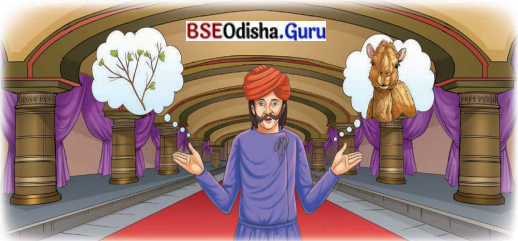
III. Observe the picture carefully. What do you think night have happened? Share your answers with your classmates and teacher.
ଛବିଟିକୁ ପର୍ଯ୍ୟବେକ୍ଷଣ କର । କ’ଣ ଘଟିଥାଇପାରେ ବୋଲି ତୁମେ ଭାବୁଛ ? ତୁମମାନଙ୍କର ଉତ୍ତର ଶ୍ରେଣୀସାଥୀ ଓ ଶିକ୍ଷକଙ୍କ ସହିତ ବିନିମୟ କର ।)
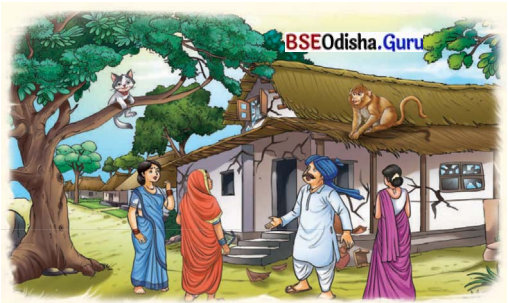
Answer:
It is thought that the man has lost something. It might be an animal and he is not able find it. He approaches a house where sme women are standing outside the house. The man asks them about his animal an wants to know where his animal is. It seems that the three women don’t help the man.
Let us discuss (ต ซ|લ્લાવ્ત્રા ตอิશ)
I. Complete the following sentences with suitable reasons. One example has been done for you. Share your answers with your classmates and teacher.
(ନିମ୍ନଲିଖ୍ ବାକ୍ୟଗୁଡ଼ିକୁ ଉପଯୁକ୍ତ କାରଣ ଲେଖୁ ପୂରଣ କର । ତୁମ ପାଇଁ ଗୋଟିଏ ଉଦାହରଣ କରି ଦିଆଯାଇଛି । ତୁମ ଉତ୍ତରକୁ ଶ୍ରେଣୀ ସାଥୀ ଓ ଶିକ୍ଷକଙ୍କ ସହ ବିନିମୟ କର ।)
(Questions with Answer)
1. Shiv Datt said, “I believe it has been over a week, perhaps even longer,” because it had been a long time since they left the village.
2. Dev Datt said, “Indeed, we ought to be united in this hope. That is why we press on towards Ujjain,” because they all hoped to get employed by the king.
3. Har Datt said, “Look there, friends. A camel has passed this way. The tracks are fresh,” because he had seen the fresh camel tracks on the dusty road.
4. Shiv Datt said, “It appears to be a merchant, running as if pursued by trouble,” because the merchant was running fast and seemed worried.
5. The merchant said, “How could you possibly know that? The poor creature has been unwell for two weeks now. Surely you are a healer!” because Devdatt correctly observed that camel had stomach pain.
6. Dev Datt said, “You are free to do as you wish, sir. If the King desires our presence, we shall be waiting under that banyan tree yonder,” because Devdatt had nothing to fear and was ready to face the king. He had faith that justice must be given in the king’s court.
Curtain
Let us discuss
Arrange the following events in order of their occurrence from Scene II, of the play. One example has been done for you. Share your answers with your classmates and teacher.
(ଦୃଶ୍ୟ ରେ ଥିବା ନିମ୍ନଲିଖତ ଘଟଣାବଳୀକୁ ସେଗୁଡ଼ିକର ଘଟିଥିବା କ୍ରମ ଅନୁସାରେ ସଜାଇ ଲେଖ । ଗୋଟିଏ ଉଦାହରଣ ତୁମ ପାଇଁ ଦିଆଯାଇଛି । ତୁମ ଉତ୍ତରକୁ ସହପାଠୀ ଓ ଶିକ୍ଷକଙ୍କ ସହ ବିନିମୟ କର ।) (Question with Answer)
1. The King makes the four young men his advisers, impressed by their skills. (8)
2. Ram Datt explains how he infers from the tracks that the camel is lame. (3)
3. The King asks the merchant to clearly state his accusation. (2)
4. The King praises the young men for their observations and dismisses the merchant’s accusation. (7)
5. Shiv Datt reveals that the camel is blind in its right eye as it had only chewed on the leaves on the left side of the road. (4)
6. Dev Datt explains his observation about the camel’s pain and careful movement. (6)
7. Har Datt clarifies how he knew that the camel has a short tail. (5)
8. The merchant accuses the four men of knowing a lot about his missing camel. (1).
Let us think and reflect
(ଆସ ଚିନ୍ତା କରିବା ଓ ବିଚାର କରିବା):
Read the given extracts and answer the questions that follow.
(ପ୍ରଦତ୍ତ ଉଦ୍ଧୃତାଂଶଟି ପଢ଼ ଏବଂ ପରବର୍ତ୍ତୀ ପ୍ରଶ୍ନଗୁଡ଼ିକର ଉତ୍ତର ଦିଅ ।)
1. DEV DATT: Ten days are but a short span in the grand scheme of things. We may still have many more roads to wander before we find employment befitting all four of us.
RAM DATT: If only we could secure an audience with the King of Ujjain. I am confident he would recognise our talents and appoint us to his service.
SHIV DATT: I share your belief.
DEV DATT: Indeed, we ought to be united in this hope. That is why we press on towards Ujjain.
HAR DATT: (Pausing thoughtfully) Gaining an audience with the King is no simple task. We need to devise a strategy.
(i) Identify the false statement from the two given below and rectify it.
(ତଳେ ଦିଆଯାଇଥବା ଦୁଇଟିରୁ ଭୁଲ୍ ଭକ୍ତି ଚିହ୍ନଟ କର ଏବଂ ଏହାକୁ ସଂଶୋଧନ କର ।)
A. Dev Datt believes that finding employment is an easy task.
B. Ram Datt is confident that the King would recognise their talents.
Answer:
False Statement: A. Dev Datt believes that finding employment is an easy task.
Correction: Dev Datt believes that the journey may still be long and they have many more roads to travel before getting employment be.
(ii) What does Ram Datt’s confidence in gaining the King’s recognition tell us about him ?
(ରାଜାଙ୍କ ସ୍ଵୀକୃତି ଲାଭ କରିବାର ଦୃଢ଼ ବିଶ୍ଵାସ ରାମଦତ୍ତ ବିଷୟରେ କ’ଣ କହୁଛି ?)
Answer:
Ram Datt’s confidence in gaining the King’s recognition tells us that he is confident and optimistic.
(iii) Complete the sentence given below with the correct option from those given.
(ପ୍ରଦତ୍ତ ବିକଳ୍ପମାନଙ୍କ ମଧ୍ୟରୁ ସଠିକ୍ ବିକଳ୍ପ ବାଛି ବାକ୍ୟଟିକୁ ପୂରଣ କର ।)
In the line, “That’s why we press on towards Ujjain’, the phrase `press on’ refers to _____
A. walking with heavy steps
B. moving forward with determination
C. slowing down frequently for rest
D. stopping briefly to save time
Answer:
B. moving forward with determination
(iv) Har Datt says, “We need to devise a strategy.” What can be inferred about Har Datt’s character from his statement?
A. He is doubtful of their abilities and wants to give up.
B. He is eager to rush into the palace without preparation.
C. He is cautious and thoughtful, preferring to plan ahead.
D. He relies on others to make decisions for the group.
Answer:
C. He is cautious and thoughtful, preferring to plan ahead.
2. King: (To the four men) You have demonstrated remarkable intelligence and the ability to see beyond the obvious. Such minds are rare and highly valued in my court. I extend to you the honour of becoming my advisers. Your counsel shall guide my decisions, and your wisdom shall be a beacon for my kingdom. What do you say to my offer?
Ram Datt: (Stepping forward) Your Highness, it is an honour we had not dared to dream of
(i) Select the option that is true for both Assertion (A) and Reason (R).
(ଉଭୟ Assertion (A) ଓ Reason (R) ପାଇଁ ସତ୍ୟ ହୋଇଥିବା ବିକଳ୍ପଟି ଚୟନ କର ।)
(A): The Merchant left the court feeling humbled and ashamed.
(R): The King commanded that the four wise men join his court.
A. Both (A) and (R) are true, and (R) is the correct explanation of (A).
B. Both (A) and (R) are true, but (R) is not the correct explanation of (A).
C. (A) is true, but (R) is false.
D. (A) is false, but (R) is true.
Answer:
A. Both (A) and (R) are true, and (R) is the correct explanation of (A).
(ii) Complete the following sentence by choosing the correct option.
(ଠିକ୍ ବିକଳ୍ପଟିକୁ ବାଛି ଶୂନ୍ୟସ୍ଥାନ ପୂରଣ କର ।)
The line, ‘See beyond the obvious,’ means that the men had the ability to
A. challenge common beliefs with reasoning
B. interpret information in traditional ways
C. notice details that others might overlook
D. predict what is going to happen in the future
Answer:
C. notice details that others might overlook
(iii) Complete the following sentence with a suitable reason.
(ଉପଯୁକ୍ତ କାରଣ ସହିତ ନିମ୍ନ ବାକ୍ୟଟିକୁ ପୂରଣ କର ।)
Ram Datt described the King’s offer as ‘an honour we had not dared to dream of because
Answer:
he had never imagined such honour from the king.
(iv) How does the King’s offer to the four men reflect his values as a ruler?
(ରାଜାଙ୍କର ଚାରିଜଣ ଲୋକଙ୍କୁ ସୁଯୋଗ ପ୍ରଦାନ ତାଙ୍କର ଜଣେ ଶାସକଭାବେ କିପରି ମୂଲ୍ୟାୟନ କରୁଛି ?)
Answer:
The king’s offer to the four men reflects that he values observation, intelligence and justice.
Answer the following questions.
Question 1.
What does the dusty road leading to Ujjain tell us about the challenges of the young men’s journey ?
(ଉଜୟନୀକୁ ଯାଇଥିବା ଧୂଳିପୂର୍ଣ୍ଣ ରାସ୍ତା ଚାରି ଜଣ ଯୁବକଙ୍କ ଯାତ୍ରାରେ ପ୍ରତିବନ୍ଧକ ବିଷୟରେ ଆମକୁ କ’ଣ କହୁଛି ?)
Answer:
Dusty roads are not easy to travel. It takes a lot of courage and determination to travel on a dusty road. The dusty road leading to Ujjain tells us about the challenges of the young men’s journey. They must have faced many difficulties to cross the road.
Question 2.
Why did the merchant become suspicious of the four men? What does this tell us about him ?
(ବ୍ୟବସାୟୀ ଜଣକ ଚାରିଜଣ ଲୋକଙ୍କୁ କାହିଁକି ସନ୍ଦେହ କଲା ? ଏଥୁରୁ ଆମକୁ ତା’ ବିଷୟରେ କ’ଣ ସୂଚନା ମିଳୁଛି ?)
Answer:
The merchant became suspicious of the four young men because they gave a detailed description about the merchant’s camel without seeing it. He was sure that they had stolen the camel. He was unable to judge the four young men. It tells us that the merchant was impulsive and he came to the conclusion that the young men were thieves.
Question 3.
How do the four young men’s observations about the camel serve as a turning point in the play ?
(ଚାରିଜଣ ଯୁବକଙ୍କର ଓଟ ବିଷୟରେ ପର୍ଯ୍ୟବେକ୍ଷଣ କିପରି କାହାଣୀରେ ମୋଡ଼ ଆଣିଥିଲା ?)
Answer:
The observations of the four young men about the camel served as a turning point in the play, became the youngmen explained the king that they had n’t seen the camel. The king got impressed by their intelligence. The king realized that they were so wise that they could see beyond the things. Finally he offered them to be his advisors. Their intelligence and sharp thinking impressed the king and changed their fate.
Question 4.
Why did the King believe the four young men and not the merchant?
(ରାଜା କାହିଁକି ଚାରିଜଣ ଯୁବକଙ୍କୁ ବିଶ୍ୱାସ କଲେ ଏବଂ ବ୍ୟବସାୟୀଙ୍କୁ ବିଶ୍ଵାସ କଲେ ନାହିଁ ?)
Answer:
The king believed the four young men because they explained how they knew about the camel without seeing it. The king realised that the merchant’s accusation against the young men were false and baseless. Since the merchant had no proof, the king valued wisdom and intelligence of the four young men.
Question 5.
How does the capability of the four young men make them suitable to become advisors ?
(ଚାରିଜଣ ଯୁବକଙ୍କ ସାମର୍ଥ୍ୟ କିପରି ରାଜାଙ୍କ ଉପଦେଷ୍ଟାରେ ପରିଣତ କରିପାରିଥିଲା ?)
Answer:
The four young men’s capability shows that they are clever and full of wisdom. The four young men have the capability to see beyond the things. Their honesty and truthfulness make them good advisors. These are the capability needed in persons who must guide the king.
Question 6.
Why does the merchant feel ashamed for accusing the four young men of stealing his camel? Explain in your own words.
Answer:
The merchant feels ashamed for accusing the four young men of slealing his camel because they explained how they knew the camel’s characteristics without ever seeing it, The merchant understood that his accussations were wrong.
Let us learn (ଆସ ଶିଖୁବା):
I. Complete the sentences by filling in the noun form of the textual words given in the brackets.
(ବନ୍ଧନୀ ମଧ୍ଯରେ ଦିଆଯାଇଥିବା ପାଠ୍ୟ ବିଷୟରେ ଶବ୍ଦଗୁଡ଼ିକର ବିଶେଷ୍ୟ ରୂପ ଲେଖୁ ବାକ୍ୟଗୁଡ଼ିକୁ ପୂରଣ କର ।)
1. Some word games need a lot of thought and ______ (deduce)
Answer: deduction
2. We need to make close of animals in order to understand their behaviour. (observe)
Answer: observation
3. A detailed____ of the documents shows a lot of errors. (scrutinise)
Answer: scrutiny
4. You should not make any false _____ against anyone. (accuse)
Answer: accusation
5. She was given an award in ____ of her contribution to literature. (recognise)
Answer: recognition
II. Match the expressions in Column 1 with their meanings in Column 2.
(ସ୍ତମ୍ଭ ‘1’ ରେ ଥିବା ଉକ୍ତ ସହ ସ୍ତମ୍ଭ ‘2’ରେ ଥିବା ସେମାନଙ୍କର ଅର୍ଥକୁ ମିଳାଅ ।)
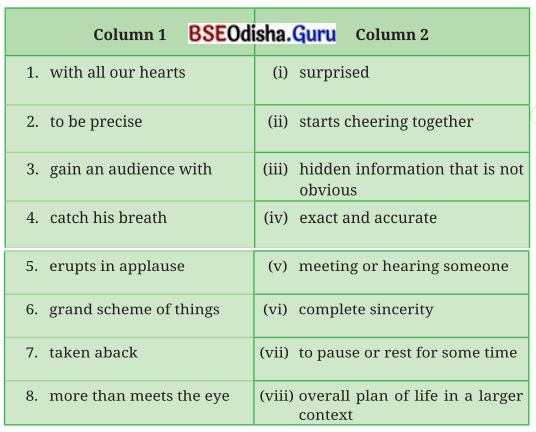
Answer:
| Column 1 | Column 2 |
| 1. with all our hearts 2. to be precise 3. gain an audience with 4. catch his breath 5. erupts in applause 6. grand scheme of things 7. taken aback 8. more than meets the eye |
(vi) complete sincerity (iv) exact and accurate (v) meeting or hearing someone (vii) to pause or rest for some time (ii) starts cheering together (viii) overall plan of life in a larger context (i) surprised (iii) hidden information that is not obvious |
Now, make sentences using any five of the expressions from Column 1.
(ଏବେ ସ୍ତମ୍ଭ ‘1’ ରୁ ଯେକୌଣସି ପାଞ୍ଚଟି ଉକ୍ତି ବ୍ୟବହାର କରି ବାକ୍ୟ ଗଠନ କର ।)
Answer:
1. with all our hearts: The soldiers fought with the enemies with all their hearts.
2. to be precise: The meeting is at 2 p.m. to 2:15 p.m. to be precise.
3. erupts in applause: When India won the match, the audience erupted in applause.
4. gain an audience with: The minister helped to gain an audience with the chief minister.
5. more than meets the eye: The judge suspected the case more than meets the eye.
III. Match the different meanings of ‘face’ and ‘bear’ with the correct usage in the sentences given in the table below.
(n. stands for the word noun and v. stands for the word verb)
(ନିମ୍ନରେ ପ୍ରଦତ୍ତ ସାରଣୀରେ ‘face’ ଓ ‘bear’ ର ବିଭିନ୍ନ ଅର୍ଥକୁ ଓ ତାହାର ସଠିକ୍ ବ୍ୟବହାର ସହ ମିଳାଅ । n ର ଅର୍ଥ noun ଓ v ର ଅର୍ଥ verb 1)
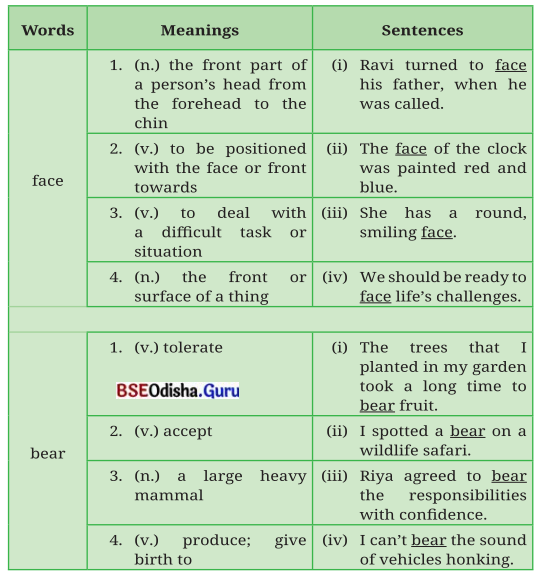
Answer:
| Words | Meanings | Sentence |
| face | 1. (n.) the front part of a person’s head from the forehead to the chin | (iii) She has a round, smiling face. |
| 2. (v.) to be positioned with the face or front towards | (i) Ravi turned to face his father, when he was called. | |
| 3. (v.) to deal with a difficult task or situation | (iv) We should be ready to face life’s challenges. | |
| 4. (n.) the front or surface of a thing | (ii) The face of the clock was painted red and blue. | |
| bear | 1. (v.) tolerate | (iv) I can’t bear the sound of vehicles honking. |
| 2. (v.) accept | (iii) Riva agreed to bear the responsibilities with confidence. | |
| 3. (n.) a large heavy mammal | (ii) I spotted a bear on a wildlife safari. | |
| 4. (v.) produce; give birth to | (i) The trees that I planted in my garden took a long time to bear fruit |
IV. Match the highlighted words in the sentences in Column 1 with the functions they express in Column 2.
(ସ୍ତମ୍ଭ ‘1’ରେ କଳା ଅକ୍ଷରରେ ଲିଷ୍କୃତ ଶବ୍ଦକୁ ସ୍ତମ୍ଭ ‘2’ରେ ଥିବା ତାହାର ଅର୍ଥ ସହିତ ମିଳାଅ ।)
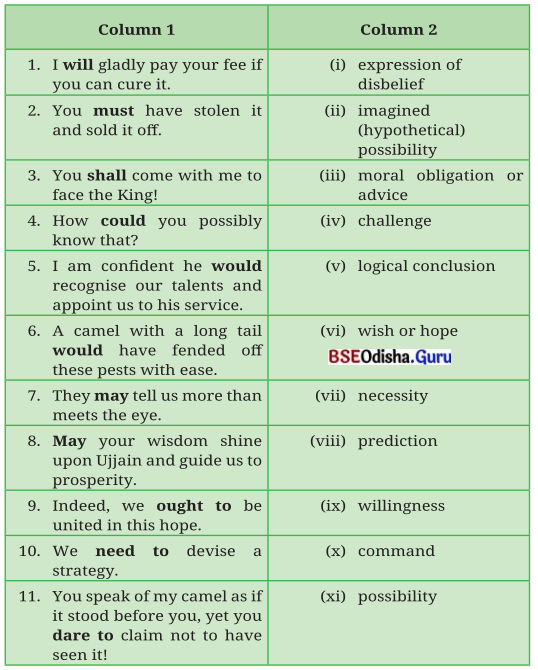
Answer:
| Column 1 | Column 2 |
| 1. I will gladly pay your fee if you can cure it. | (xi) possibility |
| 2. You must have stolen it and sold it off. | (v) logical conclusion |
| 3. You shall come with me to face the King! | (x) command |
| 4. How could you possibly know that? | (iv) challenge |
| 5. I am confident he would recognise our talents and appoint us to his service. | (viii) prediction |
| 6. A camel with a long tail would have fended off these pests with ease. | (ii) imagined(hypothetical) possibility |
| 7. They may tell us more than meets the eye. | (xi) possibility |
| 8. May your wisdom shine upon Ujjain and guide us to prosperity. | (vi) wish or hope |
| 9. Indeed, we ought to be united in this hope. | (iii) moral obligation or advice |
| 10. We need to devise a strategy. | (vii) necessity |
| 11. You speak of my camel as if it stood before you, yet you dare to claim not to have seen it! | (i) expression of disbelief |
(V) Complete the following story with modal verbs in the box given below by using the clues from the functions given within brackets.
(ବନ୍ଧନୀ ମଧ୍ଯରେ ଥିବା କାର୍ଯ୍ୟର ସୂଚନାକୁ ବ୍ୟବହାର କରି ନିମ୍ନ କୋଠରିରେ ପ୍ରଦତ୍ତ modal verbକୁ ବ୍ୟବହାର କରି ସାରଣୀ ପୂରଣ କର ।)
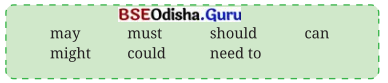
An old man, known for his wisdom, lived in a small village. One day, a young boy asked him, “How 1. ……… (ability) I become wise like you?” The old man smiled and said, “Wisdom 2. ……… (necessity) be earned through patience. You 3. ……… (suggestion) listen, more than you speak.” The boy thought for a while and replied, “It 4. ………(weak possibility) take years, but I’ll try.” The old man nodded. “You 5. ……… (obligation) learn from your mistakes too. Wisdom 6. ………(possibility) come slowly, but it always arrives for those who seek it.” The boy knew he 7. ……… (ability) become wise if he followed the old man’s advice.
Answer:
1. can 2. must 3. should 4. might 5. need to 6. may 7. could
VI. Rewrite the following sentences using appropriate modal verbs. You may take clues from the highlighted words. One example has been done for you.
(ଉପଯୁକ୍ତ modal ବ୍ୟବହାରକରି ଶୂନ୍ୟସ୍ଥାନ ପୂରଣ କର । ତୁମେ ଉଲ୍ଲିଖତ ଶବ୍ଦରୁ ସୂଚନା ପାଇପାରିବ । ତୁମ ପାଇଁ ଗୋଟିଏ ଉଦାହରଣ କରି ଦିଆଯାଇଛି । )
1. It is advisable for you to think before you speak.
You should think before you speak.
2. It is unnecessary to worry about things beyond your control.
3. It is not possible for a person to gain experience without taking risks.
4. It is essential to treat others with kindness, even when they disagree with you.
5. It is not allowed to interrupt when someone else is speaking.
Answer:
2. You needn’t worry about things beyond your control.
3. One can’t gain experience without taking risks.
4. You must treat others with kindness even when they disagree with you.
5. You must not interrupt when someone is speaking.
Let us listen (ଆସ ଶୁଣିବା):
I. You will listen to four people sharing their thoughts on why they enjoy witty characters in stories. As you listen, match the statements 1-6 given below to the speakers (i) – (iv). There are two statements you do not need. (Transcript for teacher on page 48) (ତୁମେ ଚାରିଜଣ ଲୋକ ସେମାନେ କାହିଁକି ଗଳ୍ପରେ ଚତୁର ଚରିତ୍ରରେ ଅଭିନ
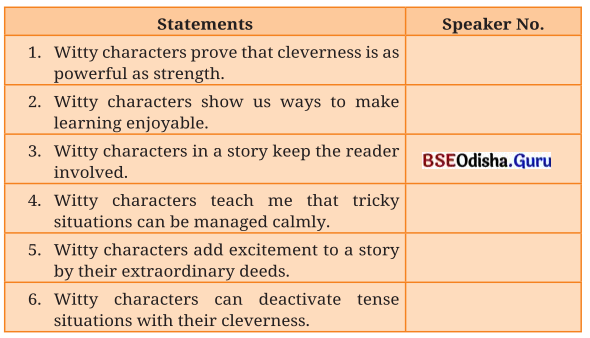
Answer:
| Statements | Speaker No. | |
| 1. | Witty characters prove that cleverness is as powerful as strength. | Speaker (ii) |
| 2. | Witty characters show us ways to make learning enjoyable. | |
| 3. | Witty characters in a story keep the reader involved. | Speaker (iv) |
| 4. | Witty characters teach me that tricky situations can be managed calmly. | Speaker (iii) |
| 5. | Witty characters add excitement to a story by their extraordinary deeds. | |
| 6. | Witty characters can deactivate tense situations with their cleverness. | Speaker (i) |
Let us speak (ଆସ କହିବା) :
I. The way in which a word is stressed in a sentence can change its meaning. Read the following examples.
(ଗୋଟିଏ ବାକ୍ୟରେ ଏକ ଶବ୍ଦର ଉଚ୍ଚାରଣ ଉପରେ ଜୋର ଦେଲେ ଏହାର ଅର୍ଥ ବଦଳିଯାଇପାରେ । ନିମ୍ନଲିଖୁତ ଉଦାହରଣଗୁଡ଼ିକ ପଢ଼ ।)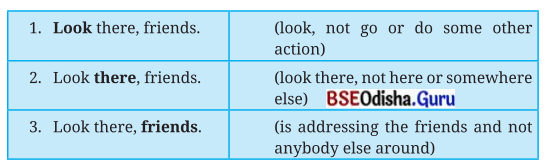
Now, work in pairs. Take turns to say the following sentences aloud by stressing on the highlighted words. Share the meanings of the sentences with each other and teacher.
(ଏବେ ଦୁଇଜଣିଆ ଦଳରେ କାମ କର । ପାଳି ଅନୁସାରେ ନିମ୍ନଲିଖତ ବାକ୍ୟଗୁଡ଼ିକୁ ଉଲ୍ଲିଖତ ଶବ୍ଦ ଉପରେ ଜୋର୍ ଦେଇ କୁହ । ବାକ୍ୟର ଅର୍ଥ ବିଷୟରେ ଅନ୍ୟମାନଙ୍କ ସହ ଓ ଶିକ୍ଷକଙ୍କ ସହ ଆଲୋଚନା କର ।)
I take my dog for a walk in the evening.
I take my dog for a walk in the evening.
I take my dog for a walk in the evening.
I take my dog for a walk in the evening,
I take my dog for a walk in the evening,
Answer:
- emphasis: I, not anyone else.
meaning: I personally do it. - emphasis: take, not carry.
meaning: I make the dog walk with me. - emphasis: My, not someone else,
meaning: The dog belongs to me. - emphasis: dog, not other pet.
meaning: I take my dog, not other animal. - emphasis: in the evening, not at any other time.
II. Statements and exclamatory sentences usually end with a falling tone. Listen to the teacher read these sentences aloud and repeat it with the correct intonation.
(ବିବୃତି ସୂଚକ ଓ ବିସ୍ମୟସୂଚକ ବାକ୍ୟଗୁଡ଼ିକ ସାଧାରଣତଃ ସ୍ଵରର ନିମ୍ନଗତିରେ ଶେଷ ହୁଏ । ଶିକ୍ଷକ ଏହି ବାକ୍ୟଗୁଡ଼ିକ ଉଚ୍ଚସ୍ଵରରେ ପଢ଼ୁଥିବାର ଶୁଣ ଏବଂ ସଠିକ୍ ସ୍ଵରଗତି (intonation) ସହ ଏହାର ପୁନରାବୃତ୍ତି କର ।)
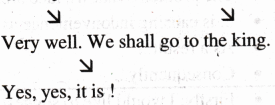
Now, practise by saying the following sentences with the correct intonation.
(ଏବେ ନିମ୍ନଲିଖୁତ ବାକ୍ୟଗୁଡ଼ିକ ସଠିକ୍ ସ୍ୱରଗତି (intonation) ସହ କହି ଅଭ୍ୟାସ କର ।)
- Good day, kind sirs.
- We regret to inform you that we do not know where it is.
- You describe it perfectly!
- You shall come with me to face the King!
Answer:
The following sentences are with the correct intonation.
- Good day, kind sirs – This is a polite greeting. The falling tone is at the end.
- We regret to inform you that we do not know where it is. – This informs you that we do not know where it is.
To mouriboo bad reninge - You describe it perfectly! – This is an explanation expressing surprise. The following to the expresses speaker’s stars feeling.
- You shall come with me to face the King ! – This is a command
Let us write (ଆସ ଲେଖୁବା) :
I. You have observed that the kutcha road leading to your colony is in a very bad condition due to heavy rains. The potholes are dangerous for people and can lead to accidents. They also serve as a breeding ground for mosquitoes as there is stagnant water all around.
Write a letter of complaint to the Commissioner, Municipal Corporation or the Sarpanch, Gram Panchayat to look into the matter and take necessary action.
(ମ୍ୟୁନିସିପାଲ କର୍ପୋରେସନର କମିଶନର କିମ୍ବା ଗ୍ରାମପଞ୍ଚାୟତର ସରପଞ୍ଚଙ୍କୁ ଘଟଣାର ଅନୁଧ୍ୟାନ ଏବଂ ଦରକାରୀ କାର୍ଯ୍ୟାନୁଷ୍ଠାନ ପାଇଁ ଏକ ଅଭିଯୋଗ ପତ୍ର ଲେଖ ।)
Follow the format of a formal letter and draft the letter with the help of cues given below. (ଏକ ଔପଚାରିକ ପତ୍ରର ରୂପରେଖ ଅନୁସରଣ କର ଏବଂ ନିମ୍ନ ପ୍ରଦତ୍ତ ସୂଚନା ଆଧାରରେ ପତ୍ର ଲେଖ ।)
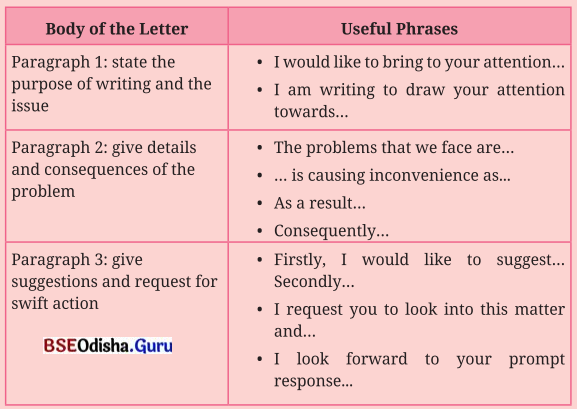
Answer:
LIC Colony, Rourkela, Sundargarh
05 May 2026
The Commissioner,
Rourkela Municipal Corporation, Rourkela
Sub: Complaint against bad condition of Kutcha road leading to LIC colony.
I am writing to draw your attention towards the bad condition of the kutcha road leading to our colony. The road has developed many potholes increasing chances of accidents. The stagnant water is serving as the breeding place of mosquitoes, flies and harmful insects increasing the chances of diseases like malaria and dysentry. As a result the residents are facing a lot of inconvenience and health problems.
I kindly request you to take proper action hastily. Firstly it is suggested that the road should be repaired. Secondly the proper drainage facilities should be ensured to prevent water logging. We hope you will look into the matter seriously.
We look forward to your positive and quick response.
Thanking you
Yours faithfully
Ashutosh Behera
Let us explore (ଆସ ଅନ୍ଵେଷଣ କରିବା):
I. Staging a play requires creativity, organisation and team work. Steps involved staging a play.
1. Choose a director, a stage manager, a light and sound incharge, a props manager, a costume designer, and a makeup artist.
2. Hold auditions and decide the roles.
3. Read the script and plan stage movements, and positions for each scene.
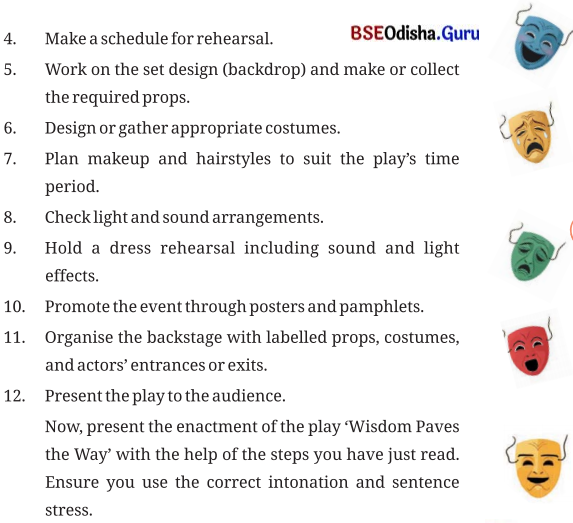
Now, present the enactment of the play ‘Wisdom Paves the Way’ with the help of the steps you have just read. Ensure you use the correct intonation and sentence stress.
(ବର୍ତ୍ତମାନ ତୁମେ ପଢ଼ିଥିବା ସୋପାନଗୁଡ଼ିକର ସହାୟତାରେ ‘Wisdom Paves the Way’ ନାଟକ ଅଭିନୟ କର । ତୁମେ ସଠିକ୍ ସ୍ୱରଗତି ଓ ଶବ୍ଦ ଉପରେ ପ୍ରାଧାନ୍ୟ ଦେଉଛ ବୋଲି ନିଶ୍ଚିତ ହୁଅ ।)
II. Stories related to wit and wisdom have always fascinated the readers. Go to the library and read the stories associated with the following.
(ବୁଦ୍ଧିମତ୍ତା ଓ ବିଜ୍ଞତା ସଂପର୍କିତ ଗପଗୁଡ଼ିକ ସର୍ବଦା ପାଠକମାନଙ୍କୁ ଆକର୍ଷିତ କରିଥାଏ । ପାଠାଗାରକୁ ଯାଅ ଓ ନିମ୍ନଲିଖତ ସମ୍ବନ୍ଧିତ ଗଳ୍ପଗୁଡ଼ିକୁ ପଢ଼ ।)
Vikramaditya and Betal
Tenali Rama
Gopal the Jester
Panchatantra Tales
Jadumani GapaNataka
Akbar Birbal
“The highest education is that which does not merely give us information but that makes our life in harmony with all existence”. — Rabindranath Tagore
The Wit That Won Hearts
Let us listen (refer to page 12)
I. You will listen to a woman narrating a story. As you listen, fill in the blanks for the following sentences given below by selecting the correct options.
Hello everybody! Today I’ll be narrating a story about a quick-witted courtier in the kingdom of Vijayanagara.
A renowned scholar, proud of his abilities, once visited the kingdom of Vijayanagara. You see, he wanted to challenge the scholars in the court of King Krishnadeva Raya. The court scholars did not want to accept the challenge as they were worried of being defeated by the visitor. Besides this, they were also afraid that the king would be angry if they refused to face the scholar.
They knew that only the quick-witted Tenali Rama would be able to manage the situation. So, naturally, they asked him for a solution. As expected, Rama told them that he would accept the challenge. The next day, Rama arrived at the palace. Rama and the challenger sat facing each other. There was a bundle wrapped in silk kept near Rama. He placed his hand on the bundle and said to the visitor, “Let us start by discussing the merits of tila-kashta-mahisha- bandhana”. The visitor was taken aback. He had read thousands of works. But he had never heard of this work. He had no idea what to say. The scholar had to accept his defeat. Ashamed, he quietly left the palace.
Now, the king was curious to know about the great work Rama had mentioned. Rama smiled and removed the silk cloth. There was a huge bundle of sticks tied with a thick rope! The king was puzzled and asked for an explanation.
Rama told him, “O king! tila is sesame; kashta is stick, tilakashta means sticks of sesame plants”. Then, displaying the rope Rama said, “This is the rope used to tie a buffalo mahisha means buffalo, bandhana means the rope used for tying-so, this is tila-kashta- mahisha-bandhana.” The king burst out laughing. The poor visitor had become scared hearing such a difficult name. In this way, Rama had taught the arrogant scholar a lesson.
II. You will once again listen to the woman narrating the story. As you listen, number the events of the story in the correct order of occurrence.
A Concrete Example
Let us listen (refer to page 23)
I. You will listen to a presentation about the wonderful Rock Garden of Chandigarh. As you listen, answer the questions in one to three exact words.
Hello everyone! The Rock Garden is a spacious open-air exhibition. It is a proof of human creativity with waste materials. This garden was created by Nek Chand, in 1957. This is the reason the garden is also known as Nek Chand’s Rock Garden. The garden was featured on an Indian postage stamp in 1983 and Nek Chand was awarded the Padma Shri a year later.
The Rock Garden is spread across a massive 40-acre wonderland. Do you know why I say this? Well, it is because it has several colourful sculptures and mosaic of art pieces.
What is unique about the Rock Garden is that it is divided into three distinct phases. Each area reveals a unique collection of installations including terracotta pots, light fixtures, and even broken toilet pots, that have been transformed into extraordinary masterpieces. You will be surprised to know that the borders of the Rock Garden are lined with around 5,0000 statues. The Rock Garden is truly a place that celebrates the best from waste. I sincerely recommend that you visit this extraordinary national treasure.
Wisdom Paves The Way
Let us listen (refer to page 42)
I. You will listen to four people sharing their thoughts on why they enjoy witty characters in stories. As you listen, match statements 1-6 given below to the speakers (i)-(iv). There are two statements you do not need.
Speaker (i):
I love witty characters because they make serious situations funny! Even when things seem tense, they always have a clever response. Such characters never panic, think fast, and solve problems in the smartest way. I wish I could think that quickly!
Speaker (ii):
Witty characters are the best because they make stories exciting. I especially like how they turn ordinary moments into something memorable. It makes me feel like intelligence and humour are just as powerful as strength.
Speaker (iii):
I enjoy witty characters because they always have an answer for everything! They use humour instead of fighting, and that’s really wonderful. Even in folktales, they prove that smart thinking can win over force. It makes me laugh but also teaches me to stay calm in tricky situations.
Speaker (iv):
Witty characters add charm to a story. Their intelligence keeps the reader engaged, and their humour makes learning fun. Whether it’s a folktale or a modern one, a clever character always stands out. I often feel that wit and wisdom go hand-in-hand!
Wisdom Paves the Way Class 8 Summary
Let us read (ଆସ ଫିବା)
Characters
THE KING OF UJJAIN : a young King
FOUR YOUNGMEN: Ram Datt, Shiv Datt, Har Datt and Dev Datt
THE MERCHANT TWO SETRIES SETTING: A road leading to Ujjain, visible in the distance. Later, the King’s court, adorned with rich tapestries, tall pillars, and regal decor. The time is midday.
ଚରିତ୍ର ସମୂହ :
ଉଜ୍ଜୟିନର ରାଜା: ଜଣେ ଯୁବରାଜ
ଚାରିଜଣ ଯୁବକ : ରାମଦତ୍ତ, ଶିବଦତ୍ତ,ହରଦତ୍ତ ଓ ଦେବଦତ୍ତ, ଜଣେ ବ୍ୟବସାୟୀ, ଦୁଇଜଣ ସୈନିକ
ପୃଷ୍ଠଭୂମି : ଗୋଟିଏ ରାସ୍ତା ଉତ୍ଥାନୀକୁ ବହୁଦୂର ପର୍ଯ୍ୟନ୍ତ ଲମ୍ବିଥିବା ଦୃଶ୍ୟମାନ । ରାଜଦରବାର, ଗାଲିଚାରେ ସଜାଯାଇଛି, ଉଚ୍ଚସ୍ତ ଓ ସୁସଜ୍ଜିତ ହୋଇଛି । ସମୟ ମଧ୍ୟାହ୍ନ ।
Scene I: The Road to Ujjain
(ପ୍ରଥମ ଦୃଶ ଉଜ୍ଜୟନୀକୁ ରାସ୍ତା):
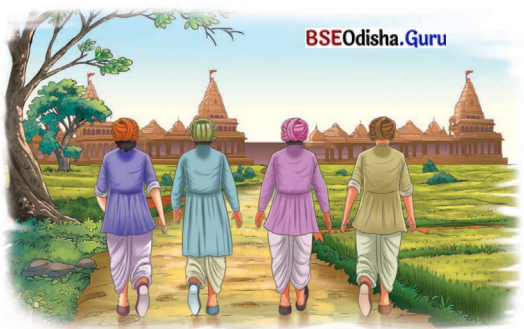
(Four young men – Ram Datt, Shiv Latt, Har Datt and Dev Datt – are walking along a dusty road leading to Ujjain. They appear travel-worn but resolute, their eyes fixed on the city that looms ahead. The suns high, and the distant noise of the bustling city faintly reaches them.)
ଓଡ଼ିଆ ଅନୁବାଦ :
(ରାମ ଦତ୍ତ, ଶିବ ଦତ୍ତ, ହର ଦତ୍ତ ଓ ଦେବ ଦା ନାମକ ଚାରିଜଣ ଯୁବକ ଉଜ୍ଜୟିନୀ ଆଡ଼କୁ ଲମ୍ବିଥୁବା ଧୂଳି ଧୂସରିତ ପତରେ ଚାଲିବାରେ ଲାଗିଛନ୍ତି । ସୋନେ ପଥଶ୍ରାନ୍ତ ହେଲେ ମଧ୍ୟ ଦୃଢ଼ ପ୍ରତିଜ୍ଞ ଜଣାଯାଉଛନ୍ତି । ସମ୍ମୁଖରେ ଅସ୍ପଷ୍ଟ ଦେଖାଯାଉଥିବା ନଗରୀ ଉପରେ ସେମାନଙ୍କ ଦୃଷ୍ଟି ନିବଦ୍ଧ । ସମୟ ମଧ୍ୟାହ୍ନ ଏବଂ ବ୍ୟସ୍ତବହୁଳ ନଗରୀର କୋଳାହଳ ସେମାନ୍ ଅସ୍ପଷ୍ଟ ଭାବେ ଶୁଣାଯାଉଛି ।)
RAM DATT: (Wiping his brow) We have journeyed far from home, yet the prospect of finding work still eldes us.
HAR DATT: How long has it been since we left our village?
SHIV DATT: I believe it has been over a week— perhaps even longer.
ରାମଦତ୍ତ: (କପାଳ ପୋଛି ଦେଲା) ଆମେ ଘରଠାରୁ ବହୁତ ଦୂରକୁ ଆସିଗଲୁଣି, ତଥାପି କାମ ମିଳିବା ସମ୍ଭାବନା
ହରଦତ୍ତ: ଆମେ ଗାଁ ଛାଡ଼ିବାଠାରୁ କେତେ ସମୟ ହୋଇଗଲାଣି ? ଏପର୍ଯ୍ୟନ୍ତ ଦେଖାଯାଉନାହିଁ ।
ଶିବଦତ୍ତ : ମୋତେ ଲାଗୁଛି ଗୋଟିଏ ସପ୍ତାହଠାରୁ ଅଧ୍ଵ ହୋଇଗଲାଣି ବୋଧହୁଏ ଆହୁରି ଅଧୂକ ହୋଇଥବ ।
RAM DATT: Ten days, to be precise. Every day feels longer than the last.
DEV DATT: Ten days are but a short span in the grand scheme of things. We may still have many more roads to wander before we find employment befitting all four of us.
RAM DATT: If only we could secure an audience with the King of Ujjain. I am confident he would recognise our talents and appoint us to his service.
SHIV DATT DEV DATT:
HAR DATT:(Pausing thoughtfully) Gaining 1 audience with the King is no simple task. We need to devise a strategy
ରାମଦତ୍ତ : ଠିକ୍ ଦଶଦିନ ହୋଇଗଲାଣି । ପ୍ରତିଦିନ ପୂର୍ବଦିନ ‘lପେକ୍ଷା ଲମ୍ବା ଲାଗୁଛି ।
ଦେବଦତ୍ତ: ଦଶଦିନ ଏକ ବିଶାଳ ଯୋଜନାର ଏକ ଛୋଟ ଅଧ୍ ଅଟେ । ଆମ ଚାରିଜଣକୁ ଉପଯୁକ୍ତ ନିଯୁକ୍ତି ପାଇବା ପର୍ଯ୍ୟନ୍ତ ତଥାପି ଅନେକ ରାସ୍ତା ବୁଲିବା ଘଟିପାରେ ।
ରାମଦତ୍ତ: ଯଦି ଉଜ୍ଜୟିନୀର ରାଜା ଆମ କଥା ଶୁଣିପାରିବାରଅବସର ମିଳନ୍ତା, ମୋର ଦୃଢ଼ ବିଶ୍ଵାସ ଯେ ସେ ଆମର ପ୍ରତିଭାକୁ ଚିହ୍ନିପାରନ୍ତେ ଓ ତାଙ୍କ ସେବାର ଆମକୁ ନିଯୁକ୍ତି ଦିଅନ୍ତେ ।
ଶିବଦତ୍ତ : ମୁଁ ତୁମର ବିଶ୍ୱାସକୁ ମାନୁଛି ।
ଦେବଦତ୍ତ : ବାସ୍ତବରେ, ଆମେ ଏହି ଆଶାରେ ଏକାଠି ରହି ଉଚିତ । ଏହି କାରଣରୁ ଆମେ ଉଜ୍ଜୟିନୀ ଆଡ଼କୁ ଯିବା ।
ହରଦତ୍ତ : (କିଛି ସମୟ ଚିନ୍ତାକରି) ରାଜାଙ୍କ ସହିତ ଶ୍ଳୋକରିବା ଏକ ସହଜ କାମ ନୁହେଁ । ଆମକୁ କୌଣସି ଯୋଜନା କରିବାକୁ ହେବ ।
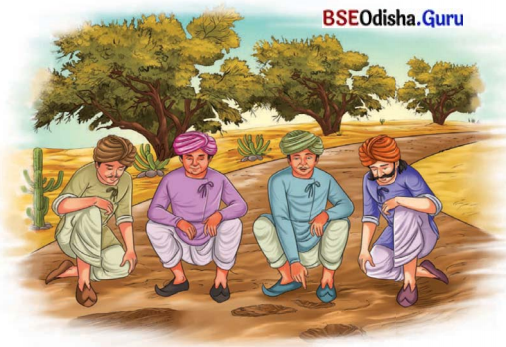
DEV DATT: Let us reach the city gates first. We can deliberate once we are there.
(As they walk, Ram Datt notices something on the ground.)
SHIV DATT: Look there, friends. A camel has passed this way. The tracks are fresh.
RAM DATT: (Studying the track) Yes, let us observe them as we continue. They may tell us more than the eye.
(The four men continue walking, occasionally stopping to examine the camel’s tracks. They scrutinise every detail, exchanging glances but saying little.)
RAM DATT: I have discovered something peculiar about this camel.
SHIV DATT: So have I.
ଦେବଦତ୍ତ : ଚାଲ ପ୍ରଥମେ ନଗର ଗେଟ୍ ପୀରେ ପହଞ୍ଚିବା । ଆମେ ନିକଟବର୍ତ୍ତୀ ହୋଇଗଲେ, ଚିନ୍ତା କରିବା । (ସେମାନେ ଚାଲୁଥିବାବେଳେ, ମଦତ୍ତ ଭୂମି ଉପରେ କିଛି ଦେଖୁପାରିଲା।)
ଶିବଦତ୍ତ : ଦେଖ ସାଙ୍ଗମାନେ, ଗୋଟିଏ ଟ ଏହି ବାଟଦେଇ ଯାଇଛି । ଖୁରା ଚିହ୍ନ ଅଳ୍ପ ସମୟର ମନେ ହେଉଛି ।
ରାମଦତ୍ତ : (ଖୁରା ଚିହ୍ନକୁ ଅନୁଧ୍ୟାନ କରି), ଚାଲ ସେଗୁଡ଼ିକୁ ଧାନର ସହିତ ପର୍ଯ୍ୟବେକ୍ଷଣ କରିବା ଓ ଆଗକୁ ଯିବା । ଆମେ ଆସ୍ରେ ଦେବାଠାରୁ ସେଗୁଡ଼ିକ କିଛି ଅଧ୍ଵକ କହିପାରିବ । (ଚାରିଜଣ ଚାଲିବା ଜାରି ଖୁଲେ, ବେଳେବେଳେ ଅଟକିଯାଇ ଓଟର ଖୁରା ଚିହ୍ନ ପରୀକ୍ଷା କରୁଥିଲେ, ଚକ୍ଷୁରେ ଭାବ ବିମୟ କରୁଥିଲେ ମାତ୍ର ଅଳ୍ପ କଥା କହୁଥିଲେ ।)
ରାମଦତ୍ତ: ମୁଁ ଏହି ଓଟ ବିଷୟରେ କିଛି ଅଦ୍ଭୁତ କଥା ଆବିଷ୍କାର କରିଛି ।
ଶିବଦତ୍ତ: ମୁଁ ମଧ୍ଯ ।
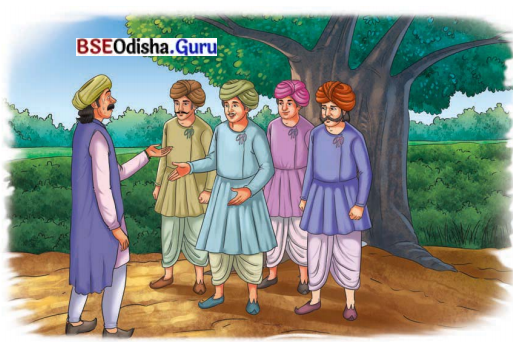
HAR DATT: I, too, have notice a strange detail.
DEV DATT: (Smiling) It seems each of us has learnt something unique, yet I believe my discovery is urike any of yours.
HAR DATT: Let us rest beneath a large tree and share our findings. But wait-someone approaches in haste!
SHIV DATT: (Peering ahead) It appears to be a merchant, running as if pursued by trouble.
RAM DATT: A merchant indeed, and judging by his countenance, he has lost something of great value—perhaps his camel. (The Merchant, panting and distressed, reaches the group. He pauses to catch his breath, then addresses them anxiously.)
ହରଦତ୍ତ: ମୁଁ ମଧ୍ୟ ଏକ ଅଦ୍ଭୁତ ଘଟଣା ଲକ୍ଷ୍ୟ କରୁଛି ।
ଦେବଦତ୍ତ: (ହସି ଦେଇ) ମୋତେ ଲାଗୁଛି, ଆମେ ସମସ୍ତେ କିଛି ଅନନ୍ୟ କଥା ଜାଣିପାରୁଛୁ, ତଥାପି ମୁଁ ଭାବୁଛି ମୋର ଆବିଷ୍କାର ସମସ୍ତଙ୍କଠାରୁ ଭିନ୍ନ ଅଟେ ।
ହରଦତ୍ତ: ଚାଲ ଏହି ବିରାଟ ବୃକ୍ଷତଳେ ବିଶ୍ରାମ ନେବା ଆମେ କ’ଣ ପାଇଲୁ ପରସ୍ପରକୁ ଜଣାଇଦେବା । କିନ୍ତୁ ଅପେକ୍ଷା କର । କେହି ଜଣେ ଆମ ପାଖକୁ ଦ୍ରୁତଗତିରେ ଆସୁଛି ।
ଶିବଦତ୍ତ: (ଆଗକୁ ଚାହିଁ) ମୋତେ ଲାଗୁଛି ଜଣେ ବ୍ୟବସାୟୀ କୌଣସି ଅସୁବିଧାରେ ପଡ଼ି ଦୌଡ଼ୁଅଛି ।
ରାମଦତ୍ତ : ହଁ, ପ୍ରକୃତରେ ଜଣେ ବ୍ୟବସାୟୀ ଏବଂ ତା’ର ହାବଭାବ ଜଣାପଡୁଛି ସେ କୌଣସି ମୂଲ୍ୟବାନ ଜିନିଷ ହଜାଇ ଦେଇଛନ୍ତି । –ବୋଧହୁଏ ତାଙ୍କ ଓଟ ।
(ବ୍ୟବସାୟୀ ଜଣକ ବ୍ୟସ୍ତବିବ୍ରତ ଓ ଧଇଁସଇଁ ହୋଇ ସେଠାରେ ପହଞ୍ଚିଲେ । ସେ ନିଃଶ୍ଵାସ ନେବାକୁ ଅଟକିଗଲେ, ତା’ପରେ ବ୍ୟସ୍ତ ହୋଇ ସେମାନଙ୍କୁ ପଚାରିଲେ ।)
MERCHANT: (Breathlessly) Good day, kind sirs.
ALL FOUR: Good day, brother.
MERCHANT: I seek your help. My camel has gone astray. Have you, by chance, seen it?
RAM DATT: Is your camel lame in one leg, by any chance?
MERCHANT: (Surprised) Yes, yes, it is 1
SHIV DATT: Is it blind in the right eye?
MERCHANT: Precisely! It is blind in one eye-the right one, as you say.
HAR DATT: And does it have a short tail?
MERCHANT: (Astonished) You describe it perfectly! Yes, it has a short tail.
DEV DATT: Tell me, sir, has it not been suffering from a pain in the stomach?
ବ୍ୟବସାୟୀ : (ଅଣନିଃଶ୍ଵାସୀଭାବେ) ନମସ୍କାର ଦୟାରୁ ମହାଶହ । ଚାରିଜଣ ନମସ୍କାର ଭାଇ
ବ୍ୟବସାୟୀ : ମୁଁ ଆପଣମାନଙ୍କର ସାହାଯ୍ୟ ମାଗୁଛି । ମୋର ଓଟଟା ପଥହରା ହୋଇଯାଇଛି । ଆପଣମାନେ, ଦୈବାତ୍, ଏହାକୁ ଦେଖୁଛନ୍ତି କି ?
ରାମ ଦତ୍ତ : ଆପଣଙ୍କ ଓଟର ଗୋଟିଏ ଗୋଡ଼ ଛୋଟା କି ?
ବ୍ୟବସାୟୀ : (ବିସ୍ମିତ ହୋଇ) ହଁ, ହଁ, ଏହାର ଗୋଟିଏ ଗୋଡ଼ ଛୋଟା ?
ଶିବ ଦର : ଏହାର ଡାହାଣ ଆଖୁ ଅନ୍ଧ କି ? ଡାହାଣ ଆଖୁ, ଆପଣ ଯେପରି କହିଲେ ।
ବ୍ୟବସାୟୀ : ପୂରା ଠିକ୍ ! ଏହା ଗୋଟିଏ ଆଖୁ ଅନ୍ଧ ହର ଦତ୍ତ : ଏହାର ଛୋଟିଆ ଲାଞ୍ଜ ଅଛି କି ?
ବ୍ୟବସାୟୀ : (ବିସ୍ମିତ ହୋଇ) ଆପଣ ଠିକ୍ ବର୍ଣ୍ଣନା କରିଛନ୍ତି । ହଁ, ଏହାର ଲଞ୍ଜଟା ଛୋଟ ।
ଦେବ ଦତ୍ତ : ମହାଶୟ ମୋତେ କୁହନ୍ତୁ, ଏହାର ପାକସ୍ଥଳୀରେ ଯନ୍ତ୍ରଣା ହେଉଛି କି ?
MERCHANT: (Taken aback) How could you possibly know that? The poor creature has been unwell for two weeks now. Surely you are a healer! I will gladly pay your fee if you can cure it. But tell me, where is my camel?
RAM DATT: We regret to inform you that we do not know where it is.
SHIV DATT: We have not seen your camel, not even once.
MERCHANT: (Indignant) How can that be? You speak of my camel as if it stood before you, yet you dare to claim not to have seen it! You are deceivers ! You must have stolen it and sold it off. I will take this matter to the King himself.
ବ୍ୟବସାୟୀ : (ଚମକିପଡ଼ି) ଆପଣ ଏହା ସମ୍ଭବ ବୋଲି ଜାଣିଲେ ? ଏହି ଅସହାୟ ପ୍ରାଣୀଟା ଦୁଇ ସପ୍ତାହ ହେଲାଣି ଅସୁସ୍ଥ ଅଛି । ଆପଣ ନିଶ୍ଚୟ ଜଣେ ଆରୋଗ୍ୟକାରୀ । ଆପଣ ଯଦି ଏହାକୁ ଭଲ କରିଦେବେ, ମୁଁ ଆପଣଙ୍କୁ ଫିସ୍ ଦେବି । କିନ୍ତୁ କୁହନ୍ତୁ, ମୋର ଓଟ କେଉଁଠି ?
ରାମ ଦତ୍ତ : ଆମେ ଦୁଃଖର ସହିତ ଜଣାଉଛୁ ଯେ ଏହା କେଉଁଠି ଅଛି, ଆମେ ଜାଣିନାହୁଁ ।
ଶିବ ଦତ୍ତ: ଆମେ ଆପଣଙ୍କ ଓଟକୁ ଏପରିକି ଥରେ ମଧ୍ୟ ଦେଖୁନାହୁଁ ।
ବ୍ୟବସାୟୀ : (ରାଗିଯାଇ) ଏହା କିପରି ସମ୍ଭବ ? ଆପଣମାନେ ଓଟ ବିଷୟରେ କହୁଛନ୍ତି ଯେପରି ଏହା ଆପଣଙ୍କ ଆଗରେ ଠିଆ ହୋଇଥିଲା, ତଥାପି କହୁଛନ୍ତି ଆମେ ଏହାକୁ ଥରେ ମଧ୍ୟ ଦେଖୁନାହୁଁ । ଆପଣମାନେ ଠିକ୍ ଅଟନ୍ତି । ଆପଣମାନେ ଏହାକୁ ଚୋରି କରଛନ୍ତି ଓ ଏହାକୁ ବିକ୍ରିକରି ଦେଇଛନ୍ତି । ମୁଁ ଏହି ଘଟଣାକୁ ନିଜେ ରାଜାଙ୍କ ପାଖକୁ ନେବି ।
DEV DATT: You are free to do as you wish, sir. If the King desires our presence, we shall be waiting under that banyan tree yonder.
MERCHANT: I do not trust your words. I will not leave you here to slip away. You shall come with me to face the King!
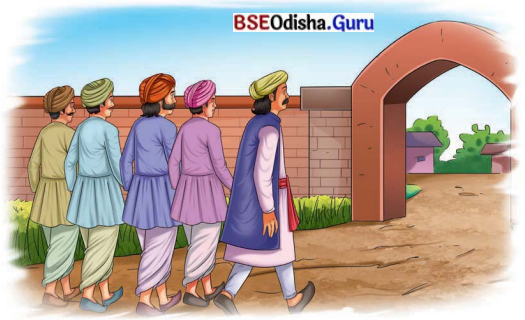
ALL FOUR: Very well. We shall go to the King. (They follow the Merchant towards the city gates. As they arrive at the palace, the Merchant speaks urgently to a Sentry. The Sentry leads the Merchant inside.)
ଦେବଦତ୍ତ : ଆପଣ ଯାହା ଇଚ୍ଛା କରୁଛନ୍ତି, ତାହା କରିବାପାଇଁ ସ୍ୱଚ୍ଛନ୍ଦରେ କରନ୍ତୁ । ଯଦି ରାଜା ଆମର ଉପସ୍ଥିତିକୁ ଇଚ୍ଛା କରିବେ, ଆମେମାନେ ସେଠାରେ ଥିବା ବରଗଛ ତଳେ ଅପେକ୍ଷା କରିଥୁବୁ ।
ବ୍ୟବସାୟୀ : ମୁଁ ଆପଣଙ୍କ କଥାକୁ ବିଶ୍ଵାସ କରିପାରିନି । ମୁଁ ଏଠାରେ ଆପଣମାନଙ୍କୁ ଖସିଯିବାପାଇଁ ଛାଡ଼ି ଯାଇପାରିନାହିଁ । ଆପଣମାନେ ମୋ ସାଙ୍ଗରେ ନିଶ୍ଚୟ ଆସିବେ ରାଜାଙ୍କର ସମ୍ମୁଖୀନ ହେବେ । ଚାରିଜଣ : ଠିକ୍ ଅଛି । ଆମେ ରାଜାଙ୍କ ପାଖକୁ ଯିବୁ । (ସେମାନେ ବ୍ୟବସାୟୀକୁ ଅନୁସରଣ କରି ସହରର ଗେଟ୍ ପାଖକୁ ଗଲେ । ଯେତେବେଳେ ରାଜପ୍ରାସାଦରେ ପହଞ୍ଚିଲେ, ବ୍ୟବସାୟୀ ଜଣେ ସୈନିକଙ୍କୁ ଖୁବ୍ ଶିଘ୍ର କଥା ହେଲେ । ସୈନିକ ଜଣକ ବ୍ୟବସାୟୀଙ୍କୁ ଭିତର ଆଡ଼କୁ ନେଇଗଲେ ।)
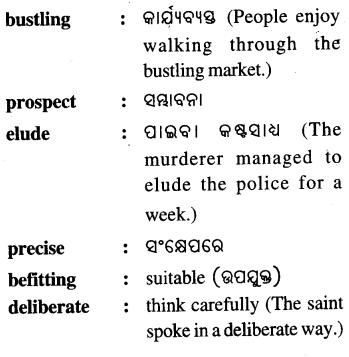
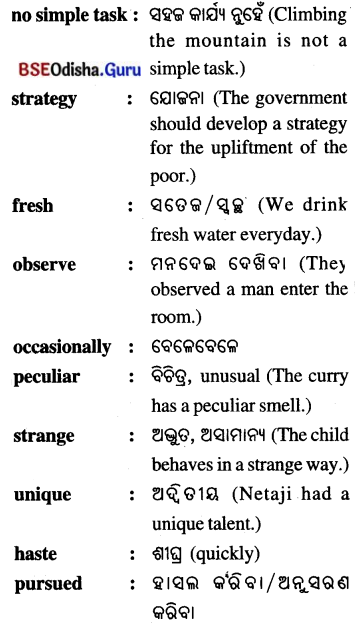
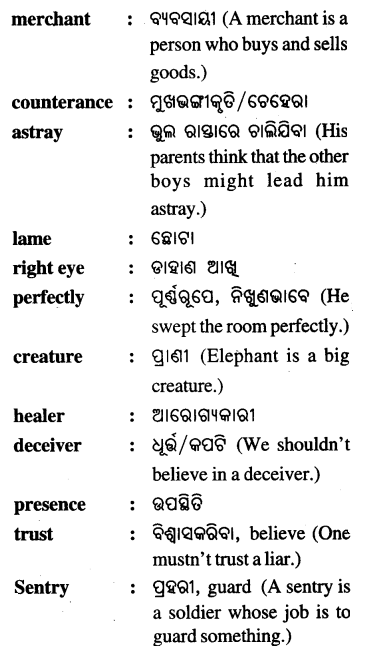
Notes and Glossary (ଶବ୍ଦାର୍ଥ):
Scene II: The King’s Court
(ଦୃଶ୍ୟ – ୨ : ରାଜାଙ୍କ ଦରବାର)
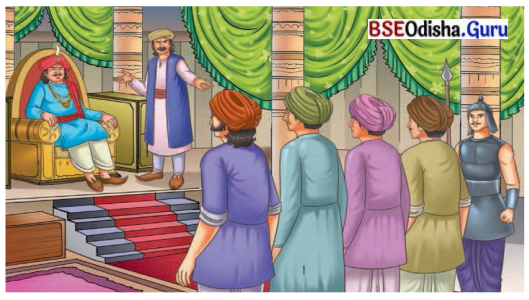
(The King of Ujjain sits upon his throne, surrounded by courtiers. They! grand hall is adorned with rich draperies, tall columns, and a golden canopy. The King, regal in his bearing, watches intently as the Merchant and the Sentry bow before him.)
KING: (Commanding) What is the matter that brings you to my court?
SENTRY: Your Highness, this merchant has come with a grievance against four travellers. He accuses them of stealing his camel.
KING: Bring forth the accused.
(The Sentry bows and exits, returning shortly with the four young men. They bow respectfully before the King, maintaining calm despite the accusations against them.)
ରାଜା: (ଆଦେଶ ଦେଇ) କେଉଁ ଘଟଣା ତୁମମାନଙ୍କୁ ମୋର ଦରବାରକୁ ଆଣିଛି ?
ପ୍ରହରୀ: ମହାରାଜ ! ଏହି ବ୍ୟବସାୟୀ ଚାରିଜଣ ଭ୍ରମଣକାରୀଙ୍କ ବିରୁଦ୍ଧରେ ଅଭିଯୋଗ ନେଇ ଆସିଛନ୍ତି । ତା’ର ଅଭିଯୋଗ ଯେ ସେମାନେ ତା’ର ଓଟ ଚୋରି କରିଛନ୍ତି ।
ରାଜ: ଅଭିଯୁକ୍ତମାନଙ୍କୁ ହାଜର କର ।
(ପ୍ରହରୀ ଅଭିବାଦନ ଜଣାଇ ପ୍ରସ୍ଥାନ କରିଛି, ଶୀଘ୍ର ଚାରିଜଣ ଯୁବକଙ୍କୁ ଧରି ଫେରିଛି ସେମାନେ ମୁଣ୍ଡ ନୁଆଇଁ ରାଜାଙ୍କୁ ସମ୍ମାନ ଜଣାଇ ସେମାନଙ୍କ ବିରୁଦ୍ଧରେ ଅଭିଯୋଗ ସତ୍ତ୍ଵେ ଶାନ୍ତ ରହିଛନ୍ତି ।)
ରାଜ: (ବ୍ୟବସାୟୀଙ୍କୁ) ତୁମ ଅଭିଯୋଗ ସ୍ପଷ୍ଟ ଭାବରେ କୁହ । ମୁଁ ମୋର ଦରବାରରେ କୌଣସି ଦ୍ଵନ୍ଦ ସହ୍ୟ କରିବି ନାହିଁ ।
MERCHANT: Your Majesty, these men know every detail of my missing camel, yet they insist they have never seen it. They are undoubtedly the thieves. How else could they know so much about it?
KING: (Turning to Ram Datt) You, speak. What do you know of this camel?
RAM DATT: Your Highness, I discovered that the camel is lame in one of its legs.
KING: And how did you deduce this?
RAM DATT: From its tracks on the road, I observed that only three feet left distinct impressions. The fourth was faint, indicating a limp. The pattern of the tracks told the tale of a creature struggling to bear its weight evenly.
KING: (Nodding thoughtfully) Impressive observation. You have sharp eyes, indeed. (To Shiv Datt) And what of you? What did you discern about this camel?
SHIV DATT: I observed that the camel was blind in its right eye, Your Majesty.
KING: How did you arrive at this conclusion?
SHIV DATT: It had nibbled only on the foliage to the left of the road, leaving the right side untouched. The leaves on the right hung undisturbed, as if unseen. From this, I deduced it could not see with its right eye.
KING: (Smiling) Well-reasoned indeed. Such detail is not easily noticed by a casual traveller. (To Har Datt) And your finding?
ବ୍ୟବସାୟୀ: ମହାରାଜ ! ଏହି ଚାରିଜଣ ଲୋକ ମୋର ହଜିଥିବା ଓଟର ସମସ୍ତ ବିବରଣୀ ଜାଣିଛନ୍ତି, ତଥାପି ସେମାନେ ମୋ ଓଟକୁ ଦେଖୁନାହାନ୍ତି ବୋଲି ଦୃଢ଼ଭାବେ କହୁଛନ୍ତି । ସେମାନେ ନିଃସନ୍ଦେହରେ ଚୋର । ନହେଲେ ସେମାନେ ମୋ ଓଟ ବିଷୟରେ ଏତେ କଥା ଜାଣିଲେ କିପରି ?
ରାଜା:(ରାମଦତ୍ତ ଆଡ଼କୁ ବୁଲିପଡ଼ି) ତୁମେ କୁହ । ତୁମେ ଏହି ଓଟ ବିଷୟରେ କ’ଣ ଜାଣିଛ ?
ରାମ ଦତ୍ତ: ମହାରାଜ ! ମୁଁ ଆବିଷ୍କାର କରିଛି ଯେ ଓଟଟିର ଗୋଟିଏ ଗୋଡ଼ ଛୋଟା ।
ରାଜା: ତୁମେ ଏକଥା କେମିତି ଜାଣିଲ ?
ରାମ ଦତ୍ତ: ରାସ୍ତାରେ ତାହାର ଖୁର ଚିହ୍ନରୁ, ଓଟଟି ଯେଉଁ ରାସ୍ତା ଦେଇ ଯାଇଥିଲା, ମୁଁ ଲକ୍ଷ୍ୟ କରିଛି ଯେ, ତା’ର ତିନିଗୋଟି ସ୍ପଷ୍ଟ ପଦଚିହ୍ନ ଦେଖାଯାଉଥିଲା । ଚତୁର୍ଥ ପଦଚିହ୍ନଟି ଅସ୍ପଷ୍ଟ ଥିଲା ଯାହା ସୂଚିତ କରୁଥୁଲା ଯେ ଏହାର ଏକ ଗୋଡ଼ ଛୋଟା । ଖୁରା ଚିହ୍ନରୁ ଜଣାଯାଉଥିଲା ଶରୀରକୁ ଠିକ୍ ଭାବେ ବହନ କରିବା ପାଇଁ ସଂଘର୍ଷ କରୁଥିଲା ।
ଯେ ଜୀବଟି ତା’ର ଓଜନିଆ
ଶିବ ଦତ୍ତ: (ଚିନ୍ତାଶୀଳ ଭାବେ ମୁଣ୍ଡ ହଲାଇ) ଚିତ୍ତାକର୍ଷକ ପର୍ଯ୍ୟବେକ୍ଷଣ । ବାସ୍ତବରେ ତୁମର ତୀକ୍ଷ୍ଣ ଦୃଷ୍ଟି ରହିଛି । (ଶିବ ଦତ୍ତ ଆଡ଼କୁ ଚାହିଁ) ଆଉ ତୁମ କଥା କ’ଣ ? ଏହି ଓଟଟି ବିଷୟରେ ତୁମେ କ’ଣ ସବୁ ଲକ୍ଷ୍ୟ କଲ ?
ରାଜା:ମଣିମା, ମୁଁ ପର୍ଯ୍ୟବେକ୍ଷଣ କରି ଜାଣିପାରିଲି ଯେ ଓଟଟିର ଡାହାଣ ଆଖୁ ଅନ୍ଧ ।
ଶିବ ଦତ୍ତ: ତୁମେ କିପରି ଏହି ଉପସଂହାରରେ ଉପନୀତ ହେଲ ?
ଏହା କେବଳ ରାସ୍ତାର ବାମପାର୍ଶ୍ଵରେ ଥିବା ସବୁଜ ଘାସପତ୍ରକୁ ହିଁ ଖାଇଥିଲା ଏବଂ ଡାହାଣ ପାର୍ଶ୍ଵର ପତ୍ର ସବୁ ସ୍ପର୍ଶ କରି ନଥିଲା । ଡାହାଣ ପାର୍ଶ୍ଵର ପତ୍ରସବୁ ଅତୁଟ ରହିଥୁଲା, ସତେ ଯେମିତି ସେ ସେସବୁ ଦେଖୁ ନଥିଲା । ଏଥୁରୁ ମୁଁ ସିଦ୍ଧାନ୍ତରେ ଉପନୀତ ହେଲି ଯେ ଓଟଟି ତା’ର ଡାହାଣ ଆଖୁ ଅନ୍ଧ ।
ରାଜା : (ସ୍ମିତହାସ୍ୟ କରି) ବାସ୍ତବିକ୍, ତୁମ ବିଚାର ଉତ୍ତମ । ଏହିପରି ସୂକ୍ଷ୍ମ ଓ ଟିକିନିଖ୍ ତଥ୍ୟ ସାଧାରଣ ପଥକମାନଙ୍କର ଦୃଷ୍ଟିକୁ ଆସି ନଥାଏ । (ହରଦତ୍ତ ଆଡ଼କୁ ଚାହିଁ) ତୁମର ଉପଲବ୍ କ’ଣ ?
HARDATT: I discovered that the camel’s tail is short, Your Highness.
KING: Explain how you came to such a conclusion.
HARDATT: I noticed small droplets of blood along the track, likely from mosquito bites. A camel with a long tail would have fended off these pests with ease. These small specks told me of an animal lacking such defence, hence the short tail.
KING: (Impressed) You reasoned with great insight, showing both observation and deduction. (Turning to Dev Datt) And you, what did you observe that set you apart from your companions?
DEV DATT: I noticed, Your Majesty, that the prints of the camel’s forefeet were deep and clear, while those of the sound hind foot were faint. This indicated that the camel was drawing up its hind legs, likely due to discomfort. It moved cautiously, burdened by a pain in its belly, trying to spare itself further suffering with every step.
KING: (Marvelling) Extraordinary! You have not seen the camel, yet you know it intimately. Your reasoning is flawless and speaks of wisdom that goes beyond mere sight. (Turning to the Merchant) Your accusations are baseless and misguided. These are men of wisdom, not thieves. Go, and continue your search for your camel, and be mindful of whom you accuse in the future. (The Merchant, chastened and embarrassed, bows deeply and exits, his face red with shame.)
ଶିବ ଦତ୍ତ:ମହାଭାଗ, ଓଟଟିର ଲାଞ୍ଜ ଛୋଟ ଥିବା କଥା ମୁଁ ଆବିଷ୍କାର କରିଛି ।
ରାଜା: ତୁମେ କିପରି ଏହି ଉପସଂହାରରେ ଉପନୀତ ହେଲ ତାହା ବୁଝାଇ କୁହ ।
ଶିବ ଦତ୍ତ:ରାସ୍ତାରେ ଛୋଟ ଛୋଟ ରକ୍ତ ବିନ୍ଦୁ ପଡ଼ିଥିବା ମୁଁ ଲକ୍ଷ୍ୟ କଲି, ଠିକ୍ ମଶା କାମୁଡ଼ାରୁ ଯେମିତି ପଡ଼ିଲା ପରି । ଏହିଭଳି କୀଟମାନଙ୍କୁ ଲମ୍ବ ଲାଞ୍ଜଥିବା ଓଟଟିଏ ସହଜରେ ପ୍ରତିରୋଧ କରିପାରିଥା’ନ୍ତା । ଏହିସବୁ ଛୋଟ ଛୋଟ ଦାଗ ଦେଖୁ ମୁଁ, ଜାଣିପାରିଲି ଯେ ପଶୁଟିର ପ୍ରତିରୋଧକ ଶକ୍ତିର ଅଭାବ ରହିଛି, ସୁତରାଂ ତାହାର ଲଞ୍ଜ ଛୋଟ ଥିଲା ।
ରାଜା:(ପ୍ରଭାବିତ ହୋଇ) ତୁମେ ମହାନ୍ ଅନ୍ତଦୃଷ୍ଟି ଓ ଗଭୀର ଅନୁଶୀଳନ କରି ପର୍ଯ୍ୟବେକ୍ଷଣ
ସିଦ୍ଧାନ୍ତରେ ଉପନୀତ ହୋଇଛ । (ଦେବ ଦତ୍ତ ଆଡ଼କୁ ବୁଲି ପଡ଼ି) ଆଉ ତମେ, ତୁମେ ଏପରି କ’ଣ ପର୍ଯ୍ୟବେକ୍ଷଣ କଲ, ଯାହା ତୁମ ସାଥୀମାନଙ୍କଠାରୁ ଭିନ୍ନ ଥିଲା ।
ଦେବ ଦତ୍ତ: ମଣିମା, ମୁଁ ଲକ୍ଷ୍ୟ କଲି ଯେ ଓଟଟିର ଆଗପାଦ ଦୁଇଟିର ଚିହ୍ନସବୁ ଗଭୀର ଓ ସ୍ପଷ୍ଟ ଥିଲାବେଳେ ତା’ର ସୁସ୍ଥ ସବଳ ଥିବା ପଛପାଦ ଦୁଇଟିର ଚିହ୍ନସବୁ ଅସ୍ପଷ୍ଟ ଥିଲା । ଏହା ସୂଚାଇଦେଲା ଯେ ବ୍ୟଥା
ହେତୁ ଓଟଟି ତା’ର ପଛଗୋଡ଼ ଦୁଇଟିକୁ ଘୋଷାରି ଘୋଷାରି ଚାଲୁଥିଲା । ପେଟ ବ୍ୟଥା ସମସ୍ୟାରେ ଆକ୍ରାନ୍ତ ହୋଇ ସେ ଅତ୍ୟନ୍ତ ସତର୍କତାର ସହିତ ଆଗକୁ ଯାଉଥିଲା ଏବଂ ପ୍ରତି ପଦକ୍ଷେପରେ ନିଜକୁ ଅଧିକ ଯନ୍ତ୍ରଣାରୁ ମୁକ୍ତ ରଖୁବାପାଇଁ ଚେଷ୍ଟା କରୁଥିଲା ।
ରାଜା: (ବିସ୍ମିତ ହୋଇ) ଅସାଧାରଣ ! ତୁମେ ଓଟଟିକୁ ଦେଖୁନାହଁ, ତଥାପି ତାହା ବିଷୟରେ ସବୁକଥା ଜାଣିଛ । ତୁମର ତାର୍କିକ ଚିନ୍ତାଧାରା ନିଖୁଣ ଅଟେ ଏବଂ ଏହା ପ୍ରତିପାଦିତ କରୁଛି ଯେ କେବଳ ଦେଖୁବାଠାରୁ ତୁମର ବୁଦ୍ଧିମତ୍ତା ବହୁ ଉର୍ଦ୍ଧରେ । (ବଣିକ ଆଡ଼କୁ ଚାହିଁ) ତୁମର ଅଭିଯୋଗ ଭିତ୍ତିହୀନ ଓ ଭ୍ରାନ୍ତଧାରଣା ଦ୍ୱାରା ପରିଚାଳିତ । ଏହି ଯୁବକମାନେ ଧୀଶକ୍ତି ସଂପନ୍ନ ବ୍ୟକ୍ତି, ଚୋର ନୁହଁନ୍ତି । ଯାଅ, ଓଟ ଖୋଜିବା କାମ ଜାରି ରଖ । ଭବିଷ୍ୟତରେ କାହାକୁ ଦୋଷାରୋପ କରିବା ପୂର୍ବରୁ ଭଲ ଭାବେ ଚିନ୍ତା କରିବ । (ବଣିକ ଜଣକ ଦୁଃଖୁତ ଓ ଲଜ୍ଜିତ ହୋଇ ଏବଂ ନୁଆଇଁ ସେହି ସ୍ଥାନ ପରିତ୍ୟାଗ କଲା । ଲଜ୍ଜାବଶତଃ ତାଙ୍କ ମୁହଁ ଲାଲ୍ ହୋଇଯାଇଥିଲା ।)
ରାଜାଙ୍କ ଆଗରେ ସମ୍ମାନର ସହ ମୁଣ୍ଡ
KING: (To the four men) You have demonstrated remarkable intelligence and the ability to see beyond the obvious. Such minds are rare and highly valued in my court. I extend to you the honour of becoming my advisers. Your counsel shall guide my decisions, and your wisdom shalt be a beacon for my kingdom. What do you say to my offer?
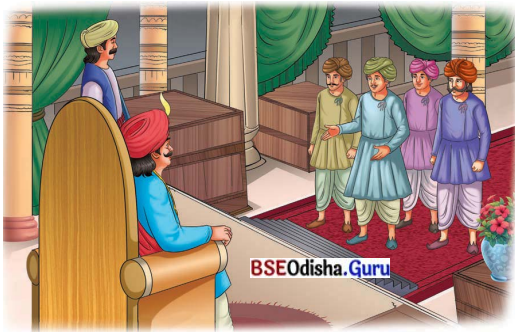
DEV DATT: (Stepping forward) Your Highness, it is an honour we had not dared to dream of.
SHIV DATT: We are humbled and deeply grateful for your trust in our abilities.
HAR DATT: To serve a wise and just ruler like yourself is a privilege we accept with all our hearts.
DEV DATT: We shall dedicate ourselves to your service, offering our insights and counsel in all matters you see fit.
KING:(Rising from his throne) Then let it be known across the kingdom that four new advisers stand by my side. May your wisdom shine upon Ujjain and guide us to prosperity. (The court erupts in applause as the King steps down to greet his new advisers. The four men stand proud and humbled, their journey fulfilled in a manner they had never anticipated.)
ରାଜା:(ଚାରି ଯୁବକଙ୍କ ପ୍ରତି) ତୁମେମାନେ ତୁମର ଅସାଧାରଣ ବୁଦ୍ଧିମତ୍ତା ଓ ସାଧାରଣ ଭାବେ ଆଖୁକୁ ଦେଖାଯାଉଥିବା ଜିନିଷଠାରୁ ଅଧିକ ପର୍ଯ୍ୟବେକ୍ଷଣ କରିବାର ସାମର୍ଥ୍ୟ ପ୍ରଦର୍ଶିତ କରିଅଛ । ତୁମମାନଙ୍କ ପରି ଧୀମାନ୍ ବ୍ୟକ୍ତି ବିରଳ ଏବଂ ମୋ ଦରବାରରେ ଅଧିକ ମର୍ଯ୍ୟାଦା ପାଇବାକୁ ଯୋଗ୍ୟ । ମୋର ପରାମର୍ଶଦାତା ରୂପେ ସମ୍ମାନିତ ହେବା ସୌଭାଗ୍ୟ ମୁଁ ତୁମ୍ଭମାନଙ୍କୁ ପ୍ରଦାନ କରୁଛି । ତୁମ୍ଭମାନଙ୍କ ପରାମର୍ଶ/ଉପଦେଶ ମୋର ନିଷ୍ପଭିସବୁର ପଥପ୍ରଦର୍ଶକ ହେବ । ତୁମମାନଙ୍କର ବିଜ୍ଞତା ମୋର ରାଜ୍ୟର ଆଲୋକବର୍ତ୍ତିକା ହେବ । ମୋର ଏହି ପ୍ରସ୍ତାବ ସମ୍ପର୍କରେ ତୁମେମାନେ କ’ଣ କହିବାକୁ ଚାହଁ ?
ରାମ ଦତ୍ତ: (ଅଗ୍ରସର ହୋଇ) ମହାଭାଗ, ଏହିଭଳି ଏକ ସମ୍ମାନର ଅଧିକାରୀ ହେବୁ ବୋଲି ଆମେ ସ୍ଵପ୍ନରେ ଭାବିବାର ସାହସ କରି ନଥୁଲୁ ।
ଶିବ ଦତ୍ତ: ଆମ ସାମର୍ଥ୍ୟ ଉପରେ ଆପଣ ଆସ୍ଥା ପ୍ରକଟ କରିଥିବାରୁ ଆମ୍ଭେମାନେ ଅତ୍ୟନ୍ତ ବିନୀତ ଏବଂ ଗଭୀର ଭାବେ କୃତଜ୍ଞ ।
ହର ଦତ୍ତ: ଆପଣଙ୍କ ପରି ଜଣେ ବିଜ୍ଞ ଓ ନ୍ୟାୟପରାୟଣ ରାଜାଙ୍କ ସେବାରେ ନିୟୋଜିତ ହେବା ସୁଯୋଗକୁ ଆମେ ଆନ୍ତରିକତାର ସହିତ ସ୍ଵୀକାର କରୁଅଛୁ ।
ଦେବ ଦତ୍ତ :ଆମ୍ଭେମାନେ ଆପଣଙ୍କ ସେବାରେ ନିଜ ନିଜକୁ ଉତ୍ସର୍ଗ କରିବୁ ଏବଂ ଆପଣ ଉପଯୁକ୍ତ ମନେ କରୁଥିବା ସମସ୍ତ ବିଷୟରେ ଆମ୍ଭମାନଙ୍କର ଅନ୍ତର୍ବୃଷ୍ଟି ପ୍ରୟୋଗ ପୂର୍ବକ ଆପଣଙ୍କୁ ପରାମର୍ଶ ପ୍ରଦାନ କରିବୁ ।
ରାଜା:(ସିଂହାସନରୁ ଉଠିପଡ଼ି) ତାହାହେଲେ ଏହି ଚାରିଜଣ ନୂତନ ପରାମର୍ଶଦାତା ମୋର ସହାୟତା ନିମନ୍ତେ ମୋ ପାଖେ ପାଖେ ରହିଛନ୍ତି ବୋଲି ରାଜ୍ୟସାରା ଲୋକକୁ ଜଣାଇ ଦିଅ । ତୁମ୍ଭମାନଙ୍କ ଜ୍ଞାନ ଓ ବିଚାରଧାରା ଉଜ୍ଜୟିନୀରେ ଉଦ୍ଭାସିତ ହେଉ ଏବଂ ଆମକୁ ସମୃଦ୍ଧି ଆଡ଼କୁ ପଥ ପ୍ରଦର୍ଶନ କରୁ ।
(ନୂତନ ପରାମର୍ଶଦାତାମାନଙ୍କୁ ଅଭିନନ୍ଦନ ଜଣାଇବା ପାଇଁ ରାଜା ସିଂହାସନରୁ ଓହ୍ଲାଇ ଆସିବା ସମୟରେ କରତାଳିରେ ଦରବାରଟି ମୁଖରିତ ହୋଇଉଠିଲା । ସେମାନଙ୍କ ଉଜ୍ଜୟିନୀ ଯାତ୍ରା ଏଭଳି ସଫଳ ହେବ ବୋଲି ଆଶା କରି ନ ଥିବା ଯୁବକମାନେ ବିନୀତ ଓ ଗୌରବାନ୍ବିତ ହୋଇ ଠିଆ ହୋଇଥିଲେ ।)
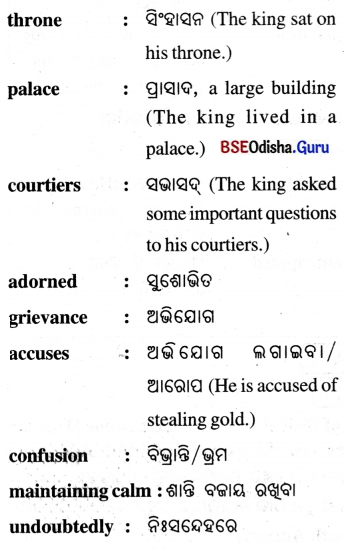
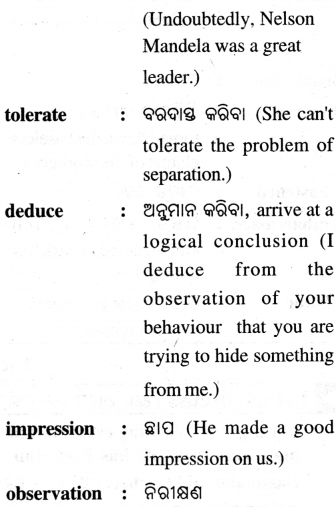
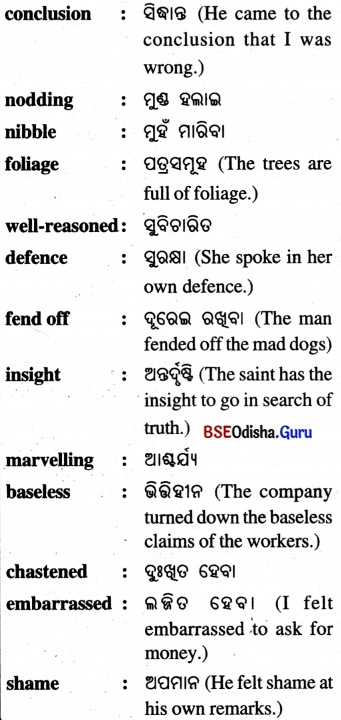
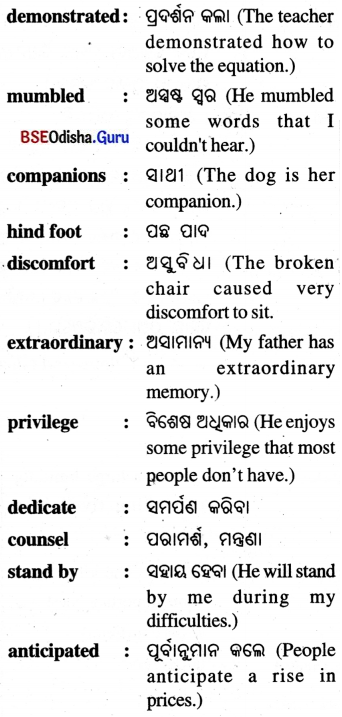
Notes and Glossary (ଶବ୍ଦାର୍ଥ) :
Wisdom Paves the Way Class 8 MCQ
Question 1.
Answer the following questions, choosing the correct option from the ones given below each.
What are the two settings of the play “Wisdom Paves the way?”
(a) the bustling city of Ujjain and the King’s court
(b) a road leading to Ujjain and the King’s court
(c) The King’s court and a street in the city of Ujjain
(d) Four young men continue walking and a merchant in the King’s court
Answer:
(b) a road leading to Ujjain and the King’s court
Question 2.
Who appeared travel-worn?
(a) the young men
(b) the camel
(c) the merchant
(d) the sentry
Answer:
(a) the young men
Question 3.
When did Ram Datt feel that the hope of finding work was difficult?
(a) after leaving his village
(b) after arriving at Ujjain
(c) after facing the king
(d) after journeying far from home
Answer:
(d) after journeying far from home
Question 4.
Why did the four young men proceed to Ujjain determinedly ?
(a) to find suitable employment
(b) to visit all parts of the city
(c) to complain against the merchant
(d) to face the charges framed against them
Answer:
(a) to find suitable employment
Question 5.
Who saw the camel’s tracks at first ?
(a) Ram Datt
(b) Shiv Datt
(c) Har Datt
(d) Dev Datt
Answer:
(a) Ram Datt
Question 6.
Why did the young men stop occasionally while continuing their journey ?
(a) to rest for some time
(b) to wait for the merchant
(c) to share their findings
(d) to examine the camel’s tracks
Answer:
(d) to examine the camel’s tracks
Question 7.
Why did the four young men want to rest under a large tree ?
(a) to see the camel return that way
(b) to meet the merchant
(c) to share their findings
(d) to discuss on their future course of action
Answer:
(c) to share their findings
Question 8.
How did Ram Datt judge that the person approaching them had lost something of great value ?
(a) from his facial expression
(b) from his hasty movement
(c) from his continuous panting
(d) from his distressed state of mind
Answer:
(a) from his facial expression
Question 9.
By saying what did the merchant greet the young men ?
(a) Hello young men
(b) Hey young men
(c) Kind sirs
(d) esteemed sirs
Answer:
(c) Kind sirs
Question 10.
What did Shiv Datt ask the merchant ?
(a) Has the camel not been suffering from stomach pain ?
(b) Does the camel have a short tail ?
(c) Is the camel blind in the right eye ?
(d) Is your camel lame in one leg ?
Answer:
(c) Is the camel blind in the right eye ?
Question 11.
Who, according to the merchant, was a healer ?
(a) Ram Datt
(b) Shiv Datt
(c) Har Datt
(d) Dev Datt
Answer:
(d) Dev Datt
Question 12.
Who said, “Very well, we shall go to the king” ?
(a) Ram Datt and Shiv Datt
(b) Shiv Datt and Har Datt
(c) Har Datt and Dev Datt
(d) all the four young men
Answer:
(d) all the four young men
Question 13.
What was adorned with rich draperies ?
(a) the King’s throne
(b) the court hall
(c) the tall columns
(d) the golden canopy
Answer:
(b) the court hall
Question 14.
Who did the king watch intently ?
(a) the sentry
(b) the merchant
(c) both of them
(d) neither of them
Answer:
(c) both of them
Question 15.
What was the merchant’s accusation against the four young men ?
(a) They had seen his camel.
(b) They had known every detail of his missing camel.
(c) They insist on not seeing his camel.
(d) They had stolen his camel.
Answer:
(d) They had stolen his camel.
Question 16.
How, according to the king, was ram Datt’s observation ?
(a) impressive
(b) exhaustive
(c) progressive
(d) effective
Answer:
(a) impressive
Question 17.
How, according to the king, was Shiv Datt’s observation ?
(a) impressive
(b) well-reasoned
(c) insightful
(d) extraordinary
Answer:
(b) well-reasoned
Question 18.
With what would the camel have guarded against pests ?
(a) a long tail
(b) a short tail
(c) a thick tail
(d) a thin tail
Answer:
(a) a long tail
Question 19.
What, according to the king, goes beyond mere eyes ?
(a) wisdom
(b) knowledge
(c) experience
(d) cleverness
Answer:
(a) wisdom
Question 20.
Which quality of the four young men did the king appreciate ?
(a) their freen and frank explanations
(b) their fearless replies
(c) their patience to observe things
(d) their ability to see beyond the obvious
Answer:
(d) their ability to see beyond the obvious
Question 21.
How did Shiv Datt react to the king’s offer ?
(a) expressed their deep gratitude to the king
(b) praised the king as a wise and just ruler
(c) announced their willingness to serve the king
(d) accepted the offer with all their hearts
Answer:
(a) expressed their deep gratitude to the king
Question 22.
What did the king wish in the end ?
(a) Your counsel shall guide my decisions
(b) Your wisdom shall be a beacon for my kingdom.
(c) May your wisdom shine upon Ujjain and guide us to prosperity.
(d) I extend to you the honour of becoming my advisers.
Answer:
(c) May your wisdom shine upon Ujjain and guide us to prosperity.
Wisdom Paves the Way Class 8 Fill in the Blanks
1. The King’s court was adorned with rich tapestries, tall pillats and ………….
Answer: regal decor
2. The young men were determined to reach Ujjain although they were ………….
Answer: travel-worn
3. While continuing their journey, the young men ………… stopped to examine the camel’s tracks.
Answer: occasionally
4. The merchant paused to ………….
Answer: catch his breath
5. The camel was suffering from ………… pain.
Answer: stomach
6. Shiv Datt told the merchant that they had not seen his camel, not ………… once.
Answer: even
7. The sentry said to the king that the merchant had come with a ………… against four travellers.
Answer: grievance
8. The king said that he would not tolerate any ………… in his court.
Answer: confusion
9. The king told Ram Datt that he had ………… eyes.
Answer: sharp
10. Har Datt noticed small ………… along the track.
Answer: droplets of blood
11. Being chastened and ………… the merchant left the king’s court.
Answer: embarassed
12. The four young men were ready to ………… themselves to the king’s service.
Answer: dedicate
Wisdom Paves the Way Class 8 Very Short Question Answer
Question 1.
Why were the four friends going to Ujjain?
Answer:
The four friends were going to Ujjain to seek employment.
Question 2.
What did Dev Datt mean by saying, ‘Ten days are, but a short span’ ?
Answer:
Dev Datt meant that their journey was small in comparison to their larger goal.
Question 3.
Who noticed the camel’s footprints?
Answer:
Ram Datt noticed the camel’s footprints.
Question 4.
What clue helped Shiv Datt know about the camel’s eyes?
Answer:
Siv Datt saw the leaves on the left side of the road were eaten, but the leaves on the right side were untouched. This let him to think that the camel was blind in its right eye.
Question 5.
Why was the merchant surprised?
Answer:
The merchant was surprised because the four young men described the camel accurately.
Question 6.
Why did the king favour the young men?
Answer:
The king favoured the young men because of their wisdom paved logical statement.
Question 7.
What does the play teach about wisdom?
Answer:
The play teaches that wisdom is more important than knowledge. Wisdom helped one earn honour.
Question 8.
Why did the merchant feel ashamed?
Answer:
The merchant felt ashamed because the young men were innocent and intelligent.
Question 9.
How did the young men win the king’s trust?
Answer:
The young men won the king’s trust using their wisdom.
Question 10.
What does the play teach about false accusations?
Answer:
The play teaches that truth and confidence are powerful tools against false accusation.
Wisdom Paves the Way Class 8 Short Question Answer
Question 1.
What qualities did the four young men show during their journey?
Answer:
The four young men showed witty, patience, observation and unity during their journey. Though they were unemployed they were hopeful and belived in teamwork to find a path for employment.
Question 2.
How did the play prove that wisdom is more powerful than sight ?
Answer:
The four young men had never seen the camel but their observation about the camel was accurate. Their explanations about the camel revealed their wisdom, intelligence and thinking capacity. Thus it proves that wisdom can reveal more than physical sight.
Question 3.
Describe the King’s court during the trial?
Answer:
The King’s court was decorated beautifully with tapestries, pillars and sunlight steaming. The King listened to case of the merchant. He carefully undrape the truth behind the case.
Question 4.
What did the King’s decision reveal about his character?
Answer:
The King was wise, sober and respectful to wisdom. Instead of punishing the four young men, the king rewarded them for their sharp thinking and wisdom. He also appointed them as his advisors which showed that the King was fair, wise and respectful.
Question 5.
Why do you think that the title ‘Wisdom Paves the Way’ is appropriate for the play?
Answer:
The entire journey of the four young men is made by their intelligence and capacity. They don’t rely on fate. Their wisdom not only clears the way but also earns them a position in the King’s court. The title reflects that wisdom creates new path in life and helps overcome all the hostilities and challenges.
Question 6.
How did the King listen to the arguments of both sides?
Answer:
The king was a wise and fair ruler who valued justice. He listened to the both sides: the merchant and then the four young men. He asked questions and carefully analysed their answers. He came to know that the young men’s logic was sound. Instead of punishing them, he rewarded them for their intelligence.