
For effective revision, students can use BSE Odisha Class 8 English Solutions Chapter 12 Waiting for the Rain Question Answer to practice textbook exercises.
Class 8 English Waiting for the Rain Question Answer
Class 8 English Chapter 12 Question Answer Odia Medium
Let us do these activities before we read
(ଚାଲ ପଢ଼ିବା ପୂର୍ବରୁ ଏହି କାର୍ଯ୍ୟଗୁଡ଼ିକୁ କରିବା ।)
I. Have you ever waited for the rains? Why?
(ତୁମ୍ଭେ କେବେ ବର୍ଷା ପାଇଁ ଅପେକ୍ଷା କରିଛ ? କାହିଁକି ?)
Answer:
Yes, I have waited for rains. It was in April last year when the sizzling heat (ପ୍ରଚୁର ଗରମ) of summer had made me almost (ପ୍ରାୟ) jaded and faded. (କ୍ଳାନ୍ତ ଓ ଅବସନ୍ନ)
II. How do you feel when it rains after a long time?
(ବହୁତ ଦିନପରେ ଯେତେବେଳେ ବର୍ଷା ହୁଏ ତୁମେ କିପରି ଅନୁଭବ କର ?)
Answer:
When it rains after a long time, I feel absolutely thrilled. (ସମ୍ପୂର୍ଣ୍ଣ ରୋମାଞ୍ଚିତ ଅନୁଭବ କରେ)

III. Why do you think the farmers wait for the rains?
(ତୁମେ କାହିଁକି ଭାବୁଛ ଯେ କୃଷକମାନେ ବର୍ଷାପାଇଁ ଅପେକ୍ଷା କରନ୍ତି ?)
Answer:
I think the farmers wait (ଅପେକ୍ଷା କରନ୍ତି) for the rains to kick start (ଆରମ୍ଭ କରିବା ପାଇଁ) growing crops (ଫସଲ).
IV. Discuss in groups what happens when you wait for something or someone for a long period of time.
(ତୁମେ ଯେତେବେଳେ କୌଣସି ଜିନିଷକୁ ବା ବ୍ୟକ୍ତିକୁ ବହୁ ସମୟ ଧରି ଅପେକ୍ଷା କର, ତାହେଲେ କ’ଣ ହୁଏ ଦଳରେ ଆଲୋଚନା କର ।)
1. How do you spend the waiting period?
(ଅପେକ୍ଷା କରିବା ସମୟକୁ ତୁମେ କିପରି ଅତିବାହିତ କର ?)
Answer:
I spend (ଅତିବାହିତ କରେ) the waiting period by listening to tilting songs (ମଧୁର ଗୀତ) on mobile.
2. What do you think about ? (ତୁମେ କେଉଁ ବିଷୟରେ ଭାବ ?)
Answer:
I think about the arrival of my friend in time (ଠିକ୍ ସମୟରେ)
3. How do you feel ? (ତୁମେ କିପରି ଅନୁଭବ କର ?)
Answer:
I feel quite fed up with waiting. (ଅପେକ୍ଷା କରିବା ଅତ୍ୟନ୍ତ ବିରକ୍ତି ଲାଗେ)
Share your answers with your classmates and teacher.
(ଶ୍ରେଣୀ ସାଙ୍ଗ ଓ ଶିକ୍ଷକଙ୍କ ସହିତ ତୁମ ଉତ୍ତରଗୁଡ଼ିକୁ ବିନିମୟ କର ।)
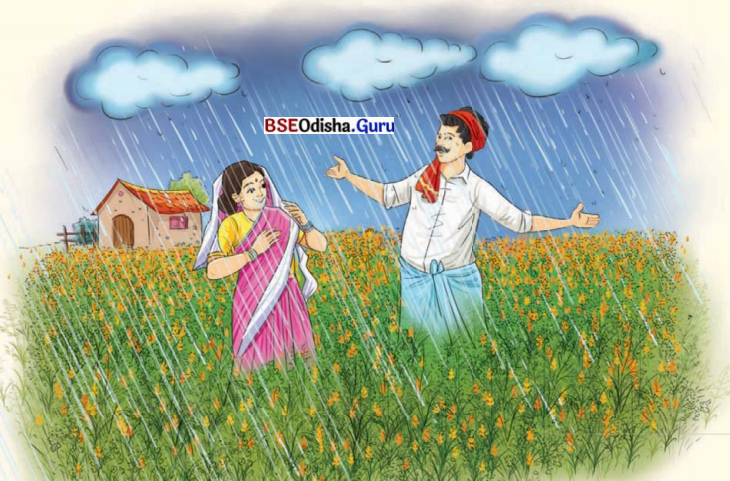
Let us discuss (ଆସ ଆଲୋଚନା କରିବା):
Complete the table given below. One example has been done for you.
(ତଳ ସାରଣୀକୁ ପୂରଣ କର । ତୁମ ପାଇଁ ଗୋଟିଏ ଉଦାହରଣ ଦିଆଯାଇଛି ।)
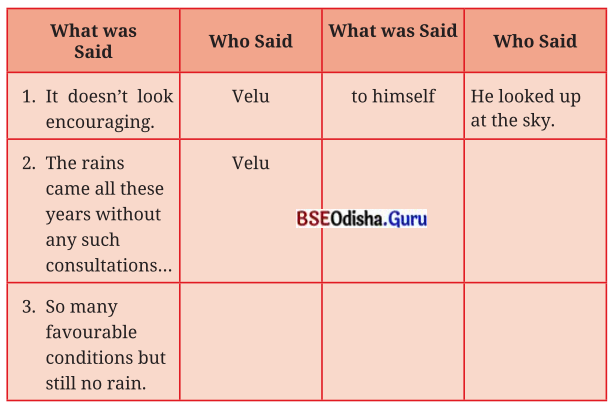
Answer:
| What was said (ตલશૂપ્દાવાજથૃണા) | Who said (প্જેง প্লপ্টিথৃણા) | To Whom was said ( જાજાજી પૂરીવારથുണ്।) | When said |
| 1. It does not look encouraging | Velu | to himself (ત્રેજ્વરૂ) | He looked up the sky. |
| 2. The rains came all these years without such consultations | Velu | To someone | Listening to someone saying to consult astrologer for rain. |
| 3. So many favourable conditions but still no rain | The people at the weather office | to Velu | Responding to Velu |
II. Do you think the old woman would help Velu? If yes, why? If no, why not?
ତୁମେ କ’ଣ ଭାବୁଛ ବୃଦ୍ଧ ମହିଳା ଭେଲୁକୁ ସାହାଯ୍ୟ କରିବ ? ଯଦି ହଁ, କାହିଁକି ? ଯଦି ନୁହେଁ, କାହିଁକି
Answer:
Yes, I think the old woman would help Velu. I think so because she might have come as a last minutes hope for the helpless and dissapointed Velu.
III. Will Velu’s wait continue on will it rain?
Answer:
I think it will rain.
Let us discuss
Complete the following statements given below with suitable reasons. (ଉପଯୁକ୍ତ କାରଣ ସହ ନିମ୍ନଲିଖତ ଉକ୍ତିଗୁଡ଼ିକୁ ପୂରଣ କର ।) (Question with Answer)
1. Velu asked the old woman to stop smiling (ସ୍ମିତହାସ୍ୟ ବନ୍ଦ କରିବାପାଇଁ) because there were no rains for months for which his land lay barren. (ତାର ଜମି ଚାଷ ନହୋଇ ପଡ଼ି ରହିଥୁଲା)
2. Velu said that it was hard not being able to work since he was a hard- working farmer.
3. Velu was confused when the old lady said that the land needed rest because it (the + land) wanted a break from the frequent /continuous year-round cultivation.
4. The old lady said that it was good for the land when it didn’t rain as it (the land) was perhaps breathing peacefully. (ଜମିଟି ବୋଧହୁଏ ଶାନ୍ତିରେ ନିଶ୍ଵାସ ମାରୁଥୁଲା)
5. Velu ran home laughing and happy because he felt a tiny drop of rain on his shoulders.
(or) the much-awaited rain had already come down.
Let us think and reflect (ଆସ ଚିନ୍ତା କରିବା ଓ ବିଚାର କରିବା)
I. Read the given extracts and answer the questions that follow:
(ପ୍ରଦତ୍ତ ଉଦ୍ଧୃତାଂଶଗୁଡ଼ିକୁ ପଢ଼ ଓ ତା’ପରେ ଦିଆଯାଇଥିବା ପ୍ରଶ୍ନଗୁଡ଼ିକର ଉତ୍ତର ଦିଅ ।)
1. “…I can’t see how talking to astrologers will bring rain.”
He decided to go to the weather office in the city and talk to someone. But the
people at the weather office said they couldn’t really tell him when the sky
would gather clouds and bring rain. “We are at a loss ourselves!” they exclaimed.
“So many favourable conditions but still no rain. Very odd!”
(i) What does the first line of the extract tell us about Velu’s beliefs?
(ଉଦ୍ଧୃତାଂଶର ପ୍ରଥମ ଧାଡ଼ି ଭେଲୁର ବିଶ୍ଵାସ ବିଷୟରେ ଆମକୁ କ’ଣ କହୁଛି ?)
Answer:
The first line of the extract tells us that Velu had no belief in the consultations with the astrologers (ଜ୍ୟୋତିଷମାନଙ୍କ ସହିତ ଆଲୋଚନା କରିବାରେ) bringing rain. (ବର୍ଷା କରାଇବା ବିଷୟରେ)
(ii) Complete the following sentence with a suitable reason.
(ଏକ ଉପଯୁକ୍ତ କାରଣ ଦେଇ ନିମ୍ନଲିଖୁତ ବାକ୍ୟକୁ ପୂରଣ କର ।)
Velu is determined (go) to seek information about the (he was at a loss of words/he wants to find a practical rain because solution to the drought affecting his farm).
Answer:
he wants to find a practical solution (ବାସ୍ତବ ସମାଧାନ) to the drought (ଅନାବୃଷ୍ଟି) affecting his farm.
(iii) Velu went to weather office. What was his expectation and what was the actual outcome ?
(ଭେଲୁ ପାଣିପାଗ କାର୍ଯ୍ୟାଳୟକୁ ଗଲା | ଯାଇଥିଲା । ତା’ର ଆଶା କ’ଣ ଥିଲା ଏବଂ ପ୍ରକୃତ ଫଳାଫଳ କ’ଣ ଥିଲା ?) (Question with Answer)
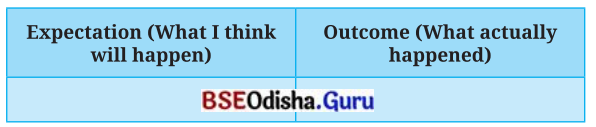
Answer:
| Expectation | Outcome |
| (What I think will happen) He would get the suitable reason for the delayed (rain) |
What actually happened) He returned from the office disappointed (ഉலிஞ66 6ঘ സાવิણા) |
(iv) Complete the following sentence with a suitable option.
(ଉପଯୁକ୍ତ ବିକଳ୍ପ ବସାଇ ନିମ୍ନଲିଖୂତ ବାକ୍ୟଟିକୁ ପୂରଣ କର ।)
The absence of rain despite favourable conditions, shows
A. ineffectiveness of farmers like Velu
B. lack of astrological knowledge
C. delay in understanding the weather
D. unpredictability of nature
Answer:
(D) Unpredictability of nature
2. “The soil, the land, the earth… shouldn’t someone let the land rest a bit ?” the old woman said, softly, smiling.
“Rest? Let the land rest? I don’t understand,” Velu looked at her; a little puzzled.
“Yes, my son, that is the difficulty. You don’t realise that the earth is old…”
(i) The old woman’s advice was accompained with a soft tone and a smile. What does that tell us about her.”
(ବୃଦ୍ଧା ମହିଳାଙ୍କ ଉପଦେଶରେ ଏକ ମୃଦୁ ସ୍ଵର ସହ ଏକ ସ୍ମିତହାସ୍ୟ ଥିଲା । ତାହା ତାଙ୍କ ବିଷୟରେ ଆମ୍ଭମାନଙ୍କୁ କ’ଣ କହୁଛି ?)
Answer:
The old woman’s advice was accompained with a soft tone and a smile. That tell us about her sober (ନମ୍ର) and mystic (ରହସ୍ୟମୟ) nature (ସ୍ଵଭାବ).
(ii) Fill in the blank with the correct option from those given below.
(ନିମ୍ନପ୍ରଦତ୍ତ ବିକଳ୍ପଗୁଡ଼ିକ ମଧ୍ୟରୁ ସଠିକ୍ ବିକଳ୍ପଦ୍ୱାରା ଶୂନ୍ୟସ୍ଥାନ ପୂରଣ କର ।)
The old woman’s advice
Answer:
Confused (ବିଚଳିତ କରିଦେଲା)
Velu at that moment. (ବିଚଳିତ କରିଦେଲା)
(iii) State one thing about the old woman when she referred to Velu as “My son”, While offering advice.
(ଭେଲୁକୁ ଉପଦେଶ ଦେଲାବେଳେ ବୃଦ୍ଧା ଯେତେବେଳେ କହିଲେ ‘‘ମୋ ପୁଅ !”’ ତାଙ୍କ ବିଷୟରେ ଗୋଟିଏ କଥା ଉଲ୍ଲେଖ କର ।)
Answer:
loving or affection (ପ୍ରେମ ବା ସ୍ନେହ)
(iv) Complete the following sentence with a suitable explanation.
(ଏକ ଉପଯୁକ୍ତ ବ୍ୟାଖ୍ୟା ସହ ନିମ୍ନଲିଖ୍ ବାକ୍ୟ ପୂରଣ କର ।)
The ‘difficulty’ that the old woman mentions is due to the fact that
Answer:
Velu couldn’t make out/understand what the old woman wanted to say.
(ବୃଦ୍ଧା ଯାହା କହିବାକୁ ଚାହୁଁଥିଲେ ଭେଲୁ ବୁଝିପାରିଲା ନାହିଁ ।)
II. Answer the following questions.
(ନିମ୍ନଲିଖତ ପ୍ରଶ୍ନଗୁଡ଼ିକର ଉତ୍ତର ଦିଅ ।)
Question 1.
How does the old woman convey Nature’s wisdom to Velu ?
(ବୁଢ଼ୀ କିପରି ଭେଲୁକୁ ପ୍ରକୃତିର ଜ୍ଞାନ କଥା କହିଛନ୍ତି ?)
Answer:
The old woman, while talking to Velu, telles him (Velu) that as he needs a break (ବିଶ୍ରାମ କରୁଛି) from his continuous hard work, the earth, the product of Nature need seeks (ଦରକାର କରୁଛି) a bit rest (ସାମାନ୍ୟ ବିଶ୍ରାମ) as it has worked for years (ବର୍ଷ ବର୍ଷ ଧରି) like Velu.
Question 2.
The writer says, “‘The fields lay untended (ଚାଷ ନହୋଇ ପଡ଼ିରହିଛି)…….
Why couldn’t the farmers tend to their fields in the absence of rain?
(ଲେଖୁ କହିଛନ୍ତି, ‘କ୍ଷେତସବୁ ଜାଷ ନହୋଇ ପଡ଼ିରହିଲା………” କୃଷକମାନେ କାହିଁକି ବର୍ଷାରେ ସେମାନଙ୍କର କ୍ଷେତରେ କାମ କିଛି ପାଇଲେ ନାହିଁ ?)
Answer:
- Hardened soil (ଶକ୍ତ ମାଟି)
- Lack of germination (ଗଜା ହେବାପାଇଁ ଜଳର ଅଭାବ)
- Economic loss (ଆର୍ଥିକ କ୍ଷତି)
- Hope for monsoon (ମୌସୁମୀକୁ ଅପେକ୍ଷା)
Question 3.
Support the old woman’s perspective that the land needs rest just like people do.
(ବୃଦ୍ଧା ଜଣକ ବିଚାରରେ ମଣିଷ ପରି ଜମିକୁ ବିଶ୍ରାମ ଆବଶ୍ୟକ ଏ ବିଷୟରେ ନିଜର ସମର୍ଥନ ବ୍ୟକ୍ତ କର ।)
Answer:
- destoration (ପୁନରୁଦ୍ଧାର)
- sustainability (ସହନଶୀଳତା)
- Natural cycle (ପ୍ରାକୃତିକ ଜୀବନଚକ୍ର)
Or
The old woman’s such perspective is not only her feelings but these are the truth based on ecology.
Question 4.
What can be inferred about Velu’s character based on his reaction to the drought ?
(ଅନାବୃଷ୍ଟି ପ୍ରତି ଭେଲୁର ପ୍ରତିକ୍ରିୟା ଆଧାରରେ ତାଙ୍କର ଚରିତ୍ର ବିଷୟରେ କ’ଣ ଅନୁମାନ କରାଯାଇ ପାରେ ?)
Answer:
Based on Velu’s reaction to the drought the following can be inferred (କରାଯାଇପାରେ) about his character.
- His resilence (ତାହାର ସହନଶୀଳତା)
- His desperation / frustration (ତାହାର ନିରାଶା)
- His submission to Nature (ତାହାର ପ୍ରକୃତି ପ୍ରତି ସମର୍ପଣ)
- His adaptability (ଆଗକୁ ଆଉ ଚଳିବାର ସାମର୍ଥ୍ୟ/ଯୋଗ୍ୟତା)
Question 5.
What does the story suggest about the life of farmers and their relationship with nature ?
(କୃଷକମାନଙ୍କ ଜୀବନ ଓ ପ୍ରକୃତି ସହିତ ସେମାନଙ୍କର ସମ୍ପର୍କ ବିଷୟରେ ଗଳ୍ପଟି କ’ଣ ସୂଚିତ କରୁଛି ?)
Answer:
About the life of farmers and their relationship with nature, the story suggests that their life entirely (ସଂପୂର୍ଣ୍ଣ) depends on nature and they have to accept (ଗ୍ରହଣ କରିବାକୁ ପଡ଼ିବ) the wills (ଇଚ୍ଛା ଶକ୍ତି) of nature.
Question 6.
How might the rest and care of land contribute to a balanced and sustainable ecosystem ?
(ଜମିର ବିଶ୍ରାମ ଓ ଯନ୍ତ୍ର କିପରି ଏକ ସନ୍ତୁଳିତ ଓ ଧାରଣୀୟ ପରିସଂସ୍ଥାକୁ ଅବଦାନ ଦେଇଥାଏ ?)
Answer:
The rest and care of land contributes (ସାହାଯ୍ୟ କରିଥାଏ) to a balanced and sustainable ecosystems through the following steps.
(ନିମ୍ନଲିଖୁତ ଶବ୍ଦକୋଷ ମାଧ୍ୟମରେ)
- Soil fertility (ମାଟିର ଉର୍ବରତା)
- Environmental protection (ପରିବେଶ ସୁରକ୍ଷା)
- Water retention (ଜଳଧାରଣ)
- Biodiversity support (ଜୈବ ବିବିଧତାର ସମର୍ଥନ)
Let us Learn:
I. Solve a crossword using picture and word clues. All clues are related to the words from the text that are connected to weather or agriculture.
(ଶବ୍ଦ ସଙ୍କେତ ବ୍ୟବହାର କରି ଦିଅଯାଇଥିବା ଶବ୍ଦ ଧନ୍ଦାକୁ ସମାଧାନ କର । ସମସ୍ତ ସଙ୍କେତଗୁଡ଼ିକ ପାଠ୍ୟ ବିଷୟର ପାଗ ଓ କୃଷି ସଂପର୍କିତ ଶବ୍ଦଗୁଡ଼ିକ ସହ ସମ୍ବନ୍ଧିତ ।) (Question with Answer)
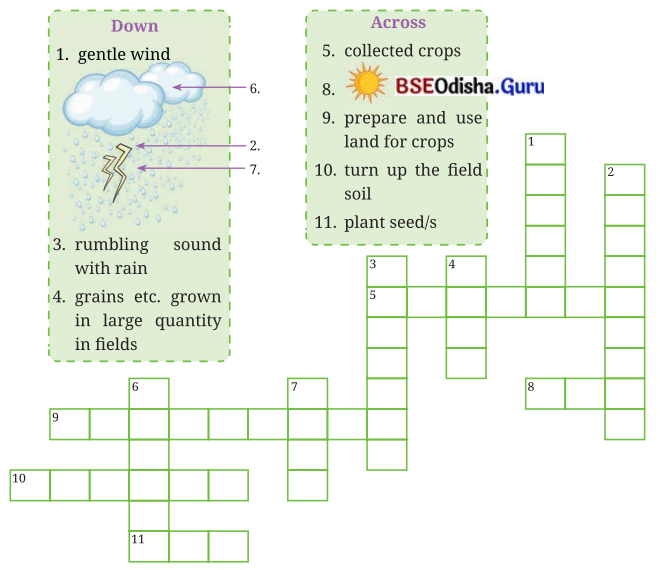
Answer:
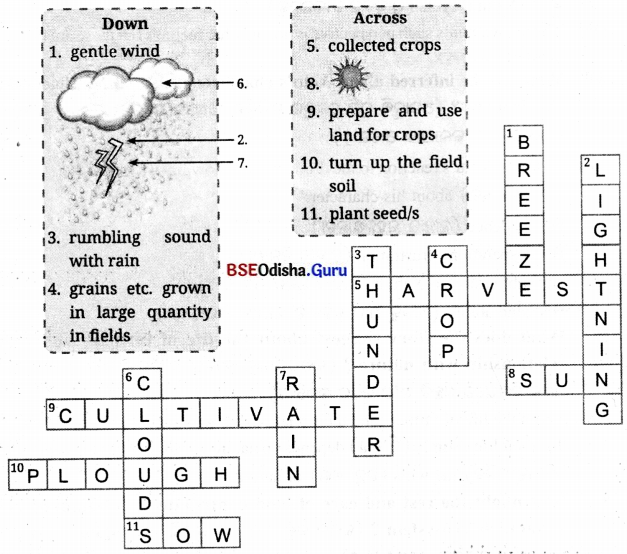
1. BREEZE
2. LIGHTNING
3. THUNDER
4. CROP
5. HARVEST
6. CLOUDS
7. RAIN
8. SUN
9. CULTIVATE
10. LOUGH
11. SOW
II. The text uses words like ‘piece’, ‘weather’, ‘son’, and ‘rain’. These words are the same as other words that are spelt differently-peace, whether, sun, and reign.
(ବିଷୟରେ କେତୋଟି ଶବ୍ଦ ଯଥା piece, weather, son, rain ବ୍ୟବହୃତ ହୋଇଛି । ଏଭଳି ଶବ୍ଦ ଅନ୍ୟ କେତେକ ଶବ୍ଦ ଭଳି ସମାନ ଭାବରେ ଉଚ୍ଚାରିତ, ଯଦିଓ ଏଗୁଡ଼ିକର ବନାନ
ଓ ଅର୍ଥ -peace, whether, sun 3 reign)
ଯେପରି – Piece – Peace
son – sun
Weather – whether
rain – reign
Words that are pronounced the same as other words but differ in meaning or in spelling are called homophones.
(ଯେଉଁ ଶବ୍ଦଗୁଡ଼ିକ ଅନ୍ୟ ଶବ୍ଦ ଭଳି ସମାନ ଉଚ୍ଚାରିତ ହୁଏ, କିନ୍ତୁ ବନାନ ଓ ଅର୍ଥ ଭିନ୍ନ ଥାଏ, ସେଗୁଡ଼ିକୁ ପ୍ରତିଶବ୍ଦ (homophones) କୁହାଯାଏ ।)
home – (same) + phone (sound) = homophone
Now, complete the paragraph by filling in the correct option of homophones given in the brackets.
(ଏବେ ବନ୍ଧନୀ ମଧ୍ଯରେ ଦିଆଯାଇଥିବା ପ୍ରତିଶବ୍ଦ ମଧ୍ୟରୁ ସଠିକ୍ ବିକଳ୍ପ ଦ୍ୱାରା ଅନୁଚ୍ଛେଦର ଶୂନ୍ୟସ୍ଥାନ ପୂରଣ କର ।)
The farmer looked at the sky and wondered 1.______ (whether/whether) the clouds would finally bring rain. He sat down on the ground, breaking a small 2. _____ (piece/ peace) of roti for his meal. The 3. _____ (plain/plane) fields stretched endlessly before him, completely dry. He thought about how he could 4. _____ (sell/cell) his last sack of grain to buy some essentials for his family. Without the rains, It didn’t 5. ____ (seam/ seem) possible to grow another crop this season. Despite his worries, he smiled, knowing that every farmer hopes for the next 6. ______ (rain/reign) by nature to bring life back to the land.
Answer:
1. whether
2. piece
3. plain
4. sell
5. seem
6. rain
III. Choose the correct meanings from the given options for the underlined words or phrases in the following sentences.
(ତଳଲିଖତ ବାକ୍ୟଗୁଡ଼ିକରେ ରେଖାଙ୍କିତ ଶବ୍ଦ ବା ବାକ୍ୟାଶ ପାଇଁ ଦିଆଯାଇଥିବା ବିକଳ୍ପଗୁଡ଼ିକରୁ ସଠିକ୍ ଅର୍ଥ ବାଛ ।)
Question 1.
Being annoyed (ବିରକ୍ତ ହୋଇଯାଇଥିବାରୁ), She muttered (ଗୁଣୁଗୁଣୁ ହୋଇ କହିଲା) something which nobody heard.
(i) spoke in a low voice
(ii) spoke slowly
(iii) spoke angrily
Answer:
(i) spoke in a low voice.
Question 2.
At the new work place Riya felt forlorn for a week.
(i) upset and irritated
(ii) angry and bitter
(iii) sad and neglected
Answer:
(iii) sad and neglected
Question 3.
When all his friends had gone, he was at a loss because he did not know what to do.
(i) confused
(ii) shocked
(iii) lonely
Answer:
(i) confused
Question 4.
When the little child saw her father, her eyes sparkled.
(i) glowed dimly
(ii) showed joy
(iii) opened wide
Answer:
(ii) showed joy
IV. Match each word (adjective) in column 1 with a word (noun) that collocates in Column 2. Write the adjective-noun collocation in Column 3. One example has been done for you.
(ସ୍ତମ୍ଭ ‘1’ ରେ ଦିଆଯାଇଥିବା ବିଶେଷଣ ପଦଗୁଡ଼ିକୁ ସ୍ତମ୍ଭ ‘2” ରେ ପ୍ରଦତ୍ତ ସଂବଧୂତ ବିଶେଷ୍ୟ ପଦଗୁଡ଼ିକ ସହିତ ମିଳାଅ । ବିଶେଷଣ-ବିଶେଷ୍ୟ ଯୁଗ୍ମ ଶବ୍ଦକୁ ସ୍ତମ୍ଭ 3’ ରେ ଲେଖ । ଗୋଟିଏ ଉଦାହରଣ ତୁମ ପାଇଁ କରି ଦିଆଯାଇଛି ।)
(ବିଶେଷଣ ଓ ବିଶେଷ୍ୟ ପଦର ଏଭଳି ସ୍ଵାଭାବିକ ମିଶ୍ରଣକୁ collocation ବା ଶବ୍ଦ ବିନ୍ୟାସ ବା ଦୁଇ ବା ତତୋଧକ ଶବ୍ଦର ପ୍ରାକୃତିକ ମିଳନ ବା ଗଠନ କୁହାଯାଏ ।) ବିଶେଷ୍ୟ ପଦ ‘day’ ସହିତ କେତୋଟି adjective ବା ବିଶେଷଣ ପଦର ସ୍ଵାଭାବିକ ଉଦାହରଣ ଦିଆଯାଇଛି ।
For example:
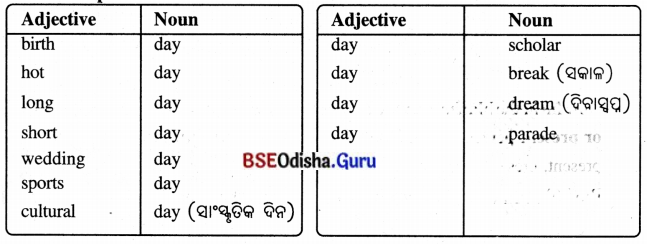
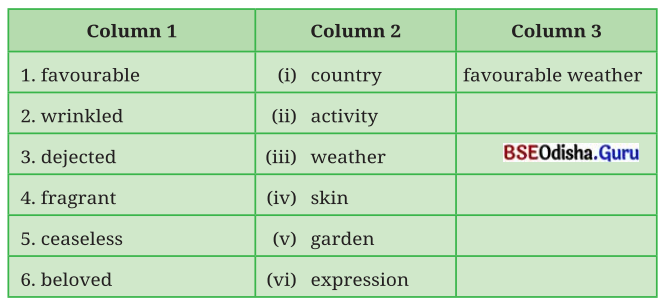
Answer:
| Column 1 (adjective) | Column 2 (noun) | Column 3 (adjective + noun collocation) |
| 1. favourable 2. wrinkled 3. dejected 4. fragnant 5. ceaseless 6. beloved |
(iii) weather (iv) skin (vi) expression (v) garden (ii) activity (i) country |
favourable weather wrinkled skin dejected expression fragnant garden ceaseless activity beloved country |
V. Underline the verbs and identify the forms of tenses for the following sentences from the text :
(ପାଠ୍ୟ ଓ ଏଗୁଡ଼ିକର tense ବା ବିଷୟରୁ ଥିବା ନିମ୍ନଲିଖତ ବାକ୍ୟ ଗୁଡ଼ିକର କ୍ରିୟାପଦଗୁଡ଼ିକୁ ରେଖାଙ୍କିତ କର କାଳରୂପ ଚିହ୍ନାଅ ।) (Questions with Answer)
1. Oh, it is hard not to be able to work….. (Simple present tense)
2. ….. I am too old. (Simple present tense)
3. What are smiling at, Amma? (Present progressive tense)
4. But my son, that is What I am talking about. (Simple present tense) am talking (Present progressive tense)
5. The earth has worked for years centuries. (Present perfect tense)
6. I have worked hard and honestly. (Present perfect tense)
Now fill in the blanks with the correct forms of simple present, present progressive or present perfect tense.
(ବର୍ତ୍ତମାନ ବନ୍ଧନୀ ମଧ୍ଯରେ ଥିବା କ୍ରିୟାପଦର ସଠିକ୍ କାଳରୂପ simple present, present progressive କିମ୍ବା present perfect ବ୍ୟବହାର କରି ଶୂନସ୍ଥାନ ପୂରଣ କର ।)
Ravi (i) ……………….. (be) a farmer who (ii)…………… (practise) crop rotation on his land. Each season, he (iii) ……………. (plant) different crops to maintain the soil’s health. This year, he (iv) …………….(grow) legume, which help restore the nutrients in the soil. Over the years, Ravi (v)………….. (learn) that planting the same crop repeatedly (vi) soil, making it less fertile. By rotating crops, he (vii). and fertile. He (viii) …………. (deplete) the (keep) the land productive (see) a noticeable improvement in his yields since adopting (share) his knowledge with other farmers, (benefit) both the soil and their harvests. this method. Now, Ravi (ix) ………..explaining how crop rotation (x)………..
Answer:
(i) is
(ii) practises
(iii) plants
(iv) has grown
(v) has learnt
(vi) deplete
(vii) is keeping
(viii) is seeing
(ix) is sharing
(x) benefits
VI. Study the highlighted words in the following sentences from the text.
(ନିମ୍ନଲିଖୂତ ବାକ୍ୟଗୁଡ଼ିକରେ highlighted ଶବ୍ଦଗୁଡ଼ିକୁ ପଢ଼ ।)
- The rains came all these years without any such consultations.
- So many favourable conditions, but still no rain.
- Every day they hoped that
- rains would come.
- But this year turned out to be different.
- This is the first season in five, no, six years that I have not sown, nor ploughed.
- We ought to talk to some astrologers.
- I have only done what any hard-working farmer would do.
- Velu looked at her, a little puzzled.
- She takes care to give her children the rest they need…
- Velu felt a cool breeze on his back.
- Velu felt a cool breeze on his back.
The highlighted words on phrases that come before a noun but don’t describe them are called ‘determiners‘
ଉପରଲିଵତ highlighted word ବା phrase (ଶବ୍ଦ ବା ବାକ୍ୟାଶ) ଗୋଟିଏ ବିଶେଷ୍ୟପଦ ପୂର୍ବରୁ ବ୍ୟବହୃତ ହୋଇଛି କିନ୍ତୁ ଏଗୁଡ଼ିକ noun ବା ବିଶେଷ୍ୟପଦଗୁଡ଼ିକୁ ବର୍ଣ୍ଣନା କରୁନାହିଁ । ଏଇଭଳି ଶବ୍ଦଗୁଡ଼ିକୁ determiners କୁହାଯାଏ ।
Let us learn the use of some common determiners.
(ଆସ କେତେକ ସାଧାରଣ determiner ର ବ୍ୟବହାର ଶିଖୁବା ।)
Articles: a, an, the
These articles are used to introduce nouns, ବିଶେଷ୍ୟ ପଦଗୁଡ଼ିକର ପରିଚୟ ଦେବାପାଇଁ a, an ବା the କୁ Article determiner ରୂପେ ବ୍ୟବହାର କରାଯାଏ ।
Examples: a car, an engineer, an apple, a mobile, the police, the Gita……….
Demonstrative Determiners: This, that, these, those
These are used to point out specific items.
(ଏଗୁଡ଼ିକ ନିର୍ଦ୍ଦିଷ୍ଟ item କୁ ଚିହ୍ନାଇବା ପାଇଁ ବ୍ୟବହାର ହୁଏ ।)
Examples: This mobile, that soldier, those mangoes, these children.
Possissive determiners: my, our, your, his, her its, their, one’s.
Examples: Naba sir’s writing, his knowledge, her kindness, your friend, their hospitality (ଆତିଥ୍ୟ)
Definite Numeral determiners: one, two, three etc.
Examples: Three girls, ten items, hundredth century,….
Indefinite Numeral determiners: some, any, no, all, much, many, few, less, several, little and few
• ‘Some’ is used in affirmative sentences, while ‘any’ and ‘no’ are used in negative and interrogative sentences.
‘All’ refers to the entirety of a group.
‘Much’ and ‘many’ denote large quantities of uncountable and
countable nouns, respectively.
Tew’ indicates a small number, ‘less’ refers to a smaller quantity, and ‘several’ means more than two but not many.
‘Little’ means not much, ‘few’ means not many. Use ‘a little’ and ‘a
few’ to convey a positive sense.
Examples: Some idea, no people, a lot of blood, much sugar, less jewellery, many guests.
Uses of some Indefinite Numeral determiners :
- I have some new books still left with me. (କେତେକ/ କିଛି) (positive – ଅସ୍ତିସୂଚକ)
I have no / not any new books. (negative)
Much/Many :
Do you have much money on you? (negative)
(money – uncountable noun)
No, I don’t have much (money) (negative) (money- uncountable noun)
The school doesn’t have many girls. (negative) (girls-plural countable noun)
Does the school have many girls? (Interrogative)
a lot of lots of:
I have a lot of money. (positive)
We have a lots of mangoes on this tree. (positive)
Each:
Individual items/people (ଏକକ ବା ସୀମିତ ବସ୍ତୁ | ବ୍ଯକ୍ତି)
This is a line of ten children.
Each boy has a book. (boy – countable noun)
Either :
One of two options (ଦୁଇ ଭିତରୁ ଏକ)
Either chair is broken. (positive)
Little:
(not much) (with uncountable noun)
The pond has little water in it.
Every:
all items/peoples (ସମଗ୍ର ବସ୍ତ/ବ୍ୟକ୍ତି)
The Indian army has lakhs soldiers.
Every soldier is efficient.
Neither :
(Not one of the two options) (ଦୁଇଟି ଭିତରୁ ଗୋଟିଏ ବି ନୁହେଁ)
Neither chair is broken. (negative)
Few:
(not many with plural countable nouns) (ବହୁବଚନୀୟ ବିଶେଷ୍ୟ ସହ)
The garden has few mango trees.
Now, fill in the blanks by choosing the correct determiners from these given in the brackets
(ବନ୍ଧନୀ ମଧ୍ୟରେ ଥିବା ସଠିକ୍ determiner ବାଛି ଶୂନ୍ୟସ୍ଥାନ ପୂରଣ କର ।)
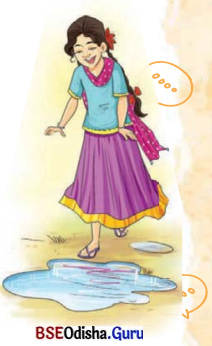
It was 1. …… (a/an) rainy afternoon, and 2. ……….. Mala noticed a large puddle quickly forming in front of 3. ……….(her/their) house. Excited, she called for her brother to join her, knowing that both of them always loved playing in 4. …………. While jumping from 5. …….. (a/the) rain. (some/one) puddle to another, Mala spotted 6. ……….. (few/ a few) snails slowly creeping along the wet sidewalk and pointed them out to her brother. With 7. ………… (each/every) jump, the sound of both 8. ………… (her/their) squeals and laughter was heard through the soft patter of raindrops. Though they were fully drenched 9. ……………… (either/neither) siblings minded it. It had been a perfect rainy day.
Answer:
1. a
2. x
3. her
4. the
5. one
6. a few
7. each
8. their
9. neither.
[puddle – ଜଳସ୍ରୋତ ବା ନାଳୀ, excited – ଖୁସିହୋଇ, One puddle to another (ଗୋଟିଏ ତଳ ନାଳିରୁ ଅନ୍ୟ ଏକ ନାଳିକୁ), spotted – ହଠାତ୍ ଦେଖିଲା, snails – ଗେଣ୍ଡା, pointed out – ହାତ ମାରି ଦେଖାଇଦେଲା, squeals – ଚିତ୍କାର, patter – ବର୍ଷା ପଡ଼ିବାର ଫଡ଼ ଫଡ଼ ଶବ୍ଦ, were fully prenched – ପୂରାପୂରି ଭିଜି ଯାଇଥିଲେ, neither – ଭାଇ ଭଉଣୀ ମଧ୍ୟରୁ କେହି ନୁହଁନ୍ତି, siblings – ଭାଇଭଉଣୀ
Let us Listen (ଆସ ଶୁଣିବା) :
Listen to the weather forecaster. As you listen, fill in the blanks with the exact word you listen. (Transcript for teacher on Page 204)
(ପାଣିପାଗ ପୂର୍ବାନୁମାନ ଶୁଣ । ଶୁଣୁଥିଲାବେଳେ ଶୂନ୍ୟସ୍ଥାନଗୁଡ଼ିକୁ ଶୁଣିଥିବା ଅବିକଳ ଶବ୍ଦ ପୂରଣ କର ।)
1. Delhi will mostly have (ଅଧିକାଂଶ ସମୟ ପାଇଁ ରହିବ) a sky with light rain.
Answer: cloudy ମେଘୁଆ
2. Moderate rain is likely to happen in ____
Answer: Mumbai
3. Kolkata is likely to have a maximum temperature of around ____°C
Answer: 34
4. There is a chance of a ____ in Chennai.
Answer: thunderstorm (ବଜ୍ରଝଡ଼)
5. Bengaluru will have a ______temperature of 29°C.
Answer: maximum
6. Taking an ______ is advisable because of the weather conditions.
Answer: umbrella.
Let us speak (ଆସ କହିବା) :
I. Here is a tongue twister about ‘Weather’. Practice saying it as fast as you can.
(ଏଠାରେ ‘Weather’ ସମ୍ବନ୍ଧୀୟ ଜିଭରେ ଉଚ୍ଚାରଣ କଷ୍ଟସାଧ୍ୟ କିଛି ବାକ୍ୟ ଅଛି । ଏହାକୁ ଶୀଘ୍ର ଶୀଘ୍ର କହିବା ଅଭ୍ୟାସ କର ।)
Whether the weather be fine, or whether the weather be hot, whether the weather be cold, or whether the weather be hot, we’ll weather the weather, whatever the weather, whether we like it or not.
whether – ହୁଏଦର
weather – ଉଇଦର
Rain has arrived after a long dry spell on the Earth. Imagine the Rain and the Earth have a conversation. Work in pairs and present the role-play.
(ଦୀର୍ଘ ଦିନର ଶୁଖୁଲା ପରେ ବର୍ଷା ଆସିଛି । ବର୍ଷା ଓ ପୃଥିବୀ ମଧ୍ଯରେ ଏକ କଥୋପକଥନ ହେଉଥିବାର ଅନୁମାନ କର। ଦୁଇଜଣିଆ ଦଳରେ କାର୍ଯ୍ୟ କର ଏବଂ ଅଭିନୟ ଉପସ୍ଥାପନ କର ।)
You may use hings in the table given below.
(ତୁମେ ପ୍ରଦତ୍ତ ସାରଣୀରେ ଥିବା ସୂଚନା ବ୍ୟବହାର କରିପାର ।)
You may start the conversation in the following way.
(ତୁମେ ନିମ୍ନ ପ୍ରକାର କଥୋପକଥନ ଆରମ୍ଭ କରିପାର ।)
Rain: Greetings, Earth! It’s been a while since we’ve met. How have you been?
Earth: Hello Rain! I am so glad to see you.
To continue the conversation use the hints given below :
(କଥୋପକଥନ ଚାଲୁ ରଖୁବା ପାଇଁ ନିମ୍ନ ପ୍ରଦତ୍ତ ସୂଚନା ବ୍ୟବହାର କର ।)
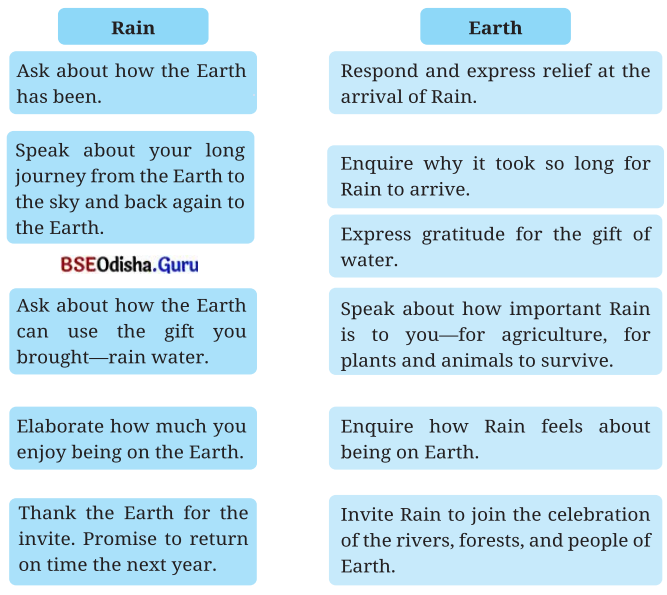
Answer:
Rain – How have you been so long?
Earth – I have had a long spell of dryness, Why have you been so late?
Rain – I carried water vapours from you right and then went up to the sky to come down as rain.
Earth – Rain water brought onto me by you and sustains agriculture. Plants grow into trees and crops which help survive animals.
One question, please. How do you feel about being on earth?
Rain – Oh, Yes. My being on the Earth matters a lot to the animals and plants. Plants that need my water badly grow into corns, leaves and seeds which animals feed on.
Earth – Then whyn’t join the celebration involving (having) rivers, forests and the people of the Earth!
Rain – Thank you for your invitation. I would be fortunate if I become a part of the celebration. Promise to return on time next year.
Earth – You’re welcomed. See you, bye!
Let us write (ଆସ ଲେଖୁବା) :
You have observed the difficulties faced by the people in your neighbourhood due to scarcity of water especially during the summer months. Write a letter to the Councillor of your Municipal ward, requesting her/him to set up a rain water harvesting unit. Provide suggestions to address the issue.
(ମୁଖ୍ୟତଃ ଖରାମାସମାନଙ୍କରେ ତୁମ ଅଞ୍ଚଳର ଲୋକମାନେ ସମ୍ମୁଖୀନ ହେଉଥିବା ଜଳାଭାବର ଅସୁବିଧା ତୁମେ ଲକ୍ଷ୍ୟ କରିଛ । ତୁମ ଅଞ୍ଚଳରେ ଗୋଟିଏ ବୃଷ୍ଟି ଜଳ ଅମଳ କାରଖାନା ପ୍ରତିଷ୍ଠା ପାଇଁ ଅନୁରୋଧ କରି ତୁମ ପୌରପାଳିକା ୱାର୍ଡ଼ର କାଉନ୍ସିଲରଙ୍କୁ ଏକ ଚିଠି ଲେଖ । ସମସ୍ୟାର ସମାଧାନ ପାଇଁ ପ୍ରସ୍ତାବ ଦିଅ ।)
Remember to (ମନେରଖ) :
|
Format and Layout (ରୂପରେଖ ଓ ପଦ୍ଧତି)
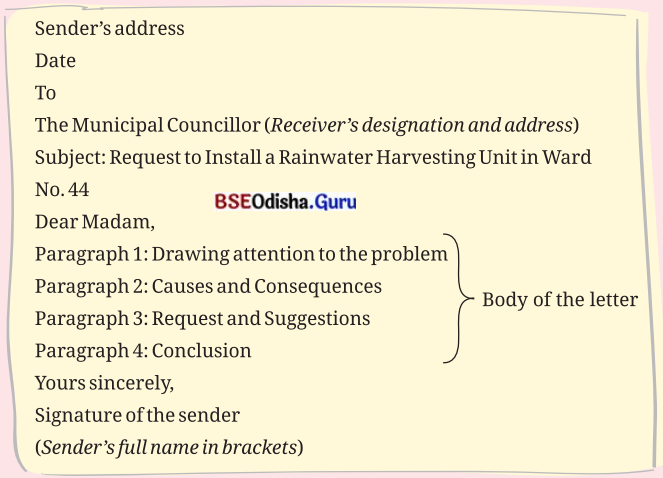
Answer:
| Tulasipur, Cuttack 3rd April 2026 To The Municipal Councillor, Tulsipur Cuttack Municipal Corporation. Sub: Request to install a Rainwater Harvesting Unit in Ward No-44). With due veneration (honour) I, on behalf of the residents of Ward No 44, Tulsipur, would like to propose the necessity of a Rainwater Harvesting Unit.In view of the approaching summer we apprehend (ଆଶଙ୍କା କରୁଛୁ) acute water scarcity (ଉତ୍କଟ ଜଳାଭାବ). The inhabitants (ଅଧ୍ବବାସୀ), will, no doubt, face the scarcity of drinking water. You can understand how the inhabitants, particularly (ବିଶେଷକରି )the woman of this ward have to carry water (ଜଳ ବୋହି ଆଣିବାକୁ ପଡ଼ିଥାଏ) from the neighburing (ପଡ଼ୋଶୀ) ward.Installing an effective Rainwater Harvesting Unit in the ward is the need of the hour. If it is installed, the locals can/will collect and store water from their rooftops for non-potable uses like gardening, cleaning and flushing, leading to the mitigation of our long-standing problems.I, therefore, request your highness to consider the gravity of the problem ( ଉତ୍କଟତାକୁ ବିଚାର କରିବାପାଇଁ) and do the needful at your disposal. Yours sincerely N.K. Sahoo (Naba Kishore Sahoo). |
Let us explore (ଆସ ଅନ୍ଵେଷଣ କରିବା):
Rest is very important for us to function in a proper manner. Even the Earth needs rest. This is known as following.
ଠିକ୍ ଭାବରେ କାର୍ଯ୍ୟ କରିବାପାଇଁ ବିଶ୍ରାମ ଆମ୍ଭମାନଙ୍କ ପାଇଁ ଅତି ଗୁରୁତ୍ଵପୂର୍ଣ୍ଣ ଅଟେ । ଏପରିକି ଆମ ପୃଥିବୀକୁ ବିଶ୍ରାମ ଦରକାର କରେ । ଏହାକୁ ପଡ଼ିଆ (Fallowing) ରୂପେ ଜଣାଯାଏ ।
What is ‘Fallowing’?
Answer:
Fallowing is an agricultural technology that leaves land or soilwithout sowing for certain periods of time.
(Fallowing ନିୟମ ଯେଉଁଥୁରେ ନିର୍ଦ୍ଦିଷ୍ଟ ଅବଧୂ ପର୍ଯ୍ୟନ୍ତ ଜମି ବା ମୃତ୍ତିକାରେ ମଞ୍ଜି ନ ବୁଣି ଏହାକୁ ଛାଡ଼ି ଦିଆଯାଏ ।)
Read the facts given below related to following: (Following ସହ ସଂପର୍କିତ ନିମ୍ନ ପ୍ରଦତ୍ତ ତଥ୍ୟଗୁଡ଼ିକୁ ପଢ଼ 🙂
- A fallow year refers to the act of leaving the land without sowing for one, or several vegetable cycles.
(ଜମିରେ ମଞ୍ଜି ନ ବୁଣି ଏକ ବା ଅନେକ ଫସଲ ଅମଳ ବର୍ଷ ପର୍ଯ୍ୟନ୍ତ ପଡ଼ିଆ ରଖୁବାକୁ fallow year କୁହାଯାଏ ।) - This done to allow the land to recover its nutrients and retain moistures. It also helps to avoid spreading of diseases and controlling pests. (ପୋଷକ ତତ୍ତ୍ଵଗୁଡ଼ିକୁ ଫେରି ପାଇବା ଓ କରାଯାଏ । ରୋଗ ବ୍ୟାପିବା ଓ ଫସଲରେ ଲାଗୁଥିବା କୀଟଗୁଡ଼ିକୁ ନିୟନ୍ତ୍ରଣ କରିବାପାଇଁ ଏହା ସାହାଯ୍ୟ କରିଥାଏ ।)
- The sustainable land management method has been applied for centuries, wherein a filed is divided into two halves – one is planted with crops while the other remains unplanted. Then the process is reversed in the following year.
(ଧାରଣୀୟ (ସହନଶୀଳ) ଚାଷଜମି ପରିଚାଳନା ବିଧ୍/ନିୟମକୁ ଶହ ଶହ ବର୍ଷ ଧରି ପ୍ରୟୋଗ କରାଯାଇଛି, ଯେଉଁଥରେ ଗୋଟିଏ ଜମିକୁ ଦୁଇ ଭାଗରେ ବିଭକ୍ତ କରାଯାଏ ଗୋଟିଏ ଅର୍ଷକରେ ଶସ୍ୟ ରୋପଣ କରାଯାଏ ଓ ଅନ୍ୟ ଅର୍ବଭାଗଟି ବିନାରୋପଣରେ ପଡ଼ିରହେ । ପରବର୍ତ୍ତୀ ବର୍ଷରେ ଏହି ପ୍ରକ୍ରିୟାକୁ ବଦଳ କରି ଦିଆଯାଏ ।)
II. Find out from your Vocational Education teacher about Agriculture as a vocation and other related vocations such as horticulture etc.
(ତୁମ ବୃତ୍ତି (ଧନ୍ଦା) ଶିକ୍ଷକଙ୍କଠାରୁ ଏକ ବୃଷ୍ଟି ଭାବେ କୃଷି ଏବଂ ଉଦ୍ୟାନ କୃଷି ଏବଂ ଉଦ୍ୟାନ କୃଷି ଭଳି ଅନ୍ୟାନ୍ୟ ବୃତ୍ତି ବିଷୟରେ ତଥ୍ୟ ସଂଗ୍ରହ କର ।)
Answer:
Agriculture as a vocation (କୃଷି ଏକ ଜୀବିକା ବା ଧନ୍ଦା)
Agriculture or Farming as a vocation serves as a vital, rewarding and challenging career or vocation. Agricutlrue as a vocation finds favour (ସମର୍ଥନ ମିଳୁଛି / ପ୍ରିୟଭାଜନ ହୋଇପାରୁଛି) with not the farmers doing it as a major source of livelihood (ଜୀବିକାର ମୁଖ୍ୟ ଉତ୍ସ) only but the educated youths (ଶିକ୍ଷିତ ଯୁବପିଢ଼ି) showing interest in agriculture and its various related sources with the emerging (coming up) sophisticated (ଅତି ଉନ୍ନତ ମାନର) technology.
Besides ensuring food security (ଖାଦ୍ୟ ନିରାପତ୍ତା ନିଶ୍ଚିତ କରିବା ଛଡ଼ା) agriculture involves agri-tech, smart farming and data-driven (ତଥ୍ୟଭିତ୍ୟିକ) decision. It remains a core economic driver offering diverse (different) career opportunities such as going in for (pursuing) researches (ଗବେଷଣା), horticulture (ଉଦ୍ୟାନ କୃଷି), dairy (ଦୁଗ୍ଧ) and poultry farming (କୁକୁଡ଼ା ପାଳନ). Since agriculture is realted to business the person accepting it as a vocation, should strike a balance between profitability (ଲାଭଯୋଗ୍ୟତା) with ecological health.
Horticulture as a vocation (ଏକ ଧନ୍ଦାଭାବେ ଉଦ୍ୟାନ କୃଷି)
Its objective (ଏହାର ଲକ୍ଷ୍ୟ/ଉଦ୍ଦେଶ୍ୟ): Horticulture is concerned with (ଜଡ଼ିତ) the science and art of cultivating plants for food, medicinal (ଔଷଧୀୟ) and ornamental (ଆଳଙ୍କାରିକ) purpose.
Opportunities in horticulture as a vocation: A vocation or career in horticulture offers (provides – ପ୍ରଦାନ କରିଥାଏ) diverse (ବିଭିନ୍ନ), sustainable (ଚିରନ୍ତନ/ ନିରବଚ୍ଛିନ୍ନ ) and growing opportunities in plant production, landscape design research (and agriculture business. Horticulture covers wide array (variety) of jobs suitable for different skill sets. be it indoor or outdoor environments.
Here is a list of vocational practices in horticulture
- Production and growth
Green house manager, Nursery manager, Plant Breeder etc. - Landscape design
Landscape Architect, Certified Gardener, Interior Plant Technician. - Science and Technical
Plant scientists, Genetic Engineer, Horticulturist. - Business and Retails
Garden Centre Manager. Floral Designer, Chain Specialist. - Education and Media
Extension Agent, Horticulture Writer, Education
III. India’s rich tradition of meteorological knowledge includes indigenous forecasting systems, grounded in ancient wisdom. These provide sophisticated methods for predicting climate, calculating rainfall, and issuing early warnings.
References to rain and weather are found in numerous ancient texts, including the Rigveda, Shrirnad Bhagavad, Parashara Samhita, Panini’s Ashtadhyayi, and Meghmala. These texts offer insights into rainfall patterns and seasonal changes.
IV. Meteorological Services for Agriculture in India
The primary objective of the Agricultural Meteorology Division, India Meteorological Department (IMD) is to minimise the impact of adverse weather on crops and to leverage crop-weather relationships to boost agricultural production.
In addition to forecasts and advisories, several other weather related services are also provided.
For detailed information, please visit: https://mausam. imd.gov.in/responsive/ servicesMetEnvironment.php
Transcripts
The Cherry Tree
Let us listen (refer to page 170)
I. You will listen to a conversation between a son and his mother. As you listen, select four true statements from 1-7 given below.
Son: Amma, could you help me with this project?
Mother: Why not? What’s the project about?
Son: It’s about the Chipko Movement. I have to make a PowerPoint presentation and talk about it in class.
Mother: That’s good! Chipko Movement was all about hugging trees to prevent them from being cut, isn’t it ? Such an inspiring movement it was !
Son: Yes, it was the first time that common people came together for the noble cause of saving trees. It showed how people can also make a difference. Have you heard or read about something similar ?
Mother: Yes, of course. The success of the Chipko Movement led to the Appiko Movement.
Son: Really? Doesn’t appiko mean ‘hugging’ in Kannada? So, did they also hug trees to protect them?
Mother: Yes they did. In this movement people not only hugged trees to protect them but also regenerated the forest areas in the Western Ghats.
Son: That’s great! This reminds me of what my teacher shared about Saalumarada Thimakka last week. She is a Padma Shri awardee.
Mother: What an amazing personality! I’ve heard about her and I’m interested to know what your teacher has shared with you.
Son: She is an Indian environmentalist who has been planting trees since 1948. She has planted over 8000 trees in the area around her village.
Mother: Wonderful !
Son: What I admire about her is the commitment she has towards conserving the environment.
Mother: Incredible ! That is one superwoman! But do you know who the Forest Man of India is ?
Son: Yes, I’ve read about him. It is Jadav Payeng, from Assam. He too is a Padma Shri awardee. Isn’t he the one who single-handedly turned a barren land of around a thousand acres into a lush green forest? He did so by planting nearly forty million
trees.
Mother: Yes, you’re absolutely right. It was not something that happened overnight. It took him thirty years to achieve this. This forest has become a habitat for different kinds ( of animals including migratory birds.
Son: Fascinating, isn’t it? I’ve read a book and watched a documentary in school about him which has really inspired me.
Mother: I’m glad that you have begun to care about the environment too.
Harvest Hymn
Let us listen (refer to page 181)
Listen to this talk about paddy cultivation. As you listen, number the events in the correct order in which they happen.
Hello everyone!
Did you know that rice is actually a type of grass, and the part we eat is its seed? Let me tell you about the process of cultivating rice.
It all starts with preparing the land. First, the soil has to be ploughed. Rice is typically grown in fertile soil that holds a lot of water. The most important step in preparing the soil is to soak it with plenty of water. This step is called puddling. Once the nursery bed is prepared, the seeds can be planted. After that, we sow the seeds on the soil’s surface.
Paddy farmers have to ensure that their fields stay flooded with water because irrigation is crucial. It takes around 4 to 5 weeks for the seeds to grow into seedlings. After this comes the most important step-transplanting. The seedlings that were prepared in the nursery bed are uprooted and then transplanted into the flooded field.
In around 120 days, the rice plants are fully grown. At this point, the crops are harvested by cutting them. Following this, the seeds are separated from the plant. This is called threshing. To reduce the moisture content even more, the separated grains are dried. This ensures that they can be stored or processed further. Through a process called milling, the rice is separated from the outer covering on it.
Finally, the rice reaches the market, and that’s where we get it to make all kinds of delicious foods. Whether it’s Appam, Pulao, Khichdi, or Daal Bhaat, rice is a big part of many meals.
II. Now listen to the talk again. As you listen, choose the correct option to answer the questions that follow.
Waiting For The Rain
Let us listen (refer to page 197)
I. Listen to the weather forecast. As you listen, fill in the blanks with the exact word you listen to.
Hello and welcome to today’s weather forecast.
Delhi is expected to have a generally cloudy sky with light rain. The temperature will range between a minimum of 25 °C and a maximum of 36 °C.
The sky will generally be cloudy with moderate rain in Mumbai. The minimum temperature is 24 °C and the maximum will be around 30 °C.
Moving eastwards, Kolkata will have a partly cloudy sky with one or two spells of rain or thundershowers. The minimum temperature will be 28 °C and the maximum will be around 34 °C.
Chennai is expected to have a partly cloudy sky with a possibility of thunderstorm. The minimum temperature will be 27 °C and the maximum will be around 36 °C.
Bengaluru will have a generally cloudy sky with light rain. The minimum temperature will be 21 °C and will rise to a maximum of around 29 °C.
Hyderabad is expected to have a generally cloudy sky with light rain or drizzle. Temperature will be between a minimum of 23 °C and a maximum of 33 °C.
That’s all from me today. Have a beautiful day ahead. Don’t forget to carry your umbrellas!
https://www.newsonair.gov.in/weather-forecast-for-today/
Waiting for the Rain Class 8 Summary
Let us read (ଆସ ପଢ଼ିବା)
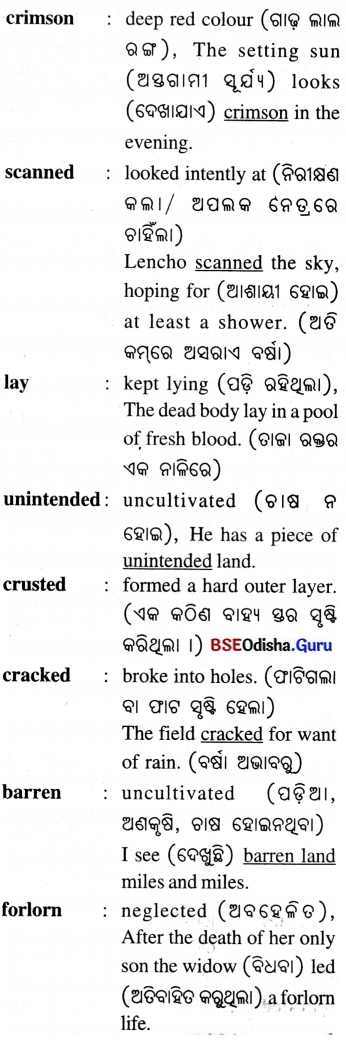
I. “I hope it rains at least today,” Velu thought, as he opened his eyes. Velu was a farmer. The sun was beginning to rise, glowing crimson like fire. Velu scanned the sky. There was not a cloud. “It doesn’t look encouraging,” he muttered to himself and got up. Rain or no rain, a farmer wakes up early. Velu worked hard. His piece of land never failed him. Season after season he cultivated it, harvesting jowar one season and clhal the next. Throughout the year he worked, never thinking of rest or taking a holiday. For nearly six years it had been so, ever since he had got his own piece of land.
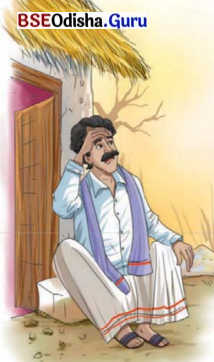
‘ମୋର ଆଶା ଅତିକମ୍ରେ ଆଜି ବର୍ଷା ହେବ,’’ ଆଖୁ ଖୋଲିଲାବେଳେ ଭେଲୁ ଭାବୁଥିଲା । ଭେଲୁ ଜଣେ କୃଷକ ଥିଲା । ସୂର୍ଯ୍ୟ ନିଆଁଭଳି ଈଷତ୍ ଲାଲ ରଙ୍ଗ ଧାରଣ ଉଦୟ ହେଉଥିଲା । ଭେଲୁ ଆକାଶକୁ ଭଲରୂପେ ଚାହିଁଲା । ଆକାଶରେ ଗୋଟିଏ ବି ମେଘଖଣ୍ଡ ନଥିଲା । ‘ଉତ୍ସାହଜନକ ଜଣା ପଡୁନାହିଁ,’’ ଗୁଣୁଗୁଣୁ ହୋଇ ଭେଲୁ କହିଲା ଓ ଉଠି ଠିଆହେଲା । ବର୍ଷା ହେଉ ବା ନହେଉ, ଜଣେ କୃଷକ ଶୀଘ୍ର ଉଠିପଡ଼େ । ଭେଲୁ କଠିନ ପରିଶ୍ରମ କରୁଥିଲା । ତା’ପାଖରେ ଥୁବା ଖଣ୍ଡେ ଜମି ତା’କୁ କେବେ ବି ଧୋକା ଦେଇ ନଥିଲା । ସବୁ ଋତୁରେ ସେ ଏହାକୁ ଚାଷ କରୁଥିଲା, କେବେ ଗୋଟିଏ ଋତୁରେ ଜଓ୍ବାର ଓ ପରବର୍ତ୍ତୀ ଋତୁରେ ‘ଡାଲିଜାତୀୟ ଶସ୍ୟ’ । ବିଶ୍ରାମ ନେବା କଥା ଚିନ୍ତା ନ କରି ବା ଗୋଟିଏ ଛୁଟି ନନେଇ ସେ ବର୍ଷସାରା ତା’ କ୍ଷେତରେ କାମ କରୁଥିଲା । ଯେବେଠାରୁ ଭେଲୁ ତାହାର ନିଜର ଖଣ୍ଡେ ଜମିର ମାଲିକ ହେଲା, ସେବେଠାରୁ ପ୍ରାୟ ୬ ବର୍ଷ ଧରି ସେ ଏଇଭଳି ତା’ କ୍ଷେତରେ କାମ କରି ଆସୁଥିଲା ।
But this year turned out to be different. At the end of summer, the rains didn’t come. Velu and his neighbours waited, but their waiting didn’t end. Days, weeks and months passed, and still there was no rain. The fields lay untended, the earth hardened, crusted and cracked. The barren land looked forlorn and the farmers lived entirely on hope. Every day they hoped that the rains would come.
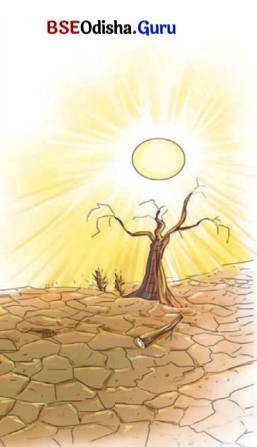
କିନ୍ତୁ ଏ ବର୍ଷ ଅଲଗା ରକମର ହୋଇଗଲା । ଗ୍ରୀଷ୍ମର ଶେଷରେ ବର୍ଷା ଆସିଲା ପଡ଼ୋଶୀମାନେ ବର୍ଷାକୁ ଅପେକ୍ଷା କଲେ, କିନ୍ତୁ ସେମାନଙ୍କର ଅପେକ୍ଷାର ଅନ୍ତ ଘଟିଲା ମାସ ବିତିଗଲା, କିନ୍ତୁ ତଥାପି ବର୍ଷା ହେଲାନାହିଁ । ନାହିଁ । ଦିନ, ସପ୍ତାହ ଓ ନାହିଁ । କ୍ଷେତ ସବୁ ଚାଷ ନ ହୋଇ ପଡ଼ିରହିଲା । ମାଟି ଟାଣ ହୋଇଗଲା, ଜମି ପୃଷ୍ଠସ୍ତର କଠିନ ହୋଇ ଫାଟିଗଲା । ପଡ଼ିଆ ଜମି ନୀରସ ଓ ଅବହେଳିତ ଦେଖାଯାଉଥିଲା ଏବଂ କୃଷକମାନେ ସଂପୂର୍ଣ୍ଣ ଭାବରେ ଆଶାରେ ବସି ରହିଲେ । ପ୍ରତ୍ୟେକ ଦିନ ସେମାନେ ଆଶା କରୁଥିଲେ ଯେ ବର୍ଷା ଆସିବ ।
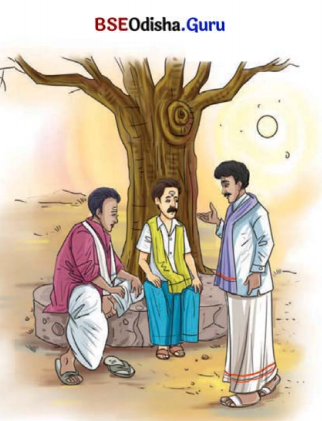
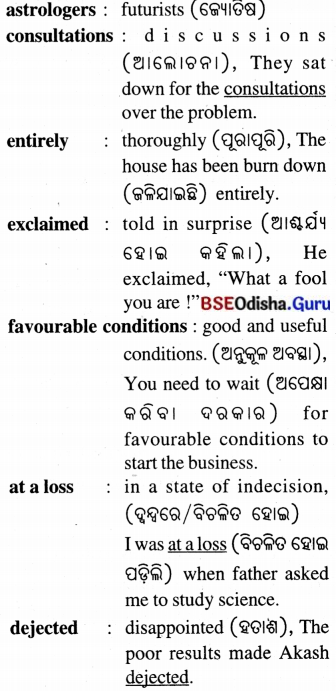
Someone said, “We e ought to talk to some
to some astrologers. They can tell us what will
please the heavens and the heavens will send down rain.”
Velu didn’t agree. He said, “The’ rains came all these years without any such consultations; I can’t see how talking to astrologers will bring rain.”
କେହି ଜଣେ କହିଲା, ‘ଆମ୍ଭେମାନେ କୌଣସି ଜ୍ୟୋତିଷ ସହିତ କଥାହେବା ଉଚିତ । ସେମାନେ ଆମ୍ଭମାନଙ୍କୁ କହିପାରିବେ କ’ଣ ଆକାଶକୁ ଖୁସି କରିବ ଓ ଆକାଶ ପୃଥିବୀକୁ ବର୍ଷା ପଠାଇବ ।
ଭେଲୁ ଏଥିରେ ସମ୍ମତ ହେଲା ନାହିଁ । ସେ କହିଲା, ‘ଏଭଳି ପରାମର୍ଶ ବିନା ମଧ୍ଯ ଏହିସବୁ ବର୍ଷଗୁଡ଼ିକରେ ବର୍ଷା ଆସୁଥିଲା । ମୁଁ ବୁଝିପାରୁନି ଜ୍ୟୋତିଷମାନଙ୍କ ସହିତ କଥାହେବାଦ୍ଵାରା ବର୍ଷା କିଭଳି ଆସିବ ।’’
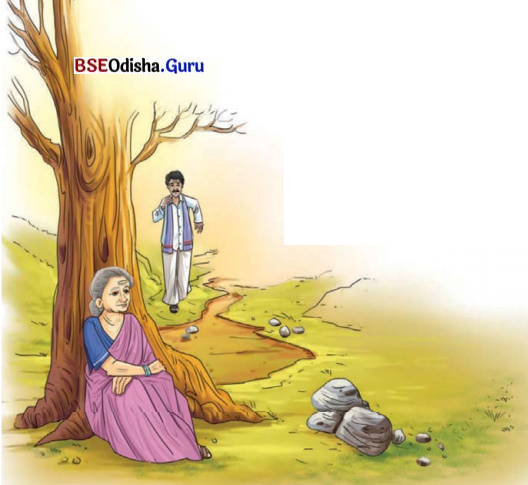
He decided to go to the weather office in the city and
talk to someone. But the people at the weather office said they couldn’t really tell him when the sky would gather clouds and bring rain. “We are at a loss ourselves!” they exclaimed. “So many favourable conditions but still no rain. Very odd !”
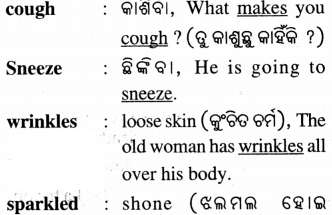
Velu, too, was at a loss. He walked back to the village, tired, and dejected. He was thirsty and the dust made him cough and sneeze. He decided to rest for a while. He saw a large tree. Its shade was cool and inviting. As he sat down, he noticed that an old woman was also sitting there, sheltering from the sun.
ସହରରେ ଥିବା ପାଣିପାଗ ଅଫିସକୁ ଯାଇ ଜଣେ କାହା ସହ କଥା ହେବାପାଇଁ ସେ (ଭେଲୁ) ସ୍ଥିର କଲା । କିନ୍ତୁ କେତେବେଳେ ଆକାଶରେ ବାଦଲସବୁ ଏକତ୍ର ହୋଇ ବର୍ଷା କରିବ ସେମାନେ ପ୍ରକୃତରେ କହିପାରିବେ ନାହିଁ ବୋଲି ପାଣିପାଗ କାର୍ଯ୍ୟାଳୟରେ ଥିବା ଲୋକମାନେ କହିଲେ । “ ଆମ୍ଭେମାନେ ବିଚଳିତ ହୋଇ ପଡ଼ିଛୁ,’’ ସେମାନେ ଆଶ୍ଚର୍ଯ୍ୟ ହୋଇ କହିଲେ । ‘‘ଏତେ ଅନୁକୂଳ ଅବସ୍ଥା ତଥାପି ବର୍ଷା ନାହିଁ, ବଡ଼ ବିଚିତ୍ର କଥା । ଭେଲୁ ମଧ୍ୟ ବିଚଳିତ ହୋଇପଡ଼ିଲା । କ୍ଳାନ୍ତ ଓ ହତୋତ୍ସାହିତ ହୋଇ ସେ ଗାଁକୁ ଚାଲି ଚାଲି ଫେରିଗଲା । ତାକୁ ଶୋଷ ଲାଗୁଥିଲା (ସେ ଶୋଷିଲା ଥିଲା) ହେଲା ଓ ସେ ଛିଙ୍କିବାକୁ ଲାଗିଲା । କିଛି ମୁହୂର୍ତ୍ତ ନେଲା । ଓ ଧୂଳି ଯୋଗୁଁ ତା’ର କାଶ ବିଶ୍ରାମ ନେବାକୁ ସେ ନିଷ୍ପତ୍ତି| ସେ ଗୋଟିଏ ବଡ଼ ଗଛ ଦେଖିଲା । ଏହାର ଛାଇ ଶୀତଳ ଓ ଆରାମଦାୟକ ଥିଲା । ସେ ଯେତେବେଳେ ବସି ପଡ଼ିଲା, ଗୋଟିଏ ବୁଢ଼ୀ ସୂର୍ଯ୍ୟକିରଣରୁ ଆଶ୍ରୟ ପାଇବା ପାଇଁ ସେଠାରେ ବସିଥିବାର ସେ ଦେଖୁଲା ।
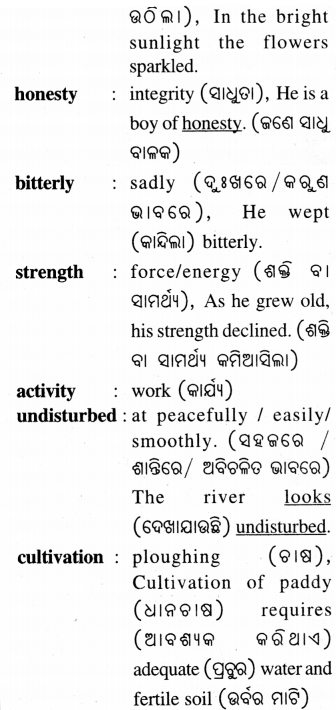
II. Her skin was wrinkled, but her eyes sparkled when she smiled. She looked at Velu and her smile grew wider, her wrinkles deeper.
“What are you smiling at, Amma?” Velu asked. “Without the rains, there’s nothing to smile about.” “Yes, yes, you’re right,” the old woman said, the smile leaving her lips.
“I wonder what I have done to deserve this,” Velu began. “I have worked hard and honestly. Yet I am being punished. Without the rains I can’t till the land. If I don’t till the land no crop will grow.
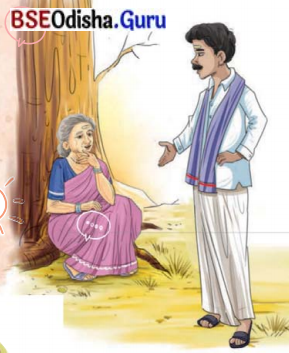
What will happen to me ? How shall I feed my family?” he asked, somewhat bitterly. He wasn’t speaking to anyone in particular, but the old lady thought that he was opening his heart to her.
ତାହାର (ବୃଦ୍ଧାଙ୍କର) ଚର୍ମ କଂଚିତ/ ଲୋଚାକୋଚା ଥିଲା । କିନ୍ତୁ ସେ ଯେତେବେଳେ ମୁରୁକି ହସୁଥୁଲା, ତାହାର ଆଖ୍ ଚମକି ଉଠୁଥିଲା । ସେ ଯେତେବେଳ ଭେଲୁକୁ ଚାହିଁଲା, ତାହାର ମୁରୁକି ହସ ଆହୁରି ବଢ଼ିଗଲା ଓ ତାହାର ପୁଂଚିତ ଚର୍ମ ଆହୁରି ଗଭୀର ଦେଖାଗଲା ।
‘‘କେଉଁଥିପାଇଁ ତୁ’ ମୁରୁକି ହସୁଛୁ, ଆମ୍ମା ?’’ ଭେଲୁ ପଚାରିଲା । ‘ବର୍ଷା ନାହିଁ, ହସିବାର କ’ଣ ଅଛି?’’ “‘ହଁ, ହଁ, ତୁ ଠିକ୍ କହୁଛୁ,’’ ବୁଢ଼ୀ କହିଲା, ମୁରୁକି ହସ ତାହାର ଓଠରୁ ଦୂରେଇଗଲା ।
‘ମୁଁ ବୁଝିପାରୁନି ଏହା ପାଇବାପାଇଁ ମୁଁ କ’ଣ କରିଛି’’ ଭେଲୁ ଆରମ୍ଭ କଲା । ‘ମୁଁ ସାଧୁତାର ସହିତ ପରିଶ୍ରମ କରିଛି । ତଥାପି ମୁଁ ଦଣ୍ଡ ପାଇଛି । ବର୍ଷା ବିନା ମୁଁ ଜମି ଚାଷ କରିପାରିବି ନାହିଁ ।’’ ମୁଁ ଯଦି ଜମି ଚାଷ କରିବି ନାହିଁ, କୌଣସି ଶସ୍ୟ ଫଳିବ ନାହିଁ ।’’
‘ମୋର କ’ଣ ହେବ ? ମୁଁ ମୋ ପରିବାରକୁ କିଭଳି ଖୁଆଇବି ?’’ ଭେଲୁ ସାମାନ୍ୟ ଉଦାସ ଭରା କଣ୍ଠରେ ବା ତିକ୍ତତାର ସହିତ କହିଲା । ସେ ପ୍ରକୃତରେ କାହାକୁ ନିର୍ଦ୍ଦିଷ୍ଟ କରି କହୁନଥିଲା, କିନ୍ତୁ ବୁଢ଼ୀ ଜଣକ ଭାବୁଥୁଲା ଯେ ଭେଲୁ ତାକୁ ତାହାର ହୃଦୟରେ ଥିବା କଥାକୁ ଖୋଲି କହୁଥିଲା ।
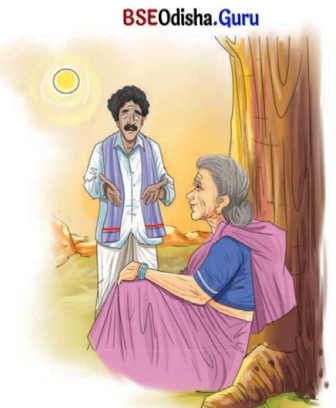
“Perhaps you have worked too hard,” she said.
“What do you mean? Can anyone work too hard? I have only done what any hard-working farmer would do.
I shall work and never rest until I am too old. This is the first season in five, no, six years that I have not sown, nor ploughed.Oh, it is hard not to be able to work…” said Velu a little angrily.
‘‘ବୋଧହୁଏ, ତୁ ବହୁତ କଠିନ ପରିଶ୍ରମ କରିଛୁ ।’’ ସେ କହିଲା ।
‘ତୁମେ କ’ଣ କହିବାକୁ ଚାହୁଁଛ ? କେହି କ’ଣ ଅତ୍ୟଧିକ ପରିଶ୍ରମ କରିପାରିବ ? ଯେ କୌଣସି ପରିଶ୍ରମୀ କୃଷକ ଭଳି ମୁଁ କେବଳ ଶ୍ରମ କରିଛି ।
ଅତି ବୁଢ଼ା ନ ହେବା ପର୍ଯ୍ୟନ୍ତ ମୁଁ କାମ କରି ଚାଲିଥ୍ ଓ ଆଦୌ ବିଶ୍ରାମ ନେବିନାହିଁ । ପାଞ୍ଚ ଋତୁ ଭିତରେ ଏହି ଋତୁ ପ୍ରଥମ । ନା, ଛଅ ବର୍ଷ ଧରି ମୁଁ ମଞ୍ଜି ବୁଣି ନାହିଁ କି ଜମି ଚାଷ/ହଳ କରିନାହିଁ । ହେ ଭଗବାନ ! କାର୍ଯ୍ୟ କରିବା ଅସମ୍ଭବ ହୋଇ ପଡୁଛି ।’’ ଭେଲୁ ଟିକେ ରାଗିଯାଇ କି କହିଲା ।
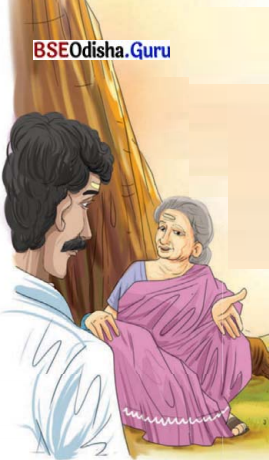
“But my son, that is what I am talking about. You have strength now. You can work without a break. But have you thought about the land ? The earth works, too, when you plough, and sow, and plant. The earth has worked for years, centuries, in fact, thousands of years. The soil, the land, the earth… shouldn’t someone let the land rest a bit?” the old woman said, softly, smiling.
“କିନ୍ତୁ/ହେଲେ ମୋ ପୁଅ, ମୁଁ ତ ସେହି କଥା କହୁଛି । ତୋ’ଠାରେ ଏବେ ଶକ୍ତି ଅଛି । ବିନା ବିଶ୍ରାମରେ ତୁ କାମ କରିପାରିବୁ । କିନ୍ତୁ ଜମି ବିଷୟରେ ତୁ କେବେ ଭାବିଛୁ ? ତୁ ଯେତେବେଳେ ହଳ କରୁ, ମଞ୍ଜି ବୁଣୁ ଓ ଚାରା ରୋପଣ କରୁ, ପୃଥିବୀ ମା’ ମଧ୍ୟ କାର୍ଯ୍ୟରେ ଲାଗିଥାଏ । ବର୍ଷ ବର୍ଷ, ଶହ ଶହ ବର୍ଷ ଧରି ପୃଥିବୀ କାମ କରିଆସୁଛି, ପ୍ରକୃତରେ ହଜାର ହଜାର ବର୍ଷ ଧରି । ମାଟି, ଜମି, ପୃଥ୍ବୀ……..ଏହା ଭିତରୁ କେହି କ’ଣ ଖେତକୁ ଟିକେ ବିଶ୍ରାମ ଦେବା ଉଚିତ ନୁହେଁ କି ??’ ବୁଢ଼ୀଟି ଧୀରେ ଧୀରେ (ମୃଦୁ ଭାବରେ) ମୁରୁକି ହସି କହିଲା ।
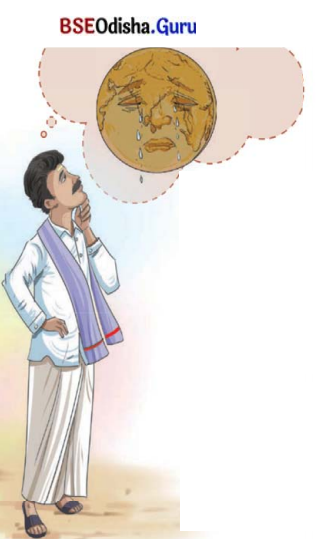
“Rest? Let the land rest? I don’t understand,” Velu looked at her, a little puzzled.
“Yes, my son, that is the difficulty. You don’t realise that the earth is old… But Nature is a mother to all of us. To you and to me. And to the trees, the water and the soil. She takes care to give her children the rest they need…”
Velu began to understand.
“When the rains don’t come, you are dejected. But in that way the land is left alone. The land lies undisturbed, staring at the sky, resting… And when the rains come, it will spring back into activity, fresh and ready for your crop. Go home, my son, Nature knows a thing or two… go home,” she said, and got up.
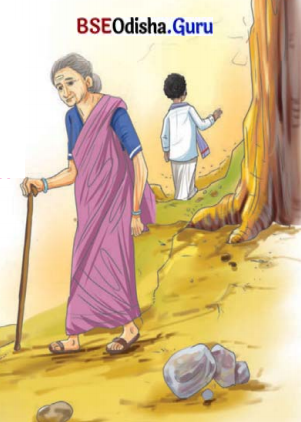
‘‘ବିଶ୍ରାମ ? ଖେତକୁ ବିଶ୍ରାମ ମିଳୁ | ଦିଆଯାଉ । ମୁଁ ବୁଝିପାରୁନି ?’’ ଭେଲୁ ବୁଢ଼ୀକୁ ସାମାନ୍ୟ ବିଚଳିତ ହୋଇ ଚାହିଁଲା ।
‘ହଁ, ମୋ ପୁଅ, ତା’ ହେଉଛି ଅସୁବିଧା । ତୁ ବୁଝିପାରୁନୁ କାହିଁକି ଯେ ପୃଥିବୀ ବୁଢ଼ୀ ହୋଇଗଲାଣି । କିନ୍ତୁ ପ୍ରକୃତି ଆମ ସମସ୍ତଙ୍କର ମାଆ ଅଟେ । ତୋ ପିଲାମାନେ ଦରକାର କରୁଥିବା ବିଶ୍ରାମ ଦେବା ଭେଲୁ ବୁଝିବାକୁ ଆରମ୍ଭ କଲା । ପାଇଁ ଓ ମୋ ପାଇଁ ! ଗଛଗୁଡ଼ିକ ପାଇଁ, ଜଳ ଓ ମାଟି ପାଇଁ ପାଇଁ ସେ ଯନ୍ ନିଏ…’
“ ‘ଯେତେବେଳେ ବର୍ଷା ଆସେ ନାହିଁ, ତୁ ଦୁଖ୍ୟ/ଅବସାଦ ହୋଇପଡୁ । କିନ୍ତୁ ଏ କ୍ଷେତ୍ରରେ ଜମି ଏକୁଟିଆ ହୋଇଯାଏ । ମାଟି (ଜମି) ତଳେ ବିଶ୍ରାମ ନେଇ ଅବିଚଳିତ ହୋଇ ଆକାଶକୁ ଚାହିଁ ରହେ । କିନ୍ତୁ ଯେତେବେଳେ ବର୍ଷା ଆସିବ ମାଟି (ଜମି) ହଠାତ୍ କ୍ରିୟାଶୀଳ ସତେଜ ହୋଇ ତୋ’ର ଚାଷ ପାଇଁ ପ୍ରସ୍ତତ ହୋଇଯିବ । ଘରକୁ ଯା, ମୋ ପୁଅ, ପ୍ରକୃତି ଗୋଟିଏ ବା ଦୁଇଟି ଜିନିଷ ଜାଣିଛି…….ଘରକୁ ଯା ।’’ ଏକଥା କହି ବୁଢ଼ୀଟି ଉଠି ଠିଆହେଲା ।
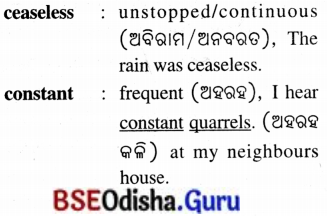
She walked away. After a while Velu, too, got up and walked home-ward. He thought about the land, his beloved piece of land, which, if he were to believe the old woman, was perhaps breathing peacefully, taking a break from the constant, ceaseless year-round cultivation
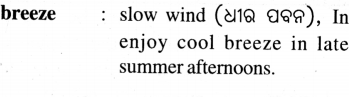
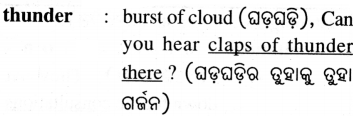
“Perhaps she is right,” he thought, as he approached the village. It was already evening. The sun was low in the sky. And… what was that? Velu felt a cool breeze on his back. Then he felt a tiny drop on his shoulder. He looked up. Yes… the clouds were gathering in the distance. It was growing dark. Soon there would be lightning. And thunder. And sweet, fragrant rain. Velu ran home, laughing and happy. — Kamakshi Balasubramanian
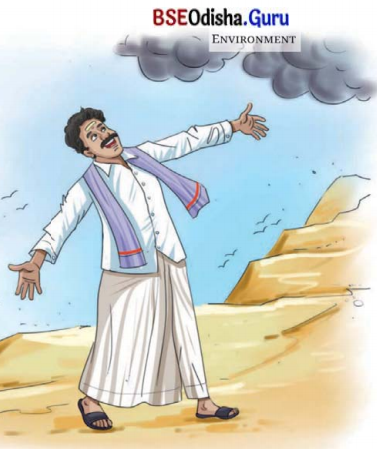
ବୁଢ଼ୀ ଚାଲିଗଲା । କିଛି ସମୟପରେ ଭେଲୁ ମଧ୍ୟ ଉଠି ପଡ଼ିଲା ଓ ଘର ଆଡ଼କୁ ଗଲା । ସେ ନିଜର ପ୍ରିୟ ଜମି ବିଷୟରେ ଭାବୁଥୁଲା, ଯାହା (ଯେଉଁ ଜମି) ଯଦି ସେ ବୁଢ଼ୀ କଥା ବିଶ୍ୱାସ କରେ, ବର୍ଷସାରା ଅବିରାମ ଓ ଅହରହ ଚାଷରୁ ସତେ ଯେପରି ଟିକେ ଆଶ୍ଵସ୍ତି ପାଇ ବୋଧହୁଏ ଶାନ୍ତିରେ ନିଃଶ୍ଵାସ ମାରୁଥିଲା । ଗାଁ ଆଡ଼କୁ ପାଖେଇ ଆସୁଥିଲାବେଳେ ଭେଲୁ ଭାବିଲା, ‘ବୋଧହୁଏ, ସେ ଠିକ୍ କହିଛି ।’’ ପ୍ରାୟ ସନ୍ଧ୍ୟା ହୋଇ ଯାଇଥିଲା । ସୂର୍ଯ୍ୟ ଆକାଶର ନିମ୍ନରେ ଅସ୍ତଗାମୀ ହେଉଥିଲା । ‘ଆରେ, ଏ କି’ଣ ? ପିଠି ଉପରେ ଭେଲୁ ଏକ ଶୀତଳ ପବନର ଅନୁଭବ କଲା । ତା’ପରେ ସେ ନିଜର କାନ୍ଧ ଉପରେ ଏକ ଅତି କ୍ଷୁଦ୍ର ବିନ୍ଦୁ ପଡ଼ିବାର ଅନୁଭବ କଲା । ସେ ଉପରକୁ ଚାହିଁଲା । ହଁ, ଦୂରେଇ ବାଦଲ/ମେଘଖଣ୍ଡ ସବୁ ଠୁଳ ହେଉଥିଲା । ଅନ୍ଧାର ମାଡ଼ି ଆସୁଥିଲା । ସଂଗେ ସଂଗେ ବିଜୁଳି ମାରିଲା ଏବଂ ଘଡ଼ଘଡ଼ି ମଧ୍ଯ । ଏଥୁସହିତ ମଧୁର, ସୁଗନ୍ଧିତ ବର୍ଷା । ହସି ହସି ଖୁସିରେ ଭେଲୁ ଘରକୁ ଦୌଡ଼ିଲା ।
Summary (ସାରକଥା) :
“Waiting for the Rain” narrates (ବର୍ଣ୍ଣନା କରୁଛି) the struggle (ସଂଘର୍ଷ) of Velu, a hard- working (ପରିଶ୍ରମୀ) farmer, during a year of drought (ଗୋଟିଏ ବର୍ଷର ଅନାବୃଷ୍ଟି ସମୟରେ). Velu rises early ly each day, hoping for rain (ବର୍ଷାକୁ ଆଶା କରି), but the sky remains cloudless. His land, which had sustained (ନିୟମିତ ପ୍ରତିପୋଷଣ କରିଥିଲା) for six years, becomes cracked (ଫାଟି) and barren (ଅନୁର୍ବର ବା ପଡ଼ିଆ). Fellow ( ସାଥୀ) villagers discuss consulting astrologers (ଜ୍ୟୋତିଷମାନଙ୍କ ସହିତ ଆଲୋଚନା କରି). But Velu does not believe that such practices (ଏଭଳି କାର୍ଯ୍ୟ) will ever bring rain (ବର୍ଷା କରାଇବ). Finding himself in a spot of bother (ନିଜକୁ ବିଚଳିତ ଅବସ୍ଥାରେ ଅନୁଭବ କରି) Velu rests under a tree where he meets an old woman.
Their conversation (କଥାବାର୍ତ୍ତା) changes his perspective (ଦୃଷ୍ଟିକୋଣ ବା ଧାରଣା). The old woman explains that justlike people need rest, the land mus rest (ନେବା ଉଚିତ) after continuous cultivation (ଅବିରାମ ଚାଷ ପରେ). As to her (ତାଙ୍କ ମତରେ), Nature (ପ୍ରକୃତି) is wise (ଜ୍ଞାନୀ) and restores balance (ସନ୍ତୁଳିତ | ସ୍ଵାଭାବିକ କରିଥାଏ) by allowing the earth to recover. Though Velu appears to be puzzled at first, he begins to understand that the absence of rain is also a way of letting the land breathe (ଜମିକୁ ଆରାମରେ ପ୍ରଶ୍ଵାସ ନେବାକୁ ଦେବାର ଏକ ମାଧ୍ୟମ). As Velu walks back to his village, he feels the cool breeze and finds clouds gathering, finally bringing the such-awaited rains (ବହୁ ପ୍ରତୀକ୍ଷିତ ବର୍ଷା). The story, in a nut shell (ସଂକ୍ଷେପରେ) describes (ବର୍ଣ୍ଣନା କରୁଛି) patience, resilience, and wisdom of nature.
Notes & Glossary (ଶବ୍ଦାର୍ଥ):
Waiting for the Rain Class 8 MCQ
Question 1.
For how many years had Velu been working in his piece of land ?
(a) four
(b) five
(c) six
(d) seven
Answer:
(c) six
Question 2.
What were the fields looked to be because there was no rain ?
(a) untended
(b) crusted
(c) forlorn
(d) all of these
Answer:
(d) all of these
Question 3.
“the rains came all these years without any such consultations.” Who said this ?
(a) Velu
(b) Velu’s neighbour
(c) the old woman
(d) People at the weather office
Answer:
(a) Velu
Question 4.
What does ‘be at a loss’ mean ?
(a) be unsuccessful
(b) be a loser
(c) be worried
(d) be puzzled
Answer:
(d) be puzzled
Question 5.
In spite of favourable conditions, there was no rain. It was very …………(Fill in the blanks.)
(a) odd
(b) normal
(c) encouraging
(d) useful
Answer:
(a) odd
Question 6.
What made Velu cough and sneeze ?
(a) the rain
(b) the wind
(c) the dust
(d) the sun
Answer:
(c) the dust
Question 7.
Why was the old woman sitting under the tree ?
(a) to take rest for some time
(b) to shelter from the sun
(c) to wait for Velu
(d) to enjoy the breeze
Answer:
(b) to shelter from the sun
Question 8.
What happened when the old woman smiled ?
(a) her eyes sparkled
(b) her voice become louder
(c) her hands trembled
(d) her lips shook
Answer:
(a) her eyes sparkled
Question 9.
Which of the following sentences reveals that Velu was free and frank while talking to the old woman ?
(a) How shall I feed my family
(b) What are you smiling at ?
(c) He was opening his heart to her
(d) I have worked hard and honestly
Answer:
(c) He was opening his heart to her
Question 10.
Who, according to the old woman, is a mother to all of us ?
(a) the rain
(b) the land
(c) Nature
(d) Goddess
Answer:
(c) Nature
Question 11.
Who, according to Velu, was perhaps breathing peacefully ?
(a) his wife
(b) his child
(c) the old woman
(d) his piece of land
Answer:
(d) his piece of land
Waiting for the Rain Class 8 Fill in the Blanks
1. The sun rose glowing ………… like fire.
Answer: crimson
2. Velu never thought of rest or taking ………….
Answer: a holiday
3. The barren land looked ………….
Answer: forlorn
4. Velu couldn’t see how talking to ………… would bring rain.
Answer: Astrologers
5. There were so many ………… but still there was no rain.
Answer: favourable conditions
6. While walking back to his village, Velu was tired and ………….
Answer: dejected
7. The shade of the large tree was ………….
Answer: cool and inviting
8. The old woman’s skin was ………….
Answer: wrinkled
9. Velu said that he had only done what any ………… farmer would do.
Answer: hard-working
10. ………… is a mother to all of us.
Answer: Nature
11. After the old woman had walked away, Velu too walked ………….
Answer: home-ward
12. Velu felt a ………… on his back.
Answer: cool breeze
Waiting for the Rain Class 8 Short Question Answer
Question 1.
Why did the fields lie untended?
Answer:
Water is essential for agricultural operations. As there was no other source of irrigation, the farmers waited for the rains which was delayed. Consequently they could not plough the land or sow seeds. So the fields lay untended.
Question 2.
Where and why did Velu rest for a while?
Answer:
While walking back to his village Velu felt tired. Moreover, he coughed and sneezed due to the dust in the atmosphere. Se he took rest for a while under a big tree.
Question 3.
What did Velu say to the old woman about his difficulties?
Answer:
Velu told old woman that he had worked hard and honestly. Despite that he was being punished without the rains. He further exclaimed what would happen to him and how he would feed his family.
Question 4.
Why was Velu sad and disappointed while returning from the weather office?
Answer:
Velu had gone to the weather office with the hope that he would have some positive information about the rains there. But it was in vain because the people in the weather office could not provide him any satisfactory reply. So he was sad and disappointed.
Question 5.
The earth also works and becomes tired – How could the old woman make Velu understand this ?
Answer:
The old woman said that the earth also works along with the frmers when they work hard during the time of ploughing, sowing and planting. She convinced Velu that we should let the land rest a bit.
Question 6.
How did Velu react when someone suggested to consult astrologers?
Answer:
Welu was practical and rational. He did not believe in superstitions. He felt that the suggestion to meet astrologers was superficial. He did not think that it would render any practical solution to their problem. Rather he was convinced that the rains had come all those years without any such consultations. So instead of going to the astrologers, he went to the weather office in the city.
Question 7.
Why did Velu feel that he was being punished?
Answer:
In course of his discussion with the old woman, Velu told her that he was being punished, It was because despite his ability to work had and with honesty, the circumstances did not allow him to do so. He could not till his land as it was hardened without the rains. He could not imagine about what would happen to him and how he would feed his family.
Question 8.
What message does the story convey?
Answer:
The subject matter of the story is based on our deep connection to nature and dependence on natural cycles. However, it emphasizes on hope, patience, resilience and positive thinking. The story also suggests that hard work should also be balanced with wisdom and trust in natural processes. Velu’s bond with his land should be admired as he calls it ‘my beloved piece of land.’
Question 9.
How did old woman’s wisdom bring transformation in Velu’s mind?
Answer:
The old woman tried to make Velu understand that the earth had worked for so many years as the farmers did. The fields also need rest as people need it after they work hard. After resting for some time the land would come to activity, being fresh and ready for new crops. At first it was hard for Velu to believe the words of the old woman. But gradually he realised that it was true. Thus there was transformation in his mind.