
Combining textbook study with BSE Odisha Class 7 Science Notes and Class 7 Science Curiosity Chapter 6 Adolescence: A Stage of Growth and Change Notes can make exam preparation more effective.
Adolescence: A Stage of Growth and Change Notes Class 7
Class 7 Science Curiosity Chapter 6 Notes
Adolescence
All living beings, including humans, need to undergo certain changes in order to attain maturity and become capable of reproduction.
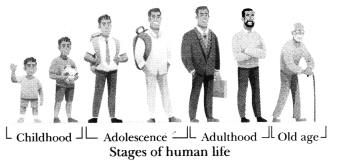
Human life progresses through five main stages of growth: infancy, childhood, adolescence, adulthood, and old age, each marked by specific developmental changes.
Adolescence is a period of significant growth and development, between childhood and adulthood, that starts around the age of 10 years and continues up to 19 years, during which the body prepares for adulthood.
Significant and characteristic physical, biological, emotional, and behavioural changes mark adolescence.

Physical Changes
The key physical changes that take place during adolescence are listed below. The timing, nature, and extent of these changes vary among individuals; each person experiences adolescence at their own pace.
| Aspect | Girls | Boys |
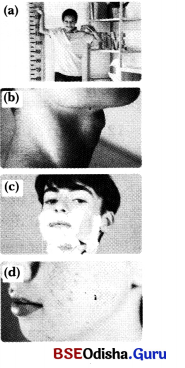
| Increase in height | Height increases (growth spurt usually begins earlier) | Rapid increase in height (a) |
| Changes in body structure | Weight gain; body shape changes, hips become wider, development of breasts | Weight gain; shoulders become broader; chest becomes wider |
| Changes in voice | Voice changes slightly; no prominent Adam’s apple | Voice becomes hoarse due to the growth of the voice box; Adam’s apple becomes visible (b) |
| Appearance of hair in body parts | Hair grows in the armpits and pubic region | Hair grows in the armpits and pubic region; facial hair (moustache and beard) (c) appears; chest hair and back hair may develop in some boys |
| Changes in facial skin | May develop acne skin condition due to increased oily secretions | May also develop acne (pimples) due to increased oily secretions that clog the skin pores and lead to infections (d) |
Secondary Sexual Characteristics and Puberty
- The above-discussed physical changes help to distinguish males from females and are termed secondary sexual characteristics. They are:
- Natural signs that the body is preparing for adulthood
- Not directly involved in the reproduction process
- Mark the onset of puberty
- Puberty is the stage, within adolescence, when the body of an individual (child) undergoes external and internal changes to develop into an adult capable of reproduction.
Signs of Reproductive Readiness
Adolescence includes internal changes related to reproduction, wherein maturation of reproductive organs occurs gradually in both boys and girls.
Menstrual Cycle in Adolescent Girls
- Internal (biological) change marking the beginning of reproductive capability in a female’s life.
- Occurs generally every 28-30 days, commonly referred to as ‘the period’.
- Adolescent girls can have longer or shorter menstrual cycles, ranging from 21-35 days.
- The blood discharge phase is called menstruation, and it may last for 3-7 days.
- By about 45-55 years of age, menstruation stops naturally in women.
- Menstruation is a natural process and a sign of good reproductive health; it should not be associated with myths or taboos that have no scientific basis.
Emotional and Behavioural Changes
Adolescence is marked by stronger emotions than childhood, which then influence adolescents’ behaviour
Common Emotional Changes
- Mood swings
- Strong emotions
- Desire for independence
- Curiosity and questioning, self-awareness
- Increased sensitivity
- Feelings of compassion and social responsibility
Behavioural Changes
- Increased interest in friendships, hobbies, sports and co-curricular activities
- Feel anxious, worried, fearful, or experience self-doubts because of peer pressure
- Self-exploration and involvement in activities that may lead to creativity and innovation
- Take up or join social causes to help those in need
A Healthy Approach to Adolescence
Importance of Nutrition
- A nutrient-rich, balanced diet is necessary to support the extensive growth and developmental changes occurring during this phase.
- Along with proteins and carbohydrates, there should also be an adequate amount of fats, vitamins, minerals, dietary fibre and water intake in an adolescent’s diet.
- Adolescents, especially girls, may suffer from blood-related health problems like anaemia due to a deficiency of vitamin B12 or iron in the body.
- Unlike most vitamins, vitamin B12 is not made in the human body and must be obtained from the food we consume; foods of animal origin, such as fish, meat, eggs, and dairy products like milk, yoghurt, and cheese, are good sources of this vitamin.
Maintenance of Personal Hygiene
Maintaining body hygiene, especially in the underarm and pubic regions, prevents the entry of germs and protects us from microbial infections. Taking regular baths and washing the face1 with soap to prevent acne must be practised.
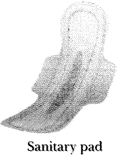
Sanitary pads and clean reusable cloth pads should he used to maintain menstrual hygiene. Also, used pads must be wrapped properly and disposed of in a dustbin to maintain cleanliness and protect community health.
File government also provides sanitary pads free of cost or at subsidised rates to improve access to menstrual hygiene products for all adolescent girls and women.
| Name of the Scheme | Purpose | Key Feature |
| Menstrual Hygiene Scheme (MHS) | To promote menstrual hygiene among adolescent girls, especially in rural areas | Provides free or subsidised sanitary pads, conducts awareness programmes to educate girls about menstrual hygiene and health |
| Rashtriya Kishor Swasthya Karyakram (RKSK) | To improve the overall health of adolescents, including menstrual health | Promotes peer education and awareness on menstrual hygiene |
| Suvidha Sanitary Napkin Initiative | To improve access to menstrual hygiene products for adolescent girls and women | Offers biodegradable sanitary pads at low cost through Jan Aushadhi Kendras |
| State-Level Initiatives (e.gShuchi Scheme – Karnataka; schemes in Tamil Nadu and Odisha) | To support menstrual hygiene among school-going girls through state-run programmes | Distribute free sanitary napkins in government schools, ensuring girls do not miss school during periods |
Fit and Active Lifestyle
Regular exercise, physical activities, and outdoor games keep the body and mind fit and healthy, increase stamina and energy levels, and help us stay happy and overcome stress. Participation in sports should he encouraged.
Social Well-being
Ensure a balanced social life through the following:
- Respectful communication
- Mutual respect and trust
- Be thoughtful and responsible while interacting with peers.
- Use the internet and social media platforms responsibly in a way that is safe for everyone.
- Be cautious while uploading pictures online or sharing personal information with strangers.
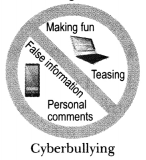
- Use of digital devices or online platforms to harass someone by sending misleading messages, spreading false rumours, or sharing personal information without consent is termed cyberbullying.
- One should not feel scared if bullied, instead seek guidance from parents, trusted elders and teachers on how to handle the situation wisely and use online platforms safely.
Avoiding Harmful Substances
Adolescents may be tempted or pressured by their peers to consume harmful substances such as tobacco, gutka, beedi, cigarettes, alcohol, and illegal drugs. Curiosity and excitement during adolescence may increase the risk of experimentation.
- Effects of Harmful Substances
- Damage to physical and mental health
- Breathing difficulties, lung damage in case of prolonged exposure
- Memory loss
- Addiction (strong urge to use something like harmful substances repeatedly)
- Substance abuse: Regular use of harmful substances leads to addiction. Addiction develops gradually and can become difficult to stop.
- Say ‘NO’ firmly and confidently.
- Seek help from parents, teachers, and trusted family members and friends.
- Counselling and medical advice can help overcome addiction.
Nasha Mukt Bharat Abhiyaan, a Government Initiative under the Ministry of Social Justice and Empowerment, was launched to raise awareness about substance abuse, with a special focus on preventing substance abuse among young children, teenagers, and adults.
Hormones: Chemicals that Control the Changes
- Hormones are chemicals produced in different
parts of the body and are released at the appropriate time in response to signals from the brain. - They control external and internal changes (like menstruation) during puberty. Hormones usually regulate growth, development, reproductive functions, and influence mood and behaviour.
Changes During Adolescence
Emotional and Behavioural Changes
Adolescence (ages 10-19) is a stage of life marked by emotional, social, and behavioural changes like:
- Mood swings
- Peer pressure
- Desire to be independent
Hormones
Chemicals produced in the body that control changes taking place during adolescence and influence mood and behaviour.
Physical Changes
Common Observable changes
- Increase in height and weight gain
- Changes in body shape
- Appearance of pimples on the face (acne skin condition)
Secondary Sexual Characteristics
Physical characteristics that differentiate males from females; develop during puberty and are not directly involved in reproduction.
Boys
- Deepening of voice (prominent Adam’s apple)
- Broadening of shoulders
- Development of muscles
- Growth of hair in the chest, back armpits, pubic region, and on the face (beard and moustache)
Girls
- Development of breasts
- Widening of hips
- Growth of hair in the armpits, and pubic region
Menstrual Cycle
- Biological change that marks the start of reproductive maturity in adolescent girls.
- Menstruation is the phase of the cycle when blood is discharged from the body; lasts for 3-7 days.
- Occurs every 28-30 days, commonly called ‘period’.
- Begins at puberty and naturally stops by the age of 45-55, marking the end of reproductive phase in women.
Responsible Use of Technology
- Modern technologies have made online platforms available to adolescents for learning, communication, and entertainment.
- Smartphones, computers, and the internet should be used responsibly:
- Do not share personal information and be careful while uploading photos.
- Interact respectfully
- Do not spread false rumours
- Cyberbullying and misuse of online platforms should be avoided
- Seek help from trusted elders in case of bullying
Avoiding Harmful Substances
What to Avoid:
- Harmful substances such as tobacco, gutka, cigarettes, beedi, alcohol, and illegal drugs should be avoided.
- Regular use of harmful substances is called substance abuse.
What are the effects:
- Substance abuse is addictive and harmful to physical and mental health, causing serious problems like breathing difficulties, memory loss, and lung damage.
How to Avoid:
- Say ‘NO’ to harmful substances from the very first time.
- Talk to trusted elders and seek counselling or medical advice when needed.
Health And Well-Being
Nutritional Needs:
- The diet should be balanced and rich in essential nutrients to support healthy growth and body changes during adolescence.
Personal Hygiene:
- Good personal hygiene must be 1 maintained to prevent infections.
- Practice proper menstrual hygiene and dispose of used sanitary pads safely;
Physical Activity: Regular exercise and physical activities are important to keep body and mind fit and healthy.