
For effective revision, students can use BSE Odisha Class 6 English Solutions Chapter 11 The Winner Question Answer to practice textbook exercises.
Class 6 English The Winner Question Answer
Class 6 English Chapter 11 Question Answer Odia Medium
Let Us Do These Activities Before We Read
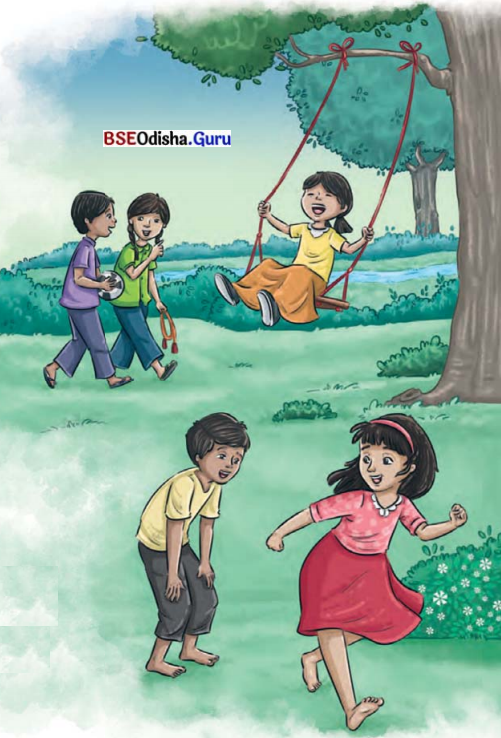
1. Look at this picture.
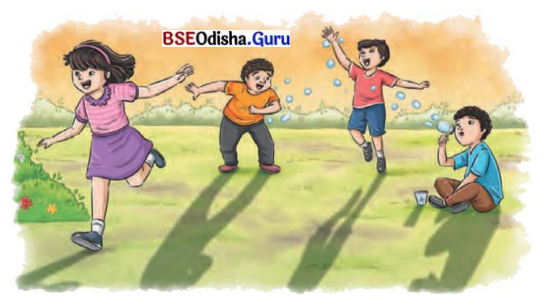
(a) What are these children doing?
Answer:
The children are playing.
(b) Where do you think they are?
Answer:
They are in a park or a field.
(c) What is the time of day?
Answer:
Evening
2. Discuss the given questions with your classmates and teacher. You may begin your sentences with –
I go to…
I play with…
The place I go to for playing … I like playing …
Sometimes I come back…
(a) When do you go to play after school?
Answer:
I go in the evening to play.
(b) Who do you play with?
Answer:
I play with my friends.

(c) Where do you go to play in the evening?
Answer:
I go to the park in the evening to play with my friends.
(d) Which games do you like playing?
Answer:
I like to play badminton.
(e) When do you come back home?
Answer:
I come back after evening.
Let us discuss
1. Read the lines given from the poem. Write the meaning of the lines by identifying the words/expressions in them.
Questions with answers :
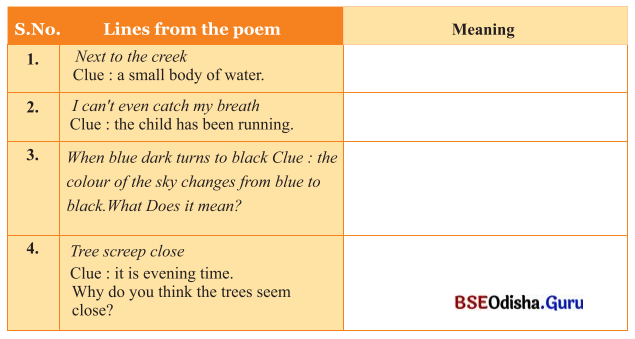
Answer:
| S.No. | Lines from the poem | Meaning |
| 1. | Next to the creek
Clue: a small body of water. |
The children are playing near a small body of water, such as a stream or brook. |
| 2. | I can’t even catch my breath
Clue: the child has been running. |
The children are so tired that they cannot breathe normally now, likely from running or exerting themselves physically. |
| 3. | When blue dark turns to black
Clue: the colour of the sky changes from blue to black.What Does it mean? |
The phrase means that twilight, the dark blue part of the evening sky, is becoming completely dark. The evening is turning into night. It signifies the approaching darkness as evening progresses to night. |
| 4. | Trees creep close
Clue: it is evening time. Why do you think the trees seem close? |
As darkness falls, the trees appear to be getting closer because of the reduced visibility. The evening light is fading, and the growing shadows give the illusion that the trees are “creeping in” on the children playing. This adds a slightly mysterious or spooky feeling to the end of the day. |
2. Read the poem and complete the following paragraph.
The children play ______ in the ______ in the neighbour’s ______.They run so ______ that they run out of breath. They continue to play till the evening when the blue sky turns ______, and the trees are not clearly visible. They can feel their feet ______ now that it is cold. Finally, they stop ______ and go home as it is night.
Answer:
The children play ball in the evening in the neighbour’s field. They run so fast that they run out of breath. They continue to play till the evening when the blue sky turns black, and the trees are not clearly visible. They can feel their feet ache now that it is cold. Finally, they stop playing and go home as it is night.
Let us think and reflect
1. Read the lines given below and answer the questions that follow.
(a) We run so fast
I
can’t
even
catch
my
breath.
(i) Complete the sentence given below with the correct option. The speaker needs to catch her breath because ______.
a. Everyone decides to walk
b. All the friends wish to go home
c. Running fast results in being breathless
d. they need to do breathing exercises
Answer:
c. Running fast results in being breathless
(ii) Is the speaker alone? Why do you say so?
Answer:
No, the speaker is not alone. We can tell because the use of the word “we” in the phrase “We run so fast” indicates that there are others with the speaker, likely companions or friends.
(b) When blue dark turns to black, cold grass aches our feet, trees creep close – game’s over.
Night wins!
(i) Give one reason why the grass is cold.
Answer:
The grass is cold because it is evening time, and the temperature drops as night approaches.
(ii) Complete the sentence suitably.
The children’s feet are aching because ______.
Answer:
They have been running and playing barefoot on the cold grass.
(iii) Why does ‘Night’ win?
Night wins because the ______.
a. Time for play has ended
b. Children are tired
c. Time to play at home begins
d. night follows day
Answer:
(a) time for play has ended
Let us learn
1. Read the information given in the table and see what the poet has done. In the poem ‘The Winner’.
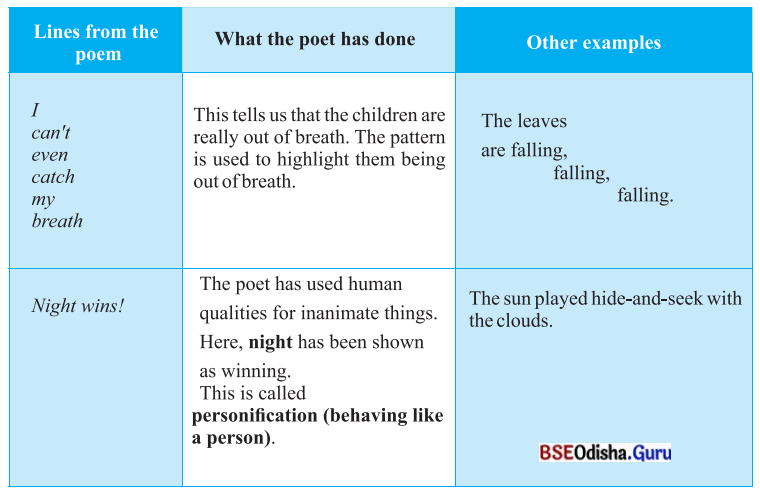
Now, try to write some examples of your own for both.Use your imagination when creating these examples.
Example: Flowers grow bright and colourful next to the creek.
Example: Children play happily next to the creek after school.
Example: We saw tiny fish swimming next to the creek.
1. The poet has talked about a creek in the poem. You now know that creek is a water body. Complete the word web given below by writing which other water bodies you can think of. Discuss with your teacher.
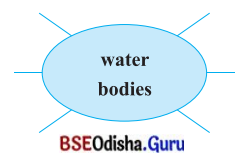
Answer:
Lake, river, sea, pond, ocean, stream
Let us listen
Listen to the riddles and write which sport is being referred to in the table below:
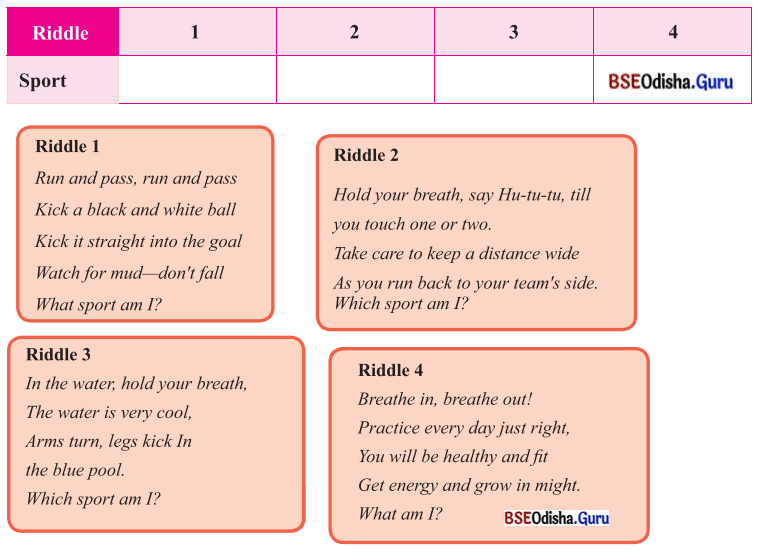
Try to create a riddle about your favourite game/sport/activity. Share your riddles with your classmates. Let’s see who can guess it correctly.
Answer:
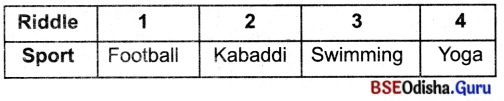
Let us speak
Enact the roles of a parent and a child.
Situation 1:
Coming home late after play.
(Parent upset/Child explaining)
Situation 2 :
Sharing details of the games you played.
(Child excited/ Parent asking details with interest)
Situation 3:
Bringing a new friend home after playtime.
(Child introducing/Parent welcoming)
Teacher helps the children in conducting the activity.
Let us write
Write a paragraph about your playtime, using the clues given below.
- What time do I go out to play?
- Who do I play with?
- What games do we play?
- What do we gain from playing together?
- When do we finish playing and go home?
Now, give a title to your paragraph.
Answer:
MY PLAYTIME
I go out to play in the evening after school. I play with my friends in the park near my house. We play many games like football, hide-and-seek, and running races. My favourite game is football because it is fun and exciting. When we play together, we learn to share, help each other, and enjoy teamwork. Playing with friends makes me happy and healthy. We run fast and sometimes get tired, but we never give up. We continue playing until the sun sets and the sky turns dark. When it gets cold and night comes, we stop playing and go home to rest. I always look forward to my playtime because it gives me joy and energy for the next day.
Let us explore
There are many indigenous games in India. Kho-kho is an example of an indigenous game. Indigenous games are native to a region. Find out some native games of your state and other parts of India. Learn the rules of one such game and play it with your classmates under the supervision of your teacher.
Answer:
- In my state, some native games are Kabaddi, Gilli Danda, and Langdi.
- Gilli Danda is played with two sticks; one stick hits the small stick called gilli to score points.
- Langdi is a game where players hop on one foot and try to catch others.
Kabaddi is a team game where one player tries to tag opponents while holding their breath and returning to their team. The game I learned is Kabaddi. Players chant “kabaddi” while trying to tag opponents. If tagged, the opponent is out. Teams take turns to send raiders. The team with most points wins. It is fun and needs speed and strength.
I played Kabaddi with my classmates under my teacher’s supervision. We learned teamwork, patience, and physical fitness. Indigenous games are fun and show India’s rich culture.
The Winner Class 6 Summary
Evenings, we play ball…………. game’s over. Night wins!
ଅନୁବାଦ
ସନ୍ଧ୍ୟା ହେଲେ,
ଆମେ ବଲ୍ ଖେଳୁ
ସେହି ନାଳ ପାଖରେ
ପଡ଼ୋଶୀଙ୍କ ବିଲରେ ।
ଆମେ ଏତେ ଜୋରରେ ଦୌଡୁ ଯେ
ฮู้
ନିଶ୍ବାସ
ନେବାକୁ
ବି ସମୟ ପାଏନି ।
ଯେବେ ଗାଢ଼ ନୀଳ ରଙ୍ଗ କଳାକୁ ବଦଳିଯାଏ,
ଥଣ୍ଡା ଘାସ ପାଦକୁ କାଟେ,
ଗଛଗୁଡ଼ିକ ପାଖକୁ ମାଡ଼ି ଆସନ୍ତି –
ଖେଳ ଶେଷ ।
ରାତି ଜିତିଗଲା !
The Winner Summary in English
“The Winner” is a poem about children playing joyfully in the evening near a small river in their neighbour’s field. They play ball and run so fast that they become breathless. As night falls, the cold grass makes their feet ache, and the trees seem to come closer. The darkness signals the end of their game. The poem ends by saying “Night wins,” meaning the night stops their play. The poem shows the happiness of childhood play and the natural change from day to night when playtime ends. It also reflects on the brief, joyful moments of childhood.
The Winner Summary in Odia
“ଦ ୱିନର୍” ହେଉଛି ପଡ଼ୋଶୀଙ୍କ ପଡ଼ିଆରେ ଥିବା ଏକ ଛୋଟ ନଦୀ କୂଳରେ ସନ୍ଧ୍ୟା ସମୟରେ ପିଲାମାନଙ୍କର ଆନନ୍ଦଦାୟକ ଖେଳ ବିଷୟରେ ଏକ କବିତା । ସେମାନେ ବଲ୍ ଖେଳନ୍ତି ଏବଂ ଏତେ ଜୋରରେ ଦୌଡ଼ନ୍ତି ଯେ ସେମାନଙ୍କର ଶ୍ବାସ ପ୍ରଶ୍ବାସ ବଢିଯାଏ । ରାତି ହେବା ସଙ୍ଗେ ସଙ୍ଗେ, ଶୀତଳ ଘାସ ସେମାନଙ୍କ ପାଦକୁ କଷ୍ଟ ଦିଏ ଏବଂ ଗଛଗୁଡ଼ିକ ଅତି ନିକଟତର ହେଲା ପରି ମନେହୁଏ । ଅନ୍ଧକାର ସେମାନଙ୍କ ଖେଳର ସମାପ୍ତିକୁ ସୂଚିତ କରେ। କବିତାଟି “ରାତି ଜିତିଗଲା” (Night wins) କହି ଶେଷ ହୋଇଛି, ଯାହାର ଅର୍ଥ ହେଉଛି ରାତି ସେମାନଙ୍କ ଖେଳକୁ ବନ୍ଦ କରିଦେଇଥାଏ । ଏହି କବିତାଟି ପିଲାଦିନର ଖେଳର ଖୁସି ଏବଂ ଦିନରୁ ରାତିକୁ ପ୍ରାକୃତିକ ପରିବର୍ତ୍ତନକୁ ଦର୍ଶାଏ ଯେତେବେଳେ ଖେଳ ସମୟ ଶେଷ ହୁଏ। ଏହା ମଧ୍ୟ ପିଲାଦିନର ସଂକ୍ଷିପ୍ତ ତଥା ଆନନ୍ଦଦାୟକ ମୁହୂର୍ତ୍ତଗୁଡ଼ିକୁ ପ୍ରତିଫଳିତ କରେ ।
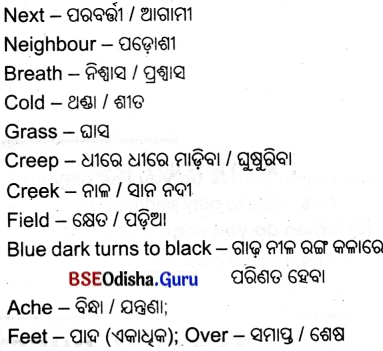
Notes and Glossary:
Important Passage For Comprehension
Read the following extracts and answer the questions that follow by choosing the best option from among the given ones.
Evenings,
we play ball
next to the creek
in our neighbour’s field.
We run so fast
I
can’t
even
catch
my
breath.
When blue dark turns to black,
cold grass aches our feet,
Trees creep close-
game’s over.
Night wins!
Question 1.
What do the children play?
(a) Ball
(b) Marbles
(c) Hide and seek
(d) Kho-kho
Answer:
(a) Ball
Question 2.
Where do the children play?
(a) in their neighbour’s field
(b) in their garden
(c) nearby temple
(d) none of the above
Answer:
(a) in their neighbor’s field
Question 3.
Find the word from the passage which means-‘to move slowly, quietly, close to the ground.’
Answer:
‘creep’
Question 4.
Write whether the following statements are True or False.
(a) This shift from day to night signals that playtime is over. (True /False)
Answer: True
(b) The children run so slowly that they are breathless. (True /False)
Answer: False
(c) The children show their deep involvement in the fun game. (True /False)
Answer: True
The Winner Class 6 MCQ
Question 1.
Where do the children play with the ball?
(a) next to the creek
(b) in the neighbour’s field.
(c) on the grass
(d) All of the above
Answer:
(d) All the above
Question 2.
What is the tone of the poem?
(a) joyful and playful
(b) showing children’s happiness while playing
(c) the peaceful calm as night ends their fun time
(d) All the above
Answer:
(d) All the above
The Winner Class 6 Fill in the blanks
(a) The children ______ until they are breathless. (play/jump)
Answer: play
(b) The children ______ the freedom of youth. (enjoy/love)
Answer: enjoy
(c) The poem reflects on the simple ______ of childhood. (unity/ happiness)
Answer: happiness
(d) The poem teaches ______ for nature’s rhythm. (respect/energy)
Answer: respect
(e) The poet celebrates ______ energy and friendship. (childhood/youth)
Answer: childhood
(f) The poem shows the connection ______ human life and the natural world. (towards/ between)
Answer: between
The Winner Class 6 True or False
(a) Children play ball in the evening near a small creek. (True/False)
Answer: True
(b) They play in their neighbour’s field happily. (True/False)
Answer: True
(c) Children run so fast that they become breathless. (True/False)
Answer: True
(d) The sky changes colour from black to blue. (True/False)
Answer: False
(e) The grass becomes hot and hurts their bare feet. (True/False)
Answer: False
The Winner Class 6 Very Short Answer Questions
Question 1.
Where are the children playing?
Answer:
The children are playing in the neighbour’s field next to the creek.
Question 2.
How long have the children been playing?
Answer:
The children have been playing since evening until it becomes night.
Question 3.
Why are the children’s feet aching?
Answer:
The children’s feet ache because they have been running barefoot on cold grass.
The Winner Class 6 Short Answer Questions
Question 1.
How does the evening sky change?
Answer:
The evening sky changes from a dark blue twilight to complete blackness. This transition from evening to night marks the end of the children’s game.
Question 2.
What does ‘blue dark’ symbolize in the poem?
Answer:
In the poem, ‘blue dark’ symbolizes the peaceful, transitional period of twilight. It represents the boundary between daytime activities and the end of play. It signifies the end of the children’s fun and the impending quiet of night.
Question 3.
Why are the children breathless?
Answer:
The children are breathless from running very fast while playing ball. The intense physical exertion leaves them winded and out of breath during the game.
Question 4.
Why does the night win in the poem ?
Answer:
Night wins because the darkness forces the children to stop their game. The passage of time and the coming of night bring their outdoor playtime to an end.
The Winner Class 6 Long Answer Questions
Question 1.
What is the theme of the poem “The Winner” ?
Answer:
“The Winner” is a poem about children playing a lively ball game by a creek as the sun sets. The children play until they are breathless, enjoying the freedom of youth. As darkness falls and the grass cools, the game ends, signaling that playtime is over because night has won. The poem reflects on the simple happiness of childhood and the passage of time.
Question 2.
What is the theme of the poem “The Winner”?
Answer:
The theme of the poem “The Winner” is the joy of childhood play and nature’s power to end it. It shows the happy energy of children playing, the change from day to night, and how nature gently brings rest. The poem teaches respect for nature’s rhythm and the connection between human life and the natural world.
Question 3.
What do you mean by ‘Night wins’ in the poem?
Answer:
In the poem, “Night wins” means the children must stop playing because darkness falls. Night ends their fun and signals it is time to rest and go home. Nature wins over their playtime.
The Winner Class 6 Competency Based Questions
Question 1.
How does the poem “The Winner” show the joy of childhood play?
Answer:
The poem “The Winner” shows the joy of childhood play through children’s running and laughter. It highlights their happiness while playing near the creek in the evening. The poem teaches us to enjoy these simple, happy moments of youth before the night ends the fun. It celebrates childhood energy and friendship.