
Combining textbook study with BSE Odisha Class 6 Science Notes and Class 6 Science Curiosity Chapter 3 Mindful Eating: A Path to a Healthy Body Notes can make exam preparation more effective.
Mindful Eating: A Path to a Healthy Body Notes Class 6
Class 6 Science Curiosity Chapter 3 Notes
Food and Diversity
- Food is an integral part of our daily lives, and there is a wide variety in the food eaten.
- Our country has great diversity in traditional food items consumed across different states,
- Such diversity exists because different crops are grown (cultivated) across various regions, which, in turn, depends on the soil type and climatic conditions of that place.
- The food consumed is influenced by the cultivation of locally grown crops, taste preferences, culture, and the traditions of each state.
a Culinary Practices- Cooking practices, also called culinary practices, have gradually changed over time.
- The shift in culinary practices is due to technological advancements, improved transportation, better communication, and the availability of modern kitchen appliances.

Nutrients
The components of food that provide energy, support growth and repair, protect the body from diseases, and help maintain various bodily functions are called nutrients,
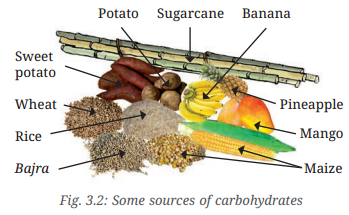
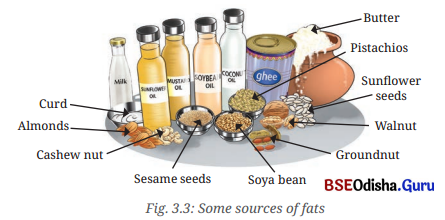
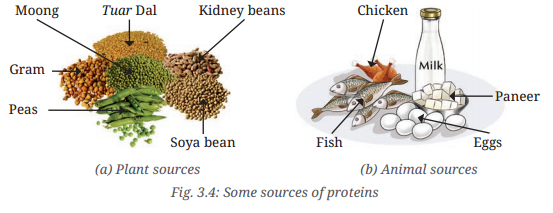
The three major nutrients in our food are listed below.
| Nutrient | Function in the Body | Common Food Sources |
| Carbohydrates (energy-giving food) | Primary energy source for the body | Rice, wheat, maize, bajra, potato, sweet potato, banana, pineapple, mango |
| Fats (energygiving food) | Provides energy for performing various activities and keeps the body warm | Ghee, butter, oils, nuts, coconut, seeds, curd, soyabean |
| Proteins (bodybuilding food) | Helps in the growth and repair of the body muscles | Plant sources: Pulses, beans, peas and nuts; Animal sources: Milk, paneer, eggs, fish and meat; mushrooms |
Along with the macronutrients (carbohydrates, fats, and proteins), our food must also contain vitamins and minerals, referred to as protective nutrients because they help safeguard our bodies from diseases and keep us healthy.
Diseases that occur due to lack of specific nutrients in the diet over a long period of time are termed deficiency diseases.
|
Deficiency Diseases |
||||
| Food Component (Vitamin/ Mineral) | Sources | Importance | Deficiency Disease/disorder | Symptoms |
| Vitamin A | Milk, mango, papaya, carrots, tomatoes, green leafy vegetables | Keeps eyes and skin healthy | Night blindness or complete loss of vision | Inability to see in dim light, poor vision |
| Vitamin B1 | Seafood, milk products, legumes, whole grains, seeds, nuts, fish | Supports normal growth and development of the body, keeps heart healthy | Beriberi | Swelling, tingling or burning sensation in feet and hands, troubled breathing |
| Vitamin C | Tomatoes, citrus fruits, (orange, lemon, etc.) amla, green chilli, guava | Healthy teeth and gums, helps body to fight diseases (builds immunity) | Scurvy | Bleeding and swelling of gums, wounds take a longer time to heal |
| Vitamin D | Milk, butter, eggs, fish, edible mushrooms (a type of fungus); sunlight | Helps in calcium absorption and maintains bone and teeth health | Rickets | Bones become softened and deformed (bent) |
| Iron | Green leafy vegetables, especially spinach, apple, beetroot, pomegranate | Forms an important component of blood | Anaemia | Shortness of breath, weakness |
| Calcium | Milk and milk products (curd, cheese, paneer), soya milk | Helps in formation of strong bones and teeth | Bone and tooth decay, prolonged deficiency may lead to rickets | Tooth decay, weak bones |
| Iodine | Iodised salt, seaweed, water chestnut (singhada), seafood | Helps to perform physical and mental activities, enhances brain function | Goitre | Visible swelling at the front of the neck |
- In addition to essential nutrients, we also need to include dietary fibres (roughage) and water in our diet.
- Roughage does not provide nutrients to our bodies, but helps our body get rid of undigested food and prevents constipation (ensures smooth passage of stools).
- Water aids in the absorption of nutrients from food, and it also removes waste from the body through sweat and urine.
- Mineral nutrients like salt can be obtained from seawater or from rocks.
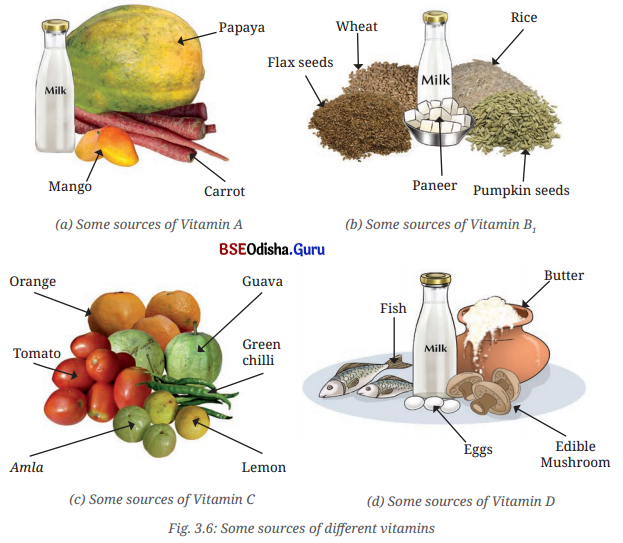
Also, vitamin D is naturally produced by our body upon exposure to sunlight.
Test for Food Nutrients
| Component of Food | Test Chemical | Procedure | Confirmatory Observation |
| Starch | Iodine solution | Add 2-3 drops of iodine solution to the food sample. | Food sample turns blue-black. |
| Protein | Copper sulphate solution and caustic soda solution | Add a few drops of copper sulphate solution, followed by few drops of caustic soda solution, to the food sample. | Food sample turns
violet (purple). |
| Fat | Paper test (no chemical required) | Gently wrap the food sample on a piece of paper, press gently, allow it to dry, and hold it against the light. | A translucent (oily) patch appears on the paper. |
Balanced Diet: Concept and Importance
A diet that includes all essential nutrients, roughage, and water in the right proportions for proper growth and development of the body is known as a balanced diet.
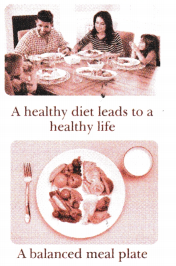
The type and amount of nutrients required depend on factors such as age, gender, the type of work/physical activity a person engages in, and their lifestyle, o Along with consuming a nutrient-rich diet, we should also cook food properly to preserve all nutrients while maintaining hygiene.
For instance, always wash vegetables and fruits before cutting them. Washing fruits and vegetables after cutting or peeling them reduces (destroys) their nutritional content.
Some nutrients, like vitamin C, are water-soluble and are lost during cooking A balanced meal plate due to high heat.
Food items that are high in calories (high sugar or fat content) but lack essential nutrients (like proteins, minerals, vitamins, and fibre) are called junk food,
Consuming these types of food frequently and in large amounts is not healthy for our bodies and can lead to obesity, and may also make us more prone to suffer from several health problems like heart diseases, diabetes, and so on.
Millets are small-sized grains (cereals), native to India. They are highly nutritious, offering countless health benefits, and can be easily cultivated in different climatic conditions. They are excellent sources of vitamins, minerals like iron and calcium, and dietary fibres. For this reason, they are referred to as nutri-cereals. Crops like ragi,jowar, bajra, and sanwa (barnyard millet) are some commonly-grown millets.
Food Miles
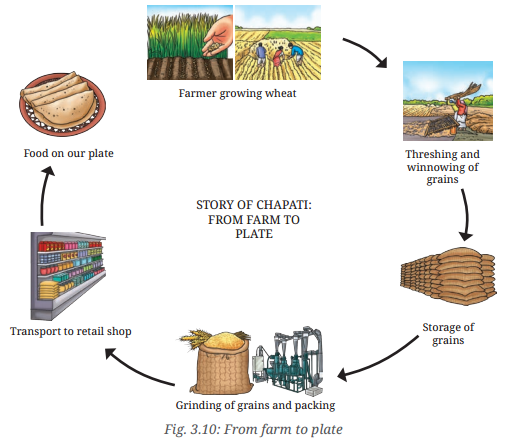
- The distance a food item travels from the producer (farmer) to the consumer is known as its food miles. For instance, the process by which wheat is transformed into chapati is depicted alongside,
- Reducing food miles is crucial because it helps lower costs and minimise pollution during transportation. It also supports the income of local farmers by buying directly from them.
- Eating local and plant-based food is good for our health and also helps protect the environment.
- Food reaches us through a complex process that involves significant hard work, time, and effort from many individuals. Therefore, we should always respect our food and avoid wasting it.
According to the law, all food items must display information about the nutrients they contain, along with details of additives such as added sugars, colouring agents, and preservatives on their packaging. The Food Safety and Standards Authority of India (FSSAI) is the government agency responsible for regulating food quality in India.
Components of Food
Nutrients
Food substances that provide nourishment to the body
Carbohydrates
- Energy-giving compounds
- Carbohydrates serve as the primary energy source in the body.
Examples: Potato. wheat, etc.
Fats
- Very high energy-giving compounds: source of stored energy
- Fats are available in oil-rich foods.
Examples: Nuts. butter, etc.
Proteins
- Body-building foods
- They help in the growth of the body.
Examples: Pulses, eggs. etc.
Vitamins
- Protect the body from various diseases
- There are water soluble vitamins (Vitamin B. C) and fat-soluble vitamins (Vitamin A, D, E, K).
Examples: Citrus fruits. milk, etc.
Minerals
- Elements required by the body i small amounts
- Essential for growth and development of bones, teeth, and other body parts
Examples: Green leaf vegetables. iodised salt, etc.
Water
- It is the major constituent of our body.
- Makes up 75% of both weight
- It helps body to absorb nutrients from food.
Roughage
- Dietary fibre present in food
- It facilitates regular bowel movement and prevents constipation.
- It does not provide any nutrition.
Balanced Diet
The distance travelled by a food item, from the producer (farmers) to the consumer is known as its food miles.
- A diet which contains all the nutrients our body requires in proper amounts.
- Healthy food habits include
- Having a balanced diet
- Exercising daily
- Avoiding junk food
- Avoiding skipping meals
- Avoiding food wastage
- Eating food that is locally grown and plant-based
Millets are called nutri-cereals because they provide essential nutrients like vitamins, minerals, and dietary fibre. Examples: Jowar, bajra, ragi.
Deficiency Diseases
Vitamin A
Night blindness: Loss of vision in darkness or poor complete vision loss
Vitamin B1
Beriberi: Swelling burning Sensation in feet and hands, troubled breathing
Vitamin C
Scurvy: Bleeding and swelling of gums, slow healing of wounds
Vitamin D
Rickets: Bowed legs, deformed bones and joints
Iodine
Goitre: Swelling at front of the neck
Iron
Aneamia: Fatigue, loss of appetite, pale skin
Calcium
Bone and tooth decay: Weak bones and teeth