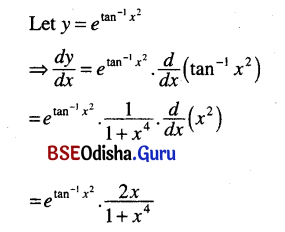
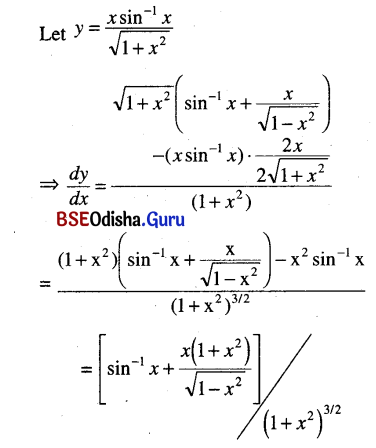
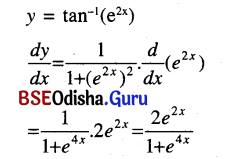
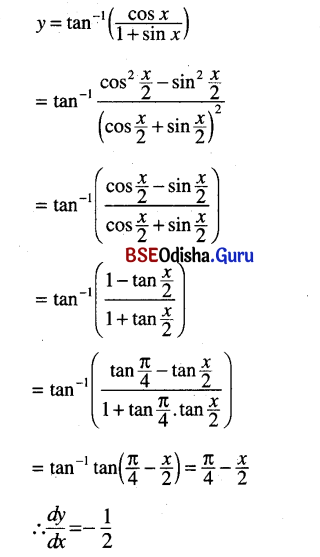
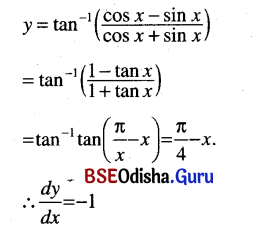
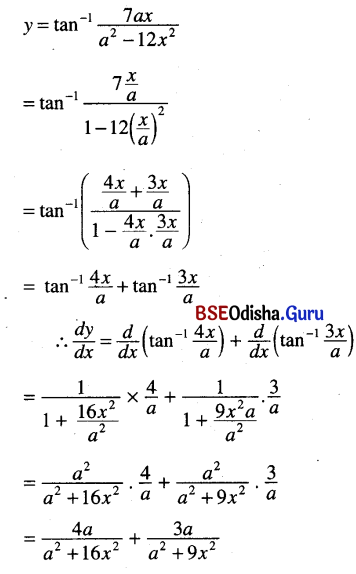
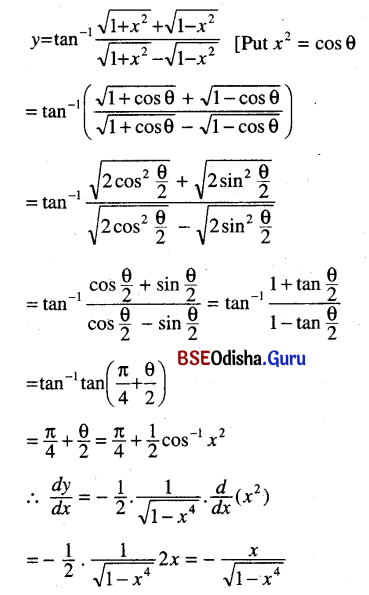
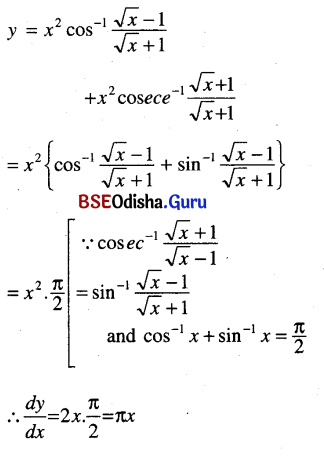
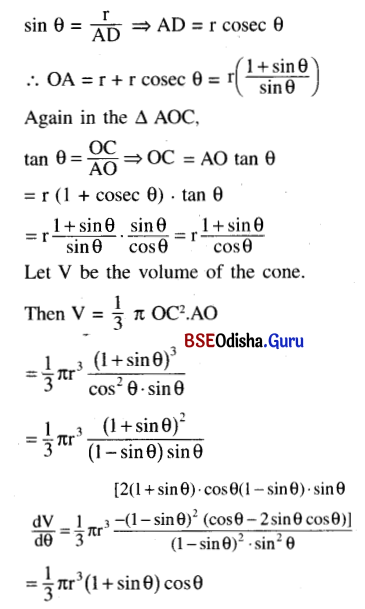
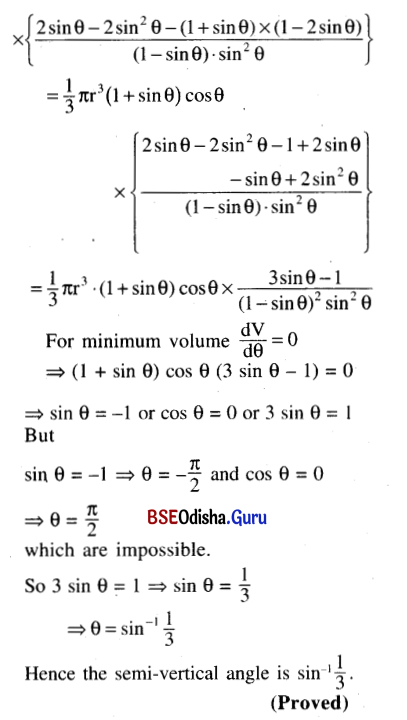
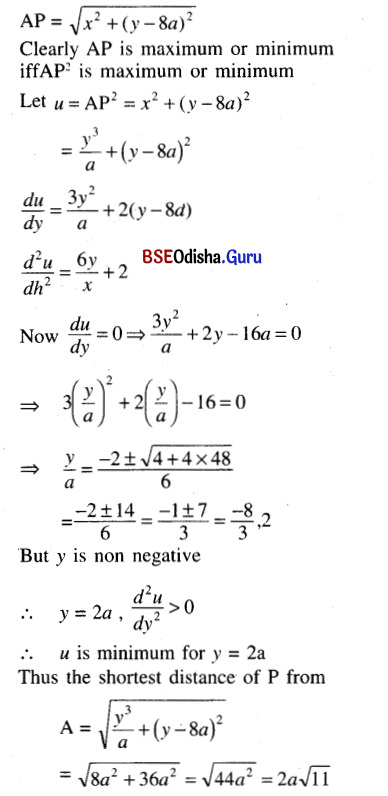
BSE Odisha 10th Class Hindi Solutions Poem 1(d) रहीम के दोहे

Odisha State Board BSE Odisha 10th Class Hindi Solutions Poem 1(d) रहीम के दोहे Textbook Exercise Questions and Answers.

BSE Odisha Class 10 Hindi Solutions Poem1(d) रहीम के दोहे

प्रश्न और अभ्यास (ପ୍ରଶ୍ନ ଔର୍ ଅଭ୍ୟାସ)

1. निम्नलिखित प्रश्नों के उत्तर दो-तीन वाक्यों में दीजिए:
(ନିମ୍ନଲିଖତ୍ ପ୍ରକ୍ଷ୍ନୌ କେ ଉତ୍ତର୍ ଦୋ-ତୀନ୍ ୱାର୍କୋ ମେଁ ଦୀଜିଏ : )
(ନିମ୍ନଲିଖ ପ୍ରଶ୍ନଗୁଡ଼ିକର ଉତ୍ତର ଦୁଇ-ତିନୋଟି ବାକ୍ୟରେ ଦିଅ ।)

(क) तरुवर और सरवर क्या करते हैं?
(ତରୁୱର୍‌ ଔର୍ ସର୍‌ବର୍ କ୍ୟା କର୍‌ତେ ହେଁ ?)
उत्तर:
तरुवर और सरवर दोनों दूसरों का उपकार करते हैं। तरुवर अपने फल से दूसरों की भूख मिटाता है। सरवर अपने जल से दूसरों की प्यास बुझाता है। ये दोनों क्रमशः दूसरों के लिए फल और पानी की बचत करते हैं।

(ख) शिवि राजा ने क्यों मांस दान दिया?
(ଶିୱି ରାଜା ନେ କ୍ୟା ମାଂସ୍ ଦାନ୍ ଦିୟା ?)
उत्तर:
शिवि एक परोपकारी राजा थे। एक कबूतर की जान बचाने के बदले में राजा शिवि ने कबूतर के वजन के बराबर अपना मांस बाज पक्षी के माँगने पर दान में दिया।

(ग) छोटों की अवहेलना नहीं करनी चाहिए – क्यों?
(ଛୋଟୋ କୀ ଅହେଲନା ନହିଁ କର୍‌ନୀ ଚାହିଏ କୈ ?)
उत्तर:
छोटों की अवहेलना नहीं करनी चाहिए क्योंकि छोटे और बड़े दोनो का अलग-अलग महत्व होता है। इसके लिए कवि ने सुई और तलवार का उदाहरण दिया है। जो काम सुई कर सकती है वही काम तलवार नहीं कर सकती। इसलिए दोनों का आदर करना चाहिए।

(घ) ऋषि दधीचि ने किसलिए हाड़ या अस्थि दान दिया था?
(ଋଷି ଦଧୀଚି ନେ କିସ୍‌ଏ ହାଡ଼ ୟା`ଅସ୍ଥି ଦାନ ଦିୟା ଥା ?)
उत्तर:
ऋषि दधीचि ने संसार का उपकार करने के लिए और वृत्रासुर के आतंक से मनुष्य और देवताओं की रक्षा के लिए अपना अस्थि दान दिया था। क्योंकि दधीचि एक परोपकारी ऋषि थे। परोपकार के लिए उन्होंने आपना जीवन त्याग दिया था।

BSE Odisha 10th Class Hindi Solutions Poem 1(d) रहीम के दोहे

2. निम्नलिखित अवतरणों का आशय दो-तीन वाक्यों में स्पष्ट कीजिए:
(ନିମ୍ନଲିଖ୍ ଅତରର୍ଡୋ କା ଆଶୟ ଦୋ-ତୀନ୍ ୱାର୍କୋ ମେଁ ସ୍ପଷ୍ଟ କୀଜିଏ ।)
(ନିମ୍ନଲିଖ୍ ଅବତରଣଗୁଡ଼ିକର ଆଶୟ ଦୁଇ-ତିନିଟି ବାକ୍ୟରେ ସ୍ପଷ୍ଟ କର ।)

(क) तरुवर फल नहिं खात है, सरवर पिय हिं न पान।
(ତରୁୱର୍ ଫଲ୍ ନହିଁ ଖାତ୍ ହୈ, ସର୍‌ବର୍ ପିୟ ହିଁ ନ ପାନ୍ ।)
उत्तर:
पेड़ कभी भी अपना फल नहीं खाता है। सरोवर कभी भी अपना जल नहीं पीता है। ये दोनों दूसरों के हित के लिए फल और पानी की बचत करते हैं। फल से दूसरों की भूख मिटती है और पानी से प्यास बुझती है।

(ख) जहाँ काम आवै सुई, कहा करैं तरवारि
(କାମ ଆ ସୁଈ, କହା କରି ତରୱାରି)
उत्तर:
कवि रहीम के अनुसार अगर बड़े लोग आपके मित्र हैं तो छोटे लोगों को छोड़ मत दीजिए। समाज में दोनों का अलग-अलग महत्व होता है। कवि सुई और तलवार का उदाहरण देकर कहा है कि जहाँ छोटी सी सुई काम कर सकती है वहाँ तलवार काम नहीं कर सकती।

(ग) मांस दियो शिवि भूप ने, दीन्हों हाड़ दधीचि।
(ମାଂସ୍ ଦିୟୋ ଶିୱି ଭୂପ୍ ନେ, ଦୀର୍ଣ୍ଣୋ ହାଡ଼ ଦଧୀଚି ।)
उत्तर:
शिवि राजा ने परोपकार के लिए अपना मांस अपरिचित बाज को दे दिया। ऋषि दधीचि ने देवताओं की मदद के लिए अपनी अस्थी दान में दे दिया। इसमें दोनों को किसी लाभ की आशा नहीं थी, केवल परोपकार की भावना थी।

BSE Odisha 10th Class Hindi Solutions Poem 1(d) रहीम के दोहे

3. निम्नलिखित प्रश्नों के उत्तर एक-एक वाक्य में दीजिए।
(ନିମ୍ନଲିଖୂ ପ୍ରଶ୍ନୋ କେ ଉତ୍ତର୍ ଏକ୍-ଏକ୍ ବାକ୍ୟ ମେଁ ଦୀଜିଏ ।)
(ନିମ୍ନଲିଖ ପ୍ରଶ୍ନଗୁଡ଼ିକର ଉତ୍ତର ଗୋଟିଏ-ଗୋଟିଏ ବାକ୍ୟରେ ଦିଅ ।)

(क) तरुवर क्या नहीं खाता है?
(ତରୁୱର୍‌ କ୍ୟା ନହିଁ ଖାତା ହୈ ?)
उत्तर:
तरुवर फल नहीं खाता है।

(ख) सरवर क्या नहीं पीता है?
(ସର୍‌ୱର୍‌ କ୍ୟା ନହୀ ପୀତା ହୈ ?)
उत्तर:
सरवर पानी नहीं पीता है।

(ग) सुजान किसलिए संपत्ति का संचय करता है?
(ସୁଜାନ୍ କିସ୍‌ଏ ସଂପରି କା ସଂଚୟ କର୍ତା ହୈ ?)
उत्तर:
सुजान परोपकार के लिए संपत्ति का संचय करता है।

(घ) बड़े लोगो को देखकर लघु का क्या नहीं करना चाहिए?
(ବଡ଼େ ଲୋଗୋ କୋ ଦେଖ୍କର୍ ଲଘୁ କା କ୍ୟା ନହୀ କର୍‌ନା ଚାହିଏ ?)
उत्तर:
बड़े लोगों को देखकर छोटों की अवहेलना नहीं करनी चाहिए।

(ङ) सुई की जगह अगर तलवार मिलजाए तो काम होगा या नहीं?
(ସୁଈ କୀ ଜଗହ ଅଗର୍ ତଲୱାର୍ ମିଯାଏ ତୋ କାମ୍ ହୋଗା ୟା ନହୀଁ ?)
उत्तर:
सुई की जगह अगर तलवार मिल जाए तो काम नहीं होगा।

(च) परोपकार करते समय क्या जरुरी नहीं है?
(ପରୋପକାର୍ କର୍‌ତେ ସମୟ କ୍ୟା ଜରୁରୀ ନହୀ ହୈ ?)
उत्तर:
परोपकार करते समय मित्रता जरुरी नहीं है।

(छ) शिवि भूप ने क्या दान दिया था?
(ଶିଵି ଭୂପ୍ ନେ କ୍ୟା ଦାନ୍ ଦିୟା ଥା ?)
उ:
शिवि भूप ने मांस दान दिया था।

(ज) किसने अपनी हहड्डियों का दान दिया था?
(କୀସ୍‌ ଅପନୀ ହଙ୍ଗିର୍ଲୋ କା ଦାନ୍ ଦିୟା ଥା ?)
उत्तर:
ऋषि दधीचि ने अपनी हड्डियों का दान दिया था।

भाषा-ज्ञान (ଭାଷା-ଜ୍ଞାନ)

1. नीचे लिखे शब्दों के खड़ीबोली- रूप लिखिए:
(ନୀଚେ ଲିଖେ ଶହେଁ। କେ ଖଡ଼ୀବୋଲୀ-ରୂପ୍ ଲିଖିଏ: )
(ନିମ୍ନଲିଖ୍ ଶବ୍ଦଗୁଡ଼ିକର ଖଡ଼ୀବୋଲୀ ରୂପ ଲେଖ ।)
नहिं, सरवर, पिय, पान, तलवारि काज
उत्तर:
नहिं – नहीं
पिय – पी
तलवार – तलवार
सरवर – सरोवर
पान – पानी
काज – काम

BSE Odisha 10th Class Hindi Solutions Poem 1(d) रहीम के दोहे

2. निम्नलिखित शब्दों के विपरीत शब्द लिखिए:
(ନିମ୍ନଲିଖତ୍ ଶବ୍ଦା କେ ୱିପରୀତ୍‌ ଶବ୍ଦ ଲିଖିଏ : )
(ନିମ୍ନଲିଖ୍ ଶବ୍ଦଗୁଡ଼ିକର ବିପରୀତ ଶବ୍ଦ ଲେଖ : )
पर, हित, सुजान, बड़ा, लघु, उपकार
उत्तर:
पर – निज
सुजान – दुर्जन
लघु – गुरु
हित – अहित
बड़ा – छोटा
उपकार – अपकार

3. निम्नलिखित शब्दों के समानार्थक शब्द लिखिए:
(ନିମ୍ନଲିଖତ୍ ଶହେଁ। କେ ସମାନାର୍ଥକ୍ ଶବ୍ଦ ଲିଖିଏ : )
(ନିମ୍ନଲିଖତ ଶବ୍ଦଗୁଡ଼ିକର ସମାନାର୍ଥକ ଶବ୍ଦ ଲେଖ : )
सरवर, तरु, पान, संपत्ति, सुजान, लघु, तलवारि, भूप, यारी, हाड़
उत्तर:
सरवर – तालाब
पान – पानी/जल
सुजान – सज्जन
तलवारि – तलवार/असि
यारी – दोस्ती/मित्रता
तरू – वृक्ष/पेड़
संपत्ति – धन/दौलत
लघु – क्षुद्र/छोटा
भूप – राजा/सम्राट
हाड़ – अस्थि

4. निम्नलिखित शब्दों के लिंग निर्णय कीजिए:
(ନିମ୍ନଲିଖ୍ ଶବ୍ଦଗୁଡ଼ିକର ଲିଙ୍ଗ ନିର୍ଣ୍ଣୟ କର ।)
फल, संपत्ति, सुई, तलवार, मांस
उत्तर:
फल – पुंलिंग
संपत्ति – स्त्रीलिंग
सुई – स्त्रीलिंग
तलवार – स्त्रीलिंग
मांस – पुंलिंग

5. ‘को’ परसर्ग का प्रयोग करके पाँच वाक्य बनाइए।
(‘କୋ’ ପରସର୍ଗ କା ପ୍ରୟୋଗ୍ କର୍‌କେ ପାଞ୍ଚ୍ ବାକ୍ୟ ବନାଇଏ।)
(‘କୋ’ ପରସର୍ଗ ଲଗାଇ ପାଞ୍ଚଟି ବାକ୍ୟ ଗଠନ କର।)
जैसे – राम को किताब दो।
उत्तर:

  1. मुझको जाने दो।
  2. भिखारी को भिख दो।
  3. अर्चना को किताब लाकर दो।
  4. राकेश को कलम दो।
  5. राम ने श्याम को पुस्तक दी।

Very Short & Objective Type Questions with Answers

A. निम्नलिखित प्रश्नों के उत्तर एक वाक्य में दीजिए।

प्रश्न 1.
रहिम का पूरा नाम क्या था?
उत्तर:
रहिम का पूरा नाम अव्दुल रहिम खानखान था।

प्रश्न 2.
रहिम कौन थे?
उत्तर:
रहिम का पूरा नाम अव्दुल रहिम खानखान था।

प्रश्न 3.
तलवार किस जगह काम में नहीं आ सकती?
उत्तर:
जिस जगह पर सुई काम में आती है वहाँ तलवार काम में नहीं आ सकती।

B. निम्नलिखित प्रश्नों के उत्तर एक शब्द/एक पद में दीजिए।

प्रश्न 1.
बड़े को देखकर किसे नहीं डाल देना चाहिए?
उत्तर:
लघु को

प्रश्न 2.
रहीम के अनुसार दूसरों की भलाई के लिए सज्जन क्या करता है?
उत्तर:
संपत्ति संचय करता है

प्रश्न 3.
सज्जन संपत्ति का संचय क्यों करते हैं?
उत्तर:
परोपकार के लिए उ-शिवि ने

प्रश्न 4.
परोपकार के लिए किसने मांस का दान दिया था?
उत्तर:
शिवि ने

BSE Odisha 10th Class Hindi Solutions Poem 1(d) रहीम के दोहे

प्रश्न 5.
परोपकार करते समय क्या नहीं विचार करना चाहिए?
उत्तर:
दोस्त है या नहीं

प्रश्न 6.
वृत्रासुर जिस अस्त्र से मारा गया, उस अस्त्र का नाम क्या था?
उत्तर:
बज्र

प्रश्न 7.
सरोवर क्या पीता नहीं है?
उत्तर:
जल

प्रश्न 8.
परोपकार को कवि रहीम ने कैसा कार्य कहा है?
उत्तर:
महान

प्रश्न 9.
पेड़ क्या नहीं खाता है?
उत्तर:
फल

प्रश्न 10.
सुई की जगह क्या इस्तेमाल नहीं किया जा सकता ?
उत्तर:
तलवार

C. रिक्त स्थानों की पूर्ति कीजिए।

प्रश्न 1.
बड़े को पाकर लघु को ………………..
उत्तर:
नहीं त्यानना चाहिए

प्रश्न 2.
………………… की अवहेलना नहीं करनी चाहिए।
उत्तर:
छोटों की

प्रश्न 3.
कवि रहीम के अनुसार समाज में जिन दोनों का महत्व है वे…………………. हैं।
उत्तर:
बड़े-छोटे

प्रश्न 4.
राजा शिवि ने बाज की रक्षा के लिए ………………….. दिया था।
उत्तर:
मांस

प्रश्न 5.
सरोवर ………………… नहीं पीता है ?
उत्तर:
जल

BSE Odisha 10th Class Hindi Solutions Poem 1(d) रहीम के दोहे

प्रश्न 6.
………………….. से बने बज्र से वृत्रासुर मारा गया?
उत्तर:
हड़ी

प्रश्न 7.
सुजान ……………….. लिए संपत्ति का संचय करता है?
उत्तर:
परहित

प्रश्न 8.
‘जहाँ काम आवै सुई…………………’ इस अधूरी पंक्ति के कवि हैं।
उत्तर:
रहीम

प्रश्न 9.
ऋषि दधीचि ने जिसकी मृत्यु का कारण बना वह ………………….. था।
उत्तर:
वृत्रासुर

प्रश्न 10.
………………….. की सहायता करना परोपकार है।
उत्तर:
दूसरों

D. ठिक् या भूल लिखिए।

प्रश्न 1.
ऋषि दधीचि ने दान में हड्डी दिया था।
उत्तर:
ठिक्

प्रश्न 2.
काश्यप परोपकारी ऋषि थे।
उत्तर:
भूल

प्रश्न 3.
सुजान संपत्ति की बचत अपने लिए करते हैं।
उत्तर:
भूल

प्रश्न 4.
राजा शिवि ने अपरिचित बाज पक्षी को दान में अपने शरीर का मांस दिया था
उत्तर:
ठिक्

प्रश्न 5.
परोपकार करते समय शत्रुता जरुरी नहीं है?
उत्तर:
भूल

BSE Odisha 10th Class Hindi Solutions Poem 1(d) रहीम के दोहे

प्रश्न 6.
दधीचि की हड्डियों से बज्र बना।
उत्तर:
ठिक्

प्रश्न 7.
बड़ो की अवहेलना नहीं करना चाहिए।
उत्तर:
भूल

प्रश्न 8.
पेड़ अपना फल दूसरों के लिए छोड़ देता है।
उत्तर:
ठिक्

प्रश्न 9.
परोपकार करते समय अपना पराया बिचार करना चाहिए।
उत्तर:
भूल

प्रश्न 10.
सरवर का अर्थ है नदी।
उत्तर:
भूल

Multiple Choice Questions (mcqs) with Answers

सही उत्तर चुनिए : (MCQs)

1. बड़े को देखकर किसे नहीं डाल देना चाहिए?
(A) गुरु को
(B) मँझले को
(C) लघु को
(D) शिष्य को
उत्तर:
(C) लघु को

2. रहीम के अनुसार दूसरों की भलाई के लिए सज्जन क्या करता है?
(A) फल नहीं खाता है
(B) पानी नहीं पीता है
(C) संपत्ति संचय करता है
(D) मांस देता है
उत्तर:
(C) संपत्ति संचय करता है।

3. सज्जन संपत्ति का संचय क्यों करते हैं?
(A) भविष्यत् के लिए
(B) सुख-शांति के लिए
(C) दान-पुण्य के लिए
(D) परोपकार के लिए
उत्तर:
(D) परोपकार के लिए

BSE Odisha 10th Class Hindi Solutions Poem 1(d) रहीम के दोहे

4. परोपकार के लिए किसने मांस का दान दिया था?
(A) दधीचि ने
(B) पुरोचन ने
(C) शिवि ने
(D) राजा अजं ने
उत्तर:
(C) शिवि ने

5. इनमें से कौन भूप हैं?
(A) दधीचि
(B) शिवि
(C) वसिष्ठ
(D) बलराम
उत्तर:
(B) शिवि

6. ऋषि दधीचि ने दान में दिया था।
(A) हड्डी
(B) पसली
(C) हाथ
(D) अस्त्र
उत्तर:
(A) हड्डी

7. बड़े को पाकर लघु को ।
(A) देखना चाहिए
(B) छोड़ना चाहिए
(C) नहीं यानना चाहिए
(D) त्यागना चाहिए
उत्तर:
(C) नहीं यानना चाहिए

8. परोपकार करते समय क्या नहीं विचार करना चाहिए।
(A) दोस्त है या नहीं
(B) धनी है या गरीब
(C) पंडित है या मूर्ख
(D) इनमें से कोई नहीं
उत्तर:
(A) दोस्त है या नहीं

9. राजा शिवि ने अपरिचित बाज पक्षी को दान में दिया था।
(A) अपने शरीर का मांस
(B) अपने शरीर का खून
(C) अपने शरीर का अंश
(D) अपने शरीर की हहीड
उत्तर:
(A) अपने शरीर का मांस

10. परोपकारी ऋषि थे।
(A) वशिष्ट
(B) दधीचि
(C) बाल्मीकि
(D) काश्यप
उत्तर:
(B) दधीचि

BSE Odisha 10th Class Hindi Solutions Poem 1(d) रहीम के दोहे

11. वृत्रासुर जिस अस्त्र से मारा गया, उस अस्त्र का नाम था।
(A) ब्रह्म
(B) नाग
(C) बज्र
(D) इनमें से कोई नहीं
उत्तर:
(C) बज्र

12. किससे बने बज्र से वृत्रासुर मारा गया?
(A) लोहे
(B) पितल
(C) ताँबा
(D) हड्डी
उत्तर:
(D) हड्डी

13. ‘जहाँ काम आवै सुई…………….’ इस अधूरी पंक्ति के कवि हैं।
(A) कबीर
(B) तुलसी
(C) सूर
(D) रहीम
उत्तर:
(D) रहीम

14. किसकी अवहेलना नहीं करनी चाहिए?
(A) बड़ों की
(B) छोटों की
(C) परायों की
(D) दूध की
उत्तर:
(B) छोटों की

15. तरूवर खाता नहीं।
(A) पानी
(B) डाली
(C) फल
(D) जल
उत्तर:
(C) फल

16. सरोवर जो पीता नहीं है, वह है।
(A) जल
(B) दूध
(C) शरवत
(D) इनमें से कोई नहीं
उत्तर:
(A) जल

17. सुजान संपत्ति की बचत करते हैं।
(A) अपने लिए
(B) घरवालों के लिए
(C) परोपकार के लिए
(D) इनमें से कोई नहीं
उत्तर:
(C) परोपकार के लिए

18. ‘कवि रहीम पर काज हित……………….’ इस अधूरी पंक्ति के रचयिता हैं।
(A) रहीम
(B) कबीर
(C) वृन्द
(D) तुलसी
उत्तर:
(A) रहीम

19. कवि रहीम के अनुसार समाज में जिन दोनों का महत्व है वे हैं।
(A) बड़े-छोटे
(B) छोटे-मोटे
(C) चाचा-भतीजा
(D) इनमें से कोई नहीं
उत्तर:
(A) बड़े-छोटे

BSE Odisha 10th Class Hindi Solutions Poem 1(d) रहीम के दोहे

20. परोपकार को कवि रहीम ने कैसा कार्य कहा है?
(A) बुरा
(B) गंदा
(C) खराब
(D) महान
उत्तर:
(D) महान

21. तलवार और सुई में से बड़ी है।
(A) सुई
(B) तलवार
(C) राक्षस
(D) इनमें से कोई नहीं
उत्तर:
(B) तलवार

22. वृत्रासुर था।
(A) मानव
(B) देवता
(C) दोनों
(D) पशु
उत्तर:
(C) दोनों

23. राजा शिवि ने बाज की रक्षा के लिए दिया था।
(A) पैसा
(B) प्रसाद
(C) मांस
(D) खाना
उत्तर:
(C) मांस

दोहे  (ଦେ।ହେ )

(i) तरुवर फल नहीं खात है, सरवर पिय हिं न पान।
कहि रहीम पर काज हित संपति संचहि सुजान॥
ତରୁୱର୍ ଫଲ୍‌ ନହୀ ଖାତ୍ ହୈ, ସରୱର୍ ପ୍ରିୟ ହିଁ ନ ପାନ୍।
କହି ରହୀମ୍ ପର୍ କାଜ୍ ହିତ ସଂପତି ସଂଚହି ସୁଜାନ୍ ॥

हिन्दी व्याख्या:
कवि रहीम कहते हैं कि पेड़ कभी अपना फल नहीं खाता। तालाब कभी अपना पानी नहीं पीता है। ये दोनों दूसरों के हित के लिए फल और पानी की बचत करते हैं। फल खाने से दूसरों भूख मिटती है। उसे आनन्द मिलता है। पानी पीने से प्यास मिटती है। सन्तोष होता है। ज्ञानी लोग की परोपकार एक महान कार्य है।
ଓଡ଼ିଆ ଅନୁବାଦ:
ଗଛ ନିଜ ଫଳ କେବେ ଖାଏ ନାହିଁ। ପୋଖରୀ କେବେ ତା’ ପାଣି ପିଏ ନାହିଁ। କାରଣ ଏ ଦୁହେଁ ପରର ଉପକାର କରିଥା’ନ୍ତି। ଫଳ ଖାଇବାଦ୍ଵାରା ଅନ୍ୟର ଭୋକ ମେଣ୍ଟେ, ପାଣି ପିଇବାଦ୍ଵାରା ଅନ୍ୟର ଶୋଷ ମେଣ୍ଟେ। ସନ୍ତୋଷ ମିଳିଥାଏ। ଜ୍ଞାନୀ ବ୍ୟକ୍ତି ହେଉଛନ୍ତି ସୁଚିନ୍ତକ। ଏଣୁ ସେ ଅନ୍ୟର ଉପକାର ପାଇଁ ସମ୍ପତ୍ତି ସଞ୍ଚୟ କରିଥା’ନ୍ତି। ଏହାଦ୍ଵାରା ପରର ଉପକାର ହୋଇଥାଏ। କାରଣ ପରୋପକାର ହେଉଛି ଏକ ମହତ୍ କାର୍ଯ୍ୟ।

(ii) रहिमन देखि बड़ेन को लघु न दीजिए डारि।
जहाँ काम आबै सुई कहा करै तलवारि॥
ରହିମନ୍ ଦେଖ୍ ବଡ଼େନ କୋ ଳଘୁ ନ ଦୀଜିଏ ଡାରି।
ଜହାଁ କାମ୍ ଆବୈ ସୁଈ କହା କରି ତଲୱାରି॥

हिन्दी व्याख्या: बड़ी वस्तु को देखकर छोटी वस्तु की अवहेलना नहीं करनी चाहिए। कवि ने उदाहरण देकर कहा है कि जहाँ सुई का काम होता है वहाँ तलवार क्या कर सकती है? इसलिए कवि रहीम कहते हैं कि प्रत्येक वस्तु का अपने अपने स्थान पर महत्व होता है।

ଓଡ଼ିଆ ଅନୁବାଦ:
କବି ରହିମ୍‌ଙ୍କ ଅନୁସାରେ ବଡ଼ ଲୋକଙ୍କ ସଙ୍ଗେ ମିତ୍ରତା କର; କିନ୍ତୁ ଛୋଟମାନଙ୍କୁ କେବେ ଛାଡ଼ି ଦିଅ ନାହିଁ। ଏହି ସମାଜରେ ଉଭୟଙ୍କର ଅଲଗା ଅଲଗା ମହତ୍ତ୍ଵ ଅଛି। କବି ରହିମ୍ ଗୋଟିଏ ଉଦାହରଣ ଦେଇ କହିଛନ୍ତି ଯେ ଯେଉଁଠି ଛୁଞ୍ଚିର କାମ ଅଛି ସେଠି ଖଣ୍ଡାଦ୍ଵାରା କୌଣସି କାମ ହୋଇପାରିବ ନାହିଁ। ଛୁଞ୍ଚ ଓ ଖଣ୍ଡା ଉଭୟଙ୍କର କାମ ଅଲଗା। ଏଣୁ ଉଭୟଙ୍କୁ ଆଦର କରିବା ଦରକାର।

BSE Odisha 10th Class Hindi Solutions Poem 1(d) रहीम के दोहे

(iii) रहिमन पर उपकार के करत न यारी बीच।
मांस दिये शिवि भूप ने, दिन्हीं हाड़ दधीचि॥
ରହୀମନ୍ ପର୍ ଉପକାର୍ କେ କରତ୍ ନ ୟାରୀ ବୀଚ୍।
ମାଂସ ଦିୟେ ଶିୱି ଭୂପ ନେ, ଦିନ୍ଦୀ ହାଡ଼ ଦଧୀଚି ॥

हिन्दी व्याख्या:
कवि रहीम कहते हैं कि केवल जहाँ दोस्ती या मित्रता हो वहाँ उपकार नहीं किया जाता। परोपकार तो किसीके साथ भी किया जा सकता है। हम कहीं भी किसी भी स्थान पर दूसरों की मदद कर सकते हैं। जैसे, राजा शिवि ने अपना मांस अपरिचित बाज पक्षी को दे दिया। ऋषि दधीचि ने देवताओं की मदद के लिए अपनी हड्डियाँ दे दी; उस हड्डी से बज्र बना और देवताओं का शत्रु वृत्रासुर मारा गया। दोनों उदाहरणों से ( राजा शिवि और ऋषि दधीचि) किसी लाभ की आशा न थी, केवल परोपकार की भावना थी।

ଓଡ଼ିଆ ଅନୁବାଦ :
କବି ରହିମ୍ କହୁଛନ୍ତି ଯେଉଁଠି ମିତ୍ରତା ଅଛି ସେଠି ଉପକାର କରାଯାଏ ନାହିଁ। ପରୋପକାର ଯେକୌଣସି ବ୍ୟକ୍ତିଙ୍କ ସହିତ କରାଯାଇ ପାରିବ। ଆମେ ଯେକୌଣସି ସମୟରେ ଯେକୌଣସି ଜାଗାରେ ଅନ୍ୟର ଉପକାର କରିପାରିବା। ଯେପରି ଶିବି ରାଜା ଗୋଟିଏ ଅପରିଚିତ ବାଜପକ୍ଷୀକୁ ନିଜର ମାଂସ ଦାନ କରିଦେଲେ। ଦଧୂ ଋଷି ଦେବତାଙ୍କ ମଙ୍ଗଳ ପାଇଁ ନିଜର ଅସ୍ଥି ଦାନ କରିଦେଲେ। ସେହି ଅସ୍ଥିରେ ବଜ୍ର ନାମକ ଅସ୍ତ୍ର ନିର୍ମାଣ କରି ବୃତ୍ରାସୁରକୁ ଦେବତାମାନେ ମାରିଥିଲେ। ଏଥିରେ ଦଧୂଙ୍କର କୌଣସି ସ୍ବାର୍ଥ ନଥିଲାବେଳେ ପରୋପକାରର ଭାବନା ନିହିତ ଥିଲା।

शिवि (ଶିତି)

पुराने जमाने में शिवि नामक एक राजा थे। वे बड़े रोपकारी थे। एकबार बाज पक्षी से डरकर एक कबूतर उनकी शरण में आई। राजा ने उसे शरण दे दी। उसको खाने वाला भूखा बाज उसके पीछे-पीछे आकर अपने आहार के लिए राजा से कबूतर माँगा। उसके बदले राजा शिवि ने उसे अच्छे खाद्य देने को कहा। पर बाज राजी नहीं हुआ। उसने राजा से कबूतर के बराबर मांस माँगा। अन्त में राजा ने कबूतर की जान बचाने के लिए अपने शरीर से मांस काट कर भूखे बाज को दे दिया था। आखिरकार वे तराजू पर बैठ गए। अपना पूरा बलिदान कर दिया।
ଓଡ଼ିଆ ଅନୁବାଦ:
ଶିବି ଜଣେ ପରୋପକାରୀ ରାଜା ଥିଲେ। ଥରେ ଗୋଟିଏ କପୋତ ବାଜପକ୍ଷୀ କବଳରୁ ନିଜକୁ ବଞ୍ଚାଇବାପାଇଁ ଆସି ତାଙ୍କର ଶରଣାପନ୍ନ ହେଲା। ରାଜା ତାକୁ ଶରଣ ଦେଲେ। ବାଜପକ୍ଷୀ ତା’ର ଖାଦ୍ୟ ପାଇଁ କପୋତଟିକୁ ଛାଡ଼ିବାକୁ କହିଲା। କିନ୍ତୁ ରାଜା ଏଥୁରେ ଅମଙ୍ଗ ହେଲେ ଓ ତା’ର ପ୍ରତିବଦଳରେ ନିଜ ମାଂସକୁ ବାଜପକ୍ଷୀକୁ ଖାଇବାପାଇଁ ଦାନ କରିଦେଲେ।

BSE Odisha 10th Class Hindi Solutions Poem 1(d) रहीम के दोहे

दधीचि (ବଧଟି)

दधीचि एक परोपकारी ऋषि थे। वे सरस्वती नदी के किनारे रहते थे। वृत्रासुर नामक एक बड़ा पराक्रमी राक्षस था। उससे मनुष्य क्या देवतागण भी डरते थे। उसके आतंक से स्वर्ग में हाहाकार मच गया। उनसे रक्षा पाने के लिए देवगण भगवान विष्णु के पास पहुँचे। भगवान विष्णु ने सलाह दी कि ऋषि दधीचि की अस्थियों से बज्र बनाया जायेगा। उसी बज्र से ही वृत्रासुर मारा जायेगा। भगवान विष्णु से परामर्श लेकर देवगण ऋषि दधीचि के आश्रम पहुँचे। ऋषि दधीचि ने देवगण का याथाचित आदर सत्कार किया। उनके शुभागमन का कारण पूछा। उनसे सारी बातें सुनकर ऋषि दधीचि ध्यान मुद्रा में बैठ गये। उनकी आत्मा परमात्मा में विलीन हो गयी। उनकी अस्थियों से बज्र बनाया गया। उस बज्र से वृत्रासुर मारा गया। परोपकारी ऋषि दधीचि ने देवताओं की भलाई के लिए अपनी हड्डियाँ दे दी थीं।

ଓଡ଼ିଆ ଅନୁବାଦ:
ଦଧୂ ଜଣେ ପରୋପକାରୀ ଋଷି ଥିଲେ। ସେ ସରସ୍ୱତୀ ନଦୀକୂଳରେ ରହୁଥିଲେ। ବୃତ୍ରାସୁର ହିଁ ଥରହର ହେଲା। ତା’ ଆତଙ୍କରୁ ରକ୍ଷା ପାଇବାପାଇଁ ଦେବତାମାନେ ବିଷ୍ଣୁଙ୍କ ପାଖକୁ ଗଲେ। ଭଗବାନ୍ ବିଷ୍ଣୁ ପରାମର୍ଶ ଦେଲେ ଯେ ଋଷି ଦଧୂଙ୍କ ଅସ୍ଥିରୁ ବଜ୍ର ନାମକ ଅସ୍ତ୍ର ନିର୍ମାଣ କର। ସେଥ୍ରେ ହିଁ ବୃତ୍ରାସୁରର ମୃତ୍ୟୁ ହେବ। ବିଷ୍ଣୁଙ୍କ ପାଖରୁ ଦେବତାମାନେ ଯାଇ ଋଷି ଦଧୂଙ୍କ ଆଶ୍ରମରେ ପହଞ୍ଚିଲେ। ଋଷି ଦେବତାମାନଙ୍କୁ ସ୍ଵାଗତ କରିବା ସହ ଆସିବାର କାରଣ ପଚାରିଲେ। ସବୁକଥା ଶୁଣିସାରି ସେ ଧ୍ୟାନମୁଦ୍ରାରେ ବସିଗଲେ। ତାଙ୍କ ଆତ୍ମା ପରମାତ୍ମାରେ ଲୀନ ହୋଇଗଲା। ତାଙ୍କ

शबनार: (ଶରାର୍ଥି)

तरुवर – पेड़ (ଗଛ )।

सरवर – तालाब (ପୋଖରୀ)।

पान – पानी (ପାଣି)।

पर – दूसरा/अन्य (ପର/ଅନ୍ୟ)।

संचहि – एकत्रित करना (ସଂଗ୍ରହ କରିବା)

देखि – देखकर (ଦେଖିକରି)

लघु – छोटा (ଛୋଟ)।

आवै – आए (ଆସେ)।

कहा – कहाँ (ଙ୍କେଉଁଠି)।

यारी – दोस्ती (ମିତ୍ରତା)।

दिये – दिया (ଦେଲେ)।

भूप – राजा (ରାଜା)।

दधीचि – दधीचि ऋषि (ରକ୍ଷିକତି)।

खात – खाता (ଖାଏ)।

पिय – पीना (ପିଚ୍ଚବା )।

कहि – कहता

काज – काम (बाभ)।

सुजान – उत्तम लोग (କଢିବା )।

बड़ेन – बड़ा (ବଢ଼)।

डारि – डारना (ଛଡ଼ିତା)।

सुई – ईछ। (ଛଞ୍ଚି)।

तलवारि – तलवार (ଖଶ)।

बीच – मध्य (ମଧ୍ୟ)।

शिवि – राजा शिवि (ଣିଚି ରାଜା)।

दिन्ही – दिया (ଦେଲେ)।

कवि परिचय

रहीम का पूरानाम अब्दुर्रहीम खानखाना है। उनका जन्म सन् 1556 में हुआ था। वे अकबर के अभिभावक बैरम खाँ के पुत्र थे। शाही महल में उनका बचपन बीता। बाद में उन्हें गुजरात की सूबेदारी मिलीं। रहीम अरबी, फारसी, तुर्की, संस्कृत और हिन्दी के अच्छे जानकार थे। वे हिन्दू संस्कृति और भक्ति-भावना से प्रभावित थे। उन्होंने दरबार का शाही ठाट देखा। वे बड़े पद पर काम करते थे। लेकिन उनमें गर्व का नाम न था। आम जनता के जीवन को देखा था।

रहीम एक सहृदय, स्माभिमानी, वीर और दानी व्यक्ति थे। साधारण मानव के प्रति उनके मन में बड़ा प्रेम था। उनके दोहों में अनुभूति की गहराई मिलती है। भक्ति, नीति, वैराग्य, शृंगार जैसी बातें उनकी रचनाओं में पायी जाती हैं। रहीम काव्य के कई संग्रह प्रकाशित हो चुके हैं। इनमें रत्नावली, रहीम विलास प्रामाणिक हैं।

CHSE Odisha Class 12 Math Solutions Chapter 7 Continuity and Differentiability Ex 7(i)

Odisha State Board Elements of Mathematics Class 12 CHSE Odisha Solutions Chapter 7 Continuity and Differentiability Ex 7(i) Textbook Exercise Questions and Answers.

CHSE Odisha Class 12 Math Solutions Chapter 7 Continuity and Differentiability Exercise 7(i)

Differentiate.
Question 1.
√x w.r.t x2.
Solution:
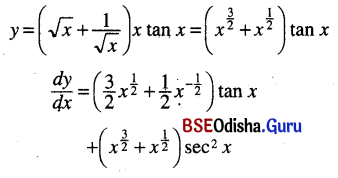
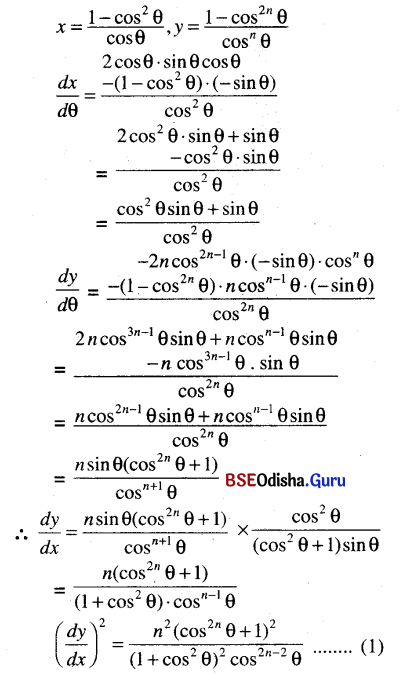
CHSE Odisha Class 12 Math Solutions Chapter 7 Continuity and Differentiability Ex 7(i) Q.1

Question 2.
sin x. w.r.t. cot x.
Solution:
Let y = sin x and z = cot x
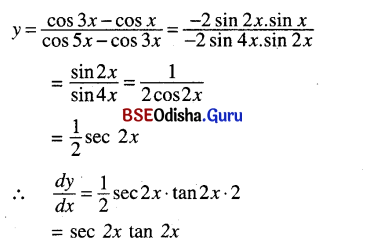
CHSE Odisha Class 12 Math Solutions Chapter 7 Continuity and Differentiability Ex 7(i) Q.2

CHSE Odisha Class 12 Math Solutions Chapter 7 Continuity and Differentiability Ex 7(i)

Question 3.
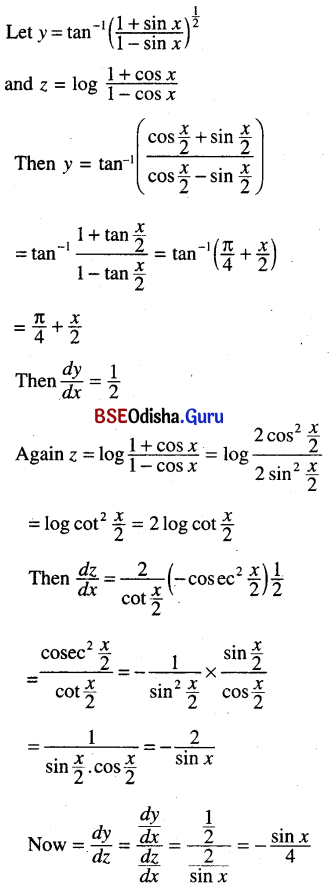
\(\frac{1-\cos x}{1+\cos x}\) w.r.t \(\frac{1-\sin x}{1+\sin x}\)
Solution:
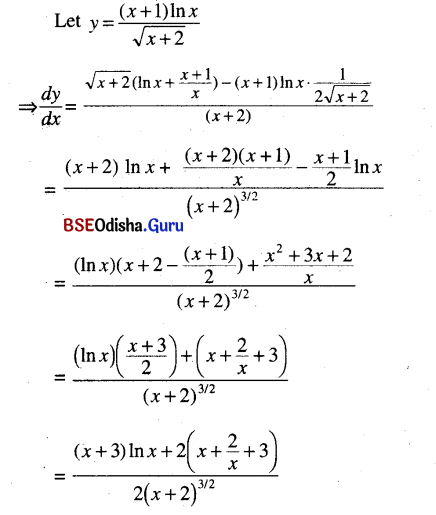
CHSE Odisha Class 12 Math Solutions Chapter 7 Continuity and Differentiability Ex 7(i) Q.3

Question 4.
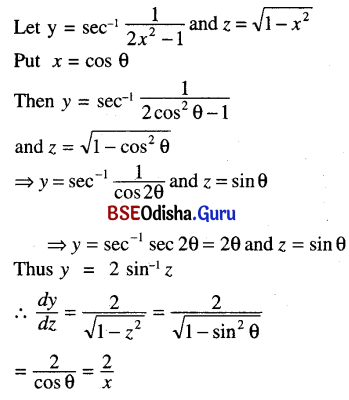
tan-1 x w.r.t. tan-1 \( \sqrt{1+x^2} \)
Solution:
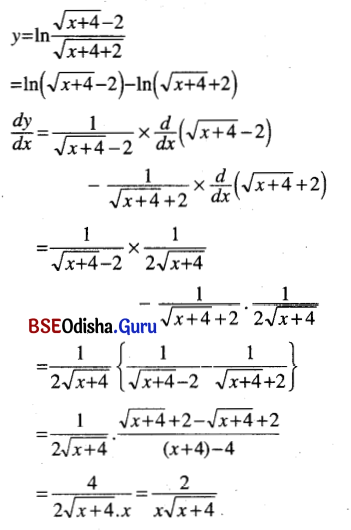
CHSE Odisha Class 12 Math Solutions Chapter 7 Continuity and Differentiability Ex 7(i) Q.4

Question 5.
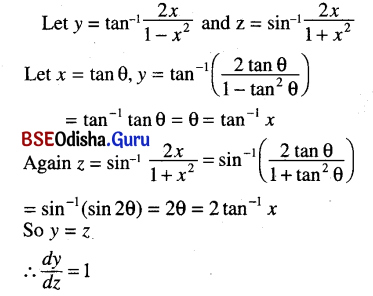
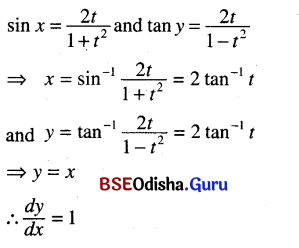
sin-1 \(\left(\frac{2 x}{1+x^2}\right)\) w.r.t cos-1 \(\left(\frac{1-x^2}{1+x^2}\right)\)
Solution:
Let y = sin-1 \(\frac{2 x}{1+x^2}\) and z = cos-1 \(\frac{1-x^2}{1+x^2}\)
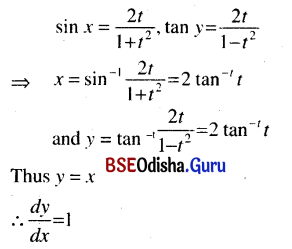
Then y = 2 tan-1 x and z = 2 tan-1 x
So y = z
∴ \(\frac{d y}{d z}\) = 1.

BSE Odisha 6th Class English Solutions Test-2

Odisha State Board BSE Odisha 6th Class English Solutions Test-2 Textbook Exercise Questions and Answers.

BSE Odisha Class 6 English Solutions Test-2

BSE Odisha 6th Class English Test-2 Text Book Questions and Answers

1. Your teacher will dictate twelve words. Listen to him/her and write.

Your teacher will dicate twelve words. Listen to him her and write.

Answer:

Elephant Trainer School
Circus Tamilnadu Susarcane
Cinema Kaveri Praise
Banana Mountain Punishment

2. Given below are some words. Your teacher will read aloud seven of them. Tick those s/he reads aloud.

soldier, detective, village, deaf, temper, language, script, chase, curse, hate, mountain, valley, banana, merchant
[Listen to your teacher carefully and tick those words as he reads aloud.]

3. Your teacher will read aloud a paragraph. Listen to him/her and fill in the gaps. (Question with Answer)

”Tamilnadu is a beautiful state. It has beautiful mountain ranges and there are many rivers. Some of these rivers flow through the valleys. This makes all the places all the more beautiful.

BSE Odisha 6th Class English Solutions Test-2

4. Write the following names of persons in English.
(Teacher will provide names of six persons in Odia.)

ଅବଦୁଲ କାଲାସ
ରାସା ଲକ୍ଷ୍ମୀବାଇ |
ସ୍|ମୀ ବିବେକାନନ୍ଦ
ଯଯାତି କେଶରୀ
କ୍ରିପାସିନ୍ଧୁ ଦାସ
ବାଜି ରାଉତ

Answer:
Abdul Kalairi
Rani Laxmibai
Swami Vevekananda
Jajati Keshari
Krupasindhu Dash
Baji Rout

5. Write the following names of places in English.
(Teacher will provide names of six places in Odia.)

ବଦ୍ରିନାଥ |
ଜାମ୍ମୁ କାଶ୍ମୀର
ମିଜୋରାମ |
ଆଗ୍ରା
ଦିଲ୍ଲୀ
କନ୍ୟାକୁମାରୀ

Answer:
Badrinath
Jammu-Kashmir
Mizoram
Agra
Delhi
Kanvakumari

6. Match the words which sound alike at the end. (Question with Answer)

Match the words which sound alike at the end

Answer:

Match the words which sound alike at the end Answer

BSE Odisha 6th Class English Solutions Test-2

7. Read the poem and answer the questions in complete sentences.

I’d like to be a driver
Of an express diesel train
Or be a light-house keeper
Where do I want it and when?
For the more one lives
The more one learns.
I think I’ll be all these things
And go on taking turns.

Question (a).
What does the poet/child want to be?
Answer:
The poet/child wants to be a driver.

Question (b).
What does he want to drive?
Answer:
He wants to drive an express diesel train.

Question (c).
What does a light-house keeper do?
Answer:
A light-house keeper wants to watch any place and any time he wishes.

Question (d).
Does the child/poet want to take up one or more jobs?
Answer:
No, the child/poet does not want to take up one job, rather he wants to take up more jobs one after another.

Question (e).
How can one learn more?
Answer:
One can learn more by living more time in life.

Question (f).
What do you want to be? Why?
Answer:
I want to be a train driver. Because I can help many people to travel and carry their things to distant places.

BSE Odisha 6th Class English Solutions Test-2

8. Read the paragraph and answer the questions in complete sentences.
Once there lived a poor man in a village. He had a rich classmate. He lived in a town. They did not meet for a long time. In the meantime, the rich friend had problems with his ear and became deaf. This was not known to his friend in the village. The rich friend came to know that his friend was seriously ill. So he decided to visit him.

Question (a).
Where did the poor friend live?
Answer:
The poor friend lived in a village.

Question (b).
Where did the rich friend live?
Answer:
The rich friend lived in a town.

Question (c).
Who became deaf?
Answer:
The rich friend became deaf.

Question (d).
Did the poor friend know this?
Answer:
No, the poor friend did not know this.

Question (e).
What did the rich friend come to know?
Answer:
The rich friend came to know that his friend was seriously ill.

Question (f).
What did he decide to do?
Answer:
He decided to visit him.

BSE Odisha 6th Class English Solutions Test-2

9. Read the following poem and answer the questions in complete sentences.
Run in the raindrops
Run beneath the trees.
Run little races
With each little breeze.
Run down the hillside.
Run up the lane.
Run through the meadow
Then run back again.

Question (a).
What is the poem about?
Answer:
The poem is about the run.

Question (b).
How many stanzas are there in this poem?
Answer:
There are four stanzas in this poem.

Question (c).
Where does the poet/child want to run in the first stanza?
Answer:
In the first stanza, the poet/child wants to run in the raindrops beneath the trees.

Question (d).
Where does the poet/child want to run in the second stanza?
Answer:
In the second stanza, the poet/child wants to run little races with each little breeze.

Question (e).
How many times ‘run’ is used in this poem?
Answer:
‘Run’ is used seven times in this poem.

Question (f).
Who does the poet run races with?
Answer:
The poet runs races with each little breeze.

BSE Odisha 6th Class English Solutions Test-2

10. Read the following paragraph and answer the questions in complete sentences.
Three bears lived in a house near a wood. There was Papa Bear, a great huge bear. There was Mama Bear, a middle-sized bear. And there was Baby Bear, a small bear. One day they went out for a short walk in the wood. Mama Bear had cooked porridge for breakfast. She left the porridge to cool.

Question (a).
Where did the bears live?
Answer:
The bears lived in a house.

Question (b).
Where was their house?
Answer:
Their house was near a wood.

Question (c).
How many bears were there?
Answer:
There were three bears.

Question (d).
Who was a middle-sized bear?
Answer:
Mama Bear was a middle-sized bear.

Question (e).
Who was the biggest of all?
Answer:
Papa Bear was the biggest of all.

Question (f).
Who was the smallest of all?
Answer:
Baby Bear was the smallest of all.

Question (g).
Where did they go one day?
Answer:
One day they went to the wood.

Question (h).
Why did they go out to the wood?
Answer:
They went out to the wood for a short walk in the wood.

Question (i).
What did Mama Bear, a cook?
Answer:
Mama Bear cooked porridge.

BSE Odisha 6th Class English Solutions Test-2

Question (j).
Why did she leave the porridge at home?
Answer:
She left the porridge at home to cool for breakfast.

BSE Odisha 6th Class English Solutions Follow-Up Lesson 8 The Story of Language

Odisha State Board BSE Odisha 6th Class English Solutions Follow-Up Lesson 8 The Story of Language Textbook Exercise Questions and Answers.

BSE Odisha Class 6 English Solutions Follow-Up Lesson 8 The Story of Language

BSE Odisha 6th Class English Follow-Up Lesson 8 The Story of Language Text Book Questions and Answers

Session – 1

I. Pre-Reading

□ Socialisation :
□ Teacher to think of a pre-reading activity.
You can link this with the main lesson: Why did Raghunath develop a script for the Santali language? Read this lesson Or you can ask the students to see the different scripts in the pages that follow and ask, ‘Can you say why scripts are necessary ?’
(ଶିକ୍ଷକ ଗୋଟିଏ ପ୍ରାକ୍-ପଠନ କାର୍ଯ୍ୟ ବିଷୟରେ ଭାବିବେ । ତୁମେ ଏହାକୁ ମୁଖ୍ୟ ବିଷୟ ସହ ସଂଯୋଗ କରିପାରିବ : ରଘୁନାଥ ସାନ୍ତାଳୀ ଭାଷା ପାଇଁ କାହିଁକି ଏକ ଲିପି ବିକଶିତ କଲେ । ଏହି ପାଠଟି ପଢ଼ ….. କିମ୍ବା, ତୁମେ ଛାତ୍ରମାନଙ୍କୁ ପର ପୃଷ୍ଠାରେ ଥ‌ିବା ବିଭିନ୍ନ ଲିପି/ଅକ୍ଷରଗୁଡ଼ିକୁ ଦେଖିବାକୁ କହିପାରିବ ଏବଂ ପଚାରିବ, ‘ତୁମେ କହିପାରିବ କି କାହିଁକି ଲିପିଗୁଡ଼ିକ ଦରକାରୀ ଅଟନ୍ତି ?’’)

II. While-Reading

Text

SGP-1
Read paragraphs 1-2 silently and answer the questions that follow.
(ଅନୁଚ୍ଛେଦ ୧ – ୨ କୁ ନୀରବରେ ପଢ଼ ଏବଂ ପରବର୍ତ୍ତୀ ପ୍ରଶ୍ନଗୁଡ଼ିକର ଉତ୍ତର ଦିଅ ।)
1. To start with, human beings had no language. How did they talk to each other? How did they say what they wanted to say? They did this through action and gesture. Even today we also use an action to say something. When your teacher puts his / her finger on his / her lips what does she/he say? She/he says, “Don’t make a noise. Be silent.”
2. Much later language came. Human beings used language to say what they wanted to say. But they did not know how to write. For many many years, they only spoke but could not write. To start with they drew pictures to write. If someone wanted to say ‘tree’, s/he drew a picture of a tree. But one cannot draw pictures of all that s/he wanted to say. Thus, there was a need to develop a writing system-letters, for, and scripts. Most of the scripts are developed from pictures. Pictures slowly developed into symbols. Symbols looked different from the pictures from which they came. Take, for example, the Chinese letter (symbol) which developed from the picture of a tree.

Read paragraphs 1-2 silently and answer the questions that follow.

BSE Odisha 6th Class English Solutions Follow-Up Lesson 8 The Story of Language

ଓଡ଼ିଆ ଅନୁବାଦ :
୧. ଆରମ୍ଭରୁ ପ୍ରାଚୀନ ମାନବର କିଛି ଭାଷା ନଥିଲା । ସେମାନେ କିପରି ପରସ୍ପର ସହିତ କଥାବାର୍ତ୍ତା ହେଉଥିଲେ ? ସେମାନେ ଯାହା କହିବାକୁ ଚାହୁଁଥିଲେ ତାହା କିପରି କହୁଥିଲେ ? ସେମାନେ ଆଚରଣ ଓ ଭଙ୍ଗୀ ମାଧ୍ୟମରେ ଏହା କରୁଥିଲେ । ଏପରିକି ଆଜି ମଧ୍ୟ କେତେକ କଥା କହିବାକୁ ଆମେ ଆଚରଣକୁ ବ୍ୟବହାର କରୁଛୁ । ଯେତେବେଳେ ତୁମର ଶିକ୍ଷକ ତାଙ୍କର (ପୁ/ସ୍ତ୍ରୀ) ଆଙ୍ଗୁଳିକୁ ତାଙ୍କ (ପୁ/ସ୍ତ୍ରୀ) ଓଠ ଉପରେ ରଖନ୍ତି, ସେ (ପୁ/ସ୍ତ୍ରୀ) କ’ଣ କହନ୍ତି ? ସେ (ପୁ/ସ୍ତ୍ରୀ) କହନ୍ତି, ‘‘ଗୋଳମାଳ୍ କରନାହିଁ । ନୀରବ ରୁହ ।’’
୨. ଭାଷା ବହୁତ ପରେ ଆସିଲା । ମାନବମାନେ ଭାଷା ବ୍ୟବହାର କଲେ କହିବାକୁ ଯାହା ସେମାନେ କହିବାକୁ ଚାହୁଁଥିଲେ । କିନ୍ତୁ କିପରି ଲେଖିବାକୁ ହେବ ସେମାନେ ଜାଣି ନଥିଲେ । ଅନେକ ଅନେକ ବର୍ଷ ଧରି ସେମାନେ କେବଳ କଥା କହିଲେ କିନ୍ତୁ ଲେଖିପାରିଲେ ନାହିଁ । ଆରମ୍ଭରୁ ସେମାନେ କିଛି ଲେଖିବାକୁ ଚିତ୍ର ଅଙ୍କନ କଲେ । ଯଦି କେହି ‘ଗଛ’ କହିବାକୁ ଚାହୁଁଥିଲା, ସେ (ପୁ/ସ୍ତ୍ରୀ) ଗୋଟିଏ ଗଛର ଚିତ୍ର ଅଙ୍କନ କରୁଥିଲା । କିନ୍ତୁ ଜଣେ ଯାହାସବୁ କହିବାକୁ ଚାହୁଁଥ‌ିବ, ସେ (ପୁ/ସ୍ତ୍ରୀ) ସେସବୁର ଚିତ୍ର ଅଙ୍କନ କରିପାରିବ ନାହିଁ । ଏହିପରିଭାବରେ ଲେଖୁବା ବ୍ୟବସ୍ଥା – ଅକ୍ଷର ଓ ଲିପିର ବିକାଶ କରିବା ଆବଶ୍ୟକ ହେଲା । ଅଧିକାଂଶ ଲିପି ଚିତ୍ରଗୁଡ଼ିକରୁ ବିକଶିତ କରାଯାଇଥିଲା । ଚିତ୍ରଗୁଡ଼ିକ ଧୀରେ-ଧୀରେ ସଙ୍କେତ ବା ଚିହ୍ନକୁ ବିକଶିତ ହେଲେ । ସଙ୍କେତ ବା ଚିହ୍ନଗୁଡ଼ିକ ସେଗୁଡ଼ିକ ଆସିଥ୍‌ ଚିତ୍ରଠାରୁ ଭିନ୍ନ ଦେଖାଗଲା । ଗୋଟିଏ ଗଛର ଛବିରୁ ବିକଶିତ ଚୀନା ଭାଷାର ଅକ୍ଷର/ଲିପିକୁ ଉଦାହରଣରୂପେ ନିଆଯାଇପାରେ ।

Comprehension Questions

Question 1.
What is the lesson about?
(ଗପଟି କେଉଁ ବିଷୟରେ ଲେଖାଯାଇଛି ?)
Answer:
The lesson is about the story of language.

Question 2.
Did human beings have the language from the beginning?
(ଆରମ୍ଭରୁ ମାନବମାନଙ୍କର ଭାଷା ଥିଲା କି ?)
Answer:
No, human beings had no language from the beginning.

Question 3.
If not, how did they say what they wanted to say?
(ଯଦି ନୁହେଁ, ସେମାନେ ଯାହା କହିବାକୁ ଚାହୁଁଥିଲେ କିପରି କହୁଥିଲେ ?)
Answer:
What they wanted to say, they did this through action and gesture.

Question 4.
(Frame a question for ‘gesture’/body language)
(ଗୋଟିଏ ପ୍ରଶ୍ନ ତିଆରି କର ଗୋଟିଏ ‘ଭାବଭଙ୍ଗୀ’’ ବା ଶାରୀରିକ ଭାଷା ପାଇଁ)
Answer:
What does the teacher do to say, “Don’t make a noise. Be silent.” ?

Question 5.
Did scripts come with writing or much later?
(ଲିପିସବୁ ଲେଖିବା ସହିତ ଆସିଲେ କିମ୍ବା ବହୁତ ପରେ ?)
Answer:
No, scripts did not come with writing at the same time. Really they came much later than writing.

Question 6.
From what did scripts develop?
(କେଉଁଥୁରୁ ଲିପିଗୁଡ଼ିକ ବିକଶିତ ହୋଇଥିଲା ?)
Answer:
Scripts developed from pictures.

BSE Odisha 6th Class English Solutions Follow-Up Lesson 8 The Story of Language

SGP-2
• Read paragraphs 3-4 silently and answer the questions of your teacher.
(ଅନୁଚ୍ଛେଦ ୩ – ୪ କୁ ନୀରବରେ ପଢ଼ ଏବଂ ତୁମ ଶିକ୍ଷକଙ୍କ ପ୍ରଶ୍ନଗୁଡ଼ିକର ଉତ୍ତର ଦିଅ ।)
3. At first they used the first picture for a tree. After many years this changed to picture 2. And at present, they use the third one. The first picture looked like a tree. But the third one has greatly moved away from the tree. In this way, most of the writing system developed.
4. At present the world has about 7000 languages. About four thousand -of them do not have writing systems or scripts. Most of the tribal languages in India do not have scripts of their own.

ଓଡ଼ିଆ ଅନୁବାଦ :
୩. ସର୍ବପ୍ରଥମେ, ସେମାନେ ଗଛର ପ୍ରଥମ ଛବିକୁ ବ୍ୟବହାର କଲେ । ଅନେକ ବର୍ଷ ପରେ, ଏହା ପରିବର୍ତ୍ତନ ହେଲା ଦ୍ବିତୀୟ ଛବିକୁ । ବର୍ତ୍ତମାନ, ସେମାନେ ତୃତୀୟ ଛବିଟିକୁ ବ୍ୟବହାର କରୁଛନ୍ତି । ପ୍ରଥମ ଛବିଟି ଦେଖାଯାଉଥିଲା ଗୋଟିଏ ଗଛ ସଦୃଶ । କିନ୍ତୁ ତୃତୀୟ ଛବିଟି ଗଛଠାରୁ ବହୁ ପରିମାଣରେ ଭିନ୍ନ ଥିଲା । ଏହିପରି ଭାବରେ ଅଧିକାଂଶ ଲିଖନ ପ୍ରଣାଳୀ ବିକଶିତ ହୋଇଥିଲା ।
୪. ବର୍ତ୍ତମାନ ପୃଥ‌ିବୀରେ ପ୍ରାୟ ୭୦୦୦ ଭାଷା ଅଛି । ସେଗୁଡ଼ିକ ମଧ୍ୟରୁ ପ୍ରାୟ ୪୦୦୦ ଭାଷାର ଲିଖନ ପ୍ରଣାଳୀ ବା ଲିପି (ଅକ୍ଷର) ନାହିଁ । ଭାରତରେ ଅଧିକାଂଶ ଆଦିବାସୀ ଭାଷାଗୁଡ଼ିକର ନିଜସ୍ଵ ଲିପି (ଅକ୍ଷର) ନାହିଁ ।

Comprehension Questions

The teacher will frame questions in paragraphs three and four.
(ଶିକ୍ଷକ ଅନୁଚ୍ଛେଦ (ପାରାଗ୍ରାଫ୍) ୩ ଓ ୪ରୁ ପ୍ରଶ୍ନ ତିଆରି କରିବେ ।)

Question 1.
What did they use at first to develop the writing system?
(ଲିଖନ ପ୍ରଣାଳୀର ବିକାଶ କରିବାକୁ ସେମାନେ ସର୍ବପ୍ରଥମେ କ’ଣ ବ୍ୟବହାର କରିଥିଲେ ?)
Answer:
At first, they used the first picture of a tree to develop the writing system.

Question 2.
How did the first picture look?
(ପ୍ରଥମ ଛବିଟି କିପରି ଦେଖାଯାଉଥିଲା ?)
Answer:
The first picture looked like a tree.

Question 3.
How did most of the writing system develop?
(କିପରି ଭାବରେ ଅଧିକାଂଶ ଲିଖନ ପ୍ରଣାଳୀ ବିକାଶଲାଭ କରିଥିଲା ?)
Answer:
At first, they used the first picture of a tree. Then they changed to picture 2. At present they use the third picture. But the third picture has greatly moved away from the tree. Thus, most of the writing systems developed.

Question 4.
How many languages does the world have at present?
(ବର୍ତ୍ତମାନ ପୃଥ‌ିବୀରେ ପ୍ରାୟ କେତୋଟି ଭାଷା ଅଛି ?)
Answer:
At present, the world has about 7000 languages.

Question 5.
How many languages do not have their own writing system or script?
(କେତୋଟି ଭାଷାର ନିଜସ୍ଵ ଲିଖନ ପ୍ରଣାଳୀ ବା ଲିପି ନାହିଁ ?)
Answer:
About four thousand languages in the world do not have their own writing system or scripts.

Question 6.
Who does not have their own scripts in India?
(କେତୋଟି ଭାଷାର ନିଜସ୍ଵ ଲିଖନ ପ୍ରଣାଳୀ ବା ଲିପି ନାହିଁ ?)
Answer:
Most of the tribal languages in India do not have their own scripts.

BSE Odisha 6th Class English Solutions Follow-Up Lesson 8 The Story of Language

Session – 2

III. Post-Reading

5. Writing

(a) The given boxes are not in order. Number them in order 1, 2 …………. One is done for you.
(ଦିଆଯାଇଥିବା ବାକ୍ସଗୁଡ଼ିକ କ୍ରମାନୁସାରେ ନାହାନ୍ତି । ୧, ୨ ……….. କ୍ରମରେ ସେମାନଙ୍କ ସଂଖ୍ୟା ଲେଖ । ଗୋଟିଏ ତୁମ ପାଇଁ କରି ଦିଆଯାଇଛି ।)

The given boxes are not in order. Number them in order 1, 2


Answer:

The given boxes are not in order. Number them in order 1, 2 One is done for you Answer


Next, write as suggested:

To begin with, there was ____________. People said what they ___________ through ___________. But there was no ___________. People started to write through _________. Finally, the script developed from __________.
Answer:
To begin with, there was no language. People said what they wanted, to say through gestures. But there was no language. People started to write through a script. Finally, the script was developed from pictures.

BSE Odisha 6th Class English Solutions Follow-Up Lesson 8 The Story of Language

Word Note

(The words / phrases have been defined mostly on contextual meanings)
(ଶବ୍ଦ । ଖଣ୍ଡବାକ୍ୟଗୁଡ଼ିକ ଅଧ୍ଵଂଶତଃ ପ୍ରସଙ୍ଗଗତ ଅର୍ଥ ଉପରେ ନିର୍ଭର କରି ବ୍ୟାଖ୍ୟା କରାଯାଇଛି ।)

holidays – ଛୁଟିଦିବ
village – ଗ୍ରାମ
away – ଦୂର
only – କେବଳ
educated – ଶିକ୍ଷିତ
area – ଅଞ୍ଚଳ
nearby – ନିକଟବର୍ତ୍ତୀ
problems – ସମସ୍ୟାସଗୁ
carefully – ଯତ୍ନର ସହିତ
brought out – ବାହାରକୁ ବାହାର କଲେ
letter – ପତ୍ର ବା ଚିଠି
tightly – ଭାବରେ
tied – ବାନ୍ଧି ଦେଇଥିଲେ
one end of his cloth – ତାଙ୍କ ଲୁଗାର ଗୋଟିଏ ମୁଣ୍ଡରେ
cousin – ସମ୍ପର୍କୀୟ ଭାଇ
found – ଦେଖିବାକୁ ପାଇଲେ
was wtitten – ଲେଖାଯାଇଥିଲା |
well – ଭଲ ଭାବରେ
a few – ଅଳ୍ପ କେତୋକୁ
replied – ଉତ୍ତର ଦେଲେ
sadly – ଦୁଃଖର ହୋଇ
sorry – ଦୁଃଖ୍ତତ ହୋଇ
script – ଲିପି ବା ଅକ୍ଷର
own – ନିଜର
surprised – ଆଶ୍ଚର୍ଯ୍ୟ
about – ପ୍ରାୟ
later – ପରେ
invented – ଉଦ୍ଭାବନ
is known – ଜଣାଶୁଣା |
great – ବିରାଟ
writer – ଲେଖକ
plays – ନାଟକ
novels – ଉପନ୍ୟାସ
poems – କବିତା
Santali – ସାନ୍ତାଲୀ
important – ଗୁରୁତ୍ୱପୂର୍ଣ୍ଣ
foreign – ବିଦେଶୀ
scholar – ପଣ୍ଡିତ |
awarded – ପୁରସ୍କୃତ
contribution – ଅବଦାନ
language – ଭାଷା
literature – ସାହିତ୍ୟ
named – ନାମକରଣ କରିବାକୁ
after his name – ତାଙ୍କ ନାମାନୁସାରେ
to start with – ଆରମ୍ଭରୁ
each other – ପରସ୍ପର
human beings – ମାନବ | ମଣିଷମାନେ
through – ମଧ୍ୟଦେଇ
action – କାର୍ୟ୍ୟ
gesture – ଭାବଭଙ୍ଗୀ
Even today – ଆଜି ସମ
finger – ଆଙ୍ଗୁଠି
lips – ଓଠ
make a noise – ଘମାଘୋଟ ଶବ୍ଦ କରିବା
silent – ନୀରବରେ
how to write – କିପରି ଲେଖିବେ
spoke – କଥା କହିଲେ
draw – ଅଙ୍କନ କଲେ
picture – ଛବି ବା ଚିତ୍ର
tree – ଗଛ
need – ଦରକାର | ପ୍ରୟୋଜନ
develop – ବିକଶିତ କରିବା
thus – ଏହିପରି
writing system – ଲିଖନ ପ୍ରଣାଳୀ
letters – ଅକ୍ଷରସକ
scripts – ଲିପିଗୁଡ଼ିକ
slowly – ଧୀରେ – ଧୀରେ
symbols – ପ୍ରତୀକ
looked – ଦେଖାଗଲା
different – ଭିନ୍ନ – ଭିନ୍ନ
take for example – ଉଦାହରଣ ନିଅ
Chinese – ଚାଇନିଜ୍
tree – ଗଛ
moved away – ଦୂରକୁ ଚାଲିଗଲେ |

BSE Odisha 7th Class English Solutions Follow-Up Lesson 6 The Origin of Words

Odisha State Board BSE Odisha 7th Class English Solutions Follow-Up Lesson 6 The Origin of Words Textbook Exercise Questions and Answers.

BSE Odisha Class 7 English Solutions Follow-Up Lesson 6 The Origin of Words

BSE Odisha 7th Class English Follow-Up Lesson 6 The Origin of Words Text Book Questions and Answers

Many words in the English langauge come from the names of people. Sometimes when something new is invented or discovered the name of the inventor or scientist is given to it. ‘Sandwich’ is such a word. You probably know its meaning. A sandwich is made of two slices of buttered bread with a thin spread of meat, or egg, or vegetable, pressed in between. You have perhaps eaten sandwiches. The word ‘sandwich’ comes from the name of an English nobleman. John Montague, fourth Earl of Sandwich, lived in the eighteenth century.

He was fond of playing cards. Often he would play cards for hours and hours. Once he played day and night, for twenty-four hours ! On such occasions he would not go home to eat. His servant would bring him meat and bread. But the Earl of Sandwich did not wish to stop playing even to eat. So, he would put the meat between two slices of bread. Holding this, and eating it. he would go on playing. Soon other people began to do the same thing with meat and bread. The new way of eating was very easy. And they called the new preparation sandwich, after the Earl of Sandwich.

The Origin of Words

Here is a story about another English word. Gandhiji asked Indians to boycott British goods. He meant that they should not buy British goods. When you boycott something, you refuse to buy or use it. When you boycott someone, you refuse to have any dealings with him, that is, you refuse to work with him or help him in any way.The word boycott was first used in Ireland. It comes from the name of an Irish landlord, Captain Charles C. Boycott. (A ‘landlord’ owns land; ‘tenants’ live on it and do the work). Captain Boycott’s tenants demanded that he should take lower rents from them. When Boycott refused, his tenants decided to teach him a lesson.

They cut off all relations with him. No one would work for him. His servants were forced to leave him. His plants and bushes were tom down. They would not allow the postman to deliver his letters to him. Captain Boycott was now in real difficulty. When the com was ripe in the field, he had to get workers from another part of the country for harvesting it. The government had to send 900 soldiers, to protect these workers from the people. Captain Boycott was indeed in trouble ! So then, we have the word boycott. To boycott someone is to treat him as poor. Captain Boycott was treated so.

BSE Odisha 7th Class English Solutions Follow-Up Lesson 6 The Origin of Words

ଓଡ଼ିଆ ଅନୁବାଦ :
ଇଂରାଜୀ ଭାଷାରେ ଅନେକ ଶବ୍ଦ ଲୋକମାନଙ୍କ ନାମରୁ ଆସିଥାଏ । ବେଳେବେଳେ ଯଦି କିଛି ନୂତନ ଜିନିଷ ଆବିଷ୍କାର ବା ଉଦ୍ଭାବନ କରାଯାଏ, ତେବେ ଉଦ୍ଭାବକ ବା ବୈଜ୍ଞାନିକଙ୍କ ନାମାନୁସାରେ ତାହାର ନାମ ଦିଆଯାଇଥାଏ । ସେହିଭଳି ଗୋଟିଏ ଶବ୍ଦ ହେଉଛି ‘ସ୍ୟାଣ୍ଡବ୍‌’ । ତୁମେ ସମ୍ଭବତଃ ତାହାର ଅର୍ଥ ଜାଣିଛ । ସ୍ୟାଣ୍ଡୱିଚ୍ ଦୁଇ ପରସ୍ତ ଲହୁଣିମରା ରୋଟିର ମଧ୍ୟଭାଗରେ ପତଳା ସ୍ତର ମାଂସ, ଅଣ୍ଡା କିମ୍ବା ପରିବାକୁ ଚାପି କରାଯାଇଥାଏ ।ତୁମେ ବୋଧହୁଏ ସ୍ୟାଣ୍ଡୱିଚ୍ ଖାଦ୍ୟ ରୂପେ କରିଥବ । ସ୍ୟାଣ୍ଡୱିଚ୍ ଶବ୍ଦଟି ଜଣେ ଇଂରେଜ ସମ୍ଭ୍ରାନ୍ତ ବ୍ୟକ୍ତିଙ୍କ ନାମରୁ ଆସିଅଛି । ଜନ୍ ମଣ୍ଟେଗ୍ୟ ସ୍ୟାଣ୍ଡ୍‌ବର ଚତୁର୍ଥ ସମ୍ଭ୍ରାନ୍ତ ଅଷ୍ଟାଦଶ ଶତାବ୍ଦୀ ବେଳକୁ ବାସ କରୁଥିଲେ । ସେ ତାସ୍ ଖେଳିବାକୁ ବେଶୀ ଭଲ ପାଉଥିଲେ । ଏପରିକି ସେ ଘଣ୍ଟା ଘଣ୍ଟା ତାସ୍ ଧରିଥିଲେ । ବହୁ ସମୟରେ ସେ ଘଣ୍ଟା ଘଣ୍ଟା ଧରି ତାସ୍ ଖେଳୁଥିଲେ । ଥରେ ସେ ଦିନରାତି ୨୪ ଘଣ୍ଟା ଧରି ଖେଳିଲେ ! ସେପରିସ୍ଥଳେ ସେ ଘରକୁ ଖାଇବାକୁ ଯାଇପାରୁ ନଥିଲେ । ତାଙ୍କ ଚାକର ତାଙ୍କ ପାଇଁ ରୋଟି ଏବଂ ମାଂସ ଖାଇବାକୁ ଆଣି ଦେଉଥିଲେ ।

କିନ୍ତୁ ସ୍ୟାଣ୍ଡୱିଟ୍‌ର ସମ୍ଭ୍ରାନ୍ତ ଏପରିକି ଖାଇବା ନିମିତ୍ତ ଖେଳ ବନ୍ଦ ରଖିବାକୁ ଚାହୁଁ ନଥିଲେ । ତେଣୁ ସେ ମାଂସ ଖଣ୍ଡକୁ ଦୁଇପରସ୍ତ ରୋଟି ମଧ୍ୟଭାଗରେ ଚାପି ଦେଉଥିଲେ । ତାହାକୁ ଧରି କ୍ରମାଗତ ଖେଳ ଚାଲୁରଖ୍ ଖାଇ ଚାଲୁଥିଲେ । ପରବର୍ତ୍ତୀ ସମୟରେ ଲୋକମାନେ ରୋଟି ଓ ମାଂସକୁ ସେହିଭଳି କରି ଖାଇ ଚାଲିଲେ । ଏହିପରି ନୂତନ ପଦ୍ଧତିରେ ତାହାକୁ ଖାଇବାଟା ସହଜ ବୋଧହେଲା । ଏ ନୂତନ ଖାଦ୍ୟ ପ୍ରସ୍ତୁତି ପ୍ରଣାଳୀକୁ ସେମାନେ ସ୍ୟାଣ୍ଡୱିଟ୍‌ର ସମ୍ଭ୍ରାନ୍ତଙ୍କ ନାମାନୁସାରେ ସ୍ୟାଣ୍ଡୱିଚ୍ ନାମକରଣ କଲେ । ଏଠାରେ ଆଉ ଗୋଟିଏ କାହାଣୀ ଅନ୍ୟ ଏକ ଇଂରାଜୀ ଶବ୍ଦ ବିଷୟରେ ରହିଛି । ଗାନ୍ଧିଜୀ ଭାରତୀୟମାନଙ୍କୁ ଇଂରେଜୀ ଜିନିଷ ବର୍ଜନ କରିବାକୁ ଆହ୍ଵାନ ଦେଲେ । ସେ ମନେକରୁଥିଲେ ଯେ ସେମାନେ ଇଂରାଜୀ ତିଆରି ଦ୍ରବ୍ୟ ଖରିଦ କରିବେ ନାହିଁ । ତୁମେ ଯେତେବେଳେ କୌଣସି ଜିନିଷକୁ ବର୍ଜନ କରିବ ଅର୍ଥ ତୁମେ ସେହି ଜିନିଷ କିଣିବ ନାହିଁ କିମ୍ବା ସେ ଦ୍ରବ୍ୟ ବ୍ୟବହାର କରିବ ନାହିଁ । ତୁମେ ଯେବେ ଜଣକୁ ବାସନ୍ଦ କରିବ, ତୁମେ ତାଙ୍କ ସହିତ କୌଣସି ସମ୍ପର୍କ ରଖିବ ନାହିଁ । ଅର୍ଥାତ ତମେ ତାଙ୍କ ସହିତ କାର୍ଯ୍ୟ କରିବ ନାହିଁ କିମ୍ବା କୌଣସି ପ୍ରକାରେ ତାଙ୍କୁ ସାହାଯ୍ୟ କରିବ ନାହିଁ ।

ବୟକଟ୍ ଶବ୍ଦଟି ପ୍ରଥମେ ଆୟର୍ଲାଣ୍ଡରେ ବ୍ୟବହାର କରାଯାଉଥିଲା । ଏହା ଆୟର୍ଲାଣ୍ଡର ଜଣେ ଜମିଦାର କ୍ୟାପଟେନ୍ ଚାର୍ଲସ୍ ସି. ବୟକଟ ନାମରୁ ଆସିଛି । (ଜମିଦାରଙ୍କର ପ୍ରଚୁର ଜମି ଥାଏ । ଭାଗଚାଷୀ ପ୍ରଜାମାନେ ସେଥରେ କାର୍ଯ୍ୟକରି ଜୀବିକା ନିର୍ବାହ କରନ୍ତି ।) କ୍ୟାପ୍‌ଟେନ୍ ବୟକଟ୍‌ଙ୍କର ଭାଗଚାଷୀ ପ୍ରଜାମାନେ ସେମାନଙ୍କଠାରୁ କମ୍ ପରିମାଣର ଭଡ଼ା ବା ଖଜଣା ନେବାକୁ ଦାବି କରୁଥିଲେ । ଯେତେବେଳେ ବୟକଟ୍ ତାହା ମାନ କରିଦେଲେ, ତାଙ୍କର ଭାଗଚାଷୀ ପ୍ରଜାମାନେ ତାଙ୍କୁ ଗୋଟିଏ ଶିକ୍ଷା ଦେବାକୁ ସିଦ୍ଧାନ୍ତ କଲେ । ସେମାନେ ତାଙ୍କ ସହିତ ସମସ୍ତ ସମ୍ପର୍କ ତୁଟାଇଦେଲେ । କେହି ତାଙ୍କ ପାଇଁ କୌଣସି କାର୍ଯ୍ୟ କଲେ ନାହିଁ । ତାଙ୍କ ଚାକରମାନଙ୍କୁ ତାଙ୍କୁ ଛାଡ଼ିଦେବା ପାଇଁ ବାଧ୍ୟ କରାଗଲା । ତାଙ୍କର ଚାରାଗଛ ଏବଂ ଅନ୍ୟାନ୍ୟ ବୃକ୍ଷଲତା ଶୁଖୁଲା । ସେମାନେ ଏପରିକି ଡାକବାଲାଙ୍କୁ ତାଙ୍କୁ କୌଣସି ଡାକ ବା ଚିଠିପତ୍ର ଦେବାକୁ ଅନୁମତି ଦେଲେ ନାହିଁ ।
ବର୍ତ୍ତମାନ କ୍ୟାପଟେନ୍ ବୟକଟ୍ ବାସ୍ତବରେ ଅସୁବିଧାର ସମ୍ମୁଖୀନ ହେଲେ । ଯେତେବେଳେ ଶସ୍ୟ କ୍ଷେତରେ ପାଚିଲା ତାଙ୍କୁ ଦେଶର ଅନ୍ୟ ପ୍ରାନ୍ତରରୁ ଶ୍ରମିକମାନଙ୍କୁ ଫସଲ ଅମଳ ନିମିତ୍ତ ଆଣିବାକୁ ପଡ଼ିଲା । ସରକାର ୯୦୦ ସୈନ୍ୟଙ୍କୁ ସେହି ଶ୍ରମିକମାନଙ୍କୁ ଲୋକଙ୍କ ଦାଉରୁ ସୁରକ୍ଷା ଦେବାନିମିତ୍ତ ପଠାଇଲେ । ପ୍ରକୃତ ପକ୍ଷେ କ୍ୟାପଟେନ୍ ବୟକଟ୍_ଅସୁବିଧାରେ ପଡ଼ିଗଲେ । ତେଣୁ ସେହିଦିନଠାରୁ ଆମେ ବୟକଟ୍ (ବର୍ଜନ) ଶବ୍ଦକୁ ପାଇ ପାରିଛୁ । ଜଣକୁ ବାସନ୍ଦ କରିବା ଅର୍ଥ ତାକୁ ବିଚାର କରିଦେବା । କ୍ୟାପଟେନ୍ ବୟକଟ୍ ସେହିଭଳି ବ୍ୟବହାର ପାଉଥିଲେ ।
(Teacher will do the activities like the main lesson)

BSE Odisha 7th Class English Solutions Follow-Up Lesson 6 The Origin of Words

Notes And Glossary
(The words /phrases have been defined mostly on their contextual meanings)
boycott (ବଏକଟ୍) – refuse to buy or use something
cut off (କଟ୍ ଅଫ୍) – stopped_to_have any relation (ସମ୍ପର୍କ)
dealings (ଡିଲିଙ୍ଗ୍‌ସ୍) – work, business related activities
demanded (ଡିମାଣ୍ଡେଡ୍) – wanted to have (ଦାବି କଲେ)
discovered (ଡିସ୍‌କଭର୍‌ଡ୍) – found something for the first time (ଆବିଷ୍କାର କଲେ, ଉପାୟ ବାହାର କଲେ)
famous (ଫେମସ୍) – well known (ପ୍ରସିଦ୍ଧ, ଜଣାଣୁଣା)
forester – one type of kangaroo (ଏକ ପ୍ରକାର କଙ୍ଗାରୁ)
harvesting (ହାଭେଣ୍ଟିଙ୍ଗ୍) – reaping or collecting crops (ଅମଳ)
hind legs (ହିଣ୍ଡ ଲେଗ୍‌ସ) – back legs (ପଛ ଗୋଡ଼)
invented (ଇଭେଣ୍ଟେଡ୍) – creating something new ( ଉଦ୍ଭାବନ କଲେ)
inventor (ଇଭେଣ୍ଟର) – someone who invents things.
landed (ଲ୍ୟାଣ୍ଡେଡ୍) – arrived at a place (ଅବତରଣ କଲେ, ପହଞ୍ଚିଲେ)
leaping (ଲିପିଙ୍ଗ୍) – jumping ( ଡେଇଁବା )
marsupials (ମାସୁପିଆଲ୍‌ ) – mammals such as kangaroo- the female has a pouch in which it carries its young (କଙ୍ଗାରୁର ଥଳି ଥ‌ିବା ପରି ସ୍ତନ୍ୟପାୟୀ ପ୍ରାଣୀ)
mobs (ମୋବ୍‌ସ୍) – groups (ଦଳ | ଗୋଷ୍ଠୀ )
native (ନେଟିଭ୍) – local resident (ଦେଶୀୟ, ଦେଶଜ)
nobleman (ନୋବଲମ୍ୟାନ) – a rich man of upper class ( ଭଦ୍ରଲୋକ, ସମ୍ଭ୍ରାନ୍ତ ବ୍ୟକ୍ତି)
of course (ଅଫ୍ କୋର୍ସ) – sure ( ଅବଶ୍ୟ)
occasions (ଅକେଜସ୍ ) – at that time
performer (ପରଫର୍ମର) – one who does the wok
sandwich (ସ୍ୟାଣ୍ଡଚ୍) – a food item- made of two slices of buttered bread with thin spread of meat or egg or vegetable pressed in between
skilful (ସ୍କିଲ୍‌ଫୁଲ୍) – having or showing skill (କୌଶଳପୂର୍ଣ୍ଣ)
tenants (ଟେନାଣ୍ଟସ୍ ) – persons who rents land from a landlord (ପ୍ରଜା, ଯିଏ ଜମିଦାର ଅଧୀନରେ ରହି ଜମି ଚାଷ କରେ)

BSE Odisha 7th Class English Solutions Follow-Up Lesson 6 The Origin of Words Important Questions and Answers

(A) Choose the right answer from the options.

Question 1.
Who discovered Kangaroo ?
(a) James Cook
(b) Columbus
(c) Vasco da Gama
(d) none of these
Answer:
(a) James Cook

Question 2.
The word kangaroo in native language means .
(a) I don’t know
(b) an animal of Australia
(c) Woodland animal
(d) none of these
Answer:
(a) I don’t know

BSE Odisha 7th Class English Solutions Follow-Up Lesson 6 The Origin of Words

(B) Re-arrange the jumbled words to make meaningful sentences.

1. gloves / box / to / using / kangaroos / teach / circus / sometimes / trainers.
2. vegetales / eat / mainly / they.
Answer:
1. Circus trainers sometimes teach kangaroos to box, using gloves.
2. They eat mainly vegetables.

(C) Find whether True or False.

1. Captain James cook was a famous twentieth century American.
2. Baby kangaroos are carried by the father in a pocket skirt.
3. The babies, when bom, are each only about two centimetres long !
Answer:
(1) False
(2) False
(3) True

CHSE Odisha Class 12 Math Solutions Chapter 7 Continuity and Differentiability Ex 7(a)

Odisha State Board Elements of Mathematics Class 12 CHSE Odisha Solutions Chapter 7 Continuity and Differentiability Ex 7(a) Textbook Exercise Questions and Answers.

CHSE Odisha Class 12 Math Solutions Chapter 7 Continuity and Differentiability Exercise 7(a)

Question 1.
Examine the continuity of the following functions at indicated points.
(i) f(x) = \(\left\{\begin{array}{cl}
\frac{x^2-a^2}{x-a} & \text { if } x \neq a \\
a & \text { if } x=a
\end{array}\right.\) at x = a
Solution:
CHSE Odisha Class 12 Math Solutions Chapter 7 Continuity and Differentiability Ex 7(a) Q.1(1)

(ii) f(x) = \(\left\{\begin{aligned}
\frac{\sin 2 x}{x} & \text { if } x \neq 0 \\
2 & \text { if } x=0
\end{aligned}\right.\) at x = 0
Solution:
CHSE Odisha Class 12 Math Solutions Chapter 7 Continuity and Differentiability Ex 7(a) Q.1(2)

CHSE Odisha Class 12 Math Solutions Chapter 7 Continuity and Differentiability Ex 7(a)

(iii) f(x) = \(\begin{cases}(1+2 x)^{\frac{1}{x}} & \text { if } x \neq 0 \\ e^2 & \text { if } x=0\end{cases}\) at x = 0
Solution:
CHSE Odisha Class 12 Math Solutions Chapter 7 Continuity and Differentiability Ex 7(a) Q.1(3)

(iv) f(x) = \(\left\{\begin{array}{l}
x \sin \frac{1}{x} \text { if } x \neq 0 \\
0
\end{array}\right.\) at x = 0
Solution:
CHSE Odisha Class 12 Math Solutions Chapter 7 Continuity and Differentiability Ex 7(a) Q.1(4)

(v) f(x) = \(\left\{\begin{array}{l}
\frac{x^2-1}{x-1} \text { if } x \neq 1 \\
2
\end{array}\right.\) at x = 1
Solution:
CHSE Odisha Class 12 Math Solutions Chapter 7 Continuity and Differentiability Ex 7(a) Q.1(5)

(vi) f(x) = \(\begin{cases}\sin \frac{1}{x} & \text { if } x \neq a \\ 0 & \text { if } x=0\end{cases}\) at x = 0
Solution:
CHSE Odisha Class 12 Math Solutions Chapter 7 Continuity and Differentiability Ex 7(a) Q.1(6)

(vii) f(x) = [3x + 11] at x = –\(\frac{11}{3}\)
Solution:
CHSE Odisha Class 12 Math Solutions Chapter 7 Continuity and Differentiability Ex 7(a) Q.1(7)

(viii) f(x) = \(\left\{\begin{array}{l}
\frac{e^{\frac{1}{x}}-1}{e^{\frac{1}{x}}+1} \text { if } x \neq 0 \\
0
\end{array}\right.\) at x= 0
Solution:
CHSE Odisha Class 12 Math Solutions Chapter 7 Continuity and Differentiability Ex 7(a) Q.1(8)

CHSE Odisha Class 12 Math Solutions Chapter 7 Continuity and Differentiability Ex 7(a)

(ix) f(x) = \(\left\{\begin{array}{l}
\frac{1}{x+[x]} \text { if } x<0 \\
-1 \quad \text { if } x \geq 0
\end{array}\right.\) at x = 0
Solution:
CHSE Odisha Class 12 Math Solutions Chapter 7 Continuity and Differentiability Ex 7(a) Q.1(9)
because [- h]is the greatest integer not exceeding – h
and so [- h ] = – 1
As L.H.L. = R.H.L. = f(0)
f(x) is cntinuous at x = 0.

(x) f(x) = \(\begin{cases}\frac{|x|}{x} & \text { if } x \neq 0 \\ 0 & \text { if } x=0\end{cases}\) at x = 0
Solution:
CHSE Odisha Class 12 Math Solutions Chapter 7 Continuity and Differentiability Ex 7(a) Q.1(10)

(xi) f(x) = \(\left\{\begin{array}{l}
2 x+1 \text { if } x \leq 0 \\
x \quad \text { if } 0<x<1 \\
2 x-1 \text { if } x \geq 1
\end{array}\right.\) at x = 0, 1
Solution:
CHSE Odisha Class 12 Math Solutions Chapter 7 Continuity and Differentiability Ex 7(a) Q.1(11)

(xii) f(x) = \(\left\{\begin{array}{l}
\frac{1}{e^{\frac{1}{x}}-1} \text { if } x>0 \\
0
\end{array} \text { if } x \leq 0\right.\) at x = 0
Solution:
CHSE Odisha Class 12 Math Solutions Chapter 7 Continuity and Differentiability Ex 7(a) Q.1(12)

(xiii) f(x) = sin\(\frac{\pi[x]}{2}\) at x = 0
Solution:
CHSE Odisha Class 12 Math Solutions Chapter 7 Continuity and Differentiability Ex 7(a) Q.1(13)

(xiv) f(x) = \(\frac{g(x)-g(1)}{x-1}\) at x = 1
Solution:
g(x) = |x – 1|
Then g(1) = |1 – 11| = 0
Now f(1) = \(\frac{g(1)-f(1)}{1-1}\) = 0/0
which we cannot determine.
Hence f(x) is discontinuous at x = 1.

CHSE Odisha Class 12 Math Solutions Chapter 7 Continuity and Differentiability Ex 7(a)

Question 2.
If a function is continuous at x = a, then find
(i) \(\lim _{h \rightarrow 0}+\frac{1}{2}\{f(a+h)+f(a-h)\}\)
(ii) \(\lim _{h \rightarrow 0}+\frac{1}{2}\{f(a+h)-f(a-h)\}\)
Solution:
CHSE Odisha Class 12 Math Solutions Chapter 7 Continuity and Differentiability Ex 7(a) Q.2

Question 3.
Find the value ofa such that the function f defined by \(\begin{cases}\frac{\sin a x}{\sin x} & \text { if } x \neq 0 \\ \frac{1}{a} & \text { if } x=0\end{cases}\)
is continuous at x = 0.
Solution:
CHSE Odisha Class 12 Math Solutions Chapter 7 Continuity and Differentiability Ex 7(a) Q.3

Question 4.
If f(x) = \(\left\{\begin{array}{l}
a x^2+b \text { if } x<1 \\
1 \quad \text { if } x=1 \\
2 a x-b \text { if } x>1
\end{array}\right.\)
is continuous at x = 1, then find a and b.
Solution:
Let f(x) be continuous at x = 1
Then L.H.L. = R.H.L. = f(1)
CHSE Odisha Class 12 Math Solutions Chapter 7 Continuity and Differentiability Ex 7(a) Q.4

Question 5.
Show that sin x is continuous for every real x.
Solution:
Let f(x) = sin x
Consider the point x = a, where ‘a’ is any real number.
Then f(a) = sin a
CHSE Odisha Class 12 Math Solutions Chapter 7 Continuity and Differentiability Ex 7(a) Q.5
Thus L.H.L. = R.H.L. = f(a)
Hence f(x) = sin x is continuous for every real x.
(Proved)

Question 6.
Show that the function f defined by \(\left\{\begin{array}{l}
1 \text { if } x \text { is rational } \\
0 \text { if } x \text { is irrational }
\end{array}\right.\) is discontinuous ∀ ≠ 0 ∈ R.
Solution:
Consider any real point x = a
If a is rational then f(a) = 1.
Again limx→a+f(x) = limh→0f(a + h)
which does not exist because a + h may be rational or irrational
Similarly limx→a-f(x) does not exist.
Thus f(x) is discontinuous at any rational point. Similarly we can show that f(x) is discontinuous at any irrational point.
Hence f(x) is discontinuous for all x ∈ R
(Proved)

CHSE Odisha Class 12 Math Solutions Chapter 7 Continuity and Differentiability Ex 7(a)

Question 7.
Show that the function f defined by f(x) = \(f(x)=\left\{\begin{array}{l}
x \text { if } x \text { is rational } \\
-x \text { if } x \text { is irrational }
\end{array}\right.\)
is continuous at x = 0 and discontinuous ∀ x ≠ 0 ∈ R.
Solution:
f(0) = 0
L.H.L. = limx→0f(x) = limh→0f(-h)
= \(\lim _{h \rightarrow 0} \begin{cases}-h & \text { if } h \text { is rational } \\ h & \text { if } h \text { is irrational }\end{cases}\) = 0
Similarly R.H.L. = 0
Thus L.H.L. = R.H.L. = f(0)
Hence f(x) is continuous at x = 0.
We can easily show that f(x) is discontinuous at all real points x ≠ 0.

Question 8.
Show that the function f defined by
f(x) = \(\left\{\begin{array}{l}
x \text { if } x \text { is rational } \\
0 \text { if } x \text { is irrational }
\end{array}\right.\)
is discontinuous everywhere except at x = 0.
Solution:
f(0) = 0
L.H.L. = limh→0f(-h)
= limh→0\(\begin{cases}-h & \text { if }-h \text { is rational } \\ 0 & \text { if }-h \text { is irrational }\end{cases}\)
Similarly R.H.L. = 0
Thus L.H.L. = R.H.L = f(0)
Hence f(x) is continuous at x = 0.
Let a be any real number except 0.
If a is rational then f(a) = a.
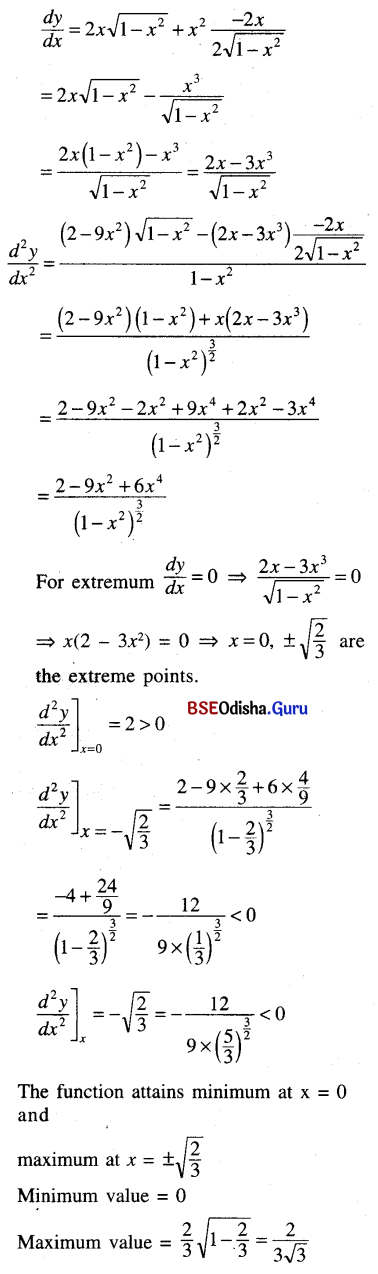
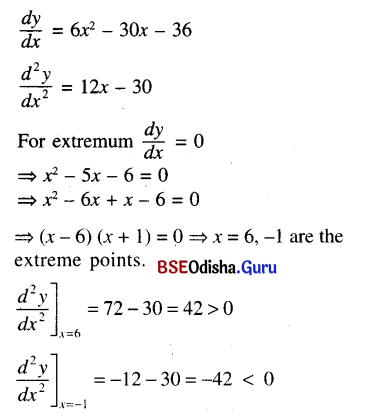
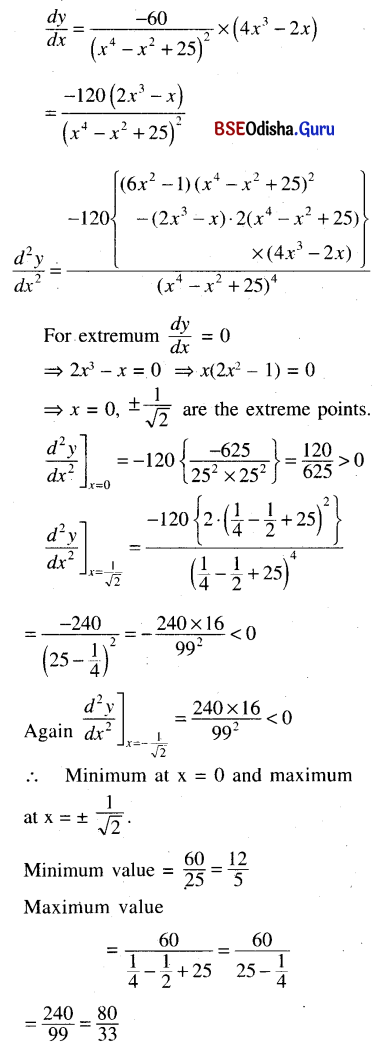
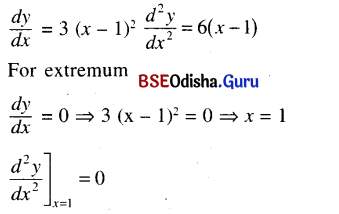
L.H.L. = limh→0f(a – h) which does not exist because a – h may be rational or may be irrational.
Similarly R.H.L. does not exist.
Thus f(x) is discontinuous at any rational point x – a ≠ 0.
Similarly f(x) is discontinuous at any irrational point.
Hence f(x) is discontinuous everywhere except at x = 0.
(Proved)

Question 9.
Show that f(x) = \(\begin{cases}x \sin \frac{1}{x}, & x \neq 0 \\ 0, & x=0\end{cases}\) is continuous at x = 0.
Solution:
Refer to No. 1(iv) of Exercise – 7(a).

Question 10.
Prove that ex – 2 = 0 has a solution between 0 and 1. [Hints: Use continuity of ex– 2 and fact – 2]
Solution:
CHSE Odisha Class 12 Math Solutions Chapter 7 Continuity and Differentiability Ex 7(a) Q.10
∴ f(x) is continuous in [0, 1]
f(0). f(1) = (-1) (e – 2) < 0
∴ f(x) has a zero between 0 and 1
i.e. ex – 2 = 0 has a solution between 0 and 1

Question 11.
So that x5 + x +1 = 0 for some value of x between -1 and 0.
Solution:
Let f(x) = x5 + x + 1 and any a ∈ (-1, 0)
f(a) = a5 + a + 1
CHSE Odisha Class 12 Math Solutions Chapter 7 Continuity and Differentiability Ex 7(a) Q.11
= -1 = f(-1)
∴ f is continuous on [-1, 0]
But f(-1) f(0) = 1 × -1 < 0
∴ f has a zero between -1 and 0
⇒ x5 + x + 1 = 0 for some value of x between -1 and 0.

CHSE Odisha Class 12 Math Solutions Chapter 6 Probability Ex 6(c)

Odisha State Board CHSE Odisha Class 12 Math Solutions Chapter 6 Probability Ex 6(c) Textbook Exercise Questions and Answers.

CHSE Odisha Class 12 Math Solutions Chapter 6 Probability Exercise 6(c)

Question 1.
There are 3 bags B1, B2 and B3 having respectively 4 white, 5 black; 3 white, 5 black and 5 white, 2 black balls. A bag is chosen at random and a ball is drawn from it. Find the probability that the ball is white.
Solution:
Let
E1 = The selected bag is B1,
E2 = The selected bag is B2,
E3 = The selected bag is B3.
A = The ball drawn is white.
CHSE Odisha Class 12 Math Solutions Chapter 6 Probability Ex 6(c) Q.1

Question 2.
There are 25 girls and 15 boys in class XI and 30 boys and 20 girls in class XII. If a student chosen from a class, selected at random, happens to be a boy, find the probability that he has been chosen from class XII.
Solution:
Let
E1 = The student is choosen from class XI.
E2 = The student is choosen from class XII.
A = The student is a boy.
CHSE Odisha Class 12 Math Solutions Chapter 6 Probability Ex 6(c) Q.2

Question 3.
Out of the adult population in a village 50% are farmers, 30% do business and 20% are service holders. It is known that 10% of the farmers, 20% of the business holders and 50% of service holders are above poverty line. What is the probability that a member chosen from any one of the adult population, selected at random, is above poverty line?
Solution:
Let
E1 = The person is a farmer.
E2 = The person is a businessman.
E3 = The person is a service holder.
A = The person is above poverty line.
CHSE Odisha Class 12 Math Solutions Chapter 6 Probability Ex 6(c) Q.3

Question 4.
Take the data of question number 3. If a member from any one of the adult population of the village, chosen at random, happens to be above poverty line, then estimate the probability that he is a farmer.
Solution:
P (a farmer / he is above poverty line)
= P (E1 | A)
CHSE Odisha Class 12 Math Solutions Chapter 6 Probability Ex 6(c) Q.4

Question 5.
From a survey conducted in a cancer hospital it is found that 10% of the patients were alcoholics, 30% chew gutka and 40% have no specific carcinogenic habits. If cancer strikes 80% of the smokers, 70% of alcoholics, 50% of gutka chewers and 10% of the nonspecific, then estimates the probability that a cancer patient chosen from any one of the above types, selected at random,
(i) is a smoker
(ii) is alcoholic
(iii) chews gutka
(iv) has no specific carcinogenic habits.
Solution:
The question should be modified as from a survey conducted in a cancer hospital, 10% patients are smokers, 20% alcoholics, 30% chew gutka and 40% have no specific carcinogenic habits. If cancer strikes 80% of the smokers, 70% of alcoholic, 50% of gutka chewers and 10% of non specific, then estimate the probability that a cancer patient chosen from any one of the following types selected at random
(i) is a smoker
(ii) is alcoholic
(iii) chews gutka
(iv) has no specific carcinogenic habits.
Let
E1 = The person is a smoker.
E2 = The person is alcoholic.
E3 = The person chew Gutka.
E4 = The person have no specific habits.
A = The person is a cancer patient.
According to the question
CHSE Odisha Class 12 Math Solutions Chapter 6 Probability Ex 6(c) Q.5
CHSE Odisha Class 12 Math Solutions Chapter 6 Probability Ex 6(c) Q.5.1

CHSE Odisha Class 12 Math Solutions Chapter 6 Probability Ex 6(b)

Odisha State Board CHSE Odisha Class 12 Math Solutions Chapter 6 Probability Ex 6(b) Textbook Exercise Questions and Answers.

CHSE Odisha Class 12 Math Solutions Chapter 6 Probability Exercise 6(b)

Question 1.
A bag contains 5 white and 3 black marbles and a second bag contains 3 white and 4 black marbles. A bag is selected at random and a marble is drawn from it. Find the probability that it is white. Assume that either bag can be chosen with the same probability.
Solution:
A bag contains 5 white and 3 black marbles and a second bag contains 3 white and 4 black marbles. A bag is selected at random and a marble is drawn from it.
Let W1 be the event that 1st bag is choosen and a white marble is drawn and let W2 be the event that 2nd bag is choosen and a white marble is drawn and these two events are mutually exclusive.
CHSE Odisha Class 12 Math Solutions Chapter 6 Probability Ex 6(b) Q.1

Question 2.
A bag contains 5 white and 3 black balls; a second bag contains 4 white and 5 black balls; a third bag contains 3 white and 6 black balls. A bag is selected at random and a ball is drawn. Find the probability that the ball is black.
(i) Do the problem assuming that the probability of choosing each bag is same.
(ii) Do the problem assuming that the probability of choosing the first bag is twice as much as choosing the second bag, which is twice as much as choosing the third bag.
Solution:
A bag contains 5 white and 3 black balls, a 2nd bag contains 4 white and 5 black balls, a 3rd bag contains 3 white and 6 black balls. A bag is selected at random and a ball is drawn.

(i) Let B1, B2, B3 be the events that 1st bag is choosen and a black ball is draw. 2nd bag is choosen and a black ball is drawn, 3rd bag is drawn and a black ball is drawn. These events are mutually exclusive.
Probability of drawing a black ball
= P(B1) + P(B2) + P(B3)
= \(\frac{1}{3}\) × \(\frac{3}{8}\) + \(\frac{1}{3}\) × \(\frac{5}{9}\) + \(\frac{1}{3}\) × \(\frac{6}{9}\) = \(\frac{115}{216}\)

(ii) Let the probability of choosing 1st bag be 4x. The probability of choosing the 2nd bag is 2x and that of 3rd bag is x.
It is obvious that probability of choosing 3 bags = 1
4x + 2x + x = 1 or, 7x = 1.
x = \(\frac{1}{7}\)
Probability of drawing a black ball
= \(\frac{4}{7}\) × \(\frac{3}{8}\) + \(\frac{2}{7}\) × \(\frac{5}{9}\) + \(\frac{1}{7}\) × \(\frac{6}{9}\)
= \(\frac{108+80+48}{8 \times 9 \times 7}\) = \(\frac{236}{8 \times 9 \times 7}\) = \(\frac{59}{126}\)

CHSE Odisha Class 12 Math Solutions Chapter 6 Probability Ex 6(b)

Question 3.
A and B play a game by alternately throwing a pair of dice. One who throws 8 wins the game. If A starts the game, find their chances of winning.
Solution:
A and B play a game by alternately throwing a pair of dice. One who throws 8 wins the game. A starts the game.
We can obtain 8 as follows:
{(6, 2), (5, 3), (4, 4) (3, 5), (6, 2)}.
∴ |S| = 62 = 36
∴ P(B) = \(\frac{5}{36}\)
⇒ P(not 8) = 1 – \(\frac{5}{36}\) = \(\frac{31}{36}\)
Since A starts the game, A can win the following situations.
(i) A throws 8
(ii) A does not throws, B does not throw 8, A throws 8,
(iii) A does not throw 8, B does not throw 8, A does not throw 8, B does not throw 8, A throws 8, etc.
CHSE Odisha Class 12 Math Solutions Chapter 6 Probability Ex 6(b) Q.3

Question 4.
A, B, C play a game by throwing a pair of dice in that order. One who gets 8 wins the game. If A starts the game, find their chances of winning.
Solution:
A, B, C play a game by throwing a pair of dice in that order. One who gets 8 wins the game and A starts the game.
P(B) = \(\frac{5}{36}\), P(not 8) = \(\frac{31}{36}\)

If A starts the game, then
(i) A throws 8.
(ii) A does not throw 8, B does not throw 8, C does not throw 8, A throws 8.
(iii) A does not throw 8, B does not throw 8, C does not throw 8, A does not throw 8, B does not throw 8, C does not throw 8, A throws 8, etc.
CHSE Odisha Class 12 Math Solutions Chapter 6 Probability Ex 6(b) Q.4

Similarly, If B wins the game, then
(i) A does not throw 8, B throw 8.
(ii) A does not throw 8, B does not throw 8, C does not throw 8, A does not throw 8, B throws 8.
(iii) A does not throw 8, B does not throw 8, C does not throw 8, A does not throw 8, B does not throw 8, C does not throw 8, A does not throw 8, B throws 8, etc.
CHSE Odisha Class 12 Math Solutions Chapter 6 Probability Ex 6(b) Q.4.1

Question 5.
There are 6 white and 4 black balls in a bag. If four are drawn successively (and not replaced), find the probability that they are alternately of different colour.
Solution:
There are 6 white and 4 black balls in a bag. Four balls are drawn without replacement. Let W and B denotes the white and black ball. There are two mutually exclusive cases WBWB and BWBW.
CHSE Odisha Class 12 Math Solutions Chapter 6 Probability Ex 6(b) Q.5

Question 6.
Five boys and four girls randomly stand in a line. Find the probability that no two girls come together.
Solution:
Five boys and 4 girls randomly stand in a line such that no two girls come together.
|S| = 9!
CHSE Odisha Class 12 Math Solutions Chapter 6 Probability Ex 6(b) Q.6
The 4 girls can stand in 6 positions in 6P4 ways. Further 5 boys can stand in 5! ways.
Probability that they will stand in a line such that no two girls come together.
= \(\frac{5 ! \times{ }^6 P_4}{9 !}\) = \(\frac{5}{42}\)

Question 7.
If you throw a pair of dice n times, find the probability of getting at least one doublet. [When you get identical members you call it a doublet. You can get a double in six ways: (1, 1), (2, 2), (3, 3), (4, 4), (5, 5) and (6, 6); thus the probability of getting a doublet is \(\frac{6}{36}\) = \(\frac{1}{6}\), so that the probability of not getting a doublet in one throw is \(\frac{5}{6}\)].
Solution:
A pair of dice is thrown n times. We get
the doublet as (1, 1), (2, 2), (3, 3), (4, 4), (5, 5), (6, 6).
Probability of getting a doublet in one throw
= \(\frac{6}{36}\) = \(\frac{1}{6}\)
Probability of not getting a doublet
= 1 – \(\frac{1}{6}\) = \(\frac{5}{6}\)
If a pair of dice is thrown n-times, the probability of not getting a doublet
= \(\left(\frac{5}{6}\right)^n\)
Probability of getting atleast one doublet
= 1 – \(\left(\frac{5}{6}\right)^n\)

CHSE Odisha Class 12 Math Solutions Chapter 6 Probability Ex 6(b)

Question 8.
Suppose that the probability that your alarm goes off in the morning is 0.9. If the alarm goes off, the probability is 0.8 that you attend your 8 a.m. class. If the alarm does not go off, the probability that you make your 8 a.m. class is 0.5. Find the probability that you make your 8 a.m. class.
Solution:
Let A be the event that my alarm goes off and let B be the event that I make my 8 a. m. class.
Since S = a ∪ A’, B = (B ∩ A) ∪ (B ∩ A’)
Where B ∩ A and B ∩ A’ are mutually
exclusive events.
P(B) = P (B ∩ A) + P (B ∩ A’)
= P(A). P(\(\frac{B}{A}\)) + P(A’). P(\(\frac{\mathrm{B}}{\mathrm{A}^{\prime}}\))
= 0.9 × 0.8 + 0.1 × 0.5 = 0.77

Question 9.
If a fair coin is tossed 6 times, find the probability that you get just one head.
Solution:
A fair coin is tossed 6 times.
∴ |S| = 26
The six mutually exclusive events are
HTTTTT, THTTTT, TTHTTT, TTTHTT, TTTTHT, TTTTTH.
Probability of getting just one head = \(\frac{6}{2^6}\)

Question 10.
Can you generalize this situation? If a fair coin is tossed six times, find the probability of getting exactly 2 heads.
Solution:
A fair coin is tossed 6 times. Let A be the event of getting exactly 2 heads.
∴ |A| = 6C2 = 15
∴ P(A) = \(\frac{15}{2^6}\)
Yes we can generalize the situation, i.e., if a fair coin is tossed n-times, then probability of getting exactly 2 heads
= \(\frac{{ }^n \mathrm{C}_2}{2^n}\) = \(\frac{{ }^6 C_2}{2^6}\)

BSE Odisha 7th Class English Solutions Follow-Up Lesson 8 The Fisherman and The Jinni

Odisha State Board BSE Odisha 7th Class English Solutions Follow-Up Lesson 8 The Fisherman and The Jinni Textbook Exercise Questions and Answers.

BSE Odisha Class 7 English Solutions Follow-Up Lesson 8 The Fisherman and The Jinni

BSE Odisha 7th Class English Follow-Up Lesson 8 The Fisherman and The Jinni Text Book Questions and Answers

Session – 1

I. Pre-Reading

• Socialisation (ସାମାଜିକୀକରଣ)
• The teacher prepares a good pre-reading activity on his / her own as done for the main lesson

The teacher prepares a good pre-reading activity on his her own as done for the main lesson

II. While-Reading

• Read the following text silently and answer the questions that follow.
(ନିମ୍ନ ବିଷୟଟିକୁ ନୀରବରେ ପଢ଼ ଏବଂ ନିମ୍ନ ପ୍ରଶ୍ନଗୁଡିକର ଉତ୍ତର ଦିଅ ।)
There lived a poor fisherman with his wife and children in a hut near the sea. Everyday he used to go to the sea and catch fish. ’
One day, as usual, he went to the sea. He threw his net into the sea, and when he pulled it out, he felt it very heavy. But there was no fish in it. He saw a log of wood in the net. He felt sad. He threw the net for the second time. This time he got a few shells and big stones. When he tried it for the third time, he found it heavier. This time too he did not see any fish in it but a big brass jar with a lid.
Taking the jar out of the net, he opened it. A lot of smoke came out of it. Suddenly a jinni appeared in the smoke. On seeing the jinni, he screamed. “I’ll kill you now” shouted the jinni.
“Why ?” asked the fisherman and said, “I haven’t done you any harm. Please don’t kill me.”
“I was in the jar. I was not free. Now I am free. I will kill you and eat you up” said the jinni. The fisherman was afraid of the jinni. He did not know what to do. Suddenly he got a clever idea and said, “Alright, you can kill me but I don’t believe what you say. You are very big. How could you come out of this jar ?”
The jinni got angry. “How dare you say I cannot come out of this jar ? I can take any form. I can take the form of an elephant or become even a small ant,” said the jinni.
“Is it so ? Can you become an ant ?” said the fisherman cleverly.
“Surely,” said the jinni and immediately took the form of an ant and got into the jar again. The fisherman immediately shut the jar tight and said with a grin, “Now I believe your story, my friend, you cannot come out any more and kill me ?” Then he threw the jar into the sea and returned home happily.

ଓଡ଼ିଆ ଅନୁବାଦ :
ସମୁଦ୍ର ପାଖରେ ଗୋଟିଏ କୁଡ଼ିଆ ଘରେ ଜଣେ ବିଚାରା କେଉଟ ତା’ର ସ୍ତ୍ରୀ ଏବଂ ପିଲାମାନଙ୍କୁ ନେଇ ବାସ କରୁଥିଲା । ପ୍ରତ୍ୟେକ ଦିନ ସେ ସମୁଦ୍ରକୁ ଯାଇ ମାଛ ଧରିବାରେ ଅଭ୍ୟସ୍ତ ଥିଲା ।
ଦିନେ ସ୍ୱାଭାବିକ ଭାବରେ ସେ ସମୁଦ୍ରକୁ ଗଲା । ସେ ତା’ ଜାଲକୁ ସମୁଦ୍ର ଭିତରକୁ ଫିଙ୍ଗିଲା ଏବଂ ଯେତେବେଳେ ସେ ତାହାକୁ ବାହାରକୁ ଟାଣିଲା ତାକୁ ବହୁତ ଓଜନିଆ ଜଣାଗଲା । କିନ୍ତୁ ତା’ ଭିତରେ ମାଛ ନଥିଲା । ସେ ଖଣ୍ଡେ କାଠଗଣ୍ଡି ଜାଲ ଭିତରୁ ପାଇଲା । ସେ ଦୁଃଖ୍ ହେଲା । ସେ ଜାଲକୁ ଦ୍ଵିତୀୟବାର (ସମୁଦ୍ର ଭିତରକୁ) ଫିଙ୍ଗିଲା ।
ତାହା ଅଧ୍ଵକ ଓଜନିଆ ଲାଗିଲା । ଏଥର ମଧ୍ୟ ସେ ସେଥ‌ିରେ କୌଣସି ମାଛ ଦେଖିବାକୁ ପାଇଲା ନାହିଁ; କିନ୍ତୁ ଗୋଟେ ବଡ଼ ଠିପି ଲାଗିଥିବା ପିତ୍ତଳ ଜାର୍ ପାଇଲା ।
ଜାର୍‌ଟିକୁ ଜାଲରୁ ପଦାକୁ ଆଣି ସେ ତାହାକୁ ଖୋଲିଲା । ତା’ ମଧ୍ୟରୁ ବହୁତ ଧୂଆଁ ବାହାରିଲା । ହଠାତ୍ ସେଥ୍ ମଧ୍ୟରୁ ଗୋଟେ ଭୂତ ଆବିର୍ଭାବ ହେଲା । ଭୂତକୁ ଦେଖୁ ସେ ଚିହିଁକି |ଚିତ୍କାର କରି ଉଠିଲା । ଭୂତ ତାକୁ ଚିତ୍କାର କରି କହିଲା, ‘ବର୍ତ୍ତମାନ ମୁଁ ତୋତେ ମାରିଦେବି ।’’
“‘କାହିଁକି ?’’ କେଉଟ ପଚାରିଲା ଏବଂ କହିଲା, ‘ମୁଁ ତୁମର କିଛି କ୍ଷତି କରିନାହିଁ । ଦୟାକରି ମୋତେ ମାରନାହିଁ ।’’
ଭୂତ କହିଲା, ‘‘ମୁଁ ଜାର୍ ଭିତରେ ଥୁଲି । ମୁଁ ମୁକ୍ତ ନଥୁଲି । ବର୍ତ୍ତମାନ ମୁଁ ମୁକ୍ତ । ମୁଁ ତୁମକୁ ମାରିଦେବି ଏବଂ ଖାଇବି ।’’ କେଉଟ ଭୂତକୁ ଭୟ କରିଗଲା । ସେ କ’ଣ କରିବାକୁ ହେବ ଜାଣିପାରିଲା ନାହିଁ । ହଠାତ୍ ତା’ ମୁଣ୍ଡରେ ଗୋଟେ ଚାଲାକି ବୁଦ୍ଧି ଜୁଟିଲା ଏବଂ ସେ କହିଲା, ‘ଠିକ୍ ଅଛି, ତୁମେ ମୋତେ ମାରିଦେଇ ପାରିବ; କିନ୍ତୁ ତୁମେ ଯାହା କହୁଛ ମୁଁ ବିଶ୍ବାସ କରିପାରୁନି । ତୁମେ ତ ବହୁତ ବଡ଼ । ତୁମେ କିପରି ଏହି (ଛୋଟ) ଜାରରୁ ଆସିପାରିଲ ?’’
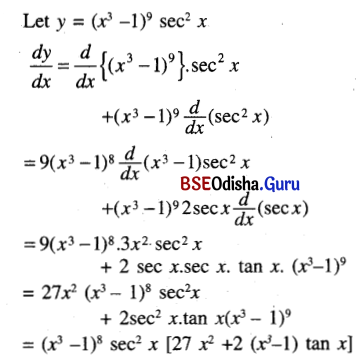
ଭୂତ ରାଗିଗଲା । ସେ କହିଲା, ‘ତୁମର କିପରି କହିବାକୁ ସାହସ ହେଲା ଯେ ମୁଁ ଏହି (ଛୋଟ) ଜାର୍ ଭିତରୁ ବାହାରକୁ ଆସିପାରି ନଥା’ନ୍ତି। ମୁଁ ଯେକୌଣସି ଆକାର ପ୍ରକାରର ହୋଇପାରେ । ମୁଁ ଗୋଟେ ହାତୀ ଆକୃତିର ହୋଇପାରେ ଏବଂ ଏପରିକି ଗୋଟେ ଛୋଟ ପିମ୍ପୁଡ଼ି ଆକାରର ମଧ୍ୟ ହୋଇପାରେ ।’’
କେଉଟ ବଡ଼ ଚାଲାକିରେ କହିଲା, ‘ଏହା କ’ଣ ତାହାହେଲେ ସେଇଆ ? ତୁମେ ଗୋଟେ ପିମ୍ପୁଡ଼ି ବି ହୋଇପାରିବ ?’’
ଭୂତ କହିଲା, ‘ନିଶ୍ଚୟ’ ଏବଂ ତତ୍‌କ୍ଷଣାତ୍ ଗୋଟିଏ ପିମ୍ପୁଡ଼ିର ଆକାର ଧାରଣ କରି ଜାର୍ ମଧ୍ୟକୁ ପୁନର୍ବାର ପ୍ରବେଶ କଲା । କେଉଟ ତତ୍‌କ୍ଷଣାତ୍ ଜାର ଠିପିଟିକୁ ଜୋର୍‌ରେ ବନ୍ଦ କରିଦେଲା ଏବଂ ଅଳ୍ପ ହସିକରି କହିଲା, ‘ବର୍ତ୍ତମାନ ମୁଁ ତୁମ କାହାଣୀକୁ ବିଶ୍ୱାସ କଲି, ହେ ବନ୍ଧୁ । ତୁମେ ଆଉ କେବେ ପଦାକୁ ଆସିପାରିବ ନାହିଁ କି ମୋତେ ମାରି ପାରିବ ନାହିଁ ।’’ ତା’ପରେ ସେ ଜାର୍‌ଟିକୁ ସମୁଦ୍ର ମଧକୁ ଫୋପାଡ଼ି ଦେଲା ଏବଂ ମନଖୁସିରେ ଘରକୁ ଫେରିଲା ।

BSE Odisha 7th Class English Solutions Follow-Up Lesson 8 The Fisherman and The Jinni

Notes And Glossary:
fisherman (ଫିସର ମ୍ୟାନ୍ ) – କେଉଟ
hut (ହଟ୍) – କୁଡ଼ିଆଘର
sea – ସମୁଦ୍ର
used to (ଇଉଡ଼ ଟୁ) – ବରାବର । ନିୟମିତ ଭାବରେ
catch (କ୍ୟାଚ୍) – ଧରିବା
as usual (ଆଜ୍ ୟୁଜୁଆଲ୍) – ସବୁଦିନ ପରି
threw – ପକାଇଲା | ଫିଙ୍ଗିଲା
net (ନେଟ୍) – ଜାଲ
pulled (ପୁଲ୍‌) – ଟାଣିଲା | ଓଟାରିଲା
felt (ଫେଲ୍‌ଟ) – ଅନୁଭବ କଲା
heavy – ମୋଟା
log (ଲଗ) – କାଠଗଣ୍ଠି
wood (ଉଡ୍) – କାଠ
shells (ସେଲ୍‌ସ୍) – ଶାମୁକାସବୁ
stones (ଷ୍ଟୋନ୍‌ସ) – ଗୋଡ଼ିପଥର ସବୁ
tried (ଟ୍ରାଏଡ୍) – ଚେଷ୍ଟା କଲା
found (ଫାଉଣ୍ଡ୍) – ଦେଖୁବାକୁ ପାଇଲା
brass (ବ୍ରାସ୍ ) – ପିତ୍ତଳ
jar – ପାତ୍ର
lid – ଠିପି | ଢାଙ୍କୁ ଣି
smoke (ସ୍ପୋକ୍) – ଧୁଆଁ
suddenly (ସଡ଼ଲି) – ହଠାତ୍
jini – ଜିନି
appeared (ଆପିଅର୍‌ଡ଼) – ଉପସ୍ଥିତ ହେଲା
screamed (ସ୍କ୍ରିମ୍‌ଡ୍) – ଚିତ୍କାର କଲା
harm (ହାର୍ମ) – କ୍ଷତି
free – ମୁକ୍ତ
afraid (ଆଫ୍ରେଡ୍‌) – ଭୟଭୀତ
clever (କ୍ଲେଭର) – ଚତୁର
idea (ଆଇଡ଼ିଆ ) – ବୁଦ୍ଧି / ଯୋଜନା
believe (ବିଲିଭ୍ ) – ବିଶ୍ଵାସ କରିବା
angry (ଆଙ୍ଗ୍ରି) – ରାଗିଯିବା
dare (ଡେୟାର) – ସାହସ କରିବା-
form – ରୂପ / ଆକାର
elephant (ଏଲିଫାଣ୍ଟ୍‌) – ହାତୀ
ant (ଆଣୁ) – ପିମ୍ପୁଡ଼ି
small (ସ୍ମଲ୍) – ଛୋଟ
surely (ସିଓର୍‌ଲି) – ନିଶ୍ଚିତ ଭାବରେ
immediately (ଇମିଡ଼ିଏଟ୍‌ଲି) – ଖୁବ୍ ଶୀଘ୍ର
shut (ସଟ୍) – ବନ୍ଦ କରିଦେବା
tight (ଟାଇଟ୍) – କଠିନ ଭାବରେ
grin (ଗ୍ରିନ୍) – ଚିକ୍କଣ କରିବା
any more (ଏନି ମୋର) – ଆଉ କେବେ
kill – ହତ୍ୟା କରିବା
returned (ରିଟର୍ଣ୍ଣଡ୍) – ଫେରି ଆସିଲା
home (ହୋମ୍) – ଘରକୁ
happily (ହାପିଲି) – ଖୁସି | ଆନନ୍ଦରେ

Comprehension Questions

Question 1.
Who are there in this story ?
(ଏହି ଗପଟିରେ କେଉଁମାନେ ଅଛନ୍ତି ?)
Answer:
A fisherman and a jinny are there in the story.

Question 2.
Where did the fisherman live ?
(କେଉଟ କେଉଁଠାରେ ବାସ କରୁଥିଲା ?)
Answer:
The fisherman lived in a hut near the sea with his wife and children.

Question 3.
What did the fisherman do at the sea everyday ?
(କେଉଟ ପ୍ରତିଦିନ ସମୁଦ୍ରରେ କ’ଣ କରୁଥିଲା ?)
Answer:
The fisherman went to the sea everyday and caught fish.

Question 4.
What did the fisherman see in his net when he pulled it out third time ?
(କେଉଟ ତା’ ଜାଲରେ କ’ଣ ଦେଖିଲା ଯେତେବେଳେ ତୃତୀୟବାର ସେ ତାହା (ଜାଲ)କୁ ପଦାକୁ ଟାଣି ଆଣିଲା ?)
Answer:
When the fisherman pulled his net out third time, he saw a big brass jar with a lid in it.

Question 5.
What did the fisherman do with the brass jar ?
(କେଉଟ ପିତ୍ତଳ ଜାର୍‌ଟିକୁ କ’ଣ କଲା ?)
Answer:
The fisherman took the brass jar out of the net and opened it.

BSE Odisha 7th Class English Solutions Follow-Up Lesson 8 The Fisherman and The Jinni

Question 6.
What happened when he opened the lid of the brass jar ?
(ସେ ପିତ୍ତଳ ଜାର୍‌ଟିର ଘୋଡ଼ଣି ଖୋଲିଦେଲା ପରେ କ’ଣ ହେଲା ? )
Answer:
When he opened the lid of the brass jar, a lot of smoke came out of it. Suddenly a jinni appeared in the smoke.

Question 7.
What did the jinni say to the fisherman when he came out of the jar ?
(ଭୂତଟି ଜାର୍ ମଧ୍ୟରୁ ବାହାରକୁ ଆସିଲା ପରେ କେଉଟକୁ କ’ଣ କହିଲା ?)
Answer:
When the jinni came out of the jar, he said to the fisherman to kill him.

Question 8.
What idea did the fisherman get to get rid of the jinni ?
(କେଉଟ ଭୂତ କବଳରୁ ରକ୍ଷା ପାଇବାକୁ କି ଉପାୟ ପାଞ୍ଚିଲା ?)
Answer:
Suddenly the fisherman got a clever idea. He planned to get the jinni into the brass jar again by his cleverness.

Question 9.
What form did the jinni take to get into the jar again ?
(ପୁନର୍ବାର ଜାର୍ ମଧ୍ୟରେ ପ୍ରବେଶ କରିବାପାଇଁ ଭୂତ କି ରୂପ ଧାରଣ କଲା ?)
Answer:
Jinni took the form of a small ant to get into the jar again.

Question 10.
What did the fisherman do when the jinni got into the jar ?
(ଭୂତ ଜାର୍ ମଧ୍ୟକୁ ପ୍ରବେଶ କଲାମାତ୍ରେ କେଉଟ କ’ଣ କଲା ?)
Answer:
When the jinni got into the jar, the fisherman suddenly shut the jar tight and threw it into the sea.

Question 11.
What did he do to the jar and the jinni in the end ?
(ସେ ସର୍ବଶେଷରେ ଜାର୍ ଏବଂ ଭୂତକୁ କ’ଣ କଲା ?)
Answer:
In the end, he threw the jar containing jinni into the sea.

BSE Odisha 7th Class English Solutions Follow-Up Lesson 8 The Fisherman and The Jinni

Session – 2

III. Post-Reading

1. Visual Memory Development Technique (VMDT) :
(ଦୃଶ୍ୟ ସ୍ମୃତି ବିକାଶ କୌଶଳ)
The teacher prepares this activity on his / her own.

2. Comprehension Activities :
Given below are some sentences from the story. They are not in order. Arrange them in right order. Write serial numbers in brackets. (Question with Answer)

(i) Then he threw the jar into the sea. (8)
(ii) This time he got some stones in the sea. (4)
(iii) There appeared a jinni in the smoke. (5)
(iv) Once there lived a fisherman in a hut with his family near the sea. (1)
(v) Soon the jinni became an ant and got into the jar. (7)
(vi) One day when he pulled out the net, he saw a log of wood in it. (2)
(vii) He became sad and threw the net into the sea for the second time. (3)
(viii) The jinni said, “I’ll kill you.” (6)
Note to the teachers : [Frame other post-reading activities on your own]

Word Note:
Jinni (ଜିନ୍ନି |) – ghost (ଭୂତ)
beast – animal (ପଶୁ)
clever – wise (ଚତୁର, ଚାଲାକ)
distrust (ଡିସ୍‌ଟ୍ରଷ୍ଟ) – do not believe (ଅବିଶ୍ବାସ କରିବା)
disappointed (ଡିସାପଏଣ୍ଟେଡ୍) – became unhappy (ଦୁଃଖୀ ହେଲେ)
expect (ଏକ୍ସପେକୁ) – something you hope to get ( ଆଶା କରିବା )
form (ଫର୍ମ) – shape, body (ଆକାର)
gratitude – feeling of thankfulness (କୃତଜ୍ଞତା)
grin (ଗ୍ରିନ୍) – smile broadly (ହସ)
idiot (ଇଡ଼ିଅଟ୍) – one who fails to understand simple things (ନିର୍ବୋଧ, ବୋକା)
interrupting (ଇଣ୍ଟେରପ୍‌ଟିଙ୍ଗ୍) – breaking the continuity (ମଝିରେ ବାଧା ଦେଇ)
judgement (ଜଜ୍ମେଣୁ) – decision (ନିଷ୍ପଭି, ମତାମତ, ବିଚାର)
mixed up (ମିକ୍ସଡ୍ ଅପ୍) – became very confusing ( ହୋଇଯିବା, ବୁଝା ନ ପଡ଼ିବା)
patience (ପେସେନ୍ସ) – ability to wait for something for long time or to deal with something without getting angry ( ଧୈର୍ଯ୍ୟ, ସହନଶୀଳଭାବ)
pity (ପିଟି) – sadness that you feel when someone else is hurt or in trouble (ଦୟା, ଅନୁକମ୍ପା)
rage (ରେଜ୍) – anger (କ୍ରୋଧ)
repay (ରିପେ) – to give back something (ଫେରାଇବା, ପ୍ରତିଦାନ)
screamed (ସ୍କ୍ରିମ୍‌ଡ୍) – gave a cry with fear (ଚିତ୍କାର କରିବା)
seize (ସିଜ୍) – to take hold of forcibly (ହଠାତ୍ ଜବରଦସ୍ତ ଧରି)
shells (ସେଲ୍‌ସ୍) – water creatures like snail, oyster etc. having harder outer covering
shelter – place to live ( ଆଶ୍ରୟସ୍ଥଳ)
slave – servant (କ୍ରୀତଦାସ)
starve – to have no food (ଅନାହରରେ ରହିବା)
tale – story
trap (ଟ୍ରାପ୍) – an instrument for catching animals
tremble (ଟ୍ରିମ୍ବଲ୍) – shake in fear
trust (ଟ୍ରଷ୍ଟ୍) – faith (ବିଶ୍ୱାସ )
ungrateful (ଅଗ୍ରେଟ୍‌ଫୁଲ୍) – (a negative quality) not being thankful to a person who does some favour to you
witness (ଉଇଟ୍‌ନେସ୍) – a person who sees something happen

BSE Odisha 7th Class English Solutions Follow-Up Lesson 8 The Fisherman and The Jinni Important Questions and Answers

(A) Choose the right answer from the options.

Question 1.
When the fisherman pulled out the net first time he found .
(a) fish
(b) bottles
(c) a log of wood
(d) a copper bottle.
Answer:
(c) a log of wood

BSE Odisha 7th Class English Solutions Follow-Up Lesson 8 The Fisherman and The Jinni

Question 2.
When the fisherman pulled out the net third time he found in it.
(a) log of wood
(b) some shells
(c) big stones
(d) a big brass jar
Answer:
(d) a big brass jar

Question 3.
When the fisherman opened the brass jar he found .
(a) a piece of gold
(b) a bag of sand
(c) a lot of smoke coming out
(d) some stones
Answer:
(c) a lot of smoke coming out

Question 4.
When the Jinni appeared, he wanted.
(a) to his gratitude
(b) to kill the fisherman
(c) to help the fisherman in future
(d) to go away
Answer:
(b) to kill the fisherman

Question 5.
The Jinni entered into the brass jar taking the form of
(a) an ant
(b) smoke
(c) water
(d) a fly
Answer:
(a) an ant

(B) Answer the following questions.
Question 1.
What did the fisherman get when he pulled out his net second time ?
Answer:
The fisherman got a few shells and big stones when he pulled out his net second time.

Question 2.
How did the fisherman let the jinni got into the jar ?
Answer:
The fisherman knew that the Jinni would kill him. Then he pretended to be foolish and asked the jinni that he was so big and he did not believe that he was inside the jar. So he wanted to see it. The Jinni could not understand his trick. He took the form of an ant and entered the jar. The fisherman very soon shut the jar tightly.

Question 3.
Who was clever- the fisherman or the jinni ?
Answer:
The fisherman was clever enough to put the Jinni inside the jar.

(B) Re-arrange the jumbled words to make meaningful sentences.

1. Brahman / O, / let / out / me / cage / of / his / pious
2. and / let / out / I / me / serve /will / you / for/as / slave/a / whole/life
3. by / who / don’t / shade /17 and / give / shelter/everyone / to / who / passes /?
4. services / for / past / the / reward/master / does / me / my /?
5. you / the / is / too / trap / small / hold / to
Answer:
1. Let me out of this cage, O, pious Brahman!
2. Let me out, and I will serve you as a slave for my whole life.
3. Don’t I give shade and shelter to everyone who passes by?
4. Does my master reward me for past services?
5. the trap is too small to hold you.

BSE Odisha 7th Class English Solutions Follow-Up Lesson 8 The Fisherman and The Jinni

(C) Find whether True or False.
1. Let me out of the cage, O, pious jackal!
2. You must be a fool to expect gratitude from a hungry beast.
3. Does not my master reward me for past services?
4. The jackal was caught in a trap.
5. The tiger lost patience and at once jumped into the trap.
6. There lived a rich man with his wife and children.
7. every day he used to go to the river and catch fish.
8. Suddenly a jinni appeared in the smoke.
Answer:
(1) False
(2) True
(3) False
(4) False
(5) True
(6) False
(7) False
(8) True

BSE Odisha 7th Class English Solutions Tail-Piece Lesson Branding Babies by Hot Iron Rods-A Bad Practice

Odisha State Board BSE Odisha 7th Class English Solutions Tail-Piece Lesson Branding Babies by Hot Iron Rods-A Bad Practice

BSE Odisha Class 7 English Solutions Tail-Piece Lesson Branding Babies by Hot Iron Rods-A Bad Practice

BSE Odisha 7th Class English Tail-Piece Lesson Branding Babies by Hot Iron Rods-A Bad Practice

I. Pre-Reading (ପୂର୍ବ ପ୍ରସ୍ତୁତି)
You have already read the lesson “Birsa Munda”. Birsa Munda fought against superstition in the society. Read the following text to know about some other bad practices in our society. We will also know what we have to do.
(‘ବିର୍ସା ମୁଣ୍ଡା’ ବିଷୟ ତୁମେ ପଢ଼ିସାରିଛ । ବିର୍ସା ମୁଣ୍ଡା ସମାଜର କୁସଂସ୍କାର ବିରୋଧରେ ଲଢ଼ୁଥିଲେ । ଆମ ସମାଜରେ ଅନ୍ୟାନ୍ୟ ମନ୍ଦ ପ୍ରଥା ବିଷୟରେ ଜାଣିବାକୁ ନିମ୍ନ ପାଠ୍ୟବିଷୟକୁ ପଢ଼ । ଆମକୁ କ’ଣ କରିବାକୁ ହେବ ତାହା ମଧ୍ୟ ଆମେ ଜାଣିବା ।)

→ Look at the following newspaper headings and pictures.
(ଖବରକାଗଜର ନିମ୍ନ ଶିରୋନାମାକୁ ଏବଂ ଛବିକୁ ଦେଖ ।)

→”Branding by Hot Iron Rods Kills Five Babies in Nawarangpur.”
(‘‘ଶିଶୁମାନଙ୍କୁ ତତଲା ଲୁହାଛଡ଼ରେ ଚେଙ୍କ ନବରଙ୍ଗପୁରର ପାଞ୍ଚଜଣ ଶିଶୁଙ୍କ ଜୀବନ ନେଲା ।’’)

BSE Odisha 7th Class English Solutions Tail-Piece Lesson Branding Babies by Hot Iron Rods-A Bad Practice

→”Seven Babies Die in Two Months Due to Branding.”
(‘‘ଚେଙ୍କ ଯୋଗୁଁ ଦୁଇ ମାସରେ ସାତଜଣ ଶିଶୁଙ୍କ ପ୍ରାଣ ଗଲା ।’’)

BSE Odisha 7th Class English Solutions Tail-Piece Lesson Branding Babies by Hot Iron Rods-A Bad Practice

→Do you think these are good practices?
(ତୁମେ କ’ଣ ଭାବୁଛ ଏଗୁଡ଼ିକ ଭଲ ପ୍ରଥା ?)

→Do you have a role to play against such practices ?(ଏହି ପ୍ରଥାଗୁଡ଼ିକ ବିରୋଧରେ ତୁମର କିଛି ଭୂମିକା ଗ୍ରହଣ କରିବାର ଅଛି କି ?)Read the following text to know what you can do to stop such bad things from the society. (ସମାଜରୁ ଏଭଳି ଖରାପ ପ୍ରଥାଗୁଡ଼ିକୁ ବନ୍ଦ କରିବା ନିମିତ୍ତ ତୁମେ କ’ଣ କରିପାରିବ ତାହା ଜାଣିବା ପାଇଁ ନିମ୍ନ ପାଠ୍ୟ ବିଷୟକୁ ପଢ଼ ।)

II. While Reading (ପଠନକାଳୀନ)
Text(ପାଠ୍ୟବସ୍ତୁ)

  • SGP-1 (Sense Group Paragraph-1)
  • Read the following text silently and answer the questions that follow.
    (ନିମ୍ନ ପାଠ୍ୟ ବିଷୟକୁ ନୀରବରେ ପାଠ କର ଏବଂ ନିମ୍ନସ୍ଥ ପ୍ରଶ୍ନଗୁଡ଼ିକର ଉତ୍ତର ଦିଅ ।)

Every month two or three babies die due to branding in our state. When a baby has a fever or diarrhea or any other diseases, the illiterate parents and grandparents call the village quack, the disari. The quack, the village doctor puts hot iron rods on the stomach of the babies as a cure. Instead of getting cured, the babies die. But these blind practices continue. What can we do to check such blind practices? You are studying in schools. You know if we suffer from diseases, we should go to a qualified doctor, not to an illiterate disari or a village quack. As you are educated, you have a role to play in this regard. Tell the people not to go to a disari or a village quack. Ask them to go to a hospital for treatment. Talk to your classmates, form a group to fight against the bad and blind practices of branding in and around your village and locality.

ଓଡ଼ିଆ ଅନୁବାଦ :
ଆମ ରାଜ୍ୟରେ ପ୍ରତ୍ୟେକ ମାସରେ ଦୁଇରୁ ତିନିଜଣ ଶିଶୁ ଚେଙ୍କଦ୍ଵାରା ପ୍ରାଣ ହରାଉଛନ୍ତି । ଗୋଟିଏ ଶିଶୁକୁ କୌଣସି ଜ୍ଵର, ଝାଡ଼ାରୋଗ କିମ୍ବା ଅନ୍ୟ କିଛି ରୋଗ ହେଲେ, ଶିଶୁର ନିରକ୍ଷର ପିତାମାତା କିମ୍ବା ଜେଜେ ଓ ଜେଜେମା’ ଗ୍ରାମ ବୈଦ୍ୟ (ଦିସାରୀ) ଙ୍କୁ ଡକାନ୍ତି । ବୈଦ୍ୟ ବା ଗ୍ରାମ ଡାକ୍ତର ଆରୋଗ୍ୟ ନିମିତ୍ତ ଶିଶୁର ପାକସ୍ଥଳୀରେ । ଏପ୍ରକାର ଅନ୍ଧ ପ୍ରଥା ଚାଲୁ ରହିଛି । ଏ ପ୍ରକାର ଅନ୍ଧ ପ୍ରଥାକୁ ବନ୍ଦ କରିବାକୁ ଆମେ ସବୁ କ’ଣ କରିପାରିବା ? ତୁମେମାନେ ବିଦ୍ୟାଳୟରେ ପାଠ ପଢୁଛ । ତୁମେ ତ ଜାଣ, ଆମକୁ ଯଦି ରୋଗ ହୁଏ, ତେବେ ଆମେ ଜଣେ ଯୋଗ୍ୟ ଡାକ୍ତରଙ୍କ ପାଖକୁ ଯିବା ଉଚିତ ହେବ । ଜଣେ ଅଶିକ୍ଷିତ ଦିସାରୀ ବା ଗ୍ରାମ୍ୟ ବୈଦ୍ୟ ପାଖକୁ ନୁହେଁ । ଯେଣୁ ତୁମେ ଶିକ୍ଷିତ ତୁମର ମଧ୍ୟ ଏଥିପାଇଁ କିଛି ଭୂମିକା ଅଛି । ଲୋକମାନଙ୍କୁ କୁହ – ବୁଝାଅ ଦିସାରୀ ବା ଗ୍ରାମ୍ୟ ବୈଦ୍ୟ ପାଖକୁ ଯିବା ଦରକାର ନାହିଁ । ବୁଝାଇ ଦିଅ (ରୋଗ ହେଲେ) ଡାକ୍ତରଖାନାକୁ ଚିକିତ୍ସା ନିମିତ୍ତ ଯାଆନ୍ତୁ । ଶ୍ରେଣୀର ସାଥୀମାନଙ୍କ ସହିତ କଥା ହୁଅ, ଦଳବାନ୍ଧି ତୁମ ଗ୍ରାମ ବା ଅଞ୍ଚଳ ଅଥବା ଆଖପାଖ ଗ୍ରାମ ଓ ଅଞ୍ଚଳରେ ଏ ପ୍ରକାର ଖରାପ ଅନ୍ଧପ୍ରଥା ବିରୋଧରେ ସଂଗ୍ରାମ କର ।

Notes And Glossary: (ଶବ୍ଦାର୍ଥ) :
die (ଡାଏ) – ମର
due to (ଡିଭ ଟୁ) – ଯୋଗୁ
branding (ବ୍ରାଣ୍ଡିଙ୍ଗ୍‌) – ଚେଙ୍କ
state (ଷ୍ଟେଟ୍) – ରାଜ୍ୟ
fever (ଫିଭର୍) – ଜ୍ୱର
diarrhea (ଡାଇରିଆ) – ହଇଜା
diseases (ଡିଜିଜେସ୍) – ରୋଗ ସବୁ
illiterate (ଇଲିଟ୍‌ରେଟ୍) – ନିରକ୍ଷର
quack – କୋଳାହଳ କରିବା
stomach (ଷ୍ଟୋମାକ୍) – ପେଟ
cure – ଆରୋଗ୍ୟ
instead of (ଇଡ୍‌ ଅଫ୍) – ପରିବର୍ତ୍ତେ
blind practice (ବ୍ଲାଇଣ୍ଡ୍ ପ୍ରାକ୍‌ଟିସ୍) – ଅନ୍ଧ ଅଭ୍ୟାସ
check (ଚେକ୍) – ଯାଞ୍ଚ କରନ୍ତୁ
suffer (ସଫର) – ଯନ୍ତ୍ରଣା ଭୋଗ
qualified (କ୍ଵାଲିଫାଇଡୁ) – ପ୍ରଶିକ୍ଷିତ
educated (ଏଜୁକେଟେଡ୍) – ଶିକ୍ଷିତ
role (ରୋଲ୍) – ଭୂମିକା
play – ଗ୍ରହଣ କରିବା
regard – ସମ୍ମାନ କରିବା
treatment (ଟ୍ରିଟ୍‌ମେଣ୍ଟ୍‌) – ଚିକିତ୍ସା
form – ଫର୍ମ
locality (ଲୋକାଲିଟି) – ଅଞ୍ଚଳ

Comprehension Questions (ବୋଧପରିମାପକ ପ୍ରଶ୍ନବଳୀ) :
Question 1.
What is the topic about?
(ବିଷୟଟି କେଉଁ ବିଷୟରେ ଉଦ୍ଦିଷ୍ଟ ?)
Answer:
The topic is about the blind belief or bad practice of branding babies by hot iron rods for cure in and around our village and locality.

Question 2.
What happens to two to three babies in our state every month?
(ଆମ ରାଜ୍ୟରେ ପ୍ରତ୍ୟେକ ମାସରେ ଦୁଇ ତିନିଜଣ ଶିଶୁଙ୍କର କ’ଣ ହୁଏ | ଘଟେ ?)
Answer:
In our state, every month two or three babies die due to branding.

BSE Odisha 7th Class English Solutions Tail-Piece Lesson Branding Babies by Hot Iron Rods-A Bad Practice

Question 3.
When do illiterate people or grandparents call a village quack?
(କେତେବେଳେ ଅଶିକ୍ଷିତ ଗ୍ରାମବାସୀମାନେ.କିମ୍ବା ଜେଜେ ବାପା ଓ ଜେଜେମା’ମାନେ ଗ୍ରାମ ବୈଦ୍ୟଙ୍କୁ ଡକାନ୍ତି ?)
Answer:
The illiterate people and grandparents call a village quack when a baby has fever or any diseases.

Question 4.
Do you think it is a good practice?
(ତୁମେ କ’ଣ ଭାବୁଛ ଏହା ଏକ ଠିକ୍ | ଭଲ ପ୍ରଥା ?)
Answer:
No, we think branding babies is not a good practice.

Question 5.
What does the village quack do?
(ଗ୍ରାମ ବୈଦ୍ୟ କ’ଣ କରେ ?)
Answer:
The village quack puts hot iron rods on the stomach of the babies as a cure.

Question 6.
Why does he put the hot iron rods on the stomach of the babies?
(ସେ ଶିଶୁମାନଙ୍କ ପାକସ୍ଥଳୀରେ/ପେଟରେ କାହିଁକି ତତଲା ରଡ଼ର ଚେଙ୍କ ଦେଇଥା’ନ୍ତି ? )
Answer:
He puts hot iron rods on the stomach of the babies to cure them from the disease.

Question 7.
Do the babies get well? What happens to them?
(ଶିଶୁମାନେ କ’ଣ ଆରୋଗ୍ୟ ଲାଭ କରନ୍ତି ? ସେମାନଙ୍କର କ’ଣ ହୁଏ ?)
Answer:
No, the babies do not get well. Instead of getting well they die.

Question 8.
Where should we go to if we suffer from a -disease?
(ଆମକୁ କୌଣସି ରୋଗ ହେଲେ ଆମେ କେଉଁଠାକୁ ଯିବା ଉଚିତ ?)
Answer:
If we suffer from a disease we should go to a qualified doctor.

BSE Odisha 7th Class English Solutions Tail-Piece Lesson Branding Babies by Hot Iron Rods-A Bad Practice

Question 9.
Who shouldn’t we go to?
(ଆମେ କାହା ପାଖକୁ ନଯିବା ଉଚିତ ?)
Answer:
We should not go to a village quack, the disari.

Question 10.
What have you got to do? Why?
(ତୁମର କ’ଣ କରିବାକୁ ଅଛି ? କାହିଁକି ?)
Answer:
We have to work to check such blind practices because these practices do harm to our society.

Question 11.
What should you tell the people?
(ତୁମେ ଲୋକଙ୍କୁ କ’ଣ କହିବା | ବୁଝାଇବା ଉଚିତ ?)
Answer:
We should tell the people to go to a qualified doctor not to a village quack or disari, if anybody suffers from illness.

Question 12.
What do you think is a better place to go – a village quack or a doctor ?
କେଉଁଠିକୁ ଯିବା ଭଲ ହେବ – ଗୁଣିଆ ନା ଚିକିତ୍ସକ (ଡାକ୍ତର) ପାଖକୁ ?)
Answer:
We think it is better to go to a qualified doctor not to an illiterate village quack or disari.

Question 13.
What should you do?
(ତୁମେମାନେ କ’ଣ କରିବା ଉଚିତ ?)
Answer:
We should talk to our classmates and form a group to fight against the blind or bad practice of branding babies in and around our village and locality.

BSE Odisha 7th Class English Solutions Tail-Piece Lesson Branding Babies by Hot Iron Rods-A Bad Practice

Notes And Glossary: (ଶବ୍ଦାର୍ଥ) :
battle (ବ୍ୟାଟଲ୍) – fight (ସଂଘର୍ଷ, ଯୁଦ୍ଧ)
beat – no one can do better in arrow shooting, defeat (ହରାଇ ପାରିବା)
beaten (ବିଟେନ୍) – punished with heavy thrashing (ମାଡ଼ ଖାଇଥିଲେ )
branding (ବ୍ରାଣ୍ଡିଙ୍ଗ୍‌) – giving marks with hot iron
captured (କ୍ୟାପ୍‌ଚର୍‌ଡ୍) – caught (him) (ଧରି ନେଇଥିଲେ)
cowboy (କାଓବଏ) – someone who looks after cows (ଗାଈ ଜଗୁଆଳ)
defeated (ଡିଫିଟେଡ୍) – were beaten (ପରାସ୍ତ ହୋଇଥିଲେ)
documentary (ଡକ୍ୟୁମେଣ୍ଟାରୀ – a film giving facts (ତଥ୍ୟଭିଭିକ, ପ୍ରାମାଣିକ ଚଳଚ୍ଚିତ୍ର)
evil (ଏଭିଲ) – bad spirit (ଖରାପ ଆତ୍ମା, ପ୍ରେତାତ୍ମା)
gathered (ଗ୍ୟାଦର୍‌ଡ଼) – came in large number to one place (ଏକାଠି ହୋଇଥିଲେ )
innocent (ଇନୋସେଣ୍ଟ) – good and harmless people (ନିରୀହ, ନିଘୋଷ ବ୍ଯକ୍ତି)
mercilessly (ମର୍ସଲେସ୍‌ଲି) – cruelly (ଭୀଷଣ ନିର୍ଭୟ ଭାବରେ)
money lender (ମନି ଲେଣ୍ଡର) – a person who gives money to people in their need and collects it afterwards with interest (ଟଙ୍କା ସୁଧ କାରବାର କରୁଥିବା ବ୍ୟକ୍ତି)
movement (ମୁଭମେଣୁ) – mass fight to achieve something
pattas (ପଟ୍ଟାଜ୍)– land ownership papers (ଜମି ପଟ୍ଟା)
poisoned (ପଏଜନ୍‌) – (He was) given poison (ବିଷ ଦିଆଯାଇଥିଲା)
poverty (ପଭର୍ଟି) – a condition of having no money, no wealth or basic needs of life (ଦାରିଦ୍ର୍ୟ, ଗରିବ ଅବସ୍ଥା)
property (ପ୍ରପର୍ଟି) – wealth (ଧନସମ୍ପତ୍ତି)
quack – a person who does treatment of people without proper knowledge, especially in villages (ଗାଁ ବଇଦ, ଗୁଣିଆ)
religious (ରିଲିଜିଅସ୍ ) – one who shows strong faith in religion and obey its rules (ଧର୍ମନିଷ୍ଠ, ଧାର୍ମିକ)
reward (ରିୱାର୍ଡ) – wealth or money given to somebody for good work (ପୁରସ୍କାର)
sacrificed (ସାକ୍ରିଫାଇସ୍‌ଡ୍) – gave life for the cause of his country (ପାଇଁ ଜୀବନ ଉତ୍ସର୍ଗ କରିଥିଲେ)
sacrifice (ସାକ୍ରିଫାଇସ୍ ) – to give a gift of animal (goat) to god or goddess to win their favour
Santal (ସାନ୍ତାଲ) – a class of triabl (ଏକ ଆଦିବାସୀ ସମ୍ପ୍ରଦାୟ)
superstition (ସୁପରଷ୍ଟିସନ୍) – belief without based on facts, blind belief (ଅନ୍ଧବିଶ୍ଵାସ )
suspected (ସସ୍‌କୁ ଡ୍) – doubted ( ସନ୍ଦେହ ପ୍ରକଟ କରିବା)
tearful (ଟିୟରଫୁଲ୍) – sorrowful way (ଅଶୁଳ, ଦୁଃଖଦ)
weapons (ଉଇପନ୍ସ୍) – instruments used for fight like sword, gun etc. (ଅସ୍ତ୍ରଶସ୍ତ୍ର)
worship (ଓରସିପ୍ ) – pray (ପୂଜା କରିବା ବା ପ୍ରାର୍ଥନା କରିବା)
wounded (ୱିଣ୍ଡ୍ଡ୍) – injured, cut (his leg) (ହାଣି ହୋଇଯିବା, କ୍ଷତାକ୍ତ ହେବା, ଆହତ ହେବା )

BSE Odisha 7th Class English Solutions Tail-Piece Lesson Branding Babies by Hot Iron Rods-A Bad Practice Important Questions and Answers

(A) Answer the following questions.
Question 1.
Why did the people call him Tilka Baba?
Answer:
Tilka was worshiping Marang Burn. When days went by he became a religious man. The people of all religions, loved him and respected him. So they called him Tilka Baba.

Question 2.
How did Bhagalpur come under the control of the British?
Answer:
After the Plassey battle, British became the rulers of Bengal, Bihar and Odisha. So Bhagalpur of Bihar came under their control.

BSE Odisha 7th Class English Solutions Tail-Piece Lesson Branding Babies by Hot Iron Rods-A Bad Practice

Question 3.
How did Cleareland tortured the natives?
Answer:
The new collector Cleareland appointed soldiers from other tribes to fight against the Santals. In many ways he tried to harash the people.

(B) Multiple Choice Questions (MCQs) with Answers.
Question 1.
Birsa Munda was born in a _________.
(a) rich family
(b) poor family
(c) joint family
(d) aristocratic family
Answer:
(b) poor family

Question 2.
His father’s name was _________.
(a) Sugana Munda
(b) Laxman Munda
(c) Sovan Munda
(d) None of these
Answer:
(a) Sugana Munda

(C) Re-arrange the jumbled words to make meaningful sentences.
Question 1.
superstition / from / days / very / Birsa / young / was / against
Answer:
From very young days Birsa was against superstition.

Question 2.
the / was / by / evil / the / said / quack / that / wound / caused / an / spirit
Answer:
The quack said that the wound was caused by an evil spirit:

BSE Odisha 7th Class English Solutions Tail-Piece Lesson Branding Babies by Hot Iron Rods-A Bad Practice

Question 3.
wound / himself / his / of / to / a / cure / goat / Birsa / sacrifice / would / to / have
Answer:
Birsa would have to sacrifice a goat to cure himself of his wound.

(D) Find whether True or False.
Question 1.
Birsa Munda was born in a rich family in Odisha in 1975.
Answer:
False

Question 2.
From the very young age he worked as a cowboy of landlord.
Answer:
True

Question 3.
Birsa would have to sacrifice a hen to cure himself of his wound.
Answer:
False

CHSE Odisha Class 12 Math Solutions Chapter 5 Determinants Ex 5(a)

Odisha State Board Elements of Mathematics Class 12 Solutions CHSE Odisha Chapter 5 Determinants Ex 5(a) Textbook Exercise Questions and Answers.

CHSE Odisha Class 12 Math Solutions Chapter 5 Determinants Exercise 5(a)

Question 1.
Evaluate the following determinants.
(i) \(\left|\begin{array}{ll}
1 & 1 \\
2 & 3
\end{array}\right|\)
Solution:
\(\left|\begin{array}{ll}
1 & 1 \\
2 & 3
\end{array}\right|\) = 3 – 2 = 1

(ii) \(\left|\begin{array}{ll}
2 & -3 \\
1 & -4
\end{array}\right|\)
Solution:
\(\left|\begin{array}{ll}
2 & -3 \\
1 & -4
\end{array}\right|\) = -8 + 3 = -5

(iii) \(\left|\begin{array}{ll}
\sec \theta & \tan \theta \\
\tan \theta & \sec \theta
\end{array}\right|\)
Solution:
\(\left|\begin{array}{ll}
\sec \theta & \tan \theta \\
\tan \theta & \sec \theta
\end{array}\right|\) = sec2 θ – tan2 θ = 1

(iv) \(\left|\begin{array}{ll}
0 & x \\
2 & 0
\end{array}\right|\)
Solution:
\(\left|\begin{array}{ll}
0 & x \\
2 & 0
\end{array}\right|\) = 0 – 2x = -2x

(v) \(\left|\begin{array}{cc}
1 & \omega \\
-\omega & \omega
\end{array}\right|\)
Solution:
\(\left|\begin{array}{cc}
1 & \omega \\
-\omega & \omega
\end{array}\right|\) = ω + ω2 = -1

CHSE Odisha Class 12 Math Solutions Chapter 5 Determinants Ex 5(a)

(vi) \(\left|\begin{array}{cc}
4 & -1 \\
3 & 2
\end{array}\right|\)
Solution:
\(\left|\begin{array}{cc}
4 & -1 \\
3 & 2
\end{array}\right|\) = 8 + 3 = 11

(vii) \(\left|\begin{array}{ll}
\cos \theta & \sin \theta \\
\sin \theta & \cos \theta
\end{array}\right|\)
Solution:
\(\left|\begin{array}{ll}
\cos \theta & \sin \theta \\
\sin \theta & \cos \theta
\end{array}\right|\) = cos2 θ – sin2 θ = cos 2θ

(viii) \(\left|\begin{array}{lll}
1 & 1 & 1 \\
1 & 1 & 1 \\
1 & 1 & 1
\end{array}\right|\)
Solution:
\(\left|\begin{array}{lll}
1 & 1 & 1 \\
1 & 1 & 1 \\
1 & 1 & 1
\end{array}\right|\) = 0
as the rows are identical.

(ix) \(\left|\begin{array}{lll}
1 & 0 & 0 \\
0 & 1 & 0 \\
0 & 0 & 1
\end{array}\right|\)
Solution:
\(\left|\begin{array}{lll}
1 & 0 & 0 \\
0 & 1 & 0 \\
0 & 0 & 1
\end{array}\right|\) = 1\(\left|\begin{array}{ll}
1 & 0 \\
0 & 1
\end{array}\right|\) = 1 – 0 = 1

(x) \(\left|\begin{array}{ccc}
2 & 3 & 1 \\
0 & 0 & 0 \\
-1 & 2 & 0
\end{array}\right|\)
Solution:
\(\left|\begin{array}{ccc}
2 & 3 & 1 \\
0 & 0 & 0 \\
-1 & 2 & 0
\end{array}\right|\) = 0
as all the entries in the 2nd row are zero.

CHSE Odisha Class 12 Math Solutions Chapter 5 Determinants Ex 5(a)

(xi) \(\left|\begin{array}{ccc}
1 & x & y \\
0 & \sin x & \sin y \\
0 & \cos x & \cos y
\end{array}\right|\)
Solution:
\(\left|\begin{array}{ccc}
1 & x & y \\
0 & \sin x & \sin y \\
0 & \cos x & \cos y
\end{array}\right|\) = 1\(\left|\begin{array}{cc}
\sin x & \sin y \\
\cos x & \cos y
\end{array}\right|\)
= sin x cos y – cos x sin y = sin (x – y)

(xii) \(\left|\begin{array}{lll}
1 & 2 & 3 \\
1 & 2 & 3 \\
3 & 4 & 5
\end{array}\right|\)
Solution:
\(\left|\begin{array}{lll}
1 & 2 & 3 \\
1 & 2 & 3 \\
3 & 4 & 5
\end{array}\right|\) = 0 ( R1 = R2)

(xiii) \(\left|\begin{array}{lll}
0.2 & 0.1 & 3 \\
0.4 & 0.2 & 7 \\
0.6 & 0.3 & 2
\end{array}\right|\)
Solution:
\(\left|\begin{array}{lll}
0.2 & 0.1 & 3 \\
0.4 & 0.2 & 7 \\
0.6 & 0.3 & 2
\end{array}\right|\)
= 2\(\left|\begin{array}{lll}
0.2 & 0.1 & 3 \\
0.4 & 0.2 & 7 \\
0.6 & 0.3 & 2
\end{array}\right|\) = 0 ( C1 = C2)

(xiv) \(\left|\begin{array}{ccc}
1 & \omega & \omega^2 \\
\omega & \omega^2 & 1 \\
\omega^2 & 1 & \omega
\end{array}\right|\)
Solution:
\(\left|\begin{array}{ccc}
1 & \omega & \omega^2 \\
\omega & \omega^2 & 1 \\
\omega^2 & 1 & \omega
\end{array}\right|\)
CHSE Odisha Class 12 Math Solutions Chapter 5 Determinants Ex 5(a) Q.1

(xv) \(\left|\begin{array}{lll}
1 & 1 & 1 \\
2 & 2 & 2 \\
3 & 3 & 3
\end{array}\right|\)
Solution:
\(\left|\begin{array}{lll}
1 & 1 & 1 \\
2 & 2 & 2 \\
3 & 3 & 3
\end{array}\right|\) = 0 ( C1 = C2)

(xvi) \(\left|\begin{array}{ccc}
-6 & 0 & 0 \\
3 & -5 & 7 \\
2 & 8 & 11
\end{array}\right|\)
Solution:
\(\left|\begin{array}{ccc}
-6 & 0 & 0 \\
3 & -5 & 7 \\
2 & 8 & 11
\end{array}\right|\)
= (-6) \(\left|\begin{array}{cc}
-5 & 7 \\
8 & 11
\end{array}\right|\) = = (-6) (- 55 – 56)
= (-6) (-111) = 666

CHSE Odisha Class 12 Math Solutions Chapter 5 Determinants Ex 5(a)

(xvii) \(\left|\begin{array}{lll}
1 & 0 & 0 \\
2 & 3 & 5 \\
4 & 1 & 3
\end{array}\right|\)
Solution:
\(\left|\begin{array}{lll}
1 & 0 & 0 \\
2 & 3 & 5 \\
4 & 1 & 3
\end{array}\right|\)
= 1 \(\left|\begin{array}{ll}
3 & 5 \\
1 & 3
\end{array}\right|\) = 9 – 5 = 4

(xviii) \(\left|\begin{array}{ccc}
-18 & 17 & 19 \\
3 & 0 & 0 \\
-14 & 5 & 2
\end{array}\right|\)
Solution:
\(\left|\begin{array}{ccc}
-18 & 17 & 19 \\
3 & 0 & 0 \\
-14 & 5 & 2
\end{array}\right|\)
= -3 \(\left|\begin{array}{cc}
17 & 19 \\
5 & 2
\end{array}\right|\)
(Expanding along 2nd row)
= – 3 (34 – 95)
= (-3) (-61) = 183

Question 2.
State true or false.
(i) If the first and second rows of a determinant be interchanged then the sign of the determinant is changed.
Solution:
True

(ii) If first and third rows of a determinant be interchanged then the sign of the determinent does not change.
Solution:
False

(iii) If in a third order determinant first row be changed to second column. Second row to 1st column and third row to third column, then the value of the determinant does not change.
Solution:
False

(iv) A row and a column of a determinant can have two or more common elements.
Solution:
False

(v) The minor and the co-factor of the element a32 of a determinant of third order are equal.
Solution:
False

(vi) \(\left|\begin{array}{lll}
3 & 1 & 3 \\
0 & 4 & 0 \\
1 & 3 & 1
\end{array}\right|\) = 0
Solution:
True

(vii) \(\left|\begin{array}{lll}
6 & 4 & 2 \\
4 & 0 & 7 \\
5 & 3 & 4
\end{array}\right|\) = \(\left|\begin{array}{lll}
6 & 4 & 5 \\
4 & 0 & 3 \\
2 & 7 & 3
\end{array}\right|\)
Solution:
True

CHSE Odisha Class 12 Math Solutions Chapter 5 Determinants Ex 5(a)

(viii) \(\left|\begin{array}{lll}
2 & 3 & 4 \\
5 & 6 & 7 \\
1 & 2 & 3
\end{array}\right|\) = \(\left|\begin{array}{lll}
4 & 2 & 3 \\
7 & 5 & 6 \\
3 & 1 & 2
\end{array}\right|\)
Solution:
True

Question 3.
Fill in the blanks with appropriate answer from the brackes.
(i) The value of \(\left|\begin{array}{ccc}
0 & 8 & 0 \\
25 & 520 & 25 \\
1 & 410 & 0
\end{array}\right|\) = _______. (0, 25, 200, -250)
Solution:
200

(ii) If ω is the cube root of unity, then \(\left|\begin{array}{ccc}
1 & \omega & \omega^2 \\
\omega & \omega^2 & 1 \\
\omega^2 & 1 & \omega
\end{array}\right|\) = _______. (1, 0, ω, ω2)
Solution:
0

(iii) The value of the determinant \(\left|\begin{array}{lll}
1 & a & b+c \\
1 & b & c+a \\
1 & c & a+b
\end{array}\right|\) = _______. (a + b – c, (a + b + c)2, 0, 1 + a + b + c)
Solution:
0

(iv) If \(\left|\begin{array}{lll}
a & b & c \\
b & a & b \\
x & b & c
\end{array}\right|\) = 0, then x = _______. (a, b, c, a + b + c)
Solution:
a

(v) \(\left|\begin{array}{lll}
a_1+a_2 & a_3+a_4 & a_5 \\
b_1+b_2 & b_3+b_4 & b_5 \\
c_1+c_2 & c_3+c_4 & c_5
\end{array}\right|\) can be expressed at the most as _______, different 3rd order determinants. (1, 2, 3, 4)
Solution:
4

(vi) Minimum value of \(\left|\begin{array}{cc}
\sin x & \cos x \\
-\cos x & 1+\sin x
\end{array}\right|\) is _______. (-1, 0, 1, 2)
Solution:
0

(vii) The determinant \(\left|\begin{array}{lll}
1 & 1 & 1 \\
1 & 2 & 3 \\
1 & 3 & 6
\end{array}\right|\) is not equal to _______. \(\left(\left|\begin{array}{lll}
2 & 1 & 1 \\
2 & 2 & 3 \\
2 & 3 & 6
\end{array}\right|,\left|\begin{array}{lll}
2 & 1 & 1 \\
3 & 2 & 3 \\
4 & 3 & 6
\end{array}\right|,\left|\begin{array}{lll}
1 & 2 & 1 \\
1 & 5 & 3 \\
1 & 9 & 6
\end{array}\right|,\left|\begin{array}{ccc}
3 & 1 & 1 \\
6 & 2 & 3 \\
10 & 3 & 6
\end{array}\right|\right)\)
Solution:
\(\left|\begin{array}{lll}
2 & 1 & 1 \\
2 & 2 & 3 \\
2 & 3 & 6
\end{array}\right|\)

(viii) With 4 different elements we can construct _______ number of different determinants of order 2. (1, 6, 8, 24)
Solution:
6

CHSE Odisha Class 12 Math Solutions Chapter 5 Determinants Ex 5(a)

Question 4.
Solve the following:
(i) \(\left|\begin{array}{cc}
4 & x+1 \\
3 & x
\end{array}\right|\)
Solution:
\(\left|\begin{array}{cc}
4 & x+1 \\
3 & x
\end{array}\right|\) = 5
or, 4x – 3x – 3 = 5 or, x = 8

(ii) \(\left|\begin{array}{ccc}
\boldsymbol{x} & a & a \\
m & m & m \\
b & x & b
\end{array}\right|\) = 0
Solution:
CHSE Odisha Class 12 Math Solutions Chapter 5 Determinants Ex 5(a) Q.4(2)
(Replacing C1 and C2 by C1 – C3 and C2 – C3 respectively)
⇒ m |(x – a) (-x + b)| = 0
⇒ m (x – a) (b – x) – 0 ⇒ x = a, b

(iii) \(\left|\begin{array}{lll}
7 & 6 & x \\
2 & x & 2 \\
x & 3 & 7
\end{array}\right|\) = 0
Solution:
CHSE Odisha Class 12 Math Solutions Chapter 5 Determinants Ex 5(a) Q.4(3)
or, (x – 7) (7x + x2 – 1 8) = 0
or, (x – 7) (x2 + 7x – 18) = 0
or, (x – 7) (x + 9) (x – 2) = 0
∴ x = -9, 2, 7

(iv) \(\left|\begin{array}{ccc}
0 & x-a & x-b \\
x+a & 0 & x-c \\
x+b & x+c & 0
\end{array}\right|\) = 0
Solution:
CHSE Odisha Class 12 Math Solutions Chapter 5 Determinants Ex 5(a) Q.4(4)
or, – (x – a) {0 – (x + b) (x – c)} + (x – b) (x + a) (x + c) = 0
or, (x – a) (x + b) (x – c) + (x – b) (x + a) (x + c) = 0
or, (x2 + bx – ax – ab) (x – c) + (x2 + ax – bx – ab) (x + c) = 0
or, x3 – cx2 + bx2 – bcx – ax2 + acx – abx + abc + x3 + cx2 + ax2 + acx- bx2 – bcx – abx – abc = 0
or, 2x3 – 2abx – 2bcx + 2acx = 0
or, 2x (x2 – ab – bc + ac) = 0
x = 0, x2 = ab + bc – ca
∴ x = 0, x = \(\sqrt{a b+b c-c a}\)

(v) \(\left|\begin{array}{ccc}
\boldsymbol{x}+\boldsymbol{a} & \boldsymbol{b} & \boldsymbol{c} \\
\boldsymbol{b} & \boldsymbol{x}+\boldsymbol{c} & \boldsymbol{a} \\
\boldsymbol{c} & \boldsymbol{a} & \boldsymbol{x}+\boldsymbol{b}
\end{array}\right|\) = 0
Solution:
CHSE Odisha Class 12 Math Solutions Chapter 5 Determinants Ex 5(a) Q.4(5)

⇒ (x + a + b + c) {x2 + bx + cx + bc – a2 – bx – b2 + ca + ab – cx – c2 = 0}
⇒ (x + a + b + c) {x2 – a2 – b2 – c2 + ab + bc + ca} = 0
⇒ x + a + b + c = 0
or, x2 – a2 – b2 – c2 + ab + bc + ca = 0
⇒ x = – (a + b + c)
∴ or x = \(\sqrt{a^2+b^2+c^2-a b-b c-c a}\)

CHSE Odisha Class 12 Math Solutions Chapter 5 Determinants Ex 5(a)

(vi) \(\left|\begin{array}{ccc}
1+x & 1 & 1 \\
1 & 1+x & 1 \\
1 & 1 & 1+x
\end{array}\right|\) = 0
Solution:
CHSE Odisha Class 12 Math Solutions Chapter 5 Determinants Ex 5(a) Q.4(6)

(vii) \(\left|\begin{array}{ccc}
1 & 4 & 20 \\
1 & -2 & 5 \\
1 & 2 x & 5 x^2
\end{array}\right|\) = 0
Solution:
CHSE Odisha Class 12 Math Solutions Chapter 5 Determinants Ex 5(a) Q.4(7)
⇒ -30x2 + 30 + 30x + 30 = 0
⇒ -30x2 + 30x + 60 = 0
⇒ x2 – x – 2 = 0
⇒ x2 – 2x + x + 2 = 0
⇒ (x – 2) (x + 1) = 0
⇒ x = 2, -1

(viii) \(\left|\begin{array}{ccc}
x+1 & \omega & \omega^2 \\
\omega & x+\omega^2 & 1 \\
\omega^2 & 1 & x+\omega
\end{array}\right|\) = 0
Solution:
CHSE Odisha Class 12 Math Solutions Chapter 5 Determinants Ex 5(a) Q.4(8)
⇒ x(x2 + xω – xω2 + xω2 + ω3 – ω4 – xω – ω2 + ω3 – 1 + ω2 + ω – ω3) = 0
⇒ x(x2 + ω3 – ω4 – ω2 + ω3 – 1 + ω2 + ω – ω3) = 0
⇒ x(x2 + ω3 – ω + ω – 1) = 0
⇒ x(x2 + 1 – ω + ω – 1) = 0 ( ω3 = 1)
⇒ x3 = 0
⇒ x = 0

(ix) \(\left|\begin{array}{ccc}
2 & 2 & x \\
-1 & x & 4 \\
1 & 1 & 1
\end{array}\right|\) = 0
Solution:
CHSE Odisha Class 12 Math Solutions Chapter 5 Determinants Ex 5(a) Q.4(9)
or, 10 + 10x – x2 – 8x – x – 8 = 0
or, x2 – 2x + x – 2 = 0
or, (x – 2) (x + 1) = 0
x = 2, x = -1

CHSE Odisha Class 12 Math Solutions Chapter 5 Determinants Ex 5(a)

(x) \(\left|\begin{array}{lll}
x & 1 & 3 \\
1 & x & 1 \\
3 & 6 & 3
\end{array}\right|\) = 0
Solution:
CHSE Odisha Class 12 Math Solutions Chapter 5 Determinants Ex 5(a) Q.4(10)
or, x(3x – 6) – 0 + 3(6 – 3x) = 0
or, 3x2 – 6x + 18 – 9x = 0
or, 3x2 – 15x + 18 = 0
or, x2 – 5x + 6 = 0
or, (x – 3) (x – 2) = 0
x = 3 or, x = 2

Question 5.
Evaluate the following
(i) \(\left|\begin{array}{ccc}
2 & 3 & 4 \\
1 & -1 & 3 \\
4 & 1 & 10
\end{array}\right|\)
Solution:
CHSE Odisha Class 12 Math Solutions Chapter 5 Determinants Ex 5(a) Q.5(1)

(ii) \(\left|\begin{array}{lll}
\boldsymbol{x} & \mathbf{1} & 2 \\
\boldsymbol{y} & \mathbf{3} & 1 \\
z & 2 & 2
\end{array}\right|\)
Solution:
CHSE Odisha Class 12 Math Solutions Chapter 5 Determinants Ex 5(a) Q.5(2)

(iii) \(\left|\begin{array}{ccc}
x & 1 & -1 \\
2 & y & 1 \\
3 & -1 & z
\end{array}\right|\)
Solution:
CHSE Odisha Class 12 Math Solutions Chapter 5 Determinants Ex 5(a) Q.5(3)
= x (yz + z – z + 1) – (2z – 2 – 3y – 3)
= xyz + x – 2z + 3y + 5
= xyz + x + 3y – 2z + 5

(iv) \(\left|\begin{array}{lll}
a & h & g \\
h & b & f \\
g & f & c
\end{array}\right|\)
Solution:
CHSE Odisha Class 12 Math Solutions Chapter 5 Determinants Ex 5(a) Q.5(4)
= a(bc – f2) – h (ch – fg) + g (hf – bg)
= abc – af2 – ch2 + fgh + fgh – bg2
= abc + 2fgh – af2 – bg2 – ch2

(v) \(\left|\begin{array}{lll}
a & h & g \\
h & b & f \\
g & f & c
\end{array}\right|\)
Solution:
CHSE Odisha Class 12 Math Solutions Chapter 5 Determinants Ex 5(a) Q.5(5)

(vi) \(\left|\begin{array}{ccc}
\sin ^2 \theta & \cos ^2 \theta & 1 \\
\cos ^2 \theta & \sin ^2 \theta & 1 \\
-10 & 12 & 2
\end{array}\right|\)
Solution:
CHSE Odisha Class 12 Math Solutions Chapter 5 Determinants Ex 5(a) Q.5(6)

(vii) \(\left|\begin{array}{ccc}
-1 & 3 & 2 \\
1 & 3 & 2 \\
1 & -3 & -1
\end{array}\right|\)
Solution:
CHSE Odisha Class 12 Math Solutions Chapter 5 Determinants Ex 5(a) Q.5(7)

(viii) \(\left|\begin{array}{ccc}
11 & 23 & 31 \\
12 & 19 & 14 \\
6 & 9 & 7
\end{array}\right|\)
Solution:
CHSE Odisha Class 12 Math Solutions Chapter 5 Determinants Ex 5(a) Q.5(8)

(ix) \(\left|\begin{array}{ccc}
37 & -3 & 11 \\
16 & 2 & 3 \\
5 & 3 & -2
\end{array}\right|\)
Solution:
CHSE Odisha Class 12 Math Solutions Chapter 5 Determinants Ex 5(a) Q.5(9)

(x) \(\left|\begin{array}{ccc}
2 & -3 & 4 \\
-4 & 2 & -3 \\
11 & -15 & 20
\end{array}\right|\)
Solution:
CHSE Odisha Class 12 Math Solutions Chapter 5 Determinants Ex 5(a) Q.5(10)
= 2(40 – 45) + 3(-80 + 33) + 4(60 – 22)
= -10 – 141 + 152 = -151 + 152 = 1

CHSE Odisha Class 12 Math Solutions Chapter 5 Determinants Ex 5(a)

Question 6.
Show that x = 1 is a solution of \(\left|\begin{array}{ccc}
x+1 & 3 & 5 \\
2 & x+2 & 5 \\
2 & 3 & x+4
\end{array}\right|\) = 0
Solution:
CHSE Odisha Class 12 Math Solutions Chapter 5 Determinants Ex 5(a) Q.6
or, (x + 9) {(x – 1)2} – 0
or, x = -9, 1
∴ x = 1 is a solution of the given equation.

Question 7.
Show that (a + 1) is a factor of \(\left|\begin{array}{ccc}
a+1 & 2 & 3 \\
1 & a+1 & 3 \\
3 & -6 & a+1
\end{array}\right|\) = 0
Solution:
CHSE Odisha Class 12 Math Solutions Chapter 5 Determinants Ex 5(a) Q.7
= (a+ 1) {(a + 1)2 + 18} – 2(a + 1 – 9) + 3(- 6 – 3a – 3)
= (a + 1) (a2 + 2a + 1 + 18) – 2(a – 8) + 3(- 9 – 3a)
= (a + 1) (a2 + 2a + 19) – 2a + 16 – 27 – 9a
= (a + 1) (a2 + 2a + 19) – 11a – 11
= (a + 1) (a2 + 2a + 19) – 11(a + 1)
= (a + 1) (a2 + 2a + 19 – 11)
= (a + 1) (a2 + 2a + 8)
∴ (a + 1) is a factor of the above determinant.

Question 8.
Show that \(\left|\begin{array}{ccc}
a_1 & b_1 & -c_1 \\
-a_2 & b_2 & c_2 \\
a_3 & b_3 & -c_3
\end{array}\right|=\left|\begin{array}{lll}
a_1 & b_1 & c_1 \\
a_2 & b_2 & c_2 \\
a_3 & b_3 & c_3
\end{array}\right|\)
Solution:
CHSE Odisha Class 12 Math Solutions Chapter 5 Determinants Ex 5(a) Q.8

Question 9.
Prove the following
(i) \(\left|\begin{array}{lll}
a & b & c \\
\boldsymbol{x} & y & z \\
\boldsymbol{p} & q & r
\end{array}\right|=\left|\begin{array}{lll}
\boldsymbol{y} & \boldsymbol{b} & \boldsymbol{q} \\
\boldsymbol{x} & \boldsymbol{a} & p \\
z & c & r
\end{array}\right|=\left|\begin{array}{lll}
\boldsymbol{x} & \boldsymbol{y} & z \\
\boldsymbol{p} & \boldsymbol{q} & r \\
a & b & c
\end{array}\right|\)
Solution:
CHSE Odisha Class 12 Math Solutions Chapter 5 Determinants Ex 5(a) Q.9(1)

(ii) \(\left|\begin{array}{ccc}
1+a & 1 & 1 \\
1 & 1+b & 1 \\
1 & 1 & 1+c
\end{array}\right|\) = abc \(\left(1+\frac{1}{a}+\frac{1}{b}+\frac{1}{c}\right)\)
Solution:
CHSE Odisha Class 12 Math Solutions Chapter 5 Determinants Ex 5(a) Q.9(2)

CHSE Odisha Class 12 Math Solutions Chapter 5 Determinants Ex 5(a)

(iii) \(\left|\begin{array}{lll}
b+c & c+a & a+b \\
q+r & r+p & p+q \\
y+z & z+x & x+y
\end{array}\right|=2\left|\begin{array}{lll}
a & b & c \\
p & q & r \\
x & y & z
\end{array}\right|\)
Solution:
CHSE Odisha Class 12 Math Solutions Chapter 5 Determinants Ex 5(a) Q.9(3)

(iv) \(\left|\begin{array}{lll}
(a+1)(a+2) & a+2 & 1 \\
(a+2)(a+3) & a+3 & 1 \\
(a+3)(a+4) & a+4 & 1
\end{array}\right|\) = -2
Solution:
CHSE Odisha Class 12 Math Solutions Chapter 5 Determinants Ex 5(a) Q.9(4)

(v) \(\left|\begin{array}{ccc}
a+d & a+d+k & a+d+c \\
c & c+b & c \\
d & d+k & d+c
\end{array}\right|\) = abc
Solution:
CHSE Odisha Class 12 Math Solutions Chapter 5 Determinants Ex 5(a) Q.9(5)

(vi) \(\left|\begin{array}{ccc}
1 & 1 & 1 \\
b+c & c+a & c+a \\
b^2+c^2 & c^2+a^2 & a^2+b^2
\end{array}\right|\) = (b – c) (c – a) (a – b)
Solution:
CHSE Odisha Class 12 Math Solutions Chapter 5 Determinants Ex 5(a) Q.9(6)

(vii) \(\left|\begin{array}{lll}
a & a^2 & a^3 \\
b & b^2 & b^3 \\
c & c^2 & c^3
\end{array}\right|\) = abc (a – b) (b – c) (c – a)
Solution:
CHSE Odisha Class 12 Math Solutions Chapter 5 Determinants Ex 5(a) Q.9(7)

(viii) \(\left|\begin{array}{ccc}
\boldsymbol{b}+\boldsymbol{c} & \boldsymbol{a} & \boldsymbol{a} \\
\boldsymbol{b} & \boldsymbol{c}+\boldsymbol{a} & \boldsymbol{b} \\
\boldsymbol{c} & \boldsymbol{c} & \boldsymbol{a}+\boldsymbol{b}
\end{array}\right|\) = 4abc
Solution:
CHSE Odisha Class 12 Math Solutions Chapter 5 Determinants Ex 5(a) Q.9(8)
= (b + c – a) {(a + b) (c + a – b) – b (c – a – b)} + a (b – c – a) (c – a – b)
= (b + c – a)(ca + a2 – ab + bc + ab – b2 – bc + ab + b2) + a(bc – ab – b2 – c2 + ca + bc – ac + a2 + ab)
= (b + c – a) (a2 + ab + ca) + a (a2 – b2 – c2 + 2bc)
= a2b + ab2 + abc + ca2 + abc + c2a – a3 – a2b – ca2 + a3 – b2a – c2a + 2abc = 4abc

CHSE Odisha Class 12 Math Solutions Chapter 5 Determinants Ex 5(a)

(ix) \(\left|\begin{array}{ccc}
b^2+c^2 & a b & a c \\
a b & c^2+a^2 & b c \\
c a & c b & a^2+b^2
\end{array}\right|\) = 4a2b2c2
Solution:
CHSE Odisha Class 12 Math Solutions Chapter 5 Determinants Ex 5(a) Q.9(9)

(x) \(\left|\begin{array}{ccc}
a & b & c \\
a^2 & b^2 & c^2 \\
b c & c a & a b
\end{array}\right|\) = (b – c) (c – a) (a – b) (bc + ca + ab)
Solution:
CHSE Odisha Class 12 Math Solutions Chapter 5 Determinants Ex 5(a) Q.9(10)
= (a – b) (b – c) (c – a) – (- ab + c2) + c (a + b + c)
= (a – b) (b – c) (c – a) (ab – c2 + ca + bc + c2)
= (a – b) (b – c) (c – a) (ab + bc + ca)

(xi) \(\left|\begin{array}{ccc}
a-b-c & 2 a & 2 a \\
2 b & b-c-a & 2 b \\
2 c & 2 c & c-a-b
\end{array}\right|\) = (a + b+ c)3
Solution:
CHSE Odisha Class 12 Math Solutions Chapter 5 Determinants Ex 5(a) Q.9(11)

(xii) \(\left|\begin{array}{ccc}
(v+w)^2 & u^2 & u^2 \\
v^2 & (w+u)^2 & v^2 \\
w^2 & w^2 & (u+v)^2
\end{array}\right|\) = 2uvw (u + v + w)3
Solution:
CHSE Odisha Class 12 Math Solutions Chapter 5 Determinants Ex 5(a) Q.9(12)

Question 10.
Factorize the following
(i) \(\left|\begin{array}{ccc}
x+a & b & c \\
b & x+c & a \\
c & a & x+b
\end{array}\right|\)
Solution:
CHSE Odisha Class 12 Math Solutions Chapter 5 Determinants Ex 5(a) Q.10(1)
= (x + a + b + c) [(x + c – b) (x + b – a) – (a – c) (a – x – c)]
= (x + a + b + c) (x2 + xb – ax + cx +bc – ca – bx – b2 + ab – a2 + ax + ac + ac – cx – c2)
= (x + a + b + c) (x2 – a2 – b2 – c2 + ab + bc + ca)

CHSE Odisha Class 12 Math Solutions Chapter 5 Determinants Ex 5(a)

(ii) \(\left|\begin{array}{ccc}
a & b & c \\
b+c & c+a & a+b \\
a^2 & b^2 & c^2
\end{array}\right|\)
Solution:
CHSE Odisha Class 12 Math Solutions Chapter 5 Determinants Ex 5(a) Q.10(2)

(iii) \(\left|\begin{array}{ccc}
x & 2 & 3 \\
1 & x+1 & 3 \\
1 & 4 & x
\end{array}\right|\)
Solution:
CHSE Odisha Class 12 Math Solutions Chapter 5 Determinants Ex 5(a) Q.10(3)

Question 11.
Show that by eliminating α and from the equations.
ai α + bi β + ci = 0, i = 1, 2, 3 we get \(\left|\begin{array}{lll}
a_1 & b_1 & c_1 \\
a_2 & b_2 & c_2 \\
a_2 & b_3 & c_3
\end{array}\right|\) = 0
Solution:
We have
a1 α + b1 β + c1 = 0    …..(1)
a2 α + b2 β + c2 = 0    …..(2)
a3 α + b3 β + c3 = 0    …..(3)
Solving (2) and (3) by cross-multiplication method we have
CHSE Odisha Class 12 Math Solutions Chapter 5 Determinants Ex 5(a) Q.11

Question 12.
Prove the following:
(i) \(\left|\begin{array}{lll}
1 & b c & a(b+c) \\
1 & c a & b(c+a) \\
1 & a b & c(a+b)
\end{array}\right|\) = 0
Solution:
CHSE Odisha Class 12 Math Solutions Chapter 5 Determinants Ex 5(a) Q.12(1)

(ii) \(\left|\begin{array}{ccc}
x+4 & 2 x & 2 x \\
2 x & x+4 & 2 x \\
2 x & 2 x & x+4
\end{array}\right|\) = (5x + 4) (4- x)2
Solution:
CHSE Odisha Class 12 Math Solutions Chapter 5 Determinants Ex 5(a) Q.12(2)

(iii) \(\left|\begin{array}{l}
\sin \alpha \cos \alpha \cos (\alpha+\delta) \\
\sin \beta \cos \beta \cos (\beta+\delta) \\
\sin \alpha \cos \gamma \cos (\gamma+\delta)
\end{array}\right|\) = 0
Solution:
CHSE Odisha Class 12 Math Solutions Chapter 5 Determinants Ex 5(a) Q.12(3)

(iv) \(\left|\begin{array}{ccc}
1 & x & x^2 \\
x^2 & 1 & x \\
x & x^2 & 1
\end{array}\right|\) = (1 -x3)2
Solution:
CHSE Odisha Class 12 Math Solutions Chapter 5 Determinants Ex 5(a) Q.12(4)

Question 13.
Prove that the points (x1, y1), (x2, y2), (x3, y3) are collinear if \(\left|\begin{array}{lll}
x_1 & y_1 & 1 \\
x_2 & y_2 & 1 \\
x_3 & y_3 & 1
\end{array}\right|\) = 0
Solution:
From geometry, we know that, if the points A, B, C, are collinear, then the area of the triangle ABC with vertices (x1, y1), (x2, y2) and (x3, y3) is zero.
\(\left|\begin{array}{lll}
x_1 & y_1 & 1 \\
x_2 & y_2 & 1 \\
x_3 & y_3 & 1
\end{array}\right|\) = 0

CHSE Odisha Class 12 Math Solutions Chapter 5 Determinants Ex 5(a)

Question 14.
If A + B + C = π, prove that \(\left|\begin{array}{lll}
\sin ^2 A & \cot A & 1 \\
\sin ^2 B & \cot B & 1 \\
\sin ^2 C & \cot C & 1
\end{array}\right|\) = 0
Solution:
CHSE Odisha Class 12 Math Solutions Chapter 5 Determinants Ex 5(a) Q.14

Question 15.
Eliminate x, y, z from a = \(\frac{x}{y-z}\), b = \(\frac{y}{z-x}\), c = \(\frac{z}{x-y}\)
Solution:
We have
a = \(\frac{x}{y-z}\), b = \(\frac{y}{z-x}\), c = \(\frac{z}{x-y}\)
ay – az – x = 0, bz – bx – y = 0, cx – cy – z = 0
x – ay + az = 0
bx + y – bz = 0
cx – cy – z = 0
Now eliminating x, y, z from the above equations we have,
CHSE Odisha Class 12 Math Solutions Chapter 5 Determinants Ex 5(a) Q.15
or, – 1 – bc + a(-b + bc) + a(-bc – c) = 0
or, – 1 – bc – ab + abc – abc – ac = 0
or, ab + bc + ca + 1 = 0

Question 16.
Given the equations
x = cy + bz, y = az + ex and z = bx + ay where x, y and z are not all zero, prove that a2 + b2 + c2 + 2abc = 1 by determinant method.
Solution:
x = cy + bz, y = az + cx and z = bx + ay
CHSE Odisha Class 12 Math Solutions Chapter 5 Determinants Ex 5(a) Q.16
or, 1 – a2 + c(-c – ab) – b(ca + b) = 0
or, 1 – a2 – c2 – abc – abc – b2 = 0
or, a2 + b2 + c2 + 2abc = 1

Question 17.
If ax + hy + g = 0, hx + by +f = 0 and gx + fy + c = λ, find the value of λ, in the form of a determinant.
Solution:
CHSE Odisha Class 12 Math Solutions Chapter 5 Determinants Ex 5(a) Q.17