Methods of Separation in Everyday Life Class 6 Notes Science Chapter 9

Combining textbook study with BSE Odisha Class 6 Science Notes and Class 6 Science Curiosity Chapter 9 Methods of Separation in Everyday Life Notes can make exam preparation more effective.

Methods of Separation in Everyday Life Notes Class 6

Class 6 Science Curiosity Chapter 9 Notes

  • A mixture is formed when two or more substances are mixed in such a way that they retain their individual properties.
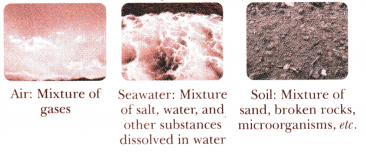
  • For example, air (a mixture of gases), seawater (a mixture of salt, water and other substances dissolved in water), and soil (a mixture of sand, broken rocks, microorganisms, etc.).
  • Since the individual components of a mixture are only physically mixed, they do not form any new substance.
    Methods of Separation in Everyday Life Class 6 Notes Science Chapter 9 1

Hence, the mixtures can be separated into their individual components via physical methods.

Methods of Separation in Everyday Life Class 6 Notes Science Chapter 9

Methods of Separating Mixtures

  • Methods of separating involve sorting and removing different components of a mixture.
  • The method used for separating the components of a given mixture depends on the physical properties, such as shape, size, weight, and magnetic nature of its individual components.

Handpicking

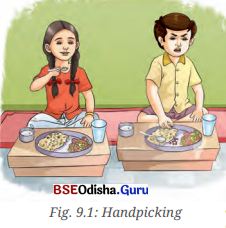
  • The method of handpicking is used to separate the components of a solid- solid mixture having differences in size, colour, and shape.
  • In this method, the components to be separated are picked up by hand.
  • For example, small stones from wheat grains, rice, or lentils.
  • This method of separation is effective when the components of a mixture to be separated are large enough in size to be seen clearly.
  • They should also be present in small amounts within the mixture.
    Methods of Separation in Everyday Life Class 6 Notes Science Chapter 9 2

Threshing

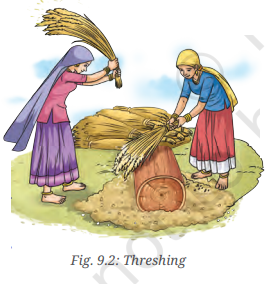
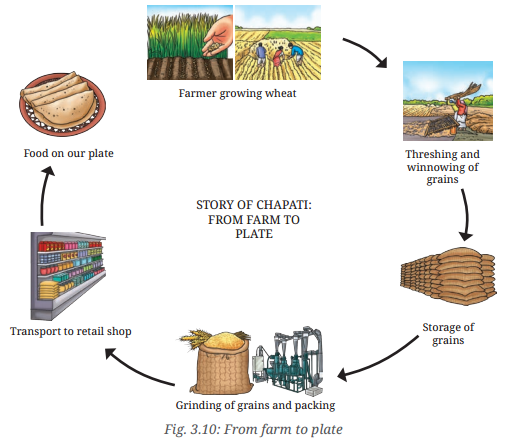
  • The method of threshing is used to separate grains from the harvested stalks.
  • In this method, the harvested stalks are beaten on a large wooden log, resulting in the separation of grains from the stalks.
    Methods of Separation in Everyday Life Class 6 Notes Science Chapter 9 3

Methods of Separation in Everyday Life Class 6 Notes Science Chapter 9

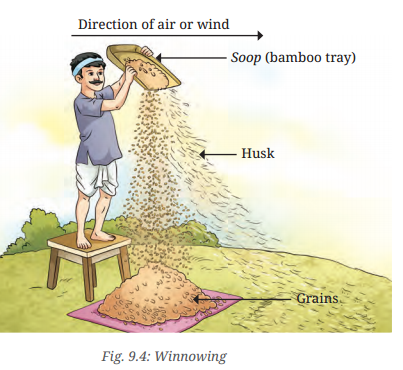
Winnowing

  • The method of winnowing is used to separate components of a mixture that have differences in their weights.
  • By this process, lighter components, e.g., husk, are separated from the heavier ones, e.g. grains, using moving air or wind.
  • In this method of separation, the solid-solid mixture is dropped from a height, where the heavier components drop down forming a heap on the ground, while the lighter components are carried away by the blowing air.
    Methods of Separation in Everyday Life Class 6 Notes Science Chapter 9 4

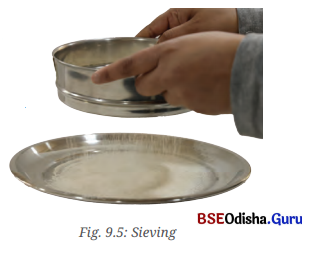
Sieving

  • The method of sieving is used to separate the components of a solid-solid mixture based on differences in their sizes.
  • It is done using a sieve, which is a utensil with a steel or plastic mesh inside a frame.
  • In this method, a sieve with holes of a certain size allows smaller particles to pass through, while larger particles remain on the sieve, n
  • For example, wheat bran or small stones can be separated from fine wheat flour by sieving.
  • Here, the small holes in the sieve allow fine wheat flour to pass through, and larger stones or wheat bran are left behind on the sieve.
    Methods of Separation in Everyday Life Class 6 Notes Science Chapter 9 5

Evaporation

  • The method of evaporation is used to obtain soluble solids from their solutions.
  • In this method, liquid turns into vapour and the soluble solids present in the mixture are left behind.
  • This method is used to obtain salt from seawater.
    Methods of Separation in Everyday Life Class 6 Notes Science Chapter 9 6

To obtain both the soluble solid and liquid from a solid-liquid mixture, distillation process is used. In this process, liquid is evaporated from the mixture kept in a container, and the evaporated liquid can then be condensed back in a separate container, while the soluble solid remains at the bottom of the first container.

Methods of Separation in Everyday Life Class 6 Notes Science Chapter 9

Sedimentation and Decantation

  • Sedimentation-decantation method can be used to separate:
    • a mixture of an insoluble solid (heavier than liquid) and a liquid.
    • a mixture of two immiscible liquids.
  • In this method, the heavier components of a mixture settle at the bottom, when left undisturbed for some time, which is called sedimentation.
  • Whereas, the process of separating the liquid from the insoluble solids by carefully pouring out the top layer without disturbing the lower layer is called decantation.
  • For example, the separation of water from rice and pulses while washing.
  • When a mixture containing two immiscible liquids is allowed to stand for some time, the heavier component forms the bottom layer, while the lighter component forms the top layer. The lighter component that forms the top layer can then be separated by decantation.
    Methods of Separation in Everyday Life Class 6 Notes Science Chapter 9 7

Filtration

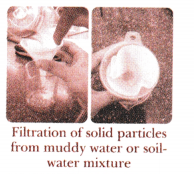
  • The method of filtration is used to separate insoluble solids (lighter or heavier than the liquid) from their mixtures.
  • In this method, filter paper with small, fine holes is used, n When the mixture is passed through a filter paper, liquid can pass through it to form a filtrate, while insoluble solids, such as chalk powder or mud particles, remain on the filter paper as residue.
    Methods of Separation in Everyday Life Class 6 Notes Science Chapter 9 8

Methods of Separation in Everyday Life Class 6 Notes Science Chapter 9

Churning

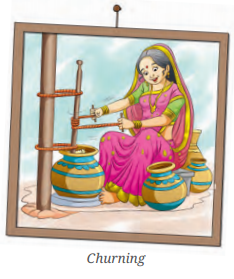
  • The method of churning is used for obtaining butter from curd. In this process, butter, being lighter, floats at the top, while the buttermilk is left behind.
  • Nowadays, a blender is used to prepare butter milk. It can churn curd to separate the buttermilk.
    Methods of Separation in Everyday Life Class 6 Notes Science Chapter 9 9

Magnetic Separation

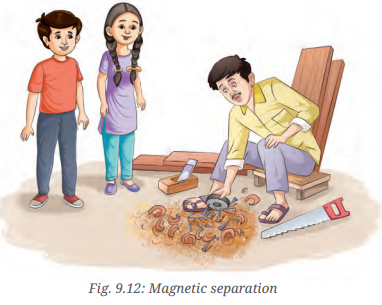
  • In this method of separation, a magnetic substance is separated from a non¬magnetic substance. This is done using a magnet.
  • For example, the separation of iron filings from a mixture containing iron filings and sand.
  • When a magnet is brought closer to the mixture, the iron filings, being magnetic, are attracted to the magnet, and the sand, being non-magnetic, remains unaffected.
    Methods of Separation in Everyday Life Class 6 Notes Science Chapter 9 10

Methods of Separation in Everyday Life Class 6 Notes Science Chapter 9

Pure Substances
These are made up of only one type of particles.
Examples: Sugar, water, etc.

Impure Substances Or Mixtures
These are made up of two or more types of particles mixed together.
Examples: Air, seawater, etc.

Seperation

Separation of Solid-Solid Mixtures

  • Handpicking: Components to be separated are picked up by hand.
  • Threshing: Separation of grains from stalks by beating them on hard surfaces.
  • Winnowing: Separation of heavier and lighter components of a mixture by wind or by blowing air.
  • Seiving: Separation of solid components of a solid- solid mixture which differ in their sizes using a sieve.
  • Magnetic Separation : Separation of magnetic materials from non-magnetic materials by using a magnet.

Separation of Solid-Liquid Mixtures
Separation of Insoluble Solids from Liquids

  • Sedimentation: Settling down of heavier insoluble solid particles (sediments) of a solid-liquid mixture at the bottom of a container.
  • Decantation: Separation of liquid from the insoluble solid by pouring off the liquid while leaving the sediments behind.
  • Filtration: Separation of insoluble solid components from a liquid by using a filter.

Separation of Soluble Solids from Liquids

  • Evaporation: Separation of soluble solid from a solid-liquid mixture by converting liquid into its vapour.
  • Distillation: Separation of the liquid from the solution by evaporation followed by condensation of the vapour.
  • Churning: Separation of butter from curd using a churner.

Class 6 Maths Chapter 5 Question Answer Odia Medium ମୌଳିକ ସଂଖ୍ୟା

Students can use Class 6 Math Solution Odia Medium and Class 6 Maths Chapter 5 Question Answer Odia Medium ମୌଳିକ ସଂଖ୍ୟା to check their answers after solving exercises.

6th Class Maths Chapter 5 Question Answer Odia Medium

Class 6 Maths Chapter 5 Odia Medium

5.1 ସାଧାରଣ ଗୁଣିତକ ଏବଂ ସାଧାରଣ ଗୁଣନୀୟକ (Common Multiples and Common Factors)

ଇଡ୍‌ଲି-ବରା ଖେଳ: (Page No. 107)

Question 1.
କେଉଁ ସଂଖ୍ୟାଗୁଡ଼ିକ ପାଇଁ ପିଲାମାନେ ସଂଖ୍ୟା ବଦଳରେ ‘ବରା’ କହିବେ?
Solution:
ଏହି ସଂଖ୍ୟାଗୁଡ଼ିକ ହୋଇପାରିବ 5, 10, 20………

Question 2.
କେଉଁ ପ୍ରଥମ ସଂଖ୍ୟା ପାଇଁ ପିଲାମାନେ ‘ଇଡ୍‌ଲି–ବରା’ କହିବେ?
Solution:
ଏହା ହେଉଛି 15, ଯାହାକି ଉଭୟ 3 ଓ 5ର ଗୁଣିତକ ଅଟେ।

Class 6 Maths Chapter 5 Question Answer Odia Medium ମୌଳିକ ସଂଖ୍ୟା

Question 3.
ଏହିପରି ଉଭୟ 3 ଓ 5ର ଗୁଣିତକ ହେଉଥ‌ିବା ଅନ୍ୟ ସଂଖ୍ୟାଗୁଡ଼ିକୁ କୁହ।
ଏହି ସଂଖ୍ୟାଗୁଡ଼ିକୁ ______________ କୁହାଯାଏ।
Solution:
3 ଓ 5ର ଗୁଣିତକ = 15, 30, 45, 60,………..
ଏହି ସଂଖ୍ୟାଗୁଡ଼ିକୁ 3 ଓ 5ର ସାଧାରଣ ଗୁଣିତକ କୁହାଯାଏ।

ଆସ ବୁଝିବା: (Page No. 108)

Question 1.
10ମ ଥର ପାଇଁ ‘ଇଡ୍‌ଲି–ବରା’ କେଉଁ ସଂଖ୍ୟାରେ କୁହାଯିବ?
Solution:
ଇଡ୍‌ଲି-ବରାର 10ମ ସ୍ଥାନ ନିର୍ଣ୍ଣୟ କରିବା ପାଇଁ ଆମେ 3 ଓ 5ରେ ଗୁଣିତକଗୁଡ଼ିକୁ ନିର୍ଣ୍ଣୟ କରିବା। ଇଡ଼ଲି-ବରା ସଂଖ୍ୟାଗୁଡ଼ିକୁ 15ରେ ଗୁଣିତକ କୁହାଯାଏ।
ଏହି ସଂଖ୍ୟା ଅନୁକ୍ରମିକଟି ହେଲା- = 15, 30, 45, 60, 75, 90, 105, 120, 135, 150…..
∴ 10ମ ଥର ପାଇଁ ଇଡ୍‌ଲି-ବରା 150 ସଂଖ୍ୟାରେ କୁହାଯିବ।

Question 2.
ଯଦି ଖେଳଟିକୁ 1 ଠାରୁ 100 ପର୍ଯ୍ୟନ୍ତ ସଂଖ୍ୟା ପାଇଁ ଖେଳାଯିବ, ତେବେ–
(କ) ପିଲାମାନେ କେତେଥର ‘ଇଡ଼ଲି’ କହିବେ (ଇଡ଼ଲି-ବରା କହିଥ‌ିବା ଥରକୁ ମିଶାଇ)
(ଖ) ପିଲାମାନେ କେତେଥର ‘ବରା’ କହିବେ (ଇଡ଼ଲି-ବରା କହିଥିବା ଥରକୁ ମିଶାଇ)
(ଗ) ପିଲାମାନେ କେତେଥର ‘ଇଡ୍‌ଲି-ବରା’ କହିବେ?
Solution:
(କ) 3 ର ଗୁଣିତକଗୁଡ଼ିକ ଇଡ଼ଲି କହିବେ।
1 ଠାରୁ 100 ସଂଖ୍ୟା ପର୍ଯ୍ୟନ୍ତ 3 ଗୁଣିତକ ଗୁଡ଼ିକ ହେଲେ – 3, 6, 9, 12, 15, 18, …96, 99
ଏଠାରେ 33ଟି ସଂଖ୍ୟା ପାଇବା।
∴ ତେଣୁ ପିଲାମାନେ 33 ଥର ଇଡ଼ଲି କହିବେ।

(ଖ) 5ର ଗୁଣିତକଗୁଡ଼ିକ ବରା କହିବେ।
1 ଠାରୁ 100 ସଂଖ୍ୟା ପର୍ଯ୍ୟନ୍ତ 5 ଗୁଣିତକ ଗୁଡ଼ିକ ହେଲେ – 5, 10, 15, 20, …95, 100
ଏଠାରେ 20ଟି ସଂଖ୍ୟା ପାଇବା।
∴ ତେଣୁ ପିଲାମାନେ 20 ଥର ବରା କହିବେ।

(ଗ) ଉଭୟ 3 ଓ 5ର ଗୁଣିତକଗୁଡ଼ିକ ଇଡ଼ଲି-ବରା କହିବେ, ଯାହା 15 ର ଗୁଣିତକ ହେବ।
1 ଠାରୁ 100 ପର୍ଯ୍ୟନ୍ତ 15ରେ ଗୁଣିତକଗୁଡ଼ିକ ହେଲେ – 15, 30, 45, 60, 75, 90
ଏଠାରେ 6 ଟି ସଂଖ୍ୟା ପାଇବା।
∴ ତେଣୁ ପିଲାମାନେ 6 ଥର ଇଡ଼ଲି-ବରା କହିବେ।

Question 3.
ଯଦି ଏହି ଖେଳଟିକୁ 900 ପର୍ଯ୍ୟନ୍ତ ଖେଳାଗଲା, ତେବେ କ’ଣ ହେବ? ତୁମେ କହିଥୁବା ଉତ୍ତରଗୁଡ଼ିକ କିପରି ପରିବର୍ତ୍ତନ ହେବ?
Solution:
1 ଠାରୁ 900 ସଂଖ୍ୟା ପର୍ଯ୍ୟନ୍ତ 3ର ଗୁଣିତକ 300ଟି ଅଛି, 5ରେ ଗୁଣିତକ 180ଟି ଅଛି ଏବଂ 15ରେ ଗୁଣିତକ 60ଟି ଅଛି।
(କ) ପିଲାମାନେ 300 ଥର ଇଡ଼ଲି କହିବେ।
(ଖ) ପିଲାମାନେ 180 ଥର ବରା କହିବେ।
(ଗ) ପିଲାମାନେ 60 ଥର ଇଡ଼୍ଲି-ବରା କହିବେ।

Class 6 Maths Chapter 5 Question Answer Odia Medium ମୌଳିକ ସଂଖ୍ୟା

Question 4.
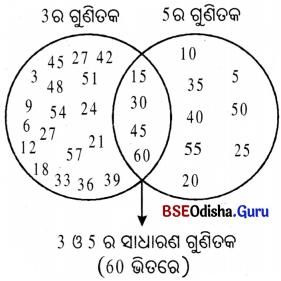
ନିମ୍ନରେ ଦିଆଯାଇଥୁବା ଚିତ୍ରଟି ‘ଇଡ୍‌ଲି–ବରା’ ଖେଳ ସହ କୌଣସି ପ୍ରକାରର ସମ୍ପର୍କିତ କି?
(ସୂଚନା : 30) ପର୍ଯ୍ୟନ୍ତ ଖେଳାଯାଇଥିବା ଖେଳଟିକୁ ଚିତ୍ରରେ ଦର୍ଶାଯାଇଛି। ଯଦି ଖେଳଟିକୁ 60 ପର୍ଯ୍ୟନ୍ତ ଖେଳାଯାଏ, ତେବେ ସଂଖ୍ୟାକୁ ନେଇ ଏହିଭଳି ଏକ ଚିତ୍ର ଅଙ୍କନ କର।)
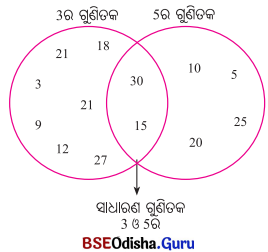
Class 6 Maths Chapter 5 Question Answer Odia Medium ମୌଳିକ ସଂଖ୍ୟା Page 108 Q4
Solution:
Class 6 Maths Chapter 5 Question Answer Odia Medium ମୌଳିକ ସଂଖ୍ୟା Page 108 Q4.1

Question 5.
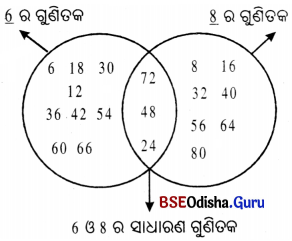
ଆସ ବର୍ତ୍ତମାନ ଭିନ୍ନଭିନ୍ନ ସଂଖ୍ୟା ଯୋଡ଼ି ନେଇ ଇଡ଼ଲି-ବରା ଖେଳଟିକୁ ଖେଳିବା:
(କ) 2 ଓ 5
(ଖ) 3 ଓ 7
(ଗ) 4 ଓ 6
Solution:
(କ) 2 ଓ 5
(ଖ) 3 ଓ 7
(ଗ) 4 ଓ 6
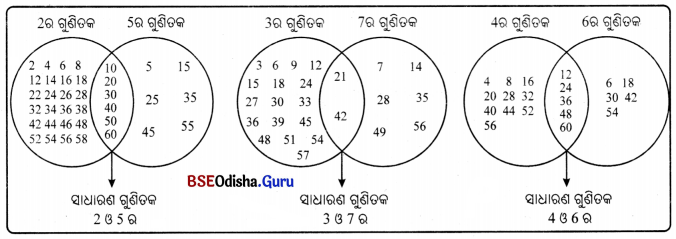
Class 6 Maths Chapter 5 Question Answer Odia Medium ମୌଳିକ ସଂଖ୍ୟା Page 108 Q5

Page No. 109

Question 1.
ନିମ୍ନ ସଂଖ୍ୟାମାନଙ୍କ ମଧ୍ୟରୁ କେଉଁଟି ଅନ୍ୟ ଏକ ସଂଖ୍ୟା ହୋଇପାରିବ? (2, 3, 5, 8, 10)
Solution:
2

Question 2.
24ରେ ଡେଇଁ ଡେଇଁ ପହଞ୍ଚିବା ପାଇଁ ରାମ କେଉଁ କେଉଁ ସଂଖ୍ୟା ବ୍ୟବଧାନରେ ଡେଇଁବା ସ୍ଥିର କରିବ?
Solution:
ଯଦି ସେ 4 ବ୍ୟବଧାନରେ ଡେଇଁବା ସ୍ଥିର କରିବ ତେବେ ସେ ଡେଇଁ ଡେଇଁ ଯିବାକୁ ଥିବା ସଂଖ୍ୟାଗୁଡ଼ିକ ହେଉଛି-
4 → 8 → 12 → 16 → 20 → 24 → 28 ………
ଅର୍ଥାତ୍ 4 ବ୍ୟବଧାନରେ ଡେଇଁ ଡେଇଁ ଗଲେ, ସେ 24 ଉପରକୁ ଡେଇଁ ପାରିବ।
ସେହିପରି, 24 ରେ ଡେଇଁ ଡେଇଁ ପହଞ୍ଚିବା ପାଇଁ ଅନ୍ୟ ସଫଳ ଡେଇଁବା ବ୍ୟବଧାନଗୁଡ଼ିକ ହେଲା – 2, 3, 6, 8 ଓ 12
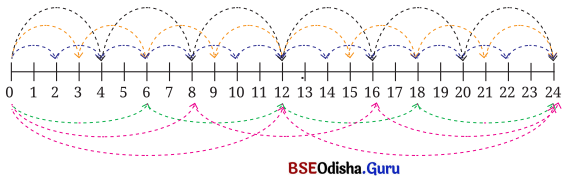
Class 6 Maths Chapter 5 Question Answer Odia Medium ମୌଳିକ ସଂଖ୍ୟା Page 109 Q2

Question 3.
ଡେଇଁବା ବ୍ୟବଧାନ 1 ଓ 24 ହେଲେ, କ’ଣ ହେବ?
Solution:
ହଁ, ସେ ଏହି ସଂଖ୍ୟା ବ୍ୟବଧାନରେ ଡେଇଁଲେ ମଧ୍ୟ 24 ଉପରକୁ ଡେଇଁ ପାରିବ।
ସଂଖ୍ୟା 1, 2, 3, 4, 6, 8, 12 ଓ 24 ସମସ୍ତଙ୍କଦ୍ୱାରା 24 ସମ୍ପୂର୍ଣ୍ଣ ରୂପେ ବିଭାଜ୍ୟ।
ମନେରଖ, ଏହି ସଂଖ୍ୟାଗୁଡ଼ିକୁ 24 ର ଗୁଣନୀୟକ ବା ବିଭାଜକ କୁହାଯାଏ।

Page No. 110

Question 1.
ରହିମ୍ 14 ଓ 36 ଉପରେ ମୁଦ୍ରା ରଖୁଲେ ଏବଂ ରାମ ଡେଇଁବା ବ୍ୟବଧାନ 7 କୁ ବାଛିଲେ, ରାମ ଉଭୟ ମୁଦ୍ରା ଥିବା ସଂଖ୍ୟା ଉପରକୁ ଡେଇଁ ଡେଇଁ ଯାଇପାରିବ କି?
Solution:
‘0’ ଠାରୁ ଆରମ୍ଭ କରି ସେ 7 ବ୍ୟବଧାନରେ ଡେଇଁଗଲେ, ଆମେ ପାଉଥିବା ସଂଖ୍ୟାଗୁଡ଼ିକ ହେଉଛି 7 → 14 → 21 → 28 → 35 → 42 …..।
ଆମେ ଦେଖୁବା ଯେ, ସେ 14 ଉପରକୁ ଡେଇଁ ପାରିବେ କିନ୍ତୁ 36 ଉପରକୁ ଡେଇଁପାରିବେ ନାହିଁ। ତେଣୁ ସେ ମୁଦ୍ରା ପାଇବ ନାହିଁ।

Question 2.
ସେ କେଉଁ ଡେଇଁବା ବ୍ୟବଧାନକୁ ବାଛିବ?
Solution:
14 ର ଗୁଣନୀୟକ ଗୁଡ଼ିକ – 1, 2, 7, 14
ତେଣୁ ଏହି ବ୍ୟବଧାନରେ ଡେଇଁଲେ, 14 ଉପରକୁ ଡେଇଁପାରିବ।
36 ର ଗୁଣନୀୟକ ଗୁଡ଼ିକ – 1, 2, 3, 4, 6, 9, 12, 18 ଏବଂ 36
ତେଣୁ ଏହି ବ୍ୟବଧାନରେ ଡେଇଁଲେ, ସେ 36 ଉପରକୁ ଡେଇଁ ପାରିବ।

Question 3.
କେଉଁ ଡେଇଁବା ବ୍ୟବଧାନ ସାହାଯ୍ୟରେ ଡେଇଁଲେ ଆମେ ଉଭୟ 15 ଓ 30 ପାଖରେ ପହଞ୍ଚତ୍ପାରିବା? ଏଥ‌ିପାଇଁ ଅନେକଗୁଡ଼ିଏ ଡେଇଁବା ବ୍ୟବଧାନ ସମ୍ଭବ? ସେ ସମସ୍ତ ବ୍ୟବଧାନ ଖୋଜିବାକୁ ଚେଷ୍ଟାକର।
Solution:
15ର ଗୁଣନୀୟକ = 1, 3, 5, 15
30ର ଗୁଣନୀୟକ = 1, 2, 3, 5, 6, 10, 15, 30
ଏବେ 15 ଓ 30ର ସାଧାରଣଗୁଣନୀୟକ ହେଲେ – 1, 3, 5, 15
ତେଣୁ 1, 3, 5 ଓ 15 ବ୍ୟବଧାନରେ ଡେଇଁଲେ, ଉଭୟ 15 ଓ 30 ପାଖରେ ପହଞ୍ଚିପାରିବା।

Page No. 110

ତଳେ ଦିଆଯାଇଥିବା ସାରଣୀକୁ ଦେଖ। ଏଥୁରୁ ତୁମେ କ’ଣ ଲକ୍ଷ୍ୟ କରୁଛ?
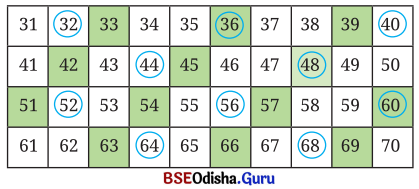
Class 6 Maths Chapter 5 Question Answer Odia Medium ମୌଳିକ ସଂଖ୍ୟା Page 110 Q1

Question 1.
ଉପରୋକ୍ତ ସାରଣୀରୁ ଚିତ୍ରିତ କୋଠରୀରେ ଥିବା ସଂଖ୍ୟାଗୁଡ଼ିକ ମଧ୍ୟରେ କିଛି ସାଧାରଣ। ସମାନତା ଅଛି କି?
Solution:
ଚିତ୍ରିତ କୋଠରିରେ ଥ‌ିବା ସଂଖ୍ୟାଗୁଡ଼ିକ ହେଉଛି – 33, 36, 39, 42, 45, 48, 51, 54, 57, 60, 63, 66, 69
ଏହି ସଂଖ୍ୟାଗୁଡ଼ିକ 3ର ଗୁଣିତକ।

Question 2.
ଗୋଲ ଚିହ୍ନିତ ସଂଖ୍ୟାଗୁଡ଼ିକ ମଧ୍ୟରେ କିଛି ସାଧାରଣ / ସମାନତା ଅଛି କି?
Solution:
ଗୋଲ ଚିହ୍ନିତ ସଂଖ୍ୟାଗୁଡ଼ିକ ହେଉଛି – 32, 36, 40, 44, 48, 52, 56, 60, 64, 68
ଏହି ସଂଖ୍ୟାଗୁଡ଼ିକ 3ର ଗୁଣିତକ।

Class 6 Maths Chapter 5 Question Answer Odia Medium ମୌଳିକ ସଂଖ୍ୟା

Question 3.
କେଉଁ ସଂଖ୍ୟାଗୁଡ଼ିକ ଉଭୟ ଗୋଲ ଚିହ୍ନିତ ଓ ଚିତ୍ର ତଳେ କୋଠରୀ ଅଛି? ଏହି ସଂଖ୍ୟାଗୁଡ଼ିକୁ କ’ଣ କହିବା?
Solution:
ଗୋଲ ଚିତ୍ରିତ ସଂଖ୍ୟାଗୁଡ଼ିକ ହେଉଛି – 36, 48, 60
ଏହି ସଂଖ୍ୟାଗୁଡ଼ିକ 3 ଓ 4ର ସାଧାରଣ ଗୁଣିତକ।

ଆସ ବୁଝିବା: (Page No. 110-111)

Question 1.
310 ଓ 410 ମଧ୍ୟରେ ଥ‌ିବା 40 ର ସମସ୍ତ ଗୁଣିତକଗୁଡ଼ିକୁ ନିର୍ଣ୍ଣୟ କର।
Solution:
40 ର ଗୁଣିତକଗୁଡ଼ିକ = 40, 80, 120, 160, 200, 240, 280, 320, 360, 400, 440…….
∴ 310 ଓ 410 ମଧ୍ୟରେ ଥିବା 40 ର ଗୁଣିତକ ଗୁଡ଼ିକ 320, 360 ଓ 400.

Question 2.
ମୁଁ କିଏ, କୁହ?
(କ) ମୁଁ 40 ଠାରୁ ଗୋଟିଏ ସାନ ସଂଖ୍ୟା ଅଟେ। ମୋର ଗୋଟିଏ ଗୁଣନୀୟକ 7 ଏବଂ ମୋର ଅଙ୍କମାନଙ୍କର ସମଷ୍ଟି ୫ ଅଟେ।
(ଖ) ମୁଁ 100 ଠାରୁ ଗୋଟିଏ ସାନ ସଂଖ୍ୟା ଅଟେ। 3 ଓ 5 ମୋର ଦୁଇଟି ଗୁଣନୀୟକ ଅଟନ୍ତି। ମୋର ଗୋଟିଏ ଅଙ୍କ ଅନ୍ୟ ଅଙ୍କଠାରୁ। ଅଧିକ।
Solution:
(କ) 7 ସଂଖ୍ୟାର ସାଧାରଣ ଗୁଣନୀୟକ ଗୁଡ଼ିକ 40 ଠାରୁ ସାନ,
ସେହି ସଂଖ୍ୟାଗୁଡ଼ିକ ହେଉଛି 7, 14, 21, 28 ଓ 35
ଗୋଟିଏ ସଂଖ୍ୟା ଯାହାର ଅଙ୍କମାନଙ୍କର ସମଷ୍ଟି 8, ସେହି ସଂଖ୍ୟାଟି = 35 = 3 + 5 = 8
∴ ମୁଁ 35.

(ଖ) 3 ଓ 5 ର ସାଧାରଣ ଗୁଣନୀୟକ ଯେଉଁଗୁଡ଼ିକ 100 ରୁ ସାନ,
ସେହି ସଂଖ୍ୟାଗୁଡ଼ିକ ଗୁଡ଼ିକ = 15, 30, 45, 60, 75, 90
ମୋର ଗୋଟିଏ ଅଙ୍କ ଅନ୍ୟ ଅଙ୍କଠାରୁ 1 ଅଧିକ ହେଲେ ସଂଖ୍ୟାଟି 45
∴ ମୁଁ 45.

Question 3.
ଯେଉଁ ସଂଖ୍ୟାର ସମସ୍ତ ଗୁଣନୀୟକମାନଙ୍କର ସମଷ୍ଟି, ସଂଖ୍ୟାର ଦୁଇଗୁଣ ସହ ସମାନ, ସେହି ସଂଖ୍ୟାକୁ ‘ପରିପୂର୍ଣ୍ଣ ସଂଖ୍ୟା’ କୁହାଯାଏ । ଉଦାହରଣ- 28, ଏକ ପରିପୂର୍ଣ୍ଣ ସଂଖ୍ୟା ଅଟେ। ଏହାର ଗୁଣନୀୟକଗୁଡ଼ିକ ହେଉଛି 1, 2, 4, 7, 14 ଓ 28। ଏହି ଗୁଣନୀୟକଗୁଡ଼ିକର ସମଷ୍ଟି ହେଲା – 1 + 2 + 4 + 7 + 14 + 28 = 56 ଯାହା 28 ର 2 ଗୁଣ ସହ ସମାନ। 1 ଓ 10 ମଧ୍ୟରେ ଗୋଟିଏ ପରିପୂର୍ଣ ସଂଖ୍ୟା ନିର୍ଣ୍ଣୟ କର।
Solution:
ମନେକର 1 ଓ 10 ମଧ୍ଯରେ ଗୋଟିଏ ସଂଖ୍ୟା 6
6 ର ଗୁଣନୀୟକ ଗୁଡ଼ିକ = 1, 2, 3, 6
ସେମାନଙ୍କର ସମଷ୍ଟି = 1 + 2 + 3 + 6 = 12
∴ 12 ସଂଖ୍ୟାଟି 6 ର ଦୁଇଗୁଣ ଅର୍ଥାତ୍ 6 ଗୋଟିଏ ପରିପୂର୍ଣ୍ଣ ସଂଖ୍ୟା।

Question 4.
ନିମ୍ନ ସଂଖ୍ୟାଗୁଡ଼ିକର ସାଧାରଣ ଗୁଣନୀୟକ ନିର୍ଣ୍ଣୟ କର।
(କ) 20 ଓ 28
(ଖ) 35 ଓ 50
(ଗ) 4, 8 ଓ 12
(ଘ) 5, 15 ଓ 25
Solution:
(କ) 20 ର ଗୁଣନୀୟକ ଗୁଡ଼ିକ = 1, 2, 4, 5, 10, 20
28 ର ଗୁଣନୀୟକ ଗୁଡ଼ିକ = 1, 2, 4, 7, 14, 28
∴ 20 ଓ 28 ର ସାଧାରଣ ଗୁଣନୀୟକ ଗୁଡ଼ିକ = 1, 2, 4

(ଖ) 35 ର ଗୁଣନୀୟକ ଗୁଡ଼ିକ = 1, 5, 7, 35
50 ର ଗୁଣନୀୟକ ଗୁଡ଼ିକ = 1, 2, 5, 10, 25, 50
∴ 35 ଓ 50 ର ସାଧାରଣ ଗୁଣନୀୟକ ଗୁଡ଼ିକ = 1, 5

(ଗ) 4 ର ଗୁଣନୀୟକ ଗୁଡ଼ିକ = 1, 2, 4
8 ର ଗୁଣନୀୟକ ଗୁଡ଼ିକ = 1, 2, 4, 8
12 ର ଗୁଣନୀୟକ ଗୁଡ଼ିକ = 1, 2, 3, 4, 6, 12
∴ 4, 8 ଓ 12 ର ସାଧାରଣ ଗୁଣନୀୟକ ଗୁଡ଼ିକ = 1, 2, 4

(ଘ) 5 ର ଗୁଣନୀୟକ ଗୁଡ଼ିକ = 1, 5
15 ର ଗୁଣନୀୟକ ଗୁଡ଼ିକ = 1, 3, 5, 15
25 ର ଗୁଣନୀୟକ ଗୁଡ଼ିକ = 1, 5, 25
∴ 5, 15 ଓ 25 ର ସାଧାରଣ ଗୁଣନୀୟକ ଗୁଡ଼ିକ = 1, 5

Question 5.
ଏପରି 3ଟି ସଂଖ୍ୟା ନିର୍ଣ୍ଣୟ କର, ଯେଉଁଗୁଡ଼ିକ 25 ର ଗୁଣିତକ ଅଟନ୍ତି କିନ୍ତୁ 50 ର ଗୁଣିତକ ନୁହଁନ୍ତି।
Solution:
25 ର ଗୁଣିତକ ଗୁଡ଼ିକ = 25, 50, 75, 100, 125, 150, 175, ….
50 ର ଗୁଣିତକ ଗୁଡ଼ିକ = 50, 100, 150, 200, 250, 300, ….
∴ ଯେଉଁ ସଂଖ୍ୟାଗୁଡ଼ିକ 25 ର ଗୁଣିତକ ଅଟନ୍ତି କିନ୍ତୁ 50 ର ଗୁଣିତକ ନୁହଁନ୍ତି,
ସେହି ସଂଖ୍ୟାଗୁଡ଼ିକ = 25, 75, 125, 175

Question 6.
ଅଂଶୁ ଏବଂ ତା’ର ସାଙ୍ଗମାନେ 10 ରୁ କମ୍ ଦୁଇଟି ସଂଖ୍ୟା ନେଇ ଇଡ଼ଲି–ବରା ଖେଳଟିକୁ ଖେଳୁଛନ୍ତି। 50 ପରେ ସେମାନଙ୍କ ମଧ୍ୟରୁ ଜଣେ ପ୍ରଥମ ଥର ପାଇଁ ଇଡ଼ଲି-ବରା କହିଲା। ତେବେ କୁହ, ଇଡ଼ଲି ଓ ବରା ପାଇଁ କେଉଁ ଦୁଇଟି ସଂଖ୍ୟା ନିଆଯାଇପାରେ?
Solution:
ସଂଖ୍ୟା ଦୁଇଟି ହେଲେ 6 ଓ 9।
ଇଡ୍‌ଲି ଓ ବରା ପାଇଁ ନିଆଯାଇଥିବା ସଂଖ୍ୟାଟି 54 ଯାହାକି ଉଭୟ 6 ଓ 9ର ସାଧାରଣ ଗୁଣିତକ।

Question 7.
‘ମୁଦ୍ରା ଖୋଜିବା / ପାଇବା ଖେଳ’ ଟିରେ ରହିମ୍ 28 ଓ 70 ସଂଖ୍ୟା ଉପରେ ଦୁଇଟି ମୁଦ୍ରା ରଖୁଲା। କେଉଁ ସଂଖ୍ୟା ବ୍ୟବଧାନରେ ଡେଇଁଲେ, ଉଭୟ ସଂଖ୍ୟାରେ ପହଞ୍ଚିପାରିବ?
Solution:
28 ର ଗୁଣନୀୟକ ଗୁଡ଼ିକ = 1, 2, 4, 7, 14, 28
70 ର ଗୁଣନୀୟକ ଗୁଡ଼ିକ = 1, 2, 5, 7, 10, 14, 35, 70
∴ 28 ଓ 70 ର ସାଧାରଣ ଗୁଣନୀୟକ ଗୁଡ଼ିକ = 1, 2, 7 ଓ 14
ତେଣୁ 1, 2, 7 ଓ 14 ସଂଖ୍ୟା ବ୍ୟବଧାନରେ ଡେଇଁଲେ, 28 ଓ 70 ସଂଖ୍ୟାରେ ପହଞ୍ଚି ପାରିବ।

Class 6 Maths Chapter 5 Question Answer Odia Medium ମୌଳିକ ସଂଖ୍ୟା

Question 8.
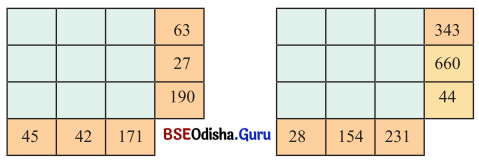
ତଳେ ଦିଆଯାଇଥିବା ଚିତ୍ରରେ, ଗୁନା ସାଧାରଣ ଗୁଣିତକଗୁଡ଼ିକ ବ୍ୟତୀତ ଅନ୍ୟ ସମସ୍ତ ସଂଖ୍ୟାକୁ ଲିଭାଇ ଦେଇଛି। ଏହି ସଂଖ୍ୟାଗୁଡ଼ିକୁ ଖୋଜି ବାହାର କର ଏବଂ ଲିଭାଇ ଦିଆଯାଇଥିବା ସଂଖ୍ୟାଗୁଡ଼ିକୁ ଖାଲି ସ୍ଥାନରେ ପୂରଣ କର।
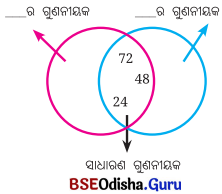
Class 6 Maths Chapter 5 Question Answer Odia Medium ମୌଳିକ ସଂଖ୍ୟା Page 111 Q8
Solution:
Class 6 Maths Chapter 5 Question Answer Odia Medium ମୌଳିକ ସଂଖ୍ୟା Page 111 Q8.1

Question 9.
7 ବ୍ୟତୀତ, 1 ଠାରୁ 10 ପର୍ଯ୍ୟନ୍ତ ଅନ୍ୟ ସମସ୍ତ ସଂଖ୍ୟାର ଏକ କ୍ଷୁଦ୍ରତମ ସାଧାରଣ ଗୁଣିତକ ନିର୍ଣ୍ଣୟ କର।
Solution:
7 ବ୍ୟତୀତ, 1 ଠାରୁ 10 ପର୍ଯ୍ୟନ୍ତ ସମସ୍ତ ସଂଖ୍ୟାର କ୍ଷୁଦ୍ରତମ ସାଧାରଣ ଗୁଣିତକ ହେଉଛି
1 = 1
5 = 5
10 = 2 × 5
2 = 2
6 = 2 × 3
3 = 3
8 = 2 × 2 × 2
4 = 2 × 2
9 = 3 × 3
କ୍ଷୁଦ୍ରତମ ସାଧାରଣ ଗୁଣିତକ = 2 × 2 × 2 × 3 × 3 × 5 = 360
∴ 7 ବ୍ୟତୀତ, 1 ଠାରୁ 10 ପର୍ଯ୍ୟନ୍ତ ଅନ୍ୟ ସମସ୍ତ ସଂଖ୍ୟାର ଏକ କ୍ଷୁଦ୍ରତମ ସାଧାରଣ ଗୁଣିତକ 360।

Question 10.
ଏକ କ୍ଷୁଦ୍ରତମ ସଂଖ୍ୟା ନିର୍ଣ୍ଣୟ କର, ଯାହା 1 ଠାରୁ 10 ପର୍ଯ୍ୟନ୍ତ ସମସ୍ତ ସଂଖ୍ୟାରୁ, ଏକ ସାଧାରଣ ଗୁଣିତକ ହେବ।
Solution:
1 ଠାରୁ 10 ପର୍ଯ୍ୟନ୍ତ ସମସ୍ତ ସଂଖ୍ୟାର କ୍ଷୁଦ୍ରତମ ସାଧାରଣ ଗୁଣିତକ ହେଉଛି
1 = 1
5 = 5
9 = 3 × 3
2 = 2
6 = 2 × 3
10 = 2 × 5
3 = 3
7 = 7
4 = 2 × 2
8 = 2 × 2 × 2
କ୍ଷୁଦ୍ରତମ ସାଧାରଣ ଗୁଣିତକ = 2 × 2 × 2 × 3 × 3 × 5 × 7 = 2520
∴ 1 ଠାରୁ 10 ପର୍ଯ୍ୟନ୍ତ ଅନ୍ୟ ସମସ୍ତ ସଂଖ୍ୟାର ଏକ କ୍ଷୁଦ୍ରତମ ସାଧାରଣ ଗୁଣିତକ ହେଉଛି 2520।

5.2 ମୌଳିକ ସଂଖ୍ୟା (Prime Number)

Page No. 112

Question 1.
କେତେ ପ୍ରକାର ସଜେଇବା ସମ୍ଭବ? ବିଭିନ୍ନ ପ୍ରକାର ଉପାୟଗୁଡ଼ିକ ଚିନ୍ତାକର ଏବଂ କୁହ କିପରି?
Solution:
1. ଗୁନା, 12ଟି ଆମ୍ବକୁ ଆୟତ୍‌ଚିତ୍ର ଆକାରରେ ସଜାଇ ପାରିବ।
2. ଅଂଶୁ, 7ଟି ଆମ୍ବକୁ ଆୟତଚିତ୍ର ଆକାରରେ ସଜାଇପାରିବ।

Page No. 113

Question 1.
21 ରୁ 30 ମଧ୍ଯରେ କେତୋଟି ମୌଳିକ ସଂଖ୍ୟା ଓ କେତୋଟି ଯୌଗିକ ସଂଖ୍ୟା ଅଛି?
Solution:
21 ରୁ 30 ମଧ୍ୟରେ ଥ‌ିବା ମୌଳିକ ସଂଖ୍ୟା = 23, 29 = 2ଟି।
21 ରୁ 30 ମଧ୍ୟରେ ଥ‌ିବା ଯୌଗିକ ସଂଖ୍ୟା = 21, 22, 24, 25, 26, 27, 28, 30 = 8ଟି।

Question 2.
1 ରୁ 100 ମଧ୍ୟରେ ଥିବା ସମସ୍ତ ମୌଳିକ ସଂଖ୍ୟାକୁ ଆମେ ତାଲିକା କରିପାରିବା କି?
Solution:
1 ରୁ 100 ମଧ୍ୟରେ ଥ‌ିବା ସମସ୍ତ ମୌଳିକ ସଂଖ୍ୟା-
Class 6 Maths Chapter 5 Question Answer Odia Medium ମୌଳିକ ସଂଖ୍ୟା Page 113 Q2
1 ରୁ 100 ମଧ୍ୟରେ ଥିବା ସମସ୍ତ ଯୌଗିକ ସଂଖ୍ୟା-
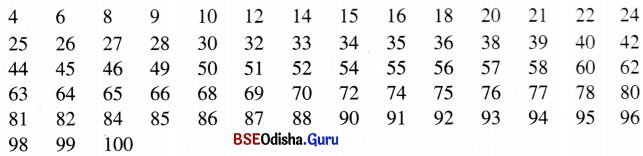
Class 6 Maths Chapter 5 Question Answer Odia Medium ମୌଳିକ ସଂଖ୍ୟା Page 113 Q2.1

ଆସ ବୁଝିବା: (Page No. 114)

Question 1.
ଆମେ ଦେଖୁବା ଯେ 2 ଗୋଟିଏ ମୌଳିକ ସଂଖ୍ୟା ଏବଂ ଏକ ଯୁଗ୍ମ ସଂଖ୍ୟା ମଧ୍ୟ। ଏହିଭଳି ଅନ୍ୟ ଯୁଗ୍ମ ମୌଳିକ ସଂଖ୍ୟା ଅଛି କି?
Solution:
ନାହିଁ। 2 ଏକମାତ୍ର ମୌଳିକ ଓ ଯୁଗ୍ମ ସଂଖ୍ୟା।

Question 2.
100 ମଧ୍ୟରେ ଥିବା ମୌଳିକ ସଂଖ୍ୟାଗୁଡ଼ିକ ଦେଖ। ଦୁଇଟି କ୍ରମାଗତ ମୌଳିକ ସଂଖ୍ୟା ମଧ୍ୟରେ ଥ‌ିବା କ୍ଷୁଦ୍ରତମ ପାର୍ଥକ୍ୟ କେତେ? ବୃହତ୍ତମ ପାର୍ଥକ୍ୟ କେତେ?
Solution:
100 ମଧ୍ୟରେ ଥିବା ମୌଳିକ ସଂଖ୍ୟାଗୁଡ଼ିକ ହେଉଛି – 2, 3, 5, 7, 11, 13, 17, 19, 23, 29, 31, 37, 41, 43, 47, 53, 59, 61, 67, 71, 73, 79, 83, 89, 97
ଦୁଇଟି କ୍ରମାଗତ ମୌଳିକ ସଂଖ୍ୟା ମଧ୍ୟରେ ଥ‌ିବା ପାର୍ଥକ୍ୟ
3 – 2 = 1
5 – 3 = 2
7 – 5 = 2
11 – 7 = 4
13 – 11 = 2
17 – 13 = 4
19 – 17 = 2
23 – 19 = 4
29 – 23 = 6
31 – 29 = 2
37 – 31 = 6
41 – 37 = 4
43 – 41 = 2
47 – 43 = 4
53 – 47 = 6
59 – 53 = 6
61 – 59 = 2
67 – 61 = 6
71 – 67 = 4
73 – 71 = 2
79 – 73 = 6
83 – 79 = 4
89 – 83 = 6
97 – 89 = 8
100 ମଧ୍ୟରେ ଥିବା ଦୁଇଟି କ୍ରମାଗତ ମୌଳିକ ସଂଖ୍ୟା ମଧ୍ୟରେ ଥିବା କ୍ଷୁଦ୍ରତମ ପାର୍ଥକ୍ୟ = 1
(2 ଓ 3 ମୌଳିକ ସଂଖ୍ୟା ମଧ୍ୟରେ)
100 ମଧ୍ୟରେ ଥ‌ିବା ଦୁଇଟି କ୍ରମାଗତ ମୌଳିକ ସଂଖ୍ୟା ମଧ୍ୟରେ ଥିବା ବୃହତ୍ତମ ପାର୍ଥକ୍ୟ = 8
(89 ଓ 97 ମୌଳିକ ସଂଖ୍ୟା ମଧ୍ୟରେ)

Class 6 Maths Chapter 5 Question Answer Odia Medium ମୌଳିକ ସଂଖ୍ୟା

Question 3.
ଉପରୋକ୍ତ ସାରଣୀର ପ୍ରତ୍ୟେକ ଧାଡ଼ିରେ ସମାନ ସଂଖ୍ୟକ ମୌଳିକ ସଂଖ୍ୟା ରହୁଛି କି? କେଉଁ ଦଶ ଭାଗରେ ସର୍ବନିମ୍ନ ସଂଖ୍ୟକ ମୌଳିକ ଅଛି?
Solution:
ସାରଣୀର ପ୍ରତ୍ୟେକ ଧାଡ଼ିରେ ସମାନ ସଂଖ୍ୟକ ମୌଳିକ ରହୁନାହାନ୍ତି।
ସାରଣୀର 91-100 ଧାଡ଼ିରେ ସର୍ବନିମ୍ନ ଗୋଟିଏ ମୌଳିକ ରହୁଛି = 97
ସାରଣୀର 1-10 ଓଁ 11-19 ଧାଡ଼ିରେ ସର୍ବାଧକ 4ଟି ମୌଳିକ ଅଛି = 2, 3, 5, 7 ଓ 11, 13, 17, 19

Question 4.
ନିମ୍ନଲିଖତ ସଂଖ୍ୟାମାନଙ୍କ ମଧ୍ୟରୁ କେଉଁଟି ମୌଳିକ ସଂଖ୍ୟା: 23, 51, 37, 26?
Solution:
23 ଓ 37 କେବଳ 1 ଓ ନିଜ ଦ୍ଵାରା ବିଭାଜ୍ୟ। ତେଣୁ ଏହି ଦୁଇଟି ସଂଖ୍ୟା ମୌଳିକ ସଂଖ୍ୟା।

Question 5.
20 ଠାରୁ ସାନ 3 ଯୋଡ଼ା ମୌଳିକ ସଂଖ୍ୟା ନିର୍ଣ୍ଣୟ କର ଯାହାର ସମଷ୍ଟି 5 ର ଏକକ ଗୁଣିତକ ଅଟେ।
Solution:
20 ଠାରୁ ସାନ 3 ଯୋଡ଼ା ମୌଳିକ ସଂଖ୍ୟା, ଯାହାର ସମଷ୍ଟି 5 ର ଏକ ଗୁଣିତକ ଅଟେ। ସେହି ଯୋଡ଼ା ମୌଳିକ ସଂଖ୍ୟାଗୁଡ଼ିକ ହେଉଛି (2, 3), (2, 13), (7, 13)।

Question 6.
13 ଓ 31 ହେଉଛି ଦୁଇଟି ମୌଳିକ ସଂଖ୍ୟା ଯେଉଁଥରେ ସମାନ ଅଙ୍କ 1 ଓ 3 ଅଛି। 100 ମଧ୍ୟରେ, ଏହିପରି ମୌଳିକ ସଂଖ୍ୟାର ଯୋଡ଼ିଗୁଡ଼ିକ ନିର୍ଣ୍ଣୟ କର।
Solution:
100 ମଧ୍ୟରେ 13 ଓ 31 ହେଉଛି ଦୁଇଟି ମୌଳିକ ସଂଖ୍ୟା ଯେଉଁଥ‌ିରେ ସମାନ ଅଙ୍କ 1 ଓ 3 ଅଛି।
ସେହିଭଳି ଅନ୍ୟ ମୌଳିକ ସଂଖ୍ୟାଗୁଡ଼ିକ ହେଉଛି: (13, 31), (17, 71), (37, 73) ଓ (79, 97)।

Question 7.
1 ଓ 100 ମଧ୍ୟରେ 7ଟି କ୍ରମାଗତ ଯୌଗିକ ସଂଖ୍ୟା ନିର୍ଣ୍ଣୟ କର।
Solution:
1 ଓ 100 ମଧ୍ୟରେ 7ଟି କ୍ରମାଗତ ଯୌଗିକ ସଂଖ୍ୟା = 90, 91, 92, 93, 94, 95, 96

Question 8.
ଯେଉଁ ମୌଳିକ ସଂଖ୍ୟା ଯୋଡ଼ି ମଧ୍ଯରେ ପାର୍ଥକ୍ୟ 2 ଥାଏ, ସେମାନଙ୍କୁ ଯମଜ ମୌଳିକ କୁହାଯାଏ। ଉଦାହରଣ: 3 ଓ 5, 17 ଓ 19 ଯମଜ ମୌଳିକ ଅଟନ୍ତି। 1 ଠାରୁ 100 ମଧ୍ୟରେ ଅନ୍ୟ ଯମଜ ମୌଳିକଗୁଡ଼ିକ ଲେଖ।
Solution:
1 ଠାରୁ 100 ମଧ୍ୟରେ ଯମଜ ମୌଳିକଗୁଡ଼ିକ = (3, 5), (5, 7), (11, 13), (17, 19), (29, 31), (41, 43), (59, 61), (71, 73)

Question 9.
ଦିଆଯାଇଥବା ଉତ୍ତିଗୁଡ଼ିକ ଠିକ୍ କିମ୍ବା ଭୁଲ ଚିହ୍ନଟ କର ଏବଂ କାରଣ ଲେଖ।
(କ) ଏପରି କୌଣସି ମୌଳିକ ସଂଖ୍ୟା ନାହିଁ, ଯାହାର ଏକକ ସ୍ଥାନର ଅଙ୍କ 4 ଅଟେ।
(ଖ) ମୌଳିକ ସଂଖ୍ୟାମାନଙ୍କର ଗୁଣଫଳ ମଧ୍ୟ ଏକ ମୌଳିକ ସଂଖ୍ୟା ହୋଇପାରିବ।
(ଗ) ମୌଳିକ ସଂଖ୍ୟାମାନଙ୍କର କୌଣସି ଗୁଣନୀୟକ ନାହିଁ।
(ଘ) ସମସ୍ତ ଯୁଗ୍ମ ସଂଖ୍ୟା ଯୌଗିକ ସଂଖ୍ୟା ଅଟନ୍ତି।
(ଙ) 2 ଏକ ମୌଳିକ ସଂଖ୍ୟା ଏବଂ ତା’ ପରବର୍ତୀ ସଂଖ୍ୟା 3 ମଧ୍ଯ ଏକ ମୌଳିକ ସଂଖ୍ୟା। 2 ଭିନ୍ନ ଅନ୍ୟ ପ୍ରତ୍ୟେକ ମୌଳିକ ସଂଖ୍ୟାର ପରବର୍ତ୍ତୀ ସଂଖ୍ୟାଟି ଯୌଗିକ ସଂଖ୍ୟା ଅଟେ।
Solution:
(କ) ଠିକ୍। ଆମେ ଜାଣିଛେ ଯେ ଯେଉଁ ସଂଖ୍ୟାର ଏକକ ଘରେ 0, 2, 4, 6, 8 ଥ‌ିବ ସେହି ସଂଖ୍ୟାଟି 2 ଦ୍ଵାରା ବିଭାଜ୍ୟ।
ତେଣୁ କୌଣସି ମୌଳିକ ସଂଖ୍ୟାର ଏକକ ସ୍ଥାନର ଅଙ୍କ 4 ହେବ ନାହିଁ।

(ଖ) ଭୁଲ୍ । ମନେକର ଦୁଇଟି ମୌଳିକ ସଂଖ୍ୟା 2 ଓ 3।
ଗୁଣଫଳ = 2 × 3 = 6, ଗୋଟିଏ ଯୌଗିକ ସଂଖ୍ୟା।
ତେଣୁ ମୌଳିକ ସଂଖ୍ୟାମାନଙ୍କର ଗୁଣଫଳ ମୌଳିକ ସଂଖ୍ୟା ହେବ ନାହିଁ।

(ଗ) ଭୁଲ୍। ପ୍ରତ୍ୟେକ ସଂଖ୍ୟାର ଦୁଇଟି ଗୁଣନୀୟକ ଅଛି। 1 ଓ ସେହି ସଂଖ୍ୟାଟି ନିଜେ।
ତେଣୁ ମୌଳିକ ସଂଖ୍ୟାମାନଙ୍କର ଦୁଇଟି ଗୁଣନୀୟକ ଅଛି।

(ଘ) ଭୁଲ୍। ମନେକର ଯୁଗ୍ମ ସଂଖ୍ୟାଟି 2।
2 ସଂଖ୍ୟାଟି ଯୌଗିକ ସଂଖ୍ୟା ନୁହେଁ, ମୌଳିକ ସଂଖ୍ୟା।

(ଙ) ଠିକ୍। ମନେକର 5 ଗୋଟିଏ ମୌଳିକ ସଂଖ୍ୟା। ପରବର୍ତୀ ଯୌଗିକ ସଂଖ୍ୟା = 6
ତେଣୁ 2 ଭିନ୍ନ ଅନ୍ୟ ପ୍ରତ୍ୟେକ ମୌଳିକ ସଂଖ୍ୟାର ପରବର୍ତ୍ତୀ ସଂଖ୍ୟାଟି ଯୌଗିକ ସଂଖ୍ୟା ଅଟେ।

Question 10.
ନିମ୍ନଲିଖ ସଂଖ୍ୟାଗୁଡ଼ିକ ମଧ୍ୟରୁ କେଉଁଟି ତିନୋଟି ଭିନ୍ନ ମୌଳିକ ସଂଖ୍ୟାର ଗୁଣଫଳ ଅଟେ। 45, 60, 91, 105, 330?
Solution:
45 = 3 × 3 × 5 (2 ଟି ଭିନ୍ନ ମୌଳିକ ସଂଖ୍ୟା)
60 = 2 × 2 × 3 × 5 (3 ଟି ଭିନ୍ନ ମୌଳିକ ସଂଖ୍ୟା)
91 = 7 × 13 (2 ଟି ଭିନ୍ନ ମୌଳିକ ସଂଖ୍ୟା)
105 = 3 × 5 × 7 (3 ଟି ଭିନ୍ନ ମୌଳିକ ସଂଖ୍ୟା)
330 = 2 × 3 × 5 × 11 (4 ଟି ଭିନ୍ନ ମୌଳିକ ସଂଖ୍ୟା)
∴ 105 ସଂଖ୍ୟାଟି ଠିକ୍ ତିନୋଟି ଭିନ୍ନ ମୌଳିକ ସଂଖ୍ୟା (3 × 5 × 7)ର ଗୁଣଫଳ ଅଟେ।

Question 11.
2, 4 ଏବଂ 5 ପ୍ରତ୍ୟେକକୁ ଥରେ ଲେଖାଏଁ ବ୍ୟବହାର କରି କେତୋଟି ତିନି ଅଙ୍କ ବିଶିଷ୍ଟ ମୌଳିକ ସଂଖ୍ୟା ଗଠନ କରିପାରିବ?
Solution:
ଆମେ ଜାଣିଛେ ଯେଉଁ ସଂଖ୍ୟାର ଏକକ ଘରେ 2 କିମ୍ବା 4 ଥିବ ସେହି ସଂଖ୍ୟାଟି 2 ଦ୍ଵାରା ବିଭାଜ୍ୟ। ଯେଉଁ ସଂଖ୍ୟାର ଏକକ ଘରେ 5 ଧ୍ରୁବ, ସେହି ସଂଖ୍ୟାଟି 5 ଦ୍ଵାରା ବିଭାଜ୍ୟ ହେବ।
∴ ତେଣୁ 2, 4 ଓ 5 କୁ ଥରେ ଲେଖାଏଁ ବ୍ୟବହାର କଲେ ତିନି ଅଙ୍କ ବିଶିଷ୍ଟ ଗୋଟିଏ ବି ମୌଳିକ ସଂଖ୍ୟା ଗଠନ ହୋଇପାରିବ ନାହିଁ।

Class 6 Maths Chapter 5 Question Answer Odia Medium ମୌଳିକ ସଂଖ୍ୟା

Question 12.
ଲକ୍ଷ୍ୟକର, 3 ଏକ ମୌଳିକ ସଂଖ୍ୟା ଏବଂ 2 × 3 + 1 = 7 ମଧ୍ଯ ଏକ ମୌଳିକ ସଂଖ୍ୟା, ଏପରି ଅନ୍ୟ କିଛି ମୌଳିକ ସଂଖ୍ୟା ଅଛି କି, ଯାହାର 2 ଗୁଣରେ 1 ଯୋଗକଲେ, ଅନ୍ୟ ଏକ ମୌଳିକ ସଂଖ୍ୟା ମିଳିବ? ଏପରି ଅତିକମ୍‌ରେ 5ଟିର ଉଦାହରଣ ଦିଅ।
Solution:
କିଛି ମୌଳିକ ସଂଖ୍ୟା ଅଛି, ଯାହାର 2 ଗୁଣରେ 1 ଯୋଗକଲେ, ଅନ୍ୟ ଏକ ମୌଳିକ ସଂଖ୍ୟା ମିଳିବ:

  • 2 (2 × 2 + 1 = 5)
  • 3 (2 × 3 + 1 = 7)
  • 5 (2 × 5 + 1 = 11)
  • 11 (2 × 11 + 1 = 23)
  • 23 (2 × 23 + 1 = 47)

5.3 ପରସ୍ପର ମୌଳିକ ସଂଖ୍ୟା (Co-Prime Numbers for Safe keeping Treasures)

Page No. 115

Question 1.
ନିମ୍ନ ଯୋଡ଼ିଟିକୁ ସୁରକ୍ଷିତ କି ନୁହେଁ, ପରୀକ୍ଷା କର।
(କ) 15 ଓ 39
(ଖ) 4 ଓ 15
(ଗ) 18 ଓ 29
(ଘ) 20 ଓ 55
Solution:
(କ) 15 ର ଗୁଣନୀୟକ = 1 × 3 × 5
39 ର ଗୁଣନୀୟକ = 1 × 3 × 13
1 ବ୍ୟତୀତ ଦୁଇଟି ସଂଖ୍ୟା ଯୋଡ଼ିରେ 3 ସାଧାରଣ ଗୁଣନୀୟକ ଅଛି।
∴ ତେଣୁ 15 ଓ 39 ସଂଖ୍ୟା ଯୋଡ଼ି ସୁରକ୍ଷିତ ନୁହେଁ।

(ଖ) 4 ର ଗୁଣନୀୟକ = 1 × 2 × 2
5 ର ଗୁଣନୀୟକ = 1 × 3 × 5
1 ବ୍ୟତୀତ ଦୁଇଟି ସଂଖ୍ୟା ଯୋଡ଼ିରେ କୌଣସି ସାଧାରଣ ଗୁଣନୀୟକ ନାହିଁ।
∴ ତେଣୁ 15 ଓ 39 ସଂଖ୍ୟା ଯୋଡ଼ି ସୁରକ୍ଷିତ।

(ଗ) 18 ର ଗୁଣନୀୟକ = 1 × 2 × 3 × 3
29 ର ଗୁଣନୀୟକ = 1
1 ବ୍ୟତୀତ ଦୁଇଟି ସଂଖ୍ୟା ଯୋଡ଼ିରେ କୌଣସି ସାଧାରଣ ଗୁଣନୀୟକ ନାହିଁ।
∴ ତେଣୁ 15 ଓ 39 ସଂଖ୍ୟା ଯୋଡ଼ି ସୁରକ୍ଷିତ।

(ଘ) 20 ର ଗୁଣନୀୟକ = 1 × 2 × 2 × 5
55 ର ଗୁଣନୀୟକ = 5 × 11
1 ବ୍ୟତୀତ ଦୁଇଟି ସଂଖ୍ୟା ଯୋଡ଼ିରେ 5 ସାଧାରଣ ଗୁଣନୀୟକ ଅଛି।
∴ ତେଣୁ 20 ଓ 55 ସଂଖ୍ୟା ଯୋଡ଼ି ସୁରକ୍ଷିତ ନୁହେଁ।

Page No. 116

Question 1.
ନିମ୍ନରେ ଦିଆଯାଇଥବା କେଉଁ ସଂଖ୍ୟାଯୋଡ଼ିଗୁଡ଼ିକ ପରସ୍ପର ମୌଳିକ?
(କ) 18 ଓ 35
(ଖ) 15 ଓ 37
(ଗ) 30 ଓ 415
(ଘ) 17 ଓ 69
(ଙ) 81 ଓ 18
Solution:
(କ) 18 ର ଗୁଣନୀୟକ = 1 × 2 × 3 × 3
35 ର ଗୁଣନୀୟକ = 1 × 5 × 7
ଏହି ଦୁଇ ସଂଖ୍ୟା ମଧ୍ୟରେ 1 ବ୍ୟତୀତ କୌଣସି ସାଧାରଣ ଗୁଣନୀୟକ ନାହିଁ।
ତେଣୁ 18 ଓ 35 ସଂଖ୍ୟା ଯୋଡ଼ିଟି ପରସ୍ପର ମୌଳିକ।

(ଖ) 15 ର ଗୁଣନୀୟକ = 1 × 3 × 5
37 ର ଗୁଣନୀୟକ = 1 × 37
ଏହି ଦୁଇ ସଂଖ୍ୟା ମଧ୍ୟରେ 1 ବ୍ୟତୀତ କୌଣସି ସାଧାରଣ ଗୁଣନୀୟକ ନାହିଁ।
ତେଣୁ 15 ଓ 37 ସଂଖ୍ୟା ଯୋଡ଼ିଟି ପରସ୍ପର ମୌଳିକ।

(ଗ) 30 ର ଗୁଣନୀୟକ = 1 × 2 × 3 × 5
415 ର ଗୁଣନୀୟକ = 1 × 5 × 83
ଏହି ଦୁଇ ସଂଖ୍ୟା ମଧ୍ୟରେ 1 ବ୍ୟତୀତ 5 ସାଧାରଣ ଗୁଣନୀୟକ।
ତେଣୁ 18 ଓ 35 ସଂଖ୍ୟା ଯୋଡ଼ିଟି ପରସ୍ପର ମୌଳିକ ନୁହେଁ।

(ଘ) 17 ର ଗୁଣନୀୟକ = 1 × 17
69 ର ଗୁଣନୀୟକ = 1 × 3 × 23
ଏହି ଦୁଇ ସଂଖ୍ୟା ମଧ୍ୟରେ 1 ବ୍ୟତୀତ କୌଣସି ସାଧାରଣ ଗୁଣନୀୟକ ନାହିଁ।
ତେଣୁ 17 ଓ 69 ସଂଖ୍ୟା ଯୋଡ଼ିଟି ପରସ୍ପର ମୌଳିକ।

(ଙ) 81 ର ଗୁଣନୀୟକ = 1 × 3 × 3 × 3 × 3
18 ର ଗୁଣନୀୟକ = 1 × 2 × 3 × 3
ଏହି ଦୁଇ ସଂଖ୍ୟା ମଧ୍ୟରେ 1 ବ୍ୟତୀତ 3 ସାଧାରଣ ଗୁଣନୀୟକ।
ତେଣୁ 81 ଓ 18 ସଂଖ୍ୟା ଯୋଡ଼ିଟି ପରସ୍ପର ମୌଳିକ ନୁହେଁ।

Page No. 116

Question 1.
କେତେକ ଚିତ୍ରରେ, ସୂତା ପ୍ରତ୍ୟେକ ଖୁଣ୍ଟରେ ବନ୍ଧା ହୋଇଛି। କେତେକ ଚିତ୍ରରେ ଏହା ହୋଇନାହିଁ। ଏହା ପରସ୍ପର ମୌଳିକ ହେଉଥ‌ିବା ସଂଖ୍ୟାଯୋଡ଼ି (ଖୁଣ୍ଟର ସଂଖ୍ୟା ଓ ସୂତା ବାନ୍ଧିବା ବ୍ୟବଧାନ) ସହ ସମ୍ପର୍କତ କି?
Solution:
ହଁ।

Page No. 117

Question 1.
ନିମ୍ନରେ ଦିଆଯାଇଥିବା ତଥ୍ୟକୁ ନେଇ ପରସ୍ପର ମୌଳିକ ସଂଖ୍ୟାଚିତ୍ର ଅଙ୍କନ କର।
(a) 15 ଟି ଖୁଣ୍ଟ, ସୂତା ବାନ୍ଧିବା ବ୍ୟବଧାନ 10
(b) 10 ଟି ଖୁଣ୍ଟ, ସୂତା ବାନ୍ଧିବା ବ୍ୟବଧାନ 7
(c) 14 ଟି ଖୁଣ୍ଟ, ସୂତା ବାନ୍ଧିବା ବ୍ୟବଧାନ 6
(d) 8 ଟି ଖୁଣ୍ଟ, ସୂତା ବାନ୍ଧିବା ବ୍ୟବଧାନ 3
Solution:
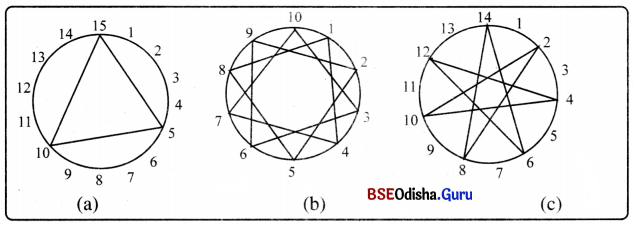
Class 6 Maths Chapter 5 Question Answer Odia Medium ମୌଳିକ ସଂଖ୍ୟା Page 117 Q1
ଏହିପରି ପିଲାମାନେ ପ୍ରଶ୍ନ (d) ର ସଂଖ୍ୟାଚିତ୍ର ଅଙ୍କନ କର।

5.4 ମୌଳିକ ଉତ୍ପାଦକୀକରଣ (Prime Factorisation)

Page No. 117

Question 1.
ଦୁଇଟି ସଂଖ୍ୟା ପରସ୍ପର ମୌଳିକ କି ନୁହେଁ, ନିର୍ଣ୍ଣୟ କରିବା।
56 ଏବଂ 63 ପରସ୍ପର ମୌଳିକ କି?
Solution:
56 = 14 × 4 ଏବଂ 63 = 21 × 3 ଲେଖିପାରିବା। ତେଣୁ 14 ଓ 4, 56 ର ଗୁଣନୀୟକ ଏବଂ 21 ଓ 3, 63 ର ଗୁଣନୀୟକ ଅଟନ୍ତି।
ଯେହେତୁ, ସେମାନଙ୍କ ମଧ୍ୟରେ କୌଣସି ସାଧାରଣ ଗୁଣନୀୟକ ନାହିଁ, ତେଣୁ 56 ଓ 63 ପରସ୍ପର ମୌଳିକ ଅଟନ୍ତି।
56 = 7 × 8 ଏବଂ 63 = 9 × 7 ମଧ୍ୟ ଲେଖୁ ପାରିବା।
ଏଥୁରୁ ଦେଖାଯାଉଛି, ଉଭୟ 56 ଓ 63ର ଏକ ସାଧାରଣ ଗୁଣନୀୟକ 7। ତେଣୁ ସେମାନେ ପରସ୍ପର ମୌଳିକ ନୁହଁନ୍ତି।
ଉଭୟ ସଂଖ୍ୟାର 7 ଏକ ସାଧାରଣ ଗୁଣନୀୟକ।
56 = 14 × 4, ଏହିପରି ଲେଖୁଲେ ଏହା ଆମକୁ ସୂଚାଉଛି ଯେ ଉଭୟ 14 ଓ 4, 56ରେ ଗୁଣନୀୟକ। କିନ୍ତୁ ଏହା
56 ର ସମସ୍ତ ଗୁଣନୀୟକକୁ ସୂଚାଉ ନାହିଁ।
ସେହିପରି 63 = 9 × 7 ସୂଚାଉଛି ଯେ ଉଭୟ 9 ଓ 7, 63 ର ଗୁଣନୀୟକ।
କିନ୍ତୁ ଏହା 63 ର ସମସ୍ତ ଗୁଣନୀୟକକୁ ସୂଚାଉ ନାହିଁ।

Class 6 Maths Chapter 5 Question Answer Odia Medium ମୌଳିକ ସଂଖ୍ୟା

Question 2.
ଉଦାହରଣ: 80 ଓ 63
Solution:
80 ଓ 63 କୁ ବିଭିନ୍ନ ଉପାୟରେ ଉତ୍ପାଦକୀକରଣ କରିପାରିବା।
80 = 40 × 2 = 20 × 4 = 10 × 8 = 16 × 5 = ???
63 = 9 × 7 = 3 × 21 = ???
??? ଲେଖୁବାର ଅର୍ଥ ଉଭୟ ସଂଖ୍ୟାକୁ ଆହୁରି ଅନେକ ଉପାୟରେ ଉତ୍ପାଦୀକରଣ କରାଯାଇପାରିବ।
କିନ୍ତୁ ଯଦି ଆମେ ଦିଆଯାଇଥବା ଯେକୌଣସି ଉତ୍ପାଦକୀକରଣକୁ ନେବା।
ଉଦାହରଣ ସ୍ଵରୂପ: 80 = 16 × 5 ଏବଂ 63 = 9 × 7, ତେବେ ଆମେ କୌଣସି ସାଧାରଣ ଗୁଣନୀୟକ ପାଇବା ନାହିଁ। ଏଥୁରୁ ଆମେ ସିଦ୍ଧାନ୍ତ ନେଇପାରିବା କି, 80 ଏବଂ 63 ପରସ୍ପର ମୌଳିକ ଅଟନ୍ତି।
ଉପରେ ମଧ୍ୟ ସମାନ ଭୁଲ କରାଯାଇଛି । ଯେହେତୁ 80 ଓ 63ର ଗୁଣନୀୟକ ନିର୍ଣ୍ଣୟ ପାଇଁ ଅନ୍ୟ ଉପାୟ ଥାଇପାରେ। ତେଣୁ ଆମେ ସିଦ୍ଧାନ୍ତ ନେଇପାରିବା ନାହିଁ।

ଆସ ବୁଝିବା: (Page No. 120)

Question 1.
ନିମ୍ନ ସଂଖ୍ୟାଗୁଡ଼ିକର ମୌଳିକ ଉତ୍ପାଦକୀକରଣ ନିର୍ଣ୍ଣୟ କର।
64, 104, 105, 243, 320, 141, 1728, 729, 1024, 1331, 1000
Solution:
ମୌଳିକ ଉତ୍ପାଦକୀକରଣ:
64 = 2 × 2 × 2 × 2 × 2 × 2
104 = 2 × 2 × 2 × 13
105 = 3 × 5 × 7
243 = 3 × 3 × 3 × 3 × 3
320 = 2 × 2 × 2 × 2 × 2 × 2 × 5
141 = 3 × 47
1728 = 2 × 2 × 2 × 2 × 2 × 2 × 3 × 3 × 3
729 = 3 × 3 × 3 × 3 × 3 × 3
1024 = 2 × 2 × 2 × 2 × 2 × 2 × 2 × 2 × 2 × 2
1331 = 11 × 11 × 11
1000 = 2 × 2 × 2 × 5 × 5 × 5

Question 2.
ଗୋଟିଏ ସଂଖ୍ୟାର ମୌଳିକ ଉତ୍ପାଦକୀକରଣରେ ଗୋଟିଏ 2, ଦୁଇଟି 3 ଏବଂ ଗୋଟିଏ 11 ଅଛି। ସଂଖ୍ୟାଟି ନିର୍ଣ୍ଣୟ କର।
Solution:
ଗୋଟିଏ ସଂଖ୍ୟାର ମୌଳିକ ଉତ୍ପାଦକୀକରଣରେ ଗୋଟିଏ 2 ଦୁଇଟି 3 ଏବଂ ଗୋଟିଏ 11 ଅଛି।
ସେହି ସଂଖ୍ୟାଗୁଡ଼ିକୁ ଗୁଣନ କଲେ = 2 × 3 × 3 × 11 = 198
∴ ସଂଖ୍ୟାଟି = 198

Question 3.
30 ରୁ କମ୍ 3 ଟି ମୌଳିକ ସଂଖ୍ୟା ନିର୍ଣ୍ଣୟ କର, ଯାହାର ଗୁଣଫଳ 1955 ହେବ।
Solution:
1955 ସଂଖ୍ୟାକୁ ମୌଳିକ ଉତ୍ପାଦକୀକରଣ କଲେ, 1955 = 5 × 17 × 23
ସମସ୍ତ ଉତ୍ପାଦକୀଗୁଡ଼ିକ ମୌଳିକ ସଂଖ୍ୟା ଓ 30 ରୁ ସାନ।
∴ 5, 17 ଓ 23, 30 ରୁ କମ୍ 3ଟି ମୌଳିକ ସଂଖ୍ୟା, ଯାହାର ଗୁଣଫ ଳ 1955 ହେବ।

Question 4.
ଗୁଣନ ନକରି ନିମ୍ନ ସଂଖ୍ୟାଗୁଡ଼ିକର ମୌଳିକ ଉତ୍ପାଦକୀକରଣ କର।
(a) 56 × 25
(b) 108 × 75
(c) 1000 × 81
Solution:
(a) 56 × 25
56 ର ମୌଳିକ ଉତ୍ପାଦକୀକରଣ = 2 × 2 × 2 × 7
25 ର ମୌଳିକ ଉତ୍ପାଦକୀକରଣ = 5 × 5
56 × 25 ର ମୌଳିକ ଉତ୍ପାଦକୀକରଣ = 2 × 2 × 2 × 7 × 5 × 5

(b) 108 × 75
108 ର ମୌଳିକ ଉତ୍ପାଦକୀକରଣ = 2 × 2 × 3 × 3 × 3
75 ର ମୌଳିକ ଉତ୍ପାଦକୀକରଣ = 3 × 5 × 5
108 × 75 ର ମୌଳିକ ଉତ୍ପାଦକୀକରଣ = 2 × 2 × 3 × 3 × 3 × 3 × 5 × 5

(c) 1000 × 81
1000 ର ମୌଳିକ ଉତ୍ପାଦକୀକରଣ = 2 × 2 × 2 × 5 × 5 × 5
81 ର ମୌଳିକ ଉତ୍ପାଦକୀକରଣ = 3 × 3 × 3 × 3
1000 × 81 ର ମୌଳିକ ଉତ୍ପାଦକୀକରଣ = 2 × 2 × 2 × 5 × 5 × 5 × 3 × 3 × 3 × 3

Question 5.
କ୍ଷୁଦ୍ରତମ ସଂଖ୍ୟାଟି ନିର୍ଣ୍ଣୟ କର, ଯାହାର ମୌଳିକ ଉତ୍ପାଦକୀକରଣରେ:
(a) 3 ଟି ଭିନ୍ନ ମୌଳିକ ସଂଖ୍ୟା ରହିବ।
(b) 4 ଟି ଭିନ୍ନ ମୌଳିକ ସଂଖ୍ୟା ରହିବ।
Solution:
(a) ସବୁଠାରୁ କ୍ଷୁଦ୍ରତମ ତିନୋଟି ମୌଳିକ ସଂଖ୍ୟା = 2, 3 ଓ 5
ତିନୋଟି ସଂଖ୍ୟାକୁ ଗୁଣନ କଲେ = 2 × 3 × 5 = 30
∴ ସଂଖ୍ୟାଟି = 30, ଏଠାରେ 3ଟି ଭିନ୍ନ ମୌଳିକ ସଂଖ୍ୟା 2, 3 ଓ 5

(b) ସବୁଠାରୁ କ୍ଷୁଦ୍ରତମ ଚାରୋଟି ମୌଳିକ ସଂଖ୍ୟା = 2, 3, 5 ଓ 7
ଚାରୋଟି ସଂଖ୍ୟାକୁ ଗୁଣନ କଲେ = 2 × 3 × 5 × 7 = 210
∴ ସଂଖ୍ୟାଟି = 210, ଏଠାରେ 2, 3, 5 ଓ 7, ଚରୋଟି ମୌଳିକ ସଂଖ୍ୟା।

Page No. 120

Question 1.
ଆମେ ସିଦ୍ଧାନ୍ତରେ ଉପନୀତ ହୋଇପାରିବା କି, ସେମାନେ ପରସ୍ପର ମୌଳିକ?
Solution:
ମନେକର, ସେମାନଙ୍କ ମଧ୍ୟରେ ଗୋଟିଏ ସାଧାରଣ ଯୌଗିକ ଗୁଣନୀୟକ ଅଛି। ଏହି ସାଧାରଣ ଯୌଗିକ ଗୁଣନୀୟକର ମୌଳିକ ଗୁଣନୀୟକଗୁଡ଼ିକ 80 ଓ 63 ର ମୌଳିକ ଉତ୍ପାଦକୀକରଣରେ ଦେଖାଯିବ କି? ତେଣୁ ଆମେ କହିପାରିବା ଯଦି ସଂଖ୍ୟା ଦୁଇଟି ମଧ୍ୟରେ କୌଣସି ସାଧାରଣ ମୌଳିକ ଗୁଣନୀୟକ ନାହିଁ, ତେବେ ସଂଖ୍ୟାଦ୍ଵୟ ପରସ୍ପର ମୌଳିକ ଅଟନ୍ତି।

Page No. 121

Question 1.
ମୌଳିକ ଉତ୍ପାଦକୀକରଣର ବ୍ୟବହାର କରି ଗୋଟିଏ ସଂଖ୍ୟା ଅନ୍ୟ ସଂଖ୍ୟାଦ୍ଵାରା ବିଭାଜ୍ୟ କି ନୁହେଁ, ପରୀକ୍ଷା କର:
Solution:
ଯଦି ଗୋଟିଏ ସଂଖ୍ୟା ଅନ୍ୟ ସଂଖ୍ୟାଦ୍ଵାରା ବିଭାଜ୍ୟ, ତେବେ ଦ୍ୱିତୀୟ ସଂଖ୍ୟାର ମୌଳିକ ଉତ୍ପାଦକୀକରଣରେ ଆସୁଥ‌ିବା ସଂଖ୍ୟାଗୁଡ଼ିକ ପ୍ରଥମ ସଂଖ୍ୟାର ମୌଳିକ ଉତ୍ପାଦକୀକରଣରେ ମଧ୍ୟ ରହିବ।

Question 2.
ଉଦାହରଣ–1: 168, 12 ଦ୍ଵାରା ବିଭାଜ୍ୟ କି?
Solution:
168 ଓ 12 ର ମୌଳିକ ଉତ୍ପାଦକୀକରଣ କଲେ, 168 = 2 × 2 × 2 × 3 × 7 ଏବଂ 12 = 2 × 2 × 3 ତେଣୁ 168 = 2 × 2 × 3 × 2 × 7 = 12 × 14
∴ 168, 12 ଦ୍ଵାରା ବିଭାଜ୍ୟ।

Question 3.
ଉଦାହରଣ–2: 75, 21 ଦ୍ଵାରା ବିଭାଜ୍ୟ କି?
Solution:
75 ଓ 21 ର ମୌଳିକ ଉତ୍ପାଦକୀକରଣ କଲେ, 75 = 3 × 5 × 5 ଏବଂ 21 = 3 × 7
ଯଦି 75, 21 ର ଏକ ଗୁଣିତକ ହୁଏ, ତେବେ 21 ର ସମସ୍ତ ମୌଳିକ ଗୁଣନୀୟକ 75 ର ମୌଳିକ ଗୁଣନୀୟକ ହେବ।
ଏଠାରେ 7, 21 ର ଗୋଟିଏ ମୌଳିକ ଗୁଣନୀୟକ କିନ୍ତୁ 75 ର ମୌଳିକ ଗୁଣନୀୟକ ନୁହେଁ, ତେଣୁ 75, 21 ଦ୍ଵାରା ବିଭାଜ୍ୟ ନୁହେଁ।

Class 6 Maths Chapter 5 Question Answer Odia Medium ମୌଳିକ ସଂଖ୍ୟା

Question 3.
ଉଦାହରଣ–3: 42, 12 ଦ୍ଵାରା ବିଭାଜ୍ୟ କି?
Solution:
42 ଓ 12 ର ମୌଳିକ ଉତ୍ପାଦକୀକରଣ କଲେ, 42 = 2 × 3 × 7 ଏବଂ 12 = 2 × 2 × 3
ଯଦି 42, 12 ଦ୍ଵାରା ବିଭାଜ୍ୟ ହୁଏ, ତେବେ 12 ର ସମସ୍ତ ମୌଳିକ ଗୁଣନୀୟକ ମଧ୍ୟ 42 ର ମୌଳିକ ଗୁଣନୀୟକ ହେବ। କିନ୍ତୁ 12 ର ମୌଳିକ ଉତ୍ପାଦକୀକରଣରେ ଥ‌ିବା
ସମସ୍ତ ଗୁଣନୀୟକ, 42 ର ମୌଳିକ ଉତ୍ପାଦକୀକରଣର ଅନ୍ତର୍ଭୁକ୍ତ ହେଉନାହିଁ, ଅର୍ଥାତ୍ 12ର ମୌଳିକ ଉତ୍ପାଦକୀକରଣରେ ଦୁଇଥର 2 ଆସୁଥୁବା ବେଳେ 42 ର ମୌଳିକ ଉତ୍ପାଦକୀକରଣରେ 2 ଥରେ ଅଛି।
ତେଣୁ 42, 12 ଦ୍ଵାରା ବିଭାଜ୍ୟ ନୁହେଁ।

ଆସ ବୁଝିବା: (Page No. 122)

Question 1.
ନିମ୍ନ ସଂଖ୍ୟାଯୋଡ଼ିଗୁଡ଼ିକ ପରସ୍ପର ମୌଳିକ କି? ପ୍ରଥମେ ଅନୁମାନ କର ଏବଂ ତା’ପରେ ମୌଳିକ ଉତ୍ପାଦକୀକରଣର ପ୍ରୟୋଗ କରି ତୁମ ଉତ୍ତରକୁ ଯାଞ୍ଚ କର।
(କ) 30 ଓ 45
(ଖ) 57 ଓ 85
(ଗ) 121 ଓ 1331
(ଘ) 343 ଓ 216
Solution:
(କ) ଉଭୟ ସଂଖ୍ୟାର ମୌଳିକ ଉତ୍ପାଦକୀକରଣ କଲେ,
30 = 2 × 3 × 5 ଏବଂ 45 = 3 × 3 × 5
ଉଭୟ 30 ଓ 45 ର ସାଧାରଣ ମୌଳିକ ଗୁଣନୀୟକ ହେଉଛି 3 ଓ 5।
∴ 30 ଓ 45 ପରସ୍ପର ମୌଳିକ ନୁହଁନ୍ତି ।

(ଖ) 57 ଓ 85 ସଂଖ୍ୟାଦ୍ଵୟର ମୌଳିକ ଉତ୍ପାଦକୀକରଣ କଲେ,
57 = 3 × 19 ଏଳ୍କ 85 = 5 × 17
ଉଭୟ 40 ଓ 231 କୁ ଭାଗ କରୁଥିବା ଭଳି କୌଣସି ସାଧାରଣ ମୌଳିକ ସଂଖ୍ୟା ନାହିଁ।
∴ 40 ଓ 231 ସଂଖ୍ୟାଦ୍ଵୟ ପରସ୍ପର ମୌଳିକ ଅଟନ୍ତି।

(ଗ) 121 ଓ 1331 ସଂଖ୍ୟାଦ୍ଵୟର ମୌଳିକ ଉତ୍ପାଦକୀକରଣ କଲେ,
121 = 11 × 11 ଏବଂ 1331 = 11 × 11 × 11
ଉଭୟ 121 ଓ 1331 ର ସାଧାରଣ ମୌଳିକ ଗୁଣନୀୟକ ହେଉଛି 11।
∴ 121 ଓ 1331 ପରସ୍ପର ମୌଳିକ ନୁହଁନ୍ତି।

(ଘ) 343 ଓ 216 ସଂଖ୍ୟାଦ୍ଵୟର ମୌଳିକ ଉତ୍ପାଦକୀକରଣ ହେଉଛି–
343 = 7 × 7 × 7 ଏବଂ 216 = 2 × 2 × 2 × 3 × 3 × 3
ଉଭୟ 343 ଓ 216 କୁ ଭାଗ କରୁଥିବା ଭଳି କୌଣସି ସାଧାରଣ ମୌଳିକ ସଂଖ୍ୟା ନାହିଁ।
∴ 343 ଓ 216 ସଂଖ୍ୟାଦ୍ଵୟ ପରସ୍ପର ମୌଳିକ ଅଟନ୍ତି।

Question 2.
ନିମ୍ନରେ ଦିଆଯାଇଥିବା ସଂଖ୍ୟାଯୋଡ଼ି ମଧ୍ୟରୁ ପ୍ରଥମ ସଂଖ୍ୟାଟି ଦ୍ଵିତୀୟ ସଂଖ୍ୟାଦ୍ଵାରା ବିଭାଜ୍ୟ କି ମୌଳିକ ଉତ୍ପାଦକୀକରଣ ବ୍ୟବହାର କରି ନିର୍ଣ୍ଣୟ କର।
(କ) 225 ଓ 27
(ଖ) 6 ଓ 24
(ଗ) 343 ଓ 17
(ଘ) 999 ଓ 99
Solution:
(କ) 225 ଓ 27 ସଂଖ୍ୟାଦ୍ଵୟର ମୌଳିକ ଉତ୍ପାଦକୀକରଣ କଲେ,
225 = 3 × 3 × 5 × 5 ଏବଂ 27 = 3 × 3 × 3
225, 27 ଦ୍ଵାରା ବିଭାଜ୍ୟ ହେବାକୁ ହେଲେ, 27 ର ସମସ୍ତ ମୌଳିକ ଗୁଣନୀୟକ ମଧ୍ୟ 225 ର ମୌଳିକ ଗୁଣନୀୟକ ହେବ।
କିନ୍ତୁ 27 ର ମୌଳିକ ଉତ୍ପାଦକୀକରଣରେ ଥିବା ସମସ୍ତ ଗୁଣନୀୟକ, 225 ର ମୌଳିକ ଉତ୍ପାଦକୀକରଣର ଅନ୍ତର୍ଭୁକ୍ତ ହେଉନାହିଁ।
∴ 225, 27 ଦ୍ଵାରା ବିଭାଜ୍ୟ ନୁହେଁ।

(ଖ) 96 ଓ 24 ସଂଖ୍ୟାଦ୍ଵୟର ମୌଳିକ ଉତ୍ପାଦକୀକରଣ କଲେ,
96 = 2 × 2 × 2 × 2 × 2 × 3 ଏବଂ 24 = 2 × 2 × 2 × 3
ଯେହେତୁ ଆମେ, ଯେକୌଣସି କ୍ରମରେ ଗୁଣନ କରିପାରିବା,
ତେଣୁ 96 = 2 × 2 × 2 × 3 × 2 × 2 = 24 × 4
∴ 96, 24 ଦ୍ଵାରା ବିଭାଜ୍ୟ।

(ଗ) 343 ଓ 17 ସଂଖ୍ୟାଦ୍ଵୟର ମୌଳିକ ଉତ୍ପାଦକୀକରଣ କଲେ,
343 = 7 × 7 × 7 ଏବଂ 17 = 1 × 17
343, 17 ଦ୍ଵାରା ବିଭାଜ୍ୟ ହେବାକୁ ହେଲେ, 17 ର ସମସ୍ତ ମୌଳିକ ଗୁଣନୀୟକ ମଧ୍ୟ 343 ର ମୌଳିକ ଗୁଣନୀୟକ ହେବ।
କିନ୍ତୁ 17 ର ମୌଳିକ ଉତ୍ପାଦକୀକରଣରେ ଥିବା ସମସ୍ତ ଗୁଣନୀୟକ, 343 ର ମୌଳିକ ଉତ୍ପାଦକୀକରଣର ଅନ୍ତର୍ଭୁକ୍ତ ହେଉନାହିଁ।
∴ 343, 17 ଦ୍ଵାରା ବିଭାଜ୍ୟ ନୁହେଁ।

(ଘ) 999 ଓ 99 ସଂଖ୍ୟାଦ୍ଵୟର ମୌଳିକ ଉତ୍ପାଦକୀକରଣ କଲେ,
999 = 3 × 3 × 3 × 37 ଏବଂ 99 = 3 × 3 × 11
999, 99 ଦ୍ଵାରା ବିଭାଜ୍ୟ ହେବାକୁ ହେଲେ, 99 ର ସମସ୍ତ ମୌଳିକ ଗୁଣନୀୟକ ମଧ୍ୟ 999 ର ମୌଳିକ ଗୁଣନୀୟକ ହେବ।
କିନ୍ତୁ 99 ର ମୌଳିକ ଉତ୍ପାଦକୀକରଣରେ ଥିବା ସମସ୍ତ ଗୁଣନୀୟକ, 999 ର ମୌଳିକ ଉତ୍ପାଦକୀକରଣର ଅନ୍ତର୍ଭୁକ୍ତ ହେଉନାହିଁ।
∴ 999, 99 ଦ୍ଵାରା ବିଭାଜ୍ୟ ନୁହେଁ।

Question 3.
ପ୍ରଥମ ସଂଖ୍ୟାର ମୌଳିକ ଉତ୍ପାଦକୀକରଣରେ 2 × 3 × 7 ଅଛି ଏବଂ ଦ୍ଵିତୀୟ ସଂଖ୍ୟାର ମୌଳିକ ଉତ୍ପାଦକୀକରଣରେ 3 × 7 × 11 ଅଛି। ସେମାନେ ପରସ୍ପର ମୌଳିକ କି? ଗୋଟିଏ ସଂଖ୍ୟା ଅନ୍ୟ ସଂଖ୍ୟାଦ୍ଵାରା ବିଭାଜ୍ୟ କି?
Solution:
ପ୍ରଥମ ସଂଖ୍ୟାର ମୌଳିକ ଉତ୍ପାଦକୀକରଣରେ 2 × 3 × 7 ଅଛି।
ଦ୍ଵିତୀୟ ସଂଖ୍ୟାର ମୌଳିକ ଉତ୍ପାଦକୀକରଣରେ 3 × 7 × 11 ଅଛି।
ଦୁଇଟି ସଂଖ୍ୟା ମଧ୍ୟରେ ଉଭୟ 3 ଓ 7 ସାଧାରଣ ମୌଳିକ ଗୁଣନୀୟକ।
ତେଣୁ ସଂଖ୍ୟାଦୁଇଟି ପରସ୍ପର ମୌଳିକ ନୁହଁନ୍ତି।
ପ୍ରଥମ ସଂଖ୍ୟା, ଦ୍ଵିତୀୟ ସଂଖ୍ୟାଦ୍ଵାରା ବିଭାଜ୍ୟ ହେବାକୁ ହେଲେ, ଦ୍ଵିତୀୟ ସଂଖ୍ୟାର ସମସ୍ତ ମୌଳିକ ଗୁଣନୀୟକ ମଧ୍ୟ ପ୍ରଥମ ସଂଖ୍ୟାର ର ମୌଳିକ ଗୁଣନୀୟକ ହେବ।
କିନ୍ତୁ ଦ୍ଵିତୀୟ ସଂଖ୍ୟାର ମୌଳିକ ଉତ୍ପାଦକୀକରଣରେ ଥ‌ିବା ସମସ୍ତ ଗୁଣନୀୟକ, ପ୍ରଥମ ସଂଖ୍ୟାର ମୌଳିକ ଉତ୍ପାଦକୀକରଣର ଅନ୍ତର୍ଭୁକ୍ତ ହେଉନାହିଁ। ତେଣୁ ସଂଖ୍ୟାଦୁଇଟି ବିଭାଜ୍ୟ ନୁହେଁ।

Question 4.
ଗୁନା କହୁଛି, ‘‘ଯେକୌଣସି ଦୁଇଟି ମୌଳିକ ସଂଖ୍ୟା ପରସ୍ପର ମୌଳିକ ଅଟନ୍ତି।” ସେ ଠିକ୍ କହୁଛି କି?
Solution:
ହଁ, ଗୁନା ଠିକ୍ କହୁଛି।

5.5 ବିଭାଜ୍ୟତା ପରୀକ୍ଷଣ (Divisibility Tests)

Page No. 124

Question 1.
399 ଓ 411 ମଧ୍ୟରେ ଥିବା 2 ର ସମସ୍ତ ଗୁଣିତକଗୁଡ଼ିକ ଲେଖ।
Solution:
399 ଓ 411 ମଧ୍ୟରେ ଥିବା 2 ର ସମସ୍ତ ଗୁଣିତକଗୁଡ଼ିକ ହେଉଛି– 400, 402, 404, 406, 408 ଓ 410।

Question 2.
330 ଓ 340 ମଧ୍ୟରେ 4 ଦ୍ଵାରା ବିଭାଜ୍ୟ ହେଉଥିବା ସଂଖ୍ୟାଗୁଡ଼ିକୁ ନିର୍ଣ୍ଣୟ କର। ଆହୁରି ମଧ୍ୟ 1730 ଓ 1740 ଏବଂ 2030 ଓ 2040 ମଧ୍ୟରେ 4 ଦ୍ଵାରା ବିଭାଜ୍ୟ ହେଉଥିବା ସଂଖ୍ୟାଗୁଡ଼ିକୁ ଲେଖ।
Solution:
330 ଓ 340 ମଧ୍ୟରେ 4 ଦ୍ଵାରା ବିଭାଜ୍ୟ ହେଉଥ‌ିବା ସଂଖ୍ୟାଗୁଡ଼ିକ ହେଉଛି – 332, 336 ଓ 340।
1730 ଓ 1740 ମଧ୍ଯରେ 4 ଦ୍ଵାରା ବିଭାଜ୍ୟ ହେଉଥ‌ିବା ସଂଖ୍ୟାଗୁଡ଼ିକ ହେଉଛି – 1732, 1736 ଓ 1740।
2030 ଓ 2040 ମଧ୍ୟରେ 4 ଦ୍ଵାରା ବିଭାଜ୍ୟ ହେଉଥ‌ିବା ସଂଖ୍ୟାଗୁଡ଼ିକ ହେଉଛି – 2032, 2036 ଓ 2040।

Class 6 Maths Chapter 5 Question Answer Odia Medium ମୌଳିକ ସଂଖ୍ୟା

Question 3.
8536, 4 ଦ୍ଵାରା ବିଭାଜ୍ୟ କି?
Solution:
8536 ସଂଖ୍ୟାର ଶେଷ ଦୁଇଟି ଅଙ୍କ = 36
ଯେହେତୁ 36, 4 ଦ୍ଵାରା ବିଭାଜ୍ୟ 8536 ସଂଖ୍ୟାଟି 4 ଦ୍ଵାରା ବିଭାଜ୍ୟ।

Page No. 125

Question 1.
120 ଓ 140 ମଧ୍ୟରେ 8 ଦ୍ଵାରା ବିଭାଜ୍ୟ ହେଉଥ‌ିବା ସଂଖ୍ୟାଗୁଡ଼ିକୁ ଲେଖ। ଆହୁରି ମଧ୍ୟ 1120 ଓ 1140 ଏବଂ 3120 ଓ 3140 ମଧ୍ଯରେ 8 ଦ୍ଵାରା ବିଭାଜ୍ୟ ହେଉଥ‌ିବା ସଂଖ୍ୟାଗୁଡ଼ିକୁ ଲେଖ। ତୁମେ ଏଥୁରୁ କ’ଣ ଲକ୍ଷ୍ୟ କରୁଛ?
Solution:
120 ଓ 140 ମଧ୍ଯରେ 8 ଦ୍ଵାରା ବିଭାଜ୍ୟ ହେଉଥ‌ିବା ସଂଖ୍ୟା = 120, 128 ଓ 136
1120 ଓ 1140 ମଧ୍ୟରେ 8 ଦ୍ଵାରା ବିଭାଜ୍ୟ ହେଉଥିବା ସଂଖ୍ୟା = 1120, 1128 ଓ 1136
3120 ଓ 3140 ମଧ୍ୟରେ 8 ଦ୍ଵାରା ବିଭାଜ୍ୟ ହେଉଥିବା ସଂଖ୍ୟା = 3120, 3128 ଓ 3136
ଆମେ ଲକ୍ଷ୍ୟ କରୁ ଯେ, ପ୍ରତ୍ୟେକ ସଂଖ୍ୟାର ଶେଷ ଦୁଇଟି ଅଙ୍କ ସମାନ।

Question 2.
8560 ର ସ୍ତୋଷ ଦୁଇଟି ଅଙ୍କକୁ ପରିବର୍ତ୍ତନ କର, ଯେପରି ନୂତନ ସଂଖ୍ୟାଟି 8ର ଏକ ଗୁଣିତକ ହେବ।
Solution:
8560 ର ଶେଷ ଦୁଇଟି ଅଙ୍କକୁ ପରିବର୍ତ୍ତନ କଲେ ସଂଖ୍ୟାଟି 8564 ହେବ, ଯାହା 8 ଦ୍ଵାରା ବିଭାଜ୍ୟ।

ଆସ ବୁଝିବା: (Page No. 125-126)

Question 1.
2024 ବର୍ଷଟି ଏକ ଅଧ୍ବବର୍ଷ ଅଟେ (ଯେହେତୁ ଏହାର ଫେବୃଆରୀ ମାସ 29 ଦିନିଆ ଅଟେ) 100 ଦ୍ଵାରା ବିଭାଜ୍ୟ ହେଉଥ‌ିବା କିନ୍ତୁ 400) ଦ୍ଵାରା ବିଭାଜ୍ୟ ହେଉନଥ‌ିବା ବର୍ଷଗୁଡ଼ିକ ବ୍ୟତୀତ 4ର ଗୁଣିତକ ହେଉଥବା ବର୍ଷଗୁଡ଼ିକରେ ଅଧ୍ବବର୍ଷ ପଡ଼ିବ।
(କ) ତୁମ ଜନ୍ମ ବର୍ଷଠାରୁ ଆଜି ପର୍ଯ୍ୟନ୍ତ, କେଉଁ ବର୍ଷଗୁଡ଼ିକ ଅଧବର୍ଷ ଅଟେ?
(ଖ) 2024 ଠାରୁ 2099 ପର୍ଯ୍ୟନ୍ତ କେତୋଟି ଅଧୂବର୍ଷ ପଡ଼ିବ?
Solution:
(କ) 2010 ରୁ 2025 ମଧ୍ଯରେ 4ଟି ଅଧୁବର୍ଷ ପଡ଼ିବ; ଯଥା- 2012, 2016, 2020 ଓ 2024।
(ଖ) 2024 ଠାରୁ 2099 ଭିତରେ 19ଟି ଅଧୂବର୍ଷ ପଡ଼ିବ। ସେଗୁଡ଼ିକ ହେଲା- 2024, 2028, 2032, 2036, 2040, 2044, 2048, 2052, 2056, 2060, 2064, 2068, 2072, 2076, 2080, 2084, 2088, 2092, 2096

Question 2.
4 ଅଙ୍କ ବିଶିଷ୍ଟ ବୃହତ୍ତମ ଓ କ୍ଷୁଦ୍ରତମ ସଂଖ୍ୟା ଲେଖ, ଯେଉଁଗୁଡ଼ିକ 4 ଦ୍ଵାରା ବିଭାଜ୍ୟ ହେଉଥ‌ିବ ଏବଂ ପାଲିଣ୍ଡ୍ରୋମ୍ ହୋଇଥୁବ?
Solution:
4 ଅଙ୍କ ବିଶିଷ୍ଟ ବୃହତ୍ତମ ସଂଖ୍ୟା, ଯେଉଁଗୁଡ଼ିକ 4 ଦ୍ଵାରା ବିଭାଜ୍ୟ ହେଉଥ‌ିବ ଏବଂ ପାଲିଣ୍ଡ୍ରୋମ୍ ହୋଇଥୁବ = 8888
4 ଅଙ୍କ ବିଶିଷ୍ଟ କ୍ଷୁଦ୍ରତମ ସଂଖ୍ୟା, ଯେଉଁଗୁଡ଼ିକ 4 ଦ୍ଵାରା ବିଭାଜ୍ୟ ହେଉଥ‌ିବ ଏବଂ ପାଲିଣ୍ଡ୍ରୋମ୍ ହୋଇଥବ = 2112

Question 3.
ନିମ୍ନ ଉତ୍ତିଗୁଡ଼ିକ ମଧ୍ୟରୁ କେଉଁ ଉକ୍ତିଗୁଡ଼ିକ ସତ୍ୟ / ବେଳେବେଳେ ସତ୍ୟ / ସତ୍ୟ ନୁହେଁ ଲେଖ। ଉଦାହରଣ ଦେଇ ତୁମ ଯୁକ୍ତିର ସତ୍ୟତା ପ୍ରତିପାଦନ କର।
(କ) ଦୁଇଟି ଯୁଗ୍ମ ସଂଖ୍ୟାର ଯୋଗଫଳ, 4 ର ଏକ ଗୁଣିତକ ଅଟେ।
(ଖ) ଦୁଇଟି ଅଯୁଗ୍ମ ସଂଖ୍ୟାର ଯୋଗଫଳ, 4 ର ଏକ ଗୁଣିତକ ଅଟେ।
Solution:
(କ) ଦୁଇଟି ଯୁଗ୍ମ ସଂଖ୍ୟାର ଯୋଗଫଳ, 4 ର ଏକ ଗୁଣିତକ ଅଟେ, ଏହା ବେଳେବେଳେ ସତ୍ୟ।
ଉଦାହରଣ: 6 + 4 = 10, 4 ର ଏକ ଗୁଣିତକ ନୁହେଁ। କିନ୍ତୁ 2 + 2 = 4, 4 ର ଏକ ଗୁଣିତକ।

(ଖ) ଦୁଇଟି ଅଯୁଗ୍ମ ସଂଖ୍ୟାର ଯୋଗଫଳ, 4 ର ଏକ ଗୁଣିତକ ଅଟେ, ଏହା ବେଳେବେଳେ ସତ୍ୟ।
ଉଦାହରଣ: 9 + 5 = 14, 4 ର ଏକ ଗୁଣିତକ ନୁହେଁ। କିନ୍ତୁ 7 + 5 = 12, 4 ର ଏକ ଗୁଣିତକ।

Question 4.
ନିମ୍ନଲିଖତ ପ୍ରତ୍ୟେକ ସଂଖ୍ୟାଗୁଡ଼ିକୁ (କ) 10 (ଖ) 5 (ଗ) 2 ଦ୍ଵାରା ଭାଗକଲେ, ଭାଗଶେଷ କେତେ ହେବ, ସ୍ଥିର କର।
78, 99, 173, 572, 980, 1111, 2345
Solution:
(କ) 78 ÷ 10 = ଭାଗଫଳ 7 ଓ ଭାଗଶେଷ 8
99 ÷ 10 = ଭାଗଫଳ 9 ଓ ଭାଗଶେଷ 9
173 ÷ 10 = ଭାଗଫଳ 17 ଓ ଭାଗଶେଷ 3
572 ÷ 10 = ଭାଗଫଳ 57 ଓ ଭାଗଶେଷ 2
980 ÷ 10 = ଭାଗଫଳ 98 ଓ ଭାଗଶେଷ 0
1111 ÷ 10 = ଭାଗଫଳ 111 ଓ ଭାଗଶେଷ 1
2345 ÷ 10 = ଭାଗଫଳ 234 ଓ ଭାଗଶେଷ 5

(ଖ) 78 ÷ 5 = ଭାଗଫଳ 15 ଓ ଭାଗଶେଷ 3
99 ÷ 5 = ଭାଗଫଳ 19 ଓ ଭାଗଶେଷ 4
173 ÷ 5 = ଭାଗଫଳ 34 ଓ ଭାଗଶେଷ 3
572 ÷ 5 = ଭାଗଫଳ 114 ଓ ଭାଗଶେଷ 2
980 ÷ 5 = ଭାଗଫଳ 196 ଓ ଭାଗଶେଷ 0
1111 ÷ 5 = ଭାଗଫଳ 222 ଓ ଭାଗଶେଷ 1
2345 ÷ 5 = ଭାଗଫଳ 469 ଓ ଭାଗଶେଷ 0

(ଗ) 78 ÷ 2 = ଭାଗଫଳ 39 ଓ ଭାଗଶେଷ 0
99 ÷ 2 = ଭାଗଫଳ 49 ଓ ଭାଗଶେଷ 1
173 ÷ 2 = ଭାଗଫଳ 86 ଓ ଭାଗଶେଷ 1
572 ÷ 2 = ଭାଗଫଳ 236 ଓ ଭାଗଶେଷ 0
980 ÷ 2 = ଭାଗଫଳ 490 ଓ ଭାଗଶେଷ 0
1111 ÷ 2 = ଭାଗଫଳ 555 ଓ ଭାଗଶେଷ 1
2345 ÷ 2 = ଭାଗଫଳ 1172 ଓ ଭାଗଶେଷ 1

Question 5.
14560 ସଂଖ୍ୟାଟି 2, 4, 5, 8 ଏବଂ 10 ସମସ୍ତଙ୍କଦ୍ୱାରା ବିଭାଜ୍ୟ କି ନୁହେଁ? ଗୁନା ଏହି ସଂଖ୍ୟାମାନଙ୍କ ମଧ୍ୟରୁ କେବଳ ଦୁଇଟି ସଂଖ୍ୟାକୁ ବ୍ୟବହାର କରି 14560ର ବିଭାଜ୍ୟତା ପରୀକ୍ଷା କଲା ଏବଂ 14560 ସଂଖ୍ୟାଟି ସମସ୍ତ ସଂଖ୍ୟାମାନଙ୍କଦ୍ୱାରା ବିଭାଜ୍ୟ ହେବ ବୋଲି କହିଲା। ଏହି ଦୁଇଟି ସଂଖ୍ୟା କ’ଣ ହୋଇଥବ?
Solution:
ଯଦି ଗୋଟିଏ ସଂଖ୍ୟା 8 ଦ୍ଵାରା ବିଭାଜ୍ୟ, ସେହି ସଂଖ୍ୟାଟି 4 ଦ୍ଵାରା ମଧ୍ୟ ବିଭାଜ୍ୟ ହେବ।
ଯଦି ଗୋଟିଏ ସଂଖ୍ୟା 10 ଦ୍ଵାରା ବିଭାଜ୍ୟ, ସେହି ସଂଖ୍ୟାଟି 2 ଓ 5 ଦ୍ଵାରା ବିଭାଜ୍ୟ ହେବ।
ଆମେ ପରୀକ୍ଷା କରି ଜାଣିଲୁ ଯେ, ଯେଉଁ ସଂଖ୍ୟାଟି 8 ଓ 10 ଦ୍ଵାରା ବିଭାଜ୍ୟ ସେହି ସଂଖ୍ୟାଟି (2, 4, 5) ଦ୍ଵାରା ବିଭାଜ୍ୟ ହେବ।
∴ ଗୁନା କହିଲେ ଏହି ଦୁଇଟି ସଂଖ୍ୟା (8, 5) ହୋଇଥୁବ।

Question 6.
ନିମ୍ନ ସଂଖ୍ୟାଗୁଡ଼ିକ ମଧ୍ୟରୁ କେଉଁଗୁଡ଼ିକ 2, 4, 5, 8 ଓ 10 ସମସ୍ତଙ୍କ ଦ୍ଵାରା ବିଭାଜ୍ୟ?
572, 2352, 5600, 6000, 77622160
Solution:
5600, 6000, 77622160

Class 6 Maths Chapter 5 Question Answer Odia Medium ମୌଳିକ ସଂଖ୍ୟା

Question 7.
ଏକକ ଅଙ୍କରେ ‘0’ ନଥାଇ, ଏପରି ଦୁଇଟି ସଂଖ୍ୟା ଲେଖ, ଯେଉଁମାନଙ୍କର ଗୁଣଫଳ 10000 ହେବ।
Solution:
10000 ର ଗୁଣନୀୟକ ଗୁଡ଼ିକ ନିର୍ଣ୍ଣୟ କରିବାକୁ ହେବ।
10000 = 10 × 10 × 10 × 10 = 2 × 5 × 2 × 5 × 2 × 5 × 2 × 5
ତେଣୁ 2 × 2 × 2 × 2 = 16 ଓ 5 × 5 × 5 × 5 = 625
∴ 16 ଓ 625 ଦୁଇଟି ସଂଖ୍ୟା, ଯାହାର ଗୁଣଫଳ 10000।

5.6 ସଂଖ୍ୟା ସହିତ କୌତୁକ / ମଜା

Page No. 127

Question 1.
ନିମ୍ନରେ 4ଟି କୋଠରି ଅଛି। ପ୍ରତ୍ୟେକ କୋଠରିରେ 4 ଟି ସଂଖ୍ୟା ଅଛି। ପ୍ରତ୍ୟେକ କୋଠରିର ସଂଖ୍ୟାକୁ ଦେଖୁ ପ୍ରତ୍ୟେକ ସଂଖ୍ୟା କିପରି ଅନ୍ୟ କୋଠରିର ସଂଖ୍ୟାଠାରୁ ସ୍ଵତନ୍ତ୍ର କୁହ। ତୁମର ସହପାଠୀଙ୍କ ସହ ଆଲୋଚନା କର ଏବଂ ତୁମ ପରି ସମାନ କାରଣ କହିଥିବା ସହପାଠୀଙ୍କୁ ଖୋଜ। ତୁମ ସହ ଏକମତ ନହୋଇ କେହି ଭିନ୍ନ କାରଣ ଦେଇଛନ୍ତି କି?

Class 6 Maths Chapter 5 Question Answer Odia Medium ମୌଳିକ ସଂଖ୍ୟା Page 127 Q1
Solution:
ଉଦାହରଣଦ୍ଵାରା ନିଜେ ଅଭ୍ୟାସ କର।

Page No. 127-128

Question 1.
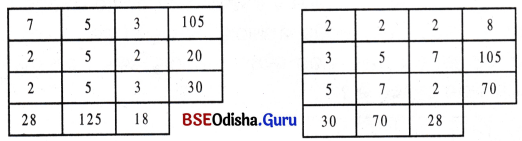
ନିୟମ: ଦିଆଯାଇଥିବା ଗ୍ରୀଡ଼କୁ କେବଳ ମୌଳିକ ସଂଖ୍ୟାଦ୍ଵାରା ପୂରଣ କର ଯେପରି ପ୍ରତ୍ୟେକ ଧାଡ଼ିର ସଂଖ୍ୟାଗୁଡ଼ିକର ଗୁଣଫଳ, ଧାଡ଼ିର ଡାହାଣ ପାର୍ଶ୍ଵରେ ଥିବା ସଂଖ୍ୟା ସହ ସମାନ ହେବ ଏବଂ ପ୍ରତ୍ୟେକ ସ୍ତମ୍ଭରେ ଥିବା ସଂଖ୍ୟାଗୁଡ଼ିକର ଗୁଣଫଳ, ସ୍ତମ୍ଭର ତଳେ ଥିବା ସଂଖ୍ୟା ସହ ସମାନ ହେବ।
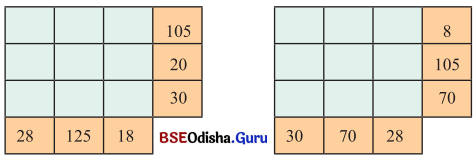
Class 6 Maths Chapter 5 Question Answer Odia Medium ମୌଳିକ ସଂଖ୍ୟା Page 128 Q1
Class 6 Maths Chapter 5 Question Answer Odia Medium ମୌଳିକ ସଂଖ୍ୟା Page 128 Q1.1
Solution:
Class 6 Maths Chapter 5 Question Answer Odia Medium ମୌଳିକ ସଂଖ୍ୟା Page 128 Q1.2
Class 6 Maths Chapter 5 Question Answer Odia Medium ମୌଳିକ ସଂଖ୍ୟା Page 128 Q1.3

A Journey through States of Water Class 6 Notes Science Chapter 8

Combining textbook study with BSE Odisha Class 6 Science Notes and Class 6 Science Curiosity Chapter 8 A Journey through States of Water Notes can make exam preparation more effective.

A Journey through States of Water Notes Class 6

Class 6 Science Curiosity Chapter 8 Notes

Water is one of the most important substances on Earth. It is a clear, colourless liquid that forms rain and makes up rivers, lakes and oceans. It is used by humans every day for drinking, cooking, cleaning, bathing, farming, and many other purposes.

States of Water

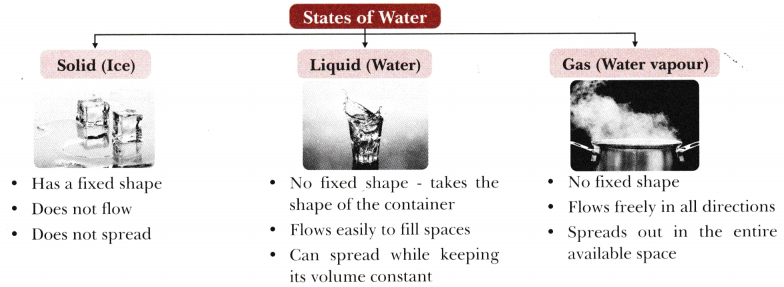
Water exists mainly in three different states as shown in the following flowchart:
A Journey through States of Water Class 6 Notes Science Chapter 8 1

A Journey through States of Water Class 6 Notes Science Chapter 8

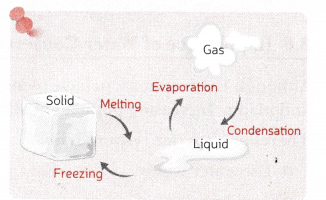
Interconversion Between States

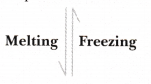
There are primarily four different processes that involve the interconversion between different states of water.
A Journey through States of Water Class 6 Notes Science Chapter 8 2
These processes are discussed as follows:

Melting
The process by which a substance changes its state from solid to liquid is called melting, the conversion of solid ice to liquid water occurs by this process. Heat needs to be supplied for the melting of ice into water. Melting becomes faster with an increase in temperature.

Freezing
The process by which a substance changes its state from liquid to solid is called freezing.

  • The conversion of liquid water to solid ice occurs by this process.
  • The process of freezing occurs due to cooling or a decrease in temperature.

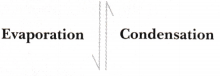
Evaporation

The process by which a liquid converts into its vapour form is called evaporation.

  • The conversion of liquid water to water vapour occurs by this process.
  • Evaporation can occur at all temperatures, even at room temperature.
  • Some common real-life examples of evaporation are:
    • Water sprinkled on a hot pan turns into steam
    • Drying of wet clothes
    • Drying of freshly mopped floor
    • Drying of sweat from the body
    • Disappearance of water puddles from the ground
  • NOTE: Water vapour is actually invisible but the presence of tiny water droplets in the steam makes it visible.

A Journey through States of Water Class 6 Notes Science Chapter 8

Condensation

The process by which a vapour (gas) converts into its liquid form is called condensation, a The conversion of water vapour to liquid water occurs by this process, a Some common real-life examples of condensation are:

  • Appearance of water droplets on the outer surface of a glass tumbler containing ice-cold water
  • Formation of dew drops on plants, grass, and leaves in the early morning
  • Appearance of water droplets on inner side of a lid used to close a container containing hot water
  • Appearance of mist on a cool mirror surface after a hot water bath

Factors Affecting Evaporation

Evaporation does not take place at the same rate in all conditions. The rate of evaporation is dependent on the factors that are discussed as follows:

Exposed Surface Area

  • The larger the exposed surface area, the greater the rate of evaporation.
  • More water can escape into the air as vapour when water to be evaporated has a comparatively larger exposed surface area.
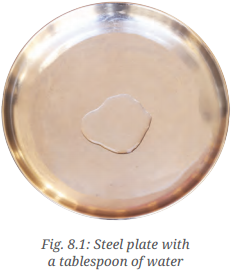
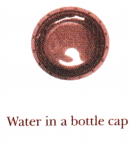
  • For example, water spread on a plate evaporates faster than water in a bottle cap.
    A Journey through States of Water Class 6 Notes Science Chapter 8 3
    A Journey through States of Water Class 6 Notes Science Chapter 8 4

A Journey through States of Water Class 6 Notes Science Chapter 8

Temperature

  • The higher the temperature, the greater the rate of evaporation.
  • For example, the same amount of water kept in sunlight evaporates faster than water kept in a shaded region.

Wind Speed

  • An increase in the wind speed or the movement of air causes an increase in the rate of evaporation.
  • Moving air carries away water vapour from the surface, which speeds up the evaporation.
  • For example, wet clothes dry faster on a windy day compared to a non-windy day.

Humidity

  • Humidity is the amount of water vapour present in the air.
  • The rate of evaporation decreases with an increase in the humidity.
  • When the air already has a lot of water vapour, there is less space for extra water vapour to enter the air, hence evaporation slows down.
  • For example, wet clothes dry very slowly on a cloudy day dtte to high humidity in the air.

Cooling Effect of Evaporation

Evaporation causes a cooling effect. During evaporation, water absorbs heat from its surroundings, which causes cooling effect.
Examples of Cooling Effect:

  • Earthen Pot (Matka): Earthen pots have tiny pores. Water seeps through these pores and evaporates from the surface, resulting in a cooling effect. Consequently, the water stored in earthen pots (matka or surahi) feels cool.
  • Sweating: Evaporation of sweat from the body produces a cooling sensation.
  • Rubbing sanitiser on hands: The hands feel cool as the sanitiser evaporates quickly, taking heat from the hands.
  • Cooling rooftops during summers: Sprinkling water on rooftops during summer helps cool them due to evaporation.
  • Pot-in-Pot Cooler: Water evaporates from wet sand that is present in between two pots, creating a cooling effect inside.

A Journey through States of Water Class 6 Notes Science Chapter 8

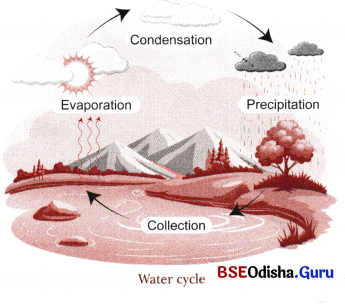
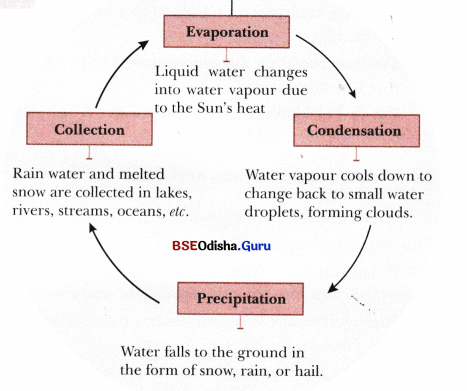
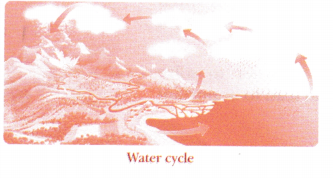
Formation of Clouds and Rain — Water Cycle

The water cycle is the continuous circulation of water between Earth’s surface and the atmosphere.
The steps involved in the water cycle are as follows:

  • Evaporation: Water from oceans, rivers, and lakes evaporates into the atmosphere as water vapour.
  • Rising of Water Vapour: Water vapour is lighter than air, so it rises up in the atmosphere.
  • Cooling and Condensation: As air rises higher, it becomes cooler. Water vapour condenses around dust particles to form tiny water droplets.
  • Cloud Formation: Many tiny water droplets floating together join to form clouds.
  • Precipitation: Droplets join together to form bigger drops. When they become heavy enough, they fall to the ground as rain. Under special conditions, water may fall as snow or hail.
  • Return to Earth: Water returns to oceans, rivers, lakes, and groundwater, and the cycle continues.
    A Journey through States of Water Class 6 Notes Science Chapter 8 5

Importance of Water Conservation :
Although Earth appears to have plenty of water, only a small amount of it is fit for use by humans, animals, and plants. Increasing population and pollution are causing water shortages in many areas.
Therefore, it is our responsibility to:

  • Use water wisely
  • Avoid wastage of water
  • Keep water sources clean and free from pollution
  • Water is essential for life, and protecting it is essential for our future.

Different States of Water

Ice (Solid)
Fixed shape and fixed volume
Does not spread or flow like liquid
A Journey through States of Water Class 6 Notes Science Chapter 8 6

A Journey through States of Water Class 6 Notes Science Chapter 8
Water (Liquid)
Fixed volume but no fixed shape
Flows freely, keeping a constant volume
A Journey through States of Water Class 6 Notes Science Chapter 8 7
Water Vapour (Gas)
‘— No fixed shape or fixed ‘oliime
Moves rapidly

Water Cycle
A Journey through States of Water Class 6 Notes Science Chapter 8 8

Inter-Conversion of States of Water

  • Evaporation: Conversion of water into water vapour
  • Condensation: Conversion of water vapour into liquid water on cooling
  • Melting: Conversion of solid (ice) into liquid (water)
  • Freezing: Conversion of liquid (water) into solid (ice) on cooling
    A Journey through States of Water Class 6 Notes Science Chapter 8 9

A Journey through States of Water Class 6 Notes Science Chapter 8

Factors Affecting Rate of Evaporation :

  • Exposed Surface Area: Increase in the exposed surface area caused an increase in the rate of evaporation.
  • Temperature: Increase in the temperature causes an increase in the rate of evaporation.
  • Wind Speed: Increase in the wind speed causes an increase in the rate of evaporation.
  • Humidity: Increase in the humidity causes a decrease in the rate of evaporation.

Temperature and its Measurement Class 6 Notes Science Chapter 7

Combining textbook study with BSE Odisha Class 6 Science Notes and Class 6 Science Curiosity Chapter 7 Temperature and its Measurement Notes can make exam preparation more effective.

Temperature and its Measurement Notes Class 6

Class 6 Science Curiosity Chapter 7 Notes

The Sense of Temperature: Hot or cold

o Some bodies feel hotter or colder than others when touched, but touch gives only a rough idea.
o Our sense of touch is not always reliable because the same object can feel warm of cool depending on what the hand touched earlier. Therefore, fever or hotness cannot be judged correctly only by touching.

Temperature

Temperature of a body is a measure of its hotness or coldness. A hotter body has a higher temperature than a colder body, and the temperature difference tells how much hotter one body is compared to another.

An instrument used to measure temperature is called a thermometer.

Temperature and its Measurement Class 6 Notes Science Chapter 7

Temperature Scales and Units

  • There are three main temperature scales:
    (a) Celsius Scale: Temperature is measured in degree Celsius (°C).
    (b) Fahrenheit Scale: Temperature is measured in degree Fahrenheit (°F).
    (c) Kelvin Scale: Temperature is measured in kelvin (K). The zero in this scale, i.e., 0 K is known as the absolute zero. It is the lowest possible temperature.
  • The SI unit of temperature is kelvin, it is mostly used in scientific studies.
Conversion of Units
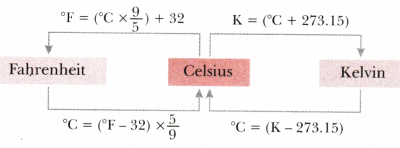
From → To Formula
Celsius → Fahrenheit °F = (°C x 9/5) + 32
Fahrenheit → Celsius °C = (°F – 32) × 5/9
Celsius → Kelvin K = °C + 273.15

Rules for Writing Names and Symbols Correctly

  • The names of the temperature scales (Celsius, Fahrenheit, Kelvin) start with capital letters.
  • In the full unit names “degree Celsius” and “degree Fahrenheit”, the word “degree” begins with a small letter, while “Celsius” and “Fahrenheit” begin with capital letters; the unit name “kelvin” starts with a small letter.
  • The symbols °C, °F and K are written as capital letters; the degree sign (°) is not written with K.
  • A space is left between the number and the unit symbol (for example, 37.0 °C), and no full stop is written after the symbol unless it ends the sentence.
  • While writing the full unit name, the plural “degrees” is used for temperatures more than one degree.

Temperature and its Measurement Class 6 Notes Science Chapter 7

Types of Thermometers

Clinical Thermometer
It is used to measure human body temperature. It usually has a range of 35 °C to 42 °C. There are three main types of clinical thermometers:
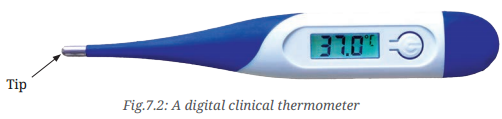
(a) Digital clinical thermometer: It displays temperature on a digital display I – screen, and run on batteries. It uses electronic heat sensors to measure the temperature. It is a contact type thermometer, i.e., temperature is measured when the thermometer is placed in contact with a person’s body.
Temperature and its Measurement Class 6 Notes Science Chapter 7 1
Precautions while using a digital clinical thermometer

  • The tip of the thermometer should be washed with soap and water before and after use.
  • Care should be taken to keep the digital display away from water while cleaning.
  • The thermometer should not be held by its tip.

(b) Mercury thermometer: It consists of a narrow glass tube connected to a bulb filled with mercury. Mercury thermometers are not recommended because mercury is toxic and harmful if released, posing health and environmental risks, and digital thermometers are a safer alternative. It is a contact type thermometer.
Temperature and its Measurement Class 6 Notes Science Chapter 7 2

(c) Infrared thermometer: It is a non-contact type thermometer. It can measure temperature without touching a person’s body and thus reduce the risk of spreading disease. Infrared thermometers were widely used during COVID-19 pandemic.
Temperature and its Measurement Class 6 Notes Science Chapter 7 3

NOTE: Normal human body temperature is about 37.0 °C, but it may vary slightly among individuals as it is an average value. It is influenced by factors such as age, time of the day, and activity level. The temperature of human beings does not normally go below 35 °C or above 42 °C.

Temperature and its Measurement Class 6 Notes Science Chapter 7

Laboratory Thermometer

  • A laboratory thermometer is used to measure the temperature of substances other than the human body, such as water and other liquids.
  • It consists of a sealed, narrow glass tube with a bulb containing a liquid, and a liquid column that rises or falls with temperature change.
  • The liquid used in a laboratory thermometer is usually red coloured alcohol or mercury.
  • A typical laboratory thermometer may have a range from -10 °C to 110 °C.
  • To find the smallest value (least count) that a thermometer can measure, the temperature difference between two big marks on its scale is divided by the number of small divisions between them.
    Temperature and its Measurement Class 6 Notes Science Chapter 7 4

Precautions while using a Laboratory Thermometer

  • It should be kept upright not tilted. Ensure the bulb is fully immersed and does not touch the container. Take the reading while bulb is still in touch with the substance.
  • Read the thermometer by keeping your eye directly in line with the level of the liquid column.

NOTE: The temperature of melting ice is 0 °C, and the temperature of boiling water is 100 °C. Laboratory During melting and boiling, the temperature remains constant even if heating continues, thermometer.

Temperature and its Measurement Class 6 Notes Science Chapter 7

Air Temperature

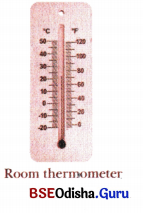
  • Air temperature gives a measure of how hot or cold the air of an area is at a specific time. It is measured using a room thermometer.
  • Air temperature varies from day to day as it is influenced by several factors.
  • It is a crucial weather parameter that affects weather conditions, climate patterns and the environment. It is monitored at weather stations all over the world.
  • The data collected by the weather stations plays a vital role in making weather forecasts (predictions) that prepare us for the changing weather conditions.
    Temperature and its Measurement Class 6 Notes Science Chapter 7 5

Temperature

  • Temperature is a measure of hotness or coldness of a body.
  • The SI unit of temperature is kelvin.

Scales of Temperature

Fahrenheit Scale

  • Unit: degree Fahrenheit, denoted by °F.
  • Freezing point of water: 32 °F
  • Boiling point of water: 212 °F

Celsius Scale

  • Unit: degree Celsius, denoted by °C.
  • Freezing point of water: 0 °C
  • Boiling point of water: 100 °C

Temperature and its Measurement Class 6 Notes Science Chapter 7

Kelvin Scale

  • Unit: kelvin, denoted by K.
  • Freezing point of water: 273.15 K
  • Boiling point of water: 373.15 K

Temperature and its Measurement Class 6 Notes Science Chapter 7 6

Air Temperature

  • It measures how hot or cold the surrounding air is.
  • Weather reports show the day’s maximum and minimum air temperature.
  • Room thermometers in schools, clinics, and hospitals give an approximate temperature of the surrounding air.

Thermometer

Thermometer is a device that measures temperature.

Clinical Thermometer

  • It is used to measure body temperature.
  • Range: 35 °C to 42 °C.

Mercury Thermometer

  • It has a long, uniform glass tube (capillary) connected to a mercury-filled bulb.
  • As mercury is toxic, digital thermometers are now safer alternatives.

Temperature and its Measurement Class 6 Notes Science Chapter 7

Digital Thermometer

  • It runs on batteries and uses electronic heat sensors to measure temperature.
  • Displays temperature in °C or °F on a digital screen.
  • It is easier to read than mercury thermometers.

Infrared Thermometer

  • It measures body temperature without touching the skin.
  • These are also called non-contact thermometers.

Laboratory Thermometer

  • It is used in science labs and industries to measure temperatures other than our body temperature.
  • Range:-10 °C to 110°C (Generally).
  • The liquid used in the laboratory thermometer is generally alcohol (coloured red to make it easily seen) or mercury.
  • The liquid column rises or falls with change in temperature.
  • It does not keep the reading. The temperature drops as soon as you remove it from the liquid.

Materials Around Us Class 6 Notes Science Chapter 6

Combining textbook study with BSE Odisha Class 6 Science Notes and Class 6 Science Curiosity Chapter 6 Materials Around Us Notes can make exam preparation more effective.

Materials Around Us Notes Class 6

Class 6 Science Curiosity Chapter 6 Notes

Understanding Objects and Materials Around Us

Objects: The things that we can see and/or touch.

  • Different objects around us have varying shapes and sizes, and each object serves a different purpose.
  • All the objects around us are made of different materials.

Materials: The substances or mixtures of substances that are used to make objects.

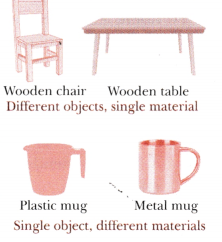
  • A single material can be used to make different types of objects, and a single type of object can be made from different types of materials.
  • Some objects are also made of multiple materials, e.g., a pen can have a plastic body and a metal nib.
    a The choice of material depends upon the intended use of the object.
    Materials Around Us Class 6 Notes Science Chapter 6 1

Materials Around Us Class 6 Notes Science Chapter 6

Classification of Materials Based on their Properties

Classification is defined as the process of arranging or organising materials into groups based on their common properties. It helps in easier identification, sorting, and locating of objects.
Materials can be classified based on the following properties:

Appearance

  • Based on appearance, materials are classified as lustrous and non-lustrous.
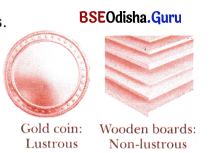
  • Lustrous: The materials that have a shiny surface (lustre), e.g., gold, aluminium, copper, etc.
  • Non-lustrous: The materials that do not have a shiny surface and appear to be dull, e.g., rubber, jute, wood, etc.
    Materials Around Us Class 6 Notes Science Chapter 6 2
  • Generally, metals such as gold, iron, etc., are lustrous, but it should be noted that not all materials that shine are metals. The surfaces of some materials are made shiny by polishing or coating them with thin layers of plastic, wax, or any other material, which makes them look shiny. Some metals may lose their lustre and start to look dull due to the effect of air and moisture.

Hardness and Softness

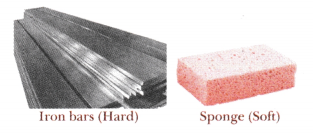
  • Materials that cannot be compressed, scratched, bent, or broken easily are known as hard materials. For example, iron bar, diamond, copper sheet, etc.
  • Materials that can be compressed, scratched, bent, or broken easily are known as soft materials. For example, rubber, chalk, sponge, cotton, etc.
  • Hardness and softness are relative terms. For example, a rubber is harder than a sponge but softer than an iron bar.
    Materials Around Us Class 6 Notes Science Chapter 6 3

Materials Around Us Class 6 Notes Science Chapter 6

Transparency
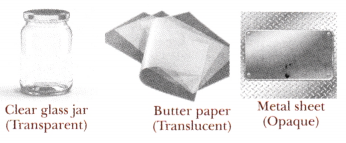
Based on transparency, materials are classified as transparent, translucent, and opaque.

  • Materials through which objects can be seen clearly are said to be transparent. For example, clear glass, cellophane paper, etc.
  • Materials through which objects can be seen, but not clearly, are said to be translucent. For example, butter paper, frosted glass, muslin cloth, etc.
  • Materials through which objects cannot be seen at all are said to be opaque. For example, metal sheet, wooden board, brick, etc.
    Materials Around Us Class 6 Notes Science Chapter 6 4

Solubility in Water

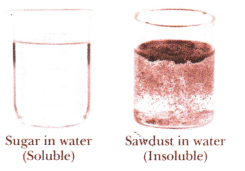
Solubility in water is defined as the property of a material to dissolve completely in water. Based on their solubility, materials are classified as soluble and insoluble, o The materials that completely disappear on mixing in water are said to be soluble. For example, salt, sugar, vinegar, etc.

The materials that do not disappear on mixing in water even when stirred for a long time, are said to be insoluble. For example, sawdust, chalk powder, sand, oil, etc.
(i) Solubility of Solids in Water

  • Some solids, such as sugar, salt, etc, dissolve completely in water to form a mixture that has a uniform composition.
  • Some solids, such as sand, sawdust, etc, do not dissolve or disappear in water and hence the resultant mixture has a non¬uniform composition.
    Materials Around Us Class 6 Notes Science Chapter 6 5

Materials Around Us Class 6 Notes Science Chapter 6

(ii) Solubility of Liquids in Water

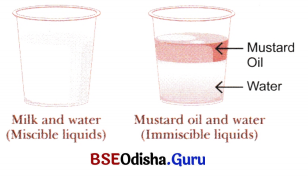
  • Some liquids, such as milk, lemon juice, etc., mix completely with water and do not form a distinct layer. These are known as miscible liquids.
  • Some liquids, such as petrol, mustard oil, coconut oil, kerosene, etc., form a distinct layer when mixed with water. Such liquids that do not disappear into one another are said to be immiscible liquids.
    Materials Around Us Class 6 Notes Science Chapter 6 6

(iii) Solubility of Gases in Water

  • Some gases, like carbon dioxide and oxygen, can dissolve in water. It is the oxygen dissolved in water that helps in the survival of aquatic plants and animals.
  • Flowever, gases like nitrogen, do not dissolve in water.

Mass and Volume

  • Mass is defined as the amount of matter present in a material.
  • It is a measure of the heaviness or lightness of an object. It is usually measured in grams (g) and kilograms (kg).
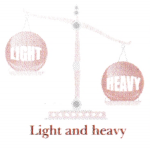
  • An object with a higher mass is said to be heavy, and an object with a lower mass is said to be light.
  • Heavy and light are relative terms. For example, a pencil is heavier than a feather, but is lighter than a book.
    Materials Around Us Class 6 Notes Science Chapter 6 7

Materials Around Us Class 6 Notes Science Chapter 6

Volume is defined as the space occupied by a material.

  • It is usually measured in millilitres (mL) and litres (L).
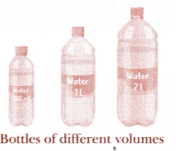
  • Water bottles sold in the markets come in different sizes and quantities, with labels such as 500 mL, 1 L, 2 L, etc. These labels indicate the capacity of bottles and the level of water indicate the volume of water present in them.
    Materials Around Us Class 6 Notes Science Chapter 6 8

Matter: Anything that occupies space and has mass is known as matter.

Materials Around Us: Material is definite kind and quality of matter intended for a specific purpose.

Based on Appearance

Lustrous : A material that has a shiny surface is said to be lustrous.
Examples: Gold, silver, etc.

Non-lustrous: A material that does not have a shiny surface and appears to be dull is said to be non- lustrous.
Examples: Wooden board, rubber sheet, etc.

Based on Mass

Heavy: A material that has a higher mass
Light: A material that has a lower mass
Heavy and light are relative terms, e.g., a pencil is heavier than a feather, but is lighter than a book. SI unit: Kilogram (kg)

Materials Around Us Class 6 Notes Science Chapter 6

Based on Volume (Space Occupied)

A material that occupies more space is said to have a larger volume as compared to a material that occupies less space.
SI unit: Cubic metre (m3)

Based on Transparency

Transparent: A material through which we can see things clearly.
Examples: Clear glass, cellophane sheet,

Translucent: A material through which we can see things, but not very clearly.
Examples: Frosted glass, butter paper, etc.

Opaque: A material through which we cannot see things at all.
Examples: Brick, aluminium foil, etc.

Based on Hardness

Hard: A material that is difficult to compress or scratch Examples: Metal block, wooden block, etc.
Soft: A material that is easy to compress or scratch Examples: Cotton ball, sponge, etc.

Based on Solubility in water

Soluble: A material that disappears or dissolves completely in water is said to be soluble in water.
Examples: Sugar, common salt, etc.

Materials Around Us Class 6 Notes Science Chapter 6

Solubility of Solids in Water

  • Solids like sugar, common salt, etc., are soluble in water.
  • Solids like sand, chalk powder, etc., are insoluble in water.

Solubility of Liquids in Water

  • Liquids like milk, vinegar, honey, etc., are soluble in water.
  • Liquids like mustard oil, petrol, etc., are insoluble in water.

Solubility of Gases in Water

  • Some gases, like oxygen, are soluble in water. This dissolved oxygen allows the survival of aquatic life.
  • Some gases, like nitrogen, are insoluble in water.

Insoluble: A material that does not disappear or dissolve completely in water is said to be insoluble in water.
Examples: Sand, chalk powder, etc.

Measurement of Length and Motion Class 6 Notes Science Chapter 5

Combining textbook study with BSE Odisha Class 6 Science Notes and Class 6 Science Curiosity Chapter 5 Measurement of Length and Motion Notes can make exam preparation more effective.

Measurement of Length and Motion Notes Class 6

Class 6 Science Curiosity Chapter 5 Notes

Measurement

Measurement is defined as the process of comparing an unknown quantity with a known or standard quantity of the same kind. This known fixed quantity is called a unit,

  • Earlier, people measured length using body parts. Common examples include:
  • Handspan (balisht) – distance between the tips of the thumb and little finger of an outstretched hand.
  • Cubit – distance from the elbow to the tip of the middle finger
  • Footspan – length of a person’s foot.
  • Footstep / stride – distance covered in one step while walking.

When an object’s length is measured the length is expressed as a number and a unit. For example, length of a table is measured as 13 handspans’ where 13 is the number and handspan is the unit. It means length of table is 13 times the length of the handspan.

Different people have different-sized handspans, feet or fists. Therefore, the same object gives different numerical values when measured with different persons’ body parts. This variation shows that body-based units are not reliable for accurate measurements.

Measurement of Length and Motion Class 6 Notes Science Chapter 5

Standard Units

Standard unit is a unit which has a fixed magnitude, amount or size which does not change from person to person, place to place or time to time.
Some standard units of length are metre, foot, yard etc.

  • Different regions of the world developed different systems of units, which made comparison of measurements difficult. To avoid confusion, most countries have adopted the International System of Units (SI units) as a common set of standard units.
  • The SI unit of length is metre, written with the symbol m.
  • Some other units of length are defined in relation to the metre:
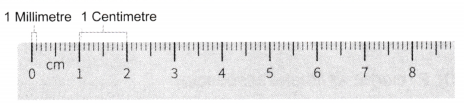
    • 1 metre = 100 centimetres (cm)
    • 1 centimetre =10 millimetres (mm) .
    • 1 kilometre = 1000 metre (m)
      Measurement of Length and Motion Class 6 Notes Science Chapter 5 1
  • Very large distances, such as those between cities, are measured in kilometres (km), while everyday lengths are measured in metres (m), centimetres (cm) or millimetres (mm).

Correct Way of Measuring Length

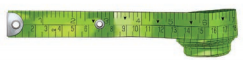
  • We must select a suitable measuring device for the length to be measured, such as a short scale for a pencil, a metre scale for the height of a room, or a flexible tape for the girth of a tree or the chest size of a person.
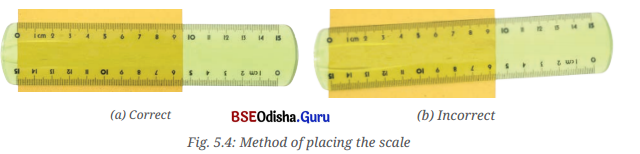
  • While measuring length, the scale should be placed in contact with the object along its length, without any gap or tilt.
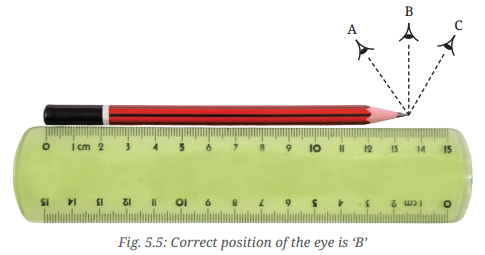
  • The eye should be placed directly above die mark being read. Viewing the scale from an angle can give a wrong reading.
    Measurement of Length and Motion Class 6 Notes Science Chapter 5 2

Measurement of Length and Motion Class 6 Notes Science Chapter 5

Parallax error: It is the error in measurement that occurs when we read a scale from an angle instead of keeping the eye vertically above the mark. Because of the slanted view, the object’s end and the scale division do not appear to line up correctly, so the reading becomes incorrect.
Measurement of Length and Motion Class 6 Notes Science Chapter 5 3
If the zero mark at the end of a scale is broken or unclear, another full mark such as 1.0-cm can be used as the starting point, and this starting reading is subtracted from the reading at the other end to get the correct length.

Example: If one end of the object is at 1.0 cm and the other end is at 10.4 cm on the scale, then the length of the object is 10.4 cm – 1.0 cm = 9.4 cm.

  • Visually impaired learners can measure length using scales with raised markings that can be felt by touch.
  • When writing a measured length, we must always write the number and the unit, leaving a space between the number and the unit.
  • The names of units such as kilometre, metre, centimetre and millimetre begin with lowercase letters, and their symbols km, m, cm and mm are also written in lowercase, without a plural ‘s’. A full stop is not written after a unit symbol, except at the end of a sentence.

Measurement of Length and Motion Class 6 Notes Science Chapter 5

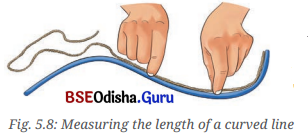
Measuring the Length of a Curved Line

  • Curved lengths such as the edge of an arch or the circular base of a tumbler cannot be measured directly with a rigid, straight scale.
    Measurement of Length and Motion Class 6 Notes Science Chapter 5 4
  • Curved lengths can be measured using a flexible measuring tape that bends and fits exactly along the curve.
  • A curved length can also be measured by carefully laying a thread along the curved object, then straightening the thread and measuring it with a metre scale.
    Measurement of Length and Motion Class 6 Notes Science Chapter 5 5

Describing Position

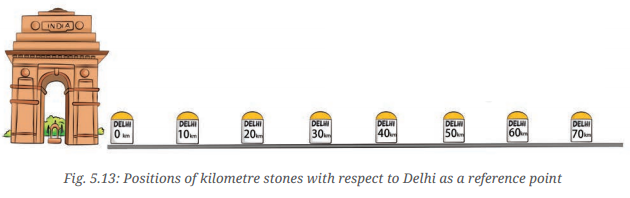
o People may disagree about which place is nearer or farther away if they compare distances from their own houses or from different starting points. If all distances are measured from the same fixed point, everyone will agree on which place is closer or farther from that point.
Measurement of Length and Motion Class 6 Notes Science Chapter 5 6

Measurement of Length and Motion Class 6 Notes Science Chapter 5

  • Reference point: A fixed object or position with respect to which the distance (or position) of an object is described is called a reference point.
  • Kilometre stones along a highway show the distance of that point from a fixed city (for example, ‘Jaipur 100 km”). The city acts as the reference point for all those distances.
  • As a vehicle moves and the numbers on kilometre stones decrease, this shows that the position of the vehicle with respect to the reference city is changing with time.

Motion

An object is said to be in motion if its position changes with respect to a reference point as time passes. An object is said to be at rest if its position does not change with respect to a reference point with time.

Whether an object is at rest or in motion depends on the chosen reference point; the same object can be at rest with respect to one reference point and in motion with respect to another. For example, passengers sitting in a moving bus are at rest relative to the bus but in motion relative to trees and buildings outside.

Types of Motion

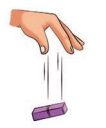
Linear motion: When an object moves along a straight line, its motion is called linear motion. Example: a ball dropped from a height or people marching in a straight line.
Measurement of Length and Motion Class 6 Notes Science Chapter 5 7
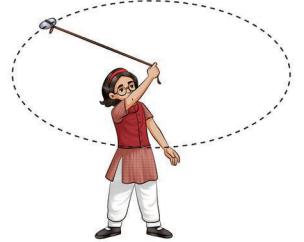
Circular motion: When an object moves along a circular path around a fixed point or axis, its motion is called circular motion. Example: a seat on a merry-go-round or a stone tied to a string and whirled in a circle.
Measurement of Length and Motion Class 6 Notes Science Chapter 5 8

Measurement of Length and Motion Class 6 Notes Science Chapter 5

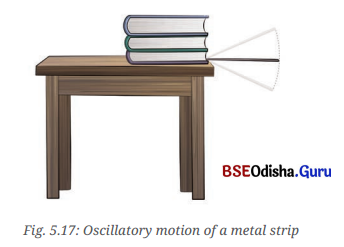
Oscillatory motion: When a oscillatory motion object moves to and fro about a fixed position, its motion is called Oscillatory motion. Example: a swing moving back and forth or a simple pendulum.
Measurement of Length and Motion Class 6 Notes Science Chapter 5 9

Periodic motion

  • When an object repeats its motion after equal intervals of time, its motion is called periodic motion. Example: the to-and-fro motion of a pendulum or the circular motion of a rotating wheel.
  • Circular motion and oscillatory motion are type of periodic motions, because they repeat themselves in a regular pattern after a fixed time.
  • The same object can show different types of motion along different parts of its path, such as a ball moving on a roller-coaster track with straight and curved sections.

Measurement

  • It is the comparison of an unknown quantity with some known fixed quantity.
  • The known fixed quantity is the unit of measurement.
  • Measurement of any quantity consists of two parts — a number and a unit.

Old Methods of Measurements

  • Ancient methods of measurement have only been approximate measurements and they differ from person to person, place to place and time to time.
  • Cubit: The length between the tip of the middle linger and elbow.
  • Handspan: The length between the tip of the thumb and the tip of the little finger when the hand is fully extended.

Measurement of Length and Motion Class 6 Notes Science Chapter 5

Standard Units of Measurements

  • A standard unit is a fixed value which does not change from person to person, place to place and time to time.
  • The international system of units (SI units) has been adopted by countries as standard units of measurements.
  • The SI unit of length is metre (m).
  • For measuring smaller lengths, we use smaller units such as centimetre (cm) or millimetre (mm).
  • For measuring larger lengths, we use larger units such as kilometre (km).
  • Conversion of Units:
    • 1 km = 1000 m
    • 1 m = 100 cm
    • 1 cm = 10 mm

Motion

  • The reference point is a fixed point from which the position or distance of an object is measured.
  • Distance tells us how far an object is from the reference point.

Rest and Motion

  • An object is said to be in motion if its position changes with respect to the reference point with time.
  • If an object is not changing its position with respect to the reference point with time, it is said to be at rest.

Measurement of Length and Motion Class 6 Notes Science Chapter 5

Types of Motion

  • Linear Motion: When an object moves along a straight line.
    Examples:
    A box moving in a straight line.
    A train moving on a straight railway track.
  • Oscillatory Motion: When an object moves to and fro about a fixed position.
    Examples:
    The motion of a ruler fixed at one end when the other end is flicked.
    Pendulum of a clock.
  • Circular Motion: When an object moves along a circular path.
    Examples:
    The whirling of an eraser tied to a thread.
    Children riding on a rotating merry-go-round.
  • Periodic Motion: When an object repeats its path after a fixed interval of time.
    Examples:
    The motion of the hands of a clock.
    Both circular and oscillatory motions are periodic in nature.

Exploring Magnets Class 6 Notes Science Chapter 4

Combining textbook study with BSE Odisha Class 6 Science Notes and Class 6 Science Curiosity Chapter 4 Exploring Magnets Notes can make exam preparation more effective.

Exploring Magnets Notes Class 6

Class 6 Science Curiosity Chapter 4 Notes

Magnets

A magnet is a substance that has the property of attracting certain materials (like iron, nickel, cobalt, etc.) around itself.
There are two types of magnets, natural magnets and artificial magnets.

  • Natural magnets are brittle and have irregular shapes. They have weak magnetic power or magnetism. Lodestone or magnetite is an example of natural magnet.
  • Artificial magnets or man-made magnets are available in various shapes and sizes and possess strong magnetism.
    Exploring Magnets Class 6 Notes Science Chapter 4 1

Exploring Magnets Class 6 Notes Science Chapter 4

Magnetic and Non-magnetic Materials

  • The materials that are attracted towards a magnet and stick to it are called magnetic materials. Iron, nickel, and cobalt are examples of magnetic materials, and certain materials containing these metals (like steel) are also attracted by magnets.
  • The materials which are not attracted towards a magnet are called non-magnetic materials. Objects made of plastic, wood, rubber, aluminium, and glass do not stick to magnets and are therefore non-magnetic.

Poles of a Magnet

  • When a bar magnet is placed on iron filings, maximum iron filings collect near its two ends and very few near the middle.
  • These regions at the ends of a magnet, where attraction is maximum, are called the poles of the magnet.
  • Magnetic poles always occur in pairs. Every magnet has both a North pole and a South pole. It is not possible to obtain a magnet with only one pole.
  • If a magnet is broken into smaller pieces, each piece behaves like a magnet and has both a north pole and a south pole.
    Exploring Magnets Class 6 Notes Science Chapter 4 2

Exploring Magnets Class 6 Notes Science Chapter 4

Magnetisation

Magnetisation is the process of converting a magnetic material such as iron or steel into a magnet.

  • In this process, the material acquires magnetic properties and begins to attract magnetic substances like iron pins or paper clips.
  • Single-touch method: A simple method of magnetisation in which one pole of a bar magnet is stroked repeatedly in the same direction along an iron object to make it magnetic.
    Exploring Magnets Class 6 Notes Science Chapter 4 3

Directive Property of Magnet

A freely suspended bar magnet always comes to rest along the north-south direction because the Earth itself behaves like a giant magnet.

The end of a freely suspended magnet that points towards the north direction is called its north-seeking pole or north pole, and the end that points towards the south direction is called its south-seeking pole
or south pole.

An ordinary iron bar does not always come to rest in the north-south direction, so this behaviour can be used as a simple test to check whether a piece of metal is a magnet.

The property of a freely suspended magnet to rest along the north-south direction is used for finding directions on the Earth.
Exploring Magnets Class 6 Notes Science Chapter 4 4

Magnetic Compass

  • A magnetic compass is a small device developed long ago for finding directions, and it contains a magnet in the shape of a needle that can rotate freely.
  • To make a magnetic compass at home, an iron sewing needle can be magnetised by single-touch method.
  • When this magnetised needle is passed through a cork and floated on water, it turns and comes to rest in a fixed direction each time, acting like a simple compass needle.
    Exploring Magnets Class 6 Notes Science Chapter 4 5

Exploring Magnets Class 6 Notes Science Chapter 4

Attraction and Repulsion between Magnets

  • When two magnets are brought close to each other, they either attract or repel, depending on which poles face each other.
  • The north pole of one magnet and the south pole of another magnet attract each other; such poles are called unlike poles.
  • When two north poles are brought close together, they push each other away. In the same way, two south poles also repel each other.
  • Such poles are known as like poles, a If one magnet is replaced by an iron bar, both ends of the iron bar are attracted by both poles of the magnet.
  • Repulsion is observed only between two magnets, never between a magnet and an ordinary iron piece. Therefore, the property of repulsion is the surest test of magnetism.

Applications of Magnets

  • In factories to lift heavy iron objects such as scrap iron.
  • By surgeons in hospitals to remove iron/steel splinters from the wounds.
  • In the construction of telephones, electric bells, etc.
  • To separate iron and steel from non-magnetic materials.

Effect of Bar Magnet on Magnetic Compass

  • When the north pole of a bar magnet is brought near the north pole of the compass needle, the needle moves away, showing repulsion between like poles.
  • When the south pole of the bar magnet is brought near the north pole of the compass needle, the needle moves towards the magnet, showing attraction between unlike poles.
  • When sheets of wood, cardboard, plastic or glass are placed between a bar magnet and a magnetic compass, the compass needle moves towards and away in the same way as it does without the sheets.
  • The magnetic effect can act through non-magnetic materials such as wood, cardboard, plastic, etc.

Exploring Magnets Class 6 Notes Science Chapter 4

Proper Handling and Storage of Magnets

Magnets should be handled with care and should not be heated, dropped or hammered, and they should not be kept near devices like mobile phones or remote controls.

To store bar magnets safely, they should be kept in pairs with unlike poles on the same side, with a wooden piece between them and two pieces of soft iron placed across their ends as keepers. To store a horseshoe magnet safely, a keeper should be placed across its poles.

Characteristics of Magnets

Poles of Magnet

  • The regions at the end of a magnet where the magnetic strength is maximum are called poles of a magnet.
  • All magnets have two poles whatever their shape may be.
    • The North Pole: The end of the magnet that points towards the north.
    • The South Pole: The end of the magnet that points towards the south.
  • The poles of a magnet always exist in pairs. A single north pole or a single south pole does not exist.

A magnet is a material having the property of attracting magnetic materials (like iron).
Materials that occur naturally and possess magnetic properties. Example: Lodestone.

  • Man-made magnets.
  • These magnets are made in different shapes and sizes as per requirements.
  • Example: Bar magnet, U-shaped magnet, ring magnet, etc.

Attraction and Repulsion

  • The like poles (N-N or S-S) of two magnets repel each other while unlike poles (N-S) attract each other.
  • A magnet can be identified by its property of repulsion.

Alignment in North-South Direction

  • A freely suspended magnet comes to rest along the north-south direction.
  • This alignment happens because of the influence of the Earth, which itself acts like a giant bar magnet.

Exploring Magnets Class 6 Notes Science Chapter 4

Magnets

A magnet is a material having the property of attracting magnetic materials (like iron).

Natural Magents: Materials that occur naturally and possess magnetic properties.
Example: Lodestone.

Artificial Magnets

  • Man-made magnets.
  • These magnets are made in different shapes and sizes as per requirements.
  • Example: Bar magnet, U-shaped magnet, ring magnet, etc.

Types of Materials

  • Magnetic Materials: The materials which are attracted towards a magnet.
    Example: Plastic, paper, wood, etc.
  • Non-magnetic Materials: The materials which are not attracted towards a magnet.
    Example: Plastic, paper, wood, etc.

Note: The magnetic effect can act through non-magnetic materials.

Applications of Magnets

  • The property of a freely suspended magnet to always rest along the north-south direction is used to find directions.
  • An instrument with a magnet, that is used to find directions is called a magnetic compass.
  • Magnets are used
    • in factories to lift heavy iron objects such as scrap iron.
    • by surgeons in hospitals to remove steel splinters from the wounds.
    • in the construction of telephones, electric bells, etc.
    • to separate iron and steel from non-magnetic materials.

Exploring Magnets Class 6 Notes Science Chapter 4

Proper Handling and Storage of Magnets

  • Magnets lose their magnetic properties if they are heated, hammered or dropped from some height. Improper storage can also cause loss of magnetic properties.
  • Bar magnets should be kept in pairs with their unlike poles on the same side.
  • Bar magnets must be separated by a piece of wood while magnet keepers (pieces of soft iron) should be placed across their ends.
  • For storing U-shaped/horseshoe magnet, one should keep a magnet keeper across the poles.

Mindful Eating: A Path to a Healthy Body Class 6 Notes Science Chapter 3

Combining textbook study with BSE Odisha Class 6 Science Notes and Class 6 Science Curiosity Chapter 3 Mindful Eating: A Path to a Healthy Body Notes can make exam preparation more effective.

Mindful Eating: A Path to a Healthy Body Notes Class 6

Class 6 Science Curiosity Chapter 3 Notes

Food and Diversity

  • Food is an integral part of our daily lives, and there is a wide variety in the food eaten.
  • Our country has great diversity in traditional food items consumed across different states,
  • Such diversity exists because different crops are grown (cultivated) across various regions, which, in turn, depends on the soil type and climatic conditions of that place.
  • The food consumed is influenced by the cultivation of locally grown crops, taste preferences, culture, and the traditions of each state.
    a Culinary Practices

    • Cooking practices, also called culinary practices, have gradually changed over time.
    • The shift in culinary practices is due to technological advancements, improved transportation, better communication, and the availability of modern kitchen appliances.

Mindful Eating: A Path to a Healthy Body Class 6 Notes Science Chapter 3

Nutrients

The components of food that provide energy, support growth and repair, protect the body from diseases, and help maintain various bodily functions are called nutrients,
Mindful Eating A Path to a Healthy Body Class 6 Notes Science Chapter 3 1
Mindful Eating A Path to a Healthy Body Class 6 Notes Science Chapter 3 2
Mindful Eating A Path to a Healthy Body Class 6 Notes Science Chapter 3 3
The three major nutrients in our food are listed below.

Nutrient Function in the Body Common Food Sources
Carbohydrates (energy-giving food) Primary energy source for the body Rice, wheat, maize, bajra, potato, sweet potato, banana, pineapple, mango
Fats (energy­giving food) Provides energy for performing various activities and keeps the body warm Ghee, butter, oils, nuts, coconut, seeds, curd, soyabean
Proteins (body­building food) Helps in the growth and repair of the body muscles Plant sources: Pulses, beans, peas and nuts; Animal sources: Milk, paneer, eggs, fish and meat; mushrooms

Along with the macronutrients (carbohydrates, fats, and proteins), our food must also contain vitamins and minerals, referred to as protective nutrients because they help safeguard our bodies from diseases and keep us healthy.

Mindful Eating: A Path to a Healthy Body Class 6 Notes Science Chapter 3

Diseases that occur due to lack of specific nutrients in the diet over a long period of time are termed deficiency diseases.

Deficiency Diseases

Food Component (Vitamin/ Mineral) Sources Importance Deficiency Disease/disorder Symptoms
Vitamin A Milk, mango, papaya, carrots, tomatoes, green leafy vegetables Keeps eyes and skin healthy Night blindness or complete loss of vision Inability to see in dim light, poor vision
Vitamin B1 Seafood, milk products, legumes, whole grains, seeds, nuts, fish Supports normal growth and development of the body, keeps heart healthy Beriberi Swelling, tingling or burning sensation in feet and hands, troubled breathing
Vitamin C Tomatoes, citrus fruits, (orange, lemon, etc.) amla, green chilli, guava Healthy teeth and gums, helps body to fight diseases (builds immunity) Scurvy Bleeding and swelling of gums, wounds take a longer time to heal
Vitamin D Milk, butter, eggs, fish, edible mushrooms (a type of fungus); sunlight Helps in calcium absorption and maintains bone and teeth health Rickets Bones become softened and deformed (bent)
Iron Green leafy vegetables, especially spinach, apple, beetroot, pomegranate Forms an important component of blood Anaemia Shortness of breath, weakness
Calcium Milk and milk products (curd, cheese, paneer), soya milk Helps in formation of strong bones and teeth Bone and tooth decay, prolonged deficiency may lead to rickets Tooth decay, weak bones
Iodine Iodised salt, seaweed, water chestnut (singhada), seafood Helps to perform physical and mental activities, enhances brain function Goitre Visible swelling at the front of the neck

Mindful Eating: A Path to a Healthy Body Class 6 Notes Science Chapter 3

  • In addition to essential nutrients, we also need to include dietary fibres (roughage) and water in our diet.
  • Roughage does not provide nutrients to our bodies, but helps our body get rid of undigested food and prevents constipation (ensures smooth passage of stools).
  • Water aids in the absorption of nutrients from food, and it also removes waste from the body through sweat and urine.
  • Mineral nutrients like salt can be obtained from seawater or from rocks.
    Mindful Eating A Path to a Healthy Body Class 6 Notes Science Chapter 3 4

Also, vitamin D is naturally produced by our body upon exposure to sunlight.

Test for Food Nutrients

Component of Food Test Chemical Procedure Confirmatory Observation
Starch Iodine solution Add 2-3 drops of iodine solution to the food sample. Food sample turns blue-black.
Protein Copper sulphate solution and caustic soda solution Add a few drops of copper sulphate solution, followed by few drops of caustic soda solution, to the food sample. Food sample turns

violet (purple).

Fat Paper test (no chemical required) Gently wrap the food sample on a piece of paper, press gently, allow it to dry, and hold it against the light. A translucent (oily) patch appears on the paper.

Mindful Eating: A Path to a Healthy Body Class 6 Notes Science Chapter 3

Balanced Diet: Concept and Importance

A diet that includes all essential nutrients, roughage, and water in the right proportions for proper growth and development of the body is known as a balanced diet.
Mindful Eating A Path to a Healthy Body Class 6 Notes Science Chapter 3 5
The type and amount of nutrients required depend on factors such as age, gender, the type of work/physical activity a person engages in, and their lifestyle, o Along with consuming a nutrient-rich diet, we should also cook food properly to preserve all nutrients while maintaining hygiene.

For instance, always wash vegetables and fruits before cutting them. Washing fruits and vegetables after cutting or peeling them reduces (destroys) their nutritional content.

Some nutrients, like vitamin C, are water-soluble and are lost during cooking A balanced meal plate due to high heat.

Food items that are high in calories (high sugar or fat content) but lack essential nutrients (like proteins, minerals, vitamins, and fibre) are called junk food,

Consuming these types of food frequently and in large amounts is not healthy for our bodies and can lead to obesity, and may also make us more prone to suffer from several health problems like heart diseases, diabetes, and so on.

Mindful Eating: A Path to a Healthy Body Class 6 Notes Science Chapter 3

Millets are small-sized grains (cereals), native to India. They are highly nutritious, offering countless health benefits, and can be easily cultivated in different climatic conditions. They are excellent sources of vitamins, minerals like iron and calcium, and dietary fibres. For this reason, they are referred to as nutri-cereals. Crops like ragi,jowar, bajra, and sanwa (barnyard millet) are some commonly-grown millets.

Food Miles

  • The distance a food item travels from the producer (farmer) to the consumer is known as its food miles. For instance, the process by which wheat is transformed into chapati is depicted alongside,
  • Reducing food miles is crucial because it helps lower costs and minimise pollution during transportation. It also supports the income of local farmers by buying directly from them.
  • Eating local and plant-based food is good for our health and also helps protect the environment.
  • Food reaches us through a complex process that involves significant hard work, time, and effort from many individuals. Therefore, we should always respect our food and avoid wasting it.
    Mindful Eating A Path to a Healthy Body Class 6 Notes Science Chapter 3 6

According to the law, all food items must display information about the nutrients they contain, along with details of additives such as added sugars, colouring agents, and preservatives on their packaging. The Food Safety and Standards Authority of India (FSSAI) is the government agency responsible for regulating food quality in India.

Mindful Eating: A Path to a Healthy Body Class 6 Notes Science Chapter 3

Components of Food

Nutrients
Food substances that provide nourishment to the body

Carbohydrates

  • Energy-giving compounds
  • Carbohydrates serve as the primary energy source in the body.
    Examples: Potato. wheat, etc.

Fats

  • Very high energy-giving compounds: source of stored energy
  • Fats are available in oil-rich foods.
    Examples: Nuts. butter, etc.

Proteins

  • Body-building foods
  • They help in the growth of the body.
    Examples: Pulses, eggs. etc.

Vitamins

  • Protect the body from various diseases
  • There are water soluble vitamins (Vitamin B. C) and fat-soluble vitamins (Vitamin A, D, E, K).
    Examples: Citrus fruits. milk, etc.

Minerals

  • Elements required by the body i small amounts
  • Essential for growth and development of bones, teeth, and other body parts
    Examples: Green leaf vegetables. iodised salt, etc.

Mindful Eating: A Path to a Healthy Body Class 6 Notes Science Chapter 3

Water

  • It is the major constituent of our body.
  • Makes up 75% of both weight
  • It helps body to absorb nutrients from food.

Roughage

  • Dietary fibre present in food
  • It facilitates regular bowel movement and prevents constipation.
  • It does not provide any nutrition.

Balanced Diet

The distance travelled by a food item, from the producer (farmers) to the consumer is known as its food miles.

  • A diet which contains all the nutrients our body requires in proper amounts.
  • Healthy food habits include
  • Having a balanced diet
  • Exercising daily
  • Avoiding junk food
  • Avoiding skipping meals
  • Avoiding food wastage
  • Eating food that is locally grown and plant-based

Millets are called nutri-cereals because they provide essential nutrients like vitamins, minerals, and dietary fibre. Examples: Jowar, bajra, ragi.

Deficiency Diseases

Vitamin A
Night blindness: Loss of vision in darkness or poor complete vision loss

Vitamin B1
Beriberi: Swelling burning Sensation in feet and hands, troubled breathing

Mindful Eating: A Path to a Healthy Body Class 6 Notes Science Chapter 3

Vitamin C
Scurvy: Bleeding and swelling of gums, slow healing of wounds

Vitamin D
Rickets: Bowed legs, deformed bones and joints

Iodine
Goitre: Swelling at front of the neck

Iron
Aneamia: Fatigue, loss of appetite, pale skin

Calcium
Bone and tooth decay: Weak bones and teeth

Diversity in the Living World Class 6 Notes Science Chapter 2

Combining textbook study with BSE Odisha Class 6 Science Notes and Class 6 Science Curiosity Chapter 2 Diversity in the Living World Notes can make exam preparation more effective.

Diversity in the Living World Notes Class 6

Class 6 Science Curiosity Chapter 2 Notes

Biodiversity

Biodiversity is the variety of all living organisms in a particular area, including plants, animals, and microscopic life forms. It is shaped by a region’s environment, geography, and climate.

  • Organisms are dependent on one another for their growth and survival for e.g., plants provide food and shelter to birds and animals, while animals disperse (spread) seeds after eating fruits to help new plants grow, and so on.
  • Grouping organisms makes it easier to understand and stud) the similarities and differences between them.

Diversity in the Living World Class 6 Notes Science Chapter 2

Grouping Plants

(i) Based on Stem Thickness and Height

  • Herbs: Small, non-woody plants with soft, green, delicate stems, minimal branching, and a short lifespan, e.g., tomato, mint, etc.
  • Shrubs: Medium-sized woody plants with multiple branches, a hard but not very thick stem, and a bushy appearance with branches growing close to the ground, e.g., Hibiscus, rose, etc.
  • Trees: Tall plants with thick, brown, and woody stems; their branches start higher up on the stem away from the ground, e.g., mango, banyan, etc.
  • Other types of plants:
    • Creepers: Plants with soft stems that spread along the ground, e.g., pumpkin, watermelon, etc.
    • Climbers: Plants with soft stems that grow upward using a support, e.g., bottle gourd (lauki), money plant, etc.
      Diversity in the Living World Class 6 Notes Science Chapter 2 1

(ii) Based on Venation
Thin lines that run across the surface of the leaves (lamina or leaf blade) are called veins. Venation refers to the arrangement of veins in a leaf,
a Reticulate Venation: Veins form a net-like pattern on either side of the main vein (midrib), e.g., Hibiscus, periwinkle (sadabahar), etc.
a Parallel Venation: Veins run parallel throughout the leaf, e.g., bamboo, banana, etc.
Diversity in the Living World Class 6 Notes Science Chapter 2 2

Diversity in the Living World Class 6 Notes Science Chapter 2

(iii) Based on Types of Roots

  • Tap Root: A thick, central main root grows downward with smaller roots branching off, e.g., mustard, rose, etc.
  • Fibrous Root: Many roots of similar size spread out in different directions from the stem base, e.g., common grass, rice, etc.
    Diversity in the Living World Class 6 Notes Science Chapter 2 3

(iv) Based on Types of Seeds

  • Monocotyledons (Monocots): Seeds with one cotyledon, e.g., maize, rice, etc.
  • Dicotyledons (Dicots): Seeds with two cotyledons, e.g., chickpea (chana), mustard, etc.
    Diversity in the Living World Class 6 Notes Science Chapter 2 4

Note: Plants with parallel venation and fibrous roots have monocot seeds, while plants with reticulate venation and tap roots have dicot seeds.

Diversity in the Living World Class 6 Notes Science Chapter 2

Grouping Animals

Animals can be grouped based on their common features, such as:

  • Types of movement (flying, running, crawling, etc.)
  • Shape
  • Body parts used for movement (wings, legs, etc.)
  • Size
  • Structure

Habitat

A habitat is a place where plants and animals live together while interacting with all other components (like sun, air, water, and soil) of the environment.

Based on where an organism lives, habitat can be categorised into two types:

  1. Aquatic Habitats: Found in water bodies like ponds, lakes, rivers, and oceans.
  2. Terrestrial Habitats: Found on land such as deserts, forests, grasslands, and mountains.

Habitat Destruction and Conservation
Destruction of habitat is one of the major causes of decline in biodiversity. Some notable conservation projects initiated in our country to overcome loss of biodiversity are discussed below:
Diversity in the Living World Class 6 Notes Science Chapter 2 5

  • Cheetah Reintroduction Project (2022): Aimed to restore the population of cheetahs in India.
  • Bengal Tiger Conservation: Project Tiger was initiated in 1973 in India to protect Bengal Tigers and their habitats through dedicated conservation measures.
  • Protection of Great Indian Bustard: Certain areas in Gujarat, Rajasthan, and Maharashtra were declared as protected areas to support the survival of this endangered (in danger of disappearing) bird.

Save Silent Valley Movement: Silent Valley is an evergreen forest in Palakkad, Kerala, famous for its rich biodiversity. The movement that persisted for 10 years opposed the proposal of a hydroelectric dam on the Kunthipuzha river that flows through the forest. People used letters, newspaper articles, petitions, and court appeals to’raise awareness, and all these efforts successfully protected the Silent Valley from destruction.

Janaki Ammal (1897-1984) was an Indian botanist who worked to protect India’s rich plant biodiversity. She led the ‘Save Silent Valley Movement’ and headed the Botanical Survey of India, documenting and conserving plant diversity.

Diversity in the Living World Class 6 Notes Science Chapter 2

Sacred Groves are the forest areas that are traditionally protected by local communities for religious or cultural reasons. They can range from small patches to entire forests, where cutting trees or harming animals is prohibited, making them a community-protected biodiversity treasure.
Diversity in the Living World Class 6 Notes Science Chapter 2 6

Adaptations
Adaptations are unique features that help an organism to survive and live better in a specific environment. Some common examples of adaptations in organisms include:
Diversity in the Living World Class 6 Notes Science Chapter 2 7

  • Aquatic Adaptations Fish: Streamlined bodies with fins allow them to swim easily in water.
  • Terrestrial Adaptations in Goats
    • Goats in Mountains: Live at high altitudes with cold temperatures; have thick fur and sharp, well-divided hooves to maintain grip on mountain slopes.
    • Goats in Plains: Live in flat, grassy areas; have thin fur and smooth hooves for walking on plains.
      Diversity in the Living World Class 6 Notes Science Chapter 2 8

Diversity in the Living World Class 6 Notes Science Chapter 2

Desert Adaptations in Cactus: Thick and fleshy stems to store water and minimise water loss.
Diversity in the Living World Class 6 Notes Science Chapter 2 9

Desert Adaptations in Camels

  • Camels of Hot Deserts (Rajasthan): One hump for food storage, long legs, and wide hooves for walking on hot sandy deserts without sinking.
  • Camels of Cold Deserts (Ladakh): Two humps for food storage, short legs, and long hair to withstand cold.
    Diversity in the Living World Class 6 Notes Science Chapter 2 10

Mountainous Adaptations in Deodar Trees: Commonly seen in Himachal Pradesh; conical shape with flexible, sloping branches that let snow slide off easily.

Diversity in the Living World Class 6 Notes Science Chapter 2

Mountainous Adaptations in Rhododendrons

  • Rhododendrons of Shola forests of Nilgiris: They have beautiful and bright flowers with short height and small leaves to survive heavy winds in the mountain regions.
  • Rhododendrons of Sikkim: They are comparatively taller with broader leaves.
    Diversity in the Living World Class 6 Notes Science Chapter 2 11
    Diversity in the Living World Class 6 Notes Science Chapter 2 12

Salim Ali (1896-1987) is known as the ‘Birdman of India’. He studied and documented India’s birds, their habitats, and migration. He helped conserve regions of Keoladeo National Park, Bharatpur, Rajasthan, and Ranganathittu Bird Sanctuary, Mandya, Karnataka, and authored a landmark series of 10 books on Indian birds. He was awarded Padma Vibhushan in 1976.
Diversity in the Living World Class 6 Notes Science Chapter 2 13

Diversity in the Living World Class 6 Notes Science Chapter 2

Plants

Stems

  • Trees : Possess hard and thick stems with branches on the top. Example: Mango
  • Shrubs : Possess brown and woody stems (not as hard as trees) with branching close to the ground. Example: Rose
  • Herbs : Possess soft and green stems. Example: Tomato
  • Climbers : Possess very weak stems and require support to climb. Example: Money plant
  • Creepers : Possess weak stems similar to climbers, and generally creep along the ground. Example: Watermelon

Seeds

  • Monocot : Seeds with only one cotyledon (seed leaf that provides food to the embryo) Example: Maize
  • Dicot : Seeds with two cotyledons Example: Gram

Leaves

  • Reticulate Venation : Veins arranged in a net-like pattern; present in dicots Example: Hibiscus
  • Parallel Venation : Veins arranged parallel to each other; present in monocots Example: Grass

Roots

  • Tap root : Primary root arises from the base of the stem. Present in dicots. Example: Mustard
  • Fibrous root : Similar sized thin roots arise from the base of the stem. Present in monocots. Example: Maize

Diversity in the Living World Class 6 Notes Science Chapter 2

Animals

Classified based on:

  • Types of movements
  • Body parts used for motion
  • Shape
  • Size
  • Structure
  • Colour

Adaptations

Features that help an organism to survive and live better in an environment.

  • Thick and fleshy stems in cactus
  • Streamlined bodies and fins in fishes
  • Thick fur and well-divided hooves in mountain goats
  • Thin fur with plain and smooth hooves in goats of plain habitats
  • Sloping branches with a cone-shape in deodar trees
  • Long legs, wide hooves, and single hump in camels of hot deserts
  • Short legs and two humps in camels of cold deserts
  • Short height and small leaves in rhododendrons of Nilgiris
  • Tall height with broader leaves in rhododendrons of Sikkim

Diversity in the Living World Class 6 Notes Science Chapter 2

Habitats

An area where an organism lives by interacting with its surroundings.

Types of Habitats

  • Aquatic : Includes all the water bodies like ponds, lakes, rivers, oceans, etc.
  • Terrestrial : Includes areas like forests, grasslands, mountains, etc.

Importance of Habitats

  • Provides us with food, water, shelter, and other resources
  • Supports the growth and development of living beings
  • Its damage results in the loss of biodiversity

Conservation of Habitat
Notable preventive measures to conserve biodiversity and habitat include:

  • Cheetah Reintroduction Project: Aimed to restore declining cheetah population in India, initiated in 2022.
  • Bengal Tiger Conservation: Project Tiger was initiated in 1973 to protect Bengal Tigers and their habitats.
  • Protection of Great Indian Bustard: Certain areas of Gujarat, Rajasthan and Maharashtra were declared protected to support survival of this endangered bird.

Some organisms can live on both land and water and are termed amphibians (e.g., frogs).

The Wonderful World of Science Class 6 Notes Science Chapter 1

Combining textbook study with BSE Odisha Class 6 Science Notes and Class 6 Science Curiosity Chapter 1 The Wonderful World of Science Notes can make exam preparation more effective.

The Wonderful World of Science Notes Class 6

Class 6 Science Curiosity Chapter 1 Notes

The famous writer, William Arthur Ward, once said, “Curiosity is the wick in the candle of learning.” This means that when we are curious, we light up our paths to discovery. Thus, it can be said that curiosity leads to the discovery of science.

What is Science?

  • Science is a special tool that helps us understand the world around us. It is a way of thinking, asking questions, experimenting, and observing to find answers.
  • By asking “how,” “why,” “what,” and “when,” we can uncover the mysteries of the world.

The Wonderful World of Science Class 6 Notes Science Chapter 1

The Values of Science  

  • In science, learning happens through curiosity, critical thinking, patience, creativity, teamwork, and respect for nature.
  • Curiosity encourages asking questions and exploring the unknown.
  • Critical thinking helps us analyse evidence carefully and think of unique ideas logically.
  • Patience helps us repeat experiments carefully to obtain reliable results, and to keep trying and work through challenges.
  • Teamwork teaches us to work with others to share and improve ideas.
  • Respect for nature reminds us to use science responsibly while protecting the environment and the life around us.

Science is Everywhere

The best part about science is that it is not just about reading books; it is something that happens everywhere, all around us!

Whether it is studying tiny grains of sand or massive mountains, a blade of grass or a vast forest, there is always something new and exciting to discover.

Earth is the only planet that sustains life. So, it is our responsibility to protect the environment that surrounds us. It provides fresh air for breathing and water for drinking, cooking, cleaning, and other important life processes.

Water changes its form as it moves in a cycle from oceans and rivers, forming clouds, and returning as rain, hail, or snow. This is called the water cycle, and it is important for sustaining life on Earth.
The Wonderful World of Science Class 6 Notes Science Chapter 1 1

The Wonderful World of Science Class 6 Notes Science Chapter 1

The objects around us, like paper, rubber, and clothes etc., are all made of different materials.
The Wonderful World of Science Class 6 Notes Science Chapter 1 2
The Sun rises in the morning, while the Moon and the stars become visible in the night sky. All such natural phenomena can be explained by science.
The Wonderful World of Science Class 6 Notes Science Chapter 1 3

The Wonderful World of Science Class 6 Notes Science Chapter 1

Scientific Methods

  • The step-by-step method of figuring out a problem is called the scientific method.
  • It involves making observations, asking questions, forming guesses, testing them, and then drawing conclusions.
  • The scientific method helps us find answers in a clear and organised manner. n It is the key to science that helps us approach problems with curiosity, logic, and an open mind.

Generally, the given steps are followed in a scientific method:

  • First, try to observe something which you find interesting or do not understand. This step will make you wonder and perhaps let you think of a question about it.
  • After thinking of a question, try to guess a possible answer to it.
  • Now test your guess through repeated experiments.
  • Analyse the results of your experiments to see if you actually answered your question or not.

Finally, draw a conclusion to arrive at a complete understanding of the problem.
The Wonderful World of Science Class 6 Notes Science Chapter 1 4

People who use the scientific method to solve problems and discover new things are called scientists.

Science is rarely done alone. Scientists often work in teams, which helps combine different ideas and skills together.

Working as a team makes it easier to solve challenging problems and can lead to important discoveries
The Wonderful World of Science Class 6 Notes Science Chapter 1 5

Class 6 Science Chapter 12 Notes Odia Medium ଆମ ବିଶ୍ବ

Go through BSE Odisha Class 6 Science Notes Odia Medium and Class 6 Science Chapter 12 Notes Odia Medium ଆମ ବିଶ୍ବ to understand important concepts and topics more clearly.

6th Class Science Chapter 12 Notes Odia Medium

BSE Odisha Class 6 Science Chapter 12 Notes Odia Medium

ବିଷୟଭିଭିକ ସୂଚନା ଓ ବିଶ୍ଳେଷଣ :

ଯେଉଁଠାରେ ବାୟୁ କିମ୍ବା ଆଲୋକ ପ୍ରଦୂଷଣ ନ ଥାଏ, ସେଠାରେ ରାତିର ଆକାଶର ହଜାର ହଜାର ସଂଖ୍ୟାରେ ନକ୍ଷତ୍ରମାନ ଝଲସୁଥିବାର ଦେଖାଯାଏ । ଏଗୁଡ଼ିକୁ ନିରୀକ୍ଷଣ କଲେ ଆମ ମନରେ ବିସ୍ମୟ ସୃଷ୍ଟି ହୋଇଥାଏ ।

କାର୍ଯ୍ୟ-୧ : ଆସ ଚିତ୍ର ଆଙ୍କିବା

  • ଚିତ୍ରରେ ରାତି ଆକାଶର ଗୋଟିଏ ଅଂଶରେ ଉଜ୍ଜ୍ଵଳ ନକ୍ଷତ୍ର ଦର୍ଶାଯାଇଛି ।
  • ଏହାକୁ ଧ୍ୟାନର ସହ ଦେଖ ଏବଂ ନକ୍ଷତ୍ରମାନଙ୍କଦ୍ୱାରା ଗଠିତ ଏକ ଆକୃତିକୁ କଳ୍ପନା କରିବାକୁ ଚେଷ୍ଟାକର ।
  • ନକ୍ଷତ୍ରଗୁଡ଼ିକୁ ସଂଯୋଗ କରି ଏକ ସଂରଚନା ଅଙ୍କନ କର । ତୁମ ଦ୍ଵାରା ଅଙ୍କାଯାଇଥିବା ଆକୃତି କେଉଁ ପ୍ରାଣୀ କିମ୍ବା ବସ୍ତ ଦେଖାଯାଉଛି, ପରିକଳ୍ପନା କର ଓ ଲେଖ ।
  • ଉପରୋକ୍ତ ସୋପାନଗୁଡ଼ିକର ପୁନରାବୃତ୍ତି କର ଏବଂ କିଛି ଅଧିକ ସଂରଚନା ତିଆରି କର ।
  • ବର୍ତ୍ତମାନ ତୁମେ କଳ୍ପନା କରିଥିବା ଆକୃତିକୁ ନେଇ ଏକ ସୁନ୍ଦର କାହାଣୀ ଚିନ୍ତା କର ।
    Class 6 Science Chapter 12 Notes Odia Medium ଆମ ବିଶ୍ବ 1

ନକ୍ଷତ୍ର ଓ ନକ୍ଷତ୍ରପୁଞ୍ଜ :
ଆକାଶରେ ଥିବା ନକ୍ଷତ୍ରମାନଙ୍କ ମଧ୍ୟରୁ କେତେକ ଉଜ୍ଜ୍ଵଳ ଏବଂ ଆଉ କେତେକ ନିଷ୍ପ୍ରଭ ଅଟନ୍ତି । ନକ୍ଷତ୍ରମାନଙ୍କ ସମାହାରରେ ଗଠିତ ସଂରଚନା ପରିଚିତ ଜିନିଷର ଆକୃତି ପରି ଦେଖାଯାଇଥା’ଛି ।

ପୂର୍ବକାଳରେ ନକ୍ଷତ୍ର ଏବଂ ସେମାନଙ୍କର ସଂରଚନାକୁ ଚିହ୍ନି ଦିଗ ନିର୍ଣ୍ଣୟ କରିବା ଏକ ଉପଯୋଗୀ କୌଶଳ ଥଲା । ଆଧୁନିକ ଜ୍ଞାନକୌଶଳ କିମ୍ବା ଚୁମ୍ବକୀୟ କମ୍ପାସ୍‌ ଆଗମନ ପୂର୍ବରୁ ଏହା ସମୁଦ୍ର ବା ସ୍ଥଳଭାଗରେ ଦିଗ ନିରୂପଣ କରିବାରେ ସାହାଯ୍ୟ କରିଥିଲା ।

Class 6 Science Chapter 12 Notes Odia Medium ଆମ ବିଶ୍ବ

Class 6 Science Chapter 12 Notes Odia Medium ଆମ ବିଶ୍ବ 2
ପୂର୍ବେ ସଂରଚନା ଗଠନ କରୁଥିବା ନକ୍ଷତ୍ରମାନଙ୍କ ସମାହାରକୁ ନକ୍ଷତ୍ର ମଣ୍ଡଳ ବା ନକ୍ଷତ୍ର ପୁଞ୍ଜ କୁହାଯାଉଥିଲା । ବର୍ତ୍ତମାନ ଅନେକାଂଶର ଯେଉଁ ଅଞ୍ଚଳରେ ନକ୍ଷତ୍ରମାନଙ୍କର ଏହି ସମାହାର ଅନ୍ତର୍ଭୁକ୍ତ, ତାହାକୁ ନକ୍ଷତ୍ର ମଣ୍ଡଳ ଭାବରେ ବ୍ୟାଖ୍ୟା କରାଯାଉଛି ।

ଆନ୍ତର୍ଜାତୀୟ ଜ୍ୟୋତିର୍ବିଜ୍ଞାନ ସଂଘ (IAU) ଦ୍ଵାର ବିଂଶ ଶତାବ୍ଦୀର ପ୍ରାରମ୍ଭରେ ଏକ ଆନ୍ତର୍ଜାତିକ ସହମତିପ୍ରାପ୍ତ ୮୮ ଟି ନକ୍ଷତ୍ର ସମୂହର ସୀମାକୁ ତାଲିକାଭୁକ୍ତ କରାଯାଇ ନକ୍ଷତ୍ର ମଣ୍ଡଳ ନାମରେ ନାମିତ କରାଯାଇଛି ।

ଉପରୋକ୍ତ ଚିତ୍ରରେ ସହଜ ଚିହ୍ନଟ ପାଇଁ ନକ୍ଷତ୍ରଗୁଡ଼ିକୁ ଏକ କାଳ୍ପନିକ ରେଖାଦ୍ଵାରା ଯୋଡ଼ାଯାଇଛି । ଏଠାରେ ଓରିୟନ ନକ୍ଷତ୍ରକୁ ପ୍ରାୟତଃ ଏକ ଶିକାରୀ ଭାବରେ ପ୍ରଦର୍ଶିତ କରାଯାଇଛି । ମଝିରେ ଥିବା ୩ଟି ନକ୍ଷତ୍ର ଶିକାରୀଙ୍କ ବେଲ୍ଟ ଭଳି ଦେଖାଯାଉଛି ।
Class 6 Science Chapter 12 Notes Odia Medium ଆମ ବିଶ୍ବ 3
ଭାରତୀୟ ଜ୍ୟୋତିର୍ବିଜ୍ଞାନରେ, ‘ନକ୍ଷତ୍ର’ ଶବ୍ଦଟି ଏକ ନିର୍ଦ୍ଦିଷ୍ଟ ତାରା କିମ୍ବା ତାରାମାନଙ୍କର ଏକ ସମୂହକୁ ସୂଚିତ କରିବା ପାଇଁ ବ୍ୟବହୃତ ହୁଏ, ଯେପରିକି ଆର୍ଦ୍ର (ଓରିଅନ୍ ମଣ୍ଡଳର ବେଟେଲଟ୍ୟୁସ୍ ନାମକ ଏକ ତାରା) ଏବଂ କୃତିକା (ବୃକ୍ଷ ନକ୍ଷତ୍ରରେ ପ୍ଲେଇଏକ୍ସ ନାମକ ଏକ ତାରାମାନଙ୍କର ଏକ ସମୂହ) । ବୃଷ ରାଶିର ଏକ ତାରା ଆଲଡ଼େବାରନଙ୍କୁ ରୋହିଣୀ କୁହାଯାଏ ।

Class 6 Science Chapter 12 Notes Odia Medium ଆମ ବିଶ୍ବ

ଏଠାରେ କଳ୍ପନା କରାଯାଏ ଯେ, ଶିକାରୀ ଓରିଅନ ଓ ତାଙ୍କ କୁକୁର (କାନିସ୍ ମେଜର ନକ୍ଷତ୍ର), ପଛରେ ଏକ ଷଣ୍ଢ (ବୃକ୍ଷ ନକ୍ଷତ୍ର) ସହିତ ଯୁଦ୍ଧ କରୁଅଛି ।

କାନିସ୍ ମେଜରରେ ସିରିୟସ୍ ନାମକ ଏକ ନକ୍ଷତ୍ର ଅଛି, ଯାହା ରାତିର ଆକାଶରେ ସବୁଠାରୁ ଉଜ୍ଜ୍ଵଳ ନକ୍ଷତ୍ର ଅଟେ । ଉପରୋକ୍ତ ଚିତ୍ରରେ ଦୁଇଟି ଭିନ୍ନ ଭିନ୍ନ ନକ୍ଷତ୍ର ମଣ୍ଡଳ, ବଡ଼ ଡୀପର ଏବଂ ଛୋଟ ଦ୍ବୀପର ରହିଅଛି ।

ବଡ଼ ଡୀପର ଉର୍ସା ମେଜର ନକ୍ଷତ୍ରରେ ଅବସ୍ଥିତ ଏବଂ ଛୋଟ ଡୀପର ଉର୍ସା ମାଇନର ନକ୍ଷତ୍ରରେ ଅବସ୍ଥିତ । ଭାରତରେ ବଡ଼ ଡୀପର ସପ୍ତର୍ଷି ମଣ୍ଡଳ ଭାବରେ ଜଣାଶୁଣା, ଏବଂ ଛୋଟ ଡୀପର ପୋଲଷ୍ଟାର ବା ଧ୍ରୁବତାରା ଭାବରେ ଜଣାଶୁଣା ଅଟେ ।
Class 6 Science Chapter 12 Notes Odia Medium ଆମ ବିଶ୍ବ 4
ନକ୍ଷତ୍ର ମଣ୍ଡଳରେ ଥ‌ିବ ତାରାମାନଙ୍କ ସହିତ ଜଡ଼ିତ ସାଧାରଣ ଆଞ୍ଚଳିକ କାହାଣୀ ବ୍ୟତୀତ, ଭାରତର ଅନେକ ବନବାସୀ ସମ୍ପ୍ରଦାୟ କିମ୍ବା ଜନଜାତିମାନଙ୍କର ନକ୍ଷତ୍ରମାନଙ୍କ ବିଷୟରେ ନିଜସ୍ଵ କାହାଣୀ ଅଛି । ଉଦାହରଣ ସ୍ଵରୂପ, ବଡ଼ ଡୀପରରେ ଥିବା ଚାରୋଟି ତାରା ଯାହା ପ୍ରାୟ ଏକ ଆୟତାକାର ଆକୃତି ଗଠନ କରେ, ତାହାକୁ ମଧ୍ୟ – ଭାରତର ଜନଜାତିମାନେ ‘ଜେଜେମା’ଙ୍କ ଖଟ ଭାବରେ ଦେଖନ୍ତି ଏବଂ ଶେଷ ତିନୋଟି ତାରାକୁ ତିନିଜଣ ଚୋର ଏହାକୁ ଚୋରି କରନ୍ତି ବୋଲି ଭାବନ୍ତି । କୋଣାର୍କ ଉପକୂଳରେ ମତ୍ସ୍ୟଜୀବୀମାନେ ଏହି ମଣ୍ଡଳର ଚାରି ତାରାକୁ ଏକ ଡଙ୍ଗା ଭାବରେ ଓ ଶେଷ ତିନୋଟି ତାରା ଡଙ୍ଗାର ମଙ୍ଗ ଭାବରେ କଳ୍ପନା କରନ୍ତି ।

ଧ୍ରୁବତାରା ଉତ୍ତର ଦିଗରେ ସ୍ଥିର ଭାବରେ ଦେଖାଯାଏ, ଯାହା ଉତ୍ତର ଗୋଲାର୍ଦ୍ଧରେ ଉତ୍ତର ଦିଗକୁ ଚିହ୍ନଟ କରିବାରେ ସାହାଯ୍ୟ କରେ । ପୃଥ‌ିବୀର ଦକ୍ଷିଣ ଗୋଲାର୍ଦ୍ଧରୁ ଧ୍ରୁବତାରା ଦୃଶ୍ୟମାନ ହୁଏ ନାହିଁ ।

ରାତିର ଆକାଶ ନିରୀକ୍ଷଣ :
ଏକ ସ୍ପଷ୍ଟ ମେଘମୁକ୍ତ ରାତିରେ, ଆକାଶରେ ବହୁ ସଂଖ୍ୟକ ତାରା ବଡ଼ ସହରରେ ରହୁଛେ, ତେବେ ତୁମେ ଅସ୍ପଷ୍ଟ ଆକାଶ ଏବଂ ଦୃଶ୍ୟମାନ ହୋଇପାରେ । ଯଦି ତୁମେ ଏକ ରାତିରେ ଆକାଶରେ କେବଳ କିଛି ତାରା ଦେଖାଯାଉଥ‌ିବାର ଦେଖୁ । ଏହା ଆଲୋକ ପ୍ରଦୂଷଣ, ଧୂଆଁ ଏବଂ ଧୂଳି ଯୋଗୁଁ ହୋଇଥାଏ ।

ରାତିରେ ଅତ୍ୟଧ‌ିକ କୃତ୍ରିମ ଆଲୋକର ଉପସ୍ଥିତିକୁ ଆଲୋକ ପ୍ରଦୂଷଣ କୁହାଯାଏ । ସମଗ୍ର ବିଶ୍ଵରେ ଆଲୋକ ପ୍ରଦୂଷଣ ଦ୍ରୁତ ଗତିରେ ବୃଦ୍ଧି ପାଉଅଛି ।

ସମଗ୍ର ବିଶ୍ଵରେ କିଛି ଅନ୍ଧାର ଆକାଶକୁ ସଂରକ୍ଷଣ କରି ଉଦ୍ୟାନ ପ୍ରତିଷ୍ଠା କରାଯାଇଛି । ଗବେଷଣା ପାଇଁ ଅନ୍ଧାର ଆକାଶକୁ ସଂରକ୍ଷିତ କରି ରଖୁବା ପାଇଁ ଏହି ଉଦ୍ୟାନରେ ଆଲୋକ ପ୍ରଦୂଷଣକୁ ନିୟନ୍ତ୍ରଣ କରାଯାଉଛି ।

ମୋବାଇଲ୍ ଫୋନ୍‌ରୁ ନକ୍ଷତ୍ର, ନକ୍ଷତ୍ର ପୁଞ୍ଜ ଏବଂ ଗ୍ରହ ଚିହ୍ନଟ ପାଇଁ ସ୍କାଏ ମ୍ୟାପ୍ ଏକ ଅତି ସହଜ ଆପ୍ । ଷ୍ଟେଲାରିୟମ୍ ହେଉଛି ଏଭଳି ଆଉ ଏକ ଆପ୍ । ଷ୍ଟେଲାରିୟମ୍‌ର କମ୍ପ୍ୟୁଟର ସଂସ୍କରଣର ମାଗଣା ଡାଉନ୍‌ଲୋଡ଼୍ କରାଯାଇପାରିବ, ଯେଉଁଥରେ ଅନେକ ବୈଶିଷ୍ଟ୍ୟ ରହିଛି ।

Class 6 Science Chapter 12 Notes Odia Medium ଆମ ବିଶ୍ବ

ରାତିର ଆକାଶ ନିରୀକ୍ଷଣ ପ୍ରସ୍ତୁତି :

  • ବୟସ୍କମାନଙ୍କ ସହାୟତାରେ ରାତିରେ ଆକାଶ ଦେଖିବା ପାଇଁ ଏକ ଅନ୍ଧାରୁଆ ଖୋଲା ଅଞ୍ଚଳ ଚିହ୍ନଟ କର, ଯେଉଁଠାରେ ଆଲୋକ, ଉଚ୍ଚ କୋଠା ଏବଂ ଗଛ ଇତ୍ୟାଦି ନଥ‌ିବ ।
  • ରାତି ଆକାଶରେ ତୁମେ କ’ଣ ଚିହ୍ନଟ କରିବାକୁ ଯୋଜନା କରୁଛି ତାହା ଆଧାରରେ ତାରିଖ ଏବଂ ସମୟ ସ୍ଥିର କର ।
  • ବିଶେଷକରି ଧ୍ରୁବତାରା ଦେଖ‌ିବା ପାଇଁ ମେଘମୁକ୍ତ ଅମାବାସ୍ୟା ରାତି ସ୍ଥିର କର ।
  • ଆକାଶ ମାନଚିତ୍ର ସହିତ ଏକ ମୋବାଇଲ୍ ଆପ୍ ବ୍ୟବହାର କରିବା କିମ୍ବା ତୁମେ ଦେଖିବାକୁ ଯୋଜନା କରୁଥିବା ନକ୍ଷତ୍ରପୁଞ୍ଜର ପ୍ରତିଛବିର ପ୍ରିଣ୍ଟ କରିବା ଉପଯୋଗୀ ହୋଇପାରେ ।
  • ତୁମେ ଦିଗ ନିର୍ଣ୍ଣୟ ପାଇଁ ଏକ ଚୁମ୍ବକୀୟ କମ୍ପାସ୍ ଏବଂ ତୁମର ପର୍ଯ୍ୟବେକ୍ଷଣକୁ ଲେଖୁବା କିମ୍ବା ଆଙ୍କିବା ପାଇଁ ଏକ ଖାତା ମଧ୍ୟ ନେଇପାରିବ ।
  • ନିର୍ଦ୍ଦିଷ୍ଟ ଦିନ ଏବଂ ସମୟରେ, ଜଣେ ବୟସ୍କଙ୍କ ସହିତ ଚିହ୍ନଟ ହୋଇଥିବା ସ୍ଥାନକୁ ଯାଅ ଯେଉଁଠାରେ ରାତିର ଆକାଶ ଦେଖୁରିବ ।

କାର୍ଯ୍ୟ-୨ : ଆସ ଖୋଜିବାକୁ ଚେଷ୍ଟା କରିବା

ଗ୍ରୀଷ୍ମ ଋତୁରେ ରାତିର ପ୍ରଥମ ଭାବରେ, ପ୍ରାୟ ରାତି ୯ଟାରେ ବଡ଼ ଡୀପରକୁ ଖୋଜ । ଆକାଶର ଉତ୍ତର ଭାଗ ଆଡ଼କୁ ଦିଗ୍‌ବଳୟ ଉପରକୁ ଦେଖି ଏବଂ ବଡ଼ ଡୀପରକୁ ଚିହ୍ନଟ କର ।
ଗତି କରୁଛି । ଏହି ବଡ଼ ଡୀପରକୁ ଚିହ୍ନିବା ପରେ, ଧ୍ରୁବ ତାରାକୁ ଖୋଜିବାକୁ ଚେଷ୍ଟା କର । ବଡ଼ ଡୀପରର ଶେଷରେ ଥ‌ିବା ଦୁଇଟି ତାରାକୁ ଦେଖ ଏବଂ କଳ୍ପନା କର ଯେ ଏଗୁଡ଼ିକ ଦେଇ ଉତ୍ତର ଦିଗକୁ ଏକ ସରଳରେଖା ଦୂରତାର ପ୍ରାୟ ପାଞ୍ଚ ଗୁଣ ଦୂରତାରେ, କାଳ୍ପନିକ ରେଖା ଅନ୍ୟ ଦୁଇଟି ତାରା ମଧ୍ୟରେ ଥ‌ିବା ନେଇଯିବ । ଏହି ତାରା ହେଉଛି ଧ୍ରୁବ ତାରା ।
ତୁମେ ରାତିର ଆକାଶରେ ଉଜ୍ଜ୍ଵଳ ନକ୍ଷତ୍ର ଓରିଅନ ଏବଂ ସିରିୟସ୍ ମଧ୍ୟ ପାଇପାରିବ ।

କାର୍ଯ୍ୟ–୩ : ଆସ ଚିହ୍ନଟ କରିବାକୁ ଚେଷ୍ଟା କରିବା

ଭାରତରେ, ଡିସେମ୍ବରରୁ ଏପ୍ରିଲ ମାସ ମଧ୍ୟରେ ସୂର୍ଯ୍ୟାସ୍ତ ପରେ ଓରିଅନକୁ ସବୁଠାରୁ ଭଲ ଭାବରେ ଦେଖୁପାରିବା । ତେଣୁ ସେହି ସମୟ ମଧ୍ୟରେ ଏହାକୁ ଖୋଜ ।

ଗୋଟିଏ ଛୋଟ ସରଳରେଖାରେ ତିନୋଟି ଉଜ୍ଜ୍ଵଳ ତାରା ଓରିଅନ୍‌ ମଧ୍ୟଭାବରେ ଅବସ୍ଥିତ (ଏହାକୁ ଶିକାରୀର ବେଲ୍ଟ ବୋଲି କଳ୍ପନା କରାଯାଇଛି) । ପ୍ରଥମେ ଏହି ତିନୋଟି ତାରାକୁ ଚିହ୍ନଟ କର, କାରଣ ଏହା ଓରିଅନ୍‌କୁ ଖୋଜିବାର ସବୁଠାରୁ ସହଜ ଉପାୟ ।

କେଉଁ ନକ୍ଷତ୍ର ଆମର ସବୁଠାରୁ ନିକଟତର ?
ଉ. ସୂର୍ଯ୍ୟ ଆମର ସବୁଠାରୁ ନିକଟତର ନକ୍ଷତ୍ର । ସୂର୍ଯ୍ୟଙ୍କ ପରବର୍ତ୍ତୀ ପୃଥ‌ିବୀର ନିକଟତମ ନକ୍ଷତ୍ର ହେଉଛି ପ୍ରୋକ୍ସିମା ସେଣ୍ଟାଉରୀ ।

Class 6 Science Chapter 12 Notes Odia Medium ଆମ ବିଶ୍ବ

ଆମ ସୌରଜଗତ

୧. ସୂର୍ଯ୍ୟ

ସୂର୍ଯ୍ୟ ଏକ ନକ୍ଷତ୍ର । ଏହା ପୃଥ‌ିବୀର ନିକଟତମ ନକ୍ଷତ୍ର । ଏହା ଏକ ଅତ୍ୟନ୍ତ ଉତ୍ତପ୍ତ ଗୋଲାକାର ଗ୍ୟାସୀୟ ପିଣ୍ଡ ଏବଂ ପ୍ରଚୁର ପରିମାଣର ଶକ୍ତି ନିର୍ଗତ କରେ, ସେଥ‌ିପାଇଁ ଏହା ଉଜ୍ଜ୍ୱଳ ଦେଖାଯାଏ ।

ସୂର୍ଯ୍ୟ ଚାପ ଏବଂ ଆଲୋକ ଉତ୍ପନ୍ନ କରେ । ପୃଥ‌ିବୀରେ ଶକ୍ତିର ମୁଖ୍ୟ ଉତ୍ସ ହେଉଛି ସୂର୍ଯ୍ୟ । ଏଥ‌ିପାଇଁ ସୂର୍ଯ୍ୟକୁ ସକଳ ଶକ୍ତିର ଆଧାର କୁହାଯାଏ ।
Class 6 Science Chapter 12 Notes Odia Medium ଆମ ବିଶ୍ବ 5
ସୂର୍ଯ୍ୟର ବ୍ୟାସ ପୃଥ‌ିବୀର ବ୍ୟାସଠାରୁ ପ୍ରାୟ ୧୦୦ ଗୁଣ ବଡ଼ ଅଟେ । ପୃଥ‌ିବୀଠାରୁ ବହୁତ ଦୂରରେ ସୂର୍ଯ୍ୟ ଅବସ୍ଥାନ କରିଥିବାରୁ ଏହା ଛୋଟ ଦେଖାଯାଇଥାଏ ।

ପୃଥ‌ିବୀଠାରୁ ସୂର୍ଯ୍ୟର ଦୂରତା ପ୍ରାୟ ୧୫୦ ନିୟୁତ କିଲୋମିଟର ଅଟେ । ସୌରମଣ୍ଡଳ ମଧ୍ୟରେ ଦୂରତା ପ୍ରକାଶ କରିବା ପାଇଁ ଏକ ଉପଯୁକ୍ତ ଏକକ ହେଉଛି ଆଷ୍ଟ୍ରୋନୋମିକାଲ ୟୁନିଟ୍ (a.u.) ଯାହା ପ୍ରାୟତଃ ସୂର୍ଯ୍ୟ ଏବଂ ପୃଥ‌ିବୀ ମଧ୍ୟରେ ଥ‌ିବା ଦୂରତା ସହ ସମାନ ଅଟେ ।

ସୂର୍ଯ୍ୟ ପୃଥ‌ିବୀ ପାଇଁ ସବୁଠାରୁ ଉଜ୍ଜ୍ଵଳ ବସ୍ତୁ ଏବଂ ଆଲୋକ ଓ ଉତ୍ତାପର ଉତ୍ସ ହୋଇଥୁବାରୁ, ଅଥକାଂଶ ପ୍ରାଚୀନ ସଭ୍ୟତାରେ ଏହାକୁ ଦେବତାର ମାନ୍ୟତା ପ୍ରଦାନ କରାଯାଇଥିଲା । ଭାରତରେ ସୂର୍ଯ୍ୟଙ୍କ ଦେବତାଭାବେ ପୂଜା କରାଯାଏ ।

ସୂର୍ଯ୍ୟଦ୍ଵାରା ପ୍ରଦାନ କରାଯାଇଥିବା ଉତ୍ତାପ ‘ପୃଥ‌ିବୀକୁ ଏପରି ଏକ ତାପମାତ୍ରାରେ ରଖେ, ଯାହା ଜୀବର ସ୍ଥିତିକୁ ସମ୍ଭବ କରିଥାଏ । ଉଭିଦମାନଙ୍କ ବୃଦ୍ଧିପାଇଁ ସୂର୍ଯ୍ୟକିରଣ ଅତ୍ୟାବଶ୍ୟକ, ଯାହା ମଣିଷ ସମେତ ପ୍ରାଣୀମାନଙ୍କୁ ଖାଦ୍ୟ ଏବଂ ଅମ୍ଳଜାନ ଯୋଗାଇଥାଏ ।

ସୂର୍ଯ୍ୟ, ଜଳବାୟୁ, ଋତୁଚକ୍ର, ପାଣିପାଗ, ଜଳଚକ୍ର ଓ ବାୟୁପ୍ରବାହ ପାଇଁ ଦାୟୀ ଅଟେ । ଏହି ପ୍ରକ୍ରିୟା ସମୂହ ଯୋଗୁଁ ପୃଥ‌ିବୀରେ ଜୀବନ ବଜାୟ ରଖୁବା ସମ୍ଭବପର ହୋଇପାରିଛି ।

ସୂର୍ଯ୍ୟ ପରେ ଆମର ନିକଟତମ ନକ୍ଷତ୍ର ହେଉଛି ପ୍ରୋକ୍ସିମା ସେଲୌରି ଯାହା ପ୍ରାୟ ୨୬୯୦୦୦ ଆଷ୍ଟ୍ରୋନୋମିକାଲ ଏକକ (a.u.) ଦୂରତାରେ ଅବସ୍ଥିତ । ଅର୍ଥାତ୍‌, ଏହାର ଦୂରତା ସୂର୍ଯ୍ୟଠାରୁ ଆମ ଦୂରତାର ପ୍ରାୟ ୨,୬୯୦୦୦ ଗୁଣ ଅଟେ ।

ସୂର୍ଯ୍ୟଙ୍କ ବ୍ୟତୀତ ଆକାଶରେ ଥିବା ଅନ୍ୟ ବସ୍ତୁଗୁଡ଼ିକ ଆମ ପୃଥ‌ିବୀ ଓ ସୂର୍ଯ୍ୟ ସହ ମିଶି ସୌରଜଗତ ଗଠନ କରିଛନ୍ତି । ଏମାନଙ୍କ ମଧ୍ୟରୁ ଅଧିକାଂଶ ସୂର୍ଯ୍ୟ ଚାରିପାଖରେ ଘୂରିବୁଲନ୍ତି । ସୂର୍ଯ୍ୟ ଚାରିପାଖରେ କୌଣସି ବସ୍ତର ଗତିକୁ ପରିକ୍ରମଣ କୁହାଯାଏ ।

Class 6 Science Chapter 12 Notes Odia Medium ଆମ ବିଶ୍ବ

୨. ଗ୍ରହ

Class 6 Science Chapter 12 Notes Odia Medium ଆମ ବିଶ୍ବ 6
ଗ୍ରହ ହେଉଛି ପ୍ରାୟ ଏକ ବଡ଼ ଗୋଲାକାର ବସ୍ତୁ ଯାହା ସୂର୍ଯ୍ୟ ଚାରିପାଖରେ ଘୂରି ବୁଲୁଥାଏ । ଆମ ପୃଥିବୀ ଏକ ଗ୍ରହ କାରଣ ଏହା ସୂର୍ଯ୍ୟ ଚାରିପାଖରେ ଘୂରିବୁଲୁଛି । ପୃଥ‌ିବୀ ସୂର୍ଯ୍ୟ ଚାରିପାଖରେ ଥରେ ଘୂର୍ଣ୍ଣନ ସମାପ୍ତ କରିବାକୁ ପ୍ରାୟ ଗୋଟିଏ ବର୍ଷ ସମୟ ଲାଗିଥାଏ ।

ସୂର୍ଯ୍ୟଙ୍କ ଚାରିପଟେ ଘୂରି ବୁଲୁଥିବା ବେଳେ ପୃଥ‌ିବୀ ନିଜର ଅକ୍ଷ ଚାରିପଟେ ମଧ୍ଯ ଘୂରିଥାଏ । ଅକ୍ଷ ଚାରିପାଖରେ ଗୋଟିଏ ଘୂର୍ଶନ ପାଇଁ ପୃଥ‌ିବୀକୁ ପ୍ରାୟ ୨୪ ଘଣ୍ଟା ସମୟ ଲାଗିଥାଏ, ଯାହାକୁ ଏକ ଦିନ କୁହାଯାଏ ।

ପୃଥ‌ିବୀ ଭଳି ଅନ୍ୟ ଗ୍ରହମାନେ ମଧ୍ୟ ସୂର୍ଯ୍ୟଙ୍କ ଚାରିପଟେ ଘୂରିବୁଲୁଥିବା ବେଳେ ନିଜ ଅକ୍ଷ ଚାରିପଟେ ମଧ୍ୟ ବୁଲୁଛନ୍ତି । ସୂର୍ଯ୍ୟଠାରୁ ବର୍ଦ୍ଧିତ ଦୂରତା କ୍ରମରେ ଆଠଟି ଗ୍ରହ ରହିଅଛି ଯଥା : ବୁଧ, ଶୁକ୍ର, ପୃଥ‌ିବୀ, ମଙ୍ଗଳ, ବୃହସ୍ପତି, ଶନି, ୟୁରାନସ୍ ଏବଂ ନେପଚୁନ୍ ।

ସୂର୍ଯ୍ୟର ନିକଟତମ ୪ ଟି ଗ୍ରହ ଯଥା : ବୁଧ, ଶୁକ୍ର, ପୃଥ‌ିବୀ ଏବଂ ମଙ୍ଗଳ ଆକାରରେ ଛୋଟ ଅଟନ୍ତି । ଏମାନଙ୍କ ପୃଷ୍ଠ କଠିନ ଓ ପଥରପୂର୍ଣ୍ଣ ଅଟେ ।

ଶୁକ୍ର ଗ୍ରହ ସାଧାରଣତଃ ପାହାନ୍ତିଆ ଏବଂ ସନ୍ଧ୍ୟା ସମୟରେ ଉଜ୍ଜ୍ଵଳ ଭାବରେ ଝଲସୁଥିବାର ଦେଖାଯାଏ, ଏହାକୁ ପାହାନ୍ତି ତାରା ବା ସନ୍ଧ୍ୟା ତାରା ମଧ୍ୟ କୁହାଯାଇଥାଏ । ସେହିପରି ମଙ୍ଗଳ ଗ୍ରହକୁ ଲାଲ ଗ୍ରହ ମଧ୍ୟ କୁହାଯାଏ, କାରଣ ମଙ୍ଗଳ ଗ୍ରହର ମାଟି ଲାଲ ରଙ୍ଗର ହୋଇଥାଏ ।

ପୃଥ‌ିବୀ ପୃଷ୍ଠର ଏକ ବଡ଼ ଅଂଶ ଜଳରେ ଆଚ୍ଛାଦିତ ହୋଇଥ‌ିବାରୁ ମହାକାଶରୁ ଏହା ନୀଳ ଦେଖାଯାଏ । ଏହି କାରଣରୁ ପୃଥ‌ିବୀକୁ ନୀଳ ଗ୍ରହ ମଧ୍ୟ କୁହାଯାଏ ।

ପୃଥ‌ିବୀ ତୁଳନାରେ ୪ଟି ବାହ୍ୟଗ୍ରହ ଯଥା – ବୃହସ୍ପତି, ଶି, ୟୁରେନସ୍ ଏବଂ ନେପ୍‌ଚୁନ୍ ବହୁତ ବଡ଼ ଏବଂ ଅଧିକାଂଶ ଗ୍ୟାସ୍‌ରେ ପୂର୍ଣ ଅଟନ୍ତି । ଏହି ଗ୍ରହମାନଙ୍କ ଚାରିପାଖରେ ବଡ଼ ବଡ଼ ଓସାରିଆ ବଳୟ ସଦୃଶ ମୁଦ୍ରିକା ରହିଥାଏ, ଯାହା ଧୂଳି କଣିକା ଓ ପଥରରେ ନିର୍ମିତ ଅଟେ ।

Class 6 Science Chapter 12 Notes Odia Medium ଆମ ବିଶ୍ବ

ଗ୍ରହଗୁଡ଼ିକ ସେମାନଙ୍କର ଅଧିକାଂଶ ଶକ୍ତି ସୂର୍ଯ୍ୟଙ୍କଠାରୁ ପାଇଥା’ନ୍ତି । ଏମାନେ ଯେତେ ଦୂରରେ ଥାଆନ୍ତି, ସାଧାରଣତଃ ସେତିକି ଥଣ୍ଡା ହୋଇଥା’ନ୍ତି । ଗ୍ରହମାନଙ୍କରେ ବାୟୁମଣ୍ଡଳର ଉପସ୍ଥିତି ଉତ୍ତାପକୁ ପ୍ରଭାବିତ କରିଥାଏ, ଯାହା ଗ୍ରହର ତାପମାତ୍ରାକୁ ଯଥେଷ୍ଟ ପ୍ରଭାବିତ କରେ ।

ଆକଣ୍ଠରେ ପ୍ଲୁଟୋ ନାମକ ଏକ ବସ୍ତୁ ଅଛି, ଯାହା ନେପ୍‌ଚୁଠାରୁ ଅଧିକ ଦୂରରେ ଅବସ୍ଥିତ । ଏହା ସୂର୍ଯ୍ୟଙ୍କ ଚାରିପଟେ ଘୂରିବୁଲୁଛି । ଏହା ପୃଥ‌ିବୀର ଉପଗ୍ରହ ଚନ୍ଦ୍ରଠାରୁ ଛୋଟ ଅଟେ, IAU ସଂଜ୍ଞା ଅନୁଯାୟୀ ପ୍ଲୁଟୋ ଏକ ବାମନ ଗ୍ରହ ଅଟେ ।

କାର୍ଯ୍ୟ-୪ : ଆସ ଚିହ୍ନଟ କରିବା

  • ବର୍ଷର ଅଧୁକାଂଶ ସମୟରେ ଶୁକ୍ର ଗ୍ରହ ପ୍ରଭାତ କିମ୍ବା ସନ୍ଧ୍ୟା ସମୟରେ ଦେଖାଯାଏ ।
  • ଯଦି ତୁମେ ପ୍ରଭାତରେ ଶୁକ୍ରଗ୍ରହ ଦେଖୁଛ, ସୂର୍ଯ୍ୟୋଦୟର ପୂର୍ବରୁ ପୂର୍ବ ଦିଗ ନିକଟରେ ଏହାକୁ ଖୋଜ ।
  • ଯଦି ତୁମେ ସନ୍ଧ୍ୟାବେଳେ ଏହାକୁ ଦେଖୁଛ, ସୂର୍ଯ୍ୟାସ୍ତ ପରେ ପଶ୍ଚିମ ଦିଗ ନିକଟରେ ଖୋଜ !
  • ଆକାଶରେ ଥ‌ିବା ଅନେକ ବସ୍ତକୁ ସିଧାସଳଖ ଖାଲି ଆଖିରେ ଦେଖ‌ିବାକୁ ମିଳୁଥିବାବେଳେ, ଦୂରବୀକ୍ଷଣ ବା ଟେଲିସ୍କୋପ୍ ନାମକ ଏକ ଯନ୍ତ୍ର ବ୍ୟବହାର କରି ଆମେ ସେମାନଙ୍କୁ ଉଜ୍ଜଳ ଓ ବଡ଼ ଆକାରରେ ଦେଖିପାରିବା ।
    Class 6 Science Chapter 12 Notes Odia Medium ଆମ ବିଶ୍ବ 7

ପ୍ରାକୃତିକ ଉପଗ୍ରହ

ଏକ ଟେଲିସ୍କୋପ ଗ୍ରହ ଚାରିପଟେ ଗତି କରୁଥିବା ବସ୍ତକୁ ସାଧାରଣତଃ ଉପଗ୍ରହ କୁହାଯାଏ । ଗ୍ରହମାନଙ୍କଠାରୁ ଆକାରରେ ଏମାନେ ଛୋଟ ଅଟନ୍ତି । ପୃଥ‌ିବୀର ଗୋଟିଏ ଚନ୍ଦ୍ର ଥିବାବେଳେ ମଙ୍ଗଳ ଗ୍ରହର ଦୁଇଟି ଚନ୍ଦ୍ର ରହିଛି । ଏହି ଚନ୍ଦ୍ରଗୁଡ଼ିକୁ ଗ୍ରହମାନଙ୍କର ପ୍ରାକୃତିକ ଉପଗ୍ରହ କୁହାଯାଏ ।
ଚନ୍ଦ୍ର
Class 6 Science Chapter 12 Notes Odia Medium ଆମ ବିଶ୍ବ 8
ସାଧାରଣତଃ ଯେ କୌଣସି ବସ୍ତୁ, ଯାହା ବହୁତ ବଡ଼ ବସ୍ତୁ ଚାରିପଟେ ଗତିକରେ, ତାହାକୁ ଉପଗ୍ରହ କୁହାଯାଏ । ପୃଥ‌ିବୀର ପ୍ରାକୃତିକ ଉପଗ୍ରହ ଚନ୍ଦ୍ର, ପୃଥ‌ିବୀ ଚାରିପଟେ ଗୋଟିଏ ଥର ପରିକ୍ରମା କରିବାକୁ ପ୍ରାୟ ୨୭ ଦିନ ସମୟ ନେଇଥାଏ ।

ମହାକାଶରେ ଚନ୍ଦ୍ର ଆମର ନିକଟତମ ପଡ଼ୋଶୀ ଅଟେ । ଚନ୍ଦ୍ରରେ ବାୟୁମଣ୍ଡଳ ନାହିଁ । ଏହା ପୃଥ‌ିବୀଠାରୁ ପ୍ରାୟ ୩,୮୪,୦୦୦ କି.ମି. ଦୂରରେ ରହିଛି । ଏହାର ବ୍ୟାସ ପୃଥ‌ିବୀର ବ୍ୟାସର ପ୍ରାୟ ଏକ ଚତୁର୍ଥାଂଶ ଅଟେ । ଚନ୍ଦ୍ରପୃଷ୍ଠରେ କ୍ରେଟର ନାମକ ଗୋଲାକାର ପାତ୍ର ପରି ଗର୍ଭମାନ ଦେଖାଯାଏ । ମହାକାଶରୁ ଆସିଥିବା ଗ୍ରହାଣୁପୁଞ୍ଜ ବା ପଥରର ପ୍ରଭାବରେ ଚନ୍ଦ୍ରପୃଷ୍ଠରେ ଅଧିକାଂଶ କ୍ରେଟର ସୃଷ୍ଟି ହୋଇଥାଏ । ଚନ୍ଦ୍ରରେ ବାୟୁମଣ୍ଡଳ, ପାଣି କିମ୍ବା ଜୀବନ ମଧ୍ୟ ନାହିଁ ।

ଚନ୍ଦ୍ର ସମ୍ବନ୍ଧରେ ଅଧିକ ଜାଣିବା ପାଇଁ ୨୦୦୮ ରେ ଭାରତର ପ୍ରଥମ ଅଭିଯାନ ଚନ୍ଦ୍ରଯାନ–୧ ଏବଂ ୨୦୧୯ ରେ ଦ୍ଵିତୀୟ ଅଭିଯାନ ଚନ୍ଦ୍ରଯାନ-୨ ପ୍ରେରଣ କରାଯାଇଥିଲା । ୨୦୨୩ ରେ ତୃତୀୟ ଅଭିଯାନ ଚନ୍ଦ୍ରଯାନ-୩ ପ୍ରେରଣ କରାଯାଇଥିଲା ।

ଚନ୍ଦ୍ରଯାନ-୩ ରେ ପ୍ରେରିତ ହୋଇଥ‌ିବା ପ୍ରଜ୍ଞାନ ରୋଭରକୁ ନେଇ ଏହାର ବିକ୍ରମ ଲ୍ୟାଣ୍ଡର ଅଗଷ୍ଟ-୨୩ ତାରିଖ ୨୦୨୩ ରେ ସଫଳତାର ସହିତ ଚନ୍ଦ୍ରରେ ଅବତରଣ କରିଥିଲା । ଏହି ଅଭିଯାନ ସହ ଭାରତ ବିଶ୍ୱର ପ୍ରଥମ ଦେଶ ଭାବେ ଚନ୍ଦ୍ରର ଦକ୍ଷିଣ ମେରୁ ନିକଟରେ ଅବତରଣର ସୌଭାଗ୍ୟ ପାଇଲା ।

ଉପରୋକ୍ତ ସଫଳତା ପାଇଁ ଭାରତ ସରକାର ଅଗଷ୍ଟ-୨୩ କୁ ଭାରତରେ ‘ଜାତୀୟ ମହାକାଶ ଦିବସ?? ଭାବେ ପାଳନ କରିବାକୁ ଘୋଷଣା କରିଛନ୍ତି । ଚତୁର୍ଥ ଅଭିଯାନ ଚନ୍ଦ୍ରଯାନ–୪ ଯୋଜନା କରାଯାଉଛି ଯାହାର ଉଦ୍ଦେଶ୍ୟ ଚନ୍ଦ୍ରପୃଷ୍ଠରୁ ମାଟି ଓ ପଥର ନମୁନା ସଂଗ୍ରହ କରିବା ।

Class 6 Science Chapter 12 Notes Odia Medium ଆମ ବିଶ୍ବ

ଗ୍ରହାଣୁପୁଞ୍ଜ

ସୂର୍ଯ୍ୟ ଓ ଅନ୍ୟ ଗ୍ରହମାନେ ପ୍ରାୟ ଗୋଲକାକୃତି ଅଟନ୍ତି । ସୌରମଣ୍ଡଳରେ ଅନେକ କ୍ଷୁଦ୍ର ବସ୍ତ ଅଛି ଯାହା ପଥର ଏବଂ ଆକୃତିରେ ଅନିୟମିତ ଅଟନ୍ତି । ଏଗୁଡ଼ିକୁ ଗ୍ରହାଣୁ କୁହାଯାଏ ।
ଅନେକ ଗ୍ରହାଣୁ ମଧ୍ୟରୁ ଅଧିକାଂଶ ମଙ୍ଗଳ ଓ ବୃହସ୍ପତିଙ୍କ କକ୍ଷପଥ ମଧ୍ୟରେ ରହି ସୂର୍ଯ୍ୟଙ୍କୁ ପରିକ୍ରମା କରୁଛନ୍ତି । ଏମାନଙ୍କୁ ଏକତ୍ରଭାବେ ଗ୍ରହାଣୁପୁଞ୍ଜ କୁହାଯାଏ । ବେଳେବେଳେ କେତେକ ଗ୍ରହାଣୁ ପୃଥ‌ିବୀର ଅତି ନିକଟ ଦେଇ ଗତି କରିଥା’ନ୍ତି ।

ଧୂମକେତୁ
ବେଳେବେଳେ ସୌରମଣ୍ଡଳର ବାହ୍ୟ ଅଞ୍ଚଳରୁ ଉଜ୍ଜ୍ଵଳ ବସ୍ତୁ ଆସି ଆକାଶରେ ଦେଖାଯାଇଥା’ନ୍ତି । ଲମ୍ବା ଲାଞ୍ଜ ଥ‌ିବା ଏହି ବସ୍ତୁଗୁଡ଼ିକୁ ଲଞ୍ଜାତାରା ବା ଧୂମକେତୁ କୁହାଯାଏ ।
Class 6 Science Chapter 12 Notes Odia Medium ଆମ ବିଶ୍ବ 9
ଧୂମକେତୁଗୁଡ଼ିକ ଧୂଳିକଣା, ଗ୍ୟାସ୍, ଛୋଟ ଛୋଟ ପଥର ଖଣ୍ଡ ଓ ବରଫକୁ ନେଇ ଗଠିତ ହୋଇଥାଏ । ଏହା ସୂର୍ଯ୍ୟଙ୍କ ନିକଟତର ହେବା ମାତ୍ରେ ସେଥୁରେ ଜମା ହୋଇଥିବା ପଦାର୍ଥ ବାଷ୍ପୀଭୂତ ହେବାକୁ ଲାଗିଥାଏ ।

ଏହି ବାଷ୍ପୀଭୂତ ପଦାର୍ଥ ଧୂମକେତୁର ଲାଞ୍ଜ ତିଆରି କରେ । ସୂର୍ଯ୍ୟଠାରୁ ଦୂରେଇ ଯିବା ସମୟରେ ଧୂମକେତୁ ଗୁଡ଼ିକ ଅସ୍ପଷ୍ଟ ଦେଖାଯାଆନ୍ତି ଏବଂ ତା’ପରେ ସେମାନଙ୍କୁ ଖାଲି ଆଖୁରେ ଦେଖିବା ସମ୍ଭବ ନୁହେଁ ।

ଗୋଟିଏ ପ୍ରସିଦ୍ଧ ଧୂମକେତୁ ହେଉଛି ହାଲିଙ୍କ ଧୂମକେତୁ, ଯାହା ପ୍ରତି ୭୬ ବର୍ଷରେ ଥରେ ଦେଖାଯାଏ । ଶେଷଥର ପାଇଁ ଏହା ୧୯୮୬ ମସିହାରେ ଏହା ଦେଖାଯାଇଥିଲା । ଧୂମକେତୁଗୁଡ଼ିକ ନିର୍ଦ୍ଦିଷ୍ଟ ସମୟ ବ୍ୟବଧାନରେ ସୂର୍ଯ୍ୟଙ୍କ ନିକଟତର ହୋଇଥାନ୍ତି ।

ସୂର୍ଯ୍ୟ, ଆଠଟି ଗ୍ରହ, ସେମାନଙ୍କର ଚନ୍ଦ୍ର, ଗ୍ରହାଣୁପୁଞ୍ଜ, ଧୂମକେତୁ ସମେତ ଅନେକ କ୍ଷୁଦ୍ର ବସ୍ତ ମିଳିତଭାବେ ସୌରମଣ୍ଡଳ ଗଠନ କରିଥା’ନ୍ତି । ସୂର୍ଯ୍ୟ ହେଉଛି ଆମ ସୌରମଣ୍ଡଳର ସବୁଠାରୁ ବଡ଼ ଏବଂ ଭାରୀ ବସ୍ତୁ । ଏହା ସୌରମଣ୍ଡଳରେ ସମସ୍ତ ଶକ୍ତି ଉତ୍ପାଦନ କରିଥାଏ ।

Class 6 Science Chapter 12 Notes Odia Medium ଆମ ବିଶ୍ବ

ଆକାଶ ଗଙ୍ଗା

Class 6 Science Chapter 12 Notes Odia Medium ଆମ ବିଶ୍ବ 10
ସହରର ଆଲୋକଠାରୁ ଦୂରରେ ଅନ୍ଧାରୁଆ ସ୍ଥାନରୁ ଅମାବାସ୍ୟା ରାତିର ଆକାଶରେ ଉତ୍ତରରୁ ଦକ୍ଷିଣ ପର୍ଯ୍ୟନ୍ତ ଆଲୋକର ଏକ ବିସ୍ତାରିତ ଅସ୍ପଷ୍ଟ ଧାରା ଦେଖିବାକୁ ମିଳିଥାଏ, ଏହି ଛାୟାପଥକୁ ଆକାଶ ଗଙ୍ଗା କୁହାଯାଏ ।

ଗୋଟିଏ ଛାୟାପଥରେ କୋଟି କୋଟି ନକ୍ଷତ୍ର ରହିଥାଏ । ଆମ ସୌରମଣ୍ଡଳ ହେଉଛି ଆକାଶ ଗଙ୍ଗାର ଏକ ଅଂଶ । ବାହ୍ୟ ମହାକାଶରେ ଆକାଶ ଗଙ୍ଗା ବାହାରେ ଅନେକ ଛାୟାପଥ ରହିଅଛି ।

ବ୍ରହ୍ମାଣ୍ଡ / ବିଶ୍ଵ

  • ବାହ୍ୟ ମହାକାଶରେ ଆକାଶ ଗଙ୍ଗା ବାହାରେ ଅନେକ ଛାୟାପଥ ରହିଛି ।
  • ବୈଜ୍ଞାନିକମାନେ ନକ୍ଷତ୍ର, ଛାୟାପଥ ଏବଂ ବ୍ରହ୍ମାଣ୍ଡକୁ ବୁଝିବାପାଇଁ ଅଧନୟ ଜାରି ରଖୁଛନ୍ତି । ବର୍ତ୍ତମାନ ପର୍ଯ୍ୟନ୍ତ ବୈଜ୍ଞାନିକମାନେ ପୃଥ‌ିବୀ ବାହାରେ ଜୀବସତ୍ତାର କୌଣସି ପ୍ରମାଣ ସଂଗ୍ରହ କରିପାରି ନାହାନ୍ତି । ଏ ସମ୍ବନ୍ଧରେ ଅନୁସନ୍ଧାନ ଏବେବି ଜାରି ରହିଛି ।

ବିଜ୍ଞାନଭିତ୍ତିକ ପ୍ରମୁଖ ଶବ୍ଦ

୧. ସୂର୍ଯ୍ୟ
୨. ଗ୍ରହାଣୁ ପୁଞ୍ଜ
୩. ଗ୍ରହ
୪. ନକ୍ଷତ୍ର ପୁଞ୍ଜ / ତାରକାପୁଞ୍ଜ
୫. ନକ୍ଷତ୍ର
୬. ଧୂମକେତୁ/ଲ ଞ୍ଜାତାରା
୭. ସୌରମଣ୍ଡଳ
୮. ପରିକ୍ରମଣ
୧୦. ଉପଗ୍ରହ
୧୧. ଆକାଶଗଙ୍ଗା
୧୨. ଚନ୍ଦ୍ର
୧୩. ଧ୍ରୁବତାରା

Class 6 Science Chapter 12 Notes Odia Medium ଆମ ବିଶ୍ବ

ବିଷୟବସ୍ତୁର ସାରାଂଶ

  • ଆକାଶକୁ ବିଭିନ୍ନ ନକ୍ଷତ୍ରମଣ୍ଡଳରେ ବିଭକ୍ତ କରାଯାଏ, ଯେଉଁଥ‌ିରେ ବିଭିନ୍ନ ନକ୍ଷତ୍ର ଗୋଷ୍ଠୀ ଅନ୍ତର୍ଭୁକ୍ତ ଯାହା ବିଭିନ୍ନ ଆକୃତି ଗଠନ କରୁଥିବା ଦେଖାଯାଏ ।
  • ଧ୍ରୁବ ତାରା ଉତ୍ତର ଦିଗରେ ସ୍ଥିର ଦେଖାଯାଏ, ଯାହା ଉତ୍ତର ଗୋଲାର୍ଦ୍ଧରେ ଉତ୍ତର ଦିଗ ଚିହ୍ନଟ କରିବାରେ ସାହାଯ୍ୟ କରେ ।
  • ସୂର୍ଯ୍ୟ ଏକ ନକ୍ଷତ୍ର ଯାହ ଉତ୍ତାପ ଏବଂ ଆଲୋକ ଉତ୍ପନ୍ନ କରେ ।
  • ଏକ ଗ୍ରହ ହେଉଛି ଏକ ବୃହତ୍, ପ୍ରାୟତଃ ଗୋଲକାକୃତି ବସ୍ତୁ ଯାହା ସୂର୍ଯ୍ୟଙ୍କ ଚାରିପଟେ ପରିକ୍ରମା କରେ ।
  • ସୂର୍ଯ୍ୟଙ୍କଠାରୁ ଦୂରତା ଅନୁସାରେ ଥ‌ିବା ଆଠଟି ଗ୍ରହ ହେଲେ ବୁଧ, ଶୁକ୍ର, ପୃଥ‌ିବୀ, ମଙ୍ଗଳ, ବୃହସ୍ପତି, ଶନି, ୟୁରେନସ୍ ଓ ନେପଚୁନ୍ ।
  • ପୃଥ‌ିବୀ ପ୍ରାୟ ଏକ ବର୍ଷରେ ଥରେ ସୂର୍ଯ୍ୟଙ୍କ ଚାରିପଟେ ପରିକ୍ରମା କରିଥାଏ ।
  • ଗ୍ରହ ଚାରିପଟେ ଗତି କରୁଥିବା ବସ୍ତକୁ ସାଧାରଣତଃ ଉପଗ୍ରହ କୁହାଯାଏ ।
  • ଚନ୍ଦ୍ର ହେଉଛି ପୃଥ‌ିବୀର ପ୍ରାକୃତିକ ଉପଗ୍ରହ ।
  • ଚନ୍ଦ୍ର ପ୍ରାୟ 27 ଦିନରେ ପୃଥ‌ିବୀ ଚାରିପଟେ ପରିକ୍ରମଣ କରିଥାଏ ।
  • ସୂର୍ଯ୍ୟ, ଆଠଟି ଗ୍ରହ, ସେମାନଙ୍କର ଚନ୍ଦ୍ର ଏବଂ ତାରା ଓ ଧୂମକେତୁ ସମେତ ଅନେକ କ୍ଷୁଦ୍ର ମହାଜାଗତିକ ବସ୍ତ ମିଳିତ ଭାବେ ସୌରଜଗତ ଗଠନ କରନ୍ତି ।
  • ଆମ ସୌରଜଗତ ହେଉଛି ଆକାଶ ଗଙ୍ଗାର ଏକ ଅଂଶ ।