Our Home: Earth a Unique Life Sustaining Planet Class 8 Question Answer Science Chapter 13

Go through BSE Odisha Class 8 Science Solutions Chapter 13 Our Home: Earth a Unique Life Sustaining Planet Question Answer to understand textbook questions more clearly.

Class 8 Science Curiosity Chapter 13 Question Answer

Class 8 Science Ch 13 Our Home: Earth a Unique Life Sustaining Planet Question Answer

Class 8 Science Chapter 13 Our Home: Earth a Unique Life Sustaining Planet Question Answer

Probe and Ponder Questions

Question 1.
What do you think Earth would look like if there were no life on it at all?
Answer:
Earth would appear as a barren, rocky world with large stretches of empty land, dried up riverbeds and oceans, no green forests or animals and a much quieter surface. Without plants to hold soil together, erosion and dust stroms would be common; without life producing oxygen, the atmosphere would be thinner and different in composition. Overall, it would look more like Mars or the Moon – lifeless and still.

Our Home: Earth a Unique Life Sustaining Planet Class 8 Question Answer Science Chapter 13

Question 2.
Life on Earth has survived for billions of years. What allows it to keep going despite major changes and disasters?
Answer:
Earth’s balance of air, water, sunlight and soil plus its position in the habitable zone, helps life adapt. Reproduction passes on traits that help survive changes, like disasters or climate shifts. Ecosystems recover through intera tions between living things (like plants regrowing after a fire) and non-living parts (like nutrient recycling in soil).

Question 3.
Why don’t dogs lay eggs? Or hens give birth to live chicks?
Answer:
Because of differences in how these groups of animals evolved and reproduce. Dogs are mammals: their embryos develop inside the mother and get nourishment directly, so they give birth to live young. Hens are birds; their embryos develop inside eggs outside the mother, with stored food in the egg. Each method works for the life-history and survival strategies of that group.

Question 4.
If a spaceship carried soil and water to Mars, could plants start growing there?
Answer:
May be simple plants or microbes could grow if we add the right conditions, like protection from Mars’ thin atmosphere, extreme cold and radiation. But most Earth plants would struggle without enough air pressure, liquid water stability, or Earth’s magnetic shield. Experiments show some bacteria survive but full growth needs more, like a greenhouse dome.

Question 5.
Share your questions ……………
Answer:
Here are some fun questions from the chapter:

  • Why is Earth called the Blue Planet?
  • What would happen if Earth’s magnetic field disappeared?
  • How does the ozone layer protect us?
  • Could life exist on other planets in the habitable zone?

InText Questions

Question 1.
I wonder what makes the Earth unique for living beings to grow and survive! (Page 212)
Answer:
Earth’s uniqueness for supporting life stems from a rare combination of factors. Its distance from the Sun, about 93 million miles, places it in the habitable zone where temperatures (-88°C to 58°C) allow liquid water, essential for life. The atmosphere, rich in nitrogen and oxygen, supports breathing, regulates climate, and shields against harmful radiation via the ozone layer.

Our Home: Earth a Unique Life Sustaining Planet Class 8 Question Answer Science Chapter 13

A strong magnetic field protects the atmosphere from solar wind erosion. Plate tectonics and volcanic activity recycle nutrients and stabilize the climate, while Earth’s size and gravity retain a breathable atmosphere without crushing organisms. The Moon stabilizes axial tilt, ensuring predictable seasons, and the planet’s chemical composition provides life’s building blocks, carbon, hydrogen, and more. This delicate balance, unlike conditions on Mars or Venus, creates diverse ecosystems where life thrives.

Question 2.
Is the temperature or distance from the sun the only factor that makes the Earth habitable? (Page 215)
Answer:
Earth’s habitability isn’t solely due to its temperature or distance from the Sun, though its position in the habitable zone is crucial for liquid water. Other key factors include a protective atmosphere, a magnetic field shielding against solar wind, active geology like plate tectonics, and a stable rotation and tilt influenced by the Moon. Earth’s size, gravity, and chemical composition also provide the essential elements and conditions for life, creating a delicate balance that makes our planet uniquely suited for diverse ecosystems.

Question 3.
What would happen if the size of the Earth were too small or too big? (Page 215)
Answer:
If Earth were significantly smaller or larger, its habitability would be compromised due to changes in gravity, atmosphere, and geological processes. A smaller Earth, with weaker gravity, would struggle to retain a dense atmosphere, leading to insufficient pressure for liquid water and poor protection from solar radiation, much like Mars. It might also lack the mass to sustain plate tectonics, limiting nutrient cycling and climate regulation.

Conversely, a larger Earth with stronger gravity could trap a thick, oppressive atmosphere, like Venus, potentially causing extreme temperatures and pressure that crush life. Increased geological activity might lead to excessive volcanism, disrupting stable climates. Both scenarios would likely prevent the delicate balance of conditions, liquid water, breathable air, and stable ecosystems required for life as we know it.

Question 4.
Does the magnetic field of the Earth have any role in sustaining life on Earth?} (Page 217)
Answer:
Yes, the Earth’s magnetic field shields the planet from harmful solar wind and many cosmic charged particles. By deflecting these particles, the magnetic field helps prevent the atmosphere from being stripped away and reduces radiation at the surface, both of which are important for protecting living organisms and maintaining a stable climate.

Question 5.
How is life supported and sustained on Earth? (Page 217)
Answer:
Life is supported by several key factors:

  • The presence of water which is essential for the chemical reactions of living cells.
  • The atmosphere which supplies gases (oxygen and carbon dioxide), regulates temperature and blocks some harmful radiation.
  • TheSun’senergy, which powers photosynthesis and drives weather and climate systems.
  • The Earth’s magnetic field, which helps protect life from charged particles from space.

Our Home: Earth a Unique Life Sustaining Planet Class 8 Question Answer Science Chapter 13

Question 6.
How do bamboo and sugarcane grow into new plants? (Page 221)
Answer:
Bamboo and sugarcane reproduce by vegetative propagation. This is a type of asexual reproduction where new plants grow from parts of the parent plant rather than from seeds. For example, sugarcane produces new shoots from nodes on its stem and bamboo spreads through underground rhizomes that produce new shoots at some distance from the parent plant.

Our Home: Earth a Unique Life Sustaining Planet Class 8 Questions and Answers

Keep the Curiosity Alive (Pages 226-227)

Question 1.
What is one major reason Mars cannot currently support life like Earth?
(i) It has too many volcanoes.
(ii) It is too close to the Sun.
(iii) It lacks a thick atmosphere and liquid water.
(iv) Its magnetic field is too strong.
Answer:
(ii) It lacks a thick atmosphere and liquid water.
Explanation: Mars currently has a very thin atmosphere that cannot hold heat or stable liquid water on the surface. Without a thick atmosphere and liquid water, conditions are too cold and dry for most Earth- like life.

Question 2.
Which of these is an example of geodiversity?
(i) A variety of birds chirping in a forest.
(ii) Different landforms like mountains,valleys, and deserts.
(iii) Changing weather during monsoons.
(iv) Number of different types of fish in a pond.
Answer:
(ii) Different landforms like mountains, valleys, and deserts.
Explanation: Geodiversity refers to the variety of rocks, soils and landforms. Different landforms such as mountains, valleys and deserts are clear examples of geodiversity because they create distinct habitats and landscapes.

Question 3.
If the Earth were smaller with the same density, what might happen to its atmosphere?
(i) It would become thicker and hotter.
(ii) It would escape into space due to weaker gravity.
(iii) It would become frozen.
(iv) It would cause stronger winds.
Answer:
(ii) It would escape into space due to weaker gravity.
Explanation: A smaller Earth would have weaker gravity and would find it harder to hold on to gases. Over time, the atmosphere could escape into space, leaving the planet thin-airred and less able to support liquid water and life.

Our Home: Earth a Unique Life Sustaining Planet Class 8 Question Answer Science Chapter 13

Question 4.
In sexual reproduction, why are offspring different from their parents?
(i) They grow in different climates.
(ii) They eat different food.
(iii) They acquire new instructions after birth.
(iv) They get mixed instructions (genes) from both parents.
Answer:
(iv) They get mixed instructions (genes) from both parents.
Explanation: Offspring receive a combination of genetic material (genes) from both parents by the fusion of gametes. This mixing produces individuals that share traits with both parents but are not identical to either, which creates variation in the population.

Question 5.
You notice tiny green plants growing in cracks on your school wall after the monsoon. Where do you think the seeds came from? What conditions helped these plants grow there?
Answer:
The seeds likely came from nearby plants, carried by wind, birds, or insects. For example, a bird eating a fruit may have dropped or excreted the seed into the crack. The monsoon provided water, which is essential for seed germination. The crack in the wall likely trapped some soil or organic matter, offering nutrients. Sunlight and air, available in the outdoor environment, support photosynthesis and respiration. The moist, sheltered crack created a microhabitat suitable for growth.

Question 6.
A city has recently cut down a large patch of forest to build new roads and buildings. Discuss the possible effects this could have on the local climate and biodiversity. How might this affect water availability or quality in the area?
Answer:
(a) Effects on Local Climate: Deforestation reduces trees that absorb carbon dioxide, potentially increasing local temperatures due to less shade and a weakened greenhouse gas balance. It may also disrupt rainfall patterns, as trees contribute to water vapour for cloud formation.

(b) Effects on Biodiversity: Loss of forest habitat threatens plants and animals, reducing biodiversity. For example, animals like deer or predators like tigers may lose food sources or habitats, disrupting ecosystems. Deforestation can reduce water availability by disrupting the water cycle, as trees help retain soil moisture and contribute to rainfall. Soil erosion from cleared land can pollute nearby water bodies with sediment, affecting water quality.

Question 7.
A friend says, “The Earth has always had climate changes in the past, so today’s global warming is nothing new.” How would you respond using what you’ve learnt in this and other chapters of your science book?
Answer:
While Earth has experienced natural climate changes in the past (e.g., ice ages), today’s global warming is different because it is primarily driven by human activities, such as burning fossil fuels, which release large amounts of greenhouse gases like carbon dioxide and methane.

These gases intensify the greenhouse effect, causing rapid warming, melting ice caps, rising sea levels, and extreme weather, unlike slower natural changes. The triple planetary crisis (climate change, biodiversity loss, pollution) shows how human actions are disrupting Earth’s balance, threatening life. Unlike past changes, current warming requires urgent action, like using renewable energy, to protect ecosystems.

Our Home: Earth a Unique Life Sustaining Planet Class 8 Question Answer Science Chapter 13

Question 8.
Imagine Earth’s magnetic field suddenly disappeared. What kinds of problems could arise for life on Earth? Explain.
Answer:
Without Earth’s magnetic field, high energy particles like cosmic rays and solar wind would directly hit the atmosphere, potentially depleting the ozone layer and allowing harmful UV rays to reach the surface. This could damage living cells, increasing risks like skin cancer in humans and harming plants and animals. The atmosphere might erode over time, reducing oxygen levels and altering the climate, making Earth less habitable. Satellites and communication systems could also be disrupted by unshielded particles, affecting human technology.

Question 9.
You are tasked with designing a new settlement for humans on Mars. Name three things you would need to recreate from Earth to support human life there. Which of these do you think is the hardest to replicate, and why?
Answer:
Three things needed:
(a) Liquid Water: Essential for drinking, growing crops, and supporting life processes.
(b) Breathable Atmosphere: An oxygenrich atmosphere for respiration, protected from Mars’ thin, carbon dioxide-heavy atmosphere.
(c) Temperature Control: A system to maintain Earth-like temperatures, as Mars’ average temperature is around -60°C
(d) Hardest to’ Replicate: Creating a breathable atmosphere is likely the hardest. Mars’ atmosphere is 100 times thinner than Earth’s and is mostly carbon dioxide, requiring complex systems to produce and maintain oxygen at the right pressure for humans: Generating enough oxygen for a settlement, shielding it from radiation, and preventing leaks in a harsh environment is technologically challenging compared to providing water (which can be transported or extracted) or temperature control (achievable with insulated habitats).

Question 10.
In a village, the temperature has been increasing, and rainfall has become unpredictable over the past few years. What could be causing this change? Suggest two ways the village could adapt to these new conditions.
Answer:
Causes: The changes are likely due to climate change, driven by increased greenhouse gases from burning fossil fuels, leading to global warming and altered weather patterns. Deforestation or local land use changes could also reduce moisture and affect rainfall.

Adaptation Strategies:

  • Water Conservation: Implement rainwater harvesting and efficient irrigation systems to store water during unpredictable rainfall.
  • Sustainable Farming: Use drought-resistant crops and sustainable farming practices to cope with higher temperatures and reduced water availability.

Question 11.
If there were no atmosphere on the Earth, would it affect life, temperature, and water on the planet? Explain.
Answer:
Without an atmosphere:

  • Life: Life would struggle to survive, as most organisms require oxygen for respiration. The absence of the ozone layer would allow harmful UV rays to damage cells, affecting plants, animals, and humans.
  • Temperature: Earth would lose heat to space without the greenhouse effect, becoming extremely cold, similar to the Moon. Daytime temperatures could soar due to unfiltered sunlight, and nights would be freezing.
  • Water: Liquid water would evaporate or freeze due to extreme temperature swings and low pressure, making it unavailable for life processes. The water cycle (rainfall, clouds) would cease without atmospheric water vapour.

Our Home: Earth a Unique Life Sustaining Planet Class 8 Question Answer Science Chapter 13

Question 12.
Discuss five examples of vegetative propagation.
Answer:
Vegetative propagation is a sexual reproduction where plant parts like stems, roots, or leaves grow into new plants.
Five examples:

  • Money Plant: A stem cutting with a node grows roots when placed in water or soil, forming a new plant.
  • Potato: The “eyes” (buds) on a sprouted potato can be planted to grow a new potato plant.
  • Ginger: A piece of ginger rhizome with a bud, when planted in soil, develops into a new plant.
  • Sugarcane: Stem cuttings with nodes are planted to produce new sugarcane plants, as sugarcane rarely produces seeds.
  • Bamboo: Sections of bamboo stems or rhizomes can be planted to grow new bamboo plants, relying on vegetative propagation.

Class 8 Science Chapter 13 Question Answer

Activity 1.

Let us find out
Aim: To identify the features of the Earth.

Procedure:

  • List the features of the Earth.
  • These are features that we generally take for granted but are very much interesting and important for us.
  • Complete the table, a few of them are filled for you.

Observations:
Interesting features of the Earth

  • The air we breathe doesn’t fly off and disappear into space. (As we know that the particles of a gas move freely, and gases do not have a fixed volume).
  • We can stand on the ground thanks to gravity (as we learnt in the previous Chapter 5), but our heart can pump blood upwards to our head.
  • Earth has water-essential for all living things-found in rivers, lakes, oceans and as rain.
  • Soil covers the land, allowing us to grow crops and food.
  • Earth gives us materials like rocks, metals and wood for building houses and making things we use everyday.
  • Right distance form the sun-make the temperature of Earth suitable for life.
  • The atmosphere protect us from harmful UV-rays from the sun and flying debris from space.

Inferences: Earth is a unique planet which not only allow life to exist but also sustains it.

Our Home: Earth a Unique Life Sustaining Planet Class 8 Question Answer Science Chapter 13

Activity 2.

Let us find out
Aim: Comparative study of planets.
Materials or Sources Required: Books in your school library, trusted websites or discuss with your teacher.

Procedure:

  • Collect and compare information about: average temperature, radius compared to Earth (i.e., size), wheather it has an atmosphere.
  • Now, fill out the missing information in this table.

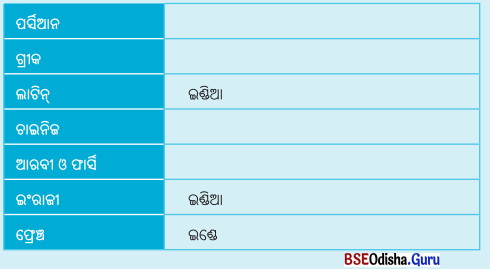
Our Home Earth a Unique Life Sustaining Planet Class 8 Question Answer Science Chapter 13.1

Observations and Inferences:

  • All planets in the solar system get their energy from the Sun.
  • Generally, planets closer to the Sun are hotter and those farther away are colder.

Activity 3.

Let us find out
Aim: To show the vegetative propagation in plants.
Our Home Earth a Unique Life Sustaining Planet Class 8 Question Answer Science Chapter 13.2

Procedure:

  • Plant stem cuttings (e.g., money plant), potato eyes or pieces of ginger in moist soil.
  • Give them water, air and sunlight.
  • Observe daily to see when roots, stems and new leaves appear.

Observations: We observed that new leaves appears after a few days.
Inference: This shows how some plants can grow new individuals from just a part of the original plant.

Our Home: Earth a Unique Life Sustaining Planet Class 8 Extra Questions and Answers

Short Answer Type Questions

Question 1.
Why is Venus the hottest planet despite being farther from the Sun than Mercury?
Answer:
Venus is the hottest planet (average 450°C ) due to its thick carbon dioxide atmosphere, which causes a strong greenhouse effect, trapping heat. Mercury, despite being closer to the Sun, lacks an atmosphere to retain heat, resulting in a lower average temperature (170°C).

Our Home: Earth a Unique Life Sustaining Planet Class 8 Question Answer Science Chapter 13

Question 2.
How does Earth’s geography contribute to its habitability?
Answer:
Earth’s gravity is strong enough to hold its atmosphere, preventing gases from escaping into space, unlike Mars. It is not too strong to crush organisms, unlike a larger planet, ensuring a balanced environment for life with oxygen and protection.

Question 3.
What role does the hydrosphere play in sustaining life ?
Answer:
The hydrosphere, covering 70% of Earth’s surface, provides water for drinking, crop growth and aquatic ecosystems. It drives the water cycle, producing rainfall that supports plants and animals and acts as a solvent for nutrient transport.

Question 4.
Differentiate between asexualand sexual reproduction in terms of offspring variation.
Answer:

  • Asexual reproduction produces offspring identical to the single parent, with no variation (e.g., vegetative propagation).
  • Sexual reproduction involves two parents, combining gametes to create offspring with mixed genetic traits, leading to variation.

Question 5.
How does the magnetic field protect life on Earth?
Answer:
Earth’s magnetic field deflects harmful cosmic rays and solar wind, preventing atmospheric erosion and ozone depletion. This protects living organisms from damaging UV radiation and maintains conditions for life.

Long Answer Type Questions

Question 1.
Explain how Earth’s position, atmosphere, and magnetic field make it uniquely suitable for life.
Answer:
Earth’s unique suitability for life stems from:

  • Position: Located in the habitable zone, Earth’s distance from the Sun allows liquid water to exist, essential for all known life forms. Its nearly circular orbit ensures stable temperatures, avoiding extreme heat or cold.
  • Atmosphere: The atmosphere provides oxygen for respiration, supports photosynthesis, and includes an ozone layer that blocks harmful UV rays. The greenhouse effect traps heat, maintaining temperatures suitable for liquid water.
  • Magnetic Field: Generated by molten iron in the core, it shields Earth from cosmic rays and solar wind, preventing atmospheric loss and protecting life from radiation damage. These factors create a balanced environment, unlike Venus (too hot) or Mars (too cold, thin atmosphere), enabling diverse life forms to thrive.

Question 2.
Describe the processes of sexual reproduction in plants and animals and highlight their key differences.
Answer:

  • Plants: Sexual reproduction involves flowers with male (anther, producing pollen) and female (ovule) parts. Pollination, often by wind or insects, transfers pollen to the stigma. Fertilization forms a zygote, developing into a seed, with the flower’s fleshy part becoming a fruit for dispersal.
  • Animals: Sexual reproduction involves male (sperm) and female (egg) gametes. In aquatic animals like fish, fertilization is external in water. In birds, internal fertilization produces eggs that develop externally during hatching. In mammals, internal fertilization and embryo development occur inside the female, who provides nutrition.
  • Differences: Plants use pollination for gamete transfer, while animals rely on direct sperm-egg interaction. Plant zygotes form seeds, while animal zygotes develop into embryos. Animals may provide parental care (e.g., bird egg incubation), unlike plants, which rely on seed dispersal.

Case-Study Based Questions

1. Read the following passage carefully and answer the questions that follow:

When sperms come in contact with an egg, one of the sperms may fuse with the egg. Such fusion of the egg and the sperm is called fertilisation. Fertilisation which takes place inside the female body is called internal fertilisation. Internal fertilisation occurs in many animals including humans, cows, dogs and hens. In many animals fertilisation takes place outside the body of the female. In these animals, fertilisation takes place in water.

Our Home: Earth a Unique Life Sustaining Planet Class 8 Question Answer Science Chapter 13

During spring or rainy season, frogs and toads move to ponds and slow-flowing streams. This type of fertilisation in which the fusion of a male and a female gamete takes place outside the body of the female is called external fertilisation. Fertilisation results in the formation of zygote which begins to develop into an embryo. The embryo gets embedded in the wall of the uterus for further development. The embryo continues to develop in the uterus.

(i) The fusion of male and female gametes that takes place outside the body of the female is called:
(a) internal fertilisation
(b) fertilisation
(c) external fertilisation
(d) reproduction
Answer:
(c) external fertilisation

(ii) The zygote that begins to develop tissues of the body is known as :
(a) fertiliser
(b) zygote
(c) embryo
(d) foetus
Answer:
(c) embryo

(iii) The stage of the embryo where all the body parts can be identified is known as:
(a) zygote
(b) foetus
(c) embryo
(d) infant
Answer:
(b) foetus

(iv) Fertilisation which takes place inside a female body is:
(a) internal fertilization
(b) external fertilisation
(c) reproduction
(d) None of the above
Answer:
(a) internal fertilization

Picture Based Questions

I. Look at the picture and answer the following questions:

Our Home Earth a Unique Life Sustaining Planet Class 8 Question Answer Science Chapter 13.3

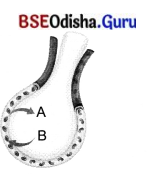
(i) Write the name of parts ‘A’ and ‘B’ in the adjoining figure.
Answer:
A → Anther B → Ovule

Our Home: Earth a Unique Life Sustaining Planet Class 8 Question Answer Science Chapter 13

(ii) What is pollination ?
Answer:
Transfer of pollen grain from anther to stigma of another flower by wind, insects or animals is called pollination.

(iii) Write the name of male and female gametes in a flower.
Answer:
Male gametes – Anther Female gametes-Ovule

Our Home: Earth a Unique Life Sustaining Planet Class 8 MCQ

Multiple Choice Questions (Mcqs)

Question 1.
Which zone allows water to exist in liquid form?
(a) Frost line
(b) Habitable zone
(c) Solar belt
(d) Red zone
Answer:
(b) Habitable zone

Question 2.
What makes Earth’s crust special for life?
(a) It is made entirely of gas
(b) It supports life on a thin layar
(c) It reflects sunlight
(d) It contains radioactive elements
Answer:
(b) It supports life on a thin layar

Question 3.
Why is Earth called the “Blue Planet” ?
(a) Its surface is mostly coverted with oceans
(b) It has a blue atmosphere
(c) It glows at night
(d) It reflects sunlight
Answer:
(a) Its surface is mostly coverted with oceans

Question 4.
What element is crucial for breathing ?
(a) Hydrogen
(b) Oxygen
(c) Nitrogen
(d) Carbon dioxide
Answer:
(b) Oxygen

Our Home: Earth a Unique Life Sustaining Planet Class 8 Question Answer Science Chapter 13

Question 5.
What is the function of the ozone layer?
(a) Produces oxygen
(b) Block harmful ultraviolet ray
(c) Regulates season
(d) Maintains Earth’s gravity
Answer:
(b) Block harmful ultraviolet ray

Assertion and Reasoning

These questions consist of two statements, each printed as Assertion (A) and Reason (R). While answering these questions, you are required to choose any one of the following four responses.
(a) Assertion and reason both are correct and reason is correct explanation for assertion.
(b) Assertion and reason both are correct and reason is not correct explanation for assertion.
(c) Assertion is correct but the reason is wrong.
(d) Assertion is wrong but the reason is correct.

1. Assertion: There are two modes by which animals reproduce: Sexual reproduction, and Asexual reproduction.
Reason: Reproduction beginning from the fusion of male and female gametes is called sexual reproduction.
Answer:
Assertion and reason both are correct and reason is not correct explanation for assertion.

2. Assertion: Fertilisation which takes place inside the female body is called internal fertilisation.
Reason: The first step in the process of reproduction is the fusion of a sperm and an ovum and is called fertilization.
Answer:
(a) Assertion and reason both are correct and reason is correct explanation for assertion.

Fill in the blanks

1. The Earth’s crust is like the thin ………… of an apple.
Answer:
skin

2. ………… is the hottest planet.
Answer:
Venus

3. ………… is a greenhouse gas.
Answer:
Carbon dioxide

Our Home: Earth a Unique Life Sustaining Planet Class 8 Question Answer Science Chapter 13

4. The greenhouse effect plays an important role in maintaining the right ………… on Earth.
Answer:
emperature

5. The ozone layer acts like a shield and blocks harmful ………… rays.
Answer:
ultraviolet (UV)

True or False

1. Each sperm is a single cell.
Answer:
True

2. External fertilization takes place in frog.
Answer:
True

3. A zygote is formed as a result of fertilization.
Answer:
True

4. An embyro is made up of a single cell.
Answer:
False

Our Home: Earth a Unique Life Sustaining Planet Class 8 Question Answer Science Chapter 13

5. Our solar system has nine planets.
Answer:
False

Lines and Angles Class 6 Notes Maths Chapter 2

Easy-to-read Ganita Prakash Class 6 Notes and Chapter 2 Lines and Angles Class 6 Notes save valuable study time during exam season.

Class 6 Maths Chapter 2 Lines and Angles Notes

Class 6 Lines and Angles Notes

A point has no length, no width, and no height.
Three or more points that lie on the same straight line are known as collinear points.

Line Segment, Ray and Line

Line segment Ray Line
A line segment has two endpoints. A ray has only one endpoint. A line has no endpoint.
A line segment has definite length. A ray has indefinite length. A line has indefinite length.
A line segment can be drawn on a sheet of paper.
Lines and Angles Class 6 Notes Maths Chapter 2-1
A ray cannot be drawn on a sheet of paper as it has indefinite length, but it can be represented by a diagram.

Lines and Angles Class 6 Notes Maths Chapter 2-2

A line cannot be drawn on a sheet of paper as it has indefinite length, but it can be represented by a diagram.

Lines and Angles Class 6 Notes Maths Chapter 2-3

Line segment PQ and line segment QP are the same. Ray PQ and ray QP are different rays. Line PQ and line QP are the same.

Special Lines

Parallel lines Intersecting lines Concurrent lines
Lines lying on the same plane that do not intersect, no matter how far they are extended.

Lines and Angles Class 6 Notes Maths Chapter 2-4

Lines that meet or cross each other at a single point.


The point where they meet is  called the point of intersection.

Lines and Angles Class 6 Notes Maths Chapter 2-5

Three or more lines that pass through one common point.

This common point is called the point of concurrency.

Lines and Angles Class 6 Notes Maths Chapter 2-6

A plane is a smooth, flat surface that extends endlessly in all directions.
An angle is formed when two rays start from the same initial point called the vertex.

Lines and Angles Class 6 Notes Maths Chapter 2

To represent an angle, write the letter of one arm, followed by the letter of the vertex (always in the middle), and then the letter of the other arm.
Lines and Angles Class 6 Notes Maths Chapter 2-7
For example, in the adjacent figure, the angle is written as ∠AOB or ∠BOA.
Interior of an angle: The space between the arms (when extended indefinitely).
Exterior of an angle: The space outside the arms.
The size of an angle depends on the amount of rotation, not on the length of its arms.
Angles are measured in degrees (°).

To find out whether two angles are equal, greater or smaller, we compare them using the following methods:

  1. By observation (without superimposition)
  2. By tracing/superimposition

Types of Angles

Name Definition Diagram
Zero Angle  The initial and final positions of a rotating ray coincide without making any turn.

The measure of such an angle is 0°

Lines and Angles Class 6 Notes Maths Chapter 2-8
Complete Angle The initial and final positions of a rotating ray coincide after making a full turn.

The measure of such an angle is the angle made in a full turn, i.e. 360°.

Lines and Angles Class 6 Notes Maths Chapter 2-9
Straight Angle The initial and final positions of a rotating ray are opposite to each other (on the same line) after making half of a full turn.

The measure of such an angle is equal to half of a complete angle, i.e. \(\frac{1}{2}\) × 360° = i80°.

Lines and Angles Class 6 Notes Maths Chapter 2-10
Right Angle  The initial and final positions of a rotating ray are perpendicular to each other after making one-fourth of a full turn.

The measure of such an angle is equal to one-fourth of a complete angle, i.e. \(\frac{1}{4}\) × 360° = 90°.

Lines and Angles Class 6 Notes Maths Chapter 2-11
Acute Angle The final position of a rotating ray lies between the initial position and one-fourth of a full turn (i.e less than 90°). Lines and Angles Class 6 Notes Maths Chapter 2-12
Obtuse Angle The final position of a rotating ray lies between a right angle and a straight angle (i.e. more than 90° but less than 180°). Lines and Angles Class 6 Notes Maths Chapter 2-13
Reflex Angle The final position of a rotating ray lies between a straight angle and a complete angle (i.e. more than 180° but less than 360°). Lines and Angles Class 6 Notes Maths Chapter 2-14

A protractor is a semi-circular tool used to measure angles from 0° to 180°.
Lines and Angles Class 6 Notes Maths Chapter 2-15

Lines and Angles Class 6 Notes Maths Chapter 2

It has two scales:

  1. Inner scale: It starts at 0° on the right and increases to 180° as you move anti-clockwise.
  2. Outer scale: It starts at 0° on the left and increases to 180° as you move clockwise.

To measure an angle, place the centre point of the base line on the vertex, aligning one arm with the base line.

Use the outer scale if the angle opens clockwise and the inner scale if the angle opens anti-clockwise.
Lines and Angles Class 6 Notes Maths Chapter 2-16

Angles Formed by a Clock

  1. A clock is shaped like a circle, so one full turn around it is 360 degrees.
  2. As the clock is divided into 12 hours, the angle between any two adjacent hour marks = \(\frac{360^{\circ}}{12}\) = 30°

Line segment, Ray and Line

Line segment Ray Line
Number of endpoints 2 1 0
Length Definite Indefinite Indefinite
Representation Lines and Angles Class 6 Notes Maths Chapter 2-17 Lines and Angles Class 6 Notes Maths Chapter 2-18 Lines and Angles Class 6 Notes Maths Chapter 2-19

Note: Rays \(\overrightarrow{P Q} \text { and } \overrightarrow{Q P}\) are different because they start from different points and extend in opposite directions.

Comparison of Angles
By observation:

  1. Angles can be compared visually when the difference in their openings is clearly noticeable.
  2. This method is suitable only when the difference in size is significant.

Lines and Angles Class 6 Notes Maths Chapter 2

By tracing/superimposition:

  1. Any two angles can be compared by placing them one over the other, i.e. by superimposition.
  2. While superimposing, the vertices and one arm of the angles must overlap.

Types of Angles

Angles with fixed values

Zero Angle: The measure of such an angle is 0°. Right Angle: The measure of such an angle is equal to 90°. Straight Angle: The measure of such an angle is equal to 180°. Complete Angle: The measure of such an angle is equal to 360°.
Lines and Angles Class 6 Notes Maths Chapter 2-20 Lines and Angles Class 6 Notes Maths Chapter 2-21 Lines and Angles Class 6 Notes Maths Chapter 2-22 Lines and Angles Class 6 Notes Maths Chapter 2-23


Angles with multiple values

Acute Angle: Between 0° and 90° Obtuse Angle: Between 90° and 180° Reflex Angle: Between 180° and 360°
Lines and Angles Class 6 Notes Maths Chapter 2-24

0° < ∠AOB < 90°

Lines and Angles Class 6 Notes Maths Chapter 2-25

90° < ∠AOB < 180°

Lines and Angles Class 6 Notes Maths Chapter 2-26

180° < ∠AOB < 360°

Class 7 Science Chapter 9 Question Answer Odia Medium ପ୍ରାଣୀମାନଙ୍କ ଜୀବନ ପ୍ରକ୍ରିୟା

Go through 7th Class Science Book Odia Medium Question Answer and Class 7 Science Chapter 9 Question Answer Odia Medium ପ୍ରାଣୀମାନଙ୍କ ଜୀବନ ପ୍ରକ୍ରିୟା to understand textbook questions more clearly.

7th Class Science Chapter 9 Question Answer Odia Medium

Class 7 Science Chapter 9 Odia Medium

ଆସ ଆମ ଶିକ୍ଷଣର ବୃଦ୍ଧି କରିବା

Question 1.
ଉପଯୁକ୍ତ ଶବ୍ଦଗୁଡ଼ିକ ସହିତ ଖାଲି ବାକ୍ସଗୁଡ଼ିକୁ ପୂରଣ କରି ପାକନଳୀ ମଧ୍ଯରେ ଖାଦ୍ୟର ଯାତ୍ରା ସଂପୂର୍ଣ୍ଣ କର । ଖାଦ୍ୟ → ପାଟି
Class 7 Science Chapter 9 Question Answer Odia Medium ପ୍ରାଣୀମାନଙ୍କ ଜୀବନ ପ୍ରକ୍ରିୟା 1
Answer:
Class 7 Science Chapter 9 Question Answer Odia Medium ପ୍ରାଣୀମାନଙ୍କ ଜୀବନ ପ୍ରକ୍ରିୟା 2

Class 7 Science Chapter 9 Question Answer Odia Medium ପ୍ରାଣୀମାନଙ୍କ ଜୀବନ ପ୍ରକ୍ରିୟା

Question 2.
ସମୀର ପରୀକ୍ଷାନଳୀ ‘କ’ ରେ କିଛି ରୁଟି ଖଣ୍ଡ ରଖୁଥଲା । ନମିତା ପରୀକ୍ଷାନଳୀ ‘ଖ’ ରେ ଚୋବାଇଥିବା ରୁଟି ରଖୁଥୁଲା, ଏବଂ ତୁଳସୀ ପରୀକ୍ଷାନଳୀ ‘ଗ’ ରେ ସିଝା ଆଳୁ ଚକଟା ନେଇଥିଲା । ସମସ୍ତେ ସେମାନଙ୍କ ପରୀକ୍ଷାନଳୀ ‘କ’, ‘ଖ’, ଏବଂ ‘ଗ’ ରେ କିଛି ବୁନ୍ଦା ଆୟୋଡ଼ିନ୍ ଦ୍ରବଣ ମିଶାଇଥଲେ । ସେମାନଙ୍କର ପର୍ଯ୍ୟବେକ୍ଷଣ କ’ଣ ହେବ ? କାରଣ ଲେଖ ।
Answer:
ଏହି ପରୀକ୍ଷଣଟି ଖାଦ୍ୟରେ ଥିବା ମଣ୍ଡଦ (Starch) ର ଉପସ୍ଥିତି ଆୟୋଡ଼ିନ୍ ଦ୍ରବଣ ଦ୍ଵାରା ଚିହ୍ନଟ ପାଇଁ ପ୍ରଯୁଜ୍ୟ ଅଟେ । ମଣ୍ଡଦ ଆୟୋଡ଼ିନ୍ ଦ୍ରବଣର ସଂସ୍ପର୍ଶରେ ଆସିଲେ ଗାଢ଼ନୀଳ (Blue-Black) ବର୍ଷ ଧାରଣ କରିଥାଏ ।

  1. ସମୀର ପରୀକ୍ଷାନଳୀ (କ) : ରୁଟିଖଣ୍ଡ ଆୟୋଡ଼ିନ ବ୍ରଣର ସଂସ୍ପର୍ଶରେ ଆସିଲେ ଏହା ମଣ୍ଡଦ ସହ ପ୍ରତିକ୍ରିୟା କରି ନୀଳ ରଙ୍ଗ ଧାରଣ କରିବ । ଏଥୁରୁ ଜଣାପଡୁଛି ଯେ ସେଥୁରେ ମଣ୍ଡଦ ଅଛି ।
  2. ନମିତା ପରୀକ୍ଷାନଳୀ (ଖ) : ଚୋବାଯାଇଥିବା ରୁଟି ଲାଳର ସଂସ୍ପର୍ଶରେ ଆସିଥାଏ । ଏଠାରେ ରାସାୟନିକ କ୍ରିୟାଦ୍ଵାରା ମଣ୍ଡଦ ସରଳ ଶର୍କରାରେ ପରିଣତ ହୋଇଯାଇଛି, ଫଳରେ ଅଳ୍ପ ପରିମାଣର ମଣ୍ଡଦ ଆୟୋଡ଼ିନ୍ ଦ୍ରବଣର ସଂସ୍ପର୍ଶରେ ଆସିବାରୁ ରଙ୍ଗ ପରିବର୍ତ୍ତନ ହୋଇପାରେ । ଚୋବାଇବା ସମୟ ବୃଦ୍ଧିପାଇଲେ ରଙ୍ଗରେ ପରିବର୍ତ୍ତନ ହେବନାହିଁ ।
  3. ତୁଳସୀ ପରୀକ୍ଷାନଳୀ (ଗ) : ଆଳୁ ଚକଟା ଧାରଣ କରିବ କାରଣ ଆଳୁରେ ପ୍ରଚୁର

Question 3.
ଶ୍ଵାସକ୍ରିୟାରେ ମଧ୍ୟଚ୍ଛଦାର ଭୂମିକା କ’ଣ ?
(i) ବାୟୁ ଛାଣିବା
(ii) ଧ୍ଵନି ସୃଷ୍ଟି କରିବା
(iii) ଶ୍ଵାସକ୍ରିୟାରେ ସାହାଯ୍ୟ କରିବା
(iv) ଅମ୍ଳଜାନ ଶୋଷଣ କରିବା
Answer:
(iii) ଶ୍ଵାସକ୍ରିୟାରେ ସାହାଯ୍ୟ କରିବା

Class 7 Science Chapter 9 Question Answer Odia Medium ପ୍ରାଣୀମାନଙ୍କ ଜୀବନ ପ୍ରକ୍ରିୟା

Question 4.
ନିମ୍ନରେ ‘କ’ ସ୍ତମ୍ଭରେ ଦିଆଯାଇଥିବା ଶରୀରର ଅଂଶ ସହିତ ‘ଖ’ ସ୍ତମ୍ଭରେ ଦିଆଯାଇଥିବା କାର୍ଯ୍ୟ ସହିତ ମିଳାଅ ।

‘କ’ ସ୍ତମ୍ଭ (ଶରୀର ଅଂଶ) ‘ଖ’ ସ୍ତମ୍ଭ (କାର୍ଯ୍ୟ)
(i) ନାସାର ନ୍ଧ୍ର ବାହାରୁ ତାଜା ବାୟୁ ପ୍ରବେଶ କରେ
(ii) ନାସା ପଥ ଗ୍ୟାସର ଆଦାନପ୍ରଦାନ ହୁଏ
(iii) ଶ୍ଵାସନଳୀ ଫୁସ୍‌ଫୁସ୍‌କୁ ସୁରକ୍ଷା ଦିଏ
(iv) କୋଟରିକା ସୂକ୍ଷ୍ମ ଲୋମ ଏବଂ ଶ୍ଳେଷ୍ମା ଆମକୁ ପ୍ରଶ୍ଵାସ ନେବାରେ ସାହାଯ୍ୟ କରେ
(v) ପଞ୍ଜରା ଏହି ଅଂଶ ଦେଇ ବାୟୁ ଆମ ଫୁସ୍‌ଫୁସ୍‌ରେ ପହଞ୍ଚେ

Answer:

କ’ ସ୍ତମ୍ଭ (ଶରୀର ଅଂଶ) ‘ଖ’ ସ୍ତମ୍ଭ (କାର୍ଯ୍ୟ)
(i) ନାସାର ନ୍ଧ୍ର ବାହାରୁ ତାଜା ବାୟୁ ପ୍ରବେଶ କରେ
(ii) ନାସା ପଥ ସୂକ୍ଷ୍ମ ଲୋମ ଏବଂ ଶ୍ଳେଷ୍ମା ଆମକୁ ପ୍ରଶ୍ଵାସ ନେବାରେ ସାହାଯ୍ୟ କରେ
(iii) ଶ୍ଵାସନଳୀ ଏହି ଅଂଶ ଦେଇ ବାୟୁ ଆମ ଫୁସ୍‌ଫୁସ୍‌ରେ ପହଞ୍ଚେ
(iv) କୋଟରିକା ଗ୍ୟାସ୍‌ର ଆଦାନପ୍ରଦାନ ହୁଏ
(v) ପଞ୍ଜରା ଫୁସ୍‌ଫୁସ୍‌କୁ ସୁରକ୍ଷା ଦିଏ

Class 7 Science Chapter 9 Question Answer Odia Medium ପ୍ରାଣୀମାନଙ୍କ ଜୀବନ ପ୍ରକ୍ରିୟା

Question 5.
ଅନିଲ ତା’ର ସାଙ୍ଗ ସବିତାକୁ କହିଲା ବୋଲି ବୁଝାଇବା ପାଇଁ ସବିତା ଯେ ଶ୍ୱସନ ଏବଂ ଶ୍ଵାସକ୍ରିୟା ସମାନ ପ୍ରକ୍ରିୟା । ଏହି ସିଦ୍ଧାନ୍ତ ଠିକ୍ ନୁହେଁ ତାକୁ କେଉଁ ପ୍ରଶ୍ନ ପଚାରିବ ?
Answer:
ସବିତା, ଅନିଲକୁ ନିମ୍ନଲିଖତ ପ୍ରଶ୍ନ ପଚାରିପାରିବ ଯଥା :

  1. ଶ୍ଵାସକ୍ରିୟା ଶରୀର ପାଇଁ ଶକ୍ତି ଉତ୍ପାଦନ କରିଥାଏ କି ?
  2. ଶ୍ଵାସକ୍ରିୟା ବିନା ଶ୍ଵାସନ ସମ୍ଭବ କି ?
  3. ଶ୍ଵାସନ ପ୍ରକ୍ରିୟା କେଉଁଠାରେ ହୋଇଥାଏ ?
  4. ଶ୍ଵାସକ୍ରିୟା ରାସାୟନିକ ପ୍ରତିକ୍ରିୟା ସହ ସଂଶ୍ଳିଷ୍ଟ କି ?

ଉପରୋକ୍ତ ପ୍ରଶ୍ନଗୁଡ଼ିକର ଉତ୍ତର ଦେବା ସମୟରେ ଅନିଲ ଅନୁଭବ କରିବ ଯେ, ଶ୍ଵାସକ୍ରିୟା ହେଉଛି ଅମ୍ଳଜାନ ଗ୍ରହଣ କରିବା ଏବଂ ଅଙ୍ଗାରକାମ୍ଳ ତ୍ୟାଗ କରିବାର ଏକ ସାଧାରଣ କ୍ରିୟା; କିନ୍ତୁ ଶ୍ୱସନ ହେଉଛି ଏକ କୋଷୀୟ ପ୍ରକ୍ରିୟା ଯାହା ଖାଦ୍ୟରୁ ଶକ୍ତି ମୋଚନ ନିମନ୍ତେ ଅମ୍ଳଜାନ ବ୍ୟବହାର କରିଥାଏ ।

Question 6.
ନିମ୍ନଲିଖତ କେଉଁ ବକ୍ତବ୍ୟ ଠିକ୍ ଏବଂ କାହିଁକି ?
ଅନୁ : ଆମେ ପ୍ରଶ୍ଵାସରେ ବାୟୁ ନେଉ ।
ଶାନୁ : ଆମେ ପ୍ରଶ୍ଵାସରେ ଅମ୍ଳଜାନ ନେଉ ।
ତନୁ : ଆମେ ପ୍ରଶ୍ଵାସରେ ଅମ୍ଳଜାନରେ ଭରପୂର ବାୟୁ ନେଉ ।
Answer:
ତନୁ : ଆମେ ପ୍ରଶ୍ଵାସରେ ଅମ୍ଳଜାନରେ ଭରପୂର ବାୟୁ ନେଉ ଉପରୋକ୍ତ ବକ୍ତବ୍ୟଟି ଠିକ୍ ଅଟେ କାରଣ ଆମେ ପ୍ରଶ୍ଵାସରେ ଗ୍ରହଣ କରୁଥିବା ବାୟୁରେ ୨୧% ଅମ୍ଳଜାନ ରହିଥାଏ ଓ ୭୮% ଯବକ୍ଷାରଜାନ ରହିଥାଏ ।

Question 7.
ଆମେ ବହୁତ ଧୂଳିପୂର୍ଣ୍ଣ ବାୟୁ ପ୍ରଶ୍ଵାସରେ ନେବାବେଳେ ପ୍ରାୟତଃ ଛିଙ୍କୁ । ଏହାର ସମ୍ଭାବ୍ୟ ବ୍ୟାଖ୍ୟା କ’ଣ ହୋଇପାରେ ?
Answer:
ଧୂଳି ଭଳି ବିରକ୍ତକାରୀ ପଦାର୍ଥକୁ ବାହାର କରିବା ନିମିତ୍ତ ଛିଙ୍କିବା ହେଉଛି ଆମ ଶରୀରର ପ୍ରାକୃତିକ ପ୍ରତିରକ୍ଷା ବ୍ୟବସ୍ଥା ।

  • ଧୂଳିପୂର୍ଣ୍ଣ ବାୟୁ ପ୍ରଶ୍ଵାସ ସମୟରେ ନାସାରନ୍ଧ୍ର ଦେଇ ଗତି କଲାବେଳେ ଧୂଳିର କଣିକାଗୁଡ଼ିକ ନାସାରନ୍ଧ୍ରର କାନ୍ଥରେ ଲାଗିଯାଇ ବିରକ୍ତି କରିଥାଆନ୍ତି ।
  • ନାସାପଥର ଚର୍ମରେ ଅନେକ ସ୍ନାୟୁର ଅନ୍ତିମ ଅଂଶ ଏଗୁଡ଼ିକୁ ଚିହ୍ନଟକରି ମସ୍ତିଷ୍କକୁ ସଂକେତ ପ୍ରେରଣ କରିଥାନ୍ତି ।
  • ମସ୍ତିଷ୍କର ନିର୍ଦ୍ଦେଶରେ ଏହି କ୍ଷତିକାରକ ଅନାବଶ୍ୟକ ଉପାଦାନଗୁଡ଼ିକୁ ଶରୀରରୁ ବାହାର କରିବା ପାଇଁ ଆମକୁ ଛିଙ୍କ ଲାଗିଥାଏ ଓ ଏହା ଦ୍ଵାରା ଆମ ଶ୍ଵାସନ ସଂସ୍ଥାନ ସୁରକ୍ଷିତ ରହିଥାଏ ।

Question 8.
ସପ୍ତମ ଶ୍ରେଣୀର ପ୍ରତିଭା ଏବଂ ଅନାମିକା ସକାଳର ବ୍ୟାୟାମ ପାଇଁ ଦୌଡ଼ିବା ଆରମ୍ଭ କଲେ । ଦୌଡ଼ିବା ସମାପ୍ତ କରିବା ପରେ, ସେମାନେ ପ୍ରତି ମିନିଟ୍‌ରେ ସେମାନଙ୍କର ନିଃଶ୍ୱାସ ଗଣନା କଲେ । ଅନାମିକା ପ୍ରତିଭା ଅପେକ୍ଷା ଦ୍ରୁତ ପ୍ରଶ୍ଵାସ ନେଉଥିଲା । ଅନାମିକା ପ୍ରତିଭା ଅପେକ୍ଷା କାହିଁକି ଦ୍ରୁତ ପ୍ରଶ୍ଵାସ ନେଉଥିଲା ତାହାର ଅତି କମ୍‌ରେ ଦୁଇଟି ସମ୍ଭାବ୍ୟ କାରଣ ଲେଖ ।
Answer:
ସମ୍ଭାବ୍ୟ କାରଣ :

  • ପ୍ରତିଭା ଓ ଅନାମିକାର ଶରୀର ଗଠନରେ ପାର୍ଥକ୍ୟ ଥାଇପାରେ । ଅନାମିକା ପ୍ରତିଭା ଅପେକ୍ଷା ଦୌଡ଼ିବା ସହିତ କମ୍ ଅଭ୍ୟସ୍ତ ଥୁବ, ତେଣୁ ତା’ର ଶରୀର ପାଇଁ ଅଧିକ ଅମ୍ଳଜାନର ଆବଶ୍ୟକତା ରହୁଥ‌ିବା କାରଣରୁ ସେ ଦ୍ରୁତ ପ୍ରଶ୍ଵାସ ନେଇଥାଇ ପାରେ ।
  • ଅନାମିକା, ପ୍ରତିଭା ତୁଳନାରେ ଯଦି ଅଧ୍ଵକ ବେଗରେ ବା ଅଧିକ ଦୂରତା ଦୌଡ଼ିଥ‌ିବ, ତେବେ ତା’ର ମାଂସପେଶୀରେ ଥିବା ତନ୍ତୁଗୁଡ଼ିକ ଅଧିକ ଅମ୍ଳଜାନ ଆବଶ୍ୟକ କରୁଥାଇପାରନ୍ତି ଯାହାକି ତା’ର ଦ୍ରୁତ ପ୍ରଶ୍ଵାସ ନେବାର କାରଣ ହୋଇଥାଇପାରେ ।

Class 7 Science Chapter 9 Question Answer Odia Medium ପ୍ରାଣୀମାନଙ୍କ ଜୀବନ ପ୍ରକ୍ରିୟା

Question 9.
ଯଦୁ ତା’ର ଧାରଣାର ସତ୍ୟତା ଜାଣିବା ପାଇଁ ଗୋଟିଏ ପରୀକ୍ଷା କଲା । ସେ ଦୁଇଟି ପରୀକ୍ଷା ନଳୀ ‘କ’ ଏବଂ ‘ଖ’ ନେଲା । ପ୍ରତ୍ୟେକରେ ଅଧା ପାଣି ଭର୍ତ୍ତି କରି ଏକ ଚିମୁଟା ଲେଖାଁଏ ଚାଉଳ ଚୂନା ମିଶାଇଲା ଏବଂ ସେଗୁଡ଼ିକ ଭଲ ଭାବରେ ଘାଣ୍ଟିଲା । ପରୀକ୍ଷା ନଳୀ ‘ଖ’ରେ ସେ କିଛି ବୁନ୍ଦା ଲାଳ ମିଶାଇଲା । ସେ ଦୁଇଟି ପରୀକ୍ଷା ନଳୀକୁ ୩୫–୩୬ ମିନିଟ୍ ପାଇଁ ଛାଡ଼ି ଦେଲା । ଏହାପରେ, ସେ ଉଭୟ ପରୀକ୍ଷା ନଳୀରେ ଆୟୋଡ଼ିନ୍ ଦ୍ରବଣ ମିଶାଇଲା । ପରୀକ୍ଷା ଫଳାଫଳ ଚିତ୍ରରେ ଦେଖାଯାଇଥିବା ପରି ଆସିଲା । ସେ କ’ଣ ପରୀକ୍ଷା କରିବାକୁ ଚାହୁଁଛି ବୋଲି ତୁମେ ଭାବୁଛ ?
Class 7 Science Chapter 9 Question Answer Odia Medium ପ୍ରାଣୀମାନଙ୍କ ଜୀବନ ପ୍ରକ୍ରିୟା 3
Answer:
‘ଶ୍ଵେତସାର ଭାଙ୍ଗିବା ଉପରେ ଲାଳର ପ୍ରଭାବ’’ ସମ୍ବନ୍ଧରେ ଜାଣିବା ପାଇଁ ଯଦୁ ଉପରୋକ୍ତ ପରୀକ୍ଷଣଟି କରିଥିଲା । ପରୀକ୍ଷଣର ଫଳାଫଳ :

  • ପରୀକ୍ଷାନଳୀ ‘କ’ : ଏହି ପରୀକ୍ଷା ନଳୀରେ କେବଳ ଚାଉଳ ଚୂନା ସହ ଜଳ ଓ ଆୟୋଡ଼ିନ ଦ୍ରବଣ ରହିଅଛି । ଆୟୋଡି଼ନ ମଣ୍ଡଦ ସହିତ ପ୍ରତିକ୍ରିୟା କଲେ ଗାଢ଼ନୀଳ ବର୍ଷ ଧାରଣ କରେ । ଏଠାରେ ରଙ୍ଗ ଗାଢ଼ ନୀଳବର୍ଣ୍ଣ ରହୁଥିବାରୁ ଜଣାପଡୁଛି ଯେ, ଏଥ‌ିରେ ମଣ୍ଡଦର ଉପସ୍ଥିତି ଅଛି ।
  • ପରୀକ୍ଷାନଳୀ ‘ଖ’ : ଏହି ପରୀକ୍ଷାନଳୀରେ ଚାଉଳ ଚୂନା ସହିତ ଲାଳ ମିଶାଯାଇଛି । ଚାଉଳରେ ମଣ୍ଡଦ (Starch) ନାମକ ଶ୍ଵେତସାର ରହିଥାଏ । ଆମର ଲାଳରେ ଏକ ପାଚକରସ ଥାଏ, ଯାହା ମଣ୍ଡଦକୁ ସରଳ ଶର୍କରାରେ ଭାଙ୍ଗିବାରେ ସାହାଯ୍ୟ କରେ । ଏହି କାରଣରୁ ରଙ୍ଗ ଗାଢ଼ନୀଳ ବର୍ଣ୍ଣ ହୋଇ ନପାରେ ବା କମ୍ ପରିମାଣରେ ହୋଇପାରେ । ଏହା ଲାଳର ପରିମାଣ ଓ ସମୟ ଉପରେ ନିର୍ଭର କରିଥାଏ ।

ସିଦ୍ଧାନ୍ତ :
ଏହି ସରଳ ପରୀକ୍ଷଣରୁ ଆମେ ଜାଣିପାରିବା ଯେ, ପାଟିରୁ କିପରି ଭାବରେ ପଚନ ପ୍ରକ୍ରିୟା ଆରମ୍ଭ ହୋଇଥାଏ ।

Question 10.
ରଶ୍ମି ଦୁଇଟି ସଫା ପରୀକ୍ଷା ନଳୀ ‘କ’ ଏବଂ ‘ଖ’ ନେଇ ଏକ ପରୀକ୍ଷଣ ପରିକଳ୍ପନା କଲା ଏବଂ ଚିତ୍ରରେ ଦେଖାଯାଇଥ‌ିବା ପରି ସେଗୁଡ଼ିକୁ ଚୂନ ପାଣିରେ ଭର୍ତ୍ତିକଲା । ପରୀକ୍ଷା ନଳୀ ‘କ’ ରେ ଆମେ ପ୍ରଶ୍ଵାସରେ ନେଉଥୁବା ଚାରିପାଖର ବାୟୁକୁ ପାଇପ୍ ମାଧ୍ୟମରେ ଶୋଷି ଭିତରକୁ ପଠାଇଲା, ଏବଂ ପରୀକ୍ଷା ନଳୀ ‘ଖ’ରେ, ନିଶ୍ଵାସରେ ନିର୍ଗତ ବାୟୁ ପାଇପ୍ ମାଧ୍ୟମରେ ଫୁଙ୍କି ଭର୍ତ୍ତିକଲା । ସେ କ’ଣ ଅନୁସନ୍ଧାନ କରିବାକୁ ଚେଷ୍ଟା କରୁଛି ବୋଲି ତୁମେ ଭାବୁଛ ? ସେ ତା’ର ଫଳାଫଳକୁ କିପରି ନିଶ୍ଚିତ କରିପାରିବ ?
Class 7 Science Chapter 9 Question Answer Odia Medium ପ୍ରାଣୀମାନଙ୍କ ଜୀବନ ପ୍ରକ୍ରିୟା 4
Answer:
ଚୂନପାଣିକୁ ସୂଚକରୂପେ ନେଇ ପ୍ରଶ୍ଵାସ ବାୟୁ ଓ ନିଃଶ୍ଵାସ ବାୟୁରେ ଅମ୍ଳଜାନର ଉପସ୍ଥିତି ବିଷୟରେ ଅନୁସନ୍ଧାନ କରିବାକୁ ରଶ୍ମି ଚେଷ୍ଟା କରୁଛି ।
ପରୀକ୍ଷଣର ଫଳାଫଳ :
(i) ପରୀକ୍ଷାନଳୀ ‘କ’ :
ଏହି ପରୀକ୍ଷାନଳୀ ଥୁବା ଚୂନପାଣି ଚାରିପାଖର ବାୟୁ ସଂସ୍ପର୍ଶରେ ଆସିଥାଏ, ତେଣୁ ଚୂନପାଣି ବା କ୍ୟାଲସିୟମ୍ ହାଇଡ୍ରିକ୍‌ସାଇଡ୍ ଦ୍ରବଣର ବାୟୁରେ ଥିବା ସ୍ଵଳ୍ପ ଅଙ୍ଗାରକାମ୍ଳ (CO) ଯାହାକି ମାତ୍ର 0.04% ସଂସ୍ପର୍ଶରେ ଆସିବାରୁ ସାମାନ୍ୟ ରଙ୍ଗ ପରିବର୍ତ୍ତନ ହୋଇପାରେ ବା ଆଦୌ ରଙ୍ଗ ପରିବର୍ତ୍ତନ ନ ହୋଇପାରେ ।

(ii) ପରୀକ୍ଷାନଳୀ ‘ଖ’ :
ଏହି ପରୀକ୍ଷାନଳୀରେ ଥ‌ିବା ଚୂନପାଣି ନିଃଶ୍ୱାସ ବାୟୁ ସଂସ୍ପର୍ଶରେ ଆସି ଥୁବାରୁ ଏହାର ରଙ୍ଗ ଦୁଗ୍ଧ ବର୍ଣ୍ଣରେ ପରିଣତ ହୋଇଥାଏ, କାରଣ ନିଃଶ୍ଵାସ ବାୟୁରେ ବାହାର ବାୟୁ ତୁଳନାରେ ଅଧିକ ଅଙ୍ଗାରକାମ୍ଳ ଗ୍ୟାସ (ହାରାହାରି ୪%) ରହିଥାଏ ।

ଉପରୋକ୍ତ ଫଳାଫଳରୁ ଏହା ପ୍ରମାଣିତ ହୁଏ ଯେ, ନିଃଶ୍ଵାସ ବାୟୁରେ ଅଧ୍ବକ ଅଙ୍ଗାରକାମ୍ଳ ରହିଥାଏ । ଶ୍ଵାସକ୍ରିୟାରେ ଶରୀର ଭିତରକୁ ଅମ୍ଳଜାନ ଯାଇ ଉପଯୋଗ ହୁଏ ଓ ଅନାବଶ୍ୟକ ଅଙ୍ଗାରକାମ୍ଳ ବାହାରକୁ ବାହାରି ଆସିଥାଏ ।.

Class 7 Science Chapter 9 Question Answer Odia Medium ପ୍ରାଣୀମାନଙ୍କ ଜୀବନ ପ୍ରକ୍ରିୟା

ଅନୁସନ୍ଧାନମୂଳକ ପ୍ରକଳ୍ପ

Question 1.
ମୁଖର ପରିଷ୍କାର ପରିଚ୍ଛନ୍ନତା ବଜାୟ ରଖୁବା ପାଇଁ କେଉଁ ଅଭ୍ୟାସଗୁଡ଼ିକ ଭଲ ? ପୁସ୍ତକ/ସମ୍ବାଦପତ୍ର/ ବୟସ୍କମାନଙ୍କ ସହିତ କଥାବାର୍ତ୍ତାରୁ ଏହି ବିଷୟରେ ସୂଚନା ସଂଗ୍ରହ କରିବାକୁ ଚେଷ୍ଟା କର । ଏକ ରିପୋର୍ଟ ପ୍ରସ୍ତୁତ କର ।
Answer:
ମୁଖମଣ୍ଡଳର ପରିଷ୍କାର ପରିଚ୍ଛନ୍ନତା ସାଧାରଣତଃ ନିମ୍ନଲିଖତ ଅଙ୍ଗଗୁଡ଼ିକର ପରିଚ୍ଛନ୍ନତାକୁ ବୁଝାଇଥାଏ, ଯଥା : ଚକ୍ଷୁ, ନାସା, କର୍ଣ୍ଣ, ପାଟି ଓ ଚର୍ମ ।
(କ) ଚକ୍ଷୁର ପରିଚ୍ଛନ୍ନତା :
(i) ଆଖୁ ସଫା କରିବା ପାଇଁ ପ୍ରଥମେ ହାତକୁ ଭଲ ଭାବରେ ଧୋଇବା ଉଚିତ ।
(ii) ବନ୍ଦ ଆଖୁକୁ ଧୋଇବା ପାଇଁ ଉଷୁମ ପାଣି ବା ସାଲାଇନ୍ ଦ୍ରବଣ ବ୍ୟବହାର କରିବା ଆବଶ୍ୟକ ।
(iii) ଆଖୁରୁ ଧୂଳି ଓ ମଇଳା ବାହାର କରିବା ପାଇଁ ପରିଷ୍କାର ଜଳ ବ୍ୟବହାର କରିବା ଆବଶ୍ୟକ ।
(iv) ଖରାକୁ ବାହାରିଲେ କଳା ଚଷମା ବ୍ୟବହାର କରିବା ଆବଶ୍ୟକ ।
(v) ଆଖୁକୁ ସ୍ପଷ୍ଟ ଦେଖାଯାଉ ନଥୁଲେ ଡାକ୍ତରଙ୍କ ପରାମର୍ଶ ନେବା ଆବଶ୍ୟକ ।
(vi) ଆଖୁକୁ ଭଲ ରଖୁବା ପାଇଁ ଭିଟାମିନ୍ A ଓ ଓମେଗା 3 ଖାଦ୍ୟ ଖାଇବା ଆବଶ୍ୟକ ।

(ଖ) ନାସାପଥର ପରିଚ୍ଛନ୍ନତା :
(i) ନାକରୁ ମଇଳା ବାହାର କରିବା ପାଇଁ ନାଜାଲ ସ୍ପ୍ରେ ବ୍ୟବହାର କରିବା ଆବଶ୍ୟକ ।
(ii) ହ୍ୟୁମିଡ଼ଫାୟର ବ୍ୟବହାରଦ୍ଵାରା ନାସାପଥ ଶୁଷ୍କ ହୋଇ ନଥାଏ ।
(iii) ପ୍ରଚୁର ପାଣି ପିଇବା ଦ୍ଵାରା କଫ ତରଳ ହୋଇଥାଏ ।
(iv) ନାକ ସଫା କରିବାର ସର୍ବୋତ୍ତମ ଉପାୟ ହେଉଛି ସାଲାଇନ ଦ୍ରବଣ ବ୍ୟବହାର ।
(v) ‘ନେତି ପାତ୍ର’ ଉପକରଣଦ୍ଵାରା ନାକକୁ ପାଣିରେ ସଫା କରାଯାଇ ପାରିବ ।
(vi) ନାକ ସଫା କରିବା ପାଇଁ ଜୀବାଣୁମୁକ୍ତ ଜଳ ବ୍ୟବହାର କରାଯାଏ ।
(vii) ନାସାପଥ ଖୋଲିବା ପାଇଁ ନାକରେ ଆଡ଼େସିଭ୍ ଷ୍ଟ୍ରିପ୍ ଲଗାଯାଏ ।

(ଗ) କର୍ପୂର ପରିଚ୍ଛନ୍ନତା :
(i) କାନର ବାହାର ଅଂଶକୁ କପଡ଼ାରେ ଧୋଇ ଭଲଭାବରେ ଶୁଖାଯାଏ ।
(ii) ଗାଧୋଇବା ପରେ କାନକୁ ଶୁଖାଇବା ପାଇଁ ପତଳା ତଉଲିଆ ବ୍ୟବହାର କରାଯାଏ ।
(iii) କାନ ଭିତର ମଇଳା ବାହାର କରିବା ପାଇଁ କାନଡ୍ରପ ବ୍ୟବହାର କରାଯାଏ ।
(iv) କାନ ଛିଦ୍ରରେ କାଠି, ତୁଳା ଇତ୍ୟାଦି ଭର୍ତ୍ତି କରିବା ଉଚିତ ନୁହେଁ ।
(v) କପା ସ୍ଵାବ୍‌ ଦ୍ଵାରା କର୍ଣ୍ଣଛଦ୍ର ସଫା କରିବା ଉଚିତ ନୁହେଁ ।
(vi) କାନରେ ବ୍ୟବହୃତ ଅଳଙ୍କାରଗୁଡ଼ିକୁ ସାପ୍ତାହିକ ସଫା କରିବା ଉଚିତ ।
(vii) ଅତ୍ୟଧ‌ିକ ଶବ୍ଦ ଶୁଣିବାଦ୍ଵାରା କର୍ଣ୍ଣପଟହ କ୍ଷତିଗ୍ରସ୍ତ ହୋଇଥାଏ ।

(ଘ) ପାର୍ଟିର ପରିଚ୍ଛନ୍ନତା :
(i) ଦିନକୁ ୨ ଥର ଫ୍ଲୋରାଇଡ୍ ଯୁକ୍ତ ପେଷ୍ଟରେ ଦାନ୍ତ ଘଷିବା ଆବଶ୍ୟକ ।
(ii) ପ୍ରତ୍ୟେକ ୬ ମାସରେ ଥରେ ଦନ୍ତ ଚିକିତ୍ସକଙ୍କ ପରାମର୍ଶ ନେବା ଆବଶ୍ୟକ ।
(iii) ଆଣ୍ଟି ବ୍ୟାକ୍ଟେରିଆଲ୍ ମାଉଥ୍ ୱାସ୍ ବ୍ୟବହାର ଗ୍ରହଣୀୟ ଅଟେ ।
(iv) ନରମ ଦାନ୍ତଥିବା ବ୍ରସରେ ଦାନ୍ତ ସଫା କରିବା ବିଧେୟ ।
(v) ଧୂମପାନ ଓ ତମାଖୁ ସେବନଦ୍ୱାରା ମୁଖ ଗହ୍ଵରର କ୍ଷତି ହୋଇଥାଏ ।
(vi) ଜିଭ ସଫା କରିବା ପାଇଁ ଜିଭ ସ୍ପାପର ବ୍ୟବହାର କରାଯାଏ ।
(vii) ଖାଇସାରିବା ପରେ ପାଟିକୁ ଭଲଭାବରେ ଧୋଇବା ଆବଶ୍ୟକ ।
(viii) ଓଠ ଓ ପାଟିରେ ଭେସଲିନ୍ ବ୍ୟବହାର କରାଯାଏ ।

Class 7 Science Chapter 9 Question Answer Odia Medium ପ୍ରାଣୀମାନଙ୍କ ଜୀବନ ପ୍ରକ୍ରିୟା

(ଡ) ମୁଖ ଚର୍ମର ପରିଚ୍ଛନ୍ନତା :
(i) ଦିନକୁ ସର୍ବନିମ୍ନ ୨ ଥର କ୍ଲିନ୍‌ର ବା ଉଷୁମ ପାଣିରେ ମୁହଁ ସଫା କରାଯାଏ ।
(ii) ଚର୍ମକୁ ହାଇଡ୍ରେଟ୍ ରଖୁବା ପାଇଁ ମଇଶ୍ଚରାଇଜର ବ୍ୟବହାର କରାଯାଏ ।
(iv) ମୁହଁକୁ ଛୁଇଁବା ପୂର୍ବରୁ ହାତକୁ ଭଲଭାବରେ ଧୋଇବା ଆବଶ୍ୟକ ।
(v) ମୁହଁ ସଫା କରିବା ପରେ ଟୋନର ବ୍ୟବହାରଦ୍ଵାରା pH ସନ୍ତୁଳିତ ହୁଏ ।
(vi) ସୂର୍ଯ୍ୟକିରଣ କ୍ଷତିରୁ ରକ୍ଷା ପାଇବା ପାଇଁ ସନ୍‌ସ୍କ୍ରିନ୍ ବ୍ୟବହାର କରାଯାଏ ।
(vii) ଚର୍ମରେ ଥିବା ମୃତକଣିକା ବାହାର କରିବା ପାଇଁ ଫେସ୍ୱାସ ବ୍ୟବହାର କରାଯାଏ ।
(viii) ଉପଯୁକ୍ତ କ୍ଲିଞ୍ଜରଦ୍ଵାରା ଚର୍ମକୁ ୩୦ ମିନିଟ୍ ପର୍ଯ୍ୟନ୍ତ ମାଲିସ୍ କରାଯାଏ ।
(ix) ନରମ ତଉଲିଆ ସାହାଯ୍ୟରେ ମୁହଁକୁ ଧୀରେ ଧୀରେ ପୋଛାଯାଏ ।

Question 2.
ପରିପାକ ସଂସ୍ଥାର ସୁସ୍ଥତା ବଜାୟ ରଖୁବାର ବିଭିନ୍ନ ଉପାୟ ଖୋଜ । ପରିପାକ ସଂସ୍ଥାର ସୁସ୍ଥତା ବଜାୟ ରଖୁବାରେ ସାହାଯ୍ୟ କରୁଥିବା କିଛି ଖାଦ୍ୟ ପଦାର୍ଥର ଉଦାହରଣ ଲେଖ । ଏକ ରିପୋର୍ଟ ପ୍ରସ୍ତୁତ କର ଏବଂ
ଶ୍ରେଣୀରେ ଉପସ୍ଥାପନ କର ।
Answer:
ପରିପାକ ସଂସ୍ଥାର ସୁସ୍ଥତା ବଜାୟ ରଖ୍ ପାଇଁ ନିମ୍ନଲିଖିତ ଉପାୟମାନ ଅବଲମ୍ବନ କରାଯାଇଥାଏ, ଯଥା-
(i) ଫଳ, ପନିପରିବା ଏବଂ ଶସ୍ୟ ଜାତୀୟ ଖାଦ୍ୟ ଅଧ‌ିକ ୱ୍ଆଯାଏ ।
(ii) ନିୟମିତ ଭାବରେ ବ୍ୟାୟାମ କରାଯାଏ ।
(iii) ଖାଦ୍ୟକୁ ଭଲଭାବରେ ଚୋବାଇ ଖାଇବାକୁ ପଡ଼ିଥାଏ ।
(iv) ଅତ୍ୟଧ‌ିକ ଖାଦ୍ୟ ଗ୍ରହଣ ପଦ୍ଧତିକୁ ପରିହାର କରାଯାଏ ।
(v) ପର୍ଯ୍ୟାପ୍ତ ପରିମାଣର ନିଦ୍ରା ସହ ମାଦକ ଦ୍ରବ୍ୟ ସେବନରୁ ନିବୃତ୍ତ ରହିବା ଉଚିତ ।
(vi) ମଳକୁ ନରମ କରିବାପାଇଁ ଦୈନିକ ୧.୫ ରୁ ୨.୦ ଲିଟର ପାଣି ପିଆଯାଏ ।
(vii) ଖାଦ୍ୟରେ ତେଲ, ଚର୍ବି ଓ ମିଠାକୁ ପ୍ରାଧାନ୍ୟ ନଦେବା ଉଚିତ ।
(viii) ମସଲାଯୁକ୍ତ ଖାଦ୍ୟ ବର୍ଜନ କରିବା ଉଚିତ ।
(ix) ଯୋଗ, ଧ୍ୟାନ କିମ୍ବା ଗଭୀର ନିଃଶ୍ଵାସଦ୍ଵାରା ମାନସିକ ଚାପ ସନ୍ତୁଳନ କରାଯାଏ ।
(x) ପରିପାକ ସଂସ୍ଥାରେ ରୋଗ ଜୀବାଣୁ ପ୍ରବେଶ କଲେ ଚିକିତ୍ସକଙ୍କ ପରାମର୍ଶ ଗ୍ରହଣ କରାଯାଇଥାଏ ।

Question 3.
ରଙ୍ଗୀନ ମାଟି ବ୍ୟବହାର କରି, ପରିପାକ ସଂସ୍ଥାର ଏକ 3-D ମଡ଼େଲ୍‌ ପ୍ରସ୍ତୁତ କର ଏବଂ କଳା କାଗଜ ପଟି ବ୍ୟବହାର କରି ପରିପାକ ସଂସ୍ଥାର ସମସ୍ତ ଅଂଶକୁ ନାମାଙ୍କିତ କର ।
Answer:
ଶିକ୍ଷକଙ୍କ ପରାମର୍ଶ ଗ୍ରହଣକରି ଏହି କାର୍ଯ୍ୟ କରାଯାଇପାରିବ । ମାଟିକୁ ରଙ୍ଗୀନ କରିବା ପାଇଁ ଏଥୁରେ ଜୈବିକ ମୁରୁଜ ବ୍ୟବହାର କରାଯାଇପାରିବ ।

Class 7 Science Chapter 9 Question Answer Odia Medium ପ୍ରାଣୀମାନଙ୍କ ଜୀବନ ପ୍ରକ୍ରିୟା

Question 4.
ବାୟୁର ଗୁଣବତ୍ତା ଏବଂ AQI କ’ଣ ? ବିଭିନ୍ନ କ୍ଷେତ୍ରରେ କାମ କରୁଥିବା ଲୋକ – ଚାଷୀ, କାରଖାନା କର୍ମଚାରୀ କିମ୍ବା ରାସ୍ତାକଡ଼ର ବିକ୍ରେତାଙ୍କ ଶ୍ଵାସକ୍ରିୟା ପ୍ରଣାଳୀ ଉପରେ ବାୟୁ ଗୁଣବତ୍ତାର ପ୍ରଭାବ ବିଷୟରେ ଅନୁସନ୍ଧାନ କର ।
Answer:
(a) ପ୍ରତ୍ୟେକ ଜୀବର ଜୀବନ ଧାରଣ ପାଇଁ ବାୟୁ ଅପରିହାର୍ଯ୍ୟ ଅଟେ । ବାୟୁକୁ ଆଖ‌ିରେ ଦେଖି ହୁଏ ନାହିଁ, କିନ୍ତୁ ଚର୍ମ ଦ୍ଵାରା ଏହାର ସ୍ଥିତି ଅନୁଭବ କରିହୋଇଥାଏ । ପୃଥ‌ିବୀକୁ ଘେରି ରହିଥ‌ିବା ଗ୍ୟାସୀୟ ଆବରଣକୁ ବାୟୁମଣ୍ଡଳ
କୁହାଯାଏ । ଏଥିରେ ୬୮% ଯବକ୍ଷାରଜାନ, ୨୧% ଅମ୍ଳଜାନ ଓ ଅନ୍ୟାନ୍ୟ ଗ୍ୟାସ୍ ୧% ରହିଥାଏ ।

(b) ପ୍ରାକୃତିକ ଉପାୟରେ ବା ମନୁଷ୍ୟଦ୍ଵାରା ସଂପାଦିତ ଅନେକ ରାସାୟନିକ ଓ ଜୈବିକ କ୍ରିୟା ଯୋଗୁଁ ଅବାଞ୍ଛିତ କଣିକା ସମୂହ ବାୟୁରେ ମିଶି ଏହାକୁ ପ୍ରଦୂଷିତ କରିଥାଏ । ମୁଖ୍ୟ ବାୟୁ ପ୍ରଦୂଷକଗୁଡ଼ିକ ହେଉଛି –
(i) କାର୍ବନ ଯୌଗିକ – CO2, CO
(ii) ଯବକ୍ଷାରୀୟ ଅକ୍ସାଇଡ୍ – NOx
(iii) ହାଇଡ୍ରୋକାର୍ବନ – CH
(iv) ସଲଫର ଅକ୍ସାଇଡ଼ – SOx
(v) କଣିକାରାଜି

(c) ବାୟୁ ଗୁଣବତ୍ତା ସୂଚାଙ୍କ (Air Quality Index ବା AQI) ହେଉଛି ବାୟୁ ବର୍ତ୍ତମାନ କେତେ ମାତ୍ରାରେ ପ୍ରଦୂଷିତ ହେବାର ପୂର୍ବାନୁମାନ କରାଯାଇଛି, ତାହାର ଏକ ଆକଳନ । ବାୟୁ ପ୍ରଦୂଷଣ ସ୍ତର ବୃଦ୍ଧି ପାଇଲେ, ଜନସ୍ୱାସ୍ଥ୍ୟ ବିପଦ ସହିତ AQI ମଧ୍ୟ ବୃଦ୍ଧି ପାଇଥାଏ ।

(d) ସ୍ଵଚ୍ଛ ଭାରତ ଅଭିଯାନ ଅଧୀନରେ ୧୭ ଡିସେମ୍ବର ୨୦୧୪ ରେ ନୂଆଦିଲ୍ଲୀରେ ଜାତୀୟ ବାୟୁ ଗୁଣବତ୍ତା ସୂଚକାଙ୍କ (NAQI) ଆରମ୍ଭ ହୋଇଥିଲା ।

AQI ମନ୍ତବ୍ୟ ସ୍ଵାସ୍ଥ୍ୟ ଉପରେ ପ୍ରଭାବ
0-50 ଭ ଲ ସର୍ବନିମ୍ନ ପ୍ରଭାବ
51-100 ସନ୍ତୋଷଜନକ ଶ୍ଵାସକ୍ରିୟାରେ ଅସୁବିଧା
101-200 ମଧ୍ୟମ ଧରଣର ନିଃଶ୍ଵାସ ନେବାରେ ଅସୁବିଧା
201-300 ଦୁର୍ବଳ ନିଃଶ୍ଵାସ ନେବାରେ ଅସୁବିଧା
301-400 ଗମ୍ଭୀର ଶ୍ଵାସକ୍ରିୟା ଜନିତ ରୋଗ
401-500 ବିପଦପୂର୍ଣ୍ଣ ଗମ୍ଭୀରଭାବେ ପ୍ରଭାବିତ କରେ

ବାୟୁ ପ୍ରଦୂଷଣ ବିଭିନ୍ନ ରୋଗର କାରଣ ହୋଇଥାଏ, ଯଥା –
(କ) ଶ୍ଵାସକ୍ରିୟାଜନିତ ରୋଗ :
(i) ଆଜ୍‌
(ii) COPD (କ୍ରନିକ୍ ବ୍ରୋନ୍‌କାଇଟିସ୍)
(iii) ଫୁସ୍‌ଫୁସ୍ ସଂକ୍ରମଣ (ନିମୋନିଆ)

(ଖ) ହୃଦ୍‌ରୋଗ :
(i) ହୃଦ୍‌ଘାତ ବା ଷ୍ଟ୍ରୋକ୍
(ii) ହୃଦ୍‌ଘାତ

(ଗ) କର୍କଟ ରୋଗ
(i) ଫୁସ୍‌ଫୁସ୍ କର୍କଟ
(ii) ସ୍ତନ କର୍କଟ
(iii) ଯକୃତ କର୍କଟ

(ଘ) ସ୍ନାୟୁଗତ ବିକାର :
(i) ନ୍ୟୁରୋଡ଼େଭଲପମେଣ୍ଟାଲ ସମସ୍ୟା
(ii) ମାର୍କସାନ୍ସ ରୋଗ

(ଙ) ଅନ୍ୟାନ୍ୟ ସ୍ଵାସ୍ଥ୍ୟ ପ୍ରଭାବ :
(i) ଅଙ୍ଗକ୍ଷତି (ବୃକ୍‌କ, ଯକୃତ, ଚକ୍ଷୁ)
(ii) ପ୍ରଜନନ ସମସ୍ୟା
(iii) ମେଟାବୋଲିକ୍ ଏବଂ ଇମ୍ୟୁନିଟି ବ୍ୟାଧୁ
(iv) ଚର୍ମରୋଗ

Class 7 Science Chapter 9 Question Answer Odia Medium ପ୍ରାଣୀମାନଙ୍କ ଜୀବନ ପ୍ରକ୍ରିୟା

(e) ବିଭିନ୍ନ ପ୍ରକାରର ପଥର, ବାଲି ଓ ମାଟିରେ ସିଲିକା ଭଳି ସ୍ଫଟିକ ରହିଥାଏ । ଏହି ସାମଗ୍ରୀ ସହିତ କାମ କରିବା ଦ୍ଵାରା ଦୀର୍ଘକାଳୀନ ଫୁସ୍‌ଫୁସ୍ ରୋଗ ହୋଇଥାଏ, ଏହାକୁ ସିଲିକୋସିସ୍ (Silicosis) କୁହାଯାଏ ।

(f) ଜ୍‌ସଷ୍ଟସ୍ ଓ ସିମେଣ୍ଟ କାରଖାନାରେ କାମ କରିବାଦ୍ଵାରା ଏକ ପ୍ରକାର ଫୁସ୍‌ଫୁସ୍ ସମ୍ବନ୍ଧୀୟ ରୋଗ ହୁଏ ଓ ତନ୍ତୁରେ ନିଃଶ୍ଵାସ ନେବା କଷ୍ଟ ହୋଇଥାଏ । ଏହି ରୋଗକୁ ଆଜ୍‌ବେଷ୍ଟୋସିସ୍ (Asbestosis) କୁହାଯାଏ ।

(g) ଲୁଗାକଳରେ କାମ କରୁଥିବା ଶ୍ରମିକମାନେ ତୁଳାର ତନ୍ତୁଦ୍ୱାରା ଆକ୍ରାନ୍ତ ହୋଇ ‘ଯେଉଁ ରୋଗର ସମ୍ମୁଖୀନ ହୋଇଥାନ୍ତି, ତାହାକୁ ବିସିନୋସିସ୍ (Byssinosis) କୁହାଯାଏ । ଚିନିକଳର ଶ୍ରମିକମାନେ ଆଖୁ ଛେଦାର ଧୂଳି ସଂସ୍ପର୍ଶରେ ଆସି ବାଗାସୋସିସ୍ (Bagasosis) ରୋଗରେ ଆକ୍ରାନ୍ତ ହୋଇଥା’ନ୍ତି । କୋଇଲା ଗୁଣ୍ଡର ପ୍ରଭାବରେ ଆଣ୍ଡ୍ରାକୋସିସ୍ (Antracosis) ରୋଗ ହୋଇଥାଏ ।

(h) ଉପରୋକ୍ତ ରୋଗମାନଙ୍କରେ ବ୍ୟକ୍ତିଠାରେ କାଶ ହେବା ଏକ ସାଧାରଣ ଲକ୍ଷଣ ଅଟେ । କାଶରେ କଫ ଓ ରକ୍ତ ପଡ଼ିପାରେ । ନିଃଶ୍ଵାସ ଓ ପ୍ରଶ୍ଵାସ ନେବାରେ କଷ୍ଟ ଅନୁଭୂତ ହୋଇଥାଏ । ବହୁ ରୋଗୀ ଯକ୍ଷ୍ମା ରୋଗରେ ମଧ୍ୟ ଆକ୍ରାନ୍ତ ହୋଇଥା’ନ୍ତି ।

Question 5.
ବାକ୍ସ – ଶ୍ଵାସକ୍ରିୟା (box-breating) କୌଶଳ ବିଷୟରେ ପଢ଼ (ଚିତ୍ର ରହିବ) । ଏହାର ଲାଭ କ’’ଣ ?
Class 7 Science Chapter 9 Question Answer Odia Medium ପ୍ରାଣୀମାନଙ୍କ ଜୀବନ ପ୍ରକ୍ରିୟା 5
Answer:
ବାକ୍ସ-ଶ୍ଵାସକ୍ରିୟା (Box-Breathing) ହେଉଛି ଏକ ଆରାମଦାୟକ କୌଶଳ ଯେଉଁଥରେ ୪ଟି ସମାନ ଲମ୍ବ ପଦକ୍ଷେପ ରହିଥାଏ ।
(i) 4 ସେକେଣ୍ଡ ପାଇଁ ପ୍ରଶ୍ଵାସ ନିଆଯାଏ ।
(ii) 4 ସେକେଣ୍ଡ ପାଇଁ ନିଃଶ୍ଵାସ ଧରି ରଖାଯାଏ ।
(iii) 4 ସେକେଣ୍ଡ ପାଇଁ ନିଃଶ୍ଵାସ ଛଡ଼ାଯାଏ ।
(iv) 4 ସେକେଣ୍ଡ ପାଇଁ ନିଃଶ୍ଵାସ ଧରି ରଖାଯାଏ ।
ଏହା ଚାପ ଏବଂ ଚିନ୍ତା ପରିଚାଳନା ପାଇଁ ଏକ ସରଳ କୌଶଳ ଅଟେ । ଏହା ଏକ ଶକ୍ତିଶାଳୀ ଉପକରଣ ଅଟେ । ଏହାଦ୍ଵାରା ଧ୍ୟାନ ବିଭ୍ରାନ୍ତିରୁ ଦୂରେଇହୁଏ । ମନରେ ଏକାଗ୍ରତା ସୃଷ୍ଟି ହୋଇଥାଏ । ଏହା ହୃଦସ୍ପନ୍ଦନକୁ ନିୟନ୍ତ୍ରଣ କରେ । ରକ୍ତଚାପ ହ୍ରାସ କରେ ଓ ମନକୁ ଶାନ୍ତ ରଖିବାରେ ସାହାଯ୍ୟ କରିଥାଏ ।

Class 7 Science Chapter 9 Question Answer Odia Medium ପ୍ରାଣୀମାନଙ୍କ ଜୀବନ ପ୍ରକ୍ରିୟା

Question 6.
ପକ୍ଷୀ ଏବଂ ସ୍ତନ୍ୟପାୟୀ ପ୍ରାଣୀଙ୍କ ଶ୍ଵାସକ୍ରିୟା ପାଇଁ ଫୁସ୍‌ଫୁସ୍ ଅଛି, କିନ୍ତୁ ପକ୍ଷୀମାନେ ଉପରେ ଉଡ଼ିପାରନ୍ତି ଯେଉଁଠାରେ ଅମ୍ଳଜାନ ସ୍ତର କମ୍ ଥାଏ । ଏପରି ପରିସ୍ଥିତିରେ ସେମାନଙ୍କ ଶ୍ଵାସକ୍ରିୟା ପ୍ରଣାଳୀର କିପରି ଉପଯୋଜନ ହୋଇଥିବ ?
Answer:
(a) ପକ୍ଷୀମାନଙ୍କର ଶ୍ଵାସକ୍ରିୟା ପ୍ରଣାଳୀ ଏକପାର୍ଶ୍ଵ ପକ୍ଷୀମାନେ ନିଃଶ୍ଵାସ ନେବା ସମୟରେ ତାଜା ଉପରେ ପ୍ରବାହିତ ହୋଇଥାଏ । ଅଟେ, ଯାହା ସେମାନଙ୍କୁ ଉଚ୍ଚ ଦକ୍ଷତା ପ୍ରଦାନ କରିଥାଏ । ଅମ୍ଳଜାନ ପରିପୂର୍ଣ୍ଣ ବାୟୁ ସବୁବେଳେ ଗ୍ୟାସ୍‌ ବିନିମୟ ପୃଷ୍ଠ
(b) ପତଳା କାନ୍ଥବିଶିଷ୍ଟ ବାୟୁ ଥଳିର ଏକ ଶୃଙ୍ଖଳ ଫୁସ୍‌ଫୁସ୍ ସହିତ ସଂଯୁକ୍ତ ହୋଇଥାଏ । ଏଗୁଡ଼ିକ ବାୟୁରେ ପୂର୍ଣ୍ଣ ହୋଇ ଖାଲି ହୋଇଯାଏ ଓ ତାଜା ବାୟୁର ପ୍ରବାହକୁ ନିଶ୍ଚିତ କରାଇଥାଏ ।
(c) ପକ୍ଷୀର ଫୁସ୍‌ଫୁସ୍ ଛୋଟ, କଠୋର ଏବଂ ଗୋଟିଏ ସ୍ଥାନରେ ସ୍ଥିର ହୋଇ ରହିଥାଏ । ଏଗୁଡ଼ିକ ବିସ୍ତାରିତ ହୁଅନ୍ତି ନାହିଁ । ବାୟୁ ଥଳିଗୁଡ଼ିକ ସେମାନଙ୍କ ମଧ୍ୟରେ ବାୟୁ ସ୍ଥାନାନ୍ତର ପାଇଁ ଆୟତନ ପରିବର୍ତ୍ତନ କରିଥାନ୍ତି ।
(d) ପକ୍ଷୀମାନଙ୍କ ଫୁସ୍‌ଫୁସ୍ ମଧ୍ୟରେ ଏକ ବୃହତ ଶ୍ଵାସକ୍ରିୟା ପୃଷ୍ଠ କ୍ଷେତ୍ର ରହିଥାଏ ଯାହା ଏକ ପତଳା ନଳୀର ଜାଲି ଅଟେ । ବାୟୁ ଏହି ନଳୀ ମଧ୍ଯରେ ପ୍ରବେଶ କରି ଦ୍ରୁତ ଅମ୍ଳଜାନ ଯୋଗାଇଥାଏ ।
(e) ସ୍ତନ୍ୟପାୟୀ ପ୍ରାଣୀଙ୍କ ତୁଳନାରେ ପକ୍ଷୀମାନେ ବାୟୁରୁ ପ୍ରାୟ ୨୫% ଅଧିକ ଅମ୍ଳଜାନ ବାହାର କରିପାରନ୍ତି, ଯାହା ଉଚ୍ଚସ୍ଥାନରେ ଉଡ଼ିବା ପାଇଁ ଏହାକୁ ଉପଯୋଜିତ କରିଥାଏ ।

ଶୂନ୍ୟସ୍ଥାନ ପୂରଣ କର ।

(i) ପାକସ୍ଥଳୀର ସବୁଠାରୁ ଲମ୍ବା ଅଂଶକୁ _______ କୁହାଯାଏ ।
Answer:
କ୍ଷୁଦ୍ରାନ୍ତ

(ii) ଯାହା ଶରୀରରେ ହଜମ ହୋଇ ପୁଷ୍ଟିସାଧନ କରେ ତାହାକୁ ______ କୁହାଯାଏ ।
Answer:
ଖାଦ୍ୟ

(iii) ଅମ୍ଳକୁ କ୍ଷାରରେ ପରିଣତ କରିବାକୁ ________ ରସ ସାହାଯ୍ୟ କରେ ।
Answer:
ଅଗ୍ନାଶୟ

(iv) ମାନବ ଶରୀରରେ ପୋଷକ ପରିବହନ _______ ଦ୍ଵାରା ସମ୍ଭବ ହୋଇଥାଏ ।
Answer:
ରକ୍ତ

(v) ସିଲିଆକ୍ ରୋଗରେ ଶରୀର ______ ନାମକ ପୁଷ୍ଟିସାର ସହିତ ପ୍ରତିକ୍ରିୟା କରେ ।
Answer:
ଗ୍ଲୁଟେନ୍

(vi) ମଳ _________ ପ୍ରକ୍ରିୟାଦ୍ଵାରା ଶରୀର ବାହାରକୁ ବାହାରି ଯାଏ ।
Answer:
ବହିଃଷ୍କରଣ

(vii) ଆମ ଶରୀରରେ _______ ଛାତିର ପଞ୍ଜରାଦ୍ଵାରା ସୁରକ୍ଷିତ ଅଟେ ।
Answer:
ଫୁସ୍‌ଫୁସ୍

(viii) ପୋଷକରୁ ଶକ୍ତି ଉତ୍ପାଦନ ପ୍ରକ୍ରିୟାକୁ ________ କୁହାଯାଏ ।
Answer:
ଶ୍ୱସନ

(ix) ମାନବ ଶରୀରର ଅର୍ଶକଠିନ ବର୍ଜ୍ୟ ପଦାର୍ଥକୁ _______ କୁହାଯାଏ ।
Answer:
ମଳ

(x) ବାୟୁ ନେବା ଓ ଛାଡ଼ିବା ପ୍ରକ୍ରିୟାକୁ ______ କୁହାଯାଏ ।
Answer:
ଶ୍ଵାସକ୍ରିୟା

Class 7 Science Chapter 9 Question Answer Odia Medium ପ୍ରାଣୀମାନଙ୍କ ଜୀବନ ପ୍ରକ୍ରିୟା

(xi) ପାକନଳୀର ବିଭିନ୍ନ ଅଂଶରୁ ________ କ୍ଷରିତ ହୋଇଥାଏ ।
Answer:
ପାଚକ ରସ

(xii) ପାଟି ଭିତରେ _______ ନିର୍ଗତ ହେବା ଯୋଗୁଁ ଓଦାଳିଆ ଲାଗିଥାଏ ।
Answer:
ଲାଳ

(xiii) ରୁଟି ଓ ଭାତରେ ________ ନାମକ ଶ୍ଵେତସାର ରହିଥାଏ ।
Answer:
ମଣ୍ଡଦ

(xiv) ମଣ୍ଡଦ _______ ସହ ପ୍ରତିକ୍ରିୟା କରି ଗାଢ଼ ନୀଳବର୍ଣ୍ଣ ଧାରଣ କରେ ।
Answer:
ଆୟୋଡ଼ିନ

(xv) ଲାଳର ଭାତ ସହିତ ରାସାୟନିକ ପ୍ରତିକ୍ରିୟା ଦ୍ଵାର। ମଣ୍ଡଦ _______ ରେ ପରି ଣତ ହୋଇଥାଏ ।
Answer:
ସରଳ ଶର୍କରା

ଉକ୍ତିଟି ଭୁଲ ଥିଲେ (✗) ଓ ଠିକ୍ ଥିଲେ (✓) ଚିହ୍ନ ଦିଅ । (ପ୍ରଶ୍ନ ସହ ଉତ୍ତର)

(i) ମଣିଷ ଓ ଅନ୍ୟ ପ୍ରାଣୀମାନେ ଖାଦ୍ୟରୁ ଶକ୍ତି ପାଇଥା’ନ୍ତି ।
Answer:
(✓)

(ii) ଆମେ ଦିନକୁ ୧ ଥର ଦାନ୍ତ ଘଷିବା ଉଚିତ ।
Answer:
(✗)

(iii) ଖାଦ୍ୟ ପାଟିରେ ଆଂଶିକ ଭାବେ ହଜମ ହୋଇଥାଏ ।
Answer:
(✓)

(iv) ବୃହଦନ୍ତ୍ରର ଲମ୍ବ ୨.୫ ମିଟର ଅଟେ ।
Answer:
(✗)

(v) ଗୋଟିଏ ଗାଈ ଦିନକୁ ୨ ଘଣ୍ଟା ପାକୁଳି କରିଥାଏ ।
Answer:
(✗)

(vi) ଲାଳ ଖାଦ୍ୟକୁ ଗିଳିବାରେ ସାହା। ଯ୍ୟ କରିଥାଏ ।
Answer:
(✓)

(viii) ଆଚାର ଏକ କିଣିତ୍ଵ ଖାଦ୍ୟ ଛୋଟ ।
Answer:
(✓)

Class 7 Science Chapter 9 Question Answer Odia Medium ପ୍ରାଣୀମାନଙ୍କ ଜୀବନ ପ୍ରକ୍ରିୟା

(vii) ବୃହଦନ୍ତ୍ର, କ୍ଷୁଦ୍ରାନ୍ତ ଅପେକ୍ଷା ଅଟେ ।
Answer:
(✓)

(ix) ଗାଈ ଏବଂ ମଇଁଷି ସର୍ବଭୋଜୀ ଅଟନ୍ତି ।
Answer:
(✗)

(x) ମନୁଷ୍ୟ ଶରୀରରେ ଖାଦ୍ୟ ପାକସ୍ଥଳୀର ରୁମେନ୍‌ରେ ରହେ ।
Answer:
(✗)

(xi) ପ୍ରଶ୍ଵାସ ବାୟୁ ନାସାପଥ ଦେଇ ଗତି କରେ ।
Answer:
(✓)

(xii) ଶ୍ଵାସକ୍ରିୟା ବିନା ଆମେ ଜୀବିତ ରହିପାରିବା ।
Answer:
(✗)

(xiii)ପାକୁଳି କରୁ ନଥିବା ପ୍ରାଣୀମାନଙ୍କୁ ରୋମନ୍ଥକ କୁହାଯାଏ ।
Answer:
(✗)

(xiv)ବୃହଦନ୍ତ୍ର, କ୍ଷୁଦ୍ରାନ୍ତ ଅପେକ୍ଷା ଚଉଡ଼ା ଅଟେ ।
Answer:
(✓)

(xv) ଖାଦ୍ୟ ହିଁ ଆମର ଔଷଧ, ମାତ୍ର ଔଷଧ ଖାଦ୍ୟ ନୁହେଁ ।
Answer:
(✓)

‘କ’ ସ୍ତମ୍ଭ ଓ ‘ଖ’ ସ୍ତମ୍ଭ ମଧ୍ଯରେ ସମ୍ପର୍କ ସ୍ଥାପନ କର । (ପ୍ରଶ୍ନ ସହ ଉତ୍ତର)

Question 1.

‘କ’ ସ୍ତମ୍ଭ ‘ଖ’ ସ୍ତମ୍ଭ
(a) ମହୁମାଛି ଭାସମାନ କ୍ଷୁଦ୍ର କଣିକା
(b) ଭାଙ୍ଗିବା ପ୍ରକ୍ରିୟା ଶ୍ଵେତସାର
(c) ଜଟିଳ ଉପାଦାନ ପରିପାକ
(d) ଜଳଚର ପ୍ରାଣୀ ମା’ର କ୍ଷୀର
(e) ଶିଶୁ ଓ ଶାବକ ମକରନ୍ଦ

Answer:

‘କ’ ସ୍ତମ୍ଭ ‘ଖ’ ସ୍ତମ୍ଭ
(a) ମହୁମାଛି ମକରନ୍ଦ
(b) ଭାଙ୍ଗିବା ପ୍ରକ୍ରିୟା ପରିପାକ
(c) ଜଟିଳ ଉପାଦାନ ଶ୍ଵେତସାର
(d) ଜଳଚର ପ୍ରାଣୀ ଭାସମାନ କ୍ଷୁଦ୍ର କଣିକା
(e) ଶିଶୁ ଓ ଶାବକ ମା’ର କ୍ଷୀର

Class 7 Science Chapter 9 Question Answer Odia Medium ପ୍ରାଣୀମାନଙ୍କ ଜୀବନ ପ୍ରକ୍ରିୟା

Question 2.

‘କ’ ସ୍ତମ୍ଭ ‘ଖ’ ସ୍ତମ୍ଭ
(a) ପାକନଳୀ ଖାଦ୍ୟର ମନ୍ଥନ
(b) ଦାନ୍ତ ପୋଷକ ତତ୍ତ୍ଵର ଅବଶୋଷଣ
(c) ପାକସ୍ଥଳୀ ପାଟିରୁ ମଳଦ୍ଵାର ପର୍ଯ୍ୟନ୍ତ
(d) ପିତ୍ତ ଯାନ୍ତ୍ରିକ ପାଚନ
(e) କ୍ଷୁଦ୍ରାନ୍ତ୍ର ସ୍ନେହସାରକୁ କ୍ଷୁଦ୍ର କଣିକାରେ ପରିଣତ କରେ

Answer:

‘କ’ ସ୍ତମ୍ଭ ‘ଖ’ ସ୍ତମ୍ଭ
(a) ପାକନଳୀ ପାଟିରୁ ମଳଦ୍ଵାର ପର୍ଯ୍ୟନ୍ତ
(b) ଦାନ୍ତ ଯାନ୍ତ୍ରିକ ପାଚନ
(c) ପାକସ୍ଥଳୀ ଖାଦ୍ୟର ମନ୍ଥନ
(d) ପିତ୍ତ ସ୍ନେହସାରକୁ କ୍ଷୁଦ୍ର କଣିକାରେ ପରିଣତ କରେ
(e) କ୍ଷୁଦ୍ରାନ୍ତ୍ର ପୋଷକ ତତ୍ତ୍ଵର ଅବଶୋଷଣ

Question 3.

‘କ’ ସ୍ତମ୍ଭ ‘ଖ’ ସ୍ତମ୍ଭ
(a) ପାକସ୍ଥଳୀ ୬ ମିଟର ଲମ୍ବା
(b) କ୍ଷୁଦ୍ରାନ୍ତ୍ର ଗହମ, ବାର୍ଲି ଓ ରାଇ
(c) ଯକୃତ ପିତ୍ତ
(d) ଗ୍ଲୁଟେନ୍ ପାଚକ ରସ, ଅମ୍ଳ, ଶ୍ଳେଷ୍ମା
(e) ମିଲେଟ୍ ବାଜରା, ମାଣ୍ଡିଆ

Answer:

‘କ’ ସ୍ତମ୍ଭ ‘ଖ’ ସ୍ତମ୍ଭ
(a) ପାକସ୍ଥଳୀ ପାଚକ ରସ, ଅମ୍ଳ, ଶ୍ଳେଷ୍ମା
(b) କ୍ଷୁଦ୍ରାନ୍ତ୍ର ୬ ମିଟର ଲମ୍ବା
(c) ଯକୃତ ପିତ୍ତ
(d) ଗ୍ଲୁଟେନ୍ ଗହମ, ବାର୍ଲି ଓ ରାଇ
(e) ମିଲେଟ୍ ବାଜରା, ମାଣ୍ଡିଆ

Class 7 Science Chapter 9 Question Answer Odia Medium ପ୍ରାଣୀମାନଙ୍କ ଜୀବନ ପ୍ରକ୍ରିୟା

ସଂକ୍ଷିପ୍ତ ପ୍ରଶ୍ନୋତ୍ତର

Question 1.
ସଂକ୍ଷେପରେ ଗୋଟିଏ ଶବ୍ଦରେ ଉତ୍ତର ଦିଅ ।
(a) ଆମ ଶରୀରରେ ଶ୍ଵାସନ ଓ ଶ୍ଵାସକ୍ରିୟା ପାଇଁ କେଉଁ ସଂସ୍ଥାନ ଅଛି ?
Answer:
ଶ୍ୱସନ ତନ୍ତ୍ର

(b) ଫୁସ୍‌ଫୁସ୍‌ରେ ଥ‌ିବା କ୍ଷୁଦ୍ର କୋଠରିଗୁଡ଼ିକୁ କ’ଣ କୁହାଯାଏ ?
Answer:
କୋଟରିକା

(c) କେଉଁ କୋଭିଡ଼୍ ଭୂତାଣୁ ଶ୍ଵାସତନ୍ତ୍ରକୁ ପ୍ରଭାବିତ କରିଥିଲା ?
Answer:
SARS-CoV-2

(d) ଶ୍ଵାସକ୍ରିୟାର କେଉଁ ପର୍ଯ୍ୟାୟରେ ପଞ୍ଜରା ହାଡ଼ଗୁଡ଼ିକ ଉପରକୁ ଠେଲି ହୋଇଯାଏ ?
Answer:
ପ୍ରଶ୍ଵାସ

(e) ଶ୍ଵାସକ୍ରିୟାର କେଉଁ ପର୍ଯ୍ୟାୟରେ ପଞ୍ଜରା ହାଡ଼ଗୁଡ଼ିକ ତଳକୁ ଠେଲି ହୋଇଯାଏ ?
Answer:
ନିଃଶ୍ୱାସ

Class 7 Science Chapter 9 Question Answer Odia Medium ପ୍ରାଣୀମାନଙ୍କ ଜୀବନ ପ୍ରକ୍ରିୟା

Question 2.
ସଂକ୍ଷେପରେ ଗୋଟିଏ ଶବ୍ଦରେ ଉତ୍ତର ଦିଅ ।
(a) ଶ୍ୱସନ ସ୍ୱାସ୍ଥ୍ୟ, ମାନସିକ ଶାନ୍ତି ଓ ଏକାଗ୍ରତାକୁ ଉନ୍ନତ କରିବା ପାଇଁ କେଉଁ ପଦ୍ଧତି ଅବଲମ୍ବନ କରାଯାଏ ?
Answer:
ପ୍ରାଣାୟମ

(b) ସୁସ୍ଥତାକୁ ପ୍ରୋତ୍ସାହିତ କରିବା ପାଇଁ କେଉଁ କୌଶଳ ଅବଲମ୍ବନ କରାଯାଏ ?
Answer:
ଗଭୀର ଶ୍ଵାସକ୍ରିୟା

(c) ଚୂନପାଣି କାହା ସହ ପ୍ରତିକ୍ରିୟା କଲେ କ୍ଷୀର ଭଳି ଧଳା ରଙ୍ଗ ଧାରଣ କରେ ?
Answer:
ଅଙ୍ଗାରକାମ୍ଳ

(d) ଶ୍ଵାସକ୍ରିୟା ସମୟରେ ଆମେ କେଉଁ ପ୍ରକାର ବାୟୁ ଗ୍ରହଣ କରୁ ?
Answer:
ଅଧିକ ଅମ୍ଳଜାନ ଥ‌ିବା ବାୟୁ

(e) ନିଃଶ୍ଵାସ ସମୟରେ ଆମେ କେଉଁ ପ୍ରକାର ବାୟୁ ଛାଡ଼ିଥାଉ ?
Answer:
ଅଧିକ ଅଙ୍ଗାରକାମ୍ଳ ଥିବା ବାୟୁ

Question 3.
ସଂକ୍ଷେପରେ ଗୋଟିଏ ଶବ୍ଦରେ ଉତ୍ତର ଦିଅ ।
(a) ନିଃଶ୍ଵାସ ବାୟୁରେ ଆମେ ପ୍ରଶ୍ଵାସରେ ନେଉଥ‌ିବା ବାୟୁ ଅପେକ୍ଷା ଅଧ‌ିକ କେଉଁ ଗ୍ୟାସ ରହିଥାଏ ?
Answer:
ଅଙ୍ଗାରକାମ୍ଳ

(b) ଶ୍ଵାସକ୍ରିୟା ମାଧ୍ୟମରେ ବାହାରୁ ତାଜା ପବନ କେଉଁଠାରେ ପ୍ରବେଶ କରି କୋଟରିକାକୁ ପୂର୍ଣ୍ଣ କରେ ?
Answer:
ଫୁସ୍‌ଫୁସ୍

Class 7 Science Chapter 9 Question Answer Odia Medium ପ୍ରାଣୀମାନଙ୍କ ଜୀବନ ପ୍ରକ୍ରିୟା

(c) ଗ୍ଲୁକୋଜ + ଅମ୍ଳଜାନ → CO2 + ଜଳ + ଶକ୍ତି
ଏହା କେଉଁ ପ୍ରକ୍ରିୟାର ସମୀକରଣ ଅଟେ ?
Answer:
ଶ୍ୱସନ

(d) କେଉଁ ପ୍ରକ୍ରିୟାରେ ଶରୀର ଭିତରକୁ ଅମ୍ଳଜାନ ଆସେ ଓ ଅଙ୍ଗାରକାମ୍ଳ ବାହାରିଯାଏ ?
Answer:
ଶ୍ଵାସକ୍ରିୟା

(e) ଶ୍ଵାସକ୍ରିୟା ଓ ଶ୍ୱସନ କେଉଁ ପ୍ରକାର ପ୍ରକ୍ରିୟା ଅଟନ୍ତି ?
Answer:
ଭୌତିକ, ରାସାୟନିକ

Question 4.
କାହାକୁ କୁହନ୍ତି ସଂକ୍ଷେପରେ ଲେଖ । (ପ୍ରଶ୍ନ ସହ ଉତ୍ତର)
(a) ଖାଦ୍ୟ (Food) : ଯାହା ଶରୀରରେ ହଜମ ହୋଇ ଆମର ପୁଷ୍ଟିସାଧନ କରିବା ସହିତ, ଶରୀର ବୃଦ୍ଧି ଓ ବିକାଶରେ ସାହାଯ୍ୟ କରେ ଏବଂ କୌଣସି ସମସ୍ୟା ସୃଷି କରି ନଥାଏ, ତାହାକୁ ଖାଦ୍ୟ କୁହାଯାଏ । ଖାଦ୍ୟ ହିଁ ଆମର ଔଷଧ, ମାତ୍ର ଔଷଧ ଖାଦ୍ୟ ନୁହେଁ ।

(b) ପାକନଳୀ (Digestive tract) : ମଣିଷ ସମେତ ଅନ୍ୟ ପ୍ରାଣୀମାନେ ଖାଦ୍ୟରୁ ଶକ୍ତି ପାଇଥା’ନ୍ତି । ଖାଦ୍ୟରେ ଶ୍ଵେତସାର, ପୁଷ୍ଟିସାର ଓ ସ୍ନେହସାର ଭଳି ଜଟିଳ ଉପାଦାନ ରହିଥାଏ । ଏହି ଜଟିଳ ଉପାଦାନଗୁଡ଼ିକୁ ସରଳ ରୂପରେ ଭାଙ୍ଗିବା ପ୍ରକ୍ରିୟା ଯେଉଁ ଲମ୍ବା ନଳୀରେ ହୋଇଥାଏ, ତାହାକୁ ପାକନଳୀ କୁହାଯାଏ ।

(c) ଜୀବନ ପ୍ରକ୍ରିୟା (Life process) : ପୋଷଣ, ରକ୍ତ ସଂଚାଳନ, ଶ୍ଵାସନ, ରେଚନ, ପ୍ରଜନନ ପ୍ରଭୃତି ଜୀବଜନ୍ତୁଙ୍କ ବଞ୍ଚିବା ପାଇଁ ଅପରିହାର୍ଯ୍ୟ ଅଟେ । ଶରୀରରେ ସମନ୍ବିତ ଭାବେ ହେଉଥ‌ିବା ଏହିପରି ଅସଂଖ୍ୟ ଜୈବ ରାସାୟନିକ ପ୍ରକ୍ରିୟାକୁ ସାମୂହିକ ଭାବେ ଜୀବନ ପ୍ରକ୍ରିୟା କୁହାଯାଏ ।

(d) ପରିପାକ ସଂସ୍ଥା (Digestive system) : ମାନବର ପରିପାକ ସଂସ୍ଥା ଏକ ପାକନଳୀକୁ ନେଇ ଗଠିତ । ମୁଖଗହ୍ଵର, ଗ୍ରାସନଳୀ, ପାକସ୍ଥଳୀ, କ୍ଷୁଦ୍ରାନ୍ତ୍ର, ବୃହଦନ୍ତ୍ର ଓ ମଳଦ୍ଵାର ଏବଂ ଏହା ସହ ସମ୍ପୃକ୍ତ ଯକୃତ ଓ ଅଗ୍ନାଶୟକୁ ନେଇ ପାକନଳୀ ଗଠିତ ହୋଇଥାଏ ।

(e) ପାଚକ ରସ (Digestive juice) : ପାକନଳୀ ମଧ୍ୟଦେଇ ଖାଦ୍ୟ ଗତି କରୁଥିବା ସମୟରେ ଏହାର ବିଭିନ୍ନ ଅଂଶରୁ କ୍ଷରିତ ଯେଉଁ ରାସାୟନିକ ପଦାର୍ଥ ଜଟିଳ ଉପାଦାନଗୁଡ଼ିକୁ ସରଳ ଉପାଦାନରେ ପରି ଣତ କରେ, ତାହାକୁ ପାଚକ ରସ କୁହାଯାଏ ।

(f) ଯାନ୍ତ୍ରିକ ପାଚନ (Mechanical digestion) : ଖାଦ୍ୟ ପ୍ରଥମେ ପାଟିକୁ ଯାଇଥାଏ । ଦାନ୍ତ ଏହାକୁ ଚୋବାଇ, ପେଷି ଛୋଟ ଛୋଟ ଖଣ୍ଡରେ ପରିଣତ କରେ । ଖାଦ୍ୟକୁ ସୂକ୍ଷ୍ମ ଛୋଟ ଛୋଟ ଖଣ୍ଡରେ ପରିଣତ କରିବାର ଏହି ପ୍ରକ୍ରିୟାକୁ ଯାନ୍ତ୍ରିକ ପାଚନ କୁହାଯାଏ ।

(g) ପରିପାକ (Digestion) : ଶରୀରରେ ଜଟିଳ ଖାଦ୍ୟ ଉପାଦାନଗୁଡ଼ିକୁ ସରଳ ରୂପରେ ଭାଙ୍ଗିବାର ପ୍ରକ୍ରିୟାକୁ ପରିପାକ କୁହାଯାଏ । ଲାଳର ଭାତ ସହିତ ରାସାୟନିକ କ୍ରିୟାଦ୍ଵାରା ମଣ୍ଡଦ ସରଳ ଶର୍କରାରେ ପରି ଣତ ହୋଇଥାଏ । ଖାଦ୍ୟ ପାଟିରେ ଆଂଶିକ ଭାବେ ହଜମ ହୋଇଥାଏ ।

(h) ଖାଦ୍ୟନଳୀ (Food_pipe) : ଖାଦ୍ୟ ଚୋବାଇବା ବେଳେ ଲାଳ ଏହାକୁ ଆଦ୍ର, ନରମ ଏବଂ ଗିଳିବା ପାଇଁ ସହଜ କରିଥାଏ । ଜିଭ ଚୋବା ଯାଇଥ‌ିବା ଖାଦ୍ୟକୁ ଲାଳ ସହିତ ମିଶ୍ରଣ କରି ଏହାକୁ ଯେଉଁ ନରମ, ଲମ୍ବା ଓ ନମନୀୟ ନଳୀ ମଧ୍ୟକୁ ଠେଲିଥାଏ, ତାହାକୁ ଖାଦ୍ୟନଳୀ କୁହାଯାଏ । ଏହା ଭିତରେ ଦେଇ ଖାଦ୍ୟ ଆପେ ଆପେ ତଳକୁ ଯାଇଥାଏ ।

Class 7 Science Chapter 9 Question Answer Odia Medium ପ୍ରାଣୀମାନଙ୍କ ଜୀବନ ପ୍ରକ୍ରିୟା

(i) ପାକସ୍ଥଳୀ (Stomach) : ଖାଦ୍ୟନଳୀରୁ ଖାଦ୍ୟ ପାକସ୍ଥଳୀ ଭିତରକୁ ଠେଲି ହୋଇଯାଏ । ପାକସ୍ଥଳୀର କାନ୍ଥର ସଙ୍କୋଚନ ଓ ଶିଙ୍ଖଳନ ଫଳରେ ଖାଦ୍ୟର ମନ୍ଥନ ଘଟିଥାଏ ଓ ମନ୍ତ୍ରିତ ଖାଦ୍ୟ ସହିତ ପାଚନ ରସ, ଅମ୍ଳ ଇତ୍ୟାଦି ମିଶିଥାଏ । ପାକସ୍ଥଳୀରେ ଥିବା ପାଚକ ରସ ପୁଷ୍ଟିସାରକୁ ଭାଙ୍ଗି ସରଳ ଉପାଦାନରେ ପରିଣତ କରେ ।

(j) କ୍ଷୁଦ୍ରାନ୍ତ (Small intestine) : ପାକସ୍ଥଳୀରୁ ଆଂଶିକ ଭାବେ ହଜମ ହୋଇଥିବା ଖାଦ୍ୟ କ୍ଷୁଦ୍ରାନ୍ତକୁ ଆସିଥାଏ । ଏହାର ଲମ୍ବ ପ୍ରାୟ ୬ ମି. ଅଟେ । ଏହା ପାକସ୍ଥଳୀର ସବୁଠାରୁ ଲମ୍ବା ଅଂଶ ଅଟେ । ଏହା ୩ ଟି ଉତ୍ସରୁ କ୍ଷରିତ ପାଚକ ରସ ଗ୍ରହଣ କରି ଥାଏ, ଯଥା : କ୍ଷୁଦ୍ରାନ୍ତର ଭିତର ଆସ୍ତରଣ, ଯକୃତ ଓ ଅଗ୍ନାଶୟ ।

(k) ପିତ୍ତ (Bile) : ଯକୃତ ସାମାନ୍ୟ କ୍ଷାରୀୟ ପ୍ରକୃତିର ପିତ୍ତ ଧାରଣ କରିଥାଏ । ଏହା ପାକସ୍ଥଳୀରୁ ତଳକୁ ଯାଉଥ‌ିବା ଖାଦ୍ୟରେ ମିଶି ଅମ୍ଳକୁ ନିରପେକ୍ଷ କରେ ଓ ସ୍ନେହସାରକୁ କ୍ଷୁଦ୍ର ଶିଳରେ ଭାଙ୍ଗି ଦଏ, ଯାହା । ଏହାର ପରିପାକକୁ ସହଜ କରିଥାଏ ।

(l) ଅଗ୍ନାଶୟ (Pancreas) : ଏହି ଗ୍ରନ୍ଥି ଖାଦ୍ୟନଳୀର ବାହାରେ ରହିଥାଏ । ଏହି ଗ୍ରନ୍ଥିରୁ ଅଗ୍ନାଶୟ ରସ କ୍ଷରିତ ହୁଏ । ଏହା କ୍ଷାରୀୟ ପ୍ରକୃତିର ଅଟେ । ଏହାର ଉପସ୍ଥିତି ଅମ୍ଳକୁ ନିରପେକ୍ଷ କରିବାରେ ସାହାଯ୍ୟ କରେ । ଏହି ରସ ଶ୍ଵେତସାର, ପୁଷ୍ଟିସାର ଓ ସ୍ନେହସାରକୁ ସରଳ କରିଥାଏ ।

(m) ଅବଶୋଷଣ (Absorption) : ପରିପାକ ହୋଇଥ‌ିବା ପୋଷକତତ୍ତ୍ଵ ଗୁଡ଼ିକ କ୍ଷୁଦ୍ରାନ୍ତରୁ ଏହାର କାନ୍ଥରେ ଥ‌ିବା ରକ୍ତବାହୀ ନଳୀର ପ୍ରବାହିତ ରକ୍ତକୁ ପ୍ରବେଶ କରିଥା’ନ୍ତି । ଏହି ପ୍ରକ୍ରିୟାକୁ ପୋଷକ ତତ୍ତ୍ଵର ଅବଶୋଷଣ କୁହାଯାଏ । ପୋଷକ ତତ୍ତ୍ଵଗୁଡ଼ିକ ଶରୀରକୁ ଶକ୍ତି ପ୍ରଦାନ କରନ୍ତି ।

(n) ସିଲିଆକ୍ ରୋଗ (Celiac disease) : ଏହି ରୋଗରେ ଶରୀର ଗ୍ଲୁଟେନ୍ ନାମକ ପୁଷ୍ଟିସାର ସହିତ ପ୍ରତିକ୍ରିୟା କରିଥାଏ । ଗହମ, ବାର୍ଲି ଏବଂ ରାଇରେ ଗ୍ଲୁଟେନ୍ ଥାଏ । ଏହି ପ୍ରତିକ୍ରିୟାରେ କ୍ଷୁଦ୍ରାନ୍ତର ଭିତର ଆନ୍ତରଣ କ୍ଷତି ଗ୍ରସ୍ତ ହୋଇଥାଏ । ମିଲେଟ୍ ଜାତୀୟ ଖାଦ୍ୟଗ୍ରହଣ ଏହାର ଉତ୍ତମ ବିକଳ୍ପ ଅଟେ ।

(o) ବୃହଦନ୍ତ୍ର (Large intestine) : କ୍ଷୁଦ୍ରାନ୍ତରେ ଖାଦ୍ୟର ପାଚନ ଓ ଶୋଷଣ ଶେଷ ହେବା ପରେ ଖାଦ୍ୟ ବୃହଦନ୍ତ୍ରରେ ପ୍ରବେଶ କରିଥାଏ । ଏହାର ଲମ୍ବ ପ୍ରାୟ ୧.୫ ମିଟର ଅଟେ । ଏହା କ୍ଷୁଦ୍ରାନ୍ତ ଅପେକ୍ଷା ଛୋଟ । ଏହା ଖାଦ୍ୟରୁ ପାଣି ଏବଂ କିଛି ଲବଣ ଶୋଷଣ କରି ବର୍ଜ୍ୟ ପଦାର୍ଥକୁ ଅର୍ଦ୍ଧ-କଠିନ କରିଥାଏ ଓ ଏହାକୁ ମଳ କୁହାଯାଏ ।

(p) ବହିଃଷ୍କର ଣ (Egestion) : ମଳ, ମଳାଶୟରେ ସଞ୍ଚିତ ହୋଇ ରହେ । ଫଳ, ପନିପରିବା ଏବଂ ଅକାଣ୍ଡିଆ ଶସ୍ୟ ଭଳି ତନ୍ତୁଯୁକ୍ତ ଖାଦ୍ୟ ଖାଇବାଦ୍ଵାରା ବୃହଦନ୍ତ୍ର ଠିକ୍ ଭାବେ କାର୍ଯ୍ୟ କରେ ଓ ମଳ ସହଜରେ ବାହାରିଯାଏ । ମଳ ଯେଉଁ ପ୍ରକ୍ରି ୟାଦ୍ଵାରା ମଳଦ୍ଵାର ଦେଇ ବାହାରକୁ ନିଷ୍କାସିତ ହୁଏ ତାହାକୁ ବହିଃଷ୍କରଣ କୁହାଯାଏ ।

Class 7 Science Chapter 9 Question Answer Odia Medium ପ୍ରାଣୀମାନଙ୍କ ଜୀବନ ପ୍ରକ୍ରିୟା

(q) କିଵିତ ଖାଦ୍ୟ (Fermented food) : ଦହି, ଘୋଳ ଦହି, ଶ୍ରୀଖଣ୍ଡ, କାଞ୍ଜି, ଆଚାର, ଏଣ୍ଡୁରି ପିଠା ଏବଂ ପଖାଳଭାତ ଇତ୍ୟାଦି ପଦାର୍ଥ ଅଣୁଜୀବମାନଙ୍କ ଦ୍ଵାରା ବିଘଟିତ ହୋଇଥାଏ । ଏହିପରି ତନ୍ତୁଯୁକ୍ତ ଖାଦ୍ୟ ଏବଂ ବିଶେଷକରି କିତ୍ସିତ ଖାଦ୍ୟ ସୁସ୍ଥ ପାଚନ ପ୍ରଣାଳୀ ପାଇଁ ଉତ୍ତମ ଅଟେ ।

(r) ରୋମନ୍ଥକ (Ruminant) : କେତେକ ତୃଣଭୋଜୀ ପ୍ରାଣୀ ଖାଦ୍ୟକୁ ପାକସ୍ଥଳୀର ପ୍ରଥମ ଭାଗରେ ରଖୁ’ନ୍ତି । ଏହି ଆଂଶିକ ପାଚିତ ଖାଦ୍ୟ ଗୁଳା ଆକାରରେ ପାଟିକୁ ଫେରି ଆସିଥାଏ । ଏହାକୁ ପୁନଶ୍ଚ ଚୋବାଇ ବ୍ୟବହାର କରାଯାଇଥାଏ । ଏହି ପ୍ରକ୍ରିୟାକୁ ରୋମନ୍ଥନ (ପାକୁଳି) ଓ ପ୍ରାଣୀମାନଙ୍କୁ ରୋମନ୍ଥକ କୁହାଯାଏ ।

(s) ଗିଜାର୍ଡ (Gizzard) : ପକ୍ଷୀମାନଙ୍କର ଦାନ୍ତ ନଥାଏ, କିନ୍ତୁ ସେମାନଙ୍କର ପାକସ୍ଥଳୀ ତଳକୁ ଏକ କୋଠରି ଥାଏ, ଯାହାକୁ ଗି ଜାର୍ଡ଼ କୁହାଯାଏ । ଏହାର କାନ୍ଥର ସଙ୍କୋଚନ ଓ ଶିଥୁଳନ ତଥା ପକ୍ଷାମାନେ ପ୍ରାୟତଃ ଗିଳି ଦେଉଥ‌ିବା ଛୋଟ ଗୋଡ଼ି ସାହାଯ୍ୟରେ ଖାଦ୍ୟ ଛୋଟ ଛୋଟ ଖଣ୍ଡରେ ପରିଣତ ହୁଏ ।

(t) ଶ୍ଵାସନ (Respiration) : ପୋଷକ ଦ୍ରବ୍ୟ ଶରୀର ଗଠନ ଓ ମରାମତିରେ ସାହାଯ୍ୟ କରିଥାଏ । ଯେଉଁ ପ୍ରକ୍ରିୟାଦ୍ଵାରା ପୋଷକ ପଦାର୍ଥ ବ୍ୟବହାରଯୋଗ୍ୟ ଶକ୍ତିରେ ରୂପାନ୍ତରିତ ହୁଏ, ତାହାକୁ ଶ୍ଵାସନ କୁହାଯାଏ । ଏହାଦ୍ଵାରା ଖାଦ୍ୟର ଦହନ ଘଟି ଶକ୍ତି ମୁକ୍ତ ହେବା ସହିତ ଅଙ୍ଗାରକାମ୍ଳ ନିର୍ଗତ ହୁଏ ।

(u) ଶ୍ଵାସକ୍ରିୟା (Breathing) : ବାୟୁ ନେବା ଏବଂ ଛାଡ଼ିବା ପ୍ରକ୍ରିୟାକୁ ଶ୍ଵାସକ୍ରିୟା କୁହାଯାଏ । ଶ୍ଵାସକ୍ରିୟା ବିନା ବଞ୍ଚିବା ଅସମ୍ଭବ ଅଟେ । ଆମେ ଅମ୍ଳଜାନ ଗ୍ରହଣ କରିବା ଏବଂ ଅଙ୍ଗାରକାମ୍ଳ ତ୍ୟାଗ କରିବା ପାଇଁ ନିରନ୍ତର ପ୍ରଶ୍ଵାସ ନେଉ ଓ ନିଃଶ୍ଵାସ ଛାଡୁ । ମନୁଷ୍ୟ ବ୍ୟତୀତ ଉଭିଦ ଓ ଅନ୍ୟାନ୍ୟ ପ୍ରାଣୀମାନେ ମଧ୍ୟ ଶ୍ଵାସକ୍ରିୟା କରିଥା’ନ୍ତି ।

(v) ଶ୍ଵାସନ ତନ୍ତ୍ର (Respiratory system) : ଆମ ଶରୀରରେ ଶ୍ଵାସକ୍ରିୟା ଓ ଶ୍ଵାସନ ପାଇଁ ଯେଉଁ ନିର୍ଦ୍ଦିଷ୍ଟ ତନ୍ତ୍ର ରହିଛି ତାହାକୁ ଶ୍ଵାସନ ତନ୍ତ୍ର କୁ ହାଯାଏ । ଶ୍ଵ ସନ ତନ୍ତ୍ରରେ ଗ୍ୟାସଗୁଡ଼ିକର ବିନିମୟ ଏକ ନିର୍ଦ୍ଦିଷ୍ଟ ପଥ ଅନୁସରଣ କରେ । ଯେଉଁ ପଥରେ ବାୟୁ ଗ୍ରହଣ ଓ ନିଷ୍କାସିତ ହୋଇଥାଏ, ତାହାର ବିଭିନ୍ନ ଅଂଶ ଶ୍ଵାସନ ତନ୍ତ୍ରର ଅନ୍ତର୍ଭୁକ୍ତ ଅଟେ ।

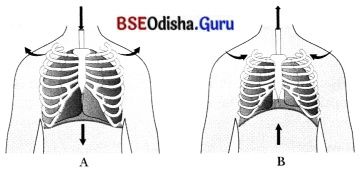
(w) ପ୍ରଶ୍ଵାସ (Inhalation) : ପର ର ଶ୍ଵାସ ପ୍ରଶ୍ଵାସ ଅଟେ । ଏହି ପ୍ରକ୍ରିୟାରେ ଆମେ ବାହାର ବାୟୁ ଗ୍ରହଣ କରି ଥାଉ । ଏହି ସମୟରେ ପଞ୍ଜରା ହାଡ଼ଗୁଡ଼ିକ ଉପରକୁ ଏବଂ ବାହାରକୁ ଠେଲି ହୋଇଯିବାରୁ ଛାତି ବିସ୍ତାରିତ ହୁଏ ଓ ଆୟତନ ବୃଦ୍ଧିପାଏ ।

(x) ନିଃଶ୍ଵାସ (Exhalation) : ନିଜର ଶ୍ଵାସ ନିଃଶ୍ଵାସ ଅଟେ । ଏହି ପ୍ରକ୍ରିୟାରେ ଆମେ ନିଜ ଶରୀରରୁ ବାୟୁ ନାକ ବାଟଦେଇ ବାହାରକୁ ଛାଡ଼ିଥାଉ । ଏହି ସମୟରେ ପଞ୍ଜରାଗୁଡ଼ିକ ତଳକୁ ଏବଂ ଭିତରକୁ ଗତି କରିଥାଏ । ମଧ୍ଯଚ୍ଛଦା ଉପରକୁ ଉଠିଥାଏ । ଛାତି ଭିତରେ ସ୍ଥାନ ହ୍ରାସ ପାଏ ଓ ଫୁସ୍‌ଫୁସ୍‌ରୁ ବାୟୁ ବାହାରକୁ ଠେଲି ହୋଇଯାଏ ।

(y) ଶ୍ଵାସନ (Respiration) : ଯେତେବେଳେ ଆମେ ଖାଦ୍ୟ ଖାଉ, ଆମର ଶରୀର ଏହାକୁ ଶର୍କରା (ଗ୍ଲୁକୋଜ୍) ଭଳି ସରଳ ପଦାର୍ଥରେ ପରିଣତ କରେ । ଶକ୍ତି ମୁକ୍ତ କରିବା ପାଇଁ ଅମ୍ଳଜାନ ଗ୍ଲୁକୋଜ୍‌କୁ ଭାଙ୍ଗିବାରେ ସାହାଯ୍ୟ କରେ । ଏହି ପ୍ରକ୍ରିୟାକୁ ଶ୍ଵାସନ କୁହାଯାଏ ।

Class 7 Science Chapter 9 Question Answer Odia Medium ପ୍ରାଣୀମାନଙ୍କ ଜୀବନ ପ୍ରକ୍ରିୟା

(z) ଗାଲି (Gill) : ମାଛ ପରି ଅଧିକାଂଶ ଜଳଚର ପ୍ରାଣୀମାନଙ୍କ ଶରୀରରେ ବିଶେଷ ଗଠନ ରହିଥାଏ, ଯାହାକୁ ଗାଲି କୁହାଯାଏ । ଏଗୁଡ଼ିକ ପ୍ରଚୁର ପରିମାଣରେ ରକ୍ତବାହୀ ନଳୀ ଧାରଣ କରିଥା’ନ୍ତି । ରକ୍ତ ଏବଂ ପାଣିରେ ଦ୍ରବୀଭୂତ ଗ୍ୟାସ୍ ମଧ୍ଯରେ ଅମ୍ଳଜାନ ଓ ଅଙ୍ଗାରକାମ୍ଳର ବିନିମୟ ଗାଲିରେ ସଂଘଟିତ ହୁଏ ।

(z1) ଉପଯୋଜନ (Adaptation) : ବେଙ୍ଗ ପରି ଉଭୟଚର ପ୍ରାଣୀମାନେ ଉଭୟ ସ୍ଥଳଭାଗ ଓ ଜଳଭାଗରେ ବାସ କରନ୍ତି, ସେମାନେ ଜୀବନର ବିଭିନ୍ନ ପର୍ଯ୍ୟାୟରେ ଶ୍ଵାସକ୍ରିୟା ପାଇଁ ଶରୀରର ବିଭିନ୍ନ ଅଂଶ ବ୍ୟବହାର କରନ୍ତି । ବେଙ୍ଗଫୁଲା ଗାଲିଦ୍ଵାରା ଓ ବେଙ୍ଗ ଫୁସ୍‌ଫୁସ୍‌ ଦ୍ଵାର। ଶ୍ଵାସକ୍ରିୟା କରେ । ଏ ପ୍ରକାର ଉପଯୋଜନ ସେମାନଙ୍କୁ ଜଳ ଏବଂ ସ୍ଥଳଭାଗ ଉଭୟରେ ବଞ୍ଚିବାପାଇଁ ସାହାଯ୍ୟ କରେ ।

ସଂକ୍ଷିପ୍ତ ପ୍ରଶ୍ନୋତ୍ତର

Question 1.
ଖାଦ୍ୟ କ’ଣ ? ବିଭିନ୍ନ ପ୍ରକାର ପ୍ରାଣୀମାନେ କିପରି ଖାଦ୍ୟ ଗ୍ରହଣ କରନ୍ତି ?
Answer:

  • ଯାହା ହଜମ ହୁଏ, ଶରୀରର ପୁଷ୍ଟିସାଧନ କରେ, ବୃଦ୍ଧି ଓ ବିକାଶରେ ସାହାଯ୍ୟ କରେ ଏବଂ ଶରୀରରେ କୌଣସି ସମସ୍ୟା ସୃଷ୍ଟିକରେ ନାହିଁ ତାହାକୁ ଖାଦ୍ୟ କୁହାଯାଏ ।
  • ମହୁମାଛି ମାନେ ଫୁଲର ମକରନ୍ଦ ଶୋଷି ଖାଇଥା’ନ୍ତି । ମଣିଷ ପରି ଜୀବଙ୍କର ଶି ଶୁ ମାନେ ସେମାନ ଙ୍କ ମା’ କ୍ଷୀର ଖାଇଥା’ନ୍ତି । ଅଜଗର ପରି ସାପମାନେ ଶିକାର କରୁଥିବା ପ୍ରାଣୀମାନଙ୍କୁ ଗିଳି ଦିଅନ୍ତି ।
  • କିଛି ଜଳଚର ପ୍ରାଣୀ ନିକଟବର୍ତ୍ତୀ ଭାସମାନ କ୍ଷୁଦ୍ର କଣିକାଗୁଡ଼ିକୁ ଛାଣି ଖାଇଯାଆନ୍ତି ।

Question 2.
ପରିପାକ ପ୍ରକ୍ରିୟା କହିଲେ କ’ଣ ବୁଝ ?
Answer:

  • ମଣିଷ ଓ ପ୍ରାଣୀମାନେ ଖାଦ୍ୟରୁ ଶକ୍ତି ପାଇଥା’ନ୍ତି । ଏହା ସେମାନଙ୍କୁ ସାଧାରଣ କାମ କରିବା, ଚିନ୍ତା କରିବା, ଚାଲିବା ଇତ୍ୟାଦି କାର୍ଯ୍ୟ କରିବା ପାଇଁ ଶକ୍ତି ଯୋଗାଏ ।
  • ଖାଦ୍ୟରେ ଶ୍ଵେତସାର, ପୁଷ୍ଟିସାର ଏବଂ ସ୍ନେହସାର ଭଳି ଜଟିଳ ଉପାଦାନ ରହିଥାଏ । ଶରୀରରେ ଏହି ଉପାଦାନଗୁଡ଼ିକୁ ସିଧାସଳଖ ବ୍ୟବହୃତ ହୋଇପାରେ ନାହିଁ, ଏଣୁ ଏଗୁଡ଼ିକୁ ସରଳରୂପରେ ଭାଙ୍ଗିବାକୁ ପଡ଼ିଥାଏ ।
  • ଏହି ଭାଙ୍ଗିବା ପ୍ରକ୍ରିୟାକୁ ପରିପାକ ପ୍ରକ୍ରିୟା କୁହାଯାଏ । ଶରୀରରେ ଏହା ପାକନଳୀ ବା ଖାଦ୍ୟନଳୀରେ ସମ୍ପାଦିତ ହୋଇଥାଏ ।

Question 3.
ଲାଳ ଖାଦ୍ୟର ଉପାଦାନଗୁଡ଼ିକୁ ଭାଙ୍ଗି ବାରେ ସାହାଯ୍ୟ କରେ । ଏହା କିପରି ପରୀକ୍ଷା କରିବ ?
‍Answer:

  1. ରୁଟିର ଏକ ଛୋଟ ଖଣ୍ଡ ବା କିଛି ଭାତ ପାଟିରେ ନିଆଯାଉ । ଏହାକୁ ୩୦-୬୦ ସେକେଣ୍ଡ ପାଇଁ ଭଲଭାବରେ ଚୋବାଯାଉ ।
  2. ପ୍ରଥମେ ରୁଟି କିମ୍ବା ଭାତର ସାଧାରଣ ସ୍ଵାଦ ଜଣାପଡ଼େ, କିନ୍ତୁ କ୍ରମାଗତ ଚୋବାଇବା ପରେ ଏହା ମିଠା ଲାଗିବାକୁ ଆରମ୍ଭ କରେ ।
  3. ରୁଟି ଓ ଭାତରେ ମଣ୍ଡଦ ନାମକ ଶ୍ଵେତସାର ଥାଏ । ଆମର ଲାଳରେ ଏକ ପାଚକ ରସ ଥାଏ, ଯାହା ମଣ୍ଡଦକୁ ସରଳ ଶର୍କରାରେ ଭାଙ୍ଗିବାରେ ସାହାଯ୍ୟ କରେ । ମଣ୍ଡଦଯୁକ୍ତ ଖାଦ୍ୟକୁ ଦୀର୍ଘ ସମୟ ଧରି ଚୋବାଇଲେ ଏହା ମିଠା ଲାଗିଥାଏ ।

Class 7 Science Chapter 9 Question Answer Odia Medium ପ୍ରାଣୀମାନଙ୍କ ଜୀବନ ପ୍ରକ୍ରିୟା

Question 4.
ମଣ୍ଡଦ ଉପରେ ଲାଳର ପ୍ରଭାବ ଦର୍ଶାଇବା ପାଇଁ ଏକ ପରୀକ୍ଷଣ ବର୍ଣ୍ଣନା କର ।
‍Answer:
ପରୀକ୍ଷଣ :

  1. ‘କ’ ପରୀକ୍ଷାନଳୀରେ ଗୋଟିଏ ଚାମଚ ଭାତ ନିଆଯାଉ ।
  2. ‘ଖ’ ପରୀକ୍ଷାନଳୀରେ ଗୋଟିଏ ଚାମଚ ଭାତକୁ ୩୦-୬୦ ସେକେଣ୍ଡ ଚୋବାଇବା ପରେ ନିଆଯାଉ ।
  3. ଉଭୟ ପରୀକ୍ଷା ନଳୀରେ ୩-୪ ମି.ଲି. ପାଣି ମିଶାଯାଉ ।
  4. ଡ୍ରପର ସାହାଯ୍ୟରେ ଉଭୟ ପରୀକ୍ଷା ନଳୀରେ ୩-୪ ବୁନ୍ଦା ଆୟୋଡ଼ିନ୍ ଦ୍ରବଣ ପକାଯାଉ ।

ପର୍ଯ୍ୟବେକ୍ଷଣ :
ସାରଣୀ : ମଣ୍ଡଦ ଉପରେ ଲାଳର ପ୍ରଭାବ

ଟେଷ୍ଟଟ୍ୟୁବ ମିଶ୍ରଣର ରଙ୍ଗ (ଆୟୋଡ଼ିନ୍ ମିଶାଇବା ପୂର୍ବରୁ) ମିଶ୍ରଣର ରଙ୍ଗ (ଆୟୋଡ଼ିନ୍ ମିଶାଇବା ପରେ) ଯଦି ରଙ୍ଗ ପରିବର୍ତ୍ତନ ହୋଇଛି ତେବେ ତା’ର କାରଣ
ଧଳା ଗାଢ଼ ନୀଳ ଆୟୋଡି଼ନ ମଣ୍ଡଦ ସହ ପ୍ରତିକ୍ରିୟା କଲେ ନୀଳ ହୁଏ
ଧଳା ହାଲୁକା ନୀଳ ମଣ୍ଡଦ ନ ଥ‌ିବାରୁ ସାମାନ୍ୟ ରଙ୍ଗ ପରିବର୍ତ୍ତନ ହେଲା

ସିଦ୍ଧାନ୍ତ :

  • ‘କ’ ପରୀକ୍ଷାନଳୀରେ ମଣ୍ଡଦ ଆୟୋଡ଼ିନ ସହ ପ୍ରତିକ୍ରିୟା କରି ନୀଳବର୍ଷ ଧାରଣ କରୁଛି ।
  • ‘ଖ’ ପରୀକ୍ଷାନଳୀରେ ମଣ୍ଡଦ ଥିବାରୁ ରଙ୍ଗରେ ସାମାନ୍ୟ ପରିବର୍ତ୍ତନ ହେଉଅଛି ।
  • ଲାଳ ଭାତସହ ରାସାୟନିକ କ୍ରିୟା କରି ମଣ୍ଡଦକୁ ସରଳ ଶର୍କରାରେ ପରିଣତ କରିଥାଏ ।

Class 7 Science Chapter 9 Question Answer Odia Medium ପ୍ରାଣୀମାନଙ୍କ ଜୀବନ ପ୍ରକ୍ରିୟା

Question 5.
ଖାଦ୍ୟ ଗ୍ରାସ ନଳୀରେ କିପରି ତଳକୁ ଯାଇଥାଏ, ଚିତ୍ର ସହ ବୁଝାଅ ।
‍Answer:
Class 7 Science Chapter 9 Question Answer Odia Medium ପ୍ରାଣୀମାନଙ୍କ ଜୀବନ ପ୍ରକ୍ରିୟା 6

  1. ଖାଦ୍ୟ ଲାଳ ସହିତ ମିଶି ଏହାକୁ ନରମ କରେ ଏବଂ ଗିଳିବାରେ ସହଜ କରିଥାଏ ।
  2. ଜିଭ ଚୋବାଯାଇଥିବା ଖାଦ୍ୟକୁ ଗ୍ରାସନଳୀ ମଧ୍ୟକୁ ଠେଲିଦିଏ ।
  3. ଗ୍ରାସନଳୀର କାନ୍ଥର ଧୀର ସଙ୍କୋଚନ ଓ ଶିଥୁଳନ ଯୋଗୁଁ ତରଙ୍ଗ ପରି ଏକ ଗତି ସୃଷ୍ଟି ହୁଏ ।
  4. ଏହି ଗତିଯୋଗୁଁ ଖାଦ୍ୟ ଆପେ ଆପେ ପାକସ୍ଥଳୀ ଭିତରକୁ ଠେଲି ହୋଇଯାଏ ।
  5. ଏ ପ୍ରକାର ଗତି ସମଗ୍ର ଖାଦ୍ୟନଳୀରେ ଘଟେ ଏବଂ ଖାଦ୍ୟକୁ ଆଗକୁ ଆଗକୁ ଠେଲିଥାଏ ।

Question 6.
ପାକସ୍ଥଳୀରେ ଖାଦ୍ୟର ହଜମ କିପରି ହୋଇଥାଏ ଚିତ୍ର ସହ ବୁଝାଅ ।
Answer:

  • ପାକସ୍ଥଳୀ କାନ୍ଥର ସଂକୋଚନ ଓ ଶିଳନ ଫଳରେ ଖାଦ୍ୟର ମନ୍ଥନ ହୋଇଥାଏ ।
  • ମଜ୍ଜିତ ଖାଦ୍ୟ ସହିତ ପାକସ୍ଥଳୀର ଭିତର ଆସ୍ତରଣରୁ କ୍ଷରିତ ରସ ମିଶିଥାଏ ।
    Class 7 Science Chapter 9 Question Answer Odia Medium ପ୍ରାଣୀମାନଙ୍କ ଜୀବନ ପ୍ରକ୍ରିୟା 7
  • ପାଚକ ରସରେ ଅମ୍ଳ, ଶ୍ଳେଷ୍ଟା ରହିଥାଏ । ଏହା ପୁଷ୍ଟିସାରକୁ ଭାଙ୍ଗି ସରଳ ଉପାଦାନରେ ପରିଣତ କରେ ।
  • ପାଚକ ରସରେ ଥିବା ଅମ୍ଳ ଅନେକ କ୍ଷତିକାରକ ଜୀବାଣୁକୁ ମାରିଦିଏ ।
  • ଶ୍ଳେଷ୍ମା, ପାକସ୍ଥଳୀର ଆସ୍ତରଣକୁ ଅମ୍ଳଜନିତ କ୍ଷୟରୁ ରକ୍ଷାକରେ ।
  • ପାକସ୍ଥଳୀରେ ଖାଦ୍ୟ ଆଂଶିକଭାବେ ହଜମ ହୁଏ ଏବଂ ଏକ ଅର୍ଥ ତରଳ ପିଣ୍ଡରେ ରୂପାନ୍ତରିତ ହୋଇ କ୍ଷୁଦ୍ରାନ୍ତ୍ରକୁ ଯାଇଥାଏ ।

Class 7 Science Chapter 9 Question Answer Odia Medium ପ୍ରାଣୀମାନଙ୍କ ଜୀବନ ପ୍ରକ୍ରିୟା

Question 7.
କ୍ଷୁଦ୍ରାନ୍ତରେ ଖାଦ୍ୟର ହଜମ କିପରି ହୋଇଥାଏ, ବୁଝାଅ ।
‍Answer:

  • କ୍ଷୁଦ୍ରାନ୍ତ ୩ଟି ଉତ୍ସରୁ କ୍ଷରିତ ପାଚକ ରସ ଗ୍ର ହ ଣ କରେ । ସେଗୁଡ଼ିକ ହେଲା। – (a) କ୍ଷୁଦ୍ରାନ୍ତର ଭିତର ଆସ୍ତରଣ, (b) ଯକୃତ ଓ (c) ଅଗ୍ନାଶୟ ।
  • ଯକୃତ ସାମାନ୍ୟ କ୍ଷାରକୀୟ ପ୍ରକୃତିର ପିତ୍ତ କ୍ଷରଣ କରେ । ଏହା ଅମ୍ଳକୁ ନିରପେକ୍ଷ କରିବା ସହିତ ସ୍ନେହସାରକୁ କ୍ଷୁଦ୍ର କଣିକାରେ ଭାଙ୍ଗିଦିଏ ।
  • ଅଗ୍ନାଶୟରୁ ଅଗ୍ନାଶୟ ରସ କ୍ଷରିତ ହୁଏ । ଏହା କ୍ଷାରୀୟ ପ୍ରକୃତି ର ଓ ଏହା ଅମ୍ଳକୁ ମଧ୍ୟ ନିରପେକ୍ଷ କରିବାରେ ସାହାଯ୍ୟ କରେ ।
  • ଅଗ୍ନାଶୟ ରସ, ଶ୍ଵେତସାର, ପୁଷ୍ଟିସାର ଓ ସ୍ନେହସାରକୁ ସରଳ କରେ ।
  • କ୍ଷୁଦ୍ରାନ୍ତ୍ର କାନ୍ଥରୁ କ୍ଷରିତ ପାଚକ ରସ ସ୍ନେହସାର, ପୁଷ୍ଟି ସାର ଓ ଆଂଶିକ ଭାବେ ହଜମ ହୋଇଥିବା ଶ୍ଵେତସାରକୁ ଆହୁରି ସରଳ କରେ ।

Question 8.
ଅଧ୍ଵଂକାଂଶ ପୋଷକତତ୍ତ୍ଵ କ୍ଷୁଦ୍ରାନ୍ତରେ ପାଚନ ଓ ଶୋଷଣ ହେବା ପରେ ଅପତ୍ୟ ଖାଦ୍ୟର ପରିଣତି ସମ୍ବନ୍ଧରେ ଲେଖ ।
Answer:

  • ଏହା ବୃହଦନ୍ତ୍ରରେ ପ୍ରବେଶ କରେ ।
  • ବୃହଦନ୍ତ୍ର ପ୍ରାୟ ୧.୫ ମିଟର ଲମ୍ବ ଓ ଏହା କ୍ଷୁଦ୍ରାନ୍ତ ଅପେକ୍ଷା ଛୋଟ ଅଟେ ।
  • ବୃହଦନ୍ତ୍ର ଅପାଚ୍ୟ ଖାଦ୍ୟରୁ ପାଣି ଏବଂ ଲବଣ ଶୋଷଣ କରି ବର୍ଜ୍ୟ ପଦାର୍ଥକୁ ଅର୍ଦ୍ଧ-କଠିନ କରିଥାଏ ।
  • ଏହି ଅର୍ଶକଠିନ ପଦାର୍ଥକୁ ମଳ କୁହାଯାଏ ।
  • ଏହା ମଳାଶୟରେ ଜମା ହୁଏ ।
  • ମଳାଶୟରୁ ମଳ ବହିଃଷ୍କରଣ ପ୍ରକ୍ରିୟାରେ ବାହାରକୁ ନିଷ୍କାସିତ ହୁଏ ।

Question 9.
ଗୋଟିଏ ରୋମନ୍ଥକ ପ୍ରାଣୀର ଚିତ୍ର ଅଙ୍କନ କରି ରୋମନ୍ଥନ ପ୍ରକ୍ରିୟା କିପରି ହୋଇଥାଏ, ବୁଝାଅ ।
Answer:
Class 7 Science Chapter 9 Question Answer Odia Medium ପ୍ରାଣୀମାନଙ୍କ ଜୀବନ ପ୍ରକ୍ରିୟା 8

  1. କେତେକ ତୃଣଭୋଜୀ ପ୍ରାଣୀ ଖାଇବା ସମୟରେ ଶୀଘ୍ର ଶୀଘ୍ର ଖାଦ୍ୟକୁ ଗିଳିଦିଅନ୍ତି । ଏହି ଖାଦ୍ୟ ପାକସ୍ଥଳୀର ପ୍ରଥମ ଭାଗ ରୁମେନ୍‌ରେ ରହିଥାଏ ଓ ଏଠାରେ ଖାଦ୍ୟର ଆଂଶିକ ପାଚନ ହୁଏ ।
  2. ପରେ ଏହି ଆଂଶିକ ପାଚିତ ଖାଦ୍ୟ ଛୋଟ ଛୋଟ ଗୁଳାରେ ପରିଣତ ହୋଇ ପାଟିକୁ ଫେରିଆସେ ଓ ସେମାନେ ତାକୁ ପୁଣିଥରେ ଚୋବାଇ ଚୋବାଇ ଖାଇଥା’ନ୍ତି । ଏହି ପ୍ରକ୍ରିୟାକୁ ରୋମନ୍ଥନ ବା ପାକୁଳି କହାଯାଏ ।
  3. ରୋମନ୍ଥନ କ୍ଷମତା ଥିବା ପ୍ରାଣୀମାନଙ୍କୁ ରୋମନ୍ଥକ କୁହାଯାଏ । ଗୋଟିଏ ଗାଈ ଦିନକୁ ପ୍ରାୟ ୮ ଘଣ୍ଟା ରୋମନ୍ଥନ କରି ଥାଏ । ଭଲଭାବରେ ଚୋବାଯାଇଥିବା ଖାଦ୍ୟ ଅଧିକ ହଜମ ପାଇଁ ପରି ପାକ ନଳୀ ଦେଇ ପାକସ୍ଥଳୀକୁ ଯାଇଥାଏ ।

Class 7 Science Chapter 9 Question Answer Odia Medium ପ୍ରାଣୀମାନଙ୍କ ଜୀବନ ପ୍ରକ୍ରିୟା

Question 10.
ପକ୍ଷୀମାନଙ୍କର ପାଚନଚନ୍ତ୍ରରେ ଥିବା ଗିଜାର୍ଡ଼ର କାର୍ଯ୍ୟ ସମ୍ପର୍କରେ ଲେଖ ।
Answer:

  • ଖାଦ୍ୟ ଗ୍ରହଣ ପାଇଁ ପକ୍ଷୀମାନଙ୍କର ଦାନ୍ତ ନଥାଏ, କିନ୍ତୁ ସେମାନଙ୍କର ପାକସ୍ଥଳୀ ତଳକୁ ଏକ କୋଠରି ରହିଥାଏ, ଯାହାକୁ ଗିଜାର୍ଡ଼ କୁହାଯାଏ ।
    Class 7 Science Chapter 9 Question Answer Odia Medium ପ୍ରାଣୀମାନଙ୍କ ଜୀବନ ପ୍ରକ୍ରିୟା 9
  • ଗିଜାର୍ଡ଼ର କାନ୍ଥର ସଙ୍କୋଚନ ଓ ଶିଳନ ତଥା ଗତ ପକ୍ଷୀମାନେ ପ୍ରାୟତଃ ଗିଳି ଦେଇଥ‌ିବା ଛୋଟ ଛୋଟ ଗୋଡ଼ି ସାହାଯ୍ୟରେ ଖାଦ୍ୟ ଛୋଟ ଛୋଟ ଖଣ୍ଡରେ ପରିଣତ ହୁଏ ।
  • ପକ୍ଷୀମାନଙ୍କର ଖାଦ୍ୟ ହଜମ କରିବା ପାଇଁ ଏମାନଙ୍କ ଶରୀରରେ ଏହା ଏକ ସ୍ଵତନ୍ତ୍ର ବ୍ୟବସ୍ଥା ଅଟେ ।

Question 11.
ଶ୍ଵାସନ କାହାକୁ କୁହାଯାଏ ? ଶରୀରରେ ଏହାର ଆବଶ୍ୟକତା ଦର୍ଶାଅ ।
‍Answer:

  • ପାଚନ ହୋଇଥିବା ଖାଦ୍ୟରୁ ମିଳୁଥ‌ିବ। ପୋଷକ ଦ୍ରବ୍ୟ ଶରୀରର ବିଭିନ୍ନ ଅଂଶକୁ ଯାଇଥାଏ ।
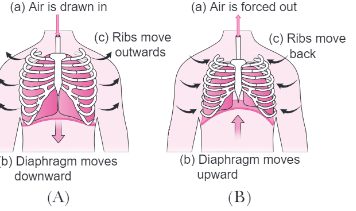
  • କିଛି ପୋଷକ ଦ୍ରବ୍ୟ ଶରୀର ଗଠନ ଓ ମରାମତିରେ ସାହାଯ୍ୟ କରେ କିନ୍ତୁ ଚିନିପରି କିଛି ଖାଦ୍ୟ ଶରୀର ଭିତରେ ଭାଙ୍ଗି ଯାଇ ସରଳୀକୃତ ହୁଏ ଓ ସେଥୁରୁ ଶକ୍ତି ମୋଚିତ ହୋଇଥାଏ ।
  • ଯେଉଁ ପ୍ରକ୍ରିୟା ଦ୍ଵାରା ପୋଷକ ପଦାର୍ଥ ବ୍ୟବହାରଯୋଗ୍ୟ ଶକ୍ତିରେ ରୂପାନ୍ତରିତ ହୁଏ, ତାହାକୁ ଶ୍ଵାସନ କୁହାଯାଏ ।

Question 12.
ମାନବ ଶ୍ୱସନ ତନ୍ତ୍ରର ଚିତ୍ର ଅଙ୍କନ କରି ଏହାର ବିଭିନ୍ନ ଅଂଶର ନାମକରଣ କର । (ବର୍ଣ୍ଣନା । ଅନାବଶ୍ୟକ)
Answer:
Class 7 Science Chapter 9 Question Answer Odia Medium ପ୍ରାଣୀମାନଙ୍କ ଜୀବନ ପ୍ରକ୍ରିୟା 10

Class 7 Science Chapter 9 Question Answer Odia Medium ପ୍ରାଣୀମାନଙ୍କ ଜୀବନ ପ୍ରକ୍ରିୟା

Question 13.
ମାନବ ପାକନଳୀର ବିସ୍ତାରିତ ରୂପର ଚିତ୍ର ଅଙ୍କନ କରି ଏହାର ବିଭିନ୍ନ ଅଂଶର ନାମକରଣ କର । (ବର୍ଣ୍ଣନା ଅନାବଶ୍ୟକ)
Answer:
Class 7 Science Chapter 9 Question Answer Odia Medium ପ୍ରାଣୀମାନଙ୍କ ଜୀବନ ପ୍ରକ୍ରିୟା 11

Question 14.
ଶ୍ୱସନ ତନ୍ତ୍ର କାହାକୁ କୁହାଯାଏ ? ଶରୀରରେ ଏହାର ଆବଶ୍ୟକତା ସମ୍ବନ୍ଧରେ ଲେଖ ।
Answer:

  1. ଆମେ ଅମ୍ଳଜାନ ଗ୍ରହଣ କରିବା ଏବଂ ଅଙ୍ଗାରକାମ୍ଳ ତ୍ୟାଗ କରିବା ପାଇଁ ନିରନ୍ତର ଭାବେ ପ୍ରଶ୍ଵାସ ନେଉ ଓ ନିଃଶ୍ଵାସ ଛାଡ଼ିଥାଉ । ବାୟୁ ନେବା ଏବଂ ବାୟୁ ଛାଡ଼ିବା ପ୍ରକ୍ରିୟାକୁ ଶ୍ଵାସକ୍ରିୟା କୁହାଯାଏ ।
  2. ଆମ ଶରୀର ମଧ୍ୟରେ ଶ୍ଵାସକ୍ରିୟା ଓ ଶ୍ଵାସନ ପାଇଁ ଏକ ନିର୍ଦ୍ଦିଷ୍ଟ ବ୍ୟବସ୍ଥା ରହିଅଛି । ଏହି ତନ୍ତ୍ରକୁ ଶ୍ୱସନ ତନ୍ତ୍ର କୁହାଯାଏ । ଏହି ତନ୍ତ୍ରରେ ଗ୍ୟାସ୍‌ଗୁଡ଼ିକର ବିନିମୟ ଏକ ନିର୍ଦ୍ଦିଷ୍ଟ ପଥ ଅନୁସରଣ କରିଥାଏ ।
  3. ଯେଉଁ ପଥରେ ବାୟୁ ଗ୍ରହଣ ଓ ନିଷ୍କାସନ ହୋଇଥାଏ, ତାହାର ବିଭିନ୍ନ ଅଂଶ ଶ୍ଵାସନତନ୍ତ୍ରର ଅନ୍ତର୍ଭୁକ୍ତ ଅଟେ ।

Question 15.
ଶ୍ଵସନତନ୍ତ୍ରରେ ବାୟୁ କିପରି କୋଟରିକା ନିକଟକୁ ଆସିଥାଏ ?
‍Answer:

  • ନାସାରନ୍ଧ୍ର ବା ନାକପୁଡ଼ା ଦେଇ ଆମେ ପ୍ରଶ୍ଵାସ ବାୟୁ ନେଉ ଓ ନିଃଶ୍ୱାସ ବାୟୁ ତ୍ୟାଗ କରୁ ।
  • ପ୍ରଥମେ ପ୍ରଶ୍ଵାସ ବାୟୁ ନାସାପଥ ମଧ୍ୟରେ ପ୍ରବେଶ କରେ ଏବଂ ନାସାପଥରୁ ବାୟୁନଳୀ ମାଧ୍ୟମରେ ଆମ ଫୁସ୍‌ଫୁସ୍ ନିକଟକୁ ଯାଇଥାଏ ।
  • ବାୟୁନଳୀ ଦୁଇଟି ଶାଖାରେ ବିଭକ୍ତ ହୋଇ ଦୁଇ ଫୁସ୍‌ଫୁସ୍ ମଧ୍ୟକୁ ପ୍ରବେଶ କରେ । ଫୁସ୍‌ଫୁସ୍‌ରେ ଏହି ଦୁଇ ଶାଖା ଆହୁରି ଛୋଟ ଓ ସୂକ୍ଷ୍ମ ଶାଖାରେ ବିଭକ୍ତ ହୋଇ କୋଟରିକାଠାରେ ଶେଷ ହୋଇଥାଏ ।

Class 7 Science Chapter 9 Question Answer Odia Medium ପ୍ରାଣୀମାନଙ୍କ ଜୀବନ ପ୍ରକ୍ରିୟା

Question 16.
ଶ୍ଵାସକ୍ରିୟାର କୌଶଳ ବୁଝାଇବା ପାଇଁ ଏକ ସରଳ ପ୍ରତିରୂପ ବର୍ଣନା କର ।
Answer:
Class 7 Science Chapter 9 Question Answer Odia Medium ପ୍ରାଣୀମାନଙ୍କ ଜୀବନ ପ୍ରକ୍ରିୟା 12
ପରୀକ୍ଷଣ :

  1. ଢାଙ୍କୁଣି ଥୁବା ଗୋଟିଏ ସ୍ଵଚ୍ଛ ପ୍ଲାଷ୍ଟିକ୍ ବୋତଲ ନିଆଯାଉ । ଏହାର ତଳ ଅଂଶ କାଟି ବାହାର କରି ଦିଆଯାଉ ଓ ବୋତଲର ଢାଙ୍କୁଣିରେ ଏକ ଛିଦ୍ର କରାଯାଉ ।
  2. ଉପରୋକ୍ତ ଚିତ୍ରରେ ଦେଖାଯାଇଥବା ପରି ଏକ Y-ଆକାରର ଫାଙ୍କା ନଳୀ ନିଆଯାଉ । ନଳୀର ଦୁଇ କେନ। ଶେଷରେ ଦୁଇଟି ଫୁଙ୍କାଯାଇ ନଥ‌ିବା ବେଲୁନ୍ ପୂରାଯାଉ । ଗୋଟିଏ ରବର ବ୍ୟାଣ୍ଡ୍ ସହିତ ସେଗୁଡ଼ିକୁ ଭଲ ଭାବରେ ବାନ୍ଧି ଦିଆଯାଉ ଯେପରିକି ତାହା ଭିତରକୁ ବାୟୁ ଯାଇପାରିବ ନାହିଁ ।
  3. ନଳୀର ସିଧା ପାଖକୁ ଢାଙ୍କୁଣି ମଧ୍ୟରେ ଗୋଟିଏ କଣା କରି ବୋତଲ ଭିତରକୁ ପ୍ରବେଶ କରାଯାଉ ଓ ଢାଙ୍କୁଣିକୁ ମାଟି ଲଗାଇ ଭଲ ଭାବରେ ସିଲ୍ କରିଦିଆଯାଉ, ଯାହା ଫଳରେ ଏହି ବାୟୁରୋଧୀ ହୋଇପାରିବ ।
  4. ବୋତଲର ଖୋଲା ତଳ ଭାଗରେ ଏକ ପତଳା ରବର ଖଣ୍ଡ ବା ବେଲୁନ୍‌କୁ ବଡ଼ ରବର ବ୍ୟାଣ୍ଡ୍ ଦ୍ଵାରା ଭଲ ଭାବରେ ବାନ୍ଧି ଦିଆଯାଉ ।

ପର୍ଯ୍ୟବେକ୍ଷଣ :

  1. ତଳ ଭାଗରେ ଲାଗିଥିବା ରବର ବା ବେଲୁକୁ ମଝିର ତଳ ଆଡ଼କୁ ଟାଣି ପୁନଶ୍ଚ ଛାଡ଼ି ଦିଆଯାଉ ।
  2. ଯେତେବେଳେ ରବର ସିକୁ ତଳକୁ ଟଣାଯାଏ ବେଲୁନ୍ ଗୁଡ଼ିକ ଫୁଲି ଯାଏ ଓ ବି ପରୀତ ଭାବରେ, ଯେତେବେଳେ ରବର ସିଟ୍‌କୁ ଉପରକୁ ଛାଡ଼ି ଦିଆଯାଏ, ସେତେବେଳେ ବେଲୁନ୍‌ଗୁଡ଼ିକ ସଂକୁଚିତ ହୋଇଯାଏ ।

Question 17.
ମାନବ ଫୁସ୍‌ଫୁସ୍‌ର ଚିତ୍ର ଅଙ୍କନ କରି ଶ୍ଵାସକ୍ରିୟାର କୌଶଳ ବର୍ଣ୍ଣନା କର ।
Answer:
Class 7 Science Chapter 9 Question Answer Odia Medium ପ୍ରାଣୀମାନଙ୍କ ଜୀବନ ପ୍ରକ୍ରିୟା 13

  • ପ୍ରଶ୍ଵାସ ନେବା ସମୟରେ ପଞ୍ଜରା ହାଡ଼ଗୁଡ଼ିକ ଉପରକୁ ଏବଂ ବାହାରକୁ ଠେଲି ହୋଇଯାଏ । ଏହି ସମୟରେ ଛାତି ବିସ୍ତାରିତ ହୁଏ, ଅର୍ଥାତ ଆୟତନ ବୃଦ୍ଧି ପାଇଥାଏ ।
  • ପ୍ରଶ୍ଵାସ ନେବା ସମୟରେ ଫୁସ୍‌ଫୁସ୍‌ ତଳେ ଥ‌ିବା ମଧ୍ୟଚ୍ଛଦା ଯାହା ଏକ ଗମ୍ବୁଜ ଆକୃତିର ମାଂସପେଶୀ ତଳକୁ ଗତି କରିଥାଏ ।
  • ପ୍ରଶ୍ଵାସ ସମୟରେ ଛାତି ଭିତରେ ସ୍ଥାନ ବୃଦ୍ଧି ପାଏ ଓ ବାୟୁ ଫୁସ୍‌ଫୁସ୍‌ରେ ପ୍ରବେଶ କରେ । ନିଃଶ୍ଵାସ ବାହାର କରିବା ସମୟରେ ପଞ୍ଜରାଗୁଡ଼ିକ ତଳକୁ ଏବଂ ଭିତରକୁ ଗତି କରନ୍ତି ।
  • ଏହି ସମୟରେ ମଧ୍ୟଚ୍ଛଦା ଉପରକୁ ଉଠିଯାଏ, ଛାତି ଭିତରେ ସ୍ଥାନ ହ୍ରାସ ପାଏ ଏବଂ ଫୁସ୍‌ଫୁସ୍‌ରୁ ବାୟୁ ଠେଲି ହୋଇଯାଏ ।

Class 7 Science Chapter 9 Question Answer Odia Medium ପ୍ରାଣୀମାନଙ୍କ ଜୀବନ ପ୍ରକ୍ରିୟା

Question 18.
ଟୁମୋ ଶ୍ଵାସକ୍ରିୟାର ଉପାଦେୟତା ସମ୍ବନ୍ଧରେ ଲେଖ ।
Answer:

  • ଲଦାଖ ଅଞ୍ଚଳରେ ଲୋକମାନେ ଟୁମୋ ଶ୍ଵାସକ୍ରିୟା ଅଭ୍ୟାସ କରିଥା’ନ୍ତି । ଏହା ସେ ଅଞ୍ଚଳରେ ସ୍ଵାସ୍ଥ୍ୟ, ମାନସିକ ଶାନ୍ତି ଏବଂ ଏକାଗ୍ରତାକୁ ଉନ୍ନତି କରିବା ପାଇଁ ଏକ ଜଣାଶୁଣା ପଦ୍ଧତି ଅଟେ ।
  • ଏହି କୌଶଳ ଫୁସ୍‌ଫୁସ୍ କାର୍ଯ୍ୟକୁ ଉନ୍ନତ କରେ ଏବଂ ଥଣ୍ଡାପାଗରେ ମଧ୍ୟ ଶରୀରକୁ ଗରମ ରଖିବାରେ ସାହାଯ୍ୟ କରେ ।
  • ଏହାଦ୍ଵାରା ଶାନ୍ତି, ସ୍ଥିରତା ଓ ମାନସିକ ସ୍ପଷ୍ଟତା ବୃଦ୍ଧି ପାଇଥାଏ ।

Question 19.
ଫୁସ୍‌ ଫୁସ୍‌ ରେ ଗ୍ୟାସ୍‌ର ବିନିମୟ କିପରି ହୋଇଥାଏ, ଚିତ୍ର ସହ ବୁଝାଅ ।
Answer:
Class 7 Science Chapter 9 Question Answer Odia Medium ପ୍ରାଣୀମାନଙ୍କ ଜୀବନ ପ୍ରକ୍ରିୟା 14

  • ଶ୍ଵାସକ୍ରିୟା ମାଧ୍ୟମରେ, ବାହାରୁ ତାଜା ପବନ ଫୁସ୍‌ ଫୁସ୍‌ ରେ ପ୍ରବେଶ କରେ ଏବଂ କୋଟରିକାକୁ ପୂର୍ଣ୍ଣ କରେ ।
  • କୋଟରିକାରେ ଥିବା ପତଳା ପ୍ରାଚୀର ରକ୍ତପୂର୍ଣ୍ଣ ସୂକ୍ଷ୍ମ ନଳୀଦ୍ଵାରା ଘେରି ରହିଥ‌ିବାରୁ, ରକ୍ତ ଶରୀରରୁ କୋଟରିକାକୁ ଅଙ୍ଗାରକାମ୍ଳ ଆଣିଥାଏ ।
  • କୋଟରିକାରେ ବାୟୁରେ ଥ‌ିବା ଅଙ୍ଗାରକାମ୍ଳ ବାୟୁ ମଧ୍ୟକୁ ମୁକ୍ତ ହୋଇଥାଏ ଓ ସେହି ସମୟରେ କୋଟରି କାରୁ ଅମ୍ଳଜାନ ଆସି ରକ୍ତରେ ପ୍ରବେଶ କରେ ଓ ଏହା ଶରୀରର ସମସ୍ତ ଅଂଶକୁ ପରିବାହିତ ହୋଇଥାଏ ।

Class 7 Science Chapter 9 Question Answer Odia Medium ପ୍ରାଣୀମାନଙ୍କ ଜୀବନ ପ୍ରକ୍ରିୟା

Question 20.
ଶ୍ଵାସନ କାହାକୁ କୁହାଯାଏ ? ଏହି ପ୍ରକ୍ରିୟାର ଶବ୍ଦ ସମୀକରଣ ଲେଖ ।
Answer:

  1. ଆମେ ଗ୍ରହଣ କରୁଥିବା ଖାଦ୍ୟ ଓ ଶ୍ଵାସକ୍ରିୟାରେ ବ୍ୟବହାର କରୁଥିବା ଅମ୍ଳଜାନଦ୍ୱାରା ଆମେ ଶକ୍ତି ପାଇଥାଉ ।
  2. ଯେତେବେଳେ ଆମେ ଖାଦ୍ୟ ଗ୍ରହଣ କରୁ, ଆମର ଶରୀର ଏହାକୁ ଶର୍କରା (ଗ୍ଲୁକୋଜ) ଭଳି ସରଳ ପଦାର୍ଥରେ ପରିଣତ କରେ ।
  3. ଶକ୍ତି ମୁକ୍ତ କରିବା ପାଇଁ ଅମ୍ଳଜାନ ଗ୍ଲୁକୋଜ୍କୁ ଭାଙ୍ଗିବାରେ ସାହାଯ୍ୟ କରେ । ଏହି ପ୍ରକ୍ରିୟାକୁ ଶ୍ଵାସନ କୁହାଯାଏ ।
  4. ଶ୍ୱସନ ପ୍ରକ୍ରିୟାର ଶବ୍ଦ ସମୀକରଣ :
    ଗ୍ଲୁକୋଜ + ଅମ୍ଳଜାନ → ଅଙ୍ଗାରକାମ୍ଳ + ଜଳ + ଶକ୍ତି

Question 21.
ପ୍ରଶ୍ଵାସ ଓ ନିଃଶ୍ଵାସ ବାୟୁରେ ଅମ୍ଳଜାନ ଓ ଅଙ୍ଗାରକାମ୍ଳର ଶତକଡ଼ା ପରିମାଣ ଦର୍ଶାଇବା ପାଇଁ ଏକ ନାମାଙ୍କିତ ଚିତ୍ର ଅଙ୍କନ କରି ସଂକ୍ଷେପରେ ବୁଝାଅ ।
Answer:

  • ଶ୍ଵାସକ୍ରି ୟା ସମୟରେ ଆମେ ଆମ ଚାରିପାଖରୁ ଅଧ୍ବକ ଅମ୍ଳଜାନ ଥିବା ବାୟୁ ଗ୍ରହଣ କରୁ ଏବଂ ନିଃଶ୍ଵାସରେ ଅଧୂକ ଅଙ୍ଗାରକାମ୍ଳ ଥ‌ିବା ବାୟୁ ବାହାର କରିଥାଉ ।
  • ଗ୍ରହଣ କରାଯାଉଥ‌ିବା ସମସ୍ତ ଅମ୍ଳଜାନ ଶରୀରରେ ବ୍ୟବହୃତ ହୁଏ ନାହିଁ । ଗ୍ୟାସ୍‌ରେ ବିନିମୟ ଆମ ଶରୀରର ପ୍ରତ୍ୟେକ ଅଂଶ ଶକ୍ତି ଉତ୍ପାଦନ କରିବା ଏବଂ ବର୍ଜ୍ୟ ପଦାର୍ଥଗୁଡ଼ିକୁ ବାହାର କରିବା ପାଇଁ ଅମ୍ଳଜାନ ଆବଶ୍ୟକ କରିଥାଏ ।
    Class 7 Science Chapter 9 Question Answer Odia Medium ପ୍ରାଣୀମାନଙ୍କ ଜୀବନ ପ୍ରକ୍ରିୟା 15
  • ଶ୍ଵାସକ୍ରିୟା ଶରୀର ଭିତରକୁ ଅମ୍ଳଜାନ ଆଣେ ଏବଂ ଅଙ୍ଗାରକାମ୍ଳ ବାହାର କରେ । ଶ୍ଵାସନ ଖାଦ୍ୟକୁ ଭାଙ୍ଗିବା ଏବଂ ଶକ୍ତିମୋଚନ ପାଇଁ ଅମ୍ଳଜାନ ଆବଶ୍ୟକ କରିଥାଏ ।
  • ଶ୍ଵାସକ୍ରିୟା ଏକ ଭୌତିକ ପ୍ରକ୍ରିୟା ହୋଇଥବା ବେଳେ ଶ୍ଵାସନ ଏକ ରାସାୟନିକ ପ୍ରକ୍ରିୟା ଅଟେ ।

Class 7 Science Chapter 9 Question Answer Odia Medium ପ୍ରାଣୀମାନଙ୍କ ଜୀବନ ପ୍ରକ୍ରିୟା

Question 22.
ମାଛ କିପରି ଶ୍ଵାସକ୍ରିୟା କରେ, ଚିତ୍ର ସହ ବୁଝାଅ ।
Answer:
Class 7 Science Chapter 9 Question Answer Odia Medium ପ୍ରାଣୀମାନଙ୍କ ଜୀବନ ପ୍ରକ୍ରିୟା 16

  • ମାଛ ପରି ଅସ୍ଵୀକାଂଶ ଜଳଚର ପ୍ରାଣୀମାନଙ୍କ ଠାରେ ଶ୍ଵାସକ୍ରିୟା ପାଇଁ ଏକ ବିଶେଷ ଧରଣର ବ୍ୟବସ୍ଥା ରହିଥାଏ, ଏହାକୁ ଗାଲି କୁହାଯାଏ ।
  • ଗାଲିରେ ପ୍ରଚୁର ପରିମାଣରେ ରକ୍ତବାହୀ ନଳୀ ଥାଏ । ରକ୍ତ ଏବଂ ପାଣିରେ ଦ୍ରବୀଭୂତ ଗ୍ୟାସ୍ ମଧ୍ୟରେ ଅମ୍ଳଜାନ ଓ ଅଙ୍ଗାରକାମ୍ଳ ବିନିମୟ ଗାଲିରେ ସଂଘଟିତ ହୋଇଥାଏ ।

Question 23.
ପ୍ରାଣୀମାନେ ସମୟ ସହିତ ବିଭିନ୍ନ ପରିବେଶରେ ଉପଯୋଜିତ ହୋଇଥାନ୍ତି । ଗୋଟିଏ ଉଦାହରଣ ସହ ଭକ୍ତିର ଯଥାର୍ଥତା ପ୍ରତିପାଦନ କର ।
Answer:

  • ବେଙ୍ଗ ପରି ଉଭୟଚର ପ୍ରାଣୀମାନେ ଉଭୟ ସ୍ଥଳଭାଗ ଏବଂ ଜଳଭାଗରେ ବାସ କରିଥାନ୍ତି । ସେମାନେ ଜୀବନର ବିଭିନ୍ନ ପର୍ଯ୍ୟାୟରେ ଶ୍ଵାସକ୍ରିୟା ପାଇଁ ଶରୀରର ବିଭିନ୍ନ ଅଂଶ ବ୍ୟବହାର କରିଥାନ୍ତି ।
  • ବେଙ୍ଗଫୁଲା ଗାଲି ମାଧ୍ୟମରେ ଶ୍ଵାସକ୍ରିୟା କରେ । ବେଙ୍ଗ ମାନେ ସ୍ଥଳ ଭାଗରେ ଥ‌ିବାବେଳେ ଫୁସ୍‌ଫୁସ୍ ଏବଂ ପାଣିରେ ଥ‌ିବାବେଳେ ଚର୍ମ ବ୍ୟବହାର କରି ଶ୍ଵାସକ୍ରିୟା ସମ୍ପାଦନ କରିଥାନ୍ତି ।

Class 7 Science Chapter 9 Question Answer Odia Medium ପ୍ରାଣୀମାନଙ୍କ ଜୀବନ ପ୍ରକ୍ରିୟା

Question 24.
ପ୍ରଶ୍ଵାସ ଓ ନିଃଶ୍ଵାସ ମଧ୍ଯରେ ପାର୍ଥକ୍ୟ ଦର୍ଶାଅ ।
Answer:

ପ୍ରଶ୍ଵାସ ନିଃଶ୍ବାସ
(i) ପରର ଶ୍ଵାସ ଗ୍ରହଣ କରିବାକୁ ପ୍ରଶ୍ଵାସ କୁହାଯାଏ । (i) ନି ଜର ବାହାରକୁ ଛାଡ଼ିବାକୁ ନିଃଶ୍ଵାସ କୁହାଯାଏ ।
(ii) ଏହି ପ୍ରକ୍ରିୟାକୁ ଆମେ ଅମ୍ଳଜାନ ଗ୍ର ହ ଣ କରୁ । (ii) ଏହି ପ୍ରକ୍ରିୟାରେ ଆମେ ଅଙ୍ଗାରକାମ୍ଳ ତ୍ୟାଗ କରିଥାଉ ।
(iii) ଏହି କ୍ରିୟା ସମୟରେ ଛାତି ବିସ୍ତାରିତ ହୁଏ । (iii) ଏହି କ୍ରିୟା ସମୟରେ ଛାତି ଭିତରେ ସ୍ଥାନ ହ୍ରାସପାଏ ।
(iv) ମଧ୍ୟଛଦା ଜଳକୁ ଗତି କରିଥାଏ । (iv) ମଧ୍ୟଛଦା ଉପରକୁ ଉଠିଯାଏ ।
(v) ବାୟୁ ଫୁସ୍‌ଫୁସ୍‌ରେ ପ୍ରବେଶ କରେ । (v) ଫୁସ୍‌ ଫୁସ୍‌ ରୁ ବାୟୁ ବାହାର କୁ ଠେଲି ହୋଇଯାଏ ।


Class 7 Science Curiosity Extra Questions

Extra Questions for Class 7 Science Curiosity

Class 7 Curiosity Extra Questions

  • Chapter 1 The Ever Evolving World of Science Class 7 Extra Questions
  • Chapter 2 Exploring Substances Acidic Basic and Neutral Class 7 Extra Questions
  • Chapter 3 Electricity Circuits and Their Components Class 7 Extra Questions
  • Chapter 4 The World of Metals and Non metals Class 7 Extra Questions
  • Chapter 5 Changes Around Us Physical and Chemical Class 7 Extra Questions
  • Chapter 6 Adolescence A Stage of Growth and Change Class 7 Extra Questions

Curiosity Class 7 Extra Questions

  • Chapter 7 Heat Transfer in Nature Class 7 Extra Questions
  • Chapter 8 Measurement of Time and Motion Class 7 Extra Questions
  • Chapter 9 Life Processes in Animals Class 7 Extra Questions
  • Chapter 10 Life Processes in Plants Class 7 Extra Questions
  • Chapter 11 Light Shadows and Reflections Class 7 Extra Questions
  • Chapter 12 Earth Moon and the Sun Class 7 Extra Questions

Class 7 Science Extra Questions (Old Syllabus)

BSE Odisha 7th Class Text Book Solutions

Class 7 Science Chapter 12 Question Answer Odia Medium ପୃଥ‌ିବୀ, ଚନ୍ଦ୍ର ଓ ସୂର୍ଯ୍ୟ

Go through 7th Class Science Book Odia Medium Question Answer and Class 7 Science Chapter 12 Question Answer Odia Medium ପୃଥ‌ିବୀ, ଚନ୍ଦ୍ର ଓ ସୂର୍ଯ୍ୟ to understand textbook questions more clearly.

7th Class Science Chapter 12 Question Answer Odia Medium

Class 7 Science Chapter 12 Odia Medium

ଆସ ଆମ ଶିକ୍ଷଣର ଅଭିବୃଦ୍ଧି କରିବା

Question 1.
ଚିତ୍ର ଅନୁସାରେ ପୃଥ‌ିବୀର ଘୂର୍ଶନ ଯୋଗୁ ଉତ୍ତର ମେରୁ ଓ ଦକ୍ଷିଣ ମେରୁ କେତେ ସମୟ ପାଇଁ ସୂର୍ଯ୍ୟକିରଣ ପାଏ ?
Class 7 Science Chapter 12 Question Answer Odia Medium ପୃଥ‌ିବୀ, ଚନ୍ଦ୍ର ଓ ସୂର୍ଯ୍ୟ 1
Answer:
ଉପରୋକ୍ତ ଚିତ୍ର ଅନୁଯାୟୀ, ପୃଥ‌ିବୀର ଘୂର୍ଣ୍ଣନ ଯୋଗୁଁ ଉତ୍ତର ମେରୁ ଓ ଦକ୍ଷିଣ ମେରୁ 6 ମାସ ପାଇଁ ସୂର୍ଯ୍ୟକିରଣ ପାଇଥାଏ ଓ 6 ମାସ ପାଇଁ ସୂର୍ଯ୍ୟକିରଣ ପାଇ ନଥାଏ ।

Question 2.
ଶୂନ୍ୟସ୍ଥାନ ପୂରଣ କର ।
(କ) ତାରାଗୁଡ଼ିକ ______ ରେ ଉଦୟ ହୁଅନ୍ତି ଓ ______ ରେ ଅସ୍ତ ହୁଅନ୍ତି ।
(ଖ) ଦିନ ଓ ରାତି ପୃଥ‌ିବୀର ______ ଯୋଗୁ ସୃଷ୍ଟି ହୁଏ ।
(ଗ) ଯେତେବେଳେ ସୂର୍ଯ୍ୟକୁ ଚନ୍ଦ୍ର ଆମ ଦୃଷ୍ଟିରୁ ସମ୍ପୂର୍ଣ୍ଣ ଭାବରେ ଆଚ୍ଛାଦିତ କରେ ଏହାକୁ _______ କୁହାଯାଏ ।
Answer:
(କ) ପୂର୍ବ ଦିଗ, ପଶ୍ଚିମ ଦିଗ
(ଖ) ଘୂର୍ଣ୍ଣନ
(ଗ) ପୂର୍ଣ୍ଣ

Class 7 Science Chapter 12 Question Answer Odia Medium ପୃଥ‌ିବୀ, ଚନ୍ଦ୍ର ଓ ସୂର୍ଯ୍ୟ

Question 3.
ସତ୍ୟ ବା ମିଥ୍ୟା ଲେଖ ।
(କ) ଚନ୍ଦ୍ର ଓ ପୃଥ‌ିବୀ ମଧ୍ଯରେ ସୂର୍ଯ୍ୟ ରହିଲେ ଚନ୍ଦ୍ରଗ୍ରହଣ ହୁଏ ।
Answer:
ମିଥ୍ୟା (ସୂର୍ଯ୍ୟ ଓ ଚନ୍ଦ୍ର ମଧ୍ୟରେ ପୃଥ‌ିବୀ ରହିଲେ ଚନ୍ଦ୍ରଗ୍ରହଣ ହୁଏ ।)
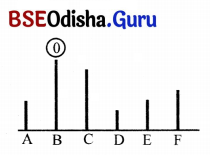
(ଖ) ଝାଡ଼ଖଣ୍ଡ ଅପେକ୍ଷା ଗୁଜୁରାଟରେ ସୂର୍ଯ୍ୟୋଦୟ ଶୀଘ୍ର ହୁଏ ।
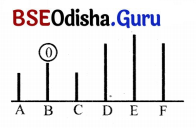
Answer:
ମିଥ୍ୟା (ଗୁଜୁରାଟ ଭାରତର ପଶ୍ଚିମରେ ଥିବାରୁ ସେଠାରେ ସୂର୍ଯ୍ୟୋଦୟ ବିଳମ୍ବରେ ହୋଇଥାଏ ।)

(ଗ) ଚେନ୍ନାଇରେ, ଗ୍ରୀଷ୍ମକାଳୀନ ଅୟନାନ୍ତରେ ସବୁଠାରୁ ଲମ୍ବା ଦିନ ହୁଏ ।
Answer:
ସତ୍ୟ

(ଘ) ଆମେ ଖାଲି ଆଞ୍ଛରେ ସୂର୍ଯ୍ୟୋପରାଗ ଦେଖୁବା ଉଚିତ ।
Answer:
ମିଥ୍ୟା (ଏହା ଆମର ଚକ୍ଷୁକୁ ଖରାପ କରିଦେଇପାରେ ।)

(ଙ) ପୃଥ‌ିବୀର ଘୂର୍ଶନ ଅକ୍ଷର କୌଣିକ ଆନତି ଏବଂ ଗୋଲାକାର ଆକୃତି ଯୋଗୁ ଋତୁ ପରିବର୍ତ୍ତନ ହୁଏ ।
Answer:
ସତ୍ୟ

(ଚ) ସୂର୍ଯ୍ୟ ଚାରିପାଖରେ ପୃଥ‌ିବୀର ପରିକ୍ରମଣ ଯୋଗୁ ଦିନରାତି ହୁଏ ।
Answer:
ମିଥ୍ୟା (ପୃଥ‌ିବୀର ଘୂର୍ଣ୍ଣନ/ ଆବର୍ତ୍ତନ ଯୋଗୁଁ ଦିନରାତି ହୋଇଥାଏ ।)

Class 7 Science Chapter 12 Question Answer Odia Medium ପୃଥ‌ିବୀ, ଚନ୍ଦ୍ର ଓ ସୂର୍ଯ୍ୟ

Question 4.
ଜୟଶ୍ରୀ ଗତକାଲି ସନ୍ଧ୍ୟା ପ୍ରାୟ ୮ଟା ସମୟରେ ଓରିୟନ୍ ନକ୍ଷତ୍ରକୁ ମୁଣ୍ଡ ଉପରେ ଦେଖିଲା । ଆଜି କେତେବେଳେ ସେ ଓରିୟନ୍ ନକ୍ଷତ୍ରକୁ ମୁଣ୍ଡଉପରେ ଦେଖୁବ ?
Answer:
ଜୟଶ୍ରୀ ଗତକାଲି ସନ୍ଧ୍ୟା ପ୍ରାୟ ୮ ଟା ସମୟରେ ଓରିୟନ୍ ନକ୍ଷତ୍ରକୁ ମୁଣ୍ଡ ଉପରେ ଦେଖିଲା । ସେ ଆଜି ମଧ୍ୟ ସେହି ସ୍ଥାନରେ ସେହି ସମୟ ଅର୍ଥାତ୍ ସନ୍ଧ୍ୟା ପ୍ରାୟ ୫ ଟା ସମୟରେ ଦେଖିବାକୁ ପାଇବ କାରଣ ନକ୍ଷତ୍ରଗୁଡ଼ିକ ଗୋଟିଏ ଦିନରେ ପ୍ରାୟତଃ ବହୁତ କମ୍ ଦୂରତା ଅତିକ୍ରମ କରିଥାନ୍ତି ଓ ପ୍ରତିଦିନ ୪ ମିନିଟ୍ ପୂର୍ବରୁ ସେହି ଏକାସ୍ଥାନରେ ଦୃଶ୍ୟମାନ ହୁଅନ୍ତି ।

Question 5.
ଜୁନ୍ ୨୧ ତାରିଖ ମଧ୍ୟରାତ୍ରରେ ନନ୍ଦିନୀ କିଛି ତାରାଙ୍କୁ ଉଦୟ ହେବାର ଦେଖୁଲା । ଆସନ୍ତାବର୍ଷ କେତେବେଳେ ସେ ସେହି ତାରକାପୁଞ୍ଜକୁ ପୁଣି ଉଦୟ ହେବାର ଦେଖୁପାରିବ ?
Answer:
ନନ୍ଦିନୀ ଜୁନ୍ ୨୧ ମଧ୍ୟରାତ୍ରରେ କିଛି ତାରାଙ୍କୁ ଉଦୟ ହେବାର ଦେଖିଲା । ଆସନ୍ତା ବର୍ଷ ସେହି ଜୁନ ୨୧ ତାରିଖ ମଧ୍ୟରାତ୍ରରେ ସେ ସେହି ତାରକାପୁଞ୍ଜକୁ ପୁନଃ ଉଦୟ ହେବାର ଦେଖୁପାରିବ କାରଣ ପୃଥ‌ିବୀ ସୂର୍ଯ୍ୟଙ୍କୁ ପରିକ୍ରମଣ କରିବାକୁ ୩୬୫ ଦିନ ନେଇଥାଏ ।

Question 6.
ଅଭୟ ଦେଖୁଲା ଯେ ଯେତେବେଳେ ଭାରତରେ ଦିନ ହୋଇଥୁଲା, ତାଙ୍କ ମାମୁ ଆମେରିକାରେ ରାତି ହୋଇଥିବାରୁ ଶୋଇଥିଲେ । ଏହି ପାର୍ଥକ୍ୟର କାରଣ କ’ଣ ?
Answer:
ପୃଥ‌ିବୀର ଘୂର୍ଣ୍ଣନ ପଶ୍ଚିମରୁ ପୂର୍ବକୁ ହୋଇଥାଏ । ଭାରତ ଓ ଆମେରିକା ପୃଥ‌ିବୀର ବିପରୀତ ପାର୍ଶ୍ଵରେ ଅବସ୍ଥାନ କରି ଅଛନ୍ତି । ଏହି ଦୁଇଦେଶ ମଧ୍ୟରେ ସମୟର ବ୍ୟବଧାନ ପ୍ରାୟ 10 ରୁ 11 ଘଣ୍ଟା ଅଟେ । ତେଣୁ ଯେତେବେଳେ ଭାରତରେ ଦିନ ହୋଇଥାଏ, ସେତେବେଳେ ଆମେରିକାରେ ରାତି ହୋଇଥାଏ ।

Question 7.
ଚାରିଜଣ ବନ୍ଧୁ ସୂର୍ଯ୍ୟୋପରାଗ ଦେଖୁବା ପାଇଁ ନିମ୍ନଲିଖୁତ ଉପାୟ ଅବଲମ୍ବନ କରିଥିଲେ । ଏମାନଙ୍କ ମଧ୍ୟରୁ କିଏ ଅସାବଧାନ ଥିଲା ?
(କ) ରବି ଏକ ସୂର୍ଯ୍ୟୋପରାଗ ଚଷମା ବ୍ୟବହାର କରିଥିଲା ।
(ଖ) ଜ୍ୟୋତି ସୂର୍ଯ୍ୟଙ୍କ ପ୍ରତିଛବିକୁ ପ୍ରଦର୍ଶିତ କରିବା ପାଇଁ ଏକ ଦର୍ପଣ ବ୍ୟବହାର କରିଥିଲା ।
(ଗ) ଆଦିତ୍ୟ ତା’ ଆରେ ସିଧାସଳଖ ସୂର୍ଯ୍ୟଙ୍କୁ ଦେଖିଲା ।
(ଘ) ଅରୁଣା ଏକ ପ୍ଲାନେଟୋରିୟମ୍ ଦ୍ଵାରା ଆୟୋଜିତ କାର୍ଯ୍ୟକ୍ରମରେ ଯୋଗ ଦେଇଥିଲା ।
Answer:
ଉପରୋକ୍ତ 4 ଜଣଙ୍କ ମଧ୍ୟରୁ ଆଦିତ୍ୟ ସବୁଠାରୁ ଅସାବଧାନ ଥିଲା । କାରଣ ସୂର୍ଯ୍ୟୋପରାଗ ସମୟରେ ସିଧାସଳଖ ସୂର୍ଯ୍ୟଙ୍କୁ ଦେଖୁଲେ ସୂର୍ଯ୍ୟଙ୍କଠାରୁ ବିଛୁରିତ ତୀବ୍ର ଆଲୋକ ଆଖୁକୁ କ୍ଷତି ପହଞ୍ଚାଏ, ଏପରିକି ଅନ୍ଧତ୍ଵ ସୃଷ୍ଟି କରିପାରେ ।

Class 7 Science Chapter 12 Question Answer Odia Medium ପୃଥ‌ିବୀ, ଚନ୍ଦ୍ର ଓ ସୂର୍ଯ୍ୟ

Question 8.
ଚିତ୍ର ଦେଖ୍ ନିମ୍ନସ୍ଥ ବୃତ୍ତଗୁଡ଼ିକ ଯଥାଯଥ ଭାବରେ ପୂରଣ କର । (ପ୍ରଶ୍ନ ସହିତ ଉତ୍ତର)
Class 7 Science Chapter 12 Question Answer Odia Medium ପୃଥ‌ିବୀ, ଚନ୍ଦ୍ର ଓ ସୂର୍ଯ୍ୟ 2
Answer:
Class 7 Science Chapter 12 Question Answer Odia Medium ପୃଥ‌ିବୀ, ଚନ୍ଦ୍ର ଓ ସୂର୍ଯ୍ୟ 3

Question 9.
ଚନ୍ଦ୍ର, ସୂର୍ଯ୍ୟଠାରୁ ବହୁତ ସାନ । ପୂର୍ଣ୍ଣ ସୂର୍ଯ୍ୟୋପରାଗ ସମୟରେ ଏହା ସୂର୍ଯ୍ୟକୁ ସମ୍ପୂର୍ଣ୍ଣ ଅବରୋଧ କରିପାରେ, ଏହା କିପରି ସମ୍ଭବ ?
Answer:
(i) କୌଣସି ବସ୍ତ ଯେତେ ଦୂରରେ ଥାଏ, ତାହାର ଆକାର ସେତେ ଛୋଟ ହୋଇଥାଏ । ଏହି କାରଣରୁ ଦୂରରେ ଠିଆ ହୋଇଥିବା ବ୍ୟକ୍ତି, ପାଖରେ ଠିଆ ହୋଇଥିବା ସମାନ ଉଚ୍ଚତାର ବ୍ୟକ୍ତିଙ୍କଠାରୁ ଛୋଟ ଦେଖାଯାଉଥାଏ ।
(ii) ଚନ୍ଦ୍ର, ପୃଥ‌ିବୀର ଅତି ନିକଟରେ ଥାଏ କିନ୍ତୁ ପୃଥ‌ିବୀ ପୃଷ୍ଠରୁ ଚନ୍ଦ୍ର ଓ ସୂର୍ଯ୍ୟର ପ୍ରତୀୟମାନ ଆକାର (Apparent size) ସମାନ ହୋଇଥାଏ, ଯାହା ଫଳରେ ପୂର୍ଣ ସୂର୍ଯ୍ୟୋପରାଗ ସମୟରେ ଏହା ସୂର୍ଯ୍ୟଙ୍କୁ ସମ୍ପୂର୍ଣ୍ଣ ଅବରୋଧ କରିବାକୁ ସମର୍ଥ ହୁଏ ।

Question 10.
ଅଷ୍ଟ୍ରେଲିଆରେ ଭାରତୀୟ କ୍ରିକେଟ ଟିମ୍‌ର ମ୍ୟାଗୁଡ଼ିକ ପ୍ରାୟତଃ ଡିସେମ୍ବର ମାସରେ ଅନୁଷ୍ଠିତ ହୁଏ । ଏହି ଗସ୍ତ ପାଇଁ ସେମାନେ ଶୀତକାଳୀନ ନା ଗ୍ରୀଷ୍ମକାଳୀନ ପୋଷାକ ପ୍ୟାକ୍ କରିବେ ।
Answer:
ଅଷ୍ଟ୍ରେଲିଆ ମହାଦେଶ ପୃଥ‌ିବୀର ଦକ୍ଷିଣ ଗୋଲର୍ଷରେ ଅବସ୍ଥିତ ଅଟେ । ଏଠାରେ ଡିସେମ୍ବର ମାସରେ ଗ୍ରୀଷ୍ମଋତୁ ଓ ଜୁନ୍ ମାସରେ ଶୀତଋତୁ ଅନୁଭୂତ ହୁଏ । ଭାରତୀୟ କ୍ରିକେଟ୍ ଦଳ ଡିସେମ୍ବର ମାସରେ ଅଷ୍ଟ୍ରେଲିଆକୁ କ୍ରିକେଟ ଖେଳିବା ପାଇଁ ଯାଉଥ‌ିବାରୁ ସେମାନେ ସେମାନଙ୍କ ସହିତ ଗ୍ରୀଷ୍ମକାଳୀନ ପୋଷାକ ପ୍ୟାକ୍ କରିବେ ।

Question 11.
ତୁମେ କାହିଁକି ଭାବୁଛ ଯେ ଚନ୍ଦ୍ରଗ୍ରହଣ ପୃଥ‌ିବୀର ଏକ ବଡ଼ ଅଞ୍ଚଳରୁ ଦେଖାଯିବ, ମାତ୍ର ସୂର୍ଯ୍ୟୋପରାଗ ପୃଥ‌ିବୀର ଏକ ଛୋଟିଆ ଅଂଶରେ ଦୃଶ୍ୟମାନ ହେବ ?
Answer:
(i) ଯେତେବେଳେ ସୂର୍ଯ୍ୟ ଓ ଚନ୍ଦ୍ର ମଧ୍ୟରେ ପୃଥ‌ିବୀ ଏକ ସରଳରେଖାରେ ଅବସ୍ଥାନ କରେ, ସେତେବେଳେ ପୃଥ‌ିବୀର ବିଶାଳ ଛାୟା ଚନ୍ଦ୍ରକୁ ଆଚ୍ଛାଦିତ କରେ, ତାହାକୁ ପୂର୍ଣ୍ଣ ଚନ୍ଦ୍ରଗ୍ରହଣ କୁହାଯାଏ । ଫଳରେ ରାତ୍ରି ହୋଇଥବା ପୃଥ‌ିବୀର ଅର୍ଦ୍ଧେକ ଅଂଶର ଲୋକମାନଙ୍କୁ ଚନ୍ଦ୍ରଗ୍ରହଣ ଦୃଶ୍ୟ ହୁଏ ।

(ii) ସୂର୍ଯ୍ୟ ଓ ପୃଥ‌ିବୀ ମଧ୍ଯରେ ଚନ୍ଦ୍ର ଏକ ସରଳରେଖାରେ ଅବସ୍ଥାନ କଲେ, ସୂର୍ଯ୍ୟୋପରାଗ ହୁଏ । ଚନ୍ଦ୍ରର ଆକାର ପୃଥ‌ିବୀ ତୁଳନାରେ କ୍ଷୁଦ୍ର ହୋଇଥିବାରୁ ଚନ୍ଦ୍ରର ଛାୟା ପୃଥ‌ିବୀର କେତେକାଂଶକୁ ଆବୃତ କରେ । ତେଣୁ ପୃଥ‌ିବୀର ଦିନ ହୋଇଥିବା କେତେକାଂଶରେ ଏହା ଦୃଶ୍ୟମାନ ହୁଏ । ସୁତରାଂ ଚନ୍ଦ୍ରଗ୍ରହଣ ପୃଥ‌ିବୀର ବହୁ ଅଞ୍ଚଳରେ ଦେଖାଯାଉଥ‌ିବାବେଳେ ସୂର୍ଯ୍ୟୋପରାଗ ଏକ ଛୋଟିଆ ଅଞ୍ଚଳରେ ଦୃଶ୍ୟମାନ ହେବ ।

Class 7 Science Chapter 12 Question Answer Odia Medium ପୃଥ‌ିବୀ, ଚନ୍ଦ୍ର ଓ ସୂର୍ଯ୍ୟ

Question 12.
ଯଦି ପୃଥ‌ିବୀର ଘୂର୍ଶନ ଅକ୍ଷ ପରିକ୍ରମଣ ଅକ୍ଷ ସହ ଢଳି ରହି ନଥାନ୍ତା, ତେବେ ଋତୁଚକ୍ର ଉପରେ କି ପ୍ରଭାବ ପଡ଼ିଥାନ୍ତା ? ତାହା ବ୍ୟାଖ୍ୟା କର ।
Answer:

  • ଯଦି ପୃଥ‌ିବୀର ଘୂର୍ଣ୍ଣନ ଅକ୍ଷ, ପରିକ୍ରମଣ ଅକ୍ଷ ସହ ଢଳିରହି ନଥା’ନ୍ତା, ତେବେ ସୂର୍ଯ୍ୟଙ୍କଠାରୁ ଆସୁଥିବା କିରଣ ପୃଥ‌ିବୀର ଯେଉଁ ପାର୍ଶ୍ୱ ସୂର୍ଯ୍ୟଙ୍କ ଆଡ଼କୁ ରହିଛି, ସେହି ପାର୍ଶ୍ଵରେ ସମାନ ଭାବରେ ବାଣ୍ଟି ହୋଇପଡ଼ନ୍ତା ।
  • ଏହି ପାର୍ଶ୍ଵ ସମାନ ଭାବରେ ଉତ୍ତପ୍ତ ହୁଅନ୍ତା ଓ ତାପମାତ୍ରାରେ ପରିବର୍ତ୍ତନ ନହେବା କାରଣରୁ ଋତୁ ପରିବର୍ତ୍ତନ ହୁଅନ୍ତା ନାହିଁ ଓ ପୂରା ଗୋଟିଏ ବର୍ଷରେ ଗୋଟିଏ ଋତୁ ଅନୁଭବ ହୁଅନ୍ତା ।

ଅନୁସନ୍ଧାନମୂଳକ ପ୍ରକଳ୍ପ

Question 1.
କାର୍ଯ୍ୟ ୧୨.୨ର ପୁନାରବୃତ୍ତି କର । କିନ୍ତୁ ଟର୍ଚ୍ଚ ବଦଳରେ ଏକ ବିଦ୍ୟୁତ୍ ବଲ୍‌ବ ବ୍ୟବହାର କର । ବୃତ୍ତର ବିଭିନ୍ନ ସ୍ଥାନରେ ଗ୍ଲୋବ୍‌ ରଖ୍ ପରୀକ୍ଷଣ କର ।
(କ) ବିଭିନ୍ନ ଅବସ୍ଥାରେ ଗ୍ଲୋବର ଉତ୍ତର ଓ ଦକ୍ଷିଣ ଗୋଲାର୍ଦ୍ଧର କେତେ ଅଂଶ ଆଲୋକିତ ହେଉଛି ଲିପିବଦ୍ଧ କର ।
Answer:
ଏଠାରେ ପୃଥ‌ିବୀକୁ ଦର୍ଶାଇବା ପାଇଁ ଏକ ଗ୍ଲୋବ୍‌ ନିଆଯାଇଛି । ନିଜର ଅବସ୍ଥାନ ଚିହ୍ନଟ ପାଇଁ ତା ଉପରେ ଏକ ଷ୍ଟିକର ଲଗାଯାଇଛି । ଉତ୍ତର ମେରୁ ଉପରୁ ଦେଖିଲାବେଳେ ଧୀରେ ଧୀରେ ଗ୍ଲୋବ୍‌କୁ ତା’ର ଅକ୍ଷ ଚାରିପଟେ ଘଣ୍ଟାକଣ୍ଟାର ବିପରୀତ ଦିଗରେ ବୁଲାଯାଉ ।

(ଖ) ଗ୍ଲୋବ୍‌କୁ ଘୂରାଅ ଏବଂ ଦିନ ଏବଂ ରାତିର ଦୈର୍ଘ୍ୟ ପୃଥ‌ିବୀର ବିଭିନ୍ନ ସ୍ଥାନରେ ଉଲ୍ଲେଖ କର ।
Answer:
ଗୋଟିଏ ଥର ପୂର୍ବ ଘୂର୍ଣ୍ଣନ ପରେ ପୁନଶ୍ଚ ତାହା ମୂଳ ସ୍ଥାନକୁ ଫେରି ଆସିଥାଏ । ଏହି ପରୀକ୍ଷଣ ପାଇଁ ଏକ ଅନ୍ଧକାର କୋଠାରୀରେ ସୂର୍ଯ୍ୟଙ୍କୁ ଦର୍ଶାଇବା ପାଇଁ ଟର୍ଚ୍ଚଲାଇଟ୍‌ ବଦଳରେ ଗୋଟିଏ ଟେବୁଲ ଲ୍ୟାମ୍ପ ବ୍ୟବହାର
କରାଯାଉ ।

(ଗ) ବୃତ୍ତରେ ଗ୍ଲୋବର ବିଭିନ୍ନ ସ୍ଥିତି ପାଇଁ ପୁନରାବୃତ୍ତି କର ।
Answer:
ଆଲୋକର ତୀବ୍ରତା ଉପରେ ଗ୍ଲୋବର ଉଜ୍ଜ୍ଵଳ ଅଂଶର କ୍ଷେତ୍ରଫଳ ବୃଦ୍ଧିପାଇବ ଓ ଅନ୍ଧାର ସ୍ଥାନର କ୍ଷେତ୍ରଫଳ ହ୍ରାସ ପାଇବ । ଯେଉଁ ପାଖରେ ଆଲୋକ ପଡ଼ିବ ପୃଥ‌ିବୀର ସେହି ଅର୍ବଭାଗରେ ଏହା ଦିନ ଓ ବାକି ଅର୍ଦ୍ଧେକ ଅଂଶ ରାତି ହେବ ।
ଉପରୋକ୍ତ ପରୀକ୍ଷଣଟି ଶ୍ରେଣୀଗୃହ କିମ୍ବା ଯେକୌଣସି ଘରେ କରାଯାଇପାରିବ ଓ ‘କ’, ‘ଖ’, ‘ଗ’ ର ତଥ୍ୟାବଳୀକୁ ଲିପିବଦ୍ଧ କରାଯାଇପାରିବ ।

Question 2.
ପୃଥ‌ିବୀ ସୂର୍ଯ୍ୟ ଚାରିପାଖରେ ଏକ ଅଣ୍ଡାକାର ପଥରେ ଘୂରେ । ଏକା କେନ୍ଦ୍ର ସହ ଦୁଇଟି ବୃତ୍ତ ଆଙ୍କ, ଗୋଟିକର ବ୍ୟାସାର୍ଦ୍ଧ ୧୪.୭ ସେମି. ଓ ଅନ୍ୟଟି ୧୫.୨ ସେମି. । ଯଦି ଏକ ସେଣ୍ଟିମିଟର ୧୦ ନିୟୁତ କିଲୋମିଟର ଏହି ଦୁଇଟି ବୃତ୍ତ ସୂର୍ଯ୍ୟଠାରୁ ପୃଥ‌ିବୀର ନିକଟତମ ଦୂରତମ ଦୂରତା ଦର୍ଶାଯାଇଛି । ଏହି ଦୁଇଟି ଦୂରତା ମଧ୍ୟରେ କେଞ୍ଜ ସୂକ୍ଷ୍ମ ପାର୍ଥକ୍ୟ ରହିଛି, ଉଲ୍ଲେଖ କର ।
Answer:
OA = 14.7 cm (r), OB = 15.2 cm (R)
ଚିତ୍ରରେ ଠ = ସୂର୍ଯ୍ୟଙ୍କ ଅବସ୍ଥାନ
A = ସୂର୍ଯ୍ୟଙ୍କଠାରୁ ପୃଥ‌ିବୀର ନିକଟତମ ଅବସ୍ଥାନ ।
B = ସୂର୍ଯ୍ୟଙ୍କଠାରୁ ପୃଥ‌ିବୀର ଦୂରତମ ଅବସ୍ଥାନ ।
Class 7 Science Chapter 12 Question Answer Odia Medium ପୃଥ‌ିବୀ, ଚନ୍ଦ୍ର ଓ ସୂର୍ଯ୍ୟ 4
\(\overline{\mathrm{OA}}=\) = r = 14.7 cm ଓ \(\overline{\mathrm{OB}}=\) = R = 15.2 cm
ଏଠାରେ ଦୂରତା ଦ୍ଵୟର ପାର୍ଥକ୍ୟ = R – r = OB – OA
= 15.2 – 14.7 = 0.5 cm
= 1 cm = 10 ନିୟୁତ କିଲୋମିଟର
⇒ 0.5 cm = 10 × \(\frac{1}{2}\) = 5 ନିୟୁତ କିଲୋମିଟର
ସୁତରାଂ ଏହି ଦୁଇଟି ଦୂରତା ମଧ୍ଯରେ 5 ନିୟୁତ କିଲୋମିଟରର ସୂକ୍ଷ୍ମ ପାର୍ଥକ୍ୟ ରହିଥାଏ ।

Class 7 Science Chapter 12 Question Answer Odia Medium ପୃଥ‌ିବୀ, ଚନ୍ଦ୍ର ଓ ସୂର୍ଯ୍ୟ

Question 3.
ମନେକରାଯାଉ ପୃଥ‌ିବୀର ଘୂର୍ଣ୍ଣନ ଅକ୍ଷର କୋଣ ବଢ଼ିଗଲା, ଏହା ଚରମ ପାଗ ବିଶିଷ୍ଟ ଋତୁ ସୃଷ୍ଟି କରିବ କି ? ୟୁରାନସ୍‌ର ଅକ୍ଷର କୌଣିକ ଆନତି ପୃଥ‌ିବୀର ଆନତିଠାରୁ ଅଧ‌ିକ କି, ଅନୁସନ୍ଧାନ କର । ୟୁରାନସ୍‌ର ଋତୁ ବିଷୟରେ ଖବର କାଗଜ ବା ତୁମେ ସ୍କୁଲ ପତ୍ରିକା ପାଇଁ ଏକ ପ୍ରବନ୍ଧ ଲେଖ ।
Answer:
ପୃଥ‌ିବୀର ଘୂର୍ଣ୍ଣନ ଅକ୍ଷର କୋଣ ବଢ଼ିଗଲେ, ଏହା ଚରମ ପାଗ ବିଶିଷ୍ଟ ଋତୁ ସୃଷ୍ଟି କରିବ ।
ୟୁରାନସ୍ : ସୌରଜଗତର ସବୁଜ ଗ୍ରହ

(i) ୟୁରାନସ୍ ହେଉଛି ସୂର୍ଯ୍ୟଠାରୁ ସପ୍ତମ ଗ୍ରହ । ଏହା ପୃଥ‌ିବୀ ଅପେକ୍ଷା ପ୍ରାୟ 4 ଗୁଣ ଅଧ‌ିକ ଚଉଡ଼ା ଅଟେ । ଏହା ଶନି ପରେ ସୌରଜଗତର ଦ୍ଵିତୀୟ ସବୁଠାରୁ କମ୍ ଘନତା ବିଶିଷ୍ଟ ଗ୍ରହ । ଏହାର ପୃଷ୍ଠ ଗୁରୁତ୍ୱାକର୍ଷଣ ପୃଥ‌ିବୀର ଗୁରୁତ୍ୱାକର୍ଷଣର ପ୍ରାୟ 86% ଅଟେ । ଏଠାରେ ଏକ ଦିନ 12 ଘଣ୍ଟା 14 ମିନିଟ୍ ପର୍ଯ୍ୟନ୍ତ ରହିଥାଏ ଓ ଗୋଟିଏ ବର୍ଷ ପାଇଁ ପୃଥ‌ିବୀର 84 ବର୍ଷ ଲାଗିଥାଏ ।

(ii) ଏହାର ଅକ୍ଷୀୟ କୋଣ ପ୍ରାୟ 97.77 ଡିଗ୍ରୀ ଅଟେ, ଯାହା ଫଳରେ ଏହା ଓଲଟି ପଡ଼ିଥ‌ିବା ନଟୁପରି ଗଡ଼ ଗଡ଼ି ଘୂରେ । ଏହା ଶୁକ୍ରଭଳି ପୂର୍ବରୁ ପଶ୍ଚିମକୁ ଘୂର୍ଣ୍ଣନ କରିଥାଏ । ଆମ ସୌରଜଗତରେ ଶୁକ୍ର ସହିତ ୟୁରାନସ୍ ଏକମାତ୍ର ଗ୍ରହ ଯାହା ଘଣ୍ଟାକଣ୍ଟାର ଦିଗରେ ଘୂରେ ।

(iii) ଏହି ଗ୍ରହ ଅତ୍ୟନ୍ତ ଥଣ୍ଡା ଅର୍ଥାତ୍ ଏହାର ପୃଷ୍ଠଦେଶର ତାପମାତ୍ରା –195 C ବା -357 F ଅଟେ । ଏହାର ବାୟୁମଣ୍ଡଳ ଉଦ୍‌ଜାନ, ହିଲିୟମ୍, ମିଥେନ୍, ଆମୋନିଆ ଏବଂ ପାଣି ଭଳି ବରଫର ଏକାଧ୍ଯକ ଅନୁପାତରେ ଗଠିତ ହୋଇଥାଏ । ଏହାର ଏକ ଜଟିଳ, ସ୍ତରୀକୃତ ମେଘ ରହିଅଛି । ଏଠାରେ ସୁପରସୋନିକ୍ ପବନ ଅନୁଭୂତ ହୋଇଥାଏ ।

(iv) ୟୁରାସନ୍‌ 26 ଟି ଚନ୍ଦ୍ର ରହିଅଛି । ଏହାର ଚନ୍ଦ୍ରଗୁଡ଼ିକୁ ‘ସାହିତ୍ୟିକ ଚନ୍ଦ୍ର’ ମଧ୍ୟ କୁହାଯାଉଥାଏ, କାରଣ ଏଗୁଡ଼ିକର ନାମ ଅନେକ ସାହିତ୍ୟିକଙ୍କ ନାମରେ ନାମିତ କରଯାଉଛି । ଏହାର ମଧ୍ୟ 13 ଟି ବଳୟ ରହିଅଛି । ଶନିଗ୍ରହର ବଳୟ ପରି ଏହାର ବଳୟଗୁଡ଼ିକୁ ମଧ୍ୟ ନାମକରଣ କରାଯାଇଛି ।

(v) ଟେଲିସ୍କୋପ୍ ବ୍ୟବହାର କରି ପ୍ରଥମେ ୟୁରାନସ୍ ଗ୍ରହକୁ ଆବିଷ୍କାର କରାଯାଉଥିଲା । 1981 ମସିହାରେ ସାର୍ ୱିଲିୟମ୍ ହର୍ସେଲ ଏହାକୁ ଆବିଷ୍କାର କରିଥିଲେ । ଜ୍ୟୋତିର୍ବିଜ୍ଞାନୀ ଜୋହାନ ଏଲର୍ଟ ବୋଡ଼େ ଏହାର ନାମକରଣ କରିଥିଲେ । ଏହା ଆମ ସୌରମଣ୍ଡଳର ତୃତୀୟ ବୃହତ୍ତମ ଗ୍ରହ ଅଟେ ।

(vi) ଏହି ଗ୍ରହର ଏକ ନୀଳ ସବୁଜ ରଙ୍ଗ ରହିଅଛି । ଏହାର ବାୟୁମଣ୍ଡଳରେ ମିଥେନ୍ ଗ୍ୟାସର ଉପସ୍ଥିତି ଯୋଗୁଁ ଏହା ସମ୍ଭବ ହୋଇଥାଏ । ମିଥେନ୍ ଗ୍ୟାସ୍ ଲାଲ୍ ଏବଂ ହଳଦିଆ ଆଲୋକକୁ ଶୋଷଣ କରେ, ନୀଳ ଏବଂ ସବୁଜ ଆଲୋକକୁ ବାହାରକୁ ଯିବାକୁ ଦେଇଥାଏ । ଏହି କାରଣରୁ ଏହାକୁ ସୌରଜଗତର ସବୁଜ ଗ୍ରହ କୁହାଯାଏ ।

(vii) ଏହି ଗ୍ରହର ବାୟୁମଣ୍ଡଳ ପ୍ରାୟ 83% ଉଦ୍‌ଜାନ, 15% ହିଲିୟମ୍ ଏବଂ 2% ମିଥେନ୍ ଦ୍ଵାରା ଗଠିତ ହୋଇଥାଏ । ଏହି ଗ୍ରହର ଏକ ଅସାଧାରଣ ଚୁମ୍ବକୀୟ କ୍ଷେତ୍ର ରହିଅଛି, ଯାହା ଏହାର ଅନନ୍ୟତାକୁ ବୃଦ୍ଧି କରିଥାଏ । ଏହାର ବଳୟଗୁଡ଼ିକ ମଳିନ ଓ ପର୍ଯ୍ୟବେକ୍ଷଣ କରିବା କଷ୍ଟକର ଅଟେ ।

(viii)ଏହି ଗ୍ରହ ସୂର୍ଯ୍ୟଠାରୁ ଗ୍ରହଣ କରୁଥିବା ତାପ ଅପେକ୍ଷା ଅଧ‌ିକ ତାପ ସୃଷ୍ଟି କରିଥାଏ । ଏହି ଗ୍ରହର କେନ୍ଦ୍ରରେ ସମ୍ଭବ ହୁଏ । ଟାଇଟାନିଆ ହେଉଛି ଏହାର ସବୁଠାରୁ ବଡ଼ ଚନ୍ଦ୍ର 1578 କିଲୋମିଟର ଅଟେ । ଥ‌ିବା ତେଜସ୍କ୍ରିୟ ଧାତୁର ବିକିରଣରୁ ଏହା ଯାହାର ବ୍ୟାସ ପ୍ରାୟ ୨80 ମାଇଲ୍ ବା

(ix) ଏହି ଗ୍ରହକୁ ପରିଦର୍ଶନ କରିଥିବା ଏକମାତ୍ର ମହାକାଶ ଯାନ ହେଉଛି ନାସାର ଭୋଏଜର –2, ଯାହା 1986 ମସିହାରେ ଗ୍ରହ ନିକଟ ଦେଇ ଯାତ୍ରା କରିଥିଲା ଓ ଏହି ଗ୍ରହ ସମ୍ବନ୍ଧରେ ଅନେକ ମୂଲ୍ୟବାନ ତଥ୍ୟ ପ୍ରଦାନ କରିଥିଲା ।

(x) ଏହି ଗ୍ରହର ଅକ୍ଷୀୟ ଢଳାଇ ଯୋଗୁଁ, ଏହା ନାଟକୀୟ ଋତୁ ପରିବର୍ତ୍ତନ ଅନୁଭବ କରିଥାଏ । ପ୍ରତ୍ୟେକ ମେରୁ ଏହାର 84 ବର୍ଷର କକ୍ଷପଥର ପ୍ରାୟ ଏକ-ଚତୁର୍ଥାଂଶ ପାଇଁ ସୂର୍ଯ୍ୟ ଆଡ଼କୁ ମୁହଁ କରିଥାଏ । ଏହାର ଜଟିଳ ଜଳବାୟୁ, ଏ ପର୍ଯ୍ୟନ୍ତ ମଧ୍ଯ ଅନୁସନ୍ଧାନାଧୀନ ଅଟେ । ଏହାର ବାୟୁମଣ୍ଡଳରେ ଘଣ୍ଟା ପ୍ରତି ୨୦୦ କି.ମି. ବେଗରେ ପବନ ପ୍ରବାହିତ ହୋଇଥାଏ ।

(xi) ୟୁରାନସ୍, ଏହାର ଅଦ୍ଭୁତ ଅକ୍ଷୀୟ ଢଳାଇ, ସ୍ଵତନ୍ତ୍ର ନୀଳ–ସବୁଜ ବର୍ଣ୍ଣ ଏବଂ ଜଟିଳ ଚନ୍ଦ୍ର ପ୍ରଣାଳୀ ସହିତ ଆମ ସୌରମଣ୍ଡଳରେ ଏକ ମନମୋହକ ରହସ୍ୟ ହୋଇ ରହିଅଛି । ଆମେ ଏହି ବରଫ ବିଶାଳକାୟ ଗ୍ରହର ଅନୁସନ୍ଧାନ ଏବଂ ଅଧ୍ୟୟନ ଜାରି ରଖୁ ଏହାର ଅତୀତର ରହସ୍ୟ, ଅନନ୍ୟ ବୈଶିଷ୍ଟ୍ୟଗୁଡ଼ିକୁ ଉନ୍ମୋଚନ କରିପାରିବା ।

Class 7 Science Chapter 12 Question Answer Odia Medium ପୃଥ‌ିବୀ, ଚନ୍ଦ୍ର ଓ ସୂର୍ଯ୍ୟ

ଶୂନ୍ୟସ୍ଥାନ ପୂରଣ କର ।

(i) ଭାରତର ପଶ୍ଚିମାଞ୍ଚଳର ________ ଉପତ୍ୟକାରେ ଭିଲ୍ ଓ ପାୱାରା ଜନଜାତି ବାସ କରନ୍ତି ।
Answer:
ତାପି

(ii) ପୃଥ‌ିବୀର ଉତ୍ତର ମେରୁ ______ 24 ମାସରେ ଘଣ୍ଟା ଅନ୍ଧାରରେ ରୁହେ ।
Answer:
ଡିସେମ୍ବର

(iii) ପୃଥ‌ିବୀର ଉତ୍ତର ମେରୁ _______ ମାସରେ 24 ଘଣ୍ଟା ସୂର୍ଯ୍ୟାଲୋକ ପାଏ।
Answer:
ଜୁନ

(iv) ଆକାଶରେ ସୂର୍ଯ୍ୟର ଗତିଯୋଗୁଁ ______ ର ଆକାର ସାନ ବା ବଡ଼ ହୋଇଥାଏ ।
Answer:
ଛାଇ

(v) ଉତ୍ତର ଗୋଲାର୍ଦ୍ଧରେ ପୃଥ‌ିବୀର ଘୂର୍ଣ୍ଣନ ଅକ୍ଷର ଦିଗ _______ ର ଅତି ନିକଟ ଆଡ଼କୁ ନିର୍ଦ୍ଦେଶିତ ହୋଇଥାଏ ।
Answer:
ଧ୍ରୁବ ନକ୍ଷତ୍ର

(vi) ପ୍ରତ୍ୟେକ ସନ୍ଧ୍ୟାରେ _______ ପଶ୍ଚିମ ଦିଗରେ ଅସ୍ତ ହୁଏ ଓ ରାତି ଆକାଶ ଦେଖାଯାଏ ।
Answer:
ସୂର୍ଯ୍ୟ

(vii) ପୃଥ‌ିବୀର କକ୍ଷପଥ ଏକ _______ ପଥ ଅଟେ ।
Answer:
ଅଣ୍ଡାକାର

Class 7 Science Chapter 12 Question Answer Odia Medium ପୃଥ‌ିବୀ, ଚନ୍ଦ୍ର ଓ ସୂର୍ଯ୍ୟ

(viii) ପୃଥ‌ିବୀ ସୂର୍ଯ୍ୟର ସବୁଠାରୁ ନିକଟତର ________ ମାସରେ ହୋଇଥାଏ ।
Answer:
ଜାନୁଆରୀ

(ix) ଉତ୍ତର ଗୋଲାର୍ଦ୍ଧରେ ସବୁଠାରୁ ଲମ୍ବାଦି ନ _______ ଅଟେ ।
Answer:
ଜୁନ–21

(x) ଗୋଟିଏ ବସ୍ତୁ ଅନ୍ୟ ବସ୍ତୁ ଚାରିପାଖରେ ପରି କ୍ର ମଣ ସମୟରେ ଯେଉଁ ପଥରେ ବୁଲିଥାଏ, ତାହାକୁ________ କୁହାଯାଏ ।
Answer:
କକ୍ଷପଥ

(xi) ପୃଥ‌ିବୀ ନିଜ ଅକ୍ଷ ଚାରିପଟେ _______ ରେ ଘୂର୍ଣ୍ଣନ କରେ ।
Answer:
ମହାଶୂନ୍ୟ

(xii) ଦିଲ୍ଲୀସ୍ଥିତ ନୂତନ ପାର୍ଲାମେଣ୍ଟରେ ଥିବା ଫୋକାଲ ପେଣ୍ଡୁଲମ୍‌ର ଦୈର୍ଘ୍ୟ _____ ମିଟର ।
Answer:
22

(xiii) ଫଟୋଚିତ୍ରରେ ତାରାଗୁଡ଼ିକର ଗତିକୁ ______ କୁହାଯାଏ ।
Answer:
ତାରକା ପଦାଙ୍କ

(xiv) ପୃଥ‌ିବୀ ପ୍ରାୟ ______ ଘଣ୍ଟାରେ ଥରେ ନିଜ ଅକ୍ଷ ଚାରିପଟେ ପୂର୍ଣ୍ଣ ଘୂର୍ଣ୍ଣନ କରେ ।
Answer:
24

(xv) ପୃଥ‌ିବୀର_______ ତାହାର ଭୌଗୋଳିକ ଉତ୍ତର ମେରୁ ଓ ଦକ୍ଷିଣ ମେରୁ ମଧ୍ୟଦେଇ ବ୍ୟାପ୍ତ ହୋଇଅଛି ।
Answer:
ଅକ୍ଷ

Class 7 Science Chapter 12 Question Answer Odia Medium ପୃଥ‌ିବୀ, ଚନ୍ଦ୍ର ଓ ସୂର୍ଯ୍ୟ

ଉକ୍ତିଟି ଭୁଲ ଥିଲେ (✗) ଓ (✓) ଠିକ୍ ଥିଲେ ଚିହ୍ନ ଦିଅ । (ପ୍ରଶ୍ନ ସହ ଉତ୍ତର)

(i) ପଶ୍ଚିମରୁ ପୂର୍ବକୁ ପୃଥ‌ିବୀର ଘୂର୍ଣ୍ଣନ ଦିନ ଓ ରାତି ସୃଷ୍ଟି କରେ ।
Answer:
(✓)

(ii) ପୃଥ‌ିବୀର ଘୂର୍ଶନ ଯୋଗୁଁ ସୂର୍ଯ୍ୟ ପୂର୍ବଦିଗରେ ଉଦୟ ହେଲାପରି ଦେଖାଯାଏ ।
Answer:
(✓)

(iii) ହାଇଜିନ୍ସ ପେଣ୍ଡୁଲମ୍ ର ଗୁରୁତ୍ଵପୂର୍ଣ୍ଣ ଧର୍ମ ଆବିଷ୍କାର କରିଥିଲେ ।
Answer:
(✗)

(iv) ପୃଥ‌ିବୀରୁ ଚାହିଁଲେ ଧ୍ରୁବ ନକ୍ଷତ୍ର ଆକାଶରେ ପ୍ରାୟ ଗୋଟିଏ ସ୍ଥାନରେ ସ୍ଥିର ଦେଖାଯାଏ ।
Answer:
(✓)

(v) ପୃଥ‌ିବୀର ଆବର୍ତ୍ତନ ଅକ୍ଷ ଏହାର କକ୍ଷ ସହ ପ୍ରାୟ 23.5° ଢଳି ରହିଛି ।
Answer:
(✓)

(vi) ସମସ୍ତ ତାରା ଧ୍ରୁବ ନକ୍ଷତ୍ରର ଚତୁଃପାର୍ଶ୍ଵରେ ଘୂରିଲା ପରି ଦେଖାଯାଆନ୍ତି ।
Answer:
(✓)

Class 7 Science Chapter 12 Question Answer Odia Medium ପୃଥ‌ିବୀ, ଚନ୍ଦ୍ର ଓ ସୂର୍ଯ୍ୟ

(vii) ଚନ୍ଦ୍ର ପଶ୍ଚିମରେ ଉଦୟ ହୋଇ ପୂର୍ବରେ ଅସ୍ତ ହୋଇଯା’ନ୍ତି ।
Answer:
(✗)

(viii) ପୂର୍ବ ଆକାଶରେ ତାରା ଓ ନକ୍ଷତ୍ରପୁଞ୍ଜ ବର୍ଷର ବିଭିନ୍ନ ମାସରେ ଦିଗ ପରିବର୍ତ୍ତନ କରିଥାନ୍ତି ।
Answer:
(✓)

(ix) ଆବର୍ତ୍ତନ ହେଉଛି ଗୋଟିଏ ବସ୍ତୁର ଅନ୍ୟ ଏକ ଚାରିପାଖରେ ଗତି ।
Answer:
(✗)

(x) ପରିକ୍ରମଣ, ଘୂର୍ଣ୍ଣନ ଠାରୁ ଭିନ୍ନ ଅଟେ ।
Answer:
(✓)

(xi) ଆର୍ଯ୍ୟଭଟ୍ଟୟରେ ‘ଗୋଲପାଦ’ର 10 ମ ଶ୍ଳୋକରେ ପୃଥ‌ିବୀର ଘୂର୍ଣ୍ଣନ ସମ୍ବନ୍ଧରେ ଉଲ୍ଲେଖ ଅଛି ।
Answer:
(✗)

(xii) ସୂର୍ଯ୍ୟ ପଶ୍ଚିମରେ ଉଦୟ ହୋଇ ପୂର୍ବରେ ଅସ୍ତ ହୋଇଥାଏ ।
Answer:
(✗)

(xiii) ପୃଥ‌ିବୀ ନିଜ ଅକ୍ଷ ଚାରିପାଖରେ ଘୂରିଥାଏ ।
Answer:
(✓)

Class 7 Science Chapter 12 Question Answer Odia Medium ପୃଥ‌ିବୀ, ଚନ୍ଦ୍ର ଓ ସୂର୍ଯ୍ୟ

(xiv) ଆମକୁ ସୂର୍ଯ୍ୟ ସ୍ଥିର ଥିବା ଭଳି ଜଣାପଡ଼େ ।
Answer:

(xv) ତାପି ଉପତ୍ୟକାରେ ଭିଲ ଓ ପାୱାର ନାମକ ଜନଜାତି ବାସ କରନ୍ତି ।
Answer:
(✓)

‘କ’ ସ୍ତମ୍ଭ ଓ ‘ଖ’ ସ୍ତମ୍ଭ ମଧ୍ଯରେ ସମ୍ପର୍କ ସ୍ଥାପନ କର ।

Question 1.

‘କ’ ସ୍ତମ୍ଭ ‘ଖ’ ସ୍ତମ୍ଭ
(a) ଚନ୍ଦ୍ର ପଶ୍ଚିମରୁ ପୂର୍ବକୁ ଘୂରୁଅଛି
(b) ପୃଥ‌ିବୀ ତାରକା ପଦାଙ୍କ
(c) ତାରାଗୁଡ଼ିକର ଗତି 23 ଘଣ୍ଟା 56 ମିନିଟ୍ 4.1 ସେକେଣ୍ଡ
(d) ପୃଥ‌ିବୀର ଘୂର୍ଣ୍ଣନ ଗୋଲକପାଦ’ର ଶ୍ଳୋକ
(e) ପୃଥ‌ିବୀର ଆବର୍ଜନ ପୂର୍ବରେ ଉ ଦ ୟ ଓ ପଶ୍ଚିମରେ ଅସ୍ତ

Answer:

‘କ’ ସ୍ତମ୍ଭ ‘ଖ’ ସ୍ତମ୍ଭ
(a) ଚନ୍ଦ୍ର ପୂର୍ବ ରେ ଉ ଦ ୟ ଓ ପଶ୍ଚିମରେ ଅସ୍ତ
(b) ପୃଥ‌ିବୀ ପଶ୍ଚିମରୁ ପୂର୍ବକୁ ଘୂରୁଅଛି
(c) ତାରାଗୁଡ଼ିକର ଗତି ତାରକା ପଦାଙ୍କ
(d) ପୃଥ‌ିବୀର ଘୂର୍ଣ୍ଣନ ଗୋଲକପାଦ’ର ଶ୍ଳୋକ
(e) ପୃଥ‌ିବୀର ଆବର୍ଜନ 23 ଘଣ୍ଟା 56 ମିନିଟ୍ 4.1 ସେକେଣ୍ଡ

Class 7 Science Chapter 12 Question Answer Odia Medium ପୃଥ‌ିବୀ, ଚନ୍ଦ୍ର ଓ ସୂର୍ଯ୍ୟ

Question 2.

‘କ’ ସ୍ତମ୍ଭ ‘ଖ’ ସ୍ତମ୍ଭ
(a) ସୂର୍ଯ୍ୟ ଉତ୍ତରମେରୁରୁ ଦକ୍ଷିଣମେରୁ
(b) ସକାଳେ ଏକ କାଳ୍ପନିକ ରେଖା
(c) ସନ୍ଧ୍ୟାରେ ସୂର୍ଯ୍ୟ ପଶ୍ଚିମ ଦିଗରେ
(d) ପୃଥ‌ିବୀର ଅକ୍ଷ ସୂର୍ଯ୍ୟ ପୂର୍ବଦିଗରେ
(e) ପୃଥ‌ିବୀର ଘୂର୍ଣ୍ଣନ ଅକ୍ଷ ପୂର୍ବରେ ଉଦୟ ଓ ପଶ୍ଚିମରେ ଅସ୍ତ

Answer:

‘କ’ ସ୍ତମ୍ଭ ‘ଖ’ ସ୍ତମ୍ଭ
(a) ସୂର୍ଯ୍ୟ ପୂର୍ବରେ ଉଦୟ ଓ ପଶ୍ଚିମରେ ଅସ୍ତ
(b) ସକାଳେ ସୂର୍ଯ୍ୟ ପୂର୍ବଦିଗରେ
(c) ସନ୍ଧ୍ୟାରେ ସୂର୍ଯ୍ୟ ପଶ୍ଚିମ ଦିଗରେ
(d) ପୃଥ‌ିବୀର ଅକ୍ଷ ଉତ୍ତରମେରୁରୁ ଦକ୍ଷିଣମେରୁ
(e) ପୃଥ‌ିବୀର ଘୂର୍ଣ୍ଣନ ଅକ୍ଷ ଏକ କାଳ୍ପନିକ ରେଖା

Question 3.

‘କ’ ସ୍ତମ୍ଭ ‘ଖ’ ସ୍ତମ୍ଭ
(a) ଦୀର୍ଘ ପେଣ୍ଡୁଲମ୍ ଗାଲିଲି ଓ
(b) ଦିନ ଓ ରାତି ଲିଓନ୍ ଫୋକାଲ୍
(c) ପୃଥ‌ିବୀର ଘୂର୍ଣ୍ଣନ ପଶ୍ଚିମରୁ ପୂର୍ବକୁ ପୃଥ‌ିବୀର ଘୂର୍ଣ୍ଣନ
(d) ପେଣ୍ଡୁଲମର ଧର୍ମ । ସୂର୍ଯ୍ୟ ପୂର୍ବଦିଗରେ ଉଦୟ
(e) ପେଣ୍ଡୁଲମର ବିଶେଷ ଧର୍ମ ହାଇଜିନ୍ସ

Answer:

‘କ’ ସ୍ତମ୍ଭ ‘ଖ’ ସ୍ତମ୍ଭ
(a) ଦୀର୍ଘ ପେଣ୍ଡୁଲମ୍ ଲିଓନ୍ ଫୋକାଲ୍
(b) ଦିନ ଓ ରାତି ପଶ୍ଚିମରୁ ପୂର୍ବକୁ ପୃଥ‌ିବୀର ଘୂର୍ଶନ
(c) ପୃଥ‌ିବୀର ଘୂର୍ଣ୍ଣନ ସୂର୍ଯ୍ୟ ପୂର୍ବଦିଗରେ ଉଦୟ
(d) ପେଣ୍ଡୁଲମର ଧର୍ମ । ଗାଲି ଲି ଓ
(e) ପେଣ୍ଡୁଲମର ବିଶେଷ ଧର୍ମ ହାଇଜିନ୍ସ

Class 7 Science Chapter 12 Question Answer Odia Medium ପୃଥ‌ିବୀ, ଚନ୍ଦ୍ର ଓ ସୂର୍ଯ୍ୟ

ଗୋଟିଏ ଶବ୍ଦରେ ଉତ୍ତର ପ୍ରଦାନ କର ।

(a) ପୃଥ‌ିବୀ ନିଜ ଅକ୍ଷ ଚାରିପଟେ ଗୋଟିଏ ଘୂର୍ଶନ ପାଇଁ କେତେ ସମୟ ଲାଗିଥାଏ ବୋଲି ଆର୍ଯ୍ୟଭଟ୍ଟ ଉଲ୍ଲେଖ କରିଥିଲେ ?
Answer:
23 ଘଣ୍ଟା 56 ମିନିଟ୍ 4.1 ସେକେଣ୍ଡ

(b) ଗୋଟିଏ ବସ୍ତୁର ଅନ୍ୟ ଏକ ବସ୍ତୁ ଗତିକୁ କ’ଣ କୁହାଯାଏ ?
Answer:
ପରିକ୍ରମଣ

(c) ପୃଥ‌ିବୀ ସୂର୍ଯ୍ୟ ଚାରିପାଖରେ ପରିକ୍ରମଣ ପାଇଁ ପ୍ରାୟ କେତେ ସମୟ ନେଇଥାଏ ?
Answer:
365 ଦିନ 6 ଘଣ୍ଟା

(d) କେଉଁ କାରଣରୁ ସୂର୍ଯ୍ୟାସ୍ତ ପରେ ରାତି ଆକାଶରେ ଦୃଶ୍ୟମାନ ତାରାଗୁଡ଼ିକ ଧୀରେ ଧୀରେ ପରିବର୍ତ୍ତନ ହୁଅନ୍ତି ?
Answer:
ପୃଥ‌ିବୀର ପରିକ୍ରମଣ

(e) କେଉଁ ମାସରେ ପୃଥ‌ିବୀର ଉତ୍ତର ଗୋଲାର୍ଦ୍ଧ ସୂର୍ଯ୍ୟ ଆଡ଼କୁ ଢଳି ରହିଥାଏ ?
Answer:
ଜୁନ୍

(f) ଯେଉଁ କାଳ୍ପନିକ ରେଖା ଚାରିପଟେ ବସ୍ତୁଟିଏ ବୃତ୍ତାକାର ପଥରେ ବୁଲିଥାଏ, ତାହାକୁ କ’ଣ କୁହାଯାଏ ?
Answer:
ଘୂର୍ଣ୍ଣନ କକ୍ଷ

(g) କେଉଁ ମାସରେ ପୃଥ‌ିବୀର ଦକ୍ଷିଣ ଗୋଲାର୍ଷ ସୂର୍ଯ୍ୟ ଆଡ଼କୁ ଢଳି ରହିଥାଏ ?
Answer:
ଡିସେମ୍ବର ମାସ

Class 7 Science Chapter 12 Question Answer Odia Medium ପୃଥ‌ିବୀ, ଚନ୍ଦ୍ର ଓ ସୂର୍ଯ୍ୟ

(h) ପୃଥ‌ିବୀର ଦକ୍ଷିଣ ଗୋଲାର୍ଦ୍ଧରେ କେଉଁ ମାସରେ ଶୀତଋତୁ ଅନୁଭବ ହୋଇଥାଏ ?
Answer:
ଜୁନ୍ ମାସ

(i) ଉତ୍ତର ଗୋଲାର୍ଦ୍ଧରେ କେବେ ଛୋଟ ଦିନ ଓ ସବୁଠାରୁ ଦୀର୍ଘ ରାତି ହୋଇଥାଏ ?
Answer:
ଡିସେମ୍ବର -22

(j) କେବେ ଉତ୍ତର ମେରୁରେ ସୂର୍ଯ୍ୟ ପୂର୍ବ ଦିଗରେ ଉଦୟ ହୋଇ ୪ ମାସ ପାଇଁ ଆକାଶରେ ରହିଥାଏ ?
Answer:
ମାର୍ଚ୍ଚ-21

(k) ପୃଥ‌ିବୀର ଦକ୍ଷିଣ ଗୋଲାର୍ଦ୍ଧରେ କେଉଁ ମାସରେ ଗ୍ରୀଷ୍ମ ଋତୁ ହୋଇଥାଏ ?
Answer:
ଡିସେମ୍ବର

(l) ମାର୍ଚ୍ଚ-21 ଓ ସେପ୍ଟେମ୍ବର–23 ତାରିଖରେ ଦିବା ସମୟ ଓ ରାତ୍ରି ସମୟର ଅବଧୂ କେତେ ହୋଇଥାଏ ?
Answer:
ଦିବା 12 ଘଣ୍ଟା ଓ ରାତ୍ରି 12 ଘଣ୍ଟା

(m) କେବେ ଉତ୍ତର ମେରୁରେ ସୂର୍ଯ୍ୟ ପଶ୍ଚିମରେ ଅସ୍ତହେବା ଯୋଗୁ 6 ମାସ ପାଇଁ ଅନ୍ଧକାର ହୋଇଯାଏ ?
Answer:
ସେପ୍ଟେମ୍ବର –22

(n) କେଉଁଠାରେ ସର୍ବଦା 12 ଘଣ୍ଟା ପାଇଁ ଦିନ 12 ଘଣ୍ଟା ପାଇଁ ରାତି ହୋଇଥାଏ ?
Answer:
ବିଷୁବରେଖା

(o) କେଉଁଟି ପୃଥ‌ିବୀର ଏକମାତ୍ର ପ୍ରାକୃତିକ ଉପଗ୍ରହ ଅଟେ ?
Answer:
ଚନ୍ଦ୍ର

Class 7 Science Chapter 12 Question Answer Odia Medium ପୃଥ‌ିବୀ, ଚନ୍ଦ୍ର ଓ ସୂର୍ଯ୍ୟ

ସଂକ୍ଷିପ୍ତ ପ୍ରଶ୍ନୋତ୍ତର

Question 1.
କାହାକୁ କୁହନ୍ତି ସଂକ୍ଷେପରେ ଲେଖ । (ପ୍ରଶ୍ନ ସହ ଉତ୍ତର)
(a) ଗ୍ରୀଷ୍ମ ଅୟନାନ୍ତ (Summer Solastice) :
Answer:
ଜୁନ୍ 21 ତାରିଖରେ ଉତ୍ତର ଗୋଲାର୍ଦ୍ଧରେ ସବୁଠାରୁ ଲମ୍ବା ଦିନ ହୁଏ । ଏହାକୁ ଗ୍ରୀଷ୍ମ ଅୟନାନ୍ତ କୁହାଯାଏ । ଏହାପରେ କ୍ରମେ ଦିନର ଅବଧୂ ଛୋଟ ଏବଂ ରାତି ବଡ଼ ହୋଇଥାଏ ।

(b) ଶୀତ ଅୟନାନ୍ତ (Winter Solastice) :
Answer:
ଉତ୍ତର ଗୋଲାର୍ଦ୍ଧରେ ସବୁଠାରୁ ଛୋଟ ଦିନ ଓ ସବୁଠାରୁ ଦୀର୍ଘ ରାତି ଡିସେମ୍ବର 22 ତାରିଖ ପାଖାପାଖୁ ହୋଇଥାଏ । ଏହାକୁ ଶୀତ ଅୟନାନ୍ତ କୁହାଯାଏ । ଏହି ସମୟରେ ପୃଥ‌ିବୀର ଅକ୍ଷ ସୂର୍ଯ୍ୟଠାରୁ ସବୁଠାରୁ ଦୂରରେ ଢଳି ରହିଥାଏ ।

(c) ବସନ୍ତ କ୍ରାନ୍ତିପାଦ (Spring Equinox) :
Answer:
ଉତ୍ତର ଗୋଲାର୍ଦ୍ଧରେ ମାର୍ଚ୍ଚ 21 ତାରିଖରେ ଦିବା ସମୟ ଓ ରାତ୍ର ସମୟ 12 ଘଣ୍ଟା ଲେଖାଏଁ ହୋଇଥାଏ । ଏହି ସମୟରେ ସୂର୍ଯ୍ୟ ସିଧାସଳଖ ବିଷୁବ ରେଖା ଉପରେ ରହିଥାଏ । ଏହାର ପ୍ରଭାବରେ ଉତ୍ତର ଗୋଲାର୍ଦ୍ଧରେ ବସନ୍ତ ଋତୁ ଆରମ୍ଭ ହୋଇଥାଏ ।

(d) ଶରତ କ୍ରାନ୍ତିପାଦ (Antumn Equinox) :
Answer:
ଉତ୍ତର ଗୋଲାର୍ଦ୍ଧରେ ସେପ୍ଟେମ୍ବର 23 ତାରିଖରେ ଦିବା ସମୟ ଓ ରାତ୍ର ସମୟ 12 ଘଣ୍ଟା ଲେଖାଏଁ ହୋଇଥାଏ । ଏହି ଦିନ ସୂର୍ଯ୍ୟ ଉତ୍ତର ଗୋଲାର୍ଦ୍ଧରୁ ଦକ୍ଷିଣ ଗୋଲାର୍ଦ୍ଧକୁ ବିଷୁବ ରେଖା ଅତିକ୍ରମ କରିଥାନ୍ତି । ସୂର୍ଯ୍ୟ ଠିକ୍ ପୂର୍ବ
ଦିଗରେ ଉଦୟ ହୋଇ ପଶ୍ଚିମରେ ଅସ୍ତ ହୋଇଥାନ୍ତି । ଦିନ ଓ ରାତି ସମାନ ହୋଇଥାଏ । ଏହି ଦିନକୁ ଶରତ କ୍ରାନ୍ତିପାଦ କୁହାଯାଏ ।

Class 7 Science Chapter 12 Question Answer Odia Medium ପୃଥ‌ିବୀ, ଚନ୍ଦ୍ର ଓ ସୂର୍ଯ୍ୟ

(e) ସୂର୍ଯ୍ୟୋପରାଗ (Solar Eclipse) :
Answer:
ଏକ ନିର୍ଦ୍ଦିଷ୍ଟ ସମୟରେ ଯେତେବେଳେ ପୃଥ‌ିବୀ ଓ ସୂର୍ଯ୍ୟ ମଧ୍ୟରେ ଚନ୍ଦ୍ର ଥାଏ, ଏବଂ ସୂର୍ଯ୍ୟର ଆଲୋକକୁ ଆମ ପାଖରେ ପହଞ୍ଚାଇବାକୁ ଦିଏ ନାହିଁ, ଏହାକୁ ସୂର୍ଯ୍ୟୋପର ଗ କୁହାଯାଏ । ଏ କ ସୂର୍ଯ୍ୟୋପରାଗ କେବଳ ବିଶ୍ଵର ଏକ ଛୋଟ ଅଞ୍ଚଳରୁ ଦେଖାଯାଇପାରିବ ।

(f) ପୂର୍ଣ ସୂର୍ଯ୍ୟୋପରାଗ (Total Solar Eclipse) :
Answer:
ଯେତେବେଳେ ଚନ୍ଦ୍ରର ଛାଇ ପୃଥ‌ିବୀ ପୃଷ୍ଠର ଛୋଟ କ୍ଷେତ୍ର ଉପରେ ପଡ଼େ, ସେତେବେଳେ ଏହା ସମ୍ପୂର୍ଣ୍ଣ ଅନ୍ଧକାରରେ ଥାଏ ଏବଂ ଏଠାରୁ ସୂର୍ଯ୍ୟର କୌଣସି ଅଂଶ ଦୃଶ୍ୟମାନ ହୁଏ ନାହିଁ ଏହି ଅଞ୍ଚଳର ପର୍ଯ୍ୟବେକ୍ଷକ ମାନେ ପୂର୍ଣ୍ଣ ସୂର୍ଯ୍ୟୋପରାଗ ଦେଖିବାକୁ ପାଇଥାନ୍ତି ।

(g) ଆଂଶିକ ସୂର୍ଯ୍ୟୋପରାଗ (Partial Solar Eclipse) :
Answer:
ଯେଉଁ ଅଞ୍ଚଳରେ ଚନ୍ଦ୍ର ସୂର୍ଯ୍ୟକୁ ଆଂଶିକ ଅବରୋଧ କରେ, ସୂର୍ଯ୍ୟର କେବଳ କିଛି ଅଂଶ ଆଚ୍ଛାଦିତ ହୁଏ, ସେଠାରେ ପର୍ଯ୍ୟବେକ୍ଷକମାନେ ଯେଉଁ ସୂର୍ଯ୍ୟୋପରାଗ ଦେଖିବାକୁ ପାଇଥାନ୍ତି, ତାହାକୁ ଆଂଶିକ ସୂର୍ଯ୍ୟୋପରାଗ କୁହାଯାଏ ।

(h) ହୀରକ ବଳୟ (Diamond Ring) :
Answer:
ପୃଥ‌ିବୀର ଆବର୍ତ୍ତନ ଏବଂ ଚନ୍ଦ୍ରର ନିଜ କକ୍ଷପଥରେ ଗତି ଯୋଗୁଁ ଚନ୍ଦ୍ରର ଛାଇ ପୃଥ‌ିବୀ ପୃଷ୍ଠରେ ଗତି କରେ, ତେଣୁ ସମ୍ପୂର୍ଣ୍ଣ ସୂର୍ଯ୍ୟୋପରାଗ କେବଳ କିଛି ମିନିଟ୍ ପାଇଁ ଦୃଶ୍ୟ ମା ନ ହୋ ଇଥାଏ । ସମ୍ପୂ ର୍ଣ୍ଣ ସୂର୍ଯ୍ୟୋପରାଗ ଆରମ୍ଭ ଓ ଶେଷବେଳକୁ ସୂର୍ଯ୍ୟର ଅଳ୍ପ କିଛି ଅଂଶ ଉଜ୍ଜ୍ଵଳ ଆଲୋକ ମୁଦ୍ରିକାପରି ଦୃଶ୍ୟମାନ ହୁଏ, ଏହାକୁ ହୀରକ ବଳୟ କୁହାଯାଏ ।

(i) ଶୁକ୍ରଗ୍ରହର ଚଳନ (Transit of Venus) :
Answer:
ବୁଧ ଓ ଶୁକ୍ର ଗ୍ରହର ପ୍ରତୀୟମାନ ଆକାର ସୂର୍ଯ୍ୟଠାରୁ ବହୁତ ଛୋଟ ହୋଇଥିବାରୁ ସେମାନେ ସୂର୍ଯ୍ୟଙ୍କୁ ସମ୍ପୂର୍ଣ୍ଣ ଅବରୋଧ କରିପାରନ୍ତି ନାହିଁ । ଯେତେବେଳେ ପୃଥ‌ିବୀ ଓ ସୂର୍ଯ୍ୟଦେଇ ଶୁକ୍ର ଗତିକରେ, ଏହା ଏକ କ୍ଷୁଦ୍ର କଳବିନ୍ଦୁ ଭଳି ସୂର୍ଯ୍ୟର ଉଜ୍ଜ୍ଵଳ ମୁହଁ ଉପରେ ଗତିକରେ । ଏହା ଶୁକ୍ର ଗ୍ରହର ବା ଚଳନ ଭାବେ ପରିଚିତ ଅଟେ ।

(j) ଚନ୍ଦ୍ରଗ୍ରହଣ (Lunar Eclipse) :
Answer:
ପରିକ୍ରମଣ ସମୟରେ ଯେତେବେଳେ ଚନ୍ଦ୍ରରେ ସୂର୍ଯ୍ୟକିରଣ ପଡ଼ିବା ପାଇଁ ପୃଥ‌ିବୀ ବାଧା ସୃଷ୍ଟିକରେ ସେତେବେଳେ ଆମେ ଚନ୍ଦ୍ରର ପୂରା ପୃଷ୍ଠରେ ବା କିଛି ଅଂଶରେ ପୃଥ‌ିବୀର ଛାଇ ପଡ଼ିବାର ଦେଖାଯାଉ ।

Class 7 Science Chapter 12 Question Answer Odia Medium ପୃଥ‌ିବୀ, ଚନ୍ଦ୍ର ଓ ସୂର୍ଯ୍ୟ

(k) ପୂର୍ବ ଚନ୍ଦ୍ର ଗ୍ରହ ଣ (Total Lunar Eclipses) :
Answer:
ଯେତେବେଳେ ଚନ୍ଦ୍ର ସମ୍ପୂର୍ଣ୍ଣ ଭାବରେ ପୃଥ‌ିବୀର ଛାୟାରେ ରୁହେ, ସେତେବେଳେ ଏହାକୁ ପୂର୍ଣ୍ଣ ଚନ୍ଦ୍ରଗ୍ରହଣ କୁହାଯାଏ । ପୃଥ‌ିବୀର ଛାୟାରୁ ସମ୍ପୂର୍ଣ୍ଣ ବାହାରକୁ ଆସିବା ପର୍ଯ୍ୟନ୍ତ ଚନ୍ଦ୍ର ର ଉଜ୍ଜ୍ଵଳ ବର୍ଣ୍ଣ ଈଷତ୍ ଲାଲ ବର୍ଣ୍ଣ ଦେଖାଯାଏ, କାରଣ ସୂର୍ଯ୍ୟକିରଣ ପୃଥ‌ିବୀର ବାୟୁ ମଣ୍ଡଳରେ ପହଞ୍ଚିବା ପୂର୍ବରୁ ଛାଣି ହୋଇଯାଏ ।

(l) ଆଂଶିକ ଚନ୍ଦ୍ରଗ୍ରହଣ (Partial Lunar Eclipse):
Answer:
ଯେତେବେଳେ ଚନ୍ଦ୍ର ର କିଛି ଅଂଶ ଛାଇରେ ଥାଏ ଏବଂ ଅବଶିକ୍ଷାଂଶ ଦୃଶ୍ୟମାନ ହେ ଉଥାଏ, ସେହି ଘଣଟାକୁ ଆଂଶିକ ଚନ୍ଦ୍ର ଗ୍ର ହ ଣ କୁହାଯାଏ । ଆମେ ଖାଲି ଆଖ୍ ରେ ସୁ ର କ୍ଷି ତ ଭାବେ ଚନ୍ଦ୍ର ଗ୍ରହଣ ଦେଖୁରିବ ।

(m) ପୃଥ‌ିବୀର ଘୂର୍ଣ୍ଣନ (Rotation of the Earth):
Answer:
ପୃଥ‌ିବୀ ନି ଜ ଅକ୍ଷ ଚାରି ପାଖରେ ମହାଶୂନ୍ୟରେ ଘୂର୍ଣ୍ଣନ କରେ । ପୃଥ‌ିବୀର ଅକ୍ଷ ତାହାର ଭୌଗୋଳିକ ଉତ୍ତର ମେରୁ ଓ ଦକ୍ଷିଣ ମେରୁ ମଧ୍ୟଦେଇ ଯାଇଅଛି । ପୃଥ୍ବୀପ୍ରାୟ 24 ଘଣ୍ଟାରେ ଥରେ ନିଜ ଅକ୍ଷ ଚାରି ପାଖରେ ପୂର୍ଣ୍ଣ ଘୂର୍ଣ୍ଣ ନ କରି ଥାଏ । ପଶ୍ଚିମରୁ ପୂର୍ବକୁ ପୃଥ‌ିବୀର ଘୂର୍ଣ୍ଣନ ଦିନ ଓ ରାତି ସୃଷ୍ଟି କରେ ।

(n) ତାରକା ପଦାଙ୍କ (Star Trails) :
Answer:
ମହାକାଶୀୟ ଚିତ୍ର ଉତ୍ତୋଳନକାରୀମାନେ ବହୁ ସମୟ ପର୍ଯ୍ୟନ୍ତ କ୍ୟାମେରାର ମୁହଁ ଖୋଲା ରଖ୍ ଦୀର୍ଘ ସମୟ ଧରି ଫଟୋ ଉଠାଇଥା’ନ୍ତି । ଏହି ଫଟୋଚି ତ୍ର ରେ ତାରାଗୁଡ଼ିକ ସ୍ପଷ୍ଟ ଗତି ବୃତ୍ତର ଚାପ ଭଳି ଲିପିବଦ୍ଧ ହୋଇଯାଏ । ଏହାକୁ ତାରଣ ପଦାଙ୍କ କୁହାଯାଏ ।

(୦) ପୃଥ‌ିବୀର ପରିକ୍ରମଣ (Revolution of Earth) :
Answer:
ପୃଥ‌ିବୀ ନିଜ ଅକ୍ଷ ଚାରିପାଖରେ ଘୂରିବା ସଙ୍ଗେ ସଙ୍ଗେ ସୂର୍ଯ୍ୟ ଚାରି ପାଖରେ ମଧ୍ୟ ପରିକ୍ରମଣ କରିଥାଏ । ପରିକ୍ରମଣ ହେଉଛି ଗୋଟିଏ ବସ୍ତର ଅନ୍ୟ ଏକ ବସ୍ତ ଚାରିପାଖରେ ଗତି । ପୃଥ‌ିବୀ ସୂର୍ଯ୍ୟ ଚାରିପାଖରେ ପରିକ୍ରମଣ ପାଇଁ ପ୍ରାୟ 365 ଦିନ 6 ଘଣ୍ଟା ସମୟ ନେଇଥାଏ ।

Question 2.
କେଉଁ କାରଣରୁ ପୃଥ‌ିବୀରେ ଋତୁ ପରିବର୍ତ୍ତନ ହୋଇଥାଏ ?
Answer:

  • ପୃଥ‌ିବୀର ଘୂର୍ଣ୍ଣନ ଅକ୍ଷ, ଏହାର କକ୍ଷପଥ ସହିତ ସିଧା ନୁହେଁ । ପୃଥ‌ିବୀ ନିଜ କକ୍ଷପଥରେ ପ୍ରାୟ 23.5° ଢଳି ରହି ସୂର୍ଯ୍ୟ ଚତୁଃପାର୍ଶ୍ଵରେ ପରିକ୍ରମଣ କରେ ।
  • ପୃଥ‌ିବୀର ଘୂର୍ଶନ ଅକ୍ଷ ଢଳିରହିବା ଏବଂ ପୃଥ‌ିବୀର ବର୍ତ୍ତୁଳାକାର ଆକୃତି ଯୋଗୁଁ ହିଁ ପୃଥ‌ିବୀରେ ଋତୁ ପରିବର୍ତ୍ତନ ହୋଇଥାଏ ।

Class 7 Science Chapter 12 Question Answer Odia Medium ପୃଥ‌ିବୀ, ଚନ୍ଦ୍ର ଓ ସୂର୍ଯ୍ୟ

Question 3.
କେଉଁ କାରଣରୁ ଜୁନ୍ ମାସରେ ଉତ୍ତର ଗୋଲାର୍ଦ୍ଧ ଅପେକ୍ଷାକୃତ ଅଧ୍ବକ ଉତ୍ତପ୍ତ ହୋଇଥାଏ ?
Answer:

  • ଜୁନ୍ ମାସରେ ଉତ୍ତର ଗୋଲାର୍ଦ୍ଧ ସୂର୍ଯ୍ୟଙ୍କ ଆଡ଼କୁ ଢ଼ଳି ଥାଏ । ସେହି ସମୟରେ ଦକ୍ଷିଣ ଗୋଲାର୍ଦ୍ଧ ସୂର୍ଯ୍ୟଙ୍କଠାରୁ ଦୂରେଇ ରୁହେ ।
  • ପୃଥ‌ିବୀର ବର୍ତ୍ତୁଳାକାର ଆକୃତି ଯୋଗୁଁ ଏହାର ଦକ୍ଷି ଣ ଗୋଲ । ଷ୍ ଅପେକ୍ଷା ଉତ୍ତ ର ଗୋଲାର୍ଦ୍ଧର କମ୍ ଅଞ୍ଚଳରେ ଏକ ନିର୍ଦ୍ଦିଷ୍ଟ ପରି ମାଣର ସୂର୍ଯ୍ୟ କି ର ଣ ହୋଇପଡ଼େ । ଏଣୁ ଉତ୍ତର ବି ଚ୍ଛୁରି ତ ଗୋଲ। ଷ୍ ଅପେକ୍ଷାକୃତ ଅଧ୍ବକ ଉତ୍ତପ୍ତ ହୋଇଥାଏ ।

Question 4.
ଜୁନ୍ ମାସରେ ଉତ୍ତର ଗୋଲାର୍ଦ୍ଧରେ ଗ୍ରୀଷ୍ମ ଋତୁ ଅନୁଭୂତ ହୁଏ, କାହିଁକି ?
Answer:

  • ଜୁନ୍ ମାସରେ ଉତ୍ତର ଗୋଲାର୍ଦ୍ଧ 12 ଘଣ୍ଟାରୁ ଅଧିକ ସମୟ ସୂର୍ଯ୍ୟାଲୋକ ପାଇଥାଏ ।
  • ଏହି କାରଣରୁ ଉତ୍ତର ଗୋଲାର୍ଦ୍ଧରେ ପ୍ରଚଣ୍ଡ ସୂର୍ଯ୍ୟାଲୋକ ଅନୁଭୂତ ହୁଏ । ଯାହା ଦୀର୍ଘ ସମୟ ପର୍ଯ୍ୟନ୍ତ ରହି ଥାଏ । ତେଣୁ ଏହି ସମୟରେ ଉତ୍ତର ଗୋଲାର୍ଦ୍ଧରେ ଗ୍ରୀଷ୍ମଋତୁ ଅନୁଭୂତ ହୁଏ ।

Question 5.
କେଉଁ କାରଣରୁ ରାଜ୍ୟଗୁଡ଼ିକରେ ଋତୁଗୁଡ଼ିକର ପ୍ରଭାବ ଦକ୍ଷିଣ ଅଧ୍ବକ ଅନୁଭୂତ ହୋଇ ନଥାଏ ?
Answer:

  • ବିଷୁବରେଖାରେ ସର୍ବଦା 12 ଘଣ୍ଟା ଦିନ (ଆଲୋକ) ଓ 12 ଘଣ୍ଟା ରାତି (ଅନ୍ଧାର) ହୋଇ ଥାଏ । ବି ଭି ନ୍ନମାସରେ ବିଷୁବରେଖାରେ ପଡୁଥ‌ିବା ସୂର୍ଯ୍ୟକିରଣର ତୀବ୍ରତାରେ ଅତି କମ୍ ପାର୍ଥକ୍ୟ ରହିଥାଏ ।
  • ଏହି କାରଣରୁ ଦକ୍ଷିଣ ଭାରତୀୟ ରାଜ୍ୟଗୁଡ଼ିକ ବିଷୁବରେଖା ନିକଟରେ ଥିବାରୁ ସେଠାରେ ଋତୁଗୁଡ଼ିକର ପ୍ରଭାବ ଅଧିକ ଅନୁଭୂତ ହୁଏ ନାହିଁ ବରଂ ସ୍ଥାନୀୟ ଭୌଗୋଳିକ ବୈଶିଷ୍ଟ୍ୟ ଓ ମହାସାଗରର ପ୍ରଭାବ ଏଠାରେ ବେଶୀ ଅନୁଭୂତ ହୋଇଥାଏ ।

Class 7 Science Chapter 12 Question Answer Odia Medium ପୃଥ‌ିବୀ, ଚନ୍ଦ୍ର ଓ ସୂର୍ଯ୍ୟ

Question 6.
ପୃଥ‌ିବୀ ପୃଷ୍ଠରୁ ଆକାଶରେ ଦୃଶ୍ୟମାନ ଚନ୍ଦ୍ର ଓ ସୂର୍ଯ୍ୟର ପ୍ରତୀୟମାନ ଆକାର କାହିଁକି ସମାନ ଦେଖାଯାଇଥାଏ ?
Answer:

  • ସୂର୍ଯ୍ୟଠାରୁ ଚନ୍ଦ୍ର ଆକାରରେ ଅତି କ୍ଷୁଦ୍ର ହେଲେ ମଧ୍ୟ ଏହା ସୂର୍ଯ୍ୟ ଅପେକ୍ଷା ପୃଥ‌ିବୀର ବହୁତ ନିକଟରେ ଅବସ୍ଥାନ କରିଥାଏ ।
  • ତେଣୁ ପୃଥ‌ିବୀ ପୃଷ୍ଠରୁ ଆକାଶରେ ଦୃଶ୍ୟମାନ ଚନ୍ଦ୍ର ଓ ସୂର୍ଯ୍ୟ ର ଆକାର ସମାନ ଦେଖାଯାଏ । ପୃଥ‌ିବୀରୁ ଦେଖ‌ିଲେ ଚନ୍ଦ୍ର, ସୂର୍ଯ୍ୟକୁ ସମ୍ପୂର୍ଣ୍ଣ ଆଚ୍ଛାଦନ କଲା ଭଳି ଜଣାପଡ଼ିଥାଏ ।

Question 7.
‘‘ହୀରକ ବଳୟ’” କାହାକୁ କୁହାଯାଏ ? ଏହା କେଉଁ ପରିସ୍ଥିତିରେ ଦେଖାଯାଇଥାଏ ?
Answer:

  1. ସମ୍ପୂର୍ଣ୍ଣ ସୂର୍ଯ୍ୟୋପରାଗ ସମୟରେ ସୂର୍ଯ୍ୟକିରଣ ପୃଥ‌ିବୀରେ କିଛି ମିନିଟ୍ ପାଇଁ ପହଞ୍ଚି ନ ପାରି ବାରୁ ଚାରି ଆଡ଼େ ଅନ୍ଧାର ହୋଇଯାଏ । ପୃଥ‌ିବୀର ଆବର୍ତ୍ତନ ଏବଂ ଚନ୍ଦ୍ରର ନିଜ କକ୍ଷପଥରେ ଗତିଯୋଗୁଁ ଚନ୍ଦ୍ରର ଛାଇ ପୃଥ‌ିବୀ ପୃଷ୍ଠରେ ଗତିକରେ ।
  2. ଯେତେବେଳେ ଚନ୍ଦ୍ର, ସୂର୍ଯ୍ୟର ସମ୍ମୁଖ ଭାଗରୁ ଦୂରେଇଯିବା ଆରମ୍ଭ କରେ ଆମେ ଆଂଶିକ ସୂର୍ଯ୍ୟୋପରାଗ ଦେଖିବାକୁ ପାଇଥାଉ । ସଂପୂର୍ଣ୍ଣ ସୂର୍ଯ୍ୟୋପ ରାଗ ଆରମ୍ଭ ଓ ଶେଷବେଳକୁ ସୂର୍ଯ୍ୟର ଅଳ୍ପ କିଛି ଅଂଶ ଉଜ୍ଜ୍ଵଳ ଆଲୋକ ମୁଦ୍ରିକା ପରି ଦୃଶ୍ୟମାନ ହୋଇଥାଏ । ଏହାକୁ ହୀର କ ବ ଳ ୟ କୁହାଯାଏ ।

Question 8.
ପରାଗ ସମୟରେ ଖାଲି ଆଖୁରେ ସିଧାସଳଖ ସୂର୍ଯ୍ୟଙ୍କୁ ଦେଖୁବା ମନା – ବିଜ୍ଞାନସମ୍ମତ କାରଣ ଦର୍ଶାଅ ।
Answer:

  1. ଆମ ଆଖୁକୁ କିଛି କ୍ଷତି ପହଞ୍ଚିବ ନାହିଁ ବୋଲି ଭାବି ସୂର୍ଯ୍ୟୋପରାଗ ସମୟରେ ସୂର୍ଯ୍ୟଙ୍କୁ ଖାଲି ଆଖିରେ ଦେଖ୍ ବ। ଠି କ୍ ନୁହେଁ କାରଣ –
  2. ପରାଗ ସମୟରେ ସୂର୍ଯ୍ୟଙ୍କଠାରୁ ବିଚ୍ଛୁରିତ ହେଉଥିବା ଆଲୋକର ତୀବ୍ରତା ଏତେ ଅଧିକ ହୋଇଥାଏ ଯେ, ଏହା ଆଖୁକୁ କ୍ଷତି ପହଞ୍ଚାଇଥାଏ । ଏହା ମଧ୍ୟ ଅନ୍ଧତ୍ଵ ସୃଷ୍ଟି କରିପାରେ ।

Question 9.
କେଉଁ କାରଣରୁ ପ୍ଲାନେଟୋରିୟମ୍‌ରେ ‘ଉପରାଗ ଦର୍ଶନ’ ଏକ ଭଲ ପ୍ରୟାସ ଅଟେ ?
Answer:

  • ସୂର୍ଯ୍ୟୋପରାଗକୁ ଚଷମା, ବାଇନାକୁ ଲାର କିମ୍ବା ଦୂରବୀକ୍ଷଣ ଯନ୍ତ୍ର ଦେଇ ଦେଖିବା ନି ଷେଧ ଅଟେ । ସାଧା ର ଣ ତ ପ୍ଲାନେଟୋରିୟମ୍ ଏବଂ ଜ୍ୟୋତିର୍ବିଜ୍ଞାନ କ୍ଲବ ଇତ୍ୟାଦି ସୂର୍ଯ୍ୟୋପରାଗ ସମୟରେ ‘ଉପରାଗ ଦର୍ଶନ’ କାର୍ଯ୍ୟକ୍ରମର ଆୟୋଜନ କରିଥା’ନ୍ତି ।
  • ସୂର୍ଯ୍ୟୋପରାଗ ଦର୍ଶନ ପାଇଁ ଏହି ଭଳି କାର୍ଯ୍ୟକ୍ରମରେ ଅଂଶଗ୍ରହଣ କରିବା ସବୁଠାରୁ ଭଲ ପ୍ରୟାସ ଅଟେ କାରଣ ଆୟୋଜକମାନେ ଏକ ସ୍ଵତନ୍ତ୍ର ଧରଣର ଚଷମା ପ୍ରଦାନ କରିବା ସହିତ ବୈଜ୍ଞାନିକ ବ୍ୟାଖ୍ୟାନର ମଧ୍ୟ ଆୟୋଜନ କରିଥା’ନ୍ତି ।

Class 7 Science Chapter 12 Question Answer Odia Medium ପୃଥ‌ିବୀ, ଚନ୍ଦ୍ର ଓ ସୂର୍ଯ୍ୟ

ପାର୍ଥକ୍ୟ ଦର୍ଶାଅ ।

ଦୀର୍ଘ ପ୍ରଶ୍ନୋତ୍ତର
Question 1.
ପୃଥ‌ିବୀର ପରିକ୍ରମଣ (Revolution) ଓ ପୃଥ‌ିବୀର ଘୂର୍ଣ୍ଣନ (Rotation) :

ପୃଥ‌ିବୀର ଘୂର୍ଣ୍ଣନ ପୃଥ‌ିବୀର ପରିକ୍ରମଣ
(i) ପୃଥ‌ିବୀ ନିଜ ଅକ୍ଷ ଚ । ର ପ। ଖ ର ମହାଶୂନ୍ୟରେ ଘୂର୍ଣ୍ଣନ କ ରେ, ଏହାକୁ ପୃଥ୍ ବୀର ପୂର୍ଣ୍ଣ ନ କୁହାଯାଏ । (i) ପୃ ଥ୍ ବୀ ଚାରିପାଖରେ ଘୂରିବା ସଙ୍ଗେ ସଙ୍ଗେ ସୂର୍ଯ୍ୟ ଚାରି ପାଖରେ ମଧ୍ୟ ପର କ ମଣ କରିଥାଏ ।
(ii) ଘୂର୍ଣ୍ଣନ ହେଉଛି ବସ୍ତର ଏପରି ଏକ ଗତି, ଯେଉଁଥ୍ରେ ଏହାର ସମସ୍ତ ଅଂଶ ଏ କ କ। ଳ୍ପ ନି କ ରେ ଖ ଚାରିପଟେ ବୃତ୍ତାକାର ପଥରେ ଗତିକରେ । ଏହାକୁ ଘୂର୍ଣ୍ଣନ ଅକ୍ଷ କୁହାଯାଏ । (ii) ପରି କ୍ର ମଣ ଗୋଟିଏ ବସ୍ତର ଅନ୍ୟ ଏ କ ବ ସ୍ତ ଚାରିପାଖରେ ଗତି । ଏହା ଘୂର୍ଣ୍ଣନଠାରୁ ଭିନ୍ନ ଅଟେ । ପରି କ୍ର ମଣ ପ ଥ କୁ କ କ୍ଷ ପ ଥ କୁହାଯାଏ ।
(iii) ପୃଥ‌ିବୀ ପ୍ରାୟ 24 ଘଣ୍ଟାରେ ଥରେ ନିଜ ଅକ୍ଷ ଚାରି ପାଖରେ ଘୂର୍ଶନ କରିଥାଏ । (iii) ପୃଥ୍ବୀ ଚ। ସୂର୍ଯ୍ୟ ର ନି ଜ ପ । ଖ ର ପରିକ୍ରମଣ ପାଇଁ ପ୍ରାୟ365 ଦିନ ଓ 6 ଘଣ୍ଟା ସମୟ ନେଇଥାଏ ।
(iv) ପଶ୍ଚିମରୁ ପୂର୍ବ କୁ ପୃଥ୍ ବୀର ଘୂ ର୍ଣ୍ଣ ନ ଯୋଗୁଁ ଦିନ ଓ ରାତି ସୃଷ୍ଟି ହୋଇଥାଏ । (iv) ପୃଥ୍ବୀ ତାହାର କ କ୍ଷ ପ ଥ ର ପଶ୍ଚିମରୁ ପୂର୍ବକୁ ବା ଘଣ୍ଟା କଣ୍ଟା ଘୂର୍ଣ୍ଣନର ବିପରୀତ ଦିଗରେ ହ । ଇ ଥ । ଏ । ଏ ଥ୍ ପା ଇଁ ଋତୁ ପରିବର୍ତ୍ତନ ସମ୍ଭବ ହୋଇଥାଏ ।

Class 7 Science Chapter 12 Question Answer Odia Medium ପୃଥ‌ିବୀ, ଚନ୍ଦ୍ର ଓ ସୂର୍ଯ୍ୟ

Question 2.
ଅକ୍ଷ (Axis) ଓ କକ୍ଷ (Orbit) :
Answer:

ଅକ୍ଷ (Axis) କକ୍ଷ (Orbit)
(i) ପୃଥ‌ିବୀ ଯେଉଁ କାଳ୍ପନିକ ରେଖା ଚାରି ପଟେ ବୃତ୍ତାକାର ପଥରେ ଗତିକରେ, ତାହାକୁ ଅକ୍ଷ ବା ଘୂର୍ଣ୍ଣନ ଅକ୍ଷ କୁହାଯାଏ । (i) ପୃଥ‌ିବୀ ସୂର୍ଯ୍ୟଙ୍କ ଚାରି ପଟେ ଯେଉଁ ଅଣ୍ଡାକାର ପଥରେ ପରି କ୍ର ମଣ କରେ ତାହାକୁ କକ୍ଷ ପ ଥ କୁହାଯାଏ ।
(ii) ପୃଥ‌ିବୀ ଗୋଟି ଏ ଦି ନ ରେ ଅର୍ଥାତ୍ 24 ଘଣ୍ଟାରେ ଥରେ ନିଜ ଅକ୍ଷ ଚାରିପଟେ ବୁଲି ଥାଏ । (ii) ପୃଥ‌ିବୀ ଗୋ। ଟି ଏ ବର୍ଷ ରେ ଅର୍ଥାତ୍365 ଦିନରେ ଥରେ ନିଜ ଦ ଚାରିପଟେ କୁଳିଥାଏ ।

Question 3.
ଗ୍ରୀଷ୍ମ ଅୟନାନ୍ତ (Summer solstice) ଓ ଶୀତ ଅୟନାନ୍ତ (Winter solstice) ।
Answer:

ଗ୍ରୀଷ୍ମ ଅୟନାନ୍ତ ଶୀତ ଅୟନାନ୍ତତ
(i) ଜୁନ୍ 21 ତାରିଖରେ ଉତ୍ତର ଗୋଲାର୍ଦ୍ଧରେ ସବୁଠାରୁ ଲମ୍ବାଦିନ ହୋଇଥାଏ । ଏହାକୁ ଗ୍ରୀଷ୍ମ ଅ ୟ ନ । ନ୍ତ କୁହାଯାଏ । (i) ଡି ସେମ୍ବର 22 ତାରିଖରେ ଉତ୍ତ ର ଗୋଲାର୍ଦ୍ଧରେ ସବୁଠାରୁ ଦୀର୍ଘ ରାତି ଅନୁଭୂତ ହୁଏ । ଏହାକୁ ଶୀତ ଅୟନାନ୍ତ କୁହାଯାଏ ।
(ii) ଏହି ସମୟରେ ପୃ ଥ୍ ବୀ ର ଅକ୍ଷ ସୂର୍ଯ୍ୟଠାରୁ ସବୁଠାରୁ ଦୂରରେ ଢଳିଥାଏ । (ii) ଏହି ସମୟରେ ପୃଥ‌ିବୀର ଅକ୍ଷ ସୂର୍ଯ୍ୟଠାରୁ ସବୁଠାରୁ ନିକଟରେ ରହିଥାଏ ।

Class 7 Science Chapter 12 Question Answer Odia Medium ପୃଥ‌ିବୀ, ଚନ୍ଦ୍ର ଓ ସୂର୍ଯ୍ୟ

Question 4.
ବସନ୍ତ କ୍ରାନ୍ତିପାଦ (Spring equinox) ଓ ଶରତ କ୍ରାନ୍ତିପାଦ (Autumn equinox)
Answer:

ବସନ୍ତ କ୍ରାନ୍ତିପାଦ ଶରତ କ୍ରାନ୍ତିପାଦ
(i) ଉତ୍ତର ଗୋଲାର୍ଦ୍ଧରେ ମାର୍ଚ୍ଚ 21 ତାରିଖରେ ଦିବା ସମୟ ଓ ରାତ୍ର ସମୟ 12 ଘଣ୍ଟ । ହୋଇଥାଏ । (i) ଉତ୍ତର ଗୋଲାର୍ଦ୍ଧରେ ସ ପି ମ୍ ର の 23 ତାରିଖରେ ଦିବା ଓ ରାତ୍ର ସମୟ 12 ଘଣ୍ଟା ହୋଇଥାଏ ।
(ii) ଏହାର ପ୍ରଭାବ ରେ ଉତ୍ତର ଗୋଲାର୍ଦ୍ଧରେ ବସନ୍ତ ଋତୁ ଆରମ୍ଭ ହୋଇଥାଏ । (ii) ଏହାର ପ୍ରଭାବ ରେ ଉତ୍ତର ଗୋଲାର୍ଦ୍ଧରେ ଶରତ ଋତୁ ଆରମ୍ଭ ହୋଇଥାଏ ।

Question 5.
ସୂର୍ଯ୍ୟୋପରାଗ (Solar eclipse) ଓ ଚନ୍ଦ୍ରଗ୍ରହଣ (Lunar eclipse)
Answer:

ସୂର୍ଯ୍ୟୋପରାଗ ଚନ୍ଦ୍ରଗ୍ରହଣ
(i) ସୂର୍ଯ୍ୟ, ଚନ୍ଦ୍ର ଓ ପୃଥ‌ିବୀ ଏକ ସରଳରେଖାରେ ରହିଲେ ଚନ୍ଦ୍ରର ଛାଇପୃଥ‌ିବୀ ପଡ଼ି ଥାଏ ଉପରେ ও ସ୍ ଯେ । ପ ର । ଗ ହୋଇଥାଏ । (i) ସୂର୍ଯ୍ୟ, ପୃଥ‌ିବୀ ଓ ଚନ୍ଦ୍ର ଏକ ସରଳରେଖାରେ ର ହି ଲେ ପୃଥୁ ବୀର ଛାଇ ଚନ୍ଦ୍ର ଉପରେ ପଡ଼ି ଥାଏ ଓ ଚନ୍ଦ୍ର ଗ୍ରହଣ ହୁଏ ।
(ii) ଏହାକୁ କେ ବ ଳ ଅମାବାସ୍ୟା ତିଥ୍ୟରେ ହୋଇପାରେ । (ii) ଏହା କେବଳ ପୂର୍ଣ୍ଣିମା ସ ମ ୟ ର ହୋଇପାରେ ।
(iii) ଏହା କେବଳ ପୃଥ୍ବୀ ର ଛୋଟ ର ଅ ଞ୍ଚ ଳ ର ଦେଖାଯାଇପାରେ । (iii) ଏହା ପୃଥ‌ିବୀର ଏକ ବ ହ ତ୍ ଅଞ୍ଚଳ ରୁ ଦେଖାଯାଇପାରିବ ।
(iv) ଖାଲିଆସ୍‌ରେ ଏହାକୁ ଦେଖୁବା କ୍ଷତିକାରକ ଅଟେ । (iv) ଖାଲି ଆଖ୍ ରେ ଏହାକୁ ଦେ ଖ୍ବ । କ୍ଷତିକାରକ ନୁହେଁ ।


How Nature Works in Harmony Class 8 Question Answer Science Chapter 12

Go through BSE Odisha Class 8 Science Solutions Chapter 12 How Nature Works in Harmony Question Answer to understand textbook questions more clearly.

Class 8 Science Curiosity Chapter 12 Question Answer

Class 8 Science Ch 12 How Nature Works in Harmony Question Answer

Class 8 Science Chapter 12 How Nature Works in Harmony Question Answer

Probe and Ponder Questions

Question 1.
How might the loss of forest cover and changes in rainfall patterns lead to elephants entering human farms and villages?
Answer:
Loss of forest cover reduces vegetation and habitat space, while changes in rainfall patterns can dry up waterholes, making food and water scarce in elephants’ natural habitats. As a result, elephants wander into nearby farms and villages in search of crops like bananas and sugarcane, leading to crop damage and potential harm to humans and animals.

How Nature Works in Harmony Class 8 Question Answer Science Chapter 12

Question 2.
Imagine you are a tree in a dense forest. What kind of relationships would you have with water, sunlight, other animals and other components of the forest?
Answer:
As a tree, I would:

  • Water: Abrorb water from the soil for photosynthesis and growth.
  • Sunlight: Use sunlight to produce food via photosynthesis.
  • Other Animals: Provide shelter, food (fruits, leaves) and oxygen for animals; animals like birds and insects aid in pollution and seed dispersal.
  • Other Components: Intract with soil for nutrients and stability, contribute to air quality by releasing oxygen and help retain soil moisture to prevent erosion.

Question 3.
Do you think the Earth can thrive without humans? Can humans survive without the Earth?
Answer:
Earth without humans: Yes, Earth can thrive without humans Ecosystems, such as forests and aquatic systems, function through natural interactions (e.g., food chains, nutrient cycling) without human intervention. Protected areas like national parks show ecosystems can self-sustain. Humans without Earth: No, humans cannot survive without Earth, as they depend on ecosystem for air, water, food and resources essential for survival.

Question 4.
If two kinds of birds compete for the same fruit, how might their way of living change over time?
Answer:
Competition may lead to niche differentiation, where one bird species adapts to feed at different times or on different parts of the fruit tree to reduce competition. Over time, they may evolve distinct beak shapes or feeding behaviours, or one species may dominate, forcing the other to find alternative food sources or habitats.

How Nature Works in Harmony Class 8 Question Answer Science Chapter 12

Question 5.
Can human actions cause natural disasters?
Answer:
Human actions can exacerbate or trigger events that resemble natural disasters. For example, deforestation and pollution can worsen floods or storms by destabilizing soil and altering weather patterns. Overuse of pesticides can disrupt ecosystems, indirectly contributing to environmental imbalances.

Question 6.
Share your questions
Answer:
Here are some fun questions from the chapter:

  • How do decomposers help recycle waste?
  • Why are mangroves important for coastal areas?
  • What happen if predators disappear from a forest?
  • How can we make farming more ecofriendly?

InText Questions

Question 1.
Why do some organisms live on land and others in water? (Page 192)
Answer:
Every organism needs certain conditions to survive, such as food, water, oxygen, shelter and space. Example: Fish live in ponds because they get food, oxygen, and shelter there. Pond water provides both biotic needs (food from plants/ animals) and abiotic needs (oxygen from water). Many other creatures (frogs, turtles, snakes, insects, birds, plants) share the pond. Each interacts with others and with the nonliving parts of the habitat.

How Nature Works in Harmony Class 8 Question Answer Science Chapter 12

Question 2.
Who all live together in Nature? (Page 192)
Answer:
A population is a group of the same species in a habitat. A community includes multiple populations interacting. Ecosystems encompass communities and their abiotic interactions.

Question 3.
We observed that in Pond A (with fish) the number of dragonflies were less as compared to Pond B (without fish). Why? (Page 195)
Answer:
This is because fish eat dragonflies larvae in the pond.

Question 4.
How does the population of fish in a pond affect the seed production in nearby plants? (Page 195)
Answer:
Dragonflies are predators of bees, butterflies and other insects that help pollinate flowers. Fever dragonflies in pond A (with fish) means more bees and butterflies can survive and pollinate the flowers. So, more pollination will occur which leads to more flowers producing seeds and more plants.

Question 5.
Draw any two food chain a grassland ecosystem.
Answer:
(a) Grass → Grasshopper → Frog → Snake → Eagle.
(b) Grass → Hare → Fox.

Question 6.
In nature, nothing is wasted; everything is reused. Does nature really waste anything? (Page 201)
Answer:
Nothing truly goes to waste in nature every thing is reused in one form or another.

How Nature Works in Harmony Class 8 Question Answer Science Chapter 12

Question 7.
What happens when we intervene in nature? (Page 202)
Answer:
Human intervention leads to:

  • Ecological damage
  • Extinction of some species and biodiversity loss.
  • Resources depletion like overuse of forest, fish stocks etc. and damages to ecosystems and disrupts the balance of nature.

How Nature Works in Harmony Class 8 Questions and Answers

Keep the Curiosity Alive (Pages 207-208)

Question 1.
Refer to the given diagram (Fig.) and select the wrong statement.
How Nature Works in Harmony Class 8 Question Answer Science Chapter 12.1
(i) A community is larger than a population.
(ii) A community is smaller than an ecosystem.
(iii) An ecosystem is part of a community.
Answer:
(iii) An ecosystem is part of a community.
Explanation: Actually, a community (groups of populations) is part of an ecosystem, which includes both living things and non-living parts like soil and water. The other statements are correct: communities are larger than populations and smaller than ecosystems.

How Nature Works in Harmony Class 8 Question Answer Science Chapter 12

Question 2.
A population is part of a community. If all decomposers suddenly disappear from a forest ecosystem, what changes do you think would occur? Explain why decomposers are essential.
Answer:
Changes: Dead plants and animals would accumulate, nutrients would not return to the soil, and plant growth would decline. This could lead to a reduction in herbivore and carnivore populations due to food scarcity. Decomposers are essential, (e.g., fungi, bacteria) break down dead matter into simpler substances, recycling nutrients like nitrogen and carbon back into the soil for plants. Without them, the nutrient cycle would stop, disrupting the food web.

Question 3.
Selvam from Cuddalore district, Tamil Nadu, shared that his milage was less affected by the 2004 Tsunami compared to nearby milages due to the presence of mangrove forests. This surprised Sarita, Shabnam, and Shijo. They wondered if mangroves were protecting the village. Can you help them understand this?
Answer:
Yes, mangroves protected the village. Mangrove forests act as natural barriers, slowing down strong winds and waves during storms and tsunamis. Their roots stabilize soil, reducing erosion, and they absorb water impact, protecting coastal areas. The Sundarbans’ mangroves, a World Heritage Site, demonstrate this protective role.

Question 4.
Look at this food chain :
Grass→Grasshopper- Frog → Snake
If frogs disappear from this ecosystem, what will happen to the population of grasshoppers and snakes? Why?
Answer:

  • Grasshoppers: The population would likely increase because frogs, their main predators, are gone, reducing predation pressure.
  • Snakes: The population would decrease because frogs are their primary food source, leading to food scarcity.
  • Why: In a food chain, the removal of a middle trophic level (frogs) disrupts the balance. Fewer predators allow prey (grasshoppers) to multiply, while the loss of prey affects higher predators (snakes).

Question 5.
In a school garden, students noticed fewer butterflies the previous season. What could be the possible reasons? What steps can students take to have more butterflies on campus?
Answer:

  • Possible reasons: Possible causes include pesticide use killing larvae, loss of nectar plants, or increased predators (e.g., birds). Monoculture or pollution might also reduce habitat quality.
  • The steps we can take: Plant diverse nectar-rich flowers (e.g., marigolds), avoid pesticides, create sheltered areas, and install butterfly feeders or water sources to attract and support butterflies.

Question 6.
Why is it not possible to have an ecosystem with only producers and no consumers or decomposers?
Answer:
An ecosystem needs consumers to regulate producer populations (e.g., herbivores eat plants) and decomposers to recycle dead matter into nutrients for producers. Without consumers, producers would overgrow and die from competition; without decomposers, nutrients would not cycle, collapsing the system.

How Nature Works in Harmony Class 8 Question Answer Science Chapter 12

Question 7.
Observe two different places near your home or school (e.g., a park and a roadside). List the living and non-living components you see. How are the two ecosystems different?
Answer:
We can see some common things near our home and school, such as

  • Park: Living (trees, birds, squirrels, grass); Non-living (soil, water, benches, sunlight).
  • Roadside: Living (weeds, insects); Non-living (asphalt, dust, car exhaust).
  • Differences: The park is a designed ecosystem with diverse plants and animals, supported by soil and water, while the roadside is a disturbed, human-altered area with fewer species and more pollution.

Question 8.
‘Human-made ecosystems like agricultural fields are necessary, but they must be made sustainable.’ Comment on the statement.
Answer:
Agree. Agricultural fields provide food but often use unsustainable practices (e.g., synthetic fertilisers, monoculture) that degrade soil and harm biodiversity. Sustainable methods (e.g., organic farming, crop rotation) ensure long-term productivity and environmental health.

Question 9.
If the Indian hare population (Fig.) drops because of a disease, how would it affect the number of other organisms?
How Nature Works in Harmony Class 8 Question Answer Science Chapter 12.2
Answer:

  • Predators: The numbers of foxes and eagles would decrease due to reduced prey (hares), leading to food scarcity.
  • Plants: Grass and plant populations might increase initially without hare grazing, but overgrowth could alter the habitat.
  • Deer: Since deer aren’t preyed on by foxes or eagles, their role in this particular chain isn’t disturbed directly.
  • Why: A decline in a key herbivore like the hare disrupts the food web, affecting both higher (predators) and lower (plants) trophic levels.

Class 8 Science Chapter 12 Question Answer

Activity 1.

Let us explore
Aim: To understand the meaning of a habitat and its components.

Procedure:

  • Let us select any two habitats in your surroundings.
  • You may visit any two of the following like a pond, a forest, an agricultural farm, or even a large tree like banyan, mango, or pilkhan (white fig) tree.
  • Make a list of the living beings and non-living things that you observe in these habitats.
  • Note down your observations in table.

How Nature Works in Harmony Class 8 Question Answer Science Chapter 12.5

Observations:
How Nature Works in Harmony Class 8 Question Answer Science Chapter 12.4

Common similarities: Both habitats have biotic and abiotic components.

How Nature Works in Harmony Class 8 Question Answer Science Chapter 12

Question.
What are biotic and abiotic components ?
Answer:
The living beings you have recorded in above table are termed as the biotic components and non-living things as the abiotic components of a habitat.

Inferences:

  • Habitat is a place that provides the right conditions for an organism to live and grow.
  • There are two components in a habitat biotic and abiotic.
  • Both biotic components (plants, animal, microbes) and abiotic components (air, water, soil, temperature) interact with each other.

Activity 2.

Let us record
Aim: To find the population of a certain plant or animal.

Procedure:

  • Divide your class into four to five groups of students.
  • Each group have to identify any two living organisms, plant(s) or animal(s).
  • Mark a fixed area (for example, 1m × 1m in your school garden).
  • Count the number of each type of organism (plants or animals) present in that area.
  • Record this information as the population for that type of organism at a particular area at that time. Population means the number of individuals of a particular kind (species) living in a defined area at a certain time.
  • Complete the data from all groups and record in the table given below.

Observation:

Name of organism Population (Number of individual organisms)
Plant 1: ………… Cactus 20
Plant 2: ………… Rose 05
Animal 1: ………… Frogs 10
Animal 2: ………… Snake 2


Activity 3.

Let us read
Aim: How does every organism in a community matter?

How Nature Works in Harmony Class 8 Question Answer Science Chapter 12.6
Procedure:
To understand this, researchers have conducted a study to see how fish in ponds affect seed production in the plants nearby. They observed two ponds: A with fish and large number of flowering plants around it; B without fish and fewer flowering plants around it (See figure).

How Nature Works in Harmony Class 8 Question Answer Science Chapter 12

Observations:
Explanation using the pond example:

  • Pond A (with fish): There are fewer dragonflies because fish eat the dragonfly larvae in the pond.
  • Pond B (without fish): There are more dragonflies since nothing eats their larvae.

What happens next ?

  • Dragonflies are predators of bees, butterflies and other insects that help pollinate flowers.
  • Fewer dragonflies in Pond A means more bees and butterflies can survive and pollinate the flowers.
  • More pollinators = more pollination, which leads to more flowers producing seeds and more plants.

Inferences:

1. Scientific studies confirm this: researchers found better pollinated than those around ponds without
2. This show that:

  • Organisms are interconnected: The presence or absence of one type (like fish) can affect many others (like pollinators and plants).
  • Every member of a community has a role (niche): Fish control dragonfly populations, dragonflies affect pollinators, pollinators are essential for plant reproduction and plants provide food and shelter for all.
  • This is known as a food web or ecological balance, where changes in one group lead to effects (sometimes called a “cascade”) throughout the community.

3. Impact of overfishing by humans

  • Overfishing removes too many fish from ponds or oceans.
    If too many fish are taken away, then the numbers of dragonfly definitely rise because their predators have gone.
  • This could lower the number of pollinators, resulting in less pollination for nearby plants.
  • Removing key species like fish upsets the delicate balance of the community, affecting not just other animals but also plants and even the non-living (abiotic) environment.

Activity 4.

Let us relate and identify:
Aim: To identify the interactions between biotic and abiotic components based on given criteria.

Procedure :

  • For Criterion 1: Interactions between abiotic and biotic components. These may influence life processes like nutrition, respiration, and reproduction in biotic components.
  • For Criterion 2: Interaction between two abiotic components these may influence the physical characteristics of a habitat.
  • For Criterion 3: Interaction among the biotic components. These may influence the availability of resources needed for life processes like nutrition, respiration, and reproduction.
  • Now, try relate your knowledge and learning with your observations.

Observations:

  • Note down your observations in table at the appropriate places. You may fill the table with other examples also.

Table: Interaction of biotic and abiotic components in a habitat

Criterion 1: Interactions between biotic and abiotic components Criterion 2: Interaction between two abiotic components Criterion 3: Interaction among the biotic components
Earthworms live in moist soil. The day temperature is high due to the bright sunlight. A frog eats insects food chain.
Soil provides nutrients for plant. Water is evaporating fast due to the sunlight. A water snake eats fish.
Many microbes are present in the pond. Air current is blowing slowly on the water surface creating gentle waves. Frogs and fish may compete for small insects larvae.
A fish lays eggs in water (abiotic). The soil near the pond is moist. A fish lays eggs in water near vegetation to protect them from other fish or frogs.
Plant need sunlight (abiotic) for photo synthesis, water and soil for growth and air for resperition. Many microbes (tiny living beings) interact in the pond, breaking down dead material.

Inferences:

  • We can conclude that (the biotic components (plants, animals, and microorganisms) and the abiotic components (air, water, soil, sunlight, and temperature) in a habitat interact with each other to form an ecosystem.
  • Organisms in an ecosystem interact with abiotic components for food, shelter, and protection in an ecosystem.

How Nature Works in Harmony Class 8 Question Answer Science Chapter 12

Activity 5.

Let us classify
Aim: To classify the organisms in a ecosystem.

Procedure:

  • Let us observe the figure activity -1 (b), which is an example of ecosystem.
  • Now, study the picture carefully and spot the organisms listed in table.
  • With the help of the internet or your school library, find out the type of food they eat.
  • Note down your observations in below table by identifying whether each organism feeds only on plants and plant products, only on animals, or on both.

Observations:
How Nature Works in Harmony Class 8 Question Answer Science Chapter 12.7

Inferences:

  • Producers (Autotrophs): Make their own food (usually plants via photosynthesis). i.e., Autotrophs (auto = self + troph = food)
  • Consumers (Heterotrophs): Depend on others for food. (hetro = other + troph = food)
  • Herbivores: Eat only plants (deer, horse).
  • Carnivores: Eat only animals (vulture, shikra).
  • Omnivores: Eat both plants and animals (fox, mouse).
  • Decomposers: Organisms like mushrooms and bacteria that feed on dead plants and animals, recycling nutrients back into the ecosystem.

Activity 6.

Let us link (relate)
Aim: To understand the meaning of a food chain.

Procedure:

  • To understand the meaning of a food chain, let us take an example of a grassland ecosystem.
  • Suppose the following organisms are present in a grassland ecosystem: grass, frog, hare, fox, grasshopper, snake, and eagle.
  • Here we are representing a relationship of who eats whom among the organisms.
  • We will draw the feeding relationships for the remaining organisms by adding arrows, same as shown in figure.

How Nature Works in Harmony Class 8 Question Answer Science Chapter 12.8

Observations:

  • Grass is eaten by the hare and the hare is eaten by the fox. Grass → Hare → Fox
  • Grass → Grasshopper → Frog → Snake → Eagle.
  • Grass → Hare → Tiger.

Inference: A food chain is a simple sequence showing ‘who eats whom’ in an ecosystem.

How Nature Works in Harmony Class 8 Question Answer Science Chapter 12

Activity 7.

Let us draw
Aim: To understand the meaning of tropic level.

Procedure:

  • Figure (a) represents a crop field with millets, mouse, and eagle.
  • Now, we will count the number of each type of organism given in figure (a).
  • Make a table and set a number in the table against each of the organisms.
  • Then, arrange the numbers in the ascending order, you have to place the highest number at the base and the lowest at the top.
  • Place the mouse, millet, and eagle appropriately in figure (b). According to appropriate position.
  • What figure do you get? It looks like a pyramid. Complete the pyramid in figure (b).

How Nature Works in Harmony Class 8 Question Answer Science Chapter 12.9
How Nature Works in Harmony Class 8 Question Answer Science Chapter 12.10

Observations:
Ecological Pyramid

  • When you count the number of organisms at each level (e.g., many grasses, fewer mice, only one eagle), and arrange these numbers with the highest at the base and lowest at the top, you get a pyramid shape.
  • Producers are always the base and top predators are at the top, indicating energy loss at each step.

Inferences:

How Nature Works in Harmony Class 8 Question Answer Science Chapter 12.11

Trophic Levels
Each organism in a food chain occupies a specific position, called a trophic level:

  • First trophic level: Producers (plants, e.g., grass, millet)
  • Second trophic level: Herbivores (organisms that eat plants, e.g., hare, mouse)
  • Third trophic level: Small carnivores (those that eat herbivores, e.g., frogs)
  • Fourth trophic level (and above): Large carnivores or top predators (e.g., eagle, hawk, fox)

Activity 8.

Let us trace and link
Aim: To understand the concept of food web.

How Nature Works in Harmony Class 8 Question Answer Science Chapter 12.12

Procedure:

1. In reality, feeding relationships are not simple chains – they are much more complex, forming a food web.
2.

  • The grass can be eaten by rabbit or mouse.
  • Grasshoppers can be eaten by the bird or frog.
  • Owls can eat mice or frog.

Observations: Since each organism may be eaten by two or more types of organisms, so the food chains are interlinked.
Inference: Thus, in an ecosystem, the food chains are interlinked with each other to form a network, called a food web.

How Nature Works in Harmony Class 8 Question Answer Science Chapter 12

Activity 9.

Let us read
Aim: Effects of Human Intervention: The Frog Leg Export Story.

How Nature Works in Harmony Class 8 Question Answer Science Chapter 12.13

  • In the 1980s, India exported a huge number of Indian bullfrogs. (Hoplobatrachus tigerinus)
  • This reduced frog populations.
  • Fewer frogs meant more insects, including pests in farms.
  • Farmers then used more pesticides, harming the environment, water, soil and health of living beings.
  • The Government banned frog-leg exports to help restore balance.

Observations and Inferences:
Ecosystem Balance

  • Interactions between organisms and their environment keep populations and resources stable-this is called ecological balance.
  • This balance is always changing (dynamic), but large disruptions by natural or human-made changes (such as overuse, pollution, loss of species) can harm it.

Activity 10.

Let us survey
Aim: To prepare a report that how synthetic fertilisers and pesticides can affect the environment and soil health after long-term use.

Procedure:
1. Go to a farm or a nearby village with your parents or teacher and interact with farmers in that community to find out about the farming practices they adopt.
2. Now, prepare a list of questions for farmers to find out the pesticides and other farm inputs they use, and whether they reuse or recycle materials to improve their crops. Here are some sample questions:

How Nature Works in Harmony Class 8 Question Answer Science Chapter 12.14

  • How have your farming practices changed over time? And why?
  • What effects do you notice when using synthetic fertilisers and pesticides?
  • Have you seen any changes in soil health after using these synthetic fertilisers and pesticides?

3. Interact with farmers on the basis of these questions. Based on your observations, prepare a report.

Observations:
Harms to Environment and Health:

  • Now a days synthetic fertilisers and pesticides are used to improve crop production and food velocity.
  • Using pesticides and monoculture lead to soil degradation (loss of quality).
  • Reduces soil fertility by decreasing friendly microorganisms and organic matter (humus), which binds soil particles.
  • Without humus, soil erodes easily.
  • Reduces natural predators which ultimately increasing pest populations.
  • Heavy irrigation and repeated ploughing disturb soil organisms like earthworms and snails, important for ecological balance.
  • Pests may develop resistance to pesticides, making control harder.
  • Monoculture reduces crop diversity and affects pollinators (e.g., bees), crucial for food production.
  • Understanding ecosystems helps adopt sustainable farming.
  • Some farmers explore organic and natural methods to reduce synthetic fertilizers and minimize interference in natural ecosystems.

Inferences:

  • Synthetic fertilisers and pesticides have played a vital role in improving crop production and helped countries like India become food secure. However, their long-term use can affect the environment and soil health.
  • To make farming more sustainable, some farmers are exploring organic and natural farming methods.

How Nature Works in Harmony Class 8 Extra Questions and Answers

Short Answer Type Questions

Question 1.
Explain the difference between a community and an ecosystem.
Answer:
A community is all the populations of different species living and interacting in a habital, while an ecosystem includes the community plus abiotic community includes fish and plants, but an ecosystem adds water and sunlight.

Question 2.
How do fish indirectly affect seed production in plants near a pond ?
Answer:
Fish eat dragonfly larvae, reducing adult dragonflies. Fewer dragonflies meanless predation on pollinators (bees, butterflies), increasing pollination and seed production.

How Nature Works in Harmony Class 8 Question Answer Science Chapter 12

Question 3.
What are the effects of the overuse of synthetic fertilizers on soil ?
Answer:
Overuse hardens soil, reduces earthworm populations decreases organic matter and increase irrigation needs, leading to long-term fertility loss.

Question 4.
Why did the Government of India ban frog leg exports?
Answer:
The ban was imposed to protect frog population because frogs eat insects, their reduced numbers resulted in a rise in agricultural pests. This forced farmers to use more synthetic pesticides, which harmed the environment, soil and water quality, and affected the overall environmental and human health. The Government of India banned the export of frog legs to prevent further ecological damage.

Question 5.
What is an ecological pyramid, what does it show ?
Answer:
An ecological pyramid is a graphical representation of the number, biomass or energy at each trophic level. It shows that producers are most abundant at the base, while top carnivores are fewest at the top, reflecting energy loss.

Question 6.
Define “protected area for conservation”. Write its benefits.
Answer:
Definition: Protected areas are parts of land or water set aside to conserve wildlife and their habitats. India has many protected areas like national parks, wildlife sanctuaries, biosphere reserves, and community conserved areas.
Benefits: These places help protect entire habitats including endangered animals, birds, and many rare plants.

Question 7.
Explain the role of decomposers in the environment.
Answer:
Decomposers break down the dead and decaying organic matter and return the nutrients to the soil. Thus, they play a very important role in the nutrient re-cycling in the environment.

How Nature Works in Harmony Class 8 Question Answer Science Chapter 12

Question 8.
Write any three methods to achieve reforestation.
Answer:
Reforestation can be achieved by the following method:

  • Restoring the destroyed forest by planting new trees mostly of the same species.
  • If trees have to cut, then double the number of trees need to be planted.
  • Sometimes a destroyed forest can grow into a new forest over a period of time if left undisturbed.

Long Answer Type Questions

Question 1.
Explain the structure and importance of a food web in an ecosystem with examples.
Answer:
A food web is a network of interconnected food chains showing multiple feeding relationships. It includes producers (e.g., grass), herbivores (e.g., grasshoppers, hares) carnivores (e.g., frogs, snakes) and top carnivores (e.g., eagles), with decomposers (e.g., mushrooms) recycling nutrients. For example, grass → grasshopper → frog → snake → eagle overlaps with grass → hare → fox, where snakes might eat hares. Its importance lies in providing resilience; if one species declines (e.g., frogs), others (e.g., snakes) can adapt by finding alternative prey, maintaining energy flow and ecosystem stability.

Question 2.
Discuss the ecological consequences of the Green Revolution in India and suggest sustainable alternatives.
Answer:
The Green Revolution introduced synthetic fertilisers and pesticides, boosting food production but causing soil degradation, pest resistance and reduced biodiversity. Oversuse of hardened soil killed beneficial organisms (e.g., earthworms) and increased irrigation needs. Sustainable alternatives include organic farming with compost or Kunapajala, crop rotation and diversity to reduce pests naturally, promoting long-term soil health and ecosystem balance.

Question 3.
Describe how human activities can disrupt ecosystem balance, using the example of frog harvesting in the 1980s.
Answer:
Human activities like over-harvesting disrupt ecosystems by removing key species. In the 1980s, exporting frog legs reduced frog populations, natural pest controllers. This led to more agricultural pests, increased pesticide use, soil and water pollution and health risks. The imabalance shows how removing a middle trophic level affects prey (pests increase) and predators (e.g., snakes decline), necessitating the export ban to restore balance.

Case-Study Based Questions

1. Read the following passage carefully and answer the questions that follow:

A great variety of plants and animals exist on earth. They are essential for the well-being and survival of mankind. Today, a major threat to survival of these organisms is deforestation. Deforestation means clearing of forests and using that land for other purposes. Some natural causes of deforestation are forest fires and severe droughts. Deforestation disturbs the balance in nature. If cutting of trees continues, rainfall and the fertility of the soil will decrease.

Moreover, there will be increased chances of natural calamities such as floods and droughts. This will lead to global warming as carbon dioxide traps the heat rays reflected by the earth. Deforestation is a major cause which leads to the change in soil properties. Physical properties of the soil get affected by plantation and vegetation. Trees prevent soil erosion. This soil has less humus and is less fertile. Gradually the fertile land gets converted into deserts. It is called desertification. Deforestation also leads to a decrease in the water holding capacity of the soil. The movement of water from the soil surface into the ground (infiltration rate) is reduced. So, there are floods.

How Nature Works in Harmony Class 8 Question Answer Science Chapter 12

(i) The clearing of forests is referred to as:
(a) reforestation
(b) desertification
(c) deforestation
(d) sanitation
Answer:
(c) deforestation

(ii) Deforestation leads to:
(a) an increase in the temperature of the earth
(b) imbalance of O2 and CO2
(c) increase in rainfall
(d) both (a) and (b)
Answer:
(d) both (a) and (b)

(iii) Desertification leads to :
(a) soil erosion
(b) soil being less fertile
(c) fertile land turning into deserts
(d) all of the above
Answer:
(d) all of the above

How Nature Works in Harmony Class 8 Question Answer Science Chapter 12

(iv) An increase in the amount of carbon dioxide results in :
(a) winter season
(b) global warming
(c) rainfall
(d) all of these
Answer:
(b) global warming

Picture Based Questions

II. Look at the picture and answer the following questions that follows:

How Nature Works in Harmony Class 8 Question Answer Science Chapter 12.15
(i) What does this picture shows?
(ii) Do you think competetion among them are good for balancing the ecosystem ?
Answer:
(i) The picture shows that there is a competition among a community in an ecosystem. They compete for common resources like food, water, physical space or sunlight.
(ii) Yes, this competition helps control population size and keeps the ecosystem balanced. Without it, one species could multiply too much causing an imbalance in the ecosystem.

How Nature Works in Harmony Class 8 MCQ

Multiple Choice Questions (Mcqs)

Question 1.
What do wildlife corridors help with?
(a) Building roads
(b) Animal movement between forests
(c) Reducing pollution
(d) Connecting rivers
Answer:
(b) Animal movement between forests

Question 2.
What leads elephants to enter human settlements?
(a) Increase in rainfall
(b) Abundant crops
(c) Deforestation and water scarcity
(d) Forest expansion
Answer:
(c) Deforestation and water scarcity

Question 3.
What is the term for livings in a habitat?
(a) Biotic components
(b) Landscapes
(c) Ecosystems
(d) Abiotic components
Answer:
(a) Biotic components

How Nature Works in Harmony Class 8 Question Answer Science Chapter 12

Question 4.
What is a habitat ?
(a) The food chain
(b) A type of forest
(c) The place an organism lives
(d) An animal group
Answer:
(c) The place an organism lives

Question 5.
What is a group of same species in a habitat called ?
(a) Community
(b) Population
(c) Ecosystem
(d) Biome
Answer:
(b) Population

Assertion and Reasoning

These questions consist of two statements, each printed as Assertion (A) and Reason (R). While answering these questions, you are required to choose any one of the following four responses.
(a) Assertion and reason both are correct and reason is correct explanation for assertion.
(b) Assertion and reason both are correct and reason is not correct explanation for assertion.
(c) Assertion is correct but the reason is wrong.
(d) Assertion is wrong but the reason is correct.

1. Assertion: The removal of frogs from a food chain can increase the grasshopper population.
Reason: Frogs are natural predators of grass-hoppers.
Answer:
(a) Assertion and reason both are correct and reason is correct explanation for assertion.

2. Assertion: Synthetic fertilizers improve soil health in the long term.
Reason: They reduce the population of beneficial microorganisms in the soil.
Answer:
(d) Assertion is wrong but the reason is correct.

Fill in the blanks

1. The process by which plants make their own food using sunlight is called ………….
Answer:
photosynthesis

2. A group of the same type of organisms living together in a habitat is known as a ………….
Answer:
population

How Nature Works in Harmony Class 8 Question Answer Science Chapter 12

3. The relationship where one organism benefits and the other is harmed is called ………….
Answer:
parasitism

4. ………… forests in the sundarbans protect coastal areas from storms and floods.
Answer:
Mangrove

5. The Green Revolution introduced ………… to increase food production in India.
Answer:
synthetic fertilisers and pesticides

True or False

1. All ecosystem can function without decomposers.
Answer:
False

2. Mangroves can help reduce the impact of tsunamis on coastal villages.
Answer:
True

3. Herbivores occupy the top trophic level in a food chain.
Answer:
False

4. A food web is a single linear sequence of who eats whom.
Answer:
False

How Nature Works in Harmony Class 8 Question Answer Science Chapter 12

5. Overuse of pesticides can lead to the development of pest resistance.
Answer:
True

Class 7 Science Chapter 8 Question Answer Odia Medium ସମୟ ଏବଂ ଗତିର ପରିମାପ

Go through 7th Class Science Book Odia Medium Question Answer and Class 7 Science Chapter 8 Question Answer Odia Medium ସମୟ ଏବଂ ଗତିର ପରିମାପ to understand textbook questions more clearly.

7th Class Science Chapter 8 Question Answer Odia Medium

Class 7 Science Chapter 8 Odia Medium

ଆସ ଆମ ଶିକ୍ଷଣର ଅଭିବୃଦ୍ଧି କରିବା

Question 1.
୧୦ ସେକେଣ୍ଡରେ ୧୫୦ ମିଟର ଯାତ୍ରା କରୁଥିବା ଏକ କାରର ବେଗ ଗଣନା କର । ତୁମର ଉତ୍ତର କିମି | ଘଣ୍ଟାରେ ପ୍ରକାଶ କର ।
Answer:
ଏଠାରେ ଅତିକ୍ରାନ୍ତ ଦୂରତା = ୧୫୦ ମିଟର
ସମୟ ଅବଧୂ = ୧୦ ସେକେଣ୍ଡ
Class 7 Science Chapter 8 Question Answer Odia Medium ସମୟ ଏବଂ ଗତିର ପରିମାପ 1
= ୫୪ କି.ମି./ ଘଣ୍ଟା

Class 7 Science Chapter 8 Question Answer Odia Medium ସମୟ ଏବଂ ଗତିର ପରିମାପ

Question 2.
ଜଣେ ଧାବକ ୫୦ ସେକେଣ୍ଡରେ ୪୦୦ ମିଟର ସଂପୂର୍ଣ୍ଣ କରେ । ଅନ୍ୟ ଜଣେ ଧାବକ ୪୫ ସେକେଣ୍ଡରେ ସମାନ ଦୂରତା ସମାପ୍ତ କରେ । କାହାର ବେଗ ଅଧିକ ଏବଂ କେତେ ଅଧିକ ?
Answer:
ଦତ୍ତ ଅଛି ଯେ ଜଣେ ଧାତବ ୫୦ ସେକେଣ୍ଡରେ ୪୦୦ ମିଟର ଦୂରତା ସଂପୂର୍ଣ୍ଣ କରିଛି ।
Class 7 Science Chapter 8 Question Answer Odia Medium ସମୟ ଏବଂ ଗତିର ପରିମାପ 2
ଏଥୁରୁ ଜଣାଯାଏ ଯେ V2 > V1 = ୮.୮୯ > ୮
ତେଣୁ ଦ୍ଵିତୀୟ ଧାବକର ବେଗ ଅଧ‌ିକ ଅଟେ ।
ବର୍ତ୍ତମାନ V2 – V1 = (୮.୮୯ – ୮) = ୦.୮୯ ମି./ସେ.
ତେଣୁ ଦ୍ଵିତୀୟ ଧାବକର ବେଗ ପ୍ରଥମ ଧାବକଠାରୁ ୦.୮୯ ମି./ସେ. ଅଧୁକ ଅଟେ ।

Question 3.
ଏକ ଟ୍ରେନ୍ ୨୫ ମିଟର/ ସେକେଣ୍ଡ ବେଗରେ ଯାତ୍ରା କରେ ଏବଂ ୩୬୦ କିଲୋମିଟର ଦୂରତା ଅତିକ୍ରମ କରେ । ଏହାକୁ କେତେ ସମୟ ଲାଗେ ?
Answer:
ଦତ୍ତ ଅଛି ଯେ, ଟ୍ରେନ୍‌ର ବେଗ = ୨୫ ମି./ସେ.
= ୨୫ × Class 7 Science Chapter 8 Question Answer Odia Medium ସମୟ ଏବଂ ଗତିର ପରିମାପ 3 କି.ମି./ଘଣ୍ଟା
= ୯୦ କି.ମି./ ଘଣ୍ଟା
ଅତିକ୍ରାନ୍ତ ଦୂରତା = ୩୬୦ କି.ମି.
Class 7 Science Chapter 8 Question Answer Odia Medium ସମୟ ଏବଂ ଗତିର ପରିମାପ 4
∴ ଏହି ଦୂରତା ଅତିକ୍ରମ କରିବା ପାଇଁ ଟ୍ରେନ୍‌କୁ ଘଣ୍ଟା ସମୟ ଲାଗିବ ।

Class 7 Science Chapter 8 Question Answer Odia Medium ସମୟ ଏବଂ ଗତିର ପରିମାପ

Question 4.
ଏକ ଟ୍ରେନ୍ ୩ ଘଣ୍ଟାରେ ୧୮୦ କିଲୋମିଟର ଯାତ୍ରା କରେ । ଏହାର ବେଗ ଏହି ଅନୁସାରେ ନିର୍ଣ୍ଣୟ କର ।
(i) କି.ମି/ଘଣ୍ଟା
(ii) ମି| ସେକେଣ୍ଡ
(iii) ଯଦି ଏହା ସମୁଦାୟ ଯାତ୍ରା କାଳରେ ସମାନ ବେଗ ବଜାୟ ରଖେ ତେବେ ଏହା ୪ ଘଣ୍ଟାରେ କେତେ ଦୂରତା ଅତିକ୍ରମ କରିବ ?
Answer:
Class 7 Science Chapter 8 Question Answer Odia Medium ସମୟ ଏବଂ ଗତିର ପରିମାପ 5

(iii) ସମୟ = ୪ ଘଣ୍ଟା, ବେଗ = ୬୦ କି.ମି./ ଘ.
ଅତିକ୍ରାନ୍ତ ଦୂରତା = ବେଗ × ସମୟ = ୬୦ କି.ମି./ ଘଣ୍ଟା × ୪ ଘଣ୍ଟା = ୨୪୦ କି.ମି.
∴ ୪ ଘଣ୍ଟାରେ ଟ୍ରେନ୍ ୨୪୦ କି.ମି. ଦୂରତା ଅତିକ୍ରମ କରିବ ।

Question 5.
ସବୁଠାରୁ ଦ୍ରୁତ ଗତିରେ ଦୌଡୁଥ‌ିବା ଘୋଡ଼ା ପ୍ରାୟ ୧୮ ମିଟର/ ସେକେଣ୍ଡ ବେଗ ପର୍ଯ୍ୟନ୍ତ ପହଞ୍ଚିପାରେ । ଏହା ୭୨ କିଲୋମିଟର|ଘଣ୍ଟା ବେଗରେ ଗତି କରୁଥିବା ଟ୍ରେନ୍‌ର ବେଗ ସହିତ କିପରି ତୁଳନୀୟ ଅଟେ ?
Answer:
Class 7 Science Chapter 8 Question Answer Odia Medium ସମୟ ଏବଂ ଗତିର ପରିମାପ 6
= ୨୦ ମି./ସେ.
ଘୋଡ଼ାର ବେଗ = ୧୮ ମି./ସେ.
ତେଣୁ ଟ୍ରେନର ବେଗ ଘୋଡ଼ାର ବେଗଠାରୁ ଅଧିକ ।

Class 7 Science Chapter 8 Question Answer Odia Medium ସମୟ ଏବଂ ଗତିର ପରିମାପ

Question 6.
ଟ୍ରାଫିକ୍ ବିନା ସିଧା ରାଜପଥରେ ଗତି କରୁଥିବା ଏକ କାର୍ ଏବଂ ସହର ମଧ୍ୟରେ ଟ୍ରାଫିକ୍ ଦେଇ ଗତି କରୁଥିବା ଏକ କାର ଉଦାହରଣ ବ୍ୟବହାର କରି ସମାନ ଏବଂ ଅସମାନ ଗତି ମଧ୍ଯରେ ପାର୍ଥକ୍ୟ ଦର୍ଶାଅ ।
Answer:

  1. ସମାନ ଗତି : ଏକ ସରଳରେଖାରେ ସମବେଗରେ ଗତି କରୁଥିବା ବସ୍ତର ଗତିକୁ ସମାନ ଗତି କୁହାଯାଏ
  2. ଅସମାନ ଗତି : ଏକ ସରଳରେଖାରେ ଅସମ ବେଗରେ ଗତିଶୀଳ ବସ୍ତର ଗତିକୁ ଅସମାନ ଗତି କୁହାଯାଏ ।
  3. ଉଦାହରଣ : ଟ୍ରାଫିକ୍ ବିନା ସିଧା ରାସ୍ତାରେ ଗତି କରୁଥିବା କାର୍ ସମାନ ଗତିରେ ଗତି କରିଥାଏ ଅର୍ଥାତ୍ ସମାନ ସମୟ ବ୍ୟବଧାନରେ ସମାନ ଦୂରତା ଅତିକ୍ରମ କରିଥାଏ । ତେଣୁ କାଟି ସମାନ ରୈ ଗତିରେ ଅଛି ବୋଲି କୁହାଯାଏ ।

ସହର ମଧ୍ୟରେ ଟ୍ରାଫିକ ମଧ୍ୟଦେଇ ଗତି କରୁଥିବା କାର୍ ଅସମାନ ଗତିରେ ଗତି କରୁଥାଏ । ତେଣୁ କାର୍‌ଟି ଅସମାନ ବୈଖ୍ୟକ ଗତିରେ ଅଛି ବୋଲି କୁହାଯାଏ ।

Question 7.
ବିଭିନ୍ନ ସମୟ ବ୍ୟବଧାନରେ ଦୂରତା ଅତିକ୍ରମ କରୁଥିବା ଏକ ବସ୍ତର ତଥ୍ୟ ନିମ୍ନଲିଖ୍ ସାରଣୀରେ ଦର୍ଶାଯାଇଛି । ଯଦି ବସ୍ତୁ ସମାନ ଗତିରେ ଅଛି, ତେବେ ସାରଣୀରେ ଥିବା ଖାଲି ସ୍ଥାନଗୁଡ଼ିକ ପୂରଣ କର ।
Class 7 Science Chapter 8 Question Answer Odia Medium ସମୟ ଏବଂ ଗତିର ପରିମାପ 7
Answer:

ସମୟ (ସେ) O ୧୦ 90 ୩୦ ४० ୫୦ ୬୦ ୭୦
ଦୂରତା (ମି.) O ୧୬ ୨୪ ୩୨ ४० ୪୮ ୫୬

Class 7 Science Chapter 8 Question Answer Odia Medium ସମୟ ଏବଂ ଗତିର ପରିମାପ 8

Class 7 Science Chapter 8 Question Answer Odia Medium ସମୟ ଏବଂ ଗତିର ପରିମାପ

Question 8.
ଗୋଟିଏ କାର୍ ପ୍ରଥମ ଘଣ୍ଟାରେ ୬୦ କିଲୋମିଟର, ଦ୍ଵିତୀୟ ଘଣ୍ଟାରେ ୭୦ କିଲୋମିଟର ଏବଂ ତୃତୀୟ ଘଣ୍ଟାରେ ୫୦ କିଲୋମିଟର ଅତିକ୍ରମ କରେ । ଏହାର ଗତି ସମାନ କି ? ତୁମ ଉତ୍ତରର ଯଥାର୍ଥତା ଦର୍ଶାଅ । କାର୍‌ର ହାରାହାରି ବେଗ ନିର୍ଣ୍ଣୟ କର ।
Answer:
କାର୍‌ଟି ପ୍ରଥମ ଘଣ୍ଟାରେ ୬୦ କି.ମି., ଦ୍ଵିତୀୟ ଘଣ୍ଟାରେ ୭୦ କି.ମି. ଓ ତୃତୀୟ ଘଣ୍ଟାରେ ୫୦ କ.ମି. ଦୂରତା ଅତିକ୍ରମ କରେ । ଏଥୁରୁ ସୂଚନା ମିଳେ ଯେ କାରଟି ପ୍ରତି ଘଣ୍ଟାରେ ଅସମାନ ଦୂରତା ଅତିକ୍ରମ କରୁଛି । ଏହା କାରର ଗତି ଅସମାନ ଅଟେ ।
ମୋଟ ଦୂରତା = (୬୦ + ୭୦ + ୫୦) କି.ମି. = ୧୮୦ କି.ମି.
ମୋଟ ସମୟ = ୧ ଘ. + ୧ ଘ. + ୧ ଘ. = ୩ ଘଣ୍ଟା
Class 7 Science Chapter 8 Question Answer Odia Medium ସମୟ ଏବଂ ଗତିର ପରିମାପ 9

Question 9.
ଦୈନନ୍ଦିନ ଜୀବନରେ କେଉଁ ପ୍ରକାରର ଗତି ଅଧୁକ ସାଧାରଣ ସମର୍ଥନ କରିବା ପାଇଁ ତୁମର ଅଭିଜ୍ଞତାରୁ ତିନୋଟି ଉଦାହରଣ ଦିଅ ।
Answer:
(a) ଦୈନନ୍ଦିନ ଜୀବନରେ ଅଧିକାଂଶ କ୍ଷେତ୍ରରେ ଅସମାନ ଗତି ସାଧାରଣତଃ ଦେଖାଯାଇଥାଏ । ଯେତେବେଳେ ସମାନ ସମୟ ବ୍ୟବଧାନରେ ବସ୍ତୁଟି ଅସମାନ ଦୂରତା ଅତିକ୍ରମ କରେ ସେତେବେଳେ ସେହି ବସ୍ତର ଗତିକୁ ଅସମାନ ଗତି କୁହାଯାଏ । ଜନଗହଳିପୂର୍ଣ୍ଣ ରାସ୍ତାରେ ଯାନବାହନରେ ଗତି ଓ ଉଠାଣି ବା ଗଡ଼ାଣି ରାସ୍ତାରେ ଯାନର ଗତି ଅସମାନ ଗତିର ଉଦାହରଣ ଅଟେ ।

(b) ଏକ ସରଳରେଖାରେ ଗତି କରୁଥିବା ବସ୍ତ ସମାନ ସମୟ ବ୍ୟବଧାନରେ ସମାନ ଦୂରତା ଅତିକ୍ରମ କଲେ, ବସ୍ତର ଗତିକୁ ସମାନ ଗତି କୁହାଯାଏ । ଦୈନନ୍ଦିନ ଜୀବନରେ ସମାନ ଗତି କ୍ଵଚିତ୍ ଦେଖାଯାଏ । ଉଦାହରଣ : ଜନଗହଳି ପୂର୍ଣ୍ଣ ରାସ୍ତାରେ ବା ଟ୍ରାଫିକ୍ ଥ‌ିବା ରାସ୍ତାରେ ଗାଡ଼ିର ଗତି ଅସମାନ ହୋଇଥାଏ କାରଣ ସମାନ ସମୟ ଅନ୍ତରାଳରେ ଗାଡ଼ିଟି ଅସମାନ ଦୂରତା ଅତିକ୍ରମ କରିଥାଏ ।

(c) ପଡ଼ିଆରେ ଗଡ଼ିଯାଇଥିବା ପେଣ୍ଡୁ ବା କ୍ରିକେଟ ବଲ୍‌ର ଗତି ଅସମାନ ଗତିର ଉଦାହରଣ ଅଟେ ।

(d) ଉଠାଣି ବା ଗଡ଼ାଣି ରାସ୍ତାରେ ଗାଡ଼ିର ଗତି ଅସମାନ ଗତିର ଉଦାହରଣ ଅଟେ ।

Class 7 Science Chapter 8 Question Answer Odia Medium ସମୟ ଏବଂ ଗତିର ପରିମାପ

Question 10.
ଏକ ବସ୍ତର ଗତି ପାଇଁ କଥ୍ୟ ନିମ୍ନଲିଖତ ସାରଣୀରେ ଦିଆଯାଇଛି । ବସ୍ତର ଗତି ସମାନ ନା ଅସମାନ କୁହ । ତାହାର ହାରାହାରି ବେଗ ନିର୍ଣ୍ଣୟ କର ।
Class 7 Science Chapter 8 Question Answer Odia Medium ସମୟ ଏବଂ ଗତିର ପରିମାପ 10
Answer:
ସମବେଗ ପାଇଁ ବସ୍ତୁଟି ସମାନ ସମୟ ଅନ୍ତରାଳରେ ସମାନ ଦୂରତା ଅତିକ୍ରମ କରିଥାଏ ।
ଏଠାରେ ସାରଣୀରୁ ଜଣାଯାଏ ଯେ ବସ୍ତୁଟି ପ୍ରତି ୧୦ ସେକେଣ୍ଡରେ ଯଥାକ୍ରମେ ୬ ମି., ୪ ମି., ୬ ମି.
୫ ମି., ୮ ମି. ଇତ୍ୟାଦି ଦୂରତା ଅତିକ୍ରମ କରିଛି । ତେଣୁ ବସ୍ତର ଗତି ଅସମାନ ଅଟେ ।
Class 7 Science Chapter 8 Question Answer Odia Medium ସମୟ ଏବଂ ଗତିର ପରିମାପ 11

Question 11.
ଗୋଟିଏ ଯାନ ଏକ ସରଳରେଖାରେ ଗତି କରେ ଏବଂ ୨ କିଲୋମିଟର ଦୂରତା ଅତିକ୍ରମ କରେ । ପ୍ରଥମ ୫୦୦ ମିଟର, ଏହା ୧୦ ମିଟର/ସେକେଣ୍ଡ ବେଗରେ ଗତି କରେ ଏବଂ ପରବର୍ତ୍ତୀ ୫୦୦ ମିଟର, ଏହା ୫ ମିଟର/ ସେକେଣ୍ଡ ବେଗରେ ଗତି କରେ । ଅବଶିଷ୍ଟ ଦୂରତାକୁ କେଉଁ ବେଗରେ ଗତି କରିବା ଉଚିତ ଯାହାଦ୍ଵାରା ଯାତ୍ରା ୨୦୦ ସେକେଣ୍ଡରେ ସମାପ୍ତ ହେବ ? ସମଗ୍ର ଯାତ୍ରା ପାଇଁ ଯାନର ହାରାହାରି ଗତି କେତେ ?
Answer:
(i) ଗୋଟିଏ ଯାନ ଏକ ସରଳରେଖାରେ ୨ କି.ମି. ବା ୨୦୦୦ ମି. ଦୂରତା ଅତିକ୍ରମ କରେ ।
ପ୍ରଥମ ୫୦୦ ମିଟର ଦୂରତା ୧୦ ମି./ସେ. ବେଗରେ ଗତିକରେ ।
Class 7 Science Chapter 8 Question Answer Odia Medium ସମୟ ଏବଂ ଗତିର ପରିମାପ 12
(iii) ଅବଶିଷ୍ଟ ଦୂରତା = ୨୦୦୦ ମି. – (୫୦୦ + ୫୦୦) ମି.
ଅବଶିଷ୍ଟ ସମୟ = ୧୦୦୦ ମିଟର ୨୦୦ ସେ. – (୫୦ + ୧୦୦) ସେ. = ୫୦ ସେକେଣ୍ଡ
ବର୍ତ୍ତମାନ ୧୦୦୦ ମି, ଦୂରତାକୁ ୫୦ ସେକେଣ୍ଡରେ ଅତିକ୍ରମ କରିବା ପାଇଁ ଆବଶ୍ୟକ ବେଗ
Class 7 Science Chapter 8 Question Answer Odia Medium ସମୟ ଏବଂ ଗତିର ପରିମାପ 13

Class 7 Science Chapter 8 Question Answer Odia Medium ସମୟ ଏବଂ ଗତିର ପରିମାପ

ଅନୁସନ୍ଧାନମୂଳକ ପ୍ରକଳ୍ପ

୧ । ଏକ ‘ଭାସମାନ ପାତ୍ର’ ପ୍ରକାରର ଜଳ ଘଣ୍ଟା ତିଆରି କରର। ବିଭିନ୍ନ ଆକାରର ପାତ୍ର ବ୍ୟବହାର କରି ଏବଂ ସେଥ‌ିରେ ବିଭିନ୍ନ ଆକାରର ଗାତ କରି ପରୀକ୍ଷଣ କର ଯାହା ଦ୍ଵାରା ପାତ୍ରର ବୁଢ଼ିବା ସମୟ ୨୪ ମିନିଟ୍ ପାଖାପାଖ୍ ହୋଇପାରିବ ।

୨ । ତୁମର ସାଙ୍ଗମାନଙ୍କର ନାଡ଼ି ହାର (ଜଣେ ବ୍ୟକ୍ତିଙ୍କ ନାଡ଼ି ୧ ମିନିଟ୍‌ରେ ବିଷୟରେ ଚିନ୍ତା କେତେ ଥର ସ୍ପନ୍ଦିତ ହୁଏ) ମାପିବା କର ଯେଉଁଠାରେ ତୁମେ ସମୟ ଉପରେ ଏକ କାହାଣୀ ବିକଶିତ ପାଇଁ ଏକ କାର୍ଯ୍ୟ ପ୍ରସ୍ତୁତ କର । ଏପରି ଏକ କାର୍ଯ୍ୟ ମାପିବା ପାଇଁ ତୁମର ନାଡ଼ି ବ୍ୟବହାର କରିପାରିବ ଏବଂ ସେହି ଧାରଣା କରିପାରିବ ।

୩ । କାର୍ଯ୍ୟ ୮.୨ରେ ନିଆଯାଇଥ‌ିବା ପର୍ଯ୍ୟବେକ୍ଷଣରେ ଦିଆଯାଇଥବା ସମାନ ଦୈର୍ଘ୍ୟବିଶିଷ୍ଟ ପେଣ୍ଡୁଲମ୍ର ଆବର୍ଷକାଳରେ ସାମାନ୍ୟ ପାର୍ଥକ୍ୟ ହେବାର କାରଣ ହୋଇପାରେ । ସେଗୁଡ଼ିକୁ ନିୟନ୍ତ୍ରଣ କରିବାର ଉପାୟ ବିଷୟରେ ଚିନ୍ତା କର ଏବଂ ପର୍ଯ୍ୟବେକ୍ଷଣରେ ପାର୍ଥକ୍ୟ ହ୍ରାସ ପାଇଛି କି ନାହିଁ ପରୀକ୍ଷା କରିବା ପାଇଁ କାର୍ଯ୍ୟଟିକୁ ପୁନରାବୃତ୍ତି କର ।

୪ । କିଛି ଦୋଳି ଥ‌ିବା ଏକ ଖେଳପଡ଼ିଆ ପରିଦର୍ଶନ କର । ୧୦ ଥର ଦୋଳନ ପାଇଁ ଏକ ଦୋଳି ଦ୍ଵାରା ନିଆଯାଇଥୁବା ସମୟ ମାପ କର ଏବଂ ଏହାର ଆବର୍ଷ କାଳ ଗଣନା କର । ଏହାର ଆବର୍ଷ କାଳ ପ୍ରାୟ ସମାନ କି ନାହିଁ ଜାଣିବା ପାଇଁ ଏଥ‌ିରେ ବିଭିନ୍ନ ଓଜନର ପିଲାମାନଙ୍କୁ ନେଇ କିଛି ଥର ପୁନରାବୃତ୍ତି କର । ବିଭିନ୍ନ ଦୈର୍ଘ୍ୟର ଦୋଳି ସହିତ ଏହା ପୁନରାବୃତ୍ତି କର । ଦୋଳିର ବର୍ଦ୍ଧିତ ଦୈର୍ଘ୍ୟ ସହିତ ଆବର୍ଷ କାଳ କିପରି ପରିବର୍ତ୍ତନ ହୁଏ ତାହା ଜାଣ । ଦୋଳି ମଧ୍ଯ ପେଣ୍ଡୁଲମ୍ର ଏକ ଉଦାହରଣ କି ?

୫। ଗତ ଦୁଇଟି ଅଲିମ୍ପିକ୍ ଖେଳରେ ପୁରୁଷ ଏବଂ ମହିଳାଙ୍କ ପାଇଁ ୧୦୦ ମିଟର, ୨୦୦ ମିଟର ଏବଂ ୪୦୦ ମିଟର ଦୌଡ଼ର ବିଜେତାମାନଙ୍କର ସମୟ ସଂଗ୍ରହ କର । ସେମାନଙ୍କର ବେଗ ଗଣନା କର ଏବଂ ତୁଳନା
କର । କେଉଁ ଘଟଣାରେ ବେଗ ସବୁଠାରୁ ଅଧିକ ?

ଆମର ବିଶ୍ୱ ସୃଷ୍ଟି ହେବା ସମୟରେ ସମୟ ଆରମ୍ଭ ହୋଇଥିଲା ଏବଂ ଭବିଷ୍ୟତରେ ମଧ୍ୟ ଜାରି ରହିବ । ଆମେ ସମୟକୁ ଦେଖପାରିବୁ ନାହିଁ କିମ୍ବା ଅନୁଭବ କରିପାରୁବୁ ନାହିଁ କିନ୍ତୁ ଆମେ କେବଳ ଘଟଣାଗୁଡ଼ିକ ମଧ୍ୟରେ ସମୟ ବ୍ୟବଧାନ ଅନୁସାରେ ଏହାର ଗତି ମାପିପାରିବା । ଏହି ସମୟ ବ୍ୟବଧାନଗୁଡ଼ିକ ଏକ ସେକେଣ୍ଡର ଅଂଶ କିମ୍ବା ମାସ, କିମ୍ବା ବର୍ଷ କିମ୍ବା ଶତାବ୍ଦୀ ହୋଇପାରେ । ଆମେ କେବଳ କହିପାରିବା ଯେ ଏକ ଘଟଣା କେତେବେଳେ ଘଟିଲା କିମ୍ବା ଏହା କେତେ ସମୟ ଧରି ଚାଲିଲା । ଯଦିଓ ଆମେ ବର୍ଦ୍ଧିତ ସଠିକତା ସହିତ ସମୟ ମାପ କରିବା ଶିଖୁଛୁ, ଏବଂ ଆମର ଜୀବନ କାନ୍ଥ, ଘଣ୍ଟା ଏବଂ ହାତ ଘଣ୍ଟା ଇତ୍ୟାଦି ଦ୍ଵାରା ନିୟନ୍ତ୍ରିତ, ‘ସମୟ କ’ଣ ?’ ଏହା ଏକ ଜଟିଳ ପ୍ରଶ୍ନ ହୋଇ ରହିଛି ଯାହାର କୌଣସି ସହଜ ଉତ୍ତର ମିଳିନାହିଁ ।

ଶୂନ୍ୟସ୍ଥାନ ପୂରଣ କର

(i) ନୌସଞ୍ଚାଳନ କ୍ଷେତ୍ରରେ ବେଗର ଏକକ ହେଉଛି _______ ।
Answer:
ନଟ୍

(ii) କୃତ୍ରିମ ଉପଗ୍ରହକୁ ଭୂପୃଷ୍ଠରୁ ଉପରକୁ ଉଠାଇବାପାଇଁ ଯେଉଁ ରକେଟ୍ ବ୍ୟବହାର କରାଯାଏ ତାର ବେଗ _______ ଯାଏଁ ହୋଇଥାଏ ।
Answer:
୮ କି.ମି.|ସେ.

(iii) ଗ୍ରାଫ୍ ପାଇଁ ଯେଉଁ ଦୁଇଟି ରାଶିକୁ ନିଆଯିବ ତା’ ମଧ୍ୟରୁ ସ୍ଵାଧୀନ ବା ସ୍ଵତନ୍ତ୍ର ରାଶିକୁ _____ ଓ ନିର୍ଭରଶୀଳ ରାଶିକୁ ______ ନିଆଯାଇଥାଏ ।
Answer:
x-ଅକ୍ଷରେ ଓ y ଅକ୍ଷରେ

Class 7 Science Chapter 8 Question Answer Odia Medium ସମୟ ଏବଂ ଗତିର ପରିମାପ

(iv) ଏକକ ସମୟରେ ଗୋଟିଏ ବସ୍ତୁ ଗତି କରିଥି ଦୂରତାକୁ ବସ୍ତୁର ______ କୁହାଯାଏ ।
Answer:
ବେଗ

(v) ଗୋଟିଏ ବସ୍ତୁର ଗତି କୁ _______ ଗ୍ରାଫ୍ ଦ୍ଵାରା ଉପସ୍ଥାପନ କରାଯାଏ ।
Answer:
ସମୟ-ଦୂରତା

(vi) ବେଗର ମୌଳିକ ଏକକ _________ ।
Answer:
ମିଟର/ସେକେଣ୍ଡ

ବାମପାର୍ଶ୍ଵର ସମ୍ପର୍କଦ୍ଵୟକୁ ଦେଖ୍ ଦକ୍ଷିଣ ପାର୍ଶ୍ଵର ଶୂନ୍ୟସ୍ଥାନ ପୂରଣ କର ।

(i) ସାଇକେଲ ଚକର ଗତି : ସରଳରେଖ୍ :: ସୂର୍ଯ୍ୟ ଚାରିପାଖରେ ପୃଥ‌ିବୀର ଗତି : _______
Answer:
ଆବର୍ତୀ

(ii) ଦୋଳି ଖେଳିବା ଗତି : ଦୋଳନଗତି : ଘଣ୍ଟାର ସେକେଣ୍ଡ କଣ୍ଟାର ଗତି : _______
Answer:
ବୃତ୍ତୀୟ ଗତି

(iii) ଦୂରତାର ଏକକ : ମିଟର :: ବେଗର ଏକକ : _______
Answer:
ମି.|ସେ.

(iv) ସମୟର ମୌଳିକ ଏକକ : ସେକେଣ୍ଡ : ସମୟର ବୃହତ୍ତର ଏକକ : ______
Answer:
ମିନିଟ୍

Class 7 Science Chapter 8 Question Answer Odia Medium ସମୟ ଏବଂ ଗତିର ପରିମାପ

(v) କୃତ୍ରିମ ଉପଗ୍ରହର ବେଗ : 8 କି.ମି./ସେ :: କଇଁଛର ବେଗ : ______
Answer:
8 ./69.

ରେଖାଙ୍କିତ ପଦ ନ ବଦଳାଇ ଭ୍ରମ ଥୁଲେ ସଂଶୋଧନ କର ।

(i) ସମୟର ମୌଳିକ ଏକକ ଘଣ୍ଟା ଅଟେ ।
Answer:
ସମୟର ମୌଳିକ ଏକକ ସେକେଣ୍ଡ ଅଟେ ।

(ii) ଦୁଇଟି ସହର ମଧ୍ୟରେ ଦୂରତା ସେଣ୍ଟିମିଟର ରେ ମପାଯାଏ ।
Answer:
ଦୁଇଟି ସହର ମଧ୍ୟରେ ଦୂରତା କିଲୋମିଟରରେ ମପାଯାଏ ।

(iii) ପ୍ରତ୍ୟେକ ବସ୍ତୁ ଗତି କଲାବେଳେ ସାଧାରଣତଃ ଏକ ସମାନ ବେଗରେ ଗତି କରିଥାନ୍ତି ।
Answer:
ପ୍ରତ୍ୟେକ ବସ୍ତୁ ଗତି କଲାବେଳେ ସାଧାରଣତଃ ଏକ ଅସମ ବେଗରେ ଗତି କରିଥାନ୍ତି ।

(iv) ଗୋଟିଏ ସରଳ ଦୋଳକର ଦୋଳନ ସମୟ ଧ୍ରୁବ ନୁହେଁ ।
Answer:
ଗୋଟିଏ ସରଳ ଦୋଳକର ଦୋଳନ ସମୟ ଧ୍ରୁବ ଅଟେ ।

(v) ଟ୍ରେନ୍‌ର ବେଗ ମି.|ଘଣ୍ଟାରେ ପ୍ରକାଶ କରାଯାଏ ।
Answer:
ଟ୍ରେନର ବେଗ କି.ମି.|ଘ.ରେ ପ୍ରକାଶ କରାଯାଏ ।

Class 7 Science Chapter 8 Question Answer Odia Medium ସମୟ ଏବଂ ଗତିର ପରିମାପ

‘କ’ ସ୍ତମ୍ଭର ଶବ୍ଦ ସହ ‘ଖ’ ସ୍ତମ୍ଭର ସମ୍ପର୍କ ବାଛି ସ୍ତମ୍ଭ ମିଳନ କର ।

‘କ’ ସ୍ତମ୍ଭ ‘ଖ’ ସ୍ତମ୍ଭ
ଦୋଳନ ସମୟ ସୂର୍ଯ୍ୟଘଡ଼ି
ନୌସଂଚାଳନ ମିଟର
ଦୂରତା ବିରାମ ଘଡ଼ି
ଦିଲ୍ଲୀ ନଟ୍
ବସ୍ତୁର ଗତି ସମୟ-ଦୂରତା

Answer:

‘କ’ ସ୍ତମ୍ଭ ‘ଖ’ ସ୍ତମ୍ଭ
ଦୋଳନ ସମୟ ବିରାମ ଘଡ଼ି
ନୌସଂଚାଳନ ନଟ୍
ଦୂରତା ମିଟର
ଦିଲ୍ଲୀ ସୂର୍ଯ୍ୟଘଡ଼ି
ବସ୍ତୁର ଗତି ସମୟ-ଦୂରତା

ବନ୍ଧନୀ ମଧ୍ଯରୁ ଉପଯୁକ୍ତ ଶବ୍ଦବାଛି ଶୂନ୍ୟସ୍ଥାନ ପୂରଣ କର ।

(i) ବେଗର ମୌଳିକ ଏକକ କ’ଣ ?
(ମି./ସେ., କି.ମି./ଘଣ୍ଟା, ମାଇଲ୍‌/ଘଣ୍ଟା, ମିଟର/ଘଣ୍ଟା)
Answer:
ମି./ସେ.

(ii) ଗୋଟିଏ କଇଁଛର ବେଗ ପ୍ରାୟ କେତେ ?
(୮ ସେ.ମି./ସେ., ୧୨ ସେ.ମି./ସେ., ୧୦ ସେ.ମି.|ସେ., ୧୮ ସେ.ମି./ସେ.)
Answer:
୮ ସେ.ମି./ସେ.

(iii) ମହାଶୂନ୍ୟରେ ଆଲୋକର ବେଗ କେତେ ମି.|ସେ. ?
(3 × 10⁸, 3 × 10⁶, 3 × 10⁵, 3 × 10⁷)
Answer:
3 × 10⁸

Class 7 Science Chapter 8 Question Answer Odia Medium ସମୟ ଏବଂ ଗତିର ପରିମାପ

(iv) ଦିଲ୍ଲୀର ଜନ୍ତର-ମନ୍ତରଠାରେ କେଉଁଘଡ଼ି ଅଛି ?
(ସୂର୍ଯ୍ୟଘଡ଼ି, ବାଲୁକାଘଡ଼ି, ଜଳଘଡ଼ି, ବିରାମଘଡ଼ି)
Answer:
ସୂର୍ଯ୍ୟଘଡ଼ି

(v) ସୂର୍ଯ୍ୟ ଚାରିପାଖରେ ପୃଥ‌ିବୀର ଗତି କେଉଁ ପ୍ରକାର ଗତି ?
(ସରଳରେଖ, ବୃତ୍ତୀୟ, ଆବର୍ଜୀ, ଦୋଳନ)
Answer:
ଆବର୍ଜୀ

ଚାରୋଟି ସମ୍ଭାବ୍ୟ ଉତ୍ତର ମଧ୍ୟରୁ ଠିକ୍ ଉତ୍ତରଟି ବାଛି ଲେଖ ।

(କ) ଏକକ ସମୟରେ ଗୋଟିଏ ବସ୍ତୁ ଗତି କରିଥି ଦୂରତାକୁ କ’ଣ କୁହାଯାଏ ?
(i) ଗତି
(ii) ବେଗ
(iii) ତ୍ଵରଣ
(iv) ଶକ୍ତି
Answer:
(ii) ବେଗ

(ଖ) କୌଣସି ବସ୍ତୁର ସମୟ ଅନୁସାରେ ସ୍ଥାନ ପରିବର୍ତ୍ତନକୁ କ’ଣ କୁହାଯାଏ ?
(i) ଗତି
(ii) ବେଗ
(iii) ତ୍ଵରଣ
(iv) ଶକ୍ତି
Answer:
(i) ଗତି

(ଗ) ‘ନିଜର ଅକ୍ଷ ଚାରିପାଖରେ ବୁଲୁଥବା ପୃଥ‌ିବୀର ଗତି’ କେଉଁ ଗତିର ଅନ୍ତର୍ଗତ ?
(i) ସରଳରେଖିକ
(ii) ବୃତ୍ତୀୟ
(iii) ଆବର୍ତୀ
(iv) ଦୋଳନ
Answer:
(iii) ଆବର୍ତୀ

Class 7 Science Chapter 8 Question Answer Odia Medium ସମୟ ଏବଂ ଗତିର ପରିମାପ

(ଘ) ଗୋଟିଏ ବସ୍ତୁ ଗତି କଲାବେଳେ ଯଦି ତା’ର ବେଗ ମୁହଁମୂହଁ ପରିବର୍ତ୍ତିତ ହୁଏ, ଏପରି ଗତିକୁ କେଉଁ ଗତି କୁହାଯାଏ ?
(i) ନୈକସମାନ ଗତି
(ii) ସମଗତି
(iii) ବିସମ ଗତି
(iv) ବୃତ୍ତୀୟ ଗତି
Answer:
(i) ନୈକସମାନ ଗତି

(ଙ) ସମୟ ମାପିବା ପାଇଁ ଘଣ୍ଟାରେ ବସ୍ତୁର କେଉଁ ଗତି ବ୍ୟବହାର ହୋଇଥାଏ ?
(i) ସରଳରେଖକ ବା ବୃତ୍ତୀୟ
(ii) ବୃତ୍ତୀୟ ବା ଆବର୍ତ୍ତୀ
(iii) ଆବର୍ତୀ ବା ଦୋଳନ
(iv) ଦୋଳନ ବା ସରଳରୈଖିକ
Answer:
(iii) ଆବର୍ତୀ ବା ଦୋଳନ

(ଚ) ନିମ୍ନୋକ୍ତ କାହାଦ୍ଵାରା ଗତିଶୀଳ ଯାନର ବେଗ ମପାଯାଏ ?
(i) ଓଡ଼ୋମିଟର
(ii) ସ୍ବିଡ଼ୋମିଟର
(iii) ଷ୍ଟପ୍ଚ୍
(iv) ଡିଜିଟାଲ ଘଡ଼ି
Answer:
(ii) ସ୍ବିଡ଼ୋମିଟର

(ଛ) ଦୋଳକର ଦୋଳନ ସମୟ ମାପିବା ପାଇଁ କେଉଁ ଘଡ଼ି ବ୍ୟହାର କରାଯାଏ ?
(i) ଜଳଘଡ଼ି
(ii) ବାଲୁକାଘଡ଼ି
(iii) ସୂର୍ଯ୍ୟଘଡ଼ି
(iv) ବିରାମଘଡ଼ି
Answer:
(iv) ବିରାମଘଡ଼ି

Class 7 Science Chapter 8 Question Answer Odia Medium ସମୟ ଏବଂ ଗତିର ପରିମାପ

(ଜ) ନିମ୍ନୋକ୍ତ କାହାଦ୍ଵାରା ଗତିଶୀଳ ଯାନର ଅତିକ୍ରାନ୍ତ ଦୂରତା ମାପ କରାଯାଏ ?
(i) ଓଡ଼ୋମିଟର
(ii) ସ୍ବିଡ଼ୋମିଟର
(iii) ଷ୍ଟପ୍ଚ୍
(iv) ଡିଜିଟାଲ ଘଡ଼ି
Answer:
(i) ଓଡ଼ୋମିଟର

(ଝ) ଗୋଟିଏ ଗତିଶୀଳ ବସ୍ତୁର ସମୟ-ଦୂରତା ଗ୍ରାଫ୍ କେଉଁ ଗ୍ରାଫ୍ ଅଟେ ?
(i) ବାରଗ୍ରାଫ୍
(ii) ରେଖାଗ୍ରାଫ୍
(iii) ପାଇଚାର୍ଟ
(iv) ସ୍ତମ୍ଭ ଗ୍ରାଫ୍
Answer:
(ii) ରେଖାଗ୍ରାଫ୍

(ଞ) ତଥ୍ୟକୁ ଆନୁପାତିକ ପରିମାଣ ଅନୁଯାୟୀ ବୃତ୍ତାକାର ଗ୍ରାଫ୍‌ରେ ପ୍ରକାଶ କରିବାକୁ କ’ଣ କହନ୍ତି ?
(i) ବାରଗ୍ରାଫ୍
(ii) ବୃତ୍ତୀୟ ଗ୍ରାଫ୍
(iii) ପାଇଚାର୍ଟ
(iv) ରେଖାଗ୍ରାଫ୍
Answer:
(iii) ପାଇଚାର୍ଟ

ଅତିସଂକ୍ଷିପ୍ତ ପ୍ରଶ୍ନୋତ୍ତର

ଗୋଟିଏ ବାକ୍ୟରେ ଉତ୍ତର ଦିଅ ।
(i) ଯେକୌଣସି ବସ୍ତୁର ଗତି କେତେ ପ୍ରକାର ଓ କ’ଣ କ’ଣ ହୋଇପାରେ ?
Answer:
ଯେକୌଣସି ବସ୍ତୁର ଗତି ସରଳରେଖ, ଦୋଳନ, ବୃତ୍ତୀୟ ଓ ଆବର୍ତୀ ହୋଇପାରେ ।

Class 7 Science Chapter 8 Question Answer Odia Medium ସମୟ ଏବଂ ଗତିର ପରିମାପ

(ii) ପୃଥ‌ିବୀ ନିଜ ଅକ୍ଷରେ ବୁଲିବା କି ପ୍ରକାର ଗତି ?
Answer:
ପୃଥ‌ିବୀ ନିଜ ଅକ୍ଷରେ ବୁଲିବା ଆବର୍ତୀ ଗତି ।

(iii) ଘଡ଼ିର ସୂଚକ କଣ୍ଟାର ଗତି କି ପ୍ରକାର ଗତି ?
Answer:
ଘଡ଼ିର ସୂଚକ କଣ୍ଟାର ଗତି ଆବର୍ତୀ ଗତି ।

(iv) ବସ୍ତୁର ବେଗ କାହାକୁ କହନ୍ତି ?
Answer:
ଏକକ ସମୟରେ ଗୋଟିଏ ବସ୍ତୁ ଯେତିକି ଦୂରତା ଅତିକ୍ରମ କରେ ତାହାକୁ ସେ ବସ୍ତୁର ବେଗ କୁହାଯାଏ ।

(v) ଦୂରତା, ସମୟ ଓ ବେଗର ମୌଳିକ ଏକକ କ’ଣ ?
Answer:
ଦୂରତା ମାପର ମୌଳିକ ଏକକ ମିଟର, ସମୟ ମାପର ସେକେଣ୍ଡ ଓ ବେଗ ମାପର ମୌଳିକ ଏକକ ମିଟର/ ସେକେଣ୍ଡ ।

(vi) ଗୋଟିଏ ବସ୍ତୁର ଗତିକୁ କେଉଁ ଗ୍ରାଫ୍ ଦ୍ୱାରା ଉପସ୍ଥାପନ କରାଯାଏ ?
Answer:
ଗୋଟିଏ ବସ୍ତୁର ଗତିକୁ ସମୟ-ଦୂରତା ଗ୍ରାଫ୍ ଦ୍ଵାରା ଉପସ୍ଥାପନ କରାଯାଏ ।

(vii) ସମୟ ମାପିବା ପାଇଁ ଘଣ୍ଟାର କେଉଁ ଗତିକୁ ବ୍ୟବହାର କରାଯାଏ ?
Answer:
ସମୟ ମାପିବା ପାଇଁ ଘଣ୍ଟାର ଦୋଳନ ଗତି ବା ଆବର୍ତ୍ତୀ ଗତିକୁ ବ୍ୟବହାର କରାଯାଏ ।

(viii)ଦୁଇଟି ବସ୍ତୁ ମଧ୍ୟରେ କିଏ ଧୀର, କ୍ଷୀପ୍ର କିପରି ଜାଣିବା ?
Answer:
ଦୁଇଟି ବସ୍ତୁ ମଧ୍ୟରେ କିଏ ଧୀର କିଏ କ୍ଷୀପ୍ର ଜାଣିବା ପାଇଁ ସେମାନଙ୍କର ବେଗ ନିର୍ଣ୍ଣୟ କରିବା ।

Class 7 Science Chapter 8 Question Answer Odia Medium ସମୟ ଏବଂ ଗତିର ପରିମାପ

(ix) ସିଧା ରାସ୍ତାରେ ଯାଉଥିବା ସାଇକେଲ ଚକର ଗତି କେଉଁ ପ୍ରକାରର ହୋଇଥାଏ ?
Answer:
ସିଧା ରାସ୍ତାରେ ଯାଉଥିବା ସାଇକେଲ ଚକର ଗତି ସରଳରେଖ୍ୟ ଗତି ।

(x) ସ୍ଥିରବସ୍ତୁ କାହାକୁ କହନ୍ତି ?
Answer:
ଯେଉଁ ବସ୍ତୁ ସମୟ ସହ ନିଜର ସ୍ଥାନ ପରିବର୍ତ୍ତନ କରେ ନାହିଁ, ତାହାକୁ ସ୍ଥିରବସ୍ତୁ କହନ୍ତି ।

ସଂକ୍ଷିପ୍ତ ପ୍ରଶ୍ନୋତ୍ତର

Question 1.
ସମଗତି ଓ ଅସମଗତି କାହାକୁ କୁହାଯାଏ ?
Answer:

  • ଯଦି କୌଣସି କ୍ଷେତ୍ରରେ ଏକ ସରଳରେଖାରେ ଗତି କରୁଥ‌ିବା ଗୋଟିଏ ବସ୍ତୁର ବେଗ ଅପରିବର୍ତ୍ତିତ ରହେ, ତେବେ ସେପରି ଗତିକୁ ସମଗତି କୁହାଯାଏ ।
  • ଗୋଟିଏ ବସ୍ତୁ ଗତି କଲାବେଳେ ତା’ର ବେଗ ଯଦି ବାର୍ବାର ପରିବର୍ତ୍ତିତ ହୁଏ ଏପରି ଗତିକୁ ଅସମଗତି କୁହାଯାଏ ।

Question 2.
ଦୁଇଟି ବୃତ୍ତୀୟ ଗତିର ଉଦାହରଣ ଦିଅ ।
Answer:
ଦୁଇଟି ବୃତ୍ତୀୟ ଗତିର ଉଦାହରଣ –

  • ଘଣ୍ଟାର ସେକେଣ୍ଡ କଣ୍ଟାର ଗତି ।
  • ଗୋଟିଏ ସିଧା ରାସ୍ତାରେ ଯାଉଥ‌ିବାର ସାଇକେଲ ଚକର ଗତି ।

Class 7 Science Chapter 8 Question Answer Odia Medium ସମୟ ଏବଂ ଗତିର ପରିମାପ

Question 3.
ଦୁଇଟି ଆବର୍ଷ ଗତିର ଉଦାହରଣ ଦିଅ ।
Answer:
ଦୁଇଟି ଆବର୍ତ୍ତ ଗତିର ଉଦାହରଣ

  1. ସୂର୍ଯ୍ୟ ଚାରିପଟେ ପୃଥ‌ିବୀର ଗତି ।
  2. ନିଜର ଅକ୍ଷ ଚାରିପାଖରେ ବୁଲୁଥ୍‌ ପୃଥ‌ିବୀର ଗତି ।

Question 4.
ଦୁଇଟି ସରଳରୈଖିକ ଗତିର ଉଦାହରଣ ଦିଅ ।
Answer:
ଦୁଇଟି ସରଳରୈଖିକ ଗତିର ଉଦାହରଣ

  1. ଗୋଟିଏ ସିଧା ରାସ୍ତାରେ ମାର୍ଚ୍ଚଫାଷ୍ଟ କରି ଯାଉଥ‌ିବା ସୈନ୍ୟମାନଙ୍କର ସମୂହ ଗତି ।
  2. ଗୋଟିଏ ସିଧା ରାସ୍ତାରେ ଯାଉଥିବା ସାଇକେଲ ଚାଳକର ପକେଟରେ ଥିବା କଲମର ଗତି ।

Question 5.
ଦୁଇଟି ଏକାଧ୍ଵକ ପ୍ରକାର ଗତିର ଉଦାହରଣ ଦିଅ ।
Answer:
ଦୁଇଟି ଏକାଧ୍ଯକ ପ୍ରକାର ଗତିର ଉଦାହରଣ-

  • ଗୋଟିଏ ସିଧା ରାସ୍ତାରେ ଯାଉଥିବା ସାଇକେଲ ଚକର ଗତି ।
  • ସୂର୍ଯ୍ୟ ଚାରିପଟେ ପୃଥ‌ିବୀର ଗତି ।

Question 6.
ଗ୍ରାଫ୍ ପାଇଁ ସ୍କେଲ୍ ବାଛିବାବେଳେ କେଉଁ ବିଷୟ ପ୍ରତି ଧ୍ୟାନଦେବା ଉଚିତ୍ ?
Answer:

  • ଗ୍ରାଫ୍ ଆଙ୍କିବାକୁ ଥିବା ପ୍ରତ୍ୟେକ ରାଶିର ସାରଣୀରେ ଥ‌ିବା ସର୍ବୋଚ୍ଚ ମୂଲ୍ୟ ଓ ସର୍ବନିମ୍ନ ମୂଲ୍ୟ କେତେ ସ୍ଥିର କରିବା ଉଚିତ ।
  • ରାଶିମାନଙ୍କର ମଧ୍ୟବର୍ତ୍ତୀ ମୂଲ୍ୟ ମଧ୍ୟ କେତେ ଲକ୍ଷ୍ୟ କରିବାକୁ ପଡ଼ିବ ଏବଂ ସ୍କେଲ୍ ଏମିତି ନେବାକୁ ହେବ ଯେମିତି ଏହି ମଧ୍ୟବର୍ତ୍ତୀ ମୂଲ୍ୟଗୁଡ଼ିକ ସହଜରେ ଅକ୍ଷମାନଙ୍କରେ ନିର୍ଣ୍ଣୟ କରିହେବ ।
  • ସ୍କେଲ୍ ଏମିତି ବାଛିବ ଯେପରି ଗ୍ରାଫ୍ କାଗଜଟି ପ୍ରାୟ ପୂରାପୂରି ବ୍ୟବହାର ହେବ ।

Class 7 Science Chapter 8 Question Answer Odia Medium ସମୟ ଏବଂ ଗତିର ପରିମାପ

Question 7.
ଗତିଶୀଳ କାରର ଓଡ଼ୋମିଟରରେ ମାପାଙ୍କ ଅପରାହ୍ନ ୩ଟାରେ ୭୨୮୫୫ କି.ମି. ଅପରାହ୍ନ ୩.୪୫ରେ ୭୨୯୫୫ କି.ମି. ଅଟେ । ଏହି ସମୟ ଅବସ୍‌ରେ କାର୍‌ଟିର ଘଣ୍ଟାପ୍ରତି ବେଗ ସ୍ଥିର କର ।
Answer:
ଅତିକ୍ରାନ୍ତ ଦୂରତା
=(72855 କି.ମି. – 72955 କି.ମି.)
= 100 କି.ମି.
ସମୟ ବ୍ୟବଧାନ = 3.45 -3.00
= 45 ମିନିଟ୍
= \(\frac{45}{60}\) ଘଣ୍ଟା = \(\frac{3}{4}\) ଘଣ୍ଟା
Class 7 Science Chapter 8 Question Answer Odia Medium ସମୟ ଏବଂ ଗତିର ପରିମାପ 14
=100 କି.ମି. ÷ \(\frac{3}{4}\) ଘଣ୍ଟା
= 100 × କି.ମି. ଘଣ୍ଟା = \(\frac{400}{3}\) କି.ମି. ଘଣ୍ଟା

Question 8.
ସମଗତି ଓ ଅସମଗତି କହିଲେ କ’ଣ ବୁଝ ? ଗୋଟିଏ ବସ୍ତୁର ବେଗ ଗଣନା କରିବା ପାଇଁ ତାହାର କ’ଣ କ’ଣ ନିଷ୍କ୍ରିୟ କରିବା ଦରକାର ?
Answer:
(i) ଯଦି କୌଣସି କ୍ଷେତ୍ରରେ ଏକ ସରଳରେଖାରେ ଗତି କରୁଥ‌ିବା ଗୋଟିଏ ବସ୍ତୁର ବେଗ ଅପରିବର୍ତ୍ତିତ ରହେ, ତେବେ ସେପରି ଗତିକୁ ସମଗତି କୁ ହାଯାଏ । ଗୋଟିଏ ବସ୍ତୁ ଗତି କଲାବେଳେ ତା’ର ବେଗ ଯଦି ବାରମ୍ବାର ପରିବର୍ତ୍ତିତ ହୁଏ ଏପରି ଗତିକୁ ଅସମଗତି କୁହାଯାଏ ।

(ii) ଏକକ ସମୟରେ ଗୋଟିଏ ବସ୍ତୁ ଯେତିକି ଦୂରତା ଅତିକ୍ରମ କରେ, ତାହାକୁ ସେ ବସ୍ତୁର ବେଗ କୁହାଯାଏ । ତେବେ ଦୂରତାର ଏକକ ମିଟର ଓ ବେଗର ଏକକ ମିଟର ସେକେଣ୍ଡ ଅଟେ ।

(iii)
Class 7 Science Chapter 8 Question Answer Odia Medium ସମୟ ଏବଂ ଗତିର ପରିମାପ 15

ଦୀର୍ଘ ପ୍ରଶ୍ନୋତ୍ତର

Question 1.
ଗତି କ’ଣ ? ବିଭିନ୍ନ ପ୍ରକାର ଗତିର ଉଦାହରଣ ସହ ବୁଝାଅ ।
Answer:
(i) ଦିଗ ଓ ଦୂରତା ସମୟ ଅନୁସାରେ ନ ବଦଳିଲେ ବସ୍ତୁଟି ସ୍ଥିର ଏବଂ ଏଥରୁ କୌଣସି ଗୋଟିଏ ବି ବଦଳିଲେ ତାହା ଗତିଶୀଳ ।
(ii) ଗତି ସାଧାରଣତଃ ଚାରି ପ୍ରକାରର ଅଟେ ; ଯଥା – ସରଳରେଖ ଗତି, ବୃତ୍ତୀୟ ଗତି, ଆବର୍ତୀ ଗତି ଏବଂ ଦୋଳନ ଗତି ।

Class 7 Science Chapter 8 Question Answer Odia Medium ସମୟ ଏବଂ ଗତିର ପରିମାପ

ସରଳରେଖ୍ୟ ଗତି – ଗୋଟିଏ ବସ୍ତୁ ଏକ ସରଳରେଖାରେ ଗତି କଲେ, ତା’ର ଗତିକୁ ସରଳରେଖ୍ ଗତି କୁହାଯାଏ ।
ଉଦାହରଣ ସ୍ୱରୂପ – ପେଣ୍ଡୁଟିଏ ଗଡ଼େଇଲେ ସେ ସରଳରେଖାରେ ଗତି କରିଥାଏ, ଆଲୋକ ଏକ ସରଳରେଖାରେ ଗତି କରିଥାଏ ।
ବୃତ୍ତୀୟ ଗତି – ଯଦି କୌଣସି ଏକ ବସ୍ତୁ ବୃତ୍ତାକାର ପଥରେ ଗତି କରୁଥାଏ, ତେବେ ତା’ର ଗତିକୁ ବୃତ୍ତୀୟ ଗତି କୁହାଯାଏ ।
ଉଦାହରଣ ସ୍ୱରୂପ – ଚକ୍ରବାଣର ଗତି, ସାଇକେଲ୍ ଚକର ଗତି, ଚକ୍ରଦୋଳିର ଗତି ଇତ୍ୟାଦି ।
ଆବର୍ତୀ ଗତି – ସୂର୍ଯ୍ୟ ଚାରିପାଖରେ ପୃଥ‌ିବୀର ଗତି, ନିଜର ଅକ୍ଷ ଚାରିପାଖରେ ବୁଲୁଥିବା ପୃଥ‌ିବୀର ଗତି ଇତ୍ୟାଦି ଆବର୍ତ୍ତୀ ଗତିର ଉଦାହରଣ ।
ଦୋଳନ ଗତି – ତୁମେ ଦୋଳି ଖେଳୁଥ‌ିବାବେଳେ ଦୋଳିଟି ଏପଟ ସେପଟ ହୋଇ ଅର୍ଥାତ୍ ଥରେ ଆଗକୁ ଓ ପଛକୁ ଗତି କରିଥାଏ । ସେହିପରି ଭାବରେ ଘଣ୍ଟାରେ ଥ‌ିବା ଦୋଳକ ଓ ପେଣ୍ଡୁଲମ୍ ଏପଟ ଓ ସେପଟ ହୋଇ ଗତି କରିଥାଏ । ଏହି ପ୍ରକାର ଗତିକୁ ଦୋଳନ ଗତି କୁହାଯାଏ ।

Question 2.
ସରଳ ଦୋଳକର କାର୍ଯ୍ୟକାରିତା ବୁଝାଅ । ସେକେଣ୍ଡ ଦୋଳକ କ’ଣ ?
Answer:
ସରଳ ଦୋଳକ :

  1. ସରଳ ଦୋଳକର ସୂତାର ଦୈର୍ଘ୍ୟ ପ୍ରାୟ 1 ମିଟର । ସୂତାରୁ ଝୁଲିଥିବା ଛୋଟ, ଭାରୀ (ସାଧାରଣତଃ ଗୋଲାକାର) ବସ୍ତୁକୁ ଗୋଲକ (Bob) କୁହାଯାଏ ।
  2. ଦୋଳକର ବକୁ A ପାର୍ଶ୍ଵକୁ ଟାଣି ଛାଡ଼ିଦେଲେ ବର୍‌ଟି ଦୋଳନ କରି ମାଧ୍ୟ ଅବସ୍ଥାନ ଅତିକ୍ରମ କରି ‘B’ ପାର୍ଶ୍ଵକୁ ଯିବ ।
    Class 7 Science Chapter 8 Question Answer Odia Medium ସମୟ ଏବଂ ଗତିର ପରିମାପ 15
  3. B ପାର୍ଶ୍ଵରୁ ବଟି ଦୋଳନ କରି ମାଧ ଅବସ୍ଥାନ O ଦେଇ A ପାର୍ଶ୍ଵକୁ ଫେରିବ ।
  4. ଏହିପରି ବବ୍ ନିରନ୍ତର ଗତିକରି ଚାଲିବ । ବତ୍‌ର ଏହି ଗତିକୁ ଦୋଳନ ଗତି କୁହାଯାଏ ।
  5. ବଚ୍‌ଟି ସ୍ଥିତି Aରୁ ସ୍ଥିତି Bକୁ ଯାଇ ପୁଣି ସ୍ଥିତି Aକୁ ଫେରିଆସିବାକୁ ଯେତିକି ସମୟ ନିଏ ତାହା ଏହି ନିର୍ଦ୍ଦିଷ୍ଟ ସରଳ ଦୋଳକର ଦୋଳନ ସମୟ କୁହାଯାଏ ।

ସେକେଣ୍ଡ ଦୋଳକ :

  1. ଯେଉଁ ଦୋଳକର ଦୋଳନ ସମୟ ୨ ସେକେଣ୍ଡ ଅଟେ, ତାହାକୁ ସେକେଣ୍ଡ-ଦୋଳକ କୁହାଯାଏ ।
  2. ଏବେ ଡିଜିଟାଲ ଘଡ଼ିମାନଙ୍କରେ ଅଣୁର ଦୋଳନ ସମୟକୁ ବ୍ୟବହାର କରି ସମୟ ମପାଯାଉଛି ।

The Other Side of Zero Class 6 MCQ Maths Chapter 10

Regular revision with Class 6 Maths MCQ with Answers and Ganita Prakash Class 6 Maths Chapter 10 The Other Side of Zero MCQ improves accuracy in objective exams.

MCQ on The Other Side of Zero Class 6

The Other Side of Zero MCQ Class 6

Class 6 Maths The Other Side of Zero MCQ

Question 1.
The additive inverse of – 4 is:
(a) 2
(b) 4
(c) -4
(d) -2
Solution:
(b) 4
We know that every number has another number associated to it which when added to the number gives zero.
∴ The additive inverse of – 4 is 4 as -4 + 4 = 0.

Question 2.
Number of integers lying between – 1 and 1 is:
(a) 3
(b) 2
(c) 1
(d) 0
Solution:
(c) 1
The integers between – 1 and 1 are the integers that come after – 1 and before 1.
So, 0 is the only integer between – 1 and 1.
Hence, there is only one integer between – 1 and 1.

Question 3.
– 22 + 33 + 21 – 38 – 16 + 19 =
(a) -3
(b) – 7
(c) 0.3
(d) 7
Solution:
(a) -3
-22 + 33 + 21 – 38 – 16 + 19
= (-22 – 38 – 16) + (+33 + 21 + 19) [Grouping positive and negative integers]
= (-76) + (+ 73) = – 3

The Other Side of Zero Class 6 MCQ Maths Chapter 10

Question 4.
The sum of two integers is 36. If one of them is – 24, then the other integer is:
(a) – 12
(b) 60
(c) 12
(d) -60
Solution:
(b) 60
It is given that the sum of two integers is 36 and one of them is – 24.
Since the sum is 36, the other integer is obtained bv subtracting – 24 from 36.
∴ Required integer = 36 – ( – 24)
= (+ 36) + (+ 24)
[The number that is being subtracted can be replaced by its additive inverse and then added.]
= 60

Question 5.
If a lift goes from floor – 2 to floor + 3, how many floors did it move?
(a) 2
(b) 3
(c) 4
(d) 5
Solution:
(d) 5
We know, target position – starting position = movement
Here, target position = + 3;
Starting position = – 2
∴ Movement = +3 – (-2) = + 3 + (+2)
= 5 floors

Question 6.
Choose the greatest integer among all the given integers:
(a) -10
(b) -5
(c) 0
(d) -1
Solution:
(c) 0
Given integers are – 10, – 5, 0 and – 1.
We know that zero is greater than every negative integer. Also, a number that is more to the left of zero on the number line has a smaller value.
∴ The given integers can be arranged in ascending order as: – 10, – 5, – 1, 0 Thus, 0 is the greatest integer among the given integers.

The Other Side of Zero Class 6 MCQ Maths Chapter 10

Question 7.
Which of the following integers is 4 less than – 3?
(a) 2
(b) -2
(c) 7
(d) -7
Solution:
(d) -7
To find the integer which is 4 less than – 3, we start at – 3 on the number line and move 4 steps backward. We reach – 7. Hence, the required integer is – 7.
The Other Side of Zero Class 6 MCQ Maths Chapter 10-5

Question 8.
Which of the following statements is true?
(a) -3 > 2
(b) -1 > 0
(c) 0 > -5
(d) -6 > -2
Solution:
(c) 0 > -5
A number is smaller than all the numbers to its right on the number line and larger than all the numbers to its left.
-3 is to the left of 2, so -3 < 2. Therefore, option (a) is incorrect.
-1 is to the left of 0, so -1 < 0. Therefore, option (b) is incorrect. 0 is to the right of -5, so 0 > -5. Therefore, option (c) is correct.
-6 is to the left of -2, so -6 < -2. Therefore, option (d) is incorrect.

Question 9.
3 + (-3) + 3 + (-3) + 3 + (-3) + … upto 189 terms, is equal to:
(a) 567
(b) -567
(c) 3
(d) -3
Solution:
(c) 3
We know that the sum of an integer with its additive inverse is zero.
The additive inverse of – 3 is 3.
∴ 3 + (-3) = 0
Here, the total number of terms is 189 i.e. odd. So, we have
3 + [(-3) + 3] + [(-3) + 3] +[(-3) + 3] + … = 3 + 0 + 0 + 0 + … = 3

The Other Side of Zero Class 6 MCQ Maths Chapter 10

Question 10.
Which of the following subtractions is correctly represented by the given arrangement of tokens?
The Other Side of Zero Class 6 MCQ Maths Chapter 10-1
(a) (-8) + (-5)
(b) (+8) – (+5)
(c) (-8) – (-5)
(d) (+8) – (-5)
Solution:
(b) (+8) – (+5)
Clearly, 5 positive tokens are taken away from 8 positive tokens.
So, the given arrangement of tokens represents (+ 8) – (+ 5).

Question 11.
How many minimum zero-pairs must be introduced to model -5 – (+ 2) using tokens?
(a) 1
(b) 2
(c) 3
(d) 4
Solution:
(b) 2
The Other Side of Zero Class 6 MCQ Maths Chapter 10-6
Since there are no positive tokens initially, two zero-pairs must be added in order to remove two positives.
-5 – (+2) = -7
Thus, two zero-pairs are needed.

Question 12.
The border sum of the given grid is:
The Other Side of Zero Class 6 MCQ Maths Chapter 10-2
(a) -3
(b) 2
(c) 3
(d) – 2
Solution:
(b) 2
Sum of numbers in the top row
= (-2) + 3 + 1 – 2
Sum of numbers in the bottom row
= 4 + (-3) + 1 = 2
Sum of numbers in the left column
= (-2) + 0 + 4 = 2
Sum of numbers in the right column
= 1 + 0 + 1 = 2
So, the border sum of the given grid is 2.

The Other Side of Zero Class 6 MCQ Maths Chapter 10

Question 13.
(+ 6) + (- 9) = -3 is correctly represented by:
The Other Side of Zero Class 6 MCQ Maths Chapter 10-3
Solution:
The Other Side of Zero Class 6 MCQ Maths Chapter 10-7
(+6) + (-9) = – 3
There must be 6 positive tokens and 9 negative tokens. So, we can remove six zero pairs and then we are left with 3 negative tokens.

Question 14.
Which of the following subtractions is correctly represented by the given arrangement of tokens?
The Other Side of Zero Class 6 MCQ Maths Chapter 10-4
(a) (+7) – (-4)
(b) (+7) – (+4)
(c) (-7) + (-4)
(d) (-7) – (-4)
Solution:
(d) (-7) – (-4)
Clearly, 4 negative tokens are taken away from 7 negative tokens.
So, the given arrangement of tokens represents (-7) – (-4).

Question 15.
Which of the following statements are correct?
(i) The additive inverse of — 5 is 5.
(ii) – 5 < 0 < 5
(iii) The successor and predecessor of – 5 are – 6 and – 4 respectively.
(iv) The absolute value of – 5 is 5.
Choose the correct option from the following:
(a) (i), (iii) and (iv)
(b) (i), (ii) and (iv)
(c ) (i), (ii) and (iii)
(d) (ii), (iii) and (iv)
Solution:
(b) (i), (ii) and (iv)
(i) We know that two numbers are said to be
additive inverse of each other if their sum is zero.
Therefore, the additive inverse of -5 is 5 as (-5) + 5 = 0.
Thus, statement (1) is correct.

(ii) Since 0 is greater than every negative integer and less than every positive integer.
-5 < 0 < 5.
Thus, statement (ii) is correct.

(iii) If we move 1 to the right of a number, we get the successor of that number and if we move 1 to the left of a number, we get the predecessor of that number.
The successor and predecessor of – 5 are
– 4 and – 6 respectively.
Thus, statement (iii) is incorrect.

(iv) The absolute value of a negative integer is the same as the integer but without the negative sign.
The absolute value of – 5 is 5.
Thus, statement (iv) is correct.

The Other Side of Zero Class 6 MCQ Maths Chapter 10

Question 16.
Which of the following are correct?
(i) -3 < -2 < -1
(ii) -2 < -5 < 1
(iii) -5 < 8 < 10
(iv) -2 < 0 < 1
Choose the correct option from the following:
(a) (i), (iii) and (iv)
(b) (i), (ii) and (iii)
(c) (i), (ii) and (iv)
(d) (ii), (iii) and (iv)
Solution:
(a) (i), (iii) and (iv)
(i) A number farther to the left of zero on the number line has a smaller value.
∴ -3 < -2 < -1
(i) is correct.

(ii) Every positive integer is greater than every negative integer and a number farther to the left of zero on the number line has a smaller value.
∴ -5 < -2 < 1
(ii) is incorrect.

(iii) A number located farther to the right of zero on the number line is greater in value.
∴ 5 < 8 < 10
(iii) is correct.

(iv) On the number line, the numbers right to 0 are greater than 0, and the numbers left to 0 are less than 0.
-2 < 0 < 1 (iv) is correct.

Question 17.
Which of the following statements are correct?
(i) The number that is being subtracted can be replaced bv its additive inverse and then added.
(ii) The absolute value of -7 is equal to the absolute value of 7.
(iii) The absolute value of -2 is less than -1.
(iv) The border sum of the given grid is 3.
The Other Side of Zero Class 6 MCQ Maths Chapter 10-9
Choose the correct option from the following:
(a) (i) and (iii) only
(b) (ii), (iii) and (iv)
(c) (i), (ii) and (iv)
(d) (iii) and (iv) only
Solution:
(c) (i), (ii) and (iv)
(i) The number that is being subtracted can be replaced by its additive inverse and then added.
For example, 3 – (-5) = 3 + (+ 5) = 8 (i) is correct.
(ii) The absolute value of a positive integer is the integer itself.
∴ Absolute value of 7 = 7
The absolute value of a negative integer is the same as the integer but without the negative sign.
∴ Absolute value of -7 = 7
(ii) is correct.

(iii) Absolute value of -2 = 2 and 2 > -1.
(iii) is incorrect.

(iv) Sum of numbers in the top row = (-1) + (- 2) + 6 = 3
Sum of numbers in the bottom row = 0 + 2 + 1 = 3
Sum of numbers in the left column = -1 + 4 + 0 = 3
Sum of numbers in the right column = 6 + (- 4) + 1 = 3
∴ The border sum of grid is 3.
(iv) is correct.

The Other Side of Zero Class 6 Assertion and Reason Questions

The following questions are Assertion and Reason based questions. Two statements are given, one labelled as Assertion (A) and the other is labelled as Reason (R). Select the correct answer to these questions from the codes (a), (b), (c) and (d) as given below.
(a) Both A and R are true and R is the correct explanation of A.
(b) Both A and R are true but R is not the correct explanation of A.
(c) A is true but R is false.
(d) A is false but R is true.

Question 1.
(A): Zero is a positive integer.
(R): Zero lies between – 1 and + 1.
Solution:
(d) A is false but R is true.
We know that zero is neither positive integer nor negative integer.
And, zero lies between – 1 and + 1 on the number line.
Thus, Assertion (A) is false, but Reason (R) is true.

The Other Side of Zero Class 6 MCQ Maths Chapter 10

Question 2.
(A): The additive inverse of- 5 is + 5.
(R): The additive inverse of a number is the same number with the opposite sign.
Solution:
(a) Both A and R are true and R is the correct explanation of A.
We know that the additive inverse of a number is the same number with the opposite sign.
So, the additive inverse of – 5 is + 5.
Thus, both Assertion (A) and Reason (R) are true, and Reason (R) is the correct explanation of Assertion (A).

Question 3.
(A): – 5 is greater than – 2.
(R): A number is smaller than every number that is to its right on the number line.
Solution:
(d) A is false but R is true.
A number is smaller than any number positioned to its right on the number line.
Since – 2 is to the right of- 5, – 5 is smaller than -2.
Thus, Assertion (A) is false, but Reason (R) is true.

Question 4.
(A): On the number line, – 5 is at a greater distance from zero than – 8.
(R): Farther a number from zero on left, smaller is the value.
Solution:
(d) A is false but R is true.
We know that the farther ,a number is to the left of zero on the number line, the smaller its value.
Since – 8 is to the left of – 5, – 8 is at a greater distance from 0 than – 5.
Thus, Assertion (A) is false, but Reason (R) is true.

The Other Side of Zero Class 6 MCQ Maths Chapter 10

The Other Side of Zero Class 6 Fill in the Blanks

Question 1.
The number that is neither positive nor negative is _________ .
Solution: zero
The number that is neither positive nor negative is zero.

Question 2.
On a number line, integers to the left of zero are called _______ integers.
Solution: negative
On a number line, integers to the left of zero are called negative integers.

Question 3.
Use unmarked number lines to evaluate these expressions -87 + (-133) = ________ .
Solution: -220
We start at -87 and move 133 steps backward on the number line.
The Other Side of Zero Class 6 MCQ Maths Chapter 10-8
Therefore, -87 + (-133) = -220

Question 4.
The additive inverse of zero is ________ .
Solution: zero
We know that the additive inverse of a number is the number which, when added to the original number, gives zero. Here, 0 + 0 = 0
Therefore, the additive inverse of zero is zero.

The Other Side of Zero Class 6 MCQ Maths Chapter 10

Question 5.
Integers to the right side of zero are _______ than those to the left side on number line.
Solution: greater
A number is smaller than all the numbers to its right on the number line and larger than all the numbers to its left.
Therefore, integers to the right side of zero are greater than those to the left side on number line.

Question 6.
The number of integers lying between – 3 and 2 is _______ .
Solution: four
The integers that come between – 3 and 2 on the number line are – 2, – 1, 0 and 1.
So, the number of integers lying between – 3 and 2 is four.

Class 7 Science Chapter 11 Question Answer Odia Medium ଆଲୋକ : ଛାୟା ଓ ପ୍ରତିଫଳନ

Go through 7th Class Science Book Odia Medium Question Answer and Class 7 Science Chapter 11 Question Answer Odia Medium ଆଲୋକ : ଛାୟା ଓ ପ୍ରତିଫଳନ to understand textbook questions more clearly.

7th Class Science Chapter 11 Question Answer Odia Medium

Class 7 Science Chapter 11 Odia Medium

ଆସ ଆମ ଶିକ୍ଷଣର ବୃଦ୍ଧି କରିବା

Question 1.
ନିମ୍ନଲିଖ ମଧ୍ୟରୁ କେଉଁଗୁଡ଼ିକ ଦୀପ୍ତିମାନ୍ ବସ୍ତୁ ?
ମଙ୍ଗଳ, ଚନ୍ଦ୍ର, ଧ୍ରୁବ ତାରା, ସୂର୍ଯ୍ୟ, ଶୁକ୍ର, ଦର୍ପଣ
Answer:
ବସ୍ତୁମାନଙ୍କ ମଧ୍ୟରୁ ଦୀପ୍ତିମାନ ବସ୍ତଗୁଡ଼ିକ ହେଲା – ସୂର୍ଯ୍ୟ ଓ ଧ୍ରୁବ ତାରା ଦୀପ୍ତିମାନ ବସ୍ତୁ କାରଣ ଏହି ବସ୍ତଗୁଡ଼ିକ ନିଜସ୍ଵ ଆଲୋକ ନିର୍ଗତ କରନ୍ତି ।

Class 7 Science Chapter 11 Question Answer Odia Medium ଆଲୋକ : ଛାୟା ଓ ପ୍ରତିଫଳନ

Question 2.
ସ୍ତମ୍ଭ ‘କ’ରେ ଥିବା ଜିନିଷଗୁଡ଼ିକୁ ସ୍ତମ୍ଭ ‘ଖ’ରେ ଥିବା ତଥ୍ୟ ସହିତ ମେଳ କରାଅ ।

ସ୍ତମ୍ଭ ‘କ’ ସ୍ତମ୍ଭ ‘ଖ’
(i) ପିହୋଲ କ୍ୟାମେରା (କ) ଆଲୋକକୁ ସମ୍ପୂର୍ଣ୍ଣ ଅବରୋଧ କରେ ।
(ii) ଅସ୍ଵଚ୍ଛ ବସ୍ତ (ଖ) ବସ୍ତୁ ପଛରେ ସୃଷ୍ଟି ହେଉଥ‌ିବା ଅନ୍ଧକାର ଅଞ୍ଚଳ ।
(iii) ସ୍ଵଚ୍ଛ ବସ୍ତ (ଗ) ଓଲଟା ପ୍ରତିଛବି ଗଠନ କରେ ।
(iv) ଛାୟା (ଘ) ଏହା ଦେଇ ଆଲୋକ ପ୍ରାୟ ସଂପୂର୍ଣ୍ଣ ଭାବରେ ଗତିକରେ ।

Answer:

ସ୍ତମ୍ଭ ‘କ’ ସ୍ତମ୍ଭ ‘ଖ’
(i) ପିହୋଲ କ୍ୟାମେରା (ଗ) ଓଲଟା ପ୍ରତିଛବି ଗଠନ କରେ ।
(ii) ଅସ୍ଵଚ୍ଛ ବସ୍ତ (କ) ଆଲୋକକୁ ସମ୍ପୂର୍ଣ୍ଣ ଅବରୋଧ କରେ ।
(iii) ସ୍ଵଚ୍ଛ ବସ୍ତ (ଘ) ଏହା ଦେଇ ଆଲୋକ ପ୍ରାୟ ସଂପୂର୍ଣ୍ଣ ଭାବରେ ଗତିକରେ ।
(iv) ଛାୟା (ଖ) ବସ୍ତୁ ପଛରେ ସୃଷ୍ଟି ହେଉଥ‌ିବା ଅନ୍ଧକାର ଅଞ୍ଚଳ ।

Class 7 Science Chapter 11 Question Answer Odia Medium ଆଲୋକ : ଛାୟା ଓ ପ୍ରତିଫଳନ

Question 3.
ସରୋଜ, ରେଖା, ପ୍ରମୋଦ ଓ ରିମା ମହମବତୀର ଶିଖାକୁ ପାଇପ୍ ଦେଇ ଦେଖୁଛନ୍ତି । ଚିତ୍ରରେ ଏମାନଙ୍କ ମଧ୍ୟରୁ କିଏ ମହମବତୀର ଶିଖାକୁ ଦେଖୁପାରିବ ?
Class 7 Science Chapter 11 Question Answer Odia Medium ଆଲୋକ ଛାୟା ଓ ପ୍ରତିଫଳନ 1
Answer:
ଏମାନଙ୍କୁ ମଧ୍ୟରୁ ରେଖା ମହମବତୀର ଶିଖାକୁ ପାଇପ୍ ବାଟଦେଇ ଦେଖୁପାରିବ । କାରଣ ରେଖା ଏକ ସଳଖ ପାଇପ୍‌ରେ ଦେଖୁଛି ଏବଂ ଆଲୋକ ସର୍ବଦା। ଏକ ସରଳରେଖାରେ ହିଁ ଗତି କରିଥାଏ । ଏହି କାରଣରୁ ଅନ୍ୟମାନେ ମହମବତୀର ଶିଖାକୁ ଦେଖୁପାରିବେ ନାହିଁ ।

Question 4.
ଚିତ୍ରକୁ ଲକ୍ଷ୍ୟ କର । ଏମାନଙ୍କ ମଧ୍ୟରୁ (ଶରୀରର ଛାୟା ଗଠନକୁ ନେଇ) କେଉଁଟି ଠିକ୍ ଚିତ୍ର ?
Class 7 Science Chapter 11 Question Answer Odia Medium ଆଲୋକ ଛାୟା ଓ ପ୍ରତିଫଳନ 2
Answer:
ଶରୀରର ଛାୟା ଗଠନକୁ ନେଇ ‘ଘ’ ହେଉଛି ଠିକ୍ ଚିତ୍ର କାରଣ ଏଠାରେ ଆଲୋକ ଉତ୍ସର ବିପରୀତ ଦିଗରେ ଛାୟା ସୃଷ୍ଟି ହୋଇଥାଏ । ଯଦି ସୂର୍ଯ୍ୟ ପୂର୍ବରେ ଥାଆନ୍ତି, ତେବେ ବସ୍ତର ଛାୟା (i) ପଶ୍ଚିମରେ ସୃଷ୍ଟି ହେବ । ପୁନଶ୍ଚ ସୂର୍ଯ୍ୟଙ୍କ ଅବସ୍ଥାନକୁ ନେଇ ଛାୟାର ଦିଗରେ ମଧ୍ୟ ପରିବର୍ତ୍ତନ ଘଟିଥାଏ ।

Question 5.
ଚିତ୍ର ଅନୁସାରେ ଏକ ସ୍ଥିର ଟର୍ଚ୍ଚ ସାମ୍ନାରେ ଏକ ବଲ୍‌ ରଖ୍ କାନ୍ଥରେ ସୃଷ୍ଟି ହେଉଥ‌ିବା ଛାଇକୁ ଦେଖ ପରିସ୍ଥତି
Class 7 Science Chapter 11 Question Answer Odia Medium ଆଲୋକ ଛାୟା ଓ ପ୍ରତିଫଳନ 3
(i) ବଲ୍‌ ଟର୍ଚ୍ଚର ଅତି ନିକଟରେ ଅଛି ପରିସ୍ଥତି
(ii) ବଲ୍‌ କାନ୍ଥ ନିକଟରେ ଅଛି । ଉଭୟ ପରିସ୍ଥିତିରେ ଛାୟା ସୃଷ୍ଟି ହୋଇଛି । ପ୍ରଦାନ କରାଯାଇଥିବା ବିକଳ୍ପଗୁଡ଼ିକ ମଧ୍ୟରୁ (କ ଓ ଖ) ଛାୟାର ସବୁଠାରୁ ସଠିକ୍ ଉପସ୍ଥାପନା ବାଛ ।
Answer:
ପରିସ୍ଥତି (i) ରେ ଛାୟାର ସବୁଠାରୁ ସଠିକ୍ ଉପସ୍ଥାପନା ହେଉଛି ଚିତ୍ର (ଖ) କାରଣ ବଲ୍‌ ଟର୍ଚ୍ଚର ଅତି ନିକଟରେ ଥ‌ିବାରୁ ବଲ୍‌ ଅଧ‌ିକ ଆଲୋକ ରଶ୍ମିକୁ ଅବରୋଧ କରିଥାଏ । ଏହା ଫଳରେ କାନ୍ଥରେ ବୃହତ୍ତର ଛାୟା ସୃଷ୍ଟି ହୋଇଥାଏ ।

ପରିସ୍ଥତି (ii) ରେ ଛାୟାର ସବୁଠାରୁ ସଠିକ୍ ଉପସ୍ଥାପନା ହେଉଛି ଚିତ୍ର (କ) କାରଣ ବଲ୍‌ କାନ୍ଥ ନିକଟରେ ଥିବାରୁ ଏହା କମ୍ ପରିମାଣର ଆଲୋକ ରଶ୍ମିକୁ ଅବରୋଧ କରିଥାଏ । ଏହା ଫଳରେ କାନ୍ଥରେ କ୍ଷୁଦ୍ର ଛାୟା ସୃଷ୍ଟି ହୋଇଥାଏ ।

Class 7 Science Chapter 11 Question Answer Odia Medium ଆଲୋକ : ଛାୟା ଓ ପ୍ରତିଫଳନ

Question 6.
ଚିତ୍ର ଆଧାରରେ ଟର୍ଜର ଅବସ୍ଥିତିକୁ (‘କ’ ସ୍ତମ୍ଭ) ଏବଂ ବଲ୍‌ ଛାୟାର ବୈଶିଷ୍ଟ୍ୟଗୁଡ଼ିକ (‘ଖ’ ସ୍ତମ୍ଭ) ସହିତ ମିଳାଅ ।
Class 7 Science Chapter 11 Question Answer Odia Medium ଆଲୋକ ଛାୟା ଓ ପ୍ରତିଫଳନ 4
Answer:

‘କ’ ସ୍ତମ୍ଭ ‘ଖ’ ସ୍ତମ୍ଭ
ଯଦି ଟର୍ଚ୍ଚ ବଲ୍ ପାଖରେ ଥାଏ ଛାଇ ବଡ଼ ହେବା
ଯଦି ଟର୍ଚ୍ଚ ଦୂରରେ ଥାଏ ଛାଇ ଛୋଟ ହେବା
ଯଦି ବଲ୍‌କୁ ବ୍ୟବସ୍ଥାରୁ ଅଲଗା କରାଯାଏ ସ୍କ୍ରିନ୍‌ରେ ଏକ ଉଜ୍ଜ୍ଵଳ ଚିହ୍ନ ଦେଖାଯିବ
ଯଦି ବ୍ୟବସ୍ଥାରେ ଦୁଇଟି ଟର୍ଚ୍ଚ ବଲ୍‌ର ବାମ ପାର୍ଶ୍ଵରେ ଥାଏ ସ୍କ୍ରିନ୍‌ରେ ଦୁଇଟି ଛାୟା ଦେଖାଯିବ

Question 7.
ଧରାଯାଉ ତୁମେ (ଚିତ୍ରରେ ଦେଖାଯାଉଥ‌ିବା ଭଳି) ଗଛଟିକୁ ପିନ୍‌ହୋଲ୍ କ୍ୟାମେରାରେ ଦେଖୁଛ । ପିନ୍‌ହୋଲ୍ କ୍ୟାମେରାରେ ଗଛର କିପରି ପ୍ରତିଛବି ପଡ଼ିବ ତାହାର ଗୋଟିଏ ରୂପରେଖ ଅଙ୍କନ କର ।
Class 7 Science Chapter 11 Question Answer Odia Medium ଆଲୋକ ଛାୟା ଓ ପ୍ରତିଫଳନ 5
Answer:
Class 7 Science Chapter 11 Question Answer Odia Medium ଆଲୋକ ଛାୟା ଓ ପ୍ରତିଫଳନ 6
ପିହୋଲ କ୍ୟାମେରାରେ ଗଛର ଏକ ଓଲଟା ପ୍ରତିବିମ୍ବ ସୃଷ୍ଟି ହେବ ।

Question 8.
ଗୋଟିଏ କାଗଜରେ ତୁମ ନାମ ଲେଖ । ଗୋଟିଏ ସମତଳ ଦର୍ପଣ ସାମ୍ନାରେ ସମାନ୍ତରାଳ ଭାବେ ସମତଳ ଦର୍ପଣ ସମ୍ମୁଖରେ କାଗଜଟିକୁ ଧରି ରଖ । ପ୍ରତିଛବିର ଏକ ରୂପରେଖ ଦିଅ । ତୁମେ କ’ଣ ଭିନ୍ନତା ଲକ୍ଷ୍ୟ କରୁଛ ? ଏହାର କାରଣ ବ୍ୟାଖ୍ୟା କର ।
Answer:
ଗୋଟିଏ କାଗଜରେ ତୁମର ନାମ ଲେଖୁ କାଗଜଟିକୁ ସମତଳ ଦର୍ପଣ ସାମନାରେ ସମାନ୍ତରାଳ ଭାବେ ଧରିଲେ କାଗଜରେ ଥ‌ିବା ଅକ୍ଷରର ପ୍ରତିଛବି ପାର୍ଶ୍ୱ-ପରିବର୍ତ୍ତନ ଏବଂ ପାର୍ଶ୍ବ ଓଲଟା ହେବ । ଦର୍ପଣ ମଧ୍ୟରେ ଅକ୍ଷରଗୁଡ଼ିକ ବାମରୁ ଡାହାଣକୁ ଓଲଟା ଦେଖାଯିବ । ଦର୍ପଣ ଭିତରେ ଅକ୍ଷରଗୁଡ଼ିକର ପ୍ରତିଛବି ସମାନ ଆକୃତିର ଓ ବସ୍ତୁଠାରୁ ସମାନ ଦୂରତାରେ ସୃଷ୍ଟିହେବ ।

Class 7 Science Chapter 11 Question Answer Odia Medium ଆଲୋକ : ଛାୟା ଓ ପ୍ରତିଫଳନ

Question 9.
ସକାଳ ୯ଟା, ୧୨ଟା ଓ ଅପରାହ୍ନ ୪ଟାରେ ତୁମ ସାଙ୍ଗମାନଙ୍କ ସାହାଯ୍ୟରେ ତୁମ ଛାଇର ଲମ୍ବ ମାପ । ତୁମ ପର୍ଯ୍ୟବେକ୍ଷଣଗୁଡ଼ିକୁ ଲେଖ ।
(i) କେଉଁ ସମୟରେ ତୁମ ଛାଇର ଲମ୍ବ ସବୁଠାରୁ ଛୋଟ ?
(ii) ଏପରି କାହିଁକି ହୁଏ ବୋଲି ତୁମେ ଭାବୁଛ ?
Answer:
ସକାଳ ୯ : ଏହି ସମୟରେ ତୁମ ଛାଇର ଲମ୍ବ ଅଧୂକ ବଡ଼ ହେବ କାରଣ ଏହି ସମୟରେ ସୂର୍ଯ୍ୟ ଆକାଶର ତଳଭାଗରେ ବା ନିମ୍ନ ଭାଗରେ ରହିଥାଏ ଏବଂ ସୂର୍ଯ୍ୟଙ୍କଠାରୁ ଆସୁଥ‌ିବା ଆଲୋକରଶ୍ମି କୌଣିକ ଭାବେ ଭୂମି ଉପରେ ପଡ଼ିଥାଏ ।

ମଧ୍ୟାହ୍ନ ୧୨ : ଏହି ସମୟରେ ତୁମ ଛାଇର ଲମ୍ବ ସବୁଠାରୁ ଛୋଟ ହେବ, କାରଣ ଏହି ସମୟରେ ସୂର୍ଯ୍ୟ ମୁଣ୍ଡ ଉପରେ ଅର୍ଥାତ ଆକାଶର ଶୀର୍ଷସ୍ଥାନରେ ରହିଥା’ନ୍ତି । ଏହି ସମୟରେ ସୂର୍ଯ୍ୟଙ୍କଠାରୁ ଆସୁଥ‌ିବା ଆଲୋକ ରଶ୍ମି ଭୂମି ଉପରେ ଲମ୍ବ ଭାବରେ ପଡ଼ିଥାଏ ।

ଅପରାହ୍ନ ୪ : ଏହି ସମୟରେ ଛାଇର ଲମ୍ବ ଅଧୁକ ବଡ଼ ହେବ । କାରଣ ଏହି ସମୟରେ ଆକାଶରେ ସୂର୍ଯ୍ୟ ନିମ୍ନ ଭାଗରେ ରହିଥାଏ ଏବଂ ସୂର୍ଯ୍ୟଙ୍କଠାରୁ ଆସୁଥ‌ିବା ରଶ୍ମି କୌଣିକ ଭାବେ ଭୂମି ଉପରେ ପଡ଼ିଥାଏ ।
(i) ମଧ୍ୟାହ୍ନ ୧୨ଟାରେ ଛାଇର ଲମ୍ବ ସବୁଠାରୁ ଛୋଟ ହେବ ।

Question 10.
ନିମ୍ନଲିଖତ ଉକ୍ତି ଆଧାରରେ ଠିକ୍ ବିକଳ୍ପ ବାଛ । ଉକ୍ତ (କ) : ଏକ ସମତଳ ଦର୍ପଣରେ ଗଠିତ ପ୍ରତିଛବି ପାର୍ଶ୍ୱ ପରିବର୍ତ୍ତନ କରେ, ଉକ୍ତି (ଖ) ଗୋଟିଏ ସମତଳ ଦର୍ପଣରେ ବର୍ଣ୍ଣମାଳା ‘ଞ’ ଏବଂ ‘ଙ’ ର ପ୍ରତିଛବି ସମାନ ଦେଖାଯାଇଛି ।
(କ) ଉଭୟ ବକ୍ତବ୍ୟ ସତ୍ୟ
(ଖ) ଉଭୟ ବକ୍ତବ୍ୟ ମିଥ୍ୟା
(ଗ) ବକ୍ତବ୍ୟ ‘କ’ ସତ୍ୟ କିନ୍ତୁ ବକ୍ତବ୍ୟ ‘ଖ’ ମିଥ୍ୟା
(ଘ) ବକ୍ତବ୍ୟ ‘କ’ ମିଥ୍ୟା କିନ୍ତୁ ବକ୍ତବ୍ୟ ‘ଖ’ ସତ୍ୟ
Answer:
ଉଭୟ ବକ୍ତବ୍ୟ ସତ୍ୟ ଅଟେ । ଭକ୍ତି (କ)ରେ ସମତଳ ଦର୍ପଣରେ ଗଠିତ ପ୍ରତିବିମ୍ବ ପାର୍ଶ୍ୱ ପରିବର୍ତ୍ତନ କରିଥାଏ । ଉକ୍ତି (ଖ) ରେ ଗୋଟିଏ ସମତଳ ଦର୍ପଣରେ ବର୍ଣ୍ଣମାଳା ‘T’ ଏବଂ ‘୦’ ର ପ୍ରତିଛବି ସମାନ ଦେଖାଯାଉଛି କାରଣ ଏହାର ବାମ ଓ ଦକ୍ଷିଣ ପାର୍ଶ୍ଵ ଏକାପରି ରହିଛି । ଏହି ପ୍ରକାର ଅକ୍ଷରଗୁଡ଼ିକର ଦର୍ପଣ ମଧ୍ଯରେ ପାର୍ଶ୍ଵ ପରିବର୍ତ୍ତନ ଘଟିଲେ ମଧ୍ୟ ସମାନ ପ୍ରକାର ଦେଖାଯାଇଥା’ନ୍ତି ।

Question 11.
ଚିତ୍ରରେ ଦର୍ଶାଯାଇଥିବା ଭଳି ଆକୃତିର ଏକ ନଳୀ ତୁମକୁ ଦିଆଯାଇଛି । ଏହି ନଳୀର ବ୍ୟାସ ଆକାରରୁ ଟିକିଏ ଛୋଟ ଦୁଇଟି ସମତଳ ଦର୍ପଣ ଦିଆଯାଇଛି । ଏହି ନଳୀକୁ ବ୍ୟବହାର କରି ତୁମେ ଗୋଟିଏ ପେରିସ୍କୋପ୍ ତିଆରି ପରିପାରିବ କି
Class 7 Science Chapter 11 Question Answer Odia Medium ଆଲୋକ ଛାୟା ଓ ପ୍ରତିଫଳନ 7
ଯଦି ହଁ, ତେବେ ଚିତ୍ରରେ ଦର୍ଶାଅ, କେଉଠାରେ ତୁମେ ଦର୍ପଣ ଦୁଇଟିକୁ ଲଗାଇବ ।
Answer:
(କ) ହଁ, ଏହି ନଳୀକୁ ବ୍ୟବହାର କରି ଗୋଟିଏ ‘ପେରିସ୍କୋପ୍’ ତିଆରି କରିଯାଇପାରିବ । ଏହି ପେରିସ୍କୋପରେ ଆଲୋକ ହୋଲ – ୧ ମଧ୍ୟଦେଇ ପ୍ରବେଶ କଲାପରେ ଦର୍ପଣ – ୧ ଦ୍ଵାରା ପ୍ରତିଫଳିତ ହୋଇ ଦର୍ପଣ-୨ Class 7 Science Chapter 11 Question Answer Odia Medium ଆଲୋକ ଛାୟା ଓ ପ୍ରତିଫଳନ 8
(ଖ) ନଳୀର ଦୁଇ ବିପରୀତ ପାର୍ଶ୍ଵରେ ୪୫ କୋଣକରି ଦର୍ପଣ ଦୁଇଟିକୁ ରଖିବାକୁ ହେବ ।
ଦର୍ପଣ-୧ କୁ ପରିସ୍କୋପର ଶୀର୍ଷ ଭାପରେ ୪୫° କୋଣକରି ରଖାଯିବ ଯାହାକି ଆଲୋକକୁ ନଳୀ ମଧ୍ୟଦେଇ ତଳ ଆଡ଼କୁ ପ୍ରତିଫଳିତ କରିବ ।
ଦର୍ପଣ-୨ କୁ ପେରିସ୍କୋପର ନିମ୍ନ ଭାଗରେ ୪୫° କୋଣରେ ରଖୁବାକୁ ହେବ । ଏହି ଦର୍ପଣ ଆଲୋକକୁ ପ୍ରତିଫଳିତ କରାଇ, ଦର୍ଶକର ଚକ୍ଷୁ ଆଡ଼କୁ ଅଗ୍ରସର କରାଇବ ।

Class 7 Science Chapter 11 Question Answer Odia Medium ଆଲୋକ : ଛାୟା ଓ ପ୍ରତିଫଳନ

Question 12.
ଆକାଶରେ ବହୁ ଉଚ୍ଚରେ ଉଠୁଥ‌ିବା ଗୋଟିଏ ଚଢ଼େଇର ପ୍ରତିଛବି ଆମେ ତଳେ ଦେଖୁ ପାରି ନଥାଉ । ତଥାପି ଚଢ଼େଇଟି ଯେବେ ଭୂମିର ଖୁବ୍ ପାଖରେ ପହଞ୍ଚେ ଆମେ ଭୂମି ଉପରେ ଚଢ଼େଇର ଛାଇ ଦେଖିପାରୁ । ଚିନ୍ତା କର ଓ ବୁଝାଅ, ଏପରି କାହିଁକି ହୁଏ ?
Answer:
(କ) ଆକାଶରେ ବହୁ ଉଚ୍ଚରେ ଉଡୁଥ‌ିବା ଗୋଟିଏ ଚଢ଼େଇର ପ୍ରତିଛବିକୁ ଆମେ ଭୂମି ଉପରେ ଦେଖୁପାରି ନଥାଉ କାରଣ ଭୂମିଠାରୁ ଚଢ଼େଇର ଦୂରତା ବଢ଼ିଗଲେ, ଚଢ଼େଇର ପ୍ରତିଛବି ଅତ୍ୟନ୍ତ କ୍ଷୁଦ୍ର ହୋଇଥାଏ, ଯାହାକି ଭୂମି ଉପରେ ଦୃଶ୍ୟମାନ ହୋଇ ନଥାଏ ।

(ଖ) ଯଦି ଚଢ଼େଇଟି ଭୂମିର ଖୁବ୍ ପାଖରେ ପହଞ୍ଚିବ ତେବେ ଆମେ ଚଢ଼େଇର ଛାୟା ଦେଖିପାରିବା କାରଣ ଏହି ସମୟରେ ଚଢ଼େଇର ପ୍ରତିଛବି ବା ଛାୟା ପୂର୍ବ ତୁଳନାରେ ଟିକେ ବଡ଼ ହୋଇଥାଏ, ଯାହାକି ଭୂମି ଉପରେ ଦୃଶ୍ୟମାନ ହୋଇଥାଏ ।

ଅନୁସନ୍ଧାନମୂକ ପ୍ରକଳ୍ପ

୧ । ତୁମେ ରହୁଥ‌ିବା ସ୍ଥାନରେ ଜୁଳୁଜୁଳିଆ ପୋକ ଦେଖୁଛ କି ? ଯଦି ନା, ତେବେ ତୁମେ ବଡ଼ଭାଇମାନଙ୍କଠାରୁ ବୁଝ କି ତୁମ ଅଞ୍ଚଳରେ ସେମାନେ ଆଗରୁ ଜୁଳୁଜୁଳିଆ ପୋକ ଦେଖୁଥିଲେ କି ନା ? ଯଦି ହଁ, ତେବେ ସେମାନେ ଏବେ କାହିଁକି ଦେଖାଯାଉ ନାହାନ୍ତି ? ଏହାର କାରଣ ଖୋଜ । ଏହି ବିଷୟକୁ ନେଇ ଗୋଟିଏ କାହାଣୀ ଲେଖ ।

୨ । କାର୍ଯ୍ୟ-୪ ର ପୁନରାବୃତ୍ତି କର । ଏକ ରଙ୍ଗୀନ ସ୍ୱଚ୍ଛ କାଗଜରେ ଟର୍ଚ୍ଚର ମୁହଁ ଘୋଡ଼ାଇ ଛାଇର ରଙ୍ଗ ପର୍ଯ୍ୟବେକ୍ଷଣ କର । ଭିନ୍ନ ଭିନ୍ନ ରଙ୍ଗର ସ୍ଵଚ୍ଛ, ରଙ୍ଗୀନ କାଗଜ ନେଇ ପର୍ଯ୍ୟବେକ୍ଷଣ ରିପୋର୍ଟ ପ୍ରସ୍ତୁତ କର । କେଉଁ ସିଦ୍ଧାନ୍ତରେ
ଉପନୀତ ହେଲ ?

୩ । ଏକ ସମତଳ ଦର୍ପଣରେ ବସ୍ତର କେବଳ ମାତ୍ର ଗୋଟିଏ ପ୍ରତିଛବି ସୃଷ୍ଟି ହୁଏ । କିନ୍ତୁ ଦୁଇ ବା ତତୋ ଽ ଧୂକ ଦର୍ପଣକୁ ଗୋଟିଏ କୋଣରେ ବା ସମାନ୍ତରାଳ ଭାବରେ ରଖାଯାଏ ତେବେ କ’ଣ ହେବ ? ନିମ୍ନ ଚିତ୍ର ଭଳି ଦୁଇଟି ଦର୍ପଣ ରଖ୍ ଦେଖ ଓ ଛବିର ପ୍ରକୃତି ନିର୍ଣ୍ଣୟ କର ।
Class 7 Science Chapter 11 Question Answer Odia Medium ଆଲୋକ ଛାୟା ଓ ପ୍ରତିଫଳନ 9
୪। ତୁମକୁ ଏକ ଛୋଟ ସମତଳ ଦର୍ପଣର ଖଣ୍ଡ ଦିଆଯାଉଛି । ଦର୍ପଣର ଆକାରଠାରୁ ବହୁତ ବଡ଼ ଗୋଟିଏ ବିରାଟ ଗଛର ପ୍ରତିଛବି ଦର୍ପଣରେ ପଡ଼ିପାରିବ କି ? ଚିନ୍ତା କରି କୁହ । ତା’ପରେ କାର୍ଯ୍ୟଟି ସମ୍ପାଦନ କର । ଚିତ୍ତାକର୍ଷକ ତଥ୍ୟ : ସୂର୍ଯ୍ୟରୁ ନିର୍ଗତ ଆଲୋକ ରଶ୍ମି ପୃଥ‌ିବୀ ପୃଷ୍ଠରେ ପହଞ୍ଚିବାକୁ ୮ ମିନିଟ୍ ୨୦ ସେକେଣ୍ଡ୍ ସମୟ ନିଏ । ତେଣୁ ସୂର୍ଯ୍ୟ ଯଦି ହଠାତ୍ ଆଲୋକ ନିର୍ଗତ କରିବା ବନ୍ଦ କରିଦିଏ, ତେବେ ଆମେ ତାହା ଆଉ ୮ ମିନିଟ୍ ୨୦ ସେକେଣ୍ଡ ଯାଏ ଜାଣି ପାରିବା ନାହିଁ ।

Class 7 Science Chapter 11 Question Answer Odia Medium ଆଲୋକ : ଛାୟା ଓ ପ୍ରତିଫଳନ

ଶୂନ୍ୟସ୍ଥାନ ପୂରଣ କର ।

(i) ଅବତଳ ଦର୍ପଣରେ ________ ପ୍ରତିବିମ୍ବ ଗଠିତ ହୁଏ ।
Answer:
ବାସ୍ତବ

(ii) ସବୁ କ୍ଷେତ୍ରରେ ଉତ୍ତଳ ଦର୍ପଣରେ ବସ୍ତୁ ଅପେକ୍ଷା ________ ପ୍ରତିବିମ୍ବ ଗଠିତ ହୁଏ ।
Answer:
ସାନ

(iii) ସମତଳ ଦର୍ପଣରେ ବସ୍ତୁର ଉଚ୍ଚତା ପ୍ରତିବିମ୍ବର ଉଚ୍ଚା ସଙ୍ଗେ _______ ।
Answer:
ସମାନ

(iv) ପରଦା ଉପରେ ସୃଷ୍ଟି ହେଉଥ‌ିବା ପ୍ରତିବିମ୍ବକୁ ________ ପ୍ରତିବିମ୍ବ କୁହାଯାଏ ।
Answer:
ବାସ୍ତବ

(v) ଆମେ ________ ଦ୍ଵାରା ଦେଖାରୁ ।
Answer:
ଆଲୋକ

(vi) ଆଲୋକ ରଶ୍ମି ________ ରେଖାରେ ଗତି କରେ ।
Answer:
ସରଳ

(vii) ବସ୍ତୁର ପ୍ରତି ବି ମ୍ବ _______ ଦର୍ପଣରେ ଓଲଟା ଦେଖାଯାଏ ।
Answer:
ଅବତଳ

Class 7 Science Chapter 11 Question Answer Odia Medium ଆଲୋକ : ଛାୟା ଓ ପ୍ରତିଫଳନ

(viii) ସମତଳ ଦର୍ପଣରେ _______ ପ୍ରତିବିମ୍ବ ଗଠିତ ହୁଏ ।
Answer:
ଆଭାସୀ (ଅବାସ୍ତବ)

(ix) _______ ଦର୍ପଣରେ ମୁହଁ ଦେଖିଲେ ମୁହଁ ବଡ଼ ଦେଖାଯାଏ ।
Answer:
ଅବତଳ

(x) ଅବତଳ ଦର୍ପଣର ଅତି ନିକଟରେ ବସ୍ତୁ ରଖିଲେ ପ୍ରତିବିମ୍ବ ବସ୍ତୁଠାରୁ ________ ହୁଏ ।
Answer:
ବଡ଼

(xi) ଅବତଳ ଦର୍ପଣଠାରୁ ଦୂରରେ ବସ୍ତୁ ରଖିଲେ ତାହାର ପ୍ରତିବିମ୍ବ ବସ୍ତୁଠାରୁ ________ ହୁଏ ।
Answer:
ସାନ

(xii) ________ ଦର୍ପଣରେ ପ୍ରତିବିମ୍ବର ଆକାର ବସ୍ତୁଠାରୁ ବହୁତ ସାନ ହୋଇଥାଏ ।
Answer:
ଉତ୍ତଳ

ନିମ୍ନଲିଖ ବାକ୍ୟଗୁଡ଼ିକ ନିଜ ଖାତାରେ ଲେଖ । ଠିକ୍ ବାକ୍ୟ ପାଖରେ ଠିକ୍ (✓) ଏବଂ ଭୁଲ୍ ବାକ୍ୟ ପାଖରେ ଛକି (✗) ଦିଅ ।

(i) ସମତଳ ଦର୍ପଣରେ ଓଲଟା ପ୍ରତିବିମ୍ବ ଦେଖାଯାଏ ।
Answer:
(✗)

(ii) ଗାଡ଼ି ଚାଳକ ପଛର ଦୃଶ୍ୟ ଦେଖିବାକୁ ମଟରଗାଡ଼ିରେ ଉତ୍ତଳ ଦର୍ପଣ ଲଗାଯାଇଥାଏ ।
Answer:
(✓)

(iii) ଉତ୍ତଳ ଦର୍ପଣରେ ଏକ ସିଧା ଏବଂ ବସ୍ତୁଠାରୁ ବଡ଼ ପ୍ରତିବିମ୍ବ ଗଠିତ ହୁଏ ।
Answer:
(✗)

(iv) ଅବତଳ ଦର୍ପଣରେ ଏକ ବାସ୍ତବ, ବଡ଼ ଏବଂ ଓଲଟା ପ୍ରତିବିମ୍ବ ଗଠିତ ହୁଏ ।
Answer:
(✓)

Class 7 Science Chapter 11 Question Answer Odia Medium ଆଲୋକ : ଛାୟା ଓ ପ୍ରତିଫଳନ

(v) ଆଲୋକ ଏକ ସରଳରେଖାରେ ଗତିକରେ ।
Answer:
(✓)

(vi) ଗୋଟିଏ ପୃଷ୍ଠ ସାହାଯ୍ୟରେ ଆଲୋକର ଦିଗ ପରିବର୍ତ୍ତନକୁ ଆଲୋକର ପ୍ରତିସରଣ କୁହାଯାଏ ।
Answer:
(✗)

(vii) ସମତଳ ଦର୍ପଣରେ ଗଠିତ ହେଉଥ‌ିବା ପ୍ରତିବିମ୍ବ ସଜଖ ଓ ସମାନ ଉଚ୍ଚତା ବିଶିଷ୍ଟ ।
Answer:
(✓)

(viii) ସମତଳ ଦର୍ପଣରେ ପ୍ରତିବିମ୍ବର ଦର୍ପଣଠାରୁ ଦୂରତା ବସ୍ତୁର ଦର୍ପଣଠାରୁ ଦୂରତା ସହ ସମାନ ନୁହେଁ ।
Answer:
(✗)

(ix) ବର୍ତ୍ତୁଳାକାର ଦର୍ପଣ ତିନିପ୍ରକାରର ଅଟେ ।
Answer:
(✗)

ରେଖାଙ୍କିତ ପଦ ନ ବଦଳାଇ ଭ୍ରମ ଥିଲେ ସଂଶୋଧନ କର ।

(i) ସମତଳ ଦର୍ପଣରେ ଓଲଟା ପ୍ରତିବିମ୍ବ ଦେଖାଯାଏ ।
Answer:
ଅବତଳ ଦର୍ପଣରେ ଓଲଟା ପ୍ରତିବିମ୍ବ ଦେଖାଯାଏ ।

(ii) ଗାଡ଼ି ଚାଳକ ପଛର ଦୃଶ୍ୟ ଦେଖିବାକୁ ମଟରଗାଡ଼ିରେ ଅବତଳ ଦର୍ପଣ ଲଗାଯାଇଥାଏ ।
Answer:
ଗାଡ଼ି ଚାଳକ ପଛର ଦୃଶ୍ୟ ଦେଖିବାକୁ ମଟରଗାଡ଼ିରେ ଉତ୍ତଳ ଦର୍ପଣ ଲଗାଯାଇଥାଏ ।

(iii) ଉତ୍ତଳ ଦର୍ପଣରେ ଏକ ସିଧା ଏବଂ ବସ୍ତୁଠାରୁ ବଡ଼ ପ୍ରତିବିମ୍ବ ଗଠିତ ହୁଏ ।
Answer:
ଅବତଳ ଦର୍ପଣରେ ଏକ ସିଧା ଏବଂ ବସ୍ତୁଠାରୁ ବଡ଼ ପ୍ରତିବିମ୍ବ ଗଠିତ ହୁଏ ।

Class 7 Science Chapter 11 Question Answer Odia Medium ଆଲୋକ : ଛାୟା ଓ ପ୍ରତିଫଳନ

(iv) ସମତଳ ଦର୍ପଣରେ ଏକ ବାସ୍ତବ, ବଡ଼ ଏବଂ ଓଲଟା ପ୍ରତିବିମ୍ବ ଗଠିତ ହୁଏ ।
Answer:
ଅବତଳ ଦର୍ପଣରେ ଏକ ସିଧା ବଡ଼ ଏବଂ ଓଲଟା ପ୍ରତିବିମ୍ବ ଗଠିତ ହୁଏ ।

(v) ଅବତଳ ଦର୍ପଣରେ ଓଲଟା ପ୍ରତିବିମ୍ବ ଦେଖାଯାଏ ।
Answer:
ଅବତଳ ଦର୍ପଣରେ ସମ୍ମୁଖ ବକ୍ର ହୋଇ ଭିତରକୁ ପଶିଯାଇଥାଏ ।

(vi) ବସ୍ତୁଠାରୁ କମ୍ ଉଚ୍ଚତା ବିଶିଷ୍ଟ ପ୍ରତିବିମ୍ବ ସମତଳ ଦର୍ପଣରେ ଗଠିତ ହୁଏ ।
Answer:
ବସ୍ତୁଠାରୁ କମ୍ ଉଚ୍ଚତା ବିଶିଷ୍ଟ ପ୍ରତିବିମ୍ବ ଉତ୍ତର ଦର୍ପଣରେ ଗଠିତ ହୁଏ ।

ବାମପାର୍ଶ୍ଵର ସମ୍ପର୍କଦ୍ଵୟକୁ ଦେଖୁ ଦକ୍ଷିଣ ପାର୍ଶ୍ବର ଶୂନ୍ୟସ୍ଥାନ ପୂରଣ କର ।

(i) ସମତଳ ଦର୍ପଣ : ଅବାସ୍ତବ ପ୍ରତିବିମ୍ବ :: ଅବତଳ ଦର୍ପଣ : ?
Answer:
ବାସ୍ତବ ପ୍ରତିବିମ୍ବ

(ii) ସମତଳ ଦର୍ପଣରେ ବସ୍ତୁର ଦୂରତା : 5 ସେ.ମି. :: ସମତଳ ଦର୍ପଣରେ ପ୍ରତିବିମ୍ବ ଦୂରତା : ?
Answer:
5 ସେ.ମି.

(iii) କ୍ଷୌର ଦର୍ପଣ : ଅବତଳ :: ମୋଟରଯାନ ଦର୍ପଣ : ?
Answer:
ଉତ୍ତଳ

(iv) ଅବତଳ ଦର୍ପଣ : ବାସ୍ତବ ପ୍ରତିବିମ୍ବ :: ଉତ୍ତଳ ଦର୍ପଣ : ?
Answer:
ଆଭାସୀ ପ୍ରତିବିମ୍ବ

Class 7 Science Chapter 11 Question Answer Odia Medium ଆଲୋକ : ଛାୟା ଓ ପ୍ରତିଫଳନ

(v) କାର୍‌ର ପ୍ରତିଫଳକ : ଅବତଳ ଦର୍ପଣ :: ସ୍କୁଟର ହ୍ୟାଣ୍ଡଲ୍‌ରେ ଲାଗିଥିବା ଦର୍ପଣ : ?
Answer:
ଉତ୍ତଳ ଦର୍ପଣ

ଚାରୋଟି ସମ୍ଭାବ୍ୟ ଉତ୍ତର ମଧ୍ୟରୁ ଠିକ୍ ଉତ୍ତରଟି ବାଛି ଲେଖ ।

(i) କେଉଁ ଦର୍ପଣରେ ଆଭାସୀ ପ୍ରତିବିମ୍ବ ବସ୍ତୁଠାରୁ ବଡ଼ ଅଟେ ?
(କ) ସମତଳ
(ଖ) ଉତ୍ତଳ
(ଗ) ଅବତଳ
(ଘ) ଏମାନଙ୍କ ମଧ୍ୟରୁ କେହି ନୁହେଁ
Answer:
(ଗ) ଅବତଳ

(ii) ଧରାଶ୍ରୀ ସମତଳ ଦର୍ପଣ ନିକଟରୁ ଦୁଇ ମିଟର ଦୂରତାରେ ରହି ତାହାର ପ୍ରତିବିମ୍ବକୁ ଦେଖୁଥିଲା । ସେ ଦର୍ପଣ ନିକଟରୁ ଏକ ମିଟର ପଛକୁ ଚାଲିଗଲେ ପ୍ରତିବିମ୍ବଠାରୁ ତାର ଦୂରତା କେତେ ହେବ ?
(କ) ୪ମି.
(ଗ) ୬ ମି.
(ଖ) ୫ ମି.
(ଘ) ୭ ମି.
Answer:
(ଗ) ୬ ମି.

(iii) ନିମ୍ନୋକ୍ତ ମଧ୍ୟରୁ କେଉଁଟି ସର୍ବୋତ୍କୃଷ୍ଟ ପ୍ରତିଫଳକ ?
(କ) ଷ୍ଟେନ୍‌ଲେସ୍ ଷ୍ଟିଲ୍ ଥାଳି
(ଖ) ଝରକାରେ ଲାଗିଥିବା କାଚ
(ଗ) ଚିକ୍କଣ ମାର୍ବଲ ଚଟାଣ
(ଘ) ସମତଳ ଦର୍ପଣ
Answer:
(ଘ) ସମତଳ ଦର୍ପଣ

(iv) କେଉଁ ଦର୍ପଣରେ ବସ୍ତୁର ପ୍ରତିବିମ୍ବ ଛୋଟ ଓ ଦର୍ପଣର ପଛପଟେ ଗଠିତ ହେବାଭଳି ଜଣାପଡ଼େ ?
(କ) ସମତଳ
(ଗ) ଉତ୍ତଳ
(ଖ) ଅବତଳ
(ଘ) କୌଣସି ଦର୍ପଣରେ ନୁହେଁ
Answer:
(ଗ) ଉତ୍ତଳ

Class 7 Science Chapter 11 Question Answer Odia Medium ଆଲୋକ : ଛାୟା ଓ ପ୍ରତିଫଳନ

(v) କେଉଁ ଦର୍ପଣରେ ବାସ୍ତବ ପ୍ରତିବିମ୍ବ ଗଠିତ ହୋଇପାରେ ?
(କ) ସମତଳ
(ଗ) ଅବତଳ
(ଖ) ଉତ୍ତଳ
(ଘ) କୌଣସି ଦର୍ପଣରେ ନୁହେଁ
Answer:
(ଗ) ଅବତଳ

(vi) ଟର୍ଚ୍ଚ ଲାଇଟ୍‌ରେ କେଉଁ ପ୍ରକାର ଦର୍ପଣ ବ୍ୟବହାର ହୁଏ ?
(କ) ସମତଳ
(ଗ) ଉତ୍ତଳ
(ଖ) ଅବତଳ
(ଘ) ଦର୍ପଣ ବ୍ୟବହାର ହୁଏ ନାହିଁ
Answer:
(ଖ) ଅବତଳ

(vii) କେଉଁ ଦର୍ପଣରେ ଅନେକଗୁଡ଼ିଏ ବସ୍ତୁର ପ୍ରତିବିମ୍ବ ଛୋଟ ଆକାରରେ ଏକ ସମୟରେ ଦେଖାଯାଏ ?
(କ) ସମତଳ
(ଗ) ଅବତଳ
(ଖ) ଉତ୍ତଳ
(ଘ) ଉତ୍ତଳ ଓ ଅବତଳ
Answer:
(ଖ) ଉତ୍ତଳ

(viii) ରେଳଗାଡ଼ି, ମୋଟର ଯାନ ଆଦିର ହେଡ୍ ଲାଇଟ୍‌ରେ କି ପ୍ରକାର ଦର୍ପଣ ଲଗାଯାଇଥାଏ ?
(କ) ଉତ୍ତଳ
(ଖ) ଅବତଳ
(ଗ) ସମତଳ
(ଘ) କୌଣସିଟି ନୁହେଁ
Answer:
(ଖ) ଅବତଳ

Class 7 Science Chapter 11 Question Answer Odia Medium ଆଲୋକ : ଛାୟା ଓ ପ୍ରତିଫଳନ

(ix) ମୋଟର ସାଇକେଲ ଚାଳକ କି ପ୍ରକାର ଦର୍ପଣ ସାହାଯ୍ୟରେ ପଛରୁ ଆସୁଥିବା ଯାନ ବାହ ନ କୁ ଦେଖାରେ ?
(କ) ସମତଳ
(ଗ) ଉତ୍ତଳ
(ଖ) ଅବତଳ
(ଘ) କୌଣସି ଦର୍ପଣରେ ନୁହେଁ
Answer:
(ଗ) ଉତ୍ତଳ

(x) କେଉଁ ଦର୍ପଣରେ ଗଠିତ ପ୍ରତିବିମ୍ବକୁ ପରଦାରେ ପକାଇ ହେବ ?
(କ) ଉତ୍ତଳ
(ଖ) ଅବତଳ
(ଗ) ସମତଳ
(ଘ) କୌଣସି ଦର୍ପଣଦ୍ଵାରା ନୁହେଁ
Answer:
(ଖ) ଅବତଳ

ଗୋଟିଏ ବା ଦୁଇଟି ଶବ୍ଦରେ ଲେଖି ।

(i) ଲୋକର ପ୍ରଧାନ ପ୍ରାକୃତିକ ଉତ୍ସ କିଏ ?
Answer:
ସୂର୍ଯ୍ୟ

(ii) ଆଲୋକ ରଶ୍ମିର ଗତିପଥ କିପରି ?
Answer:
ସରଳରେଖ୍

(iii) ଯେଉଁ ଦର୍ପଣର କେନ୍ଦ୍ରାଞ୍ଚଳ ମୋଟାହୋଇ ଚାରିପଟ କ୍ରମଶଃ ପତଳା ହୋଇଥାଏ, ତାହା କି ପ୍ରକାର ଦର୍ପଣ ?
Answer:
ଉତ୍ତଳ ଦର୍ପଣ

(iv) ଯେଉଁ ଦର୍ପଣର ସାମ୍ନାପଟ ଚାମଚ ଭଳି ଭିତରକୁ ପଶିଯାଇଥାଏ, ତାହା କି ପ୍ରକାର ଦର୍ପଣ ?
Answer:
ଅବତଳ ଦର୍ପଣ

Class 7 Science Chapter 11 Question Answer Odia Medium ଆଲୋକ : ଛାୟା ଓ ପ୍ରତିଫଳନ

(v) କେଉଁ ପ୍ରକାର ଦର୍ପଣ ମୋଟରଯାନର ପଛରେ ଥ‌ିବା ବସ୍ତୁକୁ ଦେଖିବାପାଇଁ ବ୍ୟବହାର ହୁଏ ?
Answer:
ଉତ୍ତଳ ଦର୍ପଣ

(vi) ମୋଟରଯାନ ଆଦିର ହେଡ୍‌ଲାଇଟ୍ ଭିତରେ କି ପ୍ରକାର ଦର୍ପଣ ଲାଗିଥାଏ ?
Answer:
ଅବତଳ ଦର୍ପଣ

(vii) କ୍ଷୌର ହେବା ଦର୍ପଣ କି ପ୍ରକାର ହେବା ଉଚିତ୍ ?
Answer:
ଅବତଳ ଦର୍ପଣ

ଅତିସଂକ୍ଷିପ୍ତ ପ୍ରଶ୍ନୋତ୍ତର

ଗୋଟିଏ ବାକ୍ୟରେ ଉତ୍ତର ଦିଅ ।

(i) ଆଲୋକ କିପରି ଗତି କରେ ?
Answer:
ଆଲୋକ ସରଳରେଖାରେ ଗତି କରେ ।

(ii) ଆଲୋକର ଗତିପଥ କିପରି ବଦଳେ ?
Answer:
ମସୃଣ ପୃଷ୍ଠରେ ପ୍ରତିବିମ୍ବ ସୃଷ୍ଟି ହେଲେ ଆଲୋକର ଗତିପଥ ବଦଳେ ।

(iii) ଜଳ ଆଲୋକର ଗତିପଥ ବଦଳାଇପାରେ କି ?
Answer:
ହଁ, ଜଳ ଆଲୋକର ଗତିପଥ ବଦଳାଇପାରେ ।

(iv) ଆଲୋକ ରଶ୍ମି କାହାକୁ କହନ୍ତି ?
Answer:
ଆଲୋକ ସ୍ରୋତରୁ ସବୁ ଦିଗକୁ ଗତି କରୁଥିବା ଆଲୋକ ଧାରାକୁ ଆଲୋକ ରଶ୍ମି କହନ୍ତି ।

(v) ଆଲୋକ ଗୁଚ୍ଛ କାହାକୁ କହନ୍ତି ?
Answer:
ଆଲୋକ ରଶ୍ମୀର ସମାହାରକୁ ଆଲୋକ ଗୁଚ୍ଛ କ ହନ୍ତି ।

Class 7 Science Chapter 11 Question Answer Odia Medium ଆଲୋକ : ଛାୟା ଓ ପ୍ରତିଫଳନ

(vi) ଛାୟା କିପରି ସୃଷ୍ଟି ହୁଏ ।
Answer:
ଆଲୋକ ସମ୍ମୁଖରେ ଅସ୍ବଚ୍ଛ ବସ୍ତୁ ରହିଲେ ଛାୟା ସୃଷ୍ଟି ହୁଏ ।

(vii) ଆମେ ବସ୍ତୁକୁ କିପରି ଦେଖୁ ?
Answer:
ଆଲୋକ ବସ୍ତୁ ଉପରେ ପଡ଼ି ସେଠାରୁ ପ୍ରତିଫଳିତ ହୋଇ ଆମ ଚକ୍ଷୁରେ ପଡ଼ିଲେ ଆମେ ବସ୍ତୁ କୁ ଦେଖୁରୁ ।

(viii) ରନ୍ଧ୍ର କ୍ୟାମେରାରେ କିପରି ପ୍ରତିବିମ୍ବ ସୃଷ୍ଟି ହୁଏ ?
Answer:
ଆଲୋକର ଗତିପଥ ସରଳରେଖ୍ ହୋଇଥିବାରୁ ରନ୍ଧ୍ର କ୍ୟାମେରାରେ ପ୍ରତିବିମ୍ବ ସୃଷ୍ଟି ହୁଏ ।

ସଂକ୍ଷିପ୍ତ ପ୍ରଶ୍ନୋତ୍ତର

Question 1.
ଗୋଟିଏ ବଡ଼ ଦର୍ପଣଠାରୁ 4 ମିଟର ଦୂରରେ ବସ୍ତୁଟିଏ ଅଛି । ଯଦି ଦର୍ପଣଠାରୁ ଆଉ 2 ମିଟର ଦୂରକୁ ଯିବ, ତେବେ ପ୍ରତିବିମ୍ବ ଦର୍ପଣଠାରୁ କେତେ ଦୂରରେ ସୃଷ୍ଟି ହେବ ।
Answer:

  • ସମତଳ ଦର୍ପଣରେ ବସ୍ତୁର ଦୂରତା ପ୍ରତିବିମ୍ବର ଦୂରତା ସହ ସମାନ ।
  • ବସ୍ତୁଟି ଦର୍ପଣଠାରୁ (2 ମି. + 4 ମି.) = 6 ମିଟର ଦୂରରେ ରହିବ । ଅର୍ଥାତ୍ ପ୍ରତିବିମ୍ବ ଦର୍ପଣଠାରୁ 6 ମିଟର ଦୂରରେ ସୃଷ୍ଟି ହେବ ।

Question 2.
ଅବତଳ ଦର୍ପଣ କ’ଣ ? ଏଥ‌ିରେ କି ପ୍ରକାର ପ୍ରତିବିମ୍ବ ଗଠିତ ହୁଏ ?
Answer:

  • ଯେଉଁ ପ୍ରତିଫଳକର ପ୍ରତିଫଳନ କରୁଥିବା ପୃଷ୍ଠ ଅବତଳ, ତାହାକୁ ଅବତଳ ଦର୍ପଣ କୁହାଯାଏ I ଏହାର ସାମନାପଟ ବକ୍ର ହୋଇ ଭିତରକୁ ପଶିଯାଇଥାଏ ।
  • ଅବତଳ ଦର୍ପଣରେ ଗଠିତ ପ୍ରତିବିମ୍ବ ସର୍ବଦା ବାସ୍ତବ ଓ ଓଲଟା ହୋଇଥାଏ । ଏହା କ୍ଷୁଦ୍ର, ବଡ଼ ବା ବସ୍ତୁ ସହ ସମାନ ମଧ୍ୟ ହୋଇପାରେ ।

Class 7 Science Chapter 11 Question Answer Odia Medium ଆଲୋକ : ଛାୟା ଓ ପ୍ରତିଫଳନ

Question 3.
ଆଭାସୀ ପ୍ରତିବିମ୍ବ କ’ଣ ?
Answer:

  • ଯେଉଁ ପ୍ରତିବିମ୍ବ ଦର୍ପଣର ପଛପଟେ ଗଠିତ ହୁଏ ଏବଂ କୌଣସି ପର୍ଦାରେ କେନ୍ଦ୍ରୀଭୂତ କରି ଧରିହୁଏ ନାହିଁ, ତାହାକୁ ଆଭାସୀ ପ୍ରତିବିମ୍ବ କୁହାଯାଏ ।
  • କେବଳ ଉତ୍ତଳ ଦର୍ପଣରେ ଆଭାସୀ ପ୍ରତିବିମ୍ବ ଗଠିତ ହୋଇଥାଏ ।

Question 4.
ଅବତଳ ଦର୍ପଣରେ ବସ୍ତୁର ବିଭିନ୍ନ ଅବସ୍ଥିତିରେ ପ୍ରତିବିମ୍ବର ପ୍ରକୃତି କିପରି ହୁଏ ଲେଖ ।
Answer:

  1. ଅବତଳ ଦର୍ପଣର ଅତି ନିକଟରେ ବସ୍ତୁ ରହିଲେ, ପ୍ରତିବିମ୍ବ ବଡ଼ ଓଲଟା (ଉପରତଳ ଭାବେ) ଓ ବାସ୍ତବ ହୁଏ ।
  2. ଅବତଳ ଦର୍ପଣର ଅତି ଦୂରରେ ବସ୍ତୁ ରଖୁଲେ ପ୍ରତିବିମ୍ବ ସାନ ଓଲଟା ଓ ବାସ୍ତବ ହୁଏ ।
  3. ଅବତଳ ଦର୍ପଣର କେନ୍ଦ୍ରଠାରେ ବସ୍ତୁ ରଖିଲେ ପ୍ରତିବିମ୍ବ ସମାନ ଓଲଟା ଓ ବାସ୍ତବ ହୁଏ ।
  4. ଅବତଳ ଦର୍ପଣରେ ବସ୍ତୁ ଯେଉଁଠାରେ ରହେ ପ୍ରତିବିମ୍ବ ସର୍ବଦା ଉପରତଳ ଭାବେ ଓଲଟା ଓ ବାସ୍ତବ ହୁଏ । ତେଣୁ ଏହି ପ୍ରତିବିମ୍ବକୁ ପରଦାରେ ଧରି ହୁଏ ।

Question 5.
ଅବତଳ ଦର୍ପଣର ୪ଟି ବ୍ୟବହାର ଲେଖ ।
Answer:

  1. ଡାକ୍ତରମାନେ ଚକ୍ଷୁ, କାନ, ନାକ ଓ ଗଳାକୁ ପରୀକ୍ଷା କଲାବେଳେ ଅବତଳ ଦର୍ପଣ ବ୍ୟବହାର କ ର ନ୍ତି ।
  2. ଦନ୍ତ ଚିକିତ୍ସକମାନେ ଏକ ପ୍ରତିବିମ୍ବ ଦେଖୁ ପାଇଁ ଅବତଳ ଦର୍ପଣ ବ୍ୟବହାର କରିଥାନ୍ତି ।
  3. ଆମେ ବ୍ୟବହାର କରୁଥିବା ଟର୍ଚ୍ଚରେ ଅବତଳ ପ୍ରତିଫଳକ ଲାଗିଥାଏ ।
  4. କାର, ସ୍କୁଟର ଆଦିର ସମ୍ମୁଖ ଭାଗରେ ଲାଗିଥ‌ିବା ଆଲୋକର ପ୍ରତିଫଳକ ମଧ୍ୟ ଅବତଳ ଅଟେ ।

Class 7 Science Chapter 11 Question Answer Odia Medium ଆଲୋକ : ଛାୟା ଓ ପ୍ରତିଫଳନ

Question 6.
ଅବତଳ ଦର୍ପଣରେ ପ୍ରତିବିମ୍ବ ଗଠନ କିପରି ହୁଏ ଲେଖ ।
Answer:

  • ଗୋଟିଏ ଅବତଳ ଦର୍ପଣ ନେଇ ସୂର୍ଯ୍ୟ ଆଡ଼କୁ ଦେଖାଇ ଏହାର କିରଣକୁ ଏକ ପତଳା କାଗଜ ଉପରେ ପକାଇଲେ ଗୋଟିଏ ଉଜ୍ଜ୍ବଳ ଗୋଲାକାର ସ୍ଥାନ ସୃଷ୍ଟି ହେବ । ଏହି ଉଜ୍ଜଳ ସ୍ଥାନଟି ହେଉଛି ସୂର୍ଯ୍ୟଙ୍କର ପ୍ରତିବିମ୍ବ ।
  • ଏହା ଏକ ବାସ୍ତବ ପ୍ରତିବିମ୍ବ ଅଟେ । କାରଣ ଏହାକୁ କାଗଜ ଉପରେ ବା ପରଦାରେ ଧରି ହୁଏ ।
  • ଅବତଳ ଦର୍ପଣଠାରୁ ଦୂରରେ ବସ୍ତୁ ରହିଲେ ବସ୍ତୁର ଏକ ବାସ୍ତବ, ଓଲଟା ଓ କ୍ଷୁଦ୍ର ପ୍ରତିବିମ୍ବ ସୃଷ୍ଟି ହୁଏ ।
  • ଅବତଳ ଦର୍ପଣର ଅତି ନିକଟରେ ବସ୍ତୁ ରହିଲେ ବସ୍ତୁର ଏକ ଆଭାସୀ, ସଳଖ ଓ ବଡ଼ ପ୍ରତିବିମ୍ବ ସୃଷ୍ଟି ହୁଏ ।

Question 7.
ଉତ୍ତଳ ଦର୍ପଣର ଦୁଇଟି ବ୍ୟବହାର ଲେଖ ।
Answer:

  • ଉତ୍ତଳ ଦର୍ପଣ ସ୍କୁଟରର ହ୍ୟାଣ୍ଡଲ୍‌ରେ ଲାଗିଥାଏ । ଏଥ‌ିରେ ପଛ ଯାନବାହାନଗୁଡ଼ିକର ସଳଖ ପ୍ରତିବିମ୍ବ ଦେଖହୁଏ ।
  • ରାସ୍ତାର ବତୀଖୁଣ୍ଟରେ ଉତ୍ତଳ ଦର୍ପଣ ପ୍ରତିଫଳକ ଲଗାଯାଇଥାଏ ।

Question 8.
ସମତଳ ଦର୍ପଣର ଦୁଇଟି ଲେଖାଏଁ ବ୍ୟବହାର ଲେଖ ।
Answer:
ସମତଳ ଦର୍ପଣର ବ୍ୟବହାର :

  • ସମତଳ ଦର୍ପଣକୁ ମୁହଁ ଦେଖିବାପାଇଁ ଆଇନାରୂପେ ବ୍ୟବହାର କରାଯାଏ ।
  • ଏହାକୁ ବ୍ୟବହାର କରି ପେରିସ୍କୋପ୍ ଗଠନ କରାଯାଇଥାଏ ।

Question 9.
ଆମ୍ବୁଲାନସ୍ ଗାଡ଼ି ଆଗରେ ଓଲଟା ନାମ କାହିଁକି ଲେଖାଯାଇଥାଏ ? ଏହା ଉପରେ ନିଜର ମତ ଦିଅ ।
Answer:

  • ଗାଡ଼ିରେ ଉତ୍ତଳ ଦର୍ପଣ ଲାଗିଥାଏ । ଉତ୍ତଳ ଦର୍ପଣରେ ପ୍ରତିବିମ୍ବ ଓଲଟା ଓ ସାନ ହୁଏ ।
  • ପଛରୁ ଆମ୍ବୁଲାନ୍ସ ଆସୁଥିବା ଗାଡ଼ିର ଓଲଟା ଲେଖା ଆମ୍ବୁଲାନ୍ସକୁ ଗାଡ଼ିଚାଳକ ଠିକ୍ ଭାବେ ପଢ଼ିପାରେ ଏବଂ ଆମ୍ବୁଲାନ୍‌ସକୁ ବାଟ ଛାଡ଼ିଦିଏ ।
  • ଦର୍ପଣରେ ପ୍ରତିବିମ୍ବର ପାର୍ଶ୍ଵପରିବର୍ତ୍ତନ ଯୋଗୁ ଓଲଟା ଭାବରେ ଲେଖାଯାଇଥ‌ିବା ଶବ୍ଦଟି ଠିକ୍‌ରୂପେ ପଢ଼ି ହୁଏ ।

Class 7 Science Chapter 11 Question Answer Odia Medium ଆଲୋକ : ଛାୟା ଓ ପ୍ରତିଫଳନ

Question 10.
ବିଜ୍ଞାନ ସମ୍ମତ କାରଣ ଲେଖ ।
(କ) ସମତଳ ଦର୍ପଣରେ ବାମହାତ ଦକ୍ଷିଣ ହାତ ପରି ଦେଖାଯାଏ ।
Answer:

  1. ସମତଳ ଦର୍ପଣରେ ପ୍ରତିବିମ୍ବର ପାର୍ଶ୍ଵ ପରିବର୍ତ୍ତନ ହୋଇଥାଏ । ପ୍ରତିବିମ୍ବ ବସ୍ତୁପରି ସଳଖ ଓ ସମାନ ଉଚ୍ଚତା ବିଶିଷ୍ଟ ହୋଇଥାଏ ।
  2. ତେଣୁ ସମତଳ ଦର୍ପଣରେ ବାମହାତ ଦକ୍ଷିଣ ହାତପରି ଦେଖାଯାଏ ।

(ଖ) କ୍ଷୌର ହେଲାବେଳେ ସାମାନ୍ୟ ଅବତଳ ଦର୍ପଣ ବ୍ୟବହାର କରାଯାଏ ।
Answer:

  • ଅବତଳ ଦର୍ପଣରେ ଅତି ନିକଟରେ ବସ୍ତୁ ରହିଲେ, ପ୍ରତିବିମ୍ବ ବାସ୍ତବ ଓ ବଡ଼ ହୁଏ ।
  • ତେଣୁ କ୍ଷୌରହେବା ଦର୍ପଣ ସାମାନ୍ୟ ଅବତଳ କଲେ, ମୁହଁ ବଡ଼ ଦେଖାଯାଏ ଓ ମୁହଁର ପ୍ରତ୍ୟେକ ଅଂଶ ସ୍ପଷ୍ଟ ଦେଖାଯାଏ ।

(ଗ) ଗାଡ଼ିଚାଳକ ପାଖରେ ଉତ୍ତଳ ଦର୍ପଣ ଖଞ୍ଜା ଯାଇଥାଏ ।
Answer:

  • ଉତ୍ତଳ ଦର୍ପଣରେ ଗଠିତ ପ୍ରତିବିମ୍ବ ସର୍ବଦା କ୍ଷୁଦ୍ର, ସିଧା ଓ ଅବାସ୍ତବ ହୋଇଥାଏ । ଏଣୁ ବହୁ ଅଞ୍ଚଳ ବା ଅନେକଗୁଡ଼ିଏ ବସ୍ତୁର ପ୍ରତିବିମ୍ବ ଛୋଟ ଆକାର ରେ ଏକ ସମୟରେ ଦେଖ୍ହୁଏ ।
  • ମଟର ଗାଡ଼ିର ସମ୍ମୁଖରେ ଡାହାଣପଟେ ଉତ୍ତଳ ଦର୍ପଣ ଲଗାଯାଇଥିବାରୁ ଗାଡ଼ିଚାଳକ ପଛରେ ଆସୁଥ‌ିବା ଯାନବାହନକୁ ସୁବିଧାରେ ଦେଖାରେ ।

Symmetry Class 6 MCQ Maths Chapter 9

Regular revision with Class 6 Maths MCQ with Answers and Ganita Prakash Class 6 Maths Chapter 9 Symmetry MCQ improves accuracy in objective exams.

MCQ on Symmetry Class 6

Symmetry MCQ Class 6

Class 6 Maths Symmetry MCQ

Question 1.
Which regular polygon has 5 lines of symmetry?
(a) Hexagon
(b) Pentagon
(c) Equilateral Triangle
(d) Octagon
Solution:
(b) Pentagon
Symmetry Class 6 MCQ Maths Chapter 9-1

Question 2.
What is the number of lines of symmetry in a regular nonagon?
(a) 6
(b) 8
(c) 9
(d) 12
Solution:
(c) 9
A regular nonagon has nine lines of symmetry.
Symmetry Class 6 MCQ Maths Chapter 9-2

Question 3.
What is the mirror image of the letter ‘p’ across a vertical mirror?
(a) p
(b) d
(c) b
(d) q
Solution:
(d) q
The mirror image of the letter p’ across a vertical mirror is ‘q’.
Symmetry Class 6 MCQ Maths Chapter 9-3

Symmetry Class 6 MCQ Maths Chapter 9

Question 4.
Which method can generate a symmetric figure?
(a) Drawing random curves
(b) Folding a square paper and cutting a shape
(c) Rotating a shape randomly
(d) Moving a shape sideways
Solution:
(b) Folding a square paper and cutting a shape
We know that if we fold a square paper and cut a shape on one side, the other half appears when you open it. Both halves match.
Symmetry Class 6 MCQ Maths Chapter 9-4

Question 5.
A line of symmetry divides a figure into:
(a) Two identical but flipped figures
(b) Two unequal parts
(c) One half only
(c) Two unrelated shapes
Solution:
(a) Two identical but flipped figures
We know that a line that cuts a plane figure into two parts that exactly overlap when folded along that line is called a line of symmetry or axis of symmetry of the figure.
Symmetry Class 6 MCQ Maths Chapter 9-5
Thus, a line of symmetry divides a figure into two identical but flipped figures.

Question 6.
Which of the following letters has a vertical line of symmetry?
(a) E
(b) C
(c) A
(d) F
Solution:
(c) A
From the given letters, only letter ‘A’ has a vertical line of symmetry.
Symmetry Class 6 MCQ Maths Chapter 9-6

Symmetry Class 6 MCQ Maths Chapter 9

Question 7.
Which shape has an infinite number of lines of symmetry?
(a) Square
(b) Regular Pentagon
(c) Regular Octagon
(d) Circle
Solution:
(d) Circle
Symmetry Class 6 MCQ Maths Chapter 9-7
We know that a square has four lines of symmetry.
A regular pentagon has five , lines of symmetry.
A regular octagon has eight lines of symmetry.
A circle has infinite lines of symmetry.

Question 8.
Which of the following is true for a figure drawn using a mirror?
(a) Asymmetrical
(b) Uneven
(c) Symmetrical
(d) Curved
Solution:
(c) Symmetrical
We know that the mirror creates the same shape on the other side, so the whole shape looks balanced and symmetrical.

Question 9.
Which of the following best defines rotational symmetry?
(a) The object looks the same when flipped over.
(b) The object looks the same when rotated about a fixed point.
(c) The object has two identical halves.
(d) The object looks the same from any side.
Solution:
(b) The object looks the same when rotated about a fixed point.
Imagine rotating a defined shape around a fixed point without flipping it. If it looks exactly the same in some positions during the rotation, it has rotational symmetry.

Symmetry Class 6 MCQ Maths Chapter 9

Question 10.
Which of the following shapes does NOT have rotational symmetry?
(a) Equilateral Triangle
(b) Rectangle
(c) Semi-circle
(d) Square
Solution:
(c) Semi-circle
Rotational symmetry occurs if a shape looks exactly the same when we turn (rotate) it at an angle less than 360° around a fixed point (usually the centre).

A semicircle does not look the same as its original shape when rotated by any angle less than 360°; it only matches after completing a full 360° turn.

Question 11.
What is the angle of symmetry for a figure with rotational symmetry of order 4?
(a) 30°
(b) 45°
(c) 60°
(d) 90°
Solution:
(d) 90°
A complete rotation makes 360°.
As the order of symmetry of the figure is 4, it looks the same four times.
Thus, the angle of rotational symmetry for the figure = \(\frac{360^{\circ}}{4}\) = 90°

Question 12.
The centre of the circle acts as:
(a) The point that moves during rotation
(b) A vertex
(c) The centre of rotation
(d) None of these
Solution:
(c) The centre of rotation
The centre of a circle is the centre of rotation because it is the only point within the figure that remains perfectly still when the circle rotates.

Symmetry Class 6 MCQ Maths Chapter 9

Question 13.
What is the angle of rotation that maps a circle onto itself?
(a) Only 360°
(b) Only 180°
(c) Any angle
(d) Only 90°
Solution:
(c) Any angle
No matter how little or how much we rotate a circle, it always looks exactly the same. Whether we rotate it by 1°, 20°, 123° or even 0.5°, it still appears to be the same circle.

Question 14.
If a figure coincides with itself 6 times during a full rotation, its smallest angle of symmetry is:
(a) 30°
(b) 45°
(c) 60°
(d) 90°
Solution:
(c) 60°
Given, a figure coincides with itself 6 times during a full rotation.
Therefore, smallest angle of symmetry for the figure = \(\frac{360^{\circ}}{4}\) = 60°
So, each time the figure is rotated by 60°, it appears the same.

Question 15.
Every diameter of a circle is:
(a) A line not passing through centre
(b) A line of symmetry
(c) A line outside the circle
(d) A line touching the circle at one point
Solution:
(b) A line of symmetry
We know that the diameter of a circle passes through the centre of the circle and divides the circle into two equal halves.

A line of symmetry divides a shape into two mirror-image parts. If we fold the shape along that line, both halves match exactly.

Symmetry Class 6 MCQ Maths Chapter 9

Question 16.
Which of these shapes have both reflection symmetry and rotational symmetry?
(i) Square
(ii) Equilateral triangle
(iii) Circle
(iv) Rectangle
Choose the correct option from the following:
(a) Only (i) and (iv)
(b) Only (i) and (iii)
(c) Only (i), (ii) and (iii)
(d) (i), (ii), (iii) and (iv)
Solution:
(d) (i), (ii), (iii) and (iv)
We know that reflection symmetry occurs when a figure can be divided into two identical halves by a line, where one half is the mirror image of the other.

Rotational symmetry means a figure looks the same after being rotated about a fixed point (centre of rotation) through certain angles.

Square has 4 lines of symmetry and rotational symmetry at 90°, 180°, 270° and 360°.
Equilateral triangle has 3 lines of symmetry and rotational symmetry at 120°, 240° and 360°.
Circle has infinite lines of symmetry and rotational symmetry at every angle.
Rectangle has 2 lines of symmetry and rotational symmetry at 180° and 360°.
Thus, (i), (ii), (iii) and (iv) have both reflection symmetry and rotational symmetry.

Question 17.
A shape has rotational symmetry of order 4. Which statements must be true?
(i) It overlaps with itself at every 90° rotation.
(ii) It has 4 angles of symmetry including 360°.
(iv) It looks exactly the same after a 180° rotation.
Choose the correct option from the following:
(a) Only (i) and (ii)
(b) Only (ii) and (iii)
(c) (i), (ii) and (iv)
(d) (ii), (iii) and (iv)
Solution:
(c) (i), (ii) and (iv)
We know that the number of times a figure fits into itself in one full turn is called the order of rotational symmetry.
Smallest angle of rotational symmetry
= \(\frac{360^{\circ}}{Order of ratational symmetry}\)
Given, a shape has rotational symmetry of order 4.
∴ Smallest angle of rotational symmetry
= \(\frac{360^{\circ}}{4}\) = 90°
Hence, the given shape has rotational symmetry at 90°, 180°, 270° and 360°.
Since the swastika symbol (*****) has rotational symmetry but not reflection symmetry, it is not necessarily true that the given shape must have four lines of symmetry.
Thus, statements (i), (ii) and (iv) are true.

Question 18.
A shape has 8 radial arms. What must be true if it has rotational symmetry?
(i) The angle between adjacent arms is 45°.
(ii) It looks the same after every 45° rotation.
(iii) It has 8 angles of symmetry.
(iv) It has no reflection symmetry.
Choose the correct option from the following:
(a) (i), (ii) and (iii)
(b) (i), (ii) and (iv)
(c) (iii) and (iv) only
(d) (ii), (iii) and (iv)
Solution:
(a) (i), (ii) and (iii)
Given, a shape has 8 radial arms.
Symmetry Class 6 MCQ Maths Chapter 9-8
We know,
Angle between the adjacent radial arms.
= \(\frac{360^{\circ}}{\text { Number of radial arms }}=\frac{360^{\circ}}{8}=45^{\circ}\)
We observe that the figure with 8 radial arms fits exactly onto itself when it is rotated by 45°, 90°, 135°, 180°, 225°, 270°, 315° and 360°. So, it has eight angles of rotational symmetry and hence the order of rotational symmetry is 8.
We can see that the figure has reflection symmetry.
Thus, statements (i), (ii) and (iii) are true.

Symmetry Class 6 MCQ Maths Chapter 9

Symmetry Class 6 Assertion and Reason Questions

The following questions are Assertion and Reason based questions. Two statements are given, one labelled as Assertion (A) and the other is labelled as Reason (R). Select the correct answer to these questions from the codes (a), (b), (c) and (d) as given below.
(a) Both A and R are true and R is the correct explanation of A.
(b) Both A and R are true but R is not the correct explanation of A.
(c) A is true but R is false.
(d) A is false but R is true.

Question 1.
(A): A circle has an infinite number of lines of
(R): Any diameter of a circle divides it into two identical halves.
Solution:
(a) Both A and R are true and R is the correct explanation of A.
We know that a diameter of a circle passes through its centre and connects two points on its boundary. Every diameter divides the circle into two symmetrical parts, called semicircles.
Symmetry Class 6 MCQ Maths Chapter 9-9
A line of symmetry divides a figure into two mirror-image halves.

In the case of a circle, any line that passes through its centre divides it into two equal halves. Since there are infinitely many such lines (diameters), a circle indeed has an infinite number of lines of symmetry.

Thus, both Assertion (A) and Reason (R) are true, and Reason (R) is the correct explanation of Assertion (A).

Question 2.
(A): A regular pentagon has five lines of symmetry.
(R): Each line of symmetry passes through a vertex and the midpoint of the opposite side.
Solution:
(a) Both A and R are true and R is the correct explanation of A.
We know that a regular pentagon (all sides and angles equal) has 5 lines of symmetry, one corresponding to each vertex and each line of symmetry passes through a vertex and the midpoint of the opposite side, dividing the regular pentagon into two equal halves.
Symmetry Class 6 MCQ Maths Chapter 9-10

Thus, both Assertion (A) and Reason (R) are true, and Reason (R) is the correct explanation of Assertion (A).

Symmetry Class 6 MCQ Maths Chapter 9

Question 3.
(A): The English letter ‘S’ has no line of symmetry.
(R): The symmetry of a figure depends on its rotational characteristics only.
Solution:
(c) A is true but R is false.
The capital letter ‘S’ has no line of symmetry. It does, however, have rotational symmetry of order 2 (i.e., it looks the same after a 180° rotation), but no reflection symmetry.
Symmetry Class 6 MCQ Maths Chapter 9-11
Reflection symmetry and rotational symmetry are different concepts.
A figure can have reflection symmetry, rotational symmetry, both or neither.

For example, an equilateral triangle has both; the letter ‘S’ has rotational but not reflection symmetry.
Thus, .Assertion (A) is true, but Reason (R) is false.

Question 4.
(A): All regular polygons have both reflection and rotational symmetry.
(R): Regular polygons have equal angles and equal sides, which ensures symmetry in both aspects.
Solution:
(a) Both A and R are true and R is the correct explanation of A.
We know that a regular polygon has all sides and angles equal, which ensures symmetry in both aspects.
Equal angles and sides allow for multiple lines of symmetry.

Uniformity ensures the shape can rotate and still match its original form, giving rotational symmetry.
A regular polygon always has reflection symmetry (as many lines of symmetry as sides) and rotational symmetry (order equal to the number of sides).

Thus, both Assertion (A) and Reason (R) are true, and Reason (R) is the correct explanation of Assertion (A).

Question 5.
(A): A figure with rotational symmetry of order 1 has no rotational symmetry.
(R): A figure must match its original position more than once in a full turn to have rotational symmetry.
Solution:
(a) Both A and R are true and R is the correct explanation of A.
We know that rotational symmetry is the property of a shape looking the same after rotating it less than 360°. If a shape looks the same only once in a full turn (at the starting position), it has rotational symmetry of order 1. But in practice, this means it has no real rotational symmetry. For a shape to have rotational symmetry, it should match its original look more than once during one full rotation.

Thus, both Assertion (A) and Reason (R) are true, and Reason (R) is the correct explanation of Assertion (A).

Symmetry Class 6 MCQ Maths Chapter 9

Symmetry Class 6 Fill in the Blanks

Question 1.
A _______ line of symmetry divides the figure in the vertical direction.
Solution: vertical
A vertical line of symmetry divides the figure in the vertical direction.

Question 2.
A square has _______ lines of symmetry.
Solution: four
A square has four lines of symmetry.

Question 3.
In an isosceles triangle, there is only _______ line of symmetry.
Solution: one
In an isosceles triangle, there is only one line of symmetry.

Symmetry Class 6 MCQ Maths Chapter 9

Question 4.
A figure is said to have ________ symmetry if itlooks the same after a certain amount of rotation around a fixed point.
Solution: rotational
A figure is said to have rotational symmetry if it looks the same after a certain amount of rotation (less than 360°) around a fixed point. This amount of rotation is called angle of rotational symmetry.

Question 5.
The number of times a figure matches itself in one full rotation is called its _______ of rotational symmetry.
Solution: order
The number of times a figure matches itself in one full rotation is called its order of rotational symmetry.

Question 6.
The smallest angle of rotation for a figure with a rotational symmetry of order 5 is _________ .
Solution: 72°
If a figure has rotational symmetry of order 5, it means it matches itself every \(\frac{360^{\circ}}{5}\) = 72°.
Thus, the smallest angle of rotation for a figure with a rotational symmetry of order 5 is 72°.

Symmetry Class 6 MCQ Maths Chapter 9

Question 7.
All the ______ of a circle are its lines of symmetry.
Solution: diameters
All the diameters of a circle are its lines of symmetry.

Question 8.
A square has rotational symmetry of order _________ .
Solution: 4
A square fits onto itself 4 times during a 360° turn (at every 90°), so the order is 4.
Thus, a square has rotational symmetry of order 4.

Class 7 Science Chapter 7 Question Answer Odia Medium ପ୍ରକୃତିରେ ତାପ ସ୍ଥାନାନ୍ତରଣ

Go through 7th Class Science Book Odia Medium Question Answer and Class 7 Science Chapter 7 Question Answer Odia Medium ପ୍ରକୃତିରେ ତାପ ସ୍ଥାନାନ୍ତରଣ to understand textbook questions more clearly.

7th Class Science Chapter 7 Question Answer Odia Medium

Class 7 Science Chapter 7 Odia Medium

ଆସ ଆମ ଶିକ୍ଷଣର ଅଭିବୃଦ୍ଧି କରିବା

Question 1.
ପ୍ରତ୍ୟେକ କ୍ଷେତ୍ରରେ ଠିକ୍ ବାଛ ।
ଚିତ୍ରରେ ଦେଖାଯାଇଥ‌ିବା ତୁମ ବାପା ଓ ‘ଖ’ ଦୁଇଟି ଭିନ୍ନ ପଦାର୍ଥରେ ତିଆରି ଏକ ପାତ୍ର କିଣିଥିଲେ ।
ପଦାର୍ଥ ‘କ’ ଏବଂ ପଦାର୍ଥ ‘ଖ’ ର ନିମ୍ନଲିଖତ କେଉଁ ଗୁଣଗୁଡ଼ିକ ଅଛି ?
Class 7 Science Chapter 7 Question Answer Odia Medium ପ୍ରକୃତିରେ ତାପ ସ୍ଥାନାନ୍ତରଣ 1
(i) କି ଏବଂ ଖ ଉଭୟ ତାପର ସୁପରିବାହୀ ।
(ii) କ ଏବଂ ଖ ଉଭୟ ତାପର କୁପରିବାହୀ ।
(iii) ‘କ’ ହେଉଛି ତାପର ସୁପରିବାହୀ ଏବଂ ‘ଖ’ ହେଉଛି ତାପର କୁପରିବାହୀ ।
(iv) ‘କ’ ହେଉଛି ତାପର କୁପରିବାହୀ ଏବଂ ‘ଖ’ ହେଉଛି ତାପର ସୁପରିବାହୀ ।
Answer:
(iii) ‘କ’ ହେଉଛି ତାପର ସୁପରିବାହୀ ଏବଂ ‘ଖ’ ହେଉଛି ତାପର କୁପରିବାହୀ ।

Class 7 Science Chapter 7 Question Answer Odia Medium ପ୍ରକୃତିରେ ତାପ ସ୍ଥାନାନ୍ତରଣ

Question 2.
ଧାତବ ପାତରେ ଲାଗିଥିବା ମହମରେ ପିନ୍‌ଗୁଡ଼ିକ ଲଗାଯାଇଛି । ଚିତ୍ରରେ ଦେଖାଯାଇଥ‌ିବା ପରି ମହମବତୀକୁ ରଡ୍ ତଳେ ରଖାଯାଇଛି । ନିମ୍ନଲିଖିତ ମଧ୍ୟରୁ କ’ଣ ଘଟିବ ?
Class 7 Science Chapter 7 Question Answer Odia Medium ପ୍ରକୃତିରେ ତାପ ସ୍ଥାନାନ୍ତରଣ 2
(କ) ସମସ୍ତ ପିନ୍ ପ୍ରାୟ ଏକା ସମୟରେ ପଡ଼ିଯିବ ।
(ଖ) ପିନ୍ I ପିନ୍ II ପିନ୍ III ପିନ୍ IV ଅପେକ୍ଷା ଶୀଘ୍ର ପଡ଼ିଯିବ ।
(ଗ) ପିନ୍ I ଓ II; ପିନ୍ III ଓ IV ର ପରେ ପଡ଼ିବ ।
(ଘ) ପିନ୍ II ଏବଂ III ପ୍ରାୟ ସମାନ ସମୟରେ ପଡ଼ିଯିବ ।
Answer:
(ଘ) ପିନ୍ II ଏବଂ III ପ୍ରାୟ ସମାନ ସମୟରେ ପଡ଼ିଯିବ ।

Question 3.
ଧୂଆଁ ଚିହ୍ନଟକାରୀ ଏକ ଉପକରଣ ଯାହା ଧୂଆଁ ଚିହ୍ନଟ କରେ ଏବଂ ଆଲାରାମ ବଜାଏ । ତୁମ ଘରେ ଏଥିପାଇଁ ସବୁଠାରୁ ଉପଯୁକ୍ତ ସ୍ଥାନ କେଉଁଠି ହେବ :
(କ) ଚଟାଣ ନିକଟରେ
(ଗ) ଛାତ ଉପରେ
(ଖ) କାନ୍ଥର ମଝିରେ
(ଘ) କୋଠରିରେ ଯେକୌଣସି ସ୍ଥାନରେ
Answer:
(ଗ) ଛାତ ଉପରେ

Class 7 Science Chapter 7 Question Answer Odia Medium ପ୍ରକୃତିରେ ତାପ ସ୍ଥାନାନ୍ତରଣ

Question 4.
ଜଣେ ଦୋକାନୀ ତୁମକୁ ଗୋଟିଏ ଗ୍ଲାସରେ ଥଣ୍ଡା ଲସି ପରିବେଷଣ କରିଥିଲେ । ଘଟଣାକ୍ରମେ, ଗ୍ଲାସ୍‌ଟିରେ ଛୋଟ ଛିତ୍ର ଥିଲା । ଦୋକାନୀ ଛିଦ୍ରଯୁକ୍ତ ଗ୍ଲାସକୁ ରଖିବା ପାଇଁ ତୁମକୁ ଆଉ ଗୋଟିଏ ପାତ୍ର ହେଇଥଲେ । ଏହା କ’ଣ ଲସିକୁ ଅଧୁକ ସମୟ ପାଇଁ ଥଣ୍ଡା ରଖୁବାରେ ସାହାଯ୍ୟ କରିପାରିବ ? ବାଖ୍ୟା କର ।
Answer:
ଏହି ପ୍ରକ୍ରିୟା ଲସିକୁ ଅଧ‌ିକ ସମୟ ଥଣ୍ଡା ରଖୁପାରିବ କାରଣ

  1. ଦୁଇଟି କାନ୍ଥ ମଧ୍ଯରେ ବାୟୁ ଅଟକି ରହିଯାଏ ।
  2. ବାୟୁ ତାପର କୁପରିବାହୀ ଅଟେ ।
  3. ଅଟକିଥିବା ବାୟୁ ବାହାର ବାୟୁର ସଂସ୍ପର୍ଶରେ ଆସିପାରେ ନାହିଁ ।
  4. ଏହି କାରଣରୁ ଲସି ଅଧ‌ିକ ସମୟ ଥଣ୍ଡା ରହିଥାଏ ।

Question 5.
ନିମ୍ନଲିଖତ ବକ୍ତବ୍ୟଗୁଡ଼ିକ ସତ୍ୟ [T] କିମ୍ବା ମିଥ୍ୟା [F] କାରଣ ସହିତ କୁହ ।
(i) କଠିନ ପଦାର୍ଥରେ ପରିଚଳନଦ୍ୱାରା ତାପ ସ୍ଥାନାନ୍ତର ହୁଏ ।
Answer:
(F) କାରଣ, କଠିନ ପଦାର୍ଥରେ ପରିବହନଦ୍ୱାରା ତାପ ସ୍ଥାନାନ୍ତର ହୋଇଥାଏ । କଣିକାରୁ କଣିକାକୁ ତାପ ସ୍ଥାନାନ୍ତର ହୁଏ, କଣିକାଗୁଡ଼ିକ ଗତି କରି ନଥାନ୍ତି ।

(ii) ପରିଚଳନରେ କଣିକାଗୁଡ଼ିକର ଗତି ମାଧ୍ୟମରେ ତାପ ସ୍ଥାନାନ୍ତରଣ ହୁଏ ।
Answer:
(T) କାରଣ, କଣିକାଦ୍ଵାରା ତାପ ସ୍ଥାନାନ୍ତରଣ ଗରମ ସ୍ଥାନରୁ ଥଣ୍ଡା ସ୍ଥାନକୁ ଯାଇଥାଏ ।

(iii) କାଦୁଅ ଥ‌ିବା ଅଞ୍ଚଳଗୁଡ଼ିକ ବାଲିଆ ଅଞ୍ଚଳ ଅପେକ୍ଷା ଅଧିକ ଜଳ ଅନ୍ତଃଶୋଷଣ କରିଥାଏ ।
Answer:
(F) କାରଣ, କାଦୁଆ ମୃତ୍ତିକାରେ କଣିକା ମଧ୍ଯରେ ଅଳ୍ପ ଫାଙ୍କା ସ୍ଥାନ ଥାଏ ଓ ବାଲି କଣିକା ମଧ୍ଯରେ କାଦୁଅ ଅପେକ୍ଷା ସ୍ଥାନ ଅଧୁକ ରହିଥାଏ ।

(iv) ସ୍ଥଳଭାଗରୁ ସମୁଦ୍ରକୁ ଶୀତଳ ବାୟୁର ପ୍ରବାହକୁ ସମୁଦ୍ର ବାୟୁ କୁହାଯାଏ ।
Answer:
(T) କାରଣ, ରାତିରେ ସ୍ଥଳଭାଗ, ଜଳଭାଗ ଅପେକ୍ଷା ଶୀଘ୍ର ଶୀତଳ ହୁଏ ଓ ସ୍ଥଳଭାଗରୁ ଥଣ୍ଡା ବାୟୁ ସମୁଦ୍ର ଆଡ଼କୁ ପ୍ରବାହିତ ହୁଏ । ତେଣୁ ଏହାକୁ ସ୍ଥଳ ବାୟୁ କୁହାଯାଏ ।

Question 6.
ଏକ ପାତ୍ରରେ ରଖାଯାଇଥିବା କିଛି ବରଫ ଖଣ୍ଡ କେବେ କେବେ ପାଣିରେ ତରଳିଯାଏ । ଏଥପାଇଁ ବରଫ ଖଣ୍ଡଗୁଡ଼ିକ କେଉଁଠାରୁ ଉତ୍ତାପ ପାଆନ୍ତି ?
Answer:

  • ଏଠାରେ ବରଫ ଖଣ୍ଡଗୁଡ଼ିକ ତାପ ପାର୍ଶ୍ଵବର୍ତୀ ବାୟୁରୁ ଏବଂ ଯେଉଁ ପାତ୍ରରେ ରହିଥାଏ, ସେହି ପାତ୍ରର ପୃଷ୍ଠଦେଶରୁ ପାଇଥାଏ ।
  • ଫଳରେ ବରଫ ଖଣ୍ଡଗୁଡ଼ିକ ତାପ ଶୋଷଣ କରି କଠିନ ଅବସ୍ଥାରୁ ତରଳ ଅବସ୍ଥାକୁ ପରିବର୍ତ୍ତିତ ହୋଇଥାନ୍ତି ।

Class 7 Science Chapter 7 Question Answer Odia Medium ପ୍ରକୃତିରେ ତାପ ସ୍ଥାନାନ୍ତରଣ

Question 7.
ଏକ ଜଳନ୍ତା ଧୂପକାଠି ତଳ ମୁହାଁ କରି ଲଗାଯାଇଛି । ଧୂପକାଠିରୁ ଧୂଆଁ କେଉଁ ଦିଗରେ ବାହାରିବ ? ଏକ ଚିତ୍ର ସାହାଯ୍ୟରେ ଧୂଆଁର ଗତି ଦେଖାଅ ।
Answer:

  • ଜଳନ୍ତା ଧୂପକାଠିକୁ ତଳମୁହାଁ କରି ରଖୁଲେ ମଧ୍ଯ ଧୂପକାଠିରୁ ଧୂଆଁ ଉପରକୁ ଉଠିଥାଏ ।
  • ଧୂପକାଠିରୁ ନିର୍ଗତ ଧୂଆଁ ଗରମ ହୋଇଥିବାରୁ ପାର୍ଶ୍ଵରେ ଥ‌ିବା ବାୟୁଠାରୁ ହାଲୁକା ହୋଇଥାଏ, ତେଣୁ ଉପରକୁ ଉଠିଯାଏ ।

Question 8.
ପାଣି ଥ‌ିବା ଦୁଇଟି ଟେଷ୍ଟଟ୍ୟୁବ୍ ଏକ ମହମବତୀର ନିଆଁଦ୍ଵାରା ଗରମ କରାଯାଇଛି ଚିତ୍ରରେ ଦେଖାଯାଇଛି । କେଉଁ ଥର୍ମୋମିଟର (ଚିତ୍ର ‘କ’ କିମ୍ବା ଚିତ୍ର ‘ଖ’) କେଉଁ ଟେଷ୍ଟଟ୍ୟୁବ୍‌ରେ ଅଧିକ ତାପମାତ୍ରା ରେକର୍ଡ଼ କରିବ ?
Class 7 Science Chapter 7 Question Answer Odia Medium ପ୍ରକୃତିରେ ତାପ ସ୍ଥାନାନ୍ତରଣ 10
ଦୁଇଟି ଟେଷ୍ଟ ଟ୍ୟୁବ୍‌ରେ ବୁଡ଼ାଯାଇଥବା ଦୁଇଟି ଥର୍ମୋମିଟର
Answer:

  1. ଚିତ୍ର (କ) ରେ ଦର୍ଶାଯାଇଥ‌ିବା ଅବସ୍ଥାରେ ଥର୍ମୋମିଟର ଅଧ‌ିକ ତାପମାତ୍ରା ସଂଗ୍ରହ କରିଥାଏ କାରଣ
  2. ଟେଷ୍ଟଟ୍ୟୁବ୍‌ର ତଳ ଅଂଶରେ ଥିବା ଜଳ ମହମବତୀଦ୍ଵାରା ଉତ୍ତପ୍ତ ହୋଇ ଉପରକୁ ଉଠିଥାଏ ଓ ଉପରେ ଥ‌ିବା ଥଣ୍ଡାପାଣି ପରିଚଳନ ଦ୍ଵାରା ନିମ୍ନମୁଖୀ ହୋଇଥାଏ ।

Question 9.
ଅତ୍ୟଧ‌ିକ ଗରମ ଅଞ୍ଚଳରେ ବାହ୍ୟ
Answer:
ଅତ୍ୟଧ‌ିକ ଗରମ ଅଞ୍ଚଳରେ ବାହ୍ୟ ନିର୍ମାଣ ପାଇଁ କାହିଁକି ଫମ୍ପା ଇଟା ବ୍ୟବହାର କରାଯାଏ ? ନିର୍ମାଣ ପାଇଁ ଫମ୍ପା ଇଟା ବ୍ୟବହାର କରାଯାଏ କାରଣ ଇଟା ଭିତରେ ଆବଦ୍ଧ ହୋଇ ରହିଥ‌ିବା ବାୟୁ ତାପ କୁପରିବାହୀ ଅଟେ । ଫଳରେ ବାହାରର ତାପମାତ୍ରା ଏହାକୁ ଭେଦ କରି ଘର ଭିତରକୁ ଆସିପାରେ ନାହିଁ ଓ ଘର ଥଣ୍ଡା ରହିଥାଏ ।

Class 7 Science Chapter 7 Question Answer Odia Medium ପ୍ରକୃତିରେ ତାପ ସ୍ଥାନାନ୍ତରଣ

Question 10.
ବଡ଼ ଜଳାଶୟଗୁଡ଼ିକ କିପରି ତା’ର ଚତୁଃପାର୍ଶ୍ଵର ଅତ୍ୟଧ୍ବକ ତାପମାତ୍ରାକୁ ଅବରୋଧ କରିଥାଏ, ତାହା ବ୍ୟାଖ୍ୟା କର ।
‍Answer:

  1. କାରଣ ସ୍ଥଳଭାଗଠାରୁ ଜଳଭାଗ ବିଳମ୍ବରେ ଉତ୍ତପ୍ତ ଓ ଥଣ୍ଡା ହୋଇଥାଏ । ଦିନବେଳେ ସ୍ଥଳଭାଗ ଅଞ୍ଚଳର ବାୟୁ ଶୀଘ୍ର ଉତ୍ତପ୍ତ ହୋଇ ହାଲୁକା ହୁଏ ଓ ଉପରକୁ ଉଠିଥାଏ । ଏହି ଶୂନ୍ୟସ୍ଥାନ ପୂରଣ କରିବା ପାଇଁ ଜଳାଶୟ ଉପରିସ୍ଥ ଶୀତଳ ବାୟୁ ସ୍ଥଳଭାଗ ଆଡ଼କୁ ପ୍ରବାହିତ ହୁଏ ।
  2. ସେହିପରି ରାତିହେଲେ ସ୍ଥଳଭାଗ ଅଞ୍ଚଳ ଶୀଘ୍ର ଶୀତଳ ହୁଏ । ଜଳାଶୟ ଉପରେ ଥ‌ିବା ବାୟୁ ଗରମ ହୋଇ ଉପରକୁ ଉଠିଯାଏ ଏବଂ ସେହି ସ୍ଥାନ ପୂରଣ କରିବା ପାଇଁ ସ୍ଥଳଭାଗରୁ ଶୀତଳ ବାୟୁ ଜଳାଶୟ ଆଡ଼କୁ ପ୍ରବାହିତ ହୁଏ । ଏହି ପ୍ରକ୍ରିୟାରେ ବୃହତ୍ ଜଳାଶୟଗୁଡ଼ିକ ତା’ର ଚତୁଃପାର୍ଶ୍ଵର ଅତ୍ୟଧୂକ ତାପମାତ୍ରାକୁ ଅବରୋଧ କରିଥାଏ ।

Question 11.
ପୃଥ‌ିବୀ ପୃଷ୍ଠ ଦେଇ ଜଳ କିପରି ଅନ୍ତଃପ୍ରବେଶ କରି ଭୂତଳ ଜଳ ଭାବରେ ସଂରକ୍ଷିତ ହୁଏ ତାହା ବ୍ୟାଖ୍ୟା କର ।
Answer:

  • ବର୍ଷାହେଲେ ବର୍ଷା ଜଳ ପୃଥ‌ିବୀ ପୃଷ୍ଠରେ ପଡ଼େ । କିଛି ଜଳ ନଦୀ, ହ୍ରଦ ଓ ପୁଷ୍କରିଣୀକୁ ବହିଯାଏ ଏବଂ ଅବଶିଷ୍ଟ ଜଳ ମୃତ୍ତିକାଦ୍ଵାରା ଅବଶୋଷିତ ହୋଇଥାଏ । ଏହି ପ୍ରକ୍ରିୟାକୁ ଅବଶୋଷଣ କୁହାଯାଏ ।
  • ମୃତ୍ତିକାର ଛିଦ୍ର ଏକ ପଥର ମଧ୍ୟଦେଇ ଜଳ ଭୂପୃଷ୍ଠ ମଧ୍ୟକୁ ପ୍ରବେଶ କରେ । ଭୂପୃଷ୍ଠ ତଳେ ଥିବା ପଥରଗୁଡ଼ିକର ଅବଶିଷ୍ଟାଶ ଏବଂ ଖୋଲାସ୍ଥାନଗୁଡ଼ିକରେ ସଂଗୃହୀତ ହୋଇ ରହେ । ଏହି ଜଳକୁ ଭୂତଳ ଜଳ କୁହାଯାଏ ।

Question 12.
ଜଳଚକ୍ର ପୃଥ‌ିବୀର ଜଳ ପରିମାଣକୁ ପୁନଃବଣ୍ଟନ ଏବଂ ପୁନଃଭରଣରେ ସାହାଯ୍ୟ କରେ । ଉକ୍ତିର ଯଥାର୍ଥତା ଦର୍ଶାଅ ।
Answer:

  • ଜଳର ନିରନ୍ତର ଗତି ଜଳୀୟ ବାଷ୍ପ ଭାବରେ ଉପରକୁ ଉଠିବା ଏବଂ ବୃଷ୍ଟିପାତ ମାଧ୍ୟମରେ ତଳକୁ ଆସି ମାଟି, ପଥର ଓ ଉଭିଦ ଦେଇ ଗତିକରି ଶେଷରେ ଜଳଉତ୍ସକୁ ଫେରିଯିବା ପ୍ରକ୍ରିୟାକୁ ଜଳଚକ୍ର କୁହାଯାଏ ।
  • ଜଳଚକ୍ର ପ୍ରକ୍ରିୟା ସମୁଦ୍ର, ହ୍ରଦ ଓ ନଦୀର ଜଳ ସୂର୍ଯ୍ୟକିରଣରେ ବାଷ୍ପୀଭୂତ ହୋଇ ବାୟୁମଣ୍ଡଳରେ ମିଶିଯାଏ । ଏହା ବ୍ୟତୀତ ଉସ୍ପେଦନ ପ୍ରକ୍ରିୟାର ଉଭିଦ ବାୟୁମଣ୍ଡଳକୁ ଜଳୀୟବାଷ୍ପ ଛାଡ଼ିଥାଏ । ଏହି ଜଳୀୟ ବାଷ୍ପ ବାୟୁମଣ୍ଡଳର ଉପରସ୍ତରକୁ ଯାଇ ଥଣ୍ଡା ହୋଇ ଜଳକଣାରେ ପରିଣତ ହେବାପରେ ଓଜନିଆ ହୋଇ ଭୂପୃଷ୍ଠକୁ ବର୍ଷା କିମ୍ବା ତୁଷାରପାତ ରୂପେ ଫେରିଆସେ ।
  • ପୃଥ‌ିବୀ ପୃଷ୍ଠରେ ପଡ଼ୁଥୁବା ବର୍ଷାଜଳ ପୋଖରୀ, ହ୍ରଦ, ନଦୀ ଓ ପରିଶେଷରେ ସମୁଦ୍ରରେ ମିଶିଯାଏ କିମ୍ବା ଭୂମି ଭିତରକୁ ପ୍ରବେଶ କରିଥାଏ ।
  • ଏହା ଜଳର ପୁନଃଭରଣରେ ସାହାଯ୍ୟ କରେ ଏବଂ ନଦୀ, ହ୍ରଦ ଓ ସମୁଦ୍ରରେ ଜଳ ପୂରଣ କରିବାରେ ମଧ୍ୟ ଏହା ସାହାଯ୍ୟ କରିଥାଏ । ଏହି ପ୍ରକ୍ରିୟା ଦ୍ଵାରା ପୃଥିବୀରେ ଥିବା ମୋଟ ଜଳର ପରିମାଣ ସଂରକ୍ଷିତ ରୁହେ ।

Class 7 Science Chapter 7 Question Answer Odia Medium ପ୍ରକୃତିରେ ତାପ ସ୍ଥାନାନ୍ତରଣ

ଅନୁସନ୍ଧାନମୂଳକ ପ୍ରକଳ୍ପ

Question 1.
ସମାଜ : ଜଳ ଅମଳ ସ୍ଥାନ କିମ୍ବା ପୁନଃଭରଣ ପିଟ୍ ପରିଦର୍ଶନ କର ।
ଲୋକଙ୍କଠାରୁ ଜାଣ ଯେ ସେଗୁଡ଼ିକ କେଉଁଥ‌ିରେ ନିର୍ମିତ ଏବଂ କିପରି କାମ କରନ୍ତି । ଚିତ୍ର ସହିତ ଏକ ରିପୋର୍ଟ ପ୍ରସ୍ତୁତ କର ।
Answer:
(a) ଜଙ୍ଗଲ କ୍ଷୟଦ୍ଵାରା ପାହାଡ଼ିଆ ଅଞ୍ଚଳରେ ବୃଷ୍ଟିଜଳ ଭୂଜଳକୁ ଗତି ନକରି କ୍ଷିପ୍ର ଗତିରେ ଭୂପୃଷ୍ଠରେ ବହିଯିବା ଫଳରେ ମୃତ୍ତିକା କ୍ଷୟ ହେବା ସହିତ ଭୂତଳ ଜଳର ପରିମାଣ ହ୍ରାସ ପାଇଥାଏ ।
(b) ପାହାଡ଼ର ଗଡ଼ାଣିଆ ଅଞ୍ଚଳରେ ଜଙ୍ଗଲ ସୃଷ୍ଟି କରାଗଲେ ଓ ପଥର ଅଟକ ବନ୍ଧ ଦେଇ ଜଳପ୍ରବାହର କ୍ଷିପ୍ରତାକୁ ହ୍ରାସ କରାଇଲେ, ଜଳ ଭୂତଳକୁ ପ୍ରବେଶ କରିବାର ମାତ୍ରା ବୃଦ୍ଧି ପାଇଥାଏ ।
(c) ଏହି ପ୍ରକ୍ରିୟାକୁ ଜଳଛାୟା ପରିଚାଳନା କୁହାଯାଏ ଓ ପାହାଡ଼ର ଗଡ଼ାଣିଆ ଅଞ୍ଚଳକୁ ଜଳଛାୟା ଅଞ୍ଚଳ କୁହାଯାଏ । ଜଳଛାୟା ପରିଚାଳନା ପାଇଁ ନିମ୍ନଲିଖୁ ପଦକ୍ଷେପମାନ ଗ୍ରହଣ କରାଯାଏ ।

(i) ପାହାଡ଼ର ଗଡ଼ାଣିଆ ଅଞ୍ଚଳରେ ଜଙ୍ଗଲ କ୍ଷୟକୁ ରୋକିବା ଏବଂ ବୃକ୍ଷରୋପଣ କରି ନୂତନ ଜଙ୍ଗଲ ସୃଷ୍ଟି କରିବା ।
(ii) ପାହାଡ଼ର ଶିଖରରୁ ପାଦଦେଶ ପର୍ଯ୍ୟନ୍ତ ସ୍ଥାନେ ସ୍ଥାନେ ଛୋଟ ଛୋଟ ପଥର ବନ୍ଧ ନିର୍ମାଣ କରାଯାଇ ବର୍ଷାଜଳକୁ ଅଟକାଇ ରଖାଯାଏ ।
(iii) ଜଳଛାୟା ଅଞ୍ଚଳରେ କୃଷିକାର୍ଯ୍ୟକୁ ତ୍ୱରାନ୍ଵିତ କରି ସ୍ଥାନୀୟ ଅସ୍ଵାସୀମାନଙ୍କ ଆୟବୃଦ୍ଧି କରାଯାଏ, ଫଳରେ ସେମାନେ ଜଙ୍ଗଲ କାଟିବାରୁ ନିବୃତ୍ତ ରୁହନ୍ତି ଓ ନୂତନ ଜଙ୍ଗଲ ସୃଷ୍ଟି କରିବା ପାଇଁ ଅନୁପ୍ରେରିତ ହୋଇଥା’ନ୍ତି ।

Question 2.
କାର୍ଯ୍ୟ : ଏକ ଧାତୁ ଚାରିପାଖରେ ଏକ ପତଳା କାଗଜ ଫିତାକୁ ଜୋରରେ ଗୁଡ଼ାଅ ।
ଏହାର ଘୂର୍ଣ୍ଣନ ସମୟରେ ଏକ ମହମବତୀ ସାହାଯ୍ୟରେ କାଗଜକୁ ଜାଳିବାକୁ ଚେଷ୍ଟା କର । କାଗଜ ଜଳୁଛି କି ?
ତୁମର ପର୍ଯ୍ୟବେକ୍ଷଣକୁ ବ୍ୟାଖ୍ୟା କର ।
Answer:
କାଗଜ ଜଳିବ ନାହିଁ କାରଣ ଧାତୁର ଘୂର୍ଣ୍ଣନ ସମୟରେ ସେଠାରେ ଥିବା ହୋଇଥାଏ ଓ ଏହି ସ୍ଥାନକୁ ଶୀତଳ ବାୟୁ ଆସୁଥିବା କାରଣରୁ ଓ କାଗଜଫିତା ବାୟୁ ଦୂର ସ୍ଥାନକୁ ପ୍ରବାହିତ ପ୍ରଜ୍ଜ୍ୱଳନ ତାପମାତ୍ରା ପାଇବାରୁ ବଞ୍ଚିତ ହେବା କାରଣରୁ ଏହା ଜଳିବ ନାହିଁ ।

Class 7 Science Chapter 7 Question Answer Odia Medium ପ୍ରକୃତିରେ ତାପ ସ୍ଥାନାନ୍ତରଣ

Question 3.
କାର୍ଯ୍ୟ : ଏକ କାଗଜ ନିଅ । ଏଥ‌ିରେ ଦେଖାଯାଇଥିବା ପରି ଏକ ଅଙ୍କାବଙ୍କା ଚିତ୍ର ଆଙ୍କ (ଚିତ୍ର ‘କ’) ଅଙ୍କାବଙ୍କା ଚିତ୍ର ସହିତ କାଗଜକୁ କାଟି ଏହି କାଗଜକୁ ଏକ ଜଳନ୍ତା ମହମବତୀ ଉପରେ ଝୁଲାଇ ଦିଏ । ତୁମର ପର୍ଯ୍ୟବେକ୍ଷଣକୁ ବ୍ୟାଖ୍ୟା କର । (ଚିତ୍ର ‘ଖ’)
Answer:
ଦେଖାଯିବ ଯେ କୁଣ୍ଡଳାକାର କାଗଜଟି ଘୂରିବାକୁ ଲାଗୁଛି କାରଣ ମହମବତୀଟି ଜଳୁଥିବାରୁ ଏହାର ଶିଖା ପାଖରେ ଥ‌ିବା ବାୟୁ ଉତ୍ତପ୍ତ ହୋଇ ହାଲୁକା ହୁଏ ଓ ଊର୍ଦ୍ଧ୍ୱଗାମୀ ହୋଇଥାଏ । କାଗଜଟିକୁ ଗୋଲାକାର (କୁଣ୍ଡଳାକୃତି) ଭାବରେ କଟାଯାଇଥିବାରୁ ହାଲୁକା ଓ ଊର୍ଦ୍ଧ୍ୱଗାମୀ ବାୟୁପ୍ରବାହଦ୍ଵାରା ଏହା ବୁଲିବାକୁ ଲାଗିଥାଏ ।
Class 7 Science Chapter 7 Question Answer Odia Medium ପ୍ରକୃତିରେ ତାପ ସ୍ଥାନାନ୍ତରଣ 3

ଶୂନ୍ୟସ୍ଥାନ ପୂରଣ କର ।

(i) ଖରା । ଦି ନେ ଜଳ ର _______ ପ୍ରକ୍ରିୟା ଦ୍ରୁତ ହୋଇଥାଏ ।
Answer:
ବାଷ୍ପୀଭବନ

(ii) ପଶମ କପଡ଼ାରେ ଥ‌ିବା ଛିଦ୍ର ______ ଧରିରଖେ ।
Answer:
ବାୟୁ

(iii) ଜଳ, ବାୟୁ ପରି _______ ପ୍ରକ୍ରିୟା ଦ୍ଵାରା ଗରମ ହୋଇଥାଏ ।
Answer:
ପରିଚଳନ

(iv) ପୃଥିବୀରେ ଥ‌ିବା ମୋଟ ଜଳର ପରିମାଣ _______ ଯୋଗୁ ସ୍ଥିର ରୁହେ ।
Answer:
ଜଳଚକ୍ର

(v) ଲଦାଖରେ ବସନ୍ତ ଋତୁରେ ________ ଧୀରେ ତରଳି ଯାଏ ।
Answer:
ବରଫ ସ୍ତୂପ

Class 7 Science Chapter 7 Question Answer Odia Medium ପ୍ରକୃତିରେ ତାପ ସ୍ଥାନାନ୍ତରଣ

(vi) ଧୂଆଁ ହେଉଛି କ୍ଷୁଦ୍ର କଣିକାର _________ ।
Answer:
ମିଶ୍ରଣ

(vii) କଣିକାଗୁଡ଼ିକର ଗତିଦ୍ୱାରା ତାପ ସ୍ଥାନାନ୍ତରଣକୁ ________ କୁହାଯାଏ ।
Answer:
ପରିଚଳନ

(viii) ତାପ ସ୍ଥାନାନ୍ତରଣ ପାଇଁ, _______ ପ୍ରକ୍ରିୟାରେ ମାଧ୍ୟମ ଅନାବଶ୍ୟକ ।
Answer:
ବିକିରଣ

(ix) ତାପ ନିକଟସ୍ଥ କଣିକାକୁ _______ ପ୍ରକ୍ରିୟାରେ ସଞ୍ଚରିତ ହୋଇଥାଏ ।
Answer:
ପରିବହନ

(x) ହିମାଳୟ ଅଞ୍ଚଳରେ ଘରକୁ ଗରମ ରଖୁବା ପାଇଁ ______ ନାମକ ପାରମ୍ପରିକ ଉପକରଣ ବ୍ୟବହାର କରାଯାଏ ।
Answer:
ବୁଖାରି

(xi) ପାଣି ଗରମ ହେଲେ ________ ହୋଇଥାଏ ।
Answer:
ବିସ୍ତାରିତ

(xii) ବାଷ୍ପୀଭବନରେ ସୂର୍ଯ୍ୟର _______ ଗୁରୁତ୍ବପୂର୍ଣ୍ଣ ଭୂମିକା ଗ୍ରହଣ କରେ ।
Answer:
ଉତ୍ତାପ

(xiii) ଭୂଗର୍ଭ ଜଳର ସ୍ଥାୟୀ ଯୋଗାଣ _______ ଦ୍ଵାରା ନିଶ୍ଚିତ ହୁଏ ।
Answer:
ଜଳଚକ୍ର

(xiv)ପରିବେଶର ଜଳବାୟୁ ________ ଦ୍ଵାରା ନିୟନ୍ତ୍ରିତ ହୁଏ ।
Answer:
ସୂର୍ଯ୍ୟ

Class 7 Science Chapter 7 Question Answer Odia Medium ପ୍ରକୃତିରେ ତାପ ସ୍ଥାନାନ୍ତରଣ

(xv) ଲଦାଖରେ _______ ଦ୍ଵାରା ଜଳ ସଂଗ୍ର ହ କରାଯାଏ ।
Answer:
ବରଫ ସ୍ତପ

ଉକ୍ତିଟି ଭୁଲ ଥିଲେ (✗) ଓ (✓) ଠିକ୍ ଥିଲେ ( ଚିହ୍ନ ଦିଅ । (ପ୍ରଶ୍ନ ସହ ଉତ୍ତର)

(i) ମାଟି, ପାଣି ଅପେକ୍ଷା ଦ୍ରୁତ ଗତିରେ ଗରମ ହୋଇଥାଏ ।
Answer:
(✓)

(ii) ବାୟୁ ଗରମ ହେଲେ ବିସ୍ତାରିତ ହୁଏ ।
Answer:
(✓)

(iii) କମ୍ବଳ ଅପେକ୍ଷା ଦୁଇଟି ପତଳା ଚାଦର ଅଧିକ ଉପଯୋଗୀ ।
Answer:
(✓)

(iv) ଅଧାତବ ପଦାର୍ଥଗୁଡ଼ିକ ତାପର ସୁପରିବାହୀ ।
Answer:
(✗)

(v) ଶୀତ ଦିନରେ, ସ୍ଥଳଭାଗରେ ବାଲି କିମ୍ବା ମାଟି ସମୁଦ୍ର ଜଳ ଅପେକ୍ଷା ଗରମ ଅଟେ ।
Answer:
(✓)

(vi) ବାୟୁ ଗରମ ହେଲେ ଅଧ‌ିକ ସ୍ଥାନ ଅଧିକାର କରେ ।
Answer:
(✓)

(vii) ମାଟି ଓ ଚିନାମାଟି ତାପ ସୁପରିବାହୀ ଅଟନ୍ତି ।
Answer:
(✗)

Class 7 Science Chapter 7 Question Answer Odia Medium ପ୍ରକୃତିରେ ତାପ ସ୍ଥାନାନ୍ତରଣ

(viii) ଧାତୁ ଭଳି ପଦାର୍ଥ ମଧ୍ୟଦେଇ ତାପ ସହଜରେ ଗତି ପରିପାରେ ।
Answer:
(✓)

(ix) ବି ଷୁ ବ ରେ ଖା ଅ ଞ୍ଚଳ ରେ ଜଳ ବ ୟୁ ସାଧାରଣତଃ ଉଷ୍ଣ ।
Answer:
(✓)

(x) ଶୀତଦିନେ ରାତିରେ ସ୍ଥଳଭାଗର ବାଲି କିମ୍ବା ମାଟି ସମୁଦ୍ରଜଳ ଅପେକ୍ଷା ଗରମ ।
Answer:
(✗)

(xi) ଧୂଆଁ ସର୍ବଦା ଉପରକୁ ଉଠିଥାଏ।
Answer:
(✓)

(xii) କାଚ ଓ କାଠ କୁପରିବାହୀ ଅଟନ୍ତି ।
Answer:
(✗)

(xiii) ତାପ ପରିବହନ ବେଳେ କଣିକାଗୁଡ଼ିକର ସ୍ଥିତି ସ୍ଥିର ନଥାଏ ।
Answer:
(✓)

Class 7 Science Chapter 7 Question Answer Odia Medium ପ୍ରକୃତିରେ ତାପ ସ୍ଥାନାନ୍ତରଣ

(xiv) ପୃଥ‌ିବୀରେ ଆମ ପାଇଁ ସୂର୍ଯ୍ୟ ହେଉଛି ତାପ ଓ ଆଲୋକର ମୁଖ୍ୟ ଉତ୍ସ ।
Answer:
(✓)

(xv) ବାୟୁ ଗରମ ହେଲେ ହାଲୁକା ହୋଇ ଉପରକୁ ଡଠୋ
Answer:
(✓)

ସ୍ତମ୍ଭ ଓ ‘ଖ’ ସ୍ତମ୍ଭ ମଧ୍ଯରେ ସମ୍ପର୍କ ସ୍ଥାପନ କର ।

Question 1.

‘କ’ ସ୍ତମ୍ଭ ‘ଖ’ ସ୍ତମ୍ଭ
(a) ବାୟୁ ସୁପରି ବାହୀ
(b) ପାରଦ ସ୍ଥଳବାୟୁ
(c) ଦିନବେଳେ କୁପରିବାହୀ
(d) ରାତିବେଳେ ଦିନ ଓ ରାତିରେ ବିପରୀତ ବାୟୁ ପ୍ରବାହ
(e) ଉପକୂଳ ଅଞ୍ଚଳ ସମୁଦ୍ର ପବନ

Answer:

‘କ’ ସ୍ତମ୍ଭ ‘ଖ’ ସ୍ତମ୍ଭ
(a) ବାୟୁ ସୁପରି ବାହୀ
(b) ପାରଦ କୁପରିବାହୀ
(c) ଦିନବେଳେ ସମୁଦ୍ର ପବନ
(d) ରାତିବେଳେ ସ୍ଥଳବାୟୁ
(e) ଉପକୂଳ ଅଞ୍ଚଳ ଦିନ ଓ ରାତିରେ ବିପରୀତ ବାୟୁ ପ୍ରବାହ

Class 7 Science Chapter 7 Question Answer Odia Medium ପ୍ରକୃତିରେ ତାପ ସ୍ଥାନାନ୍ତରଣ

Question 2.

‘କ’ ସ୍ତମ୍ଭ ‘ଖ’ ସ୍ତମ୍ଭ
(a) ଖରାଦିନ ନିଆଁ ଓ ପାତ୍ରରୁ ଉଷ୍ମତା ଅନୁଭବ
(b) ଶୀତଦିନ ପାତ୍ରରେ ପାଣି ଗରମ
(c) ପରିବହନ ଧଳା କିମ୍ବା ହାଲୁକା ରଙ୍ଗର ପୋଷାକ
(d) ପରିଚଳନ ଗାଢ଼ ରଙ୍ଗର ପୋଷାକ
(e) ବିକିରଣ ତାପ ନିଆଁରୁ ପାତ୍ରକୁ ସ୍ଥାନାନ୍ତରଣ

Answer:

‘କ’ ସ୍ତମ୍ଭ ‘ଖ’ ସ୍ତମ୍ଭ
(a) ଖରାଦିନ ଧଳା କିମ୍ବା ହାଲୁକା ରଙ୍ଗର ପୋଷାକ
(b) ଶୀତଦିନ ଗାଢ଼ ରଙ୍ଗର ପୋଷାକ
(c) ପରିବହନ ତାପ ନିଆଁରୁ ପାତ୍ରକୁ ସ୍ଥାନାନ୍ତରଣ
(d) ପରିଚଳନ ପାତ୍ରରେ ପାଣି ଗରମ
(e) ବିକିରଣ ନିଆଁ ଓ ପାତ୍ରରୁ ଉଷ୍ମତା ଅନୁଭବ

Question 3.

‘କ’ ସ୍ତମ୍ଭ ‘ଖ’ ସ୍ତମ୍ଭ
(a) ଘର ଗରମ ଓ ରୋଷେଇ ତୁଷାର, ବରଫ
(b) ବାୟୁମଣ୍ଡଳ ବୁଖାରି
(c) ମେରୁ ଅଞ୍ଚଳ ମେଘ
(d) ଉଦ୍ଭଦ ଜଳୀୟ ବାଷ୍ପ
(e) ଘନୀଭବନ ପ୍ରକ୍ରିୟା ଉସ୍ବେଦନ

Answer:

‘କ’ ସ୍ତମ୍ଭ ‘ଖ’ ସ୍ତମ୍ଭ
(a) ଘର ଗରମ ଓ ରୋଷେଇ ବୁଖାରି
(b) ବାୟୁମଣ୍ଡଳ ଜଳୀୟ ବାଷ୍ପ
(c) ମେରୁ ଅଞ୍ଚଳ ତୁଷାର, ବରଫ
(d) ଉଦ୍ଭଦ ଉସ୍ବେଦନ
(e) ଘନୀଭବନ ପ୍ରକ୍ରିୟା ମେଘ

Class 7 Science Chapter 7 Question Answer Odia Medium ପ୍ରକୃତିରେ ତାପ ସ୍ଥାନାନ୍ତରଣ

ସଂକ୍ଷିପ୍ତ ପ୍ରଶ୍ନୋତ୍ତର

Question 1.
ସଂକ୍ଷେପରେ ଗୋଟିଏ ଶବ୍ଦରେ ଉତ୍ତର ଦିଅ ।
(i) ଜଳର ନିରନ୍ତର ଗତିକୁ କ’ଣ କୁହାଯାଏ ?
Answer:
ଜଳଚକ୍ର

(ii) ବରାହମିହିରଙ୍କ ଦ୍ଵାରା ରଚିତ ପୁସ୍ତକର ନାମ କ’ଣ ?
Answer:
ବୃହତ୍ ସଂହିତା

(iii) ପୃଥ‌ିବୀପୃଷ୍ଠରୁ ତଳକୁ ଜଳର ପ୍ରବାହ ପ୍ରକ୍ରିୟାକୁ କ’ଣ କୁହାଯାଏ ?
Answer:
ଅବଶୋଷଣ

(iv) ମାଟିତଳେ ପଥର ମଧ୍ଯରେ ଜମି ରହୁଥ‌ିବା ଜଳକୁ କ’ଣ କୁହାଯାଏ ?
Answer:
ଭୂତଳ ଜଳସ୍ତର

(v) କେଉଁ ଉପାୟରେ ତାପ ସ୍ଥାନାନ୍ତରଣ ପାଇଁ ମାଧ୍ୟମ ଅନାବଶ୍ୟକ ?
Answer:
ବିକିରଣ

(vi) କେଉଁ ଜଳ ଅସୀମ ନୁହେଁ ?
Answer:
ଭୂତଳ ଜଳ

(vii) କେଉଁ ଉପାୟରେ ତାପ ସ୍ଥାନାନ୍ତରଣ ପାଇଁ ମାଧ୍ୟମ ଆବଶ୍ୟକ ?
Answer:
ପରିବହନ ଓ ପରିଚଳନ

(viii) କଠିନ ପଦାର୍ଥରେ ତାପ ସ୍ଥାନାନ୍ତରଣ କେଉଁ ପ୍ରକ୍ରିୟାଦ୍ଵାରା ହୋଇଥାଏ ?
Answer:
ପରିବହନ

Class 7 Science Chapter 7 Question Answer Odia Medium ପ୍ରକୃତିରେ ତାପ ସ୍ଥାନାନ୍ତରଣ

(ix) କ’ଣ ହ୍ରାସ ପାଉଥିବାରୁ ଭୂତଳ ଜଳର ପରିମାଣ କମି ଯାଉଛି ?
Answer:
ଉଦ୍ଭଦ ଆଚ୍ଛାଦନ

(x) କେଉଁ ପ୍ରକ୍ରିୟାରେ ତାପର ସ୍ଥାନାନ୍ତରଣ କଣିକାଗୁଡ଼ିକର ଗତି ଦ୍ଵାରା ସମ୍ଭବ ହୋଇଥାଏ ?
Answer:
ପରିଚଳନ

(xi) ଜଳର ପୁନଃଭରଣ କାହାଦ୍ଵାରା ସମ୍ପାଦିତ ହୁଏ ?
Answer:
ଜଳଚକ୍ର

(xii) ସୂର୍ଯ୍ୟର ଉତ୍ତାପ କେଉଁ ପ୍ରକ୍ରିୟାରେ ପୃଥ‌ିବୀକୁ ଆସିଥାଏ ?
Answer:
ବିକିରଣ

(xiii) ଘର ଓ ପୋଷାକ ପ୍ରସ୍ତୁତିରେ କେଉଁ ନୀତି ବ୍ୟବହାର କରାଯାଏ ?
Answer:
ତାପ ସ୍ଥାନାନ୍ତରଣ

(xiv)ଭୂତଳ ସ୍ତର ଏବଂ ପଥର ଛିଦ୍ର ସ୍ଥାନରେ ଗଚ୍ଛିତ ଥ‌ିବା ଜଳକୁ କ’ଣ କୁହାଯାଏ ?
Answer:
ଭୂଗର୍ଭ ଜଳସ୍ତର

(xv) ଭୂତଳ ଜଳ ହ୍ରାସର ସମାଧାନ ପାଇଁ କ’ଣ ନିର୍ମାଣ କରାଯାଇପାରିବ ?
Answer:
ବର୍ଷାଜଳ ଅମଳ ପ୍ରକଳ୍ପ ଓ ପୁନଃଭରଣ ପିଟ୍

Class 7 Science Chapter 7 Question Answer Odia Medium ପ୍ରକୃତିରେ ତାପ ସ୍ଥାନାନ୍ତରଣ

Question 2.
କାହାକୁ କୁହନ୍ତି ସଂକ୍ଷେପରେ ଲେଖ । (ପ୍ରଶ୍ନ ସହ ଉତ୍ତର)
(a) ତାପ ପରିବହନ (Heat transfers : ଗ ର ମ ଅଂଶରୁ ଥଣ୍ଡା ଅଂଶକୁ ତାପର ସ୍ଥାନାନ୍ତରଣ ପ୍ରକ୍ରିୟାକୁ ତାପ ପରିବହନ କୁହାଯାଏ । ଏହି ପ୍ରକ୍ରିୟାରେ ଯେଉଁ କଣିକା ଉତ୍ତପ୍ତ ହୁଏ, ସେଥୁରୁ ତାପ ଅନ୍ୟ ଏକ କଣିକା ପାଖକୁ ସଂଚରିତ ହୁଏ । ଏଠାରେ କଣିକାଗୁଡ଼ିକ ନିଜେ ଗତି କରନ୍ତି ନାହିଁ, ସେମାନଙ୍କର ସ୍ଥିତି ସ୍ଥିର ରହିଥାଏ ।

(b) ତାପ ସୁପରିବାହୀ (Conductor) : ଯେଉଁ ପଦାର୍ଥ ମଧ୍ୟଦେଇ ତାପ ଗୋଟିଏ ସ୍ଥାନରୁ ଅନ୍ୟ ସ୍ଥାନକୁ ପ୍ରବାହିତ ହୋଇଥାଏ, ତାହାକୁ ତାପ ସୁପରିବାହୀ କୁହାଯାଏ । ଧାତୁଗୁଡ଼ିକ ତାପର ସୁପରିବାହୀ ଅଟନ୍ତି ।
ଉଦାହରଣ : ଇସ୍ପାତ, ତମ୍ବା, ଆଲୁମିନିୟମ ଇତ୍ୟାଦି ।

(c) ତାପ କୁପରିବାହୀ (Insulator) : ଯେଉଁ ପଦାର୍ଥ ମଧ୍ୟଦେଇ ତାପ ସହଜରେ ପରିବହନ ହୋଇପାରେ ନାହିଁ ତାହାକୁ ତାପ କୁପରିବାହୀ କୁହାଯାଏ । ଅଧାତୁ ଗୁଡ଼ିକ ତାପର କୁପରିବାହୀ ଅଟନ୍ତି ।
ଉଦାହରଣ : ବାୟୁ, କାଠ, କାଚ, ଜଳ, ରବର ଇତ୍ୟାଦି ।

(d) ପରିବହନ (Conduction) : ଯେତେବେଳେ ଗୋଟିଏ କଣିକା ତାପ ଗ୍ରହଣ କରି ଗରମ ହୁଏ, ସେତେବେଳେ ନିକଟସ୍ଥ କଣିକାକୁ ତାପ ସଂଚରଣ କରିଥାଏ । ଏହି ପ୍ରକ୍ରିୟାରେ କଣିକାଗୁଡ଼ିକ ନିଜେ ନିଜେ ସେମାନଙ୍କ ସ୍ଥାନରୁ ଦୂରେଇ ଯାଇ ନଥାନ୍ତି । କଠିନ ପଦାର୍ଥମାନଙ୍କରେ ତାପ ଏହି ପ୍ରକ୍ରିୟାରେ ସ୍ଥାନାନ୍ତର ହୋଇଥାଏ ।

(e) ପରିଚଳନ . (Convection) : ଯେତେବେଳେ ଗୋଟିଏ କଣିକା ତାପ ଗ୍ରହଣକରି ଗରମ ହୁଏ, ସେତେବେଳେ ଗୋଟିଏ ସ୍ଥାନରୁ ଅନ୍ୟ ସ୍ଥାନକୁ ପ୍ରକୃତ ଗତିଦ୍ଵାରା ସ୍ଥାନାନ୍ତରିତ ହୋଇଥାଏ । ଜଳ ଏବଂ ବାୟୁରେ ତାପର ସ୍ଥାନାନ୍ତରଣ ଏହି ପ୍ରକ୍ରି ୟାରେ ହୋଇଥାଏ । ପରିବହନ ଓ ପରିଚଳନ ପାଇଁ ଏକ ମାଧ୍ୟମ ରହିବା ଆବଶ୍ୟକ ।

(f) ବିକିରଣ (Radiation) : ଏହି ପ୍ରକ୍ରିୟାରେ ବିନା ମାଧ୍ୟମରେ ତାପ ସ୍ଥାନାନ୍ତର ଣ ହୋଇଥାଏ । ବାୟୁ ନଥ‌ିବା କୋଠରିରେ ମଧ୍ଯ ବି କି ରଣ ସମ୍ଭବ ହୋଇଥାଏ । ସୂର୍ଯ୍ୟଙ୍କଠାରୁ ତାପ ବିକିରଣ ପ୍ରକ୍ରିୟାରେ ପୃଥ‌ିବୀକୁ ଆସିଥାଏ । ପରମାଣୁ ବୋମା ବିସ୍ଫୋରିତ ହେଲେ ପ୍ରଚଣ୍ଡ ତାପ ବିକିରଣ ଦ୍ଵାରା କ୍ଷତିସାଧନ କରିଥାଏ ।

(g) ବୁଖାରି (Bukhari) : ହିମାଳୟ ଭଳି ଅତ୍ୟଧି ଶୀତ ଅଞ୍ଚଳରେ ଶୀତଦିନେ ଘରକୁ ଗରମ ରଖିବା ପାଇଁ ପାରମ୍ପରିକ ‘ବୁଖାରି’ ବ୍ୟବହାର କରାଯାଏ । ଏହା ଘରକୁ ଗରମ ରଖୁବା ଓ ରୋଷେଇ କରିବା ପାଇଁ ବ୍ୟବହାର ହୋଇଥାଏ । ଏହି ସମୟରେ ତାପ ସ୍ଥାନାନ୍ତରର ୩ ଟି ଯାକ ପ୍ରକ୍ରିୟାକୁ ପ୍ରଦର୍ଶନ କରିଥାଏ ।

(i) ଜଳଚକ୍ର (Water cycle) : ଜଳର ନିରନ୍ତର ଗତି ଯଥା ଜଳୀୟ ବାଷ୍ପ ଭାବରେ ବୃଷ୍ଟିପାତ ମାଧ୍ୟମରେ ଉପରକୁ ଉଠିବା ଏବଂ ତଳକୁ ଆସି ମାଟି, ପଥର ଓ ଉଭିଦ ଦେଇ ଗତିକରି ଶେଷରେ ଜଳଉତ୍ସକୁ ଫେରିଯିବା ପ୍ରକ୍ରିୟାକୁ ଜଳଚକ୍ର କୁହାଯାଏ । ଏହି ପ୍ରକ୍ରିୟା ଦ୍ଵାରା ପୃଥ‌ିବୀରେ ଥ‌ିବା ମୋଟ ଜଳ ପରିମାଣ ସଂରକ୍ଷିତ ରୁହେ ।

(j) ବାଷ୍ପୀଭବନ (Evaporation) : ଯେଉଁ ପ୍ରକ୍ରିୟାରେ ସୂର୍ଯ୍ୟଙ୍କ ତାପଦ୍ଵାରା ସମୁଦ୍ର, ନଦୀ, ହ୍ରଦ ଇତ୍ୟାଦିରୁ ଜଳ ବାଷ୍ପୀଭୂତ ହୋଇ ଜଳୀୟବାଷ୍ପ ଆକାରରେ ବାୟୁମଣ୍ଡଳକୁ ଯାଇଥାଏ, ତାହାକୁ ବା ଷ୍ପୀଭ ବ ନ କୁହାଯାଏ । ବାଷ୍ପୀଭୂତ ଜଳକଣା ଆକାଶରେ ଥଣ୍ଡା ହୋଇ ମେଘରେ ପରି ଣତ ହୋଇଥାଏ ।

(k) ଉଲ୍ଲେଦନ (Transpiration) : ଯେଉଁ ପ୍ରକ୍ରିୟାରେ ଉଭିଦର ବାୟବୀୟ ଅଂଶରୁ ବଳକା ଜଳ ବାଷ୍ପୀଭୂତ ହୋଇ ଆକାଶକୁ “ଯାଇଥାଏ, ତାହାକୁ ଉତ୍ସଦନ କୁହାଯାଏ । ଏହି ପ୍ରକ୍ରିୟା ହେତୁ ପତ୍ରରୁ ବହୁ ପରିମାଣରେ ଜଳ କ୍ଷୟ ହୋଇଥାଏ । ପତ୍ରରେ ଥିବା ଛିଦ୍ର ମଧ୍ୟ ଦେଇ ଏହି ଜଳକଣା ଜଳୀୟବାଷ୍ପ ବାୟୁମଣ୍ଡଳକୁ ନିର୍ଗତ ହୋଇଥାଏ ।

(I) ଅବଶୋଷଣ (Infiltration) : ପୃଥ‌ିବୀ ପୃଷ୍ଠରୁ ଜଳକୁ ମାଟିର ଗୁଣ ଅନୁଯାୟୀ ତଳକୁ ତଳକୁ ପ୍ରବାହିତ ହୋଇଥାଏ । ଏହି ପ୍ରକ୍ରିୟାକୁ ଅବଶୋଷଣ କୁହାଯାଏ । ଯଦି ମାଟି ଓ ପଥର ମଧ୍ଯରେ ଖାଲିସ୍ଥାନ ରହିଥାଏ, ତେବେ ଅଧିକ ସହଜରେ ଜଳ ଭୂପୃଷ୍ଠ ମଧ୍ୟକୁ ପ୍ରବାହିତ ହୋଇଥାଏ ।

(m) ଭୂତଳ ଜଳ (Underground water) : ଅବଶୋଷଣ ପ୍ରକ୍ରିୟାରେ ଯେଉଁ ପାଣି ଛିଦ୍ର ଦେଇ ପ୍ରବେଶ କରେ ତାହା ଛିଦ୍ର ସ୍ଥାନରେ ସଂରକ୍ଷିତ ହୋଇଥାଏ । ପୃଷ୍ଠତଳେ ଥିବା ଖୋଲା ସ୍ଥାନଗୁଡ଼ିକରେ ଏହା ଭୂତଳ ଜଳ ଭାବରେ ସଂଗୃହୀତ ହୋଇ ରହିଯାଏ । ଏହି ଜଳକୁ ଆମେ ନଳକୂପ ଖନନ ଦ୍ଵାରା ଭୂପୃଷ୍ଠକୁ ଆଣି ବ୍ୟବହାର କରିଥାଉ ।

(n) ବରଫ ସ୍ତୂପ (Ice pile) : ଲୋକମାନେ ଜଳ ସରକ୍ଷଣ ପାଇଁ ବିଭିନ୍ନ ଉପାୟମାନ ବିକଶିତ କରିଛନ୍ତି । ଲଦାଖର ଲୋକମାନେ ଜଳ ସଂରକ୍ଷଣ ପାଇଁ ଶୀତଦିନେ ଉପରେ ଥ‌ିବା ପର୍ବତରୁ ପାଣି ଝରଣା ଆକାରରେ ପାଇପ୍ ଦେଇ ତଳକୁ ଅଣାଯାଏ ଓ ଏହି ପାଣି ଉପରେ ଶୀତଳ ବାୟୁ ସିଞ୍ଚନ କରାଯାଏ । ଯେତେବେଳେ ଥଣ୍ଡା ପବନ ଏହା ଉପରେ ପଡ଼େ ଏହା ସ୍ତୂପ ହୁଏ ଓ ବସନ୍ତ ଋତୁରେ ଏହା ତରଳିଯାଇ ଏଥୁରୁ ପାଣି ମିଳେ ।

(o) ସ୍ଥଳବାୟୁ (Land Breeze) : ସୂର୍ଯ୍ୟଙ୍କ ଅନୁପସ୍ଥିତିରେ ଅର୍ଥାତ ରାତି ବେଳେ ସ୍ଥଳଭାଗ, ଜଳଭାଗ ଅପେକ୍ଷା ଶୀଘ୍ର ଥଣ୍ଡା ହୁଏ, ମାତ୍ର ଏହି ସମୟରେ ଜଳଭାଗର ବାୟୁ ଉତ୍ତପ୍ତହୋଇ ଉପରକୁ ଉଠିଥାଏ ଏବଂ ସ୍ଥଳ ଭାଗ ର ଥଣ୍ଡାବାୟୁ ସମୁଦ୍ର ଆଡ଼କୁ ବହିଥାଏ । ଏହାକୁ ସ୍ଥଳ ବାୟୁ କୁହାଯାଏ ।

Class 7 Science Chapter 7 Question Answer Odia Medium ପ୍ରକୃତିରେ ତାପ ସ୍ଥାନାନ୍ତରଣ

(p) ସମୁଦ୍ର ପବନ (Sea Breeze) : ସୂର୍ଯ୍ୟଙ୍କ ଉପସ୍ଥିତିରେ ଅର୍ଥାତ୍ ଦିନବେଳା ଜଳଭାଗ ଅପେକ୍ଷା ସ୍ଥଳଭାଗ ଶୀଘ୍ର ଗରମ ହୁଏ ଓ ଏହା ଉପରିସ୍ଥ ବାୟୁ ଉତ୍ତପ୍ତ ହୋଇ ଉପରକୁ ଉଠିଯାଏ । ତେଣୁ ଜଳଭାଗର ଶୀତଳ ବାୟୁ ସ୍ଥଳ ଭାଗ ଆଡ଼କୁ ପ୍ରବାହିତ ହୁଏ ଏହାକୁ ସମୁଦ୍ର ବାୟୁ କୁହାଯାଏ ।

ଦୀର୍ଘ ପ୍ରଶ୍ନୋତ୍ତର

Question 1.
କେଉଁ କାରଣରୁ ଶୀତଦିନେ କୋରାପୁଟ ତୁଳନାରେ ପୁରୀରେ ଶୀତ କମ୍ ହୋଇଥାଏ ?
Answer:

  • ପୁରୀ ସମୁଦ୍ରର ନିକଟତର ଏବଂ ଏହାର ଏକ ଲମ୍ବା ଉପକୂଳ ଅଛି, ଯାହା ଫଳରେ ସେଠାରେ ଗରମ ହୁଏ ଏବଂ ଅଧ‌ିକ ଆର୍ଦ୍ର ଅନୁଭବ ହୋଇଥାଏ ।
  • ଅପରପକ୍ଷରେ କୋରାପୁଟ ସମୁଦ୍ରଠାରୁ ବହୁତ ଦୂରରେ ଅବସ୍ଥିତ । ସେଠାରେ ସାମୁଦ୍ରିକ ପ୍ରଭାବ ପଡ଼ିନଥାଏ । ତେଣୁ କୋରାପୁଟରେ ଶୀତଦିନେ ଅଧ୍ବକ ଶୀତ ହୋଇଥାଏ ।

Question 2.
କେଉଁ କାରଣରୁ ରୋଷେଇ ପାତ୍ରଗୁଡ଼ିକ ଧାତବ ପଦାର୍ଥରେ ତିଆରି ହୋଇଥାଏ ?
Answer:

  • ତାପ ପ୍ରୟୋଗ କରି ରୋଷେଇ କାର୍ଯ୍ୟ ସମ୍ପାଦିତ କରାଯାଇଥାଏ ।
  • ଧାତବ ପଦାର୍ଥଗୁଡ଼ିକ ତାପର ସୁପରିବାହୀ ଅଟନ୍ତି, ଏହି କାରଣରୁ ରନ୍ଧନ ପାତ୍ରଗୁଡ଼ିକ ଧାତବ ପଦାର୍ଥରେ କରାଯାଇଥାଏ ।
  • ଲୁହା, ଆଲୁମିନିୟମ୍, ଷ୍ଟିଲ ଇତ୍ୟାଦି ପାତ୍ର ରୋଷେଇ ପାଇଁ ଉପଯୁକ୍ତ ହୋଇଥିବା ବେଳେ ମାଟି ହାଣ୍ଡିରେ ରୋଷେଇ ପାଇଁ ଅଧ‌ିକ ସମୟ ଲାଗିଥାଏ, କାରଣ ମାଟି ତାପର କୁପରିବାହୀ ଅଟେ ।

Question 3.
ଧାତବ ପାତ୍ରରେ ତାପର ସ୍ଥାନାନ୍ତରଣ ଦର୍ଶାଇବା ପାଇଁ ଏକ ସରଳ ପରୀକ୍ଷଣ ବର୍ଣ୍ଣନା କର ।
Answer:
(i) ଚିତ୍ରରେ ଦର୍ଶାଯାଇଥିବା ଭଳି ଆଲୁମିନିୟମ ଧାତୁର ପାତରେ ୨ ସେ.ମି. ବ୍ୟବଧାନରେ ୪ ଟି ପିନ୍‌କୁ ମହମ ଦ୍ଵାରା ଲଗାଯାଇଛି ।
Class 7 Science Chapter 7 Question Answer Odia Medium ପ୍ରକୃତିରେ ତାପ ସ୍ଥାନାନ୍ତରଣ 4
(ii) ମହମବତୀ ଦ୍ଵାରା ପାତର ଶେଷ ଭାଗକୁ ଗରମ କଲେ ନିକଟରେ ଥ‌ିବା ପିନ୍ କଣ୍ଟା ଆଗ ଖସିପଡ଼ିଥାଏ ।
(iii) ଏଠାରେ ମହମବଦୀ ଶିଖାରୁ ଉତ୍ପନ୍ନ ତାପ ପାତ ଦେଇ ସଂଚରିତ ହେବା କାରଣରୁ ନିକଟରେ ଥ‌ିବା ପିନ୍ କଣ୍ଟାଟି ମହମରୁ ଆଗ ଖସି ପଡ଼ିଥାଏ ।

Class 7 Science Chapter 7 Question Answer Odia Medium ପ୍ରକୃତିରେ ତାପ ସ୍ଥାନାନ୍ତରଣ

Question 4.
ତାପ ସୁପରିବାହୀ ଓ ତାପ କୁପରିବାହୀ ପଦାର୍ଥ ମଧ୍ୟରେ ପାର୍ଥକ୍ୟ ଦର୍ଶାଅ ।
Answer:

ତାପ କୁପରିବାହୀ ତାପ ସୁପରିବାହୀ
(a) ଏହି ପଦ।ର୍ଥ ମଧ୍ୟ ଦେ ଇ ତାପ ସହଜରେ ଗତି କରିଥାଏ । (a) ଏହି ପଦାର୍ଥ ମଧ୍ଯ ଦେ ଇ ତାପ ସହଜରେ ଗତି କରି ପାରେ ନାହିଁ ।
(b) ଧାତବ ପଦାର୍ଥଗୁଡ଼ିକ ତାପ ସ୍ତୁ ପରି ବାହୀ ଅଟନ୍ତି । (b) ଅ ଧ । ତ ବ ପଦାର୍ଥ ଗୁଡ଼ିକ ତାପ କୁପରିବାହୀ ଅଟନ୍ତି ।
(c) ଉଦାହରଣ : ଲୁହା, ତମ୍ବା, ଆଲୁମିନିୟମ୍ ଇତ୍ୟାଦି । (c) ଉଦାହରଣ : କାଠ, ମାଟି, ବାୟୁ, ଇତ୍ୟାଦି ।

Question 5.
‘‘ଶୀତଦିନେ ଆମେ ପଶମ ପୋଷାକ ପିନ୍ଧିବାକୁ ଭଲ ପାଇଥାଉ?? – କାରଣ ଦର୍ଶାଅ ।
Answer:

  1. ପଶମ ପୋଷାକ ଦେହକୁ ଉଷ୍ଣ ରଖିବାରେ ସାହାଯ୍ୟ କରେ ।
  2. ପଶମ ପୋଷାକରେ ଥିବା ଛିଦ୍ର ବାୟୁକୁ ଧରି ରଖେ ଏବଂ ବାୟୁ ତାପର କୁପରି ବାହୀ ହୋଇଥିବା କାରଣରୁ ଏହା ଆମ ଶରୀରର ତାପକୁ ବାହାର ପରିବେଶକୁ ଯିବାକୁ ଦିଏ ନାହିଁ ।

Class 7 Science Chapter 7 Question Answer Odia Medium ପ୍ରକୃତିରେ ତାପ ସ୍ଥାନାନ୍ତରଣ

Question 6.
ଧୂଆଁ କିପରି ଉପରକୁ ଉଠିଥାଏ, ଏହା ଦର୍ଶାଇବା ପାଇଁ ଏକ ସରଳ ପରୀକ୍ଷଣ ବର୍ଣ୍ଣନା କର ।
Answer:
Class 7 Science Chapter 7 Question Answer Odia Medium ପ୍ରକୃତିରେ ତାପ ସ୍ଥାନାନ୍ତରଣ 6
(କ) ପ୍ରାରମ୍ଭିକ ସ୍ଥିତି

Class 7 Science Chapter 7 Question Answer Odia Medium ପ୍ରକୃତିରେ ତାପ ସ୍ଥାନାନ୍ତରଣ 5
(ଖ) ଗରମ ପବନ

  • ଉପରୋକ୍ତ ‘କ’ ଚିତ୍ରରେ ଦର୍ଶାଯାଇଥିବା ଭଳି ଦୁଇଟି କାଗଜ କପ୍‌କୁ ଓଲଟା ସ୍ଥିତିରେ କାଠର ଦୁଇ ମୁଣ୍ଡରେ ଝୁଲାଇ ଦିଆଯାଇଛି ।
  • ଗୋଟିଏ କପ୍ ତଳେ ମହମବତୀ ଜାଳିଲେ ସେହି କପଟି ଉପରକୁ ଉଠିଥାଏ ଓ କାଠଟି ଭୂସମାନ୍ତର ଅବସ୍ଥାରୁ ଅସମାନ୍ତର ଅବସ୍ଥା ପ୍ରାପ୍ତ ହୁଏ ।
  • କପ୍‌ତଳେ ମହମବତୀ ଜାଳିଲେ ସେଠାରେ ବାୟୁ ଗରମ ହୋଇ ବିସ୍ତାରିତ ହୁଏ ଓ ହାଲୁକା ହୋଇ ଉପରକୁ ଉଠିଥାଏ । ସେହି ଉପରକୁ ଉଠୁଥ‌ିବା ବାୟୁ ପ୍ରବାହରେ କପ୍‌ଟି ମଧ୍ୟ ଉପରକୁ ଉଠିଯାଏ ।

Question 7.
ପରିଚଳନ ପ୍ରକ୍ରିୟା ଦର୍ଶାଇବା ପାଇଁ ଏକ ସରଳ ପରୀକ୍ଷଣ ବର୍ଣ୍ଣନା କର ।
Answer:
Class 7 Science Chapter 7 Question Answer Odia Medium ପ୍ରକୃତିରେ ତାପ ସ୍ଥାନାନ୍ତରଣ 7
(କ) ପ୍ରାରମ୍ଭିକ ସେଟ୍‌ଅପ୍

Class 7 Science Chapter 7 Question Answer Odia Medium ପ୍ରକୃତିରେ ତାପ ସ୍ଥାନାନ୍ତରଣ 8
(ଖ) ଗରମ ପାଣିରେ ପରିଚଳନ ପ୍ରଦର୍ଶନ

  • ଉପରୋକ୍ତ ‘କ’ ଚିତ୍ରରେ ଦର୍ଶାଯାଉଥ‌ିବା ଭଳି କାଚ ବିକରରେ ପାଣିନେଇ ସେଥ‌ିରେ ଏକ କାଠି ସାହାଯ୍ୟରେ ପରମାଙ୍ଗାନେଟର ଏକ ଦାନା ପୋଟାସି ୟମ୍ ପାଣିରେ ରଖୁ ଏହାକୁ ଉତ୍ତପ୍ତ କରାଯାଉ ।
  • ବିକର ଭିତରେ ରଙ୍ଗୀନ ପାଣିର ଧାର ଉପରକୁ ଉଠିଥାଏ ଓ ପାର୍ଶ୍ଵଦେଇ ତଳକୁ ଖସିଆସେ । ଏଠାରେ ଜଳକଣା ଗୁଡ଼ିକର ଗତିଦ୍ଵାରା ଜଳ ସମ୍ପୂର୍ଣ୍ଣ ଗରମ ହୋଇଥାଏ ।
  • ପରିଚଳନ ପ୍ରକ୍ରିୟା ଯୋଗୁଁ ଆମେ ବିକର ଭିତର ରଙ୍ଗୀନ ଜଳର ଧାରା ଦେଖିବାକୁ ପାଇଥାଉ ।

Class 7 Science Chapter 7 Question Answer Odia Medium ପ୍ରକୃତିରେ ତାପ ସ୍ଥାନାନ୍ତରଣ

Question 8.
‘‘ମାଟି ପାଣି ଅପେକ୍ଷା ଦ୍ରୁତ ଗତିରେ ଗରମ ହୁଏ’?. ଏହା ଦର୍ଶାଇବା ପାଇଁ ଏକ ସରଳ ପରୀକ୍ଷଣ ବର୍ଣ୍ଣନା କର ।
Answer:
Class 7 Science Chapter 7 Question Answer Odia Medium ପ୍ରକୃତିରେ ତାପ ସ୍ଥାନାନ୍ତରଣ 9
ମାଟି ଓ ପାଣିର ତାପମାତ୍ରା ମାପିବା

  • ଉପରୋକ୍ତ ଚିତ୍ରରେ ଦର୍ଶାଯାଇଥିବା ଭଳି ଦୁଇଟି ସମାନ ଆକୃତିର ପାତ୍ରରେ ଅର୍ଦ୍ଧେକ ପର୍ଯ୍ୟନ୍ତ ମାଟି ଓ ପାଣି ନିଆଯାଉ ସେଥ‌ିରେ ଥର୍ମୋମିଟର ଲଗାଯାଇଛି ଓ ଉପକରଣ ଗୁଡ଼ିକୁ ସୂର୍ଯ୍ୟାଲୋକରେ ରଖ୍ ତାପମାତ୍ରାକୁ ଲିପିବଦ୍ଧ କରାଯାଉଛି ।
  • ଦେଖାଯିବ ଯେ, ମାଟି ଓ ପାଣି ମଧ୍ୟରୁ ମାଟିର ତାପମାତ୍ରା ଶୀଘ୍ର ବୃଦ୍ଧି ପାଇଥାଏ । ଏହି ଉପକରଣକୁ ଘର ଭିତରକୁ ଆଣି ତାପମାତ୍ରାକୁ ଲିପିବଦ୍ଧ କଲେ ଦେଖାଯିବ ଯେ ପାଣି ମାଟି ଅପେକ୍ଷା ଶୀଘ୍ର ଥଣ୍ଡା ହେଉଅଛି ।

Question 9.
ସମୁଦ୍ର ବାୟୁ ଓ ସ୍ଥଳବାୟୁ ମଧ୍ୟରେ ପାର୍ଥକ୍ୟ ଦର୍ଶାଅ ।
Answer:

ସମୁଦ୍ର ବାୟୁ ସ୍ଥଳ ବାୟୁ
(i) ଦିନବେଳେ ଜଳଭାଗ ସ୍ଥଳଭାଗ ଜଳଭାଗ ଶୀଘ୍ର ଗ ର ମ ହୋଇଥାଏ । (i) ର . । ତ ହ ଲ ଅପେକ୍ଷା ଶୀଘ୍ର ଥଣ୍ଡା ହୋଇଥାଏ ।
(ii) ଫଳରେ ସ୍ଥଳଭାଗର ବାୟୁ ଉଷ୍ଣ ହୋଇ ଉପରକୁ ଉଠିଥାଏ । (ii) ଜଳଭାଗର ବାୟୁ ଡତ୍ତସ୍ତ ହୋଇ ଉପରକୁ ଉଠିଯାଏ ।
(iii) ତେଣୁ ଜଳଭାଗର ଶୀତ ଳ ବାୟୁ ସ୍ଥଳଭାଗକୁ ପ୍ରବାହିତ ହୁଏ । (iii) ସ୍ଥଳ ଭ। ଗ ର ଥଣ୍ଡା ବାୟୁ ସମୁଦ୍ର ଆଡ଼କୁ ପ୍ର ବା ତ ତ ହୋଇଥାଏ ।
(iv) ଏହି ଶୀତଳ ବାୟୁକୁ ସମୁଦ୍ର ପବନ ବା ସ ମ ଦ_ ବ । ୟ କୁହାଯାଏ । (iv) ଏହି ବାୟୁକୁ ସ୍ଥଳ ବାୟୁ କୁହାଯାଏ ।

Class 7 Science Chapter 7 Question Answer Odia Medium ପ୍ରକୃତିରେ ତାପ ସ୍ଥାନାନ୍ତରଣ

Question 10.
କେଉଁ ପ୍ରକ୍ରିୟାମାନଙ୍କଦ୍ୱାରା ତାପ ସ୍ଥାନାନ୍ତରିତ ହୋଇଥାଏ ? ସେମାନଙ୍କ ସମ୍ବନ୍ଧରେ ସଂକ୍ଷେପରେ ଲେଖ ।
Answer:

  • ପରିବହନ, ପରିଚଳନ ଓ ବିକିରଣ ପ୍ରକ୍ରିୟାରେ ତାପ ସ୍ଥାନାନ୍ତରିତ ହୋଇଥାଏ ।
  • ପରିବହନ ପ୍ରକ୍ରିୟାରେ ଗୋଟିଏ କଣିକା ତାପ ଗ୍ରହଣ କରି ଗରମ ହୁଏ ଓ ନିକଟସ୍ଥ କଣିକାକୁ ତାପ ସଂଚାରଣ କରିଥାଏ ।
  • ପରିଚଳନ ପ୍ରକ୍ରିୟାରେ ତାପର ସ୍ଥାନାନ୍ତରଣ କଣିକାଗୁଡ଼ିକର ପ୍ରକୃତ ଗତିଦ୍ଵାରା ସମ୍ପାଦିତ ହୋଇଥାଏ ।
  • ବିକିରଣ ପ୍ରକ୍ରିୟାରେ ତାପ ଗୋଟିଏ ସ୍ଥାନରୁ ଅନ୍ୟ ସ୍ଥାନକୁ ଯାତ୍ରା କରେ ଏବଂ ଏଥ‌ିରେ ସ୍ଥାନାନ୍ତର ପାଇଁ କୌଣସି ମାଧ୍ଯମ ଆବଶ୍ୟକ ନ ଥାଏ ।

Question 11.
‘ବୁଖାରି’ର ବ୍ୟବହାର କେଉଁ କାରଣରୁ ଅନନ୍ୟ ହୋଇଥାଏ ?
Answer:

  • ହିମାଳୟ ଭଳି ଅତ୍ୟକ ଶୀତ ଅଞ୍ଚଳରେ ଘରକୁ ଗରମ ରଖୁବା ପାଇଁ ବୁଖାରି ଭଳି ଏକ ପାର ମ୍ପରି କ ଉପ କ ର ଣ ବ୍ୟ ବ ହ। ର କରାଯାଇଥାଏ ।
  • ଏଥିରେ ଏକ ଲମ୍ବା ପାଇପ୍ ଯୋଡ଼ି ହୋଇ ରହିଥାଏ ଓ ଏହାଦ୍ଵାରା ନିର୍ଗତ ଧୂଆଁ ବାହାରକୁ ଯାଇଥାଏ ।
  • ଏହା ରୋଷେଇ କରିବା ପାଇଁ ମଧ୍ୟ ବ୍ୟବହୃତ ହୋଇଥାଏ ଓ ଏହାର ଉପର ପାର୍ଶ୍ଵ ଟି ଚଟାଣ ଭଳି ହୋଇଥିବାରୁ ବାନସକୁସନ ରହୁଏ ।
  • ଏହା ଘରକୁ ଗରମ ରଖୁବା ଓ ରୋଷେଇ କରିବା ସମୟରେ ପରିବହନ, ପରିଚଳନ ବିକିରଣ ପ୍ରକ୍ରିୟା ପ୍ରଦର୍ଶନ କରିଥାଏ ।

Question 12.
କେଉଁ କାରଣରୁ ଖରାବେଳେ ଓଦା ପୋଷାକ ଶୀଘ୍ର ଶୁଖୁଯାଏ ?
Answer:

  1. ପୃଥ‌ିବୀ ପାଉଥ‌ିବା ତାପର ମୁଖ୍ୟ ଉତ୍ସ ହେଉଛି ସୂର୍ଯ୍ୟ । ସୂର୍ଯ୍ୟ ରଶ୍ମି ଜଳର ବାଷ୍ପୀଭବନ ପ୍ରକ୍ରିୟାକୁ ଦ୍ରୁତ କରାଇଥାଏ ।
  2. ବାଷ୍ପୀଭବନ ପ୍ରକ୍ରିୟାରେ ଓଦା ଲୁଗାରେ ଥିବା ଜଳ ଜଳୀୟବାଷ୍ପ ଆକାରରେ ପୃଥ୍ବୀର ବାୟୁମଣ୍ଡଳକୁ ନିର୍ଗତ ହୋଇଥାଏ ।
  3. ତେଣୁ ଖରାବେଳେ ଓଦା ପୋଷାକ ଶୀଘ୍ର ଶୁଖ୍ଯାଏ ।

Class 7 Science Chapter 7 Question Answer Odia Medium ପ୍ରକୃତିରେ ତାପ ସ୍ଥାନାନ୍ତରଣ

Question 13.
ପ୍ରକୃତିରେ ଜଳଚକ୍ର କିପରି ସମ୍ପାଦିତ ହୁଏ ଚିତ୍ର ସହ ବୁଝାଅ ।
Answer:

  • ପୃଥିବୀରେ ଥିବା ମହାସାଗର, ନଦୀ, ହ୍ରଦ ଓ ଜଳାଶୟଗୁଡ଼ିକରେ ଜଳ ତରଳ ଭାବରେ ରହିଥାଏ । ସୂର୍ଯ୍ୟଙ୍କ ତାପଦ୍ଵାରା ଏହା ଜଳୀୟ ବାଷ୍ପ ଆକାରରେ ବାୟୁ ମଣ୍ଡଳକୁ ଯାଇଥାଏ ।
  • ଜଳୀୟବାଷ୍ପ ଉପରକୁ ଯାଇ ଥଣ୍ଡା ହୁଏ ଓ ଘନୀଭବନ ପ୍ରକ୍ରିୟାରେ ମେଘରେ ପରିଣତ ହୁଏ । ବୃଷ୍ଟିପାତଦ୍ୱାରା ମେଘରୁ ଜଳ ପୁନଶ୍ଚ ପୃଥ‌ିବୀ ପୃଷ୍ଠକୁ ଫେରି ଆସିଥାଏ ।
  • ଜଳର ଏହି ନିରନ୍ତର ଗତି ଜଳୀୟବାଷ୍ପ ଭାବେ ଉପରକୁ ଉଠିବା ଏବଂ ବୃଷ୍ଟିପାତ ମାଧ୍ୟମରେ ଜଳଭଣ୍ଡାରକୁ ଫେରିଯିବା ପ୍ରକ୍ରିୟାକୁ ଜଳଚକ୍ର କୁହାଯାଏ ।
  • ଏହା ଜଳର ପୁନଃଭରଣରେ ସାହାଯ୍ୟ କରେ । ଏହାଦ୍ଵାରା ପୃଥ‌ିବୀରେ ଥ‌ିବା ମୋଟ ଜଳର ପରିମାଣ ସଂରକ୍ଷିତ ହୋଇ ରହିଥାଏ ।