Class 6 Social Science Chapter 4 Question Answer Odia Medium ଇତିହାସର ସମୟସୀମା ଏବଂ ଉତ୍ସ

Go through Class 6 Social Science Solutions Odia Medium and Class 6 Social Science Chapter 4 Question Answer Odia Medium ଇତିହାସର ସମୟସୀମା ଏବଂ ଉତ୍ସ to understand textbook questions more clearly.

6th Class Social Science Chapter 4 Question Answer Odia Medium

Class 6 Social Science Chapter 4 Odia Medium

ପ୍ରଶ୍ନ, ଅଭ୍ୟାସ କାର୍ଯ୍ୟ ଏବଂ ପ୍ରକଳ୍ପ :

Question 1.
ଏକ ପ୍ରକଳ୍ପ ଭାବରେ ତୁମ ପାଖରେ ଥିବା ଇତିହାସର ଉତ୍ସ ବ୍ୟବହାର କରି ତୁମ ପରିବାର କିମ୍ବା ଯଦି ତୁମେ ଗ୍ରାମରେ ରହୁଛ, ତେବେ ତୁମ ଗ୍ରାମର ଇତିହାସ ଲେଖ । ତୁମ ଶିକ୍ଷକଙ୍କୁ ତୁମକୁ ମାର୍ଗ ଦର୍ଶନ କରିବାକୁ କୁହ ।
Answer:
(ଏହି ପ୍ରଶ୍ନକୁ ଛାତ୍ରଛାତ୍ରୀମାନେ ନିଜେ କରିବେ । ଏଠାରେ ଆମେ ଏକ ନମୁନା ପ୍ରଦାନ କରୁଛୁ ଯାହା ସେମାନଙ୍କୁ ସାହାଯ୍ୟ କରିବ ।)

ଆମେ ସିଂହପୁର ନାମକ ଓଡ଼ିଶାର ଏକ ଗ୍ରାମରେ ବାସ କରୁଅଛୁ । ଗ୍ରାମ ପଞ୍ଚାୟତ ମାଧ୍ୟମରେ ଆମେ ଏହି ଗ୍ରାମର କେତେକ ଐତିହାସିକ ତଥ୍ୟ ଜାଣିବାକୁ ପାଇଲୁ । ଏହି ଗ୍ରାମର ପୂର୍ବଜମାନେ ପ୍ରାୟ ୧୭୦୦ ବର୍ଷ ପୂର୍ବେ ଅର୍ଥାତ୍‌ ପ୍ରାୟ ୮୦୦ ଖ୍ରୀଷ୍ଟାବ୍ଦରେ ଏଠାକୁ ଆସିଥିଲେ । ମୋର ଜେଜେଙ୍କ ନାମ ଥିଲା ଗୁଲାବର ସିଂହ ଯେକି ୧୯୦୯ ମସିହାରେ ଏହି ଗ୍ରାମରେ ଜନ୍ମ ହୋଇଥିଲେ । ମୁଁ ଏହି ଖବର ଆମ ପରିବାର କାହାଣୀରୁ ଜାଣିଲି । ତାଙ୍କର ଦୁଇପୁତ୍ର ଓ ଦୁଇ ଝିଅ ଥିଲେ । ତାଙ୍କର ଦୁଇ ପୁତ୍ର ମଧ୍ୟରୁ ମୋର ପିତା ଅମର ସିଂହ ଥିଲେ ତାଙ୍କର କନିଷ୍ଠ ପୁତ୍ର । ବର୍ତ୍ତମାନ ଯଦିଓ ଆମେ ବାହାରେ ବସବାସ କରୁଛ ତଥାପି ଗ୍ରାମ ସହିତ ଆମର ସମ୍ପର୍କ ରହିଛି ଓ ଯିବା ଆସିବା ଅଛି । ମୋର ଜେଜେଙ୍କୁ ମୁଁ ଦେଖୁନାହିଁ ତାଙ୍କର ୧୯୯୪ ମସିହାରେ ଦେହାନ୍ତ ହୋଇଥିଲା ।

Question 2.
ଆମେ ଐତିହାସିକମାନଙ୍କୁ ଗୁପ୍ତଚରମାନଙ୍କ ସହ ତୁଳନା କରିପାରିବା କି ?
Answer:
ହଁ ଐତିହାସିକମାନେ ଗୁପ୍ତଚରମାନଙ୍କ ସହ ତୁଳନା ହୋଇପାରିବେ କାରଣ ଉଭୟଙ୍କର ଲକ୍ଷ୍ୟ ହେଉଛି ସତ୍ୟର ଅନୁସନ୍ଧାନ । ସେମାନଙ୍କ ମଧ୍ୟରେ ଏକ ତୁଳନାତ୍ମକ ବିବରଣୀ ନିମ୍ନରେ ପ୍ରଦାନ କରାଗଲା । ଐତିହାସିକ :

(୧) ଐତିହାସିକମାନେ ପ୍ରାଥମିକ ଏବଂ ଅନ୍ୟାନ୍ୟ ଗୌଣ ତଥ୍ୟ ଯଥା ଚିଠିପତ୍ର, ଡାଇରୀ, ସରକାରୀ କାଗଜପତ୍ର ଓ. ଦ୍ରବ୍ୟ, ଅନ୍ୟାନ୍ୟ କାଗଜପତ୍ର, ରାଜିନାମା ଇତ୍ୟାଦିକୁ ବିଶ୍ଳେଷଣ କରିଥା’ନ୍ତି ।

(୨) ଐତିହାସିକମାନେ ବିଶ୍ୱସନୀୟତା ଏବଂ ପ୍ରଭାବିତ ଉତ୍ସକୁ ପରୀକ୍ଷା କରନ୍ତି, ମିଳିଥିବା ତଥ୍ୟକୁ ପୁନଃ ଅନୁଧ୍ୟାନ କରନ୍ତି ଏବଂ ତା’ପରେ ଘଟଣାକୁ ତା’ର ଐତିହାସିକ ପରିପ୍ରେକ୍ଷୀରେ ଉପସ୍ଥାପନା କରନ୍ତି ।

(୩) ଐତିହାସିକମାନେ ସେମାନଙ୍କୁ ମିଳିଥିବା ତଥ୍ୟର ସଙ୍ଗତ ବିବରଣୀ ତିଆରି କରନ୍ତି ଯାହାକି ବ୍ୟକ୍ତିବିଶେଷଙ୍କ କାର୍ଯ୍ୟାବଳୀ ଏବଂ ଐତିହାସିକ ଘଟଣାର ଏକ ଗ୍ରହଣୀୟ କାରଣ ଦର୍ଶାଇଥା’ନ୍ତି ।

(୪) ଐତିହାସିକମାନେ କାଗଜପତ୍ର ଏବଂ ଦ୍ରବ୍ୟଗୁଡ଼ିକୁ ଅତି ନିକଟରୁ ଦେଖୁ ବିଶ୍ଳେଷଣ କରନ୍ତି ।

(୫) ଐତିହାସିକମାନେ ଅତୀତର ଘଟଣାକୁ ଇତିହାସରେ ସ୍ଥାନ ଦେଲାବେଳେ ରହିଯାଇଥିବା ଘଟଣାକୁ ମଧ୍ୟ ଲୋକଲୋଚନକୁ ଆଣିବାକୁ ପ୍ରୟାସ କରନ୍ତି ।

ଗୁପ୍ତଚର :
(୧) ଗୁପ୍ତଚରମାନେ ତଥ୍ୟ ସଂଗ୍ରହ କରନ୍ତି, ସାକ୍ଷୀମାନଙ୍କୁ ପଚରାଉଚରା କରନ୍ତି, ଅପରାତ୍ମକ ଦୃଶ୍ୟକୁ ବିଶ୍ଳେଷଣ କରି ବୁଝିବାକୁ ଚେଷ୍ଟା କରନ୍ତି ଯେ ଏହା କ’ଣ ପାଇଁ ଘଟିଲା ।

(୨) ଗୁପ୍ତଚରମାନେ ତଥ୍ୟର ବିଶ୍ଵସନୀୟତାକୁ ସମୀକ୍ଷା କରନ୍ତି ଏବଂ ସତ୍ୟତା ବାହାର କରିବାପାଇଁ ପାରିପାର୍ଶ୍ଵକ ପ୍ରମାଣକୁ ବିଶ୍ଳେଷଣ କରନ୍ତି ।

(୩) ଗୁପ୍ତଚରମାନେ ଏକ ଅପରାଧ୍ଵକ ଘଟଣାକୁ ପୁନଃ ତିଆରି କରି ତା’ର କ୍ରମ ନିର୍ଦ୍ଧାରଣ କରିଥା’ନ୍ତି ଏବଂ କାହିଁକି ଅପରାଧୀ ଏହି ଅପରାଧ କଲା ତାର ଏକ ତର୍କୀୟ ଉପସଂହାର ବାହାର କରିଥା’ନ୍ତି । ଛୋଟ ଛୋଟ ଘଟଣାକୁ ଅନୁସନ୍ଧାନ କରିଥା’ନ୍ତି ।

(୪) ଗୁପ୍ତଚରମାନେ ଏକ ଅପରାଧରେ ଘଟିଥିବା

(୫) ଗୁପ୍ତଚରମାନେ ବିଭ୍ରାନ୍ତିକୁ ଦୂରକରିବା ସହ ଛୋଟ ଛୋଟ ଘଟଣାକୁ ଏକାଠି କରି ଅପରାଧୀର ଉଦ୍ଦେଶ୍ୟକୁ ବୁଝିବାକୁ ଚେଷ୍ଟା କରିଥା’ନ୍ତି ।

Question 3.
ତାରିଖ ସହିତ କିଛି ଅଭ୍ୟାସ କାର୍ଯ୍ୟ :
Question (i)
ଏହି ତାରିଖଗୁଡ଼ିକୁ ସମୟରେଖାରେ କ୍ରମାନ୍ୱୟରେ ରଖନ୍ତୁ । ୩୨୩ ଖ୍ରୀଷ୍ଟାବ୍ଦ, ୩୨. ଖ୍ରୀଷ୍ଟପୂର୍ବ, ୧୦୦ ଖ୍ରୀଷ୍ଟାବ୍ଦ, ୧୦୦ ଖ୍ରୀଷ୍ଟପୂର୍ବ, ୧୯୦୦ ଖ୍ରୀଷ୍ଟପୂର୍ବ, ୧୦୯୦ ଖ୍ରୀଷ୍ଟାବ୍ଦ, ୨୦୨୪ ଖ୍ରୀଷ୍ଟାବ୍ଦ
Answer:

ଖ୍ରୀଷ୍ଟପୂର୍ବ ଖ୍ରୀଷ୍ଟାବ୍ଦ
୧୯୦୦ ୩୨୩ ୧୦୦ ୧୦୦ ୩୨୩ ୧୦୯୦ ୨୦୨୪
BCE/BC BCE BCE/BC AD/CE AD/CE AD/CE AD/CE

Question (ii).
ଯଦି ରାଜା ଚନ୍ଦ୍ରଗୁପ୍ତ ୩୨୦ ଖ୍ରୀଷ୍ଟାବ୍ଦରେ (CE) ଜନ୍ମଗ୍ରହଣ କରିଥା’ନ୍ତେ, ତେବେ ସେ କେଉଁ ଶତାବ୍ଦୀର ବୋଲି ଗଣାଯାଆନ୍ତି ଏବଂ ବୁଦ୍ଧଙ୍କ ଜନ୍ମ ପରେ ଏହା କେତେ ବର୍ଷ ଥିଲା ?
Answer:
ପ୍ରଶ୍ନ ଅନୁଯାୟୀ ଚନ୍ଦ୍ରଗୁପ୍ତ ମୌର୍ଯ୍ୟ ଚତୁର୍ଥ ଶତାବ୍ଦୀରେ ଜନ୍ମଗ୍ରହଣ କରିଥା’ନ୍ତେ । ସେ ଯଦି ୩୨୦ ଖ୍ରୀଷ୍ଟାବ୍ଦରେ ଜନ୍ମଗ୍ରହଣ କରନ୍ତି ଏବଂ ବୁଦ୍ଧ ୫୬୦ ଖ୍ରୀଷ୍ଟପୂର୍ବରେ ଜନ୍ମଗ୍ରହଣ କରିଥାନ୍ତି, ତେବେ ବୁଦ୍ଧ
ଚନ୍ଦ୍ରଗୁପ୍ତଙ୍କଠାରୁ ୩୨୦ + ୫୬୦ – ୧ = ୮୮୦ – ୧ = ୮୭୯ ବର୍ଷ ବଡ଼ ।
ଏହାର ଅର୍ଥ ଚନ୍ଦ୍ରଗୁପ୍ତ ମୌର୍ଯ୍ୟ ବୁଦ୍ଧଦେବ ଜନ୍ମ ହେବାର ୮୭୯ ବର୍ଷ ପରେ ଜନ୍ମ ହୋଇଛନ୍ତି ।

Question (iii).
ଝାନ୍ସୀର ରାଣୀ ୧୮୨୮ ମସିହାରେ ଜନ୍ମଗ୍ରହଣ କରିଥିଲେ । ସେ କେଉଁ ଶତାବ୍ଦୀର ଥିଲେ ? ଭାରତର ସ୍ଵାଧୀନତା ପୂର୍ବରୁ ଏହା କେତେ ବର୍ଷ ଥିଲା ?
Answer:
ଝାନ୍‌ସୀର ରାଣୀ ୧୮୨୮ ମସିହାରେ ଜନ୍ମଗ୍ରହଣ କରିଥିଲେ ଅର୍ଥାତ୍ ସେ ଉନବିଂଶ ଶତାବ୍ଦୀରେ ଥିଲେ । ଭାରତ ୧୯୪୭ ମସିହାରେ ସ୍ଵାଧୀନତା ଲାଭକଲା । ଏହା ରାଣୀ ଲକ୍ଷ୍ମୀବାଈଙ୍କ ଜନ୍ମର ୧୯୪୭ – ୧୮୨୮ = ୧୧୯ ବର୍ଷ ପରେ ।
ତେବେ, ରାଣୀ ଲକ୍ଷ୍ମୀବାଈ ଭାରତ ସ୍ଵାଧୀନତା ହେବାର ୧୧୯ ବର୍ଷ ପୂର୍ବେ ଜନ୍ମହୋଇଥିଲେ ।

Question (iv).
୧୨,୦୦୦ ବର୍ଷ ପୂର୍ବକୁ ଏକ ତାରିଖରେ ପରିଣତ କର ।
Answer:
ବର୍ତ୍ତମାନ ୨୦୨୫ ମସିହାକୁ ଧରି ୧୨୦୦୦ ବର୍ଷ ପୂର୍ବେ ଏକ ତାରିଖ ସ୍ଥିର କରିବା ।
୧୨୦୦୦ – ୨୦୨୫ = ୯୯୭୫ + ୧ = ୯୯୭୬ BCE, ଅର୍ଥାତ୍ ଖ୍ରୀଷ୍ଟପୂର୍ବ ୯୯୭୬

Class 6 Social Science Chapter 4 Question Answer Odia Medium ଇତିହାସର ସମୟସୀମା ଏବଂ ଉତ୍ସ

Question 4.
ନିକଟସ୍ଥ ସଂଗ୍ରହାଳୟ ପରିଦର୍ଶନ ପାଇଁ ଯୋଜନା କର । ସଂଗ୍ରହାଳୟରେ କେଉଁ ପ୍ରକାରର ପ୍ରଦର୍ଶନୀ ରହିଛି ସେ ବିଷୟରେ କିଛି ପୂର୍ବ ଗବେଷଣା ସହିତ ପରିଦର୍ଶନ ପାଇଁ ପ୍ରସ୍ତୁତ କରାଯିବା ଉଚିତ । ଭ୍ରମଣ ସମୟର ଅନୁଭୂତିକୁ ଖାତାରେ ଲେଖ । ପରିଦର୍ଶନ ଏବଂ ପ୍ରଦର୍ଶନୀ ବିଷୟରେ କ’ଣ ଅପ୍ରତ୍ୟାଶିତ ଆକର୍ଷଣୀୟ |ମଜାଦାର ଥିଲା ତାହା ଉପରେ ଆଲୋକପାତ କରି ପରେ ଏକ ସଂକ୍ଷିପ୍ତ ବିବରଣୀ ଲେଖ ।
Answer:
ଏହି ପ୍ରଶ୍ନର ଉତ୍ତର ଛାତ୍ରଛାତ୍ରୀମାନେ ନିଜେ କରିବା ଆବଶ୍ୟକ ।
ତଥାପି ସେମାନଙ୍କ ବୁଝିବାପାଇଁ ଏକ ଉଦାହରଣ ପ୍ରଦାନ କରାଗଲା ।

ସଂଗ୍ରହାଳୟ ପରିଦର୍ଶନ :
ପ୍ରସ୍ତୁତି (Preparation) : ଓଡ଼ିଶା ସରକାରଙ୍କ ରାଜ୍ୟ ସଂଗ୍ରହାଳୟ ପରିଦର୍ଶନ ପୂର୍ବରୁ ମୁଁ ପ୍ରଥମେ ୱେବ୍‌ସାଇଟ୍‌ରେ ଜାଣିବାକୁ ପାଇଲି ଯେ ସଂଗ୍ରହାଳୟରେ ଅନେକ ପୁରାତନ ଜିନିଷ ବା ଦ୍ରବ୍ୟ ରାଜ୍ୟ ତଥା ଦେଶର ବିଭିନ୍ନ ପ୍ରାନ୍ତରୁ ସଂଗ୍ରହ କରି ରଖାଯାଇଛି । ସେଗୁଡ଼ିକ ମଧ୍ୟରେ ଅନେକ ପୁରାତନ ଦ୍ରବ୍ୟ ଯଥା ବିଭିନ୍ନ ସମୟର ଟେରାକୋଟା ମୂର୍ତ୍ତି, ମାଟିପାତ୍ର, ସିଲ୍ ଓ ଅଳଙ୍କାର ରଖାଯାଇଛି । ଏତଦ୍‌ବ୍ୟତୀତ ରାଜା ଓ ମହାରାଜାମାନେ ବ୍ୟବହାର କରୁଥିବା ଖଡ୍‌ଗ, ମୁକୁଟ, ଢାଲ, ବର୍ଚ୍ଛା, ଜାମା ଇତ୍ୟାଦି ଅଛି ।

ପରିଦର୍ଶନ ସମୟରେ (During the visit) : ମୁଁ ଆଉ ମୋର କିଛି ସାଙ୍ଗ ସଂଗ୍ରହାଳୟ ପରିଦର୍ଶନ ସମୟରେ ପ୍ରତ୍ୟେକ ଦ୍ରବ୍ୟକୁ ଭଲଭାବରେ ଦେଖୁଥିଲୁ । ଏହା କେଉଁ ସମୟର ଓ କେଉଁଠାରୁ ସଂଗ୍ରହ କରାଯାଇଛି ତାହାସବୁ ଏକ ନୋଟ୍ ଖାତାରେ ମୁଁ ଲେଖୁଲି । ଓଡ଼ିଶାରେ ଶାସନ କରୁଥିବା ଭୌମବଂଶ, ଗଙ୍ଗବଂଶ, ସୂର୍ଯ୍ୟବଂଶର ରାଜାମାନଙ୍କର କିଛି ତଥ୍ୟ ସଂଗ୍ରହ କଲୁ । ଓଡ଼ିଶାରେ ଜୈନଧର୍ମ ଓ ବୌଦ୍ଧଧର୍ମର କିଛି ଦ୍ରବ୍ୟ ଓ ମୂର୍ତ୍ତି ମଧ୍ୟ ଦେଖୁଲୁ । ଭାରତର ମଧ୍ୟଯୁଗର କିଛି କଳା, ଭାସ୍କର୍ଯ୍ୟ ଓ ବସ୍ତ୍ର ମଧ୍ୟ ଦେଖୁଲୁ ।

ବିବରଣୀ (Report) : ରାଜ୍ୟ ସଂଗ୍ରହାଳୟ ପରିଦର୍ଶନ ବହୁତ ଶିକ୍ଷଣୀୟ ଥିଲା । ସବୁଠାରୁ ମଜାଦାର ଥିଲା ଟେରାକୋଟା ମୂର୍ତ୍ତି ଏବଂ ରାଜା ଓ ମହାରାଜାଙ୍କ ଖଡ୍‌ଗ । ଏତଦ୍‌ବ୍ୟତୀତ ମାଟିପାତ୍ରର ବିଭିନ୍ନ ସୁନ୍ଦର ଦ୍ରବ୍ୟ, ସିଲ୍, ଅଳଙ୍କାର, ବୌଦ୍ଧମୂର୍ତ୍ତି, ଚିତ୍ରକଳା ଥୁଲା ମନୋମୁଗ୍‌ଧକର । ଓଡ଼ିଆ ସଂସ୍କୃତିର କିଛି ଝଲକ ଆମ ଆଖୁ ଖୋସି ଦେଇଥିଲା ।

Question 5.
ତୁମ ବିଦ୍ୟାଳୟକୁ ଜଣେ ପ୍ରତତ୍ତ୍ବବିତ୍ କିମ୍ବା ଐତିହାସିକଙ୍କୁ ନିମନ୍ତ୍ରଣ କର ଏବଂ ସେମାନଙ୍କୁ ତୁମ ଅଞ୍ଚଳର ଇତିହାସ ବିଷୟରେ ଏବଂ ଏହା ଜାଣିବା କାହିଁକି ଆବଶ୍ୟକ ଅଟେ, ସେ ବିଷୟରେ କହିବାକୁ କୁହ ।
Answer:
ଏହା ଶ୍ରେଣୀଗୃହର କାର୍ଯ୍ୟ ।

ଦୀର୍ଘ ଉତ୍ତରମୂଳକ ପ୍ରଶ୍ନୋତ୍ତର

Question 1.
ଆମେ ଐତିହାସିକ ସମୟକୁ କିପରି ମାପ କରୁ ?
Answer:
ଐତିହାସିକ ସମୟକୁ ବିଭିନ୍ନ ଉପାୟରେ ମାପ କରାଯାଏ । ମୁଖ୍ୟ ଘଟଣାମାନ ଯଥା ଜଣେ ରାଜାଙ୍କର ରାଜତ୍ଵ ଆରମ୍ଭର ଦିନକୁ ଏକ ନୂଆଯୁଗର ଆରମ୍ଭ ବୋଲି ମନେକରି ସେହିଦିନଠାରୁ ସମୟ ବା ତାରିଖକୁ ଗଣନା କରାଯାଏ ବା ଅବ୍ଦ ପ୍ରଚଳନ କରାଯାଏ । ସେହିପରି ବିଭିନ୍ନ ପ୍ରକାରର କ୍ୟାଲେଣ୍ଡର ବା ଦିନ ପଞ୍ଜିକା ଅନୁସାରେ ସମୟର ଗଣନା କରାଯାଏ । ଭାରତୀୟ କ୍ୟାଲେଣ୍ଡରର ପଞ୍ଚାଙ୍ଗ ଏବଂ ଗ୍ରେଗୋରିୟାନ କ୍ୟାଲେଣ୍ଡର ଅନୁସାରେ ମଧ୍ୟ ସମୟକୁ ମାପକରାଯାଏ ।

ଗ୍ରେଗୋରିଆନ କ୍ୟାଲେଣ୍ଡର ଯୀଶୁଙ୍କ ଜନ୍ମ ବର୍ଷଠାରୁ ଆରମ୍ଭ ହୋଇଛି । ଯୀଶୁଖ୍ରୀଷ୍ଟଙ୍କ ଜନ୍ମ ପରଠାରୁ ସମୟକୁ AD ବା CE (Common Era) କୁହାଯାଏ । ସେହିପରି ଯୀଶୁଙ୍କ ଜନ୍ମ ପୂର୍ବର ସମୟକୁ ଖ୍ରୀଷ୍ଟପୂର୍ବ BCE କୁହାଯାଏ ।

Question 2.
ଇତିହାସକୁ ବୁଝିବା ବା ଜାଣିବାପାଇଁ କିପରି ବିଭିନ୍ନ ଉପାଦାନ ବା ଉତ୍ସ ସହାୟକ ହୋଇଥାଏ ?
Answer:
ଇତିହାସକୁ ବୁଝିବାପାଇଁ ବା ଜାଣିବା ପାଇଁ ଅନେକଗୁଡ଼ିଏ ଉପାଦାନ ଆମର ସହାୟକ ହୋଇଥା’ନ୍ତି । ସେଗୁଡ଼ିକ ଆମକୁ ଅନେକ ପ୍ରାମାଣିକ ତଥ୍ୟ, ବିଭିନ୍ନ ଦୃଷ୍ଟିଭଙ୍ଗୀ ଓ ପାରିପାର୍ଶ୍ବକ ଧାରଣା ଯୋଗାଇ ଦେଇଥା’ନ୍ତି । ନିମ୍ନରେ ବିଭିନ୍ନ ପ୍ରକାରର ଉପାଦାନ ସମ୍ପର୍କରେ ତଥ୍ୟ ପ୍ରଦାତ୍ତ କରାଯାଇଛି ।

(୧) ପ୍ରାଥମିକ ଉପାଦାନ – ମୂଳ ପାଣ୍ଡୁଲିପି ବା ଲିଖ୍ କାଗଜପତ୍ର ଏବଂ ଭୌତିକ ବସ୍ତୁଗୁଡ଼ିକର ଅଧ୍ୟୟନ । ଉଦାହରଣ ସ୍ଵରୂପ- ଅଭିଲେଖମାନ, ପ୍ରାଚୀନ ସାହିତ୍ୟ, ଚିଠିପତ୍ର, ଡାଇରୀ, ସରକାରୀ କାଗଜପତ୍ର, ଫଟୋଚିତ୍ର, ପୁରାତନ ଦ୍ରବ୍ୟ ଏବଂ ଖବରକାଗଜ ଇତ୍ୟାଦି ପ୍ରାଥମିକ ଉପାଦାନଗୁଡ଼ିକ ଇତିହାସକୁ ଜାଣିବା ବା ଲେଖିବାରେ ସହାୟକ ହୋଇଥାଏ ।

(୨) ଦ୍ଵିତୀୟ ବା ପରବର୍ତୀ ଉପାଦାନ – ଯେଉଁସବୁ କାର୍ଯ୍ୟଗୁଡ଼ିକ ପ୍ରାଥମିକ ଉପାଦାନକୁ ବ୍ୟାଖ୍ୟା, ବିଶ୍ଳେଷଣ କିମ୍ବା ସଂକ୍ଷିପ୍ତ ବିବରଣୀ ପ୍ରଦାନ କରିବାରେ ସହାୟକ ହୋଇଥାଏ ସେଗୁଡ଼ିକୁ ସେକେଣ୍ଡାରୀ ଉପାଦାନ କୁହାଯାଏ । ଉଦାହରଣ ସ୍ଵରୂପ- ପୁସ୍ତକ, ଲେଖା, ଦଲିଲ୍ ଓ ଦସ୍ତାବିଜ୍ ଓ ସମୀକ୍ଷାଦ୍ୱାରା ଇତ୍ୟାଦିଦ୍ୱାରା ଇତିହାସକୁ ବୁଝିବା ସହଜ ହୋଇଥାଏ ।

(୩) ମୌଖ୍ୟକ ଇତିହାସ – ଅଭିଜ୍ଞ ବ୍ୟକ୍ତି ବା ଐତିହାସିକମାନଙ୍କର ରେକର୍ଡ଼ କରି ରଖାଯାଇଥ‌ିବା ସାକ୍ଷାତକାର କିମ୍ବା ସେମାନଙ୍କର କଥ୍ତ ବିବରଣୀ ଇତ୍ୟାଦିକୁ ଇତିହାସର ଉପାଦାନ ରୂପେ ମଧ୍ୟ ଗ୍ରହଣ କରାଯାଏ ।

Question 3.
ଆଦିମ ମାନବମାନେ କିପରି ବସବାସ କରୁଥିଲେ ?
Answer:
ଆଦିମ ମାନବକୁ ମଧ୍ଯ ପୁରାତନ ପ୍ରସ୍ତର ଯୁଗର ମାନବ କୁହାଯାଏ, ଯେଉଁମାନଙ୍କର ଆବିର୍ଭାବ ପୃଥ‌ିବୀ ପୃଷ୍ଠରେ ୨.୫ ଲକ୍ଷ ବର୍ଷରୁ ୧୦,୦୦୦ ବର୍ଷ ମଧ୍ୟରେ ହୋଇଥିଲା । ନିମ୍ନରେ ସେମାନଙ୍କ ବିଷୟରେ ସୂଚନା ଦିଆଯାଇଛି ।

(୧) ଯାଯାବର ଓ ଶିକାରୀ–ସଂଗ୍ରହକାରୀ ଏମାନେ ଦଳ ଦଳ ହୋଇ ଭ୍ରମଣ କରୁଥିଲେ । ବାଟରେ ଗଲାବେଳେ ପଥରେ ଅସ୍ଥାୟୀ ବସତି ସ୍ଥାପନ କରୁଥିଲେ । ପଶୁପକ୍ଷୀ ଶିକାର କରି କିମ୍ବା ଫଳମୂଳ ସଂଗ୍ରହ କରି ପେଟ ପୋଷୁଥିଲେ । ମାଛ ଧରି ମଧ୍ୟ ଖାଉଥିଲେ ।

(୨) ବାସସ୍ଥାନ – ସେମାନେ ଗଛର ଡାଳ, ପଥର, ପଶୁଚମଡ଼ା ଓ ଅନ୍ୟାନ୍ୟ ପ୍ରାକୃତିକ ଦ୍ରବ୍ୟ ବ୍ୟବହାର କରି ଘର ନିର୍ମାଣ କରି ଅସ୍ଥାୟୀଭାବେ ବସବାସ କରୁଥିଲେ ।

(୩) ସରଞ୍ଜାମ – ସେମାନେ ପଥରରେ ବିଭିନ୍ନ ସରଞ୍ଜାମ ଯଥା- ମୁଣ୍ଡିଆ ଛୁରୀ, ହାତ କୁରାଢ଼ି ଏବଂ ରାଞ୍ଚିବା ସରଞ୍ଜାମ ଇତ୍ୟାଦି ତିଆରି କରି ପଶୁ ଶିକାର ଏବଂ ଖାଦ୍ୟ ସଂଗ୍ରହ ଓ ପ୍ରସ୍ତୁତି କାର୍ଯ୍ୟରେ ବ୍ୟବହାର କରୁଥିଲେ ।

(୪) ପୋଷାକ ପରିଧାନ – ସେମାନେ ସାଧାରଣତଃ ପଶୁ ଚମଡ଼ା, ଲୋମ ଏବଂ ଗଛତନ୍ତୁରେ ତିଆରି ପୋଷାକ ପରିଧାନ କରୁଥିଲେ । ହିଂସ୍ରଜନ୍ତୁଙ୍କ ଆକ୍ରମଣରୁ ସୁରକ୍ଷା ପାଇଁ ମୁଣ୍ଡା ପଥର ଓ ଅଗ୍ନିର ବ୍ୟବହାର କରୁଥିଲେ ।

Question 4.
କୃଷି ଉତ୍ପାଦନ କରିବାର ପ୍ରକ୍ରିୟା ଆବିଷ୍କାର ପରେ ଆଦିମାନବଙ୍କ ଜୀବନରେ କି ପରିବର୍ତ୍ତନମାନ ଆସିଥିଲା ?
Answer:
ଆଦିମ ମାନବ ପ୍ରାଥମିକ ଅବସ୍ଥାରେ ବଣ ଜଙ୍ଗଲରେ ବାସ କରୁଥିଲା । ଦଳବଦ୍ଧଭାବେ ଖାଦ୍ୟ ଅନ୍ଵେଷଣରେ ଏ ସ୍ଥାନରୁ ସେ ସ୍ଥାନକୁ ଭ୍ରମଣ କରୁଥିଲା । ମୁଖ୍ୟତଃ ସେତେବେଳେ ସେମାନଙ୍କର ଜୀବନ ଥିଲା ଶିକାରୀ ଓ ଖାଦ୍ୟ ସଂଗ୍ରହକାରୀର ଜୀବନ । ପ୍ରକୃତିରେ ଗଚ୍ଛିତ ଫଳ ଓ ମୂଳ ଇତ୍ୟାଦିକୁ ସେମାନେ ସଂଗ୍ରହ କରି ଖାଉଥିଲେ । ତା’ ସାଙ୍ଗକୁ ସେମାନେ ପଶୁ ଓ ପକ୍ଷୀ ଶିକାର କରି ସେମାନଙ୍କ ମାଂସ ଆହରଣ କରୁଥିଲେ ଆଦିମ ମାନବ ବିଶେଷକରି ପୁରାତନ ପ୍ରସ୍ତର ଯୁଗରେ ହଜାର ହଜାର ବର୍ଷ ଏହି ଜୀବନ ବିତାଉଥିଲା ।

କାଳକ୍ରମେ ସେମାନେ କୃଷି ଉତ୍ପାଦନ କରିବା ଶିଖୁଲେ । ଫଳ ଖାଇ ଫୋପାଡ଼ି ଦେଉଥ‌ିବା ମଞ୍ଜିରୁ ଗଛ ହେବାର ଦେଖିବାପରେ ଆସ୍ତେ ଆସ୍ତେ କୃଷିଭିତ୍ତିକ ଜ୍ଞାନ ପ୍ରାପ୍ତ ହେଲେ । କୃଷିର ଉନ୍ନତି ସେମାନଙ୍କ ଜୀବନର ଏକ ବିରାଟ ପରିବର୍ତ୍ତନ ଆଣିଲା । ସେମାନେ ଯଯାବର ଜୀବନକୁ ପରିତ୍ୟାଗ କରି ଏକ ସ୍ଥାନରେ ସ୍ଥାୟୀ ବସତି ସ୍ଥାପନ କରି ରହିବା ଆରମ୍ଭ କଲେ । ବିଶେଷକରି ସେମାନେ ନଦୀ, ଝରଣା ଇତ୍ୟାଦି ଜଳ ଉପଲବ୍ଧ ହେଉଥ‌ିବା ସ୍ଥାନକୁ ଉଚିତ ମନେକରି ସେଠାରେ ସ୍ଥାୟୀ ବାସିନ୍ଦା ଭାବରେ ରହିଲେ । ଏକ ବିସ୍ତୀର୍ଣ୍ଣ ଅଞ୍ଚଳକୁ ହାଣି ମାଟିକୁ ସମତୁଲ କରି ମଞ୍ଜି ବୁଣି କୃଷି କଲେ । କାଳକ୍ରମେ ସେମାନେ ବିଭିନ୍ନ ପ୍ରକାରର ଫସଲ ଚାଷ କରିବା ସହିତ ଗୋପାଳନ କଲେ । ଅନ୍ୟାନ୍ୟ ପଶୁ ଯଥା ଛେଳି, ମେଣ୍ଢା, ମଇଁଷି ଇତ୍ୟାଦିକୁ ପ୍ରାଣୀକୁ ମଧ୍ୟ ଗୃହପାଳିତ କଲେ ।

ସେମାନେ ବାଉଁଶ, ନଡ଼ା, କାଠ, ମାଟିରେ କୁଡ଼ିଆଘର କରି ରହିଲେ ଏବଂ କାଳକ୍ରମେ ସେଥୁରେ ସେମାନେ ପରିବର୍ତ୍ତନ ଆଣି ଅଧୂକ ଘର ସହିତ ବଡ଼ ବଡ଼ ଘର କଲେ । ଲୋକସଂଖ୍ୟା ବଢ଼ିବାରୁ କ୍ରମେ ଗ୍ରାମ ସୃଷ୍ଟିହେଲା । ଗ୍ରାମରେ ଏକ ସାମାଜିକ ଜୀବନ ବ୍ୟବସ୍ଥା ସୁସଙ୍ଘଟିତ ହେବା ସହିତ ଅନେକ ସାଂସ୍କୃତିକ କାର୍ଯ୍ୟ, ପୂଜା, ବିଧ୍ଵ ରୀତିନୀତି ଗଢ଼ିଉଠିଲା । ଆସ୍ତେ ଆସ୍ତେ ଅଧ‌ିକ ଗ୍ରାମ ସୃଷ୍ଟିହେବା ସହିତ ମାନବ ସମାଜ ସୃଷ୍ଟି ହେବାକୁ ଲାଗିଲା । ବିବାହ ଆଦି ଆନୁଷ୍ଠାନିକ କାର୍ଯ୍ୟ ସମ୍ପାଦିତ ହେଲା । କ୍ରମେ ବୈଦିକଯୁଗର ପ୍ରବେଶ ଏବଂ ବୈଦିଗ୍ ରୀତିନୀତିର ଜୀବନ ମଣିଷକୁ ସୁସଭ୍ୟ କରି ଗଢ଼ିତୋଳିଲା । ଗ୍ରାମର ମୁଖୁଆମାନେ ଚୟନ ହୋଇ ଶାନ୍ତିଶୃଙ୍ଖଳା ଏବଂ ଧନ ଜୀବନର ସୁରକ୍ଷା କରାଯାଇପାରିଲା ।

Question 5.
ଇତିହାସର ବିଭିନ୍ନ ଉପାଦାନଗୁଡ଼ିକ କ’ଣ ? ସାହିତ୍ୟିକ ଉପାଦାନ କିପରି ଇତିହାସ ଲିଖନରେ ସହାୟକ ହୋଇଥିଲା ?
Answer:
ସାଧାରଣତଃ ଇତିହାସର ଚାରୋଟି ମୁଖ୍ୟ ଉପାଦାନ ଅଛି । ସେଗୁଡ଼ିକ ହେଲା- (୧) ମୌକ ଉପାଦାନ, (୨) ପ୍ରନ୍‌ତ୍ଵିକ ଉପାଦାନ, (୩) ସାହିତ୍ୟିକ ଉପାଦାନ, (୪) କଳାକୃତି ଉପାଦାନ । ମୌକ ଉପାଦାନ ବିଭିନ୍ନ କାହାଣୀ ଓ ଲୋକକଥାକୁ ନେଇ ସୃଷ୍ଟି ହୋଇଥାଏ ଯାହା ମୌଖ୍ୟକ ଭାବରେ ପୁରୁଷ ପୁରୁଷ ଧରି ଶୁଣାକଥା ରୂପେ ସମାଜରେ ରହିଥାଏ । ପ୍ରନୃତାତ୍ତ୍ଵିକ ଉପାଦାନଗୁଡ଼ିକ ହେଲା ଅତୀତର ବସ୍ତୁ ରୂପରେ ରହିଥିବା ବିଭିନ୍ନ ଜିନିଷର ଅବଶିଷ୍ଟାଶ ଯଥା- ସୌଧ, ସ୍ତୁପ, ମାନବ ଓ ପ୍ରାଣୀଙ୍କ କଙ୍କାଳ, ଉଭିଦର ଜୀବାଶ୍ମ, ଅସ୍ତ୍ରଶସ୍ତ୍ର, ସରଞ୍ଜାମ, ଟେରାକୋଟା ମୂର୍ତ୍ତି ଇତ୍ୟାଦି । ସେହିପରି ସାହିତ୍ୟିକ ଉପାଦାନଗୁଡ଼ିକ ହେଲା ବେଦ, ପୁରାଣ, ଧର୍ମଗ୍ରନ୍ଥ, କାବ୍ୟ, ନାଟକ, ଇତିହାସ ପୁସ୍ତକ, କାହାଣୀ, ଭ୍ରମଣ ବୃତ୍ତାନ୍ତ ବିବରଣୀ ଇତ୍ୟାଦି । କଳାକୃତି ଉପାଦାନଗୁଡ଼ିକ ହେଲା ଚିତ୍ରକଳା, ଭାସ୍କର୍ଯ୍ୟ ଓ ପ୍ୟାନେଲ୍ ଇତ୍ୟାଦି ।

ସାହିତ୍ୟିକ ଉପାଦାନଗୁଡ଼ିକ ହେଲା ଇତିହାସର ଲିଖ୍ ଉପାଦାନ । ଧର୍ମଗ୍ରନ୍ଥକୁ ବାଦେଲେ, ଅନେକଗୁଡ଼ିଏ, ଧର୍ମନିରପେକ୍ଷ ପୁସ୍ତକ ବା ଲେଖା ରହିଛି, ତାହା ଇତିହାସ ରଚନା ପାଇଁ ଅତ୍ୟନ୍ତ ଉପାଦେୟ, ଯଥା- କୌଟିଲ୍ୟଙ୍କ ଅର୍ଥଶାସ୍ତ୍ର । ଏହି ପୁସ୍ତକଟିରେ ମୌର୍ଯ୍ୟଯୁଗର ପ୍ରଶାସନିକ ବ୍ୟବସ୍ଥା ଉପରେ ଆଲୋକପାତ କରାଯାଇଛି । ସେହିପରି ବୈଦେଶିକ ବିବରଣୀ ଯଥା ମେଘାସ୍ଥିନିସ୍‌ଙ୍କ ଇଣ୍ଡିକା ଯାହାକି ମୌର୍ଯ୍ୟ ଶାସନ ଉପରେ ବିବରଣୀ ପ୍ରଦାନ କରେ । ଏତଦ୍‌ବ୍ୟତୀତ ଫାହିୟାନ ଓ ହୁଏନ୍‌ସାଂଙ୍କ ବିବରଣୀ ମଧ୍ୟ ଭାରତ ଇତିହାସ ଲିଖନ କ୍ଷେତ୍ରରେ ବିଶେଷ ସହାୟକ ହୋଇଅଛି । ଧର୍ମପୁସ୍ତକ ରୂପେ ବେଦ, ପୁରାଣ, ଉପନିଷଦ, ତ୍ରିପିଟକ ଆଦି ଭାରତ ଇତିହାସ ପୁନଃଗଠନରେ ବିଶେଷ ସହାୟକ ହୋଇଅଛି । ସୁତରାଂ ସାହିତ୍ୟିକ ଉପାଦାନ ଇତିହାସ ରଚନାରେ ବିଶେଷ ଗୁରୁତ୍ଵ ବହନ କରେ ।

Class 6 Social Science Chapter 4 Question Answer Odia Medium ଇତିହାସର ସମୟସୀମା ଏବଂ ଉତ୍ସ

ଆସ ଅନୁସନ୍ଧାନ କରିବା :

Question 1.
ଗ୍ରେଗୋରିଆନ୍ କ୍ୟାଲେଣ୍ଡରରେ କୌଣସି ବର୍ଷ ‘ଶୂନ୍ୟ ବର୍ଷ’ ଭାବେ ଗଣନା କରାଯାଇନାହିଁ । ପରନ୍ତୁ ପ୍ରଥମ ଖ୍ରୀଷ୍ଟପୂର୍ବର ଅବଧୂ ପରେ ପ୍ରଥମ ଖ୍ରୀଷ୍ଟାବ୍ଦ ସଙ୍ଗେସଙ୍ଗେ ଗଣନା ହୋଇଥାଏ । ଖ୍ରୀଷ୍ଟପୂର୍ବ ୨ରୁ ୨ ଖ୍ରୀଷ୍ଟାବ୍ଦ ପର୍ଯ୍ୟନ୍ତ, ପ୍ରତିବର୍ଷକୁ ଚିହ୍ନଟ କରି ଏକ ସମୟରେଖା ପ୍ରସ୍ତୁତ କଲେ ଆମେ ଜାଣିବା ଯେ, ସେହି ଦୁଇଟି ତାରିଖ ମଧ୍ୟରେ ମାତ୍ର ୩ ବର୍ଷ ହୋଇଛି ।

Question 2.
ତେଣୁ ଏକ ବିଫୋର କମନ୍ ଏରା (BCE) ବା ଖ୍ରୀଷ୍ଟପୂର୍ବର ତାରିଖ ଏବଂ କମନ୍ ଏରା (CE) ବା ଖ୍ରୀଷ୍ଟାବ୍ଦ ତାରିଖ ମଧ୍ୟରେ ବର୍ଷ ସଂଖ୍ୟା ଗଣନା କରିବାକୁ, ସେଗୁଡ଼ିକୁ ଯୋଗ କରି ୧ ବିୟୋଗ କରିବ । ଉପରୋକ୍ତ କ୍ଷେତ୍ରରେ ୨ + ୨ – ୧ = ୩ ଉତ୍ତର ଅଟେ ।

Question 3.
ଉଦାହରଣ ସ୍ଵରୂପ, ବୁଦ୍ଧଙ୍କ ଜନ୍ମ ବିଷୟରେ ଜାଣିବା ପାଇଁ ମନେକର ଯେ ଆମେ ବର୍ତ୍ତମାନ ୨୦୨୬ ଖ୍ରୀଷ୍ଟାବ୍ଦରେ ଅଛନ୍ତି, ତେବେ ବୁଦ୍ଧ ୫୬୦ + ୨୦୨୬ – ୧ = ୨,୫୮୫ ବର୍ଷ ପୂର୍ବେ ଜନ୍ମଗ୍ରହଣ କରିଥିଲେ ।

Question 4.
୧୯୦୦ ଖ୍ରୀଷ୍ଟାବ୍ଦରୁ ଚଳିତ ବର୍ଷ ପର୍ଯ୍ୟନ୍ତ ଏକ ସମୟରେଖା ପ୍ରସ୍ତୁତ କର ଏବଂ ତୁମ ଜେଜେବାପା, ଜେଜେମାଆ, ବାପାମାଆ, ଭାଇଭଉଣୀ ଏବଂ ତୁମ ଜନ୍ମତାରିଖ । ଏହା ବ୍ୟତୀତ ବିଂଶ ଶତାବ୍ଦୀର ଆରମ୍ଭ ହେଉଥ‌ିବା ବର୍ଷ ଏବଂ ଶେଷ ହେଉଥ‌ିବା ବର୍ଷକୁ ଚିହ୍ନଟ କର ।
Answer:
ଶିକ୍ଷକଙ୍କ ସହାୟତାରେ ଛାତ୍ରଛାତ୍ରୀମାନେ ନିଜେ କରନ୍ତୁ ।

Question 5.
ତୁମେ ତୁମ ମା’ ଏବଂ ବାପାଙ୍କ ପାଖରୁ ତୁମ ପରିବାରର ଅତି କମରେ ତିନି ପିଢ଼ି ବିଷୟରେ ସୂଚନା ସଂଗ୍ରହ କରିପାରିବ କି ? ତୁମ ବାପା ମାଆ, ଜେଜେ ବାପା, ଜେଜେମା, ଗୋସେଇଁ ଜେଜେବାପା ଏବଂ ଗୋସେଇଁ ଜେଜେମା’ଙ୍କ ସହିତ ଏକ ପାରିବାରିକ ବଂଶ ବୃକ୍ଷ ତିଆରି କର । ସେମାନଙ୍କ ନାମ, ଜୀବିକା ପାଇଁ ସେମାନେ କ’ଣ କରିଥିଲେ ଏବଂ କେଉଁଠାରେ ଜନ୍ମଗ୍ରହଣ କରିଥିଲେ । ତାହା ଜାଣିବାକୁ ଚେଷ୍ଟାକର ଏଥିସହ ତୁମେ କେଉଁ ସୂତ୍ରରୁ ଏହି ସୂଚନା ପାଇଲ ତାହା ଲେଖ ।
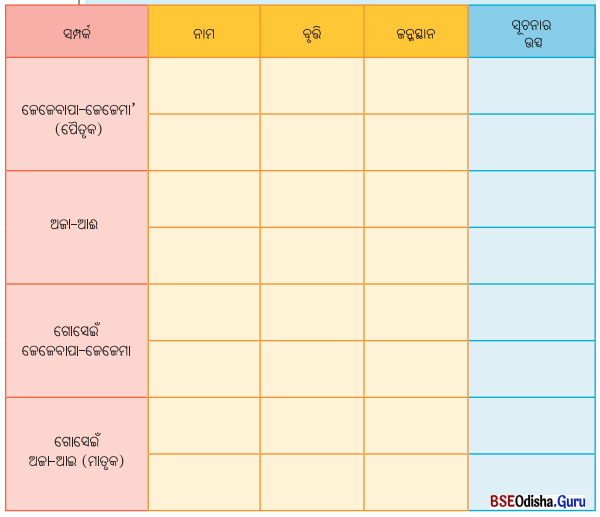
Class 6 Social Science Chapter 4 Question Answer Odia Medium ଇତିହାସର ସମୟସୀମା ଏବଂ ଉତ୍ସ-1
ତୁମ ପରିବାରର ଅତୀତ ବିଷୟରେ ତୁମେ କିପରି ବିବରଣୀ ପାଇଲ ? ତୁମେ ଫଟୋଗ୍ରାଫି, ଡାଏରୀ, ପରିଚୟପତ୍ର କିମ୍ବା ତୁମ ପିତାମାତା ଏବଂ ସମ୍ପର୍କୀୟଙ୍କ ସ୍ମୃତି ଭଳି ଜିନିଷ ଉପରେ ନିର୍ଭର କରିଛ କି ?
Answer:
ଛାତ୍ରଛାତ୍ରୀମାନେ ନିଜେ କରିବେ ।

Question 6.
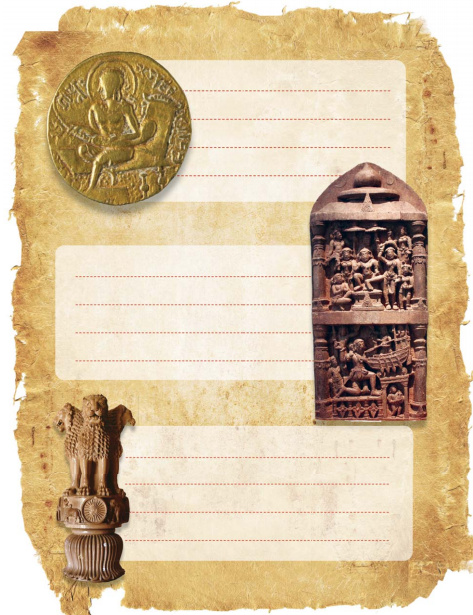
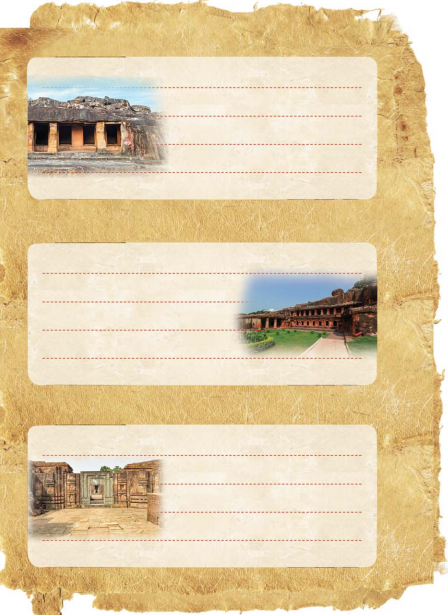
ନିମ୍ନରେ ଇତିହାସର ବିଭିନ୍ନ ଉତ୍ସର କିଛି ଚିତ୍ର ଅଛି । ବସ୍ତଗୁଡ଼ିକ କ’ଣ ଏବଂ କାହାକୁ ସୂଚାଏ ବୋଲି ତୁମେ ଭାବୁଛ ? ତୁମେ ଏହି ବସ୍ତୁଗୁଡ଼ିକରୁ ପାଇଥିବା କୌଣସି ଏକ ସୂଚନା ଛବି ପାଖରେ ଥ‌ିବା ବାକ୍ସଗୁଡ଼ିକରେ ଲେଖ ।
Class 6 Social Science Chapter 4 Question Answer Odia Medium ଇତିହାସର ସମୟସୀମା ଏବଂ ଉତ୍ସ-2

Class 6 Social Science Chapter 4 Question Answer Odia Medium ଇତିହାସର ସମୟସୀମା ଏବଂ ଉତ୍ସ-3
Answer:
ଚିତ୍ର (୧) – ଏହା ଏକ ପୁରାତନ ମୁଦ୍ରାର ଚିତ୍ର । ଏଥରେ ସେତେବେଳର ଶାସକଙ୍କ ଫଟୋ ମୁଦ୍ରିତ ହୋଇଛି । ମୁଦ୍ରାରେ ଖଚିତ ଧାତୁ ଅନୁସାରେ ସେ ସମୟର ସମାଜର ଆର୍ଥିକ ସ୍ଥିତିକୁ ମଧ୍ୟ ଆକଳନ କରିହୁଏ । ମୁଦ୍ରାରେ ଥ‌ିବା ମୂର୍ତ୍ତିରୁ ମଧ୍ୟ ଲୋକମାନଙ୍କର ଧର୍ମୀୟ ଧାରଣ ଉପରେ ତଥ୍ୟ ମିଳିଥାଏ । ମୁଦ୍ରାରେ ଥ‌ିବା ମୂର୍ତ୍ତି ସେ ରାଜ୍ୟ, ରାଜା ଓ ତାଙ୍କ କାର୍ଯ୍ୟଦକ୍ଷତା, ଯୁଗ ବା ସମୟ ଉପରେ ମଧ୍ୟ ତଥ୍ୟ ପ୍ରଦାନ କରିଥାଏ । ଇତିହାସ ଲିଖନରେ ମୁଦ୍ରା ଏକ ଉତ୍ସ ବା ଉପାଦାନ ଭଳି କାର୍ଯ୍ୟ କରିଥାଏ ।

ଚିତ୍ର (୨) – ଏହା ଏକ ମନ୍ଦିର ପାର୍ଶ୍ଵ କାନ୍ଥର କେତେଗୁଡ଼ିଏ ମୂର୍ତ୍ତି । ଏହି ମୂର୍ତ୍ତିଗୁଡ଼ିକ ଯେଉଁ ଧାତୁ ଏବଂ ଯେଉଁ ଦେବତାମାନଙ୍କର ସୂଚନା ଦେଇଥାଏ ସେଥୁରୁ ତତ୍‌କାଳୀନ ସମାଜର ଧର୍ମଧାରଣା ସମ୍ପର୍କରେ ଜଣାପଡ଼େ । ଏତଦ୍‌ବ୍ୟତୀତ ଏହା କେଉଁ ସମୟର ମଧ୍ୟ ସୂଚାଇଥାଏ । ଏହା ମଧ୍ୟ ସଂସ୍କୃତିର ବାର୍ତ୍ତା ବହନ କରେ ।

ଚିତ୍ର (୩) – ଏହା ସାରନାଥଠାରେ ଥ‌ିବା ସମ୍ରାଟ ଅଶୋକଙ୍କ ସିଂହ ସ୍ତମ୍ବ (Lion pillar) । ଏହା ମୌର୍ଯ୍ୟ ଭାସ୍କର୍ଯ୍ୟର ଏକ ବିଶେଷ ଉଦାହରଣ । ବର୍ତ୍ତମାନ ଏହା ଆମ ଦେଶର ଜାତୀୟ ପ୍ରତୀକ (National emblem) ଅଟେ ।

ଚିତ୍ର (୪) – ଛାତ୍ରଛାତ୍ରୀମାନେ ଚିତ୍ରକୁ ଅନୁଧ୍ୟାନ କରି ନିଜେ ଲେଖନ୍ତୁ ।

ଚିତ୍ର (୫) – ଛାତ୍ରଛାତ୍ରୀମାନେ ଚିତ୍ରକୁ ଅନୁଧ୍ୟାନ କରି ନିଜେ ଲେଖନ୍ତୁ ।

ଚିତ୍ର (୬) – ଛାତ୍ରଛାତ୍ରୀମାନେ ଚିତ୍ରକୁ ଅନୁଧ୍ୟାନ କରି ନିଜେ ଲେଖନ୍ତୁ ।

Question 7.
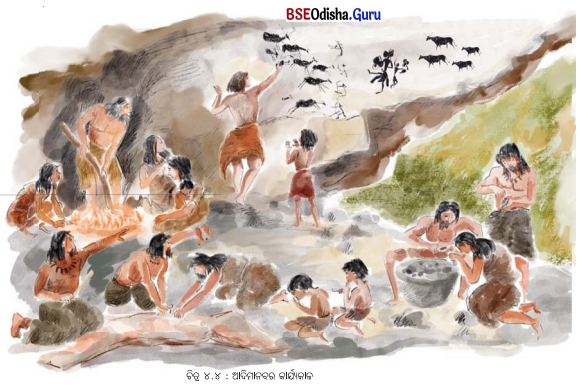
Class 6 Social Science Chapter 4 Question Answer Odia Medium ଇତିହାସର ସମୟସୀମା ଏବଂ ଉତ୍ସ-4
ଉପରୋକ୍ତ ଚିତ୍ରରେ (ଚିତ୍ର ୪.୪) ଏକ ପଥର ଆଶ୍ରୟସ୍ଥଳୀରେ ଆଦିମାନବର କିଛି କାର୍ଯ୍ୟକଳାପକୁ ଦେଖ । କେଉଁଗୁଡ଼ିକ ତୁମେ ଚିହ୍ନିପାରୁଛ ? ପ୍ରତ୍ୟେକ ପାଇଁ ଏକ ସଂକ୍ଷିପ୍ତ ବିବରଣୀ ଦିଅ ।
Answer:
ଉପରୋକ୍ତ ଚିତ୍ରକୁ ଅନୁଧ୍ୟାନ କଲେ ଜଣାଯାଏ ଯେ ଏହା ଏକ ଆଦିମ ମାନବ ବା ପୁରାତନ ପ୍ରସ୍ତର ଯୁଗର ମାନବଙ୍କ ଆଶ୍ରୟସ୍ଥଳୀ ଓ ସେମାନେ ଜୀବିକା ନିର୍ବାହପାଇଁ ବିଭିନ୍ନ କାର୍ଯ୍ୟ ସମ୍ପାଦନ କରୁଅଛି ।

(୧) ଶିକାରୀ ଓ ସଂଗ୍ରହକାରୀ ଜୀବନ (Hunting and Gathering life) – ଆଦିମାନବମାନେ ଖାଦ୍ୟ ଉତ୍ପାଦନ ଜାଣିନଥିଲେ । ତେଣୁ ସେମାନେ ପ୍ରକୃତିରେ ଗଚ୍ଛିତ ଖାଦ୍ୟ ଫଳ ଓ ମୂଳ ଇତ୍ୟାଦି ସଂଗ୍ରହକରି ଖାଉଥିଲେ । ଏତଦ୍‌ବ୍ୟତୀତ ସେମାନେ ଜୀବଜନ୍ତୁଙ୍କୁ ଶିକାର କରି ମାଂସ ଖାଉଥିଲେ ।

(୨) ସରଞ୍ଜାମ ନିର୍ମାଣ (Tool making) – ପ୍ରାଚୀନ ପ୍ରସ୍ତର ଯୁଗରେ ଆଦିମାନବମାନେ ପଥରରେ ବିଭିନ୍ନ ସରଞ୍ଜାମ ନିର୍ମାଣ କରୁଥିଲେ । ସେମାନେ ପଥରରେ ହାତ କୁରାଢ଼ି, ମୁଣ୍ଡିଆ ଛୁରୀ, ହାତୁଡ଼ି, ରାଞ୍ଚିବା ସରଞ୍ଜାମ ଏବଂ ମୁନିଆ ତୀର ଇତ୍ୟାଦି ତିଆରି କରୁଥିଲେ । ଏହି ସରଞ୍ଜାମଗୁଡ଼ିକୁ ସେମାନେ ଶିକାର କରିବା ଏବଂ ଖାଦ୍ୟ ପ୍ରସ୍ତୁତି କରିବା କାର୍ଯ୍ୟରେ ବ୍ୟବହାର କରୁଥିଲେ । ପୁରାତନ ଆଶ୍ରୟସ୍ଥଳମାନଙ୍କରୁ ମିଳୁଥିବା ଛୋଟ ଛୋଟ ପଥର ଗୁଣ୍ଡ, ଜୀବଜନ୍ତୁଙ୍କ ଗୁଣ୍ଡ ହାତ, ଫଳ ଭିତରୁ ବାହାର କରାଇଥୁବା ମଞ୍ଜି ଇତ୍ୟାଦି ପ୍ରମାଣ ଦିଏ ଯେ ସେମାନେ ପଥରରୁ ସରଞ୍ଜାମ ତିଆରି କରି ତାକୁ ବ୍ୟବହାର କରୁଥିଲେ ।

(୩) ଅଗ୍ନି ତିଆରି କରିବା ଏବଂ ତା’ର ବ୍ୟବହାର (Fire making and usage) – ଆଦିମାନବଙ୍କ ଜୀବନରେ ଅଗ୍ନି ମଧ୍ୟ ଏକ ମୁଖ୍ୟ ଭୂମିକା ଗ୍ରହଣ କରିଥିଲା । ପଥରକୁ ପଥରରେ ଘଷି ସେମାନେ ପ୍ରଥମେ ଅଗ୍ନି ତିଆରି କରିବା ଶିଖୁଲେ । ପରେ ସେମାନେ ବିଭିନ୍ନ ଉପାୟରେ ଅଗ୍ନିକୁ ବଞ୍ଚାଇ ରଖିଲେ । ସେମାନେ ମୁଖ୍ୟତଃ ଅଗ୍ନି ସଂଯୋଗ କରି ପଶୁଶିକାର ପରେ ମାଂସକୁ ପୋଡ଼ି ଖାଉଥିଲେ । ହିଂସ୍ରଜନ୍ତୁଙ୍କଠାରୁ ସୁରକ୍ଷା ପାଇଁ ସେମାନେ ନିଆଁର ହୁଳା ବ୍ୟବହାର କରୁଥିଲେ । କେତେକ ପଥର ଆଶ୍ରୟସ୍ଥଳ (Rock shelter)ରେ ମଧ୍ଯ ଚୁଲି ମିଳିଥିବାର ପ୍ରମାଣ ମିଳେ । ଅର୍ଥାତ୍ ପୁରାତନ ପ୍ରସ୍ତର ଯୁଗରେ ମାନବ ଅଗ୍ନିର ବ୍ୟବହାର ଜାଣିସାରିଥିଲା ।

(୪) କଳା ଏବଂ ସଂକେତ (Art & Symbolism) – ପଥର ଶିଳା ଆଶ୍ରୟସ୍ଥଳୀମାନଙ୍କରେ କାନ୍ଥରେ ପ୍ରାଗ୍ଐତିହାସିକ ଯୁଗର କଳା ଯଥା- ଚିତ୍ର ବା ପଥରକଟା ଚିତ୍ର ଦେଖିବାକୁ ମିଳିଥିଲା । ଏହି ଚିତ୍ରଗୁଡ଼ିକ ପଶୁ, ମଣିଷ, ସଂସ୍କୃତି ଓ ବିଶ୍ଵାସର ଥିଲା । ଏହା ମଧ୍ୟ ସେମାନଙ୍କୁ ପରସ୍ପର ମଧ୍ୟରେ ଯୋଗାଯୋଗ କରିବାରେ ସହାୟକ ହେଉଥିଲା ।

(୫) ଆଶ୍ରୟସ୍ଥଳ ଏବଂ ରହିବାସ୍ଥାନ – ଆଦିମାନବମାନଙ୍କର ଗୁମ୍ଫାଜୀବନ ସହିତ ଆମେ ପନରିଚିତ । ସେମାନେ ପଥର ଗୁମ୍ଫାରେ ବସବାସ କରୁଥିଲେ । ଏହା ସେମାନଙ୍କୁ ପ୍ରାକୃତିକ ବିପର୍ଯ୍ୟୟ ଏବଂ ହିଂସ୍ରଜନ୍ତୁଙ୍କ ଆକ୍ରମଣରୁ ସୁରକ୍ଷା ଦେଇପାରୁଥିଲା ।

(୬) ସାମାଜିକ ରୀତିନୀତି ଏବଂ ପରମ୍ପରା – ଆଦିମାନବମାନେ ସେମାନଙ୍କ ସାମାଜିକ ରୀତିନୀତି ଅନୁସାରେ ବିଭିନ୍ନ କାର୍ଯ୍ୟ ଆଶ୍ରୟସ୍ଥଳମାନଙ୍କରେ କରୁଥିଲେ । ଏକତ୍ର ଏକାଠି ହୋଇ ବିଭିନ୍ନ ପାରମ୍ପରିକ କାର୍ଯ୍ୟ କରିବା ସହିତ ଭୋଜିଭାତ କରୁଥିଲେ । ମୃତ୍ୟୁପରେ ମଶାଣି ବା କବର ସ୍ଥାନର ମଧ୍ୟ ବ୍ୟବସ୍ଥା କରିଥିଲେ ।

(୭) ଖାଦ୍ୟ ପ୍ରସ୍ତୁତି ଆଦିମାନ ସେମାନଙ୍କର ଖାଦ୍ୟ ପ୍ରସ୍ତୁତିକରଣ ସେମାନଙ୍କ ଆଶ୍ରୟସ୍ଥଳରେ କରୁଥିଲେ । ତେଣୁ ଖାଦ୍ୟଶସ୍ୟ ଗୁଣ୍ଡ କରିବାର ସରଞ୍ଜାମ, ଚୁଲି, ଅନ୍ୟାନ୍ୟ ଅବଶେକ୍ଷାଂଶ ଦେଖିବାକୁ ମିଳିଥିଲା ।

ଏହା ବିଷୟରେ ଚିନ୍ତାକର :

Question 1.
ତୁମେ କେବେ ତୁମ ଘର ଭିତରେ ବା ତୁମ ଚାରିପାଖରେ ପୁରୁଣା ମୁଦ୍ରା, ବହି, ପୋଷାକ, ଅଳଙ୍କାର କିମ୍ବା ବାସକୁସନ ଦେଖୁଛ କି ? ଏଭଳି ପୁରୁଣା ଘର କିମ୍ବା କୋଠା ଭଳି ବସ୍ତୁରୁ ଆମେ କେଉଁ ପ୍ରକାରର ସୂଚନା ପାଇପାରିବା ?
Answer:
ଛାତ୍ରଛାତ୍ରୀମାନେ ନିଜେ କରିବେ ।

ଜିଗୋ ପଜଲ୍ – ଜିରୋ ପଜଲ୍ ହେଉଛି ବିଭିନ୍ନ ଆକାରର ତଥା ପ୍ରକାରର କାଠ ଅଥବା କାର୍ଡ଼ବୋର୍ଡ଼ର ଅଂଶ ଯାହାକୁ ଏକତ୍ରିତ କରି ଚିତ୍ର କିମ୍ବା ମାନଚିତ୍ର ପ୍ରସ୍ତୁତ କରାଯାଏ ।

Question 2.
ପୂର୍ବରୁ ପ୍ରଦର୍ଶିତ ହୋଇଥ‌ିବା ପଥର ଆଶ୍ରୟସ୍ଥଳ ଓ ଏହି ପୃଷ୍ଠାରେ ଦିଆଯାଇଥ‌ିବା ଉଭୟ ଚିତ୍ରରେ ପୁରୁଷ ଏବଂ ମହିଳାମାନଙ୍କର ଏକ ନିର୍ଦ୍ଦିଷ୍ଟ ଭୂମିକାକୁ ଦର୍ଶାଯାଇଛି । ଯଦିଓ ଚିତ୍ରରେ ସେମାନେ ସ୍ଵଭାବିକ ଭାବେ ପ୍ରତୀୟମାନ ହେଉଛନ୍ତି ତଥାପି ଏହା ପୂରାପୂରି ଠିକ୍ ନୁହେଁ ଓ ଏଠାରେ ସମସ୍ତ ଅବସ୍ଥା ସମ୍ପୂର୍ଣ୍ଣରୂପେ ପ୍ରଦର୍ଶିତ ହୋଇନାହିଁ । ଉଦାହରଣ ସ୍ୱରୂପ – ଏକ ପଥରର ଆଶ୍ରୟସ୍ଥଳୀରେ, ମହିଳାମାନେ ପଥରକୁ ରଙ୍ଗ କରିବା ପାଇଁ ରଙ୍ଗ ପ୍ରସ୍ତୁତ କରିବାରେ ସାହାଯ୍ୟ କରିଥାଇପାରନ୍ତି କିମ୍ବା କିଛି ଚିତ୍ରକଳା କରିଥାଇପାରନ୍ତି । ଉଭୟ ଦୃଶ୍ୟରେ ପୁରୁଷମାନେ କିଛି ରୋଷେଇ କରିଥାଇପାରନ୍ତି କିମ୍ବା ପିଲାମାନଙ୍କର ଯନ୍ ନେବାରେ ସାହାଯ୍ୟ କରିଥାଇପାରନ୍ତି । ଆମ ପାଖରେ କେବଳ ସେ ସମୟର ସୀମିତ ସୂଚନା ଉପଲବ୍ଧ ଅଛି । ଏଭଳି ଭୂମିକା ଏବଂ ପରିସ୍ଥିତି ବିଷୟରେ ଚିନ୍ତାକରି ଏବଂ ଶ୍ରେଣୀରେ ଆଲୋଚନା କର ।
Answer:
ପ୍ରଦତ୍ତ ଚିତ୍ରରେ ଆଦିମ ମାନବମାନଙ୍କ ବାସସ୍ଥାନ ଏବଂ ସେମାନଙ୍କର କୃଷି ଓ ଗୋପାଳନର ଦୃଶ୍ୟ ପରିଲକ୍ଷିତ ହେଉଛି । ପରିବାରର ମହିଳା ସଦସ୍ୟା ରନ୍ଧନ କାର୍ଯ୍ୟରେ ଲିପ୍ତ ଅଛନ୍ତି । ଏହା ଏକ ନୂତନ ପ୍ରସ୍ତର ଯୁଗର ଦୃଶ୍ୟପଟ ବୋଲି ଅନୁମାନ କରାଯାଏ । ନିକଟରେ ଏକ ଜଳାଶୟ ମଧ୍ୟ ଦେଖାଯାଉଛି । ଲୋକମାନେ କୃଷି ସରଞ୍ଜାମ ବ୍ୟବହାରକରି ଫସଲ ଉତ୍ପାଦନ କରୁଛନ୍ତି ।

  • ମେଣ୍ଢାଗୁଡ଼ିକ ଚରୁଛନ୍ତି ଏବଂ କୁକୁରଟିଏ ଉପସ୍ଥିତ ଅଛି ।
  • ଏହା ଗୃହପାଳିତ ପଶୁ ବୋଲି ପ୍ରତ୍ୟୟମାନ ହେଉଛି ।
  • ଜଣେ ବ୍ୟକ୍ତି କାଠ କାଟୁଛନ୍ତି ବା ଖଣ୍ଡ ଖଣ୍ଡ କରୁଛନ୍ତି ।
  • ଜଣେ ସ୍ତ୍ରୀଲୋକ ମାଟି ଚୁଲିରେ ରୋଷେଇ କରୁଛନ୍ତି ।
  • ପିଲାମାନେ ଖେଳିବା ଦେଖାଯାଉଛି ।
  • ଅନେକଗୁଡ଼ିଏ ଚାଳଘର ଦେଖାଯାଉଛି ।

ସୁତରାଂ ଏଥୁରୁ ପ୍ରତୀୟମାନ ହୁଏ ଯେ ପ୍ରାଚୀନ ଯୁଗ ଅନେକ ବାଟ ଆଗକୁ ଆସିସାରିଛି । ମାନବ ନୂତନ
ପ୍ରସ୍ତର ଯୁଗରେ ପହଞ୍ଚି ସାରିଛି ।

Class 6 Social Science Chapter 4 Question Answer Odia Medium ଇତିହାସର ସମୟସୀମା ଏବଂ ଉତ୍ସ

ଅତିସଂକ୍ଷିପ୍ତ ଉତ୍ତରମୂଳକ ପ୍ରଶ୍ନୋତ୍ତର

Question 1.
ଇତିହାସରେ ସମୟକୁ କିପରି ମପାଯାଉଛି ?
Answer:
ବର୍ତ୍ତମାନ ସମୟରେ ପୃଥ‌ିବୀସାରା ଗ୍ରେଗୋରିୟନ କ୍ୟାଲେଣ୍ଡରକୁ ବ୍ୟବହାର କରି ଇତିହାସର ତାରିଖ, ମସିହା ଓ ଯୁଗର ମାପ ବା ହିସାବ କରାଯାଉଛି ।

Question 2.
ଶତାବ୍ଦୀ କ’ଣ ?
Answer:
ଶହେ (୧୦୦) ବର୍ଷର ସମୟ ଅବଧ‌ିକୁ ଶତାବ୍ଦୀ କୁହାଯାଏ ।

Question 3.
ସହସ୍ରାବ୍ଦ କ’ଣ ବୁଝାଅ ?
Answer:
ଏକ ହଜାର (୧୦୦୦) ବର୍ଷର ସମୟ ଅବଧ‌ିକୁ ସହସ୍ରାବ୍ଦ କୁହାଯାଏ ।

Question 4.
କିଏ ଫସିଲ ବା ଜୀବାଶ୍ମ ଉପରେ ଅଧ୍ୟୟନ କରନ୍ତି ?
Answer:
ପାଲିଓଣ୍ଟୋଲୋଜିଷ୍ଟ ବା ଜୀବାଶ୍ମ ବିଜ୍ଞାନୀ ଫସିଲ ବା ଜୀବାଶ୍ମ ଉପରେ ଅଧ୍ୟୟନ କରନ୍ତି ଯାହାକି ହଜାର ହଜାର ବର୍ଷ ତଳର ।

Question 5.
ନୂତନତ୍ତ୍ଵବିତ୍‌ମାନେ କ’ଣ ଅଧ୍ୟୟନ କରନ୍ତି ?
Answer:
ନୃତତ୍ତ୍ୱବିତ୍‌ମାନେ ମାନବ ସମାଜ ଓ ସଂସ୍କୃତି ଉପରେ ଅଧ୍ୟୟନ କରନ୍ତି ।

Question 6.
ପ୍ରତତ୍ତ୍ବବିତ୍‌ମାନେ କ’ଣ ଅଧ୍ୟୟନ କରନ୍ତି ?
Answer:
ପ୍ରନୃତତ୍ତ୍ଵବିତ୍‌ମାନେ ପୁରାତନ କାଳର ଦ୍ରବ୍ୟ, ସ୍ଥାନ, ସଂସ୍କୃତି, ସଭ୍ୟତା, ଭୂଖନନ, ଅଭିଲେଖ ପଠନ, ଇତ୍ୟାଦି ଅଧ୍ୟୟନ କରନ୍ତି ।

Question 7.
ଆଦିମାନବମାନେ ମୁଖ୍ୟତଃ କେଉଁ କାର୍ଯ୍ୟରେ ନିଜକୁ ନିଯୁକ୍ତ ରଖୁଥିଲେ ?
Answer:
ଆଦିମାନବମାନେ ମୁଖ୍ୟତ ପଶୁଶିକାର ଓ ଫଳମୂଳ ସଂଗ୍ରହ କାର୍ଯ୍ୟରେ ନିଜକୁ ନିଯୁକ୍ତ ରଖୁଥିଲେ । ଏହାର କାରଣ ଖାଦ୍ୟ ଥିଲା ସେମାନଙ୍କର ପ୍ରଥମ ଆବଶ୍ୟକତା ।

Question 8.
ବରଫ ଯୁଗ କ’ଣ ଅଟେ ?
Answer:
ଅତୀତର ଏକ ସମୟ ଯେତେବେଳେ ପୃଥ‌ିବୀ ବରଫଦ୍ଵାର ଆଚ୍ଛାଦିତ ହୋଇ ରହିଥିଲା, ତାହା ବରଫ ଯୁଗ ନାମରେ ପରିଚିତ ଥିଲା ।

Question 9.
ଆଦିମ ମାନବ ପ୍ରଯୁକ୍ତିବିଦ୍ୟାର ଉନ୍ନତି କିପରି କରିଥିଲ ?
Answer:
ଆଦିମ ମାନବ ପ୍ରଯୁକ୍ତିବିଦ୍ୟାର ପ୍ରୟୋଗ କରି ତା’ର ନିତ୍ୟବ୍ୟବହାର୍ଯ୍ୟ ଦ୍ରବ୍ୟରେ ଉନ୍ନତି ଆଣିଥିଲା । ଅନେକ ସରଞ୍ଜାମ ଯଥା ଉନ୍ନତ ମାନର ପଥରର କୁରାଢ଼ି, ବ୍ଲେଡ ଓ ମାଟିପାତ୍ର ନିର୍ମାଣ କରିଥିଲା ।

Question 10.
ପ୍ରାଚୀନ ସଭ୍ୟତାଗୁଡ଼ିକୁ ଅଧ୍ୟୟନ କରିବାପାଇଁ କେଉଁ ଉପାଦାନଗୁଡ଼ିକର ଆବଶ୍ୟକ ?
Answer:
ପ୍ରାଚୀନ ସଭ୍ୟତାଗୁଡ଼ିକର ଅଧ୍ୟୟନ ପାଇଁ ପୁରାତନ ଦ୍ରବ୍ୟ, ଅଭିଲେଖ, ସାହିତ୍ୟ ଏବଂ ବୈଜ୍ଞାନିକ ବିଶ୍ଳେଷଣର ଆବଶ୍ୟକତା ଅଛି ।

Class 6 Social Science Chapter 4 Question Answer Odia Medium ଇତିହାସର ସମୟସୀମା ଏବଂ ଉତ୍ସ

Question 11.
ଐତିହାସିକମାନେ କିପରି ବିରୋଧୋକ୍ତି ଉତ୍ସକୁ ଉପସ୍ଥାପନା କରନ୍ତି ?
Answer:
ଐତିହାସିକମାନେ ମିଳିଥିବା ବିପରୀତ ଉପାଦାନକୁ ତର୍ଜମା କରି ସେଗୁଡ଼ିକର ଯଥାର୍ଥତା ଇତିହାସ ଦୃଷ୍ଟିକୋଣରୁ ଉପସ୍ଥାପନା କରିଥା’ନ୍ତି ।

Question 12.
ଭାରତରେ ଦିନପଞ୍ଜିକା ବା କ୍ୟାଲେଣ୍ଡରଗୁଡ଼ିକ କିପରି କାର୍ଯ୍ୟ କରିଥାଏ ?
Answer:
ଭାରତୀୟ ଦିନପଞ୍ଜିକାଗୁଡ଼ିକ ସୂର୍ଯ୍ୟୋପରାଗ, ଚନ୍ଦ୍ରଗ୍ରହଣ ଓ ଅନ୍ୟାନ୍ୟ ପୂଜାପାର୍ବଣର ଗଣନା କରି ତାରିଖ ନିର୍ଦ୍ଧାରିତ କରିଥା’ନ୍ତି ।

ସଂକ୍ଷିପ୍ତ ଉତ୍ତରମୂଳକ ପ୍ରଶ୍ନୋତ୍ତର

Question 1.
ଗ୍ରେଗୋରିୟାନ କ୍ୟାଲେଣ୍ଡର କ’ଣ ?
Answer:
ଏହା ହେଉଛି ଆଜିକାଲି ସବୁଠାରୁ ଅଧିକ ବ୍ୟବହୃତ କ୍ୟାଲେଣ୍ଡର । ଏହାକୁ ପୋପ ତ୍ରୟୋଦଶ ଗ୍ରେଗୋରୀ (Gregory – XIII) ୧୫୮୨ରେ ପ୍ରଚଳନ କରିଥିଲେ । ଯୀଶୁଙ୍କ ଜନ୍ମଦିନଠାରୁ ଏହି କ୍ୟାଲେଣ୍ଡରରେ ଖ୍ରୀଷ୍ଟାବ୍ଦ (ବା AD or CE)ର ଗଣନା ହୋଇଆସୁଛି । ସେହିପରି ଯୀଶୁଙ୍କ ଜନ୍ମ ପୂର୍ବରୁ ଘଟଣା ଖ୍ରୀଷ୍ଟପୂର୍ବଭାବେ ଏହି କ୍ୟାଲେଣ୍ଡର ଅନୁଯାୟୀ ଗଣନା କରାଯାଉଛି ଯାହାକୁ (BC or BCE) କୁହାଯାଏ ।

Question 2.
ଖ୍ରୀଷ୍ଟପୂର୍ବ ଏବଂ ଖ୍ରୀଷ୍ଟାବ୍ଦ ମଧ୍ୟରେ ତାରିଖର ତଫାତକୁ ଐତିହାସିକମାନେ କିପରି ଗଣନା କରନ୍ତି ?
Answer:
ଖ୍ରୀଷ୍ଟପୂର୍ବର ସମୁଦାୟ ବର୍ଷ ଏବଂ ଖ୍ରୀଷ୍ଟାବ୍ଦର ସମୁଦାୟ ବର୍ଷକୁ ମିଶ୍ରଣ କରି ୧ ବିଯୁକ୍ତ କଲେ ଯାହା ବାହାରିବ ତାହା ହେଉଛି ଉଭୟ ମଧ୍ୟରେ ଥିବା ତଫାତର ବର୍ଷ ।

Question 3.
ଇତିହାସର ଉପାଦାନ ବା ଉତ୍ସଗୁଡ଼ିକ କ’ଣ ?
Answer:
ଇତିହାସର ଉପାଦାନଗୁଡ଼ିକ ହେଲା (୧) ପ୍ରସ୍ତାତ୍ତ୍ଵିକ ଉତ୍ସ, (୨) ସାହିତ୍ୟିକ ଉପାଦାନ, (୩) ଅଭିଲେଖ- ଗାରୀୟ ଉପାଦାନ ।

Question 4.
ଆଧୁନିକ ମାନବ ଆନୁମାନିକ ପୃଥ‌ିବୀରେ କେତେ ବର୍ଷ ହେବ ଆବିର୍ଭାବ କଲାଣି ?
Answer:
ଏହା ବିଶ୍ଵାସ କରାଯାଏ ଯେ ଆଧୁନିକ ମାନବ ପୃଥ‌ିବୀ ପୃଷ୍ଠରେ ପ୍ରାୟ ୩,୦୦,୦୦୦ (ତିନି ଲକ୍ଷ) ବର୍ଷ ପୂର୍ବେ ଆବିର୍ଭାବ ଘଟିଥିଲା ।

Question 5.
ଆଦିମାନବ ସମାଜକୁ କୃଷିର ଉନ୍ନତି କିପରି ପରିବର୍ତ୍ତିତ କରିଥିଲା ?
Answer:
ଆଦିମାନବ ପ୍ରଥମେ ଶିକାରୀ–ସଂଗ୍ରହକାରୀ ଜୀବନଧାରଣ କରି ଏକ ଯାଯାବର ରୂପେ ଜୀବନ ବିତାଉଥିଲା । କିନ୍ତୁ କୃଷି ଉତ୍ପାଦନ କରିବା ଶିଖୁବା ପରେ ଆଦିମାନବ ସ୍ଥାୟୀ ବସତି ସ୍ଥାପନ କରିବା ସହିତ ଅନେକ ସାମାଜିକ ଶୃଙ୍ଖଳାରେ ନିଜକୁ ଆବଦ୍ଧ କଲା

Question 6.
ଐତିହାସିକ ଉପାଦାନଗୁଡ଼ିକର ପରିସୀମା ସବୁ କ’ଣ ?
Answer:
ଐତିହାସିକ ଉପାଦାନଗୁଡ଼ିକର କିଛି ସୀମା ଥାଏ । ସମୟ ସମୟରେ ତଥ୍ୟ ଅସମ୍ପୂର୍ଣ୍ଣ, ଅସ୍ପଷ୍ଟ ଓ ପ୍ରଭାବିତ ହୋଇଥାଏ ଯାହାଫଳରେ ଇତିହାସରେ ପୂର୍ଣ୍ଣାଙ୍ଗ ସତ୍ୟ ପ୍ରକାଶିତ ହୋଇନଥାଏ ।

Question 7.
ଐତିହାସିକମାନେ ଇତିହାସ ଲିଖନରେ କାହିଁକି ବହୁପ୍ରକାରର ଉପାଦାନକୁ ବ୍ୟବହାର କରିଥା’ନ୍ତି ?
Answer:
ଇତିହାସ ଲିଖନ ଏକ କଷ୍ଟକର କାର୍ଯ୍ୟ । ଅତୀତର ଯେକୌଣସି ରାଜବଂଶ ହେଉ କିମ୍ବା କୌଣସି ପୁରାତନ ମନ୍ଦିର କିମ୍ବା ସୌଧ ହେଉ ତା’ ବିଷୟରେ ସଠିକ୍ ତଥ୍ୟ ଉପସ୍ଥାପନା କରିବାପାଇଁ ଐତିହାସିକମାନେ ଏକାଧିକ ଉତ୍ସ ବା ଉପାଦାନ ଉପରେ ନିର୍ଭର କରିଥା’ନ୍ତି । ଯଦି ଅଧିକାଂଶ ଉପାଦାନ କୌଣସି ବିଷୟବସ୍ତ ଉପରେ ପାଖାପାଖୁ ଏକମତ ହୁଏ ତେବେ ଐତିହାସିକ ସତ୍ୟତା ପ୍ରତିପାଦିତ ହୋଇଥାଏ । ଯଦି ମିଳିଥିବା ଉପାଦାନରେ ବିରୁଦ୍ଧତା ଆସେ ତେବେ କେଉଁଟି ଅଧ‌ିକ ଗ୍ରହଣୀୟ ତାହା ମଧ୍ୟ ବିଚାରକୁ ନିଆଯାଏ । କିନ୍ତୁ ସାଧାରଣତଃ ଅଧିକ ଉତ୍ସରୁ ମିଳିଥିବା ଐତିହାସିକ ତଥ୍ୟ ସର୍ବଦା ଗ୍ରହଣୀୟ ହୋଇଥାଏ ।

ନିର୍ଦ୍ଦିଷ୍ଟ ଉତ୍ତରମୂଳକ ପ୍ରଶ୍ନୋତ୍ତର

ଚାରୋଟି ବିକଳ୍ପ ଉତ୍ତର ମଧ୍ୟରୁ ଠିକ୍ ଉତ୍ତରଟି ବାଛି ଲେଖ ।
Question 1.
ପ୍ରାଥମିକ ପର୍ଯ୍ୟାୟରେ ପୃଥ‌ିବୀର ଜଳବାୟୁ ପ୍ରବଳ ଥଣ୍ଡା ଥିଲା ଏବଂ ପୃଥ‌ିବୀପୃଷ୍ଠ ତୁଷାର ଆଚ୍ଛାଦିତ ହୋଇଥିଲା । ତେବେ ସେହି ଯୁଗକୁ କ’ଣ କୁହାଯାଉଥିଲା ?
(କ) ଥଣ୍ଡା ଯୁଗ
(ଖ) ବରଫ ଯୁଗ
(ଗ) ଉଭୟ ‘କ’ ଓ ‘ଖ’
(ଘ) ଏଥୁମଧ୍ୟରୁ କୌଣସିଟି ନୁହେଁ
Answer:
(ଖ) ବରଫ ଯୁଗ

Question 2.
ଇତିହାସରେ ସମୟକୁ କିପରି ଗଣନା କରାଯାଏ ?
(କ) ଦିନ ଗଣନା କରି
(ଖ) ବର୍ଷ ଗଣନା କରି
(ଗ) ଘଣ୍ଟା ଗଣନା କରି
(ଘ) ମିନିଟ୍ ଗଣନା କରି
Answer:
(ଖ) ବର୍ଷ ଗଣନା କରି

Class 6 Social Science Chapter 4 Question Answer Odia Medium ଇତିହାସର ସମୟସୀମା ଏବଂ ଉତ୍ସ

Question 3.
ସହସ୍ରାବ୍ଦ କ’ଣ ?
(କ) ୧୦ ବର୍ଷ ସମୟ
(ଖ) ୧୦୦ ବର୍ଷ ସମୟ
(ଗ) ୧୦୦୦ ବର୍ଷ ସମୟ
(ଘ) ୧ ମିଲିୟନ ବର୍ଷ ସମୟ
Answer:
(ଗ) ୧୦୦୦ ବର୍ଷ ସମୟ

Question 4.
ନୃତତ୍ତ୍ୱବିତ୍ କ’ଣ ଅଧ୍ୟୟନ କରନ୍ତି ?
(କ) ପୃଥ‌ିବୀର ଭୌତିକ ବୈଶିଷ୍ଟ୍ୟ
(ଖ) ମାନବ ସମାଜ ଓ ସଂସ୍କୃତି
(ଗ) ଉଦ୍ଭିଦ ଓ ପ୍ରାଣୀଙ୍କ ଜୀବାଶ୍ମ
(ଘ) ଖନନଦ୍ଵାରା ପ୍ରାପ୍ତ ଭଗ୍ନାବଶେଷ
Answer:
(ଖ) ମାନବ ସମାଜ ଓ ସଂସ୍କୃତି

Question 5.
ଏକ ଶତାବ୍ଦୀ କ’ଣ ?
(କ) ୧୦ ବର୍ଷ ସମୟ
(ଖ) ୧୦୦ ବର୍ଷ ସମୟ
(ଗ) ୧୦୦୦ ବର୍ଷ ସମୟ
(ଘ) ନିୟୁତ ବର୍ଷ ସମୟ
Answer:
(ଖ) ୧୦୦ ବର୍ଷ ସମୟ

Question 6.
ହଜାର ହଜାର ବର୍ଷ ତଳର ଉଭିଦ, ପ୍ରାଣୀ ଓ ମାନବ ଜୀବାଶ୍ମ କିଏ ଅଧ୍ୟୟନ କରନ୍ତି :
(କ) ପ୍ରନୃତତ୍ତ୍ୱବିତ୍
(ଖ) ଭୂତତ୍ତ୍ବବିତ୍
(ଗ) ପାଲି ଓଣ୍ଟୋଲୋଜିଷ୍ଟ
(ଘ) ନୃତତ୍ତ୍ୱବିତ୍
Answer:
(ଗ) ପାଲି ଓଣ୍ଟୋଲୋଜିଷ୍ଟ

Question 7.
ପ୍ରାଚୀନ କାଳରେ ମାନବ ସଂପ୍ରଦାୟ ବଢ଼ିଗଲା ପରେ ଜନତାଙ୍କ ସୁରକ୍ଷା, ସମାଜର ମଙ୍ଗଳ କାର୍ଯ୍ୟ ଓ ଶାନ୍ତିଶୃଙ୍ଖଳା ଇତ୍ୟାଦି କାର୍ଯ୍ୟ ତଦାରଖ କରିବାପାଇଁ କିଏ ଦାୟୀ ରହୁଥିଲେ ?
(କ) ପ୍ରତ୍ୟେକ ବ୍ୟକ୍ତି
(ଖ) କେହି ନ ଥିଲେ
(ଗ) ମୁଖ୍ୟ
(ଘ) ସମସ୍ତ ସମାଜ
Answer:
(ଗ) ମୁଖ୍ୟ

Question 8.
ଆଧୁନିକ ମାନବକୁ ନିମ୍ନୋକ୍ତ ମଧ୍ଯରୁ କେଉଁଟି କୁହାଯାଉଥିଲା ?
(କ) ଅସ୍ତ୍ରୋପିଥେକସ୍ ମାନବ
(ଖ) ଜାଭା ମାନବ
(ଗ) ଏରେକ୍ଟସ୍ ମାନବ
(ଘ) ହୋମୋ ସାପିୟନସ୍
Answer:
(ଘ) ହୋମୋ ସାପିୟନସ୍

Question 9.
ଇତିହାସର ବିଭିନ୍ନ ଉପାଦାନକୁ କିଏ ଉପସ୍ଥାପନା କରିଛନ୍ତି ?
(କ) ଐତିହାସିକମାନେ
(ଖ) ପ୍ରନୃତତ୍ତ୍ଵବିତ୍‌ମାନେ
(ଗ) ନୃତତ୍ତ୍ୱବିତ୍ ଏବଂ ଅଭିଲେଖ ଅଧ୍ୟୟନକାରୀମାନେ
(ଘ) ଉପରୋକ୍ତ ସମସ୍ତେ
Answer:
(ଘ) ଉପରୋକ୍ତ ସମସ୍ତେ

Class 6 Social Science Chapter 4 Question Answer Odia Medium ଇତିହାସର ସମୟସୀମା ଏବଂ ଉତ୍ସ

Question 10.
କିଏ ପୃଥୁବୀର ଭୌତିକ ବୈଶିଷ୍ଟ୍ୟ ଯଥା ମାଟି, ପଥର, ପାହାଡ଼ ଓ ପର୍ବତ, ନଦୀ, ସମୁଦ୍ର ଇତ୍ୟାଦି ଅଂଶକୁ ଅଧ୍ୟୟନ କରନ୍ତି ।
(କ) ପ୍ରକୃତତ୍ତ୍ବବିତ୍
(ଖ) ଭୂତତ୍ତ୍ବବିତ୍
(ଗ) ଜୀବାଶ୍ମ ବିଜ୍ଞାନୀ
(ଘ) ନୃତତ୍ତ୍ୱବିତ୍
Answer:
(ଖ) ଭୂତତ୍ତ୍ବବିତ୍
Class 6 Social Science Chapter 3 Question Answer Odia Medium ଭୂମିରୂପ ଏବଂ ଜୀବନ

Go through Class 6 Social Science Solutions Odia Medium and Class 6 Social Science Chapter 3 Question Answer Odia Medium ଭୂମିରୂପ ଏବଂ ଜୀବନ to understand textbook questions more clearly.

6th Class Social Science Chapter 3 Question Answer Odia Medium

Class 6 Social Science Chapter 3 Odia Medium

ପ୍ରଶ୍ନ, ଅଭ୍ୟାସକାର୍ଯ୍ୟ ଏବଂ ପ୍ରକଳ୍ପ :

Question 1.
ତୁମ ଗ୍ରାମ, ସହର ଓ ମହାନଗରରେ କେଉଁ ପ୍ରକାର ଭୂମିରୂପ ଦେଖୁଛ ? ଏହି ଅଧ୍ୟାୟରେ ଉଲ୍ଲେଖ କରାଯାଇଥିବା କେଉଁ ବୈଶିଷ୍ଟ୍ୟଗୁଡ଼ିକ ତୁମେ ଆଖପାଖରେ ଦେଖୁଛ ?
Answer:
ମୁଁ ଏକ ଗ୍ରାମରେ ବାସ କରୁଛି ଯେଉଁଠାରେ ଭୂମିରୂପ ସମତଳ ଅଟେ । ଆମର ଏହି ଭୂମି ଉପରେ କୃଷି କାର୍ଯ୍ୟ ହୁଏ । ପାଖରେ ଥ‌ିବା ନଦୀର ଜଳ ବଢ଼ି ସମୟରେ କ୍ଷେତକୁ ମାଡ଼ିଆସି ତାହାକୁ ପଟୁମାଟିଦ୍ଵାରା ଉର୍ବର କରିଥାଏ । ଆମ ଅଞ୍ଚଳର କୃଷକମାନେ ଉଭୟ ଖରିଫ୍ ଓ ରବି ଫସଲ ଋତୁ ଅନୁସାରେ ଚାଷ କରିଥା’ନ୍ତି । ଅନେକ ଚାଷୀ ମଧ୍ଯ ପନିପରିବା ଚାଷ କରିଥା’ନ୍ତି । କିନ୍ତୁ ଆମ ଦେଶର ଅନ୍ୟ ସ୍ଥାନମାନଙ୍କରେ ମାଳଭୂମି ରହିଛି । ସେହିପରି ପର୍ବତ ମଧ୍ୟ କିଛି ସ୍ଥାନରେ ରହିଅଛି । ମରୁଭୂମିମଧ୍ୟ ଏକ ଭୂମିରୂପ ଯାହା ଆମ ଦେଶରେ ଥର୍ ମରୁଭୂମି ଭାବେ ରହିଅଛି ।

Question 2.
ଆସ ଛୋଟନାଗପୁରରୁ ପ୍ରୟାଗରାଜ ଏବଂ ଆଲମୋଡ଼ାକୁ କରିଥିବା ପ୍ରାରମ୍ଭିକ ଯାତ୍ରାକୁ ଆଉଥରେ ପଢ଼ିବା ଓ ଦେଖ‌ିବା । ବାଟରେ ଦେଖାଯାଉଥ‌ିବା ତିନୋଟି ଭୂମିରୂପକୁ ବର୍ଣ୍ଣନା କର ।
Answer:
ଆମେ ଛୋଟନାଗପୁରରୁ ପ୍ରୟାଗରାଜ ଏବଂ ଆଲମୋଡ଼ାକୁ ଯାତ୍ରା କଲେ ସାଧାରଣତଃ ତିନୋଟି ଭୂମିରୂପ ଦେଖୁଥାଉ ।
(୧) ଛୋଟନାଗପୁର ଏକ ମାଳଭୂମି ଅଟେ । ଏହା ପଥୁରିଆ କିନ୍ତୁ ଖଣିଜ ସମ୍ପଦରେ ପରିପୂର୍ଣ୍ଣ ଅଟେ । ଏଠାରେ ଛୋଟ ଛୋଟ ପାହାଡ଼ ସହିତ ନଦୀ ଉପତ୍ୟକା ଅଛି । ଏହା ଭାରତର ପୂର୍ବରେ ଅଛି ଏବଂ ଝାଡ଼ଖଣ୍ଡ, ଛତିଶଗଡ଼, ଓଡ଼ିଶା, ପଶ୍ଚିମବଙ୍ଗର କିଛି କିଛି ଅଂଶ ଏହା ମଧ୍ଯରେ ଅଛି ।

(୨) ପ୍ରୟାଗରାଜ ଉତ୍ତରପ୍ରଦେଶର ଗଙ୍ଗାନଦୀ ସମତଳ ଅଞ୍ଚଳରେ ଅଛି ଯାହାର ମୃତ୍ତିକା କୃଷି ପାଇଁ ଅତ୍ୟନ୍ତ ଉପଯୋଗୀ । ଏହା ଏକ ପ୍ରସିଦ୍ଧ ତୀର୍ଥସ୍ଥାନ ।

(୩) ଆଲମୋଡ଼ା ଉତ୍ତରାଖଣ୍ଡର ଏକ ସୁନ୍ଦରତମ ସ୍ଥାନ ଯାହାକି କୁମାୟୁନ ପର୍ବତଶ୍ରେଣୀରେ ଅଛି ।

Question 3.
ଭାରତର କେତେକ ପ୍ରସିଦ୍ଧ ତୀର୍ଥସ୍ଥାନ ସହିତ ସେଗୁଡ଼ିକ କେଉଁ ଭୂମିରୂପରେ ଦେଖିବାକୁ ମିଳେ ତାହାର ତାଲିକା କର ।
Answer:
ଭାରତର କେତେଗୁଡ଼ିଏ ପ୍ରସିଦ୍ଧ ତୀର୍ଥସ୍ଥାନ ଏବଂ ସେମାନଙ୍କର ଭୂମିରୂପ ନିମ୍ନରେ ପ୍ରଦାନ କରାଯାଇଛି ।
(କ) ପାର୍ବତ୍ୟାଞ୍ଚଳରେ ଥିବା ତୀର୍ଥସ୍ଥାନଗୁଡ଼ିକ ହେଲା ଅମରନାଥ, ବୈଷୋଦେବୀ, ବଦ୍ରିନାଥ, ମାଉଣ୍ଟଆବୁ ଇତ୍ୟାଦି ।
(ଖ) ସମତଳ ଅଞ୍ଚଳରେ ଥିବା ତୀର୍ଥସ୍ଥାନଗୁଡ଼ିକ ହେଲା ପ୍ରୟାଗରାଜ, ହରିଦ୍ଵାର, ଋଷିକେଶ, ମଥୁରା, ଅମୃତସର, ବାରାଣସୀ ।
(ଗ) ମାଳଭୂମି ଅଞ୍ଚଳରେ ଥିବା ତୀର୍ଥସ୍ଥାନଗୁଡ଼ିକ ହେଲା ଦେବଗଡ଼, ଉଜ୍ଜୟିନୀ ଇତ୍ୟାଦି ।
(ଘ) ଉପକୂଳ ଅଞ୍ଚଳରେ ଥିବା ତୀର୍ଥସ୍ଥାନଗୁଡ଼ିକ ହେଲା ପୁରୀ, ରାମେଶ୍ଵରମ୍ ଇତ୍ୟାଦି ।

Question 4.
ଭୁଲ୍ କି ଠିକ୍ କୁହ ।
(କ) ହିମାଳୟ ହେଉଛି ଗୋଲାକାର ଶୀର୍ଷ ଥ‌ିବା ଯୁବ ଭଙ୍ଗିଳ ପର୍ବତ ।
(ଖ) ଗୋଟିଏ ପଟୁ ମାଳଭୂମି ପ୍ରାୟ ଉଠିକରି ଥାଏ ।
(ଗ) ପର୍ବତ ଓ ପାହାଡ଼ ସମାନ ଭୂମିରୂପ ଅଟେ ।
(ଘ) ଭାରତର ପର୍ବତ, ମାଳଭୂମି ଓ ନଦୀରେ ସମାନ ପ୍ରକାରର ଉଭିଦ ଓ ଜୀବଜନ୍ତୁ ବାସ କରନ୍ତି ।
(ଙ) ଗଙ୍ଗାନଦୀ, ଯମୁନାର ଏକ ଉପନଦୀ ଅଟେ ।
(ଚ) ମରୁଭୂମିରେ ସ୍ଵତନ୍ତ୍ର ଉଭିଦ ଓ ଜୀବଜନ୍ତୁ ଦେଖିବାକୁ ମିଳେ ।
(ଛ) ବରଫ ତରଳିବା ହେତୁ ନଦୀର ଜଳସ୍ତର ବୃଦ୍ଧି ପାଇଥାଏ ।
(ଜି) ସମତଳ ଅଞ୍ଚଳରେ ଜମା ହୋଇଥିବା ନଦୀଗୁଡ଼ିକର ପଟୁମାଟିରୁ ଉର୍ବର ଜମି ପ୍ରସ୍ତୁତ ହୋଇଥାଏ ।
(ଝ) ସବୁ ମରୁଭୂମି ଗରମ ଓ ଉଷ୍ଣ ।
Answer:
(କ) ଭୁଲ୍,
(ଖ) ଭୁଲ୍,
(ଗ) ଠିକ୍,
(ଘ) ଭୁଲ୍,
(ଙ) ଭୁଲ୍,
(ଚ) ଠିକ୍,
(ଛ) ଠିକ୍,
(କ) ଠିକ୍,
(ଝ) ଭୁଲ୍ ।

Question 5.
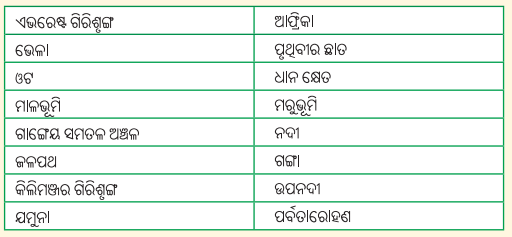
ସାରଣୀର ବାମ ପଟରେ ଥ‌ିବା ଶବ୍ଦଗୁଡ଼ିକୁ ଡାହାଣ ପଟର ଠିକ୍ ଶବ୍ଦ ସହିତ ମିଳାଅ ।
Class 6 Social Science Chapter 3 Question Answer Odia Medium ଭୂମିରୂପ ଏବଂ ଜୀବନ-4
Answer:

ଏଭେରେଷ୍ଟ ଗିରିଶୃଙ୍ଗ ପର୍ବତାରୋହଣ
ଭେଳା ନଦୀ
ଓଟ ମରୁଭୂମି
ମାଳଭୂମି ପୃଥ‌ିବୀର ଛାତ
ଗାଙ୍ଗେୟ ସମତଳ ଅଞ୍ଚଳ ଧାନକ୍ଷେତ
ଜଳପଥ ଗଙ୍ଗା
କିଲିମଞ୍ଜର ଗିରିଶୃଙ୍ଗ ଆଫ୍ରିକା
ଯମୁନା ଉପନଦୀ

Class 6 Social Science Chapter 3 Question Answer Odia Medium ଭୂମିରୂପ ଏବଂ ଜୀବନ

ଦୀର୍ଘ ଉତ୍ତରମୂଳକ ପ୍ରଶ୍ନୋତ୍ତର

Question 1.
ମୁଖ୍ୟ ଭୂମିରୂପଗୁଡ଼ିକ କ’ଣ ? ଏହା ମନୁଷ୍ୟର ଜୀବନ ଓ ସଂସ୍କୃତି ପାଇଁ କିପରି ମହତ୍ତ୍ଵପୂର୍ଣ୍ଣ ଅଟେ ?
Answer:
ପୃଥ‌ିବୀର ଭୂପୃଷ୍ଠରେ ଥ‌ିବା ମୁଖ୍ୟ ଭୂମିରୂପଗୁଡ଼ିକ ହେଉଛି, ପର୍ବତ ବା ପର୍ବତମାଳା, ମାଳଭୂମି ଏବଂ ସମତଳଭୂମି ।
ପର୍ବତ – ଚତୁଃପାର୍ଶ୍ଵସ୍ଥ ଭୂମିରୂପଠାରୁ ହଠାତ୍ ଉପରକୁ ଉଠିଥିବା ଉଚ୍ଚଭୂମିଗୁଡ଼ିକୁ ପର୍ବତ କୁହାଯାଏ । ଏଗୁଡ଼ିକର ଆଧାର ଭୂମି ପ୍ରଶସ୍ତ ଏବଂ ଉଚ୍ଚତା ବଢ଼ିବା ସହ କ୍ରମଶଃ ସଂକୀର୍ଣ୍ଣ ହୋଇ ଶଙ୍କୁ ଆକାରର ହୋଇଥାଏ । କିଛି ପର୍ବତର ଶିଖର ଅଧୂକ ଉଚ୍ଚତାରେ ଥ‌ିବାରୁ ତାହା ସର୍ବଦା ବରଫାବୃତ ହୋଇ ରହିଥାଏ । କିନ୍ତୁ ଅଳ୍ପ ଉଚ୍ଚତାରେ ଥ‌ିବା ପର୍ବତର ବରଫ ଗ୍ରୀଷ୍ମଋତୁରେ ତରଳି ଏହା ନଦୀରେ ମିଶିଥାଏ । ଅଳ୍ପ ଉଚ୍ଚତା, ଅଳ୍ପ ଢାଲୁ ଏବଂ ଗୋଲାକାର ଶୀର୍ଷଭୂମିକୁ ପାହାଡ଼ କୁହାଯାଏ ।

ମାଳଭୂମି : ମାଳଭୂମି ହେଉଛି ଏକ ଭୂମିରୂପ ଯାହା ଚତୁଃପାର୍ଶ୍ୱସ୍ଥ ଭୂମିରୁ ତୀଖ ଭାବରେ ଉପରକୁ ଉଠିଥାଏ । ଆମ ଦେଶ ଭାରତରେ ଦୁଇଟି ପୁରାତନ ମାଳଭୂମି ଅଛି ଯଥା, ତିବ୍ଦତୀୟ ମାଳଭୂମି ଯାହାକି ବିଶ୍ୱର ସର୍ବବୃହତ୍ ଏବଂ ସର୍ବୋଚ୍ଚ ଏବଂ ଅନ୍ୟଟି ଡେକାନ୍ ମାଳଭୂମି ।

ସମତଳ ଅଞ୍ଚଳ : ସମୁଦ୍ର ପତ୍ତନରୁ ୩୦୦ ମିଟର ବା କମ୍ ଉଚ୍ଚତାରେ ଥ‌ିବା ବିସ୍ତୀର୍ଣ୍ଣ ସମୟ ପ୍ରାୟ ଭୂମିକୁ ସମତଳଭୂମି କୁହାଯାଏ । ଏଗୁଡ଼ିକର ପୃଷ୍ଠଭୂମି ଚଟକା ଏବଂ ଅତି କମ୍ ଢାଲୁ ବିଶିଷ୍ଟ । ଏଗୁଡ଼ିକରେ କୌଣସି ବଡ଼ ପାହାଡ଼ କିମ୍ବା ଗଭୀର ଉପତ୍ୟକା ଦେଖାଯାଏ ନାହିଁ ।
ଭୂପୃଷ୍ଠର ଯେକୌଣସି ଭୂମିରୂପ ମାନବ ଜୀବନ ଧାରଣ ଏବଂ

(୧) ପାର୍ବତ୍ୟ ଅଞ୍ଚଳରେ ଜୀବନ – ଅଧିକାଂଶ ପାର୍ବତ୍ୟ ସଂସ୍କୃତିପାଇଁ ଅନେକ ମହତ୍ତ୍ଵପୂର୍ଣ୍ଣ ଅଟେ । ଅଞ୍ଚଳରେ ଜୀବନ କଷ୍ଟକର ହେଲେ ମଧ୍ୟ ସୁଖଦାୟକ ଅଟେ । ଯଦିଓ ଏ ଅଞ୍ଚଳରେ ଜନସଂଖ୍ୟା କମ୍ ଥାଏ ତଥାପି ସେମାନେ କୃଷି, ଗୋପାଳନ ଇତ୍ୟାଦି କାର୍ଯ୍ୟକରି ଜୀବିକା ନିର୍ବାହ କରନ୍ତି । ବର୍ତ୍ତମାନ ଯୁଗରେ ପର୍ଯ୍ୟଟନରୁ ଏମାନେ ଉତ୍ତମ ରୋଜଗାର କରୁଛନ୍ତି । ପାର୍ବତ୍ୟ ଅଞ୍ଚଳଗୁଡ଼ିକ ଅନେକ ଉଦ୍ଭଦ ଏବଂ ଜୀବଜନ୍ତୁରେ ପରିପୂର୍ଣ ହୋଇଥାଏ । ଏହିମାନଙ୍କ ଗହଣରେ ପାର୍ବତ୍ୟ ଅଞ୍ଚଳର ଅଧ‌ିବାସୀମାନେ ବଞ୍ଚିବା ସହ ନିଜର ସଂସ୍କୃତିକୁ ମଧ୍ୟ ବଞ୍ଚାଇ ରଖୁଛନ୍ତି ।

(୨) ମାଳଭୂମି – ମାଳଭୂମିମାନଙ୍କରେ ମଧ୍ଯ ଜୀବିକା ନିର୍ବାହର ବିଭିନ୍ନ ପନ୍ଥା ରହିଛି । କାରଣ ଏଗୁଡ଼ିକ ପ୍ରାୟତଃ ଖଣିଜ ସମ୍ପଦ ଭରା । ଉଦାହରଣ ସ୍ଵରୂପ, ଆଫ୍ରିକୀୟ ମାଳଭୂମି ଅଞ୍ଚଳରେ ସୁନା ଓ ହୀରାଖଣି ଦେଖିବାକୁ ମିଳେ । ସେହିପରି ଭାରତର ଛୋଟନାଗପୁର ମାଳଭୂମି ଅଞ୍ଚଳରେ ପ୍ରଚୁର ପରିମାଣରେ ଲୌହ ଓ କୋଇଲା ଖଣି ରହିଅଛି ।

ମାଳଭୂମିର ପରିବେଶ ଭିନ୍ନ ପ୍ରକାରର ଅଟେ । ଅଧିକାଂଶ ମାଳଭୂମିରେ ପଥୁରିଆ ମାଟି ଥୁବାରୁ ତାହା କୃଷି ପାଇଁ ସହାୟକ ହୋଇନଥାଏ । ତେଣୁ ଅଧିକାଂଶ ଅଧ୍ୟାବାସୀ ଖଣିରେ କାର୍ଯ୍ୟକରି ଜୀବିକା ନିର୍ବାହ କରିଥା’ନ୍ତି ।

ମାଳଭୂମିଗୁଡ଼ିକରେ ଅଧ୍ବକ ଆକର୍ଷଣୀୟ ଜଳପ୍ରପାତ ଦେଖିବାକୁ ମିଳିଥାଏ ।
ସମତଳଭୂମିରେ ଜୀବନ – ହଜାର ହଜାର ବର୍ଷ ତଳେ ନଦୀଗୁଡ଼ିକର ଅବବାହିକାରେ, ଉର୍ବର ସମତଳ ଭୂମିରେ ମାନବ ସଭ୍ୟତାମାନ ଗଢ଼ି ଉଠିଥିଲା । ପୃଥିବୀର ଜନସଂଖ୍ୟାର ଅଧିକାଂଶ ଭାଗ ସମତଳ ଅଞ୍ଚଳରେ ବସବାସ କରନ୍ତି । ପୃଥ‌ିବୀର ଅଧିକାଂଶ ବଡ଼ ନଗରୀ ସମତଳଭୂମି ଉପରେ ନଦୀ ଅବବାହିକାରେ ଗଢ଼ି ଉଠିଛି । ସମତଳ ଅଞ୍ଚଳର ଅଧିକାଂଶ ଅଧିବାସୀଙ୍କର ମୁଖ୍ୟ ଜୀବିକା ହେଉଛି କୃଷି । କୃଷି ସହିତ ସମତଳ ଅଞ୍ଚଳରେ ବାଣିଜ୍ୟ ବ୍ୟବସାୟ ବିଶେଷକରି ନୌବାଣିଜ୍ୟ, ଅର୍ଥନୈତିକ କାର୍ଯ୍ୟକଳାପକୁ ବିଶେଷ ସହାୟକ ହୋଇଥାଏ । ସମତଳ ଅଞ୍ଚଳର ଜନସାଧାରଣଙ୍କର ସଂସ୍କୃତିକ ଜୀବନ ଯେତିକି ଋଦ୍ଧିମନ୍ତ ସେତିକି ଗୌରବମୟ । ଅନେକ ରୀତିନୀତି, ପର୍ବପର୍ବାଣି, ନୃତ୍ୟଗୀତରେ ଏମାନେ ଜୀବନ ବିତାଇଥା’ନ୍ତି । ସୁତରାଂ ମୋଟାମୋଟି ଭାବରେ କହିବାକୁ ଗଲେ ପ୍ରତ୍ୟେକ ଭୂମିରୂପରେ ପାର୍ବତ୍ୟାଞ୍ଚଳ ହେଉ କିମ୍ବା ମାଳଭୂମି କିମ୍ବା ସମତଳ ଭୂମିରେ ମାନବ ତା’ର ଜୀବନ ଧାରଣ ଏବଂ ଜୀବିକା ନିର୍ବାହ କରିପାରିଛି । ଏହା ସହିତ ଏକ ଉଚ୍ଚକୋଟୀର ସାଂସ୍କୃତିକ ପରମ୍ପରାରେ ସେ ହୋଇଛି ଋଦ୍ଧିମନ୍ତ ।

Question 2.
ପ୍ରତ୍ୟେକ ଭୂମିରୂପ ସହିତ ଜଡ଼ିତ ଜୀବନର ଆହ୍ବାନ ଏବଂ ସୁଯୋଗଗୁଡ଼ିକ କ’ଣ ?
Answer:
ଭୂପୃଷ୍ଠର ପ୍ରତ୍ୟେକ ଭୂମିରୂପରେ ଜୀବନ ଅନେକ ଆହ୍ଵାନ ଏବଂ ସୁଯୋଗ ଦେଇ ଗତି କରିଥାଏ । ତା’ ଭିତରେ ମନୁଷ୍ୟ ଅନେକ ବାଧାବିଘ୍ନ ଏବଂ ପ୍ରାକୃତିକ ବିପର୍ଯ୍ୟୟକୁ ମଧ୍ୟ ସାମ୍ନା କରିଥାଏ ।

ପାର୍ବତ୍ୟ ଅଞ୍ଚଳରେ ବିପଦପୂର୍ଣ୍ଣ ଜୀବନ ପାର୍ବତ୍ୟ ଅଞ୍ଚଳରେ ଜୀବନଧାରଣ ଏକ ଆହ୍ୱାନ । ଏହାର ମୁଖ୍ୟ କାରଣ ହେଲା, ଏସବୁ ଅଞ୍ଚଳରେ ପ୍ରାକୃତିକ ବିପର୍ଯ୍ୟୟ ଯଥା, ତୁଷାରପାତ, ଭୂସ୍ଖଳନ, ବାଦଲଫଟା ବର୍ଷା ଏବଂ ହଠାତ୍ ବନ୍ୟା ମାଡ଼ି ଆସିଥାଏ । ଏତଦ୍‌ବ୍ୟତୀତ ପାହାଡ଼ିଆ ଅଞ୍ଚଳ ଅତ୍ୟନ୍ତ ଆବଡ଼ାଖାବଡ଼ା, ତୀଖ, ଅଣଓସାରିଆ ରାସ୍ତା ହୋଇଥିବାରୁ ଜୀବନ ସର୍ବଦା ବିପଦସଙ୍କୁଳ ହୋଇଥାଏ । ଅନେକ କଷ୍ଟରେ ସେମାନେ ସୋପାନ କୃଷି କରିଥା’ନ୍ତି ।

ପାର୍ବତ୍ୟ ଅଞ୍ଚଳରେ ସୁଯୋଗ କ’ଣ ? : ପାର୍ବତ୍ୟ ଅଞ୍ଚଳରେ ପ୍ରକୃତିର ସୌନ୍ଦର୍ଯ୍ୟ ଭରି ରହିଛି, ବିଭିନ୍ନ ପ୍ରକାର ଉଭିଦ, ଜୀବଜନ୍ତୁ ଏଠାରେ ଦେଖିବାକୁ ମିଳିଛି । ସବୁଠାରୁ ବଡ଼ କଥା, ଏବେ ଏହି ସ୍ଥାନଗୁଡ଼ିକ ପର୍ଯ୍ୟଟନସ୍ଥଳୀ ହୋଇଥ‌ିବାରୁ ପ୍ରତିବର୍ଷ ହଜାର ହଜାର ପର୍ଯ୍ୟଟକ ଏଠାକୁ ଆସିଥା’ନ୍ତି । ଯାହାଫଳରେ ସ୍ଥାନୀୟ ଲୋକ ଏକ ଉତ୍ତମ ରୋଜଗାରର ସୁଯୋଗ ପାଇଥା’ନ୍ତି ।

ମାଳଭୂମିରେ ଜୀବନ – ମାଳଭୂମିରେ ମଧ୍ଯ ଜନଜୀବନ ଅନେକ ସମୟରେ ବିପଦସଙ୍କୁଳ ହୋଇଥାଏ । ଏହି ସ୍ଥାନମାନଙ୍କରେ ଥ‌ିବା ତୀଖ ପାହାଡ଼ର କ୍ଷୟ ହୋଇଥାଏ, ଯାହାକି ଅନେକ ସମୟରେ କୃଷିକୁ ବାଧାପ୍ରାପ୍ତ କରିଥାଏ । ମାଳଭୂମିକୁ କାଟି ରାସ୍ତା ନିର୍ମାଣ କରିବାଦ୍ଵାରା ବିକାଶର ପଥ ଖୋଲିଥିଲେ ମଧ୍ୟ ତାହା ମୃତ୍ତିକାକ୍ଷୟର କାରଣ ହୋଇଥିଲା ।

ମାଳଭୂମିରେ ସୁଯୋଗ – ମାଳଭୂମି ସାଧାରଣତଃ ଖଣିଜ ପଦାର୍ଥରେ ଭରପୂର । ଏହାକୁ ଖଣିଜ ପଦାର୍ଥର ଭଣ୍ଡାର ବୋଲି କୁହାଯାଏ । ଏସବୁ ଅଞ୍ଚଳରେ ଖଣି ଖନନ ଏବଂ ଖଣିଜ ପଦାର୍ଥର ଉତ୍ତୋଳନ ଇତ୍ୟାଦି ଏକ ଅର୍ଥନୈତିକ କାର୍ଯ୍ୟ ହୋଇଥିବାରୁ ଅନେକ ଲୋକଙ୍କୁ ଏଠାରେ କାର୍ଯ୍ୟ; କରିବାର ସୁଯୋଗ ମିଳିବା ସହିତ ରୋଜଗାର ମିଳିଥାଏ ।

ସମତଳ ଅଞ୍ଚଳରେ ଜୀବନର ଆହ୍ବାନ ଓ ସୁଯୋଗ ସମତଳ ଅଞ୍ଚଳ କୃଷି, ବାଣିଜ୍ୟ, ବ୍ୟବସାୟ, ଗୋପାଳନ ଏବଂ ଅନ୍ୟାନ୍ୟ ଛୋଟବଡ଼ ବୃଦ୍ଧି ପାଇଁ ଅନେକ ସୁଯୋଗ ଆଣି ଦେଇଥାଏ । ତେଣୁ ପୃଥ‌ିବୀର ଅଧିକାଂଶ ଲୋକ ସମତଳ ଅଞ୍ଚଳରେ ବସବାସ କରିବାକୁ ପସନ୍ଦ କରିଥା’ନ୍ତି । କିନ୍ତୁ ଅନେକ ସମୟରେ ବନ୍ୟା, ବଢ଼ି, ମରୁଡ଼ି ଭଳି ପ୍ରାକୃତିକ ବିପର୍ଯ୍ୟୟକୁ ମଧ୍ୟ ସେମାନଙ୍କୁ ସାମ୍‌ନା କରିବାକୁ ପଡ଼ିଥାଏ । ଏତଦ୍‌ବ୍ୟତୀତ ଜନସଂଖ୍ୟା ବୃଦ୍ଧି, ପ୍ରଦୂଷଣ ଇତ୍ୟାଦି ମଧ୍ଯ ଜନଜୀବନକୁ କ୍ଷତି ପହଞ୍ଚାଇଥାଏ ।

ଆସ ଅନୁସନ୍ଧାନ କରିବା :

Question 1.
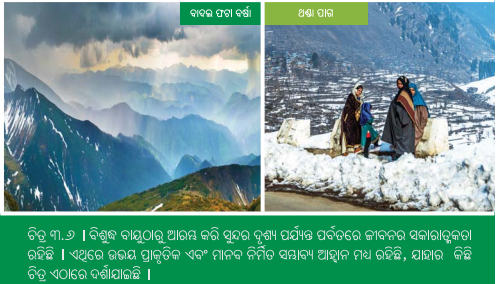
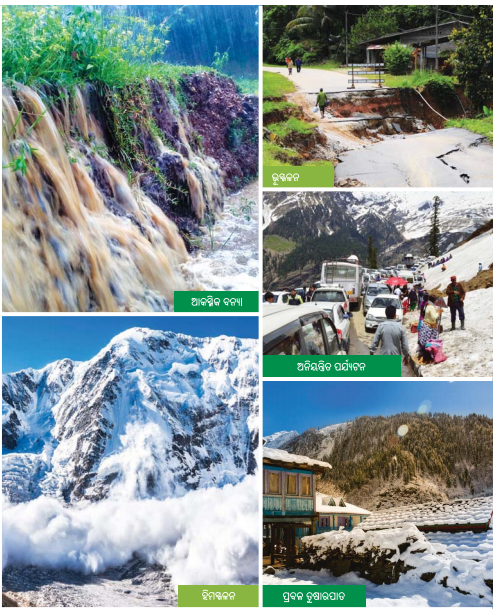
ପାର୍ଶ୍ୱସ୍ଥ ଚିତ୍ରଗୁଡ଼ିକ ପର୍ବତରେ ବାସ କରୁଥିବା ଲୋକମାନେ ସମ୍ମୁଖୀନ ହେଉଥ‌ିବା କିଛି ଆହ୍ବାନ ଦର୍ଶାଉଛି । ଶ୍ରେଣୀରେ ଦଳଗତ ଭାବରେ ଆଲୋଚନା କରି, ପ୍ରତ୍ୟେକ ଚିତ୍ର ଉପରେ ଗୋଟିଏ ଅନୁଚ୍ଛେଦ ଲେଖ । ଏପରି ଅନେକ ଆହ୍ବାନ ଅସୁବିଧା ସେତ୍ତ୍ୱେ ଲୋକମାନେ କାହିଁକି ଏବେ ବି ପାହାଡ଼ରେ ରହିବାକୁ ପସନ୍ଦ କରୁଛନ୍ତି ସେ ବିଷୟରେ ମଧ୍ୟ ଆଲୋଚନା କର ।
Class 6 Social Science Chapter 3 Question Answer Odia Medium ଭୂମିରୂପ ଏବଂ ଜୀବନ-1

Class 6 Social Science Chapter 3 Question Answer Odia Medium ଭୂମିରୂପ ଏବଂ ଜୀବନ-2
Answer:
ଉପରୋକ୍ତ ଚିତ୍ର ଦର୍ଶାଏ ଯେ କିଭଳି ଭାବରେ ପାର୍ବତ୍ୟ ଅଞ୍ଚଳର ଲୋକେ ଏହିସବୁ ବିପଦକୁ ସାମ୍‌ନା କରିଥାନ୍ତି । ଏହା ସତ୍ତ୍ବେ ସେମାନେ ସେଠାରେ ଜୀବନଯାପନ କରନ୍ତି ଏବଂ ସେଠାକାର ପରି ବେଶ ସହିତ ନି ଜକୁ ଖାପ ଖୁଆଇ ଚାଲି ଥା’ନ୍ତି । ଏହି ସବୁ ସ୍ଥାନମାନଙ୍କରେ ହଠାତ୍ ଆକସ୍ମିକ ବନ୍ୟା ହୁଏ, ହିମ ସ୍ଖଳନ ହୁଏ, ବାଦଲଫଟା ବର୍ଷା, ଭୂସ୍ଖଳନ, ପ୍ରବଳ ତୁଷାର ପାତ ଏବଂ ଥଣ୍ଡା ଲାଗି ରହିଥାଏ । ବେଳେବେଳେ ପର୍ଯ୍ୟଟନ ବ୍ୟବସ୍ଥା ମଧ୍ୟ ନିୟନ୍ତ୍ରଣ ବାହାରକୁ ଚାଲିଯାଏ । ଏସବୁ ସତ୍ତ୍ବେ ଏଠାରେ ମାନବ ଜୀବନଧାର ଣ କରିଥାଏ ।

Question 2.
ଚିତ୍ର ୩.୮ରେ ଦର୍ଶାଯାଇଥିବା ଭୂମିରୂପଗୁଡ଼ିକର ରଙ୍ଗ ପାଇଁ ଦିଆଯାଇଥିବା ନିର୍ଦ୍ଦିଷ୍ଟ କୋଡ଼କୁ ବ୍ୟବହାର କର । ଉଦାହରଣ ସ୍ୱରୂପ ‘ତିବ୍ବତୀୟ ମାଳଭୂମି’, ‘ରକି ପର୍ବତଶ୍ରେଣୀ’, ନୀଳନଦୀର ସମତଳ ଭାଗ’ ।
Class 6 Social Science Chapter 3 Question Answer Odia Medium ଭୂମିରୂପ ଏବଂ ଜୀବନ-3
Answer:
(୧) ତିବ୍ଦତୀୟ ମାଳଭୂମି ପାଇଁ ଆମେ ଗାଢ଼ ଧୂସର ରଙ୍ଗ ବ୍ୟବହାର କରିବା ।
(୨) ପଥୁରିଆ ରକି ପର୍ବତଶ୍ରେଣୀ ପାଇଁ ଫିକା ଧୂସର ରଙ୍ଗ ବ୍ୟବହାର କରିବା ।
(୩) ନୀଳନଦୀ, ଆମାଜନ ନଦୀ, ମସିସିପି ଏବଂ ଗଙ୍ଗାନଦୀର ସମତଳ ଅଞ୍ଚଳ ପାଇଁ ଫିକା ସବୁଜ ରଙ୍ଗ ବ୍ୟବହାର କରିବା ।

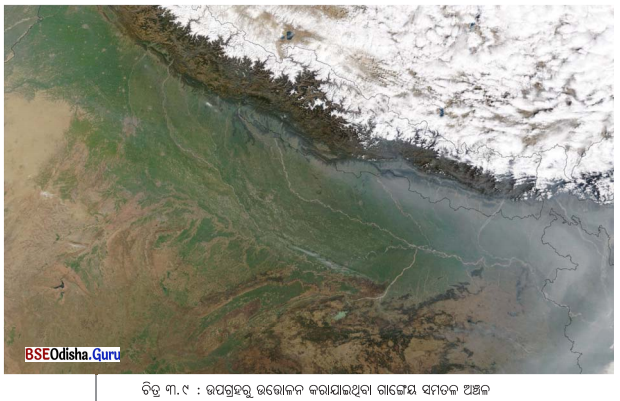
ଚିତ୍ର ୩.୯ରେ ଉତ୍ତର ଭାରତର ଏକ ଅଂଶକୁ ଉପଗ୍ରହଦ୍ଵାର ବହୁ ଉଚ୍ଚରୁ ଉତ୍ତୋଳ ନ କରାଯାଇଥ୍ ବା ଫଟୋଚିତ୍ର ମାଧ୍ୟମରେ ଦର୍ଶାଯାଇଛି । ଶିକ୍ଷଣ କାର୍ଯ୍ୟ ଭାବରେ ଏହାକୁ ଅନୁଧ୍ୟାନ କର ।

Question 3.
ଗାଙ୍ଗେୟ ସମତଳ କେଉଁ ରଙ୍ଗର ?
Answer:
ଗାଙ୍ଗେୟ ସମତଳ ସବୁଜ ରଙ୍ଗର ଅଟେ ।

Question 4.
ଧଳା ରଙ୍ଗ କ’ଣ ଦର୍ଶାଉଛି ?
Answer:
ଚିତ୍ରରେ ପର୍ବତମାନଙ୍କର ଶିଖରରେ ଦେଖାଯାଉଥ‌ିବା ଧଳା ରଙ୍ଗ ଦର୍ଶାଉଛି ଯେ ସେଗୁଡ଼ିକ ବରଫ ଆଚ୍ଛାଦିତ ।

Question 5.
ଚିତ୍ରର ନିମ୍ନରେ ବାମପଟେ ଥିବା ଧୂସର ରଙ୍ଗ କ’ଣ ଦର୍ଶାଉଛି ?
Answer:
ଏହା ଦାକ୍ଷିଣାତ୍ୟ ମାଳଭୂମିକୁ ଦର୍ଶାଉଛି ।

Class 6 Social Science Chapter 3 Question Answer Odia Medium ଭୂମିରୂପ ଏବଂ ଜୀବନ

Question 6.
ତୁମେ ତୁମ ଅଞ୍ଚଳର ନଦୀ ଉତ୍ସ କିମ୍ବା ସଙ୍ଗମର ଉଦାହରଣ ଦେଇପାରିବ କି ଯାହାକୁ କୌଣସି ସମ୍ପ୍ରଦାୟ ପବିତ୍ର ଭାବରେ ବିବେଚନା କରନ୍ତି ?
Answer:
ଗଙ୍ଗାନଦୀ ହିନ୍ଦୁମାନଙ୍କ ପାଇଁ ସବୁଠାରୁ ପବିତ୍ରତମ ନଦୀ । ଏହି ନଦୀ ବାହାରିଥିବା ଗଙ୍ଗୋତ୍ରୀ କ୍ଲାସିୟରକୁ ପବିତ୍ର ମନେକରାଯାଏ । ଗଙ୍ଗାନଦୀକୁ ଦେବୀ ଗଙ୍ଗାମାତା ବୋଲି ହିନ୍ଦୁମାନେ ମାନି ତା’ କୂଳରେ ସ୍ନାନ କରି ସମସ୍ତ ପୂଜା କ୍ରିୟାକାର୍ଯ୍ୟ କରିଥା’ନ୍ତି । ଗଙ୍ଗା ଓ ଯମୁନା ନଦୀର ସଙ୍ଗମ ସ୍ଥଳକୁ ପ୍ରୟୋଗରାଜ ବା ତ୍ରିବେଣୀ ସଙ୍ଗମ କୁହାଯାଏ । ଏଠି ଅନୁଷ୍ଠିତ କୁମ୍ଭମେଳା ବିଶ୍ଵପ୍ରସିଦ୍ଧ । ଏହି ସ୍ଥାନକୁ ହିନ୍ଦୁ ସମ୍ପ୍ରଦାୟ ପବିତ୍ର ଭାବରେ ବିବେଚନା କରନ୍ତି ।

Question 7.
ନିକଟସ୍ଥ ନଦୀକୁ ଯାଅ ଏବଂ ସେଠାରେ ଅର୍ଥନୈତିକ ହେଉ କି ସାଂସ୍କୃତିକ ସମସ୍ତ କାର୍ଯ୍ୟକଳାପ ଅନୁଧ୍ୟାନ କର । ସେଗୁଡ଼ିକ ଲିପିବଦ୍ଧ କର ଏବଂ ତୁମ ସହପାଠୀଙ୍କ ସହିତ ଆଲୋଚନା କର ।
Answer:
(ଛାତ୍ରଛାତ୍ରୀମାନେ ନିଜେ କରିବେ ।)

Question 8.
ଭାରତର କେତେକ ଲୋକପ୍ରିୟ ପର୍ଯ୍ୟଟନସ୍ଥଳୀର ତାଲିକା ପ୍ରସ୍ତୁତ କର ଏବଂ ସେହି ସ୍ଥାନରେ କେଉଁ ପ୍ରକାର ଭୂମିରୂପ ଦେଖାଯାଏ, ତାହାକୁ ଚିହ୍ନଟ କର ।
Answer:
ଭାରତରେ ଅନେକ ପର୍ଯ୍ୟଟନସ୍ଥଳୀ ରହିଛି । କେତେକ ପର୍ବତ ଉପରେ, କେତେକ ମାଳଭୂମିରେ ଏବଂ କେତେକ ସମତଳଭୂମି ଉପରେ ଗଢ଼ିଉଠିଛି । ଉଦାହରଣ ସ୍ଵରୂପ ସିମଳା, ମନାଲି, ଲେହ ହିମାଳୟ ପର୍ବତରେ ରହିଅଛି । ସେହିପରି ଜୟସାଲମେର, ବିକାନୀର ଥର୍ ମରୁଭୂମିରେ ରହିଅଛି । ସେହିପରି ବନାରସ, ଋଷିକେଶ ଏବଂ ହରିଦ୍ଵାର ଗଙ୍ଗାନଦୀର ସମତଳଭୂମି ଉପରେ ରହିଅଛି ।

ମରୁଭୂମି – କମ୍ ଦୃଷ୍ଟିପାତ ସହିତ ବିସ୍ତୀର୍ଣ୍ଣ ଶୁଖୁଲା ଅଞ୍ଚଳକୁ ମରୁଭୂମି କୁହାଯାଏ । ଏଗୁଡ଼ିକର ଉଭିଦ ଓ ଜୀବଜନ୍ତୁ ମଧ୍ଯ ଅନନ୍ୟ ଅଟନ୍ତି । ଆଫ୍ରିକାର ସାହାରା ମରୁଭୂମି, ଭାରତର ଥର୍ ମରୁଭୂମି ଅତ୍ୟନ୍ତ ଗରମ ଅଟେ । କିନ୍ତୁ ଏସିଆର ଗୋବି ମରୁଭୂମି ଥଣ୍ଡା ଅଟେ । କେତେକ ବିଶେଷଜ୍ଞ ଆଣ୍ଟର୍କଟିକା ମହାଦେଶକୁ ମଧ୍ୟ ମରୁଭୂମି ବୋଲି ବର୍ଣ୍ଣନା କରିଛନ୍ତି । ଜୀବନଯାପନ ପାଇଁ କଠିନ ପରିସ୍ଥିତି ସତ୍ତ୍ଵେ ଅଧିକାଂଶ ମରୁଭୂମିରେ ଲୋକମାନେ ମଧ୍ୟ ବସଦ. 2 କରନ୍ତି । ମନୁଷ୍ୟ ସମସ୍ତ ଭୂମିରୂପକୁ ନିଜର ଘର କରିପାରିଛି ।

ଆସ ଜାଣିବା :

Question 1.
ଶିକ୍ଷଣ କାର୍ଯ୍ୟ– ଚାରି କିମ୍ବା ପାଞ୍ଚଜଣ ଛାତ୍ରଛାତ୍ରୀଙ୍କୁ ନେଇ ଦଳ ଗଠନ କରି ପ୍ରତ୍ୟେକ ଦଳକୁ ବିଦ୍ୟାଳୟ ଆଖପାଖକୁ ନିରୀକ୍ଷଣ କରିବାପାଇଁ ସୂଚନା ଦିଆଯିବ ଏବଂ ନିମ୍ନ ପ୍ରଶ୍ନଗୁଡ଼ିକୁ ଆଲୋଚନା କରି ଅନ୍ୟ ଦଳ ସହ ତୁଳନା କର । ତୁମେ କେଉଁ ପ୍ରକାରର ଭୂମିରୂପ ଦେଖୁଛ ? କିଛି କିଲୋମିଟର ଦୂରରେ ବା ପାଖାପାଖୁ ୫୦ କିଲୋମିଟର ଭିତରେ ଏହା ବଦଳି ଯିବ କି ?
Answer:
ଆମ ଚତୁଃପାର୍ଶ୍ଵରେ ଆମେ ଯେଉଁ ଭୂମିରୂପ ଦେଖୁଛୁ, ସେଥ‌ିରେ କିଛିଟା ଫରକ ରହିଛି, କେଉଁଠି ସମତଳ ଭୂମି ତ କେଉଁଠି ଢାଲୁ ଅଞ୍ଚଳ ଏବଂ କେଉଁଠି ମାଳଭୂମିର ତୀଖ ପାହାଡ଼ିଆ ଅଞ୍ଚଳ ଇତ୍ୟାଦି । କିନ୍ତୁ ଯେକୌଣସି ଭୂମିରୂପ ପ୍ରାୟ ୫୦ କିଲୋମିଟର ଭିତରେ ବଦଳି ନଥାଏ ।

Question 2.
ଦଳରେ, ତୁମମାନଙ୍କ ମଧ୍ୟରୁ କେହି ଜଣେ ଓଡ଼ିଶାର ଏକ ଅଞ୍ଚଳ ଦେଇ କରିଥିବା ଯାତ୍ରା ବିଷୟରେ ଆଲୋଚନା କର । ବାଟରେ ଦେଖୁଥ‌ିବା ବିଭିନ୍ନ ଭୂମିରୂପର ତାଲିକା ପ୍ରସ୍ତୁତ କର । ଅନ୍ୟ ଦଳ ସହ ତୁଳନା କର ।
Answer:
ଯେତେବେଳେ ଆମେ ଓଡ଼ିଶାର କୌଣସି ଏକ ଅଞ୍ଚଳ ମଧ୍ୟଦେଇ ଯାତ୍ରା କରୁ ଆମେ ବାଟରେ ବିଭିନ୍ନ ଭୂମିରୂପ ଦେଖୁ; ଯଥା- ପର୍ବତ, ମାଳଭୂମି, ସମତଳ ଅଞ୍ଚଳ ଏବଂ ଉପକୂଳ ଅଞ୍ଚଳ । ଓଡ଼ିଶା ମଧ୍ଯରେ ଏକ ଦୀର୍ଘ ଯାତ୍ରା କଲେ ଏସବୁ ଭୂମିରୂପ ଦେଖିବା ଏକ ପ୍ରକାର ନିଶ୍ଚିତ ହୋଇଥାଏ ।

ଭୂମିରୂପ ପୃଥ‌ିବୀ ପୃଷ୍ଠରେ ଥିବା ଏକ ଭୌତିକ ଅଂଶ ଅଟେ । ଭୂମିରୂପ ଗଠନ ପାଇଁ ଲକ୍ଷ ଲକ୍ଷ ବର୍ଷ ନେଇଥାଏ ଏବଂ ଏହାର ପରିବେଶ ଓ ଜୀବନ ସହିତ ଏକ ଗୁରୁତ୍ଵପୂର୍ଣ୍ଣ ସମ୍ପର୍କ ରହିଛି ।

ଭୂମିରୂପକୁ ମୁଖ୍ୟତଃ ତିନୋଟି ଶ୍ରେଣୀରେ ବିଭକ୍ତ କରାଯାଇଥାଏ, ଯଥା- ପର୍ବତ, ମାଳଭୂମି ଏବଂ ସମତଳଭୂମି ।

ଭୂମିରୂପଗୁଡ଼ିକର ଜଳବାୟୁ ଭିନ୍ନ ଅଟେ ଏବଂ ଏଠାରେ ବିଭିନ୍ନ ପ୍ରକାରର ଉଭିଦ ଓ ଜୀବଜନ୍ତୁ ବାସ କରନ୍ତି ।

ମନୁଷ୍ୟ ସବୁପ୍ରକାର ଭୂମିରୂପ ସହ ନିଜକୁ ଖାପଖୁଆଇ ପାରିଛି । କେବଳ ଜନସଂଖ୍ୟା ବିଭିନ୍ନ ଭୂମିରୂପ ଅନୁଯାୟୀ କମ୍ ବେଶୀ ହୋଇଥାଏ ।

ଏହି ଶ୍ଳୋକର ଆଧାରରେ ନିମ୍ନ ପ୍ରଶ୍ନର ଆଲୋଚନା କର ।

Question 1.
ପଶ୍ଚିମରୁ ପୂର୍ବ ମହାସାଗରର ଅର୍ଥ କ’ଣ ? ତୁମେ ଚିତ୍ର ୫.୨ରେ ଏହି ମହାସାଗର ଏବଂ ପର୍ବତର ଦେବତାଙ୍କୁ ଚିହ୍ନଟ କରିପାରିବ କି ‘?
Answer:
ପଶ୍ଚିମରୁ ପୂର୍ବ ମହାସାଗର ସୂଚାଏ ଯେ ଭାରତରେ ପଶ୍ଚିମରେ ଆରବ ସାଗର ଓ ପୂର୍ବରେ ବଙ୍ଗୋପସାଗର ରହିଅଛି । ସେହିପରି ପର୍ବତ ଦେବତା କହିଲେ ଆମ ଦେଶର ‘ହିମାଳୟ ପର୍ବତମାଳାକୁ’’ ବୁଝାଏ ଯାହା ଉତ୍ତର ଦିଗରେ ବିଦ୍ୟମାନ ଅଛି ।

Question 2.
ଗଙ୍ଗା ସମ୍ପର୍କରେ କାହିଁକି ଉଲ୍ଲେଖ କରାଯାଇଛି ? (ସୂଚନା : ଏହାର ଅନେକ କାରଣ ଥାଇପାରେ)
Answer:
ମହାକବି କାଳିଦାସ ତାଙ୍କ କୁମାରସମ୍ଭବଂ କାବ୍ୟରେ ଗଙ୍ଗାନଦୀକୁ ଭାରତର ପବିତ୍ର ଓ ପୁଣ୍ୟତୋୟା ନଦୀ ଭାବରେ ଅନେକ କାରଣପାଇଁ ବର୍ଣନା କରିଛନ୍ତି । ତାଙ୍କ ଭାଷାରେ ଗଙ୍ଗାନଦୀ ହେଉଛି ପବିତ୍ରତା ଏବଂ ଐଶ୍ୱରୀକତାର ପ୍ରତୀକ ଯାହାକି ପୃଥ‌ିବୀକୁ ଦେବୀ ରୂପେ ବହିଆସିଛି ଓ କୁମାର କାର୍ତ୍ତିକେୟଙ୍କ ଜନ୍ମ ପାଇଁ ଏକ ବିଶେଷ ଭୂମିକା ଗ୍ରହଣ କରିଛି । ଏହାର ପବିତ୍ର ପାଣିକୁ ଆମେ ଅନେକ ଆଧ୍ୟାତ୍ମିକ କାର୍ଯ୍ୟରେ ଲଗାଇଥାଉ ।

ସଂକ୍ଷିପ୍ତ ଉତ୍ତରମୂଳକ ପ୍ରଶ୍ନୋତ୍ତର

Question 1.
ଭୂମିରୂପ କେତେ ଭାଗରେ ବିଭକ୍ତ ଓ କ’ଣ କ’ଣ ?
Answer:
ପୃଥ‌ିବୀର ଭୂମିରୂପ ସାଧାରଣତଃ ତିନି (୩) ଭାଗରେ ବିଭକ୍ତ; ଯଥା- ପାର୍ବତ୍ୟଭୂମି, ମାଳଭୂମି ଓ ସମତଳ ଭୂମି ।

Class 6 Social Science Chapter 3 Question Answer Odia Medium ଭୂମିରୂପ ଏବଂ ଜୀବନ

Question 2.
ଏପରି ଏକ ପର୍ବତର ନାମ ଲେଖ ଯାହା ଏକ ପର୍ବତମାଳାର ଅନ୍ତର୍ଗତ ନୁହେଁ ।
Answer:
ଆଫ୍ରିକାର କିଲିମଞ୍ଜର ଗିରିଶୃଙ୍ଗ ଯାହା ଏକ ଗୋଟିକିଆ ପର୍ବତ । ଏହା କୌଣସି ପର୍ବତମାଳାର ଅଂଶ ନୁହେଁ ।

Question 3.
ପାହାଡ଼ କାହାକୁ କୁହାଯାଏ ? ଉଦାହରଣ ସହ ବୁଝାଅ ।
Answer:
ପାହାଡ଼ କହିଲେ ସମତଳଠାରୁ ଉଚ୍ଚ ସ୍ଥାନକୁ ବୁଝାଏ । କିନ୍ତୁ ପର୍ବତ ତୁଳନାରେ ସେଗୁଡ଼ିକ ଉଚ୍ଚତାରେ ବହୁତ କମ୍ ଅଟନ୍ତି । ଏଗୁଡ଼ିକର ଉପରିଭାଗ ଗୋଲାକାର ଥାଏ ଏବଂ ତଳୁ ଉପରକୁ ସୋପାନଗୁଡ଼ିକ ମଧ୍ୟ କମ୍ ଥାଏ । ଉଦାହରଣ ସ୍ଵରୂପ କାର୍ଡ଼ମମ୍ ପାହାଡ଼, ଆନାମଲାଇ ପାହାଡ଼ ।

Question 4.
ମାଳଭୂମିଗୁଡ଼ିକ ସମତଳ ଅଞ୍ଚଳମାନଙ୍କଠାରୁ ସେମାନଙ୍କ ଭୂମିରୂପ ଅନୁସାରେ ଭିନ୍ନ ଅଟନ୍ତି । କାରଣ ଦର୍ଶାଅ ।
Answer:
ଯଦିଓ ଉଭୟ ମାଳଭୂମି ଓ ସମତଳଭୂମିର ପୃଷ୍ଠଭାଗ ଚଟକା ଏବଂ ଭୂସମାନ୍ତର ତଥାପି ମାଳଭୂମିଗୁଡ଼ିକର ଏକ ପାଖି ତୀଖ ଏବଂ ଉଚ୍ଚା ମାଳଭୂମିର ଅଧିକାଂଶ ଅଞ୍ଚଳ ପଥୁରିଆ ଅଟେ ।

Question 5.
ତୁଷାର କ’ଣ ?
Answer:
ଜଳର କଠିନ ଅବସ୍ଥାକୁ ତୁଷାର କୁହାଯାଏ । ଏହା ଯେତେବେଳେ ପାହାଡ଼ର ଶିଖରରେ ବର୍ଷଣ ହୋଇ ପଡ଼ି ରହିଥାଏ ତାହା ଏକ ଧବଳ ଚାଦର ଭଳି ଦେଖାଯାଏ ।

Question 6.
ତୁଷାର ବର୍ଷଣ ବା ବୃଷ୍ଟି କେଉଁ ଆକାରରେ ହୋଇଥାଏ ?
Answer:
ଅଧିକାଂଶ ତୁଷାର ବର୍ଷଣ ବର୍ଷା ଏବଂ ନୂଆପଥର ରୂପରେ ହୋଇଥାଏ ।

Question 7.
ଭାରତରେ ତୁମେ କେଉଁ ସ୍ଥାନମାନଙ୍କରେ ଏହିସବୁ ତୁଷାର ବର୍ଷଣ ଦେଖୁଛ ଲେଖ ।
Answer:
ଭାରତରେ ତୁଷାର ବୃଷ୍ଟି ଅନେକ ସ୍ଥାନରେ ଯଥା ଲଦାଖ୍, କାଶ୍ମୀର, ହିମାଚଳ ପ୍ରଦେଶ, ଉତ୍ତରାଖଣ୍ଡ, ସିକିମ୍ ଏବଂ ଅରୁଣାଚଳ ପ୍ରଦେଶରେ ହୋଇଥାଏ ।

Earth, Moon, and the Sun Class 7 Notes Science Chapter 12

Combining textbook study with BSE Odisha Class 7 Science Notes and Class 7 Science Curiosity Chapter 12 Earth, Moon, and the Sun Notes can make exam preparation more effective.

Earth, Moon, and the Sun Notes Class 7

Class 7 Science Curiosity Chapter 12 Notes

Rotation of the Earth

  • Rotation is the motion in which all parts of an object move in circles around an imaginary line (axis) that passes through it.
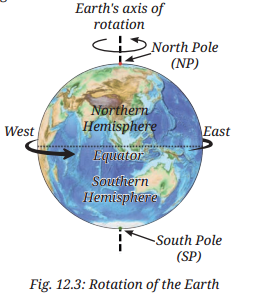
  • The Earth rotates (spins) on its own axis in space, which is an imaginary line passing through the geographic North Pole and the South Pole.
  • When viewed from above the North Pole, the Earth rotates in the anticlockwise direction, that is, from west to east.
  • The Earth completes one rotation in about 24 hours, file Sun appears to rise in the east and set in the west, and its position in the sky changes during the day.
  • This apparent motion of the Sun is due to the rotation of the Earth, not because the Sun moves around the Earth.
    Earth, Moon, and the Sun Class 7 Notes Science Chapter 12 1
    Ancient Indian astronomer, Aryabhata, explained that the apparent westward motion of stars is due to Earth’s rotation and calculated the time for one rotation of the Earth to be about 23 hours 56 minutes 4.1 seconds, which is very close to the presently accepted value.

Earth, Moon, and the Sun Class 7 Notes Science Chapter 12

Day-Night Cycle

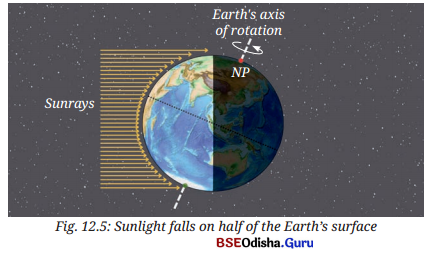
  • At any instant, sunlight falls only on half of the Earth, while the other half remains dark. The half of the Earth that faces the Sun has day, and the half that faces away from the Sun has night.
  • As the Earth rotates from west to east, any place on its surface moves into sunlight (sunrise), then to a position where the Sun is highest in the sky (noon), and then out of sunlight (sunset), giving rise to the day-night cycle.
  • In India, sunrise occurs first in the eastern parts and later in western parts because the Earth rotates from west to east.
    Earth, Moon, and the Sun Class 7 Notes Science Chapter 12 2

Apparent Motion of Stars and Moon

  • The stars, like the Sun, also appear to move across the sky because of the Earth’s rotation.
  • The Earth’s axis points very close to the Pole Star (Dhruva Tara) in the Northern Hemisphere, so the Pole Star appears nearly stationary in the sky. Other stars appear to move in circular paths around the Pole Star.
  • In long-exposure photographs, the apparent motion of stars due to Earth’s rotation is recorded as arcs of circles called star trails.
  • The moon also appears to rise in the east and set in the west due to the Earth’s rotation from west to east.

Earth, Moon, and the Sun Class 7 Notes Science Chapter 12

Revolution of the Earth

  • Revolution is the motion of an object around another object.
  • The Earth revolves around the Sun in an almost circular path called an orbit. It takes about 365 days and 6 hours for one complete revolution.

Changing View of Night Sky from the Earth

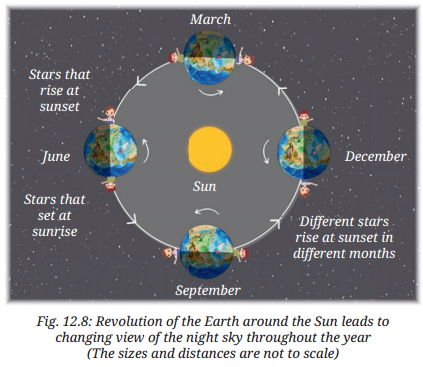
As the Earth revolves around the Sun, the night side of the Earth faces different directions in space at different times of the year.

Different patterns of stars (constellations) are seen in the sky at a fixed time of night in different months.

Indigenous communities such as the Bhil and Pawara in western India used the appearance of certain star patterns in the sky as markers for the arrival of monsoon rains.
Earth, Moon, and the Sun Class 7 Notes Science Chapter 12 3

Earth, Moon, and the Sun Class 7 Notes Science Chapter 12

Seasons on the Earth

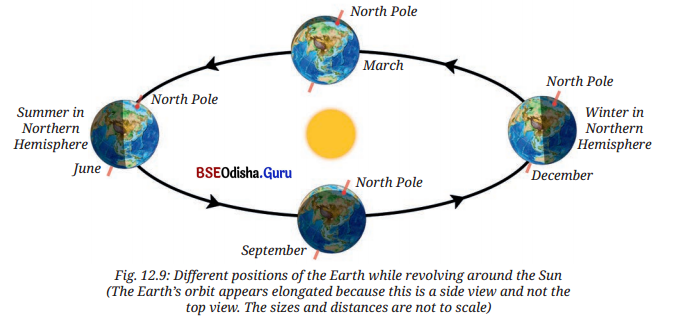
The Earth’s axis of rotation is tilted with respect to its orbit around the Sun. The Earth maintains this tilt in the same direction in space as it revolves around the Sun.

Seasons are caused by the tilt of the Earth’s axis and the spherical shape of the Earth, which lead to variations in the duration and intensity of sunlight received at different places during the year.

In June, the Northern Hemisphere is tilted towards the Sun, while the Southern Hemisphere is tilted away. The same amount of sunlight falls on a smaller area in the Northern Hemisphere as compared to the Southern Hemisphere due to the spherical shape of the Earth’s surface, so the sunlight is more intense in the Northern hemisphere.

The Northern Hemisphere also receives sunlight for more than 12 hours a day in June, so days are longer and nights shorter. Therefore, the Northern Hemisphere has summer in June, while the Southern Hemisphere has winter at the same time.
Earth, Moon, and the Sun Class 7 Notes Science Chapter 12 4
Earth, Moon, and the Sun Class 7 Notes Science Chapter 12

In December, the situation is reversed. The Northern Hemisphere is tilted away from the Sun, receives less intense sunlight and has shorter days, leading to winter, while the Southern Hemisphere experiences summer.

Near the Equator, the length of day and night is almost always about 12 hours each, and the intensity of sunlight changes very little over the year. Therefore, regions near the Equator, including some southern states oflndia, do not experience very prominent seasons. However, local geographical factors can influence the climate of these regions.

NOTE: Two incorrect explanations often given for seasons are:

  • The hemisphere tilted towards the Sun is closer to it.
  • The oval shape of the Earth’s orbit makes the distance from the Sun vary greatly.

In reality, the differences in the Earth’s distance from the Sun over the year are small and are not the cause of seasons, and the Earth is actually closest to the Sun in January.

Solstices, Equinoxes, and Regional Effects

  • In the Northern Hemisphere, the longest clay and shortest night occur around 21 June, called the summer solstice. The shortest day and longest night occur around 22 December, called the winter solstice.
  • Around 21 March and 23 September, day and night are nearly equal in length; these clays are called equinoxes (spring equinox and autumn equinox).
  • At the North Pole, the Sun rises around 21 March and remains above the horizon for about six months, then sets around 22 September, after which there is almost six months of darkness. The South Pole experiences the opposite pattern.

Earth, Moon, and the Sun Class 7 Notes Science Chapter 12

Eclipses

Solar Eclipse

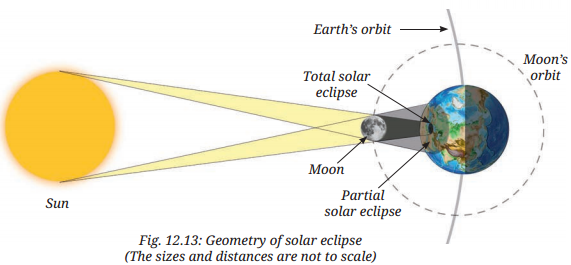
A solar eclipse occurs when the Moon comes between the Sun and the Earth in such a way that it blocks sunlight from reaching a part of the Earth.

The apparent size of an object depends on its actual size and its distance from the observer. Although the Sun is much larger than the Moon, it is very far away, while the Moon is much closer to the Earth; therefore, the Sun and the Moon appear nearly the same size in the sky.

Because their apparent sizes are similar, the Moon can cover the entire disc of the Sun, causing a total solar eclipse.

During a solar eclipse, the shadow of the Moon falls on a small region of the Earth’s surface.

In the central dark part of this region, the Sun is completely covered, and people see a total solar eclipse. In the surrounding region, where only part of the Sun is covered by the Moon, people see a partial solar eclipse.
Earth, Moon, and the Sun Class 7 Notes Science Chapter 12 5

Earth, Moon, and the Sun Class 7 Notes Science Chapter 12

As the Moon moves along its orbit and the Earth continues to rotate, the Moon’s shadow moves across the Earth’s surface; therefore, a total solar eclipse is visible at any one place only for a short time.

CAUTION: Even during a solar eclipse, sunlight is strong never look directly at the Sun, whether during an eclipse or like eclipse goggles or projection techniques should be used.

The planets Mercury and Venus revolve around the Sun between the Earth and the Sun but they do not cause eclipses. These planets, though larger than the Moon, are much farther from the Earth, so their apparent sizes are much smaller and they cannot block the Sun.

When Venus passes between the Sun and the Earth, it appears aS a tiny black dot moving across the Sun’s bright face; this rare event is called a Transit of Venus.

Lunar Eclipse

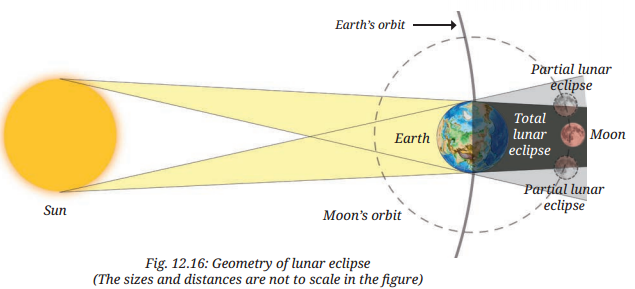
A lunar eclipse occurs when the Earth comes between the Sun and the Moon, so that sunlight cannot reach the Moon directly.

When the Moon passes completely into the Earth’s shadow, it is called a total lunar eclipse. When only a part of the Moon enters the Earth’s shadow and the rest remains sunlit, it is called a partial lunar eclipse.
Earth, Moon, and the Sun Class 7 Notes Science Chapter 12 5
During a total lunar eclipse, the bright disc of the Moon appears dark red in colour and remains so until the Moon moves out of the Earth’s shadow.

Unlike the Sun, the eclipsed full Moon can be safely watched with the naked eye, without any special protection.

Earth, Moon, and the Sun Class 7 Notes Science Chapter 12

Rotation of the Earth

  • Earth rotates on its axis from west to east.
  • This makes the Sun appear to move from east to west as observed from Earth.
  • One rotation takes about 24 hours, causing day and night.

Effect of the Tilt

  • The hemisphere tilted toward the Sun gets concentrated direct sunlight and longer days, causing summer.
  • The opposite hemisphere receives less direct sunlight and shorter days, causing winter.

Season in June
In June, the Northern Hemisphere is tilted toward the Sun.

  • Summer in the Northern Hemisphere.
  • Winter in the Southern Hemisphere
  • Summer Solstice: Longest day (21 June in the Northern Hemisphere)

Seasons in March and September

  • Equinoxes: Around 21 March (spring equinox) and 23 September (autumn equinox).
  • The Earth’s axis is not tilted toward or away from the Sun.
  • Both hemispheres receive equal amounts of sunlight, resulting in nearly equal day and night durations.

Earth, Moon, and the Sun Class 7 Notes Science Chapter 12

Season in December
In December, the Southern Hemisphere is tilted toward the Sun.

  • Winter in the Northern Hemisphere
  • Summer in the Southern Hemisphere.
  • Winter Solstice: Shortest day (22 December in the Northern Hemisphere).

Revolution of the Earth

The Earth revolves around the Sun in an orbit, completing one revolution in about 365 days and 6 hours.

Changing View of the Night Sky Annually
The stars visible in the night sky change throughout the year due to Earth’s revolution around the Sun.

Seasons

  • Seasons occur mainly because of the tilt of the Earth’s axis and the spherical shape of the Earth.
  • This tilt makes sunlight fall differently on different parts of Earth during the year.

Eclipses

  • Eclipses happen when the Sun, Moon and the Earth come in a straight line.
  • Eclipses can be total or partial, depending on the alignment of the Sun, Moon, and the Earth.

Earth, Moon, and the Sun Class 7 Notes Science Chapter 12

Solar Eclipse

A solar eclipse occurs when the Moon comes between the Sun and the Earth, blocking the sunlight from reaching the Earth.
CAUTION: Viewing a solar eclipse requires safety precautions to protect the eyes.

Lunar Eclipse
A lunar eclipse happens when the Earth comes between the Sun and the Moon and blocks sunlight from reaching the Moon. Viewing a Lunar eclipse is safe with the naked eye.

Class 6 Social Science Chapter 2 Question Answer Odia Medium ମହାସାଗର ଏବଂ ମହାଦେଶ

Go through Class 6 Social Science Solutions Odia Medium and Class 6 Social Science Chapter 2 Question Answer Odia Medium ମହାସାଗର ଏବଂ ମହାଦେଶ to understand textbook questions more clearly.

6th Class Social Science Chapter 2 Question Answer Odia Medium

Class 6 Social Science Chapter 2 Odia Medium

ପ୍ରଶ୍ନ, ଅଭ୍ୟାସକାର୍ଯ୍ୟ ଏବଂ ପ୍ରକଳ୍ପ :

Question 1.
ନିମ୍ନଲିଖତ ଶବ୍ଦର ଅର୍ଥ ବର୍ଣ୍ଣନା କର ।
(କ) ମହାଦେଶ
(ଖ) ମହାସାଗର
(ଗ) ଦ୍ଵୀପ
Answer:
(କ) ମହାଦେଶ – ଏକ ନିରନ୍ତର ବିସ୍ତାରିତ ଭୂଖଣ୍ଡ (ବିଶାଳ ଭୂମି)କୁ ମହାଦେଶ କୁହାଯାଏ, ଯଥା- ଏସିଆ, ୟୁରୋପ ଓ ଉତ୍ତର ଆମେରିକା ।
(ଖ) ମହାସାଗର – ପୃଥ‌ିବୀ ପୃଷ୍ଠରେ ଥ‌ିବା ବିଶାଳ ଜଳରାଶିକୁ ମହାସାଗର କୁହାଯାଏ । ଉଦାହରଣ- ପ୍ରଶାନ୍ତ ମହାସାଗର, ଭାରତ ମହାସାଗର, ଆଟ୍‌ଲାଣ୍ଟିକ୍ ମହାସାଗର ।
(ଗ) ଦ୍ଵୀପ – ଯେଉଁ ସ୍ଥଳଦ ଗର ଚତୁଃପାର୍ଶ୍ଵରେ ଜଳ ଘେରିକର ଥାଏ ତାକୁ ନୀପ କୁହାଯାଏ । ଉଦାହରଣ ସ୍ଵରୂପ, ଆମ- ସୁଞ୍ଜ ଇତ୍ୟାଦି ।

Question 2.
ଆସ ଚିତ୍ର ଆଙ୍କିବା – ଏହି ଅଧ୍ୟାୟରେ ଥ‌ିବା ମାନଚିତ୍ରଗୁଡ଼ିକୁ ନ ଦେଖ୍, ଏକ କାଗଜରେ ମହାଦେଶଗୁଡ଼ିକୁ ଅଙ୍କନ କର ଏବଂ ସେଗୁଡ଼ିକୁ ରଙ୍ଗ କର । ତା’ପରେ ଏହି ଅଧ୍ୟାୟରେ ଦିଆଯାଇଥିବା ମହାସାଗର ଏବଂ ମହାଦେଶର ମାନଚିତ୍ର ସହିତ ତୁମ ଚିତ୍ରକୁ ତୁଳନା କର ।
Answer:
ଛାତ୍ରଛାତ୍ରୀମାନେ ନିଜେ କରିବେ ।

Question 3.
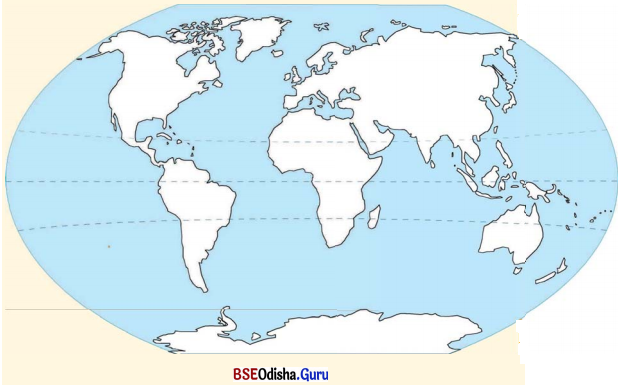
ଆସ କରିବା – ନିମ୍ନରେ ଦିଆଯାଇଥବା ପୃଥ‌ିବୀର ରେଖାଙ୍କିତ ମାନଚିତ୍ରରେ ମହାଦେଶ ଓ ମହାସାଗରଗୁଡ଼ିକର ନାମ ଲେଖ ।
Class 6 Social Science Chapter 2 Question Answer Odia Medium ମହାସାଗର ଏବଂ ମହାଦେଶ-2
Answer:
ଛାତ୍ରଛାତ୍ରୀମାନେ ନିଜେ କରିବେ ।

Question 4.
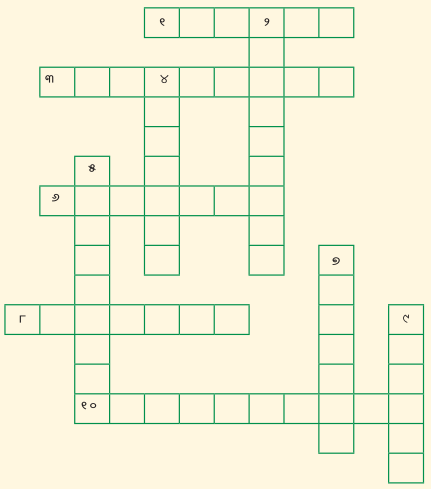
ନିମ୍ନରେ ଦିଆଯାଇଥୁବା ତଥ୍ୟ ଅନୁସାରେ ଗ୍ରୀଡ଼କୁ ବନ୍ଧନୀ ମଧ୍ଯରେ ଦିଆଯାଇଥିବା ଇଂରାଜୀ ଶବ୍ଦକୁ ବ୍ୟବହାର କରି ପୂରଣ କର । (ପ୍ରଶ୍ନ ସହିତ ଉତ୍ତର)
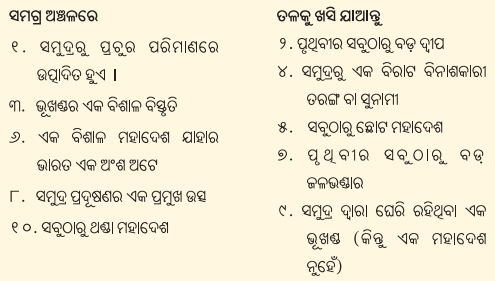
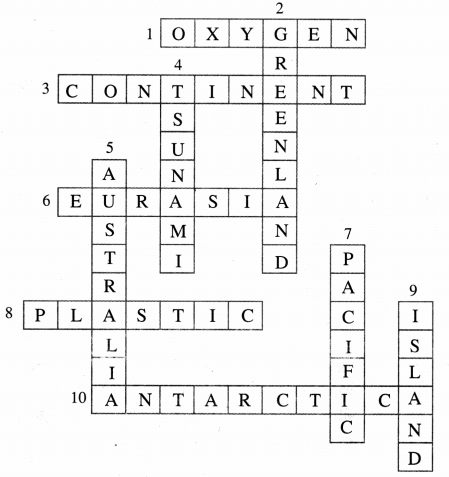
(ISLAND, PACIFIC, ANTARCTICA, PLASTIC, AUSTRALIA, CONTINENT, OXYGEN, GREENLAND, EURASIA, T-SUNAMI)
Class 6 Social Science Chapter 2 Question Answer Odia Medium ମହାସାଗର ଏବଂ ମହାଦେଶ-3

Class 6 Social Science Chapter 2 Question Answer Odia Medium ମହାସାଗର ଏବଂ ମହାଦେଶ-4
Answer:
Class 6 Social Science Chapter 2 Question Answer Odia Medium ମହାସାଗର ଏବଂ ମହାଦେଶ-5

ସମଗ୍ର ଅଞ୍ଚଳରେ ତଳକୁ ଖସି ଯାଆନ୍ତୁ
୧। ସମୁଦ୍ରରୁ ପ୍ରଚୁର ପରିମାଣରେ ଉତ୍ପାଦିତ ହୁଏ । ୨। ପୃଥିବୀର ସବୁଠାରୁ ବଡ଼ ଦ୍ଵୀପ
୩ । ଭୂଖଣ୍ଡର ଏକ ବିଶାଳ ବିସ୍ତୃତି ୪ । ସମୁଦ୍ରରୁ ଏକ ବିରାଟ ବିନାଶକାରୀ ତରଙ୍ଗ ବା ସୁନାମୀ ।
୬ । ଏକ ବିଶାଳ ମହାଦେଶ ଯାହାର ଭାରତ ଏକ ଅଂଶ ଅଟେ । ୫ । ସବୁଠାରୁ ଛୋଟ ମହାଦେଶ
୮ । ସମୁଦ୍ର ପ୍ରଦୂଷଣର ଏକ ପ୍ରମୁଖ ଉତ୍ସ । ୭। ପୃଥିବୀର ସବୁଠାରୁ ବଡ଼ ଜଳଭଣ୍ଡାର ।
୧୦ । ସବୁଠାରୁ ଥଣ୍ଡା ମହାଦେଶ ୯ । ସମୁଦ୍ରଦ୍ଵାରା ଘେରି ରହିଥ‌ିବା ଏକ ଭୂଖଣ୍ଡ
(କିନ୍ତୁ ଏକ ମହାଦେଶ ନୁହେଁ)


Class 6 Social Science Chapter 2 Question Answer Odia Medium ମହାସାଗର ଏବଂ ମହାଦେଶ

ଦୀର୍ଘ ଉତ୍ତରମୂଳକ ପ୍ରଶ୍ନୋତ୍ତର

Question 1.
ମହାସାଗର ଏବଂ ମହାଦେଶ କ’ଣ ? ସେଗୁଡ଼ିକ କିପରି ନାମିତ ହୋଇଛନ୍ତି ଏବଂ ସେମାନଙ୍କର ବଣ୍ଟନ କିପରି ହୋଇଛି ?
Answer:
ସମଗ୍ର ପୃଥ‌ିବୀକୁ ସାଧାରଣତଃ ମହାସାଗର ଏବଂ ମହାଦେଶଗୁଡ଼ିକରେ ବଣ୍ଟନ କରାଯାଇଛି । କିନ୍ତୁ ଏହାର ଜଳଭାଗ ତିନି ଚତୁର୍ଥାଂଶ Class 6 Social Science Chapter 2 Question Answer Odia Medium ମହାସାଗର ଏବଂ ମହାଦେଶ-6 ଥିବାବେଳେ ସ୍ଥଳଭାଗ ଏକ ଚତୁର୍ଥାଂଶ Class 6 Social Science Chapter 2 Question Answer Odia Medium ମହାସାଗର ଏବଂ ମହାଦେଶ-7 ଅଛି ।

ପୃଥ‌ିବୀ ପୃଷ୍ଠରେ ଥିବା ବିଶାଳ ଜଳରାଶିକୁ ମହାସାଗର କୁହାଯାଏ । ଏହା ପାଞ୍ଚଟି ମହାସାଗର ଭାବେ ନାମିତ ହୋଇଥିଲେ ମଧ୍ୟ ବାସ୍ତବରେ ଏଗୁଡ଼ିକ ପରସ୍ପର ସହ ସଂଶ୍ଳିଷ୍ଟ ଅଟନ୍ତି ।

ସେହିପରି ସମଗ୍ର ସ୍ଥଳଭାଗକୁ ୭ଟି ମହାଦେଶରେ ବିଭକ୍ତ କରାଯାଇଛି । ସେଗୁଡ଼ିକ ହେଲା ଏସିଆ, ଆଫ୍ରିକା, ୟୁରୋପ, ଅଷ୍ଟ୍ରେଲିଆ, ଉତ୍ତର ଆମେରିକା, ଦକ୍ଷିଣ ଆମେରିକା, ଆଣ୍ଟାର୍କଟିକା ।

ଏସିଆ ମହାଦେଶ – ଏସିଆ ମହାଦେଶ ସବୁଠାରୁ ବଡ଼ ମହାଦେଶ ଏବଂ ଏହା ଆୟତନରେ ପୃଥ‌ିବୀର ଏକ ତୃତୀୟାଂଶ । ଏହା ୟୁରୋପଠାରୁ ଉରାଲ ପର୍ବତଦ୍ଵାରା ଅଲଗା ହୋଇଛି । ଉଭୟ ଏସିଆ ଏବଂ ୟୁରୋପକୁ ଏକତ୍ର ରୂପରେ ୟୁରେସିଆ କୁହାଯାଏ । ଏହି ମହାଦେଶକୁ ତିନୋଟି ମହାସାଗର ଘେରି ରହିଛି । ଏହାର ଉତ୍ତରରେ ଆର୍କଟିକ୍ ମହାସାଗର, ପୂର୍ବରେ ପ୍ରଶାନ୍ତ ମହାସାଗର ଏବଂ ଦକ୍ଷିଣରେ ଭାରତ ମହାସାଗର ରହିଅଛି ।

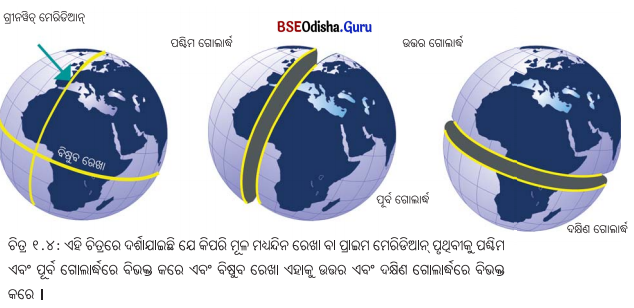
ଆଫ୍ରିକା ମହାଦେଶ – ଏହି ମହାଦେଶ ମଧ୍ୟରେ ତିନୋଟି ଅକ୍ଷାଂଶ ଯାଇଅଛି । ସେଗୁଡ଼ିକ ହେଲା କର୍କଟ କ୍ରାନ୍ତି, ବିଷୁବରେଖା ଏବଂ ମକରକ୍ରାନ୍ତି । ପ୍ରାମାଣିକ ମଧ୍ଯରେଖା (ପ୍ରାଇମ୍ ମେରିଡ଼ିଆନ୍) ମଧ୍ୟ ଏହି ମହାଦେଶ ଦେଇଯାଇଅଛି । ଏସିଆ ମହାଦେଶ ଭଳି ଏହାର ମଧ୍ୟ ତିନିପାର୍ଶ୍ଵରେ ଜଳରାଶି ରହିଅଛି । ଏସିଆ ଏବଂ ଆଫ୍ରିକାକୁ ସୁଏଜ୍ କେନାଲ ଅଲଗା କରିଅଛି ।

ଉତ୍ତର ଆମେରିକା – ଉତ୍ତର ଆମେରିକା ମଧ୍ୟ ତିନୋଟି ମହାସାଗର ଦ୍ଵାରା ଆବଦ୍ଧ ହୋଇ ରହିଛି । ଏହାର ଉତ୍ତରରେ ଆର୍କଟିକ୍ ମହାସାଗର, ପୂର୍ବରେ ଆଟ୍‌ଲାଣ୍ଟିକ୍ ମହାସାଗର ଏବଂ ପଶ୍ଚିମରେ ପ୍ରଶାନ୍ତ ମହାସାଗର ରହିଅଛି । ପୂର୍ବରୁ ଉତ୍ତର ଓ ଦକ୍ଷିଣ ଆମେରିକା ପାନାମା ଇସ୍ତମାସ୍‌ଦ୍ୱାରା ଯୁକ୍ତ ହୋଇ ରହିଥିଲା, କିନ୍ତୁ ବର୍ତ୍ତମାନ ଏହା ତାକୁ ଅଲଗା କରି ରଖୁଛି ।

ଦକ୍ଷିଣ ଆମେରିକା : ଏହାର ମଧ୍ୟ ତିନିପଟେ ପ୍ରାୟ ମହାସାଗରମାନ ଘେରି ରହିଛି । ଏହାର ପଶ୍ଚିମ ପାର୍ଶ୍ଵରେ ପ୍ରଶାନ୍ତ ମହାସାଗର, ପୂର୍ବରେ ଆଟଲାଣ୍ଟିକ୍ ମହାସାଗର ଏବଂ ଦକ୍ଷିଣରେ ଦକ୍ଷିଣ ମହାସାଗର ରହିଅଛି ।

ଆଣ୍ଟାର୍କଟିକା : ଏହି ମହାଦେଶ ପୂର୍ଣ୍ଣମାତ୍ରାରେ ଦକ୍ଷିଣ ଗୋଲାର୍ଦ୍ଧରେ ଅବସ୍ଥିତ । ଦକ୍ଷିଣ ମେରୁ ଏହାର କେନ୍ଦ୍ରରେ ଅଛି । ଏହି ମହାଦେଶ ପୂର୍ଣ୍ଣ ବରଫାବୃତ ରହୁଥ‌ିବାରୁ ଏହାକୁ ବରଫ ମହାଦେଶ ବା ଧବଳ ମହାଦେଶ କୁହାଯାଏ । ଏହି ମହାଦେଶରେ ମନୁଷ୍ୟ ବାସ କରନ୍ତି ନାହିଁ ।

ୟୁରୋପ : ଏହି ମହାଦେଶ ଏସିଆ ମହାଦେଶ ନିକଟରେ ଅବସ୍ଥିତ । ଏହାର ପଶ୍ଚିମରେ ଆଟଲାଣ୍ଟିକ୍ ମହାସାଗର, ଉତ୍ତରରେ ଆର୍କଟିକ୍ ମହାସାଗର ଏବଂ ଦକ୍ଷିଣରେ ଭୂମଧ୍ଯସାଗର ରହିଅଛି ।

ଅଷ୍ଟ୍ରେଲିଆ : ଏହି ମହାଦେଶ ସବୁଠାରୁ ସାନ ମହାଦେଶ । ଏହା ଏକ ଦ୍ଵୀପ ହୋଇଥିବାରୁ ଏହାର ଚାରିପଟେ ସମୁଦ୍ର ରହିଅଛି ।

ପଞ୍ଚ ମହାସାଗର : ସମଗ୍ର ପୃଥ‌ିବୀରେ ଏକ ବିଶାଳ ଜଳରାଶି ରହିଅଛି । ଏହାର ତିନି ଚତୁର୍ଥାଂଶ ଜଳମଗ୍ନ ହୋଇ ରହିଅଛି । ଏହି ଜଳରାଶିକୁ ପାଞ୍ଚଟି ମହାସାଗରରେ ବିଭକ୍ତ କରାଯାଇଛି । ସେଗୁଡ଼ିକ ହେଲା- ପ୍ରଶାନ୍ତ ମହାସାଗର, ଆଟ୍‌ଲାଣ୍ଟିକ୍ ମହାସାଗର, ଭାରତ ମହାସାଗର, ଦକ୍ଷିଣ ମହାସାଗର, ଉତ୍ତର ମହାସାଗର (ଆର୍କଟିକ୍ ମହାସାଗର ।

ପ୍ରଶାନ୍ତ ମହାସାଗର : ସମସ୍ତ ମହାସାଗର ମଧ୍ଯରେ ପ୍ରଶାନ୍ତ ମହାସାଗର ସବୁଠାରୁ ବଡ଼ । ଏହି ମହାସାଗର ପୃଥ‌ିବୀର ଶତକଡ଼ା ୩୦ ଭାଗ ସ୍ଥାନ ପୁରଣ କରିଛି । ଏହା ଆକୃତିରେ ବୃତ୍ତାକାର ଏବଂ ଗଭୀରତମ ମହାସାଗର । ଏହା ମଧ୍ୟରେ ମାରିଆନା ଟ୍ରେଞ୍ଚ ଗଭୀରତମ ସ୍ଥାନ ଅଟେ । ଏହି ପ୍ରଶାନ୍ତ ମହାସାଗରର ପଶ୍ଚିମରେ ଏସିଆ ଓ ଅଷ୍ଟ୍ରେଲିଆ ମହାଦେଶ ରହିଥିଲାବେଳେ ପୂର୍ବରେ ଉତ୍ତର ଆମେରିକା ଓ ଦକ୍ଷିଣ ଆମେରିକା ମହାଦେଶ ରହିଛି ।

ଆଟଲାଣ୍ଟିକ୍ ମହାସାଗର : ଏହି ମହାସାଗର ପୃଥ‌ିବୀର ଦ୍ଵିତୀୟ ବୃହତ୍ତମ ମହାସାଗର ଅଟେ । ଏହା ଆକୃତିରେ ଇଂରାଜୀ ଅକ୍ଷର ‘S’’ ସଦୃଶ ଅଟେ । ଏହାର ପଶ୍ଚିମ ପାର୍ଶ୍ଵରେ ଉତ୍ତର ଏବଂ ଦକ୍ଷିଣ ଆମେରିକା ରହିଥ‌ିବାବେଳେ ପୂର୍ବ ପାର୍ଶ୍ବରେ ୟୁରୋପ ଏବଂ ଆଫ୍ରିକା ମହାଦେଶ ଅଛି । ଏହି ମହାସାଗରରେ ଅନେକ ପ୍ରାକୃତିକ ପୋତାଶ୍ରୟ ଦେଖିବାକୁ ମିଳିଥାଏ । ବାଣିଜ୍ୟ ବ୍ୟବସାୟ କ୍ଷେତ୍ରରେ ଏହି ମହାସାଗର ସବୁବେଳେ ବ୍ୟସ୍ତଥାଏ ।

ଭାରତ ମହାସାଗର : ଭାରତ ମହାସାଗର ହେଉଛି ତୃତୀୟ ବୃହତ୍ତମ ମହାସାଗର । ଏହା ଆମ ଦେଶ ଭାରତ ନାମରେ ନାମିତ ହୋଇଛି । ଏହି ମହାସାଗର ତ୍ରିଭୂଜାକାର ଅଟେ । କିନ୍ତୁ କେତେକ ଏହାକୁ ଇଂରାଜୀ ଅକ୍ଷର ‘M’’ ଆକୃତିର କହିଥା’ନ୍ତି । ଏହାର ଉତ୍ତରରେ ଏସିଆ, ପଶ୍ଚିମରେ ଆଫ୍ରିକା, ପୂର୍ବରେ ଅଷ୍ଟ୍ରେଲିଆ ଏବଂ ଦକ୍ଷିଣରେ ଦକ୍ଷିଣ ମହାସାଗର ରହିଛି । ଏହାର ପଶ୍ଚିମରେ ଆରବସାଗର ଏବଂ ପୂର୍ବରେ ବଙ୍ଗୋପସାଗର ରହିଛି ।

ଦକ୍ଷିଣ ମହାସାଗର : ଏହି ମହାସାଗର ଆଣ୍ଟାର୍କଟିକା ମହାଦେଶକୁ ଘେରିକରି ରହିଅଛି । ଏହି ମହାସାଗର ଅନ୍ୟ ତିନୋଟି ମହାସାଗରର ଜଳରାଶିକୁ ଲାଗି ରହିଅଛି । ଏହାକୁ ଲୋକେ ଆଣ୍ଟାର୍କଟିକା ମହାସାଗର ବୋଲି ମଧ୍ୟ କହିଥା’ନ୍ତି ।

ଆର୍କଟିକ୍ ମହାସାଗର ବା ଉତ୍ତର ମହାସାଗର : ଏହି ମହାସାଗର ସବୁଠାରୁ କ୍ଷୁଦ୍ରତମ ମହାସାଗର । ଏହା ଉତ୍ତର ମେରୁକୁ ଘେରି ରହିଅଛି । ଏହି ମହାସାଗର ବାସ୍ତବରେ ଆଟ୍‌ଲାଣ୍ଟିକ୍ ମହାସାଗରର ଉତ୍ତର ଆଡ଼କୁ ବର୍ଷିତ ହୋଇ ରହିଛି । ଏହି ମହାସାଗରରୁ ଏକ ଅଣଓସାରିଆ ଜଳରାଶି ବେଜିଂ ଷ୍ଟେଟ୍ ପ୍ରଶାନ୍ତ ମହାସାଗରକୁ ସଂଯୁକ୍ତ କରିଛି । ଏହା ଉତ୍ତର ଆମେରିକା ଏବଂ ୟୁରେସିଆର ଉତ୍ତର ଉପକୂଳ ରୂପେ ରହିଅଛି ।

ଉପସଂହାର ଏହିଭଳି ଭାବରେ ସପ୍ତ ମହାଦେଶ ଏବଂ ପଞ୍ଚ ମହାସାଗର ପୃଥ‌ିବୀ ପୃଷ୍ଠରେ ରହିଅଛି ।

Question 2.
ମହାସାଗର ଓ ମହାଦେଶ ମାନବ ଜୀବନ ସମେତ ପୃଥ‌ିବୀର ଅନ୍ୟାନ୍ୟ ଜୀବଜଗତକୁ କେଉଁ ଉପାୟରେ ପ୍ରଭାବିତ କରିଥାଏ ?
Answer:
ମହାସାଗର ଏବଂ ମହାଦେଶ ମାନବ ଜୀବନ ସହିତ ପୃଥ‌ିବୀର ଅନ୍ୟାନ୍ୟ ଜୀବଜଗତକୁ ଅନେକ ଉପାୟରେ ପ୍ରଭାବିତ କରିଥାଏ । ସେମାନେ ପୃଥ‌ିବୀର ଜଳବାୟୁର ଆକୃତିକୁ ପରିଚାଳନା କରିବାରେ ମୁଖ୍ୟ ଭୂମିକା ଗ୍ରହଣ କରିଥା’ନ୍ତି । ମହାସାଗରଗୁଡ଼ିକ ନିଜର ସାମୁଦ୍ରିକ କରେଣ୍ଟଦ୍ଵାରା ଉତ୍ତାପକୁ ବିଷୁବରେଖା ପାଖରୁ ମେରୁ ଆଡ଼କୁ ତ୍ୱରାନ୍ଵିତ କରିଥା’ନ୍ତି । ଏଥ‌ିରେ ଉତ୍ତାପ କ୍ରମେ ହ୍ରାସପାଇ ମେରୁ ଅଞ୍ଚଳରେ ପ୍ରବଳ ଥଣ୍ଡା କରିଥାଏ । ମହାସାଗରଗୁଡ଼ିକ ସୂର୍ଯ୍ୟଙ୍କର ଉତ୍ତାପର ଶତକଡ଼ା ୯୮ ଭାଗକୁ ଗ୍ରହଣ କରିଥା’ନ୍ତି ।

ସେମାନେ ମହାଦେଶଗୁଡ଼ିକରେ ବର୍ଷା କରାଇବାରେ ସହାୟକ ହୋଇଥା’ନ୍ତି । ସମୟ ଅନୁସାରେ ବର୍ଷା କୃଷିଉପଯୋଗୀ ହୋଇଥାଏ ।

ମହାସାଗରଗୁଡ଼ିକ ଆମେ ପୃଥ‌ିବୀରେ ବ୍ୟବହାର କରୁଥିବା ଅମ୍ଳଜାନର ଅଧା ଅଂଶ ଉତ୍ପାଦନ କରିଥା’ନ୍ତି । ମହାସାଗର ଆମକୁ ଅନେକ ସାମୁଦ୍ରିକ ଖାଦ୍ୟ ମତ୍ସ୍ୟ ଇତ୍ୟାଦି ଯୋଗାଇଥା’ତ୍ତି ଏବଂ ଅନେକ ଲୋକ ମତ୍ସ୍ୟଜୀବୀ ଭାବରେ ଜୀବିକା ନିର୍ବାହ କରିଥା’ନ୍ତି । ଏତଦ୍‌ବ୍ୟତୀତ ଆମେମାନେ ସାମୁଦ୍ରିକ ବାଣିଜ୍ୟ ବ୍ୟବସାୟର ସୁଯୋଗ ପାଇଥାଉ ।

ସମୂଦ୍ର ଯେ କେବଳ ମାନବକୁ ଲାଭ ଦେଇଥାଏ, ତା’ନୁହେଁ, ଅନେକ ବିପର୍ଯ୍ୟୟର କାରଣ ମଧ୍ୟ ହୋଇଥାଏ । ଅନେକ ସମୟରେ ସାମୁଦ୍ରିକ ଝଡ଼, ଜୁଆର ଓ ସୁନାମି ଇତ୍ୟାଦି ଭୟଙ୍କର ବିପର୍ଯ୍ୟୟ ଘଟାଇଥାଏ ।

ମହାସାଗର ଭଳି ମହାଦେଶ ମଧ୍ଯ ପୃଥ‌ିବୀର ଜୀବଜଗତକୁ ପ୍ରଭାବିତ କରିଥା’ନ୍ତି ।

ଭୂପୃଷ୍ଠରେ ସ୍ଥଳଭାଗ ପୃଥ‌ିବୀର ଏକ ଚତୁର୍ଥାଂଶ ହେଲେ ବି ଏହା ସାତଟି ମହାଦେଶରେ ବିଭକ୍ତ ହୋଇଛି ।

ପ୍ରତ୍ୟେକ ମହାଦେଶରେ ଭୂପୃଷ୍ଠର ବିଭିନ୍ନ ଭୂମିରୂପ ଦେଖାଯାଏ, ଯଥା- ପାହାଡ଼ ପର୍ବତ, ମାଳଭୂମି ଏବଂ ସମତଳଭୂମି । ଏତଦ୍‌ବ୍ୟତୀତ କେତେଗୁଡ଼ିଏ ମରୁଭୂମି ବି ରହିଛି । ବିଭିନ୍ନ ଭୂମିରୂପ ଏବଂ ତା’ ଉପରେ ଜନ୍ମିତ ଉଭିଦ ଓ ପ୍ରାଣୀମାନେ ଏକ ସୁନ୍ଦର ପ୍ରାକୃତିକ ପରିବେଶ ସୃଷ୍ଟି କରିଛନ୍ତି । କୃଷି ଏବଂ ମାନବର ସ୍ଥାୟୀ ବସତି ସ୍ଥାପନ କ୍ଷେତ୍ରରେ ଭୂପୃଷ୍ଠର ସ୍ଥଳଭାଗ ଅନେକ ସହାୟକ ହୋଇଛି । ବିଭିନ୍ନ ମହାଦେଶରେ ଆଧୁନିକ ମାନବ ବର୍ତ୍ତମାନ ବୈଜ୍ଞାନିକ ପଦ୍ଧତିରେ ଅନେକ ଅଗ୍ରଗତି କରି ସୁନ୍ଦର ସୁନ୍ଦର ପ୍ରାସାଦ ନିର୍ମାଣ ସହ ବିଦ୍ୟୁତ୍ରାଳିତ ଯାନବାହନର ବ୍ୟବହାର କରୁଛି । ବର୍ତ୍ତମାନ ପରିବେଶକୁ ସୁସ୍ଥ ରଖୁ ସମଗ୍ର ପୃଥ‌ିବୀକୁ ସବୁଦିନ ପାଇଁ ଜୀବଜଗତ ରହିବା ଉପଯୋଗୀ କରିବା ମାନବର ପରମ ଧର୍ମ ହେବା ଆବଶ୍ୟକ ।

ଆସ ଅନୁସନ୍ଧାନ କରିବା :

Question 1.
ପ୍ରତ୍ୟେକ ମାନଚିତ୍ରରେ ଥ‌ିବା ବୃତ୍ତାକାର ରେଖାଗୁଡ଼ିକୁ କ’ଣ କୁହାଯାଏ ? ଏହା ତୁମେ ଜାଣ କି ଦୁଇଟି ମେରୁକୁ ଯୋଗ କରୁଥିବା ରେଖାଗୁଡ଼ିକୁ କ’ଣ କୁହାଯାଏ ?
Answer:
ମାନଚିତ୍ରରେ ଥୁବା ବୃତ୍ତାକାର ରେଖାଗୁଡ଼ିକୁ ଅକ୍ଷାଂଶର ସମାନ୍ତରାଳ ବା ସମାକ୍ଷରେଖା କୁହାଯାଏ । ଦୁଇ ମେରୁ ଅଞ୍ଚଳରୁ ଯୋଗ କରୁଥିବା ରେଖାଗୁଡ଼ିକୁ ଦ୍ରାଘିମା ବା ମଧ୍ଯରେଖା କୁହାଯାଏ ।

Class 6 Social Science Chapter 2 Question Answer Odia Medium ମହାସାଗର ଏବଂ ମହାଦେଶ

Question 2.
କେଉଁ ଗୋଲାର୍ଦ୍ଧରେ ଅଧ୍ବକ ଜଳ ରହିଛି ?
Answer:
ଦକ୍ଷିଣ ଗୋଲାର୍ଦ୍ଧରେ ଅଧୂକ ଜଳ ରହିଛି ।

Question 3.
ଉତ୍ତର ଗୋଲାର୍ଦ୍ଧ ଏବଂ ଦକ୍ଷିଣ ଗୋଲାର୍ଦ୍ଧର ଜଳଭାଗ ଓ ସ୍ଥଳଭାଗର ଆନୁମାନିକ ଅନୁପାତ କ’ଣ ହୋଇପାରେ ବୋଲି ତୁମେ ଭାବୁଛ ? ନିଜ ଦଳରେ ଆଲୋଚନା କର ।
Answer:
ଉତ୍ତର ଗୋଲାର୍ଦ୍ଧରେ ଆନୁମାନିକ ଶତକଡ଼ା ୪୦ ଭାଗ ସ୍ଥଳ ଏବଂ ଶତକଡ଼ା ୬୦ ଭାଗ ଜଳ ରହିଛି, ସେହିପରି ଦକ୍ଷିଣ ଗୋଲାର୍ଦ୍ଧରେ ଆନୁମାନିକ ଶତକଡ଼ା ୨୦ ଭାଗ ସ୍ଥଳ ଥିବାବେଳେ ଶତକଡ଼ା ୮୦ ଭାଗ ଜଳ ରହିଛି ।

Question 4.
ସବୁ ମହାସାଗର ପରସ୍ପର ସହ ସଂଯୁକ୍ତ କି ? ହଁ ନା । ମାନଚିତ୍ର ଦେଖୁ ଏହାର କାରଣ ବର୍ଣ୍ଣନା କର
Answer:
ହଁ, ସବୁ ମହାସାଗର ପରସ୍ପର ସହ ସଂଯୁକ୍ତ । କିଛି ମହାସାଗର ଆର୍କଟିକ୍ ମହାସାଗରଦ୍ଵାରା ସଂଯୁକ୍ତ । ଆର୍କଟିକ୍ ମହାସାଗର ମଧ୍ୟରେ ଥ‌ିବା ବେଲିଂ ଷ୍ଟ୍ରେଟ୍ ଉଭୟ ପ୍ରଶାନ୍ତ ମହାସାଗର ଏବଂ ଆର୍କଟିକ୍ ମହାସାଗରକୁ ସଂଯୁକ୍ତ କରିଛି । ତଥାପି ଅନ୍ୟ କିଛି ମହାସାଗର ଏକ ଅଣଓସାରିଆ ସ୍ଥଳଦ୍ଵାରା ଦକ୍ଷିଣ ଆମେରିକା ଏବଂ ଆଣ୍ଟର୍କଟିକାକୁ ସଂଯୁକ୍ତ କରିଛି ।

ପୃଥ‌ିବୀ ପୃଷ୍ଠରେ ଥ‌ିବା ସମୁଦାୟ ଜଳଭାଗର ପ୍ରାୟ ଅଧିକାଂଶ ଭାଗ ମହାସାଗର ଓ ସାଗରରେ ରହିଛି । ଏହି ଜଳ ଲୁଣିଆ । ସୁତରାଂ ଏହା ମନୁଷ୍ୟ ତଥା ଜୀବଜଗତର ସିଧାସଳଖ ବ୍ୟବହାର ଉପଯୋଗୀ ନୁହେଁ ।

ମଧୁର ଜଳ ପୃଥ‌ିବୀର ଜଳ ସମ୍ପଦର ବହୁତ କମ୍ ଅଂଶ ଅଟେ । ପର୍ବତ ଶିଖରରେ ହିମବାହ (Glacier), ନଦୀ, ହ୍ରଦ, ପୁଷ୍କରିଣୀ ଇତ୍ୟାଦି ଏହି ପ୍ରକାର ଜଳର ମୁଖ୍ୟ ଉତ୍ସ । ବାୟୁମଣ୍ଡଳରେ ଜଳୀୟବାଷ୍ପ ଓ ଭୂତଳ ଜଳ ମଧ୍ୟ ମଧୁର ଜଳର ଅନ୍ତର୍ଭୁକ୍ତ ।

Question 5.
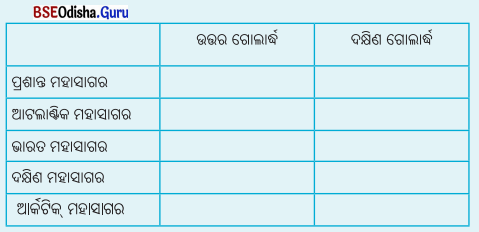
ମାନଚିତ୍ର ଦେଖୁ ପାଞ୍ଚଟି ମହାସାଗରକୁ ଚିହ୍ନଟ କର ଏବଂ ନିମ୍ନରେ ଥ‌ିବା ସାରଣୀରେ, କେଉଁଟି କେଉଁ ଗୋଲାର୍ଦ୍ଧରେ ଅବସ୍ଥିତ ତାହା ଚିହ୍ନଟ କରି ଲେଖ । (ପ୍ରଶ୍ନ ସହିତ ଉତ୍ତର)
Class 6 Social Science Chapter 2 Question Answer Odia Medium ମହାସାଗର ଏବଂ ମହାଦେଶ-1
Answer:

ଉତ୍ତର ଗୋଲାର୍ଦ୍ଧ ଦକ୍ଷିଣ ଗୋଲାର୍ଦ୍ଧ
ପ୍ରଶାନ୍ତ ମହାସାଗର ଉତ୍ତର ଗୋଲାର୍ଦ୍ଧ ଦକ୍ଷିଣ ଗୋଲାର୍ଦ୍ଧ
ଆଟ୍‌ଲାଣ୍ଟିକ୍ ମହାସାଗର ଉତ୍ତର ଗୋଲାର୍ଦ୍ଧ ଦକ୍ଷିଣ ଗୋଲାର୍ଦ୍ଧ
ଭାରତ ମହାସାଗର ଉତ୍ତର ଗୋଲାର୍ଦ୍ଧ ଦକ୍ଷିଣ ଗୋଲାର୍ଦ୍ଧ
ଦକ୍ଷିଣ ମହାସାଗର ଦକ୍ଷିଣ ଗୋଲାର୍ଦ୍ଧ
ଆର୍କଟିକ୍ ମହାସାଗର ଉତ୍ତର ଗୋଲାର୍ଦ୍ଧ

Question 6.
ପାର୍ଶ୍ୱସ୍ଥ ବର୍ଗର ସଂଖ୍ୟା ଗଣନା କରି ବୃହତ୍ତମ ଏବଂ କ୍ଷୁଦ୍ରତମ ମହାଦେଶର ନାମ ଲେଖ ।
Answer:
ଉପରୋକ୍ତ ବର୍ଗର ସଂଖ୍ୟା ଗଣନା କରିବାରୁ ଜଣାପଡ଼ିଲା ଯେ ଏସିଆ ମହାଦେଶରେ ସର୍ବାଧ‌ିକ ୪୪ଟି ବର୍ଗ ରହିଛି ଏବଂ ଅଷ୍ଟ୍ରେଲିଆ ମହାଦେଶରେ ସର୍ବନିମ୍ନ ୯ଟି ବର୍ଗ ରହିଛି । ସୁତରାଂ ଏସିଆ ମହାଦେଶ ସବୁଠାରୁ ବଡ଼ ଏବଂ ଅଷ୍ଟ୍ରେଲିଆ ମହାଦେଶ ସବୁଠାରୁ ସାନ ।

Question 7.
କେଉଁଟି ବଡ଼ ?
(କ) ଉତ୍ତର ଆମେରିକା ନା ଦକ୍ଷିଣ ଆମେରିକା ?
(ଖ) ଆଫ୍ରିକା ନା ଉତ୍ତର ଆମେରିକା
(ଗ) ଆଣ୍ଟାର୍କଟିକା ନା ଅଷ୍ଟ୍ରେଲିଆ ?
Answer:
ଉତ୍ତର ଆମେରିକାଠାରୁ ଦକ୍ଷିଣ ଆମେରିକା ବଡ଼, (ଖ) ଉତ୍ତରର ଆମେରିକାଠାରୁ ଆଫ୍ରିକା ବଡ଼ (ଗ) ଅଷ୍ଟ୍ରେଲିଆଠାରୁ ଆଣ୍ଟାର୍କଟିକା ବଡ଼ ।

Class 6 Social Science Chapter 2 Question Answer Odia Medium ମହାସାଗର ଏବଂ ମହାଦେଶ

Question 8.
ୟୁରୋପ ଏବଂ ଏସିଆ ପାଇଁ ଗୋଟିଏ ରଙ୍ଗ ଦେଇ ଚିତ୍ରକୁ ପୁନଶ୍ଚ ରଙ୍ଗ କର ଏବଂ ଏହାକୁ ୟୁରେସିଆ ନାମରେ ନାମିତ କର । ଏହାର ଆକାରକୁ ଦକ୍ଷିଣ ଆମେରିକା ସହ ତୁଳନା କର ।
Answer:
ୟୁରେସିଆ ୫୪ ବର୍ଗ ଏବଂ ଦକ୍ଷିଣ ଆମେରିକା ୧୮ ବର୍ଗ । ସୁତରାଂ ୟୁରେସିଆ ଦକ୍ଷିଣ ଆମେରିକାଠାରୁ ତିନିଗୁଣ ବଡ଼ ।

Question 9.
କ୍ଷୁଦ୍ରରୁ ବୃହତ୍ତମ କ୍ରମରେ ମହାଦେଶଗୁଡ଼ିକର ତାଲିକା କର ।
Answer:
ସାତଟି ମହାଦେଶକୁ କ୍ଷୁଦ୍ରରୁ ବୃହତ୍ତମ କ୍ରମରେ ନିମ୍ନରେ ପ୍ରଦତ୍ତ କରାଗଲା । (୧) ଅଷ୍ଟ୍ରେଲିଆ, (୨) ୟୁରୋପ, (୩) ଆଣ୍ଟାର୍କଟିକା, (୪) ଉତ୍ତର ଆମେରିକା, (୫) ଦକ୍ଷିଣ ଆମେରିକା, (୬) ଆଫ୍ରିକା, (୭) ଏସିଆ

ଏହି ବିଷୟରେ ଚିନ୍ତା କର :

Question 1.
ପୃଥ‌ିବୀରେ ଯଦି ଏତେ ପରିମାଣର ଜଳ ଅଛି, ‘ଜଳ ଅଭାବ’ ବା ଜଳ ସଙ୍କଟ ବିଷୟରେ ଏତେ ଚର୍ଚ୍ଚା କାହିଁକି ?
Answer:
(i) ବାସ୍ତବରେ ପୃଥ‌ିବୀରେ ବହୁ ପରିମାଣରେ ଜଳ ଅଛି କିନ୍ତୁ ଏହା ସତ୍ତ୍ଵେ ଜଳାଭାବ ଓ ଜଳ ସଙ୍କଟ ଦେଖାଦେଇଛି । ଏହାର କାରଣ କାହାକୁ ଅଛପା ନାହିଁ । ପ୍ରଥମତଃ, ପୃଥ‌ିବୀରେ ଥିବା ତିନି ଚତୁର୍ଥାଂଶ ଜଳ ମହାସାଗରରେ ଅଛି, କିନ୍ତୁ ଏହା ବାସ୍ତବରେ ଲୁଣିଆ ଏବଂ ପ୍ରାଣୀଜଗତ ଏବଂ ମାନବର ବ୍ୟବହାର ପାଇଁ ଅନୁପଯୁକ୍ତ ।

(ii) ମଧୁର ଜଳ ମାତ୍ର ଶତକଡ଼ା ୩ ଭାଗ ରହିଛି । ସେଥୁରୁ ନଦୀ ଏବଂ ହ୍ରଦରୁ ଆମେ ୧.୨% ପାଇଥାଉ । ବାକି ଜଳ ବରଫବୃତ ହୋଇ ରହିଥାଏ ।

(iii) ମଧୁର ଜଳର ଅଭାବ ସାଧାରଣତଃ ଅନୁଭବ ହୋଇଥାଏ । ଏହାର ମୁଖ୍ୟ କାରଣ ଜନସଂଖ୍ୟା ବୃଦ୍ଧି ଏବଂ କଳକାରଖାନାମାନଙ୍କରେ ଜଳର ବ୍ୟବହାର । ବର୍ତ୍ତମାନ ପୃଥ‌ିବୀରେ ଜଳର ଅଭାବ ଅନେକ ସ୍ଥାନରେ ଦେଖ‌ିବାକୁ ମିଳୁଛି ।

(iv) ଜଳ ଅଭାବର ଅନ୍ୟ ଏକ କାରଣ ହେଉଛି ପ୍ରଦୂଷଣ । କଳକାରଖାନାମାନଙ୍କ ଯୋଗୁଁ ଯେଉଁଭଳି ଭାବରେ ଜଳ ପ୍ରଦୂଷିତ ହେଉଛି ତାହା ବ୍ୟବହାର ନ ହୋଇ ନଷ୍ଟ ହେଉଛି । ସୁତରାଂ ପୃଥ‌ିବୀରେ ଜଳର ଅଭାବ ଦେଖାଯାଉଛି ।

Question 2.
ଜଳ ସଂରକ୍ଷଣର କେଉଁ ଉପାୟ ବିଷୟରେ ତୁମେ ଜାଣିଛ ? ତୁମେ ତୁମ ଘରେ, ବିଦ୍ୟାଳୟରେ ଏବଂ ଗାଁ କିମ୍ବା ସହରରେ ଜଳ ସଂରକ୍ଷଣର ବିଭିନ୍ନ ଉପାୟ ଅବଲମ୍ବନ ହେଉଥ‌ିବା ଦେଖୁଛ କି ?
Answer:
(i) ଜଳ ହେଉଛି ପ୍ରକୃତିର ଅମୂଲ୍ୟ ଦାନ ଏବଂ ଜଳ ହିଁ ଜୀବନ । ଏହାର ସଂରକ୍ଷଣ ଏବଂ ସୁଚାରୁ ବ୍ୟବହାର ଆମ୍ଭମାନଙ୍କୁ ଜଳକଷ୍ଟରୁ ରକ୍ଷା କରିପାରିବ । ଆମକୁ ସାଧାରଣତଃ ଘରେ ଜଳର ବ୍ୟବହାର କଲାବେଳେ ଅନେକ ସାବଧାନତା ଆଚରଣ କରିବାକୁ ପଡ଼େ ।

(ii) ବକେଟ୍ ଏବଂ ମଗ୍ ସାହାଯ୍ୟରେ ପାଣିର ବ୍ୟବହାର, ଲିକ୍ ହେଉଥ‌ିବା ପାଣିକୁ ବନ୍ଦ କରିବା, କଳକୁ ଖୋଲିଲାବେଳେ ଖୁବ୍ ଜୋର୍‌ରେ ନ ଖୋଲିବା ଏବଂ କଳକୁ ଭଲ ଭାବରେ ବନ୍ଦ କରିବା ଉଚିତ । ଦାନ୍ତ ଘଷିବା ଏବଂ ଗାଧେଇବାବେଳେ କଳକୁ ଖୋଲା ଛାଡ଼ି ନଦେବା, ବର୍ଷା ଦିନେ ଜଳକୁ ବିଭିନ୍ନ ଉପାୟରେ ସଂରକ୍ଷଣ କରିବା, ବ୍ୟବହାର ହୋଇଥିବା ଜଳକୁ ବାଡ଼ିବଗିଚାରେ ଥିବା ଗଛକୁ ଜଳ ଦେବା ଉଦ୍ଦେଶ୍ୟରେ ପୁନଃ ବ୍ୟବହାର କରିବା । ପାଣି ଟାଙ୍କିରୁ ଜଳ ଭର୍ତ୍ତି ହୋଇ ବାହାରକୁ ନ ପଡ଼ିବା, ଗାଡ଼ି ମଟର ଧୋଇଲାବେଳେ ଅଧିକ ଜଳ ବ୍ୟବହାର ନ କରିବା ଆବଶ୍ୟକ ।

(iii) ସେହିପରି ବିଦ୍ୟାଳୟରେ ମଧ୍ୟ ଆମେ ବ୍ୟବହାର କରୁଥିବା ପାଣିକଳକୁ ବ୍ୟବହାର କରି ସାରିବା ପରେ ତତ୍‌କ୍ଷଣାତ୍ ବନ୍ଦ କରିଦେବା, ଲିକ୍ କରୁଥୁବା କଳକୁ ଠିକ୍ ସମୟରେ ସଜାଡ଼ିବା, ବିଦ୍ୟାଳୟରେ ପାଣି ବ୍ୟବହାର ପାଇଁ ଏକ କାର୍ଯ୍ୟକାରୀ ଦଳ ଗଠନ କରିବା, ଛାତ୍ରଛାତ୍ରୀମାନଙ୍କୁ ଜଳର ଉଚିତ ବ୍ୟବହାର କରିବାପାଇଁ ଶିଖାଇବା, ପାଇଖାନାରେ ବାରମ୍ବାର ଅନାବଶ୍ୟକଭାବେ ପାଣି ନ ଢାଳିବା, ସର୍ବଶେଷରେ ପାଣିର ଉଚିତ ବ୍ୟବହାର କରିବାପାଇଁ ଛାତ୍ରଛାତ୍ରୀଙ୍କ ମଧ୍ୟରେ ଜାଗରଣ ସୃଷ୍ଟି କରିବା ।

(iv) ସେହିପରି ଗ୍ରାମ ଏବଂ ସହରମାନଙ୍କରେ ପାଣିର ବ୍ୟବହାର ପାଇଁ ଯଥେଷ୍ଟ ସତର୍କତା ଅବଲମ୍ବନ କରିବା ଉତିତ । ବିଭିନ୍ନ ସମ୍ପ୍ରଦାୟର ଲୋକଙ୍କୁ ଜଳର ଉଚିତ ବ୍ୟବହାର କରିବାପାଇଁ ଶିଖାଇବା ଉଚିତ । ଜଳସେଚନ ମାଧ୍ୟମରେ କୃଷିକ୍ଷେତ୍ରକୁ ସଠିକ୍ ପରିମାଣର ଜଳ ଯୋଗାଇବା ଦରକାର ।

(v) ପୋଖରୀ, କେନାଲ ଇତ୍ୟାଦି ଖନନ କରି ଜଳସଞ୍ଚୟର ବ୍ୟବସ୍ଥା କରିବା, ମଇଳା ଜଳକୁ ସଠିକ୍ ଭାବରେ ପୁନଃବ୍ୟବହାର ପାଇଁ ବୈଜ୍ଞାନିକ ପଦ୍ଧତି ଆପଣେଇବା ସାବଧାନତା ଅବଲମ୍ବନ କଲେ ଆମେ ଜଳ ସଂରକ୍ଷଣ ସହିତ ଜଳର ଅଭାବକୁ ଦୂର କରିପାରିବା ।

ଅତିସଂକ୍ଷିପ୍ତ ଉତ୍ତରମୂଳକ ପ୍ରଶ୍ନୋତ୍ତର

Question 1.
ଗ୍ଲୋବ୍‌ କିମ୍ବା ପୃଥ‌ିବୀର ମାନଚିତ୍ରରେ କେଉଁ ରଙ୍ଗ ଅଧୁକ ସ୍ଥାନ ଗ୍ରହଣ କରିଥିବାର ଦେଖାଯାଏ ? ଏହା କ’ଣ ସୂଚନା ଦେଇଥାଏ ?
Answer:
ଗ୍ଲୋବ୍ ବା ପୃଥ‌ିବୀର ମାନଚିତ୍ରରେ ଅଧିକ ସ୍ଥାନ ଗ୍ରହଣ କରିଥିବା ରଙ୍ଗ ହେଉଚି ନୀଳ (Blue) । ଏହା ପୃଥ‌ିବୀ ପୃଷ୍ଠରେ ଥ‌ିବା ଜଳରାଶିକୁ ସୂଚାଇଥାଏ ।

Class 6 Social Science Chapter 2 Question Answer Odia Medium ମହାସାଗର ଏବଂ ମହାଦେଶ

Question 2.
ଏକ ବିସ୍ତୃତ ଭୂମିକୁ କ’ଣ କୁହାଯାଏ ? ଏକ ବିଶାଳ ଓ କ୍ରମଶଃ ବଦ୍ଧିତ ଭୂମିକୁ କ’ଣ କୁହାଯାଏ ?
Answer:
ଏକ ବିସ୍ତୃତ ଭୂମିକୁ ଭୂମିରୂପର ସ୍ଥଳଭାଗ କୁହାଯାଏ ଏବଂ ଏକ କ୍ରମଶଃ ବଦ୍ଧିତ ଭୂମି ଯାହାକି ବିଭିନ୍ନ ଦେଶକୁ ତା’ର ଅନ୍ତର୍ଗତ କରିଥାଏ ତାହାକୁ ମହାଦେଶ କୁହାଯାଏ ।

Question 3.
ମହାସାଗରର ଜଳ କାହିଁକି ମାନବ ବ୍ୟବହାର ପାଇଁ ଅନୁପଯୁକ୍ତ ?
Answer:
ମହାସାଗର ବା ସମୁଦ୍ରର ଜଳ ଲବଣଯୁକ୍ତ ବା ଲୁଣିଆ ହୋଇଥିବାରୁ ଏହା ମାନବ ବ୍ୟବହାର ପାଇଁ ଅନୁପଯୁକ୍ତ ।

Question 4.
ସାମୁଦ୍ରିକ ବୃକ୍ଷଲତା ଏବଂ ସାମୁଦ୍ରିକ ପ୍ରାଣୀ ମଧ୍ୟରେ ଗୋଟିଏ ତଫାତ ଲେଖ ।
Answer:
ସାମୁଦ୍ରିକ ବୃକ୍ଷଲତା କହିଲେ ସମୁଦ୍ର କୂଳରେ ଓ ସମୁଦ୍ର ମଧ୍ୟରେ ଜନ୍ମିଥିବା ବିଭିନ୍ନ ପ୍ରକାରର ଗଛଲତା ଅଟେ । କିନ୍ତୁ ସାମୁଦ୍ରିକ ପ୍ରାଣୀ କହିଲେ ଅନେକ ପ୍ରକାରର ମା’ମନ୍ଦିନ ମାଛ, ତିମି ମାଛ ଏବଂ ଅନେକ ପ୍ରକାରର ରହସ୍ୟମୟ ଜୀବଜନ୍ତୁଙ୍କୁ ବୁଝାଏ ।

Question 5.
ଭାରତ ମହାସାଗରର ସୀମା ନିର୍ଦ୍ଧାରଣ କର ।
Answer:
ଭାରତ ମହାସାଗର ସୀମା ନିର୍ଦ୍ଧାରଣ କଲେ ଦେଖାଯାଏ ଏହାର ଉତ୍ତରରେ ଏସିଆ, ପଶ୍ଚିମରେ ଆଫ୍ରିକା, ପୂର୍ବରେ ଅଷ୍ଟ୍ରେଲିଆ ଏବଂ ଦକ୍ଷିଣରେ ଦକ୍ଷିଣ ମହାସାଗର ରହିଛି ।

Question 6.
ଭାରତ ମହାସାଗର ଦୁଇଟି ଅଂଶ ଭାରତର ପୂର୍ବ ଓ ପଶ୍ଚିମରେ ଅଛି । ସେଗୁଡ଼ିକର ନାମ କ’ଣ ?
Answer:
ଭାରତ ମହାସାଗରର ଦୁଇଟି ଅଂଶ ଭାରତର ପୂର୍ବ ଓ ପଶ୍ଚିମରେ ଅବସ୍ଥିତ । ସେମାନଙ୍କ ମଧ୍ୟରୁ ପୂର୍ବରେ ଥ‌ିବା ଅଂଶର ନାମ ବଙ୍ଗୋପସାଗର ଏବଂ ପଶ୍ଚିମରେ ଥିବା ଅଂଶର ନାମ ଆରବ ସାଗର ଅଟେ ।

Question 7.
ତୁମ ପୁସ୍ତକର ପୃଷ୍ଠା ୩୩ରେ ପ୍ରଦତ୍ତ ଭାରତ ମାନଚିତ୍ରକୁ ଦେଖ ଏବଂ ଭାରତର ଦ୍ଵୀପପୁଞ୍ଜଗୁଡ଼ିକର ନାମ ଲେଖ ।
Answer:
ଭାରତ ମାନଚିତ୍ରରେ ଦର୍ଶାଯାଇଥିବା ଦ୍ଵୀପପୁଞ୍ଜଗୁଡ଼ିକ ହେଲା ଆଣ୍ଡାମାନ ଓ ନିକୋବର ଦ୍ଵୀପପୁଞ୍ଜ ଯାହାକି ବଙ୍ଗୋପସାଗରରେ ଅଛି । ସେହିପରି ଲାକ୍ଷାଦ୍ଵୀପ ଦ୍ଵୀପପୁଞ୍ଜ ଯାହାକି ଆରବ ସାଗରରେ ଅଛି ।

Question 8.
ଭାରତ ସରକାରଙ୍କ କେଉଁ ସଂସ୍ଥା ସମସ୍ତ ପ୍ରକାରର ପ୍ରାକୃତିକ ବିପର୍ଯ୍ୟୟ ପରିଚାଳନା କରିଥାଏ ?
Answer:
ଭାରତରେ ସମସ୍ତ ପ୍ରକାରର ପ୍ରାକୃତିକ ବିପର୍ଯ୍ୟୟକୁ ପରିଚାଳନା କରିବାପାଇଁ ଏକ ସଂସ୍ଥା ଗଠନ କରାଯାଇଛି ଯାହାର ନାମ ହେଉଛି ‘ଜାତୀୟ ବିପର୍ଯ୍ୟୟ ପରିଚାଳନା ପ୍ରାଧ୍ଵକରଣ ବା ନ୍ୟାସିନାଲ ଡିଜାଷ୍ଟର ମ୍ୟାନଜମେଣ୍ଟ ଅଥରିଟି (NDMA)

Class 6 Social Science Chapter 2 Question Answer Odia Medium ମହାସାଗର ଏବଂ ମହାଦେଶ

Question 9.
ପୃଥ‌ିବୀର ବୃହତ୍ତମ ଦ୍ଵୀପ କେଉଁଟି ? ଭାରତ ସହିତ ଏହାର ଆକାର ତୁଳନା କର ।
Answer:
ପୃଥିବୀର ବୃହତ୍ତମ ଦ୍ଵୀପ ହେଉଛି ଗ୍ରୀନଲ୍ୟାଣ୍ଡ । ଏହାର ଆକାର ଭାରତର ୧୦ଟି ବଡ଼ ରାଜ୍ୟର ସମଷ୍ଟି ସହିତ ସମାନ ।

ସଂକ୍ଷିପ୍ତ ଉତ୍ତରମୂଳକ ପ୍ରଶ୍ନୋତ୍ତର

Question 1.
ପୃଥ‌ିବୀର ମାନଚିତ୍ରରେ ଧୂସର ବା ବ୍ରାଉନ ରଙ୍ଗର ଅଂଶମାନ ଦେଖିବାକୁ ମିଳେ । ଏହା କି ସୂଚନା ଦିଏ ?
Answer:

  1. ପୃଥ‌ିବୀ ମାନଚିତ୍ରରେ ପ୍ରଦର୍ଶିତ ଧୂସର ରଙ୍ଗ ହେଉଛି ଭୂମିରୂପ । ଏହା ପୃଥ‌ିବୀର ଏକ ଚତୁର୍ଥାଂଶ Class 6 Social Science Chapter 2 Question Answer Odia Medium ମହାସାଗର ଏବଂ ମହାଦେଶ-7 ଅଟେ ।
  2. ଏଥରେ ପର୍ବତ, ମାଳଭୂମି ଓ ସମତଳଭୂମି ଅଛି ।
  3. ଏଥରେ ସାତଟି ମହାଦେଶ ଗଢ଼ିଉଠିଛି ।
  4. ସେମାନଙ୍କ ମଧ୍ୟରେ ଏସିଆ ମହାଦେଶ ବୃହତ୍ତମ ଏବଂ ଅଷ୍ଟ୍ରେଲିଆ କ୍ଷୁଦ୍ରତମ ଅଟେ ।
  5. ଅନ୍ୟ ମହାଦେଶଗୁଡ଼ିକ ହେଲା ଆଫ୍ରିକା, ଦକ୍ଷିଣ ଆମେରିକା, ଉତ୍ତରର ଆମେରିକା, ଆଣ୍ଟାର୍କଟିକା ଏବଂ ୟୁରୋପ ।
  6. ଏତଦ୍‌ବ୍ୟତୀତ ଅନେକ ପାହାଡ଼, ପର୍ବତ ଓ ମାଳଭୂମି ରହିଅଛି ।
  7. ହିମାଳୟ, ଆଲକସ୍ ଓ ଆଣ୍ଡିଜ୍ ଭଳି ପର୍ବତଶ୍ରେଣୀ ଅଛି ।

Question 2.
ଆଣ୍ଟାର୍କଟିକା ମହାଦେଶ ସହିତ ଭାରତର କିଛି ସମ୍ପର୍କକୁ ସଂକ୍ଷେପରେ ଲେଖ ।
Answer:
(i) ଆଣ୍ଟାର୍କଟିକା ମହାଦେଶ ହେଉଛି ଏକ ଥଣ୍ଡାପ୍ରବଣ ଏବଂ ନୈରାଶ୍ୟଜନକ ପରିବେଶ । ଏହି ମହାଦେଶରେ ଭାରତ ୧୯୮୧ ମସିହାରୁ ଏକ ଅଭିଯାନ ଆରମ୍ଭ କରିଅଛି ଯାହାର ନାମ ହେଉଛି Exploring Antarctica |

(ii) ୧୯୮୩ ମସିହାରେ ଭାରତ ଏଠାରେ ତା’ର ପ୍ରଥମ ବୈଜ୍ଞାନିକ ଗବେଷଣା କେନ୍ଦ୍ର ପ୍ରତିଷ୍ଠା କରିଥିଲା ଯାହାର ନାମ ‘ଦକ୍ଷିଣ ଗଙ୍ଗୋତ୍ରୀ’ ଅଟେ । ତାପରଠାରୁ ଭାରତ ସେଠାରେ ଅନ୍ୟ ଦୁଇଟି ଗବେଷଣାକେନ୍ଦ୍ର ପ୍ରତିଷ୍ଠା କରିଛି । ସେଗୁଡ଼ିକ ହେଲା ‘ମୈତ୍ରୀ ଏବଂ ଭାରତ’ ।

(iii) ଏବେସୁଦ୍ଧା ସେଠାରେ ପ୍ରାୟ ୪୦ଟି ଭାରତୀୟ ବୈଜ୍ଞାନିକ ଦଳ କାମ କରୁଛନ୍ତି । ସେମାନଙ୍କ ମୁଖ୍ୟ ଉଦ୍ଦେଶ୍ୟ ହେଉଛି କିପରି ସେମାନେ ସେଠାରେ ଜଳବାୟୁର ପରିବର୍ତ୍ତନ ଆଣିବା ସହିତ ପରିବେଶରେ ସୁଧାର ଆଣିପାରିବେ ।

Question 3.
ଜଳବାୟୁ ଉପରେ ମହାସାଗର କିପରି ପ୍ରଭାବ ପକାଏ ?
Answer:

  1. ମହାସାଗର ସୂର୍ଯ୍ୟ ଉତ୍ତାପକୁ ଗ୍ରହଣ କରି ପୃଥ‌ିବୀର ଜଳବାୟୁ ଉପରେ ପ୍ରଭାବ ପକାଇଥାଏ । ସୂର୍ଯ୍ୟ ଉତ୍ତାପର ଶତକଡ଼ା ୯୮ ଭାଗ ଉତ୍ତାପ ମହାସାଗରଗୁଡ଼ିକ ଗ୍ରହଣ କରି ଜଳବାୟୁର ତାପମାତ୍ରାକୁ ନିୟନ୍ତ୍ରଣ କରିଥା’ନ୍ତି ।
  2. ତା’ପରେ ସେମାନେ ଉତ୍ତାପକୁ ପୁନଃ ପୃଥ‌ିବୀରେ ବଣ୍ଟନ କରିଥା’ନ୍ତି । ଏହାକୁ ମହାସାଗର ତା’ର ମହାସାଗରୀୟ ପ୍ରବାହଦ୍ଵାରା କରିଥାଏ ।
  3. ମହାସାଗରଗୁଡ଼ିକ ମଧ୍ୟ ବାୟୁମଣ୍ଡଳରୁ ପ୍ରାୟ ୪୦% C୦, ଗ୍ରହଣ କରିଥା’ନ୍ତି ।
  4. ସେମାନେ ମଧ୍ୟ ବାୟୁମଣ୍ଡଳର ଆର୍ଦ୍ରତାକୁ ବଢ଼ାଇଥା’ନ୍ତି ଏବଂ ମହାଦେଶଗୁଡ଼ିକୁ ବର୍ଷା ପଠାଇଥା’ନ୍ତି । ଉଦାହରଣ ସ୍ଵରୂପ ଭାରତରେ ମୌସୁମୀ ବାୟୁପ୍ରବାହ ସମୁଦ୍ରରୁ ହିଁ ହୋଇଥାଏ ।

Question 4.
୨୬ ଡିସେମ୍ବର ୨୦୦୪ ମସିହା କାହିଁକି ପ୍ରାକୃତିକ ବିପର୍ଯ୍ୟୟ ସହିତ ଜଡ଼ିତ କାରଣ ଦର୍ଶାଅ l
Answer:

  1. ୨୬ ଡିସେମ୍ବର ୨୦୦୪ ମସିହା ଦିନ ଭାରତ ମହାସାଗରରେ ଏକ ଶକ୍ତିଶାଳୀ ସୁନାମି ସୃଷ୍ଟି ହୋଇ ଭାରତ ସମେତ ୧୩ଗୋଟି ଦେଶକୁ କ୍ଷତି ପହଞ୍ଚାଇଥିଲା ଯେଉଁଥିରେ ଲକ୍ଷାଧ୍ଵ ଲୋକ ସମୁଦ୍ରକୁ ଭାସିଯାଇ ପ୍ରାଣ ହରାଇଥିଲେ ।
  2. ଇଣ୍ଡୋନେସିଆ ସମୁଦ୍ରରେ ଏକ ଭୂମିକମ୍ପ ହେବାଦ୍ଵାରା ଯେଉଁ ସୁନାମି ସୃଷ୍ଟି ହେଲା ସେଥ୍ରେ ପ୍ରାୟ ୨ଲକ୍ଷ ଲୋକ ପ୍ରାଣ ହରାଇଲେ ।
  3. ଭାରତରେ ଆଣ୍ଡାମାନ ଓ ନିକୋବର ଦ୍ଵୀପପୁଞ୍ଜ ସହ କେରଳ ଓ ତାମିଲନାଡୁ ଉପକୂଳ ଭୟଙ୍କର ଭାବରେ କ୍ଷତିଗ୍ରସ୍ତ ହୋଇଥିଲା । ଏଥିରେ ଧନସମ୍ପତ୍ତି ନଷ୍ଟ ହେବା ସହ ଅନେକ ଲୋକ ପ୍ରାଣ ହରାଇଥିଲେ ।

Question 5.
ସୁନାମି କ’ଣ ପ୍ରାୟ ଘଟିଥାଏ କି ? ସୁନାମି ସମୟରେ ଆମ୍ଭେ କିପରି ଧନ ଓ ଜୀବନ ସୁରକ୍ଷା କରିପାରିବା ?
Answer:
(i) ସୁନାମି କ୍ଵଚିତ୍ ଘଟିଥାଏ, କିନ୍ତୁ ସେଗୁଡ଼ିକ କିଛିବର୍ଷ ବ୍ୟବଧାନରେ ହୋଇଥାଏ । ସୁନାମିରେ ସମୁଦ୍ର ଜଳ ପ୍ରାୟ କୂଳରୁ ୨୦ ରୁ ୨୫ କିଲୋମିଟର ସ୍ଥଳଭାଗକୁ ମାଡ଼ିଆସିଥାଏ । ଫଳରେ ଅନେକ ଧନ ଓ ଜୀବନର କ୍ଷତି ଘଟିଥାଏ । ୨୦୦୪ ମସିହା ଡିସେମ୍ବର ୨୬ ତାରିଖରେ ଭାରତ ମହାସାଗରରେ ସୃଷ୍ଟି ହୋଇଥ‌ିବା ସୁନାମି ଥିଲା ବିରଳ ।

(ii) ତେବେ ସୁନାମି ସମୁଦ୍ରକୂଳକୁ ମାଡ଼ି ଆସିବାର ପ୍ରାୟ କିଛି ସମୟ ପୂର୍ବରୁ ଜାଣିପାରି ହେବ । ବହୁତ ଦେଶ ଏବେ ସୁନାମି ସତର୍କ ଯନ୍ତ୍ରର ବ୍ୟବହାର କଲେଣି ।

(iii) ଭାରତ ମହାସାଗରରେ ସୁନାମି ସତର୍କ ପାଇଁ ଭାରତ ସମେତ କିଛି ଦେଶ ସୁନାମି ସତର୍କ ପଦ୍ଧତି ଆପଣେଇବା ସହ ଧନ ଓ ଜୀବନ ସୁରକ୍ଷା ପାଇଁ ପଦକ୍ଷେପ ନେଇଛନ୍ତି ।

Light: Shadows and Reflections Class 7 Notes Science Chapter 11

Combining textbook study with BSE Odisha Class 7 Science Notes and Class 7 Science Curiosity Chapter 11 Light: Shadows and Reflections Notes can make exam preparation more effective.

Light: Shadows and Reflections Notes Class 7

Class 7 Science Curiosity Chapter 11 Notes

Sources of Light

  • The Sun emits its own light and is the main source of natural light on Earth; stars, lightning, natural fire and some animals such as fireflies, also emit their own light.
    • Early humans used fire as the first artificial light source and later used fuels like animal fat, oil, wax and gas for lighting.
    • With the invention of electricity and different electric light sources, most everyday lighting needs are now met by electric lamps and bulbs.
  • Luminous objects: Objects that emit their own light are called luminous objects.
  • Non-luminous objects: Objects that do not emit their own light are called non-luminous objects; they are seen because they reflect light from luminous objects.
  • The Moon is a non-luminous object; it does not produce its own light but reflects sunlight falling on it.

LED lamps are modern light sources that use much less electrical power, give brighter light and last longer than traditional lamps. Using LED lamps helps reduce electricity bills and is better for the environment, so their use is being promoted nationwide.

Light from the Sun does not reach us instantly; it takes about 8 minutes 20 seconds to travel from the Sun to the Earth. If the Sun suddenly stopped emitting light, we would still see it shining for about 8 minutes 20 seconds because of this travel time.

Light: Shadows and Reflections Class 7 Notes Science Chapter 11

Light Travels in a Straight Line

  • Light travels in straight lines from a source to objects and then to our eyes. We can see a light source or an illuminated object only when there is a clear, straight path for light to reach our eyes.
  • If a series of small openings are arranged in a straight line, light can pass through all of them to form a bright spot on a screen; if any opening is shifted out of line, the light is blocked and the spot disappears.

Light through Transparent, Translucent, and Opaque Materials

Transparent materials Translucent materials Opaque materials
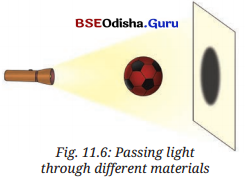
When a beam of light falls on a transparent material, it passes through almost unchanged. When a beam of light falls on a translucent material, only part of the light passes through it, so the beam appears faint or diffused. When a beam of light falls on an opaque material, light is blocked completely, and no light passes through.
Objects placed behind them can be seen clearly. Objects placed behind them look blurred or unclear. Objects placed behind them are not visible at all.

Shadow Formation

  • A shadow is formed when an object blocks light from reaching a surface.
  • Opaque objects form dark, well-defined shadows. Translucent objects form lighter, blurred shadows, while some transparent objects may form very faint sfu5£lows.
  • We need a source of light, an opaque object, and a screen (such as a wall or ground) to observe a shadow.
  • The size, shape and sharpness of a shadow depend on the position of the light source, the object and the screen.
  • Moving the object closer to the light source can make the shadow larger and fainter, while moving it closer to the screen can make the shadow smaller and sharper.
  • The colour of an object does not affect the colour of its shadow; shadows are always dark.
  • Shadows may not accurately show the shape of an object. Shadows usually match an object’s outline, but may appear stretched or distorted if the orientation of the object changes w.r.t the light source.
    Light Shadows and Reflections Class 7 Notes Science Chapter 11 1

Light: Shadows and Reflections Class 7 Notes Science Chapter 11

Reflection of Light

The bouncing back of light into the same medium when it strikes a surface is called reflection of light.

  • Reflection is most clearly seen on smooth, polished surfaces such as mirrors, glass, or calm water. Such surfaces reflect incoming light in a regular manner, forming clear images.
  • Rough surfaces scatter light in many directions and do not produce sharp images.
  • We are able to see objects only because of the reflection of light.
  • When light from a source, such as the Sun, a lamp, or a bulb, falls on an object. The object reflects the light in different directions. When the reflected light enters our eyes, we are able to see the object.
    Light Shadows and Reflections Class 7 Notes Science Chapter 11 2

Light: Shadows and Reflections Class 7 Notes Science Chapter 11

Images in a Plane Mirror

  • When you look into a plane mirror, you see your own reflection; similarly, we see reflections of other objects placed in front of the mirror.
  • The image formed by a plane mirror is erect (upright) and of the same size as the object.
  • The image formed by a plane mirror is virtual i.e., cannot be obtained on a screen.
  • The image formed by a plane mirror appears at the same distance behind the mirror as the object is in front of the mirror.
  • In the image formed by a plane mirror, your left appears as right and your right appears as left; this left-right reversal is called lateral inversion.
  • The word “AMBULANCE” is written as “ECNALUBMA” on the front of an ambulance so that it is read correctly in the rear view mirrors of the vehicles in front.
    Light Shadows and Reflections Class 7 Notes Science Chapter 11 3

Pinhole Camera

  • A pinhole camera is a device in which light rays from an object pass through a tiny hole (pinhole) and form an image on a screen.
  • The image formed by a pinhole camera is upside down, i.e., inverted. The image shows the colours of the objects, and its size depends on the distance between the object, pinhole, and screen.
  • The image formed by a pinhole camera is also laterally inverted.
    Light Shadows and Reflections Class 7 Notes Science Chapter 11 4

Some Optical Devices based on Reflection of Light

Periscope

  • A periscope is an optical instrument that uses mirrors to see objects over or around obstacles.
  • A periscope can be made by placing two plane mirrors, placed parallel to each other at 45° angle, inside a Z-shaped box or tube.
  • Reflection from the two mirrors enables us to see over or around obstacles, such as a wall or people standing in front.
  • Periscopes are used in submarines, tanks and bunkers so that people inside can see outside.
    Light Shadows and Reflections Class 7 Notes Science Chapter 11 5

Kaleidoscope

  • A kaleidoscope is an optical instrument that produces beautiful and ever-changing patterns by the reflection of light.
  • A kaleidoscope is made using three rectangular plane mirrors of equal size, arranged at 60° to each other to form a triangular prism shape, and placed inside a tube.
  • One end of the tube is covered with a transparent sheet, and small pieces of coloured bangles or beads are placed inside near this end.
    Light Shadows and Reflections Class 7 Notes Science Chapter 11 6
  • When you look through the other end, you see beautiful, symmetrical patterns formed by multiple reflections of the coloured pieces in the mirrors. When the kaleidoscope is turned or shaken the pieces move and you see a new pattern each time.
  • Multiple images formed due to reflections of reflections in three mirrors combine to form complex patterns.
  • Designers and artists often use kaleidoscopes to get ideas for new decorative patterns and designs.

Light: Shadows and Reflections Class 7 Notes Science Chapter 11

Luminous Objects: Objects that emit their own light.

Natural: Naturally occurring light sources.
For example, Sun, stars, lightning, fireflies etc.

Artificial: Man-made light sources.
For example, candles, oil lamps, tube light, LED etc.

Non-Luminous Objects

  • Objects that do not produce their own light.
  • These objects become visible when light from a luminous source falls on them and is reflected to our eyes.
  • For example, the Moon, trees, books, chairs, buildings, etc.

Interaction of Light with Different Materials

Transparent
Materials that let most light pass through, allowing us to see clearly.
Examples: Clean glass, clear water, air.

Translucent
Materials that let some light pass through but scatter it, giving a blurred view.
Examples: Frosted glass, butter paper, thin fabric.

Light: Shadows and Reflections Class 7 Notes Science Chapter 11

Opaque
Materials that do not allow light to pass through them.
Examples: Wood, stone, metals.

Formation of Shadow

  • When light falling on a screen is blocked by an object, a dark patch called a shadow is formed on the screen.
  • To observe a shadow, a source of light, an opaque object, and a screen are required.
  • The shape, size, and sharpness of a shadow depends upon the position of the object, light source, and screen.
  • Shadows may not always accurately reflect the shape of an object.

Reflection of Light

  • Reflection is the bouncing back of light from a surface.
  • Reflection of light allows us to see objects and mirror images.
  • Regular reflection occurs on smooth surfaces and gives clear images.
  • Diffused reflection occurs on rough surfaces and scatters light, producing no clear image.

Reflection of Light by a Plane Mirror

  • A plane mirror is a flat, smooth surface that reflects light to form an image of an object.
  • The images formed by plane mirrors are upright, virtual, laterally inverted, and of the same size its the object.
  • The image appears at the same distance behind the mirror as the object is in front of it.
  • Plane mirrors are commonly used in wall mirrors and dressing mirrors.

Light: Shadows and Reflections Class 7 Notes Science Chapter 11

Optical Devices

Pinhole Camera

  • A pinhole camera is a simple optical device that forms a laterally inverted, upside down image of an object on a screen using light passing through a tiny hole.
  • It works on the principle that light travels in a straight line.

Periscope

  • A periscope is an optical instrument that allows a person to see objects that are not in the direct line of sight, typically over obstacles or from a concealed position.
  • It is based on the principle of reflection of light.
  • It is commonly used in submarines and tanks.

Kaleidoscope

  • A kaleidoscope is an optical instrument that produces beautiful, ever-changing patterns by the reflection of light off multiple mirrors positioned at specific angles.
  • It works on the principle of reflections of reflections.
  • It is frequently used by artists and designers to generate ideas for new patterns.

Life Processes in Plants Class 7 Notes Science Chapter 10

Combining textbook study with BSE Odisha Class 7 Science Notes and Class 7 Science Curiosity Chapter 10 Life Processes in Plants Notes can make exam preparation more effective.

Life Processes in Plants Notes Class 7

Class 7 Science Curiosity Chapter 10 Notes

Growth in Plants

  • Growth in plants involves parameters, such as the emergence of new leaves and branches, elongation and thickening of stems and roots, and an increase in height.
  • Water and sunlight are essential for healthy plant growth. Only plants that receive both water and sunlight grow healthy and strong. Lack of water or sunlight slows plant growth and may cause the plant to wilt (due to dehydration) or even die.

Life Processes in Plants Class 7 Notes Science Chapter 10

Food Preparation

Plants are autotrophs, i.e., they prepare their own food using resources from their surroundings. Leaves are the primary site for food preparation in plants.
Life Processes in Plants Class 7 Notes Science Chapter 10 1

Leaves and Chlorophyll

  • Leaves prepare food for the plant in the form of glucose, a simple carbohydrate.
  • The green colour of leaves is due to a special pigment called chlorophyll, which traps sunlight.
  • Leaves are usually broad and flat, which helps them receive maximum sunlight.
  • The food prepared is stored in the form of starch, a complex carbohydrate.
  • Presence of starch in leaves can be tested using iodine solution (blue-black colouration). Additionally, alcohol is used to decolourise or remove the chlorophyll pigments present in the leaf, which facilitates visualisation of the colour change during the iodine test.
  • Other plant parts that contain chlorophyll can also perform photosynthesis, such as young stems; in desert plants, the stems are adapted to carry out this process.
  • Leaves are not always green; they come in a variety of colours, like red, violet, and brown. Such plants also have chlorophyll and prepare food, but the green colour gets hidden as the proportion of other coloured pigments is greater.

Life Processes in Plants Class 7 Notes Science Chapter 10

Role of Sunlight

  • Sunlight provides the energy required to prepare food.
  • Leaves kept in sunlight produce starch, while those kept in darkness do not (negative iodine test), confirming sunlight’s indispensable role in this process.
  • Photosynthesis stops at night; starch serves as the reserve food supply during night-time.

Role of Air

  • Carbon dioxide is obtained from the air.
  • In the absence of carbon dioxide, starch is not formed in leaves, even if a leaf is exposed to sunlight.
  • Oxygen is produced during photosynthesis.
  • This can be experimentally verified by observing the air bubbles released by a water plant placed under a funnel in a beaker of water (in sunlight).
  • Oxygen is essential for respiration in living beings.

Photosynthesis: A Brief Account

The entire food preparation event is termed photosynthesis, a life process unique to plants.
Steps of Photosynthesis:

  • Roots absorb water and minerals from the soil.
  • Water is transported to the leaves through xylem (section 10.3.1).
  • Leaves take in carbon dioxide from the air through stomata.
  • Chlorophyll in leaves captures sunlight.
  • Using sunlight, water, and carbon dioxide, food (glucose) is prepared in the leaves.
  • Glucose serves as an instant energy source and later is converted into starch and stored in the plant.
  • Oxygen is released into the air as a by-product.
    Word equation:
    Life Processes in Plants Class 7 Notes Science Chapter 10 2

Life Processes in Plants Class 7 Notes Science Chapter 10

Stomata

  • Leaves have tiny pores called stomata.
  • Stomata help in the exchange of gases during photosynthesis (depicted here) and respiration.
    Life Processes in Plants Class 7 Notes Science Chapter 10 3

Transport in Plants

Transport of Water and Minerals

  • Roots absorb water and minerals from the soil.
  • Water and minerals move upward through xylem.
  • Xylem is present in roots, stems, and leaves, forming a continuous channel. Transport occurs only upwards, from roots to all aerial plant parts.
    Life Processes in Plants Class 7 Notes Science Chapter 10 4

Life Processes in Plants Class 7 Notes Science Chapter 10

Transport of Food

  • Food prepared in leaves is transported to all parts of the plant.
  • Transport of food occurs through phloem.
  • Food may be stored in roots, stems, fruits, or seeds.
  • Both upward and downward movement of nutrients take place in the phloem.
    Life Processes in Plants Class 7 Notes Science Chapter 10 5

Respiration in Plants

  • Plants respire just like other living beings to obtain energy from the food they produce.
  • This can be experimentally verified by placing germinating seeds in a sealed flask connected to a test tube containing lime water, which turns milky. The other test tube shows no change, confirming that germinating seeds release carbon dioxide during respiration.
  • Respiration occurs in all parts of the plant, both day and night. During respiration, glucose is broken down (using oxygen), with the release of carbon dioxide, water, and energy.
    Word equation: Glucose + Oxygen → Carbon dioxide + Water + Energy

Life Processes in Plants Class 7 Notes Science Chapter 10

Comparison between Photosynthesis and Respiration

Photosynthesis Respiration
Food (glucose) is prepared by plants. Food is broken down to release energy for growth and life activities.
Occurs primarily in the leaves and other green parts of the plant. Occurs in all parts of the plant.
Requires carbon dioxide and water, along with chlorophyll and the presence of sunlight. Requires oxygen and glucose.
Produces glucose and oxygen. Produces carbon dioxide, water, and energy.
Occurs mainly during the daytime. Occurs day and night (does not require sunlight).

Photosynthesis: The process by which plants prepare food in the presence of sunlight and chlorophyll.
Life Processes in Plants Class 7 Notes Science Chapter 10 2

Raw materials

  • Sunlight
  • Chlorophyll
  • Carbon dioxide
  • Water

Site of Photosynthesis

  • Leaves are the primary site of photosynthesis.
  • They contain a green pigment called chlorophyll, which captures sunlight.
  • Chlorophyll helps in food preparation in the form of carbohydrates (glucose).
  • As leaves prepare food, they are called the ‘food factories’ of plants.
  • Other parts of the plants which have chlorophyll (e.g., young stems) also perform photosynthesis.

Life Processes in Plants Class 7 Notes Science Chapter 10

Products of Photosynthesis

  • Glucose: The primary product; it is later converted into starch for storage (reserve food).
  • Oxygen: A by-product that all living beings respire to stay alive.

Site of Gaseous Exchange

  • Gaseous exchange occurs through tiny pores present on the surface of leaves called stomata.
  • Carbon dioxide and oxygen are exchanged during photosynthesis and respiration.

Growth in Plants

  • Growth involves the formation of new leaves, branches, stem thickening, and increase in height.
  • Requires sunlight and water

Experimental Chemicals and their Uses Iodine solution

  • Tests for the presence of starch in leaves (indicates whether photosynthesis has occurred in a leaf).
  • Alcohol – Removes chlorophyll from the leaf to help visualise the colour change during the starch test.
  • Caustic soda (sodium hydroxide) – Absorbs carbon dioxide (proves that carbon dioxide is necessary for photosynthesis).
  • Lime water – Turns milky in the presence of carbon dioxide (confirms respiration in plants).

Life Processes in Plants Class 7 Notes Science Chapter 10

Transportation

Transport of water and Minerals

  • Xylem transports water and minerals to leaves and other plant parts.
  • Transport occurs only upwards, from roots to all aerial plant parts through these thin tubular structures.
  • Water transported is used for various functions, like photosynthesis. Minerals are essential nutrients required for healthy growth of plants.

Transport of Food

  • Phloem is another set of thin, tubular structure that transports food in plants.
  • Transport occurs both upwards and downwards, from leaves to all plant parts.
  • Food transported is stored in parts like seeds and roots.

Respiration

  • Plants also respire like animals and human beings.
  • The process of break down of glucose in the presence of oxygen to release energy.
    Glucose + Oxygen → Carbon dioxide + Water + Energy

Raw Materials

  • Oxygen
  • Glucose

Life Processes in Plants Class 7 Notes Science Chapter 10

Site of Respiration

  • All plant parts, green or non-green, perform respiration.
  • Plants obtain the energy required for growth, development and performing other life processes through the breakdown of the food they produce.

Productof Respiration

  • Carbon dioxide
  • Water
  • Energy

Class 6 Social Science Chapter 1 Question Answer Odia Medium ପୃଥିବୀରେ ସ୍ଥାନ ଚିହ୍ନଟ କରିବା

Go through Class 6 Social Science Solutions Odia Medium and Class 6 Social Science Chapter 1 Question Answer Odia Medium ପୃଥିବୀରେ ସ୍ଥାନ ଚିହ୍ନଟ କରିବା to understand textbook questions more clearly.

6th Class Social Science Chapter 1 Question Answer Odia Medium

Class 6 Social Science Chapter 1 Odia Medium

ପ୍ରଶ୍ନ, ଅଭ୍ୟାସକାର୍ଯ୍ୟ ଏବଂ ପ୍ରକଳ୍ପ :

Question 1.
୧୮ ୨.୫ ସେ.ମି. = ୫୦୦ କି.ମି. ଏହି ମାପକୁ ଆଧାର କରି ପଞ୍ଚମ ଅଧ୍ୟାୟରେ ଚିତ୍ର ୫.୨ରେ ଥ‌ିବା ମାନଚିତ୍ରର ପୃଷ୍ଠା ୭୮ ଅନୁସାରେ ନର୍ମଦା ନଦୀର ମୁହାଣରୁ ଗଙ୍ଗାନଦୀର ମୁହାଣ ପର୍ଯ୍ୟନ୍ତ ପ୍ରକୃତ ଦୂରତା ନିର୍ଣ୍ଣୟ କର । (ସୂଚନା : ତୁମ ମାପଟିକୁ ଏକ ପୂର୍ଣ୍ଣ ସଂଖ୍ୟାରେ ପ୍ରକାଶ କର ।)
Answer:
ପ୍ରଦତ୍ତ ମାନଚିତ୍ରର ମାପରୁ ଜଣାପଡ଼େ ଯେ ନର୍ମଦା ନଦୀର ମୁହାଣଠାରୁ ଗଙ୍ଗାନଦୀର ମୁହାଣ ପର୍ଯ୍ୟନ୍ତ ଦୂରତା ୧୦ ସେ.ମି. ଅଟେ ।
ସୁତରାଂ ଯଦି ୨.୫ ସେ.ମି. = ୫୦୦ କି.ମି.
ତେବେ ୧୦ ସେ.ମି. = 800 × 8 = ୨୦୦୦ କି.ମି.
ତେଣୁ ନର୍ମଦା ନଦୀର ମୁହାଣଠାରୁ ଗଙ୍ଗା ନଦୀର ମୁହାଣର ଦୂରତା ୨୦୦୦ କି.ମି. ଅଟେ ।

Question 2.
ଲଣ୍ଡନରେ ମଧ୍ୟାହ୍ନ ୧୨ଟା ବାଜିଥିବାବେଳେ ଭାରତର ଅପରାହ୍ଣ ସାଢ଼େ ୫ଟା କାହିଁକି ?
Answer:
ଲଣ୍ଡନରେ ମଧ୍ୟାହ୍ନ ୧୨ଟା ସମୟବେଳେ ଭାରତରେ ଅପରାହ୍ନ ୫.୩୦ ହୋଇଥାଏ । ଏହାର କାରଣ
ଲଣ୍ଡନ ଗ୍ରୀନୱିଚ ମିନ୍ ଟାଇମ (GMT) ଅନୁସାରେ ୦° ଦ୍ରାଘିମା ଥିବାବେଳେ ଭାରତର ଷ୍ଟାଣ୍ଡାର୍ଡ଼ ମେରିତିଆନ
82% E ଦ୍ରାଘିମା ଅଟେ ।
ତେଣୁ ୧° = ୪ ମିନିଟ୍
Class 6 Social Science Chapter 1 Question Answer Odia Medium ପୃଥିବୀରେ ସ୍ଥାନ ଚିହ୍ନଟ କରିବା-5
୩୩୦ ମିନିଟ୍ ÷ ୬୦ = ୫ ଘଣ୍ଟା ୩୦ ମିନିଟ୍
ସୁତରାଂ ଭାରତୀୟ ଷ୍ଟାଣ୍ଡାର୍ଡ଼ ଟାଇମ୍ ଲଣ୍ଡନ ସମୟଠାରୁ ଘ୫.୩୦ମିନିଟ ଆଗୁଆ । ତେଣୁ ଲଣ୍ଡନର ସମୟ ମଧ୍ୟାହ୍ନ ୧୨ଟା ସମୟରେ ଭାରତରେ ଷ୍ଟାଣ୍ଡାର୍ଡ଼ ସମୟ ୫ ଘଣ୍ଟା ୩୦ ମିନିଟ୍ ଆଗୁଆ ହେତୁ ସେତେବେଳେ ଭାରତରେ ଅପରାହ୍ନ ୫.୩୦ ହୋଇଥାଏ ।

Question 3.
ଆମେ ମାନଚିତ୍ରରେ କାହିଁକି ସଙ୍କେତ ଓ ରଙ୍ଗର ବ୍ୟବହାର କରୁ ?
Answer:
ସଙ୍କେତ ଏବଂ ରଙ୍ଗ ମାନଚିତ୍ରର ମୁଖ୍ୟ ଅଂଶ ଅଟେ । ଏହା ମାଧ୍ୟମରେ ମାନଚିତ୍ରର ସ୍ୱଳ୍ପ ସ୍ଥାନ ମଧ୍ୟରେ ଆମେ ଅନେକ ପାହାଡ଼, ନଦୀ, ସହର, କୋଠାଘର, ମନ୍ଦିର, ରାସ୍ତା ଏବଂ ଅନ୍ୟାନ୍ୟ ବୈଶିଷ୍ଟ୍ୟ ଦେଖାଇଥାଉ ।

ସଙ୍କେତ ଏବଂ ରଙ୍ଗଦ୍ଵାରା ପାଠକ ସହଜରେ ବିଭିନ୍ନ ସ୍ଥାନକୁ ବୁଝିପାରେ ଏବଂ ଅନ୍ୟକୁ ବୁଝାଇପାରେ ।
ଭାରତ ସରକାରଙ୍କ ସର୍ଭେ ଅଫ୍ ଇଣ୍ଡିଆଦ୍ଵାରା ଏକ ପ୍ରକାର ନିର୍ଦ୍ଦିଷ୍ଟ ସଙ୍କେତ ଓ ରଙ୍ଗ ନିର୍ଦ୍ଦିଷ୍ଟ ସ୍ଥାନ ଦର୍ଶାଇବା ପାଇଁ ବ୍ୟବହାର ହୋଇଥାଏ ।

Question 4.
ତୁମ ଘର କିମ୍ବା ବିଦ୍ୟାଳୟର ଆଠଟି ଦିଗରେ କ’ଣ ଅଛି ତାହାର ଏକ ତାଲିକା ପ୍ରସ୍ତୁତ କର ।
Answer:
ପ୍ରଥମେ ତୁମେ ତୁମ ଘରକୁ କେନ୍ଦ୍ରକରି ଭାବି ଦେଖ ଯେ ଯେଉଁ ଆଠଟି ଦିଗ ଉପରେ ଦର୍ଶାଯାଇଛି ତା’ର ପ୍ରତିଟି ଦିଗରେ କ’ଣ ଅଛି । ସେଗୁଡ଼ିକୁ ଉଲ୍ଲେଖ କର ।
Class 6 Social Science Chapter 1 Question Answer Odia Medium ପୃଥିବୀରେ ସ୍ଥାନ ଚିହ୍ନଟ କରିବା-6
(୧) ଉତ୍ତର ପୋଖରୀ
(୨) ଉତ୍ତର ପୂର୍ବ – ବିଦ୍ୟାଳୟ
(୩) ପୂର୍ବ ପଞ୍ଚାୟତ ଅଫିସ
(୪) ଦକ୍ଷିଣ ପୂର୍ବ – କଲ୍ୟାଣ ମଣ୍ଡପ
(୫) ଦକ୍ଷିଣ ଯାତ୍ରା ପଡ଼ିଆ
(୬) ଦକ୍ଷିଣ ପଶ୍ଚିମ – ପାଣି ଟାଙ୍କି
(୭) ପଶ୍ଚିମ – ହାଟ
(୮) ଉତ୍ତର ପଶ୍ଚିମ – ମୁଣ୍ଡିଆ ପାହାଡ଼

(ଉପରୋକ୍ତ ଉତ୍ତରଟି ଉଦାହରଣ ଭାବେ ଦିଆଯାଇଛି । ପିଲାମାନେ ନିଜ ଘର କିମ୍ବା ବିଦ୍ୟାଳୟର ଅବସ୍ଥିତି ଅନୁସାରେ କେଉଁ ଦିଗରେ କ’ଣ ଅଛି ଲେଖୁବେ ।)

Question 5.
ସ୍ଥାନୀୟ ସମୟ ଏବଂ ପ୍ରମାଣ ସମୟ ମଧ୍ୟରେ ପାର୍ଥକ୍ୟ କ’ଣ ? ଏହାକୁ ଦଳରେ ଆଲୋଚନା କରି ପ୍ରତ୍ୟେକ ଦଳ ୧୦୦ ରୁ ୧୫୦ ଶବ୍ଦରେ ଏକ ଉତ୍ତର ଲେଖ ? ଉତ୍ତରଗୁଡ଼ିକୁ ତୁଳନା କର ।
Answer:
ଉଭୟ ସ୍ଥାନୀୟ ସମୟ ଏବଂ ପ୍ରମାଣ ସମୟ ସେମାନଙ୍କ ମଧ୍ୟନ୍ଦିନ ରେଖା (ମେରିଡ଼ିଆନ) ଉପରେ ପର୍ଯ୍ୟବସିତ । ବିଦ୍ୟାଳୟରେ ଏକ ଶ୍ରେଣୀ କାର୍ଯ୍ୟକ୍ରମଭାବେ ଛାତ୍ରଛାତ୍ରୀମାନେ କେତେକ ଦଳରେ ବିଭକ୍ତ ହୋଇ ଏହା ସମ୍ପର୍କରେ ଆଲୋଚନା କରିପାରିବେ ।

ଦଳ ‘କ’, ‘ଖ’ ଓ ‘ଗ’ରେ ବିଭକ୍ତ ହୋଇ ପ୍ରତ୍ୟେକ ଦଳରେ ପ୍ରାୟ ୧୨ ଜଣ ଲେଖାଏଁ ପିଲା ରହିପାରନ୍ତି । ଦଳ ‘କ’ ଆମ ଦେଶ ଭାରତକୁ ଉଦାହରଣ ରୂପେ ନେଇ ଆଲୋଚନା କରି କହିଲା, ମୂଳ ମଧ୍ୟଦିନ (ପ୍ରାଇମ୍ ମେରିଡ଼ିଆନ୍)ଠାରୁ ଯେଉଁ ସ୍ଥାନ ଯେତେ ପୂର୍ବକୁ ରହିବ ସେହି ସ୍ଥାନର ସ୍ଥାନୀୟ ସମୟ ୧°କୁ ୪ମିନିଟ୍ ହିସାବରେ ବଢ଼ି ବଢ଼ି ଯିବ ଏବଂ ଯେଉଁ ସ୍ଥାନ ପ୍ରାଇମ୍ ମେରିଡିଆନ୍‌ଠାରୁ ଯେଉଁ ସ୍ଥାନ ଯେତେ ପଶ୍ଚିମକୁ ରହିବ ତାହାର ସ୍ଥାନୀୟ ସମୟ ୧° କୁ ୪ ମିନିଟ୍ ହିସାବରେ କମି କମି ଯିବ ।

ଅର୍ଥାତ୍ ମୂଳ ମଧ୍ୟଦିନ ପାଖରେ ଯଦି ମଧ୍ୟାହ୍ନ ୧୨ଟା ୧୨.୦୪ ହୋଇଥିବାବେଳେ ୧° ପଶ୍ଚିମକୁ ସମୟ ହୋଇଥବ ତେବେ ତା’ର ୧° ପୂର୍ବକୁ ସମୟ ୧୧.୫୬ ମିନିଟ୍ ହୋଇଥ‌ିବ ।

ଗୋଟିଏ ଦେଶ ମଧ୍ୟରେ ଅନେକଗୁଡ଼ିକଏ ମଧ୍ୟନ୍ଦିନ ରେଖା ଥିଲେ ମଧ୍ୟ ଗୋଟିଏ ମଧ୍ୟନ୍ଦିନରେଖା ଉପରିସ୍ଥ ସମୟକୁ ଦେଶର ପ୍ରମାଣ ସମୟ ରୂପେ ଗ୍ରହଣ କରାଯାଏ । ଯେପରି Class 6 Social Science Chapter 1 Question Answer Odia Medium ପୃଥିବୀରେ ସ୍ଥାନ ଚିହ୍ନଟ କରିବା-7 ପୂର୍ବ ମଧ୍ୟନ୍ଦିନ ରେଖାର ସ୍ଥାନୀୟ ସମୟକୁ ଭାରତର ପ୍ରମାଣ ସମୟ ରୂପେ ଗ୍ରହଣ କରାଯାଇଛି । ଏହି ମଧ୍ୟନ୍ଦିନ ରେଖାର ସ୍ଥାନୀୟ ସମୟକୁ ସାରା ଦେଶରେ ବ୍ୟବହାର କରାଯାଏ ।
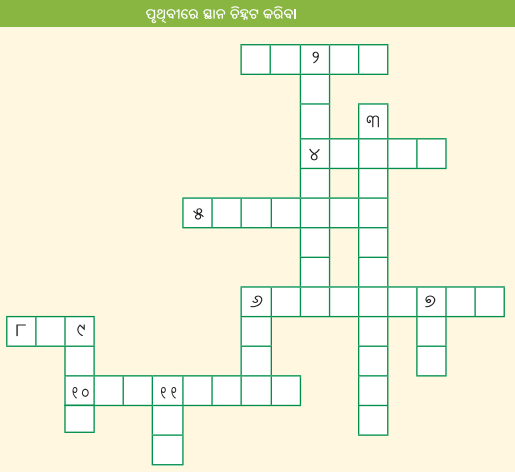
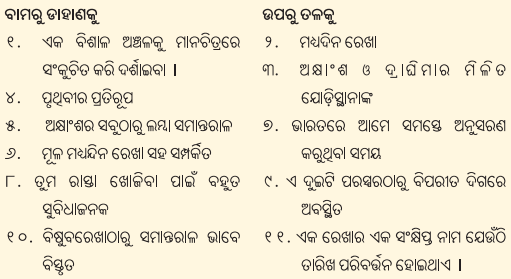
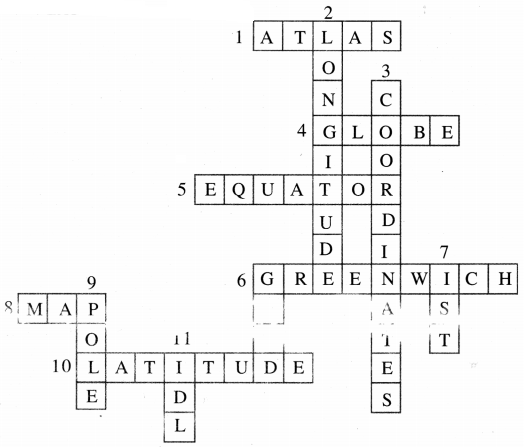
ଏହି କାରଣରୁ ଅପରାହ୍ନ ଘ ୪.୦୦ ସମୟରେ ଭାରତର ପୂର୍ବରେ ଥିବା ଆସାମର ତିନିସୁକିଆଠାରେ ସୂର୍ଯ୍ୟ ଅସ୍ତ ହେବାକୁ ଯାଉଥିବାବେଳେ ପଶ୍ଚିମରେ ଥ‌ିବା ପୋରବନ୍ଦରଠାରୁ ସୂର୍ଯ୍ୟ ଅସ୍ତ ହେବାକୁ ୨ ଘଣ୍ଟା ବାଜିଥାଏ ।

ଭାରତର ପୂର୍ବ ପ୍ରାନ୍ତ ଓ ପଶ୍ଚିମ ପ୍ରାନ୍ତ ମଧ୍ୟରେ ସ୍ଥାନୀୟ ସମୟରେ ପ୍ରାୟ ୨ ଘଣ୍ଟା ପାର୍ଥକ୍ୟ ଥ‌ିବାବେଳେ ପ୍ରମାଣ ସମୟ ଏକା ରହିଥାଏ ।

Question 6.
ଦିଲ୍ଲୀ ଓ ବେଙ୍ଗାଲୁରୁର ଅକ୍ଷାଂଶ ଯଥାକ୍ରମେ ୨୯° ଉତ୍ତର ଓ ୧୩° ଉତ୍ତର ଏବଂ ସେମାନଙ୍କର ଦ୍ରାଘିମା ପ୍ରାୟ ୭୭° ପୂର୍ବ । ଦୁଇ ସହର ମଧ୍ୟରେ ସ୍ଥାନୀୟ ସମୟର ପାର୍ଥକ୍ୟ କେତେ ରହିବ ?
Answer:
ଦିଲ୍ଲୀ ଓ ବେଙ୍ଗାଲୁର ସହର ମଧ୍ୟରେ ସ୍ଥାନୀୟ ସମୟକୁ ନେଇ କୌଣସି ପାର୍ଥକ୍ୟ ରହିବ ନାହିଁ । ଯେହେତୁ ଉଭୟ ସହର ଦ୍ରାଘିମାର ଗୋଟିଏ ମଧ୍ୟନ୍ଦିନ ରେଖାରେ ଅନ୍ତର୍ଗତ । ସମୟ ନିର୍ଦ୍ଧାରଣ କ୍ଷେତ୍ରରେ ଅକ୍ଷାଂଶର କିଛି ଭୂମିକା ନଥାଏ, ଏହା କେବଳ ଦ୍ରାଘିମା ଉପରେ ନିର୍ଭର କରେ ।

Question 7.
ନିମ୍ନଲିଖତ ଭକ୍ତିଗୁଡ଼ିକୁ ମଧ୍ୟରୁ ଭୁଲ୍ କିମ୍ବା ଠିକ୍ ଚିହ୍ନଟ କରି ତୁମ ଉତ୍ତରକୁ ଗୋଟିଏ କିମ୍ବା ଦୁଇଟି ବାକ୍ୟରେ ପ୍ରକାଶ କର ।
(କ) ସମସ୍ତ ସମାକ୍ଷରେଖାର ଦୈର୍ଘ୍ୟ ସମାନ ।
(ଖ) ଏକ ଦ୍ରାଘିମାର ଦୈର୍ଘ୍ୟ, ବିଷୁବ ବୃତ୍ତର ପ୍ରାୟ ଅଧା ଅଟେ ।
(ଗ) ଦକ୍ଷିଣ ମେରୁର ଅକ୍ଷାଂଶ ୯୦° ଦକ୍ଷିଣ ଅଟେ ।
(ଘ) ଆସାମରେ ସ୍ଥାନୀୟ ସମୟ ଏବଂ ଭାରତର ପ୍ରମାଣ ସମୟ (IST) ସମାନ ।
(ଙ) ସମସ୍ତ ମଣ୍ଡଳକୁ ଅଲଗା କରୁଥିବା ରେଖାଗୁଡ଼ିକ ମଧ୍ୟନ୍ଦିନ ରେଖା ।
(୦) ବିଷୁବରେଖା ଏକ ସମାକ୍ଷରେଖା ଅଟେ ।
Answer:
(କ) ଏହା ଭୁଲ୍ । ସମସ୍ତ ସମାକ୍ଷରେଖାର ଦୈର୍ଘ୍ୟ ସମାନ ନୁହେଁ । କାରଣ ଆମ ପୃଥ‌ିବୀ ଏକ ପୂର୍ଣ୍ଣ ଗୋଲାକାର ନ ହୋଇ ଉଭୟ ମେରୁ ଅଞ୍ଚଳରେ ଚେପ୍‌ଟା ହୋଇଅଛି । ସୁତରାଂ ସମାକ୍ଷରେଖା ବିଷୁବ ବୃତ୍ତଠାରେ ଦୀର୍ଘତମ ହୋଇଥିବାବେଳେ ଉଭୟ ମେରୁଆଡ଼କୁ ଏହାର ଦୈର୍ଘ୍ୟ କମି କମି ଯାଏ ।

(ଖ) ହଁ, ଏହା ସତ୍ୟ । ସମସ୍ତ ମଧ୍ୟନ୍ଦିନ ରେଖା ମେରୁ ନିକଟରେ ପହଞ୍ଚିବାରୁ ସମାନ ଉତ୍ତର-ଦକ୍ଷିଣ ରେଖା ସୃଷ୍ଟି କରିଥା’ନ୍ତି ।

(ଗ) ହଁ, ଠିକ୍ । ଇକ୍ଟେଟର ବା ବିଷୁବ ବୃତ୍ତର ୦° ଠାରୁ ୯୦° ଉତ୍ତର ଏବଂ ୯୦° ଦକ୍ଷିଣକୁ ଅକ୍ଷାଂଶ ରହିଛି ଯାହାକି ଉଭୟ ଉତ୍ତର ମେରୁ ଓ ଦକ୍ଷିଣ ମେରୁକୁ ସ୍ପର୍ଶ କରିଅଛି । ସୁତରାଂ ଦକ୍ଷିଣ ମେରୁର ଅକ୍ଷାଂଶ ୯୦° ଦକ୍ଷିଣ ଅଟେ ।

(ଘ) ଏହା ଭୁଲ୍ । ଭାରତର ଷ୍ଟାଣ୍ଡାର୍ଡ଼ ଟାଇମ୍ (IST) ବା ପ୍ରମାଣ ସମୟକୁ ୮୨ କରାଯାଇଛି । ଆସାମ କିନ୍ତୁ ୮୨ ଠାରୁ ଅଧ‌ିକ ପୂର୍ବକୁ ଅଛି । ତେଣୁ ଆସାମର ସ୍ଥାନୀୟ ସମୟ ଏବଂ ଭାରତର ପ୍ରମାଣ ସମୟ ସମାନ ନୁହେଁ । କିନ୍ତୁ ଆସାମ ଭାରତର ପ୍ରମାଣ ସମୟକୁ ଗ୍ରହଣ କରିନେଇଛି କାରଣ ସମଗ୍ର ଦେଶରେ ଏପରିକି ସମଗ୍ର କେନ୍ଦ୍ରାଞ୍ଚଳରେ ମଧ୍ୟ ଭାରତୀୟ ପ୍ରମାଣ ସମୟ (IST) କାର୍ଯ୍ୟକାରୀ ହୋଇଅଛି ।

(ଙ) ହଁ ଏହା ଠିକ୍ । ସମସ୍ତ ମଣ୍ଡଳଗୁଡ଼ିକ ପ୍ରତି ୧୫° ଦ୍ରାଘିମାରେ ସ୍ଥାନୀୟ ସମୟ ଅନୁସାରେ ପ୍ରତି ୧ ଘଣ୍ଟାରେ ପରିବର୍ତ୍ତନ ହୋଇଥାଏ । ଯେହେତୁ ବୃତ୍ତଟି ୩୬୦° ତେଣୁ ପୃଥ‌ିବୀ ୨୪ ଘଣ୍ଟାରେ ଏକ ପୂର୍ଣ୍ଣ ପୂର୍ବକ କରିଥାଏ । ତେଣୁ ଦିନକୁ ୨୪ ଘଣ୍ଟା ଧରାଯାଏ । ସବୁ ସମୟ ମଣ୍ଡଳ ଏକାପରି ହୋଇଥିବା ହେତୁ ସେମାନଙ୍କ ମଧ୍ୟନ୍ଦିନ ରେଖା ଉଭୟ ପୂର୍ବ ଏବଂ ପଶ୍ଚିମକୁ ୦°, ୧୫°, ୩୦°, ୪୫°, ୬୦°, ୫୫°……. ୧୮୦° ପର୍ଯ୍ୟନ୍ତ ଯାଇଥାଏ ।

(ଚ) ହଁ, ଏହା ଠିକ୍ । ବିଷୁବ ରେଖା ହେଉଛି ସବୁଠାରୁ ମୁଖ୍ୟ ସମାନ୍ତରାଳ ରେଖା ଯାହା ୦° ଅକ୍ଷାଂଶରେ ପୃଥ‌ିବୀର ମଧ୍ୟଦେଇ ଗତିକରି ପୃଥ‌ିବୀକୁ ସମାନ ଦୁଇଭାଗରେ ଉତ୍ତର ଗୋଲାର୍ଦ୍ଧ ଓ ଦକ୍ଷିଣ ଗୋଲାର୍ଦ୍ଧରେ ବିଭକ୍ତ କରିଅଛି । ସୁତାରଂ ବିଷୁବ ବୃତ୍ତ ହେଉଛି ସବୁଠାରୁ ବଡ଼ ସମାକ୍ଷ ବୃତ୍ତ । ବିଷୁବ ବୃତ୍ତଠାରୁ ସମାନ୍ତରାଳ ଅକ୍ଷାଂଶଗୁଡ଼ିକର ଦୈର୍ଘ୍ୟ ଉଭୟ ଉତ୍ତର ଓ ଦକ୍ଷିଣକୁ କମି କମି ଯାଇଥାଏ ।

Class 6 Social Science Chapter 1 Question Answer Odia Medium ପୃଥିବୀରେ ସ୍ଥାନ ଚିହ୍ନଟ କରିବା

Question 8.
ନିମ୍ନରେ ଦିଆଯାଇଥିବା ତଥ୍ୟଅନୁସାରେ ଗ୍ରୀଡକୁ ବନ୍ଧନୀ ମଧ୍ଯରେ ଦିଆଯାଇଥବା ଇଂରାଜୀ ଶବ୍ଦକୁ ବ୍ୟବହାର କରି ପୂରଣ କର ।
(LATITUDE, POLE, GLOBE, ATLAS, LONGITUDE, EQUATOR, COORDINATES, GREENWICH, IST, MAP, IDL)
Class 6 Social Science Chapter 1 Question Answer Odia Medium ପୃଥିବୀରେ ସ୍ଥାନ ଚିହ୍ନଟ କରିବା-8

Class 6 Social Science Chapter 1 Question Answer Odia Medium ପୃଥିବୀରେ ସ୍ଥାନ ଚିହ୍ନଟ କରିବା-9
Answer:
୧. ATLAS
୨.LONGITUDE
୩. COORDINATES
୪. GLOBE
୫. EQUATOR
୬. GREENWICH
୭. IST
୮. MAP
୯. POLE
୧୦. LATTITUDE
୧୧. IDL
Class 6 Social Science Chapter 1 Question Answer Odia Medium ପୃଥିବୀରେ ସ୍ଥାନ ଚିହ୍ନଟ କରିବା-10

ଦୀର୍ଘ ଉତ୍ତରମୂଳକ ପ୍ରଶ୍ନୋତ୍ତର

Question 1.
ମାନଚିତ୍ର କହିଲେ କ’ଣ ବୁଝ ଏବଂ ଆମେ ଏହାକୁ କିପରି ବ୍ୟବହାର କରୁ ? ଏହାର ମୁଖ୍ୟ ଉପାଦାନ ସବୁ କ’ଣ ?
Answer:
ମାନଚିତ୍ର ହେଉଛି ପୃଥ‌ିବୀର କୌଣସି ସ୍ଥାନର ଚିତ୍ର ଯାହାକୁ ଆମେ ଚିତ୍ରିତ ଉପସ୍ଥାପନା କରିଥାଉ । ସେ ଚିତ୍ର ଯେକୌଣସି ଛୋଟ କିମ୍ବା ବଡ଼ ଅଞ୍ଚଳ ହୋଇଥାଇପାରେ । ଏପରିକି ଦେଶ, ରାଜ୍ୟ କିମ୍ବା ପୃଥ‌ିବୀର ମଧ୍ଯ ହୋଇପାରେ ।
ଗୋଟିଏ ମାନଚିତ୍ରରୁ ଅନେକ ତଥ୍ୟ ମିଳିଥାଏ ।
ବିଭିନ୍ନ ମାନଚିତ୍ରମାନଙ୍କର ଏକ ସମନ୍ବିତ ପୁସ୍ତକକୁ ଭୂଚିତ୍ରାବଳୀ (ATLAS) କୁହାଯାଏ । ମାନଚିତ୍ର ସାଧାରଣତଃ ତିନି ପ୍ରକାରର ଥାଏ, ଯଥା-
(୧) ଭୌତିକ ବା ପ୍ରାକୃତିକ ମାନଚିତ୍ର
(୨) ରାଜନୈତିକ ମାନଚିତ୍ର
(୩) ତଥ୍ୟଭିଭିକ ମାନଚିତ୍ର ।

(୧) ଭୌତିକ ବା ପ୍ରାକୃତିକ ମାନଚିତ୍ର – ଏହି ମାନଚିତ୍ରରେ ପୃଥ‌ିବୀର ପ୍ରାକୃତିକ ବୈଶିଷ୍ଟ୍ୟ ଯଥା ପର୍ବତ, ଜଙ୍ଗଲ, ମହାସାଗର ଏବଂ ନଦୀ ଓ ଝରଣା ଇତ୍ୟାଦି ପ୍ରଦର୍ଶିତ ହୋଇଥାଏ ।

(୨) ରାଜନୈତିକ ମାନଚିତ୍ର – ଏହି ମାନଚିତ୍ରରେ ବିଭିନ୍ନ ଦେଶ, ସେମାନଙ୍କର ସୀମା ଓ ରାଜଧାନୀ, ବୃହତ୍ ସହର ଓ ବାଣିଜ୍ୟ କେନ୍ଦ୍ର ଇତ୍ୟାଦି ପ୍ରଦର୍ଶିତ ହୋଇଥାଏ । ଆମ ଦେଶ ଭାରତର ମାନଚିତ୍ରରେ ଆମେ ସମସ୍ତ ରାଜ୍ୟ, କେନ୍ଦ୍ରଶାସିତ ଅଞ୍ଚଳ ଏବଂ ଦେଶ ଓ ରାଜ୍ୟର ରାଜଧାନୀମାନ ଦେଖ‌ିବାକୁ ପାଉ ।

(୩) ତଥ୍ୟଭିତ୍ତିକ ମାନଚିତ୍ର – ଏହି ମାନଚିତ୍ରରେ ଏକ ନିର୍ଦ୍ଦିଷ୍ଟ ପ୍ରକାରର ସୂଚନା ସହିତ ତଥ୍ୟଭିଭିକ ବା ପ୍ରାସଙ୍ଗିକ ଶୀର୍ଷକ ସ୍ଥାନ ପାଇଥାଏ । ଉଦାହରଣ ସ୍ୱରୂପ କୋଇଲା ଖଣି, ଜନସଂଖ୍ୟା ଓ ଖଣିଜ ମାନଚିତ୍ର ଇତ୍ୟାଦି ଅଟେ ।

ମାନଚିତ୍ରର ଉପାଦାନ – ପ୍ରତ୍ୟେକ ମାନଚିତ୍ରର ତିନୋଟି ମୌଳିକ ଉପାଦାନ ଥାଏ । ସେଗୁଡ଼ିକ ମୁଖ୍ୟତଃ ତିନୋଟି ଯଥା ଦୂରତା, ଦିଗ ଓ ସଙ୍କେତ ।

ଦୂରତା – ମାନଚିତ୍ରରେ ପ୍ର୧୦ ସେଣ୍ଟିମିଟର, ଭୂମିରେ ଏକ ନିର୍ଦ୍ଦିଷ୍ଟ ଦୂରତା ଦେଖାଇଥାଏ । ଏହା ମାନଚିତ୍ର ନିମ୍ନ ବାମ କୋଣରେ ରୁଲରେ ଦର୍ଶାଯାଇଥାଏ । ଯଦି ମାନଚିତ୍ରର ମାନ ୧ ସେ.ମି. = ୨ କି.ମି. ହୁଏ, ଏହାର ଅର୍ଥ ମାନଚିତ୍ରରେ ୧ ସେ.ମି. ଦୂରତା ଭୂମି ଉପରେ ୨ କିଲୋମିଟର ଦୂରତା ସହ ସମାନ ହୋଇଥାଏ । ସମଗ୍ର ଦେଶର ମାନଚିତ୍ର ଏକ କାଗଜ ଉପରେ ଅଙ୍କନ କଲାବେଳେ ଏହି ମାନ ଉପରେ ଗୁରୁତ୍ଵ ଦିଆଯାଏ ।

ଦୂରତା – ମାନଚିତ୍ରର ଉପର ଡାହାଣ କୋଣରେ ଦିଗସୂଚକ ରେଖା ଥାଏ । ସାଧାରଣତଃ ମାନଚିତ୍ରର ଉପରଭାଗ ଉତ୍ତରଦିଗ, ତଳ ଭାଗ ଦକ୍ଷିଣ ଦିଗ, ଡାହାଣ ପାର୍ଶ୍ଵ ପୂର୍ବ ଦିଗ ଓ ବାମ ପାର୍ଶ୍ଵ ପଶ୍ଚିମ ଦିଗ ସୂଚାଇଥାଏ ।

ସଙ୍କେତ – ବୃହତ୍ ସହର ବା ଦେଶ ଅଙ୍କନ କରିବା ପାଇଁ ମାନଚିତ୍ରରେ ପର୍ଯ୍ୟାପ୍ତ ସ୍ଥାନ ନଥାଏ । ବିଭିନ୍ନ ପ୍ରକାର କୋଠା (ରେଳଷ୍ଟେସନ, ବିଦ୍ୟାଳୟ, ଡାକଘର), ରାସ୍ତା ଏବଂ ରେଳ ଲାଇନ ଏବଂ ନଦୀ ପୋଖରୀ କିମ୍ବା ଜଙ୍ଗଲ ପରି ପ୍ରାକୃତିକ ଉପାଦାନ ପାଇଁ ସ୍ଵତନ୍ତ୍ର ସଙ୍କେତ ବ୍ୟବହୃତ ହୁଏ । ମାନଚିତ୍ରକୁ ବ୍ୟବହାରକାରୀମାନଙ୍କଦ୍ଵାରା ଅଧ୍ବକ ସହଜରେ ବୁଝିବା ପାଇଁ ମାନଚିତ୍ରର ପ୍ରସ୍ତୁତକାରୀ (cartographer) ନିର୍ଦ୍ଦିଷ୍ଟ ସଙ୍କେତ ବ୍ୟବହାର କରନ୍ତି । ବିଭିନ୍ନ ଦେଶ ଭିନ୍ନଭିନ୍ନ ସଙ୍କେତ ବ୍ୟବହାର କରନ୍ତି । ଭାରତୀୟ ସର୍ବେକ୍ଷଣ ସଂସ୍ଥା (Survey of India), ଏକ ସରକାରୀ ସଂସ୍ଥା, ଏହା ଭାରତର ମାନଚିତ୍ର (ଭାରତର କିଛି ଅଂଶ) ପାଇଁ ଏକ ସଙ୍କେତ ସେଟ୍ ସ୍ଥିର କରିଛି ।

Question 2.
ଯୋଡ଼ିସ୍ଥାନାଙ୍କ (coordinate) କ’ଣ ? ଅକ୍ଷାଂଶ ଓ ଦ୍ରାଘିମାର ବ୍ୟବହାର କରି ଆମେ ପୃଥ‌ିବୀର ଯେକୌଣସି ସ୍ଥାନର ଅବସ୍ଥିତି କିପରି ନିରୂପଣ କରିପାରିବା ?
Answer:
ପୃଥ‌ିବୀ ମାନଚିତ୍ରରେ ଯେକୌଣସି ସ୍ଥାନକୁ ଚିହ୍ନଟ କରିବାପାଇଁ ଯୋଡ଼ିସ୍ଥାନାଙ୍କକୁ ବ୍ୟବହାର କରାଯାଏ । ଏହି ଯୋଡ଼ିସ୍ଥାନାଙ୍କ ହେଉଛି ଅକ୍ଷାଂଶ ଏବଂ ଦ୍ରାଘିମା ଯାହାକୁ ବ୍ୟବହାର କରି ଆମେ ପୃଥ‌ିବୀ ମାନଚିତ୍ରରେ ବିଭିନ୍ନ ସ୍ଥାନର ଅବସ୍ଥିତି ନିରୁପଣ କରିଥାଉ । ଆମ ଗ୍ଲୋବ୍ ଉପରେ ଏହି ଦୁଇଟି ରେଖା ଯଦିଓ କାଳ୍ପନିକ ଅଟେ ତଥାପି ଏହାକୁ ବ୍ୟବହାର କରି ସ୍ଥାନଗୁଡ଼ିକୁ ସ୍ଥିର କରାଯାଏ ।

ଅକ୍ଷାଂଶଗୁଡ଼ିକ ହେଉଛି ସମାନ୍ତର ବୃତ୍ତ ଯାହାଦ୍ଵାରା ବିଷୁବରେଖାଠାରୁ ଉତ୍ତର ଓ ଦକ୍ଷିଣକୁ ଦୂରତା ମାପ କରାଯାଇଥାଏ । ଅକ୍ଷାଂଶଦ୍ଵାରା ବିଷୁବରେଖାଠାରୁ କୌଣିକ ଦୂରତା ମାପ କରାଯାଏ । ଦ୍ରାଘିମାଗୁଡ଼ିକ ହେଉଛି ଅର୍ଥବୃତ୍ତ ଯାହା ଉତ୍ତର ମେରୁ ସହ ଦକ୍ଷିଣ ମେରୁକୁ ସଂଯୋଗ କରିଥାଏ । ଲଣ୍ଡନ ନିକଟବର୍ତ୍ତୀ ଗ୍ରୀନ୍ୱିଚ୍ ସହର ଦେଇ ଯାଇଥିବା ମୂଳ ମଧ୍ୟଦିନ ରେଖାଠାରୁ କେଉଁ ସ୍ଥାନ କେତେକ ପୂର୍ବ ବା ପଶ୍ଚିମକୁ ଅବସ୍ଥିତ ତାହା ଦ୍ରାଘିମାଦ୍ଵାରା ମପାଯାଏ । ଏହା ମଧ୍ୟ ଏକ କୌଣିକ ଦୂରତା ।

ଅକ୍ଷାଂଶ ଓ ଦ୍ରାଘିମାଗୁଡ଼ିକ ପରସ୍ପରକୁ ଛେଦ କରିଥାନ୍ତି । ଏହି ଛେଦ ବିନ୍ଦୁର ଉଭୟ ଅକ୍ଷାଂଶ ସ୍ଥାନାଙ୍କ ଓ ଦ୍ରାଘିମା ସ୍ଥାନାଙ୍କ ଥାଏ । ଏହାକୁ ଯୋଡ଼ି ସ୍ଥାନାଙ୍କ କୁହାଯାଏ । ଏହି ଯୋଡ଼ି ସ୍ଥାନାଙ୍କରୁ ପୃଥ‌ିବୀ ପୃଷ୍ଠରେ କୌଣସି ସ୍ଥାନ କେଉଁଠାରେ ଅବସ୍ଥିତ ତାହା ଜାଣିହୁଏ ।

Question 3.
ଦ୍ରାଘିମା ସହିତ ସ୍ଥାନୀୟ ସମୟ ଏବଂ ପ୍ରମାଣ ସମୟ କିପରି ସଂଶ୍ଳିଷ୍ଟ ?
Answer:
ସ୍ଥାନୀୟ ସମୟ ଓ ପ୍ରମାଣ ସମୟ ଦ୍ରାଘିମା ସହ ସମ୍ପର୍କିତ । କାରଣ ଦ୍ରାଘିମା ସମୟ ଗଣନା କରିବାରେ ସାହାଯ୍ୟ କରେ ।

ପୃଥ‌ିବୀର ଗତିକୁ ନେଇ ସମୟ କଳନା କରାଯାଏ । ପୃଥ‌ିବୀ ଏହାର ଅକ୍ଷ ଚାରିପଟେ ୨୪ ଘଣ୍ଟାରେ ୩୬୦° ଘୂର୍ଣ୍ଣନ କରିଥାଏ । ଅର୍ଥାତ୍ ପୃଥ‌ିବୀ ପ୍ରତି ଘଣ୍ଟାରେ ୧୫° ଅଥବା ପ୍ରତି ୪ ମିନିଟ୍‌ରେ ଏକ ଡିଗ୍ରୀ ଦ୍ରାଘିମା ଅତିକ୍ରମ କରେ ।

ପ୍ରତି ୧୫° କୁ ଗୋଟିଏ ସମୟମଣ୍ଡଳ ଭାବେ ପୃଥ‌ିବୀକୁ ୨୪ଟି ସମୟମଣ୍ଡଳରେ ଭାଗ କରାଯାଇଛି ।

ମୂଳ ଦ୍ରାଘିମାଠାରୁ ପୂର୍ବ ଦିଗକୁ ପ୍ରତି ୧୫° ବ୍ୟବଧାନରେ ୧୨ଟି ସମୟମଣ୍ଡଳ, ସେହିପରି ପଶ୍ଚିମକୁ ୧୨ଟି ସମୟ ମଣ୍ଡଳ ରହିଛି ।

ପ୍ରତ୍ୟେକ ସ୍ଥାନର ସୂର୍ଯ୍ୟୋଦୟ ଓ ସୂର୍ଯ୍ୟାସ୍ତ ସମୟ ଭିନ୍ନ ଭିନ୍ନ ହୋଇଥାଏ ।

ଗ୍ରୀନିଚ୍ ବା ମୂଳ ଦ୍ରାଘିମାର ପୂର୍ବକୁ ସୂର୍ଯ୍ୟୋଦୟର ସମୟ ଆଗୁଆ ଏବଂ ପଶ୍ଚିମକୁ ପଛୁଆ ହୋଇଥାଏ ।

ସ୍ଥାନୀୟ ସମୟ ହେଉଛି ସ୍ଥାନଟି ଅବସ୍ଥିତ ଥ‌ିବା ମଧ୍ୟଦିନ ରେଖାର ସମୟ ଏବଂ ପ୍ରମାଣ ସମୟ ହେଉଛି ଦେଶର ମଧ୍ୟଭାଗ ଦେଇ ଯାଇଥିବା ମଧ୍ୟଦିନ ରେଖାର ସମୟ ଯାହାକୁ ସର୍ବସମ୍ମତିକ୍ରମେ ଗ୍ରହଣ କରାଯାଇଥାଏ ।

ଆମ ଦେଶ ଭାରତରେ ପ୍ରମାଣ ସମୟ Class 6 Social Science Chapter 1 Question Answer Odia Medium ପୃଥିବୀରେ ସ୍ଥାନ ଚିହ୍ନଟ କରିବା-11 ପୂ. ଦ୍ରାଘିମାର ସମୟ ଅଟେ, ଯାହାକି ଦେଶର ସର୍ବତ୍ର ଗ୍ରହଣୀୟ, ମାତ୍ର ସୂର୍ଯ୍ୟୋଦୟ ଓ ସୂର୍ଯ୍ୟାସ୍ତ ବିଭିନ୍ନ ଅଞ୍ଚଳର ଭିନ୍ନଭିନ୍ନ ସମୟରେ ହୋଇଥାଏ ।
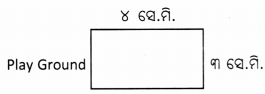
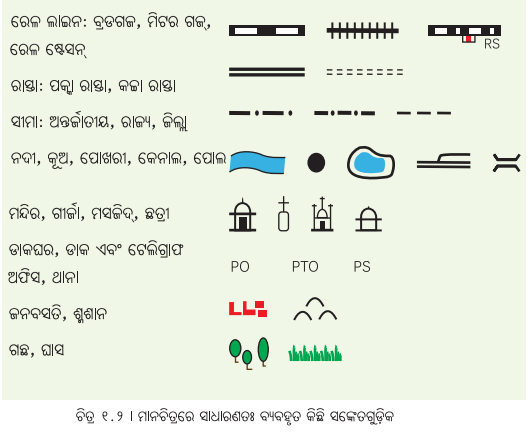
Question 4.
୧୮୦° ଦ୍ରାଘିମା କ୍ଷେତ୍ରରେ ‘ପ କିମ୍ବା ପୂ’ ବ୍ୟବହାରର ଆବଶ୍ୟକତା ନାହିଁ କାହିଁକି ? ଏହି ୧୮୦° ଦ୍ରାଘିମାର ଗୁରୁତ୍ଵ କ’ଣ ?
Answer:
ହଁ, ଏହାର ଆବଶ୍ୟକତା ନାହିଁ, କାରଣ ପଶ୍ଚିମ କିମ୍ବା ପୂର୍ବରେ ଅନ୍ୟ ଦ୍ରାଘିମାଗୁଡ଼ିକର ମୂଳ ଦ୍ରାଘିମା (୦°) ଅଟେ ।

ମୂଳ ଦ୍ରାଘିମାର ବିପରୀତ ଥିବା ୧୮୦° ଦ୍ରାଘିମାକୁ ଆନ୍ତର୍ଜାତିକ ତାରିଖ ରେଖା (IDL) କୁହାଯାଏ ।

ଆନ୍ତର୍ଜାତିକ ତାରିଖ ରେଖା (IDL) କୁ ଅତିକ୍ରମ କଲେ ଗୋଟିଏ ଦିନ ତାରିଖ ବଦଳିଯାଏ ।

ଯଦି ତୁମେ ଆନ୍ତର୍ଜାତିକ ତାରିଖ ରେଖାର (180°E) ପୂର୍ବକୁ ପୂର୍ବକୁ ଅତିକ୍ରମ କର ତେବେ ତୁମେ ଗୋଟିଏ ଦିନ ତାରିଖରେ ଯୋଗ କରିବ ।

ଯଦି ତୁମେ ପଶ୍ଚିମକୁ ଅତିକ୍ରମ କର ତେବେ ତୁମେ ଗୋଟିଏ ଦିନ ବିଯୁକ୍ତ କରିବ ।

ତୁମେ ଲୋକମାନେ କହୁଥିବାର ଶୁଣିଥ‌ିବ ଯେ ସେ ଭାରତରୁ ଉଡ଼ାଜାହାଜରେ ଯାତ୍ରା ଆରମ୍ଭ କରି ସେହିଦିନ ଆମେରିକାରେ ପହଞ୍ଚିଗଲେ । ବାସ୍ତବରେ ତାହା ସେପରି ଜଣାପଡ଼େ କାହିଁକି ଭାରତ ଆନ୍ତର୍ଜାତିକ ତାରିଖ ରେଖା (IDL)ର ପୂର୍ବରେ ଅବସ୍ଥିତ ମାତ୍ର ଆମେରିକା ଭକ୍ତରେଖାର ପଶ୍ଚିମରେ ଅବସ୍ଥିତ ।

ଆସ ଅନୁସନ୍ଧାନ କରିବା

Question 1.
ଚିତ୍ର ୧.୧ରେ ଥ‌ିବା ରେଖାଚିତ୍ର ବା ସ୍କେଚ୍‌ରେ–
Class 6 Social Science Chapter 1 Question Answer Odia Medium ପୃଥିବୀରେ ସ୍ଥାନ ଚିହ୍ନଟ କରିବା-1

Question (୧).
ଡାକ୍ତରଖାନାକୁ ଚିହ୍ନିତ କର ।
Answer:
ଚିତ୍ରକୁ ଦେଖ‌ିଲେ ଜାଣିବ ଯେ ଡାକ୍ତରଖାନା
ସହରର ମଧ୍ୟଭାଗରେ ଅଛି ଯାହାଉପରେ ‘+’ ଚିହ୍ନ ଲଗାଯାଇଛି ।

Class 6 Social Science Chapter 1 Question Answer Odia Medium ପୃଥିବୀରେ ସ୍ଥାନ ଚିହ୍ନଟ କରିବା

Question (ଖ).
ନୀଳ ରଙ୍ଗ ଚିହ୍ନିତ ଅଞ୍ଚଳର ଅର୍ଥ କ’ଣ ?
Answer:
ନୀଳ ରଙ୍ଗ ଚିହ୍ନିତ ଅଞ୍ଚଳଗୁଡ଼ିକ ଜଳାଶୟ ଅଟେ, ଯଥା – ପୋଖରୀ, ଝରଣା ।

Question (ଗ).
କେଉଁଟି ରେଳଷ୍ଟେସନଠାରୁ ବହୁତ ଦୂରରେ ରହିଛି ? (ବିଦ୍ୟାଳୟ, ନଗର ପଞ୍ଚାୟତ କିମ୍ବା ସର୍ବସାଧାରଣ ବଗିଚା) ।
Answer:
ସର୍ବସାଧାରଣ ବଗିଚା ।

Question 2.
ଏକ ଶ୍ରେଣୀ ଶିକ୍ଷଣକାର୍ଯ୍ୟ ଭାବରେ, ତିନି କିମ୍ବା ଚାରି ଜଣ ଲେଖାଏଁ ଛାତ୍ରଛାତ୍ରୀଙ୍କୁ ନେଇ ଏକ ଦଳ ଗଠନ କର । ପ୍ରତ୍ୟେକ ଦଳକୁ ତୁମ ବିଦ୍ୟାଳୟ ଏବଂ ଏହାକୁ ଯାଉଥିବା କିଛି ରାସ୍ତା ଏବଂ ଆଖପାଖରୁ କିଛି ଘରର ଏକ ରେଖଚିତ୍ର ବା ସ୍କେଚ୍ ଆଙ୍କିବାକୁ ଦିଅ । ଶେଷରେ, ସମସ୍ତ ରେଖାଚିତ୍ର ବା ସ୍କର୍‌ ତୁଳନା କରି ଆଲୋଚନା କର ।
Answer:
ଶିକ୍ଷକଙ୍କ ସହାୟତାରେ ଛାତ୍ରଛାତ୍ରୀମାନେ ନିଜେ କରିବେ ।

Question 3.
ତୁମ ବିଦ୍ୟାଳୟର ଖେଳପଡ଼ିଆର ଏକ ସରଳ ମାନଚିତ୍ର ପ୍ରସ୍ତୁତ କର । ଆସ ଅନୁମାନ କରିବା ଯେ ଏହାର ଆକାର ଯଥା ଦୈର୍ଘ୍ୟ ୪୦ ମିଟର ଏବଂ ପ୍ରସ୍ଥ ୩୦ ମିଟର । ୧ ସେ.ମି. = ୧୦ ମିଟର ମାନ ବା ସ୍କେଲରେ ତୁମେ ରୁଲରଦ୍ଵାରା ଏହାକୁ ଠିକ୍ ଭାବରେ ଅଙ୍କନ କର ।
Answer:
Class 6 Social Science Chapter 1 Question Answer Odia Medium ପୃଥିବୀରେ ସ୍ଥାନ ଚିହ୍ନଟ କରିବା-2
୧ ସେ.ମି. = ୧୦ ମିଟର
ତେଣୁ ଖେଳପଡ଼ିଆର ଲମ୍ବ ୪୦ ମିଟର ଓ ଓସାର ୩୦ ମିଟରକୁ ଯଥାକ୍ରମେ ୪ ସେ.ମି. ଏବଂ ୩ ସେ.ମି. ଧରାଯାଇ ତା’ର ମାନଚିତ୍ର ଅଙ୍କାଯିବ ।

Question 4.
ଏହି ଅଙ୍କିତ ଆୟତଚିତ୍ରର କର୍ତ୍ତକୁ ମାପ କର । ତୁମେ କେତେ ସେଣ୍ଟିମିଟର ପାଇଲ ? ସ୍କେଲ ବ୍ୟବହାର କରି, ଖେଳପଡ଼ିଆର କର୍ଣ୍ଣର ଦୈର୍ଘ୍ୟ, ମିଟରରେ ଗଣନା କର ।
Answer:
ଉକ୍ତ ଖେଳପଡ଼ିଆର ଚିତ୍ରର କର୍ଣ୍ଣକୁ ସ୍କେଲରେ ମାପ କଲେ ତାହା ୫ ସେ.ମି. ହେବ ।
ଯେହେତୁ ୧ ସେ.ମି. = ୧୦ ମିଟର ଧରାଯାଇଛି
ତେଣୁ ୫ ସେ.ମି. = ୧୦ × ୫ = ୫୦ ମିଟର
ଅତଏବ ଖେଳପଡ଼ିଆର କର୍ଣ୍ଣର ଲମ୍ବ ବାସ୍ତବରେ ୫୦ ମିଟର ଅଟେ ।

Question 5.
ପୁଣି ଥରେ ଛୋଟ ସହରର ରେଖାଚିତ୍ର ବା ସ୍କେଚ୍ ଉପରେ ବିଚାର କର । ନିମ୍ନ ତାଲିକାରେ ଠିକ୍ (✓) ଏବଂ ଭୁଲ୍ (✗) ଉକ୍ତିଗୁଡ଼ିକୁ ଚିହ୍ନଟ କର ।
୧। ଡାକ୍ତରଖାନାର ଉତ୍ତରରେ ବଜାର ରହିଛି ।
୨। ସଂଗ୍ରହାଳୟଟି ବ୍ୟାଙ୍କର ଦକ୍ଷିଣ-ପୂର୍ବ ଦିଗରେ ଅବସ୍ଥିତ ।
୩ । ରେଳଷ୍ଟେସନ ହସ୍ପିଟାଲର ଉତ୍ତର-ପଶ୍ଚିମରେ ରହିଛି ।
୪। ଜଳାଶୟ ଆପାର୍ଟମେଣ୍ଟ ବ୍ଲକଠାରୁ ଉତ୍ତର-ପଶ୍ଚିମରେ ଅବସ୍ଥିତ ।
Answer:
(କ) (✗)
(ଖ) (✓)
(ଗ) (✓)
(ଘ) (✗)

Question 6.
ତୁମ ବିଦ୍ୟାଳୟକୁ ମୂଳବିନ୍ଦୁ ଭାବରେ ଗ୍ରହଣ କରି ତୁମେ କହିପାରିବ କି ତୁମ ଘର କେଉଁ ଦିଗରେ ଅବସ୍ଥିତ ? ଶିକ୍ଷକ ଓ ପିତାମାତାଙ୍କ ସହ ଆଲୋଚନା କର ।
Answer:
ଶିକ୍ଷକ ଓ ପିତାମାତାଙ୍କ ସହ ଆଲୋଚନା କରି ପିଲାମାନେ ନିଜ ଘରର ଦିଗ ନିର୍ଣ୍ଣୟ କରିବେ ।- ମାନଚିତ୍ରର ଅନ୍ୟ ଏକ ଗୁରୁତ୍ଵପୂର୍ଣ୍ଣ ଉପାଦାନ ହେଉଛି ସଙ୍କେତ ।

Question 7.
ତୁମ ଘର, ବିଦ୍ୟାଳୟ ଏବଂ ଅନ୍ୟ କେତେକ ଗୁରୁତ୍ଵପୂର୍ଣ୍ଣ ସ୍ଥାନ ସମେତ ତୁମ ଅଞ୍ଚଳ କିମ୍ବା ତୁମ ଗାଁର ଏକ ମାନଚିତ୍ର ବା ରେଖାଚିତ୍ର ପ୍ରସ୍ତୁତ କର । ମୁଖ୍ୟ ଦିଗଗୁଡ଼ିକୁ ଦର୍ଶାଅ ଏବଂ କିଛି ଗୁରୁତ୍ଵପୂର୍ଣ୍ଣ ସଙ୍କେତ ବ୍ୟବହାର କରିବାପାଇଁ ଚିତ୍ର ୧.୨ ରେ ଦର୍ଶାଯାଇଥିବା କିଛି ସଙ୍କେତଗୁଡ଼ିକୁ ବ୍ୟବହାର କର ।
Answer:
ପିଲାମାନେ ଶିକ୍ଷକଙ୍କ ସହାୟତା ନେଇ ମାନଚିତ୍ର ଅଙ୍କନ କରିବେ ।
Class 6 Social Science Chapter 1 Question Answer Odia Medium ପୃଥିବୀରେ ସ୍ଥାନ ଚିହ୍ନଟ କରିବା-3

Question 8.
ସମାନ ସର୍ତ୍ତାବଳୀ ବ୍ୟବହାର କରି, ଯଦି ତୁମେ କଳା ଦଳ ହୋଇ ଖେଳ ତେବେ ତୁମ ଗତିବିଧଗୁଡ଼ିକୁ ଯୋଡ଼ିସ୍ଥାନାଙ୍କ (co-ordinate) ଅନୁସାରେ ଲେଖ ।
Answer:
ଚେସ୍‌ରେ ‘କଳା ପକ୍ଷ’ ଖେଳ ଆରମ୍ଭ କରି ରାଣୀ ସମ୍ମୁଖରେ ଥିବା ସୈନ୍ୟକୁ ମଧ୍ଯ ଦୁଇପାଦ ଆଗକୁ ନେଇପାରିବେ ସେହି ସୈନ୍ୟଟି ଘ୭ରୁ ଘକୁ ଯିବ ।

Question 9.
ଯଦି ତୁମ ଶ୍ରେଣୀରେ ଥ‌ିବା ଗ୍ଲୋବ୍‌ କିମ୍ବା ଆଟଲାସ୍‌ରେ ଅକ୍ଷାଂଶ ଏବଂ ଦ୍ରାଘିମା ଭଲ ଭାବରେ ଚିହ୍ନିତ ଅଛି, ତେବେ (୧) ମୁମ୍ବାଇ (୨) କୋଲକାତା (୩) ସିଙ୍ଗାପୁର (୪) ପ୍ୟାରିସ୍‌ର ଅକ୍ଷାଂଶ ଓ ଦ୍ରାଘିମା ପାଇଁ ଆନୁମାନିକ ମୂଲ୍ୟ ନିର୍ଦ୍ଧାରଣ କରିବାକୁ ଚେଷ୍ଟା କର ।
Answer:
ନିମ୍ନଲିଖୂତ ସହରମାନଙ୍କର ଆନୁମାନିକ ଅକ୍ଷାଂଶ ଓ ଦ୍ରାଘିମା
(କ) ମୁମ୍ବାଇ 19° N ଅକ୍ଷାଂଶ 72 E ଦ୍ରାଘିମା
(ଖ) କୋଲକତା 22° N ଅକ୍ଷାଂଶ 88° E ଦ୍ରାଘିମା
(ଗ) ସିଙ୍ଗାପୁର 1 N ଅକ୍ଷାଂଶ 103° E ଦ୍ରାଘିମା
(ଘ) ପ୍ୟାରିସ୍ 48° N ଅକ୍ଷାଂଶ 2 E ଦ୍ରାଘିମା
Class 6 Social Science Chapter 1 Question Answer Odia Medium ପୃଥିବୀରେ ସ୍ଥାନ ଚିହ୍ନଟ କରିବା-4

Question 10.
ଜଣେ ପୋର ବନ୍ଦର (ଗୁଜରାଟ) ଏବଂ ଅନ୍ୟ ଜଣେ ତିନସୁକିଆ (ଆସାମ)ରେ ବସିଥିବା ଦୁଇ ସାଙ୍ଗ ଅପରାହ୍ନରେ ଫୋନରେ କଥା ହେଉଛନ୍ତି । ତିନିସୁକିଆରେ ଥିବା ସାଙ୍ଗ କହୁଛି ଯେ ଆସାମରେ ସୂର୍ଯ୍ୟ ଅସ୍ତ ହେଲାଣି ଏବଂ ବର୍ତ୍ତମାନ ଅନ୍ଧାର ହୋଇଛି । ପୋରବନ୍ଦରରେ ଥିବା ସାଙ୍ଗ ଆଶ୍ଚର୍ଯ୍ୟ ହୋଇ କହିଲେ, “‘କିନ୍ତୁ ଏଠାରେ ଏବେବି ପୂରା ଦିନ ଅଛି ।’’ ଏହାର କାରଣ ବର୍ଣ୍ଣନା କର ଏବଂ ଶିକ୍ଷଣ କାର୍ଯ୍ୟଭାବରେ ଆଲୋଚନା କରି ନିରୂପଣ କର ଯେ ସେହି ଦୁଇଟି ସହର ମଧ୍ୟରେ ସ୍ଥାନୀୟ ସମୟର ପାର୍ଥକ୍ୟ କେତେ ? (ସୂଚନା : ପୋର ବନ୍ଦର ଏବଂ ତିନସୁକିଆ ମଧ୍ୟରେ ଦ୍ରାଘିମାରେ ପାର୍ଥକ୍ୟ ୩୦° ବୋଲି ବିଚାର କରି ଠିକ୍ ମୂଲ୍ୟ ନିରୂପଣ କର ।)
Answer:
ପୋର ବନ୍ଦର (ଗୁଜରାଟ) ଏବଂ ତିନସୁକିଆ (ଆସାମ) ମଧ୍ୟରେ ୩୦°ର ପାର୍ଥକ୍ୟ ଦର୍ଶାଯାଇଛି ।
ତେଣୁ ସ୍ଥାନୀୟ ସମୟର ବ୍ୟବଧାନ ୧° = ୪ ମିନିଟ୍ ହିସାବରେ ଧରାଗଲେ
୧° = ୪ ମିନିଟ୍, ୩୦° = ୪ × ୩୦ = ୧୨୦ ମିନିଟ୍ ଅର୍ଥାତ୍ ୨ ଘଣ୍ଟା
ଆମ ଦେଶ ଭାରତ ଗ୍ରୀନ୍ୱିଚ୍ ସମୟ ଅନୁସାରେ 82% E ଷ୍ଟାଣ୍ଡାର୍ଡ ଟାଇମ୍ ରେଖାଯାଇଥିବାରୁ ଏହାର ସମସ୍ତ ସ୍ଥାନ ସ୍ଥାନୀୟ ସମୟ ଅନୁସାରେ ଚାଲିବ । ସୁତରାଂ ସ୍ଥାନୀୟ ସମୟ ଅନୁସାରେ ପୋରବନ୍ଦର ଏବଂ ତିନସୁକିଆ ମଧ୍ୟରେ ସୂର୍ଯ୍ୟ ଉଦୟ ଏବଂ ଅସ୍ତ କ୍ଷେତ୍ରରେ ସବୁବେଳେ ୨ ଘଣ୍ଟା ପାର୍ଥକ୍ୟ ରହିବ ।

ପୃଥ‌ିବୀର ଯେକୌଣସି ସ୍ଥାନର ସ୍ଥାନୀୟ ଗଣନା କରିବା ପାଇଁ ସମାନ ପଦ୍ଧତି ବ୍ୟବହାର କରାଯାଇଥାଏ । କିନ୍ତୁ ଏକ ଦେଶ ପାଇଁ ଅନେକ ସ୍ଥାନୀୟ ସମୟ ବ୍ୟବହାର କରିବା ସୁବିଧାଜନକ ହେବ ନାହିଁ । ସେଥ୍ପାଇଁ ଅଧିକାଂଶ ଦେଶ ସେମାନଙ୍କ ମଧ୍ୟଦେଇ ଯାଉଥ‌ିବା ମଧ୍ୟଦିନ ରେଖା ଆଧାରରେ ଏକ ପ୍ରମାଣ ସମୟ ଗ୍ରହଣ କରନ୍ତି । ଗ୍ରୀନ୍ ୱିଚ୍ (Greenwich Mean Time ବା GMT)ର ସ୍ତାନୀୟ ସମୟଠାରୁ ଭାରତୀୟ ମାନକ ସମୟ (IST) ୫ ଘଣ୍ଟା ୩୦ ମିନିଟ୍ ଆଗୁଆ ।

Class 6 Social Science Chapter 1 Question Answer Odia Medium ପୃଥିବୀରେ ସ୍ଥାନ ଚିହ୍ନଟ କରିବା

Question 11.
ଗୁଜରାଟ ଏବଂ ଆସାମରେ ବସିଥିବା ଦୁଇ ବନ୍ଧୁଙ୍କ କଥାବାର୍ତ୍ତା ଉଦାହରଣକୁ ନେଇ ସ୍ଥାନୀୟ ସମୟ ଏବଂ ପ୍ରମାଣ ସମୟ ମଧ୍ୟରେ ଥିବା ପାର୍ଥକ୍ୟ ବୁଝାଅ ।
Answer:
ଦ୍ରାଘିମାକୁ ନେଇ ଉଭୟ ରାଜ୍ୟ ମଧ୍ୟରେ ଯଦିଓ ସ୍ଥାନୀୟ ସମୟରେ ତାରତମ୍ୟ ଦେଖାଯାଏ କିନ୍ତୁ ସମଗ୍ର ଦେଶ (ଭାରତ) ପାଇଁ ଷ୍ଟାଣ୍ଡାର୍ଡ଼ ଟାଇମ୍ ସବୁବେଳେ ସମାନ ଥାଏ । ଏହା ଭାରତର ମଧ୍ଵନ୍ଦିନ ରେଖା ଆଧାରରେ କରାଯାଇଛି ।

ଅତିସଂକ୍ଷିପ୍ତ ଉତ୍ତରମୂଳକ ପ୍ରଶ୍ନୋତ୍ତର

Question 1.
ମାନଚିତ୍ର କ’ଣ ?
Answer:
ମାନଚିତ୍ର ହେଉଛି କୌଣସି ଅଞ୍ଚଳର ଏକ ଚିତ୍ରିତ ଉପସ୍ଥାପନା ।

Question 2.
ଭୂଚିତ୍ରାବଳୀ କ’ଣ ?
Answer:
ଭୂଚିତ୍ରାବଳୀ (ATLAS) ହେଉଛି ଅନେକଗୁଡ଼ିଏ ମାନଚିତ୍ରର ଏକ ସମନ୍ଵିତ ପୁସ୍ତକ ।

Question 3.
ପ୍ରତ୍ୟେକ ମାନଚିତ୍ରର କେତୋଟି ମୌଳିକ ଉପାଦାନ ଥାଏ । ସେଗୁଡ଼ିକ କ’ଣ ?
Answer:
ପ୍ରତ୍ୟେକ ମାନଚିତ୍ରର ତିନୋଟି ମୌଳିକ ଉପାଦାନ ଥାଏ । ସେଗୁଡ଼ିକ ହେଉଛି – ଦୂରତା, ଦିଗ ଓ ସଙ୍କେତ ।

Question 4.
ଦୂରତାକୁ ମାନଚିତ୍ରରେ କିପରି ଦର୍ଶାଯାଇଥାଏ ?
Answer:
ଦୂରତାକୁ ମାନଚିତ୍ରରେ ସାଧାରଣ ମାନ (Scale) ମାଧ୍ୟମରେ ଦର୍ଶାଯାଇଥାଏ ।

Question 5.
କାର୍ଡ଼ିନାଲ କ’ଣ ?
Answer:
ଯେକୌଣସି ମାନଚିତ୍ରରେ ଚାରିଗୋଟି ଦିଗ ପ୍ରଦର୍ଶିତ ହୋଇଥାଏ । ସେଗୁଡ଼ିକ ହେଲା- ଉତ୍ତର, ପୂର୍ବ, ଦକ୍ଷିଣ ଓ ପଶ୍ଚିମ । ଏଗୁଡ଼ିକୁ କାର୍ଡ଼ନାଲ ବା ଚତୁଃଦିଗ କୁହାଯାଏ ।

Question 6.
ମାନଚିତ୍ରରେ ସଙ୍କେତ କାହିଁକି ବ୍ୟବହାର କରାଯାଇଥାଏ ?
Answer:
ମାନଚିତ୍ରରେ କମ୍ ସ୍ଥାନ ମଧ୍ୟରେ ଅନେକ ସ୍ଥାନ ପ୍ରଦର୍ଶନ ସମ୍ଭବପର ନୁହେଁ । ତେଣୁ ବିଭିନ୍ନ ପ୍ରକାରର କୋଠା ଯଥା ରେଳଷ୍ଟେସନ, ଡାକଘର, ବିଦ୍ୟାଳୟ, ନଦୀ, ବ୍ରିଜ, ରେଳଲାଇନ୍ ଇତ୍ୟାଦିର ସୂଚନାପାଇଁ କେତେକ ସଙ୍କେତ ବ୍ୟବହାର କରାଯାଏ ।

Question 7.
ଭାରତର କେଉଁ ସଂସ୍ଥା ରେଳଲାଇନ୍, ରେଳଷ୍ଟେସନ, ରାସ୍ତା, ନଦୀ, ପୋଲ, ମନ୍ଦିର, ଅଫିସ, ଡାକଘର ଇତ୍ୟାଦିର ସଙ୍କେତ ମାନଚିତ୍ରରେ ପ୍ରଦର୍ଶନ ପାଇଁ ନିଷ୍ପତ୍ତି ନିଅନ୍ତି ?
Answer:
ଭାରତ ସରକାରଙ୍କ ସର୍ଭେ ଅଫ୍ ଇଣ୍ଡିଆ ।

Question 8.
ଅକ୍ଷାଂଶ କ’ଣ ?
Answer:
ଅକ୍ଷାଂଶ ଏକ କୌଣିକ ଦୂରତ୍ୱ । ଭୂପୃଷ୍ଠରେ ଅବସ୍ଥିତ ଯେକୌଣସି ସ୍ଥାନ ପୃଥ‌ିବୀର କେନ୍ଦ୍ରଠାରୁ ବିଷୁବ ସମତଳ ସହ, ଉତ୍ତର ଓ ଦକ୍ଷିଣ ଦିଗରେ ଯେଉଁ କୋଣ ସୃଷ୍ଟି କରେ ତାହାକୁ ସେହି ସ୍ଥାନର ଅକ୍ଷାଂଶ କୁହାଯାଏ ।

Question 9.
ସମଶୀତୋଷ୍ଣ ମଣ୍ଡଳ (Temperature zone) କ’ଣ ?
Answer:
ବିଷୁବରେଖାଠାରୁ ଉଭୟ ମେରୁ ଆଡ଼କୁ ଉଷ୍ଣତା କମି କମି ଯାଏ । ତେଣୁ ବିଷୁବରେଖା ଓ ମେରୁ ମଧ୍ୟବର୍ତୀ ଅଞ୍ଚଳରେ ଅଧ୍ଵ ଗରମ କିମ୍ବା ଅଧ‌ିକ ଥଣ୍ଡା ଅନୁଭୂତ ହୋଇନଥାଏ । ତେଣୁ ସେହି ସ୍ଥାନରେ ସମଶୀତୋଷ୍ଣ ଜଳବାୟୁ ଅନୁଭୂତ ହୁଏ ।

Question 10.
ଉଷ୍ଣମଣ୍ଡଳ କାହାକୁ କୁହାଯାଏ ?
Answer:
ବିଷୁବରେଖା ନିକଟରେ ଜଳବାୟୁ ସାଧାରଣତଃ ଗରମ ହୋଇଥାଏ । ଏହାକୁ ଉଷ୍ଣମଣ୍ଡଳ (Torrid zone) କୁହାଯାଏ ।

Question 11.
ହିମମଣ୍ଡଳ କାହାକୁ କୁହାଯାଏ ?
Answer:
ବିଷୁବ ବୃତ୍ତଠାରୁ ମେରୁଆଡ଼କୁ ଗଲେ ଉଷ୍ଣତା କମି କମି ଯାଏ । ସୁତାରଂ ଉଭୟ ମେରୁ ଅଞ୍ଚଳରେ ପ୍ରବଳ ଥଣ୍ଡା ଅନୁଭୂତ ହୁଏ, ଯାହାକୁ ହିମ ମଣ୍ଡଳ (Frigid zone) କୁହାଯାଏ । ଅକ୍ଷାଂଶ ବଢ଼ିଲେ ତାପମାତ୍ରା କମେ ।

Question 12.
ବିଷୁବରେଖା କ’ଣ ?
Answer:
ପୃଥ‌ିବୀର ମଧ୍ୟଭାଗରେ ଅର୍ଥାତ୍ ଉଭୟ ମେରୁଠାରୁ ସମାନ ଦୂରତାରେ ଯେଉଁ ରେଖା ପୃଥ‌ିବୀକୁ ଦୁଇ ସମାନ ଭାଗରେ ବିଭକ୍ତ କରିଥାଏ ତାକୁ ବିଷୁବରେଖା କୁହାଯାଏ ।

Class 6 Social Science Chapter 1 Question Answer Odia Medium ପୃଥିବୀରେ ସ୍ଥାନ ଚିହ୍ନଟ କରିବା

Question 13.
ନିମ୍ନଲିଖତ ପ୍ରଶ୍ନଗୁଡ଼ିକର ଉତ୍ତର ଦିଅ ।
(କ) ସବୁ ଦେଶର କ’ଣ ଗୋଟିଏ (ଷ୍ଟାଣ୍ଡାର୍ଡ଼ ଟାଇମ୍) ପ୍ରମାଣ ସମୟ ଅଛି ?
(ଖ) ଯେକୌଣସି ଦୁଇଟି ଦେଶର ଉଦାହରଣ ଦିଅ ଯେଉଁମାନଙ୍କର ଏକାଧୁକ ସମୟ ମଣ୍ଡଳ (Time zone) ଅଛି ।
(ଗ) କାହିଁକି ଏହି ଦେଶଗୁଡ଼ିକର ଅଧ‌ିକ ସମୟ ମଣ୍ଡଳ (Time zone) ଅଛି ?
Answer:
(ଳ) ନା, ସବୁ ଦେଶରେ ଗୋଟିଏ (ଷ୍ଟାଣ୍ଡାର୍ଡ଼ ଟାଇମ୍) ପ୍ରମାଣ ସମୟ ନାହିଁ, କେତେକ ଦେଶରେ ଏକାଧିକ ପ୍ରମାଣ ସମୟ ଅଛି ।
(ଖ) ରଷିଆର ୧୧ଟି ସମୟମଣ୍ଡଳ ଏବଂ ଆମେରିକାର ୬ଟି ସମୟ ମଣ୍ଡଳ ଅଛି ।
(ଗ) ଏହି ଦେଶମାନଙ୍କର ପୂର୍ବରୁ ପଶ୍ଚିମ ଦ୍ରାଘିମା ବିସ୍ତୃତି ଅଧ‌ିକ ହେତୁ ଏଠାରେ ଅଧିକ ସମୟ ମଣ୍ଡଳ (Time zone) ଅଛି ।

Question 14.
କେବଳ ଉତ୍ତର ଲେଖ ।
(କ) ଗ୍ରୀକ୍‌ ପ୍ରଥମ ମୂଳ ମଧ୍ୟଦିନ କି ?
(ଖ) ପୁରାତନ ଯୁଗରେ ଭାରତର ପ୍ରମୁଖ ମଧ୍ୟନ୍ଦିନ (ମୈରଡ଼ିଆନ) କ’ଣ ଥିଲା ?
(ଗ) ପ୍ରାଚୀନ ଭାରତର ନିଜସ୍ଵ ମଧ୍ୟରେଖା କେଉଁ ପୁରାତନ ସହର ଦେଇ ଅତିକ୍ରମ କରିଥିଲା ?
(ଘ) ସେହି ମଧ୍ୟରେଖା କାହିଁକି ପ୍ରସିଦ୍ଧ ଥିଲା ?
(ଙ) ୧୫୦୦ ବର୍ଷ ପୂର୍ବେ ସେହି ସହରର କେଉଁ ଭାରତୀୟ ଜ୍ୟୋତିର୍ବିଜ୍ଞାନୀ ବାସ କରୁଥିଲେ ?
Answer:
(କ) ନା,
(ଖ) ମଧ୍ୟରେଖା,
(ଗ) ଉଜ୍ଜୟିନୀ,
(ଘ) ସେହି ମଧ୍ଯରେଖା ଭାରତର ସମସ୍ତ ଜ୍ୟୋତିର୍ବିଦ୍ୟାର ଗଣନାରେ ସହାୟକ ହେଉଥୁଲା,
(ଙ) ବରାହ ମିହିର ।

Life Processes in Animals Class 7 Notes Science Chapter 9

Combining textbook study with BSE Odisha Class 7 Science Notes and Class 7 Science Curiosity Chapter 9 Life Processes in Animals Notes can make exam preparation more effective.

Life Processes in Animals Notes Class 7

Class 7 Science Curiosity Chapter 9 Notes

Life Processes

Certain essential functions that all living beings perform to survive are called life processes. Some examples of life processes include nutrition, respiration, excretion, etc.

Nutrition

  • All living beings require energy to perform life processes. This energy comes from the food they eat, which contains complex substances (nutrients) like carbohydrates, proteins, and fats that the body cannot use directly.
  • The process of breaking down complex food components into simpler forms that the body can absorb and use is called digestion.

Life Processes in Animals Class 7 Notes Science Chapter 9

(i) Digestion in Human Beings
Digestion in humans occurs inside a long tube called the alimentary canal, which extends from the mouth to the anus. Each component of the alimentary canal has its specific function(s).
Life Processes in Animals Class 7 Notes Science Chapter 9 1
Life Processes in Animals Class 7 Notes Science Chapter 9

Mouth

  • Teeth help break the food into smaller pieces by crushing and chewing it. This process of initial breakdown of food into fine pieces is called mechanical digestion.
  • Saliva present in the mouth contains a digestive juice that helps break down starch (complex carbohydrate) into simple sugars.
  • The chewed food, moistened with saliva, is then gently pushed to the back of the mouth with the help of the tongue, which helps in mixing the chewed food thoroughly with saliva.

Food pipe (Oesophagus)

  • Food then enters the food pipe (a muscular structure) whose walls contract and relax in a wave-like motion to push the food down into the stomach.
  • This wave-like motion continues all along the alimentary canal, helping to move food forward at every stage of digestion.

Stomach

  • Once the food reaches the stomach, the walls of the stomach begin to contract and relax, churning the food and mixing it well with the secretions released by the inner lining of the stomach that contains digestive juice, acid, and mucus.

Life Processes in Animals Class 7 Notes Science Chapter 9

Secretion Function(s)
Digestive juice Helps break down proteins into simpler substances
Add
  • Supports the digestion of proteins
  • Kills harmful bacteria that might have entered with the food
Mucus Protects the inner lining of the stomach from being damaged by the acid

Small Intestine

  • From the stomach, the partially digested food enters the small intestine.
  • It is about 6 metres long (longest part of the alimentary canal) and receives digestive secretions from its own inner lining, as well as from the liver and pancreas.
Component Secretion Function(s)
Liver Bile (Basic in nature)
  • Helps to neutralise the acid coming from the stomach
  • Breaks down fats into tiny droplets
Pancreas Pancreatic juice (Basic in nature)
  • Helps to neutralise acids present in the food
  • Breaks down carbohydrates, proteins, and fats
Inner lining Digestive juice Further breaks down fats, proteins, and carbohydrates into simpler forms

Life Processes in Animals Class 7 Notes Science Chapter 9

  • The inner wall of the small intestine is thin and covered with thousands of tiny, finger-like projections called villi, which increase the surface area for absorption of nutrients.
  • The blood vessels inside these finger-like projections absorb the digested nutrients and carry them to different parts of the bodv.
    Life Processes in Animals Class 7 Notes Science Chapter 9 2

Large Intestine

  • It is about 1.5 metres in length and absorbs water and salts from the undigested food, turning the waste into a semi-solid form known as stool.
  • The stool is stored in the rectum (lower part of the large intestine). When the body is ready to get rid of waste, it is removed through the anus by a process called egestion.
  • Eating foods that are rich in dietary fibre (like fruits, vegetables, and whole grains) helps the large intestine function properly, by making the stool easier to pass.

Life Processes in Animals Class 7 Notes Science Chapter 9

(ii) Digestion in Ruminants a Grass-eating animals like cows and buffalo, partially chew the grass and swallow it into their stomachs, where the initial digestion takes place.

Later, this partially digested food is brought back to the mouth for thorough chewing.

This process is called rumination, and animals that follow this method of digestion are called ruminants.

After this, the well-chewed food passes down the alimentary canal for complete digestion.
Life Processes in Animals Class 7 Notes Science Chapter 9 3

(iii) Digestion in Birds
Birds cannot chew their food as they do not have teeth. Instead, they have a special muscular chamber called gizzard that helps to break down food through the contraction and relaxation of its / walls.

Birds often swallow grit (small stones or sand) that collects in the gizzard and helps to grind the food mechanically.
Life Processes in Animals Class 7 Notes Science Chapter 9 4

Life Processes in Animals Class 7 Notes Science Chapter 9

Respiration

  • The process by which nutrients in the consumed food are converted into usable energy is called respiration (a chemical process).
  • It involves breathing (a physical process), which is a process of inhaling air rich in oxygen and exhaling air rich in carbon dioxide.

(i) Respiration in Human Beings
a Respiratory System: The respiratory system in humans includes the following components:
Life Processes in Animals Class 7 Notes Science Chapter 9 5

Component Feature and Function
Nostrils Nasal openings through which air enters our body
Nasal

Passages

Small passages, lined with tiny hair an4mucus through which air passes, trapping dust and dirt
Windpipe Tubular structure through which air reaches the lungs
Bronchi Two branches of the windpipe each entering into lungs
Lungs Primary breathing organ
Alveoli Small balloon-like sacs, richly supplied with blood vessels, present inside the lungs, where the exchange of gases takes place

Life Processes in Animals Class 7 Notes Science Chapter 9

Mechanism of Breathing

Inhaling (Breathing in)

  • Ribs move up and outwards
  • Diaphragm contracts and moves downwards
  • Volume of the chest cavity increases
  • Air enters the lungs
    Life Processes in Animals Class 7 Notes Science Chapter 9 6

Life Processes in Animals Class 7 Notes Science Chapter 9

Exhalation (Breathing out)

  • Ribs move down and inwards
  • Diaphragm relaxes and moves upwards
  • Volume of the chest cavity decreases
  • Air is pushed out of the lungs

Exchange of Gases During Respiration

  • Exchange of gases occurs at alveoli (sing, alveolus).
  • As blood flows through these fine tubes, it carries carbon dioxide from all parts of the body into the alveoli and is removed when we breathe out.
  • At the same time, oxygen from the air inside the alveoli enters the blood. This oxygen-rich blood is then carried (transported) to different parts of the body.
    Life Processes in Animals Class 7 Notes Science Chapter 9 7
  • Using the oxygen inhaled during breathing, the food is broken down to release energy (respiration).
    Word equation: Glucose + Oxygen → Carbon dioxide + Water + Energy
  • Oxygen travels from the lungs to our entire body with the help of the circulatory system, which includes the heart (pumps blood), blood, and blood vessels (carries blood throughout the body).

Life Processes in Animals Class 7 Notes Science Chapter 9

(ii) Respiration in Other Organisms

  • Animals like birds, elephants, lions, cows, goats, lizards, and snakes breathe through lungs.
  • On the other hand, aquatic organisms like fish have special breathing organs called gills, which are packed with tiny blood vessels and are designed to utilise dissolved oxygen from the water.
  • Amphibians, like frogs, use different body parts to breathe during different stages of their life.
  • Tadpoles use gills to breathe underwater. Breathing body parts in a fish
  • Adult frogs use lungs when they are on land and moist skin when they are underwater,
  • Earthworms also breathe through their moist skin.
    Life Processes in Animals Class 7 Notes Science Chapter 9 8

Life Processes in Animals Class 7 Notes Science Chapter 9

Digestion:
The process of breaking down complex food components into simpler forms.

Humans: Components and Mechanism

Mouth

  • Initiates mechanical digestion (breakdown of food into fine pieces, aided by teeth)
  • Releases saliva that breaks down starch into sugar, and moistens the food (aided by tongue)

Oesophagus (Food pipe)

  • Transports food from mouth to stomach through a wave-like motion

Stomach

  • Produces digestive juice (breaks down proteins), acid (kills harmful bacteria and aids in protein digestion), and mucus (protects the stomach lining from acid)

Small Intestine

  • Absorbs nutrients into the bloodstream with the help of numerous finger-like projections
  • Receives secretions from liver (bile – breaks down fats) and pancreas (produces pancreatic juice to neutralise acids and break down carbohydrates, proteins, and fats)
  • Inner lining secretes digestive juice for further break down of food

Life Processes in Animals Class 7 Notes Science Chapter 9

Large Intestine

  • Absorbs water and minerals (like salts)
  • Turns Undigested, semi-solid food into stool that is stored in the rectum

Anus

  • Expels stool from the body (egestion)

Other Animals

Ruminants

  • Food is partially chewed and stored in rumen.
  • Partially digested food, is brought back to the mouth and chewed again (rumination).

Birds

  • Lack teeth; food is broken down through contraction and relaxation of the walls of gizzard.
  • Gizzard grinds food using muscular actions of its walls and grit (small stones or sand).

Life Processes in Animals Class 7 Notes Science Chapter 9

Respiration
The chemical process of breaking down food to release energy utilising oxygen. It involves breathing (a physical process of
inhaling and exhaling air).
Glucose + Oxygen → Carbon dioxide + Water + Energy

Humans Components of Respiratory System

  • Nostrils: Nasal openings through which air enters our body
  • Nasal Passages: Small passages, lined with tiny hair and mucus through which air passes; traps dust and dirt
  • Windpipe: Tubular structure through which air reaches lungs
  • Bronchi: Iwo branches of the windpipe, each entering into lungs
  • Lungs: Primary breathing organs
  • Alveoli: Small balloon-like sacs surrounded by fine blood vessels, presen t inside lungs where the exchange of gases takes place.

Other Animals

  • Fish: Through gills
  • Tadpole: Through gills
  • Frog: Through lungs (on land) and moist skin (underwater)
  • Earthworm: Through moist skin
  • Bird, elephant, lion, cow, goat, lizard, snake: Lungs

Life Processes in Animals Class 7 Notes Science Chapter 9

Mechanism of Breathing

Inhaling (Breathing in)

  • Ribs move up and outwards
  • Diaphragm contracts and moves downwards
  • Volume of the chest cavity increases
  • Air (oxygen-rich) enters the lungs

Exhalation (Breathing Out)

  • Ribs move down and inwards
  • Diaphragm relaxes and moves upwards
  • Volume of the chest cavity decreases
  • Air (carbon dioxide-rich) is pushed out of the lungs

Circulatory System: Specialised system for the transport of nutrients, oxygen, and waste substances. It includes the heart, blood, and blood vessels.

Measurement of Time and Motion Class 7 Notes Science Chapter 8

Combining textbook study with BSE Odisha Class 7 Science Notes and Class 7 Science Curiosity Chapter 8 Measurement of Time and Motion Notes can make exam preparation more effective.

Measurement of Time and Motion Notes Class 7

Class 7 Science Curiosity Chapter 8 Notes

Measurement of Time

People noticed many naturally repeating events such as sunrise and sunset, phases of the Moon and change of seasons, and used them for measuring time. A day is based on the cycle of sunrise and sunset, and longer time intervals are organised using calendars.

To measure smaller intervals of time within a day, people developed simple devices like sundials, water clocks, hourglasses and candle clocks.

Measurement of Time and Motion Class 7 Notes Science Chapter 8
Measurement of Time and Motion Class 7 Notes Science Chapter 8 1

Device How it worked
Sundial Measured time using the changing position of a shadow cast by the Sun during the day.
Water Clock Used the flow of water into or out of a vessel.

(a)  Water flowing out-type: Water flows out of a vessel that has time markings; the fall in the water level represents different intervals of time.

(b)  Floating bowl-type (Ghatika-yantra): A bowl with a small hole floats on water; it fills and sinks, showing that a fixed time interval has passed.

Hourglass Measured time by the flow of sand from one glass bulb to another.
Candle Clock Candles with markings that indicated time as the wax burned down.

Early water clocks of water flowing out-type were inaccurate because the water flow slowed as the level dropped. To improve accuracy, the sinking bowl water clock (Ghatika-yantra) was developed, where a bowl sank in about 24 minutes, called one ghatika (ghati), and a 24-hour day was divided into 60 gliatis.

Measurement of Time and Motion Class 7 Notes Science Chapter 8

A Simple Pendulum

A simple pendulum consists of a small, heavy bob (usually a metal ball) suspended by a light, inextensible thread from a fixed support.

When the pendulum is at rest, the bob hangs vertically at its mean position. If the bob is pulled slightly to one side and then released, it moves to and fro about the mean position; this is an example of oscillatory and periodic motion.

One oscillation is completed when the bob goes from the mean position to one extreme, then to the other extreme and back to the mean position again.
Measurement of Time and Motion Class 7 Notes Science Chapter 8 2

  • The time taken for one complete oscillation is called the time period of the pendulum.
  • The time period of a simple pendulum at a given place depends only on its length, not on the mass of the bob.
  • For small oscillations, a pendulum of fixed length has nearly constant time period. It is used to measure time, such as in pendulum clocks.

Modern Clocks

  • All clocks, whether old or modern, are based on some continuously repeating process that can be used to mark equal intervals of time.
  • As each oscillation of the pendulum takes the same time, pendulum clocks count the oscillations to show hours, minutes, and seconds.
  • Quartz clocks use a tiny quartz crystal that vibrates very rapidly when electricity passes through it, and these vibrations are counted electronically to measure very accurate time.
  • Atomic clocks use vibrations of atoms such as caesium or rubidium, and because these vibrations are extremely regular, they are the most accurate clocks in the world.
  • Early pendulum clocks could gain or lose several seconds in a day, whereas atomic clocks can be so accurate that they may gain or lose only about a second in millions of years.

Measurement of Time and Motion Class 7 Notes Science Chapter 8

SI Unit of Time

  • The SI unit of time is the second, written with the symbol s.
  • Larger commonly used units are the minute (min) and hour (h), where 60 s = 1 min and 60 min = 1 h.
  • Names of time units (second, minute, hour) and their symbols (s, min, h) are written in lowercase, singular, and without a full stop.
  • While writing time, leave a space between the number and unit (e.g., 10 s, 5 min, 2 h); short forms like sec or hrs are not correct scientific symbols.

Slow or Fast

  • If two objects cover the same distance, the one that takes less time is said to be faster.
  • In a race, the runner who is farther ahead after the same time has covered more distance and is therefore running faster.

Need for Precise Time

  • In sports, modern timekeeping devices can record hundredths or thousandths of a second, helping to decide winners when differences are very small.
  • Medical instruments like ECG machines record very small time differences between heartbeats to detect health problems.
  • Digital systems, smartphones, computers and satellites work with signals that change in milliseconds or microseconds, so very precise clocks are needed in communication, navigation, space exploration and advanced science.

Measurement of Time and Motion Class 7 Notes Science Chapter 8

Speed

  • The speed of an object is the distance covered per unit time.
  • The SI unit of speed is metre per second (m/s).
  • When we calculate speed using total distance and total time, we are usually finding the average speed, because the actual speed may change during the journey.
  • Relationship between speed, distance, and time
    Speed = \(\frac{\text { Distance }}{\text { Time }}\)
  • Distance = Speed × Time
    Time = \(\frac{\text { Distance }}{\text { Speed }}\)

Uniform and Non-uniform Linear Motion

  • Linear motion: When an object moves along a straight line, its motion is called linear motion.
  • Uniform linear motion: An object moving along a straight line with a constant speed is said to be in uniform linear motion. In uniform linear motion, an object covers equal distances in equal intervals of time.
  • Non-uniform linear motion: An object moving along a straight line with a speed that changes with time is said to be in non-uniform linear motion. In non-uniform linear motion, an object covers unequal distances in equal intervals of time.
  • Uniform linear motion is an ideal case; in everyday life, vehicles and other objects rarely move with perfectly constant speed for long periods.
    • Speedometer: It shows the instantaneous speed of the vehicle at any moment, usually in km/h.
    • Odometer: It measures the total distance travelled by the vehicle, usually in kilometres.

Measurement of Time and Motion Class 7 Notes Science Chapter 8

Measurement of Time

  • Time is one of the most important physical quantities that helps us measure, compare, and understand changes in the physical world.
  • Since ancient times, people have observed natural events such as sunrise, sunset, and the phases of the Moon to measure time.

Time Measurement Devices

Early Devices

  • Sundial: Uses changing position of an object’s shadow cast by the Sun during the day.

Water Clock:

  • Flowing-out type: Time was measured by the flow of water out of a marked vessel.
  • Floating bowl type: Time was measured by placing a bowl with a small hole at the base on water; the time it took to fill and sink showed the passage of time.
  • Hourglass: Two bulbs with sand flowing from upper bulb to the lower one.
  • Candle Clock: Markings on candles; time tracked as candle burnt.

Modern Devices

  • Pendulum Clock: Measures time by the regular swing of a pendulum.
  • Quartz Clock: Used vibration of quartz crystals for higher precision.
  • Atomic Clock: Measure time using vibrations of caesium atoms; most accurate, lose only – 1 second in millions of years.

Measurement of Time and Motion Class 7 Notes Science Chapter 8

Units of Time

  • SI unit: second (s)
  • Conversions: 60 s = 1 min, 60 min = 1 h
  • Rules of writing units:
  • Always use lowercase for unit symbols.
  • Do not add plural forms or dots.
    Wrong: “sec”, “hrs” → Correct: “s”, “h”.

Simple Pendulum

  • A heavy small bob tied to a string and suspended from a rigid support.
  • A simple pendulum undergoes oscillatory motion.
  • Oscillatory motion is periodic in nature.

One Oscillation: Motion from the mean position → extreme position A → opposite extreme position B → back to the mean position.
Measurement of Time and Motion Class 7 Notes Science Chapter 8 3

Time Period (T): Time taken for one oscillation.

Factors Affecting Time Period:

  • Depends on length of string: longer length, greater time period.
  • Independent of mass of the bob.

Measurement of Time and Motion Class 7 Notes Science Chapter 8

Speed
Distance travelled by an object per unit time.
Speed = \(\frac{\text { Total distance covered }}{\text { Total time taken }}\)
SI unit: m/s
Other common unit: km/h.
Total distance covered = Speed × Total time taken
Total time taken = \(\frac{\text { Total distance covered }}{\text { Speed }}\)

To convert km/h → m/s, multiply by \(\frac{5}{18}\)
To convert m/s → km/h, multiply by \(\frac{18}{5}\)

Linear Motion
Uniform Linear Motion
An object moving in a straight line covers equal distances in equal time intervals.
Example: Car moving on a straight road at a constant speed of 40 km/h.

Measurement of Time and Motion Class 7 Notes Science Chapter 8

Non-uniform Linear Motion
An object moving in a straight line covers unequal distances in equal time intervals.
Example: Car speeding up on a straight road.

Heat Transfer in Nature Class 7 Extra Questions and Answers Science Chapter 7

Students can include Class 7 Curiosity Extra Questions and Class 7 Science Chapter 7 Heat Transfer in Nature Extra Question Answer in their daily self-study routine.

Class 7 Science Chapter 7 Heat Transfer in Nature Extra Questions

Class 7 Science Chapter 7 Extra Questions on Heat Transfer in Nature

Heat Transfer in Nature Class 7 Very Short Question Answer

Question 1.
On a cold morning, why does a metal chair feel colder than a wooden chair kept in the same room?
Answer:
A metal chair feels colder because metal is a good conductor of heat. It quickly takes heat away from our body, so it feels cold. Wood is a poor conductor of heat, so it does not draw heat from our body quickly and feels less cold.

Question 2.
Raj stirs hot soup with a metal spoon and soon feels the handle getting hot, even though the handle never touched the soup directly. Explain how the heat reached the handle.
Answer:
Heat reached the handle by conduction. The part of the metal spoon in the hot soup became hot first, and then heat travelled through the metal spoon from the hot part to the cooler handle, making the handle hot even though it did not touch the soup.

Heat Transfer in Nature Class 7 Extra Questions and Answers Science Chapter 7

Question 3.
Give examples of materials that are good conductors of heat and materials that are poor conductors (insulators) of heat.
Answer:
Good conductors of heat: Aluminium, iron, copper, and steel (metals allow heat to pass through them easily).
Poor conductors (insulators) of heat: Wood, plastic, glass, rubber, clay, porcelain, and air (they do not allow heat to pass through them easily).

Question 4.
A woollen sweater is not warm by itself, yet it keeps us warm. Explain.
Answer:
A woollen sweater does not produce heat. Our body continuously gives out heat. Woollen fabric has many tiny pores that trap air. Since air is a poor conductor of heat, the trapped air reduces the flow of heat from our body to the cold surroundings. Therefore, less body heat is lost, and we feel warm.

Question 5.
When you light a bonfire, in which direction does the smoke move? Explain.
Answer:
Smoke moves in an upward direction. Smoke is actually hot gases mixed with tiny particles that are produced during burning. As smoke contains hot gases, it is lighter than the surrounding air, and hence, it rises upward.

Question 6.
What happens when a partially inflated balloon is kept in the Sun? Explain the reason.
Answer:
When a partially inflated balloon is kept in the Sun, it becomes more inflated and expands. This happens because the air inside the balloon gets heated. On heating, air expands and occupies more space, so it pushes the balloon outward and the balloon becomes larger.

Question 7.
Explain how convection transfers heat from the land surface to the air above it on a hot day.
Answer:
On a hot day, the land heats up and warms the air above it. The warm air becomes lighter and rises, while cooler air moves in to take its place. This continuous movement of air carries heat upward and is called convection.

Question 8.
What is the direction of the sea breeze during the day? Explain why it changes at night.
Answer:
During the day, the sea breeze blows from the sea towards the land. At night, the direction changes because land cools faster than the sea. The air above the sea remains relatively warmer and rises, so cooler air from the land moves towards the sea. This is called land breeze.

Heat Transfer in Nature Class 7 Extra Questions and Answers Science Chapter 7

Question 9.
What is infiltration? Name the underground layers that store water in their pore spaces.
Answer:
Infiltration is the process by which surface water seeps through soil and rocks and moves down into the ground. These underground layers of sediments and rocks that store water in pore spaces are called aquifers.

Question 10.
Two cities receive the same amount of rainfall. Can one city still have a much higher groundwater level than the other? Give one reason.
Answer:
Yes. A city with more open soil and vegetation allows rainwater to seep into the ground and recharge groundwater, while a city with more concrete surfaces has less seepage, resulting in a lower groundwater level.

Heat Transfer in Nature Class 7 Short Question Answer

Question 1.
In winter, Dev notices that frost forms faster on metal pipes than on plastic pipes outside his home. Explain why.
Answer:
Frost forms when water vapour in the air comes in contact with a very cold surface, condenses and then freezes into tiny ice crystals. Metal pipes become cold faster because metal is a good conductor of heat and loses heat quickly to the cold surroundings. Therefore, the metal surface reaches the freezing temperature sooner and frost forms on it earlier. Plastic is a poor conductor of heat, so it does not lose heat quickly, stays comparatively warmer, and frost forms on it more slowly.

Question 2.
The picture shows a person stirring food in a metal pan using a wooden spatula.
Heat Transfer in Nature Class 7 Extra Questions and Answers Science Chapter 7.3
(i) Why do you think the spatula is made of wood instead of metal?
Answer:
Wood is a poor conductor of heat. It does not become hot quickly. So, it prevents the person’s hand from burning while stirring food in the hot pan.

(ii) How does heat transfer occur from the metal pan to the water that is used for cooking?
Answer:
Heat transfer from the pan to the water happens through conduction. The metal pan directly transfers heat energy to the water particles on the pan’s surface. This heat is further transferred to the entire water primarily through convection.

Question 3.
For setting curd, a small amount of curd is added to warm milk. The microbes present help in setting if the mixture remains between about 35°C and 40°C. In places where the room temperature is much lower, setting curd becomes difficult. Suggest a way to set curd in such a situation.
Answer:
To set curd in a cold place, the milk and starter curd mixture must be kept warm so that its temperature remains around 35°C to 40°C. This can be done by covering the container and wrapping it in a woollen cloth or any other insulating material so that heat loss is reduced. The container may be kept in a warm place, such as near the cooking area or in mild sunlight. Another effective method is to keep the mixture in an insulated casserole or a thermos so that it remains warm for enough time for the microbes to set the curd.

Question 4.
(i) Name two design features that help keep a house warm in winter.
Answer:
Two design features that help keep a house warm in winter are double-layered walls filled with insulating material such as mud or cow dung, and outer walls made using hollow bricks that trap air and reduce heat loss.

(ii) Which would keep us warmer at night: a single thick blanket or two thin blankets? Give a reason.
Answer:
Two thin blankets would keep us warmer than a single thick blanket because air trapped between the two blankets acts as an insulator and reduces the loss of body heat to the surroundings.

Question 5.
A solar cooker is kept facing the Sun with its lid closed. It is painted black.
(i) How do both of these features help in cooking food?
Answer:
Facing the Sun allows the cooker to receive maximum sunlight. The black surface absorbs more heat from sunlight, so the temperature inside rises and food cooks. The closed lid reduces heat loss to the surroundings and helps trap the heat inside.

(ii) What would happen if it were painted white instead of black?
Answer:
If it were painted white, it would reflect more sunlight and absorb less heat. The cooker would become less hot, so cooking would be slower or may not occur properly.

Heat Transfer in Nature Class 7 Extra Questions and Answers Science Chapter 7

Question 6.
At a campsite there are tents of two shades – one made with black fabric and the other with white fabric. Which one will you prefer for resting on a hot summer afternoon? Give a reason for your choice. Would you like to prefer the same tent during winter?
Answer:
On a hot summer afternoon, the white tent is preferred because white fabric reflects most of the heat falling on it, so the tent remains comparatively cooler inside. In winter, the same tent would not be preferred. A black tent is more suitable because black fabric absorbs more heat and helps keep the tent warmer.

Question 7.
Answer the following questions.
(i) After a heavy rain, the handpump in a village starts giving more water than before. Which natural process in the water cycle explains this change?
Answer:
After heavy rain, more rainwater infiltrates into the ground and recharges the groundwater/ aquifer. This increases the water level, so the handpump gives more water.

(ii) If the villagers keep extracting large amounts of water from the handpump without allowing the aquifers to recharge, what problem might they face in the long run?
Answer:
If water is extracted continuously without recharge, the groundwater level will fall. Over time, the handpump may give less water or dry up, leading to water shortage in the village.

Heat Transfer in Nature Class 7 Long Question Answer

Question 1.
Explain conduction, convection, and radiation by describing how each method of heat transfer works. Give one real-life example for each mode of heat transfer and briefly justify why the example represents that particular method.
Answer:
Conduction is the transfer of heat through a material from the hotter part to the cooler part without the particles leaving their positions. Heat passes from one particle to the next, so it is most common in solids, especially metals. Example: When a metal spoon is kept in hot soup, the handle becomes hot after some time. This happens because heat is conducted through the metal spoon from the hot end to the cooler handle.

  • Convection is the transfer of heat in liquids and gases by the actual movement of the particles. On heating, the liquid/gas expands, becomes lighter and rises, while cooler and heavier liquid/gas moves down to take its place, forming convection currents.
    Example: Smoke rises above a bonfire. The air arid smoke get heated, become lighter and move upward, showing heat transfer by convection.
  • Radiation is the transfer of heat without the help of any material medium. Heat travels in the form of radiation and can pass through empty space.
    Example: We feel warmth from the Sun or from a bonfire, even from a distance. This is because heat reaches us directly through radiation, without needing any other medium.

Question 2.
In our daily lives, the idea that hot air rises and expands while cold air settles is frequently applied. In this context, respond to the following questions:

(i) Why are exhaust fans installed close to the ceiling in homes?
Answer:
Hot air inside a room becomes lighter and rises upward. Exhaust fans near the ceiling allow this hot, stale air to escape, keeping the room cool and well-ventilated.

(ii) Explain the phenomenon of sea breeze during the day and land breeze at night.
Answer:
During the day, the land becomes hotter more rapidly than the water of the sea. Hot air above the land rises, and cool air from the sea moves in, forming a sea breeze. At night, the reverse phenomenon occurs as the land cook down more quickly than the water of the sea. The air above the surface of the sea remains relatively warmer and rises up. To occupy the space, cold air from the land rushes and causes a land breeze.

(iii) Why is the air conditioner’s cooling unit placed close to the room’s ceiling?
Answer:
An air conditioner’s cooling unit is placed high because cool air from it sinks downward, pushing warm air upward. This rising warm air is cooled again, creating continuous circulation that evenly cools the entire room efficiently.

Question 3.
Describe the water cycle and explain how it helps in the redistribution of water on Earth.
Answer:
The water cycle is the continuous circulation of water between the Earth’s surface and the atmosphere. Heat from the Sun causes water from water bodies to evaporate and change into water vapour. Water vapour is also added to the air by transpiration from plants. As the water vapour rises to higher levels of the atmosphere, it cools and condenses to form tiny droplets of water.

These droplets collect to form clouds. When the droplets become large and heavy, they fall to the Earth as precipitation in the form of rain, snow or hail. The water cycle helps in the redistribution of water on Earth by moving water from one place to another. Rain and snowfall supply fresh water to land areas, filling rivers, lakes and ponds. The water collected on land flows back to seas and oceans through rivers. Some of the rainwater also seeps into the ground and becomes groundwater.

Heat Transfer in Nature Class 7 Extra Questions and Answers Science Chapter 7

Question 4.
In many villages, people use wells and handpumps for water. After rains, the water level rises, but during dry periods, it falls. This is linked to how rainwater seeps into the ground and recharges aquifers.

(i) Explain how infiltration helps in recharging aquifers.
Answer:
Infiltration is the process by which rainwater slowly seeps through the soil and layers of rock to reach underground water reserves called aquifers.

(ii) Why does the rate of water seepage differ in gravel, sand, and clay soils?
Answer:
The rate of seepage depends on the size of spaces between soil particles. It is fastest in gravel because of the presence of large pores between the gravel particles; moderate in sand, and slowest in clay due to very tiny pores.

(iii) State the importance of aquifers in the water cycle and for human use.
Answer:
Aquifers play an essential role in the water cycle by storing fresh water, supplying water to rivers and lakes, and serving as a reliable source for drinking, irrigation, and other human activities, especially during dry periods.

Heat Transfer in Nature Class 7 Case Based Questions

Read the following passages and answer the questions that follow:

1. In a science class, the teacher heats one end of a metal rod using a flame. At the same time, she boils water in a pan on a stove. The students observe different ways in which heat is transferred in these two situations.

(i) State one main difference between conduction and convection in terms of the movement of particles.
Answer:

Conduction Convection
Particles do not move from place to place; they only pass on heat to neighbouring particles. Particles move from one place to another, carrying heat with them.

(ii) Give one natural example of convection.
Answer:
Sea breeze and land breeze in coastal areas are natural examples of convection.

(iii) When the teacher heats one end of the metal rod with a flame, name the method of heat transfer by which heat travels from the heated end to the cooler end of the rod. Explain briefly.
Answer:
The method of heat transfer is conduction. The end of the metal rod near the flame becomes hot first. The particles at this hot end transfer heat to neighbouring particles, and in this way heat travels along the rod from the hot end to the cooler end.

OR

(iii) When water is boiled in a pan on the stove, name the different methods of heat transfer involved in
(a) transferring heat from the stove to the pan and then to the water, and
Answer:
Heat is transferred from the stove to the pan, and from the hot pan to the water in contact with it, mainly by conduction, because these parts are in direct contact.

(b) spreading heat throughout the water.
Answer:
Heat spreads throughout the water by convection, as hot water rises and cooler water sinks, forming convection currents.

Heat Transfer in Nature Class 7 Extra Questions and Answers Science Chapter 7

Question 2.
A new township is built with many houses, concrete roads, parking areas, and tiled pavements. Within two years, residents report that wells and handpumps are drying up. A scientific survey reveals that most rainwater flows away through drains rather than seeping into the ground. The soil under the township has a tiny exposed surface area for water to infiltrate and recharge the groundwater.

(i) Why is infiltration reduced in the township?
(a) Concrete surfaces increase soil pores.
(b) Tiled pavements prevent water from entering the soil.
(c) Rainfall has completely stopped in the area.
(d) Wells have become deeper.
Answer:
(b) Tiled pavements prevent water from entering the soil.

(ii) How does reduced infiltration affect groundwater levels in wells and handpumps?
Answer:
Reduced infiltration means less rainwater seeps into the ground to recharge groundwater. As a result, the groundwater level falls, so wells and handpumps start giving less water and may dry up.

(iii) Suggest some method the township can adopt to recharge groundwater.
Answer:
The township can adopt rainwater harvesting by allowing rainwater to infiltrate (seep) into the ground through recharge pits, open soil patches, or soak pits.

OR

(iii) Explain why soil with larger pore spaces improves infiltration.
Answer:
Soil with larger pore spaces has more gaps for water to pass through, so water seeps down more easily and faster, increasing infiltration and groundwater recharge.

Heat Transfer in Nature Class 7 Picture Based Questions

Observe the given pictures and answer the questions that follow:

Question 1.
Processes involved in the water cycle are marked as A – E.
Heat Transfer in Nature Class 7 Extra Questions and Answers Science Chapter 7.1

(i) Which among A – E represent evaporation?
Answer:
Process B represents evaporation, as water is shown to rise up as vapour from the river.

(ii) Which among A – E represent transpiration?
Answer:
Process C represents transpiration, as water is shown to rise up as vapour from the trees.

(iii) What do the processes A, D, and E represent?
Answer:
A: Infiltration, D: Condensation, E: Precipitation

OR

(iii) Explain how clouds are formed in the atmosphere.
Answer:
Water from rivers, lakes and seas changes into water vapour due to Sun’s heat. This water vapour rises upward and, at higher altitudes, it cools down and condenses into tiny water droplets. A large number of these tiny droplets together form clouds.

Heat Transfer in Nature Class 7 Extra Questions and Answers Science Chapter 7

Question 2.
Study the two diagrams showing air movement during night and day.

(i) With the help of the diagrams, complete the following sentences:
(a) During night, cool air moves from ………… to ………….
Answer:
During night, cool air moves from the land to the sea.

(b) During day, cool air moves from ………… to ………….
Answer:
During day, cool air moves from the sea to the land.

(ii) Identify what type of breeze is shown in the first diagram (night) and also explain how the air moves in this case.
Answer:
First diagram (night): At night, the land cools faster than the sea. The air above the sea remains warmer and rises. Cooler air from the land moves towards the sea to take its place. This circulation is called land breeze.

OR

(ii) Identify what type of breeze is shown in the second diagram (day), and also explain how the air moves in this case.
Answer:
Second diagram (day): During the day, the land heats up faster than the sea. The air above the land becomes warm and rises. Cooler air from the sea moves towards the land to occupy the space. This circulation is called sea breeze.

(iii) If water heated up and cooled down faster than land, how would the direction of the coastal breeze change?
Answer:
If water heated up and cooled down faster than land, the direction of sea and land breezes would get reversed. During the day, wind would blow from land to sea, and during the night, wind would blow from sea to land.

Heat Transfer in Nature Class 7 Activity Based Questions

Read the following activity and answer the questions that follow:
Heat Transfer in Nature Class 7 Extra Questions and Answers Science Chapter 7.2

Question 1.
Objective: To compare how effectively different materials absorb heat from sunlight.
Materials required: Four boxes of identical shape and size made of different materials, four equal-sized butter cubes, and a stopwatch or clock.

Procedure:

  • Place equal-sized butter cubes in each of the four boxes.
  • Keep all the boxes under direct sunlight at the same time.
  • Note the time taken for the butter cube in each box to melt.

Observations:

Box Time the butter cubes take to melt
Box 1
Box 2
Box 3
Box 4
12 minutes
16 minutes
7 minutes
8 minutes

(i) Which box absorbs heat from sunlight most effectively?
(a) Box 1
(b) Box 2
(c) Box 3
(d) Box 4
Answer:
(c) Box 3 has the least melting time (7 minutes), so it absorbs heat from sunlight most effectively.

(ii) What should you do so that the butter in the box melts even faster?
(a) Paint the box black
(b) Paint the box white
(c) Make the box thicker
(d) Keep the box in the shade
Answer:
(a) A black surface absorbs more heat from sunlight, so the butter will melt faster.

Heat Transfer in Nature Class 7 Extra Questions and Answers Science Chapter 7

(iii) Suppose the activity is repeated by wrapping each box in a thick layer of newspaper. Predict what will happen to the melting time of the butter cubes in all the boxes and give a reason for your answer.
Answer:
If all the boxes are wrapped in a thick layer of newspaper, the melting time will increase in all the boxes. Newspaper traps air and acts as a poor conductor of heat, so less heat reaches the butter and it melts more slowly.

OR

(iii) Suppose the activity is repeated by wrapping all the boxes with shiny aluminium foil. Predict what will happen to the melting time of the butter cubes in all the boxes and give a reason for your answer.
Answer:
When all the boxes are wrapped with shiny aluminium foil, the melting time of butter cubes in all the boxes will increase. This is because shiny aluminium foil reflects most of the sunlight and heat, so less heat is absorbed by the boxes, causing the butter to melt more slowly.

Heat Transfer in Nature Extra Questions for Practice

Question 1.
A student makes the following statements after observing daily examples of heat transfer. Which statement is incorrect?
(a) Radiation can occur in vacuum.
(b) Conduction requires direct contact between particles.
(c) Convection occurs in solids.
(d) Air acts as an insulator.
Answer:
(c) Convection needs the actual movement of particles from one place to another. In solids, particles are fixed in position and can only vibrate, so heat in solids is transferred mainly by conduction, not convection.

Question 2.
Which factor most directly controls the rate of infiltration of rainwater into the ground?
(a) Temperature of soil.
(b) Colour of soil.
(c) Size and connectivity of pore spaces.
(d) Amount of sunlight.
Answer:
(c) Rainwater seeps into the ground faster when the spaces between soil and rock particles are wide, open and interconnected. Larger and better-connected pore spaces allow water to pass through more casily, increasing the rate of infiltration.

Question 3.
Which situations show heat transfer by radiation?
(i) Feeling warmth from the Sun.
(ii) Heating of air above a fire.
(iii) Feeling heat near a bonfire.
(iv) Heat passing through a metal rod.
(a) (i) and (iii) only
(b) (i), (ii), and (iii) only
(c) (i), (iii), and (iv) only
(d) (i), (ii), (iii), and (iv)
Answer:
(a) Heating of air above a fire is caused by convection. Heat passes through a metal rod by conduction.

Heat Transfer in Nature Class 7 Extra Questions and Answers Science Chapter 7

Question 4.
A metal rod is heated at one end. Which statements are correct?
(i) Heat travels from the hot end to the cold end.
(ii) Heat transfer takes place without the movement of particles.
(iii) The process involved is convection.
(iv) The process involved is conduction.
Answer:
(a) (i) and (iii) only
(b) (i), (ii), and (iii)
(c) (i), (ii), and (iv)
(d) (i) and (iv) only
Answer:
(c) (i), (ii), and (iv)

Questions 5 and 6 consist of two statements – Assertion (A) and Reason (R). Answer these questions by selecting the correct option:
(a) Both A and R are true and R is the correct explanation of A.
(b) Both A and R are true but R is not the correct explanation of A.
(c) A is true but R is false.
(d) A is false but R is true.

Question 5.
Assertion (A): Conduction and convection cannot take place in a vacuum.
Reason (R): Both conduction and convection require a medium whose particles help in heat transfer.
Answer:
(a) Both A and R are true and R is the correct explanation of A.

Question 6.
Assertion (A): During the day, sea breeze blows from sea to land.
Reason (R): Land heats up faster than water, so the warm air over land rises and is replaced by cooler air from the sea.
Answer:
(a) Both A and R are true and R is the correct explanation of A.

Question 7.
A hot utensil kept away from the flame cools down after some time. Why?
Answer:
A hot utensil kept away from the flame cools down because it continuously gives out heat to its surroundings, mainly by radiation. As heat is radiated out, the utensil’s temperature gradually falls.

Question 8.
Why does smoke from burning wood rise upwards?
Answer:
Air near the burning wood gets heated, expands, and becomes lighter than the surrounding cooler air. This hot air rises upward and carries the smoke particles with it. This upward movement is due to convection.

Question 9.
Answer the following questions.
(i) Why double-layered paper cups keep coffee hot longer than single-layered cups?
Answer:
A double-layered cup has air trapped between the two layers. This air reduces heat loss from the hot coffee to the outside as air is poor conductor of heat. Hence, the coffee stays hot for a longer time compared to a single-layered cup.

(ii) Why does a metal spoon feel hotter than a wooden spoon when both are kept in hot soup for the same time?
Answer:
A metal spoon feels hotter because metal is a good conductor of heat and transfers heat quickly from the hot soup to the handle and then to the hand. Wood is a poor conductor of heat, so much less heat reaches the hand in the same time, making it feel less hot.

Question 10.
How will convection currents differ if a beaker of water is heated at the centre of the base versus near one side?
Answer:
If the beaker is heated at the centre, hot water rises mainly in the middle, and cooler water comes down along the sides, giving a nearly symmetrical circulation. If heated near one side, hot water rises along that side, and cooler water sinks mostly on the opposite side, producing a more uneven, onesided circulation.

Question 11.
Read the passage given below and answer the questions that follow: During the daytime, people living near the coast feel a cool wind. As night falls, the wind direction gradually changes. This change happens due to the difference in the way land and sea get heated and cooled, which leads to movement of air between them.

(i) Name the breeze that blows from sea to land during the day.
Answer:
The breeze that blows from the sea towards the land during the day is called sea breeze.

Heat Transfer in Nature Class 7 Extra Questions and Answers Science Chapter 7

(ii) Which mode of heat transfer is responsible for the movement of air in breezes?
Answer:
The movement of air in breezes occurs due to convection, in which warm air rises and cooler air moves in to take its place.

(iii) Why do coastal areas experience a change in wind direction between day and night? Explain briefly.
Answer:
Coastal areas experience a change in wind direction because land heats up and cools down faster than the sea. In the day, air moves from sea to land (sea breeze). At night, air moves from land to sea (land breeze).

OR

(iii) Explain why a cool wind blows from the sea towards land during the day in coastal regions.
Answer:
During the day, the land becomes hot quickly. The warm air above it rises, and cooler air from the sea moves towards the land. This cool wind from sea to land is called a sea breeze.

Question 12.
Answer the following questions.

(i) Explain how the Sun drives the water cycle.
Answer:
Due to the Sun’s heat, water in occans, rivers and lakes changes into water vapour by evaporation. This water vapour rises, cools and condenses to form clouds, which bring precipitation such as rain, snow or hail, completing the water cycle.

(ii) What is groundwater and what are aquifers?
Answer:
Groundwater is the water that seeps into the ground and gets stored below the Earth’s surface in pore spaces of sediments and openings in rocks. The underground layers of sediments and rocks that store this water are called aquifers.

(iii) Mention method used to recharge groundwater.
Answer:
Groundwater can be recharged by rainwater harvesting and by making recharge pits to allow more rainwater to seep into the ground.

Heat Transfer in Nature Class 7 Notes Science Chapter 7

Combining textbook study with BSE Odisha Class 7 Science Notes and Class 7 Science Curiosity Chapter 7 Heat Transfer in Nature Notes can make exam preparation more effective.

Heat Transfer in Nature Notes Class 7

Class 7 Science Curiosity Chapter 7 Notes

Heat

  • Heat is a form of energy that flows from a body at a higher temperature to a body at a lower temperature.
  • Heat transfer is the process by which heat energy moves from a hotter region to a colder region until both reach the same temperature.
  • In nature, heat is transferred in three main ways: conduction, convection, and radiation.

Heat Transfer in Nature Class 7 Notes Science Chapter 7

Conduction

The process in which heat is transferred from the hotter part of an object to its colder part without the actual movement of the particles is called conduction of heat.
Heat Transfer in Nature Class 7 Notes Science Chapter 7 1
In this process, a particle that is heated passes on energy to its neighbouring particles, but the particles do not leave their positions.

For example, when one end of a metal strip, as shown in the figure alongside, is heated in a flame, the pins near the flame fall first, and pins farther away fall later; this shows that heat travels along the metal from the hot end to the cold end.

Materials Conducting Heat

Materials can be classified into two categories according to their ability to conduct heat.
Heat Transfer in Nature Class 7 Notes Science Chapter 7 2

Heat Transfer in Nature Class 7 Notes Science Chapter 7

Applications of Good and Bad Conductors

  • Metals are good conductors of heat; therefore, cooking utensils are usually made of metals.
  • Hot drinks in clay or porcelain cups stay hot for a longer time because these materials are poor conductors of heat.
  • Woollen fabric traps air in its pores; air trapped in wool and between layers of clothing reduces heat loss from the body, as air is a poor conductor of heat, so we feel warm in winter.
  • Two thin blankets with air trapped between them keep us warmer than one thick blanket.
  • In very cold regions, houses may be built with double wooden walls filled with mud or cow dung. Since wood and mud are poor conductors of heat, they reduce heat loss and help in keeping the houses warm.
  • Some houses are made with hollow bricks, which keep them warm in winter and cool in summer. The air trapped in the hollow bricks is a poor conductor of heat and slows down the flow of heat between the inside and outside.

Convection

Convection is the transfer of heat in liquids and gases by the actual movement of their particles.

  • When a fluid is heated, the warmer, lighter particles rises and the cooler, heavier particles sinks. This continuous circulation of particles carries heat from one place to another.
  • When air is heated, it expands, becomes lighter and moves upward; the surrounding cooler, heavier air moves in to replace it. This continuous movement sets up convection currents.
  • Examples of convection:
    • A partially inflated balloon kept in the Sun becomes larger because the air inside it gets heated and expands.
    • Smoke from a burning incense stick rises up because it is warmer than the surrounding air and moves upward.
    • When water in a beaker is heated with a candle, the water at the bottom of a beaker gets heated up and rises upward through the centre and cooler water sinks from the sides, setting up a convection current.

Heat Transfer in Nature Class 7 Notes Science Chapter 7

Land and Sea Breeze

  • Soil and water heat up and cool down at different rates, soil heats up and cools down faster than water.
  • During the day, land becomes hotter than the sea. The warm air over land rises, and cooler air from the sea moves towards the land, forming a sea breeze. This breeze cools coastal areas, so houses near the sea often have windows facing the sea.
  • At night, land cools faster than the sea, so air above the sea is warmer and rises, and cooler air from the land moves towards the sea, forming a land breeze.
  • People living near the seashore experience that the direction of the wind reverses between day and night due to this convection in air.
    Heat Transfer in Nature Class 7 Notes Science Chapter 7 3
    Heat Transfer in Nature Class 7 Notes Science Chapter 7 4

Heat Transfer in Nature Class 7 Notes Science Chapter 7

Radiation

Radiation is the process in which heat travels directly from a hot object to its surroundings without the need for a medium.

  • When we sit near a fire, we feel warm even without touching the flames or the air above them directly; in this case, heat is reaching us by radiation.
  • The heat from the Sun reaches the Earth by radiation.
  • A hot utensil kept away from the flame cools down majorly by radiating heat to its surroundings.
  • All objects continuously radiate heat to and simultaneously absorb heat from their surroundings.

Effect of Colour on Absorption of Heat

  •  Light-coloured surfaces reflect most of the heat falling on them, so wearing white or light-coloured clothes in summer keep us cooler and more comfortable.
  • Dark-coloured surfaces absorb more heat, so wearing black or dark-coloured clothes make us feel warmer in winter.

Simultaneous Modes of Heat Transfer in Daily Life

  • When water is heated in a metal pan placed over a flame, conduction heats the pan from the flame, convection heats the water inside, and radiation from the hot pan and flame warms our body and nearby objects; often, all three modes of heat transfer act together.
  • A bukhari (traditional iron room heater) used in Himalayan regions involves all three modes of heat transfer, i.e., conduction (through the metal), convection (of air in the room) and radiation (from its hot surfaces) during heating and cooking.

Heat Transfer in Nature Class 7 Notes Science Chapter 7

Water Cycle

  • Heat from the Sun makes water in oceans, rivers, lakes and ponds warm and causes it to evaporate as water vapour. Water also enters the atmosphere from plants through transpiration.
  • Higher up in the atmosphere, water vapour cools and condenses to form clouds. From clouds, water returns to the Earth as rain, snow or hail; this process is called precipitation.
  • The water cycle is the continuous movement of water on Earth — upward as water vapour and downward as precipitation, passing through soil, rocks and plants, and finally returning to water bodies.
    Heat Transfer in Nature Class 7 Notes Science Chapter 7 5
  • The water cycle redistributes and replenishes water in rivers, lakes and oceans and helps maintain the overall balance of water on Earth.

Seepage of Water beneath the Earth

  • When water is poured over clay, sand and gravel, it seeps fastest through gravel, more slowly through sand and slowest through clay. This is because the spaces between gravel particles are wider and better connected than those in sand and clay.
  • The process by which surface water seeps down through soil and rocks is called infiltration.
    • Water that infiltrates into the ground gets stored in the pore spaces of sediments and in openings in rocks as groundwater.
    • The underground layers of sediments and rocks that hold and store groundwater are called aquifers. Water drawn from wells and hand pumps usually comes from these aquifers.

Heat Transfer in Nature Class 7 Notes Science Chapter 7

Water Conservation

Groundwater is limited; excessive extraction, reduced vegetation and the spread of more concrete surfaces decrease infiltration and cause groundwater depletion.

Methods such as rainwater harvesting and recharge pits are used to replenish groundwater and make water use more sustainable.

In cold regions like Ladakh, ice stupas are built as a traditional water-storage method. Water from mountain streams is sprayed into cold winter air to form cone-shaped ice structures. This stored ice melts slowly in spring and summer, supplying water when it is most needed.
Heat Transfer in Nature Class 7 Notes Science Chapter 7 6

Transfer of Heat:
The transfer of heat energy from a hotter object to a colder one continues until both reach the same temperature.

Conduction

  • The process of heat transfer from the hotter part of an object to the colder part.
  • In conduction, particles themselves do not move from their positions; they only transfer energy to neighbouring particles.

Heat Transfer in Nature Class 7 Notes Science Chapter 7

Conductors

  • Materials like metals that allow heat to pass through them easily.
  • For example, steel, copper, etc.

Insulators

  • Materials such as glass and wood that do not allow heat to pass through them easily.
  • For example, clay, porcelain, etc.

NOTE: Air is a poor conductor of heat. This is why two thin blankets are often warmer than one thick blanket.
Convection

  • The process of heat transfer by the actual movement of particles.
  • For example, heating of water in a pan on a stove.

Radiation

  • The process of heat transfer in which medium is not required.
  • For example, heat from a bonfire.

Land and Sea Breeze:
Land and sea breeze are caused by differences in the rates of heating and cooling of land and water.

Sea Breeze:
During the day, land becomes hotter than the sea water, due to which warm air above land rises and cooler air from the sea moves towards the land, creating a sea breeze.

Land Breeze:
During the night, land cools faster than the sea water, due to which warm air above the sea rises and cooler air from the land moves towards the sea, creating a land breeze.

Heat Transfer in Nature Class 7 Notes Science Chapter 7

Water Cycle
The continuous movement of water i.e,, upward as water vapour and downward through precipitation, passing through soil, rocks, and plants, and finally returning to water bodies, is called the water cycle.

Infiltration:

  • The process of surface water seeping through soil and rocks.
  • Water seepage depends on the size of spaces between the particles of soil.
  • Rate of seepage: Clay < Sand < Gravel
  • Aquifers: The underground layers of sediments and rocks that store water in pore spaces are called aquifers. Simultaneous Heat Transfer During boiling of water on a gas stove, we can observe conduction, convection, and radiation happening together.
  • Conduction: The flame heats the base of the metal utensil. The heat then conducts through the metal surface and passes into the water.
  • Convection: Heated water at the bottom rises while cooler water sinks, and this convection helps in heating the water evenly.
  • Radiation: The flame of the gas stove emits heat energy in the form of radiation, which travels in all directions.