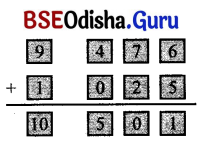
Go through Class 7 Social Science Solutions Odia Medium and Class 7 Social Science Chapter 7 Question Answer Odia Medium ଗୁପ୍ତଯୁଗ : ନିରନ୍ତର ସୃଜନଶୀଳତାର ଏକ ନିଦର୍ଶନ to understand textbook questions more clearly.
7th Class Social Science Chapter 7 Question Answer Odia Medium
Class 7 Social Science Chapter 7 Odia Medium
ପାଠ୍ୟପୁସ୍ତକସ୍ଥ ପ୍ରଶ୍ନ ଓ ଅଭ୍ୟାସ କାର୍ଯ୍ୟ
Question 1.
ମନେକର ତୁମେ ଗୁପ୍ତ ସାମ୍ରାଜ୍ୟରେ ବାସ କରୁଥିବା କେହି ଜଣେ ବ୍ୟକ୍ତିଙ୍କଠାରୁ ଏକ ପତ୍ର ପାଇଲ । ପତ୍ରଟି ଏପରିଭାବେ ଆରମ୍ଭ ହୋଇଛି ।
ପାଟଳୀପୁତ୍ରରୁ ଅଭିନନ୍ଦନ : ଏଠାରେ ଜୀବନ ଉତ୍ସାହପ୍ରଦ ଓ ଆନନ୍ଦଦାୟକ । ଗତକାଲି ମୁଁ ଦେଖୁଲି ଗୁପ୍ତ ସାମ୍ରାଜ୍ୟର ଜୀବନଶୈଳୀ ବର୍ଣ୍ଣନା କରି ଏକ ସଂକ୍ଷିପ୍ତ ଅନୁଚ୍ଛେଦ (୨୫୦–୩୦୦ ଶବ୍ଦ) ସହିତ ଚିଠିଟିକୁ ସମ୍ପୂର୍ଣ୍ଣ କର ।
Answer:
ପାଟଳୀପୁତ୍ରରୁ ଅଭିନନ୍ଦନ : ଏଠାରେ ଜୀବନ ଉତ୍ସାହପ୍ରଦ ଓ ଆନନ୍ଦଦାୟକ । ଗତକାଲି ମୁଁ ଏକ ବିଶାଳ ପର୍ବ ଦେଖୁଲି, ଯେଉଁଥରେ ବିଷ୍ଣୁ ଭଗବାନ୍ଙ୍କୁ ଆରାଧନା କରାଯାଉଛି । ସହରର ଗଳିକନ୍ଦି ବିଭିନ୍ନ ପ୍ରକାରର ଵାଦ୍ୟ ଏବଂ ମୃଦୁଧ୍ଵନିରେ ଜୀବନ୍ତ ହୋଇ ଉଠିଛି । ମନ୍ଦିରଗୁଡ଼ିକ ସୁନ୍ଦର ଭାବରେ ଫୁଲ ଏବଂ ଧୂପ ବାସନାରେ ସୁସଜ୍ଜିତ ଏବଂ ମହକିତ ହୋଇଛି । ନର୍ତ୍ତକୀମାନେ ଆମ ପୁରାତନ ଧର୍ମଗ୍ରନ୍ଥରୁ ବିଭିନ୍ନ ଗଳ୍ପକୁ ନେଇ ନୃତ୍ୟ ପରିବେଷଣ କରୁଛନ୍ତି ଏବଂ କଳାକାରମାନେ ସେମାନଙ୍କର ସୂକ୍ଷ୍ମ କାରୁକାର୍ଯ୍ୟକୁ ପ୍ରଦର୍ଶିତ କରୁଛନ୍ତି ।
ଶହଶହ ଜନତା, ବିଭିନ୍ନ ଗଳିକନ୍ଦିରେ ବୁଲି ପର୍ବକୁ ଉପଭୋଗ କରୁଛନ୍ତି । ପାଟଳୀପୁତ୍ରର ଉପାନ୍ତ ଅଞ୍ଚଳରୁ ଅନେକ ବ୍ୟବସାୟୀ ସେମାନଙ୍କର ଦ୍ରବ୍ୟ ଆଣି ମେଳାରେ ବିକ୍ରୟ କରୁଛନ୍ତି । ସେଗୁଡ଼ିକ ହେଲା, ବିଭିନ୍ନ ମସଲା, ବସ୍ତ୍ର, ରନ୍ଧାଳଙ୍କର ଇତ୍ୟାଦି । ସେହିପରି ପାଟଳୀପୁତ୍ରର ବଣିକମାନେ ବାହାର ଦେଶକୁ କାର୍ପାସ୍ ଏବଂ ହାତୀଦାନ୍ତ ରପ୍ତାନି କରୁଛନ୍ତି । ଏହା ବାସ୍ତବରେ ଏକ ସମୃଦ୍ଧିର ସମୟ ଏବଂ ଏହି ସମୟରେ ଜଣେ ବ୍ୟକ୍ତିର କିଛି ଦାନାପାଣି ଯୋଗାଡ଼ ହୋଇପାରୁଛି । ସମସ୍ତ ଜନତାଙ୍କ ପାଇଁ ଡାକ୍ତରଖାନା ଏବଂ ବିଶ୍ରାମାଗାରର ବ୍ୟବସ୍ଥା ହୋଇପାରିଛି । ବିଦ୍ଵାନ୍ ଏବଂ ବୈଜ୍ଞାନିକମାନେ ଉଚ୍ଚ ସମ୍ମାନର ଅଧିକାରୀ ହୋଇପାରିଛନ୍ତି । ମୁଁ ଗତକାଲି ଏକ ମହାକାଶ ଗବେଷଣା ସମ୍ପର୍କରେ ଏକ ପାଠଶାଳାରେ ଯୋଗ ଦେଇଥୁଲି । ସେଠାରେ ଗ୍ରହ ଏବଂ ତାରମାନଙ୍କର ଭୂମିକା ସମ୍ପର୍କରେ ଜାଣିବାକୁ ପାଇଲି । ପାଟଳୀପୁତ୍ର ଏଭଳି ଏକ ସ୍ଥାନ, ଯେଉଁଠାରେ ସଂସ୍କୃତି ଆଧ୍ୟାତ୍ମିକତା ଏବଂ ପ୍ରଗତିର ଏକ ସମାଗମ ହୋଇଛି । ପାଟଳୀପୁତ୍ରର ଅଧ୍ଵବାସୀ ଭାବରେ ମୁଁ ନିଜକୁ ଗର୍ବିତ ଅନୁଭବ କରୁଛି । ଏହା ଏକ ସୁବର୍ଣ୍ଣଯୁଗ କହିଲେ ଅତ୍ୟୁକ୍ତି ହେବନାହିଁ ।
ମୁଁ ଆଶାକରେ ତୁମଠାରୁ ଦୁଇପଦ କଥା ଶୀଘ୍ର ଶୁଣିବାପାଇଁ ଈଶ୍ଵରଙ୍କ ଆଶୀର୍ବାଦରୁ ତୁମେ ସୁଖ ଶାନ୍ତିରେ ଥାଅ ।
ଇତି
ତୁମର ବାନ୍ଧବୀ
ସ୍ୱାତୀ
Question 2.
କେଉଁ ଗୁପ୍ତ ଶାସକ ‘ବିକ୍ରମାଦିତ୍ୟ’ ଭାବରେ ମଧ୍ଯ ଜଣାଶୁଣା ଥିଲେ ?
Answer:
ଗୁପ୍ତ ଶାସକ ଦ୍ଵିତୀୟ ଚନ୍ଦ୍ରଗୁପ୍ତ ‘ବିକ୍ରମାଦିତ୍ୟ’’ ଭାବରେ ଜଣାଶୁଣା ଥିଲେ ।
Question 3.
ଶାନ୍ତର ସମୟ : ସାମାଜିକ, ସାଂସ୍କୃତିକ ଜୀବନ, ସାହିତ୍ୟ ଏବଂ ବିଜ୍ଞାନ ଓ ପ୍ରଯୁକ୍ତି ବିଦ୍ୟାର ବିକାଶକୁ ସମର୍ଥନ କରେ । ଗୁପ୍ତ ସାମ୍ରାଜ୍ୟ ଆଧାରରେ ଏହି ଉକ୍ତିଟିକୁ ପରୀକ୍ଷା କର ।
Answer:
ଗୁପ୍ତଯୁଗରେ ଭାରତୀୟ ସଂସ୍କୃତି ଓ ସଭ୍ୟତାର ଅଭୂତପୂର୍ବ ବିକାଶ ସାଧୂତ ହୋଇଥିଲା । ଗୁପ୍ତ ସମ୍ରାଟମାନଙ୍କର ଦୀର୍ଘ ରାଜତ୍ଵକାଳରେ ଶାନ୍ତି ଓ ଶୃଙ୍ଖଳା ପ୍ରତିଷ୍ଠିତ ହୋଇଥିଲା । ଏହି ସାମ୍ରାଜ୍ୟର ଶାସକମାନେ ସେମାନଙ୍କ ବିସ୍ତୃତ ସାମ୍ରାଜ୍ୟକୁ ବିସ୍ତାରିତ ଏବଂ ଏକୀଭୂତ କରିବାପାଇଁ ସାମରିକ ଅଭିଯାନ, କୂଟନୀତି ଏବଂ ମୈତ୍ରୀ ସମେତ ବିଭିନ୍ନ କୌଶଳ ବ୍ୟବହାର କରିଥିଲେ । ଶେଷୋକ୍ତ ପଦ୍ଧତିରେ ବୈବାହିକ ସମ୍ପର୍କ ଅନ୍ତର୍ଭୁକ୍ତ ଥିଲା ।
ଗୁପ୍ତ ସାମ୍ରାଜ୍ୟରେ ଏକ ସୁସଙ୍ଗଠିତ ପ୍ରଶାସନିକ ବ୍ୟବସ୍ଥା ଥିଲା । କେନ୍ଦ୍ରୀୟ ଅଧିକାରୀଙ୍କଠାରୁ ସମସ୍ତ ନିୟନ୍ତ୍ରଣ ପରିବର୍ତ୍ତେ ସେମାନେ ସାମ୍ରାଜ୍ୟକୁ କେତୋଟି ପ୍ରଦେଶରେ ବିଭକ୍ତ କରିଥିଲେ ଏବଂ ଶାସକ, ପୁରୋହିତ ଏବଂ ସାମନ୍ତମାନଙ୍କୁ ଜମି ପ୍ରଦାନ କରାଯାଉଥିଲା । ଗୁପ୍ତ ସାମ୍ରାଜ୍ୟର ରାଜସ୍ଵର ମୂଳ ଉତ୍ସ ଥିଲା ଭୂମିକର । ଅନ୍ୟ ଉତ୍ସ ମଧ୍ଯରେ ଜରିମାନା, ଖଣିକର, ଜଳସେଚନ, ବାଣିଜ୍ୟ ଓ ହସ୍ତଶିଳ୍ପରେ ଅନ୍ତର୍ଭୁକ୍ତ, ଥିଲା । ଗୁପ୍ତ ଯୁଗରେ ଭାରତ ଭୂମଧ୍ୟ ସାଗରୀୟ ଜଗତ, ଦକ୍ଷିଣ-ପୂର୍ବ ଏସିଆ ଏବଂ ଚୀନ ସହିତ ବାଣିଜ୍ୟ କାରବାରରେ ବସ୍ତ୍ର, ମସଲା, ହାତୀଦାନ୍ତ ଏବଂ ରନ୍ପଥର ଆଦି ରପ୍ତାନି କରୁଥିଲା ।
ଗୁପ୍ତ ସାମ୍ରାଜ୍ୟରେ ଦୀର୍ଘ ସମୟ ଧରି ଶାନ୍ତି ଓ ସ୍ଥିରତା ବଜାୟ ରହିଥିବାରୁ ବିଭିନ୍ନ କ୍ଷେତ୍ରରେ ଉଲ୍ଲେଖନୀୟ ସଫଳତାକୁ ପ୍ରୋତ୍ସାହିତ ବା ତ୍ୱରାନ୍ଵିତ କରିଥିଲା । ଐତିହାସିକମାନେ ଏହି ସମୟକୁ ଭାରତର ପ୍ରାଚୀନ ଯୁଗ ବା କ୍ଲାସିକ୍ ଯୁଗ ନାମରେ ନାମିତ କରିଛନ୍ତି । ଏହି ସମୟରେ ପ୍ରଖ୍ୟାତ କବି କାଳିଦାସଙ୍କ ରଚନା ସମେତ ଅନେକ ପୁରାଣ ଓ ପୁସ୍ତକ ସଂସ୍କୃତ ସାହିତ୍ୟକୁ ସମୃଦ୍ଧ କରିଥିଲା । ଆର୍ଯ୍ୟଭଟ୍ଟ ଓ ବରାହମିହିର ଗଣିତ ଓ ଜ୍ୟୋତିର୍ବିଜ୍ଞାନରେ ଅନେକ ଅଗ୍ରଗତି କରିପାରିଥିଲେ । ଏଥିସହିତ ଚିକିତ୍ସାବିଜ୍ଞାନ ସମ୍ପର୍କିତ ପୁସ୍ତକ ଓ ତାହାର କାର୍ଯ୍ୟାବଳୀ ସମ୍ପର୍କରେ ଅନେକ ତଥ୍ୟ ଲୋକଲୋଚନକୁ ଆସିପାରିଥିଲା । ଏହି ସମୟର ଧାତୁଶିଳ୍ପର ପ୍ରସାର ଘଟିଥିଲା । ଏହାର ଜ୍ଵଳନ୍ତ ଉଦାହରଣ ହେଉଛି – ଦିଲ୍ଲୀରେ ଥିବା କଳଙ୍କହୀନ ଲୌହସ୍ତମ୍ଭ । ଶାସନର ଏହି ସ୍ଥିରତା ଅର୍ଥନୀତିକୁ ସୁଦୃଢ଼ କରିବା ସଙ୍ଗେ ସଙ୍ଗେ ବିଦ୍ଵାନ, କଳାକାର ଓ ବୈଜ୍ଞାନିକମାନଙ୍କ ସାଂସ୍କୃତିକ ଓ ବୌଦ୍ଧିକ ବିକାଶ ବୃଦ୍ଧି କରିବାରେ ସହାୟତା ପ୍ରଦାନ କରିଥିଲା ।
Question 4.
ଗୁପ୍ତ ଶାସକଙ୍କ ଦରବାରକୁ ଲକ୍ଷ୍ୟକରି ଏକ ଦୃଶ୍ୟ ପୁନଃ ସୃଷ୍ଟି କର । ଗୁପ୍ତ ସମୟର ରାଜା, ମନ୍ତ୍ରୀ, ପଣ୍ଡିତଙ୍କ ଭୂମିକାକୁ ଦେଇ ଏକ କ୍ଷୁଦ୍ର ରଚନା ଲେଖ । ଗୁପ୍ତଯୁଗକୁ ଜୀବନ୍ତ କରିବା ପାଇଁ ଏକ ଅଭିନୟର ନାଟକ ପ୍ରସ୍ତୁତ କର ।
Answer:
ଛାତ୍ରଛାତ୍ରୀମାନେ ଶ୍ରେଣୀଗୃହକୁ ଶିକ୍ଷକଙ୍କ ସହାୟତାରେ ଏକ ରାଜଦରବାରର ଦୃଶ୍ୟପଟ୍ଟ କରି ବନାଇଛନ୍ତି ଏବଂ ବିଭିନ୍ନ ଭୂମିକାରେ ଭାଗ ନେଇଥିବା ଛାତ୍ରଛାତ୍ରୀମାନଙ୍କ ପାଇଁ ନୋଟ୍ ଲେଖାଯାଇଛି । ଗୁପ୍ତ ସାମ୍ରାଜ୍ୟର ଏହି ସମୟଟି ହେଉଛି ସମ୍ରାଟ ଦ୍ଵିତୀୟ ଚନ୍ଦ୍ରଗୁପ୍ତଙ୍କ ରାଜତ୍ଵ ସମୟ ।
ଦୃଶ୍ୟ– ରାଜା ବିକ୍ରମାଦିତ୍ୟ ବିଶାଳ ସିଂହାସନ ଉପରେ ଉପବିଷ୍ଟ । ତାଙ୍କ ରାଜସଭାକୁ ମନ୍ତ୍ରୀ ଓ ବିଦ୍ଵାନ୍ମାନେ ଉପସ୍ଥିତ ରହି ଶୋଭା ମଣ୍ଡନ କରୁଛନ୍ତି । ଚତୁଃପାର୍ଶ୍ଵରେ ନିରାପତ୍ତାବାହିନୀ ଘେରି ରହିଛନ୍ତି । ସମଗ୍ର ପରିବେଶଟି ଶାନ୍ତ ଓ ସୁନ୍ଦର ହୋଇ ଉଠିଛି ।
ଚରିତ୍ର ଓ ଭୂମିକା :
(କ) ରାଜା ଦ୍ଵିତୀୟ ଚନ୍ଦ୍ରଗୁପ୍ତ (ରାଜା ବିକ୍ରମାଦିତ୍ୟ) ଜଣେ ବିଜ୍ଞ ଏବଂ ଦୟାଳୁ ଶାସକ ।
(ଖ) ମନ୍ତ୍ରୀ ହରିଶେନ ରାଜାଙ୍କର ମୁଖ୍ୟ ପରାମର୍ଶଦାତା ଏବଂ ରାଜକବି ।
(ଗ) ଆର୍ଯ୍ୟଭଟ୍ଟ– ଜଣେ ସ୍ୱନାମଧନ୍ୟ ଗାଣିତଜ୍ଞ ଏବଂ ଜ୍ୟୋତିର୍ବିଜ୍ଞାନୀ ।
(ଘ) କାଳିଦାସ – ମହାନ୍ କବି ଏବଂ ନାଟ୍ୟକାର ।
(ଙ) ଦରବାରୀ ଗାର୍ଡ଼ – ପରିଦର୍ଶନକାରୀମାନଙ୍କର ନାମ ଘୋଷଣା କରିଛନ୍ତି ।
ଉପରୋକ୍ତ ଦୁଇଜଣ ପଣ୍ଡିତ (ଆର୍ଯ୍ୟଭଟ୍ଟ ଏବଂ କାଳିଦାସ) ସଭାରେ ଉପସ୍ଥିତ ଅଛନ୍ତି । ସେମାନଙ୍କର ଜ୍ଞାନ ଏବଂ ଉଦ୍ଭାବନ ସମ୍ପର୍କରେ କିଛି ତଥ୍ୟ ପରିବେଷଣ କରିବାପାଇଁ) ଦର୍ଶନାକାରୀ ଏବଂ ରାଜଦରବାରରେ ସଭ୍ୟ ବଳକା ଛାତ୍ରଛାତ୍ରୀ ।
ନାଟକ ଆରମ୍ଭ :
କୋର୍ଟ ଗାର୍ଡ଼ ହୁଇସିଲ୍ ବଜାଇ କହିଲେ, ‘ହେ ମହାଭାଗ’’ ଆପଣଙ୍କ ଦରବାରର ଦ୍ଵିତୀୟ ଦିନକୁ ସ୍ଵାଗତ ଏବଂ ଏହା ଏକ ଗୌରବର ଦିନ ।
ଦ୍ଵିତୀୟ ଚନ୍ଦ୍ରଗୁପ୍ତ – ଧନ୍ୟବାଦ, ରାଜକର୍ମଚାରୀ ! ଆଜି ଜ୍ଞାନ ଏବଂ ବିଜ୍ଞତା ଆମ ରାଜ୍ୟରେ ଉଜ୍ଜ୍ଵଳିତ ହେଉ ।
ରାଜ କର୍ମଚାରୀ – ହେ ମହାଭାଗ ! ଆଜି ଦରବାରରେ ବଡ଼ ପଣ୍ଡିତ, ବିଦ୍ଵାନମାନେ ସେମାନଙ୍କର କୃତିତ୍ତ୍ଵକୁ ଉପସ୍ଥାପନା କରିବାକୁ ଆସିଛନ୍ତି ।
ମନ୍ତ୍ରୀ ହରିଶେନ – ଏହା ମହାଭାଗ ! ମୁଁ ଆପଣଙ୍କ ନିକଟରେ ମହାନ୍ ଗଣିତଜ୍ଞ ଆର୍ଯ୍ୟଭଟ୍ଟଙ୍କୁ ଉପସ୍ଥିତ କରାଉଛି ।
ଆର୍ଯ୍ୟଭଟ୍ଟ – ଶୁଭେଚ୍ଛା, ହେ ମହାଭାଗ । ମୁଁ ଆଜି ଆପଣଙ୍କ ନିକଟକୁ ଗ୍ରହ ଏବଂ ତାରକାପୁଞ୍ଜଙ୍କର ବିଷୟରେ ଏକ ଲିଖିତ ପ୍ରୋଥ ଆଣିଛି । ମୁଁ ଏଥରେ ଗବେଷଣା କରି ଲେଖୁଛି ଯେ ପୃଥିବୀ ତା’ର ନିଜ କକ୍ଷପଥରେ ଘୂର୍ଣ୍ଣନ କରୁଛି ଏବଂ ମୁଁ ମଧ୍ଯ ପାଇର (π) ମୂଲ୍ୟ ହିସାବ କରିଛି ।
ରାଜା – ଆଚ୍ଛା, ଅତ୍ୟନ୍ତ ଆକର୍ଷଣୀୟ । ତୁମ୍ଭର କାର୍ଯ୍ୟ ଭବିଷ୍ୟତ ପିଢ଼ିକୁ ଗବେଷଣା କ୍ଷେତ୍ରରେ ମାର୍ଗ ଦର୍ଶନ କରାଇଟ୍
ମନ୍ତ୍ରୀ ହରିଶେନ – ହେ ମହାଭାଗ ! ମୁଁ ବର୍ତ୍ତମାନ ମହାନ କବି ସରସ୍ଵତୀଙ୍କ ବରପୁତ୍ର କାଳିଦାସଙ୍କୁ ଆପଣଙ୍କ ନିକଟରେ ଉପସ୍ଥିତ କରାଉଛି ।
କାଳିଦାସ – (ପୋଥ୍ ଧରି) ହେ ରାଜନ୍ ! ମୁଁ ବିନମ୍ର ଭାବରେ ମୋଦ୍ଵାରା ଲିଖ୍ତ ନାଟକ ‘ଅଭିଜ୍ଞାନ ଶକୁନ୍ତଳା’’ରୁ କିଛି କଥା ଆପଣଙ୍କ ନିକଟରେ ଉପସ୍ଥାପନ କରୁଛି । ଏହା ପ୍ରେମ, ପ୍ରକୃତି ଏବଂ ଭାଗ୍ୟର ଶକ୍ତି ଉପରେ ଆଧାରିତ ।
ରାଜା (ସ୍ମିତହାସ୍ୟ) – କାଳିଦାସ ତୁମ୍ଭର ସ୍ଵର ମାଧୁର୍ଯ୍ୟମୟ ଅଟେ । ତାହା ଆମ ସାମ୍ରାଜ୍ୟର ଆତ୍ମାକୁ ଋଦ୍ଧିମନ୍ତ କରି ରଖୁଛି ।
ପଣ୍ଡିତ (୧) – ମୁଁ ବର୍ତ୍ତମାନ ଉଭିଦ ଏବଂ ଭେଷଜ ଜ୍ଞାନ ଉପରେ ଅଧ୍ୟୟନ କରୁଅଛି । ହେ ମହାଭାଗ, ବର୍ତ୍ତମାନ ଆୟୁର୍ବେଦ ଆପଣଙ୍କ ସହୃଦୟତା ଏବଂ ପୃଷ୍ଠପୋଷକତାରୁ ବୃଦ୍ଧି ପାଉଛି ।
ପଣ୍ଡିତ (୨) – ଆଜ୍ଞା, ମୁଁ ବର୍ତ୍ତମାନ କଳା କାରୁକାର୍ଯ୍ୟ ଏବଂ ସହରୀ ଯୋଜନା ପାଇଁ ନୂତନ ଉପାୟମାନ ଆବିଷ୍କାର କରିଅଛି ।
ରାଜା – ଏହା ହେଉଛି ଶାନ୍ତି ଏବଂ ବିଜ୍ଞତାର ଶକ୍ତି । ମୁଁ ଆଶାକରେ ଆମ ଗୁପ୍ତ ସାମ୍ରାଜ୍ୟ ବିଦ୍ଵାନମାନଙ୍କଦ୍ଵାରା ଜ୍ଞାନରେ ଆଲୋକିତ ହୋଇ ସମୃଦ୍ଧିର ପଥେ ଅଗ୍ରସର ହେଉ । (ଉପସ୍ଥିତ ସମସ୍ତେ ଏକ ସ୍ଵରରେ ‘‘ମହାରାଜା ବିକ୍ରମାଦିତ୍ୟ, ଦୀର୍ଘାୟୁ ହୁଅନ୍ତୁ ।)
Question 5.
ସ୍ତମ୍ଭ ମିଳନ କର । ସ୍ତମ୍ଭ ‘ବ’ସ୍ତମ୍ଭ ‘ଖ’(୧) କାଞ୍ଚ୍ ପୁରମ୍(କ) ଜାତକ କାହାଣୀଗୁଡ଼ିକୁ ଚିତ୍ରିତ କରୁଥିବା ଉଜ୍ଜ୍ଵଳ ଗୁମ୍ଫା ଚିତ୍ରକଳା ପାଇଁ ପରିଚିତ ।(୨) ଉଜ୍ଜୟିନୀ(ଖ) ହିନ୍ଦୁଦେବତା, ବିଶେଷତଃ ବିଷ୍ଣୁଙ୍କର ଜଟିଳ ଖୋଦନ ସହିତ ପଥର ଖୋଦିତ ଗୁମ୍ଫା ପାଇଁ ପ୍ରସିଦ୍ଧ(୩) ଉଦୟଗିରି(ଗ) ଗୁପ୍ତମାନଙ୍କର ରାଜଧାନୀ(୪) ଅଜନ୍ତା(ଘ) ‘ହଜାର ମନ୍ଦିରର ସହର’ ଭାବରେ ଜଣାଶୁଣା(୫) ପାଟଳୀପୁତ୍ର(ଙ) ପ୍ରାଚୀନ ଭାରତରେ ଶିକ୍ଷାର ଏକ ପ୍ରମୁଖ କେନ୍ଦ୍ର
Answer:
ସ୍ତମ୍ଭ ‘କ’ସ୍ତମ୍ଭ ‘ଖ’(୧) କାଞ୍ଚ୍ ପୁରମ୍(ଘ) ‘ହଜାର ମନ୍ଦିରର ସହର’ ଭାବରେ ଜଣାଶୁଣା(୨) ଉଜ୍ଜୟିନୀ(ଙ) ପ୍ରାଚୀନ ଭାରତରେ ଶିକ୍ଷାର ଏକ ପ୍ରମୁଖ କେନ୍ଦ୍ର(୩) ଉଦୟଗିରି(ଖ) ହିନ୍ଦୁଦେବତା, ବିଶେଷତଃ ବିଷ୍ଣଙ୍କର ଜଟିଳ ଖୋଦନ ସହିତ ପଥର ଖୋଦିତ ଗୁମ୍ଫା ପାଇଁ ପ୍ରସିଦ୍ଧ(୪) ଅଜନ୍ତା(କ) ଜାତକ କାହାଣୀଗୁଡ଼ିକୁ ଚିତ୍ରିତ କରୁଥିବା ଉଜ୍ଜ୍ଵଳ ଗୁମ୍ଫା ଚିତ୍ରକଳା ପାଇଁ ପରିଚିତ ।(୫) ପାଟଳୀପୁତ୍ର(ଗ) ଗୁପ୍ତମାନଙ୍କର ରାଜଧାନୀ
Question 6.
ପଲ୍ଲବମାନେ କିଏ ଥିଲେ ଏବଂ ସେମାନେ କେଉଁଠାରେ ଶାସନ କରୁଥିଲେ ?
Answer:
ଦକ୍ଷିଣ ଭାରତର ଏକ ଶକ୍ତିଶାଳୀ ରାଜବଂଶ ପଲ୍ଲବମାନେ ଥିଲେ, ଯେଉଁମାନେ ଖ୍ରୀଷ୍ଟୀୟ ତୃତୀୟ ଶତାବ୍ଦୀରୁ ନବମ ଶତାବ୍ଦୀ ମଧ୍ୟରେ ତାମିଲନାଡୁ, କର୍ଣ୍ଣାଟକ, ତେଲେଙ୍ଗାନା ଓ ଆନ୍ଧ୍ରପ୍ରଦେଶର କିଛି ଅଂଶରେ ରାଜତ୍ଵ କରିଥିଲେ । ସେମାନେ କଳା ଓ ସ୍ଥାପତ୍ୟର ମହାନ୍ ପୃଷ୍ଠପୋଷକ ଥିଲେ । ସେମାନଙ୍କ ମଧ୍ୟରୁ ଅଧିକାଂଶ ଶିବଙ୍କ ଉପାସକ ଥିଲେ । ସେମାନଙ୍କୁ ଭବ୍ୟ ମନ୍ଦିର ଏବଂ ପଥରିକଟା ଗୁମ୍ଫା ନିର୍ମାଣ କରିବାର ଶ୍ରେୟ ଦିଆଯାଇଥାଏ । ପଲ୍ଲବମାନଙ୍କ ରାଜଧାନୀ କାଞ୍ଚିପୁରମ୍ ଯାହାକୁ ‘ହଜାର ମନ୍ଦିର ସହର’’ ବୋଲି କୁହାଯାଉଥିଲା, ଦକ୍ଷିଣ ଭାରତରେ ଏକ ପ୍ରମୁଖ ଶିକ୍ଷାକେନ୍ଦ୍ର ଭାବରେ ବିକଶିତ ହୋଇଥିଲା ।
Question 7.
ନିକଟରେ ଥିବା ଐତିହାସିକ ସ୍ଥାନ, ସଂଗ୍ରହାଳୟ କିମ୍ବା ଐତିହ୍ୟ ଅଟ୍ଟାଳିକାକୁ ତୁମେ ଶିକ୍ଷକମାନଙ୍କ ସହ ଅନୁସନ୍ଧାନ ଯାତ୍ରାର ଆୟୋଜନ କର । ଯାତ୍ରା ପରେ ତୁମ ଅଭିଜ୍ଞତାକୁ ବର୍ଣନା କରି ଏକ ବିସ୍ତୃତ ରିପୋର୍ଟ ଲେଖ ।
Answer:
ଆମେ ସପ୍ତମ ଶ୍ରେଣୀର ପିଲାମାନେ ଏକ ଐତିହାସିକ ସ୍ଥାନ ପରିଭ୍ରମଣରେ ଯିବା ପାଇଁ ସ୍ଥିର କଲୁ ଏବଂ ତଦନୁଯାୟୀ ଶ୍ରେଣୀ ଶିକ୍ଷକଙ୍କ ମାଧ୍ୟମରେ ପ୍ରଧାନ ଶିକ୍ଷକଙ୍କ ଅନୁମତି ପ୍ରାପ୍ତ କଲୁ । ସ୍ଥିର କରାଯାଇଥିଲା ଯେ ଆମ୍ଭେ ଆମ୍ଭ ରାଜ୍ୟର ରାଜଧାନୀ ଭୁବନେଶ୍ଵର ନିକଟସ୍ଥ ଖଣ୍ଡଗିରି ଓ ଉଦୟଗିରି ପରିଭ୍ରମଣରେ ଯିବାକୁ । ଏହା ଏକ ପ୍ରାଚୀନ ଐତିହାସିକ ସ୍ଥାନ ।
ତା ୧।୪।୨୬ରେ ଆମ୍ଭେ ଏକ ବସ୍ରା ଖଣ୍ଡଗିରିରେ ପହଞ୍ଚୁ । ସମସ୍ତେ ମିଶି ଆମେ ୪୦ ଜଣ ଛାତ୍ର ଏବଂ ପାଞ୍ଚଜଣ ଶିକ୍ଷକ ଶିକ୍ଷୟତ୍ରୀ ଯାଇଥିଲୁ । ପହଞ୍ଚିବା ପରେ ଆରମେ ପ୍ରଥମେ ସାଙ୍ଗରେ ନେଇଥିବା ଜଳଖୁଆକୁ ଖାଇଲୁ । ତା’ପରେ ଶିକ୍ଷକମାନେ ଆମକୁ ଏକ ଧାଡ଼ିରେ ଚଲାଇ କରି ଖଣ୍ଡଗିରିର ବିଭିନ୍ନ ସ୍ଥାନକୁ ନେଲେ । ଆମେ ପ୍ରଥମେ ଉଦୟଗିରିରେ ଥିବା ହାତୀଗୁମ୍ଫା ପରିଦର୍ଶନ କଲୁ । ସେଠାରେ ଅନେକ ଗୁମ୍ଫା ନିର୍ମାଣ କରାଯାଇଥିଲା । କୁହାଯାଏ ଯେ କଳିଙ୍ଗର ରାଜା ଐର ଖାରବେଳ ଏହି ଗୁମ୍ଫାଗୁଡ଼ିକୁ ଜୈନ ସନ୍ୟାସୀଙ୍କ ଆଶ୍ରୟ ନିମନ୍ତେ ନିର୍ମାଣ କରିଥିଲେ । ରାଜା ଖାରବେଳ ଜୈନଧର୍ମ ଗ୍ରହଣ କରିବା ସହିତ ଏହାର ପ୍ରଚାର ପ୍ରସାର ପାଇଁ ଉଦ୍ୟମ କରିଥିଲେ । ରାଜା ଖାରବେଳଙ୍କର ତେର ବର୍ଷର ଶାସନ ସମୟର ବିବରଣୀ ଏହି ହାତୀଗୁମ୍ଫା ଶିଳାଲେଖରେ ଖୋଦିତ ହୋଇ ରହିଛି ।
ଏହାପରେ ଆମେ ଖଣ୍ଡଗିରି ପାହାଡ ଉପରିସ୍ଥ ଗୁମ୍ଫାମାନ ପରିଦର୍ଶନ କଲୁ ଏବଂ ଏହି ଐତିହାସିକ ସ୍ଥାନ ସମ୍ପର୍କରେ ଆମେ ଅନେକ ତଥ୍ୟ ପ୍ରାପ୍ତ ହେଲୁ । ବାସ୍ତବରେ ଆମ ଦେଶର ଇତିହାସ ସମ୍ପର୍କରେ ଜାଣିବାକୁ ହେଲେ ଆମ୍ଭେମାନେ ବିଭିନ୍ନ ଐତିହାସିକ ସ୍ଥାନ, ସଂଗ୍ରହାଳୟ ପରିଦର୍ଶନ କରିବା ଉଚିତ । ସେଠାରେ ବୁଲିସାରିଲାପରେ ଆମେ ମଧ୍ୟାହ୍ନ ଭୋଜନ ଖାଇ ବିଶ୍ରାମ ନେଲୁ । ଏହାପରେ ଆମର ବସ୍ ପହଞ୍ଚିଲା । ଏହାପରେ ଆମେ ଭୁବନେଶ୍ଵରରୁ ପ୍ରତ୍ୟାବର୍ତ୍ତନ କରିଥିଲୁ ।
Question 8.
ଭ୍ରମଣ କରୁଥିବା ଐତିହାସିକ କୀର୍ତ୍ତିର ଗୁରୁତ୍ଵ ସ୍ଥାପତ୍ୟ, କଳାକୃତି ଏବଂ ପରିଦର୍ଶନ ସମୟରେ ତୁମେ ଶିକ୍ଷା କରିଥିବା କୌଣସି ମଜାଦାର ତଥ୍ୟ ବିଷୟରେ ବର୍ଣ୍ଣନାରେ ସାମିଲ କର । ଇତିହାସ ସମ୍ପର୍କରେ ତୁମର ଧାରଣାକୁ ଐତିହାସିକ ସ୍ଥାନ ପରିଭ୍ରମଣ କିପରି ସାହାଯ୍ୟ କରିଛି, ଆଲୋଚନା କର ।
Answer:
ଆମେ ତିରିଶଜଣ ଛାତ୍ରଛାତ୍ରୀ ବିଦ୍ୟାଳୟର ଚାରି ଜଣ ଶିକ୍ଷକ ଶିକ୍ଷୟିତ୍ରୀଙ୍କ ସହିତ କୋଣାର୍କ ବୁଲିବାକୁ ଯାଇଥୁଲୁ । ବଙ୍ଗ ବିଜୟର ସ୍ମାରକ ରୂପେ ପ୍ରାଚୀ ନଦୀର ଶାଖା ଚନ୍ଦ୍ରଭାଗା ନଦୀ ମୁହାଣରେ ନରସିଂହ ଦେବ ବିଶ୍ଵ ପ୍ରସିଦ୍ଧ ଅତୁଳନୀୟ ସୂର୍ଯ୍ୟମନ୍ଦିର ନିର୍ମାଣ କରିଥିଲେ । ଏହି ସ୍ଥାନର ପୌରାଣିକ ନାମ ଥିଲା ଅର୍କକ୍ଷେତ୍ର । କେହି କେହି ଏହାକୁ କୃଷ୍ଣ ପାଗୋଡ଼ା ମଧ୍ୟ କହିଥା’ନ୍ତି । ଅର୍କ ବା ସୂର୍ଯ୍ୟ ଉପାସନା ପାଇଁ ଉକ୍ତ ମନ୍ଦିରଟି ଉଦ୍ଦିଷ୍ଟ ଥିଲା । ଏହାର ନିର୍ମାଣ ୧୨୪୫ ଖ୍ରୀ.ଅ.ରେ ଆରମ୍ଭ ହୋଇ ଖ୍ରୀ.ଅ. ୧୨୫୬ରେ ସମାପ୍ତ ହୋଇଥିଲା । ସୂର୍ଯ୍ୟଦେବଙ୍କ ପୂଜା ଆରାଧନା ପାଇଁ ଉଦ୍ଦିଷ୍ଟ ହୋଇଥିବାରୁ ମନ୍ଦିରଟି ଏକ ରଥାକୃତିରେ ନିର୍ମିତ ହୋଇଥିଲା । ରଥଭଳି ଏଥରେ ୭ଟି ଅଶ୍ଵ, ୨୪ଟି ଚକ୍ର ରହିଥିବାର ଦେଖାଯାଏ । ଏହି ମନ୍ଦିରଟି ସୂକ୍ଷ୍ମ କାରୁକାର୍ଯ୍ୟରେ ପରିପୂର୍ଣ୍ଣ । ଏଥୁରେ ଯେତେ ପ୍ରକାରର ଜୀବଜନ୍ତୁ, ବୃକ୍ଷଲତା, ଫଳପୁଷ୍ପ, ପଶୁପକ୍ଷୀ, ଗନ୍ଧର୍ବ, ରାକ୍ଷସ, କିନ୍ନର ପ୍ରଭୃତି ମୂର୍ତ୍ତି ଖୋଦିତ ହୋଇଥିଲା, ତାହା ଭାରତର ଅନ୍ୟ କୌଣସି ମନ୍ଦିରରେ ଦେଖାଯାଏ ନାହିଁ । ଏଥିରେ ବ୍ୟବହୃତ ବିଶାଳ ପ୍ରସ୍ତରଖଣ୍ଡ ଓ କଳଙ୍କିମୁକ୍ତ ଲୌହସ୍ତମ୍ଭମାନ ଶିଳ୍ପୀମାନଙ୍କର ନିର୍ମାଣ କୌଶଳର ପରାକାଷ୍ଠା ପ୍ରତିପାଦନ କରିଥାଏ । ସ୍ଥାପତ୍ୟର ବିଶାଳତା, ଭାସ୍କର୍ଯ୍ୟର ସୂକ୍ଷ୍ମତା ଓ ଗଭୀର ଆଧ୍ୟାତ୍ମିକ ଦୃଷ୍ଟିରୁ ବିଚାର କଲେ କୋଣାର୍କ ମନ୍ଦିର ସମଗ୍ର ବିଶ୍ଵର ଅଦ୍ୱିତୀୟ କୀର୍ତ୍ତି । ଆମେ କୋଣାର୍କ ମନ୍ଦିର ଦେଖୁବା ସହିତ ଆମ ଶିକ୍ଷକଙ୍କଠାରୁ ଏହି ମନ୍ଦିର ବିଷୟରେ ସମସ୍ତ କାହାଣୀ ଶୁଣିଲୁ ।

Question 9.
ଓଡ଼ିଶାର କଳା, ସାହିତ୍ୟ ଓ ସଂସ୍କୃତି ପ୍ରସାର କ୍ଷେତ୍ରରେ ରାଜାମାନଙ୍କର ଭୂମିକା କ’ଣ ଥିଲା ଲେଖ ।
Answer:
କଳିଙ୍ଗଯୁଦ୍ଧ ପରବର୍ତ୍ତୀ ସମୟରେ ଓଡ଼ିଶାରେ ପର୍ଯ୍ୟାୟ କ୍ରମେ ଭିନ୍ନ ଭିନ୍ନ ରାଜବଂଶର ରାଜାମାନେ ଶାସନ କରି ଆସିଛନ୍ତି । ଚେଦି ରାଜବଂଶର ସମ୍ରାଟ ଖାରବେଳ ଅନେକ ରାଜ୍ୟ ଜୟକରି ନିଜର ସାମ୍ରାଜ୍ୟ ପ୍ରତିଷ୍ଠ କରିଥିଲେ । ପରବର୍ତୀ ସମୟରେ ଶୈଳୋଦ୍ଭବ, ଭୌମକର, ସୋମବଂଶ, ଗଙ୍ଗବଂଶୀ, ସୂର୍ଯ୍ୟବଂଶୀ ଏବଂ ଭୋଇ ରାଜବଂଶର ଶାସକମାନେ ଓଡ଼ିଶାରେ ଶାସନ କରିଛନ୍ତି । ସେମାନେ ସେମାନଙ୍କର ରାଜତ୍ଵ କାଳରେ ଓଡ଼ିଶାର କଳା, ସଂସ୍କୃତି, ଧର୍ମ ଏବଂ ସାମାଜିକ କ୍ଷେତ୍ରକୁ ଯେଉଁସବୁ ଅବଦାନ ଦେଇପାଇଛନ୍ତି ତାହା ଆଜି ମଧ୍ୟ ଗର୍ବ ଓ ଗୌରବର ସ୍ଵାକ୍ଷର ବହନ କରୁଛି । ଭୁବନେଶ୍ଵର ନିକଟବର୍ଭ ଖଣ୍ଡଗିରି ଓ ଉଦୟଗିରି ପାହାଡ଼ରେ ଖୋଦିତ ହାତୀଗୁମ୍ଫା ଶିଳାଲେଖରେ ସମ୍ରାଟ ଖାରବେଳଙ୍କ ଶାସନ ସମ୍ପର୍କରେ ବର୍ଣ୍ଣନା କରାଯାଇଛି । ଭୌମକର ରାଜବଂଶ ଓଡ଼ିଶାରେ ଖ୍ରୀ.ଅ. ୭୩୬ରୁ ରାଜତ୍ଵ ଆରମ୍ଭ କରିଥିଲେ ବୋଲି ଜଣାଯାଏ । ଭୁବନେଶ୍ୱରରେ ଥିବା ଶିଶିରେଶ୍ୱର, ତୁଳେଶ୍ଵର ଏବଂ ବୋଇତାଳ ମନ୍ଦିରଗୁଡ଼ିକ ଭୌମକର ରାଜବଂଶର କୀର୍ତ୍ତି । ସପ୍ତମ ଶତାବ୍ଦୀର ଶେଷ ବେଳକୁ ଓଡ଼ିଶାରେ ସୋମବଂଶୀ ରାଜବଂଶର ଅଭ୍ୟୁଦୟ ହୋଇଥିଲା । ଲିଙ୍ଗରାଜ ମନ୍ଦିର ଏବଂ ରାଜାରାଣୀ ମନ୍ଦିର ପ୍ରଭୃତି ନିର୍ମାଣ କରି ଓଡ଼ିଶାର ଭାସ୍କର୍ଯ୍ୟ କଳାକୁ ବୃଦ୍ଧି କରିବାରେ ସୋମବଂଶୀମାନେ ଉଲ୍ଲେଖନୀୟ ସଫଳତା ଲାଭ କରିଥିଲେ । କୁମାର ପର୍ବତ ଉପରେ ସମ୍ରାଟ ଉଦ୍ୟୋତକେଶରୀ ୨୪ଜଣ ଜୈନ ତୀର୍ଥଙ୍କରଙ୍କ ମୂର୍ତ୍ତି ପ୍ରତିଷ୍ଠା କରିଥିଲେ । ତାଙ୍କର ମାତା ଭୁବନେଶ୍ଵରର ବ୍ରହ୍ମେଶ୍ଵର ମନ୍ଦିର ନିର୍ମାଣ କରିଥିଲେ ।
ପଞ୍ଚମ ଶତାବ୍ଦୀ ଶେଷ ଭାଗକୁ ଗଙ୍ଗବଂଶ ଓଡ଼ିଶାର ଦକ୍ଷିକାଂଶରେ ଶାସନ କରୁଥିଲେ । ଗଙ୍ଗ ସମ୍ରାଟ ଚୋଡ଼ଗଙ୍ଗ ଦେବ ପୁରୁଷୋତ୍ତମ କ୍ଷେତ୍ରରେ ଶ୍ରୀଜଗନ୍ନାଥଙ୍କ ପାଇଁ ଶ୍ରୀମନ୍ଦିର ନିର୍ମାଣ କରିଥିଲେ । ୧୭୩୮ ଖ୍ରୀ.ଅ.ରେ ପ୍ରଥମ ନରସିଂହଦେବ କାରୁକାର୍ଯ୍ୟ ବିମଣ୍ଡିତ ବିଶାଳ କୋଣାର୍କ ମନ୍ଦିର ନିର୍ମାଣ କରିଥିଲେ ।
ଗଙ୍ଗ ରାଜବଂଶର ପତନ ପରେ ଓଡ଼ିଶାରେ ସୂର୍ଯ୍ୟବଂଶର ରାଜତ୍ଵ ଆରମ୍ଭ ହୋଇଥିଲା । ଏହି ବଂଶର ସମ୍ରାଟ ପ୍ରତାପରୁଦ୍ର ଦେବ ୧୫୪୦ ଖ୍ରୀ.ଅ.ରେ ଧବଳେଶ୍ୱର ମନ୍ଦିର ନିର୍ମାଣ କରିଥିଲେ । ତାଙ୍କ ସମୟରେ ଓଡ଼ିଶାରେ ଧର୍ମ ଏବଂ ସାହିତ୍ୟ କ୍ଷେତ୍ରରେ ଉଲ୍ଲେଖନୀୟ ଅଗ୍ରଗତି ହୋଇଥିଲା ।
Question 10.
ଓଡ଼ିଶାରେ ଶାସନ କରୁଥିବା ବିଭିନ୍ନ ରାଜବଂଶମାନଙ୍କ ମଧ୍ୟରୁ କେଉଁ ରାଜବଂଶର ଶାସନ ତୁମକୁ ଭଲ ଲାଗିଲା ଓ କାହିଁକି ୧୫୦ ଶବ୍ଦ ମଧ୍ଯରେ ଲେଖ ।
Answer:
ପଞ୍ଚଦଶ ଶତାବ୍ଦୀର ଶେଷ ଭାଗକୁ ଗଙ୍ଗ ରାଜବଂଶ ଓଡ଼ିଶାର ଦକ୍ଷିକାଂଶରେ ଶାସନ କରୁଥିଲେ ବୋଲି ପ୍ରମାଣ ମିଳିଥାଏ । ଓଡ଼ିଶାର ରଙ୍ଗବଂଶର ପ୍ରଥମ ରାଜା କାମାଣ୍ଡବ ମହୀଶୂର ଗଙ୍ଗବଂଶର ଥିଲେ । ଓଡ଼ିଶାର ଗଙ୍ଗବଂଶକୁ ପୂର୍ବଗଙ୍ଗ ବୋଲି କୁହାଯାଏ । ସେମାନେ କ୍ରମାଗତ ପଞ୍ଚଶହ ବର୍ଷ ଧରି କଳିଙ୍ଗରେ ଶାସନ କରୁଥିଲେ । କାର୍ମାଏଁ ଏବଂ ପରେ ତାଙ୍କର ପୁତ୍ର ବଜ୍ରହସ୍ତ ୧୦୩୮ ଖ୍ରୀଷ୍ଟାବ୍ଦରେ ଏବଂ ତାଙ୍କପରେ ତାଙ୍କ ପୁତ୍ର ରାଜାରାଜଦେବ ୧୦୭୦ ଖ୍ରୀ.ଅ.ରୁ ୧୦୭୬ ଖ୍ରୀ.ଅ. ପର୍ଯ୍ୟନ୍ତ ଶାସନ କରିଥିଲେ । ଅନନ୍ତବର୍ମନ ଚୋଡ଼ଗଙ୍ଗଦେବ ୧୦୭୬ ଖ୍ରୀ.ଅ.ରେ କଳିଙ୍ଗ ନଗରଠାରେ ସିଂହାସନ ଆରୋହଣ କରିଥିଲେ । ଗଙ୍ଗାଠାରୁ ଗୋଦାବରୀ ପର୍ଯ୍ୟନ୍ତ ତାଙ୍କର ସାମ୍ରାଜ୍ୟ ପରିବ୍ୟାପ୍ତ- ଥିଲା ଓ ଉତ୍କଳ ସହିତ ନିଜର ସାମ୍ରାଜ୍ୟ ମିଶ୍ରଣ କରାଇବା ପରେ ଚୋଡ଼ଗଙ୍ଗଦେବ ନିଳ ରାଜଧାନୀ କଟକଠାରେ ପ୍ରତିଷ୍ଠା କରାଇଥିଲେ । ପୁରୁଷୋତ୍ତମ କ୍ଷେତ୍ରରେ ଶ୍ରୀଜଗନ୍ନାଥଙ୍କ ପାଇଁ ସେ ଶ୍ରୀମନ୍ଦିର ନିର୍ମାଣ କରିଥିଲେ । ତାଙ୍କପରେ ତାଙ୍କର ଚାରି ପୁତ୍ର କ୍ରମାଗତ ଭାବରେ ସିଂହାସନ ଆରୋହଣ କରିଥିଲେ ।
ତୃତୀୟ ଅନଙ୍ଗଭୀମଙ୍କ ମୃତ୍ୟୁପରେ ତାଙ୍କ ପୁତ୍ର ପ୍ରଥମ ନରସିଂହ ହେବ ୧୨୩୮ ଖ୍ରୀଷ୍ଟାବ୍ଦରେ ସିଂହାସନ ଆରୋହଣ କରିଥିଲେ ଏବଂ ପ୍ରାୟ ଦୁଇ ଦଶନ୍ଧିଧରି ସୁଶାସନ କରିବା ସହିତ କାରୁକାର୍ଯ୍ୟ ବିମଣ୍ଡିତ ବିଶାଳ କୋଣାର୍କ ମନ୍ଦିର ନିର୍ମାଣ କରିଥିଲେ । ଚୋଡ଼ଗଙ୍ଗଦେବଙ୍କଠାରୁ ଆରମ୍ଭକରି ଚତୁର୍ଥ ଭାନୁଦେବଙ୍କ ପର୍ଯ୍ୟନ୍ତ ପନ୍ଦରଜଣ ଗଙ୍ଗ ସମ୍ରାଟ ଓଡ଼ିଶାରେ ପ୍ରାୟ ତିନିଶହ ପଚାଶ ବର୍ଷ କାଳ ଶାସନ କରିଥିଲେ । ଶ୍ରୀଜଗନ୍ନାଥଙ୍କୁ ଗଙ୍ଗ ସମ୍ରାଟମାନେ ରାଷ୍ଟ୍ର ‘ଦେବତା ଭାବରେ ଗ୍ରହଣ କରିଥିଲେ । ଗଙ୍ଗ ରାଜତ୍ଵ ସମୟରେ ବିଦ୍ୟାଧର ‘ଏକାବଳୀ’, ଜୟଦେବ ‘ଗୀତଗୋବିନ୍ଦ’, ବିଶ୍ଵନାଥ କବିରାଜ ‘ସାହିତ୍ୟ ଦର୍ପଣ ଏବଂ ସତ୍ୟାନନ୍ଦ ‘ସୂର୍ଯ୍ୟ ସିଦ୍ଧାନ୍ତ ଆଦି ପୁସ୍ତକ ରଚନା କରି ଓଡ଼ିଶାର ସାରସ୍ଵତ ଜଗତକୁ ସମୃଦ୍ଧ କରିଥିଲେ । ଗଙ୍ଗ ରାଜତ୍ଵ ସମୟରେ ଉତ୍କଳର ଆରାଧ୍ୟ ଦେବତା ଶ୍ରୀଜଗନ୍ନାଥଙ୍କ ମନ୍ଦିର ଏବଂ କାରୁକାର୍ଯ୍ୟ ବିମଣ୍ଡିତ ବିଶାଳ କୋଣାର୍କ ମନ୍ଦିର ନିର୍ମାଣ ହୋଇଥିବାରୁ ସେମାନଙ୍କ ରାଜତ୍ଵ ସମୟ ଭଲଲାଗେ ।
Question 11.
ଭାଷା ଆନ୍ଦୋଳନ କିପରି ସ୍ୱତନ୍ତ୍ର ଓଡ଼ିଶା ପ୍ରଦେଶ ଗଠନରେ ସହାୟକ ହୋଇଥିଲା ଲେଖ ।
Answer:
ଓଡ଼ିଆ ଭାଷାକୁ ବଞ୍ଚାଇ ରଖ୍ ଏକ ଭାଷାଭିଭିକ ପ୍ରଦେଶ ଗଠନ ପାଇଁ ଭାଷା ଆନ୍ଦୋଳନ ଆରମ୍ଭ ହୋଇଥିଲା । ଏହି ଆନ୍ଦୋଳନ ସ୍ଵତନ୍ତ୍ର ଓଡ଼ିଶା ପ୍ରଦେଶ ଗଠନର ଭିତ୍ତିଭୂମି ସ୍ଥାପନ କରିଥିଲା, ଯାହାର ଫଳ ସ୍ୱରୂପ ୧ ଅପ୍ରେଲ୍ ୧୯୩୬ ମସିହାରେ ଗଠିତ ହୋଇଥିଲା ସ୍ଵତନ୍ତ୍ର ଓଡ଼ିଶା ପ୍ରଦେଶ । ଉନ୍ନବିଂଶ ଶତାବ୍ଦୀର ଶେଷବେଳକୁ ଓଡ଼ିଆ ଭାଷା ପ୍ରଚଳିତ ଓଡ଼ିଶାର ବିଭିନ୍ନ ଅଞ୍ଚଳକୁ ମଧ୍ୟପ୍ରଦେଶ, ଆନ୍ଧ୍ରପ୍ରଦେଶ, ବିହାର, ମାନ୍ଦ୍ରାଜ ଏବଂ ବଙ୍ଗ ସହିତ ମିଶାଇ ଦିଆଯାଇଥିଲା । ଏହି ଖଣ୍ଡବିଖଣ୍ଡିତ ଓଡ଼ିଶାକୁ ଏକତ୍ରିତ କରିବାପାଇଁ ପ୍ରୟାସ କରିଥିବା ବୁଦ୍ଧିଜୀବୀମାନଙ୍କର ନିଷ୍ଠାପର ଉଦ୍ୟମ ଓଡ଼ିଆ ଭାଷାଭାଷୀ ଅଞ୍ଚଳକୁ ଏକତ୍ରିତ କରି ସ୍ଵତନ୍ତ୍ର ଓଡ଼ିଶା ପ୍ରଦେଶ ଗଠନ କରିବାରେ ସହାୟକ ହୋଇଥିଲା ।
Question 12.
ଓଡ଼ିଶାର ଅନ୍ୟ କେଉଁସବୁ ବରପୁତ୍ରମାନେ ଭାଷା ଆନ୍ଦୋଳନ ଓ ସ୍ଵତନ୍ତ୍ର ପ୍ରଦେଶ ଗଠନରେ ଯୋଗଦାନ କରିଥିଲେ ଆଲୋଚନା କର ।
Answer:
ସ୍ୱତନ୍ତ୍ର ଓଡ଼ିଶା ପ୍ରଦେଶ ଗଠନ ପ୍ରକ୍ରିୟାରେ ଭାଷା ଆନ୍ଦୋଳନ ଥିଲା ମୁଖ୍ୟ ପର୍ଯ୍ୟାୟ । ଖଣ୍ଡବିଖଣ୍ଡିତ ଓଡ଼ିଶାରେ ବିଭିନ୍ନ ସ୍ଥାନରେ ବାସ କରୁଥିବା ଓଡ଼ିଆ ଭାଷା କହୁଥିବା ଅଧ୍ଵବାସୀମାନେ ନିଜ ଭାଷାକୁ ନେଇ ଏବଂ ଭାଷାର ଅସ୍ଥିତ୍ଵକୁ ବଜାୟ ରଖୁବାପାଇଁ ସେମାନଙ୍କ ମନରେ ତୀବ୍ର ପ୍ରତିକ୍ରିୟା ସୃଷ୍ଟି ହୋଇଥିଲା, ଯାହା ପ୍ରକାରାନ୍ତରେ ପରବର୍ତ୍ତୀ ପର୍ଯ୍ୟାୟରେ ଓଡ଼ିଆ ଜାତୀୟତାବାଦକୁ ଜନ୍ମ ଦେଇଥିଲା । ଏହି ଭାଷା ଆନ୍ଦୋଳନକୁ ଯେଉଁ ବରପୁତ୍ରମାନେ ସାକାର ରୂପ ଦେଇଥିଲେ ସେମାନେ ହେଲେ ମଧୁସୂଦନ ଦାସ, ଗଙ୍ଗାଧର ମେହେର, ରାଧାନାଥ ରାୟ, ଫକୀରମୋହନ ସେନାପତି, ଗୌରୀଶଙ୍କର ରାୟ ଏବଂ ନୀଳମଣି ବିଦ୍ୟାରନ୍ । ଏହିମାନଙ୍କର ଅନେକ ସାହିତ୍ୟ କୃତି ଓଡ଼ିଆ ଜାତୀୟତାବାଦ ଉପରେ ପର୍ଯ୍ୟବସିତ ଥୁଲା, ଯାହା ସ୍ଵତନ୍ତ୍ର ଓଡ଼ିଶା ପ୍ରଦେଶ ଗଠନରେ ବିଶେଷ ସହାୟକ ହୋଇଥିଲା । ସେହିପରି ମଧୁସୂଦନ ଦାସ, କୃଷ୍ଣଚନ୍ଦ୍ର ଗଜପତି ଓ ଗୋପବନ୍ଧୁ ଦାସଙ୍କ ନିଷ୍ଠାପର ଉଦ୍ୟମ ଯୋଗୁଁ ସ୍ଵତନ୍ତ୍ର ଉତ୍କଳ ପ୍ରଦେଶ ଗଠନ ସମ୍ଭବପର ହୋଇପାରିଥିଲା ।
Question 13.
ସ୍ଵତନ୍ତ୍ର ଓଡ଼ିଶା ପ୍ରଦେଶ ଗଠନରେ କେଉଁ କମିଟିର ଭୂମିକା ଗୁରୁତ୍ଵପୂର୍ଣ୍ଣ ଥିଲା ବୋଲି ଭାବୁଛ ଓ କାହିଁକି ?
Answer:
ସ୍ୱତନ୍ତ୍ର ଓଡ଼ିଶା ପ୍ରଦେଶ ଗଠନରେ ଜଏଣ୍ଟ ପାର୍ଲାମେଣ୍ଟାରୀ କମିଟିର ଭୂମିକା ଗୁରୁତ୍ଵପୂର୍ଣ୍ଣ ଥିଲା । ବଡ଼ଲାଟ ଲର୍ଡ଼ ଲିନ୍ଲିଷ୍ଟୋଙ୍କ ଅଧ୍ୟକ୍ଷତାରେ ଗଠିତ ‘ଜଏଣ୍ଟ ପାର୍ଲାମେଣ୍ଟାରୀ କମିଟି’’ ୧୯୩୪ ମସିହାରେ ଏହାର ରିପୋର୍ଟ ପ୍ରଦାନ କରିଥିଲା । ଏଥିରେ ଅନୁଗୁଳ, ପଦ୍ମପୁର, ଖଡ଼ିଆଳ, ଗଞ୍ଜାମ, ବ୍ରହ୍ମପୁର, ଜୟପୁର, ପାରଳାଖେମୁଣ୍ଡିର ମହିଳାସ ଓ ଜଳନ୍ତର ପୂର୍ବତନ ଓଡ଼ିଶା ଡିଭିଜନ ସହ ମିଶି ସ୍ଵତନ୍ତ୍ର ଓଡ଼ିଶା ପ୍ରଦେଶ ଗଠିତ ହେବାର ବ୍ୟବସ୍ଥା ରହିଥିଲା । ପ୍ରକୃତପକ୍ଷେ ଏହି କମିଟି ଓଡ଼ିଶା ପ୍ରଦେଶ ’ଗଠନ’ପାଇଁ ପଥ ପରିଷ୍କାର କରିଦେଇଥିଲା ।
ଆସ ଚିନ୍ତା କରିବା (ପାଠ୍ୟପୁସ୍ତକସ୍ଥ ପ୍ରଶ୍ନୋତ୍ତର, ପୃଷ୍ଠା-୧୪୫) :
Question 1.
କେଉଁମାନେ ଗୁପ୍ତ ଥିଲେ ? ଭାରତ ଇତିହାସରେ ଗୁପ୍ତଯୁଗଳ୍ପ ସେତେବେଳେ ‘ସାଂସ୍କୃତିକ ସମ୍ପନ୍ନ ଯୁଗ’ ବୋଲି କୁହାଯାଉଥିଲା କାହିଁକି ?
Answer:
- ଗୁପ୍ତମାନେ କୁଶାଣ ସାମ୍ରାଜ୍ୟର ପତନ ପରେ ଉତ୍ତର ଭାରତରେ ଏକ ଶକ୍ତିଶାଳୀ ରାଜବଂଶ ଭାବେ ଉଭା ହୋଇଥିଲେ ।
- ସେମାନେ ଏକ ବିଶାଳ ସାମ୍ରାଜ୍ୟ ଗଠନ କରିଥିଲେ । ଗୁପ୍ତଯୁଗରେ କଳା, ସାହିତ୍ୟ, ବିଜ୍ଞାନ ଓ ସ୍ଥାପତ୍ୟର ଅଭୂତପୂର୍ବ ବିକାଶ ଘଟିଥିଲା । ବିଭିନ୍ନ ସ୍ଥାନ ମଧ୍ୟରେ ବାଣିଜ୍ୟ ଓ ସାଂସ୍କୃତିକ ଆଦାନପ୍ରଦାନ ବୃଦ୍ଧି ପାଇଥିଲା । ତେଣୁ ଗୁପ୍ତଯୁଗକୁ ‘ସାଂସ୍କୃତିକ ସମ୍ପନ୍ନ ଯୁଗ’ ବୋଲି କୁହାଯାଉଥିଲା ।
Question 2.
ଏହି ସମୟରେ ଉପମହାଦେଶର ଅବଶିଷ୍ଟ ଅଞ୍ଚଳରେ କ’ଣ ସବୁ ଘଟୁଥିଲା ?
Answer:
ଏହି ସମୟରେ ଉପମହାଦେଶର ଅନ୍ୟାନ୍ୟ ଭାଗରେ, ଯେପରିକି ଦକ୍ଷିଣରେ ବାକତକ ଓ ପଲ୍ଲବମାନେ ଏବଂ ଉତ୍ତର-ପୂର୍ବରେ ବର୍ମନ ବଂଶ (କାମରୂପ) ଶାସନ କରୁଥିଲେ ।
Question 3.
ଏହି ସମୟରେ ମହାନ ବ୍ୟକ୍ତିମାନେ କିଏ ଥିଲେ ଏବଂ ବର୍ତ୍ତମାନ ସମୟରେ ଆମେ ସେମାନଙ୍କ ବିଷୟରେ କାହିଁକି ଜାଣିବା ?
Answer:
(i) ଗୁପ୍ତଯୁଗର କେତେକ ମହାନ ବ୍ୟକ୍ତିମାନେ ହେଲେ ବିଶିଷ୍ଟ ଗଣିତଜ୍ଞ ତଥା ଜ୍ୟୋତିର୍ବିଜ୍ଞାନୀ ଆର୍ଯ୍ୟଭଟ୍ଟ, ବରାହମିହିର ଏବଂ ମହାକବି କାଳିଦାସ ।
(ii) ଆମେ ସେମାନଙ୍କ ବିଷୟରେ ଜାଣିବା ନିତାନ୍ତ ଆବଶ୍ୟକ କାରଣ ସେମାନେ ଗଣିତ, ଜ୍ୟୋତିର୍ବିଜ୍ଞାନ, ଚିକିତ୍ସା ଓ ଧାତୁ ବିଜ୍ଞାନ ଆଦି କ୍ଷେତ୍ରରେ ଯେଉଁ ଅଗ୍ରଗତି ଆଣିଥିଲେ, ତାହା ଭବିଷ୍ୟତର ବୈଜ୍ଞାନିକ ଏବଂ ବୈଷୟିକ ଅଭିବୃଦ୍ଧି ପାଇଁ ଏକ ଦୃଢ଼ ମୂଳଦୁଆ ପକାଇଥିଲା ।
(iii) ଏହା ସହିତ ସେହି ସମୟରେ ରଚିତ ମୂଲ୍ୟବାନ ସଂସ୍କୃତ ସାହିତ୍ୟ ଏବଂ ନିର୍ମିତ ସୁନ୍ଦର ମନ୍ଦିର ବା କଳାକୃତି ଆଜି ମଧ୍ୟ ଆମକୁ ବହୁତ ପ୍ରେରଣା ଯୋଗାଉଛି !
(iv) ଭାରତର ବିଭିନ୍ନ ସଂସ୍କୃତି, ପରମ୍ପରା ଏବଂ ଜୀବନଶୈଳୀରେ ସେହି ମହାନ ବ୍ୟକ୍ତିମାନଙ୍କର ଐତିହ୍ୟ ଏବଂ ଅବଦାନ ବର୍ତ୍ତମାନ ସମୟରେ ମଧ୍ୟ ସମ୍ପୂର୍ଣ୍ଣ ଜୀବନ୍ତ ରହିଛି ।
ଆସ ଅନୁସନ୍ଧାନ କରିବା:
Question 1.
ପୂର୍ବ ଶ୍ରେଣୀରେ ‘ସମୟ ରେଖା ଏବଂ ଇତିହାସର ଉପାଦାନରେ ଆମେ ଏକାତ୍ତ୍ଵିକ ଉପାଦାନ ତାଲିକାଭୁକ୍ତ କରିଥିଲେ, ଯାହା ଆମର ଅତୀତକୁ ଜାଣିବାରେ ସାହାଯ୍ୟ କରିଥାଏ । ଆମେ ଏହି ଅଧ୍ୟାୟରେ ଉଲ୍ଲେଖ କରି ଥ୍ବ । ଉପାଦାନଗୁଡ଼ିକର ଏକ ତାଲିକା ପ୍ରସ୍ତୁତ କରିବା । ଆମେ ପ୍ରତ୍ୟେକ ଉପାଦାନରୁ କ’ଣ ଶିଖୁଲେ ?
Answer:
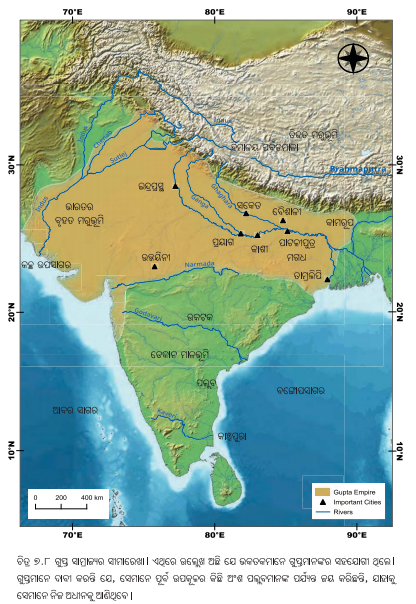
ଏହି ଅଧ୍ୟାୟରେ ଉଲ୍ଲେଖ ଥିବା ଉପାଦାନଗୁଡ଼ିକ ହେଲା-
(i) ଅଭି ଲେଖ ଓ ପ୍ରଶସ୍ତି ପ୍ରୟାଗରାଜଠାରେ ଥିବା ‘ପ୍ରୟାଗ ପ୍ରଶସ୍ତି ’ ଏହାର ଏକ ଶ୍ରେଷ୍ଠ ଉଦାହରଣ । ଏହି ଅଭି ଲେ ଖରୁ ଆମେ ରାଜା ସମୁଦ୍ର ଗୁପ୍ତଙ୍କ ଦିଗ୍ବିଜୟ, ତାଙ୍କର ଯୁଦ୍ଧ ନୀତି ଏବଂ ପୃଥିବୀକୁ ଏକତ୍ରୀଭୂତ କରିବାର ଅଭିଳଷ ବି ଷୟରେ ଆମେ ଜାଣି ବାକୁ ପାଉ । ସେହି ପରି ପ୍ରଶାସନିକ ବ୍ୟବସ୍ଥାରେ ଜମି ଅନୁଦାନ ଦିଆଯାଉଥିବାର ତଥ୍ୟ ‘ତାମ୍ର ଅଭିଲେଖ’ରୁ ଆମେ ଜାଣିବାକୁ ପାଉ ।
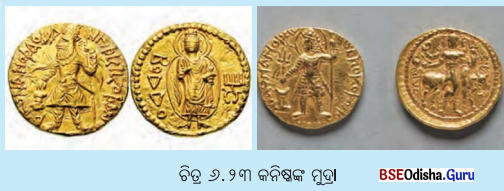
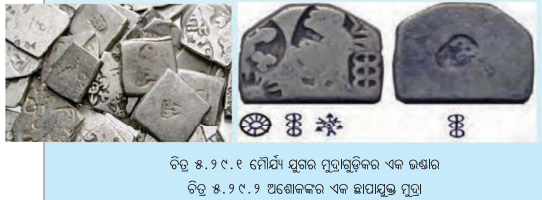
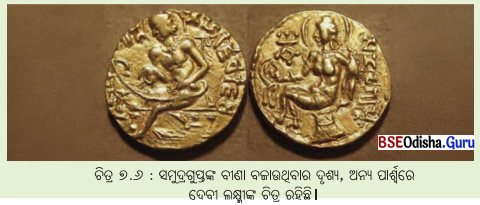
(ii) ମୁଦ୍ରା : ଗୁପ୍ତ ସମ୍ରାଟମାନଙ୍କଦ୍ୱାରା ପ୍ରଚଳିତ ସ୍ଵର୍ଣ୍ଣମୁଦ୍ରାଗୁଡ଼ିକ ଇତିହାସର ଏକ ପ୍ରମୁଖ ଉତ୍ସ ଅଟେ । ସମୁଦ୍ରଗୁପ୍ତ ବୀଣା ବଜାଉଥିବାର ମୁଦ୍ରାରୁ ତାଙ୍କର ସଙ୍ଗୀତ ତଥା କଳା ପ୍ରେମ ବିଷୟରେ ଜଣାପଡ଼େ । ଅଶ୍ଵମେଧ ଯଜ୍ଞର ମୁଦ୍ରାରୁ ରାଜାଙ୍କର ଉଚ୍ଚାଭିଳାଷ, ଶକ୍ତି ଏବଂ ରାଜକୀୟ ପରମ୍ପରା ବିଷୟରେ ସୂଚନା ମିଳେ । ଏହାଛଡ଼ା ମୁଦ୍ରାରୁ ଶାସକମାନଙ୍କର ଉପାଧ୍ଵ ଏବଂ ଦେବୀ ଲକ୍ଷ୍ମୀଙ୍କ ଚିତ୍ରରୁ ସେମାନଙ୍କର ଧର୍ମୀୟ ବିଶ୍ଵାସ ସମ୍ପର୍କରେ ମଧ୍ୟ ଜଣାପଡ଼େ ।
(iii) ସ୍ମାରକୀ ଏବଂ ପ୍ରନ୍ତ୍ଵିକ ଉପାଦାନ : ଦିଲ୍ଲୀର ‘ଲୌହସ୍ତମ୍ଭ’ ଏକ ମହତ୍ତ୍ଵପୂର୍ଣ୍ଣ ପ୍ରସ୍ତାତ୍ତ୍ଵିକ ଉପାଦାନ ଅଟେ । ମୃଣ୍ମୟ ପାତ୍ର, ବ୍ରାହ୍ମୀଲିପି ଏବଂ ବୌଦ୍ଧ ସ୍ତୁପରୁ ପ୍ରାଚୀନ କାଳର ଆରବ ସାଗର ମଧ୍ୟଦେଇ ହେଉଥୁବା ବାଣିଜ୍ୟିକ କାରବାର ବିଷୟରେ ପ୍ରମାଣ ମିଳେ ।
(iv) ସାହିତ୍ୟିକ ଉପାଦାନ : ‘ବିଷ୍ଣ ପୁରାଣ’ ଭଳି ଗ୍ରନ୍ଥରୁ ଗୁପ୍ତ ସାମ୍ରାଜ୍ୟର ସୀମା ଓ ପ୍ରମୁଖ ଅଞ୍ଚଳ ବିଷୟରେ ସୂଚନା ମିଳେ । ଆର୍ଯ୍ୟଭଟ୍ଟଙ୍କ ‘ଆର୍ଯ୍ୟଭଟ୍ଟାୟ’ ଏବଂ ବରାହମିହିରଙ୍କ ‘ବୃହତ ସଂହିତା’ରୁ ସେହି ସମୟର ଉନ୍ନତ ଗଣିତ ଏବଂ ଜ୍ୟୋତିର୍ବିଜ୍ଞାନ ବିଷୟରେ ଆମେ ଶିଖୁଥାଉ । କାଳିଦାସଙ୍କ ରଚିତ ‘ମେଘଦୂତମ୍’ରୁ ତତ୍କାଳୀନ ପ୍ରକୃତି ଓ ଭୂମିରୂପର ବର୍ଣ୍ଣନା ମିଳିଥାଏ ।
(v) ପରିବ୍ରାଜକଙ୍କ ବିବରଣୀ : ଚୀନ୍ ପରିବ୍ରାଜକ ଫାହିୟାନଙ୍କ ଭ୍ରମଣ କାହାଣୀ ଆମକୁ ତତ୍କାଳୀନ ଭାରତ ବିଷୟରେ ଅନେକ ତଥ୍ୟ ଯୋଗାଇଥାଏ । ତାଙ୍କ ବିବରଣୀରୁ ଆମେ ଗୁପ୍ତ ଯୁଗର ଲୋକମାନଙ୍କର ସୁଖଶାନ୍ତି, ଦାନଧର୍ମ, ଚିକିତ୍ସା ବ୍ୟବସ୍ଥା ଏବଂ ଚଣ୍ଡାଳମାନଙ୍କ ପ୍ରତି ରହିଥିବା ଅସ୍ପୃଶ୍ୟତା ତଥା ବର୍ଣ୍ଣବୈଷମ୍ୟ ବିଷୟରେ ଅନେକ କଥା ଶିଖୁବାକୁ ପାଉ ।
ଏହି ସମସ୍ତ ଉପାଦାନ ଆମକୁ ରାଜା, ରାଜ୍ୟ ଏବଂ ଲୋକଙ୍କ ଜୀବନଶୈଳୀ ସମ୍ପର୍କରେ ସଠିକ୍ ସୂଚନା ଦେଇଥାଏ ।
Question 2.
ଭାରତର ଏକ ରାଜନୈତିକ ମାନଚିତ୍ର ନିଅ ଏବଂ ବର୍ତ୍ତମାନର ରାଜ୍ୟ ଏବଂ କେନ୍ଦ୍ରଶାସିତ ଅଞ୍ଚଳଗୁଡ଼ିକୁ ଚିହ୍ନିତ କର ଯେଉଁଠାରେ ଗୁପ୍ତମାନେ ଶାସନ କରୁଥିଲେ (ପୂର୍ବ ପୃଷ୍ଠାରେ ଥିବା ମାନଚିତ୍ର ଦେଖ) । ତୁମେ କେତୋଟି ରାଜ୍ୟ ଚିହ୍ନଟ କଲ ଗଣନା କର । ପରେ ତୁମେ ଯାହା ପାଇଲ ତାହାକୁ ତୁମର ସାଙ୍ଗମାନଙ୍କ ସହିତ ତୁଳନା କର । ସମସ୍ତେ ସମାନ ସଂଖ୍ୟକ ରାଜ୍ୟ ଚିହ୍ନଟ କରିଛନ୍ତି ନା ନାହିଁ କିମ୍ବା ସେଥିରେ କିଛି ଭିନ୍ନତା ରହିଛି କି ?
Answer:
ଶିକ୍ଷକଙ୍କ ସହାୟତା ନେଇ ଛାତ୍ରଛାତ୍ରୀମାନେ ନିଜେ କରିବେ ।
Question 3.
ଫାହିୟାନଙ୍କଦ୍ଵାରା ଦିଆଯାଇଥୁବା ଉପରୋକ୍ତ ଅଂଶଗୁଡ଼ିକୁ ପଢ଼ ଏବଂ ସେ ଉଲ୍ଲେଖ କରିଥିବା ସମାଜର ମୁଖ୍ୟ ବୈଶିଷ୍ଟ୍ୟଗୁଡ଼ିକୁ ଚିହ୍ନଟ କର । ତୁମର ଅବଲୋକନଗୁଡ଼ିକୁ ଲେଖ ଏବଂ ତୁମ ସହପାଠୀଙ୍କ ସହ ତୁଳନା କର । ତୁମେ ଆଶ୍ଚର୍ଯ୍ୟ ହୋଇପାର ଯେ ଅନ୍ୟମାନେ କିପରି ଭିନ୍ନ ଭାବରେ ସମାନ ପାଠକୁ ବ୍ୟାଖ୍ୟା କରିଛନ୍ତି ।
Answer:
- ଲୋକମାନେ ଖୁସି ଓ ଆନନ୍ଦରେ ଥିଲେ ।
- ଘରଗୁଡ଼ିକୁ କୌଣସି କାର୍ଯ୍ୟାଳୟରେ ପଞ୍ଜିକରଣ କରିବାକୁ ପଡୁନଥିଲା ।
- ଯେଉଁମାନେ ରାଜାଙ୍କ ଦତ୍ତ ଜମ୍ରେ କୃଷି କରୁଥିଲେ ସେମାନେ ତାଙ୍କ ଆୟର କିଛି ଅଂଶ ଶସ୍ୟ ଆକାରରେ ପ୍ରଦାନ କରୁଥିଲେ ।
- ରାଜକର୍ମଚାରୀ ଓ ଲୋକମାନଙ୍କୁ ବେତନ ପ୍ରଦାନ କରାଯାଉଥିଲା ।
- ବୈଶ୍ୟ (ବ୍ୟବସାୟୀ) ପରିବାରର ମୁଖ୍ୟମାନେ ଦାନ ଓ ଔଷଧ ବିତରଣ କେନ୍ଦ୍ର ସ୍ଥାପନ କରିଥିଲେ ।
- ଶାରୀରିକ ଦଣ୍ଡବିଧାନ ନଥିଲା ।
- ଧନୀ ଲୋକମାନେ ଚିକିତ୍ସାଳୟ ଓ ଔଷଧ ବିତରଣ କେନ୍ଦ୍ର ଖୋଲିଥିଲେ ।
- ସହରର ମନୋରମ ଗୃହରେ ଧନୀ, ବୈଶ୍ୟ ଏବଂ ବିଦେଶୀ ବ୍ୟବସାୟୀମାନେ ବାସ କରୁଥିଲେ ।
Question 4.
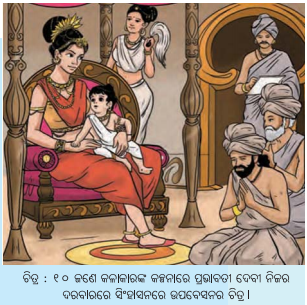
ପ୍ରଭାବତୀ ଗୁପ୍ତ ତାଙ୍କ ଦରବାରରେ ବସିଥିବାର ଚିତ୍ର : ତାଙ୍କର ପୋଷାକର ପରିପାଟି, ତାଙ୍କ ଚତୁଃପାର୍ଶ୍ଵରେ ଥିବା ବ୍ୟକ୍ତିସମୂହ ଏବଂ ଦରବାରର ପରିବେଶ ଉପରେ ଧ୍ୟାନ ଦିଅ । ଏହିସବୁ ତଥ୍ୟ ତାଙ୍କ ଜୀବନ, ଭୂମିକା ଏବଂ ସେହି ସମୟର ଚଳଣି ବିଷୟରେ କ’ଣ କହୁଛି ? ଶ୍ରେଣୀରେ କେତୋଟି ଦଳ ତିଆରି କରି ତୁମର ଅନୁଭୂତି ବିଷୟରେ ଆଲୋଚନା କର ଏବଂ ନିଜର ଚିନ୍ତାଧାରା ବିନିମୟ କର ।
Answer:
ଚିତ୍ରରେ ପ୍ରଭାବତୀ ଗୁପ୍ତ ରାଜସିଂହାସନରେ ବସି ଥୁବାର ଦେଖାଯାଉଛି । ଏଥିରୁ ଜଣାପଡ଼େ ଯେ-
- ସେ ଜଣେ ଶକ୍ତିଶାଳୀ ଶାସିତ ଥିଲେ ।
- ସେ ନିଜର ପୁତ୍ରମାନଙ୍କ ପାଇଁ ରାଜ-ପ୍ରତିନିଧ୍ଵ ଭାବେ ଶାସନ କରୁଥିଲେ ।
- ସେତେବେଳେ ନାରୀମାନେ ମଧ୍ୟ ଶାସନ କାର୍ଯ୍ୟରେ ଅଂଶଗ୍ରହଣ କରୁଥିଲେ ବୋଲି ଏଥୁରୁ ଜଣାପଡ଼େ ।
Question 5.
ଧରିତ୍ରୀ ଓ ଧ୍ରୁବ ସେମାନଙ୍କ ସମୟ ଯନ୍ତ୍ର ସହିତ ଗୁପ୍ତ ସମୟରେ ଯୋଗଦେଲେ । ତୁମେ ଏଥରେ ଆର୍ଯ୍ୟଭଟ୍ଟ ଏବଂ ବରାହମିହିରଙ୍କୁ ଭେଟିବାର ସୁଯୋଗ ପାଉଛି । ତୁମେ ସେମାନଙ୍କୁ କ’ଣ ପଚାରିବ ? ଶ୍ରେଣୀକୁ ଦୁଇଟି ଭାଗରେ ବିଭକ୍ତ କର ଏବଂ ସେମାନଙ୍କ ସହ ସାକ୍ଷାତକାର ପାଇଁ ପ୍ରଶ୍ନଗୁଡ଼ିକ ପ୍ରସ୍ତୁତ କର ।
Answer:
- ଆର୍ଯ୍ୟଭଟ୍ଟଙ୍କ ପାଇଁ : (୧) ଆପଣ କିପରି ଜାଣିପାରିଲେ ଯେ, ପୃଥିବୀ ନିଜ ଅକ୍ଷ ଚାରିପଟେ ଘୂରୁଛି ? (୨) ଶୂନ (୦)ର ବ୍ୟବହାର ଆପଣ କିପରି ଆରମ୍ଭ କଲେ ?
- ବରାହମିହିରଙ୍କ ପାଇଁ : (୧) ଗ୍ରହମାନଙ୍କର ଗତିବିଧ୍ଵ ମଣିଷ ଜୀବନକୁ କିପରି ପ୍ରଭାବିତ କରେ ? (୨) ପାଣିପାଗ ପୂର୍ବାନୁମାନ କରିବାର କୌଣଳଗୁଡ଼ିକ କ’ଣ ?
Question 6.
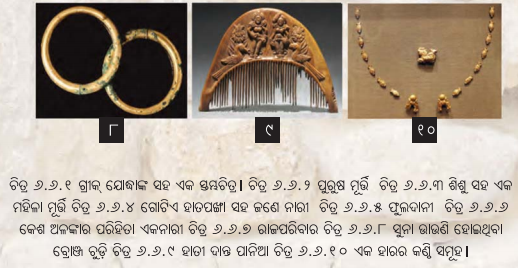
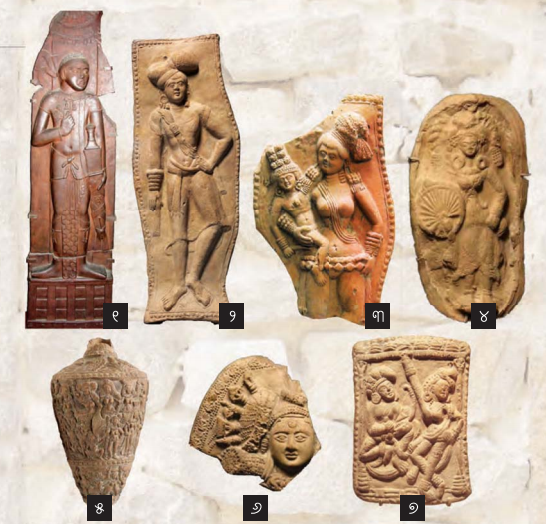
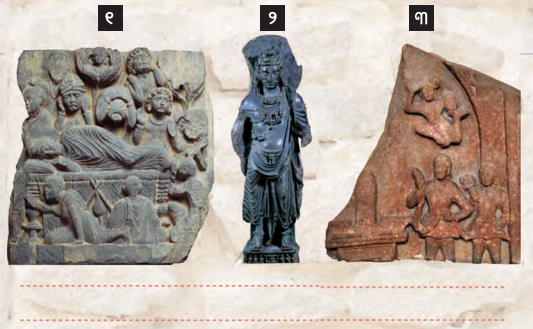
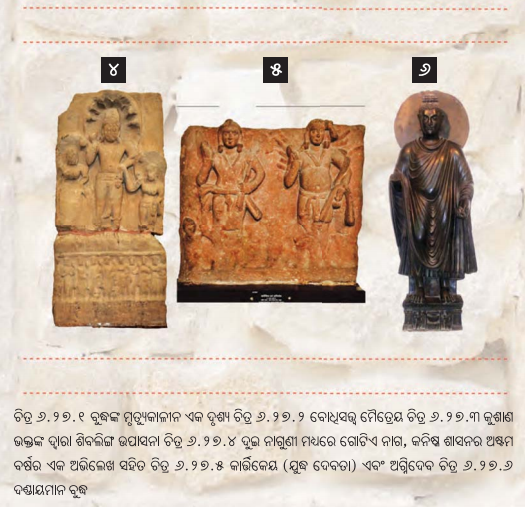
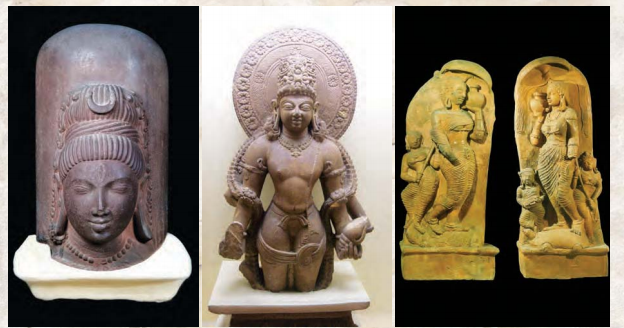
ଗୁପ୍ତ ମୂର୍ତ୍ତିଗୁଡ଼ିକର ନମୁନାକୁ ଭଲଭାବେ ଦେଖ, ଚିତ୍ରଗୁଡ଼ିକୁ ଦେଖୁ ତୁମେ ଅନୁଧ୍ୟାନ କରିପାରିବ ଯେ ଏଥୁରେ କେଉଁ ଦେବଦେବୀଙ୍କୁ ଚିତ୍ରିତ କରାଯାଇଛି । ପ୍ରଦାନ କରାଇଥି ସ୍ଥାନରେ ତୁମର ଅନୁଶୀଳନ ଲେଖ ଓ ଶ୍ରେଣୀରେ ଆଲୋଚନା ସମୟରେ ତୁମର ଭାବନା ପ୍ରକାଶ କର ।
Answer:
(i) ପ୍ରଥମ ମୂର୍ତ୍ତିଟି ଭଗବାନ ଶିବଙ୍କର । ତାଙ୍କ କପାଳରେ ତୃତୀୟ ଆଖ୍ ଦୃଶ୍ୟମାନ ହେଉଛି ! ତାଙ୍କ କେଶ ଏକ ଜଟା ଆକାରରେ ବନ୍ଧା ହୋଇଛି । ତାଙ୍କ ଜଟାରେ, ଆମେ ଅର୍ଦ୍ଧଚନ୍ଦ୍ର ଦେଖିପାରୁଛୁ । ଶିବଙ୍କ ମୁଖ ଏକ ପଥର ଶିବ ଲିଙ୍ଗ ଉପରେ ଖୋଦିତ ହୋଇଛି ।
(ii) ଦ୍ଵିତୀୟ ମୂର୍ତ୍ତିଟି ଭଗବାନ ବିଷ୍ଣଙ୍କର । ତାଙ୍କର ଚାରି ହାତ ଦୃଶ୍ୟମାନ । ଏକ ଶଙ୍ଖ ଏବଂ ପଦ୍ମ ଧରିଛନ୍ତି । ତାଙ୍କ ଚାରିପାଖରେ ଶେଷନାଗର ଏକ ସର୍ପପରି ଗଠନ ଦେଖାଯାଉଛି । ତାଙ୍କ ମୁଣ୍ଡର ପଛପଟେ ଏକ ପଥର ପ୍ରବାହମଣ୍ଡଳ ଦୃଶ୍ୟମାନ ହେଉଛି ।
(iii) ତୃତୀୟ ଚିତ୍ରରେ ଭାରତର ପବିତ୍ର ନଦୀ ଗଙ୍ଗା ଓ ଯମୁନାକୁ ଦର୍ଶାଯାଇଛି ।
Question 7.
୧୯୩୬ ମସିହା ସମୟରେ ଓଡ଼ିଶା ମାନଚିତ୍ରକୁ ଲକ୍ଷ୍ୟ କର । କେଉଁସବୁ ଅଞ୍ଚଳକୁ ନେଇ ଓଡ଼ିଶା ରାଜ୍ୟ ଗଠିତ ହୋଇଥିଲା ?
Answer:
୧୯୩୬ ମସିହାରେ ଓଡ଼ିଶାରେ ମାତ୍ର ୬ଟି ଜିଲ୍ଲା ଥିଲା । ସେଗୁଡ଼ିକ ହେଲା- କଟକ, ପୁରୀ, ବାଲେଶ୍ଵର, ସମ୍ବଲପୁର, ଗଞ୍ଜାମ ଏବଂ କୋରାପୁଟ ।
Question 8.
ଓଡ଼ିଶାର କେଉଁସବୁ ଅଞ୍ଚଳ ବାହାର ରାଜ୍ୟମାନଙ୍କ ସହିତ ମିଶିକରି ରହିଥିଲା ?
Answer:
ସ୍ୱତନ୍ତ୍ର ଓଡ଼ିଶା ପ୍ରଦେଶ ଗଠନ ପୂର୍ବରୁ ଊନବିଂଶ ଶତାବ୍ଦୀର ଶେଷବେଳକୁ ଓଡ଼ିଆ ଭାଷା ପ୍ରଚଳିତ ବିଭିନ୍ନ ଅଞ୍ଚଳକୁ ଇଂରେଜ ସରକାର ବାହାର ରାଜ୍ୟମାନଙ୍କ ସହିତ ମିଶାଇ ଦେଇଥିଲେ । ବାହାର ରାଜ୍ୟରେ ମିଶିକରି ରହିଥିବା ମୁଖ୍ୟ ଓଡ଼ିଆ ଅଞ୍ଚଳଗୁଡ଼ିକ ଥୁଲା-
(i) ମଧ୍ୟପ୍ରଦେଶ ସହିତ ମିଶିଥିବା ଅଞ୍ଚଳ : ସମ୍ବଲପୁର, ଖଡ଼ିଆଳ ଏବଂ ପଦ୍ମପୁର ଆଦି ଅଞ୍ଚଳ ମଧ୍ୟପ୍ରଦେଶ ସରକାରଙ୍କ ଅଧୀନରେ ବା ମଧ୍ୟପ୍ରଦେଶ ସହିତ ମିଶିକରି ରହିଥିଲା । ତେବେ ଭାଷା ଆନ୍ଦୋଳନ ଫଳରେ ୧୯୦୫ ମସିହାରେ ସମ୍ବଲପୁରକୁ ମଧ୍ୟପ୍ରଦେଶରୁ ଅଲଗା କରାଯାଇ ଓଡ଼ିଆ ଡିଭିଜନ ସହ ମିଶାଇ ଦିଆଗଲା ।
(ii) ମାନ୍ଦ୍ରାଜ ପ୍ରେସିଡ଼େନ୍ସି ସହିତ ମିଶିଥିବା ଅଞ୍ଚଳ : ଗଞ୍ଜାମ, ଜୟପୁର, ବ୍ରହ୍ମପୁର ଏବଂ ପାରଳାଖେମୁଣ୍ଡି ଆଦି ଦକ୍ଷିଣାଞ୍ଚଳର ବହୁ ଗୁରୁତ୍ଵପୂର୍ଣ୍ଣ ଓଡ଼ିଆ ଭାଷାଭାଷୀ ଅଞ୍ଚଳ ମାନ୍ଦ୍ରାଜ ପ୍ରେସିଡ଼େନ୍ସି ସହିତ ମିଶିକରି ରହିଥିଲା ।
(iii) ବଙ୍ଗ ପ୍ରଦେଶ ସହିତ ମିଶିଥିବା ଅଞ୍ଚଳ : ବଙ୍ଗ ପ୍ରଦେଶ (ବେଙ୍ଗଲ୍) ସହିତ ମିଦିନାପୁର (ମେଦିନୀପୁରଽ ଆଦି ଓଡ଼ିଆ ଭାଷାଭାଷୀ ଅଞ୍ଚଳ ମିଶିକରି ରହିଥିଲା ।
(iv) ଅନ୍ୟାନ୍ୟ ପ୍ରଦେଶ ସହିତ ମିଶିଥିବା ଅଞ୍ଚଳ : ଏହାବ୍ୟତୀତ ଆହୁରି କେତେକ ଖଣ୍ଡବିଖଣ୍ଡିତ ଓଡ଼ିଆ ଅଞ୍ଚଳ ଆନ୍ଧ୍ରପ୍ରଦେଶ ଏବଂ ବିହାର ଭଳି ପଡ଼ୋଶୀ ପ୍ରଦେଶଗୁଡ଼ିକ ସହିତ ମଧ୍ୟ ମିଶିକରି ରହିଥିଲା ।
Question 9.
୧୯୩୬ ବେଳର ଓଡ଼ିଶା ଓ ଏବେକାର ଓଡ଼ିଶା ମଧ୍ୟରେ କ’ଣ ସବୁ ପ୍ରଭେଦ ଦେଖିପାରୁଛ ?
Answer:
(i) ୧୯୩୬ରେ ଓଡ଼ିଶାରେ ୬ଟି ଜିଲ୍ଲା ଥୁଲା, କିନ୍ତୁ ବର୍ତ୍ତମାନ ୩୦ଟି ଜିଲ୍ଲା ଅଛି ।
(ii) ସେତେବେଳେ ଅନେକ ଗଡ଼ଜାତ ରାଜ୍ୟ (ଯଥା— ମୟୂରଭଞ୍ଜ, କେନ୍ଦୁଝର, ଢେଙ୍କାନାଳ ଇତ୍ୟାଦି) ଓଡ଼ିଶା ପ୍ରଦେଶର ଅଂଶ ନଥିଲେ, ଯାହା ପରେ ଓଡ଼ିଶା ସହିତ ମିଶିଥିଲା ।
ଏହା ବିଷୟରେ ଚିନ୍ତା କର :
Question 1.
ତୁମେ ଭାବୁଥୁବ ରାଜାମାନେ କାହିଁକି ସେମାନଙ୍କର ସଫଳତାକୁ ଅଭିଲେଖ ଆକାରରେ ଘୋଷଣା କରିବାକୁ ବାଛିଥିଲେ ?
Answer:
ରାଜାମାନେ ନିଜର ବିଜୟ, କୀର୍ତ୍ତି, କ୍ଷମତାକୁ ଚିର ସ୍ଥାୟୀ କରି ବା, ଭବିଷ୍ୟତ ପିଢ଼ି ଓ ପ୍ରଜାମାନଙ୍କୁ ନିଜର ମହାନତା ଜଣାଇବା ତଥା ନିଜ ରାଜ୍ୟର ସୀମା ଓ ଶାସନ ନୀତି
ବିଷୟରେ ସୂଚନା ଦେବା ପାଇଁ ସେମାନଙ୍କର ସଫଳତାକୁ ଅଭିଲେଖ ଆକାରରେ ଘୋଷଣା କରିବାକୁ ବାଛିଥିଲେ ।
ଗୋଟିଏ ଶବ୍ଦରେ ଉତ୍ତର ଦିଅ ।
Question 1.
ମେହେରୌଲୀ ଲୌହସ୍ତମ୍ଭ କେଉଁଠାରେ ଅବସ୍ଥିତ ?
Answer:
ଦିଲ୍ଲି
Question 2.
କେଉଁ ଗୁପ୍ତ ସମ୍ରାଟ ‘କବିରାଜ’ ଉପାଧ୍ଧରେ ଭୂଷିତ ହୋଇଥିଲେ ।
Answer:
ସମୁଦ୍ରଗୁପ୍ତ
Question 3.
କେଉଁ ବର୍ଷଠାରୁ ଭାରତରେ ଗୁପ୍ତଯୁଗ ଆରମ୍ଭ ହୋଇଥିଲା ?
Answer:
୩୨୦ ଖ୍ରୀ.ଅ. ଠାରୁ
Question 4.
ସମୁଦ୍ରଗୁପ୍ତ କେଉଁ ଯଜ୍ଞକରି ନିଜକୁ ସାର୍ବଭୌମ ରାଜା ବା ସମ୍ରାଟ ବୋଲି ପ୍ରତିପାଦିତ କରିଥିଲେ ?
Answer:
ଅଶ୍ଵମେଧ ଯଜ୍ଞ
Question 5.
କେଉଁ ଗୁପ୍ତରାଜାଙ୍କ ଦରବାରରେ କାଳିଦାସ ଥିଲେ ?
Answer:
ଦ୍ଵିତୀୟ ଚନ୍ଦ୍ରଗୁପ୍ତ
Question 6.
ଦ୍ଵିତୀୟ ଚନ୍ଦ୍ରଗୁପ୍ତ କେଉଁ ଉପାଧ୍ଧରେ ଭୂଷିତ ହୋଇଥିଲେ ?
Answer:
ବିକ୍ରମାଦିତ୍ୟ
Question 7.
ଗୁପ୍ତଯୁଗରେ ପ୍ରସିଦ୍ଧ କବି ଓ ନାଟ୍ୟକାର କିଏ ଥିଲେ ?
Answer:
କାଳିଦାସ
Question 8.
ଆର୍ଯ୍ୟଭଙ୍ଗୀୟମ୍ ପୁସ୍ତକର ରଚୟିତା କିଏ ?
Answer:
ଆର୍ଯ୍ୟଭଟ୍ଟ
Question 9.
ପଲ୍ଲବମାନଙ୍କର ରାଜଧାନୀର ନାମ କ’ଣ ଥିଲା ?
Answer:
କାଞ୍ଚପୁରମ୍
Question 10.
ସମୂଦ୍ରଗୁପ୍ତଙ୍କର ରାଜକବି ଓ ଆହ୍ଲାବାଦ ପ୍ରଶସ୍ତିର ରଚୟିତା କିଏ ଥିଲେ ?
Answer:
ହରିଶେଣ
Question 11.
ଦଶମିକ ଗଣନା ଓ ଶୂନର ବ୍ୟବହାର କିଏ ଆରମ୍ଭ କରିଥିଲେ ?
Answer:
ଆର୍ଯ୍ୟଭଟ୍ଟ
Question 12.
କେଉଁ ଗୁମ୍ଫାରେ ଭିଭିଚିତ୍ର ଦେଖିବାକୁ ମିଳେ ?
Answer:
ଅଜନ୍ତା
Question 13.
ପୃଥିବୀ ନିଜର ଅକ୍ଷ ଚାରିପଟେ ଘୂର୍ଣ୍ଣନ କରିଥାଏ, ଯାହାଦ୍ଵାରା ଦିନ ଓ ରାତି ପରିବର୍ତ୍ତନ ସମ୍ଭବ ହୋଇଥାଏ ? ଏକଥା କିଏ କହିଥିଲେ ?
Answer:
ଆର୍ଯ୍ୟଭଟ୍ଟ
Question 14.
ସାମନ୍ତ ଚନ୍ଦ୍ରଶେଖରଙ୍କ ଦ୍ଵାରା ପ୍ରଚଳିତ ପଞ୍ଜିକାର ନାମ କ’ଣ ?
Answer:
ସିଦ୍ଧାନ୍ତ ଦର୍ପଣ
Question 15.
ପଠାଣି ସାମନ୍ତଙ୍କ ରଚିତ କେଉଁ ପୁସ୍ତକ ଆଜି ଓଡ଼ିଶା ଘରେ ଘରେ ପରିଚିତ ?
Answer:
ସାମନ୍ତ ପଞ୍ଜିକା
Question 16.
କେଉଁ ଗୁପ୍ତ ସମ୍ରାଟଙ୍କ ଯୁଗକୁ ଭାରତ ଇତିହାସରେ କ୍ଲାସିକାଲ୍ ଯୁଗ କୁହାଯାଏ ?
Answer:
ଦ୍ଵିତୀୟ ଚନ୍ଦ୍ରଗୁପ୍ତ
Question 17.
ଗୁପ୍ତଯୁଗର ଖାତି ଲାଭ କରିଥିବା ବିଶ୍ଵବିଦ୍ୟାଳୟର ନାମ କ’ଣ ଥିଲା ?
Answer:
ନାଳନ୍ଦା ବିଶ୍ଵବିଦ୍ୟାଳୟ
Question 18.
କାହାଙ୍କ ସ୍ମୃତିରେ ଓଡ଼ିଶା ସରକାର ଭୁବନେଶ୍ଵରଠାରେ ‘ପଠାଣି ସାମନ୍ତ ପ୍ଲାନିଟୋରିୟମ୍’ ପ୍ରତିଷ୍ଠା କରିଛନ୍ତି ?
Answer:
ଜ୍ୟୋତିର୍ବିଜ୍ଞାନୀ ସାମନ୍ତ ଚନ୍ଦ୍ରଶେଖର
Question 19.
ଶୈଳୋଦ୍ଭବର ଅର୍ଥ କ’ଣ ?
Answer:
ପର୍ବତରୁ ଜାତ
Question 20.
ଶଶାଙ୍କ କେଉଁ ରାଜ୍ୟର ରାଜା ଥିଲେ ?
Answer:
ଗୌଡ଼ ରାଜ୍ୟର
Question 21.
ଶୈଳୋଦ୍ଭବ ରାଜବଂଶର ପ୍ରଥମ ରାଜଧାନୀର ନାମ କ’ଣ ଥିଲା ?
Answer:
ମହେନ୍ଦ୍ରଗିରି
Question 22.
ଭୌମ ରାଜବଂଶର ଶେଷ ସାମ୍ରାଜ୍ଞୀଙ୍କ ନାମ କ’ଣ ଥିଲା ?
Answer:
ଧର୍ମ ମହାଦେବୀ
Question 23.
କୁମାର ପର୍ବତ ଉପରେ କେଉଁ ସମ୍ରାଟ ୨୪ ଜଣ ତୀର୍ଥଙ୍କର ମୂର୍ତ୍ତି ପ୍ରତିଷ୍ଠା କରିଥିଲେ ।
Answer:
ଉଦ୍ୟୋତ କେଶରୀ
Question 24.
ଓଡ଼ିଶାର ଗଙ୍ଗ ବଂଶର ପ୍ରଥମ ରାଜା କିଏ ଥିଲେ ?
Answer:
କାମାଣ୍ଡବ
Question 25.
ଓଡ଼ିଶାର ଗଙ୍ଗବଂଶକୁ କ’ଣ କୁହାଯାଏ ?
Answer:
ପୂର୍ବଗଙ୍ଗ
Question 26.
କେଉଁ ସାହିତ୍ୟିକ ଉପାଦାନରୁ ଗୁପ୍ତବଂଶର ତଥ୍ୟ ମିଳିଥାଏ ?
Answer:
ମେଘଦୂତମ୍, ଆର୍ଯ୍ୟଭଙ୍ଗୀୟମ୍
Question 27.
ମେହେରୌଲୀ ଲୌହ ସ୍ତମ୍ଭର ବିଶେଷତ୍ଵ କ’ଣ ଥିଲା ?
Answer:
କଳଙ୍କିହୀନ
Question 28.
ସମୂଦ୍ରଗୁପ୍ତଙ୍କର କୃତିତ୍ତ୍ଵ କେଉଁ ପ୍ରଶସ୍ତିରୁ ଜଣାପଡ଼ିଥାଏ ?
Answer:
ପ୍ରୟାଗ ପ୍ରଶସ୍ତି
Question 29.
ସୂର୍ଯ୍ୟବଂଶର ପ୍ରଥମ ଗଜପତି, କିଏ ଥିଲେ ?
Answer:
କପିଳେନ୍ଦ୍ର ଦେବ
Question 30.
ଶ୍ରୀ ଚୈତନ୍ୟ କେଉଁ ଧର୍ମର ପ୍ରଚାରକ ଥିଲେ ?
Answer:
ବୈଷ୍ଣବଧର୍ମର
Question 31.
ଇଂରେଜମାନେ କେବେ ଓଡ଼ିଶା ଅଧିକାର କରିଥିଲେ ?
Answer:
୧୮୦୩ ଖ୍ରୀ.ଅ.
Question 32.
କେଉଁ ରାଜାଙ୍କ ରାଜସଭାକୁ ନବରନ୍ ଅଳଂକୃତ କରିଥିଲେ ?
Answer:
ଦ୍ଵିତୀୟ ଚନ୍ଦ୍ରଗୁପ୍ତ
Question 33.
ନବରନ୍ଙ୍କର ନାମ ଲେଖ ।
Answer:
ନବରନ୍ଙ୍କର ନାମ ହେଲା – କାଳିଦାସ, ବରାହମିହିର, ଘଟକର୍ପୁର, ବରରୁଢ଼ି, ବେତାଳଭଟ୍ଟ, ଧନନ୍ତରୀ, କ୍ଷପତାଳ, ଅମରସିଂହ ଓ ଶଙ୍କୁ
Question 34.
ପଞ୍ଚତନ୍ତ୍ର କିଏ ରଚନା କରିଥିଲେ ?
Answer:
ବିଷ୍ଣୁଶର୍ମା
Question 35
ହରିଶେଣ କିଏ ?
Answer:
ସମ୍ରାଟ ସମୂଦ୍ରଗୁପ୍ତଙ୍କର ଯୁଦ୍ଧ ଓ ସାମରିକ ବିଭାଗର ମନ୍ତ୍ରୀ
Question 36.
ଗୁପ୍ତରାଜାମାନେ ମୁଖ୍ୟତଃ କାହାର ଉପାସକ ଥିଲେ ?
Answer:
ବିଷ୍ଣଙ୍କର
Question 37.
କେବେ ଉତ୍କଳସଭା, ଗଠିତ ହୋଇଥିଲା ?
Answer:
୧୮୮୨ ଖ୍ରୀ.ଅ.ରେ
Question 38.
ଉତ୍କଳ ସମ୍ମିଳନୀର ପ୍ରଥମ ଅଧିବେଶନ କେଉଁଠାରେ ବସିଥିଲା ?
Answer:
କଟକଠାରେ
Question 39.
କେବେ ସ୍ଵତନ୍ତ୍ର ବିହାର ଓଡ଼ିଶା ପ୍ରଦେଶ ଗଠିତ ହୋଇଥିଲା ?
Answer:
୧୯୧୨ ଖ୍ରୀ.ଅ.
Question 40.
କେଉଁ ଆଇନ ବଳରେ ଓଡ଼ିଶା ସ୍ଵତନ୍ତ୍ର ପ୍ରଦେଶରେ ପରିଣତ ହୋଇଥିଲା ?
Answer:
୧୯୩୫ ଭାରତ ଶାସନ ଆଇନ
Question 41.
ସତ୍ୟବାଦୀ ବନ ବିଦ୍ୟାଳୟ କେବେ ପ୍ରତିଷ୍ଠା ହୋଇଥିଲା ?
Answer:
୧୯୦୯ ଖ୍ରୀ.ଅ.
Question 42.
ଓଡ଼ିଶାର ପ୍ରଥମ ପ୍ରଧାନମନ୍ତ୍ରୀଙ୍କର ନାମ କ’ଣ ?
Answer:
ମହାରାଜା କୃଷ୍ଣଚନ୍ଦ୍ର ନାରାୟଣ ଦେଓ
Question 43.
କୃଷ୍ଣଚନ୍ଦ୍ର ନାରାୟଣ ଦେଓ ଉତ୍କଳ ସମ୍ମିଳନୀର କେଉଁ ଅଧୂବେଶନରେ ପୌରହିତ୍ୟ କରିଥିଲେ ?
Answer:
ଦଶମ
Question 44.
ଓଡ଼ିଶାର ପ୍ରଥମ ଓଡ଼ିଆ ଓକିଲ କିଏ ?
Answer:
ମଧୁସୂଦନ ଦାସ
Question 45.
ଓଡ଼ିଆ ଜାତୀୟ ସମ୍ମିଳନୀ କେବେ ଅନୁଷ୍ଠିତ ହୋଇଥିଲା ?
Answer:
୧୯୦୩
Question 46.
ବିହାର-ଓଡ଼ିଶା ପ୍ରାଦେଶିକ ଲେଜିସ୍ଲେଟିଭ୍ କାଉନ୍ସିଲର ଓଡ଼ିଆ ସଭ୍ୟ କିଏ ଥିଲେ ?
Answer:
ମଧୁସୂଦନ ଦାସ
Question 47.
ଉତ୍କଳ ସମ୍ମିଳନୀର ଅଷ୍ଟମ ଅଧ୍ଵବେଶନ କେବେ ହୋଇଥିଲା ?
Answer:
୧୯୧୨ ମସିହାରେ
Question 48.
ଉତ୍କଳ ସମ୍ମିଳନୀର ଅଷ୍ଟମ ଅଧିବେଶନେ କେଉଁଠାରେ ଅନୁଷ୍ଠିତ ହୋଇଥିଲା ?
Answer:
ବ୍ରହ୍ମପୁରଠାରେ
Question 49.
ସ୍ଵତନ୍ତ୍ର ଓଡ଼ିଶା ପ୍ରଦେଶ କେବେ ଗଠିତ ହୋଇଥିଲା ?
Answer:
୧୯୩୬ ମସିହା ଅପ୍ରେଲ୍ ୧ ତାରିଖ ଦିନ
Question 50.
କେବେ ଓ କାହା ନେତୃତ୍ଵରେ ଓଡ଼ିଶା ପ୍ରଶାସନିକ କମିଟି ବା ହବାକ୍ କମିଟି ଗଠିତ ହୋଇଥିଲା ?
Answer:
୧୯୩୩ ମସିହାରେ ସାର୍ ଜନ୍ ଅଷ୍ଟିନ୍ ହବାକ୍ଙ୍କ ନେତୃତ୍ୱରେ
Question 51.
ଭାରତ ଶାସନ ଆଇନର କେଉଁ ଧାରାରେ ଓଡ଼ିଶା ଓ ସିନ୍ଧୁ ପ୍ରଦେଶକୁ ଦୁଇଟି ନୂତନ ପ୍ରଦେଶ ଭାବରେ ସ୍ଵୀକୃତି ପ୍ରଦାନ କରାଯାଇଥିଲା ?
Answer:
୨୮୯ ଧାରାରେ
Question 52.
ଉତ୍କଳ ଟ୍ୟାନେରୀର ପ୍ରତିଷ୍ଠାତା କିଏ ?
Answer:
ମଧୁସୂଦନ ଦାସ
Question 53.
୧୯୪୧ ମସିହା ନଭେମ୍ବର ମାସରୁ ୧୯୪୪ ପର୍ଯ୍ୟନ୍ତ କିଏ ଓଡ଼ିଶାର ପ୍ରଧାନମନ୍ତ୍ରୀ ହୋଇଥବଲେ ?
Answer:
କୃଷ୍ଣଚନ୍ଦ୍ର ଗଜପତି ନାରାୟଣ ଦେବ
Question 54.
ସତ୍ୟବାଦୀ ବନବିଦ୍ୟାଳୟର ପ୍ରତିଷ୍ଠାତା କିଏ ?
Answer:
ଉତ୍କଳମଣି ଗୋପବନ୍ଧୁ ଦାସ
Question 55.
ଉତ୍କଳମଣି ଗୋପବନ୍ଧୁ ଦାସ କେବେ ଇହଲୀଳା ସମ୍ବରଣ କରିଥିଲେ ?
Answer:
୧୯୨୮ ଖ୍ରୀଷ୍ଟାବ୍ଦରେ
ଚାରୋଟି ବିକଳ୍ପ ଉତ୍ତର ମଧ୍ୟରୁ ଠିକ୍ ଉତ୍ତରଟି ବାଛି ଲେଖ ।
Question 1.
ଗୁପ୍ତଯୁଗର ପ୍ରତିଷ୍ଠାତା କିଏ ?
(କ) ପ୍ରଥମ ଚନ୍ଦ୍ରଗୁପ୍ତ
(ଖ) ସମୁଦ୍ରଗୁପ୍ତ
(ଗ) ଅଶୋକ
(ଘ) ହର୍ଷବର୍ଦ୍ଧନ
Answer:
(କ) ପ୍ରଥମ ଚନ୍ଦ୍ରଗୁପ୍ତ
Question 2.
କେଉଁ ଯୁଗକୁ ପ୍ରାଚୀନ ଭାରତ ଇତିହାସରେ ସୁବର୍ଣ୍ଣଯୁଗ ଭାବେ ବର୍ଣ୍ଣନା କରାଯାଇଛି ?
(କ) ମୌର୍ଯ୍ୟଯୁଗ
(ଖ) ଗୁପ୍ତଯୁଗ
(ଗ) କୁଶାଣଯୁଗ
(ଘ) ଗଙ୍ଗଯୁଗ
Answer:
(ଖ) ଗୁପ୍ତଯୁଗ
Question 3.
ଗୁପ୍ତ ଯୁଗର ସ୍ଵର୍ଣ୍ଣମୁଦ୍ରାରେ ସମୁଦ୍ରଗୁପ୍ତ ହାତରେ କେଉଁ ବାଦ୍ୟ ଧରିଛନ୍ତି ?
(କ) ସୀତାର
(ଖ) ବୀଣା
(ଗ) ତାବଲ
(ଘ) ସାରଙ୍ଗୀ
Answer:
(ଖ) ବୀଣା
Question 4.
କିଏ ଗଣିତରେ ଦଶମିକ ପଦ୍ଧତି ଓ ‘ଶୂନ୍ୟ’ର ବ୍ୟବହାର ସମ୍ପର୍କରେ ସୂଚନା ଦେଇଥିଲେ ?
(କ) ବ୍ରହ୍ମଗୁପ୍ତ
(ଖ) ଆର୍ଯ୍ୟଭଟ୍ଟ
(ଗ) ବରାହମିହିର
(ଘ) ବିଶାଖାଦର
Answer:
(ଖ) ଆର୍ଯ୍ୟଭଟ୍ଟ
Question 5.
ଗୁପ୍ତଯୁଗରେ ସଂସ୍କୃତ ଭାଷାରେ ବିଶିଷ୍ଟ କବି କିଏ ଥିଲେ ?
(କ) ତୁଳସୀ ଦାସ
(ଖ) କାଳିଦାସ
(ଗ) କବୀର
(ଘ) ଅମୀର ଖୁସୁ
Answer:
(ଖ) କାଳିଦାସ
Question 6.
ମେଘଦୂତର ରଚୟିତା କିଏ ?
(କ) କାଳିଦାସ
(ଖ) ଆର୍ଯ୍ୟଭଟ୍ଟ
(ଗ) ହରି ଶେଣ
(ଘ) ଭାସ୍କରାଚାର୍ଯ୍ୟ
Answer:
(କ) କାଳିଦାସ
Question 7.
ନିମ୍ନୋକ୍ତ କେଉଁଥୁପାଇଁ ଆର୍ଯ୍ୟଭଟ୍ଟ ପ୍ରସିଦ୍ଧିଲାଭ କରିଥିଲେ ?
(କ) ଯୋଦ୍ଧା
(ଖ) ସଙ୍ଗୀତକାର
(ଗ) ଚିକିତ୍ସକ
(ଘ) ଜ୍ୟୋତିର୍ବିଦ୍ ଏବଂ ଗଣିତଶାସ୍ତ୍ର
Answer:
(ଘ) ଜ୍ୟୋତିର୍ବିଦ୍ ଏବଂ ଗଣିତଶାସ୍ତ୍ର
Question 8.
ପୟାଗ ପ୍ରଶସ୍ତି କେଉଁ ସମ୍ରାଟଙ୍କ ଗୁଣଗାନ କରିଥାଏ ?
(କ) ଚନ୍ଦ୍ରଗୁପ୍ତ ପ୍ରଥମ
(ଖ) ସମୁଦ୍ରଗୁପ୍ତ
(ଗ) ହର୍ଷବର୍ଦ୍ଧନ
(ଘ) ଅଶୋକ
Answer:
(ଖ) ସମୁଦ୍ରଗୁପ୍ତ
Question 9.
କିଏ ସୂର୍ଯ୍ୟପରାଗ ଏବଂ ଚନ୍ଦ୍ରଗ୍ରହଣର କାରଣ ସମ୍ପର୍କରେ ଦର୍ଶାଇଥିଲେ ?
(କ) ଆର୍ଯ୍ୟଭଟ୍ଟ
(ଖ) ବରାହମିହିର
(ଗ) କାଳିଦାସ
(ଘ) ବିଶାଖାଦର
Answer:
(କ) ଆର୍ଯ୍ୟଭଟ୍ଟ
Question 10.
କାହାଙ୍କ ନାମରେ ପ୍ରଚଳିତ ‘ସାମନ୍ତ ପଞ୍ଜିକା’ ଆଜି ଓଡ଼ିଶାର ଘରେ ଘରେ ପରିଚିତ ?
(କ) ଆର୍ଯ୍ୟଭଟ୍ଟ
(ଖ) ସାମନ୍ତ ଚନ୍ଦ୍ରଶେଖର
(ଗ) ବରାହମିହିର
(ଘ) କାଳିଦାସ
Answer:
(ଖ) ସାମନ୍ତ ଚନ୍ଦ୍ରଶେଖର
Question 11.
ଗୁପ୍ତ ରାଜାମାନେ କେଉଁ ଧର୍ମର ପୃଷ୍ଠପୋଷକ ଥିଲେ ?
(କ) ବୌଦ୍ଧଧର୍ମ
(ଖ) ଜୈନଧର୍ମ
(ଗ) ବ୍ରାହ୍ମଣ୍ୟ ହିନ୍ଦୁଧର୍ମ
(ଘ) ଖ୍ରୀଷ୍ଟଧର୍ମ
Answer:
(ଗ) ବ୍ରାହ୍ମଣ୍ୟ ହିନ୍ଦୁଧର୍ମ
Question 12.
କେଉଁ ଗୁପ୍ତ ସମ୍ରାଟଙ୍କ ସମୟରେ ଅଶ୍ଵମେଧ ଯଜ୍ଞ ଅନୁଷ୍ଠିତ ହୋଇଥିଲା ?
(କ) ସମୁଦ୍ରଗୁପ୍ତ
(ଖ) ପ୍ରଥମ ଚନ୍ଦ୍ରଗୁପ୍ତ
(ଗ) ଦ୍ଵିତୀୟ ଚନ୍ଦ୍ରଗୁପ୍ତ
(ଘ) ବିକ୍ରମାଦିତ୍ୟ
Answer:
(କ) ସମୁଦ୍ରଗୁପ୍ତ
Question 13.
ଗୁପ୍ତ ଯୁଗରେ ଦଶାବତାର ମନ୍ଦିର କେଉଁଠାରେ ଅଛି ?
(କ) ତିଗ
(ଖ) ଭୂମାର
(ଗ) ଦେଓଗଡ଼
(ଘ) ଦିଲ୍ଲୀ
Answer:
(ଗ) ଦେଓଗଡ଼
Question 14.
ଧବଳେଶ୍ଵର ମନ୍ଦିରର ନିର୍ମାତା କିଏ ?
(କ) ପୁରୁଷୋତ୍ତମ ଦେବ
(ଖ) ପ୍ରତାପରୁଦ୍ର ଦେବ
(ଗ) କପିଳେନ୍ଦ୍ର ଦେବ
(ଘ) ହମୀର ଦେବ
Answer:
(ଖ) ପ୍ରତାପରୁଦ୍ର ଦେବ
Question 15.
ଖାରବେଳ କେଉଁ ବଂଶର ନରପତି ଥିଲେ ?
(କ) ଚେଦୀ ବଂଶ
(ଖ) ଗଜପତି ବଂଶ
(ଗ) ଗଙ୍ଗ ବଂଶ
(ଘ) କେଶରୀ ବଂଶ
Answer:
(କ) ଚେଦୀ ବଂଶ
Question 16.
ଖାରବେଳଙ୍କ ରାଜତ୍ଵ ସମୟରେ ପ୍ରଧାନ ଐତିହାସିକ ଉପାଦାନ ହେଉଛି –
(କ) ଧଉଳି ଅଭିଲେଖ
(ଖ) ‘ହାତୀଗୁମ୍ଫା ଅଭିଲେଖ
(ଗ) ମାଦଳା ପାଞ୍ଜି
(ଘ) ଜଉଗଡ଼ ଅନୁଶାସନ
Answer:
(ଖ) ‘ହାତୀଗୁମ୍ଫା ଅଭିଲେଖ
Question 17.
ଖାରବେଳ କେଉଁ ଧର୍ମାବଲମ୍ବୀ ଥିଲେ ?
(କ) ବୌଦ୍ଧ
(ଖ) ଜୈନ
(ଗ) ଶୈବ
(ଘ) ଶାକ୍ତ
Answer:
(ଖ) ଜୈନ
Question 18.
ପୁରୀର ଜଗନ୍ନାଥ ମନ୍ଦିରର ନିର୍ମାଣ କାର୍ଯ୍ୟ କିଏ ଆରମ୍ଭ କରିଥିଲେ ?
(କ) ଚୋଡ଼ଗଙ୍ଗ ଦେବ
(ଖ) ପ୍ରଥମ ନରସିଂହ ଦେବ
(ଗ) ତୃତୀୟ ଅନଙ୍ଗଭୀମ ଦେବ
(ଘ) ଚତୁର୍ଥ ଭାନୁଦେବ
Answer:
(କ) ଚୋଡ଼ଗଙ୍ଗ ଦେବ
Question 19.
କପିଳେନ୍ଦ୍ର ଦେବ କେଉଁ ବଂଶର ନରପତି ଥିଲେ ?
(କ) ସୋମବଂଶ
(ଖ) ସୂର୍ଯ୍ୟବଂଶ
(ଗ) ଗଙ୍ଗ ବଂଶ
(ଘ) ଭୋଇବଂଶ
Answer:
(ଖ) ସୂର୍ଯ୍ୟବଂଶ
Question 20.
କିଏ କଳବର୍ଗେଶ୍ଵର ଉପାଧ୍ ଧାରଣ କରିଥିଲେ ?
(କ) କପିଳେନ୍ଦ୍ର ଦେବ
(ଖ) ପ୍ରତାପରୁଦ୍ର ଦେବ
(ଗ) ପୁରୁଷୋତ୍ତମ ଦେବ
(ଘ) ଚୋଡ଼ଗଙ୍ଗ ଦେବ
Answer:
(କ) କପିଳେନ୍ଦ୍ର ଦେବ
Question 21.
‘ଏକାବଳୀ’ ପୁସ୍ତକର ରଚୟିତା କିଏ ?
(କ) ବିଦ୍ୟାଧର
(ଖ) ସତ୍ୟାନନ୍ଦ
(ଗ) କାଳିଦାସ
(ଘ) ବିଶ୍ଵନାଥ
Answer:
(କ) ବିଦ୍ୟାଧର
Question 22.
ଗୀତଗୋବିନ୍ଦ ପୁସ୍ତକର ରଚୟିତା କିଏ ?
(କ) ଜୟଦେବ
(ଖ) ତୁଳସୀ ଦାସ
(ଗ) କାଳିଦାସ
(ଘ) ସତ୍ୟାନନ୍ଦ
Answer:
(କ) ଜୟଦେବ
Question 23.
ସୂର୍ଯ୍ୟ ସିଦ୍ଧାନ୍ତ ପୁସ୍ତକର ରଚୟିତା କିଏ ?
(କ) ସତ୍ୟାନନ୍ଦ
(ଖ) ନିତ୍ୟାନନ୍ଦ
(ଗ) ଜୟଦେବ
(ଘ) କାଳିଦାସ
Answer:
(କ) ସତ୍ୟାନନ୍ଦ
Question 24.
ସାହିତ୍ୟ ଦର୍ପଣ ପୁସ୍ତକର ରଚୟିତା କିଏ ?
(କ) ପଠାଣି ସାମନ୍ତ
(ଖ) ବିଶ୍ଵନାଥ କବିରାଜ
(ଗ) ସୂର୍ଯ୍ୟ ସିଦ୍ଧାନ୍ତ
(ଘ) ଜୟଦେବ
Answer:
(ଖ) ବିଶ୍ଵନାଥ କବିରାଜ
Question 25.
ପଦ୍ମାବତୀ କିଏ ?
(କ) ସାଲ୍ସ ନରସିଂହଦେବଙ୍କ କନ୍ୟା
(ଖ) କପିଳେନ୍ଦ୍ର ଦେବଙ୍କ ପନ୍ତ୍ରୀ
(ଗ) ଅନଙ୍ଗ ଭୀମଦେବଙ୍କ କନ୍ୟା
(ଘ) ଅଶୋକଙ୍କ କନ୍ୟା
Answer:
(କ) ସାଲ୍ସ ନରସିଂହଦେବଙ୍କ କନ୍ୟା
Question 26.
ଚୋଡ଼ଗଙ୍ଗଦେବ କେବେ କଟକରୁ ନିଜ ରାଜଧାନୀକୁ ସ୍ଥାନାନ୍ତରିତ କରିଥିଲେ ?
(କ) ୧୧୧୦ ଖ୍ରୀ.ଅ.
(ଖ) ୧୧୧୮ ଖ୍ରୀ.ଅ.
(ଗ) ୧୧୩୫ ଖ୍ରୀ.ଅ.
(ଘ) ୧୧୪୦ ଖ୍ରୀ.ଅ.
Answer:
(ଗ) ୧୧୩୫ ଖ୍ରୀ.ଅ.
Question 27.
ଓଡ଼ିଶାରେ ଗଜପତିମାନଙ୍କ ରାଜତ୍ଵକାଳ କେବେ ଆରମ୍ଭ ହୋଇଥିଲା ?
(କ) ୧୧୩୫ ଖ୍ରୀ.ଅ.
(ଖ) ୧୪୩୫ ଖ୍ରୀ.ଅ.
(ଗ) ୧୪୬୮ ଖ୍ରୀ.ଅ.
(ଘ) ୧୫୨୬ ଖ୍ରୀ.ଅ.
Answer:
(ଖ) ୧୪୩୫ ଖ୍ରୀ.ଅ.
Question 28.
କପିଳେନ୍ଦ୍ରଦେବ କେବେ ସିଂହାସନ ଆରୋହଣ କରିଥିଲେ ?
(କ) ୧୧୩୫ ଖ୍ରୀ.ଅ.
(ଖ) ୧୪୫୮ ଖ୍ରୀ.ଅ.
(ଗ) ୧୪୬୮ ଖ୍ରୀ.ଅ.
(ଘ) ୧୪୭୦ ଖ୍ରୀ.ଅ.
Answer:
(କ) ୧୧୩୫ ଖ୍ରୀ.ଅ.
Question 29.
କେଉଁ ରାଜ୍ୟ ଉପରେ ବିଜୟଲାଭ କରି କପିଳେନ୍ଦ୍ର ଦେବ ‘କଳବର୍ଗେଶ୍ଵର’ ଉପାଧ୍ ଧାରଣ କରିଥିଲେ ?
(କ) ବଙ୍ଗଳା
(ଖ) ବାହାମନୀ
(ଗ) ବିଜୟନଗର
(ଘ) ଓଡ଼ିଶା
Answer:
(କ) ବଙ୍ଗଳା
Question 30.
କେବେ ଇଂରେଜମାନେ ଓଡ଼ିଶା ଅଧିକାର କରିଥିଲେ ?
(କ) ୧୮୦୧ ଖ୍ରୀ.ଅ.
(ଖ) ୧୮୦୨ ଖ୍ରୀ.ଅ.
(ଗ) ୧୮୦୩ ଖ୍ରୀ.ଅ.
(ଘ) ୧୮୦୪ ଖ୍ରୀ.ଅ.
Answer:
(ଗ) ୧୮୦୩ ଖ୍ରୀ.ଅ.
Question 31.
କଟକଠାରେ ଉତ୍କଳସଭା କେବେ ଗଠିତ ହୋଇଥିଲା ?
(କ) ୧୮୮୦ ଖ୍ରୀ.ଅ.
(ଖ) ୧୮୮୧ ଖ୍ରୀ.ଅ.
(ଗ୍) ୧୮୮୨ ଖ୍ରୀ.ଅ.
(ଘ), ୧୮୮୩ ଖ୍ରୀ.ଅ.
Answer:
(ଗ୍) ୧୮୮୨ ଖ୍ରୀ.ଅ.
Question 32.
କେବେ କଟକର ସତ୍ୟଭାମାପୁର ଗ୍ରାମରେ ମଧୁବାବୁ ଜନ୍ମଗ୍ରହଣ କରିଥିଲେ ?
(କ) ୧୮୪୫ ଖ୍ରୀ.ଅ.
(ଖ) ୧୮୪୬ ଖ୍ରୀ.ଅ.
(ଗ) ୧୮୪୭ ଖ୍ରୀ.ଅ.
(ଘ) ୧୮୪୮ ଖ୍ରୀ.ଅ.
Answer:
(ଘ) ୧୮୪୮ ଖ୍ରୀ.ଅ.
Question 33.
କିଏ ବିଚ୍ଛିନ୍ନାଞ୍ଚଳର ଓଡ଼ିଆମାନଙ୍କୁ ଏକତ୍ରିକ କରି ୧୯୦୩ ମସିହାରେ ପ୍ରତିଷ୍ଠା କରିଥିଲେ ଉତ୍କଳ ସମ୍ମିଳନୀ ?
(କ) ମଧୁସୂଦନ ଦାସ
(ଖ) ଗୋପବନ୍ଧୁ ଦାସ
(ଗ) ଗୌରୀଶଙ୍କର ରାୟ
(ଘ) ନୀଳମଣି ବିଦ୍ୟାରନ୍
Answer:
(କ) ମଧୁସୂଦନ ଦାସ
Question 34.
ବିହାର-ଓଡ଼ିଶା ପ୍ରଦେଶ କେବେ ଜନ୍ମଲାଭ କରିଥିଲା ?
(କ) ୧ ଅପ୍ରେଲ ୧୯୧୨
(ଖ) ୨ ଅପ୍ରେଲ୍ ୧୯୧୩
(ଗ) ୧ ଅପ୍ରେଲ୍ ୧୯୧୪
(ଘ) ୩ ଅପ୍ରେଲ୍ ୧୯୧୫
Answer:
(କ) ୧ ଅପ୍ରେଲ ୧୯୧୨
Question 35.
ସ୍ଵତନ୍ତ୍ର ଓଡ଼ିଶା ପ୍ରଦେଶ କେବେ ଜନ୍ମ ନେଇଥିଲା ?
(କ) ୧୯୩୩ ମସିହା ମାର୍ଚ୍ଚ ୧ ତାରିଖ
(ଖ) ୧୯୩୬ ମସିହା ଜାନୁୟାରୀ ୧ ତାରିଖ
(ଗ) ୧୯୩୨ ମସିହା ମେ ୨ ତାରିଖ
(ଘ) ୧୯୩୬ ମସିହା ଅପ୍ରେଲ୍ ୧ ତାରିଖ
Answer:
(ଘ) ୧୯୩୬ ମସିହା ଅପ୍ରେଲ୍ ୧ ତାରିଖ
Question 36.
ସ୍ଵତନ୍ତ୍ର ଓଡ଼ିଶା ପ୍ରଦେଶର ପ୍ରଥମ ଗଭର୍ଣ୍ଣର କିଏ ଥିଲେ ?
(କ) ଲର୍ଡ ହାର୍ଡ଼ଞ୍ଜ
(ଖ) ଲର୍ଡ଼ କର୍ଜନ
(ଗ) ସାର୍ ଜନ୍ ଅଷ୍ଟିନ୍ ହବାକ୍
(ଘ) ଲର୍ଡ ମାଉଣ୍ଟବ୍ୟାଟେନ୍
Answer:
(ଗ) ସାର୍ ଜନ୍ ଅଷ୍ଟିନ୍ ହବାକ୍
Question 37.
ଉତ୍କଳ ସମ୍ମିଳନୀର ପ୍ରଥମ ଅବେଶନରେ କିଏ ଅଧ୍ୟକ୍ଷତା କରିଥିଲେ ?
(କ) ଫକୀର ମୋହନ ସେନାପତି
(ଖ) ମଧୁସୂଦନ ଦାସ
(ଗ) ମହାରାଜା ଶ୍ରୀରାମ ଚନ୍ଦ୍ର ଭଞ୍ଜଦେଓ
(ଘ) ଗୌରୀ ଶଙ୍କର ରାୟ
Answer:
(ଗ) ମହାରାଜା ଶ୍ରୀରାମ ଚନ୍ଦ୍ର ଭଞ୍ଜଦେଓ
Question 38.
ସ୍ଵତନ୍ତ୍ର ଓଡ଼ିଶା ପ୍ରଦେଶ ଗଠନ କେତୋଟି ଜିଲ୍ଲାକୁ ନେଇ ଗଠିତ ହୋଇଥିଲା ?
(କ) ୬
(ଖ) ୭
(ଗ) ୮
(ଘ) ୯
Answer:
(କ) ୬
Question 39.
କେବେ ସମାଜ ସମ୍ବାଦପତ୍ର ଆତ୍ମପ୍ରକାଶ କରିଥିଲା ?
(କ) ୧୯୧୮
(ଖ) ୧୯୧୯
(ଗ) ୧୯୨୦
(ଘ) ୧୯୨୧
Answer:
(ଖ) ୧୯୧୯
Question 40.
ନିମ୍ନୋକ୍ତ କେଉଁ ଆଇନ ବଳରେ ଓଡ଼ିଶା ସ୍ଵତନ୍ତ୍ର ପ୍ରଦେଶରେ ପରିଣତ ହୋଇଥିଲା ?
(କ) ୧୯୧୯ ଭାରତ ଶାସନ ଆଇନ
(ଖ) ୧୯୩୫ ଭାରତ ଶାସନ ଆଇନ
(ଗ) ୧୯୪୭ ଭାରତ ଶାସନ ଆଇନ
(ଘ) ୧୯୦୯ ଭାରତ ଶାସନ ଆଇନ
Answer:
(ଖ) ୧୯୩୫ ଭାରତ ଶାସନ ଆଇନ
Question 41.
ସତ୍ୟବାଦୀ ବନ ବିଦ୍ୟାଳୟର ପ୍ରତିଷ୍ଠାତା କିଏ ?
(କ) ଗୋପବନ୍ଧୁ ଦାସ
(ଖ) ମଧୁସୂଦନ ଦାସ
(ଗ) ଗୌରୀଶଙ୍କର ରାୟ
(ଘ) ବିଶ୍ଵନାଥ ଦାସ
Answer:
(କ) ଗୋପବନ୍ଧୁ ଦାସ
Question 42.
ଗୁପ୍ତ ଯୁଗରେ କେଉଁ ଭାଷାର ଉତ୍ଥାନ ହୋଇଥିଲା ?
(କ) ସଂସ୍କୃତ
(ଖ) ତାମିଲ
(ଗ) ହିନ୍ଦି
(ଘ) ଓଡ଼ିଆ
Answer:
(କ) ସଂସ୍କୃତ
ଶୂନ୍ୟସ୍ଥାନ ପୂରଣ କର ।
Question 1.
ଚୀନ ପରିବ୍ରାଜକ ____________ ଦ୍ଵିତୀୟ ଚନ୍ଦ୍ରଗୁପ୍ତଙ୍କ ରାଜତ୍ଵରେ ଭାରତ ଭ୍ରମଣରେ ଆସିଥିଲେ ।
Answer:
ଫାହିୟାନ
Question 2.
ଗୁପ୍ତ ସମ୍ରାଟ _______________ ଙ୍କ ସମୟରେ ଅଶ୍ଵମେଧ ଯଜ୍ଞ ଅନୁଷ୍ଠିତ ହୋଇଥିଲା ।
Answer:
ସମୂଦ୍ରଗୁପ୍ତ
Question 3.
ଦିଲ୍ଲୀର ମେହେରୌଲୀଠାରେ ନିର୍ମିତ ଲୌହସ୍ତମ୍ଭ ______________ ଙ୍କଦ୍ଵାରା ନିର୍ମିତ ହୋଇଥିଲା ।
Answer:
ଦ୍ଵିତୀୟ ଚନ୍ଦ୍ରଗୁପ୍ତ
Question 4.
ଗୁପ୍ତାବ୍ଦ _________________ ଖ୍ରୀ.ଅ.ରୁ ଆରମ୍ଭ ହୋଇଥିଲା ।
Answer:
୩୨୦ ଖ୍ରୀ.ଅ.
Question 5.
_________ ଗୁପ୍ତଯୁଗର ସର୍ବଶ୍ରେଷ୍ଠ ନାଟ୍ୟକାର ଥିଲେ ।
Answer:
କାଳିଦାସ
Question 6.
ଦ୍ଵିତୀୟ ଚନ୍ଦ୍ରଗୁପ୍ତଙ୍କ କନ୍ୟା ________________ ତାଙ୍କର ନାବାଳକ ପୁତ୍ର ପକ୍ଷରୁ ଭକତିକ ରାଜ୍ୟର ଶାସନ କରୁଥିଲେ ।
Answer:
ପ୍ରଭାବତୀ ଦେବୀ
Question 7.
ଗୁପ୍ତଯୁଗରେ ___________ ସଂସ୍କୃତ ସାହିତ୍ୟର ସମ୍ରାଟ ଥିଲେ ।
Answer:
କାଳିଦାସ
Question 8.
ଦିଲ୍ଲୀର ________________ ଲୌହସ୍ତମ୍ଭ ଧାତୁକଳାର ଏକ ଶ୍ରେଷ୍ଠ ନମୁନା ।
Answer:
ମେହେରୌଲୀ
Question 9.
ଗୁକ୍ତ ସାମ୍ରାଜ୍ୟରେ ରାଜତ୍ଵର ମୂଳ ଉତ୍ସ ଥିଲା __________ |
Answer:
ଭୂମିକର
Question 10.
ଗୁପ୍ତଶାସକମାନେ _____________ ଙ୍କର ଉପାସକ ଥୁଲେ ।
Answer:
ବିଷ
Question 11.
___________ ଗଣିତରେ ଗଣନା ଓ ସମୀକରଣ ସମାଧାନ କରିବାର ଅନେକ କୌଶଳ ବର୍ଣ୍ଣନା କରିଥିଲେ ।
Answer:
ଆର୍ଯ୍ୟଭଟ୍ଟ
Question 12.
ଦୁଇଖଣ୍ଡ ବାଉଁଶ କାଠିର ସହାୟତାରେ ______________ ଦୂରରେ ଥିବା ପାହାଡ଼ ଉଚ୍ଚତା ମାପି ପାରୁଥିଲେ ।
Answer:
ପଠାଣି ସାମନ୍ତ
Question 13.
ଓଡ଼ିଶା ସରକାର ______________ ଙ୍କ ନାମରେ ଭୁବନେଶ୍ଵରଠାରେ ‘ପଠାଣି ସାମନ୍ତ ପାନେଟୋରିୟମ୍ ପ୍ରତିଷ୍ଠା କରିଥିଲେ|
Answer:
ସାମନ୍ତ ଚନ୍ଦ୍ରଶେଖର ସିଂହ ହରିଚନ୍ଦନ
Question 14.
____________ ଯୁଗରେ ଆୟୁର୍ବେଦ ସଂହିତା କରଣର ଆରମ୍ଭ ହୋଇଥିଲା ।
Answer:
ଗୁପ୍ତଯୁଗରେ
Question 15.
ସାରନାଥ ଉତ୍ତରପ୍ରଦେଶର _____________ ଠାରେ
Answer:
ବାରାଣସୀ
Question 16.
ସାତବାହନମାନଙ୍କ ରାଜତ୍ଵ ସମୟରେ _________ ଶିକ୍ଷାକ୍ଷେତ୍ର ବୌଦ୍ଧିକ ବିକାଶ ପାଇଁ ଏକ ସୁନ୍ଦର ପରିବେଶ ସୃଷ୍ଟି କରିଥିଲା ।
Answer:
ଘଟିକା
Question 17.
ଓଡ଼ିଶାର ଗଙ୍ଗବଂଶକୁ __________ କୁହାଯାଏ ।
Answer:
ପୂର୍ବଗଙ୍ଗ
Question 18.
କୋଣାର୍କ ମନ୍ଦିରର ନିର୍ମାତା __________ ଥିଲେ ।
Answer:
ପ୍ରଥମ ନରସିଂହଦେବ
Question 19.
ଶ୍ରୀ ଜଗନ୍ନାଥ ମନ୍ଦିରର ନିର୍ମାତା ___________ କରିଥିଲେ ।
Answer:
ଚୋଡ଼ଗଙ୍ଗଦେବ
Question 20.
ବାହମନୀ ରାଜ୍ୟର ରାଜଧାନୀ ___________ ଅସ୍ଵୀକାର କରି କପିଳେନ୍ଦ୍ରଦେବ କଳବଟେଶ୍ଵର ଉପାଧ୍ ଧାରଣ କରିଥିଲେ ।
Answer:
କଳବ ଗାଁ
Question 21.
ବୈଷ୍ଣବ ଧର୍ମ ପ୍ରଚାରକ ଶ୍ରୀ ଚୈତନ୍ୟ ସମ୍ରାଟ ____________ ଙ୍କ ରାଜତ୍ଵ ସମୟରେ ପୁରୀ ଆସିଥିଲେ ।
Answer:
ପ୍ରତାପରୁଦ୍ରଦେବ
Question 22.
ଚୋଳମାନଙ୍କର ରାଜଧାନୀ ___________ ଥିଲେ ।
Answer:
କଳିଙ୍ଗ ନଗର
Question 23.
କପିଳେନ୍ଦ୍ରଦେବଙ୍କ ଜ୍ୟେଷ୍ଠ ପୁତ୍ରର ନାମ _____________ ଥିଲା ।
Answer:
ହମ୍ଭୀରଦେବ
Question 24.
କପିଳେନ୍ଦ୍ରଦେବ ଓଡ଼ିଶାରେ ______________ ବଂଶର ଶାସନ ପ୍ରତିଷ୍ଠା କରିଥିଲେ ।
Answer:
ସୂର୍ଯ୍ୟବଂଶୀ
Question 25.
ଖାରବେଳଙ୍କ ବିଷୟରେ ଜାଣିବାପାଇଁ __________ ମୂଲ୍ୟ ଐତିହାସିକ ଉପାଦାନ ଅଟେ ।
Answer:
ହାତୀଗୁମ୍ଫା ଶିଳାଲିପି
Question 26.
ଶୈଳୋଦ୍ଭବର ଅର୍ଥ _______________ |
Answer:
ଶିଳା ବା ପର୍ବତରୁ ଜାତ
Question 27.
ଶୈଳୋଭାବ ରାଜବଂଶର ________________ ପ୍ରଥମ ରାଜଧାନୀ ଥିଲା ।
Answer:
ମହେନ୍ଦ୍ରଗିରି
Question 28.
ଶୈଳୋଦ୍ଭବ ରାଜବଂଶର ଶ୍ରେଷ୍ଠ ରାଜା ________ ଥିଲେ ।
Answer:
ଧର୍ମରାଜ
Question 29.
ଭୌମକର ରାଜବଂଶର ରାଜତ୍ଵ ଓଡ଼ିଶାରେ ଖ୍ରୀ.ଅ. ______________ ରୁ ଆରମ୍ଭ ହୋଇଥିଲା ବୋଲି ଜଣାଯାଏ ।
Answer:
୭୩୬
Question 30.
ଭୌମକର ସାମ୍ରାଜ୍ୟର ରାଜଧାନୀର ନାମ ___________ ଥିଲା ।
Answer:
ଗୃହଦେବ ପାଟକ
Question 31.
ସୋମବଂଶୀ ସମ୍ରାଟ ____________ ନିଜ ରାଜଦାନୀକୁ ସୁବର୍ଣ୍ଣପୁରରୁ ମହାନଦୀ କୂଳରେ ଥିବା ବିନୀତପୁରକୁ ସ୍ଥାନାନ୍ତରିତ କରିଥିଲେ ।
Answer:
ପ୍ରଥମ ଯଯାତି
Question 32.
___________ ପର୍ବତ ଉପରେ ଉଦ୍ୟୋଗ କେଶରୀ ୨୪ ଜଣ ଜୈନ ତୀର୍ଥଙ୍କର ଙ୍କର ମୂର୍ତ୍ତି ପ୍ରତିଷ୍ଠା କରିଥିଲେ ।
Answer:
କୁମାର
Question 33
_________ ଦିନ ଓଡ଼ିଶା ଏକ ସ୍ଵତନ୍ତ୍ର ପ୍ରଦେଶ ରୂପେ ଗଠିତ ହୋଇଥିଲା ।
Answer:
ଅପ୍ରେଲ୍ ୧, ୧୯୩୬
Question 34.
୧୯୩୦ ମସିହା ଡିସେମ୍ବର ମାସରେ କଟକଠାରେ ଅନୁଷ୍ଠିତ ଉତ୍କଳ ସମ୍ମିଳନୀର ପ୍ରଥମ ଖୋଲା ଅବେଶନରେ ___________ ପୌରାହିତ୍ୟ କରିଥିଲେ ।
Answer:
ମହାରାଜା କୃଷ୍ଣଚନ୍ଦ୍ର ଭଞ୍ଜ
Question 35.
ଓଡ଼ିଶାର ପ୍ରଥମ ରାଜ୍ୟପାଳ _________ ଥିଲେ ।
Answer:
ଜନ୍ ଅଷ୍ଟିନ୍ ହବାକ୍
Question 36.
_____________ ଓଡ଼ିଶାର ପ୍ରଥମ ପ୍ରଧାନମନ୍ତ୍ରୀ ଥିଲେ ।
Answer:
କୃଷ୍ଣଚନ୍ଦ୍ର ଗଜପତି ନାରାୟଣ ଦେଓ
Question 37.
ବିଚିତ୍ରାନନ୍ଦ ଦାସ __________ ଠାରେ ପ୍ରଥମ ଛାପାଖାନା ପ୍ରତିଷ୍ଠା କରିଥିଲେ ।
Answer:
କଟକ
Question 38.
_________ ମସିହାରେ ସମ୍ବଲପୁରକୁ ମଧ୍ୟପ୍ରଦେଶରୁ ଅଲଗା କରାଯାଇ ଓଡ଼ିଶା ଡିଭିଜନ ସହିତ ମିଶାଗଲା ।
Answer:
୧୯୦୫ ଜୁଲାଇ ୧୯
Question 39.
ବିହାର ଓଡ଼ିଶା ପ୍ରଦେଶ ଗଠନ __________ ମସିହାରେ ହୋଇଥିଲା ।
Answer:
ଅପ୍ରେଲ ୧, ୧୯୧୨
Question 40.
ସାଇମନ୍ କମିଶନ୍ ____________ ମସିହାରେ ଭାରତ ଆସିଥିଲା ।
Answer:
୧୯୨୮
Question 41.
ସବ୍ କମିଟି _____________ ଙ୍କ ଅଧ୍ୟକ୍ଷତାରେ ଗଠିତ ହୋଇଥିଲା ।
Answer:
ସି.ଆର୍.ଅଟଲୀ
Question 42.
ଜଏଣ୍ଟ ପାଲ୍ୟାମେଣ୍ଟାରୀ କମିଟିର ଅଧ୍ୟକ୍ଷ _________ ଥିଲେ ।
Answer:
ଲର୍ଡ଼ ଲିନ୍ଲିଥ୍
Question 43.
_________ ଙ୍କ ନେତୃତ୍ୱରେ ୧୯୩୩ ମସିହାରେ ଓଡ଼ିଶା ପ୍ରଶାସନିକ କମିଟି ବା ହବାକ୍ କମିଟି ଗଠିତ ହୋଇଥିଲା ।
Answer:
ସାର୍ ଜନ୍ ଅଷ୍ଟିନ୍ ହବାକ୍
Question 44.
ଶୈଳବାଳା ମହାବିଦ୍ୟାଳୟର ପ୍ରତିଷ୍ଠାତା __________ ଥିଲେ ।
Answer:
ମଧୁସୂଦନ ଦାସ
Question 45.
ଉତ୍କଳଗୌରବ ମଧୁସୂଦନ ଦାସଙ୍କର ମହାପ୍ରୟାଣ ____________ ଖ୍ରୀ.ଅ.ରେ ସତ୍ୟବାଦୀ
Answer:
୧୯୩୪
Question 46.
__________ ମସିହାରେ ଉତ୍କଳ ସଭା ଗଠିତ ହୋଇଥିଲା ।
Answer:
୧୮୮୨
Question 47.
ଉତ୍କଳ ବିଶ୍ଵବିଦ୍ୟାଳୟ ଏବଂ କଟକରେ ଭେଷଜ ମହାବିଦ୍ୟାଳୟର ପ୍ରତିଷ୍ଠାତା _________ ଅଟନ୍ତି ।
Answer:
ମହାରାଜା କୃଷ୍ଣଚନ୍ଦ୍ର ଗଜପତି
Question 48.
ମହାରାଜା କୃଷ୍ଣଚନ୍ଦ୍ର ନାରାୟଣ ଦେଓଙ୍କର __________ ଖ୍ରୀ.ଅ.ରେ ଦେହାନ୍ତ ହୋଇଥିଲା ।
Answer:
୧୯୭୪
Question 49.
ଗୋପବନ୍ଧୁ ଦାସ ପୁରୀ ଜିଲ୍ଲାର __________ ଗ୍ରାମରେ ଜନ୍ମଗ୍ରହଣ କରିଥିଲେ ।
Answer:
ସୁଆଣ୍ଡୋ
Question 50.
ଗୋପବନ୍ଧୁ ____________ ଖ୍ରୀ.ଅ.ରେ ବନବିଦ୍ୟାଳୟ ପ୍ରତିଷ୍ଠା କରିଥିଲେ ।
Answer:
୧୯୦୯
Question 51.
ସମାଜ ଏକ ଦୈନିକ ସମ୍ବାଦପତ୍ର ଭାବେ __________ ଖ୍ରୀ.ଅ.ରେ ପ୍ରକାଶିତ ହେଲା ।
Answer:
୧୯୩୦
Question 52.
ଗୋପବନ୍ଧୁ ____________ ଖ୍ରୀ.ଅ.ରେ ବିହାର – ଓଡ଼ିଶା ବିଧାନସଭାକୁ ନିର୍ବାଚିତ ହୋଇଥିଲେ ।
Answer:
୧୯୧୭
Question 53.
୧୯୧୯ରେ କଟକରେ ____________ ସମ୍ମିଳନୀର ବାର୍ଷିକ ଅଧ୍ଶନରେ ଗୋପବନ୍ଧୁ ସଭାପତିତ୍ୱ କରିଥିଲେ ।
Answer:
ଉତ୍କଳ
Question 54.
ବିଚ୍ଛିନାଞ୍ଚଳ ଓଡ଼ିଆମାନଙ୍କୁ ଏକତ୍ରିତ କରିବାପାଇଁ _____________ ଖ୍ରୀ.ଅ.ରେ ମଧୁସୂଦନ ଦାସ ଉତ୍କଳ ସମ୍ମିଳନୀ ପ୍ରତିଷ୍ଠା କରିଥିଲେ ।
Answer:
୧୯୦୩
Question 55.
ମଧୁବାବୁଙ୍କୁ ସ୍ଵତନ୍ତ୍ର ଉତ୍କଳ ପ୍ରଦେଶ ଗଠନରେ ___________ ବିଶେଷ ସହାୟତା କରିଥିଲେ ।
Answer:
ମହାରାଜା କୃଷ୍ଣଚନ୍ଦ୍ର ନାରାୟଣ ଦେଓ
Question 56.
ମଧୁବାବୁଙ୍କର ____________ ଖ୍ରୀ.ଅ.ରେ ଦେହାନ୍ତ ହୋଇଥିଲା ।
Answer:
୧୯୩୪
Question 57.
କୃଷ୍ଣଚନ୍ଦ୍ର ଗଜପତି __________ ଗଠନ ଦାବୀ ନେଇ ସାଇମନ୍ କମିଶନ୍କୁ ଭେଟିଥିଲେ ।
Answer:
ସ୍ଵତନ୍ତ୍ର ଉତ୍କଳ ପ୍ରଦେଶ ଗଠନ
ସ୍ତମ୍ଭ ମିଳନ କର ।
Question 1.
ସ୍ତମ୍ଭ ସହିତ ‘ଖ’ ସ୍ତମ୍ଭର ମିଳନ କର ।
| ‘କ’ ସ୍ତମ୍ଭ | ‘ଖ’ ସ୍ତମ୍ଭ |
| ପାଟଳୀପୁତ୍ର | ବୁଦ୍ଧମୂର୍ତ୍ତି |
| ଚନ୍ଦ୍ରଗୁପ୍ତ ପ୍ରଥମ | ମେଘଦୂତର ରଚୟିତା |
| ଅଜନ୍ତା ଗୁମ୍ଫା | ଶିକ୍ଷାକେନ୍ଦ୍ର |
| କାଳିଦାସ | ଗୁପ୍ତମାନଙ୍କ ରାଜଧାନୀ |
| ନାଳନ୍ଦା | ଗୁପ୍ତ ସାମ୍ରାଜ୍ୟର ପ୍ରତିଷ୍ଠାତା |
Answer:
| ‘କ’ ସ୍ତମ୍ଭ | ‘ଖ’ ସ୍ତମ୍ଭ |
| ପାଟଳୀପୁତ୍ର | ଗୁପ୍ତମାନଙ୍କ ରାଜଧାନୀ |
| ଚନ୍ଦ୍ରଗୁପ୍ତ ପ୍ରଥମ | ଗୁପ୍ତ ସାମ୍ରାଜ୍ୟର ପ୍ରତିଷ୍ଠାତା |
| ଅଜନ୍ତା ଗୁମ୍ଫା | ବୁଦ୍ଧମୂର୍ତ୍ତି |
| କାଳିଦାସ | ମେଘଦୂତର ରଚୟିତା |
| ନାଳନ୍ଦା | ଶିକ୍ଷାକେନ୍ଦ୍ର |
Question 2.
| ‘କ’ ସ୍ତମ୍ଭ | ‘ଖ’ ସ୍ତମ୍ଭ |
| ଚେଦୀ ରାଜବଂଶ | ଗୃହଦେବପାଟକ୍ର |
| ଶୈଳୋଦ୍ଭବ ରାଜବଂଶ | କେଶରୀ ରାଜବଂଶ |
| ଭୌମକର ରାଜବଂଶ | ପୂର୍ବଗଙ୍ଗ |
| ସୋମବଂଶୀ | ଧର୍ମରାଜ |
| ଗଙ୍ଗବଂଶ | ଐର ଖାରବେଳ |
| ସୂର୍ଯ୍ୟବଂଶର ପ୍ରଥମ ଗଜପତି | ବୈଷ୍ଣବ ଧର୍ମର ପ୍ରଚାରକ |
| ଚୈତନ୍ଯ | କପିଳେନ୍ଦ୍ର ଦେବ |
Answer:
| ‘କ’ ସ୍ତମ୍ଭ | ‘ଖ’ ସ୍ତମ୍ଭ |
| ଚେଦୀ ରାଜବଂଶ | ଐର ଖାରବେଳ |
| ଶୈଳୋଦ୍ଭବ ରାଜବଂଶ | ଧର୍ମରାଜ |
| ଭୌମକର ରାଜବଂଶ | ଗୃହଦେବପାଟକ୍ର |
| ସୋମବଂଶୀ | କେଶରୀ ରାଜବଂଶ |
| ଗଙ୍ଗବଂଶ | ପୂର୍ବଗଙ୍ଗ |
| ସୂର୍ଯ୍ୟବଂଶର ପ୍ରଥମ ଗଜପତି | କପିଳେନ୍ଦ୍ରଦେବ |
| ଚୈତନ୍ଯ | ବୈଷ୍ଣବ ଧର୍ମର ପ୍ରଚାରକ |
Question 3.
| ‘କ’ ସ୍ତମ୍ଭ | ‘ଖ’ ସ୍ତମ୍ଭ |
| ସ୍ଵତନ୍ତ୍ର ଓଡ଼ିଶା ପ୍ରଦେଶ ଗଠନ | ୧୯୦୫ ଜୁଲାଇ ୧୯ |
| ଓଡ଼ିଶା ସହିତ ସମ୍ବଲପୁରର ମିଶ୍ରଣ | ୧୯୦୩ |
| ଉତ୍କଳ ସମ୍ମିଳନୀ | ୧୯୩୦ |
| ଜଏଣ୍ଟ ପାଇଁମେଣ୍ଟାରୀ କମିଟି | ୧୯୩୬ ଅପ୍ରେଲ ୧ |
| ୧୯୩୫ ଭାରତ ଶାସନ ଆଇନ | ମଧୁସୂଦନ ଦାସ |
| ଉତ୍କଳ ଗୌରବ | କୃଷ୍ଣଚନ୍ଦ୍ର ଗଜପତି ନାରାୟଣ ଦେବ |
| ଉତ୍କଳର ମଣି | ଲର୍ଡ଼ଲିନ୍ଥ୍ |
| କଟକରେ ଶ୍ରୀରାମ ଚନ୍ଦ୍ର ମେଡ଼ିକାଲ କଲେଜ୍ | ସ୍ୱତନ୍ତ୍ର ଓଡ଼ିଶା ପ୍ରଦେଶ ଗଠନ |
| ପ୍ରଥମ ଗୋଲଟେବୁଲ ବୈଠକ | ଗୋପବନ୍ଧୁ ଦାସ |
Answer:
| ‘କ’ ସ୍ତମ୍ଭ | ‘ଖ’ ସ୍ତମ୍ଭ |
| ସ୍ୱତନ୍ତ୍ର ଓଡ଼ିଶା ପ୍ରଦେଶ ଗଠନ | ୧୯୩୬ ଅପ୍ରେଲ ୧ |
| ଓଡ଼ିଶା ସହିତ ସମ୍ବଲପୁରର ମିଶ୍ରଣ | ୧୯୦୫ ଜୁଲାଇ ୧୯ |
| ଉତ୍କଳ ସମ୍ମିଳନୀ | ୧୯୦୩ |
| ଜଏଣ୍ଟ ପାର୍ଲାମେଣ୍ଟାରୀ କମିଟି | ଇର୍ଡ଼ଲିନ୍ଥ୍ |
| ୧୯୩୫ ଭାରତ ଶାସନ ଆଇନ | ସ୍ୱତନ୍ତ୍ର ଓଡ଼ିଶା ପ୍ରଦେଶ ଗଠନ |
| ଉତ୍କଳ ଗୌରବ | ମଧୁସୂଦନ ଦାସ |
| ଉତ୍କଳର ମଣି | ଗୋପବନ୍ଧୁ ଦାସ |
| କଟକରେ ଶ୍ରୀରାମ ଚନ୍ଦ୍ର ମେଡ଼ିକାଲ କଲେଜ୍ | କୃଷ୍ଣଚନ୍ଦ୍ର ଗଜପତି ନାରାୟଣ ଦେବ |
| ପ୍ରଥମ ଗୋଲଟେବୁଲ ବୈଠକ | ୧୯୩୦ |
ଅତିସଂକ୍ଷିପ୍ତ ଉତ୍ତରମୂଳକ ପ୍ରଶ୍ନୋତ୍ତର
Question 1.
ଫାହିୟାନ୍ଙ୍କ ବିବରଣୀରେ ଗୁପ୍ତଯୁଗରେ କେଉଁମାନଙ୍କୁ କଠୋର ବ୍ୟବହାର ପ୍ରଦର୍ଶନ କରାଯାଉଥିଲା ?
Answer:
- ହିୟାନ୍ ଙ୍କ ବିବରଣୀରେ ଗୁପ୍ତ ଯୁଗରେ ଚଣ୍ଡାଳମାନଙ୍କ ପ୍ରତି କଠୋର ବ୍ୟବହାର ପ୍ରଦର୍ଶନ କରାଯାଇଥିଲା ।
- ସେମାନଙ୍କୁ ଅସ୍ପୃଶ୍ୟ ଭାବରେ ବିବେଚନା କରାଯାଉଥିଲା ଏବଂ ସେମାନେ ସହରର ସୀମା ବାହାରେ ବସବାସ କରୁଥିଲେ ।
Question 2.
ଗୁପ୍ତଯୁଗରେ ଭାରତ କେଉଁ କେଉଁ ଅଞ୍ଚଳ ସହିତ ବାଣିଜ୍ୟ କାରବାରରେ ଲିପ୍ତ ଥିଲା ? ବାଣିଜ୍ୟ କାରବାରରେ ଭାରତର କେଉଁ କେଉଁ ପଦାର୍ଥ ରପ୍ତାନୀ ଦ୍ରବ୍ୟ ଥିଲା ?
Answer:
- ଗୁପ୍ତଯୁଗରେ ଭାରତ ଭୂମଧ୍ଯସାଗରୀୟ ଜଗତ, ଦକ୍ଷିଣ ପୂର୍ବ ଏସିଆ ଏବଂ ଚୀନ ସହିତ ବାଣିଜ୍ୟିକ ସମ୍ପର୍କ ରଖୁଥିଲା ।
- ବସ୍ତୁ, ମସଲା, ହାତୀଦାନ୍ତ ଏବଂ ରଥର ଆଦି ଭାରତର ବାଣିଜ୍ୟିକ ଦ୍ରବ୍ୟ ଥିଲା ।
Question 3.
ଓଡ଼ିଶାର ଘରେ ଘରେ ପଠାଣି ସାମନ୍ତ ନାମରେ କିଏ ପରିଚିତ ? ତାଙ୍କ ରଚିତ ପୁସ୍ତକର ନାମ କ’ଣ ?
Answer:
- ସାମନ୍ତ ଚନ୍ଦ୍ରଶେଖର ସିଂହ ହରିଚନ୍ଦନ ଓଡ଼ିଶାର ଘରେ ଘରେ ପଠାଣି ସାମନ୍ତ ନାମରେ ପରିଚିତ ।
- ତାଙ୍କ ରଚିତ ପୁସ୍ତକର ନାମ ‘ସିଦ୍ଧାନ୍ତ ଦର୍ପଣ’’ ।
Question 4.
ଗୁପ୍ତ ସାମ୍ରାଜ୍ୟରେ ରାଜସ୍ଵର ମୂଳଉତ୍ସ କ’ଣ ଥିଲା ? ଏତଦ୍ବ୍ୟତୀତ ଅନ୍ୟ କେଉଁଥରୁ ଗୁପ୍ତ ଶାସକମାନେ ରାଜସ୍ଵ ଗ୍ରହଣ କରୁଥିଲେ ?
Answer:
- ଗୁପ୍ତ ସାମ୍ରାଜ୍ୟରେ ରାଜସ୍ଵର ମୂଳ ଉତ୍ସ ଥିଲା ଭୂମିକର ।
- ଏତଦ୍ବ୍ୟତୀତ ଜରିମାନା, ଖଣିକର, ଜଳସେଚନ, ବାଣିଜ୍ୟ ଓ ହସ୍ତଶିଳ୍ପ ଆଦିରୁ ରାଜସ୍ୱ ଗୁପ୍ତ ଶାସକମାନେ ଗ୍ରହଣ କରୁଥିଲେ ।
Question 5.
ପଲ୍ଲବମାନେ କେଉଁ ଦେବତାଙ୍କର ଉପାସକ ଥିଲେ ? ସେମାନଙ୍କୁ କେଉଁଥିପାଇଁ ଶ୍ରେୟ ଦିଆଯାଇଥାଏ ।
Answer:
- ପଲ୍ଲବମାନେ ଦେବତା ଶିବଙ୍କର ଉପାସକ ଥିଲେ ।
- ସେମାନଙ୍କୁ ଭବ୍ୟ ମନ୍ଦିର ଏବଂ ପଥର କଟା ଗୁମ୍ଫା ନିର୍ମାଣ କରିବାର ଶ୍ରେୟ ଦିଆଯାଇଥାଏ ।
Question 6.
ପଲ୍ଲବମାନଙ୍କ ରାଜଧାନୀର ନାମ କ’ଣ ଥିଲା ? ଏହାକୁ କ’ଣ କୁହାଯାଇଥିଲା ?
Answer:
- ପଲ୍ଲବମାନଙ୍କ ରାଜଧାନୀର ନାମ କାଞ୍ଚୁପୁରମ୍ ଥିଲା ।
- ସେମାନଙ୍କୁ ଭବ୍ୟ ମନ୍ଦିର ଏବଂ ପଥରକଟା ଗୁମ୍ଫା ନିର୍ମାଣ କରିବାର ଶ୍ରେୟ ଦିଆଯାଇଥାଏ ।
Question 7.
ଖାରବେଳ କେଉଁ ବଂଶର ରାଜା ଥିଲେ ? ସେ ତାଙ୍କର ରାଜତ୍ଵର ବିବରଣୀ କେଉଁଠାରେ ଖୋଦିତ କରିଥିଲେ ?
Answer:
- ଖାରବେଳ ଚେଦୀ ବଂଶର ରାଜା ଥିଲେ ।
- ସେ ତାଙ୍କରର ରାଜତ୍ଵର ବିବରଣୀ ହାତୀଗୁମ୍ଫା ଶିଳାଲେଖରେ ଖୋଦିତ କରିଛନ୍ତି ।
Question 8.
ଓଡ଼ିଶାରେ ଶୈଳୋଭକମାନଙ୍କ ରାଜତ୍ଵ କେଉଁ ଶତାବ୍ଦୀରୁ ଆରମ୍ଭ ହୋଇଥିଲା ? ସେମାନେ ଓଡ଼ିଶାର କେଉଁ ଅଞ୍ଚଳରେ ସାମ୍ରାଜ୍ୟ ପ୍ରତିଷ୍ଠା କରିଥିଲେ ?
Answer:
- ଓଡ଼ିଶାରେ ଶୈଳୋଦ୍ଭବମାନଙ୍କ ରାଜତ୍ଵ ଖ୍ରୀଷ୍ଟାବ୍ଦ ସପ୍ତମ ଶତାବ୍ଦୀରେ ଆରମ୍ଭ ହୋଇଥିଲା ।
- ଉତ୍ତରର ମହାନଦୀଠାରୁ ଆରମ୍ଭକରି ଦକ୍ଷିଣରେ ମହେନ୍ଦ୍ରଗିରି ପର୍ଯ୍ୟନ୍ତ ସମୂଦ୍ର ଉପକୂଳବର୍ତ୍ତୀ ଅଞ୍ଚଳରେ ଶୈଳୋଦ୍ଭବମାନେ ସେମାନଙ୍କର ସାମ୍ରାଜ୍ୟ ପ୍ରତିଷ୍ଠା କରିଥିଲେ ।
Question 9.
ଭୌମକର ରାଜବଂଶଙ୍କ ଶାସନ ଓଡ଼ିଶାରେ କେତେ ଖ୍ରୀ.ଅ.ରେ ଆରମ୍ଭ ହୋଇଥିଲା ? ଏମାନଙ୍କର ରାଜଧାନୀର ନାମ କ’ଣ ଥିଲା ?
Answer:
- ଭୌମକର ରାଜବଂଶଙ୍କ ଶାସନ ଓଡ଼ିଶାରେ ୭୩୬ ଖ୍ରୀଷ୍ଟାବ୍ଦରେ ଆରମ୍ଭ ହୋଇଥିବାର ଜଣାଯାଏ ।
- ଏମାନଙ୍କର ରାଜଧାନୀର ନାମ ଥିଲା ଗୁହେଶ୍ଵର ପାଟଳ ।
Question 10.
ଶ୍ରୀ ଜଗନ୍ନାଥ ମନ୍ଦିରର ନିର୍ମାତା କିଏ ? ସେ ନିଜର ରାଜଧାନୀ କେଉଁଠାରେ ପ୍ରତିଷ୍ଠା କରିଥିଲେ ?
Answer:
- ଶ୍ରୀ ଜଗନ୍ନାଥ ମନ୍ଦିରର ନିର୍ମାତା ଗଙ୍ଗ ସର୍ମାଟ ଚୋଡ଼ଗଙ୍ଗଦେବ ଅଟନ୍ତି ।
- ସେ ନିଜର ରାଜଧାନୀ କଟକଠାରେ ପ୍ରତିଷ୍ଠା କରିଥିଲେ ।
Question 11.
ଗୁପ୍ତରାଜାମାନଙ୍କର ଉପାଧ୍ୟଗୁଡ଼ିକ କ’ଣ ଥିଲା ? ଏହା କ’ଣ ପ୍ରତିପାଦିତ କରୁଥିଲା ?
Answer:
(i) ଅଭିଲେଖ ଏବଂ ମୁଦ୍ରା ଗୁପ୍ତଶାସକମାନଙ୍କ ଦ୍ଵାରା ଗ୍ରହଣ କରାଯାଇଥିବା ‘‘ମହାରାଜାଧୁରାଜ’’, ‘ସମ୍ରାଟ’’ ଏବଂ ଚକ୍ରବର୍ତ୍ତୀ ଭଳି ଉପାଧ୍ଵଗୁଡ଼ିକ ବିଷୟରେ ମୂଲ୍ୟବାନ ଅନ୍ତଦୃଷ୍ଟି ପ୍ରଦାନ କରିଥାଏ ।
(ii) ଏହି ଉପାଧ୍ଵଗୁଡ଼ିକ ସର୍ବୋଚ୍ଚ କର୍ତ୍ତୃତ୍ଵ ଉପରେ ନିଜର ଦାବି ପ୍ରତିଫଳନ କରିଥିଲା ଏବଂ ‘ରାଜନ’ ଓ ‘ମହାରାଜା’ ଭଳି ସରଳ ଉପାଧ୍ ଧାରଣ କରୁଥିବା ପୂର୍ବ ରାଜାମାନଙ୍କ ତୁଳନାରେ ସେମାନଙ୍କର ଶ୍ରେଷ୍ଠତ୍ୱକୁ ପ୍ରତିପାଦନ କରୁଥିଲା ।
Question 12.
ପ୍ରଭାବତୀ ଗୁପ୍ତ କିଏ ? ସେ କେଉଁ ରାଜ୍ୟର ରାଜାଙ୍କୁ ବିବାହ କରିଥିଲେ ?
Answer:
- ଦ୍ଵିତୀୟ ଚନ୍ଦ୍ରଗୁପ୍ତଙ୍କ କନ୍ୟା ପ୍ରଭାବତୀ ଗୁପ୍ତ ଥୁଲେ ।
- ସେ ଭକତଙ୍କ ରାଜ୍ୟର ଜଣେ ରାଜକୁମାରଙ୍କୁ ବିବାହ କରିଥିଲେ ।
Question 13.
ଆହ୍ଲାବାଦ ସ୍ତମ୍ଭଲେଖକୁ କିଏ ରଚନା କରିଥିଲେ ଏବଂ ଏହାକୁ କାହିଁକି ପ୍ରଶସ୍ତି କୁହାଯାଏ ?
Answer:
- ଆହ୍ଲାବାଦ ସ୍ତମ୍ଭଲେଖକୁ ସମୁଦ୍ରଗୁପ୍ତଙ୍କ ମନ୍ତ୍ରୀ ହରିଶେଣ ରଚନା କରିଥିଲେ ।
- ଏହି ସ୍ତମ୍ଭଲେଖରେ ଗୁପ୍ତବଂଶର ରାଜା ସମୂଦ୍ରଗୁପ୍ତଙ୍କ ପ୍ରଶସ୍ତି ଗାନ କରାଯାଇଥିଲା ।
Question 14.
ସମୁଦ୍ରଗୁପ୍ତଙ୍କ ସଙ୍ଗୀତ ପ୍ରତି ଅନୁରାଗ ଥୁଲା, ଏହା କିପରି ଜଣାପଡ଼େ ?
Answer:
- ସମୁଦ୍ରଗୁପ୍ତଙ୍କ ପ୍ରଚଳିତ ଏକ ମୂଦ୍ରାର ଗୋଟିଏ ପାର୍ଶ୍ଵରେ ଖୋଦିତ ବୀଣା ସଦୃଶ ଏକ ବାଦ୍ୟଯନ୍ତ୍ର ସେ ବଜାଉଥିବାର ଚିତ୍ର ଦେଖିବାକୁ ମିଳେ ।
- ଯାହାକି ସମ୍ରାଟ ସମୂଦ୍ରଗୁପ୍ତ ସଙ୍ଗୀତାନୁରାଗୀ ଥିବାର ପ୍ରମାଣ ଦେଇଥାଏ । ଏତଦ୍ବ୍ୟତୀତ ସମୁଦ୍ରଗୁପ୍ତ କବିରାଜ ଉପାଧ୍ ମଧ୍ୟ ଧାରଣ କରିଥିଲେ ।
Question 15.
କେଉଁ ସମ୍ରାଟଙ୍କ ରାଜତ୍ଵ ସମୟରେ ଚୈତନ୍ୟ କେବେ ଓଡ଼ିଶା ଆସିଥିଲେ । ସେ କେଉଁ ଧର୍ମର ପ୍ରଚାର କରିଥିଲେ ?
Answer:
- ସମ୍ରାଟ ପ୍ରତାପରୁଦ୍ରଦେବଙ୍କ ରାଜତ୍ଵ ସମୟରେ ଚୈତନ୍ୟ ୧୫୧୦ ଖ୍ରୀ.ଅ.ରେ ଓଡ଼ିଶା ଆସିଥିଲେ ।
- ସେ ବୈଷ୍ଣବ ଧର୍ମର ପ୍ରଚାର କରିଥିଲେ ।
Question 16.
ଓଡ଼ିଶାରେ ପ୍ରଥମ ଛାପାଖାନା ବା ପ୍ରିଣ୍ଟିଂପ୍ରେସ୍ କିଏ ସ୍ଥାପନ କରିଥିଲେ ? ଏହାର ପରବର୍ତ୍ତୀ ସମୟରେ କେଉଁ ଆନ୍ଦୋଳନର ସୂତ୍ରପାତ ହୋଇଥିଲା ?
Answer:
- ଓଡ଼ିଶାରେ ପ୍ରଥମ ଛାପାଖାନା ବା ପ୍ରିଣ୍ଟିଂପ୍ରେସ୍ ବିଚିତ୍ରାନନ୍ଦ ଦାସ ସ୍ଥାପନ କରିଥିଲେ ।
- ପରବର୍ତୀ ସମୟରେ ଓଡ଼ିଶାରେ ଭାଷା ଆନ୍ଦୋଳନର ସୂତ୍ରପାତ ହୋଇଥିଲା ।
Question 17.
ଇଂରେଜ ସରକାର ଓଡ଼ିଆ ଭାଷାଭାଷୀ ଅଞ୍ଚଳର ଏକତ୍ରୀକରଣ ପାଇଁ କେତେ ସ୍ଵୀକୃତୀ ପ୍ରଦାନ କରିଥିଲେ ? କେବେ ସମ୍ବଲପୁରକୁ ମଧ୍ୟପ୍ରଦେଶରୁ ଅଲଗା କରାଯାଇ ଓଡ଼ିଶା ଡିଭିଜନ ସହିତ ରଖାଗଲା ?
Answer:
- ଇଂରେଜ ସରକାର ଓଡ଼ିଆ ଭାଷାଭାଷୀ ଅଞ୍ଚଳର ଏକତ୍ରୀକରଣ ପାଇଁ ୩ ଡିସେମ୍ବର ୧୯୦୩ ମସିହାରେ ସ୍ୱୀକୃତୀ ପ୍ରଦାନ କଲେ ।
- ଫଳରେ ୧୯ ଜୁଲାଇ ୧୯୦୫ ମସିହାରେ ସମ୍ବଲପୁରକୁ ମଧ୍ୟପ୍ରଦେଶରୁ ଅଲଗା କରାଯାଇ ଓଡ଼ିଶା ଡିଭିଜନ ସହିତ ରଖାଗଲା ।
Question 18.
କିଏ କେବେ ଉତ୍କଳ ସମ୍ମିଳନୀ ପ୍ରତିଷ୍ଠା କରିଥିଲେ ?
Answer:
ମଧୁସୂଦନ ଦାସ ୧୯୦୩ ଖ୍ରୀ.ଅ.ରେ ଉତ୍କଳ ସମ୍ମିଳନୀ ପ୍ରତିଷ୍ଠା କରିଥିଲେ ।
Question 19.
ସାଇମନ୍ କମିଶନ୍ର ରିପୋର୍ଟ କେବେ ପ୍ରକାଶ ପାଇଥିଲା ? ଏଥରେ କ’ଣ ପ୍ରସ୍ତାବ ଦିଆଯାଇଥିଲା ?
Answer:
- ସାଇମନ୍ କମିଶନ୍ର ରିପୋର୍ଟ ୨୭ ମେ ୧୯୩୦ରେ ପ୍ରକାଶ ପାଇଥିଲା ।
ଏଥୁରେ ଓଡ଼ିଶାକୁ ଏକ ସ୍ଵତନ୍ତ୍ର ପ୍ରଦେଶ ରୂପେ ଗଠନ କରିବାପାଇଁ ପ୍ରସ୍ତାବ ଦିଆଯାଇଥିଲା ।
Question 20.
ଅଲୀ ସବ୍ କମିଟି କେଉଁ ଅଞ୍ଚଳକୁ ନେଇ ଓଡ଼ିଶା ପ୍ରଦେଶ ଗଠନ ପାଇଁ ସୁପାରିଶ କରିଥିଲେ ?
Answer:
ଅଟ୍ ସବ୍ କମିଟି ଓଡ଼ିଶା ଡିଭିଜନର ଅନୁଗୁଳ, ବଙ୍ଗର ମେଦିନିପୁର, ମାନ୍ଦ୍ରାଜ୍ ପ୍ରେସିଡ଼େନ୍ସିର ଗଞ୍ଜାମ ଅଞ୍ଚଳ ଓ ମଧ୍ୟପ୍ରଦେଶ ସରକାରଙ୍କ ଅଧୀନସ୍ଥ ଖଡ଼ିଆଳ ଆଦି ଅଞ୍ଚଳକୁ ନେଇ ସ୍ୱତନ୍ତ୍ର ଓଡ଼ିଶା ପ୍ରଦେଶ ଗଠନ ପାଇଁ ଦାବୀ ଉପସ୍ଥାପନ କରିଥିଲେ ।
Question 21.
ପ୍ରସ୍ତାବ କ’ଣ ?
Answer:
(i) ଯେଉଁ ଓଡ଼ିଆ ଭାଷାଭାଷୀ ବିଚ୍ଛିନ୍ନାଞ୍ଚଳ ବଙ୍ଗ, ମାନ୍ଦ୍ରାଜ ଏବଂ ମଧ୍ୟପ୍ରଦେଶରେ ରହିଛି ସେସବୁ ଅଞ୍ଚଳକୁ ବିହାର-ଓଡ଼ିଶା ଡିଭିଜନରେ ମିଶାଇଦେବା ଆବଶ୍ୟକ ବୋଲି ୧୯୨୦ ମସିହାରେ ସଚ୍ଚିଦାନନ୍ଦ ସିହା ଉତ୍କଳ ସମ୍ମିଳନୀ ଅନୁରୋଧ କ୍ରମେ କାଉନ୍ସିଲରେ ପ୍ରସ୍ତାବ ଦେଲେ ।
(ii) ସିନ୍ହାଙ୍କର ଏହି ପ୍ରସ୍ତାବକୁ କନିକା ରାଜା ରାଜେନ୍ଦ୍ର ନାରାୟଣ ଭଞ୍ଜଦେଓ ଦୃଢ଼ ଭାବରେ ସମର୍ଥନ କରିଥିଲେ ।
Question 22.
ସ୍ଵତନ୍ତ୍ର ଓଡ଼ିଶା ପ୍ରଦେଶରେ କେତୋଟି ଜିଲ୍ଲା ସ୍ଥାନ ପାଇଥିଲା ଓ କ’ଣ କ’ଣ ?
Answer:
- ସ୍ୱତନ୍ତ୍ର ଓଡ଼ିଶା ପ୍ରଦେଶରେ ୬ଟି ଜିଲ୍ଲା ସ୍ଥାନ ପାଇଥିଲା ।
- ସେଗୁଡ଼ିକ ହେଲା, କଟକ, ପୁରୀ, ବାଲେଶ୍ଵର, ସମ୍ବଲପୁର, ଗଞ୍ଜାମ ଏବଂ କୋରାପୁଟ ।
Question 23.
ମଧୁସୂଦନ ଦାସ କେତେ ଖ୍ରୀ.ଅ.ରେ ଓ କେଉଁଠି ଜନ୍ମଗ୍ରହଣ କରିଥିଲେ ? ତାଙ୍କ ପିତା, ମାତାଙ୍କ ନାମ କ’ଣ ଥିଲା ?
Answer:
- ମଧୁସୂଦନ ଦାସ ୧୮୪୮ ଖ୍ରୀ.ଅ.ରେ କଟକର ସତ୍ୟଭାମାପୁର ଗ୍ରାମରେ ଜନ୍ମଗ୍ରହଣ କରିଥିଲେ ।
- ତାଙ୍କ ପିତାଙ୍କ ନାମ ପାର୍ବତୀ ଦେବୀ ଥିଲା ।
Question 24.
କେଉଁ ବ୍ୟକ୍ତିଙ୍କ ପ୍ରଚେଷ୍ଟାରେ ଉତ୍କଳ ବିଶ୍ଵବିଦ୍ୟାଳୟ ପ୍ରତିଷ୍ଠିତ ହୋଇଥିଲା । ସେ କେବେ ମୃତ୍ୟୁବରଣ କରିଥିଲେ ?
Answer:
- ମହାରାଜା କୃଷ୍ଣଚନ୍ଦ୍ର ଗଜପତି ନାରାୟଣ ଦେବଙ୍କ ପ୍ରଚେଷ୍ଟାରେ ଉତ୍କଳ ବିଶ୍ଵବିଦ୍ୟାଳୟ ପ୍ରତିଷ୍ଠିତ ହୋଇଥିଲା ।
- ସେ ୧୯୭୪ ମସିହା ମେ ୨୫ ତାରିଖ ଦିନ ମୃତ୍ୟୁବରଣ କରିଥିଲେ ।
Question 25.
ଗୋପବନ୍ଧୁ ଦାସ କେବେ କେଉଁଠାରେ ଜନ୍ମଗ୍ରହଣ କରିଥିଲେ ? ତାଙ୍କ ପିତାମାତାଙ୍କ ନାମ କ’ଣ ଥିଲା ?
Answer:
- ୧୮୭୭ ମସିହା ଅକ୍ଟୋବର ୯ ତାରିଖରେ ପୁରୀ ଜିଲ୍ଲାର ସୁଆଣ୍ଡୋ ଗ୍ରାମରେ ଗୋପବନ୍ଧୁ ଦାସ ଜନ୍ମଗ୍ରହଣ କରିଥିଲେ ।
- ତାଙ୍କ ପିତାଙ୍କ ନାମ ଥିଲା ଦୈତାରୀ ଦାସ ଏବଂ ମାତାଙ୍କ ନାମ ଥିଲା ସ୍ଵର୍ଣ୍ଣମୟୀ ଦେବୀ ।
Question 26.
ଆଧୁନିକ ଓଡ଼ିଶାର ପଞ୍ଚସଖା କେଉଁମାନଙ୍କୁ କୁହାଯାଏ ?
Answer:
ଆଚାର୍ଯ୍ୟ ହରିହର ଦାସ, ଗୋପବନ୍ଧୁ ଦାସ, ପଣ୍ଡିତ ନୀଳକଣ୍ଠ ଦାସ, ପଣ୍ଡିତ ଗୋଦାବରୀଶ ମିଶ୍ର ଏବଂ ପଣ୍ଡିତ କୃପାସିନ୍ଧୁ ମିଶ୍ରଙ୍କୁ ଆଧୁନିକ ଓଡ଼ିଶାର ପଞ୍ଚସଖା ବୋଲି କୁହାଯାଏ ।
Question 27.
ୟଙ୍ଗ ଉତ୍କଳ ଆସୋସିଏସନ୍ର ପ୍ରତିଷ୍ଠାତା କିଏ ? ସେ କେବେ ଏହାକୁ ପ୍ରତିଷ୍ଠା କରିଥିଲେ ?
Answer:
- ୟଙ୍ଗ ଉତ୍କଳ ଆସୋସିଏସନ୍ର ପ୍ରତିଷ୍ଠାତା ଉତ୍କଳମଣି ଗୋପବନ୍ଧୁ ଦାସ ।
- ସେ ୧୯୦୭ ଖ୍ରୀ.ଅ.ରେ ଏହି ସଂଘର ପ୍ରତିଷ୍ଠା କରିଥିଲେ ।
Question 28.
ଗୋପବନ୍ଧୁଙ୍କୁ କିଏ ଉତ୍କଳମଣି ଆଖ୍ୟା ପ୍ରଦାନ କରିଥିଲେ ? ସେ କେବେ ହିନ୍ଦୁ ମହାସଭାର ଶାଖା କାର୍ଯ୍ୟାଳୟର ପ୍ରଧାନ ଦାୟିତ୍ଵ ଗ୍ରହଣ କରିଥିଲେ ?
Answer:
- ଗୋପବନ୍ଧୁ ଆଚାର୍ଯ୍ୟ ପ୍ରଫୁଲ୍ଲ ଚନ୍ଦ୍ର ରାୟ ଉତ୍କଳମଣି ଆଖ୍ୟା ପ୍ରଦାନ କରିଥିଲେ ।
- ସେ ୧୯୨୭ ମସିହାରେ ହିନ୍ଦୁ ମହାସଭା ଶାଖା କାର୍ଯ୍ୟାଳୟର` ଅଧ୍ୟକ୍ଷ ଦାୟିତ୍ଵ ଗ୍ରହଣ କରିଥିଲେ ।
Question 29.
ବିହାର-ଓଡ଼ିଶାର ବିଧାନସଭାକୁ କେବେ ଗୋପବନ୍ଧୁ ଦାସ ନିର୍ବାଚିତ ହୋଇଥିଲେ ? ସେ କାହାଙ୍କ ଅନୁରୋଧ କ୍ରମେ କଟକଠାରେ ଲୋକସେବକ ମଣ୍ଡଳର ଏକ ଶାଖା ଖୋଲିଥିଲେ ?
Answer:
- ବିହାର- ଓଡ଼ିଶାର ବିଦାନସଭାକୁ ୧୯୧୭ ମସିହାରେ ଗୋପବନ୍ଧୁ ଦାସ ନିର୍ବାଚିତ ହୋଇଥିଲେ ।
- ୧ସେ ଲାହା ଲଜପତ୍ ରାୟଙ୍କ ଅନୁରୋଧ କ୍ରମେ କଟକଠାରେ ଲୋକ ସେବକ ମଣ୍ଡଳର ଏକ ଶାଖା ଖୋଲିଥିଲେ ।
ସଂକ୍ଷିପ୍ତ ଉତ୍ତରମୂଳକ ପ୍ରଶ୍ନୋତ୍ତର
Question 1.
ପାହିୟାନ୍ କିଏ ? ସେ କେବେ ଭାରତକୁ ଆସିଥିଲେ ? ତାଙ୍କ ଭାରତ ଭ୍ରମଣର ମୁଖ୍ୟ ଉଦ୍ଦେଶ୍ୟ କ’ଣ ଥିଲା ?
Answer:
(i) ଫାହିୟାନ୍ ଜଣେ ଚୀନ ପରିବ୍ରାଜକ ଥିଲେ ।
(ii) ସେ ଖ୍ରୀଷ୍ଟୀୟ ପଞ୍ଚମ ଶତାବ୍ଦୀର ଆରମ୍ଭରେ ଭାରତ ଭ୍ରମଣରେ ଆସିଥିଲେ ।
(iii) ଫାହିୟାନ୍ଙ୍କର ଭାରତ ଭ୍ରମଣର ମୁଖ୍ୟ ଉଦ୍ଦେଶ୍ୟ ଥିଲା – ପବିତ୍ର ବୌଦ୍ଧସ୍ଥଳ ପରିଦର୍ଶନ, ପ୍ରଖ୍ୟାତ ଭାରତୀୟ ପଣ୍ଡିତମାନଙ୍କଠାରୁ ଶିକ୍ଷା ଗ୍ରହଣ ଏବଂ ବୌଦ୍ଧ ଗ୍ରନ୍ଥର ପାଣ୍ଡୁଲିପି ସଂଗ୍ରହ କରି ସେଗୁଡ଼ିକୁ ନିଜ ଦେଶ ଚୀନକୁ ନେଇଯିବା ।
Question 2.
ଗୁପ୍ତ ଯୁଗରେ ବିଜ୍ଞାନର ବିକାଶ କିପରି ହୋଇଥିଲା ?
Answer:
(i) ଗୁପ୍ତ ଯୁଗରେ ଗଣିତ କ୍ଷେତ୍ରରେ ଦଶମିକ ପଦ୍ଧତି, ଶୂନ୍ୟର ପ୍ରଚଳନ ଆଦି ଗୁପ୍ତଯୁଗର ଅଦ୍ଭୁଦାନ ଅଟେ ।
(ii) ବିଖ୍ୟାତ ଗଣିତ ବିଶାରଦ ଆର୍ଯ୍ୟଭଟ୍ଟ ଗଣିତ ଓ ଜ୍ୟୋତିର୍ବିଜ୍ଞାନରେ ପାରଙ୍ଗମ ଥିଲେ । ସେ ଆର୍ଯ୍ୟଭଟ୍ଟୟମ୍ ପୁସ୍ତକ ରଚନା କରିଥିଲେ ।
(iii) ଆଉଜଣେ ଜ୍ୟୋର୍ତିବିଜ୍ଞାନୀ ବରାହମିହିର ବୃହତ୍ ସଂହିତା ରଚନା କରିଥିଲେ । ସେଥିରେ ସେ ଜ୍ୟୋତିର୍ବିଜ୍ଞାନ ଏବଂ ଜ୍ୟୋତିଷରୁ ଆରମ୍ଭ କରି ପାଣିପାଗର ପୂର୍ବାନୁମାନ, ସ୍ଥାପତ୍ୟ, ନଗର ପରିକଳ୍ପନା ଏବଂ କୃଷିକାର୍ଯ୍ୟ ପର୍ଯ୍ୟନ୍ତ ବିଭିନ୍ନ ବିଷୟ ଅନ୍ତର୍ଭୁକ୍ତ ଥିଲା ।
Question 3.
ମେହେରୌଲୀ ଲୌହ ସ୍ତମ୍ଭର ନିର୍ମାତା କିଏ ? ଏହା କେଉଁଠାରେ ନିର୍ମାଣ କରାଯାଇଥିଲା ? ଏଥିରେ ଥିବା ଲିପିଗୁଡ଼ିକ କ’ଣ ଦର୍ଶାଉଥିଲା ?
Answer:
- ମେହେରୌଲୀ ଲୌହ ସ୍ତମ୍ଭର ନିର୍ମାତା ଗୁପ୍ତ ରାଜବଂଶର ତୃତୀୟ ଶାସକ ଦ୍ଵିତୀୟ ଚନ୍ଦ୍ରଗୁପ୍ତ ଅଟନ୍ତି ।
- ସମ୍ଭବତଃ ଏହି ସ୍ତମ୍ଭ ପ୍ରଥମେ ମଧ୍ୟପ୍ରଦେଶର ଉଦୟଗିରି ଗୁମ୍ଫା ସମ୍ମୁଖରେ ନିର୍ମାଣ କରାଯାଇଥିଲା ଏବଂ କିଛି ଶତାବ୍ଦୀପରେ ଏହାକୁ ଦିଲ୍ଲୀକୁ ଅଣାଯାଇଥିଲା ।
- ଏହି ସ୍ତମ୍ଭଟି ଭଗବାନ୍ ବିଷ୍ଣୁଙ୍କୁ ଉତ୍ସର୍ଗ କରାଯାଇଥିଲା ଏବଂ ଏଥିରେ ଥିବା ଲିପିଗୁଡ଼ିକ ରାଜାଙ୍କ ସଫଳତାକୁ ଦର୍ଶାଉଥିଲା ।
Question 4.
ଉତ୍କଳ ସମ୍ମିଳନୀର ପ୍ରଥମ ଅଧୁବେଶନ କେଉଁଠାରେ ଅନୁଷ୍ଠିତ ହୋଇଥିଲା ? ଏଥରେ କିଏ ସଭାପତିତ୍ୱ କରିଥିଲେ ଏବଂ କେଉଁମାନେ ଯୋଗ ଦେଇଥିଲେ ?
Answer:
- ଉତ୍କଳ ସମ୍ମିଳନୀର ପ୍ରଥମ ଅଧିବେଶନ କଟକଠାରେ ଅନୁଷ୍ଠିତ ହୋଇଥିଲା ।
- ଏଥୁରେ ମୟୂରଭଞ୍ଜର ମହାରାଜା ଶ୍ରୀରାମଚନ୍ଦ୍ର ଭଞ୍ଜଦେଓ ସଭାପତିତ୍ୱ କରିଥିଲେ ।
- ପ୍ରାୟ ତିରିଶ ଜଣ ଦେଶୀୟ ରାଜା, ଜମିଦାର ଓ ବହୁ ପ୍ରତିନିଧୂ ଏଠାରେ ଯୋଗ ଦେଇଥିଲେ ।
Question 5.
କୃଷ୍ଣଚନ୍ଦ୍ର ଗଜପତି ନାରାୟଣ ଦେବ କେବେ କେଉଁଠାରେ ଜନ୍ମଗ୍ରହଣ କରିଥିଲେ ? ତାଙ୍କ ପିତାମାତାଙ୍କ ନାମ କ’ଣ ଥିଲା ? ସେ କେଉଁ ଉପାଧ୍ ଧାରଣ କରିଥିଲେ ?
Answer:
- କୃଷ୍ଣଚନ୍ଦ୍ର ଗଜପତି ନାରାୟଣ ଦେବ ୧୮୯୨ ମସିହା ମେ ୨୬ ତାରିଖରେ ପାରଳାଖେମୁଣ୍ଡି ରାଜପ୍ରାସାଦରେ ଜନ୍ମଗ୍ରହଣ କରିଥିଲେ ।
- ତାଙ୍କ ପିତାଙ୍କ ନାମ ଥିଲା ଗଜପତି ନାରାୟଣ ଦେବ ଏବଂ ମାତାଙ୍କ ନାମ ଥିଲା ବିଷ୍ଣୁପ୍ରିୟା ଦେବୀ ।
- ସେ ବୀରଶ୍ରୀ ବିରାଧବୀରବର ଶ୍ରୀ ଶ୍ରୀ ଶ୍ରୀ କ୍ଷେତ୍ରପତି ଶ୍ରୀ ଶ୍ରୀ ଶ୍ରୀ କୃଷ୍ଣଚନ୍ଦ୍ର ନାରାୟଣ ଦେବ ଉପାଧ୍ ଧାରଣ କରିଥିଲେ ।
Question 6.
ଗୁପ୍ତ ସାମ୍ରାଜ୍ୟ ସମୟରେ ବାଣିଜ୍ୟ ବ୍ୟବସାୟର ଭୂମିକା କ’ଣ ଥିଲା ?
Answer:
- ଗୁପ୍ତ ସାମ୍ରାଜ୍ୟ ଉଭୟ ଅନ୍ତର୍ଦେଶୀୟ ଏବଂ ବର୍ହିବାଣିଜ୍ୟ ଉପରେ ତିଷ୍ଠି ରହିଥିଲା । ବିଭିନ୍ନ ଦ୍ରବ୍ୟଗୁଡ଼ିକ ଯଥା- ମସଲା, କପଡ଼ା ଏବଂ ମୂଲ୍ୟବାନ ପଥର ସବୁ ଚୀନ୍, ଶ୍ରୀଲଙ୍କା, ଦକ୍ଷିଣପୂର୍ବ ଏସିଆ ସହିତ ଗୁପ୍ତ ସାମ୍ରାଜ୍ୟ ସହିତ ବାଣିଜ୍ୟିକ କାରବାର ରହିଥିଲା ।
- ଯାହା ଫଳରେ ଗୁପ୍ତଯୁଗର ଆର୍ଥିକ ସ୍ଥିତି ସୁଦୃଢ଼ ହେବା ସହିତ ସହର, ନଗରମାନ ଗଢ଼ି ଉଠିଥିଲା ।
- ବାଣିଜ୍ୟ ଓ କାରବାରରେ ସ୍ଵର୍ଣ୍ଣମୁଦ୍ରା ବ୍ୟବହୃତ ହେଉଥିଲା ଏବଂ କାରିଗରୀ ହସ୍ତଶିଳ୍ପକୁ ପ୍ରାଧାନ୍ୟ ଦିଆଯାଉଥିଲା । ସାମ୍ରାଜ୍ୟର ସମୃଦ୍ଧିରେ ବଣିକମାନଙ୍କର ଭୂମିକା ଉଲ୍ଲେଖନୀୟ ଥିଲା ।
Question 7.
ଭାରତୀୟ କଳା କାରୁକାର୍ଯ୍ୟରେ ଗୁପ୍ତଯୁଗର ଅବଦାନ ବୁଝାଇ ଲେଖ ।
Answer:
(i) ଗୁପ୍ତଯୁଗ ତା’ର କଳା ସଂସ୍କୃତି ପାଇଁ ପ୍ରସିଦ୍ଧି ଲାଭ କରିଥିଲା । ମହାବଳୀପୁରମ୍ବର ମନ୍ଦିର ଏବଂ ବିଭିନ୍ନ ଦେବାଦେବୀଙ୍କର ଭାସ୍କର୍ଯ୍ୟ ଏବଂ ଅଜନ୍ତା ଗୁମ୍ଫାଗୁଡ଼ିକ ଏହାର ମୁଖ୍ୟ ଉଦାହରଣ ଅଟେ ।
(ii) ଗୁପ୍ତ ଯୁଗରେ ମନ୍ଦିର କାରୁକାର୍ଯ୍ୟ କ୍ଷେତ୍ରରେ ଏକ ନୂତନ ଅଧ୍ୟାୟ ସୃଷ୍ଟି ହୋଇଥିଲା । ଅତ୍ୟନ୍ତ ପ୍ରଭାବ ଶିଳାଲେଖ ଖୋଦନ ପ୍ରକ୍ରିୟାରେ ପୌରାଣିକ ଘଟଣାଗୁଡ଼ିକୁ ବର୍ଣ୍ଣନା କରାଯାଇଥିଲା । ଏସବୁରେ ଧର୍ମୟ ଉକ୍ତି ଏବଂ କଳାକୃତିର ଉତ୍କୃଷ୍ଟତାକୁ ପ୍ରଦର୍ଶିତ କରାଯାଇଥିଲା ।
Question 8.
ଗୁପ୍ତ ଯୁଗରେ ବିଜ୍ଞାନ ଏବଂ ପ୍ରଯୁକ୍ତି ବିଦ୍ୟା ଉପରେ କି ପ୍ରଭାବ ପଡ଼ିଥିଲା ?
Answer:
(i) ଗୁପ୍ତଯୁଗରେ ଗଣିତ, ଜ୍ୟୋତିର୍ବିଜ୍ଞାନ, ଜ୍ୟୋତିଷ ଶାସ୍ତ୍ର, ଭେଷଜ ବିଜ୍ଞାନ ଇତ୍ୟାଦି ଉପରେ ଉଲ୍ଲେଖନୀୟ ଉନ୍ନତି ଘଟିଥିଲା ।
(ii) ଆର୍ଯ୍ୟଭଟ୍ଟଙ୍କର ଶୂନ ସଂଖ୍ୟାର ଆବିଷ୍କାର ଓ ପ୍ରୟୋଗ, ଜ୍ୟାମିତିରେ ପାଇ (π) ର ବ୍ୟବହାର ଏବଂ ପୃଥିବୀର ଘୂର୍ଶନ ତଥା ଆବିଷ୍କାର ଇତ୍ୟାଦି ଗଣିତ ଏବଂ ବିଜ୍ଞାନ କ୍ଷେତ୍ରରେ ବୈପ୍ଳବିକ ପରିବର୍ତ୍ତନ ଆଣିଥିଲା ।
(iii) ଗୁପ୍ତ ଯୁଗର ବିଦ୍ଵାନମାନେ ଦୃଷ୍ଟିଶକ୍ତି, ଶଲ୍ୟ ଚିକିତ୍ସା ଏବଂ ବିଭିନ୍ନ ଭେଷଜ ବିଜ୍ଞାନ କ୍ଷେତ୍ରରେ ଉଲ୍ଲେଖନୀୟ ଦାନ କରିଥିଲେ । ସବୁ ଅବଦାନର ଫଳାଫଳ ଆଜି ପର୍ଯ୍ୟନ୍ତ ଦେଖୁବାକୁ ମିଳିଥାଏ ।
Question 9.
ପ୍ରୟାଗ ପ୍ରଶସ୍ତିରେ ଉଲ୍ଲିଖତ ଥିବା ସମୁଦ୍ରଗୁପ୍ତଙ୍କର କୃତିତ୍ତ୍ଵ ବ୍ୟାଖ୍ୟା କର ।
Answer:
(i) ପ୍ରୟାଗରାଜଠାରେ ଥିବା ପ୍ରୟାଗ ପ୍ରଶସ୍ତିରେ ଦ୍ଵିତୀୟ ଚନ୍ଦ୍ରଗୁପ୍ତଙ୍କ ପିତା ସମୁଦ୍ରଗୁପ୍ତଙ୍କ ସଫଳତାକୁ ପ୍ରଶଂସା କରାଯାଇଛି । ଉକ୍ତ ପ୍ରଶସ୍ତିର ଲେଖକ ରାଜକବି ହରିସେନଙ୍କ ଅନୁସାରେ ରାଜାଙ୍କ ଅଭିଳାଷ ଥୁଲା ଯେ ‘ଧରଣୀବନ୍ଧ’ ବା ପୃଥିବୀକୁ ଏକଭୂତ କରିବା । ଏଥିପାଇଁ ସେ ଯୁଦ୍ଧ କରି ଅନେକ ରାଜାଙ୍କୁ ପରାସ୍ତ କରିଥିଲେ ।
(ii) ଅନେକ ରାଜା ତାଙ୍କୁ ତାଙ୍କ ରାଜ୍ୟ ପ୍ରଦାନ କଲେ ଏବଂ ତାଙ୍କ ବଶ୍ୟତା ସ୍ୱୀକାର କଲେ । ଅନେକ ପରାଜିତ ରାଜା ନିଜର ରାଜ୍ୟ ଫେରିପାଇ ପୁନଃସ୍ଥାପିତ ହେଲେ ଏବଂ ସମୁଦ୍ରଗୁପ୍ତଙ୍କୁ କର ଦେବା ସହ ନିଜର ସହାୟତା ପ୍ରଦାନ କରିଥିଲେ । ଅନ୍ୟ କେତେକ ରାଜା ଭୟ କରି ବିନା ବିରୋଧରେ ତାଙ୍କ ପାଖରେ ନିଜକୁ ସମର୍ପଣ କରିଥିଲେ ।
(iii) ରାଜକବି ହରିସେନ ଲେଖୁଛନ୍ତି ରାଜା କିପରି କଳା, ଶିକ୍ଷା ବାଣିଜ୍ୟକୁ ପରିଚାଳନା କରି ତାଙ୍କ ରାଜ୍ୟକୁ ଧନଶାଳୀ ଓ ସଫଳତା ଆଡ଼କୁ ଅଗ୍ରସର କରାଇଥିଲେ ସମୁଦ୍ରଗୁପ୍ତ ନିଜେ ବୀଣା ବଜାଉଥୁବାର ଏକ ଛବି ତାଙ୍କର ଏକ ମୁଦ୍ରାରେ ଚିତ୍ରିତ ହୋଇଛି ।
Question 10.
ଫାହିୟାନ କିଏ ? ଭାରତ ଭ୍ରମଣରେ ତାଙ୍କର ମୁଖ୍ୟ ଉଦ୍ଦେଶ୍ୟ କ’ଣ ଥିଲା ? ଏହା ଆମକୁ କିପରି ସହାୟକ ହୋଇପାରିଛି ?
Answer:
(i) ଖ୍ରୀଷ୍ଟୀୟ ପଞ୍ଚମ ଶତାବ୍ଦୀର ଆରମ୍ଭରେ ଚୀନ୍ ପରିବ୍ରାଜକ ଫା-ହିୟାନ (Fa-hien) ଭାରତ ଭ୍ରମଣରେ ଆସିଥିଲେ । ତାଙ୍କର ଦୀର୍ଘ ଓ କଷ୍ଟଦାୟକ ଭାରତ ଭ୍ରମଣର ମୁଖ୍ୟ ଉଦ୍ଦେଶ୍ୟ ଥିଲା– ପବିତ୍ର ବୌଦ୍ଧସ୍ଥଳ ପରିଦର୍ଶନ, ପ୍ରଖ୍ୟାତ ଭାରତୀୟ ପଣ୍ଡିତମାନଙ୍କଠାରୁ ଶିକ୍ଷା ଗ୍ରହଣ ଏବଂ ବୌଦ୍ଧଗ୍ରନ୍ଥର ପାଣ୍ଡୁଲିପି ସଂଗ୍ରହ କରି ସେଗୁଡ଼ିକୁ ନିଜ ଦେଶ ଚୀନ୍କୁ ନେଇଯିବା ।
(ii) ଫାହିୟାନ ଭାରତ ସାରା ଭ୍ରମଣ କରିଥିଲେ ଏବଂ ଭାରତୀୟ ସଂସ୍କୃତି, ଶାସନ ଓ ସମାଜକୁ ଅନୁଧ୍ୟାନ କରିଥିଲେ । ସେସବୁ ଅନୁଭୂତିକୁ ନିଜ ମାତୃଭୂମିର ଲୋକଙ୍କ ପାଇଁ ଏବଂ ଆମ ପାଇଁ ସାଇତି ରଖୁଥିଲେ ।
(iii) ଫାହିୟାନଙ୍କ ଭ୍ରମଣ କାହାଣୀ ଆଜି ପର୍ଯ୍ୟନ୍ତ ତିଷ୍ଠି ରହି ଆମକୁ ଅନେକ ତଥ୍ୟ ଯୋଗାଇବାରେ ସହାୟକ ହୋଇପାରିଛି ।
Question 11.
ଗୁପ୍ତଯୁଗର ବିଦ୍ଵାନ ବରାହମିହିରଙ୍କ ସମ୍ପର୍କରେ ସଂକ୍ଷେପରେ ଲେଖ ।
Answer:
(i) ବରାହମିହିର ଜଣେ ଗଣିତଜ୍ଞ, ଜ୍ୟୋତିର୍ବିଦ୍ ଏବଂ ଜ୍ୟୋତିଷୀ ଥିଲେ । ସେ ଉଜ୍ଜୟିନୀରେ ବାସ କରୁଥିଲେ । ଏହି ସହର ଶିକ୍ଷା ଓ ବୃତ୍ତିଗତ ଜ୍ଞାନ ପାଇଁ ପ୍ରସିଦ୍ଧ ଥିଲା ।
(ii) ତାଙ୍କର ଶ୍ରେଷ୍ଠ କୃତି ‘ବୃହତ ସଂହିତା’ ଜ୍ୟୋତିର୍ବିଜ୍ଞାନ ଏବଂ ପୂର୍ବାନୁମାନ, ସ୍ଥାପତ୍ୟ, ନଗର ପରିକଳ୍ପନା ଏବଂ କୃଷିକାର୍ଯ୍ୟ ଜ୍ୟୋତିଷରୁ ଆରମ୍ଭ କରି ପାଣିପାଗର ପର୍ଯ୍ୟନ୍ତ ବିଭିନ୍ନ ବିଷୟ ଅନ୍ତର୍ଭୁକ୍ତ ଥିଲା ।
(iii) ପୃଥିବୀକୁ ନିରୀକ୍ଷଣ କରିବାରେ ତାଙ୍କର କୌଶଳ, ଯୁକ୍ତିଯୁକ୍ତ ଚିନ୍ତାଧାରାର ପ୍ରୟୋଗ ଓ ପାରମ୍ପରିକ ଜ୍ଞାନ ସହିତ ତାହାକୁ ସଂଯୋଗ କରିବାର କ୍ଷମତା ତାଙ୍କୁ ବିଜ୍ଞାନ ଜଗତରେ ଅଗ୍ରଣୀ କରିପାରିଥିଲା ।
Question 12.
ଗୁପ୍ତଯୁଗର ମହାନ୍ ପଣ୍ଡିତ ଆର୍ଯ୍ୟଭଟ୍ଟଙ୍କ ସମ୍ପର୍କରେ ସଂକ୍ଷେପରେ ଲେଖ ।
Answer:
(i) ପ୍ରାୟ ୫୦୦ ଖ୍ରୀଷ୍ଟାବ୍ଦରେ ଆର୍ଯ୍ୟଭଟ୍ଟ କୁସୁମପୁର (ଆଧୁନିକ ପାଟଣା ନିକଟ)ରେ ବାସ କରୁଥିଲେ ଏବଂ ସେ ‘ଆର୍ଯ୍ୟଭଙ୍ଗୀୟ’ ନାମକ ଏକ ଗଣିତ ଓ ଜ୍ୟୋତିର୍ବିଜ୍ଞାନ ବିଷୟରେ ସଂକ୍ଷିପ୍ତ ପୁସ୍ତକ ରଚନା କରିଥିଲେ ।
(ii) ସେ ସୂର୍ଯ୍ୟ, ଚନ୍ଦ୍ର ଏବଂ ଗ୍ରହମାନଙ୍କର ଗତି, ଗଣନା କରିବା ପାଇଁ ସୂତ୍ର ପ୍ରଦାନ କରିଥିଲେ ଏବଂ ପ୍ରକାଶ କରିଥିଲେ ଯେ ପୃଥିବୀ ନିଜର ଅକ୍ଷ ଚାରିପଟେ ଘୂର୍ଣ୍ଣନ କରିଥାଏ, ଯାହାଦ୍ଵାରା ଦିନ ଓ ରାତି ପରିବର୍ତ୍ତିନସମ୍ଭବ ହୋଇଥାଏ ।
(iii) ସେ ଏକ ବର୍ଷର ସମୟ ୩୬୫ ଦିନ ୬ ଘଣ୍ଟା ୧୨ ମିନିଟ୍ ଏବଂ ୩୦ ସେକେଣ୍ଡ ବୋଲି ସୂଚିତ କରିଥିଲେ, ଯାହା ବର୍ତ୍ତମାନର ୩୬୫ ଦିନ ୫ ଘଣ୍ଟା ୪୮ ମିନିଟ୍ ଏବଂ ୪୫ ସେକେଣ୍ଡଠାରୁ କିଛି ମିନିଟ୍ କମ୍ ଅଟେ । ଆର୍ଯ୍ୟଭଟ୍ଟ ଗଣନା ଓ ସମୀକରଣ ସମାଧାନ କରିବାର ଅନେକ କୌଶଳ ବର୍ଣ୍ଣନା କରିଥିଲେ ।
ସାମାଜିକ ବିଜ୍ଞାନ ଅଧୟନ : ଭାରତ ଓ ଆମ ପୃଥବୀ (SOCIAL SCIENCE) – VI
Question 13.
କାଳିଦାସ ଏବଂ ତାଙ୍କଦ୍ୱାରା ଲିଖୁତ ‘ମେଘଦୂତମ୍’ କାବ୍ୟ ସମ୍ପର୍କରେ ଉଲ୍ଲେଖ କର ।
Answer:
(i) ସଂସ୍କୃତ ସାହିତ୍ୟ ପ୍ରତି ତାଙ୍କ ଅବଦାନ ଓ ସଂସ୍କୃତରେ ସୁନ୍ଦର କବିତା ରଚନା ପାଇଁ ସେ ପ୍ରସିଦ୍ଧି ଲାଭ କରିଛନ୍ତି । ତାଙ୍କର ଅନ୍ୟତମ ପ୍ରସିଦ୍ଧ ରଚନା ହେଉଛି ‘ମେଘଦୂତମ୍’ ବା ‘ମେଘର ସନ୍ଦେଶ’ ।
(ii) ଏହା ଏକ ଯକ୍ଷ (କ୍ଷୁଦ୍ର ଦେବତା)ଙ୍କର କାହାଣୀ ଉପରେ ବର୍ଣ୍ଣନା କରାଯାଇଛି ଯିଏ ତାଙ୍କର ମୁନୀବ ବା ମାଲିକଙ୍କଦ୍ଵାରା ତାଙ୍କ ଘରୁ ବାହାର ହେବାପରେ, ବହିଯାଉଥବା ମେଘଖଣ୍ଡଦ୍ୱାରା ନିଜ ପ୍ରିୟତମାକୁ ଏକ ପ୍ରେମଭରା ବାର୍ତ୍ତା ପଠାଇଛନ୍ତି ।
(iii) ପ୍ରେମର ଅନେକ ଭାବନା ବ୍ୟକ୍ତ କରିବା ବ୍ୟତୀତ ସେ କବିତାରେ ଉତ୍ତର ଭାରତର ଭୂମିରୂପ ଓ ପାଣିପାଗ ବିଷୟରେ ସେହି ଭସାମେଘ ମାଧ୍ୟମରେ ତାଙ୍କ ପ୍ରିୟତମାଙ୍କୁ ବର୍ଣ୍ଣନା କରୁଛନ୍ତି ।
Question 14.
ଗୁପ୍ତ ସାମ୍ରାଜ୍ୟର ପତନ କିପରି ହୋଇଥିଲା ?
Answer:
- ଖ୍ରୀଷ୍ଟୀୟ ଷଷ୍ଠ ଶତାବ୍ଦୀ ବେଳକୁ ଗୁପ୍ତ ସାମ୍ରାଜ୍ୟର ପତନ ଆରମ୍ଭ ହୋଇଥିଲା ।
- ଗୁପ୍ତ ଯୁଗର ପରବର୍ତ୍ତୀ ଶାସକମାନେ ବାହ୍ୟ ଆକ୍ରମଣ ଆହ୍ୱାନର ସମ୍ମୁଖୀନ ହେଲେ ମଧ୍ୟ ଏସିଆରୁ ଆସିଥୁବା ଦୁର୍ଦ୍ଦଷ ହୁଣ ଜନଜାତି ବାରମ୍ବାର ଗୁପ୍ତ ସାମ୍ରାଜ୍ୟ ଉପରେ ଆକ୍ରମଣ କରିଥିଲେ ।
- ଏହି ସମୟରେ ଶକ୍ତିଶାଳୀ ଆଞ୍ଚଳିକ ଶାସକମାନଙ୍କର ଅଭ୍ୟୁଦୟ ହେବାରୁ ଆଭ୍ୟନ୍ତରୀଣ ସଂଘର୍ଷ ମଧ୍ଯ ଦେଖାଦେଲା ।
Question 15.
ଓଡ଼ିଶାରେ ଚେଦୀ ରାଜବଂଶ ସମ୍ପର୍କରେ ସଂକ୍ଷେପରେ ଲେଖ ।
Answer:
(i) ମୌର୍ଯ୍ୟ ସମ୍ରାଟ ଅଶୋକଙ୍କର ମୃତ୍ୟୁ ପରେ କଳିଙ୍ଗ ସମ୍ରାଟ ମଗଧ ସାମ୍ରାଜ୍ୟରୁ ବିଚ୍ଛିନ୍ନ ହୋଇ ନିଜର ସ୍ଵାଧୀନତା ଘୋଷଣା କରିଥିଲେ । ଏହି ସ୍ଵାଧୀନତା ହାସଲରେ ଚେଦି ରାଜବଂଶର ଭୂମିକା ଥୁଲା ଗୁରୁତ୍ଵପୂର୍ଣ୍ଣ ।
(ii) ଚେଦି ବଂଶର ସବୁଠାରୁ ଶକ୍ତିଶାଳୀ ରାଜା ଥିଲେ ସମ୍ରାଟ ଖାରବେଳ । ଭୁବନେଶ୍ଵର ନିକଟବର୍ତ୍ତୀ ଖଣ୍ଡଗିରି ଓ ଉଦୟଗିରି ପାହାଡରେ ଖୋଦିତ ହାତୀଗୁମ୍ଫା ଶିଳାଲେଖରେ ସମ୍ରାଟ ଖାରବେଳଙ୍କ ଶାସନ ସମ୍ପର୍କରେ ବର୍ଣ୍ଣିତ ଅଛି ।
(iii) ଖାରବେଳ ଥିଲେ ଚେଦି ରାଜବଂଶର ତୃତୀୟ ରାଜା । ଅନେକଗୁଡ଼ିକଏ ରାଜ୍ୟ ଜୟ କରିଥିବାରୁ ତାଙ୍କୁ ରାଜାମାନଙ୍କର ରାଜା ବା ସମ୍ରାଟ ବୋଲି କୁହାଯାଉଥିଲା । ତାଙ୍କର ସମ୍ପୂର୍ଣ୍ଣ ନାମ ଥିଲା ମହାମେଘବାହନ ଐର ଖାରବେଳ ।
Question 16.
ସୋମବଂଶୀ ସମ୍ରାଟ ପ୍ରଥମ ଯଯାତିଙ୍କ ସମ୍ପର୍କରେ ସଂକ୍ଷିପ୍ତ ଟିପ୍ପଣୀ ଲେଖ ।
Answer:
(i) ପ୍ରଥମ ଯଯାତିଙ୍କୁ ଯଯାତି କେଶରୀ ବୋଲି କୁହାଯାଏ । ୯୨୨ ଖ୍ରୀଷ୍ଟାବ୍ଦରେ ସିଂହାସନ ଆରୋହଣ କରିବା ପରେ ପ୍ରଥମ ଯଯାତି ନିଜ ରାଜଧାନୀକୁ ସୁବର୍ଣ୍ଣପୁରରୁ ମହାନଦୀ କୂଳରେ ଥିବା ବିନୀତପୁର (ଆଧୁନିକ ବିନିକା)କୁ ସ୍ଥାନାନ୍ତରିତ କରିଥିଲେ ।
(ii) ରାଜତ୍ଵର ଷୋଡଶ ବର୍ଷରେ ସେ ଯଯାତି ନଗର ନାମରେ ନୂତନ ରାଜଧାନୀ ପ୍ରତିଷ୍ଠା କରିଥିଲେ ।
(iii) ପ୍ରଥମ ଯଯାତିଙ୍କ ପୁତ୍ର ଭୀମରଥଙ୍କ ଘୋଷଣାନାମାରେ ବର୍ଣ୍ଣନା କରାଯାଇଛି ଯେ ତାଙ୍କର ପ୍ରଥମ ରାଜ୍ୟ କୋଶଳ ଦେଶ ଏବଂ ଦ୍ଵିତୀୟ ରାଜ୍ୟ ଥିଲା ଓଡ୍ର । ୯୪୪ ଖ୍ରୀଷ୍ଟାବ୍ଦ ବେଳକୁ ପ୍ରଥମ ଯଯାତି ତୋଷାଳୀ ଉପରେ ସମ୍ପୂର୍ଣ କର୍ତ୍ତୃତ୍ଵ ଜାହିର କରିଥିଲେ ।
Question 17.
ଗଙ୍ଗବଂଶର ରାଜା ଅନନ୍ତବର୍ମନ ଚୋଡ଼ଗଙ୍ଗଦେବଙ୍କ କୃତିତ୍ଵ ସଂକ୍ଷେପରେ ଲେଖ ।
Answer:
(i) ଅନନ୍ତବର୍ମନ ଚୋଡ଼ଗଙ୍ଗଦେବ ଦୁଇବର୍ଷ ବୟସରେ ୧୦୭୬ ଖ୍ରୀଷ୍ଟାବ୍ଦରେ କଳିଙ୍ଗନଗରଠାରେ ସିଂହାସନ ଆରୋହଣ କରିଥିଲେ । ଗଙ୍ଗାଠାରୁ ଗୋଦାବରୀ ପର୍ଯ୍ୟନ୍ତ ତାଙ୍କର ରାଜ୍ୟ ପରିବ୍ୟାପ୍ତ ଥିଲା । ଉତ୍କଳ ସହିତ ନିଜର ସାମ୍ରାଜ୍ୟ ମିଶ୍ରଣ କରାଇବା ପରେ ଚୋଡ଼ଗଙ୍ଗଦେବ ନିଜର ରାଜଧାନୀ କଟକଠାରେ ପ୍ରତିଷ୍ଠା କରିଥିଲେ ।
(ii) ଚୋଡ଼ଗଙ୍ଗଦେବ ପ୍ରଥମେ ଶିବଙ୍କର ପରମ ଭକ୍ତ ଥିଲେ କିନ୍ତୁ ଓଡ଼ିଶା ଅଧିକାର କରିବା ପରେ ମହାପ୍ରଭୁ ଶ୍ରୀଜଗନ୍ନାଥଙ୍କର ଜଣେ ଶ୍ରେଷ୍ଠ ଭକ୍ତ ଭାବରେ ପରିଚିତ ହୋଇଥିଲେ । ପୁରୀର ଜଗନ୍ନାଥ ମନ୍ଦିର ଚୋଡ଼ଗଙ୍ଗଦେବ ନିର୍ମାଣ କରିଥିଲେ ।
(iii) ଚୋଡ଼ଗଙ୍ଗଦେବଙ୍କ ମୃତ୍ୟୁପରେ କ୍ରମାଗତ ଭାବରେ ତାଙ୍କର ଚାରିପୁତ୍ର ସିଂହାସନ ଆରୋହଣ କରିଥିଲେ । ତୃତୀୟ ରାଜରାଜ ଦେବଙ୍କ ମୃତ୍ୟୁପରେ ତାଙ୍କର ପୁତ୍ର ତୃତୀୟ ଅନଙ୍ଗ ଭୀମଦେବ ୧୨୧୧ ଖ୍ରୀଷ୍ଟାବ୍ଦରେ ଗଙ୍ଗ ସିଂହାସନ ଆରୋହଣ କରିଥିଲେ ।
Question 18.
ଓଡ଼ିଶାରେ ସୂର୍ଯ୍ୟବଂଶୀ ସମ୍ରାଟମାନଙ୍କ ଶାସନ ସମ୍ପର୍କରେ ସଂକ୍ଷେପରେ ଲେଖ ।
Answer:
(i) ସୂର୍ଯ୍ୟବଂଶୀ ରାଜାମାନେ ସମସ୍ତ କ୍ଷମତା କେନ୍ଦ୍ରୀଭୂତ କରି ରଖୁଥିଲେ । ସୂର୍ଯ୍ୟବଂଶୀ ରାଜାଙ୍କ ରାଜସଭାରେ ମନ୍ତ୍ରୀ, ଯୁବରାଜ, ଅନ୍ୟାନ୍ୟ ରାଜପୁତ୍ର, ପୁରୋହିତ ବା ରାଜଗୁରୁ, ସାମରିକ କର୍ମଚାରୀ, କବି, ଜ୍ୟୋତିଷ ଏବଂ ପଣ୍ଡିତମାନେ ସ୍ଥାନ ପାଇଥିଲେ ।
(ii) ସୂର୍ଯ୍ୟବଂଶ ଶାସନ ସମୟରେ ନାରୀମାନେ ସାମାଜିକ ସ୍ତରରେ ଉଚ୍ଚସ୍ଥାନରେ ନଥିଲେ । ସମାଜରେ ପର୍ଦାପ୍ରଥା ପ୍ରଚଳିତ ଥିଲା । ମନ୍ଦିରମାନଙ୍କରେ ଦେବଦାସୀମାନଙ୍କୁ ନିଯୁକ୍ତି କରାଯାଇଥିଲା ।
(iii) ସେମାନେ ଅନେକ ମନ୍ଦିର ନିର୍ମାଣ କରିଥିଲେ । ଲୋକମାନେ ବସ୍ତ୍ର ଆକାରରେ ଭୂମିକର ପ୍ରଦାନ କରୁଥିଲେ । ସୂର୍ଯ୍ୟବଂଶ ଶାସନ ସମୟରେ ଓଡ଼ିଶାର ଅର୍ଥନୈତିକ ଅବସ୍ଥା ସ୍ଵଚ୍ଛଳ ଥିଲା ।
Question 19.
ଓଡ଼ିଶା ସହିତ ସମ୍ବଲପୁରର ମିଶ୍ରଣ କିପରି ହୋଇଥିଲା ?
Answer:
(i) ସମ୍ବଲପୁରର ବୁଦ୍ଧିଜୀବୀମାନଙ୍କ ମଧ୍ୟରେ ମଦନମୋହନ ମିଶ୍ର, ବଜ୍ରମୋହନ ପଟ୍ଟନାୟକ, ବଳଭଗଦ୍ର ସୁପକାର, ବିହାରୀ ଦାସ ମହନ୍ତ ଏବଂ ଧରଣୀଧର ମିଶ୍ର ପ୍ରମୁଖ ସମ୍ବଲପୁରର କୋର୍ଟ କଚେରୀରୁ ହିନ୍ଦୀ ଭାଷାକୁ ଉଠାଇ ଓଡ଼ିଆ ଭାଷା ପ୍ରଚଳନ କରିବା ପାଇଁ ଦାବୀ କରିଥିଲେ ।
(ii) ୩ ଡିସେମ୍ବର ୧୯୦୩ ମସିହାରେ ଇଂରେଜ ସରକାର ଓଡ଼ିଆ ଭାଷାଭାଷୀ ଅଞ୍ଚଳର ଏକତ୍ରୀକରଣ ପାଇଁ ସ୍ୱୀକୃତି ପ୍ରଦାନ କଲେ ।
(iii) ଫଳରେ ୧୯ ଜୁଲାଇ ୧୯୦୫ ମସିହାରେ ସମ୍ବଲପୁରକୁ ମଧ୍ୟପ୍ରଦେଶରୁ ଅଲଗା କରାଯାଇ ଓଡ଼ିଶା ଡିଭିଜନ ସହିତ ରଖାଗଲା । ଏହା ଥିଲା ସ୍ଵତନ୍ତ୍ର ଓଡ଼ିଶା ପ୍ରଦେଶ ଗଠନର ପ୍ରଥମ ସଫଳ ପଦକ୍ଷେପ ।
Question 20.
ପାର୍ଲାମେଣ୍ଟାରୀ ଜଏଣ୍ଟ କମିଟି ସମ୍ବନ୍ଧରେ ଉଲ୍ଲେଖ କର ।
Answer:
(i) ବଡ଼ଲାଟ୍ ଲର୍ଡ ଲିନ୍ଲିନ୍ଙ୍କ ଅଧ୍ୟକ୍ଷତାରେ ଗଠିତ ‘ଜଏଣ୍ଟ ପାର୍ଲାମେଣ୍ଟାରୀ କମିଟି’ ୧୯୩୪ ମସିହାରେ ଏହାର ରିପୋର୍ଟ ପ୍ରଦାନ କରିଥିଲା ।
(ii) ଏଥରେ ଅନୁଗୁଳ, ପଦ୍ମପୁର, ଖଡ଼ିଆଳ, ଗଞ୍ଜାମ, ବ୍ରହ୍ମପୁର, ଜୟପୁର, ପାରଳାଖେମୁଣ୍ଡିର ମହିଳାସ ଓ ଜଳନ୍ତର ପୂର୍ବତନ ଓଡ଼ିଶା ଡିଭିଜନ ସହ ମିଶି ସ୍ୱତନ୍ତ୍ର ଓଡ଼ିଶା ପ୍ରଦେଶ ଗଠିତ ହେବାର ବ୍ୟବସ୍ଥା ରହିଲା ।
(iii) ଏହି କମିଟି କହିବାକୁ ଗଲେ ଓଡ଼ିଶା ପ୍ରଦେଶ ଗଠନ ପାଇଁ ପଥ ପରିଷ୍କାର କରି ଦେଇଥିଲା ।
Question 21.
ଉତ୍କଳ ସମ୍ମିଳନୀ ମାଧ୍ୟମରେ ସ୍ଵତନ୍ତ୍ର ଓଡ଼ିଶା ଗଠନରେ ମଧୁବାବୁଙ୍କ ଉଦ୍ୟମ କ’ଣ ଥିଲା ?
Answer:
(i) ୧୯୦୩ ମସିହାରେ ମଧୁବାବୁ ଉତ୍କଳ ସମ୍ମିଳନୀ ଗଠନ କରିବା ସହିତ ଓଡ଼ିଆ ଭାଷାଭାଷୀ ଅଞ୍ଚଳକୁ ଏକତ୍ରିତ କରିବା ପାଇଁ ଉଦ୍ୟମ ଆରମ୍ଭ କରିଥିଲେ ।
(ii) ଓଡ଼ିଶାର ବିଭିନ୍ନ ଅଞ୍ଚଳରେ ବସବାସ କରୁଥିବା ଓଡ଼ିଆମାନଙ୍କୁ ଏହି ସମ୍ମିଳନୀରେ ଯୋଗଦେବା ପାଇଁ ଆହ୍ବାନ ଜଣାଇ ମଧୁବାବୁ କହିଥିଲେ–
“‘ଏହି ସମ୍ମିଳନୀ ଜାଣି ପ୍ରାଣ ସିନ୍ଧୁ, କୋଟି ପ୍ରାଣବିନ୍ଦୁ ଧରେ
ତୋର ପ୍ରାଣବିନ୍ଦୁ ମିଶାଇଦେ ଭାଇ, ଡେଇଁପଡ଼ି ସିନ୍ଧୁ ନୀରେ ।’’
(iii) ଓଡ଼ିଆ ଭାଷାଭାଷୀ ଅଞ୍ଚଳର ଏକତ୍ରୀକରଣ ପାଇଁ ମଧୁବାବୁ ଇଂଲଣ୍ଡ ଯାତ୍ରାକରି ସେଠାରେ ସମ୍ପୃକ୍ତ ଇଂରେଜ କର୍ମକର୍ତ୍ତାଙ୍କୁ ପ୍ରଭାବିତ କରିଥିଲେ । ବିହାର-ଓଡ଼ିଶା ପ୍ରାଦେଶିକ ବିଧାନ ପରିଷଦର ସଭ୍ୟ ଥିବାବେଳେ ସାଇମନ୍ କମିଶନକୁ ସ୍ଵାଗତ କରି ସ୍ଵତନ୍ତ୍ର ଓଡ଼ିଶା ପ୍ରଦେଶ ଗଠନ ନିମିତ୍ତ ଯୁକ୍ତି ଦର୍ଶାଇଥିଲେ ।
ଦୀର୍ଘ ଉତ୍ତରମୂଳକ ପ୍ରଶ୍ନୋତ୍ତର
Question 1.
ଓଡ଼ିଶାର ବିଶିଷ୍ଟ ଜ୍ୟୋତିର୍ବିଜ୍ଞାନୀ ସାମନ୍ତ ଚନ୍ଦ୍ରଶେଖରଙ୍କ ବିଷୟରେ ଯାହା ଜାଣ ସଂକ୍ଷେପରେ ଲେଖାଁ ।
Answer:
(i) ଓଡ଼ିଶାର ଗଣିତ ଓ ଜ୍ୟୋତିର୍ବିଜ୍ଞାନ ପରମ୍ପରାରର ବିଶିଷ୍ଟ ଗବେଷକ ଓ ଜ୍ୟୋତିର୍ବିଜ୍ଞାନୀ ଥିଲେ ସାମନ୍ତ ଚନ୍ଦ୍ରଶେଖର ସିଂହ ହରିଚନ୍ଦନ । ସେ ଓଡ଼ିଶାର ଘରେ ଘରେ ପଠାଣି ସାମନ୍ତ ନାମରେ ପରିଚିତ ।
(ii) ମାତ୍ର ୧୦ ବର୍ଷ ବୟସରୁ ସେ ତାଙ୍କର ପିତା ସାମନ୍ତ ଶ୍ୟାମବନ୍ଧୁ ସିଂହଙ୍କଠାରୁ ଗଣିତ ଓ ଜ୍ୟୋତିର୍ବିଦ୍ୟା ଶିକ୍ଷାଲାଭ କରିଥିଲେ । ତାଙ୍କୁ ୩୪ ବର୍ଷ ବୟସ ହେବାବେଳକୁ ସେ ତାଙ୍କର ଅମରକୃତି ‘ସିଦ୍ଧାନ୍ତ ଦର୍ପଣ’ ପୁସ୍ତକ ରଚନା କରିଥିଲେ । ସେ ମାନଯନ୍ତ୍ର, ଗୋଲ ଯନ୍ତ୍ର, ଶଙ୍କୁ ଯନ୍ତ୍ର ଇତ୍ୟାଦି ଉଦ୍ଭାବନ କରିଥିଲେ ।
(iii) ଦୁଇ ଖଣ୍ଡ ବାଉଁଶ କାଠିର ସହଯୋଗରେ ପଠାଣି ସାମନ୍ତ ଦୂରରେ ଥିବା ପାହାଡ଼ର ଉଚ୍ଚତା ମାପିବାରେ ସକ୍ଷମ ହୋଇପାରିଥିଲେ । ତାଙ୍କ ନାମରେ ପ୍ରଚଳିତ ‘ସାମନ୍ତ ପଞ୍ଜିକା’ ଆଜି ଓଡ଼ିଶାର ଘରେଘରେ ପରିଚିତ ।
(iv) ପୁରୀ ଗଜପତି ମହାରାଜାଙ୍କଠାରୁ ସେ ‘ହରିଚନ୍ଦନ ମହାପାତ୍ର’ ଓ ବ୍ରିଟିଶ ସରକାରଙ୍କଠାରୁ ‘ମହାମହୋପାଧ୍ୟାୟ’ ଉପାଧ୍ ପାଇଥିଲେ ।
(v) ତାଙ୍କ ସ୍ମୃତିରେ ଓଡ଼ିଶା ସରକାର ତାଙ୍କ ନାମରେ ଭୁବନେଶ୍ଵରଠାରେ ‘ପଠାଣି ସାମନ୍ତ ପ୍ଲାନେଟୋରିୟମ୍’ ପ୍ରତିଷ୍ଠା କରିଛନ୍ତି ।
Question 2.
ଓଡ଼ିଶାର ଶୈଳୋଦ୍ଭବ ରାଜବଂଶ ସମ୍ପର୍କରେ ସଂକ୍ଷେପରେ ଲେଖ ।
Answer:
(i) ଖ୍ରୀଷ୍ଟାବ୍ଦ ସପ୍ତମ ଶତାବ୍ଦୀ ଆରମ୍ଭରେ ଓଡ଼ିଶାରେ ଶୈଳୋଦ୍ଭବ ରାଜବଂଶର ଶାସନ ଆରମ୍ଭ ହୋଇଥିଲା । ଉତ୍ତରର ମହାନଦୀଠାରୁ ଦକ୍ଷିଣରେ ମହେନ୍ଦ୍ରଗିରି ପର୍ଯ୍ୟନ୍ତ ସମୁଦ୍ର ଉପକୂଳବର୍ତ୍ତୀ ଅଞ୍ଚଳରେ ଶୈଳୋଭ ବମାନେ ସେମାନଙ୍କର ସାମ୍ରାଜ୍ୟ ପ୍ରତିଷ୍ଠା କରିଥିଲା । ଶୈଳୋଦ୍ଭବର ଅର୍ଥ ଶିଳା ବା ପର୍ବତରୁ ଜାତ ।
(ii) ଶୈଳୋଦ୍ଭବମାନେ ଗଙ୍ଗ ରାଜବଂଶର ବଂଶଧର ଥିଲେ ବୋଲି କେତେକ ଐତିହାସିକ ବିଶ୍ଵାସ କରୁଥିବାବେଳେ ଅନ୍ୟ କେତେକ ବିଶ୍ଵାସ କରନ୍ତି ଯେ ସେମାନେ ହେଉଛନ୍ତି ମଧ୍ୟପ୍ରଦେଶର ଶିଳା ରାଜବଂଶର ଦାୟାଦ ।
(iii) ମହେନ୍ଦ୍ରଗିରି ଶୈଳୋଦ୍ଭବ ରାଜବଂଶର ପ୍ରଥମ ରାଜଧାନୀ ଥିଲା ଏବଂ ଧର୍ମରାଜ ଏହି ବଂଶର ଶ୍ରେଷ୍ଠ ରାଜା ଥିଲେ ।
(iv) ଗଞ୍ଜାମ ଫଳକରୁ ଜଣାଯାଏ ଯେ ଶୈଳୋଦ୍ଭବ ରାଜା ମାଧବରାଜ ତାଙ୍କ ରାଜତ୍ଵ ସମୟରେ ନିଜକୁ ସ୍ଵାଧୀନ ବୋଲି ଘୋଷଣା କରିଥିଲେ ।
(v) ଐତିହାସିକ ତଥ୍ୟ ଆଧାରରେ କୁହାଯାଇପାରେ ଯେ ହର୍ଷବର୍ଦ୍ଧନଙ୍କ ମୃତ୍ୟୁପରେ ଶୈଳୋଦ୍ଭବମାନେ ଓଡ଼ିଶାରେ ନିଜର ସାମ୍ରାଜ୍ୟ ପ୍ରତିଷ୍ଠା କରିଥିଲେ ।
Question 3.
ଓଡ଼ିଶାରେ ଭୌମକର ରାଜବଂଶ ସମ୍ପର୍କରେ ସଂକ୍ଷେପରେ ଲେଖ ।
Answer:
(i) ଭୌମକର ରାଜବଂଶ ଓଡ଼ିଶାରେ ଖ୍ରୀ.ଅ. ୭୩୬ରୁ ରାଜତ୍ଵ ଆରମ୍ଭ କରିଥିଲେ ବୋଲି ଜଣାଯାଏ । କେତେକ ଐତିହାସିକଙ୍କ ମତରେ ଏହି ବଂଶର ରାଜାମାନେ ସେମାନଙ୍କ ନାମ ପଛରେ ‘କର’ ଶବ୍ଦ ବ୍ୟବହାର କରୁଥିବାରୁ ଏହି ରାଜବଂଶକୁ ଭୌମକର ରାଜବଂଶ ବୋଲି କୁହାଯାଇଥାଏ ।
(ii) ଉତ୍ତରରେ ମେଦିନୀପୁରଠାରୁ ଦକ୍ଷିଣରେ ମହେନ୍ଦ୍ରଗିରି ପର୍ଯ୍ୟନ୍ତ ଭୌମକର ସାମ୍ରାଜ୍ୟ ପରିବ୍ୟାପ୍ତ ଥିଲା ।
(iii) ବୈତରଣୀ ନଦୀକୂଳସ୍ଥ ଗୁହଦେବ ପାଟକ ବା ଗୁହେଶ୍ଵର ପାଟକ ଭୌମକର ସାମ୍ରାଜ୍ୟର ରାଜଧାନୀ ଥିଲା ।
(iv) ଭୁବନେଶ୍ଵରରେ ଥିବା ଶିଶିରେଶ୍ଵର, ତୁଳେଶ୍ଵର ଏବଂ ବୋଇତାଳ ମନ୍ଦିରଗୁଡ଼ିକ ଭୌମକର ରାଜବଂଶର କୀର୍ତ୍ତି ।
(v) ଧର୍ମ ମହାଦେବୀ ଭୌମକର ରାଜବଂଶର ଶେଷ ସାମ୍ରାଜ୍ଞୀ ଥିଲେ । ତାଙ୍କ ପରେ ସୋମବଂଶୀ ରାଜାମାନେ ଓଡ଼ିଶା ଅଧିକାର କରିଥିଲେ ।
Question 4.
ସୂର୍ଯ୍ୟବଂଶୀ ସମ୍ରାଟ କପିଳେନ୍ଦ୍ର ଦେବଙ୍କ ସମ୍ପର୍କରେ ସଂକ୍ଷେପରେ ଲେଖ ।)
Answer:
(i) ସୂର୍ଯ୍ୟବଂଶର ପ୍ରଥମ ଗଜପତି କପିଳେନ୍ଦ୍ର ଦେବ ୧୪୩୫ ଖ୍ରୀଷ୍ଟାବ୍ଦରେ ଭୁବନେଶ୍ଵରଠାରେ ସିଂହାସନ ଆରୋହଣ କରିଥିଲେ । କପିଳେନ୍ଦ୍ର ଦେବ ଗଙ୍ଗ ସୈନ୍ୟବାହିନୀରେ ଜଣେ ସୈନିକ ଭାବରେ କାର୍ଯ୍ୟ ଆରମ୍ଭ କରିଥିଲେ ଏବଂ ଶେଷ ଗଙ୍ଗରାଜା ଚତୁର୍ଥ ଭାନୁଦେବଙ୍କର ସେ ମନ୍ତ୍ରୀ ଥିଲେ ।
(ii) ସେ ସମ୍ରାଟ ହେବାପରେ ଓଡ଼ିଶାର ସାମନ୍ତ ରାଜାମାନେ ତାଙ୍କର ସାର୍ବଭୌମତ୍ୱ ଗ୍ରହଣ କରିବାକୁ ବାଧ୍ୟ ହୋଇଥିଲେ । କପିଳେନ୍ଦ୍ର ଦେବ ଅତ୍ୟନ୍ତ ଶକ୍ତିଶାଳୀ ଥିଲେ ।
(iii) ଦକ୍ଷିଣ ଭାରତର ରେଡ଼ୁଡ଼ି ରାଜା, ବିଜୟନଗରର ଶକ୍ତିଶାଳୀ ସମ୍ରାଟ ଦ୍ଵିତୀୟ ଦେବରାୟ, ତେଲିଙ୍ଗାନା ଅଞ୍ଚଳର ପ୍ରଭାବଶାଳୀ କାକତୀୟ ରାଜାଙ୍କୁ ପରାସ୍ତ କରି ସେ ଦକ୍ଷିଣ ଭାରତର ଅନେକ ଅଞ୍ଚଳ ଦଖଲ କରିଥିଲେ ।
(iv) ବାହାମନୀ ରାଜ୍ୟର ରାଜଧାନୀ କଳବର୍ଗ ବା କୁଲବର୍ଗା ଅଧିକାର କରି କଳବର୍ଗେଶ୍ଵର ଉପାଧ୍ ଧାରଣ କରିଥିଲେ । ଉତ୍ତରରେ ଗଙ୍ଗାନଦୀଠାରୁ ଦକ୍ଷିଣରେ କାବେରୀ ନଦୀ ପର୍ଯ୍ୟନ୍ତ ଏକ ବିଶାଳ ସାମ୍ରାଜ୍ୟ ଗଠନ କରିପାରିଥିଲେ କପିଳେନ୍ଦ୍ରଦେବ ।
(v) ୧୪୬୮ ଖ୍ରୀଷ୍ଟାବ୍ଦରେ କୃଷ୍ଣା ନଦୀ କୂଳରେ ପ୍ରାଣତ୍ୟାଗ କରିବା ପୂର୍ବରୁ ନିଜର କନିଷ୍ଠ ପୁତ୍ର ପୁରୁଷୋତ୍ତମ ଦେବଙ୍କୁ ନିଜର ଉତ୍ତରାଧ୍ୟାକାରୀ ଭାବରେ ମନୋନୀତ କରିଥିଲେ । କପିଳେନ୍ଦ୍ରଦେବ ଏକାଧାରରେ ଥିଲେ ଜଣେ ଦକ୍ଷ ସମ୍ରାଟ, ଉଚ୍ଚକୋଟୀର ସେନାଧ୍ୟକ୍ଷ, ପ୍ରଜାବତ୍ସଳ, ସାହିତ୍ୟ ଧାର୍ମିକ ରାଜା ।
Question 5.
ସୂର୍ଯ୍ୟବଂଶୀ ସମ୍ରାଟ ପ୍ରତାପରୁଦ୍ର ଦେବଙ୍କ କୃତିତ୍ଵମାନ ସଂକ୍ଷେପରେ ଆଲୋଚନା କର ।
Answer:
(i) ୧୪୯୭ ଖ୍ରୀଷ୍ଟାବ୍ଦରେ ପୁରୁଷୋତ୍ତମଦେବଙ୍କ ମୃତ୍ୟୁ ପରେ ତାଙ୍କର ପୁତ୍ର ପ୍ରତାପରୁଦ୍ରଦେବ ସିଂହାସନ ଆରୋହଣ କଲେ । ତାଙ୍କ ସମୟ ବେଳକୁ ସୂର୍ଯ୍ୟବଂଶର ସାମରିକ ଶକ୍ତି ବହୁଗୁଣକୁ ହ୍ରାସ ପାଇଥିଲା
(ii) ପ୍ରତାପରୁଦ୍ରଦେବ ଗୌଡ଼ର ସୁଲତାନଙ୍କୁ ପରାସ୍ତ କରି ମଣ୍ଡାରଣ ଦୁର୍ଗକୁ ଅଧୁକାର କରିଥିଲେ ବି ନିଜର ସେନାପତି ଗୋବିନ୍ଦ ବିଦ୍ୟାଧରଙ୍କ ବିଶ୍ୱାସଘାତକତା ପାଇଁ ସେ ଦୁର୍ଗକୁ ହରାଇଥିଲେ ।
(iii) ୧୫୦୬-୦୭ ଖ୍ରୀଷ୍ଟାବ୍ଦରେ ଓଡ଼ିଶାର ଦୁର୍ଭିକ୍ଷ ପଡ଼ିବାରୁ ପ୍ରତାପରୁଦ୍ରଦେବ ବିଜୟନଗର ରାଜ୍ୟ ବିରୁଦ୍ଧରେ ଯୁଦ୍ଧ ଘୋଷଣା କରିନଥିଲେ । କିନ୍ତୁ ପରବର୍ତୀ ସମୟରେ ୧୫୧୨ ଖ୍ରୀଷ୍ଟାବ୍ଦରେ ପ୍ରତାପରୁଦ୍ରଦେବ ଓ କୃଷ୍ଣଦେବରାୟ ମଧ୍ୟରେ ଯୁଦ୍ଧ ଆରମ୍ଭ ହୋଇ ଦୀର୍ଘ ସାତବର୍ଷକାଳ ଲାଗି ରହିଥିଲା ।
(iv) ୧୫୧୪ ଖ୍ରୀଷ୍ଟାବ୍ଦରେ ଯୁଦ୍ଧରେ ଜୟଯୁକ୍ତ ହୋଇ କୃଷ୍ଣଦେବ ରାୟ ଗଜପତିଙ୍କ ରାଜ୍ୟକୁ ଖଣ୍ଡବିଖଣ୍ଡିତ କରିଦେଇଥିଲେ ଏବଂ ଉଦୟଗିରି ଦୁର୍ଗକୁ ଅଧିକାର କରିଥିଲେ । ୧୫୧୯ ଖ୍ରୀଷ୍ଟାବ୍ଦରେ କୃଷ୍ଣଦେବରାୟ ପ୍ରତାପରୁଦ୍ରଦେବଙ୍କ ରାଜଧାନୀ କଟକ ଆକ୍ରମଣ କରିଥିଲେ । ପ୍ରତାପରୁଦ୍ର ଦେବ ଅନ୍ୟ ଉପାୟ ନପାଇ କୃଷ୍ଣଦେବରାୟଙ୍କ ସହିତ ୧୫୧୯ ଖ୍ରୀଷ୍ଟାବ୍ଦରେ ସନ୍ଧି କରି ସ୍ଥାୟୀ ଶାନ୍ତି ପ୍ରତିଷ୍ଠା କରିଥିଲେ ।
(v) ସନ୍ଧିର ସର୍ଭେ ଅନୁସାରେ ବିଜୟ ନଗର ସମ୍ରାଟ ପ୍ରତାପରୁଦ୍ରଦେବଙ୍କ ଆଧୂପତ୍ୟକୁ କୃଷ୍ଣା ନଦୀ ପର୍ଯ୍ୟନ୍ତ ସ୍ଵୀକାର କରିଥିଲେ । ଏହା ସହିତ ପ୍ରତାପରୁଦ୍ରଦେବ ତାଙ୍କର କନ୍ୟାକୁ କୃଷ୍ଣଦେବରାୟଙ୍କ ସହିତ ବିବାହ ଦେଇଥିଲେ ।
(vi) ୧୫୪୦ ଖ୍ରୀଷ୍ଟାବ୍ଦରେ ପ୍ରତାପରୁଦ୍ରଦେବ ମୃତ୍ୟୁବରଣ କରିଥିଲେ । ସେ ଧବଳେଶ୍ଵର ମନ୍ଦିର ନିର୍ମାଣ କରିଥିଲେ । ବୈଷ୍ଣବଧର୍ମ ପ୍ରଚାରକ ଶ୍ରୀଚୈତନ୍ୟ ୧୫୧୦ ଖ୍ରୀଷ୍ଟାବ୍ଦରେ ଓଡ଼ିଶା ଭ୍ରମଣରେ ଆସି ୧୫୧୬ ଖ୍ରୀଷ୍ଟାବ୍ଦରେ ପୁରୀରେ ପହଞ୍ଚିଥିଲେ ଏବଂ ୧୫୩୩ ଖ୍ରୀଷ୍ଟାବ୍ଦ ପର୍ଯ୍ୟନ୍ତ ଏଠାରେ ବୈଷ୍ଣବଧର୍ମ ପ୍ରଚାର କରିଥିଲେ । ଗଜପତି ପ୍ରତାପରୁଦ୍ର ଦେବ ଏବଂ ତାଙ୍କର ଅନେକ ପାତ୍ରମନ୍ତ୍ରୀ ଶ୍ରୀଚୈତନ୍ୟଙ୍କର ଶିଷ୍ୟତ୍ୱ ଗ୍ରହଣ କରିଥିଲେ ।
Question 6.
ମଧୁସୂଦନ ଦାସଙ୍କ ସମ୍ପର୍କରେ ଲେଖ ।
Answer:
(i) ଉତ୍କଳ ଗୌରବ ମଧୁସୂଦନ ଦାସ ଥିଲେ ସ୍ଵତନ୍ତ୍ର ଓଡ଼ିଶାର ନିର୍ମାତା । ସେ ୧୮୪୮ ଖ୍ରୀଷ୍ଟାବ୍ଦ ଅପ୍ରେଲ୍ ୨୮ ତାରିଖଦିନ କଟକ ଜିଲ୍ଲାର ସତ୍ୟଭାମାପୁରଠାରେ ଜନ୍ମଗ୍ରହଣ କରିଥିଲେ ।
(ii) ଜଣେ ବାରିଷ୍ଟ ଭାବରେ ସେ ତାଙ୍କର ଜୀବନଯାତ୍ରା ଆରମ୍ଭ କରିଥିଲେ । ୧୯୦୩ ଖ୍ରୀଷ୍ଟାବ୍ଦରେ ଉତ୍କଳ ସମ୍ମିଳନୀ ଗଠଡନ କରି ତାହା ମାଧ୍ୟମରେ ଓଡ଼ିଶାର ବିଚ୍ଛିନ୍ନାଞ୍ଚଳର ଏକତ୍ରୀକରଣ ପାଇଁ ଇଂରେଜ ସରକାରଠାରେ ସେ ବାରମ୍ବାର ଦାବି କରି ଆସୁଥବଲେ ।
(iii) ତାଙ୍କର ପ୍ରଚେଷ୍ଟାରେ ବିହାର-ଓଡ଼ିଶା ପ୍ରଦେଶ ଗଠିତ ହୋଇଥିଲା ।
(iv) ୧୯୨୮ ଖ୍ରୀଷ୍ଟାବ୍ଦରେ ସ୍ଵତନ୍ତ୍ର ପ୍ରଦେଶ ଗଠନ ପାଇଁ ମଧୁବାବୁ ସାଇମନ କମିଶନକୁ ଏକ ସ୍ମାରକପତ୍ର ପ୍ରଦାନ କରିଥିଲେ ।
(v) ୧୯୩୪ ଖ୍ରୀଷ୍ଟାବ୍ଦ ଫେବୃୟାରୀ ୪ ତାରିଖ ଦିନ ୮୨ ବର୍ଷ ବୟସରେ ମଧୁସୂଦନ ଦାସ ଇହଲୀଳା ସମ୍ବରଣ କରିଥିଲେ ।
Question 7.
ସ୍ୱତନ୍ତ୍ର ଓଡ଼ିଶା ପ୍ରଦେଶର ଅଭ୍ୟୁଦୟ ସମ୍ବନ୍ଧରେ ଉଲ୍ଲେଖ କର ।
Answer:
(i) ୧୯୩୫ ମସିହାରେ ପ୍ରଣୟନ ହୋଇଥିବା ଭାରତ ଶାସନ ଆଇନର ୨୮୯ ଧାରାରେ ଓଡ଼ିଶା ଏବଂ ସିନ୍ଧୁପ୍ରଦେଶକୁ ଦୁଇଟି ନୂତନ ପ୍ରଦେଶ ଭାବରେ ସ୍ଵୀକୃତି ପ୍ରଦାନ କରାଯାଉଥିଲା ।
(ii) ୩ ମାର୍ଚ୍ଚ ୧୯୩୬ରେ ଓଡ଼ିଶା ପ୍ରଦେଶ ଗଠନ ଆଇନ ଇଂରେଜ ସମ୍ରାଟଙ୍କ ଅନୁମୋଦନ ଲାଭ କଲା । ଏହି ଅନୁମୋଦନ ଆଧାରରେ ଏପ୍ରିଲ ୧, ୧୯୩୬ରେ ସୃଷ୍ଟି ହେଲା ସ୍ଵତନ୍ତ୍ର ଓଡ଼ିଶା ପ୍ରଦେଶ
(iii) କଟକ, ପୁରୀ, ବାଲେଶ୍ଵର, ସମ୍ବଲପୁର, ଗଞ୍ଜାମ ଏବଂ ପ୍ରଦେଶରେ ସ୍ଥାନ ପାଇଥିଲା । ଓଡ଼ିଶାର ଆୟତନ ଥିଲା ଥିଲା ୮,୦୪୩,୬୮୧ । କୋରାପୁଟ ଏହି ଛଅଟି ଜିଲ୍ଲା ଏହି ସ୍ଵତନ୍ତ୍ର ୩୨, ୬୯୫ ବର୍ଗମାଇଲ ଲୋକସଂଖ୍ୟା
(iv) ରେଭେନ୍ସା କଲେଜର ଐତିହାସିକ ହଲ୍ରେ ପାଟଣା ହାଇକୋର୍ଟର ମୁଖ୍ୟ ବିଚାରପତି ଓଡ଼ିଶାର ପ୍ରଥମ ଗଭର୍ଣ୍ଣର ବା ରାଜ୍ୟପାଳ ସାର୍ ଜନ୍ ଅଷ୍ଟିନ୍ ହବାବଙ୍କୁ ଓଡ଼ିଶାର ରାଜ୍ୟପାଳ ଭାବରେ ଶପଥପାଠ କରାଇଥିଲେ ।
Question 8.
ଓଡ଼ିଶାର ଭାଷା ଆନ୍ଦୋଳନ ସ୍ୱତନ୍ତ୍ର ଓଡ଼ିଶା ପ୍ରଦେଶ ଗଠନ କରିବାରେ କିପରି ସହାୟକ ହୋଇଥିଲା ?
Answer:
(i) ୧୮୦୩ ମସିହାରେ ଇଂରେଜମାନେ ଓଡ଼ିଶା ଅଧିକାର କଲେ । ଓଡ଼ିଶାର କୋର୍ଟ କଚେରୀରେ ପାର୍ଶୀ ଭାଷାର ପ୍ରଚଳନ ହେଲା ଏବଂ ପରବର୍ତ୍ତୀ ସମୟରେ ବଙ୍ଗଳାକୁ ସରକାରୀ ଭାଷାର ମାନ୍ୟତା ପ୍ରଦାନ କରାଯାଇଥିଲା । ୧୮୦୩ ରୁ ୧୯୦୩ ମସିହା ପର୍ଯ୍ୟନ୍ତ ଦୀର୍ଘ ଶହେ ବର୍ଷ ଧରି ଓଡ଼ିଆ ଭାଷା କ୍ରମଶଃ ଅବକ୍ଷୟ ପଥରେ ଗତି କରିଥିଲା ।
(ii) ୧୮୬୬ ମସିହାରେ ବିଚିତ୍ରାନନ୍ଦ ଦାସଙ୍କଦ୍ଵାରା କଟକରେ ପ୍ରଥମ ଛାପାଖାନା ବା ପ୍ରିଣ୍ଟିଂ ପ୍ରେସ୍ ସ୍ଥାପନ କରାଗଲା । ପରବର୍ତ୍ତୀ ସମୟରେ କଟକ, ପୁରୀ, ବାଲେଶ୍ଵର, ଗଞ୍ଜାମ ଏବଂ ସମ୍ବଲପୁର ଆଦି ସ୍ଥାନରେ ଓଡ଼ିଆ ଭାଷା ଆନ୍ଦୋଳନର ସୂତ୍ରପାତ ହେଲା ।
(iii) ଊନ୍ନବିଂଶ ଶତାବ୍ଦୀର ଶେଷବେଳକୁ ଓଡ଼ିଆ ଭାଷା ପ୍ରଚଳିତ ଓଡ଼ିଶାର ବିଭିନ୍ନ ଅଞ୍ଚଳକୁ ମଧ୍ୟପ୍ରଦେଶ, ଆନ୍ଧ୍ରପ୍ରଦେଶ, ବିହାର, ମାନ୍ଦ୍ରାଜ ଏବଂ ବଙ୍ଗ ସହିତ ମିଶାଇ ଦିଆଯାଇଥିଲା । ଏହି ଖଣ୍ଡବିଖଣ୍ଡିତ ଓଡ଼ିଶାକୁ ଏକତ୍ରିତ କରିବା ପାଇଁ ପ୍ରୟାସ କରିଥିବା ବୁଦ୍ଧିଜୀବୀମାନଙ୍କର ନିଷ୍ଠାପର ଉଦ୍ୟମ ଓଡ଼ିଆ ଭାଷାଭାଷୀ ଅଞ୍ଚଳକୁ ଏକତ୍ରିତ କରି ସ୍ଵତନ୍ତ୍ର ଓଡ଼ିଶା ପ୍ରଦେଶ ଗଠନ କରିବାରେ ସହାୟକ ହୋଇଥିଲା, ଯାହାର ଫଳସ୍ଵରୂପ ୧୯୩୬ ମସିହା ଅପ୍ରେଲ୍ ୧ ତାରିଖରେ ଓଡ଼ିଶା ସ୍ଵତନ୍ତ୍ର ପ୍ରଦେଶର ମାନ୍ୟତା ପାଇଥିଲା ।
(iv) ଊନବିଂଶ ଶତାବ୍ଦୀର ଶେଷ ବେଳକୁ ଓଡ଼ିଆ ଭାଷା ପ୍ରଚଳିତ ଓଡ଼ିଶାର ବିଭିନ୍ନ ଅଞ୍ଚଳକୁ ମଧ୍ୟପ୍ରଦେଶ, ଆନ୍ଧ୍ରପ୍ରଦେଶ, ବିହାର, ମାନ୍ଦ୍ରାଜ ଏବଂ ବଙ୍ଗ ସହିତ ମିଶାଇ ଦିଆଯାଇଥିଲା ।
(v) ଏହି ଖଣ୍ଡବିଖଣ୍ଡିତ ଓଡ଼ିଶାକୁ ଏକତ୍ରିତ କରିବା ପାଇଁ ପ୍ରୟାସ କରୁଥିବା ବୁଦ୍ଧିଜୀବୀମାନଙ୍କର ନିଷ୍ଠାପର ଉଦ୍ୟମ ଓଡ଼ିଆ ଭାଷାଭାଷୀ ଅଞ୍ଚଳକୁ ଏକତ୍ରିତ କରି ସ୍ୱତନ୍ତ୍ର ଓଡ଼ିଶା ପ୍ରଦେଶ ଗଠନ କରିବାରେ ସହାୟକ ହୋଇଥିଲା ।
Question 9.
ଓଡ଼ିଶାର ପ୍ରଧାନମନ୍ତ୍ରୀ ଭାବେ ନିଯୁକ୍ତି ପାଇବା ପରେ କୃଷ୍ଣଚନ୍ଦ୍ର ଗଜପତି ନାରାୟଣ ଦେବଙ୍କର ଓଡ଼ିଶା ପାଇଁ କ’ଣ ଅବଦାନ ଥିଲା ?
Answer:
(i) ଓଡ଼ିଶାର ପ୍ରଥମ ରାଜ୍ୟପାଳ ସାର୍ ଜନ୍ ଅଷ୍ଟିନ୍ ହବାକ୍ଙ୍କ ନିମନ୍ତ୍ରଣ କ୍ରମେ କୃଷ୍ଣଚନ୍ଦ୍ର ଗଜପତି ନାରାୟଣ ଦେବ ୧ ଏପ୍ରିଲ୍ ୧୯୩୭ରୁ ଜୁଲାଇ ମଧ୍ୟଭାଗ ପର୍ଯ୍ୟନ୍ତ ଏବଂ ୧୯୪୧ ନଭେମ୍ବରରୁ ୧୯୪୪ ପର୍ଯ୍ୟନ୍ତ ଓଡ଼ିଶାର ପ୍ରଧାନମନ୍ତ୍ରୀ ରୂପେ ଦାୟିତ୍ଵ ବହନ କରିଥିଲେ ।
(ii) ଓଡ଼ିଶାର ହାଇକୋର୍ଟ, କଟକର ଶ୍ରୀରାମଚନ୍ଦ୍ର ଭଞ୍ଜ ମେଡ଼ିକାଲ କଲେଜ, ଉତ୍କଳ ବିଶ୍ଵବିଦ୍ୟାଳୟ, କଟକର ବିଦ୍ୟାଧରପୁରଠାରେ ଥିବା ଏସିଆର ବିଖ୍ୟାତ ଜାତୀୟ ଧାନ ଗବେଷଣା ପ୍ରତିଷ୍ଠାନ ତାଙ୍କ ଉଦ୍ୟମରେ ସମ୍ଭବ ହୋଇପାରିଥିଲା ।
(iii) ଉତ୍କଳ ବିଶ୍ଵବିଦ୍ୟାଳୟ ଓ ବ୍ରହ୍ମପୁର ବିଶ୍ଵବିଦ୍ୟାଳୟ ତାଙ୍କୁ ସମ୍ମାନ ସୂଚକ ‘ଡକ୍ଟରେଟ୍’ ଉପାଧ୍ ପ୍ରଦାନ କରିଛନ୍ତି । ତାଙ୍କର ଅବଦାନକୁ ସମ୍ମାନ ଜଣାଇ ତାଙ୍କ ନାମରେ ‘ଗଜପତି’ ଜିଲ୍ଲା ଏବଂ ବ୍ରହ୍ମପୁର ମେଡ଼ିକାଲ କଲେଜ ନାମିତ କରାଯାଇଛି ।
(iv)ବାସ୍ତବରେ କୃଷ୍ଣଚନ୍ଦ୍ର ଗଜପତି ଦେବ ଥିଲେ ଆଧୁନିକ ଓଡ଼ିଶାର ନବ ନିର୍ମାତା । ତାଙ୍କର ଅବଦାନକୁ ଓଡ଼ିଶାବାସୀ କେବେ ଭୁଲିପାରିବେ ନାହିଁ ।
Question 10.
ଓଡ଼ିଶା ସ୍ଵତନ୍ତ୍ର ପ୍ରଦେଶ ଗଠନରେ କୃଷ୍ଣଚନ୍ଦ୍ର ଗଜପତି ନାରାୟଣ ଦେବଙ୍କର ଭୂମିକା ଉଲ୍ଲେଖ କର ।
Answer:
(i) ଉତ୍କଳ ସମ୍ମିଳନୀରେ ସକ୍ରିୟ ଅଂଶଗ୍ରହଣ କରି କୃଷ୍ଣଚନ୍ଦ୍ର ୧୯୧୪ ମସିହା ଡିସେମ୍ବର ୨୬ ଓ ୨୭ ତାରିଖରେ ପାରଳାଖେମୁଣ୍ଡିଠାରେ ଉତ୍କଳ ସମ୍ମିଳନୀର ଦଶମ ଅଧିବେଶନର ଆୟୋଜନ କରିଥିଲେ । ତାଙ୍କରି ଉଦ୍ୟମରେ କେନ୍ଦ୍ର ତଥା ବିହାର, ମାନ୍ଦ୍ରାଜ ଏବଂ ମଧ୍ୟପ୍ରଦେଶ ବିଧାନସଭାରେ ଓଡ଼ିଆମାନଙ୍କ ସମସ୍ୟାର ସମାଧାନ ପାଇଁ ଆଲୋଚନା କରାଯାଇଥିଲେ ।
(ii) ୧୯୨୪ରେ ଗଠିତ ହୋଇଥିବା ‘ଫିଲିପ୍–ଡଫ୍’ କମିଟି ସମ୍ମୁଖରେ କୃଷ୍ଣଚନ୍ଦ୍ର ଓଡ଼ିଆ ଭାଷାଭାଷୀ ଅଞ୍ଚଳର ମିଶ୍ରଣ ନିମିତ୍ତ ଦାବି ଉପସ୍ଥାପନ କରିଥିଲେ ।
(iii) ୧୯୨୮ ମସିହାରେ ‘ସାଇମନ୍ କମିଶନ୍’କୁ ଭାରତୀୟମାନେ ‘ସାଇମନ୍ ଫେରିଯାଅ’ ଧ୍ୱନି ଦେଇ ବର୍ଜନ କରିଥିବାବେଳେ ଓଡ଼ିଶାର ସ୍ଵାର୍ଥ ପାଇଁ ଗଜପତିଙ୍କ ଉଦ୍ୟମରେ ‘ସ୍ଵାଗତଂ ସାଇମନ୍’ କହି ସ୍ଵାଗତ କରାଯାଇଥିଲା । ଫଳରେ ସାଇମନ୍ କମିଶନ ଓଡ଼ିଆମାନଙ୍କ ଦାବି ପ୍ରତି ସମର୍ଥନ ଜଣାଇଥିଲେ ।
(iv) ୧୯୩୦ ମସିହାରେ ଇଂଲଣ୍ଡରେ ଅନୁଷ୍ଠିତ ‘ପ୍ରଥମ ଗୋଲଟେବୁଲ୍ ବୈଠକ’କୁ ଜାତୀୟ କଂଗ୍ରେସ ବର୍ଜନ କରିଥିବାବେଳେ କୃଷ୍ଣଚନ୍ଦ୍ର ଗଜପତି ଇଂଲଣ୍ଡ ଯାତ୍ରାକରି ବୈଠକରେ ଯୋଗଦେଇଥିଲେ ଓ ଓଡ଼ିଆମାନଙ୍କର ଦାବିକୁ ଦୃଢ଼ ଭାବରେ ଉପସ୍ଥାପିତ କରିଥିଲେ । କୃଷ୍ଣଚନ୍ଦ୍ରଙ୍କର ପ୍ରସ୍ତାବ ସର୍ବସମ୍ମତିକ୍ରମେ ଗୃହୀତ ହେବାପରେ ଓଡ଼ିଆ ସୀମା ନିର୍ଦ୍ଧାରଣ ପାଇଁ ବିଭିନ୍ନ କମିଟି ଗଠିତ ହୋଇଥିଲା ।
(v) ୧୯୩୫ ‘ଭାରତ ଶାସନ ଆଇନ’ର ୨୮୯ ଧାରାରେ ଓଡ଼ିଶାକୁ ଏକ ସ୍ଵତନ୍ତ୍ର ପ୍ରଦେଶ ରୂପେ ସ୍ଵୀକୃତି ପ୍ରଦାନ କରାଯାଇଥିଲା, ଯାହାର ଫଳସ୍ଵରୂପ ୧ ଏପ୍ରିଲ ୧୯୩୬ ମସିହାରେ ଓଡ଼ିଶା ସ୍ଵତନ୍ତ୍ର ପ୍ରଦେଶ ରୂପେ ଜନ୍ମ ନେଇଥିଲା ।
Question 11.
ଗୋପବନ୍ଧୁ ଦାସଙ୍କ ସମ୍ପର୍କରେ ସଂକ୍ଷେପରେ ଲେଖ ।
Answer:
(i) ଓଡ଼ିଶାର ବରେଣ୍ୟ ଜନନାୟକ ଉତ୍କଳମଣି ଗୋପବନ୍ଧୁ ଦାସ ୧୮୭୭ ଖ୍ରୀଷ୍ଟାବ୍ଦରେ ଅକ୍ଟୋବର ୯ ତାରିଖରେ ପୁରୀ ଜିଲ୍ଲାର ସୁଆଣ୍ଡୋ ଗ୍ରାମରେ ଜନ୍ମଗ୍ରହଣ କରିଥିଲେ ।
(ii) ୧୯୧୩ ମସିହାରେ ବ୍ରହ୍ମପୁରରୁ ପ୍ରକାଶିତ ସମ୍ବାଦପତ୍ର ‘ଆଶା’ର ସମ୍ପାଦନା ଦାୟିତ୍ୱ ନେଇଥିଲେ ଗୋପବନ୍ଧୁ । ୧୯୧୫ରେ ଗୋପବନ୍ଧୁ ସାକ୍ଷୀଗୋପାଳଠାରେ ପ୍ରତିଷ୍ଠିତ ସତ୍ୟବାଦୀ ପ୍ରେସ୍ରୁ ପ୍ରକାଶ କରିଥିଲେ ‘ସତ୍ୟବାଦୀ’ ନାମକ ଏକ ମାସିକ ପତ୍ରିକା । ୧୯୧୯ ମସିହାରେ ଏହି ପ୍ରେସରୁ ଆତ୍ମପ୍ରକାଶ କଲା ସାପ୍ତାହିକ ସମ୍ବାଦପତ୍ର ‘ସମାଜ’ । ୧୯୩୦ ମସିହାରୁ ଏହା ଦୈନିକ ସମ୍ବାଦପତ୍ର ରୂପେ ପ୍ରକାଶିତ ହୋଇଥିଲା ।
(iii) ଓଡ଼ିଆ ଭାଷାଭାଷୀ ଅଞ୍ଚଳଗୁଡ଼ିକର ଏକତ୍ରୀକରଣ ପାଇଁ ସେ ଉଦ୍ୟମ କରିବା ସହିତ ମଧୁବାବୁଙ୍କୁ ସମସ୍ତ ପ୍ରକାର ସହଯୋଗ କରିଥିଲେ । ଗୋପବନ୍ଧୁ ଚାହିଁଥିଲେ ଉତ୍କଳ ସମ୍ମିଳନୀକୁ ଜାତୀୟ କଂଗ୍ରେସ ସହିତ ମିଶାଇ ଓଡ଼ିଆ ଭାଷାଭାଷୀ ଅଞ୍ଚଳର ଏକତ୍ରୀକରଣଦାବୀକୁ ଅଧିକ ତୀବ୍ରତର କରିବା ପାଇଁ କିନ୍ତୁ ମଧୁବାବୁ ଏହାକୁ ବିରୋଧ କରିବାରୁ ଗୋପବନ୍ଧୁ ଉତ୍କଳ ସମ୍ମିଳନୀ ତ୍ୟାଗ କରିଥିଲେ ।
(iv) ୧୯୧୭ ମସିହାରେ ଗୋପବନ୍ଧୁ ବିହାର-ଓଡ଼ିଶାର ବିଧାନସଭାକୁ ନିର୍ବାଚିତ ହୋଇଥିଲେ । ଓଡ଼ିଶାର ବିଭିନ୍ନ ସମସ୍ୟାକୁ ସେ ସରକାରଙ୍କ ଦୃଷ୍ଟି ଆକର୍ଷଣ କରିଥିଲେ । ୧୯୨୧ ମସିହାରେ ପ୍ରତିଷ୍ଠିତ ହୋଇଥିବା ଓଡ଼ିଶା ପ୍ରଦେଶ କଂଗ୍ରେସ କମିଟିର ପ୍ରଥମ ସଭାପତି ହୋଇଥିଲେ ଗୋପବନ୍ଧୁ । ୧୯୨୧ରେ ଗାନ୍ଧିଜୀଙ୍କର ଓଡ଼ିଶାରେ ପଦଯାତ୍ରା ସମୟରେ ଗାନ୍ଧୀଙ୍କ ଭାଷଣକୁ ପ୍ରାଞ୍ଜଳ ଭାବରେ ଅନୁବାଦ କରି ଲୋକ ସମ୍ମୁଖରେ ପ୍ରକାଶ କରୁଥିଲେ ଗୋପବନ୍ଧୁ ।
(v) ୧୯୨୬ରେ କଲିକତାରେ ଲାଲା ଲଜପତି ରାୟଙ୍କୁ ଭେଟିଥିଲେ ଏବଂ ତାଙ୍କ ଅନୁରୋଧରେ କଟକଠାରେ ଲୋକସେବକ ମଣ୍ଡଳର ଏକ ଶାଖା ଖୋଲିଥିଲେ । ୧୯୨୮ ମସିହାରେ ଗୋପବନ୍ଧୁଙ୍କ ଅକାଳ ବିୟୋଗ ଓଡ଼ିଶାବାସୀଙ୍କୁ ସ୍ତବ୍ଧ କରିଦେଇଥିଲା । ଈଶ୍ବର ସେବା, ବିଶ୍ଵସେବା, ଦେଶସେବା ଓ ଦେଶବାସୀଙ୍କ ସେବାକୁ ଗୋପବନ୍ଧୁ ଜୀବନକାଳ ମଧ୍ୟରେ ଅତି ନିବିଡ଼ ଭାବରେ ପ୍ରତିପାଦନ କରି ପାରିଛନ୍ତି ।