Materials Around Us Class 6 Notes Science Chapter 6

Combining textbook study with BSE Odisha Class 6 Science Notes and Class 6 Science Curiosity Chapter 6 Materials Around Us Notes can make exam preparation more effective.

Materials Around Us Notes Class 6

Class 6 Science Curiosity Chapter 6 Notes

Understanding Objects and Materials Around Us

Objects: The things that we can see and/or touch.

  • Different objects around us have varying shapes and sizes, and each object serves a different purpose.
  • All the objects around us are made of different materials.

Materials: The substances or mixtures of substances that are used to make objects.

  • A single material can be used to make different types of objects, and a single type of object can be made from different types of materials.
  • Some objects are also made of multiple materials, e.g., a pen can have a plastic body and a metal nib.
    a The choice of material depends upon the intended use of the object.
    Materials Around Us Class 6 Notes Science Chapter 6 1

Materials Around Us Class 6 Notes Science Chapter 6

Classification of Materials Based on their Properties

Classification is defined as the process of arranging or organising materials into groups based on their common properties. It helps in easier identification, sorting, and locating of objects.
Materials can be classified based on the following properties:

Appearance

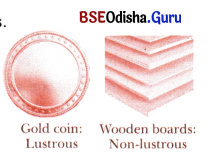
  • Based on appearance, materials are classified as lustrous and non-lustrous.
  • Lustrous: The materials that have a shiny surface (lustre), e.g., gold, aluminium, copper, etc.
  • Non-lustrous: The materials that do not have a shiny surface and appear to be dull, e.g., rubber, jute, wood, etc.
    Materials Around Us Class 6 Notes Science Chapter 6 2
  • Generally, metals such as gold, iron, etc., are lustrous, but it should be noted that not all materials that shine are metals. The surfaces of some materials are made shiny by polishing or coating them with thin layers of plastic, wax, or any other material, which makes them look shiny. Some metals may lose their lustre and start to look dull due to the effect of air and moisture.

Hardness and Softness

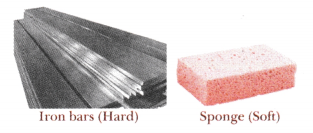
  • Materials that cannot be compressed, scratched, bent, or broken easily are known as hard materials. For example, iron bar, diamond, copper sheet, etc.
  • Materials that can be compressed, scratched, bent, or broken easily are known as soft materials. For example, rubber, chalk, sponge, cotton, etc.
  • Hardness and softness are relative terms. For example, a rubber is harder than a sponge but softer than an iron bar.
    Materials Around Us Class 6 Notes Science Chapter 6 3

Materials Around Us Class 6 Notes Science Chapter 6

Transparency
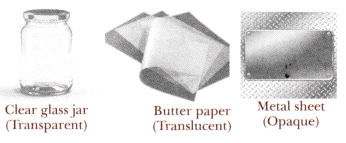
Based on transparency, materials are classified as transparent, translucent, and opaque.

  • Materials through which objects can be seen clearly are said to be transparent. For example, clear glass, cellophane paper, etc.
  • Materials through which objects can be seen, but not clearly, are said to be translucent. For example, butter paper, frosted glass, muslin cloth, etc.
  • Materials through which objects cannot be seen at all are said to be opaque. For example, metal sheet, wooden board, brick, etc.
    Materials Around Us Class 6 Notes Science Chapter 6 4

Solubility in Water

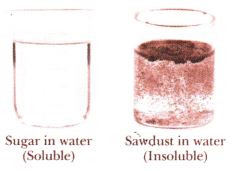
Solubility in water is defined as the property of a material to dissolve completely in water. Based on their solubility, materials are classified as soluble and insoluble, o The materials that completely disappear on mixing in water are said to be soluble. For example, salt, sugar, vinegar, etc.

The materials that do not disappear on mixing in water even when stirred for a long time, are said to be insoluble. For example, sawdust, chalk powder, sand, oil, etc.
(i) Solubility of Solids in Water

  • Some solids, such as sugar, salt, etc, dissolve completely in water to form a mixture that has a uniform composition.
  • Some solids, such as sand, sawdust, etc, do not dissolve or disappear in water and hence the resultant mixture has a non¬uniform composition.
    Materials Around Us Class 6 Notes Science Chapter 6 5

Materials Around Us Class 6 Notes Science Chapter 6

(ii) Solubility of Liquids in Water

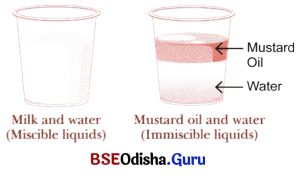
  • Some liquids, such as milk, lemon juice, etc., mix completely with water and do not form a distinct layer. These are known as miscible liquids.
  • Some liquids, such as petrol, mustard oil, coconut oil, kerosene, etc., form a distinct layer when mixed with water. Such liquids that do not disappear into one another are said to be immiscible liquids.
    Materials Around Us Class 6 Notes Science Chapter 6 6

(iii) Solubility of Gases in Water

  • Some gases, like carbon dioxide and oxygen, can dissolve in water. It is the oxygen dissolved in water that helps in the survival of aquatic plants and animals.
  • Flowever, gases like nitrogen, do not dissolve in water.

Mass and Volume

  • Mass is defined as the amount of matter present in a material.
  • It is a measure of the heaviness or lightness of an object. It is usually measured in grams (g) and kilograms (kg).
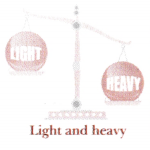
  • An object with a higher mass is said to be heavy, and an object with a lower mass is said to be light.
  • Heavy and light are relative terms. For example, a pencil is heavier than a feather, but is lighter than a book.
    Materials Around Us Class 6 Notes Science Chapter 6 7

Materials Around Us Class 6 Notes Science Chapter 6

Volume is defined as the space occupied by a material.

  • It is usually measured in millilitres (mL) and litres (L).
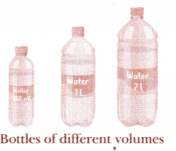
  • Water bottles sold in the markets come in different sizes and quantities, with labels such as 500 mL, 1 L, 2 L, etc. These labels indicate the capacity of bottles and the level of water indicate the volume of water present in them.
    Materials Around Us Class 6 Notes Science Chapter 6 8

Matter: Anything that occupies space and has mass is known as matter.

Materials Around Us: Material is definite kind and quality of matter intended for a specific purpose.

Based on Appearance

Lustrous : A material that has a shiny surface is said to be lustrous.
Examples: Gold, silver, etc.

Non-lustrous: A material that does not have a shiny surface and appears to be dull is said to be non- lustrous.
Examples: Wooden board, rubber sheet, etc.

Based on Mass

Heavy: A material that has a higher mass
Light: A material that has a lower mass
Heavy and light are relative terms, e.g., a pencil is heavier than a feather, but is lighter than a book. SI unit: Kilogram (kg)

Materials Around Us Class 6 Notes Science Chapter 6

Based on Volume (Space Occupied)

A material that occupies more space is said to have a larger volume as compared to a material that occupies less space.
SI unit: Cubic metre (m3)

Based on Transparency

Transparent: A material through which we can see things clearly.
Examples: Clear glass, cellophane sheet,

Translucent: A material through which we can see things, but not very clearly.
Examples: Frosted glass, butter paper, etc.

Opaque: A material through which we cannot see things at all.
Examples: Brick, aluminium foil, etc.

Based on Hardness

Hard: A material that is difficult to compress or scratch Examples: Metal block, wooden block, etc.
Soft: A material that is easy to compress or scratch Examples: Cotton ball, sponge, etc.

Based on Solubility in water

Soluble: A material that disappears or dissolves completely in water is said to be soluble in water.
Examples: Sugar, common salt, etc.

Materials Around Us Class 6 Notes Science Chapter 6

Solubility of Solids in Water

  • Solids like sugar, common salt, etc., are soluble in water.
  • Solids like sand, chalk powder, etc., are insoluble in water.

Solubility of Liquids in Water

  • Liquids like milk, vinegar, honey, etc., are soluble in water.
  • Liquids like mustard oil, petrol, etc., are insoluble in water.

Solubility of Gases in Water

  • Some gases, like oxygen, are soluble in water. This dissolved oxygen allows the survival of aquatic life.
  • Some gases, like nitrogen, are insoluble in water.

Insoluble: A material that does not disappear or dissolve completely in water is said to be insoluble in water.
Examples: Sand, chalk powder, etc.

Measurement of Length and Motion Class 6 Notes Science Chapter 5

Combining textbook study with BSE Odisha Class 6 Science Notes and Class 6 Science Curiosity Chapter 5 Measurement of Length and Motion Notes can make exam preparation more effective.

Measurement of Length and Motion Notes Class 6

Class 6 Science Curiosity Chapter 5 Notes

Measurement

Measurement is defined as the process of comparing an unknown quantity with a known or standard quantity of the same kind. This known fixed quantity is called a unit,

  • Earlier, people measured length using body parts. Common examples include:
  • Handspan (balisht) – distance between the tips of the thumb and little finger of an outstretched hand.
  • Cubit – distance from the elbow to the tip of the middle finger
  • Footspan – length of a person’s foot.
  • Footstep / stride – distance covered in one step while walking.

When an object’s length is measured the length is expressed as a number and a unit. For example, length of a table is measured as 13 handspans’ where 13 is the number and handspan is the unit. It means length of table is 13 times the length of the handspan.

Different people have different-sized handspans, feet or fists. Therefore, the same object gives different numerical values when measured with different persons’ body parts. This variation shows that body-based units are not reliable for accurate measurements.

Measurement of Length and Motion Class 6 Notes Science Chapter 5

Standard Units

Standard unit is a unit which has a fixed magnitude, amount or size which does not change from person to person, place to place or time to time.
Some standard units of length are metre, foot, yard etc.

  • Different regions of the world developed different systems of units, which made comparison of measurements difficult. To avoid confusion, most countries have adopted the International System of Units (SI units) as a common set of standard units.
  • The SI unit of length is metre, written with the symbol m.
  • Some other units of length are defined in relation to the metre:
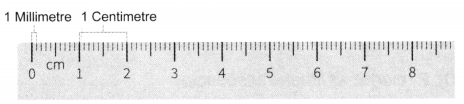
    • 1 metre = 100 centimetres (cm)
    • 1 centimetre =10 millimetres (mm) .
    • 1 kilometre = 1000 metre (m)
      Measurement of Length and Motion Class 6 Notes Science Chapter 5 1
  • Very large distances, such as those between cities, are measured in kilometres (km), while everyday lengths are measured in metres (m), centimetres (cm) or millimetres (mm).

Correct Way of Measuring Length

  • We must select a suitable measuring device for the length to be measured, such as a short scale for a pencil, a metre scale for the height of a room, or a flexible tape for the girth of a tree or the chest size of a person.
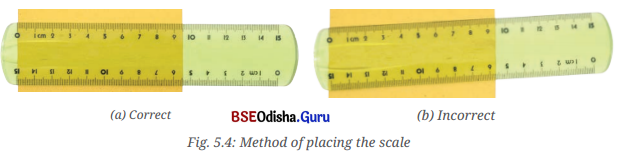
  • While measuring length, the scale should be placed in contact with the object along its length, without any gap or tilt.
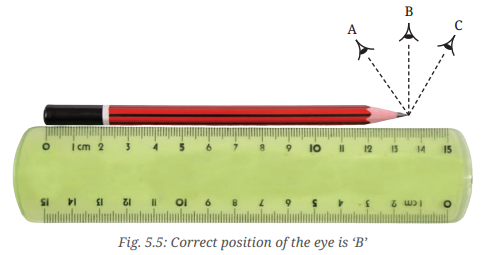
  • The eye should be placed directly above die mark being read. Viewing the scale from an angle can give a wrong reading.
    Measurement of Length and Motion Class 6 Notes Science Chapter 5 2

Measurement of Length and Motion Class 6 Notes Science Chapter 5

Parallax error: It is the error in measurement that occurs when we read a scale from an angle instead of keeping the eye vertically above the mark. Because of the slanted view, the object’s end and the scale division do not appear to line up correctly, so the reading becomes incorrect.
Measurement of Length and Motion Class 6 Notes Science Chapter 5 3
If the zero mark at the end of a scale is broken or unclear, another full mark such as 1.0-cm can be used as the starting point, and this starting reading is subtracted from the reading at the other end to get the correct length.

Example: If one end of the object is at 1.0 cm and the other end is at 10.4 cm on the scale, then the length of the object is 10.4 cm – 1.0 cm = 9.4 cm.

  • Visually impaired learners can measure length using scales with raised markings that can be felt by touch.
  • When writing a measured length, we must always write the number and the unit, leaving a space between the number and the unit.
  • The names of units such as kilometre, metre, centimetre and millimetre begin with lowercase letters, and their symbols km, m, cm and mm are also written in lowercase, without a plural ‘s’. A full stop is not written after a unit symbol, except at the end of a sentence.

Measurement of Length and Motion Class 6 Notes Science Chapter 5

Measuring the Length of a Curved Line

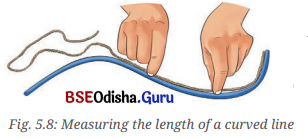
  • Curved lengths such as the edge of an arch or the circular base of a tumbler cannot be measured directly with a rigid, straight scale.
    Measurement of Length and Motion Class 6 Notes Science Chapter 5 4
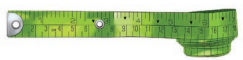
  • Curved lengths can be measured using a flexible measuring tape that bends and fits exactly along the curve.
  • A curved length can also be measured by carefully laying a thread along the curved object, then straightening the thread and measuring it with a metre scale.
    Measurement of Length and Motion Class 6 Notes Science Chapter 5 5

Describing Position

o People may disagree about which place is nearer or farther away if they compare distances from their own houses or from different starting points. If all distances are measured from the same fixed point, everyone will agree on which place is closer or farther from that point.
Measurement of Length and Motion Class 6 Notes Science Chapter 5 6

Measurement of Length and Motion Class 6 Notes Science Chapter 5

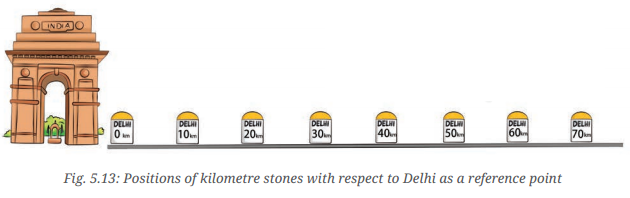
  • Reference point: A fixed object or position with respect to which the distance (or position) of an object is described is called a reference point.
  • Kilometre stones along a highway show the distance of that point from a fixed city (for example, ‘Jaipur 100 km”). The city acts as the reference point for all those distances.
  • As a vehicle moves and the numbers on kilometre stones decrease, this shows that the position of the vehicle with respect to the reference city is changing with time.

Motion

An object is said to be in motion if its position changes with respect to a reference point as time passes. An object is said to be at rest if its position does not change with respect to a reference point with time.

Whether an object is at rest or in motion depends on the chosen reference point; the same object can be at rest with respect to one reference point and in motion with respect to another. For example, passengers sitting in a moving bus are at rest relative to the bus but in motion relative to trees and buildings outside.

Types of Motion

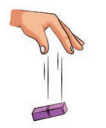
Linear motion: When an object moves along a straight line, its motion is called linear motion. Example: a ball dropped from a height or people marching in a straight line.
Measurement of Length and Motion Class 6 Notes Science Chapter 5 7
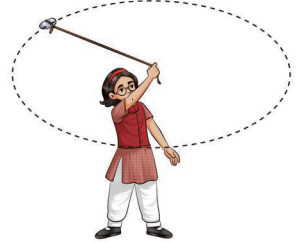
Circular motion: When an object moves along a circular path around a fixed point or axis, its motion is called circular motion. Example: a seat on a merry-go-round or a stone tied to a string and whirled in a circle.
Measurement of Length and Motion Class 6 Notes Science Chapter 5 8

Measurement of Length and Motion Class 6 Notes Science Chapter 5

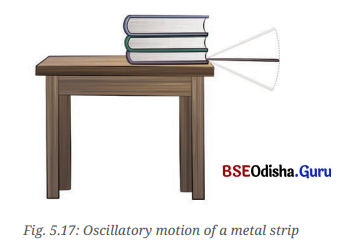
Oscillatory motion: When a oscillatory motion object moves to and fro about a fixed position, its motion is called Oscillatory motion. Example: a swing moving back and forth or a simple pendulum.
Measurement of Length and Motion Class 6 Notes Science Chapter 5 9

Periodic motion

  • When an object repeats its motion after equal intervals of time, its motion is called periodic motion. Example: the to-and-fro motion of a pendulum or the circular motion of a rotating wheel.
  • Circular motion and oscillatory motion are type of periodic motions, because they repeat themselves in a regular pattern after a fixed time.
  • The same object can show different types of motion along different parts of its path, such as a ball moving on a roller-coaster track with straight and curved sections.

Measurement

  • It is the comparison of an unknown quantity with some known fixed quantity.
  • The known fixed quantity is the unit of measurement.
  • Measurement of any quantity consists of two parts — a number and a unit.

Old Methods of Measurements

  • Ancient methods of measurement have only been approximate measurements and they differ from person to person, place to place and time to time.
  • Cubit: The length between the tip of the middle linger and elbow.
  • Handspan: The length between the tip of the thumb and the tip of the little finger when the hand is fully extended.

Measurement of Length and Motion Class 6 Notes Science Chapter 5

Standard Units of Measurements

  • A standard unit is a fixed value which does not change from person to person, place to place and time to time.
  • The international system of units (SI units) has been adopted by countries as standard units of measurements.
  • The SI unit of length is metre (m).
  • For measuring smaller lengths, we use smaller units such as centimetre (cm) or millimetre (mm).
  • For measuring larger lengths, we use larger units such as kilometre (km).
  • Conversion of Units:
    • 1 km = 1000 m
    • 1 m = 100 cm
    • 1 cm = 10 mm

Motion

  • The reference point is a fixed point from which the position or distance of an object is measured.
  • Distance tells us how far an object is from the reference point.

Rest and Motion

  • An object is said to be in motion if its position changes with respect to the reference point with time.
  • If an object is not changing its position with respect to the reference point with time, it is said to be at rest.

Measurement of Length and Motion Class 6 Notes Science Chapter 5

Types of Motion

  • Linear Motion: When an object moves along a straight line.
    Examples:
    A box moving in a straight line.
    A train moving on a straight railway track.
  • Oscillatory Motion: When an object moves to and fro about a fixed position.
    Examples:
    The motion of a ruler fixed at one end when the other end is flicked.
    Pendulum of a clock.
  • Circular Motion: When an object moves along a circular path.
    Examples:
    The whirling of an eraser tied to a thread.
    Children riding on a rotating merry-go-round.
  • Periodic Motion: When an object repeats its path after a fixed interval of time.
    Examples:
    The motion of the hands of a clock.
    Both circular and oscillatory motions are periodic in nature.

Exploring Magnets Class 6 Notes Science Chapter 4

Combining textbook study with BSE Odisha Class 6 Science Notes and Class 6 Science Curiosity Chapter 4 Exploring Magnets Notes can make exam preparation more effective.

Exploring Magnets Notes Class 6

Class 6 Science Curiosity Chapter 4 Notes

Magnets

A magnet is a substance that has the property of attracting certain materials (like iron, nickel, cobalt, etc.) around itself.
There are two types of magnets, natural magnets and artificial magnets.

  • Natural magnets are brittle and have irregular shapes. They have weak magnetic power or magnetism. Lodestone or magnetite is an example of natural magnet.
  • Artificial magnets or man-made magnets are available in various shapes and sizes and possess strong magnetism.
    Exploring Magnets Class 6 Notes Science Chapter 4 1

Exploring Magnets Class 6 Notes Science Chapter 4

Magnetic and Non-magnetic Materials

  • The materials that are attracted towards a magnet and stick to it are called magnetic materials. Iron, nickel, and cobalt are examples of magnetic materials, and certain materials containing these metals (like steel) are also attracted by magnets.
  • The materials which are not attracted towards a magnet are called non-magnetic materials. Objects made of plastic, wood, rubber, aluminium, and glass do not stick to magnets and are therefore non-magnetic.

Poles of a Magnet

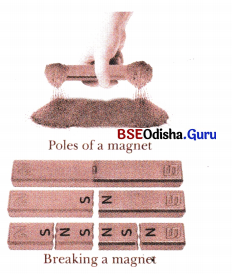
  • When a bar magnet is placed on iron filings, maximum iron filings collect near its two ends and very few near the middle.
  • These regions at the ends of a magnet, where attraction is maximum, are called the poles of the magnet.
  • Magnetic poles always occur in pairs. Every magnet has both a North pole and a South pole. It is not possible to obtain a magnet with only one pole.
  • If a magnet is broken into smaller pieces, each piece behaves like a magnet and has both a north pole and a south pole.
    Exploring Magnets Class 6 Notes Science Chapter 4 2

Exploring Magnets Class 6 Notes Science Chapter 4

Magnetisation

Magnetisation is the process of converting a magnetic material such as iron or steel into a magnet.

  • In this process, the material acquires magnetic properties and begins to attract magnetic substances like iron pins or paper clips.
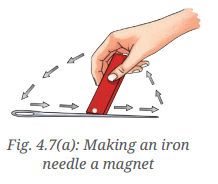
  • Single-touch method: A simple method of magnetisation in which one pole of a bar magnet is stroked repeatedly in the same direction along an iron object to make it magnetic.
    Exploring Magnets Class 6 Notes Science Chapter 4 3

Directive Property of Magnet

A freely suspended bar magnet always comes to rest along the north-south direction because the Earth itself behaves like a giant magnet.

The end of a freely suspended magnet that points towards the north direction is called its north-seeking pole or north pole, and the end that points towards the south direction is called its south-seeking pole
or south pole.

An ordinary iron bar does not always come to rest in the north-south direction, so this behaviour can be used as a simple test to check whether a piece of metal is a magnet.

The property of a freely suspended magnet to rest along the north-south direction is used for finding directions on the Earth.
Exploring Magnets Class 6 Notes Science Chapter 4 4

Magnetic Compass

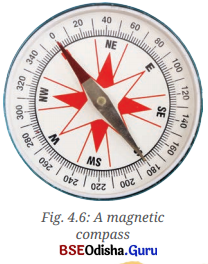
  • A magnetic compass is a small device developed long ago for finding directions, and it contains a magnet in the shape of a needle that can rotate freely.
  • To make a magnetic compass at home, an iron sewing needle can be magnetised by single-touch method.
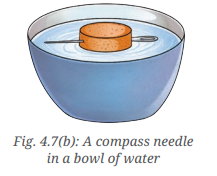
  • When this magnetised needle is passed through a cork and floated on water, it turns and comes to rest in a fixed direction each time, acting like a simple compass needle.
    Exploring Magnets Class 6 Notes Science Chapter 4 5

Exploring Magnets Class 6 Notes Science Chapter 4

Attraction and Repulsion between Magnets

  • When two magnets are brought close to each other, they either attract or repel, depending on which poles face each other.
  • The north pole of one magnet and the south pole of another magnet attract each other; such poles are called unlike poles.
  • When two north poles are brought close together, they push each other away. In the same way, two south poles also repel each other.
  • Such poles are known as like poles, a If one magnet is replaced by an iron bar, both ends of the iron bar are attracted by both poles of the magnet.
  • Repulsion is observed only between two magnets, never between a magnet and an ordinary iron piece. Therefore, the property of repulsion is the surest test of magnetism.

Applications of Magnets

  • In factories to lift heavy iron objects such as scrap iron.
  • By surgeons in hospitals to remove iron/steel splinters from the wounds.
  • In the construction of telephones, electric bells, etc.
  • To separate iron and steel from non-magnetic materials.

Effect of Bar Magnet on Magnetic Compass

  • When the north pole of a bar magnet is brought near the north pole of the compass needle, the needle moves away, showing repulsion between like poles.
  • When the south pole of the bar magnet is brought near the north pole of the compass needle, the needle moves towards the magnet, showing attraction between unlike poles.
  • When sheets of wood, cardboard, plastic or glass are placed between a bar magnet and a magnetic compass, the compass needle moves towards and away in the same way as it does without the sheets.
  • The magnetic effect can act through non-magnetic materials such as wood, cardboard, plastic, etc.

Exploring Magnets Class 6 Notes Science Chapter 4

Proper Handling and Storage of Magnets

Magnets should be handled with care and should not be heated, dropped or hammered, and they should not be kept near devices like mobile phones or remote controls.

To store bar magnets safely, they should be kept in pairs with unlike poles on the same side, with a wooden piece between them and two pieces of soft iron placed across their ends as keepers. To store a horseshoe magnet safely, a keeper should be placed across its poles.

Characteristics of Magnets

Poles of Magnet

  • The regions at the end of a magnet where the magnetic strength is maximum are called poles of a magnet.
  • All magnets have two poles whatever their shape may be.
    • The North Pole: The end of the magnet that points towards the north.
    • The South Pole: The end of the magnet that points towards the south.
  • The poles of a magnet always exist in pairs. A single north pole or a single south pole does not exist.

A magnet is a material having the property of attracting magnetic materials (like iron).
Materials that occur naturally and possess magnetic properties. Example: Lodestone.

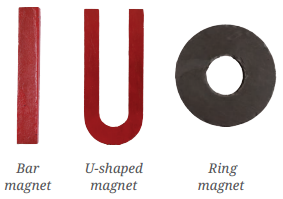
  • Man-made magnets.
  • These magnets are made in different shapes and sizes as per requirements.
  • Example: Bar magnet, U-shaped magnet, ring magnet, etc.

Attraction and Repulsion

  • The like poles (N-N or S-S) of two magnets repel each other while unlike poles (N-S) attract each other.
  • A magnet can be identified by its property of repulsion.

Alignment in North-South Direction

  • A freely suspended magnet comes to rest along the north-south direction.
  • This alignment happens because of the influence of the Earth, which itself acts like a giant bar magnet.

Exploring Magnets Class 6 Notes Science Chapter 4

Magnets

A magnet is a material having the property of attracting magnetic materials (like iron).

Natural Magents: Materials that occur naturally and possess magnetic properties.
Example: Lodestone.

Artificial Magnets

  • Man-made magnets.
  • These magnets are made in different shapes and sizes as per requirements.
  • Example: Bar magnet, U-shaped magnet, ring magnet, etc.

Types of Materials

  • Magnetic Materials: The materials which are attracted towards a magnet.
    Example: Plastic, paper, wood, etc.
  • Non-magnetic Materials: The materials which are not attracted towards a magnet.
    Example: Plastic, paper, wood, etc.

Note: The magnetic effect can act through non-magnetic materials.

Applications of Magnets

  • The property of a freely suspended magnet to always rest along the north-south direction is used to find directions.
  • An instrument with a magnet, that is used to find directions is called a magnetic compass.
  • Magnets are used
    • in factories to lift heavy iron objects such as scrap iron.
    • by surgeons in hospitals to remove steel splinters from the wounds.
    • in the construction of telephones, electric bells, etc.
    • to separate iron and steel from non-magnetic materials.

Exploring Magnets Class 6 Notes Science Chapter 4

Proper Handling and Storage of Magnets

  • Magnets lose their magnetic properties if they are heated, hammered or dropped from some height. Improper storage can also cause loss of magnetic properties.
  • Bar magnets should be kept in pairs with their unlike poles on the same side.
  • Bar magnets must be separated by a piece of wood while magnet keepers (pieces of soft iron) should be placed across their ends.
  • For storing U-shaped/horseshoe magnet, one should keep a magnet keeper across the poles.

Mindful Eating: A Path to a Healthy Body Class 6 Notes Science Chapter 3

Combining textbook study with BSE Odisha Class 6 Science Notes and Class 6 Science Curiosity Chapter 3 Mindful Eating: A Path to a Healthy Body Notes can make exam preparation more effective.

Mindful Eating: A Path to a Healthy Body Notes Class 6

Class 6 Science Curiosity Chapter 3 Notes

Food and Diversity

  • Food is an integral part of our daily lives, and there is a wide variety in the food eaten.
  • Our country has great diversity in traditional food items consumed across different states,
  • Such diversity exists because different crops are grown (cultivated) across various regions, which, in turn, depends on the soil type and climatic conditions of that place.
  • The food consumed is influenced by the cultivation of locally grown crops, taste preferences, culture, and the traditions of each state.
    a Culinary Practices

    • Cooking practices, also called culinary practices, have gradually changed over time.
    • The shift in culinary practices is due to technological advancements, improved transportation, better communication, and the availability of modern kitchen appliances.

Mindful Eating: A Path to a Healthy Body Class 6 Notes Science Chapter 3

Nutrients

The components of food that provide energy, support growth and repair, protect the body from diseases, and help maintain various bodily functions are called nutrients,
Mindful Eating A Path to a Healthy Body Class 6 Notes Science Chapter 3 1
Mindful Eating A Path to a Healthy Body Class 6 Notes Science Chapter 3 2
Mindful Eating A Path to a Healthy Body Class 6 Notes Science Chapter 3 3
The three major nutrients in our food are listed below.

Nutrient Function in the Body Common Food Sources
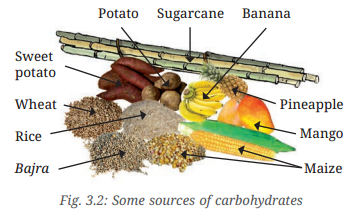
Carbohydrates (energy-giving food) Primary energy source for the body Rice, wheat, maize, bajra, potato, sweet potato, banana, pineapple, mango
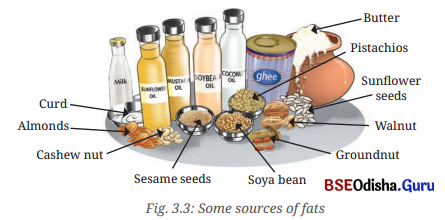
Fats (energy­giving food) Provides energy for performing various activities and keeps the body warm Ghee, butter, oils, nuts, coconut, seeds, curd, soyabean
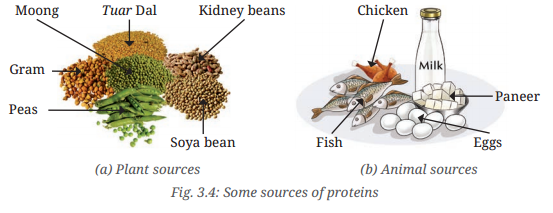
Proteins (body­building food) Helps in the growth and repair of the body muscles Plant sources: Pulses, beans, peas and nuts; Animal sources: Milk, paneer, eggs, fish and meat; mushrooms

Along with the macronutrients (carbohydrates, fats, and proteins), our food must also contain vitamins and minerals, referred to as protective nutrients because they help safeguard our bodies from diseases and keep us healthy.

Mindful Eating: A Path to a Healthy Body Class 6 Notes Science Chapter 3

Diseases that occur due to lack of specific nutrients in the diet over a long period of time are termed deficiency diseases.

Deficiency Diseases

Food Component (Vitamin/ Mineral) Sources Importance Deficiency Disease/disorder Symptoms
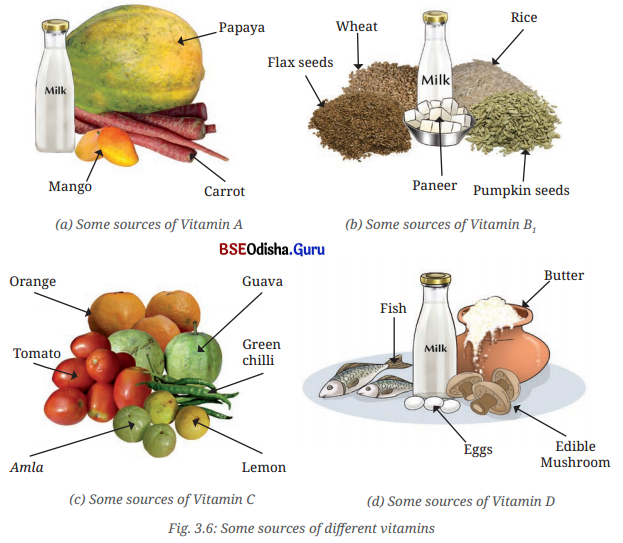
Vitamin A Milk, mango, papaya, carrots, tomatoes, green leafy vegetables Keeps eyes and skin healthy Night blindness or complete loss of vision Inability to see in dim light, poor vision
Vitamin B1 Seafood, milk products, legumes, whole grains, seeds, nuts, fish Supports normal growth and development of the body, keeps heart healthy Beriberi Swelling, tingling or burning sensation in feet and hands, troubled breathing
Vitamin C Tomatoes, citrus fruits, (orange, lemon, etc.) amla, green chilli, guava Healthy teeth and gums, helps body to fight diseases (builds immunity) Scurvy Bleeding and swelling of gums, wounds take a longer time to heal
Vitamin D Milk, butter, eggs, fish, edible mushrooms (a type of fungus); sunlight Helps in calcium absorption and maintains bone and teeth health Rickets Bones become softened and deformed (bent)
Iron Green leafy vegetables, especially spinach, apple, beetroot, pomegranate Forms an important component of blood Anaemia Shortness of breath, weakness
Calcium Milk and milk products (curd, cheese, paneer), soya milk Helps in formation of strong bones and teeth Bone and tooth decay, prolonged deficiency may lead to rickets Tooth decay, weak bones
Iodine Iodised salt, seaweed, water chestnut (singhada), seafood Helps to perform physical and mental activities, enhances brain function Goitre Visible swelling at the front of the neck

Mindful Eating: A Path to a Healthy Body Class 6 Notes Science Chapter 3

  • In addition to essential nutrients, we also need to include dietary fibres (roughage) and water in our diet.
  • Roughage does not provide nutrients to our bodies, but helps our body get rid of undigested food and prevents constipation (ensures smooth passage of stools).
  • Water aids in the absorption of nutrients from food, and it also removes waste from the body through sweat and urine.
  • Mineral nutrients like salt can be obtained from seawater or from rocks.
    Mindful Eating A Path to a Healthy Body Class 6 Notes Science Chapter 3 4

Also, vitamin D is naturally produced by our body upon exposure to sunlight.

Test for Food Nutrients

Component of Food Test Chemical Procedure Confirmatory Observation
Starch Iodine solution Add 2-3 drops of iodine solution to the food sample. Food sample turns blue-black.
Protein Copper sulphate solution and caustic soda solution Add a few drops of copper sulphate solution, followed by few drops of caustic soda solution, to the food sample. Food sample turns

violet (purple).

Fat Paper test (no chemical required) Gently wrap the food sample on a piece of paper, press gently, allow it to dry, and hold it against the light. A translucent (oily) patch appears on the paper.

Mindful Eating: A Path to a Healthy Body Class 6 Notes Science Chapter 3

Balanced Diet: Concept and Importance

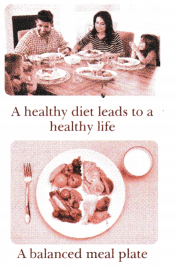
A diet that includes all essential nutrients, roughage, and water in the right proportions for proper growth and development of the body is known as a balanced diet.
Mindful Eating A Path to a Healthy Body Class 6 Notes Science Chapter 3 5
The type and amount of nutrients required depend on factors such as age, gender, the type of work/physical activity a person engages in, and their lifestyle, o Along with consuming a nutrient-rich diet, we should also cook food properly to preserve all nutrients while maintaining hygiene.

For instance, always wash vegetables and fruits before cutting them. Washing fruits and vegetables after cutting or peeling them reduces (destroys) their nutritional content.

Some nutrients, like vitamin C, are water-soluble and are lost during cooking A balanced meal plate due to high heat.

Food items that are high in calories (high sugar or fat content) but lack essential nutrients (like proteins, minerals, vitamins, and fibre) are called junk food,

Consuming these types of food frequently and in large amounts is not healthy for our bodies and can lead to obesity, and may also make us more prone to suffer from several health problems like heart diseases, diabetes, and so on.

Mindful Eating: A Path to a Healthy Body Class 6 Notes Science Chapter 3

Millets are small-sized grains (cereals), native to India. They are highly nutritious, offering countless health benefits, and can be easily cultivated in different climatic conditions. They are excellent sources of vitamins, minerals like iron and calcium, and dietary fibres. For this reason, they are referred to as nutri-cereals. Crops like ragi,jowar, bajra, and sanwa (barnyard millet) are some commonly-grown millets.

Food Miles

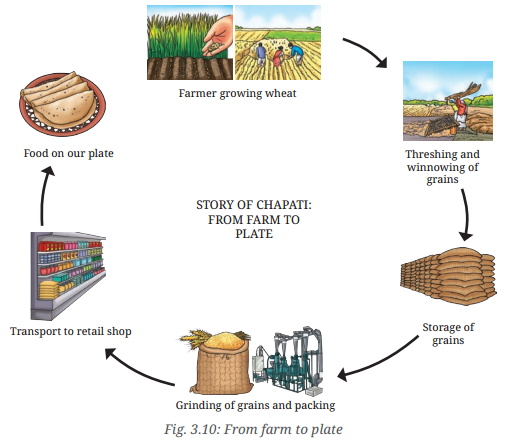
  • The distance a food item travels from the producer (farmer) to the consumer is known as its food miles. For instance, the process by which wheat is transformed into chapati is depicted alongside,
  • Reducing food miles is crucial because it helps lower costs and minimise pollution during transportation. It also supports the income of local farmers by buying directly from them.
  • Eating local and plant-based food is good for our health and also helps protect the environment.
  • Food reaches us through a complex process that involves significant hard work, time, and effort from many individuals. Therefore, we should always respect our food and avoid wasting it.
    Mindful Eating A Path to a Healthy Body Class 6 Notes Science Chapter 3 6

According to the law, all food items must display information about the nutrients they contain, along with details of additives such as added sugars, colouring agents, and preservatives on their packaging. The Food Safety and Standards Authority of India (FSSAI) is the government agency responsible for regulating food quality in India.

Mindful Eating: A Path to a Healthy Body Class 6 Notes Science Chapter 3

Components of Food

Nutrients
Food substances that provide nourishment to the body

Carbohydrates

  • Energy-giving compounds
  • Carbohydrates serve as the primary energy source in the body.
    Examples: Potato. wheat, etc.

Fats

  • Very high energy-giving compounds: source of stored energy
  • Fats are available in oil-rich foods.
    Examples: Nuts. butter, etc.

Proteins

  • Body-building foods
  • They help in the growth of the body.
    Examples: Pulses, eggs. etc.

Vitamins

  • Protect the body from various diseases
  • There are water soluble vitamins (Vitamin B. C) and fat-soluble vitamins (Vitamin A, D, E, K).
    Examples: Citrus fruits. milk, etc.

Minerals

  • Elements required by the body i small amounts
  • Essential for growth and development of bones, teeth, and other body parts
    Examples: Green leaf vegetables. iodised salt, etc.

Mindful Eating: A Path to a Healthy Body Class 6 Notes Science Chapter 3

Water

  • It is the major constituent of our body.
  • Makes up 75% of both weight
  • It helps body to absorb nutrients from food.

Roughage

  • Dietary fibre present in food
  • It facilitates regular bowel movement and prevents constipation.
  • It does not provide any nutrition.

Balanced Diet

The distance travelled by a food item, from the producer (farmers) to the consumer is known as its food miles.

  • A diet which contains all the nutrients our body requires in proper amounts.
  • Healthy food habits include
  • Having a balanced diet
  • Exercising daily
  • Avoiding junk food
  • Avoiding skipping meals
  • Avoiding food wastage
  • Eating food that is locally grown and plant-based

Millets are called nutri-cereals because they provide essential nutrients like vitamins, minerals, and dietary fibre. Examples: Jowar, bajra, ragi.

Deficiency Diseases

Vitamin A
Night blindness: Loss of vision in darkness or poor complete vision loss

Vitamin B1
Beriberi: Swelling burning Sensation in feet and hands, troubled breathing

Mindful Eating: A Path to a Healthy Body Class 6 Notes Science Chapter 3

Vitamin C
Scurvy: Bleeding and swelling of gums, slow healing of wounds

Vitamin D
Rickets: Bowed legs, deformed bones and joints

Iodine
Goitre: Swelling at front of the neck

Iron
Aneamia: Fatigue, loss of appetite, pale skin

Calcium
Bone and tooth decay: Weak bones and teeth

Diversity in the Living World Class 6 Notes Science Chapter 2

Combining textbook study with BSE Odisha Class 6 Science Notes and Class 6 Science Curiosity Chapter 2 Diversity in the Living World Notes can make exam preparation more effective.

Diversity in the Living World Notes Class 6

Class 6 Science Curiosity Chapter 2 Notes

Biodiversity

Biodiversity is the variety of all living organisms in a particular area, including plants, animals, and microscopic life forms. It is shaped by a region’s environment, geography, and climate.

  • Organisms are dependent on one another for their growth and survival for e.g., plants provide food and shelter to birds and animals, while animals disperse (spread) seeds after eating fruits to help new plants grow, and so on.
  • Grouping organisms makes it easier to understand and stud) the similarities and differences between them.

Diversity in the Living World Class 6 Notes Science Chapter 2

Grouping Plants

(i) Based on Stem Thickness and Height

  • Herbs: Small, non-woody plants with soft, green, delicate stems, minimal branching, and a short lifespan, e.g., tomato, mint, etc.
  • Shrubs: Medium-sized woody plants with multiple branches, a hard but not very thick stem, and a bushy appearance with branches growing close to the ground, e.g., Hibiscus, rose, etc.
  • Trees: Tall plants with thick, brown, and woody stems; their branches start higher up on the stem away from the ground, e.g., mango, banyan, etc.
  • Other types of plants:
    • Creepers: Plants with soft stems that spread along the ground, e.g., pumpkin, watermelon, etc.
    • Climbers: Plants with soft stems that grow upward using a support, e.g., bottle gourd (lauki), money plant, etc.
      Diversity in the Living World Class 6 Notes Science Chapter 2 1

(ii) Based on Venation
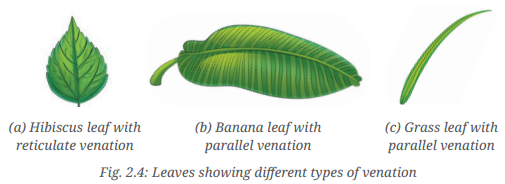
Thin lines that run across the surface of the leaves (lamina or leaf blade) are called veins. Venation refers to the arrangement of veins in a leaf,
a Reticulate Venation: Veins form a net-like pattern on either side of the main vein (midrib), e.g., Hibiscus, periwinkle (sadabahar), etc.
a Parallel Venation: Veins run parallel throughout the leaf, e.g., bamboo, banana, etc.
Diversity in the Living World Class 6 Notes Science Chapter 2 2

Diversity in the Living World Class 6 Notes Science Chapter 2

(iii) Based on Types of Roots

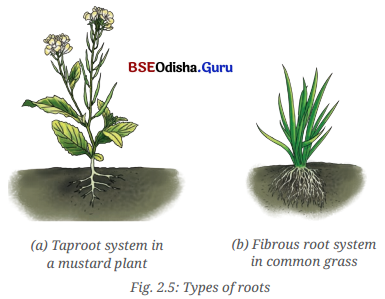
  • Tap Root: A thick, central main root grows downward with smaller roots branching off, e.g., mustard, rose, etc.
  • Fibrous Root: Many roots of similar size spread out in different directions from the stem base, e.g., common grass, rice, etc.
    Diversity in the Living World Class 6 Notes Science Chapter 2 3

(iv) Based on Types of Seeds

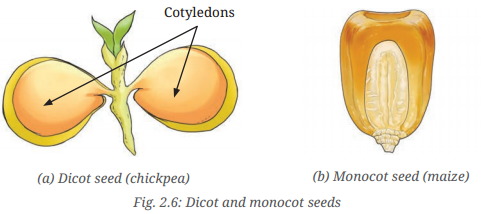
  • Monocotyledons (Monocots): Seeds with one cotyledon, e.g., maize, rice, etc.
  • Dicotyledons (Dicots): Seeds with two cotyledons, e.g., chickpea (chana), mustard, etc.
    Diversity in the Living World Class 6 Notes Science Chapter 2 4

Note: Plants with parallel venation and fibrous roots have monocot seeds, while plants with reticulate venation and tap roots have dicot seeds.

Diversity in the Living World Class 6 Notes Science Chapter 2

Grouping Animals

Animals can be grouped based on their common features, such as:

  • Types of movement (flying, running, crawling, etc.)
  • Shape
  • Body parts used for movement (wings, legs, etc.)
  • Size
  • Structure

Habitat

A habitat is a place where plants and animals live together while interacting with all other components (like sun, air, water, and soil) of the environment.

Based on where an organism lives, habitat can be categorised into two types:

  1. Aquatic Habitats: Found in water bodies like ponds, lakes, rivers, and oceans.
  2. Terrestrial Habitats: Found on land such as deserts, forests, grasslands, and mountains.

Habitat Destruction and Conservation
Destruction of habitat is one of the major causes of decline in biodiversity. Some notable conservation projects initiated in our country to overcome loss of biodiversity are discussed below:
Diversity in the Living World Class 6 Notes Science Chapter 2 5

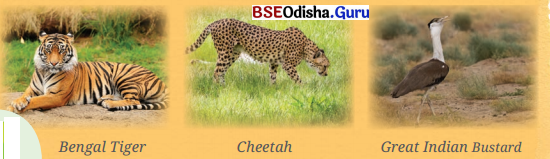
  • Cheetah Reintroduction Project (2022): Aimed to restore the population of cheetahs in India.
  • Bengal Tiger Conservation: Project Tiger was initiated in 1973 in India to protect Bengal Tigers and their habitats through dedicated conservation measures.
  • Protection of Great Indian Bustard: Certain areas in Gujarat, Rajasthan, and Maharashtra were declared as protected areas to support the survival of this endangered (in danger of disappearing) bird.

Save Silent Valley Movement: Silent Valley is an evergreen forest in Palakkad, Kerala, famous for its rich biodiversity. The movement that persisted for 10 years opposed the proposal of a hydroelectric dam on the Kunthipuzha river that flows through the forest. People used letters, newspaper articles, petitions, and court appeals to’raise awareness, and all these efforts successfully protected the Silent Valley from destruction.

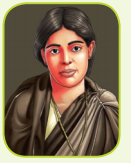
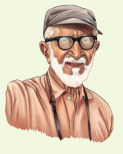
Janaki Ammal (1897-1984) was an Indian botanist who worked to protect India’s rich plant biodiversity. She led the ‘Save Silent Valley Movement’ and headed the Botanical Survey of India, documenting and conserving plant diversity.

Diversity in the Living World Class 6 Notes Science Chapter 2

Sacred Groves are the forest areas that are traditionally protected by local communities for religious or cultural reasons. They can range from small patches to entire forests, where cutting trees or harming animals is prohibited, making them a community-protected biodiversity treasure.
Diversity in the Living World Class 6 Notes Science Chapter 2 6

Adaptations
Adaptations are unique features that help an organism to survive and live better in a specific environment. Some common examples of adaptations in organisms include:
Diversity in the Living World Class 6 Notes Science Chapter 2 7

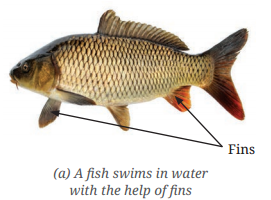
  • Aquatic Adaptations Fish: Streamlined bodies with fins allow them to swim easily in water.
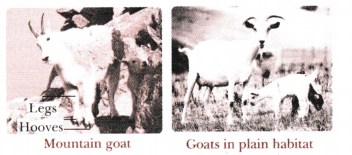
  • Terrestrial Adaptations in Goats
    • Goats in Mountains: Live at high altitudes with cold temperatures; have thick fur and sharp, well-divided hooves to maintain grip on mountain slopes.
    • Goats in Plains: Live in flat, grassy areas; have thin fur and smooth hooves for walking on plains.
      Diversity in the Living World Class 6 Notes Science Chapter 2 8

Diversity in the Living World Class 6 Notes Science Chapter 2

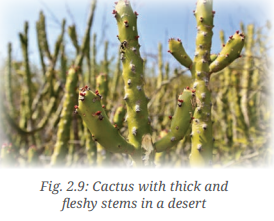
Desert Adaptations in Cactus: Thick and fleshy stems to store water and minimise water loss.
Diversity in the Living World Class 6 Notes Science Chapter 2 9

Desert Adaptations in Camels

  • Camels of Hot Deserts (Rajasthan): One hump for food storage, long legs, and wide hooves for walking on hot sandy deserts without sinking.
  • Camels of Cold Deserts (Ladakh): Two humps for food storage, short legs, and long hair to withstand cold.
    Diversity in the Living World Class 6 Notes Science Chapter 2 10

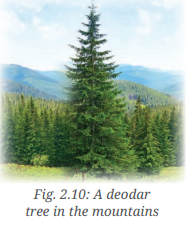
Mountainous Adaptations in Deodar Trees: Commonly seen in Himachal Pradesh; conical shape with flexible, sloping branches that let snow slide off easily.

Diversity in the Living World Class 6 Notes Science Chapter 2

Mountainous Adaptations in Rhododendrons

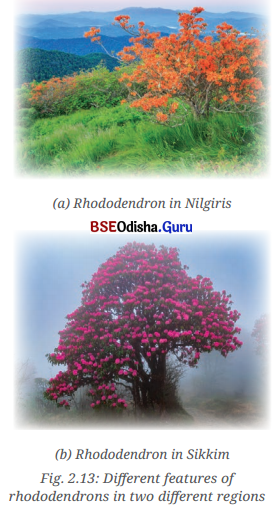
  • Rhododendrons of Shola forests of Nilgiris: They have beautiful and bright flowers with short height and small leaves to survive heavy winds in the mountain regions.
  • Rhododendrons of Sikkim: They are comparatively taller with broader leaves.
    Diversity in the Living World Class 6 Notes Science Chapter 2 11
    Diversity in the Living World Class 6 Notes Science Chapter 2 12

Salim Ali (1896-1987) is known as the ‘Birdman of India’. He studied and documented India’s birds, their habitats, and migration. He helped conserve regions of Keoladeo National Park, Bharatpur, Rajasthan, and Ranganathittu Bird Sanctuary, Mandya, Karnataka, and authored a landmark series of 10 books on Indian birds. He was awarded Padma Vibhushan in 1976.
Diversity in the Living World Class 6 Notes Science Chapter 2 13

Diversity in the Living World Class 6 Notes Science Chapter 2

Plants

Stems

  • Trees : Possess hard and thick stems with branches on the top. Example: Mango
  • Shrubs : Possess brown and woody stems (not as hard as trees) with branching close to the ground. Example: Rose
  • Herbs : Possess soft and green stems. Example: Tomato
  • Climbers : Possess very weak stems and require support to climb. Example: Money plant
  • Creepers : Possess weak stems similar to climbers, and generally creep along the ground. Example: Watermelon

Seeds

  • Monocot : Seeds with only one cotyledon (seed leaf that provides food to the embryo) Example: Maize
  • Dicot : Seeds with two cotyledons Example: Gram

Leaves

  • Reticulate Venation : Veins arranged in a net-like pattern; present in dicots Example: Hibiscus
  • Parallel Venation : Veins arranged parallel to each other; present in monocots Example: Grass

Roots

  • Tap root : Primary root arises from the base of the stem. Present in dicots. Example: Mustard
  • Fibrous root : Similar sized thin roots arise from the base of the stem. Present in monocots. Example: Maize

Diversity in the Living World Class 6 Notes Science Chapter 2

Animals

Classified based on:

  • Types of movements
  • Body parts used for motion
  • Shape
  • Size
  • Structure
  • Colour

Adaptations

Features that help an organism to survive and live better in an environment.

  • Thick and fleshy stems in cactus
  • Streamlined bodies and fins in fishes
  • Thick fur and well-divided hooves in mountain goats
  • Thin fur with plain and smooth hooves in goats of plain habitats
  • Sloping branches with a cone-shape in deodar trees
  • Long legs, wide hooves, and single hump in camels of hot deserts
  • Short legs and two humps in camels of cold deserts
  • Short height and small leaves in rhododendrons of Nilgiris
  • Tall height with broader leaves in rhododendrons of Sikkim

Diversity in the Living World Class 6 Notes Science Chapter 2

Habitats

An area where an organism lives by interacting with its surroundings.

Types of Habitats

  • Aquatic : Includes all the water bodies like ponds, lakes, rivers, oceans, etc.
  • Terrestrial : Includes areas like forests, grasslands, mountains, etc.

Importance of Habitats

  • Provides us with food, water, shelter, and other resources
  • Supports the growth and development of living beings
  • Its damage results in the loss of biodiversity

Conservation of Habitat
Notable preventive measures to conserve biodiversity and habitat include:

  • Cheetah Reintroduction Project: Aimed to restore declining cheetah population in India, initiated in 2022.
  • Bengal Tiger Conservation: Project Tiger was initiated in 1973 to protect Bengal Tigers and their habitats.
  • Protection of Great Indian Bustard: Certain areas of Gujarat, Rajasthan and Maharashtra were declared protected to support survival of this endangered bird.

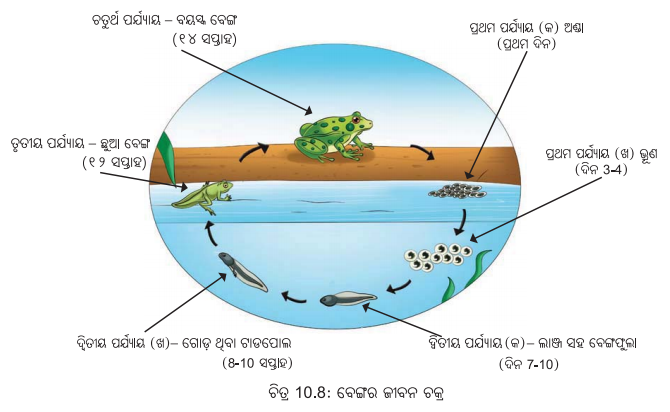
Some organisms can live on both land and water and are termed amphibians (e.g., frogs).

The Wonderful World of Science Class 6 Notes Science Chapter 1

Combining textbook study with BSE Odisha Class 6 Science Notes and Class 6 Science Curiosity Chapter 1 The Wonderful World of Science Notes can make exam preparation more effective.

The Wonderful World of Science Notes Class 6

Class 6 Science Curiosity Chapter 1 Notes

The famous writer, William Arthur Ward, once said, “Curiosity is the wick in the candle of learning.” This means that when we are curious, we light up our paths to discovery. Thus, it can be said that curiosity leads to the discovery of science.

What is Science?

  • Science is a special tool that helps us understand the world around us. It is a way of thinking, asking questions, experimenting, and observing to find answers.
  • By asking “how,” “why,” “what,” and “when,” we can uncover the mysteries of the world.

The Wonderful World of Science Class 6 Notes Science Chapter 1

The Values of Science  

  • In science, learning happens through curiosity, critical thinking, patience, creativity, teamwork, and respect for nature.
  • Curiosity encourages asking questions and exploring the unknown.
  • Critical thinking helps us analyse evidence carefully and think of unique ideas logically.
  • Patience helps us repeat experiments carefully to obtain reliable results, and to keep trying and work through challenges.
  • Teamwork teaches us to work with others to share and improve ideas.
  • Respect for nature reminds us to use science responsibly while protecting the environment and the life around us.

Science is Everywhere

The best part about science is that it is not just about reading books; it is something that happens everywhere, all around us!

Whether it is studying tiny grains of sand or massive mountains, a blade of grass or a vast forest, there is always something new and exciting to discover.

Earth is the only planet that sustains life. So, it is our responsibility to protect the environment that surrounds us. It provides fresh air for breathing and water for drinking, cooking, cleaning, and other important life processes.

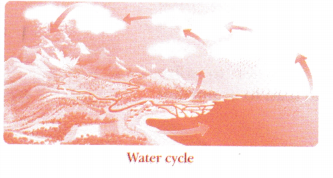
Water changes its form as it moves in a cycle from oceans and rivers, forming clouds, and returning as rain, hail, or snow. This is called the water cycle, and it is important for sustaining life on Earth.
The Wonderful World of Science Class 6 Notes Science Chapter 1 1

The Wonderful World of Science Class 6 Notes Science Chapter 1

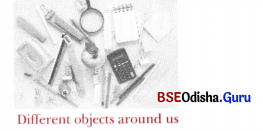
The objects around us, like paper, rubber, and clothes etc., are all made of different materials.
The Wonderful World of Science Class 6 Notes Science Chapter 1 2
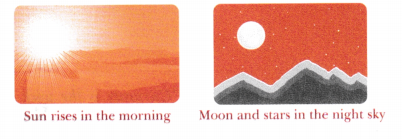
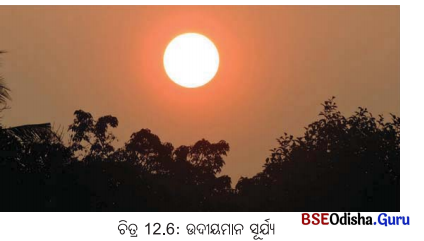
The Sun rises in the morning, while the Moon and the stars become visible in the night sky. All such natural phenomena can be explained by science.
The Wonderful World of Science Class 6 Notes Science Chapter 1 3

The Wonderful World of Science Class 6 Notes Science Chapter 1

Scientific Methods

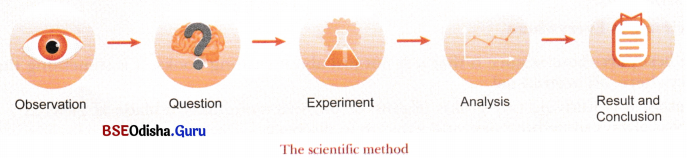
  • The step-by-step method of figuring out a problem is called the scientific method.
  • It involves making observations, asking questions, forming guesses, testing them, and then drawing conclusions.
  • The scientific method helps us find answers in a clear and organised manner. n It is the key to science that helps us approach problems with curiosity, logic, and an open mind.

Generally, the given steps are followed in a scientific method:

  • First, try to observe something which you find interesting or do not understand. This step will make you wonder and perhaps let you think of a question about it.
  • After thinking of a question, try to guess a possible answer to it.
  • Now test your guess through repeated experiments.
  • Analyse the results of your experiments to see if you actually answered your question or not.

Finally, draw a conclusion to arrive at a complete understanding of the problem.
The Wonderful World of Science Class 6 Notes Science Chapter 1 4

People who use the scientific method to solve problems and discover new things are called scientists.

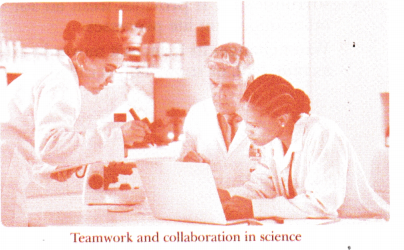
Science is rarely done alone. Scientists often work in teams, which helps combine different ideas and skills together.

Working as a team makes it easier to solve challenging problems and can lead to important discoveries
The Wonderful World of Science Class 6 Notes Science Chapter 1 5

Class 6 Science Chapter 12 Notes Odia Medium ଆମ ବିଶ୍ବ

Go through BSE Odisha Class 6 Science Notes Odia Medium and Class 6 Science Chapter 12 Notes Odia Medium ଆମ ବିଶ୍ବ to understand important concepts and topics more clearly.

6th Class Science Chapter 12 Notes Odia Medium

BSE Odisha Class 6 Science Chapter 12 Notes Odia Medium

ବିଷୟଭିଭିକ ସୂଚନା ଓ ବିଶ୍ଳେଷଣ :

ଯେଉଁଠାରେ ବାୟୁ କିମ୍ବା ଆଲୋକ ପ୍ରଦୂଷଣ ନ ଥାଏ, ସେଠାରେ ରାତିର ଆକାଶର ହଜାର ହଜାର ସଂଖ୍ୟାରେ ନକ୍ଷତ୍ରମାନ ଝଲସୁଥିବାର ଦେଖାଯାଏ । ଏଗୁଡ଼ିକୁ ନିରୀକ୍ଷଣ କଲେ ଆମ ମନରେ ବିସ୍ମୟ ସୃଷ୍ଟି ହୋଇଥାଏ ।

କାର୍ଯ୍ୟ-୧ : ଆସ ଚିତ୍ର ଆଙ୍କିବା

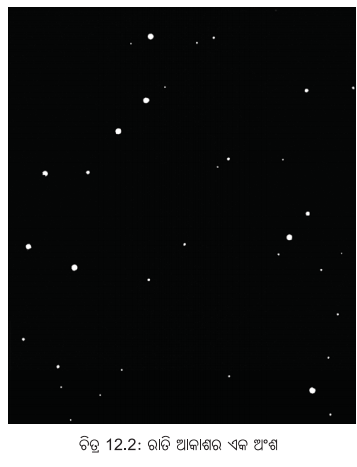
  • ଚିତ୍ରରେ ରାତି ଆକାଶର ଗୋଟିଏ ଅଂଶରେ ଉଜ୍ଜ୍ଵଳ ନକ୍ଷତ୍ର ଦର୍ଶାଯାଇଛି ।
  • ଏହାକୁ ଧ୍ୟାନର ସହ ଦେଖ ଏବଂ ନକ୍ଷତ୍ରମାନଙ୍କଦ୍ୱାରା ଗଠିତ ଏକ ଆକୃତିକୁ କଳ୍ପନା କରିବାକୁ ଚେଷ୍ଟାକର ।
  • ନକ୍ଷତ୍ରଗୁଡ଼ିକୁ ସଂଯୋଗ କରି ଏକ ସଂରଚନା ଅଙ୍କନ କର । ତୁମ ଦ୍ଵାରା ଅଙ୍କାଯାଇଥିବା ଆକୃତି କେଉଁ ପ୍ରାଣୀ କିମ୍ବା ବସ୍ତ ଦେଖାଯାଉଛି, ପରିକଳ୍ପନା କର ଓ ଲେଖ ।
  • ଉପରୋକ୍ତ ସୋପାନଗୁଡ଼ିକର ପୁନରାବୃତ୍ତି କର ଏବଂ କିଛି ଅଧିକ ସଂରଚନା ତିଆରି କର ।
  • ବର୍ତ୍ତମାନ ତୁମେ କଳ୍ପନା କରିଥିବା ଆକୃତିକୁ ନେଇ ଏକ ସୁନ୍ଦର କାହାଣୀ ଚିନ୍ତା କର ।
    Class 6 Science Chapter 12 Notes Odia Medium ଆମ ବିଶ୍ବ 1

ନକ୍ଷତ୍ର ଓ ନକ୍ଷତ୍ରପୁଞ୍ଜ :
ଆକାଶରେ ଥିବା ନକ୍ଷତ୍ରମାନଙ୍କ ମଧ୍ୟରୁ କେତେକ ଉଜ୍ଜ୍ଵଳ ଏବଂ ଆଉ କେତେକ ନିଷ୍ପ୍ରଭ ଅଟନ୍ତି । ନକ୍ଷତ୍ରମାନଙ୍କ ସମାହାରରେ ଗଠିତ ସଂରଚନା ପରିଚିତ ଜିନିଷର ଆକୃତି ପରି ଦେଖାଯାଇଥା’ଛି ।

ପୂର୍ବକାଳରେ ନକ୍ଷତ୍ର ଏବଂ ସେମାନଙ୍କର ସଂରଚନାକୁ ଚିହ୍ନି ଦିଗ ନିର୍ଣ୍ଣୟ କରିବା ଏକ ଉପଯୋଗୀ କୌଶଳ ଥଲା । ଆଧୁନିକ ଜ୍ଞାନକୌଶଳ କିମ୍ବା ଚୁମ୍ବକୀୟ କମ୍ପାସ୍‌ ଆଗମନ ପୂର୍ବରୁ ଏହା ସମୁଦ୍ର ବା ସ୍ଥଳଭାଗରେ ଦିଗ ନିରୂପଣ କରିବାରେ ସାହାଯ୍ୟ କରିଥିଲା ।

Class 6 Science Chapter 12 Notes Odia Medium ଆମ ବିଶ୍ବ

Class 6 Science Chapter 12 Notes Odia Medium ଆମ ବିଶ୍ବ 2
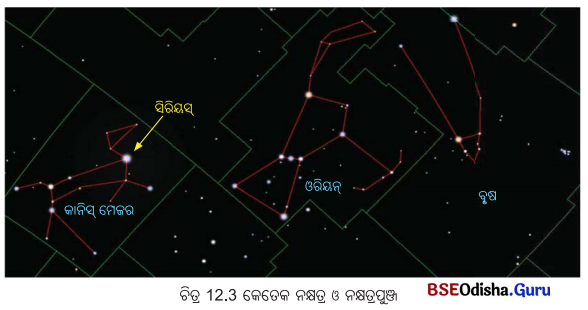
ପୂର୍ବେ ସଂରଚନା ଗଠନ କରୁଥିବା ନକ୍ଷତ୍ରମାନଙ୍କ ସମାହାରକୁ ନକ୍ଷତ୍ର ମଣ୍ଡଳ ବା ନକ୍ଷତ୍ର ପୁଞ୍ଜ କୁହାଯାଉଥିଲା । ବର୍ତ୍ତମାନ ଅନେକାଂଶର ଯେଉଁ ଅଞ୍ଚଳରେ ନକ୍ଷତ୍ରମାନଙ୍କର ଏହି ସମାହାର ଅନ୍ତର୍ଭୁକ୍ତ, ତାହାକୁ ନକ୍ଷତ୍ର ମଣ୍ଡଳ ଭାବରେ ବ୍ୟାଖ୍ୟା କରାଯାଉଛି ।

ଆନ୍ତର୍ଜାତୀୟ ଜ୍ୟୋତିର୍ବିଜ୍ଞାନ ସଂଘ (IAU) ଦ୍ଵାର ବିଂଶ ଶତାବ୍ଦୀର ପ୍ରାରମ୍ଭରେ ଏକ ଆନ୍ତର୍ଜାତିକ ସହମତିପ୍ରାପ୍ତ ୮୮ ଟି ନକ୍ଷତ୍ର ସମୂହର ସୀମାକୁ ତାଲିକାଭୁକ୍ତ କରାଯାଇ ନକ୍ଷତ୍ର ମଣ୍ଡଳ ନାମରେ ନାମିତ କରାଯାଇଛି ।

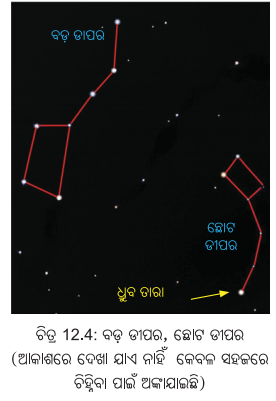
ଉପରୋକ୍ତ ଚିତ୍ରରେ ସହଜ ଚିହ୍ନଟ ପାଇଁ ନକ୍ଷତ୍ରଗୁଡ଼ିକୁ ଏକ କାଳ୍ପନିକ ରେଖାଦ୍ଵାରା ଯୋଡ଼ାଯାଇଛି । ଏଠାରେ ଓରିୟନ ନକ୍ଷତ୍ରକୁ ପ୍ରାୟତଃ ଏକ ଶିକାରୀ ଭାବରେ ପ୍ରଦର୍ଶିତ କରାଯାଇଛି । ମଝିରେ ଥିବା ୩ଟି ନକ୍ଷତ୍ର ଶିକାରୀଙ୍କ ବେଲ୍ଟ ଭଳି ଦେଖାଯାଉଛି ।
Class 6 Science Chapter 12 Notes Odia Medium ଆମ ବିଶ୍ବ 3
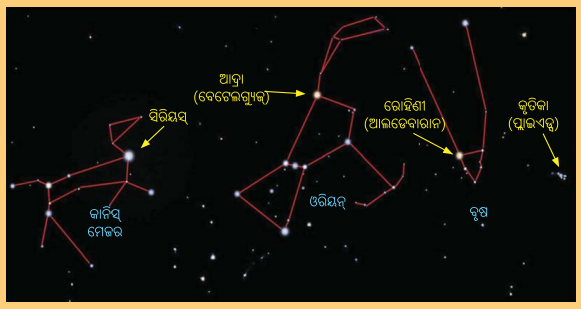
ଭାରତୀୟ ଜ୍ୟୋତିର୍ବିଜ୍ଞାନରେ, ‘ନକ୍ଷତ୍ର’ ଶବ୍ଦଟି ଏକ ନିର୍ଦ୍ଦିଷ୍ଟ ତାରା କିମ୍ବା ତାରାମାନଙ୍କର ଏକ ସମୂହକୁ ସୂଚିତ କରିବା ପାଇଁ ବ୍ୟବହୃତ ହୁଏ, ଯେପରିକି ଆର୍ଦ୍ର (ଓରିଅନ୍ ମଣ୍ଡଳର ବେଟେଲଟ୍ୟୁସ୍ ନାମକ ଏକ ତାରା) ଏବଂ କୃତିକା (ବୃକ୍ଷ ନକ୍ଷତ୍ରରେ ପ୍ଲେଇଏକ୍ସ ନାମକ ଏକ ତାରାମାନଙ୍କର ଏକ ସମୂହ) । ବୃଷ ରାଶିର ଏକ ତାରା ଆଲଡ଼େବାରନଙ୍କୁ ରୋହିଣୀ କୁହାଯାଏ ।

Class 6 Science Chapter 12 Notes Odia Medium ଆମ ବିଶ୍ବ

ଏଠାରେ କଳ୍ପନା କରାଯାଏ ଯେ, ଶିକାରୀ ଓରିଅନ ଓ ତାଙ୍କ କୁକୁର (କାନିସ୍ ମେଜର ନକ୍ଷତ୍ର), ପଛରେ ଏକ ଷଣ୍ଢ (ବୃକ୍ଷ ନକ୍ଷତ୍ର) ସହିତ ଯୁଦ୍ଧ କରୁଅଛି ।

କାନିସ୍ ମେଜରରେ ସିରିୟସ୍ ନାମକ ଏକ ନକ୍ଷତ୍ର ଅଛି, ଯାହା ରାତିର ଆକାଶରେ ସବୁଠାରୁ ଉଜ୍ଜ୍ଵଳ ନକ୍ଷତ୍ର ଅଟେ । ଉପରୋକ୍ତ ଚିତ୍ରରେ ଦୁଇଟି ଭିନ୍ନ ଭିନ୍ନ ନକ୍ଷତ୍ର ମଣ୍ଡଳ, ବଡ଼ ଡୀପର ଏବଂ ଛୋଟ ଦ୍ବୀପର ରହିଅଛି ।

ବଡ଼ ଡୀପର ଉର୍ସା ମେଜର ନକ୍ଷତ୍ରରେ ଅବସ୍ଥିତ ଏବଂ ଛୋଟ ଡୀପର ଉର୍ସା ମାଇନର ନକ୍ଷତ୍ରରେ ଅବସ୍ଥିତ । ଭାରତରେ ବଡ଼ ଡୀପର ସପ୍ତର୍ଷି ମଣ୍ଡଳ ଭାବରେ ଜଣାଶୁଣା, ଏବଂ ଛୋଟ ଡୀପର ପୋଲଷ୍ଟାର ବା ଧ୍ରୁବତାରା ଭାବରେ ଜଣାଶୁଣା ଅଟେ ।
Class 6 Science Chapter 12 Notes Odia Medium ଆମ ବିଶ୍ବ 4
ନକ୍ଷତ୍ର ମଣ୍ଡଳରେ ଥ‌ିବ ତାରାମାନଙ୍କ ସହିତ ଜଡ଼ିତ ସାଧାରଣ ଆଞ୍ଚଳିକ କାହାଣୀ ବ୍ୟତୀତ, ଭାରତର ଅନେକ ବନବାସୀ ସମ୍ପ୍ରଦାୟ କିମ୍ବା ଜନଜାତିମାନଙ୍କର ନକ୍ଷତ୍ରମାନଙ୍କ ବିଷୟରେ ନିଜସ୍ଵ କାହାଣୀ ଅଛି । ଉଦାହରଣ ସ୍ଵରୂପ, ବଡ଼ ଡୀପରରେ ଥିବା ଚାରୋଟି ତାରା ଯାହା ପ୍ରାୟ ଏକ ଆୟତାକାର ଆକୃତି ଗଠନ କରେ, ତାହାକୁ ମଧ୍ୟ – ଭାରତର ଜନଜାତିମାନେ ‘ଜେଜେମା’ଙ୍କ ଖଟ ଭାବରେ ଦେଖନ୍ତି ଏବଂ ଶେଷ ତିନୋଟି ତାରାକୁ ତିନିଜଣ ଚୋର ଏହାକୁ ଚୋରି କରନ୍ତି ବୋଲି ଭାବନ୍ତି । କୋଣାର୍କ ଉପକୂଳରେ ମତ୍ସ୍ୟଜୀବୀମାନେ ଏହି ମଣ୍ଡଳର ଚାରି ତାରାକୁ ଏକ ଡଙ୍ଗା ଭାବରେ ଓ ଶେଷ ତିନୋଟି ତାରା ଡଙ୍ଗାର ମଙ୍ଗ ଭାବରେ କଳ୍ପନା କରନ୍ତି ।

ଧ୍ରୁବତାରା ଉତ୍ତର ଦିଗରେ ସ୍ଥିର ଭାବରେ ଦେଖାଯାଏ, ଯାହା ଉତ୍ତର ଗୋଲାର୍ଦ୍ଧରେ ଉତ୍ତର ଦିଗକୁ ଚିହ୍ନଟ କରିବାରେ ସାହାଯ୍ୟ କରେ । ପୃଥ‌ିବୀର ଦକ୍ଷିଣ ଗୋଲାର୍ଦ୍ଧରୁ ଧ୍ରୁବତାରା ଦୃଶ୍ୟମାନ ହୁଏ ନାହିଁ ।

ରାତିର ଆକାଶ ନିରୀକ୍ଷଣ :
ଏକ ସ୍ପଷ୍ଟ ମେଘମୁକ୍ତ ରାତିରେ, ଆକାଶରେ ବହୁ ସଂଖ୍ୟକ ତାରା ବଡ଼ ସହରରେ ରହୁଛେ, ତେବେ ତୁମେ ଅସ୍ପଷ୍ଟ ଆକାଶ ଏବଂ ଦୃଶ୍ୟମାନ ହୋଇପାରେ । ଯଦି ତୁମେ ଏକ ରାତିରେ ଆକାଶରେ କେବଳ କିଛି ତାରା ଦେଖାଯାଉଥ‌ିବାର ଦେଖୁ । ଏହା ଆଲୋକ ପ୍ରଦୂଷଣ, ଧୂଆଁ ଏବଂ ଧୂଳି ଯୋଗୁଁ ହୋଇଥାଏ ।

ରାତିରେ ଅତ୍ୟଧ‌ିକ କୃତ୍ରିମ ଆଲୋକର ଉପସ୍ଥିତିକୁ ଆଲୋକ ପ୍ରଦୂଷଣ କୁହାଯାଏ । ସମଗ୍ର ବିଶ୍ଵରେ ଆଲୋକ ପ୍ରଦୂଷଣ ଦ୍ରୁତ ଗତିରେ ବୃଦ୍ଧି ପାଉଅଛି ।

ସମଗ୍ର ବିଶ୍ଵରେ କିଛି ଅନ୍ଧାର ଆକାଶକୁ ସଂରକ୍ଷଣ କରି ଉଦ୍ୟାନ ପ୍ରତିଷ୍ଠା କରାଯାଇଛି । ଗବେଷଣା ପାଇଁ ଅନ୍ଧାର ଆକାଶକୁ ସଂରକ୍ଷିତ କରି ରଖୁବା ପାଇଁ ଏହି ଉଦ୍ୟାନରେ ଆଲୋକ ପ୍ରଦୂଷଣକୁ ନିୟନ୍ତ୍ରଣ କରାଯାଉଛି ।

ମୋବାଇଲ୍ ଫୋନ୍‌ରୁ ନକ୍ଷତ୍ର, ନକ୍ଷତ୍ର ପୁଞ୍ଜ ଏବଂ ଗ୍ରହ ଚିହ୍ନଟ ପାଇଁ ସ୍କାଏ ମ୍ୟାପ୍ ଏକ ଅତି ସହଜ ଆପ୍ । ଷ୍ଟେଲାରିୟମ୍ ହେଉଛି ଏଭଳି ଆଉ ଏକ ଆପ୍ । ଷ୍ଟେଲାରିୟମ୍‌ର କମ୍ପ୍ୟୁଟର ସଂସ୍କରଣର ମାଗଣା ଡାଉନ୍‌ଲୋଡ଼୍ କରାଯାଇପାରିବ, ଯେଉଁଥରେ ଅନେକ ବୈଶିଷ୍ଟ୍ୟ ରହିଛି ।

Class 6 Science Chapter 12 Notes Odia Medium ଆମ ବିଶ୍ବ

ରାତିର ଆକାଶ ନିରୀକ୍ଷଣ ପ୍ରସ୍ତୁତି :

  • ବୟସ୍କମାନଙ୍କ ସହାୟତାରେ ରାତିରେ ଆକାଶ ଦେଖିବା ପାଇଁ ଏକ ଅନ୍ଧାରୁଆ ଖୋଲା ଅଞ୍ଚଳ ଚିହ୍ନଟ କର, ଯେଉଁଠାରେ ଆଲୋକ, ଉଚ୍ଚ କୋଠା ଏବଂ ଗଛ ଇତ୍ୟାଦି ନଥ‌ିବ ।
  • ରାତି ଆକାଶରେ ତୁମେ କ’ଣ ଚିହ୍ନଟ କରିବାକୁ ଯୋଜନା କରୁଛି ତାହା ଆଧାରରେ ତାରିଖ ଏବଂ ସମୟ ସ୍ଥିର କର ।
  • ବିଶେଷକରି ଧ୍ରୁବତାରା ଦେଖ‌ିବା ପାଇଁ ମେଘମୁକ୍ତ ଅମାବାସ୍ୟା ରାତି ସ୍ଥିର କର ।
  • ଆକାଶ ମାନଚିତ୍ର ସହିତ ଏକ ମୋବାଇଲ୍ ଆପ୍ ବ୍ୟବହାର କରିବା କିମ୍ବା ତୁମେ ଦେଖିବାକୁ ଯୋଜନା କରୁଥିବା ନକ୍ଷତ୍ରପୁଞ୍ଜର ପ୍ରତିଛବିର ପ୍ରିଣ୍ଟ କରିବା ଉପଯୋଗୀ ହୋଇପାରେ ।
  • ତୁମେ ଦିଗ ନିର୍ଣ୍ଣୟ ପାଇଁ ଏକ ଚୁମ୍ବକୀୟ କମ୍ପାସ୍ ଏବଂ ତୁମର ପର୍ଯ୍ୟବେକ୍ଷଣକୁ ଲେଖୁବା କିମ୍ବା ଆଙ୍କିବା ପାଇଁ ଏକ ଖାତା ମଧ୍ୟ ନେଇପାରିବ ।
  • ନିର୍ଦ୍ଦିଷ୍ଟ ଦିନ ଏବଂ ସମୟରେ, ଜଣେ ବୟସ୍କଙ୍କ ସହିତ ଚିହ୍ନଟ ହୋଇଥିବା ସ୍ଥାନକୁ ଯାଅ ଯେଉଁଠାରେ ରାତିର ଆକାଶ ଦେଖୁରିବ ।

କାର୍ଯ୍ୟ-୨ : ଆସ ଖୋଜିବାକୁ ଚେଷ୍ଟା କରିବା

ଗ୍ରୀଷ୍ମ ଋତୁରେ ରାତିର ପ୍ରଥମ ଭାବରେ, ପ୍ରାୟ ରାତି ୯ଟାରେ ବଡ଼ ଡୀପରକୁ ଖୋଜ । ଆକାଶର ଉତ୍ତର ଭାଗ ଆଡ଼କୁ ଦିଗ୍‌ବଳୟ ଉପରକୁ ଦେଖି ଏବଂ ବଡ଼ ଡୀପରକୁ ଚିହ୍ନଟ କର ।
ଗତି କରୁଛି । ଏହି ବଡ଼ ଡୀପରକୁ ଚିହ୍ନିବା ପରେ, ଧ୍ରୁବ ତାରାକୁ ଖୋଜିବାକୁ ଚେଷ୍ଟା କର । ବଡ଼ ଡୀପରର ଶେଷରେ ଥ‌ିବା ଦୁଇଟି ତାରାକୁ ଦେଖ ଏବଂ କଳ୍ପନା କର ଯେ ଏଗୁଡ଼ିକ ଦେଇ ଉତ୍ତର ଦିଗକୁ ଏକ ସରଳରେଖା ଦୂରତାର ପ୍ରାୟ ପାଞ୍ଚ ଗୁଣ ଦୂରତାରେ, କାଳ୍ପନିକ ରେଖା ଅନ୍ୟ ଦୁଇଟି ତାରା ମଧ୍ୟରେ ଥ‌ିବା ନେଇଯିବ । ଏହି ତାରା ହେଉଛି ଧ୍ରୁବ ତାରା ।
ତୁମେ ରାତିର ଆକାଶରେ ଉଜ୍ଜ୍ଵଳ ନକ୍ଷତ୍ର ଓରିଅନ ଏବଂ ସିରିୟସ୍ ମଧ୍ୟ ପାଇପାରିବ ।

କାର୍ଯ୍ୟ–୩ : ଆସ ଚିହ୍ନଟ କରିବାକୁ ଚେଷ୍ଟା କରିବା

ଭାରତରେ, ଡିସେମ୍ବରରୁ ଏପ୍ରିଲ ମାସ ମଧ୍ୟରେ ସୂର୍ଯ୍ୟାସ୍ତ ପରେ ଓରିଅନକୁ ସବୁଠାରୁ ଭଲ ଭାବରେ ଦେଖୁପାରିବା । ତେଣୁ ସେହି ସମୟ ମଧ୍ୟରେ ଏହାକୁ ଖୋଜ ।

ଗୋଟିଏ ଛୋଟ ସରଳରେଖାରେ ତିନୋଟି ଉଜ୍ଜ୍ଵଳ ତାରା ଓରିଅନ୍‌ ମଧ୍ୟଭାବରେ ଅବସ୍ଥିତ (ଏହାକୁ ଶିକାରୀର ବେଲ୍ଟ ବୋଲି କଳ୍ପନା କରାଯାଇଛି) । ପ୍ରଥମେ ଏହି ତିନୋଟି ତାରାକୁ ଚିହ୍ନଟ କର, କାରଣ ଏହା ଓରିଅନ୍‌କୁ ଖୋଜିବାର ସବୁଠାରୁ ସହଜ ଉପାୟ ।

କେଉଁ ନକ୍ଷତ୍ର ଆମର ସବୁଠାରୁ ନିକଟତର ?
ଉ. ସୂର୍ଯ୍ୟ ଆମର ସବୁଠାରୁ ନିକଟତର ନକ୍ଷତ୍ର । ସୂର୍ଯ୍ୟଙ୍କ ପରବର୍ତ୍ତୀ ପୃଥ‌ିବୀର ନିକଟତମ ନକ୍ଷତ୍ର ହେଉଛି ପ୍ରୋକ୍ସିମା ସେଣ୍ଟାଉରୀ ।

Class 6 Science Chapter 12 Notes Odia Medium ଆମ ବିଶ୍ବ

ଆମ ସୌରଜଗତ

୧. ସୂର୍ଯ୍ୟ

ସୂର୍ଯ୍ୟ ଏକ ନକ୍ଷତ୍ର । ଏହା ପୃଥ‌ିବୀର ନିକଟତମ ନକ୍ଷତ୍ର । ଏହା ଏକ ଅତ୍ୟନ୍ତ ଉତ୍ତପ୍ତ ଗୋଲାକାର ଗ୍ୟାସୀୟ ପିଣ୍ଡ ଏବଂ ପ୍ରଚୁର ପରିମାଣର ଶକ୍ତି ନିର୍ଗତ କରେ, ସେଥ‌ିପାଇଁ ଏହା ଉଜ୍ଜ୍ୱଳ ଦେଖାଯାଏ ।

ସୂର୍ଯ୍ୟ ଚାପ ଏବଂ ଆଲୋକ ଉତ୍ପନ୍ନ କରେ । ପୃଥ‌ିବୀରେ ଶକ୍ତିର ମୁଖ୍ୟ ଉତ୍ସ ହେଉଛି ସୂର୍ଯ୍ୟ । ଏଥ‌ିପାଇଁ ସୂର୍ଯ୍ୟକୁ ସକଳ ଶକ୍ତିର ଆଧାର କୁହାଯାଏ ।
Class 6 Science Chapter 12 Notes Odia Medium ଆମ ବିଶ୍ବ 5
ସୂର୍ଯ୍ୟର ବ୍ୟାସ ପୃଥ‌ିବୀର ବ୍ୟାସଠାରୁ ପ୍ରାୟ ୧୦୦ ଗୁଣ ବଡ଼ ଅଟେ । ପୃଥ‌ିବୀଠାରୁ ବହୁତ ଦୂରରେ ସୂର୍ଯ୍ୟ ଅବସ୍ଥାନ କରିଥିବାରୁ ଏହା ଛୋଟ ଦେଖାଯାଇଥାଏ ।

ପୃଥ‌ିବୀଠାରୁ ସୂର୍ଯ୍ୟର ଦୂରତା ପ୍ରାୟ ୧୫୦ ନିୟୁତ କିଲୋମିଟର ଅଟେ । ସୌରମଣ୍ଡଳ ମଧ୍ୟରେ ଦୂରତା ପ୍ରକାଶ କରିବା ପାଇଁ ଏକ ଉପଯୁକ୍ତ ଏକକ ହେଉଛି ଆଷ୍ଟ୍ରୋନୋମିକାଲ ୟୁନିଟ୍ (a.u.) ଯାହା ପ୍ରାୟତଃ ସୂର୍ଯ୍ୟ ଏବଂ ପୃଥ‌ିବୀ ମଧ୍ୟରେ ଥ‌ିବା ଦୂରତା ସହ ସମାନ ଅଟେ ।

ସୂର୍ଯ୍ୟ ପୃଥ‌ିବୀ ପାଇଁ ସବୁଠାରୁ ଉଜ୍ଜ୍ଵଳ ବସ୍ତୁ ଏବଂ ଆଲୋକ ଓ ଉତ୍ତାପର ଉତ୍ସ ହୋଇଥୁବାରୁ, ଅଥକାଂଶ ପ୍ରାଚୀନ ସଭ୍ୟତାରେ ଏହାକୁ ଦେବତାର ମାନ୍ୟତା ପ୍ରଦାନ କରାଯାଇଥିଲା । ଭାରତରେ ସୂର୍ଯ୍ୟଙ୍କ ଦେବତାଭାବେ ପୂଜା କରାଯାଏ ।

ସୂର୍ଯ୍ୟଦ୍ଵାରା ପ୍ରଦାନ କରାଯାଇଥିବା ଉତ୍ତାପ ‘ପୃଥ‌ିବୀକୁ ଏପରି ଏକ ତାପମାତ୍ରାରେ ରଖେ, ଯାହା ଜୀବର ସ୍ଥିତିକୁ ସମ୍ଭବ କରିଥାଏ । ଉଭିଦମାନଙ୍କ ବୃଦ୍ଧିପାଇଁ ସୂର୍ଯ୍ୟକିରଣ ଅତ୍ୟାବଶ୍ୟକ, ଯାହା ମଣିଷ ସମେତ ପ୍ରାଣୀମାନଙ୍କୁ ଖାଦ୍ୟ ଏବଂ ଅମ୍ଳଜାନ ଯୋଗାଇଥାଏ ।

ସୂର୍ଯ୍ୟ, ଜଳବାୟୁ, ଋତୁଚକ୍ର, ପାଣିପାଗ, ଜଳଚକ୍ର ଓ ବାୟୁପ୍ରବାହ ପାଇଁ ଦାୟୀ ଅଟେ । ଏହି ପ୍ରକ୍ରିୟା ସମୂହ ଯୋଗୁଁ ପୃଥ‌ିବୀରେ ଜୀବନ ବଜାୟ ରଖୁବା ସମ୍ଭବପର ହୋଇପାରିଛି ।

ସୂର୍ଯ୍ୟ ପରେ ଆମର ନିକଟତମ ନକ୍ଷତ୍ର ହେଉଛି ପ୍ରୋକ୍ସିମା ସେଲୌରି ଯାହା ପ୍ରାୟ ୨୬୯୦୦୦ ଆଷ୍ଟ୍ରୋନୋମିକାଲ ଏକକ (a.u.) ଦୂରତାରେ ଅବସ୍ଥିତ । ଅର୍ଥାତ୍‌, ଏହାର ଦୂରତା ସୂର୍ଯ୍ୟଠାରୁ ଆମ ଦୂରତାର ପ୍ରାୟ ୨,୬୯୦୦୦ ଗୁଣ ଅଟେ ।

ସୂର୍ଯ୍ୟଙ୍କ ବ୍ୟତୀତ ଆକାଶରେ ଥିବା ଅନ୍ୟ ବସ୍ତୁଗୁଡ଼ିକ ଆମ ପୃଥ‌ିବୀ ଓ ସୂର୍ଯ୍ୟ ସହ ମିଶି ସୌରଜଗତ ଗଠନ କରିଛନ୍ତି । ଏମାନଙ୍କ ମଧ୍ୟରୁ ଅଧିକାଂଶ ସୂର୍ଯ୍ୟ ଚାରିପାଖରେ ଘୂରିବୁଲନ୍ତି । ସୂର୍ଯ୍ୟ ଚାରିପାଖରେ କୌଣସି ବସ୍ତର ଗତିକୁ ପରିକ୍ରମଣ କୁହାଯାଏ ।

Class 6 Science Chapter 12 Notes Odia Medium ଆମ ବିଶ୍ବ

୨. ଗ୍ରହ

Class 6 Science Chapter 12 Notes Odia Medium ଆମ ବିଶ୍ବ 6
ଗ୍ରହ ହେଉଛି ପ୍ରାୟ ଏକ ବଡ଼ ଗୋଲାକାର ବସ୍ତୁ ଯାହା ସୂର୍ଯ୍ୟ ଚାରିପାଖରେ ଘୂରି ବୁଲୁଥାଏ । ଆମ ପୃଥିବୀ ଏକ ଗ୍ରହ କାରଣ ଏହା ସୂର୍ଯ୍ୟ ଚାରିପାଖରେ ଘୂରିବୁଲୁଛି । ପୃଥ‌ିବୀ ସୂର୍ଯ୍ୟ ଚାରିପାଖରେ ଥରେ ଘୂର୍ଣ୍ଣନ ସମାପ୍ତ କରିବାକୁ ପ୍ରାୟ ଗୋଟିଏ ବର୍ଷ ସମୟ ଲାଗିଥାଏ ।

ସୂର୍ଯ୍ୟଙ୍କ ଚାରିପଟେ ଘୂରି ବୁଲୁଥିବା ବେଳେ ପୃଥ‌ିବୀ ନିଜର ଅକ୍ଷ ଚାରିପଟେ ମଧ୍ଯ ଘୂରିଥାଏ । ଅକ୍ଷ ଚାରିପାଖରେ ଗୋଟିଏ ଘୂର୍ଶନ ପାଇଁ ପୃଥ‌ିବୀକୁ ପ୍ରାୟ ୨୪ ଘଣ୍ଟା ସମୟ ଲାଗିଥାଏ, ଯାହାକୁ ଏକ ଦିନ କୁହାଯାଏ ।

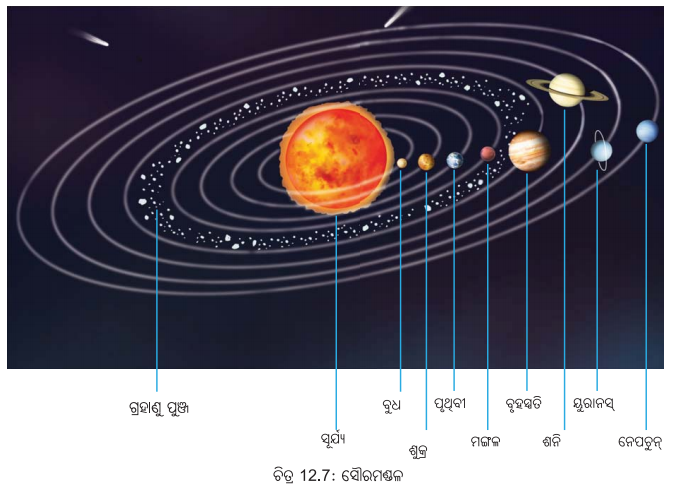
ପୃଥ‌ିବୀ ଭଳି ଅନ୍ୟ ଗ୍ରହମାନେ ମଧ୍ୟ ସୂର୍ଯ୍ୟଙ୍କ ଚାରିପଟେ ଘୂରିବୁଲୁଥିବା ବେଳେ ନିଜ ଅକ୍ଷ ଚାରିପଟେ ମଧ୍ୟ ବୁଲୁଛନ୍ତି । ସୂର୍ଯ୍ୟଠାରୁ ବର୍ଦ୍ଧିତ ଦୂରତା କ୍ରମରେ ଆଠଟି ଗ୍ରହ ରହିଅଛି ଯଥା : ବୁଧ, ଶୁକ୍ର, ପୃଥ‌ିବୀ, ମଙ୍ଗଳ, ବୃହସ୍ପତି, ଶନି, ୟୁରାନସ୍ ଏବଂ ନେପଚୁନ୍ ।

ସୂର୍ଯ୍ୟର ନିକଟତମ ୪ ଟି ଗ୍ରହ ଯଥା : ବୁଧ, ଶୁକ୍ର, ପୃଥ‌ିବୀ ଏବଂ ମଙ୍ଗଳ ଆକାରରେ ଛୋଟ ଅଟନ୍ତି । ଏମାନଙ୍କ ପୃଷ୍ଠ କଠିନ ଓ ପଥରପୂର୍ଣ୍ଣ ଅଟେ ।

ଶୁକ୍ର ଗ୍ରହ ସାଧାରଣତଃ ପାହାନ୍ତିଆ ଏବଂ ସନ୍ଧ୍ୟା ସମୟରେ ଉଜ୍ଜ୍ଵଳ ଭାବରେ ଝଲସୁଥିବାର ଦେଖାଯାଏ, ଏହାକୁ ପାହାନ୍ତି ତାରା ବା ସନ୍ଧ୍ୟା ତାରା ମଧ୍ୟ କୁହାଯାଇଥାଏ । ସେହିପରି ମଙ୍ଗଳ ଗ୍ରହକୁ ଲାଲ ଗ୍ରହ ମଧ୍ୟ କୁହାଯାଏ, କାରଣ ମଙ୍ଗଳ ଗ୍ରହର ମାଟି ଲାଲ ରଙ୍ଗର ହୋଇଥାଏ ।

ପୃଥ‌ିବୀ ପୃଷ୍ଠର ଏକ ବଡ଼ ଅଂଶ ଜଳରେ ଆଚ୍ଛାଦିତ ହୋଇଥ‌ିବାରୁ ମହାକାଶରୁ ଏହା ନୀଳ ଦେଖାଯାଏ । ଏହି କାରଣରୁ ପୃଥ‌ିବୀକୁ ନୀଳ ଗ୍ରହ ମଧ୍ୟ କୁହାଯାଏ ।

ପୃଥ‌ିବୀ ତୁଳନାରେ ୪ଟି ବାହ୍ୟଗ୍ରହ ଯଥା – ବୃହସ୍ପତି, ଶି, ୟୁରେନସ୍ ଏବଂ ନେପ୍‌ଚୁନ୍ ବହୁତ ବଡ଼ ଏବଂ ଅଧିକାଂଶ ଗ୍ୟାସ୍‌ରେ ପୂର୍ଣ ଅଟନ୍ତି । ଏହି ଗ୍ରହମାନଙ୍କ ଚାରିପାଖରେ ବଡ଼ ବଡ଼ ଓସାରିଆ ବଳୟ ସଦୃଶ ମୁଦ୍ରିକା ରହିଥାଏ, ଯାହା ଧୂଳି କଣିକା ଓ ପଥରରେ ନିର୍ମିତ ଅଟେ ।

Class 6 Science Chapter 12 Notes Odia Medium ଆମ ବିଶ୍ବ

ଗ୍ରହଗୁଡ଼ିକ ସେମାନଙ୍କର ଅଧିକାଂଶ ଶକ୍ତି ସୂର୍ଯ୍ୟଙ୍କଠାରୁ ପାଇଥା’ନ୍ତି । ଏମାନେ ଯେତେ ଦୂରରେ ଥାଆନ୍ତି, ସାଧାରଣତଃ ସେତିକି ଥଣ୍ଡା ହୋଇଥା’ନ୍ତି । ଗ୍ରହମାନଙ୍କରେ ବାୟୁମଣ୍ଡଳର ଉପସ୍ଥିତି ଉତ୍ତାପକୁ ପ୍ରଭାବିତ କରିଥାଏ, ଯାହା ଗ୍ରହର ତାପମାତ୍ରାକୁ ଯଥେଷ୍ଟ ପ୍ରଭାବିତ କରେ ।

ଆକଣ୍ଠରେ ପ୍ଲୁଟୋ ନାମକ ଏକ ବସ୍ତୁ ଅଛି, ଯାହା ନେପ୍‌ଚୁଠାରୁ ଅଧିକ ଦୂରରେ ଅବସ୍ଥିତ । ଏହା ସୂର୍ଯ୍ୟଙ୍କ ଚାରିପଟେ ଘୂରିବୁଲୁଛି । ଏହା ପୃଥ‌ିବୀର ଉପଗ୍ରହ ଚନ୍ଦ୍ରଠାରୁ ଛୋଟ ଅଟେ, IAU ସଂଜ୍ଞା ଅନୁଯାୟୀ ପ୍ଲୁଟୋ ଏକ ବାମନ ଗ୍ରହ ଅଟେ ।

କାର୍ଯ୍ୟ-୪ : ଆସ ଚିହ୍ନଟ କରିବା

  • ବର୍ଷର ଅଧୁକାଂଶ ସମୟରେ ଶୁକ୍ର ଗ୍ରହ ପ୍ରଭାତ କିମ୍ବା ସନ୍ଧ୍ୟା ସମୟରେ ଦେଖାଯାଏ ।
  • ଯଦି ତୁମେ ପ୍ରଭାତରେ ଶୁକ୍ରଗ୍ରହ ଦେଖୁଛ, ସୂର୍ଯ୍ୟୋଦୟର ପୂର୍ବରୁ ପୂର୍ବ ଦିଗ ନିକଟରେ ଏହାକୁ ଖୋଜ ।
  • ଯଦି ତୁମେ ସନ୍ଧ୍ୟାବେଳେ ଏହାକୁ ଦେଖୁଛ, ସୂର୍ଯ୍ୟାସ୍ତ ପରେ ପଶ୍ଚିମ ଦିଗ ନିକଟରେ ଖୋଜ !
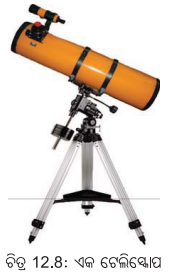
  • ଆକାଶରେ ଥ‌ିବା ଅନେକ ବସ୍ତକୁ ସିଧାସଳଖ ଖାଲି ଆଖିରେ ଦେଖ‌ିବାକୁ ମିଳୁଥିବାବେଳେ, ଦୂରବୀକ୍ଷଣ ବା ଟେଲିସ୍କୋପ୍ ନାମକ ଏକ ଯନ୍ତ୍ର ବ୍ୟବହାର କରି ଆମେ ସେମାନଙ୍କୁ ଉଜ୍ଜଳ ଓ ବଡ଼ ଆକାରରେ ଦେଖିପାରିବା ।
    Class 6 Science Chapter 12 Notes Odia Medium ଆମ ବିଶ୍ବ 7

ପ୍ରାକୃତିକ ଉପଗ୍ରହ

ଏକ ଟେଲିସ୍କୋପ ଗ୍ରହ ଚାରିପଟେ ଗତି କରୁଥିବା ବସ୍ତକୁ ସାଧାରଣତଃ ଉପଗ୍ରହ କୁହାଯାଏ । ଗ୍ରହମାନଙ୍କଠାରୁ ଆକାରରେ ଏମାନେ ଛୋଟ ଅଟନ୍ତି । ପୃଥ‌ିବୀର ଗୋଟିଏ ଚନ୍ଦ୍ର ଥିବାବେଳେ ମଙ୍ଗଳ ଗ୍ରହର ଦୁଇଟି ଚନ୍ଦ୍ର ରହିଛି । ଏହି ଚନ୍ଦ୍ରଗୁଡ଼ିକୁ ଗ୍ରହମାନଙ୍କର ପ୍ରାକୃତିକ ଉପଗ୍ରହ କୁହାଯାଏ ।
ଚନ୍ଦ୍ର
Class 6 Science Chapter 12 Notes Odia Medium ଆମ ବିଶ୍ବ 8
ସାଧାରଣତଃ ଯେ କୌଣସି ବସ୍ତୁ, ଯାହା ବହୁତ ବଡ଼ ବସ୍ତୁ ଚାରିପଟେ ଗତିକରେ, ତାହାକୁ ଉପଗ୍ରହ କୁହାଯାଏ । ପୃଥ‌ିବୀର ପ୍ରାକୃତିକ ଉପଗ୍ରହ ଚନ୍ଦ୍ର, ପୃଥ‌ିବୀ ଚାରିପଟେ ଗୋଟିଏ ଥର ପରିକ୍ରମା କରିବାକୁ ପ୍ରାୟ ୨୭ ଦିନ ସମୟ ନେଇଥାଏ ।

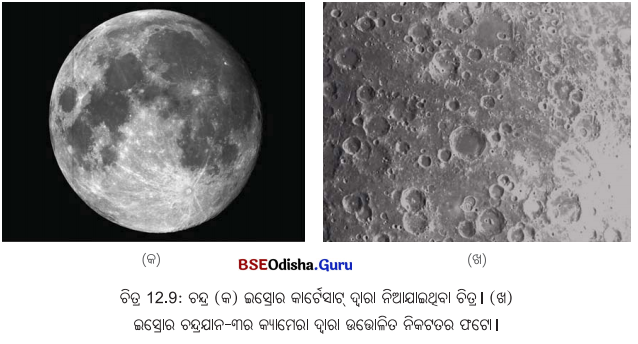
ମହାକାଶରେ ଚନ୍ଦ୍ର ଆମର ନିକଟତମ ପଡ଼ୋଶୀ ଅଟେ । ଚନ୍ଦ୍ରରେ ବାୟୁମଣ୍ଡଳ ନାହିଁ । ଏହା ପୃଥ‌ିବୀଠାରୁ ପ୍ରାୟ ୩,୮୪,୦୦୦ କି.ମି. ଦୂରରେ ରହିଛି । ଏହାର ବ୍ୟାସ ପୃଥ‌ିବୀର ବ୍ୟାସର ପ୍ରାୟ ଏକ ଚତୁର୍ଥାଂଶ ଅଟେ । ଚନ୍ଦ୍ରପୃଷ୍ଠରେ କ୍ରେଟର ନାମକ ଗୋଲାକାର ପାତ୍ର ପରି ଗର୍ଭମାନ ଦେଖାଯାଏ । ମହାକାଶରୁ ଆସିଥିବା ଗ୍ରହାଣୁପୁଞ୍ଜ ବା ପଥରର ପ୍ରଭାବରେ ଚନ୍ଦ୍ରପୃଷ୍ଠରେ ଅଧିକାଂଶ କ୍ରେଟର ସୃଷ୍ଟି ହୋଇଥାଏ । ଚନ୍ଦ୍ରରେ ବାୟୁମଣ୍ଡଳ, ପାଣି କିମ୍ବା ଜୀବନ ମଧ୍ୟ ନାହିଁ ।

ଚନ୍ଦ୍ର ସମ୍ବନ୍ଧରେ ଅଧିକ ଜାଣିବା ପାଇଁ ୨୦୦୮ ରେ ଭାରତର ପ୍ରଥମ ଅଭିଯାନ ଚନ୍ଦ୍ରଯାନ–୧ ଏବଂ ୨୦୧୯ ରେ ଦ୍ଵିତୀୟ ଅଭିଯାନ ଚନ୍ଦ୍ରଯାନ-୨ ପ୍ରେରଣ କରାଯାଇଥିଲା । ୨୦୨୩ ରେ ତୃତୀୟ ଅଭିଯାନ ଚନ୍ଦ୍ରଯାନ-୩ ପ୍ରେରଣ କରାଯାଇଥିଲା ।

ଚନ୍ଦ୍ରଯାନ-୩ ରେ ପ୍ରେରିତ ହୋଇଥ‌ିବା ପ୍ରଜ୍ଞାନ ରୋଭରକୁ ନେଇ ଏହାର ବିକ୍ରମ ଲ୍ୟାଣ୍ଡର ଅଗଷ୍ଟ-୨୩ ତାରିଖ ୨୦୨୩ ରେ ସଫଳତାର ସହିତ ଚନ୍ଦ୍ରରେ ଅବତରଣ କରିଥିଲା । ଏହି ଅଭିଯାନ ସହ ଭାରତ ବିଶ୍ୱର ପ୍ରଥମ ଦେଶ ଭାବେ ଚନ୍ଦ୍ରର ଦକ୍ଷିଣ ମେରୁ ନିକଟରେ ଅବତରଣର ସୌଭାଗ୍ୟ ପାଇଲା ।

ଉପରୋକ୍ତ ସଫଳତା ପାଇଁ ଭାରତ ସରକାର ଅଗଷ୍ଟ-୨୩ କୁ ଭାରତରେ ‘ଜାତୀୟ ମହାକାଶ ଦିବସ?? ଭାବେ ପାଳନ କରିବାକୁ ଘୋଷଣା କରିଛନ୍ତି । ଚତୁର୍ଥ ଅଭିଯାନ ଚନ୍ଦ୍ରଯାନ–୪ ଯୋଜନା କରାଯାଉଛି ଯାହାର ଉଦ୍ଦେଶ୍ୟ ଚନ୍ଦ୍ରପୃଷ୍ଠରୁ ମାଟି ଓ ପଥର ନମୁନା ସଂଗ୍ରହ କରିବା ।

Class 6 Science Chapter 12 Notes Odia Medium ଆମ ବିଶ୍ବ

ଗ୍ରହାଣୁପୁଞ୍ଜ

ସୂର୍ଯ୍ୟ ଓ ଅନ୍ୟ ଗ୍ରହମାନେ ପ୍ରାୟ ଗୋଲକାକୃତି ଅଟନ୍ତି । ସୌରମଣ୍ଡଳରେ ଅନେକ କ୍ଷୁଦ୍ର ବସ୍ତ ଅଛି ଯାହା ପଥର ଏବଂ ଆକୃତିରେ ଅନିୟମିତ ଅଟନ୍ତି । ଏଗୁଡ଼ିକୁ ଗ୍ରହାଣୁ କୁହାଯାଏ ।
ଅନେକ ଗ୍ରହାଣୁ ମଧ୍ୟରୁ ଅଧିକାଂଶ ମଙ୍ଗଳ ଓ ବୃହସ୍ପତିଙ୍କ କକ୍ଷପଥ ମଧ୍ୟରେ ରହି ସୂର୍ଯ୍ୟଙ୍କୁ ପରିକ୍ରମା କରୁଛନ୍ତି । ଏମାନଙ୍କୁ ଏକତ୍ରଭାବେ ଗ୍ରହାଣୁପୁଞ୍ଜ କୁହାଯାଏ । ବେଳେବେଳେ କେତେକ ଗ୍ରହାଣୁ ପୃଥ‌ିବୀର ଅତି ନିକଟ ଦେଇ ଗତି କରିଥା’ନ୍ତି ।

ଧୂମକେତୁ
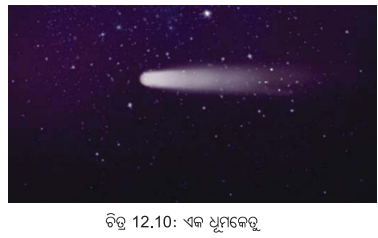
ବେଳେବେଳେ ସୌରମଣ୍ଡଳର ବାହ୍ୟ ଅଞ୍ଚଳରୁ ଉଜ୍ଜ୍ଵଳ ବସ୍ତୁ ଆସି ଆକାଶରେ ଦେଖାଯାଇଥା’ନ୍ତି । ଲମ୍ବା ଲାଞ୍ଜ ଥ‌ିବା ଏହି ବସ୍ତୁଗୁଡ଼ିକୁ ଲଞ୍ଜାତାରା ବା ଧୂମକେତୁ କୁହାଯାଏ ।
Class 6 Science Chapter 12 Notes Odia Medium ଆମ ବିଶ୍ବ 9
ଧୂମକେତୁଗୁଡ଼ିକ ଧୂଳିକଣା, ଗ୍ୟାସ୍, ଛୋଟ ଛୋଟ ପଥର ଖଣ୍ଡ ଓ ବରଫକୁ ନେଇ ଗଠିତ ହୋଇଥାଏ । ଏହା ସୂର୍ଯ୍ୟଙ୍କ ନିକଟତର ହେବା ମାତ୍ରେ ସେଥୁରେ ଜମା ହୋଇଥିବା ପଦାର୍ଥ ବାଷ୍ପୀଭୂତ ହେବାକୁ ଲାଗିଥାଏ ।

ଏହି ବାଷ୍ପୀଭୂତ ପଦାର୍ଥ ଧୂମକେତୁର ଲାଞ୍ଜ ତିଆରି କରେ । ସୂର୍ଯ୍ୟଠାରୁ ଦୂରେଇ ଯିବା ସମୟରେ ଧୂମକେତୁ ଗୁଡ଼ିକ ଅସ୍ପଷ୍ଟ ଦେଖାଯାଆନ୍ତି ଏବଂ ତା’ପରେ ସେମାନଙ୍କୁ ଖାଲି ଆଖୁରେ ଦେଖିବା ସମ୍ଭବ ନୁହେଁ ।

ଗୋଟିଏ ପ୍ରସିଦ୍ଧ ଧୂମକେତୁ ହେଉଛି ହାଲିଙ୍କ ଧୂମକେତୁ, ଯାହା ପ୍ରତି ୭୬ ବର୍ଷରେ ଥରେ ଦେଖାଯାଏ । ଶେଷଥର ପାଇଁ ଏହା ୧୯୮୬ ମସିହାରେ ଏହା ଦେଖାଯାଇଥିଲା । ଧୂମକେତୁଗୁଡ଼ିକ ନିର୍ଦ୍ଦିଷ୍ଟ ସମୟ ବ୍ୟବଧାନରେ ସୂର୍ଯ୍ୟଙ୍କ ନିକଟତର ହୋଇଥାନ୍ତି ।

ସୂର୍ଯ୍ୟ, ଆଠଟି ଗ୍ରହ, ସେମାନଙ୍କର ଚନ୍ଦ୍ର, ଗ୍ରହାଣୁପୁଞ୍ଜ, ଧୂମକେତୁ ସମେତ ଅନେକ କ୍ଷୁଦ୍ର ବସ୍ତ ମିଳିତଭାବେ ସୌରମଣ୍ଡଳ ଗଠନ କରିଥା’ନ୍ତି । ସୂର୍ଯ୍ୟ ହେଉଛି ଆମ ସୌରମଣ୍ଡଳର ସବୁଠାରୁ ବଡ଼ ଏବଂ ଭାରୀ ବସ୍ତୁ । ଏହା ସୌରମଣ୍ଡଳରେ ସମସ୍ତ ଶକ୍ତି ଉତ୍ପାଦନ କରିଥାଏ ।

Class 6 Science Chapter 12 Notes Odia Medium ଆମ ବିଶ୍ବ

ଆକାଶ ଗଙ୍ଗା

Class 6 Science Chapter 12 Notes Odia Medium ଆମ ବିଶ୍ବ 10
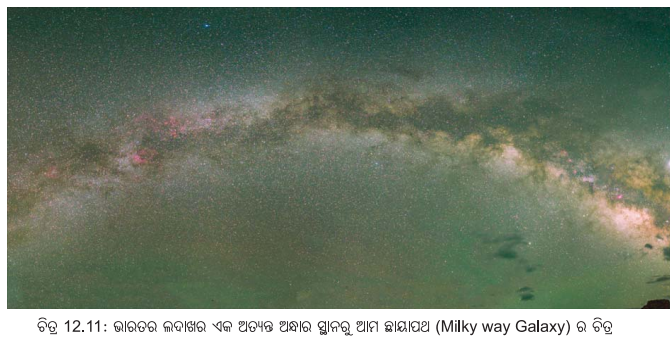
ସହରର ଆଲୋକଠାରୁ ଦୂରରେ ଅନ୍ଧାରୁଆ ସ୍ଥାନରୁ ଅମାବାସ୍ୟା ରାତିର ଆକାଶରେ ଉତ୍ତରରୁ ଦକ୍ଷିଣ ପର୍ଯ୍ୟନ୍ତ ଆଲୋକର ଏକ ବିସ୍ତାରିତ ଅସ୍ପଷ୍ଟ ଧାରା ଦେଖିବାକୁ ମିଳିଥାଏ, ଏହି ଛାୟାପଥକୁ ଆକାଶ ଗଙ୍ଗା କୁହାଯାଏ ।

ଗୋଟିଏ ଛାୟାପଥରେ କୋଟି କୋଟି ନକ୍ଷତ୍ର ରହିଥାଏ । ଆମ ସୌରମଣ୍ଡଳ ହେଉଛି ଆକାଶ ଗଙ୍ଗାର ଏକ ଅଂଶ । ବାହ୍ୟ ମହାକାଶରେ ଆକାଶ ଗଙ୍ଗା ବାହାରେ ଅନେକ ଛାୟାପଥ ରହିଅଛି ।

ବ୍ରହ୍ମାଣ୍ଡ / ବିଶ୍ଵ

  • ବାହ୍ୟ ମହାକାଶରେ ଆକାଶ ଗଙ୍ଗା ବାହାରେ ଅନେକ ଛାୟାପଥ ରହିଛି ।
  • ବୈଜ୍ଞାନିକମାନେ ନକ୍ଷତ୍ର, ଛାୟାପଥ ଏବଂ ବ୍ରହ୍ମାଣ୍ଡକୁ ବୁଝିବାପାଇଁ ଅଧନୟ ଜାରି ରଖୁଛନ୍ତି । ବର୍ତ୍ତମାନ ପର୍ଯ୍ୟନ୍ତ ବୈଜ୍ଞାନିକମାନେ ପୃଥ‌ିବୀ ବାହାରେ ଜୀବସତ୍ତାର କୌଣସି ପ୍ରମାଣ ସଂଗ୍ରହ କରିପାରି ନାହାନ୍ତି । ଏ ସମ୍ବନ୍ଧରେ ଅନୁସନ୍ଧାନ ଏବେବି ଜାରି ରହିଛି ।

ବିଜ୍ଞାନଭିତ୍ତିକ ପ୍ରମୁଖ ଶବ୍ଦ

୧. ସୂର୍ଯ୍ୟ
୨. ଗ୍ରହାଣୁ ପୁଞ୍ଜ
୩. ଗ୍ରହ
୪. ନକ୍ଷତ୍ର ପୁଞ୍ଜ / ତାରକାପୁଞ୍ଜ
୫. ନକ୍ଷତ୍ର
୬. ଧୂମକେତୁ/ଲ ଞ୍ଜାତାରା
୭. ସୌରମଣ୍ଡଳ
୮. ପରିକ୍ରମଣ
୧୦. ଉପଗ୍ରହ
୧୧. ଆକାଶଗଙ୍ଗା
୧୨. ଚନ୍ଦ୍ର
୧୩. ଧ୍ରୁବତାରା

Class 6 Science Chapter 12 Notes Odia Medium ଆମ ବିଶ୍ବ

ବିଷୟବସ୍ତୁର ସାରାଂଶ

  • ଆକାଶକୁ ବିଭିନ୍ନ ନକ୍ଷତ୍ରମଣ୍ଡଳରେ ବିଭକ୍ତ କରାଯାଏ, ଯେଉଁଥ‌ିରେ ବିଭିନ୍ନ ନକ୍ଷତ୍ର ଗୋଷ୍ଠୀ ଅନ୍ତର୍ଭୁକ୍ତ ଯାହା ବିଭିନ୍ନ ଆକୃତି ଗଠନ କରୁଥିବା ଦେଖାଯାଏ ।
  • ଧ୍ରୁବ ତାରା ଉତ୍ତର ଦିଗରେ ସ୍ଥିର ଦେଖାଯାଏ, ଯାହା ଉତ୍ତର ଗୋଲାର୍ଦ୍ଧରେ ଉତ୍ତର ଦିଗ ଚିହ୍ନଟ କରିବାରେ ସାହାଯ୍ୟ କରେ ।
  • ସୂର୍ଯ୍ୟ ଏକ ନକ୍ଷତ୍ର ଯାହ ଉତ୍ତାପ ଏବଂ ଆଲୋକ ଉତ୍ପନ୍ନ କରେ ।
  • ଏକ ଗ୍ରହ ହେଉଛି ଏକ ବୃହତ୍, ପ୍ରାୟତଃ ଗୋଲକାକୃତି ବସ୍ତୁ ଯାହା ସୂର୍ଯ୍ୟଙ୍କ ଚାରିପଟେ ପରିକ୍ରମା କରେ ।
  • ସୂର୍ଯ୍ୟଙ୍କଠାରୁ ଦୂରତା ଅନୁସାରେ ଥ‌ିବା ଆଠଟି ଗ୍ରହ ହେଲେ ବୁଧ, ଶୁକ୍ର, ପୃଥ‌ିବୀ, ମଙ୍ଗଳ, ବୃହସ୍ପତି, ଶନି, ୟୁରେନସ୍ ଓ ନେପଚୁନ୍ ।
  • ପୃଥ‌ିବୀ ପ୍ରାୟ ଏକ ବର୍ଷରେ ଥରେ ସୂର୍ଯ୍ୟଙ୍କ ଚାରିପଟେ ପରିକ୍ରମା କରିଥାଏ ।
  • ଗ୍ରହ ଚାରିପଟେ ଗତି କରୁଥିବା ବସ୍ତକୁ ସାଧାରଣତଃ ଉପଗ୍ରହ କୁହାଯାଏ ।
  • ଚନ୍ଦ୍ର ହେଉଛି ପୃଥ‌ିବୀର ପ୍ରାକୃତିକ ଉପଗ୍ରହ ।
  • ଚନ୍ଦ୍ର ପ୍ରାୟ 27 ଦିନରେ ପୃଥ‌ିବୀ ଚାରିପଟେ ପରିକ୍ରମଣ କରିଥାଏ ।
  • ସୂର୍ଯ୍ୟ, ଆଠଟି ଗ୍ରହ, ସେମାନଙ୍କର ଚନ୍ଦ୍ର ଏବଂ ତାରା ଓ ଧୂମକେତୁ ସମେତ ଅନେକ କ୍ଷୁଦ୍ର ମହାଜାଗତିକ ବସ୍ତ ମିଳିତ ଭାବେ ସୌରଜଗତ ଗଠନ କରନ୍ତି ।
  • ଆମ ସୌରଜଗତ ହେଉଛି ଆକାଶ ଗଙ୍ଗାର ଏକ ଅଂଶ ।

Class 6 Science Chapter 11 Notes Odia Medium ପ୍ରାକୃତିକ ସମ୍ପଦ

Go through BSE Odisha Class 6 Science Notes Odia Medium and Class 6 Science Chapter 11 Notes Odia Medium ପ୍ରାକୃତିକ ସମ୍ପଦ to understand important concepts and topics more clearly.

6th Class Science Chapter 11 Notes Odia Medium

BSE Odisha Class 6 Science Chapter 11 Notes Odia Medium

ବିଷୟଭିଭିକ ସୂଚନା ଓ ବିଶ୍ଳେଷଣ :

ପ୍ରକୃତି ଆମର ବଞ୍ଚିବା ପାଇଁ ଆବଶ୍ୟକ ସମ୍ବଳ ପ୍ରଦାନ କରିଥାଏ । ପ୍ରକୃତିରୁ ମିଳୁଥିବା ସମ୍ପଦକୁ ପ୍ରାକୃତିକ ସମ୍ପଦ କୁହାଯାଏ । ବାୟୁ, ଜଳ, ସୌରଶକ୍ତି, ଜଙ୍ଗଲ, ମାଟି, ପଥର, ଖଣିଜ ପଦାର୍ଥ ଓ ଜୀବାଶ୍ମ ଇନ୍ଧନ ଇତ୍ୟାଦି ପ୍ରାକୃତିକ ସମ୍ପଦର ଉଦାହରଣ ଅଟନ୍ତି ।

ପ୍ରକୃତିର ଏହି ସମ୍ପଦ ବିନା ପୃଥ‌ିବୀରେ ଜୀବସଭା ସମ୍ଭବ ନୁହେଁ । ଆମେ ସମସ୍ତେ ପ୍ରତ୍ୟକ୍ଷ ବା ପରୋକ୍ଷଭାବେ ପ୍ରକୃତି ଉପରେ ନିର୍ଭରଶୀଳ । ଆମେ ପ୍ରକୃତିଠାରୁ ଅନେକ ସମ୍ବଳ ପାଇଥାଉ ଏବଂ ଏହାକୁ ବ୍ୟବହାର କରି ଆମ
ଆବଶ୍ୟକ ଜିନିଷ ତିଆରି କରିଥାଉ ।

ପ୍ରକୃତିର ଅନେକ ସମ୍ପଦ ଅଛି, ଯାହା ଆମ ଜୀବଙ୍କୁ ସମୃଦ୍ଧ କରିଥାଏ । ଶୁଦ୍ଧ ଓ ନିର୍ମଳ ବାୟୁ ଏବଂ ଉର୍ବର ମାଟି ବିଭିନ୍ନ ଜୀବଜନ୍ତୁଙ୍କ ପାଇଁ ସହାୟକ ହୋଇଥାଏ । ସୂର୍ଯ୍ୟକିରଣ ସମସ୍ତ ଜୀବଜନ୍ତୁ, ଉଭିଦ, ବିଭିନ୍ନ ପଶୁ ଓ କୀଟ ପତଙ୍ଗ ପାଇଁ ଉପଯୋଗୀ ହୋଇଥାଏ ।

ଆମେ ବଞ୍ଚିବା ପାଇଁ ଏବଂ ପ୍ରକୃତିର ଏହି ସମ୍ପଦ ବିନା ଜୀବନକୁ ଅଧ‌ିକ ଆରାମଦାୟକ କରିବାପାଇଁ ଜଳସମ୍ପଦର ଆବଶ୍ୟକତା ରହିଛି । ପୃଥ‌ିବୀରେ ଜୀବ ସଭାସମ୍ଭବ ନୁହେଁ । ଆମେ ପ୍ରକୃତି ଉପରେ ନିର୍ଭରଶୀଳ ।

ଆମେ ପ୍ରାକୃତିକ ସମ୍ପଦକୁ ସଂରକ୍ଷଣ କରିବା ସହ ଏହାକୁ ନଷ୍ଟ ନକରି ଦାୟିତ୍ଵପୂର୍ଣ୍ଣ ଭାବେ ବ୍ୟବହାର କରିବା ଆବଶ୍ୟକ । ଏହାଦ୍ଵାରା ଆମେ ପରିବେଶକୁ କ୍ଷତି ନ ପହଞ୍ଚାଇ ବର୍ତ୍ତମାନର ଆବଶ୍ୟକତାକୁ ପୂରଣ କରିପାରିବା ସହିତ ଭବିଷ୍ୟତ ପାଇଁ ମଧ୍ଯ ସଞ୍ଚୟ କରିପାରିବ ।

Class 6 Science Chapter 11 Notes Odia Medium ପ୍ରାକୃତିକ ସମ୍ପଦ

ପୃଥ‌ିବୀ ମଣିଷର ଆବଶ୍ୟକତା ପୂରଣ ପାଇଁ ଯଥେଷ୍ଟ ସମ୍ବଳ ଯୋଗାଇଛି, ମଣିଷର ଲୋଭ ମେଣ୍ଟାଇବା ପାଇଁ ନୁହେଁ ।
ମହାତ୍ମା ଗାନ୍ଧୀ

ବାୟୁ
ଗଭୀର ଭାବେ ପ୍ରଶ୍ଵାସ ନେଲେ ଫୁସ୍‌ଫୁସ୍‌କୁ ଅଧ‌ିକ ପରିମାଣରେ ବିଶୁଦ୍ଧ ବାୟୁ ଯାଇଥାଏ । ଏହାଦ୍ଵାରା ଆମେ ସୁସ୍ଥ ରହୁ । ପ୍ରଶ୍ଵାସ ବାୟୁରେ ଅମ୍ଳଜାନ ରହିଥାଏ । ଏହା ଶରୀରର ବିଭିନ୍ନ କାର୍ଯ୍ୟ ସମ୍ପାଦନ ପାଇଁ ଆବଶ୍ୟକ ଅଟେ ।

କାର୍ଯ୍ୟ–୧ : ଆସ ଅନୁଭବ କରିବା

  • ଥରେ ଗଭୀର ପ୍ରଶ୍ଵାସ ନିଅ, ଏବଂ ତା’ପରେ ଧୀରେ ଧୀରେ ନିଃଶ୍ଵାସ ଛାଡ଼ ।
  • ପୁଣି ଗଭୀର ପ୍ରଶ୍ଵାସ ନିଅ ।
  • ଯଥାସମ୍ଭବ ପ୍ରଶ୍ଵାସ ବାୟୁକୁ ଅଟକାଇ ରଖ ଏବଂ ପରେ ଧୀରେ ଧୀରେ ଏହାକୁ ଛାଡ଼ ।
  • ତୁମେ ତୁମ ପ୍ରଶ୍ଵାସ ବାୟୁକୁ କେତେ ସମୟ ଅଟକାଇ ରଖୁପାରିବ ?
  • ପ୍ରଶ୍ଵାସ ବାୟୁକୁ ଅଟକାଇଲେ କେମିତି ଅନୁଭବ କର ?
  • ଦୀର୍ଘ ସମୟ ପର୍ଯ୍ୟନ୍ତ ପ୍ରଶ୍ଵାସ ବାୟୁକୁ ଅଟକାଇ ରଖୁଲେ ଶରୀରର କାର୍ଯ୍ୟ ସମ୍ପାଦନ ପାଇଁ ପର୍ଯ୍ୟାପ୍ତ ପରିମାଣରେ ଅମ୍ଳଜାନ ମିଳି ନଥାଏ ! ସୁତରାଂ ଆମର ବଞ୍ଚିବା ପାଇଁ ଅମ୍ଳଜାନ ଆବଶ୍ୟକ ଅଟେ । ଏହିପରି ସମସ୍ତ ଜୀବଜନ୍ତୁଙ୍କ ବଞ୍ଚିବା ପାଇଁ ମଧ୍ୟ ଅମ୍ଳଜାନ ଆବଶ୍ୟକ ।
    Class 6 Science Chapter 11 Notes Odia Medium ପ୍ରାକୃତିକ ସମ୍ପଦ 1
    ଖାଦ୍ୟ କିମ୍ବା ପାଣି ବିନା ଆମେ ଅଳ୍ପ କିଛି ଦିନ ବଞ୍ଚିପାରିବା, କିନ୍ତୁ ଅମ୍ଳଜାନ ବିନା ଆମେ କିଛି ମିନିଟ୍ ମଧ୍ୟ ବଞ୍ଚିପାରିବା ନାହିଁ ।

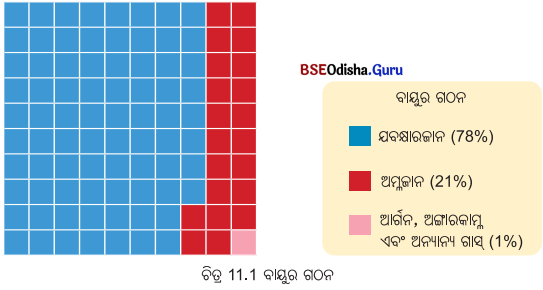
ଉପରୋକ୍ତ ଚିତ୍ରରେ 100 ଟି କ୍ଷୁଦ୍ରାକାର ବର୍ଗକ୍ଷେତ୍ର ରହିଛି । ଏଥ‌ିମଧ୍ୟରୁ 78 ଟି ଯବକ୍ଷାରଜାନ, 21 ଟି ଅମ୍ଳଜାନ ଓ ଗୋଟିଏ ଆର୍ଶନ, ଅଙ୍ଗାରକାମ୍ଳ ଓ ଅନ୍ୟାନ୍ୟ ଗ୍ୟାସ୍ ଦ୍ଵାରା ସୂଚିତ ହୋଇଅଛି ।

Class 6 Science Chapter 11 Notes Odia Medium ପ୍ରାକୃତିକ ସମ୍ପଦ

ଶତକଡ଼ା ହେଉଛି 100 ରୁ କେତୋଟି ଅଂଶ ସଂଖ୍ୟା । ଏହାକୁ ‘%’ ଚିହ୍ନ ଦ୍ଵାରା ସୂଚିତ କରାଯାଏ ।

ପୃଥ‌ିବୀକୁ ଘେରି ରହିଥ‌ିବା ବାୟୁ ବିଭିନ୍ନ ଗ୍ୟାସର ମିଶ୍ରଣ ଅଟେ । ଗତିଶୀଳ ବାୟୁକୁ ପବନ କୁହାଯାଏ । ଏହି ପବନ ଶକ୍ତିକୁ ବ୍ୟବହାର କରି ପବନ କଳଦ୍ଵାରା ଅଟାକଳ ଚଳାଇବା, କୂଅରୁ ପାଣି ଉଠାଇବା କିମ୍ବା ବିଦ୍ୟୁତ୍ ଉତ୍ପାଦନ ପାଇଁ ବ୍ୟବହାର କରାଯାଇପାରିବ ।

କାର୍ଯ୍ୟ-୨ : ଆସ ତିଆରି କରିବା

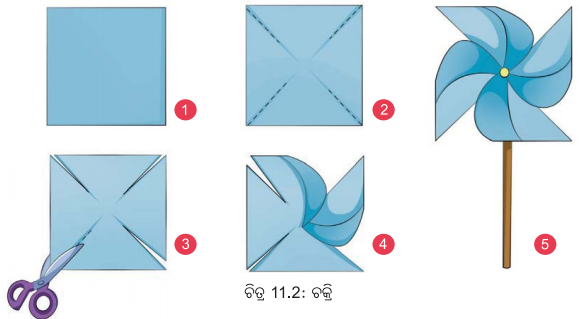
15 ସେ.ମି. × 15 ସେ.ମି. ଆକାରର ଏକ ବର୍ଗାକୃତି କାଗଜ, ଏକ କଇଁଞ୍ଚି, ଏକ ଆଲ୍‌ପିନ୍ ଏବଂ ଏକ କାଠି ନିଅ । ଚକ୍ରି ତିଆରି କରିବା ପାଇଁ ଚିତ୍ରରେ ଦର୍ଶାଯାଇଥିବା ସୂଚନା ଅନୁସରଣ କର ।
Class 6 Science Chapter 11 Notes Odia Medium ପ୍ରାକୃତିକ ସମ୍ପଦ 2
ଏବେ ତୁମେ ଚକ୍ରିକୁ ହାତରେ ଧରି ଦୌଡ଼ିପାରିବ । ଏହାକୁ ମଧ୍ୟ ତୁମେ ଫୁଙ୍କିପାରିବ । ଯେତେବେଳେ ତୁମେ ଏହାକୁ ଟିକିଏ ଆଗପଛ କରୁଛ ଏହା ବୁଲୁଛି । ପବନ ଏହି ଚକ୍ରିକୁ ବୁଲାଇଲା ।

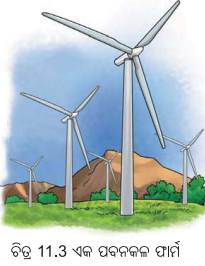
ଭାରତରେ ଅନେକ ପବନ କଳ ଫାର୍ମ ରହିଛି । ପବନକଳ ଫାର୍ମ ହେଉଛି ଏକ ଅଞ୍ଚଳ ଯେଉଁଠାରେ ବହୁ ସଂଖ୍ୟକ ପବନ କଳ ରହିଥାଏ । ଏଠାରେ ବିଜୁଳି ଉତ୍ପାଦନ ପାଇଁ ପବନର ଶକ୍ତିକୁ ବ୍ୟବହାର କରାଯାଏ ।

ପବନକଳର କାମ ଏହି ଚକ୍ରି ଭଳି ହୋଇଥାଏ । ପବନଦ୍ଵାରା ପବନକଳର ଡେଣା ବୁଲିଥାଏ । ଅଟାକଳ ଚଲାଇବା, କୂଅରୁ ପାଣି ଉଠାଇବା କିମ୍ବା ବିଦ୍ୟୁତ୍ ଉତ୍ପାଦନ ପାଇଁ ପବନକଳ ବ୍ୟବହାର କରାଯାଇଥାଏ । ପବନକଳ ଫାର୍ମ ଏକ ଅଞ୍ଚଳ ଯେଉଁଠାରେ ଅନେକ ପବନକଳ ଥାଏ । ଏଠାରେ ବିଜୁଳି ଉତ୍ପାଦନ ପାଇଁ ପବନର ଶକ୍ତିକୁ ବ୍ୟବହାର କରାଯାଏ ।
Class 6 Science Chapter 11 Notes Odia Medium ପ୍ରାକୃତିକ ସମ୍ପଦ 3
ତାମିଲନାଡୁର ମୁପାଣ୍ଡଲ ପବନ କଳ ଫାର୍ମ, ରାଜସ୍ଥାନର ଜୈସଲମେର ପବନକଳ ପାର୍କ, ମହାରାଷ୍ଟ୍ରର ବ୍ରାହ୍ମଣଭେଲର ପବନ କଳ ଫାର୍ମ ଆମ ଦେଶର କେତେକ ଅଗ୍ରଣୀ ପବନକଳ ଫାର୍ମ ।

ଓଡ଼ିଶାରେ ପବନ ଶକ୍ତିର ଯଥେଷ୍ଟ ସମ୍ଭାବନା ରହିଅଛି । ଜାତୀୟ ପବନ ଶକ୍ତି ପ୍ରତିଷ୍ଠାନ କୋରାପୁଟ, ପୁରୀ ଏବଂ ଗଞ୍ଜାମ ଭଳି ଜିଲ୍ଲାରେ ସମ୍ଭାବ୍ୟ ସ୍ଥାନ ନିରୂପଣ କରିଛନ୍ତି ।

ନେଦରଲ୍ୟାଣ୍ଡକୁ ‘ପବନ କଳର ଦେଶ’ ବୋଲି କୁହାଯାଏ । ଚିକାଗୋ ସହରକୁ ‘ପବନ ସହର’ ଭାବରେ ସର୍ବାଧ‌ିକ ସ୍ଵୀକୃତି ପ୍ରଦାନ କରାଯାଇଛି । ଭାରତରେ ଗୁଜୁରାଟ ହେଉଛି ପବନ ଶକ୍ତି ଉତ୍ପାଦନ କ୍ଷେତ୍ରରେ ପ୍ରଥମ ସ୍ଥାନ ଅଧିକାର ରାଜ୍ୟ ।

Class 6 Science Chapter 11 Notes Odia Medium ପ୍ରାକୃତିକ ସମ୍ପଦ

ଜଳ

  • ଜଳର ବିଭିନ୍ନ ଉତ୍ସ : ଲବଣାକ୍ତ ଜଳ (ସମୁଦ୍ର), ମଧୁର ଜଳ (ନଦୀ, ପୋଖରୀ), ମେରୁ ଅଞ୍ଚଳର ବରଫ, ଭୂତଳ ଜଳ, ନଦୀ ଓ ହ୍ରଦରେ ଗଚ୍ଛିତ ଜଳ, ମୃତ୍ତିକାସ୍ଥ ଜଳ ଓ ଜଳୀୟବାଷ୍ପ, ବାୟୁମଣ୍ଡଳର ଜଳୀୟବାଷ୍ପ ଇତ୍ୟାଦି ।
  • ପୃଥ‌ିବୀ ପୃଷ୍ଠର ପ୍ରାୟ ଦୁଇ ତୃତୀୟାଂଶକୁ ଜଳ ଘେରି ରହିଥାଏ । ଅଧିକାଂଶ ଜଳ ସମୁଦ୍ର ଓ ମହାସାଗରରେ ମିଶିଥାଏ, କିନ୍ତୁ ଏହି ଜଳ ଲବଣାକ୍ତ ଅଟେ । ଏହି ଲୁଣି ଜଳ ଘରେ, କୃଷି ଓ ଶିଳ୍ପରେ ବ୍ୟବହୃତ ହୋଇ ନଥାଏ ।
  • ଉପରୋକ୍ତ କାର୍ଯ୍ୟ ପାଇଁ ମଧୁର ଜଳର ଆବଶ୍ୟକତା ପଡ଼ିଥାଏ । ଜଳ ମୂଲ୍ୟବାନ ଅଟେ ।

କାର୍ଯ୍ୟ-୩ : ଆସ ଜାଣିବା

ସାରଣୀ–୧ : ଦୈନନ୍ଦିନ କାର୍ଯ୍ୟରେ ଜଳ ଅପଚୟ

ସ୍ତମ୍ଭ 1 ସ୍ତମ୍ଭ 2 ସ୍ତମ୍ଭ 3
କାର୍ଯ୍ୟ ଜଳ କେମିତି ନଷ୍ଟ ହେଉଛି ଜଳ ଅପଚୟ ହ୍ରାସ କରିବାର ଉପାୟ
1. ହାତ ଧୋଇବା ଟ୍ୟାପ୍ ଖୋଲ ରଖ୍ ଦୀର୍ଘ ସମୟ ଧରି ମୁହଁ ହାତ ଧୋଇବା ମୁହଁ ହାତ ଧୋଇବା ସମୟରେ କେବଳ ଆବଶ୍ୟକ ବେଳେ ଟ୍ୟାପ୍ ଖୋଲିବା
2. ପୋଷାକ ଧୋଇବା ଅତ୍ୟଧ୍ଵକ ସାବୁନ ଓ ୱାଶିଂ ପାଉଡ଼ର ବ୍ୟବହାର କରି ସଫା କରିବା, ମଇଳା ହୋଇନଥିବା ପୋଷାକ ସଫାକରିବା କେବଳ ମଇଳା ପୋଷାକ ସଫାକରିବା ଓ ଆବଶ୍ୟକ ୱାଶିଂ ପାଉଡ଼ର ବ୍ୟବହାର କରିବା
3. ବାସନ ଧୋଇବା ଟ୍ୟାପ୍ ଖୋଲ ରଖ୍ ଅଇଁଠା ବାସନ ଧୋଇବା କେବଳ ଆବଶ୍ୟକ ବେଳେ ଟ୍ୟାପ୍ ଖୋଲି ବା
4. ସ୍ନାନ କରିବା ଅଧିକ ସମୟଧରି ସ୍ନାନ କରିବା କମ୍ ସମୟ ସ୍ନାନ କରିବା, କମ୍ ସାୱାର ବ୍ୟବହାର କରିବା
5. ରୋଷେଇ କରିବା ପରିବା ଧୋଇବାରେ ଅଧିକ ଜଳ ବ୍ୟବହାର କରିବା ପ୍ରେସର କୁକର ବ୍ୟବହାର
6. ବଗିଚା କାମ କରିବା ଗଛ ମୂଳରେ ଆବଶ୍ୟକତାଠାରୁ ଅଧୂକ ପାଣି ଦେବା ସିଞ୍ଚନ ପ୍ରଣାଳୀ ଅବଲମ୍ବନ / ବୁନ୍ଦା ଜଳସେଚନ କରି ବା
7. ଦାନ୍ତ ଘଷିବା ଦାନ୍ତ ଘଷିବା ସମୟରେ ଦୀର୍ଘ ସମୟ ଧରି ଟ୍ୟାପ୍ ଖୋଲା ରଖୁ ବା କେବଳ ମୁହଁ ଧୋଇବା ସମୟରେ ଟାପ୍ ଖୋଲିବା ଓ ଅନ୍ୟ ସମୟରେ ଟ୍ୟାପ୍ ବନ୍ଦ ରଖ୍ ବା

ଆମ ଦେଶରେ ଅନେକ ନଦୀ, ଝରଣା ଓ ହ୍ରଦ ରହିଅଛି । ଘର ଓ ଶିଳ୍ପରୁ ବାହାରୁଥ‌ିବା ବର୍ଜ୍ୟବସ୍ତୁକୁ ଜଳ ଉତ୍ସରେ ପକାଇବା ଦ୍ଵାରା ଜଳ ଦୂଷିତ ହୋଇଥାଏ । ପ୍ରଦୂଷିତ ଜଳ ଜୀବମାନଙ୍କର ବ୍ୟବହାର ପାଇଁ ଉପଯୋଗୀ ନୁହେଁ ।
Class 6 Science Chapter 11 Notes Odia Medium ପ୍ରାକୃତିକ ସମ୍ପଦ 4
Class 6 Science Chapter 11 Notes Odia Medium ପ୍ରାକୃତିକ ସମ୍ପଦ

ବିଭିନ୍ନ ପ୍ରକାର ପ୍ରଦୂଷକଦ୍ଵାରା ଜଳ ଦୂଷିତ ହୋଇଥାଏ । ଏହି ପ୍ରଦୂଷକଗୁଡ଼ିକ ହେଲା – ବିଷାକ୍ତ ଖଣିଜ ଦ୍ରବ୍ୟ, ହାଇଡ୍ରୋକାର୍ବନ ଆବର୍ଜନା, କୀଟନାଶକ, ରାସାୟନିକ ସାର, ସଂକ୍ରମଣକାରୀ କାରକ ଇତ୍ୟାଦି ।

ମଧୁର ଜଳର ଉତ୍ସ ସୀମିତ ଥ‌ିବାରୁ ଭାରତର ଅନେକ ସ୍ଥାନରେ ଜଳର ଅଭାବ ଦେଖାଯାଉଛି । ଜଳ ସଂରକ୍ଷଣ କରି ଏହାର ଉପଯୁକ୍ତ ବ୍ୟବହାର କରିବା ଆମ ପାଇଁ ଜରୁରୀ ଅଟେ ।

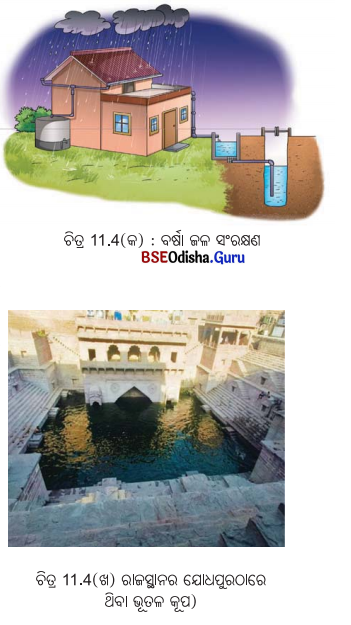
‘ବର୍ଷା ଜଳ ଅମଳ’ ଜଳ ସଂରକ୍ଷଣର ଅନ୍ୟତମ ପଦ୍ଧତି ଅଟେ । ଛାତଘରମାନଙ୍କରେ ବର୍ଷାଜଳକୁ ସଂଗ୍ରହ କରାଯାଇ ପରବର୍ତୀ ସମୟରେ ବ୍ୟବହାର ପାଇଁ ବିପୁଳ ପରିମାଣରେ ସଂରକ୍ଷଣ କରାଯାଇପାରିବ ।

କେବଳ ବର୍ଷାଜଳ ନୁହେଁ, ନିକଟସ୍ଥ ହ୍ରଦ, ପୋଖରୀ ଓ ନଦୀରୁ ବୋହି ଆସୁଥିବା ଜଳକୁ ମଧ୍ୟ ସଂରକ୍ଷଣ କରାଯାଇପାରିବ । ନଦୀବନ୍ଧ ଯୋଜନା, ଜଳଛାୟା ପରିଚାଳନା ଓ ଜଳର ପୁନଶ୍ଚ କ୍ରଣଦ୍ଵାରା ଜଳ ପ୍ରଦୂଷଣକୁ ନିୟନ୍ତ୍ରଣ କରାଯାଇପାରିବ ।

ପ୍ରକଳ୍ପ କାର୍ଯ୍ୟ :
ତୁମ ଅଞ୍ଚଳରେ ପାରମ୍ପରିକ ଜଳ ସଂରକ୍ଷଣ ଉପାୟ ସନ୍ଧାନ କର । ଏହା ବିଷୟରେ ଅଧିକ ଜାଣିବା ପାଇଁ ତୁମ ଶିକ୍ଷକ ଏବଂ ଅଭିଭାବକଙ୍କ ସହ ଆଲୋଚନା କର ।
(ଶିକ୍ଷକ ପ୍ରକଳ୍ପକାର୍ଯ୍ୟଟିକୁ ବ୍ୟକ୍ତିଗତ ଭାବେ କରାଇବେ ଏବଂ ଏହାର ଉପସ୍ଥାପନ କରାଇବେ ।)

ବିଶ୍ବ ଜଳ ଦିବସର ଗୁରୁତ୍ଵ :
ପ୍ରତ୍ୟେକ ବର୍ଷ ମାର୍ଚ୍ଚ 22 ତାରିଖରେ ‘ବିଶ୍ଵ ଜଳ ଦିବସ’ ପାଳନ କରାଯାଏ । ମଧୁର ଜଳର ଗୁରୁତ୍ଵ ସମ୍ବନ୍ଧରେ ସଚେତନତା ବୃଦ୍ଧି କରିବା ଏବଂ ପୃଥ‌ିବୀର ସମସ୍ତ ଜଳ ସମ୍ପଦର ସ୍ଥାୟୀ ପରିଚାଳନା କରିବା ଏହାର ମୁଖ୍ୟ ଉଦ୍ଦେଶ୍ୟ ଅଟେ ।

  1. ପାଣି ବଞ୍ଚାଅ ଜୀବନ ବଞ୍ଚାଅ’
  2. ‘ପ୍ରତ୍ୟେକ ବୁନ୍ଦା ଜଳ ମୂଲ୍ୟବାନ’
  3. ‘ଜଳ ନାହିଁ ତ ଜୀବନ ନାହିଁ’
  4. ‘ଆଜି ପାଣି ସଞ୍ଚୟ କରନ୍ତୁ, କାଲିକୁ ସୁରକ୍ଷିତ ରଖନ୍ତୁ’
  5. ‘ଜଳ ବିରଳ ହେବା ପୂର୍ବରୁ ଯନ୍ ନେବାର ସମୟ ଆସିଛି’
  6. ‘ଜଳ ସଂରକ୍ଷଣ କରନ୍ତୁ, ଜୀବନ ରକ୍ଷା କରନ୍ତୁ’
  7. ଏବେ କାର୍ଯ୍ୟ କରନ୍ତୁ ! ଜଳ ବଞ୍ଚାନ୍ତୁ, ଜୀବନ ବଞ୍ଚାନ୍ତୁ’
  8. ପାଣି – ଏକ ବିଳାସ ନୁହେଁ ବରଂ ଏକ ଆବଶ୍ୟକତା

ବିଶ୍ବ ଜଳ ଦିବସରେ ଉପରୋକ୍ତ କେତେକ ସ୍ଲୋଗାନ ମାଧ୍ୟମରେ ଜଳ ସଂରକ୍ଷଣ ପାଇଁ ବିଭିନ୍ନ ଅନୁଷ୍ଠାନ ମାଧ୍ୟମରେ ଜନ ସଚେତନତା ସୃଷ୍ଟି କରାଯାଏ ।

Class 6 Science Chapter 11 Notes Odia Medium ପ୍ରାକୃତିକ ସମ୍ପଦ

ସୌରଶକ୍ତି
ପୃଥ‌ିବୀର ସମସ୍ତ ଶକ୍ତିର ମୁଖ୍ୟ ଉତ୍ସ ହେଉଛି ସୂର୍ଯ୍ୟ । ସମସ୍ତ ପ୍ରାଣୀ ଓ ଉଦ୍ଭିଦ ସୌରଶକ୍ତି ଉପରେ ନିର୍ଭରଶୀଳ । ସୂର୍ଯ୍ୟଙ୍କ ଉତ୍ତାପ ଓ ଆଲୋକକୁ ଆମେ ବିଭିନ୍ନ କାର୍ଯ୍ୟରେ ବ୍ୟବହାର କରିଥାଉ । ସୂର୍ଯ୍ୟକିରଣଦ୍ଵାରା ଉଭିଦ ନିଜର ଖାଦ୍ୟ ପ୍ରସ୍ତୁତ କରିଥାଏ ।

ସୂର୍ଯ୍ୟଙ୍କ ବିନା ପୃଥବୀରେ ଜୀବନ କଳ୍ପନା କରାଯାଇପାରିବ ନାହିଁ କାରଣ ଜଳସ୍ରୋତ ଓ ବାୟୁପ୍ରବାହଠାରୁ ଆରମ୍ଭ କରି ଜୈବ ରାସାୟନିକ ଶକ୍ତି ସଂଗ୍ରହ, ଜୀବାଶ୍ମ ଶକ୍ତି ଉତ୍ପାଦନ କାର୍ଯ୍ୟ ସୌରଶକ୍ତି ଯୋଗୁଁ ସମ୍ଭବ ହୋଇଥାଏ । ସୁତରାଂ, ସୂର୍ଯ୍ୟ ହିଁ ସହଳ ଶକ୍ତିର ଆଧାର ଏବଂ ଅସରନ୍ତି ଶକ୍ତିର ଉତ୍ସ ଅଟେ ।

ସୌରଶକ୍ତି ଏକ ନବୀକରଣ ଯୋଗ୍ୟ ଶକ୍ତି ଉତ୍ସ ଅଟେ । ସୌରଶକ୍ତିକୁ ବିନିଯୋଗ କରି ଆମେ ଅନେକ ଉପକରଣ ଯଥା – ସୌର ରନ୍ଧକ, ସୌର ଜଳ ଉତ୍ତାପକ, ସୌର ସେଲ ଇତ୍ୟାଦି ପ୍ରସ୍ତୁତ କରାଗଲାଣି ।

ଯଦି କିଛିଦିନ ପର୍ଯ୍ୟନ୍ତ ସୂର୍ଯ୍ୟ ଦୃଶ୍ୟମାନ ନ ହୁଅନ୍ତି ତେବେ କ’ଣ ହେବ ?

  1. ଦିନ ସମୟରେ କୃତ୍ରିମ ଆଲୋକ ଉପରେ ନିର୍ଭର କରିବାକୁ ହେବ ।
  2. ପୃଥ‌ିବୀ ଅନ୍ଧକାରମୟ ହେବା ସହ ଆକାଶ ମେଘାଚ୍ଛନ୍ନ ପରି ଦେଖାଯିବ ।
  3. ଖାଦ୍ୟପ୍ରସ୍ତୁତି ନ କରିପାରି କେତେକ କ୍ଷୁଦ୍ର ଉଭିଦ ମରିଯିବେ ।
  4. ପୃଥ‌ିବୀ ଅପେକ୍ଷାକୃତ ଶୀତଳ ହୋଇଯିବ ।
  5. ପୃଥ‌ିବୀର ପାଣିପାଗରେ ପରିବର୍ତ୍ତନ ଘଟିବ ।
  6. ଜଳ ବାଷ୍ପୀଭବନ ପ୍ରକ୍ରିୟା ହୋଇ ନପାରିବାରୁ ମେଘ ସୃଷ୍ଟିରେ ବାଧା ସୃଷ୍ଟି ହେବ ।
  7. ସୌର ଉପକରଣଗୁଡ଼ିକ କାର୍ଯ୍ୟ କରିବ ନାହିଁ ।

ଜଙ୍ଗଲ
ଜଙ୍ଗଲ ହେଉଛି ଏପରି ଏକ ବିଶାଳ ଅଞ୍ଚଳ, ଯେଉଁଠାରେ ବିଭିନ୍ନ ପ୍ରକାରର ଉଭିଦ ଘଞ୍ଚ ହୋଇ ରହିଥା’ନ୍ତି । ପକ୍ଷୀ ଓ କୀଟପତଙ୍ଗ ସମେତ ଅନେକ ବନ୍ୟଜନ୍ତୁଙ୍କ ପାଇଁ ଜଙ୍ଗଲ ଏକ ପ୍ରାକୃତିକ ବାସସ୍ଥଳୀ ଅଟେ । ଜଙ୍ଗଲ ସେମାନଙ୍କୁ ଖାଦ୍ୟ ଓ ଆଶ୍ରୟ ଯୋଗାଇଥାଏ ।

ପ୍ରତ୍ୟେକ ପ୍ରକାର ଜୀବମାନଙ୍କ ପାଇଁ ଖାଦ୍ୟ ଜୀବଜଗତର ବିବିଧତା ଉପରେ ନିର୍ଭର କରିଥାଏ । ବହୁଳ ମାତ୍ରାରେ ଗଛ କଟାଯିବା ଫଳରେ ଜଙ୍ଗଲ କମିବାରେ ଲାଗିଛି । ଏକ ନୂତନ ଜଙ୍ଗଲ ସୃଷ୍ଟି କରିବାକୁ କିମ୍ବା ନଷ୍ଟ ହୋଇଥିବା ଜଙ୍ଗଲର ପୁନରୁଦ୍ଧାର ପାଇଁ ଅନେକ ବର୍ଷ ଲାଗିଥାଏ ।

ଜୀବଜଗତର ସୁରକ୍ଷା ତଥା ଜଙ୍ଗଲ ସଂରକ୍ଷଣ ଓ ଜଙ୍ଗଲଜାତ ଦ୍ରବ୍ୟର ଉପଯୁକ୍ତ ବ୍ୟବହାର କେବଳ ଜଙ୍ଗଲ ସଂରକ୍ଷଣଦ୍ଵାରା ସମ୍ଭବ ହୋଇଥାଏ । ପ୍ରତ୍ୟେକ ବର୍ଷ ଜୁଲାଇ ମାସରେ ସାରା ଦେଶରେ ‘ବନ ମହୋତ୍ସବ ସପ୍ତାହ’ ପାଳନ କରାଯାଇଥାଏ ।

ଏହି କାର୍ଯ୍ୟକ୍ରମ ମାଧ୍ୟମରେ ନୂତନ ଗଛ ଲଗାଯାଏ, ସଂରକ୍ଷଣ ପାଇଁ ସଚେତନତା ସୃଷ୍ଟି କରାଯାଏ । ସବୁଜ ପରିବେଶ ବୃଦ୍ଧି କରିବା ଇତ୍ୟାଦି ଏହି କାର୍ଯ୍ୟକ୍ରମର ମୁଖ୍ୟ ଉଦ୍ଦେଶ୍ୟ ଅଟେ ।

Class 6 Science Chapter 11 Notes Odia Medium ପ୍ରାକୃତିକ ସମ୍ପଦ

ଜଙ୍ଗଲ କାଟିବାର ପରିଣାମ :

  • ଜୈବ ବିବିଧତା ହ୍ରାସ ପାଉଅଛି ।
  • ଜୀବମାନଙ୍କର ପ୍ରାକୃତିକ ବାସସ୍ଥଳୀ ନଷ୍ଟ ହେଉଅଛି ।
  • ଜଙ୍ଗଲଜାତ ଦ୍ରବ୍ୟ ମିଳିପାରୁନାହିଁ ।
  • ବନ୍ୟଜୀବ ସମ୍ପଦ ହ୍ରାସ ପାଉଛି ।
  • ଔଷଧୀୟ ବୃକ୍ଷ ଓ କଳକାରଖାନା ପାଇଁ କଞ୍ଚାମାଲ ମିଳିପାରୁନାହିଁ ।
  • ଜଳବାୟୁରେ ପରିବର୍ତ୍ତନ ଦେଖାଯାଉଛି ।
  • ପ୍ରକୃତିକୁ ଉପଭୋଗ କରିବା ସମ୍ଭବ ହେଉନାହିଁ ।
  • ଭୂତଳ ଜଳସ୍ତର ହ୍ରାସ ପାଉଛି ।
  • ମୃତ୍ତିକାର ଜଳଧାରଣ କ୍ଷମତା କମିଯାଉଛି ।
  • ବନ୍ୟଜୀବମାନେ ଜନବସତି ମୁହାଁ ହେଉଛନ୍ତି ।
  • ଜାଳେଣି ଅଭାବ ଉତ୍କଟ ହେଉଛି ।
  • ଜଙ୍ଗଲ ଅଧ୍ଵବାସୀଙ୍କ ଆର୍ଥିକ ମେରୁଦଣ୍ଡ ଭାଙ୍ଗିଯାଉଛି ।
  • ବନ୍ୟଜନ୍ତୁ ବିପନ୍ନ ଓ ସଙ୍କଟାପନ୍ନ ଅବସ୍ଥା ଦେଇ ବିଲୁପ୍ତ ହେଉଛନ୍ତି ।

ପବିତ୍ର ବନ (Sacred Forest) :
ଏ ପ୍ରକାର ଜଙ୍ଗଲ ପବିତ୍ର ଉପବନ ଭାବରେ ବିଖ୍ୟାତ । ଏହା ହେଉଛି ଏକ ଅରଣ୍ୟ ଯେଉଁଠାରେ ଏକ ସମ୍ପ୍ରଦାୟଦ୍ଵାରା ଧାର୍ମିକ, ସାଂସ୍କୃତିକ କିମ୍ବା ଆଧ୍ୟାତ୍ମିକ ଗୁରୁତ୍ୱ ପ୍ରଦାନ କରାଯାଇଥାଏ । ଏହାର ପବିତ୍ରତା ଏବଂ ଜୈବ ବିବିଧତାକୁ ସଂରକ୍ଷଣ କରିବା ପାଇଁ କାଠ କାଟିବା ଓ ଶିକାର କରିବା ନିଷେଧ ଅଟେ ।

Class 6 Science Chapter 11 Notes Odia Medium ପ୍ରାକୃତିକ ସମ୍ପଦ

ଏହି ଅରଣ୍ୟଗୁଡ଼ିକରେ ପୂଜାପାଠ କରାଯିବା ସହିତ ବିରଳ ଉଭିଦ ଏବଂ ବନ୍ୟପ୍ରାଣୀଙ୍କ ପାଇଁ ଆଶ୍ରୟସ୍ଥଳ ସୁରକ୍ଷିତ କରିବା ଆଦି ଗୁରୁତ୍ଵପୂର୍ଣ୍ଣ କାର୍ଯ୍ୟ କରିଥାଏ ।

ପଶ୍ଚିମଘାଟ (କର୍ଣ୍ଣାଟକ), ରାଜସ୍ଥାନ, ମେଘାଳୟ ଏବଂ ମଧ୍ୟପ୍ରଦେଶ ସମେତ ସମଗ୍ର ଭାରତରେ ଏପରି ଉପବନମାନ ଦେଖ‌ିବାକୁ ମିଳିଥାଏ ।
Class 6 Science Chapter 11 Notes Odia Medium ପ୍ରାକୃତିକ ସମ୍ପଦ 5

ଚିପ୍‌ ଆନ୍ଦୋଳନ (Chipko Movement) :
1970 ଦଶକରେ ଉତ୍ତରାଖଣ୍ଡରେ ସ୍ଥାନୀୟ ମହିଳାମାନଙ୍କଦ୍ୱାରା ଜଙ୍ଗଲକୁ ସୁରକ୍ଷା ପ୍ରଦାନ କରିବା ପାଇଁ ଏହି ନାମରେ ଏକ ଆନ୍ଦୋଳନର ସୂତ୍ରପାତ ହୋଇଥିଲା ।
ଗାନ୍ଧୀବାଦୀ ଅହିଂସାଦ୍ଵାରା ଅନୁପ୍ରାଣିତ ହୋଇ ମହିଳା ବିକ୍ଷୋଭକାରୀମାନେ ଗଛ କାଟିବାକୁ ରୋକିବା ପାଇଁ ଗଛଗୁଡ଼ିକୁ ଆଲିଙ୍ଗନ କରି ରହିଥିଲେ ।
ଏହି ଆନ୍ଦୋଳନର ସଫଳତା ସ୍ଥାନୀୟ ଲୋକଙ୍କୁ ସଶକ୍ତ କରିଥିଲା ଓ ବିଶ୍ୱର ଅନ୍ୟାନ୍ୟ ସ୍ଥାନରେ ପରିବେଶ ସଂରକ୍ଷଣ ପାଇଁ ପ୍ରେରଣା ପ୍ରଦାନ କରିଥିଲା ।

ମାଟି, ପଥର ଓ ଖଣିଜ ପଦାର୍ଥ

ମୃତ୍ତିକା ହେଉଛି ଏକ ମୂଲ୍ୟବାନ ସମ୍ପଦ ଯାହା ଉପରେ ଆମେ ବାସ କରୁ । ମାଟିରେ ଗଛ ବଢ଼େ । ଗଛର ଚେର ମାଟିକୁ ଧରିରଖେ ଓ ଏହାକୁ ଧୋଇହୋଇ ଯିବାକୁ ରକ୍ଷାକରେ । ଗଛରୁ ପଡୁଥୁବା ପତ୍ର ବିଘଟିତ ହୋଇ ମାଟିର ଉର୍ବରତାକୁ ବଢ଼ାଇଥାଏ ।

ଉଭିଦମାନଙ୍କୁ ମାଟିରେ ବଢ଼ିବା ପାଇଁ ଏଥ‌ିରେ ଥ‌ିବା ଫାଙ୍କାସ୍ଥାନ ବାୟୁ ପ୍ରଦାନ କରିବା ସହିତ ଚେରକୁ ସହଜରେ ବଢ଼ିବା ପାଇଁ ସାହାଯ୍ୟ କରେ । ଜିଆ ମାଟିକୁ ହାଲୁକା ଏବଂ କୋହଳ କରିଥାଏ ।

ମାଟିରେ ବାଲି, କୀଟ ପତଙ୍ଗ ଓ ଜିଆ ଭଳି ଅନେକ ଜିନିଷ ରହିଥାଏ । ମୃତ ଉଦ୍ଭିଦ ଓ ପ୍ରାଣୀମାନଙ୍କ ବିଘଟିତ ହୋଇ ମାଟିରେ ମିଶିଯା’ନ୍ତି ଓ ମାଟିର ଅଂଶ ପାଲଟି ଯାଆନ୍ତି ।

Class 6 Science Chapter 11 Notes Odia Medium ପ୍ରାକୃତିକ ସମ୍ପଦ

କାର୍ଯ୍ୟ-୪ : ଆସ ଅନୁସନ୍ଧାନ କରିବା

ତୁମ ଘର ଆଖପାଖରେ ଥିବା ବିଭିନ୍ନ ଅଞ୍ଚଳରୁ ଏବଂ ବିଦ୍ୟାଳୟରୁ ମାଟିର ନମୁନା ସଂଗ୍ରହ କର । ଅନୁମାନ କର ବିଭିନ୍ନ ମାଟିରେ କ’ଣ ଥାଇପାରେ ।

  • ମାଟିର ନମୁନା ନିରୀକ୍ଷଣ କର ଏବଂ ଏହାର ରଙ୍ଗକୁ ଲକ୍ଷ୍ୟ କର ।
  • ପ୍ରତ୍ୟେକ ମାଟି ନମୁନାକୁ ସ୍ପର୍ଶ କର ଏବଂ ଏହାର ଗଠନ ଅନୁଭବ କର ।
  • ଖାଲି ଆସ୍‌ରେ ମାଟିକୁ ନିରୀକ୍ଷଣ କର । ଯଦି ତୁମ ପାଖରେ ଯବକାଚ ଅଛି, ତେବେ ଏହା ସାହାଯ୍ୟରେ ମାଟିକୁ ଦେଖ ।
  • ସାରଣୀରେ ତୁମ ପର୍ଯ୍ୟବେକ୍ଷଣଗୁଡ଼ିକୁ ଲେଖ ।

ସାରଣୀ-୨ : ମାଟିର ନମୁନା
(କ୍ଷେତ୍ର ପରିଦର୍ଶନ ଦ୍ଵାରା ଶୂନ୍ୟସ୍ଥାନ ପୂରଣ କରାଯାଇପାରିବ)

କ୍ର.ନଂ. ଯେଉଁ ସ୍ଥାନରୁ ମାଟି ନମୁନା ସଂଗ୍ରହ କରାଯାଇଥିଲା ମାଟି ବିଷୟରେ ମୁଁ କ’ଣ ଅନୁମାନ କରିଥିଲି ? ମାଟିର ରଙ୍ଗ ଓ ଗଠନ (ଖାଲି ଆଖରେ ପର୍ଯ୍ୟବେକ୍ଷଣ) ଯବକାଚ ସାହାଯ୍ୟରେ ମାଟିର ପର୍ଯ୍ୟବେକ୍ଷଣ
1. ମାଳଭୂମି କୃଷ୍ଣ ମୃତ୍ତିକା ଅଠାଳିଆ, କଳା –
2. ମାଳଭୂମି ଲୋହିତ ମୃତ୍ତିକା ଲୌହ ଅଂଶ ଅଧ‌ିକ, ଈଷତ୍ ଲାଲ –
3. ନଦୀମୁହାଣ ପଟୁମାଟି ଉର୍ବର, ଜୈବିକ ପଦାର୍ଥ ଥାଏ –
4. ପାର୍ବତ୍ୟ ଅଞ୍ଚଳ ପାହାଡ଼ିଆ ମାଟି ଉର୍ବର, ଜୈବିକ ପଦାର୍ଥ ଥାଏ –
5. ମରୁଭୂମି ମରୁ ମାଟି ବାଲିଦ୍ଵାରା ଗଠିତ, ଅନୁର୍ବର –

ମାଟିରେ ବାଲି, କୀଟପତଙ୍ଗ ଓ ଜିଆ ଭଳି ଅନେକ ଜିନିଷ ରହିଛି । ଏମିତି ଅନେକ କ୍ଷୁଦ୍ର ଜୀବ ଥାଇପାରନ୍ତି ଯାହାକୁ ଆମେ ଖାଲି ଆଖୁରେ ଦେଖିପାରିବା ନାହିଁ । ମୃତ ଉଦ୍ଭିଦ ଓ ପ୍ରାଣୀମାନେ ବିଘଟିତ ହୋଇ ମାଟିରେ ମିଶିଯା’ନ୍ତି ଓ ମାଟିର ଅଂଶ ପାଲଟିଯାଆନ୍ତି କାରଣ ସେମାନେ ପଚିଯାଇ କ୍ଷୟ ହୋଇଯାଆନ୍ତି । ବିଭିନ୍ନ ସ୍ଥାନରୁ ସଂଗ୍ରହ କରାଯାଇଥିବା ମାଟି ନମୁନାରେ ଭିନ୍ନ ଭିନ୍ନ ପଦାର୍ଥ ମିଶି ରହିଥ‌ିବାରୁ ସେଗୁଡ଼ିକର ରଙ୍ଗ ଭିନ୍ନ ଭିନ୍ନ ହୋଇଥାଏ ।

Class 6 Science Chapter 11 Notes Odia Medium ପ୍ରାକୃତିକ ସମ୍ପଦ

ହଜାର ହଜାର ବର୍ଷଧରି ସୂର୍ଯ୍ୟଙ୍କ କିରଣ, ଜଳ ଏବଂ ଜୀବଜନ୍ତୁଙ୍କଦ୍ୱାରା ପଥର ବା ଶିଳାର କ୍ରମ ବିଭାଜନ ହୋଇ ମାଟି ସୃଷ୍ଟି ହୋଇଥାଏ । କେତେ ପ୍ରକାର ମାଟି ଚାଷ ପାଇଁ ଉପଯୁକ୍ତ ହୋଇଥିବାବେଳେ ଅନ୍ୟ କେତେକ ଇଟା ପାଇଁ ଉପଯୁକ୍ତ ଅଟେ ।

କେତେକ ଗୁରୁତ୍ଵପୂର୍ଣ୍ଣ ପଥର ହେଉଛି ଗ୍ରାନାଇଟ୍, ବାଲୁକା ପଥର ଏବଂ ମାର୍ବଲ । ହଜାର ହଜାର ବର୍ଷ ଧରି ମଣିଷ ପଥର ବ୍ୟବହାର କରି କୁରାଢ଼ି ଓ ତୀର ଭଳି ହତିଆର ତିଆରି କରିଆସୁଛି ।

ମୃତ୍ତିକା ହେଉଛି ଏକ ମୂଲ୍ୟବାନ ସମ୍ପଦ ଯାହା ଜୈବ ବିବିଧତା ପାଇଁ ସହାୟକ ହୋଇଥାଏ । ଗ୍ରାନାଇଟ୍, ବାଲୁକା ପଥର ଏବଂ ମାର୍ବଲ ଇତ୍ୟାଦି ମାଟିତଳେ ରହିଥିବା କେତେକ ଖଣିଜ ପଥର ଅଟନ୍ତି ।

ଆଲୁମିନିୟମ, ସୁନା, ତମ୍ବା ଓ ଲୁହା ଭଳି ଗୁରୁତ୍ଵପୂର୍ଣ୍ଣ ଧାତୁଗୁଡ଼ିକୁ ଖଣିଜ ପଦାର୍ଥରୁ ଉତ୍ତୋଳନ କରାଯାଇଥାଏ । ବିଭିନ୍ନ ଉପକରଣମାନଙ୍କର ପ୍ରସ୍ତୁତିରେ ଏଗୁଡ଼ିକୁ ବ୍ୟବହାର କରାଯାଇଥାଏ ।
ପଥର ଆମ ଜୀବନରେ ଏକ ଗୁରୁତ୍ଵପୂର୍ଣ୍ଣ ଭୂମିକା ଗ୍ରହଣ କରିଥାଏ । ଏଗୁଡ଼ିକ ସୃଷ୍ଟି ହେବା ପାଇଁ ହଜାରରୁ ଲକ୍ଷ ଲକ୍ଷ ବର୍ଷ ଲାଗିଥାଏ । ଆଦିମାନବମାନେ ପଥରକୁ ଅସ୍ତ୍ର ଭାବେ ବ୍ୟବହାର କରୁଥିଲେ ।

ଜୀବାଶ୍ମ ଇନ୍ଧନ

ପ୍ରାକୃତିକ ଗ୍ୟାସ୍‌, କୋଇଲା ଓ ପେଟ୍ରୋଲିୟମ୍ ଇତ୍ୟାଦି ଜୀବାଶ୍ମ ଇନ୍ଧନ ଅଟନ୍ତି । ପେଟ୍ରୋଲିୟମ୍‌ରୁ ପେଟ୍ରୋଲ, ଡିଜେଲ ଓ କିରୋସିନ୍ ମିଳିଥାଏ । ଯାନବାହନ ଚଳାଚଳ ପାଇଁ ବ୍ୟବହୃତ ହେଉଥ‌ିବା ମୁଖ୍ୟ ଦୁଇଟି ଇନ୍ଧନ ହେଉଛି ପେଟ୍ରୋଲ ଓ ଡିଜେଲ ।

କାର୍ଯ୍ୟ-୫ : ଆସ ଏକ ସର୍ବେକ୍ଷଣ କରିବା

  • ତୁମ ଆଖପାଖରେ ଥ‌ିବା ଗାଡ଼ିଗୁଡ଼ିକର ସର୍ବେକ୍ଷଣ କର ।
  • ସେଠାରେ କେଉଁ କେଉଁ ପ୍ରକାର ଗାଡ଼ି ଅଛି ? ସେଗୁଡ଼ିକରେ କେଉଁ କେଉଁ ଇନ୍ଧନ ବ୍ୟବହାର ହୁଏ ?
  • ତୁମେ ସାରଣୀରେ ସଂଗ୍ରହ କରିଥିବା ତଥ୍ୟଗୁଡ଼ିକ ଲେଖ ।
  • ଜୀବାଶ୍ମ ଇନ୍ଧନ ମୁଖ୍ୟତଃ ପୃଥ‌ିବୀ ଅଭ୍ୟନ୍ତରରେ ପୋତିହୋଇ ଯାଇଥିବା ଅଣୁଜୀବ, ମୃତପ୍ରାଣୀ ଓ ଉଦ୍ଭିଦ ଅବଶେଷରୁ ସୃଷ୍ଟି ହୋଇଥାଏ । ମାଟିତଳେ ଏ ପ୍ରକାର ଇନ୍ଧନ ସୃଷ୍ଟି ହେବା ପାଇଁ ପ୍ରାୟ ଲକ୍ଷ ଲକ୍ଷ ବର୍ଷ ଲାଗିଥାଏ ।

Class 6 Science Chapter 11 Notes Odia Medium ପ୍ରାକୃତିକ ସମ୍ପଦ

ସାରଣୀ ୩ : ବ୍ୟବହୃତ ଯାନ ଏବଂ ଇନ୍ଧନର ପ୍ରକାର

ଯାନର ନାମ ବ୍ୟବହୃତ ଇନ୍ଧନର ପ୍ରକାର
1. ଟ୍ରକ୍, ବସ୍, ଟ୍ରାକ୍ଟର ଡିଜେଲ
2. ସ୍ଫୁଟର, ମୋଟର ସାଇକେଲ ପେଟ୍ରୋଲ
3. ଉଡ଼ାଜାହାଜ ଗ୍ୟାସୋଲିନ୍
4. ପୁରୁଣା ରେଳଗାଡ଼ି କୋଇଲା

ପ୍ରାକୃତିକ ଗ୍ୟାସ୍ ରୋଷେଇ ଏବଂ ବିଦ୍ୟୁତ୍ ଉତ୍ପାଦନ ପାଇଁ ବ୍ୟବହୃତ ହୋଇଥାଏ । ଆଜିକାଲି CNG (Compressed Natural Gas) ବା ସଂପୀଡ଼ିତ ଗ୍ୟାସ୍‌ ଯାନବାହନରେ ଇନ୍ଧନ ଭାବେ ମଧ୍ୟ ବ୍ୟବହାର କରାଯାଇଛି ।
Class 6 Science Chapter 11 Notes Odia Medium ପ୍ରାକୃତିକ ସମ୍ପଦ 6
CNG ପେଟ୍ରୋଲ କିମ୍ବା ଡିଜେଲ ତୁଳନାରେ ଅଧୂକ ସ୍ଵଚ୍ଛ ଅଟେ । କୋଇଲା ମୁଖ୍ୟତଃ ବିଦ୍ୟୁତ୍ ଉତ୍ପାଦନ ପାଇଁ ବ୍ୟବହୃତ ହୁଏ । ଏହା ଭାରତର ଅନେକ ସ୍ଥାନରେ ଦେଖିବାକୁ ମିଳେ ।

ପୂର୍ବରୁ କୋଇଲା, କାଠ ଓ ଗୋବରକୁ ରୋଷେଇ ପାଇଁ ଇନ୍ଧନ ଭାବେ ବ୍ୟବହାର କରାଯାଉଥିଲା । ଆଜିକାଲି କମ୍ ପ୍ରଦୂଷଣକାରୀ ପ୍ରାକୃତିକ ଗ୍ୟାସ୍ ଏବଂ ତରଳ ପେଟ୍ରୋଲିୟମ୍ ଗ୍ୟାସ୍ (LPG) ଧୀରେ ଧୀରେ ଏହି ଘରୋଇ ଇନ୍ଧନର ସ୍ଥାନ ନେଇଛି ।

Class 6 Science Chapter 11 Notes Odia Medium ପ୍ରାକୃତିକ ସମ୍ପଦ

ତରଳ ପେଟ୍ରୋଲିୟମ୍ ଗ୍ୟାସ୍ (LPG) :
Liquefied Petroleum Gas କୁ ସଂକ୍ଷେପରେ LPG କୁହାଯାଏ । ଏହି ଗ୍ୟାସର ମୁଖ୍ୟ ଉପାଦାନ ହେଉଛି ପ୍ରୋପେନ୍ ବା ବ୍ୟୁଟେନ୍ । ଏହାକୁ ଇନ୍ଧନ ଭାବେ ବ୍ୟବହାର କରାଯାଏ ।

ଏହା ଅଶୋଧୃତ ଜୈଳ ବିଶୋଧନ କିମ୍ବା ପ୍ରାକୃତିକ ଗ୍ୟାସ୍ ପ୍ରକ୍ରିୟାକରଣର ଏକ ଉପ ଉତ୍ପାଦଭାବେ ସଂଗୃହୀତ କରାଯାଏ । ସାଧାରଣ ତାପମାତ୍ରା ଓ ଚାପରେ ଏହା ଗ୍ୟାସ୍ ଅଟେ । ଚାପ ପ୍ରୟୋଗ କରି ଏହାକୁ ସିଲିଣ୍ଡରରେ ସଂରକ୍ଷଣ କରାଯାଇଥାଏ ।

ଜୀବାଶ୍ମ ଇନ୍ଧନ ସୀମିତ ପରିମାଣରେ ମିଳିଥାଏ । ସାଧାରଣତଃ ଏହି ଇନ୍ଧନ ଜଳିଲେ ଧୂଆଁ ଓ ଅଙ୍ଗାରକାମ୍ଳ ଗ୍ୟାସ୍ (CO2) ଉତ୍ପନ୍ନ ହୋଇଥାଏ, ଯାହା ବାୟୁ ପ୍ରଦୂଷଣର କାରଣ ଅଟେ ।

ଆସ ଜୀବଶ୍ମ ଇନ୍ଧନ ସଂରକ୍ଷଣ ପାଇଁ ଆମର ଯଥାସମ୍ଭବ ପ୍ରୟାସ କରିବା–

  • ଆଖପାଖ ସ୍ଥାନକୁ ଚାଲି ଚାଲି କିମ୍ବା ସାଇକେଲ ଚଲାଇ ଯିବା ।
  • ସର୍ବସାଧାରଣଙ୍କ ପାଇଁ ଉଦ୍ଦିଷ୍ଟ ସ୍ଥାନରେ ପରିବହନ କରିବା ।

ପ୍ରାକୃତିକ ସମ୍ପଦ

ନବୀକରଣ ଯୋଗ୍ୟ ଓ ନବୀକରଣ ଅଯୋଗ୍ୟ :

  • ପୃଥ‌ିବୀର ସମସ୍ତ ଜୀବଜଗତକୁ ବଞ୍ଚାଇ ରଖିବା ପାଇଁ ଯେଉଁ ଅତ୍ୟାବଶ୍ୟକ ସମ୍ବଳ ଯଥା – ସୂର୍ଯ୍ୟାଲୋକ, ଜଳ, ପ୍ରାଣୀ ଓ ଉଦ୍ଭିଦ ଇତ୍ୟାଦିକୁ ଆମର ଆକଶ୍ୟକତା ପୂରଣ ପାଇଁ ପ୍ରକୃତିରୁ ପାଇଥାଉ ତାହାକୁ ପ୍ରାକୃତିକ ସମ୍ବଳ କୁହାଯାଏ ।
  • ପ୍ରାକୃତିକ ସମ୍ପଦକୁ ଆମେ ନିଜ ସୁବିଧା ପାଇଁ ଅନେକ ଉପଯୋଗୀ ଦ୍ରବ୍ୟରେ ପରିଣତ କରି ବ୍ୟବହାର କରିଥାଉ । ମନୁଷ୍ୟଦ୍ଵାରା ସୃଷ୍ଟି ହେଉଥ‌ିବା ଏପରି ସମ୍ବଳକୁ ମନୁଷ୍ୟକୃତ ସମ୍ବଳ କୁହାଯାଏ ।
    Class 6 Science Chapter 11 Notes Odia Medium ପ୍ରାକୃତିକ ସମ୍ପଦ 7
  • ନିର୍ଦ୍ଦିଷ୍ଟ ସମୟ ମଧ୍ୟରେ ନବୀକରଣ, ପୁନରୁଦ୍ଧାର ହେଉଥ‌ିବା ସମ୍ବଳକୁ ନବୀକରଣ ଯୋଗ୍ଯ ସମ୍ବଳ କୁହାଯାଏ । ବାୟୁ, ଜଳ ଏବଂ ଜଙ୍ଗଲ ଇତ୍ୟାଦି ଏହାର ଉଦାହରଣ ଅଟେ । ପ୍ରକୃତି ଏଗୁଡ଼ିକୁ ନବୀକରଣ କରିଥାଏ ।
  • ଯେଉଁ ସମ୍ବଳଗୁଡ଼ିକ ସୃଷ୍ଟି ହେବା ପାଇଁ ଲକ୍ଷ ଲକ୍ଷ ବର୍ଷ ଲାଗିଥାଏ, ସୀମିତ ପରିମାଣରେ ମିଳିଥାଏ ଏବଂ ଥରେ ବ୍ୟବହାର କଲେ ସେଗୁଡ଼ିକ ସରିଯାଇଥାଏ ଓ ତାହାକୁ ପୁନରୁଦ୍ଧାର କରିବା ସମ୍ଭବ ନୁହେଁ, ସେପରି ସମ୍ବଳକୁ ନବୀକରଣ ଅଯୋଗ୍ୟ ସମ୍ବଳ କୁହାଯାଏ । ଉଦାହରଣ ମାଟି, ପଥର, କୋଇଲା, ପେଟ୍ରୋଲିୟମ, ପ୍ରାକୃତିକ ଗ୍ୟାସ୍ ଇତ୍ୟାଦି ।

ଆମେ ବ୍ୟବହାର କରୁଥିବା ସମ୍ବଳ

  • ଅଧିକରୁ ଅଧ‌ିକ କଳକାରଖାନା ଓ ଯାନବାହନରୁ ନିର୍ଗତ ଦୂଷିତ ବାଷ୍ପଦ୍ଵାରା ବାୟୁମଣ୍ଡଳ ଦୂଷିତ ହେଉଅଛି । ବାୟୁ ପ୍ରଦୂଷଣଦ୍ଵାରା ବାୟୁର ମାନ ହ୍ରାସ ପାଇବା ସଙ୍ଗେ ସଙ୍ଗେ ଆମର ଓ ଆମ ପରିବେଶର ଅନେକ କ୍ଷତି ହେଉଅଛି ।
  • କ୍ରମବର୍ଦ୍ଧିଷ୍ଠ ଜନସଂଖ୍ୟା ଓ ଆମମାନଙ୍କର କାର୍ଯ୍ୟକଳାପ ଯୋଗୁଁ ଆମ ପରିବେଶ ଦିନକୁ ଦିନ ବାସ ଅନୁପଯୋଗୀ ହେଉଅଛି । ବାୟୁ ପ୍ରଦୂଷଣ, ପରିବେଶ ପ୍ରଦୂଷଣର ଏକ ଅଂଶ ଅଟେ ।

Class 6 Science Chapter 11 Notes Odia Medium ପ୍ରାକୃତିକ ସମ୍ପଦ

ବାୟୁ ପ୍ରଦୂଷଣ ହ୍ରାସ କରିବାର ଉପାୟ :

  1. ଜୈବିକ ଇନ୍ଧନ ପରିବର୍ତ୍ତେ ପ୍ରାକୃତିକ ଗ୍ୟାସ୍, ବିଦ୍ୟୁତ୍ ଶକ୍ତି ଓ ସୌର ଶକ୍ତି ବ୍ୟବହାର କରିବା ।
  2. ଘରୋଇ ବ୍ୟବହାରରେ ଧୂମବିହୀନ ଚୁଲ୍ଲା ବ୍ୟବହାର କରିବା ।
  3. ମୋଟରଯାନରେ CNG କୁ ବ୍ୟବହାର କରିବା ।
  4. ଜନସଚେତନତା ସୃଷ୍ଟି କରିବା ।
  5. ସବୁଜ ବଳୟ (Green belt) ସୃଷ୍ଟି କରିବା ।
  6. କୀଟନାଶକ ଓ ପୀଡ଼କମାରୀ କମ୍ ବ୍ୟବହାର କରିବା ।

କାର୍ଯ୍ୟ-୬ : ଆସ ବ୍ୟବହୃତ ପ୍ରାକୃତିକ ସମ୍ପଦର ଏକ ତାଲିକା କରିବା

ତୁମ ଦୈନନ୍ଦିନ ଜୀବନରେ ତୁମେ କରୁଥିବା କାର୍ଯ୍ୟଗୁଡ଼ିକର ଏକ ତାଲିକା ପ୍ରସ୍ତୁତ କର ଏବଂ ପ୍ରତ୍ୟେକ କାର୍ଯ୍ୟ ପାଇଁ ପ୍ରତ୍ୟକ୍ଷ କିମ୍ବା ପରୋକ୍ଷ ଭାବରେ ବ୍ୟବହୃତ ହୋଇଥିବା ପ୍ରାକୃତିକ ସମ୍ପଦଗୁଡ଼ିକୁ ଲେଖ । ସାରଣୀରେ କିଛି ତଥ୍ୟ ପୂର୍ବରୁ ପୂରଣ ହୋଇଛି, ଅବଶିଷ୍ଟ ଖାଲି ଧାଡ଼ିଗୁଡ଼ିକ ପୂରଣ କର ।

ସାରଣୀ–୪ : ବ୍ୟବହୃତ ପ୍ରାକୃତିକ ସମ୍ପଦ

କାର୍ଯ୍ୟ ପ୍ରାକୃତିକ ସମ୍ପଦ
ପୋଷାକ ଧୋଇବା ପାଣି
ମାଟି ଖେଳନା ତିଆରି କରିବା ମୃଭିକା
ଜାଳେଣି କାଠ ସଂଗ୍ରହ କରିବା ଉଭିଦ
ଗୁଡ଼ି ତିଆରି କରିବା ଉଭିଦ
ଜଳଖୁଆ ଖାଇବା ଶସ୍ୟ
ଦହନ ପ୍ରକ୍ରିୟା ପ୍ରାକୃତିକ ଗ୍ୟାସ୍

ତୁମେ ଏବଂ ତୁମର ସାଙ୍ଗ, ଦୈନନ୍ଦିନ ଜୀବନରେ ବ୍ୟବହାର କରୁଥିବା ବହୁ ପ୍ରାକୃତିକ ସମ୍ପଦର ତାଲିକା କରିଛ । ଏହି ସମ୍ପଦଗୁଡ଼ିକ ହେଉଛି ବାୟୁ, ଜଳ, ମାଟି ଏବଂ ଉଭିଦ ଏବଂ ପ୍ରାଣୀମାନଙ୍କଠାରୁ ମିଳୁଥିବା ଖାଦ୍ୟ । ଆମେ ପ୍ରକୃତିଠାରୁ ଏହି ସମ୍ବଳ ପାଇଥାଉ ଏବଂ ଏହାକୁ ବ୍ୟବହାର କରି ଆମ ଆବଶ୍ୟକ ଜିନିଷ ତିଆରି କରିଥାଉ । ତେଣୁ ଆମେ, ଆମ ପ୍ରାକୃତିକ ସମ୍ପଦକୁ ସଂରକ୍ଷଣ କରିବା ସହ ଏହାକୁ ନଷ୍ଟ ନକରି ଦାୟିତ୍ଵପୂର୍ଣ୍ଣ ଭାବେ ବ୍ୟବହାର କରିବା । ଏହାଦ୍ଵାରା ଆମେ ପରିବେଶକୁ କ୍ଷତି ନ ପହଞ୍ଚାଇ ଆମର ବର୍ତ୍ତମାନର ଆବଶ୍ୟକତାକୁ ପୂରଣ କରିପାରିବା ସହିତ ଭବିଷ୍ୟତ ପାଇଁ ମଧ୍ଯ ସଞ୍ଚୟ କରିପାରିବା ।

Class 6 Science Chapter 11 Notes Odia Medium ପ୍ରାକୃତିକ ସମ୍ପଦ

ବିଜ୍ଞାନଭିତ୍ତିକ ପ୍ରମୁଖ ଶବ୍ଦ

୧. ବାୟୁ
୨. ପେଟ୍ରୋଲିୟମ୍
୩. କୋଇଲା
୪. ନବୀକରଣଯୋଗ୍ୟ ସମ୍ବଳ
୫. ଜଙ୍ଗଲ
୬. ସମ୍ବଳ
୭. ଜୀବାଶ୍ମ ଇନ୍ଧନ
୮. ପଥର / ଶିଳା
୯. ମନୁଷ୍ୟକୃତ ସମ୍ବଳ
୧୦. ମାଟି
୧୧. ପ୍ରାକୃତିକ ଗ୍ୟାସ୍
୧୨. ସୂର୍ଯ୍ୟ
୧୩. ପ୍ରାକୃତିକ ସମ୍ପଦ
୧୪. ପାଣି
୧୫. ନବୀକରଣ ଅଯୋଗ୍ୟ ସମ୍ବଳ
୧୬, ବର୍ଷା ଜଳ ସଂରକ୍ଷଣ

Class 6 Science Chapter 11 Notes Odia Medium ପ୍ରାକୃତିକ ସମ୍ପଦ

ବିଷୟବସ୍ତୁର ସାରାଂଶ :

  • ପ୍ରକୃତି ଆମର ବଞ୍ଚିବା ପାଇଁ ଆବଶ୍ୟକ ସମ୍ବଳ ପ୍ରଦାନ କରିଥାଏ ।
  • ପ୍ରକୃତିରୁ ମିଳୁଥ‌ିବା ସମ୍ପଦକୁ ପ୍ରାକୃତିକ ସମ୍ପଦ କୁହାଯାଏ ।
  • କେତେକ ଗୁରୁତ୍ଵପୂର୍ଣ୍ଣ ପ୍ରାକୃତିକ ସମ୍ପଦ ହେଉଛି ବାୟୁ, ଜଳ, ସୌରଶକ୍ତି, ଜଙ୍ଗଲ, ମାଟି, ପଥର, ଖଣିଜ ପଦାର୍ଥ ଏବଂ ଜୀବାଶ୍ମ ଇନ୍ଧନ ।
  • ମନୁଷ୍ୟ ନିଜର ଆବଶ୍ୟକତା ପୂରଣ କରିବା ପାଇଁ ସୃଷ୍ଟି କରିଥିବା ସମ୍ପଦକୁ ମନୁଷ୍ୟକୃତ ସମ୍ପଦ କୁହାଯାଏ । ପ୍ରାକୃତିକ ସମ୍ପଦକୁ ନବୀକରଣଯୋଗ୍ୟ ଏବଂ ନବୀକରଣଯୋଗ୍ୟ ସମ୍ବଳ ଭାବରେ ବର୍ଗୀକୃତ କରାଯାଇପାରେ ।
  • ଏକ ନିର୍ଦ୍ଦିଷ୍ଟ ସମୟ ମଧ୍ୟରେ ପ୍ରାକୃତିକ ପ୍ରକ୍ରିୟାଦ୍ଵାରା ନବୀକରଣ ବା ପୁନରୁଦ୍ଧାର ହୋଇପାରୁଥିବା ସମ୍ବଳକୁ ନବୀକରଣଯୋଗ୍ୟ ସମ୍ବଳ କୁହାଯାଏ ।
  • ଯେଉଁ ସମ୍ବଳ ସୀମିତ ପରିମାଣରେ ଥାଏ ଏବଂ ନିର୍ଦ୍ଦିଷ୍ଟ ସମୟ ଅବଧୂ ମଧ୍ଯରେ ପୁନରୁଦ୍ଧାର ହୋଇପାରେନାହିଁ ସେଗୁଡ଼ିକୁ ନବୀକରଣ ଯୋଗ୍ୟ ସମ୍ବଳ କୁହାଯାଏ ।
  • ମନୁଷ୍ୟ ସମେତ ସମସ୍ତ ଜୀବ ବଞ୍ଚିବା ପାଇଁ ପ୍ରାକୃତିକ ସମ୍ବଳ ଉପରେ ନିର୍ଭରଶୀଳ । ତେଣୁ ସେଗୁଡ଼ିକୁ ଉପଯୁକ୍ତ ଭାବେ ବ୍ୟବହାର କରିବା ଉଚିତ ।

Class 6 Maths Chapter 4 Question Answer Odia Medium ତଥ୍ୟ ଉପସ୍ଥାପନା ଓ ପରିଚାଳନା

Students can use Class 6 Math Solution Odia Medium and Class 6 Maths Chapter 4 Question Answer Odia Medium ତଥ୍ୟ ଉପସ୍ଥାପନା ଓ ପରିଚାଳନା to check their answers after solving exercises.

6th Class Maths Chapter 4 Question Answer Odia Medium

Class 6 Maths Chapter 4 Odia Medium

4.1 ତଥ୍ୟ ସଂଗ୍ରହ ଏବଂ ସଂଗଠିତ (ସଜୀକରଣ) (Collecting and Organising Data)

ଆସ ବୁଝିବା: (Page No. 75-76)

Question 1.
ନରେଶ ଏବଂ ନମିତାଙ୍କ ସହପାଠୀଙ୍କ ମଧ୍ୟରେ ସବୁଠାରୁ ପ୍ରିୟ ଖେଳ ଜାଣିବା ପାଇଁ ତୁମେ କ’ଣ କରିବ?
Solution:
ନରେଶ ଏବଂ ନମିତାଙ୍କ ସହପାଠୀଙ୍କ ମଧ୍ୟରେ ସବୁଠାରୁ ପ୍ରିୟ ଖେଳ ଜାଣିବା ପାଇଁ ଏକ ତାଲିକା ପ୍ରସ୍ତୁତ କରିବ।

Question 2.
ସେମାନଙ୍କ ଶ୍ରେଣୀରେ ସବୁଠାରୁ ଲୋକପ୍ରିୟ ଖେଳର ନାମ କ’ଣ?
Solution:
ହକି

Class 6 Maths Chapter 4 Question Answer Odia Medium ତଥ୍ୟ ଉପସ୍ଥାପନା ଓ ପରିଚାଳନା

Question 3.
ତୁମର ସହପାଠୀଙ୍କ ମଧ୍ୟରେ ସବୁଠାରୁ ଅଧିକ ପସନ୍ଦର ଖେଳ ଜାଣିବାକୁ ଚେଷ୍ଟା କର।
Solution:
ଛାତ୍ରଛାତ୍ରୀମାନେ ନିଜେ ଲେଖୁବେ।

Question 4.
ବିନି ନିମ୍ନରେ ଦିଆଯାଇଥିବା ପ୍ରଶ୍ନଗୁଡ଼ିକର ଉତ୍ତର ଦେବାକୁ ଚାହେଁ। ଯେଉଁ ପ୍ରଶ୍ନଗୁଡ଼ିକରେ ତଥ୍ୟ ସଂଗ୍ରହ କରିବାର ଆବଶ୍ୟକତା ଅଛି, ତା’ ପାଖରେ ଠିକ୍ (✓) ଚିହ୍ନ ଦିଅ। ଯେଉଁ ପ୍ରଶ୍ନଗୁଡ଼ିକରେ ତାଙ୍କୁ ତଥ୍ୟ ସଂଗ୍ରହ କରିବାର ଆବଶ୍ୟକତା ନାହିଁ, ତା’ ପାଖରେ ଛକି ଚିହ୍ନ (✗) ଦିଅ।
(କ) ବିନିର ସହପାଠୀମାନଙ୍କ ମଧ୍ୟରେ ସବୁଠାରୁ ଲୋକପ୍ରିୟ ଟି.ଭି. ସିରିଏଲ୍ କ’ଣ?
(ଖ) ଭାରତ କେବେ ସ୍ଵାଧୀନ ହେଲା?
(ଗ) ନିଜ ଅଞ୍ଚଳର କେତେକ ପରିମାଣର ଜଳ ନଷ୍ଟ ହୋଇଥିଲା?
(ଘ) ଭାରତର ରାଜଧାନୀର ନାମ କ’ଣ?
Solution:
(କ) ✓
(ଖ) ✗
(ଗ) ✓
(ଘ) ✗

ଆସ ବୁଝିବା: (Page No. 76-77)

Question 1.
ସାନନ୍ଦ ଗୁରୁଜୀଙ୍କୁ ଠିକ୍ ପରିମାଣର ମିଠା କିଣିବାରେ ସାହାଯ୍ୟ କରିବା ପାଇଁ ତଳ ସାରଣୀକୁ ପୂରଣ କର।
Class 6 Maths Chapter 4 Question Answer Odia Medium ତଥ୍ୟ ଉପସ୍ଥାପନା ଓ ପରିଚାଳନା Page 76 Q1
Solution:
Class 6 Maths Chapter 4 Question Answer Odia Medium ତଥ୍ୟ ଉପସ୍ଥାପନା ଓ ପରିଚାଳନା Page 76 Q1.1

Question 2.
ଉପରୋକ୍ତ ସାରଣୀ ଦେଖୁ ପିଲାମାନଙ୍କର ପସନ୍ଦ ଅନୁଯାୟୀ ପ୍ରତ୍ୟେକ ପ୍ରକାରର ମିଠା ବଣ୍ଟନ କରିବା ପାଇଁ ଯଥେଷ୍ଟ କି? ଆଲୋଚନା କର। ଯଦି ଏହା ଯଥେଷ୍ଟ ନୁହେଁ, ତେବେ ଆଉ କ’ଣ କରାଯାଇପାରିବ?
Solution:
ନା, ଏହା ଯଥେଷ୍ଟ ନୁହେଁ। ପ୍ରତ୍ୟେକ ମିଠା ଜିନିଷ ଉପରେ ସେମାନଙ୍କର ନାମ ମଧ୍ୟ ଲେଖୁବା ଉଚିତ ଥିଲା। ତେବେ ହିଁ କେବଳ ସେ ଠିକ୍ ପିଲାକୁ ଠିକ୍ ମିଠା ଦେଇପାରିଥାନ୍ତେ।

ଆସ ବୁଝିବା: (Page No. 77-79)

Question 1.
ତାଙ୍କୁ ନିମ୍ନଲିଖତ ବିଷୟଗୁଡ଼ିକ ଜାଣିବାରେ ସାହାଯ୍ୟ କରିବା।
(କ) ଶ୍ରେଣୀରେ ସବୁଠାରୁ ବଡ଼ ମାପର ଜୋତା ହେଉଛି ______________ ।
(ଖ) ଶ୍ରେଣୀରେ ସବୁଠାରୁ ଛୋଟ ମାପର ଜୋତା ହେଉଛି ______________ ।
(ଗ) କେତେଜଣ ଶିକ୍ଷାର୍ଥୀ 5 ନମ୍ବରର ଜେତୋ ପିନ୍ଧନ୍ତି? ______________
(ଘ) କେତେଜଣ ଶିକ୍ଷାର୍ଥୀ 4 ନମ୍ବରର ବଡ଼ ଜୋତା ପିନ୍ଧନ୍ତି? ______________
Solution:
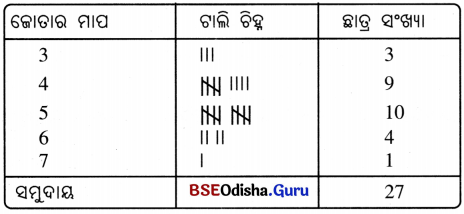
Class 6 Maths Chapter 4 Question Answer Odia Medium ତଥ୍ୟ ଉପସ୍ଥାପନା ଓ ପରିଚାଳନା Page 77 Q1
(କ) ଶ୍ରେଣୀରେ ସବୁଠାରୁ ବଡ଼ ମାପର ଜୋତା ହେଉଛି 7।
(ଖ) ଶ୍ରେଣୀରେ ସବୁଠାରୁ ଛୋଟ ମାପର ଜୋତା ହେଉଛି 3।
(ଗ) 10 ଜଣ ଶିକ୍ଷାର୍ଥୀ 5 ନମ୍ବରର ଜେତୋ ପିନ୍ଧନ୍ତି।
(ଘ) 9 ଜଣ ଶିକ୍ଷାର୍ଥୀ 4 ନମ୍ବରର ବଡ଼ ଜୋତା ପିନ୍ଧନ୍ତି।

Question 2.
ଏହି ପ୍ରଶ୍ନଗୁଡ଼ିକର ଉତ୍ତର ପାଇବା ପାଇଁ ସାନରୁ ବଡ଼ କ୍ରମରେ ତଥ୍ୟ ସଜାଡ଼ିବା କିପରି ସହାୟକ ହୋଇଥାଏ?
Solution:
ତଥ୍ୟଗୁଡ଼ିକୁ ସାନରୁ ବଡ଼ କ୍ରମରେ ସଜାଇଲେ,
3, 3, 3, 4, 4, 4, 4, 4, 4, 4, 4, 4, 5, 5, 5, 5, 5, 5, 5, 5, 5, 5, 6,6, 6, 6, 7
ବାରମ୍ବାରତା ବିତରଣ ସାରଣୀକୁ ତୁଳନା କଲେ ଉତ୍ତର ଦେବାକୁ ଟିକିଏ ଅଧିକ ସମୟ ଲାଗେ।

Question 3.
ତଥ୍ୟଗୁଡ଼ିକୁ ସଜାଡ଼ିବା ପାଇଁ ଅନ୍ୟ କୌଣସି ଉପାୟ ଅଛି କି?
Solution:
ହଁ, ଏହି ତଥ୍ୟଗୁଡ଼ିକ ବଡ଼ରୁ ସାନ କ୍ରମରେ ସଜାଇ ହେବ।

Class 6 Maths Chapter 4 Question Answer Odia Medium ତଥ୍ୟ ଉପସ୍ଥାପନା ଓ ପରିଚାଳନା

Question 4.
ତୁମ ନିଜ ଚାରିପାଖରେ ଦେଖୁଥ‌ିବା କିଛି ଗଛର ନାମ ଲେଖ। ତୁମ ଘରୁ ବିଦ୍ୟାଳୟକୁ ଯିବାବେଳେ ରାସ୍ତାରେ ଯେଉଁ ଗଛସବୁ ଦେଖୁଛ ଓ ସେହି ଗଛର ସଂଖ୍ୟା ସମ୍ବନ୍ଧୀୟ ତଥ୍ୟକୁ ନିମ୍ନଲିଖତ ସାରଣୀରେ ପୂରଣ କର।
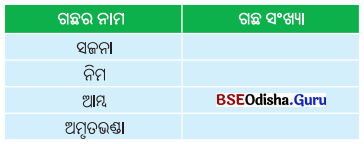
Class 6 Maths Chapter 4 Question Answer Odia Medium ତଥ୍ୟ ଉପସ୍ଥାପନା ଓ ପରିଚାଳନା Page 77 Q4
(କ) କେଉଁ ଗଛର ସଂଖ୍ୟା ସବୁଠାରୁ ଅଧିକ?
(ଖ) କେଉଁ ଗଛର ସଂଖ୍ୟା ସବୁଠାରୁ କମ୍?
(ଗ) ସମାନ ସଂଖ୍ୟାରେ ଦୁଇଟି ଗଛ ମିଳିଲା କି?
Solution:
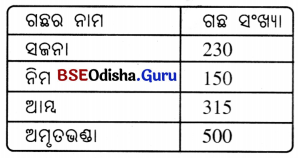
Class 6 Maths Chapter 4 Question Answer Odia Medium ତଥ୍ୟ ଉପସ୍ଥାପନା ଓ ପରିଚାଳନା Page 77 Q4.1
(କ) ଅମୃତଭଣ୍ଡା ଗଛର ସଂଖ୍ୟା ସବୁଠାରୁ ଅଧିକ।
(ଖ) ନିମ ଗଛର ସଂଖ୍ୟା ସବୁଠାରୁ କମ୍।
(ଗ) ନା, ସମାନ ସଂଖ୍ୟାରେ ଦୁଇଟି ଗଛ ମିଳିଲା ନାହିଁ।
(ଛାତ୍ରଛାତ୍ରୀମାନେ ନିଜ ନିଜ ଅଞ୍ଚଳରେ ଦେଖୁଥୁବା ଗଛ ସଂଖ୍ୟାର ତଥ୍ୟ ନେଇ ସାରଣୀ ପୂରଣ କରିବାକୁ ଚେଷ୍ଟା କରିବେ।)

Question 5.
ଏକ ଖାଲି କାଗଜ ଖଣ୍ଡ ନିଅ ଏବଂ ଓଡ଼ିଆ ଖବର କାଗଜରୁ ଯେକୌଣସି ଛୋଟ ଖବର ଥିବା ଖଣ୍ଡକୁ ନେଇ ଖାଲି କାଜରେ ଅଠା ଦେଇ ଲଗାଅ। (ପ୍ରତ୍ୟେକ ପିଲା ଭିନ୍ନ ଭିନ୍ନ ଖବର କାଗଜ ଖଣ୍ଡ ବ୍ୟବହାର କରିପାରିବେ।) ପ୍ରତ୍ୟେକ ପିଲା ଖାଲି କାଗଜରେ ତଳେ ଦିଆଯାଇଥବା ଭଳି ଏକ ସାରଣୀ ପ୍ରସ୍ତୁତ କରିବେ। ନିଜେ ଲଗାଇଥୁବା ଖବରରେ ‘ଚ’, ‘ଅ’, ‘ଦ’, ‘ମ’, ‘ସ’ ଅକ୍ଷର କେତୋଟି ଅଛି ଗଣି ତଳ ସାରଣୀ ପୂରଣ କରିବ।
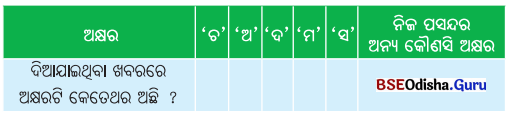
Class 6 Maths Chapter 4 Question Answer Odia Medium ତଥ୍ୟ ଉପସ୍ଥାପନା ଓ ପରିଚାଳନା Page 77 Q5
(କ) କେଉଁ ଅକ୍ଷରଟି ସବୁଠାରୁ ଅଧିକ ଥର ଅଛି?
(ଖ) କେଉଁ ଅକ୍ଷରଟି ସବୁଠାରୁ କମ୍ ଥର ଅଛି?
(ଗ) ପାଞ୍ଚଟି ଅକ୍ଷର ‘ଚ’, ‘ଅ’, ‘ଦ’, ‘ମ’, ‘ସ’ କୁ ସେମାନଙ୍କ ବାରମ୍ବାରତା ଅନୁଯାୟୀ ସାନରୁ ବଡ଼ କ୍ରମରେ ସଜାଇ ଲେଖ। ଏବେ, ତୁମ ତାଲିକାର କ୍ରମକୁ ତୁମ ସହପାଠୀଙ୍କ କ୍ରମ ସହିତ ତୁଳନା କରି। ଉଭୟଙ୍କର କ୍ରମ ସମାନ କି ନା ପାଖାପାଖି ସମାନ? (ପ୍ରାୟ ସମସ୍ତେ ‘ଚ’, ‘ଅ’, ‘ଦ’, ‘ମ’, ‘ସ’ ଅକ୍ଷରର କ୍ରମ ପାଇବାର ସମ୍ଭାବନା ଅଛି କି?) ତୁମେ ଏପରି କାହିଁକି ଭାବୁଛି?
(ଘ) ଏହି କାର୍ଯ୍ୟଟି କରିବା ପାଇଁ ତୁମେ ଯେଉଁ ପ୍ରକ୍ରିୟା ଅବଲମ୍ବନ କରିଛ ଲେଖ।
(ଙ) ତୁମର ସହପାଠୀମାନେ କେଉଁ ସବୁ ପ୍ରକ୍ରିୟା ଅବଲମ୍ବନ କରିଛନ୍ତି, ସେମାନଙ୍କ ସହିତ ଆଲୋଚନା କର।
(ଚ) ଯଦି ତୁମେ ଏହି କାର୍ଯ୍ୟ ଅନ୍ୟ ଏକ ଖବରକୁ ନେଇ କରିବ, ତେବେ ତୁମେ କେଉଁ ପ୍ରକ୍ରିୟା ଅବଲମ୍ବନ କରିବ?
Solution:
ଛାତ୍ରଛାତ୍ରୀମାନେ ନିଜେ କରିବେ।

4.2 ଚିତ୍ରଲେଖ (Pictographs)

Page No. 80

Question 1.
ସବୁଠାରୁ ଅଧୁକ ସଂଖ୍ୟକ ଶିକ୍ଷାର୍ଥୀ କେଉଁ ଗମନାଗମନ ମାଧ୍ୟମରେ ବିଦ୍ୟାଳୟକୁ ଆସିଥାନ୍ତି?
Solution:
ସବୁଠାରୁ ଅଧ‌ିକ ସଂଖ୍ୟକ ଶିକ୍ଷାର୍ଥୀ ସ୍କୁଲ୍‌ବସ୍ ମାଧ୍ଯମରେ ବିଦ୍ୟାଳୟକୁ ଆସିଥାନ୍ତି।

Question 2.
ସବୁଠାରୁ କମ୍ ସଂଖ୍ୟକ ଶିକ୍ଷାର୍ଥୀ କେଉଁ ମାଧ୍ଯମରେ ବିଦ୍ୟାଳୟକୁ ଆସିଥାନ୍ତି?
Solution:
ସବୁଠାରୁ କମ୍ ସଂଖ୍ୟକ ଶିକ୍ଷାର୍ଥୀ ସାଇକେଲ ମାଧ୍ୟମରେ ବିଦ୍ୟାଳୟକୁ ଆସିଥାନ୍ତି।

ଚିତ୍ରଲେଖ ବ୍ୟବହାର କରି ନିମ୍ନଲିଖତ ପ୍ରଶ୍ନଗୁଡ଼ିକର ଉତ୍ତର ଦିଅ: (Page No. 80)

Question 1.
ସବୁ ରାତିରେ ଅତି କମ୍‌ରେ 9 ଘଣ୍ଟା ଶୋଉଥବା ପିଲାଙ୍କ ସଂଖ୍ୟା କେତେ?
Solution:
ସାରଣୀର ପ୍ରଥମ ଧାଡ଼ିରେ 5 ଟି ‘ସବୁ ରାତିରେ’କୁ ସୂଚାଉଛି।
ସାରଣୀରେ ‘ସବୁ ରାତିରେ’ ପାଇଁ 5ଟି ଚିତ୍ର ଅଛି।
ପ୍ରତ୍ଯେକ ଚିତ୍ର 10 ପିଲାଙ୍କୁ ସୂଚିତ କରୁଛି।
ତେଣୁ 5 ଟି ଚିତ୍ର = 5 × 10 = 50 ପିଲାଙ୍କୁ ସୂଚିତ କରୁଛି।

Question 2.
କେତେଜଣ ପିଲା ବେଳେବେଳେ ରାତିରେ ଅତିକମ୍‌ରେ 9 ଘଣ୍ଟା ଶୋଉଥିଲେ?
Solution:
ସାରଣୀର ଦ୍ଵିତୀୟ ଧାଡ଼ିରେ ଯାହା ‘ବେଳେବେଳେ’କୁ ସୂଚାଉଛି।
2ଟି ସମ୍ପୂର୍ଣ୍ଣ ଚିତ୍ର (2 × 10 = 20) ଏବଂ ଗୋଟିଏ ଅଧାଚିତ୍ର (10 ର ଅଧା 5) ଅଛି।
ତେଣୁ ‘ବେଳେବେଳେ’ ଅତି କମ୍‌ରେ 9 ଘଣ୍ଟା ଶୋଉଥୁବା ପିଲାଙ୍କ ସଂଖ୍ୟା 20 + 5 = 25

Class 6 Maths Chapter 4 Question Answer Odia Medium ତଥ୍ୟ ଉପସ୍ଥାପନା ଓ ପରିଚାଳନା

Question 3.
ରାତିରେ କେତେଜଣ ପିଲା 9 ଘଣ୍ଟାରୁ କମ୍ ସମୟ ଶୋଉଥିଲେ?
Solution:
ସାରଣୀରେ ତୃତୀୟ ଧାଡ଼ିରେ ‘କେବେ ନୁହେଁ’ ପାଇଁ 4 ଟି ସମ୍ପୂର୍ଣ ଚିତ୍ର ଅଛି।
ତେଣୁ 4 × 10 = 40 ଜଣ ପିଲା ଗୋଟିଏ ରାତିରେ ଅତି କମ୍‌ରେ 9 ଘଣ୍ଟା ଶୁଅନ୍ତି ନାହିଁ।
ଅର୍ଥାତ୍ ସେମାନେ ‘ସବୁବେଳେ’ 9 ଘଣ୍ଟାରୁ କମ୍ ସମୟ ଶୋଇଥାନ୍ତି।

Page No. 82

Question 1.
ଝରଣା ଓ ପ୍ରମିଳା ଏକ ଚିତ୍ରଲେଖ ମାଧ୍ୟମରେ ସେମାନଙ୍କର ତଥ୍ୟକୁ ଉପସ୍ଥାପନ କରିବାକୁ ଚାହାନ୍ତି, ଯେଉଁଠାରେ ସେମାନେ ପ୍ରତ୍ୟେକ ଶିକ୍ଷାର୍ଥୀ ପାଇଁ ଗୋଟିଏ ଚିହ୍ନ ମଧ୍ୟ ବ୍ୟବହାର କରିବେ, ତେବେ ସେମାନେ କେଉଁ ସବୁ ଅସୁବିଧାର ସମ୍ମୁଖୀନ ହୋଇପାରନ୍ତି?
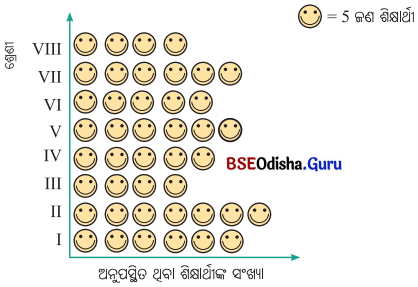
Class 6 Maths Chapter 4 Question Answer Odia Medium ତଥ୍ୟ ଉପସ୍ଥାପନା ଓ ପରିଚାଳନା Page 82 Q1
Solution:
ଝରଣା ଏହାକୁ ସମାଧାନ କରିବା ପାଇଁ ଏକ ଯୋଜନା ପ୍ରସ୍ତୁତ କରିଥିଲେ ଯେହେତୁ ଶିକ୍ଷାର୍ଥୀ ସଂଖ୍ୟା ଅଧିକ, ତେଣୁ ସେ 5 ଜଣ ଶିକ୍ଷାର୍ଥୀଙ୍କୁ ସୂଚାଇବା ପାଇଁ ଗୋଟିଏ ଚିହ୍ନ ବ୍ୟବହାର କରିବାକୁ ନିଷ୍ପଭି ନେଇଥିଲେ। ସେ ଭାବିଲେ ଯେ ସମୟ ଏବଂ ସ୍ଥାନ ମଧ୍ଯ ଅଧିକା ହେବ ନାହିଁ।

Page No. 83

Question 1.
ଯଦି କୌଣସି ଶ୍ରେଣୀରେ ଉପସ୍ଥିତ ଛାତ୍ରଙ୍କ ମୋଟ ସଂଖ୍ୟା 33 କିମ୍ବା 27 ହୁଏ, ତେବେ ଏପରି ଚିତ୍ରଲେଖ ପ୍ରସ୍ତୁତ କରିବାରେ କ’ଣ ସମସ୍ୟା ହୋଇପାରେ?
Solution:
ଯେତେବେଳେ ବାରମ୍ବାରତାଗୁଡ଼ିକ ନିଆଯାଇଥିବା ଏକକର ଗୁଣିତକ ହୋଇ ନ ଚିତ୍ରଲେଖ ପ୍ରସ୍ତୁତ କରିବା ଅଧ‌ିକ କଷ୍ଟକର ହୋଇଥାଏ। ଯେହେତୁ 33 କିମ୍ବା 27, 5 କିମ୍ବା 10 ର ଗୁଣିତକ ନୁହେଁ, ଏପରି ଚିତ୍ରଲେଖ ପ୍ରସ୍ତୁତ କରିହେବ ନାହିଁ।

ଆସ ବୁଝିବା: (Page No. 83-85)

Question 1.
ନିମ୍ନ ଚିତ୍ରଲେଖରେ ବଳରାମପୁର ଉଚ୍ଚ ପ୍ରାଥମିକ ବିଦ୍ୟାଳୟର ପାଠାଗାରରୁ ପିଲାମାନେ ଗୋଟିଏ ସପ୍ତାହରେ କେତେ ପୁସ୍ତକ ନେଇଛନ୍ତି ତାହା ଦର୍ଶାଯାଇଛି।
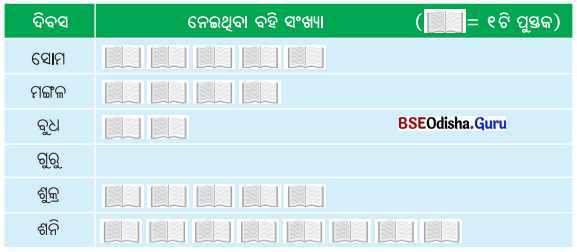
Class 6 Maths Chapter 4 Question Answer Odia Medium ତଥ୍ୟ ଉପସ୍ଥାପନା ଓ ପରିଚାଳନା Page 83 Q1
(କ) କେଉଁ ଦିନ ପିଲାମାନେ ସବୁଠାରୁ କମ୍ ସଂଖ୍ୟକ ପୁସ୍ତକ ନେଇଥିଲେ?
(ଖ) ସପ୍ତାହରେ ମୋଟ କେତେ ପୁସ୍ତକ ନିଆଯାଇଥିଲା?
(ଗ) କେଉଁ ଦିନ ସର୍ବାଧ୍ବକ ପୁସ୍ତକ ନିଆଯାଇଥିଲା? ଏହାର ସମ୍ଭାବ୍ୟ କାରଣ କ’ଣ ହୋଇପାରେ?
Solution:
(କ) ଗୁରୁବାରଦିନ ହିଁ ପିଲାମାନେ ସବୁଠାରୁ କମ୍ ସଂଖ୍ୟକ ପୁସ୍ତକ ନେଇଥିଲେ।
(ଖ) ସପ୍ତାହରେ ମୋ’ ଟି କେତେ ପୁସ୍ତକ ନିଆଯାଇଥିଲା = 5 + 4 + 2 + 0 + 5 + 8 = 24 ଖଣ୍ଡ ବହି।
(ଗ) ଶନିବାରଦିନ ସର୍ବାଧୁକ ପୁସ୍ତକ ନିଆଯାଇଥିଲା। କାରଣ ତା’ପରଦିନ ରବିବାର ଥ‌ିବାରୁ ଛୁଟିଦିନ। ପିଲାମାନଙ୍କୁ ଅଧ୍ଵ କ ସମୟ ମିଳିବ ପଢ଼ିବାପାଇଁ।

Question 2.
କିଶୋର ବାବୁ ଖୋର୍ଦ୍ଧାରେ। ଗୁଡ଼ି ବିକ୍ରୟ କରନ୍ତି। ନିକଟବର୍ତୀ ଗ୍ରାମଗୁଡ଼ିକରୁ ଛଅଜଣ ଦୋକାନୀ ତାଙ୍କଠାରୁ ଗୁଡ଼ି କିଣିବାକୁ ଆସନ୍ତି। ଏହି ଛଅ ଜଣ ଦୋକାନୀକୁ ସେ କେତେ ଗୁଡ଼ି ବିକ୍ରୟ କରିଥିଲେ, ତାହା ନିମ୍ନ ସାରଣୀରେ ଦିଆଯାଇଛି।
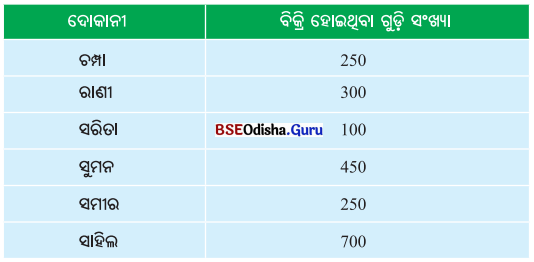
Class 6 Maths Chapter 4 Question Answer Odia Medium ତଥ୍ୟ ଉପସ୍ଥାପନା ଓ ପରିଚାଳନା Page 83 Q2
100ଟି ଗୁଡ଼ିକୁ ସୂଚାଇବା ପାଇଁ ଚିତ୍ର ବ୍ୟବହାର କରି ଏକ ଚିତ୍ରଲେଖ ପ୍ର ସ୍ତୁତ କର। ନିମ୍ନଲିଖତ ପ୍ରଶ୍ନଗୁଡ଼ିକର ଉତ୍ତର ଦିଅ।
(କ) ରାଣୀ କିଣିଥିବା ଗୁଡ଼ିସଂଖ୍ୟାକୁ କେତୋଟି ଗୁଡ଼ି ଚିତ୍ରରେ ଦର୍ଶାଯାଇପାରିବ?
(ଖ) ସବୁଠାରୁ ଅଧ‌ିକ ସଂଖ୍ୟକ ଗୁଡ଼ି କିଏ କିଣିଛନ୍ତି?
(ଗ) ସୁମନ ଓ ଚମ୍ପା ମଧ୍ୟରୁ କିଏ ଅଧିକ ଗୁଡ଼ି କିଣିଛି?
(ଘ) ସରିତା କହିଲା, ସେ ରାଣୀ କିଣିଥିବା ଗୁଡ଼ିର ଦୁଇଗୁଣରୁ ଅଧିକ ସଂଖ୍ୟକ ଗୁଡ଼ି କିଣିଛି। ସେ ଠିକ୍ କହିଛନ୍ତି କି? କାହିଁକି?
Solution:
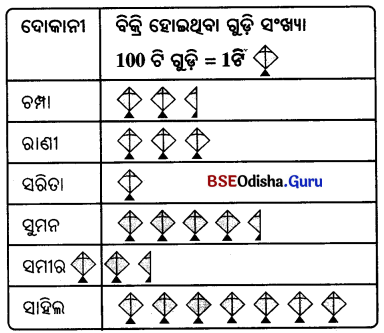
Class 6 Maths Chapter 4 Question Answer Odia Medium ତଥ୍ୟ ଉପସ୍ଥାପନା ଓ ପରିଚାଳନା Page 83 Q2.1
(କ) ରାଣୀ କିଣିଥିବା ଗୁଡ଼ିସଂଖ୍ୟାକୁ ତିନୋଟି ଗୁଡ଼ି ଚିତ୍ରରେ ଦର୍ଶାଯାଇପାରିବ।
(ଖ) ସବୁଠାରୁ ଅଧ‌ିକ ସଂଖ୍ୟକ ଗୁଡ଼ି ସାହିଲ କିଣିଛନ୍ତି।
(ଗ) ସୁମନ ଓ ଚମ୍ପା ମଧ୍ୟରୁ ସୁମନ ଅଧୁକ ଗୁଡ଼ି କିଣିଛି।
(ଘ) ରାଣୀ କିଣିଥିବା ଗୁଡ଼ିସଂଖ୍ୟା = 300
ସରିତା କିଣିଥିବା ଗୁଡ଼ିସଂଖ୍ୟା = 100
∴ ହଁ, ସରିତା କିଣିଥିବା ଗୁଡ଼ିର ଦୁଇଗୁଣରୁ ଅଧିକ ସଂଖ୍ୟକ ଗୁଡ଼ି ରାଣୀ କିଣିଛି।

4.3 ସ୍ତମ୍ଭ ଲେଖ (Bar Graphics)

Page No. 86

Question 1.
ଉପର ସ୍ତମ୍ଭଲେଖ ବ୍ୟବହାର କରି ନିମ୍ନଲିଖତ ପ୍ରଶ୍ନଗୁଡ଼ିକର ଉତ୍ତର ଦିଅ।

  1. ଦ୍ଵିତୀୟ ଶ୍ରେଣୀରେ, ସେହିଦିନ ______________ ଜଣ ଶିକ୍ଷାର୍ଥୀ ଅନୁପସ୍ଥିତ ଥିଲେ।
  2. କେଉଁ ଶ୍ରେଣୀରେ ସବୁଠାରୁ ଅଧ‌ିକ ସଂଖ୍ୟକ ଶିକ୍ଷାର୍ଥୀ ଅନୁପସ୍ଥିତ ଥିଲେ? ______________
  3. ସେହିଦିନ କେଉଁ ଶ୍ରେଣୀରେ ପୂର୍ଣ୍ଣ ଉପସ୍ଥାନ ଥିଲା? ______________

Solution:

  1. ଦ୍ଵିତୀୟ ଶ୍ରେଣୀରେ, ସେହିଦିନ 5 ଜଣ ଶିକ୍ଷାର୍ଥୀ ଅନୁ ପସ୍ଥିତ ଥିଲେ।
  2. କେଉଁ ଶ୍ରେଣୀରେ ସବୁଠାରୁ ଅଧିକ ସଂଖ୍ୟକ ଶିକ୍ଷାର୍ଥୀ ଅନୁପସ୍ଥିତ ଥିଲେ? ଅଷ୍ଟମ ଶ୍ରେଣୀ
  3. ସେହିଦିନ କେଉଁ ଶ୍ରେଣୀରେ ପୂର୍ଣ୍ଣ ଉପସ୍ଥାନ ଥିଲା? ପଞ୍ଚମ ଶ୍ରେଣୀ

ଆସ ବୁଝିବା: (Page No. 88)

Question 1.
ସକାଳ 6 ଟାରୁ ମଧ୍ୟାହ୍ନ 12 ପର୍ଯ୍ୟନ୍ତ ବାଣୀବିହାର ଛକ ଦେଇ ମୋଟ କେତେ ଯାନବାହନ ଅତିକ୍ରମ କରିଥିଲା?
Solution:
ସକାଳ ଟାରୁ ମଧ୍ୟାହ୍ନ 12 ପର୍ଯ୍ୟନ୍ତ ବାଣୀବିହାର ଛକ ଦେଇ ମୋଟ ଅତିକ୍ରମ କରୁଥିବା ଯାନବାହନ = 150 + 1200 + 1000 + 800 + 700 + 600 = 4450

Question 2.
ସକାଳ 7 ଟାରୁ ମଧ୍ୟାହ୍ନ 12 ମଧ୍ଯରେ ବିଭିନ୍ନ ସମୟ ଅବଧୂ ତୁଳନାରେ ସକାଳ 6 ଟାରୁ 7 ଟା ମଧ୍ଯରେ ଏତେ କମ୍ ସଂଖ୍ୟକ ଯାନବାହନ କାହିଁକି ଚଳାଚଳ କରୁଥିଲା ବୋଲି ତୁମେ ଭାବୁଛ?
Solution:
ସକାଳ 7 ଟାରୁ ମଧ୍ୟାହ୍ନ 12 ମଧ୍ଯରେ ବିଭିନ୍ନ ସମୟ ଅବଧୂ ତୁଳନାରେ ସକାଳ ଟୋରୁଟା ମଧ୍ୟରେ କମ୍ ସଂଖ୍ୟକ ଯାନବାହନ ଚଳାଚଳ କରୁଥିଲା, କାରଣ – ଏହା ସକାଳ ସମୟ ଏବଂ ଅଫିସ୍ ଯାଉଥୁବା ଲୋକସଂଖ୍ୟା ଓ ସ୍କୁଲ ଯାଉଥିବା ପିଲାମାନଙ୍କର ସଂଖ୍ୟା ମଧ୍ୟ କମ୍।

Class 6 Maths Chapter 4 Question Answer Odia Medium ତଥ୍ୟ ଉପସ୍ଥାପନା ଓ ପରିଚାଳନା

Question 3.
ସକାଳ 7 ଟାରୁ 8 ଟା ମଧ୍ଯରେ ଏତେ ସଂଖ୍ୟକ ଯାନବାହନ କାହିଁକି ଚଳାଚଳ କରୁଥିଲା ବୋଲି ତୁମେ ଭାବୁଛ?
Solution:
ସକାଳ 7ଟାରୁ 8ଟା ମଧ୍ଯରେ ଏତେ ସଂଖ୍ୟକ ଯାନବାହନ ଚଳାଚଳ କରୁଥିଲା କାରଣ ଏହି ସମୟରେ ଲୋକମାନେ ଅଫିସ୍ ଓ ପିଲାମାନେ ସ୍କୁଲକୁ ଯିବାପାଇଁ ବାହାରିଥାନ୍ତି। ତେଣୁ ଯାନବାହନ ଅଧିକ ଚଳାଳଚ କରୁଥିଲା।

Question 4.
ସକାଳ 8ଟା ପରେ ମଧ୍ୟାହ୍ନ ପର୍ଯ୍ୟନ୍ତ ପ୍ରତ୍ୟେକ ଘଣ୍ଟାରେ ଯାନବାହନ ଚଳାଚଳ କାହିଁକି କମି କମି ଯାଉଥିଲା?
Solution:
ସକାଳ 8ଟା ପରେ ମଧ୍ୟାହ୍ନ ପର୍ଯ୍ୟନ୍ତ ପ୍ରତ୍ୟେକ ଘଣ୍ଟାରେ ଅଫିସ୍ ଯିବା ଓ କାରଖାନା ଯିବାପାଇଁ ଲୋକମାନଙ୍କର ସଂଖ୍ୟା କମିଯାଇଥାଏ। ତେଣୁ ସକାଳ ୫ଟାପରେ ମଧ୍ୟାହ୍ନ ପର୍ଯ୍ୟନ୍ତ ପ୍ରତ୍ୟେକ ଘଣ୍ଟାରେ ଯାନବାହନ ଚଳାଚଳ କମିକମି ଯାଉଥିଲା।

Page No. 89

Question 1.
ଏହି ସ୍ତମ୍ଭଲେଖ ଆଧାରରେ ତୁମେ ତୁମର ସହପାଠୀମାନଙ୍କୁ କେଉଁସବୁ ପ୍ରଶ୍ନ ପଚାରିବାକୁ ଚାହିଁବ?
Solution:
ନିଜେ ଅଭ୍ୟାସ କର।

Question 2.
50 ବର୍ଷ ମଧ୍ୟରେ ଭାରତର ଜନସଂଖ୍ୟା କେତେ ବୃଦ୍ଧି ପାଇଛି? ପ୍ରତି ଦଶନ୍ଧିରେ ଜନସଂଖ୍ୟା କେତେ ଲେଖାଏଁ ବୃଦ୍ଧି ପାଇଛି?
Solution:
ନିଜେ ଅଭ୍ୟାସ କର।

4.4 ଏକ ସ୍ତମ୍ଭଲେଖ ଅଙ୍କନ କରିବା

Page No. 91-92

Question 1.
(i) ଦୁଇଟି ରେଖା ଆଙ୍କନ୍ତୁ, ଗୋଟିଏ ଭୂ-ସମାନ୍ତର ଏବଂ ଗୋଟିଏ ଭୂଲମ୍ବ। ଭୂସମାନ୍ତର ରେଖାରେ ‘ଖର୍ଚ୍ଚର ନାମ’ଗୁଡ଼ିକୁ ସମାନ ବ୍ୟବଧାନରେ ଚିହ୍ନିତ କର ଏବଂ ଖର୍ଚ୍ଚର ପରିମାଣକୁ ଭୂଲମ୍ବ ରେଖା ସହିତ ଅନୁରୂପ ଭାବରେ ଚିହ୍ନିତ କର। ସମାନ ପ୍ରସ୍ଥ ବିଶିଷ୍ଟ ସ୍ତମ୍ଭ ନେଇ, ସେମାନଙ୍କ ମଧ୍ୟରେ ସମାନ ବ୍ୟବଧାନ ରଖ।
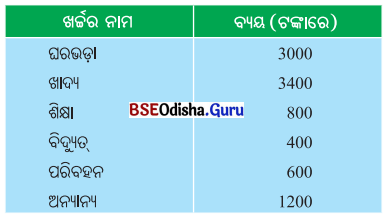
Class 6 Maths Chapter 4 Question Answer Odia Medium ତଥ୍ୟ ଉପସ୍ଥାପନା ଓ ପରିଚାଳନା Page 91 Q1
(ii) ଭୂଲମ୍ବ ରେଖାପାଇଁ ଏକ ଉପଯୁକ୍ତ ସ୍କେଲ୍ ନିଅ। ଏଠାରେ 1 ଏକକ ଲମ୍ବ = 200 ଟଙ୍କା। ତା’ପରେ ଭୂଲମ୍ବ ରେଖାରେ ଅନୁ ରୂପ ମୂଲ୍ୟଗୁଡ଼ିକ (200, 400 ଇତ୍ୟାଦି) ଚିହ୍ନିତ କର। ଶେଷରେ ଦର୍ଶାଯାଇଥିବା ବିଭିନ୍ନ ଖର୍ଚ୍ଚର ନାମ ପାଇଁ ସ୍ତମ୍ଭଗୁଡ଼ିକର ଉଚ୍ଚତା କେତେ ଏକକ ହେବ ତାହା ନିର୍ଣ୍ଣୟ କର।
Solution:
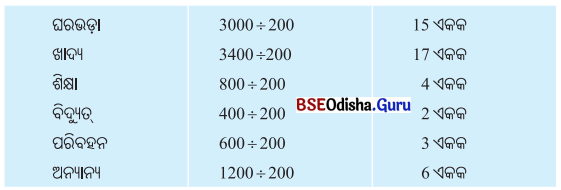
Class 6 Maths Chapter 4 Question Answer Odia Medium ତଥ୍ୟ ଉପସ୍ଥାପନା ଓ ପରିଚାଳନା Page 91 Q1.1

Page No. 93

Question 1.
ଏହି ସ୍ତମ୍ଭଲେଖକୁ ବ୍ୟବହାର କରି ନିମ୍ନଲିଖତ ପ୍ରଶ୍ନଗୁଡ଼ିକର ଉତ୍ତର ଦିଅ।

  1. ପରିବାରର କେଉଁ ପ୍ରକାର ଖର୍ଚ୍ଚ ସବୁଠାରୁ ଅଧ‌ିକ? ତା’ ତଳକୁ ଦ୍ଵିତୀୟ ସର୍ବାଧ‌ିକ ଖର୍ଚ୍ଚ କେଉଁ କାର୍ଯ୍ୟପାଇଁ କରିଥାନ୍ତି?
  2. ଶିକ୍ଷାପାଇଁ ଖର୍ଚ୍ଚର ପରିମାଣ ବିଦ୍ୟୁତ୍ ଖର୍ଚ୍ଚର ପରିମାଣର ପ୍ରାୟ ଦେଢ଼ଗୁଣ କି?
  3. ଶିକ୍ଷାପାଇଁ ଖର୍ଚ୍ଚର ପରିମାଣ ଖାଦ୍ୟ ଖର୍ଚ୍ଚର ପରିମାଣର ଏକ-ଚତୁର୍ଥାଂଶରୁ କମ୍ କି?

Solution:

  1. ପରିବାରର ଖାଦ୍ୟ ଖର୍ଚ୍ଚ ସବୁଠାରୁ ଅଧିକ। ତା’ ତଳକୁ ଦ୍ଵିତୀୟ ସର୍ବାଧ‌ିକ ଖର୍ଚ୍ଚ ଘରଭଡ଼ା ପାଇଁ କରିଥାନ୍ତି।
  2. ନା, ଶିକ୍ଷାପାଇଁ ଖର୍ଚ୍ଚର ପରିମାଣ ବିଦ୍ୟୁତ୍ ଖର୍ଚ୍ଚର ପରିମାଣର ପ୍ରାୟ ଦୁଇଗୁଣ।
  3. ହଁ, ଶିକ୍ଷାପାଇଁ ଖର୍ଚ୍ଚର ପରିମାଣ ଖାଦ୍ୟ ଖର୍ଚ୍ଚର ପରିମାଣର ଏକ-ଚତୁର୍ଥାଂଶରୁ କମ୍।

ସମାଧାନ କର: (Page No. 93-100)

Question 1.
କବିତା ଫୁଲ ବଗିଚାରେ ବୁଲିବା ବେଳେ ଦେଖୁଥ‌ିବା କୀଟପତଙ୍ଗ ଏବଂ ପ୍ରାଣୀମାନଙ୍କର ତଥ୍ୟ ସଂଗ୍ରହ କରିଥିଲେ। ସେ ସଂଗ୍ରହ କରିଥିବା ତଥ୍ୟ ଏଠାରେ ଦିଆଯାଇଛି।
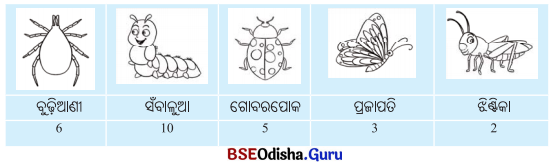
Class 6 Maths Chapter 4 Question Answer Odia Medium ତଥ୍ୟ ଉପସ୍ଥାପନା ଓ ପରିଚାଳନା Page 93 Q1
ଏହି ତଥ୍ୟକୁ ନେଇ ଏକ ସ୍ତମ୍ଭଲେଖ ପ୍ରସ୍ତୁତ କରିବାରେ ତାଙ୍କୁ ସାହାଯ୍ୟ କର।
Solution:
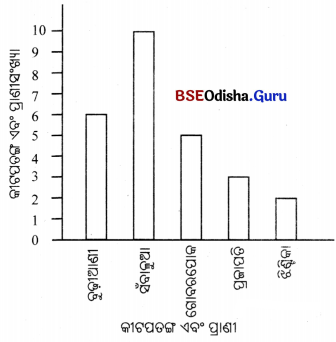
Class 6 Maths Chapter 4 Question Answer Odia Medium ତଥ୍ୟ ଉପସ୍ଥାପନା ଓ ପରିଚାଳନା Page 93 Q1.1

Question 2.
ସଂଗ୍ରାମ ଦୁଇ ଘଣ୍ଟା ଅବଧରେ ଓଡ଼ିଶାର ଭିନ୍ନ ଭିନ୍ନ ସହର ପାଇଁ ଜୟପୁର ରେଲୱେ ଷ୍ଟେସନରେ ବିକ୍ରି ହୋଇଥବା ଟିକେଟ୍ ସଂଖ୍ୟାର ତଥ୍ୟ ସଂଗ୍ରହ କରିଥିଲେ।

Class 6 Maths Chapter 4 Question Answer Odia Medium ତଥ୍ୟ ଉପସ୍ଥାପନା ଓ ପରିଚାଳନା Page 93 Q2
ସେ ଏହି ତଥ୍ୟ ବ୍ୟବହାର କରି ତାଙ୍କ ଛାତ୍ରଛାତ୍ରୀମାନଙ୍କ ସହିତ ଆଲୋଚନା କରିବା ପାଇଁ କଳାପଟାରେ ଏକ ସ୍ତମ୍ଭଲେଖ ପ୍ରସ୍ତୁତ କଲେ, କିନ୍ତୁ କେହି ଜଣେ ସେହି ସ୍ତମ୍ଭଲେଖର କିଛି ଅଂଶ ଲିଭାଇ ଦେଲେ।
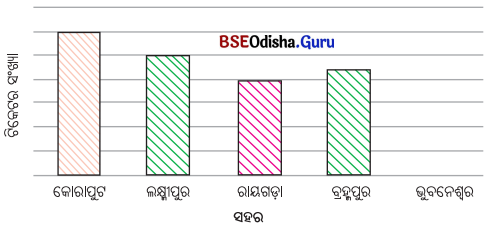
Class 6 Maths Chapter 4 Question Answer Odia Medium ତଥ୍ୟ ଉପସ୍ଥାପନା ଓ ପରିଚାଳନା Page 93 Q2.1
(କ) କୋରାପୁଟ ପାଇଁ ବିକ୍ରି ହୋଇଥ‌ିବା ଟିକେଟ୍ ସଂଖ୍ୟାକୁ ସ୍ତମ୍ଭ ଉପରେ ଲେଖ।
(ଖ) ସ୍ତମ୍ଭରେ ଲକ୍ଷ୍ମୀପୁର ପାଇଁ ବିକ୍ରି ହୋଇଥିବା ଟିକେଟ୍ ସଂଖ୍ୟା ଲେଖ।
(ଗ) କୋରାପୁଟ ପାଇଁ ସ୍ତମ୍ଭ 6 ଏକକ ଲମ୍ବ ଏବଂ ଲକ୍ଷ୍ମୀପୁର ପାଇଁ ସ୍ତମ୍ଭ 5 ଏକକ ଲମ୍ବ ନିଆଯାଇଛି। ଏହି ଗ୍ରାଫ୍ ପାଇଁ ସ୍କେଲ୍ 1 ଏକକ = କେତେ?
(ଘ) ଭୁବନେଶ୍ଵର ଷ୍ଟେସନରେ ବିକ୍ରି ହୋଇଥିବା ଟିକେଟ୍ ସଂଖ୍ୟା ପାଇଁ ସ୍ତମ୍ଭ ଅଙ୍କନ କର।
(ଙ) ଭୁଲମ୍ବ ଅକ୍ଷରେ ଠିକ୍ ସଂଖ୍ୟାଗୁଡ଼ିକୁ ଲେଖୁ ଏକକ କେତେ ହେବ ସ୍ଥିର କର।
(ଚ) ଏହି ସ୍ତମ୍ଭଲେଖରେ ରାୟଗଡ଼ା ଓ ବ୍ରହ୍ମପୁର ପାଇଁ ଠିକ୍ ସ୍ତମ୍ଭ ଅଙ୍କାଯାଇଛି କି? ଯଦି ନୁହେଁ, ତେବେ ଠିକ୍ ସ୍ତମ୍ଭ ଅଙ୍କନ କର।
Solution:
(କ) କୋରାପୁଟ ପାଇଁ ବିକ୍ରି ହୋଇଥିବା ଟିକେଟ୍ ସଂଖ୍ୟା = 24
(ଖ) ସ୍ତମ୍ଭରେ ଲକ୍ଷ୍ମୀପୁର ପାଇଁ ବିକ୍ରି ହୋଇଥିବା ଟିକେଟ୍ ସଂଖ୍ୟା = 20
(ଗ) କୋରାପୁଟ ପାଇଁ ସ୍ତମ୍ଭ 6 ଏକକ ଲମ୍ବ ଏବଂ ଲକ୍ଷ୍ମୀପୁର ପାଇଁ ସ୍ତମ୍ଭ 5 ଏକକ ଲମ୍ବ ନିଆଯାଇଛି।
ଏହି ଗ୍ରାଫ୍ ପାଇଁ ସ୍କେଲ୍ 1 ଏକକ = 4 ଟିକେଟ୍।
(ଘ)
Class 6 Maths Chapter 4 Question Answer Odia Medium ତଥ୍ୟ ଉପସ୍ଥାପନା ଓ ପରିଚାଳନା Page 93 Q2.2
(ଙ)
Class 6 Maths Chapter 4 Question Answer Odia Medium ତଥ୍ୟ ଉପସ୍ଥାପନା ଓ ପରିଚାଳନା Page 93 Q2.3
(ଚ) ନା, ଏହି ସ୍ତମ୍ଭଲେଖରେ ରାୟଗଡ଼ା ଓ ବ୍ରହ୍ମପୁର ପାଇଁ ଠିକ୍ ସ୍ତମ୍ଭ ଅଙ୍କାଯାଇନି। ସଠିକ୍ ସ୍ତମ୍ଭ (ଘ) ଓ (ଙ) ରେ ଅଙ୍କାଯାଇଛି।

Class 6 Maths Chapter 4 Question Answer Odia Medium ତଥ୍ୟ ଉପସ୍ଥାପନା ଓ ପରିଚାଳନା

Question 3.
ଚିନୁ ସକାଳ 9 ଟାରୁ 10 ଟା ପର୍ଯ୍ୟନ୍ତ ତାଙ୍କର ଘର ସାମ୍ନା ରାସ୍ତା ଦେଇ ଯାଇଥୁବା ବିଭିନ୍ନ ଯାନବାହନର ତାଲିକା ଦେଇଛନ୍ତି।
Class 6 Maths Chapter 4 Question Answer Odia Medium ତଥ୍ୟ ଉପସ୍ଥାପନା ଓ ପରିଚାଳନା Page 93 Q3
(କ) ତଥ୍ୟ ପାଇଁ ଏକ ବାରମ୍ବାରତା ବିତରଣ ସାରଣୀ ପ୍ରସ୍ତୁତ କର।
(ଖ) କେଉଁ ଯାନବାହନଟି ସର୍ବାଧ‌ିକ ଥର ସାମ୍ନା ରାସ୍ତା ଦେଇ ଯାଇଛି?
(ଗ) ଯଦି ତୁମେ ଏହି ତଥ୍ୟ ସଂଗ୍ରହ କରିବାକୁ ସେଠାରେ ଥାଆନ୍ତ, ତେବେ ତୁମେ ଏହା କିପରି କରିଥା’ନ୍ତି? ତା’ର ସୋପାନ କିମ୍ବା ପ୍ରକ୍ରିୟା ଲେଖ।
Solution:
(କ)
Class 6 Maths Chapter 4 Question Answer Odia Medium ତଥ୍ୟ ଉପସ୍ଥାପନା ଓ ପରିଚାଳନା Page 93 Q3.1
(ଖ) ମଟରସାଇକେଲଟି ସର୍ବାଧ୍ଵକ ଥର ସାମ୍ନା ରାସ୍ତା ଦେଇ ଯାଇଛି।
(ଗ) (କ)ରେ ଦିଆଯାଇଥିବା ତଥ୍ୟପରି।

Question 4.
ଗୋଟିଏ ଲୁଡୁ ଗୋଟିକୁ 30 ଥର ଗଡ଼ାଅ ଏବଂ ପ୍ରତ୍ୟେକ ଥର ତୁମେ ପାଇଥିବା ଲେଖୁରଖ। ଟାଲି ଚିହ୍ନ ବ୍ୟବହାର କରି ଏକ ବାରମ୍ବାରତା ବିତରଣ ସାରଣୀ ରଖୁଥ‌ିବା ସଂଖ୍ୟାଗୁଡ଼ିକୁ ଦେଖୁ ତଳ ପ୍ରଶ୍ନଗୁଡ଼ିକର ଉତ୍ତର ଦିଅ।
(କ) ସବୁଠାରୁ କମ୍ ଥର ପଡ଼ିଥ‌ିବା ସଂଖ୍ୟାଟି କେତେ?
(ଖ) ସବୁଠାରୁ ଅଧିକ ଥର ପଡ଼ିଥିବା ସଂଖ୍ୟାଟି କେତେ?
(ଗ) ସମାନ ଥର ପଡ଼ିଥିବା ସଂଖ୍ୟା ଖୋଜ।
Solution:
ମନେକର ଗୋଟିଏ ଲୁଡୁ ଗୋଟିକୁ 30 ଥର ଗଡ଼ାଗଲା। ସଂଖ୍ୟାଗୁଡ଼ିକ ହେଲା–
6, 2, 3, 5, 6, 4, 1, 1, 2, 5, 3, 4, 1, 1, 3, 5, 2, 2, 1, 1, 6, 2, 3, 5, 1, 2, 2, 3, 4, 2
Class 6 Maths Chapter 4 Question Answer Odia Medium ତଥ୍ୟ ଉପସ୍ଥାପନା ଓ ପରିଚାଳନା Page 93 Q4
(କ) ସବୁଠାରୁ କମ୍ ଥର ପଡ଼ିଥିବା ସଂଖ୍ୟା 4 ଓ 6.
(ଖ) ସବୁଠାରୁ ଅଧିକ ଥର ପଡ଼ିଥିବା ସଂଖ୍ୟାଟି 2.
(ଗ) ସମାନ ଥର ପଡ଼ିଥିବା ସଂଖ୍ୟା 4 ଓ 6.

Question 5.
ଶେଷ 30ଟି ମ୍ୟାଚ୍ରେ ଜର୍ଣ୍ଣୀତ୍‌ ବୁମରା କେତେ ୱିକେଟ୍ ନେଇଛନ୍ତି ସେ ସମ୍ପର୍କରେ ତଳ ବାରମ୍ବାରତା ବିତରଣ ସାରଣୀରେ ତଥ୍ୟ ଦିଆଯାଇଛି।
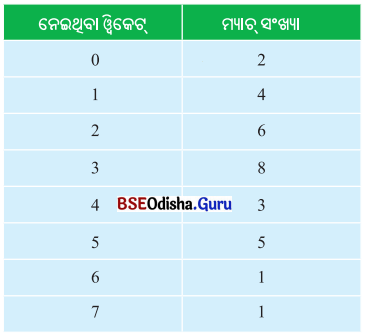
Class 6 Maths Chapter 4 Question Answer Odia Medium ତଥ୍ୟ ଉପସ୍ଥାପନା ଓ ପରିଚାଳନା Page 93 Q5
(କ) ଏହି ସାରଣୀଟି କେଉଁ ସୂଚନା ଦେଉଛି?
(ଖ) ଏହି ସାରଣୀଟି ଶୀର୍ଷକ କ’ଣ ହୋଇପାରେ?
(ଗ) ଏହି ସାରଣୀରୁ କେଉଁ ତଥ୍ୟ ତୁମର ଦୃଷ୍ଟି ଆକର୍ଷଣ କରିଥିଲା?
(ଘ) ଜର୍ଣ୍ଣୀତ୍ ବୁମ୍‌ରା କେତୋଟି ମ୍ୟାଚରେ 4ଟି ଲେଖାଏଁ ୱିକେଟ୍‌ ନେଇଛନ୍ତି?
(ଙ) ମୟଙ୍କ କହିଲେ, ‘‘ଯଦି ଆମେ ତାଙ୍କର ଶେଷ 30 ମ୍ୟାଟ୍‌ରେ ନେଇଥ‌ିବା ମୋଟ ୱିକେଟ୍ ସଂଖ୍ୟା ଜାଣିବାକୁ ଚାହିଁବା, ତେବେ ଆମକୁ 0, 1, 2, 3 ….. ସଂଖ୍ୟାଗୁଡ଼ିକୁ 7 ପର୍ଯ୍ୟନ୍ତ ଯୋଗ କରିବାକୁ ପଡ଼ିବ।’’ ମୟଙ୍କ ଏହି ଉପାୟରେ ମୋଟ ୱିକେଟ୍ ସଂଖ୍ୟା ପାଇପାରିବେ କି? କିପରି?
(ଚ) ଏହି ସାରଣୀ ବ୍ୟବହାର କରି ତୁମେ ବୁମ୍‌ରାଙ୍କଦ୍ଵାରା ନିଆଯାଇଥିବା ଶେଷ 30 ମ୍ୟାଚ୍ରେ ମୋଟ ୱିକେଟ୍ ସଂଖ୍ୟା କିପରି ଠିକ୍ ଭାବରେ ନିର୍ଣ୍ଣୟ କରିବ?
Solution:
(କ) ଏହି ସାରଣୀଟି ସୂଚନା ଦେଉଛି ଯେ, ଜଣ୍ଠପ୍ରୀତ୍ ବୁମରା 0 ରୁ 7 ପର୍ଯ୍ୟନ୍ତ କେତେ ମ୍ୟାଚ୍‌ରେ ୱିକେଟ୍ ନେଇଥିଲେ?
(ଖ) ଜଶ୍ପ୍ରୀତ୍ ବୁମରାଙ୍କ ବୋଲିଂ ପ୍ରଦର୍ଶନ ସୂଚାଉଥିବା ଏକ ବାରମ୍ବାରତା ବିତରଣ ସାରଣୀ।
(ଗ) ବୁମରା ଅଧିକାଂଶ ମ୍ୟାଚ୍ରେ ତିନି କିମ୍ବା ତା’ଠାରୁ ଅଧିକ ୱିକେଟ୍ ନେଇଛନ୍ତି।
(ଘ) ଜଶ୍‌ପ୍ରୀତ୍ ବୁମ୍‌ରା 3 ଟି ମ୍ୟାଚ୍ରେ 4ଟି ଲେଖାଏଁ ୱିକେଟ୍ ନେଇଛନ୍ତି?
(ଙ) ନା, ଏହି ଉପାୟରେ ଆମେ ମୋଟ୍ ୱିକେଟ୍ ସଂଖ୍ୟା ପାଇପାରିବା ନାହିଁ।
(ଚ) ସେ ନିମ୍ନଲିଖୂ ପଏଣ୍ଟଗୁଡ଼ିକୁ ଯୋଡ଼ି ୱିକେଟ୍ ସଂଖ୍ୟା ପାଇପାରିବା।
(2 × 0) + (4 × 1) + (6 × 2) + (8 × 3) + (3 × 4) + (5 × 5) + (1 × 6) + (1 × 7)
= 0 + 4 + 12 + 24 + 12 + 25 + 6 + 7
= 90 ଟି ୱିକେଟ୍

Question 6.
ନିମ୍ନ ଚିତ୍ରଲେଖରେ ପାଞ୍ଚଟି ଗାଁର ଟ୍ରାକ୍ଟର ସଂଖ୍ୟା ଦର୍ଶାଯାଇଛି।
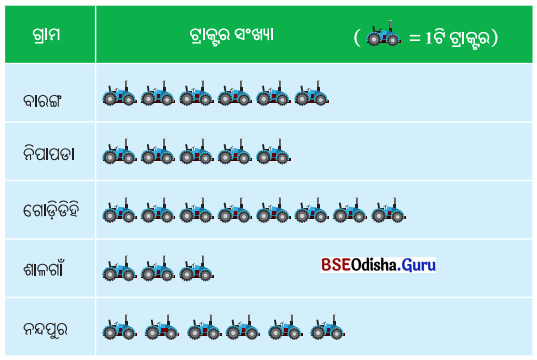
Class 6 Maths Chapter 4 Question Answer Odia Medium ତଥ୍ୟ ଉପସ୍ଥାପନା ଓ ପରିଚାଳନା Page 93 Q6
ଚିତ୍ରଲେଖ ଦେଖ ନିମ୍ନଲିଖତ ପ୍ରଶ୍ନଗୁଡ଼ିକର ଉତ୍ତର ଦିଅ–
(କ) କେଉଁ ଗାଁରେ ସବୁଠାରୁ କମ୍ ଟ୍ରାକ୍ଟର ଅଛି?
(ଖ) କେଉଁ ଗାଁରେ ସବୁଠାରୁ ଅଧ‌ିକ ଟ୍ରାକ୍ଟର ଅଛି?
(ଗ) ଗ୍ରାମ ଗୋଡି଼ଡ଼ିହିରେ ଗ୍ରାମ ନିମାପଡ଼ା ଅପେକ୍ଷା କେତେ ଅଧିକ ଟ୍ରାକ୍ଟର ଅଛି?
(ଘ) ଏଲିସା କହିଲା, ‘ଗ୍ରାମ ଶାଳଗାଁରେ ଟ୍ରାକ୍ଟର ସଂଖ୍ୟା ଗ୍ରାମ ନନ୍ଦପୁରର ଟ୍ରାକ୍ଟର ସଂଖ୍ୟାର ଅଧା।’ ସେ ଠିକ୍ କହୁଛି କି?
Solution:
(କ) ଶାଳ ଗାଁରେ ସବୁଠାରୁ କମ୍ ଟ୍ରାକ୍ଟର ଅଛି।
(ଖ) ଗୋଡ଼ିଡ଼ିହି ଗାଁରେ ସବୁଠାରୁ ଅଧ‌ିକ ଟ୍ରାକ୍ଟର ଅଛି।
(ଗ) ଗ୍ରାମ ଗୋଡି଼ଡ଼ିହିରେ ଗ୍ରାମ ନିମାପଡ଼ା ଅପେକ୍ଷା 3ଟି ଅଧିକ ଟ୍ରାକ୍ଟର ଅଛି।
(ଘ) ଏଲିସା କହିଲା, ‘ଗ୍ରାମ ଶାଳଗାଁରେ ଟ୍ରାକ୍ଟର ସଂଖ୍ୟା ଗ୍ରାମ ନନ୍ଦପୁରର ଟ୍ରାକ୍ଟର ସଂଖ୍ୟାର ଅଧା।’ ହଁ, ସେ ଠିକ୍ କହୁଛି।

Class 6 Maths Chapter 4 Question Answer Odia Medium ତଥ୍ୟ ଉପସ୍ଥାପନା ଓ ପରିଚାଳନା

Question 7.
ନିମ୍ନ ଚିତ୍ରଲେଖରେ ବିଦ୍ୟାଳୟର ପ୍ରତ୍ୟେକ ଶ୍ରେଣୀର ବାଳିକାମାନଙ୍କ ସଂଖ୍ୟା ଦର୍ଶାଯାଇଛି।
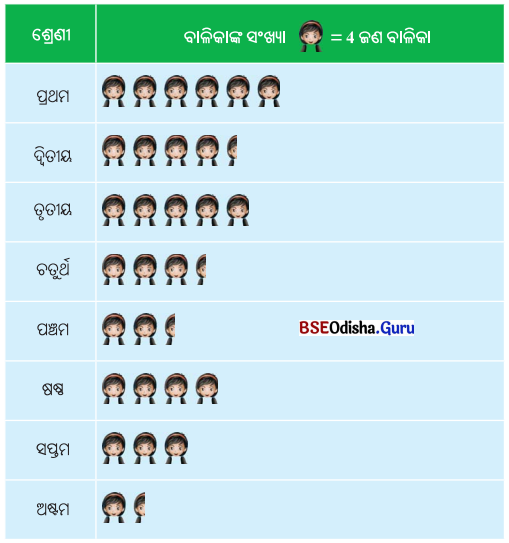
Class 6 Maths Chapter 4 Question Answer Odia Medium ତଥ୍ୟ ଉପସ୍ଥାପନା ଓ ପରିଚାଳନା Page 93 Q7
ଚିତ୍ରଲେଖ ଦେଖୁ ନିମ୍ନଲିଖତ ପ୍ରଶ୍ନଗୁଡ଼ିକର ଉତ୍ତର ଦିଅ-
(କ) କେଉଁ ଶ୍ରେଣୀରେ ସବୁଠାରୁ କମ୍ ବାଳିକା ପଢ଼ନ୍ତି?
(ଖ) ପଞ୍ଚମ ଶ୍ରେଣୀ ଓ ଷଷ୍ଠ ଶ୍ରେଣୀର ବାଳିକାଙ୍କ ସଂଖ୍ୟା ମଧ୍ୟରେ କେତେ ପାର୍ଥକ୍ୟ ଅଛି?
(ଗ) ଯଦି ଦ୍ୱିତୀୟ ଶ୍ରେଣୀରେ ଆଉ ଦୁଇଜଣ ବାଳିକା ନାମ ଲେଖାଇବେ, ତେବେ ଚିତ୍ରଲେଖରେ କ’ଣ ପରିବର୍ତ୍ତନ ହେବ?
(ଘ) ସପ୍ତମ ଶ୍ରେଣୀରେ କେତେଜଣ ବାଳିକା ଅଛନ୍ତି?
Solution:
(କ) ଅଷ୍ଟମ ଶ୍ରେଣୀରେ ସବୁଠାରୁ କମ୍ ବାଳିକା ପଢ଼ନ୍ତି।

(ଖ) ଷଷ୍ଠ ଶ୍ରେଣୀରେ ଥ‌ିବା ବାଳିକାଙ୍କ ସଂଖ୍ୟା 4 × 4 = 16
ପଞ୍ଚମ ଶ୍ରେଣୀରେ ଥ‌ିବା ବାଳିକାଙ୍କ ସଂଖ୍ୟା = 4 × 3.5 = 14
∴ ପଞ୍ଚମ ଶ୍ରେଣୀ ଓ ଷଷ୍ଠ ଶ୍ରେଣୀର ବାଳିକାଙ୍କ ସଂଖ୍ୟା ମଧ୍ୟରେ ପାର୍ଥକ୍ୟ = 16 – 14 = 2

(ଗ) ଦ୍ଵିତୀୟ ଶ୍ରେଣୀରେ ଥିବା ବାଳିକାଙ୍କ ସଂଖ୍ୟା = 4 × 4.5 = 18
ଆଉ ଦୁଇଜଣ ବାଳିକା ନାମ ଲେଖାଇଲେ = 18 + 2 = 20
∴ ଦ୍ଵିତୀୟ ଶ୍ରେଣୀରେ ଆଉ ଦୁଇଜଣ ବାଳିକା ନାମ ଲେଖାଇଲେ ଚିତ୍ରଲେଖରେ 20 ଜଣ ବାଳିକା ହେବେ।

(ଘ) ସପ୍ତମ ଶ୍ରେଣୀରେ ଥ‌ିବା ବାଳିକା ସଂଖ୍ୟା = 3 × 4 = 12 ଜଣ।

Question 8.
ମୁଧୋଲ ହାଉଣ୍ଡ (ଏକ ପ୍ରଜାତିର ଭାରତୀୟ କୁକୁର) ଉତ୍ତର କର୍ଣାଟକର ବାଗାଲକୋଟ ଏବଂ ବିଜୟପୁରା ଜିଲ୍ଲାରେ ବହୁଳ ଭାବରେ ଦେଖାଯାଆନ୍ତି। ଏହି କୁକୁରମାନଙ୍କୁ ପୋଷିଥିବା ଲୋକଙ୍କୁ ସହାୟତା ପ୍ରଦାନ କରି ସରକାର ଏହି ପ୍ରଜାତିର ସୁରକ୍ଷା ପାଇଁ ପଦକ୍ଷେପ ନେଇଥିଲେ। ଏହା ଯୋଗୁ, ଏହି ପ୍ରଜାତିର କୁକୁରମାନଙ୍କ ସଂଖ୍ୟା ବୃଦ୍ଧି ପାଇଲା। କର୍ଣ୍ଣାଟକର ଏହି ଛଅଟି ଗାଁରେ କୁକୁରଙ୍କ ସଂଖ୍ୟା ନିମ୍ନରେ ଦିଆଯାଇଛି – ଗ୍ରାମ A = 18, ଗ୍ରାମ B = 36, ଗ୍ରାମ C = 12, ଗ୍ରାମ D = 48, ଗ୍ରାମ E = 18, ଗ୍ରାମ F = 24
ଏହି ତଥ୍ୟକୁ ନେଇ ଏକ ଚିତ୍ରଲେଖ ପ୍ରସ୍ତୁତ କର ଓ ନିମ୍ନଲିଖତ ପ୍ରଶ୍ନଗୁଡ଼ିକର ଉତ୍ତର ଦିଅ।
(କ) ଏହି ଚିତ୍ରଲେଖ ପ୍ରସ୍ତୁତ କରିବା ପାଇଁ ଏକ ବ୍ୟବହାର ଉପଯୋଗୀ ସ୍କେଲ୍ କ’ଣ ହେବ?
(ଖ) ଗ୍ରାମ–B କୁକୁରମାନଙ୍କ ସଂଖ୍ୟାକୁ ସୂଚାଇବା ପାଇଁ ତୁମେ କେତୋଟି ସଂକେତ (ଚିହ୍ନ) ବ୍ୟବହାର କରିବ?
(ଗ) କାମିନୀ କହିଲେ ଯେ ଗ୍ରାମ–B ଏବଂ ଗ୍ରାମ–Dର କୁକୁରମାନଙ୍କ ସଂଖ୍ୟା ମିଶାଇଲେ ଅନ୍ୟ 4ଟି ଗାଁର କୁକୁରମାନଙ୍କ ସଂଖ୍ୟାଠାରୁ ଅଧିକ ହେବ। ସେ ଠିକ୍ କହିଛନ୍ତି କି? ତୁମ ଉତ୍ତର ସପକ୍ଷରେ କାରଣ ଦର୍ଶାଅ।
Solution:
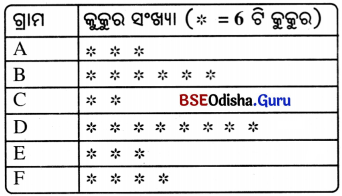
Class 6 Maths Chapter 4 Question Answer Odia Medium ତଥ୍ୟ ଉପସ୍ଥାପନା ଓ ପରିଚାଳନା Page 93 Q8
(କ) 1* = 6 କୁକୁର, ଏହି ଚିତ୍ରଲେଖ ପ୍ରସ୍ତୁତ କରିବା ପାଇଁ ଏକ ବ୍ୟବହାର ଉପଯୋଗୀ ସ୍କୁଲ୍।
(ଖ) ଗ୍ରାମ-B କୁକୁରମାନଙ୍କ ସଂଖ୍ୟାକୁ ସୂଚାଇବା ପାଇଁ ତୁମେ ଟି ସଂକେତ ବ୍ୟବହାର କରିବ।
(ଗ) ହଁ, ସେ ଠିକ୍ କହିଛନ୍ତି। ଗ୍ରାମ–B ଓ ଗ୍ରାମ Dରେ ଥ‌ିବା କୁକୁର ସଂଖ୍ୟା = 6 + 8 = 14 କୁକୁର = 14 × 6 = 84 କୁକୁର।
ଅନ୍ୟ ଚାରୋଟି ଗ୍ରାମର କୁକୁର ସଂଖ୍ୟା = 3 + 2 + 3 + 4 = 12 ଟି କୁକୁର = 12 × 6 = 72 ଟି କୁକୁର।

Question 9.
120 ଜଣ ଶିକ୍ଷାର୍ଥୀଙ୍କ ଉପରେ ଏକ ସର୍ବେକ୍ଷଣ କରାଯାଇଥିଲା ଯେଉଁଥିରେ ସେମାନଙ୍କର ଅବସର ସମୟରେ କେଉଁ କାର୍ଯ୍ୟ କରିବାକୁ ପସନ୍ଦ କରନ୍ତି ତାହା ଦର୍ଶାଯାଇଛି:
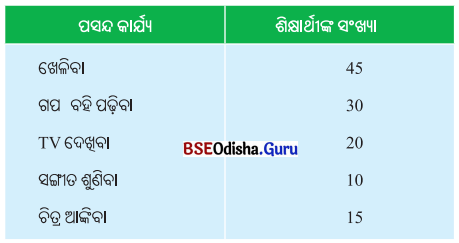
Class 6 Maths Chapter 4 Question Answer Odia Medium ତଥ୍ୟ ଉପସ୍ଥାପନା ଓ ପରିଚାଳନା Page 93 Q9
ଉପର ତଥ୍ୟକୁ ଦର୍ଶାଇବା ପାଇଁ ଏକ ସ୍ତମ୍ଭଲେଖ ପ୍ରସ୍ତୁତ କର। ଏଥିପାଇଁ। ଏକକ = 5 ଜଣ ଶିକ୍ଷାର୍ଥୀ। ଖେଳିବା ବ୍ୟତୀତ ଅସ୍ଵୀକାଂଶ ଶିକ୍ଷାର୍ଥୀ କେଉଁ କାର୍ଯ୍ୟକୁ ପସନ୍ଦ କରନ୍ତି?
Solution:
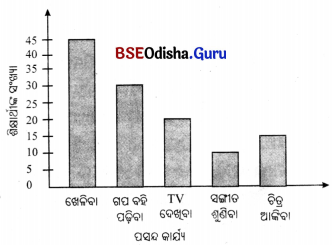
Class 6 Maths Chapter 4 Question Answer Odia Medium ତଥ୍ୟ ଉପସ୍ଥାପନା ଓ ପରିଚାଳନା Page 93 Q9.1

Question 10.
ଗୋଟିଏ ପ୍ରାଥମିକ ବିଦ୍ୟାଳୟର ଶିକ୍ଷାର୍ଥୀ ଏବଂ ଶିକ୍ଷକମାନେ ଜୁଲାଇ ମାସ ପ୍ରଥମ ସପ୍ତାହରେ ବିଦ୍ୟାଳୟ ପରିସରରେ ଏବଂ ଆଖପାଖ ଗାଁର ବୃକ୍ଷରୋପଣ କରିବାକୁ ନିଷ୍ପତ୍ତି ନେଇଥିଲେ। ସେମାନେ ଲଗାଇଥିବା ଚାରାଗୁଡ଼ିକର ବିବରଣୀ ନିମ୍ନ ସ୍ତମ୍ଭଲେଖରେ ଦର୍ଶାଯାଇଛି।
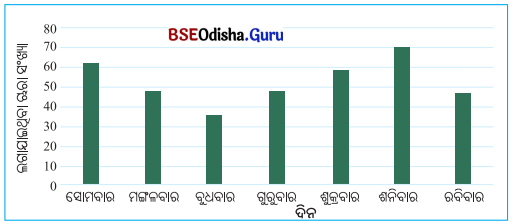
Class 6 Maths Chapter 4 Question Answer Odia Medium ତଥ୍ୟ ଉପସ୍ଥାପନା ଓ ପରିଚାଳନା Page 93 Q10
(କ) ବୁଧବାର ଏବଂ ଗୁରୁବାର ଦିନ ଲଗାଯାଇଥ‌ିବା ମୋଟ ଚାରା ସଂଖ୍ୟା ହେଉଛି ______________
(ଖ) ପୁରା ସପ୍ତାହରେ ରୋପଣ କରାଯାଇଥିବା ମୋଟ ଚାରା ସଂଖ୍ୟା ହେଉଛି ______________
(ଗ) କେଉଁଦିନ ସବୁଠାରୁ ଅଧ‌ିକ ଚାରା ରୋପଣ କରାଯାଇଥିଲା ______________ ଏବଂ କେଉଁଦିନ ସବୁଠାରୁ କମ୍ ଚାରା ରୋପଣ କରାଯାଇଥିଲା ______________
ଏହି କାର୍ଯ୍ୟକ୍ରମ ସମ୍ବନ୍ଧରେ ତୁମର ମତ କ’ଣ ବର୍ଣ୍ଣନା କରିପାରିବ କି? ସପ୍ତାହର କିଛି ନିର୍ଦ୍ଦିଷ୍ଟ ଦିନରେ କାହିଁକି ଅଧିକ ସଂଖ୍ୟକ ଚାରାରୋପଣ କରାଯାଇଥିଲା ଏବଂ ଅନ୍ୟ ଦିନରେ କମ୍? ଏହାର ସମ୍ଭାବ୍ୟ କାରଣକୁ ତୁମର ବର୍ଣ୍ଣନା ଠିକ୍ କି ନାହିଁ ତାହା ଜାଣିବାକୁ ତୁମେ କିପରି ଚେଷ୍ଟା କରିବ?
Solution:
ଲେଖଚିତ୍ରରୁ ବିଭିନ୍ନ ଦିନରେ ଲଗାଯାଇଥିବା ଚାରା ସଂଖ୍ୟା = ସୋମବାର – 62, ମଙ୍ଗଳବାର – 48, ବୁଧବାର – 38, ଗୁରୁବାର – 48, ଶୁକ୍ରବାର – 58, ଶନିବାର – 70, ରବିବାର – 48।
(କ) ବୁଧବାର ଏବଂ ଗୁରୁବାର ଦିନ ଲଗାଯାଇଥିବା ମୋଟ ଚାରା ସଂଖ୍ୟା = 38 + 48 = 86
(ଖ) ପୁରା ସପ୍ତାହରେ ରୋପଣ କରାଯାଇଥିବା ମୋଟ ଚାରା ସଂଖ୍ୟା। = 62 + 48 + 38 + 48 + 58 + 70 + 48 = 372
(ଗ) ଶନିବାରଦିନ ସବୁଠାରୁ ଅଧିକ ଚାରା ରୋପଣ କରାଯାଇଥିଲା ଏବଂ ବୁଧବାରଦିନ ସବୁଠାରୁ କମ୍ ଚାରା ରୋପଣ କରାଯାଇଥିଲା।

Class 6 Maths Chapter 4 Question Answer Odia Medium ତଥ୍ୟ ଉପସ୍ଥାପନା ଓ ପରିଚାଳନା

Question 11.
1900 ରୁ 1970 ମସିହା ମଧ୍ୟରେ ଭାରତରେ ବାଘ ସଂଖ୍ୟା ଅତ୍ୟନ୍ତ ହ୍ରାସ ପାଇଥିଲା। ଭାରତରେ ବାଘମାନଙ୍କୁ ଗଣନା କରି ସୁରକ୍ଷା ଦେବା ପାଇଁ 1973 ରେ ବ୍ୟାଘ୍ର ପ୍ରକଳ୍ପ ଆରମ୍ଭ ହୋଇଥିଲା। 2006ରୁ ଭାରତରେ ବାଘଙ୍କ ଠିକ୍ ସଂଖ୍ୟା ଗଣନା କରାଯାଇଥିଲା। ସାଗରିକା ଏବଂ ରୀନା 2006 ରୁ 2022 ମଧ୍ୟରେ ଭାରତର ବାଘ ସଂଖ୍ୟା ବିଷୟରେ ତଥ୍ୟ ଖୋଜିଥିଲେ। ସେମାନେ ଏହି ତଥ୍ୟ ଉପସ୍ଥାପନା ପାଇଁ ଚାରି ବର୍ଷ ବ୍ୟବଧାନରେ ଏକ ବାରମ୍ବାରତା ବିତରଣ ସାରଣୀ ଏବଂ ଏକ ସ୍ତମ୍ଭଲେଖ ପ୍ରସ୍ତୁତ କରିଥିଲେ, କିନ୍ତୁ ସ୍ତମ୍ଭଲେଖରେ କିଛି ତ୍ରୁଟି ରହିଯାଇଥିଲା। ତୁମେ ସେହି ଭୁଲଗୁଡ଼ିକୁ ଖୋଜି ସେଗୁଡ଼ିକୁ ଠିକ୍ କରିପାରିବ କି?
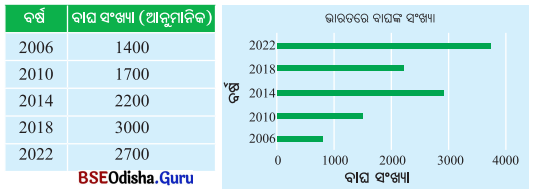
Class 6 Maths Chapter 4 Question Answer Odia Medium ତଥ୍ୟ ଉପସ୍ଥାପନା ଓ ପରିଚାଳନା Page 93 Q11
Solution:
ହଁ, ଏହି ଚିତ୍ରଲେଖରେ 2006, 2014 ଓ 2018 ମସିହାର ବାଘ ସଂଖ୍ୟା ଭୁଲ୍ ଅଛି।
1. 2006 ମସିହାରେ ବାଘ ସଂଖ୍ୟା 1400, କିନ୍ତୁ ଚିତ୍ରଲେଖରେ କମ୍ ଦେଖାଯାଇଛି।
2. 2014 ମସିହାରେ ବାଘ ସଂଖ୍ୟା 2200, କିନ୍ତୁ ଚିତ୍ରଲେଖରେ ବେଶୀ ଦେଖାଯାଇଛି।
3. 2018 ମସିହାରେ ବାଘ ସଂଖ୍ୟା 3000, କିନ୍ତୁ ଚିତ୍ରଲେଖରେ କମ୍ ଦେଖାଯାଇଛି।

4.5 କଳାତ୍ମକ ଏବଂ ସୌନ୍ଦର୍ଯ୍ୟବୋଧ ଦିଗ (Artistic and Aesthetic Considerations)

ଆସ ବୁଝିବା: (Page No. 103)

Question 1.
ଯଦି ତୁମ ବିଦ୍ୟାଳୟର ପ୍ରତ୍ୟେକ ଶ୍ରେଣୀର ସବୁଠାରୁ ଉଚ୍ଚ ଶିକ୍ଷାର୍ଥୀ କିଏ ଜାଣିବାକୁ ଚାହିଁବ, ତା’ହେଲେ ତୁମେ କେଉଁ ପ୍ରକାରର ସ୍ତମ୍ଭ (ଭୂସମାନ୍ତର ନା ଭୂଲମ୍ବ) ନେଇ ସ୍ତମ୍ଭଲେଖା ପ୍ରସ୍ତୁତ କରିବ? କାହିଁକି?
Solution:
ବିଦ୍ୟାଳୟର ପ୍ରତ୍ୟେକ ଶ୍ରେଣୀର ସବୁଠାରୁ ଉଚ୍ଚ ଶିକ୍ଷାର୍ଥୀ କିଏ ଜାଣିବାକୁ ହେଲେ ଆମକୁ ଭୂଲମ୍ବ ସ୍ତମ୍ଭ ନେଇ ସ୍ତମ୍ଭଲେଖା ପ୍ରସ୍ତୁତ କରିବ। କାରଣ ଭୂଲମ୍ବ ସ୍ତମ୍ଭରେ ସ୍ତମ୍ଭଗୁଡ଼ିକ ସଠିକ୍ ତଥ୍ୟ ପ୍ରଦାନ କରିପାରିବ।

Question 2.
ଯଦି ତୁମେ ପ୍ରତ୍ୟେକ ମହାଦେଶର ସବୁଠାରୁ ଲମ୍ବା ନଦୀ କିଏ ଜାଣିବା ପାଇଁ ନଦୀମାନଙ୍କର ଦୈର୍ଘ୍ୟଗୁଡ଼ିକୁ ନେଇ ସ୍ତମ୍ଭଲେଖ ପ୍ରସ୍ତୁତ କରିବାକୁ ଚାହୁଁଛ, ତେବେ ତୁମେ କେଉଁ ପ୍ରକାରର ସ୍ତମ୍ଭ (ଭୂ-ସମାନ୍ତର ବା ଭୂଲମ୍ବ) ନେଇ ସ୍ତମ୍ଭଲେଖ ପ୍ରସ୍ତୁତ କରିବ? କାହିଁକି? ଏହି ସୂଚନା ପାଇବାକୁ ଚେଷ୍ଟାକର ଏବଂ ତା’ପରେ ସଂପୃକ୍ତ ସାରଣୀ ଏବଂ ସ୍ତମ୍ଭଲେଖ ପ୍ରସ୍ତୁତ କର। କେଉଁ ମହାଦେଶରେ ସବୁଠାରୁ ଲମ୍ବା ନଦୀ ଅଛି?
Solution:
ଭୂସମାନ୍ତର ସ୍ତମ୍ଭଲେଖ ପ୍ରସ୍ତୁତ କରାଯିବ।

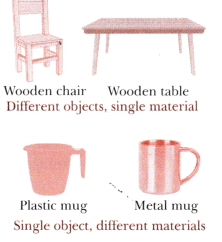
Class 6 Science Chapter 10 Notes Odia Medium ଜୀବଜଗତର ବୈଶିଷ୍ଟ୍ୟ

Go through BSE Odisha Class 6 Science Notes Odia Medium and Class 6 Science Chapter 10 Notes Odia Medium ଜୀବଜଗତର ବୈଶିଷ୍ଟ୍ୟ to understand important concepts and topics more clearly.

6th Class Science Chapter 10 Notes Odia Medium

BSE Odisha Class 6 Science Chapter 10 Notes Odia Medium

ବିଷୟଭିଭିକ ସୂଚନା ଓ ବିଶ୍ଳେଷଣ :

ଆମ ଚାରିପାଖରେ ଥୁବା ବସ୍ତୁଗୁଡ଼ିକୁ ଜୀବ ଓ ନିର୍ଜୀବ ଗୋଷ୍ଠୀରେ ବିଭକ୍ତ କରାଯାଇଥାଏ । ଉଭିଦ ଓ ଅନ୍ୟ ଜୀବମାନଙ୍କର ଆକାରର ବୃଦ୍ଧି ହୋଇଥାଏ । ଜୀବର ବୃଦ୍ଧି ଓ ବିକାଶ ପାଇଁ ପୋଷଣ ଆବଶ୍ୟକ ହୋଇଥାଏ । ପ୍ରାଣୀ ଓ ଉଦ୍ଭିଦମାନେ ଶ୍ଵାସକ୍ରିୟା କରିଥା’ନ୍ତି । ଜୀବମାନେ ଉଦ୍ଦୀପନା ପ୍ରକାଶ କରିଥାନ୍ତି ଓ ସମସ୍ତ ଜୀବଜନ୍ତୁ ପ୍ରଜନନ କରିଥା’ନ୍ତି ।
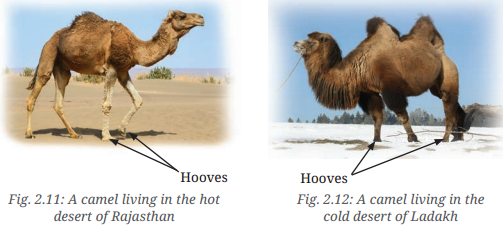
କାର୍ଯ୍ୟ-୧ : ଆସ ରେକ କ ରେକର୍ଡ଼ କରିବା

ଆମ ଚାରିପଟେ ଅନେକ ଜିନିଷ ରହିଛି । କେବଳ ଥରେ ତୁମ ଶ୍ରେଣୀଗୃହର ଚାରିପାଖକୁ ଦେଖ ତୁମେ ଅନେକ ଉଦାହରଣ ପାଇପାରିବ–ତୁମେ ଧରିଥିବା ପେନସିଲ୍, ତୁମେ ପଢୁଥ‌ିବା ବହି କିମ୍ବା ଝରକା ନିକଟରେ ବସିଥୁବା ପାରା ।

ନିମ୍ନ ସାରଣୀରେ ସେମାନଙ୍କୁ ତାଲିକାଭୁକ୍ତ କର ଏବଂ ସ୍ତମ୍ଭ-୨ ରେ ତୁମେ ଦେଖୁଥ‌ିବା ଜିନିଷଗୁଡ଼ିକ ମଧ୍ୟରୁ ପ୍ରତ୍ୟେକକୁ ଜୀବ କିମ୍ବା ନିର୍ଜୀବ ଭାବରେ ଚିହ୍ନଟ କର
ତୃତୀୟ ସ୍ତମ୍ଭରେ ସେମାନଙ୍କୁ ଜୀବ କିମ୍ବା ନିର୍ଜୀବ ଭାବରେ ଶ୍ରେଣୀଭୁକ୍ତ କରିବାର ଏକ କାରଣ ଲେଖ ।

Class 6 Science Chapter 10 Notes Odia Medium ଜୀବଜଗତର ବୈଶିଷ୍ଟ୍ୟ

ସାରଣୀ–୧ : ଆମ ଚାରିପଟେ ଥ‌ିବା ଜୀବ ଓ ନିର୍ଜୀବ

(1) ଜିନିଷର ନାମ (2) ମୋର ଅନୁମାନ (ଜୀବ ଓ ନିର୍ଜୀବ) (3) କାରଣ (4) ଠିକ୍ ଉତ୍ତର (5) ଠିକ୍ ଉତ୍ତର ପାଇଁ କାରଣ
ପେନସିଲ୍ ନିର୍ଜୀବ ଶ୍ଵାସକ୍ରିୟା ନାହିଁ ନିର୍ଜୀବ ନିଜୀବର ଶ୍ଵାସକ୍ରିୟା ନଥାଏ
ବହି ନିର୍ଜୀବ ଶ୍ଵାସକ୍ରିୟା ନାହିଁ ନିର୍ଜୀବ ନିଜୀବର ଶ୍ଵାସକ୍ରିୟା ନଥାଏ
ପାରା ସଜୀବ ଶ୍ଵାସକ୍ରିୟା ଥାଏ ସଜୀବ ସଜୀବ ଶ୍ଵାସକ୍ରିୟା କରିଥାଏ
କାର୍ ନିର୍ଜୀବ ଶ୍ଵାସକ୍ରିୟା ନାହିଁ ନିର୍ଜୀବ ନିଜୀବର ଶ୍ଵାସକ୍ରିୟା ନଥାଏ
ଉଦ୍ଭଦ ସଜୀବ ଶ୍ଵାସକ୍ରିୟା ଥାଏ ସଜୀବ ସଜୀବ ଶ୍ଵାସକ୍ରିୟା କରିଥାଏ
କଣ୍ଢେଇ ନିର୍ଜୀବ ଶ୍ଵାସକ୍ରିୟା ନାହିଁ ନିର୍ଜୀବ ନିଜୀବର ଶ୍ଵାସକ୍ରିୟା ନଥାଏ
କାଉ ସଜୀବ ଶ୍ଵାସକ୍ରିୟା ଥାଏ ସଜୀବ ସଜୀବ ଶ୍ଵାସକ୍ରିୟା କରିଥାଏ

ଜୀବ ନିର୍ଜୀବଠାରୁ କିପରି ଅଲଗା ?

ଯଦି ଉଦ୍ଭଦ୍ର ଗୋଟିଏ ସ୍ଥାନରୁ ଅନ୍ୟ ସ୍ଥାନକୁ ଯାଇ ନଥାଏ, ତଥାପି ସେମାନେ ନିର୍ଦ୍ଦିଷ୍ଟ ପ୍ରକାରର ଗତିବିଧ‌ି ଦେଖାଇଥା’ନ୍ତି । ଉଭିଦର ଚଳପ୍ରଚଳର ଏକ ଉଦାହରଣ ହେଉଛି ଫୁଲ ଫୁଟିବା । ଗତିବିଧ‌ିର ଅନ୍ୟ ଏକ ଉଦାହରଣ ହେଲା ମାଂସଭୋଜୀ ଉଦ୍ଭିଦ । ମାଂସଭୋଜୀ ଉଦ୍ଭିଦ ନିଜର ପୋଷଣ ପାଇଁ କୀଟପତଙ୍ଗ ଉପରେ ନିର୍ଭର କରିଥାଏ ।

ଡ୍ରୋସେରା ହେଉଛି ଏକ ମାଂସଭୋଜୀ ଉଭିଦର ଉଦାହରଣ । ଡ୍ରୋସେରାରେ ଭିନ୍ନ ଆକୃତିର ପତ୍ର ରହିଛି ଯେଉଁଥରେ ଅନେକ କେଶ ଭଳି ଲମ୍ବା ଏବଂ ମୁନିଆଁ କଣ୍ଟା ରହିଛି । ଯେତେବେଳେ କୌଣସି କୀଟ ପତ୍ର ଭିତରକୁ ପ୍ରବେଶ କରିଥାଏ, ଉଭିଦ କୀଟକୁ ତା’ର ମୁନିଆଁ କଣ୍ଟାରେ ଫସାଇ ଦିଏ ।

ଲତାଗୁଡ଼ିକ ମଧ୍ୟ ସେମାନଙ୍କ ନିକଟରେ ରଖାଯାଇଥିବା କୌଣସି ଜିନିଷ ଉପରେ ଭରାଦେଇ |ଆଶ୍ର କରି ବଢ଼ିଥା’ନ୍ତି । ଅର୍ଥାତ୍ ଗଛ ଗୋଟିଏ ସ୍ଥାନରୁ ଅନ୍ୟ ସ୍ଥାନକୁ ଯାଉ ନଥିଲେ ମଧ୍ୟ କିଛି ଗତି ବିଧ୍ ଦେଖାଇଥା’ନ୍ତି ।

ଜୀବର ବୃଦ୍ଧି ଓ ବିକାଶ ପାଇଁ ଖାଦ୍ୟ (ପୋଷଣ)ର ଆବଶ୍ୟକତା ରହିଛି।

Class 6 Science Chapter 10 Notes Odia Medium ଜୀବଜଗତର ବୈଶିଷ୍ଟ୍ୟ

ଶ୍ଵାସକ୍ରିୟାରେ ଯେତେବେଳେ ଆମେ ପ୍ରଶ୍ଵାସ ନେଉ, ବାହାର ବାୟୁ ଆମ ଶରୀରର ଭିତରକୁ ଗତି କରିଥାଏ । ଯେତେବେଳେ ଆମେ ନିଃଶ୍ଵାସ ଛାଡୁ ବାୟୁ ଆମ ଶରୀର ଭିତରୁ ବାହାରକୁ ଯାଇଥାଏ । ଏହା ଏକ ପ୍ରକ୍ରିୟା ଯାହାକୁ ଶ୍ୱସନ କୁହାଯାଏ । ଉଭିଦ ମଧ୍ଯ ଶ୍ଵାସକ୍ରିୟା କରେ କି ? ପତ୍ରପୃଷ୍ଠରେ ଷ୍ଟୋମାଟା ନାମକ ଛୋଟ ଛୋଟ ଛିଦ୍ର ରହିଛି । ଏହି ଛିଦ୍ର ବାୟୁ ଭିତରକୁ ଓ ବାହାରକୁ ନେବାରେ ଉଭିଦକୁ ସାହାଯ୍ୟ କରିଥାଏ ।

ଝାଳରେ ପାଣି ଏବଂ ଲୁଣ ରହିଥାଏ ଯାହାକୁ ଶରୀର ବର୍ଜ୍ୟବସ୍ତୁ ଭାବରେ ବାହାର କରିଥାଏ । ଶରୀରରୁ ବର୍ଜ୍ୟ ବସ୍ତ ବାହାର କରିବାକୁ ନିଷ୍କାସନ କୁହାଯାଏ । ପରିସ୍ରା ମଧ୍ୟ ପଶୁମାନଙ୍କର ନିଷ୍କାସନର ଏକ ଉତ୍ପାଦ ଭାବରେ ସୃଷ୍ଟି ହୁଏ ।

ଉଭିଦ ମଧ୍ୟ ବର୍ଜ୍ୟବସ୍ତୁ ନିଷ୍କାସନ କରଥାଏ ? ଗଛପତ୍ରରେ ଛୋଟ ଛୋଟ ବୁନ୍ଦା ଆକାରରେ ଅତିରିକ୍ତ ଜଳ ଏବଂ ଖଣିଜ ପଦାର୍ଥ ଥାଏ । ଉଦାହରଣ ସ୍ୱରୂପ ଘାସ ଓ ଗୋଲାପ ଫୁଲ ଇତ୍ୟାଦି । ସମସ୍ତ ଜୀବ ବର୍ଜ୍ୟବସ୍ତୁ ନିଷ୍କାସନ କରନ୍ତି ।

କୌଣସି ଜିନିଷ କିମ୍ବା ଘଟଣା ଯାହାଦ୍ଵାରା ଜୀବ ପ୍ରତିକ୍ରିୟା ପ୍ରକାଶ କରେ, ତାହାକୁ ଉଦ୍ଦୀପନା କୁହାଯାଏ ।

ଉଭିଦଗୁଡ଼ିକ ମଧ୍ୟ ଉଦ୍ଦୀପନା ପ୍ରତିକ୍ରିୟା ପ୍ରକାଶ କରନ୍ତି । ଉଦାହରଣ ସ୍ୱରୂପ, ଲାଜକୁଳୀ ଗଛଗୁଡ଼ିକୁ ସ୍ପର୍ଶ କରିବା ସମୟରେ ସେମାନେ ପତ୍ରକୁ ବୁଜି ଦିଅନ୍ତି ।

ସମସ୍ତ ଜୀବଜନ୍ତୁ ପ୍ରଜନନ କରନ୍ତି । ପ୍ରଜନନ ହେଉଛି ନିଜ ପ୍ରଜାତିର ନୂତନ ଜୀବର ସୃଷ୍ଟି । ପ୍ରଜନନ ବଂଶ ବୃଦ୍ଧି ପାଇଁ ଗୁରୁତ୍ଵପୂର୍ଣ୍ଣ ।

ଜୀବିତ ରହିବା ପାଇଁ ଆବଶ୍ୟକ ସମସ୍ତ ସମ୍ବଳ (ଯେପରିକି ଖାଦ୍ୟ, ବାୟୁ ଏବଂ ଜଳ) ଉପଲବ୍ଧ ଥିବା ସତ୍ତ୍ଵେ ଯେତେବେଳେ ଜଣେ ଜୀବ ଉପରୋକ୍ତ ସମସ୍ତ ବୈଶିଷ୍ଟ୍ୟ ପ୍ରଦର୍ଶନ କରିବାକୁ ଅକ୍ଷମ, ସେତେବେଳେ ଏହାକୁ ମୃତ ବୋଲି କୁହାଯାଏ ।

ସମସ୍ତ ଜୀବଙ୍କର କିଛି ସାଧାରଣ ବୈଶିଷ୍ଟ୍ୟ ରହିଥାଏ । ଉଦାହରଣ ସ୍ଵରୂପ, ସମସ୍ତ ଜୀବ ଚଳପ୍ରଚଳ କରନ୍ତି, ଖାଦ୍ୟ ଖାଆନ୍ତି, ଛୋଟରୁ ବଡ଼ ହୁଅନ୍ତି, ଶ୍ଵାସକ୍ରିୟା କରନ୍ତି, ପ୍ରଜନନ କରନ୍ତି, ନିଷ୍କାସନ କରନ୍ତି ଓ ଉଦ୍ଦୀପନା ପ୍ରତି ପ୍ରତିକ୍ରିୟା ପ୍ରକାଶ କରନ୍ତି ଓ ଶେଷରେ ମୃତ୍ୟୁବରଣ କରନ୍ତି । ଉପରୋକ୍ତ ମଧ୍ୟରୁ କୌଣସି ଗୋଟିଏ ବୈଶିଷ୍ଟ୍ୟ ନଥିଲେ ସେମାନଙ୍କୁ ନିର୍ଜୀବ ବୋଲି କୁହାଯାଇପାରିବ ।

କାର୍ଯ୍ୟ – ୨ : ଆସ ପର।ଷଶ କରିବା

ମାଟି ଭର୍ତ୍ତି ହୋଇଥିବା ଚାରୋଟି ସମାନ ପାତ୍ର ନିଆଯାଉ । ପ୍ରତି ପାତ୍ରରେ 4ଟି ବିନ୍ ମଞ୍ଜି ପୋତି ଦିଆଯାଉ । ଏବେ ଏହି ପାତ୍ରଗୁଡ଼ିକୁ ନିମ୍ନଲିଖତ ଅବସ୍ଥାରେ 15 ଦିନ ପର୍ଯ୍ୟନ୍ତ ରଖାଯାଉ ।

‘କ’ ପାତ୍ରରେ ମାଟିକୁ ପାଣି ନଦେଇ ସିଧାସଳଖ ସୂର୍ଯ୍ୟକିରଣରେ ରଖାଯାଉ ।
Class 6 Science Chapter 10 Notes Odia Medium ଜୀବଜଗତର ବୈଶିଷ୍ଟ୍ୟ 1
‘ଖ’ ପାତ୍ରରେ ମାଟିରେ ଅଧ୍ବକ ପାଣି ଦିଆଯାଉ ଯେପରି ମାଟି ଉପରେ ସବୁବେଳେ ପାଣି ରହିବ । ଯଦି ପାଣି କମିଯାଏ, ତେବେ ନିୟମିତ ଭାବେ ପାଣି ଦିଆଯାଉ । ଏହି ପାତ୍ରକୁ ସିଧାସଳଖ ସୂର୍ଯ୍ୟକିରଣରେ ର ଖା ଯାଉ ।

ପାତ୍ର ‘ଗ’ରେ ନିୟମିତ ଭାବେ ମଧ୍ୟମ ପରିମାଣରେ ପାଣି ଦେଇ ପାତ୍ରର ମାଟିକୁ ସାମାନ୍ୟ ଆର୍ଦ୍ର ରଖାଯାଉ । ଏହି ପାତ୍ରକୁ ଅନ୍ଧାର ସ୍ଥାନରେ ରଖାଯାଉ ।

ପାତ୍ର ‘ଘ’ରେ ନିୟମିତ ଭାବେ ମଧ୍ୟମ ପରିମାଣରେ ପାଣି ଦେଇ ପାତ୍ରର ମାଟିକୁ ସାମାନ୍ୟ ଆର୍ଦ୍ର ରଖାଯାଉ । ଏହି ପାତ୍ରକୁ ସିଧାସଳଖ ସୂର୍ଯ୍ୟକିରଣରେ ରଖାଯାଉ ।

ସାରଣୀରେ ପ୍ରତ୍ୟେକ କ୍ଷେତ୍ରରେ ମଞ୍ଜି ପାଇଁ ବାୟୁ, ସୂର୍ଯ୍ୟକିରଣ ଏବଂ ପାଣି ଇତ୍ୟାଦି ମିଳୁଛି ନା ନାହିଁ ପର୍ଯ୍ୟବେକ୍ଷଣ କରାଯାଉ ।

ଯେତେବେଳେ ଏକ ମଞ୍ଜି ଗଜାରେ ପରିଣତ ହୁଏ, ସେତେବେଳେ ଏହା ଅଙ୍କୁରିତ ହୋଇଯାଏ ବୋଲି କୁହାଯାଏ । ପ୍ରତ୍ୟେକ ପାତ୍ରରେ ଥ‌ିବା ମଞ୍ଜି ଗଜା ହେବ କି ନାହିଁ । ସାରଣୀରେ ବିଭିନ୍ନ ପରିସ୍ଥତିରେ ରଖାଯାଇଥିବା ପ୍ରତ୍ୟେକ ପାତ୍ର ପାଇଁ ତୁମ ଅନୁମାନ ଲେଖୁ ରଖାଯାଉ ।

Class 6 Science Chapter 10 Notes Odia Medium ଜୀବଜଗତର ବୈଶିଷ୍ଟ୍ୟ

ସାରଣୀ–୨ : ମଞ୍ଜି ଅଙ୍କୁରଣ ଉପରେ ନିର୍ଦ୍ଦିଷ୍ଟ କାରକର ପ୍ରଭାବ

ବିତ୍ନ ମଞ୍ଜି 
ସହ ପତ୍ର
ଉପଲବ୍ଧତା ଅଙ୍କୁରଣ ପର୍ଯ୍ୟବେକ୍ଷଣର କାରଣ
ବାୟୁ ସୂର୍ଯ୍ୟକିରଣ ପାଣି ପୂର୍ବାନୁମାନ ପର୍ଯବେକ୍ଷଣ
‘କ’ ସିଧାସଳଖ ସୂର୍ଯ୍ୟକିରଣରେ ଏବଂ ବିନା ପାଣିରେ ହିଁ ହିଁ ନାହିଁ ନାହିଁ ଅଙ୍କୁରଣ ହୋଇ ନାହିଁ ମଞ୍ଜିର ଅଙ୍କୁରଣ ପାଇଁ ଜଳ ଆବଶ୍ୟକ
‘ଖ’ ସିଧାସଳଖ ସୂର୍ଯ୍ୟକିରଣ ଓ ଅତ୍ୟଧକ ପାଣିରେ ହିଁ ହିଁ ହିଁ (ଅତ୍ୟଧ୍ଵକ) ହିଁ ସଠିକ୍ ଅଙ୍କୁରଣ ନାହିଁ ଅତ୍ୟଧ୍ଵକ ଜଳ ଥ‌ିବାରୁ ସଠିକ୍ ଅଙ୍କୁରଣ ହେବ ନାହିଁ
‘ଗ’ ସମ୍ପୂର୍ଣ୍ଣ ଅନ୍ଧାର ଓ ଓଦା ମାଟିରେ ହିଁ ନାହିଁ ହିଁ (ସୀମିତ) ହିଁ ହିଁ ଅଙ୍କୁରଣ ହେବ ଆଲୋକର ଅନୁପସ୍ଥିତିରେ ଅଙ୍କୁରଣ ସମ୍ଭବ
‘ଘ’ ସିଧାସଳଖ ସୂର୍ଯ୍ୟକିରଣ ଓ ଓଦା ମାଟିରେ ହିଁ ହିଁ ହିଁ (ସୀମିତ) ହିଁ ହିଁ ଅଙ୍କୁରଣ ହେବ ବାୟୁ, ଆଲୋକ ଓ ଜଳର ଉପସ୍ଥିତିରେ ଅଙ୍କୁରଣ ସମ୍ଭବ

ଅଙ୍କୁରଣ ହେବ ।
ମଞ୍ଜିର ଅଙ୍କୁରଣ ପାଇଁ ଜଳ, ବାୟୁ, ମାଟି, ଆଲୋକ ଓ ଅନ୍ଧାର ବ୍ୟବସ୍ଥା ଆବଶ୍ୟକ ହୋଇଥାଏ । ଉଭିଦର ଉପଯୁକ୍ତ ବୃଦ୍ଧି ଓ ବିକାଶ ପାଇଁ ଅନୁକୂଳ ପରିବେଶ ଓ ପୋଷକର ଆବଶ୍ୟକତା ରହିଥାଏ । ଉଭିଦଗୁଡ଼ିକ ସୂର୍ଯ୍ୟକିରଣ ପ୍ରତି ଯେଉଁ ପ୍ରତିକ୍ରିୟା ପ୍ରଦର୍ଶନ କରନ୍ତି ତାହା ଆମକୁ ଆଶ୍ଚର୍ଯ୍ୟ କରେ ।

ଉଭିଦମାନଙ୍କୁ ଭୂଲମ୍ବ ଭାବେ ରଖିଲେ ମୂଳ ତଳକୁ ଓ କାଣ୍ଡ ଉପରକୁ ବଢ଼ିଥାଏ । ଉଭିଦକୁ ଓଲଟା ରଖିଲେ ମୂଳ ବଙ୍କା ହୋଇ ତଳକୁ ବଢ଼ିଥାଏ ଓ କାଣ୍ଡ ବଙ୍କା ହୋଇ ଉପରକୁ ଉଠିଥାଏ । ଗଛକୁ କେବଳ ଗୋଟିଏ ଦିଗରୁ ସୂର୍ଯ୍ୟକିରଣ ମିଳିଲେ, ଆଲୋକ ଆସୁଥ‌ିବା ଦିଗରେ ଉଭିଦର କାଣ୍ଡ ବଢ଼ିଥାଏ ଓ ମୂଳ ତଳକୁ ବଢ଼ିବାରେ ଲାଗିଥାଏ ।

ମଞ୍ଜି ଅଙ୍କୁରଣ ପାଇଁ ବିଭିନ୍ନ କାରକ :
ଜଳ : ମଞ୍ଜିକୁ ଅଙ୍କୁରଣ ପାଇଁ ଦରକାର ହୋଇଥାଏ । ଜଳ ମଞ୍ଜିର ଅଙ୍କୁରଣ ପାଇଁ ଆବଶ୍ୟକ ପ୍ରକ୍ରିୟା ସମ୍ପାଦନ କରିବାକୁ ସକ୍ଷମ କରେ । ମଞ୍ଜିର ବାହ୍ୟ ଆଚ୍ଛାଦନକୁ ଖୋଳପା କୁହାଯାଏ । ଜଳର ଉପସ୍ଥିତି ମଞ୍ଜିର ଖୋଳପାକୁ ନରମ କରିଥାଏ ଏବଂ ଏହା ଭିତରେ ଥ‌ିବା କ୍ଷୁଦ୍ର ଭୂଣକୁ ଏକ ଚାରା ଗଛରେ ବିକଶିତ କରିବାରେ ସାହାଯ୍ୟ କରେ ।

ବାୟୁ ଓ ମାଟି : ମଞ୍ଜିକୁ ଅଙ୍କୁରଣ ପାଇଁ ବାୟୁର ଆବଶ୍ୟକତା ଥାଏ । ମଞ୍ଜି ମୃତ୍ତିକା ମଧ୍ୟରେ ଥିବା ଫାଙ୍କା ସ୍ଥାନରେ ମିଳୁଥିବା ବାୟୁକୁ ବ୍ୟବହାର କରେ । ଏହାବ୍ୟତୀତ ମାଟିକଣିକା ମଧ୍ୟରେ ଥିବା ଫାଙ୍କା ସ୍ଥାନ ଦେଇ ଚେରକୁ ବଢ଼ିବାରେ ସାହାଯ୍ୟ କରିଥାଏ ।

ଆଲୋକ ଓ ଅନ୍ଧାର ବ୍ୟବସ୍ଥା : ଆମେ ଦେଖୁ ଯେ ବିନ୍ ମଞ୍ଜି ଅଙ୍କୁରଣ ପାଇଁ ଆଲୋକର ଉପସ୍ଥିତି ଜରୁରୀ ନୁହେଁ । ସାଧାରଣତଃ ଅଧିକାଂଶ ମଞ୍ଜିର ଅଙ୍କୁରଣ ପାଇଁ ଆଲୋକର ଆବଶ୍ୟକତା ପଡ଼େ ନାହିଁ । କିନ୍ତୁ ଅଙ୍କୁରଣ ପରେ ଚାରାର ଅଧ୍ବକ ବୃଦ୍ଧି ପାଇଁ ସୂର୍ଯ୍ୟକିରଣ ଆବଶ୍ୟକତା ପଡ଼ିଥାଏ ।

Class 6 Science Chapter 10 Notes Odia Medium ଜୀବଜଗତର ବୈଶିଷ୍ଟ୍ୟ

କୋଲିୟସ୍ ଏବଂ ପେଟୁନିଆ ଭଳି ଫୁଲ ଗଛର କିଛି ମଞ୍ଜି ଅଙ୍କୁରିତ ହେବା ପାଇଁ ଆଲୋକ ଆବଶ୍ୟକ କରନ୍ତି । ଏହି ମଞ୍ଜିକୁ ମାଟିରେ ପୋତିବାଦ୍ଵାରା ଏହାର ଅଙ୍କୁରଣରେ ବାଧା ସୃଷ୍ଟି ହୋଇଥାଏ । କାଲେଣ୍ଡୁଲା ଓ ଜିନିଆ ଭଳି ଫୁଲ ଗଛର ମଞ୍ଜି ଅଙ୍କୁରିତ ହେବା ପାଇଁ ଅନ୍ଧାରୁଆ ପରିବେଶ ଆବଶ୍ୟକ । ଏହି ମଞ୍ଜିଗୁଡ଼ିକୁ ଭଲଭାବରେ ମାଟିରେ ପୋତିବା ଉଚିତ । ତୁମେ ବୟସ୍କମାନଙ୍କୁ ପଚାରି କେଉଁ ମଞ୍ଜି ଅଙ୍କୁରିତ ହେବା ପାଇଁ ଆଲୋକ ଆବଶ୍ୟକ କରନ୍ତି ଓ କେଉଁ ମଞ୍ଜି ଅଙ୍କୁରିତ ହେବା ପାଇଁ ଅନ୍ଧାରୁଆ ପରିବେଶ ଦରକାର କରନ୍ତି, ତା’ର ତାଲିକା କର ।

ଉତ୍ତମ ସ୍ଵାସ୍ଥ୍ୟ ଏବଂ ଉପଯୁକ୍ତ ବୃଦ୍ଧି ପାଇଁ ମଣିଷକୁ ଏକ ସନ୍ତୁଳିତ ଖାଦ୍ୟର ଆବଶ୍ୟକତା ରହିଛି । ସେହିପରି ଉଭିଦର ଉପଯୁକ୍ତ ବୃଦ୍ଧି ଓ ବିକାଶ ପାଇଁ ଅନୁକୂଳ ପରିବେଶ ଓ ପୋଷକର ଆବଶ୍ୟକତା ରହିଛି ।

ଉଭିଦର ବୃଦ୍ଧି ଏବଂ ଚଳନ :
ଉଭିଦଗୁଡ଼ିକ ସୂର୍ଯ୍ୟକିରଣ ପ୍ରତି ପ୍ରତିକ୍ରିୟା ପ୍ରକାଶ କରନ୍ତି । ସୂର୍ଯ୍ୟକିରଣ ଉଭିଦର ବିଭିନ୍ନ ଅଂଶର ବୃଦ୍ଧିକୁ ପ୍ରଭାବିତ କରେ । ଉଭିଦଙ୍କୁ ଓଲଟାଇ ରଖ‌ିଲେ ଉଭିଦର ମୂଳ ଓ କାଣ୍ଡ କେଉଁ ଦିଗରେ ବଢ଼ିବ ଓ ଗତି କରିବ ?

କାର୍ଯ୍ୟ–୩ : ଆସ ପ୍ରସ୍ତୁତ କରିବା

  • କିଛି ବିନ୍ କିମ୍ବା ଛୋଟ ମଞ୍ଜି ନିଆଯାଉ ଏବଂ ସେମାନଙ୍କୁ ଓଦା କପଡ଼ା କିମ୍ବା ଓଦା ଟିସୁ କାଗଜରେ ଅଙ୍ଗୁରିତ ହେବାକୁ ଦିଆଯାଉ ।
  • ସେମାନଙ୍କ ମଧ୍ୟରୁ ପ୍ରତ୍ୟେକଟି ଛୋଟ ଚାରାରେ ବିକଶିତ ନ ହେବା ପର୍ଯ୍ୟନ୍ତ ସେମାନଙ୍କୁ ଅଙ୍କୁରିତ ହେବାକୁ ଦିଆଯାଉ ।
  • ବର୍ତ୍ତମାନ, ତିନୋଟି କାଚ ବିକର କିମ୍ବା ଗ୍ଲାସ ନିଆଯାଉ ଏବଂ ସେଗୁଡ଼ିକୁ କ, ଖ ଓ ଗ ଭାବରେ ନାମିତ କରାଯାଉ ।
    Class 6 Science Chapter 10 Notes Odia Medium ଜୀବଜଗତର ବୈଶିଷ୍ଟ୍ୟ 2
  • ଚିତ୍ରରେ ଦିଆଯାଇଥିବା ଭଳି ତିନୋଟି କାଚ ପ୍ଲେଟ୍ ନିଆଯାଉ ଏବଂ ମୋଟା ନରମ ସୂତା ବ୍ୟବହାର କରି ପ୍ରତ୍ୟେକ ପ୍ଲେଟ୍‌ରେ ଗୋଟିଏ ପାର୍ଶ୍ଵରେ ଏକ ମୋଟା ବ୍ଲଟିଂ କାଗଜକୁ ବାନ୍ଧିଦିଅ ।
  • ଚିତ୍ରରେ ଦିଆଯାଇଥ‌ିବା ଭଳି ଗୋଟିଏ ଲେଖାଏଁ ଚାରା ପ୍ରତି ପ୍ଲେଟ୍‌ରେ ବାନ୍ଧି ରଖ, ଯେପରିକି ଚାରା କ୍ଷତିଗ୍ରସ୍ତ ହେବନାହିଁ ।
  • ବର୍ତ୍ତମାନ ଚିତ୍ର (କ) ଏବଂ ଚିତ୍ର (ଗ) ରେ ଦର୍ଶାଯାଇଥ‌ିବା ଅନୁଯାୟୀ କାଚ ପ୍ଲେଟ୍ ସହ ଚାରାକୁ ସିଧା ରଖ ।
  • ଚିତ୍ର (ଖ) ରେ ଦିଆଯାଇଥିବା ଭଳି ବିକରରେ, ପ୍ଲେଟକୁ ଏପରି ଭାବରେ ପ୍ରସ୍ତୁତ କର ଯେପରି ଚାରର କାଣ୍ଡ ତଳକୁ ଓ ମୂଳ ଉପରକୁ ରହିବ ।
  • ପ୍ରତ୍ୟେକ ପାତ୍ରରେ ପାଣି ଦିଆଯାଉ ଏବଂ ଦେଖ ଚାରାଗୁଡ଼ିକ ଯେପରି ପାଣିକୁ ଲାଗି ରହିବ ।
  • ପ୍ରତ୍ୟେକ କ୍ଷେତ୍ରରେ ବ୍ଲଟିଂ କାଗଜର ତଳ ଭାଗକୁ ପାଣିରେ ଭିଜାଇ ସମ୍ପୂର୍ଣ୍ଣ ଓଦା ହେବାକୁ ଦିଆଯାଉ । ଏହି ଉପାୟରେ ଓଦା ବ୍ଲଟିଂ କାଗଜଦ୍ଵାରା ଚାରାକୁ ଜଳ ମିଳିବ ।
  • ଚିତ୍ରରେ ଦର୍ଶାଯାଇଥ‌ିବା ଭଳି ସୂର୍ଯ୍ୟକିରଣରେ ବିକର (କ) ଏବଂ ବିକର (ଖ) ରଖ ।
  • ଚିତ୍ରରେ ଦର୍ଶାଯାଇଥିବା ଭଳି ବିକର (ଗ) କୁ ଏକ କାର୍ଡ଼ବୋର୍ଡ଼ ବାକ୍ସ ଭିତରେ ଏପରି ଭାବରେ ରଖାଯାଉ ଯେ ଚାରା କେବଳ ଏକ ଛୋଟ କଣା ମାଧ୍ୟମରେ ଗୋଟିଏ ଦିଗରୁ ଆଲୋକ ପାଇବ ।
  • ତୁମ ପୂର୍ବାନୁମାନ ଏବଂ ପର୍ଯ୍ୟବେକ୍ଷଣ ସହିତ ସାରଣୀ–୩ ପୂରଣ କର । ତୁମ ପର୍ଯ୍ୟବେକ୍ଷଣ ଆଧାରରେ (କ), (ଖ) ଏବଂ (ଗ) ରେ ମୂଳ ଏବଂ କାଣ୍ଡର ବୃଦ୍ଧିର ଦିଗକୁ ଲକ୍ଷ୍ୟ କର ।

Class 6 Science Chapter 10 Notes Odia Medium ଜୀବଜଗତର ବୈଶିଷ୍ଟ୍ୟ

ସାରଣୀ–୩ : ବିଭିନ୍ନ ପରିସ୍ଥିତିରେ ମୂଳ ଓ କାଣ୍ଡର ବୃଦ୍ଧି

ବିକର ସୂର୍ଯ୍ୟକିରଣର ଦିଗ ଉଭିଦର ଦିଗ ମୂଳ ଓ କାଣ୍ଡର ଅଭିବୃଦ୍ଧିର ଦିଗ
କାଣ୍ଡ/ମୂଳ ପୂର୍ବାନୁମାନ ପର୍ଯ୍ୟବେକ୍ଷଣ
କ ସବୁ ଦିଗରୁ ଉପରକୁ ସିଧା କାଣ୍ଡ ଉପରକୁ ସିଧା ସଠିକ୍
ମୂଳ ତଳକୁ ସିଧା ସଠିକ୍
ଖ ସବୁ ଦିଗରୁ ଓଲ ଟା କାଣ୍ଡ ବଙ୍କା ହୋଇ ଉପରକୁ ସଠିକ୍
ମୂଳ ବଙ୍କା ହୋଇ ତଳକୁ ସଠିକ୍
ଗ କେବଳ ଗୋଟିଏ ଦିଗରୁ ଉପରକୁ ସିଧା କାଣ୍ଡ ଉପରକୁ ଆଲୋକ ଆସୁଥୁବା ଦିଗରେ
ମୂଳ ତଳକୁ ସିଧା ସଠିକ୍

ଉପରୋକ୍ତ ପରୀକ୍ଷଣରୁ ଆମେ ଏହି ସିଦ୍ଧାନ୍ତରେ ଉପନୀତ ହେଲୁ ଯେ, ଉଭିଦର କାଣ୍ଡଗୁଡ଼ିକ ଉପରକୁ ବଢ଼ି ସୂର୍ଯ୍ୟକିରଣ ଆଡ଼କୁ ଗତି ପ୍ରଦର୍ଶନ କରୁଥିବାବେଳେ ଉଭିଦର ମୂଳ ତଳକୁ ବଢ଼ିଥାଏ ।
ଏହି ପରୀକ୍ଷଣର ଫଳାଫଳ ସାରଣୀ ଏବଂ ଚିତ୍ରରୁ ଆମେ ଲକ୍ଷ୍ୟ କରୁଛୁ ଯେ,
1. ଉଭିଦଙ୍କୁ ସିଧା ରଖୁଲେ ମୂଳ ତଳକୁ ବଢ଼ିଥାଏ ଓ କାଣ୍ଡ ଉପରକୁ ବଢ଼ିଥାଏ ।
2. ଉଭିଦକୁ ଓଲଟା ରଖିଲେ ମୂଳ ବଙ୍କା ହୋଇ ତଳକୁ ବଢ଼ିଥାଏ । ଏହା ବ୍ୟତୀତ କାଣ୍ଡ ବଙ୍କା ହୋଇ ଉପରକୁ ବଢ଼ିଥାଏ ।
Class 6 Science Chapter 10 Notes Odia Medium ଜୀବଜଗତର ବୈଶିଷ୍ଟ୍ୟ 3
3. ଗଛକୁ କେବଳ ଗୋଟିଏ ଦିଗରୁ ସୂର୍ଯ୍ୟକିରଣ ମିଳିଲେ ଆଲୋକ ଆସୁଥ‌ିବା ଦିଗରେ ଉଭିଦର କାଣ୍ଡ ବଢ଼ିଥାଏ ଏବଂ ମୂଳ ତଳକୁ ବଢ଼ିବାରେ ଲାଗିଥାଏ ।

କାର୍ଯ୍ୟ–୩ କରିବା ପରେ ଆମେ ଏହି ସିଦ୍ଧାନ୍ତରେ ପହଞ୍ଚିପାରିବା ଯେ ଉଭିଦର କାଣ୍ଡଗୁଡ଼ିକ ଉପରକୁ ବଢ଼ି ସୂର୍ଯ୍ୟକିରଣ ଆଡ଼କୁ ଗତି ପ୍ରଦର୍ଶିତ କରନ୍ତି କିନ୍ତୁ ଭଭିଦର ମୂଳ ତଳକୁ ବଢ଼ିଥାଏ ।

Class 6 Science Chapter 10 Notes Odia Medium ଜୀବଜଗତର ବୈଶିଷ୍ଟ୍ୟ

ଜଗଦୀଶ ଚନ୍ଦ୍ର ବୋଷ (1858-1937) ଜଣେ ଭାରତୀୟ ବୈଜ୍ଞାନିକ ଥିଲେ ଯିଏ କି ଉଭିଦ ଉପରେ କିଛି ଆକର୍ଷଣୀୟ ପରୀକ୍ଷଣ କରିଥିଲେ । ଆଲୋକ, ଉତ୍ତାପ, ବିଦ୍ୟୁତ୍ ଏବଂ ମାଧ୍ୟାକର୍ଷଣ ଭଳି ଉଦ୍ଦୀପନା ପ୍ରତି ଉଭିଦ କିପରି ପ୍ରତିକ୍ରିୟା ଦିଏ ତାହା ଲେଖୁ ରଖୁବା ପାଇଁ ସେ କ୍ରେସ୍କୋଗ୍ରାଫ୍ ନାମକ ଏକ ମେସିନ୍ ତିଆରି କରିଥିଲେ । ସେ ଏହା ମଧ୍ୟ ଦେଖାଇଛନ୍ତି ଯେ ଉଭିଦ ଉଦ୍ଦୀପନାକୁ ଅନୁଭବ କରିପାରେ ଏବଂ ପ୍ରତିକ୍ରିୟା ପ୍ରକାଶ କରେ ।
Class 6 Science Chapter 10 Notes Odia Medium ଜୀବଜଗତର ବୈଶିଷ୍ଟ୍ୟ 4

ଏକ ଉଭିଦର ଜୀବନ ଚକ୍ର :

କାର୍ଯ୍ୟ-୪ : ଆସ ଅନୁସନ୍ଧାନ କରିବା

  • ଏକ ବିନ୍ ମଞ୍ଜି ଲଗାଯାଉ ଏବଂ ଏହାର ବୃଦ୍ଧି ପାଇଁ ଉପଯୁକ୍ତ କାରକ ପ୍ରଦାନ କରାଯାଉ । ତିନି ମାସ ପର୍ଯ୍ୟନ୍ତ ନିୟମିତ ଭାବେ ନିରୀକ୍ଷଣ କରାଯାଉ ।
  • କୌଣସି ପରିବର୍ତ୍ତନ ପରିଲକ୍ଷିତ ହେବାର ତାରିଖ ଟିପି ରଖାଯାଉ ।
  • ତୁମେ ଲକ୍ଷ୍ୟ କରିଥିବା ପରିବର୍ତ୍ତନ ଘଟିବାକୁ କେତେ ସମୟ ଲାଗିଲା ?
  • କେତେ ଦିନ ପରେ ପ୍ରଥମ ଫୁଲ ଫୁଟିବାର ଦେଖ‌ିଲ ?
  • ଫୁଲର କିଛି ଅଂଶ ଶୁଖୁଯିବା ପରେ, ତୁମେ ଆଉ କିଛି ବୃଦ୍ଧି ଦେଖିପାରିବ କି ?
  • ଫୁଲର ଅବଶିଷ୍ଟ ଅଂଶ ବିକଶିତ ହୋଇ କେଉଁଥିରେ ପରିଣତ ହୁଏ ?
  • ଫୁଲରୁ ମଞ୍ଜି କିମ୍ବା ଫଳ ବିକଶିତ ହେବା ତୁମେ ଦେଖ୍ ପାରିଲ କି ?
  • ମଞ୍ଜି ଓ ଫଳ ତିଆରି ହେବା ପରେ ଉଭିଦର କେଉଁ ପରିବର୍ତ୍ତନ ହୋଇଥାଏ ?
  • ଅଙ୍କୁରଣ ପରେ ଏକ ମଞ୍ଜି ଏକ ଛୋଟ ଉଦ୍ଭଦରେ ପରିଣତ ହୁଏ ଓ ଫୁଲ ଏବଂ ଫଳ ଉତ୍ପାଦନ ପାଇଁ ପରିପକ୍ଵ ହୋଇଥାଏ । ଏହି ଫଳରେ ମଞ୍ଜି ରହିଥାଏ, ଯାହା ନୂଆ ପିଢ଼ିର ଗଛକୁ ଜନ୍ମ ଦେଇଥାଏ । ମଞ୍ଜିରୁ ଗଛ ହେବା ପର୍ଯ୍ୟନ୍ତ ଏବଂ ତା’ ପରେ ପରବର୍ତ୍ତୀ ପିଢ଼ିର ମଞ୍ଜି ପର୍ଯ୍ୟନ୍ତ ସମଗ୍ର ପ୍ରକ୍ରିୟାକୁ ଜୀବନ ଚକ୍ର (Life cycle) କୁହାଯାଏ ।
  • ଯେତେବେଳେ ଏକ ଉଦ୍ଭିଦ ଆବଶ୍ୟକୀୟ କାରକର ଉପସ୍ଥିତିରେ ମଧ୍ୟ ବଢ଼ିବା ବନ୍ଦ କରିଦିଏ ଏବଂ ଜୀବନର ସମସ୍ତ କାର୍ଯ୍ୟକଳାପ ଧୀରେ ଧୀରେ ଶେଷ ହୋଇଯାଏ, ସେତେବେଳେ ଉଭିଦକୁ ମୃତ ବୋଲି ଧରାଯାଏ ।
    Class 6 Science Chapter 10 Notes Odia Medium ଜୀବଜଗତର ବୈଶିଷ୍ଟ୍ୟ 5

ପ୍ରାଣୀଙ୍କ ଜୀବନ ଚକ୍ର :
ଉଭିଦ ଯେଉଁପରି ଭାବରେ ଜୀବନ ଚକ୍ରରେ ଅନେକ ପର୍ଯ୍ୟାୟ ଦେଇ ଗତି କରେ ଠିକ୍ ସେହିପରି ପ୍ରାଣୀମାନେ ମଧ୍ୟ ଜୀବନଚକ୍ରରେ ଅନେକ ପର୍ଯ୍ୟାୟ ଦେଇ ଗତି କରିଥା’ନ୍ତି ।

Class 6 Science Chapter 10 Notes Odia Medium ଜୀବଜଗତର ବୈଶିଷ୍ଟ୍ୟ

ମଶାର ଜୀବନ ଚକ୍ର :
ମଶାମାନେ ସେମାନଙ୍କ ଜୀବନ ଚକ୍ରର ଚାରୋଟି ପର୍ଯ୍ୟାୟ ଦେଇ ଗତି କରିଥା’ନ୍ତି । ଯଥା : (i) ଅଣ୍ଡା, (ii) ଲାର୍ଭା, (iii) ପ୍ୟୁପା, (iv) ବୟସ୍କ ମଶା । I ମ ପର୍ଯ୍ୟାୟରେ ମଶା ଅଣ୍ଡା ଭାବରେ ନିଜର ଜୀବନ ଆରମ୍ଭ କରେ, 2 ୟ ପର୍ଯ୍ୟୟରେ ଲାର୍ଭା, 3 ୟ ପର୍ଯ୍ୟାୟରେ ପ୍ୟୁପା ଓ 4 ର୍ଥ ପର୍ଯ୍ୟାୟରେ ପ୍ରାପ୍ତ ବୟସ୍କ ମଶା ପାଣି ପୃଷ୍ଠରେ କିଛି ସମୟ ବିଶ୍ରାମ ନେଇ ଉଡ଼ିଯାଏ । ବୟସ୍କ ମଶା 10-15 ଦିନ ପର୍ଯ୍ୟନ୍ତ ବଞ୍ଚିପାରେ ।

କାର୍ଯ୍ୟ–୫ : ଆସ ବିଶ୍ଳେଷଣ କରିବା

ଆସ ଏକ ଗୋଲକ ଧନ୍ଦାର ସମାଧାନ କରିବା

  • ଅଣ୍ଡା ପର୍ଯ୍ୟାୟ ପରେ କେଉଁ ପର୍ଯ୍ୟାୟ (ଲର୍ଭା କିମ୍ବା ପ୍ୟୁପା) ଆସିବ ତାହା ତୁମେ କିପରି ସ୍ଥିର କରିବ ?
  • ମନେକର ତୁମକୁ ଲାର୍ଭା ଏବଂ ପ୍ୟୁପା ଥ‌ିବା ପୋଖରୀର ପାଣି ଏକ ପାତ୍ରରେ ଦିଆଯାଇଛି । ଏହି ପର୍ଯ୍ୟାୟଗୁଡ଼ିକର ଠିକ୍ କ୍ରମ ଜାଣିବା ପାଇଁ ଏକ କାର୍ଯ୍ୟ କର ।
  • ତୁମେ ନିଜେ କାର୍ଯ୍ୟ କରିବା ପାଇଁ ପ୍ରୀତି ଦ୍ଵାରା ପ୍ରସ୍ତୁତ କରାଯାଇଥିବା ନିମ୍ନଲିଖିତ କାର୍ଯ୍ୟର ସାହାଯ୍ୟ ନେଇପାରିବ ।
    ସ୍ତର- 1 : ମୋ ପାଖରେ ମଶାର ଲାର୍ଭା ଏବଂ ପ୍ୟୁପା ଥିବା ଏକ ପାଣି ପାତ୍ର ଅଛି ।
    ସ୍ତର-2 : ମୁଁ 4-5 ଟି ଲାର୍ଭା ଏବଂ ପ୍ୟୁପାକୁ ସମାନ ପାଣି ସହିତ ଦୁଇଟି ପୃଥକ ପାତ୍ରରେ ବିଭକ୍ତ କରିବି ।
    ସ୍ତର-3 : ମୁଁ ସେମାନଙ୍କୁ ପରବର୍ତ୍ତୀ ପର୍ଯ୍ୟାୟକୁ ପରିବର୍ତ୍ତନ ହେବା ପର୍ଯ୍ୟନ୍ତ ପ୍ରତିଦିନ ନିରୀକ୍ଷଣ କରିବି ।
    ସ୍ତର–4 : ଯଦି ଲାର୍ଭା ପ୍ୟୁପାରେ ରୂପାନ୍ତରିତ ହୁଏ, ତେବେ ଏହାର ଅର୍ଥ ହେବ ଯେ ଲାର୍ଭା ପର୍ଯ୍ୟାୟ ପ୍ୟୁପା ପର୍ଯ୍ୟାୟ ପୂର୍ବରୁ ଆସିଥାଏ କିମ୍ବା ପ୍ୟୁପା ପର୍ଯ୍ୟାୟ ଲାର୍ଭା ପରେ ଆସିବ ।
    ସ୍ତର -5 : କେଉଁ ପାତ୍ରରେ ପ୍ରଥମେ ଗୋଟିଏ ମଶା ଦେଖାଯିବ, ସେଥ‌ିପାଇଁ ମୁଁ ଉଭୟ ପାତ୍ରକୁ ନିରୀକ୍ଷଣ କରିବି ।
  • ଏହି ପର୍ଯ୍ୟବେକ୍ଷଣଗୁଡ଼ିକ ଆମକୁ ମଶା ଅଭିବୃଦ୍ଧିର ଠିକ୍ କ୍ରମ ଶିଖୁବାରେ ସାହାଯ୍ୟ କରିବ ।
    Class 6 Science Chapter 10 Notes Odia Medium ଜୀବଜଗତର ବୈଶିଷ୍ଟ୍ୟ 6

ବୟସ୍କ ମାଈ ମଶା ସିଧାସଳଖ ପାଣି ଉପରେ କିମ୍ବା ପାଣି ନିକଟରେ ଅଣ୍ଡା ଦେଇଥା’ନ୍ତି ଓ ଜୀବନ ଚକ୍ରକୁ ଚାଲୁ ରଖନ୍ତି । ମଶାର ଜୀବନ ଚକ୍ରର ବିଭିନ୍ନ ପର୍ଯ୍ୟାୟରେ ମଶାର ଶରୀରର ଆକୃତି ଏବଂ ଗଠନରେ ଉଲ୍ଲେଖନୀୟ ପରିବର୍ତ୍ତନ ଘଟିଥାଏ ।

Class 6 Science Chapter 10 Notes Odia Medium ଜୀବଜଗତର ବୈଶିଷ୍ଟ୍ୟ

ରେଶମ ପୋକର ଜୀବନଚକ୍ର :
ରେଶମ ପୋକ ମଧ୍ୟ ଚାରୋଟି ଜୀବନ ପର୍ଯ୍ୟାୟ ଦେଇ ଗତି କରେ – ଅଣ୍ଡା, ଲାର୍ଭା, ପ୍ୟୁପା ଏବଂ ପ୍ରାପ୍ତ ବୟସ୍କ । ଅଣ୍ଡାରୁ ଲାର୍ଭା ବାହାରିଥାଏ, ଯାହା ପରେ ଆକାରରେ ବଢ଼ିଥାଏ । ମ୍ପ୍ୟୁପାରେ ପରିଣତ ହେବା ପୂର୍ବରୁ ଲାର୍ଭାମାନେ ସୂତା ଭଳି ପଦାର୍ଥ ସୃଷ୍ଟି କରି ନିଜ ଶରୀରକୁ ଗୁଡ଼େଇ ଦିଅନ୍ତି । ଏଗୁଡ଼ିକ ହେଉଛି ତନ୍ତୁ ଯାହା ରେଶମ କପଡ଼ା ତିଆରିରେ ବ୍ୟବହୃତ ହୁଏ । ଭାରତରେ ଖଦି ଓ ଗ୍ରାମୋଦ୍ୟୋଗ ଆୟୋଗ (KVIC) ଅନେକ ରେଶମ ଉତ୍ପାଦନ କେନ୍ଦ୍ର ସ୍ଥାପନ କରିଛନ୍ତି ।

ବେଙ୍ଗର ଜୀବନ ଚକ୍ର :

କାର୍ଯ୍ୟ–୬ : ଆସ ବିଶ୍ଳେଷଣ କରିବା

  • ପ୍ରୀତି ଓ ଆୟୁଷ ଆଜି ଫୁଲ୍ ପ୍ୟାଣ୍ଟ ଓ ସାର୍ଟ ପିନ୍ଧିଛନ୍ତି । ସପ୍ତାହେ ହେଲା ଲଗାଣ ବର୍ଷା ଲାଗି ରହିଛି ।
  • ସେମାନେ ସେମାନଙ୍କ ସହପାଠୀଙ୍କ ସହ ଏକ କାର୍ଯ୍ୟ ପାଇଁ ବାହାରକୁ ଯାଉଛନ୍ତି ।
  • ବିଜ୍ଞାନ ଶିକ୍ଷକଙ୍କ ନେତୃତ୍ଵରେ କିଛି ସମୟ ଚାଲିବା ନିକଟରେ ପହଞ୍ଚିଲେ । ଏହା ଚାରିପଟେ ଗଛ ଓ ଲମ୍ବା ପୋଖରୀ କୂଳରେ ଜଳପୃଷ୍ଠରେ ଏକ ଧଳାଜେଲି ପରି ପରେ ସେମାନେ ଏକ ଗଭୀର ପାଣି ଥ‌ିବା ପୋଖରୀ ଘାସ ରହିଛି ।
  • ପଦାର୍ଥ ଭାସୁଥ‌ିବାର ଦେଖ‌ିଲେ । ଏହା ପାଣି ଭିତରେ କିମ୍ବା ଏହାର ଆଖପାଖରେ ବଢୁଥ‌ିବା ଗଛ ସହିତ ମଧ୍ୟ ଲାଗି ରହିଥାଏ । ଏହି ଜେଲି ଭଳି ପଦାର୍ଥ ବାସ୍ତବରେ ଏକ ବେଙ୍ଗ ଅଣ୍ଡାର ଏକ ସମୂହ ।
    Class 6 Science Chapter 10 Notes Odia Medium ଜୀବଜଗତର ବୈଶିଷ୍ଟ୍ୟ 7
  • ବେଙ୍ଗର ଜୀବନ ଚକ୍ର 4 ଟି ପର୍ଯ୍ୟାୟ ଦେଇ ଗତି କରିଥାଏ । ପ୍ରଥମ ପର୍ଯ୍ୟାୟରେ ଅଣ୍ଡା ଅବସ୍ଥା, ଏହାପରେ ଅଣ୍ଡା ଅବସ୍ଥା ଭୃଣ ଅବସ୍ଥାରୁ ଅଗ୍ରସର ହୁଏ, 2 ୟ ପର୍ଯ୍ୟାୟ ହେଉଛି ବେଙ୍ଗଫୁଲା, ଯାହାର l ମ ଅବସ୍ଥାରେ ଲାଞ୍ଜ ଓ ପରବର୍ତ୍ତୀ ଅବସ୍ଥାରେ ଲାଞ୍ଜ ସହ ଆଗ ଗୋଡ଼ ଦେଖାଯାଏ । 3 ୟ ପର୍ଯ୍ୟାୟ ହେଉଛି ବେଙ୍ଗ ଛୁଆ ଯେଉଁଥରେ ପଛଗୋଡ଼ ବାହାରିଥାଏ । 4 ର୍ଥ ପର୍ଯ୍ୟାୟରେ ଛୁଆ ବେଙ୍ଗଟି ବୟସ୍କ ବେଙ୍ଗରେ ପରିଣତ ହୁଏ ।
  • ଉଭିଦ ଓ ପ୍ରାଣୀମାନେ ଜୀବଜଗତର ଏକ ଅଂଶ ଅଟନ୍ତି । ଏମାନେ ନିଜ ଜୀବନରେ ବିଭିନ୍ନ ପରିବର୍ତ୍ତନ ଦେଇ ଗତି କରିଥା’ନ୍ତି । ଉଭିଦ ଓ ପ୍ରାଣୀମାନଙ୍କ ବଞ୍ଚିବା ଏବଂ ସେମାନଙ୍କ ବଂଶବୃଦ୍ଧି ବଜାୟ ରଖୁବା ପାଇଁ ପରିବର୍ତ୍ତନ ଗୁରୁତ୍ଵପୂର୍ଣ୍ଣ ଅଟେ । ଆମେ ସେମାନଙ୍କର ଏବଂ ସେମାନଙ୍କ ବାସସ୍ଥାନର ଯନ୍ ନେଇ ଓ ସୁରକ୍ଷା ପ୍ରଦାନ କରି ଜୀବଜଗତର ସଂରକ୍ଷଣ କରିପାରିବା ।

Class 6 Science Chapter 10 Notes Odia Medium ଜୀବଜଗତର ବୈଶିଷ୍ଟ୍ୟ

ବିଜ୍ଞାନଭିତ୍ତିକ ପ୍ରମୁଖ ଶବ୍ଦ

୧. ନିଶ୍ୱାସ-ପ୍ରଶ୍ଵାସ
୨. ଚଳନ
୩. ନିଷ୍କାସନ
୪. ନିର୍ଜୀବ
୫. ବେଙ୍ଗ ଛୁଆ
୬. ପୋଷଣ
୭. ଅଙ୍କୁରଣ
୮. ପ୍ୟୁପା
୯. ଅଭିବୃଦ୍ଧି
୧୦. ପ୍ରଜନନ
୧୧. ଲାର୍ଭା
୧୨. ଶ୍ଵାସକ୍ରିୟା
୧୩. ଜୀବନଚକ୍ର
୧୪. ପ୍ରତିକ୍ରିୟା
୧୫. ବେଙ୍ଗ ଫୁ ଲା
୧୬. ଉଦ୍ଦୀପନା

ବିଷୟବସ୍ତୁର ସାରାଂଶ :

  • ଆମ ଆଖପାଖରେ ଥିବା ବସ୍ତଗୁଡ଼ିକୁ ଜୀବ ଓ ନିର୍ଜୀବ ଗୋଷ୍ଠୀରେ ବିଭକ୍ତ କରଯାଇପାରେ ।
  • ଜୀବଜଗତର ଅତ୍ୟାବଶ୍ୟକ ବୈଶିଷ୍ଟ୍ୟ ହେଉଛି ସେମାନେ ଚଳପ୍ରଚଳ କରନ୍ତି, ଖାଦ୍ୟ ଖାଆନ୍ତି, ବଢ଼ନ୍ତି, ଶ୍ଵାସକ୍ରିୟା କରିନ୍ତି, ଉଦ୍ଦୀପନା ପ୍ରତି ପ୍ରତିକ୍ରିୟା ଦିଅନ୍ତି, ନିଷ୍କାସନ କରନ୍ତି, ବଂଶବୃଦ୍ଧି କରନ୍ତି ଏବଂ ମୃତ୍ୟୁବରଣ କରନ୍ତି ।
  • ଏଗୁଡ଼ିକ ମଧ୍ୟରୁ କୌଣସି ବୈଶିଷ୍ଟ୍ୟର ଅନୁପସ୍ଥିତି ଥିଲେ ସେମାନେ ଜୀବ ନୁହଁନ୍ତି ।
  • ପ୍ରତ୍ୟେକ ଜୀବ ନିଜ ଜୀବନକାଳରେ ଅନେକ ପର୍ଯ୍ୟାୟ ଦେଇ ଗତି କରିଥା’ନ୍ତି ।
  • ମଞ୍ଜିର ଅଙ୍କୁରଣ ଜଳ, ବାୟୁର ଉପସ୍ଥିତି ଏବଂ ଉପଯୁକ୍ତ ଆଲୋକ କିମ୍ବା ଅନ୍ଧାର ଅବସ୍ଥା ଉପରେ ନିର୍ଭର କରେ ।
  • ମଞ୍ଜିର ଅଙ୍କୁରଣ ସମୟରେ ମୂଳ ସାଧାରଣତଃ ତଳକୁ ବଢ଼ିଥାଏ ଏବଂ କାଣ୍ଡ ଉପରକୁ ବଢ଼ିଥାଏ ।
  • ଏକ ଗଛର ଜୀବନ ଚକ୍ର ମଞ୍ଜିର ଅଙ୍କୁରଣରୁ ଆରମ୍ଭ ହୁଏ, ଏହା ପରେ ଏହାର ବୃଦ୍ଧି ଏବଂ ବିକାଶ ଅନେକ ପର୍ଯ୍ୟାୟରେ ହୋଇଥାଏ । ଏଥିରେ ଫୁଲ ଏବଂ ଫଳ ଉତ୍ପାଦନ ଅନ୍ତର୍ଭୁକ୍ତ । ସେମାନଙ୍କ ଜୀବନ ଚକ୍ର ସମୟରେ ଉତ୍ପାଦିତ ମଞ୍ଜି ନୂତନ ଗଛରେ ପରିଣତ ହୁଏ, ଏବଂ ଏହିପରି ଜୀବନ ଚକ୍ର ଜାରି ରହେ ।
  • ଏକ ପ୍ରାଣୀର ଜୀବନ ଚକ୍ର ଏକ ନବଜାତ ଶାବକରୁ ଆରମ୍ଭ ହୁଏ ଯାହା ବୃଦ୍ଧି ଏବଂ ବିକାଶର ବିଭିନ୍ନ ପର୍ଯ୍ୟାୟ ଦେଇ ଗତି କରେ ଏବଂ ଏହା ପରେ ଏକ ପ୍ରାପ୍ତ ବୟସ୍କ ପର୍ଯ୍ୟାୟରେ ପହଞ୍ଚି ଶେଷରେ ମୃତ୍ୟୁ ହୁଏ । ପ୍ରଜନନ ପ୍ରକ୍ରିୟା ଏହି ପ୍ରକାରର ନିରନ୍ତରତା ବଜାୟ ରଖ୍ଯାଏ ।
  • ଅଣ୍ଡା, ଲାର୍ଭା, ପ୍ୟୁପା ଓ ବୟସ୍କ ମଶାଙ୍କ ପର୍ଯ୍ୟାୟ ଦେଇ ମଶାର ଜୀବନ ଚକ୍ର ଗତି କରିଥାଏ । ବେଙ୍ଗର ଜୀବନ ଚକ୍ରର ବିଭିନ୍ନ ପର୍ଯ୍ୟାୟରେ ଅଣ୍ଡା, ବେଙ୍ଗଫୁଲା, ବେଙ୍ଗ ଛୁଆ ଏବଂ ପ୍ରାପ୍ତ ବୟସ୍କ ବେଙ୍ଗ ଅନ୍ତର୍ଭୁକ୍ତ ।
  • ମଶା ଓ ବେଙ୍ଗ ଭଳି କେତେକ ଜୀବଙ୍କ ଜୀବନ ଚକ୍ରର ବିଭିନ୍ନ ପର୍ଯ୍ୟାୟରେ ଉଲ୍ଲେଖନୀୟ ପରିବର୍ତ୍ତନ ଘଟିଥାଏ । ଶରୀରର ଆକୃତି, ଗଠନ ଏବଂ ବେଳେବେଳେ ବାସସ୍ଥାନରେ ମଧ୍ୟ ଏହି ପରିବର୍ତ୍ତନ ଦେଖିବାକୁ ମିଳିଥାଏ ।

Class 6 Science Chapter 9 Notes Odia Medium ପୃଥକୀକରଣର ପଦ୍ଧତି

Go through BSE Odisha Class 6 Science Notes Odia Medium and Class 6 Science Chapter 9 Notes Odia Medium ପୃଥକୀକରଣର ପଦ୍ଧତି to understand important concepts and topics more clearly.

6th Class Science Chapter 9 Notes Odia Medium

BSE Odisha Class 6 Science Chapter 9 Notes Odia Medium

ବିଷୟଭିଭିକ ସୂଚନା ଓ ବିଶ୍ଳେଷଣ :

ଚାଉଳରେ ଗୋଡ଼ି ଓ ଅଗାଡ଼ି ସହ ବିଭିନ୍ନ ପଦାର୍ଥ ମିଶି ରହିଥାଏ । ଆମେ ଏହି ଗୋଡ଼ିଗୁଡ଼ିକୁ ବାଛିବା ଯାହାଦ୍ଵାରା ଏହା ରୋଷେଇ ପାଇଁ ଉପଯୁକ୍ତ ହେବ ।

ହାତରେ ବାଛିବା ପ୍ରଣାଳୀ

  • ଗହମ ଓ ଚାଉଳରୁ ଛୋଟ ଛୋଟ ଗୋଡି଼ ଓ ଅଗାଡ଼ି ଭଳି ପଦାର୍ଥକୁ ହାତରେ ବାଛି ଅଲଗା କରିବା ପଦ୍ଧତିକୁ ହାତରେ ବାଛିବା ପ୍ରଣାଳୀ କୁହାଯାଏ ।
  • କଣିକାଗୁଡ଼ିକର ଆକାର, ରଙ୍ଗ ଏବଂ ଆକୃତିର ଭିନ୍ନତା ଆଧାରରେ ଏହି କାର୍ଯ୍ୟ କରାଯାଏ ।
  • ଯଦି ବଛାଯିବାକୁ ଥ‌ିବା କଣିକାଗୁଡ଼ିକ ଅଳ୍ପ ପରିମାଣର ଥାଏ, ଏହା ସହଜରେ ହାତରେ ବଛାଯାଇପାରିବ । ପୃଥକୀକରଣର ଏହା ଏକ ସୁବିଧାଜନକ ପଦ୍ଧତି ।
  • ହାତରେ ବାଛିବା ପ୍ରଣାଳୀ ସାହାଯ୍ୟରେ ନିମ୍ନଲିଖୂ ଖାଦ୍ୟ ପଦାର୍ଥକୁ ପରିଷ୍କାର କରାଯାଇପାରିବ ।
    (କ) ବିରିରୁ ଗୋଡି଼ ଅଲଗା କରିବା ।
    (ଖ) ଧାନରୁ ଗୋଡି଼ ଅଲଗା କରିବା ।
    (ଗ) ଚାଉଳରୁ ଧାନ ଅଲଗା କରିବା ।
    (ଘ) ଚୂଡ଼ାରୁ ଧାନ ଅଲଗା କରିବା ।

ଝଡ଼ାଇବା ପ୍ରଣାଳୀ
ଚାଷୀ ଜମିରୁ ଧାନ ଓ ଗହମ କାଟି ତାହାକୁ ବିଡ଼ା କରି ରଖୁଥାଏ । ଏହି ବିଡ଼ାରେ ଧାନ ବା ଗହମର ଅନେକ ଶସ୍ୟ ରହିଥାଏ । ଏକ ବଡ଼ କାଠ ଗଦାରେ ସେହି ବିଡ଼ାଗୁଡ଼ିକୁ ବାଡ଼େଇ ଶସ୍ୟ ସଂଗ୍ରହ କରଯାଇଥାଏ ।

ଧାନ ବା ଗହମ ବିଡ଼ାରୁ ଶସ୍ୟ ସଂଗ୍ରହ କରିବାର ଏହି ପ୍ରକ୍ରିୟାକୁ ଝଡ଼ାଇବା କୁହାଯାଏ ।

Class 6 Science Chapter 9 Notes Odia Medium ପୃଥକୀକରଣର ପଦ୍ଧତି

କାର୍ଯ୍ୟ-୧ : ଆସ ଖୋଜିବା

  • ଏକ ମୁଠା ଭଜା ହୋଇଥବା ଚିନାବାଦାମକୁ ପାପୁଲିରେ ନେଇ ଘଷିଲେ ଚିନାବାଦାମରୁ ଚୋପା ଅଲଗା ହୋଇଥାଏ ।
  • ଏବେ ଏହାକୁ ଫୁଙ୍କିବାକୁ ଚେଷ୍ଟା କର । ତୁମେ କ’ଣ ନିରୀକ୍ଷଣ କରିବ ?
    ଉ. ଏମାନଙ୍କ ମଧ୍ୟରୁ ଚିନାବାଦାମ ଚୋପା ଉଡ଼ିଯିବ ।
  • ଆମେ ଜାଣିଲୁ ପବନ ବହିବାଦ୍ଵାରା ଭାରୀ ଏବଂ ହାଲୁକା ଉପାଦାନ ଅଲଗା ହୋଇଯାଏ ।
  • ଚାଷୀମାନେ କେମିତି ଶସ୍ୟରୁ ଏତେ ଅଗାଡ଼ି ଅଲଗା କରନ୍ତି ?
    ଉ. ପାରମ୍ପରିକ ଭାବରେ, ଶସ୍ୟ ମିଶ୍ରଣର ଭାରୀ ଏବଂ ହାଲୁକା ଉପାଦାନଗୁଡ଼ିକୁ ଅଲଗା କରିବା ପାଇଁ ଏକ କୁଲା ବ୍ୟବହୃତ ହୁଏ ।

ଉଡ଼ାଇବା ପ୍ରଣାଳୀ

  • ବେଳେବେଳେ ଅଲଗା ହୋଇଥିବା ଶସ୍ୟ ସହିତ ଅଗାଡ଼ି ମିଶି ରହିଥାଏ । ଶସ୍ୟଗୁଡ଼ିକରୁ ଅଗାଡ଼ିକୁ ହାତରେ ବାଛି ଅଲଗା କରିବା ସମ୍ଭବ ହୋଇ ନ ଥାଏ ।
  • ତେଣୁ ଶସ୍ୟରେ ଥ‌ିବା ଭାରୀ ଓ ହାଲୁକା (ଅଗାଡ଼ି) ଉପାଦାନକୁ ଅଲଗା କରିବା ପାଇଁ କୁଲା ବ୍ୟବହାର କରାଯାଏ ।
  • ବାଉଁଶ କୁଲାରେ ପାଛୁଡ଼ିବାବେଳେ ପବନ ବହିବା ଫଳରେ ଭାରୀ ଓ ହାଲୁକା ଉପାଦାନଗୁଡ଼ିକ ଅଲଗା ହୋଇଯାଏ ।Class 6 Science Chapter 9 Notes Odia Medium ପୃଥକୀକରଣର ପଦ୍ଧତି 1
  • ପବନ ବହୁଥୁବା ଦିଗରେ ଜୁଲାଦ୍ଵାରା ଶସ୍ୟଗୁଡ଼ିକୁ ଉଡ଼ାଇବାଦ୍ଵାରା ଭାରୀ ଶସ୍ୟ ଗୋଟିଏ ସ୍ଥାନରେ ପଡ଼ିଥାଏ ଏବଂ ହାଲୁକା ଉପାଦାନଗୁଡ଼ିକ ଅଲଗା ସ୍ଥାନକୁ ଉଡ଼ିଯାଇଥାଏ ।
    Class 6 Science Chapter 9 Notes Odia Medium ପୃଥକୀକରଣର ପଦ୍ଧତି 2
  • ପବନରେ କିମ୍ବା କୁଲା ବାଡ଼େଇ ଓଜନିଆ ଏବଂ ହାଲୁକା ପଦାର୍ଥର ମିଶ୍ରଣରୁ ଉପାଦାନଗୁଡ଼ିକୁ ପୃଥକ କରିବାର ଏହି ପଦ୍ଧତିକୁ ଉଡ଼ାଇବା ପ୍ରଣାଳୀ କୁହାଯାଏ । ଚାଉଳ ଓ କୁଣ୍ଡାକୁ ମଧ୍ୟ ଏହି ପ୍ରଣାଳୀରେ ଅଲଗା କରାଯାଇଥାଏ । ବିରି, ମୁଗ ଆଦି ଶସ୍ୟକୁ ପାଛୁଡ଼ି ବା ଉଡ଼ାଇ ସଫା କରାଯାଏ ।

ବୈଷୟିକ ଉନ୍ନତି ଯୋଗୁଁ ଥେସର୍ ନାମକ ମେସିନ୍ ତିଆରି ହୋଇଛି । ଏହି ମେସିନ୍‌ଗୁଡ଼ିକ ଶସ୍ୟରୁ ଅଗାଡ଼ି ଅଲଗା କରିବା ପାଇଁ ବ୍ୟବହୃତ ହୁଏ । ଏହା ଏକା ସାଙ୍ଗରେ ନଡ଼ା ଏବଂ ଅଗାଡ଼ି ଉଭୟରୁ ଶସ୍ୟକୁ ପୃଥକ କରିଥାଏ ।

Class 6 Science Chapter 9 Notes Odia Medium ପୃଥକୀକରଣର ପଦ୍ଧତି

ଚଳାଇବା ପ୍ରଣାଳୀ :

  • କଠିନ–କଠିନ ମିଶ୍ରଣର ଉପାଦାନଗୁଡ଼ିକ ଭିନ୍ନ ଭିନ୍ନ ଆକାରରେ ଥିଲେ ଆମେ ଚାଲୁଣୀରେ ଚଳାଇବା ପ୍ରଣାଳୀ ବ୍ୟବହାର କରିଥାଉ ।
  • ଚାଲୁଣୀର ଛିଦ୍ର ଦେଇ କ୍ଷୁଦ୍ର କଣିକା ତଳକୁ ପଡ଼ିଯାଏ ଏବଂ ବଡ଼ କଣିକା ଚାଲୁଣୀ ଉପରେ ରହିଥାଏ ।
  • ଚାଲୁଣୀ ଦେଇ ଯାଇଥିବା କଣିକା ଏବଂ ଚାଲୁଣୀରେ ରହୁଥ‌ିବା କଣିକାର ଆକାରରେ ଭିନ୍ନତା ରହିଥାଏ ।
    Class 6 Science Chapter 9 Notes Odia Medium ପୃଥକୀକରଣର ପଦ୍ଧତି 4

ତୁମେ କେବେ ଦେଖୁଛ କି ବାଲିରୁ ଗୋଡ଼ି ଓ ପଥରକୁ ଅଲଗା କରିବା ପାଇଁ ନିର୍ମାଣ ସ୍ଥଳରେ ଚାଲୁଣୀର ବ୍ୟବହାର କରାଯାଇଥାଏ ?
ଉ. ହଁ, ଚାଲୁଣୀ ବ୍ୟବହାର କରି ବାଲିରୁ ଗୋଡ଼ି ଓ ପଥର ଅଲଗା କରିବା ମୁଁ ଦେଖୁଛି ।

ସାବରମତୀ ଆଶ୍ରମ କ’ଣ ପାଇଁ ପ୍ରସିଦ୍ଧ ?
ଦାଣ୍ଡି ଶୋଭାଯାତ୍ରାକୁ ଦର୍ଶାଉଥ‌ିବା ଏକ ପୋଷ୍ଟର ପ୍ରସ୍ତୁତ କର ଏବଂ ଏହା କାହିଁକି ଆୟୋଜନ କରାଗଲା ସେ ବିଷୟରେ ଆଲୋଚନା କର ।
ଡ. ବ୍ରିଟିଶ୍ ସରକାରଙ୍କ ଅନ୍ୟାୟ ଲବଣ ଆଇନକୁ ପ୍ରତିବାଦ କରିବା ଓ ଲବଣ ଆଇନକୁ ଭଙ୍ଗ କରିବା ଉଦ୍ଦେଶ୍ୟରେ ଦାଣ୍ଡି ଶୋଭାଯାତ୍ରା ଆୟୋଜନ କରାଯାଇଥିଲା ।

ବାଷ୍ପୀକରଣ ପ୍ରଣାଳୀ :
ସମୁଦ୍ର ଜଳ ହେଉଛି ଲବଣ ଏବଂ ଅନ୍ୟ କିଛି ପଦାର୍ଥର ମିଶ୍ରଣ ଯାହା ପାଣିରେ ଦ୍ରବୀଭୂତ ହୋଇ ରହିଥାଏ । ଲୁଣ ପାଇବା ପାଇଁ ସମୁଦ୍ର ଜଳକୁ ପଟାଳିରେ ସୂର୍ଯ୍ୟକିରଣ ଓ ବାୟୁ ସଂସ୍ପର୍ଶରେ ରଖାଯାଏ । କିଛି ଦିନ ପରେ ପାଣି ବାଷ୍ପୀଭୂତ ହୋଇଯାଏ ଏବଂ ଗାତରେ ସମ୍ପୂର୍ଣ୍ଣ ଭାବରେ ଲୁଣ କଠିନ ମିଶ୍ରଣ ଭାବରେ ରହିଯାଇଥାଏ ।
Class 6 Science Chapter 9 Notes Odia Medium ପୃଥକୀକରଣର ପଦ୍ଧତି 5
ଏହାପରେ ଏହି ମିଶ୍ରଣର ଅଧ୍ବକ ଶୁଦ୍ଧିକର ଣ କରିବାଦ୍ଵାରା ସାଧାରଣ ଲୁଣ ମିଳିଥାଏ ।

Class 6 Science Chapter 9 Notes Odia Medium ପୃଥକୀକରଣର ପଦ୍ଧତି

ଆୟୁର୍ବେଦ ନାମକ ପାରମ୍ପରିକ ଭାରତୀୟ ଚିକିତ୍ସା ପ୍ରଣାଳୀରେ ଜଡ଼ି ବୁଟି ବା ଗଛର ବିଭିନ୍ନ ଅଂଶକୁ ଔଷଧ ଭାବରେ ଗ୍ରହଣ କରାଯାଇଥାଏ । ବିଭିନ୍ନ ଔଷଧୀୟ ଗଛର ଚେର, ପତ୍ର, ଫୁଲ କିମ୍ବା ମଞ୍ଜି ଭଳି ଉପାଦାନକୁ ପ୍ରାୟତଃ ଛାଇରେ ଶୁଖାଇ ଦିଆଯାଏ । ଏହାଦ୍ଵାରା ଗଛରେ ଥ‌ିବା ଅତିରିକ୍ତ ଜଳର ବାଷ୍ପୀକରଣ ସହଜରେ ହୋଇଥାଏ ଓ ଔଷଧୀୟ ଅଂଶ ସୁରକ୍ଷିତ ହୋଇ ରହିଥାଏ ।

ତୁମେ ଭାରତର ଏମିତି କିଛି ଜଳାଶୟ ବିଷୟରେ ଜାଣକି ଯେଉଁଥିରେ ସାଧାରଣ ଲୁଣ ରହିଥାଏ । ଏଭଳି ଏକ ଉତ୍ସ ହେଉଛି ଓଡ଼ିଶାର ଚିଲିକା ଏବଂ ରାଜସ୍ଥାନର ସାୟର ହ୍ରଦ ।

କାର୍ଯ୍ୟ-୨ : ଆସ ନିରୀକ୍ଷଣ କରିବା ଏବଂ ତିଆରି କରିବା

  • ଏକ ପାତ୍ର ନେଇ ସେଥ‌ିରେ ଅଧା ପାତ୍ର ପାଣି ଭରି ଦିଆଯାଉ ।
  • ଏହି ପାଣିରେ 2-3 ଚାମଚ ଲୁଣ ମିଶାଯାଉ ଏବଂ ଲୁଣ ଦ୍ରବୀଭୂତ ହେବା ପର୍ଯ୍ୟନ୍ତ ଗୋଳାଇ ଏହାର ଏକ ଦ୍ରବଣ ତିଆରି କରାଯାଉ ।
  • କଳା କିମ୍ବା ଗାଢ଼ ରଙ୍ଗର ମୋଟା କାଗଜର ଏକ ଛୋଟ ଖଣ୍ଡ ନେଇ ସେଥ‌ିରେ ଲୁଣ ଦ୍ରବଣର କିଛି ବୁନ୍ଦା ପକାଯାଉ ।
  • ଏହି ଲୁଣ ଦ୍ରବଣରେ ତୁମେ ନିଜ ପସନ୍ଦର ଯେ କୌଣସି ଚିତ୍ର ମଧ୍ୟ ତିଆରି କରିପାରିବ ।
  • ଏହାକୁ ଶୁଖ୍କୁ ଦିଆଯାଉ ଏବଂ ତା’ପରେ ଏହାକୁ ନିରୀକ୍ଷଣ କରାଯାଉ ।
    Class 6 Science Chapter 9 Notes Odia Medium ପୃଥକୀକରଣର ପଦ୍ଧତି 6
  • ତୁମ କାଗଜରେ କିଛି ଚିହ୍ନ ଦେଖାଯାଉଛି କାଗଜକୁ ସ୍ପର୍ଶ କରିବାଦ୍ଵାରା ଏଥ‌ିରେ ଲୁଣର ଉପସ୍ଥିତି ଅନୁଭବ କରିହେବ । ପାଣି ବାଷ୍ପୀଭୂତ ହୋଇ ଅଦୃଶ୍ୟ ହୋଇଗଲା ।

କାର୍ଯ୍ୟ–୩ : ଆସ ଅନୁସନ୍ଧାନ କରିବା

  • ଏହି କାର୍ଯ୍ୟ ଶିକ୍ଷକଙ୍କଦ୍ୱାରା ପ୍ରଦର୍ଶନ କରାଯାଇପାରେ ।
  • ଚିନାମାଟି ପାତ୍ରରେ କିଛି ଲୁଣ ଦ୍ରବଣ (କାର୍ଯ୍ୟ-୨ ରେ ଯେପରି ପ୍ରସ୍ତୁତ ହୋଇଥିଲା) ନିଅ । ଚିନାମାଟି ପାତ୍ର ଉପଲବ୍ଧ ନ ହେଲେ ଅନ୍ୟ ଏକ ଉପଯୁକ୍ତ ପାତ୍ର ବ୍ୟବହାର କରାଯାଇପାରେ ।
  • ଜଳକୁ ଗରମ କରି ଫୁଟିବାକୁ ଦିଆଯାଉ ଯେପରି ଚିତ୍ରରେ ଦର୍ଶାଯାଇଛି ।
  • ଚିନାମାଟି ପାତ୍ରକୁ ଥଣ୍ଡା ହେବାକୁ ଦିଆଯାଉ ।
    Class 6 Science Chapter 9 Notes Odia Medium ପୃଥକୀକରଣର ପଦ୍ଧତି 7
  • ଆଙ୍ଗୁଠିରେ ଲୁଣକୁ ସ୍ପର୍ଶ କରି ଚିନାମାଟି ପାତ୍ରରେ ଲୁଣର ଉପସ୍ଥିତି ଅନୁଭବ କରିପାରିବ ।

Class 6 Science Chapter 9 Notes Odia Medium ପୃଥକୀକରଣର ପଦ୍ଧତି

ଏପରି କୌଣସି ପଦ୍ଧତି ଅଛି କି ଯାହା ମାଧ୍ୟମରେ ମୁଁ ଉଭୟ ଲୁଣ ଏବଂ ପାଣି ଫେରି ପାଇବି ?
ଉ. ହଁ ଏପରି ପଦ୍ଧତି ଅଛି । ମୁଁ ଏକ କେଟ୍‌ଲୀରେ ଲୁଣ ପାଣିକୁ ଗରମ କରିବି ଏବଂ ସେଥୁରୁ ବାମ୍ଫ ଆଗରେ ଏକ ଢାଙ୍କୁଣୀ ଦେଖାଇ ବାମ୍ଫକୁ ଅଟକାଇବାଦ୍ୱାରା ତାହା ଜଳବିନ୍ଦୁରେ ପରିଣତ ହେବ । ତଳେ ଏକ ପାତ୍ର ରଖିଲେ ସେଥିରେ ଜଳ ବିନ୍ଦୁ ସଂଗ୍ରହ ହେବ । କେଟ୍‌ଲୀରୁ ଜଳ ବାଷ୍ପୀଭୂତ ହେବାପରେ କେଟ୍‌ଲୀରେ ଲୁଣ ରହିବ ।
Class 6 Science Chapter 9 Notes Odia Medium ପୃଥକୀକରଣର ପଦ୍ଧତି 8

ଚିତ୍ରକୁ ନିରୀକ୍ଷଣ କର । ଏହା ପ୍ରଶ୍ନର ଉତ୍ତର କି ? ତୁମେ ସମ୍ପୃକ୍ତ ପ୍ରକ୍ରିୟାର କି ?
ଉ. ହଁ, ଏହା ପ୍ରଶ୍ନର ଉତ୍ତର । ଏହି ପ୍ରକ୍ରିୟାର ନାମ ଘନୀକରଣ –ବାଷ୍ପୀକରଣ ।

ଆସ୍ରବଣ ଓ ଅବକ୍ଷେପଣ :

  • ଗୋଟିଏ ପାତ୍ରରେ କିଛି ଚାଉଳ ନେଇ ସେଥୁରେ ଜଳ ମିଶାଇ ଭଲ ଭାବରେ ଗୋଳାଇ ଦିଅ । କିଛି ସମୟ ସ୍ଥିର ଭାବରେ ରଖ୍ ଦିଅ ।
  • ଜଳରେ ହାଲୁକା କୁଣ୍ଡା, କାଠି, ଧୂଳି ଭାସିବ । ପାତ୍ରର ତଳେ ଗୋଡ଼ି, ବାଲି ଓ ଚାଉଳ ବସିଯିବ ।
  • ଧୀରେ ଧୀରେ ଉପର ଜଳକୁ ଅନ୍ୟ ଏକ ପାତ୍ରକୁ ଢାଳିଦେଲେ ସେଥୁରେ ଧୂଳି, କୁଣ୍ଡା ଓ କାଠି ଚାଲିଯିବ । ଜଳ ସହିତ ହାଲୁକା କଠିନ ପଦାର୍ଥକୁ ଅନ୍ୟ ଏକ ପାତ୍ରକୁ ଢାଳିବା ପ୍ରଣାଳୀକୁ
  • ଆସ୍ରବଣ କହନ୍ତି । ତଳେ କଠିନ, ଓଜନିଆ ପଦାର୍ଥ ବସିଯିବା ପ୍ରଣାଳୀକୁ ଅବକ୍ଷେପଣ କୁହାଯାଏ ।
    Class 6 Science Chapter 9 Notes Odia Medium ପୃଥକୀକରଣର ପଦ୍ଧତି 9
  • ଆମେ ଜାଣିଲେ ଜଳ ସହିତ ହାଲୁକା ପଦାର୍ଥକୁ ଅନ୍ୟ ଏକ ପାତ୍ରକୁ ଢାଳିବା ପ୍ରଣାଳୀକୁ ଆସ୍ରବଣ କହନ୍ତି ତଳେ କଠିନ, ଓଜନିଆ ପଦାର୍ଥ ବସିଯିବା ପ୍ରଣାଳୀକୁ ଅବକ୍ଷେପଣ କୁହାଯାଏ
  • ଜଳ ସହିତ ମିଶି ରହିଥ‌ିବା ଅଦ୍ରବଣୀୟ କଠିନ ଓଜନିଆ ପଦାର୍ଥକୁ ଅବକ୍ଷେପଣ ଏବଂ ହାଲୁକା ପଦାର୍ଥକୁ ଆସ୍ରବଣ ପ୍ରଣାଳୀରେ ପୃଥକ୍ କରାଯାଏ ।
  • ସୋରିଷ, ଜୀରା, ମେଥ୍ ଆଦିକୁ ଅବକ୍ଷେପଣ ଓ ଆସ୍ରବଣ ପ୍ରଣାଳୀରେ ପରିଷ୍କାର କରାଯାଏ ।
  • ଚାଉଳ ଧୋଇବା ଓ ସଫା କରିବାରେ ମଧ୍ୟ ଆସ୍ରବଣ ପ୍ରଣାଳୀ ବ୍ୟବହୃତ ହୋଇଥାଏ ।
  • ଚା’ ତିଆରି କଲାବେଳେ ଚା’ ଥିବା ପାତ୍ରକୁ କିଛି ସମୟ ସ୍ଥିର ରଖିଦେଲେ, ଚା’ଗୁଣ୍ଡ ପାତ୍ରର ନିମ୍ନଭାଗରେ ବସିଯିବ । ତରଳ ପଦାର୍ଥର ତଳଭାଗରେ ଓଜନିଆ, ଅଦ୍ରବଣୀୟ ଉପାଦାନ
  • ରହିଯିବା ପ୍ରଣାଳୀକୁ ଅବକ୍ଷେପଣ କୁହାଯାଏ । ପତ୍ରକୁ ଅଣେଇ ତରଳ ପଦାର୍ଥ ବାହାର କରି ନିଷ୍କାସନ କରିବା ପ୍ରାଣାଳୀକୁ ଆସ୍ରବଣ କୁହାଯାଏ ।

Class 6 Science Chapter 9 Notes Odia Medium ପୃଥକୀକରଣର ପଦ୍ଧତି

ପରିସ୍ରବଣ ପ୍ରଣାଳୀ :
ଆସ୍ରବଣ ପ୍ରଣାଳୀରେ ସମସ୍ତ ଚା’ ଗୁଣ୍ଡକୁ ଚା’ରୁ ସଂପୂର୍ଣ୍ଣ ଭାବରେ ଅଲଗା କରି ହୋଇ ନଥାଏ । ଏହା ପୃଥକୀକରଣର ଉପଯୁକ୍ତ ପଦ୍ଧତି ନୁହେଁ ।
ଚା’– ଛଣା ଯନ୍ତ୍ରରେ ଏହି କାର୍ଯ୍ୟକୁ ସଠିକ୍ ରୂପେ କରାଯାଇଥାଏ । ଚା’ରୁ ଚା’ ଗୁଣ୍ଡ ପୃଥକ୍ କରିବାର ଏହି ପ୍ରକ୍ରିୟାକୁ ପରିସ୍ରବଣ କୁହାଯାଏ ।
Class 6 Science Chapter 9 Notes Odia Medium ପୃଥକୀକରଣର ପଦ୍ଧତି 10
ଏହି ପ୍ରଣାଳୀରେ କାଦୁଅ ପାଣିକୁ ଏକ କପଡ଼ା ମାଧ୍ୟମରେ ଛାଣି ପୃଥକ୍ କରାଯାଇଥାଏ । ଯଦି ଜଳରେ ଏବେବି କାଦୁଅ ରହିଛି, ତେବେ ଛୋଟ ଛୋଟ କଣା ଥିବା ଛଣା ବ୍ୟବହାର କରି ଅଦ୍ରାବ୍ୟ ପଦାର୍ଥକୁ ଅଲଗା କରାଯାଇପାରିବ । ଫିଲଟର ପେପର ହେଉଛି ଏପରି ଏକ ପଦାର୍ଥ ଯେଉଁଥିରେ ଅସଂଖ୍ୟ ସୂକ୍ଷ୍ମ ରନ୍ଧ୍ର ରହିଥାଏ ।

ବନ୍ୟା ସମୟରେ ନଦୀ ଓ ପୋଖରୀ ପାଣି ଗୋଳିଆ ହୋଇଯାଇଥାଏ ।

ଜଳରେ ମାଟି, ବାଲି, ଧୂଳି ମିଶିଗଲେ ଏହା ଗୋଳିଆ ହୋଇଯାଏ । ଏହି ଗୋଳିଆ ଜଳକୁ ଗୋଟିଏ କାଚ ଗ୍ଲାସ୍‌ରେ ଅଧା ପର୍ଯ୍ୟନ୍ତ ପୂରାଅ ।

ଏହାକୁ କିଛି ସମୟ ସ୍ଥିର ଭାବରେ ଗୋଟିଏ ସ୍ଥାନରେ ରଖୁଲେ ଦେଖୁବ ଗ୍ଲାସ୍‌ର ତଳଭାଗରେ କ’ଣ ଜମିଯାଇଛି । ହାଲୁକା କାଠି, କୁଟା ଓ ଧୂଳିକଣା ଜଳରେ ଭାସିବ । ଓଜନିଆ ବାଲି, ଗୋଡ଼ି ଓ ମାଟି ଜଳ ତଳେ ଜମିରହିବ । ଏହି ଜମି ରହିବାକୁ ଅବକ୍ଷେପଣ କହନ୍ତି । ଉପର ପାଣିକୁ ଅନ୍ୟ ଏକ ଗ୍ଲାସକୁ ଧୀରେ ଧୀରେ ଢାଳିଦିଅ । ଏହାକୁ ଆସ୍ରବଣ ପଦ୍ଧତି କୁହାଯାଏ ।

ଗୋଟିଏ ପ୍ଲାଷ୍ଟିକ୍ ବୋତଲ ଖୋଲା ମୁହଁରେ ଉପଯୁକ୍ତ ଆକାରର ଫନେଲ୍ ବା ଫୁଲଣା ପୂରାଅ । ଫୁଲଣା ଭିତରେ ଖଣ୍ଡିଏ ଫିଲଟର୍‌ ପେପର ଭାଙ୍ଗି ରଖ । ଦ୍ଵିତୀୟ କ୍ଲାସରେ ସଂଗୃହୀତ ଜଳକୁ ଫୁଲଣା ଭିତରେ ଥିବା ଫିଲଟର୍ ପେପର ଉପରେ ଧୀରେ ଧୀରେ ଢାଳ । ବୋତଲ ଭିତରେ ଯେଉଁ ଜଳ ପଡୁଛି ତାହା ପରିଷ୍କାର ଦେଖାଯାଉଛି । ଏହି ପ୍ରଣାଳୀକୁ ପରିସ୍ରବଣ ପ୍ରଣାଳୀ କୁହାଯାଏ ।

Class 6 Science Chapter 9 Notes Odia Medium ପୃଥକୀକରଣର ପଦ୍ଧତି

ଏହି ପ୍ରଣାଳୀଦ୍ଵାରା ତରଳ ପଦାର୍ଥରେ ରହିଥ‌ିବା ଅଦ୍ରବଣୀୟ କଠିନ ପଦାର୍ଥକୁ ତରଳ ପଦାର୍ଥରୁ ପୃଥକ୍ କରାଯାଇପାରେ ।

ପ୍ରଥମେ ଚା’ବ୍ୟାଗ୍ ରେଶମ ଭଳି ନରମ କପଡ଼ାରେ ତିଆରି ହେଉଥିଲା, କାରଣ ଏହା ଚା’ ଗୁଣ୍ଡକୁ ଧରି ରଖ୍ ପାଣିକୁ ବାହାର କରିଦେଇପାରେ । ରେଶମ ଶକ୍ତ ଥିଲା ଓ ଗରମ ପାଣି ସଂସ୍ପର୍ଶରେ ଆସିଲେ ଏହା ନଷ୍ଟ ହେଉ ନଥିଲା । ପରବର୍ତୀ ସମୟରେ ଲୋକମାନେ ଗଜ୍ କିମ୍ବା ମସଲିନ୍ ବ୍ୟବହାର କରିବା ଆରମ୍ଭ କରିଥିଲେ । ଶେଷରେ ସେମାନେ ଫିଲଟର ପେପର ବ୍ୟବହାର କରିବା ଆରମ୍ଭ କଲେ, ଯେଉଁଥରେ ଆଜିକାଲି ଅଧିକାଂଶ ଚା’ ବ୍ୟାଗ୍ ତିଆରି ହୋଇଥାଏ ।

କାର୍ଯ୍ୟ-୪ : ଆସ ପରୀକ୍ଷଣ କରିବା

ଫିଲ୍ମର ପେପରକୁ ନିଜେ ଭାଙ୍ଗ କରିବାକୁ ଚେଷ୍ଟା କର ଏବଂ ଚିତ୍ରରେ ଦର୍ଶାଯାଇଥ‌ିବା ଅନୁଯାୟୀ ଏକ କୋନ ତିଆରି କର ।
Class 6 Science Chapter 9 Notes Odia Medium ପୃଥକୀକରଣର ପଦ୍ଧତି 14
ଏହାକୁ ଏକ କୋନିକାଲ ଫ୍ଲସ୍କ ଉପରେ ରଖାଯାଇଥିବା ଏକ ଫନେଲ ଭିତରେ ରଖ ଏବଂ ସେଥ‌ିରେ କାଦୁଅ ପାଣି ଢାଳିଦିଅ ।
Class 6 Science Chapter 9 Notes Odia Medium ପୃଥକୀକରଣର ପଦ୍ଧତି 11
ଫନେଲରୁ ଆସୁଥ‌ିବା ପାଣିକୁ କୋନିକାଲ ଫ୍ଲସ୍କରେ ସଂଗ୍ରହ କରାଯିବ ।
ତୁମେ ଫିଲଟର ପେପରରେ ଅବଶିଷ୍ଟ କାଦୁଅ ପାଇବ ଏବଂ କୋନିକାଲ ଫ୍ଲାସ୍କରେ ଛଣା ହୋଇଥିବା ସଫା ପାଣି ପାଇବ ।

ଫିଲଟର ପେପର ବ୍ୟତୀତ କପା/ ତୁଳା, କୋଇଲା ଓ ବାଲି ଭଳି ଅନେକ ବସ୍ତ ମଧ୍ଯ ଛାଣିବା ପାଇଁ ବ୍ୟବହୃତ ହୋଇପାରିବ । ଛଣାର ଚୟନ, ଅପସାରଣ ହେବାକୁ ଥ‌ିବା ପଦାର୍ଥର କଣିକାଗୁଡ଼ିକର ଆକାର ଉପରେ ନିର୍ଭର କର ।

Class 6 Science Chapter 9 Notes Odia Medium ପୃଥକୀକରଣର ପଦ୍ଧତି

ମନ୍ଥନ ପ୍ରଣାଳୀ :

  • କ୍ଷୀରକୁ ଏକ ମନ୍ଥନ ଦଣ୍ଡଦ୍ଵାରା ଗୋଳାଇଲେ ଏଥିରେ ଥ‌ିବା ହାଲୁକା କଣିକା ଲହୁଣୀ ରୂପରେ କ୍ଷୀର ଉପରେ ଭାସିବ । ହାତରେ ଛାଣି ବା ଛଣା ଯନ୍ତ୍ରରେ ଛାଣି ଏହାକୁ ବାହାର କରାଯାଇପାରିବ । ଘୋଳ ଦହି ସ୍ଥିର ହୋଇ ତଳେ ରହିଯିବ ।
  • ଏହି ଲହୁଣୀ ପୃଥକ୍ କରିବା ପ୍ରଣାଳୀକୁ ମନ୍ଥନ ପ୍ରଣାଳୀ କୁହାଯାଏ ।
    Class 6 Science Chapter 9 Notes Odia Medium ପୃଥକୀକରଣର ପଦ୍ଧତି 12

ଚୁମ୍ବକୀୟ ପ୍ରଣାଳୀ :

  • ଚୁମ୍ବକଦ୍ଵାରା ଆକର୍ଷିତ ହେଉଥ‌ିବା ପଦାର୍ଥକୁ ଚୁମ୍ବକୀୟ ପଦାର୍ଥ କୁହାଯାଏ ।
  • କାଠଗୁଣ୍ଡ ସହିତ ଲୁହା କଣ୍ଟା ମିଶିଥିଲେ ଏହାକୁ ଚୁମ୍ବକଦ୍ଵାରା ଲୁହାକଣ୍ଟାକୁ ଅଲଗା କରାଯାଇପାରିବ କାରଣ ଲୁହାକଣ୍ଟା ହେଉଛି ଏକ ଚୁମ୍ବକୀୟ ପଦାର୍ଥ ।
  • ଚୁମ୍ବକ ବ୍ୟବହାର କରି ଚୁମ୍ବକୀୟ ଓ ଅଚୁମ୍ବକୀୟ ପଦାର୍ଥକୁ ଅଲଗା କରିବାକୁ ଚୁମ୍ବକୀୟ ପୃଥକୀକରଣ ପ୍ରଣାଳୀ କୁହାଯାଏ ।
  • ଆଜିକାଲି କବାଡ଼ିବାଲାମାନେ ଆବର୍ଜନା ଗଦାରୁ ଲୁହା ସମାଗ୍ରୀକୁ ଅଲଗା ପାଇଁ ଚୁମ୍ବକ ବ୍ୟବହାର କରିଥାନ୍ତି । ଅନେକ ଶିଳ୍ପର ବର୍ଜ୍ୟବସ୍ତରେ ପ୍ରାୟତଃ ସ୍ଟ୍ରାପ୍ ଆଇରନ୍ ରହିଥାଏ ।
  • କ୍ରେନ୍‌ରେ ଲାଗିଥିବା ଚୁମ୍ବକ ବ୍ୟବହାର କରି ଏହାକୁ ବର୍ଜ୍ୟବସ୍ତୁ ଗଦାରୁ ଅଲଗା କରାଯାଇଥାଏ ।

କାର୍ଯ୍ୟ-୫ : ଆସ ନିଜସ୍ଵ ଜଜଣଳଜର ତିଆରି କରିବା

  • ଟିନା ତାଙ୍କ ଜେଜେ ମା’ଙ୍କ ସହ ପ୍ରକୃତି ଭ୍ରମଣରେ ଗଲା ଏବଂ ଏକ ପାତ୍ରରେ ଗୋଟିଏ ପୋଖରୀରୁ କିଛି ଜଳ ସଂଗ୍ରହ କରି ଆଣିଲା ।
  • ଏଥ‌ିରେ କିଛି ଅଦରକାରୀ ପଦାର୍ଥ ଥିବା ସେ ଦେଖିବାକୁ ପାଇଲା ।
  • ସ୍ଵଳ୍ପ ମୂଲ୍ୟର ସାମଗ୍ରୀ ବ୍ୟବହାର କରି ପାଣି ଛଣାର ଏକ କାର୍ଯ୍ୟକାରୀ ମଡ଼େଲ ତିଆରି କଲା ।

Class 6 Science Chapter 9 Notes Odia Medium ପୃଥକୀକରଣର ପଦ୍ଧତି

କାର୍ଯ୍ୟ–୬ : ଆସ ଖେଳିବା

ଉକ୍ତିଗୁଡ଼ିକୁ ପଢ଼ ଓ ପ୍ରଣାଳୀର ନାମ ଲେଖ । (ପ୍ରଶ୍ନ ସହିତ ଉତ୍ତର)
୧. ଡାଲିରୁ ଛୋଟ ଛୋଟ ପଥରକୁ ଅଲଗା କରିବା – ଚାଲୁଣୀରେ ଚଲେଇବା
୨. ଲହୁଣୀ ପାଇବା ପାଇଁ ଦହି ମନ୍ଥନ କରିବା – ମନ୍ଥନ ପ୍ରଣାଳୀ
୩. ରନ୍ଧା ଦଲିଆ (ଗହମ ଗୁଣ୍ଡରେ ପ୍ରସ୍ତୁତ ଖାଦ୍ୟ) କିମ୍ବା ଚୁଡ଼ା ଉପମାରୁ କଞ୍ଚା ଲଙ୍କା ବାହାର କରିବା – ହାତରେ ବାଛିବା
୪. ତରଭୁଜରୁ ମଞ୍ଜି ବାହାର କରିବା – ହାତରେ ବାଛିବା କଣ୍ଟାଗୁଡ଼ିକୁ କାଢ଼ିବା
୫. ନିର୍ମାଣ ସମାଗ୍ରୀର ମିଶ୍ରିତ ଗଦାରୁ ଲୁହା – ଚୁମ୍ବକୀୟ ପ୍ରଣାଳୀ
୬. ମାଳ ତିଆରି କରିବା ପାଇଁ ଅନ୍ୟ ଫୁଲ ଗଦାରୁ ଗେଣ୍ଡୁ ଫୁଲକୁ ଅଲଗା କରିବା – ହାତରେ ଛିଣ୍ଡାଇବା
୭. ବାଲିରୁ ଗୋଡ଼ି ଅଲଗା କରିବା – ଚାଲୁଣୀରେ ଚଲେଇବା
୮. ଚାଉଳ ଚୁନାରୁ ଚାଉଳକୁ ଅଲଗା କରିବା – ଚାଲୁଣୀରେ ଚଲେଇବା
୯. ପାଣିରୁ ତେଲ ଅଲଗା କରିବା – ଆସ୍ରବଣ ଓ ପୃଥକକାରୀ ଫନେଲ
୧୦. ଲୁଣ ଦ୍ରବଣରୁ ଲୁଣକୁ ଅଲଗା କରିବା – ବାଷ୍ପୀକରଣ
Class 6 Science Chapter 9 Notes Odia Medium ପୃଥକୀକରଣର ପଦ୍ଧତି 13
ତୁମେ ପଦାର୍ଥଗୁଡ଼ିକୁ ଅଲଗା କରିବାର କାରଣ କେତେ ବୁଝିଛ ଜାଣିବା ପାଇଁ ଏହି କାର୍ଯ୍ୟଟି ତୁମକୁ ସାହାଯ୍ୟ କରିବା ।

ବିଜ୍ଞାନଭିତ୍ତିକ ପ୍ରମୁଖ ଶବ୍ଦ

୧. ମନ୍ଥନ
୨. ମିଶ୍ରଣ
୩. ଆସ୍ରବଣ
୪. ଅବକ୍ଷେପଣ
୫. ବାଷ୍ପୀକରଣ
୬. ଛାଣିବା
୭. ପରିସ୍ରବଣ
୮. ଝଡ଼ାଇବା
୯. ହାତରେ କିଛି ପୃଥକୀକରଣ
୧୦. ଉଡ଼ାଇବା
୧୧. ଚୁମ୍ବକୀୟ ପୃଥକୀକରଣ

Class 6 Science Chapter 9 Notes Odia Medium ପୃଥକୀକରଣର ପଦ୍ଧତି

ବିଷୟବସ୍ତୁର ସାରାଂଶ :

  • ଏକ ମିଶ୍ରଣରୁ ଆକାର, ରଙ୍ଗ ଏବଂ ଆକୃତିର ଭିନ୍ନତା ହାତରେ ବାଛିବା ପ୍ରଣାଳୀ ବ୍ୟବହାର କରାଯାଏ ।
  • ଆଧାରରେ କଠିନ ପଦାର୍ଥକୁ ଅଲଗା କରିବା ପାଇଁ ଯେଉଁ ପ୍ରକ୍ରିୟାରେ ଶସ୍ୟ ବିଡ଼ାକୁ ବାଡ଼େଇ ବାଡ଼େଇ ଅଲଗା କରାଯାଏ ତାହାକୁ ଝଡ଼ାଇବା ପ୍ରଣାଳୀ କୁହାଯାଏ । ପବନ ପ୍ରବାହିତ କରି କିମ୍ବା କୁଲା ବାଡ଼େଇ ଓଜନିଆ ଶସ୍ୟରୁ ହାଲୁକା ଅଗାଡ଼ିକୁ ଅଲଗା କରିବାର ପଦ୍ଧତିକୁ ଉଡ଼ାଇବା ପ୍ରଣାଳୀ କୁହାଯାଏ ।
  • ଚାଲୁଣୀ ବ୍ୟବହାର କରି କଣିକା ଆକାରରେ ଭିନ୍ନତା ଆଧାରରେ ଏକ ମିଶ୍ରଣରୁ ଭିନ୍ନ ଭିନ୍ନ କଠିନ ପଦାର୍ଥକୁ ଅଲଗା କରିବା ପ୍ରକ୍ରିୟାକୁ ଚଲାଇବା କୁହାଯାଏ ।
  • ଯେଉଁ ପ୍ରକ୍ରିୟାରେ ତରଳ ପଦାର୍ଥ ବାଷ୍ପରେ ପରିଣତ ହୁଏ ତାହାକୁ ବାଷ୍ପୀକରଣ କୁହାଯାଏ । ଏହା ତରଳ ପଦାର୍ଥରୁ ଦ୍ରବୀଭୂତ କଠିନ ପଦାର୍ଥକୁ ଅଲଗା କରିବାକୁ ବ୍ୟବହୃତ ହୋଇଥାଏ ।
  • ତରଳ ପଦାର୍ଥର ତଳଭାଗରେ ଥ‌ିବା ଓଜନିଆ ଅଦ୍ରବଣୀୟ ଉପାଦାନକୁ ଅଲଗା କରିବା ପଦ୍ଧତିକୁ ଅବକ୍ଷେପଣ କୁହାଯାଏ । ପାତ୍ରକୁ ଅଣେଇ ତରଳ ପଦାର୍ଥରୁ ଅଦ୍ରବଣୀୟ ପଦାର୍ଥକୁ ଅଲଗା କରିବା ପଦ୍ଧତିକୁ ଆସ୍ରବଣ କୁହାଯାଏ । ତରଳ ପଦାର୍ଥରୁ ଅଦ୍ରବଣୀୟ କଠିନ ଉପାଦାନଗୁଡ଼ିକୁ ଅଲଗା କରିବା ପାଇଁ ପରିସ୍ରବଣ ପ୍ରଣାଳୀ ବ୍ୟବହାର କରାଯାଇପାରେ ।
  • ଦହିରୁ ଲହୁଣୀ ବାହାର ପାଇଁ ମନ୍ଥନ ପ୍ରଣାଳୀ ବ୍ୟବହାର କରାଯାଏ ।
  • ଚୁମ୍ବକ ବ୍ୟବହାର କରି ଚୁମ୍ବକୀୟ ଏବଂ ଅ–ଚୁମ୍ବକୀୟ ପଦାର୍ଥକୁ ଅଲଗା କରିବାକୁ ଚୁମ୍ବକୀୟ ପୃଥକୀକରଣ କୁହାଯାଏ ।