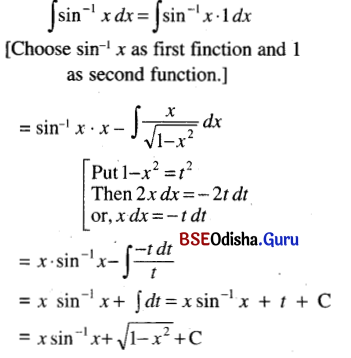
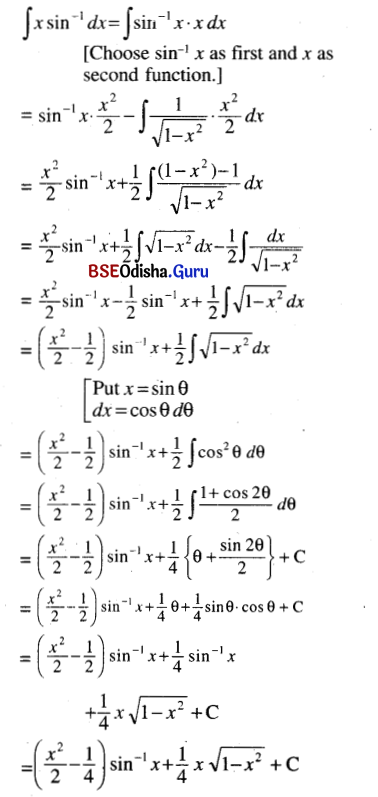
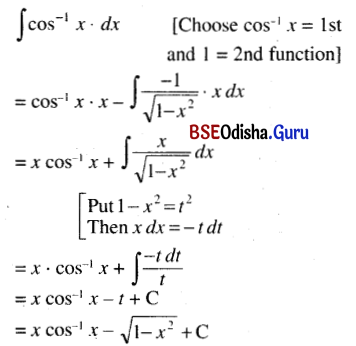
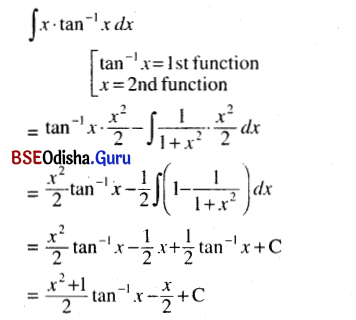
BSE Odisha 9th Class History Solutions Chapter 2 ପ୍ରଥମ ବିଶ୍ୱଯୁଦ୍ଧ – କାରଣ ଓ ଫଳାଫଳ

Odisha State Board BSE Odisha 9th Class History Solutions Chapter 2 ପ୍ରଥମ ବିଶ୍ୱଯୁଦ୍ଧ – କାରଣ ଓ ଫଳାଫଳ Textbook Exercise Questions and Answers.

BSE Odisha Class 9 History Solutions Chapter 2 ପ୍ରଥମ ବିଶ୍ୱଯୁଦ୍ଧ – କାରଣ ଓ ଫଳାଫଳ

୧ । ପ୍ରତ୍ୟେକ ପ୍ରଶ୍ନର ଉତ୍ତର ୬୦ ଗୋଟି ଶବ୍ଦ ମଧ୍ଯରେ ଲେଖ ।

(କ) ପ୍ରଥମ ବିଶ୍ୱଯୁଦ୍ଧର ପ୍ରମୁଖ କାରଣ ହୋଇଥିବା କୂଟନୈତିକ ଚୁକ୍ତିଗୁଡ଼ିକ ଉଲ୍ଲେଖ କର ।
Answer:

  • ୧୮୮୨ ମସିହାରେ ଅଷ୍ଟ୍ରିଆ, ଇଟାଲୀ, ଜର୍ମାନୀ ମଧ୍ୟରେ ଏକ ତ୍ରିଶକ୍ତି ମେଣ୍ଟ (Triple Alliance) ସ୍ବାକ୍ଷରିତ ପାଇଁ ଇନ୍ଧନ ଯୋଗାଇଥିଲା ।
  • ୧୮୯୪ ମସିହାରେ ରୁଷିଆ ଓ ଫ୍ରାନ୍ସ ମଧ୍ୟରେ ଏକ ପ୍ରତିରକ୍ଷାତ୍ମକ ସାମରିକ ଚୁକ୍ତି ସ୍ବାକ୍ଷରିତ ହୋଇଥିଲା ।
  • ଜର୍ମାନୀର କାଇଜର ୨ୟ ଉଇଲିୟମ୍ଙ୍କ ଆକ୍ରମଣାତ୍ମକ ନୀତି ଯୋଗୁଁ ଇଂଲାଣ୍ଡ ୧୯୦୨ ମସିହାରେ ଜାପାନ ସହିତ, ୧୯୦୪ ମସିହାରେ ଫ୍ରାନ୍ସ ସହିତ ଏବଂ ୧୯୦୭ ମସିହାରେ ରୁଷିଆ ସହିତ ଚୁକ୍ତି ସ୍ବାକ୍ଷର କରିଥିଲା ।
  • ଏହି ପରିପ୍ରେକ୍ଷୀରେ ଇଂଲାଣ୍ଡ, ରୁଷିଆ ଓ ଫ୍ରାନ୍ସ ମଧ୍ୟରେ ‘ତ୍ରିମିତ୍ର ପକ୍ଷ’ (Triple Entente) ଗଠିତ ହେଲା ।
  • ଏହିଭଳି ଭାବରେ ଦୁଇ ପରସ୍ପର ବିରୋଧୀ ଗୋଷ୍ଠୀ ତ୍ରିଶକ୍ତି ମେଣ୍ଟ ଏବଂ ତ୍ରିମିତ୍ର ପକ୍ଷ ମଧ୍ୟରେ ଶତ୍ରୁତା ବୃଦ୍ଧି ପାଇବାକୁ ଲାଗିଲା, ଯାହାକି ବିଶ୍ବଯୁଦ୍ଧର ଏକ ପ୍ରମୁଖ କାରଣ ହେଲା ।

BSE Odisha 9 th Class History Solutions Chapter 2 ପ୍ରଥମ ବିଶ୍ୱଯୁଦ୍ଧ - କାରଣ ଓ ଫଳାଫଳ

(ଖ) ପ୍ରଥମ ବିଶ୍ୱଯୁଦ୍ଧର ଆସନ୍ନ କାରଣ ବର୍ଣନା କର ।
Answer:
ଏକ ସ୍ଥାନୀୟ ଘଟଣାକୁ କେନ୍ଦ୍ର କରି ପ୍ରଥମ ବିଶ୍ଵଯୁଦ୍ଧର ସୂତ୍ରପାତ ହୋଇଥିଲା । ସେହି ଘଟଣାଟି ନିମ୍ନ ପ୍ରକାର ଥିଲା ।

  • ୧୯୧୪ ମସିହା ଜୁନ୍ ୨୮ ତାରିଖରେ ଅଷ୍ଟ୍ରିଆ ସମ୍ରାଟଙ୍କ ପୁତୁରା ତଥା ଅଷ୍ଟ୍ରିଆ ରାଜଗାଦିର ଉତ୍ତରାଧିକାରୀ ଆର୍କଷ୍ଟ୍ରାକ୍ ଫ୍ରାନ୍‌ସିସ୍ ଫର୍ଜିନାଣ୍ଡ ଏବଂ ତାଙ୍କର ପତ୍ନୀ ସୋଫିଆଙ୍କୁ ବୋସ୍‌ନିଆର ରାଜଧାନୀ ସାରାଜେଭୋଠାରେ ହତ୍ୟା କରାଗଲା ।
  • ଯଦିଓ ଏହି ହତ୍ୟାକାଣ୍ଡ ଅଷ୍ଟ୍ରିଆ ମାଟିରେ ହୋଇଥିଲା; କିନ୍ତୁ ହତ୍ୟାକାରୀ ସର୍ବ ଜାତିର ଏବଂ ସର୍ବୀୟ ଗୁପ୍ତ ସଙ୍ଗଠନ ‘ବ୍ଲାକ୍ ହ୍ୟାଣ୍ଡ’ ସହିତ ସମ୍ପୃକ୍ତ ଥ‌ିବାରୁ ସର୍ବିଆ ଦେଶକୁ ଏଥିପାଇଁ ଦାୟୀ କରାଗଲା ।
  • ୧୯୧୪ ମସିହା ଜୁଲାଇ ୨୩ ତାରିଖ ଦିନ ଅଷ୍ଟ୍ରିଆ ଦଶଟି ସର୍ଭ ସମ୍ବଳିତ ଏକ ଚରମ ପତ୍ର ୪୮ ଘଣ୍ଟା ମଧ୍ୟରେ ଗ୍ରହଣ କରିବାକୁ ସର୍ବିଆ ନିକଟକୁ ପଠାଇଲା ।
  • ସର୍ବିଆ ଉକ୍ତ ସର୍ଭଗୁଡ଼ିକୁ ପ୍ରତ୍ୟାଖ୍ୟାନ କରିବା ଫଳରେ ଅଷ୍ଟ୍ରିଆ-ହଙ୍ଗେରୀ ୧୯୧୪ ଜୁଲାଇ ୨୮ ତାରିଖରେ ସର୍ବିଆ ବିରୋଧରେ ଯୁଦ୍ଧଘୋଷଣା କଲା ।

(ଗ) ପ୍ରଥମ ବିଶ୍ଵଯୁଦ୍ଧ ଫଳରେ ରାଷ୍ଟ୍ରମାନଙ୍କର ଅର୍ଥନୀତି କିଭଳି ଭାବରେ ବିପର୍ଯ୍ୟସ୍ତ ହୋଇଥିଲା ?
Answer:
ପ୍ରଥମ ବିଶ୍ଵଯୁଦ୍ଧ ଫଳରେ ରାଷ୍ଟ୍ରମାନଙ୍କର ଅର୍ଥନୀତି କିଭଳି ଭାବରେ ବିପର୍ଯ୍ୟସ୍ତ ହୋଇଥିଲା ? କରାଯାଇଛି ।

  • ଅର୍ଥନୈତିକ ବିକାଶରେ ବାଧା – ଯୁଦ୍ଧରତ ରାଷ୍ଟ୍ରଗୁଡ଼ିକର ସରକାର ସମସ୍ତ ଟଙ୍କା ଯୁଦ୍ଧରେ ଖଟାଇବାରୁ ସେହି ରାଷ୍ଟ୍ରଗୁଡ଼ିକରେ ଶିଳ୍ପ, ବ୍ୟବସାୟ, କୃଷି ଓ ବାଣିଜ୍ୟର ବିକାଶରେ ବାଧା ସୃଷ୍ଟି ହେଲା ।
  • ଉତ୍ପାଦନ ହ୍ରାସ ପାଇବା ଯୋଗୁଁ ଅତ୍ୟାବଶ୍ୟକୀୟ ଜିନିଷଗୁଡ଼ିକୁ ଅନ୍ୟ ଦେଶରୁ ଆମଦାନୀ କରାଯିବା ଫଳରେ
  • ମୁଦ୍ରାଢ଼ୀତି – ଭାରି ସଂଖ୍ୟାର ଋଣ ଯୋଗୁଁ ଦେଶରେ ମୁଦ୍ରାଷ୍ଟୀତି ଘଟିଲା ଏବଂ ଟଙ୍କାର ମୂଲ୍ୟ ହ୍ରାସ ପାଇଲା ଓ ଜିନିଷପତ୍ରର ଦରଦାମ୍ ହୁ ହୁ ହୋଇ ବଢ଼ିଲା ।
  • ଟିକସର ବୋଝ – ଆର୍ଥିକ ଆବଶ୍ୟକତାକୁ ପୂରଣ କରିବାପାଇଁ ସରକାର ଦେଶରେ ବିଭିନ୍ନ ପ୍ରକାର ଟିକସ ବସାଇଲେ, ଯାହାଦ୍ଵାରା ଦୁଃସ୍ଥ ଆର୍ଥିକ ଅବସ୍ଥାରେ ପୀଡ଼ିତ ଲୋକଙ୍କ ଉପରେ ଏହା ବୋଝ ଉପରେ ନଳିତା ବିଡ଼ା ପରି ହେଲା ।

BSE Odisha 9 th Class History Solutions Chapter 2 ପ୍ରଥମ ବିଶ୍ୱଯୁଦ୍ଧ - କାରଣ ଓ ଫଳାଫଳ

(ଘ) ପ୍ରଥମ ବିଶ୍ଵଯୁଦ୍ଧ ପରେ କି ପ୍ରକାର ସାମାଜିକ ପରିବର୍ତ୍ତନ ଘଟିଥିଲା ?
Answer:
ପ୍ରଥମ ବିଶ୍ଵଯୁଦ୍ଧ ଫଳରେ ବିଭିନ୍ନ ଦେଶରେ ସଂଘଟିତ ସାମାଜିକ ପରିବର୍ତ୍ତନ ମଧ୍ୟରୁ କେତେକ ଗଠନମୂଳକ ହୋଇଥିବାବେଳେ ଅନ୍ୟ କେତେକ ହାନିକାରକ ଓ ନକାରାତ୍ମକ ହୋଇଥିଲା । ସେଗୁଡ଼ିକ ନିମ୍ନରେ ବର୍ଣ୍ଣନା

  • ମହିଳାମାନଙ୍କ ଜୀବନରେ ପରିବର୍ତ୍ତନ – ଯୁଦ୍ଧକ୍ଷେତ୍ରରେ ଆବଶ୍ୟକ ହେଉଥ‌ିବା ସୈନ୍ୟଙ୍କ ସ୍ଥାନ ପୂରଣ ଉକ୍ତ ଚାକିରିଗୁଡ଼ିକରେ ଉପୁଜିଥ‌ିବା ଖାଲି ସ୍ଥାନଗୁଡ଼ିକ ମହିଳାମାନଙ୍କଦ୍ୱାରା ପୂରଣ ହେଲା ଓ ସେମାନେ
  • ବର୍ଷଗତ ତିକ୍ତତା ଦୂରୀକରଣ – ଯୁଦ୍ଧରେ ଜାତି, ଧର୍ମ, ବର୍ଣ୍ଣ ନିର୍ବିଶେଷରେ ପ୍ରାୟ ସମସ୍ତ ଦେଶର ବିଭିନ୍ନ ଜାତି ଓ ବର୍ଷର ଲୋକମାନେ ସକ୍ରିୟ ଭାଗନେବାଦ୍ୱାରା ସେମାନଙ୍କ ମଧ୍ୟରେ ଥିବା ଜାତିଗତ ବିଦ୍ବେଷ ଓ ବର୍ଷଗତ ତିକ୍ତତା ହ୍ରାସ ପାଇଲା ।
  • ଶ୍ରମିକ ଶ୍ରେଣୀର ପୁନରୁତ୍ଥାନ — ଶ୍ରମିକମାନେ ଯୁଦ୍ଧ ସମୟରେ ବହୁ ଅସ୍ତ୍ରଶସ୍ତ୍ର ଓ ଯୁଦ୍ଧସାମଗ୍ରୀ ଉତ୍ପାଦନରେ ଅଂଶଗ୍ରହଣ କରି ସେମାନଙ୍କ ପାଇଁ ଦେଶର ରାଜନୀତିରେ ଏକ ବିଶିଷ୍ଟ ସ୍ଥାନ ଅଧ୍ବକାର କରିଥିଲେ ।
  • ଶିକ୍ଷାର ପ୍ରଗତିରେ ଶିଳତା – ପ୍ରଥମ ବିଶ୍ୱଯୁଦ୍ଧର ଏକ ନକାରାତ୍ମକ ପରିଣାମସ୍ଵରୂପ ଦେଶଗୁଡ଼ିକରେ ଶିକ୍ଷାର ପ୍ରଗତି ଶିଥୁଳ ହୋଇଯାଇଥିଲା ।

୨। ପ୍ରତ୍ୟେକ ପ୍ରଶ୍ନର ଉତ୍ତର ୨୦ ଗୋଟି ଶବ୍ଦ ମଧ୍ଯରେ ଲେଖ ।

(କ) ଫ୍ରାଙ୍କଫର୍ଟ ସନ୍ଧି ଅନୁଯାୟୀ ଫ୍ରାନ୍ସ କେଉଁ ଦୁଇଟି ପ୍ରଦେଶ ଜର୍ମାନୀକୁ ହସ୍ତାନ୍ତର କରିଥିଲା ?
Answer:
ଫ୍ରାଙ୍କଫର୍ଟ ସନ୍ଧି ଅନୁଯାୟୀ ଫ୍ରାନ୍ସ ତା’ର ଦୁଇଟି ପ୍ରଦେଶ ଯଥା ଆଲସେସ୍ ଓ ଲରେନ୍ ଜର୍ମାନୀକୁ ହସ୍ତାନ୍ତର କରିଥିଲା ।

(ଘ) ପ୍ରଥମ ବିଶ୍ଵଯୁଦ୍ଧ ପରେ କି ପ୍ରକାର ସାମାଜିକ ପରିବର୍ତ୍ତନ ଘଟିଥିଲା ?
Answer:
ପ୍ରଥମ ବିଶ୍ଵଯୁଦ୍ଧ ଫଳରେ ବିଭିନ୍ନ ଦେଶରେ ସଂଘଟିତ ସାମାଜିକ ପରିବର୍ତ୍ତନ ମଧ୍ୟରୁ କେତେକ ଗଠନମୂଳକ ହୋଇଥିବାବେଳେ ଅନ୍ୟ କେତେକ ହାନିକାରକ ଓ ନକାରାତ୍ମକ ହୋଇଥିଲା । ସେଗୁଡ଼ିକ ନିମ୍ନରେ ବର୍ଣ୍ଣନା

BSE Odisha 9 th Class History Solutions Chapter 2 ପ୍ରଥମ ବିଶ୍ୱଯୁଦ୍ଧ - କାରଣ ଓ ଫଳାଫଳ

(ଖ) ୧୮୯୪ ମସିହାରେ କେଉଁ ଦୁଇଟି ଦେଶ ଏକ ସାମରିକ ଚୁକ୍ତି ସ୍ୱାକ୍ଷର କରିଥିଲେ ?
Answer:
୧୮୯୪ ମସିହାରେ ରୁଷିଆ ଓ ଫ୍ରାନ୍ସ ଏକ ସାମରିକ ଚୁକ୍ତି ସ୍ବାକ୍ଷର କରିଥିଲେ ।

(ଗ) ଉଗ୍ର ଜାତୀୟତାବାଦର ବିକାଶ ଫଳରେ ବିଭିନ୍ନ ଦେଶରେ ଚିନ୍ତାଧାରାରେ କି ପରିବର୍ତ୍ତନ ପରିଲକ୍ଷିତ ହୋଇଥିଲା ?
Answer:
(i)ଉଗ୍ର ଜାତୀୟତାବାଦର ବିକାଶ ଫଳରେ ଦେଶଗୁଡ଼ିକ କେବଳ ନିଜ ଦେଶକୁ ଭଲ ପାଇଲେ ଏବଂ ନିଜ ଦେଶର ସ୍ଵାର୍ଥ ସାଧନ ପାଇଁ ଚିନ୍ତା କଲେ ।
(ii) ଫଳରେ ସେମାନଙ୍କ ମଧ୍ୟରେ ପଡ଼ୋଶୀ ଦେଶର ନାଗରିକଙ୍କ ପ୍ରତି ଈର୍ଷା, ବିଦ୍ବେଷ ଓ ପ୍ରତିଦ୍ବନ୍ଦିତାମୂଳକ ମନୋଭାବ ଜାଗ୍ରତ ହେଲା । ପ୍ରତ୍ୟେକ ବୃହତ୍ ରାଷ୍ଟ୍ର ନିଜକୁ ଅନ୍ୟମାନଙ୍କ ଅପେକ୍ଷା ଉତ୍କୃଷ୍ଟ ବୋଲି ମନେକଲେ ।

(ଙ) ଜର୍ମାନୀ କାହିଁକି ତୁର୍କୀ ସହିତ ମିତ୍ରତା ସ୍ଥାପନ ପାଇଁ ଆଗ୍ରହୀ ହୋଇଥିଲା ?
Answer:
ତୁର୍କୀର ଆଭ୍ୟନ୍ତରୀଣ ବ୍ୟାପାର ପ୍ରତି ଇଂଲାଣ୍ଡର ପ୍ରବଳ ଉଦାସୀନତା ଓ ବିତୃଷ୍ଣାର ସୁଯୋଗ ନେଇ ଜର୍ମାନୀ ତୁର୍କୀ ସହିତ ମିତ୍ରତା ସ୍ଥାପନ ପାଇଁ ଆଗ୍ରହୀ ହୋଇଥିଲା ।

(ଚ) ଫ୍ରାନ୍ସ ବ୍ୟତୀତ ସେନ୍, ଜର୍ମାନୀ ଓ ଇଟାଲୀ କାହିଁକି ମର ଅଧିକାର କରିବାକୁ ବ୍ୟଗ୍ର ଥିଲେ ?
Answer:
ଲୌହ ସମ୍ପଦର ପ୍ରାଚୁର୍ଯ୍ୟ ତଥା ଏହାର ଭୌଗୋଳିକ ଅବସ୍ଥିତି କାରଣରୁ ସ୍ପେନ୍, ଜର୍ମାନୀ ଓ ଇଟାଲୀ ମରକ୍କୋକୁ ଅଧିକାର କରିବାପାଇଁ ବ୍ୟଗ୍ର ଥିଲେ ।

(ଛ) ଅଷ୍ଟ୍ରିଆର ସମ୍ରାଟଙ୍କଦ୍ୱାରା ଅଷ୍ଟ୍ରିଆ ସାମ୍ରାଜ୍ୟରେ କେଉଁ ଦୁଇ ରାଜ୍ୟର ମିଶ୍ରଣ ବର୍ଲିନ୍ ମହାସଭା ସର୍ଭକୁ ଉଲ୍ଲଙ୍ଘନ କରିଥିଲା ?
Answer:
ଅଷ୍ଟ୍ରିଆର ସମ୍ରାଟଙ୍କଦ୍ବାରା ଅଷ୍ଟ୍ରିଆ ସାମ୍ରାଜ୍ୟରେ ବୋସ୍‌ନିଆ ଓ ହର୍ଜିଗୋଭିନା ରାଜ୍ୟର ମିଶ୍ରଣ ବର୍ଲିନ୍ ମହାସଭା ସର୍ଭକୁ ଉଲ୍ଲଙ୍ଘନ କରିଥିଲା ।

BSE Odisha 9 th Class History Solutions Chapter 2 ପ୍ରଥମ ବିଶ୍ୱଯୁଦ୍ଧ - କାରଣ ଓ ଫଳାଫଳ

(ଜ) ପ୍ରଥମ ବିଶ୍ଵଯୁଦ୍ଧ ଫଳରେ କେଉଁ ରାଜବଂଶଗୁଡ଼ିକର ଶାସନର ସମାପ୍ତି ଘଟିଥିଲା ?
Answer:
ପ୍ରଥମ ବିଶ୍ୱଯୁଦ୍ଧ ଫଳରେ ଜର୍ମାନୀର ହୋଏନ୍‌ଲେଣ୍ଡ, ଅଷ୍ଟ୍ରିଆର ହାପ୍‌ସ୍‌ବର୍ଗ ଏବଂ ରୁଷିଆର ରୋମାନୋଭ୍ ଭଳି ପୁରାତନ ତଥା ମହାନ୍ ରାଜବଂଶଗୁଡ଼ିକର ପତନ ହୋଇଥିଲା ।

(ଝ) ପ୍ୟାରିସ୍ ଶାନ୍ତ ସମ୍ମିଳନୀର ଅବ୍ୟବହିତ ପରେ ଗଠିତ ହୋଇଥ‌ିବା ଆଠୋଟି ନୂତନ ରାଷ୍ଟ୍ରର ନାମ କ’ଣ ?
Answer:
ଚେକୋସ୍ଲୋଭାକିଆ, ଯୁଗୋସ୍ଲୋଭିଆ, ହଙ୍ଗେରୀ, ପୋଲାଣ୍ଡ, ଫିନ୍‌ଲାଣ୍ଡ, ଲିଥୁଆନିଆ, ଇଷ୍ଟୋନିଆ ଓ ଲାଟିଭିଆ ।

(ଞ) ପ୍ରଥମ ବିଶ୍ଵଯୁଦ୍ଧରେ କେଉଁ ଯୁଦ୍ଧ ଉପକରଣଗୁଡ଼ିକ ପ୍ରଥମ ଥର ବ୍ୟବହାର କରାଯାଇଥିଲା ?
Answer:
ପ୍ରଥମ ବିଶ୍ଵଯୁଦ୍ଧରେ ଟ୍ୟାଙ୍କ୍, ଉଡ଼ାଜାହାଜ, ବୁଡ଼ାଜାହାଜ, ବିଷାକ୍ତ ବାଷ୍ପ ଓ ଆକାଶରୁ ନିକ୍ଷେପ ହେଉଥିବା ବୋମା ଭଳି ନୂତନ ଓ ଆଧୁନିକ ଅସ୍ତ୍ରଶସ୍ତ୍ର ପ୍ରଥମ ଥର ପାଇଁ ବ୍ୟବହାର କରାଯାଇଥିଲା ।

୩ । ପ୍ରତ୍ୟେକ ପ୍ରଶ୍ନର ଉତ୍ତର ଗୋଟିଏ ବାକ୍ୟରେ ଲେଖ ।

(କ) କି ଉଦ୍ଦେଶ୍ୟରେ ବିସ୍‌ମାର୍କ ଚୁକ୍ତି ବ୍ୟବସ୍ଥା ଆରମ୍ଭ କରିଥିଲେ ?
Answer:
ଫ୍ରାନ୍ସକୁ ଇଉରୋପରେ ଏକଘରିକିଆ କରିବା ଉଦ୍ଦେଶ୍ୟରେ ବିଦ୍‌ମାର୍କ ଚୁକ୍ତି ବ୍ୟବସ୍ଥା ଆରମ୍ଭ କରିଥିଲେ ।

(ଖ) କେଉଁ ସ୍ଥାନରେ କାଇଜର ଦ୍ବିତୀୟ ଉଇଲିୟମ୍ ମରକ୍କୋ ସୁଲତାନଙ୍କୁ ସୁରକ୍ଷା ଯୋଗାଇବେ, ମରକ୍କୋର ସାର୍ବଭୌମ କ୍ଷମତା ବଜାୟ ରଖିବାରେ ସାହାଯ୍ୟ କରିବେ ଏବଂ ସେଠାକାର ବାଣିଜ୍ୟ କ୍ଷେତ୍ରରେ ସବୁ ଦେଶକୁ ସମାନ ସୁଯୋଗ ଦେବେ ବୋଲି ଘୋଷଣା କରିଥିଲେ ?
Answer:
ମରକ୍କୋର ଟାଞ୍ଜିଏର୍ ସହରରେ କାଇଜର୍ ଦ୍ବିତୀୟ ଉଇଲିୟମ୍ ମରକ୍କୋ ସୁଲତାନଙ୍କୁ ସୁରକ୍ଷା ଯୋଗାଇବେ, ମରକ୍କୋର ସାର୍ବଭୌମ କ୍ଷମତା ବଜାୟ ରଖିବାରେ ସାହାଯ୍ୟ କରିବେ ଏବଂ ସବୁ ଦେଶକୁ ସମାନ ସୁଯୋଗ ଦେବେ ବୋଲି ଘୋଷଣା କରିଥିଲେ ।

BSE Odisha 9 th Class History Solutions Chapter 2 ପ୍ରଥମ ବିଶ୍ୱଯୁଦ୍ଧ - କାରଣ ଓ ଫଳାଫଳ

(ଗ) ୧୯୦୬ ମସିହା ଜାନୁୟାରୀ ମାସରେ କେଉଁଠାରେ ଅବସ୍ଥିତ ସମ୍ମିଳନୀରେ ଫ୍ରାନ୍ସ ଶାନ୍ତିପୂର୍ଣ୍ଣ ଉପାୟରେ ଓ ଆନ୍ତର୍ଜାତିକ ନିୟନ୍ତ୍ରଣରେ ମରରେ କେତେକ ଆର୍ଥିକ ସୁବିଧା ଉପଭୋଗ କରିବ କିନ୍ତୁ ମର ଅଧ୍ୟାର କରିପାରିବ ନାହିଁ ବୋଲି ନିଷ୍ପତ୍ତି ନିଆଗଲା ?
Answer:
୧୯୦୬ ମସିହା ଜାନୁୟାରୀ ମାସରେ ଆଲ୍‌ସିରାସ୍ତାରେ ଅନୁଷ୍ଠିତ ସମ୍ମିଳନୀରେ ଫ୍ରାନ୍ସ ଶାନ୍ତିପୂର୍ଣ୍ଣ ଉପାୟରେ ଓ ଆନ୍ତର୍ଜାତିକ ନିୟନ୍ତ୍ରଣରେ ମରକ୍କୋରେ କେତେକ ଆର୍ଥିକ ସୁବିଧା ଉପଭୋଗ କରିବ କିନ୍ତୁ ମରକ୍କୋ

(ଘ) ୧୯୦୮ ମସିହାର କେଉଁ ଘଟଣାଟି ଅଷ୍ଟ୍ରିଆ ଓ ସର୍ବିଆ ମଧ୍ଯରେ ଶତ୍ରୁତା ବୃଦ୍ଧି କରିବାରେ ଏକ ନିଶ୍ଚିୟାତ୍ମକ ଭୂମିକା ଗ୍ରହଣ କରିଥିଲା ?
Answer:
୧୯୦୮ ମସିହାରେ ଅଷ୍ଟ୍ରିଆ ସମ୍ରାଟଙ୍କଦ୍ୱାରା ବୋସ୍‌ନିଆ ଓ ହର୍ଜିଗୋଭିନା ରାଜ୍ୟଦ୍ୱୟର ମିଶ୍ରଣ ଅଷ୍ଟ୍ରିଆ ଓ ସର୍ବିଆ ମଧ୍ୟରେ ଶତ୍ରୁତା ବୃଦ୍ଧି କରିବାରେ ଏକ ନିର୍ଣ୍ଣୟାତ୍ମକ ଭୂମିକା ଗ୍ରହଣ କରିଥିଲା ।

(ଙ) ଜର୍ମାନ୍ କାଇଜର ଅଗାଦିର ବନ୍ଦରକୁ ପଠାଇଥ‌ିବା ଯୁଦ୍ଧଜାହାଜର ନାମ କ’ଣ ଥିଲା ?
Answer:
ଜର୍ମାନ୍ କାଇଜର ଅଗାଦିର ବନ୍ଦରକୁ ପଠାଇଥିବା ଯୁଦ୍ଧଜାହାଜର ନାମ ‘ପାନ୍ତର’ ଥିଲା ।

(ଚ) ଫ୍ରାନ୍‌ସିସ୍ ଫର୍ଜିନାଣ୍ଡଙ୍କ ହତ୍ୟାକାରୀ କେଉଁ ଗୁପ୍ତ ସଙ୍ଗଠନ ସହିତ ସମ୍ପୃକ୍ତ ଥିଲା ?
Answer:
ଫ୍ରାନ୍‌ସିସ୍ ଫର୍ଜିନାଣ୍ଡଙ୍କ ହତ୍ୟାକାରୀ ସର୍ବୀୟ ଗୁପ୍ତ ସଙ୍ଗଠନ ‘ବ୍ଲାକ୍ ହ୍ୟାଣ୍ଡ’ ସହିତ ସମ୍ପୃକ୍ତ ଥିଲା ।

(ଛ) ପ୍ରଥମ ବିଶ୍ଵଯୁଦ୍ଧରେ ପରସ୍ପରର ସମ୍ମୁଖୀନ ହୋଇଥିବା ଦୁଇ ଗୋଷ୍ଠୀ କ’ଣ ଭାବରେ ପରିଚିତ ଥିଲେ ?
Answer:
ପ୍ରଥମ ବିଶ୍ଵଯୁଦ୍ଧରେ ପରସ୍ପରର ସମ୍ମୁଖୀନ ହୋଇଥିବା ଦୁଇ ଗୋଷ୍ଠୀ ‘ମିତ୍ରଶକ୍ତି’ ଓ ‘କେନ୍ଦ୍ରଶକ୍ତି’ ଭାବରେ ପରିଚିତ ଥିଲେ ।

BSE Odisha 9 th Class History Solutions Chapter 2 ପ୍ରଥମ ବିଶ୍ୱଯୁଦ୍ଧ - କାରଣ ଓ ଫଳାଫଳ

(ଜ) ଜର୍ମାନୀ କେବେ ଯୁଦ୍ଧ ବିରତି ସନ୍ଧିରେ ସ୍ଵାକ୍ଷର କଲା ?
Answer:
ଜର୍ମାନୀ ୧୯୧୮ ନଭେମ୍ବର ୧୧ ତାରିଖ ଦିନ ଯୁଦ୍ଧ ବିରତି ସନ୍ଧିରେ ସ୍ବାକ୍ଷର କଲା ।

(ଝ) ପ୍ରଥମ ବିଶ୍ଵଯୁଦ୍ଧ ସମୟରେ ଜର୍ମାନୀର କାଇଜର କିଏ ଥିଲେ ?
Answer:
ପ୍ରଥମ ବିଶ୍ଵଯୁଦ୍ଧ ସମୟରେ ଜର୍ମାନୀର କାଇଜର ଦ୍ବିତୀୟ ଉଇଲିୟମ୍ ଥିଲେ ।

(ଞ) ପ୍ରଥମ ବିଶ୍ଵଯୁଦ୍ଧ ପରେ ପ୍ରତିଷ୍ଠିତ ହୋଇଥ‌ିବା ଆନ୍ତର୍ଜାତିକ ଅନୁଷ୍ଠାନର ନାମ କ’ଣ ଥିଲା ?
Answer:
ପ୍ରଥମ ବିଶ୍ଵଯୁଦ୍ଧ ପରେ ପ୍ରତିଷ୍ଠିତ ହୋଇଥିବା ଆନ୍ତର୍ଜାତିକ ଅନୁଷ୍ଠାନର ନାମ ‘ଜାତିସଂଘ’ ଥିଲା ।

୪। ପ୍ରତ୍ୟେକ ପ୍ରଶ୍ନରେ ଦିଆଯାଇଥିବା ଚାରିଗୋଟି ବିକଳ୍ପ ମଧ୍ୟରୁ ଠିକ୍ ଉତ୍ତରଟି ସଙ୍ଗେ ତା’ର କ୍ରମିକ ନମ୍ବର ବାଛି ଲେଖ ।

(କ) ୧୮୭୦ ମସିହାରେ କେଉଁ ଯୁଦ୍ଧରେ ଫ୍ରାନ୍ସ ଜର୍ମାନୀଦ୍ୱାରା ପରାସ୍ତ ହୋଇଥିଲା ?
(i) ରୁଷିଆ-ତୁର୍କୀ ଯୁଦ୍ଧ
(ii) ବଲ୍‌କାନ୍ ଯୁଦ୍ଧ
(iii) ଅଷ୍ଟ୍ରିଆ-ସର୍ବିଆ ଯୁଦ୍ଧ
(iv) ସିଦାନ୍ ଯୁଦ୍ଧ
Answer:
(iv) ସିଦାନ୍ ଯୁଦ୍ଧ

BSE Odisha 9 th Class History Solutions Chapter 2 ପ୍ରଥମ ବିଶ୍ୱଯୁଦ୍ଧ - କାରଣ ଓ ଫଳାଫଳ

(ଖ) ୧୮୮୨ ମସିହାରେ ଜର୍ମାନୀ -ଅଷ୍ଟ୍ରିଆ ରାଜିନାମାରେ କେଉଁ ଦେଶ ଯୋଗଦେବା ଫଳରେ ତ୍ରିଶକ୍ତି-ମେଣ୍ଟ ସୃଷ୍ଟି ହୋଇଥଲା ?
(i) ରୁଷିଆ
(ii) ଫ୍ରାନ୍ସ
(iii) ଇଟାଲୀ
(iv) ଇଂଲାଣ୍ଡ
Answer:
(iii) ଇଟାଲୀ

(ଗ) ଇଂଲାଣ୍ଡ କେବେ ରୁଷିଆ ସହିତ ଚୁକ୍ତି ସ୍ୱାକ୍ଷର କରିଥିଲା ?
(i) ୧୮୯ ୪
(ii) ୧୯୦୨
(iii) ୧୯୦୪
(iv) ୧୯୦୭
Answer:
(iv) ୧୯୦୭

(ଘ) ୧୮୯୦ ମସିହା ପରେ କେଉଁ ଦେଶ ନୌଶକ୍ତିରେ ଇଂଲାଣ୍ଡ ଅପେକ୍ଷା ଅଧ‌ିକ ବୃଦ୍ଧି ଘଟାଇଛି ବୋଲି ଘୋଷଣା କଲା ?
(i)ଇଟାଲୀ
(ii) ଫ୍ରାନ୍ସ
(iii) ଜର୍ମାନୀ
(iv) ରୁଷିଆ
Answer:
(iii) ଜର୍ମାନୀ

BSE Odisha 9 th Class History Solutions Chapter 2 ପ୍ରଥମ ବିଶ୍ୱଯୁଦ୍ଧ - କାରଣ ଓ ଫଳାଫଳ

(ଡି) ୧୮୯୯ ଓ ୧୯୦୭ ମସିହାରେ କେଉଁଠାରେ ଅନୁଷ୍ଠିତ ହୋଇଥ‌ିବା ସମ୍ମିଳନୀଗୁଡ଼ିକରେ ଯୁଦ୍ଧ ନିବାରଣ ପାଇଁ ଆଇନ ପ୍ରଣୟନ କରାଯାଇଥିଲା ?
(i) ଲ୍‌ସିରାସ୍
(ii) ଆଲ୍‌ସିରାସ୍
(iii) ହେଗ୍
(iv) ପ୍ୟାରିସ୍
Answer:
(iii) ହେଗ୍

(ଚ) ଆର୍କସ୍ଟ୍ରୋକ୍ ଫ୍ରାନ୍ସିସ୍ ଫର୍ଜିନାଣ୍ଡ ଓ ତାଙ୍କ ପତ୍ନୀ ସୋଫିଆଙ୍କୁ କେଉଁ ଅଞ୍ଚଳରେ ହତ୍ୟା କରାଯାଇଥିଲା ?
(i) ବୋବିତ୍ପଆ
(ii) ସର୍ବିଆ
(iii) ହର୍ଜିଗୋଭିନା
(iv) ଅଷ୍ଟ୍ରିଆ
Answer:
(i) ବୋସ୍‌ନିଆ

BSE Odisha 9 th Class History Solutions Chapter 2 ପ୍ରଥମ ବିଶ୍ୱଯୁଦ୍ଧ - କାରଣ ଓ ଫଳାଫଳ

(ଛ) କେଉଁ ତାରିଖରେ ଅଷ୍ଟ୍ରିଆ ସର୍ବିଆ ଉପରେ ଆକ୍ରମଣ କରି ସର୍ବିଆ ବିରୋଧରେ ଯୁଦ୍ଧ ଘୋଷଣା କଲା ?
(i) ୧୯୧୪ ଜୁନ୍ ୨୮
(ii) ୧୯୧୪ ଜୁଲାଇ ୨୩
(iii) ୧୯୧୪ ଜୁଲାଇ ୨୮
(iv) ୧୯୧୪ ଅଗଷ୍ଟ ୧
Answer:
(iii) ୧୯୧୪ ଜୁଲାଇ ୨୮

(ଜ) ଯୁକ୍ତରାଷ୍ଟ୍ର ଆମେରିକା କେବେ ପ୍ରଥମ ବିଶ୍ବଯୁଦ୍ଧରେ ଜଡ଼ିତ ହେଲା ?
(i) ୧୯୧୫
(ii) ୧୯୧୬
(iii) ୧୯୧୭
(iv) ୧୯୧୮
Answer:
(iii) ୧୯୧୭

(ଝ) ପ୍ୟାରିସ୍ ଶାନ୍ତ ସମ୍ମିଳନୀରେ କିଏ ଚଉଦ ସୂତ୍ରୀ କାର୍ଯ୍ୟକ୍ରମ ଉପସ୍ଥାପନ କରିଥିଲେ ?
(i) ଦ୍ବିତୀୟ ଉଇଲିୟମ୍
(ii) କ୍ଲେମେଣ୍ଟ୍
(iii) ଲଏଡ୍ ଜର୍ଜ
(iv) ଉଡ୍ରୋ ଉଇଲ୍ସସନ୍‌
Answer:
(iv) ଉଡ୍ରୋ ଉଇଲ୍‌ସନ୍

BSE Odisha 9 th Class History Solutions Chapter 2 ପ୍ରଥମ ବିଶ୍ୱଯୁଦ୍ଧ - କାରଣ ଓ ଫଳାଫଳ

ଞ) ପ୍ରଥମ ବିଶ୍ଵଯୁଦ୍ଧ ପରେ ରାଷ୍ଟ୍ରମାନଙ୍କୁ କାହିଁକି ବହୁ ପରିମାଣରେ କାଗଜ ଟଙ୍କା ପ୍ରଚଳନ କରିବାକୁ ପଡ଼ିଲା ?
(i) ଉତ୍ପାଦନ ହ୍ରାସ ପାଇବା ଯୋଗୁଁ
(ii) ଭାରି ସଂଖ୍ୟାର ଋଣ ଯୋଗୁଁ
(iii) ମୁଦ୍ରାଷ୍ଟୀତି ଯୋଗୁଁ
(iv) ଟଙ୍କାର ମୂଲ୍ୟ ହ୍ରାସ ପାଇବା ଯୋଗୁଁ
Answer:
(ii) ଭାରି ସଂଖ୍ୟାର ଋଣ ଯୋଗୁଁ

୫। ପାଠରେ ଦିଆଯାଇଥିବା ତୁମ ପାଇଁ କାମଗୁଡ଼ିକ ଶିକ୍ଷକଙ୍କ ନିର୍ଦ୍ଦେଶନା ଓ ସହାୟତାରେ ସମ୍ପାଦନ କର ।
Answer:
(ପିଲାମାନେ ଶିକ୍ଷକଙ୍କ ସହାୟତା ଓ ନିର୍ଦ୍ଦେଶନାରେ ଉତ୍ତର ଲେଖିବେ ।)

BSE Odisha 9th Class History Solutions Chapter 1 ଏସିଆ ଓ ଆଫ୍ରିକାରେ ଉପନିବେଶବାଦ

Odisha State Board BSE Odisha 9th Class History Solutions Chapter 1 ଏସିଆ ଓ ଆଫ୍ରିକାରେ ଉପନିବେଶବାଦ Textbook Exercise Questions and Answers.

BSE Odisha Class 9 History Solutions Chapter 1 ଏସିଆ ଓ ଆଫ୍ରିକାରେ ଉପନିବେଶବାଦ

୧। ପ୍ରତ୍ୟେକ ପ୍ରଶ୍ନର ଉତ୍ତର ୬୦ ଗୋଟି ଶବ୍ଦ ମଧ୍ଯରେ ଲେଖ ।

(କ) ଉପନିବେଶ ସ୍ଥାପନ ପାଇଁ ଶିଳ୍ପ ବିପ୍ଳବ କିପରି ସହାୟକ ହୋଇଥିଲା ?
Answer:

  • ପ୍ରଥମେ ଇଂଲାଣ୍ଡରେ ଶିଳ୍ପ ବିପ୍ଳବ ହୋଇଥ‌ିବାରୁ ଏଠାରେ ନିଜ ଦେଶର ଚାହିଦାଠାରୁ ଉତ୍ପାଦିତ ଦ୍ରବ୍ୟର ପରିମାଣ ଅଧୂକ ହେଲା ।
  • ପୁନଶ୍ଚ ଅଧିକାଂଶ ଲୋକଙ୍କର କ୍ରୟ କରିବାର କ୍ଷମତା ଦୁର୍ବଳ ଥ‌ିବାରୁ ଉତ୍ପାଦିତ ଦ୍ରବ୍ୟର ବିକ୍ରୟ ପାଇଁ ଦେଶ ବାହାରେ ବଜାରର ଆବଶ୍ୟକତା ପଡ଼ିଲା ।
  • ସେହି ସମୟରେ ଏସିଆ ଓ ଆଫ୍ରିକା ମହାଦେଶରେ ଶିଳ୍ପ ବିପ୍ଳବ ହୋଇ ନଥିଲା ଏବଂ ସେଠାରେ ପାଶ୍ଚାତ୍ୟ ଦେଶର ଉତ୍ପାଦିତ ଦ୍ରବ୍ୟର ଆବଶ୍ୟକତା ଥିଲା । ଏହା ବ୍ୟତୀତ ସେଠାରେ ଶିଳ୍ପ ପାଇଁ ଆବଶ୍ୟକ କଞ୍ଚାମାଲ ଯଥେଷ୍ଟ ପରିମାଣରେ ଉପଲବ୍ଧ ହେଉଥିଲା ।
  • ଏହାର ସୁଯୋଗ ନେଇ ଇଂଲାଣ୍ଡ ପ୍ରଭୃତି ପାଶ୍ଚାତ୍ୟ ରାଷ୍ଟ୍ରଗୁଡ଼ିକ ନିଜର ଉତ୍ପାଦିତ ଦ୍ରବ୍ୟକୁ ବିକ୍ରୟ ପାଇଁ ଏସିଆ ଓ ଆଫ୍ରିକାରେ ବଜାର ସୃଷ୍ଟି କରିବା ଆରମ୍ଭ କଲେ ।
  • ଏହା ଫଳରେ ଏହି ଦେଶଗୁଡ଼ିକରେ ଉପନିବେଶ ଗଢ଼ିଉଠିଲା ।

BSE Odisha 9 th Class History Solutions Chapter 1 ଏସିଆ ଓ ଆଫ୍ରିକାରେ ଉପନିବେଶବାଦ

(ଖ) ‘ଚୀନା ତରଭୁଜର କର୍ତ୍ତନ’’ କହିଲେ କ’ଣ ବୁଝାଯାଏ ?
Answer:

  • କୋରିଆକୁ କେନ୍ଦ୍ର କରି ଜାପାନ ଓ ଚୀନ୍ ମଧ୍ଯରେ ହୋଇଥିବା ଯୁଦ୍ଧରେ ଚୀନ୍ ପରାସ୍ତ ହୋଇ ଜାପାନକୁ କ୍ଷତିପୂରଣ ବାବଦରେ ଫର୍ମୋଜା ଓ ଅନ୍ୟାନ୍ୟ ଦ୍ବୀପ ସମର୍ପଣ କରିବା ସହ ୧୫୦ ଲକ୍ଷ ଡଲାର କ୍ଷତିପୂରଣ ଦେବାକୁ ବାଧ୍ୟ ହୋଇଥିଲା ।
  • ଏହି କ୍ଷତିପୂରଣ ଦେବାପାଇଁ ଚୀନ୍ ଜର୍ମାନୀ, ରୁଷିଆ, ଫ୍ରାନ୍ସ ଓ ଇଂଲାଣ୍ଡ ନିକଟରେ ସାହାଯ୍ୟଭିକ୍ଷା କରିଥିଲା ।
  • ଏହି ଦେଶଗୁଡ଼ିକ ଚୀକୁ ସାହାଯ୍ୟ ଦେବା ଆଳରେ ଏହାର ବିଭିନ୍ନ ଅଂଶକୁ ବାଣ୍ଟି ନେଇଥିଲେ ।
  • ଜର୍ମାନୀ କିଆଚାଓ ଉପସାଗର ଏବଂ ସାଣ୍ଟୁଙ୍ଗ ଓ ହୋୟାଂହୋ ଉପତ୍ୟକ; ରୁଷିଆ ମାଞ୍ଚୁରିଆ, ଲିଆ ଓତୁଙ୍ଗ ଉପଦ୍ୱୀପ; ଫ୍ରାନ୍ସ କ୍ବାଙ୍ଗଚାଓ ଉପସାଗର; ଇଂଲାଣ୍ଡ ୟାଙ୍ଗ୍‌ ଉପତ୍ୟକା ଓ ଵିହିୱି ଇତ୍ୟାଦି ଅଞ୍ଚଳରେ ପ୍ରଭାବ ବିସ୍ତାର କଲେ ।
  • ଚୀନ୍‌ର ଏହି ବିଭାଜନକୁ ଚୀନା ତରଭୁଜର କର୍ତ୍ତନ (Cutting of the Chinese Melon) ଭାବେ ବର୍ଣ୍ଣନା କରାଯାଇଛି ।

(ଗ) ଦକ୍ଷିଣ ଆଫ୍ରିକା କିପରି ଇଂରେଜ ଶାସନାଧୀନ ହେଲା ?
Answer:

  • ୧୮୭୦ ମସିହାରେ ସେସିଲ୍ ରୋଡ଼ସ ନାମକ ଜଣେ ଇଂରେଜ ଅର୍ଥାନ୍ଵେଷୀ ବ୍ୟକ୍ତି ଦକ୍ଷିଣ ଆଫ୍ରିକାରେ ହୀରା ଓ ସୁନା ଖନନ କରି ଅତ୍ୟନ୍ତ ଧନୀ ହୋଇଥିଲେ ଏବଂ ଏକ ଆଫ୍ରିକୀୟ ଉପନିବେଶକୁ ନିଜ ନାମାନୁସାରେ ।
  • ଇଂରେଜମାନେ କାଳକ୍ରମେ ରୋଡ଼େସିଆ, ବେଚୁଆନାଲାଣ୍ଡ, ସ୍ଵାଜିଲାଣ୍ଡ ଓ ବସୁତୋଲାଣ୍ଡ ଅଧିକାର କଲେ ।
  • ଏହାର କିଛି ଦିନ ପରେ ଦକ୍ଷିଣ ଆଫ୍ରିକା ୟୁନିଅନ୍ ଗଠିତ ହେଲା ଓ ସେଥୁରେ କେପ୍, ନାଟାଲ୍, ଟ୍ରାନ୍ସଭାଲ୍ ଓ ଅରେଞ୍ଜ୍ ରିଭର କଲୋନୀ ଅନ୍ତର୍ଭୁକ୍ତ ହେଲା ।
  • ବୋଏର୍, ଇଂରେଜ ଓ ଅନ୍ୟ କେତେକ ଇଉରୋପୀୟ ପ୍ରବାସୀଙ୍କୁ ନେଇ ଦକ୍ଷିଣ ଆଫ୍ରିକା ୟୁନିଅନ୍ ସଂଖ୍ୟାଲଘୁ ଶ୍ଵେତାଙ୍ଗଙ୍କଦ୍ବାରା ଶାସିତ ହେଲା । ଏହିପରି ଦକ୍ଷିଣ ଆଫ୍ରିକା ଇଂରେଜ ଶାସନାଧୀନ ହେଲା ।
  • ପରବର୍ତ୍ତୀ କାଳରେ ଏହା ଏକ ସାଧାରଣତନ୍ତ୍ର ରାଷ୍ଟ୍ରଭାବେ ଘୋଷିତ ହେଲା ।

BSE Odisha 9 th Class History Solutions Chapter 1 ଏସିଆ ଓ ଆଫ୍ରିକାରେ ଉପନିବେଶବାଦ

(ଗ) ଉପନିବେଶବାଦ ଫଳରେ ଉପନିବେଶମାନଙ୍କରେ ଶିଳ୍ପ ଓ କୃଷି କିପରି ପ୍ରଭାବିତ ହୋଇଥିଲା ?
Answer:
ଉପନିବେଶବାଦ ଫଳରେ ଉପନିବେଶଗୁଡ଼ିକରେ ଶିଳ୍ପ ଓ କୃଷି ନିମ୍ନମତେ ପ୍ରଭାବିତ ହୋଇଥିଲା; ଯଥା –

  • ଉପନିବେଶବାଦ ଉପନିବେଶଗୁଡ଼ିକର ଅର୍ଥନୀତିକୁ ବିପର୍ଯ୍ୟସ୍ତ କରିଦେଲା ଓ ସ୍ଥାନୀୟ ଶିଳ୍ପଗୁଡ଼ିକର ବିଲୋପ
  • ଉପନିବେଶ ଗୁଡ଼ିକରେ ଶିଳ୍ପାୟନକୁ ନିରୁତ୍ସାହିତ କରାଗଲା ଏବଂ କେବଳ ସାମ୍ରାଜ୍ୟବାଦୀ ରାଷ୍ଟ୍ରଙ୍କ କମ୍ପାନୀର ହିତ ପାଇଁ ଆବଶ୍ୟକ ହେଉଥ‌ିବା ଦ୍ରବ୍ୟର ଉତ୍ପାଦନ ପାଇଁ ଶିଳ୍ପ ପ୍ରତିଷ୍ଠା କରାଗଲା । ପାଇଁ କୃଷି ପ୍ରଣାଳୀରେ ପରିବର୍ତ୍ତନ ହେଲା ।
  • ସେହିପରି ଉପନିବେଶଗୁଡ଼ିକରେ ସାମ୍ରାଜ୍ୟବାଦୀ ଦେଶଗୁଡ଼ିକର ଶିଳ୍ପ ପାଇଁ ହେଉଥ‌ିବା ଆବଶ୍ୟକତାକୁ ମେଣ୍ଟାଇବା ପାଇଁ କୃଷି ପ୍ରଣାଳୀରେ ପରିବର୍ତ୍ତନ ହେଲା ।
  • ଏହାଛଡ଼ା କେତେକ ଦେଶରେ କେବଳ ଗୋଟିଏ ବା ଦୁଇଟି ଦ୍ରବ୍ୟ ଉତ୍ପାଦନ କରାଗଲା । କ୍ୟୁବାରେ ଚିନି ଉତ୍ପାଦନ
  • ଏହାର ଏକ ଉଦାହରଣ ଅଟେ । ପ୍ରତ୍ୟେକ ପ୍ରଶ୍ନର ଉତ୍ତର ୨୦ ଗୋଟି ଶବ୍ଦ ମଧ୍ଯରେ ଲେଖ ।

୨। ପ୍ରତ୍ୟେକ ପ୍ରଶ୍ନର ଉତ୍ତର ୨୦ ଗୋଟି ଶବ୍ଦ ମଧ୍ଯରେ ଲେଖ ।

(କ) ଉପନିବେଶବାଦ କ’ଣ ଓ ଏହାର ମୁଖ୍ୟ ଲକ୍ଷ୍ୟ କ’ଣ ଥିଲା ?
Answer:

  • ଉପନିବେଶ କହିଲେ ବିଦେଶସ୍ଥ ଆବାସକୁ ବୁଝାଇଥାଏ । କୌଣସି ଅଞ୍ଚଳରେ ପ୍ରବାସୀମାନଙ୍କ ବସତି ସ୍ଥାପନକୁ କୁହାଯାଇଥାଏ ।
  • ବାଣିଜ୍ୟ ବ୍ୟବସାୟର ଉନ୍ନତି, ଆର୍ଥିକ ସମୃଦ୍ଧି, ସାମ୍ରାଜ୍ୟ ବିସ୍ତାର ଓ ଧର୍ମପ୍ରଚାର ଉପନିବେଶବାଦର ମୁଖ୍ୟ ଲକ୍ଷ୍ୟ ଥିଲା ।

(ଖ) ଏସିଆ ମହାଦେଶରେ ଉପଲବ୍‌ଧ ହେଉଥ‌ିବା ପ୍ରଧାନ ଲାଭଦାୟକ ସାମଗ୍ରୀଗୁଡ଼ିକ କ’ଣ ଥିଲା ?
Answer:

  • ଏସିଆ ମହାଦେଶ ଅନ୍ତର୍ଗତ ଭାରତ ଓ ଅନ୍ୟାନ୍ୟ କେତୋଟି ଦେଶରେ ଅନେକ ଲାଭଦାୟକ ସାମଗ୍ରୀ ଉପଲବ୍‌ଧ ହେଉଥିଲା ।
  • ସେଗୁଡ଼ିକ ମଧ୍ୟରେ ବିଭିନ୍ନ ପ୍ରକାର ମସଲା, ଚାହା, କାର୍ପାସ୍ ବସ୍ତ୍ର, ରେଶମ, ସୁନା, ମୁକ୍ତା, ପ୍ରାକୃତିକ ଔଷଧ, ଚୀନାମାଟିର ପାତ୍ର ଏବଂ ଇବୋନୀ କାଠ ଆଦି ମୁଖ୍ୟ ଥିଲା ।

BSE Odisha 9 th Class History Solutions Chapter 1 ଏସିଆ ଓ ଆଫ୍ରିକାରେ ଉପନିବେଶବାଦ

(ଗ) ଏସିଆ ଓ ଆଫ୍ରିକା ମହାଦେଶର ସୈନ୍ୟବାହିନୀରେ କାହିଁକି ଲୋକବଳ ଦୁର୍ବଳ ହେଲା ?
Answer:

  • ପ୍ରଥମତଃ, ଏସିଆ ଓ ଆଫ୍ରିକାର ବହୁଲୋକ ସ୍ଵଳ୍ପ ପାରିଶ୍ରମିକ ପାଇଲେ ମଧ୍ୟ ଇଉରୋପୀୟ ସୈନ୍ୟବାହିନୀରେ
  • ଦ୍ଵିତୀୟତଃ, ବିଦେଶରେ ଅବସ୍ଥିତ କଳକାରଖାନାରେ କାମ କରିବାକୁ କେତେକ ଲୋକ ଚାଲିଯିବା ଯୋଗୁଁ ଏସିଆ ଓ ଆଫ୍ରିକା ମହାଦେଶର ସୈନ୍ୟବାହିନୀରେ ଲୋକବଳ ଦୁର୍ବଳ ଥିଲେ ।

(ଙ) (ଘ) କେଉଁ କାର୍ଯ୍ୟଟି ସେମାନଙ୍କ ନୈତିକ କର୍ତ୍ତବ୍ୟ ବୋଲି ମନେକରି ଇଉରୋପୀୟମାନେ ଉପନିବେଶ ସ୍ଥାପନ କରିବାକୁ ଆଗ୍ରହୀ ହେଲେ ?
Answer:

  • ଏସିଆ ଓ ଆଫ୍ରିକା ମହାଦେଶର ମୂଳ ଅଧ‌ିବାସୀମାନେ ଅନୁନ୍ନତ ଓ ଅନଗ୍ରସର ଥିବାରୁ ସେମାନଙ୍କୁ ସଭ୍ୟ ଓ କରିବାକୁ ଆଗ୍ରହୀ ହେଲେ
  • ଦ୍ଵିତୀୟତଃ, ସେମାନଙ୍କ ଦେଶରେ ପାଶ୍ଚାତ୍ୟ ଧର୍ମ ପ୍ରଚାର କରିବା ସେମାନଙ୍କର ନୈତିକ କର୍ଭବ୍ୟ ମନେକରି ଇଉରୋପୀୟମାନେ ଉପନିବେଶ ସ୍ଥାପନ କରିବାକୁ ଆଗ୍ରହୀ ହେଲେ ।

(ଙ) ‘ଅଫିମ ଯୁଦ୍ଧ’ ପରେ ଇଂଲାଣ୍ଡ ଚୀନ୍‌ଠାରୁ କ’ଣ ପାଇଲା ?
Answer:

  • ପ୍ରଥମତଃ ‘ଅଫିମ ଯୁଦ୍ଧ’ ପରେ ଚୀନ୍ ଇଂରେଜ ବ୍ୟବସାୟୀଙ୍କ ପାଇଁ ଦୁଇଟି ପରିବର୍ତ୍ତେ ପାଞ୍ଚଟି ବନ୍ଦର ଖୋଲିଲା ।
  • ଦ୍ବିତୀୟତଃ, ହଙ୍ଗକଙ୍ଗ୍ ଦ୍ବୀପକୁ ଚୀନ୍ ଇଂଲଣ୍ଡକୁ ହସ୍ତାନ୍ତର କଲା ।

(ଙ) ‘ଅଫିମ ଯୁଦ୍ଧ’ ପରେ ଇଂଲାଣ୍ଡ ଚୀନ୍‌ରୁ କ’ଣ ପାଇଲା ?
Answer:

  • ପ୍ରଥମତଃ ‘ଅଫିମ ଯୁଦ୍ଧ’ ପରେ ଚୀନ୍ ଇଂରେଜ ବ୍ୟବସାୟୀଙ୍କ ପାଇଁ ଦୁଇଟି ପରିବର୍ତ୍ତେ ପାଞ୍ଚଟି ବନ୍ଦର ଖୋଲିଲା ।
  • ଦ୍ଵିତୀୟତଃ, ହଙ୍ଗକଙ୍ଗ୍ ଦ୍ବୀପକୁ ଚୀନ୍ ଇଂଲଣ୍ଡକୁ ହସ୍ତାନ୍ତର କଲା ।

(ଚ) କେଉଁ ଅଞ୍ଚଳ ଇଣ୍ଡୋ-ଚୀନ୍ ଭାବରେ ପରିଚିତ ଏବଂ କେଉଁ ଦେଶ ଇଣ୍ଡୋ-ଚୀନ୍‌ର ସର୍ବେସର୍ବା ହୋଇଥିଲା ?
Answer:

  • ଦକ୍ଷିଣ-ପୂର୍ବ ଏସିଆର ଲାଓସ୍, କାମ୍ବୋଡ଼ିଆ ଓ ଭିଏତ୍‌ନାମ ଅଞ୍ଚଳ ଇଣ୍ଡୋ-ଚୀନ୍ ଭାବରେ ପରିଚିତ ।
  • ଫ୍ରାନ୍ସ ଇଣ୍ଡୋ-ଚୀନ୍‌ରେ ନିଜର ବ୍ୟବସାୟ ପ୍ରସାର ଉଦ୍ୟମରେ ସଫଳ ହୋଇ ଇଣ୍ଡୋ-ଚୀନ୍‌ର ସର୍ବେସର୍ବା ହୋଇଥିଲା ।

BSE Odisha 9 th Class History Solutions Chapter 1 ଏସିଆ ଓ ଆଫ୍ରିକାରେ ଉପନିବେଶବାଦ

(ଛ) ପ୍ରଥମ ବିଶ୍ୱଯୁଦ୍ଧରେ ତୁର୍କୀ ପରାସ୍ତ ହେବା ପରେ କେଉଁ ଅଞ୍ଚଳଗୁଡ଼ିକ ତା’ଠାରୁ କାଢ଼ି ନିଆଯାଇ ଇଂଲାଣ୍ଡ ଓ ଫ୍ରାନ୍ସ ନିୟନ୍ତ୍ରଣରେ ରଖାଗଲା ?
Answer:
ପ୍ରଥମ ବିଶ୍ବଯୁଦ୍ଧରେ ତୁର୍କୀ ପରାସ୍ତ ହେବା ପରେ ସିରିଆ, ପାଲେଷ୍ଟାଇନ୍, ମେସୋପଟାମିଆ ଓ ଆରବ ସମେତ ସୁବିସ୍ତୀର୍ଣ୍ଣ ଅଞ୍ଚଳ ତୁର୍କୀଠାରୁ କାଢ଼ି ନିଆଯାଇ ଇଂଲାଣ୍ଡ ଓ ଫ୍ରାନ୍ସ ନିୟନ୍ତ୍ରଣରେ ରଖାଗଲା ।

(ଜ) ପ୍ରଥମ ବିଶ୍ବଯୁଦ୍ଧରେ ଜର୍ମାନୀର ପରାଜୟ ପରେ ପଶ୍ଚିମ ଓ ଦକ୍ଷିଣ ଆଫ୍ରିକାରେ ଥ‌ିବା ଏହାର
Answer:

  • ପ୍ରଥମ ବିଶ୍ବଯୁଦ୍ଧରେ ଜର୍ମାନୀର ପରାଜୟ ପରେ ଏହାର ଉପନିବେଶଗୁଡ଼ିକୁ ବିଜେତା ରାଷ୍ଟ୍ରମାନଙ୍କୁ ବାଣ୍ଟି ଦିଆଗଲା ।
  • ଟେଗୋଲାଣ୍ଡ ଓ କାମେରୁନ୍ ଇଂଲାଣ୍ଡ ଓ ଫ୍ରାନ୍ସ ମଧ୍ୟରେ ଭାଗ କରାଗଲା ଏବଂ ଦକ୍ଷିଣ-ପଶ୍ଚିମ ଆଫ୍ରିକାର ଜର୍ମାନୀ ଅଧିକୃତ ସମସ୍ତ ଅଞ୍ଚଳ ଇଂରେଜ ଶାସିତ ଦକ୍ଷିଣ ଆଫ୍ରିକାକୁ ଦିଆଗଲା ।

(ଝ) କେଉଁ ଦୁଇ ଅଞ୍ଚଳକୁ ଟାଙ୍ଗାନାଇକା ଓ କେନିଆ ନାମରେ ନାମିତ କରାଯାଇଥିଲା ?
Answer:

  • ପ୍ରଥମ ବିଶ୍ବଯୁଦ୍ଧରେ ଜର୍ମାନୀ ହାରିଯିବା ପରେ ଜର୍ମାନୀ ଅଧ୍ଵକୃତ ପୂର୍ବ ଆଫ୍ରିକା ଇଂଲାଣ୍ଡକୁ ଦିଆଗଲା ଏବଂ ଏହାକୁ ‘ଟାଙ୍ଗାନାଇକା’ ନାମରେ ନାମିତ କରାଗଲା ।
  • ଇଂରେଜ ଅଧ୍ଵତ ପୂର୍ବ ଆଫ୍ରିକାକୁ ‘କେନିଆ’ ନାମରେ ନାମିତ କରାଗଲା ।

BSE Odisha 9 th Class History Solutions Chapter 1 ଏସିଆ ଓ ଆଫ୍ରିକାରେ ଉପନିବେଶବାଦ

(ଞ) ଆଫ୍ରିକାର ଉତ୍ତର ଉପକୂଳର କେଉଁ ଅଞ୍ଚଳ ଏବଂ କାହିଁକି ଫ୍ରାନ୍ସର ସବୁଠାରୁ ଅଧିକ ଲାଭଜନକ ଉପନିବେଶ ଥିଲା ?
Answer:

  • ଆଫ୍ରିକାର ଉତ୍ତର ଉପକୂଳରେ ଅବସ୍ଥିତ ଆଲଜେରିଆ ଫ୍ରାନ୍ସର ସମସ୍ତ ଉପନିବେଶ ମଧ୍ୟରେ ସବୁଠାରୁ ଅଧିକ
  • କାରଣ ଏହା ଫରାସୀ ଉତ୍ପାଦିତ ସାମଗ୍ରୀ ପାଇଁ ବିଶାଳ ବଜାର ସୃଷ୍ଟି କରିଥିଲା ।

୩ । ପ୍ରତ୍ୟେକ ପ୍ରଶ୍ନର ଉତ୍ତର ଗୋଟିଏ ବାକ୍ୟରେ ଲେଖ ।

(କ) ଇଉରୋପୀୟ ରାଷ୍ଟ୍ରମାନେ ମୁଖ୍ୟତଃ କେଉଁ ଉଦ୍ଦେଶ୍ୟରେ ଏସିଆ ଓ ଆଫ୍ରିକାକୁ ଆସିଥିଲେ ?
Answer:
ଇଉରୋପୀୟ ରାଷ୍ଟ୍ରମାନେ ମୁଖ୍ୟତଃ ବାଣିଜ୍ୟ ବ୍ୟବସାୟ ଉଦ୍ଦେଶ୍ୟରେ ଏସିଆ ଓ ଆଫ୍ରିକାକୁ ଆସିଥିଲେ ।

(ଖ) ଇଉରୋପୀୟ ରାଷ୍ଟ୍ରମାନେ କାହିଁକି ଏସିଆ ଓ ଆଫ୍ରିକାର ଦେଶଗୁଡ଼ିକୁ ସହଜରେ ଯୁଦ୍ଧରେ ପରାସ୍ତ କରିପାରୁଥିଲେ ?
Answer:
ଏସିଆ ଓ ଆଫ୍ରିକାର ଦେଶଗୁଡ଼ିକୁ ଉନ୍ନତ ଧରଣର ଯୁଦ୍ଧାସ୍ତ୍ର ନିର୍ମାଣର କୌଶଳ ଜଣାନଥିବାରୁ ସେମାନଙ୍କୁ ଇଉରୋପୀୟ ରାଷ୍ଟ୍ରମାନେ ସହଜରେ ଯୁଦ୍ଧରେ ପରାସ୍ତ କରିପାରୁଥିଲେ ।

BSE Odisha 9 th Class History Solutions Chapter 1 ଏସିଆ ଓ ଆଫ୍ରିକାରେ ଉପନିବେଶବାଦ

(ଗ) କେବେଠାରୁ ଭାରତ ଇଂରେଜ ସରକାରଙ୍କ ପ୍ରତ୍ୟକ୍ଷ ଶାସନର ଅଧୀନରେ ରହିଲା ?
Answer:
୧୮୫୭ ମସିହାର ବିଦ୍ରୋହ ପରେ ଭାରତ ଇଂରେଜ ସରକାରଙ୍କ ପ୍ରତ୍ୟକ୍ଷ ଶାସନର ଅଧୀନରେ ରହିଲା ।

(ଘ) ୧୮୭୫ ମସିହା ପରେ ହଲାଣ୍ଡ ଇଣ୍ଡୋନେସିଆ ନିକଟସ୍ଥ କେଉଁ ଦ୍ଵୀପପୁଞ୍ଜ ଉପରେ ନିୟନ୍ତ୍ରଣ ବିସ୍ତାର କଲା ?
Answer:
୧୮୭୫ ମସିହା ପରେ ହଲାଣ୍ଡ ଇଣ୍ଡୋନେସିଆ ନିକଟସ୍ଥ ମୋଲୁକା

(ଙ) କେବେ ଚୀନ୍‌ରେ ରାଜତନ୍ତ୍ରର ଉଚ୍ଛେଦ ହେଲା ?
Answer:
୧୯୧୧ ମସିହାରେ ଚୀରେ ରାଜତନ୍ତ୍ରର ଉଚ୍ଛେଦ ହେଲା । ଦ୍ଵୀପପୁଞ୍ଜ ଉପରେ ନିୟନ୍ତ୍ରଣ ବିସ୍ତାର କଲା ।

(ଚ) କାହା ଆର୍ଥିକ ସହାୟତାରେ ୧୮୭୮ ମସିହାରେ ଆନ୍ତର୍ଜାତିକ କଙ୍ଗୋ ସଂଘ ଗଠନ କରାଯାଇଥିଲା ?
Answer:
ବେଲ୍‌ଜିଅମ୍‌ର ରାଜା ଦ୍ବିତୀୟ ଲିଓପୋଲ୍ସଙ୍କ ଆର୍ଥିକ ସହାୟତାରେ ୧୮୭୮ ମସିହାରେ ଆନ୍ତର୍ଜାତିକ କଙ୍ଗୋ ସଂଘ ଗଠନ କରାଯାଇଥିଲା ।

(ଛ) କେପ୍ କଲୋନୀର ପ୍ରବାସୀ ଡଚ୍ ଅଧିବାସୀମାନେ କେଉଁ ନାମରେ ପରିଚିତ ଥିଲେ ?
Answer:
କେପ୍ କଲୋନୀର ପ୍ରବାସୀ ଡଚ୍ ଅଧ‌ିବାସୀମାନେ ‘ବୋଏର୍’ ନାମରେ ପରିଚିତ ଥିଲେ ।

BSE Odisha 9 th Class History Solutions Chapter 1 ଏସିଆ ଓ ଆଫ୍ରିକାରେ ଉପନିବେଶବାଦ

(ଜ) କେବେ ଆବିସିନିଆ ଇଟାଲୀୟ ସୈନ୍ୟବାହିନୀକୁ ପରାସ୍ତ କରି ଇଟାଲୀକୁ ଆବିସିନିଆ ଉପରେ ତା’ର ଦାବି ପ୍ରତ୍ୟାହାର କରିବାକୁ ବାଧ୍ୟ କରିଥିଲା ?
Answer:
୧୮୯୬ ମସିହାରେ ଆବିସିନିଆ ଇଟାଲୀୟ ସୈନ୍ୟବାହିନୀକୁ ପରାସ୍ତ କରି ଇଟାଲୀକୁ ଆବିସିନିଆ ଉପରେ ତା’ର ଦାବି ପ୍ରତ୍ୟାହାର କରିବାକୁ ବାଧ୍ୟ କରିଥିଲା ।

(ଝ) ଫରାସୀମାନେ କେଉଁ ମସିହାରେ ମର ଅଧିକାର କରିଥିଲେ ?
Answer:
୧୯୦୦ ମସିହାରେ ଫରାସୀମାନେ ମରକ୍କୋ ଅଧିକାର କରିଥିଲେ ।

(ଞ) ଊନବିଂଶ ଶତାବ୍ଦୀର ଶେଷ ଭାଗରେ ଜଣେ ସୁଦାନୀୟ ନେତା ନିଜକୁ କ’ଣ ଭାବେ ଘୋଷଣା କରି ସୁଦାନ ଉପରେ ଇଜିପ୍ଟ ଓ ଇଂଲାଣ୍ଡର ନିୟନ୍ତ୍ରଣକୁ ଉଚ୍ଛେଦ କରିଥିଲେ ?
Answer:
ଊନବିଂଶ ଶତାବ୍ଦୀର ଶେଷ ଭାଗରେ ଜଣେ ସୁଦାନୀୟ ନେତା ନିଜକୁ ‘ମାହଦି’ ଭାବରେ ଘୋଷଣା କରି ସୁଦାନ ଉପରେ ଇଜିପ୍ଟ ଓ ଇଂଲାଣ୍ଡର ନିୟନ୍ତ୍ରଣକୁ ଉଚ୍ଛେଦ କରିଥିଲେ ।

BSE Odisha 9 th Class History Solutions Chapter 1 ଏସିଆ ଓ ଆଫ୍ରିକାରେ ଉପନିବେଶବାଦ

୪ । ପ୍ରତ୍ୟେକ ପ୍ରଶ୍ନରେ ଦିଆଯାଇଥବା ଚାରିଗୋଟି ବିକଳ୍ପ ମଧ୍ୟରୁ ଠିକ୍ ଉତ୍ତରଟି ସଙ୍ଗେ ତା’ର କ୍ରମିକ ନମ୍ବର ବାଛି ଲେଖ ।

(କ) କେଉଁ ବ୍ୟବସାୟ ଆଫ୍ରିକାରେ ସବୁଠାରୁ ବେଶୀ ଲାଭଦାୟକ ଥିଲା ?
(i) ହୀରା ବ୍ୟବସାୟ
(ii) ୟୁରାନିୟମ୍ ବ୍ୟବସାୟ
(iii) ଦାସ ବ୍ୟବସାୟ
(iv) ହାତୀଦାନ୍ତ ବ୍ୟବସାୟ
Answer:
(iii) ଦାସ ବ୍ୟବସାୟ

(ଖ) କେଉଁ ମସିହାରେ ଭାସ୍କୋଡ଼ାଗାମା ଭାରତକୁ ଜଳପଥ ଆବିଷ୍କାର କରିଥିଲେ ?
(i) ୧୪୯୨
(ii) ୧୪୯୭
(iii) ୧୪୯୮
(iv) ୧୫୯୭
Answer:
(iii) ୧୪୯୮

BSE Odisha 9 th Class History Solutions Chapter 1 ଏସିଆ ଓ ଆଫ୍ରିକାରେ ଉପନିବେଶବାଦ

(ଗ) କେବେ ଇଂଲାଣ୍ଡ ଓ ଚୀନ୍ ମଧ୍ଯରେ ଅଫିମ ଯୁଦ୍ଧ ହୋଇଥିଲା ?
(i) ୧୭୬୯
(ii) ୧୮୩୯
(iii) ୧୮୭୯
(iv) ୧୮୭୫
Answer:
(ii) ୧୮୩୯

(ଘ) କେଉଁ ମସିହାରେ ବର୍ମା ଭାରତର ଇଂରେଜ ସାମ୍ରାଜ୍ୟ ଅନ୍ତର୍ଭୁକ୍ତ ହେଲା
(i) ୧୮୮୦
(ii) ୧୮୮୬
(iii) ୧୯୦୭
(iv) ୧୯୧୧
Answer:
(ii) ୧୮୮୬

(ଇ) କୋରିଆ କେବେ ଜାପାନର ଏକ ଉପନିବେଶ ହେଲା ?
(i) ୧୮୯୪
(ii)୧୯୦୨
(iii)୧୯୧୦
(iv) ୧୯୧୭
Answer:
(iii) ୧୯୧୦

BSE Odisha 9 th Class History Solutions Chapter 1 ଏସିଆ ଓ ଆଫ୍ରିକାରେ ଉପନିବେଶବାଦ

(ଚ) କେଉଁ ଅଞ୍ଚଳ ଫରାସୀ କଙ୍ଗୋ ଭାବରେ ପରିଚିତ ହେଲା ?
(i) କଙ୍ଗୋ ସ୍ବାଧୀନ ରାଷ୍ଟ୍ର
(ii) ନାଇଜର ନଦୀର ଉତ୍ତର ଅଞ୍ଚଳ
(iii) ଆଫ୍ରିକାର ପଶ୍ଚିମ ଉପକୂଳ ଅଞ୍ଚଳ
(iv) କଙ୍ଗୋ ନଦୀର ଉତ୍ତର ଅଞ୍ଚଳ
Answer:
(iv) କଙ୍ଗୋ ନଦୀର ଉତ୍ତର ଅଞ୍ଚଳ

(ଛ) କିଏ ଏକ ଆଫ୍ରିକୀୟ ଉପନିବେଶକୁ ରୋଡ଼େସିଆ ଓପୋଲ୍ଡ ନାମ ଦେଇଥିଲେ ?
(i) ଓପୋଲ୍ଡ
(ii) ଦକ୍ଷିଣ ଆଫ୍ରିକୀୟ ଅଧିବାସୀ
(iii) ସେସିଲ ରୋଡ୍‌
(iv) କାର୍ଲିପିଟରସ୍
Answer:
(iii) ସେସିଲ ରୋଡ୍‌

BSE Odisha 9 th Class History Solutions Chapter 1 ଏସିଆ ଓ ଆଫ୍ରିକାରେ ଉପନିବେଶବାଦ

(ଜ) ଟ୍ୟୁନିସିଆ କେଉଁ ଦେଶର ଦଖଲଭୁକ୍ତ ହୋଇଥିଲା ?
(i) ଫ୍ରାନ୍ସ
(ii) ଇଂଲାଣ୍ଡ
(iii) ଇଟାଲୀ
(iv) ଜର୍ମାନୀ
Answer:
(i) ଫ୍ରାନ୍ସ

(ଝ) କିଏ ସୁଏଜ କେନାଲ୍‌ର ଖନନ ପାଇଁ ଫ୍ରାନ୍ସର ଏକ କମ୍ପାନୀକୁ ଦାୟିତ୍ୱ ଦେଇଥିଲେ ?
(i) ତୁର୍କୀ ସୁଲ୍‌ ତାନ୍‌
(ii) ଇଜିପ୍ଟ ଗଭର୍ଣ୍ଣର
(iii) ଇଂଲାଣ୍ଡ ପ୍ରଧାନମନ୍ତ୍ରୀ
(iv) ଫ୍ରାନ୍ସ ପ୍ରଧାନମନ୍ତ୍ରୀ
Answer:
(ii) ଇଜିପ୍ଟ ଗଭର୍ଣ୍ଣର

BSE Odisha 9 th Class History Solutions Chapter 1 ଏସିଆ ଓ ଆଫ୍ରିକାରେ ଉପନିବେଶବାଦ

(ଞ) କେଉଁଠାରେ ବର୍ଣବୈଷମ୍ୟ ନୀତି ସବୁଠାରୁ ଅଧିକ ଘୃଣ୍ୟ ଅବସ୍ଥାରେ ଥିଲା ?
(i) ପୂର୍ବ ଆଫ୍ରିକା
(ii) ଦକ୍ଷିଣ ଆଫ୍ରିକା
(iii) ଭାରତ
(iv) ତୁର୍କୀ
Answer:
(ii) ଦକ୍ଷିଣ ଆଫ୍ରିକା

୫। ପାଠରେ ଦିଆଯାଇଥିବା ତୁମ ପାଇଁ କାମଗୁଡ଼ିକ ଶିକ୍ଷକଙ୍କ ନିର୍ଦ୍ଦେଶନା ଓ ସହାୟତାରେ ସମ୍ପାଦନ କର ।
Answer:
(ପିଲାମାନେ ଶିକ୍ଷକଙ୍କ ସହାୟତା ଓ ନିର୍ଦ୍ଦେଶନାରେ ଉତ୍ତର ଲେଖିବେ ।)

BSE Odisha 10th Class Political Science Solutions Chapter 6 ଭାରତ ଓ ତାହାର ପଡ଼ୋଶୀ ରାଷ୍ଟ୍ର

Odisha State Board BSE Odisha 10th Class Political Science Solutions Chapter 6 ଭାରତ ଓ ତାହାର ପଡ଼ୋଶୀ ରାଷ୍ଟ୍ର Textbook Exercise Questions and Answers.

BSE Odisha 10th Class Political Science Solutions Chapter 6 ଭାରତ ଓ ତାହାର ପଡ଼ୋଶୀ ରାଷ୍ଟ୍ର

୧. ନିମ୍ନଲିଖ ପ୍ରତ୍ୟେକ ପ୍ରଶ୍ନର ଉତ୍ତର ୬୦ଟି ଶବ୍ଦରେ ଲେଖ ।

(କ) ପଞ୍ଚଶୀଳ ନୀତି କ’ଣ ?
Answer:
ଭାରତ ଓ ଚୀନ୍ ମଧ୍ଯରେ ଶାନ୍ତି ପ୍ରତିଷ୍ଠା ପାଇଁ ୧୯୫୪ ମସିହାରେ ଉଭୟ ଦେଶର ପ୍ରଧାନମନ୍ତ୍ରୀଙ୍କ ମଧ୍ୟରେ ପାଞ୍ଚଗୋଟି ନୀତି ସମ୍ବଳିତ ରାଜିନାମା ସ୍ବାକ୍ଷରିତ ହୋଇଥିଲା । ଏହାକୁ ପଞ୍ଚଶୀଳ ନୀତି ବା ପଞ୍ଚଶୀଳ ଚୁକ୍ତି କୁହାଯାଏ । ଏହି ପାଞ୍ଚଗୋଟି ନୀତି ହେଲା –

  • ପ୍ରତ୍ୟେକ ରାଷ୍ଟ୍ରର ଅଖଣ୍ଡତା ଓ ସାର୍ବଭୌମତ୍ୱ ପ୍ରତି ପାରସ୍ପରିକ ସମ୍ମାନ ପ୍ରଦର୍ଶନ ।
  • ପାରସ୍ପରିକ ଅନାକ୍ରମଣ ।
  • କେହି ଅନ୍ୟ କାହାର ଆଭ୍ୟନ୍ତରୀଣ ବ୍ୟାପାରରେ ହସ୍ତକ୍ଷେପ କରିବାରୁ ନିବୃତ୍ତ ରହିବା ।
  • ସାମ୍ୟ ଓ ପାରସ୍ପରିକ ଉପକାର ।
  • ଶାନ୍ତିପୂର୍ଣ୍ଣ ସହାବସ୍ଥାନ ।

(ଖ) ଗୋଷ୍ଠୀନିରପେକ୍ଷତା କହିଲେ ତୁମେ କ’ଣ ବୁଝ ?
Answer:

  • ଗୋଷ୍ଠୀନିରପେକ୍ଷତା ଭାରତର ବୈଦେଶିକ ନୀତିର ଅନ୍ୟତମ ବୈଶିଷ୍ଟ୍ୟ ।
  • ଦ୍ବିତୀୟ ବିଶ୍ଵଯୁଦ୍ଧ ପରେ ଆମେରିକା ଓ ରୁଷିଆ ଭଳି ଦୁଇଟି ବୃହତ୍ ଶକ୍ତିର ଉତ୍‌ଥାନ ହେବା ଫଳରେ ପୃଥ‌ିବୀର ବିଭିନ୍ନ ରାଷ୍ଟ୍ର ଉଭୟଙ୍କ ଗୋଷ୍ଠୀଭୁକ୍ତ ହେବାକୁ ଲାଗିଲେ ।
  • ଭାରତ ନେତୃତ୍ୱରେ ଗୋଷ୍ଠୀ ନିରପେକ୍ଷତା ଆନ୍ଦୋଳନ ମୁଣ୍ଡ ଟେକିଥିଲା । ସାମ୍ରାଜ୍ୟବାଦୀ ରାଷ୍ଟ୍ର କବଳରୁ ମୁକ୍ତ ହୋଇ ସ୍ଵାଧୀନ ହୋଇଥିବା ଅନେକ ଏସୀୟ ଓ ଆଫ୍ରିକୀୟ ରାଷ୍ଟ୍ର ଏହାର ଅନ୍ତର୍ଭୁକ୍ତ ହୋଇଥିଲେ ।
  • ଭାରତ କୌଣସି ଗୋଷ୍ଠୀଭୁକ୍ତ ନ ହୋଇ ନିଜେ ଏକ ସ୍ବାଧୀନ, ନିରପେକ୍ଷ ତଥା ଶକ୍ତିଶାଳୀ ବୈଦେଶିକ ନୀତି ଉପରେ ଗୁରୁତ୍ଵ ଆରୋପ କରିଥିଲା ।
  • ଗୋଷ୍ଠୀନିରପେକ୍ଷତା ନୀତି ଅବଲମ୍ବନ କଲେ ମଧ୍ୟ ଭାରତ ଅନ୍ୟ ସମସ୍ତ ରାଷ୍ଟ୍ରମାନଙ୍କ ସହିତ ସଦ୍‌ଭାବ ଓ ଶାନ୍ତିପୂର୍ଣ୍ଣ ସମ୍ପର୍କ ସ୍ଥାପନ ଦିଗରେ ସର୍ବଦା ଚେଷ୍ଟିତ ଥିଲା ।

(ଗ) କାଶ୍ମୀର ବିବାଦ ବିଷୟରେ ସଂକ୍ଷେପରେ ଲେଖ ।
Answer:

  • ୧୯୪୭ ମସିହାରେ ମହାରାଜା ହରିସିଂହଙ୍କ ଅନୁରୋଧ କ୍ରମେ କାଶ୍ମୀର ଭାରତ ସହିତ ମିଶିଗଲା; କିନ୍ତୁ ପାକିସ୍ତାନ ଏହାକୁ ବିରୋଧ କରି ଆସୁଥିଲା ।
  • କାଶ୍ମୀର ପ୍ରସଙ୍ଗ ନେଇ ୧୯୬୫ ମସିହାରେ ଭାରତ ଓ ପାକିସ୍ତାନ ମଧ୍ୟରେ ଯୁଦ୍ଧ ହୋଇଥିଲା ।
  • ସୋଭିଏତ୍ ରୁଷର ମଧ୍ୟସ୍ଥତାରେ ଯୁଦ୍ଧ ବିରତି ପରେ ତାସ୍‌କେଣ୍ଟାରେ ୧୯୬୬ ମସିହାର ଜାନୁୟାରୀ ମାସ ୧୦ ତାରିଖ ଦିନ ଏକ ଶାନ୍ତି ଚୁକ୍ତି ସ୍ବାକ୍ଷରିତ ହୋଇଥିଲା; କିନ୍ତୁ ଏହି ଚୁକ୍ତି କାଶ୍ମୀର ସମସ୍ୟାର ସ୍ଥାୟୀ ସମାଧାନ କରିପାରି ନଥିଲା ।
  • ୧୯୭୨ ମସିହାରେ ସିମୂଳା ରାଜିନାମାରେ ‘ଯୁଦ୍ଧ ବିରତି’ ରେଖାକୁ ପୁନଃନିର୍ଦ୍ଧାରଣ କରାଗଲା । ଏହା ବର୍ତ୍ତମାନର ‘ନିୟନ୍ତ୍ରଣ ରେଖା’ (Line of Control) ନାମରେ ପରିଚିତ ।
  • ୧୯୮୯ ମସିହାରେ ପାକିସ୍ତାନ କାଶ୍ମୀର ଉପତ୍ୟକାରେ ବିଚ୍ଛିନ୍ନତାବାଦୀ ସଙ୍ଗଠନମାନଙ୍କୁ ପୁଣିଥରେ ସହାୟତା ଦେଇ ଭାରତରେ ଅସ୍ଥିରତା ସୃଷ୍ଟିକଲା । ଏହି ସମୟରେ ଜାମ୍ମୁ ଓ କାଶ୍ମୀର ମୁକ୍ତି ସଙ୍ଗଠନ (JKLF) ନାମକ ଏକ ବିଚ୍ଛିନ୍ନତାବାଦୀ ସଙ୍ଗଠନ ମୁଣ୍ଡ ଟେକିଲା ଏବଂ ଭାରତରେ ଗୋଳମାଳିଆ ପରିସ୍ଥିତି ସୃଷ୍ଟିକଲା ।

BSE Odisha 10th Class Political Science Solutions Chapter 6 ଭାରତ ଓ ତାହାର ପଡ଼ୋଶୀ ରାଷ୍ଟ୍ର

(ଘ) ତିବ୍ବତ ସମସ୍ୟା ଭାରତ ଓ ଚୀନ୍ ସମ୍ପର୍କକୁ କିପରି ପ୍ରଭାବିତ କରିଛି, ତାହା ଆଲୋଚନା କର ।
Answer:

  • ଭାରତ ଓ ଚୀନ୍ ମଧ୍ଯରେ ତିବ୍ବତକୁ ନେଇ ସମସ୍ୟା ଦେଖାଦେଇଥିଲା । ଦୀର୍ଘଦିନ ଧରି ତିବ୍ବତ ଏକ ସ୍ବାଧୀନ ରାଷ୍ଟ୍ର ଥିଲା; କିନ୍ତୁ ପରେ ଚୀନ୍ ଏହାକୁ ଦଖଲକଲା ।
  • ୧୮୯୦ ମସିହାରେ ଭାରତରେ ଶାସନ କରୁଥିବା ବ୍ରିଟିଶ୍ ସରକାର ଚୀନ୍ ସହିତ ଏକ ଚୁକ୍ତି ସ୍ୱାକ୍ଷରିତ କରିଥିଲେ ଏବଂ ଭାରତ ଓ ତିବ୍ବତ ମଧ୍ୟରେ ସୀମା ନିର୍ଦ୍ଧାରଣ କରିଥିଲେ; କିନ୍ତୁ ତିବ୍ବତୀୟ ଶାସକମାନେ ଏହାକୁ ପ୍ରତ୍ୟାଖ୍ୟାନ କରିଥିଲେ ।
  • ତିବ୍ବତରେ ଚୀନ୍‌ର ଶାସନକୁ ବ୍ରିଟେନ୍ ଓ ରୁଷିଆ ସମର୍ଥନ କରୁଥିଲାବେଳେ ଭାରତ କରି ନଥିଲା ।
  • ୧୯୧୧ ମସିହାରେ ଚୀନ୍‌ରେ ବିପ୍ଳବ ହେବାପରେ ତିବ୍ବତ ଚୀନ୍‌କୁ ତା’ର ଭୂଖଣ୍ଡରୁ ଚାଲିଯିବାପାଇଁ ବାଧ୍ୟ କରିଥିଲା ।
  • ୧୯୫୦ ମସିହା ଅକ୍ଟୋବର ମାସରେ ଚୀନ୍ ତିବ୍ବତକୁ ଅଧିକାର କଲାବେଳେ ଭାରତ ଏହାର ଘୋର ବିରୋଧ କରିଥିଲା । ଏଣୁ ଦୁଇ ଦେଶ ମଧ୍ୟରେ ତିକ୍ତତା ସୃଷ୍ଟି ହୋଇଥିଲା ।

(ଙ) ଶ୍ରୀଲଙ୍କାର ତାମିଲ ସମସ୍ୟା ବିଷୟ ବୁଝାଇ ଲେଖ ।
Answer:

  • ଶ୍ରୀଲଙ୍କାରେ ବସବାସ କରୁଥିବା ତାମିଲମାନେ ଏକ ଅଲଗା ଦେଶ ‘ଇଲମ୍ ରିପବ୍ଲିକ୍’ ଗଠନ ପାଇଁ ଦାବି କରିବା ପରେ ଏହି ସମସ୍ୟା ଉଗ୍ରରୂପ ଧାରଣ କରିଥିଲା । ସିଂହଳୀମାନେ ତାମିଲମାନଙ୍କର ପ୍ରଭୁତ୍ଵକୁ ବିରୋଧ କରୁଥିଲେ ।
  • ୧୯୫୦ ମସିହାରେ ତାମିଲ ଜାତୀୟତାବାଦୀ ନେତା ଏସ୍. ଜେ.ଭି. ଚଲଭନାୟକମ୍ ଫେଡ଼େରାଲ ଦଳ ଗଠନ କରି ସେମାନଙ୍କର ଦାବି ଉପସ୍ଥାପନ କରିଥିଲେ । ତାଙ୍କ ପରେ ଅମୃତଲିଙ୍ଗମ୍ ଦଳର ନେତୃତ୍ୱ ନେଇଥିଲେ ।
  • ୧୯୮୩ ମସିହାରେ ଶ୍ରୀଲଙ୍କାର ତାମିଲ ଓ ସିଂହଳୀଙ୍କ ମଧ୍ୟରେ ଥ‌ିବା କନ୍ଦଳ ଉଗ୍ରରୂପ ଧାରଣ କଲା । ତାମିଲ ୟୁନାଇଟେଡ୍ ଲିବରେସନ୍ ଫ୍ରଣ୍ଟ (TULF) ୧୯୮୮ ମସିହାରେ ଏକ ସ୍ଵତନ୍ତ୍ର ରାଷ୍ଟ୍ର ଦାବି କରିଥିଲା । ଏହି ଆନ୍ଦୋଳନକାରୀଙ୍କ ବିରୋଧରେ ଦମନମୂଳକ ପଦକ୍ଷେପ ନିଆଗଲା । ତାମିଲ ‘ବ୍ୟାଘ୍ର’ ନେତା ଉମା ମହେଶ୍ଵରନ୍ ଓ ପ୍ରଭାକରନ୍‌ଙ୍କୁ ଗିରଫ କରାଗଲା ।
  • ୧୯୮୩ ମସିହାରୁ ୧୯୮୬ ମସିହା ମଧ୍ୟରେ ପ୍ରାୟ ୨୫୦୦୦ ତାମିଲ ଶରଣାର୍ଥୀ ଭାରତକୁ ଚାଲି ଆସିଥିଲେ । ଭାରତର ତତ୍କାଳୀନ ପ୍ରଧାନମନ୍ତ୍ରୀ ଶ୍ରୀମତୀ ଇନ୍ଦିରା ଗାନ୍ଧି ଶ୍ରୀଲଙ୍କା ରାଷ୍ଟ୍ରପତି ଜୟବର୍ଷନେ ସହିତ ସ୍ବାଭାବିକ ଅବସ୍ଥା ଫେରାଇଆଣିବା ପାଇଁ ଆଲୋଚନା କରିଥିଲେ ।
  • ରାଜୀବ ଗାନ୍ଧି ଭାରତର ପ୍ରଧାନମନ୍ତ୍ରୀ ଥିବାବେଳେ ୧୯୮୭ ମସିହାରେ ଶ୍ରୀଲଙ୍କା ସହିତ ହୋଇଥିବା ଏକ ରାଜିନାମା ଅନୁସାରେ ଶ୍ରୀଲଙ୍କାରେ ଶାନ୍ତି ପ୍ରତିଷ୍ଠା ପାଇଁ ଏକ ‘ଭାରତୀୟ ଶାନ୍ତରକ୍ଷା ସାମରିକ ବାହିନୀ’’କୁ ସେଠାକୁ ପଠାଯାଇଥିଲା ।

(ଚ) ଭାରତ ଭୁଟାନ୍‌କୁ କିପରି ସହାୟତା ଯୋଗାଇଥିଲା, ତାହା ଆଲୋଚନା କର ।
Answer:

  • ଭୁଟାନ୍‌ରେ ପ୍ରଥମ ପଞ୍ଚବାର୍ଷିକ ଯୋଜନା ୧୯୬୧ ମସିହାରେ ଆରମ୍ଭ ହେଲା ଏବଂ ସେଥ‌ିପାଇଁ ଭାରତ ସରକାର ଆର୍ଥିକ ସହାୟତା ଯୋଗାଇ ଦେଇଥିଲେ । ବିଭିନ୍ନ ପଞ୍ଚବାର୍ଷିକ ଯୋଜନା ପାଇଁ ଭାରତ ସରକାର ଆର୍ଥିକ ସହାୟତା ପ୍ରଦାନ କରିଥିଲେ ।
  • ଭୁଟାନ୍‌ର ନବମ ପଞ୍ଚବାର୍ଷିକ ଯୋଜନା (୨୦୦୨-୨୦୦୮) ପାଇଁ ଭାରତ ପ୍ରାୟ ୨୬୧୦.୧୪ କୋଟି ଟଙ୍କାର ଆର୍ଥିକ ସହାୟତା ଯୋଗାଇଥିଲା ।
  • ଭୁଟାନ୍‌ରେ ରାଜପଥ ନିର୍ମାଣ, ପାରୋଠାରେ ବିମାନ ବନ୍ଦର ନିର୍ମାଣ, ପେଣ୍ଡେନ୍ ସିମେଣ୍ଟ କାରଖାନା ନିର୍ମାଣ ଏବଂ ଅନେକ ଜଳବିଦ୍ୟୁତ୍ ପ୍ରକଳ୍ପ ନିର୍ମାଣରେ ଭାରତର ସରକାର ଆର୍ଥିକ ସହାୟତା ଯୋଗାଇଛନ୍ତି ।
  • ଶିକ୍ଷା ଓ ସଂସ୍କୃତି କ୍ଷେତ୍ରରେ ମଧ୍ୟ ଉଭୟ ଦେଶ ମଧ୍ୟରେ ନିବିଡ଼ ସହଯୋଗ ରହିଛି । ଭାରତର ସୈନିକ ସ୍କୁଲରେ ଭୁଟାନ୍ ଛାତ୍ରଙ୍କୁ ଅଧ୍ୟୟନର ସୁବିଧା ଦିଆଯାଇଛି ।
  • ମେଧାବୀ ଭୁଟାନ୍ ଛାତ୍ରମାନଙ୍କ ପାଇଁ ଭାରତ ସରକାର ଶିକ୍ଷା ବୃତ୍ତି ପ୍ରଦାନର ବ୍ୟବସ୍ଥା କରିଛନ୍ତି । ନେହେରୁ – ଗଚୁକ୍ ବୃତ୍ତି ଲାଭ କରି ଭୁଟାନ୍‌ର ଅନେକ ଛାତ୍ର ଭାରତର ଅଗ୍ରଣୀ ବିଶ୍ବବିଦ୍ୟାଳୟମାନଙ୍କରେ ଏବେ ପାC ପଢୁଛନ୍ତି ।

(ଛ) ଭାରତ-ମିଆଁମାର ମଧ୍ଯରେ କେଉଁ କେଉଁ ଚୁକ୍ତି ସ୍ୱାକ୍ଷରିତ ହୋଇଥିଲା, ତାହା ସୂଚିତ କର ।
Answer:

  • ନିଜର ସ୍ଵାର୍ଥ ଓ ନିରାପତ୍ତା ଦୃଷ୍ଟିରୁ ଭାରତ ମିଆଁମାର ସହିତ ଅନେକ ଚୁକ୍ତି ସ୍ୱାକ୍ଷର କରିଥିଲା । ନରସିଂହ ରାଓଙ୍କ ପ୍ରଧାନମନ୍ତ୍ରିତ ସମୟରେ ଦୁଇ ଦେଶ ମଧ୍ୟରେ ଅନେକ ଦ୍ବିପାକ୍ଷିକ ଆଲୋଚନା ଜାତୀୟ ନିରାପତ୍ତାକୁ ଦୃଷ୍ଟିରେ ରଖି କରାଯାଇଥିଲା ।
  • ୧୯୯୪ ମସିହାର ଚୁକ୍ତିଦ୍ଵାରା ଦୁଇ ଦେଶର ସୀମାଦେଇ ଚାଲିଥିବା ଚୋରା ଅସ୍ତ୍ରଶସ୍ତ୍ର ଚାଲାଣ ଓ ନିଶାଦ୍ରବ୍ୟ କାରବାର ରୋକାଯାଇପାରିବା ସହ ଭାରତର ଉତ୍ତର-ପୂର୍ବାଞ୍ଚଳରେ ଅର୍ଥନୀତିକୁ ସୁଦୃଢ଼ ହେବ ବୋଲି ଆଶା କରାଯାଇଥିଲା ।
  • ୨୦୦୮ ମସିହା ଅକ୍ଟୋବର ମାସରେ ମିଆଁମାର-ଭାରତ ମିଳିତ ବାଣିଜ୍ୟିକ କମିଟିର ତୃତୀୟ ଅଧ୍ଵବେଶନରେ ସୀମା ବାଣିଜ୍ୟକୁ ସ୍ଵାଭାବିକ ବାଣିଜ୍ୟରେ ପରିଣତ କରିବାପାଇଁ ଆଲୋଚନା ହୋଇଥିଲା ।
  • ୨୦୦୧ ମସିହାରେ ଭାରତ ପକ୍ଷରୁ ୧୬୦ କିଲୋମିଟର ଦୀର୍ଘ ଭାରତ-ମିଆଁମାର ବନ୍ଧୁତା ସଡ଼କ ‘ତମୁ’ନିର୍ମାଣ କରାଯାଇଥିଲା ।
  • ୨୦୦୮ ମସିହା ଜାନୁୟାରୀ ମାସ ୭ ତାରିଖରେ ମିଆଁମାରକୁ ଉପହାରସ୍ଵରୂପ ଏକ ବନ୍ଦର ଦେବା ପାଇଁ କାଲାଦନ ପ୍ରକଳ୍ପ ନିର୍ମାଣ କାର୍ଯ୍ୟ ହାତକୁ ନେବାକୁ ଭାରତ ସରକାର ଘୋଷଣା କରିଥିଲା ।

BSE Odisha 10th Class Political Science Solutions Chapter 6 ଭାରତ ଓ ତାହାର ପଡ଼ୋଶୀ ରାଷ୍ଟ୍ର

(ଜ) ଭାରତ-ଚୀନ୍ ସୀମା ବିବାଦ ବିଷୟରେ ଏକ ଟିପ୍‌ପଣୀ ଲେଖ ।
Answer:

  • ଭାରତ ଓ ଚୀନ୍ ମଧ୍ଯରେ ଅନେକଦିନ ଧରି ସୀମା ବିବାଦ ଲାଗିରହିଛି । ୧୯୫୯ ମସିହାରେ ଚୀନ୍ ସରକାର ଭାରତର ୮୧,୬୦୦ ବର୍ଗ କିଲୋମିଟର ବିସ୍ତୀର୍ଣ୍ଣ ଅଞ୍ଚଳକୁ ନିଜ ଅକ୍ତିଆରରେ ରଖୁଥିଲା ।
  • ଲଦାଖର ଅକ୍‌ସାଇ ଅଞ୍ଚଳରେ ଚୀନ୍ ଏକ ରାସ୍ତା ନିର୍ମାଣ କରିଥିଲା ଏବଂ ଚୀନ୍ ଅନୁପ୍ରବେଶକାରୀମାନେ ସେହି ରାସ୍ତାଦେଇ ପଶ୍ଚିମ ତିବ୍ବତକୁ ଯାତାୟାତ କରୁଥିଲେ ।
  • ୧୯୬୨ ମସିହାରେ ଚୀନ୍ ଭାରତ ଉପରେ ଆକ୍ରମଣ କରି ମ୍ଯାକ୍‌ମୋହନ ସୀମାରେଖାକୁ ଅତିକ୍ରମ କରି ଭାରତର ବିସ୍ତୃତ ଅଞ୍ଚଳକୁ ଅଧିକାର କରିନେଲା ।
  • ଅନ୍ତର୍ଜାତିକ କ୍ଷେତ୍ରରେ ଭାରତ-ଚୀନ୍ ସୀମା ବିବାଦ ଆଲୋଡ଼ନ ସୃଷ୍ଟି କରିଥିଲା ଏବଂ ଶୀତଳ ଯୁଦ୍ଧର ପରବର୍ତ୍ତୀ ସମୟରେ ଉଭୟ ଦେଶର ସମ୍ପର୍କରେ କିଛିଟା ପରିବର୍ତ୍ତନ ଘଟିଥିଲା ।
  • ଭାରତ ତିବ୍ବତ ସମସ୍ୟାରୁ ନିଜକୁ ଦୂରେଇ ରଖ୍ ଏବଂ ଚୀନ୍ କାଶ୍ମୀର ପ୍ରସଙ୍ଗରେ ପାକିସ୍ତାନକୁ ପ୍ରଥମ ସମର୍ଥନ ଦେବାରୁ ନିବୃତ୍ତ ରହିଲା । ୧୯୯୩ ମସିହାରେ ଭାରତ ଓ ଚୀନ୍ ଏକ ମିଳିତ ରାଜିନାମାରେ ସ୍ବାକ୍ଷର କରି ପ୍ରକୃତ ନିୟନ୍ତ୍ରଣରେଖାକୁ ସମ୍ମାନ ଦେବାକୁ ରାଜିହେଲେ ।
  • ୧୯୯୫ ମସିହାରେ ଦୁଇ ଦେଶ ମଧ୍ୟରେ ଶାନ୍ତି ଓ ସ୍ଥିରତାର ଚୁକ୍ତି ସ୍ୱାକ୍ଷରିତ ହୋଇଥିଲା । ଏହା ପରଠାରୁ ଭାରତ ଓ ଚୀନ୍ ସମ୍ପର୍କରେ ଉନ୍ନତି ଘଟିଥିଲା ।

(ଝ) ୧୯୪୯-୫୩ ମସିହାର କୋରିଆ ଯୁଦ୍ଧ ଭାରତ ଓ ଯୁକ୍ତରାଷ୍ଟ୍ର ଆମେରିକା ମଧ୍ୟରେ କାହିଁକି ତିକ୍ତତାର କାରଣ ହୋଇଥିଲା ?
Answer:

  • ୧୯୪୯ରୁ ୧୯୫୩ ମସିହା ମଧ୍ୟରେ ହୋଇଥିବା କୋରିଆ ଯୁଦ୍ଧ ଭାରତ ଓ ଯୁକ୍ତରାଷ୍ଟ୍ର ଆମେରିକା ମଧ୍ୟରେ ତିକ୍ତତା ସୃଷ୍ଟି କରିଥିଲା ।
  • ଦ୍ଵିତୀୟ ବିଶ୍ୱଯୁଦ୍ଧ ଶେଷ ହେବାପରେ କୋରିଆ ଦୁଇ ଭାଗରେ ବିଖଣ୍ଡିତ ହେଲା । ଉତ୍ତର କୋରିଆରେ କମ୍ୟୁନିଷ୍ଟ ଶାସନ ପ୍ରତିଷ୍ଠିତ ହେଲା ଏବଂ ଏହା ସୋଭିଏତ୍ ରୁଷିଆର ସହଯୋଗ ଲାଭକଲା ।
  • ଦକ୍ଷିଣ କୋରିଆରେ ଯୁକ୍ତରାଷ୍ଟ୍ର ଆମେରିକା ସମର୍ଥିତ ଶାସନ ବ୍ୟବସ୍ଥା ପ୍ରତିଷ୍ଠିତ ହେଲା ।
  • ୧୯୪୯ ମସିହାରେ ଉତ୍ତର କୋରିଆ ବିରୁଦ୍ଧରେ ଦକ୍ଷିଣ କୋରିଆକୁ ଯୁକ୍ତରାଷ୍ଟ୍ର ଆମେରିକା ସମର୍ଥନ ଦେଇଥିଲା
  • ଯୁକ୍ତରାଷ୍ଟ୍ର ଆମେରିକାର ଏହି ପଦକ୍ଷେପକୁ ଭାରତ ନିନ୍ଦା କରିବା ହେତୁ ଯୁକ୍ତରାଷ୍ଟ୍ର ଆମେରିକା ଭାରତର ବିରୋଧୀ ପଡ଼ୋଶୀ ରାଷ୍ଟ୍ର ପାକିସ୍ତାନକୁ ସହଯୋଗ ଓ ସମର୍ଥନ ଜଣାଇଥିଲା ।

(ଞ) ସ୍ଵାଧୀନ ‘ବଙ୍ଗଳାଦେଶ’ ଗଠନରେ ଭାରତର ଭୂମିକା ସଂକ୍ଷେପରେ ବର୍ଣ୍ଣନା କର ।
Answer:

  • ସ୍ଵାଧୀନ ବଙ୍ଗଳାଦେଶ ଗଠନରେ ଭାରତର ପ୍ରଚ୍ଛନ୍ନ ହାତ ଥିଲା ।
  • ଇଂରେଜ ଶାସନ ସମୟରେ ଥିବା ପୂର୍ବ ବଙ୍ଗ ଭାରତ ବିଭାଜନ ପରେ ପୂର୍ବ ପାକିସ୍ତାନ ନାମରେ ପରିଚିତ ହୋଇ ପାକିସ୍ତାନରେ ଅଂଶବିଶେଷ ହୋଇଥିଲା ।
  • ୧୯୭୧ ମସିହା ପୂର୍ବରୁ ପଶ୍ଚିମ ପାକିସ୍ତାନର ଅତ୍ୟାଚାରରେ ପୂର୍ବ ପାକିସ୍ତାନ ଲୋକମାନେ ଅତିଷ୍ଠ ହେବା ଫଳରେ ଶେଖ୍ ମୁଜିବୁର୍ ରହମନ୍‌ଙ୍କ ନେତୃତ୍ଵରେ ପାକିସ୍ତାନ ବିରୋଧରେ ଆନ୍ଦୋଳନ ତେଜି ଉଠିଲା ।
  • ଭାରତ ସେହି ସ୍ଵାଧୀନତା ଆନ୍ଦୋଳନକୁ ପୂର୍ଣ୍ଣ ସମର୍ଥନ ଦେଇଥିଲା ।
  • ୧୯୭୧ ମସିହା ଡିସେମ୍ବର ମାସରେ ଭାରତ-ପାକିସ୍ତାନ ଯୁଦ୍ଧର ପରିଣତିସ୍ୱରୂପ ପୂର୍ବ-ପାକିସ୍ତାନ ‘ବଙ୍ଗଳାଦେଶ’ ଭାବେ ଏକ ସ୍ଵାଧୀନ ରାଷ୍ଟ୍ରରେ ପରିଣତ ହୋଇ ବିଶ୍ଵ ଦରବାରରେ ପରିଚିତ ହେଲା ।

(ଟ) ଯୁକ୍ତରାଷ୍ଟ୍ର ଆମେରିକା ସହିତ ଭାରତର ସମ୍ପର୍କ ସଂକ୍ଷେପରେ ଆଲୋଚନା କର ।
Answer:

  • ଭାରତ ଓ ଯୁକ୍ତରାଷ୍ଟ୍ର ଆମେରିକା ପରି ଦୁଇଟି ପ୍ରମୁଖ ଗଣତନ୍ତ୍ର ରାଷ୍ଟ୍ର ମଧ୍ୟରେ ସମ୍ପର୍କ ଅନେକ ଉତ୍‌ଥାନ ପତନ ଦେଇ ଗତି କରିଥିଲା ।
  • ଦ୍ଵିତୀୟ ବିଶ୍ୱଯୁଦ୍ଧର ପରବର୍ତ୍ତୀ ସମୟରେ ଯୁକ୍ତରାଷ୍ଟ୍ର ଆମେରିକା ଏବଂ ରୁଷିଆ ଦୁଇଟି ବୃହତ୍ ଶକ୍ତି ରୂପେ ପୃଥ‌ିବୀରେ କାୟା ବିସ୍ତାର କରିଥିଲାବେଳେ ଭାରତ ଏକ ଗୋଷ୍ଠୀନିରପେକ୍ଷ ରାଷ୍ଟ୍ରଭାବେ କୌଣସି ନିର୍ଦ୍ଦିଷ୍ଟ ଗୋଷ୍ଠୀକୁ ସମର୍ଥନ ନକରି ଉଭୟଙ୍କ ସହିତ ଶାନ୍ତିପୂର୍ଣ୍ଣ ସମ୍ପର୍କ ସ୍ଥାପନ କରିବାପାଇଁ ଉଦ୍ୟମ କରିଥିଲା ।
  • ୧୯୬୨ ମସିହାରେ ଯେତେବେଳେ ଚୀନ୍ ଭାରତ ଉପରେ ଆକ୍ରମଣ କଲା ସେତେବେଳେ ଯୁକ୍ତରାଷ୍ଟ୍ର ଆମେରିକା ଭାରତକୁ ସମର୍ଥନ କରିଥିଲା; କିନ୍ତୁ ୧୯୬୫ ମସିହାରେ ଭାରତ-ପାକିସ୍ତାନ ଯୁଦ୍ଧ ସମୟରେ ଯୁକ୍ତରାଷ୍ଟ୍ର— ଆମେରିକା ପାକିସ୍ତାନକୁ ସମର୍ଥନ କରିଥିଲା ।
  • କାଶ୍ମୀର ପ୍ରସଙ୍ଗକୁ ନେଇ ପାକିସ୍ତାନକୁ ଯୁକ୍ତରାଷ୍ଟ୍ର ଆମେରିକା ଅଣୁଅସ୍ତ୍ର ସାହାଯ୍ୟ କରିବାରୁ ୧୯୭୧ରୁ ୧୯୯୧ ମସିହା ମଧ୍ୟରେ ଭାରତ-ସୋଭିଏତ୍ ରୁଷିଆ ମଧ୍ୟରେ ବନ୍ଧୁତ୍ଵ ପ୍ରସଙ୍ଗ ଭାରତ ସହିତ ଯୁକ୍ତରାଷ୍ଟ୍ର ଆମେରିକାର ସମ୍ପର୍କରେ ତିକ୍ତତା ଆସିଥିଲା ।
  • କିନ୍ତୁ ୧୯୯୨ ମସିହାରୁ ରାଷ୍ଟ୍ରପତି ବିଲ୍ କ୍ଲିଣ୍ଟନ୍‌ଙ୍କ ଭାରତ ଗସ୍ତ ପରେ ଭାରତ-ଯୁକ୍ତରାଷ୍ଟ୍ର ଆମେରିକା ସମ୍ପର୍କରେ ଉନ୍ନତିର ପର୍ବ ଆରମ୍ଭ ହୋଇଥିଲା ଯାହାକି ଅଦ୍ୟାବଧୂ ଚାଲୁରହିଅଛି ।

BSE Odisha 10th Class Political Science Solutions Chapter 6 ଭାରତ ଓ ତାହାର ପଡ଼ୋଶୀ ରାଷ୍ଟ୍ର

୨. ନିମ୍ନୋକ୍ତ ପ୍ରତ୍ୟେକ ପ୍ରଶ୍ନର ଉତ୍ତର ୨୦ ଗୋଟି ଶବ୍ଦରେ ଲେଖ ।

(କ) ଶୀତଳ ଯୁଦ୍ଧ କ’ଣ ?
Answer:

  • ଦ୍ବିତୀୟ ବିଶ୍ବଯୁଦ୍ଧର ପରବର୍ତ୍ତୀ ସମୟରେ ଯୁକ୍ତରାଷ୍ଟ୍ର ଆମେରିକା ଓ ସୋଭିଏତ୍ ରୁଷ୍ ଦୁଇ ବୃହତ୍ ଶକ୍ତି ମଧ୍ୟରେ ଶୀତଳ ଯୁଦ୍ଧ ଆରମ୍ଭ ହୋଇଥିଲା ।
  • ଏହି ଯୁଦ୍ଧ ବାସ୍ତବ କ୍ଷେତ୍ରରେ ଯୁଦ୍ଧ ନ ହୋଇ ପରସ୍ପର ବିରୋଧରେ ଅପପ୍ରଚାର ଓ ମାନସିକ ଚାପ ପ୍ରୟୋଗ ଉପରେ ଆଧାରିତ ଥିଲା । ତେଣୁ ଏହାକୁ ଶୀତଳ ଯୁଦ୍ଧ କୁହାଯାଏ ।

(ଖ) ‘ଭିଟୋ’ କହିଲେ ତୁମେ କ’ଣ ବୁଝ ?
Answer:

  • ମିଳିତ ଜାତିସଂଘର ନିରାପତ୍ତା ପରିଷଦର ପାଞ୍ଚଜଣ ସ୍ଥାୟୀ ସଦସ୍ୟଙ୍କୁ ଭିଟୋ କ୍ଷମତା ଦିଆଯାଇଛି ।
  • ନିରାପତ୍ତା ପରିଷଦର କୌଣସି ଗୁରୁତ୍ଵପୂର୍ଣ୍ଣ ନିଷ୍ପଭି ନେବାବେଳେ ସମସ୍ତ ସଦସ୍ୟ ସହମତ ହୋଇଥା’ନ୍ତି; ମାତ୍ର ଯଦି ସ୍ଥାୟୀ ସଦସ୍ୟଙ୍କ ମଧ୍ୟରୁ କେହି ଜଣେ ସହମତ ନହୋଇ ନିଷ୍ପଭି ବିରୁଦ୍ଧରେ ମତ ଦିଅନ୍ତି, ତାହାକୁ ଭିଟୋ କୁହାଯାଏ; ଫଳରେ ସେହି ନିଷ୍ପତ୍ତି କାର୍ଯ୍ୟକାରୀ ହୁଏ ନାହିଁ ।

(ଗ) ଭାରତ ଓ ସୋଭିଏତ୍ ରୁଷିଆ ମଧ୍ୟରେ ସମ୍ପର୍କ ବୃଦ୍ଧିରେ ଗୋର୍ବାଚୋଭ୍ଙ୍କ ଅବଦାନ ବିଷୟରେ ଲେଖ ।
Answer:

  • ମିଖାଇଲ୍ ଗୋର୍ବାଚୋଭ୍ଙ୍କ ସମୟରେ ଭାରତ ଓ ରୁଷିଆ ଅର୍ଥନୈତିକ ଓ ବୈଷୟିକ କ୍ଷେତ୍ରରେ ପାରସ୍ପରିକ ସହଯୋଗ ଆଦାନପ୍ରଦାନ ପାଇଁ ଅଙ୍ଗୀକାରବଦ୍ଧ ହୋଇଥିଲେ ।
  • ଗୋର୍ବାଚୋଭ୍ ଓ ଭାରତର ପ୍ରଧାନମନ୍ତ୍ରୀ ରାଜୀବ ଗାନ୍ଧିଙ୍କ ମଧ୍ୟରେ ଦଶଦଫା ବିଶିଷ୍ଟ ଦିଲ୍ଲୀ ଘୋଷଣାନାମା ସ୍ବାକ୍ଷରିତ ହୋଇଥିଲା ।

(ଘ) ସିଆଟୋ (SEATO) କ’ଣ ?
Answer:

  • ସିଆଟୋ (SEATO) ଏକ ସାମରିକ ଚୁକ୍ତି ଅଟେ । ଏହି ଚୁକ୍ତି ଯୁକ୍ତରାଷ୍ଟ୍ର ଆମେରିକାର ନେତୃତ୍ୱରେ ଦକ୍ଷିଣ- ପୂର୍ବ ଏସୀୟ ରାଷ୍ଟ୍ରମାନଙ୍କ ମଧ୍ୟରେ ହୋଇଥିଲା ।
  • ଦକ୍ଷିଣ-ପୂର୍ବ ଏସିଆରେ ସାମ୍ୟବାଦକୁ ପ୍ରତିହତ କରିବା ତଥା ସୋଭିଏତ୍-ରୁଷିଆର ପ୍ରଭାବକୁ ହ୍ରାସ କରିବା ଏହି ସାମରିକ ଚୁକ୍ତିର ଉଦ୍ଦେଶ୍ୟ ଥିଲା ।

(ଙ) ଭାରତ ଓ ବଙ୍ଗଳାଦେଶ ୧୯୭୧ ମସିହା ଡିସେମ୍ବର ୧୦ ତାରିଖରେ ସ୍ବାକ୍ଷର କରିଥିବା ଚୁକ୍ତିପତ୍ରରେ କ’ଣ କ’ଣ ବ୍ୟବସ୍ଥା ଥିଲା ?
Answer:

  • ଉକ୍ତ ଚୁକ୍ତିରେ ଭାରତୀୟ ସେନାଧ୍ୟକ୍ଷଙ୍କ ତତ୍ତ୍ଵାବଧାନରେ ଏକ ମୁକ୍ତିବାହିନୀ ଗଠନର ବ୍ୟବସ୍ଥା ରହିଲା ।
  • ପ୍ରସ୍ତାବିତ ବଙ୍ଗଳାଦେଶକୁ ପାକିସ୍ତାନୀ ସାମରିକ ଶାସନ କବଳରୁ ସମ୍ପୂର୍ଣ୍ଣ ମୁକ୍ତ କରିବାପାଇଁ ଏହା ଉଦ୍ଦିଷ୍ଟ ଥିଲା । କିନ୍ତୁ ଭାରତ ବଙ୍ଗଳାଦେଶର ଆଭ୍ୟନ୍ତରୀଣ ବ୍ୟାପାରରେ ହସ୍ତକ୍ଷେପ ନ କରିବାକୁ ପ୍ରତିଶ୍ରୁତି ଦେଇଥିଲା ।

BSE Odisha 10th Class Political Science Solutions Chapter 6 ଭାରତ ଓ ତାହାର ପଡ଼ୋଶୀ ରାଷ୍ଟ୍ର

(ଚ) ସାର୍କ (SAARC) କ’ଣ ?
Answer:

  • ୧୯୮୫ ମସିହା ଡିସେମ୍ବର ମାସରେ ଭାରତ ଓ ତା’ର ଛଅଗୋଟି ପଡ଼ୋଶୀ ରାଷ୍ଟ୍ରକୁ ନେଇ ଯେଉଁ ସଙ୍ଗଠନ ଗଠିତ ହୋଇଥିଲା ତାହା ସାର୍କ (SAARC) ନାମରେ ପରିଚିତ ।
  • ଦକ୍ଷିଣ ଏସୀୟ ରାଷ୍ଟ୍ରମାନଙ୍କ ମଧ୍ୟରେ ଆଞ୍ଚଳିକ ସ୍ତରରେ ଆର୍ଥିକ ସହଯୋଗ ବୃଦ୍ଧି କରିବା ଏହାର ଉଦ୍ଦେଶ୍ୟ । ଏହାର ସଦସ୍ୟମାନେ ହେଲେ ଭାରତ, ପାକିସ୍ତାନ, ବଙ୍ଗଳାଦେଶ, ଶ୍ରୀଲଙ୍କା, ମିଆଁମାର, ନେପାଳ, ଭୁଟାନ୍ ଓ ମାଲଡ଼ାଇଭ ।

(ଛ) ଏଲ୍. ଟି. ଟି. ଇ. (LTTE) କ’ଣ ?
Answer:

  • ଏଲ୍.ଟି.ଟି.ଇ. (LTTE) ଶ୍ରୀଲଙ୍କାରେ ବସବାସ କରୁଥିବା ତାମିଲମାନଙ୍କଦ୍ୱାରା ଗଠିତ ଏକ ଉଗ୍ର ଆତଙ୍କବାଦୀ ସଙ୍ଗଠନ ।
  • ଏହି ସଂଗଠନ ଶ୍ରୀଲଙ୍କାରେ ତାମିଲମାନଙ୍କର ସ୍ଵାର୍ଥରକ୍ଷା ପାଇଁ ସିଂହଳୀମାନଙ୍କ ବିରୁଦ୍ଧରେ ଆତଙ୍କବାଦ ଚଳାଉଥିଲା । ଏହା ତାମିଲମାନଙ୍କ ପାଇଁ ଏକ ସ୍ଵତନ୍ତ୍ର ରାଷ୍ଟ୍ର ଦାବି କରିଥିଲା ।

(ଜ)୧୯୭୭ ମସିହାରେ ଭାରତର ମୋରାର୍‌ଜୀ ଦେଶାଇ ସରକାରଙ୍କ ସମୟରେ ନେପାଳ ସହିତ ଭାରତର ସମ୍ପର୍କ କିପରି ଥୁଲା, ତାହା ସଂକ୍ଷେପରେ ଲେଖ ।
Answer:

  • ୧୯୭୭ ମସିହାରେ ଭାରତର ପ୍ରଧାନମନ୍ତ୍ରୀ ମୋରାରଜୀ ଦେଶାଇ ପଡୋଶୀ ରାଷ୍ଟ୍ରମାନଙ୍କ ସହିତ ସମ୍ପର୍କ ବଢ଼ାଇବାପାଇଁ ଆଗ୍ରହ ପ୍ରକାଶ କରିଥିଲେ ।
  • ସେଥ‌ିପାଇଁ ତତ୍‌କାଳୀନ ବୈଦେଶିକ ମନ୍ତ୍ରୀ ଅଟଳବିହାରୀ ବାଜପାୟୀ ନେପାଳ ସହିତ ସମ୍ପର୍କ ବୃଦ୍ଧି ପାଇଁ ଚେଷ୍ଟା କରିଥିଲେ ଏବଂ ଦୁଇଟି ବାଣିଜ୍ୟିକ ଚୁକ୍ତି ଉଭୟ ଦେଶ ମଧ୍ୟରେ ସ୍ବାକ୍ଷରିତ ହୋଇଥିଲା ।

(ଝ) ସୁଏଜ୍ କେନାଲ ସଂକଟ (୧୯୫୬) କହିଲେ ତୁମେ କ’ଣ ବୁଝ ?
Answer:

  • ମିଶରର ରାଷ୍ଟ୍ରପତି ନାସେର ୧୯୫୬ ମସିହା ଜୁଲାଇ ମାସରେ ସୁଏଜ୍ କେନାଲକୁ ଜାତୀୟକରଣ ଘୋଷଣା କରିବା ଫଳରେ ସୁଏଜ୍ କେନାଲ ସଂକଟ ଆରମ୍ଭ ହୋଇଥିଲା ।
  • ବ୍ରିଟେନ୍ ଏବଂ ଫ୍ରାନ୍ସ ଏହି ଜାତୀୟକରଣକୁ ବିରୋଧ କରିବା ଫଳରେ ଏହା ଏକ ଆନ୍ତର୍ଜାତିକ ସମସ୍ୟା ରୂପେ ମୁଣ୍ଡ ଟେକିଥିଲା ।

BSE Odisha 10th Class Political Science Solutions Chapter 6 ଭାରତ ଓ ତାହାର ପଡ଼ୋଶୀ ରାଷ୍ଟ୍ର

୩. ନିମ୍ନଲିଖତ ପ୍ରତ୍ୟେକ ପ୍ରଶ୍ନର ଉତ୍ତର ଗୋଟିଏ ବାକ୍ୟରେ ଲେଖ ।

(କ) ବର୍ଣ୍ଣବୈଷମ୍ୟ ନୀତି କ’ଣ ?
Answer:
ଦକ୍ଷିଣ ଆଫ୍ରିକାର ସଂଖ୍ୟାଲଘୁ ଗୋରା ଶାସକଙ୍କର ସେଠାକାର କଳା ଲୋକମାନଙ୍କ ପ୍ରତି ଘୃଣାଭାବ ଏବଂ ପକ୍ଷପାତିତା ନୀତିକୁ ବର୍ଣ୍ଣବୈଷମ୍ୟ ନୀତି କୁହାଯାଏ ।

(ଖ) କେଉଁ ମସିହାରେ ନେପାଳ ସଂଯୁକ୍ତ ରାଷ୍ଟ୍ରସଂଘର ସଦସ୍ୟ ହେଲା ?
Answer:
୧୯୫୪ ମସିହାରେ ନେପାଳ ସଂଯୁକ୍ତ ରାଷ୍ଟ୍ରସଂଘର ସଦସ୍ୟ ହେଲା ।

(ଗ) ତାସକେଣ୍ଟ୍ ଚୁକ୍ତି ସ୍ୱାକ୍ଷରିତ ହେବାବେଳେ କିଏ ଭାରତର ପ୍ରଧାନମନ୍ତ୍ରୀ ଥିଲେ ?
Answer:
ତାସକେଣ୍ଟ୍ ଚୁକ୍ତି ସ୍ୱାକ୍ଷରିତ ହେବାବେଳେ ଭାରତର ପ୍ରଧାନମନ୍ତ୍ରୀ ଥିଲେ ଲାଲବାହାଦୂର ଶାସ୍ତ୍ରୀ ।

(ଘ) କେଉଁ ରାଜା ରାଜଗାଦିରେ ଅଭିଷିକ୍ତ ହେଲାପରେ ନେପାଳକୁ ଏକ ‘ଶାନ୍ତି ଅଞ୍ଚଳ’ (Zone of Peace) ରୂପେ ଘୋଷଣା କରିଥିଲେ ?
Answer:
ନେପାଳର ରାଜା ବୀରେନ୍ଦ୍ର ରାଜଗାଦିରେ ଅଭିଷିକ୍ତ ହେବାପରେ ନେପାଳକୁ ଏକ ‘ଶାନ୍ତି ଅଞ୍ଚଳ’ ରୂପେ ଘୋଷଣା କରିଥିଲେ ।

(ଡ) କେଉଁମାନେ ଏଲ୍.ଟି.ଟି.ଇ.ର ନେତା ଥିଲେ ?
Answer:
ଉମା ମହେଶ୍ଵରନ୍ ଏବଂ ପ୍ରଭାକରନ୍ ଏଲ୍.ଟି.ଟି.ଇ.ର ନେତା ଥିଲେ ।

BSE Odisha 10th Class Political Science Solutions Chapter 6 ଭାରତ ଓ ତାହାର ପଡ଼ୋଶୀ ରାଷ୍ଟ୍ର

(ଚ) ୨୦୦୮ ମସିହା ଜୁଲାଇ ମାସରେ ଭାରତ ଗସ୍ତ କରିଥିବା ଭୁଟାନ୍‌ର ପ୍ରଧାନମନ୍ତ୍ରୀଙ୍କ ନାମ କ’ଣ ଥିଲା ?
Answer:
୨୦୦୮ ମସିହା ଜୁଲାଇ ମାସରେ ଭାରତ ଗସ୍ତ କରିଥିବା ଭୁଟାନ୍‌ର ପ୍ରଧାନମନ୍ତ୍ରୀଙ୍କ ନାମ ଲିୟୌଚେନ୍ ଜିଗ୍‌ମୀ ୱାଇ ଥୁଲେ ଥିଲା ।

(ଛ) ଭୁଟାନ୍‌ର ପ୍ରଥମ ପଞ୍ଚବାର୍ଷିକ ଯୋଜନା କେବେ ଆରମ୍ଭ ହୋଇଥିଲା ?
Answer:
ଭୁଟାନ୍‌ର ପ୍ରଥମ ପଞ୍ଚବାର୍ଷିକ ଯୋଜନା ୧୯୬୧ ମସିହାରେ ଆରମ୍ଭ ହୋଇଥିଲା ।

(ଜ) ଶେଖ୍ ମୁଜିବୁର୍ ରହମନ୍ କେଉଁ ରାଜନୈତିକ ସଙ୍ଗଠନର ନେତା ଥିଲେ ?
Answer:
ଶେଖ୍ ମୁଜିବୁର ରହମନ୍ ଆୱାମି ଲିଗ୍ ନାମକ ରାଜନୈତିକ ସଂଗଠନର ନେତା ଥିଲେ ।

(ଝ) ‘ତିନ୍-ବିଘା’ କେଉଁ ଦେଶ ମଧ୍ୟରେ ସମ୍ପର୍କକୁ ତିକ୍ତ କରିଥିଲା ?
Answer:
ଉ ତିନ୍-ବିଘା ଭାରତ ଓ ବଙ୍ଗଳାଦେଶ ମଧ୍ୟରେ ଥ‌ିବା ସମ୍ପର୍କକୁ ତିକ୍ତ କରିଥଲା ।

BSE Odisha 10th Class Political Science Solutions Chapter 6 ଭାରତ ଓ ତାହାର ପଡ଼ୋଶୀ ରାଷ୍ଟ୍ର

୪. ପ୍ରତ୍ୟେକ ପ୍ରଶ୍ନତଳେ ଦିଆଯାଇଥବା ଚାରିଗୋଟି ବିକଳ୍ପ ମଧ୍ୟରୁ ଠିକ୍ ଉତ୍ତରଟି ବାଛି ଲେଖ ।

(କ) ଭାରତ ଓ ଚୀନ୍ ମଧ୍ୟରେ ଥ‌ିବା ସୀମାରେଖାର ନାମ କ’ଣ ?
(କ) ମ୍ୟାକ୍‌ମିଲାନ୍‌ ଲାଇନ୍
(ଖ) ମ୍ୟାକ୍‌ମୋହନ୍‌ ଲାଇନ୍
(ଗ) ମ୍ୟାକ୍ସୋନାଲଡ୍ ଲାଇନ୍
(ଘ) ଗ୍ୟାସ୍‌କ୍ଲିଫ୍ ଲାଇନ୍

(ଖ) ବଙ୍ଗଳାଦେଶର ପ୍ରଥମ ପ୍ରଧାନମନ୍ତ୍ରୀଙ୍କ ନାମ କ’ଣ ?
(କ) ମହମ୍ମଦ ଅଲ୍ଲୀ ଜିନ୍ନା
(ଖ) ଶେଖ୍ ମୁଜିବୁର ରହମନ୍
(ଗ) ଶେଖ୍ ହସିନା
(ଘ) ଲିଆକତ୍ ଅଲ୍ଲୀ

(ଗ) ୨୦୧୦ ମସିହା ଅପ୍ରେଲ୍ ମାସରେ ଭାରତର ପ୍ରଧାନମନ୍ତ୍ରୀ ଡକ୍ଟର ମନମୋହନ ସିଂହ ତାଙ୍କ ଭୁଟାନ୍ ଗସ୍ତ ସମୟରେ କେଉଁ କାର୍ଯ୍ୟକ୍ରମରେ ଯୋଗ ଦେଇଥିଲେ ?
(କ) ଷୋଡ଼ଶ ସାର୍କ ଶିଖର ସମ୍ମିଳନୀ
(ଗ) ଏସୀୟ କ୍ରୀଡ଼ା
(ଖ) ନାଟୋ ସମ୍ମିଳନୀ
(ଘ) ରାଜ୍ୟ ଗୋଷ୍ଠୀ ସମ୍ମିଳନୀ

(ଘ) ୨୦୦୮ ମସିହା ଜାନୁୟାରୀ ମାସରେ ଭାରତ ଗସ୍ତରେ ଆସିଥିବା ମିଆଁମାର୍‌ର ବୈଦେଶିକ ମନ୍ତ୍ରୀଙ୍କ ନାମ କ’ଣ ?
(କ) ଜୟବର୍ଷନେ
(ଗ) ଚାଉ-ଏନ୍-ଲାଇ
(ଖ) ନେ-ୱିନ୍
(ଘ) ମ୍ୟାନ୍ ୱିନ୍

BSE Odisha 10th Class Political Science Solutions Chapter 6 ଭାରତ ଓ ତାହାର ପଡ଼ୋଶୀ ରାଷ୍ଟ୍ର

(ଙ) ଶ୍ରୀଲଙ୍କାର ପ୍ରଥମ ପ୍ରଧାନମନ୍ତ୍ରୀଙ୍କ ନାମ କ’ଣ ?
(କ) ୟୁ ନୁ
(ଖ) ଡି. ଏସ୍. ସେନାନାୟକେ
(ଗ) ଏସ୍.ଡବ୍ଲ୍ୟୁ.ଆର୍.ଡି. ବନ୍ଦରନାୟକ
(ଘ) ଶିରିମାଭୋ ବନ୍ଦରନାୟକେ

(ଚ) କେଉଁ ମସିହାରେ ସୋଭିଏତ୍ ରୁଷିଆର ବିଲୟ ଘଟିଲା ?
(କ) ୧୯୮୯
(ଗ) ୧୯୯୩
(ଖ) ୧୯୯୧
(ଘ) ୧୯୯୪

(ଛ) ୧୯୭୨ ମସିହାରେ ଭାରତ ଓ ପାକିସ୍ତାନ ମଧ୍ୟରେ ହୋଇଥିବା ରାଜିନାମାର ନାମ କ’ଣ ?
(କ) ଲାହୋର ରାଜିନାମା
(ଖ) ଦିଲ୍ଲୀ ରାଜିନାମା
(ଗ) ସିମିଳା ରାଜିନାମା
(ଘ) କରାଚୀ ରାଜିନାମା

(ଜ) ଭାରତର ବୈଦେଶିକ ନୀତିର ଆଧାର କ’ଣ ଥିଲା ?
(କ) ଗୋଷ୍ଠୀନିରପେକ୍ଷତା
(ଖ) ଗୋଷ୍ଠୀ ସପକ୍ଷତା
(ଗ) ଗୋଷ୍ଠୀ ବିପଷତା
(ଘ) ଏ ମଧ୍ୟରୁ କୌଣସିଟି ନୁହେଁ

(ଝ) ୧୯୬୬ ମସିହାରେ ତାସ୍କେଣ୍ଟ ଶାନ୍ତ ଚୁକ୍ତି କେଉଁ ଦୁଇ ଦେଶ ମଧ୍ୟରେ ସ୍ବାକ୍ଷରିତ ହୋଇଥିଲା ?
କ) ଭାରତ ଓ ପାକିସ୍ତାନ
(ଖ) ଭାରତ ଓ ଶ୍ରୀଲଙ୍କା
(ଗ) ଭାରତ ଓ ସୋଭିଏତ୍ ରୁଷିଆ
(ଘ) ଏ ମଧ୍ୟରୁ କୌଣସିଟି ନୁହେଁ

ଞ) ସୁଏଜ୍ ସଂକଟରେ ଭାରତ କେଉଁ ରାଷ୍ଟ୍ରକୁ ସମର୍ଥନ କରିଥିଲା ?
(କ) ବ୍ରିଟେନ୍
(ଗ) ମିଶର
(ଖ) ଫ୍ରାନ୍ସ
(ଘ) ଇଟାଲା

(ଟ) କେଉଁ ମସିହାରେ ଦେଶୀୟ ରାଜ୍ୟ କାଶ୍ମୀର ଭାରତ ସହିତ ମିଶିଗଲା ?
(କ) ୧୯୪୭
(ଗ) ୧୯୪୯
(ଖ) ୧୯୪୮
(ଘ) ୧୯୫୦

(୦) କେଉଁ ମସିହାରେ ପୋଖରାନ୍‌ଠାରେ ଭାରତ ଆଣବିକ ଶକ୍ତି ପରୀକ୍ଷା କରିଥିଲା ?
(କ) ୧୯୯୭
(ଖ) ୧୯୯୮
(ଗ) ୧୯୯୯
(ଘ) ୨୦୦୦

(ଡ)ଭାରତ ଓ ପାକିସ୍ତାନ ମଧ୍ୟରେ ବସ୍ ଚଳାଚଳ ବ୍ୟବସ୍ଥା ଆରମ୍ଭ ବାଜପାୟୀ ସରକାରଙ୍କ ସମୟରେ କେଉଁ ବର୍ଷ ହୋଇଥିଲା ?
(କ) ୧୯୯୬
(ଖ) ୧୯୯୮
(ଗ) ୧୯୯୯
(ଘ) ୨୦୦୧

BSE Odisha 10th Class Political Science Solutions Chapter 6 ଭାରତ ଓ ତାହାର ପଡ଼ୋଶୀ ରାଷ୍ଟ୍ର

Answers:
(କ) (ଖ) ମ୍ୟାକ୍‌ମୋହନ୍ ଲାଇନ୍
(ଖ) (ଖ) ଶେଖ୍ ମୁଜିବୁର ରହମନ୍
(ଗ) (କ) ଷୋଡ଼ଶ ସାର୍କ ଶିଖର ସମ୍ମିଳନୀ
(ଘ) (ଘ) ମ୍ୟାନ୍‌ ୱିନ୍
(ଙ) (ଖ) ଡି.ଏସ୍. ସେନାନାୟକେ
(ଚ) (ଖ) ୧୯୯୧
(ଛ) (ଗ) ସିମିଳା ରାଜିନାମା
(ଜ) (କ) ଗୋଷ୍ଠୀନିରପେକ୍ଷତା
(ଝ) (କ) ଭାରତ ଓ ପାକିସ୍ତାନ
(ଞ) (ଗ) ମିଶର
(ଟ) (କ) ୧୯୪୭
(୦) (ଖ) ୧୯୯୮
(ଡ) (ଗ) ୧୯୯୯

The Village Judge Question Answer Class 10 English Non-Detailed Chapter 3 BSE Odisha

Odisha State Board BSE Odisha 10th Class English Solutions Non-Detailed Chapter 3 The Village Judge Textbook Exercise Questions and Answers.

Class 10th English Non-Detailed Chapter 3 The Village Judge Question Answers BSE Odisha

The Village Judge Class 10 Questions and Answers

Before You Read
Man is the best-gifted creature on earth. He is endowed with different wonderful and peculiar qualities. He is a rational animal who is guided by his own conscience. Conscience plays an important role in pronouncing a judgement. While pronouncing a judgement, one sees no difference between friends and enemies. It is often said that the voice of the judge is the voice of God. So godly feeling is evoked in the heart of a judge. The pronouncement of a right and just judgement is heaven.

Pronouncement of a wrong and unjust judgement is hell. Although a human being is the best creature, he is still endowed with some wonderful vices like enmity, jealousy, hatred, rude attitude etc. A situation comes when even two friends may quarrel. A situation comes when a man may become selfish and forgets others’ sacrifices towards him. In such a situation, we require a judge the right judgement so that the righteous person will be rewarded and the guilty person will be punished.

This story narrates the character of two friends named Jumman Sheikh and Aigu Chaudhuri who came to face a situation in which panchayat had to be set up and a wonderful judgement was pronounced by Aigu that went against Jumman who had treated his aunt rudely and confiscated her property. He was asked to give a monthly allowance to his aunt.

Similarly, there was another panchayat where the judgement was pronounced against Samjhoo who was not giving money for the bullock brought from Aigu. In this panchayat, Juniman was the panch who could pronounce the right judgement by which Samjhoo was bound to pay the money for the bullock to Aigu. In this way, the truth comes in the voice of the Judge who is the representative of God.

ବିଷୟ ପୂଚନ।
ପୃଥ‌ିବୀପୃଷ୍ଠରେ ମଣିଷ ହେଉଛି ସର୍ବୋତ୍ତମ ଆଶୀର୍ବାଦପ୍ରାପ୍ତ ପ୍ରାଣୀ । ସେ ଅନେକଗୁଡ଼ିଏ ବିସ୍ମୟକର ଓ ଅନ୍ୟ ଗୁଣାବଳୀ ପ୍ରାପ୍ତ ହୋଇଛି । ସେ ଜଣେ ବିବେକସମ୍ପନ୍ନ ପ୍ରାଣୀ ଯିଏକି ନିଜ ବିବେକଦ୍ୱାରା ପରିଚାଳିତ ହୁଏ । ଏକ ବିଚାର ବା ରାୟ ଘୋଷଣା କରିବାରେ ବିବେକ ଗୁରୁତ୍ଵପୂର୍ଣ୍ଣ ଭୂମିକା ନିର୍ବାହ କରେ । ଏକ ରାୟ ଘୋଷଣା କଲାବେଳେ ଜଣେ ବ୍ୟକ୍ତି ବନ୍ଧୁ ଓ ଶତ୍ରୁମାନଙ୍କ ଭିତରେ କିଛି ପାର୍ଥକ୍ୟ ଦେଖେ ନାହିଁ । ତେଣୁ କୁହାଯାଏ ଯେ ଜଣେ ବିଚାରପତିର ସ୍ବର ଭଗବାନ୍‌ଙ୍କର ସ୍ଵର ଅଟେ । ଏକ ଠିକ୍ ଓ ନ୍ୟାୟ ବିଚାରର ଘୋଷଣା ସ୍ବର୍ଗ ଅଟେ । ଏକ ଭୁଲ ଓ ଅନ୍ୟାୟ ବିଚାରର ଘୋଷଣା ନର୍କ ଅଟେ ।

ଯଦିଓ ମଣିଷ ସର୍ବୋତ୍ତମ ପ୍ରାଣୀ, ତଥାପି ଶତ୍ରୁତା, ଈର୍ଷାପରାୟଣତା, ଘୃଣାଭାବ, ନିର୍ଭୟ ଭାବ ଭଳି ଅନେକ ଆଶ୍ଚର୍ଯ୍ୟଜନକ ଦୁର୍ଗୁଣ ତା’ ପାଖରେ ରହିଛି । ଏପରି ବେଳା ଆସେ ଯେତେବେଳେ କି ଦୁଇବନ୍ଧୁ କଳହ କରିପାରନ୍ତି । ଏପରିବେଳା ଆସେ ଯେତେବେଳେ ମଣିଷ ସ୍ବାର୍ଥପର ହୋଇଯାଏ ଓ ନିଜ ପ୍ରତି ଅନ୍ୟମାନଙ୍କ ତ୍ୟାଗକୁ ଭୁଲିଯାଏ । ଏପରି ସମୟରେ ଆମେ ଏକ ସଠିକ୍ ରାୟ ଦେବା ଜଣେ ବିଚାରପତି ଆବଶ୍ୟକ କରୁ ଯଦ୍ବାରା ନ୍ୟାୟବାନ୍ ବ୍ୟକ୍ତି ପୁରସ୍କୃତ ହୁଏ ଓ ଦୋଷୀ ଦଣ୍ଡ ପାଏ । ଏହି ଗଳ୍ପ ଜୁମନ ଶେଖ୍ ଓ ଅଲଗୁ ଚୌଧୁରୀ ନାମକ ଦୁଇବନ୍ଧୁଙ୍କ ଚରିତ୍ରକୁ ବର୍ଣନା କରେ ଯେଉଁ ଦୁଇଜଣ ଏପରି ପରିସ୍ଥିତିର ସମ୍ମୁଖୀନ ହୋଇଥିଲେ ଯେଉଁ କ୍ଷେତ୍ରରେ ଏକ ପଞ୍ଚାୟତ ବସିଥିଲା ଓ ଅଲଗୁ ଚୌଧୁରୀ ଏପରି ଏକ ବିସ୍ମୟ ରାୟ ଘୋଷଣା କରିଥିଲେ ଯାହାକି ଜୁମ୍ମନ ବିରୋଧରେ ଯାଇଥିଲା

ଯିଏକି ନିଜ ଚାଚୀଙ୍କର ସମସ୍ତ ସମ୍ପତ୍ତି ହଡପ କରି ତାଙ୍କ ପ୍ରତି ନିଷ୍ଠୁର ବ୍ୟବହାର କରୁଥିଲା । ତାକୁ ନିଜ ଚାଚୀଙ୍କୁ ମାସିକ ବୃତ୍ତି ଦେବାକୁ କୁହାଯାଇଥିଲା । ସେହିପରି ଅନ୍ୟ ଏକ ପଞ୍ଚାୟତ ବସିଥିଲା, ଯେଉଁଠାରେ ସମଝୁ ବିରୁଦ୍ଧରେ ରାୟ ଘୋଷିତ ହୋଇଥିଲା ଯିଏକି ଅଲଗୁଠାରୁ କିଣିଥ‌ିବା ବଳଦପାଇଁ ଟଙ୍କା ଦେଇ ନ ଥିଲା । ଏହି ପଞ୍ଚାୟତରେ କୁମ୍ଭନ ପଞ୍ଚ ବା ବିଚାରପତି ଥିଲା ଯିଏକି ଏକ ନ୍ୟାୟ ବିଚାର ଦେଇଥୁଲା, ଯଦ୍ବାରା ସମୂ ବଳଦପାଇ ଅଲଗୁକୁ ଟଙ୍କା ଦେବାକୁ ବାଧ୍ୟ ହୋଇଥିଲା । ଏହିପରି ଭଗବାନ୍‌ଙ୍କ ପ୍ରତିନିଧ୍ଵଭାବେ ବିବେଚିତ ବିଚାରପତିଙ୍କ ସ୍ଵରରେ ସତ୍ୟ ହିଁ ପରିପ୍ରକାଶିତ ହୋଇଥିଲା ।

BSE Odisha 10th Class English Solutions Non-Detailed Chapter 3 The Village Judge

TEXT – I

Para: Jumman Sheikh and Algu Chaudhuri were great friends. Each trusted the other completely. Jumman Sheikh had an old aunt. She had a small piece of property. Jumman had persuaded her to transfer the property to his name. So long as it was not done, the aunt had been treated with great kindness and respect. But when the property was transferred, all kindness vanished. Jumman and his wife, Kariman, became harsh and rude. For some time the aunt bore all this. But when she could bear it no more, she complained to Jumman, “Son, I can’t go on like this anymore. You should give me some money. I shall cook and eat separately.

ଅନୁବାଦ : ଜୁମ୍ମନ ଶେଖ୍ ଓ ଅଲଗୁ ଚୌଧୁରୀ ଦୁହେଁ ଘନିଷ୍ଠ ବନ୍ଧୁ ଥିଲେ । ଜଣେ ଅନ୍ୟ ଜଣକୁ ସମ୍ପୂର୍ଣ୍ଣରୂପେ ବିଶ୍ବାସ କରୁଥିଲା । ଜୁମନ ଶେଖର ଜଣେ ବୃଦ୍ଧା ଚାଚୀ ଥିଲେ । ତାଙ୍କର ଖଣ୍ଡିଏ ଛୋଟ ଜମି ଥିଲା । ଜୁମ୍ମାନ ତାଙ୍କୁ ସମ୍ପତ୍ତିକୁ ତାଙ୍କ ନାମକୁ ହସ୍ତାନ୍ତର କରିଦେବାକୁ ପ୍ରବର୍ତ୍ତାଇଲା । ଯେପର୍ଯ୍ୟନ୍ତ ସମ୍ପତ୍ତି ହସ୍ତାନ୍ତର ହୋଇ ନ ଥିଲା, ସେ ପର୍ଯ୍ୟନ୍ତ ତାଙ୍କୁ ଦୟା ଓ ସମ୍ମାନର ସହିତ ଚର୍ଚ୍ଚା କରାଯାଇଥିଲା । କିନ୍ତୁ ଯେତେବେଳେ ସମ୍ପତ୍ତି ହସ୍ତାନ୍ତର ହୋଇଗଲା, ସବୁ ଦୟା କୁଆଡ଼େ ଉଭେଇଗଲା । ଜୁମ୍ମନ ଏବଂ ତା’ ସ୍ତ୍ରୀର ମନ ନିଷ୍ଠୁର ଓ କର୍କଶ ହୋଇଗଲା । କିଛିଦିନ ପାଇଁ ଚାଚୀ ଏସବୁ ସହିଗଲେ । ଯେତେବେଳେ ସେ ଆଉ ସହିପାରିଲେ ନାହିଁ, ସେ ଜୁମ୍ଭନ ନିକଟରେ ଅଭିଯୋଗ କରି କହିଲେ, ‘ମୁଁ ଏପରି ଆଉ ଅଧିକ ଦିନ ଚଳିପାରିବି ନାହିଁ । ତୁମେ ମୋତେ କିଛି ଟଙ୍କା ଦିଅ । ମୁଁ ଅଲଗା ରାନ୍ଧିବି ଓ ଖାଇବି ।’’

Word Meaning / Glossary:
go on – continue
bear – put up with
great friends – intimate friends
trusted – had faith in
property – a piece of land
persuaded – convinced
treated – behaved
vanished – disappeared
harsh – cruel
rude – impolite

Para: Jumman replied rudely, “Money does not grow on trees here.”
The aunt grew angry. She threatened to call a panchayat. Juan said, “Certainly, have a panchayat by all means. I also would like a decision. I hate their daily quarrels myself.”For several days after this, the old woman ran from village to village with a stick in her hand to support her. Most of the people did not hear the story of the poor woman with care and attention and did not offer her any comfort. After making her rounds, she came at last to Algu Chaudhuri. She threw her stick, waited for a while to regain her breath and said: “Son, you also should come to my panchayat for a short while.”
Algu: “I can come along if you like. But I shall not open my mouth there”
Aunt: “Why son ?”
Algu: “Jumman is an old friend of mine. I cannot quarrel with him.”
Aunt: “Son, will you hesitate to say the honest thing, because you fear a
quarrel ?”
Algu had no reply to give to the question of the old woman. But her words continued to echo in his heart. “Will you hesitate to say the honest thing, because you fear a quarrel? ”

ଅନୁବାଦ : ଜୁମ୍ମନ ଅଭଦ୍ର ଭାବରେ ଉତ୍ତର ଦେଲା, ‘‘ଏଠି ଟଙ୍କା ଗଛରେ ଫଳୁ ନାହିଁ ।’’
ଚାଚୀ ରାଗିଗଲେ । ସେ ପଞ୍ଚାୟତ ଡାକିବାକୁ ଧମକ ଦେଲେ । ଜୁମ୍ମନ କହିଲେ, ‘‘ଠିକ୍ ଅଛି, ଯେକୌଣସି ପ୍ରକାର ପଞ୍ଚାୟତଟିଏ ଡାକ I ମୁଁ ମଧ୍ୟ ଏକ ନିଷ୍ପଭି ଚାହୁଁଛି । ମୁଁ ସବୁଦିନ କଳି ଲାଗିବାକୁ ଘୃଣା କରୁଛି ।
ଏହାପରେ ଅନେକ ଦିନ ଧରି ବୃଦ୍ଧା ସ୍ତ୍ରୀ ଲୋକଟି ବାଡ଼ିଖଣ୍ଡିଏ ଧରି ଏ ଗାଁରୁ ସେ ଗାଁକୁ ନିଜ ପାଇଁ ସମର୍ଥନ ଯୋଗାଡ଼ କରିବାକୁ ଘୂରି ବୁଲିଲା । ଅଧିକାଂଶ ଲୋକ ଗରିବ ସ୍ତ୍ରୀ ଲୋକଟିର କଥାକୁ ଧ୍ୟାନ ଦେଇ ଶୁଣିଲେ ନାହିଁ ଏବଂ ତାକୁ କୌଣସି ଆଶ୍ଵାସନା ଦେଲେ ନାହିଁ । ଏହିଭଳି ସବୁଆଡ଼େ ବୁଲି ବୁଲି ସେ ଶେଷରେ ସେ ଅଲଗୁ ଚୌଧୁରୀ ପାଖରେ ପହଞ୍ଚିଲା । ସେ ତା’ର ବାଡ଼ି ଫୋପାଡ଼ି ଦେଲା, ନିଃଶ୍ବାସ ନେବାକୁ କ୍ଷଣେ ଅପେକ୍ଷା କରି କହିଲା, ‘‘ପୁଅ, ତୁମେ ମଧ୍ଯ ମୋ ପଞ୍ଚାୟତକୁ ଅଳ୍ପ ସମୟ ପାଇଁ ଆସିବା ଉଚିତ ।’’
ଅଲଗୁ : ‘‘ତୁମେ ଯଦି ଚାହୁଁଛ ମୁଁ ଯାଇପାରିବି । କିନ୍ତୁ ସେଠାରେ ମୁଁ ମୁହଁ ଖୋଲିପାରିବି ନାହିଁ ।’’ ଚାଚୀ : ‘‘କାହିଁକି ପୁଅ ?”’
ଅଲଗୁ : ‘‘ଜୁମ୍ମନ ମୋର ପୁରୁଣା ବନ୍ଧୁ । ମୁଁ ତା’ ସହ କଳି କରିପାରିବି ନାହିଁ ।’’
ଚାଚୀ : ‘‘ପୁଅ ତୁମେ କଳିକୁ ଡରୁଥିବାରୁ ସକଥା କହିବାକୁ ଦ୍ବିଧା କରିବ କି ?’’
ବୃଦ୍ଧା ସ୍ତ୍ରୀ ଲୋକଟିର ପ୍ରଶ୍ନର ଉତ୍ତର ଦେବାକୁ ଅଲଗୁ ପାଖରେ କିଛି ନ ଥିଲା । କିନ୍ତୁ ତା’ର କଥା : ‘ତୁମେ କଳିକୁ ଡରୁଥ‌ିବାରୁ ସତ୍ଵକଥା କହିବାକୁ ଦ୍ବିଧା କରିବ କି ?’’ ତାଙ୍କ ହୃଦୟରେ ପ୍ରତିଧ୍ଵନିତ ହେବାକୁ ଲାଗିଲା ।

Word Meaning / Glossary:
rudely – impolitely
threatened – ଧମକ
decision – ନିଷ୍ପତ୍ତି
several – a few
support – ସମର୍ଥନ
attention – ଧ୍ୟାନ |
comfort – pleasure
a short while – a short period of time
honest – ସଚ୍ଚୋଟ
echoed – ପ୍ରତିଧ୍ୱନୀ

BSE Odisha 10th Class English Solutions Non-Detailed Chapter 3 The Village Judge

Comprehension Check

Question 1.
Who are the main characters here?
(ଏଠାରେ କେଉଁମାନେ ମୁଖ୍ୟ ଚରିତ୍ର ଅଟନ୍ତି ?)
Answer:
Here the main characters are Algu Chaudhury, Jumman Sheikh, his wife Kariman and their old aunt.

Question 2.
How did Jumman and his wife treat his aunt when she had her property?
(ଯେତେବେଳେ ଚାଚୀଙ୍କର ସମ୍ପତ୍ତି ଥିଲା ଜୁମ୍ମାନ ଏବଂ ତା’ର ସ୍ତ୍ରୀ କିଭଳି ତାଙ୍କର ଚର୍ଚ୍ଚା କରୁଥିଲେ ?)
Answer:
When the old aunt had her property, Jumman and his wife Kariman treated her with great kindness and respect. She was given due attention.

Question 3.
Why did their behaviour change?
(ସେମାନଙ୍କ ବ୍ୟବହାର କ’ଣ ପାଇଁ ବଦଳିଗଲା ?)
Answer:
They treated their aunt with great kindness and respect because they wanted to possess the old lady’s property. So when the property was transferred from aunt to Jumman, their behaviour changed and all kindness vanished. They became harsh and rude towards the old lady.

Question 4.
What did the Aunt decide to do? Who did she finally go to?
(ଚାଚୀ କ’ଣ କରିବାକୁ ନିଷ୍ପତ୍ତି ନେଲେ ଏବଂ ପରିଶେଷରେ ସେ କାହା ପାଖକୁ ଗଲେ ?)
Answer:
The Aunt decided to call a panchayat against Jumman. Finally, she went to Algu Chaudhuri and requested him to come to her panchayat for a short while.

Question 5.
Algu was not ready to help Jumman’s aunt. How do you think he felt after she had left?
(ଜୁମ୍ମନଙ୍କ ଚାଚୀଙ୍କୁ ସାହାଯ୍ୟ କରିବା ପାଇଁ ଅଲଗୁ ପ୍ରସ୍ତୁତ ନ ଥିଲା । ଚାଚୀ ଚାଲିଗଲା ପରେ ସେ କିପରି ଅନୁଭବ କରିଥିବ ବୋଲି ତୁମେ ଭାବୁଛ ?)
Answer:
Algu was not ready to help Jumman’s aunt as he was an old friend of Jumman. But aunt told him that if he would hesitate to say the honest thing only to avoid a quarrel with a friend. Algu had no reply to this question and aunt left the place. I think after the aunt had left the place, Algu would have thought much about the old woman’s question. His conscience would have awakened and he would have decided to go to the Panchayat

TEXT – II

Para: The panchayat met under a tree one evening. The old woman stated her case and then said to Jumman, “Whom would you like to be the panch ?” Jumman answered angrily, “Let me not say anything now, aunt. It is your show. Have anyone you like? ” She said, “Son, have fear of God. The panch is nobody’s friend or enemy. Do you accept Algu Chaudhuri ? I name him Chief Judge.

” Jumman was overjoyed, but he hid his feelings and replied: “Let it be Algu Chaudhuri.” Algu did not want to be mixed up in this affair. He wanted to get out and exclaimed: “Aunty, you know Jumman and I are close friends.” The aunt replied gravely: “Son, nobody can sell his conscience for friendship. God lives in the heart of the panch. Whatever the panch says is spoken by God himself.”

ଅନୁବାଦ : ଦିନେ ସନ୍ଧ୍ୟାବେଳେ ଏକ ଗଛମୂଳେ ପଞ୍ଚାୟତ ବସିଲା । ବୃଦ୍ଧା ସ୍ତ୍ରୀ ଲୋକଟି ତାଙ୍କର କାହାଣୀ ବର୍ଣ୍ଣନା କଲେ ଏବଂ ଜୁମ୍ମନକୁ କହିଲେ, ତୁମେ କିଏ ପଞ୍ଚ ବା ନ୍ୟାୟାଧୀଶ ହେବାକୁ ଚାହୁଁଛ ? ଜୁମ୍ଭନ କ୍ରୋଧାନ୍ବିତ ହୋଇ କହିଲା, ‘ଚାଚୀ, ମୋତେ ଏବେ କିଛି କହିବାକୁ ଦିଅ ନାହିଁ । ଏହା ତୁମର ପଞ୍ଚାୟତ । ତୁମେ ଯାହାକୁ ଚାହୁଁଛି ବାଛି । ସେ କହିଲେ, ‘ପୁଅ, ଭଗବାନ୍‌ଙ୍କୁ ଭୟ କର । ପଞ୍ଚ କାହାର ବନ୍ଧୁ ବା ଶତ୍ରୁ ନୁହଁନ୍ତି । ତୁମେ ଅଲଗୁ ଚୌଧୁରୀଙ୍କୁ ଗ୍ରହଣ କରିବ କି ? ମୁଁ ତାଙ୍କୁ ମୁଖ୍ୟ ବିଚାରପତି ରୂପେ ବାଛୁଛି ।’’ ଜୁମ୍ମନ ଖୁବ୍ ଉତ୍‌ଫୁଲ୍ଲିତ ହୋଇଗଲା,

କିନ୍ତୁ ସେ ନିଜର ଅନୁଭବକୁ ଲୁଚାଇ ରଖି କହିଲା, ‘‘ଅଲଗୁ ଚୌଧୁରୀ ବିଚାରପତି ହୁଅନ୍ତୁ ।’’ ଅଲଗୁ ଏ ଘଟଣାରେ ଜଡ଼ିତ ହେବାକୁ ଚାହୁଁ ନ ଥିଲା । ସେ ଏଥୁରୁ ରକ୍ଷା ପାଇବାକୁ ଚାହୁଁଥିଲା ଏବଂ କହିଲା, ‘‘ଚାଚୀ, ଜୁମ୍ମାନ ଏବଂ ମୁଁ ଘନିଷ୍ଠ ବନ୍ଧୁ ବୋଲି ତୁମେ ଜାଣିଛ ।’’ ଚାଚୀ ଗମ୍ଭୀର ହୋଇ କହିଲେ : ‘‘ପୁଅ, ନିଜର ବନ୍ଧୁତ୍ବ ପାଇଁ କେହି ବିବେକକୁ ବିକ୍ରି କରିଦେଇ ପାରିବ ନାହିଁ । ପଞ୍ଚର ହୃଦୟରେ ଭଗବାନ୍ ନିବାସ କରନ୍ତି । ପଞ୍ଚ ଯାହା କହନ୍ତି ତାହା ଭଗବାନ୍‌ଙ୍କର ନିଜର କଥା ।’’

Word Meaning / Glossary:
state – say
enemy – ଶତ୍ରୁ
accept – ଗ୍ରହଣ କର
overjoyed – felt exceedingly happy
affair – matter
gravely – ଗୁରୁତର
repiied – answered
conscience – ବିବେକ

BSE Odisha 10th Class English Solutions Non-Detailed Chapter 3 The Village Judge

Para: Algu said: “Sheikh Jumman, you and I are old friends. But at this moment, you and your old aunt are exactly the same as me. You may state your case before the panchayat.” Jumman was now confident that he had won. He imagined that Algu’s talk was a mere show, Therefore, with his heart at peace, he stated his case.

Algu Chaudhuri started asking questions that Jumman found hard to answer. Finally, Algu gave his judgement. “Jumman Sheikh! The elders have considered this matter. They think it proves that the aunt should have a monthly allowance. This is our decision. If you do not agree to pay the monthly expenses, then the property should be returned to her.”

ଅନୁବାଦ : ଅଲଗୁ କହିଲେ : ‘ଶେଖ୍ ଜୁମ୍ମାନ, ତୁମେ ଏବଂ ମୁଁ ପୁରୁଣା ବନ୍ଧୁ । କିନ୍ତୁ ଏହି ମୁହୂର୍ତ୍ତରେ ତୁମେ ଏବଂ ବୃଦ୍ଧା ଚାଚୀ ମୋ ପାଇଁ ପୂରାପୂରି ସମାନ । ତୁମେ ପଞ୍ଚାୟତ ଆଗରେ ତୁମର ପକ୍ଷ ରଖିପାର ।’’ ଏବେ ଜୁମନ ନିଶ୍ଚିତଭାବେ ଜିତିଯିବ ବୋଲି ଭରସା ବିଶ୍ଵାସ କରିସାରିଥିଲା । ଅଲଗୁର କଥା ଗୋଟାଏ ଅଭିନୟ ବୋଲି ସେ କଳ୍ପନା କଲା । ତେଣୁ ନିଶ୍ଚିନ୍ତ ହୃଦୟରେ ସେ ନିଜ କଥା ବର୍ଣ୍ଣନା କରିଗଲା । ଅଲଗୁ ଚୌଧୁରୀ ଅନେକଗୁଡ଼ିଏ ପ୍ରଶ୍ନ ପଚାରିବାକୁ ଲାଗିଲେ ଯାହାର ଉତ୍ତର ଦେବା କୁମ୍ମନଙ୍କ ପକ୍ଷେ କଷ୍ଟକର ଥିଲା ।

ଶେଷରେ ଅଲଗୁ ନିଜର ରାୟ ଶୁଣାଇଲେ  ‘ଜୁମନ ଶେଖ୍ ! ବୟସ୍କ ବ୍ୟକ୍ତିମାନେ ଘଟଣାଟିର ବିଚାର କରିସାରିଛନ୍ତି । ଚାଚୀ ଠିକ୍‌ଭାବେ ମାସିକ ଖର୍ଚ୍ଚ ପାଇବା ଉଚିତ ବୋଲି ସେମାନେ ଭାବୁଛନ୍ତି । ଏହାର ଆମର ନିଷ୍ପତ୍ତି । ଯଦି ତୁମେ ମାସିକ ଖର୍ଚ୍ଚ ଦେବାକୁ ରାଜି ନୁହଁ, ତେବେ ସମ୍ପଭି ତାଙ୍କ ନିକଟକୁ ଫେରିଯିବା ଉଚିତ ।’’

Word Meaning / Glossary:
confident – strong belief
consider – think
monthly allowance – ମାସିକ ଭତ୍ତା
expenses – ଖର୍ଚ୍ଚ

Comprehension Check

Question 1.
Who was selected as the main judge? Why?
(କିଏ ମୁଖ୍ୟ ବିଚାରକ ଭାବେ ବଛା ହେଲେ ଏବଂ କାହିଁକି ?)
Answer:
Algu Chaudhuri was selected as the primary judge in the Jumman-old aunt case. He was selected as the main judge by his aunt as she thought him to be acceptable to Jumman as one of his old friends. But aunt was dead sure that nobody would sell his conscience for friendship. The old aunt had a belief that the voice of the panch is the voice of God himself.

Question 2.
Algu was not ready to join the Panch. Why did he change his mind?
(ପଞ୍ଚରେ ଯୋଗ ଦେବା ପାଇଁ ଅଲଗୁ ପ୍ରସ୍ତୁତ ନ ଥିଲା । ସେ କାହିଁକି ତା’ର ମନ ପରିବର୍ତ୍ତନ କଲା ?)
Answer:
Algu was not ready to join the Panch because he did not want to be mixed up in the
matter and go against his old Mend Jumman. But he changed his mind when he realised that the old lady had great faith in him and on his conscience as a Panch. The old lady also compared Panch’s judgement with the voice of God. That made him agree to join the Panch.

Question 3.
What was the judgement? Did you expect this judgement?
(ନିଷ୍ପତ୍ତି କ’ଣ ଥିଲା ? ଏହିଭଳି ନିଷ୍ପଭି ତୁମେ ଆଶା କରିଥିଲ କି ?)
Answer:
The judgement was in favour of the old aunt. Jumman was ordered to pay the monthly expenses of their aunt. Otherwise, the property he was given by her would be returned to his aunt. Yes, we expect this judgement because, in the eyes of Panch, nobody is a friend or a foe. A Pancha is compared with God as he always pronounces the right judgement.

BSE Odisha 10th Class English Solutions Non-Detailed Chapter 3 The Village Judge

TEXT – III

Para: Jumman had never expected such a judgement from a friend like Algu. It broke up the friendship between Jumman and Algu. Now they were never to be seen talking together. Jumman began to think of taking revenge. A year before, Algu had bought a very beautiful pair of bullocks from the fair at Bates.

As ill luck would have it, one of these bullocks happened to die only a month after Jumman’s panchayat. Jumman exclaimed among friends, “This is punishment for his deception. God sees all the good and evil. “Alga suspected that Jumman had poisoned his bullock. His wife said, “Jumman is behind this.”

ଅନୁବାଦ : ଜୁମ୍ମନ କେବେ ବି ଅଲଗୁ ଭଳି ଜଣେ ବନ୍ଧୁଠାରୁ ଏଭଳି ବିଚାର ଆଶା କରି ନ ଥିଲା । ଏହା ଜୁମ୍ମାନ ଓ ଅଲଗୁଙ୍କ ମଧ୍ୟରେ ଥ‌ିବା ବନ୍ଧୁତ୍ଵକୁ ଛିନ୍ନ କରିଦେଲା । ଏବେ ସେମାନଙ୍କୁ ଏକାଠି କଥାବାର୍ତ୍ତା ହେବାର କେହି ଦେଖୁ ନ ଥିଲେ । ଜୁମ୍ମାନ ପ୍ରତିଶୋଧ ନେବାକୁ ଚିନ୍ତା କରିବାକୁ ଆରମ୍ଭ କଲା ।

ବର୍ଷକ ତଳେ ଅଲଗୁ ବଟେଶ୍ଵର ହାଟରୁ ହଳେ ସୁନ୍ଦରିଆ ବଳଦ କିଣିଥିଲା । ଦୁର୍ଭାଗ୍ୟକୁ ଜୁମ୍ମନର ପଞ୍ଚାୟତ ବସିବାର ମାସକ ପରେ ସେଥୁରୁ ଗୋଟିଏ ବଳଦ ମରିଗଲା ଜୁମ୍ମାନ ନିଜ ବନ୍ଧୁମାନଙ୍କ ଭିତରେ କହି ବୁଲିଲା, ‘ଏହା ତା’ର ପ୍ରତାରଣାଜନିତ ଦଣ୍ଡ ଅଟେ । ଭଗବାନ୍ ସବୁ ଭଲ ଓ ମନ୍ଦକୁ ଦେଖିପାରନ୍ତି ।’’ ଜୁମ୍ମନ ତା’ ବଳଦକୁ ବିଷ ଦେଇଛି ବୋଲି ଅଲଗୁ ସନ୍ଦେହ କରୁଥିଲା । ତା’ ସ୍ତ୍ରୀ କହିଲା, ‘‘ଏହା ପଛରେ ଜୁମ୍ମାନ ଅଛି ।’’

Word Meaning / Glossary:
expected – hoped
broke up – ended
revenge – desire to someone injury
ill-luck – bad luck
punishment – ଦଣ୍ଡ
deception – the act of deceiving
suspected – doubted

Para: A single bullock was of no use to Algu. So he decided to sell it off. There was a certain person named Samjhoo Sahu in the village who used to drive an ekka to the town. He would carry ghee and sugar to the town market and return from there with a lot of salt and oil, which he then sold in the village. He thought if he had this bullock, he could make three trips a day easily. He bought the bullock and promised to pay off the price in a month’s time.

ଅନୁବାଦ : ଗୋଟିଏ ବଳଦ ଅଲଗୁର କୌଣସି ଦରକାରରେ ଲାଗୁ ନ ଥିଲା । ତେଣୁ ସେ ଏହାକୁ ବିକ୍ରି କରିଦେବାକୁ ସ୍ଥିର କଲା । ଗାଁରେ ସମ୍‌ଝୁ ସାହୁ ନାମକ ଜଣେ ବ୍ୟକ୍ତି ଥିଲା ଯିଏକି ସହରକୁ ବଳଦଗାଡ଼ି ଚଳାଉଥଲା । ସେ ସହରକୁ ଘିଅ ଓ ଚିନି ନେଇ ଯାଉଥିଲା ଏବଂ ସେଠାରୁ ପ୍ରଚୁର ପରିମାଣରେ ଲୁଣ ଓ ତେଲ ଧରି ଫେରୁଥୁଲା, ଯାହାକୁ ସେ ଗାଁରେ ବିକ୍ରି କରୁଥିଲା । ସେ ଭାବିଲା ଯେ ଯଦି ଏହି ବଳଦଟିକୁ କିଣିବ ତେବେ ଆରାମରେ ତିନି ଥର ଯିବାଆସିବା କରିପାରିବ । ସେ ବଳଦଟିକୁ କିଣିନେଲା ଏବଂ ମାସକ ଭିତରେ ଦାମ୍ ଦେଇ ଦେବାକୁ ପ୍ରତିଜ୍ଞା କଲା ।

Word Meaning / Glossary:
single bullock — ଗୋଟିଏ ବଳଦ
sell off — ବିକ୍ରି କରିଦେବା
ekka – ବଳଦଗାଡ଼ି ( ଯେଉଁଥରେ ଜିନିଷ ନେବା ଆଣିବା କରାଯାଏ)
pay off – ପରିଶୋଧ କରିବା

Para: Samjhoo Sahu began to overwork this bullock. He began making three to four trips per day. He worried neither about giving it fodder nor water. He worried only about his trips. Within a month the bullock became a mere bag to skin and bones. Once evening Sahuji put a double load on it during the fourth trip. The animal was dead tired from the day’s work. It could not get going. Shuji whipped it with the greatest cruelty. The bullock made a last effort, but fell down on the ground, never to rise again.

ଅନୁବାଦ : ସମ୍‌ଝୁ ସାହୁ ସେହି ବଳଦଟିକୁ ଅତ୍ୟଧିକ ଖଟାଇଲା । ସେ ଦିନକୁ ତିନିରୁ ଚାରି ଥର ସହରକୁ ଯିବାଆସିବା କଲା । ସେ ବଳଦଟିକୁ ଖାଇବାକୁ ପିଇବାକୁ ଦେବା କଥା ଚିନ୍ତା କରୁନଥିଲା । ସେ କେବଳ କେତେ ଥର ଯିବାଆସିବା କରିବ କେବଳ ସେହି କଥା ଭାବୁଥିଲା । ମାସକ ଭିତରେ ବଳଦଟି ଚର୍ମ କଙ୍କାଳସାର ହୋଇଗଲା ।
ଥରେ ସନ୍ଧ୍ୟାବେଳେ ସାହୁଜୀ ଚତୁର୍ଥ ଥର ଯିବାବେଳେ ଦୁଇଗୁଣ ବୋଝ ଲଦି ଦେଲେ । ଦିନକର ପରିଶ୍ରମ ଯୋଗୁଁ ବଳଦଟି ଖୁବ୍ କ୍ଲାନ୍ତ ହୋଇ ପଡ଼ିଥିଲା । ସେ ଆଉ ଚାଲିପାରିଲା ନାହିଁ । ସାହୁଜୀ ନିର୍ଦ୍ଦୟ ଭାବେ ତାକୁ ପିଟିଲେ । ବଳଦଟି ଶେଷ ଚେଷ୍ଟା କଲା, ମାତ୍ର ସେ ଭୂମି ଉପରେ ପଡ଼ିଗଲା, ଆଉ ଉଠିପାରିଲା ନାହିଁ ।

Word Meaning / Glossary:
overwork – cause to work too hard (ଅତ୍ୟଧ୍ଵ ଖଟାଇବା )
fodder – food for cattle
worried – ବ୍ୟସ୍ତ ହେଉଥ୍ଲେଲେ
whipped – ଚାବୁକର ପ୍ରହାର କରିଥିଲେ
effort – ବେଷ୍ଟ।

BSE Odisha 10th Class English Solutions Non-Detailed Chapter 3 The Village Judge

Comprehension Check

Question 1.
What happened to the relationship between Jumman and Algu after judgement?
(ବିଚାର ରାୟ ପରେ ଜୁଗନ ଓ ଅଲଗୁର ସମ୍ପର୍କରେ କ’ଣ ଘଟିଲା ?)
Answer:
Algu’s judgement was in favour of the old aunt. After the judgement, the friendship between Jumman and Algu was broken up. They were never seen talking together. Even Jumman began to think of taking revenge on Algu.

Question 2.
One of Algu’s bullocks died. What did Jumman say? What did Algu think?
(ଅଲଗୁର ଗୋଟିଏ ବଳଦ ମରିଗଲା । ଜୁମ୍ଭନ କ’ଣ କହିଲା ? ଅଲଗୁ କ’ଣ ଭାବିଲା ?)
Answer:
One of Algu’s bullocks died. Hearing this news Jumman said that it was the punishment for his deception to a friend because God sees all the good and evil. Algu suspected that Jumman had poisoned his bullock.

Question 3.
A new character is introduced in this section. Who is he?
(ଏହି ଭାଗରେ ଏକ ନୂଆ ଚରିତ୍ରର ପ୍ରବେଶ ଘଟିଛି । ସେ କିଏ ?)
Answer:
The new character introduced in this section is Sanmjhoo, a businessman of the village. He used to drive an ekka to the town with ghee and sugar and returned with salt and oil to sell in the village.

Question 4.
Why did he want to buy the single bullock of Algu? Did he pay Algu for the bullock? What did he promise?
(ଅଲଗୁର ଗୋଟିକିଆ ବଳଦଟିକୁ କିଣିବା ପାଇଁ ସେ କାହିଁକି ଚାହିଁଲେ ? ବଳଦ ପାଇଁ ସେ ଟଙ୍କା ଦେଲେ କି ? ସେ କ’ଣ ପ୍ରତିଜ୍ଞା କରିଥିଲେ ?)
Answer:
He wanted to buy the single bullock of Algu because he thought of making three to four trips by this bullock easily. No, he did not pay Algu for the bullock. He promised to pay off the bullock’s price within a month’s time.

Question 5.
How did Sahuji treat the bullock? What happened to it?
(ସାହୁଜୀ ବଳଦଟିକୁ କିପରି ବ୍ୟବହାର କଲେ ? ତାର କଣ ଘଟିଲା ?)
Answer:
Shuji who was a cruel person treated the bullock mercilessly. He used to make three to four trips per day. He was not worried to give it fodder or water. He worried only about trips. One day he put a double load. The bullock was not able to walk as it was too tired. But Shuji whipped it with much cruelty. The bullock made the last attempt, but it fell down on the ground and died one evening.

TEXT – IV

Para: When Algu asked for the price of his bullock, both husband and wife said angrily, “This is amazing! He gave us a dying bullock and now wants the price for it.” Algu had many enemies. They too gathered and helped Shuji. Algu was helpless. But how could he lose a hundred and fifty rupees? He lost his temper. The good people of the village gathered around and advised them to take the matter to the panchayat.
Both Algu and Sahuji agreed to this. Three days after this, the panchayat again met under the same tree. “Who should be the panch? ” Someone asked Algu. Alga replied: “Let Sahu have his own choice.” Samjhoo stood up and thundered: “Jumman Sheikh on my behalf.”

ଅନୁବାଦ : ଯେତେବେଳେ ଅଲଗୁ ବଳଦର ଦାମ୍ ମାଗିଲା, ଉଭୟ ସ୍ୱାମୀ-ସ୍ତ୍ରୀ ରାଗିଯାଇ କହିଲେ, ‘‘କି ଅଦ୍ଭୁତ କଥା ! ତୁମେ ଆମକୁ ଏକ ମଲା ବଳଦ ଦେଇଛ ଏବଂ ତା’ର ଦାମ୍ ମାଗୁଛ ।’’ ଅଲଗୁଙ୍କର ଅନେକ ଶତ୍ରୁ ଥିଲେ । ସେମାନେ ଏକାଠି ହୋଇ ସାହୁଜୀଙ୍କୁ ସାହାଯ୍ୟ କରୁଥିଲେ । ଅଲଗୁ ବେସାହାରା ଥିଲା । କିନ୍ତୁ ସେ କିପରି ୧୫୦ ଟଙ୍କା ଛାଡ଼ିଦେବ ? ସେ କ୍ରୋଧାନ୍ଵିତ ହୋଇଗଲା । ଗାଁର ଭଲ ଲୋକମାନେ ତା’ ପାଖକୁ ଆସି ବିଷୟଟିକୁ ପଞ୍ଚାୟତରେ ପକାଇବାକୁ କହିଲେ । ଉଭୟ ଅଲଗୁ ଓ ସାହୁଜୀ ଏଥିରେ ରାଜି ହେଲେ । ତିନିଦିନ ପରେ ପୁଣି ସେହି ଗଛମୂଳେ ପଞ୍ଚାୟତ ବସିଲା । ‘‘କିଏ ପଞ୍ଚ ହେବା ଉଚିତ ?’’ ଜଣେ ଅଲଗୁକୁ ପଚାରିଲା । ଅଲଗୁ ଉତ୍ତର ଦେଲା, ‘ସାହୁ ନିଜ ପସନ୍ଦର କାହାକୁ ବାଛନ୍ତୁ ।’’ ସମ୍‌ ଠିଆ ହୋଇ ବଡ଼ ପାଟିରେ କହିଲା, ‘ମୋ ତରଫରୁ ଜୁମ୍ମନ ଶେଖ୍ ବିଚାରପତି ହୁଅନ୍ତୁ ।’’

Word Meaning / Glossary:
amazing – surprising
helpless – ଅସହାୟ
gathered – ଏକତ୍ରିତ ହେଲା |
choice – ପସନ୍ଦ
thundered – spoke loudly

BSE Odisha 10th Class English Solutions Non-Detailed Chapter 3 The Village Judge

Para: Jumman was at first surprised and then began to think to himself, “I am now a judge. Whatever I say now will be the voice of God. I should stick to the truth and nothing but the truth.”The elders put many questions to both parties. At last, Jumman gave the decision: “Algu Chaudhuri and Samjhoo Sahu! The elders have considered your case carefully. Samjhoo ought to pay the full price of the bullock. The bullock died only because it was driven too hard and no proper arrangement was made to feed it.

” Alga Chaudhuri was happy. He got up and gave a loud cheer, “Long live the God that is the panch !” After a short while, Jumman approached Algu and embraced him. He said, “Brother! After you gave your decision, I had become your mortal enemy. But today I feel sure that God Himself speaks through the panch.” Algu broke down. The tears washed away all the dust in their eyes.

ଅନୁବାଦ : ଜୁମ୍ମନ ପ୍ରଥମେ ଆଶ୍ଚର୍ଯ୍ୟ ହୋଇଗଲେ ଏବଂ ତା’ପରେ ନିଜେ ନିଜେ ଭାବିଲେ, ‘ମୁଁ ଏବେ ବିଚାରପତି । ମୁଁ ଏବେ ଯାହା କହିବି ତାହା ଭଗବାନ୍‌ଙ୍କ ବାଣୀ । ମୁଁ ସତ୍ୟ ଛଡ଼ା ଆଉ କାହାର ପକ୍ଷ ନେବି ନାହିଁ ।’’ ଉଭୟ ପକ୍ଷଙ୍କୁ ବୟସ୍କ ବ୍ୟକ୍ତିମାନେ ଅନେକ କଥା ପଚାରିଲେ । ଶେଷରେ ଜୁମ୍ମନ ନିଷ୍ପତ୍ତି ଶୁଣାଇଲେ : ‘ ଅଲଗୁ ଚୌଧୁରୀ ଓ ସମ୍‌ଝୁ ସାହୁ ! ବୟସ୍କ ବ୍ୟକ୍ତିମାନେ ତୁମମାନଙ୍କ ବିଷୟଟିକୁ ଭଲଭାବେ ବିଚାର କଲେ । ସମ୍‌ ପକ୍ଷରେ ବଳଦଟର ପୂରା ଦାମ୍ ଦେଇ ଦେବା ଉଚିତ । ବଳଦଟି ମରିବାର କାରଣ ଏହି ଯେ ତାକୁ ଅଧିକ କାମରେ ଲଗାଯାଉଥିଲା ଅଲଗୁ ଚୌଧୁରୀ ଖୁସି ହୋଇଗଲା ।

ସେ ଠିଆ ହୋଇପଡ଼ି ଉଚ୍ଚ ସ୍ବରରେ କହିଲା, ‘ପଞ୍ଚ ଭଗବାନ୍ ଦୀର୍ଘାୟୁ ହୁଅନ୍ତୁ ।’’ କିଛି କ୍ଷଣ ପରେ ଜୁମ୍ଭନ ଅଲଗୁ ନିକଟରେ ପହଞ୍ଚି ତାକୁ କୁଣ୍ଢାଇ ପକାଇଲା । ସେ କହିଲା, ‘‘ଭାଇ ! ତୁମ ତୁମର ନିଷ୍ପଭି ଶୁଣାଇଲା ପରେ ମୁଁ ତୁମର ଘୋର ଶତ୍ରୁ ହୋଇ ଯାଇଥିଲି । କିନ୍ତୁ ଆଜି ମୁଁ ଦୃଢ଼ଭାବେ ଅନୁଭବ କରୁଛି ଯେ ଅଲଗୁ କାନ୍ଦି ପକାଇଲା । ଲୁହ ସେମାନଙ୍କ ଚକ୍ଷୁର ସମସ୍ତ ମଇଳାକୁ ଧୋଇ ନେଇଗଲା ।

Word Meaning / Glossary:
elders – ବୟସ୍କ ବ୍ୟକ୍ତିମାନେ
mortal – which must die
considered – ବିବେଚନା କରାଯାଏ |
arrangement – ବନ୍ଦୋବସ୍ତ
cheer – ହର୍ଷ ଧ୍ବନି
embarced – କୁଣ୍ଢାଇ ପକାଇଲେ
broke down – collapsed

Comprehension Check

Question 1.
Shuji had not paid Algu for the bullock. When Algu asked for the money, did Sahuji pay him? Why? / Why not?
(ସାହୁଜୀ ବଳଦ ପାଇଁ ଟଙ୍କା ଦେଇ ନ ଥିଲେ । ଯେତେବେଳେ ଅଲଗ୍ନ ଟଙ୍କା ମାଗିଲେ, ସାହୁଜୀ ତାଙ୍କୁ ଦେଲେ କି ? କାହିଁକି ? କାହିଁକି ନୁହେଁ ?)
Answer:
Shuji had not paid for the bullock. When Algu asked for the money, Sahuji did not pay him the money. Both he and his wife told angrily that Algu had sold them a dying bullock. So they refused to pay any price for such a bullock.

Question 2.
A ‘Panch’ was called again. Who was the judge this time?
(ଆଉଥରେ ପଞ୍ଚ ଡକାଗଲା । ଏହିଥର କିଏ ବିଚାରକ ଥିଲେ ?)
Answer:
A Panch was called again. This time Jumman Sheikh was the judge.

Question 3.
What was the decision of the ‘panch’?
(ପଞ୍ଚଙ୍କର ନିଷ୍ପତ୍ତି କ’ଣ ଥିଲା ?)
Answer:
The decision of the panch was that Sahuji should pay the full price of the bullock. The bullock had died only for his negligence and harsh treatment. He used to overwork the bullock without giving it fodder or water.

Question 4.
Everyone hearing the judgement said, “This is a work of God.” Why?
(ନିଷ୍ପତ୍ତି ଶୁଣି ସମସ୍ତେ କହିଲେ ‘‘ଏ ହେଉଛି ଭଗବାନ୍‌ଙ୍କ କାର୍ଯ୍ୟ ।’’ କାହିଁକି ?)
Answer:
Everyone told the judgement, to be the work of God because no one expected a right judgement from Jumman Seikh that was in favour of Algu Chaudhury. As Jumman became a deadly enemy of Algu, it was sure that judgement would go against Algu Chaudhury. But as the judgement was right from every angle everyone said so.

Question 5.
There were two unexpected judgements in the story. Which one surprised you more? Why?
(ଗଳ୍ପଟିରେ ଦୁଇଟି ଆଶା କରାଯାଉନଥ‌ିବା ରାୟ/ବିଚାର ଥିଲା । ତୁମକୁ କେଉଁଟି ବେଶି ବିସ୍ମିତ କଲା ? କାହିଁକି ?)
Answer:
Among the two the second judgement surprised us more. Because in the case of the second judgement there began a die-hard enmity between Algu Chaudhury and Jumman Seikh, the two intimate friends. As the case was, Jumman became the chief judge of the Panchayat where Algu was a party. So, it was sure that judgement would go against Algu. But to everyone’s surprise, Jumman pronounced a judgement in favour of Algu, which was cent per cent right. As a Panch, Jumman saw no difference between friend and foe, but only the truth behind the case.

Question 6.
Which character did you like the best in the story? Why?
(ତୁମେ ଏହି ଗଳ୍ପରେ କେଉଁ ଚରିତ୍ରଟିକୁ ବେଶି ଭଲ ପାଉଛ ? କାହିଁକି ?)
Answer:
The character we like the best in the story is Algu Chaudhury. Because he was such a character who was pious to the core. He was truthful from the beginning and he did not do any harm to anybody. As a Pancha, he pronounced a right judgement in favour of his aunt though he was an intimate friend of Jumman Seikh. He did not sell his conscience for the sake of friendship.

BSE Odisha 10th Class English Solutions Non-Detailed Chapter 3 The Village Judge

D. WRITING

Answer the following questions in fifty words.
(ପଚାଶଟି ଶବ୍ଦରେ ନିମ୍ନଲିଖ ପ୍ରଶ୍ନଗୁଡ଼ିକର ଉତ୍ତର ଦିଅ ।)

Question 1.
Why did Jumman’s aunt want a ‘panch’?
(ଜୁମ୍ମନଙ୍କ ଚାଚୀ କାହିଁକି ଏକ ପଞ୍ଚ ଚାହିଁଥିଲେ ?)
Answer:
‘Jumman’ had an old aunt who had a small piece of property. As long as the property belonged to her, she was treated with much kindness and respect. But due to Jumman’s pursuance when she transferred his property to his name, both Jumman and his wife began to treat her rudely and harshly. She bore it for some days. But when she could not bear it anymore she asked Jumman to give her an allowance, by which she could cook for her separately. Jumman did not pay any heed to it and she threatened to take the matter to a panchayat. Jumman agreed to it. So Jumman’s aunt wanted a panch.

Question 2.
How did Jumman’s aunt win the case?
(ଜୁମ୍ମନର ଚାଚୀ କିପରି କେଶରେ ଜିତିଲେ ?)
Answer:
One evening a panchayat met under a tree to settle the quarrel between Jumman Seikh and his aunt. Aunt chose Algu Chaudhury as the chief justice as he was acceptable to Jumman. Jumman was overjoyed as Algu was his intimate friend and the judgement would certainly go in his favour. But the old lady had deep faith in Pancha and believed the judgement of panch as the voice of God, whoever the panch may be. After becoming the panch Algu also felt something different and could feel no difference between his friends and his aunt. At last, he pronounced a right judgement which was in favour of Jumman’s aunt. This was how she won the case.

Question 3.
How did Sahuji’s bullock die?
(ସାହୁଜୀଙ୍କର ବଳଦ କିପରି ମରିଗଲା ?)
Answer:
After buying a bullock Sahuji was worried only about the trip not about giving fodder or water to the bullock. Using this bullock he began making three to four trips per day easily. So within a month, the bullock’s health broke down. One evening Sahuji put a double load during the fourth trip that the bullock could not able drove the ekka. So cruel Sahuji whipped it mercilessly. The bullock made a last effort, but fell on the ground and died. So due to the negligence of Sahuji, the bullock died.

Question 4.
Why was the second panch called?
(ଦ୍ୱିତୀୟ ପଞ୍ଚ କାହିଁକି ଡକାଗଲା ?)
Answer:
The bullock sold to Sahuji died from starvation, overwork and physical violence. Shuji had not paid the price at the time of selling but promised to pay earlier. When Algu asked Sahuji for the price of the bullock, both Sahuji and his wife denied arguing that Algu had given them a dying bullock. At that time Algu felt helpless as he had many foes and they helped Shuji. But he did not want to lose a hundred and fifty rupees. The good people of the village advised him to take the matter to the panchayat and Sahuji consented to it. So the second panch was called.

Question 5.
People who heard the judgement said that it was the work of God. Why?
(ଯେଉଁ ବ୍ୟକ୍ତିମାନେ ଏହି ନିଷ୍ପତ୍ତି ଶୁଣିଲେ, ସେମାନେ କହିଲେ ଏହା ହେଉଛି ଭଗବାନଙ୍କର କାର୍ଯ୍ୟ । କାହିଁକି ?)
Answer:
A panchayat was called for the second time to settle the dispute between Sahuji and Aigu. Shuji had denied paying the price for the bullock which he had bought from Aigu promising to pay within a month. In the panchayat, Sahiji chose Jumman as panch a die-hard enemy of Aigu thinking the judgement would go in his favour. In the first panchayat, Aigu gave a decision against Jumman, so it was natural that Jumman would give a decision against Aigu. But Jumman issued the decision that Sahuji had to pay the money to Aigu. The bullock died only because it was driven too hard and no proper arrangement was made to feed it. After hearing such a surprising and unbelievable righteous judgement people said that it was the work of God.

BSE Odisha 10th Class English Solutions Non-Detailed Chapter 3 The Village Judge

E. ACTIVITY

The following is the summary of the story. But it is jumbled. Put the sentences in order to get the summary. Pay special attention to the underlined words. These
are the clues to help you to arrange the summary. The first and the last sentence are in order.
(ନିମ୍ନଲିଖଟି ଗଛଟିର ସାରାଂଶ ଅଟେ । କିନ୍ତୁ ଏହା ଅସଜଡ଼ା ଅଛି । ସାରାଂଶ ପାଇବା ପାଇଁ ବାକ୍ୟଗୁଡ଼ିକ ଠିକ୍ କ୍ରମରେ ସଜାଅ । ରେଖାଙ୍କିତ ଶବ୍ଦଗୁଡ଼ିକ ଉପରେ ବିଶେଷ ଧ୍ୟାନ ଦିଅ । ଏଗୁଡ଼ିକ ସାରାଂଶକୁ ସଜାଡ଼ିବା ପାଇଁ ସୂଚନାରୂପେ ତୁମକୁ ସାହାଯ୍ୟ କରିବ । ପ୍ରଥମ ଧାଡ଼ି ଓ ଶେଷ ଧାଡ଼ି କ୍ରମ ଅନୁସରେ ଅଛି ।)

1. Jumman Sheikh treated his old aunt badly after she gave her property to him.
2. Algu’sjudgement was in favour of the old woman.
3. Sahuji treated the bullock badly and it died.
4. H decided in favour of Aigu.
5. Jumman was very angry and decided to take revenge on Aigu.
6. Now that the bullock was dead, h refused to pay the money to Aigu.
7. A panch was called where Jumman was the chief judge.
8. Soon after the judgement, one of Algu’s bullocks died and he sold the other to Samjhoo Sahu.
9. So his aunt called for a panch and finally, Aigu Chaudhuri became the chief judge.
10. All the people praised the panch.
Answer:
1. Jumman Sheikh treated his old aunt badly after she gave her property to him.
9. So his aunt called for a panch and finally, Aigu Chaudhuri became the chief judge.
2. Algu’s judgement was in favour of the old woman.
5. Jumman was very angry and decided to take revenge on Aigu.
8. Soon after the judgement., one of Algu’s bullocks died and he sold the other to Samjhoo Sahu.
3. Sahuji treated the bullock badly and it died.
6. Now that the bullock was dead, he refused to pay the money to Aigu.
7. A panch was called where Jumman was the chief judge.
4. He decided in favour of Aigu.
10. All the people praised the panch.

BSE Odisha 10th Class English Chapter 3 The Village Judge Important Questions and Answers

Very Short A Objective Questions With Answers
Answer The Following Questions In A Word Or A Phrase.

Question 1.
Who had an old aunt?
Answer:
Jumman

Question 2.
What did the old aunt have?
Answer:
a small piece of property

Question 3.
How had she been treated before the transfer of the property to Jumman’s name?
Answer:
with kindness and respect

Question 4.
Who was Jumman’s wife?
Answer:
Kariman

Question 5.
What did the old aunt bear for some time?
Answer:
Jumman’s ill-treatment towards her

BSE Odisha 10th Class English Solutions Non-Detailed Chapter 3 The Village Judge

Question 6.
“Money doesn’t grow on trees here.” Who said this?
Answer:
Jumman

Question 7.
What did old aunt threaten to call?
Answer:
a panchayat

Question 8.
What did the old aunt carry with her when she ran from village to village?
Answer:
a stick

Question 9.
Whom did she come at last?
Answer:
Algu Choudhuri

Question 10.
What continued to echo in Algu’s heart?
Answer:
the old aunt’s words

Question 11.
Where did the old aunt’s panchayat meet?
Answer:
under a tree

Question 12.
When did the panchayat meet?
Answer:
one evening

Question 13.
Who was the chief judge of the old aunt’s panchayat?
Answer:
Algu Choudhuri

Question 14.
How did Jumman feel when Algu became the chief judge?
Answer:
overjoyed

Question 15.
What, according to the old aunt, can nobody sell for friendship?
Answer:
his conscience

BSE Odisha 10th Class English Solutions Non-Detailed Chapter 3 The Village Judge

Question 16.
Where, according to the old aunt, does God live?
Answer:
in the heart of the panch

Question 17.
What did Jumman imagine about Algu’s talk?
Answer:
mere show

Question 18.
Who found Algu’s question hard to answer?
Answer:
Jumman

Question 19.
What broke Jumman and Algu’s friendship?
Answer:
the judgement of the panchayat

Question 20.
What did Jumman think after judgement?
Answer:
to take revenge

Question 21.
From where had Algu bought a pair of bullocks?
Answer:
the fair at Bates

Question 22.
“This is punishment for his deception.” Who said this?
Answer:
Jumman

Question 23.
Who was Samjhoo Sahu?
Answer:
a merchant

Question 24.
What did Samjhoo Sahu have?
Answer:
an ekka

Question 25.
What did Samjhoo carry to the town every day?
Answer:
ghee and sugar

BSE Odisha 10th Class English Solutions Non-Detailed Chapter 3 The Village Judge

Fill In The Blanks With Right Words.

1. Jumman Sheikh and Algu Chaudhuri were __________.
Answer:
great friends

2. _________ The old aunt was lucky because she had
Answer:
a small piece of property

3. Jumman had persuaded his aunt to transfer __________ to his name.
Answer:
the property

4. So long as the property was not transferred, the aunt had been treated with __________.
Answer:
great kindness and respect

5. Jumman and Kariman, became __________ to the aunt.
Answer:
harsh and rude

6. Jumman’s aunt demanded some ___________ from Jumman.
Answer:
money

7. Jumman’s aunt demanded some money to separate.
Answer:
cook and eat

8. ‘Money does not grow on trees here.’ ____________ said it.
Answer:
Jumman

9. The aunt threatened to call for a ___________.
Answer:
panchayat

10. The woman ran from __________ with a stick in her hand to gather support for herself.
Answer:
village to village

BSE Odisha 10th Class English Solutions Non-Detailed Chapter 3 The Village Judge

11. Most of the people didn’t hear the poor woman’s story with ___________.
Answer:
care and attention

12. After making her rounds, the old woman came at last to __________.
Answer:
Algu Chaudhuri

13. “Will you hesitate to say the honest thing? ____________ said to __________ it.
Answer:
The old aunt, Algu

14. The first __________ panchayat met one evening.
Answer:
under a tree

15. __________ was the panch in Jumman-old aunt’s case.
Answer:
Algu Chaudhuri

16. “The panch is nobody’s friend and enemy.” ___________ said it.
Answer:
the old aunt

17. ___________ named Algu as chief judge an the first panchayat.
Answer:
The old aunt

18. Algu didn’t want to be mixed up in the affair of the old aunt and Jumman because Jumman and he are ___________.
Answer:
close friends

19. According to the knowledge of the old Aunt nobody can sell his ____________ for friendship.
Answer:
conscience

20. ‘God lives in the heart of the panch”. The given expression is told by __________.
Answer:
the old aunt

BSE Odisha 10th Class English Solutions Non-Detailed Chapter 3 The Village Judge

21. Whatever the panch says is spoken by ____________.
Answer:
God himself

22. After hearing Algu’s statement in the panchayat, Jumman imagined that Algu’s talk was a __________.
Answer:
mere show

23. __________ had considered the matter of Jumman and the old aunt in the first panchayat.
Answer:
the elders

24. ‘The Village Judge’ is a story about _________ friendship.
Answer:
Hindu-Muslim

25. The decision of the first panchayat was __________.
Answer:
the aunt should have a monthly allowance

26. ___________ broke up the friendship between Juman and Algu.
Answer:
The decision of Algu

27. After Algu’s decision, Jumman began to think of taking __________.
Answer:
revenge

28. Algu had bought a very beautiful pair of bullocks from the __________.
Answer:
fair at Bates

29. One of the bullocks happened to die only ____________ after Jumman’s panchayat.
Answer:
a month

30. “This is punishment for his deception”. The above expression is told by __________.
Answer:
Jumman

BSE Odisha 10th Class English Solutions Non-Detailed Chapter 3 The Village Judge

31. “God sees all the good and evil”. ____________ exclaimed it.
Answer:
Jumman

32. “Juman is behind this.” The given expression is told by __________.
Answer:
Algu’s wife

33. Samjhoo Sahu used to drive __________ to the town.
Answer:
an ekka

34. Samjhoo carried __________ to the town market.
Answer:
ghee and sugar

35. Samjhoo sold _________ in the village.
Answer:
salt and oil

36. Samjhoo promised Algu to pay off the price of the bullock in _________ time.
Answer:
a month’s

37. Samjhoo began making _________ trips per day.
Answer:
three to four

38. Within a month the bullock became ____________.
Answer:
a mere bag of skin and bones

39. Samjhoo put a double load during the __________ trip.
Answer:
fourth

40. The animal was dead tried by ___________.
Answer:
days’ work

BSE Odisha 10th Class English Solutions Non-Detailed Chapter 3 The Village Judge

Multiple Choice Questions With Answers

Question 1.
Jumman and Algu were?
(A) close friends
(B) related to each other
(C) two brothers
(D) two students
Answer:
(A) close friends

Question 2.
Jumman persuaded to transfer the property in his name?
(A) his mother
(B) his father
(C) the old aunt
(D) his brother
Answer:
(B) his father

Question 3.
Kariman became very harsh and to the old aunt after the property had been transferred to Jumman’s name?
(A) polite
(B) kind
(C) merciful
(D) rude
Answer:
(D) rude

Question 4.
‘I’ll cook and eat separately’, said?
(A) Jumman
(B) Algu
(C) Kariman
(D) the old aunt
Answer:
(D) the old aunt

Question 5.
Money doesn’t grow on trees’ said?
(A) the old aunt
(B) Kariman
(C) Jumman
(D) Algu
Answer:
(C) Jumman

Question 6.
The old aunt told Jumman to give her some?
(A) food
(B) snacks
(C) money
(D) clothes
Answer:
(C) money

Question 7.
The old aunt threatened Juminan to call?
(A) a panchayat
(B) the police
(C) the headman of the village
(D) his friend
Answer:
(A) a panchayat

Question 8.
I hate these daily quarrels myself ‘ said?
(A) the old aunt
(B) Jumman
(C) Aigu
(D) Kariman
Answer:
(B) Jumman

Question 9.
The old aunt ran from village to village with a _______ in her hand?
(A) bag
(B) purse
(C) spade
(D) stick
Answer:
(D) stick

Question 10.
Most people in the village didn’t hear the story of _____________?
(A) the poor man
(B) the poor woman
(C) the judge
(D) Jumman
Answer:
(B) the poor woman

BSE Odisha 10th Class English Solutions Non-Detailed Chapter 3 The Village Judge

Question 11.
Son, you should come to my Panchayat’ said ________________?
(A) the mother
(B) the father
(C) the punch
(D) the old aunt
Answer:
(D) the old aunt

Question 12.
I can come to the meeting. but I didn’t open my ________ there’ said Aigu?
(A) handbag
(B) eyes
(C) mouth
(D) clothes
Answer:
(C) mouth

Question 13.
Will you hesitate to say that because you fear a quarrel? said the old aunt?
(A) vicious thing
(B) honest thing
(C) dishonest thing
(D) immoral things
Answer:
(B) honest thing

Question 14.
The Panch is nobody or an enemy?
(A) friend
(B) advisor
(C) driver
(D) labourer
Answer:
(A) friend

Question 15.
Do you accept Aigu Choudhuri as ___________ ?‘ said the old aunt?
(A) Chief Minister
(B) Chief Guest
(C) Chief Executive
(D) Chief Judge
Answer:
(D) Chief Judge

BSE Odisha 10th Class English Solutions Non-Detailed Chapter 3 The Village Judge

Question 16.
The panchayat met under a tree one?
(A) morning
(B) afternoon
(C) midday
(D) evening
Answer:
(D) evening

Question 17.
Nobody can sell his ____________ for friendship’ said old aunt?
(A) personality
(B) property
(C) conscience
(D) friendship
Answer:
(C) conscience

Question 18.
It ¡s said that God lives in the __________ of the judge?
(A) head
(B) heart
(C) tongue
(D) stomach
Answer:
(B) heart

Question 19.
Who was confident that he would win the case in the first meeting?
(A) the old aunt
(B) Jumman
(C) Aigu
(D) the judge
Answer:
(B) Jumman

Question 20.
The judge declared that the aunt should have?
(A) a weekly allowance
(B) a monthly allowance
(C) an annual allowance
(D) none of these
Answer:
(B) a monthly allowance

BSE Odisha 10th Class English Solutions Non-Detailed Chapter 3 The Village Judge

Question 21.
Unless Jumman paid the allowance to the old aunt?
(A) the property should be returned to the old aunt
(B) the property should be returned to Jumman
(C) the property should be returned to the panchayat
(D) the property should be returned to people.
Answer:
(A) the property should be returned to the old aunt

BSE Odisha 10th Class English Non-Detailed Text:
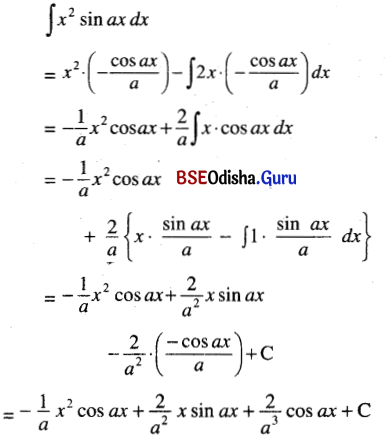
BSE Odisha 10th Class Physical Science Notes Chapter 5 ମୌଳିକଗୁଡ଼ିକର ପର୍ଯ୍ୟାୟୀ ଶ୍ରେଣୀକରଣ

Odisha State Board BSE Odisha 10th Class Physical Science Notes Chapter 5 ମୌଳିକଗୁଡ଼ିକର ପର୍ଯ୍ୟାୟୀ ଶ୍ରେଣୀକରଣ will enable students to study smartly.

BSE Odisha Class 10 Physical Science Notes Chapter 5 ମୌଳିକଗୁଡ଼ିକର ପର୍ଯ୍ୟାୟୀ ଶ୍ରେଣୀକରଣ

→ ମୌଳିକଗୁଡ଼ିକର ଶ୍ରେଣୀକରଣ ପାଇଁ ପ୍ରାରମ୍ଭିକ ଉଦ୍ୟମ (Early Attempts at the Classification of Elements) :

  • 1800 ମସିହା ବେଳକୁ ପ୍ରାୟ 30ଟି ମୌଳିକ ଆବିଷ୍କୃତ ହୋଇଥିଲା; କିନ୍ତୁ ଏବେ 118ଟି ମୌଳିକ ଥିବା ବୈଜ୍ଞାନିକମାନଙ୍କ ଦ୍ବାରା ଦର୍ଶାଯାଉଛି । ସେଥୁରୁ
  • ଅନେକ (92ଟି) ମୌଳିକ ପ୍ରକୃତିରୁ ମିଳିଥାଏ ଏବଂ ବାକିତକ ମୌଳିକ କୃତ୍ରିମ ଅଟେ ।
  • ମୌଳିକମାନଙ୍କର ଧର୍ମ ମଧ୍ୟରେ ଥିବା ସାମଞ୍ଜସ୍ୟ ଓ ପାର୍ଥକ୍ୟକୁ ବୈଜ୍ଞାନିକମାନେ ଜାଣିବା ନିମନ୍ତେ ସମଧର୍ମୀ
  • BSE Odisha 10th Class Physical Science Notes Chapter 5 img-1
  • ସଜୀକରଣକୁ ପର୍ଯ୍ୟାୟ ସାରଣୀ କୁହାଯାଏ । କିମ୍ବା ବିଭିନ୍ନ ମୌଳିକର ଧର୍ମର ସାମଞ୍ଜସ୍ୟ ଅନୁଯାୟୀ ଶ୍ରେଣୀ ବିଭକ୍ତ କରି ଯେଉଁ ତାଲିକା ପ୍ରସ୍ତୁତି କରାଯାଇଛି, ତାହାକୁ ପର୍ଯ୍ୟାୟ ସାରଣୀ କୁହାଯାଏ ।
  • 1815 ମସିହାରେ ଉଇଲିୟମ୍ ପ୍ରାଉଟ୍ ଦର୍ଶାଇଥିଲେ ଯେ, ସମସ୍ତ ମୌଳିକମାନଙ୍କର ପାରମାଣବିକ ବସ୍ତୁତ୍ଵ (atomic mass) ହାଇଡ୍ରୋଜେନ୍‌ର ପାରମାଣବିକ ବସ୍ତୁତ୍ଵର ଗୁଣିତକ ।
  • ପ୍ରାଉଟ୍ ପ୍ରଥମ ଥର ପାଇଁ ସୂଚାଇଥିଲେ ଯେ, ସମସ୍ତ ମୌଳିକର ପାରମାଣବିକ ବସ୍ତୁତ୍ଵ ମଧ୍ଯରେ ଏକ ନିବିଡ଼ ସମ୍ପର୍କ ରହିଛି ।

→ ଡୁବେରିନର ଟ୍ରାଇ ଏତସମୂହ (Dobereiner’s Triads):

  • ଜର୍ମାନ ରସାୟନବିତ୍ ଜେ. ଡବ୍ଲ୍ୟୁ, ଡୁବେରିନର 1817 ମସିହାରେ ଅନୁରୂପ ଧର୍ମ ଥିବା ମୌଳିକଗୁଡ଼ିକୁ ନେଇ ଗ୍ରୁପ୍ କରି ସଜାଇବାକୁ ଉଦ୍ୟମ କଲେ । ତିନୋଟି ଲେଖାଏଁ ମୌଳିକର କେତୋଟି ଗ୍ରୁପକୁ ବାଛିଲେ, ଏହି ଗ୍ରୁପଗୁଡ଼ିକୁ ସେ ଟ୍ରାଇଏଡ୍ (Triad) ବୋଲି କହିଲେ ।
  • ଡୁବେରିନର ଦର୍ଶାଇଥଲେ ଯେ, ପ୍ରତି ଟ୍ରାଇଏଡ୍‌ରେ ଥ‌ିବା ମୌଳିକଗୁଡ଼ିକୁ ସେମାନଙ୍କ ବର୍ଦ୍ଧିତ ପାରମାଣବିକ ବସ୍ତୁତ୍ୱ କ୍ରମରେ ସଜାଇଲେ ମଧ୍ଯସ୍ଥାନରେ ରହିଥିବା ମୌଳିକର ପାରମାଣବିକ ବସ୍ତୁତ୍ଵ ଅନ୍ୟ ଦୁଇଟି ମୌଳିକର ହାରାହାରି ପାରମାଣବିକ ବସ୍ତୁତ୍ଵ ସଙ୍ଗେ ସମାନ । ଟ୍ରାଇଏଡ୍ ଗୁଡ଼ିକର ଉଦାହରଣ

BSE Odisha 10th Class Physical Science Notes Chapter BSE Odisha 10th Class Physical Science Notes Chapter 5 ମୌଳିକଗୁଡ଼ିକର ପର୍ଯ୍ୟାୟୀ ଶ୍ରେଣୀକରଣ

→ ଉଦାହରଣ :
(i) କ୍ଷାରକ ଧାତୁ ଗ୍ରୁପ୍ : Ca, Sr ଓ Ba କ୍ଷାରକ ଧାତୁର ଗ୍ରୁପ୍‌ରେ ରହିଥା’ନ୍ତି ଏବଂ Ca, Sr ଓ Ba ଏକ ଟ୍ରାଏଡ୍ ଗଠନ କରନ୍ତି ।
Caର ପାରମାଣବିକ ବସ୍ତୁତ୍ଵ = 40.1 1
Srର ପାରମାଣବିକ ବସ୍ତୁତ୍ଵ = 87.6
Baର ପାରମାଣବିକ ବସ୍ତୁତ୍ଵ = 137.3
Ca ଓ Baର ହାରାହାରି ପାରମାଣବିକ ବସ୍ତୁତ୍ଵ = \(\frac { 40.1+137.3 }{ 2 }\) = 88.7
ଏହା Sr ର ପାରମାଣବିକ ବସ୍ତୁତ୍ୱ ସହ ପ୍ରାୟ ସମାନ ।

(ii) କ୍ଷାର ଧାତୁ ଗ୍ରୁପ୍ : ଲିଥ୍ମ୍ (Li), ସୋଡ଼ିୟମ୍ (Na) ଏବଂ ପୋଟାସିୟମ୍ (K)ର ଜି.ରମାଣବିକ ବସ୍ତୁତ୍ୱ 6.6.9, 23.0 ଓ 39.0 1
Li ଓ K ର ହାରାହାରି ପାରମାଣବିକ ବସ୍ତୁତ୍ଵ = \(\frac { 6.9+39-0 }{ 2 }\) = \(\frac { 45.9 }{ 2 }\) = 22.9
ଏହା Na ର ପାରମାଣବିକ ବସ୍ତୁତ୍ୱ ସହ ପ୍ରାୟ ସମାନ ।
BSE Odisha 10th Class Physical Science Notes Chapter 5 img-2 BSE Odisha 10th Class Physical Science Notes Chapter 5 img-3
ସେତେବେଳେ ଜଣାଥବା ମୌଳିକଗୁଡ଼ିକ ମଧ୍ୟରୁ ଡୁବେରିନର କେବଳ ତିନୋଟି ଟ୍ରାଇଏଡ୍ ଚିହ୍ନଟ କରିପାରିଥିଲେ ।

→ ଡୁବେରିନର ଶ୍ରେଣୀକରଣ ତୃଟି :

  • ସବୁକ୍ଷେତ୍ରରେ ଏଭଳି ଟ୍ରାଇଏଡ୍ ବାଛିବା ସମ୍ଭବ ହେଲାନାହିଁ ।
  • ଟ୍ରାଇଏଡ୍‌ର କିଛି ମୌଳିକରେ ବିଭିନ୍ନ ଧର୍ମ ଦେଖାଦେଲା । ତେଣୁ ଡୁବେରିନରଙ୍କ ଟ୍ରାଇଏଡ୍ ଶ୍ରେଣୀକରଣ ବ୍ୟବସ୍ଥାର ଉପାଦେୟତା ଦେଖାଗଲା ନାହିଁ।
  • ଡୁବେରିନର ପ୍ରଥମେ ମୌଳିକଗୁଡ଼ିକର ଧର୍ମ ସହିତ ପାରମାଣବିକ ବସ୍ତୁତ୍ଵର ସମ୍ପର୍କ ସ୍ଥାପନ କରିଥିଲେ ।

→ ମିତଲାଶ୍ରକ ଅଷ୍ଟକ ନିୟମ (Newland’s Law of Octaves):

  • 1866 ମସିହାରେ ଇଂଲଣ୍ଡ ରସାୟନବିତ୍ ଜନ୍ ନିଉଲାଣ୍ଡ ମୌଳିକର ପାରମାଣବିକ ବସ୍ତୁତ୍ଵକୁ ଆଧାର କରି ଏକ ସମ୍ପୂର୍ଣ୍ଣ ସଜ୍ଜା ଦେବାକୁ ପ୍ରୟାସ କରି ଦର୍ଶାଇଥିଲେ ଯେ ମୌଳିକଗୁଡ଼ିକୁ ତାଙ୍କର ବର୍ଦ୍ଧିତ ପାରମାଣବିକ ବସ୍ତୁତ୍ୱ କ୍ରମରେ ସଜାଇଲେ ଏବଂ ପ୍ରତି ଅଷ୍ଟମ ମୌଳିକର ଧର୍ମ ପ୍ରଥମ ମୌଳିକର ଧର୍ମ ସହିତ ମେଳ ରହିବାର ଲକ୍ଷ୍ୟ କଲେ ।
  • ଏହି ପର୍ଯ୍ୟବେକ୍ଷଣକୁ ନେଇ ମୌଳିକଗୁଡ଼ିକ ଶ୍ରେଣୀବିଭାଗ ପାଇଁ ସେ ତାଙ୍କ ଅଷ୍ଟକ ସୂତ୍ର ପ୍ରତିପାଦନ କରିଥିଲେ ।
    ସେ ଏହାକୁ ସଙ୍ଗୀତର ଅଷ୍ଟକସ୍ଵର (ସାରେଗାମାପାଧାନିସା) ସହିତ ତୁଳନା କରି ଅଷ୍ଟକ ନିୟମ ଆଖ୍ୟା ଦେଇଥିଲେ । ତେଣୁ ଏହା ନିଉଲାଣ୍ଡଙ୍କ ଅଷ୍ଟକ ନିୟମ ରୂପେ ସୁପରିଚିତ ।
  • BSE Odisha 10th Class Physical Science Notes Chapter 5 img-4
  • ନିଉଲାଣ୍ଡ ସବୁଠାରୁ କମ୍ ପାରମାଣବିକ ବସ୍ତୁତ୍ୱ ହାଇଡ୍ରୋଜେନରୁ ଆରମ୍ଭ କରି56 ତମ ମୌଳିକ ଥୋରିୟମ୍ ଠାରେ ଶେଷ କରିଥିଲେ ।

→ ନିଉଲାଣ୍ଡଙ୍କ ଅଷ୍ଟକ ସମୂହ:
ସଙ୍ଗୀତର ସ୍ଵର:
BSE Odisha 10th Class Physical Science Notes Chapter 5 img-5

→ ଛୁଟି :

  • ନିଉଲାଣ୍ଡଙ୍କ ଅଷ୍ଟକ ନିୟମ କେବଳ କ୍ୟାଲସିୟମ୍ ପର୍ଯ୍ୟନ୍ତ ପ୍ରଯୁଜ୍ୟ । କ୍ୟାଲସିୟମ୍ ପରେ ଥ‌ିବା ପ୍ରତି ଅଷ୍ଟକ ମୌଳିକର ଧର୍ମ ପ୍ରଥମ ମୌଳିକର ଧର୍ମ ସହ ସମାନ ନ ଥିଲା ।
  • ପରବର୍ତ୍ତୀ କାଳରେ ଆବିଷ୍କୃତ ହେବାକୁ ଥ‌ିବା ମୌଳିକମାନଙ୍କ ସକାଶେ କୌଣସି ବ୍ୟବସ୍ଥା ନଥିଲା ।
  • ନିଉଲାଣ୍ଡଙ୍କ ଧାରଣା ଥିଲା ପ୍ରକୃତିରେ କେବଳ 56ଟି ମୌଳିକ ରହିଛି ଏବଂ ଭବିଷ୍ୟତରେ ଆଉ ଅଧ୍ଵକ ମୌଳିକ ଆବିଷ୍କୃତ ହେବନାହିଁ । କିନ୍ତୁ ପରବର୍ତୀ ସମୟରେ ଅନେକ ନୂଆ ମୌଳିକ ଆବିଷ୍କୃତ ହେଲା । ସେହି ଧର୍ମଗୁଡ଼ିକ ଅଷ୍ଟକ ନିୟମରେ ଖାପ ଖାଇଲାନାହିଁ ।
  • କେତେକ କ୍ଷେତ୍ରରେ ମୌଳିକଗୁଡ଼ିକୁ ଖାପ ଖୁଆଇବା ପାଇଁ ଦୁଇଟି ମୌଳିକକୁ ଏକା ସ୍ଥାନରେ ରଖୁଥିଲେ ।
  • ନିଉଲାଣ୍ଡ ଅସମଧର୍ମୀ ମୌଳିକମାନଙ୍କୁ ଏକ ସ୍ବରତଳେ ସ୍ଥାନିତ କରିଥିଲେ; ଯଥା— କୋବାଲଟ୍ ଓ ନିକେଲ ଏକା ସ୍ଥାନରେ ରହିଛି ଏବଂ ଫ୍ଲୋରିନ୍, କ୍ଲୋରିନ୍ ଓ ବ୍ରୋମିନ୍ ଥ୍ବା ସ୍ତମ୍ଭରେ ସ୍ଥାନିତ କରାଯାଇଛି । ଫ୍ଲୋରିନ୍, କ୍ଲୋରିନ୍ ଓ ବ୍ରୋମିନର ଧର୍ମ କୋବାଲଟ୍ ଓ ନିକେଲ୍ ଧର୍ମଠାରୁ ସଂପୂର୍ଣ୍ଣ ଭିନ୍ନ ଅଟେ ।
  • ନିଉଲାଣ୍ଡ ସମଧର୍ମୀ ମୌଳିକଗୁଡ଼ିକୁ ଅଲଗା ସ୍ଥାନିତ କରିଥିଲେ; ଯଥା— ଆଇରନ୍‌ର ଧର୍ମ କୋବାଲଟ୍ ଓ ନିକେଲର ଧର୍ମରେ ସାମଞ୍ଜସ୍ୟ ଥିଲେ ମଧ୍ୟ ତାକୁ କୋବାଲଟ୍ ଓ ନିକେଲ୍‌ଠାରୁ ଅଲଗା ରଖାଯାଇଛି ।
    ନିଉଲାଣ୍ଡଙ୍କ ଅଷ୍ଟକ ନିୟମ କେବଳ ହାଲୁକା ମୌଳିକଗୁଡ଼ିକ ପାଇଁ ଠିକ୍ କାର୍ଯ୍ୟ କଲା ।

BSE Odisha 10th Class Physical Science Notes Chapter BSE Odisha 10th Class Physical Science Notes Chapter 5 ମୌଳିକଗୁଡ଼ିକର ପର୍ଯ୍ୟାୟୀ ଶ୍ରେଣୀକରଣ

→ ମେଣ୍ଡେଲିଫ୍‌ଙ୍କ ପର୍ଯ୍ୟାୟ ସାରଣୀ (Mendeleev’s Periodic Table):

  • BSE Odisha 10th Class Physical Science Notes Chapter 5 img-6
    ଅବଦାନ ରହିଛି ।
  • ମେଣ୍ଡେଲିଫ୍‌ଙ୍କ ପର୍ଯ୍ୟାୟ ସାରଣୀ 1872 ମସିହାରେ ଜର୍ମାନୀର ଏକ ପତ୍ରିକାରେ ସ୍ଥାନ ପାଇଥିଲା ।
  • ମେଣ୍ଡେଲିଫ୍ ପର୍ଯ୍ୟାୟ ସାରଣୀ ସମ୍ବନ୍ଧରେ କାର୍ଯ୍ୟ ଆରମ୍ଭ କଲାବେଳେ ମାତ୍ର 63ଟି ମୌଳିକ ଜଣାଥିଲା ।

→ ମେଣ୍ଡେଲିଫ୍‌ଙ୍କ ପର୍ଯ୍ୟାୟ ନିପମ

  • ‘‘ମୌଳିକଗୁଡ଼ିକର ଗୁଣ ସେଗୁଡ଼ିକର ପାରମାଣବିକ ବସ୍ତୁତ୍ବର ପର୍ଯ୍ୟାୟ ଫଳନ’’ ।
  • ଅର୍ଥାତ୍ ମୌଳିକଗୁଡ଼ିକୁ ସେଗୁଡ଼ିକର ପାରମାଣବିକ ବସ୍ତୁତ୍ଵର ବଦ୍ଧିତ କ୍ରମଅନୁସାରେ ସଜାଇଲେ, ମୌଳିକମାନଙ୍କର ଗୁଣସବୁ କ୍ରମାନ୍ୱୟରେ ବଦଳେ ଏବଂ କେତେକ ନିର୍ଦ୍ଦିଷ୍ଟ ସ୍ଥାନପରେ ଗୁଣଗୁଡ଼ିକର ପୁନରାବୃତ୍ତି ଘଟେ ।
  • ମେଣ୍ଡେଲିଫ୍‌ଙ୍କ ପର୍ଯ୍ୟାୟ ସାରଣୀରେ ଥିବା ସ୍ତମ୍ଭକୁ ଗ୍ରୁପ୍ (Group) ଏବଂ ଧାଡ଼ିକୁ ପର୍ଯ୍ୟାୟ (Period) କୁହାଯାଏ ।
    ଏଥ‌ିରେ ୫ଟି ଗ୍ରୁପ୍ ଓ 7ଟି ପର୍ଯ୍ୟାୟ ଅଛି ।
  • ମେଣ୍ଡେଲିଫ୍‌ଙ୍କ ପର୍ଯ୍ୟାୟ ସାରଣୀର ପ୍ରତି ସ୍ତମ୍ଭ ଉପରେ ଅକ୍‌ସାଇଡ୍ ଓ ହାଇଡ୍ରାଇଡ୍‌ର ସଙ୍କେତରେ ଦିଆଯାଇଥିବା R ଅକ୍ଷର ସେହି ଗ୍ରୁପର ଯେକୌଣସି ମୌଳିକକୁ ସୂଚାଇବା ପାଇଁ ବ୍ୟବହାର କରାଯାଇଛି ।

→ ଉଦାହରଣ :
ନାଇଟ୍ରୋଜେନ ହାଇଡ୍ରାଇଡ୍ NH3 କୁ RH3 ରୂପେ ଏବଂ ମ୍ୟାଗ୍ନେସିୟମ ଅକ୍‌ସାଇଡ୍ MgO କୁ RO ରୂପେ ଲେଖାଯାଇଛି ।

ମେଣ୍ଡେଲିଫ୍‌ଙ୍କ ପର୍ଯ୍ୟାୟ ସାରଣୀ
BSE Odisha 10th Class Physical Science Notes Chapter 5 img-7

→ ମେଣ୍ଡେଲିଫ୍‌ଙ୍କ ପର୍ଯ୍ୟାୟ ସାରଣୀରେ ସଫଳତା(Achievements of Mendeleev’s Periodic Table):

  • ମେଣ୍ଡେଲିଫ୍‌ଙ୍କ ପର୍ଯ୍ୟାୟ ସାରଣୀରେ ପୂର୍ବପେକ୍ଷା ମୌଳିକଗୁଡ଼ିକୁ ଅଧ‌ିକ ଠିକ୍‌ଭାବରେ ସଜ୍ଜା ଯାଇଥିଲା
  • ସାମାନ୍ୟ ଅଧ୍ବକ ପାରମାଣବିକ ବସ୍ତୁତ୍ଵର ମୌଳିକକୁ ଏହାଠାରୁ କମ୍ ପାରମାଣବିକ ବସ୍ତୁତ୍ଵର ମୌଳିକ ପୂର୍ବରୁ ସ୍ଥାନିତ କରିଥିଲେ ।
    ଉଦାହରଣସ୍ୱରୂପ କୋବାଲ୍ଟ (ପାରମାଣବିକ ବସ୍ତୁତ୍ଵ 58.9) ନିକେଲ ପାରମାଣବିକ ବସ୍ତୁତ୍ୱ 58.7 ) ପୂର୍ବରୁ ରହିଛି । ଫଳରେ ଅନୁକ୍ରମ (Sequence) ଅଦଳ ବଦଳ କରିବା ଫଳରେ ସମଧର୍ମୀ ମୌଳିକଗୁଡ଼ିକ ଏକତ୍ର ଶ୍ରେଣୀବଦ୍ଧ ହୋଇପାରିଲା ।
  • ମେଣ୍ଡେଲିଫ୍ ତାଙ୍କ ପର୍ଯ୍ୟାୟ ସାରଣୀରେ କେତେଗୁଡ଼ିଏ ଖାଲି ସ୍ଥାନ ରଖୁଥିଲେ । ଫଳରେ ପରେ ଆବିଷ୍କୃତ ହୋଇଥିବା ମୌଳିକଗୁଡ଼ିକ ଓ ନୋବେଲ୍‌ ଗ୍ୟାସଗୁଡ଼ିକ ପର୍ଯ୍ୟାୟ ସାରଣୀର ବ୍ୟବସ୍ଥାକୁ ଅଦଳ ବଦଳ ନ କରି ସୁବିଧାରେ ସ୍ଥାନିତ କରାଗଲା । ମେଣ୍ଡେଲିଫ୍ ସେହି ମୌଳିକଗୁଡ଼ିକୁ ସେହି ଗ୍ରୁପର ପୂର୍ବବର୍ତୀ ମୌଳିକ ନାମ ପୂର୍ବରୁ ସଂସ୍କୃତ ଶବ୍ଦ ‘ଏକ’ (Eka) ଯୋଗକରି ନାମିତ କରିଥିଲେ । ଉଦାହରଣସ୍ୱରୂପ, ସ୍କାଣ୍ଡିୟମ, ଗାଲିୟମ୍ ଓ ଜର୍ମାନିୟମର ଧର୍ମ ଯଥାକ୍ରମେ ଏକ-ବୋରନ୍ ଏକ-ଏଲୁମିନିୟମ୍, ଏକ-ସିଲିକନର ଧର୍ମସହିତ ସମାନ ।
    ଏକ-ଏଲୁମିନିୟମ୍ ଏବଂ ଗାଲିୟମ୍‌ର ଧର୍ମ
    BSE Odisha 10th Class Physical Science Notes Chapter 5 img-8
  • ହିଲିୟମ୍ (He), ନିୟମ (Ne) ଏବଂ ଆର୍ଶନ (Ar) ପରି ନୋବେଲ ଗ୍ୟାସ୍‌ଗୁଡ଼ିକ ବହୁତ ବିଳମ୍ବରେ ଆବିଷ୍କୃତ ହେଲା । ପର୍ଯ୍ୟାୟ ସାରଣୀରେ ରହିଥ‌ିବା ବ୍ୟବସ୍ଥାକୁ ଅଦଳ ବଦଳ ନ କରି, ଏହି ଗ୍ୟାସ୍‌ଗୁଡ଼ିକ ଆବିଷ୍କୃତ ହେଲା ପରେ ସେଗୁଡ଼ିକୁ ଏକ ନୂଆ ଗ୍ରୁପ୍‌ରେ ସ୍ଥାନିତ କରାଯାଇ ପାରିଲା ।

→ ମେଣ୍ଡେଲଫ୍ ଙ୍କ ଶ୍ରେଣ1କରଣର ତୃଟି (Limitations of Mendeleev’s Classification):
(i) ହାଇଡ୍ରୋଜେନ୍‌ର ଇଲେକ୍‌ଟ୍ରନ୍‌ ସଂରଚନା କ୍ଷାରୀୟ ଧାତୁ (Li, Na, K) ଗୁଡ଼ିକର ଇଲେକ୍‌ଟ୍ରନ୍‌ ସଂରଚନା

BSE Odisha 10th Class Physical Science Notes Chapter BSE Odisha 10th Class Physical Science Notes Chapter 5 ମୌଳିକଗୁଡ଼ିକର ପର୍ଯ୍ୟାୟୀ ଶ୍ରେଣୀକରଣ

→ ଉଦାହରଣ:
Hର ଇଲେକ୍‌ଟ୍ରନ୍‌ ସଂରଚନା = 1 (K)
Liର ଇଲେକ୍‌ଟ୍ରନ୍ ସଂରଚନା = 2(K), 1(L)
Naର ଇଲେକ୍‌ଟ୍ରନ୍‌ ସଂରଚନା = 2(K), 8(L), 1(M)
Kର ଇଲେକ୍‌ଟ୍ରନ୍ ସଂରଚନା = 2(K), 8(L), 8(M), 1(N)
ପୁନଶ୍ଚ ହାଇଡ୍ରୋଜେନ୍, କ୍ଷାରୀୟ ଧାତୁଗୁଡ଼ିକ ପରି ହାଲୋଜେନ୍ (F, CI, Br) ଅକ୍‌ସିଜେନ୍ ଓ ସଲ୍ଫର ସହିତ ସଂଯୁକ୍ତ ହୋଇ ଏକାଭଳି ସଂକେତର ଯୌଗିକମାନ ସୃଷ୍ଟି କରେ । ନିମ୍ନ ସାରଣୀକୁ ଅନୁଧ୍ୟାନ କର ।

ହାଇଡ୍ରୋଜେନ୍‌ର ଯୌଗିକ
BSE Odisha 10th Class Physical Science Notes Chapter 5 img-9
ସୁତରାଂ ହାଇଡ୍ରୋଜେନ୍‌କୁ ପର୍ଯ୍ୟାୟ ସାରଣୀରେ ଏକ ନିର୍ଦ୍ଦିଷ୍ଟ ସ୍ଥାନ ଦିଆଯାଇ ପାରିବ ନାହିଁ ।

(ii)
ଆଇସୋଟୋପ୍ ହେଉଛି ସମାନ ପରମାଣୁ କ୍ରମାଙ୍କ ବିଶିଷ୍ଟ ମୌଳିକର ଭିନ୍ନ ପାରମାଣବିକ ବସ୍ତୁତ୍ଵର ପରମାଣୁ ସମୂହ । ତେଣୁ ମେଣ୍ଡେଲିଫ୍‌ଙ୍କ ଶ୍ରେଣୀକରଣ ନିୟମ ଅନୁଯାୟୀ ଆଇସୋଟୋପ୍‌ଗୁଡ଼ିକ ଭିନ୍ନ ଭିନ୍ନ ପାରମାଣବିକ ବସ୍ତୁତ୍ଵ ହେତୁ ଭିନ୍ନ ଭିନ୍ନ ସ୍ଥାନରେ ରଖୁବା ଆବଶ୍ୟକ ।
ଉଦାହରଣସ୍ୱରୂପ, 1, 2 ଓ 3 ପାରମାଣବିକ ବସ୍ତୁତ୍ଵ ବିଶିଷ୍ଟ ହାଇଡ୍ରୋଜେନ୍‌ର ଆଇସୋଟୋପ୍‌ଗୁଡ଼ିକୁ ତିନୋଟି ସ୍ଥାନରେ ରଖୁବା ଉଚିତ; କିନ୍ତୁ ମେଣ୍ଡେଲିଫ୍‌ଙ୍କ ପର୍ଯ୍ୟାୟ ସାରଣୀରେ ସମାନ ରାସାୟନିକ ଧର୍ମବିଶିଷ୍ଟ ହାଇଡ୍ରୋଜେନ୍‌ର ଆଇସୋଟୋପ୍‌ଗୁଡ଼ିକୁ ପୃଥକ୍ ସ୍ଥାନ ଦିଆଯାଇ ନ ଥିଲା ।

(iii) କେତେକ କ୍ଷେତ୍ରରେ ମେଣ୍ଡେଲିଫ୍ ପାରମାଣବିକ ବସ୍ତୁତ୍ଵର ବର୍ଦ୍ଧିତ କ୍ରମକୁ ଭିଭି ନ କରି ସମାନ ଧର୍ମ ଅନୁଯାୟୀ ମୌଳିକାଟୁଡିକର ସ୍ଥାନ ଦେଇଥିଲେ |
ଉଦାହରଣସ୍ୱରୂପ, 39.9 ପାରମାଣବିକ ବସ୍ତୁତ୍ଵ ବିଶିଷ୍ଟ ଆର୍‌ଗନ୍‌ (Ar)କୁ 39.1 ପାରମାଣବିକ ବସ୍ତୁତ୍ଵ ବିଶିଷ୍ଟ ପୋଟାସିୟମ୍ (K) ପୂର୍ବରୁ ରଖାଯାଇଥିଲା । ଏଭଳି ଉପସ୍ଥାପନ ଯୁକ୍ତିସିଦ୍ଧ ନ ଥିଲା ।

(iv) ମେଣ୍ଡେଲିଫ୍‌ଙ୍କ ପର୍ଯ୍ୟାୟ ସାରଣୀରେ କେତେକ ସହଧର୍ମୀ ମୌଳିକଗୁଡ଼ିକୁ ଭିନ୍ନ ଗ୍ରୁପ୍‌ରେ ରଖାଯାଇଥିବା ବେଳେ ଅସମ ଧର୍ମୀ ମୌଳିକଗୁଡ଼ିକୁ ଏକତ୍ର ରଖାଯାଇଥିଲା ।
ଉଦାହରଣସ୍ୱରୂପ, କପରର ଧର୍ମ, ପାରଦର ଧର୍ମ ସହିତ ସାମଞ୍ଜସ୍ୟ ଥିଲେ ମଧ୍ୟ ସେମାନଙ୍କୁ ଭିନ୍ନ ଶ୍ରେଣୀରେ ରଖାଯାଇଥିଲା । ଅନ୍ୟପକ୍ଷରେ Li, Na ଓ K ଆଦି ମୌଳିକର ଧର୍ମ Cu, Ag ଓ Au ଆଦି ମୌଳିକର ଧର୍ମଠାରୁ ଯଥେଷ୍ଟ ଭିନ୍ନ ଥିଲେ ମଧ୍ୟ ସେଗୁଡ଼ିକୁ ଏକତ୍ର ରଖାଯାଇଥିଲା ।

(v) ମେଣ୍ଡେଲିଫ୍ ମୌଳିକଗୁଡ଼ିକ ମଧ୍ୟରେ ପର୍ଯ୍ୟାୟତା (Periodicity) ର କାରଣ ବୁଝାଇପାରି ନ ଥିଲେ ।

→ ଆଧୁନିକ ପର୍ଯ୍ୟାୟ ସାରଣୀ (The Modern Periodic Table):
ହେନ୍‌ରୀ ମୋସଲୀ 1913 ମସିହାରେ ଦର୍ଶାଇଥିଲେ ଯେ ଗୋଟିଏ ମୌଳିକର ପରମାଣୁ କ୍ରମାଙ୍କ ଏହାର ପାରମାଣବିକ ବସ୍ତୁତ୍ୱଠାରୁ ଅଧିକ ଗ୍ରହଣୀୟ ବା ଅଧିକ ପ୍ରାଥମିକ ଧର୍ମ ଅଟେ । ପରମାଣୁ କ୍ରମାଙ୍କକୁ ଆଧୁନିକ ପର୍ଯ୍ୟାୟ ସାରଣୀର ମୂଳସୂତ୍ର ରୂପେ ଗ୍ରହଣ କରାଗଲେ, ଆଧୁନିକ ପର୍ଯ୍ୟାୟ ନିୟମଟି ହେଲା-

‘ମୌଳିକଗୁଡ଼ିକର ଗୁଣ, ସେଗୁଡ଼ିକର ପରମାଣୁ କ୍ରମାଙ୍କର ପର୍ଯ୍ୟାୟ ଫଳନ’’।

ବ୍ୟାଖ୍ୟା:
ମୌଳିକଗୁଡ଼ିକୁ ପରମାଣୁ କ୍ରମାଙ୍କର ବଦ୍ଧିତ କ୍ରମଭିତ୍ତିରେ ସଜାଗଲେ ସେଗୁଡ଼ିକର ଗୁଣ ପରମାଣୁ କ୍ରମାଙ୍କ ଅନୁସାରେ ପରିବର୍ତ୍ତନ ହୁଏ ଏବଂ ସାମଞ୍ଜସ୍ୟ ଗୁଣଥୁବା ମୌଳିକମାନେ ଏକ ଗ୍ରୁପରେ ରହିଥାଆନ୍ତି ।

BSE Odisha 10th Class Physical Science Notes Chapter BSE Odisha 10th Class Physical Science Notes Chapter 5 ମୌଳିକଗୁଡ଼ିକର ପର୍ଯ୍ୟାୟୀ ଶ୍ରେଣୀକରଣ

→ ଆଧୁନିକ ପର୍ଯ୍ୟାୟ ସାରଣୀରେ ମୌଳିକଗୁଡ଼ିକର ସ୍ଥାନ (Position of Elements in the Modern Periodic Table):

ଦ୍ୱିତୀୟ ପର୍ଯ୍ୟାୟରେ ଥ‌ିବା ମୌଳିକଗୁଡ଼ିକର ଇଲେକ୍‌ଟ୍ରନ୍‌ ସଂରଚନା:
BSE Odisha 10th Class Physical Science Notes Chapter 5 img-10

  • ଏହି ପର୍ଯ୍ୟାୟରେ ଥ‌ିବା ମୌଳିକଗୁଡ଼ିକର ପରମାଣୁରେ ସମାନ ସଂଖ୍ୟକ ସଂଯୋଜକ ଇଲେକ୍‌ଟ୍ରନ ନାହିଁ କିନ୍ତୁ ସମାନ ସଂଖ୍ୟକ କକ୍ଷ ଅଛି ।
  • ସମାନ ସଂଖ୍ୟକ କକ୍ଷ ରହିଥିବା ପରମାଣୁଗୁଡ଼ିକର ବିଭିନ୍ନ ମୌଳିକକୁ ଏକା ପର୍ଯ୍ୟାୟରେ ସ୍ଥାନିତ କରାଯାଇଛି । ପର୍ଯ୍ୟାୟ ବଢ଼ିଲେ କକ୍ଷ ସଂଖ୍ୟା ବଢ଼େ ।
  • ସଂଯୋଜକ ଇଲେକ୍‌ଟ୍ରନ ଦ୍ବାରା ମୌଳିକ କେଉଁ ପ୍ରକାରର ବନ୍ଧ ଗଠନ କରିବ ତାହା ଜଣାଯାଏ ।
  • କୌଣସି ମୌଳିକର ଅବସ୍ଥିତିରୁ ଏହାର ରାସାୟନିକ ପ୍ରତିକ୍ରିୟାଶୀଳତା (Chemical reactivity)

→ ଜଣାପଡ଼େ । ଏ ଧୁନିକ ପର୍ଯ୍ୟାୟ ସାରଣୀରେ ମୌଳିକଗୁଡ଼ିକର ଗୁଣରେ କ୍ରମିକ ପରିବର୍ତ୍ତନ (Trends in the Modern Periodic Table):

ଯୋଗ୍ୟତା:
ଗୋଟିଏ ମୌଳିକର ଯୋଗ୍ଯତା ଏହାର ବାହ୍ୟତମ କକ୍ଷରେ ଥ‌ିବା ସଂଯୋଜକ ଇଲେକ୍‌ଟ୍ରନ ଦ୍ୱାରା ନିରୂପଣ କରାଯାଏ ।

→ ଧାତବ ଓ ଅଧାତବ ଶ୍ରଣ (Metallic and Non – metallic Properties):

BSE Odisha 10th Class Political Science Solutions Chapter 4 ସଡକ ନିରାପତ୍ତା, ସଚେତନତା ଓ ଇନ୍ଧନ ସଂରକ୍ଷଣ

Odisha State Board BSE Odisha 10th Class Political Science Solutions Chapter 4 ସଡକ ନିରାପତ୍ତା, ସଚେତନତା ଓ ଇନ୍ଧନ ସଂରକ୍ଷଣ Textbook Exercise Questions and Answers.

BSE Odisha 10th Class Political Science Solutions Chapter 4 ସଡକ ନିରାପତ୍ତା, ସଚେତନତା ଓ ଇନ୍ଧନ ସଂରକ୍ଷଣ

୧. ପ୍ରତ୍ୟେକ ପ୍ରଶ୍ନର ଉତ୍ତର ପ୍ରାୟ ୬୦ ଗୋଟି ଶବ୍ଦରେ ଲେଖ ।

(କ) ସଡ଼କ ପରିବହନ ବ୍ୟବସ୍ଥା କହିଲେ କ’ଣ ବୁଝ ?
Answer:

  • ପରିବର୍ତ୍ତନଶୀଳ ମାନବ ସଭ୍ୟତାକୁ ସଡ଼କ ପରିବହନ ବ୍ୟବସ୍ଥା ଅଧ୍ଵକରୁ ଅଧିକ କ୍ରିୟାଶୀଳ ଓ ତ୍ୱରାନ୍ବିତ କରିପାରିଛି ।
  • ଦେଶ ତଥା ରାଜ୍ୟର ବିକାଶ ପ୍ରକ୍ରିୟାରେ ସଡ଼କ ଓ ପରିବହନ ଏକ ମୌଳିକ ଆବଶ୍ୟକତା ହୋଇପଡ଼ିଛି ।
  • ବିକାଶ ପ୍ରକ୍ରିୟାର ଅବିଚ୍ଛେଦ୍ୟ ଉପାଦାନ ହେଉଛି ସଡ଼କ ଓ ପରିବହନ । ଏହାର ଭିତ୍ତିଭୂମିକୁ ସୁଦୃଢ଼ କରିବା ନିହାତି ଜରୁରୀ ।
  • ଅନ୍ୟପକ୍ଷରେ ପରିବହନ ଓ ମଣିଷର ଗତିଶୀଳତାର ପ୍ରଭାବରେ ସଂଗଠିତ ସଡ଼କ ଦୁର୍ଘଟଣାର ପରିବ୍ୟାପ୍ତି ଓ ଭୟାବହତା ବିନାଶ ପ୍ରକ୍ରିୟାର ସମ୍ଭାବନାକୁ ଦୃଢ଼ୀଭୂତ କରିଛି ।
  • ସଡ଼କ ପରିବହନ ବ୍ୟବସ୍ଥା ମୁଖ୍ୟତଃ ପାଞ୍ଚଟି ପ୍ରମୁଖ ଉପାଦାନ ଉପରେ ନିର୍ଭର କରିଥାଏ; ଯଥା – ସଡ଼କ, ଗାଡ଼ି, ଗାଡ଼ିଚାଳକ, ରାସ୍ତା ବ୍ୟବହାରକାରୀ ଓ ପାରିପାଶ୍ୱିକ ଅବସ୍ଥା ।

(ଖ) କାହାର ପ୍ରଭାବରେ ସଡ଼କ ଦୁର୍ଘଟଣାର ସମ୍ଭାବନା ବୃଦ୍ଧି ପାଇଥାଏ ?
Answer:

  • ସଡ଼କରେ ଦୁରବସ୍ଥା, ଗାଡ଼ିର ଯାନ୍ତ୍ରିକ ତ୍ରୁଟି, ଗାଡ଼ିଚାଳକ ଏବଂ ରାସ୍ତା ବ୍ୟବହାରକାରୀଙ୍କ ମାନବୀୟ ତ୍ରୁଟି ଓ ଖରାପ ପ୍ରାକୃତିକ ପରିବେଶ ଯୋଗୁଁ ସଡ଼କ ଦୁର୍ଘଟଣାର ସମ୍ଭାବନା ବୃଦ୍ଧି ପାଇଥାଏ ।
  • ସଡ଼କ ଉପରେ ପ୍ରତି ମୁହୂର୍ତ୍ତରେ ଦୁର୍ଘଟଣା ହେବାର ସମ୍ଭାବନା ଥାଏ । ଏହାର ପରିବ୍ୟାପ୍ତି ଏବଂ ଭୟାବହତା ହିଁ ସଡ଼କ ଦୁର୍ଘଟଣାକୁ ଅତି ସମ୍ବେଦନଶୀଳ କରିଛି ।
  • ପ୍ରତିବର୍ଷ ସାରା ବିଶ୍ବରେ ପାଞ୍ଚ ଲକ୍ଷରୁ ଅଧିକ, ଭାରତରେ ଦେଢ଼ ଲକ୍ଷରୁ ଅଧିକ ଏବଂ ଓଡ଼ିଶାରେ ଚାରି ହଜାରରୁ ଅଧିକ ଲୋକ ସଡ଼କ ଦୁର୍ଘଟଣାରେ ମୃତ ହୋଇଥା’ନ୍ତି ।
  • ଲକ୍ଷାଧ୍ଵ ଲୋକ ଗୁରୁତର ଓ ସାମାନ୍ୟ ଆହତ ହୋଇଥାନ୍ତି । ହଜାର ହଜାର ଲୋକ ଜୀବନ ଭରି ଅକର୍ମଣ୍ୟ ହୋଇଯା’ନ୍ତି ।
  • ଦୁର୍ଘଟଣାର ଶିକାର ହୋଇଥିବା ଲୋକ ଏବଂ ସେମାନଙ୍କ ପରିବାରର ଜୀବନଶୈଳୀ, ଆର୍ଥିକ ସ୍ଥିତି ବିପର୍ଯ୍ୟସ୍ତ ହୋଇଥାଏ ।

BSE Odisha 10th Class Political Science Solutions Chapter 4 ସଡକ ନିରାପତ୍ତା, ସଚେତନତା ଓ ଇନ୍ଧନ ସଂରକ୍ଷଣ

(ଗ) ସଡ଼କ ଦୁର୍ଘଟଣାର ପ୍ରମୁଖ କାରଣ ସମୂହ କ’ଣ ?
Answer:

  • ସାମଗ୍ରିକ ଭାବରେ ସଡ଼କ ଦୁର୍ଘଟଣାର ପ୍ରମୁଖ କାରଣ ସମୂହ ମଧ୍ଯରେ ରହିଛି ସଡ଼କ ତ୍ରୁଟି, ଗାଡ଼ିର ଯାନ୍ତ୍ରିକ ତ୍ରୁଟି, ଗାଡ଼ିଚାଳକ ଓ ରାସ୍ତା ବ୍ୟବହାରକାରୀଙ୍କ ମନୁଷ୍ୟକୃତ ତ୍ରୁଟି ଏବଂ ପାରିପାଶ୍ୱିକ ଅବସ୍ଥାରେ ତ୍ରୁଟି ।
  • ଗାଡ଼ିଚାଳନା ସମୟରେ ଅନେକ ମାନବୀୟ ତ୍ରୁଟି ପରିଲକ୍ଷିତ ହୋଇଥାଏ; ଯଥା- ଅନ୍ୟମନସ୍କତା, ବେପରୁଆ ଗାଡ଼ିଚାଳନା, ଦୃତଗତି, ମଦ୍ୟପାନ, ମୋବାଇଲ ଫୋନ୍‌ର ବ୍ୟବହାର ଇତ୍ୟାଦି ।
  • ସଡ଼କ ଦୁର୍ଘଟଣାର ଅନ୍ୟ ଏକ ପ୍ରମୁଖ କାରଣ ହେଉଛି ସଡ଼କ ତ୍ରୁଟି; ଯଥା – ରାସ୍ତା ନିର୍ମାଣ, ଡ଼ିଜାଇନ ରକ୍ଷଣାବେକ୍ଷଣ, ସଂପ୍ରସାରଣରେ ଅବହେଳା, ଅଦୃଶ୍ୟମାନ ଟ୍ରାଫିକ୍ ସଙ୍କେତ, ଭାରୀ ମାଲ ପରିବହନ ଇତ୍ୟାଦି ।
  • ଗାଡ଼ିର ଯାନ୍ତ୍ରିକ ତ୍ରୁଟି ମଧ୍ଯ ଦୁର୍ଘଟଣାର ଅନ୍ୟ ଏକ କାରଣ । ଯନ୍ତ୍ରଚାଳିତ ଗାଡ଼ିର ବ୍ରେକ୍, ଇଞ୍ଜିନ୍, ଷ୍ଟିଅରିଙ୍ଗ, ତୈଳଟ୍ୟାଙ୍କ୍, ରାସ୍ତାର ଅବସ୍ଥାରେ ବ୍ୟତିକ୍ରମ ଦେଖାଦେଲେ ଦୁର୍ଘଟଣା ସଂଗଠିତ ହୋଇଥାଏ ।
  • ପାରିପାର୍ଶ୍ବକ ଅବସ୍ଥା ତ୍ରୁଟି ଦେଖାଦେଲେ ମଧ୍ୟ ସଡ଼କ ଦୁର୍ଘଟଣା ହୋଇଥାଏ; ଯଥା— ବର୍ଷା, ଝଡ଼, କୁହୁଡ଼ି, ବରଫାବୃତ, ଧୂଆଁଜାତ ଆଦି ପ୍ରାକୃତିକ ବିପର୍ଯ୍ୟୟ ବହୁ ସମୟରେ ଦୁର୍ଘଟଣା ଘଟାଇଥାଏ ।

(ଘ) ଓଡ଼ିଶାରେ ସଡ଼କ ଦୁର୍ଘଟଣାର ପରିବ୍ୟାପ୍ତି ଓ ଭୟାବହତା ବର୍ଣ୍ଣନା କର ।
Answer:

  • ଓଡ଼ିଶାରେ ବାର୍ଷିକ ପ୍ରାୟ ଦଶ ହଜାରରୁ ଅଧିକ ସଡ଼କ ଦୁର୍ଘଟଣାରେ ଚାରି ହଜାରରୁ ଅଧିକ ମୃତ ଓ ଦଶହଜାରରୁ ଅଧ‌ିକ ଆହତ ହେଉଛନ୍ତି ।
  • ପ୍ରତି ଶହେ ଦୁର୍ଘଟଣାରେ ଓଡ଼ିଶାରେ ୪୫ ଜଣ ମୃତାହତ ହେଉଛନ୍ତି । କେବଳ ରାଜପଥମାନଙ୍କରେ ଚାଳିଶରୁ ଅଧ୍ଵ ପ୍ରତିଶତ ଦୁର୍ଘଟଣା ଘଟୁଛି ।
  • ସମସ୍ତ ଯାନବାହନ ସଂଖ୍ୟାର ଅଶୀ ପ୍ରତିଶତ ଦୁଇଚକିଆ ଗାଡ଼ି, ଯାହାକି ପ୍ରାୟତଃ ଯୁବଗୋଷ୍ଠୀ ଚଳାଇଥାନ୍ତି ।
  • ବିଶେଷ କରି ଦୁଇ ଚକିଆଗାଡ଼ି ଏକମାତ୍ର ଯାନ ଯାହାର ବାହ୍ୟ ସୁରକ୍ଷା ନ ଥାଏ ।
  • ଆମ ରାଜ୍ୟରେ ସମସ୍ତ ସଡ଼କ ଦୁର୍ଘଟଣାର ୯୫ ପ୍ରତିଶତ କେବଳ ମାନବୀୟ ତ୍ରୁଟି ଯୋଗୁଁ ସଂଘଟିତ ହୋଇଥାଏ ।

(ଙ) ସଡକ ଦୁର୍ଘଟଣାର ନିରାକରଣ ବ୍ୟବସ୍ଥା କ’ଣ ରହିଛି ?
Answer:

  • ସଡ଼କ ଦୁର୍ଘଟଣାର ନିରାକରଣ ପାଇଁ ତିନିଗୋଟି ବ୍ୟବସ୍ଥା ଉପରେ ଗୁରୁତ୍ୱ ପ୍ରଦାନ କରାଯାଇଛି; ଯଥା— ଶିକ୍ଷାEducation), ବଳବତ୍ତକରଣ (Enforcement), ବିଜ୍ଞାନ ଓ ବୈଷୟିକ ଜ୍ଞାନକୌଶଳ (Engineering) ଭିଭିଭୂମି ।
  • ଗଣମାଧ୍ୟମ, ଶିକ୍ଷାନୁଷ୍ଠାନ, ସ୍ୱେଚ୍ଛାସେବୀ ସଂଘ, ମୋଟରଯାନ ସଂଘ ଇତ୍ୟାଦି ସଡ଼କ ସୁରକ୍ଷାର ଶିକ୍ଷା କାର୍ଯ୍ୟକ୍ରମର ମୁଖ୍ୟ ମାଧ୍ୟମ ଅଟନ୍ତି ।
  • ସଡ଼କ ଶୃଙ୍ଖଳା, ଆଚରଣ ଏବଂ ଦୁର୍ଘଟଣା ହ୍ରାସ ନିମନ୍ତେ ବଳବତ୍ତକରଣ ଅତି ଉପଯୋଗୀ ସରକାରୀ ମାଧ୍ୟମ ।
  • ବଳବତ୍ତକରଣ (Enforcement) ବିଶେଷ କରି ମୋଟର ଯାନ ସମ୍ପର୍କୀୟ ନିୟମ ଉଲ୍ଲଙ୍ଘନ ଉପରେ ଗୁରୁତ୍ଵ ପ୍ରଦାନ କରିଥାଏ ।
  • ଦୁର୍ଘଟଣା ହ୍ରାସ କରିବାପାଇଁ ରାସ୍ତା ନିର୍ମାଣର ଇଞ୍ଜିନିୟରିଂ ଏବଂ ଭିତ୍ତିଭୂମି ନିହାତି ଜରୁରୀ । ସଡ଼କଗୁଡ଼ିକ ବୈଜ୍ଞାନିକ ଓ ଇଞ୍ଜିନିୟରିଂ ପ୍ରଣାଳୀରେ ନିର୍ମାଣ ହେବା ଆବଶ୍ୟକ, ଯାହାଫଳରେ ଦୁର୍ଘଟଣା ହ୍ରାସ ପାଇବ ।

BSE Odisha 10th Class Political Science Solutions Chapter 4 ସଡକ ନିରାପତ୍ତା, ସଚେତନତା ଓ ଇନ୍ଧନ ସଂରକ୍ଷଣ

୨. ପ୍ରତ୍ୟେକ ପ୍ରଶ୍ନର ଉତ୍ତର ପ୍ରାୟ ୨୦ ଗୋଟି ଶବ୍ଦରେ ଲେଖ ।

(କ) ମୋଟର ଯାନ ଆଇନ କ’ଣ ?
Answer:

  • ସଡ଼କ ପରିବହନ ବ୍ୟବସ୍ଥା, ସଡ଼କ ନିରାପତ୍ତା ପ୍ରକ୍ରିୟାରେ ଉନ୍ନତି, ସଡ଼କ ଦୁର୍ଘଟଣା ହ୍ରାସ କରିବାପାଇଁ କେନ୍ଦ୍ର ସରକାର କିଛି ଆଇନ ପ୍ରଣୟନ କରିଛନ୍ତ, ତାହାକୁ ମୋଟର ଯାନ ଆଇନ କୁହାଯାଏ ।
  • ଏଥରେ ନିୟମିତ ଟ୍ରାଫିକ୍ ନିୟମ ଉଲ୍ଲଙ୍ଘନକାରୀମାନଙ୍କୁ କଠୋର ଦଣ୍ଡ ପ୍ରଦାନର ବ୍ୟବସ୍ଥା କରାଯାଇଛି । ୨୦୧୯ ମସିହାରେ ଏହି ମୋଟର ଯାନ ଆଇନକୁ ସଂଶୋଧନ କରାଯାଇଛି ।

(ଖ) ସଂଶୋଧ ମୋଟର ଯାନ ଆକ୍ଟର ଆଭିମୁଖ୍ୟ କ’ଣ ?
Answer:

  • ସଂଶୋଧ ମୋଟର ଯାନ ଆକୁ ୨୦୧୯ରେ ମୁଖ୍ୟତଃ କ୍ଷତିପୂରଣ ଏବଂ ଜୋରିମାନାକୁ ଅଧ‌ିକ ଗୁରୁତ୍ଵ ଦିଆଯାଇଛି ।
  • ଓଡ଼ିଶା ରାଜ୍ୟ ସରକାରଙ୍କ ସୋଲାସିୟମ୍ ଫଣ୍ଡ ସ୍କିମ୍ ତରଫରୁ ହିଟ୍ ଏବଂ ରନ୍ ମୋଟରଯାନ ଦୁର୍ଘଟଣାରେ ପ୍ରାଣ ହରାଇଥିବା ବ୍ୟକ୍ତିଙ୍କ ପରିବାରଙ୍କୁ ୨ ଲକ୍ଷ ଟଙ୍କା ଏବଂ ଗୁରୁତର ଆହତ ବ୍ୟକ୍ତିଙ୍କୁ ୫୦ ହଜାର ଟଙ୍କା ସହାୟତା ଦେବାର ବ୍ୟବସ୍ଥା ହୋଇଛି ।

(ଗ) ଇନ୍ଧନ ସଂରକ୍ଷଣ କାହିଁକି ଆବଶ୍ୟକ ?
Answer:

  • ସଡ଼କ ପରିବହନ ବ୍ୟବସ୍ଥାରେ ପେଟ୍ରୋଲ ଡ଼ିଜେଲ ଭଳି ଇନ୍ଧନ ସଂରକ୍ଷଣର ଗୁରୁତ୍ବପୂର୍ଣ ଭୂମିକା ରହିଛି ।
  • କ୍ରମବର୍ଦ୍ଧିଷ୍ଣୁ ଯାନବାହନ ସଂଖ୍ୟା ସହ ପେଟ୍ରୋଲ ଡ଼ିଜେଲ, ଭଳି ଇନ୍ଧନର ବହୁଳ ଅପବ୍ୟବହାର ବୃଦ୍ଧିପାଇଛି ।ତେଣୁ ଇନ୍ଧନ ସଂରକ୍ଷଣ ଯୋଜନା ମାଧ୍ୟମରେ ଇନ୍ଧନର ବହୁଳ ଅପବ୍ୟବହାରକୁ ନିୟନ୍ତ୍ରଣ କରାଯାଇ ପାରିବ ।

(ଘ) ଓଡ଼ିଶା ସରକାରଙ୍କ ସମରିଟାନ୍‌ ନୀତି ସମ୍ବନ୍ଧରେ ଉଲ୍ଲେଖ କର ।
Answer:

  • ଦୁର୍ଘଟଣାଗ୍ରସ୍ତ ଆହତଙ୍କୁ ତୁରନ୍ତ ମେଡ଼ିକାଲ ଚିକିତ୍ସା ପ୍ରଦାନ କରି ଜୀବନ ବଞ୍ଚାଇବା ଓଡ଼ିଶା ସରକାରଙ୍କ ଦ୍ବାରା ପ୍ରଚଳିତ ଗୁଡ୍ ସମରିଟାନ୍ ନୀତିର ମୁଖ୍ୟ ଆଭିମୁଖ୍ୟ !
  • ସୁପ୍ରିମ୍‌କୋର୍ଟର ୨୦୧୪ ନିର୍ଦ୍ଦେଶ କ୍ରମେ ଓଡ଼ିଶା ସରକାର ଉକ୍ତ ନୀତି ପ୍ରଣୟନ କରିଛନ୍ତି । ଏହି ନୀତିରେ ଜଣେ ବ୍ୟକ୍ତି ଅନ୍ୟର ଜୀବନ ବଞ୍ଚାଇବାକୁ ଯାଇ ଦୁର୍ଘଟଣାଗ୍ରସ୍ତ ବ୍ୟକ୍ତିକୁ ହସ୍‌ପିଟାଲକୁ ନେଇପାରିବ ।

(ଙ) ବ୍ୟକ୍ତିଗତ ଯାନ ଓ ସାର୍ବଜନୀନ ଗାଡ଼ି ମଧ୍ୟରେ ପ୍ରଭେଦ କ’ଣ ରହିଛି ?

  • ଆମ ରାଜ୍ୟର ସମସ୍ତ ଗାଡ଼ି ସଂଖ୍ୟାର ଦୁଇ ତୃତୀୟାଂଶରୁ ଅଧିକ ସ୍କୁଟର, ମୋଟର ସାଇକେଲ୍ ଭଳି ବ୍ୟକ୍ତିଗତ ଗାଡ଼ି ଚଳାଚଳ କରିଥାଏ ।
  • ସାର୍ବଜନୀନ ଗାଡ଼ି କହିଲେ ଆମେ ବସ୍‌, ଟ୍ୟାକ୍‌ସି, ଅଟୋ ଆଦିକୁ ବୁଝିଥାଉ । ଜନସାଧାରଣ ସେମାନଙ୍କର ବ୍ୟକ୍ତିଗତ ଯାନ ବ୍ୟବହାର ନ କରି ସାର୍ବଜନୀନ ଗାଡ଼ି ଦୈନନ୍ଦିନ ବ୍ୟବହାର କରିବା ଆବଶ୍ୟକ, ଯାହା ଫଳରେ ଇନ୍ଧନ କିଛି ପରିମାଣରେ ସଂରକ୍ଷିତ ହୋଇପାରିବ ।

BSE Odisha 10th Class Political Science Solutions Chapter 4 ସଡକ ନିରାପତ୍ତା, ସଚେତନତା ଓ ଇନ୍ଧନ ସଂରକ୍ଷଣ

୩. ପ୍ରତ୍ୟେକ ପ୍ରଶ୍ନର ଉତ୍ତର ଗୋଟିଏ ବାକ୍ୟରେ ଲେଖ ।

(କ) ରାସ୍ତା ପାର ହେଲବେଳେ କି ସତର୍କତା ଅବଲମ୍ବନ କରିବ ?
Answer:
ରାସ୍ତା ପାର ହେବା ପୂର୍ବରୁ ପ୍ରଥମେ ବାମକୁ, ତା’ପରେ ଡାହାଣକୁ, ପୁନର୍ବାର ବାମକୁ ଚାହିଁକି ଆବଶ୍ୟକ ।

(ଖ) ଟ୍ରାଫିକ୍ ଚିହ୍ନର ପ୍ରମୁଖ ପ୍ରକାରଭେଦ କ’ଣ ରହିଛି ?
Answer:
ଟ୍ରାଫିକ୍ ଚିହ୍ନ ସାଧାରଣତଃ ତିନି ପ୍ରକାର ଅଟେ, ଯଥା- ନିହାତି ଜରୁରୀ ଚିହ୍ନ (Mandatory Signs), ସତର୍କତାର ଚିହ୍ନ (Cautionary Signs) (Informatory Signs) |

(ଗ) ଗାଡ଼ିଚାଳକ ପାଖରେ କେଉଁସବୁ ପ୍ରମାଣପତ୍ର ରହିବା ବାଧ୍ୟତାମୂଳକ ଅଟେ ?
Answer:
ଉ – ଗାଡ଼ିଚାଳକ ପାଖରେ ଡ୍ରାଇଭିଙ୍ଗ ଲାଇସେନ୍ସ, ରେଜିଷ୍ଟ୍ରେସନ, ଗାଡ଼ିର ବୀମା ଓ ପ୍ରଦୂଷଣ ନିୟନ୍ତ୍ରଣ ପ୍ରମାଣପତ୍ର ରହିବା ବାଧ୍ୟତାମୂଳକ ଅଟେ ।

(ଘ) ସବୁଜ ପରିବହନ କ’ଣ ?
Answer:
ସୁବଜ ପରିବହନ କହିଲେ ଆମେ ସାଧାରଣତଃ ସାଇକେଲକୁ ବୁଝିଥାଉ କାରଣ ଏଥରେ କୌଣସି ଇନ୍ଧନ ବ୍ୟବହାର ହୋଇନଥାଏ ।

(ଙ) ସମରିଟାନ୍‌ର ସଂଜ୍ଞା କ’ଣ ?
Answer:
ଦୁର୍ଘଟଣାଗ୍ରସ୍ତ ଆହତଙ୍କୁ ତୁରନ୍ତ ମେଡ଼ିକାଲ ଚିକିତ୍ସା ପ୍ରଦାନ କରି ଜୀବନ ବଞ୍ଚାଇବାକୁ ସମରିଟାନ୍‌ କୁହାଯାଏ ।

BSE Odisha 10th Class Political Science Solutions Chapter 4 ସଡକ ନିରାପତ୍ତା, ସଚେତନତା ଓ ଇନ୍ଧନ ସଂରକ୍ଷଣ

୪. ପ୍ରତ୍ୟେକ ପ୍ରଶ୍ନରେ ଦିଆଯାଇଥ‌ିବା ଚାରିଗୋଟି ବିକଳ୍ପ ମଧ୍ୟରୁ ଠିକ୍ ଉତ୍ତରଟି ବାଛି ତା’ର କ୍ରମିକ ନମ୍ବର ସହିତ ଲେଖ ।

(କ) ଡ୍ରାଇଭିଂ ଲାଇସେନ୍ସ ପ୍ରାପ୍ତି ନିମନ୍ତେ ସର୍ବନିମ୍ନ ବୟସସୀମା କେତେ ?
(i) १०
(ii) ୨୧
(iii) ୧୮
(iv) ୧୫

(ଖ) ଦୁଇଚକିଆ ଯାନର ଯାତ୍ରୀ କ୍ଷମତା କେତେ ?
(i) ୩
(ii) ୪
(iii) ୧
(iv) 9

(ଗ) ନିଶାସକ୍ତ ହୋଇ ଗାଡ଼ିଚାଳନା କଲେ କେଉଁ ପ୍ରକାର ଦଣ୍ଡ ରହିଛି ?
(i) ଜେଲ
(ii) ଆର୍ଥିକ
(iii) ଆର୍ଥିକ ଓ ଜେଲ୍

(ଘ) ଗାଡ଼ିଚାଳନା ବେଳେ ମୋବାଇଲର ବ୍ୟବହାର ବେନିୟମ କି ?
(i) ହଁ
(ii)ନାଁ

BSE Odisha 10th Class Political Science Solutions Chapter 4 ସଡକ ନିରାପତ୍ତା, ସଚେତନତା ଓ ଇନ୍ଧନ ସଂରକ୍ଷଣ

Answers:
(କ) (iii) ୧୮
(ଖ) (iv) ୨
(ଗ) (iii) ଆର୍ଥିକ ଓ ଜେଲ୍
(ଘ) (i) ହଁ

The Beggar Question Answer Class 10 English Non-Detailed Chapter 2 BSE Odisha

Odisha State Board BSE Odisha 10th Class English Solutions Non-Detailed Chapter 2 The Beggar Textbook Exercise Questions and Answers.

Class 10th English Non-Detailed Chapter 2 The Beggar Question Answers BSE Odisha

The Beggar Class 10 Questions and Answers

Before You Read
Life is full of struggle. It is not a bed of roses. It is full of thorns. We have to work hard in order to survive. Survival of the fittest has become the rule of the day. Those who don’t cope with the existing system, are bound to perish. Most of the time man becomes a slave circumstance. He is crushed by the wheel of luck. We see the beggar may be the king or the king may be a beggar. But work is worship. Duty is God. Duty helps us to live.

We should not lead an easy life by begging. Hard words make us complete human beings. After all, duty plays a vital role in our survival. This story reveals that human nature that becomes more fruitful when properly guided. Rushkoff was the beggar who was begging and telling lies to people. He had adopted the means of a liar in order to beg. He had put on an old torn light brown colored overcoat. He had dull drunken eyes, and a red spot on either cheek. Sergei was the advocate who could change his life by engaging him in some manual work.

At last, it is found that the life of the beggar has changed. He has left the profession of begging. Now he is working as a notary. He has been ever grateful to the cook Sergei named Olga who has brought a great change in his life. So a vagabond beggar who was leading an indisciplined life became disciplined when he came in contact with the right circumstances. He started to lead a purposeful life, a meaningful life.

ବିଷୟ ପୂଚନ।
ଜୀବନ ସଂଘର୍ଷପୂର୍ଣ୍ଣ । ଏହା ଗୋଲାପର ଶଯ୍ୟା ନୁହେଁ । ଏହା କଣ୍ଟକପୂଣ୍ଡି । ବଞ୍ଚିବାକୁ ହେଲେ ଆମକୁ କଠିନ ପରିଶ୍ରମ କରିବାକୁ ହେବ । ସାମର୍ଥ୍ୟବାନ୍ ବ୍ୟକ୍ତି ତିଷ୍ଠି ରହିବା ଆଜିକାର ନିୟମ ପାଲଟିଛି । ଯେଉଁମାନେ ପ୍ରଚଳିତ ପଦ୍ଧତି ସହ ଖାପ ଖୁଆଇ ଚଳିପାରନ୍ତି ନାହିଁ, ସେମାନେ ଦୁର୍ଦ୍ଦଶାଗ୍ରସ୍ତ ହେବାକୁ ବାଧ୍ୟ ହୁଅନ୍ତି । ଅଧିକାଂଶ ସମୟରେ ମନୁଷ୍ୟ ପରିସ୍ଥିତିର ଦାସ ସାଜିଥାଏ । ସେ ଭାଗ୍ୟରୂପକ ଚକତଳେ ଚାପି ହୋଇଯାଏ । ଆମେ ଭିକାରୀ ରାଜା ପାଲଟି ଥିବାର ଓ ରାଜା ଭିକାରୀ ପାଲଟିଥିବାର ଦେଖୁଛୁ । କିନ୍ତୁ କର୍ମ ହେଉଛି ପୂଜା । କର୍ତ୍ତବ୍ୟ ହିଁ ଭଗବାନ୍ ।

କର୍ତ୍ତବ୍ୟ ଆମର ଜୀବନଧାରଣରେ ସହାୟକ ହୁଏ । ଆମେ ଭିକ୍ଷାବୃତ୍ତି ଭଳି ସହଜ ଜୀବନ ଆଦରି ନେବା ଅନୁଚିତ । କଟୁ କଥା ଆମକୁ ସମ୍ପୂର୍ଣ୍ଣ ମଣିଷରୂପେ ଗଢ଼ି ତୋଳେ । ସର୍ବୋପରି ଆମ ତିଷ୍ଠି ରହିବାରେ କର୍ତ୍ତବ୍ୟ ଗୁରୁତ୍ଵପୂର୍ଣ୍ଣ ଭୂମିକା ନିର୍ବାହ କରେ । ମାନବ ଚରିତ୍ର ସୁପରିଚାଳିତ ହୋଇପାରିଲେ, ସଫଳତା ଲାଭ କରେ – ଏହା ଗଳ୍ପରେ ପରିପ୍ରକାଶ ଲାଭ କରିଛି । Lushkoff ଜଣେ ଭିକ୍ଷୁକ ଯିଏକି ଲୋକମାନଙ୍କୁ ମିଛ କହି ଭିକ୍ଷାବୃତ୍ତି କରେ । ସେ ଏକ ଧୂସର ବର୍ଣ୍ଣର ହାଲୁକା କୋଟ୍ ପିନ୍ଧିଥିଲା । ତା’ର ଆଖିଯୋଡ଼ିକ ମାଦକତାଭରା ଆଳସ୍ୟପୂର୍ଣ୍ଣ ଥିଲା ଏବଂ ଉଭୟ ଗାଲରେ ନାଲି ଚିହ୍ନ ଥିଲା । Sergei ଜଣେ ଓକିଲ ଥିଲେ ଯିଏକି ତାକୁ କିଛି ଶାରୀରିକ କାର୍ଯ୍ୟରେ ନିୟୋଜନ କରି ତା’ ଜୀବନରେ ପରିବର୍ତ୍ତନ ଆଣିପାରିଥିଲେ । ଶେଷରେ ଜଣାପଡ଼ିଛି ଯେ ଭିକ୍ଷୁକଟିର ପରିବର୍ତ୍ତନ ଘଟିଛି ।

ସେ ଭିକ୍ଷାବୃତ୍ତି ଛାଡ଼ି ଦେଇଛି । ଏବେ ସେ ଜଣେ ନୋଟାରୀ ଭାବେ କାର୍ଯ୍ୟ କରୁଛି । ସେ Sergeiଙ୍କର ରୋଷେୟା Olga ପ୍ରତି ଚିରକୃତଜ୍ଞ, ଯିଏକି ତା’ ଜୀବନରେ ଏକ ବିରାଟ ପରିବର୍ତ୍ତନ ଆଣିପାରିଛନ୍ତି । ତେଣୁ ଏକ ବାରବୁଲ୍ ଭିକ୍ଷୁକ ଯିଏକି ବିଶୃଙ୍ଖଳିତ ଜୀବନଯାପନ କରୁଥିଲା ଯେତେବେଳେ ଠିକ୍ ପରିସ୍ଥିତି ସଂସ୍ପର୍ଶରେ ଆସିଲା । ସେତେବେଳେ ତା’ର ଜୀବନ ଶୃଙ୍ଖଳିତ ହୋଇଗଲା । ସେ ଏକ ଉଦ୍ଦେଶ୍ୟପୂର୍ଣ୍ଣ ଓ ଅର୍ଥପୂର୍ଣ୍ଣ ଜୀବନ ବଞ୍ଚିବାକୁ ଆରମ୍ଭ କଲା ।

BSE Odisha 10th Class English Solutions Non-Detailed Chapter 2 The Beggar

Text – I

Para: “Kind sir, have pity; turn your attention to a poor, hungry man! For three days I have had nothing to eat; I have ‘five copecks for lodging. I swear it before God. For eight years 1 was a village school teacher and then I lost my place through intrigues. It is a year now since I have had anything to do.” The advocate, Sergei, looked at the ragged, fawn-colored overcoat of the suppliant, at his dull, drunken eyes, at the red spot on either cheek, and it seemed to him as if he had seen this man somewhere before.

“I have now had an offer of a position in the province of Kaluga,” the mendicant went on. ‘But I haven’t the money to get there. Help me kindly; 1 am ashamed to ask, but -1 am obliged to by circumstances”. Sergei’s eyes fell on the man’s overshoes, one of which was high and the other low, and he suddenly remembered something. “Look here, it seems to me I met you the day before yesterday in Sadovy a Street,” he said; “but you told me then that you were a student who had been expelled, and not a village school teacher. Do you remember? ”

ଅନୁବାଦ : ‘‘ଦୟାଳୁ ମହାଶୟ, ଦୟା କରନ୍ତୁ; ଦରିଦ୍ର ଓ ଭୋକିଲା ଲୋକଟି ଉପରେ ଦୃଷ୍ଟି ପକାନ୍ତୁ ! ତିନିଦିନ ହେଲା ମୋ’ର କିଛି ଖାଇବାକୁ ନାହିଁ; ଘରଭଡ଼ା ପାଇଁ ମଧ୍ୟ ପାଞ୍ଚ କୋପେକ୍ସ (ଋଷୀୟ ମୁଦ୍ରା) ନାହିଁ । ମୁଁ ଭଗବାନ୍‌ଙ୍କ ଆଗରେ ଏହା ପ୍ରତିଜ୍ଞା କରି କହୁଛି । ଆଠ ବର୍ଷ ଧରି ମୁଁ ଏକ ଗ୍ରାମରେ ସ୍କୁଲଶିକ୍ଷକ ଥିଲି, ତା’ପରେ କୌଣସି ଗୁପ୍ତ ଯୋଜନା ଯୋଗୁଁ ମୁଁ ମୋ ଚାକିରି ହରାଇଲି । ଏକ ବର୍ଷ ହେଲା ମୁଁ କିଛି ବି କରୁ ନାହିଁ ।’’ ଓକିଲ Sergei ଧୂସର ବର୍ଷର ଚିରା କୋଟ ପିନ୍ଧିଥିବା ବିନମ୍ର ଅନୁରୋଧ କରୁଥିବା ଲୋକଟିଏ ମାଦକଭରା ଅଳସ ଆଖି ଦୁଇଟିକୁ ଦୁଇ ଗାଲରେ ଥିବା ଲାଲ୍ ଚିହ୍ନ ଚାହିଁଲେ । ତାଙ୍କୁ ଲାଗିଲା ଯେପରିକି ସେ ଏ ଲୋକଟିକୁ କେଉଁଠାରେ ପୂର୍ବରୁ ଦେଖିଛନ୍ତି ।

ଭିକ୍ଷୁକଟି କହିଚାଲିଲା, ‘ଏବେ ମୋତେ Kaluga ପ୍ରଦେଶରେ ଏକ ଚାକିରି ମିଳିଛି । କିନ୍ତୁ ସେଠାରେ ପହଞ୍ଚିବାକୁ ମୋ ପାଖରେ ଅର୍ଥ ନାହିଁ । ମୋତେ ଦୟାକରି ସାହାଯ୍ୟ କର, ମୋତେ ମାଗିବାକୁ ଲଜ୍ଜା ଲାଗୁଛି, କିନ୍ତୁ ଏପରି କରିବାକୁ ପରିସ୍ଥିତି ମୋତେ ବାଧ୍ୟ କରୁଛି ।’’ Sergeiଙ୍କ ଆଖ୍ ଲୋକଟିର ଜୋତା ଉପରେ ପଡ଼ିଲା, ଯାହାର କି ଗୋଟିଏ ପଟ ଉଚ୍ଚ ଓ ଅନ୍ୟ ପଟଟି ନୀଚା ଥିଲା ସେ କହିଲେ, ‘‘ଦେଖ, ମୁଁ ପହରଦିନ ତୁମକୁ Sadovya ଗଳିରେ ଦେଖିଲା ପରି ଲାଗୁଛି ଏବଂ ତୁମେ କହୁଥିଲ ଯେ ତୁମେ ଜଣେ ବିତାଡ଼ିତ ଛାତ୍ର, ମାତ୍ର ଜଣେ ଶିକ୍ଷକ ନୁହେଁ । ମନେପଡ଼ୁଛି କି ?

Word Meaning / Glossary:
have pity – show kindness
attention – take notice
copeck(s) – one percent of Russian coin
swear – promise
lodging – a place of shelter
advocate – a lawyer
position – post
province – state
creature – a living being
intrigeus – secret plan
ragged – wearing old torn clothes
fawn-colored – light brown colored
suppliant – a person making a humble request
dull – uninteresting
drunken eyes – ମଦ୍ୟପ ଆଖି
offer – chance
mendicant – beggar
ashamed – feel shame
obliged – compelled morally
circumstances – situation
expel – sack

Para: “No-no, that can’t be so”, mumbled the beggar, taken aback. “I am a village school teacher, and if you like I can show you my papers”. “Have done with lying ! You called yourself a student and even told me that you had been expelled for. Don’t you remember ?” Sergei flushed and turned from the ragged creature with an expression of disgust. “This is dishonesty, my dear sir ! ” he cried angrily.

“This is swindling -1 shall send the police for you. Damn you !”‘ “Sir !” he said, laying his hand on his heart, “the fact is I was lying! I am neither a student nor a school teacher. All that was fiction. Formerly I sang in a Russian choir and was sent away for drunkenness. But what else can I do? I can’t get along without lying. No one will give me anything when I tell the truth, what can I do? ” “What can you do?

You ask what you can do ? ” cried Sergei, coming close to him, “Work! That’s what you can do! You must work !” “What-yes. I know that myself; but where can I find work ?” “How would you like to chop wood for me ?” “I wouldn’t refuse to do that, but these days even skilled wood-cutters find themselves sitting without bread.” “Will you come and chop wood for me ?” “Yes sir, I will”. “Very well; we’ll soon find out.”

ଅନୁବାଦ : ଭିକାରୀଟି ଆଶ୍ଚର୍ଯ୍ୟଚକିତ ହୋଇ ଖନେଇ ଖନେଇ କହିଲା, ‘ନା-ନା ସେପରି ହୋଇ ନ ପାରେ, ମୁଁ ଜଣେ ଗ୍ରାମ୍ୟ ସ୍କୁଲ୍ ଶିକ୍ଷକ, ଆପଣ ଯଦି ଚାହାନ୍ତି ମୁଁ ଆପଣଙ୍କୁ ମୋ କାଗଚପତ୍ର ଦେଖାଇପାରେ ।’’ ‘‘ମିଛ କହିବାକୁ ଚେଷ୍ଟା କର ନାହିଁ ! ତୁମେ ନିଜକୁ ଜଣେ ଶିକ୍ଷକ ବୋଲି କହିଥୁଲ, ଏପରିକି ତୁମେ ବିତାଡ଼ିତ ହୋଇଥଲ ବୋଲି କହିଥିଲ । ତୁମର ମନେ ପଡ଼ୁନାହିଁ କି ? Sergei ରାଗିଗଲେ ଏବଂ ଅସନ୍ତୋଷ ପ୍ରକାଶ କରି ଛିନ୍ନ ପୋଷାକ ପରିହିତ ଲୋକଟି ଆଡୁ ମୁହଁ ବୁଲାଇ ନେଲେ । ଏହା ଘୋର ଠକାମି – ମୁଁ ତୋତେ ପୋଲିସ୍ ହାତରେ ଧରାଇ ଦେବି ।’’ Sergei ରାଗିଯାଇ କହିଲେ । ଲୋକଟି ନିଜ ଛାତି ଉପରେ ହାତ ରଖି କହିଲା, ‘ମହାଶୟ, ମୁଁ ପ୍ରକୃତରେ ମିଛ କହୁଥୁଲି । ମୁଁ ଜଣେ ଛାତ୍ର କିମ୍ବା ଶିକ୍ଷକ ନୁହେଁ । ସବୁ ମନଗଢ଼ା କାହାଣୀ ଥିଲା ।

ମୁଁ ପୂର୍ବରୁ ଏକ ରୁଷୀୟ ସଙ୍ଗୀତ ଦଳରେ ଗୀତ ଗାଉଥିଲି ଏବଂ ମଦ୍ୟପପଣିଆ ଯୋଗୁଁ ତଡ଼ା ଖାଇଲି । କିନ୍ତୁ ମୁଁ ବା ଆଉ କ’ଣ କରିପାରିବି ? ମିଛକୁ ଛାଡ଼ି ମୁଁ ବଞ୍ଚିପାରିବିନି । ମୁଁ ସତ କହିଲେ ମୋତେ କେହି କିଛି ଦେବେ ନାହିଁ, ମୁଁ କ’ଣ କରିପାରିବି ? Sergei ତା’ ପାଖକୁ ଆସି ଚିତ୍କାରକରି କହିଲେ, ‘ତୁମେ କ’ଣ କରିପାରିବ ? ତୁମେ ପଚାରୁଛ ଯେ ତୁମେ କ’ଣ କରିପାରିବ ? କାମ, ତୁମେ କେବଳ କାମ ହିଁ କରିପାରିବ । ତୁମେ ନିଶ୍ଚିତ ଭାବେ କାମ କରିବ ।’’ ‘କ’ଣ ହେଲା – ହଁ ମୁଁ ଏ କଥା ନିଜେ ଜାଣିଛି; କିନ୍ତୁ ମୁଁ କାମ କେଉଁଠି ପାଇବି ? ‘ତୁମେ ମୋ ପାଇଁ କାଠ କାଟିବାକୁ ପସନ୍ଦ କରିବ କି ? ‘‘ମୁଁ ଏହା କରିବାକୁ ମନା କରିବି ନାହିଁ, କିନ୍ତୁ ଆଜିକାଲି ଦକ୍ଷ କାଠକଟାଳୀମାନେ କାମ ନ ପାଇ ବସି ରହୁଛନ୍ତି ।’’ ‘‘ତୁମେ ମୋ ପାଇଁ କାଠ କାଟିବାକୁ ଆସିବ କି ? ‘‘ଠିକ୍ ଅଛି, ଆମେମାନେ ଖୁବ୍ ଶୀଘ୍ର ପହଞ୍ଚିଯିବା ।’’

Word Meaning / Glossary:
was lying – was telling lies
mumble – w speak indistinctly
taken aback – became surprised
flush – to be red in anger
fact – truth
hastened – walked quickly
disgust – strong disapproval
dishonesty – not honesty
swindling – cheating a person of money
damn – curse
choir – a singing party, a melody
chop – to cut into pieces
skilled wood-cutter – କୁଶଳୀ କାଠ କଟର |

BSE Odisha 10th Class English Solutions Non-Detailed Chapter 2 The Beggar

Comprehension Check

Question 1.
Who are the characters described in this part of the story? What are they doing?
(ଗଳ୍ପର ଏହି ଭାଗରେ କେଉଁ ଚରିତ୍ରମାନଙ୍କୁ ବର୍ଣନା କରାଯାଇଛି ? ସେମାନେ କ’ଣ କରୁଛନ୍ତି ?)
Answer:
Two characters are described in this part of the story. They are the beggar and the advocate named Sergei. The beggar is begging for some money as he had gone without food for three days. Sergei finds out that the beggar is a cheat as he met him the day before yesterday in Sadovya street who was telling them quite a different thing from what he is telling now. He threatens to send the police after him. The beggar admits his guilt and Sergei offers him a job chopping wood for him. He agrees with him and they leave for Sergei’s home.

Question 2.
Which country are they from? How do you know this?
(ସେମାନେ କେଉଁ ଦେଶରୁ ଆସିଥିଲେ ? ତୁମେ କିପରି ଏହା ଜାଣିପାରୁଛ ?)
Answer:
They are from Russia. In the story, the beggar says that he does not have five copecks for lodging. Copeck is a Russian currency. Sergei says that he met the beggar on Sadovya street which is a street in Russia. The beggar also admits that he was lying and he formerly sang in a Russian choir. From these statements, we come to know that they are from Russia.

Question 3.
What does the beggar look like?
(ଭିକାରୀଟି କିପରି ଦେଖାଯାଉଛି ?)
Answer:
The beggar looks poor and hungry. He is wearing a tom fawn-colored overcoat. He has dull and drunken eyes and has red spots on his either cheeks with a pair of shoes, one high and the other low.

Question 4.
Did Sergei get angry with the beggar? Why?
(Sergei ଭିକାରୀ ଉପରେ ରାଗିଲେ କି ? କାହିଁକି ?)
Answer:
Yes, Sergei got angry with the beggar because the beggar repeatedly told a lie that he was a village school teacher for eight years, and he had lost the job for one year, so he was begging to reach the place where he had got a job. But Sergei remembered that the day before yesterday he met him in Sadovya street where he was telling him that he was an expelled student.

Question 5.
Do you think the beggar was lying? What made him tell lies?
(ଭିକାରୀଟି ମିଛ କହୁଥିଲା ବୋଲି ତୁମେ ଭାବୁଛ କି ? କଣ ପାଇଁ ସେ ମିଛ କହୁଥିଲା ?)
Answer:
Yes, the beggar was lying. He was a drunkard and became physically weak. He was unwilling to work. So, to make his living he was telling lies. He knew well that he would get nothing from others by telling the truth.

Question 6.
Did Sergei help the beggar to find work? What kind of work did he suggest for the beggar?
(Sergei ଭିକାରୀଟିକୁ କିଛି କାର୍ଯ୍ୟ ପାଇବା ପାଇଁ ସାହାଯ୍ୟ କଲେ କି ? କେଉଁ କାର୍ଯ୍ୟ କରିବା ପାଇଁ ସେ ପ୍ରସ୍ତାବ ଦେଲେ ?)
Answer:
Yes, Sergei helped the beggar to find some work. He suggested that the beggar would chop wood for him in his wood shed.

Question 7.
The advocate asked the beggar to do hard work like chopping wood. Was it a punishment or help?
(କାଠ କାଟିବା ଭଳି କଠିନ କାର୍ଯ୍ୟ କରିବା ପାଇଁ ଓକିଲ ଭିକାରୀଜଣଙ୍କୁ କହିଲେ । ଏହା ଏକ ଦଣ୍ଡ ଥିଲା ନା ସାହାଯ୍ୟ ଥିଲା ?)
Answer:
The advocate asked the beggar to do hard work like chopping wood. It was a help because he wanted him to survive by straggling hard. He wanted him to understand the meaning of work and labor. As a result, the beggar could keep himself away from a dirty job like begging.

Question 8.
Do you think the beggar would give up begging and work for Sergei?
(ତୁମେ ଭାବୁଛ କି ଭିକାରୀଟି ତା’ର ଭିକ୍ଷାବୃତ୍ତି ଛାଡ଼ି ଦେଇଥ‌ିବ ଏବଂ Sergeiଙ୍କ ପାଇଁ କାମ କରିଥ‌ିବ ?)
Answer:
Yes, I think that the beggar would give up begging and work for Sergei.

BSE Odisha 10th Class English Solutions Non-Detailed Chapter 2 The Beggar

TEXT – II

Para: Sergei hastened along, rubbing his hands, he called his cook out of the kitchen. “Here, Olga,” he said, “take this gentleman into the woodshed and let him chop, wood. The scarecrow of a beggar shrugged his shoulders, as if in perplexity, and went irresolutely after the cook. It was obvious from his gait that he had not consented to go and chop wood because he was hungry and wanted work, but simply from pride and shame and because he had been trapped by his own words. It was obvious too that his strength had been undermined by vodka and that he was unhealthy and did not feel the slightest inclination for toil.

ଅନୁବାଦ : Sergei ହାତ ମଳିମଳି ତରବର ହୋଇ ଯାଉଥିଲେ । ସେ ତାଙ୍କ ରୋଷେୟାକୁ ରୋଷେଇ ଘର ବାହାରକୁ ଡାକିଲେ । ସେ କହିଲେ, ‘ହେ Olga, ଏହି ଭଦ୍ରବ୍ୟକ୍ତିଙ୍କୁ କାଠଗୋଲାକୁ ନେଇଯାଅ ଏବଂ ତାଙ୍କୁ କାଠ କାଟିବାକୁ ଦିଅ । ପାଳଭୂତ ପରି ଦେଖା ଯାଉଥିବା ଭିକାରୀଟି ଦ୍ବନ୍ଧରେ ପଡ଼ିଗଲା ଭଳି ସ୍କନ୍ଧ ଉତ୍ତୋଳନ କଲା ଏବଂ ଅନିଚ୍ଛା ସତ୍ତ୍ଵେ ରୋଷେୟା ପଛେ ପଛେ ଗଲା । ତା’ ଚାଲିବା ଢଙ୍ଗରୁ ପ୍ରତୀୟମାନ ହେଉଥିଲା ଯେ ସେ ଭୋକିଲା ଥ‌ିବାରୁ କାମ କରିବାକୁ ଚାହୁଁଥ‌ିବାରୁ କାଠ କାଟିବାକୁ ଯାଉ ନ ଥିଲା, ମାତ୍ର ଲଜ୍ଜା, ଅହଂକାର ଓ ନିଜ କଥାରେ ଛନ୍ଦି ହୋଇ ପଡ଼ିଥିବାରୁ କାଠ କାଟିବାକୁ ଯାଉଥିଲା । ସ୍ପଷ୍ଟରୂପେ ଜଣାପଡ଼ୁଥିଲା ଯେ ଭୋଡ଼କା ପାନ ଯୋଗୁଁ ତା’ର ବଳ ଭାଙ୍ଗିପଡ଼ିଛି ଓ ସେ ଅସୁସ୍ଥ ହୋଇଯାଇଛି ଏବଂ ଶ୍ରମ ପ୍ରତି ତା’ର ତିଳେମାତ୍ର ଆଗ୍ରହ ନାହିଁ ।

Word Meaning / Glossary:
hastened – quickened
rubbing – moving hands backward and forwards over something
scarecrow – (here) very thin like a scarecrow
shrugged – lifted lightly
shoulder – two parts of our body between the back
perplexity – puzzle, entangle
irresolutely – lack of eagerness
obvious – clear
gait – manner of walking
consent – to agree with
the cook – a person who cooks and serves food
chop wood – cut the wood into pieces
vodka – a strong clear alcoholic drink
slightest – very small quantity
shame – ଲଜ୍ଜା
trapped – caught
undermined – damaged or weakened
unhealthy – not healthy
inclination – desire
toil – labor

Para: Sergei hurried into the dining room. From its windows, one could see the woodshed and everything that went on in the yard. Standing at the window, Sergei saw the cook and the beggar come out into the yard by the back door and make their way across the dirty snow to the shed. Olga glared wrathfully at her companion, shoved him aside with her elbow, unlocked the shed, and angrily banged the door. Next, he saw the pseudo-teacher scat himself on a log and become lost in thought with his red cheeks resting on his fists.

The woman flung down an axe at his feet, spat angrily, and judging from the expression on her lips, began to scold him. The beggar irresolutely pulled a billet of wood towards him, set it up between his feet, and tapped it feebly with the axe. The billet wavered and fell down. The beggar again pulled it to him, blew on his freezing hands, and tapped it with his axe cautiously, as if afraid of hitting his overshoe or cutting his finger; the stick of wood again fell to the ground.

ଅନୁବାଦ : Sergei ତରବର ହୋଇ ଭୋଜନକକ୍ଷ ଭିତରକୁ ଚାଲିଗଲେ । ଏହି ଘରର ଝରକା ନିକଟରୁ ଜଣେ କାଠଗୋଲା ଏବଂ ଅଗଣାରେ କ’ଣସବୁ ହେଉଛି ଦେଖି ହେଉଥିଲା । ଝରକା ପାଖରେ ଠିଆ ହୋଇ Sergei ଦେଖିଲେ ଯେ ରୋଷେୟା ଏବଂ ଭିକାରୀ ପଛଦ୍ଵାର ଦେଇ ଅଗଣା ଭିତରକୁ ଆସିଲେ ଏବଂ ଅସନା ବରଫ ଉପର ଦେଇ ଗୋଲା ନିକଟକୁ ଗଲେ । Olga ଭିକାରୀଟିକୁ ରାଗରେ କଟମଟ୍ କରି ଚାହିଁଲା ଏବଂ କହୁଣୀରେ ତାକୁ ଗୋଟିଏ କଡ଼କୁ ପେଲିଦେଲା, ତା’ପରେ ସେ ଦେଖ‌ିଲେ ଯେ ପ୍ରବଞ୍ଚକ ଶିକ୍ଷକ ଜଣକ ନିଜକୁ କାଠଗଡ଼ଠାରୁ ଦୂରେଇ ରଖି ହାତରେ ରକ୍ତିମ ଗାଲ ଦୁଇଟିକୁ ଧରି ଚିନ୍ତାରେ ବୁଡ଼ିଗଲେ । ସ୍ତ୍ରୀଲୋକଟି ତା’ ପାଦତଳେ ଏକ କୁରାଢ଼ି ପକାଇ ଦେଲା, ରାଗରେ ଛେପ ପକାଇଲା, ତା’ ପାଟିରୁ କେବଳ ଗାଳି ବାହାରିବାକୁ ଲାଗିଲା ।

ଭିକାରୀଟି ଅନିଚ୍ଛୁକ ଭାବେ ଏକ ମୋଟା କାଠ ନିଜ ଆଡ଼କୁ ଟାଣି ଆଣିଲା, ତା’ ଗୋଡ଼ ପାଖରେ ତାକୁ ସିଧାକରି ରଖିଲା ଓ ଥରଥର ହାତରେ କୁରାଢ଼ୀରେ ହାଣିଲା । କାଠଖଣ୍ଡଟି ବୁଲିଗଲା ଓ ତଳକୁ ଗଳିପଡ଼ିଲା । ଭିକାରୀ ପୁଣି କାଠଟିକୁ ନିଜ ଆଡ଼କୁ ଟାଣି ଆଣିଲା, ତା’ କୋଲ ମାରିଯାଉଥବା ହାତରେ ସିଧା କଲା ଏବଂ ଜୋତା କିମ୍ବା ଆଙ୍ଗୁଳି କଟିଯିବା ଭୟରେ ସତର୍କତାର ସହ କୁରାଢ଼ିରେ ହାଣିଲା । ଏଥର ମଧ୍ୟ କାଠଟି ଭୂମିରେ ଗଳି ପଡ଼ିଲା ।

Word Meaning / Glossary:
hurried – ran more quickly
glared – stared angrily
wrathfully – angrily
companion – a person with whom one travels or spends time
shoved – pushed çarelessly
elbow – the part in the middle of the arm
unlocked – opened
banged – put down forcefully
scat – imitative
flung down – ତଳକୁ ଖସିଗଲା |
spat angrily – କ୍ରୋଧରେ ଛେପ ପକାନ୍ତୁ |
scold – rebuke
billet – a thick piece of wood
setup – make arrangement
tapped – struck with a quick blow
feebly. – weakly
wavered – skidded
pulled – ଟାଣିଲା |
freezing hands – trembling hands
cautiously – with caution

BSE Odisha 10th Class English Solutions Non-Detailed Chapter 2 The Beggar

Para: Sergei’s anger had vanished and he now began to feel a little sorry and ashamed of himself for having set a spoiled, drunken perhaps sick man to work at menial labor in the cold. An hour later Olga came in and announced that the wood had all been chopped. “Good! Give him ha If a rouble, “said Sergei. ‘7f he wants to he can come back and cut wood on the first day of each month. We can always find work for him”.

On the first of the month, the waif made his appearance and again earned half a rouble, although he could barely stand on his legs. From that day on he often appeared in the yard and every time work was found for him. Now he would shovel snow, now put the woodshed in order; now beat the dust out of rugs and mattresses. Every time he received from twenty w forty copecks. and once, even a pair of old trousers was sent out to him.

ଅନୁବାଦ : ଏବେ Sergeiଙ୍କ ରାଗ ଉଭେଇଗଲା ଏବଂ ସେ ନଷ୍ଟ ହୋଇ ଯାଇଥ‌ିବା ମଦ୍ୟପ ଓ ଅସୁସ୍ତ ଲୋକଟିକୁ ଘଣ୍ଟାକ ପରେ Olga ଆସିଲା ଏବଂ କାଠ କଟା ସରିଥିବା କଥା କହିଲା । Sergei କହିଲେ, ‘‘ଠିକ୍ ଅଛି, ତାକୁ ଅଧ ରୁବଲ୍ ଦିଅ । ଯଦି ସେ ଚାହିଁବ ତେବେ ପ୍ରତି ମାସର ପ୍ରଥମ ଦିନ ଆସି କାଠ କାଟିପାରିବ । ଆମେ ତାକୁ ସବୁଦିନେ କାମ ଯୋଗାଇଦେବା ।’’ ମାସର ପ୍ରଥମ ଦିନ ବାସହରା ମଣିଷଟି ପୁଣି ଆସିଲା ଓ ଅଧ ରୁବଲ୍ ଅର୍ଜନ କଲା, ଯଦିଓ ସେ ତା’ ପାଦରେ କଷ୍ଟେ ମଷ୍ଟେ ଠିଆ ହୋଇଥିଲା । ସେହି ଦିନଠାରୁ ସେ ପ୍ରାୟ ସବୁବେଳେ ଅଗଣାକୁ ଆସୁଥିଲା ଓ ପ୍ରତ୍ୟେକ ଥର କାମ ପାଇଯାଉଥିଲା । ଏବେ ସେ ବରଫ ସଫା କରୁଥିଲା, କାଠଗୋଲାକୁ ସଜାଡ଼ୁଥୁଲା, ଗାଲିଚା ଓ ଗଦିରୁ ଧୂଳି ଝାଡ଼ୁଥୁଲା । ପ୍ରତିଥର ସେ ୨୦ରୁ ୩୦ କୋପେକ୍ସ ପାଉଥିଲା । ଏପରିକି ତାକୁ ଦୁଇହଳ ଟ୍ରାଉଜର ମିଳିଥିଲା ।

Word Meaning / Glossary:
vanished – disappeared
spoiled – ruined
menial labor – physical work
announced – declared
waif – a homeiss person
appeared – came into sight
shovel – remove snow with a shovél
rugs – small carpet or thick woolen blanket
mattress – a flat pad

Para: When Sergei moved into another house he hired him to help in the packing and hauling of the furniture. This time the waif was sober, gloomy, and silent, he hardly touched the furniture and walked behind the wagons hanging his head, not even making a pretense busy. He only shivered in the cold and became embarrassed and his tattered, fancy overcoat, after the move was over Sergei sent for him. “Well, lam happy that my words have taken effect,” he said handing him a rouble. “Here ‘for your pains. I see you are sober and have no objection to working.

What is your name ?”Lushkojf”. “Well, Lushkojf, 1 can now offer you some other, cleaner employment. Can you write ?”lean” Then take this letter to a friend of mine tomorrow and you will be given some copying to do. Work hard, don’t drink, and remember what I have said to you. Goodbye! Pleased at having put a man on the right path, Sergei tapped Lushkojf kindly on the shoulder and even gave him his hand at parting. Lushkojf took the letter, and from that day forth came no more to the yard for work.

ଅନୁବାଦ : Sergei ଯେତେବେଳେ ଅନ୍ୟ ଏକ ଘରକୁ ଗଲେ ସେ ତାକୁ ଜିନିଷପତ୍ର ବାନ୍ଧିବାକୁ ଓ କାଠ ଜିନିଷ ବୋହିବାକୁ ଡକାଇଲେ । ଏଥରକ ବାସହରା ବ୍ୟକ୍ତିଟି ଭ୍ରଦ, ବିଷଣ୍ଣ ଏବଂ ନୀରବ ଥିଲା । ସେ କୌଣସି କାଠ ଜିନିଷ ଛୁଇଁ ନ ଥିଲା, ଗାଡ଼ି ପଛେ ପଛେ ମୁଣ୍ଡ ଝୁଙ୍କାଇ ଚାଲୁଥିଲା ଏବଂ ବ୍ୟସ୍ତଥିବା ଭଳି ଅଭିନୟ ମଧ୍ୟ କରୁ ନ ଥିଲା । ସେ କେବଳ ଦୟନୀୟ ଭାବେ ଥଣ୍ଡାରେ ଥରୁଥୁଲା ଓ ନିଜକୁ ଅସଞ୍ଜତ ମନେ କରୁଥିଲା । ସ୍ଥାନାନ୍ତର କାର୍ଯ୍ୟ ସମାପ୍ତି ପରେ Sergei ତାକୁ ଡକାଇ ପଠାଇଲେ । ସେ ତାକୁ ଏକ ରୁବଲ୍ ଧରାଇ ଦେଇ କହିଲେ, ‘ଏହା ତୁମର ପାରିଶ୍ରମିକ । ମୁଁ ଖୁବ୍ ଖୁସି ଯେ ମୋ କଥାଗୁଡ଼ିକ କାର୍ଯ୍ୟକାରୀ ହୋଇପାରିଛି । ମୁଁ ଦେଖୁଛି ଯେ ତୁମେ ଖୁବ୍ ଭଦ୍ର ହୋଇଯାଇଛି ଏବଂ କାମ କରିବାକୁ ଦ୍ବିଧାବୋଧ କରୁନାହଁ । ତୁମର ନାଁ କ’ଣ ?
“Lushkoff “ ଆଚ୍ଛା Lushkoff, ମୁଁ ଏବେ ତୁମକୁ ଅନ୍ୟ କୌଣସି ଉନ୍ନତତର ନିଯୁକ୍ତି ଦେଇପାରେ, ତୁମେ ଲେଖିପାରିବ ‘ହଁ, ମୁଁ ପାରିବି ।” ‘‘ତେବେ ଏ ଚିଠିଟିକୁ ମୋର ଜଣେ ବନ୍ଧୁଙ୍କ ପାଖକୁ ନେଇଯାଅ ଏବଂ ସେ ତୁମକୁ କିଛି ନକଲ କରିବା କାମ ଦେବେ । କଠିନ ପରିଶ୍ରମ କର, ମଦ୍ୟପାନ କର ନାହିଁ ଏବଂ ମୁଁ ଯାହା ତୁମକୁ କହିଲି ଭଲଭାବେ ମନେରଖ । ଶୁଭ ବିଦାୟ ।’’ ଜଣେ ଲୋକକୁ ଠିକ୍ ରାସ୍ତାକୁ ଆଣିଥ‌ିବାରୁ Sergei ଖୁସି ହୋଇଯାଇ Lushkoff କାନ୍ଧ ଥାପୁଡ଼ାଇ ଦେଲେ ଏବଂ ବିଦାୟ ନେବା ସମୟରେ କରମର୍ଦ୍ଦନ ମଧ୍ୟ କଲେ । Lushkoff ଚିଠିଟି ନେଲା । ସେଇ ଦିନଠାରୁ ସେ ଆଉ କେବେ କାମପାଇଁ ଅଗଣାକୁ ଆସି ନ ଥିଲା ।

Word Meaning / Glossary:
packing – ପ୍ୟାକିଂ
hauling – pull or drag with force
sober – thoughtful or serious
gloomy – feeling depression
pretense – ଛଳନା
shivered – trembled
embarrass – feeling ashamed
tattered – (here) in poor condition
objection – complain
pains – an unpleasant feeling
employment – the position of having a paid job
tapped – hit lightly

BSE Odisha 10th Class English Solutions Non-Detailed Chapter 2 The Beggar

Comprehension Check

Question 1.
What is this part of the story about? Did Luskhoff agree to chop wood for Sergei?
(ଗଳ୍ପଟିର ଏହି ଭାଗର ବିଷୟବସ୍ତୁ କ’ଣ ଅଟେ ? Sergeiଙ୍କ ପାଇଁ କାଠ ଚିରିବାକୁ Luskhoff ରାଜି ହେଲେ କି ?)
Answer:
This part of the story describes how Sergei, an advocate put Lushkoff, the beggar on the right path. From a drunkard beggar, Lushkoff becomes sober, sloomy, and silent. Lushkoff agreed to chop wood for Sergei.

Question 2.
What did Sergei see from the window of the dining room?
(ଭୋଜନ ପ୍ରକୋଷ୍ଠର ଝରକାରୁ Sergei କ’ଣ ଦେଖିଲେ ?)
Answer:
Sergei saw from the window of the dining room that the cook and the beggar came out into the yard by the back door. They made their way across the dirty snow to the shed. Olga, the cook stared angrily at the beggar, pushed him carelessly to a side, opened the shed, and closed the door angrily. Sergei saw the beggar getting lost in thought and trying to tap the log with an axe with his freezing hands.

Question 3.
What other work did Luskhoff have to do besides chopping?
(କାଠ ଚିରିବା ସହିତ Luskhoff ଆଉ କ’ଣସବୁ କାମ କରୁଥିଲା ?)
Answer:
Besides chopping wood, he would shovel snow, put the woodshed in order, and beat the dust out of rugs and mattresses. Sergei also hired Lushkoff to help him in packing and hauling the furniture, when he shifted into another room. Finally, he carried a letter from Sergei to one of Sergei’s friends to get some cleaner employment.

Question 4.
What kind of person was Sergei, kind/cruel? How do you know this?
(Sergei କେଉଁଭଳି ବ୍ୟକ୍ତି ଥିଲେ, ଦୟାଳୁ ନା ନିଷ୍ଠୁର ? ତୁମେ ଏହା କିପରି ଜାଣୁଛ ?)
Answer:
Sergei was a kind-hearted person because he wanted Lushkoff to be engaged in some manual work instead of begging. When Sergei came to know that Lushkoff knew writing, he offered him some cleaner employment by sending a letter to one of his friends.

Question 5.
Sergei said, “Well, I am happy that my words have taken effect.” Why did Sergei say so? Is he right in saying this?
(Sergei କହିଲେ ‘‘ମୋ କଥା ଫଳପ୍ରଦ ହୋଇଥିବାରୁ ମୁଁ ଖୁସି ।’’ Sergei ଏକଥା କ’ଣ ପାଇଁ କହିଲେ ? ସେ ଏପରି କହିବା ଠିକ୍ ଥିଲା କି ?)
Answer:
Sergei said so because he saw a great change in the attitude of that beggar. He has been sober, simple, gloomy, and silent. He has no objection in work. He succeeded in turning a beggar into a laborious man.

Question 6.
Did Lushkoff know reading and writing? What did Sergei want Lushkoff to do for earning money?
(Lushkoffପବା ଏବଂ ଲେଖିବା ଜାଣିଥିଲେ କି? Lushkoff ଟଙ୍କା ରୋଜଗାର କରିବା ପାଇଁ କ’ଣ କରିବାକୁ Sergei ଚାହିଁଲେ ?)
Answer:
Yes, Lushkoff knew reading and writing. Sergei wanted Lushkoff to be engaged in some other cleaner employment for earning money. So he sent him to one of his friends with a letter, who would give him some copying work to do.

Question 7.
Do you expect that Lushkoff will get a better job and he won’t come to Sergei for chopping wood?
(ତୁମେ ଭାବୁଛ କି Lushkoff ଗୋଟିଏ ଭଲ ଚାକିରି/ନିଯୁକ୍ତି ପାଇଯିବ ଏବଂ ସେ Sergeiଙ୍କ ପାଖକୁ କାଠ ଚିରିବା ପାଇଁ ଆଉ ଆସିବ ନାହିଁ ?)
Answer:
Yes, I think Lushkoff will get a better job and he won’t come to Sergei for chopping wood because after doing the job of copying, his writing skill would be developed and he would get further better engagement.

BSE Odisha 10th Class English Solutions Non-Detailed Chapter 2 The Beggar

TEXT – III

Para: Two years went by. Then one evening, as Sergei was standing at the ticket window of a theatre paying for his seat, he noticed a little man beside him with a coat collar of curly fur and a worn sealskin cap. This little individual timidly asked the ticket seller for a seat in the gallery and paid for it in copper coins. “Lushkoff, is that you ? ” cried Sergei, recognizing in the little man his former wood chopper. “How are you? What are you doing? How is everything with you ?” “All right. I am a notary now and am paid thirty-five roubles a month”.

ଅନୁବାଦ : ଦୁଇ ବର୍ଷ ଅତିକ୍ରାନ୍ତ ହୋଇଗଲା । ଦିନେ ସନ୍ଧ୍ୟାବେଳେ Sergei ଏକ ପ୍ରେକ୍ଷାଳୟର ଟିକଟ କାଉଣ୍ଟର ନିକଟରେ ଠିଆ ହୋଇଥିବାବେଳେ ତାଙ୍କ ନିକଟରେ କୋଟ୍ ଏବଂ ଟୋପି ପରିହିତ ଜଣେ କ୍ଷୁଦ୍ରକାୟ ବ୍ୟକ୍ତିଙ୍କୁ ଦେଖ‌ିଲେ । ସେହି କ୍ଷୁଦ୍ରକାୟ ଭଦ୍ରବ୍ୟକ୍ତିଟି ଟିକଟ ବିକ୍ରୟକାରୀଙ୍କୁ ତାଙ୍କ ପାଇଁ ଏକ ଗ୍ୟାଲେରୀ ସିଟ୍ ଦେବା ପାଇଁ ଶାନ୍ତ ଭାବରେ କହିଲେ ଓ ଏଥ‌ିପାଇଁ କିଛି ତାମ୍ରମୁଦ୍ରା ଦେଲେ । Sergei ସେହି କ୍ଷୁଦ୍ରକାୟ ବ୍ୟକ୍ତିଙ୍କୁ ଚିହ୍ନିପାରିଲେ ଯିଏକି ତାଙ୍କ ପାଇଁ ପୂର୍ବରୁ କାଠ ଚିରୁଥିଲେ । ସେ ଚିତ୍କାର କରି କହିଲେ, ‘‘ତୁମେ କ’ଣ Lushkoff ? ତୁମେ କିପରି ଅଛ ? ତୁମେ କ’ଣ କରୁଛ ? ତୁମର ସବୁ ଠିକ୍‌ଠାକ୍ ଚାଲିଛି ?” ‘ହଁ ସବୁ ଠିକ୍ ଅଛି । ମୁଁ ଏବେ ଜଣେ notary ଭାବେ କାମ କରୁଛି ଏବଂ ମାସିକ ୩୫ ରୁବଲ୍ ଦରମା ପାଉଛି ।’’

Word Meaning / Glossary:
timidly – (here) politely
recognize – identify
went by – passed
sealskin cap – the cap made of sealskin

Para: “Thank Heaven! That’s fine! I am delighted for your sake. I am very, very glad, Lushkoff. You see, you are my godson, in a sense. I gave you a push along the right path, you know. Do you remember what a roasting I gave you? I nearly had you sinking into the ground at my feet that day. Thank you, old man, for not forgetting my words”. “Thank you, too”, said Lushkoff. “If I hadn’t come to you then I might still have been calling myself a teacher or a student to this day.

Yes, by flying to your protraction I dragged myself out of a pit.”I am very glad, indeed.” “Thank you for your kind words and deeds. I am very grateful to you and to your cook. God bless that good and noble woman! You spoke finely then, and I shall be indebted to you to my dying day, but, strictly speaking, it was your cook, Olga, who saved me. “How is that ?”

ଅନୁବାଦ : ‘‘ଭଗବାନଙ୍କୁ ଧନ୍ୟବାଦ, ଖୁବ୍ ଭଲ ହେଲା । ମୁଁ ତୁମ ପାଇଁ ଖୁବ୍ ଆନନ୍ଦିତ । Lushkoff, ମୁଁ ବହୁତ ଖୁସି । ଗୋଟିଏ ଦୃଷ୍ଟିରୁ ତୁମେ ମୋର ଧରମ ପୁଅ । ତୁମେ ତ ଜାଣ ଯେ ମୁଁ ତୁମକୁ ଠିକ୍ ବାଟକୁ ଆଣିବାକୁ ଚେଷ୍ଟା କରିଥିଲି । ତୁମର ଜୀବନଶୈଳୀ ପରିବର୍ତ୍ତନ ପାଇଁ ମୁଁ କ’ଣସବୁ ଯୋଜନା କରିଥିଲି, ତୁମର ମନେ ଅଛି କି ? ସେଦିନ ତୁମେ ମୋ ପାଦତଳେ ପଡ଼ିଯିବା ଭଳି ଅବସ୍ଥାରେ ଥିଲ । ମୋ କଥାକୁ ଭୁଲି ନ ଥିବାରୁ ତୁମକୁ ଅଶେଷ ଧନ୍ୟବାଦ ।’’ Lushkoff କହିଲା, ‘ଆପଣଙ୍କୁ ମଧ୍ଯ ଧନ୍ୟବାଦ । ଯଦି ମୁଁ ତୁମ ନିକଟକୁ ଯାଇ ନ ଥା’ନ୍ତି ତେବେ ସେଦିନଠାରୁ ଆଜିଯାଏ ମୁଁ ନିଜକୁ ଶିକ୍ଷକ କିମ୍ବା ଛାତ୍ର ବୋଲି କହିକହି ଭିକ୍ଷାବୃତ୍ତି କରୁଥା’ନ୍ତି ।

ହଁ, ଆପଣଙ୍କର ଉଚିତ ଦିଗ୍‌ଦର୍ଶନଦ୍ୱାରା ମୁଁ ଆଜି ନିଜକୁ ଉନ୍ନତ କରିପାରିଛି ।’’ ‘ବାସ୍ତବରେ ମୁଁ ଖୁବ୍ ଖୁସି ।’’ “ ଆପଣଙ୍କୁ ଆପଣଙ୍କ ମହତ୍ କଥା ଖୁବ୍‌ କୃତଜ୍ଞ । ଭଗବାନ୍ ସେହି ଉତ୍ତମ ଭଦ୍ର କହିଥିଲେ ଏଣୁ ମୋର ସେହି ଦୁର୍ଦ୍ଦିନରେ ରୋଷେୟା ହିଁ ମୋତେ ରକ୍ଷା କରିଥିଲା ।’’ “elas?” ଓ କାର୍ଯ୍ୟ ପାଇଁ ଧନ୍ୟବାଦ । ମୁଁ ଆପଣ ଓ ଆପଣଙ୍କ ରୋଷେୟା ନିକଟରେ ମହିଳାଙ୍କୁ ଆଶୀର୍ବାଦ କରନ୍ତୁ । ଆପଣ ସେତେବେଳେ କରୁଣାପୂର୍ଣ୍ଣ କଥା ମୁଁ ଆପଣଙ୍କ ନିକଟରେ ଋଣୀ । କିନ୍ତୁ ପ୍ରକୃତରେ କହିବାକୁ ଗଲେ ଆପଣଙ୍କ ତାହା କିପରି?

Word Meaning / Glossary:
delighted – felt happy
glad – happy
push – opposite of pull
path – way
roasting – (here) a plan
sink – to go down the water
protraction – ପ୍ରତିରୋଧ
drag – ଡ୍ରାଗ୍
pit – ଗର୍ତ୍ତ
indebted – grateful
noble woman – ସମ୍ଭ୍ରାନ୍ତ ମହିଳା

Para: “When I used to come to your house to chop wood, she used to begin, “Oh, you sot, you! Oh, you miserable creature! There’s nothing for you but ruin.” And then she would sit down opposite me and grow sad, look into my face and weep. “Oh, you unlucky man! There is no pleasure for you in this world and there will be none in the world to come. You are a drunkard! You will burn in hell. Oh, you unlucky man! Oh, you unhappy one! And so she would carry on, you know, in that strain. 1 can’t tell you how- much misery she suffered.

How many tears she shed for my sake! But the chief thing was – she used to chop the wood for me. Do you know, sir, that I did not chop one single stick of wood for you? She did it all. Why this saved me, Why I changed, why I stopped drinking at the sight of her I cannot explain. I only know that owing to her words and noble deeds, a change took place in my heart; she set me right and I shall never forget it. However, it is time to go now; there goes the bell”. Lushkoff bowed and departed to the gallery.

ଅନୁବାଦ : ‘‘ମୁଁ ଯେତେବେଳେ ଆପଣଙ୍କ ଘରକୁ କାଠ ଚିରିବାକୁ ଯାଉଥିଲି, ସେ ସବୁବେଳେ କହୁଥିଲେ, ତୁମେ ଗୋଟାଏ ମଦ୍ୟପ, ତୁମେ ଏକ ଅସହାୟ ବ୍ୟକ୍ତି, ତୁମ ପାଇଁ ନଷ୍ଟ ହେବା ଛଡ଼ା ଆଉ କିଛି ନାହିଁ ।’’ ତା’ପରେ ସେ ମୋ ସାମନାରେ ଦୁଃଖରେ ବସି ପଡ଼ୁଥୁଲା ଓ ମୋ ମୁହଁକୁ ଚାହିଁ କାନ୍ଦୁଥିଲା । ତା’ପରେ ପୁଣି କହୁଥିଲା, ‘ତୁମେ ଅସହାୟ ! ଏ ପୃଥ‌ିବୀରେ ତୁମ ପାଇଁ କୌଣସି ଆନନ୍ଦ ନାହିଁ ଏବଂ ତୁମର କିଛି ପରିବର୍ତ୍ତନ ହେବାର ନାହିଁ । ତୁମେ ମଦ୍ୟପ ! ତୁମେ ନର୍କରେ ଜଳିପୋଡ଼ି ମରିବ । ହେ ହତଭାଗା, ହେ ଚିରଦୁଃଖୀ ମଣିଷ ! ଏହିପରି ସେହି ଦୁର୍ଦ୍ଦିନ ସମୟରେ ସେ କହି ଚାଲୁଥିଲେ । ସେ କେତେ କଷ୍ଟ ସହିଛନ୍ତି, ତାହା ମୁଁ ଆପଣଙ୍କୁ କହିପାରିବି ନାହିଁ । ମୋ ପାଇଁ ସେ କେତେ ଲୁହ ଝରାଇଛନ୍ତି । କିନ୍ତୁ ମୁଖ୍ୟ କଥା ହେଲା ସେ ମୋ ପାଇଁ କାଠ ଚିରି ଦେଉଥିଲେ ।

ମୁଁ ଆପଣଙ୍କ ପାଇଁ ଖଣ୍ଡିଏ ହେଲେ କାଠ ଚିରି ନାହିଁ ବୋଲି ଆପଣ ଜାଣନ୍ତି କି ? ସେ ସବୁତକ ଚିରୁଥିଲା । ଏହା କାହିଁକି ମୋତେ ରକ୍ଷା କଲା, ମୋର କାହିଁକି ପରିବର୍ତ୍ତନ ହେଲା; ମୁଁ କାହିଁକି ତାଙ୍କୁ ଦେଖୁ ଦେଖୁ ମଦ ପିଇବା ଛାଡ଼ିଦେଲି, ସେ କଥା ମୁଁ ବର୍ଣ୍ଣନା କରିପାରିବି ନାହିଁ । ମୁଁ କେବଳ ଏତିକି ଜାଣିଛି ଯେ ତାଙ୍କର ସେ କଥା ଓ ମହତ କାମ ପାଇଁ ମୋ ହୃଦୟରେ ପରିବର୍ତ୍ତନ ଆସିଲା । ସେ ମୋତେ ଠିକ୍ ବାଟକୁ ଆଣିପାରିଲେ, ମୁଁ ତାଙ୍କୁ କେବେହେଲେ ଭୁଲିପାରିବି ନାହିଁ । ଯାହାହେଉ ଘଣ୍ଟି ବାଜିଲାଣି, ଏବେ ଯିବାବେଳ ହୋଇଗଲାଣି । Lushkoff ନମସ୍କାର ଜଣାଇ ଗ୍ୟାଲେରୀ ଭିତରକୁ ଚାଲିଗଲା ।

Word Meaning / Glossary:
sot – a habitual drunkard
miserable creature – ଦୁଃଖୀ ପ୍ରାଣୀ
ruin – a downfall
weep – cry
strain – burden
bowed – respected by bringing one’s head
departed – 1eft

BSE Odisha 10th Class English Solutions Non-Detailed Chapter 2 The Beggar

Comprehension Check

Question 1.
When and where did Sergei meet Lushkoff? How was Lushkoff dressed?
(କେବେ ଏବଂ କେଉଁଠାରେ Sergei Lushkoffଙ୍କୁ ସାକ୍ଷାତ କଲେ ? Lushkoff କିପରି ପୋଷାକ ପରିଧାନ କରିଥିଲେ ?)
Answer:
After two years one evening, Sergei met Lushkoff at the ticket window of a theatre paying for his seat. He was dressed with a coat collar of curly fur and a worn sealskin cap.

Question 2.
What work did Lushkoff do then? How much salary did he get every month?
(ସେହି ସମୟରେ Lushkoff କ’ଣ କରୁଥିଲା ? ସେ ପ୍ରତି ମାସରେ କେତେ ଦରମା ପାଉଥିଲେ ?)
Answer:
Lushkoff did the job of a notary then. He was paid thirty-five roubles per month.

Question 3.
Did Sergei become happy with the beggar in a different form? How do you know this?
(ଭିକାରୀଟିକୁ ଏକ ଭିନ୍ନ ରୂପରେ ଦେଖିଲା ପରେ Sergei ଖୁସି ହୋଇଯାଇଥିଲେ କି ? ତୁମେ ଏହା କିପରି ଜାଣୁଛ ?)
Answer:
Yes, Sergei became happy to see the beggar in a different form. We know this from the statements Sergei told Lushkoff: “I am delighted for your sake. I am very, very glad. You are my godson. I gave you a push along the right path.”

Question 4.
Was Lushkoff very grateful to Sergei? Which statements say so?
(Lushkoff Sergeiଙ୍କ ପ୍ରତି ଗଭୀରଭାବେ କୃତଜ୍ଞ ଥିଲା କି ? କେଉଁ ଉକ୍ତିଗୁଡ଼ିକରୁ ଏହା ଜଣାପଡ଼ୁଛି ?)
Answer:
Yes, Rushkoff was very grateful to Sergei. The following statements say so. “Thank you for your kind words and deeds. I am very grateful to you and to your cook. God bless that good and noble woman. You spoke finely then and I shall be indebted to you for my dying day.”

Question 5.
Who really saved and changed the beggar’s life and how?
(କିଏ ବାସ୍ତବରେ ଭିକାରୀଟିର ଜୀବନକୁ ପରିବର୍ତ୍ତନ କରିଥିଲା ଏବଂ କିପରି ?)
Answer:
It was Sergei’s cook, Ogla, who really saved and changed the beggar’s life. In the wood shed, the beggar was unable to chop wood. Olga chopped wood for the beggar. She repeatedly cursed him for his drunkenness. She sat down opposite him, looked into his face, and wept. She told that there was no pleasure for him in this world. There would be none in the world to come to help him. Due to Olga’s sympathetic words and noble deeds a great change took place in Lushkoff.

Question 6.
What made the beggar stop drinking?
(କାରୀ କଣ ପାଇଁ ମଦ୍ୟପାନ ଛାଡ଼ିଦେଲେ ?)
Answer:
The beggar stopped drinking owing to Olga’s words and noble deeds. She wept bitterly for him. She called him as miserable creature and an unfortunate man. She warned him about the dreadful result of drinking. This made the beggar stop drinking.

Question 7.
Which character in the story do you like the most? Support your answer with suitable reasons?
(ଗଳ୍ପରେ କେଉଁ ଚରିତ୍ରଟି ତୁମକୁ ସବୁଠାରୁ ଭଲ ଲାଗୁଛି ? ଉପଯୁକ୍ତ କାରଣ ଦର୍ଶାଇ ନିଜ ଉତ୍ତରକୁ ସମର୍ଥନ କର ।)
Answer:
Sergei’s cook Ogla is the character whom we like the most. Because she became very much concerned with the problems of the beggar. She wept for him. She even used to chop the wood for him. She tried her best to bring a complete change in him. He had given up drinking owing to her words and noble deeds. So she could bring a great change in his life. He came to the right path.

BSE Odisha 10th Class English Solutions Non-Detailed Chapter 2 The Beggar

D. WRITING

Answer the following questions in fifty words.
(ପଚାଶଟି ଶବ୍ଦରେ ନିମ୍ନଲିଖ ପ୍ରଶ୍ନଗୁଡ଼ିକର ଉତ୍ତର ଦିଅ ।)

Question 1.
Who were Sergei and Lushkoff. Describe their first meeting?
(Sergei ଏବଂ Lushkoff କିଏ ଥିଲେ ? ସେମାନଙ୍କର ପ୍ରଥମ ସାକ୍ଷାତ ବିଷୟରେ ବର୍ଣ୍ଣନା କର ।)
Answer:
Sergei was an advocate and Lushkoff was a beggar. Sergei met Lushkoff, when he was begging by telling him that he was a village school teacher for eight years and had lost his job for one year. So being jobless he has nothing to eat and no money for lodging. So he requested people to have pity on him. He also requested Sergei to help him with some money as he had an offer of a post in the province of Kaluga, but he had no money to reach there.

But it seemed to Sergei as if he had seen that beggar somewhere before. When his eyes fell on the beggar’s overshoes, he remembered that he had met him the day before yesterday in Sadovya street, who was begging there telling him that he was an expelled student.

Question 2.
Did Lushkoff become a beggar by circumstances or by choice? What reasons did the beggar give Sergei for telling lies?
(ପରିସ୍ଥିତି କିମ୍ବା ପସନ୍ଦLushkoff ଭିକାରୀ ହୋଇଥିଲେ ? ସେ Sergeiଙ୍କୁ ମିଛ କହିବାର କାରଣ କଣ ବୋଲି କହିଥିଲେ ?)
Answer:
Lushkoff became a beggar of circumstances. Formerly he sang in a Russian choir. He lost his job for drunkenness. Since then he had earned his living by begging. He told Sergei that he was compelled to tell lies. Because no one would give him anything if he would tell the truth. He also did not find any work to do by which he could earn his living.

Question 3.
Why did Lushkoff agree to chop wood? What were the other things Lushkoff had to do?
(Lushkoff କାହିଁକି କାଠ କାଟିବାକୁ ରାଜି ହେଲେ? Lushkoff ଅନ୍ୟ କ’ଣ କରିବାକୁ ପଡିଲା |
Answer:
Rushkoff agreed to chop wood because he was trapped by his own words. He did not agree to chop wood because he was hungry and wanted work, but simply pride and shame compelled him to do so. He even did not have the slightest inclination for labor. Besides, chopping wood, Lushkoff did some other things. He had to shovel snow, put the woodshed in order, and beat the dust out of rugs and mattresses. Even he helped Sergei in the packing and hauling of the furniture when Sergei moved into another house.

Question 4.
Collect information about Sergei’s cook and write a short paragraph.
(Sergeiଙ୍କର ରୋଷେୟାଙ୍କ ବିଷୟରେ ତଥ୍ୟ ସଂଗ୍ରହ କରି ଏକ ଅନୁଚ୍ଛେଦ ଲେଖ ।)
Answer:
Olga was Sergei’s cook who was a kind-hearted lady. She was sympathetic towards Lushkoff and chopped all the wood for him in Sergei’s wood shed. She told him that there was nothing for him but ruin. She looked into his face and wept. She also told him that there was no pleasure for him in this world. There would be none in the world to come for him. She referred to him as a drunkard who would bum in hell. She could change her attitude toward Lushkoff through her words and noble deeds. For her, Lushkoff gave up drinking and set on the right path. Strictly speaking, she was the only person who saved Lushkoff from being mined.

Question 5.
What made the beggar change his way of life?
(ଭିକାରୀଟିର ଜୀବନଧାରା କେଉଁଥ୍‌ପାଇଁ ପରିବର୍ତ୍ତନ ହୋଇଥିଲା ?)
Answer:
Olga’s words and deeds made the beggar change his way of life. Ogla told Lushkoff, the beggar that there was nothing for him but min. She sat down opposite him and looked into his face and wept. She persuaded Lushkoff not to drink wine. She even used to chop the wood for Lushkoff. So her soothing words and noble deeds changed his heart and he stopped drinking. Then his lifestyle began to change.

Question 6.
Which character do you like the most and why?
(ତୁମେ କେଉଁ ଚରିତ୍ରଟିକୁ ସବୁଠାରୁ ଅଧ‌ିକ ଭଲ ପାଉଛ ଏବଂ କାହିଁକି ?)
Answer:
I like Olga the most. She was a cook of Sergei. Sergei sent Olga with Lushkoff to the wood shed to chop wood. It was Olga who changed the attitude of Lushkoff, the drunkard. She felt deep sorrow for Lushkoff’s miserable health condition. She even did not hesitate to chop wood for him. She was a kind-hearted lady with a compassionate attitude. She helped Lushkoff to such an extent that Lushkoff was compelled to change his mind and stopped drinking. Henceforth he began to lead a life with dignity.

Question 7.
Write a short paragraph suggesting some ways for abolishing the practice of begging in our country.
(ଆମ ଦେଶରେ ଭିକ୍ଷାବୃତ୍ତିକୁ ଉଚ୍ଛେଦ କରିବା ପାଇଁ କେତେକ ଉପାୟ ପରସ୍ତାବ ଦେଇ କ୍ଷୁଦ୍ର ଅନୁଚ୍ଛେଦଟିଏ ଲେଖ ।)
Answer:
Begging is an embarrassing profession. This practice hampers the dignity of the country. It is a major problem in our country nowadays. Some people think it is easy to make living. So we find beggars in large numbers in streets, in front of the temples, and in other places. So the practice of begging should be abolished. Government should take some steps to settle the professional beggars. They should be engaged in some constructive activities. They should be taught about the dignity of labor. All of us should be conscious of this problem and try our best to change our attitude.

BSE Odisha 10th Class English Solutions Non-Detailed Chapter 2 The Beggar

E. ACTIVITY

Activity – I
Read the following statements and write the names of the persons who said the statements in the blank spaces provided.
(ନିମ୍ନ ଉକ୍ତିଗୁଡ଼ିକୁ ପଢ଼ ଏବଂ ଏହି ଉକ୍ତିଗୁଡ଼ିକ କିଏ କହିଥିଲେ ତାଙ୍କ ନାମ ପ୍ରଦତ୍ତ ଶୂନ୍ୟସ୍ଥାନରେ ଲେଖ ।)
(a) She set me right and I shall never forget it.
(b) For three days I have had nothing to eat.
(c) I only know that owing to her words and noble needs, a change took place in my heart.
(d) I shall send the police for you.
(e) Well, ¡ am happy that my words have taken effect. ___________
(f) Help me kindly: I am ashamed to ask, but I am obliged to by circumstance.
(g) Work! That’s what you can do! You must work!
(h) No one will give me anything when I tell the truth. ___________
(j) Work hard, don’t drink, and remember what I have said to you.
(j) Thank you for your kind words and deeds. ___________
(k) I am delighted for your sake. ___________
(I) How are you? What are you doing? How is everything with you?
Answer:
(a) She set me right and I shall never forget it. – Lushkoff
(b) For three days I have had nothing to eat. – Lushkoff
(e) I only know that owing to her words and noble needs, a change took place in my heart. – Lushkoff
(d) I shall send the police for you. – Sergei
(e) Well, I am happy that my words have taken effect. – Sergei
(f) Help me kindly: I am ashamed to ask, but I am obliged to by circumstance. – Sergei
(g) Work! That’s what you can do! You must work! – Sergei
(h) No one will give me anything when I tell the truth. – Lushkoff
(j) Work hard, don’t drink, and remember what I have said to you. – Sergei
(j) Thank you for your kind words and deeds. – Lushkoff
(k) I am delighted for your sake. – Sergei
(I) How are you? What are you doing? How is everything with you? – Sergei

Activity — II
Arrange the above statements in proper order as they are used in the story.
(ଉପରୋକ୍ତ ଉକ୍ତିଗୁଡ଼ିକୁ ଗଳ୍ପରେ ବ୍ୟବହୃତ ହୋଇଥିବା ସଠିକ୍ କ୍ରମ ଅନୁସାରେ ସଜାଅ ।)
Answer:
(b) For three days I have had nothing to eat.
(f) Help me kindly: I am ashamed to ask, but I am obliged to by circumstance.
(d) I shall send the police for you.
(h) No one will give me anything when I tell the truth.
(g) Work! That’s what you can do! You must work!
(e) Well, I am happy that my words have taken effect.
(j) Work hard, don’t drink, and remember what I have said to you.
(1) How are you? What are you doing? How is everything with you?
(k) I am delighted for your sake.
(j) Thank you for your kind words and deeds.
(c) I only know that owing to her words and noble needs, a change took place in my heart.
(a) She set me right and I shall never forget it.

Activity — III
Supply appropriate information from the bracket for the blank spaces in the flow chart.
(asked the beggar to chop wood, the beggar requested the advocate for money, the advocate offered another one of copying, advocate met L.ushkoff after two years, the beggar owed a lot to the cook and departed, the advocate wanted to know the truth, the beggar told him everything about his change, on the first of every month, appeared and earned half a rouble.
Supply appropriate information from the bracket for the blank spaces in the flow chart.

Answer:
Supply appropriate information from the bracket for the blank spaces in the flow chart Answer

Activity — IV

Name of the characters Physical Profession Dress Quality Work

Answer:

Name of the characters Physical Profession Dress Quality Work
Sergei strong and energetic advocate black coat white trousers truthful and dedicated in a court
Lushkoff old and weak ill health sunken and dull eyes beggar Ragged fawn- Coloured overcoat pretender, later faithful Begging later notary
Olga strong cooking good, kind-hearted dedicated Cooking chopping for the beggar

BSE Odisha 10th Class English Solutions Non-Detailed Chapter 2 The Beggar

BSE Odisha 10th Class English Chapter 2 The Beggar Important Questions and Answers

Very Short A Objective Questions With Answers
Answer The Following Questions In A Word Or A Phrase.

Question 1.
Who is the writer of the story ‘The Beggar’?
Answer:
Anton Chekhov

Question 2.
Who are the characters of the story ‘The Beggar’?
Answer:
Sergei, Olga, and Lushkoff

Question 3.
Which story tells about the dignity of labor?
Answer:
The Beggar

Question 4.
Which country are the characters from?
Answer:
Russia

Question 5.
“Kind Sir, have pity.” Who is ‘Sir’ here?
Answer:
Sergei, the advocate

Question 6.
For how many days did the beggar have nothing to eat?
Answer:
three days

Question 7.
What was he for eight years?
Answer:
a village school teacher

Question 8.
Who was Sergei?
Answer:
an advocate

Question 9.
How were the beggar’s eyes?
Answer:
dull, drunken

Question 10.
In which province had he got a position?
Answer:
Kaluga

BSE Odisha 10th Class English Solutions Non-Detailed Chapter 2 The Beggar

Question 11.
“I am obliged to by circumstances.” Who said it?
Answer:
the beggar

Question 12.
Where did Sergei’s eyes fall arid he remembered something?
Answer:
the beggar’s overshoes

Question 13.
When had Sergei met the beggar in Sadnvvi Street?
Answer:
the day before advocate yesterday

Question 14.
‘This is swindling.’ Who said this?
Answer:
Sergei

Question 15.
Where was the beggar working as a singer?
Answer:
Russian choir

Question 16.
Why was he sent away from the Russian choir?
Answer:
for his drunkenness

Question 17.
What did Sergei tell the beggar to do?
Answer:
to chop wood for him

Question 18.
Who was Sergei’s cook?
Answer:
Olga

Question 19.
Where was she when Sergei called her?
Answer:
in the kitchen

Question 20.
What had undermined the beggar’s health?
Answer:
vodka

BSE Odisha 10th Class English Solutions Non-Detailed Chapter 2 The Beggar

Question 21.
How did Olga glare at his companion?
Answer:
wrathfully

Question 22.
Where did the pseudo-teacher seat himself?
Answer:
on a log

Question 23.
What did Olga fling at the beggar’s feet?
Answer:
an axe

Question 24.
How much did the beggar earn for the first time?
Answer:
half a rouble

Question 25.
For what purpose did Sergei hire the beggar at the time of shifting his house?
Answer:
to help him in packing and hauling the furniture

Question 26.
How did the beggar walk behind the wagons?
Answer:
hanging his head

Question 27.
How much did Sergei give to the beggar after moving into another house?
Answer:
a rouble

Question 28.
What was the name of the beggar?
Answer:
Lushkoff

Question 29.
What was the cleaner employment for Lushkoff?
Answer:
copying

Question 30.
After how many years did Sergei meet his old wood chopper?
Answer:
two years

BSE Odisha 10th Class English Solutions Non-Detailed Chapter 2 The Beggar

Fill With In The Blanks Right Words.

Question 1.
The beggar was hungry for __________.
Answer:
three days

Question 2.
The poor man needed five copecks for _________.
Answer:
lodging

Question 3.
According to the beggar, he lost his place through __________.
Answer:
intrigues

Question 4.
Sergei was _________.
Answer:
an advocate

Question 5.
Sergei looked at the _________ of the suppliant.
Answer:
rugged, fawn-colored overcoat

Question 6.
The beggar opined that he had an offer of a position in the province of __________.
Answer:
Kaluga

Question 7.
According to the beggar, he was obliged to by __________.
Answer:
circumstances

Question 8.
Sergei’s eyes fell on the man’s __________.
Answer:
overshoes

Question 9.
Sergei had met the beggar in _________ at first.
Answer:
Sadovya Street wood

Question 10.
At first, the beggar told Sergei that he was _________ not a village school teacher.
Answer:
an expelled student

BSE Odisha 10th Class English Solutions Non-Detailed Chapter 2 The Beggar

Question 11.
Sergei flushed and turned from the ragged creature with an expression of __________.
Answer:
disgust

Question 12.
“This is dishonesty, my dear Sir This is swindling ________ cried angrily.
Answer:
Sergei

Question 13.
The beggar was singing a song in a __________.
Answer:
Russian choir

Question 14.
The beggar was sent away from the Russian choir for __________.
Answer:
drunkenness

Question 15.
Sergei offered a job of __________ to the beggar.
Answer:
chopping wood copecks

Question 16.
The beggar confessed before Sergei that all he had been told was _________.
Answer:
fiction

Question 17.
Sergei called _________ out of the kitchen.
Answer:
his cook

Question 18.
The name of the cook was ___________.
Answer:
Olga

Question 19.
The beggar looked like a __________.
Answer:
scarecrow

Question 20.
It was obvious from the beggar’s _________ that he had not consented to go and chop wood.
Answer:
gait

BSE Odisha 10th Class English Solutions Non-Detailed Chapter 2 The Beggar

Question 21.
The beggar agreed to chop wood because he was trapped by __________.
Answer:
his own words

Question 22.
The beggar’s strength had been undermined by __________.
Answer:
vodka

Question 23.
Sergei was watching the beggar and Olga from the __________ of the kitchen.
Answer:
window

Question 24.
Olga glared __________ at her companion.
Answer:
wrathfully

Question 25.
The beggar sat on a log and become lost in the thought with his red cheeks resting on his __________.
Answer:
fists

Question 26.
The beggar irresolutely pulled __________ toward him.
Answer:
a billet of

Question 27.
The beggar tapped the wood with his axe as if afraid of hitting his __________.
Answer:
overshoe or cutting his finger

Question 28.
Sergei’s anger vanished when he began to feel a little sorry for having set a spoiled, drunken, and sick man to work at _________ in the cold.
Answer:
menial labor

Question 29.
The beggar appeared on the first of the month and earned __________.
Answer:
Haifa rouble

Question 30.
When the beggar did the work of shoveling snow, beating rugs, and putting the woodshed in order by chopping wood, he received _________.
Answer:
twenty to forty

BSE Odisha 10th Class English Solutions Non-Detailed Chapter 2 The Beggar

Question 31.
Sergi hired the bigger to help _________ when he moved into another house.
Answer:
the packing and hauling of the furniture

Question 32.
After __________ was over, Sergei sent for the beggar.
Answer:
the moving

Question 33.
Sergei asked the beggar’s name only after ___________.
Answer:
pleasing over him

Question 34.
Sergei offered Lashkoff _________ after pleasing him.
Answer:
cleaner employment

Question 35.
Pleased at having put a man on ___________ Sergei tapped kindly on the shoulder.
Answer:
the right path

Question 36.
Sergei met Lushkoff after a gap of 2 years at ____________.
Answer:
the ticket window

Question 37.
Lushkoff was standing at the ticket window paying for ___________.
Answer:
his seat

Question 38.
The little individual timidly asked the ticket seller for a seat in the __________ and paid for it with copper coins.
Answer:
Gallery

Question 39.
Lushkoff paid __________ for his seat to the ticket seller.
Answer:
copper coins

Question 40.
As a notary, Lushkoff was getting __________ roubles a mouth.
Answer:
thirty-five

BSE Odisha 10th Class English Solutions Non-Detailed Chapter 2 The Beggar

Multiple Questions With Answers Choice

Question 1.
In the story Sergei was a/an ___________?
(A) teacher
(B) student
(C) advocate
(D) beggar
Answer:
(C) advocate

Question 2.
One day Sergei met the beggar in the ___________ street.
(A) Sash
(B) Sadovya
(C) Moscow
(D) Siberia
Answer:
(B) Sadovya

Question 3.
Sergei threatened the beggar to send him to __________?
(A) the zoo
(B) the kine-house
(C) the police station
(D) underground
Answer:
(C) the police station

Question 4.
The beggar said that he did not have _________ copecks for lodging?
(A) 4
(B) 5
(C) 6
(D) 7
Answer:
(B) 5

Question 5.
The beggar was looking __________?
(A) cheerful and happy
(B) poor and hungry
(C) tired and gloomy
(D) none of these
Answer:
(B) poor and hungry

Question 6.
The beggar was wearing __________?
(A) new trousers
(B) dirty robes
(C) tom clothes
(D) none of these
Answer:
(C) tom clothes

Question 7.
Lushkoff became physically weak because of __________?
(A) hard toil
(B) wandering
(C) excessive drinking
(D) excessive smoking
Answer:
(C) excessive drinking

Question 8.
The beggar knew that he would get nothing by ___________?
(A) working hard
(B) chopping wood
(C) telling the truth
(D) singing in the coir
Answer:
(C) telling the truth

Question 9.
Lushkoff lost his place through ___________?
(A) intrigues
(B) his inability
(C) weakness
(D) unhappiness
Answer:
(A) intrigues

Question 10.
The beggar told Sergei that he had been a teacher for __________ years?
(A) 8
(B) 9
(C) 7
(D) 6
Answer:
(A) 8

BSE Odisha 10th Class English Solutions Non-Detailed Chapter 2 The Beggar

Question 11.
Lushkoff wore a ragged and _________ colored overcoat?
(A) fawn
(B) brown
(C) cascade
(D) amber
Answer:
(A) fawn

Question 12.
There were ________ on the beggar’s cheek?
(A) black mole
(B) red spot
(C) cut mark
(D) wrinkles
Answer:
(B) red spot

Question 13.
Lushkoff had an offer of a position in _________?
(A) Kaluga
(B) Kemerovo
(C) Kazan
(D) Mahanga
Answer:
(A) Kaluga

Question 14.
‘I am obliged to beg by circumstances.’ Who said this?
(A) Lushk off
(B) Olga
(C) Sergei
(D) Anton
Answer:
(A) Lushk off

Question 15.
Sergei remembered the man meeting in the __________?
(A) Sadovaya Street
(B) Vinoba Street
(C) Janaki Street
(D) Tushar Street
Answer:
(A) Sadovaya Street

BSE Odisha 10th Class English Solutions Non-Detailed Chapter 2 The Beggar

Question 16.
The beggar used to sing in __________?
(A) the theatre
(B) the films
(C) the Russian choir
(D) the episode
Answer:
(C) the Russian choir

Question 17.
The beggar was sacked from the Russian coir due to his ___________?
(A) wickedness
(B) cleverness
(C) drunkenness
(D) kindness
Answer:
(C) drunkenness

Question 18.
Sergei got angry with the beggar because he was _________?
(A) shouting
(B) crying
(C) drinking
(D) telling a lie
Answer:
(D) telling a lie

Question 19.
Sergei wanted the beggar to _________ wood for him?
(A) collect
(B) do cleaning
(C) remove
(D) do chopping
Answer:
(D) do chopping

Question 20.
Chopping wood was not a punishment for the beggar because _________?
(A) the skilled woodcutters were out of work
(B) there was a scarcity of labor
(C) everybody loved begging
(D) Russia was a land of beggars
Answer:
(A) the skilled woodcutters were out of work

BSE Odisha 10th Class English Non-Detailed Text:
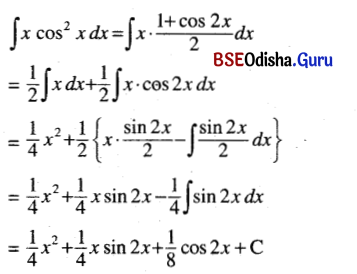
Festivals of North-East India Question Answer Class 10 English Chapter 6 BSE Odisha

Odisha State Board BSE Odisha 10th Class English Solutions Chapter 6 Festivals of North-East India Textbook Exercise Questions and Answers.

Class 10th English Chapter 6 Festivals of North-East India Question Answers BSE Odisha

Festivals of North-East India Class 10 Questions and Answers

D. Let’s Understand The Text:

Question 1.
What is North-East India?
( ଉତ୍ତର-ପୂର୍ବ ଭାରତ କ ଣ?)
Answer.
North-East India is a collective name for the easternmost parts of India.

Question 2.
Which states form North-East India?
( କେଉଁସବୁ ରାଜ୍ୟ ଉତ୍ତର-ପୂର୍ବ ଭାରତକୁ ଗଠନ କରିଛି ?)
Answer:
The states like Arunachal Pradesh, Assam, Manipur, Meghalaya, Mizoram, Sikkim, Tripura, and Nagaland are from North-East India.

Question 3.
Which states are called the “Land of Seven Sisters”?
(କେଉଁସବୁ ରାଜ୍ୟକୁ ‘‘ସାତ ଭଉଣୀ ଭୂମି’’ କୁହାଯାଏ ?)
Answer:
The contiguous seven states- Arunachal Pradesh, Assam, Manipur, Meghalaya, Mizoram, Nagaland, and Tripura are called the Land of Seven Sisters.

Question 4.
Why are they called so?
(ସେମାନଙ୍କୁ (ସେସବୁ ରାଜ୍ୟକୁ) ଏଭଳି କୁହାଯାଏ କାହିଁକି ?)
Answer:
They are called so because of their interdependence on each other.

Question 5.
Why is Sikkim not included among the “Seven Sisters”?
(16 21 1862 ସକିମ୍ ରାଜ୍ୟ କାହିଁକି ସାମିଲ ହୋଇନାହିଁ ?)
Answer:
Sikkim is. not included among the “Seven Sisters” as it is geographically not a contiguous part of the northeast region. It is separated from the northeast by the Siliguri corridor.

BSE Odisha 10th Class English Solutions Chapter 6 Festivals of North-East India

Question 6.
What role does it play?
(ଏହା (ସିକିମ୍) କେଉଁ ଭୂମିକା ଗ୍ରହଣ କରିଛି ?)
Answer:
It plays the role of being a little brother to these amazing seven sisters.

Question 7.
What is culture?
Answer:
Culture is the appreciation, and understanding of literature (die), art, and music, besides the customs and civilization of a particular group of people.

Question 8.
People here celebrate their festivals with ____________ and ____________?
(ଏଠାର ଏହି ______ଓ______ ରେ ପାଳନ କରିଥା’ନ୍ତି ।)
Answer:
People here celebrate their festivals with great enthusiasm and joy.

Question 9.
Many of their festivals are based on _____________?
(ସେମାନଙ୍କର ଅଧିକାଂଶ ପର୍ବ ଉପରେ ଆଧାରିତ ।).
Answer:
Many of their festivals are based on agriculture.

Question 10.
What are the two important parts of celebrating their festivals?
(6NIAGA ପର୍ବପର୍ବାଣି ପାଳନ କରିବାର ଦୁଇଟି ଗୁରୁତ୍ଵପୂର୍ଣ୍ଣ ଅଂଶ କ’ଣ ?)
Ans.
Traditional music and dance are two important parts of celebrating their festivals.

Question 11.
What is the most important festival of Assam?
Answer:
Bihu is the most important festival in Assam.

Question 12.
Bihu festivals are of three kinds. What are they?
Answer:
Bihu festivals are of three kinds. They are Rongali Bihu, Kongali Bihu and Bhogali Bihu.

Question 13.
Rongali Bihu is also known as __________?
Answer:
Rongali Bihu is also known as Bohag Bihu.

Question 14.
Kongali Bihu is also called __________?
Answer:
Kongali Bihu is also called Karti Bihu.

Question 15.
Do people also name Magh Bihu as __________?
Answer:
People also name Magh Bihu as Bhogali Bihu

BSE Odisha 10th Class English Solutions Chapter 6 Festivals of North-East India

Question 16.
When is Rongali Bihu celebrated?
Answer:
Rongali Bihu is celebrated in mid-April with the onset of spring and the beginning of the sowing season.

Question 17.
What does Bohag Bihu celebrate?
Answer:
Bohag Bihu celebrates the start of a New Year in Assam.

Question 18.
When is Kaati Bihu celebrated?
Answer:
Kongali or Kaati Bihu is celebrated in mid-October when the fields are lush
but the barns are empty.

Question 19.
What do people do during Kongali Bihu?
Answer:
During Kongali Bihu, people light lamps and pray to God for a thriving (growing) harvest season and to guide souls to heaven.

Question 20.
When is Magh Bihu celebrated?
Answer:
Magh Bihu is celebrated in Mid-January

Question 21.
Bhogali Bihu marks _______?
Answer:
Bhogali Bihu marks the end of the harvest season.

Question 22.
Which festival is a thanksgiving for a rich harvest?
Answer:
Bhogali Bihu or Magh Bihu is a thanksgiving for a rich harvest.

Question 23.
Bihu celebration is incomplete without _______ and _______?
Answer:
Bihu celebration is incomplete without melodious folk songs and traditional dance.

Question 24.
Which musical instruments are played during the Bihu dance?
Answer:
During Bihu dance musical instruments like cymbals, bamboo clappers, dhol, and the people are played.

Question 25.
Where is Arunachal Pradesh?
Answer:
Arunachal Pradesh lies (21990) farther north in the mountain region of the Himalayas.

BSE Odisha 10th Class English Solutions Chapter 6 Festivals of North-East India

Question 26.
Name three festivals that Arunachal Pradesh celebrates.
Answer:
The three festivals that the people of Arunachal Pradesh celebrate are Losar, Mopin and Ziro.

Question 27.
Which is the new-year festival of Arunachal Pradesh?
Answer:
‘Losar’ is the new-year festival of Arunachal Pradesh.

Question 28.
What do people do on this occasion?
Answer:
On this occasion, people clean their homes and discard the old to bring in the New Year.

Question 29.
Which festival is the harvest festival here?
Answer:
Here (in Arunachal Pradesh) the harvest festival is ‘Mopin’.

Question 30.
What do people pray for during Mopin?
Answer:
During Mopin people worship goddess Mopin and pray to drive away evil spirits and to get prosperity and wealth.

Question 31.
Popir dance is performed on the occasion of _______?
Answer:
Popir dance is performed on the occasion of Mopin.

Question 32.
Ziro festival is an indoor/outdoor festival. (Tick the correct word.)
Answer:
Ziro festival is an outdoor festival.

Question 33.
Which festival in Manipur establishes a family bond?
Answer:
Ningol Chakouba festival in Manipur establishes a family bond.

Question 34.
How are the married daughters and their children treated during Ningol Chakouba?
Answer:
During Ningol Chakouba the married daughters and their children are given a sumptuous feast and gifts.

Question 35.
Which festival celebrates the new year in Manipur? When?
Answer:
The festival Cheiraoba celebrates the new year in Manipur. This festival is celebrated in April.

BSE Odisha 10th Class English Solutions Chapter 6 Festivals of North-East India

Question 36.
What do the people of Manipur do during the celebration of Cheiraoba?
Answer:
During the celebration of Cheiraoba the people of Manipur clean and decorate their houses and prepare special festive dishes.

Question 37.
Chapchar Kut is popular in Mizoram as ______?
(A) the Spring festival
(C) the Autumn festival
(B) the Winter festival
(D) the Summer festival
Answer:
(A) the Spring festival

Question 38.
How do the people of Mizoram celebrate Chapchar Kut?
Answer:
The people of Mizoram celebrate the festival Chapchar Kut by wearing traditional dresses and headgear and performing folk dances and singing traditional songs.

Question 39.
Wangala is also known as ______?
Answer:
Wangala is also known as the Hundred-drum Festival.

Question 40.
Where is Wangala celebrated?
Answer:
Wangala is celebrated in the villages of Meghalaya.

Question 41.
Wangala is a harvest festival. What does it mark?
Answer:
Wangala is a harvest festival. It marks the end of hard work which naturally brings a good harvest.

Question 42.
Describe the dance performed during Wangala.
Answer:
The dance performed during Wangala has features like the beating of drums, blowing horns, and traditional dancing. This dance has two parallel lines- one of the men and the other of women and the lines move forward together in a rhythmic manner while the men beat the drums.

Question 43.
How do the people of Tripura celebrate Karachi Puja? When? Where?
Answer:
The people of Tripura celebrate Karachi Puja by performing the animal sacrifice and worshipping fourteen gods as instructed by Lord Shiva in July in old Agartala or Puran Haveli.

Question 44.
Why do people throng Tripura during the festival?
Answer:
During the festival, people throng Tripura to enjoy cultural programs and fairs.

Question 45.
What do the dances during festivals in Tripura showcase?
Answer:
The dances during festivals in Tripura showcase (display) the hunting, food-gathering, and various other activities.

BSE Odisha 10th Class English Solutions Chapter 6 Festivals of North-East India

Question 46.
Name two Naga festivals?
Answer:
The two Naga festivals are ‘Moastu’ and ‘Hornbill’.

Question 47.
Describe the Naga dance during the celebration of Moastu?
Answer:
During the celebration of Moastu the villagers of Nagaland dance to the traditional music, dressed in colorful clothes and headgear decorated with feathers and wild boar tusks.

Question 48.
Which Naga festival is famous in India? What for?
Ans.
The Naga festival ‘Hornbill’ is famous in India because it is a 10-day long cultural dance and sporting event which displays the cultural heritage of 16 tribes living in Nagaland.

Question 49.
Which bird is most admired in Nagaland?
Answer:
The ‘Hornbill’ is a most admired bird in Nagaland.

Question 50.
Which Naga festival is named after the bird?
Answer:
The Naga festival ‘HombilT is named after the bird.

Question 51.
What does the event showcase?
Answer:
The event showcases the cultural heritage of 16 tribes living in Nagaland.

Question 52.
Describe the dance by men during the Hornbill festival?
Answer:
During the Hornbill festival, men clothed in full warrior costumes show off their hunting and warring skills.

Question 53.
What helps Nagaland protect and continue its history?
Answer:
Celebration of different festivals helps Nagaland protect and continue its history.

Question 54.
Name four Sikkimese festivals?
Answer:
The four Sikkimese festivals are Saga Dawa, Losoong, Losar, and Tihaar.

Question 55.
Match the festivals under A with their occasions under B.

A B
a. Losar festival of light
b. Saga Dawa harvest festival
c. Tihaar New Year festival
d. Losing Buddhist festival

Answer:

A B
a. Losar New Year festival
b. Saga Dawa Dawa Buddhist festival
c. Tihaar festival of light
d. Losing harvest festival

BSE Odisha 10th Class English Solutions Chapter 6 Festivals of North-East India

Question 56.
What do people do while celebrating Saga Dawa?
Answer:
While celebrating Saga Dawa, the people of Sikkim visit the monasteries, and offer prayers, water, incense sticks, and butter lamps.

Question 57.
How do the Sikkimese celebrate their harvest festival?
Answer:
During their harvest festival Losoong, the people of Sikkim, particularly the locals perform the Chaam dance, wearing brightly colored masks, and playing fascinating musical instruments. Archery contest is also held along with feasting and other celebrations.

Question 58.
When is the Tibetan New Year celebrated?
Answer:
The Tibetan New Year is celebrated in the month of February.

E. Let’s Read Between Beyond / Lines :

1. Many different things make up a society’s culture. These things include:
( ଜିନିଷ ଏକ ସମାଜର ସଂସ୍କୃତି ଗଠନ କରିଥାଏ । ଏଗୁଡ଼ିକ ଅନ୍ତର୍ଭୁକ୍ତ କରିଥାଏ )
food arts language ideas
clothing     music         literature           beliefs
tools          dance         customs            religion
_____           ______         ______                _______

Can you add any more to this list? Write in the blank spaces. ( ତୁମେ କୌଣସି ଅବ୍ଲକ ଉପାଦାନ ଯୋଗ କରିପାରିବ କି ? ଶୂନ୍ୟସ୍ଥାନରେ ଲେଖ ।)
Answer:
tradition worship games or sports trade
(ପରମ୍ପରା ) (ଉପାସନା ବା ପୂଜା) (ଖେଳ ବା କ୍ରୀଡ଼ା)

2. What is oral history? Why is it important?
(ମୌଖୁ ଇତିହାସ କ’ଣ ? ଏହା କାହିଁକି ଗୁରୁତ୍ବପୂର୍ଣ୍ଣ ?)
Answer:
Oral history is the narration of historical events by mouth. It is important since word of mouth existed much earlier before the beginning of written history.

3. Folk songs and traditional dances of Assam have been handed down through many generations. Who passes down these songs and dances? To whom? Why?
(ଆସାମର ଲୋକ ସଙ୍ଗୀତ ଓ ପାରମ୍ପରିକ ନୃତ୍ୟ ଅନେକ ପିଢ଼ିକୁ (ପିଢ଼ି ପରେ ପିଢ଼ିକୁ) ହସ୍ତାନ୍ତର ହୋଇଛି । କେଉଁମାନେ ଏହି ଗୀତ ଓ ନୃତ୍ୟସମୂହକୁ ହସ୍ତାନ୍ତର କରନ୍ତି ? କେଉଁମାନଙ୍କୁ ? କାହିଁକି ?)
Answer:
The people of Assam are proud of having been blessed with lush greenery and the mighty river Brahmaputra. ‘Bihus’ are among the major festivals of Assam. This dance and song culture of Assam comprises Rongali Bihu, Kongali Bihu, and Bhogali Bihu. Melodious folk songs and traditional dance add to the flavor of joy and jubilation of these dances. The songs of these festivals have been handed down by the people of Assam to the next generation to uphold them to glorify their proud culture of songs and dance.

4. The festivals of northeast India are based on two significant backgrounds. What are they? (Paragraphs – 1 and 14)
(ଉତ୍ତର-ପୂର୍ବ ଭାରତର ପର୍ବଗୁଡ଼ିକ ଦୁଇ ଗୁରୁତ୍ବପୂର୍ଣ ପୃଷ୍ଠଭୂମି ଉପରେ ଆଧାରିତ । ସେଗୁଡ଼ିକ କ’ଣ ?) (ଅନୁଚ୍ଛେଦ – ୧ ଓ ୧୪)
Answer:
The festivals of northeast India are based on two significant backgrounds. All the eight states of this hilly region of India whose lives thrive (live) on melodious songs, music, and dance represent both geographic and administrative backgrounds. Besides they showcase the cultural heritage of the communities.

5. The people of northeastern India live in the lap of nature. Simplicity is the most beautiful ornamentation on them. They are fatalists. They believe there is some force that controls events and guides them- call it God, destiny, or fate. So they worship, pray and thank Him for the life they live. Which sentence states their religious beliefs? (Paragraph-14)

(ଉତ୍ତର-ପୂର୍ବ ଭାରତର ଅଧ‌ିବାସୀମାନେ ପ୍ରକୃତି କୋଳରେ ବାସ କରନ୍ତି । ସରଳତା ହେଉଛି ସେମାନଙ୍କର ସବୁଠାରୁ ସୁନ୍ଦର ଅଳଙ୍କାର ପରିପାଟୀ । ସେମାନେ ଭାଗ୍ୟବାଦୀ । ସେମାନଙ୍କର ବିଶ୍ଵାସ ଯେ ପ୍ରକୃତିରେ ଏଭଳି କିଛି ଶକ୍ତି ରହିଛି ଯାହା ଘଟଣାବଳୀକୁ ନିୟନ୍ତ୍ରିତ କରୁଛି ଓ ସେମାନଙ୍କୁ ସୁପରିଚାଳିତ କରୁଛି – ସେମାନେ ଏହାକୁ ଈଶ୍ଵର, ଦୈବ ବା ଭାଗ୍ୟ ବୋଲି କହନ୍ତି । ତେଣୁ ସେମାନେ ବଞ୍ଚୁଥ‌ିବା ଜୀବନ ପାଇଁ ତାଙ୍କୁ ଉପାସନା କରନ୍ତି, ପ୍ରାର୍ଥନା କରନ୍ତି ଏବଂ ଧନ୍ୟବାଦ ଅର୍ପଣ କରନ୍ତି । କେଉଁ ବାକ୍ୟଟି ସେମାନଙ୍କ ଧାର୍ମିକ ବିଶ୍ବାସକୁ ଉଲ୍ଲେଖ କରିଛି ।) (ଅନୁଚ୍ଛେଦ-୧୪)

Answer:
The sentence “Most of them (these festivals) have a religious importance or significance, as the people offer thanks to the Gods for a good harvest or prosperity, or ask for protection against calamities” states the religious beliefs of the people of Northeastern India. N.B. The sentence that states the religious beliefs of the people of north-eastern India lies in Paragraph- 16, not in Paragraph- 14.)

6. Besides rooting religious beliefs, the festivals help in many other ways. What are they? (Paragraph-16)
(ମୂଳ ଧର୍ମୀୟ ବିଶ୍ଵାସ ବ୍ୟତୀତ ପର୍ବପର୍ବାଣି ଅନେକ କ୍ଷେତ୍ରରେ ସାହାଯ୍ୟ କରିଥାଏ । ସେଗୁଡ଼ିକ କ’ଣ ?)
Answer:
Besides rooting religious beliefs, the festivals help encourage cultural and artistic activities and bring out the natural talents of the people.

BSE Odisha 10th Class English Solutions Chapter 6 Festivals of North-East India

F. Lets Sump Up

The text you read is built up of many ideas. Each idea is described in just one or more than one paragraphs. Match the ideas under ‘A’ with their paragraph number(s) under ‘B\ Write a serial number of each idea in the box against paragraph number(s).
ବା ପ୍ରସଙ୍ଗ ଏକ ବା ଏକାଧିକ ଅନୁଚ୍ଛେଦରେ ବର୍ଣ୍ଣିତ ହୋଇଛି । ପ୍ରତ୍ୟେକ ଧାରଣା | ସମୂହର କ୍ରମିକ ସଂଖ୍ୟାକୁ ଅନୁଚ୍ଛେଦ କ୍ରମସଂଖ୍ୟା ପାର୍ଶ୍ଵରେ ଥିବା ବାକ୍ସ ମଧ୍ଯରେ ଲେଖ

A B
1. North East India [ ] 15
2. Festivals of Arunachal Pradesh [ ] 8
3. Assamese festivals [ ] 10. 11
4. Festivals of Manipur [ ] 12, 13, 14
5. Festivals of Meghalaya [ ] 1, 2
6. Festivals of Mizoram [ ] 3, 4
7. Festivals of Nagaland [ ] 5, 6
8. Sikkimese festivals [ ] 9
9. Festivals of Tripura [ ] 7

Answer:

A B
1. North East India [8] 15
2. Festivals of Arunachal Pradesh [6] 8
3. Assamese festivals [9] 10,11
4. Festivals of Manipur [7] 12,13,14
5. Festivals of Meghalaya [1] 1,2
6. Festivals of Mizoram [3] 3,4
7. Festivals of Nagaland [2] 5,6
8. Sikkimese festivals [5] 9
9. Festivals of Tripura [4] 7

G. Let’s Learn Words :

(a) Word Search
While reading a text, we come across some new words or words we are not familiar with. The meaning of such words is available somewhere around the text. Puzzle out the meanings of the words listed in the table below. Use the clues or hints- other words (synonyms, antonyms, examples, expressions, etc.) given in the context to help you understand. Numbers in brackets under column 1 indicate paragraph numbers. Numbers under column 2 show the number of paragraphs where you can get the hints/facts / clues / other words, such as synonyms, antonyms, examples, expressions, etc. Copy and complete the table.
(ଏକ ପାଠ୍ୟବିଷୟ ପଢ଼ିବା ସମୟରେ ଆମେ କେତେକ ପରିଚିତ ନ ଥୁବା ନୂଆ ଶବ୍ଦ ଦେଖିବାକୁ ପାଇଥାଉ । ଏଭଳି ଶବ୍ଦର ଅର୍ଥ ପାଠ୍ୟବିଷୟର ଅନ୍ୟ ସ୍ଥାନରେ ଉପଲବ୍ଧ ହୋଇଥାଏ ।
ନିମ୍ନସ୍ଥ ସାରଣୀରେ ତାଲିକାଭୁକ୍ତ ଶବ୍ଦଗୁଡ଼ିକର ଅର୍ଥ ବାହାର କର । ଏ କ୍ଷେତ୍ରରେ ତୁମକୁ ଦିଆଯାଇଥ‌ିବା ସୂଚନା – ଅନ୍ୟ ଶବ୍ଦସମୂହ (ପ୍ରତିଶବ୍ଦ, ବିପରୀତ ଶବ୍ଦ, ଉଦାହରଣ, ଭକ୍ତିସମୂହ) ବୁଝିବାରେ ସହାୟକ ହେବ । ସ୍ତମ୍ଭ ୧ରେ ବନ୍ଧନୀଭୁକ୍ତ ସଂଖ୍ୟା ଅନୁଚ୍ଛେଦର କ୍ରମସଂଖ୍ୟାକୁ ସୂଚିତ କରୁଛି । ସ୍ତମ୍ଭ ୨ରେ ପ୍ରଦତ୍ତ ସଂଖ୍ୟା ଅନୁଚ୍ଛେଦର କ୍ରମ ସଂଖ୍ୟାକୁ ସୂଚିତ କରୁଛି ଯେଉଁଠାରେ ତୁମେ ସୂଚନା | ତଥ୍ୟ | ପ୍ରତିଶବ୍ଦ, ବିପରୀତ ଶବ୍ଦ, ଉଦାହରଣ, ଭକ୍ତିସମୂହ ସମ୍ବଳିତ ଅନ୍ୟାନ୍ୟ ଶବ୍ଦକୁ)

Words (para no) Words/clues that helped me. (para no) What I think the word means. What the dictionary says. Put a tick if your meaning is correct, and a X if you are not.
diverse(2) 2
thriving (3, 15) 15
onset(3) 3
prominent(3) 6,8,913
symbolize(3) 11
attire(4) 8,13
get in(4) 8,13
instrument(4) 4
clad(5) 13
costume(9) 8,13
atmosphere(4) 8
hand down(4) 12
showcase(14) 14
significance(16) 16
extensive(15) 8

Answer:

Words (para no.) Words/clues that helped me. (para no) What I think the word means. What the dictionary says. Put a tick if your meaning is correct, and a x if you are not.
diverse (2) 2 different different, various               ✓
thriving (3, 15) 15 lively growing               ✓
onset(3) 3 start beginning               ✓
prominent (3) 6,8,9,13 most important, major, main significant, chief, main
symbolize (3) 11 represent denote, indicate
attire (4) 8,13 headgear dresses, clothes x
get in (4) 8,13 enter wearing x
instrument (4) 4 tools tools
clad (5) 13 dressed dressed or clothed
costume (9) 8,13 principle dresses or clothes x
atmosphere (4) 8 air air
hand down (4) 12 pass down pass down                                 ✓
showcase (14) 14 rack of books show off x
significance (16) 16 importance importance
extensive (15) 8 mostly in large amount

(b) Word Use
Read the following sentences and notice the words in italics.
(ନିମ୍ନଲିଖ୍ ବାକ୍ୟଗୁଡ଼ିକୁ ପଢ଼ ଓ ଛଟା ଅକ୍ଷରରେ ଲିଖ୍ ଶବ୍ଦକୁ ଲକ୍ଷ୍ୟ କର ।)
Hardly a month passes in the seven states wihout a festival or two.
(ଗୋଟିଏ ବା ଦୁଇଟି ପର୍ବ ପାଳନ ବିନା ସାତ ରାଜ୍ୟରେ ଗୋଟିଏ ମାସ ବି ଯାଏନି ।)
The sentence means:
There is a festival or two in the seven states almost every month.
(ଏହାର ଅର୍ଥ ହେଉଛି : ପ୍ରାୟ ପ୍ରତ୍ୟେକ ମାସରେ ସାତ ରାଜ୍ୟରେ ଗୋଟିଏ ବା ଦୁଇଟି ପର୍ବ ପାଳିତ ହୁଏ ।

Notice (ଲକ୍ଷ୍ୟ କର) :
Hardly is an adverb which is used to mean almost no(t) (gla ନାହିଁ | ନୁହେଁ), almost none (ପ୍ରାୟ କେହି ନାହାନ୍ତି).
This adverb of negation (ନାସ୍ତିସୂଚକ କ୍ରିୟା ବିଶେଷଣ) usually goes with any, ever, at all, or the modals can or could.
(ମୁଖ୍ୟତଃ any, ever, at all ବା modal ( ସାହାଯ୍ୟକାରୀ କ୍ରିୟା) can ବା could ସହିତ adverb ‘hardly’ ବ୍ୟବହୃତ ହୋଇଥାଏ ।)

Examples :
There is hardly any tea at home. (any = adjective)
(ଘରେ ପ୍ରାୟ ଚାହା ନାହିଁ ।)
She hardly ever goes to the pictures. (ever = adverb)
(ସେ ପ୍ରାୟ ଚଳଚ୍ଚିତ୍ର ଦେଖ୍ ଯାଏ ନାହିଁ ବା କ୍ଵଚିତ୍‌ ଯାଏ ।)
How often does it rain in deserts ?
(ମରୂଭୂମିରେ କେତେ ଥର ବର୍ଷା ହୁଏ ? )
Answer:It hardly rains in deserts. (rains = verb)
(ମରୁଭୂମିରେ କ୍ଵଚିତ୍ (ଖୁବ୍ କମ୍ ଥର) ବର୍ଷା ହୁଏ ।
I can hardly walk such a long distance. (can walk = verbs)
(ମୁଁ ଏତେ ଦୀର୍ଘ ଦୂରତାକୁ କ୍ଵଚିତ୍ ଚାଲି ଚାଲି ଯାଇପାରିବି ।)
Here the sentence means –
I can walk such a long distance with lots of difficulties.
(ମୁଁ ଖୁବ୍‌ କଷ୍ଟରେ ଏତେ ଦୀର୍ଘ ପଥକୁ ଚାଲି ଯାଇପାରିବି ।)

Wrong (Incorrect) Right (correct)
hardly no / not hardly any
hardly nothing hardly anything
hardly nobody hardly anybody

BSE Odisha 10th Class English Solutions Chapter 6 Festivals of North-East India

Rewrite the sentences using hardly, barely, or scarcely in them.
(ବାକ୍ୟଗୁଡ଼ିକରେ ‘hardly’, ‘barely’ ବା ‘searcely’ ବ୍ୟବହାର କରି ପୁନର୍ବାର ଲେଖ ।)

(i) I saw almost none in the darkness.
(ii) The team could not score any goal.
(iii) The beggar has nothing to eat.
(iv) Many cities do very little to check air pollution.
(v) I know her very slightly.
(vi) Working children have almost no chance to enjoy themselves.
(vii) There was almost no sugar in the jar.
(viii) Samita cannot wait for her birthday.
Answer:
(i) I saw hardly anyone in the darkness.
(ii) The team scored barely/hardly any goal.
Or, The team could hardly score any goal.
(iii) The beggar has hardly anything to eat.
(iv) Many cities hardly do little to check air pollution.
(v) Scarcely/Hardly do I know her.
Or, I hardly know her.
(vi) Working children have scarcely / hardly/barely any chance to enjoy.
(vii) There was hardly any sugar in the jar.
(viii) Samita can hardly wait for her birthday.
Or, Scarcely can Samita wait for her birthday

Remember:
Hardly / Scarcely + auxiliary verbs + subject + main verb
when + sub +_______
Example :
Hardly/Scarcely did (auxiliary verb) the peon (subject) ring (main verb) the bell when we (subject) ran into our classroom.
(ପିଅନ୍ ବେଲ୍‌ ବଜାଇବାମାତ୍ରେ ଆମ୍ଭେମାନେ ଆମ୍ଭ ଶ୍ରେଣୀକକ୍ଷକୁ ଦୌଡ଼ିଗଲୁ ।)

(c) Homophones:
Homophones are the words which have similar sounds but different spellings and meanings.
(ଦୁଇଟି ଶବ୍ଦର ଭିନ୍ନ ବନାନ ବା ଅର୍ଥ ପାଇଁ ସମାନ ଉଚ୍ଚାରଣ ଥିଲେ ସେହି ଶବ୍ଦବିଶେଷର ଉଚ୍ଚାରଣକୁ homophones କୁହାଯାଏ ।)
Remember :
homo – same or equal
phone – sound
(Words having the same or equal sound)
Example :
knew – new
flour – flower

Read the sentences, underline the incorrect homophones and replace them with the correct ones.
(ନିମ୍ନଲିଖ୍ ବାକ୍ୟଗୁଡ଼ିକୁ ପଢ଼, ଭୁଲ୍ ସମୋଚ୍ଚାରିତ ଶବ୍ଦଗୁଡ଼ିକୁ ରେଖାଙ୍କିତ କର ଏବଂ ସେଗୁଡ଼ିକ ସ୍ଥାନରେ ଠିକ୍ ସମୋଚ୍ଚାରିତ ଶବ୍ଦ ବସାଅ ।)

(i) Assam is a state in the north-eastern reason of India.
(ii) Losar is a new-ear festival in Arunachal Pradesh.
(iii) People prey on gods for prosperity.
(iv) The women and children are given a sumptuous fist
(v) People worship God to rise to a higher plane of life.
(vi) Rich harvest is the result of herd labor.
(vii) Folk dance and traditional music add to the festive heir.
(viii) People throng Tripura to enjoy cultural programs and fares.
Answer:
(i) Assam is a state in the northeastern region of India.
(ii) Losar is a new-year festival in Arunachal Pradesh.
(iii) People pray to gods for prosperity.
(iv) The women and children are given a sumptuous feast.
(v) People worship God to rise to a higher plane of life.
(vi) Rich harvest is the result of hard labor.
(vii) Folk dance and traditional music add to the festive air.
(viii) People throng Tripura to enjoy cultural programs and fairs.

BSE Odisha 10th Class English Solutions Chapter 6 Festivals of North-East India

H. Let’s Learn Grammar:

1. Look at the underlined words in the following sentences.
(ନିମ୍ନଲିଖ୍ ବାକ୍ୟଗୁଡ଼ିକରେ ରେଖାଙ୍କିତ ଶବ୍ଦଗୁଡ଼ିକୁ ଦେଖ ।)
People clean and decorate their houses. (ଘର → nouns ବିଶେଷ୍ୟପଦ)
The temple houses 14 deities. ( ସ୍ଥାନିତ କରିଛି → verb – କ୍ରିୟାପଦ)
Remember :
‘Noun’ is a naming word denoting names of person, thing, animal, place, quality, action or state.
(ବ୍ୟକ୍ତି, ଦ୍ରବ୍ୟ, ପ୍ରାଣୀ, ସ୍ଥାନ, ଗୁଣ, କାର୍ଯ୍ୟ ବା ଅବସ୍ଥାର ନାମସୂଚକ ଶବ୍ଦ ହେଉଛି Noun ବା ବିଶେଷ୍ୟ ପଦ ।) ‘Verb’ is a doing word or shows action or state or possession of or about the subject.
(କର୍ତ୍ତାର କାର୍ଯ୍ୟ, ଅବସ୍ଥା ବା ଧାରଣସୂଚକ ଶବ୍ଦ ହେଉଛି verb ବା କ୍ରିୟାପଦ ।)

A verb (mainly the main verb) can be used either as a finite verb or a non-finite verb.
Finite verb → tense
Non-finite verb → form
Examples :
(i) Work is worship, (noun = subject to the verb ‘is’)
He works in this office, (verb = present simple tense = finite verb)

(ii) I gave a bite into the apple, (noun = object word to the verb ‘gave’) (a bite = object)
A barking dog seldom bites. (verb = finite verb = present simple tense)
Mosquito-bite causes malaria, (noun = subject word to the subject ‘mosquito-bite’)

Use each of the following words first as a noun and then as a verb in separate sentences of your own.
(ନିମ୍ନଲିଖତ ଶବ୍ଦଗୁଡ଼ିକରୁ ପ୍ରତ୍ୟେକ ଶବ୍ଦକୁ ପ୍ରଥମେ ଗୋଟିଏ noun (ବିଶେଷ୍ୟ) ରୂପେ ଓ ପରେ ଗୋଟିଏ verb (କ୍ରିୟା) ରୂପେ ତୁମ ନିଜ ବାକ୍ୟରେ ବ୍ୟବହାର କର ।)
dance, harvest, drive, climb, spring, dress, name, group, mark, help
Answer:
dance (Noun):
Odisha is a classical dance.
The dance is captivating.
Look at her dance.
(Verb):
The girl danced beautifully. (Past simple tense)

harvest (Noun):
We hope for a rich harvest.
The harvest of crops failed due to floods.
(Verb):
The farmers of Odisha harvest plenty of paddies every year.

drive (Noun):
He gave a test drive.
The literacy drive was a huge success.
(Verb):
He drove to his home. (Past simple tense)
Driven by hunger the beggar committed suicide
(Non-finite verb → past participle)

climb (Noun):
The climb of this wall is very difficult.
He has gone for the hill climb.
(Verb):
He climbed the hill. (Past simple tense)

spring (Noun):
Spring is the king of all seasons.
Can you see the spring?
He landed with a spring.
(Verb):
This part of the roof has sprung a leak.
Anil usually springs a surprise.

dress (Noun):
The girl is wearing a pink dress.
The dresses have become dirty.
(Verb):
The man was dressed in a rag. (Past simple tense)
He dressed me down. (Past simple tense)

name (Noun):
The name sounds familiar to me.
What is your name?
(Verb):
Did the mother name the baby Dipu?

group (Noun):
The group consists of ten people.
(Verb):
The people have been equally grouped.
(Present perfect tense)

mark (Noun):
Nandini obtained 60 marks in English.
The panther has black marks all over its body.
(Verb):
I marked him absent.

help (Noun):
StM-help is the best help.
(Verb):
Mihir helped me.

BSE Odisha 10th Class English Solutions Chapter 6 Festivals of North-East India

2. Complete the sentences using appropriate prepositions choosing from the box.
(ବାକ୍‌ସରୁ ସଠିକ୍ ବିଭକ୍ତିସୂଚକ ଅବ୍ୟୟ ପଦ ବାଛି ଶୂନ୍ୟସ୍ଥାନ ପୂରଣ କର ।)
(to, against, of, for, on, with)

(i) India consists ___________ 28 States and 9 Union Territories.
(ii) The movie is based on __________ a real-life incident
(iii) She is blessed ___________ good health.
(iv) Shall I add some sugar __________ to your tea?
(v) The camel is the only means __________transportation in deserts
(vi) Safety rules prescribe precautions __________ fire.
Answer:
(i) India consists of 28 States and 9 Union Territories.
(ii) The movie is based on a real-life incident.
(iii) She is blessed with good health.
(iv) Shall I add some sugar to your tea?
(v) The camel is the only means of transportation in deserts.
(vi) Safety rules prescribe precautions against fire.

3. Phrasal Verb
Verb + preposition or particle = phrasal verb
Remember :
The meaning of phrasal verbs is different from the original verb used.
(Phrasal verbର ଅର୍ଥ ଏଥରେ ଥ‌ିବା ମୌଳିକ କ୍ରିୟାପଦର ଅର୍ଥଠାରୁ ସମ୍ପୂର୍ଣ୍ଣ ଭିନ୍ନ ଅଟେ ।)

Look at the use of the phrasal verbs and their meanings in the following sentences.
(ନିମ୍ନଲିଖ୍ ବାକ୍ୟଗୁଡ଼ିକରେ ଦିଆଯାଇଥ‌ିବା phrasal verb ଓ ସେଗୁଡ଼ିକର ଅର୍ଥକୁ ଲକ୍ଷ୍ୟ କର ।)
What time did you get back last night? (= return)
I’ll get back to you. (= to speak/write to somebody again later, in order to give a reply)
Winter sets in trees start to shed their leaves. (= begins)

Complete the following sentences using the phrasal verbs appropriately.
(Phrasal verbଗୁଡ଼ିକୁ ଉପଯୁକ୍ତ ଭାବେ ବ୍ୟବହାର କରି ନିମ୍ନଲିଖ୍ ବାକ୍ୟଗୁଡ଼ିକୁ ସମ୍ପୂର୍ଣ୍ଣ କର ।)
(bring in, show off, hand down, bring out, get in, ask for, take place, drive away, pass down)

(i) Young men and women ________their best traditional attire.
(ii) The festivals _______in the month of July.
(iii) On this occasion, people discard the old to ______the New Year.
(iv) People pray the gods to______ evil spirits.
(v) The songs have been _______through many generations.
(vi) The celebration of these festivals is an effective means of preserving and _______ their oral history.
(vii) Men clad in full warrior costumes_______ their hunting and warring skills.
(viii) People offer thanks to gods and ________ protection against calamities
(ix) These celebrations also help_______the natural talent of people.
Answer:
(i) Young men and women get in their best traditional attire.
(ii) The festivals take place in the month of July.
(iii) On this occasion, people discard the old to bring in the New Year.
(iv) People pray to the gods to drive away evil spirits.
(v) The songs have been handed down through many generations.
(vi) The celebration of these festivals is an effective means of preserving and passing down their oral history.
(vii) Men clad in full warrior costumes show off their hunting and warring skills.
(viii) People offer thanks to gods and ask for protection against calamities.
(ix) These celebrations also help bring out the natural talent of people

4. Look at the following sentences.
(ନିମ୍ନଲିଖ୍ ବାକ୍ୟଗୁଡ଼ିକୁ ଦେଖ ।)
Rongali Bihu is celebrated in mid-April.
The crops have been harvested.
by + phrase (by + agent or doer of the action)
by + କର୍ମବାଚ୍ୟରେ ବ୍ୟବହୃତ ହୋଇଛି । କେତେକ କର୍ମବାଚ୍ୟ by + କାରକ ବିନା ମଧ୍ୟ ଗଠିତ ହୁଏ ।

Example :
The batsman was declared out. (by + agent = by the umpire)
English is spoken all over the world, (by + agent = by the people)
Put the following sentences into the passive without ‘by-phrase’.
(by phrase ବ୍ୟବହାର ନ କରି ନିମ୍ନଲିଖ୍ ବାକ୍ୟଗୁଡ଼ିକୁ passive voice ବା କର୍ମବାଚ୍ୟରେ ପରିଣତ କର ।)
(i) Farmers grow grapes in Hyderabad.
(ii) Poachers kill a lot of wild animals every year.
(iii) People make paper from pulp.
(iv) Someone broke the window.
(v) We should respect the elders.
(vi) Somebody stole her purse.
(vii) The police have arrested the miscreant.
(viii) My friend has eaten up all the grapes. (But I want to keep it a secret.)
Answer:
(i) Grapes are grown in Hyderabad.
(ii) A lot of wild animals are killed every year.
(iii) Paper is made from pulp.
(iv) The window was broken.
(v) The elders should be respected.
(vi) Her purse was stolen.
(vii) The miscreant has been arrested.
(viii) All the grapes have been eaten up.

5. Read the following sentences and notice the underlined verbs.
(ନିମ୍ନଲିଖୂ ବାକ୍ୟଗୁନିକୁ ପଢ଼ ଓ ରେଖାଙ୍କିତ କ୍ରିୟାପଦଗୁଡ଼ିକୁ ଲକ୍ଷ୍ୟ କର ।)

(a) The North East India, comprising eight states, is a place of diverse culture.
(b) Blessed with lush greenery and mighty River Brahmaputra, the people of Assam have a lot to celebrate.
(c) They pray to God to guide souls to heaven.
(d) These celebrations also help encourage cultural and aristic activities and bring out the natural talent of people.
ଉପରୋକ୍ତ ବାକ୍ୟଗୁନିକରେ ରେଖାଙ୍କିତ କ୍ରିୟାପଦ ବା verbଗୁଡ଼ିକର tense ବା କାଳ ନାହିଁ । ତେଣୁ ଏ ସମସ୍ତ କ୍ରିୟାପଦ ଗୋଟିଏ ଗୋଟିଏ non-finite verb (ଅସମାପିକା କ୍ରିୟା) ।

Non-finite verbs Type
(a) comprising →  present participle
(b) blessed →  past participle
(c) to guide →  to + infinitive
(d) encourage, bring out →  bare infinitive or zero infinitive

Underline the non-finite clauses in the following sentences.
( ନିମ୍ନଲିଖିତ ବାକ୍ୟଗୁଡ଼ିକରେ ଅସୀମ ଧାରାକୁ ଅଣ୍ଡରଲାଇନ୍ କରନ୍ତୁ।)

(i) The pepa is a wind instrument made of a buffalo horn.
(ii) Lying farther north in the mountainous region of the Himalayas, Arunachal Pradesh is one of India’s most remote picturesque locations.
(iii) On this occasion, people clean their homes and discard the old to bring in the New Year.
(iv) The villagers climb the nearest hill tops for they believe that this will help them rise to a higher plane in this life.
(v) The Spring Festival or Chapchar Kut is an important occasion, mostly celebrated in Mizoram.
(vi) Men and women of all ages, wearing traditional dresses and head-gear, perform folk dances and sing traditional songs.
(vii) Wangala or the Hundred-drum Festival is celebrated in November to mark the end of hard work
Answer:
(i) The pepa is a wind instrument made of a buffalo horn (made = non-finite verb)
(ii) Lying farther north in the mountainous region of the Himalayas, Arunachal Pradesh is one of India’s most remote picturesque locations, (lying = non-finite verb)
(iii) On this occasion, people clean their homes and discard the old to bring in the New Year. (to bring in = non-finite verb)
(iv) The villagers climb the nearest hill tops for they believe that this will help them rise to a higher plane in this life. (rise = non-finite verb)
(v) The Spring Festival or Chapchar Kut is an important occasion, mostly celebrated in Mizoram. (celebrated = non-finite verb)
(vi) Men and women of all ages, wearing traditional dresses and head-gear, perform folk dances and sing traditional songs, (wearing = non-finite verb)
(vii) Wangala or the Hundred-drum Festival is celebrated in November to mark the end of hard work. (to mark = nonfinite verb)

BSE Odisha 10th Class English Solutions Chapter 6 Festivals of North-East India

6. Read the following sentences.
(a) Pepa is a wind instrument made of buffalo horn.
(‘ପେପା’ ବାଦ୍ୟଯନ୍ତ୍ର ତିଆରି କରିବା ପାଇଁ ଲୋକମାନେ ମଇଁଷି ଶିଙ୍ଗ ବ୍ୟବହାର କରନ୍ତି ।)

Another example: Paper is made from pulp.
(ଅର୍ବତରଳ ଦ୍ରବରୁ କାଗଜ ତିଆରି କରାଯାଏ ।)

made of – if the original material isn’t changed in any significant way
(ତିଆରିରେ ବ୍ୟବହୃତ ମୂଳ ଦ୍ରବ୍ୟର ବିଶେଷ ପରିବର୍ତ୍ତନ ନ ହୋଇଥିଲେ)

made from – if the original material changed significantly
( ରୁ ତିଆରି – ଯଦି ମୂଳ ସାମଗ୍ରୀ ଯଥେଷ୍ଟ ବଦଳିଯାଏ |)
Look: The ring is made of gold, (‘gold’ is found in the ring)
The shirt is made from cotton, (‘cotton’ isn’t seen in the shirt)

(a) Match the things under ‘A” with the materials under ‘B’. Write the serial numbers in brackets.
(ସ୍ତମ୍ଭ ‘A’ ତଳେ ଥ‌ିବା ଜିନିଷ ସହିତ ସ୍ତମ୍ଭ ‘B’ ତଳେ ଥିବା ଦ୍ରବ୍ୟ | ସାମଗ୍ରୀକୁ ମିଳାଅ । ବନ୍ଧନୀ ମଧ୍ଯରେ କ୍ରମ ସଂଖ୍ୟା ଲେଖ ।)

A B
(i)  Shoes [ ] Wood
(ii)  Blanket [ ] Milk
(iii) House [ ] Cotton
(iv) Ice [ ] Flour
(v) Shirt [ ] Water
(vi) Juice [ ] Bronze
(vii) Bread [ ] Iron
(viii) Statue [ ] Denim
(ix)  Gate [ ] Leather
(x) Chair [ ] Bricks
(xi) Cheese [ ] Fruit
(xii) Jeans [ ] Wool

Answer:

A B
(i) Shoes [x] Wood
(ii) Blanket [xi] Milk
(iii) House [v] Cotton
(iv) Ice [vii] Flour
(v) Shirt [iv] Water
(vi) Juice [viii] Bronze
(vii) Bread [x] Iron
(viii) Statue [xii] Denim
(ix) Gate [i] Leather
(x) Chair [iii] Bricks
(xi) Cheese [vi] Fruit
(xii) Jeans [ii] Wool

(b) Now make sentences for each pair using ‘made of’ or ‘made from’.
(160 gồ ଯୋଡ଼ା ପାଇଁ ‘made of” କିମ୍ବ। ‘made from’ ବ୍ୟବହାର କରି ବାକ୍ୟ ଗଠନ କର ।) One is done for you. (ଗୋଟିଏ ତୁମପାଇଁ କରି ଦିଆଯାଇଛି ।)
Answer:
(i) Shoes are made of leather.
(ii) The blanket is made from wool.
(iii) The house is made from bricks, (if plastered)
(iv) Ice is made from water.
(v) The shirt is made from cotton.
(vi) Juice is made from fruit.
(vii) Bread is made from flour (a©l).
(viii) The statue is made of bronze. (Coating of bronze is found)
(ix) The gate is made of iron. (Iron is seen in the gate)
(x) The chair is made of wood.
(xi) Cheese is made from milk.
(xii) Jeans are made of denim.

I. Let’s Learn Study Skills

(a) The table below contains necessary facts on the festivals that the eight states of North East India celebrate. But some facts are missing. Copy and complete the table supplying the missing information.
(ନିମ୍ନସ୍ଥ (ସାରଣୀ)ରେ ଉତ୍ତର ପୂର୍ବ ଭାରତର ଆଠୋଟିଯାକ ରାଜ୍ୟରେ ପାଳିତ ହେଉଥ‌ିବା ପର୍ବପର୍ବାଣି ସମ୍ବନ୍ଧୀୟ ତଥ୍ୟ ରହିଛି । କିନ୍ତୁ କେତେକ ତଥ୍ୟ ଛାଡ଼ ଅଛି । ଛାଡ଼ଥିବା ତଥ୍ୟଗୁଡ଼ିକୁ ବସାଇ ସାରଣୀଟିକୁ ସମ୍ପୂର୍ଣ କର ।)

State Festival Time Purpose What people do
 

Assam


Rongali Bihu onset of spring Mark the start of the New Year, the beginning of the harvest season put on traditional clothes sing melodious folk songs perform a traditional dance
Kongali Bihu in mid-October for a thriving harvest season and to guide souls to heaven light lamps pray to God
Bhogali Bihu in mid-January Mark the end of the harvest season Thanksgiving to God
Arunachal Pradesh


Losar mark the new year’s arrival clean their homes discard the old to bring in the New Year
Mopin to drive away evil spirits and get prosperity pray to Goddess Popir dance is performed
Manipur Ningol Chakouba to revive the relationships between married girls and their parents women and their children are given a sumptuous feast and gifts
Meghalaya Wangala in November to mark the end of hard work beat drums, blow horns, and dance
Mizoram Chapchar Kut Spring perform folk dances and sing traditional songs
Nagaland Moisture to mark the end of the sowing season dance to the traditional
music
Sikkim Saga Dawa between May and June to commemorate the birth, enlightenment, and death of Buddha visit monasteries, offer
water, incense sticks, etc.
Tripura Karachi Puja in July to mark animal sacrifice and worshipping of 14 gods organize culturally
programs and fairs

(b) Use the information/facts available in the table you have completed above and write a paragraph of 4 to 5 sentences on the festivals of each state.
(ତୁମେ ଉପରେ ପୂରଣ କରିଥିବା ସାରଣୀରେ ଉପଲବ୍ଧ ତଥାବଳୀକୁ ବ୍ୟବହାର କରି ପ୍ରତି ରାଜ୍ୟର ପର୍ବପର୍ବାଣି ଉପରେ ୪ରୁ ୫ଟି ବାକ୍ୟ ଲେଖ ।)

Rongali Bihu :
Rongali Bihu celebrated in Assam, is also known as Bohag Bihu. On the onset of Spring in mid-April and the beginning of the sowing season, it is observed. It marks the start of a New Year in Assam.

Kongali Bihu :
Kongali Bihu or Kaati Bihu is celebrated in Assam in mid-October when the fields are lush green but the barns are empty. People light lamps and pray to God for a growing harvest season and to guide souls to heaven.

Bhogali Bihu :
Bhogali Bihu is also known as ‘Magh Bihu’. It is observed in mid-January in Assam. The festival marks the end of the harvest season. It is a thanks-giving occasion after the crops have been harvested and the bams are full.

Losar:
Losar is the new-year festival in Arunachal Pradesh. On this occasion, people in certain areas of the state clean their homes and give up the old to bring in the New-year.

Mopin :
Mopin is the harvest festival Galo tribe of Meghalaya people worship Goddess Mopin and pray to drive away evil spirits and for acquiring prosperity and wealth. An indigenous folk dance called Popir is performed by young women.

Ningol Chakouba :
Ningol Chakouba is a charming festival in Manipur. This festival is held to bind and revive the relationships between married girls and their parents. So the women and their children are given a dainty feast and gifts.

Wangala :
Wangala or the Hundred-drum festival is the most important festival celebrated by the Garos in the villages of Meghalaya. It is observed in November to mark the end of hard work which naturally brings a good harvest. The celebration comprises the beating of drums, blowing horns, and traditional dancing.

Chapchar Kut :
Chapchar Kut is the spring festival celebrated in Mizoram. Men and women of all ages in Mizoram, wearing traditional dresses and headgear, perform folk dances. They sing traditional songs.

Saga Dawa :
Saga Dawa is an amazing Buddhist festival in Sikkim. It is celebrated on the full moon day in the Tibetan lunar month between May and June. On this sacred day, people visit monasteries and offer prayers, water, incense sticks, and butter lamps. The festival commemorates the birth, enlightenment, and death of Lord Buddha.

Karachi Puja :
Karachi Puja is a week-long festival in Tripura. It is, marked by animal sacrifice and worship of 14 gods as instructed by Lord Shiva. It takes place in July in old Agartala, the capital of the state. Thousands of people throng Tripura to enjoy cultural programs and fairs.

BSE Odisha 10th Class English Solutions Chapter 6 Festivals of North-East India

J. Let’s Write :

You are going to celebrate a popular festival in your locality. Write a letter to your friend inviting him/her to visit your place on the occasion. Mention the important features, such as name, time, preparation, gathering, fun and merry-making, entertainment, sales and purchase, usefulness, etc.
Answer:

Jairampur
Salipur
Date:………….

My dear Guduli,
We are all fine at home and hope to hear same from you. You will be glad (very happy) to know that we are going observe (ପାଳନ କରିବାକୁ )the most popular traditional “Maha Vishuba Sankranti” on the 12th of April next. Popularly known as “Pana Yatra”, the fair that is held before Lord Shiva at the Gangeswar fairground (ମେଳଣ ପଡ଼ିଆ) every year marks the beginning of Hindu Nava Varsha. In the three-day-long festival, people from far and near throng (gather) the fair-ground to have a holy glimpse of the feats (କୌଶଳ) of the Patras ( ପଟୁଆମାନଙ୍କର) before the Lord (ଈଶ୍ଵର)Shiva. People make a lot of fun and frolic at the fair. The fairground is dotted with (ପରିପୂର୍ଣ୍ଣ)shops, stalls, entertaining( ମନୋରଞ୍ଜନକାରୀ) stages. People return home with lots of purchases. Songs blare out ( ଜୋରରେ ବାଜି ଉଠେ) cheerfully. The festival binds people and reminds them of their glorious past and proud culture. Kindly treat it urgent to drop in at my humble dwelling (ନିରାଡମ୍ବର ଗ୍ରହ ) shortly. ( ନିକଟ ଭବିଷ୍ୟତରେ) Anticipating your arrival.

Yours lovingly
Nabakishore

K. Let’s Do This Activity :

“Festivals of North-East India” is full of many interesting facts. Therefore, your teacher can organize and conduct a quiz activity on the topic in order to revisit the facts/ information for better understanding and learning. The quiz program will have three rounds. The 1st round will be based on a “one-sentence answer”; the 2nd round, on a “True/False response”, and the 3rd one, on a “ word option”.
The sample questions for each round are as follows :
Round 1: What are the different types of Bihu festivals?
(Participants are to answer each question in one complete sentence.)
Round 2: The Rivefferahmaputra flows through the state of Tripura.
(Competitors will answer: ‘True’ or ‘False’.)
Round 3: Which of the following is not a new-year festival?

  • Cheiraoba
  • Losar
  • Wangala
  • Rongali Bihu

Instructions to the Teacher to conduct the quiz :
Prepare 10 questions – two parallel sets, each having 5 questions – for each round. Each set of questions will be legibly written/typed on separate sheets of paper and arranged/ tagged round-wise. In addition, prepare the answer sheet for quick/ready reference at the time of administering the quiz.

Declare the date/time for the quiz when teaching/learning of the lesson is complete in all respects. You may need two or more consecutive periods. In such a situation, seek your colleague’s cooperation to lend you his/her period(s) with the knowledge headmaster/headmistress.
‘If possible, you may arrange for the winner’s award/consolation prize as a token of inspiration/encouragement.

Once again, see that everything is prepared for the show. On the day as scheduled, enter the class, greet the pupils, and welcome them to the program. Divide the class into two groups with equal learning abilities. Tell them about the rules of the quiz. Keep the kids in good humor. Start the session. Yes, one thing more. You are the quiz master. And choose someone, of course not from among the participants, who will act impartially to record the scores- on the blackboard. Why not choose one of your colleagues?

Perhaps you know the rest – how to go on. When the quiz program is over and the winner is declared, invite your institutional head or a senior colleague to give away the prize(s) with a few words of encouragement to the partakers.

BSE Odisha 10th Class English Solutions Chapter 6 Festivals of North-East India

BSE Odisha 10th Class English Festivals of North-East India Important Questions and Answers

Very Short& Objective Questions With Answers
Answer The Following Questions In A Word Or A Phrase.

Question 1.
What does North-East India?
Answer:
a geographic and administrative division

Question 2.
How many states does North-East India comprise?
Answer:
eight states

Question 3.
Which northeast state isn’t figured in the tag the “Land of Seven Sisters”?
Answer:
Sikkim

Question 4.
What are the seven states of the northeast represented? India commonly described as the “Land of Seven Sisters”?
Answer:
because of their interdependence on each other

Question 5.
How is Sikkim separated from the northeast?
Answer:
by Siligudi corridor

Question 6.
Which state in northeast India has accepted itself as a little brother of seven sisters?
Answer:
Sikkim

Question 7.
How is Sikkim not a contiguous part of the northeast region?
Answer:
geographically

Question 8.
What is a common feature of the northeast region?
Answer:
cultural diversity

Question 9.
What appears incomplete without the traditional music and dance of the northeast region?
Answer:
celebration of various festivals

Question 10.
In which northeast state does the river Brahmaputra flow?
Answer:
Assam

BSE Odisha 10th Class English Solutions Chapter 6 Festivals of North-East India

Question 11.
What is the major cultural festival of Assam?
Answer:
Bihu

Question 12.
What is the other name of Magh Bihu?
Answer:
Bhogali

Question 13.
What is a Bihu celebration considered incomplete without?
Answer:
melodious folk songs and traditional dance

Question 14.
What is Arunachal Pradesh dotted with?
Answer:
lush green paddy fields and pine-clad mountains

Question 15.
What has nature provided to the people of Arunachal Pradesh?
Answer:
a deep feeling of beauty

Question 16.
What do the people of Arunachal Pradesh do on the occasion of Losar?
Answer:
clean their homes and discard the old to bring in the New Year

Question 17.
What do the people in Arunachal Pradesh worship in the Mopin festival?
Answer:
Goddess Mopin

Question 18.
What is an indigenous folk dance among the people of Arunachal Pradesh?
Answer:
Popir

Question 19.
When is the Ziro festival of music held?
Answer:
in September every year

Question 20.
What is the two important festivals of Arunachal Pradesh?
Answer:
Losar and Ziro

BSE Odisha 10th Class English Solutions Chapter 6 Festivals of North-East India

Question 21.
What is the specialty of the Ningol Chakouba festival in Manipur?
Answer:
Binding and reviving the relationships between married girls and their parents

Question 22.
What is Manipur’s New Year festival?
Answer:
Cheiraoba

Question 23.
What is the Spring festival in Mizoram?
Answer:
Chapchar Kut

Question 24.
Who celebrates ‘Wangala’ in the villages of Meghalaya?
Answer:
the Garos

Question 25.
What does the festival Wangala mark in Meghalaya?
Answer:
the end of hard work with the promise of a good harvest

Question 26.
How many deities are placed in Puran Haveli?
Answer:
14 deities

Question 27.
What are the main features of festivals in Tripura?
Answer:
joining all people in the celebrations

Question 28.
What do many of the dances performed during some of the festivals in Tripur represent?
Answer:
hunting, food-gathering, and other activities

Question 29.
What forms the soul of Naga festivals?
Answer:
songs and dances

Question 30.
Which Naga festival is observed after the sowing season?
Answer:
Moisture

BSE Odisha 10th Class English Solutions Chapter 6 Festivals of North-East India

Question 31.
What is a ten-day-long cultural dance and sporting event in Nagaland?
Answer:
Hornbill festival

Question 32.
How are the Sikkimese festivals celebrated?
Answer:
with a lot of pomp and as per the Buddhist calendar

Question 33.
Which festival in Sikkim commemorates the birth, enlightenment, and death of Lord Buddha?
Answer:
Saga Dawa

Question 34.
Which festival in Sikkim is celebrated at the end of the harvest season?
Answer:
Losing

Question 35.
What is the Sikkimese festival ‘Losar’ marked with?
Answer:
great joy, extensive meals, and merriment

FILL IN THE BLANKS

1. North-East India comprises _____________ states in total.
Answer:
eight

2. _____________ is not featured in the ‘Land of Seven Sisters’.
Answer:
Sikkim

3. Sikkim is separated from the northeast by ______________.
Answer:
Siliguri corridor

4. The ______________ represents both a geographic and administrative division of India.
Answer:
North-East India

5. Sikkim is not a contiguous part of the north-east region _______________.
Answer:
geographically

6. The north-east region of India is a place of ______________.
Answer:
diverse cultures

7. Different communities and tribes of north-east India celebrate their unique festival with _____________.
Answer:
great enthusiasm and joy

8. ____________ flows in Assam.
Answer:
River Brahmaputra

9. ____________ is a thanksgiving festival in Assam.
Answer:
Bhogali or Magh Bihu

10. Without sweet songs and traditional dance Bihu celebration is considered ______________.
Answer:
incomplete

BSE Odisha 10th Class English Solutions Chapter 6 Festivals of North-East India

11. In mid-October ____________ is observed in Assam.
Answer:
Kaati Bihu or Kongali

12. _____________ is also called Magh Bihu.
Answer:
Bhogali

13. _____________ is the most important festival of Arunachal Pradesh.
Answer:
Losar

14. ___________ is believed to drive away evil spirits.
Answer:
Goddess Mopin

15. 30 indie bands join the ____________ in Arunachal Pradesh.
Answer:
Ziro festival

16. _____________ is the new-year festival in Manipur.
Answer:
Cheiraoba

17. Chapchar Kut is the ____________ festival.
Answer:
Spring

18. _____________ is the Hundred-drum Festival.
Answer:
Wangala

19. The Garos observe ____________ Meghalaya.
Answer:
Wangala

20. ____________ is a week-long festival of Tripura.
Answer:
Karachi Puja

BSE Odisha 10th Class English Solutions Chapter 6 Festivals of North-East India

21. After the sowing season ____________ is observed in Nagaland.
Answer:
Moisture

22. 16 tribes take part in ____________ of Nagaland.
Answer:
Hornbill festival

23. ____________ is observed at the end of the harvest season in Sikkim.
Answer:
Losing

24. _____________ marks the Tibetan New Year:
Answer:
Losar

25. _____________ is the festival of light in Sikkim.
Answer:
Tihar

Multiple Choice Questions With Answers

Question 1.
North-East India represents both a geographic and administrative division of the _____________.
(A) country
(B) area
(C) region
(D) continent
Answer:
(A) country

Question 2.
The contiguous seven states in North East India are commonly described as the Land of _____________.
(A) Seven Brothers
(B) Seven Friends
(C) Seven Sisters
(D) Seven Mothers
Answer:
(C) Seven Sisters

Question 3.
______________ is geographically not a contiguous part of the northeast region.
(A) Nagaland
(B) Manipur
(C) Assam
(D) Sikkim
Answer:
(D) Sikkim

Question 4.
Sikkim is separated from the north-east by the ______________ corridor.
(A) Guahati
(B) Shimla
(C) Nathula
(D) Siligudi
Answer:
(D) Siligudi

Question 5.
Sikkim has happily taken up the role of being a _____________ to the amazing seven sisters.
(A) little sister
(B) little brother
(C) little son
(D) little daughter
Answer:
(B) little brother

Question 6.
The north-eastern part of India is a place of diverse _______________.
(A) cultures
(B) traditions
(C) rituals
(D) civilizations
Answer:
(A) cultures

Question 7.
The northeastern region comprises ______________ states.
(A) seven
(B) eight
(C) nine
(D) ten
Answer:
(B) eight

Question 8.
The North-Eastern region of India is called the “Land of Seven Sisters” because of their ______________.
(A) alikeness
(B) religious similarities
(C) interdependence
(D) cultural similarities
Answer:
(C) interdependence

Question 9.
Many of the festivals in the north-east are based on _______________.
(A) traditions
(B) rituals
(C) cultures
(D) agriculture
Answer:
(D) agriculture

Question 10.
Assam is blessed with lush greenery and the mighty river ______________.
(A) Ganga
(B) Yamuna
(C) Brahmaputra
(D) Godavari
Answer:
(C) Brahmaputra

BSE Odisha 10th Class English Solutions Chapter 6 Festivals of North-East India

Question 11.
Rongali Bihu is also known as _____________.
(A) Bohag Bihu
(B) Magh Bihu
(C) Kaati Bihu
(D) Kongali Bihu
Answer:
(A) Bohag Bihu

Question 12.
Kongali Bihu is also known as ______________.
(A) Kaati Bihu
(B) Bhogali Bihu
(C) Magh Bihu
(D) Baisakhi
Answer:
(A) Kaati Bihu

Question 13.
Bhogali Bihu is also known as ____________.
(A) Kaati Bihu
(B) Magh Bihu
(C) Rongali Bihu
(D) Bohag Bihu
Answer:
(B) Magh Bihu

Question 14.
Rongali Bihu or Bohag Bihu is celebrated in ____________.
(A) mid-January
(B) mid-August
(C) mid-April
(D) mid-September
Answer:
(C) mid-April

Question 15.
With the onset of spring and the beginning of the ____________ Rongali Bihu is celebrated.
(A) winter season
(B) spring season
(C) harvest season
(D) sowing season
Answer:
(D) sowing season

Question 16.
_____________ is celebrated in mid-October when the fields are lush but the bams are empty.
(A) Rongali Bihu
(B) Magh Bihu
(C) Bohag Bihu
(D) Kaati Bihu
Answer:
(D) Kaati Bihu

Question 17.
Bhogali or Magh Bihu is observed in _____________.
(A) mid-April
(B) mid-August
(C) mid-January
(D) mid-February
Answer:
(C) mid-January

Question 18.
Bhogali or Magh Bihu symbolizes the end of the _____________.
(A) sowing season
(B) harvest season
(C) rainy season
(D) spring season
Answer:
(B) harvest season

Question 19.
Young men and women of ____________ perform the Bihu dance with brisk steps and hand movement.
(A) Nagaland
(B) Mizoram
(C) Assam
(D) Sikkim
Answer:
(C) Assam

Question 20.
______________ is a wind instrument made of buffalo horn.
(A) Shehnai
(B) Trumpet
(C) Santoor
(D) Pepa
Answer:
(D) Pepa

BSE Odisha 10th Class English Solutions Chapter 6 Festivals of North-East India

Question 21.
‘Losar’ is the ______________ festival celebrated in certain areas of Arunachal Pradesh.
(A) harvest
(B) new-year
(C) sowing
(D) tribal
Answer:
(B) new-year

Question 22.
In Arunachal Pradesh people worship ______________.
(A) Goddess Laxmi
(B) Goddess Popin
(C) Goddess Durga
(D) goddess Mopin
Answer:
(D) goddess Mopin

Question 23.
An indigenous folk dance called ‘Popir’ is performed by the ______________ in Arunachal Pradesh.
(A) young men
(B) young children
(C) young women
(D) old women
Answer:
(C) young women

Question 24.
____________ is an iconic outdoor musical festival of Arunachal Pradesh.
(A) Cheiraoba
(B) Ziro festival
(C) Wangala
(D) Losar
Answer:
(B) Ziro festival

Question 25.
The Ziro festival of music is held in ______________ every year in Arunachal Pradesh.
(A) September
(B) October
(C) August
(D) April
Answer:
(A) September

Question 26.
______________ festival in Manipur revives and binds the relationships between married girls and their parents.
(A) Ningol Chakouba
(B) Cheiraoba
(C) Chapchar Kut
(D) Wangala
Answer:
(A) Ningol Chakouba

BSE Odisha 10th Class English Solutions Chapter 6 Festivals of North-East India

Festivals of North-East India Summary in English

Lead In

As you all know, India is a land of fairs and festivals. People of different communities from different religions live here; they celebrate a number of festivals around the year. The festivals like Ganesh Chaturthi, Basant Panchami, Diwali, Dusshera, Raksha Bandhan, Id-ul-Fitre, Christmas, Buddha Jayanti, and Mahavir Jayanti, etc. are celebrated by different communities in different regions of our country. We can see a festive atmosphere everywhere as people celebrate their festivals with great pomp and splendor. The people of North Eastern states too celebrate their festivals with much interest and enthusiasm.

Paragraph wise Explanation 

Para-1: North-East India is a collective name for the easternmost parts of India representing both a geographic and administrative division of the country. The region comprises eight states, namely Arunachal Pradesh, Assam, Manipur, Meghalaya, Mizoram, Sikkim, and Tripura. The contiguous seven states -Arunachal Pradesh, Assam, Manipur, Meghalaya, Mizoram, and Nagaland are commonly described as the “Land of Seven Sisters ” because of their interdependence on each other.

On the other hand, Sikkim is geographically not a contiguous part of the northeast region. It is separated from the northeast by the Siliguri corridor. So it is not included in the “Land of Seven Sisters”. However, Sikkim has happily taken up the role of being a little brother to the amazing seven sisters!

ଅନୁବାଦ : ଭାରତର ଉଭୟ ଭୌଗୋଳିକ ଓ ପ୍ରଶାସନିକ ବିଭାଗକୁ ପ୍ରତିନିଧ୍ୱ କରୁଥିବା ଭାରତର ଅଧିକାଂଶ ପୂର୍ବବର୍ତ୍ତୀ ଅଞ୍ଚଳ ପାଇଁ ଉତ୍ତର-ପୂର୍ବ ଭାରତ ହେଉଛି ଏକ ସମଷ୍ଟିଗତ ବା ସାମୂହିକ ନାମ । ଏହି ଅଞ୍ଚଳ ଆଠଗୋଟି ରାଜ୍ୟକୁ ନେଇ ଗଠିତ; ଯଥା – ଅରୁଣାଚଳ ପ୍ରଦେଶ, ଆସାମ, ମଣିପୁର, ମେଘାଳୟ, ମିଜୋରାମ, ସିକିମ୍ ଓ ତ୍ରିପୁରା । ପରସ୍ପର ସୀମାକୁ ଲାଗି ରହିଥ‌ିବା ସାତଗୋଟିଏ ରାଜ୍ୟ – ଅରୁଣାଚଳ ପ୍ରଦେଶ, ଆସାମ, ମଣିପୁର, ମେଘାଳୟ, ମିଜୋରାମ ଓ ନାଗାଲାଣ୍ଡକୁ ସେମାନଙ୍କର ପରସ୍ପର ନିର୍ଭରଶୀଳତା ହେତୁ ‘ସାତ ଭଉଣୀର ଭୂମି’ କୁହାଯାଏ । ଅପରପକ୍ଷରେ, ସିକିମ୍ ଭୌଗୋଳିକ ଦୃଷ୍ଟିରୁ ଉତ୍ତର-ପୂର୍ବ ଅଞ୍ଚଳ ସମୂହର ଏକ ସଂଲଗ୍ନ ରାଜ୍ୟ ନୁହେଁ । ସଂକୀର୍ଣ୍ଣ ସିଲିଗୁଡ଼ି ଭୂଖଣ୍ଡଦ୍ବାରା ଏହା (ସିକିମ୍ ରାଜ୍ୟ) ଉତ୍ତର-ପୂର୍ବରୁ ବିଚ୍ଛିନ୍ନ ହୋଇଛି । ଯାହାହେଉ ପଛେ ଏହି ଆଶ୍ଚର୍ଯ୍ୟଜନକ ସାତ ଭଉଣୀର ଜଣେ ଛୋଟ ଭାଇ ରୂପେ ସିକିମ୍ ଖୁସିରେ ନିଜର ଭୂମିକା ଗ୍ରହଣ କରିଛି ।

Para-2: The northeastern region of India, is a place of diverse cultures. The different communities and tribes of north-east India celebrate their unique festivals with a celebration complete without traditional music and dance.

ସମ୍ପ୍ରଦାୟ ଓ ଗୋଷ୍ଠୀ ସେମାନଙ୍କର ସ୍ଵତନ୍ତ୍ର ପର୍ବପର୍ବାଣିଗୁଡ଼ିକୁ ଖୁବ୍ ଉତ୍ସାହ ଓ ଆନନ୍ଦରେ ପାଳନ କରିଥା’ନ୍ତି । ଏଭଳି ଅଧିକାଂଶ ପର୍ବପର୍ବାଣି କୃଷି ଉପରେ ଆଧାରିତ ଏବଂ ବିନା ପାରମ୍ପରିକ ସଙ୍ଗୀତ ଓ ନୃତ୍ୟରେ କୌଣସି ଉତ୍ସବ ପାଳନ।

Para-3: Blessed with lush greenery and the mighty River Brahmaputra, the people of Assam have a lot to celebrate. Bus is among the major cultural festivals of Assam. They are a series ofthree prominentfestivals- Rongali Bihu, Kongali Bihu and Bhogali Bihu. Rongali Bihu also known as Bohag Bihu is celebrated in mid-April with the onset of spring and the beginning of the sowing season. It also marks the start of a New Year there.

Kongali or Kaati Bihu is celebrated in mid-October when the fields are lush but the barns are empty. On this occasion, people light lamps and pray to God for a thriving harvest season and to guide souls to heaven. Bhogali, called Magh Bihu is observed in mid-January. The festival symbolizes the end of the harvest season. It is thanksgiving when the crops have been harvested and the barns are full.

ଅନୁବାଦ : ସବୁଜିମା ଓ ଶକ୍ତିଶାଳୀ ବ୍ରହ୍ମପୁତ୍ରର ଆଶୀର୍ବାଦ ପ୍ରାପ୍ତିପୂର୍ବକ ଆସାମର ଲୋକମାନଙ୍କର ବହୁତ କିଛି ପାଳନ କରିବାର ଅଛି । ଆସାମର କେତେକ ମୁଖ୍ୟ ପର୍ବ ମଧ୍ଯରେ ‘ବିହୁ’’ ଅନ୍ୟତମ । ଏଗୁଡ଼ିକ ହେଉଛି ତିନୋଟି ମୁଖ୍ୟ ପର୍ବର କ୍ରମ, ଯଥା – ରୋଙ୍ଗାଲୀ ବିହୁ, କୋଙ୍ଗାଲୀ ବିହୁ ଓ ଭୋଗାଲୀ ବିହୁ । ବୋହାଗ୍ ବିହୁ ନାମରେ ପରିଚିତ ରୋଙ୍ଗାଲୀ ସେଠାରେ (ଆସାମରେ) ନୂତନ ବର୍ଷର ଆରମ୍ଭର ସୂଚନା ଦିଏ । କୋଙ୍ଗାଲୀ ବିହୁ ବା କାଟି ବିହୁ ଅକ୍ଟୋବର ମଧ୍ୟ ଭାଗରେ ପାଳନ କରାଯାଏ ଯେତେବେଳେ କ୍ଷେତସବୁ ସବୁଜିମାରେ ଭରି ଉଠିଥାଏ କିନ୍ତୁ ଖାଦ୍ୟାଗାରସବୁ ଶୂନ୍ୟ ପଡ଼ିଥାଏ । ଏହି ପାଇଁ ଈଶ୍ଵରଙ୍କୁ ପ୍ରାର୍ଥନା କରିଥା’ନ୍ତି । ମାଘ ବିହୁ ନାମରେ ପରିଚିତ ‘ଭୋଗାଲି’ ଜାନୁଆରୀର ମଧ୍ୟଭାଗରେ ପାଳିତ ହୁଏ । ଏହି ପର୍ବ ଅମଳ ଋତୁର ସମାପ୍ତିର ଘୋଷଣା କରିଥାଏ । ଏହା ହେଉଛି ଏକ ଧନ୍ୟବାଦ ଅର୍ପଣ ପର୍ବ ଯେତେବେଳେ ଶସ୍ୟ ଅମଳ ହୋଇଥାଏ ଓ ଶସ୍ୟାଗାରସବୁ ପରିପୂର୍ଣ୍ଣ ହୋଇପଡ଼ିଥାଏ ।

Para-4: Any Bihu celebration is considered incomplete without melodious folk songs and traditional dance. The Bihu dance is a joyous one. Young men and women get in their best traditional attire and perform the dance with brisk steps and hand movements. The tune of traditional musical instruments including cymbals, bamboo clappers, dhol which is similar to a drum, and the pepa which is a wind instrument made of buffalo horn add a different kind of flavor to the dance as well as the atmosphere. The songs have been handed down through many generations.

ଅନୁବାଦ : ମଧୁର ଲୋକଗୀତ ଓ ପାରମ୍ପରିକ ନୃତ୍ୟ ବିନା କୌଣସି ବିହୁ ଉତ୍ସବ ପାଳନ ଅସମ୍ପୂର୍ଣ୍ଣ ମନେ କରାଯାଏ । କରନ୍ତି ଓ କ୍ଷୀପ୍ର ପାଦଚାଳନା ଓ ହାତର ଭାବଭଙ୍ଗୀ ସହିତ ନୃତ୍ୟ ପରିବେଷଣ କରନ୍ତି । କରତାଳ (ଝାଞ୍ଜ), ଦାସକାଠିଆ, ଢୋଲ, ଯାହାକି ଏକ ଡ୍ରମ୍ ସଦୃଶ ଓ ପେପା ଯାହାକି ମଇଁଷି ଶିଙ୍ଗରୁ ତିଆରି ଏକ ବାୟୁଚାଳିତ ବାଦ୍ୟଯନ୍ତ୍ର ଆଦି ପାରମ୍ପରିକ ସଙ୍ଗୀତର ବାଦ୍ୟଯନ୍ତ୍ରସମୂହର ଧ୍ଵନି ନୃତ୍ୟ ତଥା ପରିବେଶକୁ ଏକ ଭିନ୍ନ ସ୍ବାଦ ପ୍ରଦାନ କରିଥାଏ । ଗୀତଗୁଡ଼ିକ ପିଢ଼ି ପରେ

Para-5: Lying farther north in the mountain region of the Himalayas, Arunachal Pradesh is one of India’s most remote and picturesque locations with lush green paddy fields and pine-clad mountains. Nature has provided the people of this region with a deep feeling of beauty which can be seen in their festivities, songs, and dances.

ଅନୁବାଦ : ହିମାଳୟ ପାର୍ବତ୍ୟାଞ୍ଚଳର ଦୂରବର୍ତ୍ତୀ ଉତ୍ତରରେ ଅବସ୍ଥିତ ଅରୁଣାଚଳ ପ୍ରଦେଶ ଭାରତର ସବୁଠାରୁ ଦୂରନ୍ତ ଓ ସୁନ୍ଦର ଦୃଶ୍ୟ ସମାହିତ ରାଜ୍ୟ ଅଟେ ଯାହାକି ସବୁଜ କ୍ଷେତ ଓ ପାଇନ୍ ବୃକ୍ଷ ଆଚ୍ଛାଦିତ ଅଞ୍ଚଳରେ ପରିପୂର୍ଣ୍ଣ । ପ୍ରକୃତି ଏହି ରାଜ୍ୟବାସୀଙ୍କୁ ସୁନ୍ଦରତା ଅନୁଭବର ଏକ ଅଭିନବ ଆଶୀର୍ବାଦ ପ୍ରଦାନ କରିଛି ଯାହାକି ସେମାନଙ୍କର ପର୍ବପର୍ବାଣି, ଗୀତ ଓ ନୃତ୍ୟରେ ଦେଖିବାକୁ ମିଳେ ।

BSE Odisha 10th Class English Solutions Chapter 6 Festivals of North-East India

Para-6: The new-year festival, Losar, is perhaps the most important festival in certain areas of Arunachal Pradesh. On this occasion, people clean their homes and discard the old to bring in the New Year. Mopin is the harvest festival of the Galo tribe. People worship goddess Mopin and pray to drive away evil spirits and to acquire prosperity and wealth.

An indigenous folk dance called Popir is performed by young women. An iconic outdoor musical festival of Arunachal Pradesh is the Zirofestival of music held at Ziro in September every year. The congregation features a combination of 30 Indie bands from across the world and top folk acts from across northeast India.

ସବୁଠାରୁ ଗୁରୁତ୍ଵପୂର୍ଣ୍ଣ ପର୍ବ । ଏହି ପର୍ବରେ ଲୋକମାନେ ସେମାନଙ୍କର ଘର ପରିଷ୍କାର କରନ୍ତି ଓ ପୁରୁଣାକୁ ତ୍ୟାଗ କରି ନବବର୍ଷକୁ ସ୍ଵାଗତ କରନ୍ତି । ଗାଲୋ ସମ୍ପ୍ରଦାୟର ଅମଳ ପର୍ବ ହେଉଛି ‘ମୋପିନ୍’ । ଲୋକେ ଦେବୀ ‘ମୋପିନ୍’ଙ୍କୁ ଦୁଷ୍ଟ ଆତ୍ମାକୁ ତଡ଼ିବାପାଇଁ ଓ ସମୃଦ୍ଧି ଏବଂ ସମ୍ପଦ ନିମିତ୍ତ ପୂଜା ବା ଉପାସନା କରନ୍ତି । ‘ପୋପିର’ ନାମକ ଏକ ଦେଶୀୟ ଲୋକନୃତ୍ୟ ଯୁବତୀମାନଙ୍କଦ୍ୱାରା ପରିବେଷଣ କରାଯାଏ । ପ୍ରତିବର୍ଷ ସେପ୍ଟେମ୍ବର ମାସରେ ଜିରୋଠାରେ ପାଳିତ ହେଉଥ‌ିବା ‘ଜିରୋ’ ପର୍ବ ହେଉଛି ଏକ ସଙ୍ଗୀତଭିତ୍ତିକ ପର୍ବ ଯାହାକି ଅରୁଣାଚଳ ପ୍ରଦେଶର ଏକ ଲୋକପ୍ରିୟ ବାହ୍ୟ ସ୍ଵାଗତିକ ପର୍ବ । ଏହି ସଙ୍ଗୀତ ସମାବେଶରେ ସାରା ପୃଥ‌ିବୀରୁ ଆସୁଥ‌ିବା ତିରିଶଗୋଟି ଇଡ଼ାଇ ବା ପପ୍ ବା ରକ୍ ମ୍ୟୁଜିକ୍ ଦଳ ଏବଂ।

Para-7: A charming festival of Manipur- Ningol Chakouba binds and revives the relationships between married girls and their parents. The women and their children are given a sumptuous feast and gifts. During Cheiraoba, the Manipur new-year festival in April, people clean and decorate the houses and prepare special festive dishes. As part of the ritual, the villagers climb the nearest hilltops for they believe that this will help them rise to a higher plane in this life.

ଅନୁବାଦ : ‘ନିନ୍‌ଗୋଲ ଚାକୋଉବା’ ନାମକ ମଣିପୁରର ଏକ ଆକର୍ଷଣୀୟ ପର୍ବ ବିବାହିତା ଝିଅ ଓ ସେମାନଙ୍କର ପିତାମାତାମାନଙ୍କ ମଧ୍ୟରେ ଥ‌ିବା ସମ୍ପର୍କକୁ ସୁଦୃଢ଼ କରିବା ସହିତ ପୁନଃ କ୍ରିୟାଶୀଳ କରିଥାଏ । ମହିଳା ଓ ସେମାନଙ୍କର ଗ୍ରାମବାସୀମାନେ ନିକଟତମ ପାହାଡ଼ଶୀର୍ଷ ଆରୋହଣ କରନ୍ତି କାରଣ ସେମାନଙ୍କର ବିଶ୍ଵାସ ଯେ ଏହା (ପର୍ବତାରୋହଣ ) ସେମାନଙ୍କୁ ବର୍ତ୍ତମାନର ଜୀବନରେ ଏକ ଉଚ୍ଚତର ଓ ସମୃଦ୍ଧ ସୋପାନରେ ପହଞ୍ଚିବାରେ ସାହାଯ୍ୟ କରିବ ।

Para-8: The Spring Festival or Chapchar Kut is an important occasion, mostly celebrated in Mizoram. Men and women of all ages, wearing traditional dresses and headgear, perform folk dances and sing traditional songs on this occasion. Drums, gongs, and cymbals add to the festive air!
ଅନୁବାଦ : ବସନ୍ତ ଋତୁର ପର୍ବ ବା ‘ଚାପଚାର କୁଟ୍’ ଏକ ଗୁରୁତ୍ବପୂର୍ଣ୍ଣ ଉତ୍ସବର ସମୟ, ଯାହାକୁ ମୁଖ୍ୟତଃ ମିଜୋରାମରେ ପାଳନ କରାଯାଏ । ସବୁ ବୟସର ପୁରୁଷ ଓ ମହିଳା ପାରମ୍ପରିକ ପୋଷାକ ଓ ମସ୍ତିଷ୍କ ଆବରଣ ପରିଧାନ କରି ଲୋକନୃତ୍ୟ ଓ ପାରମ୍ପରିକ ଗୀତ ପରିବେଷଣ କରନ୍ତି । ଢୋଲ, ଘଣ୍ଟ ଓ ଝାଞ୍ଜ ପର୍ବର ପରିବେଶକୁ ରୋମାଞ୍ଚରେ ଭରିଦିଏ ।

Para-9: Wangala or the Hundred-drum Festival is the most important festival celebrated by the Garos in the villages of Meghalaya. The festival is named so because 100 drums are beaten together during the celebration. This harvest festival is celebrated in November to mark the end of hard work which naturally brings a good harvest.

The celebration features the beating of drums, blowing horns, and traditional dancing. The dance during the festival has two parallel lines one of the men and the other of women, clad in their festive costumes. While the men beat the drums, the lines move forward together in a rhythmic manner.

ଅନୁବାଦ : ମୋଘାଳୟ ରାଜ୍ୟର ଗ୍ରାମାଞ୍ଚଳରେ ଗାରୋ ଜନଜାଥିଙ୍କଦ୍ୱାରା ପାଳିତ ହେଉଥ‌ିବା ୱାଙ୍ଗାଲା ବା ଶହେ ଉତ୍ସବକୁ ନଭେମ୍ବର ମାସରେ ପାଳନ କରାଯାଏ । ଢୋଲବାଡ଼ିଆ, ଶିଂଘ ଫୁଙ୍କା ଓ ପାରମ୍ପରିକ ନୃତ୍ୟ ଏହି ପର୍ବର ମୁଖ୍ୟ ଆକର୍ଷଣ । ଏହି ପର୍ବରେ ପ୍ରଦର୍ଶିତ ନୃତ୍ୟରେ ଦୁଇ ସମାନ୍ତରାଳ ଧାଡ଼ି ଥାଏ – ଗୋଟିଏ ଉତ୍ସବକାଳୀନ ବେଶପୋଷାକ ନାରୀମାନେ ଏକ ଛନ୍ଦାୟିତ ଶୈଳୀରେ ଏକତ୍ର ଅଗ୍ରସର ହୁଅନ୍ତି ।

Para-10: Karachi Puja or Tripura is a week-long festival marked by animal sacrifice and worshipping four teen gods as instructed by Lord Shiva. The festival takes place in the month of July in old Agartala or Puran Haveli, where there is a temple that houses 14 deities. Thousands of people throng Tripura during the festival and enjoy cultural programs and fairs.

ଚଉଦ ଦେବତାଙ୍କର ଉପାସନାର ପ୍ରତୀକରୂପେ ପାଳିତ ହୋଇଥାଏ । ଜୁଲାଇ ମାସରେ ଏହି ପର୍ବ ପୁରୁଣା ଅଗରତାଲା ବା ପୁରୁଣା ହାଭେଲୀ ବା ରାଜପ୍ରାସାଦରେ ଅନୁଷ୍ଠିତ ହୁଏ, ଯେଉଁଠାରେ (ଚଉଦ) ଦେବତାଙ୍କର ନିବାସସ୍ଥଳୀ ରୂପେ ଏକ ମନ୍ଦିର ଅଛି । ଏହି ପର୍ବ ସମୟରେ ହଜାର ହଜାର ଲୋକ ତ୍ରିପୁରାରେ ସମାବେଶ ହୁଅନ୍ତି ଓ ସାଂସ୍କୃତିକ କାର୍ଯ୍ୟକ୍ରମ ଓ।

Para-11: The main feature of festivals in Tripura is that all the people join in the celebrations. Many of the dances performed during some of the festivals represent hunting, food-gathering, and various other activities.

ଅନୁବାଦ : ତ୍ରିପୁରାରେ ପାଳିତ ପର୍ବପର୍ବାଣିର ମୁଖ୍ୟ ବୈଶିଷ୍ଟ୍ୟ ହେଉଛି ଯେ ସମସ୍ତ ଅଧିବାସୀ ପର୍ବ ପାଳନରେ ଯୋଗ ଦିଅନ୍ତି । କେତେକ ପର୍ବରେ ପ୍ରଦର୍ଶିତ ଅଧିକାଂଶ ନୃତ୍ୟୁ ଶିକାର, ଖାଦ୍ୟ ସଂଗ୍ରହ ଓ ଅନ୍ୟାନ୍ୟ କାର୍ଯ୍ୟାବଳୀକୁ ପ୍ରତିଫଳିତ କରିଥାଏ ।

Para-12: Nagaland consists of different groups of people who are unique in the customs and traditions that they celebrate. Songs and Dances form the soul of these festivals. Celebration of these festivals is an effective means of preserving and passing down their oral history.

ପରମ୍ପରା ପାଳନରେ ଅଦ୍ୱିତୀୟ ଅଟନ୍ତି । ଗୀତ ଓ ନୃତ୍ୟ ଏହି ପର୍ବପର୍ବାଣିଗୁଡ଼ିକର ଆତ୍ମା ସଦୃଶ । ସେମାନଙ୍କର ମୌଖ୍ ଏକ ସଫଳତମ ମାଧ୍ୟମ ।

Para-13: A major Naga festival is Moastu, celebrated mainly in the villages after the sowing season. Dressed in colorful clothes and headgear decorated with feathers and wild boar tusks, the people in villages dance to traditional music.

ଅନୁବାଦ : ବୁଣା ଋତୁ ପରେ ଗ୍ରାମାଞ୍ଚଳରେ ପାଳିତ ହେଉଥ‌ିବା ଏକ ପ୍ରଧାନ ନାଗା ପର୍ବ ବା ଉତ୍ସବ ହେଉଛି ମୋଆସ୍ତୁ । ରଙ୍ଗୀନ ପୋଷାକ ଏବଂ ପକ୍ଷୀ ପର ଓ ଜଙ୍ଗଲୀ ବାର୍‌ହାର ତୀକ୍ଷ୍ଣ ଦାନ୍ତରେ ସଜ୍ଜିତ ଶିରସ୍ତ୍ରାଣ ପରିହିତ କରି କରନ୍ତି । ଗ୍ରାମବାସୀମାନେ ପାରମ୍ପରିକ ସଙ୍ଗୀତର ତାଳେ ତାଳେ ନୃତ୍ୟ

Para-14: One of India’s most colorful and charming festivals is Nagaland’s Hornbill festival. Named after the state’s most admired bird, the event showcases the cultural heritage of 16 tribes there. It is a 10-day-long cultural dance and sporting event held in December every year. Men, clad in full warrior costumes, show off their hunting and warring skills.

ଅନୁବାଦ : ଭାରତର ସବୁଠାରୁ ରଙ୍ଗୀନ ଓ ଆକର୍ଷକ ପର୍ବପର୍ବାଣି ମଧ୍ୟରୁ ଗୋଟିଏ ହେଉଛି ନାଗାଲାଣ୍ଡର ବା ନାଗାମାନଙ୍କର ‘ହଣ୍ଡିବିଲ୍’ ପର୍ବ । ରାଜ୍ୟର ସର୍ବାଧ‌ିକ ପ୍ରଶସିତ ଡେଙ୍ଗା ବଗ ବା ବକର ନାମାନୁସାରେ ନାମିତ ଏହି ପର୍ବ ରାଜ୍ୟର ୧୬ ଜନଜାତିଙ୍କର ସାଂସ୍କୃତିକ ଐତିହ୍ୟର ପ୍ରଦର୍ଶନ କରିଥାଏ । ପ୍ରତିବର୍ଷ ଡିସେମ୍ବର ମାସରେ ଅନୁଷ୍ଠିତ ଏହି ‘ହଣ୍ଡିବିଲ୍’ ପର୍ବ ହେଉଛି ଏକ ଦଶଦିନିଆ ସାଂସ୍କୃତିକ ନୃତ୍ୟ ଏବଂ କ୍ରୀଡ଼ା କାର୍ଯ୍ୟକ୍ରମ । ସମ୍ପୂର୍ଣ୍ଣ ଯୋଦ୍ଧାର ବେଶପୋଷାକରେ।

BSE Odisha 10th Class English Solutions Chapter 6 Festivals of North-East India

Para-15: Situated in the eastern Himalayas, Sikkim is one of the most beautiful states in India. The Sikkim festivals are celebrated with a lot of pumps and shows as per the Buddhist calendar. Throughout these festivals, people take part in lively dances and music. Saga Dawa is an amazing Buddhist festival celebrated on the full moon day in the Tibetan lunar month between May and June. On this sacred day, people visit the monasteries and offer prayers, water, incense sticks, and butter lamps.

The festival commemorates the birth, enlightenment, and death of the Lord Buddha. Losing is celebrated at the end of the harvest season. Locals wearing brightly colored masks, and playing fascinating musical instruments perform the Cham dance. Archery contest is also held along with feasting and other celebrations. Tibetan New Year, Losar is marked with immense joy, extensive meals, and merriment. It is usually held in February. Tihaar is the festival oflight. It is somewhat like Diwali.

ଅନୁବାଦ : ପୂର୍ବ ହିମାଳୟରେ ଅବସ୍ଥିତ ସିକିମ୍ ହେଉଛି ଭାରତର ସୁନ୍ଦରତମ ରାଜ୍ୟଗୁଡ଼ିକ ମଧ୍ୟରୁ ଅନ୍ୟତମ । ସିକିମ୍‌ର ପର୍ବପର୍ବାଣିଗୁଡ଼ିକ ବୌଦ୍ଧ ପଞ୍ଜିକା ଅନୁଯାୟୀ ଖୁବ୍ ଜାକଜମକରେ ପାଳିତ ହୁଏ । ଏସବୁ ପର୍ବ ସମୟରେ ଲୋକମାନେ ପ୍ରାଣବନ୍ତ ନୃତ୍ୟ ଓ ସଙ୍ଗୀତରେ ଅଂଶଗ୍ରହଣ କରନ୍ତି । ‘‘ସାଗା ଦାଓ୍ବା’’ ଏକ ଆକର୍ଷଣୀୟ ବୌଦ୍ଧ ପର୍ବ ଯାହାକୁ ମଇ ଓ ଜୁନ୍ ମାସ ମଧ୍ୟରେ ତିବ୍ବତୀୟ ଚାନ୍ଦ୍ରମାସର ପୂର୍ଣ୍ଣମୀ ଦିନ ପାଳନ କରାଯାଏ । ଏହି ପବିତ୍ର ଦିନରେ ଲୋକମାନେ (ସିକିମ୍ଵାସୀ) ବୌଦ୍ଧ ମଠ ପରିଦର୍ଶନ କରନ୍ତି ଓ ଭଗବାନ ବୁଦ୍ଧଙ୍କୁ ପ୍ରାର୍ଥନା ବ୍ୟତିରେକ ଜଳ, ଧୂପକାଠି ଓ ଲହୁଣୀ ଦୀପ ଅର୍ପଣ କରନ୍ତି । ଭଗବାନ୍ ବୁଦ୍ଧଙ୍କର ଜନ୍ମ, ବୁଦ୍ଧତ୍ବ ପ୍ରାପ୍ତି ଓ ମୃତ୍ୟୁର ସ୍ମୃତିକୁ ଏହି ପର୍ବ ଉଜାଗର କରିଥାଏ । ଅମଳ ଋତୁର ଶେଷରେ ‘ଲୋଜୁଙ୍ଗ୍’ ନାମକ ପର୍ବ ପାଳିତ ହୁଏ । ଉଜ୍ଜ୍ଵଳ ରଙ୍ଗର ମୁଖା ପିନ୍ଧି ଓ ଚମତ୍କାର ସଙ୍ଗୀତ ବାଦ୍ୟଯନ୍ତ୍ର ବଜାଇ ଅନୁଷ୍ଠିତ କରାଯାଏ । ତିବ୍ବତୀୟ ନୂଆବର୍ଷ ‘ଲୋସାର’ ପର୍ବ ପ୍ରଚୁର ଆନନ୍ଦ, ବ୍ୟାପକ ଖାଦ୍ୟଗ୍ରହଣ ଓ ଆମୋଦପ୍ରମୋଦରେ ପ୍ରତୀକ ରୂପେ ପାଳିତ ହୋଇଥାଏ । ଏହା (ଲୋସାର) ସାଧାରଣତଃ ଫେବୃୟାରୀ ମାସରେ ପାଳିତ ହୋଇଥାଏ । ‘ତିହାର’ ହେଉଛି ଆଲୋକର ପର୍ବ । ଏହି ପର୍ବ କେତେକାଂଶରେ ଦୀପାବଳୀ ସଦୃଶ ।

Para-16: Hardly a month passes in any of the seven states without a festival or two. Most of them have religious importance or significance, as the people offer thanks to the gods for a good harvest or prosperity, or ask for protection against calamities. But these celebrations also help encourage cultural and artistic activities and bring out the natural talent of the people.

ଅନୁବାଦ : ଏହି ସାତ ରାଜ୍ୟ ମଧ୍ୟରୁ କୌଣସି ରାଜ୍ୟରେ ଏପରି ଗୋଟିଏ ମାସ ନାହିଁ ଯେତେବେଳେ କି ଗୋଟିଏ ବା ଦୁଇଟି ପର୍ବ ପାଳିତ ହୋଇନଥାଏ । ସେଗୁଡ଼ିକ ମଧ୍ୟରୁ ଅଧିକାଂଶ ପର୍ବର କୌଣସି ନା କୌଣସି ଧାର୍ମିକ ଗୁରୁତ୍ୱ ରହିଛି ଯେହେତୁ ଲୋକମାନେ ଏକ ଭଲ ଫସଲ ଅମଳ ନିମିତ୍ତ ଦେବତାମାନଙ୍କୁ ଧନ୍ୟବାଦ ଦେଇଥା’ନ୍ତି ବା ବିପର୍ଯ୍ୟୟ ବିରୋଧରେ

BSE Odisha 10th Class English Solutions Chapter 6 Festivals of North-East India

Word Meaning / Glossary:
region – area of a country (Q) What region are youfrom?
comprise – consist, formed from (ଗଠିତ ହୋଇଥାଏ ) Water comprises oxygen and hydrogen.
contiguous – adjoining (ସନ୍ନିହିତ ବା ସଂଲଗ୍ନ) Odisha is contiguous to Andhra Pradesh in the south.
interdependence – act of depending on each other ( ଆନ୍ତଃନିର୍ଭରଶୀଳତା)
corridor – a long narrow strip of land used as a road (ରାସ୍ତାରୂପେ ବ୍ୟବହୃତ ହେଉଥିବା ଏକ ସଂକୀର୍ଣ୍ଣ)
amazing – wonderful The Himalayas present amazing scenery.
culture – habits, traditions, and religious beliefs The Indian culture is diversifying (ବିବିଧତାପୂର୍ଣ୍ଣ)
traditional – ancient (ପ୍ରାଚୀନ, ପାରମ୍ପରିକ) ‘Odishi’ is the traditional dance of Odisha.
enthusiasm – great eagerness He lost his enthusiasm for his studies.
lush – thick growing The field is lush green (ସବୁଜିମାରେ ଭରା )
mark – celebrate (ପାଳନ କରନ୍ତି)
brisk – rapid or quick (ଦ୍ରୁତ ବା କ୍ଷିପ୍ର) The leopard chases its prey (ଶିକାର) with brisk feet.
cymbal – round metal plates used as musical tools (ଝାଞ୍ଜ ବା କରତାଳ ( ସଙ୍ଗୀତ ବାଦ୍ୟଯନ୍ତ୍ର)
bamboo clapper – musical tools made of boards of bamboo
generation – all the people born in the same period (ପିଢ଼ି)
picturesque – full of enchanting scenery (ସୁନ୍ଦର ଦୃଶ୍ୟପୂଣ୍ଣ) Chilika is a picturesque lake.
to discard – to use no more I want to discard my old thoughts.( ତ୍ୟାଗ କରିବାପାଇଁ)
prosperity – success with money (ଆର୍ଥିକ ପ୍ରଗତି ବା ଉନ୍ନତି) May you live in peace and prosperit’’.
congregation – a gathering of people (particularly devotees at a sacred place One can see a huge congregation at Pun Badadanda on the occasion of the Car Festival.
feature – include something important The religion features lots of music and dance.
iconic – symbolic (ପ୍ରତୀକାତ୍ମକ)
indie – a pop group or a rock music group (ଏକ ପପ୍ ସଙ୍ଗୀତ ବା ରକ୍ ସଙ୍ଗୀତ ଦଳ)
revive – to renew to bring the past back again (ପୁନରୁତ୍ ଥାନ କରିଥାଏ ) A few hours of rest can revive your energy.
sumptuous – very rich and with a lot of variety( ରମଣୀୟ ଓ ବିଭିନ୍ନତାପୂର୍ଣ୍ଣ, ସୁନ୍ଦର )
ritual – religious rites (ଧାମକ ପ୍ରଜାପଦ୍ଧତି / ରୀତିନୀତି) The Hindus have a lot of rituals.
plane – progress
instructed – suggested or told formally (ଆନୁଷ୍ଠାନିକ ଭାବରେ ପରାମର୍ଶ ଦିଆଯାଇଥ‌ିବା )
take place – happen / occur I come about In Odisha thirteen festivals take place in twelve months.
rhythmic – having regular pattern of sound and music ( ଛନ୍ଦ ବା ତାଳ (ଧ୍ୱନି ଓ ସଙ୍ଗୀତର )
form the soul of – form the inner part of (ମୂଳପିଣ୍ଡ ଗଠନ କରିଥାଏ)
preserve – to protect ( ସଂରକ୍ଷତ କରିବାପାଇଁ)
oral history – historical information passed from generation to generation by the tongues of people ( ମୋଖୁ ଇତିହାସ )
headgear – clothing on (he head for a religious purpose) (ଧାର୍ମିକ ଉଦ୍ଦେଶ୍ୟରେ ବ୍ୟବହୃତ)
heritage – history of ancient traditions (ପ୍ରାଚୀନ ଐତିହ୍ୟ) India has a glorious heritage.
sporting event – athletics activity
situated – located (ଅବସ୍ଥିତ ଥିବା) Odisha is situated on the east coast of India.
lunar month – the average time between one new moon and the next (ଚନ୍ଦ୍ର ମାସ)
sacred – holy, auspicious (ପବିତ୍ର) The Veda is a sacred epic
to commemorate – to remind people of something (ସ୍ୱର୍ଗୀୟ କରାଇଦେବା ପାଇଁ)
enlightenment – the act of acquiring heavenly knowledge
fascinating – extremely interesting or attractive (ଆକର୍ଷଣୀୟ) Sikkim is a fascinating state.
extensive – largest, highest in space or amount Harish is having extensive preparation for the examination.
ask for – to beg somebody something I asked the father for fifty rupees.
calamity (N) – unexpected disaster causing a lot of damage Earthquake is a huge natural calamity. (ଦୁର୍ବିପାକ ବା ବିପର୍ଯ୍ୟୟ )
bring out – make / showcase, expose (ଉଜାଗର କରିଥାଏ)
unique – extra-ordinary (ଅଦ୍ଵିତୀୟ, ଅସାଧାରଣ ) It was a unique event God is unique to all.
diverse – manifold (ବିବିଧତାପୂର୍ଣ୍ଣ) or various India has diverse cultures.
clad – covered (ଆଚ୍ଛାଦତ ) The ground is clad in snow.
has provided – has given (ଦେଇଛି) He has provided a lot of money for the project.
attire – clothes (ପୋଷାକ) We are in the best attires during festivals.
to drive away – to eliminate We use mosquito nets to drive away mosquitoes.
melodious – very sweet Lata has a melodious voice.
immense – tremendous We get immense joy during festivals.
thriving – growing Monsoon is a crop-thriving season.

BSE Odisha 10th Class English Detailed Text:

BSE Odisha 10th Class Political Science Solutions Chapter 3 ନିର୍ବାଚନ ପ୍ରକ୍ରିୟା ଓ ନିର୍ବାଚନ ଆୟୋଗ

Odisha State Board BSE Odisha 10th Class Political Science Solutions Chapter 3 ନିର୍ବାଚନ ପ୍ରକ୍ରିୟା ଓ ନିର୍ବାଚନ ଆୟୋଗ Textbook Exercise Questions and Answers.

BSE Odisha Class 10 Political Science Solutions Chapter 3 ନିର୍ବାଚନ ପ୍ରକ୍ରିୟା ଓ ନିର୍ବାଚନ ଆୟୋଗ

୧. ନିମ୍ନରେ ପ୍ରଦତ୍ତ ପ୍ରତ୍ୟେକ ପ୍ରଶ୍ନର ଉତ୍ତର ୬୦ ଗୋଟି ଶବ୍ଦରେ ଲେଖ ।

(କ) ଗଣତନ୍ତ୍ରର ସଂଜ୍ଞା ନିରୂପଣ କର ।
Answer:

  • ‘ଗଣ’ ଅର୍ଥ ଲୋକମାନେ । ‘ତନ୍ତ୍ର’ ଅର୍ଥ ଶାସନ । ଗଣତନ୍ତ୍ରର ଅର୍ଥ ହେଉଛି ଲୋକମାନଙ୍କର ଶାସନ । ଏହି ବ୍ୟବସ୍ଥାରେ ଦେଶର ପ୍ରତ୍ୟେକ ନାଗରିକ ପ୍ରତ୍ୟକ୍ଷ ବା ପରୋକ୍ଷ ଭାବରେ ଦେଶ ଶାସନରେ ଅଂଶଗ୍ରହଣ କରିବା ସହିତ ସ୍ଵାଧୀନ ଭାବରେ ନିଜର ମତାମତ ଦେଇଥା’ନ୍ତି ।
  • ଆମେରିକାର ପୂର୍ବତନ ରାଷ୍ଟ୍ରପତି ଆବ୍ରାହମ୍ ଲିଙ୍କନ୍ ବାସ୍ତବରେ କହିଥିଲେ, ‘‘ଗଣତନ୍ତ୍ର ହେଉଛି ଲୋକମାନଙ୍କର, ଲୋକମାନଙ୍କଦ୍ୱାରା ଓ ଲୋକମାନଙ୍କ ପାଇଁ ଉଦ୍ଦିଷ୍ଟ ଶାସନ ।’’
  • ରାଜନୀତିବିଜ୍ଞାନୀ ସିଲିଙ୍କ ମତରେ, ‘‘ଯେଉଁ ସରକାରରେ ପ୍ରତ୍ୟେକ ବ୍ୟକ୍ତି ଅଂଶଗ୍ରହଣ କରିଥାଆନ୍ତି, ତାହାକୁ ଗଣତନ୍ତ୍ର କୁହାଯାଏ ।’’
  • ଏଥୁରୁ ସ୍ପଷ୍ଟ ହେଉଛି ଯେ ଗଣତନ୍ତ୍ର ହେଉଛି ଲୋକମାନଙ୍କର ଶାସନ ଏବଂ ଏହା ସେମାନଙ୍କର ସମୂହ ହିତ ପାଇଁ ଉଦ୍ଦିଷ୍ଟ । ଏଥୁରେ ଶାସନ କ୍ଷମତା କୌଣସି ନିର୍ଦ୍ଦିଷ୍ଟ ବ୍ୟକ୍ତି ବା ଗୋଷ୍ଠୀ ହାତରେ ନ୍ୟସ୍ତ ହୋଇନଥାଏ ।
  • ଗଣତନ୍ତ୍ରରେ ଜନସାଧାରଣ ହେଉଛନ୍ତି ସାର୍ବଭୌମ କ୍ଷମତାର ଅଧିକାରୀ ଓ ଏଥ‌ିରେ ସେମାନଙ୍କର ଅଧିକାର ସୁରକ୍ଷିତ ରହିଥାଏ । ଏବେ ବିଶ୍ୱରେ ପ୍ରାୟତଃ ୧୩୦ଟି ଦେଶରେ ଗଣତାନ୍ତ୍ରିକ ଶାସନ ବ୍ୟବସ୍ଥା ରହିଛି ।

(ଖ) ପ୍ରତ୍ୟକ୍ଷ ଓ ପରୋକ୍ଷ ଗଣତନ୍ତ୍ର ମଧ୍ୟରେ ପାର୍ଥକ୍ୟ ଦର୍ଶାଅ ।
Answer:

  • ପ୍ରତ୍ୟକ୍ଷ ଗଣତନ୍ତ୍ରରେ ସମସ୍ତ ନାଗରିକ ପ୍ରତ୍ୟକ୍ଷଭାବେ ଦେଶର ପ୍ରଶାସନିକ ନିଷ୍ପତ୍ତି ଗ୍ରହଣ ପ୍ରକ୍ରିୟାରେ ସାମିଲ ହୋଇଥାଆନ୍ତି; ମାତ୍ର ପରୋକ୍ଷ ଗଣତନ୍ତ୍ରରେ ନାଗରିକମାନେ ସେମାନଙ୍କ ପ୍ରତିନିଧ୍ବ ଚୟନ କରି ସେମାନଙ୍କ ମାଧ୍ୟମରେ ଦେଶ ଶାସନରେ ପରୋକ୍ଷ ଭାବରେ ଅଂଶଗ୍ରହଣ କରିଥା’ନ୍ତି ।
  • ପ୍ରାଚୀନ ଗ୍ରୀସ୍‌ର ନଗରରାଜ୍ୟମାନଙ୍କରେ ପ୍ରତ୍ୟକ୍ଷ ଗଣତନ୍ତ୍ର ପ୍ରଚଳିତ ଥିଲା; ମାତ୍ର ବର୍ତ୍ତମାନ ପ୍ରାୟତଃ ସମସ୍ତ ଗଣତାନ୍ତ୍ରିକ ରାଷ୍ଟ୍ରରେ ପରୋକ୍ଷ ଗଣତନ୍ତ୍ର ପ୍ରଚଳିତ ।
  • କ୍ଷୁଦ୍ର ଓ ସୀମିତ ଲୋକସଂଖ୍ୟା ଥିବା ଅଞ୍ଚଳ ବା ରାଜ୍ୟରେ ପ୍ରତ୍ୟକ୍ଷ ଗଣତନ୍ତ୍ର ସମ୍ଭବ ହେଉଥିଲା; ମାତ୍ର ଅଧ୍ଵକ ଜନବଦଳ ଓ ଅଧିକ ଆୟତନବିଶିଷ୍ଟ ଦେଶ ନିମନ୍ତେ ପରୋକ୍ଷ ଗଣତନ୍ତ୍ର ହିଁ ଉପଯୁକ୍ତ ପଦ୍ଧତି ।
  • ପ୍ରତ୍ୟକ୍ଷ ଗଣତନ୍ତ୍ରରେ ଅଧ୍ବବାସୀମାନେ ଗୋଟିଏ ସ୍ଥାନରେ ସମବେତ ହୋଇ ପ୍ରଶାସନିକ ନୀତି ନିର୍ଦ୍ଧାରଣ କରି ପାରୁଥିଲେ; ମାତ୍ର ପରୋକ୍ଷ ବା ପ୍ରତିନିଧୂମୂଳକ ଗଣତନ୍ତ୍ରରେ ଜନସାଧାରଣ ପ୍ରତ୍ୟକ୍ଷ ନିର୍ବାଚନ ମାଧ୍ୟମରେ ପ୍ରତିନିଧୁ ନିର୍ବାଚିତ କରି ଆଇନ ପ୍ରଣୟନ କ୍ଷେତ୍ରରେ ଦେଶର ବ୍ୟବସ୍ଥାପକ ସଭାରେ ପରୋକ୍ଷ ଭାବରେ ଅଂଶଗ୍ରହଣ କରନ୍ତି ।

(ଗ) ନିର୍ବାଚନର ଗୁରୁତ୍ଵ ବିଷୟରେ ସଂକ୍ଷେପରେ ଲେଖ ।
Answer:

  • ଏବେକାର ଗଣତାନ୍ତ୍ରିକ ଶାସନ ବ୍ୟବସ୍ଥାରେ ସାର୍ବଭୌମ କ୍ଷମତା ଜନସାଧାରଣଙ୍କ ହସ୍ତରେ ନ୍ୟସ୍ତ ହୋଇଛି । ପ୍ରନଶ୍ଚ ଗଣତନ୍ତ୍ରରେ ଲୋକମାନଙ୍କର ସ୍ବାଧୀନତା ଓ ସମାନତା ଉପରେ ଗୁରୁତ୍ୱ ପ୍ରଦାନ କରାଯାଏ, ଶାସନରେ ଲୋକମାନଙ୍କର ଅଂଶଗ୍ରହଣ ନିମନ୍ତେ ସ୍ବାଧୀନ ଓ ନିରପେକ୍ଷ ନିର୍ବାଚନର ବ୍ୟବସ୍ଥା ଓ କ୍ଷମତାର ବିକେନ୍ଦ୍ରୀକରଣ ପାଇଁ ବ୍ୟବସ୍ଥା ରହିଥାଏ ।
  • ଜନମତ ହେଉଛି ଗଣତନ୍ତ୍ରର ଭିଭିଭୂମି । ପ୍ରତ୍ୟେକ ଗଣତାନ୍ତ୍ରିକ ରାଷ୍ଟ୍ରରେ ନିର୍ବାଚନ ମାଧ୍ୟମରେ ଜନମତ ସାବ୍ୟସ୍ତ ହୋଇଥାଏ । ଭାରତରେ ଲୋକସଭା ଓ ପ୍ରତ୍ୟେକ ରାଜ୍ୟ ବିଧାନସଭାର ପୁନର୍ଗଠନ ପାଇଁ ପ୍ରତି ପାଞ୍ଚବର୍ଷରେ ଥରେ ନିର୍ବାଚନ କରାଯିବାର ବ୍ୟବସ୍ଥା ରହିଛି । ଏହି ନିର୍ବାଚନ ସାର୍ବଜନୀନ ସାବାଳକ ମତଦାନ ପ୍ରଥା ଉପରେ ଆଧାରିତ ।
  • ଗଣତାନ୍ତ୍ରିକ ସରକାରରେ ଜନକଲ୍ୟାଣ ବା ଜନମଙ୍ଗଳ ପାଇଁ ଆଇନ ପ୍ରଣୟନ କରିବା ଉଦ୍ଦେଶ୍ୟରେ ନିର୍ବାଚନ ମାଧ୍ୟମରେ ଲୋକମାନେ ସେମାନଙ୍କର ପ୍ରତିନିଧ୍ବ ଚୟନ କରନ୍ତି । କେଉଁ ରାଜନୈତିକ ଦଳ ସରକାର ଗଠନ କରିବ ତାହାର ନିଷ୍ପଭି ମତଦାତାମାନେ ନିର୍ବାଚନ ମାଧ୍ୟମରେ କରିଥାଆନ୍ତି । ସେଥ‌ିପାଇଁ ଆମ ଗଣତନ୍ତ୍ରରେ ନିର୍ବାଚନର ଭୂମିକା ଗୁରୁତ୍ଵପୂର୍ଣ୍ଣ ।
  • ଭାରତରେ ମୁକ୍ତ, ଅବାଧ ଓ ନିର୍ମଳ ନିର୍ବାଚନ ପ୍ରକ୍ରିୟା ଉପରେ ବିଶେଷ ଗୁରୁତ୍ୱ ଦିଆଯାଇଥାଏ ।
  • ନିର୍ବାଚନ ପ୍ରକ୍ରିୟା ତ୍ରୁଟିପୂର୍ଣ୍ଣ ହେଲେ ଗଣତନ୍ତ୍ର ଭୁଶୁଡ଼ି ପଡ଼ିବ ଏବଂ ଗଣତାନ୍ତ୍ରିକ ମୂଲ୍ୟବୋଧ ଉପରେ ଗଭୀର କୁଠାରାଘାତ ହେବ ।

BSE Odisha 10th Class Political Science Solutions Chapter 3 ନିର୍ବାଚନ ପ୍ରକ୍ରିୟା ଓ ନିର୍ବାଚନ ଆୟୋଗ

(ଘ) ଭାରତରେ ନିର୍ବାଚନ ବ୍ୟବସ୍ଥାର ବିଶେଷତ୍ଵ ଆଲୋଚନା କର ।
Answer:

  • ଆମ ସମ୍ବିଧାନର ବ୍ୟବସ୍ଥା ଅନୁଯାୟୀ ଲୋକସଭା, ରାଜ୍ୟ ବିଧାନସଭାର ସଦସ୍ୟ, ପୌର ନିଗମ, ପୌରପାଳିକା, ବିଜ୍ଞାପିତ ଅଞ୍ଚଳ ପରିଷଦ, ଗ୍ରାମ ପଞ୍ଚାୟତ, ପଞ୍ଚାୟତ ସମିତି ଓ ଜିଲ୍ଲା ପରିଷଦର ସଦସ୍ୟ ଚୟନ ପ୍ରତ୍ୟକ୍ଷ ନିର୍ବାଚନ ମାଧ୍ୟମରେ ହେଉଛି । କିନ୍ତୁ ରାଜ୍ୟସଭା ଓ ରାଜ୍ୟ ବିଧାନ ପରିଷଦର ସଦସ୍ୟ, ଭାରତର ରାଷ୍ଟ୍ରପତି ଓ ଉପରାଷ୍ଟ୍ରପତି ପରୋକ୍ଷ ନିର୍ବାଚନ ପଦ୍ଧତି ମାଧ୍ୟମରେ ନିବାଚିତ ହୁଅନ୍ତ ।
  • ସାର୍ବଜନୀନ ସାବାଳକ ମତଦାନ ପ୍ରଥା ଅନୁସାରେ ଜାତି, ଧର୍ମ, ଲିଙ୍ଗ, ସମ୍ପତ୍ତି ଓ ଜନ୍ମସ୍ଥାନ ନିର୍ବିଶେଷରେ ୧୮ ବର୍ଷ ବା ତଦର୍ଷ ବୟସରେ ଉପନୀତ ପ୍ରତ୍ୟେକ ସାବାଳକ ଭାରତୀୟ ନିଜର ମତଦାନ ସାବ୍ୟସ୍ତ କରିବାର ଅଧ୍ୟାର ଲାଭ କରିଛନ୍ତି । ମତଦାତାମାନଙ୍କର ନାମତାଲିକା ନିର୍ବାଚନ ପାଇଁ ଉଦ୍ଦିଷ୍ଟ ତାଲିକାରେ ସାମିଲ ହୋଇଥାଏ । ସମ୍ବିଧାନର ଧାରା ୩୨୬ରେ ସ୍ପଷ୍ଟ ସୂଚନା ରହିଛି ଯେ ଦେଶରେ ପ୍ରତ୍ୟେକ ଜନଗଣନା ଶେଷ ହେବା ପରେ ଓ କୌଣସି ନିର୍ବାଚନ ପୂର୍ବରୁ ମତଦାତାଙ୍କର ନାମ ତାଲିକାର ସଂଶୋଧନ ହୋଇଥାଏ ।
  • ଆମ ଦେଶରେ ଏକ-ସଦସ୍ୟ ବିଶିଷ୍ଟ ନିର୍ବାଚନମଣ୍ଡଳୀର ବ୍ୟବସ୍ଥା ରହିଛି। ପ୍ରତ୍ୟେକ ନିର୍ବାଚନମଣ୍ଡଳୀର ଲୋକସଂଖ୍ୟା ପ୍ରାୟତଃ ସମାନ । ଗୋଟିଏ ନିର୍ବାଚନମଣ୍ଡଳୀରୁ ଜଣେ ମାତ୍ର ପ୍ରାର୍ଥୀ ନିର୍ବାଚିତ ହୁଅନ୍ତି । ଆମ ଦେଶରେ ଗୋପନୀୟ ମତଦାନ ବ୍ୟବସ୍ଥା ଫଳରେ ନିର୍ବାଚନ ଅବାଧ, ସ୍ବଚ୍ଛ ଏବଂ ଦୁର୍ନୀତିମୁକ୍ତ ହୋଇଥାଏ । ଗୋଟିଏ ନିର୍ବାଚନମଣ୍ଡଳୀର ସମସ୍ତ ପ୍ରତିଦ୍ବନ୍ଦୀଙ୍କ ମଧ୍ୟରୁ ଯେଉଁ ପ୍ରାର୍ଥୀ ସର୍ବାଧ‌ିକ ‘ସିଦ୍ଧମତ’ ପାଇଥିବେ ସେ ନିର୍ବାଚିତ ଘୋଷିତ ହୁଅନ୍ତି । ଏବେ ଇଲେକ୍‌ଟ୍ରୋନିକ୍ସ ମତଦାନ ଯନ୍ତ୍ର ପ୍ରଚଳନ ହେଉଛି । ସ୍ୱାୟତ୍ତ ଶାସନ ସଂସ୍ଥାର ନିର୍ବାଚନ କାର୍ଯ୍ୟର ମତଦାନ ବ୍ୟବସ୍ଥା ‘ବ୍ୟାଲଟ୍‌ ପେପର’ ମାଧ୍ୟମରେ କରାଯାଉଛି ।
  • ଅନୁସୂଚିତ ଜାତି ଓ ଜନଜାତିମାନଙ୍କର ସ୍ଵାର୍ଥରକ୍ଷା ପାଇଁ ଲୋକସଭା ଓ ରାଜ୍ୟ ବିଧାନସଭାରେ ସେମାନଙ୍କ ଜନସଂଖ୍ୟାର ଅନୁପାତ ଅନୁସାରେ ସେମାନଙ୍କ ପାଇଁ ସ୍ଥାନ ସଂରକ୍ଷଣ ହୋଇଛି । ସମ୍ବିଧାନର ୩୩୦ ଧାରାରେ ସେମାନଙ୍କ ପାଇଁ ଲୋକସଭାରେ, ୩୩୨ ଧାରାରେ ରାଜ୍ୟ ବିଧାନସଭାରେ ଓ ୭୩ତମ ଓ ୭୪ ତମ ସମ୍ବିଧାନ ସଂଶୋଧନ ଆଇନରେ ସହରାଞ୍ଚଳ ଓ ଗ୍ରାମାଞ୍ଚଳର ସ୍ୱାୟତ୍ତ ଶାସନ ସଂସ୍ଥାର ପ୍ରତିନିଧ୍ଵ ଚୟନ ବ୍ୟବସ୍ଥାରେ ଆସନ ସଂରକ୍ଷଣ ବ୍ୟବସ୍ଥା କରାଯାଇଛି । ନିର୍ବାଚନ ସମ୍ପର୍କିତ ସମସ୍ତ ବିବାଦ ସମାଧାନର କ୍ଷମତା ରାଜ୍ୟର ଉଚ୍ଚ ନ୍ୟାୟାଳୟ ଓ ଦେଶର ଉଚ୍ଚତମ ନ୍ୟାୟାଳୟ ଉପରେ ନ୍ୟସ୍ତ କରାଯାଇଛି ।
  • ଭାରତରେ ସାଧାରଣ ନିର୍ବାଚନ ପରିଚାଳନା ଦାୟିତ୍ଵ ଦେଶର ନିର୍ବାଚନ ଆୟୋଗ ଉପରେ ନ୍ୟସ୍ତ ରହିଛି। ନିର୍ବାଚନ ଆୟୋଗଙ୍କଦ୍ବାରା ନିର୍ବାଚନ ସମ୍ବନ୍ଧୀୟ ସମସ୍ତ ସୂଚନା ପ୍ରଦାନ କରାଯାଏ । ସେ ରିଟଣ୍ଡିଂ ଅଫିସରଙ୍କୁ ନିଯୁକ୍ତ କରନ୍ତି । ପ୍ରାର୍ଥୀମାନେ ନିର୍ବାଚନ ସଂପର୍କିତ ସମସ୍ତ ହିସାବପତ୍ର ନିର୍ବାଚନ ଆୟୋଗଙ୍କ ନିକଟକୁ ପଠାନ୍ତି ।

(ଙ) ଆମ ଦେଶର ନିର୍ବାଚନ ପ୍ରକ୍ରିୟାର ବିଭିନ୍ନ ପର୍ଯ୍ୟାୟଗୁଡ଼ିକ ସଂକ୍ଷେପରେ ଆଲୋଚନା କର ।
Answer:

  • ନିର୍ବାଚନମଣ୍ଡଳୀର ସୀମା ନିର୍ଦ୍ଧାରଣ:
    ଭାରତର ଲୋକସଭାର ୫୪୩ଟି ସ୍ଥାନ ପାଇଁ ନିର୍ବାଚନ କରାଯିବା ଉଦ୍ଦେଶ୍ୟରେ ସମଗ୍ର ଦେଶକୁ ୫୪୩ଟି ଏକ ସଦସ୍ୟ ବିଶିଷ୍ଟ ନିର୍ବାଚନମଣ୍ଡଳୀରେ ବିଭକ୍ତ କରାଯାଇଛି । ମୁଖ୍ୟତଃ ଏହା ଜନସଂଖ୍ୟା ଉପରେ ଆଧାରିତ ଓ ପ୍ରତ୍ୟେକ ଜନଗଣନା ପରେ ଏହି କାର୍ଯ୍ୟ ‘ନିର୍ବାଚନମଣ୍ଡଳୀ ସୀମା ନିର୍ଦ୍ଧାରଣ ଆୟୋଗ’ଙ୍କଦ୍ଵାରା ସ୍ଥିର ହୋଇଥାଏ ।
  • ମତଦାତାଙ୍କ ପୂର୍ଣ୍ଣାଙ୍ଗ ନାମ ତାଲିକା:
    ନିର୍ବାଚନ ପୂର୍ବରୁ ଭୋଟର ତାଲିକା ସଂଶୋଧନ କରାଯାଇଥାଏ । ଏଥ‌ିରେ ୧୮ ବର୍ଷରୁ ଊର୍ଦ୍ଧ୍ବ ଯୋଗ୍ୟ ସାବାଳକଙ୍କ ନାମ ଯୋଡ଼ାଯାଏ ଓ ମୃତ ମତଦାତାଙ୍କ ନାମ ତାଲିକାରୁ କଟାଯାଇ ନୂତନ ତାଲିକା ପ୍ରସ୍ତୁତ କରାଯାଏ ।
  • ନିର୍ବାଚନ କାର୍ଯ୍ୟକ୍ରମ ଘୋଷଣା ଏବଂ ରିଟଣ୍ଡିଂ ଅଫିସର ଓ ନିର୍ବାଚନ ପ୍ରକ୍ରିୟାରେ ସଂପୃକ୍ତ ଅନ୍ୟ କର୍ମଚାରୀଙ୍କ ନିଯୁକ୍ତି:
    ରାଷ୍ଟ୍ରପତିଙ୍କ ଆଦେଶକ୍ରମେ ନିର୍ବାଚନ ଆୟୋଗ, କେନ୍ଦ୍ର ଓ ରାଜ୍ୟ ସରକାରଙ୍କ ସହିତ ବିଚାରବିମର୍ଶ କରି ସାଧାରଣ ନିର୍ବାଚନର ତାରିଖ ଓ ଦିନ ଘୋଷଣା କରନ୍ତି । ରାଜ୍ୟ ବିଧାନସଭା କ୍ଷେତ୍ରରେ ରାଜ୍ୟପାଳଙ୍କ ଆଦେଶମତେ ନିର୍ଦ୍ଦିଷ୍ଟ ତାରିଖ ଓ ଦିନ ଘୋଷଣା କରାଯାଏ । ପ୍ରତ୍ୟେକ ନିର୍ବାଚନମଣ୍ଡଳୀ ପାଇଁ ଜଣେ ରିଟଣ୍ଡିଂ ଅଫିସର ଓ ତିନିଜଣ ନିରପେକ୍ଷ ପରିଦର୍ଶକଙ୍କୁ ନିର୍ବାଚନ ଆୟୋଗ ନିଯୁକ୍ତ କରନ୍ତି । ପ୍ରିଜାଇଡିଂ ଅଫିସର ଓ ପୋଲିଂ ଅଫିସରମାନଙ୍କୁ ମଧ୍ୟ ନିଯୁକ୍ତ କରାଯାଏ ।
  • ପ୍ରାର୍ଥୀ ମନୋନୟନ:
    ଦଳୀୟ ପ୍ରାର୍ଥୀମାନଙ୍କୁ ରାଜନୈତିକ ଦଳ ପକ୍ଷରୁ ଦଳୀୟ ଟିକେଟ ମିଳିଥାଏ । ସେମାନଙ୍କ ବ୍ୟତୀତ ନିର୍ଦ୍ଦଳୀୟ ସ୍ବାଧୀନ ପ୍ରାର୍ଥୀମାନେ ମଧ୍ୟ ନିର୍ବାଚନ ଲଢ଼ିପାରିବେ ।
  • ନାମାଙ୍କନ ପତ୍ର ଦାଖଲ:
    ନିର୍ବାଚନ ଆୟୋଗଙ୍କଦ୍ଵାରା ନିର୍ବାଚନର କାର୍ଯ୍ୟସୂଚୀ ଘୋଷଣା ହେଲାପରେ ନିର୍ବାଚନରେ ପ୍ରତିଦ୍ବନ୍ଦିତା କରିବାପାଇଁ ପ୍ରାର୍ଥୀମାନେ ନିର୍ଦ୍ଦିଷ୍ଟ ଫର୍ମରେ ସମସ୍ତ ତଥ୍ୟ ଲେଖୁ ରିଟଣ୍ଡିଂ ଅଫିସରଙ୍କ ନିକଟରେ ଦାଖଲ କରନ୍ତି ।
  • ଅମାନତ ଅର୍ଥରାଶି ଦାଖଲ:
    ପ୍ରତ୍ୟେକ ପ୍ରାର୍ଥୀ ନାମାଙ୍କନ ପତ୍ର ଦାଖଲ କରିବା ସମୟରେ ଏକ ନିର୍ଦ୍ଦିଷ୍ଟ ପରିମାଣର ଅର୍ଥରାଶି ଅମାନତ ଭାବରେ ଦାଖଲ କରନ୍ତି । ଯଦି ଜଣେ ପ୍ରାର୍ଥୀଙ୍କୁ ସେହି ନିର୍ବାଚନମଣ୍ଡଳୀରୁ ମିଳିଥିବା ସମସ୍ତ ସିଦ୍ଧମତର ଏକ ଷକ୍ଷାଂଶ ସମର୍ଥନ ନ ମିଳେ; ତେବେ ସେ ଦାଖଲ କରିଥିବା ଅମାନତ ରାଶି କରନ୍ତି ।
  • ନାମାଙ୍କନ ପତ୍ର ଯାଞ୍ଚ:
    ପ୍ରାର୍ଥୀମାନଙ୍କଦ୍ୱାରା ନାମାଙ୍କନ ପତ୍ର ଦାଖଲର ଶେଷ ତାରିଖ ଶେଷ ହେବାପରେ ସମସ୍ତ ପ୍ରାର୍ଥୀଙ୍କ ଉପସ୍ଥିତିରେ ରିଟଣ୍ଡିଂ ଅଫିସର ମିଳିଥିବା ସମସ୍ତ ନାମାଙ୍କନ ପତ୍ରକୁ ପୁଙ୍ଖାନୁପୁଙ୍ଖ ଯାଞ୍ଚ କରନ୍ତି ।ଯେଉଁ ପ୍ରାର୍ଥୀମାନଙ୍କର ନାମାଙ୍କନ ପତ୍ର ନିର୍ବାଚନ ଆଇନ ଅନୁସାରେ ବୈଧ ବା ସିଦ୍ଧ ଘୋଷିତ ହୋଇଥାଏ, ସେମାନଙ୍କର ଏକ ପୂର୍ଣାଙ୍ଗ ନାମତାଲିକା ରିଟର୍ଡିଂ ଅଫିସର ପ୍ରସ୍ତୁତ କରନ୍ତି ଓ ସର୍ବସାଧାରଣ ଜାଣିବାପାଇଁ ତାହା ଘୋଷଣା କରନ୍ତି ।
  • ପ୍ରାର୍ଥୀପତ୍ର ପ୍ରତ୍ୟାହାର ଓ ଚୂଡ଼ାନ୍ତ ନାମତାଲିକା ଘୋଷଣା:
    ନାମାଙ୍କନ ପତ୍ର ଯାଞ୍ଚ ଓ ବୈଧ ନାମାଙ୍କନ ପତ୍ରର ଏକ ପୂର୍ଣ୍ଣାଙ୍ଗ ନାମତାଲିକା ଘୋଷଣା କରାହେବା ପରେ ଯେ କୌଣସି ଇଚ୍ଛୁକ ପ୍ରାର୍ଥୀ ନିର୍ଦ୍ଦିଷ୍ଟ ସମୟସୀମା ମଧ୍ୟରେ ସ୍ଵଇଚ୍ଛାରେ ନିଜର ପ୍ରାର୍ଥୀପତ୍ର ପ୍ରତ୍ୟାହାର କରିପାରିବେ । ଯଦି କୌଣସି ନିର୍ବାଚନମଣ୍ଡଳୀରୁ ଏକମାତ୍ର ସିଦ୍ଧ ପ୍ରାର୍ଥୀପତ୍ର ଚୂଡ଼ାନ୍ତ ହୋଇଥାଏ; ତେବେ ସେ ନିର୍ବ୍ବନ୍ଦ୍ବରେ ନିର୍ବାଚିତ ହୁଅନ୍ତି ଓ ସେଠାରେ ନିର୍ବାଚନ ହୁଏ ନାହିଁ ।
  • ନିର୍ବାଚନ ସଂକେତ ପ୍ରଦାନ:
    ପ୍ରତ୍ୟେକ ରାଜନୈତିକ ଦଳକୁ ନିର୍ବାଚନ ଆୟୋଗ ଦଳୀୟ ସଂକେତ ପ୍ରଦାନ କରନ୍ତି । ସ୍ଵାଧୀନ ପ୍ରାର୍ଥୀମାନେ ନିର୍ବାଚନ ଆୟୋଗଙ୍କଦ୍ବାରା ସ୍ବୀକୃତ ନିର୍ବାଚନ ସଂକେତଗୁଡ଼ିକ ମଧ୍ୟରୁ ନିଜ ପାଇଁ ଗୋଟିଏ ସଂକେତ ବାଛିବାର ବ୍ୟବସ୍ଥା ଥିଲେ ମଧ୍ୟ ନିର୍ବାଚନ ଆୟୋଗର ଏ ସମ୍ପର୍କିତ ନିଷ୍ପତ୍ତି ଚୂଡ଼ାନ୍ତ ହୋଇଥାଏ ।
  • ନିର୍ବାଚନ ପ୍ରଚାର ଅଭିଯାନ:
    ନିର୍ବାଚନ ପ୍ରଚାର ପାଇଁ ପ୍ରାୟ ୧୫ ଦିନ ସମୟ ମିଳିଥାଏ । ଏହି ପ୍ରଚାର ମତଦାନ ପାଇଁ ନିର୍ଦ୍ଧାରିତ ଦିନର ୪୮ ଘଣ୍ଟା ପୂର୍ବରୁ ବନ୍ଦ ହୁଏ । ଏହି ସମୟରେ ପ୍ରତ୍ୟେକ ରାଜନୈତିକ ଦଳ ନିଜ ନିଜ ଦଳର ନିର୍ବାଚନ ଇସ୍ତାହାର ପ୍ରକାଶ କରନ୍ତି । ପ୍ରାଚୀରପତ୍ର, ବିଜ୍ଞାପନ, ଦୂରଦର୍ଶନରେ ବିତର୍କ, ସମ୍ବାଦପତ୍ରରେ ବାର୍ତ୍ତା ପ୍ରକାଶନ, ସାଧାରଣସଭା, ମ୍ୟାଲି ଇତ୍ୟାଦି ପ୍ରଚାର ବ୍ୟବସ୍ଥା ମାଧ୍ୟମରେ ନିର୍ବାଚନ ପ୍ରଚାର ହୁଏ ।
  • ଆଦର୍ଶ ଆଚରଣ ବିଧ୍:
    ନିର୍ବାଚନ ସମୟରେ ହିଂସାକାଣ୍ଡ ଓ ବିଭିନ୍ନ ଅସାଧୁ ଉପାୟ ଅବଲମ୍ବନକୁ ରୋକିବାରେ ଆଦର୍ଶ ଆଚରଣ ବିଧୂ ସହାୟକ ହୋଇଥାଏ । ନିର୍ବାଚନ ଆୟୋଗ ଆଦର୍ଶ ଆଚରଣ ବିଧ୍ ଲାଗୁ କରିଥାଆନ୍ତି ।
  • ମତଦାନ ବ୍ୟବସ୍ଥା:
    ମତଦାନ ପ୍ରକ୍ରିୟାକୁ ସୁଗମ ଓ ତ୍ରୁଟିଶୂନ୍ୟ କରିବାପାଇଁ ଏକାଧିକ ମତଦାନ କେନ୍ଦ୍ର ପ୍ରତ୍ୟେକ ନିର୍ବାଚନମଣ୍ଡଳୀରେ ସ୍ଥାପନ କରାଯାଇଥାଏ । ପ୍ରତ୍ୟେକ କେନ୍ଦ୍ରରେ ୭୦୦ ରୁ ୮୦୦ ମତଦାତା ନିଜର ମତଦାନ କରିବାପାଇଁ ବ୍ୟବସ୍ଥା ହୋଇଥାଏ । ଏହି କାର୍ଯ୍ୟ ପାଇଁ ପ୍ରିଜାଇଡିଂ ଅଫିସର ଓ ଏକାଧ୍ଵ ପୋଲିଂ ଅଫିସର ନିଯୁକ୍ତ ହୁଅନ୍ତି । ଭୋଟଦାତାମାନେ ଫଟୋ ପରିଚୟପତ୍ରଦ୍ଵାରା ସେମାନଙ୍କର ପରିଚୟ ସାବ୍ୟସ୍ତ କରାଇ ମତାମତ ପ୍ରଦାନ କରନ୍ତି । ମତଦାନର ସମୟସୀମା ସକାଳ ୭ ଘଟିକାରୁ ଅପରାହ୍ନ ୫ ଘଟିକା ମଧ୍ୟରେ ନିର୍ଦ୍ଧାରିତ ହୋଇଥାଏ ।
  • ସିଦ୍ଧମତ ଗଣତି ଏବଂ ଚୂଡ଼ାନ୍ତ ଫଳାଫଳ ଘୋଷଣା:
    ‘ଗୋଟିଏ ମତଦାତାର ଗୋଟିଏ ଭୋଟ’ ନୀତିରେ ଭୋଟଗଣନା କରାଯାଏ । ନାକଚ ହୋଇଥିବା ମତଦାନ ପତ୍ରକୁ ଗଣତି କରାଯାଏ ନାହିଁ । ସର୍ବାଧ‌ିକ ମତଦାତାଙ୍କର ସିଦ୍ଧମତ ସମର୍ଥନ ପାଇଥିବା ପ୍ରାର୍ଥୀଙ୍କୁ ବିଜୟୀ ସାର୍ଟିଫିକେଟ୍ ପ୍ରଦାନ କରାଯାଏ ।

BSE Odisha 10th Class Political Science Solutions Chapter 3 ନିର୍ବାଚନ ପ୍ରକ୍ରିୟା ଓ ନିର୍ବାଚନ ଆୟୋଗ

(ଚ) ନିର୍ବାଚନ ଆୟୋଗର ଗଠନ ଓ କାର୍ଯ୍ୟାବଳୀ ବର୍ଣ୍ଣନା କର ।
Answer:

  • ଭାରତୀୟ ସମ୍ବିଧାନର ୩୨୪ ଧାରାରେ ଏକ ତିନି-ସଦସ୍ୟ ବିଶିଷ୍ଟ ନିର୍ବାଚନ ଆୟୋଗର ଗଠନ ସମ୍ପର୍କରେ ସୂଚନା ପ୍ରଦାନ କରାଯାଇଛି । ଏଥିରେ ଜଣେ ମୁଖ୍ୟ ନିର୍ବାଚନ ଆୟୁକ୍ତ ଓ ଅନ୍ୟ ଦୁଇଜଣ ନିର୍ବାଚନ ଆୟୁକ୍ତ ଅଛନ୍ତି । ସେମାନଙ୍କୁ ରାଷ୍ଟ୍ରପତି ନିଯୁକ୍ତି ପ୍ରଦାନ କରନ୍ତି । ଆୟୁକ୍ତଙ୍କ କାର୍ଯ୍ୟକାଳ ୬ ବର୍ଷ ବା ସର୍ବାଧିକ ୬୫ ବର୍ଷ ବୟସ୍କ ହେବା ପର୍ଯ୍ୟନ୍ତ ସେ କାର୍ଯ୍ୟ କରିପାରିବେ ।
  • ଭାରତୀୟ ସମ୍ବିଧାନର ଧାରା ୩୨୪ ରୁ ଧାରା ୩୨୮ ମଧ୍ୟରେ ନିର୍ବାଚନ ଆୟୋଗର କ୍ଷମତା ଓ କାର୍ଯ୍ୟାବଳୀ ସମ୍ପର୍କରେ ସୂଚନା ରହିଛି । ଭାରତର ସଂସଦ, ରାଷ୍ଟ୍ରପତି, ଉପରାଷ୍ଟ୍ରପତି ଓ ରାଜ୍ୟ ବିଧାନମଣ୍ଡଳର ନିର୍ବାଚନ ସମ୍ବନ୍ଧୀୟ ସମସ୍ତ ବିଷୟର ତତ୍ତ୍ୱାବଧାନ, ପରିଚାଳନା ଦାୟିତ୍ବ ଓ ନିୟନ୍ତ୍ରଣ କ୍ଷମତା ନିର୍ବାଚନ ଆୟୋଗଙ୍କ ଉପରେ ନ୍ୟସ୍ତ ।
  • ନିର୍ବାଚନ ଆୟୋଗ ମତଦାତାଙ୍କୁ ନିର୍ବାଚନ ଫଟୋ ପରିଚୟପତ୍ର ପ୍ରଦାନ, ମତଦାତାଙ୍କ ନାମତାଲିକା ପ୍ରସ୍ତୁତି ଓ ସେଥ‌ିରେ ଆବଶ୍ୟକ ସଂଶୋଧନ, ନିର୍ବାଚନ ତାରିଖ ଓ ତତ୍‌ସମ୍ପର୍କିତ କାର୍ଯ୍ୟସୂଚୀ ବିଷୟରେ ବିଜ୍ଞପ୍ତି ଜାରି କରିବା, ରାଜନୈତିକ ଦଳମାନଙ୍କୁ ନିର୍ବାଚନ ସଂକେତ ଓ ଦଳୀୟ ସ୍ବୀକୃତି ପ୍ରଦାନ କରିବା, ପର୍ଯ୍ୟବେକ୍ଷକ ଓ ରିଟଣ୍ଡିଂ ଅଫିସର ନିଯୁକ୍ତି କରିବା ଆଦି କାର୍ଯ୍ୟ କରନ୍ତି ।
  • ନିର୍ବାଚନ ଆୟୋଗ ନିର୍ବାଚନ ପ୍ରକ୍ରିୟା ଚାଲୁହେବା ସମୟରେ ‘ଆଦର୍ଶ ଆଚରଣ ବିଧ୍’ ଲାଗୁ କରନ୍ତି । ଏହି ବିଧିକୁ ଭଙ୍ଗ କରୁଥିବା ପ୍ରାର୍ଥୀଙ୍କୁ ଦଣ୍ଡବିଧାନ କରନ୍ତି । ବିଭିନ୍ନ ରାଜନୈତିକ ଦଳକୁ ଦୂରଦର୍ଶନ ଓ ଆକାଶବାଣୀରେ ନିର୍ବାଚନ ପ୍ରଚାରର ସୁଯୋଗ ଦେବାପାଇଁ ସମୟସୀମା, ଦିନ ଓ ତାରିଖ ନିର୍ବାଚନ ଆୟୋଗ ଧାର୍ଯ୍ୟ କରନ୍ତି ।
  • ସେ ନିର୍ବାଚନ ପରିଚାଳନା ପାଇଁ ଆବଶ୍ୟକ କର୍ମଚାରୀଙ୍କୁ ନିଯୁକ୍ତି ଦିଅନ୍ତି । ପ୍ରାର୍ଥୀ ନିର୍ଦ୍ଧାରିତ ସମୟସୀମା ମଧ୍ୟରେ ଖର୍ଚ୍ଚର ହିସାବ ଦାଖଲ ନ କଲେ, ନିର୍ବାଚନ ଆୟୋଗ ତାଙ୍କ ପାଇଁ ଦଣ୍ଡର ପରିମାଣ ଘୋଷଣା କରନ୍ତି । ସେ ନିର୍ବାଚନ ସମ୍ପର୍କିତ ସମସ୍ତ ବିବାଦର ସମାଧାନ କରନ୍ତି ।

(ଛ) ମଧ୍ୟବର୍ତ୍ତୀକାଳୀନ ନିର୍ବାଚନ କ’ଣ ?
Answer:

  • ପ୍ରତ୍ୟେକ ଗଣତାନ୍ତ୍ରିକ ରାଷ୍ଟ୍ରରେ ନିର୍ବାଚନ ମାଧ୍ୟମରେ ଜନମତ ସାବ୍ୟସ୍ତ ହୋଇଥାଏ । ଭାରତରେ ପ୍ରତି ୫ ବର୍ଷରେ ଥରେ ଲୋକସଭା ଓ ରାଜ୍ୟ ବିଧାନସଭାର ପୁନର୍ଗଠନ କରାଯାଏ ।
  • ସାଧାରଣ ନିର୍ବାଚନରେ ଯେଉଁ ଦଳ ସଂଖ୍ୟାଗରିଷ୍ଠତା ଲାଭକରେ, ସେହି ଦଳର ନେତା ବା ନେତ୍ରୀଙ୍କୁ ରାଷ୍ଟ୍ରପତି ପ୍ରଧାନମନ୍ତ୍ରୀ ଭାବରେ ନିଯୁକ୍ତ କରନ୍ତି । ସେହିପରି ରାଜ୍ୟ ବିଧାନସଭାର ସାଧାରଣ ନିର୍ବାଚନରେ ଯେଉଁ ଦଳ ସଂଖ୍ୟାଗରିଷ୍ଠତା ହାସଲ କରିଥାଏ, ସେହି ଦଳର ନେତା ବା ନେତ୍ରୀଙ୍କୁ ରାଜ୍ୟପାଳ ମୁଖ୍ୟମନ୍ତ୍ରୀ ଭାବରେ ନିଯୁକ୍ତି ପ୍ରଦାନ କରନ୍ତି ।
  • କେନ୍ଦ୍ରରେ ଶାସନ କରୁଥିବା ଶାସକ ଦଳ ଲୋକସଭାରେ କିମ୍ବା ରାଜ୍ୟରେ ଶାସନ କରୁଥିବା ଶାସକ ଦଳ ବିଧାନସଭାରେ ସଂଖ୍ୟାଗରିଷ୍ଠତା ହରାଇଲେ ସରକାର ପତନ ହୁଏ । ଏହିଭଳି କ୍ଷେତ୍ରରେ ଲୋକସଭା ବା ରାଜ୍ୟ ବିଧାନସଭା ତାହାର ସ୍ବାଭାବିକ କାର୍ଯ୍ୟକାଳ ଶେଷହେବା ପୂର୍ବରୁ ଭାଙ୍ଗିଯାଏ । ସେଥ‌ିପାଇଁ ମଧ୍ୟବର୍ତ୍ତୀକାଳୀନ ନିର୍ବାଚନ ବ୍ୟବସ୍ଥା କରାଯାଇଛି ।
  • ପୂର୍ବରୁ ଭାରତରେ ବିଭିନ୍ନ ସମୟରେ ଲୋକସଭା ପାଇଁ ମଧ୍ୟବର୍ତ୍ତୀକାଳୀନ ନିର୍ବାଚନ କରାଯାଇଛି ।

(ଜ) ଏକ-ସଦସ୍ୟ ବିଶିଷ୍ଟ ନିର୍ବାଚନମଣ୍ଡଳୀ କହିଲେ କ’ଣ ବୁଝ ?
Answer:

  • ଭାରତରେ ପରୋକ୍ଷ ବା ପ୍ରତିନିଧୂମୂଳକ ସଂସଦୀୟ ଗଣତନ୍ତ୍ର ବ୍ୟବସ୍ଥା ରହିଛି । ଲୋକସଭାର ସଦସ୍ୟମାନେ ଲୋକମାନଙ୍କଦ୍ୱାରା ପ୍ରତ୍ୟକ୍ଷ ଭାବରେ ନିର୍ବାଚିତ ହୁଅନ୍ତି ।
  • ଭାରତ ଭଳି ଗଣତାନ୍ତ୍ରିକ ରାଷ୍ଟ୍ରରେ ନିର୍ବାଚନ ମାଧ୍ୟମରେ ଜନମତ ସାବ୍ୟସ୍ତ ହୋଇଥାଏ । ୧୮ ବର୍ଷରୁ ଊର୍ଦ୍ଧ ବୟସ୍କ ସାବାଳକ ନାଗରିକ ମତଦାନ ଅଧିକାର ଉପଭୋଗ କରୁଛନ୍ତି । ସମ୍ବିଧାନର ୩୨୬ ଧାରାରେ ଏ ସମ୍ପର୍କରେ ଉଲ୍ଲେଖ କରାଯାଇଛି ।
  • ଭାରତରେ ଲୋକସଭା ଓ ପ୍ରତ୍ୟେକ ରାଜ୍ୟ ବିଧାନସଭାର ପୁନର୍ଗଠନ ପାଇଁ ପ୍ରତି ପାଞ୍ଚବର୍ଷରେ ଥରେ ନିର୍ବାଚନ କରାଯିବାର ବ୍ୟବସ୍ଥା ରହିଛି । ଗଣତାନ୍ତ୍ରିକ ସରକାରରେ ଜନକଲ୍ୟାଣ ବା ଜନମଙ୍ଗଳ ପାଇଁ ଆଇନ ପ୍ରଣୟନ କରିବା ଉଦ୍ଦେଶ୍ୟରେ ନିର୍ବାଚନ ମାଧ୍ୟମରେ ଲୋକମାନେ ସେମାନଙ୍କର ପ୍ରତିନିଧ୍ ଚୟନ କରନ୍ତି ।
  • ଭାରତର ଲୋକସଭାର ନିର୍ବାଚିତ ସାଂସଦଙ୍କ ସଂଖ୍ୟା ୫୪୩। ସେଥିପାଇଁ ଭାରତକୁ ୫୪୩ଟି ସଂସଦୀୟ ନିର୍ବାଚନମଣ୍ଡଳୀରେ ବିଭକ୍ତ କରାଯାଇଛି ।
  • ପ୍ରତ୍ୟେକ ନିର୍ବାଚନମଣ୍ଡଳୀରୁ ଜଣେ ଲେଖାଏଁ ପ୍ରତିନିଧୁ ନିର୍ବାଚିତ ହେଉଥ‌ିବାରୁ ସେଗୁଡ଼ିକୁ ଏକ-ସଦସ୍ୟ ବିଶିଷ୍ଟ ନିର୍ବାଚନମଣ୍ଡଳୀ କୁହାଯାଏ ।

(ଝ) ନିର୍ବାଚନ ପ୍ରଚାର ସମ୍ପର୍କରେ ସଂକ୍ଷିପ୍ତ ସୂଚନା ପ୍ରଦାନ କର ।
Answer:

  • ପ୍ରାର୍ଥୀମାନଙ୍କର ଚୂଡ଼ାନ୍ତ ନାମତାଲିକା ଘୋଷଣା କରାଯିବା ପରେ ପରେ ନିର୍ବାଚନ ପ୍ରଚାର ଅଭିଯାନ ଆରମ୍ଭ ହୋଇଥାଏ । ସେଥ୍ପାଇଁ ପ୍ରାୟ ୧୫ ଦିନ ସମୟ ମିଳିଥାଏ ।
  • ଏହି ସମୟରେ ପ୍ରତ୍ୟେକ ରାଜନୈତିକ ଦଳ ନିଜ ନିଜ ଦଳର ‘ନିର୍ବାଚନ ଇସ୍ତାହାର’ ପ୍ରକାଶ କରନ୍ତି । ସେଥୁରେ ଦଳର ଆଭିମୁଖ୍ୟ, ଦଳୀୟ କାର୍ଯ୍ୟପନ୍ଥା ଓ ଦଳର ଭବିଷ୍ୟତ କାର୍ଯ୍ୟକ୍ରମ ଓ ନିର୍ବାଚନ ରଣକୌଶଳ ବିଷୟରେ ଉଲ୍ଲେଖ ଥାଏ । ସେହିପରି ନିର୍ଦ୍ଦଳୀୟ ସ୍ଵାଧୀନ ପ୍ରାର୍ଥୀମାନେ ନିଜ ନିଜର ବ୍ୟକ୍ତିଗତ ପ୍ରଚେଷ୍ଟାରେ ନିର୍ବାଚନ ପ୍ରଚାର ଅଭିଯାନ ଚଳାଇଥା’ନ୍ତି ।
  • ପ୍ରାଚୀରପତ୍ର, ବିଜ୍ଞାପନ, ଦୂରଦର୍ଶନରେ ବିତର୍କ, ସମ୍ବାଦପତ୍ରରେ ବାର୍ତ୍ତା ପ୍ରକାଶନ, ସାଧାରଣସଭା, ଇତ୍ୟାଦି ପ୍ରଚାର ବ୍ୟବସ୍ଥା ମାଧ୍ୟମରେ ନିର୍ବାଚନ ପ୍ରଚାର ହୁଏ ।
  • ବିଭିନ୍ନ ରାଜନୈତିକ ଦଳକୁ ଦୂରଦର୍ଶନ ଓ ଆକାଶବାଣୀ ମାଧ୍ୟମରେ ନିର୍ବାଚନ ପ୍ରଚାର କରିବାର ସୁବିଧା ଦିଆଯାଏ । ନିର୍ବାଚନ ଆୟୋଗ ଏଥିପାଇଁ ବିଭିନ୍ନ ଦଳ ପାଇଁ ନିର୍ଦ୍ଦିଷ୍ଟ ତାରିଖ ଓ ସମୟସୀମା ଧାର୍ଯ୍ୟ କରନ୍ତି । ପ୍ରାର୍ଥୀମାନେ ଘର ଘର ବୁଲି ଭୋଟ ପାଇବାପାଇଁ ଚେଷ୍ଟା କରନ୍ତି ।
  • ନିର୍ବାଚନ ପ୍ରଚାର ଅଭିଯାନ ମତଦାନ ପାଇଁ ନିର୍ଦ୍ଧାରିତ ଦିନର ୪୮ ଘଣ୍ଟା ପୂର୍ବରୁ ବନ୍ଦ ହୁଏ ।

BSE Odisha 10th Class Political Science Solutions Chapter 3 ନିର୍ବାଚନ ପ୍ରକ୍ରିୟା ଓ ନିର୍ବାଚନ ଆୟୋଗ

(ଞ) ଏକ ସ୍ଵାଧୀନ ତଥା ମୁକ୍ତ ନିର୍ବାଚନର ପ୍ରତିବନ୍ଧକଗୁଡ଼ିକ କ’ଣ ?
Answer:
ନିମ୍ନୋକ୍ତଗୁଡ଼ିକ ଏକ ସ୍ବାଧୀନ ତଥା ମୁକ୍ତ ନିର୍ବାଚନର ପ୍ରତିବନ୍ଧକ ଅଟନ୍ତି; ଯଥା

  • ପ୍ରତିଦ୍ବନ୍ଦିତା ପାଇଁ ରାଜନୈତିକ ଦଳର ସଂଖ୍ୟା ବୃଦ୍ଧି ।
  • ପ୍ରତିଦ୍ବନ୍ଦୀଙ୍କ ସଂଖ୍ୟାରେ ଅସ୍ଵାଭାବିକ ବୃଦ୍ଧି ।
  • ନିର୍ବାଚନ ସମୟରେ ଅର୍ଧକ ସଂଖ୍ୟକ ରାଜନୈତିକ ହିଂସାଜନିତ କାର୍ଯ୍ୟକଳାପ ବୃଦ୍ଧି ।
  • ଅଧିକ ସଂଖ୍ୟକ ସ୍ଵାଧୀନ ପ୍ରାର୍ଥୀଙ୍କର ନିର୍ବାଚନରେ ଅଂଶଗ୍ରହଣ ।
  • ସରକାରଙ୍କର ନିର୍ବାଚନୀ ବ୍ୟୟ ବୃଦ୍ଧି ।
  • ପ୍ରତିଦ୍ଵନ୍ଦୀ ପ୍ରାର୍ଥୀମାନଙ୍କଦ୍ୱାରା ସୀମା ବହିର୍ଭୂତ ଗୋପନୀୟ ନିର୍ବାଚନଜନିତ ବ୍ୟୟାଧକ୍ୟ ।
  • ମାସାଧ୍ଵ ସମୟ ପାଇଁ ନିର୍ବାଚନ ପ୍ରକ୍ରିୟା ଜାରି ।
  • ଅର୍ଥବଳ ଓ ବାହୁବଳ ଇତ୍ୟାଦି ଅସାଧୁ ପନ୍ଥାର ଅବଲମ୍ବନ ହେତୁ କେତେକ ପ୍ରାର୍ଥୀଙ୍କର ନିର୍ବାଚନରେ ଜୟଲାଭର ଅଭିଯୋଗ ।
  • ନିର୍ବାଚନରେ ଅପରାଧୀକରଣ ବୃଦ୍ଧି ।

୨. ପ୍ରତ୍ୟେକ ପ୍ରଶ୍ନର ଉତ୍ତର ୨୦ ଗୋଟି ଶବ୍ଦରେ ଲେଖ ।

(କ) ‘ମତଦାତାଙ୍କ ନିର୍ବାଚନ ପରିଚୟ ପତ୍ର’ କ’ଣ ?
Answer:

  • ମତଦାତାଙ୍କୁ ନିର୍ବାଚନ ଆୟୋଗଙ୍କ ତରଫରୁ ‘ମତଦାତା ନିର୍ବାଚନ ପରିଚୟ ପତ୍ର’ ମିଳିଥାଏ ।
  • ଏହି ପରିଚୟ ପତ୍ର ଦେଖାଇ ଜଣେ ମତଦାତା ଭୋଟ ଗ୍ରହଣ କେନ୍ଦ୍ରରେ ନିଜର ପରିଚୟ ସାବ୍ୟସ୍ତ କଲାପରେ ମତ ପ୍ରଦାନ କରନ୍ତି । ଏହି ମତଦାତାଙ୍କ ପରିଚୟପତ୍ରରେ ନାମ, ପିତା/ସ୍ଵାମୀଙ୍କ ନାମ, ଲିଙ୍ଗ, ବୟସ, ଠିକଣା, ଫଟୋ ଓ ପରିଚୟପତ୍ର ପ୍ରଦାନକାରୀଙ୍କ ଦସ୍ତଖତ ଥାଏ ।

(ଖ) ନିର୍ବାଚନମଣ୍ଡଳୀର ସୀମା କିଏ ନିର୍ଦ୍ଧାରଣ କରନ୍ତି ଓ କିପରି ?
Answer:

  • ‘ନିର୍ବାଚନମଣ୍ଡଳୀ ସୀମା ନିର୍ଦ୍ଧାରଣ ଆୟୋଗ’ ନିର୍ବାଚନମଣ୍ଡଳୀର ସୀମା ନିର୍ଦ୍ଧାରଣ କରନ୍ତି ।
  • ପ୍ରାୟତଃ ପ୍ରତ୍ୟେକ ଜନଗଣନା ପରେ ଜନସଂଖ୍ୟା ଅନୁସାରେ ରାଜ୍ୟମାନଙ୍କ ପାଇଁ ନିର୍ଦ୍ଦିଷ୍ଟ ସଂଖ୍ୟକ ବିଧାନସଭା ଓ ଲୋକସଭା ଆସନ ପାଇଁ ନିର୍ବାଚନମଣ୍ଡଳୀର ସୀମା ସ୍ଥିର ହୁଏ ।

(ଗ) ପରୋକ୍ଷ ନିର୍ବାଚନ ପଦ୍ଧତି କ’ଣ ? ଏହା ପ୍ରତ୍ୟକ୍ଷ ନିର୍ବାଚନଠାରୁ କିପରି ଭିନ୍ନ ?
Answer:

  • ପ୍ରତ୍ୟକ୍ଷ ନିର୍ବାଚନରେ ସମସ୍ତ ମତଦାତା ସିଧାସଳଖ ନିର୍ବାଚନ ପ୍ରକ୍ରିୟାରେ ଅଂଶଗ୍ରହଣ କରି ନିଜର ମତଦାନ କରିଥାଆନ୍ତି ଏବଂ ନିଜର ପ୍ରତିନିଧିମାନଙ୍କୁ ନିର୍ବାଚିତ କରିଥାଆନ୍ତି ।
  • କିନ୍ତୁ ପରୋକ୍ଷ ନିର୍ବାଚନରେ ଲୋକପ୍ରତିନିଧୂ ସଭାର ସଦସ୍ୟମାନେ ଅନ୍ୟ ଲୋକ ପ୍ରତିନିଧୁମାନଙ୍କୁ ନିର୍ବାଚିତ କରନ୍ତି ।

(ଘ) ନାମାଙ୍କନପତ୍ର ଯାଞ୍ଚ କ’ଣ ଏବଂ ଏହା କାହିଁକି କରାଯାଏ ?
Answer:

  • ପ୍ରାର୍ଥୀମାନେ ନିର୍ବାଚନ ଆୟୋଗଙ୍କଦ୍ଵାରା ନିର୍ଦ୍ଦିଷ୍ଟ ଫର୍ମରେ ନାମାଙ୍କନପତ୍ର ଦାଖଲ କରନ୍ତି । ନାମାଙ୍କନପତ୍ର ଦାଖଲର ଶେଷ ତାରିଖ ଶେଷହେବା ପରେ ସମସ୍ତ ପ୍ରାର୍ଥୀଙ୍କ ଉପସ୍ଥିତିରେ ରିଟଣ୍ଡିଂ ଅଫିସର ନାମାଙ୍କନପତ୍ରଗୁଡ଼ିକୁ ପୁଙ୍ଖାନୁପୁଙ୍ଖ ଯାଞ୍ଚ କରିଥା’ନ୍ତି ।
  • ପ୍ରାର୍ଥୀମାନଙ୍କର ଯୋଗ୍ୟତା ଏବଂ ନିୟମ ମୁତାବକ ସମସ୍ତ କାଗଜପତ୍ର ଏହି ନାମାଙ୍କନପତ୍ର ସହିତ ଦାଖଲ କରାଯାଇଛି କି ନାହିଁ, ତାହା ଯାଞ୍ଚ କରାଯାଏ । ଯେଉଁ ପ୍ରାର୍ଥୀମାନଙ୍କର ନାମାଙ୍କନପତ୍ର ନିର୍ବାଚନ ଆଇନ ଅନୁସାରେ ବୈଧ ବା ସିଦ୍ଧ ଘୋଷିତ ହୁଏ, ସେମାନଙ୍କର ଏକ ନାମତାଲିକା ପ୍ରକାଶ ପାଏ । ସେମାନେ ନିର୍ବାଚନରେ ପ୍ରତିଦ୍ବନ୍ଦିତା କରନ୍ତି ।

BSE Odisha 10th Class Political Science Solutions Chapter 3 ନିର୍ବାଚନ ପ୍ରକ୍ରିୟା ଓ ନିର୍ବାଚନ ଆୟୋଗ

(ଙ) ରାଜ୍ୟ ନିର୍ବାଚନ ଆୟୋଗର ଗଠନ ବିଷୟରେ ଲେଖ ।
Answer:

  • ରାଜ୍ୟ ନିର୍ବାଚନ ଆୟୋଗ ଏକ ସଦସ୍ୟ ବିଶିଷ୍ଟ । ତାଙ୍କୁ ରାଜ୍ୟପାଳ ନିଯୁକ୍ତି ଦିଅନ୍ତି ।
  • ତାଙ୍କ କାର୍ଯ୍ୟକାଳ ଏବଂ କାର୍ଯ୍ୟ ସର୍ଭାବଳୀ ରାଜ୍ୟ ବିଧାନମଣ୍ଡଳଦ୍ଵାରା ପ୍ରଣୀତ ଆଇନ ଅନୁଯାୟୀ ସ୍ଥିର ହୁଏ । ତାଙ୍କର କାର୍ଯ୍ୟକାଳର ସର୍ବାଧ୍ଵ ବୟସସୀମା ୬୨ ବର୍ଷ ।

(ଚ) ‘ଆଦର୍ଶ ଆଚରଣ ବିଧ୍ୱଂ’ ସମ୍ପର୍କରେ ଯାହା
Answer:

  • ନିର୍ବାଚନ ସମୟରେ ନିର୍ବାଚନ ଆୟୋଗ ‘ଆଦର୍ଶ ଆଚରଣ ବିଧ୍’ ଲାଗୁ କରିଥାଆନ୍ତି । ଏହା ହିଂସାକାଣ୍ଡ ଓ ବିଭିନ୍ନ ଅସାଧୁ ଉପାୟ ଅବଲମ୍ବନକୁ ରୋକିବାରେ ସହାୟକ ହୋଇଥାଏ । ପ୍ରତ୍ୟେକ ପ୍ରାର୍ଥୀ ଓ ରାଜନୈତିକ ଦଳ ଏହା ମାନିବାକୁ ବାଧ୍ୟ । ଆଚରଣ ବିଧ୍ଵ ଭଙ୍ଗ ଅଭିଯୋଗରେ ପ୍ରାର୍ଥୀଙ୍କୁ ନିର୍ବାଚନ ଆୟୋଗ ଦଣ୍ଡିତ ଜାଣିଛ ଲେଖ ।
  • ନିର୍ବାଚନ ପ୍ରଚାର କାର୍ଯ୍ୟରେ ସରକାରୀ ଗାଡ଼ି ଓ ସରକାରୀ କର୍ମଚାରୀଙ୍କୁ ବ୍ୟବହାର କରାଯାଏ ନାହିଁ ।

(ଛ) ‘ସାବାଳକ ମତଦାନ’ ପ୍ରଥା କହିଲେ, ତୁମେ କ’ଣ ବୁଝ ?
Answer:

  • ସାର୍ବଜନୀନ ସାବାଳକ ମତଦାନ ପ୍ରଥା ହେଉଛି ଭାରତୀୟ ନିର୍ବାଚନ ବ୍ୟବସ୍ଥାର ଅନ୍ୟ ଏକ ଗୁରୁତ୍ବପୂର୍ଣ୍ଣ ଅଙ୍ଗ ।
  • ଏହି ପ୍ରଥା ଅନୁସାରେ ଜାତି, ଧର୍ମ, ଲିଙ୍ଗ, ସମ୍ପତ୍ତି ଓ ଜନ୍ମସ୍ଥାନ ନିର୍ବିଶେଷରେ ୧୮ ବର୍ଷ ବା ତଦୂର୍ଣ୍ଣ ବୟସରେ ଉପନୀତ ପ୍ରତ୍ୟେକ ଭାରତୀୟ ସାବାଳକ ନାଗରିକ ନିଜର ମତଦାନ ସାବ୍ୟସ୍ତ କରିବାର ଅଧିକାର ଲାଭ କରିଥା’ନ୍ତି । ସମ୍ବିଧାନର ୩୨୬ ଧାରାରେ ଏ ସମ୍ପର୍କରେ ସ୍ପଷ୍ଟ ସୂଚନା ରହିଛି ।

(ଜ) ଭାରତର ରାଷ୍ଟ୍ରପତି କିପରି ନିର୍ବାଚିତ ହୁଅନ୍ତି ?
Answer:

  • ନେଇ ଗଠିତ ଏକ ‘ନିର୍ବାଚକ ମଣ୍ଡଳୀ’ ରାଷ୍ଟ୍ରପତିଙ୍କୁ ନିର୍ବାଚିତ କରନ୍ତି ।
  • ସଂସଦର ଉଭୟ ଗୃହର ନିର୍ବାଚିତ ସଦସ୍ୟ ଏବଂ ରାଜ୍ୟ ବିଧାନସଭାମାନଙ୍କର ନିର୍ବାଚିତ ସଦସ୍ୟମାନଙ୍କୁ ନେଇ ଗଠିତ ଏକ ‘ନିର୍ବାଚକ ମଣ୍ଡଳୀ’ ରାଷ୍ଟ୍ରପତିଙ୍କୁ ନିର୍ବାଚିତ କରନ୍ତି ।

(ଝ) କେଉଁ ଆଇନ ବଳରେ ନିର୍ବାଚନ କାର୍ଯ୍ୟ ସମାହିତ ହୁଏ ?
Answer:
ସଂସଦର ଲୋକପ୍ରତିନିଧୂ ଆଇନ ୧୯୫୦ ଓ ୧୯୫୧ ବଳରେ ନିର୍ବାଚନ କାର୍ଯ୍ୟ ସମାହିତ ହୁଏ ।

(ଞ) କେଉଁ ଅଧିକାରୀଙ୍କ ନିକଟରେ ନାମାଙ୍କନ ପତ୍ର ଦାଖଲ କରାଯାଏ ?
Answer:
ନିର୍ବାଚନମଣ୍ଡଳୀର ରିଟଣ୍ଡିଂ ଅଫିସରଙ୍କ ନିକଟରେ ନାମାଙ୍କନ ପତ୍ର ଦାଖଲ କରାଯାଏ ।

BSE Odisha 10th Class Political Science Solutions Chapter 3 ନିର୍ବାଚନ ପ୍ରକ୍ରିୟା ଓ ନିର୍ବାଚନ ଆୟୋଗ

୩ ।. ପ୍ରତ୍ୟେକ ପ୍ରଶ୍ନର ଉତ୍ତର ଗୋଟିଏ ଲେଖାଏଁ ବାକ୍ୟରେ ଲେଖ ।

(କ) ‘ଅମାନତ ଅର୍ଥରାଶି’ କ’ଣ ?
Answer:
ପ୍ରତ୍ୟେକ ପ୍ରାର୍ଥୀ ନାମାଙ୍କନ ପତ୍ର ଦାଖଲ କରିବା ସମୟରେ ଏକ ନିର୍ଦ୍ଦିଷ୍ଟ ପରିମାଣର ଅର୍ଥ ଜମା କରିଥା’ନ୍ତି, ଯାହାକୁ ‘ଅମାନତ ଅର୍ଥରାଶି’ କୁହାଯାଏ ।

(ଖ) ‘ମତଦାତାଙ୍କ ନାମ ତାଲିକା’ କାହାକୁ କୁହାଯାଏ ?
Answer:
କୌଣସି ଭୋଟଗ୍ରହଣ କେନ୍ଦ୍ରରେ ଯେଉଁମାନେ ମତଦାନ କରିବେ ସେମାନଙ୍କର ଏକ ତାଲିକା ନିର୍ବାଚନ ଆୟୋଗଙ୍କଦ୍ବାରା ପ୍ରସ୍ତୁତ ହୋଇଥାଏ, ଯାହାକୁ ମତଦାତାଙ୍କ ନାମ ତାଲିକା କୁହାଯାଏ ।

(ଗ) ‘ଆପେକ୍ଷିକ ସଂଖ୍ୟା ଗରିଷ୍ଠତା’ କହିଲେ ତୁମେ କ’ଣ ବୁଝ ?
Answer:
ଗୋଟିଏ ନିର୍ବାଚନମଣ୍ଡଳୀର ସମସ୍ତ ପ୍ରତିଦ୍ବନ୍ଦୀଙ୍କ ମଧ୍ୟରୁ ଯେଉଁ ପ୍ରାର୍ଥୀ ସର୍ବାଧ‌ିକ ‘ସିଦ୍ଧମତ’ ପାଇଥୁବେ, ସେ ନିର୍ବାଚିତ ଘୋଷିତ ହେବେ – ଏହାକୁ ଆପେକ୍ଷିକ ସଂଖ୍ୟା ଗରିଷ୍ଠତା କୁହାଯାଏ ।

(ଘ) ନିର୍ବାଚନ ସମ୍ବନ୍ଧୀୟ ବିବାଦର ଚୂଡ଼ାନ୍ତ ନିଷ୍ପତ୍ତି କିଏ ନିଅନ୍ତି ?
Answer:
ନିର୍ବାଚନ ସମ୍ବନ୍ଧୀୟ ବିବାଦର ଚୂଡ଼ାନ୍ତ ନିଷ୍ପତ୍ତି ସର୍ବୋଚ୍ଚ ନ୍ୟାୟାଳୟ ନିଅନ୍ତି ।

(ଙ) ନାମାଙ୍କନ ପତ୍ର ସହିତ ପ୍ରାର୍ଥୀ ଅନ୍ୟ କି ପ୍ରକାର କାଗଜପତ୍ର ଦାଖଲ କରନ୍ତି ?
Answer:
ପ୍ରାର୍ଥୀ ନାମାଙ୍କନ ପତ୍ର ସହିତ ନିଜର ଆୟର ପରିମାଣ ଓ ନିଜ ବିରୋଧରେ ଥିବା ଫୌଜଦାରୀ ମୋକଦ୍ଦମାର ସୂଚନା ଦାଖଲ କରନ୍ତି ।

(ଚ) ରାଜ୍ୟ ବିଧାନସଭା ନିର୍ବାଚନରେ ପ୍ରାର୍ଥୀମାନେ କାହା ନିକଟରେ ନାମାଙ୍କନ ପତ୍ର ଦାଖଲ କରନ୍ତି ?
Answer:
ରାଜ୍ୟ ବିଧାନସଭା ନିର୍ବାଚନରେ ପ୍ରାର୍ଥୀମାନେ ଉପ-ଜିଲ୍ଲାପାଳ, ସଂପୃକ୍ତ ଉପଖଣ୍ଡରେ ଥ‌ିବା ନିର୍ବାଚନମଣ୍ଡଳୀ ପାଇଁ ଥ‌ିବା ରିଟଣ୍ଡିଂ ଅଫିସରଙ୍କ ନିକଟରେ ନାମାଙ୍କନ ପତ୍ର ଦାଖଲ କରନ୍ତି ।

BSE Odisha 10th Class Political Science Solutions Chapter 3 ନିର୍ବାଚନ ପ୍ରକ୍ରିୟା ଓ ନିର୍ବାଚନ ଆୟୋଗ

(ଛ) ରାଜ୍ୟ ନିର୍ବାଚନ ଆୟୋଗଙ୍କଦ୍ବାରା କେଉଁ ନିର୍ବାଚନ ପରିଚାଳିତ ହୁଏ ?
Answer:
ପଞ୍ଚାୟତିରାଜ ଅନୁଷ୍ଠାନମାନଙ୍କର ତଥା ପୌରସଂସ୍ଥାମାନଙ୍କର ନିର୍ବାଚନ ପରିଚାଳନା କାର୍ଯ୍ୟ ରାଜ୍ୟ ନିର୍ବାଚନ ଆୟୋଗ ପରିଚାଳନା କରନ୍ତି ।

(ଜ) ମୁଖ୍ୟ ନିର୍ବାଚନ ଆୟୁକ୍ତ କେଉଁ ପ୍ରଣାଳୀରେ ପଦଚ୍ୟୁତ ହୁଅନ୍ତି ?
Answer:
ସର୍ବୋଚ୍ଚ ନ୍ୟାୟାଳୟର ଜଣେ ବିଚାରପତି ଯେଉଁ କାରଣରୁ ପଦଚ୍ୟୁତ ହୋଇଥା’ନ୍ତି, ସେହି କାରଣରୁ ସଂସଦର ପ୍ରତ୍ୟେକ ସଦନର ସ୍ବତନ୍ତ୍ର ସଂଖ୍ୟାଗରିଷ୍ଠ ସାଂସଦଙ୍କ ସମର୍ଥନରେ ମୁଖ୍ୟ ନିର୍ବାଚନ ଆୟୁକ୍ତ ପଦଚ୍ୟୁତ ହୁଅନ୍ତି ।

(ଝ) ଉପ-ନିର୍ବାଚନ କେତେବେଳେ କରାଯାଏ ?
Answer:
ଲୋକସଭା ବା ବିଧାସଭାର କୌଣସି ନିର୍ବାଚିତ ସଦସ୍ୟଙ୍କ ଇସ୍ତଫା କିମ୍ବା ମୃତ୍ୟୁ ହେତୁ ବା ତାଙ୍କର ନିର୍ବାଚନ ଅସିଦ୍ଧ ଘୋଷିତ ହେଲେ, ସେହି ଶୂନ୍ୟ ପଡ଼ିଥ‌ିବା ସଦସ୍ୟ ପଦ ପୂରଣ ପାଇଁ ଉପ-ନିର୍ବାଚନ କରାଯାଏ ।

(ଞ) ନିର୍ବାଚନ ଆୟୋଗର ଆୟୁକ୍ତଙ୍କୁ କିଏ ନିଯୁକ୍ତି କରନ୍ତି ?
Answer:
ନିର୍ବାଚନ ଆୟୋଗର ଆୟୁକ୍ତଙ୍କୁ ରାଷ୍ଟ୍ରପତି ନିଯୁକ୍ତ କରନ୍ତି ।

୪।. ନିମ୍ନରେ ପ୍ରତ୍ୟେକ ପ୍ରଶ୍ନରେ ଦିଆଯାଇଥ‌ିବା ଚାରିଗୋଟି ବିକଳ୍ପ ମଧ୍ୟରୁ ଠିକ୍ ଉତ୍ତରଟି ସଙ୍ଗେ ତା’ର କ୍ରମିକ ନମ୍ବର ବାଛି ଲେଖ ।

(କ) ଗଣତନ୍ତ୍ର ହେଉଛି ‘‘ଲୋକମାନଙ୍କର, ଲୋକମାନଙ୍କଦ୍ୱାରା, ଲୋକମାନଙ୍କ ପାଇଁ ସରକାର’’ । ଏହା କିଏ କହିଥିଲେ ?
(କ) ମହାତ୍ମା ଗାନ୍ଧି
(ଖ) ଆବ୍ରାହମ୍ ଲିଙ୍କନ୍
(ଗ) ପଣ୍ଡିତ ଜବାହରଲାଲ ନେହେରୁ
(ଘ) ଡଃ ବି.ଆର୍. ଆମ୍ବେଦକର

(ଖ) ଭାରତରେ ଜଣେ ମତଦାତାଙ୍କର ସର୍ବନିମ୍ନ ବୟସସୀମା କେତେ ବର୍ଷ ?
(କ) ୨୧ ବର୍ଷ
(ଖ) ୨୦ ବର୍ଷc
(ଗ) ୧୯ ବର୍ଷ
(ଘ) ୧୮ ବର୍ଷ

BSE Odisha 10th Class Political Science Solutions Chapter 3 ନିର୍ବାଚନ ପ୍ରକ୍ରିୟା ଓ ନିର୍ବାଚନ ଆୟୋଗ

(ଗ) ନିମ୍ନୋକ୍ତ ଉକ୍ତି ମଧ୍ୟରୁ ଠିକ୍ ଉକ୍ତିକୁ ବାଛି ଲେଖ ।
(କ) ଭାରତରେ ଲୋକସଭାର ସଦସ୍ୟମାନେ ପ୍ରତ୍ୟକ୍ଷ ଭାବରେ ନିର୍ବାଚିତ ହୁଅନ୍ତି ।
(ଖ) ରାଜ୍ୟ ବିଧାନସଭାର ସଦସ୍ୟମାନେ ପରୋକ୍ଷ ନିର୍ବାଚନଦ୍ଵାରା ନିର୍ବାଚିତ ହୁଅନ୍ତି
(ଗ) ଭାରତର ରାଷ୍ଟ୍ରପତି ପ୍ରତ୍ୟକ୍ଷ ନିର୍ବାଚନରେ ନିର୍ବାଚିତ ହୁଅନ୍ତି ।
(ଘ) ଲୋକସଭା ପାଇଁ ନିର୍ବାଚନ ବ୍ୟବସ୍ଥାରେ ମହିଳାମାନଙ୍କ ପାଇଁ ସ୍ଥାନ ସଂରକ୍ଷଣ ସୁବିଧା ଅଛି ।

(ଘ) ଭାରତର ନିର୍ବାଚନ ଆୟୋଗରେ ମୁଖ୍ୟ ନିର୍ବାଚନ ଆୟୁକ୍ତଙ୍କ ବ୍ୟତୀତ ଆଉ କେତେଜଣ ଆୟୁକ୍ତ ଅଛନ୍ତି ?
(କ) ୧
(ଖ) ୨
(ଗ) ୩
(ଘ) ୪

(ଙ) ନିମ୍ନୋକ୍ତ କେଉଁ ଉକ୍ତିଟି ନିର୍ବାଚନ ପରିଚାଳନାର ଆବଶ୍ୟକତା ସମ୍ପର୍କରେ ଠିକ୍ କାରଣ ନୁହେଁ ?
(କ) ନିର୍ବାଚନ ଜରିଆରେ ମତଦାତା ସରକାରଙ୍କର ସଫଳତାର ବିଚାର କରନ୍ତି ।
(ଖ) ନିଜ ମନପସନ୍ଦର ଲୋକପ୍ରତିନିଧ୍ ଚୟନ ନିର୍ବାଚନ ଜରିଆରେ କରାଯାଏ ।
(ଗ) ନିର୍ବାଚନ ମାଧ୍ୟମରେ ନ୍ୟାୟପାଳିକାର ସଫଳତାର ମୂଲ୍ୟାୟନ କରାଯାଏ ।
(ଘ) ମତଦାତା ନିର୍ବାଚନ ଜରିଆରେ ଦଳୀୟ ନୀତିକୁ ସମର୍ଥନ ଜଣାନ୍ତି ।

(ଚ) ନିମ୍ନୋକ୍ତ କେଉଁଟି ନିର୍ବାଚନ ଅଧିକାରୀଙ୍କର କାର୍ଯ୍ୟ ପରିସରଭୁକ୍ତ ନୁହେଁ ?
(କ) ନିର୍ବାଚନ ପ୍ରଚାର
(ଖ) ମତଦାନ ପ୍ରକ୍ରିୟା
(ଗ) ମତ- ଗଣତ ପ୍ରକ୍ରିୟା
(ଘ) ଫଳାଫଳ ଘୋଷଣା

ଛ) ନିମ୍ନୋକ୍ତ କେଉଁଟି ଆଦର୍ଶ ଆଚରଣ ବିଧ୍ ଉଲ୍ଲଙ୍ଘନ କରୁଅଛି ?
(କ) ନିର୍ବାଚନ ତାରିଖ ଘୋଷଣା ହେବା ପରେ ଜଣେ ମନ୍ତ୍ରୀ ଏକ ପ୍ରକଳ୍ପ ଉଦ୍‌ଘାଟନ କଲେ ।
(ଖ) ମତଦାତାଙ୍କ ନାମ ତାଲିକାରେ ୨୦,୦୦୦ ମତଦାତାଙ୍କର ନାମ ଜାଲ ଅଟେ ବୋଲି ତଦନ୍ତରୁ
(ଗ) ନିର୍ବାଚନ ପ୍ରଚାର ସଭାରେ ପ୍ରାର୍ଥୀଙ୍କ ବିରୋଧୀଙ୍କଦ୍ୱାରା କଳାପତାକା ପ୍ରଦର୍ଶନ ।
(ଘ) ଦୂରଦର୍ଶନରେ ନିର୍ବାଚନ ପ୍ରଚାର ପାଇଁ ଦଳୀୟ ପ୍ରାର୍ଥୀଙ୍କୁ ନିଜର ମତାମତ ରଖୁବାକୁ ମାତ୍ର ୧୦ ମିନିଟ୍ ସମୟ ପ୍ରଦାନ କରାଯାଇଛି ।

(କ) ନିମ୍ନୋକ୍ତ କେଉଁଟି ସୁସ୍ଥ ନିର୍ବାଚନ ପ୍ରକ୍ରିୟାର ବିରୋଧୀ ?
(କ) ନିର୍ବାଚନ ପ୍ରକ୍ରିୟାରେ ହିଂସାତ୍ମକ କାର୍ଯ୍ୟ
(ଖ) ମତଦାତାଙ୍କ ନାମ ତାଲିକାର ଠିକ୍ ସଂଶୋଧନ
(ଗ) ମତଦାତାଙ୍କ ନାମ ତାଲିକାର ଠିକ୍ ସଂଶୋଧନ
(ଘ) ନିର୍ବାଚନ ପ୍ରକ୍ରିୟାରେ ନିଯୁକ୍ତ ଅଧିକାରୀଙ୍କୁ ନିଜ ଦାୟିତ୍ଵ ସମ୍ପାଦନରେ ଜନସାଧାରଣଙ୍କର ସହଯୋଗ ପ୍ରଦାନ

(ଝ) ଭାରତର ମୁଖ୍ୟ ନିର୍ବାଚନ ଆୟୁକ୍ତଙ୍କୁ ନିମ୍ନୋକ୍ତଙ୍କ ମଧ୍ୟରୁ କିଏ ନିଯୁକ୍ତ କରନ୍ତି ?
(କ) ରାଷ୍ଟ୍ରପତି
(ଖ) ପ୍ରଧାନମନ୍ତ୍ରୀ
(ଗ) ଭାରତର ମୁଖ୍ୟ ବିଚାରପତି
(ଘ) ରାଜ୍ୟପାଳ

BSE Odisha 10th Class Political Science Solutions Chapter 3 ନିର୍ବାଚନ ପ୍ରକ୍ରିୟା ଓ ନିର୍ବାଚନ ଆୟୋଗ

(ଞ) ରାଜ୍ୟସଭାର ସଦସ୍ୟ ନିର୍ବାଚନ ପ୍ରକ୍ରିୟାରେ ନିମ୍ନୋକ୍ତଙ୍କ ମଧ୍ୟରୁ କିଏ ମତଦାନ କରନ୍ତି ?
(କ) ରାଜ୍ୟ ବିଧାନସଭାର ସଦସ୍ୟ
(ଖ) ଜିଲ୍ଲା ପରିଷଦର ଅଧ୍ୟକ୍ଷ
(ଗ) ଲୋକସଭାର ସାଂସଦ
(ଘ) ରାଜ୍ୟ ବିଧାନ ପରିଷଦର ସଦସ୍ୟ

(ଟ) ଇଲେକ୍‌ଟ୍ରୋନିକ୍ ଭୋଟିଂ ମେସିନ୍‌ର ବ୍ୟବହାର କାହିଁକି ଫଳପ୍ରଦ ନୁହେଁ ?
(କ) ମତଦାନ ପ୍ରକ୍ରିୟା ତ୍ଵରାନ୍ବିତ ହୁଏ ।
(ଖ) ମତଦାନ ଓ ମତ ଗଣତି ପ୍ରକ୍ରିୟାରେ ସ୍ୱଚ୍ଛତା ରହେ ।
(ଗ) ଏଥରେ ଯାନ୍ତ୍ରିକ ଗୋଳମାଳ ଘଟିବାର ସମ୍ଭାବନା ନଥାଏ ।
(ଘ) ଏହି ଯନ୍ତ୍ରରେ ମତଦାତାଙ୍କର ମତଦାନ ଦୀର୍ଘଦିନ ପର୍ଯ୍ୟନ୍ତ ନିରାପଦ ଓ ସୁରକ୍ଷିତ ରହେ ।

(୦) ନିମ୍ନୋକ୍ତ କେଉଁ ନିର୍ବାଚନରେ ଦଳୀୟ ସଂକେତ ବ୍ୟବହୃତ ହୁଏ ନାହିଁ ?
(କ) ସରପଞ୍ଚ ପଦ ପାଇଁ ନିର୍ବାଚନ
(ଖ) ଲୋକସଭାର ସାଂସଦ ପଦ ପାଇଁ ନିର୍ବାଚନ
(ଗ) ରାଜ୍ୟ ବିଧାନସଭାର ବିଧାୟକ ପଦ ପାଇଁ ନିର୍ବାଚନ
(ଘ) ପଞ୍ଚାୟତ ସମିତି ସଦସ୍ୟ ପଦ ପାଇଁ ନିର୍ବାଚନ

(ଡ) ଓଡ଼ିଶାର ରାଜ୍ୟ ନିର୍ବାଚନ ଆୟୁକ୍ତଙ୍କୁ ନିମ୍ନୋକ୍ତ ମଧ୍ଯରୁ କିଏ ନିଯୁକ୍ତ କରନ୍ତି ?
(କ) ରାଜ୍ୟପାଳ
(ଖ) ମୁଖ୍ୟମନ୍ତ୍ରୀ
(ଗ) ରାଜ୍ୟ ଉଚ୍ଚ ନ୍ୟାୟାଳୟର ମୁଖ୍ୟ ବିଚାରପତି
(ଘ) ରାଜ୍ୟ ବିଧାନସଭାର ବାଚସ୍ପତି

(‍ଢ) ଲୋକସଭାର ସଦସ୍ୟ ନିର୍ବାଚନରେ ନିମ୍ନୋକ୍ତ କେଉଁଟି ପର୍ଯ୍ୟବେକ୍ଷକଙ୍କ କାର୍ଯ୍ୟ ପରିସରଭୁକ୍ତ ନୁହେଁ ?
(କ) ନିର୍ବାଚନ ପ୍ରକ୍ରିୟାର ମତଦାନ ଓ ମତ ଗଣନା ବ୍ୟବସ୍ଥା ତଦାରଖ ଏବଂ ନିର୍ବାଚନ ଆୟୁକ୍ତଙ୍କୁ ରିପୋର୍ଟ ପ୍ରଦାନ
(ଖ) ନାମାଙ୍କନ ପତ୍ର ଦାଖଲ
(ଗ) ନାମାଙ୍କନ ପତ୍ର ପ୍ରତ୍ୟାହାର
(ଘ) ପ୍ରାର୍ଥୀଙ୍କ ଦଳୀୟ ସଂକେତ ପ୍ରଦାନ

BSE Odisha 10th Class Political Science Solutions Chapter 3 ନିର୍ବାଚନ ପ୍ରକ୍ରିୟା ଓ ନିର୍ବାଚନ ଆୟୋଗ

Answers:
(କ) (ଖ) ଆବ୍ରାହମ୍ ଲିଙ୍କନ
(ଖ) (ଘ) ୧୮ ବର୍ଷ
(ଗ) (କ)ଭାରତରେ ଲୋକସଭାର ସଦସ୍ୟମାନେ ପ୍ରତ୍ୟକ୍ଷ ଭାବରେ ନିର୍ବାଚିତ ହୁଅନ୍ତି ।
(ଘ) (ଖ) ୨
(ଙ) (ଗ) ନିର୍ବାଚନ ମାଧ୍ୟମରେ ନ୍ୟାୟପାଳିକାର ସଫଳତାର ମୂଲ୍ୟାୟନ କରାଯାଏ ।
(ଚ) (କ) ନିର୍ବାଚନ ପ୍ରଚାର
(ଛ) (କ) ନିର୍ବାଚନ ତାରିଖ ଘୋଷଣା ହେବାପରେ ଜଣେ ମନ୍ତ୍ରୀ ଏକ ପ୍ରକଳ୍ପ ଉଦ୍‌ଘାଟନ କଲେ ।
(ଜ) (କ) ନିର୍ବାଚନ ପ୍ରକ୍ରିୟାରେ ହିଂସାତ୍ମକ କାର୍ଯ୍ୟ
(ଝ) (କ) ରାଷ୍ଟ୍ରପତି
(ଞ) (କ) ରାଜ୍ୟ ବିଧାନସଭାର ସଦସ୍ୟ
(ଟ) (ଗ) ଏଥରେ ଯାନ୍ତ୍ରିକ ଗୋଳମାଳ ଘଟିବାର ସମ୍ଭାବନା ଥାଏ ।
(କ) ସରପଞ୍ଚ ପଦ ପାଇଁ ନିର୍ବାଚନ
(୦) (କ) ରାଜ୍ୟପାଳ
(ଢ଼) (ଘ) ପ୍ରାର୍ଥୀଙ୍କୁ ଦଳୀୟ ସଂକେତ ପ୍ରଦାନ

A Tiger in the House Question Answer Class 10 English Non-Detailed Chapter 1 BSE Odisha

Odisha State Board BSE Odisha 10th Class English Solutions Non-Detailed Chapter 1 A Tiger in the House Textbook Exercise Questions and Answers.

Class 10th English Non-Detailed Chapter 1 A Tiger in the House Question Answers BSE Odisha

A Tiger in the House Class 10 Questions and Answers

Before You Read
There has been existing a close and intimate relationship between human beings and animals since time immemorial. We have seen animals and birds who have shown their behavior like human beings. Animals could share their happiness and unhappiness with human beings. Animals could understand human emotions. We also get aesthetic pleasure from the animals.

This story narrates how Timothy, the tiger-cub, was discovered by the Grandfather from the Terai Jungle near Dehra from the intricate roots of a banyan tree when he had gone on an expedition with another sportsman. He brought the tiger-cub home and it was brought up by the cook. When its behavior seemed to be different, it was transferred to the Lucknow zoo. Six months later, Grandfather had gone to the zoo and saw Timothy.

As usual, he stroked the tiger’s forehead and ticked his ear. But after some time he was informed by the keeper that he was not Timothy. Timothy had died of pneumonia two months ago. That was a different tiger that was brought from the Siwalik hills last month. That was a dangerous tiger. Then Grandfather returned saying goodnight to Timothy.

ବିଷୟ ପୂଚନ।
ଆବହମାନ କାଳରୁ ମଣିଷ ଏବଂ ପଶୁ ମଧ୍ୟରେ ଘନିଷ୍ଠ ସମ୍ପର୍କ ରହିଆସିଛି । ଆମେ ଅନେକ ପଶୁ ଓ ପକ୍ଷୀଙ୍କୁ ଦେଖୁଛୁ ଯେଉଁମାନେ ମଣିଷ ଭଳି ବ୍ୟବହାର ଦେଖାଇଥା’ନ୍ତି । ପଶୁମାନେ ସେମାନଙ୍କ ସୁଖ ଓ ଦୁଃଖକୁ ମଣିଷ ସହିତ ବାଣ୍ଟିପାରନ୍ତି । ପଶୁମାନେ ମାନବିକ ଆବେଗକୁ ବୁଝିପାରନ୍ତି । ପଶୁମାନଙ୍କଠାରୁ ଆମେ ମଧ୍ୟ ସ୍ଵର୍ଗୀୟ ସୁଖ ପାଇଥାଉ । ଜେଜେବାପା ଏକଦା ଅନ୍ୟ ଶିକାରୀମାନଙ୍କ ସହିତ ଡେହେରା ନିକଟସ୍ଥ ତରାଇ ଜଙ୍ଗଲକୁ ଶିକାର କରିବାକୁ ଯାଇଥିବାବେଳେ କିପରି ଏକ ବରଗଛର ମୂଳ ସନ୍ଧିରୁ କିପରି ଟିମୋଥ୍ ନାମକ ବାଘଛୁଆଟିକୁ ପାଇଥଲେ ତାହା ଗଳ୍ପରେ ବର୍ଣ୍ଣନା କରିଛି । ସେ ବାଘଛୁଆଟିକୁ ଘରକୁ ଆଣିଥିଲେ ଏବଂ ସେ ରୋଷେୟାଦ୍ଵାରା ଲାଳିତପାଳିତ ହୋଇଥିଲା ।

ତା’ର ବ୍ୟହାରରେ ପରିବର୍ତ୍ତନ ଘଟିବା ଲକ୍ଷ୍ୟ କରାଯିବା ପରେ ତାକୁ ଲକ୍ଷ୍ନୌ ଚିଡ଼ିଆଖାନାକୁ ସ୍ଥାନାନ୍ତର କରାଗଲା । ଛଅମାସ ପରେ ଜେଜେବାପା ଚିଡ଼ିଆଖାନାକୁ ଯାଇଥିଲେ ଏବଂ ଟିମୋଥୁକୁ ଦେଖ‌ିଲେ । ପୂର୍ବପରି ସେ ତା’ର ମୁଣ୍ଡକୁ ଆଉଁସିଲେ ଏକ କାନକୁ ଟାଣିଲେ । କିଛି ସମୟରେ ରଖୁଆଳୀଟି ସେ ଟିମୋଥ୍ ନୁହେଁ ବୋଲି ତାଙ୍କୁ ଜଣାଇଲା । ଦୁଇମାସ ପୂର୍ବରୁ ନିମୋନିଆରେ ପୀଡ଼ିତ ହୋଇ ଟିମୋଥ୍ ମରିଯାଇଥିଲା । ସେଇଟି ଅନ୍ୟ ଏକ ବାଘ ଥିଲା ଯାହାକୁ ଗତ ମାସରେ ସିଲିକ୍ ପର୍ବତରୁ ଅଣାଯାଇଥିଲା । ସେଇଟି ଏକ ଭୟଙ୍କର ବାଘ ଥିଲା । ଜେଜେବାପା ଟିମୋଥକୁ ବିଦାୟ ଜଣାଇ ଫେରି ଆସିଲେ ।

BSE Odisha 10th Class English Solutions Non-Detailed Chapter 1 A Tiger in the House

TEXT-I

Para: TIMOTHY, THE TIGER-cub, was discovered by Grandfather on a hunting expedition in the Terai Jungle near Dehra. Grandfather was no Shikari, but as he knew the forests of the Siwalik hills better than most people, he was requested to accompany the party – it consisted of several very important persons from Delhi – to advise on the land and the direction the beaters should take once a tiger had been spotted. The camp itself was sumptuous – seven large tents (one for each shikari), a dining tent, and a number of servants’ tents.

The dinner was very good, as grandfather admitted afterward; it was not often that one saw hot-water plates, finger glasses, and seven or eight courses, in a tent in the jungle! But that was how things were done in the days of the Viceroys. There were also some fifteen elephants, four of them with howdahs for the shikaris, and the others specially trained for taking part in the beat.

ଅନୁବାଦ : ଟିମୋଥ୍ ଏକ ବାଘଛୁଆ ଥିଲା ଯାହାକୁ ଡେହେରା ନିକଟସ୍ଥ ତରାଇ ଜଙ୍ଗଲକୁ ଶିକାର ଅଭିଯାନରେ ଯାଇଥିବାବେଳେ ଜେଜେବାପା ପାଇଥିଲେ । ଜେଜେବାପା ଶିକାରୀ ନ ଥିଲେ, କିନ୍ତୁ ସିୱାଲିକ୍ ପାର୍ବତ୍ୟାଞ୍ଚଳର ଜଙ୍ଗଲ ବିଷୟରେ ସେ ଅନ୍ୟାନ୍ୟ ଲୋକମାନଙ୍କ ଅପେକ୍ଷା ଅଧ‌ିକ ଭଲ ଭାବରେ ଜାଣିଥ‌ିବାରୁ ତାଙ୍କୁ ଦଳ ସହ ଯିବାକୁ ଅନୁରୋଧ କରାଯାଇଥିଲା । ଦଳଟିରେ ଅନେକ ଗୁରୁତ୍ଵପୂର୍ଣ୍ଣ ବ୍ୟକ୍ତି ସାମିଲ ଥିଲେ । ଜଙ୍ଗଲରେ ଉପଦେଶ ଦେବା ଓ ଡ୍ରମ୍ବାଦକମାନଙ୍କୁ ବାଘର ସ୍ଥିତି ଜଣାପଡ଼ିବା ମାତ୍ରେ ଶିବିରଟି ଏକାନ୍ତଭାବେ ଧ୍ୟାନଉଦ୍ରେକକାରୀ ଥିଲା । ପ୍ରତ୍ୟେକ ଶିକାରୀଙ୍କ ଗୋଟିଏ ଲେଖାଏଁ ସାତଟି ବଡ଼ ତମ୍ବୁ, ସ୍ଵୀକାର କରିଥିଲେ ଯେ ମଧ୍ୟାହ୍ନ ଭୋଜନ ଖୁବ୍ ଭଲ ଥିଲା ।

ଜଣେ ଜଙ୍ଗଲର ଶିବିରରେ ଗରମପାଣି ପାତ୍ରସବୁ ଓ ସାତ ଆଠପ୍ରକାର ଗ୍ଲାସ୍ ଦେଖୁନଥିବ ମାତ୍ର ତାହା ସେଠାରେ ମିଳୁଥିଲା । ଭାଇସ୍‌ୟଙ୍କ ସମୟରେ ଏପରି ସବୁ ଜିନିଷ ମିଳୁଥିଲା । ସେଠାରେ ପ୍ରାୟ ୧୫ଟି ହାତୀ ଥିଲେ, ତନ୍ମଧ୍ୟରୁ ୪ଟି ହାତୀ ଉପରେ ଏକାଧ୍ଵ ଶିକାରୀଙ୍କ ନିମନ୍ତେ ବସିବା ସ୍ଥାନ ସଂଲଗ୍ନ ଥିଲା ଏବଂ ଅନ୍ୟ ହାତୀଗୁଡ଼ିକୁ ବାଘ ଘଉଡ଼ାଇବା କାର୍ଯ୍ୟ ନିମନ୍ତେ ସ୍ୱତନ୍ତ୍ର ତାଲିମ ଦିଆଯାଇଥିଲା ।

Word Meaning / Glossary:
consisted – compromised (ଗଠିତ |)
no shikari – not a hunter
taking part – accompany
tiger-cub – young tiger
hunting – ଶିକାର
expedition – a journey for a particular purpose
several – a few, many
beaters – hunters (ଡ୍ରମବାଦକ)
spotted – saw, noticed, identified
camp – ଶିବିର
a number of – many (ଅନେକ/ଅସଂଖ୍ୟ)
sumptuous – splendid, lavish, costly (ଖର୍ଚ୍ଚବହୁଳ)
admitted – agreed, confessed (ପ୍ରକାଶ କଲେ|ରାଜି ହେଲେ) .
howdahs – a seat for riding on the back of an elephant or a camel
beat – game ଖେଳ

Para: The sportsmen never saw a tiger, nor did they shoot anything else, though they saw a number of deer, peacocks, and wild boar. They were giving up all hope of finding a tiger and were beginning to shoot at jackals, when Grandfather, strolling down the forest path at some distance from the rest of the party, discovered a little tiger about eighteen inches long, hiding among the intricate roots of a banyan tree. Grandfather picked him up, and brought him home after the camp had broken up. He had the distinction of being the only member of the party to have bagged any game, dead or alive.

ଅନୁବାଦ : ଶିକାରୀମାନେ ବାଘଟିଏ ଦେଖିବାକୁ ପାଇନଥିଲେ କି ଅନ୍ୟ କିଛି ଶିକାର କରିପାରି ନ ଥିଲେ, ଯଦିଓ ସେମାନେ ଅନେକ ହରିଣ, ମୟୂର ଓ ବଣୁଆ ବାର୍‌ହା ଦେଖିବାକୁ ପାଇଥିଲେ । ସେମାନେ ବାଘଟିଏ ପାଇବା ଆଶା ଛାଡ଼ି ଦେଇଥିଲେ ଏବଂ ବିଲୁଆମାନଙ୍କୁ ଶିକାର କରିବା ଆରମ୍ଭ କରି ଦେଇଥିଲେ । ଯେତେବେଳେ ବଣ୍ୟରାସ୍ତାରେ ଦଳର ଅନ୍ୟମାନଙ୍କଠାରୁ କିଛି ଦୂରରେ ଜେଜେବାପା ଏଣେତେଣେ ଉଦ୍ଦେଶ୍ୟହୀନ ଭାବେ ବୁଲୁଥିଲେ, ସେ ଏକ ୧୮ ଇଞ୍ଚ ଲମ୍ବର ବାଘଛୁଆକୁ ଏକ ବରଗଛର ଚେରସନ୍ଧିରେ ଲୁଚିଥିବାର ଦେଖ‌ିଲେ । ଜେଜେବାପା ତାକୁ ଉଠାଇ ଆଣିଲେ ଏବଂ ଶିବିର ଉଠିଯିବା ପରେ ଘରକୁ ନେଇ ଆସିଲେ । ସେ ଦଳରେ ଏକମାତ୍ର ବ୍ୟକ୍ତି ଥିଲେ ଯିଏକି ଘରକୁ ମୃତ ଅଥବା ଜୀବନ୍ତ ଭାବେ ଏକ ଶିକାର ଆଣି ପାରିଥିଲେ ।

Word Meaning / Glossary:
discovered – found out (ଆବିଷ୍କାର କଲେ)
broken up – closed (ଶେଷ ହେଲା)
distinction – good name
deer – a wild animal
peacock – a large bird (ମୟୂର )
wild boar – ବଣୁଆ ଘୁଷୁରୀ |
give up – ପରିତ୍ୟାଗ କରିବା
stroll – a slow relaxed walk
intricate – having a lot of different parts and small details that fit together
pick up – lift something

Comprehension Check

Question 1.
Who was Timothy and where was it discovered?
( ତୀମଥି କିଏ ଏବଂ ଏହା କେଉଁଠାରେ ଆବିଷ୍କୃତ ହେଲା? )
Answer:
Timothy was a tiger cub. It was discovered by the writer’s grandfather when he was strolling the forest path at some distance from the rest of the hunting expedition in the Terai Jungle near Dehra.

Question 2.
Why did Grandfather accompany the party?
( ଜେଜେବାପା କାହିଁକି ପାର୍ଟୀ ସହିତ ଗଲେ? )
Answer:
Grandfather accompanied the party because he knew the forests of Siwalik hills better than most people. Therefore, he was requested to accompany the party, though he was not a shikari.

Question 3.
The writer says that the camp was very splendid. Why?
( ଲେଖକ କହିଛନ୍ତି ଯେ ଏହି ଶିବିର ବହୁତ ଚମତ୍କାର ଥିଲା। କାହିଁକି? )
Answer:
The writer says that the camp was very splendid because it consisted of seven large tents (one for each Shikari), a dining tent, and a number of servants’ tents. The people who accompanied the party were served delicious food.

Question 4.
Who discovered Timothy and when?
( ତୀମଥିଙ୍କୁ କିଏ ଆବିଷ୍କାର କଲା ଏବଂ କେବେ?)
Answer:
The writer’s grandfather discovered Timothy when his grandfather was strolling down the forest path at some distance from the rest of the party, he discovered Timothy from the intricate roots of a banyan tree where he was hiding.

Question 5.
Do you think Grandfather was very bold? Why do you think so?
( ତୁମେ ଭାବୁଛ କି ଦାଦା ବହୁତ ସାହସୀ ଥିଲେ? ଆପଣ କାହିଁକି ଭାବୁଛନ୍ତି?)
Answer:
Yes, I think Grandfather was very bold because he could dare to accompany the hunting expedition without any hesitation. He picked the eighteen-inch young tiger up from the intricate roots of the banyan tree. He brought the tiger home after the camp had broken up. He took care of the tiger cub at his home like his child.

Question 6.
What kind of special quality did Grandfather have? How was Grandfather different from other members of the party?
( ଦାଦାଙ୍କର କି ପ୍ରକାର ବିଶେଷ ଗୁଣ ଥିଲା? ଦାଦା ଦଳର ଅନ୍ୟ ସଦସ୍ୟମାନଙ୍କଠାରୁ କିପରି ଭିନ୍ନ ଥିଲେ?)
Answer:
Grandfather was adventurous and courageous by nature. He accompanied the hunting expedition without any hesitation. He was different from other members of the party to have bagged any game, catching animals that were either dead or alive.

Question 7.
Do you think Grandfather Will pet the tiger cub at home?
( ତୁମେ ଭାବୁଛ କି ଦାଦା ଘରେ ଟାଇଗର ଛୁଆକୁ ପୋଷା କରିବେ |)
Answer:
Yes, I think Grandfather will pet the tiger cub at home because he picked the cub from the intricate roots of the banyan tree and brought him home after the camp had broken up.

BSE Odisha 10th Class English Solutions Non-Detailed Chapter 1 A Tiger in the House

TEXT – II

Para: At first the tiger cub, who was named Timothy by Grandmother, was brought up entirely on milk given to him in a feeding bottle by our cock, Mahmoud. But the milk proved too rich for him, and he was put on a diet of raw mutton and cod liver oil, to be followed later by a tempting diet of pigeons and rabbits.
Timothy was provided with two companions – Toto, the monkey, who was bold enough to pull the young tiger by the tail, and then climb up the curtains if Timothy lost his temper, and a small mongrel puppy, found on the road by Grandfather.

ଅନୁବାଦ : ଜେଜେମା’ଙ୍କଦ୍ୱାରା ଟିମୋଥ୍ ନାମରେ ନାମିତ ହୋଇଥିବା ବାଘଛୁଆଟି ପ୍ରଥମେ ରୋଷେୟା ମାସୁଦ୍ଦ୍ୱାରା ବୋତଲରେ ପୂରାଇ ଦିଆଯାଉଥ‌ିବା କ୍ଷୀରଦ୍ୱାରା ସମ୍ପୂର୍ଣ୍ଣରୂପେ ପାଳିତ ହୋଇଥିଲା । ମାତ୍ର କ୍ଷୀର ତା’ ପାଇଁ ଖୁବ୍ ବ୍ୟୟବହୁଳ ଥିଲା ଏବଂ ତାକୁ କଞ୍ଚାମାଂସ ଓ କଡ଼୍ ତେଲ ଖାଇବାକୁ ଦିଆଗଲା ଓ ପରେ ପାରା ଓ ଠେକୁଆମାନଙ୍କ ଲୋଭନୀୟ ଖାଦ୍ୟ ଦିଆଗଲା । ଟିମୋଥ୍ର ଦୁଇଜଣ ବନ୍ଧୁ ଥିଲେ – ଟୋଟୋ ନାମକ ମାଙ୍କଡ଼ ଯିଏକି ସାହସ କରି ବାଘଛୁଆର ଲାଞ୍ଜକୁ ଟାଣି ଦେଉଥିଲା ଏବଂ ଟିମୋଥ୍ ଯଦି ରାଗି ଯାଉଥୁଲା ତେବେ ସେ ପରଦା ଉପରକୁ ଚଢ଼ି ଯାଉଥିଲା ଏବଂ ଅନ୍ୟ ଏକ କୁକୁର ଛୁଆଟିଏ ଯାହାକୁ ଜେଜେବାପା ରାସ୍ତାକଡ଼ରୁ ପାଇଥିଲେ ।

Word Meaning / Glossary:
proved too much – became very indigestive
put as a diet – was given simple food
raw mutton – କଞ୍ଚା ମଟନ୍ |
was provided – was kept
companions – playmates
very bold – very courageous
cub – baby tiger
brought up – was taken care of
entirely – completely
tempting – attractive, tasty
temper – an angry state of mind
mongrel – a kind of dog
puppy – baby dog

Para: At first Timothy appeared to be quite afraid of the puppy, and darted back with a spring if it came too near. Finally, he allowed the puppy to crawl on his back and rest there! One of Timothy’s favorite amusements was to stalk anyone who should play with him, and so, when I came to live with Grandfather, I became one of the tiger’s favorites. With a crafty look in his glittering eyes, and his body crouching, he would creep closer and closer to me, suddenly making a dash for my feet, rolling over on his back and kicking with delight, and pretending to bite my ankles.

ଅନୁବାଦ : ପ୍ରଥମେ ପ୍ରଥମେ ଟିମୋଥ୍ କୁକୁର ଛୁଆକୁ ଡରିବା ଭଳି ଜଣାପଡୁଥିଲା ଏବଂ ଏହା ତା’ର ଖୁବ୍ ନିକଟକୁ ଆସିଗଲେ କୁଦାମାରି ପଳାଇ ଯାଉଥିଲା । ଶେଷରେ ସେ କୁକୁରଛୁଆକୁ ତା’ ପିଠିରେ ଘଷିହେବାକୁ ଓ ଶୋଇବାକୁ ଅନୁମତି ଦେଲା । ଯିଏ ତା’ ସହିତ ଖେଳୁଥୁଲା ତା’ ପଛେପଛେ ଲୁଚିଛପି ଯିବା ଟିମୋଥର ପ୍ରିୟ କୌତୁକ ଥୁଲା; ତେଣୁ ମୁଁ ଯେତେବେଳେ ଚକ୍‌କ୍ କରୁଥ୍ ଆଖୁ ସହିତ ସେ ଜାକିଜୁକି ହୋଇ ମୋ ନିକଟକୁ ଘୁଞ୍ଚି ଘୁଞ୍ଚି ଆସେ, ହଠାତ୍ ମୋ ପାଦକୁ ଧରିବାକୁ କୁଦା ମାରେ, ପିଠିରେ ଗଡ଼ିଯାଇ ଗୋଡ଼ ବାଡ଼ାଏ ଏବଂ ମୋ’ର ଗୋଇଠି ଦୁଇଟିକୁ କାମୁଡ଼ିବାର ଛଳନା କରେ ।

Word Meaning / Glossary:
appear – to be seen
quite – complete
darted back – drew back
stalk – follow stealthily
amusement – entertainment
a crafty look – a clever look
glittering – shining
with a spring – with a jump
to crawl – to walk on the chest
rest – sit
crouch – bend the knees and bring the upper body forward and down
creep – slow-moving
dash – run rapidly
kicking with delight – ଆନନ୍ଦରେ କିସ୍
pretend – feign

Para: He was by this time the size of a full-grown retriever, and when I took him out for walks, people on the road would give us a wide berth. When he pulled hard on his chain, I had difficulty in keeping up with him. His favorite place in the house was the drawing-room, and he would make himself comfortable on the long sofa, reclining there with great dignity, and snarling at anybody who tried to get him off.

Timothy had clean habits and would scrub his face with his paws exactly like a cat. He slept at night in the cook’s quarters and was always delighted at being let out by him in the morning. ‘One of these days, declared Grandfather in his prophetic manner, ‘we are going to find Timothy sitting on Mahmoud’s bed, and no sign of the cook except his clothes and shoes!’

ଅନୁବାଦ : ସେତେବେଳକୁ ସେ ଏକ ପୂର୍ଣ-ବୃଦ୍ଧିପ୍ରାପ୍ତ ରିଟ୍ରିଭର କୁକୁର ଆକାରର ହୋଇ ଯାଇଥିଲା ଏବଂ ମୁଁ ଯେତେବେଳେ ତାକୁ ଚଲାଇବାକୁ ବାହାରକୁ ନେଉଥୁଲି, ଲୋକମାନେ ତା’ପାଇଁ ଅଧୂକ ଜାଗା ଛାଡ଼ି ଦେଉଥିଲେ । ସେ ଯେତେବେଳେ ଲୁହାକଡ଼ିରେ ବନ୍ଧାହେବା ଅବସ୍ଥାରେ ଜୋର୍‌ରେ ଟାଣୁଥିଲା । ମୁଁ ତାକୁ ସମ୍ଭାଳି ରଖୁବା କଷ୍ଟକର ହେଉଥିଲା । ଘରେ ତା’ର ସବୁଠାରୁ ପ୍ରିୟ ସ୍ଥାନ ଥିଲା ବୈଠକ ଗୃହ ଏବଂ ସେ ସେଠାରେ ଏକ ଲମ୍ବା ସୋଫା ଉପରେ ଗୋଡ଼ ହାତ ହେଉଥିଲା ।

ଟିମୋଥ୍ର ସଫାସୁତୁରା ରହିବା ଅଭ୍ୟାସ ଥିଲା ଏବଂ ସେ ବିଲେଇଟିଏ ଭଳି ନିଜ ପଞ୍ଝାରେ ମୁହଁକୁ ଘଷି ସଫା କରୁଥିଲା । ସେ ରାତିରେ ରୋଷେୟାଙ୍କ ପାଇଁ ଉଦ୍ଦିଷ୍ଟ ଘରେ ଶୋଉଥିଲା ଏବଂ ସକାଳେ ସେ ତାକୁ ବୁଲାଇବାକୁ ନେବାବେଳେ ଖୁବ୍ ଖୁସି ହେଉଥିଲା । ଦିନେ ଜେଜେବାପା ଦାର୍ଶନିକ ଭଳି କହିଲେ, ‘ଦିନେ ଆମେ ଦେଖୁବା ଟିମୋଥ୍ ମାମୁଦ୍ରର ବିଛଣା ଉପରେ ବସିଥ‌ିବ ଏବଂ ରୋଷେୟାର ଜୋତା ଏବଂ ପୋଷାକ ଛଡ଼ା ଅନ୍ୟ କିଛି ଚିହ୍ନବର୍ଣ୍ଣ ନ ଥ‌ିବ ।’’

Word Meaning / Glossary:
retriever took out – a large dog with thick black or brown fur
Took out – took outside
berth – (here) place
pulled hard – drew strongly
keep up with – continue
reclining – sitting in a relaxed
scrub – clean by rubbing
snarling – barking angrily
at being let out – at being taken outside
get off – to raise him from sleep
paws – feet of the animal
delight – to feel very happy
prophetic – accurately predicting the future

BSE Odisha 10th Class English Solutions Non-Detailed Chapter 1 A Tiger in the House

Para: Of course, it never came to that, but when Timothy was about six months old a change came over him; he grew steadily less friendly. When out for a walk with me, he would try to steal away to stalk a cat or someone’s pet Pekinese. Sometimes at night, we would hear frenzied cackling from the poultry house and in the mornings there would be feathers lying all over the veranda. Timothy had to be chained up more often.

And finally, when he began to stalk Mahmoud about the house with what looked like villainous intent, Grandfather decided it was time to transfer him to a zoo. The nearest zoo was Lucknow, two hundred miles away. Reserving a first-class compartment for himself and Timothy-no one would share a compartment with them- Grandfather took him to Lucknow where the zoo authorities were only too glad to receive as a gift a well-fed and fairly civilized tiger.

ଅନୁବାଦ : ଅବଶ୍ୟ ଏପରି କେବେ ଘଟି ନ ଥୁଲା; କିନ୍ତୁ ଟିମୋଥ୍ ଯେତେବେଳେ ପ୍ରାୟ ୬ ମାସର ହେଲା, ତାର ଏକ ବିରାଟ ପରିବର୍ତ୍ତନ ଆସିଲା । ଅସମ୍ଭବ ଭାବେ ତାର ବନ୍ଧୁତା ଭାବ କମିଗଲା । ଯେତେବେଳେ ମୋ ସହିତ ଚାଲିବାକୁ ଯାଉଥିଲା, ସେ ଲୁଚିଛପି ଗୋଟିଏ ବିଲେଇ ବା କାହାର ପୋଷାଜୀବଙ୍କୁ ଉଠାଇ ନେଉଥିଲା । ବେଳେବେଳେ ରାତିରେ ପଡ଼ୁଥ‌ିବାର ଦେଖୁଥିଲୁ । ଟିମୋଥ୍ ପ୍ରାୟତଃ ସବୁବେଳେ ବନ୍ଧା ହୋଇ ରହୁଥିଲା । ଯେତେବେଳେ ସେ ମାମୁଦ୍ରକୁ ମନ୍ଦ ଉଦ୍ଦେଶ୍ୟ ରଖ୍ ଘରସାରା ଅନୁସରଣ କଲା, ସେତେବେଳେ ଜେଜେବାପା

ନିଷ୍ପତ୍ତି ନେଲେ ଯେ ଏବେ ତାକୁ ଚିଡ଼ିଆଖାନାକୁ ସ୍ଥାନାନ୍ତର କରିବାର ସମୟ ଆସିଯାଇଛି । ଦୁଇଶହ ମାଇଲ ଦୂରସ୍ଥ ଲକ୍ଷ୍ନୌରେ ଥ‌ିବା ଚିଡ଼ିଆଖାନା ନିକଟତମ ଥିଲା । ଜେଜେବାପା ଟିମୋଥ୍ପାଇଁ ଏକ ପ୍ରଥମ ଶ୍ରେଣୀ ବଗି ସଂରକ୍ଷିତ କରି ତାକୁ ଲକ୍ଷ୍ନୌ ନେଲେ କାରଣ ସେମାନଙ୍କ ସହ କେହି ବଗିରେ ଯିବାକୁ ଚାହିଁବେ ନାହିଁ । ସେଠାରେ ଚିଡ଼ିଆଖାନାର କର୍ମକର୍ତ୍ତାମାନେ ଖୁସିର ସହ ହୃଷ୍ଟପୁଷ୍ଟ ପୋଷାବାଘଟିକୁ ଉପହାରରୂପେ ଗ୍ରହଣ କଲେ ।

Word Meaning / Glossary:
steadily – gradually
stalk – follow stealthily
steal away – to sneak
frenzied cackling – violent cry, or noise of the chickens
villainous – with evil motives
grew less friendly – became friendless
poultry – the shed of chicks
reserving – keeping for a person
compartment – a coach
Pekinese – a kind of dog
reserve – ସଂରକ୍ଷଣ
glad – happy
fairly – beautifully
fairly civilized – (here) tamed very gently

Comprehension Check

Question 1.
Who are there in this part of the story?
(ଗଳ୍ପର ଏହି ଅଂଶରେ କେଉଁ ଚରିତ୍ରମାନେ ଅଛନ୍ତି ?)
Answer:
In this part of the story Timothy, his two companions Toto, the monkey, a mongrel puppy, the writer, his grandparents, and the cook are there in this part of the story.

Question 2.
Who named the tiger cub and who brought it up?
(ଏହି ବାଘଛୁଆର ନାମକରଣ କିଏ କରିଥିଲେ ଏବଂ କିଏ ଏହାକୁ ଲାଳନପାଳନ କରିଥିଲେ ?)
Answer:
The writer’s Grandmother named the tiger cub Timothy and the cook Mahmoud brought it up.

Question 3.
What was the diet of the tiger cub?
(ଏହି ବ୍ୟାଘ୍ର ଛୁଆର ଖାଦ୍ୟ କଣ ଥିଲା ?)
Answer:
At first, the diet of the tiger cub was milk. Then milk proved too rich for him and he was put on a diet of raw mutton and cod liver oil, to be followed later by a
tempting diet of pigeons and rabbits.

Question 4.
Who were Timothy’s companions at home?
(ଘରେ କେଉଁମାନେ ଟିମୋଥର ସାଙ୍ଗ ଥିଲେ ?)
Answer:
Toto, the monkey, and a small mongrel puppy were Timothy’s companions at home.

Question 5.
What was Timothy’s favorite amusement? How did the writer become Timothy’s favorite?
(ଟିମୋଥର ପ୍ରିୟ ଖେଳ କ’ଣ ଥିଲା ? ଲେଖକ କିପରି ଟିମୋଥର ପ୍ରିୟ ହେଲେ ?)
Answer:
Timothy’s favorite amusement was to stalk anyone who should play with him. Therefore, the writer became Timothy’s favorite when he came to live with
Grandfather.

Question 6.
What kind of change came over Timothy when he was six months old?
(ଯେତେବେଳେ ଟିମୋଥ୍ ଛଅ ମାସ ବୟସର ହେଲା ତାର କିପ୍ରକାର ପରିବର୍ତ୍ତନ ହେଲା ?)
Answer:
When Timothy was six months old, a change came over him. He grew steadily less friendly. When out for a walk with the writer, he would try to steal away to stalk a cat or someone’s pet dog, Pekinese.

Question 7.
Grandfather decided to transfer Timothy to the zoo. Why?
(ଜେଜେବାପା ଟିମୋଥ୍କୁ ଚିଡ଼ିଆଖାନାକୁ ସ୍ଥାନାନ୍ତର କରିବା ପାଇଁ ନିଷ୍ପତ୍ତି ନେଲେ । କାହିଁକି ?)
Answer:
Timothy began to stalk Mahmoud about the house with what looked like villainous intent. He grew less friendly. He tried to steal away to stalk a cat and a pet
Pekinese. At night Timothy killed and ate up chicks. So grandfather decided to transfer Timothy to the zoo.

Question 8.
Where did Grandfather take him and how?
(ଜେଜେବାପା ତାଙ୍କୁ କେଉଁଠାକୁ ଓ କିପରି ନେଲେ ?)
Answer:
Grandfather took him to the zoo at Lucknow, which was a distance of two hundred miles away from their home. To get Timothy to the zoo, he reserved a first-class compartment for himself and Timothy as no one would like to travel in the same compartment with them.

Question 9.
Do you think Timothy will be happy at the new place?
(ଟିମୋଥ୍ ସେହି ନୂଆ ସ୍ଥାନରେ ଖୁସି ରହିଥବ ବୋଲି ତୁମେ ଭାବୁଛ କି ?)
Answer:
No, I don’t think Timothy will be happy in the new place because he will lose his freedom and friendship. He will be confined to a particular cage. He will remain away from his master and other companions.

BSE Odisha 10th Class English Solutions Non-Detailed Chapter 1 A Tiger in the House

TEXT-III

Para t About six months later, when my grandparents were visiting relatives in Lucknow, Grandfather took the opportunity of calling at the zoo to see how Timothy was getting on. I was not there to accompany him, but I heard all about it when he returned to Dehra. Arriving at the zoo, Grandfather made straight for the particular cage in which Timothy had been locked up. The tiger was there, crouched in a corner, full-grown and with a magnificent striped coat. ‘Hello Timothy ! said grandfather and, climbing the railing with ease, he put his arm through the bars of the cage.

ଅନୁବାଦ : ଛଅ ମାସ ପରେ ଯେତେବେଳେ ମୋ ଜେଜେବାପା ଓ ଜେଜେମା’ ଲକ୍ଷ୍ନୌରେ ଥିବା ସେମାନଙ୍କ ସମ୍ପର୍କୀୟମାନଙ୍କୁ ଭେଟିବାକୁ ଯାଇଥିଲେ, ଜେଜେବାପା ଚିଡ଼ିଆଖାନାକୁ ଯିବା ଓ ଟିମୋଥ୍ କିପରି ଅଛି ଦେଖିବାର ସୁଯୋଗ ନେଇଥିଲେ । ମୁଁ ସେତେବେଳେ ତାଙ୍କ ସହିତ ନ ଥୁଲି, କିନ୍ତୁ ସେ ହେଲାକ୍ ଫେରିଲା ପରେ ମୁଁ ସେ ବିଷୟରେ ସବୁ ଶୁଣିବାକୁ ପାଇଥିଲି । ଚିଡ଼ିଆଖାନାରେ ପହଞ୍ଚ୍ ଜେଜେବାପା ଚିଡ଼ିଆଖାନାରେ ଟିମୋଥ୍କୁ ଯେଉଁ ଜନ୍ତାରେ ରଖାଯାଇଥିଲା ସେଠାକୁ ସିଧା ଗଲେ । ବାଘଟି ସେଠାରେ ଗୋଟିଏ କୋଣରେ ଗୋଡ଼ଭାଙ୍ଗି ବସି ରହିଥିଲା । ସେ ପୂର୍ଣ୍ଣ ବୃଦ୍ଧିପ୍ରାପ୍ତ ହୋଇଥିଲା ସ ତା ଦେହରେ ଚମତ୍କାର ଛକ ଦାଗସବୁ ଥିଲା । ଜେଜେବାପା ‘ହେ ଟିମୋଥ୍ !’ ବୋଲି କହିଲେ ଏବଂ ସ୍ବଚ୍ଛନ୍ଦରେ ଲୁହା ଧାର ଉପରେ ଚଢ଼ିଯାଇ ଜନ୍ତାର ଲୁହା ବାଡ଼ା ଭିତରେ ହାତ ପୂରାଇଲେ । ଭିତରେ ହାତ ପୂରାଇଲେ ।

Word Meaning/Glossary:
opportunity – chance
accompany – to go with
straight – ସିଧା
crouch – bend the knees and bring the upper body forward and down
magnificent – very beautiful
striped – having stripes

Para: The tiger approached the bars, and allowed Grandfather to put both hands around his head. Grandfather stroked the tiger’s forehead and ticked his ear, and, whenever he growled, smacked him across the mouth, which was his old way of keeping him quiet. He licked Grandfather’s hands and only sprang away when a leopard in the next cage snarled at him. Grandfather ‘shoed’ the leopard away, and the tiger returned to lick his hands, but every now and then the leopard would rush at the bars, and the tiger would slink back to his corner.

ଅନୁବାଦ : ବାଘଟି ଲୁହା ବାଡ଼ା ନିକଟକୁ ଆସିଲା ଏବଂ ଜେଜେବାପାଙ୍କୁ ତା’ ମୁଣ୍ଡ ଚାରିପଟେ ଦୁଇ ହାତ ରଖିବାକୁ ଦେଲା । ଦେଲା । ଜେଜେବାପା ତା’ର ମୁଣ୍ଡକୁ ଆଉଁସିଦେଲେ ଓ କାନକୁ ମୋଡ଼ିଲେ । ସେ ଯେତେବେଳେ ଗର୍ଜନ କରୁଥିଲା ସେ ତା’ ପାଟିକୁ ଥାପୁଡ଼େଇ ଦେଉଥିଲେ, ଯାହାକି ବାଘକୁ ନୀରବ ରଖିବାକୁ ସେ ପୂର୍ବରୁ କରୁଥିଲେ ।ସେ ଜେଜେବାପାଙ୍କ ହାତ ଦୁଇଟିକୁ ଚାଟୁଥିଲା ଏବଂ ଯେତେବେଳେ ଠିକ୍ ପରବର୍ତ୍ତୀ ଯନ୍ତାରେ ଥ‌ିବା ଚିତାବାଘଟି ତା’ପ୍ରତି ଖିଙ୍କାରି ହେଉଥିଲା ସେତେବେଳେ ଦୂରକୁ ଚାଲଯାଉଥିଲେ । ଜେଜେବାପା ଜୋତାରେ ବାଡ଼େଇବା ଶବ୍ଦ କରି ଚିତାବାଘକୁ ଘଉଡ଼ାଇ ଦେଲେ ଏବଂ ବାଘଟି ତାଙ୍କ ହାତ ଚାଟିବାକୁ ଫେରୁଥିଲା । କିନ୍ତୁ ପ୍ରତି ମୁହୂର୍ତ୍ତରେ ଚିତାବାଘଟି ବାଡ଼ା ନିକଟକୁ ଚାଲି ଆସୁଥୁଲା ଓ ବାଘଟି ଗୋଟିଏ କୋଣକୁ ଘୁଞ୍ଚି ଯାଉଥିଲା ।

Word Meaning / Glossary:
approach – reach, come near
stroke – move one’s hand with gentle pressure
ticked – turned up slightly
growled – a low rumbling sound out of anger
quiet – keeping silent
licked – moving tongue across the surface
sprang away – moved away quickly
snarled – barked angrily
rush – move fast
slink – move in a stealthily way
shoed away – drove away

Para: A number of people had gathered to watch the reunion when a keeper pushed his way through the crowd and asked grandfather what he was doing. I’m talking to Timothy’, said Grandfather, ‘Weren’t you here when I gave him to the zoo six months ago ?” 7 haven’t been here very long, said the surprised keeper, ‘Please continue your conversation. But I have never been able to touch him myself, he is always very bad-tempered. Why don’t you put him somewhere else ?’ suggested Grandfather.

‘That leopard keeps frightening him. I’ll go and see the Superintendent about it. Grandfather went in search of the superintendent of the zoo, but found that he had gone home early; and so, after wandering about the zoo for a little while, he returned to Timothy’s cage to say goodbye. It was beginning to get dark.

ଅନୁବାଦ : ଏହି ପୁନର୍ମିଳନକୁ ଦେଖିବାକୁ ଅନେକ ଲୋକ ସେଠାରେ ଭିଡ଼ ଜମାଇ ସାରିଥିଲେ; ଯେତେବେଳେ ଜଣେ ଜଗୁଆଳୀ ଭିଡ଼ ଠେଲି ଭିତରକୁ ପଶିଲା ଓ ଜେଜେବାପାଙ୍କୁ ସେ କ’ଣ କରୁଛନ୍ତି ବୋଲି ପଚାରିଲା । ଜେଜେବାପା କହିଲେ, ‘ମୁଁ ଟିମୋଥ୍ ସହ କଥା ହେଉଛି । ମୁଁ ଯେତେବେଳେ ୬ ମାସ ତଳେ ତାକୁ ଚିଡ଼ିଆଖାନାକୁ ପଠାଇଥୁଲି ସେତେବେଳେ ତୁମେ ଏଠାରେ ନ ଥୁଲ କି ? ଜଗୁଆଳୀ ଆଶ୍ଚର୍ଯ୍ୟ ହୋଇ କହିଲା, ‘ମୁଁ ଏଠାରେ ଖୁବ୍ କମ୍ ଦିନ ହେଲା ଅଛି । ଦୟାକରି ଆପଣଙ୍କ କଥାବାର୍ତ୍ତା ଚାଲୁ ରଖନ୍ତୁ । କିନ୍ତୁ ମୁଁ ତାକୁ କେବେହେଲେ ନିଜେ ଛୁଇଁ ପାରି ନାହିଁ, କାରଣ ସେ ସବୁବେଳେ କ୍ରୋଧୃତ ଅବସ୍ଥାରେ ଥାଏ ।’’ ଜେଜେବାପା ପ୍ରସ୍ତାବ ଦେଇ କହିଲେ, ‘ତୁମେ ତାକୁ କାହିଁକି ଅନ୍ୟ କେଉଁଠାରେ ରଖୁନାହଁ ।

ସେହି ଚିତାବାଘଟି ତାକୁ ଭୟଭୀତ କରି ରଖୁଛି । ମୁଁ ଯାଇ ତତ୍ତ୍ୱାବଧାରକଙ୍କୁ ଦେଖାକରି ଏ ବିଷୟରେ କଥା ହେବି ।’’ ଜେଜେବାପା ଚିଡ଼ିଆଖାନାର ତତ୍ତ୍ୱବଧାରକଙ୍କ ଅନ୍ଵେଷଣ ଚାଲିଗଲେ, କିନ୍ତୁ ଦେଖିଲେ ଯେ ସେ ଶୀଘ୍ର ଘରକୁ ପଳାଇ ଯାଉଛନ୍ତି । ତେଣୁ ଚିଡ଼ିଆଖାନାରେ କିଛି ସମୟ ଏଣେତେଣେ ବୁଲିବା ପରେ ସେ ଟିମୋଠାରୁ ବିଦାୟ ନେବା ପାଇଁ ତା’ ଯନ୍ତା ନିକଟକୁ ଆସିଲେ । ସେତେବେଳକୁ ଚାରିଆଡ଼ ଅନ୍ଧାର ହେବା ଆରମ୍ଭ ହୋଇ ଯାଇଥିଲା ।

Word Meaning / Glossary:
in search of – to find someone
a number of people – ଅନେକ ଲୋକ
gathered – ଏକତ୍ରିତ ହେଲା |
conversation – ବାର୍ତ୍ତାଳାପ |
bad-tempered – easily annoyed
suggested – gave the proposal
frightening – causing to be afraid
wander – walk aimlessly
to get dark – became evening
leopard – a type of large wild cat Leopards have yellow fur with black spots.
Superintendent – an officer above the rank of inspectors

BSE Odisha 10th Class English Solutions Non-Detailed Chapter 1 A Tiger in the House

Para: He had been stroking and slapping Timothy for about five minutes when he found another keeper observing him with some alarm. Grandfather recognized him as the keeper who had been there when Timothy had first come to the zoo. You remember me, Grandfather. ‘Now why don’t you transfer Timothy to another cage, away from this stupid leopard? ‘But – sir’ stammered the keeper, ‘it is not your tiger’. 7 know, I know said Grandfather testily.

1 realize he is no longer mine. But you might at least take a suggestion or two from me. 7 remember your tiger very well,’ said the keeper. ‘He died two months ago.’ ‘Died’! exclaimed Grandfather. ‘Yes, Sir, of pneumonia. This tiger was trapped in the hills only last month, and he is very dangerous !’ Grandfather could think of nothing to say. The tiger was still licking his arm, with increasing relish. Grandfather took what seemed to him an age to withdraw his hand from the cage. With his face near the tiger’s, he mumbled, ‘Good night, Timothy’, and giving the keeper a scornful look, walked briskly out of the zoo.

ଅନୁବାଦ : ସେ ପାଞ୍ଚମିନିଟ୍ ଧରି ଟିମୋଥ୍‌କୁ ଆଉଁସୁଥିଲେ ଓ ଥାପୁଡ଼ାଉଥିଲେ ସେତେବେଳେ ଆଉ ଜଣେ ଜଗୁଆଳୀ ଭୟବିହ୍ବଳ ହୋଇ ତାଙ୍କୁ ଲକ୍ଷ୍ୟ କରୁଥିବାର ସେ ଦେଖ‌ିଲେ । ଜେଜେବାପା ତାଙ୍କୁ ଚିହ୍ନିଲେ, ଟିମୋଥ୍ ପ୍ରଥମେ ଚିଡ଼ିଆଖାନାକୁ ଆସିବାବେଳେ ସେ ସେଠାରେ ଥିଲା । ଜେଜେବାପା ପଚାରିଲେ, ‘ତୁମେ ମୋତେ ଚିହ୍ନିପାରୁଛ ତ ! ଏବେ ଟିମୋଥ୍ ତୁମେମାନେ କାହିଁକି ଏହି ମୂର୍ଖ ଚିତାବାଘ ନିକଟରୁ ଦୂରକୁ ଅନ୍ୟ ଏକ ଯନ୍ତାକୁ ସ୍ଥାନାନ୍ତର କରୁନାହଁ ? ଜଗୁଆଳୀଟି ଖନେଇ ଖନେଇ କହିଲା, ‘କିନ୍ତୁ ମହାଶୟ, ଏହା ଆପଣଙ୍କର ବାଘ ନୁହେଁ ।’’ ଜେଜେବାପା ସଙ୍ଗେ ସଙ୍ଗେ କହିଲେ, ‘‘ମୁଁ ଜାଣିଛି, ମୁଁ ଜାଣିଛି । ଏହା ଆଉ ମୋର ହୋଇ ନାହିଁ, କିନ୍ତୁ ତୁମେ ଅନ୍ତତଃ ମୋର ଗୋଟିଏ ବା ଦୁଇଟି ପ୍ରସ୍ତାବ ଗ୍ରହଣ କରିବା ଉଚିତ ।’’

ଜଗୁଆଳୀଟି କହିଲା, ‘‘ମୁଁ ଆପଣଙ୍କ ବାଘକୁ ଖୁବ୍ ଭଲ ଭାବେ ଚିହ୍ନିଛି । ସେ ଦୁଇ ମାସ ତଳେ ମରିଗଲା ।’’ ‘ମରିଗଲା !’’ ଜେଜେବାପା ବିସ୍ମିତ ହୋଇ କହିଲେ । ‘ମରିଗଲା !’’ ଜେଜେବାପା ବିସ୍ମିତ ହୋଇ କହିଲେ । ‘‘ହଁ ମହାଶୟ, ନିମୋନିଆରେ ମରିଗଲା । ଏ ବାଘଟି ମାସକ ତଳେ ପାହାଡ଼ରୁ ଧରାଯାଇଥିଲା ଏବଂ ଏହା ଖୁବ୍ ଜେଜେବାପା କ’ଣ କହିବେ କିଛି ଭାବିପାରିଲେ ନାହିଁ । ବାଘଟି ତଥାପି ତାଙ୍କ ହାତକୁ ଖୁବ୍ ଆନନ୍ଦରେ ଚାଟୁଥାଏ । ଜେଜେବାପା ଯନ୍ତା ଭିତରୁ ତାଙ୍କ ହାତ ବାହାର କରି ଆଣିବା ପାଇଁ ଦୀର୍ଘ ସମୟ ଲାଗିଗଲା । ବାଘ ନିକଟରେ ତାଙ୍କ ମୁହଁ ରଖୁ ସେ ଅସ୍ପଷ୍ଟ ସ୍ବରରେ କହିଲେ, ‘‘ଶୁଭରାତ୍ରି, ଟିମୋଥ୍ !’’ ଏବଂ ଜଗୁଆଳୀଟିକୁ ଘୃଣାପୂର୍ଣ୍ଣ ଦୃଷ୍ଟିରେ ଚାହିଁ ତରବରିଆ ଭାବେ ଚିଡ଼ିଆଖାନା ବାହାରକୁ ଚାଲିଆସିଲେ ।

Word Meaning / Glossary:
stroking and slapping – tapping fondly;
observe – watch attentively
alarm – a warning of danger
recognized – identified as already known
stammer – to speak with involuntary pauses
relish – great pleasure
mumbled – to speak indistinctly or quietly
briskly – actively and energetically, quickly
with a scornful look – with a hateful look
was trapped – was caught

Comprehension Check

Question 1.
Read the last part of the story and say what it is about.
(ଗଳ୍ପର ଶେଷ ଭାଗଟିକୁ ପଢ଼ ଏବଂ ଏହା କାହା ଉପରେ ଆଧାରିତ କୁହ ।)
Answer:
The last part of the story is about grandfather’s last visit to the zoo and the familiar relationship that exists between man and animals. Man and animal share each other’s emotions. Though grandfather stroked and slapped an unknown tiger thinking it to be Timothy, it also appreciated grandfather’s emotion by licking his hands, though it was a furious tiger and his departure from the zoo with a heavy heart.

Question 2.
When did Grandfather visit the zoo and why?
(ଜେଜେବାପା କେତେବେଳେ ସେହି ଚିଡ଼ିଆଖାନା ବୁଲିବାକୁ ଆସିଲେ ଏବଂ କାହିଁକି ?)
Answer:
About six months later the transfer of Timothy to the zoo, Grandfather again visited the zoo. Because at that time Grandfather and Grandmother had gone to Lucknow to visit some relatives. So Grandfather had an opportunity to visit the zoo to know about Timothy.

Question 3.
What did Grandfather do at the cage where Timothy was kept ?
(ଯେଉଁଠାରେ ଟିମୋଥଙ୍କୁ ରଖାଯାଇଥିଲା ସେହି ଯନ୍ତା ନିକଟରେ ଜେଜେବାପା କଣ କଲେ ?)
Answer:
Grandfather went straight to that particular cage where Timothy had been
locked up and saw the tiger crouched in a corner. Putting his arm through the bars of the cage he stroked the tiger’s forehead and ticked his ear as the tiger approached the bars. The tiger allowed grandfather to put his both hands around his head.

Question 4.
How did the tiger behave towards Grandfather?
(ଜେଜେବାପାଙ୍କ ପ୍ରତି ବାଘଟି କିପରି ବ୍ୟବହାର କଲା ?)
Answer:
The tiger behaved very friendly towards Grandfather. He approached the bars of the cage and licked Grandmother’s hands. He seemed to sense Grandfather’s emotion towards him and behaved accordingly.

Question 5.
What did he suggest to the keeper?
(ସେ ଜଗୁଆଳୀଙ୍କୁ କଣ ପ୍ରସ୍ତାବ କଲେ ?)
Answer:
He suggested the keeper shift the tiger to another cage as he was frightened by the stupid leopard in the nearby cage.

Question 6.
Was the tiger really Timothy? How do you know this?
(ବାଘଟି ବାସ୍ତବରେ ଟିମୋଥ୍ ଥିଲା କି ? ତୁମେ ଏହା କିପରି ଜାଣୁଛ ?)
Answer:
No, the tiger was not really Timothy. We know it from the story when the speaker told Grandfather that Timothy had died of pneumonia two months ago and that was another dangerous tiger brought from the hill only a month ago.

Question 7.
What did the keeper say to Grandfather about the tiger?
(ଜଗୁଆଳୀଟି ଜେଜେବାପାଙ୍କୁ ବାଘ ବିଷୟରେ କଣ କହିଲେ ?)
Answer:
The keeper told Grandfather that the tiger was not Timothy. Timothy had died of pneumonia two months ago. That was a different tiger that had been brought from the hills one month before. That was a dangerous tiger.

Question 8.
What made Grandfather give a scornful look at the keeper?
(ଜେଜେବାପା କଣ ପାଇଁ ଜଗୁଆଳୀକୁ ଘୃଣାପୂର୍ବ ଦୃଷ୍ଟିରେ ଚାହିଁଲେ ?)
Answer:
Grandfather came to know from the keeper that Timothy had died of pneumonia. He was heartbroken at the untimely death of his dear Timothy. The first keeper whom the grandfather met the first time was afraid of the tiger near whom he stayed all the time. They never tried to develop their relationship with the animals. So Grandfather gave a scornful look at the keeper and left the zoo.

Question 9.
Which character in this story do you like most and why?
(ଏହି ଗଳ୍ପରେ କେଉଁ ଚରିତ୍ରଟିକୁ ତୁମେ ବେଶି ଭଲ ପାଉଛ ଏବଂ କାହିଁକି ?)
Answer:
The character we like most in the story is Grandfather because he is the dominating character having a unique personality. He was a great lover of animals. He had kept with him a monkey and a mongrel puppy. He had also kept Timothy, a tiger cub as a pet at his home. After the tiger had been transferred to Lucknow zoo, he revisited the zoo to know about Timothy.

Question 10.
Can you give another title to the story? Give reasons for your new title?
(ଏହି ଗଳ୍ପର ଅନ୍ୟ ଏକ ନାମ ଦେଇପାରିବ କି ? ଗଳ୍ପର ନୂଆ ନାମର କାରଣ ଦର୍ଶାଅ ।)
Answer:
“Grandfather; A Great Lover of Animals” is an apt title for this story. Because Grandfather was a great lover of animals and he had kept with him a monkey and a mongrel puppy. He was treating the animals with great affection and love. Even he treated a tiger, the ferocious animal, with love and affection in the zoo at Lucknow.

BSE Odisha 10th Class English Solutions Non-Detailed Chapter 1 A Tiger in the House

D. WRITING

Answer the following questions in about fifty words.
(ନିମ୍ନଲିଖ୍ତ ପ୍ରଶ୍ନଗୁଡ଼ିକର ଉତ୍ତର ପ୍ରାୟ ପଚାଶଟି ଶବ୍ଦ ମଧ୍ୟରେ ଦିଅ ।)

Question 1.
Who was Timothy? What made Grandfather bring him home with him?
(ଟିମୋଥ୍ କିଏ ? ଜେଜେବାପା ତାକୁ କଣ ପାଇଁ ଘରକୁ ଆଣିଲେ ?)
Answer:
Timothy was a tiger cub that was discovered by Grandfather on a hunting expedition in the Terai Jungle near Dehra. When the sportsmen of the party were giving up all hopes of finding a tiger and started shooting at jackals, Grandfather strolled down the forest path at some distance from the rest of the party, and discovered a baby tiger from the intricate roots of a banyan tree. He picked it up and brought it home when the camp had broken up.

Question 2.
Who were Timothy’s companions and how was he brought up at home?
(ଟିମୋଥ୍ର ବନ୍ଧୁମାନେ କିଏ ଥିଲେ ଏବଂ ସେ ଘରେ କିପରି ଲାଳିତପାଳିତ ହୋଇଥିଲା ?)
Answer:
Toto, the monkey, and a small mongrel puppy were two companions of Timothy. Toto, the monkey was bold enough to pull the young tiger by the tail. When Timothy became angry, Toto climbed up the curtains. At first, Timothy was afraid of the puppy. Later he allowed the puppy to crawl on his back and rest there. They became good friends. At first, Timothy was brought up entirely on milk given to him in a feeding bottle by the cook. Then he was put on a diet of raw meat and cod liver oil and later on he was given an attractive diet of pigeons and rabbits.

Question 3.
Why did Grandfather decide to transfer Timothy to a zoo?
(କଣ ପାଇଁ ଜେଜେବାପା ଟିମୋଥୁକୁ ଚିଡ଼ିଆଖାନାକୁ ସ୍ଥାନାନ୍ତରିତ କରିବା ପାଇଁ ସ୍ଥିର କଲେ ?)
Answer:
When Timothy was about six months old, a change came over him. He became less friendly. Sometimes when the writer was taking him out, he would try to steal away to stalk a cat or other’s pet animals. He even did not spare the poultry house. At night he was entering stealthily the poultry house and the family members found feathers lying all over the veranda in the morning. So most often Timothy had to be chained up. And finally, he began to stalk Mahmoud about the house with villainous intent. Grandfather decided it was time to transfer him to a zoo.

Question 4.
What things did Grandfather do at the cage when he visited the zoo?
(ଯେତେବେଳେ ଜେଜେବାପା ଚିଡ଼ିଆଖାନାକୁ ବୁଲିବାକୁ ଯାଇଥିଲେ, ସେ ଯନ୍ତା ନିକଟରେ କଣ କଲେ ?)
Answer:
About six months later, when the writer’s Grandparents were visiting relatives in Lucknow, Grandfather had an opportunity to visit the zoo and see Timothy. Arriving at the zoo, he went to the particular cage where Timothy had been locked up. He saw the full-grown tiger crouched in a corner climbing the railing and putting his arm through the bars of the cage, Grandfather put both his hands around his head as the tiger approached the bars. He stroked the tiger’s forehead and ticked his ear. When he growled, Grandfather smacked him across the mouth. The tiger also licked Grandfather’s hands. So the meeting was very cordial.

Question 5.
How did the tiger react to Grandfather’s activities?
(ଜେଜେବାପାଙ୍କ କାର୍ଯ୍ୟକଳାପ ଉପରେ ବାଘର କିପରି ପ୍ରତିକ୍ରିୟା ପ୍ରକାଶ କରିଥିଲା ?)
Answer:
When Grandfather stroked the tiger’s forehead and ticked his ear, the tiger started licking Grandfather’s hands. There was a leopard in the nearby cage. When he snarled at the tiger, the tiger sprang away. Every now and then, the leopard would rush at the bars, and the tiger would slink back to his corner. The tiger’s reaction to his Grandfather’s activities was very positive and friendly. He seemed to sense Grandfather’s emotions and act accordingly.

Question 6.
What made Grandfather become so sad and what happened to him in the end?
(ଜେଜେବାପା କଣ ପାଇଁ ଅଧ‌ିକ ଦୁଃଖିତ ହେଲେ ଏବଂ ଶେଷରେ ତାଙ୍କର କଣ ଘଟିଲା ?)
Answer:
Grandfather came to know from the keeper that Timothy died of pneumonia two months ago. The tiger whom he thought Timothy was a ferocious tiger brought from the hills last month. Hearing this news Grandfather became very sad as Timothy was very dear to him. Again, he felt very sorry to know about the unfriendly treatment of the keepers to the beasts kept in the zoo. They never showed kindness towards the animals and never tried to develop a friendly attitude toward them.

Question 7.
Can you suggest some more lines to end the story in a different way?
(ତୁମେ ଗପଟିକୁ ଭିନ୍ନ ଭାବରେ ଶେଷ କରିବାକୁ ଅଧ୍ଵ କେତେକ ଧାଡ଼ି ପ୍ରସ୍ତାବ କରି ପାରିବ କି ?)
Answer:
The sad news for the Grandfather was the death of Timothy from pneumonia two months ago. If that had not happened, it would have been a better story. The tiger would have shifted to a different cage. Grandfather would have spent some more happy moments with the tiger. If Timothy had not died, Grandfather would have returned home happily. The ending of the story would have been delightful.

BSE Odisha 10th Class English Solutions Non-Detailed Chapter 1 A Tiger in the House

E. ACTIVITY

Activity – I
Read the statements under column ‘A’ and write the names of the characters under ‘B’ (who said) and the names under ‘C’ (to whom ?). The first one has been done for you.
(A ସ୍ତମ୍ଭ ତଳେ ଥ‌ିବା ଉକ୍ତିଗୁଡ଼ିକୁ ପଢ଼ ଏବଂ B ସ୍ତମ୍ଭ ତଳେ ଯେଉଁ ଚରିତ୍ର କହିଛନ୍ତି ତାଙ୍କ ନାମ ଲେଖ ଏବଂ C ସ୍ତମ୍ଭ ତଳେ ଯାହାକୁ କୁହାଯାଇଛି ତାଙ୍କ ନାମ ଲେଖ । ପ୍ରଥମଟି ତୁମପାଇଁ କରି ଦିଆଯାଇଛି ।)

A B C
Statements of the Character (What?) (Who said?) (To whom?)
I become one of the tiger’s favorites. The writer The readers
I am talking to Timothy.
It is not your tiger.
I realize he is no longer mine.
He died two months ago.
Good night! Tirñothy.

Answer:

A B C
Statements of the Character (What?) (Who said?) (To whom?)
I become one of the tiger’s favorites The writer The readers
I am talking to Timothy. Grandfather The first keeper
It is not your tiger. The second keeper Grandfather
I realize he is no longer mine. Grandfather The second keeper
He died two months ago. The second keeper Grandfather
Good night! Tirñothy. Grandfather Timothy

Activity — II
Read the following jumbled sentences and arrange them in the proper order to get the summary of the story, “A Tiger in The House”. “A Tiger in The House”
(ନିମ୍ନଲିଖ୍ ଭୁଲ୍ କ୍ରମରେ ଥ‌ିବା ବାକ୍ୟଗୁଡ଼ିକୁ ପଢ଼ ଏବଂ ସେଗୁଡ଼ିକୁ “A Tiger in The House” ଗଳ୍ପର ସାରାଂଶଟିକୁ ଉପଯୁକ୍ତ କ୍ରମରେ ପାଇବାକୁ ସଜାଅ ।)

1. Grandfather took Timothy to a zoo in Lucknow.
2. Timothy was brought up properly with an attractive and good diet.
3. Timothy was discovered by Grandfather on a hunting expedition and was brought home.
4. The zoo authorities were glad to receive the well-fed and fairly civilized tiger as a gift.
5. When Timothy was about six months old, a change came over him and he became less friendly and more furious.
6. About six months later, Grandfather visited the zoo to see Timothy, the tiger.
7. Grandfather left the zoo very sadly.
8. The keeper said that the tiger had died two months before.
9. Timothy lived happily like one of the members of the writer’s family.
Answer:
3. Timothy was discovered by Grandfather on a hunting expedition and was brought home.
2. Timothy was brought up properly with an attractive and good diet.
9. Timothy lived happily like one of the members of the writer’s family.
5. When Timothy was about six months old, a change came over him and he became less friendly and more furious.
1. Grandfather took Timothy to a zoo in Lucknow.
4. The zoo authorities were glad to receive the well-fed and fairly civilized tiger as a gift.
6. About six months later, Grandfather visited the zoo to see Timothy, the tiger.
8. The keeper said that the tiger had died two months before.
7. Grandfather left the zoo very sadly.

BSE Odisha 10th Class English Chapter 1 A Tiger in the House Important Questions and Answers

Very Short & Objective Questions With Answers:
Answer The Following Questions In A Word Or A Phrase.

Question 1.
Who was Timothy?
Answer:
a tiger cub

Question 2.
Who named the tiger cub Timothy?
Answer:
Ruskin Bond’s grandmother

Question 3.
Where was the Terai jungle?
Answer:
near Dehra

Question 4.
What did the hunting party consist of?
Answer:
several very important persons from Delhi

Question 5.
How was the camp?
Answer:
sumptuous

BSE Odisha 10th Class English Solutions Non-Detailed Chapter 1 A Tiger in the House

Question 6.
How many elephants were there for the shikaris?
Answer:
four

Question 7.
How many elephants were specially trained for taking part in the beat?
Answer:
eleven

Question 8.
What did the sportsmen never see during the hunting expedition?
Answer:
a tiger

Question 9.
What were they beginning to shoot, giving up all hope of finding a tiger?
Answer:
jackals

Question 10.
How long was the tiger cub when it was discovered?
Answer:
eighteen inches

Question 11.
Who was Mahmoud?
Answer:
the author’s cook

Question 12.
What was your first diet for Timothy at home?
Answer:
milk

Question 13.
What was the tempting diet for Timothy?
Answer:
pigeons and rabbits

Question 14.
Who was Toto?
Answer:
a monkey

Question 15.
Who was bold enough to pull Timothy by the tail?
Answer:
Toto

BSE Odisha 10th Class English Solutions Non-Detailed Chapter 1 A Tiger in the House

Question 16.
Where was the mongrel puppy found?
Answer:
on the road

Question 17.
Whom did Timothy fear at first?
Answer:
the mongrel puppy

Question 18.
What was Timothy’s favorite place in the writer’s house?
Answer:
the drawing room

Question 19.
Where did Timothy make himself comfortable?
Answer:
on the long sofa

Question 20.
Where did Timothy sleep at night?
Answer:
in the cook’s quarters

Question 21.
How old was Timothy when he grew less friendly?
Answer:
six months

Question 22.
From where did Timothy steal birds at night?
Answer:
the poultry house

Question 23.
Where was the nearest zoo?
Ans:
at Lucknow

Question 24.
How far was the zoo from Dehra?
Answer:
200 miles

Question 25.
What did grandfather reserve for himself and Timothy to go to the zoo?
Answer:
a first-class compartment

BSE Odisha 10th Class English Solutions Non-Detailed Chapter 1 A Tiger in the House

Question 26.
Who was glad to receive Timothy?
Answer:
the zoo authorities

Question 27.
When did grandfather visit Lucknow?
Answer:
six months later

Question 28.
What did the tiger allow grandfather?
Answer:
to put both hands around his head

Question 29.
Who had gathered to see the reunion of the tiger and grandfather?
Answer:
the people in the zoo

Question 30.
Who asked grandfather what he was doing?
Answer:
the surprised keeper

Question 31.
Please continue your conversation.’ Who said it?
Answer:
the surprised keeper

Question 32.
‘But-Sir-it is not your tiger.’ Who said it?
Answer:
the old keeper

Question 33.
Why did grandfather return to the tiger’s cage again after wandering about the zoo?
Answer:
to say goodbye to the tiger

Question 34.
How did Timothy die?
Answer:
of pneumonia

Question 35.
Where was the new tiger trapped?
Answer:
in the hills

BSE Odisha 10th Class English Solutions Non-Detailed Chapter 1 A Tiger in the House

Fill In The Blanks With Right Words.

1. Timothy was a __________.
Answer:
tiger cub

2. The tiger cub, Timothy was discovered by __________.
Answer:
grandfather

3. The hunting party consisted of several very important persons from __________.
Answer:
Delhi

4. _________ elephants were specially trained for taking part in the beat.
Answer:
Eleven

5. The sports person saw a number of __________.
Answer:
deer, peacocks, and wild boars

6. Grandfather discovered ___________ about 18 inches long.
Answer:
a little tiger

7. The tiger cub was hiding among __________ of a banyan tree.
Answer:
intricate roots

8. Grandfather had the _________ of being the only member of the party to have bagged any game dead or alive.
Answer:
distinction

9. The tiger was named Timothy by __________.
Answer:
grandmother

10. _________ was the first food for Timothy.
Answer:
Milk

BSE Odisha 10th Class English Solutions Non-Detailed Chapter 1 A Tiger in the House

11. When the milk proved too rich, Timothy was put on __________.
Answer:
a diet of raw motton and cod liver oil

12. At first Timothy was entirely brought up by __________.
Answer:
milk

13. The diet of pigeons and rabbits is called _________ diets.
Answer:
tempting

14. Toto was the _________.
Answer:
monkey

15. A small mongrel puppy was found on the road by __________.
Answer:
grandfather

16. At first Timothy was afraid of _________.
Answer:
mongrel poppy

17. Timothy pretended to bite the writer’s __________.
Answer:
ankles

18. __________ was the favorite place of Timothy in the house.
Answer:
Drawing room

19. Timothy felt comfortable on the __________.
Answer:
the long sofa

20. To make itself clean, Timothy scrubbed his face exactly like a __________.
Answer:
cat

BSE Odisha 10th Class English Solutions Non-Detailed Chapter 1 A Tiger in the House

21. When Timothy was __________ old, a change came over him.
Answer:
six months

22. Timothy would try to steal away to stalk ___________ when he was out for a walk.
Answer:
a cat or someone’s pet Pekinese

23. Grandfather decided to transfer Timothy when he began to stalk Mahamoud about the house with what looked like ________.
Answer:
villainous intent

24. _________ was the nearest zoo to the writer’s house.
Answer:
Lucknow

25. Lucknow Zoo was _________ miles away from the writer’s house.
Answer:
two hundred

26. Grandfather reserved a __________ for himself and Timothy.
Answer:
first-class compartment

27. Timothy reclined on the long sofa with ___________.
Answer:
great dignity

28. When Timothy was taken out for walks by the writer, people on the road gave __________.
Answer:
a wide berth

29. We are going to find Timothy sitting on Mahmoud’s bed, and no sign of the cook except his clothes and shoes. Grandfather declared it in his __________.
Answer:
prophetic manner

30. The writer and others would hear _________ from the poultry house at night.
Answer:
frenzied cackling

BSE Odisha 10th Class English Solutions Non-Detailed Chapter 1 A Tiger in the House

31. When grandfather visited his relatives in Lucknow Timothy was __________ old.
Answer:
one year

32. After arriving at the zoo, grandfather made straight for the _____________ in which Timothy had been locked up.
Answer:
particular cage striped coat

33. Timothy had a __________ on its body.
Answer:
Striped coat

34. Timothy allowed grandfather to put both hands around his ___________.
Answer:
head

35. Grandfather stroked the tiger’s __________.
Answer:
forehead

Multiple Choice Questions With Answers

Question 1.
The tiger cub was discovered in the __________ forest?
(A) Terai
(B) Tundra
(C) Taiga
(D) Rainforest
Answer:
(A) Terai

Question 2.
The grandfather experienced vividly the forests of the_______?
(A) Siwalik
(B) Himachal
(C) Himadri
(D) Nanda Devi
Answer:
(A) Siwalik

Question 3.
The expedition party came from _________?
(A) Kolkotã
(B) Delhi
(C) Chennai
(D)Mumbai
Answer:
(B) Delhi

Question 4.
The grandfather was appointed to advise the _________?
(A) beaters
(B) teachers
(C) visitors
(D) sharers
Answer:
(A) beaters

Question 5.
There were___________ large tents for the Sikharis in the camp?
(A) four
(B) five
(C) six
(D) seven
Answer:
(D) seven

BSE Odisha 10th Class English Solutions Non-Detailed Chapter 1 A Tiger in the House

Question 6.
The number of elephants equipped with howdahs is _________?
(A) three
(B) four
(C) five
(D) seven
Answer:
(B) four

Question 7.
There were ___________ elephants trained for taking part in the beat?
(A) ten
(B) eleven
(C) twelve
(D) thirteen
Answer:
(B) eleven

Question 8.
The sportsmen never found a _________ during their expedition in the forest?
(A) a boar
(B) a tiger
(C) jackal
(D) bear
Answer:
(B) a tiger

Question 9.
Did they see deer, peacocks, and the wild _________ in the Terai forest?
(A) boar
(B) gayal
(C) antelope
(D) hyena
Answer:
(A) boar

Question 10.
Being dissatisfied, the sportsmen started shooting?
(A) the rabbits
(B) the deer
(C) the jackals
(D) monkeys
Answer:
(C) the jackals

Question 11.
The grandfather noticed the tiger cub hiding under the ___________ of the banyan tree?
(A) leaves
(B) boughs
(C) roots
(D) barks
Answer:
(C) roots

Question 12.
The cub hid among the intricate roots of the __________ tree?
(A) banyan
(B) mango
(C) teak
(D) Sal
Answer:
(A) banyan

Question 13.
The cub was named Timothy by _________?
(A) grandmother
(B) hunters
(C) grandfather
(D) the keeper
Answer:
(A) grandmother

Question 14.
At first, Timothy was brought up on ________?
(A) bread
(B) butter
(C) cheese
(D) milk.
Answer:
(D) milk.

Question 15.
The cub was put on a diet of raw mutton and ___________ liver oil?
(A) shark
(B) cod
(C) whale
(D)penguin
Answer:
(B) cod

BSE Odisha 10th Class English Solutions Non-Detailed Chapter 1 A Tiger in the House

Question 16.
Timothy was given the attractive diet of _________?
(A) eagle and fox
(B) pigeons and rabbits
(C) mice and cats
(D) deer and hares
Answer:
(B) pigeons and rabbits

Question 17.
Who were two companions of Timothy?
(A) toto and mongrel
(B) fox and tiger
(C) hyena and deer-cub
(D) calf and puppy
Answer:
(A) toto and mongrel

Question 18.
The grandmother found the mongrel puppy?
(A) in the forest
(B) on the road
(C) in the Street
(D) near the camp
Answer:
(B) on the road

BSE Odisha 10th Class English Non-Detailed Text:
The Trunk of Ganesha Question Answer Class 9 English Non-Detailed Chapter 1 BSE Odisha

Odisha State Board BSE Odisha 9th Class English Solutions Non-Detailed Chapter 1 The Trunk of Ganesha Textbook Exercise Questions and Answers.

Class 9th English Non-Detailed Chapter 1 The Trunk of Ganesha Question Answers BSE Odisha

The Trunk of Ganesha Class 9 Questions and Answers

Introduction :
The story “The Trunk of Ganesha” is based on superstition that is prevailing in our society. Some people in our society are prone to superstitions. They are often affected by this and suffer a lot. The present story is about the mysterious breaking of the trunk of Ganesha which was made by Gobinda Maharana, a simple and innocent idol maker. He as well as his family members were confused about this incident. But at last the mystery was revealed. Now read the story to know how the curiosity came to an end.

Notes :
based – ଆଧାରିତ , superstition – ଅନ୍ଧବିଶ୍ୱାସ,innocent – ନିରୀହ, confused – ଦ୍ୱନ୍ଦ୍ୱରେ , mystery- ରହସ୍ୟ, unveiled – ଉନ୍ମୋଚିତ ହୋଇଛି, victim – ଶିକାର, curiosity, revealed – ପ୍ରକାଶିତ.

ବିଷୟ ସୂଚନା :
ଆମ ସମାଜରେ ପ୍ରଚଳିତ ଅନ୍ଧବିଶ୍ଵାସ ଉପରେ ‘ଗଣେଶଙ୍କ ଶୁଣ୍ଢ’ ଗପଟି ଆଧାରିତ । ଆମ ସମାଜରେ କେତେକ ଲୋକ ଅନ୍ଧବିଶ୍ଵାସୀ ଅଟନ୍ତି । ଏଥିପାଇଁ ଅନେକ ସମୟରେ ଏମାନେ ତାହାର ଶିକାର ହୁଅନ୍ତି ଓ ଅସୁବିଧାରେ ପଡ଼ନ୍ତି । ଗୋବିନ୍ଦ ମହାରଣା ନାମକ ଏକ ସରଳ ଓ ନିଷ୍କପଟ ମୂର୍ତ୍ତିକାରିଗରଦ୍ୱାରା ନିର୍ମିତ ଏକ ଗଣେଶ ମୂର୍ତ୍ତିର ଶୁଣ୍ଢଟି କିପରି ରହସ୍ୟମୟ ଭାବେ ଭାଙ୍ଗିଯାଉଥିଲା, ଆଲୋଚ୍ୟ ଗପଟିରେ ସେହି ସମ୍ବନ୍ଧରେ ବର୍ଣ୍ଣନା କରାଯାଇଛି । ସେ ଏବଂ ତା’ର ସମୁଦାୟ ପରିବାର ଏହି ଘଟଣାକୁ ନେଇ ବର୍ତ୍ତମାନ ଗପଟିକୁ ପଢ଼ ।

Summary: I
Gobinda Maharana was an excellent idol maker in his locality. Making an idol was child’s play for him. Once an unhappy incident kept him bothering. The trunk of Ganesha was breaking mysteriously. One morning while he was taking a glass of tea from his wife’s hand, it slipped from his hand. It so happened because of the fear he carried. He told his wife that he had committed a mistake by interfering in the private lives of gods.

He confessed that it had angered the gods. Her wife thought of something different. She imagined that her husband had grown old and his eye-sight had become weak. But Gobinda only knew the only thing that the idol was large and its trunk was little heavier. He wondered how the tear appeared at the point where the elephant trunk took a turn. Sulochana never doubted his work as she knew that her husband was one of the best craftsmen of that area. Again she felt sorry for the unreasonable price that Gobinda had demanded for the image. She thought that his greed had angered the god.

Notes :
locality – ସ୍ଥାନୀୟ, mysteriously – ରହସ୍ୟମୟ ଭାବରେ, excellent – ଉତ୍କୃଷ୍ଟ, unhappy – ଅସନ୍ତୁଷ୍ଟ, incident – ଘଟଣା, slipped – ଖସିଗଲ confessed- ସ୍ୱୀକାର କରିଛନ୍ତି eye-sight – ଆଖି-ଦୃଶ୍ୟ, wondered – ଆଶ୍ଚର୍ଯ୍ୟ ହୋଇଗଲେ, craftsman – କାରିଗର, unreasonable.

ସାରାଂଶ :
ଗୋବିନ୍ଦ ମହାରଣା ତା’ ଅଞ୍ଚଳର ଜଣେ ବିଖ୍ୟାତ ମୂର୍ତ୍ତିକାରିଗର ଥିଲା । ଗୋଟିଏ ମୂର୍ତ୍ତି ଗଢ଼ିବା ତା’ପାଇଁ ପିଲାଖେଳ ଭଳି ଥିଲା । ଥରେ ଗୋଟିଏ ଦୁଃଖଦାୟକ ଘଟଣା ତାକୁ ବିଚଳିତ କରି ରଖୁଥିଲା । ରହସ୍ୟମୟ ଭାବେ ଗଣେଶଙ୍କ ଶୁଣ୍ଢଟି ଭାଙ୍ଗି ଯାଉଥିଲା । ଦିନେ ସକାଳୁ ସ୍ତ୍ରୀ ହାତରୁ ଚାହା ଗ୍ଲାସ୍ ନେଉଥ‌ିବା ସମୟରେ ଏହା ହାତରୁ ଖସିଯାଇ ତଳେ ପଡ଼ିଯାଇଥିଲା । ତା’ ମନରେ ଥ‌ିବା ଭୟ ହେତୁ ଏହା ଘଟିଥିଲା । ଦେବତାମାନଙ୍କ ବ୍ୟକ୍ତିଗତ ଜୀବନରେ ହସ୍ତକ୍ଷେପ କରି ସେ ଭୁଲ୍ କରିଥିବା କଥା ତା’ର ସ୍ତ୍ରୀକୁ କହିଲା ।

ଏହାହିଁ ଦେବତାମାନଙ୍କୁ କ୍ରୋଧାନ୍ବିତ କରିଥିଲା ବୋଲି ସେ ସ୍ଵୀକାର କଲା । ତା’ର ସ୍ତ୍ରୀ କିନ୍ତୁ ଟିକିଏ ଅଲଗା କଥା ଚିନ୍ତା କଲା । ସେ ଚିନ୍ତାକଲା ଯେ ତା’ର ସ୍ଵାମୀ ବୁଢ଼ା ହୋଇଗଲେଣି ଏବଂ ତାଙ୍କର ଦୃଷ୍ଟିଶକ୍ତି ଦୁର୍ବଳ ହୋଇଗଲାଣି । କିନ୍ତୁ ଗୋବିନ୍ଦ ମାତ୍ର ଗୋଟିଏ କଥା ଜାଣିଥୁଲା ଯେ ମୂର୍ତ୍ତିଟି ଟିକିଏ ବଡ଼ ଓ ତା’ର ଶୁଣ୍ଢଟି ଟିକିଏ ଭାରୀ । ହାତୀ ଶୁଣ୍ଢଟି ଯେଉଁ ସ୍ଥାନରେ ବକ୍ର ହୋଇଛି, ଠିକ୍ ସେହି ସ୍ଥାନଟି କିପରି ଭାଙ୍ଗି ପଡୁଛି ସେ ବୁଝିପାରୁ ନଥିଲା । ସୁଲୋଚନା ଜାଣିଥିଲା ଯେ ତା’ର ସ୍ବାମୀ ସେହି ଅଞ୍ଚଳରେ ଜଣେ ଖ୍ୟାତନାମା କାରିଗର, ତେଣୁ ତା’ର ସ୍ବାମୀର କାମ ଉପରେ ତା’ର କିଛି ସନ୍ଦେହ ନ ଥିଲା । ପୁନଶ୍ଚ ତା’ର ସ୍ଵାମୀ ସେହି ମୂର୍ତ୍ତି ପାଇଁ ଅସଙ୍ଗତ ମୂଲ୍ୟ ଦାବି କରୁଥିବାରୁ ସେ ଦୁଃଖ ପ୍ରକାଶ କରିଥିଲା । ସେ ଭାବିଲା ଯେ ତା’ ସ୍ଵାମୀର ଲୋଭ ହିଁ ଦେବତାମାନଙ୍କୁ ରଗାଇ ଦେଇଥିଲା ।

The Text: ପାଠ୍ୟଚିଷୟ
Paragraphwise Analysis
Text- 1

It was just one of those days when nothing seemed to go right for Gobinda Maharana. Once again there was this unhappy incident which kept bothering him. At sunrise he finished his bath in the courtyard and took a glass of tea from his wife’s hand. His fingers suddenly slackened and the glass slipped from his hand, It was his first conscious knowledge of the fear he carried. The superstition haunted him throughout his life. This day there was a special reason for his gloomy, tense manner, for it was the third day in succession that such a thing had happened. Gobinda had learnt the trade from his father, as had his father from his father’s father: the substance of the art of idol-making, the Durgas and the Ganeshas and the Sivas.

BSE Odisha 9th Class English Solutions Non-Detailed Chapter 1 The Trunk of Ganesh

ବିଷୟ ସୂଚନା :
ଆମ ସମାଜରେ ପ୍ରଚଳିତ ଅନ୍ଧବିଶ୍ଵାସ ଉପରେ ‘ଗଣେଶଙ୍କ ଶୁଣ୍ଢ’ ଗପଟି ଆଧାରିତ । ଆମ ସମାଜରେ କେତେକ ଲୋକ ଅନ୍ଧବିଶ୍ଵାସୀ ଅଟନ୍ତି । ଏଥିପାଇଁ ଅନେକ ସମୟରେ ଏମାନେ ତାହାର ଶିକାର ହୁଅନ୍ତି ଓ ଅସୁବିଧାରେ ପଡ଼ନ୍ତି । ଗୋବିନ୍ଦ ମହାରଣା ନାମକ ଏକ ସରଳ ଓ ନିଷ୍କପଟ ମୂର୍ତ୍ତିକାରିଗରଦ୍ୱାରା ନିର୍ମିତ ଏକ ଗଣେଶ ମୂର୍ତ୍ତିର ଶୁଣ୍ଢଟି କିପରି ରହସ୍ୟମୟ ଭାବେ ଭାଙ୍ଗିଯାଉଥିଲା, ଆଲୋଚ୍ୟ ଗପଟିରେ ସେହି ସମ୍ବନ୍ଧରେ ବର୍ଣ୍ଣନା କରାଯାଇଛି । ସେ ଏବଂ ତା’ର ସମୁଦାୟ ପରିବାର ଏହି ଘଟଣାକୁ ନେଇ
ବର୍ତ୍ତମାନ ଗପଟିକୁ ପଢ଼ ।

Text- 2

“Perhaps / have no right, ” he told his wife, “to meddle with the private lives of gods. That is why they are angry. Perhaps I have been, of late, using my powers too carelessly, and the icons I have been making are not exactly those my father would have made in his time.” Sulochana looked at her husband with frightened eyes. Perhaps he was right, she thought. But may be he was growing older, and his hands and eyesight were not as strong as before. “You must be tired working without a break,” she said, her words betraying her simplicity. “You know what day it is, ” He studied her for a moment and continued. “And I am already late on the large Ganeshs. ” What had gone wrong? He could not understand. Making an image was child’s play for him: only in this case the idol was somewhat larger than most, the trunk a little heavier, a trifle longer. That was all.

ବିଷୟ ସୂଚନା :
ଆମ ସମାଜରେ ପ୍ରଚଳିତ ଅନ୍ଧବିଶ୍ଵାସ ଉପରେ ‘ଗଣେଶଙ୍କ ଶୁଣ୍ଢ’ ଗପଟି ଆଧାରିତ । ଆମ ସମାଜରେ କେତେକ ଲୋକ ଅନ୍ଧବିଶ୍ଵାସୀ ଅଟନ୍ତି । ଏଥିପାଇଁ ଅନେକ ସମୟରେ ଏମାନେ ତାହାର ଶିକାର ହୁଅନ୍ତି ଓ ଅସୁବିଧାରେ ପଡ଼ନ୍ତି । ଗୋବିନ୍ଦ ମହାରଣା ନାମକ ଏକ ସରଳ ଓ ନିଷ୍କପଟ ମୂର୍ତ୍ତିକାରିଗରଦ୍ୱାରା ନିର୍ମିତ ଏକ ଗଣେଶ ମୂର୍ତ୍ତିର ଶୁଣ୍ଢଟି କିପରି ରହସ୍ୟମୟ ଭାବେ ଭାଙ୍ଗିଯାଉଥିଲା, ଆଲୋଚ୍ୟ ଗପଟିରେ ସେହି ସମ୍ବନ୍ଧରେ ବର୍ଣ୍ଣନା କରାଯାଇଛି । ସେ ଏବଂ ତା’ର ସମୁଦାୟ ପରିବାର ଏହି ଘଟଣାକୁ ନେଇ
ବର୍ତ୍ତମାନ ଗପଟିକୁ ପଢ଼ ।

Text- 3

Perhaps the clay he had been using was just that measure short of its adhesive quality which makes for a smooth, tight binding. But it was the same clay he had been using for years, for innumerable images he had perfected and sold. Then why the sudden tear at the point where the elephant trunk took a turn and swung gently downward? Was the weight too heavy for the clay mould of the images face to support it? Sulochana didn’t want to question him about his work, for she knew that he was one of the best image makers in the whole valley. “Gobinda Maharana’s images; it’s hard to find better work than his !” she had heard the townsfolk often ‘say.

He was one of the few excellent craftsmen left. And she nursed her pride in secret. And yet some inner voice hammered at her, was it because he had asked for a better price, a rather exorbitant one, than what was considered reasonable lor an image of that size? She was convinced that her husband was a righteous man, but wasn’t it possible that his seeming greed (provided her surmise was correct) had angered the Unknown.

ବିଷୟ ସୂଚନା :
ଆମ ସମାଜରେ ପ୍ରଚଳିତ ଅନ୍ଧବିଶ୍ଵାସ ଉପରେ ‘ଗଣେଶଙ୍କ ଶୁଣ୍ଢ’ ଗପଟି ଆଧାରିତ । ଆମ ସମାଜରେ କେତେକ ଲୋକ ଅନ୍ଧବିଶ୍ଵାସୀ ଅଟନ୍ତି । ଏଥିପାଇଁ ଅନେକ ସମୟରେ ଏମାନେ ତାହାର ଶିକାର ହୁଅନ୍ତି ଓ ଅସୁବିଧାରେ ପଡ଼ନ୍ତି । ଗୋବିନ୍ଦ ମହାରଣା ନାମକ ଏକ ସରଳ ଓ ନିଷ୍କପଟ ମୂର୍ତ୍ତିକାରିଗରଦ୍ୱାରା ନିର୍ମିତ ଏକ ଗଣେଶ ମୂର୍ତ୍ତିର ଶୁଣ୍ଢଟି କିପରି ରହସ୍ୟମୟ ଭାବେ ଭାଙ୍ଗିଯାଉଥିଲା, ଆଲୋଚ୍ୟ ଗପଟିରେ ସେହି ସମ୍ବନ୍ଧରେ ବର୍ଣ୍ଣନା କରାଯାଇଛି । ସେ ଏବଂ ତା’ର ସମୁଦାୟ ପରିବାର ଏହି ଘଟଣାକୁ ନେଇ
ବର୍ତ୍ତମାନ ଗପଟିକୁ ପଢ଼ ।

Notes And Glossary : (ଟିପ୍ପଣୀ ଏବଂ ଗ୍ଲୋସାରୀ:)

incident – ଘଟଣା
seemed – ଲାଗୁଥିଲା
bothering – disturbing – ବିଶୃଙ୍ଖଳିତ
courtyard – ପ୍ରାଙ୍ଗଣ
slackened – ଅଳସୁଆ
conscious knowledge – ସଚେତନ ଜ୍ଞାନ
superstition – ଅନ୍ଧବିଶ୍ୱାସ
haunted – ହନ୍ତସନ୍ତ
gloomy – ଉଦାସ
succession – ଉତ୍ତରାଧିକାର
trade – ବାଣିଜ୍ୟ
substance – ପଦାର୍ଥ
meddle – ମଧ୍ୟସ୍ଥତା କରିବା
icons – ଆଇକନ୍
frightened – ଭୟଭୀତ
betraying – ବିଶ୍ୱାସଘାତକତ
simplicity – ସରଳତା
trunk – ଟ୍ରଙ୍କ
trifle – ଛୋଟ
clay – ମାଟି
adhesive – ଆଡେସିଭ୍
innumerable – ଅସଂଖ୍ୟ
perfected – ସଂପୂର୍ଣ୍ଣ
swung – swung
mould – ଛାଞ୍ଚ
townsfolk – ସହରାଞ୍ଚଳ
excellent – very much beautiful – ଉତ୍କୃଷ୍ଟ
nursed – ନର୍ସ
exorbitant – much bigger or much more – ବହୁତ ବଡ଼ ବା ବହୁତ ବଡ଼
shards – pieces – ଶାର୍ଡ
idol – image, figure- ପ୍ରତିମା
mysterious – suspenseful – ରହସ୍ୟମୟ
pride – ଗର୍ବ
secret – ଗୁପ୍ତ
righteous – honest- ଧାର୍ମିକ
lor – ଲର
greed – ଲୋଭ
surmise – guess – ଅନୁମାନ କର

Answer The Following Questions
(ଅନୁସରଣ ପ୍ରଶ୍ନର ଉତ୍ତର ଦିଅ)

Question 1.
Soon after his bath, what did Gobinda Maharana do?
(ଗାଧୋଇବାର ଠିକ୍ ପରେ ପରେ, ଗୋବିନ୍ଦ ମହାରଣା କ’ଣ କଲା ?)
Answer:
Soon after his bath, Gobinda Maharana took a glass of tea from his wife’s hand

Question 2.
Why was he anxious in the morning?
(କାହିଁକି ସେ ସକାଳେ ବ୍ୟାକୁଳ ଥିଲା ?)
Answer:
As soon as Gobinda took the glass of tea from his wife’s hand in the morning, his fingers slackened and it slipped from his hand. He was anxious for the conscious knowledge of the fear he carried.

BSE Odisha 9th Class English Solutions Non-Detailed Chapter 1 The Trunk of Ganesh

Question 3.
What was Gobinda Maharana’s trade?
(ଗୋବିନ୍ଦ ମହାରଣାଙ୍କର ବୃତ୍ତି କ’ଣ ଥିଲା ?)
Answer:
Gobinda Maharana had learnt the art of idol-making from his father. That was his trade.

Question 4.
What was bothering him since last three days?
(କେଉଁ କଥା ତାଙ୍କୁ ଗତ ତିନିଦନ ଧରି ବ୍ୟତିବ୍ୟସ୍ତ କରୁଥିଲା ?)
Answer:
One morning a glass of tea slipped from Gobinda’s hand. He remembered that such type of mishappening had been occurring since last consecutive three days. The mishappening was the mysterious breaking of trunk of Ganesh image which he was making. That was bothering him.

Question 5.
Worried Gobinda Maharana gave reasons for the breaking of the trunk. What are they?
(ବିବ୍ରତ ଗୋବିନ୍ଦ ମହାରଣା ଶୁଣ୍ଢ ଭାଙ୍ଗିବାର କାରଣମାନ କହିଥିଲା । ସେଗୁଡ଼ିକ କ’ଣ ?)
Answer:
Gobinda thought of several reasons for the breaking of the trunk. He thought that perhaps he had been using his powers uselessly or the icons he had been making was not exactly as his father had done in his time.

Question 6.
Sulochana did not want to question him for his work. What is the reason behind this?
(ସୁଲୋଚନା ତାଙ୍କ କାମ ପାଇଁ ତାଙ୍କୁ ପ୍ରଶ୍ନ କରିବାକୁ ଚାହୁଁ ନ ଥିଲା । ଏହା ପଛରେ ଥିବା କାରଣ କ’ଣ ?)
Answer:
Sulochana didn’t want to question him for his work for she knew it very well that he was one of the best image makers in the whole valley.

Question 7.
What thoughts did come to Sulochana’s mind when the trunk broke again on the third day?
(ଯେତେବେଳେ ତୃତୀୟ ଦିନ ପୁଣିଥରେ ଶୁଣ୍ଢଟି ଭାଙ୍ଗିଗଲା ସୁଲୋଚନାଙ୍କ ମନରେ କେଉଁସବୁ ଭାବନା ଆସିଥିଲା ? )
Answer:
When the trunk broke again on the third day, Sulochana thought that it so happened for the anger of the God, because perhaps her husband had demanded more price for the image.

BSE Odisha 9th Class English Solutions Non-Detailed Chapter 1 The Trunk of Ganesh

Question 8.
Do you think Gobinda Maharana had become old and his hands and eyes were not strong enough to prepare the clay for the idol? Is there some supernatural power playing the trick? Let’s read to find out.
(ତୁମେ ଭାବୁଛ କି ଗୋବିନ୍ଦ ମହାରଣା ବହୁତ ବୁଢ଼ା ହୋଇଯାଇଥିଲା ଏବଂ ମୂର୍ତ୍ତି ପାଇଁ କାଦୁଅ ପ୍ରସ୍ତୁତ କରିବାକୁ ତା’ର ହାତ ଓ ଦୃଷ୍ଟିଶକ୍ତି ଏତେ ସବଳ ନ ଥୁଲା ? କେତେକ ଅଲୌକିକ ଶକ୍ତି ଏହି ଖେଳ ଖେଳୁଥିଲେ କି ? ଆସ ତାହା ଜାଣିବାକୁ ପଢ଼ିବା।)
Answer:
No. I don’t think so. Neither Gobinda Maharana had become old nor his hands and eyes were weak enough to prepare the clay for the idol. And also there is no supernatural power to play the trick.

Summary: II

Gobinda supported a large family although he was sixty-one-years old. His eldest son was married and he had two children. His second son was an apprentice in a paper mill. His youngest son was thirteen year old Ranju, who alone had taken up the ancestral profession and helped his father.

In all these years this experience of his was a new’ one. He came to a conclusion that there was an element of supernatural in the mysterious breaking of the image. Of course a change had taken place in the designing of clay images in respect of new apparel and luminous paint which he was using those days. He himself was wonderstruck thinking of the unusual breaking of the image of Ganesha. He was worried and made himself responsible for demanding excessive price for a six feet high image of Ganesha.

Ranju entered the workroom and looked at the unfinished Ganesha. He was surprised to see the broken trunk which occured every night. Ranju instantly cleared the debris surrounding the image. He brought a fresh mass of clay and asked his father to repair the broken part of the image. Accordingly his father mended the broken trunk very carefully. The image had been placed close to the open window so that more light would be available for work and the wet clay would dry up. As the image was near the window, Ranju suspected that the wind could be the destroyer. He requested his father to close the window. But his father didn’t believe it at all.

BSE Odisha 9th Class English Solutions Non-Detailed Chapter 1 The Trunk of Ganesh

Notes:
supported- ସମର୍ଥିତ,
although- ଯଦିଓ,
ancestral- ପୂର୍ବଜତୃକ,
profession-ବୃତ୍ତି,
luminous- ଉଜ୍ଜ୍ୱଳ,
wonderstruck – ଆଶ୍ଚର୍ଯ୍ୟ,
responsible – ଦାୟୀ,
unfinished – ଅସମାପ୍ତ,
suspected- ସନ୍ଦେହ,
apprentice -ଶିକ୍ଷାର୍ଥୀ,
mysterious- ରହସ୍ୟମୟ,
instantly- ତତକ୍ଷଣାତ୍,
apparel- ପୋଷାକ.

ଏକଷଠି ବର୍ଷୀୟ ବୃଦ୍ଧ ଗୋବିନ୍ଦ ଗୋଟିଏ ବଡ଼ ପରିବାରର ପ୍ରତିପୋଷଣ କରୁଥିଲା । ତା’ର ବଡ଼ ପୁଅ ବିବାହିତ ଓ ତା’ର ଦୁଇଟି ସନ୍ତାନ ଥିଲେ । ମଝିଆ ପୁଅ ଗୋଟିଏ କାଗଜ କଳରେ ଶିକ୍ଷାନବୀଶ ଥିଲା । ସାନପୁଅ ତେର ବର୍ଷୀୟ ରଞ୍ଜୁ ଯେ କି ପୈତୃକ କୌଳିକ ବୃତ୍ତିକୁ ଅବଲମ୍ବନ କରିଥିଲା ଏବଂ ତା’ର ବାପାଙ୍କୁ ସାହାଯ୍ୟ କରୁଥିଲା ।
ପଛରେ ନିଶ୍ଚୟ କୌଣସି ଗୋଟିଏ ଅଲୌକିକ ଶକ୍ତିର ହାତ ରହିଛି । ଅବଶ୍ୟ ମାଟି ମୂର୍ତ୍ତି ଗଠନଶୈଳୀର ପୋଷାକ ପରିପାଟୀ ଓ ସ୍ବଚ୍ଛ ରଙ୍ଗ ଦେବା କ୍ଷେତ୍ରରେ ପରିବର୍ତ୍ତନ ଆସିଛି ଯାହାକୁ ସେ ମଧ୍ୟ ଅନୁକରଣ କରୁଥିଲା । କିନ୍ତୁ ଏକ ଅସାଧାରଣ ଭାବରେ ଗଣେଶ ମୂର୍ତ୍ତି ଭାଙ୍ଗିବା କଥା ଚିନ୍ତାକରି ସେ ବିସ୍ମିତ ହେଉଥିଲା । ସେ ବ୍ୟତିବ୍ୟସ୍ତ ହୋଇପଡୁଥିଲା ଏବଂ ଏକ ଛଅ ଫୁଟର ଗଣେଶ ମୂର୍ତ୍ତି ପାଇଁ ଅତ୍ୟଧ୍ଵ ପଇସା ଦାବି କରିଥିବା ହେତୁ ନିଜକୁ ଅଧ‌ିକ ପରିମାଣରେ ଦାୟୀ ମନେ କରୁଥିଲା ।

ରଞ୍ଜୁ ସେହି ମୂର୍ତ୍ତି ତିଆରି କୋଠରିକୁ ପ୍ରବେଶ କଲା ଓ ଅଧାଗଢ଼ା ଗଣେଶ ମୂର୍ତ୍ତିକୁ ଚାହିଁଲା । ସବୁ ରାତିରେ ଭାଙ୍ଗି ପଡୁଥ‌ିବା ଶୁଣ୍ଢଟିକୁ ଦେଖ୍ ଆଶ୍ଚର୍ଯ୍ୟ ହେଲା । ରଞ୍ଜୁ ସଙ୍ଗେ ସଙ୍ଗେ ମୂର୍ତ୍ତିରେ ଥ‌ିବା ଭଙ୍ଗା ଅଂଶଗୁଡ଼ିକୁ ପରିଷ୍କାର କରିଦେଲା । ସଦ୍ୟ ମାଟି ପିଣ୍ଡୁଳାଏ ଆଣି ବାପାଙ୍କୁ ମୂର୍ତ୍ତିର ଭଗ୍ନ ଅଂଶକୁ ମରାମତି କରିବାପାଇଁ କହିଲା । ତଦନୁସାରେ ତା’ର ବାପା ଅତି ଯତ୍ନର ସହିତ ଶୁଣ୍ଢଟିକୁ ମରାମତି
ଅଧିକ ଆଲୋକ ପାଇବାପାଇଁ ଓ ଓଦା ମାଟି ଶୀଘ୍ର ଶୁଝାପାଇଁ ମୂର୍ତ୍ତିଟିକୁ ଖୋଲା ଝରକା ପାଖରେ ରଖାଯାଇଥିଲା । ପବନ ମୂର୍ତ୍ତିଟିର ବିନାଶକାରୀ ହୋଇପାରେ ବୋଲି ରଞ୍ଜୁ ସନ୍ଦେହ କଲା କାରଣ ମୂର୍ତ୍ତିଟି ଝରକା ନିକଟରେ ଥିଲା । ଝରକାଟିକୁ ବନ୍ଦ କରିଦେବାକୁ ସେ ବାପାଙ୍କୁ ଅନୁରୋଧ କଲା । ପରନ୍ତୁ ବାପା ଏ କଥାକୁ ଆଦୌ ବିଶ୍ବାସ କଲେ ନାହିଁ ।

The Text: ପାଠ୍ୟଚିଷୟ
Paragraphwise Analysis
Text- 1

The sixty-one-year-old Gobinda had a large family to support; this included a son who had an irresponsible drifter who spent his days away
from the house fishing idly for shrimp and carp in the Mahanadi. The second son had been taken in as an apprentice in a paper mill. There remained only the youngest, a mere thirteen-year-old. Out of the three he alone showed promise of taking up the ancestral profession, thus restoring a measure of calm to the father’s mind. In all these years this experience of his was a new one, a feeling of being alone in a ravenous darkness.

All his thinking brought Gobinda to the inescapable conclusion that there was an element of the Supernatural in the mysterious breaking of the image; but what had he done to deserve this? His life was ordered, restrained; so where could he have gone wrong? True, that a subtle change had come about in the designing of the clay figures, in the eye-catching new apparel, and in the shades of luminous paint he was using these days. But he hadn’t gone about making the changes on his own; they had wanted their gods to be more in tune with the times. Gradually, therefore, he had endowed the goddesses with slim and curved bodies.

ଅନୁବାଦ :
ଏକ ବଡ଼ ପରିବାରକୁ ଚଳାଇବାର ଦାୟିତ୍ୱ ୬୧ ବର୍ଷୀୟ ଗୋବିନ୍ଦ ମହାରଣା ଉପରେ ପଡ଼ିଥିଲା, ଏଥରେ (ଏହି ପରିବାରରେ) ଗୋଟିଏ ପୁଅ ଓ ତାହାର ସ୍ତ୍ରୀ ଓ ଦୁଇ ପିଲା ଥିଲେ । ଗୋବିନ୍ଦର ଏହି ପୁଅ ଏକ ଦାୟିତ୍ୱହୀନ ବାରବୁଲାରେ ପରିଣତ ହୋଇଯାଇଥିଲା ଯିଏକି ଘରୁ ବାହାରି ନିଜର ଦିନଗୁଡ଼ିକୁ ମହାନଦୀର ଚିଙ୍ଗୁଡ଼ି ବା ପୋହଳା ମାଛ ଅଳସୁଆ ଭାବରେ ଧରିବାରେ ବିତାଇ ଦେଉଥିଲା । ଗୋବିନ୍ଦର ଦ୍ଵିତୀୟ ପୁଅ ଗୋଟିଏ କାଗଜ କଳରେ ଏକ ଶିକ୍ଷାନବୀଶ (ନୂଆ କରି କାର୍ଯ୍ୟରେ ଯୋଗ ଦେଇଥ‌ିବା ବ୍ୟକ୍ତି) ଭାବରେ କାମ କରୁଥିଲା । ଆଉ ରହି ଯାଇଥିଲା ଜଣେ ୧୩ ବର୍ଷର ସବୁଠାରୁ ଛୋଟ ପୁଅ । ତିନି ପୁଅ ଭିତରୁ କେବଳ ଏହି ୧୩ ବର୍ଷର ବାଳକ ବାପାଙ୍କ ମନର ଶାନ୍ତକୁ ବଜାୟ ରଖ୍ ମୂର୍ତ୍ତି ଗଢ଼ିବାର କୌଳିକ ବୃତ୍ତିକୁ ଆଗେଇ ନେବାର ନିଷ୍ଠା ଦେଖାଇଥିଲା ।

ଏ ସମସ୍ତ ବର୍ଷଗୁଡ଼ିକରେ ଗୋବିନ୍ଦର ଏହି ଅନୁଭୂତି ଗୋଟିଏ ନୂଆ ଅନୁଭୂତି ଥିଲା । ତାହାର ସମସ୍ତ ପ୍ରକାର ଚିନ୍ତାଧାରା ଏକ ଅନିବାର୍ଯ୍ୟ ଉପସଂହାର (ଶେଷ କଥା) ସୃଷ୍ଟି କରିଥିଲା ଯେ ଗଣେଶ ମୂର୍ତ୍ତିର ରହସ୍ୟମୟ ଭାଙ୍ଗିଯିବାରେ ଅଲୌକିକ ଶକ୍ତିର ଗୋଟିଏ (6 ଭୂମିକା ଥିଲା; କିନ୍ତୁ ଏଥର ହକ୍‌ର ହେବାପାଇଁ ସେ କ’ଣ କରିଥିଲା ? ତା’ର ଜୀବନ ତ ଶୃଙ୍ଖଳିତ, ନିୟନ୍ତ୍ରିତ ଥିଲା; ତେଣୁ ତା’ର ବା କେଉଁଠାରେ ଭୁଲ ରହିଯାଇଥିଲା ? ହଁ, ଏହା ସତ ଥିଲା ଯେ ଆଜିକାଲି ମାଟିର ମୂର୍ତ୍ତିଗୁଡ଼ିକର ନକ୍‌ସା ପ୍ରସ୍ତୁତି କରିବାରେ ଆଖୁଦୃଷ୍ଟିଆ ନୂତନ ପୋଷାକ ତିଆରି କରିବାରେ ଓ ଆଜିକାଲି ବ୍ୟବହାର କରୁଥିବା ଆକର୍ଷଣୀୟ ରଙ୍ଗର ଛାପ ତିଆରିରେ ଗୋଟିଏ ରହସ୍ୟମୟ ପରିବର୍ତ୍ତନ ଘଟିଥିଲା । କିନ୍ତୁ ନିଜ ଇଚ୍ଛାରେ ସେ ମୂର୍ତ୍ତିଗୁଡ଼ିକରେ ପରିବର୍ତ୍ତନ ଆଣି ନ ଥିଲେ, ସମୟ ସହିତ ତାଳ ଦେଇ ସେ ଦେବଦେବୀଙ୍କର ମୂର୍ତ୍ତି ଗଢ଼ିବାକୁ ଲୋକମାନେ ଚାହୁଁଥିଲେ । ସମୟକ୍ରମେ ଗୋବିନ୍ଦ ଦେବୀମାନଙ୍କୁ ପତଳୀ କରିଦେବା ସହିତ ବକ୍ର ଶରୀର ପ୍ରଦାନ କରିଥିଲା ।

Text- 2

But there was nothing flashy about this image of Ganesha he was at work on. Then why should this happen now? Or was it because the price of two hundred and fifty rupees he had asked for was a large and unreasonable sum for a six-foot-high image of Ganesha? He saw his youngest son, Ranju, come into the workroom and stare at the unfinished Ganesha. ‘There, it’s happened again,” the boy mumbled bitterly, and flinched at the pain he saw in the old man’s eyes. The image stood, incomplete, to one side of the room facing the grilled window set into the northern wall. Cracks had started appearing at several places where the clay had dried. The straw skeleton of the image showed its forks through the mud where the trunk had tom.

ଅନୁବାଦ :
କିନ୍ତୁ ସେ ଗଢ଼ୁଥ‌ିବା ଏହି ଗଣେଶ ମୂର୍ତ୍ତିରେ କିଛି ବି ଶସ୍ତା ଓ ଆକର୍ଷକ ଚମକ ନ ଥିଲା । ତା’ହେଲେ ଏଭଳି ଘଟୁଛି କାହିଁକି ? କିମ୍ବା ୬ ଫୁଟ ଉଚ୍ଚ ଗଣେଶ ମୂର୍ତ୍ତି ଗଢ଼ିବାପାଇଁ ଗୋବିନ୍ଦ ଦାବି କରିଥିବା ଦୁଇ ଶହ ପଚାଶ ଟଙ୍କାର ଅତି ଚଢ଼ା ମୂଲ୍ୟ ଏହାର କି ? ମୂର୍ତ୍ତିଗଢ଼ା କୋଠରି ଭିତରକୁ ସବା ସାନପୁଅ ରଞ୍ଜୁ ପଶିବାର ଓ ଅସମାପ୍ତ ଗଣେଶକୁ ଚାହିଁ ରହିବାର ଗୋବିନ୍ଦ କାରଣ ଥିଲା ଦେଖୁ ।
‘‘ପୁଣି ଏଭଳି ଘଟିଲା,’’ ବାଳକ ତିକ୍ତତା ପ୍ରକାଶପୂର୍ବକ ଗୁଣୁଗୁଣୁ ହୋଇ କହିଲା ଓ ବୁଢ଼ା ବାପା ଆଖ୍ୟାରେ ଯନ୍ତ୍ରଣା ଦେଖୁ ପଛକୁ ଟିକେ ହଟିଗଲା । ଉତ୍ତର ପାର୍ଶ୍ଵ କାନ୍ଥରେ ଲାଗିଥିବା ଲୁହା ଝରକାକୁ ମୁହଁ କରି ଅସମ୍ପୂର୍ଣ୍ଣ ଗଣେଶ ମୂର୍ତ୍ତିଟି କୋଠରିର ଗୋଟିଏ ପଟକୁ ଠିଆ ହୋଇ ରହିଥିଲା । ଯେଉଁଠାରେ ମାଟି ଶୁଖି ଯାଇଥିଲା ସେଠାରେ ଅନେକ ଜାଗାରେ ଫାଟ ଦେଖା ଯାଉଥିଲା । ଭାଙ୍ଗିଯାଇଥିବା ଶୁଣ୍ଢଠାରେ ଥ‌ିବା କାଦୁଅରେ ଗଣେଶ ମୂର୍ତ୍ତିର ନଡ଼ା କଙ୍କାଳରୁ ଏହାର ସଣ୍ଡୁଆସୀ ଭଳି ଆକୃତି ସ୍ପଷ୍ଟ ଦେଖା ଯାଉଥିଲା ।

BSE Odisha 9th Class English Solutions Non-Detailed Chapter 1 The Trunk of Ganesh

Text- 3

Quickly Ranju cleared the debris surrounding the image. He brought a fresh mass of clay and placed it before his father to knead. Gobinda looked closely at his son. No, there was no trace of ridicule evident on the young face, nor harshness of youth; merely a mute acceptance of the moment. His glance turned to the image again. And before he realised what he was doing, his hands were once again kneading the clay, warmly, professionally; making it into the right stickiness as he began carefully filling the tear.

Gobinda had nearly finished mending the broken trunk when Ranju interrupted him, “Father, the draught from the window. May be it should be closed. ” The image now appeared as clean and smooth as a mannequin. There were no traces of the recurring disaster. The possibility of a gust of wind breaking the image was too remote, Gobinda thought. But the image had been placed very close to the open window, only a meter away. He had shifted the image himself, deliberately, in order that more light would be available for his work. And the wet clay would dry up sooner, facing the draught of wind. But that the wind could be a destroyer had never entered his mind. He decided, “Not the wind. It seems impossible.

ଅନୁବାଦ :
ମୂର୍ତ୍ତି ଚାରିପଟରେ ପଡ଼ିଥ‌ିବା ଶୁଣ୍ଢର ବିଖଣ୍ଡିତ ଅଂଶଗୁଡ଼ିକୁ ରଞ୍ଜୁ ଶୀଘ୍ର ସଫା କରିଦେଲା । ସଙ୍ଗେ ସଙ୍ଗେ ରଞ୍ଜୁ ନୂଆ କରି ଟେଳାଏ ମାଟି ଆଣି ବାପାଙ୍କ ପାଖରେ ରଖୁଲା ଓ ଭଲ କରି ଦଳିଲା । ଗୋବିନ୍ଦ ନିଜ ପୁଅ ଆଡ଼କୁ ଭଲ କରି ଚାହିଁଲା । ଯୁବକ ପୁତ୍ରର ମୁହଁରେ ବ୍ୟଙ୍ଗର ଆଭାସ ବା ନିଷ୍ଠୁରତାର ସଙ୍କେତ ନ ଥିଲା, ତା’ (ପୁଅର) ମୁହଁରେ ସେହି ମୁହୂର୍ତ୍ତର ଏକ ନୀରବ ସମ୍ମତିର ସଙ୍କେତ ପ୍ରତୀୟମାନ ହେଉଥିଲା ।
ସେ (ଗୋବିନ୍ଦ) କ’ଣ କରୁଥିଲା ତାହା ବୁଝିବା ପୂର୍ବରୁ, ତାହାର ହାତ ଦୁଇଟି ପୁଣିଥରେ ପୂର୍ବଭଳି ଉତ୍ସାହରେ ଓ ନିଜର ବୃତ୍ତିର ନିଶାରେ ମାଟି ଦଳି ଚାଲିଲା ଓ ଦଳୁଥ‌ିବା ମାଟିକୁ ଠିକ୍ ଅଠାଳିଆ କରିବା ସମୟରେ ଭଙ୍ଗା ଶୁଣ୍ଢଟିକୁ ମାଟି ଦେଇ ତିଆରି କଲା । ଭଙ୍ଗା ଶୁଣ୍ଢଟିକୁ ମରାମତି ଶେଷ କରି ଆସୁଥିବାବେଳେ ରଞ୍ଜୁ ତାଙ୍କୁ ବାଧା ଦେଇ କହିଲା, ‘ବାପା, ଝରକା ଭିତର ଦେଇ ପବନର ସ୍ରୋତ ବହି ଆସୁଛି । ଏହାକୁ ବନ୍ଦ କରିଦେବା ଉଚିତ ।’’

ଗଣେଶ୍ ମୂର୍ତ୍ତି ଏବେ ଏକ ଆପାଦମସ୍ତକ ପୋଷାକ ଧାରଣକାରୀ ବ୍ୟକ୍ତି ଭଳି ପରିଷ୍କାର ଓ ଚିକ୍‌କଣ ମୂର୍ତ୍ତି ଭଳି ଦିଶୁଥିଲା । ବିପତ୍ତିର କୌଣସି ଚିହ୍ନବର୍ଣ୍ଣ ନ ଥିଲା । ଗୋବିନ୍ଦ ଭାବିଲା ଦଲକାଏ ପବନ ମୂର୍ତ୍ତିଟିକୁ ଭାଙ୍ଗିବାର ସମ୍ଭାବନା ଖୁବ୍ କ୍ଷୀଣ ଥିଲା । କିନ୍ତୁ ମୂର୍ତ୍ତିଟିକୁ ଖେଲା ଝରକାର ଅତି ପାଖରେ ମାତ୍ର ୧ ମିଟର ଦୂରରେ ରଖାଯାଇଥିଲା । ସେ ଜାଣିଶୁଣି ମୂର୍ତ୍ତିକୁ ସେଠାକୁ ସ୍ଥାନାନ୍ତରିତ କରିଥିଲା ଯାହା ଫଳରେ ମୂର୍ତ୍ତି ଉପରେ ଅଧିକ ଆଲୋକ ପଡ଼ିବ । ପବନ ଆଡ଼କୁ ଥ‌ିବା ମୂର୍ତ୍ତିର ଓଦାମାଟି ଶୀଘ୍ର ଶୁଖୁଯିବ । କିନ୍ତୁ ପବନ ଯେ ତା’ ମୂର୍ତ୍ତି ପାଇଁ ବିନାଶକାରୀ ହୋଇପାରେ ଏ କଥା ତା’ ମନରେ ପଶି ନ ଥିଲା । ସେ ସ୍ଥିର ଓ ଦୃଢ଼ତାର ସହିତ କହିଲା, ‘ପବନ ତା’ ମୂର୍ତ୍ତିକୁ ନଷ୍ଟ କରିଦେବ, ନା, ଏହା ଅସମ୍ଭବ ।’’

Notes And Glossary: ଟିପ୍ପଣୀ ଏବଂ ଗ୍ଲୋସାରୀ:

irresponsible- ଦାୟିତ୍ୱହୀନ
drifter – a person who leads an aimless life- ଲକ୍ଷ୍ୟହୀନ ଜୀବନ ବିତାଉଥ‌ିବା
shrimp – ଚିଙ୍ଗୁଡ଼ି |
carp – a large freshwater fish – ମଧୁର ଜଳ ମାଛ (ରୋହି)
apprentice – ଶିକ୍ଷାର୍ଥୀ
ancestral – ପୂର୍ବଜ ତୃକ
profession – occupation – ବ୍ୟବସାୟ
calm – ଶାନ୍ତ
ravenous – voracious- ଘୃଣ୍ୟ
inescapable – unavoidable – ଅସୁରକ୍ଷିତ
conclusion – ଉପସଂହାର
restrained- kept control – ନିୟନ୍ତ୍ରଣ ରଖାଗଲା
subtle – ସୂକ୍ଷ୍ମ
apparel – ପୋଷାକ
shades – ଛାୟା
luminous – ଉଜ୍ଜ୍ୱଳ
gradually- steadily – ଧୀରେ ଧୀରେ
endow -ପ୍ରଦାନ କରିବା
slim- slender – ପତଳା
flashy- ଚମତ୍କାର
unreasonable – ଅୟୌକ୍ତିକ
stare – ଧ୍ୟାନ ଦିଅ
mumbled bitterly- କାନ୍ଦିବାକୁ ଲାଗିଲା
flinched- moved back – ଅପହଞ୍ଚ
grilled – ଗ୍ରିଲ୍
cracks – ଖାଲ
skeleton- framework – କଙ୍କାଳ
forks – ଫଙ୍କସ୍
debris – ଆବର୍ଜନା
knead – ଆଣ୍ଠୁଏ
trace – ଚିହ୍ନ
ridicule – ପରିହାସ
harshness – କଠୋରତା
mute – ମୂକ
glance – ଝଲକ
stickiness – ସ୍ଥିରତା
tear – ଅଶ୍ରୁ
interrupt- poke into – ବାଧା
draught- current of air in an enclosed place- ଏକ ଆବଦ୍ଧ ସ୍ଥାନରେ ବାୟୁ ପ୍ରବାହ
mannequin – life size dummy of a human body used in shop windows to display clothes – ପୋଷାକ ପ୍ରଦର୍ଶନ ପାଇଁ ଦୋକାନ ଝରକାରେ ବ୍ୟବହୃତ ମାନବ ଶରୀରର ଲାଇଫ୍ ସାଇଜ୍ ଡମି
recurring – ପୁନରାବୃତ୍ତି
disaster – ବିପର୍ଯ୍ୟୟ
gust – gust – ଫୁସ୍ଫୁସ୍
remote – ସୁଦୂର
deliberately – ଜାଣିଶୁଣି

Answer The Following Questions
(ନିମ୍ନଲିଖିତ ପ୍ରଶ୍ନଗୁଡିକର ଉତ୍ତର ଦିଅ)

Question 1.
How old was Gobinda Maharana ? Who were there in his family?
(ଗୋବିନ୍ଦ ମହାରଣାକୁ କେତେ ବର୍ଷ ବୟସ ହୋଇଥିଲା ? ତା’ର ପରିବାରରେ କେଉଁମାନେ ଥିଲେ ?)
Answer:
Gobinda Maharana was sixty-one years old. His family consisted of his wife, three sons, his eldest son’s wife and his two children. In total his family was consisted of eight members.

Question 2.
Was Gobinda happy with his eldest son? How did he spend his day?
(ଗୋବିନ୍ଦ ତା’ର ବଡ଼ପୁଅ ଉପରେ ଖୁସି ଥିଲା କି ? ସେ କିପରି ଦିନ କଟାଉଥିଲା ?)
Answer:
Gobinda was not at all happy with his eldest son. Because that son was very irresponsible and he spent his days fishing idly in the Mahanadi.

BSE Odisha 9th Class English Solutions Non-Detailed Chapter 1 The Trunk of Ganesh

Question 3.
List the changes that had come in the designing of the clay figures.
(ମାଟି ମୂର୍ତ୍ତି ତିଆରି ଶୈଳୀରେ କି କି ପରିବର୍ତ୍ତନ ଘଟିଥୁଲା ତା’ର ଏକ ତାଲିକା ପ୍ରସ୍ତୁତ କର ।)
Answer:
The eye catching apparel and the use of luminous paint were the changes that had come in the designing of the clay figures.

Question 4.
Who was Ranju? What was his contribution to Gobinda’s family?
(ରଞ୍ଜୁ କିଏ ମୂଳା ? ଗୋବିନ୍ଦର ପରିବାର ପ୍ରତି ତା’ର କି ଅବଦାନ ଥିଲା ?)
Answer:
Ranju- was the youngest son of Gobinda Maharana, who was thirteen years old. He was the only son who had interested in the ancestral profession of idol-making. He provided his assistance in his father’s work.

Question 5.
Where was the idol placed? Why did Gobinda keep the idol there?
(ପ୍ରତିମା କେଉଁଠାରେ ରଖାଗଲା? ଗୋବିନ୍ଦା କାହିଁକି ପ୍ରତିମାକୁ ସେଠାରେ ରଖିଲେ)
Answer:
The idol was placed very close to the open window only a metre away. Gobinda kept the idol there so that more light would be available for his work and the wet clay would dry up soon.

Question 6.
Why did Ranju request Gobinda to close the window?
(ରଞ୍ଜୁ କାହିଁକି ଗୋବିନ୍ଦକୁ ଝରକାଟିକୁ ବନ୍ଦ କରିଦେବାକୁ ଅନୁରୋଧ କଲା ?)
Answer:
Ranju apprehended that the trunk was breaking for the wind coming through the window. So he requested his father to close the window.

Question 7.
Did Gobinda think that the wind was responsible for the breaking of the trunk?
(ଶୁଣ୍ଢ ଭାଙ୍ଗିବାପାଇଁ ପବନ ଦାୟୀ ବୋଲି ଗୋବିନ୍ଦ ଭାବୁଥୁଲା କି ?)
Answer:
No, Gobinda didn’t think that the wind was responsible for the breaking of the trunk.

Summary: III
Gobinda declared his finality. He proposed his youngest son to watch what was happening that night. He selected a place in the room which was suitable to observe the door, the window and the image at the same time. Ranju agreed upon the plan. That day he had his meal early with his son. Both remained vigilant for the night. They took up their pre-arranged position in the comer of the room. Both awaited for the intruder. He was awake but his son fell asleep.

The silence of the room was suddenly interrupted when Gobinda heard a noise. He was frightened and felt the presence of an intruder in the room. He looked outside through the window. Soon his eyesight discovered a cat crouched near the window and it was ready to jump onto the top of the trunk of Ganesha. His anxiety came to an end with a smile in his face. The cause of the breaking of the trunk was revealed at last.

BSE Odisha 9th Class English Solutions Non-Detailed Chapter 1 The Trunk of Ganesh

Notes :
finality – ଅନ୍ତିମତା
watch- ଦେଖନ୍ତୁ |
vigilant – ସଜାଗ
intruder- ଅନୁପ୍ରବେଶକାରୀ
anxiety- ଚିନ୍ତା
interrupt- ବାଧା

ଗୋବିନ୍ଦ ତା’ର ଶେଷ ନିଷ୍ପଭି ଘୋଷଣା କଲା । ସେ ତା’ର ପୁଅକୁ ରାତିରେ କ’ଣ ଘଟୁଛି ଅନୁଧ୍ୟାନ କରିବା ପ୍ରସ୍ତାବ ଦେଲା । ସେ ଘର ମଧ୍ଯରେ ଏକ ଉପଯୁକ୍ତ ସ୍ଥାନ ନିରୂପଣ କଲା ଯେଉଁଠାରୁ ଘରର କବାଟ, ଝରକା ଓ ମୂର୍ତ୍ତିକୁ ଏକ ସଙ୍ଗରେ ଅନୁଧ୍ୟାନ କରିହେବ । ରଞ୍ଜୁ ଏ ପ୍ରସ୍ତାବରେ ଏକମତ ହେଲା । ସେଦିନ ସେମାନେ ଶୀଘ୍ର ଖାଇଦେଲେ । ଉଭୟ ରାତି ପାଇଁ ଜାଗ୍ରତ ରହିଲେ । ସେମାନେ ପୂର୍ବ ନିର୍ଦ୍ଧାରିତ ସ୍ଥାନ ଘର କ’ଣରେ ବସିପଡ଼ିଲେ । ଉଭୟ ଅନାହୂତ ପ୍ରବେଶକାରୀକୁ ଅପେକ୍ଷା କରି ରହିଲେ । ସେ ଜାଗ୍ରତ ଥିଲା ମାତ୍ର ତା’ର ପୁଅ ଶୋଇପଡ଼ିଲା ।

ଗୋବିନ୍ଦ କୌଣସି ଗୋଟିଏ ଶବ୍ଦ ଶୁଣିବା ମାତ୍ରେ ହଠାତ୍ ଘର ଭିତରର ନୀରବତା ବାଧାପ୍ରାପ୍ତ ହେଲା । ସେ ଟିକିଏ ଭୟଭୀତ ହୋଇପଡ଼ିଲା ଓ ଘର ମଧ୍ୟରେ ଅନାହୂତ ପ୍ରବେଶକାରୀର ଉପସ୍ଥିତି ଅନୁଭବ କଲା । ସେ ଝରକା ମଧ୍ୟ ଦେଇ ବାହାରକୁ ଚାହିଁଲା । ହଠାତ୍ ତା’ର ଦୃଷ୍ଟି ଝରକା ପାଖରେ ଲମ୍ବି ଯାଇଥବା ଗୋଟିଏ ବିଲେଇ ଉପରେ ପଡ଼ିଲା ଏବଂ ବିଲେଇଟି ଗଣେଶଙ୍କ ଶୁଣ୍ଢ ଉପରକୁ ଡେଇଁ ପଡ଼ିବାକୁ ପ୍ରସ୍ତୁତ ହେଉଥିଲା । ତା’ ମୁହଁରେ ଚେନାଏ ହସ ସହିତ ତା’ର ଉତ୍କଣ୍ଠାର ପରିସମାପ୍ତି ଘଟିଲା । ଶେଷରେ ହାତୀର ଶୁଣ୍ଢ ଭାଙ୍ଗୁଥ‌ିବାର ରହସ୍ୟ ଉନ୍ମୋଚିତ ହେଲା ।

The Text: ପାଠ୍ୟଚିଷୟ
Paragraphwise Analysis
Text- 1

“We’ll sit up tonight, ” he told his son with an air of finality. “That is the only way we will ever learn what’s happening. ”
“Here ?”
“Yes, here. ” Which way would the intruder come? He looked round the room and pointed to a dark comer further away, about three metres from the window. “That would be just the right spot for us to keep watch, unnoticed. You can observe the door, the window and the image at the same time from there. ”
“Right, Father, I suppose it’s the only way for us. ”
So the plan was agreed upon for the night. Gobinda, who usually had his evening meal quite late, decided to have it early, along with his youngest son. The hours passed. A light drizzle came,
which lasted only for a couple of minutes. The night appeared darker to both father and son, the darkness denser as they took up their prearranged positions in the comer of the workroom.

‘‘ଆଜି ରାତିରେ ଆମେ ଏକାଠି ବସିବା,’’ ଗୋବିନ୍ଦ ତା’ର ସାନପୁଅ (ରଞ୍ଜୁ)କୁ ଶେଷ ନିଷ୍ପତ୍ତି ନେବା ଭଙ୍ଗୀରେ କହିଲା । ‘ଏହା ଏକମାତ୍ର ରାସ୍ତା ଯାହାଦ୍ଵାରା କ’ଣ ଘଟୁଛି ଆମେ ଜାଣିପାରିବା ।’’
‘ବାପା, ଏଠାରେ ?’’
‘‘ହଁ, ଏଠାରେ ’’ ଯେଉଁ ବାଟ ଦେଇ ଅନୁପ୍ରବେଶକାରୀ ଆସିବ ? ସେ (ଗୋବିନ୍ଦ) କୋଠରିର ଚାରିଆଡ଼କୁ ଦେଖୁନେଲା ଓ ଝରକାରୁ ପ୍ରାୟ ୩ ମିଟର ଦୂରରେ ଗୋଟିଏ ଅନ୍ଧାରୁଆ କୋଣ ଆଡ଼କୁ ଆଙ୍ଗୁଠି ଦେଖାଇଲା । ‘‘ସେହି ଜାଗା (ଅନ୍ଧାରୁଆ କୋଣ) ଲୁଚିଛପି ବସି ଅନୁପ୍ରବେଶକାରୀ ଉପରେ ନଜର ରଖିବାପାଇଁ ଠିକ୍ ହେବ । ସେଠାରୁ ତୁ ଏକ ସମୟରେ ଦୁଆର, ଝରକା ଓ ମୂର୍ତ୍ତିଟିକୁ ଲକ୍ଷ୍ୟ କରିପାରିବୁ ।’’
‘‘ଠିକ୍ ଅଛି, ବାପା, ମୁଁ ଭାବୁଛି ଏହା ଆମ ପାଇଁ ଏକମାତ୍ର ସମାଧାନର ବାଟ ।’
କରୁଥୁଲା, ଆଜି ନିଜର ସବା ସାନପୁଅ ରଞ୍ଜୁ ସହିତ ଶୀଘ୍ର ଓ ଏକାଠି କରିବାକୁ ସ୍ଥିର କଲା । ଘଣ୍ଟା ଘଣ୍ଟା ବିତିଗଲା । ଏକ ହାଲୁକା କୁଣ୍ଡାଝଡ଼ା ଝିପିଝିପି ବର୍ଷା ଆସିଲା । କିନ୍ତୁ ମାତ୍ର ୨ ମିନିଟ୍‌ରେ ଛାଡ଼ିଗଲା ।
ବାପା ଓ ପୁଅଙ୍କ ପାଇଁ ରାତି ଆହୁରି ଅନ୍ଧାରୁଆ ହୋଇଗଲା । ଯେତେବେଳେ ଦୁଇ ଜଣ (ଗୋବିନ୍ଦ ଓ ସାନ ପୁଅ ରଞ୍ଜୁ) ଅନ୍ଧାରୁଆ କୋଠରି କୋଣରେ ସେମାନଙ୍କର ପୂର୍ବ ସ୍ଥାନ ଗ୍ରହଣ କରିନେଲେ, ଅନ୍ଧାର କ୍ରମଶଃ ଗାଢ଼ତର ହୋଇ ଆସିଲା ।

Text- 2

At first they found it difficult to distinguish one object from another, but soon the darkness emptied itself. The image of Ganesha stood as they had left it earlier in the afternoon- apparently unperturbed and dominant. Somehow the idol appeared to have grown in size in the dark. Huddled close to his father, Ranju’s initial excitement had given way to a cold weariness as the night progressed. Perhaps the boy should be sent to bed, Gobinda thought. He heard him yawning in the dark.

The workroom remained still and quiet. The air was heavy, as thought bound by invisible ropes to Gobinda’s guilt. Nothing appeared to disturb the silence, a few mosquitoes buzzed about them. Where was the intruder they had imagined? Wasn ‘t it more likely an act of the supernatural? Soon the boy dozed off and slumped to the floor. Gobinda was awake, keen to the sound filtering into the room, his eyes glued to the dark, and to the silence. He put an arm around the boy. Time went by.

Then there was a sound- a soft, distinct sound. The intruder! Gobinda’s heart thudded. His eyes met the unfinished eyes of the idol. His gaze swept across to the open window. There, between two vertical bars, was the unmistakable shape of a cat crouched, ready to jump. Unable to move, he watched the animal lithely leap across and land on top of Ganesha’s trunk. A smile beamed across his exhausted face. He gently began shaking the boy awake.

BSE Odisha 9th Class English Solutions Non-Detailed Chapter 1 The Trunk of Ganesh

ଅନୁବାଦ :
ପ୍ରଥମେ ବାପପୁଅ ପକ୍ଷେ କୋଠରିରେ ଥ‌ିବା ଜିନିଷଗୁଡ଼ିକୁ ଚିହ୍ନିବା କଷ୍ଟକର ହୋଇପଡ଼ିଲା । କିନ୍ତୁ ଶୀଘ୍ର ଅନ୍ଧାର ଛାଆଁକୁ ଛାଆଁ ହଟିଗଲା । ଅପରାହ୍ନରେ ଗଣେଶ ମୂର୍ତ୍ତି ଯେଉଁଭଳି ସ୍ପଷ୍ଟ ଭାବରେ ଅବିଚଳିତ ଓ ଆକର୍ଷଣୀୟ ଭଙ୍ଗୀରେ ଠିଆ ହୋଇଥିଲା ଏବେ ବି ଠିକ୍ ସେଇଭଳି ଠିଆ ହୋଇ ରହିଥିଲା । କିନ୍ତୁ ଅନ୍ଧାରରେ ମୂର୍ତ୍ତିର ଆକାର ବଢ଼ିଯାଇଥିବା ଭଳି ଜଣାପଡ଼ିଲା ।
ଭୟରେ ବାପାଙ୍କ ପାଖରେ ଜାକି ହୋଇଥିବା ରଞ୍ଜୁର ଆରମ୍ଭରୁ ଥ‌ିବା ଆଗ୍ରହ ରାତି ବଢ଼ିବା ସହିତ ଏକ ଶୀତଳ ଓ ଆବେଗପୂର୍ଣ (ଭୟମିଶ୍ରିତ) ବିବ୍ରତତାରେ ପରିଣତ ହୋଇଯାଇଥିଲା । ରଞ୍ଜୁର ଅବସ୍ଥାକୁ ଲକ୍ଷ୍ୟ କରି ଗୋବିନ୍ଦ ଭାବିଲା ପିଲାଟିକୁ ଶୋଇବାକୁ ପଠାଇ ଦେବା ଉଚିତ ହେବ । ରଞ୍ଜୁ ଅନ୍ଧାରରେ ହାଇ ମାରୁଥ‌ିବାର ଗୋବିନ୍ଦ ଶୁଣିଲା ।

ମୂର୍ତ୍ତି ତିଆରି ଘର ଗମ୍ଭୀର ଓ ନୀରବ ଥିଲା । ପବନ କ୍ଷିପ୍ର ଥିଲା । କୋଠରିର ନୀରବତାକୁ ବ୍ୟାଘାତ କରିବାପାଇଁ କିଛି ଦୃଶ୍ୟମାନ ହେଲା ନାହିଁ, କେବଳ ଅଳ୍ପ କେତୋଟି ମଶା ସେମାନଙ୍କ ଚାରିପଟେ ଗୁଣୁଗୁଣୁ ହେଉଥିଲେ । ସେମାନେ ଚିନ୍ତା କରିଥିବା ଅନୁପ୍ରବେଶକାରୀ ତା’ହେଲେ ଗଲା କୁଆଡ଼େ ? ତା’ ମାନେ ଏହା କ’ଣ ଅଲୌକିକ ଶକ୍ତିର ଏକ ସମ୍ଭାବ୍ୟ କାର୍ଯ୍ୟ ନ ଥିଲା ?
ଶୀଘ୍ର ସାନପୁଅ ରଞ୍ଜୁ ଶୋଇପଡ଼ିଲା ଓ ଚଟାଣ ଉପରେ ଢଳିପଡ଼ିଲା । କୋଠରି ଭିତରକୁ ପ୍ରବେଶ କରୁଥିବା ଶବ୍ଦକୁ କେବଳ ଜାଣିବାପାଇଁ ଏହି ଉତ୍କଣ୍ଠାରେ ଗୋବିନ୍ଦ ଚେଇଁ ରହିଲା । ତାହାର ଆଖୁଦୁଇଟି ଅନ୍ଧାରରେ ଓ ନିସ୍ତବ୍‌ଧତାରେ ସତେ ଯେପରି ଲାଖ୍ ରହିଲା । ପୁଅ ରଞ୍ଜୁ ଉପରେ ସେ ନିଜ ବାହୁଟିକୁ ପକାଇଲା । ସମୟ ବିତି ଚାଲିଲା ।

ତା’ପରେ ଗୋବିନ୍ଦ ଶୁଣିବାକୁ ପାଇଲା – ଗୋଟିଏ ନରମ ଓ ସ୍ପଷ୍ଟ ଶବ୍ଦ । ତା’ହେଲେ ଏ କ’ଣ ଘରକୁ ପଶି ଆସିଥିବା ଏକ ଅଜଣା ଲୋକ (ଅନୁପ୍ରବେଶକାରୀ) ! ଗୋବିନ୍ଦର ଛାତି ଧଡ଼ପଡ଼ ହେଲା । ମୂର୍ତ୍ତିର ଅସମ୍ପୂର୍ଣ୍ଣ ଆଖ୍ ସହିତ ତା’ର ଆଖୁ ଏକାକାର ହୋଇଗଲା । ତାହାର ସ୍ଥିର ଦୃଷ୍ଟି ଖୋଲା ଝରକା ଆଡ଼କୁ ହଠାତ୍ ଘୂରିଗଲା । ସେଠାରେ ଦୁଇଟି ତିର୍ଯ୍ୟକ ଲୁହାଦଣ୍ଡ ଭିତରେ ଡେଇଁବାକୁ ଉଦ୍ୟତ ହେଉଥ‌ିବା ଏକ ଜାକିଜୁକି ହୋଇ ଶୋଇଥବା ବିଲେଇର ତ୍ରୁଟିହୀନ ଆକୃତି ଉପରେ ଗୋବିନ୍ଦର ଆଖ୍ ପଡ଼ିଲା । ଆଗକୁ ଗତି କଲା । ଗୋବିନ୍ଦର କ୍ଳାନ୍ତ ଓ ଅବସାଦ ମୁହଁରେ ଏକ ହାସ୍ୟରେଖା ଖେଳିଗଲା । ସେ ଧୀରେ ଧୀରେ ପୁଅ ରଞ୍ଜୁକୁ ଉଠାଇବାପାଇଁ ତାକୁ ହଲାଇବାକୁ ଲାଗିଲା ।

Notes And Glossary: ନନ୍ସ ଏବଂ ଗ୍ଲୋସାରି:

finality – ଅନ୍ତିମତା
intruder – person who intrudes – ଅନୁପ୍ରବେଶକାରୀ
unnoticed – not noticed – ଅଜ୍ଞାତ
drizzle – rainfall in fine drops – ଭଲ ବୁନ୍ଦା
denser – ଘନ
prearranged – arranged before – ପୂର୍ବରୁ ବ୍ୟବହୃତ
distinguish – point out a difference between – ମଧ୍ୟରେ ଏକ ପାର୍ଥକ୍ୟ ଦର୍ଶାନ୍ତୁ
emptied – past tense of empty – ଅତୀତର ଖାଲି ସମୟ
apparently – visible – ଦୃଶ୍ୟମାନ
unperturbed – not perturbed – ବିଚଳିତ ନୁହେଁ
dominant – dominating – ପ୍ରାଧାନ୍ୟ
huddled – past tense of huddle – ଅତୀତର କାଳ
initial – at the beginning – ସର୍ବପ୍ରଥମରୁ
excitement -ଉତ୍ସାହ
weariness – tired – କ୍ଳାନ୍ତି
yawning – ୟଙ୍ଗନ
invisible – not visible – ଦୃଶ୍ୟମାନ ନୁହେଁ
guilt – ଦୋଷ
buzzed – humming sound – ଗୁଜବ
dozed off – asleep – ଶୋଇଛି
slumped – ଖସିଗଲା
filtering – make way gradually through – ଧୀରେ ଧୀରେ ଗତି କର
glued – ଗ୍ଲୁଡ୍
distinct – separate – ଅଲଗା
thudded – ଥୁଡେଡ୍
gaze – fixed look – ସ୍ଥିର ଲୁକ୍
vertical bar – distinct shape – ଭିନ୍ନ ଆକୃତି
unmistakable shape – ଅବିସ୍ମରଣୀୟ ଆକୃତି
crouch – କ୍ରୁଚ୍
lithely – ଲିଥେଲି
leap – jump – ଲମ୍ଫ
beamed – shined – ଉଜ୍ଜ୍ୱଳ
exhausted – କ୍ଳାନ୍ତ
shake – ହଲେଇବା
awake – ଜାଗ୍ରତ

Answer The Following Questions
( ନିମ୍ନଲିଖିତ ପ୍ରଶ୍ନଗୁଡିକର ଉତ୍ତର ଦିଅ )

Question 1.
Why did Gobinda tell his son to sit in the workroom?
(ଗୋବିନ୍ଦ କାହିଁକି ତା’ର ପୁଅକୁ କର୍ମଶାଳାରେ ବସିବାକୁ କହିଲେ ?)
Answer:
Gobinda told his son to sit in the workroom to know the cause how the trunk was breaking.

Question 2.
Why did he choose that particular place to sit?
(ସେ କାହିଁକି ବସିବାକୁ ସେହି ନିର୍ଦ୍ଦିଷ୍ଟ ସ୍ଥାନଟିକୁ ବାଛିଲା ?)
Answer:
He chose that particular place to sit because from there he could observe the door, the window and the image at the same time.

BSE Odisha 9th Class English Solutions Non-Detailed Chapter 1 The Trunk of Ganesh

Question 3.
Was Ranju awake all through the night?
(ରଞ୍ଜୁ ରାତିସାରା ଜାଗ୍ରତ|ଉଜାଗର ଥିଲା କି ?)
Answer:
Ranju wasn’t awake all through the night because he dozed off and then layed to the ground in the night.

Question 4.
What was Gobinda thinking in darkness?
(ଗୋବିନ୍ଦ ଅନ୍ଧକାରରେ କ’ଣ ଭାବୁଥିଲା ?)
Answer:
Gobinda was thinking of the intruder in darkness.

Question 5.
Who was the intruder? How was it coming into the room?
(ଅନୁପ୍ରବେଶକାରୀ କିଏ ଥୁଲା ? ସେ କୋଠରି ଭିତରକୁ କିପରି ଆସୁଥୁଲା ?)
Answer:
A cat was the intruder. It was coming into the room through the open window.

Question 6.
Why did Gobinda Maharana smile at the end?
(ଶେଷରେ ଗୋବିନ୍ଦ ମହାରଣା ହସିଲେ କାହିଁକି ?)
Answer:
Gobinda’s eagerness to find the intruder came to an end when he found a cat, ready to jump onto Ganesha’s trunk. So he smiled at the end knowing that the cat was the real intruder.

Let’s Write : ଲେଖିବା:
Answer the following questions in about 50 words each.
ପ୍ରତ୍ୟେକଟି ପ୍ରାୟ 50 ଶବ୍ଦରେ ନିମ୍ନଲିଖିତ ପ୍ରଶ୍ନର ଉତ୍ତର ଦିଅ |

Question 1.
Why was Gobinda Maharana worried? What thought came to his mind?
(ଗୋବିନ୍ଦ ମହାରଣା କାହିଁକି ବିବ୍ରତ ହୋଇପଡ଼ିଲା ? କେଉଁ ଭାବନା ତା’ ମୁଣ୍ଡକୁ ଆସିଲା ?)
Answer:
Gobinda Maharana was an excellent and popular idol maker of his area. Once he was worried for the breaking of the trunk of Ganesha image repeatedly. He thought that he had no right to interfere in the private lives of gods. He imagined that gods’ anger resulted in breaking of the trunk, every night. He was overcome by sup

Question 2.
What were Sulochana’s reaction to the breaking of the trunk?
(ଶୁଣ୍ଢ ଭାଙ୍ଗିବା ବିଷୟରେ ସୁଲୋଚନାର ପ୍ରତିକ୍ରିୟା କ’ଣ ଥିଲା ?)
Answer:
Sulochana was a very innocent and simple lady. She came to know that her husband was much worried for the breaking of the trunk of Ganesha. She heard everything from her husband. She reacted it otherwise. She thought that perhaps her husband had grown old and his hands and eyesight were not strong enough to make the idols perfectly. As a result it was breaking. An unknown fear engulfed her.

Question 3.
Why was she proud of her husband? How did she value her husband’s work?
(ସେ କାହିଁକି ତା’ର ସ୍ୱାମୀକୁ ନେଇ ଗର୍ବିତ ଥିଲା ? ସେ କିପରି ତା’ର ସ୍ୱାମୀର କାମର ମୂଲ୍ୟାୟନ କରୁଥିଲା ?)
Answer:
Sulochana was proud of her husband, Gobinda, because she knew that her husband was one of the best idol makers in that area. She knew well that he was unbeatable in his profession. She never suspected his work. She had heard the townsfolk’s admiration for his husband. But she nursed her pride in secret.

Question 4.
Was Gobinda Maharana superstitious? What proof do you get from the story?
(ଗୋବିନ୍ଦ ମହାରଣା ଅନ୍ଧବିଶ୍ଵାସୀ ଥିଲା କି ? ଗଳ୍ପଟିରୁ ତୁମେ କି ପ୍ରମାଣ ପାଉଛ ?)
Answer:
Undoubtedly Gobinda Maharana was superstitious. He was subdued by it, and was worried about the breaking of the trunk of Ganesha. Various kinds of thought arose in him. First of all he thought that he had committed a mistake by interfening in the private lives of gods. He apprehended that it so happened due to gods’ anger.

BSE Odisha 9th Class English Solutions Non-Detailed Chapter 1 The Trunk of Ganesh

Question 5.
Who helped Gobinda in repairing the trunk? How did they differ in their point of view regarding the breaking of the trunk?
(ଶୁଣ୍ଢଟିକୁ ମରାମତ କରିବାପାଇଁ କିଏ ଗୋବିନ୍ଦକୁ ସହାୟତା କରିଥିଲା ? ଶୁଣ୍ଢ ଭାଙ୍ଗିବା ଉପରେ ସେମାନଙ୍କ ମତାମତ ଦୃଷ୍ଟିରୁ ସେମାନେ କିପରି ଭିନ୍ନ ଥିଲେ ?)
Answer:
Gobinda’s youngest son Ranju helped him in preparing the trunk. Gobinda mended the trunk with a fresh mass of clay, prepared by Ranju. But they differed in their point of view regarding the breaking of the trunk. Gobinda thought it to be the action of supernatural being whereas his son thought it to be the effect of the wind coming through the window. He wanted the window to be closed. But Gobinda was not at all convinced by his son’s view.

Question 6.
Gobinda Maharana thought of many reasons for the broken trunk. What are they?
(ଭଙ୍ଗା ଶୁଣ୍ଢ ପାଇଁ ଗୋବିନ୍ଦ ମହାରଣା ଅନେକ କାରଣ ଚିନ୍ତା କରିଥିଲା । ସେଗୁଡ଼ିକ କ’ଣ ?)
Answer:
Being subdued by superstition Gobinda thought of many reasons for the broken trunk. First of all he viewed that his interference in the private lives of gods had made them angry. He thought that there was some supernatural power playing the trick in the mysterious breaking of the trunk. He also thought himself responsible for the breaking of the trunk as he had claimed unreasonable price for the image.

Question 7.
How did Gobinda solve the mystery? What did he find?
(ଗୋବିନ୍ଦ କିପରି ସେହି ରହସ୍ୟର ସମାଧାନ କଲା ? ସେ କ’ଣ ପାଇଲା ?)
Or,
How was the mystery regarding the breaking of the trunk of Lord Ganesha revealed at last?
(ଶେଷରେ ପ୍ରଭୁ ଗଣେଶଙ୍କ ଶୁଣ୍ଢ ଭାଙ୍ଗିଯିବା ସମ୍ବନ୍ଧୀୟ ରହସ୍ୟର ଉନ୍ମୋଚନ କିପରି ହେଲା ?
Answer:
The mysterious breaking of the trunk of Ganesha tormented Gobinda Maharana. He thought of many reasons for it. At last he along with his youngest son decided to remain vigilant for that night to discover the mystery. The image was placed near the window. At the dead of the night, to his utter surprise he found a cat ready to jump onto the top of Ganesha’s trunk. He came to know that the little cat was the real intruder. Thus the mystery regarding the breaking of the trunk was revealed at last.

Activity: କାର୍ଯ୍ୟ:

Question 1.
Discuss how the superstitions created problems in Gobinda Maharana’s life?
(ଅନ୍ଧବିଶ୍ବାସ କିପରି ଗୋବିନ୍ଦ ମହାରଣା ଜୀବନରେ ସମସ୍ୟାମାନ ସୃଷ୍ଟି କରିଥିଲା ଆଲୋଚନା କର ।)
Answer:
Gobinda Maharana was an illiterate and poor man. But he was an expert idol maker in his locality. Once the trunk of Lord Ganesha which he made broke time and again. He was worried for the mysterious breaking of the trunk. A number of suspicious facts arose in his mind. He was overcome by superstitions. He made himself responsible for the breaking of the trunk for he had claimed more money for the image. He thought that the god’s anger was the cause of breaking of the trunk. Even his family life was disturbed. He told everything to his wife, Sulochana. At last he apprehended the interference of any supernatural power. In this way superstitions created problems in his life.

Question 2.
The traditional art of idol-making is dying. Discuss in the class and note down the reasons for the near extinction of this art.
(ପୁରାତନ ମୂର୍ତ୍ତି ତିଆରି କଳା ଲୋପ ପାଉଛି । ଏହି କଳା ରିଲୋପର କାରଣସବୁ ଶ୍ରେଣୀରେ ଆଲୋଚନା କର ଓ ଲେଖୁ ରଖ ।)
Answer:
The traditional art of idol-making is dying. It is a fact. The extinction of this art in near future is clearly seen. There are various reasons responsible for this. The artisans are not properly paid for it. So they are discouraged. They are not taking interest to continue this art. Secondly, the demand for the idols is decreasing at an unexpected rate. Thirdly the encouragement of the government for the restoration of the art is not satisfactory. These are the reasons for the near extinction of this art.

BSE Odisha 9th Class English The Trunk of Ganesh Important Questions and Answers

Answer The Following In A Sentence:

Question 1.
Why was Sulochana proud of her husband?
Answer:
Sulochana felt proud of her husband because he was one of the best image makers in the area.

Question 2.
What were Sulochana’s reaction to the A breaking of the trunk?
Answer:
When Sulochana came to know about the breaking of the trunk of Ganesha, she looked at her husband with frightened eyes.

BSE Odisha 9th Class English Solutions Non-Detailed Chapter 1 The Trunk of Ganesh

Question 3.
Who was Gobinda Maharana ?
Answer:
Gobinda Maharana was a renowned idol maker.

Question 4.
Why was Gobinda Maharana worried?
Answer:
Gobinda Maharana was very much worried for the breaking of the trunk of a particular Ganesha image time and again.

Question 5.
Who helped Gobinda in repairing the trunk?
Answer:
Ranju, Gobinda’s youngest son helped him in repairing the trunk.

Question 6.
Gobinda Maharana thought of many reasons for the broken trunk. What are they?
Answer:
Being subdued by superstition, Gobinda thought of many reasons for the broken trunk. He viewed that his interference in the private lives of gods had made them angry.

Question 7.
How did Gobinda solve the mystery?
Answer:
Gobinda found that the trunk of a particular Ganesha image was breaking every night’

Question 8.
How was Gobinda Moharana?
Answer:
Gobinda Moharana was unbeatable and unchallengeable artisan in his profession.

Question 9.
What did Sulochana think of her husband?
Answer:
Sulochana thought that her husband might be right.

Answer The Following In A Word Or A Phrase:

Question 1.
What created problems in Gobinda Maharana’s life?
Answer:
superstitions

Question 2.
What kept Gobinda Moharana bothering?
Answer:
an unhappy incident

Question 3.
What was Gobinda Moharana’s first conscious knowledge of fear?
Answer:
slipping down of the glass

BSE Odisha 9th Class English Solutions Non-Detailed Chapter 1 The Trunk of Ganesh

Question 4.
What haunted Gobinda throughout his life?
Answer:
superstitions

Question 5.
“He was one of the few excellent craftsmen left.” Who often says this?
Answer:
town’s folk

Question 6.
Who had turned out to be an irresponsible drifter?
Answer:
Gobinda’s first son

Question 7.
Who showed promise of taking up the ancestral profession?
Answer:
Gobinda’s youngest son

Question 8.
“There it happened again,” Who said this?
Answer:
Gobinda’s youngest son

Question 9.
What had started appearing at several places where the clay had dried?
Answer:
cracks

Question 10.
Who interrupted Gobinda when he was mending the broken trunk?
Answer:
Ranju

Question 11.
“We’ll sit up tonight,” Who told this?
Answer:
Gobinda

Fill In The Blanks:

1. Gobinda had learnt the trade from his _______.
Answer:
father

2. Gobinda learnt the art of idol-making such as the Durgas, the Ganeshas and _______.
Answer:
the Sivas

3. Gobinda considered himself that he has no right to meddle with the private lives of ________.
Answer:
Gods

BSE Odisha 9th Class English Solutions Non-Detailed Chapter 1 The Trunk of Ganesh

4. According to the Gobinda Maharana he has been update, using his powers _______.
Answer:
carelessly

5. Sulochana looked at her husband with _________ eyes.
Answer:
frightened

6. Her words betraying her simplicity. Here ‘her’ refers to _________.
Answer:
Sulochana

7. Making an image was ________ Gobinda.
Answer:
child’s play

8. The trunk which was breaking regularly was somewhat larger, a little heavier and a _________.
Answer:
trifle longer

9. The clay he had been using was just the measure short of its _________.
Answer:
adhesive quality

10. Gobinda used the same clay for years for _________.
Answer:
innumerable images

11. Sulochana knew that her husband was one of the best ___________ in the whole valley.
Answer:
image makers

12. It was hard to find ________ than Gobinda’s!
Answer:
better work

13. Sulochana nursed pride for her husband in ________.
Answer:
Secret

14. Sulochana in her voice hammered at her because her husband had asked for a _________.
Answer:
better price

15. Sulochana had convinced that her husband was a _________ man.
Answer:
righteous

16. According to Sulochana Gobinda’s seeming greed had angered the _________.
Answer:
Unknown

BSE Odisha 9th Class English Solutions Non-Detailed Chapter 1 The Trunk of Ganesh

17. Gobinda Moharana was _________ years old.
Answer:
sixty-one

18. Gobinda’s elder son spent his days away from the house fishing idly for _________.
Answer:
shrimp and carp

19. The second son had been taken in as a/an _________ in a paper mill.
Answer:
apprentice

20. Gobinda’s youngest son was _________ years old.
Answer:
thirteen

21. Gobinda concluded that there was an element of the _________ in the mysterious breaking of the image.
Answer:
supernatural

22. These days Gobinda was using _________ paints.
Answer:
luminous

23. Gobinda had endowed the Goddesses with __________bodies.
Answer:
slim and curved

Multiple Choice Questions With Answers :

Question 1.
In the story “The Trunk of Ganesha” the real intruder was a _______.
(A) ghost
(B) cat
(C) thief
(D) dog
Answer:
(B) cat

Question 2.
After hearing a soft, distinct sound, Gobinda’s heart ______.
(A) broken
(B) thudded
(C) beat faster
(D) hammered
Answer:
(B) thudded

Question 3.
Unable to move, Gobinda watched the animal __________.
(A) slowly
(B) lithely
(C) very lithely
(D) carefully
Answer:
(B) lithely

Question 3.
The story “The Trunk of Ganesha” is about ___________.
(A) slowly
(B) lithely
(C) very lithely
(D) carefully
Answer:
(B) lithely

BSE Odisha 9th Class English Solutions Non-Detailed Chapter 1 The Trunk of Ganesh

Question 4.
The story “The Trunk of Ganesha” is about _________.
(A) mystery
(B) superstition
(C) bravery
(D) blind belief
Answer:
(B) superstition

Question 5.
What haunted Gobinda throughout his life?
(A) superstition
(B) blind belief
(C) poverty
(D) suffering
Answer:
(A) superstition

Question 6.
Gobinda had learnt the trade from his _______.
(A) father
(B) grandfather
(C) neighbour
(D) brother
Answer:
(A) father

Question 7.
According to the Gobinda Maharana he has been update, using his powers too ________.
(A) carefully
(B) carelessly
(C) casually
(D) sincerely
Answer:
(B) carelessly

Question 8.
Sulochana looked at her husband with __________ eyes.
(A) suspected
(B) frightened
(C) tearful
(D) sorrowful
Answer:
(B) frightened

Question 9.
It was hard to find ________ than Gobinda’s!
(A) good work
(B) better work
(C) fine work
(D) good deed
Answer:
(B) better work

Question 10.
Sulochana had convinced that her husband was a ________ man.
(A) perfect
(B) righteous
(C) innocent
(D) imperfect
Answer:
(B) righteous

Question 11.
Gobinda Moharana was ________
(A) sixty
(B) sixty-three
(C) sixty-two
(D) sixty-one
Answer:
(B) sixty-three

Question 12.
The second son had been taken in as a/an ________ in a paper mill.
(A) labour
(B) engineer
(C) apprentice
(D) image maker
Answer:
(C) apprentice

Question 13.
Gobinda’s youngest son was ________ old.
(A) fifteen
(B) twenty
(C) thirteen
(D) seventeen
Answer:
(C) thirteen

BSE Odisha 9th Class English Solutions Non-Detailed Chapter 1 The Trunk of Ganesh

Question 14.
Gobinda concluded that there was an element of the ________ in the mysterious breaking of the image.
(A) supernatural
(B) natural
(C) blind belief
(D) imaginary
Answer:
(A) supernatural

Question 15.
These days Gobinda was using __________ paints.
(A) oil
(B) luminous
(C) attractive
(D) shining
Answer:
(B) luminous

BSE Odisha 9th Class English Non-Detailed Text: