Number Play Class 7 Notes Maths Chapter 6

Easy-to-read Ganita Prakash Class 7 Notes and Chapter 6 Number Play Class 7 Notes save valuable study time during exam season.

Class 7 Maths Chapter 6 Number Play Notes

Class 7 Number Play Notes

A number that can be arranged in pairs without any leftovers is called an even number.
Number Play Class 7 Notes Maths Chapter 6-1

A number that cannot be arranged in pairs is called an odd number.
Number Play Class 7 Notes Maths Chapter 6-2

Parity denotes the property of a number being classified as even or odd.
For example, 9 has odd parity and 8 has even parity.

The parity of sum or difference of numbers is given as:

  1. Even + Even = Even; Even – Even = Even
  2. Odd + Odd = Even; Odd – Odd = Even
  3. Odd + Even = Odd; Odd – Even = Odd

The parity of product of two numbers is given as:
(i) Even × Even = Even
(ii) Odd × Odd = Odd
(iii) Odd × Even = Even

Number Play Class 7 Notes Maths Chapter 6

Parity of Expressions

  • The parity of 2n is always even, where n = 0, 1, 2, 3, 4, 5,…
  • The parity of 2n – 1 or 2n + 1 is always odd, where n = 1, 2, 3, 4, 5, …
  • The parity of n2 is the same as n., where n = 0, 1, 2, 3, 4, 5, …

A magic square is a numerical arrangement in a square grid in which the sums of all rows, columns, and diagonals are equal, and this constant total is termed as the magic sum.

For a 3 × 3 magic square using digits 1-9:
Magic sum =15
Centre position → always 5
Corner positions → even numbers
Middle-edge positions → odd numbers

6 1 8
7 5 3
2 9 4

We can generate new magic squares from an existing one by applying simple arithmetic operations like addition, subtraction, or multiplication to each number in the square. These transformations will change the magic sum while preserving the magic square structure.

If each entry of a 3 × 3 magic square is increased by n, the magic sum becomes (15 + 3n); if each entry is decreased by n, the magic sum becomes (15 – 3n); and if each entry is multiplied by n, the magic sum becomes (15 × n).

The number pattern 1, 2, 3, 5, 8, 13, 21, 34… is known as the Virahanka-Fibonacci sequence. Each term in the sequence is obtained by adding the two previous terms.

  1. 1 + 2 = 3
  2. 2 + 3 = 5
  3. 3 + 5 = 8, and so on.

Number Play Class 7 Notes Maths Chapter 6

Applications of the Virahanka-Fibonacci Sequence
Poetry and Music: Used in syllable arrangements or rhythms.
Nature: The numbers of petals in daisy flowers follow this pattern.
Honeybees: The ancestry of honeybees also forms Fibonacci sequence.

Cryptarithms: Cryptarithms are mathematical puzzles where letters represent unique digits. The goal is to solve the arithmetic problem by finding the correct digit-letter combination.

In cryptarithms, letters takes values from the digits 0-9.
The important points to remember while solving cryptarithms problems are:

  1. Each letter stands for unique digit.
  2. Same letter always means the same digit.
  3. Different letters mean different digits.

For example:
Number Play Class 7 Notes Maths Chapter 6-3
Here, 2 + C = 6 ⇒ C = 4
Now, B + 6 = EC = E4 [Since C = 4]
⇒ B = 8 and E = 1

Parity
Parity denotes the property of a number being classified as even or odd. For example, 9 has odd parity and 8 has even parity.

Parity of Numbers

  1. Even + Even = Even
  2. Odd + Odd = Even
  3. Odd + Even = Odd
  4. Even × Even = Even
  5. Odd × Odd = Odd
  6. Odd × Even = Even

Parity of Expressions

  1. 2w → Always even, where n = 0, 1,2, 3, 4, 5. …
  2. 2n – 1 or 2n + 1 → Always odd, where n = 1, 2, 3, 4. 5. …
  3. The parity of n2 is the same as n, where n = 0, 1, 2, 3, 4, 5, …

Number Play Class 7 Notes Maths Chapter 6

Magic Square
A magic square is a numerical arrangement in a square grid in which the sums of all rows, columns, and diagonals are equal, and this constant total is termed as the magic sum.
For a 3 × 3 magic square using digits 1-9:
Magic sum = 15
Centre position→ always 5
Corner positions → even numbers
Middle-edge positions → odd numbers

6 1 8
7 5 3
2 9 4

If each entry of a 3 × 3 magic square is increased by n, magic sum becomes (15 + 3n).
If each entry of a 3 × 3 magic square is decreased bv n, magic sum becomes (15 – 3n).
If each entry of a 3 × 3 magic square is multiplied by n, magic sum becomes (15 × n).

Digits in Disguise (Cryptarithms/Alphametics)
In Cryptarithms, letters takes values from the digits 0-9.
The important points to remember while solving Cryptarithms are:

  1. Each letter stands for unique digit.
  2. Same letter always means the same digit.
  3. Different letters mean different digits.
    For example:
    Number Play Class 7 Notes Maths Chapter 6-4

Here, 2 + Q = 8 ⇒ Q = 6
Now, P + 7 = RQ = R6 [Since Q = 6]
⇒ P = 9 and R = 1

Number Play Class 7 Notes Maths Chapter 6

Virahanka-Fibonacci Sequence
The number pattern 1, 2, 3, 5, 8, 13, 2h, 34… is known as the Virahanka-Fibonacci sequence.
Each term in the sequence is obtained by adding the two previous terms.

  1. 1 + 2 = 3
  2. 2 + 3 = 5
  3. 3 + 5 = 8, and so on.

Parallel and Intersecting Lines Class 7 Notes Maths Chapter 5

Easy-to-read Ganita Prakash Class 7 Notes and Chapter 5 Parallel and Intersecting Lines Class 7 Notes save valuable study time during exam season.

Class 7 Maths Chapter 5 Parallel and Intersecting Lines Notes

Class 7 Parallel and Intersecting Lines Notes

Two lines that cross each other at exactly one point are called intersecting lines. The point at which two lines meet, is called the point of intersection.
Parallel and Intersecting Lines Class 7 Notes Maths Chapter 5-1

When two lines intersect and form an angle of 90°, they are called perpendicular lines.
Parallel and Intersecting Lines Class 7 Notes Maths Chapter 5-2

Two lines on the same plane that never meet, no matter how far they are extended at both ends are called parallel lines.
Parallel and Intersecting Lines Class 7 Notes Maths Chapter 5-3

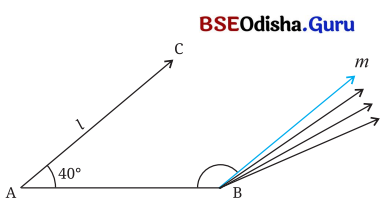
When two or more rays originate from a common initial point, they form different angles around that point. Such angles are collectively known as angles at a point.
Parallel and Intersecting Lines Class 7 Notes Maths Chapter 5-4

Parallel and Intersecting Lines Class 7 Notes Maths Chapter 5

The sum of all angles around a point is always 360° as they form a complete angle.
Thus, ∠1 + ∠2 + ∠3 + ∠4 + ∠5 = 360°

  1. Two angles are said to be complementary if the sum of their measures is 90°.
  2. Two angles are called supplementary if the sum of their measures is 180°.

Two angles in a plane are said to be adjacent angles if:
Parallel and Intersecting Lines Class 7 Notes Maths Chapter 5-5

(i) they have a common vertex and a common arm.
(ii) their other arms lie on the opposite side of the common arm.
For example, ∠AOC and ∠BOC are adjacent angles.

A linear pair of angles is a pair of adjacent angles whose non-common arms form a straight line.
Parallel and Intersecting Lines Class 7 Notes Maths Chapter 5-6
The sum of the angles in a linear pair is always 180°.

When two lines intersect, the angles opposite to each other are called vertically opposite angles. They are always equal.
Parallel and Intersecting Lines Class 7 Notes Maths Chapter 5-7
In the given figure, ∠a and ∠c, ∠b and ∠d are vertically opposite angles.
Thus, ∠a = ∠c and ∠b = ∠d.

Parallel and Intersecting Lines Class 7 Notes Maths Chapter 5

Transversal is a line that intersects a set of two or more lines at distinct points.
Angles formed by a transversal (t) intersecting a pair of non-parallel lines (l and m):

Interior Angles
Parallel and Intersecting Lines Class 7 Notes Maths Chapter 5-8
When a transversal intersects two lines, the angles that lie between the two lines are called interior angles.
In the given figure, ∠3, ∠4, ∠5 and ∠6 are interior angles.
The pair of interior angles on the same side of the transversal are called
co-interior (consecutive interior) angles.

  1. ∠4 and ∠5 are co-interior (consecutive interior) angles.
  2. ∠3 and ∠6 are co-interior (consecutive interior) angles

Exterior Angles
When a transversal intersects two lines, the angles that lie outside the two lines are called exterior angles.

In the given figure, ∠1, ∠2, ∠7 and ∠8 are exterior angles.

The pair of exterior angles on the same side of the transversal are called co-exterior (consecutive exterior) angles.

  1. ∠l and ∠8 are co-exterior (consecutive exterior) angles.
  2. ∠2 and ∠7 are co-exterior (consecutive exterior) angles

Parallel and Intersecting Lines Class 7 Notes Maths Chapter 5

Corresponding Angles
The pair of angles on one side of the transversal, one of which is an exterior angle while the other is an interior angle, but together do not form a linear pair are known as corresponding angles.

In the figure, when a transversal t cuts across two lines l and m, it creates two sets of four angles — one set at the intersection with line l, and another at the intersection with line m.

In the figure, pairs of corresponding angles are: ∠1 and ∠5; ∠2 and ∠6; ∠3 and ∠7; ∠4 and ∠8.

Although ∠5 and ∠8 lie on the same side of transversal, and ∠5 is an interior angle while ∠8 is an exterior angle but they are not corresponding to each other as together they form linear pair.

Parallel and Intersecting Lines Class 7 Notes Maths Chapter 5

Alternate Angles
When a transversal intersects two lines, the pair of angles that lie on opposite sides of the transversal are called alternate angles.
When a transversal cuts two lines,

  1. the angles that lie inside the two lines and on opposite sides of the transversal are called alternate interior angles.
  2. the angles that lie outside the two lines and on opposite sides of the transversal are called alternate exterior angles.

In the given figure, a transversal t cuts across two lines l and m,

  1. Alternate interior angle: ∠3 and ∠5; ∠4 and ∠6
  2. Alternate exterior angle: ∠1 and ∠7; ∠2 and ∠8

When a transversal (t) intersects a pair of lines (l and m) that are parallel to each other, then:
Parallel and Intersecting Lines Class 7 Notes Maths Chapter 5-9
(i) the alternate angles are equal to each other, i.e. ∠3 = ∠5, ∠4 = ∠Z6, ∠1 = ∠7 and ∠2 = ∠8.
(iii) the sum of co-interior angles and co-exterior angles is 180°,
i. e. ∠4 + ∠5 = 180°; ∠3 + ∠6 = 180° and ∠1 + ∠8 = 180°; ∠2 + ∠7 = 180°.

Conversely, if any of the above three properties holds when two lines are intersected by a transversal, then the two lines must be parallel to each other.

Parallel and Intersecting Lines Class 7 Notes Maths Chapter 5

Important Points to Remember

  1. A plane is a flat two-dimensional surface (e.g., paper, table top, blackboard).
  2. A line has no thickness and extends infinitely in both directions.
  3. Complement of angle x° is (90° – x°). Supplement of angle x° is (180° – x°).
  4. Complementary and supplementary angles may or may not share a common arm, i.e. they may or may not be adjacent angles.

Types of Lines
Intersecting Lines: Two lines that cross each other at exactly one point are called intersecting lines.
Parallel and Intersecting Lines Class 7 Notes Maths Chapter 5-10

Perpendicular Lines: When two lines intersect and form an angle of 90°, they are called perpendicular lines.
Parallel and Intersecting Lines Class 7 Notes Maths Chapter 5-11

Parallel Lines: Two lines on the same plane that never meet, no matter how far they are extended at both ends are called parallel lines.
Parallel and Intersecting Lines Class 7 Notes Maths Chapter 5-12

Parallel and Intersecting Lines Class 7 Notes Maths Chapter 5

Pair of Angles

Adjacent Angles

Linear Pairs

Vertically Opposite Angles

Two angles in a plane are said to be adjacent angles if:

(i) they have a common vertex and a common arm.

(ii) their other arms lie on the opposite side of the common arm.

A linear pair of angles is a pair of adjacent angles whose non-common arms form a straight line.

The sum of the angles in a linear pair is always 180°.

When two lines intersect, the angles opposite to each other are called vertically opposite angles.

They are always equal.

Note: (i) The sum of angles at a point is always 360°.
(ii) Two angles are said to be complementary if the sum of their measures is 90°.
(iii) Two angles are called supplementary if the sum of their measures is 180°.

Electricity: Circuits and Their Components Class 7 Question Answer Science Chapter 3

Go through BSE Odisha Class 7 Science Solutions and Class 7 Science Chapter 3 Electricity: Circuits and Their Components Question Answer to understand textbook questions more clearly.

Class 7 Science Curiosity Chapter 3 Question Answer

Science Curiosity Class 7 Chapter 3 Question Answer

Electricity: Circuits and Their Components Class 7 Questions and Answers

Let Us Enhance Our Learning

Question 1.
Choose the incorrect statement.
Electricity Circuits and Their Components Class 7 Question Answer Science Chapter 3.1
(a) A switch is the source of electric current in a circuit.
(b) A switch helps to complete or break the circuit.
(c) A switch helps us to use electricity as per our requirement.
(d) When the switch is in ‘OFF’ position, there is an air gap between its terminals.
Answer:
(a) A switch does not produce current; it only helps to complete or break the circuit.

 Electricity: Circuits and Their Components Class 7 Question Answer Science Chapter 3

Question 2.
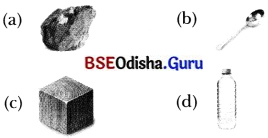
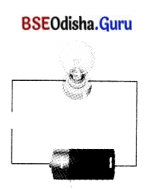
Observe the given figure alongside. With which material connected between the ends A and B, the lamp will not glow?
Answer:
The lamp will not glow when an insulator such as rubber, plastic, cork, paper, wood, or glass is connected between the ends A and B.

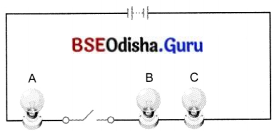
Question 3.
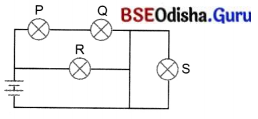
In the given figure, if the filament of one of the lamps is broken, will the other glow? Justify your answer.
Electricity Circuits and Their Components Class 7 Question Answer Science Chapter 3.2
Answer:
No, if the filament of one of the lamps is broken, the other lamp will not glow. This is because both lamps are connected in the same circuit along a single path. When the filament of one lamp is broken, the circuit path gets broken, and the current cannot flow through it.

Question 4.
A student forgot to remove the insulator covering from the connecting wires while making a circuit. If the lamp and the cell are working properly, will the lamp glow?
Answer:
No, the lamp will not glow. The insulating covering on the wires does not allow an electric current to pass through. As a result, the circuit remains incomplete, and the lamp does not glow.

Question 5.
Draw a circuit diagram for a simple torch using symbols for electric components.
Answer:
Electricity Circuits and Their Components Class 7 Question Answer Science Chapter 3.7
A simple torch consists of an electric cell (battery), a switch, and a lamp or an LED connected in a closed circuit. The figure (A) represents the circuit diagram of a torch with a lamp, and figure (B) represents the circuit diagram of a torch with an LED.

 Electricity: Circuits and Their Components Class 7 Question Answer Science Chapter 3

Question 6.
In the given figure:
Electricity Circuits and Their Components Class 7 Question Answer Science Chapter 3.3
(i) If S2 is in ‘ ON ‘ position, S1 is in ‘OFF’ position, which lamps(s) will glow?
(ii) If S2 is in ‘OFF’ position, S1 is in ‘ON’ position, which lamps(s) will glow?
(iii) If S1 and S2 both are in ‘ON’ position, which lamp(s) will glow?
(iv) If S1 and S2 both are in ‘OFF’ position, which lamp(s) will glow?
Ans.
(i) S2 ON, S1 OFF: No lamp will glow.
(ii) S2 OFF, S1-ON : No lamp will glow.
(iii) S1 and S2 – both ON : Both lamps L1 and L2 will glow.
(iv) S1 and S2 – both OFF: No lamp will glow.
The electric current flows only when the circuit is complete. Both switches S1 and S2 must be in ON position to complete the circuit and make the lamps glow.

Question 7.
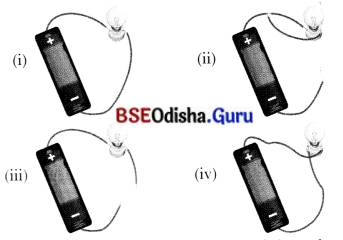
Vidyut has made the circuit as shown in the figure below. Even after closing the circuit, the lamp does not glow. What can be the possible reasons? List as many possible reasons as you can for this faulty operation. What will you do to find out why the lamp did not glow?
Electricity Circuits and Their Components Class 7 Question Answer Science Chapter 3.4
Answer:
Possible reasons:

  • The cell may be discharged.
  • The circuit is open at some point (for example, a loose or broken connection), so there is no complete path for the current to flow.
  • The lamp is fused (its filament is broken), so current cannot pass through it.
  • The switch is not properly closed (remains open), so the circuit path is incomplete.
  • The ends of the connecting wires are not making metal-to-metal contact because the insulating covering has not been removed, preventing the flow of current.

To find the fault:

  • Replace the cell with a new working one to check whether the old cell is weak or discharged.
  • Check the switch by turning it ON and ensuring it properly closes the circuit gap.
  • Inspect all connections carefully and look for loose or broken joints.
  • Tighten the connections so that the bare wire firmly touches the terminals, and there is no insulation in between.
  • Test the lamp in another working circuit to confirm whether its filament is intact.

 Electricity: Circuits and Their Components Class 7 Question Answer Science Chapter 3

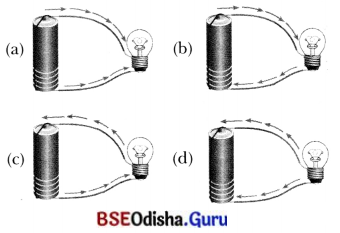
Question 8.
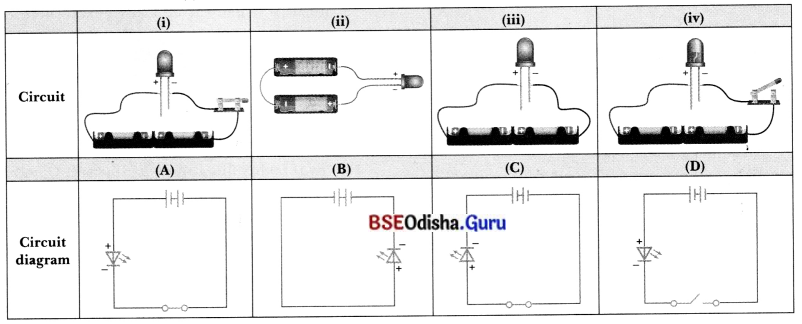
In the figures given below, in which case(s) the lamp will not glow when the switch is closed?
Answer:
Electricity Circuits and Their Components Class 7 Question Answer Science Chapter 3.5
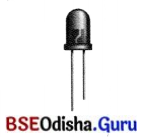
In case (c), the LED will not glow when the switch is closed, because it is connected in the reverse direction (positive terminal of LED is connected to the negative terminal of the cell), and current cannot pass through it.

Question 9.
Suppose the ‘+’ and ‘-‘ symbols cannot be read on a battery. Suggest a method to identify the two terminals of this battery.
Answer:
The terminals of a battery can be identified using an LED:

  • Connect an LED across the two terminals of the battery.
  • If the LED glows, the terminal connected to the longer leg of the LED is positive, and the other terminal is negative.
  • If the LED does not glow, interchange the connections. When the LED glows after interchanging, the battery terminal connected to the longer leg of the LED is the positive.

Question 10.
You are given six cells marked A, B, C, D, E, and F. Some of these are working and some are not. Design an activity to identify which of them are working.
(i) List the items that you require.
(ii) Write the procedure that you will follow.
(iii) With the items, carry out the activity to identify the cells that are working.
Answer:
(i) Items required: An electric lamp (or LED), a cell holder, and connecting wires.
(ii) Procedure:

  • Prepare a testing setup by connecting the terminals of a bulb (lamp) with two wires.
  • Attach the free end of the wires to the two terminals of the cell A and observe whether the lamp glows (If an LED is used instead of a lamp and it does not glow, reverse the connections of the LED and try again).
  • If the lamp glows, the cell is working.
  • If the lamp does not glow, the cell may be weak or dead.
  • Repeat the same process with the remaining cells B, C, D, E, and F, one at a time.

(iii) Observation and conclusion: If the lamp glows upon using a particular cell, it shows that the cell is providing current and is therefore working. If the lamp does not glow, the cell is not supplying current and is therefore not working.

 Electricity: Circuits and Their Components Class 7 Question Answer Science Chapter 3

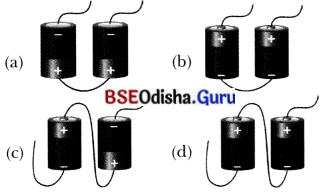
Question 11.
An LED requires two cells in series to glow. Tanya made the circuit as shown in the figure. Will the lamp glow? If not, draw the wires for correct connections.
Electricity Circuits and Their Components Class 7 Question Answer Science Chapter 3.6
Answer:
No, the LED will not glow.
The correct connection for the LED to glow is as follows:
Electricity Circuits and Their Components Class 7 Question Answer Science Chapter 3.8

Class 7 Curiosity Chapter 3 Question Answer

InText Questions

Question 1.
Why does a torch lamp glow only in one position of the switch? [Page 24]
Answer:
A torch lamp glows only when the circuit is closed. When the switch is ON, the circuit is closed, and electric current flows, so the lamp glows. When the switch is OFF, the circuit is broken, current cannot flow, and the lamp does not glow.

Question 2.
In a torch, we generally use more than one cell. Are those placed in any particular order? [Page 25]
Answer:
Yes. The cells must be placed so that the positive terminal of one cell touches the negative terminal of the next, forming a battery.

Question 3.
Which part of the incandescent lamp glows to produce light? [Page 26]
Answer:
The filament (the thin wire inside the glass bulb) gets hot and glows to produce light.

 Electricity: Circuits and Their Components Class 7 Question Answer Science Chapter 3

Question 4.
Sometimes you may come across a device in which the cells are placed side by side. How are the terminals of these cells connected? [Page 31]
Answer:
Inside such a battery compartment, a thick wire or metal strip connects the positive terminal of one cell to the negative terminal of the next.

Question 5.
Why do we use metal wires for making electric circuits? [Page 34]
Answer:
Metal wires (like copper) are used for making electric circuits because metals are good conductors of electricity. They allow electric current to pass through them easily.

Question 6.
Why are electric wires covered with plastic or rubber? [Page 34]
Answer:
Electric wires are covered with plastic or rubber because these are insulators. They prevent electric current from escaping the metal core and entering the human body. This protects users from electric shocks and makes handling wires, plugs, and switches safe.

 Electricity: Circuits and Their Components Class 7 Question Answer Science Chapter 3

Question 7.
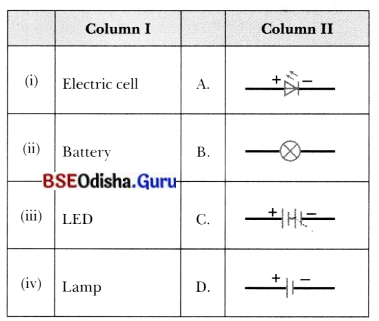
In the circuit symbol of an LED, what does the direction of the triangle represent, and what do the two outward arrows indicate? [Page 34]
Answer:
In the symbol for an LED, the triangle points to the direction in which the current can flow. The two arrows indicate that light is emitted by an LED.

Expressions using Letter Numbers Class 7 Notes Maths Chapter 4

Easy-to-read Ganita Prakash Class 7 Notes and Chapter 4 Expressions using Letter Numbers Class 7 Notes save valuable study time during exam season.

Class 7 Maths Chapter 4 Expressions using Letter Numbers Notes

Class 7 Expressions using Letter Numbers Notes

Letters such as x, y, t, p, etc. that are used to represent numbers are called letter-numbers or variables.

They help us write general rules, patterns and formulas using algebra. For example:

if n represents the number of cows, then the algebraic expression 4n gives the total number of legs, since each cow has 4 legs.

A combination of constants and variables connected by the signs of fundamental operations (addition, subtraction, multiplication or division) is called an algebraic expression.
For example, 2x + 3, 4p – 7q + 4, 10a ÷ b etc.

The terms of an algebraic expression are the individual parts of the expression that are separated by the ‘+ ’ sign.
For example, in expressions 2x + 3 and 4p – 7q + 4 – 4p + (- 7q) + 4 the terms are 2x, 3 and 4p, – 7q, 4 respectively.

Expressions using Letter Numbers Class 7 Notes Maths Chapter 4

In an algebraic expression,
If a number and a letter-number are written together, it means they are multiplied.
For example, 6m + 2 = 6 × m + 2,
The value of the expression 6m + 2, when m = 3, is 6 × 3 + 2 = 18 + 2 = 20.

If two letter-numbers are written together, it means they are multiplied.
For example, 5mn – 3 = 5 × m × n – 3.

Any term without a letter-number (variable) is known as constant term. For example:

  1. In the expression 7m + 4, 4 is a constant term.
  2. In the expression 7mn – 2, – 2 is a constant term.

Terms with the same letter-numbers are like terms, otherwise they are unlike terms.
To add or subtract algebraic expressions, we group the like terms together and then find their sum or difference.

We can use ‘Swapping’ (adding two terms in any order) and ‘Grouping’ (adding like terms by
grouping them conveniently) to add multiple algebraic expressions. For example:
2x + 3y + 6x – y + 4y – 3x = (2x + 6x – 3x) + (3y – y + 4y) = 5x + 6y

Expressions using Letter Numbers Class 7 Notes Maths Chapter 4

In an algebraic expression, when bracket is preceded by a sign and the bracket is removed, the sign of each term inside the bracket changes from (+) to (-) and (-) to (+).
For example, 3x – (5x – 7) = 3x – 5x + 7.

To subtract an expression from another, we change the sign (from ‘+ ’ to and from to ‘ + ’) of each term of the expression to be subtracted and then add the two expressions.
For example, (2x + 3) – (5 – 4x) = (2x + 3) + (-5 + 4x)

Distributive property: It states that multiple of a sum is the same as sum of multiples.
If any number/variable is outside the bracket, then that number/variable is multiplied with each term inside the bracket with same algebraic sign +/- between them. For example:
Expressions using Letter Numbers Class 7 Notes Maths Chapter 4-1

Algebra is not just about calculations. It helps us understand how numbers and operations are connected. Using algebra, we can solve problems more easily and understand real-life situations.

Expressions using Letter Numbers Class 7 Notes Maths Chapter 4

A number machine is a way of doing the same set of operations on different numbers.
numbers.
Expressions using Letter Numbers Class 7 Notes Maths Chapter 4-2

  1. We give the machine some input numbers (say a and b), and it follows a set of fixed steps or mathematical rules to produce an output.
  2. Even though the input numbers may change, the rule (or steps) always remain the same.

Diagonal Number Patterns in a Calendar: Imagine the calendar continues beyond 30, with numbers going on forever in rows.
Expressions using Letter Numbers Class 7 Notes Maths Chapter 4-3

Now, take any 2 × 2 square in this extended calendar. Suppose the top-left number is x. Then,

  1. The number to the right of ‘x’ will be x + 1.
  2. The number below V will be x + 7.
  3. The number diagonal (bottom-right) to ‘x’ will be x + 8.

So, the other numbers in the 2 × 2 square can be represented as shown in the grid.

x x+1
x+7 x+8

Plus shape patterns in a calendar: Consider a plus shape grid from a calendar. Suppose the centre number is a. Then,

  1. The numbers on the left and right of ‘a’ are (a – 1) and (a + 1) respectively.
  2. The numbers above and below V are (a – 7) and (a + 7) respectively.
  3. So, the required numbers in the grid can be represented as follows:
a-7
a-1 a a+1
a+7


Letter-Numbers
The letters which are used to represent numbers are called leucr:numbers or variables.

Expressions using Letter Numbers Class 7 Notes Maths Chapter 4

If a number and a letter-number are written together, it means they are multiplied.
For example, 5m + 3 = 5 × m + 3,
The value of the expression 5m + 3, when m = 2, is 5 × 2 + 3 = 10 + 3 = 13.

If two letter-numbers are written together, it means they are multiplied.
For example, 4mn – 1 = 4 × m × n – 1.

Algebraic Expressions
A combination of constants and variables connected by the signs of fundamental operations (addition, subtraction, multiplication or division) is called an algebraic expression.
For example, 2x + 1, 7p – 5q + 3, 9a ÷ b etc.

The terms of an algebraic expression are the individual parts of the expression that are separated by the ‘+’ sign.
For example, in expressions 2x + 1 and 7p – 5q + 3 = 7p + (-5q) + 3 the terms are 2x, 1 and 7p, -5q, 3 respectively.

Operations on Algebraic Expressions
Terms with the same letter-numbers are like terms, otherw ise they are unlike terms.

To add or subtract algebraic expressions, we group the like terms together and then find their sum or difference.
For example, (3x + 5y) + (7x – 2y)
= (3x + 7x) + (5y – 2y)
= 10x + 3y

When bracket is preceded by a sign and the bracket is removed, the sign of each term inside the bracket changes form ( + ) to (-) and (-) to (+).
For example, 4x – (6x – 8) = 4x – 6x + 8.

Expressions using Letter Numbers Class 7 Notes Maths Chapter 4

To subtract an expression from another, we change the sign (from ‘+ ’ to ‘-‘ and from to ‘+’) of each term of the expression to be subtracted and then add the two expressions.
For example, (2x + 1) – (7 – 4x)
= (2x + 1) + (- 7 + 4x)

Formulae Using Algebraic Expressions

Shape Figure Formulae
Triangle Expressions using Letter Numbers Class 7 Notes Maths Chapter 4-4 Perimeter = a + b + c
Area = \(\frac{1}{2}\) × Base × Height
= \(\frac{1}{2}\) × b × h
Rectangle Expressions using Letter Numbers Class 7 Notes Maths Chapter 4-5 Perimeter = 2(l + b)
Area = Length × Breadth
= l × b
Square Expressions using Letter Numbers Class 7 Notes Maths Chapter 4-6 Perimeter = 4l
Area = side × side
= l × l = l2

A Peek Beyond the Point Class 7 Notes Maths Chapter 3

Easy-to-read Ganita Prakash Class 7 Notes and Chapter 3 A Peek Beyond the Point Class 7 Notes save valuable study time during exam season.

Class 7 Maths Chapter 3 A Peek Beyond the Point Notes

Class 7 A Peek Beyond the Point Notes

Decimals are another way to show parts of a whole. Instead of writing fractions like \(\frac{1}{2}\) or \(\frac{3}{4}\), we use a point or period (V) as a separator called a decimal point.
For example, 0.5 means the same as \(\frac{1}{2}\) and 0.75 means the same as \(\frac{3}{4}\).

In a decimal number:
A Peek Beyond the Point Class 7 Notes Maths Chapter 3-1
The number before the decimal point is the whole number part,
The number after the decimal point is the fractional part.
For example, in decimal number 19.023, we have

  1. Whole number part = 19
  2. Fractional part = 0.023

Adding zeros after the last non-zero digit in the fractional part of a decimal number does not change its value. For example, 0.3, 0.30 and 0.300 are all equal as they represent the same quantity, i.e. 3 tenths.

When reading decimal numbers, say each digit after the decimal point separately. For example, 8.05 is read as “eight point zero five”.

Decimal numbers which have the same number of digits after the decimal point are called Like Decimals. For example, 1.23, 22.63 and 100.56 are ‘Like Decimals as they all have 2 digits after the decimal point.

A Peek Beyond the Point Class 7 Notes Maths Chapter 3

Decimal numbers which have different number of digits after the decimal point are called Unlike Decimals. For example, 6.3 and 6.25 are ‘Unlike Decimals’ as number of digits after the decimal point in the given two numbers are f and 2, respectively.

Unlike decimals can be converted to like decimals by adding zeros to the extreme right of the fractional part after the last non-zero digit. For example, ‘Unlike Decimals’ 6.3 and 6.25 are converted to ‘Like Decimals’ as 6.30 and 6.25.

Some most frequently used conversions (from decimals to fraction) are as follows:

1 \(\frac{1}{2}\) \(\frac{1}{3}\) \(\frac{1}{4}\) \(\frac{1}{5}\) \(\frac{1}{8}\) \(\frac{2}{3}\) \(\frac{3}{4}\)
1 0.5 0.333 0.25 0.20 0.125 0.67 0.75
A Peek Beyond the Point Class 7 Notes Maths Chapter 3-2 A Peek Beyond the Point Class 7 Notes Maths Chapter 3-3 A Peek Beyond the Point Class 7 Notes Maths Chapter 3-4 A Peek Beyond the Point Class 7 Notes Maths Chapter 3-5 A Peek Beyond the Point Class 7 Notes Maths Chapter 3-6 A Peek Beyond the Point Class 7 Notes Maths Chapter 3-7 A Peek Beyond the Point Class 7 Notes Maths Chapter 3-8 A Peek Beyond the Point Class 7 Notes Maths Chapter 3-9

The decimal point separates the whole number part and fractional part. With the help of a decimal place value chart, we can easily understand the value of digits in both parts of a decimal number.
A Peek Beyond the Point Class 7 Notes Maths Chapter 3-10

Just like fractions, we can also represent decimal numbers on the number line.

Consider the decimal number 1.8. It is equal to 1 unit and 8 tenths. This means that the unit between 1 and 2 is divided into 10 equal parts and 8 such parts are taken. Hence, 1.8 lies between 1 and 2.
A Peek Beyond the Point Class 7 Notes Maths Chapter 3-11

Comparing two decimal numbers:
The decimal number with the greater whole number part is greater. For example: 6. 12 > 4.3

A Peek Beyond the Point Class 7 Notes Maths Chapter 3

If whole number parts mere same, compare digit by digit, from left to right, until a difference is found. For example: 2.593 > 2528

Addition and subtraction of decimals:
Convert the given decimal numbers into like decimals.

Arrange the decimal numbers vertically with all the digits in the correct places according to the place value of the digits. This will result in the decimal point of the decimal numbers falling in one vertical line. Then add or subtract, as the case may be.
A Peek Beyond the Point Class 7 Notes Maths Chapter 3-12

The sum of two decimal numbers will always be greater than the sum of their whole number parts. but less than 2 more than that sum, For example, the sum of 15.245 and 18.847 is greater than 33 and less than 35.

The difference of two decimal numbers will always lie between one iess than and one more than the difference of their whole number parts. For example, the difference of 25.89 and 13.42 is greater than 11 and less than 13.

A Peek Beyond the Point Class 7 Notes Maths Chapter 3

When we change a measurement from one unit to another, we call it unit converstion.
The common units are as follows:
Length: km, m, cm, mm
Weight: kg, g, mg
Capacity: kl, l, ml
A Peek Beyond the Point Class 7 Notes Maths Chapter 3-13

Decimal Numbers
In a decimal number, the number before the decimal point is the whole number part.
A Peek Beyond the Point Class 7 Notes Maths Chapter 3-14
The number after the decimal point is the fractional part.
Decimal fractions: Fractions with denominators 10, 100, 1000, etc.
Tenths: One part out of 10 is known as tenths.
Hundredths: One part out of 100 is known as hundredths.

Decimal numbers which have the same number of digits after the decimal point are called Like Decimals.

Decimal numbers which have different number of digits after the decimal point are called Unlike Decimals.

Adding zeros after the last non-zero digit in the fractional part of a decimal number does not change its value.

When reading decimal numbers, say each digit after the decimal point separately. For example, 8.05 is read as “eight point zero five”.

A Peek Beyond the Point Class 7 Notes Maths Chapter 3

A decimal place value chart shows the value of digits in both whole and fractional parts of a number.

A decimal number with a greater whole number part is larger, and if the whole number parts are equal, compare digits from left to right until a difference is found.

Addition and Subtraction of decimals

  1. Convert the given decimal numbers into like decimals.
  2. Arrange the decimal numbers vertically with all the digits in the correct places according to the place value of the digits. This will result in the decimal points of the decimal numbers falling in one vertical line. Then add or subtract, as the case may be.

Note:
The sum of two decimal numbers w ill always be greater than the sum of their whole number parts, but less than 2 more than that sum.

The difference of two decimal numbers will always lie between one less than and one more than the difference of their whole number parts.

Conversion of Units
When we change a measurement from one unit to another, we call it unit conversion.

The common units are as follow’s: Length: km, m, cm, mm Weight: kg, g, mg Capacity: kl, l, ml

Memory Aid:
A Peek Beyond the Point Class 7 Notes Maths Chapter 3-15
For example, 10 mm = 1 cm, 100 cm = 1 m, 1000 g = 1 kg, 1000 ml = 1l

A Peek Beyond the Point Class 7 Notes Maths Chapter 3

Remember:
Larger unit → Smaller unit: Multiply by 10 for each step
Smaller unit → Larger unit: Divide by 10 for each step

Exploring Substances: Acidic, Basic, and Neutral Class 7 Question Answer Science Chapter 2

Go through BSE Odisha Class 7 Science Solutions and Class 7 Science Chapter 2 Exploring Substances: Acidic, Basic, and Neutral Question Answer to understand textbook questions more clearly.

Class 7 Science Curiosity Chapter 2 Question Answer

Science Curiosity Class 7 Chapter 2 Question Answer

Exploring Substances: Acidic, Basic, and Neutral Class 7 Questions and Answers

Let Us Enhance Our Learning

Question 1.
A solution turns the red litmus paper to blue. Excess addition of which of the following solution would reverse the change?
(a) Lime water
(b) Baking soda
(c) Vinegar
(d) Common salt solution
Answer:
(c) A basic solution turns red litmus paper blue. To reverse the change, an acidic solution must be added to it. Therefore, vinegar, being acidic, should be added to the given solution to reverse the change.

Exploring Substances: Acidic, Basic, and Neutral Class 7 Question Answer Science Chapter 2

Question 2.
You are provided with three unknown solutions labelled A, B, and C, but you do not know which of these are acidic, basic, or neutral. Upon adding a few drops of red litmus solution to solution A, it turns blue. When a few drops of turmeric solution are added to solution B, it turns red. Finally, after adding a few drops of red rose extract to solution C, it turns green. Based on the observations, which of the following is the correct sequence for the nature of solutions A, B, and C?
(a) Acidic, acidic, and acidic
(b) Neutral, basic, and basic
(c) Basic, basic, and acidic
(d) Basic, basic, and basic
Answer:
(d) Solution A is basic, as it turns blue on adding red litmus solution.
Solution B is basic, as it turns red on adding the turmeric solution.
Solution C is basic, as it turns green on adding the red rose extract.

Question 3.
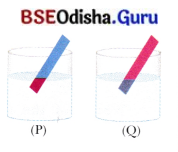
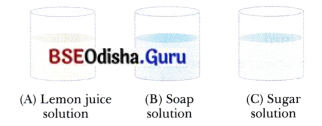
Observe and analyse figures A, B and C, in which red rose extract paper strips are used. Label the nature of solutions present in each of the containers.
Exploring Substances Acidic Basic and Neutral Class 7 Question Answer Science Chapter 2.1
Answer:
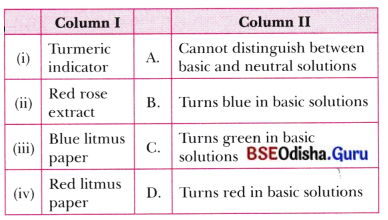
The red rose indicator turns to a shade of red in an acidic solution, green in a basic solution, and does not change its colour in a neutral solution.
In figure A, red rose extract paper turns green. Thus, the solution is basic in nature.
In figure B, there is no change in the colour of the red rose extract paper. Thus, the solution is neutral.
In figure C, the red rose extract paper turns to a shade of red. Thus, the solution is acidic in nature.

Exploring Substances: Acidic, Basic, and Neutral Class 7 Question Answer Science Chapter 2

Question 4.
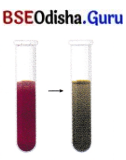
A liquid sample from the laboratory was tested using various indicators:
Exploring Substances Acidic Basic and Neutral Class 7 Question Answer Science Chapter 2.2
Based on the tests, identify the acidic or basic nature of the liquid and justify your answer.
Answer:
According to the data given in the question, the liquid sample is acidic in nature. This is because acids do not change the colour of red litmus or turmeric indicator.

Question 5.
Manya is blindfolded. She is given two unknown solutions to test and determine whether they are acidic or basic. Which indicator should Manya use to test the solutions and why?
Answer:
Since Manya is blindfolded, an indicator that can be identified by its smell rather than colour should be used. Therefore, an olfactory indicator such as onion extract should be used to test the given solutions. Manya should take two cloth strips with onion smell and add a few drops of one solution on one of the strips and a few drops of the other solution in the other strip. The solution that makes the onion smell vanish, is basic. On the other hand, if the smell remains, the corresponding solution is either acidic or neutral.

Question 6.
A secret message, written on a white sheet of paper, was made visible by spraying a liquid on it. Could you suggest various materials which can be used for writing the message on the white sheet of paper and what could be in the spray bottle? Make a table of various possible combinations and the colour of the writing obtained.
Answer:
Visual acid-base indicators show different colours in acidic and basic solutions. Thus, they can be filled in the spray bottle. Whereas colourless, mild acidic or basic solutions can be used for writing the message on the white sheet of paper. The possible combinations are listed below:

Filled in the spray bottle Used for writing the message Colour of the writing obtained
Red rose extract Lemon juice Red
Red rose extract Soap solution Green
Turmeric solution Lime water (A solution of calcium hydroxide) Red
Blue litmus solution Vinegar Red
Red litmus solution Baking soda solution Blue

Exploring Substances: Acidic, Basic, and Neutral Class 7 Question Answer Science Chapter 2

Question 7.
Grape juice was mixed with red rose extract; the mixture got a tint of red colour. What will happen if baking soda is added to this mixture? Justify your answer.
Answer:
Red rose extract turns green in a basic solution. Thus, if baking soda is added to the mixture of red rose extract and grape juice, the resulting solution becomes basic and turns green.

Question 8.
Keerthi wrote a secret message to her grandmother on her birthday using orange juice. Can you assist her grandmother in revealing the message? Which indicator would you use to make it visible?
Answer:
Orange juice is acidic in nature. Thus, blue litmus solution can be used to spray on the secret message. The regions containing orange juice turn red, while the remaining paper stays blue.

Question 9.
How can natural indicators be prepared? Explain by giving an example.
Answer:
Natural indicators are obtained from natural sources such as fruits, vegetables, and flowers.
They are used to identify the acidic or basic nature of a substance. Turmeric is a natural indicator, and it can be prepared as follows:
Materials required: Turmeric powder (haldi), warm water, a small bowl, a spoon, and white tissue papers (to make strips).

Procedure:

Add 1 tablespoon of turmeric powder into a small bowl and pour 2-3 tablespoons of warm water into it.

  • Mix with the help of a spoon to make a thick paste.
  • Apply the turmeric paste on a white tissue paper and let it completely dry.
  • Cut the tissue paper into thin strips to use as an indicator.

Question 10.
Three liquids are given to you. One is vinegar, another is a baking soda solution, and the third is a sugar solution. Can you identify them only using turmeric paper? Explain.
Answer:
Yes, they can be identified by only using turmeric paper. Take three strips of turmeric paper, and dip a paper strip in each of the solutions. The solution that changes the colour of the paper to reddish-brown is basic. Label this basic solution as the baking soda solution. Now, test the remaining solutions on the turned reddish-brown turmeric paper. If the reddish-brown colour disappears, the solution is acidic; label it as vinegar. If there is no change, the solution is neutral; label it as the sugar solution.

Exploring Substances: Acidic, Basic, and Neutral Class 7 Question Answer Science Chapter 2

Question 11.
The extract of red rose turns the liquid X to green. What will the nature of liquid X be? What will happen when excess of amla juice is added to liquid X?
Answer:
Red rose extract turns green in a basic solution thus, the liquid X is basic in nature. When an excess of amla juice is added to the solution, it turns acidic, and the colour changes to a shade of red.

Question 12.
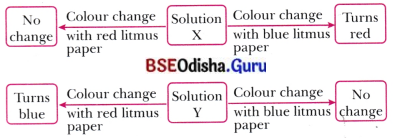
Observe and analyse the information given in the following flowchart. Complete the missing information.

Answer:
(i) acidic
(ii) basic
(iii) red or blue litmus paper (or any other acid-base indicator)
(iv) lime water
(v) organic matter

Class 7 Curiosity Chapter 2 Question Answer

InText Questions

Question 1.
What are red and blue litmus paper strips made of? Why do they change colour when drops of different samples are put on them? [Page 10]
Answer:
Red and blue litmus paper strips are made from a natural substance called litmus, which comes from lichens. When you put drops of different liquids on these papers, they change colour because litmus works as an acid-base indicator. If you have an acidic substance, it will turn the blue litmus paper red. On the other hand, if it’s basic, the red litmus paper will turn blue. Neutral substances do not change the colour of either of the litmus papers.

Exploring Substances: Acidic, Basic, and Neutral Class 7 Question Answer Science Chapter 2

Question 2.
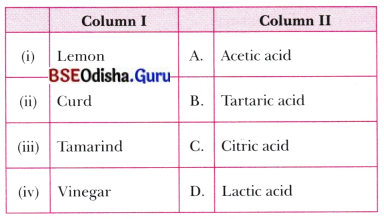
Find out and write the names of the most common acids present in the following substances: [Page 11]
(i) Lemon
(ii) Curd
(iii) Tamarind
(iv) Vinegar
Answer:
The common acids present in the following substances are as follows:

  • Lemon- Citric acid
  • Curd- Lactic acid
  • Tamarind- Tartaric acid
  • Vinegar- Acetic acid

Question 3.
If litmus is not available, are there some other natural substances that can serve as acid-base indicators? [Page 11]
Answer:
Yes, there are a few other natural substances that can serve as acid-base indicators. They are as follows:

  • Red rose
  • Turmeric
  • Beetroot
  • Purple cabbage
  • Indian blackberry (amun)
  • Red hibiscus (Gudhal flower)

Question 4.
What will you observe while rubbing the baking soda solution in between your fingers? [Page 11]
Answer:
The baking soda solution feels slippery when rubbed in between the fingers.

Question 5.
Can turmeric paper be used as an indicator for acidic substances? [Page 15]
Answer:
No, turmeric paper cannot be used as an indicator for acidic substances because it gives the same result (no change in colour) with acidic as well as neutral substances. Thus, turmeric paper cannot differentiate between them.

Exploring Substances: Acidic, Basic, and Neutral Class 7 Question Answer Science Chapter 2

Question 6.
The following table lists a few substances along with their nature, that were added to a few drops of red rose extract indicator. Mention the colour change. [Page 13]
Exploring Substances Acidic Basic and Neutral Class 7 Question Answer Science Chapter 2.5
Answer:

S. No. Name of the sample Nature of the substance The colour of the red rose extract after adding the sample
1. Lemon juice Acidic Red
2. Soap solution Basic Green
3. Amla juice Acidic Red

Question 7.
Are there any substances whose odours change on adding acidic or basic substances? [Page 16]
Answer:
Yes, there are some substances whose odour changes in acidic or basic medium. These substances are known as olfactory indicators.

Question 8.
What can be applied to the affected area of the skin bitten by an ant bite? Why? [Page 18]
Answer:
When an ant bites, it injects an acidic liquid (formic acid) into the skin. The effect of the acid can be neutralised by rubbing moist baking soda, which is a base.

Question 9.
If the soil is too acidic, the plants do not grow well. What can be added to such soil to improve the growth of the plants? [Page 18]
Answer:
If the soil is too acidic, it can be treated with a substance such as lime water, which is a base. This is because lime water, being a base, neutralises the acidity of the soil, thereby improving the growth of the plants.

Exploring Substances: Acidic, Basic, and Neutral Class 7 Question Answer Science Chapter 2

Question 10.
What could be done to save the fish in the lake, if acidic factory waste is released into it? [Page 19]
Answer:
Acidic factory waste must be neutralised by adding basic substances such as lime water before releasing them into the lakes.

Large Numbers Around Us Class 7 Notes Maths Chapter 1

Easy-to-read Ganita Prakash Class 7 Notes and Chapter 1 Large Numbers Around Us Class 7 Notes save valuable study time during exam season.

Class 7 Maths Chapter 1 Large Numbers Around Us Notes

Class 7 Large Numbers Around Us Notes

Large numbers appear often in our surroundings: in population figures, distances, weights, and more. Understanding them helps us to appreciate the scale of things in the world around us.

To understand and read such big numbers easily, we use number systems.
Indian Number System: In this system, a number is split up into groups or periods named Ones, Thousands, Lakhs and Chores as shown in the table. (Read from right to left)
Large Numbers Around Us Class 7 Notes Maths Chapter 1-2
When writing large numbers, we use above place value chart to avoid skipping any digits.
The periods are separated by commas after 3 digits from the right, then after every 2 digits.

International (American) Number System: In this system, starting from the right, the first three places form the ones period, the next three places form the thousands period, the next three places form the millions period, the next three places form the billions period and so on.
Large Numbers Around Us Class 7 Notes Maths Chapter 1-3
The various periods are separated by commas after every 3 digits from the right.

Large Numbers Around Us Class 7 Notes Maths Chapter 1

In any number, the face value of a digit is simply the digit itself. It does not change, no matter which position the digit holds in the number.

The place value is value a digit represent depending on the place or position in a number.

For example, ‘2’ in the number 523 represents the value 20 (2 x 10) as it occupies the tens place.

Similarly, ‘2’ in the number 234159 represents the value 2,00,000 (2 X 1,00,000) as it occupies the lakh place.

Large Numbers:

  1. 1 lakh = 1,00,000
  2. 1 crore= 1,00,00,000= 100 lakh
  3. 1 million = 1,000,000 = 10 lakh
  4. 1 billion = 1,000,000,000 = 1,000 million
  5. Greatest 5-digit number = 99,999
  6. Smallest 6-digit number = Greatest 5-digit number + 1 = 1,00,000
  7. Greatest 6-digit number = 9,99,999
  8. Smallest 7-digit number = Greatest 6-digit number + 1 = 10,00,000

Rounding means changing a number to its nearest place value — like the nearest tens, hundreds, thousands, lakhs, or even crores to make it simpler to understand or work with.

Large Numbers Around Us Class 7 Notes Maths Chapter 1

To round off a number to the nearest place, follow the steps given below:

Identify the target place.
Determine the place (e.g., tens, hundreds, thousands, etc.) to which you need to. round the number.

Look at the next digit.
Find the digit located immediately to the right of your target place.

Decide whether to round up or down.
Round up: If the digit to the right is 5, 6, 7, 8 or 9 (i.e. 5 or greater than 5), you round
the digit in the target place up by one.
Round down: If the digit to the right is 0, 1, 2, 3 or 4 (i.e. less than 5), you keep the digit in the target place the same.

Adjust the number.
Change all the digits to the right of the target place into zeros.

Without calculating, we can guess the number of digits in a product as follows:

Type of Multiplication

Number of Digits in Product
1-digit × 1-digit 1 or 2 digits
2-digit × 1-digit 2 or 3 digits
2-digit × 2-digit 3 or 4 digits
3-digit × 3-digit 5 or 6 digits
4-digit × 2-digit 5 or 6 digits
5-digit × 5-digit 9 or 10 digits


Indian Number System
Periods: Ones, Thousands, Lakhs, Crores and so on.
Comma placement: 3-2-2… pattern, starting from right
For example, the number 123456789 in Indian Number System is written as 12,34,56,789.

Number name: Twelve crore thirty four lakh fifty six thousand seven hundred eighty nine

Crores

Lakhs

Thousands

Ones

TC C TL L TTh Th H T O
1 2 3 4 5 6 7 8 9

Large Numbers Around Us Class 7 Notes Maths Chapter 1

International Number System
Periods: Ones, Thousands, Millions, Billions and so on.
Comma placement: 3-3-3… pattern, starting from right
For example, the number 123456789 in International Number System is written as 123,456,789.

Number name: One hundred twenty three million four hundred fifty six thousand seven hundred eighty nine
Large Numbers Around Us Class 7 Notes Maths Chapter 1-1

Rounding Numbers
Rounding is adjusting a number to its nearest place value to make it easier to read or use.
Algorithm for Rounding Numbers
Step I: Identify the target place.
Step II: Look at the next digit immediately to the right of the target place.
Step III: Decide whether to round up or down:

  1. If the digit to the right is 5 or greater than 5, round the digit in the target place up by 1.
  2. If the digit to the right is less than 5, keep the digit in the target place the same.

Step IV: Adjust the number by changing all the digits to the right of the target place to zeros.

Place Value & Face Value
Face Value = digit itself
For example, in the number 5234, the face value of 2 is 2.
Place Value = digit × position value
For example, in the number 6789,
Place value of 9 is 9 × 1 =9.
Place value of 8 is 8 × 10 = 80.

Large Numbers Around Us Class 7 Notes Maths Chapter 1

Large Numbers
1 lakh = 1,00,000
1 crore = 1,00,00,000
= 100 lakh
1 million = 1,000,000
= 10 lakh
1 billion = 1,000,000,000
= 1,000 million

Multiplication Trick
To make calculations easier with numbers like 5, 25, and 125 remember these helpful shortcuts:
5 = 10 ÷ 2; 25 = 100 ÷ 4; 125 = 1000 ÷ 8

Arithmetic Expressions Class 7 Notes Maths Chapter 2

Easy-to-read Ganita Prakash Class 7 Notes and Chapter 2 Arithmetic Expressions Class 7 Notes save valuable study time during exam season.

Class 7 Maths Chapter 2 Arithmetic Expressions Notes

Class 7 Arithmetic Expressions Notes

Arithmetic Expression: An arithmetic expression is a combination of numbers and basic operations. For example,
6 + 4
15 – 7
3 × 8
24 ÷ 6

We use ‘equal to’ sign (‘ = ’) to show that the expression and its value are the same.
Arithmetic Expressions Class 7 Notes Maths Chapter 2-1
An arithmetic expression may have multiple operations.
For example, 8 + 36 = 12 – 7 × 4. Here, all four basic operations are used.

Two expressions may have the same value. If they have the same value, then they are considered equal to each other.

If two expressions or numbers are not equal, then one of them is greater or smaller than the other. .

  1. To show‘greater than’we use the symbol ‘>’
  2. To show‘less (smaller) than’we use the symbol ‘<’.

This type of representation is called an ‘inequality’.
To compare two expressions, we do not compare their length, number of operators or individual numbers in the expression. To compare the expressions, we must compare their values.

Arithmetic Expressions Class 7 Notes Maths Chapter 2

BODMAS is a rule that tells us about the correct order to solve different operations in an Arithmetic Expression. If we do not follow this order, we will get a wrong answer.

What does BODMAS stand for?

Letter

Meaning

Example

B Brackets (3 + 2) × 5 = 5 × 5 = 25
O Order (Powers: Squares, Cubes, etc.) 32 + 2 = 3 × 3 + 2 = 9 + 2 = 11
D Division 20 + 5 = 4
M Multiplication 4 × 3 = 12
A Addition 6 + 2 = 8
S Subtraction 9 – 3 = 6

Remember, always solve expressions in this order:
Brackets → Order → Division → Multiplication → Addition → Subtraction

The most commonly used brackets are Round brackets or parentheses ()
Curly brackets or braces {}
Square brackets []
Bar or vinculum –
A bar is used to signify that certain terms should be considered together, similar to parentheses.
For example, 8 ÷ 2 + 2 = 8 ÷ 4 = 2

If there are multiple types of brackets in an expression, the order in which the brackets are solved is:
Arithmetic Expressions Class 7 Notes Maths Chapter 2-2

Quick Rules: Multiplication of Signs
(+) × (+) = (+)
(-) × (-) = (+)
(+) × (-) = (-)
(-) × (+) = (-)

Subtracting a number is the same as adding its additive inverse.
So, 25 – 13 is the same as 25 + -13

The commutative property of addition means that you can swap the terms when adding, and the
result will still be the same.
Term 1 + Term 2 + Term 3 + Term 1
Example: 5 + 7 = 7 + 5

Arithmetic Expressions Class 7 Notes Maths Chapter 2

According to the associative property of addition, the sum of three or more terms remains the same regardless of how the terms are grouped.
Arithmetic Expressions Class 7 Notes Maths Chapter 2-3
Example: (5 + 3) + 9 = 5 + (3 + 9)

If there is a plus sign before a bracket, remove the bracket without changing the signs of the terms inside it.

If there is a minus sign before a bracket, remove the bracket by changing the sign of each term inside the bracket.
Arithmetic Expressions Class 7 Notes Maths Chapter 2-4

The distributive property of multiplication over addition states that ‘multiplying a number by a sum in brackets is the same as multiplying the number by each term inside the brackets and then adding the results’.
a × (b + c) = a × b + a × c
Distributive property of multiplication over subtraction: a × (b – c) = a × b – a × c

Arithmetic Expressions
An arithmetic expression is a combination of numbers and basic operations.
For example, 3 + 8, 5 × 13

An arithmetic expression may have multiple operations.
For example, 3 – 5 × 7 + 8

Arithmetic Expressions Class 7 Notes Maths Chapter 2

Terms are the parts of an expression separated by a ‘ + ’ sign.
For example, in 10 + 4, the terms are 10 and 4.

Comparison of Expressions
An inequality is a mathematical expression that compares two expressions using symbols > (greater than) or < (smaller than). For example, 5 > 3, 7 < 9 To compare two arithmetic expressions, we compare their values. For example, 5 × 3 = 15, 5 + 7 = 12 ⇒ 5 × 3 > 5 + 7
If a > b and c > d then a + c > b + d. For example, 7 > 2 and 8 > 6 then 7 + 8 > 2 + 6
If a > b and c > d then a – d > b – c. For example, 7 > 2 and 8 > 6 then 7 – 6 > 2 – 8

BODMAS
BODMAS is a rule that shows the correct order to solve operations in a mathematical expression.
Brackets → Order → Division → Multiplication → Addition → Subtraction

If there is a minus sign before a bracket, remove the bracket by changing the sien of each term inside the bracket.
Arithmetic Expressions Class 7 Notes Maths Chapter 2-5

Multiplication of Signs:
(+) × (+) = (+)
(-) × (-) = (+)
(+) × (-) = (-)
(-) × (+) = (-)

Properties of Addition

  1. Commutative property of addition: a + b = b + a (Swapping the terms does not change the sum)
  2. Associative property of addition: a + (b + c) = (a + b) + c (Grouping numbers differently does not affect their sum)
  3. Distributive property of multiplication over addition: a × (b + c) = a × b + a × c
  4. Distributive property of multiplication over subtraction: a × (b – c) = a × b – a × c

Arithmetic Expressions Class 7 Notes Maths Chapter 2

Important Points

  1. When 0 is divided by any non-zero integer, the result is always 0.
  2. When the integer is divided by 0, the result is always undefined.
  3. Any integer when multiplied or divided by 1 gives itself and when multiplied or divided by – 1 gives its additive inverse.
  4. Sometimes we use expressions like ‘thrice of’, ‘one fourth of’. In these expressions, ‘of’ means ‘multiplication with’.
  5. For Example: \(\frac{1}{3}\) of 15 = \(\frac{1}{3}\) × 15.

MCQ Questions for Class 7 Science with Answers

Class 7 Science Curiosity MCQ

Class 7 Science MCQ Questions with Answers

  • Chapter 1 The Ever Evolving World of Science Class 7 MCQ
  • Chapter 2 Exploring Substances Acidic Basic and Neutral Class 7 MCQ
  • Chapter 3 Electricity Circuits and Their Components Class 7 MCQ
  • Chapter 4 The World of Metals and Non metals Class 7 MCQ
  • Chapter 5 Changes Around Us Physical and Chemical Class 7 MCQ
  • Chapter 6 Adolescence A Stage of Growth and Change Class 7 MCQ
  • Chapter 7 Heat Transfer in Nature Class 7 MCQ
  • Chapter 8 Measurement of Time and Motion Class 7 MCQ
  • Chapter 9 Life Processes in Animals Class 7 MCQ
  • Chapter 10 Life Processes in Plants Class 7 MCQ
  • Chapter 11 Light Shadows and Reflections Class 7 MCQ
  • Chapter 12 Earth Moon and the Sun Class 7 MCQ

Also Read Curiosity Class 7 Solutions

The Ever-Evolving World of Science Class 7 Question Answer Science Chapter 1

Go through BSE Odisha Class 7 Science Solutions and Class 7 Science Chapter 1 The Ever-Evolving World of Science Question Answer to understand textbook questions more clearly.

Class 7 Science Curiosity Chapter 1 Question Answer

Science Curiosity Class 7 Chapter 1 Question Answer

The Ever-Evolving World of Science Class 7 Questions and Answers

Very Short Answer Type Questions

Question 1.
Ramesh was wearing a white shirt with a turmeric stain. Explain the scientific inquiry that may result in this situation.
Answer:
This situation may push us to ask why some substances leave permanent stains while others do not. It also encourages us to explore the properties of materials and how different types of substances interact with each other.

Question 2.
On a hot summer day, Anamika noticed that water disappeared from a bucket left outside. Later, she observed that clouds formed and it rained. Mention the primary natural source of energy that is responsible for driving this water cycle. Explain its importance.
Answer:
The primary source of energy for the water cycle is the heat generated by the Sun. It is important because it drives continuous movement of water through evaporation, condensation, and precipitation, helping maintain life and environmental balance on the Earth.

The Ever-Evolving World of Science Class 7 Question Answer Science Chapter 1

Question 3.
Mention one responsibility that comes with scientific progress. Mention its importance.
Answer:
Making informed and ethical choices is an unavoidable responsibility that comes with scientific progress. This is important because science can greatly impact society and the environment. Using knowledge responsibly ensures that discoveries are used for the well-being of people and do not harm nature or future generations.

Question 4.
Answer the following questions.
(i) In this chapter, it has been emphasised that science is a process, not just a subject. Explain.
(ii) While eating a fruit salad, Ratika observed that most of the fruits tasted sour. What kind of scientific thinking is developed in this situation?
Answer:
(i) Science is described as a process because it encourages questions, curiosity and logical thinking. Instead of rote learning, it promotes learning through observations and experimentation.
(ii) Based on the taste of a substance, one might think about the type of substance and its properties, i.e., they can be acidic, basic, or neutral.
Note: Never taste unknown substances, as they can be dangerous.

Short Answer Type Questions

Question 1.
‘Scientific observations help us understand everyday phenomenon’. Justify this statement by giving two examples from your everyday life.
Answer:
Scientific observations help us understand how and why things happen around us. By carefully observing changes, we can identify their patterns and causes. Some of the examples that can be observed in our everyday life include:

  • Glowing of an electric bulb
  • Ripening of fruits [Any other]

The Ever-Evolving World of Science Class 7 Question Answer Science Chapter 1

Question 2.
Why is the understanding of various types of changes taking place around us important in science?
Answer:
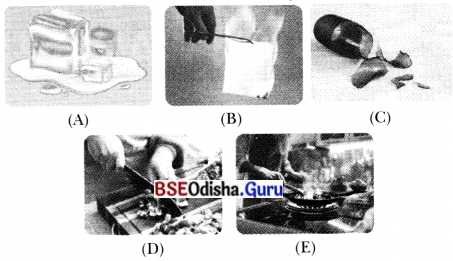
Understanding the types of changes taking place around us helps us know how substances behave under different conditions, which is useful in various daily-life applications. Changes like melting of ice, boiling of water, and folding of paper can be reversed, whereas changes like cooking food, cutting a piece of paper, and breaking glass cannot be reversed. This knowledge is essential and can be used in areas like cooking, manufacturing, and chemical processing, where choosing the right kind of change is important.

Long Answer Type Questions

Question 1.
“Science is not only about learning facts – it is also about how we think and solve problems.” Explain this statement with two examples from your daily life.
Answer:
Science is more than just remembering facts. It involves thinking logically, asking questions, observing carefully, and solving problems based on evidences. It shapes the way we understand and interact with the world around us.
For example:

  • When someone wonders why lemon juice tastes sour, they are using observation and curiosity. Through experimentation, they may discover that lemon contains acid, showing how science helps explain the properties of substances.
  • When we feel a metal spoon become hot after placing it in tea, we learn through experience that metals conduct heat. This leads to a deeper understanding of heat transfer and properties of materials.

Class 7 Science Chapter 9 Question Answer Odia Medium ପ୍ରାଣୀମାନଙ୍କ ଜୀବନ ପ୍ରକ୍ରିୟା

Go through 7th Class Science Book Odia Medium Question Answer and Class 7 Science Chapter 9 Question Answer Odia Medium ପ୍ରାଣୀମାନଙ୍କ ଜୀବନ ପ୍ରକ୍ରିୟା to understand textbook questions more clearly.

7th Class Science Chapter 9 Question Answer Odia Medium

Class 7 Science Chapter 9 Odia Medium

ଆସ ଆମ ଶିକ୍ଷଣର ବୃଦ୍ଧି କରିବା

Question 1.
ଉପଯୁକ୍ତ ଶବ୍ଦଗୁଡ଼ିକ ସହିତ ଖାଲି ବାକ୍ସଗୁଡ଼ିକୁ ପୂରଣ କରି ପାକନଳୀ ମଧ୍ଯରେ ଖାଦ୍ୟର ଯାତ୍ରା ସଂପୂର୍ଣ୍ଣ କର । ଖାଦ୍ୟ → ପାଟି
Class 7 Science Chapter 9 Question Answer Odia Medium ପ୍ରାଣୀମାନଙ୍କ ଜୀବନ ପ୍ରକ୍ରିୟା 1
Answer:
Class 7 Science Chapter 9 Question Answer Odia Medium ପ୍ରାଣୀମାନଙ୍କ ଜୀବନ ପ୍ରକ୍ରିୟା 2

Class 7 Science Chapter 9 Question Answer Odia Medium ପ୍ରାଣୀମାନଙ୍କ ଜୀବନ ପ୍ରକ୍ରିୟା

Question 2.
ସମୀର ପରୀକ୍ଷାନଳୀ ‘କ’ ରେ କିଛି ରୁଟି ଖଣ୍ଡ ରଖୁଥଲା । ନମିତା ପରୀକ୍ଷାନଳୀ ‘ଖ’ ରେ ଚୋବାଇଥିବା ରୁଟି ରଖୁଥୁଲା, ଏବଂ ତୁଳସୀ ପରୀକ୍ଷାନଳୀ ‘ଗ’ ରେ ସିଝା ଆଳୁ ଚକଟା ନେଇଥିଲା । ସମସ୍ତେ ସେମାନଙ୍କ ପରୀକ୍ଷାନଳୀ ‘କ’, ‘ଖ’, ଏବଂ ‘ଗ’ ରେ କିଛି ବୁନ୍ଦା ଆୟୋଡ଼ିନ୍ ଦ୍ରବଣ ମିଶାଇଥଲେ । ସେମାନଙ୍କର ପର୍ଯ୍ୟବେକ୍ଷଣ କ’ଣ ହେବ ? କାରଣ ଲେଖ ।
Answer:
ଏହି ପରୀକ୍ଷଣଟି ଖାଦ୍ୟରେ ଥିବା ମଣ୍ଡଦ (Starch) ର ଉପସ୍ଥିତି ଆୟୋଡ଼ିନ୍ ଦ୍ରବଣ ଦ୍ଵାରା ଚିହ୍ନଟ ପାଇଁ ପ୍ରଯୁଜ୍ୟ ଅଟେ । ମଣ୍ଡଦ ଆୟୋଡ଼ିନ୍ ଦ୍ରବଣର ସଂସ୍ପର୍ଶରେ ଆସିଲେ ଗାଢ଼ନୀଳ (Blue-Black) ବର୍ଷ ଧାରଣ କରିଥାଏ ।

  1. ସମୀର ପରୀକ୍ଷାନଳୀ (କ) : ରୁଟିଖଣ୍ଡ ଆୟୋଡ଼ିନ ବ୍ରଣର ସଂସ୍ପର୍ଶରେ ଆସିଲେ ଏହା ମଣ୍ଡଦ ସହ ପ୍ରତିକ୍ରିୟା କରି ନୀଳ ରଙ୍ଗ ଧାରଣ କରିବ । ଏଥୁରୁ ଜଣାପଡୁଛି ଯେ ସେଥୁରେ ମଣ୍ଡଦ ଅଛି ।
  2. ନମିତା ପରୀକ୍ଷାନଳୀ (ଖ) : ଚୋବାଯାଇଥିବା ରୁଟି ଲାଳର ସଂସ୍ପର୍ଶରେ ଆସିଥାଏ । ଏଠାରେ ରାସାୟନିକ କ୍ରିୟାଦ୍ଵାରା ମଣ୍ଡଦ ସରଳ ଶର୍କରାରେ ପରିଣତ ହୋଇଯାଇଛି, ଫଳରେ ଅଳ୍ପ ପରିମାଣର ମଣ୍ଡଦ ଆୟୋଡ଼ିନ୍ ଦ୍ରବଣର ସଂସ୍ପର୍ଶରେ ଆସିବାରୁ ରଙ୍ଗ ପରିବର୍ତ୍ତନ ହୋଇପାରେ । ଚୋବାଇବା ସମୟ ବୃଦ୍ଧିପାଇଲେ ରଙ୍ଗରେ ପରିବର୍ତ୍ତନ ହେବନାହିଁ ।
  3. ତୁଳସୀ ପରୀକ୍ଷାନଳୀ (ଗ) : ଆଳୁ ଚକଟା ଧାରଣ କରିବ କାରଣ ଆଳୁରେ ପ୍ରଚୁର

Question 3.
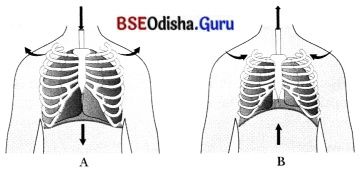
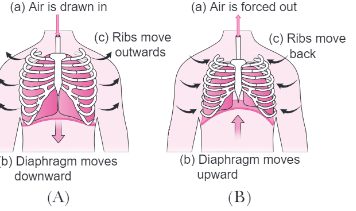
ଶ୍ଵାସକ୍ରିୟାରେ ମଧ୍ୟଚ୍ଛଦାର ଭୂମିକା କ’ଣ ?
(i) ବାୟୁ ଛାଣିବା
(ii) ଧ୍ଵନି ସୃଷ୍ଟି କରିବା
(iii) ଶ୍ଵାସକ୍ରିୟାରେ ସାହାଯ୍ୟ କରିବା
(iv) ଅମ୍ଳଜାନ ଶୋଷଣ କରିବା
Answer:
(iii) ଶ୍ଵାସକ୍ରିୟାରେ ସାହାଯ୍ୟ କରିବା

Class 7 Science Chapter 9 Question Answer Odia Medium ପ୍ରାଣୀମାନଙ୍କ ଜୀବନ ପ୍ରକ୍ରିୟା

Question 4.
ନିମ୍ନରେ ‘କ’ ସ୍ତମ୍ଭରେ ଦିଆଯାଇଥିବା ଶରୀରର ଅଂଶ ସହିତ ‘ଖ’ ସ୍ତମ୍ଭରେ ଦିଆଯାଇଥିବା କାର୍ଯ୍ୟ ସହିତ ମିଳାଅ ।

‘କ’ ସ୍ତମ୍ଭ (ଶରୀର ଅଂଶ) ‘ଖ’ ସ୍ତମ୍ଭ (କାର୍ଯ୍ୟ)
(i) ନାସାର ନ୍ଧ୍ର ବାହାରୁ ତାଜା ବାୟୁ ପ୍ରବେଶ କରେ
(ii) ନାସା ପଥ ଗ୍ୟାସର ଆଦାନପ୍ରଦାନ ହୁଏ
(iii) ଶ୍ଵାସନଳୀ ଫୁସ୍‌ଫୁସ୍‌କୁ ସୁରକ୍ଷା ଦିଏ
(iv) କୋଟରିକା ସୂକ୍ଷ୍ମ ଲୋମ ଏବଂ ଶ୍ଳେଷ୍ମା ଆମକୁ ପ୍ରଶ୍ଵାସ ନେବାରେ ସାହାଯ୍ୟ କରେ
(v) ପଞ୍ଜରା ଏହି ଅଂଶ ଦେଇ ବାୟୁ ଆମ ଫୁସ୍‌ଫୁସ୍‌ରେ ପହଞ୍ଚେ

Answer:

କ’ ସ୍ତମ୍ଭ (ଶରୀର ଅଂଶ) ‘ଖ’ ସ୍ତମ୍ଭ (କାର୍ଯ୍ୟ)
(i) ନାସାର ନ୍ଧ୍ର ବାହାରୁ ତାଜା ବାୟୁ ପ୍ରବେଶ କରେ
(ii) ନାସା ପଥ ସୂକ୍ଷ୍ମ ଲୋମ ଏବଂ ଶ୍ଳେଷ୍ମା ଆମକୁ ପ୍ରଶ୍ଵାସ ନେବାରେ ସାହାଯ୍ୟ କରେ
(iii) ଶ୍ଵାସନଳୀ ଏହି ଅଂଶ ଦେଇ ବାୟୁ ଆମ ଫୁସ୍‌ଫୁସ୍‌ରେ ପହଞ୍ଚେ
(iv) କୋଟରିକା ଗ୍ୟାସ୍‌ର ଆଦାନପ୍ରଦାନ ହୁଏ
(v) ପଞ୍ଜରା ଫୁସ୍‌ଫୁସ୍‌କୁ ସୁରକ୍ଷା ଦିଏ

Class 7 Science Chapter 9 Question Answer Odia Medium ପ୍ରାଣୀମାନଙ୍କ ଜୀବନ ପ୍ରକ୍ରିୟା

Question 5.
ଅନିଲ ତା’ର ସାଙ୍ଗ ସବିତାକୁ କହିଲା ବୋଲି ବୁଝାଇବା ପାଇଁ ସବିତା ଯେ ଶ୍ୱସନ ଏବଂ ଶ୍ଵାସକ୍ରିୟା ସମାନ ପ୍ରକ୍ରିୟା । ଏହି ସିଦ୍ଧାନ୍ତ ଠିକ୍ ନୁହେଁ ତାକୁ କେଉଁ ପ୍ରଶ୍ନ ପଚାରିବ ?
Answer:
ସବିତା, ଅନିଲକୁ ନିମ୍ନଲିଖତ ପ୍ରଶ୍ନ ପଚାରିପାରିବ ଯଥା :

  1. ଶ୍ଵାସକ୍ରିୟା ଶରୀର ପାଇଁ ଶକ୍ତି ଉତ୍ପାଦନ କରିଥାଏ କି ?
  2. ଶ୍ଵାସକ୍ରିୟା ବିନା ଶ୍ଵାସନ ସମ୍ଭବ କି ?
  3. ଶ୍ଵାସନ ପ୍ରକ୍ରିୟା କେଉଁଠାରେ ହୋଇଥାଏ ?
  4. ଶ୍ଵାସକ୍ରିୟା ରାସାୟନିକ ପ୍ରତିକ୍ରିୟା ସହ ସଂଶ୍ଳିଷ୍ଟ କି ?

ଉପରୋକ୍ତ ପ୍ରଶ୍ନଗୁଡ଼ିକର ଉତ୍ତର ଦେବା ସମୟରେ ଅନିଲ ଅନୁଭବ କରିବ ଯେ, ଶ୍ଵାସକ୍ରିୟା ହେଉଛି ଅମ୍ଳଜାନ ଗ୍ରହଣ କରିବା ଏବଂ ଅଙ୍ଗାରକାମ୍ଳ ତ୍ୟାଗ କରିବାର ଏକ ସାଧାରଣ କ୍ରିୟା; କିନ୍ତୁ ଶ୍ୱସନ ହେଉଛି ଏକ କୋଷୀୟ ପ୍ରକ୍ରିୟା ଯାହା ଖାଦ୍ୟରୁ ଶକ୍ତି ମୋଚନ ନିମନ୍ତେ ଅମ୍ଳଜାନ ବ୍ୟବହାର କରିଥାଏ ।

Question 6.
ନିମ୍ନଲିଖତ କେଉଁ ବକ୍ତବ୍ୟ ଠିକ୍ ଏବଂ କାହିଁକି ?
ଅନୁ : ଆମେ ପ୍ରଶ୍ଵାସରେ ବାୟୁ ନେଉ ।
ଶାନୁ : ଆମେ ପ୍ରଶ୍ଵାସରେ ଅମ୍ଳଜାନ ନେଉ ।
ତନୁ : ଆମେ ପ୍ରଶ୍ଵାସରେ ଅମ୍ଳଜାନରେ ଭରପୂର ବାୟୁ ନେଉ ।
Answer:
ତନୁ : ଆମେ ପ୍ରଶ୍ଵାସରେ ଅମ୍ଳଜାନରେ ଭରପୂର ବାୟୁ ନେଉ ଉପରୋକ୍ତ ବକ୍ତବ୍ୟଟି ଠିକ୍ ଅଟେ କାରଣ ଆମେ ପ୍ରଶ୍ଵାସରେ ଗ୍ରହଣ କରୁଥିବା ବାୟୁରେ ୨୧% ଅମ୍ଳଜାନ ରହିଥାଏ ଓ ୭୮% ଯବକ୍ଷାରଜାନ ରହିଥାଏ ।

Question 7.
ଆମେ ବହୁତ ଧୂଳିପୂର୍ଣ୍ଣ ବାୟୁ ପ୍ରଶ୍ଵାସରେ ନେବାବେଳେ ପ୍ରାୟତଃ ଛିଙ୍କୁ । ଏହାର ସମ୍ଭାବ୍ୟ ବ୍ୟାଖ୍ୟା କ’ଣ ହୋଇପାରେ ?
Answer:
ଧୂଳି ଭଳି ବିରକ୍ତକାରୀ ପଦାର୍ଥକୁ ବାହାର କରିବା ନିମିତ୍ତ ଛିଙ୍କିବା ହେଉଛି ଆମ ଶରୀରର ପ୍ରାକୃତିକ ପ୍ରତିରକ୍ଷା ବ୍ୟବସ୍ଥା ।

  • ଧୂଳିପୂର୍ଣ୍ଣ ବାୟୁ ପ୍ରଶ୍ଵାସ ସମୟରେ ନାସାରନ୍ଧ୍ର ଦେଇ ଗତି କଲାବେଳେ ଧୂଳିର କଣିକାଗୁଡ଼ିକ ନାସାରନ୍ଧ୍ରର କାନ୍ଥରେ ଲାଗିଯାଇ ବିରକ୍ତି କରିଥାଆନ୍ତି ।
  • ନାସାପଥର ଚର୍ମରେ ଅନେକ ସ୍ନାୟୁର ଅନ୍ତିମ ଅଂଶ ଏଗୁଡ଼ିକୁ ଚିହ୍ନଟକରି ମସ୍ତିଷ୍କକୁ ସଂକେତ ପ୍ରେରଣ କରିଥାନ୍ତି ।
  • ମସ୍ତିଷ୍କର ନିର୍ଦ୍ଦେଶରେ ଏହି କ୍ଷତିକାରକ ଅନାବଶ୍ୟକ ଉପାଦାନଗୁଡ଼ିକୁ ଶରୀରରୁ ବାହାର କରିବା ପାଇଁ ଆମକୁ ଛିଙ୍କ ଲାଗିଥାଏ ଓ ଏହା ଦ୍ଵାରା ଆମ ଶ୍ଵାସନ ସଂସ୍ଥାନ ସୁରକ୍ଷିତ ରହିଥାଏ ।

Question 8.
ସପ୍ତମ ଶ୍ରେଣୀର ପ୍ରତିଭା ଏବଂ ଅନାମିକା ସକାଳର ବ୍ୟାୟାମ ପାଇଁ ଦୌଡ଼ିବା ଆରମ୍ଭ କଲେ । ଦୌଡ଼ିବା ସମାପ୍ତ କରିବା ପରେ, ସେମାନେ ପ୍ରତି ମିନିଟ୍‌ରେ ସେମାନଙ୍କର ନିଃଶ୍ୱାସ ଗଣନା କଲେ । ଅନାମିକା ପ୍ରତିଭା ଅପେକ୍ଷା ଦ୍ରୁତ ପ୍ରଶ୍ଵାସ ନେଉଥିଲା । ଅନାମିକା ପ୍ରତିଭା ଅପେକ୍ଷା କାହିଁକି ଦ୍ରୁତ ପ୍ରଶ୍ଵାସ ନେଉଥିଲା ତାହାର ଅତି କମ୍‌ରେ ଦୁଇଟି ସମ୍ଭାବ୍ୟ କାରଣ ଲେଖ ।
Answer:
ସମ୍ଭାବ୍ୟ କାରଣ :

  • ପ୍ରତିଭା ଓ ଅନାମିକାର ଶରୀର ଗଠନରେ ପାର୍ଥକ୍ୟ ଥାଇପାରେ । ଅନାମିକା ପ୍ରତିଭା ଅପେକ୍ଷା ଦୌଡ଼ିବା ସହିତ କମ୍ ଅଭ୍ୟସ୍ତ ଥୁବ, ତେଣୁ ତା’ର ଶରୀର ପାଇଁ ଅଧିକ ଅମ୍ଳଜାନର ଆବଶ୍ୟକତା ରହୁଥ‌ିବା କାରଣରୁ ସେ ଦ୍ରୁତ ପ୍ରଶ୍ଵାସ ନେଇଥାଇ ପାରେ ।
  • ଅନାମିକା, ପ୍ରତିଭା ତୁଳନାରେ ଯଦି ଅଧ୍ଵକ ବେଗରେ ବା ଅଧିକ ଦୂରତା ଦୌଡ଼ିଥ‌ିବ, ତେବେ ତା’ର ମାଂସପେଶୀରେ ଥିବା ତନ୍ତୁଗୁଡ଼ିକ ଅଧିକ ଅମ୍ଳଜାନ ଆବଶ୍ୟକ କରୁଥାଇପାରନ୍ତି ଯାହାକି ତା’ର ଦ୍ରୁତ ପ୍ରଶ୍ଵାସ ନେବାର କାରଣ ହୋଇଥାଇପାରେ ।

Class 7 Science Chapter 9 Question Answer Odia Medium ପ୍ରାଣୀମାନଙ୍କ ଜୀବନ ପ୍ରକ୍ରିୟା

Question 9.
ଯଦୁ ତା’ର ଧାରଣାର ସତ୍ୟତା ଜାଣିବା ପାଇଁ ଗୋଟିଏ ପରୀକ୍ଷା କଲା । ସେ ଦୁଇଟି ପରୀକ୍ଷା ନଳୀ ‘କ’ ଏବଂ ‘ଖ’ ନେଲା । ପ୍ରତ୍ୟେକରେ ଅଧା ପାଣି ଭର୍ତ୍ତି କରି ଏକ ଚିମୁଟା ଲେଖାଁଏ ଚାଉଳ ଚୂନା ମିଶାଇଲା ଏବଂ ସେଗୁଡ଼ିକ ଭଲ ଭାବରେ ଘାଣ୍ଟିଲା । ପରୀକ୍ଷା ନଳୀ ‘ଖ’ରେ ସେ କିଛି ବୁନ୍ଦା ଲାଳ ମିଶାଇଲା । ସେ ଦୁଇଟି ପରୀକ୍ଷା ନଳୀକୁ ୩୫–୩୬ ମିନିଟ୍ ପାଇଁ ଛାଡ଼ି ଦେଲା । ଏହାପରେ, ସେ ଉଭୟ ପରୀକ୍ଷା ନଳୀରେ ଆୟୋଡ଼ିନ୍ ଦ୍ରବଣ ମିଶାଇଲା । ପରୀକ୍ଷା ଫଳାଫଳ ଚିତ୍ରରେ ଦେଖାଯାଇଥିବା ପରି ଆସିଲା । ସେ କ’ଣ ପରୀକ୍ଷା କରିବାକୁ ଚାହୁଁଛି ବୋଲି ତୁମେ ଭାବୁଛ ?
Class 7 Science Chapter 9 Question Answer Odia Medium ପ୍ରାଣୀମାନଙ୍କ ଜୀବନ ପ୍ରକ୍ରିୟା 3
Answer:
‘ଶ୍ଵେତସାର ଭାଙ୍ଗିବା ଉପରେ ଲାଳର ପ୍ରଭାବ’’ ସମ୍ବନ୍ଧରେ ଜାଣିବା ପାଇଁ ଯଦୁ ଉପରୋକ୍ତ ପରୀକ୍ଷଣଟି କରିଥିଲା । ପରୀକ୍ଷଣର ଫଳାଫଳ :

  • ପରୀକ୍ଷାନଳୀ ‘କ’ : ଏହି ପରୀକ୍ଷା ନଳୀରେ କେବଳ ଚାଉଳ ଚୂନା ସହ ଜଳ ଓ ଆୟୋଡ଼ିନ ଦ୍ରବଣ ରହିଅଛି । ଆୟୋଡି଼ନ ମଣ୍ଡଦ ସହିତ ପ୍ରତିକ୍ରିୟା କଲେ ଗାଢ଼ନୀଳ ବର୍ଷ ଧାରଣ କରେ । ଏଠାରେ ରଙ୍ଗ ଗାଢ଼ ନୀଳବର୍ଣ୍ଣ ରହୁଥିବାରୁ ଜଣାପଡୁଛି ଯେ, ଏଥ‌ିରେ ମଣ୍ଡଦର ଉପସ୍ଥିତି ଅଛି ।
  • ପରୀକ୍ଷାନଳୀ ‘ଖ’ : ଏହି ପରୀକ୍ଷାନଳୀରେ ଚାଉଳ ଚୂନା ସହିତ ଲାଳ ମିଶାଯାଇଛି । ଚାଉଳରେ ମଣ୍ଡଦ (Starch) ନାମକ ଶ୍ଵେତସାର ରହିଥାଏ । ଆମର ଲାଳରେ ଏକ ପାଚକରସ ଥାଏ, ଯାହା ମଣ୍ଡଦକୁ ସରଳ ଶର୍କରାରେ ଭାଙ୍ଗିବାରେ ସାହାଯ୍ୟ କରେ । ଏହି କାରଣରୁ ରଙ୍ଗ ଗାଢ଼ନୀଳ ବର୍ଣ୍ଣ ହୋଇ ନପାରେ ବା କମ୍ ପରିମାଣରେ ହୋଇପାରେ । ଏହା ଲାଳର ପରିମାଣ ଓ ସମୟ ଉପରେ ନିର୍ଭର କରିଥାଏ ।

ସିଦ୍ଧାନ୍ତ :
ଏହି ସରଳ ପରୀକ୍ଷଣରୁ ଆମେ ଜାଣିପାରିବା ଯେ, ପାଟିରୁ କିପରି ଭାବରେ ପଚନ ପ୍ରକ୍ରିୟା ଆରମ୍ଭ ହୋଇଥାଏ ।

Question 10.
ରଶ୍ମି ଦୁଇଟି ସଫା ପରୀକ୍ଷା ନଳୀ ‘କ’ ଏବଂ ‘ଖ’ ନେଇ ଏକ ପରୀକ୍ଷଣ ପରିକଳ୍ପନା କଲା ଏବଂ ଚିତ୍ରରେ ଦେଖାଯାଇଥ‌ିବା ପରି ସେଗୁଡ଼ିକୁ ଚୂନ ପାଣିରେ ଭର୍ତ୍ତିକଲା । ପରୀକ୍ଷା ନଳୀ ‘କ’ ରେ ଆମେ ପ୍ରଶ୍ଵାସରେ ନେଉଥୁବା ଚାରିପାଖର ବାୟୁକୁ ପାଇପ୍ ମାଧ୍ୟମରେ ଶୋଷି ଭିତରକୁ ପଠାଇଲା, ଏବଂ ପରୀକ୍ଷା ନଳୀ ‘ଖ’ରେ, ନିଶ୍ଵାସରେ ନିର୍ଗତ ବାୟୁ ପାଇପ୍ ମାଧ୍ୟମରେ ଫୁଙ୍କି ଭର୍ତ୍ତିକଲା । ସେ କ’ଣ ଅନୁସନ୍ଧାନ କରିବାକୁ ଚେଷ୍ଟା କରୁଛି ବୋଲି ତୁମେ ଭାବୁଛ ? ସେ ତା’ର ଫଳାଫଳକୁ କିପରି ନିଶ୍ଚିତ କରିପାରିବ ?
Class 7 Science Chapter 9 Question Answer Odia Medium ପ୍ରାଣୀମାନଙ୍କ ଜୀବନ ପ୍ରକ୍ରିୟା 4
Answer:
ଚୂନପାଣିକୁ ସୂଚକରୂପେ ନେଇ ପ୍ରଶ୍ଵାସ ବାୟୁ ଓ ନିଃଶ୍ଵାସ ବାୟୁରେ ଅମ୍ଳଜାନର ଉପସ୍ଥିତି ବିଷୟରେ ଅନୁସନ୍ଧାନ କରିବାକୁ ରଶ୍ମି ଚେଷ୍ଟା କରୁଛି ।
ପରୀକ୍ଷଣର ଫଳାଫଳ :
(i) ପରୀକ୍ଷାନଳୀ ‘କ’ :
ଏହି ପରୀକ୍ଷାନଳୀ ଥୁବା ଚୂନପାଣି ଚାରିପାଖର ବାୟୁ ସଂସ୍ପର୍ଶରେ ଆସିଥାଏ, ତେଣୁ ଚୂନପାଣି ବା କ୍ୟାଲସିୟମ୍ ହାଇଡ୍ରିକ୍‌ସାଇଡ୍ ଦ୍ରବଣର ବାୟୁରେ ଥିବା ସ୍ଵଳ୍ପ ଅଙ୍ଗାରକାମ୍ଳ (CO) ଯାହାକି ମାତ୍ର 0.04% ସଂସ୍ପର୍ଶରେ ଆସିବାରୁ ସାମାନ୍ୟ ରଙ୍ଗ ପରିବର୍ତ୍ତନ ହୋଇପାରେ ବା ଆଦୌ ରଙ୍ଗ ପରିବର୍ତ୍ତନ ନ ହୋଇପାରେ ।

(ii) ପରୀକ୍ଷାନଳୀ ‘ଖ’ :
ଏହି ପରୀକ୍ଷାନଳୀରେ ଥ‌ିବା ଚୂନପାଣି ନିଃଶ୍ୱାସ ବାୟୁ ସଂସ୍ପର୍ଶରେ ଆସି ଥୁବାରୁ ଏହାର ରଙ୍ଗ ଦୁଗ୍ଧ ବର୍ଣ୍ଣରେ ପରିଣତ ହୋଇଥାଏ, କାରଣ ନିଃଶ୍ଵାସ ବାୟୁରେ ବାହାର ବାୟୁ ତୁଳନାରେ ଅଧିକ ଅଙ୍ଗାରକାମ୍ଳ ଗ୍ୟାସ (ହାରାହାରି ୪%) ରହିଥାଏ ।

ଉପରୋକ୍ତ ଫଳାଫଳରୁ ଏହା ପ୍ରମାଣିତ ହୁଏ ଯେ, ନିଃଶ୍ଵାସ ବାୟୁରେ ଅଧ୍ବକ ଅଙ୍ଗାରକାମ୍ଳ ରହିଥାଏ । ଶ୍ଵାସକ୍ରିୟାରେ ଶରୀର ଭିତରକୁ ଅମ୍ଳଜାନ ଯାଇ ଉପଯୋଗ ହୁଏ ଓ ଅନାବଶ୍ୟକ ଅଙ୍ଗାରକାମ୍ଳ ବାହାରକୁ ବାହାରି ଆସିଥାଏ ।.

Class 7 Science Chapter 9 Question Answer Odia Medium ପ୍ରାଣୀମାନଙ୍କ ଜୀବନ ପ୍ରକ୍ରିୟା

ଅନୁସନ୍ଧାନମୂଳକ ପ୍ରକଳ୍ପ

Question 1.
ମୁଖର ପରିଷ୍କାର ପରିଚ୍ଛନ୍ନତା ବଜାୟ ରଖୁବା ପାଇଁ କେଉଁ ଅଭ୍ୟାସଗୁଡ଼ିକ ଭଲ ? ପୁସ୍ତକ/ସମ୍ବାଦପତ୍ର/ ବୟସ୍କମାନଙ୍କ ସହିତ କଥାବାର୍ତ୍ତାରୁ ଏହି ବିଷୟରେ ସୂଚନା ସଂଗ୍ରହ କରିବାକୁ ଚେଷ୍ଟା କର । ଏକ ରିପୋର୍ଟ ପ୍ରସ୍ତୁତ କର ।
Answer:
ମୁଖମଣ୍ଡଳର ପରିଷ୍କାର ପରିଚ୍ଛନ୍ନତା ସାଧାରଣତଃ ନିମ୍ନଲିଖତ ଅଙ୍ଗଗୁଡ଼ିକର ପରିଚ୍ଛନ୍ନତାକୁ ବୁଝାଇଥାଏ, ଯଥା : ଚକ୍ଷୁ, ନାସା, କର୍ଣ୍ଣ, ପାଟି ଓ ଚର୍ମ ।
(କ) ଚକ୍ଷୁର ପରିଚ୍ଛନ୍ନତା :
(i) ଆଖୁ ସଫା କରିବା ପାଇଁ ପ୍ରଥମେ ହାତକୁ ଭଲ ଭାବରେ ଧୋଇବା ଉଚିତ ।
(ii) ବନ୍ଦ ଆଖୁକୁ ଧୋଇବା ପାଇଁ ଉଷୁମ ପାଣି ବା ସାଲାଇନ୍ ଦ୍ରବଣ ବ୍ୟବହାର କରିବା ଆବଶ୍ୟକ ।
(iii) ଆଖୁରୁ ଧୂଳି ଓ ମଇଳା ବାହାର କରିବା ପାଇଁ ପରିଷ୍କାର ଜଳ ବ୍ୟବହାର କରିବା ଆବଶ୍ୟକ ।
(iv) ଖରାକୁ ବାହାରିଲେ କଳା ଚଷମା ବ୍ୟବହାର କରିବା ଆବଶ୍ୟକ ।
(v) ଆଖୁକୁ ସ୍ପଷ୍ଟ ଦେଖାଯାଉ ନଥୁଲେ ଡାକ୍ତରଙ୍କ ପରାମର୍ଶ ନେବା ଆବଶ୍ୟକ ।
(vi) ଆଖୁକୁ ଭଲ ରଖୁବା ପାଇଁ ଭିଟାମିନ୍ A ଓ ଓମେଗା 3 ଖାଦ୍ୟ ଖାଇବା ଆବଶ୍ୟକ ।

(ଖ) ନାସାପଥର ପରିଚ୍ଛନ୍ନତା :
(i) ନାକରୁ ମଇଳା ବାହାର କରିବା ପାଇଁ ନାଜାଲ ସ୍ପ୍ରେ ବ୍ୟବହାର କରିବା ଆବଶ୍ୟକ ।
(ii) ହ୍ୟୁମିଡ଼ଫାୟର ବ୍ୟବହାରଦ୍ଵାରା ନାସାପଥ ଶୁଷ୍କ ହୋଇ ନଥାଏ ।
(iii) ପ୍ରଚୁର ପାଣି ପିଇବା ଦ୍ଵାରା କଫ ତରଳ ହୋଇଥାଏ ।
(iv) ନାକ ସଫା କରିବାର ସର୍ବୋତ୍ତମ ଉପାୟ ହେଉଛି ସାଲାଇନ ଦ୍ରବଣ ବ୍ୟବହାର ।
(v) ‘ନେତି ପାତ୍ର’ ଉପକରଣଦ୍ଵାରା ନାକକୁ ପାଣିରେ ସଫା କରାଯାଇ ପାରିବ ।
(vi) ନାକ ସଫା କରିବା ପାଇଁ ଜୀବାଣୁମୁକ୍ତ ଜଳ ବ୍ୟବହାର କରାଯାଏ ।
(vii) ନାସାପଥ ଖୋଲିବା ପାଇଁ ନାକରେ ଆଡ଼େସିଭ୍ ଷ୍ଟ୍ରିପ୍ ଲଗାଯାଏ ।

(ଗ) କର୍ପୂର ପରିଚ୍ଛନ୍ନତା :
(i) କାନର ବାହାର ଅଂଶକୁ କପଡ଼ାରେ ଧୋଇ ଭଲଭାବରେ ଶୁଖାଯାଏ ।
(ii) ଗାଧୋଇବା ପରେ କାନକୁ ଶୁଖାଇବା ପାଇଁ ପତଳା ତଉଲିଆ ବ୍ୟବହାର କରାଯାଏ ।
(iii) କାନ ଭିତର ମଇଳା ବାହାର କରିବା ପାଇଁ କାନଡ୍ରପ ବ୍ୟବହାର କରାଯାଏ ।
(iv) କାନ ଛିଦ୍ରରେ କାଠି, ତୁଳା ଇତ୍ୟାଦି ଭର୍ତ୍ତି କରିବା ଉଚିତ ନୁହେଁ ।
(v) କପା ସ୍ଵାବ୍‌ ଦ୍ଵାରା କର୍ଣ୍ଣଛଦ୍ର ସଫା କରିବା ଉଚିତ ନୁହେଁ ।
(vi) କାନରେ ବ୍ୟବହୃତ ଅଳଙ୍କାରଗୁଡ଼ିକୁ ସାପ୍ତାହିକ ସଫା କରିବା ଉଚିତ ।
(vii) ଅତ୍ୟଧ‌ିକ ଶବ୍ଦ ଶୁଣିବାଦ୍ଵାରା କର୍ଣ୍ଣପଟହ କ୍ଷତିଗ୍ରସ୍ତ ହୋଇଥାଏ ।

(ଘ) ପାର୍ଟିର ପରିଚ୍ଛନ୍ନତା :
(i) ଦିନକୁ ୨ ଥର ଫ୍ଲୋରାଇଡ୍ ଯୁକ୍ତ ପେଷ୍ଟରେ ଦାନ୍ତ ଘଷିବା ଆବଶ୍ୟକ ।
(ii) ପ୍ରତ୍ୟେକ ୬ ମାସରେ ଥରେ ଦନ୍ତ ଚିକିତ୍ସକଙ୍କ ପରାମର୍ଶ ନେବା ଆବଶ୍ୟକ ।
(iii) ଆଣ୍ଟି ବ୍ୟାକ୍ଟେରିଆଲ୍ ମାଉଥ୍ ୱାସ୍ ବ୍ୟବହାର ଗ୍ରହଣୀୟ ଅଟେ ।
(iv) ନରମ ଦାନ୍ତଥିବା ବ୍ରସରେ ଦାନ୍ତ ସଫା କରିବା ବିଧେୟ ।
(v) ଧୂମପାନ ଓ ତମାଖୁ ସେବନଦ୍ୱାରା ମୁଖ ଗହ୍ଵରର କ୍ଷତି ହୋଇଥାଏ ।
(vi) ଜିଭ ସଫା କରିବା ପାଇଁ ଜିଭ ସ୍ପାପର ବ୍ୟବହାର କରାଯାଏ ।
(vii) ଖାଇସାରିବା ପରେ ପାଟିକୁ ଭଲଭାବରେ ଧୋଇବା ଆବଶ୍ୟକ ।
(viii) ଓଠ ଓ ପାଟିରେ ଭେସଲିନ୍ ବ୍ୟବହାର କରାଯାଏ ।

Class 7 Science Chapter 9 Question Answer Odia Medium ପ୍ରାଣୀମାନଙ୍କ ଜୀବନ ପ୍ରକ୍ରିୟା

(ଡ) ମୁଖ ଚର୍ମର ପରିଚ୍ଛନ୍ନତା :
(i) ଦିନକୁ ସର୍ବନିମ୍ନ ୨ ଥର କ୍ଲିନ୍‌ର ବା ଉଷୁମ ପାଣିରେ ମୁହଁ ସଫା କରାଯାଏ ।
(ii) ଚର୍ମକୁ ହାଇଡ୍ରେଟ୍ ରଖୁବା ପାଇଁ ମଇଶ୍ଚରାଇଜର ବ୍ୟବହାର କରାଯାଏ ।
(iv) ମୁହଁକୁ ଛୁଇଁବା ପୂର୍ବରୁ ହାତକୁ ଭଲଭାବରେ ଧୋଇବା ଆବଶ୍ୟକ ।
(v) ମୁହଁ ସଫା କରିବା ପରେ ଟୋନର ବ୍ୟବହାରଦ୍ଵାରା pH ସନ୍ତୁଳିତ ହୁଏ ।
(vi) ସୂର୍ଯ୍ୟକିରଣ କ୍ଷତିରୁ ରକ୍ଷା ପାଇବା ପାଇଁ ସନ୍‌ସ୍କ୍ରିନ୍ ବ୍ୟବହାର କରାଯାଏ ।
(vii) ଚର୍ମରେ ଥିବା ମୃତକଣିକା ବାହାର କରିବା ପାଇଁ ଫେସ୍ୱାସ ବ୍ୟବହାର କରାଯାଏ ।
(viii) ଉପଯୁକ୍ତ କ୍ଲିଞ୍ଜରଦ୍ଵାରା ଚର୍ମକୁ ୩୦ ମିନିଟ୍ ପର୍ଯ୍ୟନ୍ତ ମାଲିସ୍ କରାଯାଏ ।
(ix) ନରମ ତଉଲିଆ ସାହାଯ୍ୟରେ ମୁହଁକୁ ଧୀରେ ଧୀରେ ପୋଛାଯାଏ ।

Question 2.
ପରିପାକ ସଂସ୍ଥାର ସୁସ୍ଥତା ବଜାୟ ରଖୁବାର ବିଭିନ୍ନ ଉପାୟ ଖୋଜ । ପରିପାକ ସଂସ୍ଥାର ସୁସ୍ଥତା ବଜାୟ ରଖୁବାରେ ସାହାଯ୍ୟ କରୁଥିବା କିଛି ଖାଦ୍ୟ ପଦାର୍ଥର ଉଦାହରଣ ଲେଖ । ଏକ ରିପୋର୍ଟ ପ୍ରସ୍ତୁତ କର ଏବଂ
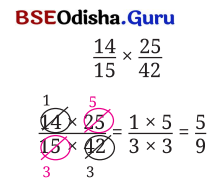
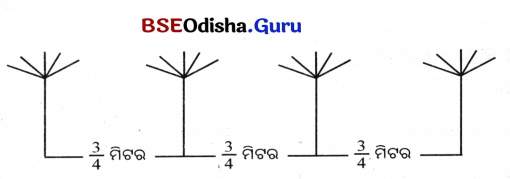
ଶ୍ରେଣୀରେ ଉପସ୍ଥାପନ କର ।
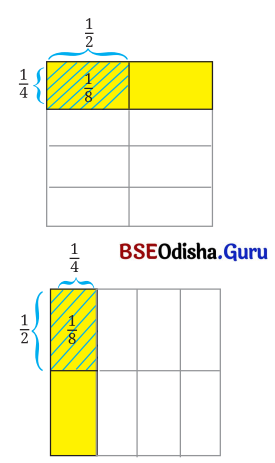
Answer:
ପରିପାକ ସଂସ୍ଥାର ସୁସ୍ଥତା ବଜାୟ ରଖ୍ ପାଇଁ ନିମ୍ନଲିଖିତ ଉପାୟମାନ ଅବଲମ୍ବନ କରାଯାଇଥାଏ, ଯଥା-
(i) ଫଳ, ପନିପରିବା ଏବଂ ଶସ୍ୟ ଜାତୀୟ ଖାଦ୍ୟ ଅଧ‌ିକ ୱ୍ଆଯାଏ ।

(ii) ନିୟମିତ ଭାବରେ ବ୍ୟାୟାମ କରାଯାଏ ।

(iii) ଖାଦ୍ୟକୁ ଭଲଭାବରେ ଚୋବାଇ ଖାଇବାକୁ ପଡ଼ିଥାଏ ।
(iv) ଅତ୍ୟଧ‌ିକ ଖାଦ୍ୟ ଗ୍ରହଣ ପଦ୍ଧତିକୁ ପରିହାର କରାଯାଏ ।
(v) ପର୍ଯ୍ୟାପ୍ତ ପରିମାଣର ନିଦ୍ରା ସହ ମାଦକ ଦ୍ରବ୍ୟ ସେବନରୁ ନିବୃତ୍ତ ରହିବା ଉଚିତ ।
(vi) ମଳକୁ ନରମ କରିବାପାଇଁ ଦୈନିକ ୧.୫ ରୁ ୨.୦ ଲିଟର ପାଣି ପିଆଯାଏ ।
(vii) ଖାଦ୍ୟରେ ତେଲ, ଚର୍ବି ଓ ମିଠାକୁ ପ୍ରାଧାନ୍ୟ ନଦେବା ଉଚିତ ।
(viii) ମସଲାଯୁକ୍ତ ଖାଦ୍ୟ ବର୍ଜନ କରିବା ଉଚିତ ।
(ix) ଯୋଗ, ଧ୍ୟାନ କିମ୍ବା ଗଭୀର ନିଃଶ୍ଵାସଦ୍ଵାରା ମାନସିକ ଚାପ ସନ୍ତୁଳନ କରାଯାଏ ।
(x) ପରିପାକ ସଂସ୍ଥାରେ ରୋଗ ଜୀବାଣୁ ପ୍ରବେଶ କଲେ ଚିକିତ୍ସକଙ୍କ ପରାମର୍ଶ ଗ୍ରହଣ କରାଯାଇଥାଏ ।

Question 3.
ରଙ୍ଗୀନ ମାଟି ବ୍ୟବହାର କରି, ପରିପାକ ସଂସ୍ଥାର ଏକ 3-D ମଡ଼େଲ୍‌ ପ୍ରସ୍ତୁତ କର ଏବଂ କଳା କାଗଜ ପଟି ବ୍ୟବହାର କରି ପରିପାକ ସଂସ୍ଥାର ସମସ୍ତ ଅଂଶକୁ ନାମାଙ୍କିତ କର ।
Answer:
ଶିକ୍ଷକଙ୍କ ପରାମର୍ଶ ଗ୍ରହଣକରି ଏହି କାର୍ଯ୍ୟ କରାଯାଇପାରିବ । ମାଟିକୁ ରଙ୍ଗୀନ କରିବା ପାଇଁ ଏଥୁରେ ଜୈବିକ ମୁରୁଜ ବ୍ୟବହାର କରାଯାଇପାରିବ ।

Class 7 Science Chapter 9 Question Answer Odia Medium ପ୍ରାଣୀମାନଙ୍କ ଜୀବନ ପ୍ରକ୍ରିୟା

Question 4.
ବାୟୁର ଗୁଣବତ୍ତା ଏବଂ AQI କ’ଣ ? ବିଭିନ୍ନ କ୍ଷେତ୍ରରେ କାମ କରୁଥିବା ଲୋକ – ଚାଷୀ, କାରଖାନା କର୍ମଚାରୀ କିମ୍ବା ରାସ୍ତାକଡ଼ର ବିକ୍ରେତାଙ୍କ ଶ୍ଵାସକ୍ରିୟା ପ୍ରଣାଳୀ ଉପରେ ବାୟୁ ଗୁଣବତ୍ତାର ପ୍ରଭାବ ବିଷୟରେ ଅନୁସନ୍ଧାନ କର ।
Answer:
(a) ପ୍ରତ୍ୟେକ ଜୀବର ଜୀବନ ଧାରଣ ପାଇଁ ବାୟୁ ଅପରିହାର୍ଯ୍ୟ ଅଟେ । ବାୟୁକୁ ଆଖ‌ିରେ ଦେଖି ହୁଏ ନାହିଁ, କିନ୍ତୁ ଚର୍ମ ଦ୍ଵାରା ଏହାର ସ୍ଥିତି ଅନୁଭବ କରିହୋଇଥାଏ । ପୃଥ‌ିବୀକୁ ଘେରି ରହିଥ‌ିବା ଗ୍ୟାସୀୟ ଆବରଣକୁ ବାୟୁମଣ୍ଡଳ
କୁହାଯାଏ । ଏଥିରେ ୬୮% ଯବକ୍ଷାରଜାନ, ୨୧% ଅମ୍ଳଜାନ ଓ ଅନ୍ୟାନ୍ୟ ଗ୍ୟାସ୍ ୧% ରହିଥାଏ ।

(b) ପ୍ରାକୃତିକ ଉପାୟରେ ବା ମନୁଷ୍ୟଦ୍ଵାରା ସଂପାଦିତ ଅନେକ ରାସାୟନିକ ଓ ଜୈବିକ କ୍ରିୟା ଯୋଗୁଁ ଅବାଞ୍ଛିତ କଣିକା ସମୂହ ବାୟୁରେ ମିଶି ଏହାକୁ ପ୍ରଦୂଷିତ କରିଥାଏ । ମୁଖ୍ୟ ବାୟୁ ପ୍ରଦୂଷକଗୁଡ଼ିକ ହେଉଛି –
(i) କାର୍ବନ ଯୌଗିକ – CO2, CO
(ii) ଯବକ୍ଷାରୀୟ ଅକ୍ସାଇଡ୍ – NOx
(iii) ହାଇଡ୍ରୋକାର୍ବନ – CH
(iv) ସଲଫର ଅକ୍ସାଇଡ଼ – SOx
(v) କଣିକାରାଜି

(c) ବାୟୁ ଗୁଣବତ୍ତା ସୂଚାଙ୍କ (Air Quality Index ବା AQI) ହେଉଛି ବାୟୁ ବର୍ତ୍ତମାନ କେତେ ମାତ୍ରାରେ ପ୍ରଦୂଷିତ ହେବାର ପୂର୍ବାନୁମାନ କରାଯାଇଛି, ତାହାର ଏକ ଆକଳନ । ବାୟୁ ପ୍ରଦୂଷଣ ସ୍ତର ବୃଦ୍ଧି ପାଇଲେ, ଜନସ୍ୱାସ୍ଥ୍ୟ ବିପଦ ସହିତ AQI ମଧ୍ୟ ବୃଦ୍ଧି ପାଇଥାଏ ।

(d) ସ୍ଵଚ୍ଛ ଭାରତ ଅଭିଯାନ ଅଧୀନରେ ୧୭ ଡିସେମ୍ବର ୨୦୧୪ ରେ ନୂଆଦିଲ୍ଲୀରେ ଜାତୀୟ ବାୟୁ ଗୁଣବତ୍ତା ସୂଚକାଙ୍କ (NAQI) ଆରମ୍ଭ ହୋଇଥିଲା ।

AQI ମନ୍ତବ୍ୟ ସ୍ଵାସ୍ଥ୍ୟ ଉପରେ ପ୍ରଭାବ
0-50 ଭ ଲ ସର୍ବନିମ୍ନ ପ୍ରଭାବ
51-100 ସନ୍ତୋଷଜନକ ଶ୍ଵାସକ୍ରିୟାରେ ଅସୁବିଧା
101-200 ମଧ୍ୟମ ଧରଣର ନିଃଶ୍ଵାସ ନେବାରେ ଅସୁବିଧା
201-300 ଦୁର୍ବଳ ନିଃଶ୍ଵାସ ନେବାରେ ଅସୁବିଧା
301-400 ଗମ୍ଭୀର ଶ୍ଵାସକ୍ରିୟା ଜନିତ ରୋଗ
401-500 ବିପଦପୂର୍ଣ୍ଣ ଗମ୍ଭୀରଭାବେ ପ୍ରଭାବିତ କରେ

ବାୟୁ ପ୍ରଦୂଷଣ ବିଭିନ୍ନ ରୋଗର କାରଣ ହୋଇଥାଏ, ଯଥା –
(କ) ଶ୍ଵାସକ୍ରିୟାଜନିତ ରୋଗ :
(i) ଆଜ୍‌
(ii) COPD (କ୍ରନିକ୍ ବ୍ରୋନ୍‌କାଇଟିସ୍)
(iii) ଫୁସ୍‌ଫୁସ୍ ସଂକ୍ରମଣ (ନିମୋନିଆ)

(ଖ) ହୃଦ୍‌ରୋଗ :
(i) ହୃଦ୍‌ଘାତ ବା ଷ୍ଟ୍ରୋକ୍
(ii) ହୃଦ୍‌ଘାତ

(ଗ) କର୍କଟ ରୋଗ
(i) ଫୁସ୍‌ଫୁସ୍ କର୍କଟ
(ii) ସ୍ତନ କର୍କଟ
(iii) ଯକୃତ କର୍କଟ

(ଘ) ସ୍ନାୟୁଗତ ବିକାର :
(i) ନ୍ୟୁରୋଡ଼େଭଲପମେଣ୍ଟାଲ ସମସ୍ୟା
(ii) ମାର୍କସାନ୍ସ ରୋଗ

(ଙ) ଅନ୍ୟାନ୍ୟ ସ୍ଵାସ୍ଥ୍ୟ ପ୍ରଭାବ :
(i) ଅଙ୍ଗକ୍ଷତି (ବୃକ୍‌କ, ଯକୃତ, ଚକ୍ଷୁ)
(ii) ପ୍ରଜନନ ସମସ୍ୟା
(iii) ମେଟାବୋଲିକ୍ ଏବଂ ଇମ୍ୟୁନିଟି ବ୍ୟାଧୁ
(iv) ଚର୍ମରୋଗ

Class 7 Science Chapter 9 Question Answer Odia Medium ପ୍ରାଣୀମାନଙ୍କ ଜୀବନ ପ୍ରକ୍ରିୟା

(e) ବିଭିନ୍ନ ପ୍ରକାରର ପଥର, ବାଲି ଓ ମାଟିରେ ସିଲିକା ଭଳି ସ୍ଫଟିକ ରହିଥାଏ । ଏହି ସାମଗ୍ରୀ ସହିତ କାମ କରିବା ଦ୍ଵାରା ଦୀର୍ଘକାଳୀନ ଫୁସ୍‌ଫୁସ୍ ରୋଗ ହୋଇଥାଏ, ଏହାକୁ ସିଲିକୋସିସ୍ (Silicosis) କୁହାଯାଏ ।

(f) ଜ୍‌ସଷ୍ଟସ୍ ଓ ସିମେଣ୍ଟ କାରଖାନାରେ କାମ କରିବାଦ୍ଵାରା ଏକ ପ୍ରକାର ଫୁସ୍‌ଫୁସ୍ ସମ୍ବନ୍ଧୀୟ ରୋଗ ହୁଏ ଓ ତନ୍ତୁରେ ନିଃଶ୍ଵାସ ନେବା କଷ୍ଟ ହୋଇଥାଏ । ଏହି ରୋଗକୁ ଆଜ୍‌ବେଷ୍ଟୋସିସ୍ (Asbestosis) କୁହାଯାଏ ।

(g) ଲୁଗାକଳରେ କାମ କରୁଥିବା ଶ୍ରମିକମାନେ ତୁଳାର ତନ୍ତୁଦ୍ୱାରା ଆକ୍ରାନ୍ତ ହୋଇ ‘ଯେଉଁ ରୋଗର ସମ୍ମୁଖୀନ ହୋଇଥାନ୍ତି, ତାହାକୁ ବିସିନୋସିସ୍ (Byssinosis) କୁହାଯାଏ । ଚିନିକଳର ଶ୍ରମିକମାନେ ଆଖୁ ଛେଦାର ଧୂଳି ସଂସ୍ପର୍ଶରେ ଆସି ବାଗାସୋସିସ୍ (Bagasosis) ରୋଗରେ ଆକ୍ରାନ୍ତ ହୋଇଥା’ନ୍ତି । କୋଇଲା ଗୁଣ୍ଡର ପ୍ରଭାବରେ ଆଣ୍ଡ୍ରାକୋସିସ୍ (Antracosis) ରୋଗ ହୋଇଥାଏ ।

(h) ଉପରୋକ୍ତ ରୋଗମାନଙ୍କରେ ବ୍ୟକ୍ତିଠାରେ କାଶ ହେବା ଏକ ସାଧାରଣ ଲକ୍ଷଣ ଅଟେ । କାଶରେ କଫ ଓ ରକ୍ତ ପଡ଼ିପାରେ । ନିଃଶ୍ଵାସ ଓ ପ୍ରଶ୍ଵାସ ନେବାରେ କଷ୍ଟ ଅନୁଭୂତ ହୋଇଥାଏ । ବହୁ ରୋଗୀ ଯକ୍ଷ୍ମା ରୋଗରେ ମଧ୍ୟ ଆକ୍ରାନ୍ତ ହୋଇଥା’ନ୍ତି ।

Question 5.
ବାକ୍ସ – ଶ୍ଵାସକ୍ରିୟା (box-breating) କୌଶଳ ବିଷୟରେ ପଢ଼ (ଚିତ୍ର ରହିବ) । ଏହାର ଲାଭ କ’’ଣ ?
Class 7 Science Chapter 9 Question Answer Odia Medium ପ୍ରାଣୀମାନଙ୍କ ଜୀବନ ପ୍ରକ୍ରିୟା 5
Answer:
ବାକ୍ସ-ଶ୍ଵାସକ୍ରିୟା (Box-Breathing) ହେଉଛି ଏକ ଆରାମଦାୟକ କୌଶଳ ଯେଉଁଥରେ ୪ଟି ସମାନ ଲମ୍ବ ପଦକ୍ଷେପ ରହିଥାଏ ।
(i) 4 ସେକେଣ୍ଡ ପାଇଁ ପ୍ରଶ୍ଵାସ ନିଆଯାଏ ।
(ii) 4 ସେକେଣ୍ଡ ପାଇଁ ନିଃଶ୍ଵାସ ଧରି ରଖାଯାଏ ।
(iii) 4 ସେକେଣ୍ଡ ପାଇଁ ନିଃଶ୍ଵାସ ଛଡ଼ାଯାଏ ।
(iv) 4 ସେକେଣ୍ଡ ପାଇଁ ନିଃଶ୍ଵାସ ଧରି ରଖାଯାଏ ।
ଏହା ଚାପ ଏବଂ ଚିନ୍ତା ପରିଚାଳନା ପାଇଁ ଏକ ସରଳ କୌଶଳ ଅଟେ । ଏହା ଏକ ଶକ୍ତିଶାଳୀ ଉପକରଣ ଅଟେ । ଏହାଦ୍ଵାରା ଧ୍ୟାନ ବିଭ୍ରାନ୍ତିରୁ ଦୂରେଇହୁଏ । ମନରେ ଏକାଗ୍ରତା ସୃଷ୍ଟି ହୋଇଥାଏ । ଏହା ହୃଦସ୍ପନ୍ଦନକୁ ନିୟନ୍ତ୍ରଣ କରେ । ରକ୍ତଚାପ ହ୍ରାସ କରେ ଓ ମନକୁ ଶାନ୍ତ ରଖିବାରେ ସାହାଯ୍ୟ କରିଥାଏ ।

Class 7 Science Chapter 9 Question Answer Odia Medium ପ୍ରାଣୀମାନଙ୍କ ଜୀବନ ପ୍ରକ୍ରିୟା

Question 6.
ପକ୍ଷୀ ଏବଂ ସ୍ତନ୍ୟପାୟୀ ପ୍ରାଣୀଙ୍କ ଶ୍ଵାସକ୍ରିୟା ପାଇଁ ଫୁସ୍‌ଫୁସ୍ ଅଛି, କିନ୍ତୁ ପକ୍ଷୀମାନେ ଉପରେ ଉଡ଼ିପାରନ୍ତି ଯେଉଁଠାରେ ଅମ୍ଳଜାନ ସ୍ତର କମ୍ ଥାଏ । ଏପରି ପରିସ୍ଥିତିରେ ସେମାନଙ୍କ ଶ୍ଵାସକ୍ରିୟା ପ୍ରଣାଳୀର କିପରି ଉପଯୋଜନ ହୋଇଥିବ ?
Answer:
(a) ପକ୍ଷୀମାନଙ୍କର ଶ୍ଵାସକ୍ରିୟା ପ୍ରଣାଳୀ ଏକପାର୍ଶ୍ଵ ପକ୍ଷୀମାନେ ନିଃଶ୍ଵାସ ନେବା ସମୟରେ ତାଜା ଉପରେ ପ୍ରବାହିତ ହୋଇଥାଏ । ଅଟେ, ଯାହା ସେମାନଙ୍କୁ ଉଚ୍ଚ ଦକ୍ଷତା ପ୍ରଦାନ କରିଥାଏ । ଅମ୍ଳଜାନ ପରିପୂର୍ଣ୍ଣ ବାୟୁ ସବୁବେଳେ ଗ୍ୟାସ୍‌ ବିନିମୟ ପୃଷ୍ଠ
(b) ପତଳା କାନ୍ଥବିଶିଷ୍ଟ ବାୟୁ ଥଳିର ଏକ ଶୃଙ୍ଖଳ ଫୁସ୍‌ଫୁସ୍ ସହିତ ସଂଯୁକ୍ତ ହୋଇଥାଏ । ଏଗୁଡ଼ିକ ବାୟୁରେ ପୂର୍ଣ୍ଣ ହୋଇ ଖାଲି ହୋଇଯାଏ ଓ ତାଜା ବାୟୁର ପ୍ରବାହକୁ ନିଶ୍ଚିତ କରାଇଥାଏ ।
(c) ପକ୍ଷୀର ଫୁସ୍‌ଫୁସ୍ ଛୋଟ, କଠୋର ଏବଂ ଗୋଟିଏ ସ୍ଥାନରେ ସ୍ଥିର ହୋଇ ରହିଥାଏ । ଏଗୁଡ଼ିକ ବିସ୍ତାରିତ ହୁଅନ୍ତି ନାହିଁ । ବାୟୁ ଥଳିଗୁଡ଼ିକ ସେମାନଙ୍କ ମଧ୍ୟରେ ବାୟୁ ସ୍ଥାନାନ୍ତର ପାଇଁ ଆୟତନ ପରିବର୍ତ୍ତନ କରିଥାନ୍ତି ।
(d) ପକ୍ଷୀମାନଙ୍କ ଫୁସ୍‌ଫୁସ୍ ମଧ୍ୟରେ ଏକ ବୃହତ ଶ୍ଵାସକ୍ରିୟା ପୃଷ୍ଠ କ୍ଷେତ୍ର ରହିଥାଏ ଯାହା ଏକ ପତଳା ନଳୀର ଜାଲି ଅଟେ । ବାୟୁ ଏହି ନଳୀ ମଧ୍ଯରେ ପ୍ରବେଶ କରି ଦ୍ରୁତ ଅମ୍ଳଜାନ ଯୋଗାଇଥାଏ ।
(e) ସ୍ତନ୍ୟପାୟୀ ପ୍ରାଣୀଙ୍କ ତୁଳନାରେ ପକ୍ଷୀମାନେ ବାୟୁରୁ ପ୍ରାୟ ୨୫% ଅଧିକ ଅମ୍ଳଜାନ ବାହାର କରିପାରନ୍ତି, ଯାହା ଉଚ୍ଚସ୍ଥାନରେ ଉଡ଼ିବା ପାଇଁ ଏହାକୁ ଉପଯୋଜିତ କରିଥାଏ ।

ଶୂନ୍ୟସ୍ଥାନ ପୂରଣ କର ।

(i) ପାକସ୍ଥଳୀର ସବୁଠାରୁ ଲମ୍ବା ଅଂଶକୁ _______ କୁହାଯାଏ ।
Answer:
କ୍ଷୁଦ୍ରାନ୍ତ

(ii) ଯାହା ଶରୀରରେ ହଜମ ହୋଇ ପୁଷ୍ଟିସାଧନ କରେ ତାହାକୁ ______ କୁହାଯାଏ ।
Answer:
ଖାଦ୍ୟ

(iii) ଅମ୍ଳକୁ କ୍ଷାରରେ ପରିଣତ କରିବାକୁ ________ ରସ ସାହାଯ୍ୟ କରେ ।
Answer:
ଅଗ୍ନାଶୟ

(iv) ମାନବ ଶରୀରରେ ପୋଷକ ପରିବହନ _______ ଦ୍ଵାରା ସମ୍ଭବ ହୋଇଥାଏ ।
Answer:
ରକ୍ତ

(v) ସିଲିଆକ୍ ରୋଗରେ ଶରୀର ______ ନାମକ ପୁଷ୍ଟିସାର ସହିତ ପ୍ରତିକ୍ରିୟା କରେ ।
Answer:
ଗ୍ଲୁଟେନ୍

(vi) ମଳ _________ ପ୍ରକ୍ରିୟାଦ୍ଵାରା ଶରୀର ବାହାରକୁ ବାହାରି ଯାଏ ।
Answer:
ବହିଃଷ୍କରଣ

(vii) ଆମ ଶରୀରରେ _______ ଛାତିର ପଞ୍ଜରାଦ୍ଵାରା ସୁରକ୍ଷିତ ଅଟେ ।
Answer:
ଫୁସ୍‌ଫୁସ୍

(viii) ପୋଷକରୁ ଶକ୍ତି ଉତ୍ପାଦନ ପ୍ରକ୍ରିୟାକୁ ________ କୁହାଯାଏ ।
Answer:
ଶ୍ୱସନ

(ix) ମାନବ ଶରୀରର ଅର୍ଶକଠିନ ବର୍ଜ୍ୟ ପଦାର୍ଥକୁ _______ କୁହାଯାଏ ।
Answer:
ମଳ

(x) ବାୟୁ ନେବା ଓ ଛାଡ଼ିବା ପ୍ରକ୍ରିୟାକୁ ______ କୁହାଯାଏ ।
Answer:
ଶ୍ଵାସକ୍ରିୟା

Class 7 Science Chapter 9 Question Answer Odia Medium ପ୍ରାଣୀମାନଙ୍କ ଜୀବନ ପ୍ରକ୍ରିୟା

(xi) ପାକନଳୀର ବିଭିନ୍ନ ଅଂଶରୁ ________ କ୍ଷରିତ ହୋଇଥାଏ ।
Answer:
ପାଚକ ରସ

(xii) ପାଟି ଭିତରେ _______ ନିର୍ଗତ ହେବା ଯୋଗୁଁ ଓଦାଳିଆ ଲାଗିଥାଏ ।
Answer:
ଲାଳ

(xiii) ରୁଟି ଓ ଭାତରେ ________ ନାମକ ଶ୍ଵେତସାର ରହିଥାଏ ।
Answer:
ମଣ୍ଡଦ

(xiv) ମଣ୍ଡଦ _______ ସହ ପ୍ରତିକ୍ରିୟା କରି ଗାଢ଼ ନୀଳବର୍ଣ୍ଣ ଧାରଣ କରେ ।
Answer:
ଆୟୋଡ଼ିନ

(xv) ଲାଳର ଭାତ ସହିତ ରାସାୟନିକ ପ୍ରତିକ୍ରିୟା ଦ୍ଵାର। ମଣ୍ଡଦ _______ ରେ ପରି ଣତ ହୋଇଥାଏ ।
Answer:
ସରଳ ଶର୍କରା

ଉକ୍ତିଟି ଭୁଲ ଥିଲେ (✗) ଓ ଠିକ୍ ଥିଲେ (✓) ଚିହ୍ନ ଦିଅ । (ପ୍ରଶ୍ନ ସହ ଉତ୍ତର)

(i) ମଣିଷ ଓ ଅନ୍ୟ ପ୍ରାଣୀମାନେ ଖାଦ୍ୟରୁ ଶକ୍ତି ପାଇଥା’ନ୍ତି ।
Answer:
(✓)

(ii) ଆମେ ଦିନକୁ ୧ ଥର ଦାନ୍ତ ଘଷିବା ଉଚିତ ।
Answer:
(✗)

(iii) ଖାଦ୍ୟ ପାଟିରେ ଆଂଶିକ ଭାବେ ହଜମ ହୋଇଥାଏ ।
Answer:
(✓)

(iv) ବୃହଦନ୍ତ୍ରର ଲମ୍ବ ୨.୫ ମିଟର ଅଟେ ।
Answer:
(✗)

(v) ଗୋଟିଏ ଗାଈ ଦିନକୁ ୨ ଘଣ୍ଟା ପାକୁଳି କରିଥାଏ ।
Answer:
(✗)

(vi) ଲାଳ ଖାଦ୍ୟକୁ ଗିଳିବାରେ ସାହା। ଯ୍ୟ କରିଥାଏ ।
Answer:
(✓)

(viii) ଆଚାର ଏକ କିଣିତ୍ଵ ଖାଦ୍ୟ ଛୋଟ ।
Answer:
(✓)

Class 7 Science Chapter 9 Question Answer Odia Medium ପ୍ରାଣୀମାନଙ୍କ ଜୀବନ ପ୍ରକ୍ରିୟା

(vii) ବୃହଦନ୍ତ୍ର, କ୍ଷୁଦ୍ରାନ୍ତ ଅପେକ୍ଷା ଅଟେ ।
Answer:
(✓)

(ix) ଗାଈ ଏବଂ ମଇଁଷି ସର୍ବଭୋଜୀ ଅଟନ୍ତି ।
Answer:
(✗)

(x) ମନୁଷ୍ୟ ଶରୀରରେ ଖାଦ୍ୟ ପାକସ୍ଥଳୀର ରୁମେନ୍‌ରେ ରହେ ।
Answer:
(✗)

(xi) ପ୍ରଶ୍ଵାସ ବାୟୁ ନାସାପଥ ଦେଇ ଗତି କରେ ।
Answer:
(✓)

(xii) ଶ୍ଵାସକ୍ରିୟା ବିନା ଆମେ ଜୀବିତ ରହିପାରିବା ।
Answer:
(✗)

(xiii)ପାକୁଳି କରୁ ନଥିବା ପ୍ରାଣୀମାନଙ୍କୁ ରୋମନ୍ଥକ କୁହାଯାଏ ।
Answer:
(✗)

(xiv)ବୃହଦନ୍ତ୍ର, କ୍ଷୁଦ୍ରାନ୍ତ ଅପେକ୍ଷା ଚଉଡ଼ା ଅଟେ ।
Answer:
(✓)

(xv) ଖାଦ୍ୟ ହିଁ ଆମର ଔଷଧ, ମାତ୍ର ଔଷଧ ଖାଦ୍ୟ ନୁହେଁ ।
Answer:
(✓)

‘କ’ ସ୍ତମ୍ଭ ଓ ‘ଖ’ ସ୍ତମ୍ଭ ମଧ୍ଯରେ ସମ୍ପର୍କ ସ୍ଥାପନ କର । (ପ୍ରଶ୍ନ ସହ ଉତ୍ତର)

Question 1.

‘କ’ ସ୍ତମ୍ଭ ‘ଖ’ ସ୍ତମ୍ଭ
(a) ମହୁମାଛି ଭାସମାନ କ୍ଷୁଦ୍ର କଣିକା
(b) ଭାଙ୍ଗିବା ପ୍ରକ୍ରିୟା ଶ୍ଵେତସାର
(c) ଜଟିଳ ଉପାଦାନ ପରିପାକ
(d) ଜଳଚର ପ୍ରାଣୀ ମା’ର କ୍ଷୀର
(e) ଶିଶୁ ଓ ଶାବକ ମକରନ୍ଦ

Answer:

‘କ’ ସ୍ତମ୍ଭ ‘ଖ’ ସ୍ତମ୍ଭ
(a) ମହୁମାଛି ମକରନ୍ଦ
(b) ଭାଙ୍ଗିବା ପ୍ରକ୍ରିୟା ପରିପାକ
(c) ଜଟିଳ ଉପାଦାନ ଶ୍ଵେତସାର
(d) ଜଳଚର ପ୍ରାଣୀ ଭାସମାନ କ୍ଷୁଦ୍ର କଣିକା
(e) ଶିଶୁ ଓ ଶାବକ ମା’ର କ୍ଷୀର

Class 7 Science Chapter 9 Question Answer Odia Medium ପ୍ରାଣୀମାନଙ୍କ ଜୀବନ ପ୍ରକ୍ରିୟା

Question 2.

‘କ’ ସ୍ତମ୍ଭ ‘ଖ’ ସ୍ତମ୍ଭ
(a) ପାକନଳୀ ଖାଦ୍ୟର ମନ୍ଥନ
(b) ଦାନ୍ତ ପୋଷକ ତତ୍ତ୍ଵର ଅବଶୋଷଣ
(c) ପାକସ୍ଥଳୀ ପାଟିରୁ ମଳଦ୍ଵାର ପର୍ଯ୍ୟନ୍ତ
(d) ପିତ୍ତ ଯାନ୍ତ୍ରିକ ପାଚନ
(e) କ୍ଷୁଦ୍ରାନ୍ତ୍ର ସ୍ନେହସାରକୁ କ୍ଷୁଦ୍ର କଣିକାରେ ପରିଣତ କରେ

Answer:

‘କ’ ସ୍ତମ୍ଭ ‘ଖ’ ସ୍ତମ୍ଭ
(a) ପାକନଳୀ ପାଟିରୁ ମଳଦ୍ଵାର ପର୍ଯ୍ୟନ୍ତ
(b) ଦାନ୍ତ ଯାନ୍ତ୍ରିକ ପାଚନ
(c) ପାକସ୍ଥଳୀ ଖାଦ୍ୟର ମନ୍ଥନ
(d) ପିତ୍ତ ସ୍ନେହସାରକୁ କ୍ଷୁଦ୍ର କଣିକାରେ ପରିଣତ କରେ
(e) କ୍ଷୁଦ୍ରାନ୍ତ୍ର ପୋଷକ ତତ୍ତ୍ଵର ଅବଶୋଷଣ

Question 3.

‘କ’ ସ୍ତମ୍ଭ ‘ଖ’ ସ୍ତମ୍ଭ
(a) ପାକସ୍ଥଳୀ ୬ ମିଟର ଲମ୍ବା
(b) କ୍ଷୁଦ୍ରାନ୍ତ୍ର ଗହମ, ବାର୍ଲି ଓ ରାଇ
(c) ଯକୃତ ପିତ୍ତ
(d) ଗ୍ଲୁଟେନ୍ ପାଚକ ରସ, ଅମ୍ଳ, ଶ୍ଳେଷ୍ମା
(e) ମିଲେଟ୍ ବାଜରା, ମାଣ୍ଡିଆ

Answer:

‘କ’ ସ୍ତମ୍ଭ ‘ଖ’ ସ୍ତମ୍ଭ
(a) ପାକସ୍ଥଳୀ ପାଚକ ରସ, ଅମ୍ଳ, ଶ୍ଳେଷ୍ମା
(b) କ୍ଷୁଦ୍ରାନ୍ତ୍ର ୬ ମିଟର ଲମ୍ବା
(c) ଯକୃତ ପିତ୍ତ
(d) ଗ୍ଲୁଟେନ୍ ଗହମ, ବାର୍ଲି ଓ ରାଇ
(e) ମିଲେଟ୍ ବାଜରା, ମାଣ୍ଡିଆ

Class 7 Science Chapter 9 Question Answer Odia Medium ପ୍ରାଣୀମାନଙ୍କ ଜୀବନ ପ୍ରକ୍ରିୟା

ସଂକ୍ଷିପ୍ତ ପ୍ରଶ୍ନୋତ୍ତର

Question 1.
ସଂକ୍ଷେପରେ ଗୋଟିଏ ଶବ୍ଦରେ ଉତ୍ତର ଦିଅ ।
(a) ଆମ ଶରୀରରେ ଶ୍ଵାସନ ଓ ଶ୍ଵାସକ୍ରିୟା ପାଇଁ କେଉଁ ସଂସ୍ଥାନ ଅଛି ?
Answer:
ଶ୍ୱସନ ତନ୍ତ୍ର

(b) ଫୁସ୍‌ଫୁସ୍‌ରେ ଥ‌ିବା କ୍ଷୁଦ୍ର କୋଠରିଗୁଡ଼ିକୁ କ’ଣ କୁହାଯାଏ ?
Answer:
କୋଟରିକା

(c) କେଉଁ କୋଭିଡ଼୍ ଭୂତାଣୁ ଶ୍ଵାସତନ୍ତ୍ରକୁ ପ୍ରଭାବିତ କରିଥିଲା ?
Answer:
SARS-CoV-2

(d) ଶ୍ଵାସକ୍ରିୟାର କେଉଁ ପର୍ଯ୍ୟାୟରେ ପଞ୍ଜରା ହାଡ଼ଗୁଡ଼ିକ ଉପରକୁ ଠେଲି ହୋଇଯାଏ ?
Answer:
ପ୍ରଶ୍ଵାସ

(e) ଶ୍ଵାସକ୍ରିୟାର କେଉଁ ପର୍ଯ୍ୟାୟରେ ପଞ୍ଜରା ହାଡ଼ଗୁଡ଼ିକ ତଳକୁ ଠେଲି ହୋଇଯାଏ ?
Answer:
ନିଃଶ୍ୱାସ

Class 7 Science Chapter 9 Question Answer Odia Medium ପ୍ରାଣୀମାନଙ୍କ ଜୀବନ ପ୍ରକ୍ରିୟା

Question 2.
ସଂକ୍ଷେପରେ ଗୋଟିଏ ଶବ୍ଦରେ ଉତ୍ତର ଦିଅ ।
(a) ଶ୍ୱସନ ସ୍ୱାସ୍ଥ୍ୟ, ମାନସିକ ଶାନ୍ତି ଓ ଏକାଗ୍ରତାକୁ ଉନ୍ନତ କରିବା ପାଇଁ କେଉଁ ପଦ୍ଧତି ଅବଲମ୍ବନ କରାଯାଏ ?
Answer:
ପ୍ରାଣାୟମ

(b) ସୁସ୍ଥତାକୁ ପ୍ରୋତ୍ସାହିତ କରିବା ପାଇଁ କେଉଁ କୌଶଳ ଅବଲମ୍ବନ କରାଯାଏ ?
Answer:
ଗଭୀର ଶ୍ଵାସକ୍ରିୟା

(c) ଚୂନପାଣି କାହା ସହ ପ୍ରତିକ୍ରିୟା କଲେ କ୍ଷୀର ଭଳି ଧଳା ରଙ୍ଗ ଧାରଣ କରେ ?
Answer:
ଅଙ୍ଗାରକାମ୍ଳ

(d) ଶ୍ଵାସକ୍ରିୟା ସମୟରେ ଆମେ କେଉଁ ପ୍ରକାର ବାୟୁ ଗ୍ରହଣ କରୁ ?
Answer:
ଅଧିକ ଅମ୍ଳଜାନ ଥ‌ିବା ବାୟୁ

(e) ନିଃଶ୍ଵାସ ସମୟରେ ଆମେ କେଉଁ ପ୍ରକାର ବାୟୁ ଛାଡ଼ିଥାଉ ?
Answer:
ଅଧିକ ଅଙ୍ଗାରକାମ୍ଳ ଥିବା ବାୟୁ

Question 3.
ସଂକ୍ଷେପରେ ଗୋଟିଏ ଶବ୍ଦରେ ଉତ୍ତର ଦିଅ ।
(a) ନିଃଶ୍ଵାସ ବାୟୁରେ ଆମେ ପ୍ରଶ୍ଵାସରେ ନେଉଥ‌ିବା ବାୟୁ ଅପେକ୍ଷା ଅଧ‌ିକ କେଉଁ ଗ୍ୟାସ ରହିଥାଏ ?
Answer:
ଅଙ୍ଗାରକାମ୍ଳ

(b) ଶ୍ଵାସକ୍ରିୟା ମାଧ୍ୟମରେ ବାହାରୁ ତାଜା ପବନ କେଉଁଠାରେ ପ୍ରବେଶ କରି କୋଟରିକାକୁ ପୂର୍ଣ୍ଣ କରେ ?
Answer:
ଫୁସ୍‌ଫୁସ୍

Class 7 Science Chapter 9 Question Answer Odia Medium ପ୍ରାଣୀମାନଙ୍କ ଜୀବନ ପ୍ରକ୍ରିୟା

(c) ଗ୍ଲୁକୋଜ + ଅମ୍ଳଜାନ → CO2 + ଜଳ + ଶକ୍ତି
ଏହା କେଉଁ ପ୍ରକ୍ରିୟାର ସମୀକରଣ ଅଟେ ?
Answer:
ଶ୍ୱସନ

(d) କେଉଁ ପ୍ରକ୍ରିୟାରେ ଶରୀର ଭିତରକୁ ଅମ୍ଳଜାନ ଆସେ ଓ ଅଙ୍ଗାରକାମ୍ଳ ବାହାରିଯାଏ ?
Answer:
ଶ୍ଵାସକ୍ରିୟା

(e) ଶ୍ଵାସକ୍ରିୟା ଓ ଶ୍ୱସନ କେଉଁ ପ୍ରକାର ପ୍ରକ୍ରିୟା ଅଟନ୍ତି ?
Answer:
ଭୌତିକ, ରାସାୟନିକ

Question 4.
କାହାକୁ କୁହନ୍ତି ସଂକ୍ଷେପରେ ଲେଖ । (ପ୍ରଶ୍ନ ସହ ଉତ୍ତର)
(a) ଖାଦ୍ୟ (Food) : ଯାହା ଶରୀରରେ ହଜମ ହୋଇ ଆମର ପୁଷ୍ଟିସାଧନ କରିବା ସହିତ, ଶରୀର ବୃଦ୍ଧି ଓ ବିକାଶରେ ସାହାଯ୍ୟ କରେ ଏବଂ କୌଣସି ସମସ୍ୟା ସୃଷି କରି ନଥାଏ, ତାହାକୁ ଖାଦ୍ୟ କୁହାଯାଏ । ଖାଦ୍ୟ ହିଁ ଆମର ଔଷଧ, ମାତ୍ର ଔଷଧ ଖାଦ୍ୟ ନୁହେଁ ।

(b) ପାକନଳୀ (Digestive tract) : ମଣିଷ ସମେତ ଅନ୍ୟ ପ୍ରାଣୀମାନେ ଖାଦ୍ୟରୁ ଶକ୍ତି ପାଇଥା’ନ୍ତି । ଖାଦ୍ୟରେ ଶ୍ଵେତସାର, ପୁଷ୍ଟିସାର ଓ ସ୍ନେହସାର ଭଳି ଜଟିଳ ଉପାଦାନ ରହିଥାଏ । ଏହି ଜଟିଳ ଉପାଦାନଗୁଡ଼ିକୁ ସରଳ ରୂପରେ ଭାଙ୍ଗିବା ପ୍ରକ୍ରିୟା ଯେଉଁ ଲମ୍ବା ନଳୀରେ ହୋଇଥାଏ, ତାହାକୁ ପାକନଳୀ କୁହାଯାଏ ।

(c) ଜୀବନ ପ୍ରକ୍ରିୟା (Life process) : ପୋଷଣ, ରକ୍ତ ସଂଚାଳନ, ଶ୍ଵାସନ, ରେଚନ, ପ୍ରଜନନ ପ୍ରଭୃତି ଜୀବଜନ୍ତୁଙ୍କ ବଞ୍ଚିବା ପାଇଁ ଅପରିହାର୍ଯ୍ୟ ଅଟେ । ଶରୀରରେ ସମନ୍ବିତ ଭାବେ ହେଉଥ‌ିବା ଏହିପରି ଅସଂଖ୍ୟ ଜୈବ ରାସାୟନିକ ପ୍ରକ୍ରିୟାକୁ ସାମୂହିକ ଭାବେ ଜୀବନ ପ୍ରକ୍ରିୟା କୁହାଯାଏ ।

(d) ପରିପାକ ସଂସ୍ଥା (Digestive system) : ମାନବର ପରିପାକ ସଂସ୍ଥା ଏକ ପାକନଳୀକୁ ନେଇ ଗଠିତ । ମୁଖଗହ୍ଵର, ଗ୍ରାସନଳୀ, ପାକସ୍ଥଳୀ, କ୍ଷୁଦ୍ରାନ୍ତ୍ର, ବୃହଦନ୍ତ୍ର ଓ ମଳଦ୍ଵାର ଏବଂ ଏହା ସହ ସମ୍ପୃକ୍ତ ଯକୃତ ଓ ଅଗ୍ନାଶୟକୁ ନେଇ ପାକନଳୀ ଗଠିତ ହୋଇଥାଏ ।

(e) ପାଚକ ରସ (Digestive juice) : ପାକନଳୀ ମଧ୍ୟଦେଇ ଖାଦ୍ୟ ଗତି କରୁଥିବା ସମୟରେ ଏହାର ବିଭିନ୍ନ ଅଂଶରୁ କ୍ଷରିତ ଯେଉଁ ରାସାୟନିକ ପଦାର୍ଥ ଜଟିଳ ଉପାଦାନଗୁଡ଼ିକୁ ସରଳ ଉପାଦାନରେ ପରି ଣତ କରେ, ତାହାକୁ ପାଚକ ରସ କୁହାଯାଏ ।

(f) ଯାନ୍ତ୍ରିକ ପାଚନ (Mechanical digestion) : ଖାଦ୍ୟ ପ୍ରଥମେ ପାଟିକୁ ଯାଇଥାଏ । ଦାନ୍ତ ଏହାକୁ ଚୋବାଇ, ପେଷି ଛୋଟ ଛୋଟ ଖଣ୍ଡରେ ପରିଣତ କରେ । ଖାଦ୍ୟକୁ ସୂକ୍ଷ୍ମ ଛୋଟ ଛୋଟ ଖଣ୍ଡରେ ପରିଣତ କରିବାର ଏହି ପ୍ରକ୍ରିୟାକୁ ଯାନ୍ତ୍ରିକ ପାଚନ କୁହାଯାଏ ।

(g) ପରିପାକ (Digestion) : ଶରୀରରେ ଜଟିଳ ଖାଦ୍ୟ ଉପାଦାନଗୁଡ଼ିକୁ ସରଳ ରୂପରେ ଭାଙ୍ଗିବାର ପ୍ରକ୍ରିୟାକୁ ପରିପାକ କୁହାଯାଏ । ଲାଳର ଭାତ ସହିତ ରାସାୟନିକ କ୍ରିୟାଦ୍ଵାରା ମଣ୍ଡଦ ସରଳ ଶର୍କରାରେ ପରି ଣତ ହୋଇଥାଏ । ଖାଦ୍ୟ ପାଟିରେ ଆଂଶିକ ଭାବେ ହଜମ ହୋଇଥାଏ ।

(h) ଖାଦ୍ୟନଳୀ (Food_pipe) : ଖାଦ୍ୟ ଚୋବାଇବା ବେଳେ ଲାଳ ଏହାକୁ ଆଦ୍ର, ନରମ ଏବଂ ଗିଳିବା ପାଇଁ ସହଜ କରିଥାଏ । ଜିଭ ଚୋବା ଯାଇଥ‌ିବା ଖାଦ୍ୟକୁ ଲାଳ ସହିତ ମିଶ୍ରଣ କରି ଏହାକୁ ଯେଉଁ ନରମ, ଲମ୍ବା ଓ ନମନୀୟ ନଳୀ ମଧ୍ୟକୁ ଠେଲିଥାଏ, ତାହାକୁ ଖାଦ୍ୟନଳୀ କୁହାଯାଏ । ଏହା ଭିତରେ ଦେଇ ଖାଦ୍ୟ ଆପେ ଆପେ ତଳକୁ ଯାଇଥାଏ ।

Class 7 Science Chapter 9 Question Answer Odia Medium ପ୍ରାଣୀମାନଙ୍କ ଜୀବନ ପ୍ରକ୍ରିୟା

(i) ପାକସ୍ଥଳୀ (Stomach) : ଖାଦ୍ୟନଳୀରୁ ଖାଦ୍ୟ ପାକସ୍ଥଳୀ ଭିତରକୁ ଠେଲି ହୋଇଯାଏ । ପାକସ୍ଥଳୀର କାନ୍ଥର ସଙ୍କୋଚନ ଓ ଶିଙ୍ଖଳନ ଫଳରେ ଖାଦ୍ୟର ମନ୍ଥନ ଘଟିଥାଏ ଓ ମନ୍ତ୍ରିତ ଖାଦ୍ୟ ସହିତ ପାଚନ ରସ, ଅମ୍ଳ ଇତ୍ୟାଦି ମିଶିଥାଏ । ପାକସ୍ଥଳୀରେ ଥିବା ପାଚକ ରସ ପୁଷ୍ଟିସାରକୁ ଭାଙ୍ଗି ସରଳ ଉପାଦାନରେ ପରିଣତ କରେ ।

(j) କ୍ଷୁଦ୍ରାନ୍ତ (Small intestine) : ପାକସ୍ଥଳୀରୁ ଆଂଶିକ ଭାବେ ହଜମ ହୋଇଥିବା ଖାଦ୍ୟ କ୍ଷୁଦ୍ରାନ୍ତକୁ ଆସିଥାଏ । ଏହାର ଲମ୍ବ ପ୍ରାୟ ୬ ମି. ଅଟେ । ଏହା ପାକସ୍ଥଳୀର ସବୁଠାରୁ ଲମ୍ବା ଅଂଶ ଅଟେ । ଏହା ୩ ଟି ଉତ୍ସରୁ କ୍ଷରିତ ପାଚକ ରସ ଗ୍ରହଣ କରି ଥାଏ, ଯଥା : କ୍ଷୁଦ୍ରାନ୍ତର ଭିତର ଆସ୍ତରଣ, ଯକୃତ ଓ ଅଗ୍ନାଶୟ ।

(k) ପିତ୍ତ (Bile) : ଯକୃତ ସାମାନ୍ୟ କ୍ଷାରୀୟ ପ୍ରକୃତିର ପିତ୍ତ ଧାରଣ କରିଥାଏ । ଏହା ପାକସ୍ଥଳୀରୁ ତଳକୁ ଯାଉଥ‌ିବା ଖାଦ୍ୟରେ ମିଶି ଅମ୍ଳକୁ ନିରପେକ୍ଷ କରେ ଓ ସ୍ନେହସାରକୁ କ୍ଷୁଦ୍ର ଶିଳରେ ଭାଙ୍ଗି ଦଏ, ଯାହା । ଏହାର ପରିପାକକୁ ସହଜ କରିଥାଏ ।

(l) ଅଗ୍ନାଶୟ (Pancreas) : ଏହି ଗ୍ରନ୍ଥି ଖାଦ୍ୟନଳୀର ବାହାରେ ରହିଥାଏ । ଏହି ଗ୍ରନ୍ଥିରୁ ଅଗ୍ନାଶୟ ରସ କ୍ଷରିତ ହୁଏ । ଏହା କ୍ଷାରୀୟ ପ୍ରକୃତିର ଅଟେ । ଏହାର ଉପସ୍ଥିତି ଅମ୍ଳକୁ ନିରପେକ୍ଷ କରିବାରେ ସାହାଯ୍ୟ କରେ । ଏହି ରସ ଶ୍ଵେତସାର, ପୁଷ୍ଟିସାର ଓ ସ୍ନେହସାରକୁ ସରଳ କରିଥାଏ ।

(m) ଅବଶୋଷଣ (Absorption) : ପରିପାକ ହୋଇଥ‌ିବା ପୋଷକତତ୍ତ୍ଵ ଗୁଡ଼ିକ କ୍ଷୁଦ୍ରାନ୍ତରୁ ଏହାର କାନ୍ଥରେ ଥ‌ିବା ରକ୍ତବାହୀ ନଳୀର ପ୍ରବାହିତ ରକ୍ତକୁ ପ୍ରବେଶ କରିଥା’ନ୍ତି । ଏହି ପ୍ରକ୍ରିୟାକୁ ପୋଷକ ତତ୍ତ୍ଵର ଅବଶୋଷଣ କୁହାଯାଏ । ପୋଷକ ତତ୍ତ୍ଵଗୁଡ଼ିକ ଶରୀରକୁ ଶକ୍ତି ପ୍ରଦାନ କରନ୍ତି ।

(n) ସିଲିଆକ୍ ରୋଗ (Celiac disease) : ଏହି ରୋଗରେ ଶରୀର ଗ୍ଲୁଟେନ୍ ନାମକ ପୁଷ୍ଟିସାର ସହିତ ପ୍ରତିକ୍ରିୟା କରିଥାଏ । ଗହମ, ବାର୍ଲି ଏବଂ ରାଇରେ ଗ୍ଲୁଟେନ୍ ଥାଏ । ଏହି ପ୍ରତିକ୍ରିୟାରେ କ୍ଷୁଦ୍ରାନ୍ତର ଭିତର ଆନ୍ତରଣ କ୍ଷତି ଗ୍ରସ୍ତ ହୋଇଥାଏ । ମିଲେଟ୍ ଜାତୀୟ ଖାଦ୍ୟଗ୍ରହଣ ଏହାର ଉତ୍ତମ ବିକଳ୍ପ ଅଟେ ।

(o) ବୃହଦନ୍ତ୍ର (Large intestine) : କ୍ଷୁଦ୍ରାନ୍ତରେ ଖାଦ୍ୟର ପାଚନ ଓ ଶୋଷଣ ଶେଷ ହେବା ପରେ ଖାଦ୍ୟ ବୃହଦନ୍ତ୍ରରେ ପ୍ରବେଶ କରିଥାଏ । ଏହାର ଲମ୍ବ ପ୍ରାୟ ୧.୫ ମିଟର ଅଟେ । ଏହା କ୍ଷୁଦ୍ରାନ୍ତ ଅପେକ୍ଷା ଛୋଟ । ଏହା ଖାଦ୍ୟରୁ ପାଣି ଏବଂ କିଛି ଲବଣ ଶୋଷଣ କରି ବର୍ଜ୍ୟ ପଦାର୍ଥକୁ ଅର୍ଦ୍ଧ-କଠିନ କରିଥାଏ ଓ ଏହାକୁ ମଳ କୁହାଯାଏ ।

(p) ବହିଃଷ୍କର ଣ (Egestion) : ମଳ, ମଳାଶୟରେ ସଞ୍ଚିତ ହୋଇ ରହେ । ଫଳ, ପନିପରିବା ଏବଂ ଅକାଣ୍ଡିଆ ଶସ୍ୟ ଭଳି ତନ୍ତୁଯୁକ୍ତ ଖାଦ୍ୟ ଖାଇବାଦ୍ଵାରା ବୃହଦନ୍ତ୍ର ଠିକ୍ ଭାବେ କାର୍ଯ୍ୟ କରେ ଓ ମଳ ସହଜରେ ବାହାରିଯାଏ । ମଳ ଯେଉଁ ପ୍ରକ୍ରି ୟାଦ୍ଵାରା ମଳଦ୍ଵାର ଦେଇ ବାହାରକୁ ନିଷ୍କାସିତ ହୁଏ ତାହାକୁ ବହିଃଷ୍କରଣ କୁହାଯାଏ ।

Class 7 Science Chapter 9 Question Answer Odia Medium ପ୍ରାଣୀମାନଙ୍କ ଜୀବନ ପ୍ରକ୍ରିୟା

(q) କିଵିତ ଖାଦ୍ୟ (Fermented food) : ଦହି, ଘୋଳ ଦହି, ଶ୍ରୀଖଣ୍ଡ, କାଞ୍ଜି, ଆଚାର, ଏଣ୍ଡୁରି ପିଠା ଏବଂ ପଖାଳଭାତ ଇତ୍ୟାଦି ପଦାର୍ଥ ଅଣୁଜୀବମାନଙ୍କ ଦ୍ଵାରା ବିଘଟିତ ହୋଇଥାଏ । ଏହିପରି ତନ୍ତୁଯୁକ୍ତ ଖାଦ୍ୟ ଏବଂ ବିଶେଷକରି କିତ୍ସିତ ଖାଦ୍ୟ ସୁସ୍ଥ ପାଚନ ପ୍ରଣାଳୀ ପାଇଁ ଉତ୍ତମ ଅଟେ ।

(r) ରୋମନ୍ଥକ (Ruminant) : କେତେକ ତୃଣଭୋଜୀ ପ୍ରାଣୀ ଖାଦ୍ୟକୁ ପାକସ୍ଥଳୀର ପ୍ରଥମ ଭାଗରେ ରଖୁ’ନ୍ତି । ଏହି ଆଂଶିକ ପାଚିତ ଖାଦ୍ୟ ଗୁଳା ଆକାରରେ ପାଟିକୁ ଫେରି ଆସିଥାଏ । ଏହାକୁ ପୁନଶ୍ଚ ଚୋବାଇ ବ୍ୟବହାର କରାଯାଇଥାଏ । ଏହି ପ୍ରକ୍ରିୟାକୁ ରୋମନ୍ଥନ (ପାକୁଳି) ଓ ପ୍ରାଣୀମାନଙ୍କୁ ରୋମନ୍ଥକ କୁହାଯାଏ ।

(s) ଗିଜାର୍ଡ (Gizzard) : ପକ୍ଷୀମାନଙ୍କର ଦାନ୍ତ ନଥାଏ, କିନ୍ତୁ ସେମାନଙ୍କର ପାକସ୍ଥଳୀ ତଳକୁ ଏକ କୋଠରି ଥାଏ, ଯାହାକୁ ଗି ଜାର୍ଡ଼ କୁହାଯାଏ । ଏହାର କାନ୍ଥର ସଙ୍କୋଚନ ଓ ଶିଥୁଳନ ତଥା ପକ୍ଷାମାନେ ପ୍ରାୟତଃ ଗିଳି ଦେଉଥ‌ିବା ଛୋଟ ଗୋଡ଼ି ସାହାଯ୍ୟରେ ଖାଦ୍ୟ ଛୋଟ ଛୋଟ ଖଣ୍ଡରେ ପରିଣତ ହୁଏ ।

(t) ଶ୍ଵାସନ (Respiration) : ପୋଷକ ଦ୍ରବ୍ୟ ଶରୀର ଗଠନ ଓ ମରାମତିରେ ସାହାଯ୍ୟ କରିଥାଏ । ଯେଉଁ ପ୍ରକ୍ରିୟାଦ୍ଵାରା ପୋଷକ ପଦାର୍ଥ ବ୍ୟବହାରଯୋଗ୍ୟ ଶକ୍ତିରେ ରୂପାନ୍ତରିତ ହୁଏ, ତାହାକୁ ଶ୍ଵାସନ କୁହାଯାଏ । ଏହାଦ୍ଵାରା ଖାଦ୍ୟର ଦହନ ଘଟି ଶକ୍ତି ମୁକ୍ତ ହେବା ସହିତ ଅଙ୍ଗାରକାମ୍ଳ ନିର୍ଗତ ହୁଏ ।

(u) ଶ୍ଵାସକ୍ରିୟା (Breathing) : ବାୟୁ ନେବା ଏବଂ ଛାଡ଼ିବା ପ୍ରକ୍ରିୟାକୁ ଶ୍ଵାସକ୍ରିୟା କୁହାଯାଏ । ଶ୍ଵାସକ୍ରିୟା ବିନା ବଞ୍ଚିବା ଅସମ୍ଭବ ଅଟେ । ଆମେ ଅମ୍ଳଜାନ ଗ୍ରହଣ କରିବା ଏବଂ ଅଙ୍ଗାରକାମ୍ଳ ତ୍ୟାଗ କରିବା ପାଇଁ ନିରନ୍ତର ପ୍ରଶ୍ଵାସ ନେଉ ଓ ନିଃଶ୍ଵାସ ଛାଡୁ । ମନୁଷ୍ୟ ବ୍ୟତୀତ ଉଭିଦ ଓ ଅନ୍ୟାନ୍ୟ ପ୍ରାଣୀମାନେ ମଧ୍ୟ ଶ୍ଵାସକ୍ରିୟା କରିଥା’ନ୍ତି ।

(v) ଶ୍ଵାସନ ତନ୍ତ୍ର (Respiratory system) : ଆମ ଶରୀରରେ ଶ୍ଵାସକ୍ରିୟା ଓ ଶ୍ଵାସନ ପାଇଁ ଯେଉଁ ନିର୍ଦ୍ଦିଷ୍ଟ ତନ୍ତ୍ର ରହିଛି ତାହାକୁ ଶ୍ଵାସନ ତନ୍ତ୍ର କୁ ହାଯାଏ । ଶ୍ଵ ସନ ତନ୍ତ୍ରରେ ଗ୍ୟାସଗୁଡ଼ିକର ବିନିମୟ ଏକ ନିର୍ଦ୍ଦିଷ୍ଟ ପଥ ଅନୁସରଣ କରେ । ଯେଉଁ ପଥରେ ବାୟୁ ଗ୍ରହଣ ଓ ନିଷ୍କାସିତ ହୋଇଥାଏ, ତାହାର ବିଭିନ୍ନ ଅଂଶ ଶ୍ଵାସନ ତନ୍ତ୍ରର ଅନ୍ତର୍ଭୁକ୍ତ ଅଟେ ।

(w) ପ୍ରଶ୍ଵାସ (Inhalation) : ପର ର ଶ୍ଵାସ ପ୍ରଶ୍ଵାସ ଅଟେ । ଏହି ପ୍ରକ୍ରିୟାରେ ଆମେ ବାହାର ବାୟୁ ଗ୍ରହଣ କରି ଥାଉ । ଏହି ସମୟରେ ପଞ୍ଜରା ହାଡ଼ଗୁଡ଼ିକ ଉପରକୁ ଏବଂ ବାହାରକୁ ଠେଲି ହୋଇଯିବାରୁ ଛାତି ବିସ୍ତାରିତ ହୁଏ ଓ ଆୟତନ ବୃଦ୍ଧିପାଏ ।

(x) ନିଃଶ୍ଵାସ (Exhalation) : ନିଜର ଶ୍ଵାସ ନିଃଶ୍ଵାସ ଅଟେ । ଏହି ପ୍ରକ୍ରିୟାରେ ଆମେ ନିଜ ଶରୀରରୁ ବାୟୁ ନାକ ବାଟଦେଇ ବାହାରକୁ ଛାଡ଼ିଥାଉ । ଏହି ସମୟରେ ପଞ୍ଜରାଗୁଡ଼ିକ ତଳକୁ ଏବଂ ଭିତରକୁ ଗତି କରିଥାଏ । ମଧ୍ଯଚ୍ଛଦା ଉପରକୁ ଉଠିଥାଏ । ଛାତି ଭିତରେ ସ୍ଥାନ ହ୍ରାସ ପାଏ ଓ ଫୁସ୍‌ଫୁସ୍‌ରୁ ବାୟୁ ବାହାରକୁ ଠେଲି ହୋଇଯାଏ ।

(y) ଶ୍ଵାସନ (Respiration) : ଯେତେବେଳେ ଆମେ ଖାଦ୍ୟ ଖାଉ, ଆମର ଶରୀର ଏହାକୁ ଶର୍କରା (ଗ୍ଲୁକୋଜ୍) ଭଳି ସରଳ ପଦାର୍ଥରେ ପରିଣତ କରେ । ଶକ୍ତି ମୁକ୍ତ କରିବା ପାଇଁ ଅମ୍ଳଜାନ ଗ୍ଲୁକୋଜ୍‌କୁ ଭାଙ୍ଗିବାରେ ସାହାଯ୍ୟ କରେ । ଏହି ପ୍ରକ୍ରିୟାକୁ ଶ୍ଵାସନ କୁହାଯାଏ ।

Class 7 Science Chapter 9 Question Answer Odia Medium ପ୍ରାଣୀମାନଙ୍କ ଜୀବନ ପ୍ରକ୍ରିୟା

(z) ଗାଲି (Gill) : ମାଛ ପରି ଅଧିକାଂଶ ଜଳଚର ପ୍ରାଣୀମାନଙ୍କ ଶରୀରରେ ବିଶେଷ ଗଠନ ରହିଥାଏ, ଯାହାକୁ ଗାଲି କୁହାଯାଏ । ଏଗୁଡ଼ିକ ପ୍ରଚୁର ପରିମାଣରେ ରକ୍ତବାହୀ ନଳୀ ଧାରଣ କରିଥା’ନ୍ତି । ରକ୍ତ ଏବଂ ପାଣିରେ ଦ୍ରବୀଭୂତ ଗ୍ୟାସ୍ ମଧ୍ଯରେ ଅମ୍ଳଜାନ ଓ ଅଙ୍ଗାରକାମ୍ଳର ବିନିମୟ ଗାଲିରେ ସଂଘଟିତ ହୁଏ ।

(z1) ଉପଯୋଜନ (Adaptation) : ବେଙ୍ଗ ପରି ଉଭୟଚର ପ୍ରାଣୀମାନେ ଉଭୟ ସ୍ଥଳଭାଗ ଓ ଜଳଭାଗରେ ବାସ କରନ୍ତି, ସେମାନେ ଜୀବନର ବିଭିନ୍ନ ପର୍ଯ୍ୟାୟରେ ଶ୍ଵାସକ୍ରିୟା ପାଇଁ ଶରୀରର ବିଭିନ୍ନ ଅଂଶ ବ୍ୟବହାର କରନ୍ତି । ବେଙ୍ଗଫୁଲା ଗାଲିଦ୍ଵାରା ଓ ବେଙ୍ଗ ଫୁସ୍‌ଫୁସ୍‌ ଦ୍ଵାର। ଶ୍ଵାସକ୍ରିୟା କରେ । ଏ ପ୍ରକାର ଉପଯୋଜନ ସେମାନଙ୍କୁ ଜଳ ଏବଂ ସ୍ଥଳଭାଗ ଉଭୟରେ ବଞ୍ଚିବାପାଇଁ ସାହାଯ୍ୟ କରେ ।

ସଂକ୍ଷିପ୍ତ ପ୍ରଶ୍ନୋତ୍ତର

Question 1.
ଖାଦ୍ୟ କ’ଣ ? ବିଭିନ୍ନ ପ୍ରକାର ପ୍ରାଣୀମାନେ କିପରି ଖାଦ୍ୟ ଗ୍ରହଣ କରନ୍ତି ?
Answer:

  • ଯାହା ହଜମ ହୁଏ, ଶରୀରର ପୁଷ୍ଟିସାଧନ କରେ, ବୃଦ୍ଧି ଓ ବିକାଶରେ ସାହାଯ୍ୟ କରେ ଏବଂ ଶରୀରରେ କୌଣସି ସମସ୍ୟା ସୃଷ୍ଟିକରେ ନାହିଁ ତାହାକୁ ଖାଦ୍ୟ କୁହାଯାଏ ।
  • ମହୁମାଛି ମାନେ ଫୁଲର ମକରନ୍ଦ ଶୋଷି ଖାଇଥା’ନ୍ତି । ମଣିଷ ପରି ଜୀବଙ୍କର ଶି ଶୁ ମାନେ ସେମାନ ଙ୍କ ମା’ କ୍ଷୀର ଖାଇଥା’ନ୍ତି । ଅଜଗର ପରି ସାପମାନେ ଶିକାର କରୁଥିବା ପ୍ରାଣୀମାନଙ୍କୁ ଗିଳି ଦିଅନ୍ତି ।
  • କିଛି ଜଳଚର ପ୍ରାଣୀ ନିକଟବର୍ତ୍ତୀ ଭାସମାନ କ୍ଷୁଦ୍ର କଣିକାଗୁଡ଼ିକୁ ଛାଣି ଖାଇଯାଆନ୍ତି ।

Question 2.
ପରିପାକ ପ୍ରକ୍ରିୟା କହିଲେ କ’ଣ ବୁଝ ?
Answer:

  • ମଣିଷ ଓ ପ୍ରାଣୀମାନେ ଖାଦ୍ୟରୁ ଶକ୍ତି ପାଇଥା’ନ୍ତି । ଏହା ସେମାନଙ୍କୁ ସାଧାରଣ କାମ କରିବା, ଚିନ୍ତା କରିବା, ଚାଲିବା ଇତ୍ୟାଦି କାର୍ଯ୍ୟ କରିବା ପାଇଁ ଶକ୍ତି ଯୋଗାଏ ।
  • ଖାଦ୍ୟରେ ଶ୍ଵେତସାର, ପୁଷ୍ଟିସାର ଏବଂ ସ୍ନେହସାର ଭଳି ଜଟିଳ ଉପାଦାନ ରହିଥାଏ । ଶରୀରରେ ଏହି ଉପାଦାନଗୁଡ଼ିକୁ ସିଧାସଳଖ ବ୍ୟବହୃତ ହୋଇପାରେ ନାହିଁ, ଏଣୁ ଏଗୁଡ଼ିକୁ ସରଳରୂପରେ ଭାଙ୍ଗିବାକୁ ପଡ଼ିଥାଏ ।
  • ଏହି ଭାଙ୍ଗିବା ପ୍ରକ୍ରିୟାକୁ ପରିପାକ ପ୍ରକ୍ରିୟା କୁହାଯାଏ । ଶରୀରରେ ଏହା ପାକନଳୀ ବା ଖାଦ୍ୟନଳୀରେ ସମ୍ପାଦିତ ହୋଇଥାଏ ।

Question 3.
ଲାଳ ଖାଦ୍ୟର ଉପାଦାନଗୁଡ଼ିକୁ ଭାଙ୍ଗି ବାରେ ସାହାଯ୍ୟ କରେ । ଏହା କିପରି ପରୀକ୍ଷା କରିବ ?
‍Answer:

  1. ରୁଟିର ଏକ ଛୋଟ ଖଣ୍ଡ ବା କିଛି ଭାତ ପାଟିରେ ନିଆଯାଉ । ଏହାକୁ ୩୦-୬୦ ସେକେଣ୍ଡ ପାଇଁ ଭଲଭାବରେ ଚୋବାଯାଉ ।
  2. ପ୍ରଥମେ ରୁଟି କିମ୍ବା ଭାତର ସାଧାରଣ ସ୍ଵାଦ ଜଣାପଡ଼େ, କିନ୍ତୁ କ୍ରମାଗତ ଚୋବାଇବା ପରେ ଏହା ମିଠା ଲାଗିବାକୁ ଆରମ୍ଭ କରେ ।
  3. ରୁଟି ଓ ଭାତରେ ମଣ୍ଡଦ ନାମକ ଶ୍ଵେତସାର ଥାଏ । ଆମର ଲାଳରେ ଏକ ପାଚକ ରସ ଥାଏ, ଯାହା ମଣ୍ଡଦକୁ ସରଳ ଶର୍କରାରେ ଭାଙ୍ଗିବାରେ ସାହାଯ୍ୟ କରେ । ମଣ୍ଡଦଯୁକ୍ତ ଖାଦ୍ୟକୁ ଦୀର୍ଘ ସମୟ ଧରି ଚୋବାଇଲେ ଏହା ମିଠା ଲାଗିଥାଏ ।

Class 7 Science Chapter 9 Question Answer Odia Medium ପ୍ରାଣୀମାନଙ୍କ ଜୀବନ ପ୍ରକ୍ରିୟା

Question 4.
ମଣ୍ଡଦ ଉପରେ ଲାଳର ପ୍ରଭାବ ଦର୍ଶାଇବା ପାଇଁ ଏକ ପରୀକ୍ଷଣ ବର୍ଣ୍ଣନା କର ।
‍Answer:
ପରୀକ୍ଷଣ :

  1. ‘କ’ ପରୀକ୍ଷାନଳୀରେ ଗୋଟିଏ ଚାମଚ ଭାତ ନିଆଯାଉ ।
  2. ‘ଖ’ ପରୀକ୍ଷାନଳୀରେ ଗୋଟିଏ ଚାମଚ ଭାତକୁ ୩୦-୬୦ ସେକେଣ୍ଡ ଚୋବାଇବା ପରେ ନିଆଯାଉ ।
  3. ଉଭୟ ପରୀକ୍ଷା ନଳୀରେ ୩-୪ ମି.ଲି. ପାଣି ମିଶାଯାଉ ।
  4. ଡ୍ରପର ସାହାଯ୍ୟରେ ଉଭୟ ପରୀକ୍ଷା ନଳୀରେ ୩-୪ ବୁନ୍ଦା ଆୟୋଡ଼ିନ୍ ଦ୍ରବଣ ପକାଯାଉ ।

ପର୍ଯ୍ୟବେକ୍ଷଣ :
ସାରଣୀ : ମଣ୍ଡଦ ଉପରେ ଲାଳର ପ୍ରଭାବ

ଟେଷ୍ଟଟ୍ୟୁବ ମିଶ୍ରଣର ରଙ୍ଗ (ଆୟୋଡ଼ିନ୍ ମିଶାଇବା ପୂର୍ବରୁ) ମିଶ୍ରଣର ରଙ୍ଗ (ଆୟୋଡ଼ିନ୍ ମିଶାଇବା ପରେ) ଯଦି ରଙ୍ଗ ପରିବର୍ତ୍ତନ ହୋଇଛି ତେବେ ତା’ର କାରଣ
ଧଳା ଗାଢ଼ ନୀଳ ଆୟୋଡି଼ନ ମଣ୍ଡଦ ସହ ପ୍ରତିକ୍ରିୟା କଲେ ନୀଳ ହୁଏ
ଧଳା ହାଲୁକା ନୀଳ ମଣ୍ଡଦ ନ ଥ‌ିବାରୁ ସାମାନ୍ୟ ରଙ୍ଗ ପରିବର୍ତ୍ତନ ହେଲା

ସିଦ୍ଧାନ୍ତ :

  • ‘କ’ ପରୀକ୍ଷାନଳୀରେ ମଣ୍ଡଦ ଆୟୋଡ଼ିନ ସହ ପ୍ରତିକ୍ରିୟା କରି ନୀଳବର୍ଷ ଧାରଣ କରୁଛି ।
  • ‘ଖ’ ପରୀକ୍ଷାନଳୀରେ ମଣ୍ଡଦ ଥିବାରୁ ରଙ୍ଗରେ ସାମାନ୍ୟ ପରିବର୍ତ୍ତନ ହେଉଅଛି ।
  • ଲାଳ ଭାତସହ ରାସାୟନିକ କ୍ରିୟା କରି ମଣ୍ଡଦକୁ ସରଳ ଶର୍କରାରେ ପରିଣତ କରିଥାଏ ।

Class 7 Science Chapter 9 Question Answer Odia Medium ପ୍ରାଣୀମାନଙ୍କ ଜୀବନ ପ୍ରକ୍ରିୟା

Question 5.
ଖାଦ୍ୟ ଗ୍ରାସ ନଳୀରେ କିପରି ତଳକୁ ଯାଇଥାଏ, ଚିତ୍ର ସହ ବୁଝାଅ ।
‍Answer:
Class 7 Science Chapter 9 Question Answer Odia Medium ପ୍ରାଣୀମାନଙ୍କ ଜୀବନ ପ୍ରକ୍ରିୟା 6

  1. ଖାଦ୍ୟ ଲାଳ ସହିତ ମିଶି ଏହାକୁ ନରମ କରେ ଏବଂ ଗିଳିବାରେ ସହଜ କରିଥାଏ ।
  2. ଜିଭ ଚୋବାଯାଇଥିବା ଖାଦ୍ୟକୁ ଗ୍ରାସନଳୀ ମଧ୍ୟକୁ ଠେଲିଦିଏ ।
  3. ଗ୍ରାସନଳୀର କାନ୍ଥର ଧୀର ସଙ୍କୋଚନ ଓ ଶିଥୁଳନ ଯୋଗୁଁ ତରଙ୍ଗ ପରି ଏକ ଗତି ସୃଷ୍ଟି ହୁଏ ।
  4. ଏହି ଗତିଯୋଗୁଁ ଖାଦ୍ୟ ଆପେ ଆପେ ପାକସ୍ଥଳୀ ଭିତରକୁ ଠେଲି ହୋଇଯାଏ ।
  5. ଏ ପ୍ରକାର ଗତି ସମଗ୍ର ଖାଦ୍ୟନଳୀରେ ଘଟେ ଏବଂ ଖାଦ୍ୟକୁ ଆଗକୁ ଆଗକୁ ଠେଲିଥାଏ ।

Question 6.
ପାକସ୍ଥଳୀରେ ଖାଦ୍ୟର ହଜମ କିପରି ହୋଇଥାଏ ଚିତ୍ର ସହ ବୁଝାଅ ।
Answer:

  • ପାକସ୍ଥଳୀ କାନ୍ଥର ସଂକୋଚନ ଓ ଶିଳନ ଫଳରେ ଖାଦ୍ୟର ମନ୍ଥନ ହୋଇଥାଏ ।
  • ମଜ୍ଜିତ ଖାଦ୍ୟ ସହିତ ପାକସ୍ଥଳୀର ଭିତର ଆସ୍ତରଣରୁ କ୍ଷରିତ ରସ ମିଶିଥାଏ ।
    Class 7 Science Chapter 9 Question Answer Odia Medium ପ୍ରାଣୀମାନଙ୍କ ଜୀବନ ପ୍ରକ୍ରିୟା 7
  • ପାଚକ ରସରେ ଅମ୍ଳ, ଶ୍ଳେଷ୍ଟା ରହିଥାଏ । ଏହା ପୁଷ୍ଟିସାରକୁ ଭାଙ୍ଗି ସରଳ ଉପାଦାନରେ ପରିଣତ କରେ ।
  • ପାଚକ ରସରେ ଥିବା ଅମ୍ଳ ଅନେକ କ୍ଷତିକାରକ ଜୀବାଣୁକୁ ମାରିଦିଏ ।
  • ଶ୍ଳେଷ୍ମା, ପାକସ୍ଥଳୀର ଆସ୍ତରଣକୁ ଅମ୍ଳଜନିତ କ୍ଷୟରୁ ରକ୍ଷାକରେ ।
  • ପାକସ୍ଥଳୀରେ ଖାଦ୍ୟ ଆଂଶିକଭାବେ ହଜମ ହୁଏ ଏବଂ ଏକ ଅର୍ଥ ତରଳ ପିଣ୍ଡରେ ରୂପାନ୍ତରିତ ହୋଇ କ୍ଷୁଦ୍ରାନ୍ତ୍ରକୁ ଯାଇଥାଏ ।

Class 7 Science Chapter 9 Question Answer Odia Medium ପ୍ରାଣୀମାନଙ୍କ ଜୀବନ ପ୍ରକ୍ରିୟା

Question 7.
କ୍ଷୁଦ୍ରାନ୍ତରେ ଖାଦ୍ୟର ହଜମ କିପରି ହୋଇଥାଏ, ବୁଝାଅ ।
‍Answer:

  • କ୍ଷୁଦ୍ରାନ୍ତ ୩ଟି ଉତ୍ସରୁ କ୍ଷରିତ ପାଚକ ରସ ଗ୍ର ହ ଣ କରେ । ସେଗୁଡ଼ିକ ହେଲା। – (a) କ୍ଷୁଦ୍ରାନ୍ତର ଭିତର ଆସ୍ତରଣ, (b) ଯକୃତ ଓ (c) ଅଗ୍ନାଶୟ ।
  • ଯକୃତ ସାମାନ୍ୟ କ୍ଷାରକୀୟ ପ୍ରକୃତିର ପିତ୍ତ କ୍ଷରଣ କରେ । ଏହା ଅମ୍ଳକୁ ନିରପେକ୍ଷ କରିବା ସହିତ ସ୍ନେହସାରକୁ କ୍ଷୁଦ୍ର କଣିକାରେ ଭାଙ୍ଗିଦିଏ ।
  • ଅଗ୍ନାଶୟରୁ ଅଗ୍ନାଶୟ ରସ କ୍ଷରିତ ହୁଏ । ଏହା କ୍ଷାରୀୟ ପ୍ରକୃତି ର ଓ ଏହା ଅମ୍ଳକୁ ମଧ୍ୟ ନିରପେକ୍ଷ କରିବାରେ ସାହାଯ୍ୟ କରେ ।
  • ଅଗ୍ନାଶୟ ରସ, ଶ୍ଵେତସାର, ପୁଷ୍ଟିସାର ଓ ସ୍ନେହସାରକୁ ସରଳ କରେ ।
  • କ୍ଷୁଦ୍ରାନ୍ତ୍ର କାନ୍ଥରୁ କ୍ଷରିତ ପାଚକ ରସ ସ୍ନେହସାର, ପୁଷ୍ଟି ସାର ଓ ଆଂଶିକ ଭାବେ ହଜମ ହୋଇଥିବା ଶ୍ଵେତସାରକୁ ଆହୁରି ସରଳ କରେ ।

Question 8.
ଅଧ୍ଵଂକାଂଶ ପୋଷକତତ୍ତ୍ଵ କ୍ଷୁଦ୍ରାନ୍ତରେ ପାଚନ ଓ ଶୋଷଣ ହେବା ପରେ ଅପତ୍ୟ ଖାଦ୍ୟର ପରିଣତି ସମ୍ବନ୍ଧରେ ଲେଖ ।
Answer:

  • ଏହା ବୃହଦନ୍ତ୍ରରେ ପ୍ରବେଶ କରେ ।
  • ବୃହଦନ୍ତ୍ର ପ୍ରାୟ ୧.୫ ମିଟର ଲମ୍ବ ଓ ଏହା କ୍ଷୁଦ୍ରାନ୍ତ ଅପେକ୍ଷା ଛୋଟ ଅଟେ ।
  • ବୃହଦନ୍ତ୍ର ଅପାଚ୍ୟ ଖାଦ୍ୟରୁ ପାଣି ଏବଂ ଲବଣ ଶୋଷଣ କରି ବର୍ଜ୍ୟ ପଦାର୍ଥକୁ ଅର୍ଦ୍ଧ-କଠିନ କରିଥାଏ ।
  • ଏହି ଅର୍ଶକଠିନ ପଦାର୍ଥକୁ ମଳ କୁହାଯାଏ ।
  • ଏହା ମଳାଶୟରେ ଜମା ହୁଏ ।
  • ମଳାଶୟରୁ ମଳ ବହିଃଷ୍କରଣ ପ୍ରକ୍ରିୟାରେ ବାହାରକୁ ନିଷ୍କାସିତ ହୁଏ ।

Question 9.
ଗୋଟିଏ ରୋମନ୍ଥକ ପ୍ରାଣୀର ଚିତ୍ର ଅଙ୍କନ କରି ରୋମନ୍ଥନ ପ୍ରକ୍ରିୟା କିପରି ହୋଇଥାଏ, ବୁଝାଅ ।
Answer:
Class 7 Science Chapter 9 Question Answer Odia Medium ପ୍ରାଣୀମାନଙ୍କ ଜୀବନ ପ୍ରକ୍ରିୟା 8

  1. କେତେକ ତୃଣଭୋଜୀ ପ୍ରାଣୀ ଖାଇବା ସମୟରେ ଶୀଘ୍ର ଶୀଘ୍ର ଖାଦ୍ୟକୁ ଗିଳିଦିଅନ୍ତି । ଏହି ଖାଦ୍ୟ ପାକସ୍ଥଳୀର ପ୍ରଥମ ଭାଗ ରୁମେନ୍‌ରେ ରହିଥାଏ ଓ ଏଠାରେ ଖାଦ୍ୟର ଆଂଶିକ ପାଚନ ହୁଏ ।
  2. ପରେ ଏହି ଆଂଶିକ ପାଚିତ ଖାଦ୍ୟ ଛୋଟ ଛୋଟ ଗୁଳାରେ ପରିଣତ ହୋଇ ପାଟିକୁ ଫେରିଆସେ ଓ ସେମାନେ ତାକୁ ପୁଣିଥରେ ଚୋବାଇ ଚୋବାଇ ଖାଇଥା’ନ୍ତି । ଏହି ପ୍ରକ୍ରିୟାକୁ ରୋମନ୍ଥନ ବା ପାକୁଳି କହାଯାଏ ।
  3. ରୋମନ୍ଥନ କ୍ଷମତା ଥିବା ପ୍ରାଣୀମାନଙ୍କୁ ରୋମନ୍ଥକ କୁହାଯାଏ । ଗୋଟିଏ ଗାଈ ଦିନକୁ ପ୍ରାୟ ୮ ଘଣ୍ଟା ରୋମନ୍ଥନ କରି ଥାଏ । ଭଲଭାବରେ ଚୋବାଯାଇଥିବା ଖାଦ୍ୟ ଅଧିକ ହଜମ ପାଇଁ ପରି ପାକ ନଳୀ ଦେଇ ପାକସ୍ଥଳୀକୁ ଯାଇଥାଏ ।

Class 7 Science Chapter 9 Question Answer Odia Medium ପ୍ରାଣୀମାନଙ୍କ ଜୀବନ ପ୍ରକ୍ରିୟା

Question 10.
ପକ୍ଷୀମାନଙ୍କର ପାଚନଚନ୍ତ୍ରରେ ଥିବା ଗିଜାର୍ଡ଼ର କାର୍ଯ୍ୟ ସମ୍ପର୍କରେ ଲେଖ ।
Answer:

  • ଖାଦ୍ୟ ଗ୍ରହଣ ପାଇଁ ପକ୍ଷୀମାନଙ୍କର ଦାନ୍ତ ନଥାଏ, କିନ୍ତୁ ସେମାନଙ୍କର ପାକସ୍ଥଳୀ ତଳକୁ ଏକ କୋଠରି ରହିଥାଏ, ଯାହାକୁ ଗିଜାର୍ଡ଼ କୁହାଯାଏ ।
    Class 7 Science Chapter 9 Question Answer Odia Medium ପ୍ରାଣୀମାନଙ୍କ ଜୀବନ ପ୍ରକ୍ରିୟା 9
  • ଗିଜାର୍ଡ଼ର କାନ୍ଥର ସଙ୍କୋଚନ ଓ ଶିଳନ ତଥା ଗତ ପକ୍ଷୀମାନେ ପ୍ରାୟତଃ ଗିଳି ଦେଇଥ‌ିବା ଛୋଟ ଛୋଟ ଗୋଡ଼ି ସାହାଯ୍ୟରେ ଖାଦ୍ୟ ଛୋଟ ଛୋଟ ଖଣ୍ଡରେ ପରିଣତ ହୁଏ ।
  • ପକ୍ଷୀମାନଙ୍କର ଖାଦ୍ୟ ହଜମ କରିବା ପାଇଁ ଏମାନଙ୍କ ଶରୀରରେ ଏହା ଏକ ସ୍ଵତନ୍ତ୍ର ବ୍ୟବସ୍ଥା ଅଟେ ।

Question 11.
ଶ୍ଵାସନ କାହାକୁ କୁହାଯାଏ ? ଶରୀରରେ ଏହାର ଆବଶ୍ୟକତା ଦର୍ଶାଅ ।
‍Answer:

  • ପାଚନ ହୋଇଥିବା ଖାଦ୍ୟରୁ ମିଳୁଥ‌ିବ। ପୋଷକ ଦ୍ରବ୍ୟ ଶରୀରର ବିଭିନ୍ନ ଅଂଶକୁ ଯାଇଥାଏ ।
  • କିଛି ପୋଷକ ଦ୍ରବ୍ୟ ଶରୀର ଗଠନ ଓ ମରାମତିରେ ସାହାଯ୍ୟ କରେ କିନ୍ତୁ ଚିନିପରି କିଛି ଖାଦ୍ୟ ଶରୀର ଭିତରେ ଭାଙ୍ଗି ଯାଇ ସରଳୀକୃତ ହୁଏ ଓ ସେଥୁରୁ ଶକ୍ତି ମୋଚିତ ହୋଇଥାଏ ।
  • ଯେଉଁ ପ୍ରକ୍ରିୟା ଦ୍ଵାରା ପୋଷକ ପଦାର୍ଥ ବ୍ୟବହାରଯୋଗ୍ୟ ଶକ୍ତିରେ ରୂପାନ୍ତରିତ ହୁଏ, ତାହାକୁ ଶ୍ଵାସନ କୁହାଯାଏ ।

Question 12.
ମାନବ ଶ୍ୱସନ ତନ୍ତ୍ରର ଚିତ୍ର ଅଙ୍କନ କରି ଏହାର ବିଭିନ୍ନ ଅଂଶର ନାମକରଣ କର । (ବର୍ଣ୍ଣନା । ଅନାବଶ୍ୟକ)
Answer:
Class 7 Science Chapter 9 Question Answer Odia Medium ପ୍ରାଣୀମାନଙ୍କ ଜୀବନ ପ୍ରକ୍ରିୟା 10

Class 7 Science Chapter 9 Question Answer Odia Medium ପ୍ରାଣୀମାନଙ୍କ ଜୀବନ ପ୍ରକ୍ରିୟା

Question 13.
ମାନବ ପାକନଳୀର ବିସ୍ତାରିତ ରୂପର ଚିତ୍ର ଅଙ୍କନ କରି ଏହାର ବିଭିନ୍ନ ଅଂଶର ନାମକରଣ କର । (ବର୍ଣ୍ଣନା ଅନାବଶ୍ୟକ)
Answer:
Class 7 Science Chapter 9 Question Answer Odia Medium ପ୍ରାଣୀମାନଙ୍କ ଜୀବନ ପ୍ରକ୍ରିୟା 11

Question 14.
ଶ୍ୱସନ ତନ୍ତ୍ର କାହାକୁ କୁହାଯାଏ ? ଶରୀରରେ ଏହାର ଆବଶ୍ୟକତା ସମ୍ବନ୍ଧରେ ଲେଖ ।
Answer:

  1. ଆମେ ଅମ୍ଳଜାନ ଗ୍ରହଣ କରିବା ଏବଂ ଅଙ୍ଗାରକାମ୍ଳ ତ୍ୟାଗ କରିବା ପାଇଁ ନିରନ୍ତର ଭାବେ ପ୍ରଶ୍ଵାସ ନେଉ ଓ ନିଃଶ୍ଵାସ ଛାଡ଼ିଥାଉ । ବାୟୁ ନେବା ଏବଂ ବାୟୁ ଛାଡ଼ିବା ପ୍ରକ୍ରିୟାକୁ ଶ୍ଵାସକ୍ରିୟା କୁହାଯାଏ ।
  2. ଆମ ଶରୀର ମଧ୍ୟରେ ଶ୍ଵାସକ୍ରିୟା ଓ ଶ୍ଵାସନ ପାଇଁ ଏକ ନିର୍ଦ୍ଦିଷ୍ଟ ବ୍ୟବସ୍ଥା ରହିଅଛି । ଏହି ତନ୍ତ୍ରକୁ ଶ୍ୱସନ ତନ୍ତ୍ର କୁହାଯାଏ । ଏହି ତନ୍ତ୍ରରେ ଗ୍ୟାସ୍‌ଗୁଡ଼ିକର ବିନିମୟ ଏକ ନିର୍ଦ୍ଦିଷ୍ଟ ପଥ ଅନୁସରଣ କରିଥାଏ ।
  3. ଯେଉଁ ପଥରେ ବାୟୁ ଗ୍ରହଣ ଓ ନିଷ୍କାସନ ହୋଇଥାଏ, ତାହାର ବିଭିନ୍ନ ଅଂଶ ଶ୍ଵାସନତନ୍ତ୍ରର ଅନ୍ତର୍ଭୁକ୍ତ ଅଟେ ।

Question 15.
ଶ୍ଵସନତନ୍ତ୍ରରେ ବାୟୁ କିପରି କୋଟରିକା ନିକଟକୁ ଆସିଥାଏ ?
‍Answer:

  • ନାସାରନ୍ଧ୍ର ବା ନାକପୁଡ଼ା ଦେଇ ଆମେ ପ୍ରଶ୍ଵାସ ବାୟୁ ନେଉ ଓ ନିଃଶ୍ୱାସ ବାୟୁ ତ୍ୟାଗ କରୁ ।
  • ପ୍ରଥମେ ପ୍ରଶ୍ଵାସ ବାୟୁ ନାସାପଥ ମଧ୍ୟରେ ପ୍ରବେଶ କରେ ଏବଂ ନାସାପଥରୁ ବାୟୁନଳୀ ମାଧ୍ୟମରେ ଆମ ଫୁସ୍‌ଫୁସ୍ ନିକଟକୁ ଯାଇଥାଏ ।
  • ବାୟୁନଳୀ ଦୁଇଟି ଶାଖାରେ ବିଭକ୍ତ ହୋଇ ଦୁଇ ଫୁସ୍‌ଫୁସ୍ ମଧ୍ୟକୁ ପ୍ରବେଶ କରେ । ଫୁସ୍‌ଫୁସ୍‌ରେ ଏହି ଦୁଇ ଶାଖା ଆହୁରି ଛୋଟ ଓ ସୂକ୍ଷ୍ମ ଶାଖାରେ ବିଭକ୍ତ ହୋଇ କୋଟରିକାଠାରେ ଶେଷ ହୋଇଥାଏ ।

Class 7 Science Chapter 9 Question Answer Odia Medium ପ୍ରାଣୀମାନଙ୍କ ଜୀବନ ପ୍ରକ୍ରିୟା

Question 16.
ଶ୍ଵାସକ୍ରିୟାର କୌଶଳ ବୁଝାଇବା ପାଇଁ ଏକ ସରଳ ପ୍ରତିରୂପ ବର୍ଣନା କର ।
Answer:
Class 7 Science Chapter 9 Question Answer Odia Medium ପ୍ରାଣୀମାନଙ୍କ ଜୀବନ ପ୍ରକ୍ରିୟା 12
ପରୀକ୍ଷଣ :

  1. ଢାଙ୍କୁଣି ଥୁବା ଗୋଟିଏ ସ୍ଵଚ୍ଛ ପ୍ଲାଷ୍ଟିକ୍ ବୋତଲ ନିଆଯାଉ । ଏହାର ତଳ ଅଂଶ କାଟି ବାହାର କରି ଦିଆଯାଉ ଓ ବୋତଲର ଢାଙ୍କୁଣିରେ ଏକ ଛିଦ୍ର କରାଯାଉ ।
  2. ଉପରୋକ୍ତ ଚିତ୍ରରେ ଦେଖାଯାଇଥବା ପରି ଏକ Y-ଆକାରର ଫାଙ୍କା ନଳୀ ନିଆଯାଉ । ନଳୀର ଦୁଇ କେନ। ଶେଷରେ ଦୁଇଟି ଫୁଙ୍କାଯାଇ ନଥ‌ିବା ବେଲୁନ୍ ପୂରାଯାଉ । ଗୋଟିଏ ରବର ବ୍ୟାଣ୍ଡ୍ ସହିତ ସେଗୁଡ଼ିକୁ ଭଲ ଭାବରେ ବାନ୍ଧି ଦିଆଯାଉ ଯେପରିକି ତାହା ଭିତରକୁ ବାୟୁ ଯାଇପାରିବ ନାହିଁ ।
  3. ନଳୀର ସିଧା ପାଖକୁ ଢାଙ୍କୁଣି ମଧ୍ୟରେ ଗୋଟିଏ କଣା କରି ବୋତଲ ଭିତରକୁ ପ୍ରବେଶ କରାଯାଉ ଓ ଢାଙ୍କୁଣିକୁ ମାଟି ଲଗାଇ ଭଲ ଭାବରେ ସିଲ୍ କରିଦିଆଯାଉ, ଯାହା ଫଳରେ ଏହି ବାୟୁରୋଧୀ ହୋଇପାରିବ ।
  4. ବୋତଲର ଖୋଲା ତଳ ଭାଗରେ ଏକ ପତଳା ରବର ଖଣ୍ଡ ବା ବେଲୁନ୍‌କୁ ବଡ଼ ରବର ବ୍ୟାଣ୍ଡ୍ ଦ୍ଵାରା ଭଲ ଭାବରେ ବାନ୍ଧି ଦିଆଯାଉ ।

ପର୍ଯ୍ୟବେକ୍ଷଣ :

  1. ତଳ ଭାଗରେ ଲାଗିଥିବା ରବର ବା ବେଲୁକୁ ମଝିର ତଳ ଆଡ଼କୁ ଟାଣି ପୁନଶ୍ଚ ଛାଡ଼ି ଦିଆଯାଉ ।
  2. ଯେତେବେଳେ ରବର ସିକୁ ତଳକୁ ଟଣାଯାଏ ବେଲୁନ୍ ଗୁଡ଼ିକ ଫୁଲି ଯାଏ ଓ ବି ପରୀତ ଭାବରେ, ଯେତେବେଳେ ରବର ସିଟ୍‌କୁ ଉପରକୁ ଛାଡ଼ି ଦିଆଯାଏ, ସେତେବେଳେ ବେଲୁନ୍‌ଗୁଡ଼ିକ ସଂକୁଚିତ ହୋଇଯାଏ ।

Question 17.
ମାନବ ଫୁସ୍‌ଫୁସ୍‌ର ଚିତ୍ର ଅଙ୍କନ କରି ଶ୍ଵାସକ୍ରିୟାର କୌଶଳ ବର୍ଣ୍ଣନା କର ।
Answer:
Class 7 Science Chapter 9 Question Answer Odia Medium ପ୍ରାଣୀମାନଙ୍କ ଜୀବନ ପ୍ରକ୍ରିୟା 13

  • ପ୍ରଶ୍ଵାସ ନେବା ସମୟରେ ପଞ୍ଜରା ହାଡ଼ଗୁଡ଼ିକ ଉପରକୁ ଏବଂ ବାହାରକୁ ଠେଲି ହୋଇଯାଏ । ଏହି ସମୟରେ ଛାତି ବିସ୍ତାରିତ ହୁଏ, ଅର୍ଥାତ ଆୟତନ ବୃଦ୍ଧି ପାଇଥାଏ ।
  • ପ୍ରଶ୍ଵାସ ନେବା ସମୟରେ ଫୁସ୍‌ଫୁସ୍‌ ତଳେ ଥ‌ିବା ମଧ୍ୟଚ୍ଛଦା ଯାହା ଏକ ଗମ୍ବୁଜ ଆକୃତିର ମାଂସପେଶୀ ତଳକୁ ଗତି କରିଥାଏ ।
  • ପ୍ରଶ୍ଵାସ ସମୟରେ ଛାତି ଭିତରେ ସ୍ଥାନ ବୃଦ୍ଧି ପାଏ ଓ ବାୟୁ ଫୁସ୍‌ଫୁସ୍‌ରେ ପ୍ରବେଶ କରେ । ନିଃଶ୍ଵାସ ବାହାର କରିବା ସମୟରେ ପଞ୍ଜରାଗୁଡ଼ିକ ତଳକୁ ଏବଂ ଭିତରକୁ ଗତି କରନ୍ତି ।
  • ଏହି ସମୟରେ ମଧ୍ୟଚ୍ଛଦା ଉପରକୁ ଉଠିଯାଏ, ଛାତି ଭିତରେ ସ୍ଥାନ ହ୍ରାସ ପାଏ ଏବଂ ଫୁସ୍‌ଫୁସ୍‌ରୁ ବାୟୁ ଠେଲି ହୋଇଯାଏ ।

Class 7 Science Chapter 9 Question Answer Odia Medium ପ୍ରାଣୀମାନଙ୍କ ଜୀବନ ପ୍ରକ୍ରିୟା

Question 18.
ଟୁମୋ ଶ୍ଵାସକ୍ରିୟାର ଉପାଦେୟତା ସମ୍ବନ୍ଧରେ ଲେଖ ।
Answer:

  • ଲଦାଖ ଅଞ୍ଚଳରେ ଲୋକମାନେ ଟୁମୋ ଶ୍ଵାସକ୍ରିୟା ଅଭ୍ୟାସ କରିଥା’ନ୍ତି । ଏହା ସେ ଅଞ୍ଚଳରେ ସ୍ଵାସ୍ଥ୍ୟ, ମାନସିକ ଶାନ୍ତି ଏବଂ ଏକାଗ୍ରତାକୁ ଉନ୍ନତି କରିବା ପାଇଁ ଏକ ଜଣାଶୁଣା ପଦ୍ଧତି ଅଟେ ।
  • ଏହି କୌଶଳ ଫୁସ୍‌ଫୁସ୍ କାର୍ଯ୍ୟକୁ ଉନ୍ନତ କରେ ଏବଂ ଥଣ୍ଡାପାଗରେ ମଧ୍ୟ ଶରୀରକୁ ଗରମ ରଖିବାରେ ସାହାଯ୍ୟ କରେ ।
  • ଏହାଦ୍ଵାରା ଶାନ୍ତି, ସ୍ଥିରତା ଓ ମାନସିକ ସ୍ପଷ୍ଟତା ବୃଦ୍ଧି ପାଇଥାଏ ।

Question 19.
ଫୁସ୍‌ ଫୁସ୍‌ ରେ ଗ୍ୟାସ୍‌ର ବିନିମୟ କିପରି ହୋଇଥାଏ, ଚିତ୍ର ସହ ବୁଝାଅ ।
Answer:
Class 7 Science Chapter 9 Question Answer Odia Medium ପ୍ରାଣୀମାନଙ୍କ ଜୀବନ ପ୍ରକ୍ରିୟା 14

  • ଶ୍ଵାସକ୍ରିୟା ମାଧ୍ୟମରେ, ବାହାରୁ ତାଜା ପବନ ଫୁସ୍‌ ଫୁସ୍‌ ରେ ପ୍ରବେଶ କରେ ଏବଂ କୋଟରିକାକୁ ପୂର୍ଣ୍ଣ କରେ ।
  • କୋଟରିକାରେ ଥିବା ପତଳା ପ୍ରାଚୀର ରକ୍ତପୂର୍ଣ୍ଣ ସୂକ୍ଷ୍ମ ନଳୀଦ୍ଵାରା ଘେରି ରହିଥ‌ିବାରୁ, ରକ୍ତ ଶରୀରରୁ କୋଟରିକାକୁ ଅଙ୍ଗାରକାମ୍ଳ ଆଣିଥାଏ ।
  • କୋଟରିକାରେ ବାୟୁରେ ଥ‌ିବା ଅଙ୍ଗାରକାମ୍ଳ ବାୟୁ ମଧ୍ୟକୁ ମୁକ୍ତ ହୋଇଥାଏ ଓ ସେହି ସମୟରେ କୋଟରି କାରୁ ଅମ୍ଳଜାନ ଆସି ରକ୍ତରେ ପ୍ରବେଶ କରେ ଓ ଏହା ଶରୀରର ସମସ୍ତ ଅଂଶକୁ ପରିବାହିତ ହୋଇଥାଏ ।

Class 7 Science Chapter 9 Question Answer Odia Medium ପ୍ରାଣୀମାନଙ୍କ ଜୀବନ ପ୍ରକ୍ରିୟା

Question 20.
ଶ୍ଵାସନ କାହାକୁ କୁହାଯାଏ ? ଏହି ପ୍ରକ୍ରିୟାର ଶବ୍ଦ ସମୀକରଣ ଲେଖ ।
Answer:

  1. ଆମେ ଗ୍ରହଣ କରୁଥିବା ଖାଦ୍ୟ ଓ ଶ୍ଵାସକ୍ରିୟାରେ ବ୍ୟବହାର କରୁଥିବା ଅମ୍ଳଜାନଦ୍ୱାରା ଆମେ ଶକ୍ତି ପାଇଥାଉ ।
  2. ଯେତେବେଳେ ଆମେ ଖାଦ୍ୟ ଗ୍ରହଣ କରୁ, ଆମର ଶରୀର ଏହାକୁ ଶର୍କରା (ଗ୍ଲୁକୋଜ) ଭଳି ସରଳ ପଦାର୍ଥରେ ପରିଣତ କରେ ।
  3. ଶକ୍ତି ମୁକ୍ତ କରିବା ପାଇଁ ଅମ୍ଳଜାନ ଗ୍ଲୁକୋଜ୍କୁ ଭାଙ୍ଗିବାରେ ସାହାଯ୍ୟ କରେ । ଏହି ପ୍ରକ୍ରିୟାକୁ ଶ୍ଵାସନ କୁହାଯାଏ ।
  4. ଶ୍ୱସନ ପ୍ରକ୍ରିୟାର ଶବ୍ଦ ସମୀକରଣ :
    ଗ୍ଲୁକୋଜ + ଅମ୍ଳଜାନ → ଅଙ୍ଗାରକାମ୍ଳ + ଜଳ + ଶକ୍ତି

Question 21.
ପ୍ରଶ୍ଵାସ ଓ ନିଃଶ୍ଵାସ ବାୟୁରେ ଅମ୍ଳଜାନ ଓ ଅଙ୍ଗାରକାମ୍ଳର ଶତକଡ଼ା ପରିମାଣ ଦର୍ଶାଇବା ପାଇଁ ଏକ ନାମାଙ୍କିତ ଚିତ୍ର ଅଙ୍କନ କରି ସଂକ୍ଷେପରେ ବୁଝାଅ ।
Answer:

  • ଶ୍ଵାସକ୍ରି ୟା ସମୟରେ ଆମେ ଆମ ଚାରିପାଖରୁ ଅଧ୍ବକ ଅମ୍ଳଜାନ ଥିବା ବାୟୁ ଗ୍ରହଣ କରୁ ଏବଂ ନିଃଶ୍ଵାସରେ ଅଧୂକ ଅଙ୍ଗାରକାମ୍ଳ ଥ‌ିବା ବାୟୁ ବାହାର କରିଥାଉ ।
  • ଗ୍ରହଣ କରାଯାଉଥ‌ିବା ସମସ୍ତ ଅମ୍ଳଜାନ ଶରୀରରେ ବ୍ୟବହୃତ ହୁଏ ନାହିଁ । ଗ୍ୟାସ୍‌ରେ ବିନିମୟ ଆମ ଶରୀରର ପ୍ରତ୍ୟେକ ଅଂଶ ଶକ୍ତି ଉତ୍ପାଦନ କରିବା ଏବଂ ବର୍ଜ୍ୟ ପଦାର୍ଥଗୁଡ଼ିକୁ ବାହାର କରିବା ପାଇଁ ଅମ୍ଳଜାନ ଆବଶ୍ୟକ କରିଥାଏ ।
    Class 7 Science Chapter 9 Question Answer Odia Medium ପ୍ରାଣୀମାନଙ୍କ ଜୀବନ ପ୍ରକ୍ରିୟା 15
  • ଶ୍ଵାସକ୍ରିୟା ଶରୀର ଭିତରକୁ ଅମ୍ଳଜାନ ଆଣେ ଏବଂ ଅଙ୍ଗାରକାମ୍ଳ ବାହାର କରେ । ଶ୍ଵାସନ ଖାଦ୍ୟକୁ ଭାଙ୍ଗିବା ଏବଂ ଶକ୍ତିମୋଚନ ପାଇଁ ଅମ୍ଳଜାନ ଆବଶ୍ୟକ କରିଥାଏ ।
  • ଶ୍ଵାସକ୍ରିୟା ଏକ ଭୌତିକ ପ୍ରକ୍ରିୟା ହୋଇଥବା ବେଳେ ଶ୍ଵାସନ ଏକ ରାସାୟନିକ ପ୍ରକ୍ରିୟା ଅଟେ ।

Class 7 Science Chapter 9 Question Answer Odia Medium ପ୍ରାଣୀମାନଙ୍କ ଜୀବନ ପ୍ରକ୍ରିୟା

Question 22.
ମାଛ କିପରି ଶ୍ଵାସକ୍ରିୟା କରେ, ଚିତ୍ର ସହ ବୁଝାଅ ।
Answer:
Class 7 Science Chapter 9 Question Answer Odia Medium ପ୍ରାଣୀମାନଙ୍କ ଜୀବନ ପ୍ରକ୍ରିୟା 16

  • ମାଛ ପରି ଅସ୍ଵୀକାଂଶ ଜଳଚର ପ୍ରାଣୀମାନଙ୍କ ଠାରେ ଶ୍ଵାସକ୍ରିୟା ପାଇଁ ଏକ ବିଶେଷ ଧରଣର ବ୍ୟବସ୍ଥା ରହିଥାଏ, ଏହାକୁ ଗାଲି କୁହାଯାଏ ।
  • ଗାଲିରେ ପ୍ରଚୁର ପରିମାଣରେ ରକ୍ତବାହୀ ନଳୀ ଥାଏ । ରକ୍ତ ଏବଂ ପାଣିରେ ଦ୍ରବୀଭୂତ ଗ୍ୟାସ୍ ମଧ୍ୟରେ ଅମ୍ଳଜାନ ଓ ଅଙ୍ଗାରକାମ୍ଳ ବିନିମୟ ଗାଲିରେ ସଂଘଟିତ ହୋଇଥାଏ ।

Question 23.
ପ୍ରାଣୀମାନେ ସମୟ ସହିତ ବିଭିନ୍ନ ପରିବେଶରେ ଉପଯୋଜିତ ହୋଇଥାନ୍ତି । ଗୋଟିଏ ଉଦାହରଣ ସହ ଭକ୍ତିର ଯଥାର୍ଥତା ପ୍ରତିପାଦନ କର ।
Answer:

  • ବେଙ୍ଗ ପରି ଉଭୟଚର ପ୍ରାଣୀମାନେ ଉଭୟ ସ୍ଥଳଭାଗ ଏବଂ ଜଳଭାଗରେ ବାସ କରିଥାନ୍ତି । ସେମାନେ ଜୀବନର ବିଭିନ୍ନ ପର୍ଯ୍ୟାୟରେ ଶ୍ଵାସକ୍ରିୟା ପାଇଁ ଶରୀରର ବିଭିନ୍ନ ଅଂଶ ବ୍ୟବହାର କରିଥାନ୍ତି ।
  • ବେଙ୍ଗଫୁଲା ଗାଲି ମାଧ୍ୟମରେ ଶ୍ଵାସକ୍ରିୟା କରେ । ବେଙ୍ଗ ମାନେ ସ୍ଥଳ ଭାଗରେ ଥ‌ିବାବେଳେ ଫୁସ୍‌ଫୁସ୍ ଏବଂ ପାଣିରେ ଥ‌ିବାବେଳେ ଚର୍ମ ବ୍ୟବହାର କରି ଶ୍ଵାସକ୍ରିୟା ସମ୍ପାଦନ କରିଥାନ୍ତି ।

Class 7 Science Chapter 9 Question Answer Odia Medium ପ୍ରାଣୀମାନଙ୍କ ଜୀବନ ପ୍ରକ୍ରିୟା

Question 24.
ପ୍ରଶ୍ଵାସ ଓ ନିଃଶ୍ଵାସ ମଧ୍ଯରେ ପାର୍ଥକ୍ୟ ଦର୍ଶାଅ ।
Answer:

ପ୍ରଶ୍ଵାସ ନିଃଶ୍ବାସ
(i) ପରର ଶ୍ଵାସ ଗ୍ରହଣ କରିବାକୁ ପ୍ରଶ୍ଵାସ କୁହାଯାଏ । (i) ନି ଜର ବାହାରକୁ ଛାଡ଼ିବାକୁ ନିଃଶ୍ଵାସ କୁହାଯାଏ ।
(ii) ଏହି ପ୍ରକ୍ରିୟାକୁ ଆମେ ଅମ୍ଳଜାନ ଗ୍ର ହ ଣ କରୁ । (ii) ଏହି ପ୍ରକ୍ରିୟାରେ ଆମେ ଅଙ୍ଗାରକାମ୍ଳ ତ୍ୟାଗ କରିଥାଉ ।
(iii) ଏହି କ୍ରିୟା ସମୟରେ ଛାତି ବିସ୍ତାରିତ ହୁଏ । (iii) ଏହି କ୍ରିୟା ସମୟରେ ଛାତି ଭିତରେ ସ୍ଥାନ ହ୍ରାସପାଏ ।
(iv) ମଧ୍ୟଛଦା ଜଳକୁ ଗତି କରିଥାଏ । (iv) ମଧ୍ୟଛଦା ଉପରକୁ ଉଠିଯାଏ ।
(v) ବାୟୁ ଫୁସ୍‌ଫୁସ୍‌ରେ ପ୍ରବେଶ କରେ । (v) ଫୁସ୍‌ ଫୁସ୍‌ ରୁ ବାୟୁ ବାହାର କୁ ଠେଲି ହୋଇଯାଏ ।